Cook, aged 32, is expected to arrive in Kigali on Wednesday, March 11, 2026, and will immediately join preparations with the team for Africa’s premier basketball competition.
Cook is a familiar name in the National Basketball Association (NBA), having won the championship twice: in 2018 with the Golden State Warriors and in 2020 with the Los Angeles Lakers. He has also played for several other NBA teams, including the Dallas Mavericks, New Orleans Pelicans, and Cleveland Cavaliers.
He becomes the fourth new addition to APR BBC’s roster, following Leonard Craig Randall and Sudanese players Madut Akec and Mangok Mathiang. APR BBC will begin the tournament in the Kalahari Conference, which is scheduled to tip off on March 27, 2026, in Pretoria, South Africa.
Last year, APR BBC finished third in the BAL, and team management has now expressed strong ambitions to win the championship, especially with the finals set to take place in Kigali this May.
Quinn Cook won the NBA championship in 2020 with the Los Angeles Lakers.Quinn Cook played alongside Kevin Durant with the Golden State Warriors. Quinn Cook spent two seasons with the Golden State Warriors.
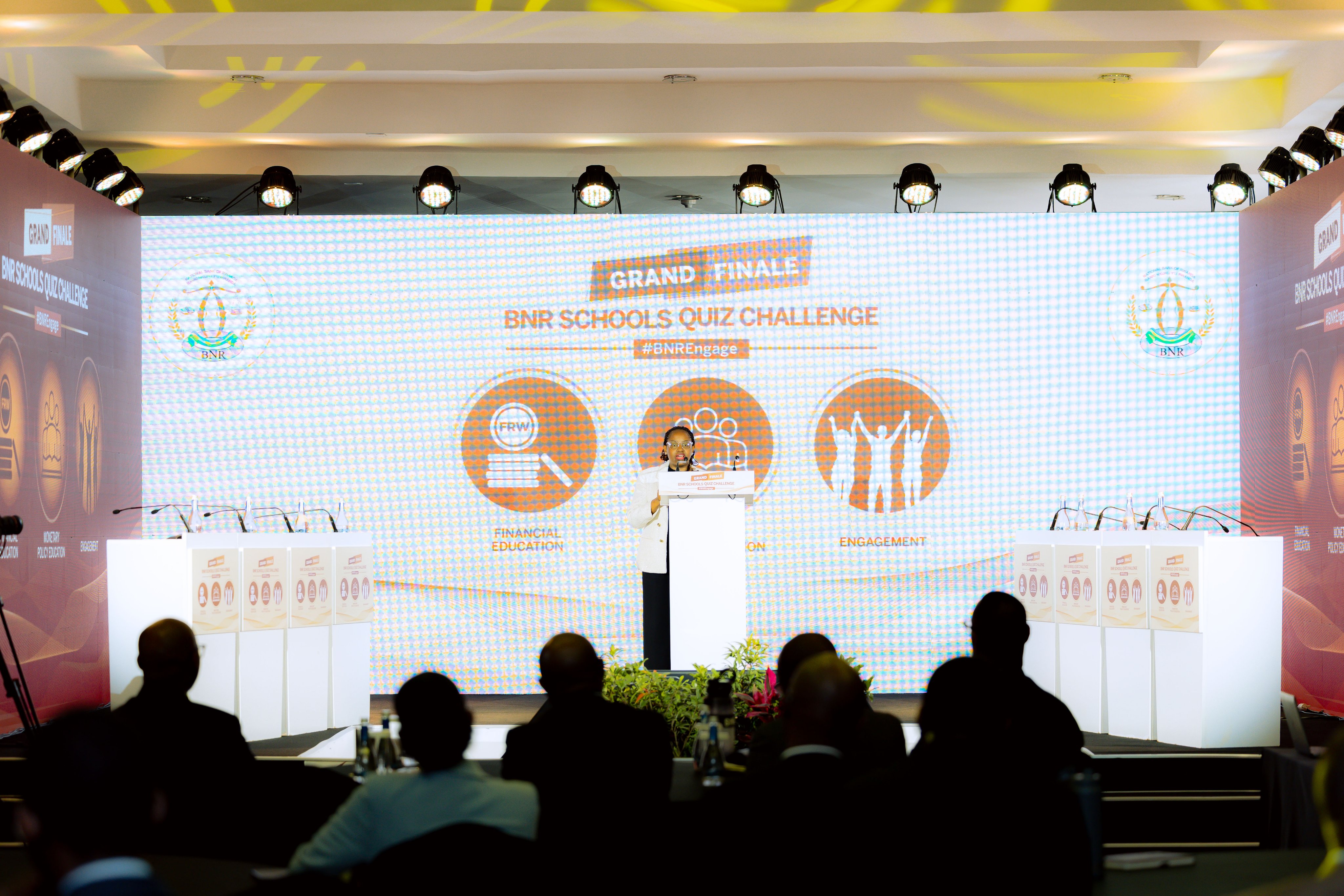
The annual competition, organized under the NBR Engage Program, brings together secondary school students from across the country to test their knowledge of economics, finance, and the role of the central bank. The initiative aims to strengthen financial literacy among young people and empower a generation capable of making informed economic and financial decisions.
This year’s edition, which is the 8th edition, attracted 44 schools and 176 students, making it one of the most competitive rounds of the challenge since its inception. So far, NBR has created 50 clubs in different secondary schools bringing together over 1000 students.
Speaking during the grand finale, NBR Chief Economist Dr. Thierry Kalisa said the competition plays an important role in helping young Rwandans understand how the economy works and how they can contribute to national development.
“Through the NBR School Quiz Challenge, we aim to nurture a generation of young Rwandans who understand how the economy functions and who have the financial and economic literacy needed to participate meaningfully in our country’s development,” Dr. Kalisa said. He added that the competition is more than just an academic contest.
“This programme is not simply a test of knowledge. It is a platform that allows you as young people to discover the relevance of economics and finance in everyday life and to become ambassadors of financial literacy within your families and communities,” he said.
Dr. Kalisa also commended teachers and mentors from participating schools for their dedication in preparing the students for the competition.
“Your commitment to guiding learners through this challenge and beyond is the foundation upon which this initiative is built. The curiosity, teamwork, and discipline demonstrated by these students will serve them far beyond this stage,” he said.
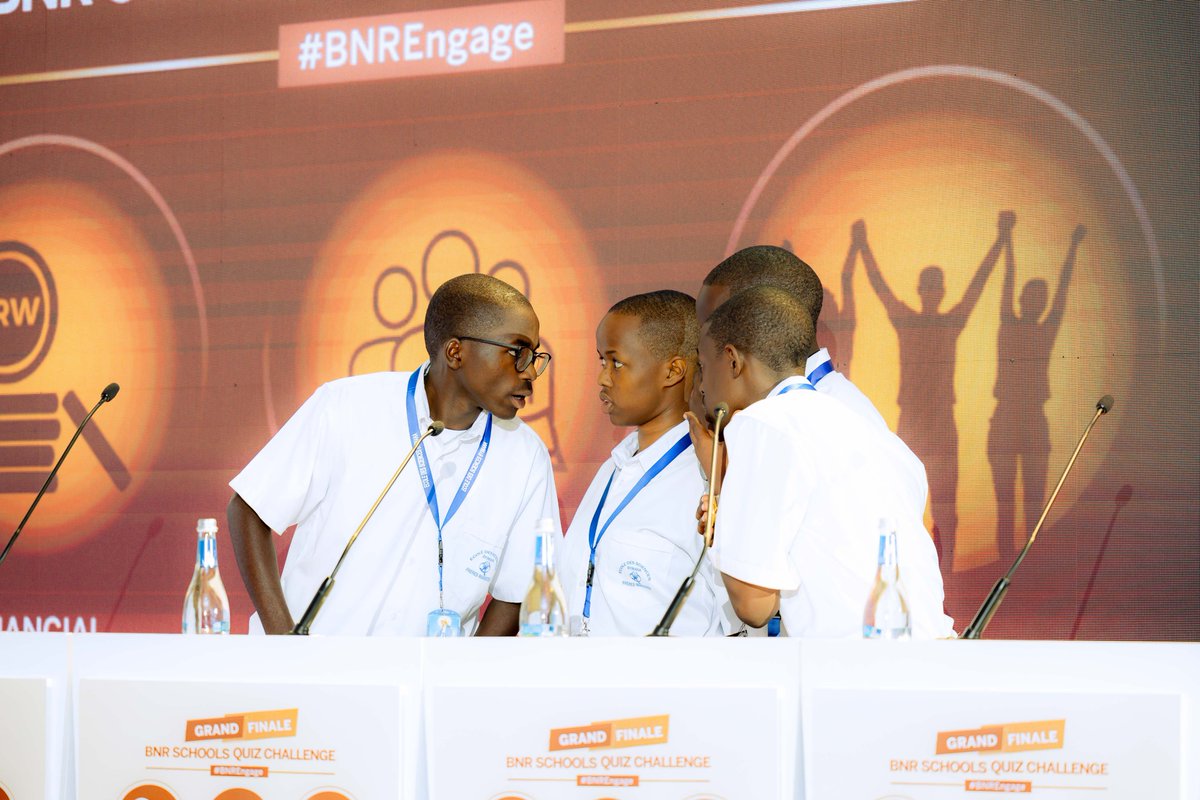
Students from Ecole des Science de Byimana consulting one another during the NBR School Quiz challenge.
A growing initiative
The NBR School Quiz Challenge has steadily expanded since it was first introduced in 2019 as part of efforts to promote financial literacy among students.
The challenge primarily targets members of NBR Economic Clubs, which are established in secondary schools to promote understanding of financial and economic issues.
Schools participating in the clubs were initially selected based on top-performing institutions identified by the Rwanda Basic Education Board (REB) across all provinces. However, other schools that expressed interest were also given the opportunity to establish the clubs and participate in activities such as the quiz challenge.
A multi stage competition
The competition is conducted through several stages designed to test students’ knowledge and analytical skills.
The preliminary rounds, held in late January and early February, brought together schools within their respective provinces. The top schools from each province then progressed to the quarter-finals, followed by the semi-finals, before the best two teams advanced to the Grand Finale held on March 4 at the NBR headquarters in Kigali.
Throughout the competition, students answered questions covering topics such as monetary policy, financial systems, and the role of the central bank in managing the country’s economy.
The questions are designed to promote critical thinking, decision-making, and problem-solving, while interactive elements such as joker cards, which teams can use once per round, add an element of strategy and excitement.
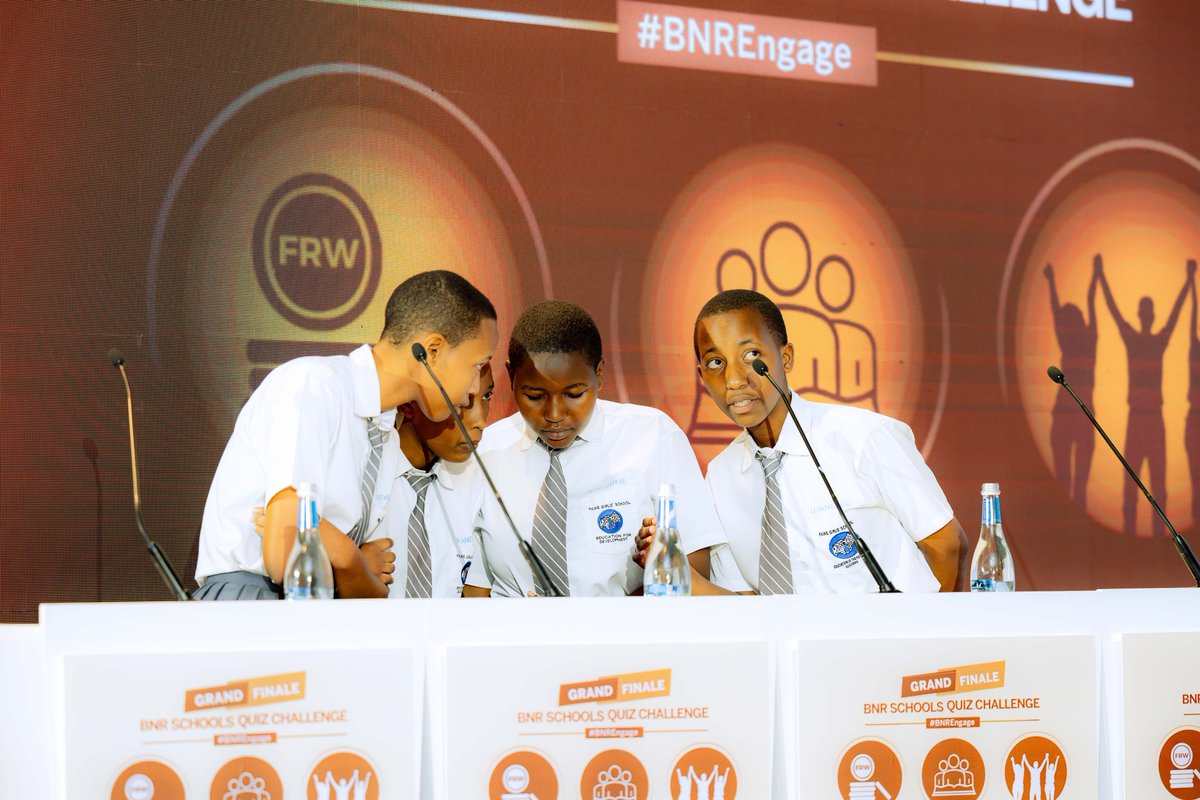
FAWE Girls students exchanging ideas during the competition.
Students reflect on the experience
For the students, the competition provided a valuable learning experience beyond their regular classroom studies.
Anita Niyonsaba, 17, from FAWE Girls’ School, said the challenge helped her understand the importance of financial knowledge in everyday life.
“Participating in the NBR School Quiz Challenge opened my eyes to how the country’s financial system works and how the economy affects every citizen,” Niyonsaba, a S5 student pursuing Physics, Chemistry and Mathematics, (PCM)) said.
“Even though we study sciences, understanding financial literacy is important because it prepares us to make informed decisions and contribute to the development of our country.” For Egide Tuyishimire, 19, from Ecole des Sciences de Byimana in Mathematics Chemistry and Biology (MCB) teamwork and persistence were key to their success.
“At the beginning it was challenging because economic topics were new to us since we study sciences,” he said. “But through teamwork, research, and curiosity, we were able to understand concepts such as monetary policy and how the National Bank supports the economy,” he added.
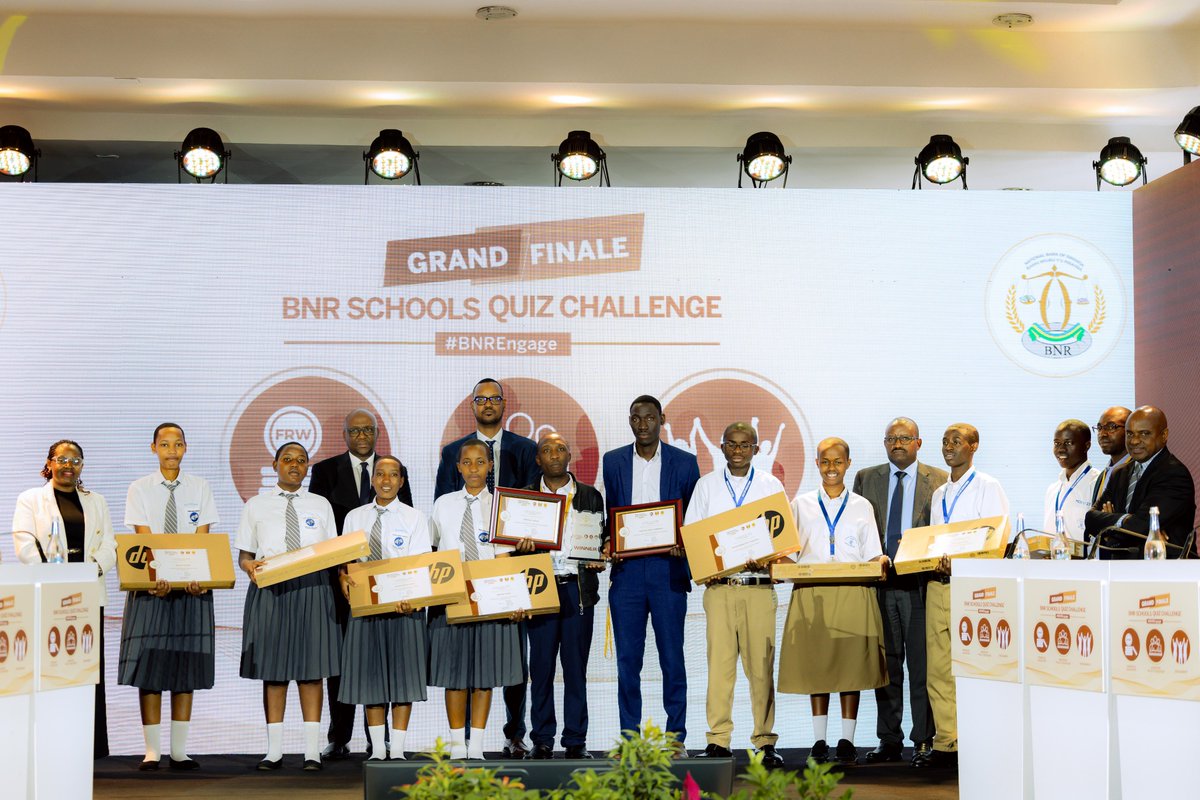
Each student was awarded a laptop and 400,000 Rwandan Francs bonds invested in national securities for them to start saving at an early age.
“The laptop we received will support our studies, while the treasury bonds introduce us to the culture of saving and investing for the future. It is a powerful lesson that encourages young people to think long-term.”
Students from Ecole de Sciences de Byimana and FAWE Girls school receiving awards.
Building a financially literate generation
Judith Nabaasa, the Chief Economist at the Ministry of Finance and Economic Planning (MINECOFIN) emphasized that initiatives such as the NBR School Quiz Challenge are essential for Rwanda’s long-term development.
“Economic and financial literacy is fundamental for Rwanda’s transformation into a knowledge-based economy. The choices we make as consumers, savers, and future professionals shape the trajectory of our economy,” she said.
As the programme continues to grow, the National Bank of Rwanda says it will keep expanding initiatives that promote economic and financial literacy among young people.
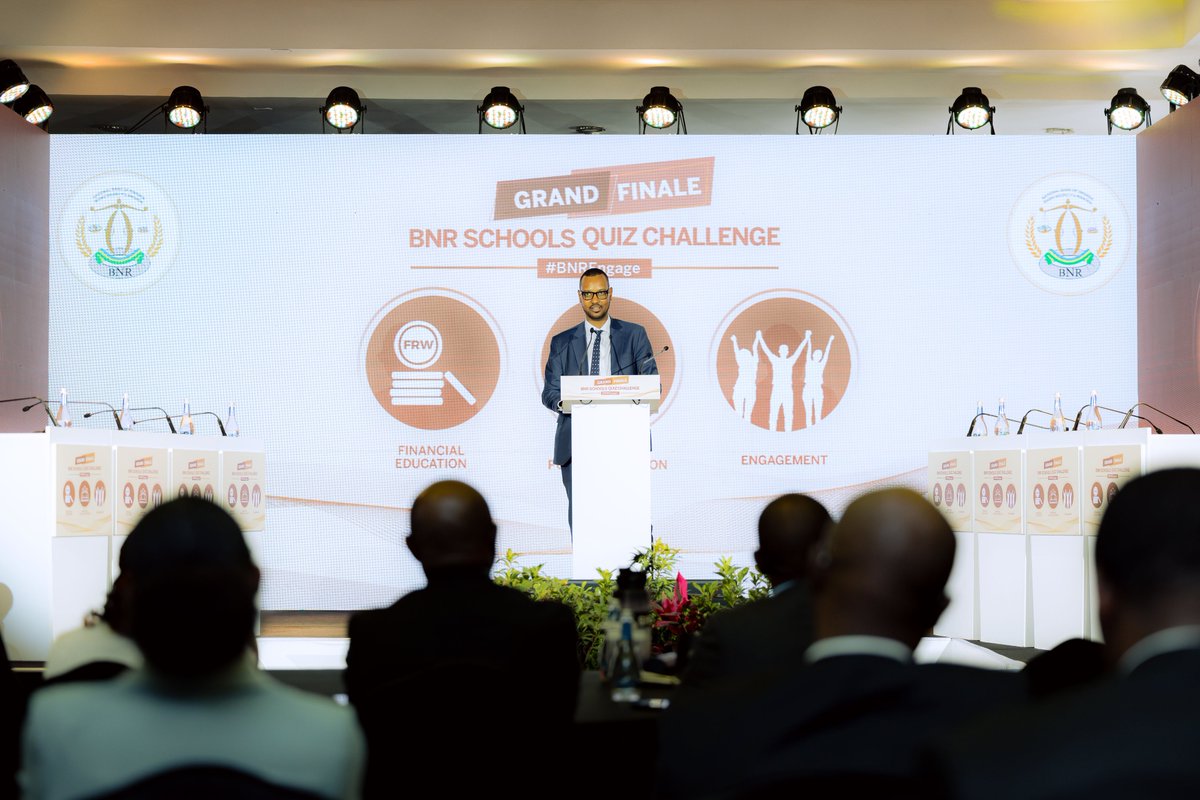
Dr. Thierry Kalisa, NBR Chief economist delivering a speech during NBR School Quiz Challenge.Judith Nabaasa, the Chief Economist at MINECOFIN speaking during the NBR School quiz competition.
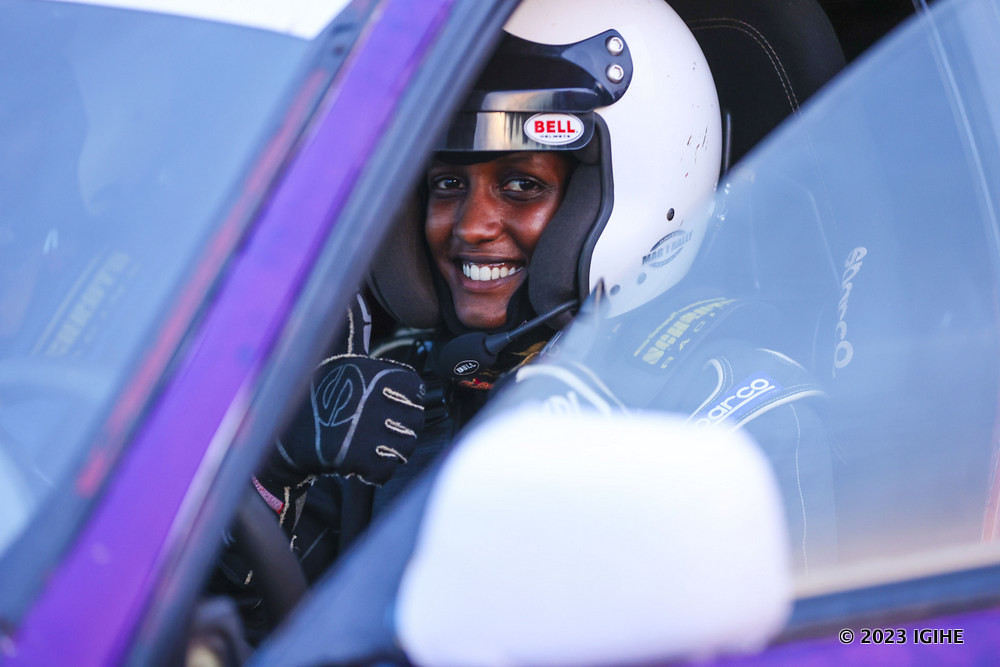
The Rwandan rally driver continues to carve her place in the sport, competing in local, regional, and now international events with a determination that reflects both resilience and ambition.
Born and raised in Kigali, Queen describes her childhood as energetic and adventurous. Growing up in a lively neighborhood filled with children, she spent much of her time outdoors playing games.
She often joined her older brother and his friends in activities such as football and bicycle tricks, experiences that shaped her competitive spirit and willingness to try new things. Before motorsports entered her life, Queen had already stepped into the public spotlight through the beauty pageant world.
After high school, she competed in the prestigious Miss Rwanda pageant, where she emerged as the 3rd Runner-Up in 2017. The experience, she says, was transformative. Beyond beauty, the platform emphasized intelligence, culture, and social responsibility.
During this time, she also worked with several organizations on community initiatives focused on empowering women, teenagers, and children while continuing her studies. Her journey into motorsports, however, began almost by chance.
What started as curiosity quickly evolved into passion as she discovered the thrill and challenge of rallying.
“At first, it was simply about trying something new and having fun,” she recalls. “But the more I learned about the sport and experienced the adrenaline of rallying, the more determined I became to pursue it seriously.”
Like many rally drivers, Queen’s path was not without setbacks. Her first rally ended in disappointment after a mechanical failure forced her team to finish last. Instead of walking away from the sport, she used the experience as motivation to improve.
Through preparation, learning, and persistence, her performances steadily improved. Initially competing as a co-driver, Queen began securing podium finishes before eventually making the bold transition into the driver’s seat.
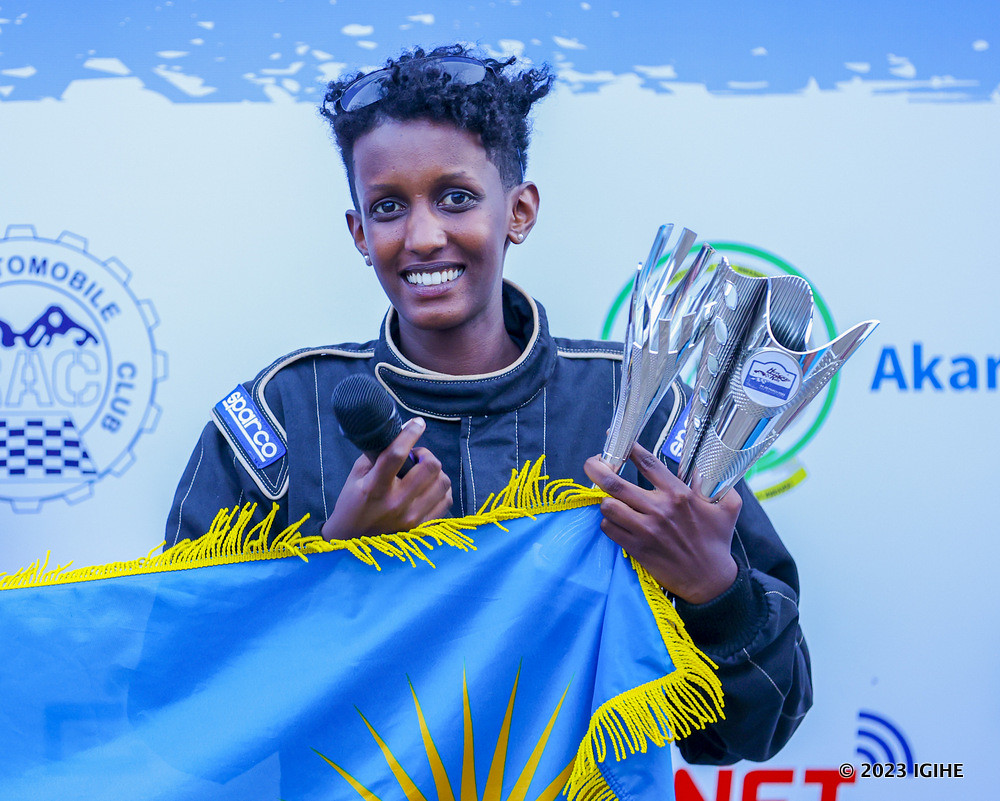
Even then, her debut rally as a driver also ended with mechanical challenges. Yet the setbacks only strengthened her resolve. Her determination paid off in the following seasons as podium finishes became more frequent. Today, Queen proudly holds the title of defending champion in the Rwanda National Rally Championship, a milestone that reflects years of discipline, perseverance, and teamwork.
Until now, most of Queen’s rallying experience has been within Rwanda’s national championship circuit. That is about to change as she prepares for her first international competition at the iconic Safari Rally Kenya, one of the toughest and most historic events on the global rally calendar.
The opportunity comes through the KCB Racing Team, a platform that has supported several drivers competing in the rally.
For Queen, the call to join the team was both emotional and inspiring. “When I received the call, I honestly couldn’t believe it,” she says. “Competing in the Safari Rally and other international events has always been a dream. Motorsport requires significant financial resources, and opportunities like this don’t come easily. Thanks to the KCB Racing Team, that dream is beginning to take shape.”
For the rally, Queen will be partnered with her long-time co-driver, Olivier Ngabo. Ngabo is an experienced co-driver, professional mechanic, and mechanical engineering specialist with a strong background in transportation and car hire services.
His credentials include being part of the 2025 Rwanda National Rally Championship-winning crew and winning Best Co-Driver of the Year in 2019. The pair have worked together for three years, building trust and rhythm, an essential factor in rallying, where precision communication between driver and co-driver can determine success or failure.
For the upcoming rally, the team has upgraded their machine from a Subaru GC8 to a more advanced Subaru Impreza WRX STI GVB.
According to Queen, the car has undergone extensive testing across different terrains to ensure it is ready for the demanding rally stages.
“The car feels great, and the team has worked extremely hard on the preparation,” she says. “We believe it is ready for the challenge ahead.”
As a first-time participant in the Safari Rally, Queen’s immediate goal is simple but significant: to finish the rally cleanly while competing at a strong level. However, she admits that fighting for trophies would make the experience even more special.
Behind her pursuit of motorsports excellence is a strong support system. Queen credits her family for standing by her journey in a sport that demands immense time, focus, and resilience.
Beyond personal achievements, she hopes her story inspires more young women to step into spaces traditionally dominated by men.
She also acknowledges the progressive environment in Rwanda that encourages women to pursue diverse opportunities.
“To every young girl who dreams of doing something different, your gender should never define the size of your dream,” she says. “Believe in yourself, work hard, and don’t be afraid to pursue what excites you.”
Kalimpinya is preparing for her first international competition at the iconic Safari Rally Kenya.
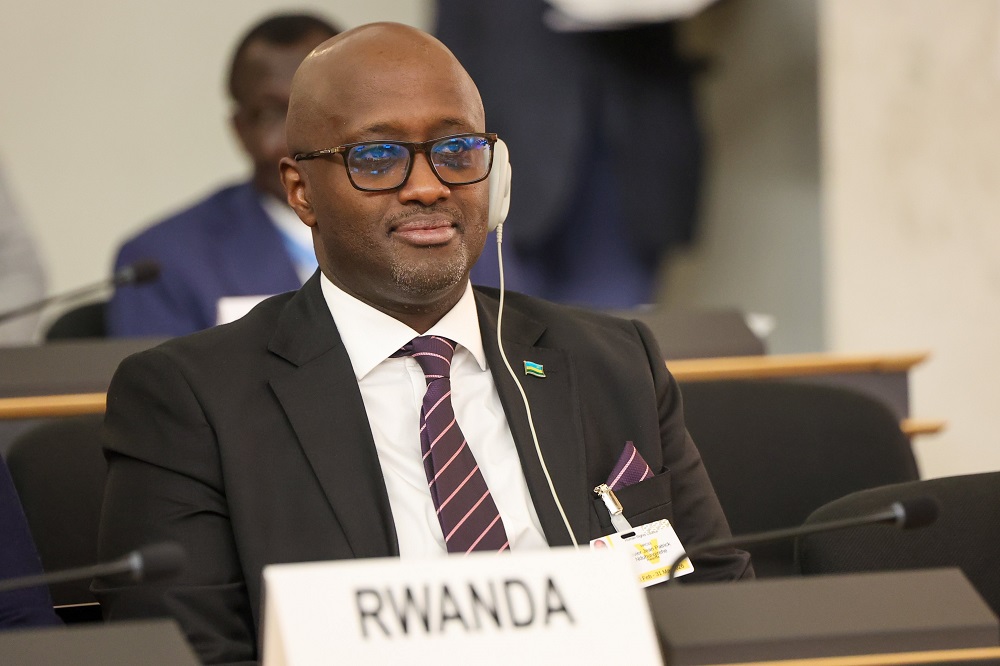
In a statement addressing Jean-Luc Habyarimana’s recent post on X , Nduhungirehe said the former president’s son’s description of his frequent visits to Kinshasa as “private” was an insult to Rwanda’s intelligence services.
“Here, your impulsive and violent nature from 1994 has evidently resurfaced. Instead of enjoying a peaceful life in your Parisian exile, instead of seeking stable employment in France, you made the decision to enter the arena, offering your services to the genocidal FDLR and President Tshisekedi, to plan subversive actions against your own country. But rest assured, we take this threat very seriously,” Nduhungirehe said.
The minister’s comments follow social media posts by Jean-Luc Habyarimana in which he sought to portray his personal trips to the Democratic Republic of Congo (DRC) as unrelated to any regional security issues or his links with the FDLR, a militia group formed by individuals responsible for the 1994 Genocide against the Tutsi in Rwanda.
Nduhungirehe’s statement also referenced the history of the Habyarimana family, noting that Rwanda continues to consider regional security, including its relationship with DRC President Félix Tshisekedi, as a priority.
“I will simply focus on the fact that you present your frequent visits to Kinshasa as ‘private.’ My response is this: this is an insult to our intelligence, whether understood in the common or institutional sense of the term,” the minister added.
President Paul Kagame recently raised concerns over Jean-Luc Habyarimana’s visits to Kinshasa during a dinner with members of the diplomatic corps in Kigali. During the meeting, the Head of State reaffirmed Rwanda’s strong stance on national security and regional stability.
“The Congolese government has provided political cover and financial support to the FDLR and integrated this group into its military structures, from where it now operates with total impunity. They have attacked Rwanda on multiple occasions. Some countries even issued travel advisories as a result,” he said.
He also referenced recent videos showing Jean-Luc Habyarimana travelling to Kinshasa in 2025.
“Lately, the son of the former leader of Rwanda, who led this country into genocide, along with other close collaborators, has been visiting Kinshasa to deepen the alliance with the FDLR, and they have more or less openly been welcomed there,” he added.
The FDLR currently maintains bases in the DRC, with estimates placing its fighters between 7,000 and 10,000. Rwanda has consistently expressed concern over the group’s activities, which threaten both national and regional security.
Rwanda continues to stress the importance of regional cooperation and the enforcement of security measures to prevent destabilising activities by armed groups operating across its borders.
A recent trip to Kinshasa by Jean-Luc Habyarimana, son of former President Juvénal Habyarimana, has raised concerns over ties with the genocidal FDLR and President Félix Tshisekedi, whose administration continues to harbour the group.
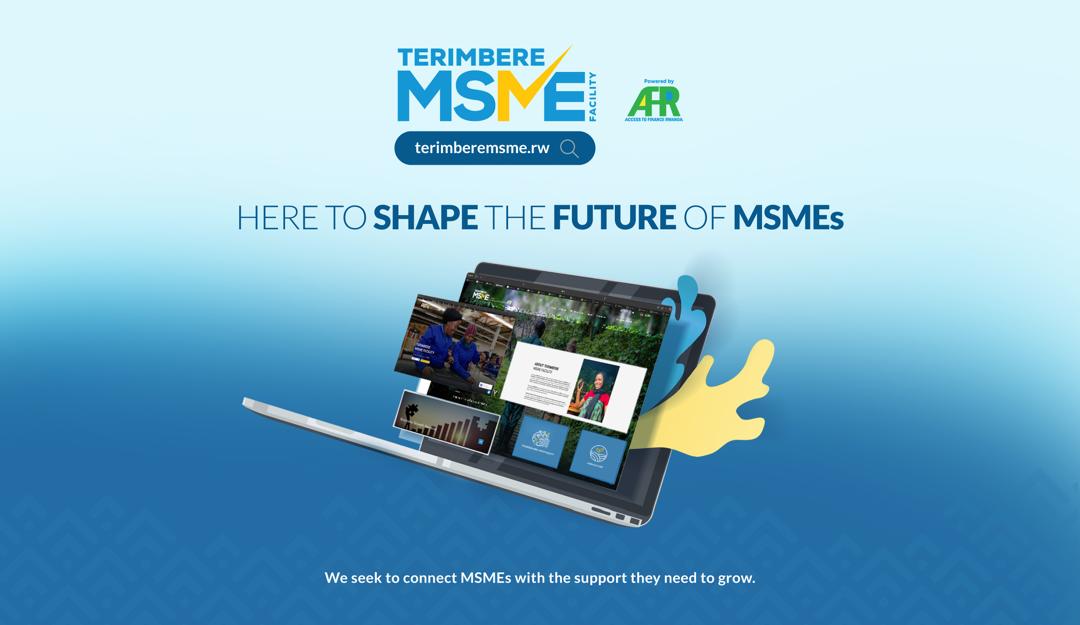
The platform is designed to bring together MSMEs seeking support, qualified business growth service providers, and capital providers looking to engage with investment-ready enterprises.
It seeks to address persistent challenges facing MSMEs, including limited access to finance, inadequate support for business growth, and barriers to greater profitability and to creating dignified and fulfilling work.
The Terimbere MSME Facility serves MSMEs across Rwanda, with a particular focus on rural and peri-urban areas, and prioritizes MSMEs in agriculture, tourism, and hospitality, as well as other businesses linked to these sectors.
Facilitating the provision of business growth services and access to finance
Through the facility, MSMEs will be able to access tailored business growth support in areas such as financial management, operational efficiency, marketing, human resources management, technical sector-specific advisory, investment readiness, Environmental, Social, and Governance (ESG), etc.
The facility also works with financial institutions and capital market actors to facilitate tailored financial solutions, including MSME-centric loans, guarantee facilities, subsidy mechanisms, and targeted products for women and youth entrepreneurs.
Expanding access through digital and physical channels
MSMEs, service providers, and capital providers can access the Terimbere MSME Facility Platform online (terimberemsme.rw) to register, indicate their needs or services, and connect with relevant partners, access appropriate information and opportunities.
The platform is intended to simplify the process of finding credible, affordable, and tailored support, while helping enterprises to find appropriate financing more efficiently.
Recognising that many enterprises, particularly in rural and peri-urban areas, may still face barriers such as limited connectivity, information gaps, or distance from support services, Terimbere MSME Facility also operates Satellite Offices in five districts; Musanze, Rubavu, Rusizi, Kayonza, and Huye.
These offices are intended to bring support closer to entrepreneurs and MSMEs by offering a convenient local access point for guidance, onboarding, and support throughout the business diagnostic process that leads to tailored business growth support, as well as access to financial solutions for investment-ready MSMEs.
Commenting on the development, Jean Bosco Iyacu, Chief Executive Officer of Access to Finance Rwanda, said: “The Terimbere MSME Facility represents a significant step in strengthening Rwanda’s entrepreneurship ecosystem by connecting MSMEs to tailored services and financial solutions they need to scale, build resilience, and create meaningful and dignified jobs.
It also provides business growth service providers with a stronger platform to extend their impact, while enabling capital providers to connect with investment-ready enterprises that can drive inclusive economic growth.”
The initiative has been designed with a strong gender and social inclusion lens to ensure that women, especially young women, refugees, persons with disabilities, and entrepreneurs in rural areas are not left behind.
In addition to MSME-level support, the Facility will also contribute to improving the broader entrepreneurship and MSME finance ecosystem through research, market insights, and engagement with policymakers, regulators, and other key enablers.
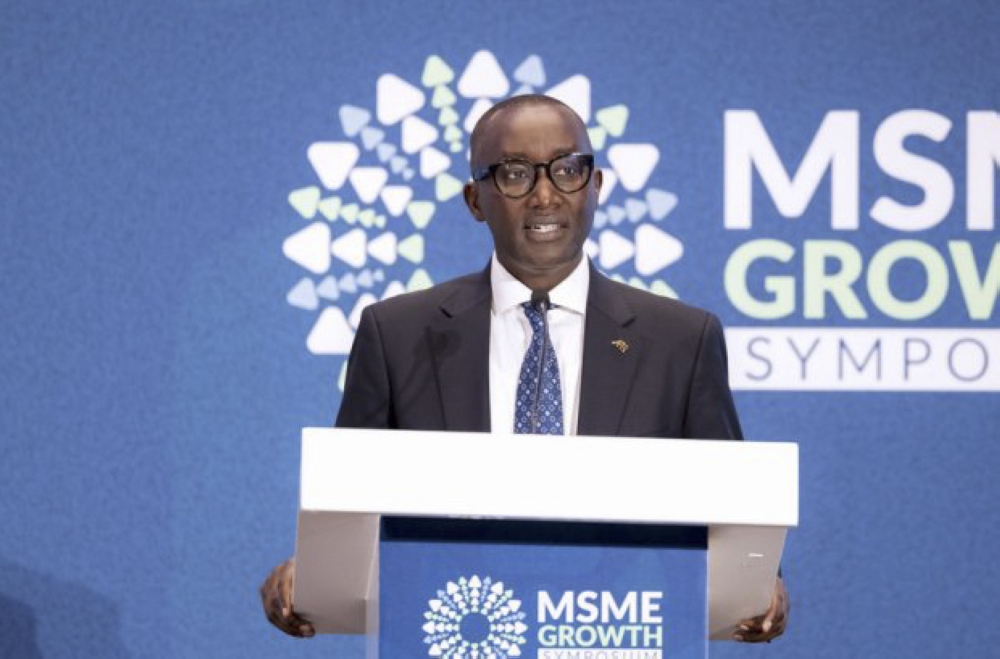
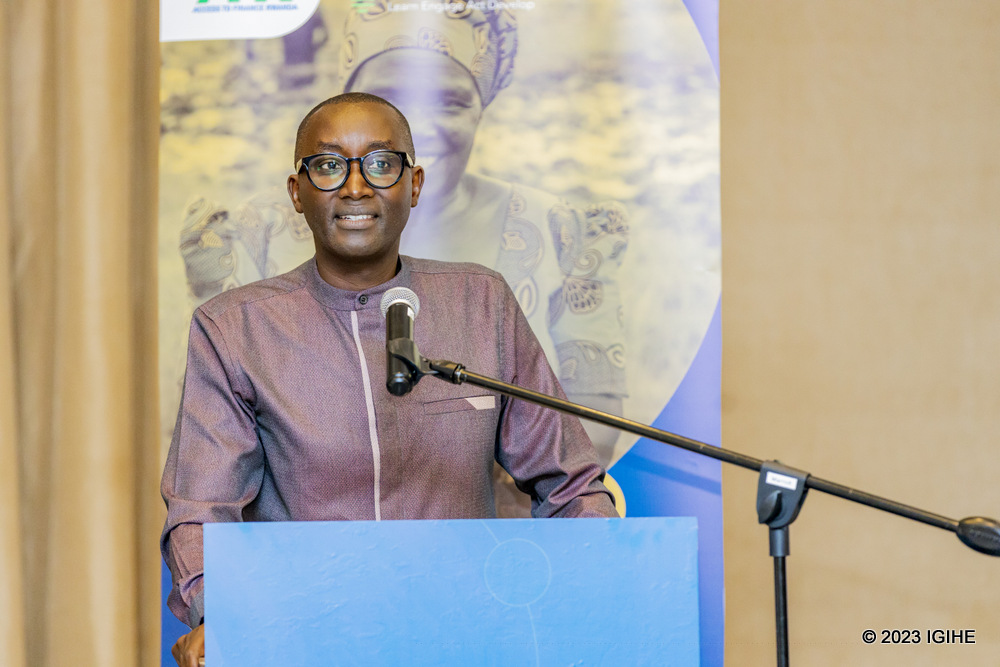
Jean Bosco Iyacu, Chief Executive Officer of Access to Finance Rwanda, said ‘Terimbere MSME Facility’ represents a significant step in strengthening Rwanda’s entrepreneurship ecosystem.
As Rwanda’s economy continues to transform and solidify its position among Africa’s most dynamic economies, the question of monetary sovereignty is becoming increasingly central. In a global economic environment marked by uncertainty, inflationary pressures, and market volatility, a country’s ability to safeguard its currency stability is a key pillar of economic resilience.
The recent decision by the National Bank of Rwanda (BNR) to raise its benchmark interest rate highlights ongoing efforts to maintain this stability. However, it also underscores a deeper reality: monetary policy, while essential, cannot alone ensure the long-term strength of an economy.
To truly reinforce Rwanda’s monetary sovereignty, a more structural approach is needed, combining monetary discipline, economic transformation, and strategic mobilization of national and international resources.
Credible monetary policy in the face of inflationary pressures
On February 19, 2026, the National Bank of Rwanda raised its benchmark interest rate by 50 basis points to 7.25 percent. This decision aims to curb inflation, which reached 8.9 percent in January, according to BNR data.
By increasing the cost of credit, the central bank seeks to slow inflationary pressures and stabilize economic expectations. The move reflects prudent macroeconomic management and sends an important signal to both domestic and international investors about the Rwandan authorities’ commitment to financial stability.
Yet international experience shows that monetary policy alone cannot resolve structural economic imbalances. When imports consistently exceed exports or when the value added of key products is captured abroad, the national currency remains vulnerable to external shocks.
In this context, monetary stability must be supported by deep economic reforms that strengthen productive capacity and national competitiveness.
Transforming exports to capture greater value
One of the most important levers for reinforcing monetary sovereignty lies in transforming exports. Rwanda is internationally recognized for the quality of its agricultural products, particularly coffee and tea.
In 2025, Rwanda exported nearly 24,000 tons of unroasted coffee valued at approximately $148.6 million. Yet much of the value added—from roasting and packaging to marketing and distribution—is generated outside the country.
This presents both a challenge and an opportunity. By expanding local coffee processing, developing strong national brands, and investing in packaging and branding, Rwanda could capture a significantly larger share of export value.
Such a strategy would increase revenues per kilogram exported, create skilled jobs in industrial sectors, strengthen local enterprise ecosystems, improve the trade balance, and generate additional foreign exchange, thereby reinforcing the stability of the Rwandan franc. More broadly, upgrading exports is essential for integrating Rwanda more deeply into global value chains.
Strengthening sovereign reserves to enhance financial stability
Another fundamental pillar of monetary sovereignty is the level of foreign exchange reserves. International reserves allow a country to stabilize its currency, finance critical imports, and withstand external economic shocks.
Rwanda’s reserves currently cover approximately 4.8 months of imports, a relatively strong position for an emerging economy.
However, in an increasingly volatile global environment, gradually building additional reserves could provide even greater protection against international turbulence.
Resource-rich countries have developed innovative strategies to manage surpluses and strengthen economic stability. Botswana’s Pula Fund demonstrates how a well-structured sovereign fund can stabilize a national economy while preparing for the future.
Similarly, Rwanda could consider creating a long-term mechanism to invest part of its strategic revenues in international assets. Such a fund could play a crucial role in macroeconomic stabilization while serving as a financing tool for high-value national projects.
Mobilizing strategic diaspora capital
Rwanda’s diaspora also represents a major economic and financial resource. Remittance inflows exceeded $517 million in 2024, according to BNR statistics.
These funds already provide significant foreign exchange for the national economy. Yet their strategic potential could be further leveraged if a portion were directed toward productive investments.
Several countries have successfully mobilized diaspora capital through innovative financial instruments such as diaspora bonds or dedicated investment funds, allowing members of the diaspora to contribute directly to their home country’s economic development while benefiting from attractive investment opportunities.
In Rwanda, transparent and well-structured mechanisms could channel diaspora capital into infrastructure projects, export-oriented industries, or innovative entrepreneurial initiatives. Such an approach would strengthen the country’s macro-financial resilience while reinforcing economic links between Rwanda and its diaspora.
Building a sustainable economic architecture
Monetary sovereignty depends not only on central bank decisions but also on a coherent set of economic policies that strengthen a country’s ability to generate wealth, attract investment, and earn foreign exchange.
For Rwanda, several pillars can help build this sustainable economic architecture: credible and disciplined monetary policy, local transformation of high-value exports, strategic accumulation of international reserves, structured mobilization of diaspora capital, and the development of innovative financial instruments.
By combining these levers, Rwanda can consolidate currency stability while maintaining openness to the global economy.
An opportunity to strengthen Rwanda’s economic resilience
The February 2026 rate hike sends a clear signal of the central bank’s vigilance in the face of inflationary pressures and demonstrates the growing maturity of Rwanda’s macroeconomic framework.
Yet beyond this temporary measure, the true challenge lies in the country’s ability to pursue strategic and sustainable economic transformation.
By adding value to its exports, consolidating financial reserves, and fully mobilizing the potential of its diaspora, Rwanda can strengthen monetary sovereignty while consolidating its position on the international economic stage.
This approach would not only stabilize the national currency but also create the conditions for sustainable prosperity for future generations.
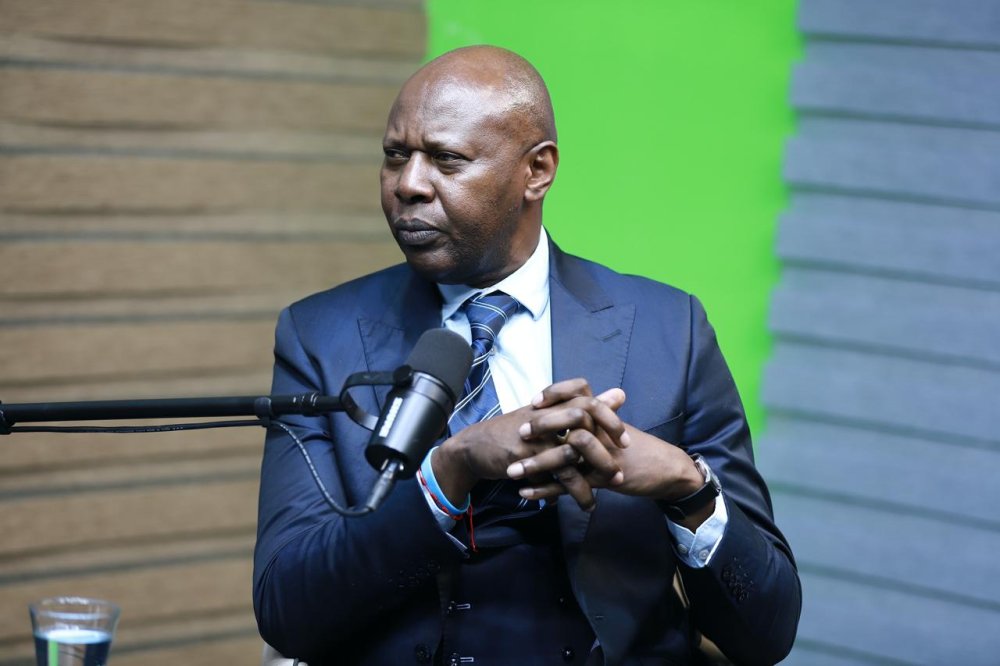
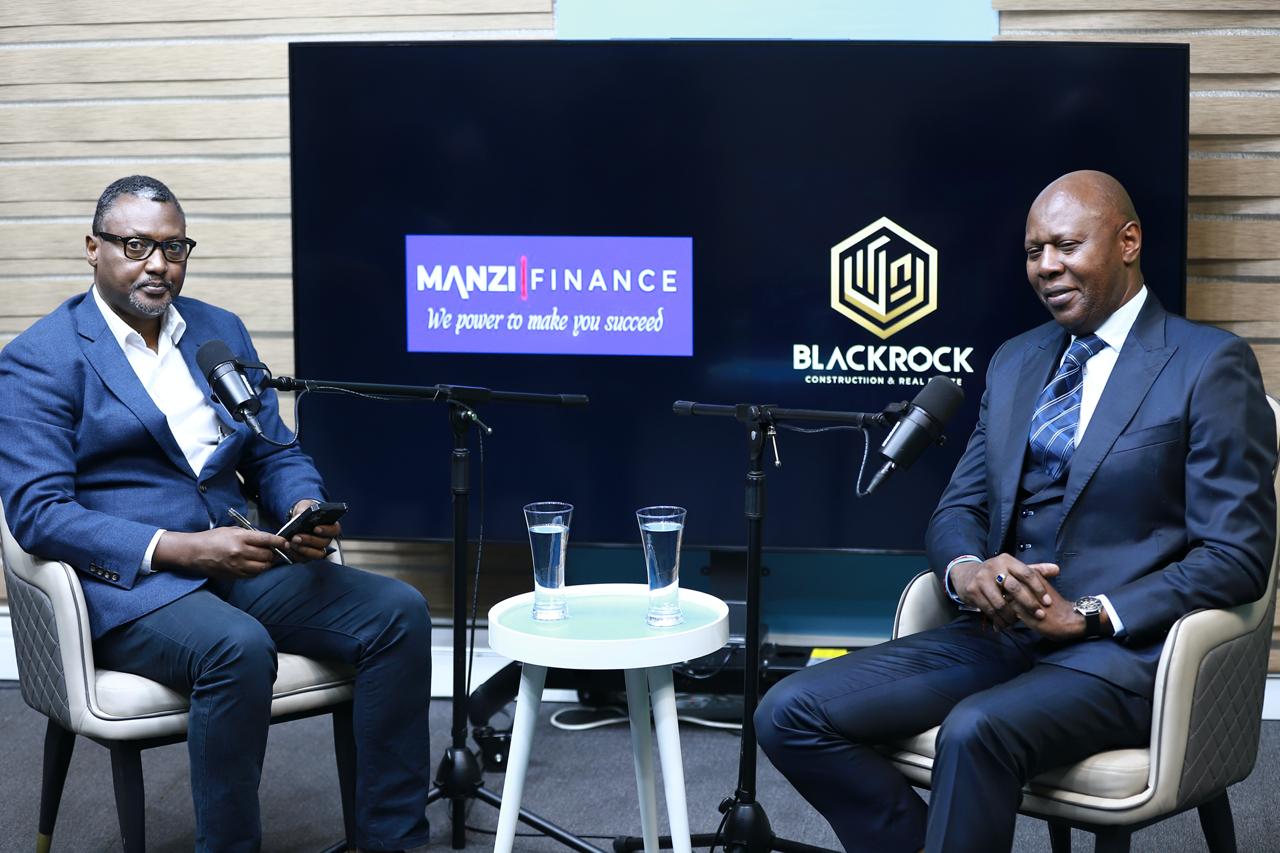
Aloys Manzi is the author of the article. Aloys Manzi during an interview with IGIHE
Aloys Manzi is Chairman of Manzi Finance Ltd and Chief Executive Officer of Flexero Ltd, based in London. He holds an MBA in General Management from Brighton Business School and a Master’s degree from the University of Reims, along with executive certifications in Artificial Intelligence (MIT) and in Blockchain and FinTech (University of Oxford). A specialist in financial innovation and diaspora capital mobilization, he focuses on macro-financial resilience strategies and economic transformation in emerging markets.
In a message shared on X on March 8, the Head of State highlighted the resilience, leadership and innovation of women, noting that inclusive societies are essential for national progress.
“Happy International Women’s Day! Today and every day, we celebrate the foundational role women continue to play in Rwanda’s transformation. Your resilience, ingenuity and leadership continue to affirm a simple truth: a nation can only truly progress when inclusion and equality are upheld in every sphere,” he wrote.
Earlier, First Lady Jeannette Kagame also joined the global community in celebrating women, urging them to prioritise their wellbeing and continue advocating for themselves and others.
In her message on X, the First Lady encouraged women to embrace self-care, define their boundaries and protect both their physical and mental health.
“I urge you to carve your character carefully, define your boundaries, advocate for yourselves and other women and girls, and protect your physical and mental health. And please, love yourself with the same gentleness you give others – the same gentleness you wish and deserve to experience from the world,” she wrote.
Observed annually on March 8, International Women’s Day recognises the social, economic, cultural and political achievements of women worldwide. The day also serves as a global call to accelerate gender equality and address persistent challenges such as the gender pay gap, violence against women and underrepresentation in leadership.
In Rwanda, the occasion is marked by celebrations recognising women’s contributions to families and national development, alongside initiatives promoting empowerment and gender equality.
The country has made notable progress in advancing women’s participation in politics. Women currently hold 63.75 percent of seats in Parliament, up from just 12 percent in 1996, making Rwanda the country with the highest proportion of female parliamentarians globally in 2026.
The origins of International Women’s Day date back to early 20th-century labour and socialist movements in North America and Europe. In 1908, about 15,000 women marched in New York City demanding shorter working hours, better pay and voting rights, which led to the first National Woman’s Day in 1909.
Two years later, in 1910, German activist Clara Zetkin proposed the idea of an annual International Women’s Day, which was first celebrated in several European countries in 1911. The day gained further prominence after women in Russia staged the “Bread and Peace” strike in 1917, an event that helped pave the way for women gaining voting rights.
In 1977, the United Nations officially recognised March 8 as International Women’s Day, cementing its status as a global observance dedicated to women’s rights and world peace.
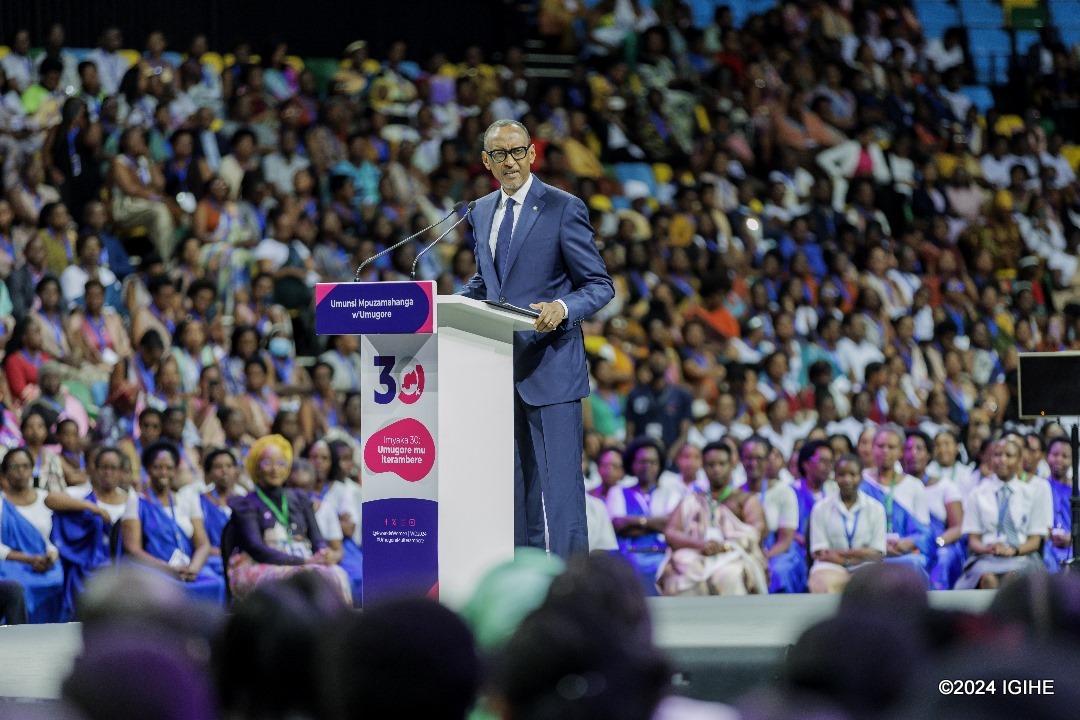
President Paul Kagame during a past International Women’s Day event. On Sunday, March 8, 2026, he joined global celebrations of the day, praising the vital role women continue to play in shaping Rwanda’s development and transformation.
The match, held at the IPRC Kigali tennis courts, began on Saturday but was interrupted by heavy rain, which rendered the clay court unplayable. Schwaerzler edged a tense first set 7-6(5) after a 79-minute battle.
Thirty-year-old Napolitano, who had advanced through the draw with strong form, was leading 3-2 in the second set before play was suspended. The match resumed on Sunday at 11 AM, and the remainder took just 43 minutes. Schwaerzler demonstrated his composure in tie-breaks once again, clinching the second set 7-6(6) and securing the title, which carries 75 ATP ranking points and $17,000 in prize money.
Schwaerzler reached the final with a straight-sets victory over Italy’s Marco Cecchinato, 6-2, 7-6(8). Napolitano earned his spot in the final by upsetting the second seed, France’s Arthur Géa, 2-1 (7-6(3), 5-7, 6-3).
The two players are set to meet again in the opening round of the Rwanda Challenger II, promising another exciting clash.
In doubles action, the first week crown went to American Jay Clarke and Dutch player Max Houkes, who defeated Indian Siddhant Banthia and Bulgarian Alexander Donski 2-1 (6-4, 6(6)-7, 12-10).
The second week of the Rwanda Challenger 2026 will take place from March 9–15, offering 100 ATP ranking points. The tournament week features the ATP Challenger 100 Tour, following the ATP Challenger 75 Tour in week one. These events are part of the ATP Challenger circuit (ranking 50–175), awarding 75 and 100 points, respectively.
This marks the second consecutive year Rwanda has hosted both 75- and 100-point Challenger events, after debuting the format in 2025. In 2024, the country hosted a 50-point Challenger tournament.
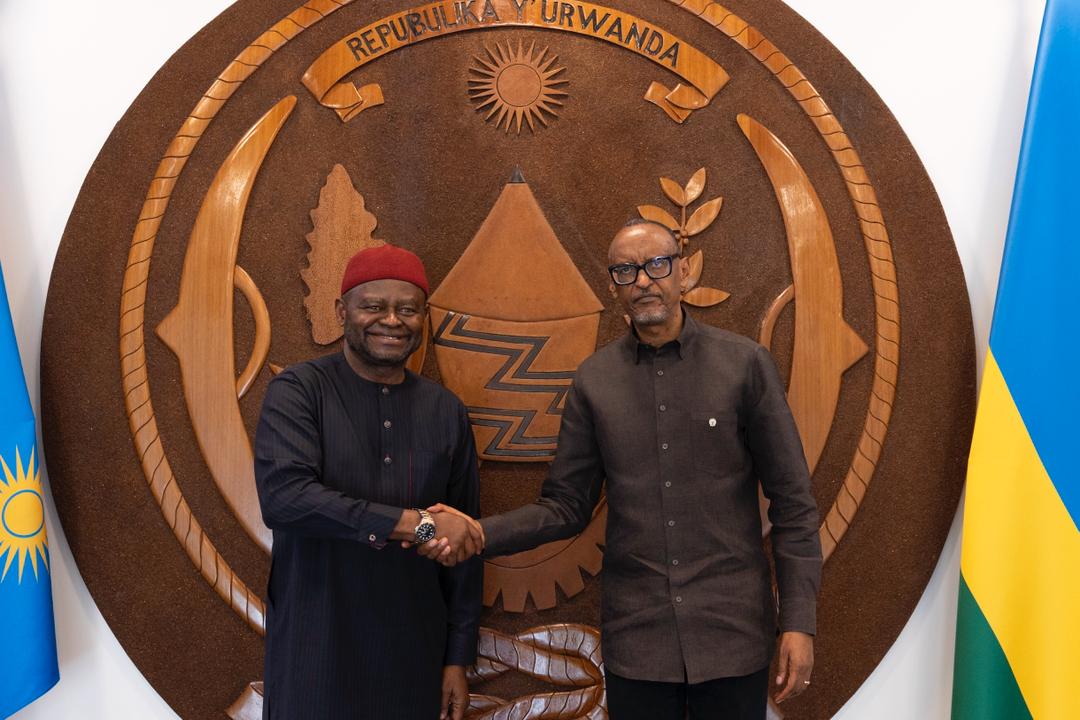
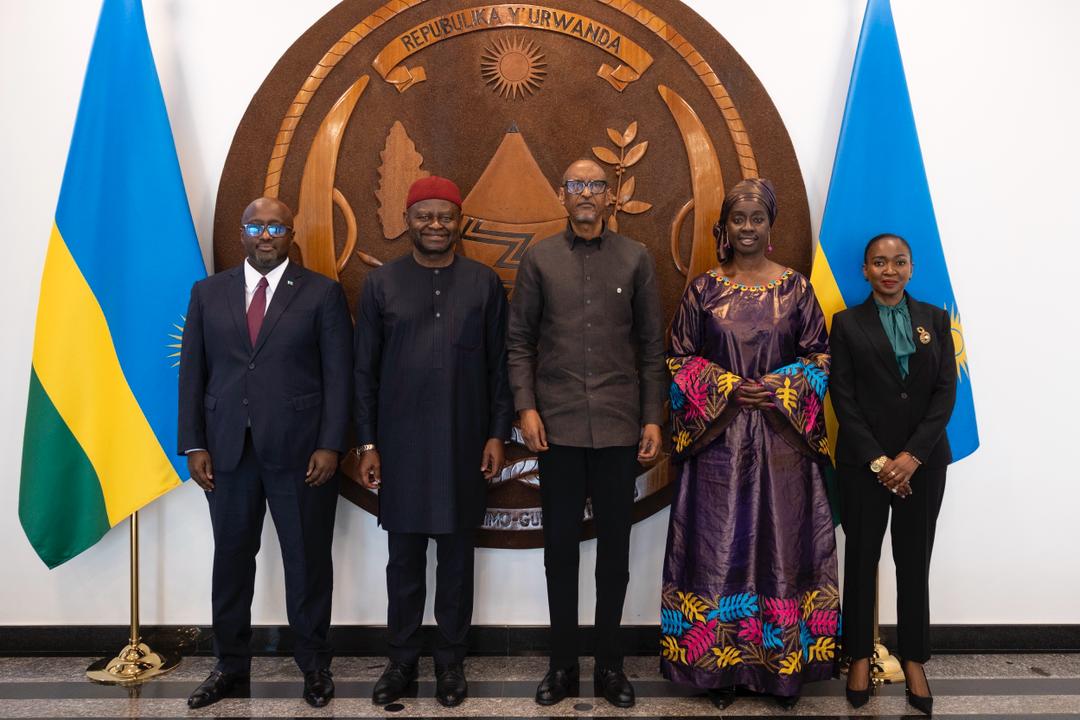
In his remarks, Ojielo expressed heartfelt gratitude to the Rwandan government for its support throughout his four-year tenure.
“My deepest gratitude to His Excellency President Kagame and the Government of Rwanda for four years of outstanding collaboration between the Government and the UN Country Team. Anyone who serves in Rwanda retains a bit of the country for the rest of their lives. Thank you, Rwanda,” he said in a post on X.
Ojielo, a Nigerian national, was appointed UN Resident Coordinator to Rwanda in July 2022 by UN Secretary-General António Guterres, succeeding Fodé Ndiaye, who held the position from 2017.
With nearly three decades of experience in sustainable development, Ojielo has served with the UN across Africa and Central Asia. His previous roles include serving as UN Resident Coordinator in Kyrgyzstan and representing UN development and population agencies (UNDP and UNFPA) in the same country. He has also worked in the United States, Ethiopia, Kenya, and Ghana.
Before joining the UN, Ojielo held positions as a university lecturer, journalist, and prosecutor in multiple countries, including Ghana, Liberia, Malawi, Namibia, Sierra Leone, and Nigeria. He holds a PhD in Peace and Conflict Resolution from the University of Ibadan, Nigeria, as well as multiple master’s and undergraduate degrees in Finance, History, and Law.
The UN has been a longstanding partner of Rwanda, particularly since 2007 when the country joined the eight-country joint UN programs. Over the years, the UN has supported Rwanda’s planning and development initiatives, including the Economic Development and Poverty Reduction Strategy (EDPRS) phases I and II, and the Accelerated Development programs under NST2.
At the end of 2024, the UN announced plans to invest approximately $1 billion over the next five years to support NST2 activities. These funds will be channeled through UN agencies and focus on key areas such as food security, job creation, economic development, technology and energy, and environmental protection.
Ojielo expressed heartfelt gratitude to the Rwandan government for its support throughout his four-year tenure.
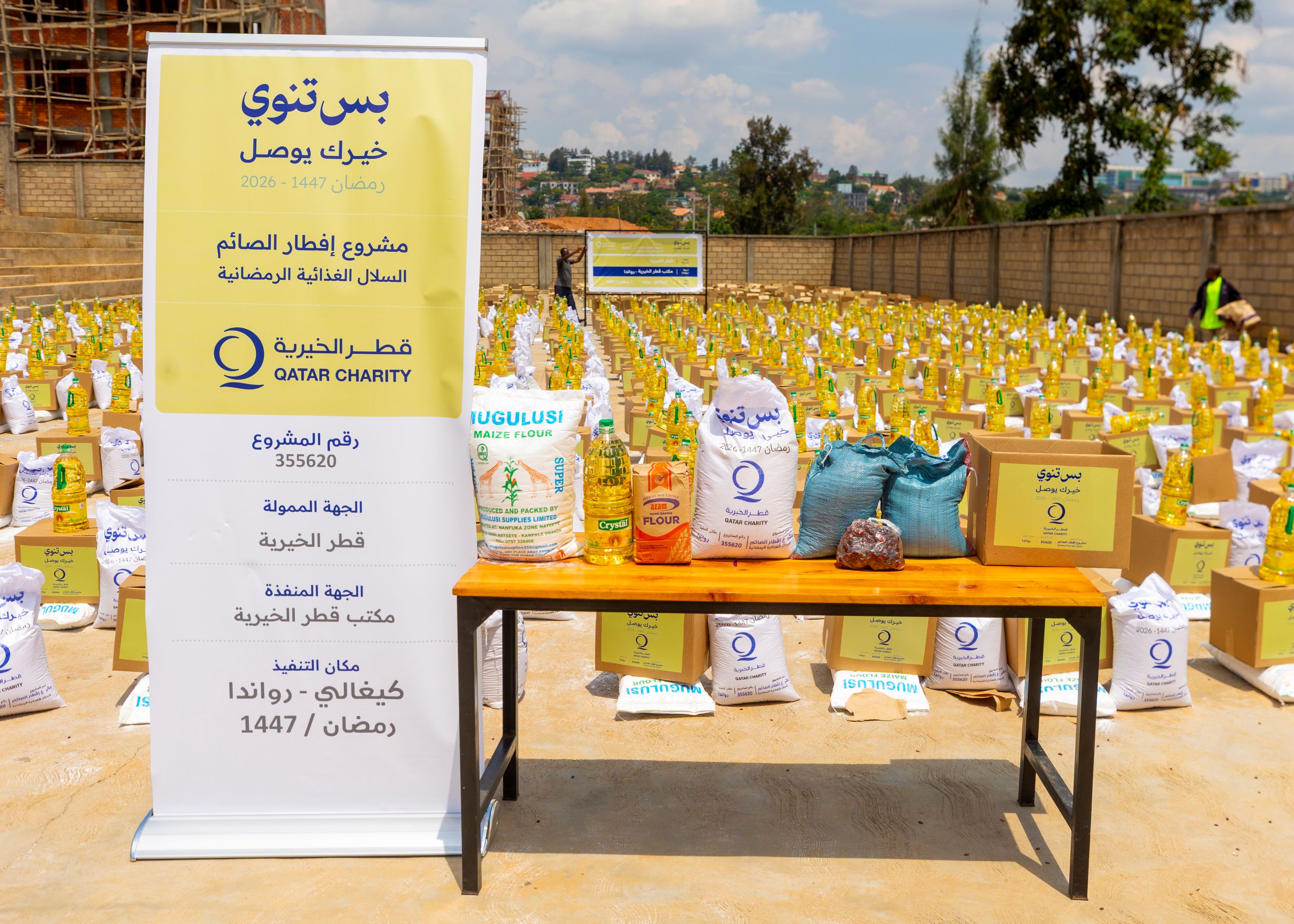
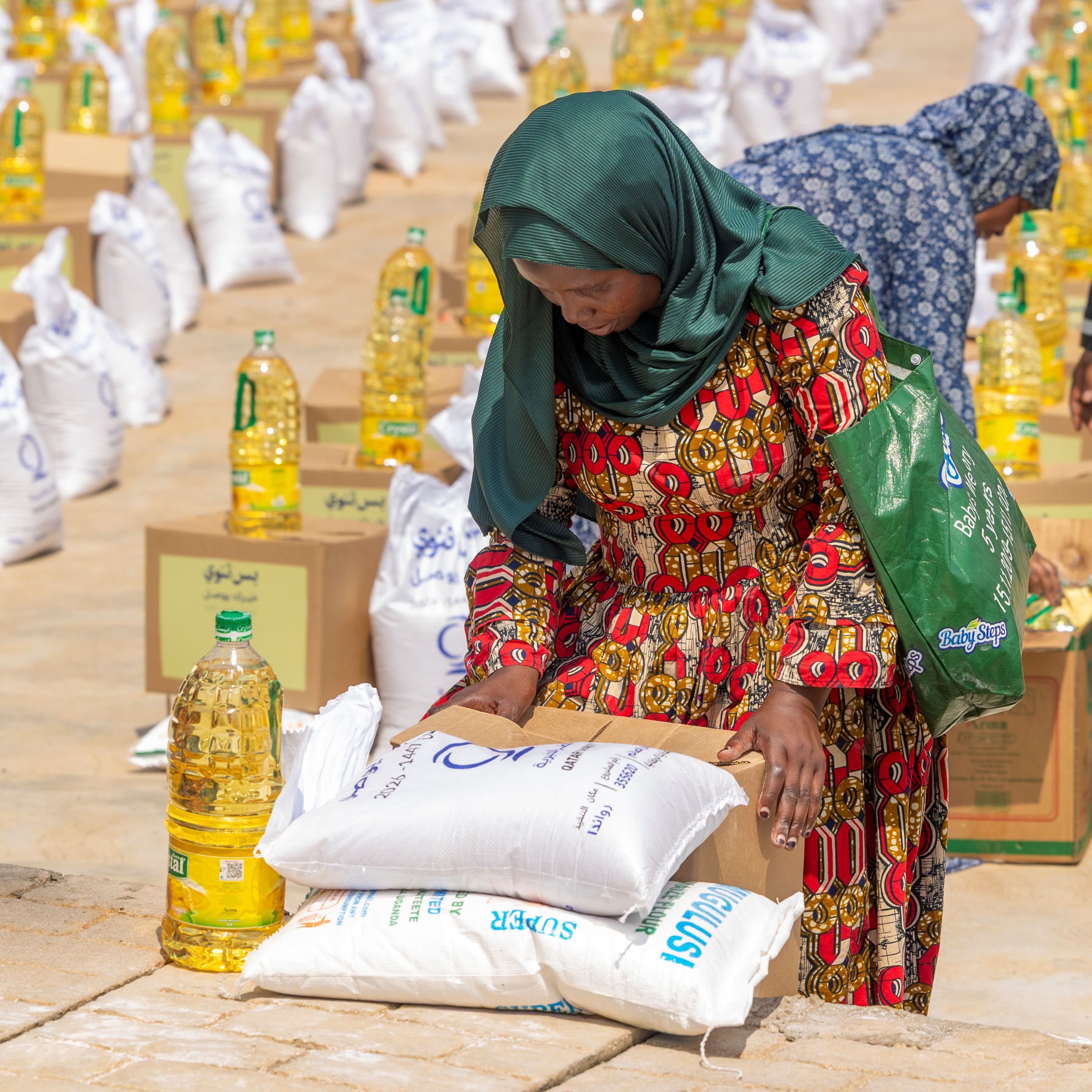
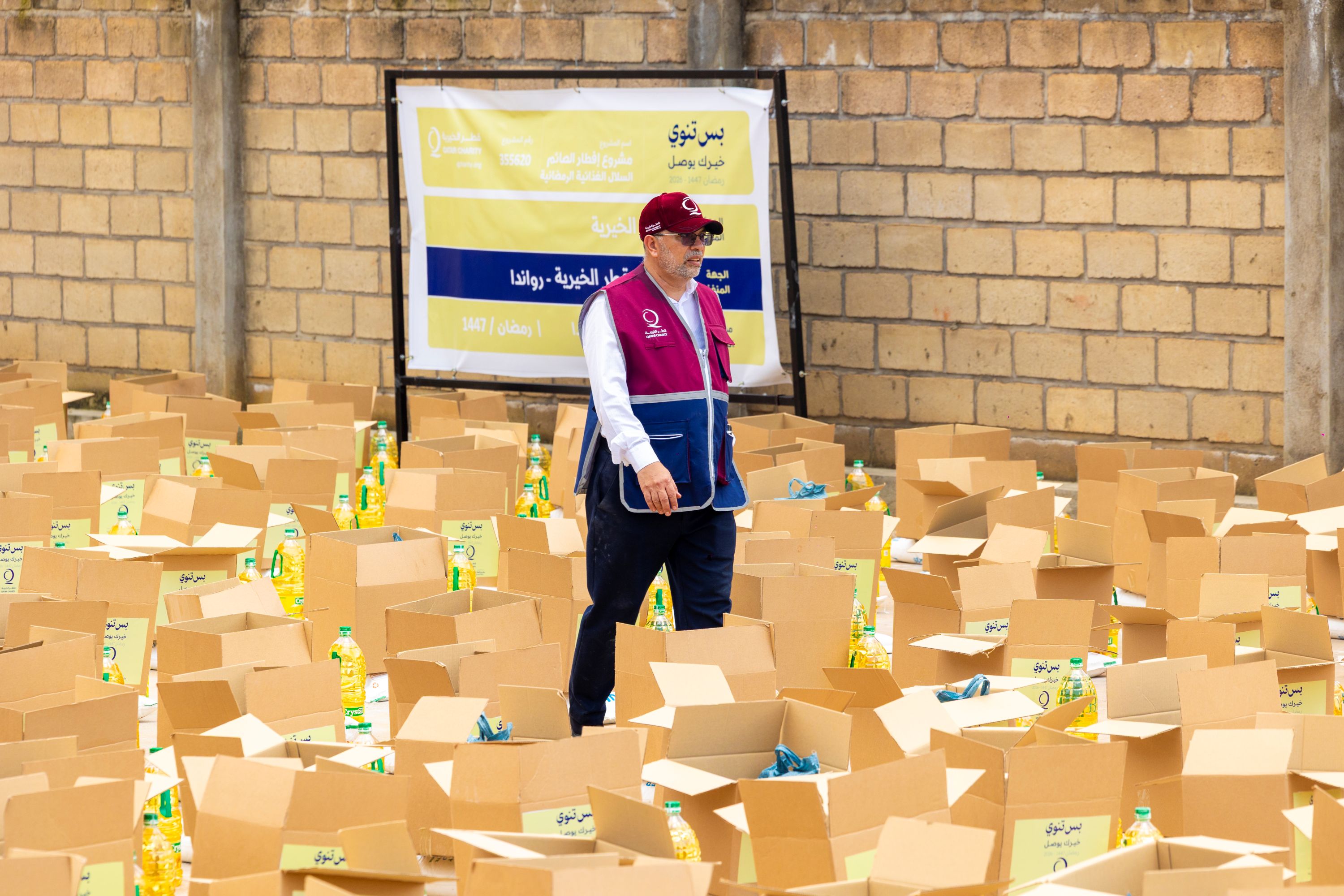
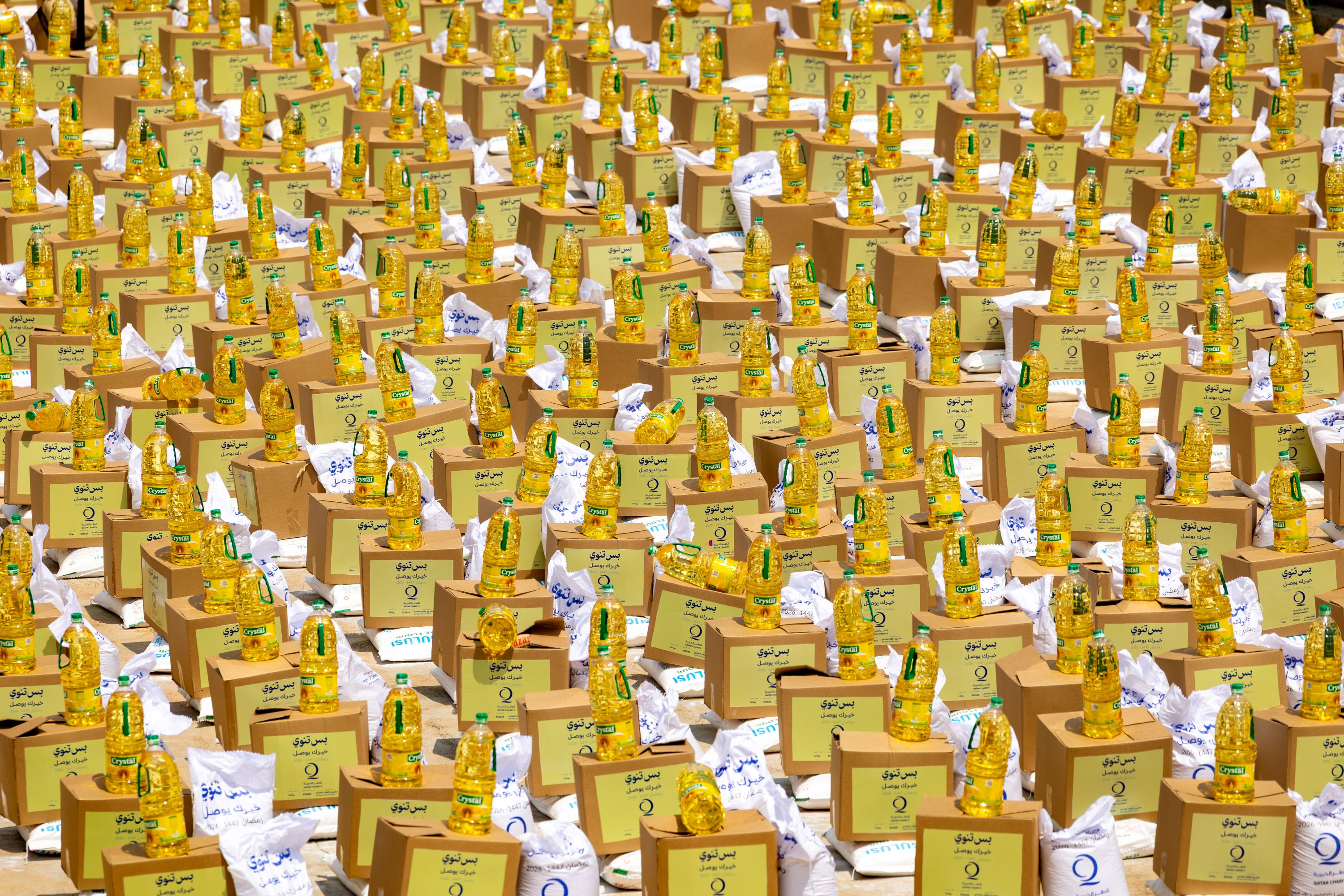
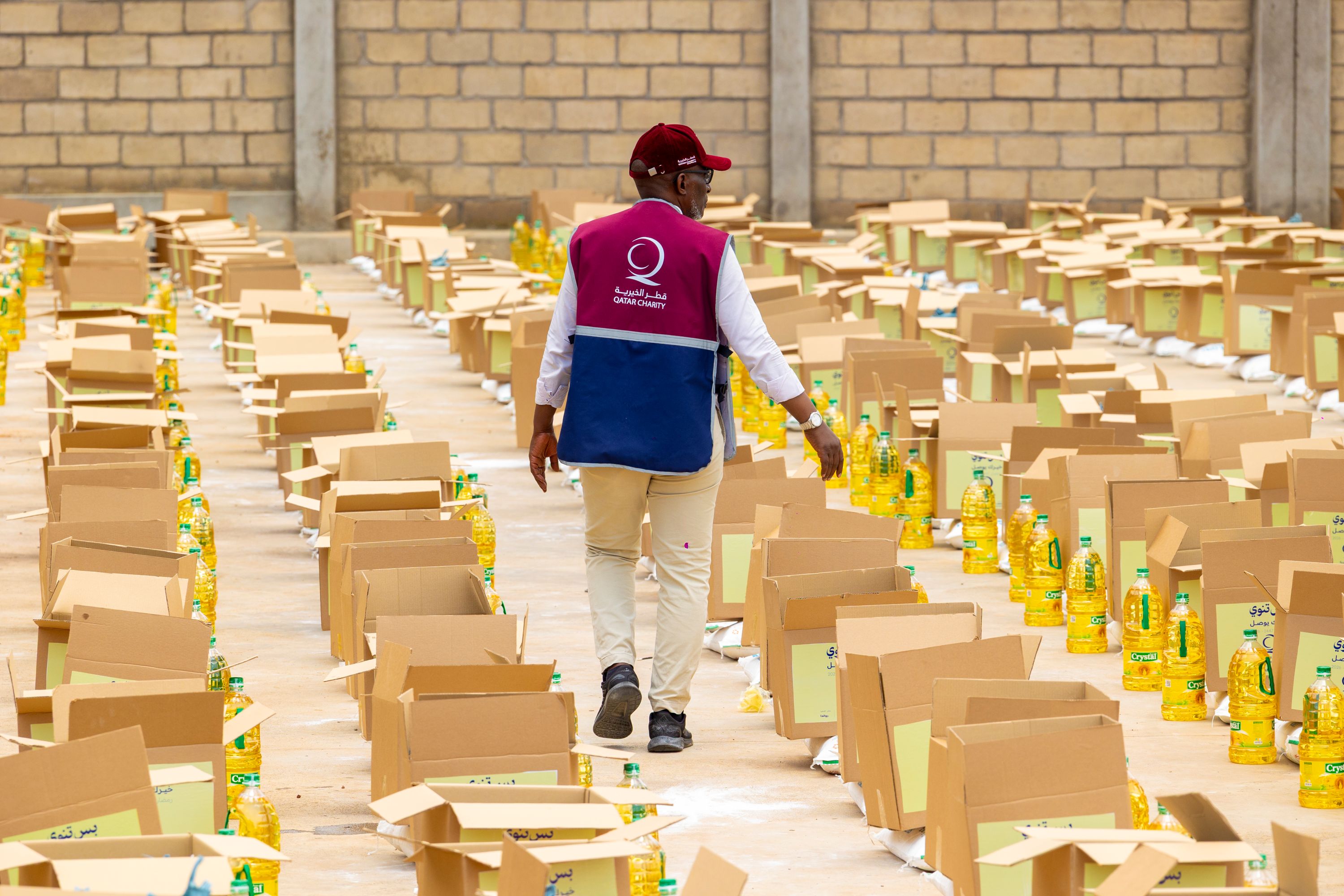
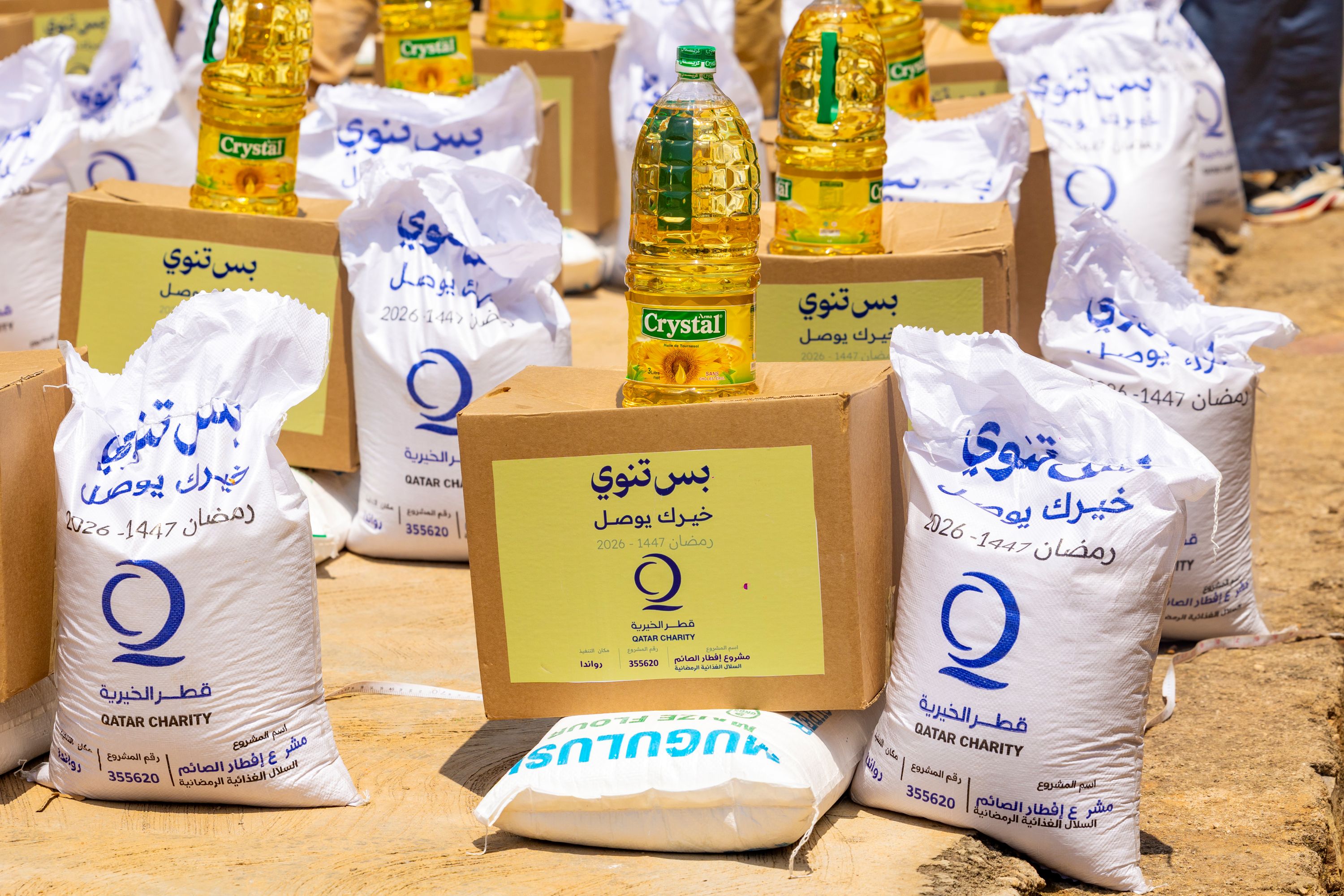
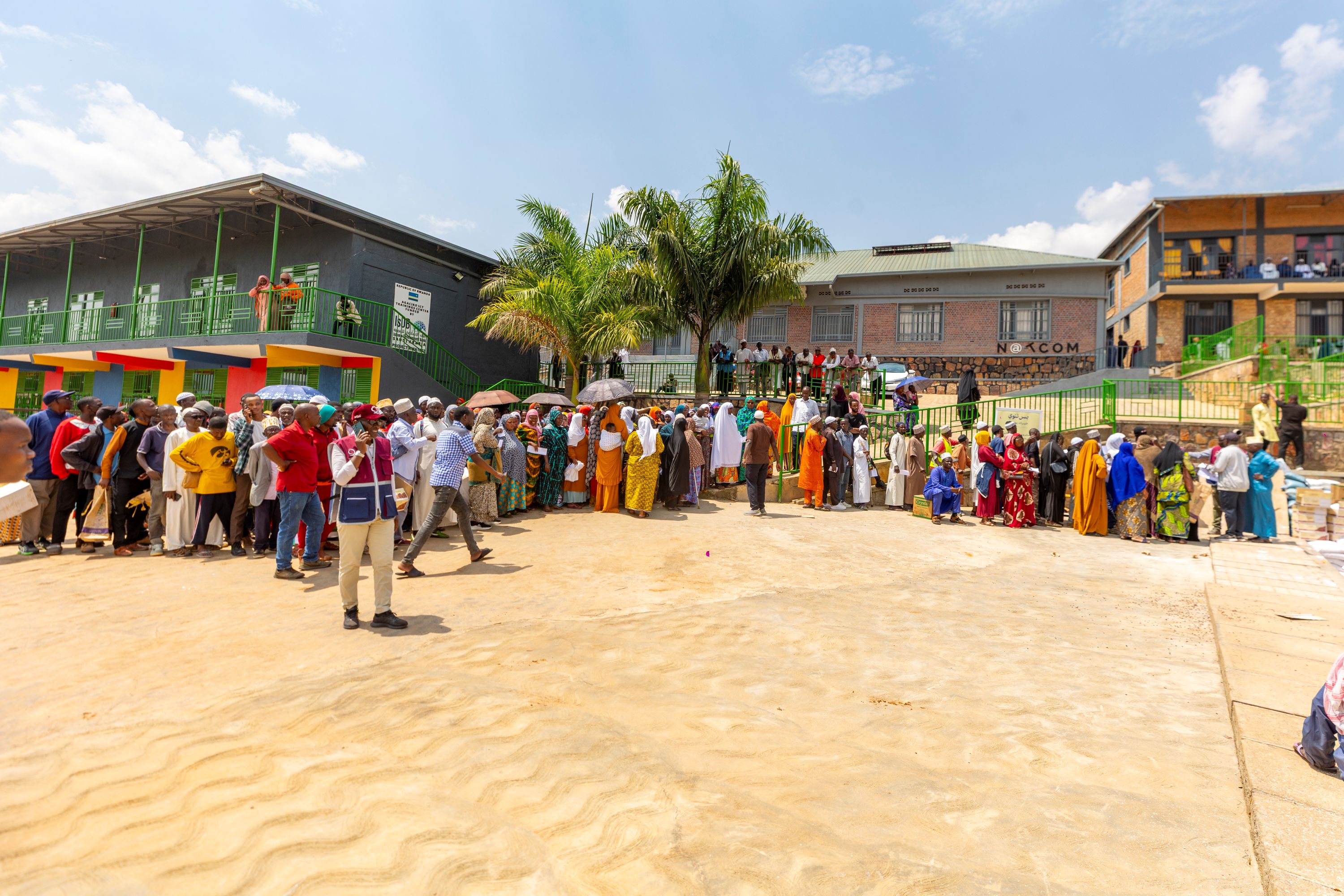
Each family received a package containing rice, maize flour, beans, cooking oil, wheat flour and dates, enough to feed their households for several days.
For many, like Fatuma Nyiracumi, a mother of five, the assistance came as a timely blessing.
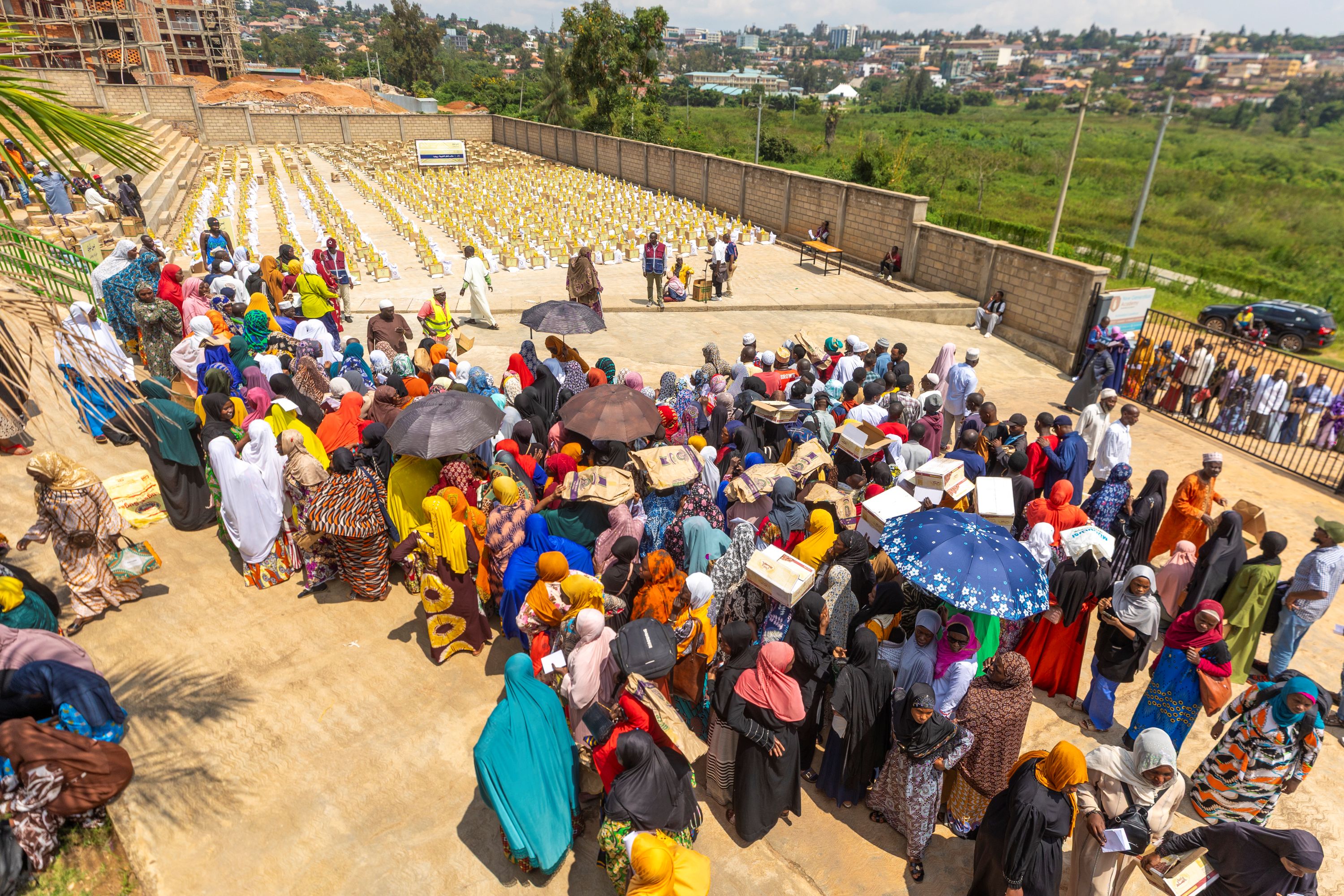
“We thank God for this blessing and provision from Qatar Charity. I am very happy that so many families, not just mine, have received Iftar support. This food will help my family for about five days, and we are truly grateful,” she said.
Each family received a package containing rice, maize flour, beans, cooking oil, wheat flour and dates.
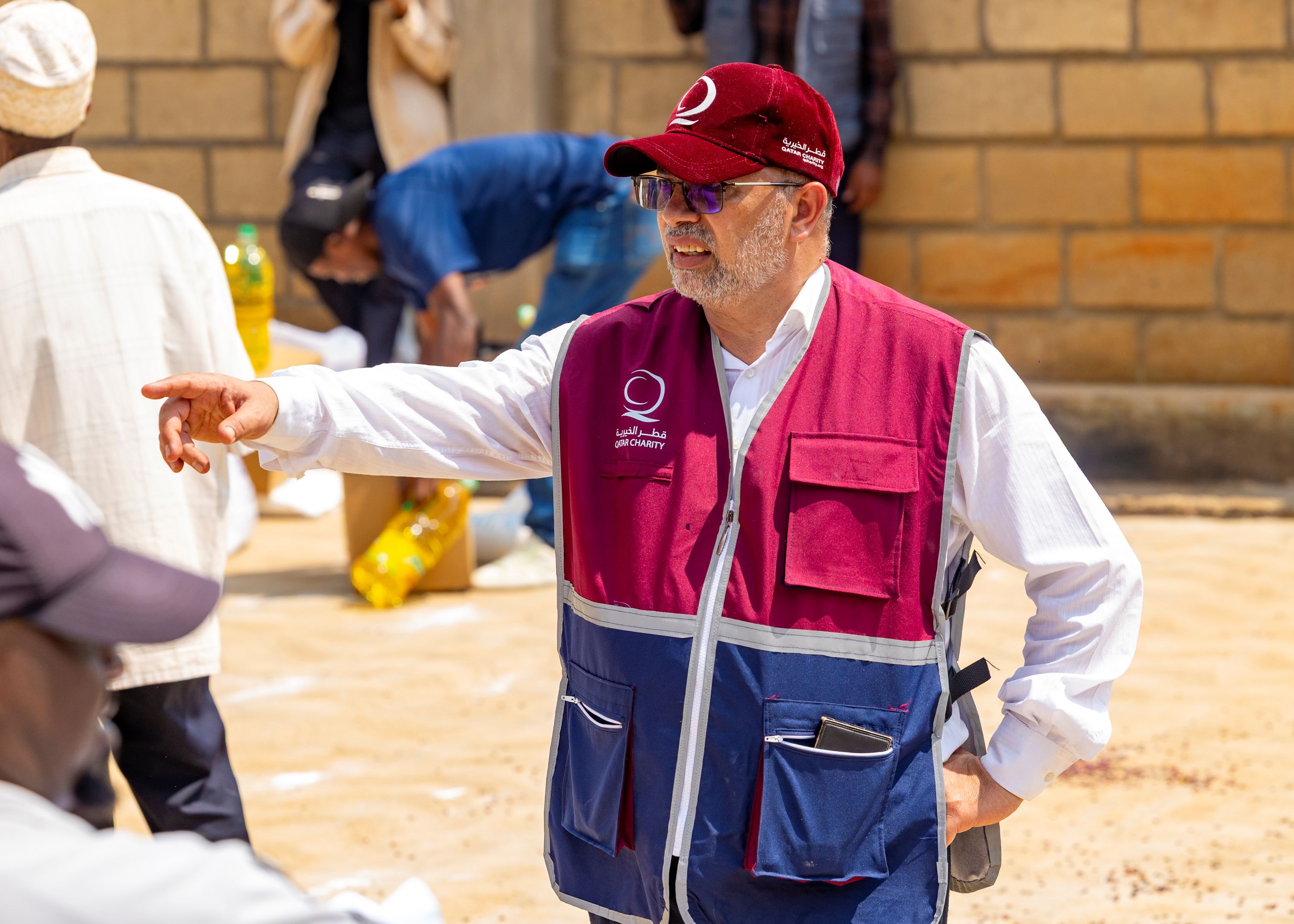
Hamdi Abdou, Country Director of Qatar Charity in Rwanda, said the initiative is the organisation’s first Ramadan Iftar program in the country and is part of its broader efforts to support families and promote well-being.
“We are grateful to the Government of Rwanda for giving us the opportunity to operate here. Our goal is to help families during Ramadan while also supporting long-term programs that reduce poverty and improve education and well-being for citizens,” Abdou said, further expressing his gratitude to donors in Qatar, whose generosity made the initiative possible.
At least 1,000 families benefited from the Iftar food aid initiative.
Looking ahead, Qatar Charity, which operates in 50 countries, plans to work with the Ministry of Education to build classrooms and provide school desks, as well as with the Ministry of Health on programs aimed at improving citizens’ well-being as it expands its operations in Rwanda.
Hamdi Abdou, Country Director of Qatar Charity Rwanda, says the initiative is the organisation’s first Ramadan Iftar program, supporting families and promoting well-being.For many, the assistance came as a timely blessing.