He emphasised that both countries are members of the East African Community (EAC) and, as such, should not harbour forces hostile to one another.
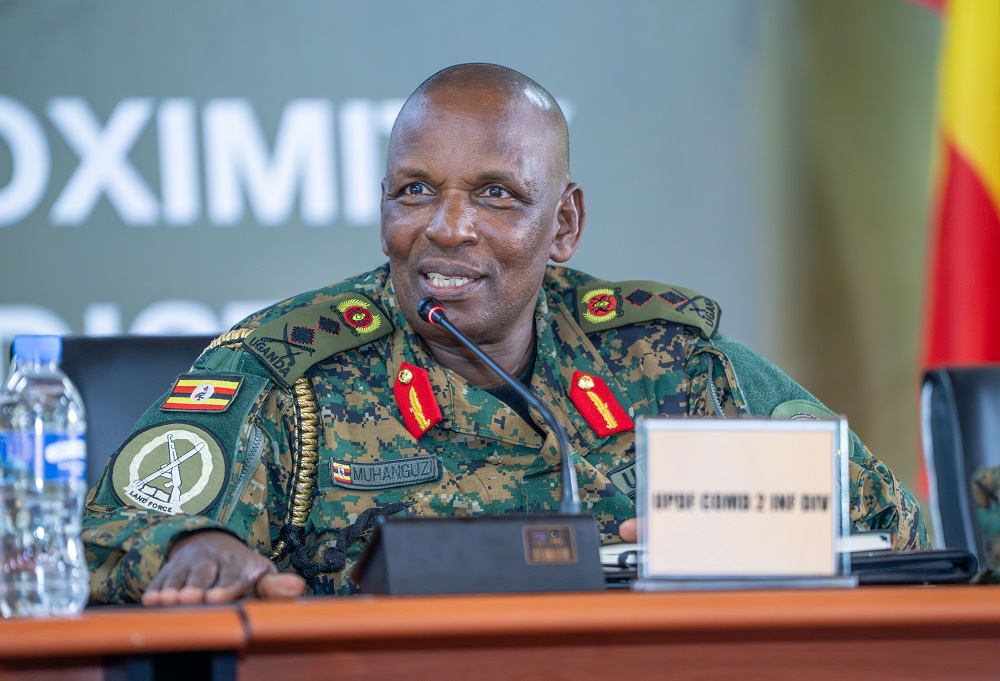
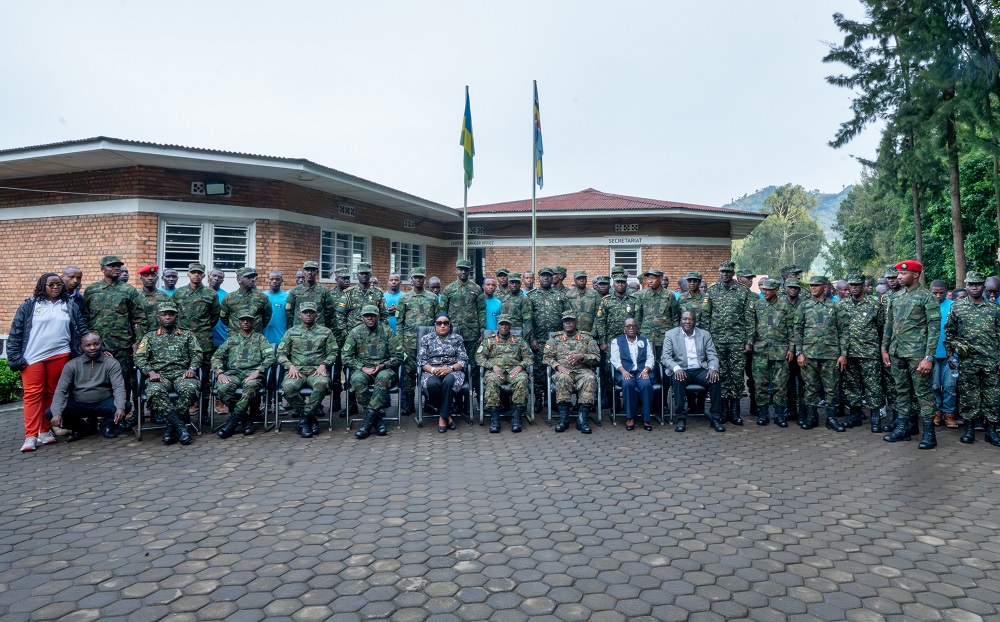
Major General Muhanguzi made the remarks on February 19, 2026, while leading a delegation of Ugandan soldiers on a visit to Rwanda. The delegation toured the National Commission for Demobilization and Reintegration (RDRC) center in Mutobo, located in Musanze District.
The visit aimed to familiarise Ugandan officers with Rwanda’s demobilisation and reintegration programs, which support the transition of former combatants, including members of the Democratic Forces for the Liberation of Rwanda (FDLR) and their families, back into civilian life.
Many of these former fighters had been operating from eastern DRC, where members of the militia group responsible for the 1994 Genocide against the Tutsi sought refuge after their defeat by the Rwanda Patriotic Army (RPA).
Speaking during the visit, Maj Gen Muhanguzi stressed that regional cooperation requires member states to prevent armed groups from operating within their borders.
“Rwanda should never have enemies originating from Uganda, and likewise, no enemy should be allowed to come from Rwanda to Uganda. However, we want Congo to ensure that it does not harbour enemies that attack both Uganda and Rwanda,” he said.
Maj Gen Muhanguzi praised former FDLR fighters who have chosen to return to Rwanda, saying many still have the capacity to contribute to national development alongside other citizens.
“A country is not built by one individual; it is built by all its people,” he added. “I also commend President Kagame for his leadership of Rwanda, and you, too, should come to understand the truth and return to your home.”
According to the RDRC, since 2001, a total of 12,602 former combatants have been reintegrated into civilian life. However, testimonies from returnees indicate that a number of former fighters, particularly from the FDLR, remain in hiding in the forests of eastern DRC.
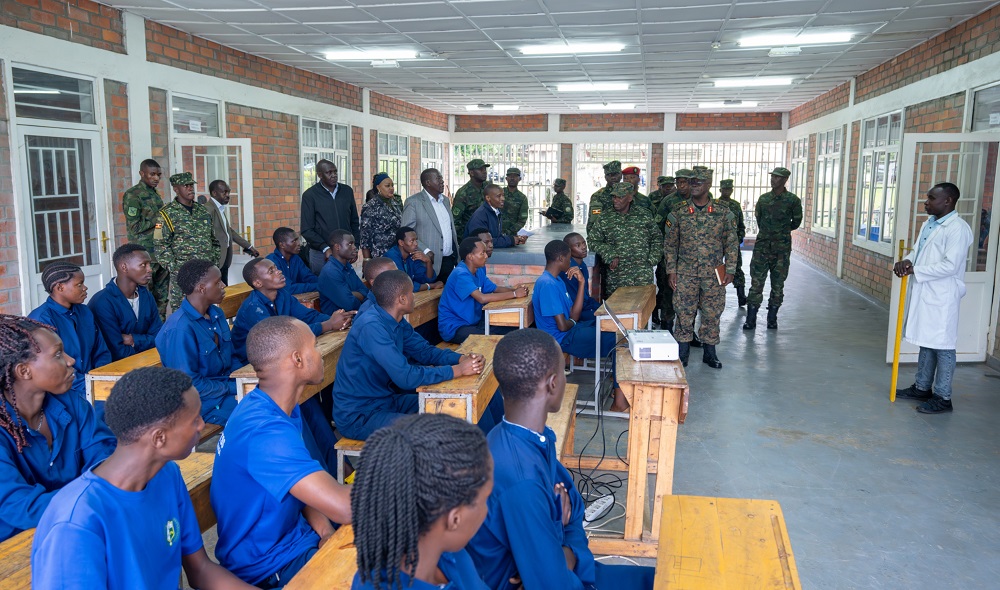
Soldiers from Uganda’s Commander of the 2nd UPDF Infantry Division visited the Mutobo Centre.The delegation toured the National Commission for Demobilization and Reintegration (RDRC) center in Mutobo, located in Musanze District.
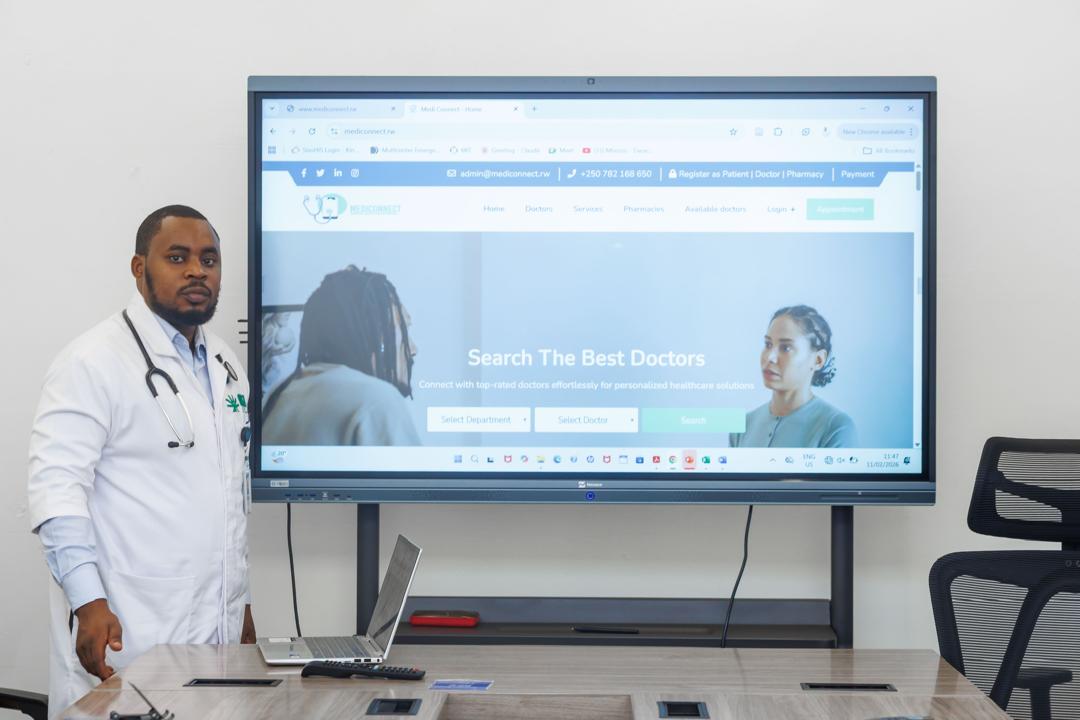
MediConnect is a digital health platform that connects patients with licensed doctors across multiple specialities through messaging, phone calls, or video consultations. It offers electronic prescriptions, home delivery of medications, and follow-up care. Consultations are priced to remain affordable, with a general practitioner costing 3,000 Rwandan francs and a specialist 5,000 Rwandan francs.
In an interview with IGIHE, Dr. Iradukunda explained that MediConnect was born from watching patients travel long distances for consultations and imagining a way for doctors to provide care beyond hospital walls.
The MediConnect platform connects patients with licensed doctors across multiple specialities through messaging, phone calls, or video consultations.
The shortage of doctors was another driving factor. Currently, Rwanda has approximately one doctor for every 4,000 members of its population, but the government is working aggressively to meet the WHO-recommended threshold by 2028 through the “4×4 Reform”.
“At the current rate, it would take us about 180 years to reach the World Health Organization’s recommended number of healthcare providers,” he remarked, acknowledging the urgent need to disrupt that timeline through the government’s ambitious initiative to quadruple the number of healthcare professionals within four years.
The MediConnect solution, he said, was not about replacing existing services but complementing them. MediConnect allows doctors to consult patients virtually when they are not at hospitals or clinics, extending care beyond traditional settings and reaching patients in both urban and rural areas.
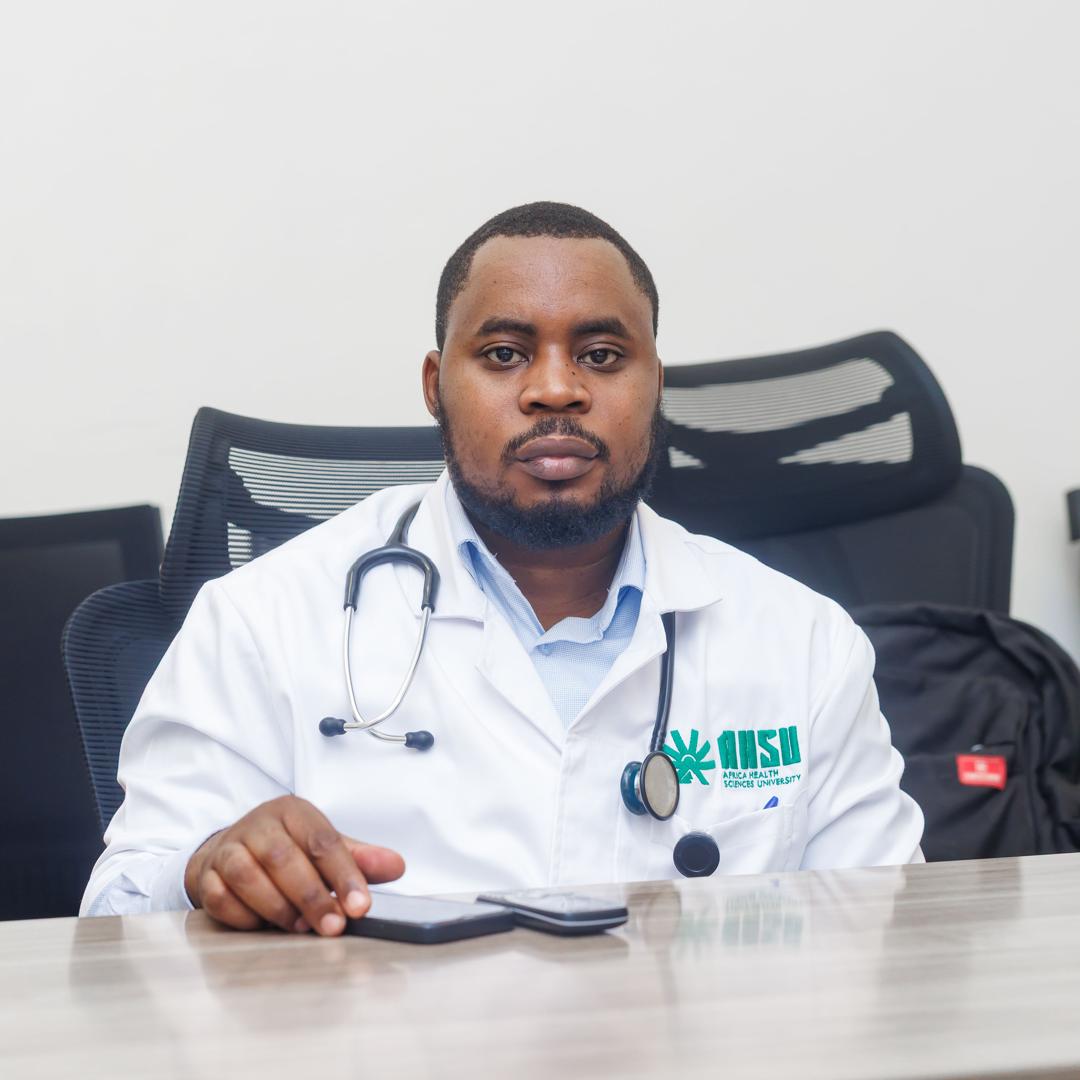
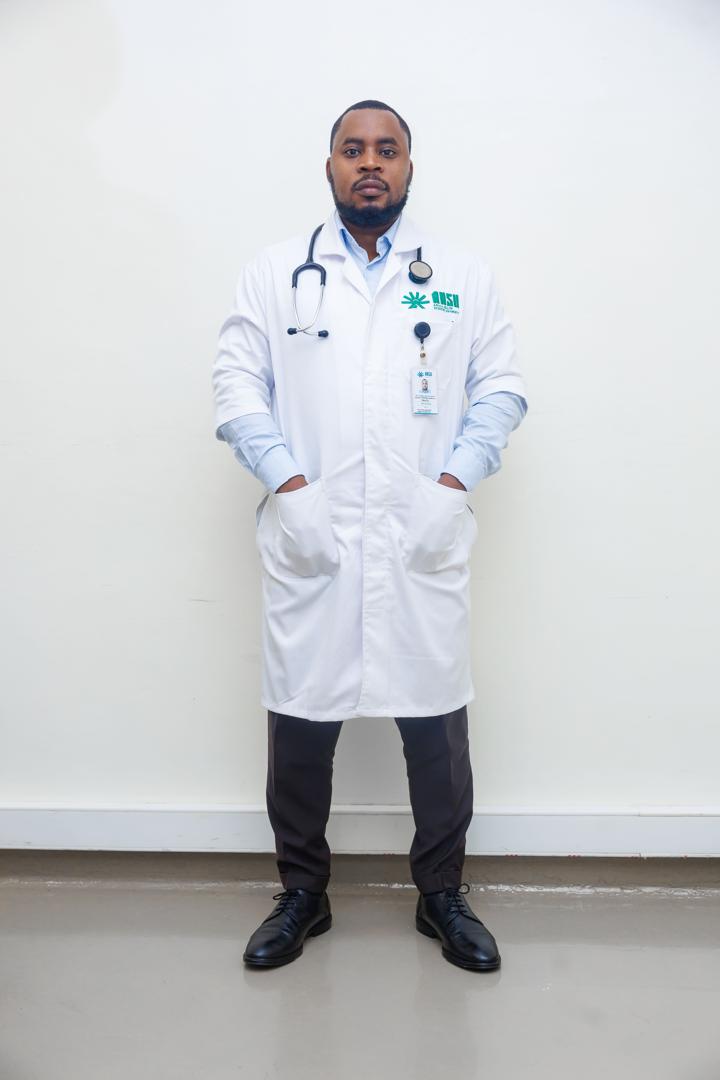
Dr. Seraphin Iradukunda launched MediConnect in 2024.
The platform was conceived during the COVID-19 lockdowns in 2020, when access to healthcare became even more challenging. Development began in 2023, when Dr. Iradukunda brought together a team of colleagues, developers, and digital health experts. MediConnect officially launched in 2024 and has since onboarded more than 60 licensed doctors across different specialities, facilitating hundreds of consultations.
The platform is registered with the Rwanda Development Board, licensed by the Ministry of Health, and cleared by the Rwanda Cyber Security Authority for data protection and privacy compliance. It was also featured on the Africa Digital Health Network Watchlist 2025 as one of the continent’s promising digital health startups.
MediConnect’s impact goes beyond consultations. Dr. Iradukunda is specializing in Emergency Medicine and Critical Care at Africa Health Sciences University (AHSU). Launched in September 2024 by King Faisal Hospital Rwanda in partnership with the Ministry of Health, AHSU aims to expand the country’s healthcare workforce.
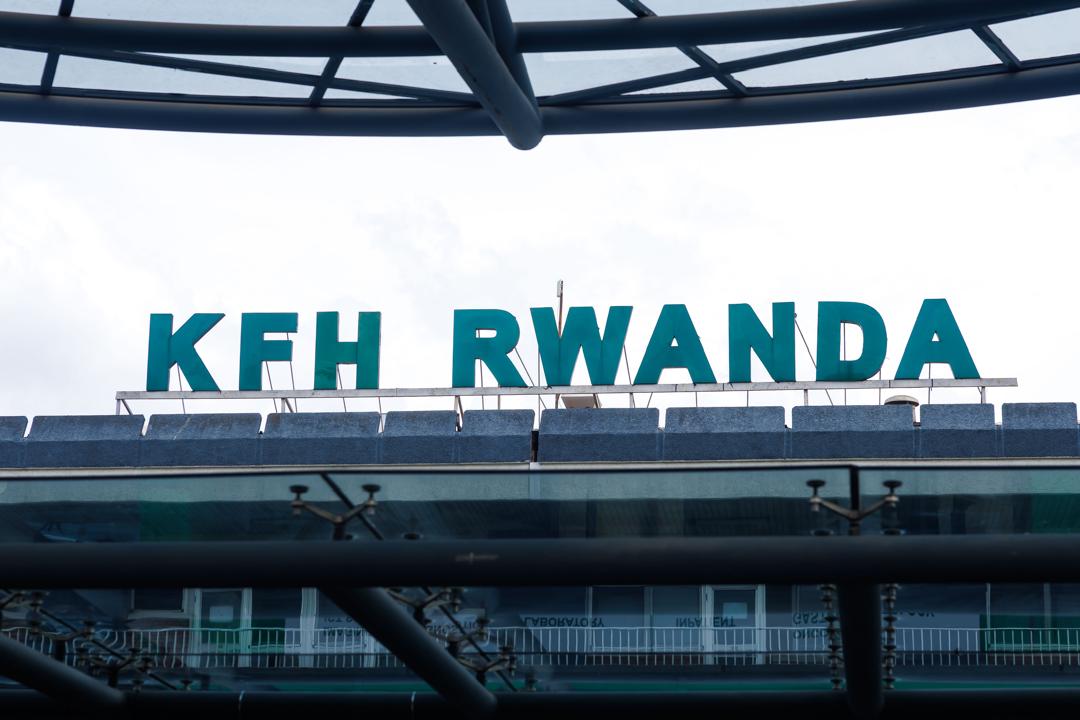
King Faisal Hospital Rwanda is the founder and a key stakeholder of Africa Health Sciences University (AHSU).
The university currently has 202 students and is expecting its third cohort this September. Its first cohort, which began training in 2024 and is expected to graduate in 2028, will produce roughly 60 specialists and 40 midwives. AHSU integrates digital health, telemedicine, and artificial intelligence into its residency programs, equipping students with the skills to innovate.
Residents from AHSU, including Dr. Iradukunda, have contributed to MediConnect by refining the web application, creating patient-centred designs, and developing health education tools.
“That early training in digital health opened our minds to technology’s role,” he told IGIHE. “We show that beyond being a doctor, you can provide solutions using university-acquired skills to solve real-world problems.”
Residents from AHSU, including Dr. Iradukunda, have contributed to MediConnect by refining the web application.
Beyond the code and the interface, the true heart of MediConnect is found in the lives it quietly saves when every second counts. This was the reality for a 25-year-old patient in 2025 who logged on to discuss persistent headaches.
What began as a convenient digital check-up quickly turned urgent as the physician identified critical warning signs, blurred vision and impaired balance. The resulting CT scan uncovered a brain tumour, leading to an immediate referral and successful surgery that likely wouldn’t have happened without that timely virtual connection.
“This shows MediConnect’s role in early detection of serious conditions that could have been missed,” Dr. Iradukunda said.
Looking ahead, MediConnect and AHSU innovators are developing AI-powered triage tools to determine whether cases can be managed virtually or need urgent referral. They are also creating electronic health information cards to track patient histories and exploring digital medical fitness certificates to reduce unnecessary clinic visits. Plans are underway for a mobile app and telemedicine kiosks to reach rural areas with limited digital access.
Dr. Iradukunda sees the platform not just as technology but as a new model of healthcare delivery. “We must be solution providers for our country and continent,” he said. “The future belongs to those who use knowledge and digital technology like AI to solve real-world problems.”
To access MediConnect’s services, book a consultation, or learn more about their digital health solutions, visit their web portal at www.mediconnect.rw.
Amb. Nduhungirehe made the remarks on Thursday during a press briefing in Kigali alongside European Commissioner for Equality, Preparedness and Crisis Management, Hadja Lahbib.
Burundi’s President, Évariste Ndayishimiye, recently assumed the rotating chairmanship of the African Union during the bloc’s 38th Ordinary Session of Heads of State and Government held in Addis Ababa.
Ndayishimiye took office at a time when Burundian troops were engaged in military operations in eastern Democratic Republic of the Congo alongside the Congolese army coalition, FARDC. The African Union, which he now chairs, is also involved in facilitating dialogue between Rwanda and the DRC over the conflict in that region.
Beyond the fighting in eastern Congo, tensions between Rwanda and Burundi remain strained, largely due to Rwanda’s concerns over Burundi’s alleged cooperation with the FDLR terrorist group.
Speaking during a press briefing on Thursday, Minister Nduhungirehe acknowledged that Rwanda and Burundi are neighboring states and both members of the East African Community, but said that relations remain strained.
“As you know, Burundi closed borders with Rwanda. And also, which is more worrying, Burundi is involved in a conflict in eastern DRC in a negative way, because it has imposed a blockade against the Banyamulenge in Minembwe, preventing them from accessing markets, which aggravates the humanitarian situation,” he stated.
In that context, Amb. Nduhungirehe said Burundi’s involvement in mediation would be inappropriate.
“Although it has accessed the AU chairmanship, it is difficult for Burundi to get involved in mediation. We have a mediation of Togo, mandated by the African Union, with five facilitators. We believe that those facilitators and the mediators should continue their work of supporting the parties in implementing the Washington Agreement without the involvement of Burundi, which is a party to this conflict,” he added.
Relations between Rwanda and Burundi have deteriorated in recent years. On January 11, 2024, Burundi closed all border crossings with Rwanda, accusing Kigali of supporting the RED Tabara rebel group, an allegation Rwanda has repeatedly denied. Tensions further escalated amid claims that Burundi has cooperated with the FDLR in the eastern DRC conflict.
In July 2024, officials from Rwanda and Burundi met in Zanzibar during a retreat of foreign affairs ministers from East African Community member states, where both sides pledged efforts to restore relations. Despite subsequent meetings and diplomatic engagements, no concrete breakthrough has yet been achieved.
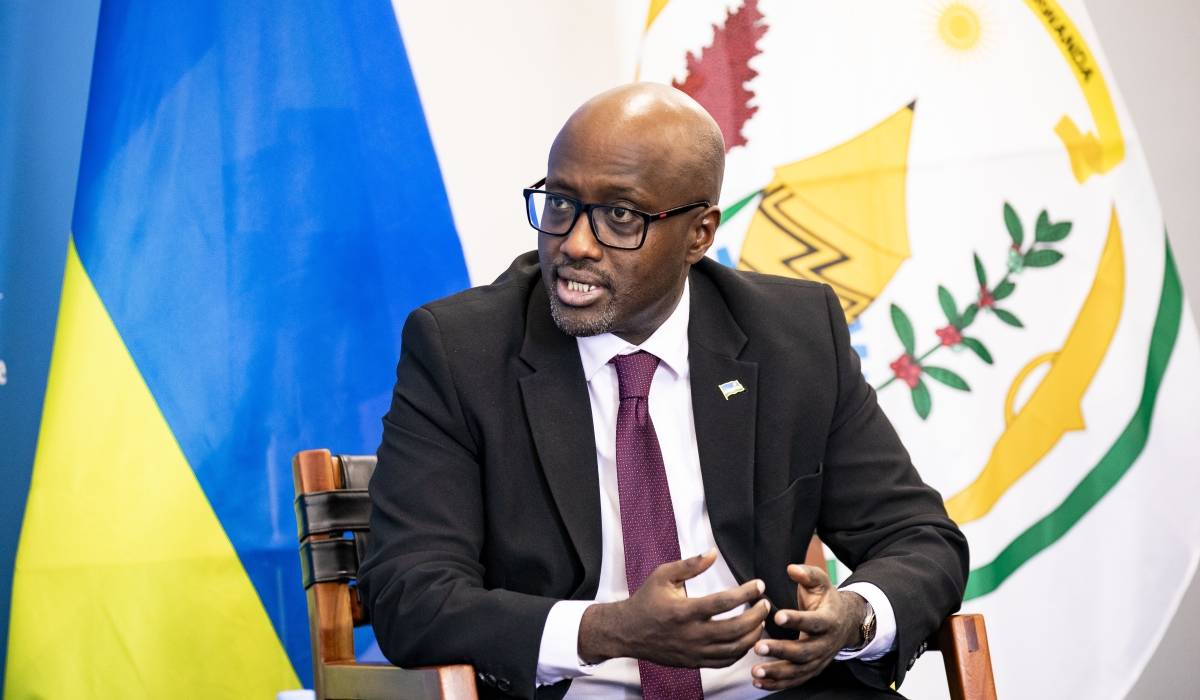
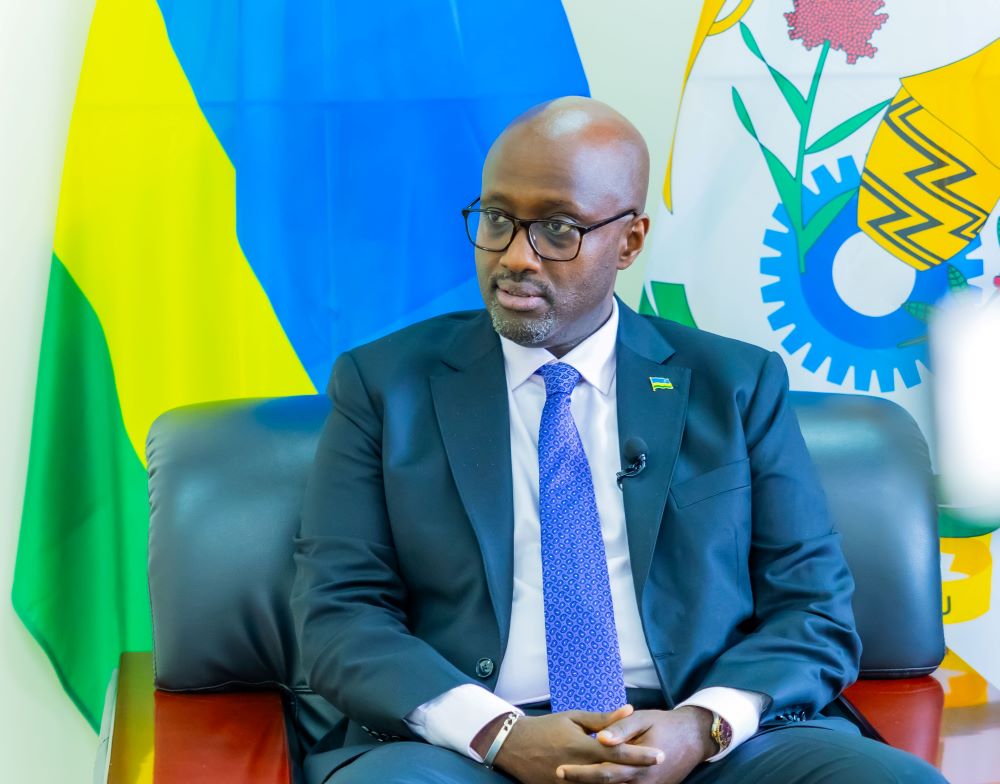
Rwanda’s Minister of Foreign Affairs and International Cooperation, Amb. Olivier Nduhungirehe said Burundi should not take part in AU-led mediation on eastern DRC crisis.
Rwanda is set to spend more than Rwf 513 billion on key infrastructure projects during the 2025/2026 fiscal year, according to a performance report from the Ministry of Infrastructure. The funding will support the construction and rehabilitation of roads and other strategic facilities across the country.
The government recently indicated that the national budget approved by Parliament in June 2025 has so far been implemented at 65 percent. The budget is currently undergoing revisions, with some projects receiving increased allocations while others are being scaled down.
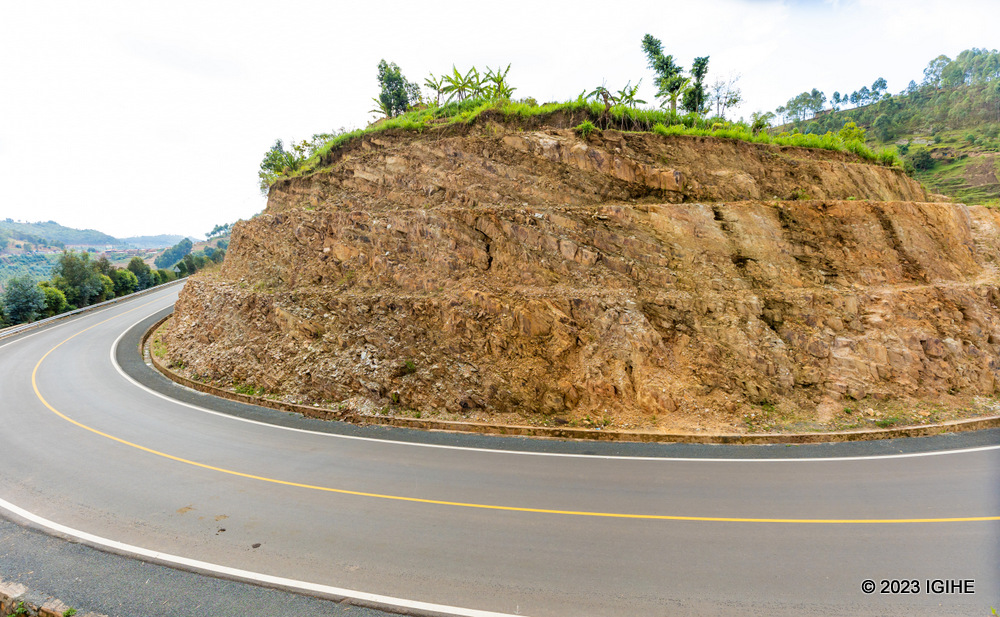
Among the major undertakings is the rehabilitation of 79 kilometers of roads in different parts of the country. This includes the Muhanga–Rubengera road, specifically the 24-kilometer Nyange–Muhanga section. At the start of the fiscal year, works on this stretch had reached 30 percent completion. The rehabilitation of this section is expected to cost more than Rwf 8.59 billion. The Muhanga–Rubengera road has been developed in phases, beginning with Rubengera–Rambura, followed by Rubengera–Nyange, and finally Nyange–Muhanga.
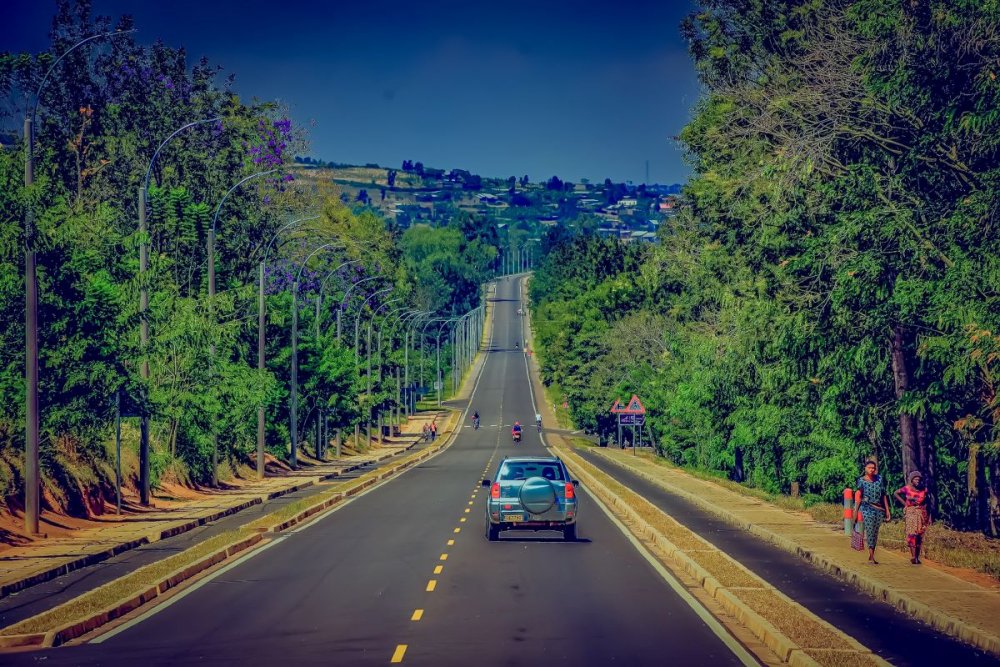
Rwanda continues to invest heavily in road development.
The ministry also plans to produce a detailed design report for the rehabilitation of the 45-kilometer Kigali–Muhanga asphalt road at an estimated cost of Rwf 3 billion.
Construction preparations are underway for the 10-kilometer Prince House–Giporoso–Masaka road. Preliminary activities have begun, including the removal of houses along the road corridor, and construction is expected to commence by February 2026.
In addition, MININFRA will oversee the paving of 184.8 kilometers of national roads this year. Among them is the 63-kilometer Base–Butaro–Kidaho road, with works budgeted at more than Rwf 11.77 billion.
Further roadworks will cover the 18-kilometer Nyagatare–Rwempasha road and the 73-kilometer Nyagatare–Rukomo road, for which over Rwf 4 billion has been allocated. Construction will also proceed on the 52-kilometer Ngoma–Ramiro road linking Ngoma and Bugesera districts, with Rwf 6 billion set aside for the project.
Before the end of the fiscal year, feasibility studies will be completed for the modernization of three major road junctions in Kigali—Gishushu, Chez Lando, and Sonatube—as part of efforts to improve urban transport in the capital. The planned upgrades, to be implemented using modern interchange designs, are expected to cost $100 million.
The government will also undertake construction of the 51-kilometer Sashwara–Rega–Kabuhanga–Busasamana–Muhato road at a cost of Rwf 4.3 billion.
Beyond national highways, Rwanda is preparing to develop feeder roads and apply light asphalt surfacing, including 194 kilometers of feeder roads in Rutsiro District. Other priority projects include infrastructure works at the Kigali Logistics Platform dry port, upgrades to the Nyacyonga–Mukoto and Byumba–Ngondore roads, infrastructure supporting refugees and host communities, and improvements to roads near border areas.
Rwanda will spend more than Rwf 513 billion on key infrastructure projects during the 2025/2026 fiscal year.
Specific border-area projects include paving the 18-kilometer Nyagisozi–Remera–Nshili road at a cost of Rwf 6.1 billion. In Rutsiro, 41 kilometers of feeder roads will be constructed at a cost of Rwf 5.3 billion. Additional funding amounting to Rwf 3.1 billion has been earmarked for equipment and supervision works at the Kigali Logistics Platform, as well as the preparation of a master plan covering 69.45 kilometers of roads.
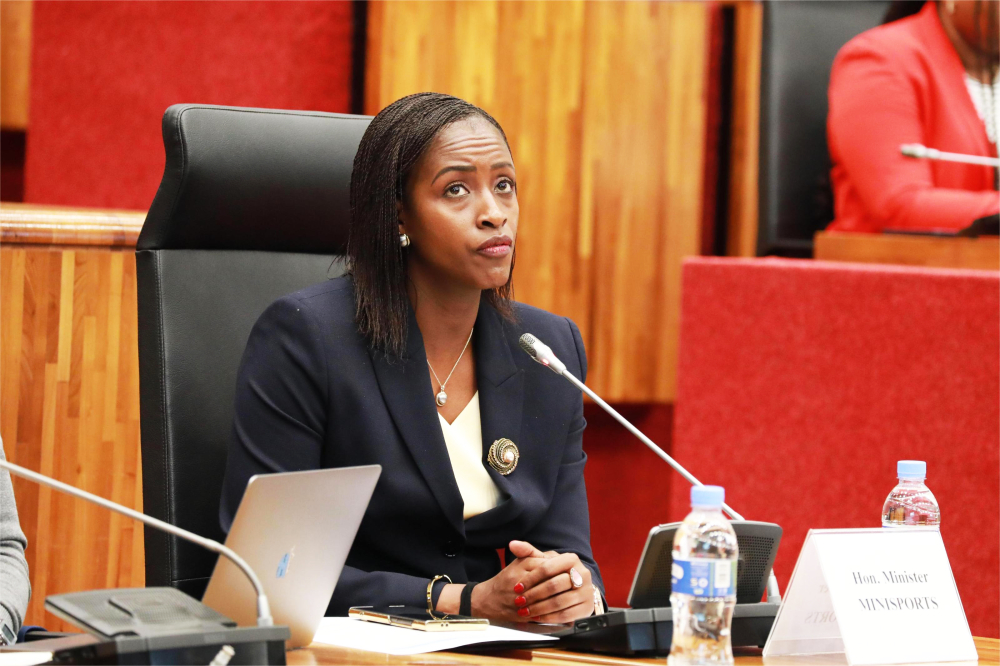
Mukazayire told Members of Parliament on Thursday that the government was not satisfied with the team’s current performance but had put in place a long-term strategy aimed at building a competitive and professional football system.
“We are not satisfied with the way Amavubi are performing,” she said. “Changes will continue at the Federation, the Ministry and elsewhere for as long as we have not achieved the results we expect.”
Her remarks came after MP Rutebuka Balinda, Deputy Chairperson of the Committee on Education, Technology, Culture, Youth and Sports, questioned the frequent turnover of coaches and leadership within the Rwanda Football Federation (FERWAFA), warning that instability could undermine progress.
Mukazayire said the changes were intended to establish a clear direction for Rwandan football, focused on professionalism, talent development and achieving victories.
She acknowledged that the national team’s results reflect the broader state of football development in the country, arguing that meaningful improvement requires structural reforms rather than short-term fixes.
A key pillar of the strategy, she said, is identifying and recruiting talented players of Rwandan origin living abroad while ensuring their integration serves national interests.
“We must identify them, bring them in and use them effectively. We have already discussed this with FERWAFA and implementation is underway,” she said.
The minister also stressed that coaching contracts must clearly define performance targets, warning that leadership changes would persist if expectations are not met.
“If contracts do not clearly state the expected outcomes, you will continue to see changes because we need results,” she said.
Youth development forms the core of the reform agenda. Mukazayire said players under the ages of 15 and 17 will be closely monitored and systematically developed so they can transition into competitive professional football by the age of 21.
“You cannot neglect youth development and expect to qualify for the Africa Cup of Nations,” she said. “We must build from the grassroots.”
Rwanda plans to establish a National Football Academy where young players can train and study together as part of a long-term effort to build a stronger national team.
Currently, the Isonga talent development programme operates in 17 schools with 599 children and is expected to expand to more than 2,000 participants. Other initiatives include the Bayern Munich academy in Rwanda, the Paris Saint-Germain academy and the Tony Football academy, which collectively support youth talent development.
Mukazayire cautioned that the reforms would take time to produce tangible results, estimating that visible improvements may require at least five years.
Meanwhile, FERWAFA recently parted ways with head coach Adel Amrouche on January 14, 2026, after one year in charge. The federation said it has received 688 applications from qualified candidates and will shortlist coaches based on credentials, experience with national teams and participation in major tournaments such as the Africa Cup of Nations and the FIFA World Cup.
With less than a month before Rwanda hosts the FIFA Series friendly matches in Kigali from March 23–31, the national team remains without a head coach. Rwanda is scheduled to face Estonia, Grenada and Kenya in Group A.
Mukazayire also emphasized the importance of mentality, noting that defeats are not always due to a lack of technical ability but can stem from psychological factors affecting players and coaching staff.
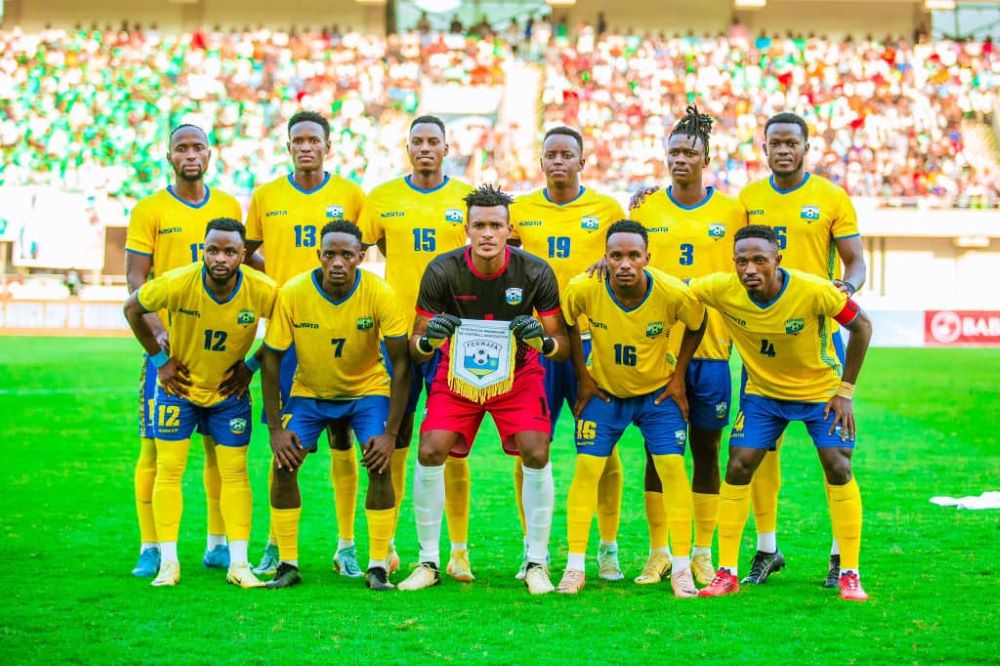
Sports Minister Nelly Mukazayire stressed that there is a plan to turn Amavubi into a results-driven team.Sports Minister Mukazayire expressed dissatisfaction with Amavubi’s current performance.
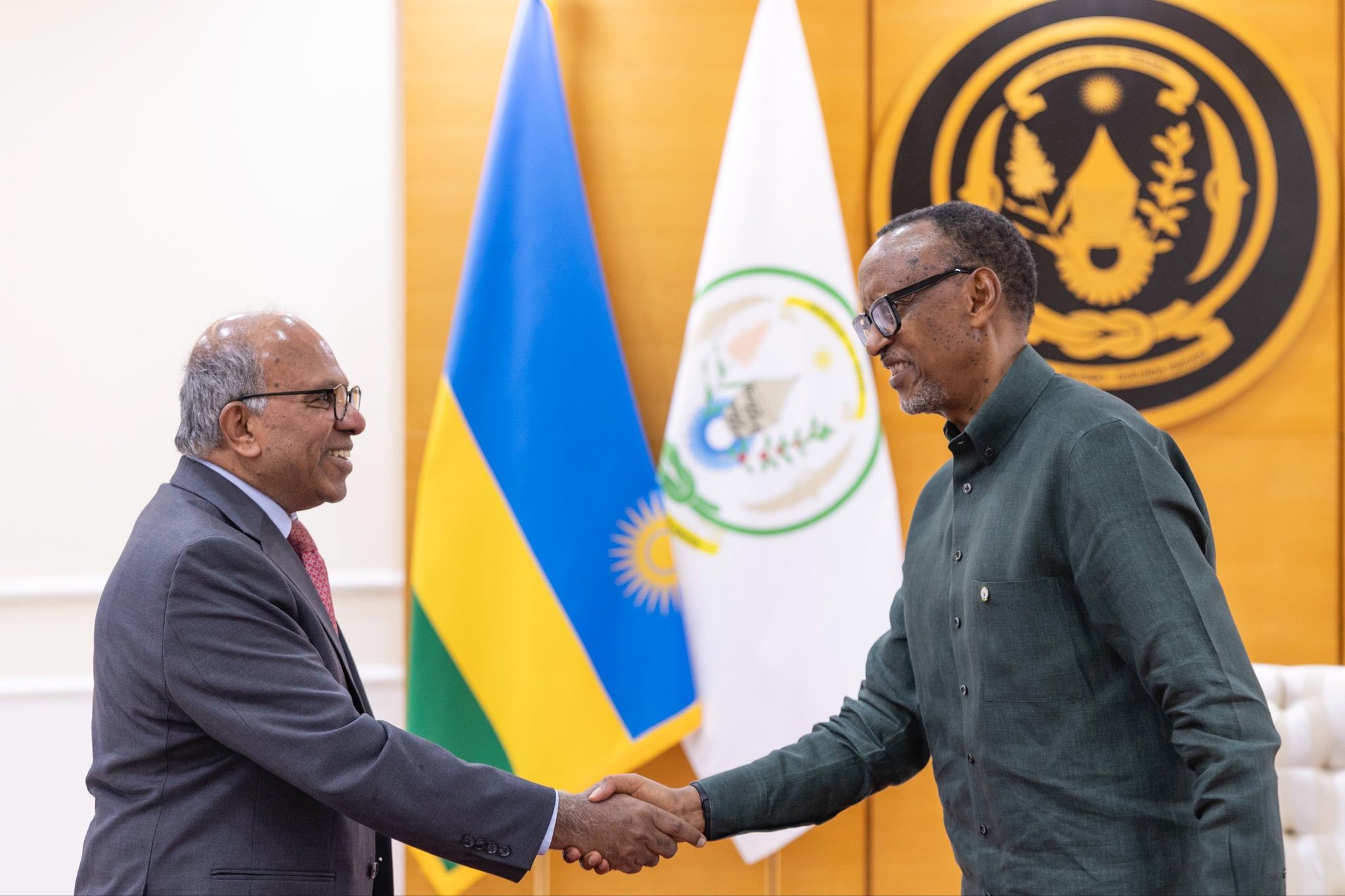
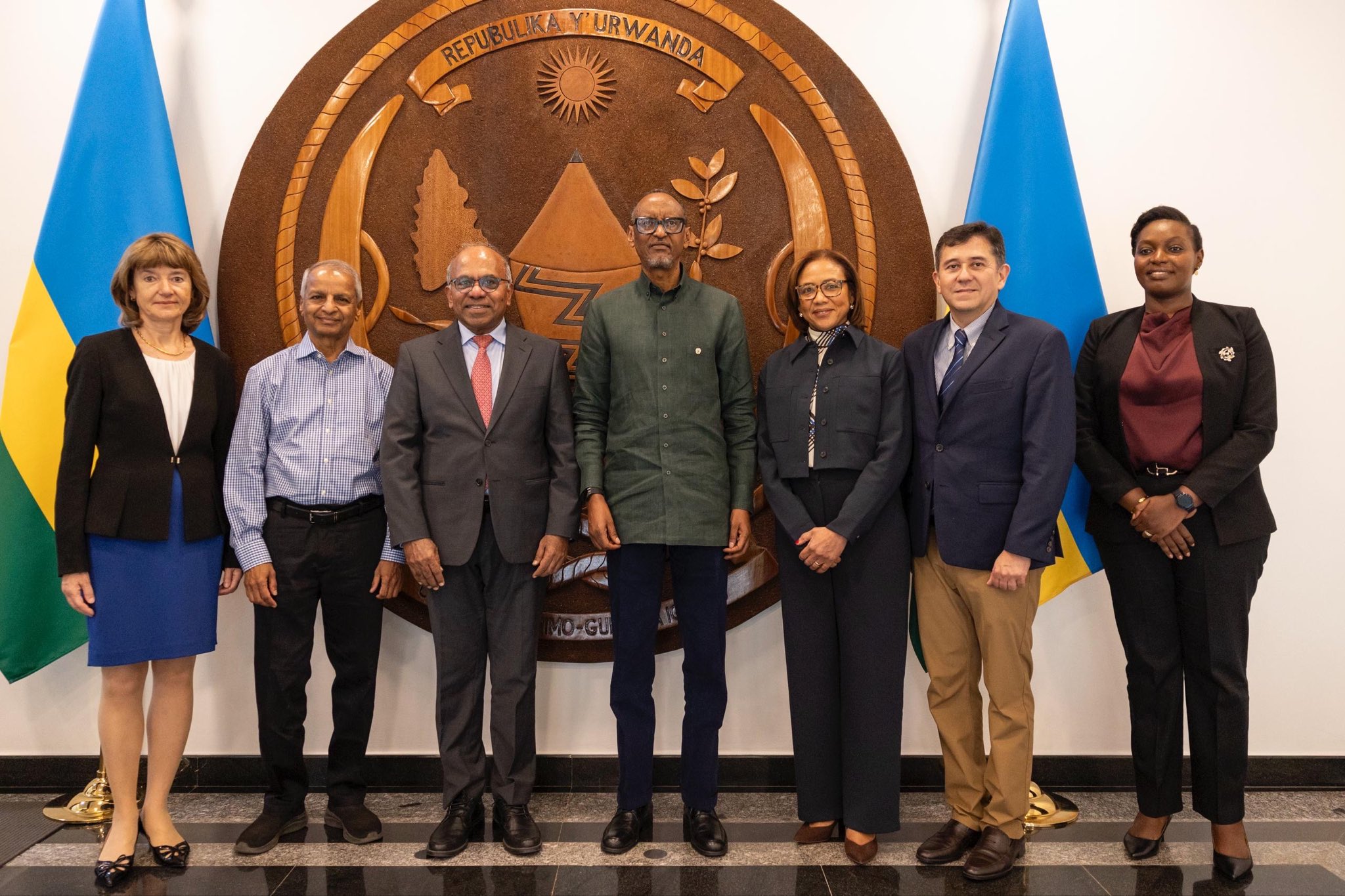
The delegation included Prof. Subra Suresh, Founder and President of the Global Learning Council; Michelle Gyles-McDonnough, Executive Director of the United Nations Institute for Training and Research (UNITAR); Dr. Lee Howell, Executive Director of the Villars Institute; and Dr. Gururaj Deshpande, Co-founder of the Deshpande Foundation.
The conference’s objectives focus on the intersection of education, health, environment, and sustainability. The conference is designed as a practical forum to co-design new learning models, with sessions exploring how artificial intelligence and exponential technologies can be harnessed responsibly to expand access to quality education.
It will also highlight the integration of human health and planetary sustainability into lifelong learning, the alignment of education with the green economy and entrepreneurship, and innovative approaches for governments, NGOs, and the private sector to fund education at scale. Alongside the main conference sessions, an AI hackathon and a student robotics competition will engage young innovators in shaping the future of learning.
Each guest brings a wealth of experience and forward-thinking ideas to the conversation. Prof. Subra Suresh is known for pioneering initiatives in global learning and science policy through the Global Learning Council, while Michelle Gyles-McDonnough drives innovative approaches to UN training, capacity building, and sustainable development education at UNITAR.
On the other hand, Dr. Lee Howell focuses on environmental sustainability and systemic change as Executive Director of the Villars Institute, and Dr. Gururaj Deshpande has championed entrepreneurship and innovative educational initiatives through the Deshpande Foundation.
The delegation included Prof. Subra Suresh, Founder and President of the Global Learning Council; Michelle Gyles-McDonnough, Executive Director of the United Nations Institute for Training and Research (UNITAR); Dr. Lee Howell, Executive Director of the Villars Institute; and Dr. Gururaj Deshpande, Co-founder of the Deshpande Foundation.
The race, which will be staged for the 18th time since attaining international status, is scheduled to run from Sunday, February 22 to March 1, 2026. It will traverse various regions of the country and feature 18 teams.
Four Rwandan teams will take part: Team Rwanda (the national team), May Stars, Benediction Banafrica Team and Team Amani. The remaining 14 teams will come from abroad.
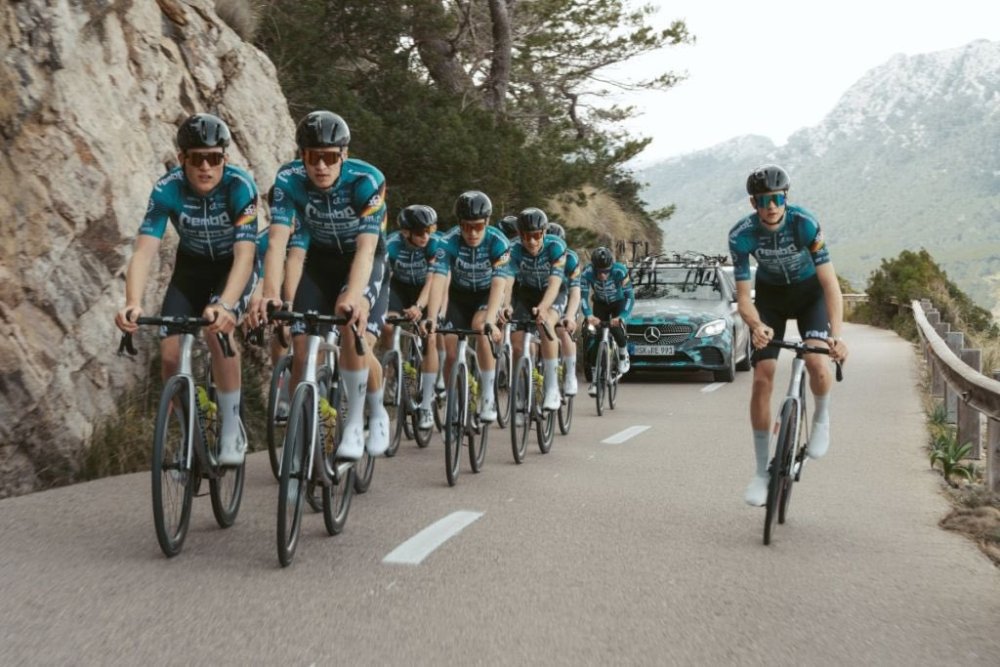
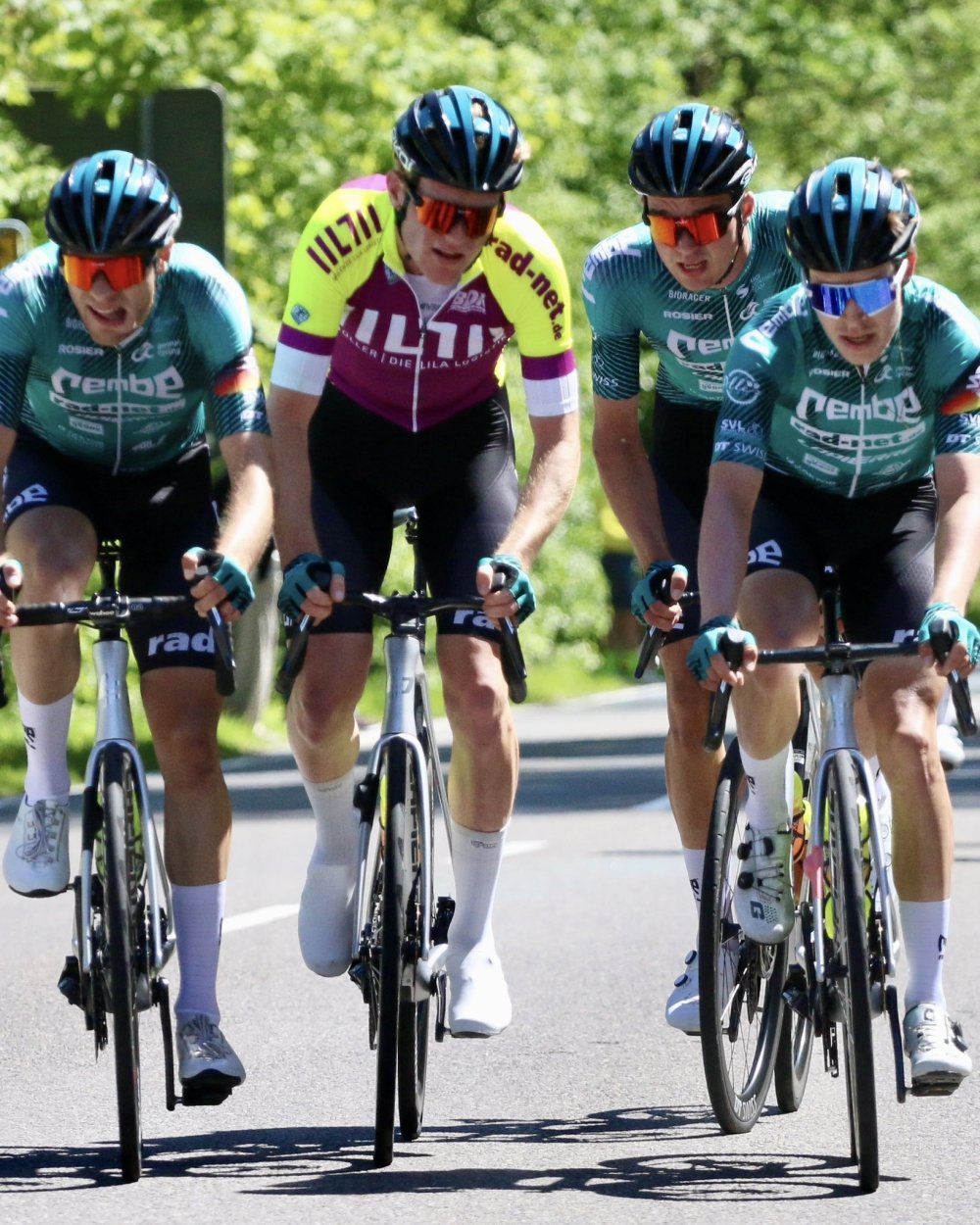
Rembe–Rad-Net Pro Cycling Team touched down in Kigali on Tuesday, February 17, 2026, becoming the first international squad to arrive. On Thursday, February 19, four additional teams are expected: Picnic PostNL of the Netherlands, Lotto Intermarché of Belgium, Soudal Quick-Step of Belgium and Movistar of Spain.
The official team presentation will take place on Saturday, February 21, at 6:00 p.m. at the Kigali Convention Centre. All 18 teams and the 90 riders set to compete will be unveiled during a ceremony open to the public.
UAE Team Emirates Gen-Z, which had initially been listed among the participants, will no longer compete but has since been replaced.
Teams confirmed for Tour du Rwanda 2026
National teams: Rwanda, Eritrea, South Africa and Ethiopia.
Continental teams: Amani, Benediction Banafrica, May Stars, Madar, Rembe–Rad-Net, Localiza Meoo, Bike Aid, Istanbul and Tshenolo Pro.
World Tour development teams: Movistar, NSN, Soudal Quick-Step, Picnic PostNL and Lotto Intermarché.
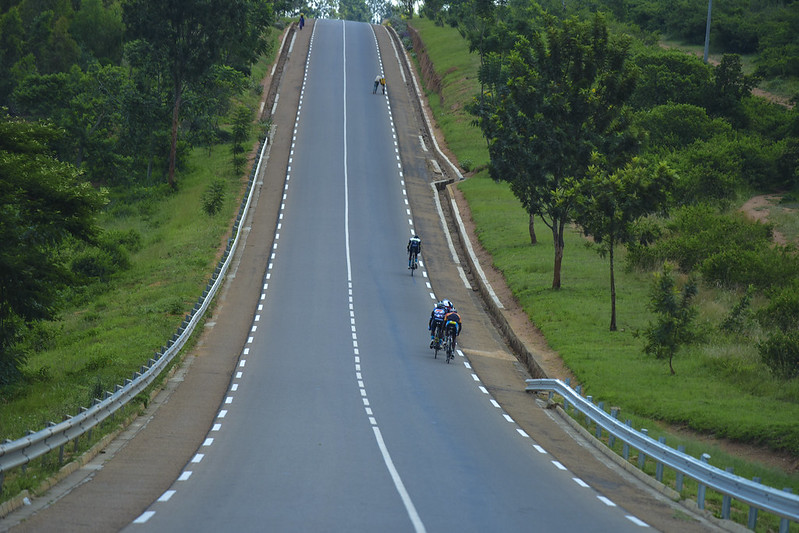
German club Rembe Rat arrived in Kigali on Tuesday ahead of the race which starts on Sunday, February 22.
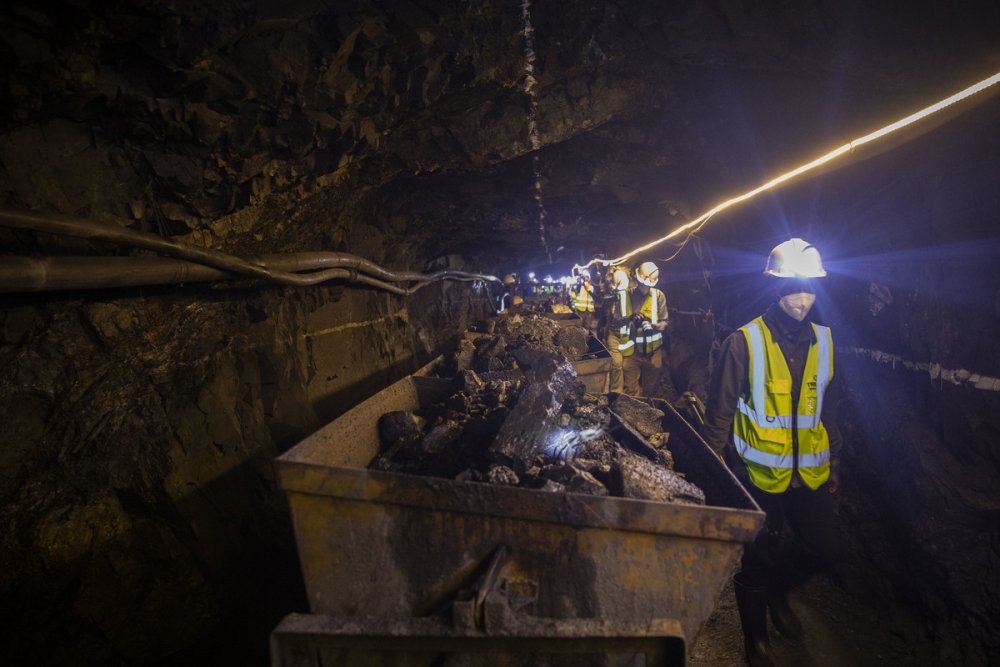
In mid-2025, at least 73 applications were received for 10 mining blocks, underscoring growing enthusiasm for the country’s mineral resources.
The new blocks are available for field visits from February 16 to 20, 2026. Interested investors must submit signed applications by March 3 through the Rwanda Mines, Petroleum and Gas Board (RMB).
“From our previous experience, competition was intense. We hope to see even more investors this time,” said Alice Uwase, CEO of RMB.
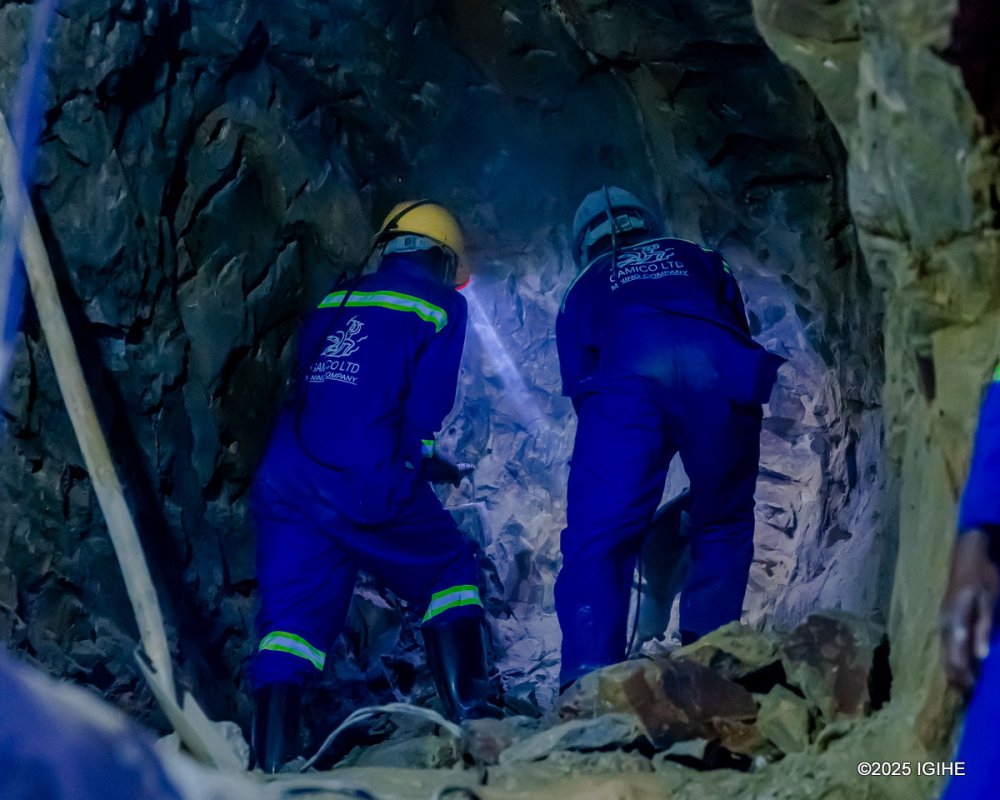
The newly available blocks include Bihembe, Rubiha, Musenyi, Nyamyumba–Kivumu, Shyorongi & Binyeri, Kanama, Minazi, Bushekeri–Rangiro, and Kabagari–Kinihira. Four of the blocks have been explored previously and are considered highly promising, targeting tin, tantalum, tungsten, beryllium, and lithium. Four others are earmarked for fresh exploration focusing on the 3Ts, while two blocks are dedicated to gemstones, including sapphires.
RMB emphasised that technical expertise and local capacity remain key for successful bids.
“Finances alone are not enough—you need the right people and equipment on the ground. This is what we assess first,” Uwase said, urging investors to consider joint ventures to strengthen compliance and operational capacity.
Each block offers unique opportunities: Binyeri and Musenyi show strong potential for lithium, beryllium, cassiterite, and columbite-tantalite. Rubiha and Minazi are rich in tin and tantalum, with Minazi also featuring gemstones and gold.
Shyorongi and Bihembe are linked to rare metals, including niobium and tungsten, while Bushekeri–Rangiro and Kanama are focused on gemstones such as sapphire, ruby, and tourmaline.
By promoting exploration and investment in these new blocks, Rwanda aims to attract a broader pool of investors, foster technical partnerships, and accelerate growth in its mining sector, moving closer to its goals for increased mineral production and export revenue.
In mid-2025, at least 73 applications were received for 10 mining blocks, underscoring growing enthusiasm for the country’s mineral resources.
The report shows that the financial sector attracted $299.1 million in 2024, a 27.2% increase. Industry received $267.1 million, construction $150.5 million, while agriculture, education and health together drew $107.7 million in foreign investment.
By country of origin, investors from Mauritius led with $251.1 million, followed by Kenya with $140.3 million, China with $108.6 million, the United States with $103.9 million, and Germany with $65.3 million.
Viewed by regional blocs, the Common Market for Eastern and Southern Africa (COMESA) accounted for $418.6 million in investment inflows, followed by the Organisation for Economic Co-operation and Development (OECD) with $340.6 million, the Southern African Development Community (SADC) with $293.4 million, Asia with $228.2 million, and the East African Community with $159.1 million.
Foreign loans to Rwandan businesses rose to $543.6 million, a 28.5% increase from $423 million the previous year. The report attributes the rise mainly to borrowing from affiliated companies abroad, which accounted for 60.8% of external loans, while 39.2% came from non-affiliated foreign entities.
More than 380 companies participated in the survey. Their combined turnover reached $3.9 billion in 2024, up from $3.6 billion in 2023.
Profitability and employment
The report indicates that in 2024, private companies with foreign ownership exceeding 10% recorded profits of $179.5 million, up 36.4% from $176.5 million in 2023. Reinvested earnings rose by 34.6% to $125.4 million, while dividends distributed to shareholders increased by 15.2% to $38.3 million.
Foreign investment generated 69,341 jobs in 2024, with 97.6% of positions held by Rwandans. In 2023, foreign investment-related employment stood at 59,916 jobs.
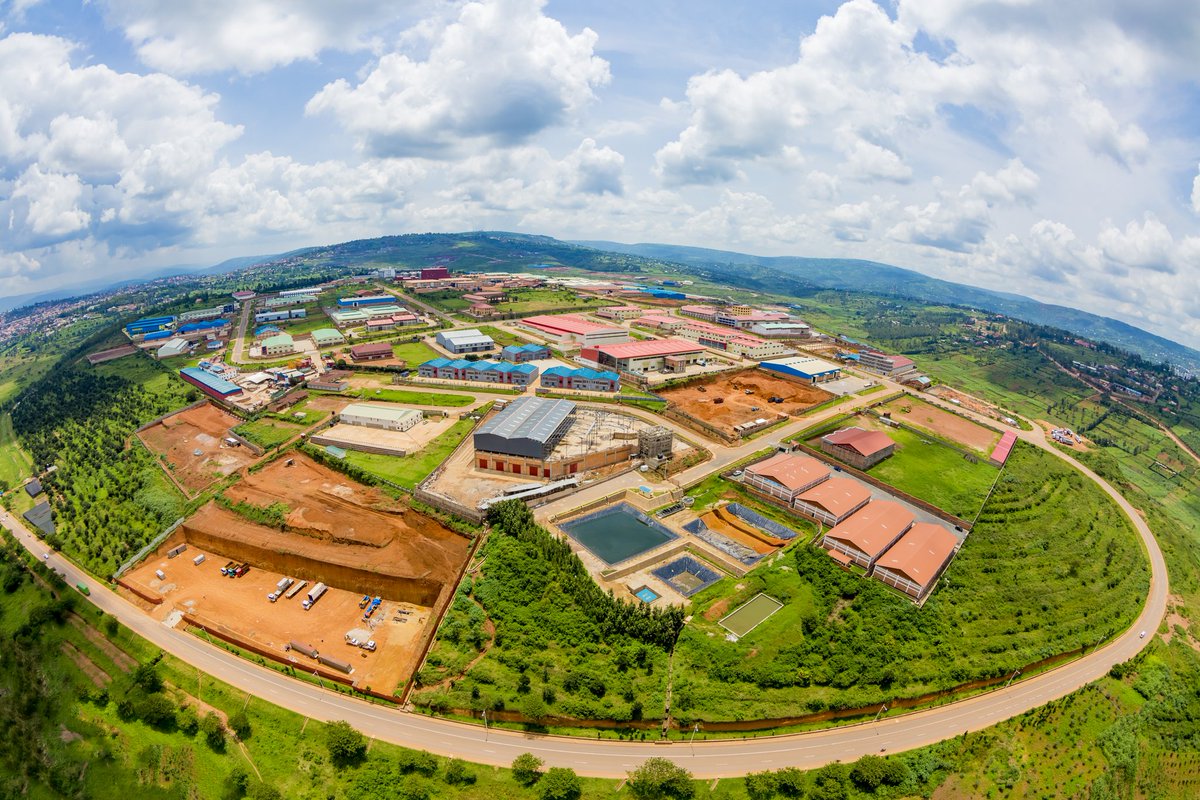
Ths photo shows the view of Kigali Special Economic Zone in Masoro.
The 12 resolutions, published on February 17, 2026, include measures to further improve the quality of education, with a particular focus on strengthening the teaching of languages, especially English, as well as improving public awareness of available government services and where to access them.
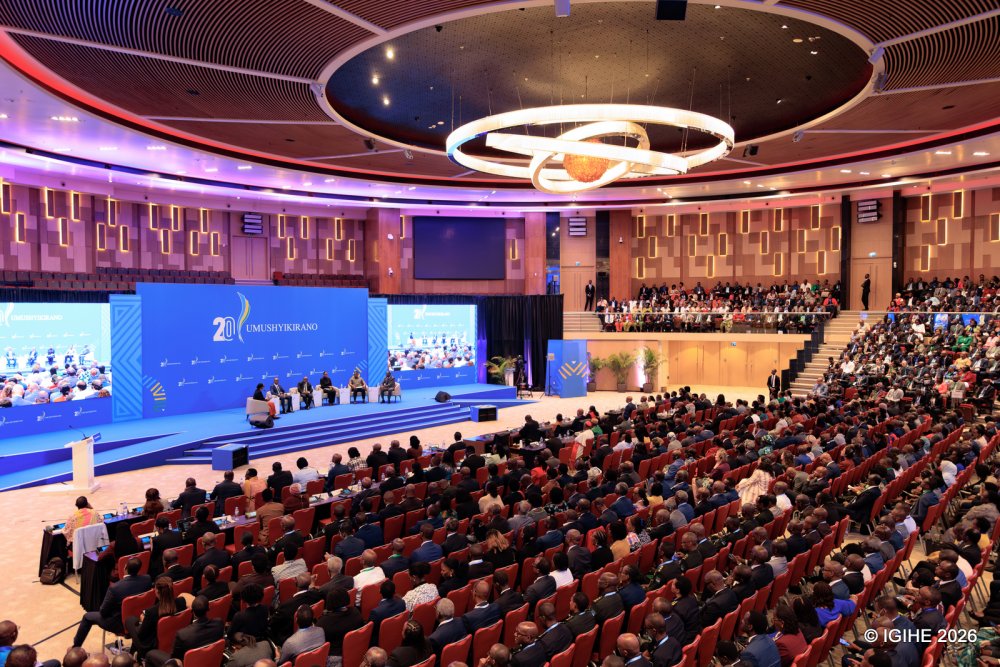
The 20th session of the National Dialogue Council was held in Kigali from February 5 to 6 and was chaired by President Paul Kagame.
The meeting brought together participants from across society, including government leaders, representatives of the private sector, members of the Rwandan diaspora, diplomats accredited to Rwanda, international organizations, development partners, and the media.
In his opening remarks, President Kagame emphasized the importance of implementing the Council’s resolutions, describing them as a cornerstone of national development and self-reliance. He also highlighted the responsibility of leaders to promote unity among Rwandans, strengthen self-reliance, and build public confidence.
The Head of State urged leaders to further improve performance and coordination, consistently place citizens at the center of service delivery, and remain accountable for their responsibilities.
Discussions during the 20th National Dialogue Council focused on key issues including the implementation of the National Strategy for Transformation (NST2), sustainable economic development, Rwanda’s position in the international arena, good governance, education, and employment.
Following these discussions, the following resolutions were adopted:
1. Strengthen project planning, monitoring, and accountability to ensure timely completion and achievement of objectives.
2. Continue professionalization of mining activities and prioritize processing and value addition.
3. Intensify efforts to increase agricultural and livestock productivity, including through expanded access to fertilizers, improved seeds, irrigation services and artificial insemination.
4. Provide targeted support to industries to boost production and competitiveness, improve value addition, and address packaging challenges.
5. Resolve outstanding issues in One Stop Centres by streamlining processes and procedures, to ensure adequate public awareness of the existence of these services.
6. Accelerate the integration of SACCOs at district and national levels.
7. Advance education quality to align with labor market needs, nurture talents, and significantly strengthen language instruction, particularly in English.
8. Promote youth recreational activities, talent promotion and skills development for productive and decent jobs.
9. Support Rwandan content creators and creatives to effectively monetize digital platforms and online content.
10. Improve planning and implementation of performance contracts (Imihigo) to better respond to citizens’ concerns, enhance service delivery, and raise overall performance.
11. Reinforce citizen engagement for behaviour change to enable communities to be more active in addressing social welfare and development challenges.
12. Strengthen campaigns and educational measures against teenage pregnancies, school dropout, alcohol and drug abuse.
The 20th session of the National Dialogue Council, held in Kigali from February 5 to 6, was chaired by President Paul Kagame.