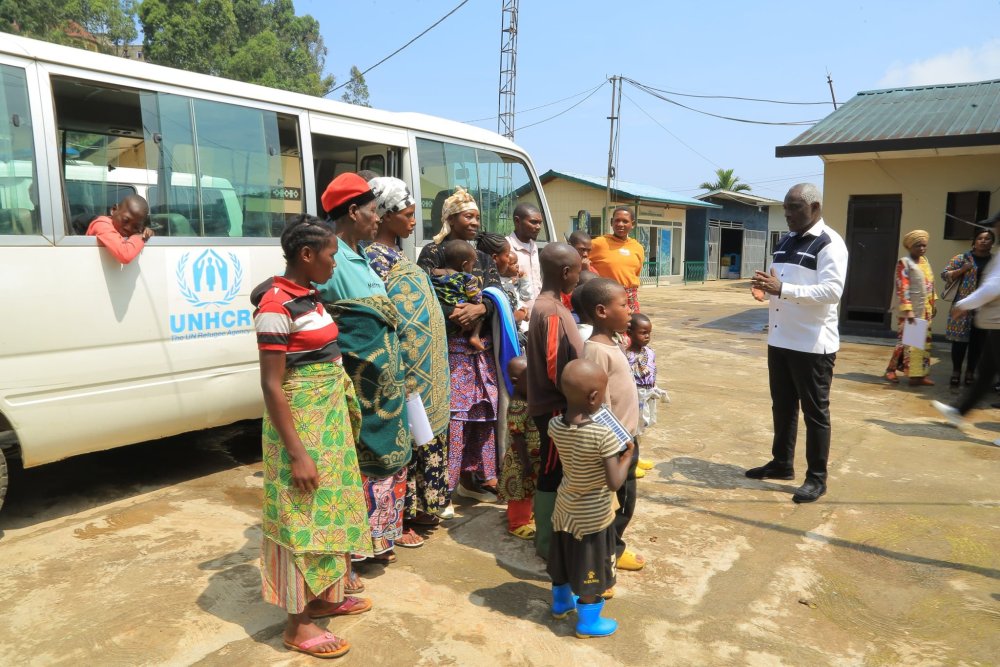
The group arrived through the Rusizi I Border Post on February 24, 2026, marking the second group repatriated from the DRC this year.
Speaking to RBA, the returnees said years spent in displacement severely disrupted their lives, particularly access to education for their children. One returnee said the family had spent years constantly moving to escape insecurity, leaving children unable to attend school.
Another said life in the DRC was marked by persistent conflict and instability, preventing children from accessing education. He explained that a relative who had returned earlier encouraged them to come back after describing Rwanda as peaceful and secure.
Upon arrival, the returnees expressed gratitude for the warm reception and the stability they found in their home country. They were welcomed by officials from Rusizi District, representatives of the United Nations High Commissioner for Refugees (UNHCR), and security officials.
Rusizi District Mayor Phanuel Sindayiheba described their return as a positive step toward rebuilding their lives and contributing to national development. He said their decision to return also reflects a break from divisive ideologies and encouraged others still abroad to consider coming home by learning about the country’s progress and stability.
The group of 22 returnees includes two men, four women, and 16 children. They were taken to the Nyarushishi transit center, where they will stay before being reunited with their families.
The group arrived through the Rusizi I Border Post on February 24, 2026
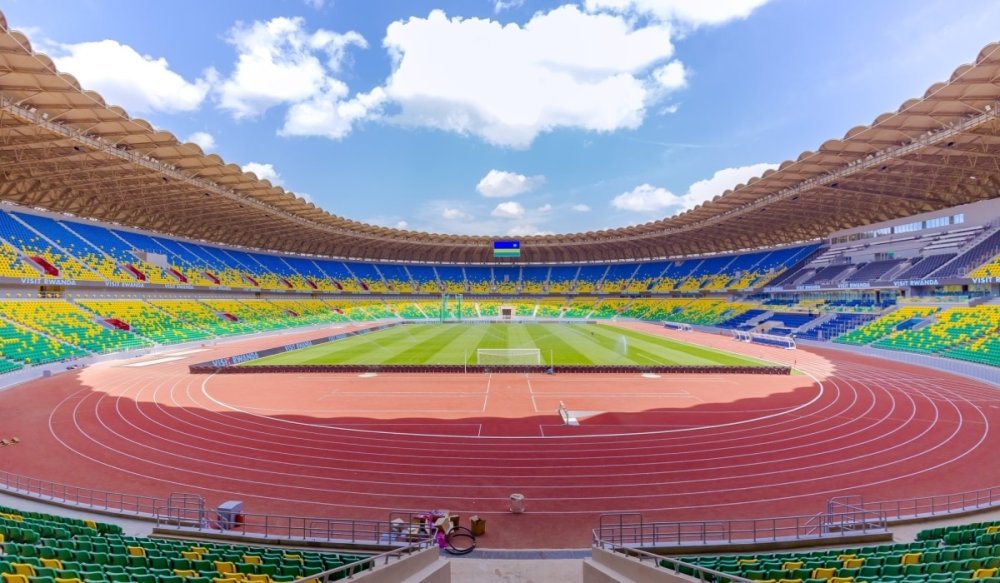
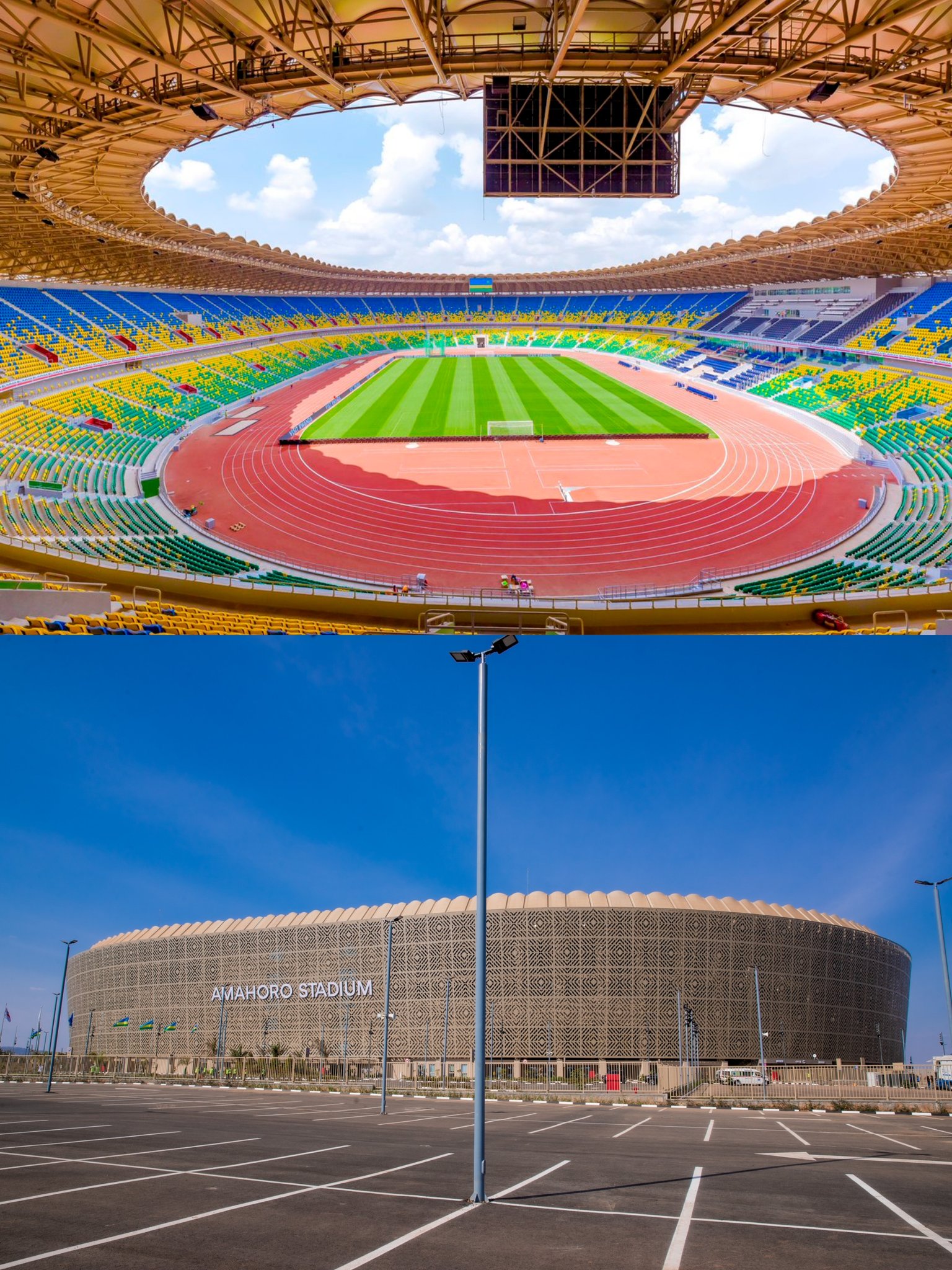
Jules Karangwa, Chief Executive Officer (CEO) of the Rwanda Premier League, explained that the closure is the reason for several changes in scheduled matches.
“The stadium is being prepared for FIFA Series matches,” Karangwa told RBA. “After the recent match between Kiyovu Sports and APR FC, it was closed for maintenance. It is expected to reopen after March 2026.”
He added, “We have looked into alternatives, but in order to meet FIFA’s standards for the tournament, the stadium must remain closed. We will continue to organize matches at other venues in the meantime.”
Amahoro Stadium was originally set to host the match between Rayon Sports and Al Hilal SC. The fixture has now been moved to Kigali Pelé Stadium and will take place on Wednesday, February 25, 2026.
During the FIFA Series 2026, starting on March 26, Amahoro Stadium will host Group A matches, featuring Estonia, Grenada, Kenya, and Rwanda. Group B matches, including Aruba, Liechtenstein, Tanzania, and Macau, will be played at Kigali Pelé Stadium.
Amahoro Stadium was originally set to host the match between Rayon Sports and Al Hilal SC. The fixture has now been moved to Kigali Pelé Stadium and will take place on Wednesday, February 25, 2026.
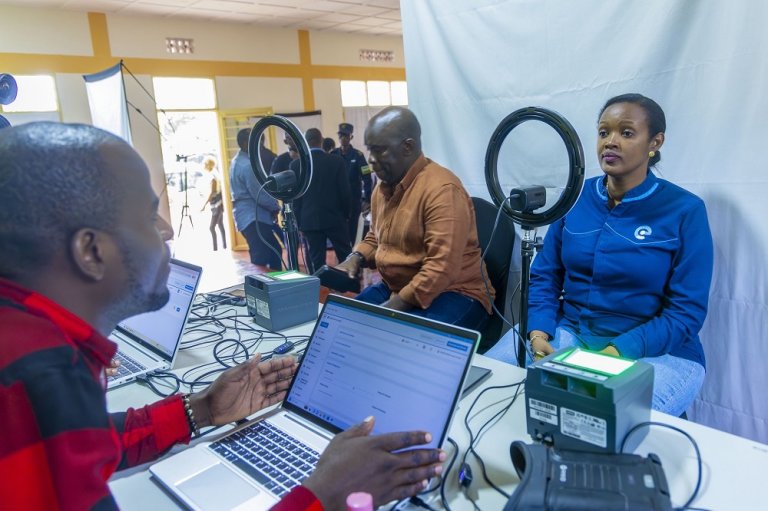
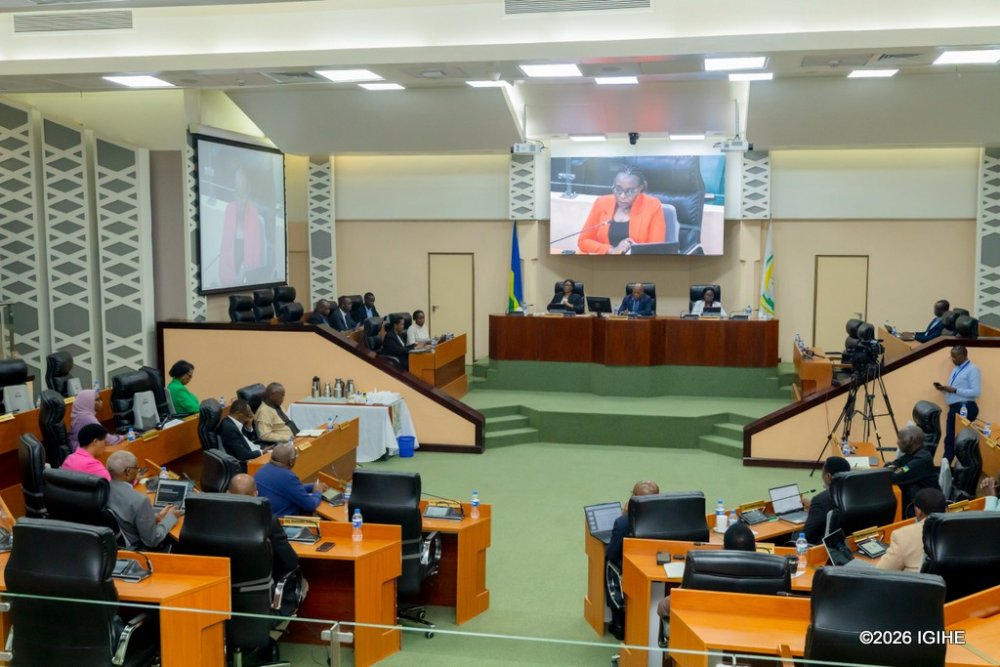
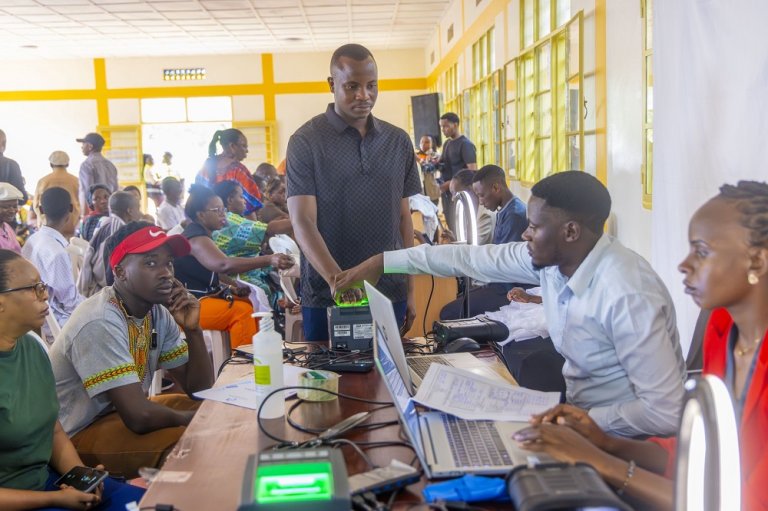
Speaking before the Senate on February 24, 2026, Minister Paula Ingabire stated that 1,828,763 individuals have so far had their data captured. The exercise has been conducted in nine districts, including the initial pilot districts of Huye, Nyanza, and Gisagara, as well as Kamonyi, Muhanga, Ruhango, Nyarugenge, Gasabo, and Kicukiro.
The digital ID, known as the e-ID or Single Digital ID, will be a permanent identification assigned to every Rwandan from birth and linked to key public and private services. The $50 million initiative aims to cover at least 15 million residents, including citizens, refugees, and migrants.
According to the Minister, nationwide biometric capture is expected to be completed by the end of this year, with the official issuance of the digital IDs set to begin in August 2026.
The e-ID will support access to vital services such as healthcare, education, banking, taxation, social protection, voting, and business registration. It will also simplify account opening and reduce the cost of linking bank and mobile money services.
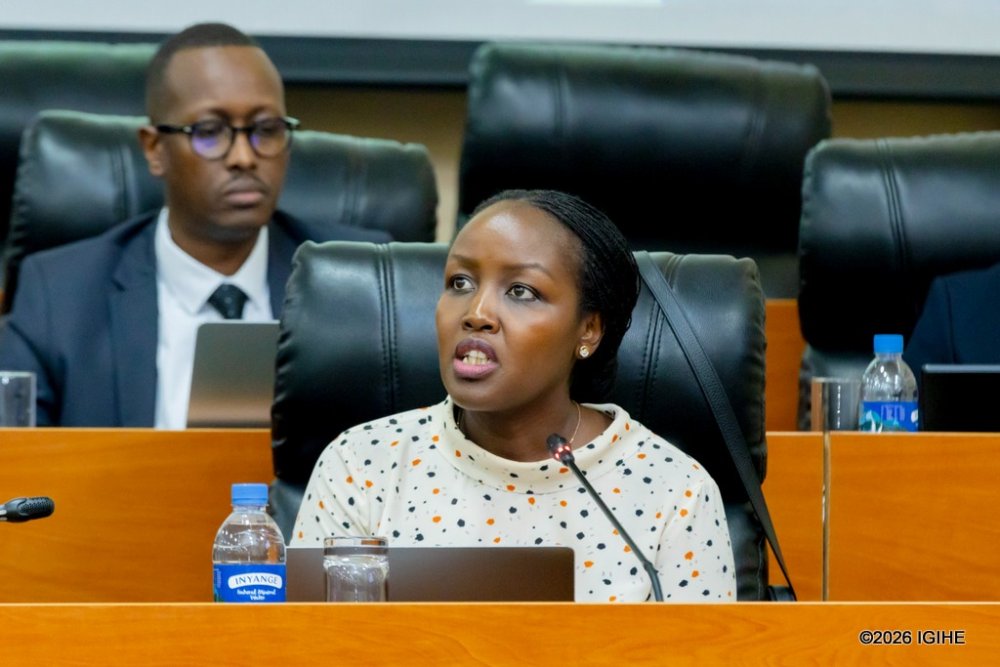
Minister Ingabire emphasised that the system is not designed for surveillance and that data will be protected under Rwanda’s data protection law, which strictly requires any breach to be reported within 72 hours.
To ensure accessibility for all residents, including those without smartphones, the ID will be issued in three modalities: a physical card with a QR code, a digital ID number, and a secure token for online transactions.
Senators welcomed the initiative during the session, noting that it is expected to streamline service delivery and significantly improve efficiency across government institutions.
More than 1.8 million people have completed biometric enrollment under the country’s national digital ID project.Senators welcomed the initiative during the session, noting that it is expected to streamline service delivery.Minister Ingabire emphasised that the system is not designed for surveillance and that data will be protected under Rwanda’s data protection lawThe digital ID, known as the e-ID or Single Digital ID, will be a permanent identification assigned to every Rwandan from birth and linked to key public and private services.
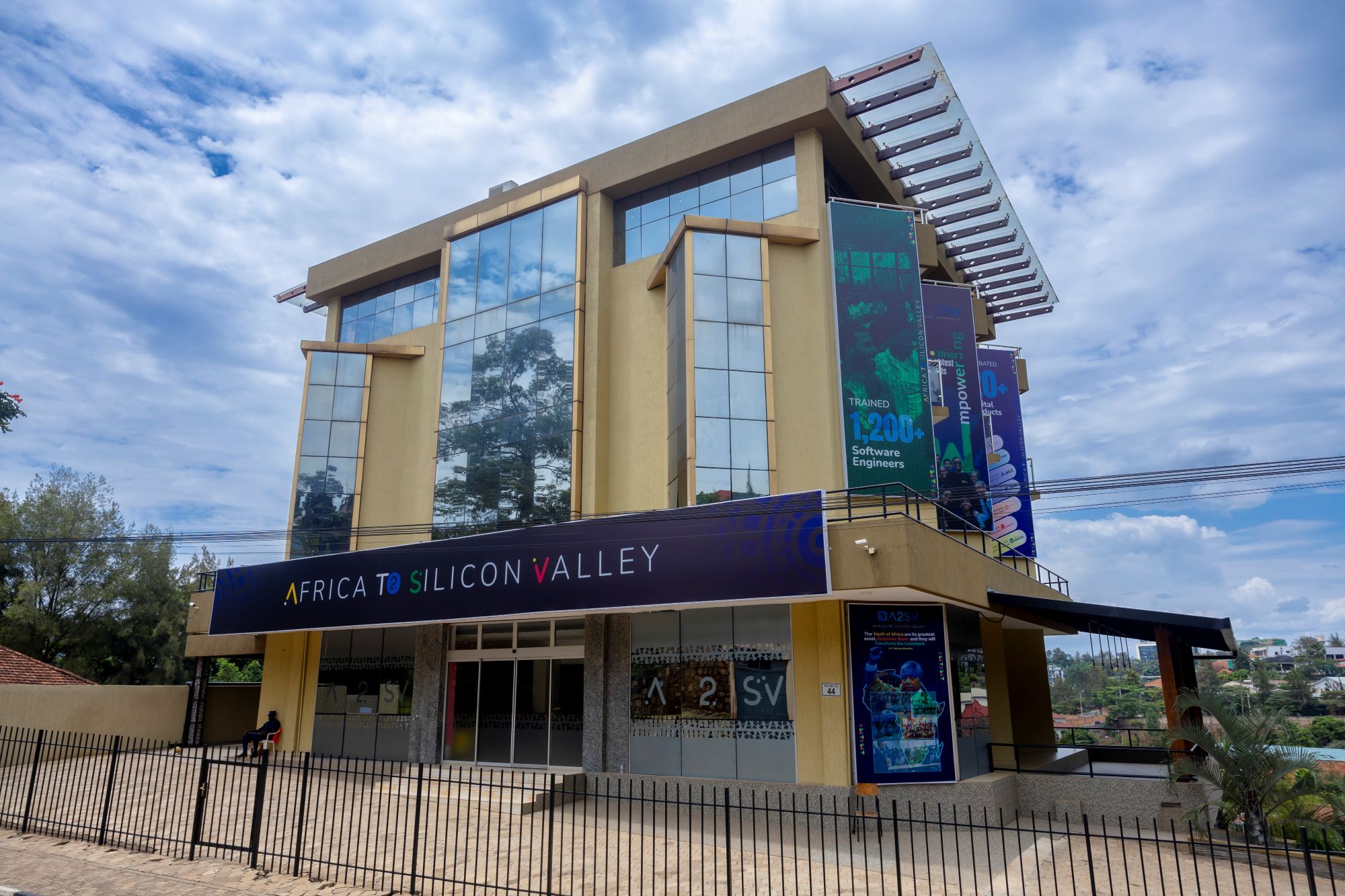
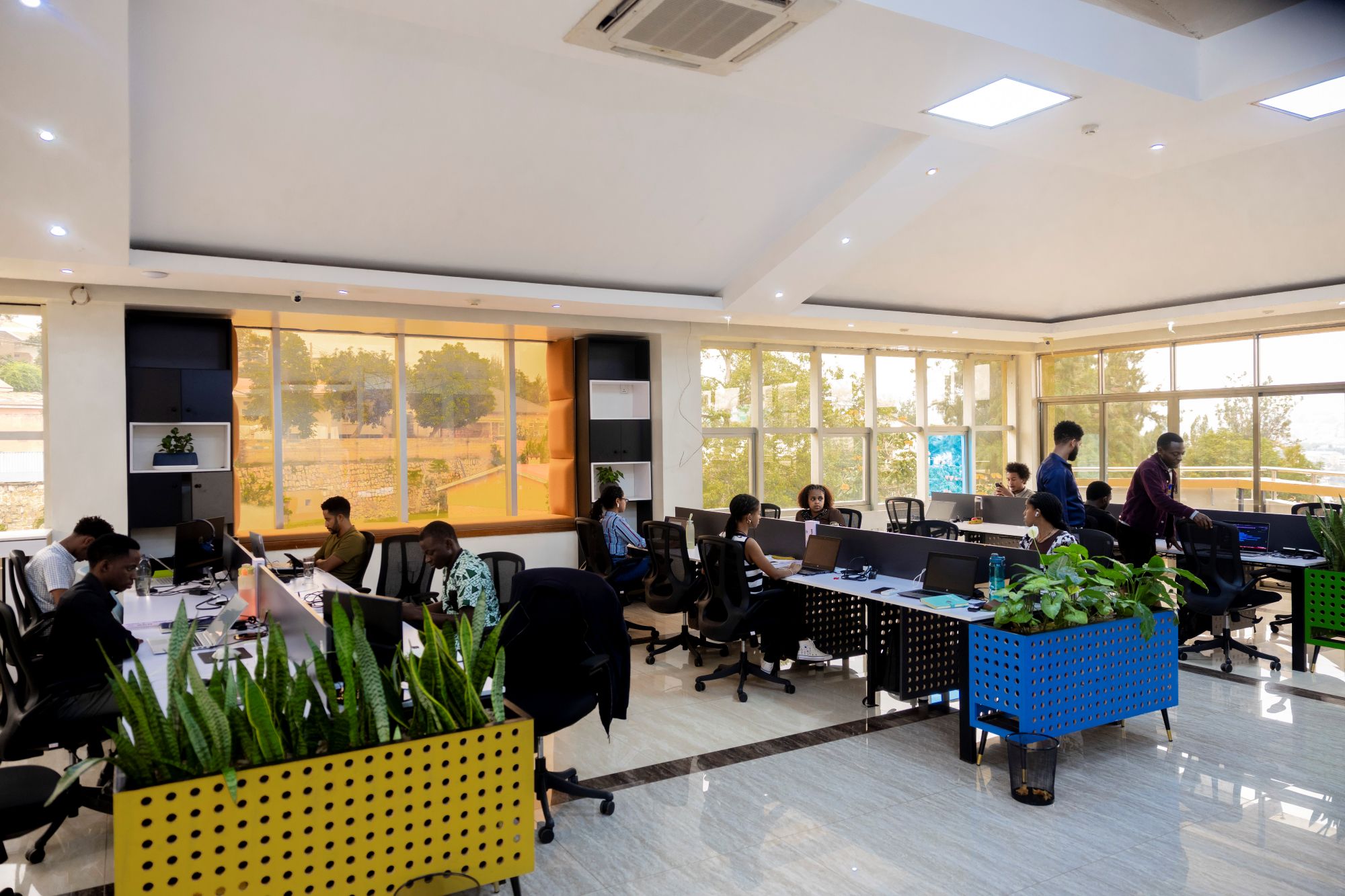
The organisation’s new office is located in Gishushu, placing it within Kigali’s growing tech ecosystem and providing a central base for A2SV’s education and incubator programs.
Founded in 2019 by former Google software engineer Emre Varol, A2SV is a free, non-profit initiative providing high-impact technical education to top-performing university students across Africa. Its mission is to bridge the gap between local university training and the expectations of global tech employers.
What began as a single, informal class at Addis Ababa University with just 22 students has grown into a continent-wide program. To date, A2SV has trained more than 1,200 software engineers from 22 African countries, with alumni securing over 120 job offers from global firms including Google, Amazon, LinkedIn, Bloomberg, and Meta.
A2SV’s model combines rigorous training, mentorship, and real-world project experience to develop globally competitive technologists. The program identifies promising students through a competitive selection process that includes solving data structure and algorithm problems and participating in technical and behavioural interviews.
Once selected, students receive intensive training both in-person and remotely, covering foundational software engineering concepts, problem-solving, and soft skills. Education is delivered in small groups, often with three educators for every thirty students, ensuring each participant receives personalised guidance.
Students work on digital products designed to address local African challenges, such as Eskalate, which connects developers to global companies; DIME, a digital money transfer platform; and Skillbridge, which helps bridge gaps between universities and the workforce. Beyond education, A2SV functions as an incubator, hiring top alumni to develop new solutions while mentoring the next generation of talent.
Graduates are connected to internships and full-time roles at top tech companies, and the program remains entirely free for participants through partnerships with universities. In Rwanda, A2SV has partnered with the University of Rwanda and the Adventist University of Central Africa.
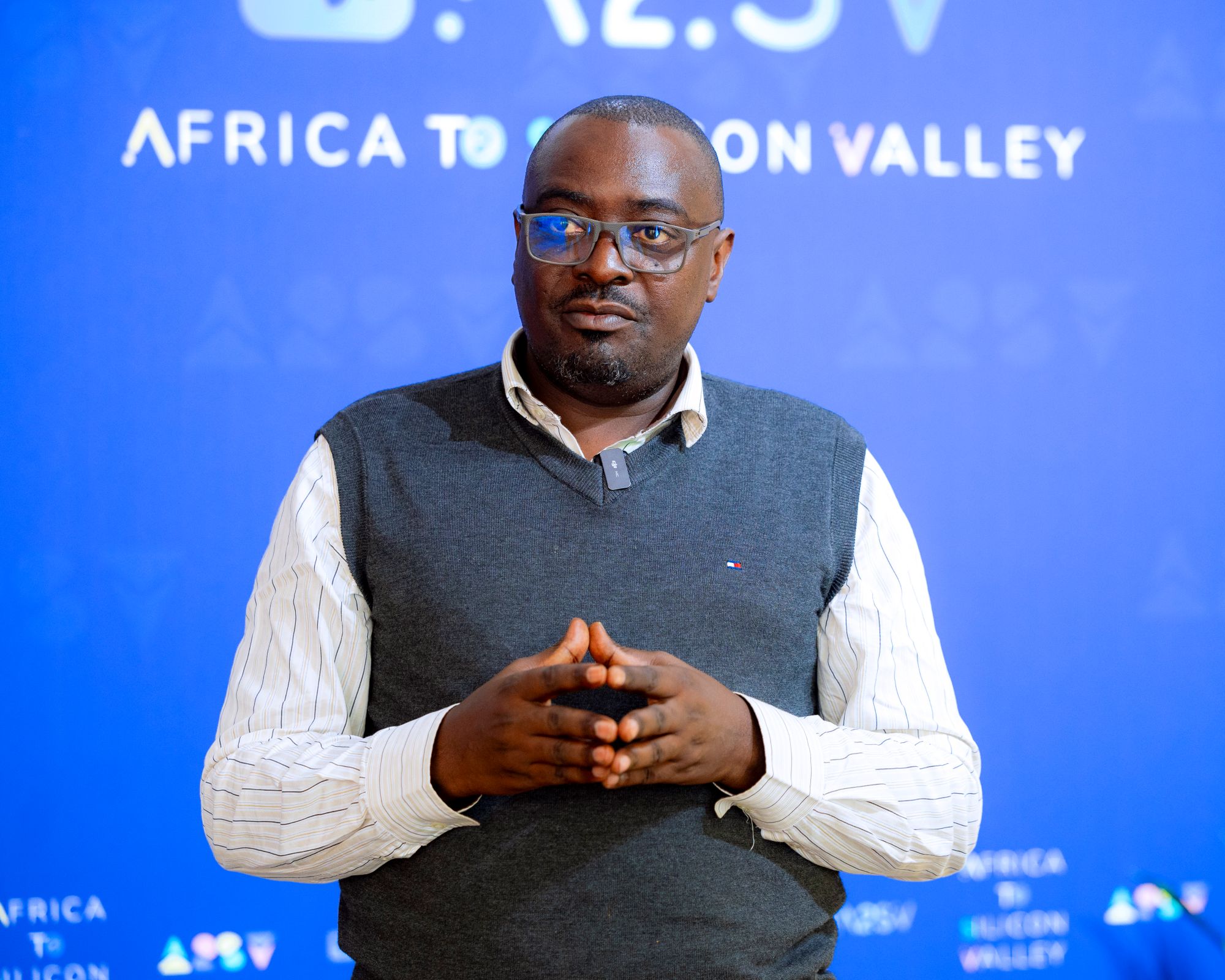
Shema Katende, A2SV’s marketing lead, explained that Kigali was chosen for its supportive environment for innovation and its growing pool of IT talent.
“Rwanda has systematically become a hub for innovation,” he said. “The government’s strong support and youth-focused initiatives made Kigali the ideal base for A2SV to scale across the continent.”
The Gishushu office now serves as the central hub for both the academy and incubator, attracting students, mentors, and developers to work on projects with both local and international impact.
The program emphasises building a strong foundation in programming, particularly in data structures and algorithms, which sets it apart from traditional boot camps.
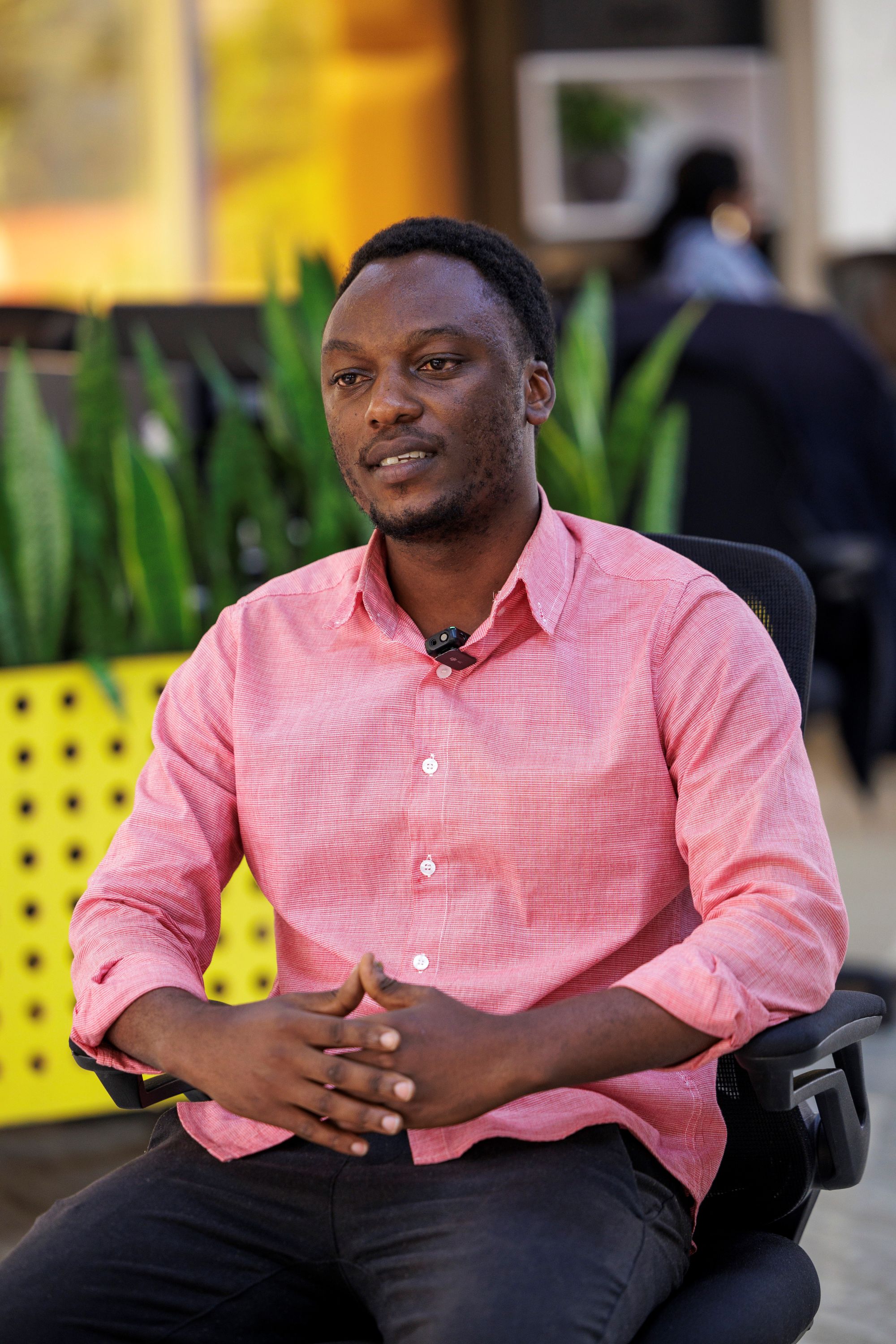
Adolphe Ngoga, a Rwandan IT graduate, is now part of the team on Eskalate, the organisation’s platform that connects African developers with companies around the world. The program gives developers the opportunity to work on real software projects and gain experience with international teams.
“By the time I joined, more than a dozen developers had already secured roles with U.S.-based companies, showing that these opportunities are truly possible,” said Ngoga, who joined A2SV nearly three months ago when the company relocated to Rwanda.
Mohamed Yasir, a Sudanese team lead who started as a student at A2SV a few years ago, highlighted the importance of mentorship and mastering foundational skills, saying, “Starting with the basics is key. If you understand data structures, algorithms, and how to collaborate with your team, you can take on bigger challenges.”
He advises emerging tech talent to focus on mastering foundational skills and adapting to the evolving landscape, including artificial intelligence: “AI is not here to replace us; it’s here to support developers. Learning how to collaborate with AI and communicate effectively is key to succeeding in today’s tech landscape.”
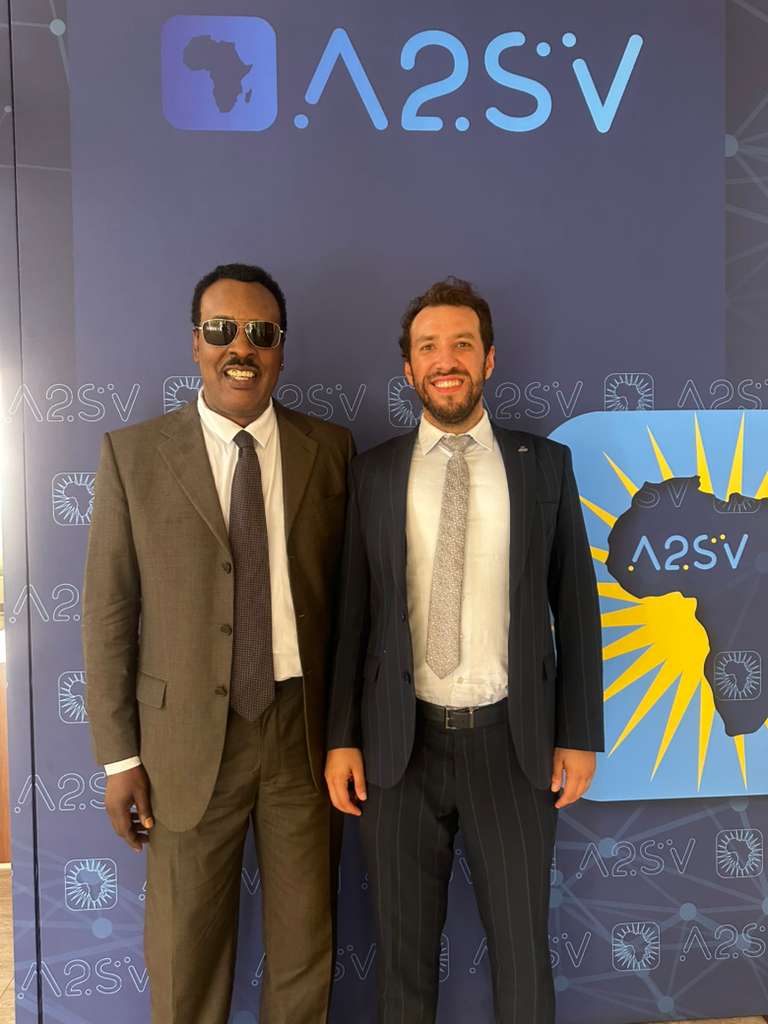
As A2SV grows in Kigali, founder Emre Varol emphasised the need for partners, investors, and philanthropists to help scale the initiative.
“Our goal is not to promise overnight transformation, but to do the rigorous work required to build a durable pipeline of technical talent and locally rooted ventures,” he remarked.
With its new base in Kigali, A2SV is positioning itself as a launchpad for a continent-wide vision, connecting African engineers to the global tech stage while simultaneously addressing real challenges in education, healthcare, and finance.
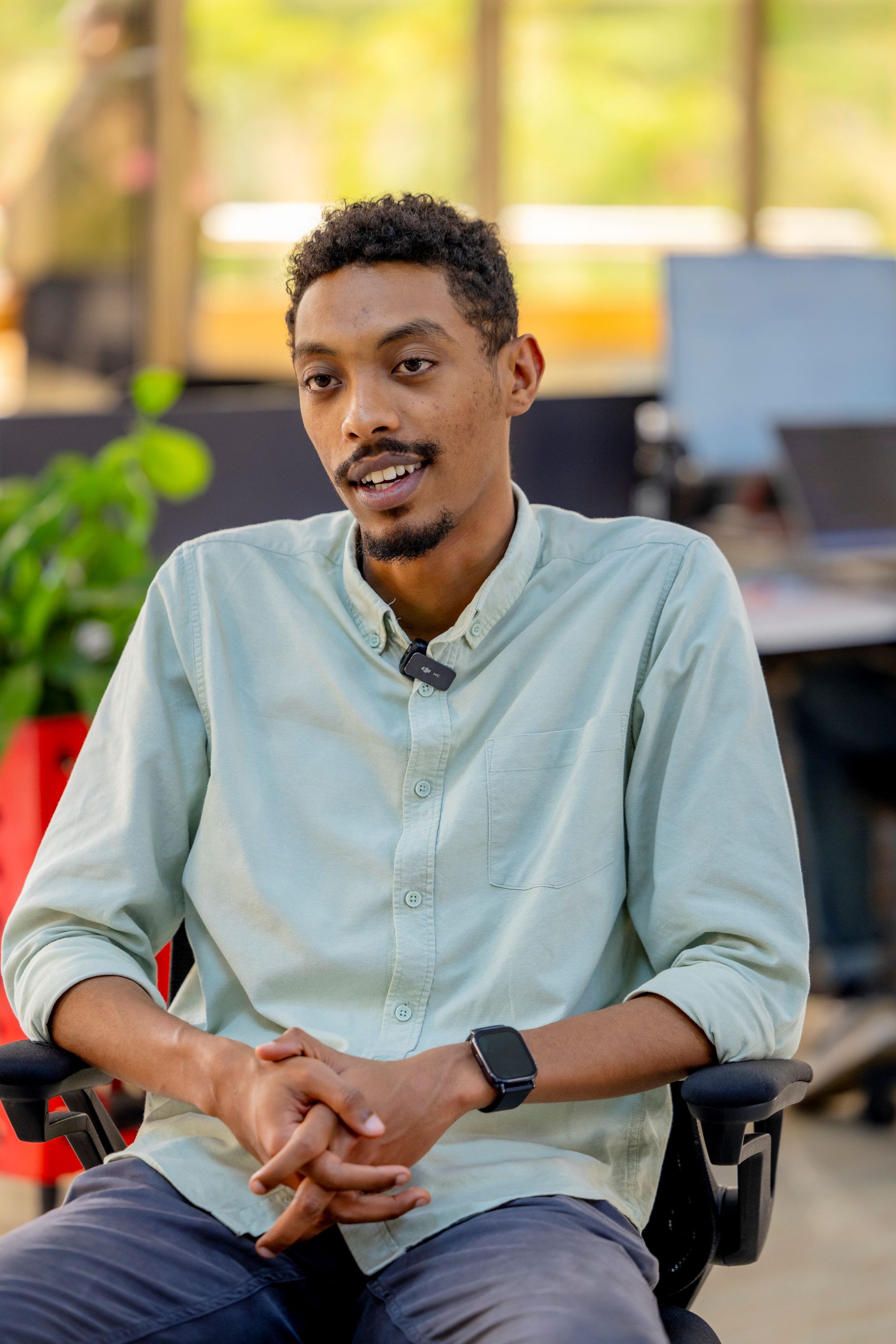
A2SV new office in Gishushu, Kigali.Founded in 2019 by Emre Varol, A2SV is a free, non-profit initiative that provides high-impact technical education to top-performing university students across Africa. The program emphasises building a strong foundation in programming, particularly in data structures and algorithms, which sets it apart from traditional boot camps.A2SV CEO Emre Varol (right) and the company’s Executive Public Relations Officer, John Bunyeshuri. The CEO emphasised the need for partners, investors, and philanthropists to help scale the initiative.Shema Katende, A2SV’s marketing lead, explained that Kigali was chosen for its supportive environment for innovation and its growing pool of IT talent.Adolphe Ngoga, a Rwandan IT graduate, is now part of the team on Eskalate, the organisation’s platform that connects African developers with companies around the world.Mohamed Yasir, a Sudanese team lead who started as a student at A2SV a few years ago, highlighted the importance of mentorship and mastering foundational skills
The National Agricultural Export Development Board (NAEB) has announced ongoing efforts to expand international markets for Rwanda’s agricultural products.
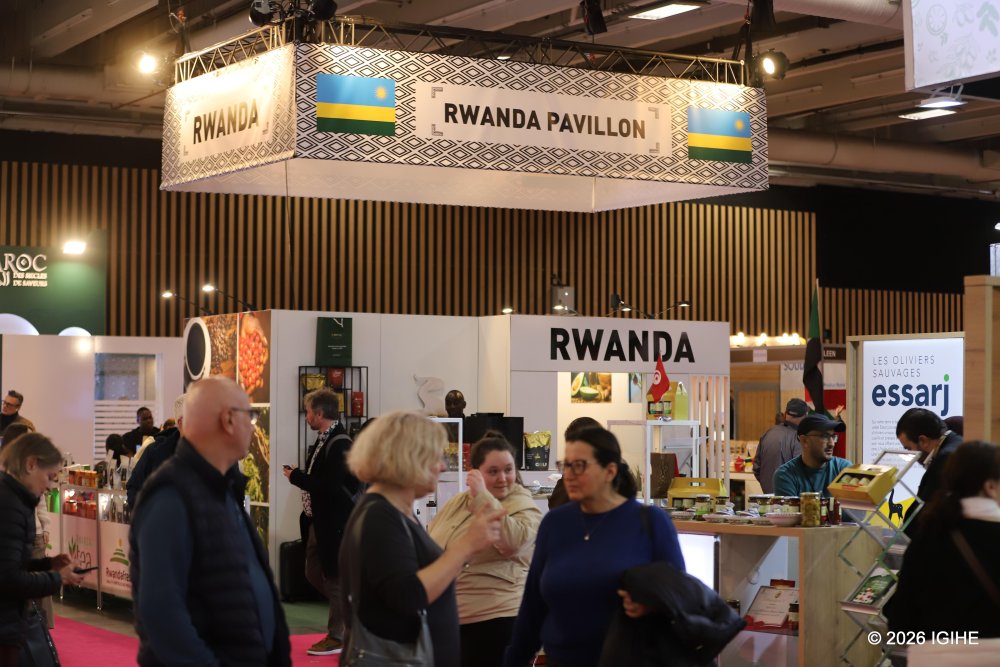
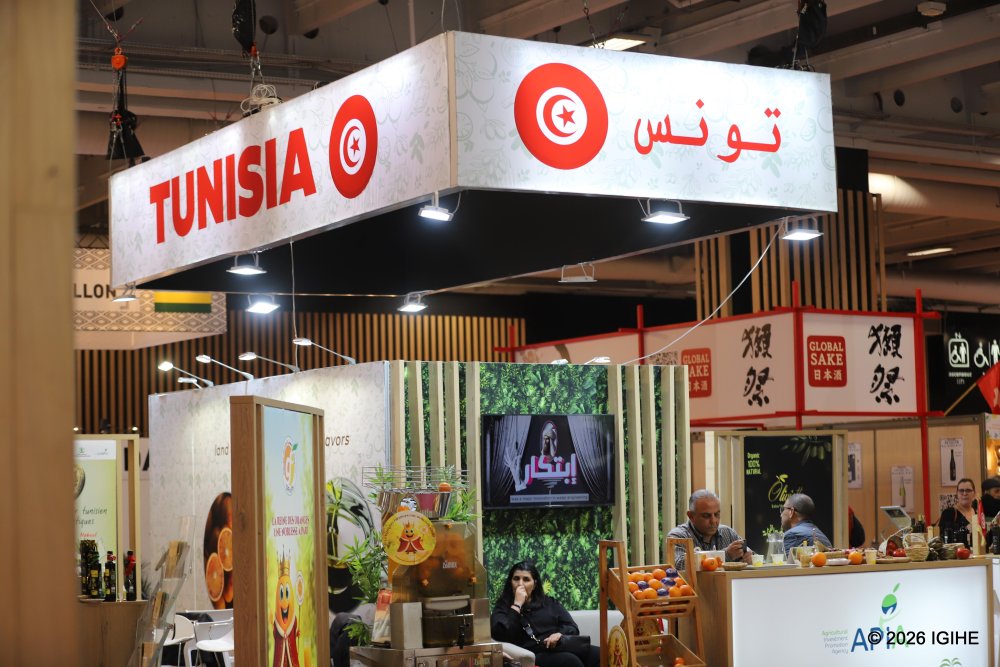
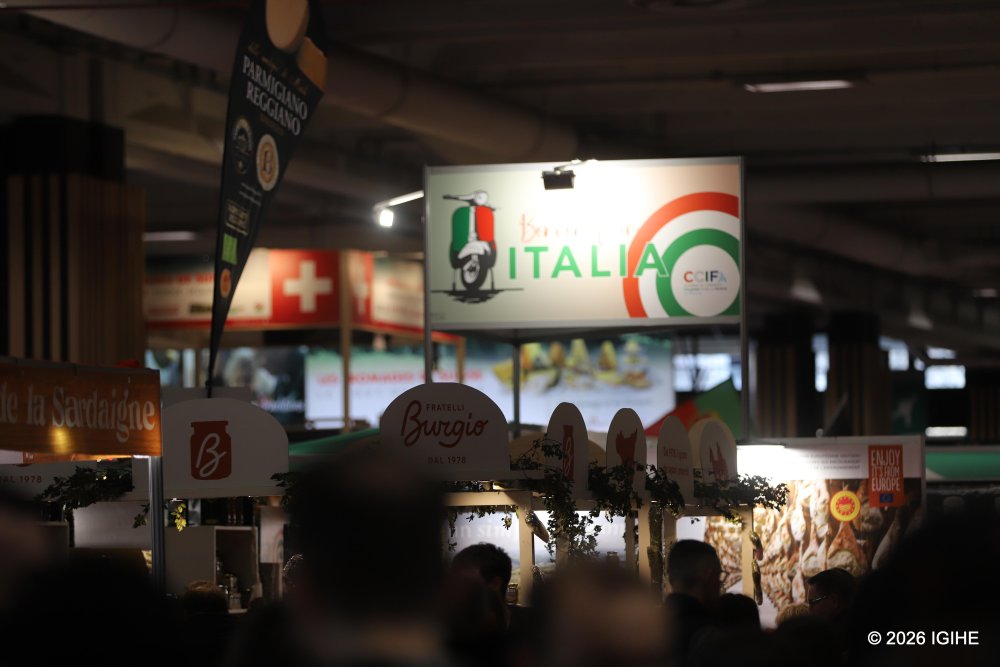
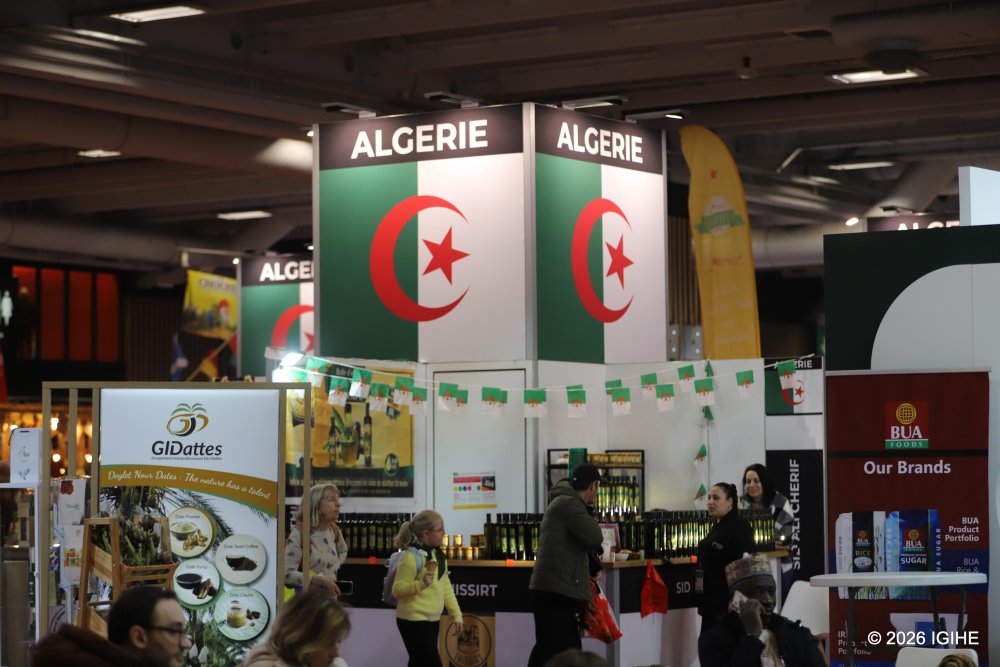
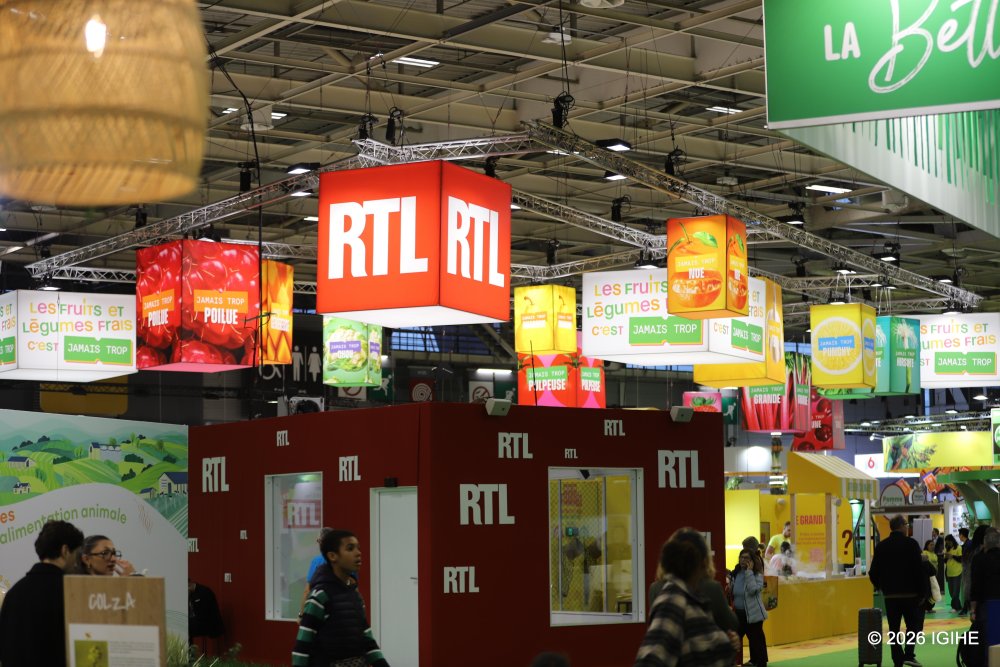
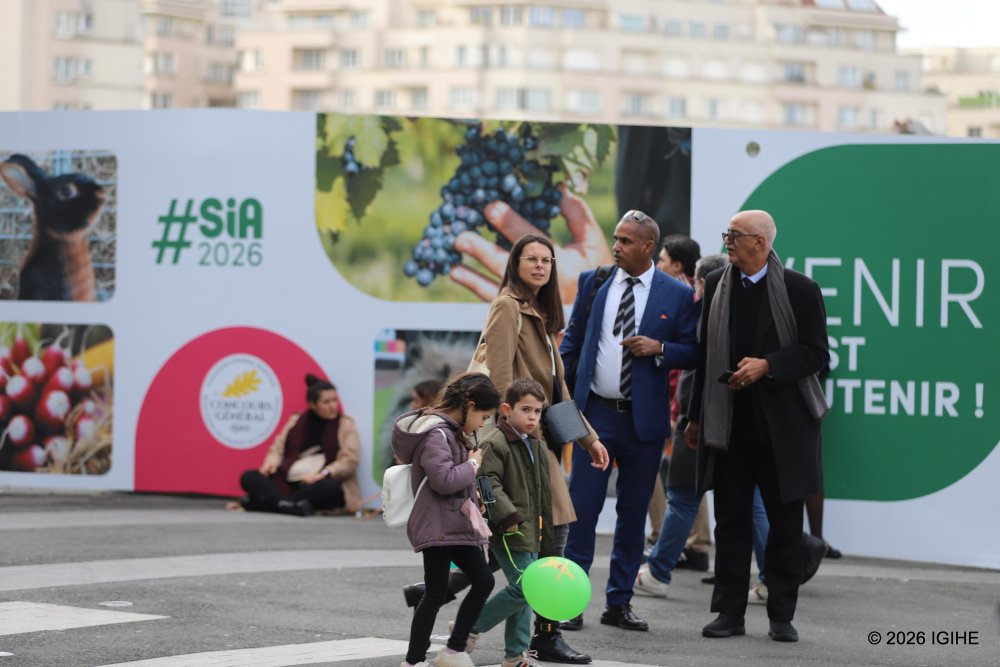
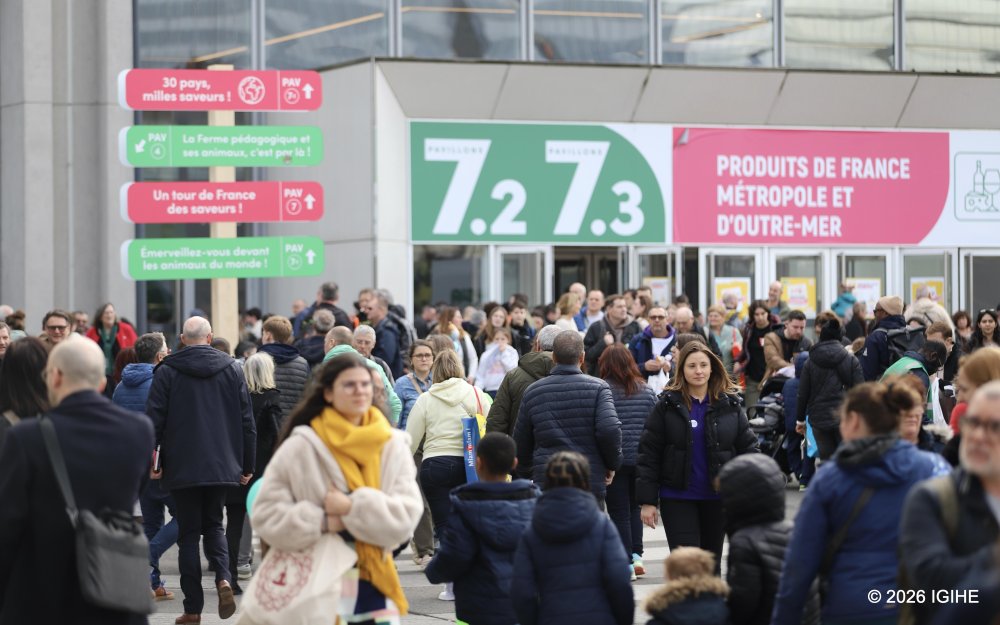
The announcement comes as Rwanda participates for the fifth time in the Paris International Agricultural Show (SIA), an international agriculture and livestock exhibition held annually in France. The event takes place at Paris Expo–Porte de Versailles from late February to early March each year.
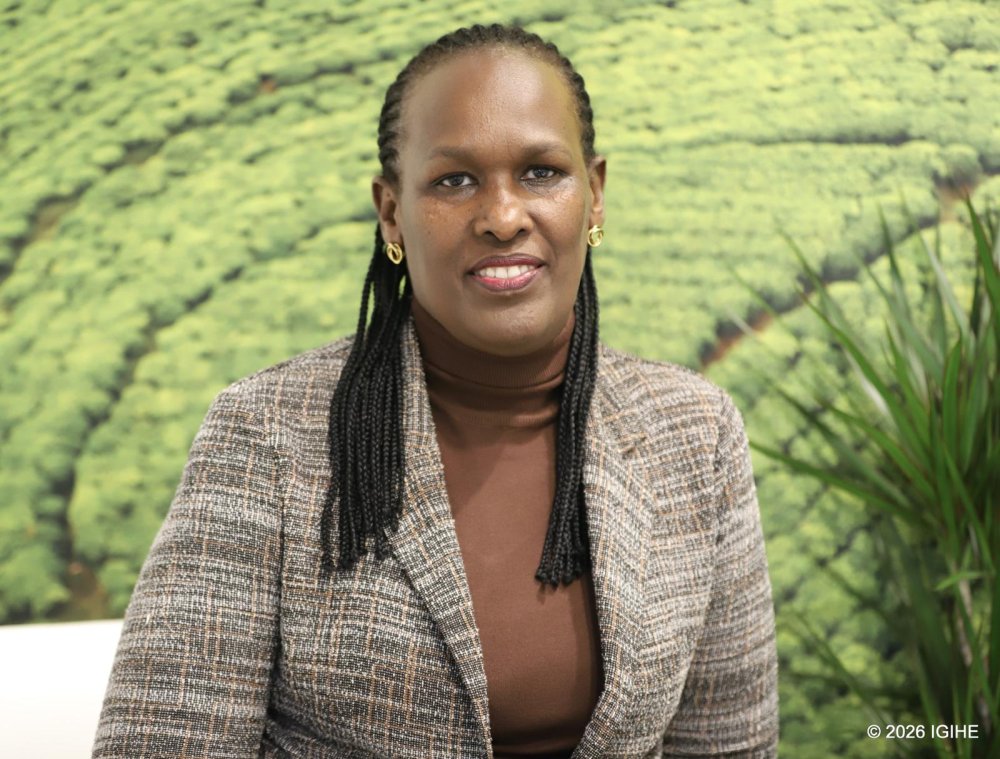
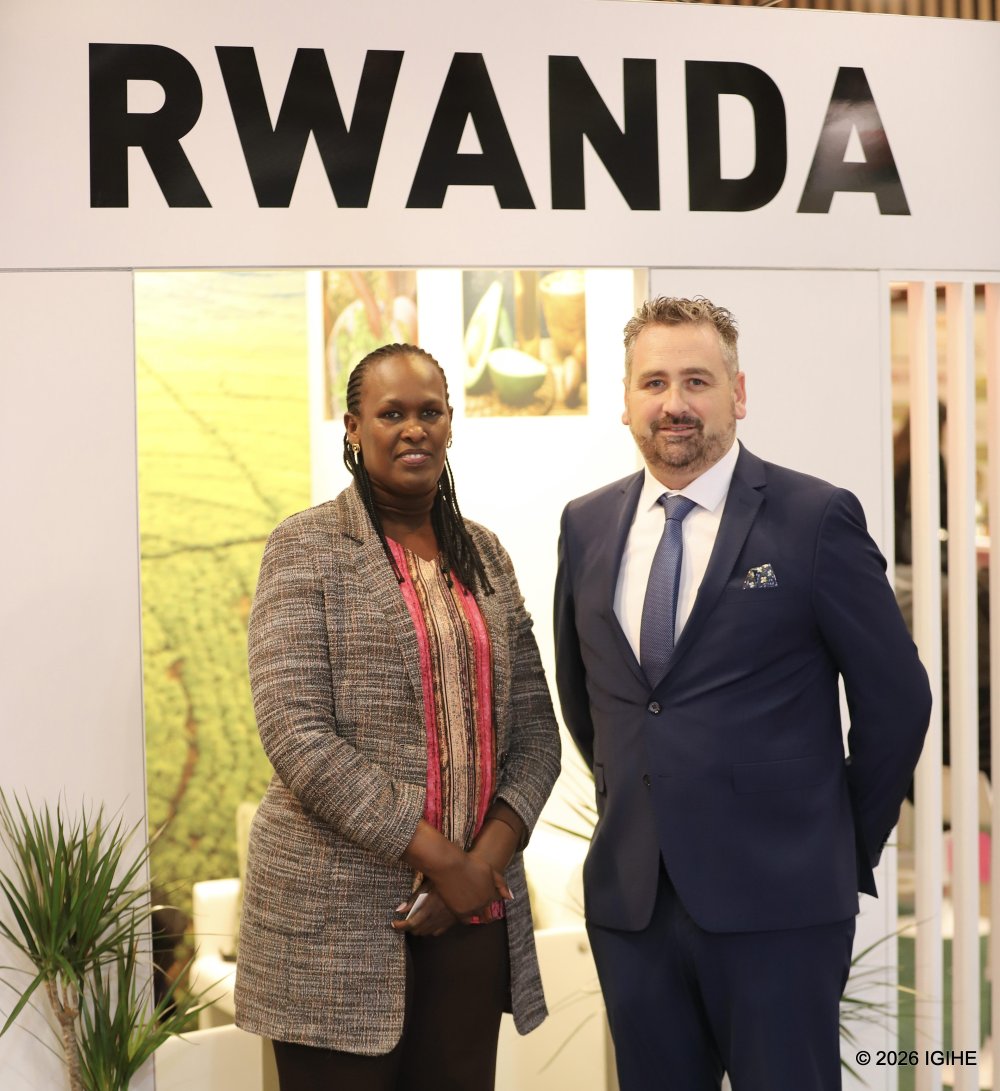
In an interview with IGIHE, Janet Basiima, Export Market Development and Innovation Division Manager at NAEB, said Rwanda continues to broaden market access while strengthening the global visibility of its agricultural products.
She noted that although this marks Rwanda’s fifth participation, the exhibition itself has been held for more than six decades.
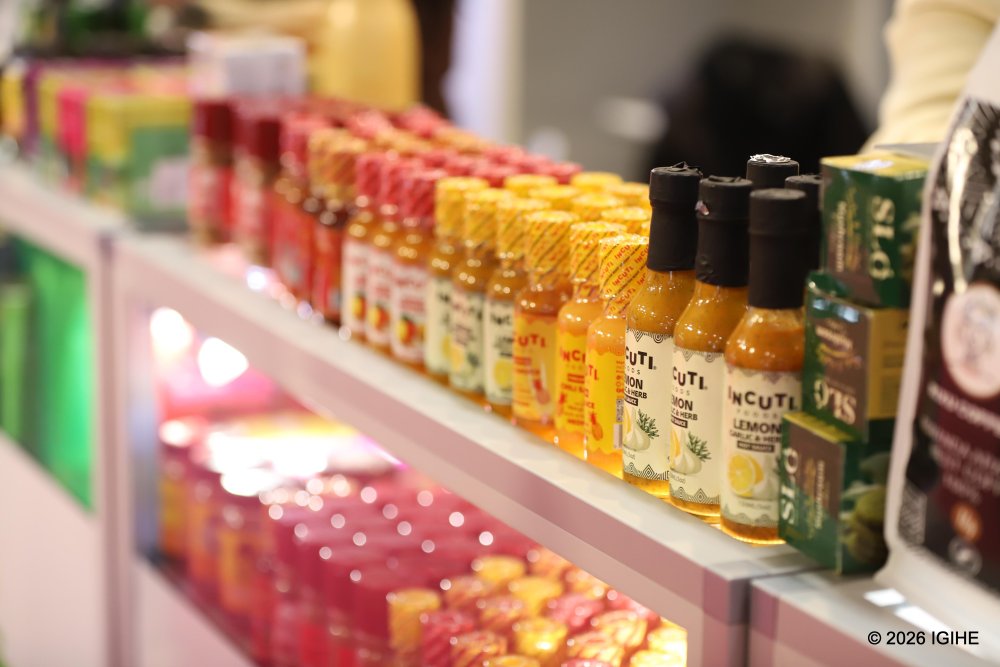
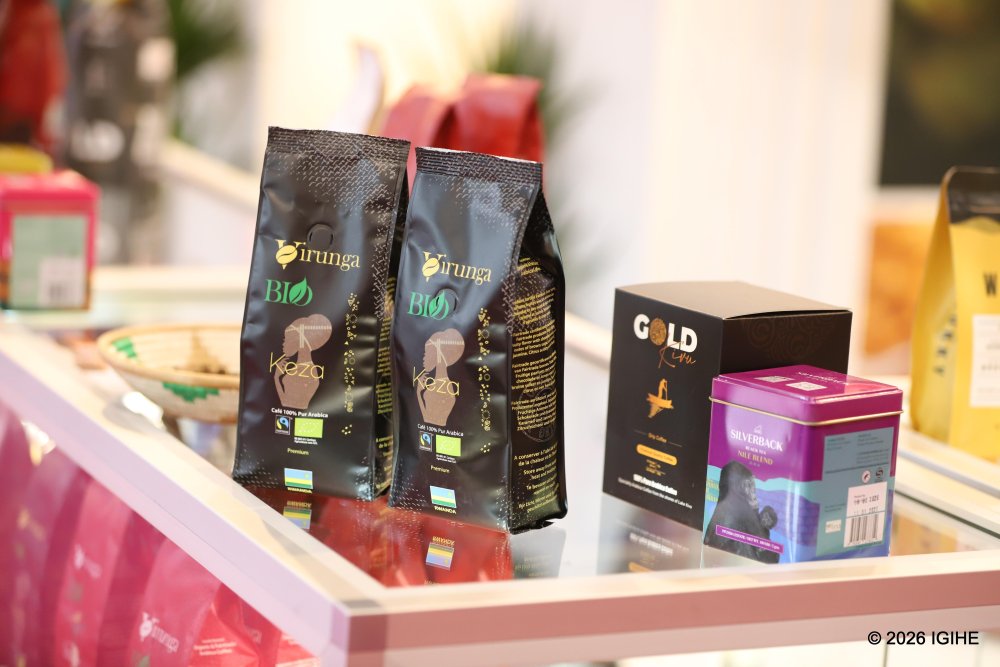
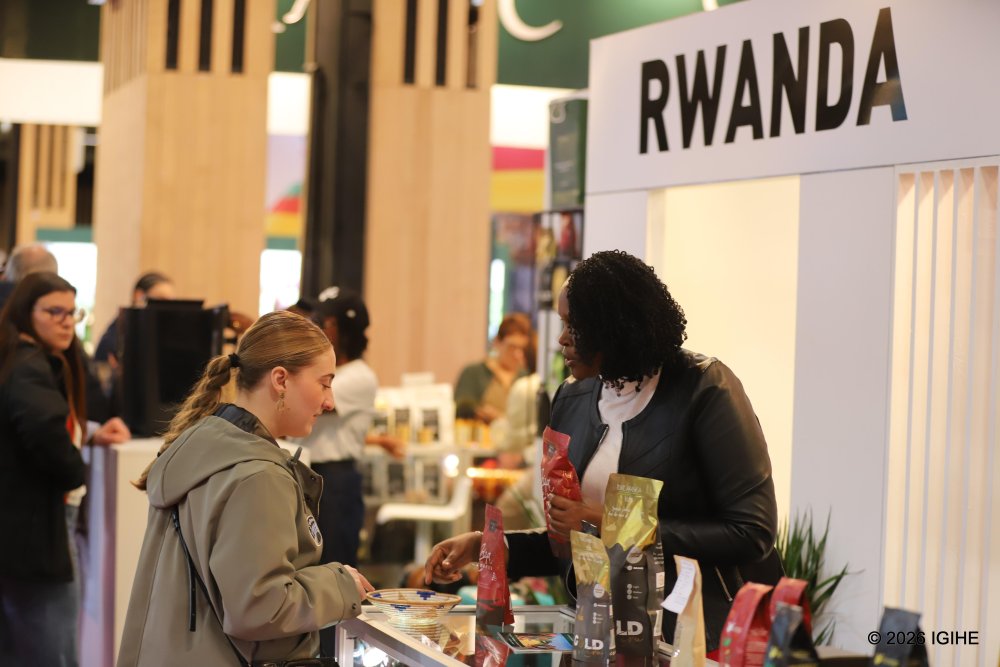
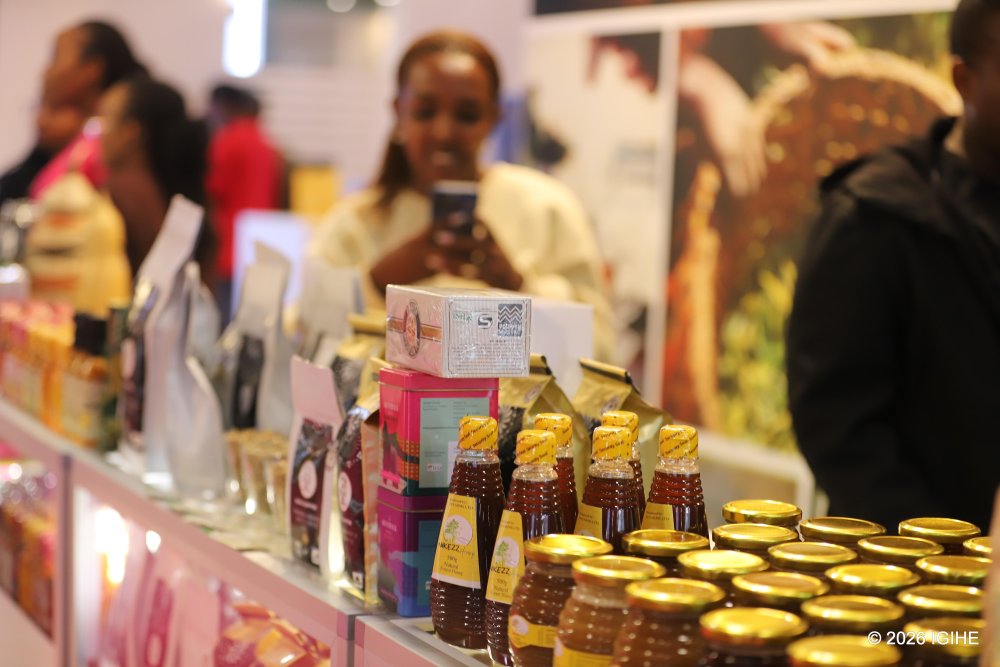
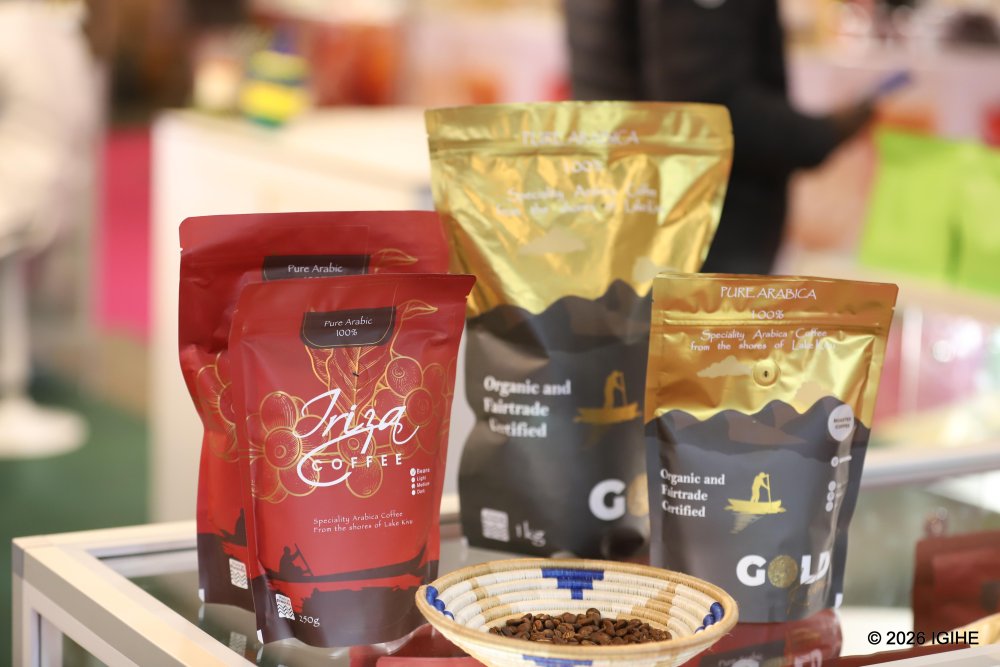
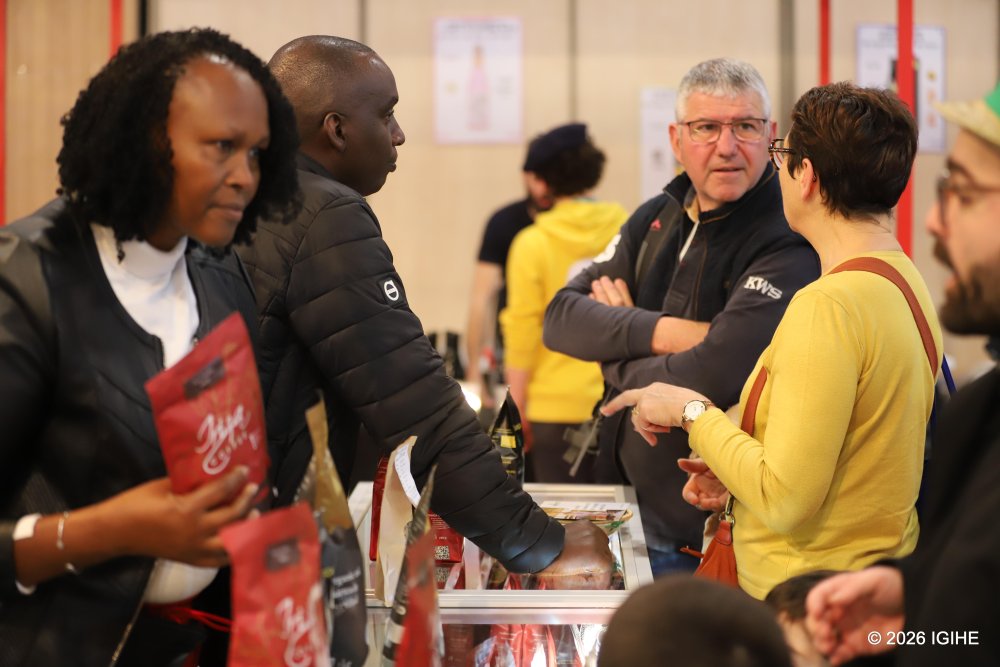
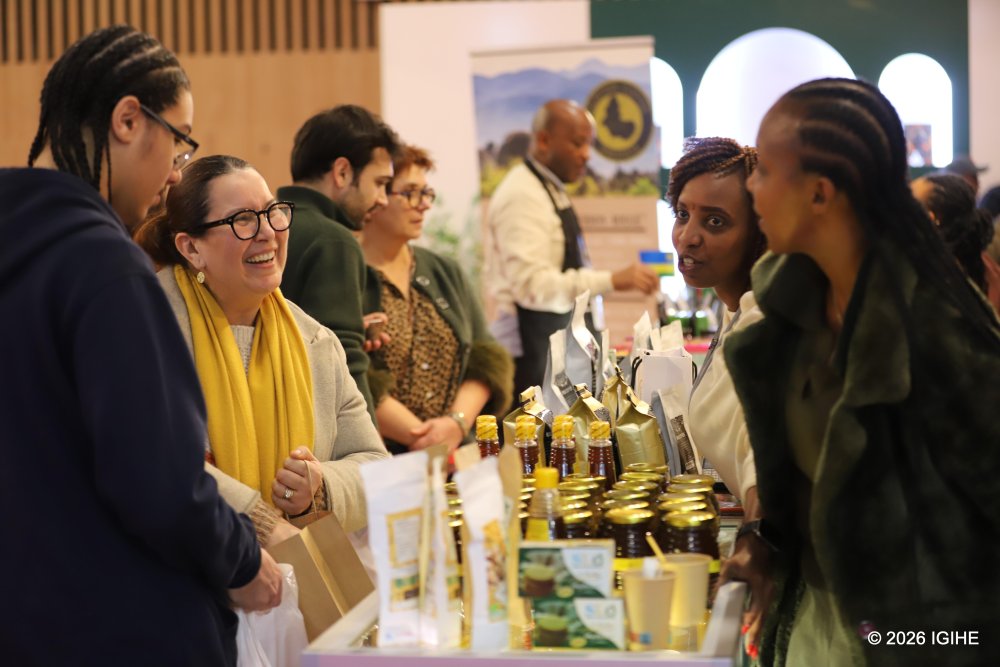
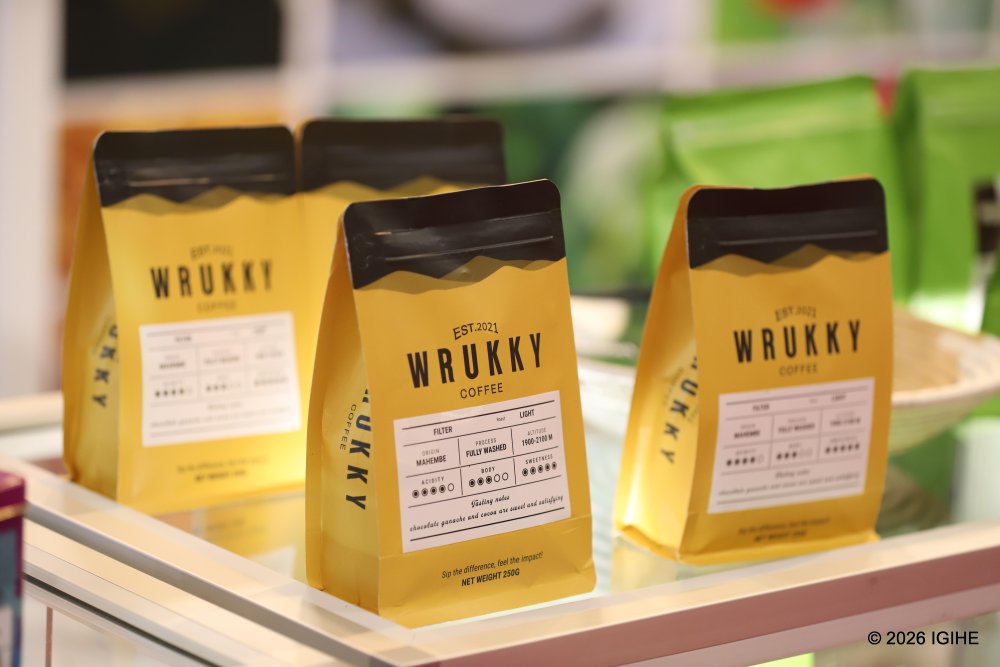
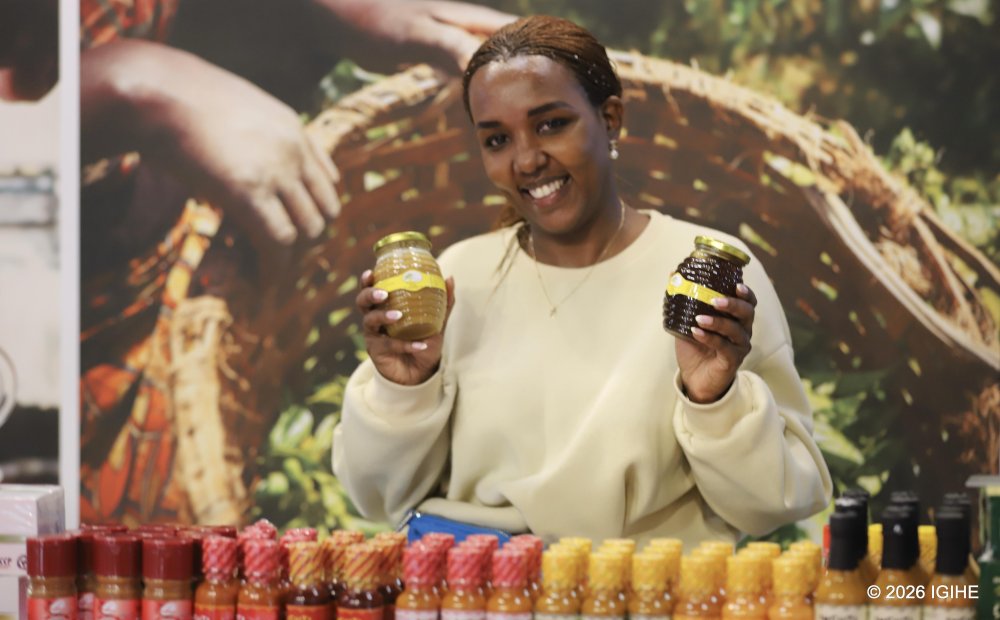
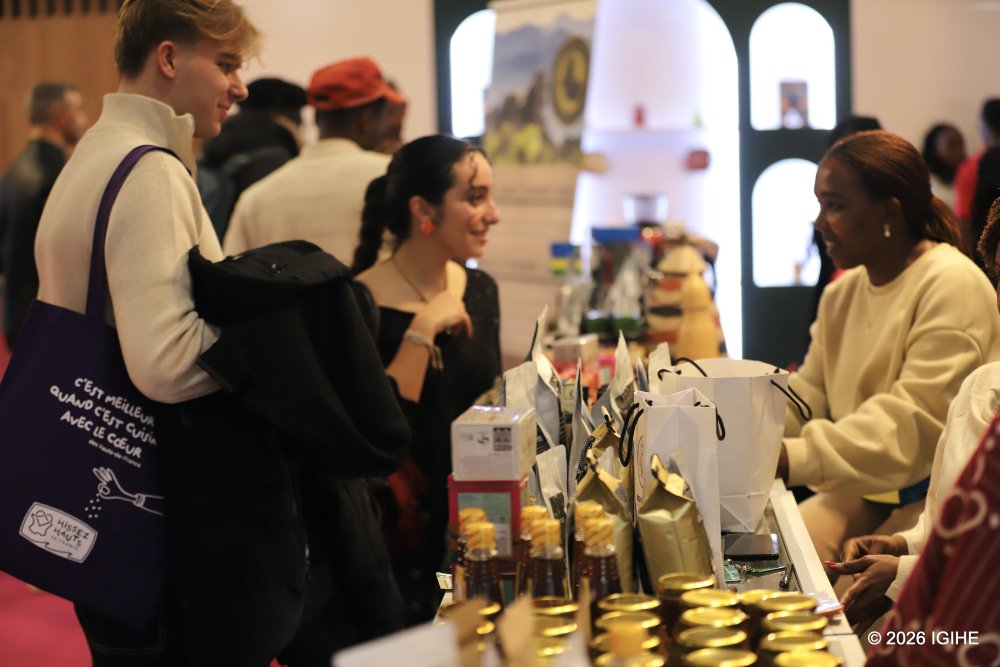
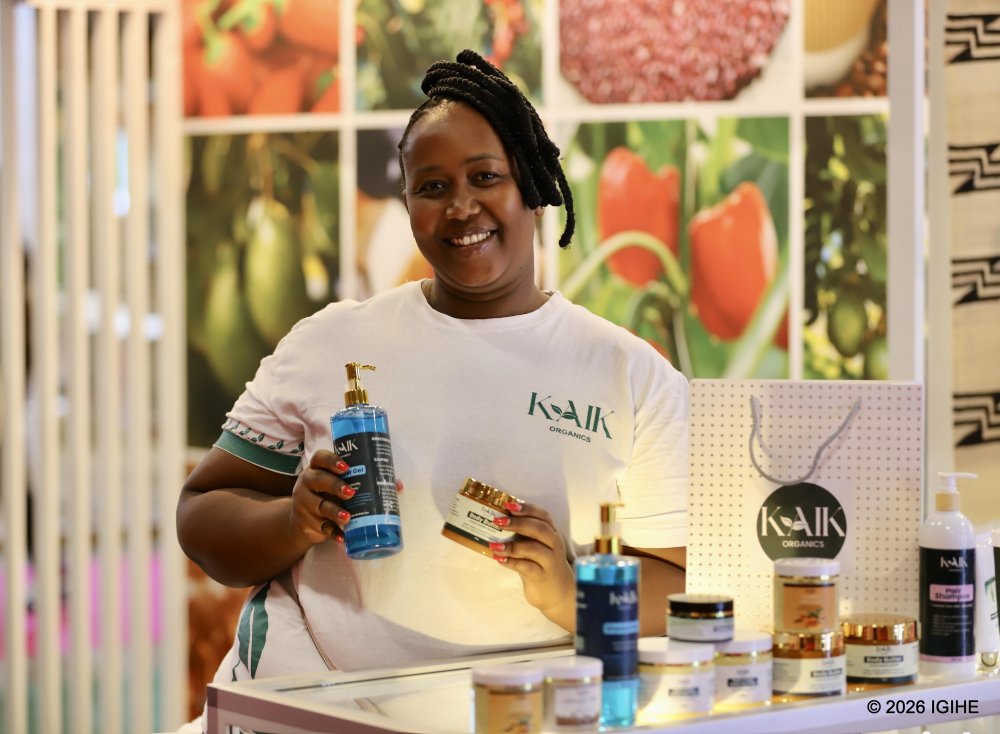
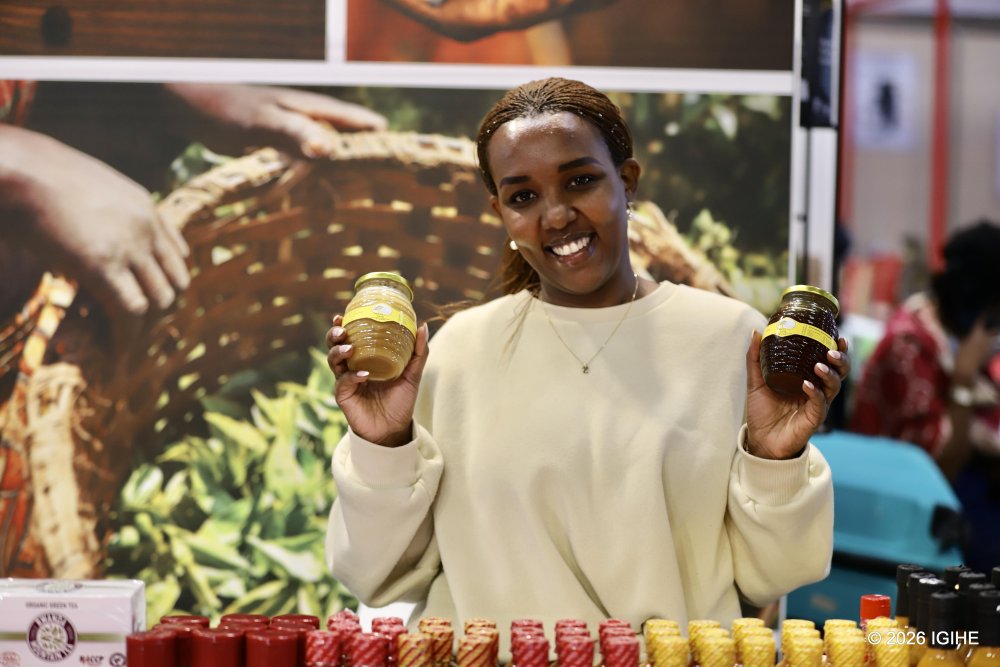
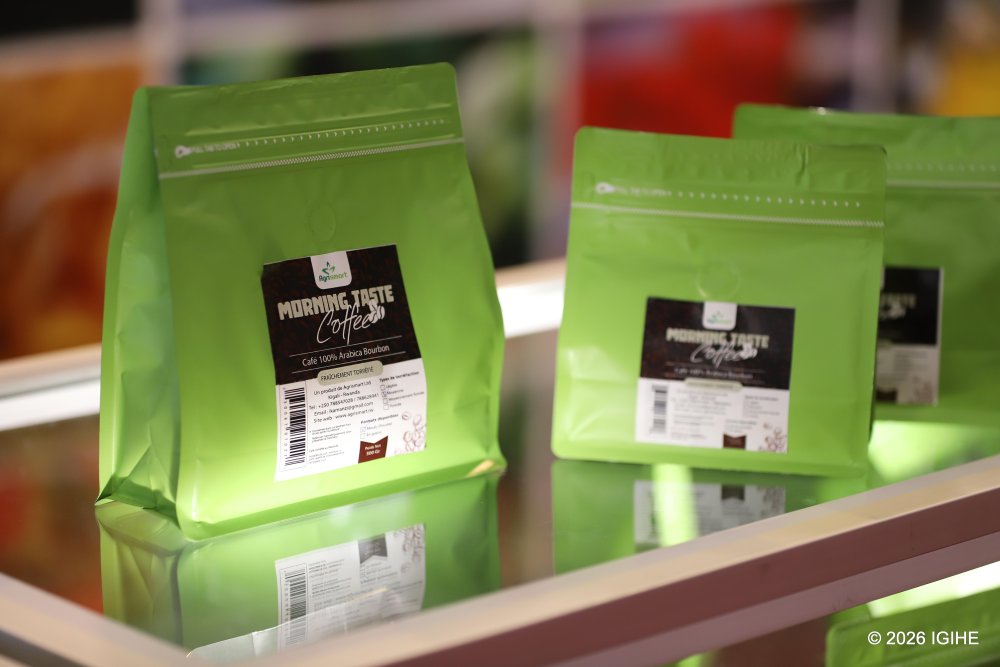
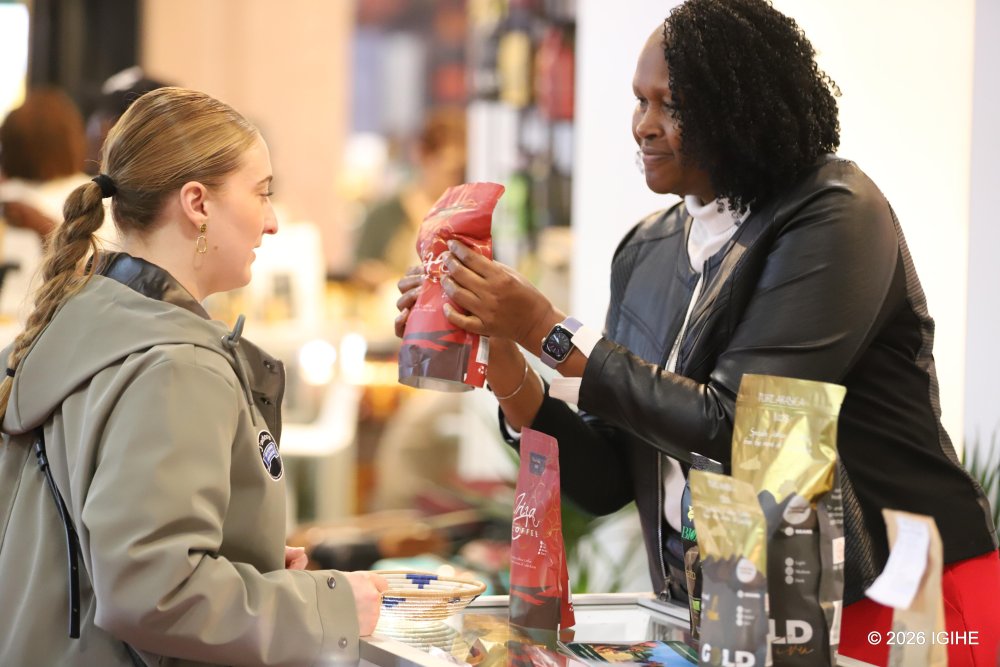
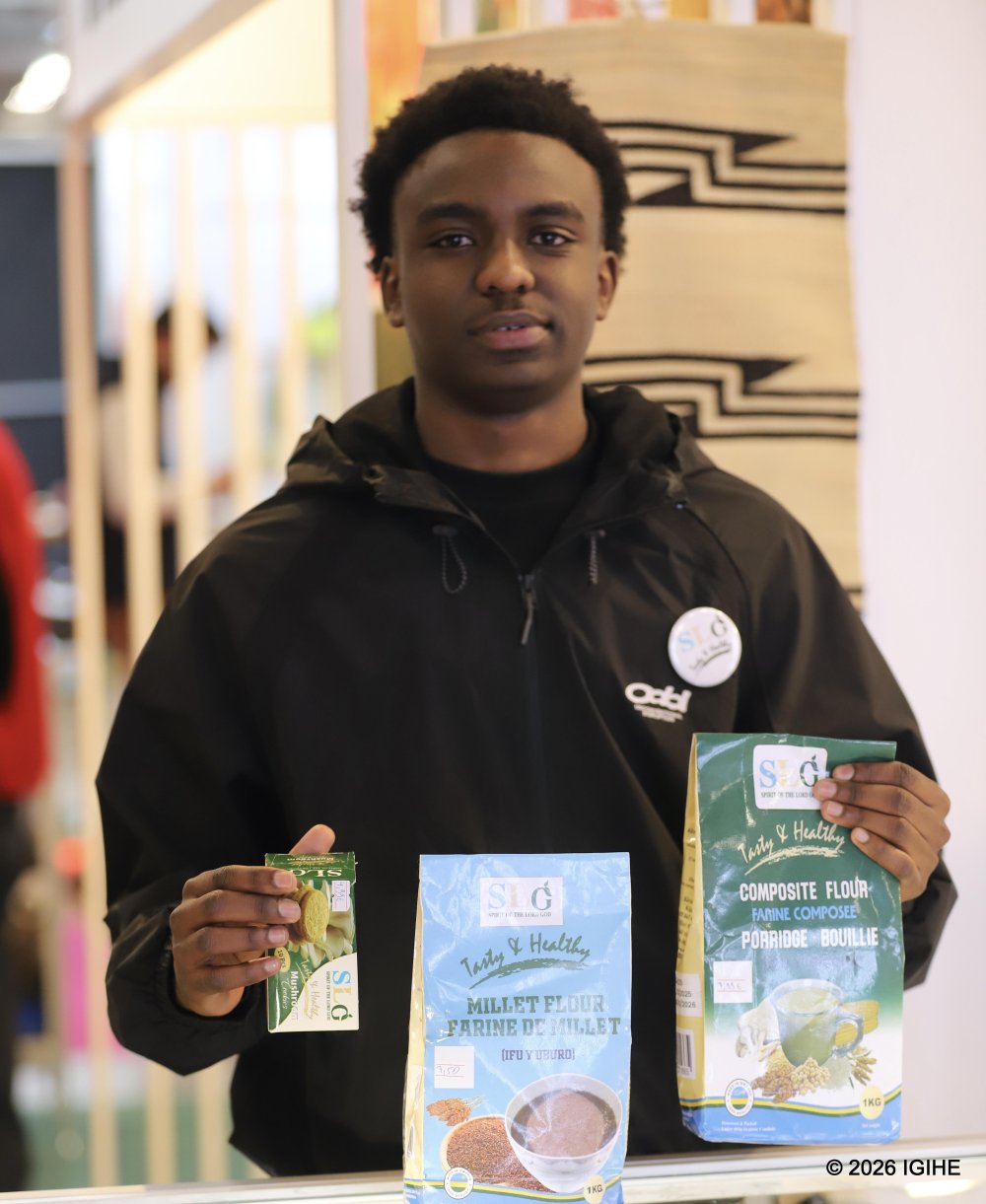
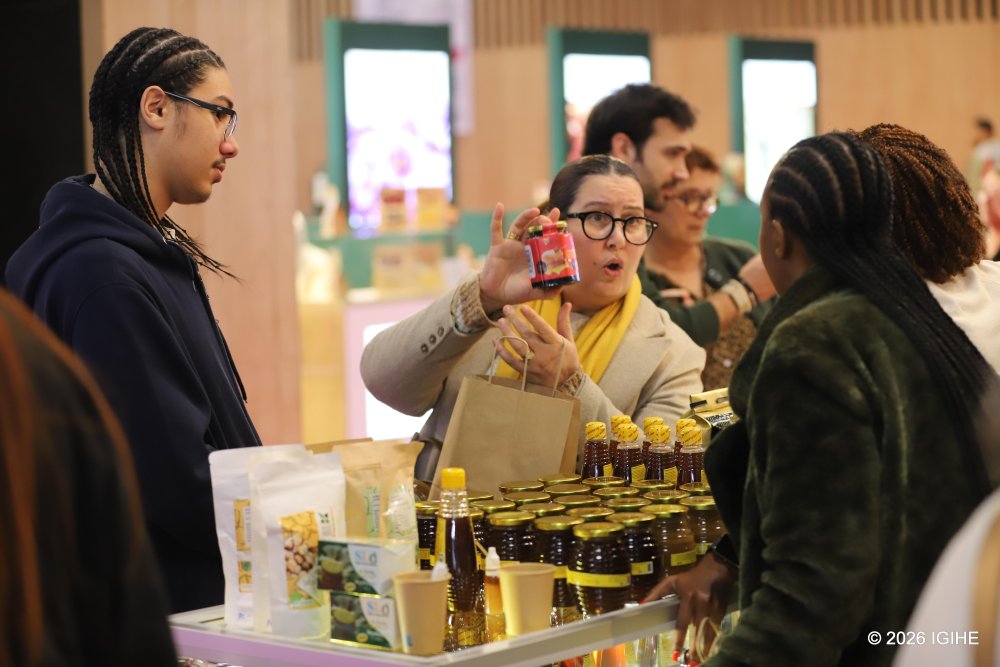
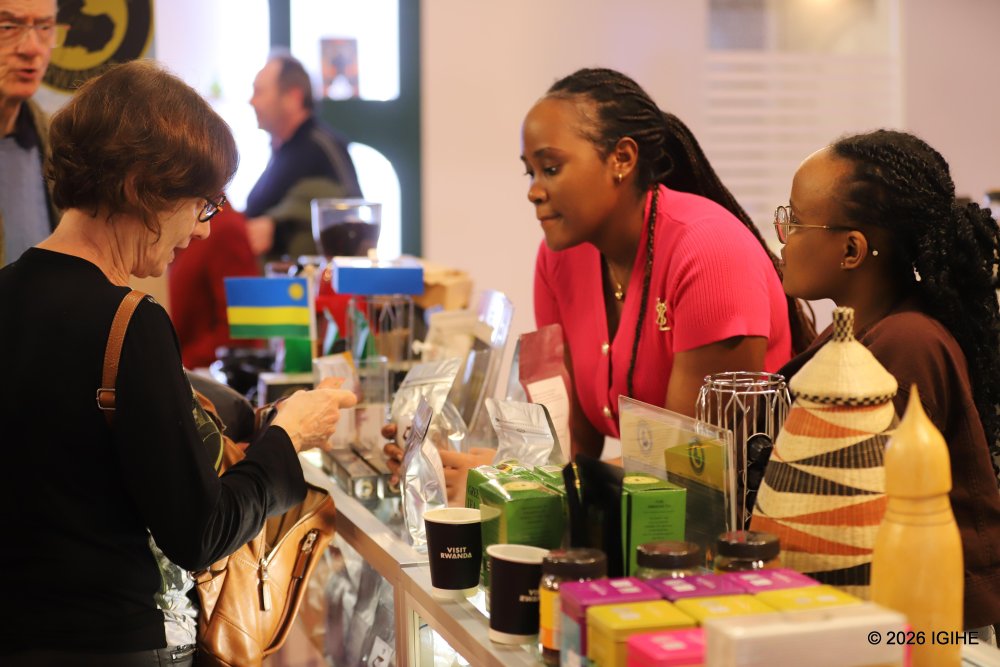
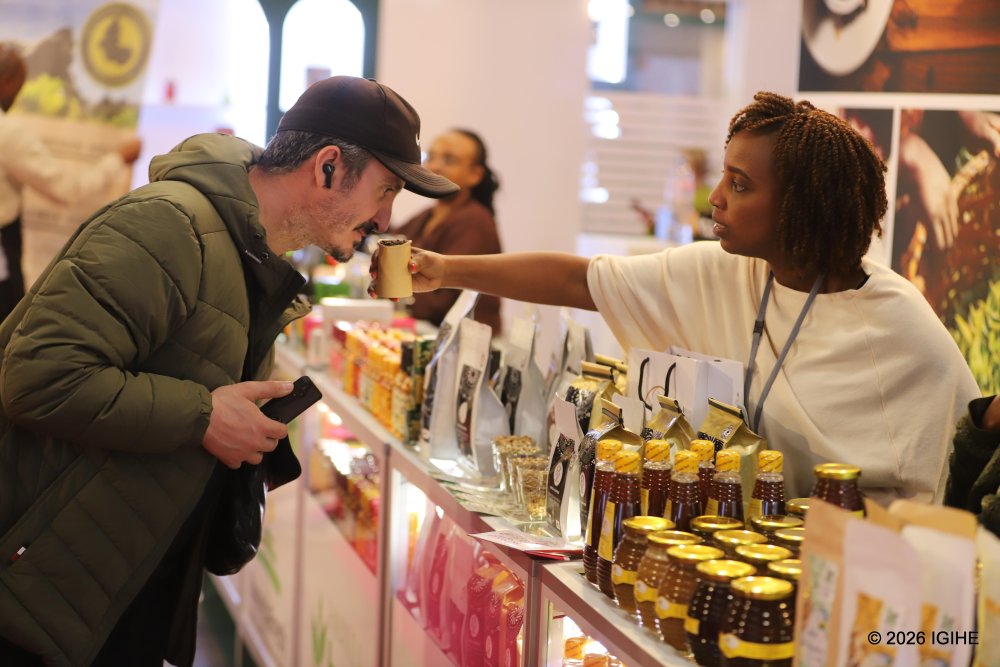
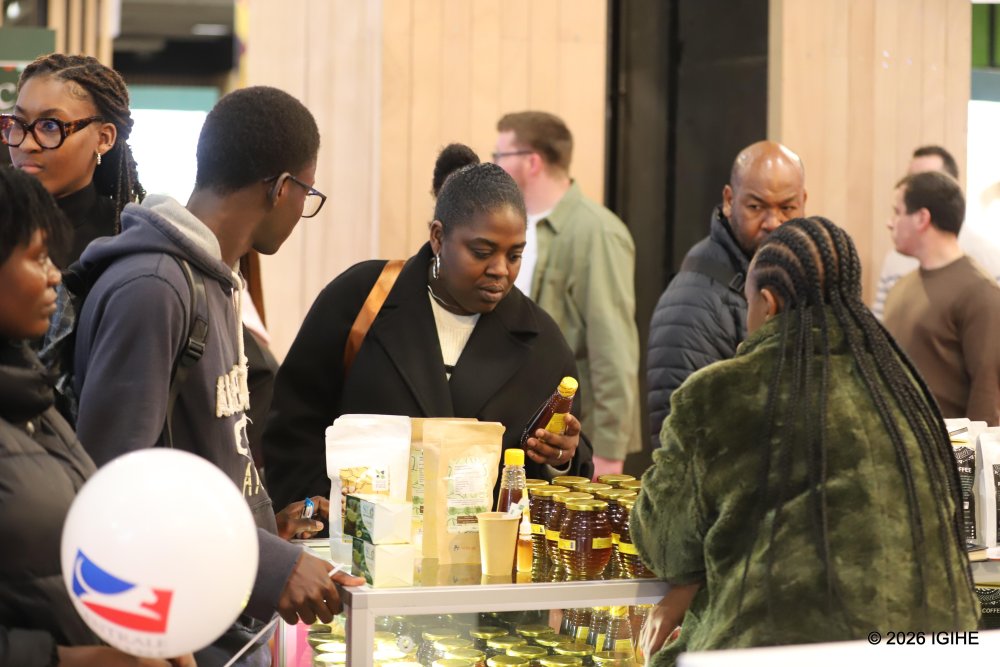
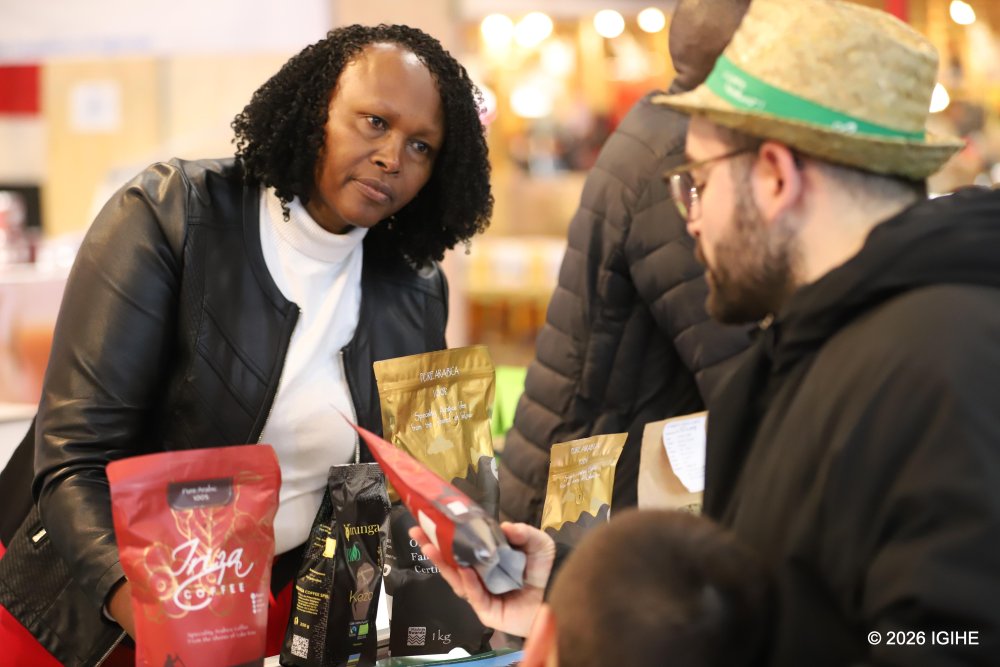
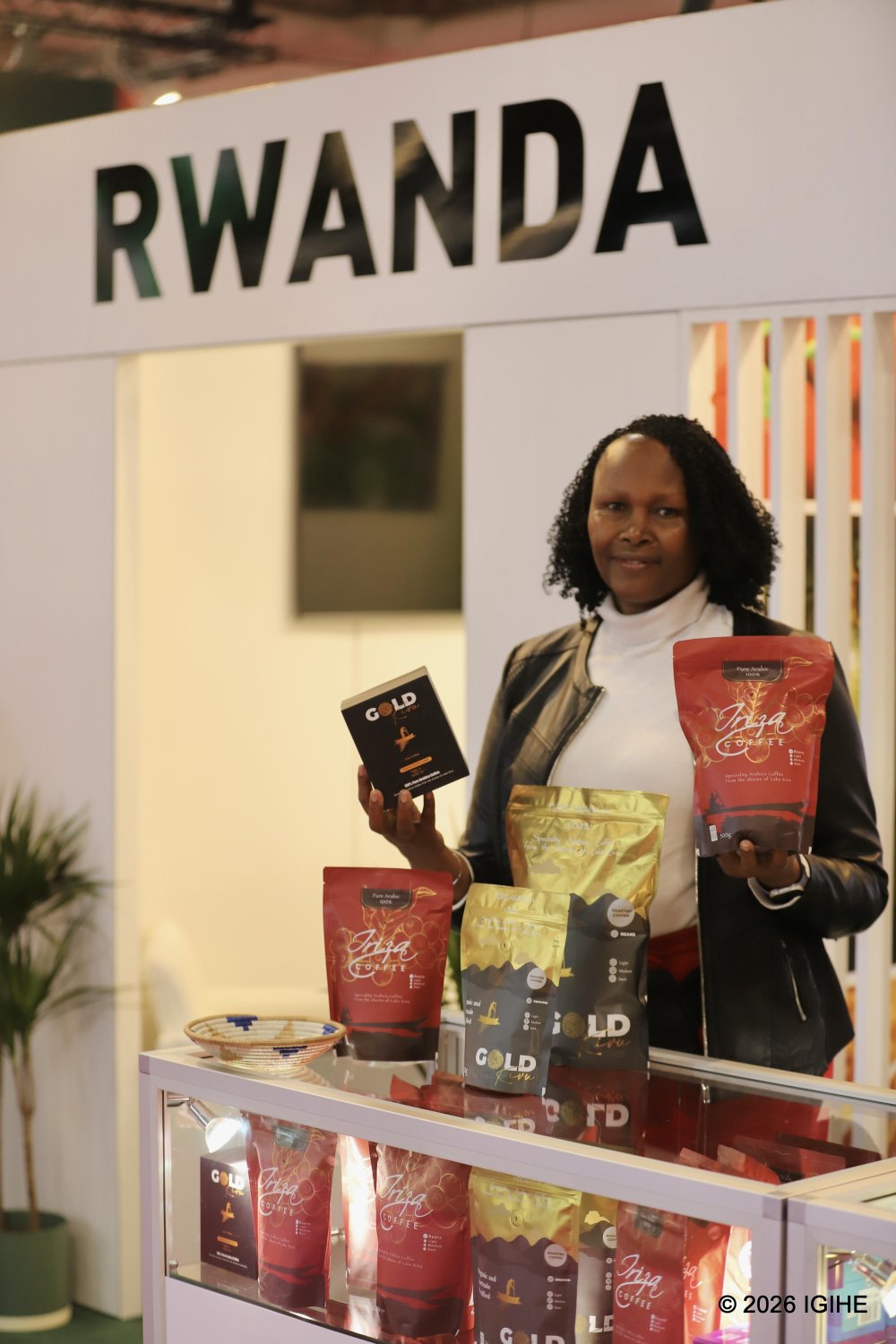
“We came with around 15 exporters showcasing tea, coffee, honey, and other agricultural goods. Our participation is aimed at expanding markets for Rwanda’s agricultural and livestock products,” she said.
Basiima added that the delegation is not only exhibiting but also engaging potential buyers who import products from Africa to explore new trade partnerships. She emphasized that, beyond the more than 100 countries represented at the exhibition, France itself remains a significant market for Rwanda.
She further highlighted that France ranks fourth among destinations for Rwanda’s agricultural exports. According to Basiima, the presence of RwandAir flights to Paris three times a week provides a strategic advantage, making it easier to transport Rwandan products to newly secured markets.
This year’s exhibition opened on February 21, 2026, and was officially launched by French President Emmanuel Macron, as is customary each year.
Rwanda is exhibiting at Pavillion Seven, where it is showcasing progress in developing export-ready agricultural and livestock products. The country is represented by NAEB and the Embassy of Rwanda in France.
The exhibition provides a valuable platform for farmers, entrepreneurs, traders, and investors to exchange expertise, foster partnerships, and promote innovation in agriculture and livestock development.
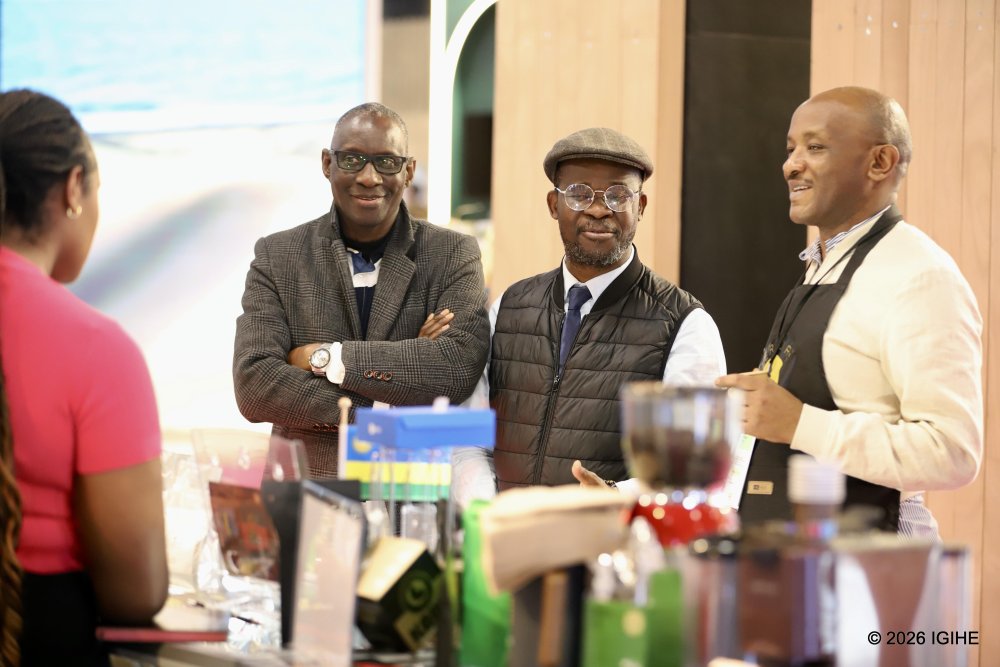
Janet Basiima, Export Market Development and Innovation Division Manager at NAEB, said Rwanda continues to broaden market access while strengthening the global visibility of its agricultural products. The exhibition provides a valuable platform to promote innovation in agriculture and livestock development.The event takes place at Paris Expo–Porte de Versailles from late February to early March each year. Nzungize is among participants representing Rwandan companies exporting coffee.
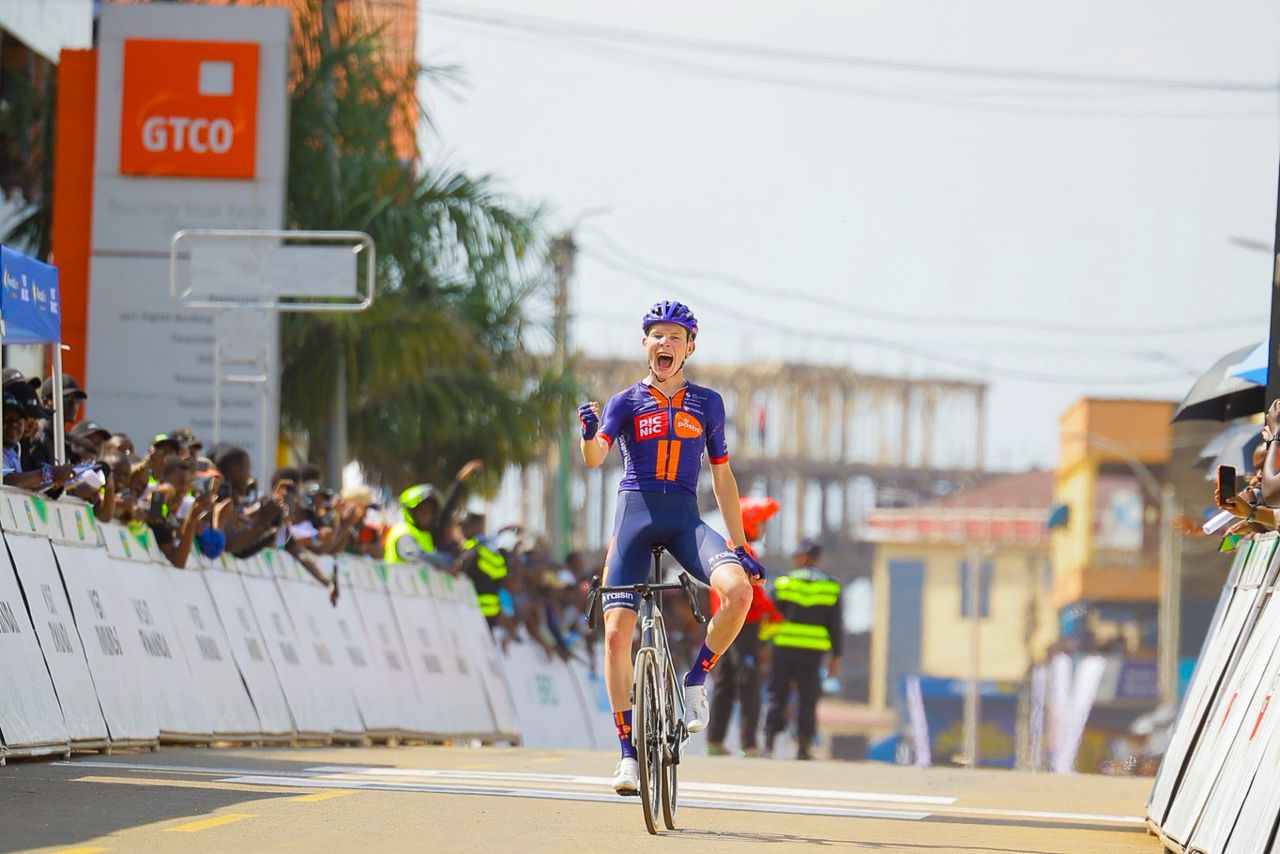
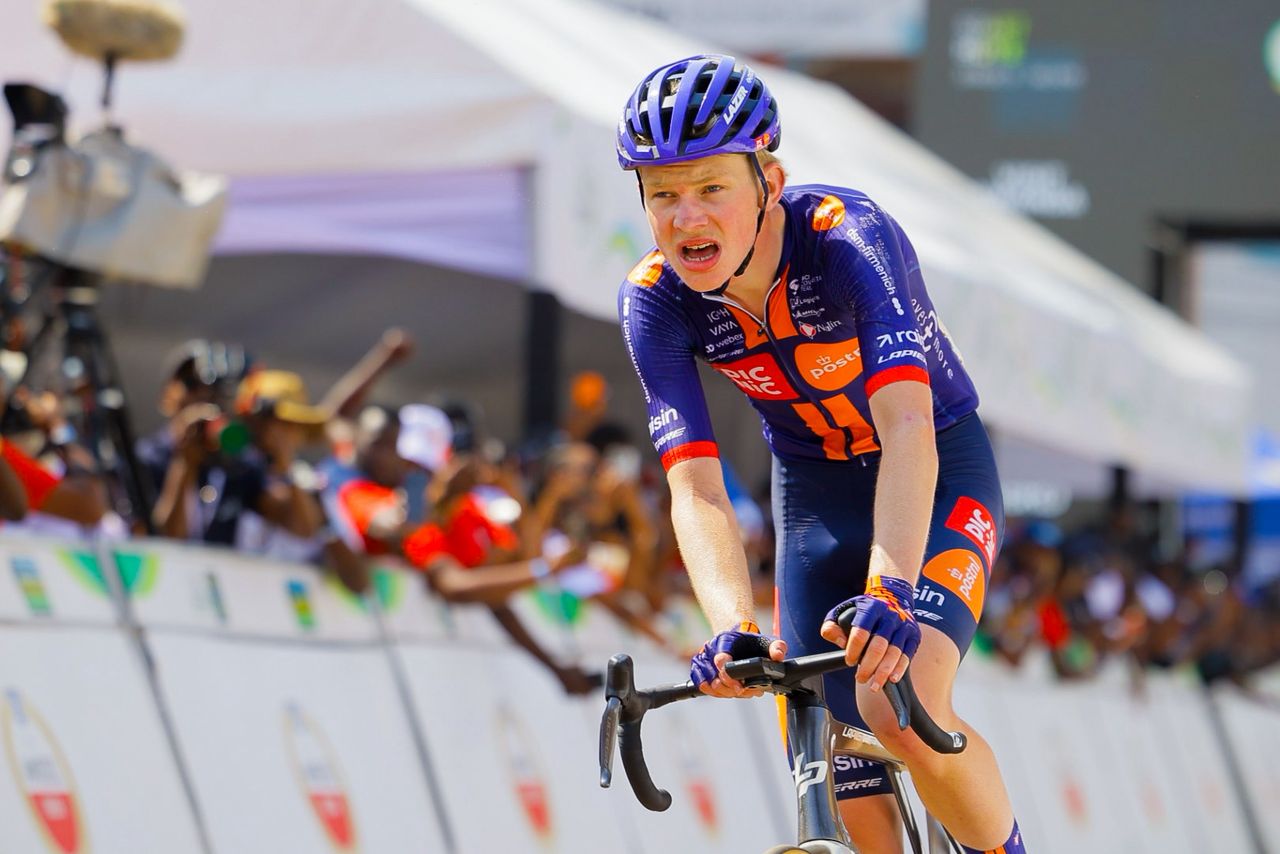
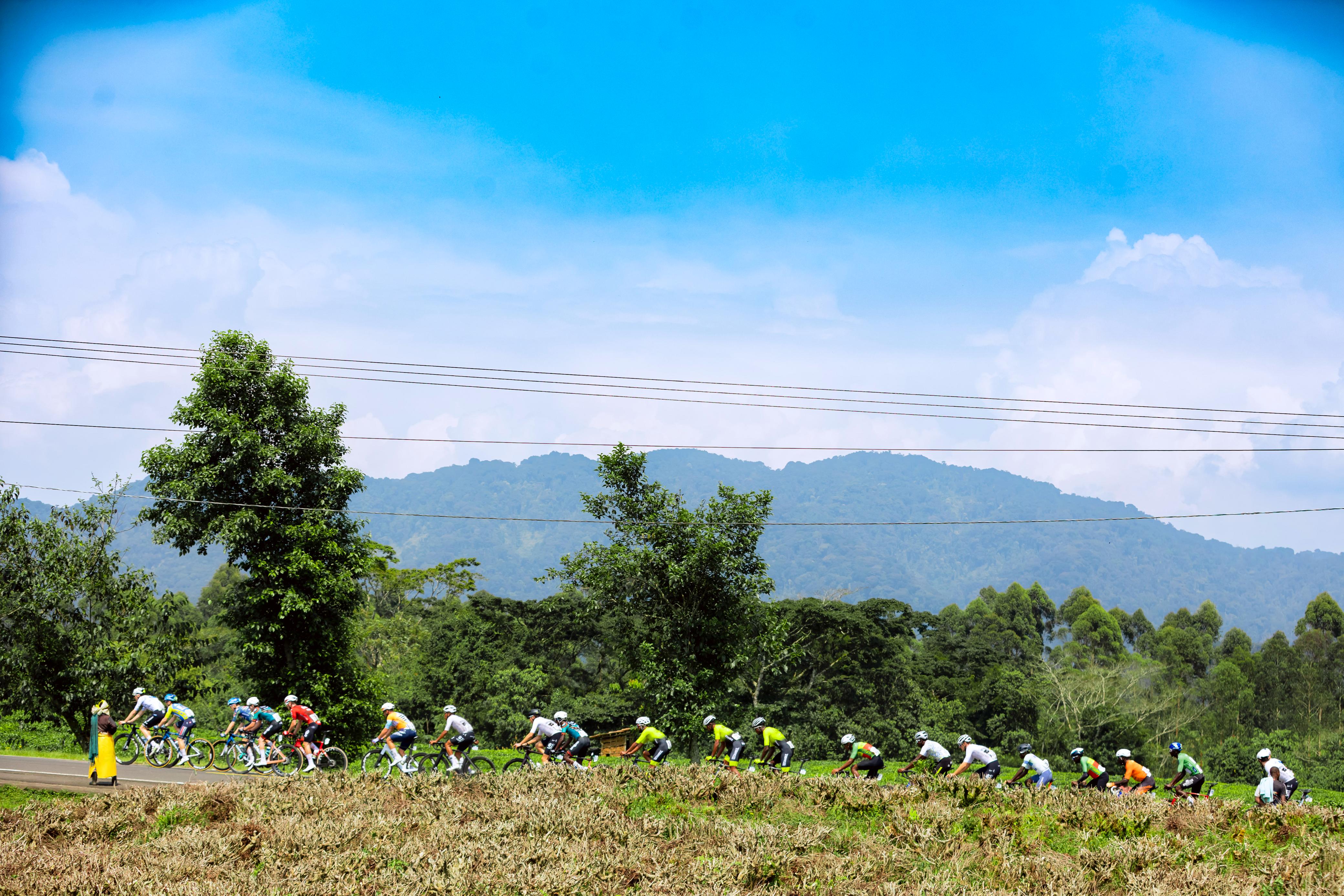
The 20-year-old, who also won a yellow jersey, made his decisive move with just three kilometers remaining, breaking clear from the peloton and holding off the chasing riders to cross the line solo. At the 1 km mark, he had a lead of 45 seconds, which had slightly narrowed to 35 seconds, while Pau Marti, in the yellow jersey, struggled to maintain pace in the chasing group.
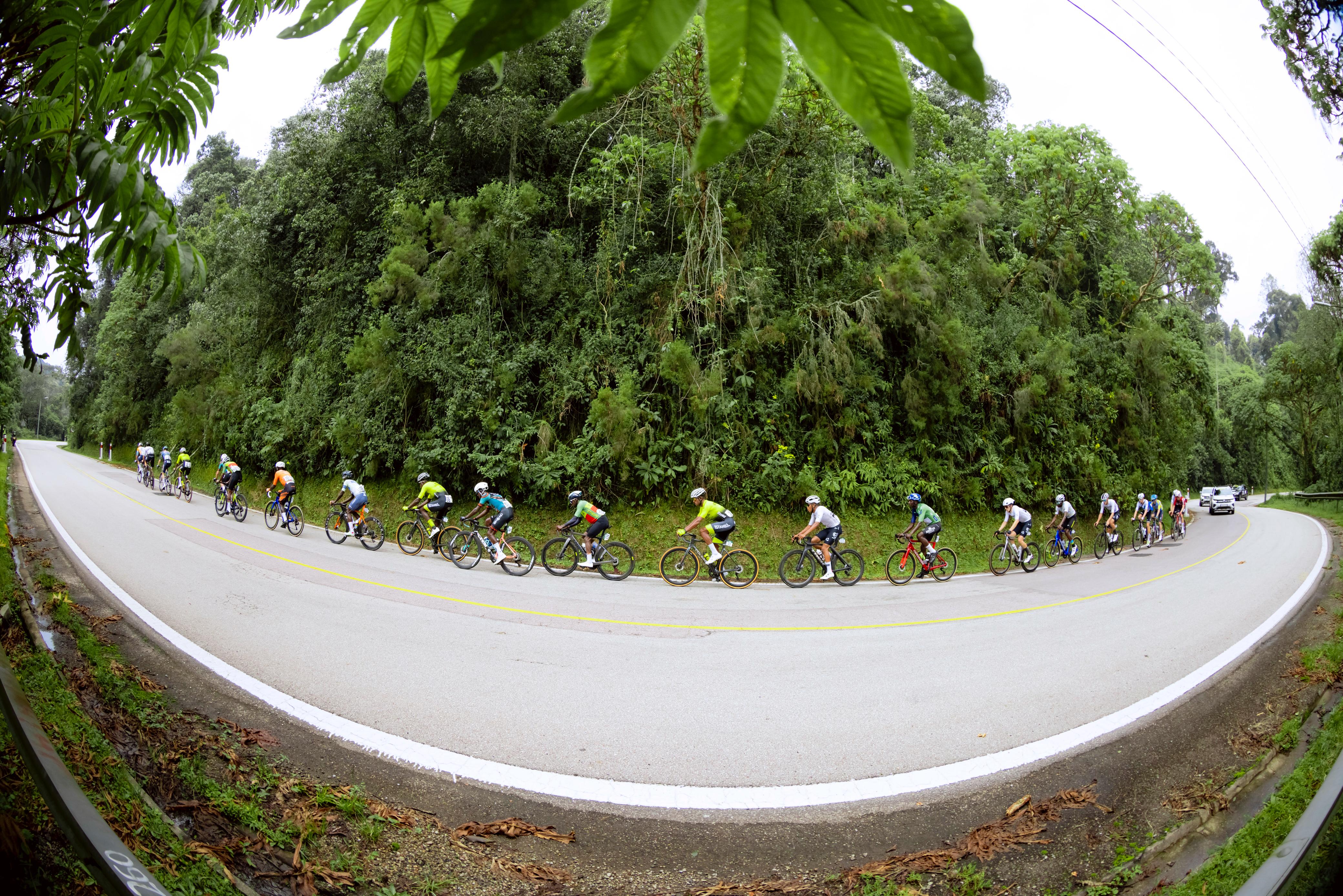
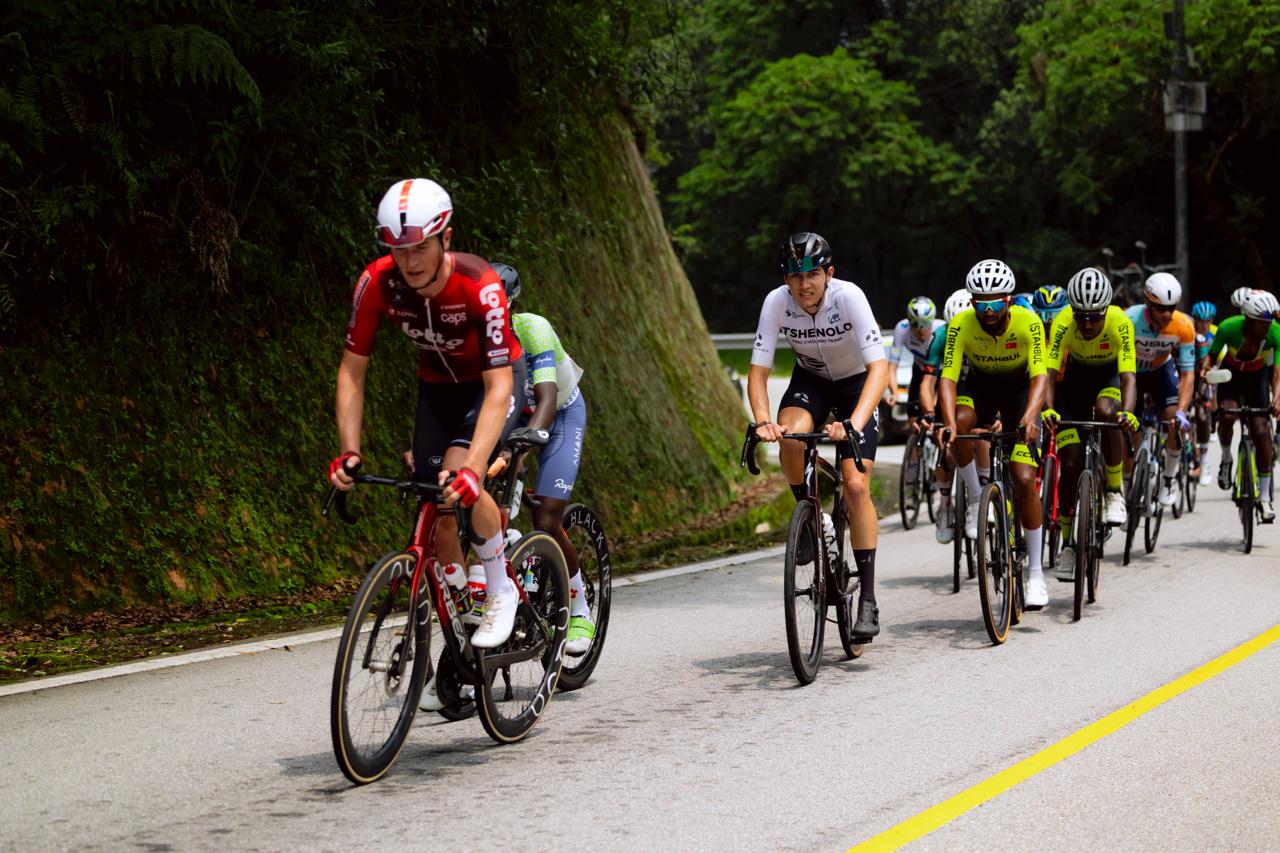
Earlier in the stage, the front group of 12 riders had established a 50-second gap over the peloton, featuring riders such as Ribeiro, Mulugeta, Mulubrhan, Aman, Vanhuffel, and Marti. Zomermaand also claimed the final climbing points at Bushenge Hill (km 127), edging past Mulubrhan and Vanhuffel. Solo breakaway attempts by Eritrea’s Nahom Araya earlier in the stage added drama, but the chasing group gradually reeled him back, including Duarte Marivoet of Lotto – Groupe Wanty.
Rwanda’s top rider
Rwanda’s own Samuel Niyonkuru of Team Amani finished 10th, emerging as the highest-placed Rwandan on Stage 3. Tackling the hilly 145 km course with determination, Niyonkuru stayed with the leading group for most of the stage, fending off the chasing pack to secure a top-ten finish.
Stage 3 Results (Elite – Top 10)
Jurgen Zomermaand (Development Team Picnic PostNL) – 3:44:53
Lucas Van Gils (Lotto – Groupe Wanty) – +20.36s
Matteo Vanhuffel (Development Team Picnic PostNL) – +20.50s
Jose Said Cisneros Diaz De Leon (Soudal Quick-Step Devo Team) – +28.22s
Yafiet Mulugeta (Eritrea) – +28.43s
Henrique Da Silva Avancini (Localiza Meoo / Swift Pro Cycling) – +28.93s
Oliver Mattheis (Bike Aid) – +29.09s
Awet Aman (Istanbul Team) – +29.27s
Samuel Niyonkuru (Team Amani) – +43.81s
The race continues on Wednesday, February 25, with Stage 4 starting in Karongi at 12:00 and concluding in Rubavu over a 127.2 km route.
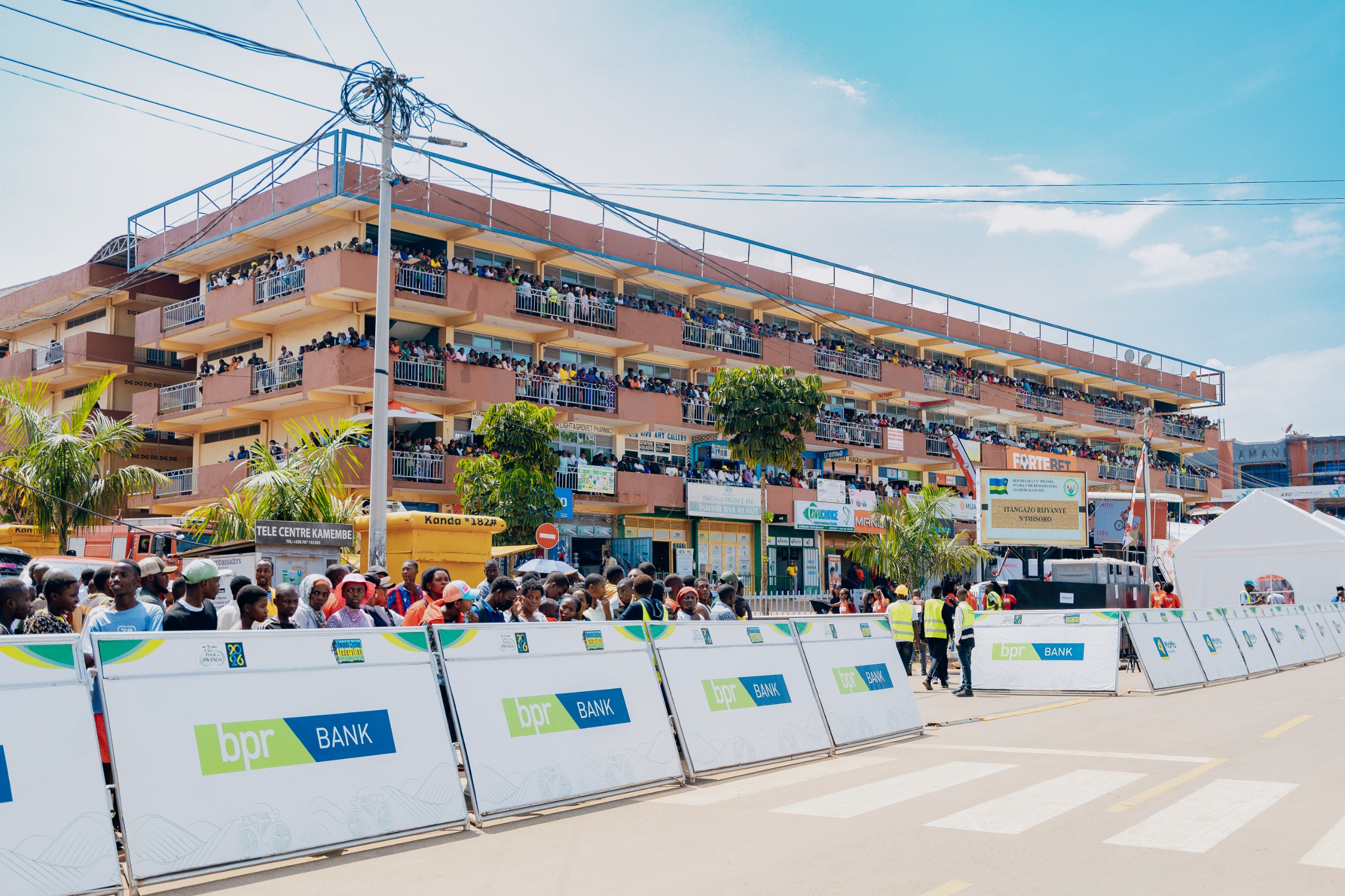
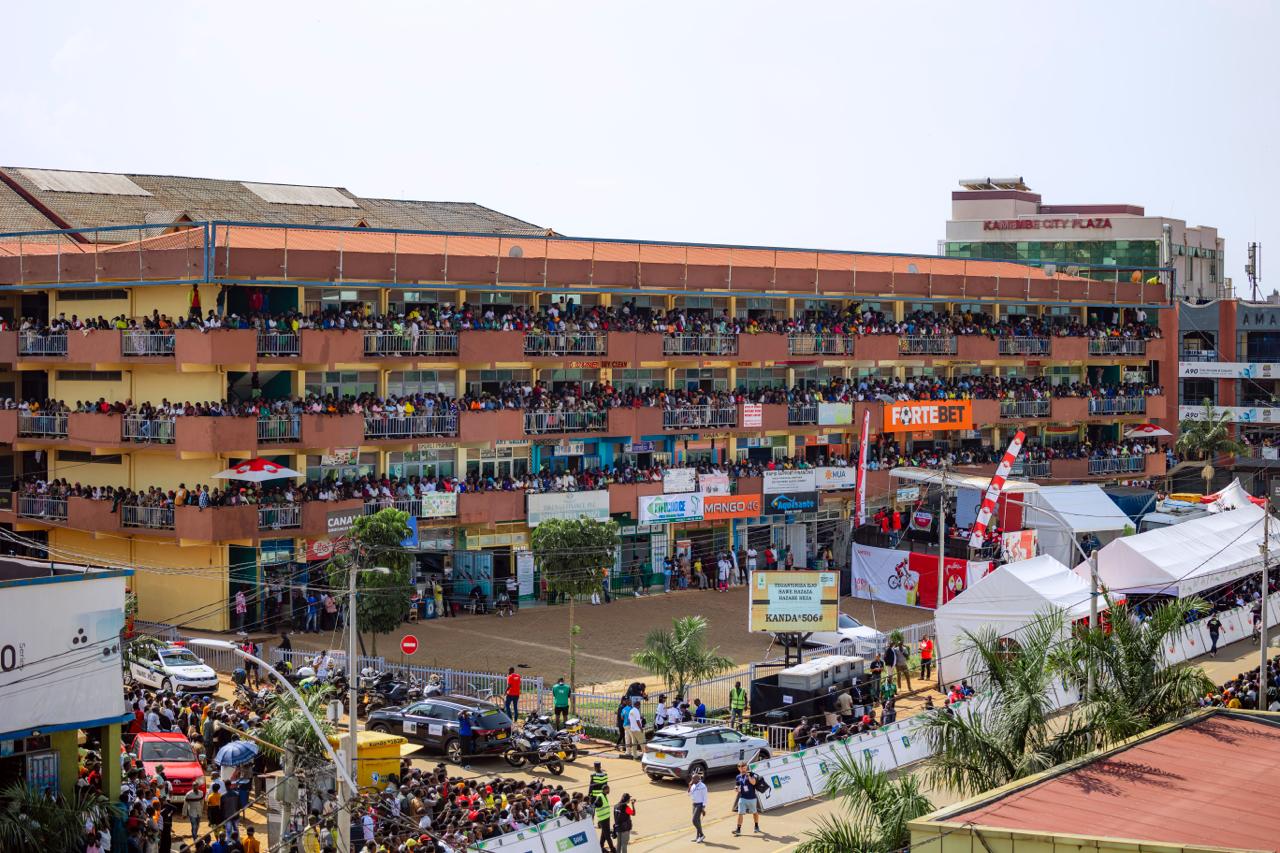
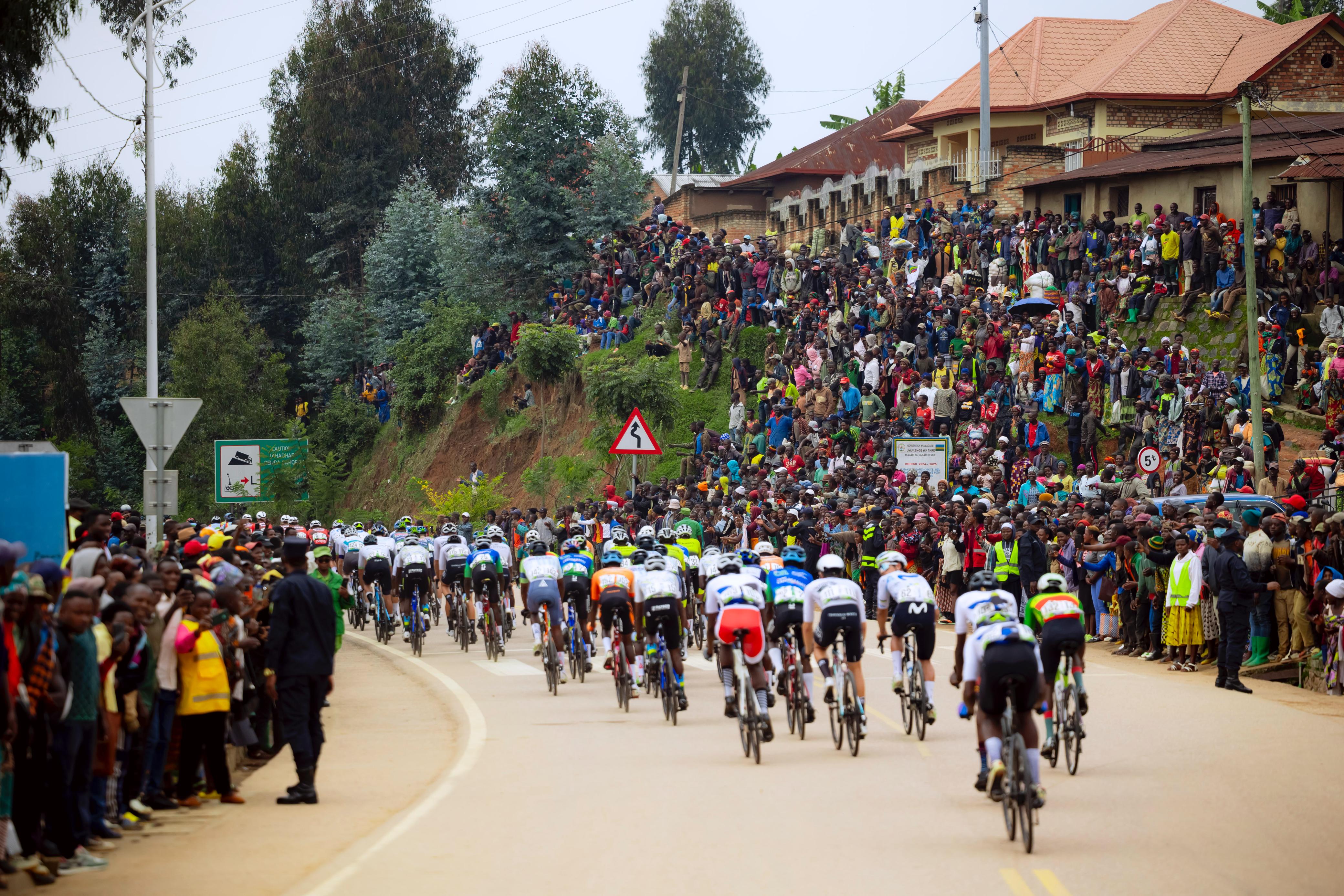
Zomermaand made his decisive move with just three kilometers remaining, breaking clear from the peloton and holding off the chasing riders to cross the line solo.Locals turned up along the road and on top of their buildings to witness the race.Stage 3 of the Tour du Rwanda stretched from Huye to Rusizi, covering 145.3 km of challenging terrain.
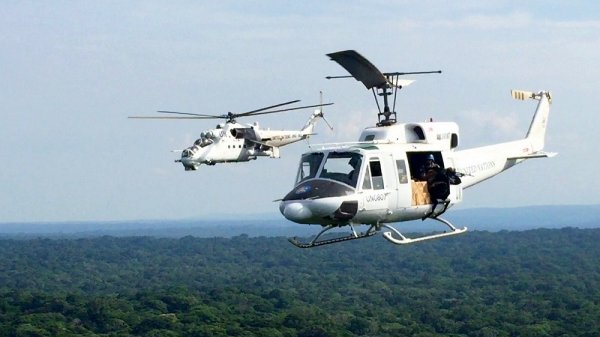
In a statement released on Tuesday, MONUSCO said the assessment mission, running from February 23 to 27, follows consultations with Democratic Republic of the Congo President Félix Tshisekedi, who also serves as chairperson of the ICGLR.
The statement noted that the deployment is a preparatory step toward operationalising the agreed ceasefire architecture. The team is evaluating access, security, logistics, and engagement requirements to ensure that future monitoring and verification efforts are credible, safe, and operationally feasible.
The initiative comes amid sustained diplomatic efforts to stabilise eastern DRC. In October 2025, the DRC government and the AFC/M23 rebel alliance signed the Doha Framework for Comprehensive Peace Agreement in Doha, establishing a joint monitoring and verification mechanism to investigate and prevent ceasefire violations. Observers from the United States, the African Union and Qatar are also part of that mechanism.
MONUSCO recalled that under UN Security Council Resolution 2808 (2025), the mission is authorised to support the implementation of a permanent ceasefire. This includes backing the Ceasefire Oversight and Verification Mechanism as well as the Expanded Joint Verification Mechanism Plus (EJVM+), created following the Doha agreement.
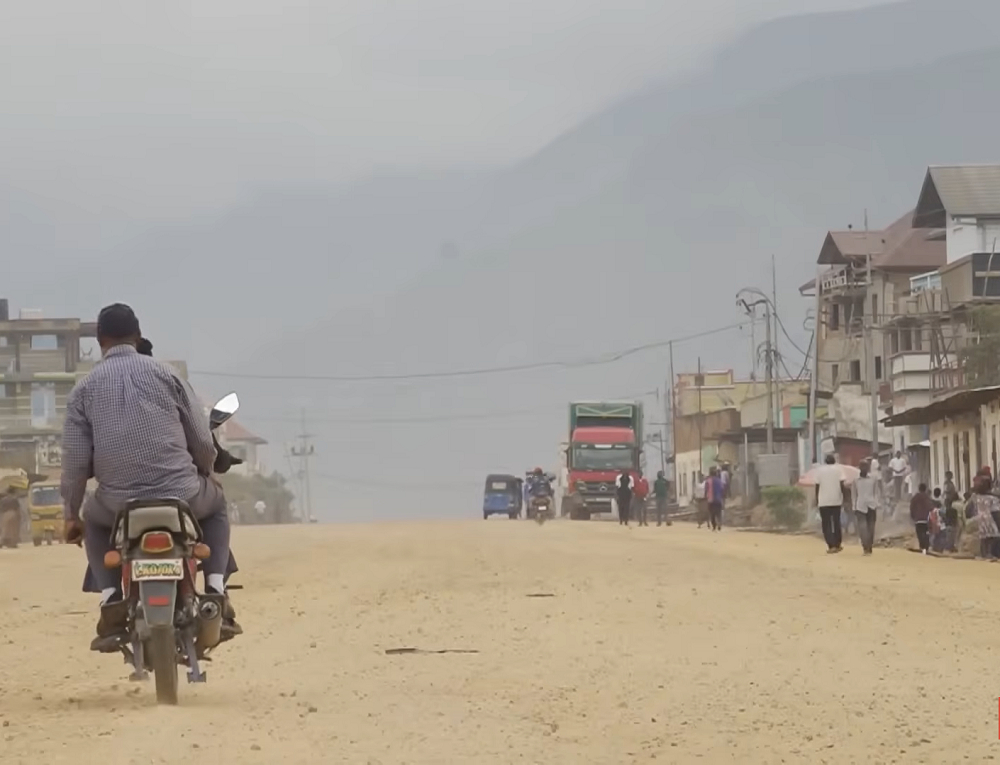
During their stay in and around Uvira, the joint team will assess political, security, logistical and socio-environmental conditions to inform comprehensive planning for a future deployment.
“Effective ceasefire monitoring is intended to reduce violence and create the necessary space for a durable political solution,” said Vivian van de Perre, Special Representative of the UN Secretary-General in the DRC and Head of MONUSCO ad interim.
She noted that, unlike in North Kivu and Ituri, MONUSCO’s mandate in South Kivu is limited to ceasefire monitoring and does not include Protection of Civilians responsibilities under Resolution 2808 (2025).
The mission emphasised that the current deployment is exploratory in nature. The scale and configuration of any subsequent ceasefire monitoring presence will depend on agreed parameters, security guarantees and operational requirements.
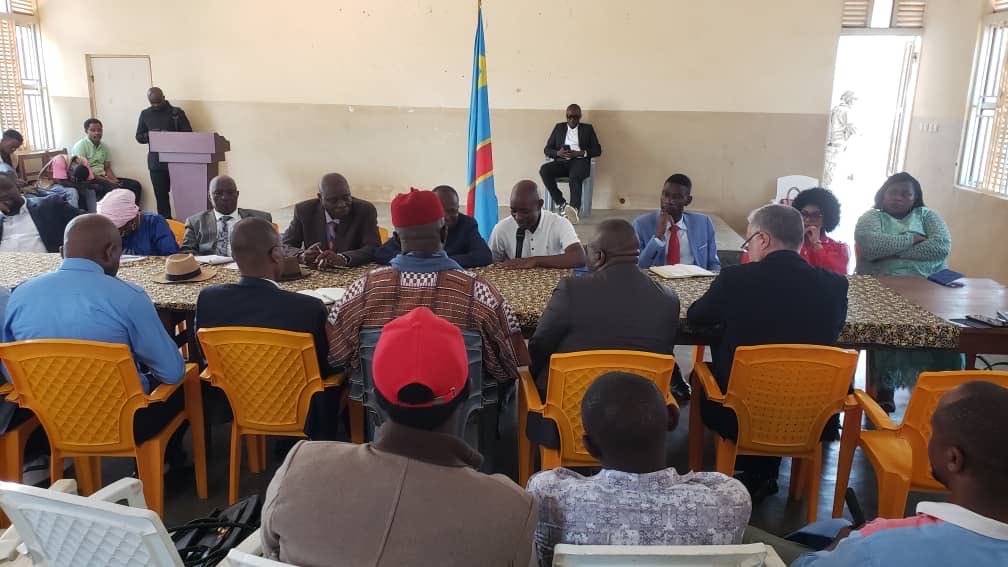
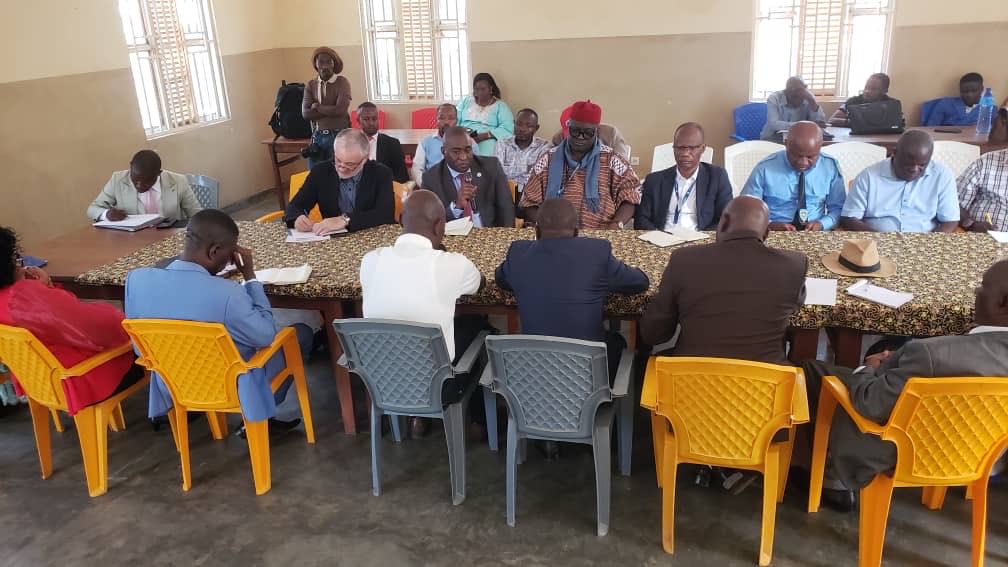
ICGLR Executive Secretary Dr. Mbita Luwabeha said regional cooperation remains key to lasting stability. “The Great Lakes region has vast potential for peace and prosperity. By uniting and cooperating, we can tackle challenges and create a brighter future for everyone,” he said.
Repeated ceasefire violations and ongoing hostilities have hampered efforts to stabilise the region, and it remains to be seen if the latest attempt to implement a lasting truce will succeed.
During their stay in and around Uvira, the joint team will assess political, security, logistical and socio-environmental conditions to inform comprehensive planning for a future deployment. The assessment mission runs from February 23 to 27.The team is evaluating access, security, logistics, and engagement requirements to ensure that future monitoring and verification efforts are credible, safe, and operationally feasible.
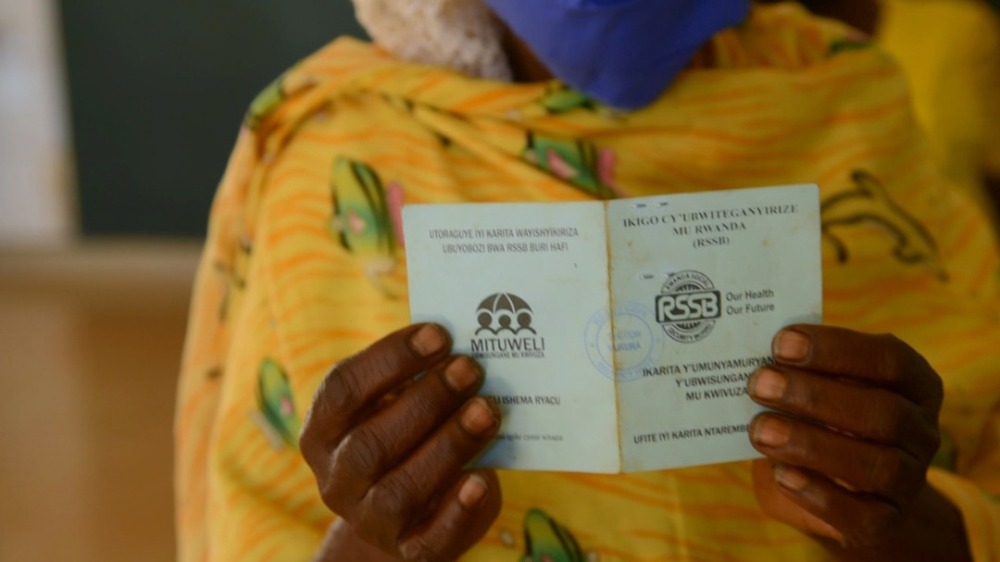
Under the revised structure, individuals in the first level are required to contribute Rwf4,000 annually, an amount fully covered by the Government. Those in the second level of social registry pay Rwf3,000 per year, supplemented by a Rwf1,000 government contribution. Members in the third, fourth and fifth categories contribute Rwf 5,000, Rwf8,000 and Rwf20,000 respectively per person per year.
The Order also maintains a co-payment system for services received through Mutuelle de Santé. Beneficiaries pay Rwf200 when receiving care at health centers and primary clinics, and 10 percent of treatment costs at hospital level. However, individuals classified as indigent are exempt from these co-payments.
The Prime Minister’s Order issued on February 16, broadens the range of contributors supporting the scheme. Banking institutions and general insurance providers have now joined the list of entities required to support Mutuelle de Santé financially. The order, published on February 23, 2026, had earlier been reviewed and approved by Cabinet on January 17, 2025.
The order confirms that funding for the scheme comes from multiple sources, including the Government, employees in both public and private sectors, health insurers, telecommunications companies, petrol and gas oil trade companies, general insurance providers and banks. Direct government support amounts to Rwf 6 billion annually from the national budget, in addition to targeted subsidies for people in the first and second levels of the social registry.
Further public contributions are drawn from a range of regulatory and service-related revenues. Half of the fees collected for the registration of pharmaceutical products, medical devices and food products are channeled into the scheme through the Rwanda Food and Drugs Authority.
Revenue from vehicle mechanisation inspection and a share of traffic fines collected by the Rwanda National Police also support the system, alongside penalties imposed on traders dealing in substandard goods. Additional funding is generated through parking fees collected by the City of Kigali, a share of tourism revenue, and charges applied to vehicle and motorcycle ownership transfers.
Employee participation remains a central component of the financing model. Workers in both public and private sectors contribute 0.5 percent of their net salary, which employers deduct and remit monthly to the Mutuelle de Santé fund.
Health insurance providers operating in Rwanda contribute five percent of their annual premiums, while telecommunications companies provide three percent of their yearly turnover. General insurance companies contribute five percent of annual pre-tax profits, and banking institutions contribute two percent of their annual profit before tax.
Institutions are required to transfer their contributions within 30 days following the close of their financial year. Where audits reveal underpayment, the concerned entity must settle the outstanding amount and may face an administrative fine equivalent to 200 percent of the unpaid contribution.
Together, the revised contribution levels and expanded funding base are intended to strengthen the sustainability of Rwanda’s community-based health insurance system.
Rwanda has revised contribution levels for community-based health insurance, Mutuelle de Santé, under a Prime Minister’s Order dated 16 February 2026.
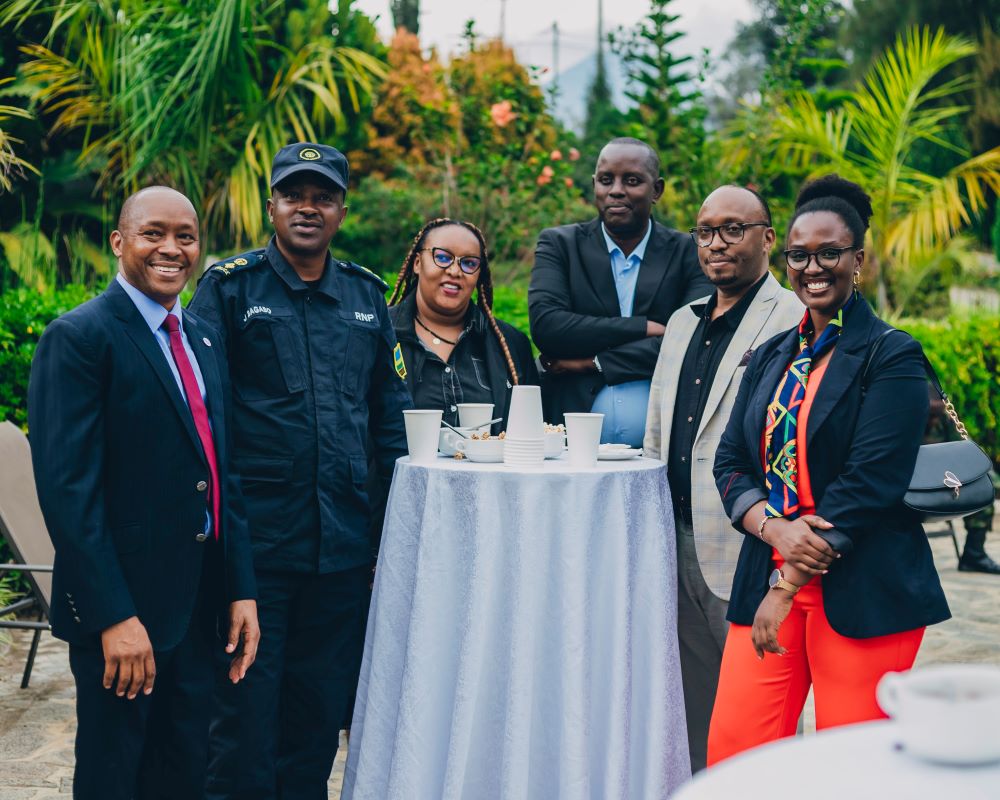
The commitment was underscored during a high-level customer engagement forum hosted by NCBA in Musanze, which brought together senior government officials, provincial leadership, business owners, investors, faith leaders, and entrepreneurs from across the Northern Province.
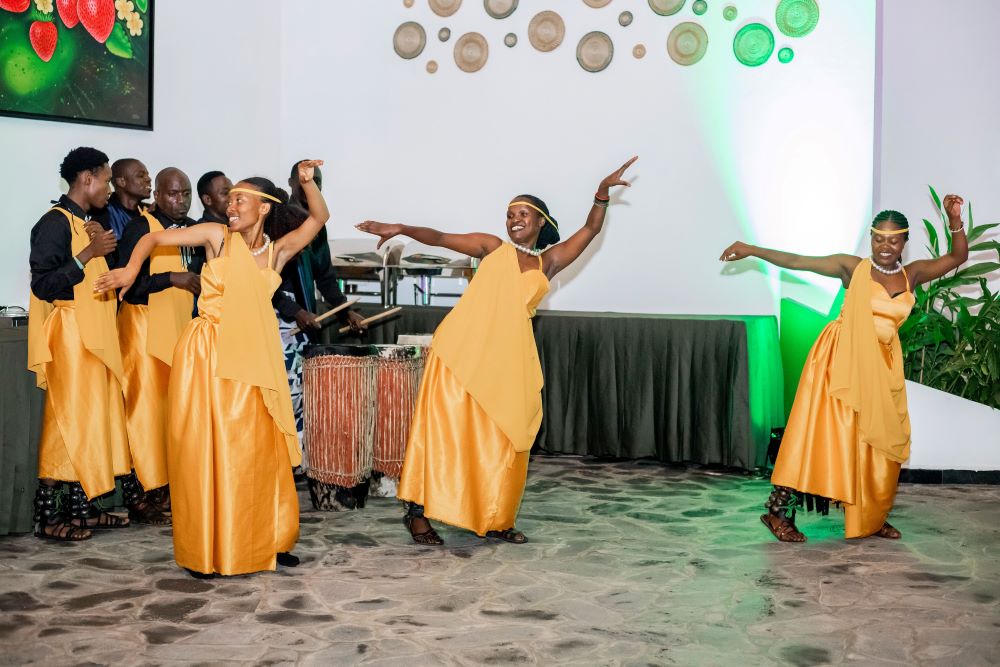
Held at Grotta Resort, the engagement served both as a platform for dialogue and a reaffirmation of partnership as Musanze continues to emerge as one of Rwanda’s most dynamic growth centers.
The Governor of the Northern Province, Maurice Mugabowagahunde, graced the event and expressed appreciation for NCBA’s continued collaboration.
“In Musanze, we are proud to be the heart of the country’s tourism economy, but we have even bolder ambitions to become a commercial hub that attracts investment in real estate, trade, and hospitality. Partnering with NCBA will enable entrepreneurs to invest in new infrastructure while supporting implementation of our master plan, ultimately driving economic growth across the region,” he noted.
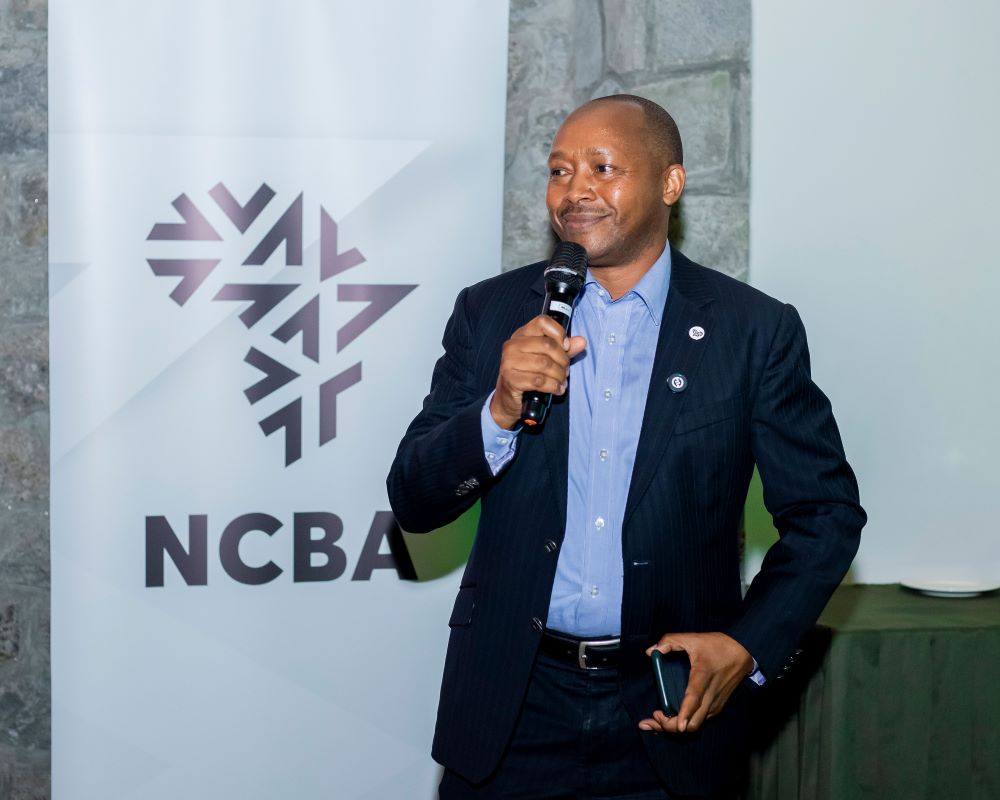
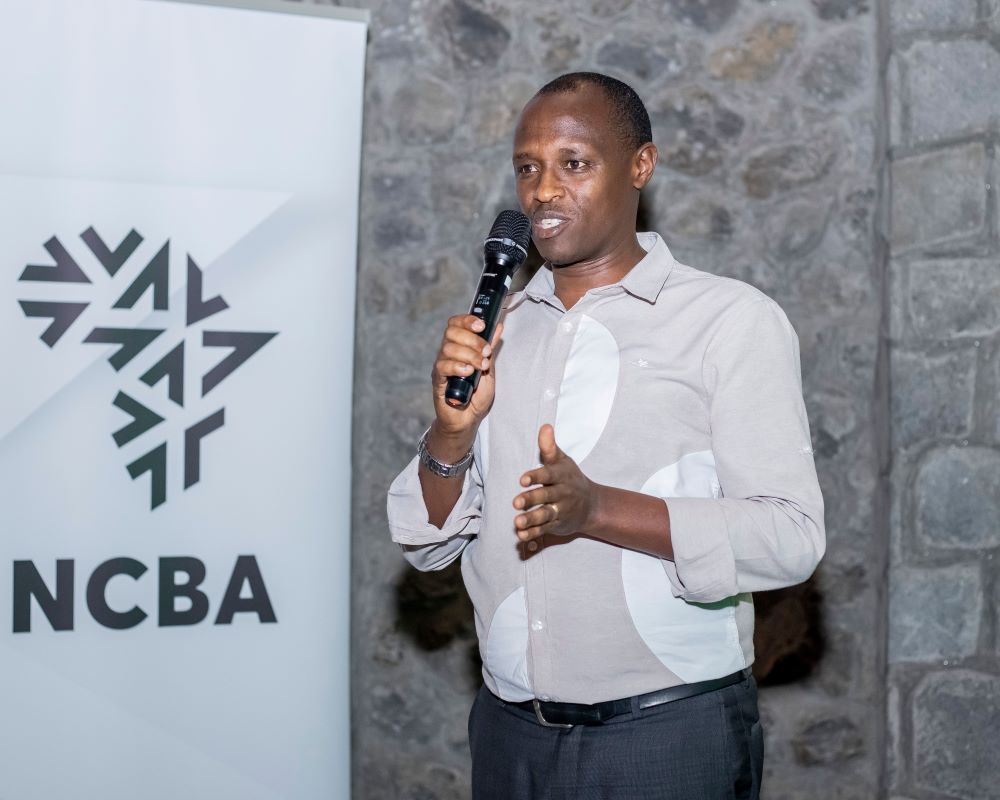
Addressing stakeholders during the engagement, Maurice Toroitich, Managing Director of NCBA Bank Rwanda, emphasized the bank’s role in aligning financing solutions with regional development priorities.
“NCBA’s role is to align financing solutions with Musanze’s development ambitions. We are here to reaffirm our readiness to support Musanze in scaling both rapidly and responsibly while contributing to Rwanda’s broader economic vision,” he said.
Within three years of operations in Musanze, NCBA has deepened relationships with customers and local institutions. The bank currently finances developers investing in hospitality infrastructure, SMEs expanding operations, contractors driving construction activity, and entrepreneurs building businesses that sustain the local economy.
Musanze’s growth reflects Rwanda’s broader national vision of balanced regional development, where secondary cities evolve into sustainable economic centers supported by investment, infrastructure, and enterprise.
As the city’s skyline continues to rise, and its economic potential expands, NCBA reiterated its commitment to working alongside government, investors, and communities to ensure the city’s growth remains structured, inclusive, and sustainable. The evening concluded with renewed partnership among stakeholders united by a shared vision for Musanze’s continued progress.
Connecting Musanze to regional opportunity
As part of a regional banking group operating across five African markets and serving over 60 million customers, NCBA encouraged entrepreneurs in Musanze to extend their ambitions beyond geographic boundaries.
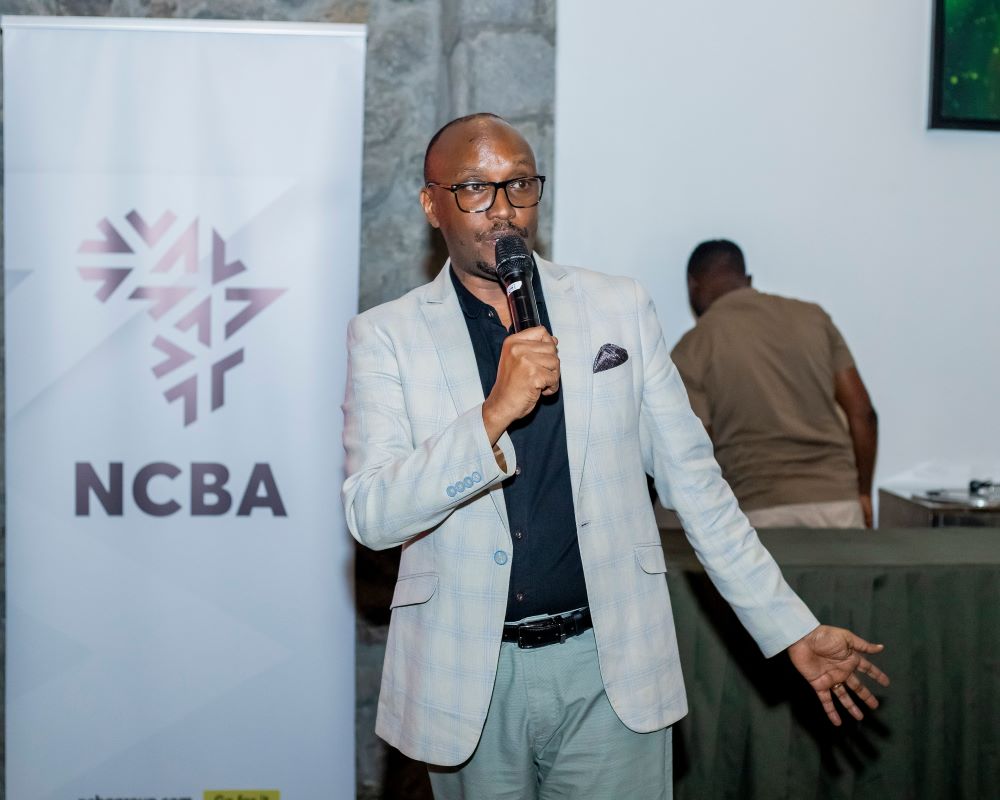
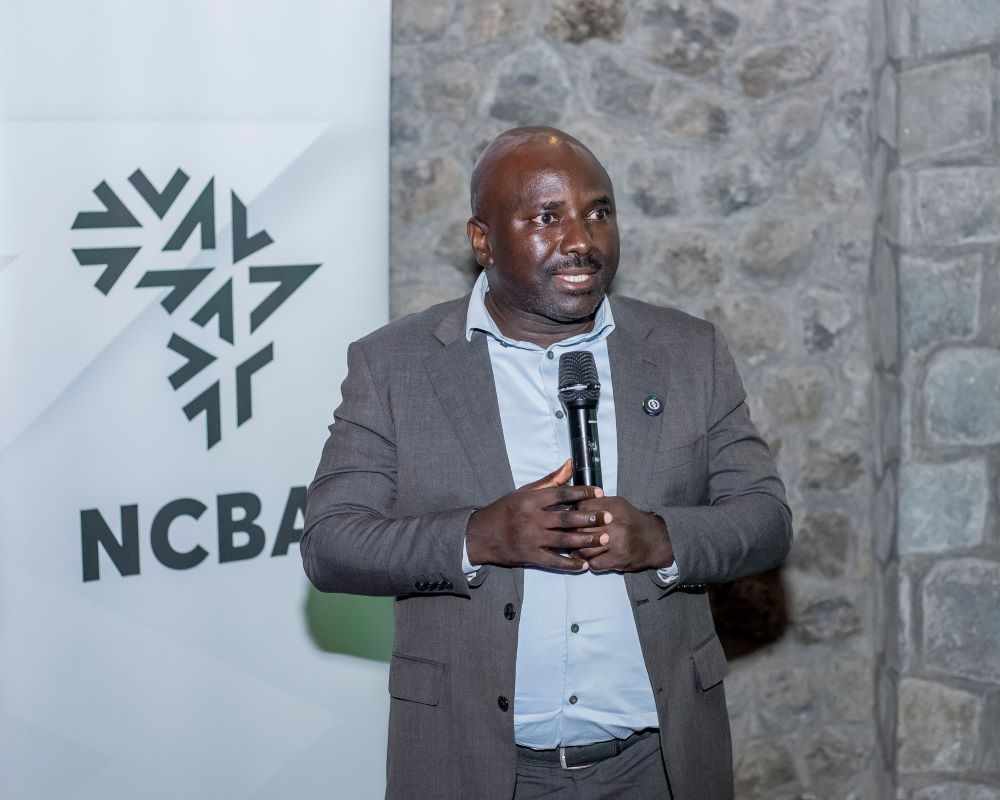
The Bank’s Head of Business, Samuel Nkubito, highlighted NCBA’s strengthened regional trade and advisory capabilities, positioning Musanze-based enterprises to access cross-border trade opportunities and investment linkages across East and West Africa.
The engagement also provided an opportunity for NCBA leadership to reassure clients of ongoing investments aimed at improving service delivery and digital banking performance.
As businesses increasingly rely on digital transactions and real-time liquidity management, the bank confirmed that enhanced mobile and corporate internet banking platforms will soon be introduced to strengthen reliability, efficiency, and overall customer experience.
The open forum allowed customers to directly share feedback with senior leadership, reinforcing transparency, trust, and relationships built since the establishment of the Musanze branch. Mobile Money–to–Bank integration remains a strategic priority, particularly for SMEs and traders whose daily operations depend on seamless digital payments. NCBA confirmed continued collaboration with ecosystem partners to improve performance and stability across these critical transaction channels.
NCBA Bank Rwanda is a subsidiary of NCBA Group, a regional banking group providing a broad range of financial products and services to corporate, institutional, SME, and consumer banking customers.
NCBA Group operates 115 branches across five countries; Kenya, Uganda, Tanzania, Rwanda, and Côte d’Ivoire, serving over 60 million customers and ranking among Africa’s largest banking groups by customer numbers.
In Rwanda, NCBA operates branches in Kigali, Musanze, Nyagatare, Rubavu, Kayonza, and Rusizi. Through its partnership with MTN Mobile Money Rwanda Ltd on MoKash, NCBA has reached over 6 million customers, making it the country’s largest retail digital bank and a key catalyst for financial inclusion.
Maurice Toroitich, Managing Director of NCBA Bank Rwanda, emphasized the bank’s role in aligning financing solutions with regional development priorities. The engagement also provided an opportunity for NCBA leadership to reassure clients of ongoing investments.The open forum allowed customers to directly share feedback with senior leadership.The Bank’s Head of Business, Samuel Nkubito, highlighted NCBA’s strengthened regional trade and advisory capabilities.The Governor of the Northern Province, Maurice Mugabowagahunde, graced the event and expressed appreciation for NCBA’s continued collaboration.
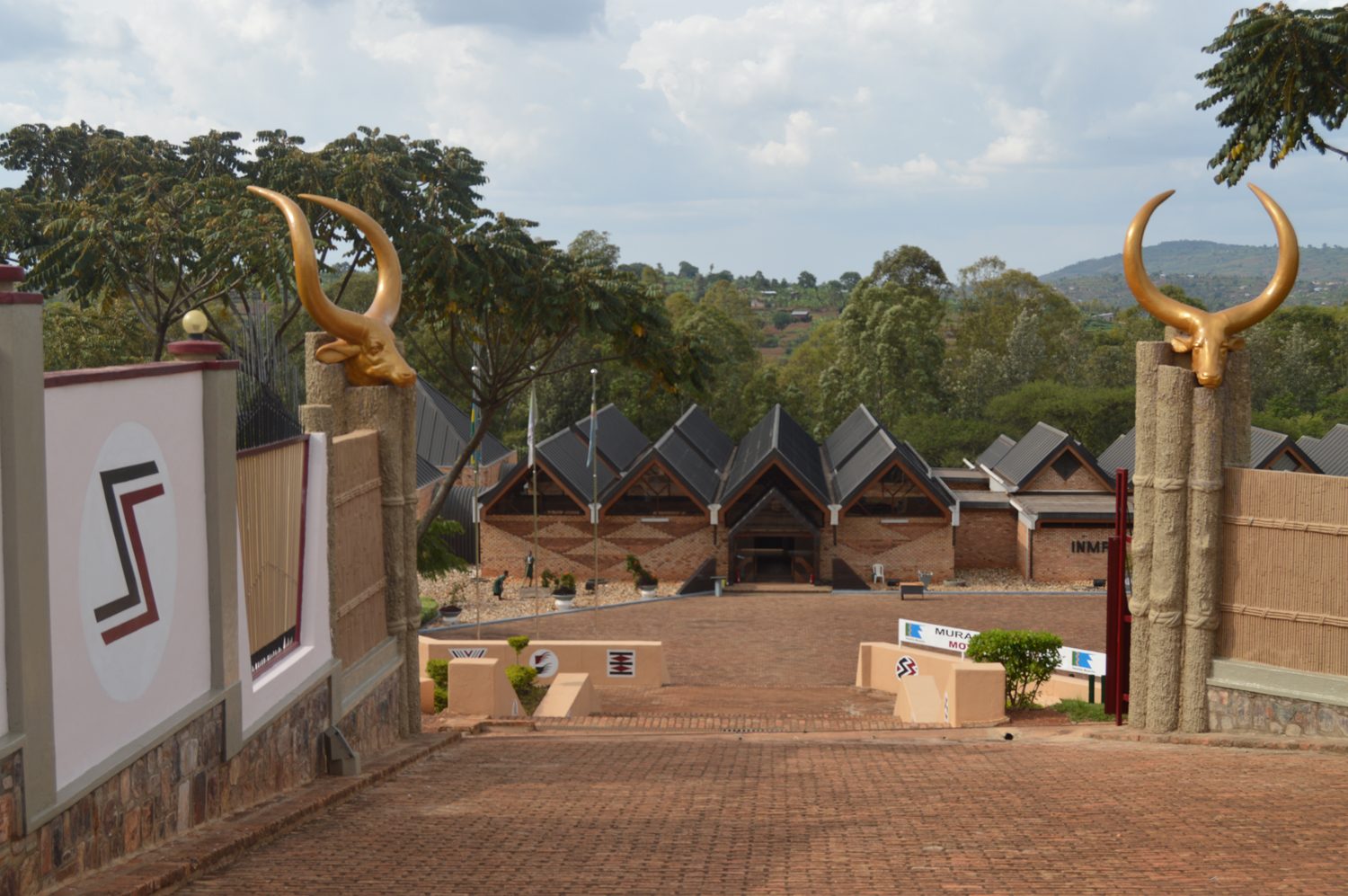
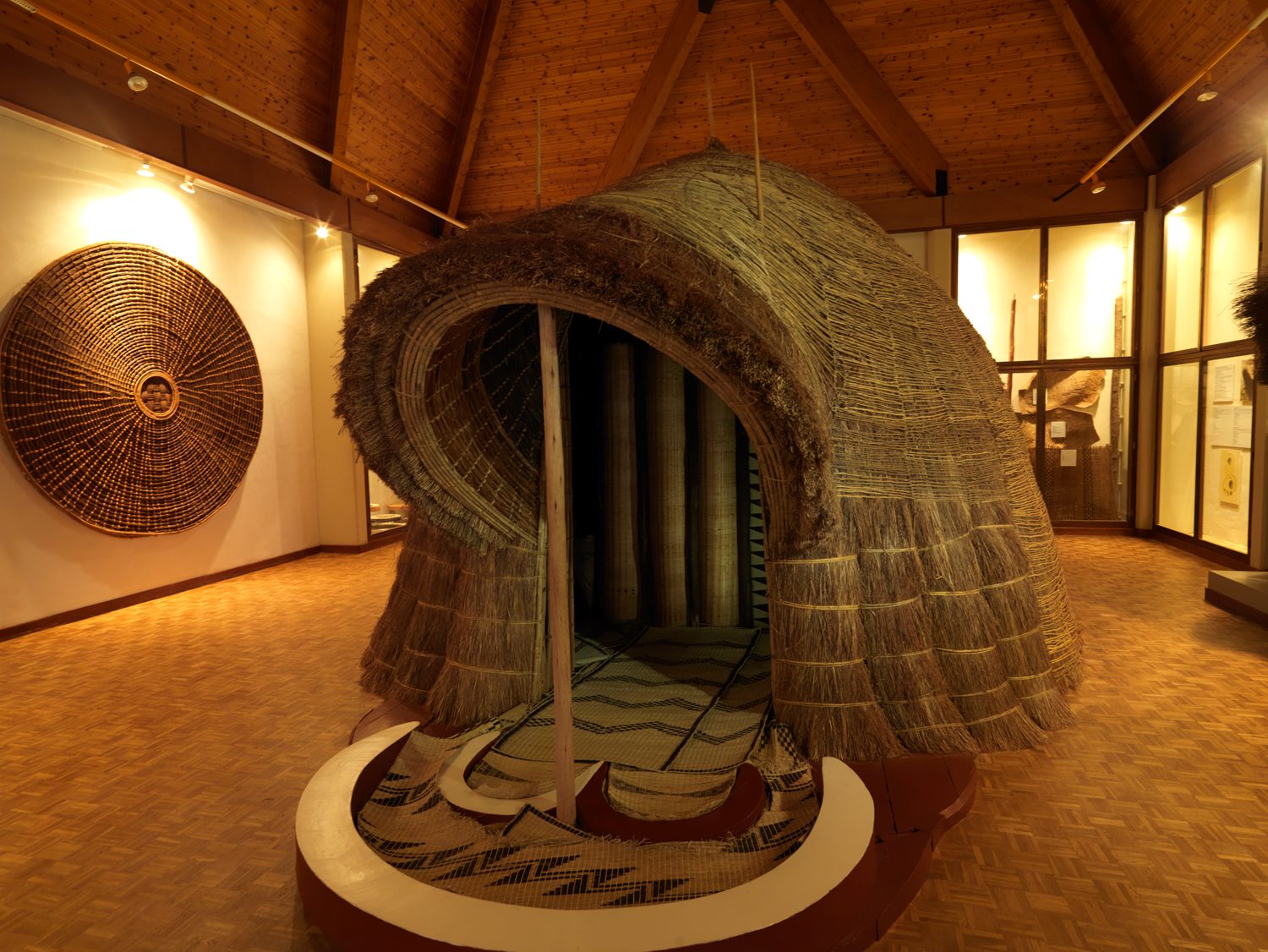
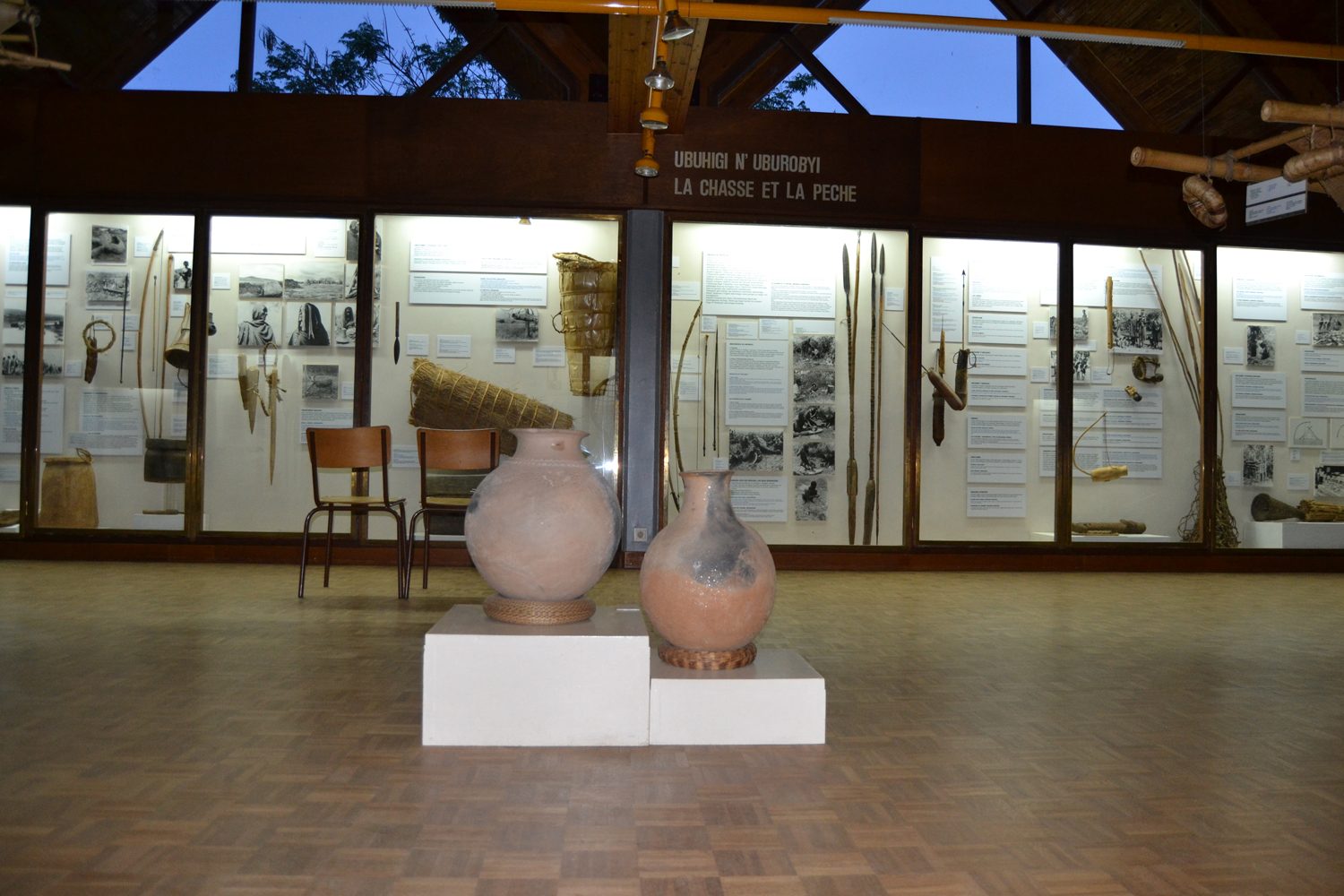
Located in Huye’s academic heartland, the museum doesn’t overwhelm; it gently guides. A gift from Belgium’s King Baudouin in the late 1980s, it has grown into one of Africa’s finest ethnographic collections and remains a cornerstone of the Institute of National Museums of Rwanda.
Inside, Rwanda unfolds not through dates and timelines, but through the textures of daily life. The journey begins with the land itself, geology and geography that shaped how communities lived and thrived.
From there, visitors move through galleries filled with objects that once defined survival and creativity: farming tools worn smooth by use, finely woven baskets, elegant pottery, and woodwork that balances function with artistry.
There is a quiet poetry in the details. Traditional clothing reveals social identity; architectural models show how communities built harmony with their environment. One gallery explores the deep cultural significance of cattle, symbols of prosperity, social ties, and heritage that still resonate today. That living tradition continues nearby at the King’s Palace Museum, where descendants of the royal herd remain a powerful cultural link.
The final spaces shift from objects to meaning. Here, visitors encounter oral traditions, poetry, belief systems, and cosmology; the unseen threads that bind generations. It feels less like a museum room and more like listening to elders recount the foundations of a nation.
Outside, a vibrant craft centre brings continuity to the experience, showcasing artisans who carry tradition forward with contemporary expression.
For travelers exploring Rwanda beyond scenery, the Ethnographic Museum offers something deeper: context. It reveals how beauty, resilience, and identity are woven together, not only in landscapes, but in memory, craftsmanship, and living culture.
The Ethnographic Museum is located in Huye District. The Ethnographic Museum offers a glimpse into Rwanda’s cultural heritage. At the museum, visitors move through galleries filled with objects that once defined survival and creativity.