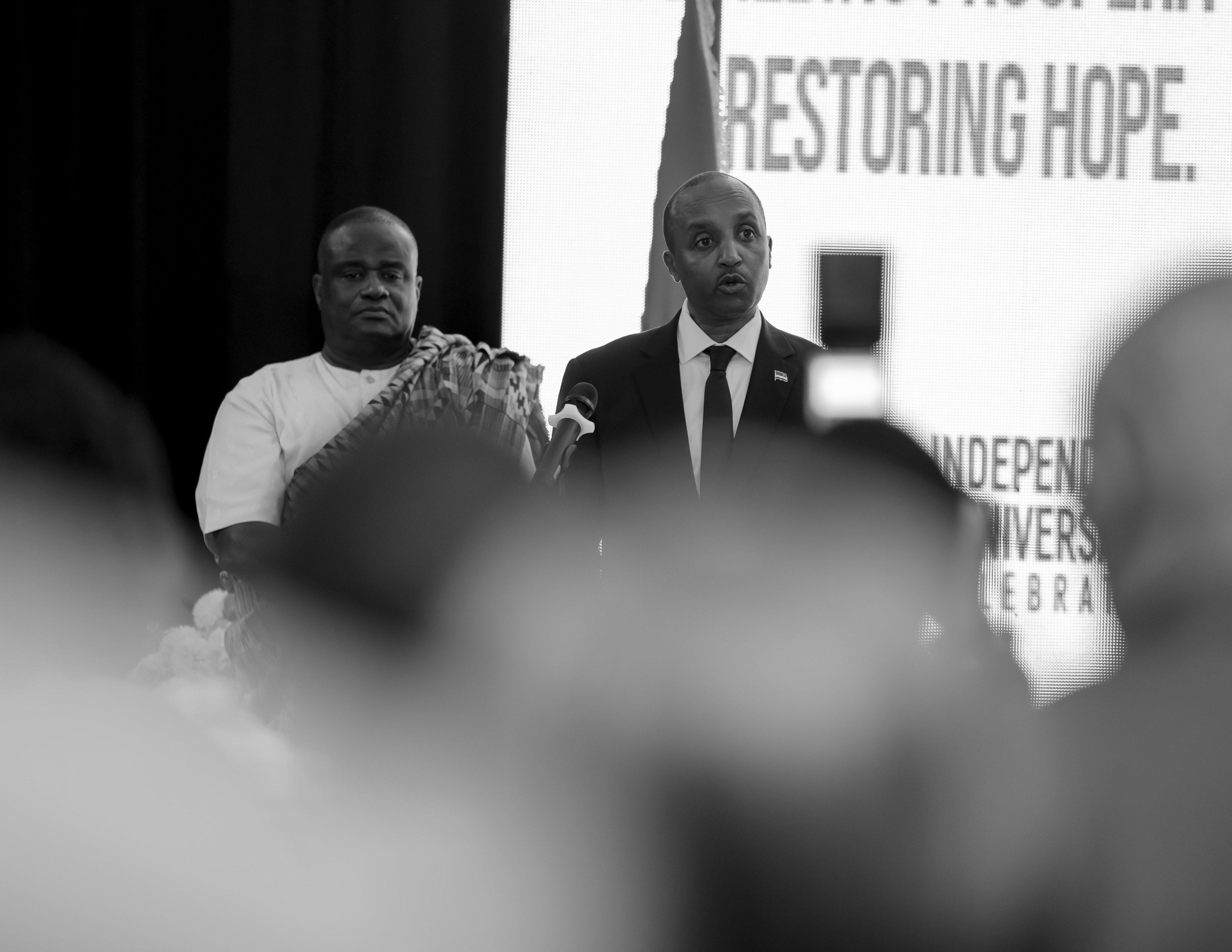
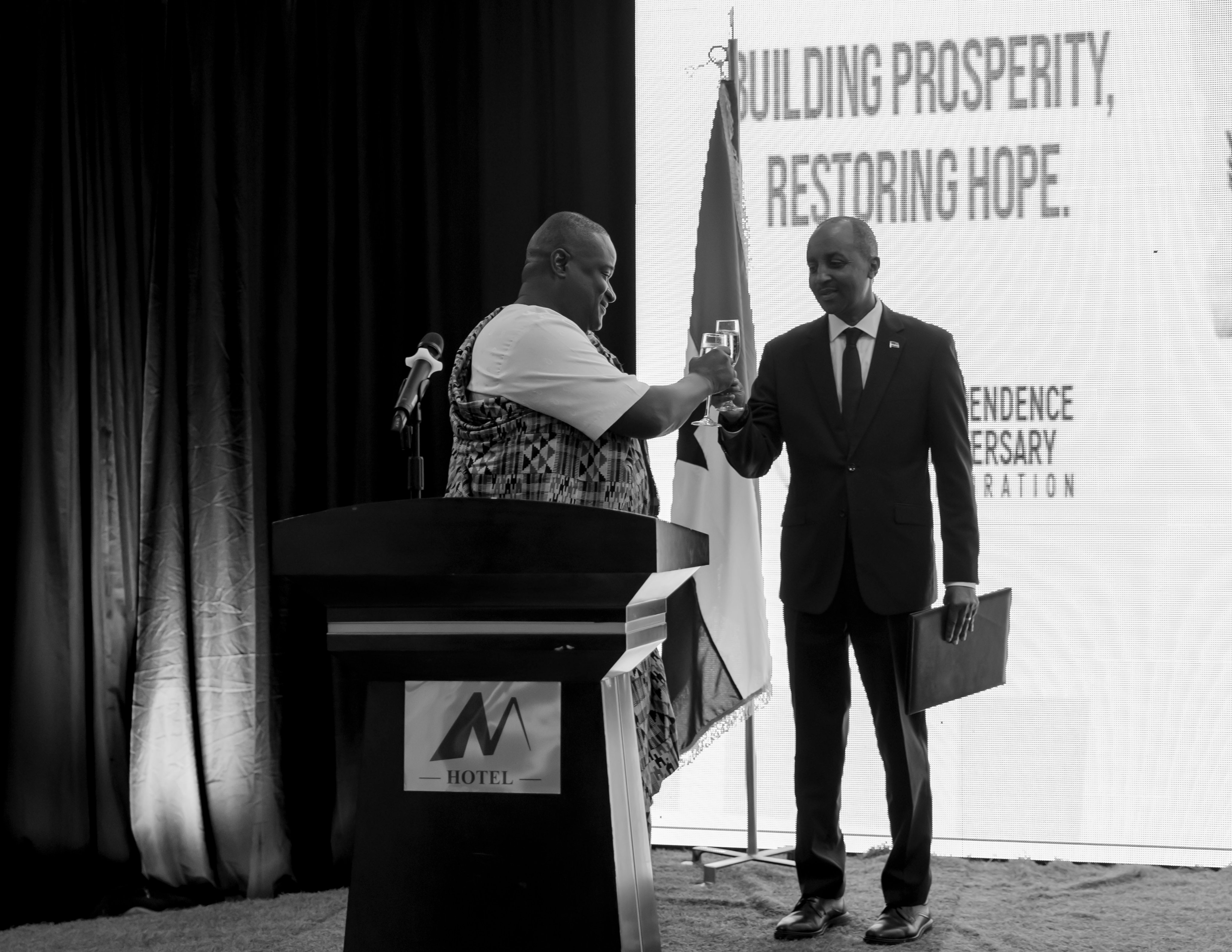
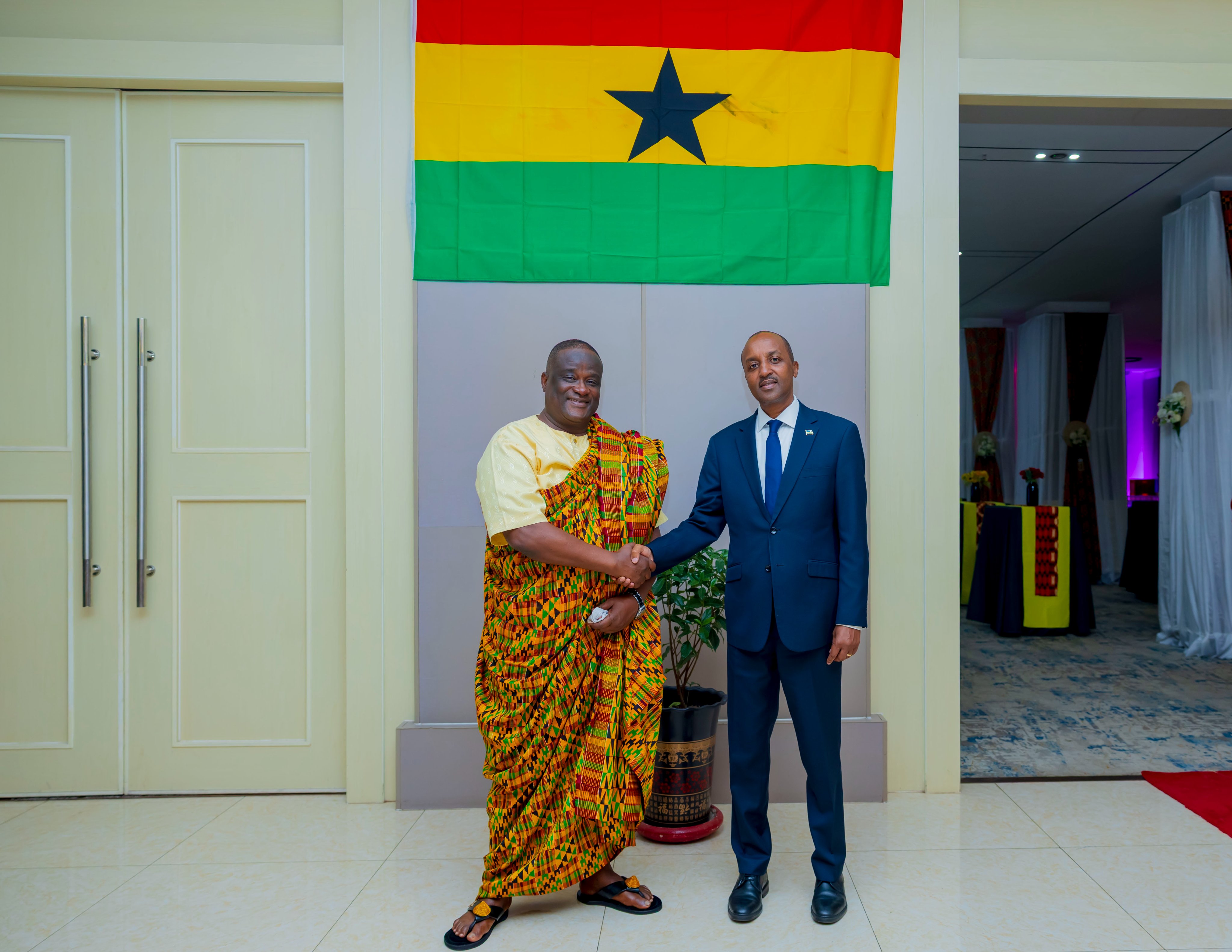
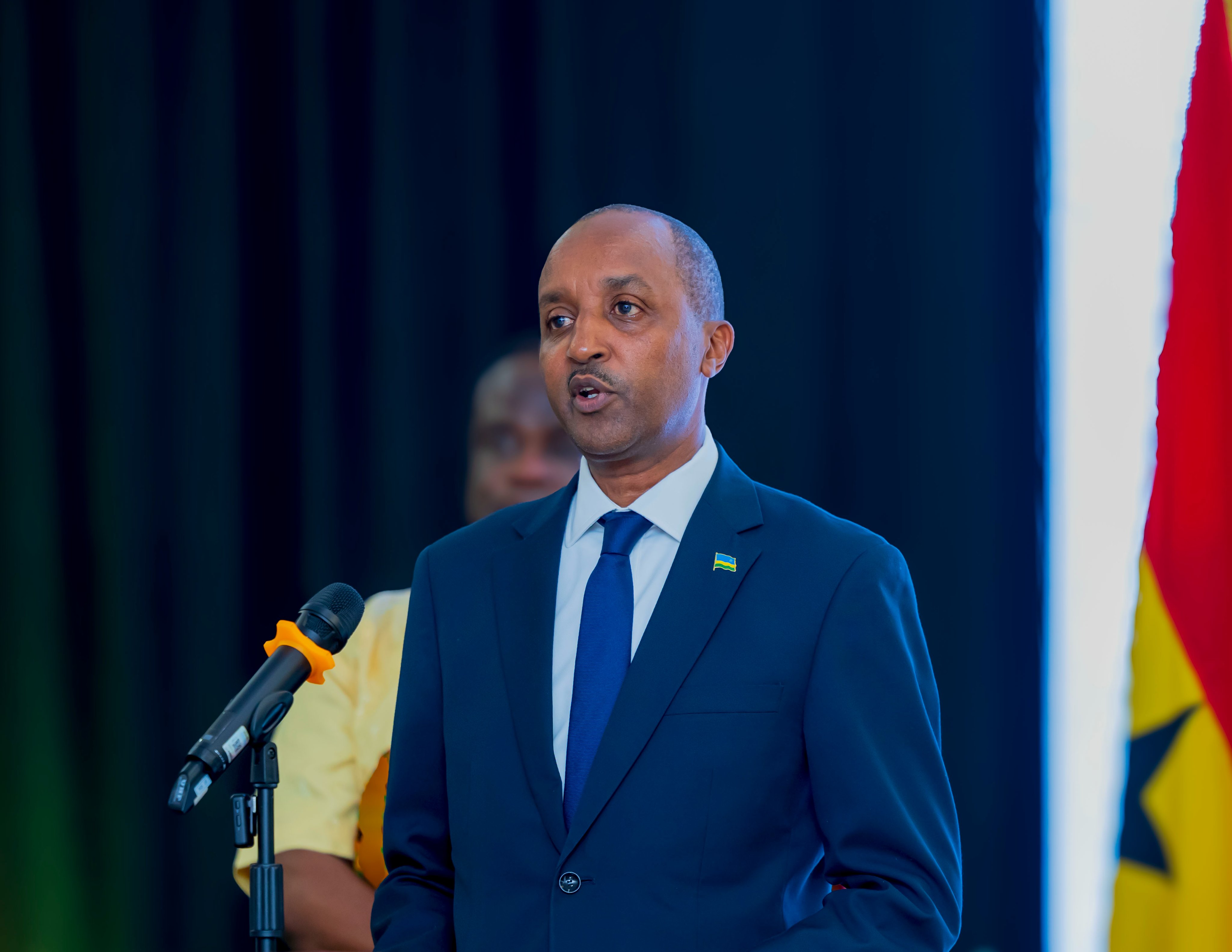
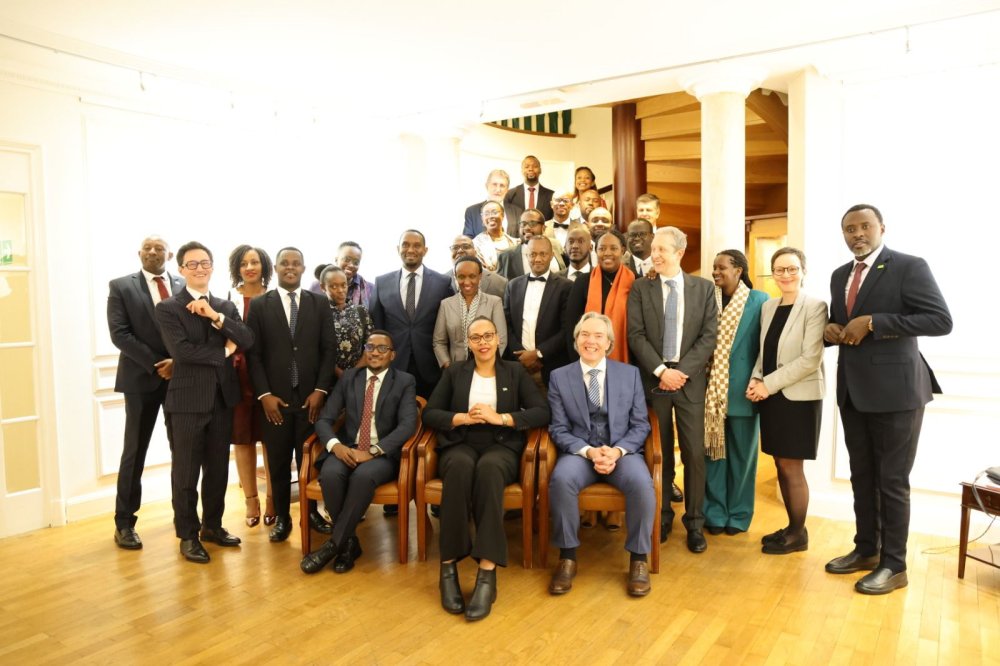
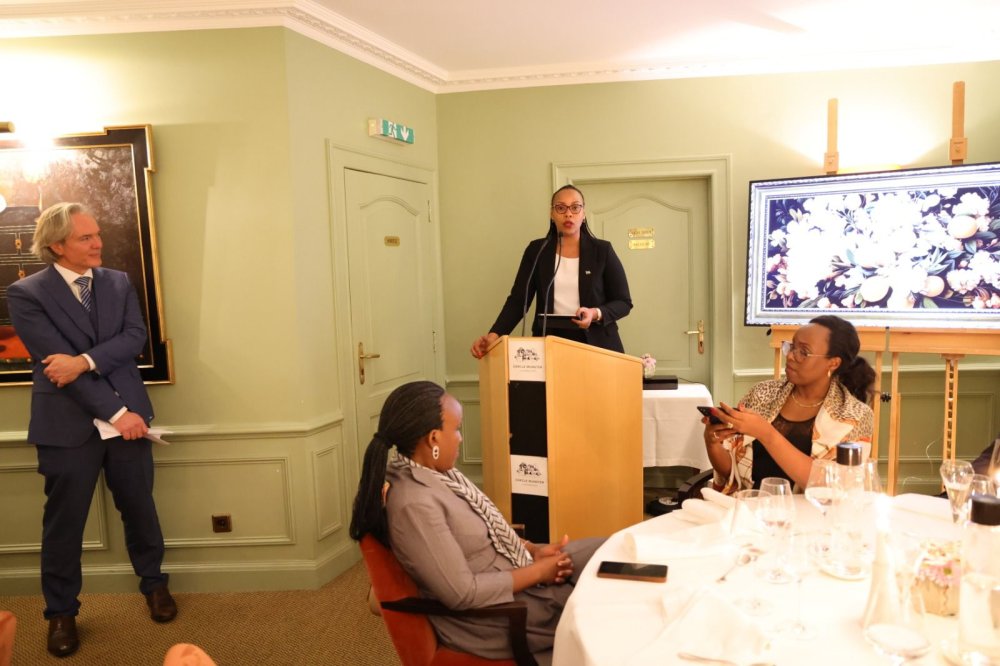
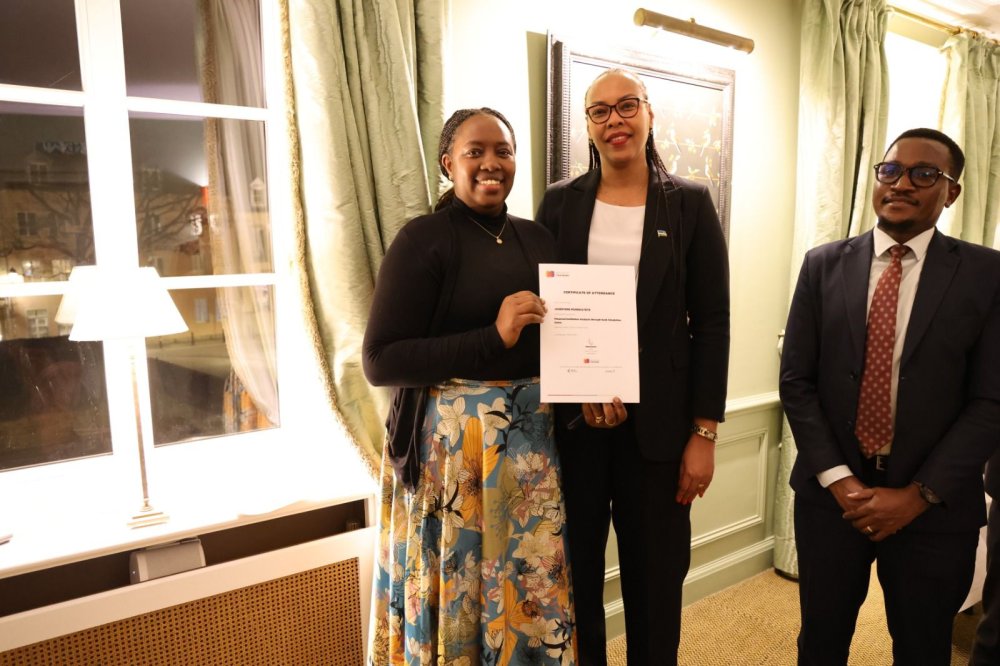
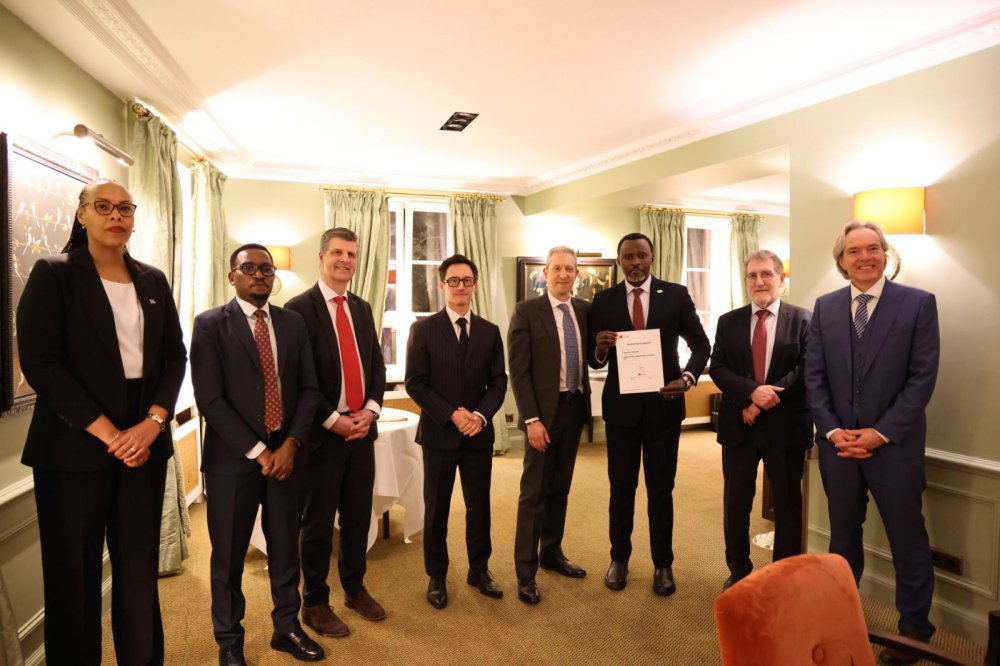
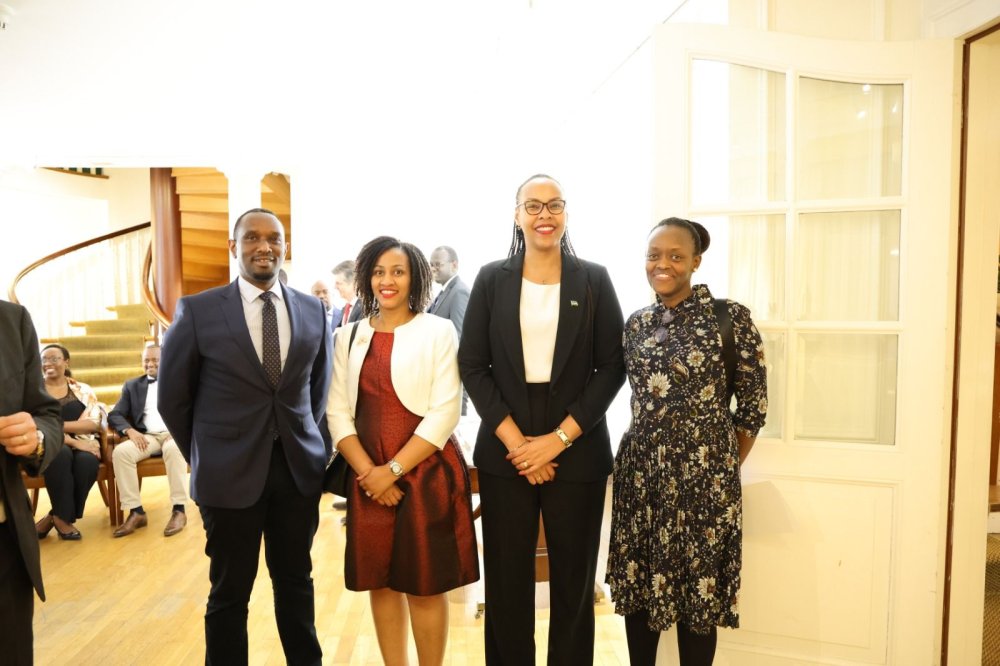
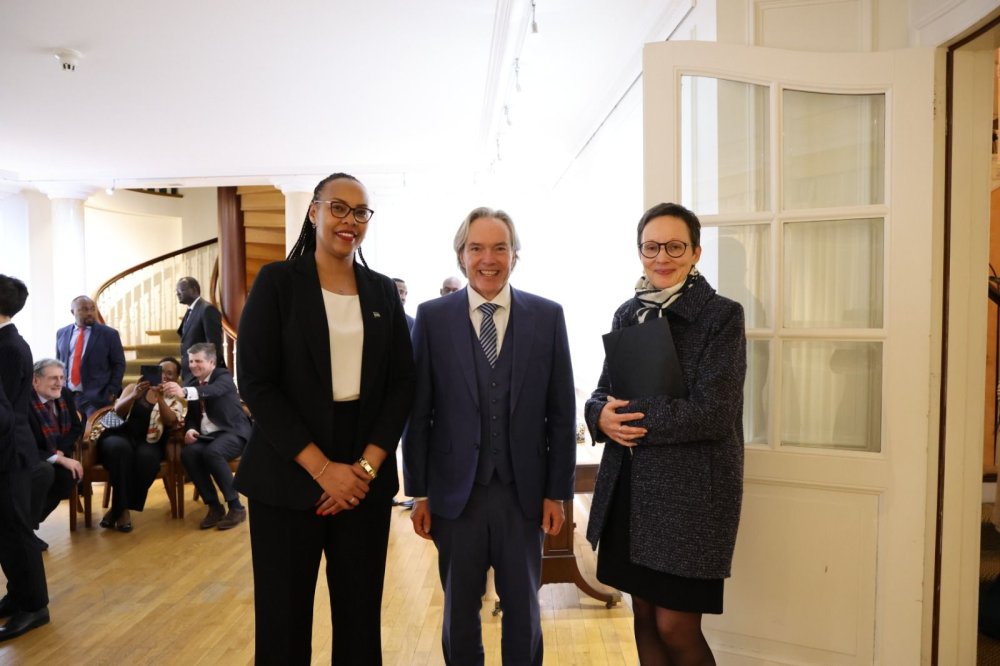
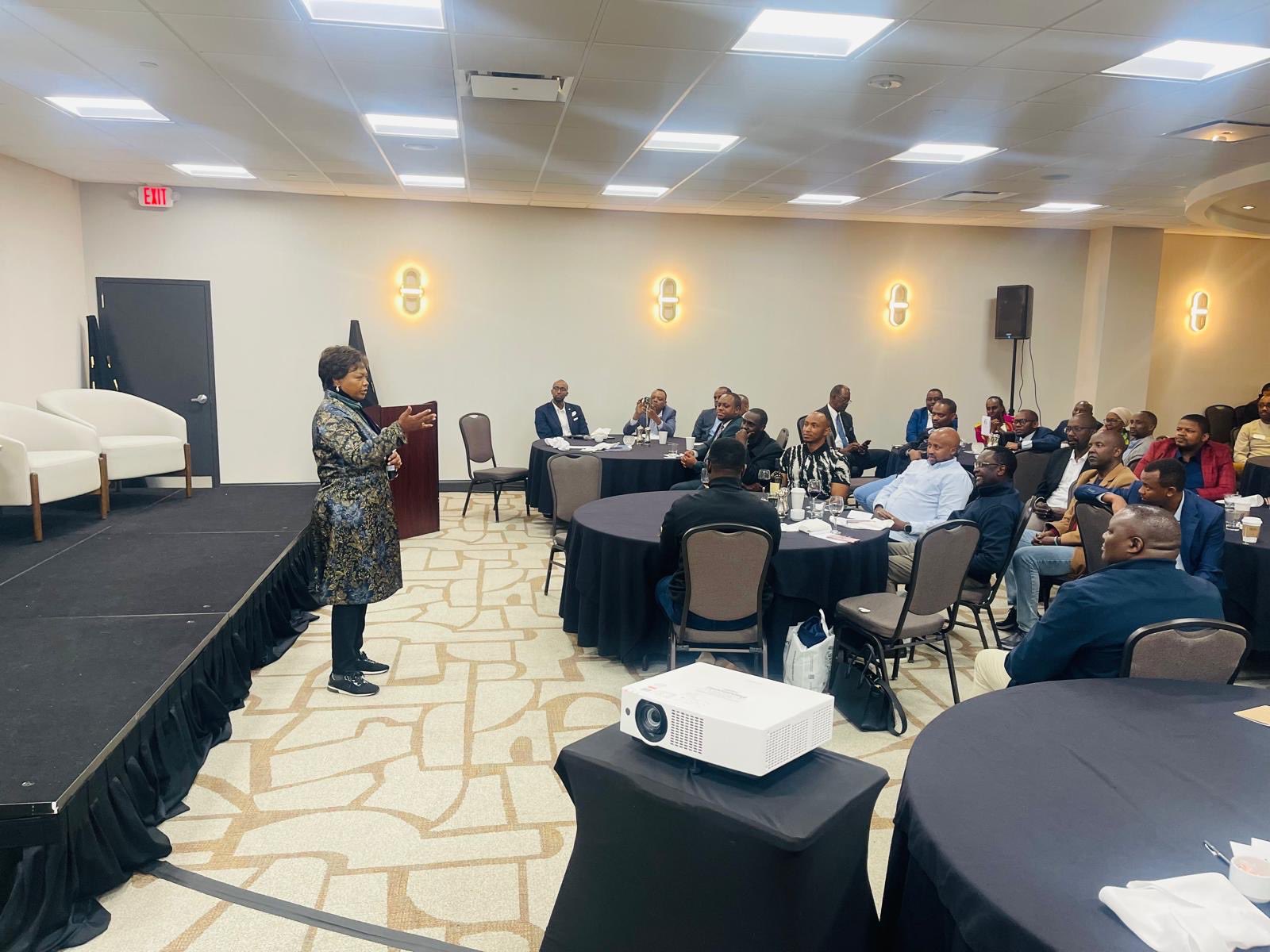
The event, held at M-Hotel, was the first such reception organized by the High Commission since its establishment in Rwanda in September 2024.
It brought together diplomats, Rwandan government officials, members of the Ghanaian community and their friends.
Speaking at the ceremony, Ghana’s resident High Commissioner to Rwanda, Ernest Yaw Amporful noted that the presence of members of the diplomatic corps and officials reflected the strong ties between Ghana, Rwanda and the wider international community.
Reflecting on Ghana’s history, the ambassador recalled that the country became the first sub-Saharan African nation to gain independence from colonial rule on March 6, 1957 under the leadership of Kwame Nkrumah, a moment that inspired liberation movements across the continent.
Nkrumah’s vision of Pan-African unity and his declaration that “Ghana’s independence is meaningless unless it is linked with the total liberation of the African continent” transformed the country into a hub and beacon of hope for freedom movements.
“Sixty-Nine years ago, Ghana blazed the trail as the first sub-Saharan African nation to break free from colonial rule, igniting a flame of freedom and self-determination across our continent,” he said.
Amb. Amporful said Ghana remains committed to democracy, peace and sustainable development, adding that the country continues to pursue economic transformation through new initiatives led by President John Dramani Mahama.
“This year’s celebration is anchored on the theme, ‘Building Prosperity, Restoring Hope’, a theme that speaks not only to Ghana’s aspirations but also to the collective yearning of Africa for economic transformation and a future of dignity and opportunity for all,” he said.
He also emphasized the historical bond between Ghana and Rwanda, recalling the role played by Ghanaian peacekeepers during the 1994 Genocide against the Tutsi.
“They protected and saved lives during the Genocide against the Tutsis, even when ordered to withdraw. That act of courage and humanity forged a bond of trust and empathy between our peoples,” he said.
The ambassador noted that both countries are working toward their first Joint Permanent Commission of Cooperation, aimed at boosting trade, investment and innovation.
“Let us recommit ourselves to strengthening the bonds of friendship between our nations,” Amb. Amporful said, adding that such cooperation would help build prosperity and restore hope for both peoples.
Amb. Amporful also paid tribute to women, noting that the celebration came just a day after the world marked International Women’s Day.
“The prosperity of our nations and the hope of our continent rest upon the empowerment of women and girls, whose voices must be heard, whose rights must be protected, and whose dreams must be nurtured,” he said.
Speaking at the reception, the Permanent Secretary in the Ministry of Foreign Affairs, Amb. Fidelis Mironko, congratulated the government and people of Ghana on their 69th Independence Day and reflected on the broader meaning of such anniversaries.
“I like to think of Independence Day as a call to action for the future. It is a reminder that the courage of our forebears must be matched by our determination today,” he said.
Amb. Mironko noted that the challenges facing the world today, including climate change, economic shocks and global uncertainty, require countries to work together with unity and strong leadership.
“As sister nations, Rwanda and Ghana will continue to stand shoulder to shoulder in advancing our shared vision of an Africa that is self-reliant, innovative, and globally competitive,” he said.
Rwanda and Ghana share long-standing relations that have grown over the years through cooperation in areas such as trade, defence and security, tourism, technology, culture and parliamentary exchanges.
The partnership also carries a strong historical dimension. In 1994, Ghanaian peacekeepers serving under the United Nations Assistance Mission for Rwanda (UNAMIR) were among the few who remained in the country to help protect civilians during the Genocide against the Tutsi, despite orders to withdraw.
Diplomatic ties have since deepened. Rwanda opened a resident High Commission in Accra in 2020 to strengthen political and economic cooperation, while Ghana established its High Commission in Kigali in 2024, marking another step in reinforcing relations between the two countries