The study, carried out by scientists from King’s College London, focused on nearly 500 infants born at St Thomas’ Hospital in London between 2015 and 2020.
Using the addresses where the mothers lived during pregnancy, researchers estimated how much air pollution including nitrogen dioxide and tiny airborne particles called PM2.5 and PM10, the mothers were exposed to during the first trimester of pregnancy.
When the children reached 18 months old, the researchers assessed their developmental progress using established language and motor skill tests.
They discovered that babies whose mothers experienced higher pollution levels in early pregnancy scored five to seven points lower on language tests than those whose mothers breathed cleaner air. This suggests that exposure to pollution in the womb may have a meaningful impact on early communication skills.
The study also found that babies who were born prematurely, especially those born before 32 weeks of pregnancy were even more affected. These infants showed not only delayed speech development but also significantly weaker motor skills, such as crawling and coordination, compared with full‑term babies.
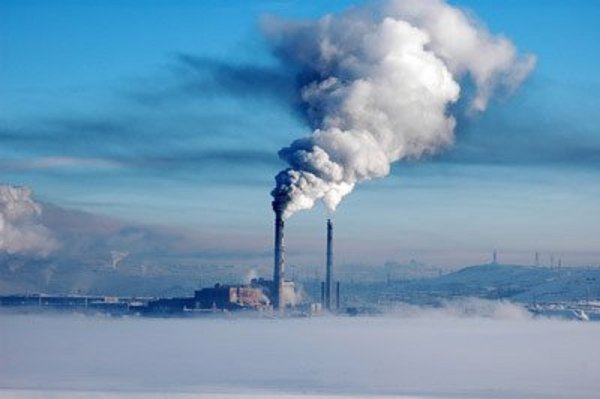
Experts say these findings highlight a growing concern about air pollution and early childhood development. Air pollution doesn’t just affect the environment it can also influence children’s health and growth even before they are born.
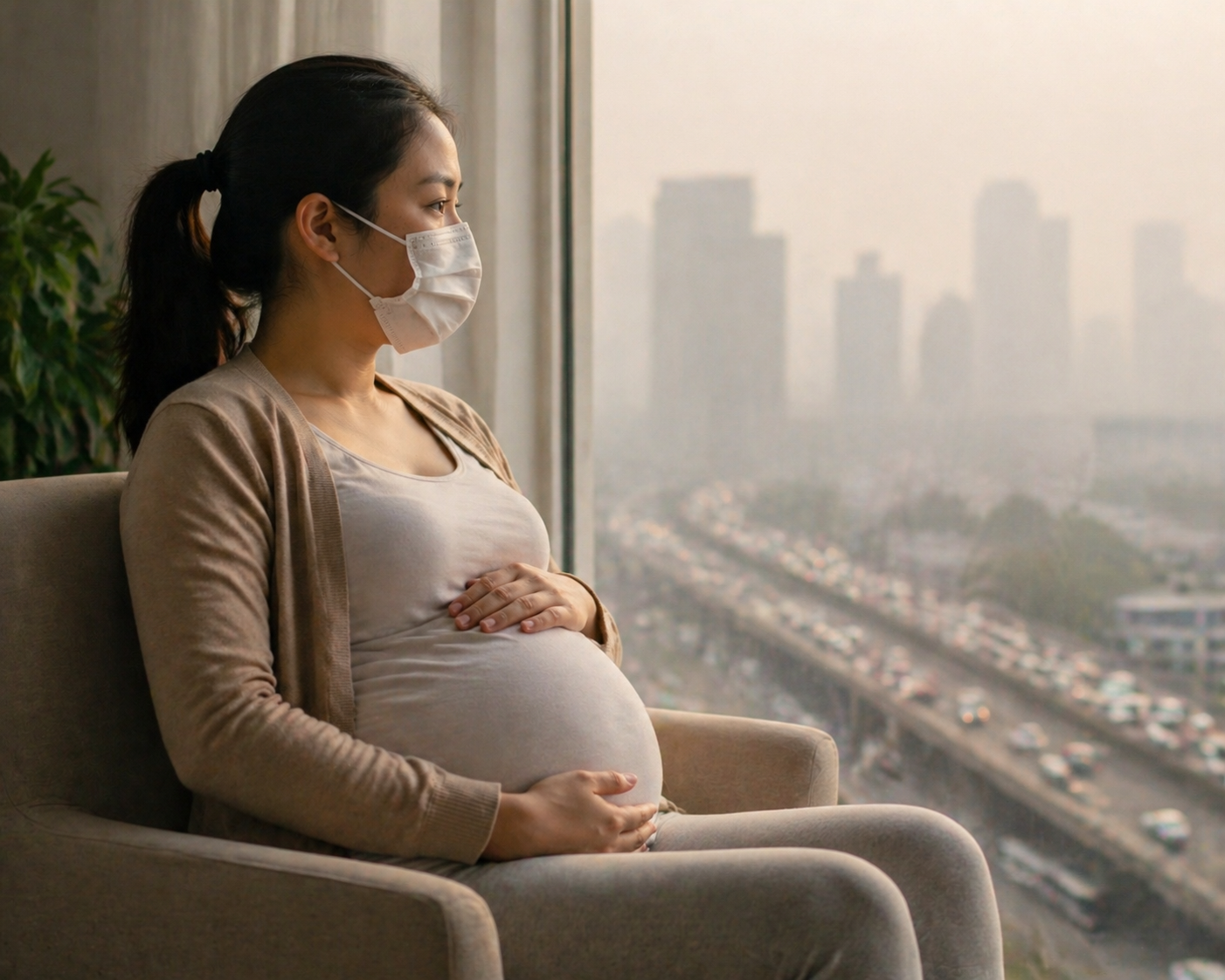
In many cities, especially in areas near busy roads and crowded neighbourhoods, pregnant women may be exposed to levels of pollution that seem permissible by current legal standards but may still pose risks to developing babies.
Campaigners and scientists stress that the effects of dirty air are not shared equally. Families living in working‑class and marginalized communities often face higher pollution exposure, raising questions about environmental fairness and health equality.
They argue that protecting children’s health starting before birth requires not only better pollution controls but also policies that address deeper social inequalities.
Although this research was based in London, its implications extend around the world. Air pollution is one of the leading environmental health risks globally, and almost everyone worldwide breathes air containing harmful pollutants at levels that exceed safe guidelines.
Protecting pregnant women and babies from polluted air could help give children a healthier start in life and reduce potential developmental challenges later on.
Leave a Reply