The discoveries were made during a six-week scientific expedition led by researchers from the UK Centre for Environment, Fisheries and Aquaculture Science (CEFAS) aboard the research vessel RRS James Cook.
According to BBC, the team explored waters surrounding the Cayman Islands, Anguilla, and Turks and Caicos Islands, areas where much of the deep ocean had never been studied before.
Working day and night, scientists used deep-sea cameras and acoustic mapping equipment capable of withstanding extreme pressure to explore depths of up to 6,000 meters (19,700 feet).
Because existing maps were outdated and sometimes inaccurate, researchers had to navigate parts of the ocean floor that had never been properly charted.
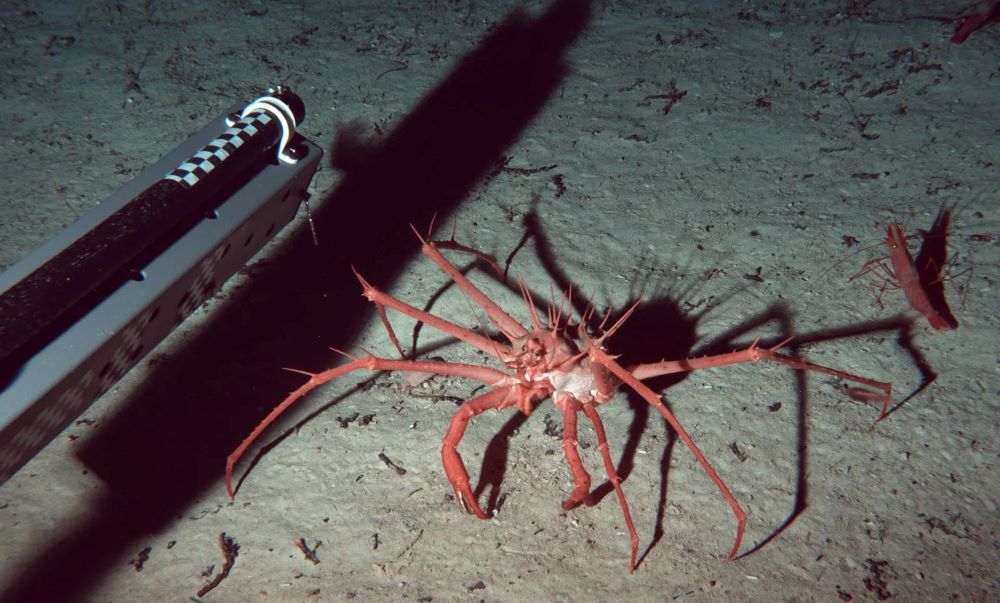
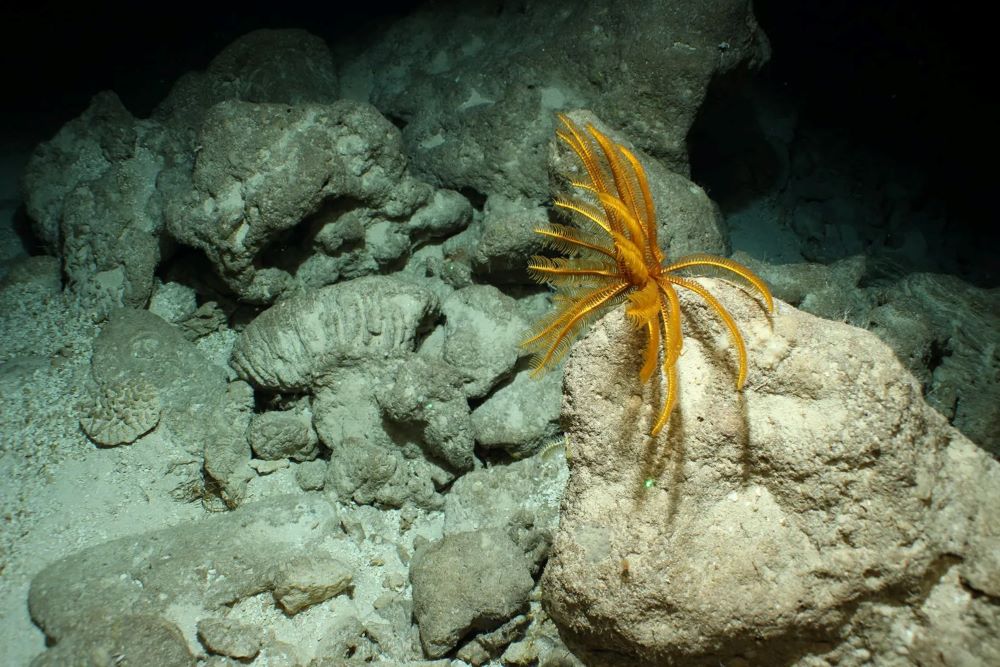
The expedition revealed remarkable biodiversity. Scientists recorded nearly 14,000 individual marine specimens and identified about 290 different types of sea life.
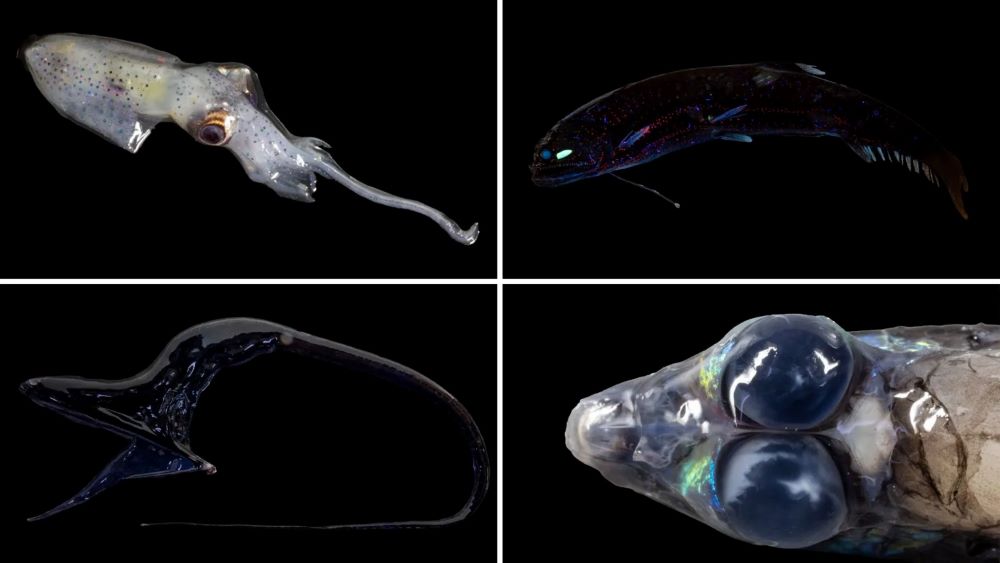
Among them were strange and rarely seen species, including a pelican eel with a glowing pink tail used to lure prey, a barreleye fish with upward-pointing tubular eyes, and a dragonfish with a luminous rod beneath its chin.
Dr James Bell, who led the expedition, said the discoveries highlight just how little humans know about the deep ocean.
“This is the first step into environments people have never seen, and in some cases didn’t know existed,” he said.
“Just yesterday we found a kind of type of swimming sea cucumber, and we still don’t know what it is,” he added, describing the diversity as “really, really astonishing”.
One of the most striking discoveries was an underwater mountain called Pickle Bank, located north of Little Cayman. Rising from a depth of about 2,500 meters to just 20 meters below the sea surface, the mountain’s slopes were covered with vibrant marine life.
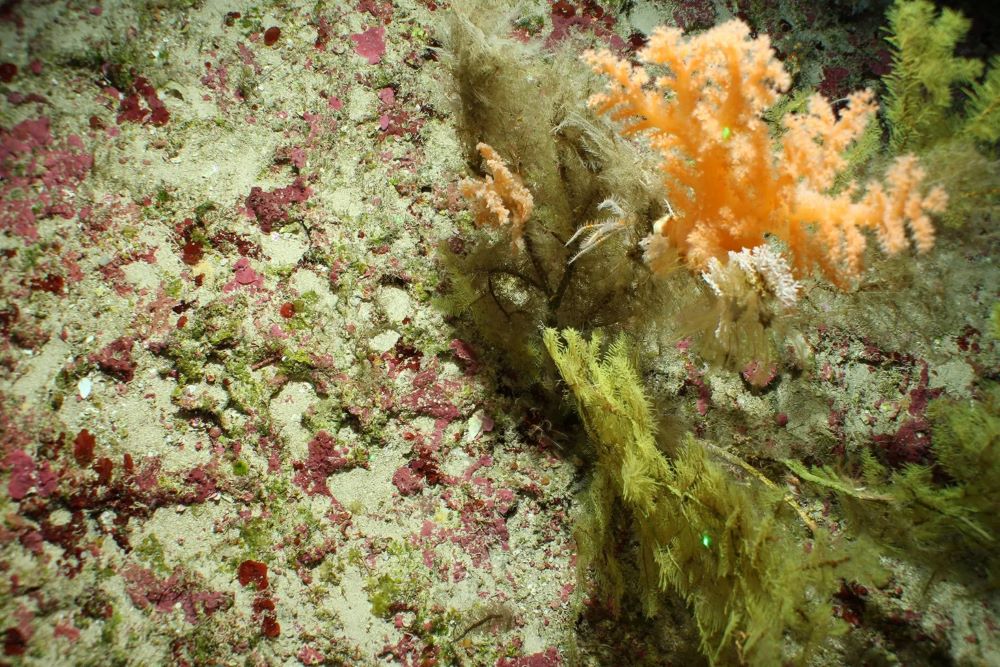
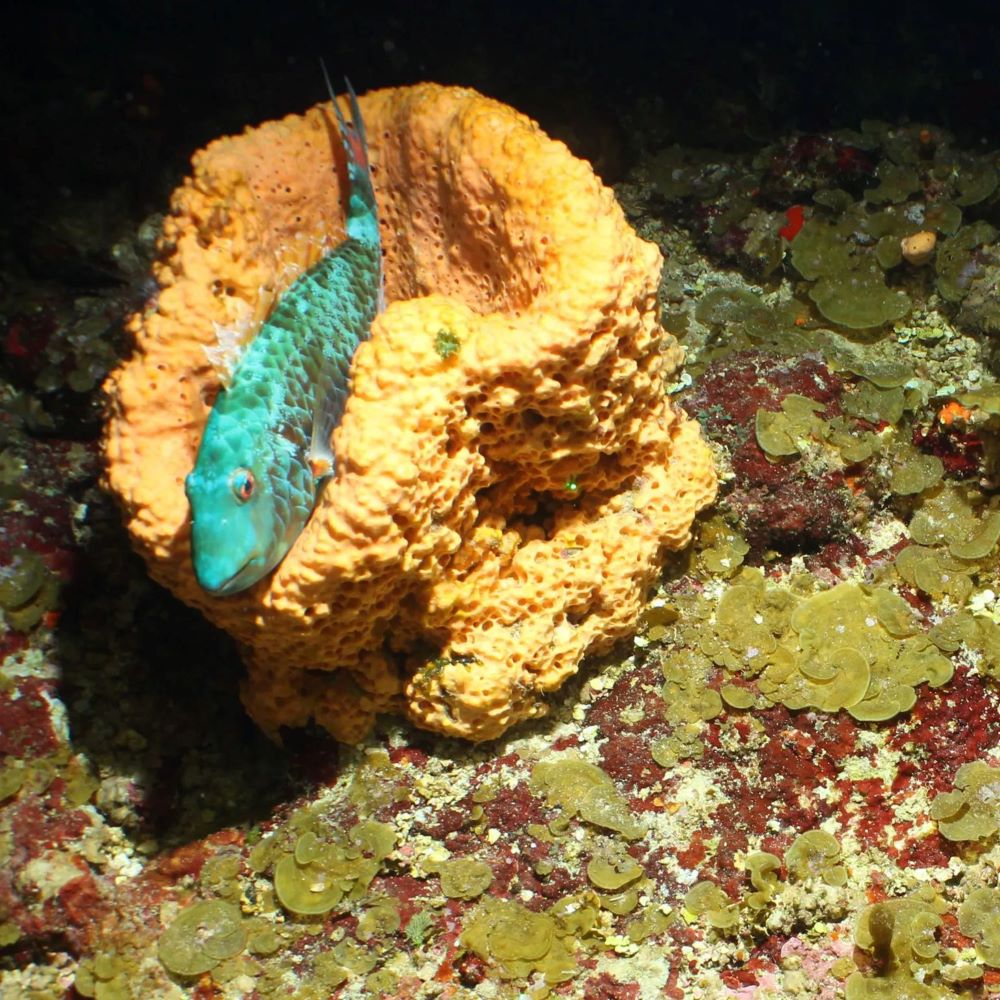
Video footage shows bright blue, yellow and orange coral formations, with fish darting between whip-like coral branches and jelly-like sea sponges.
Researchers say the area may contain one of the healthiest coral reefs in the Caribbean. Unlike many reefs across the region, it appears untouched by the stony coral disease that has devastated coral ecosystems in recent years.
Deep reefs such as this are often protected by their depth. They are also less exposed to rising ocean temperatures, which scientists say have damaged around 80 percent of the world’s corals since 2023.
The team also mapped nearly 25,000 square kilometres of seabed and captured more than 20,000 images of deep-sea life, including glowing lanternfish and unusual cephalopods.
Despite these advances, Dr Bell noted that much of Earth’s ocean remains unexplored.
“We know the surface of Mars or the Moon better than we know the surface of our own planet,” he said. “We can’t do that for our ocean. We have to map it bit by bit using acoustic instruments on ships.”
Among the most surprising findings was a steep underwater ridge in Turks and Caicos Islands waters. The ridge rises about 3,200 meters high and stretches 70 kilometres along the seabed, a major geological feature that was missing from existing maps.
The researchers also discovered a massive vertical sinkhole known as a blue hole south of Grand Turk.
“Imagine taking an ice cream scoop out of the sea-floor. That’s what we saw, a crater about 300m wide to 550m below sea level,” Bell explained.
The blue hole could rival the famous Great Blue Hole in size. Surprisingly, cameras sent into the formation revealed life inside, including sponges, sea urchins and several fish species.
Near Anguilla, the team confirmed the existence of a coral reef nearly four kilometres long after local fishers reported pulling up pieces of coral from the area. Some of the black coral found there may be thousands of years old.
“It tells us that these environments are really pristine and healthy,” said Bell.
The findings will help scientists and local authorities better manage marine ecosystems and identify sustainable fishing opportunities for island communities. The research is also part of the UK’s Blue Belt Programme, which supports conservation in British Overseas Territories.
“Our islands were literally born from the sea,” said Kelly Forsythe from the Cayman Islands Department of Environment. “But when it comes to our offshore environments, we really haven’t had a chance before to discover what’s out there.”
Researchers say the discoveries will also support global efforts to protect 30 percent of the world’s oceans by 2030 through marine protected areas.
“Anyone can draw a box on a map and say, ‘That’s a marine protected area’,” Bell said. “But unless you know what’s in it, you don’t know if that’s useful at all.”
Leave a Reply