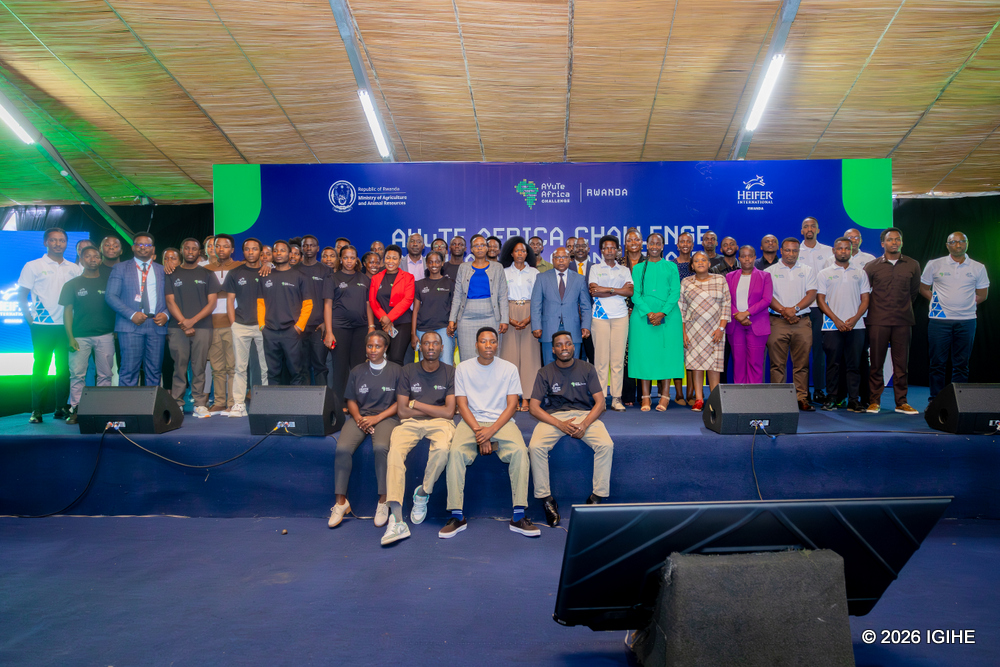
The final event took place on April 30, 2026, featuring five finalists selected from an initial pool of 1,200 applicants. The challenge is designed to support youth-led innovations that improve productivity and efficiency in the agricultural sector.
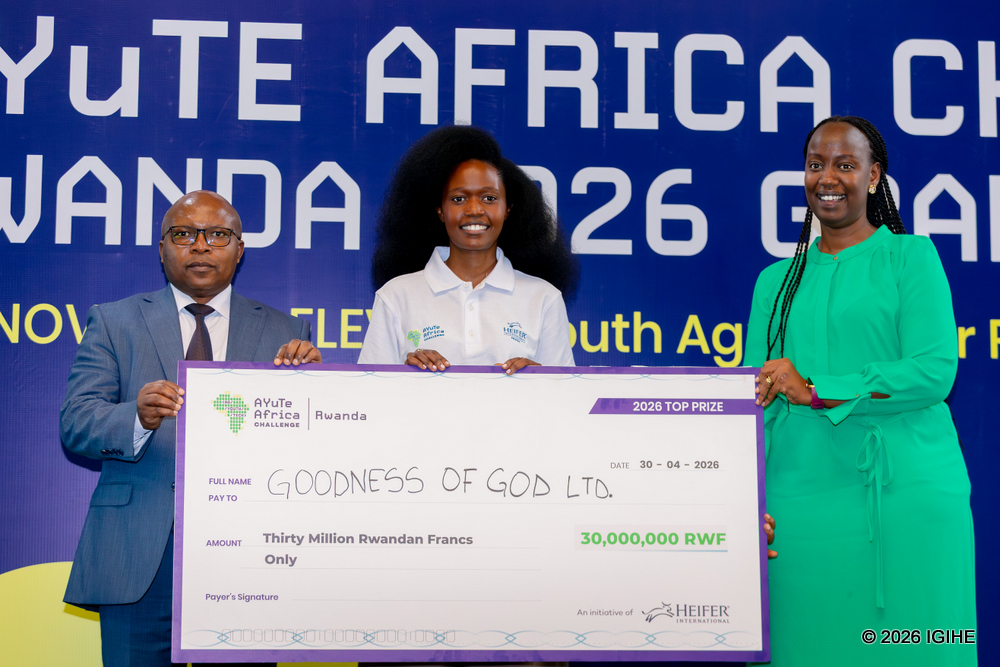
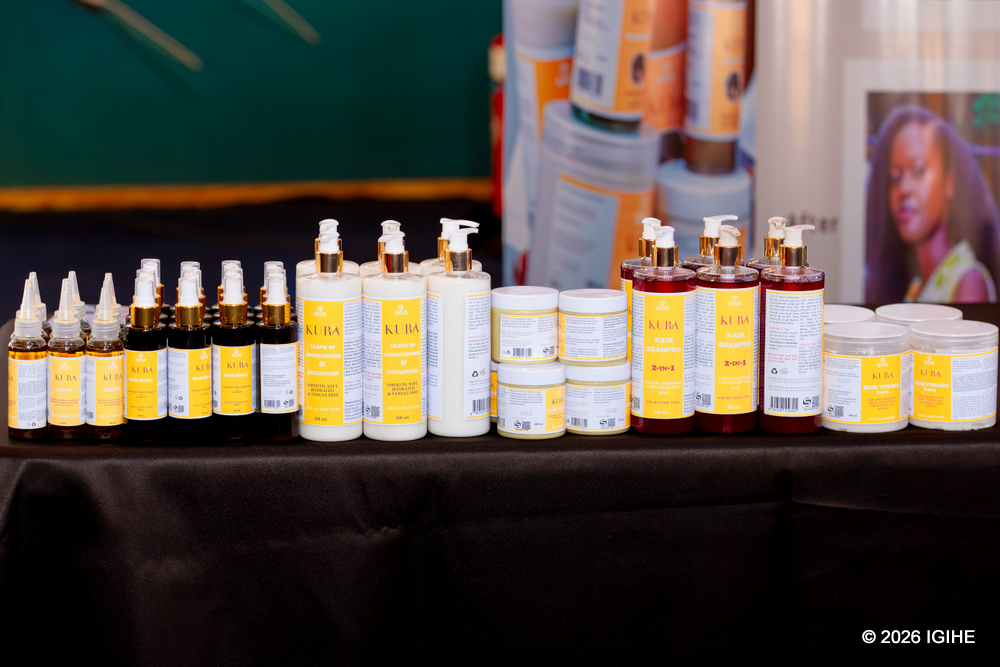
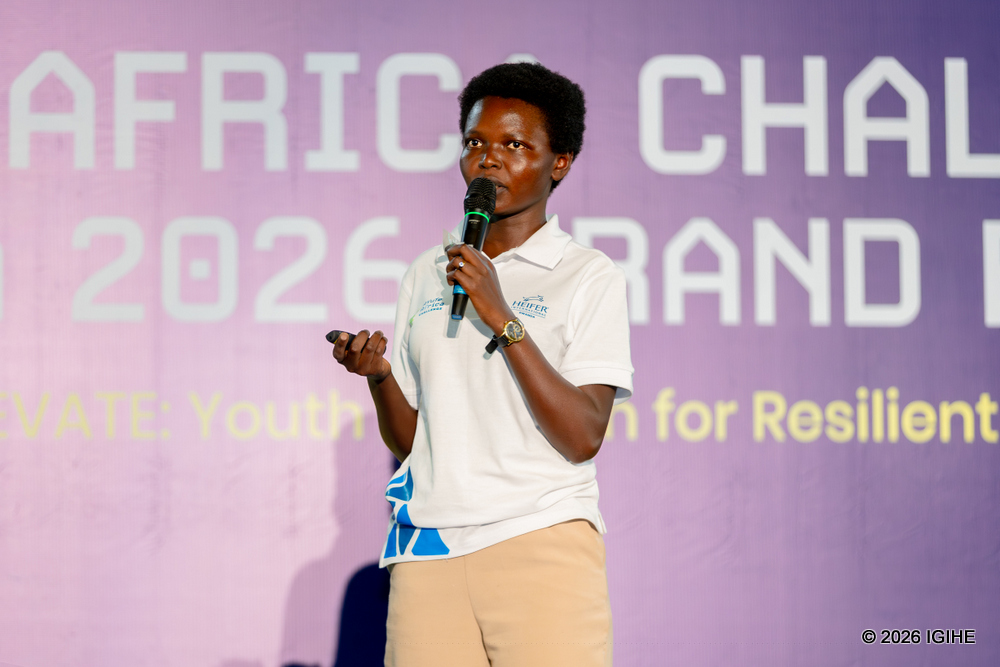
The grand prize of Rwf 30 million was awarded to Mutoni Goodluck for her project, Goodness of God Ltd, which produces natural hair care oils designed to promote hair growth and maintenance.
Mutoni explained that she began experimenting with her products in 2019 and officially entered the market in 2024. Her oils are made from natural ingredients including onions, ginger, and garlic.
She noted that sourcing raw materials requires close collaboration with farmers from land preparation to harvest, a process that initially limited her production capacity.
“We were working with about 120 farmers. During dry seasons, production would drop due to limited yields,” she said. “With this support, we plan to organize farmers into groups and train them so we can improve production and ensure consistent supply.”
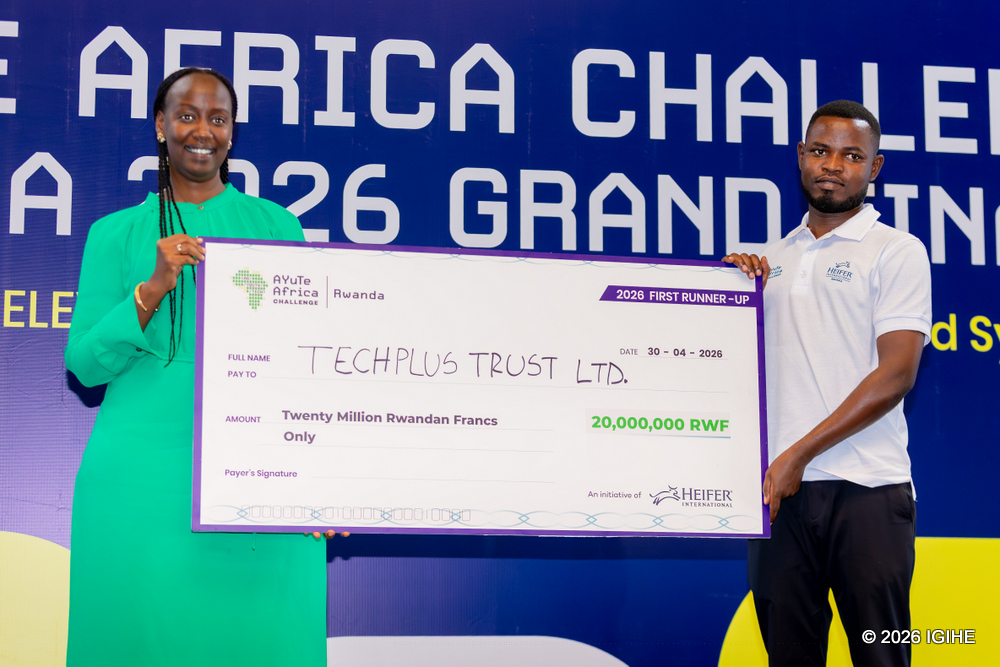
Isidore Niyigirimpuhwe won second place and received Rwf 20 million for his project, Tech Plus, which focuses on developing egg incubator machines capable of hatching chicks after 21 days.
His innovation includes machines with different capacities, ranging from 120 eggs to large-scale incubators holding up to 40,000 eggs. He said the funding will help increase production capacity.
“We had many clients, but building one machine used to take three to four days. Now we aim to scale up so that we can produce at least one machine per day,” he said.
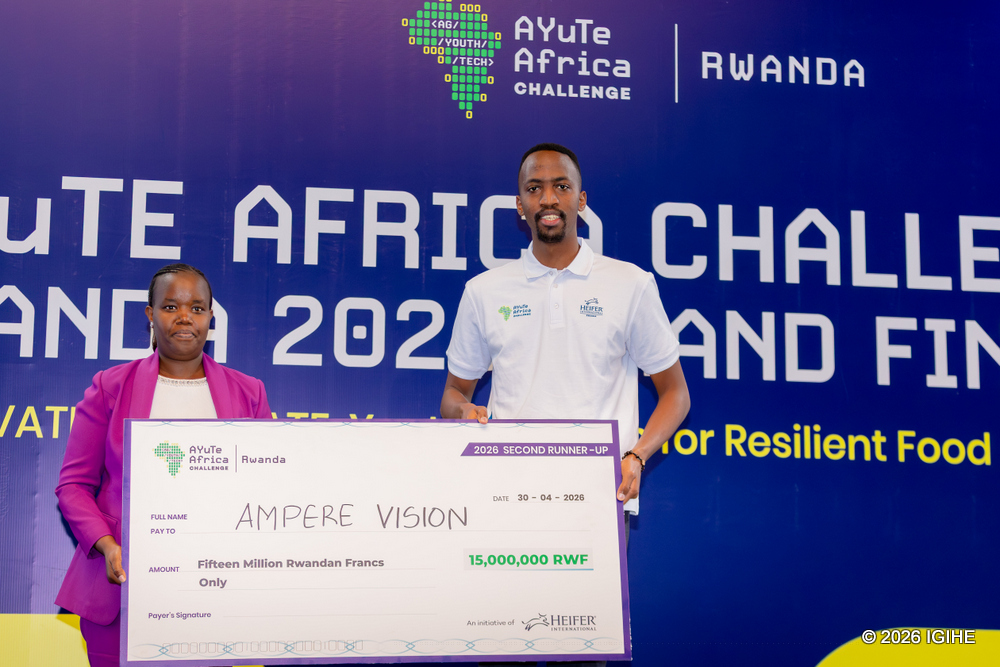
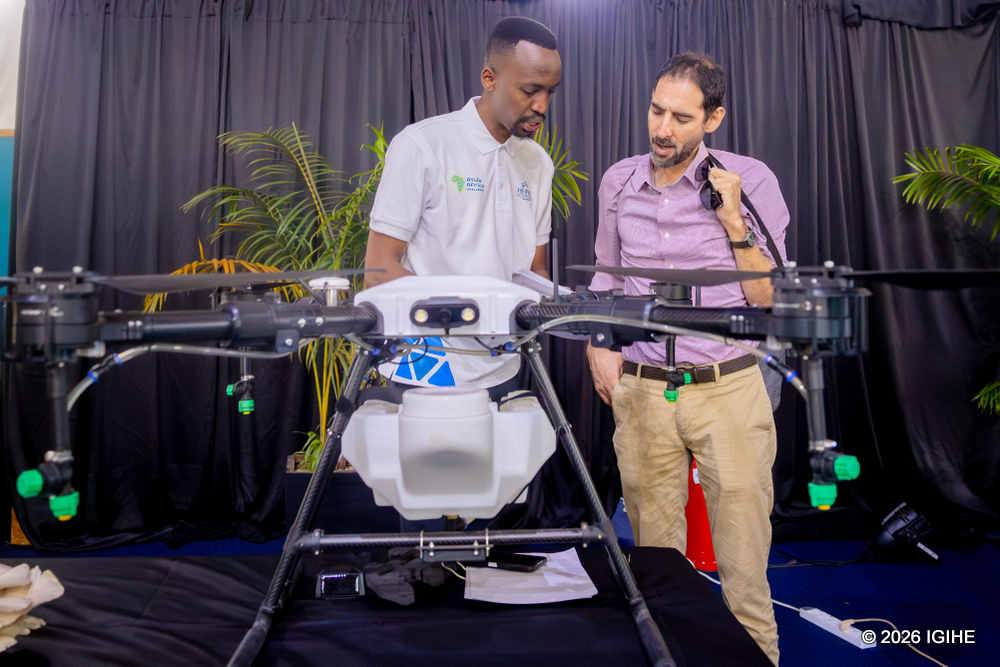
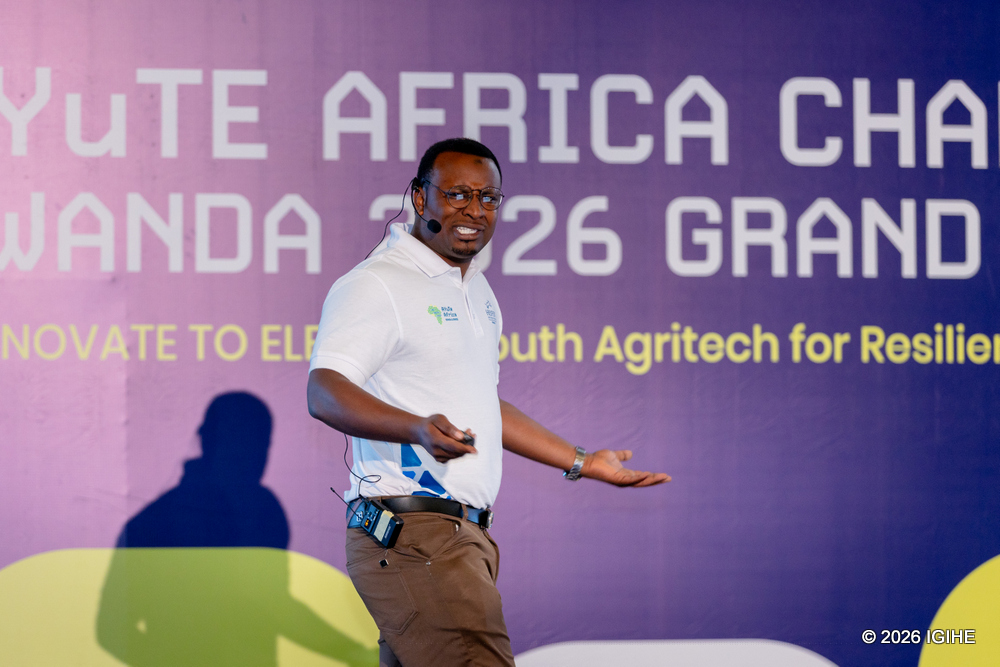
Muyumbano Happy Axel secured third place with Rwf 15 million for his project, Ampere Vision, which develops agricultural drones used for spraying pesticides on crops.
Each drone can cover up to 18 hectares per day, significantly improving efficiency in pest control.
He said the funding will help expand production to meet growing demand. “We had limited drones, which made it difficult to serve many farmers. Now we can scale up because our main challenge was access to equipment,” he said.
Other finalists included Josiane Mujawayesu, who is developing organic fertilizer from biodegradable waste combined with insects such as worms and flies that she breeds for this purpose.
Another finalist, Abdu Usanase, presented a digital platform that helps farmers calculate the quantity of seeds needed and also supports storage solutions that allow crops such as potatoes to be preserved for up to six months without spoiling.
Government and partners emphasize collaboration
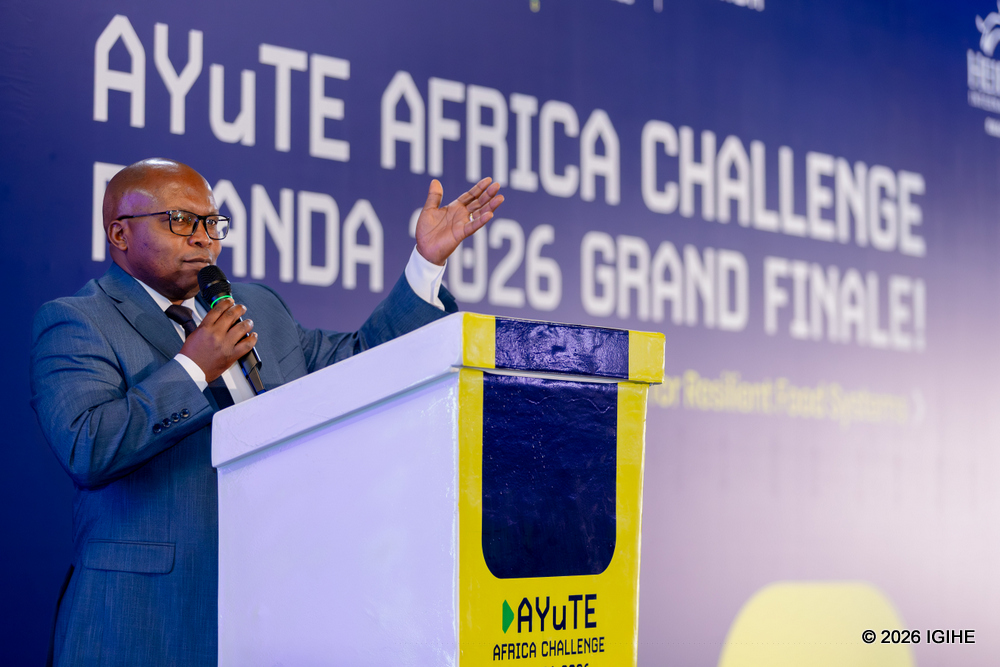
Minister of Agriculture and Animal Resources, Dr. Ndabamenye Telesphore, highlighted that young people are increasingly understanding their role in agriculture through innovation and encouraged collaboration among entrepreneurs.
“There is a youth platform in agriculture that brings together everyone from farmers to exporters. What we always encourage is teamwork and partnerships between complementary projects so that profits can grow,” he said.
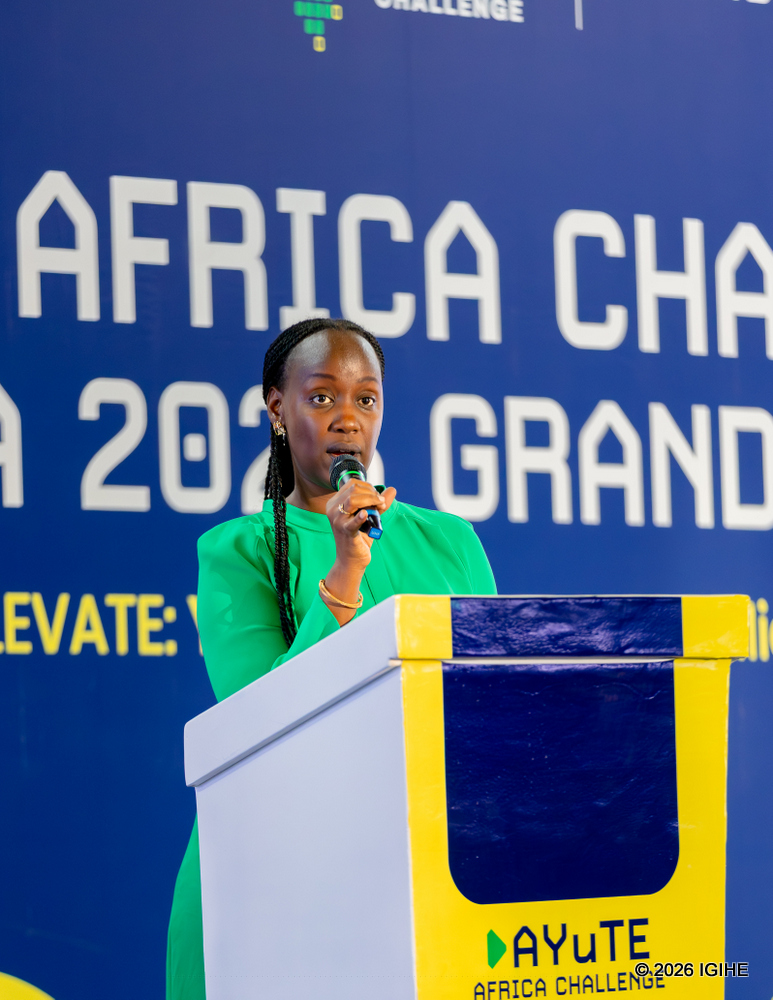
Verena Ruzibuka, Country Director for Heifer International Rwanda, noted that even participants who did not win are still supported through other programs.
“Even those who do not win continue to benefit from other initiatives that help them expand their markets. For example, we work with mushroom farmers and connect them to solve shared challenges,” she said.
She added that young entrepreneurs also receive continuous mentorship to help strengthen and scale their businesses.
Leave a Reply