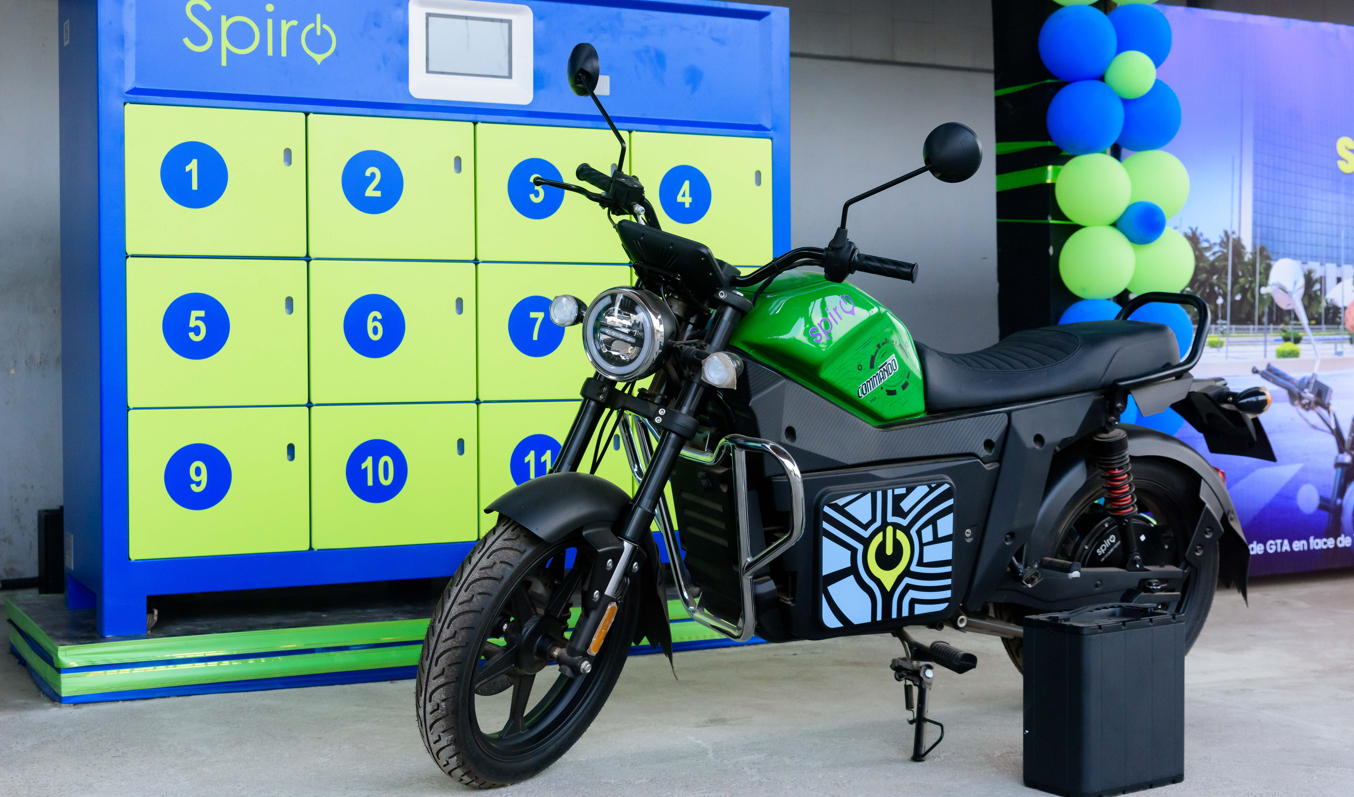
Electric motorcycles are already transporting passengers across Kigali. Charging stations are becoming increasingly visible. Investors have entered the market. Policymakers have introduced incentives. Consumers are beginning to embrace the technology.
The question facing Rwanda today is no longer whether electric mobility will happen. The question is whether the sector can grow in a coordinated and sustainable manner.
As more players enter the ecosystem, one challenge is becoming increasingly apparent: there is no formal platform where the various stakeholders shaping the EV industry can regularly meet, identify challenges, align priorities, and collectively drive the sector forward.
This is why Rwanda should establish an Electric Vehicle Sector Working Group. The success of any emerging industry depends not only on investment and innovation but also on coordination.
Electric mobility touches multiple sectors simultaneously. It involves transport regulators, energy providers, environmental agencies, city planners, financial institutions, technology companies, vehicle assemblers, charging infrastructure operators, universities, and development partners.
Each actor plays an important role, but without a structured mechanism for collaboration, opportunities can easily be missed and challenges can take longer to resolve.
Consider a simple example. An EV operator may identify the need for additional charging infrastructure in a particular area. Addressing that issue may require engagement with local authorities, the national utility company, regulators, investors, and landowners.
Without a platform that brings these actors together, solutions often depend on lengthy bilateral engagements rather than collective action.
The result is not necessarily failure. It is inefficient. A sector working group would provide a dedicated forum where stakeholders can openly discuss operational bottlenecks, emerging opportunities, policy priorities, and investment needs. More importantly, it would create a mechanism through which issues can be identified early and addressed before they become barriers to growth.
The proposed platform should not be viewed as another bureaucratic structure. Rather, it should function as a practical problem-solving mechanism. Similar sector working groups have played an important role in accelerating growth in industries such as agriculture, tourism, ICT, and manufacturing by strengthening dialogue between the public and private sectors.
For the EV industry, such a platform could support several critical objectives. First, it would improve information sharing. Today, data on EV adoption, charging infrastructure utilization, battery performance, financing trends, and consumer preferences remains fragmented. A working group could facilitate the collection and exchange of sector intelligence, enabling more informed decision-making.
Second, it would support policy implementation. Rwanda has already introduced progressive incentives for electric mobility. However, implementation challenges inevitably emerge as industries evolve. A structured dialogue mechanism would allow stakeholders to provide feedback and recommend practical improvements based on real market experiences.
Third, it would help attract investment. Investors are often drawn to sectors where institutions facilitate coordination and provide clarity on priorities. A well-functioning working group would signal that Rwanda is committed not only to promoting electric mobility but also to managing its growth strategically.
Finally, the platform would help develop a shared vision for the future of the sector. Electric mobility is evolving rapidly across the world. New technologies, business models, financing mechanisms, and battery solutions continue to emerge. Rwanda needs a forum where stakeholders can collectively assess these developments and determine how the country can remain competitive.
Rwanda has already demonstrated that collaboration between government and the private sector can unlock transformational change. The country’s achievements in digital transformation, public service delivery, and investment promotion have all been underpinned by strong coordination mechanisms.
The electric vehicle industry deserves the same approach. The foundation for a thriving EV ecosystem already exists. What is missing is a common table around which all stakeholders can regularly sit, deliberate, and act.
Establishing an Electric Vehicle Sector Working Group would not simply strengthen coordination. It would help ensure that Rwanda’s electric mobility journey remains inclusive, efficient, and responsive to the challenges of a rapidly evolving sector.
As the industry continues to grow, coordination may become the most important infrastructure Rwanda builds.
Ihinda Innocent Ninsiima is a government relations strategist
Leave a Reply