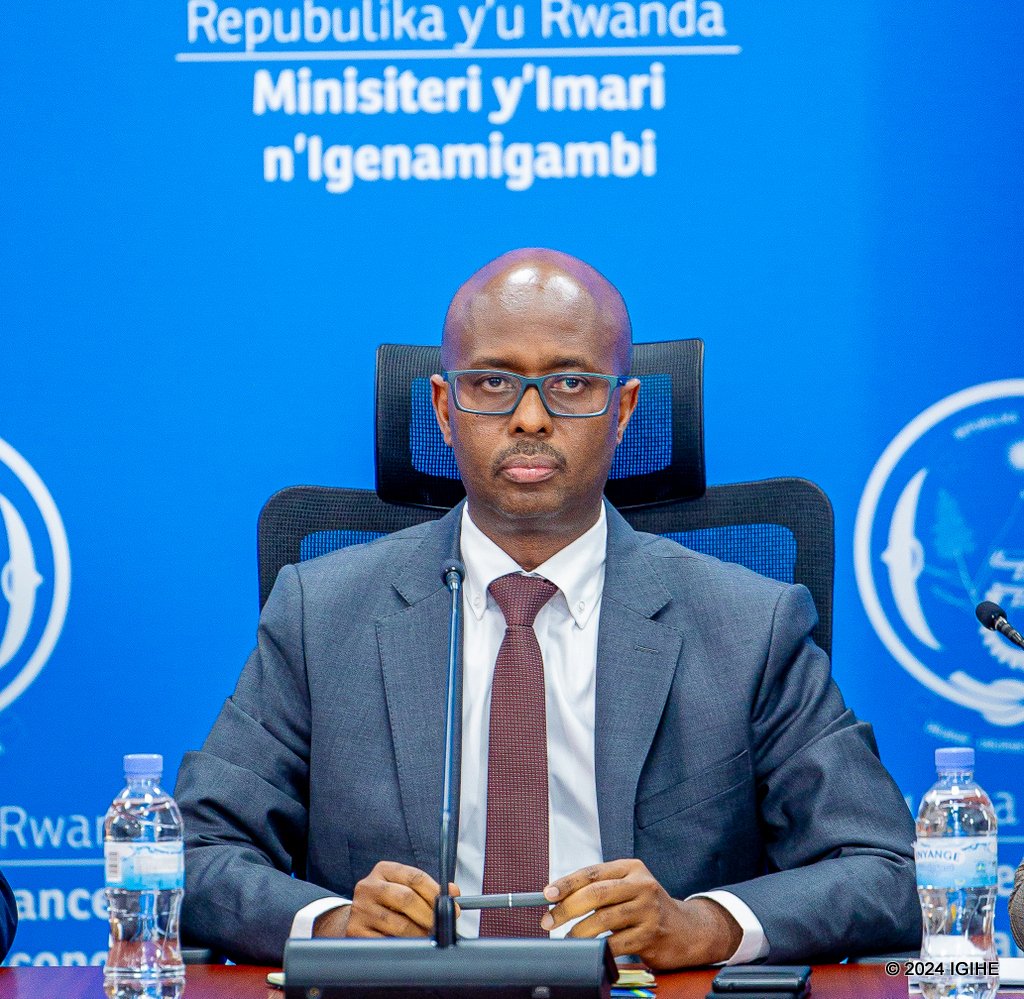
Nduhungirehe reacted on May 24, 2026, following comments by Ambassador Ntahiraja that justified possible attacks on Rwanda.
Speaking during an interview with journalists, Ntahiraja suggested that he would see nothing unusual about Rwanda being attacked.
The remarks come amid growing allegations that Burundi is involved in plans to destabilize Rwanda alongside armed groups including the FDLR, a militia linked to perpetrators of the 1994 Genocide against the Tutsi.
When asked about reports of Burundi’s cooperation with opponents of the Rwandan government, the diplomat dismissed the concerns, suggesting that even if such cooperation existed, it would not pose a problem.
“Would it really be surprising if Rwanda were attacked by those opposed to the problems it is causing in the region?” Ntahiraja said.
He also referred to Rwandans who fled the country in 1996, claiming they would continue fighting for their country indefinitely.
However, his remarks overlooked the fact that refugee status for Rwandans who fled between 1959 and 1998 officially ceased on December 31, 2017. The comments appeared to indirectly reference individuals accused of involvement in the Genocide against the Tutsi who fled justice and are reported to be regrouping with intentions of destabilising Kigali.
“Rwandans, because of the many wrongs committed by their government, should expect they could be attacked by fellow Rwandans they expelled,” he added.
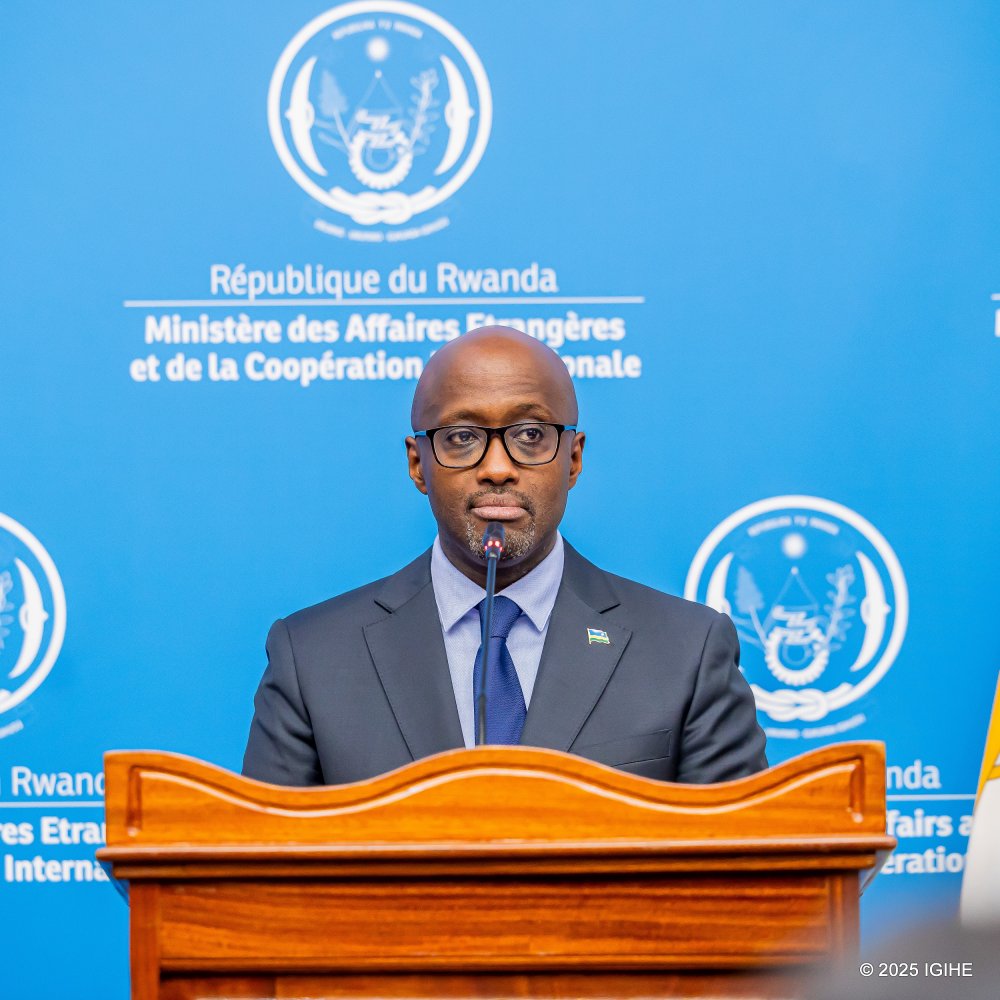
Reacting on X, Nduhungirehe said the statements warrant serious concern, particularly because they were made by a senior diplomat expected to uphold diplomatic norms.
“That a Burundian ambassador accredited to the Kingdom of Belgium, despite being fully aware of diplomatic ethics, allows himself to make such inflammatory remarks against a neighboring state with complete impunity, while promising to support an attack by the genocidal FDLR against Rwanda, should raise serious concern,” Nduhungirehe wrote on Sunday.
Allegations involving Burundian leaders in plans targeting Rwanda are not new. In January 2024, President Évariste Ndayishimiye said in Kinshasa that he would support young Rwandans seeking to remove Rwanda’s government from power.
Rwanda strongly condemned the remarks at the time, describing them as a serious provocation.
Qu’un ambassadeur burundais accrédité au Royaume de Belgique se permette, malgré l’éthique diplomatique dont il est bien conscient, de faire impunément une telle déclaration incendiaire contre un État voisin, promettant de soutenir une attaque des génocidaires FDLR contre le… https://t.co/HLejPnT4yupic.twitter.com/uXLOKOE44A— Olivier J.P. Nduhungirehe (@onduhungirehe) May 24, 2026
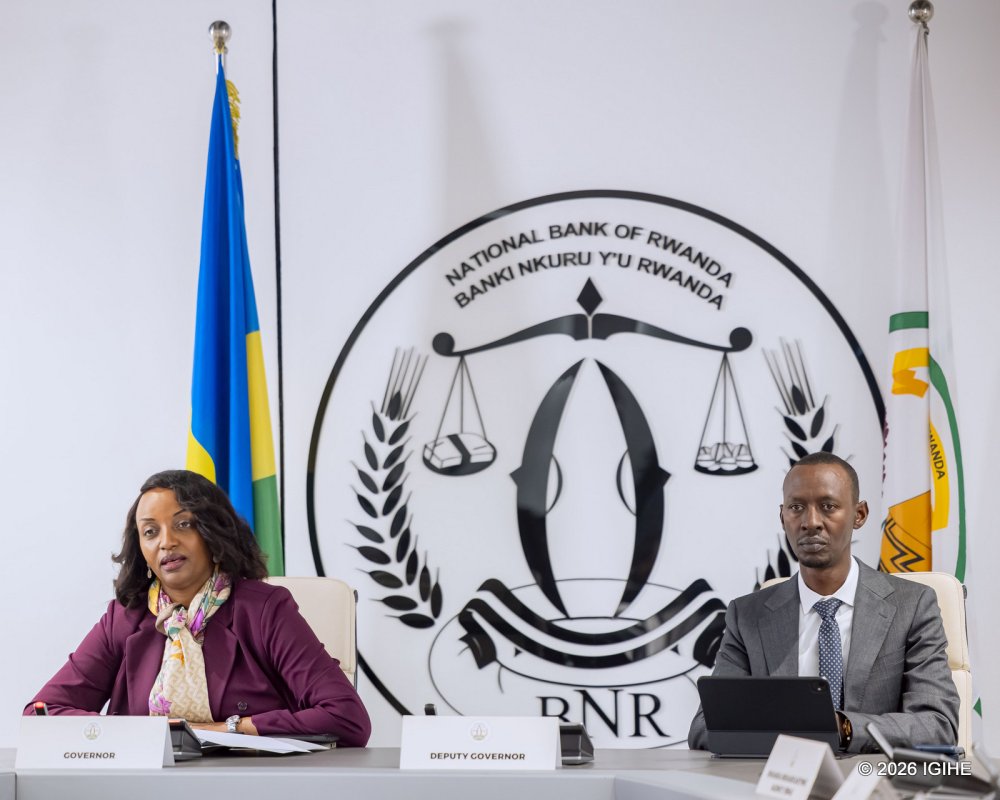
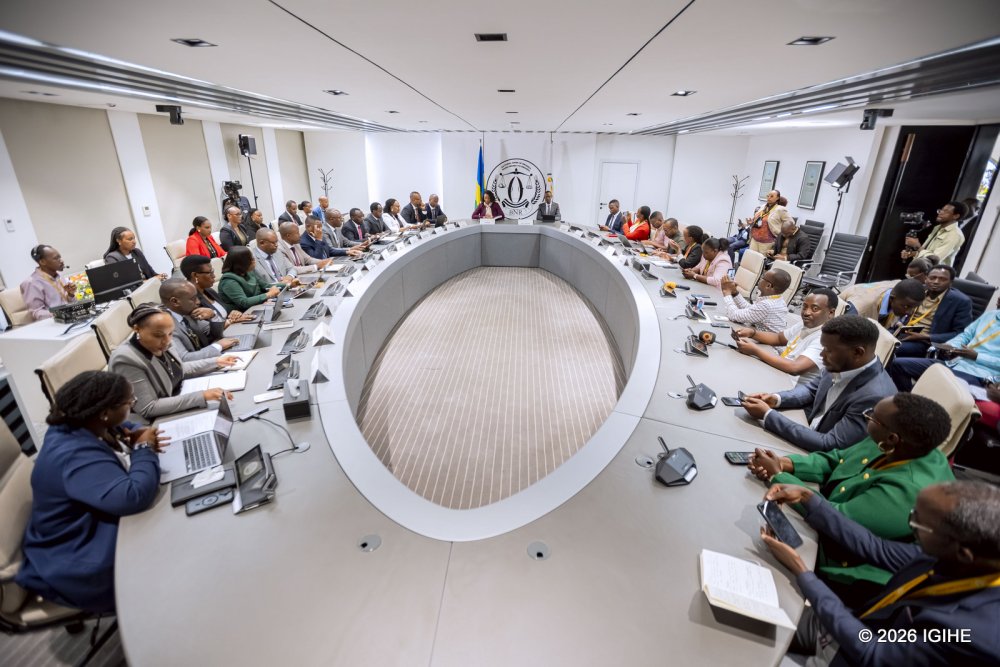
The decision was announced on Thursday, May 21, by BNR Governor Soraya Hakuziyaremye during a Monetary Policy Committee (MPC) and Financial Stability Committee press conference in Kigali.
According to the Monetary Policy Committee statement issued following its May 20, 2026, meeting, the policy tightening aims to steer inflation back toward the 5% medium-term target while containing growing price pressures across the economy.
This is the second time BNR has raised the rate, after increasing it by 50 basis points to 7.25% in February.
The rate hike works by raising the cost of money across the local banking sector. When the BNR increases its benchmark rate to 8.25%, it directly drives up the cost of short-term borrowing for commercial banks. To protect their margins, commercial lenders will likely pass this increase down to the market, making business loans and personal credit more expensive.
By making borrowing less attractive, the policy aims to gently ease consumer spending and corporate expansion, giving supply chains time to adjust and helping bring inflation back toward its 5% target.
Inflation pressures intensify
The MPC noted a sharp rise in inflation in recent months. Headline inflation increased to 9.1% in the first quarter of 2026, up from 7.4% in Q4 2025, driven by higher core, fresh food, and energy prices.
Price pressures strengthened further in April 2026, with inflation rising to 13.0% from 9.2% in March, well above the central bank’s target band of 2% to 8%.
Energy inflation recorded a particularly steep increase, alongside rising costs in food and core categories such as housing, hotels, and restaurants.
Outlook revised upward
The central bank has revised its inflation outlook upward, now projecting an average inflation rate of 13.9% in 2026, compared to a previous forecast of 9.4% made in February.
“The MPC has decided to increase the CBR to 8.25 percent. The MPC considers this level appropriate to help steer inflation back toward the 5 percent objective over the medium term,” Governor Hakuziyaremye told members of the press.
The revision reflects both domestic and external factors, including higher global energy prices linked to geopolitical tensions in the Middle East, as well as increased transport costs caused by supply chain disruptions.
Inflation is expected to ease to around 7.4% in 2027, supported by tighter monetary policy, improved agricultural output, and other stabilisation measures.
Despite inflationary pressures, Rwanda’s economy continues to show strong performance. Real GDP grew by 9.4% in 2025, while economic activity expanded further in early 2026, with the Composite Index of Economic Activities (CIEA) rising by 16.5% in Q1 2026.
External trade also strengthened, with merchandise exports increasing by 63.2% year-on-year in Q1 2026, driven by higher coffee and mineral export volumes and stronger prices. Non-traditional exports rose by 64.8%, led by processed cooking oil and wheat flour.
The MPC reported improved monetary policy transmission, with the interbank rate rising to 7.13%, moving closer to the CBR following earlier policy tightening.
However, deposit rates declined to 9.15%, while lending rates eased slightly to 15.67%, reflecting shifts in deposit composition and corporate lending conditions.
The central bank said the rate increase reflects its commitment to maintaining price stability and protecting household purchasing power, while supporting broader macroeconomic stability.
The bank added that the Monetary Policy Committee would continue to closely monitor global and domestic developments amid persistent upside risks to inflation.
The decision was announced on Thursday, May 21, by BNR Governor Soraya Hakuziyaremye (left) during a Monetary Policy Committee (MPC) and Financial Stability Committee press conference in Kigali.BNR Governor Soraya Hakuziyaremye and her deputy Nick Barigye during a Monetary Policy Committee (MPC) and Financial Stability Committee press conference in Kigali on Thursday, May 21, 2026.
The BAL Playoffs are scheduled to run from May 22 to May 31, 2026, in Kigali, with Bien officially confirmed as one of the headline halftime performers during the tournament.
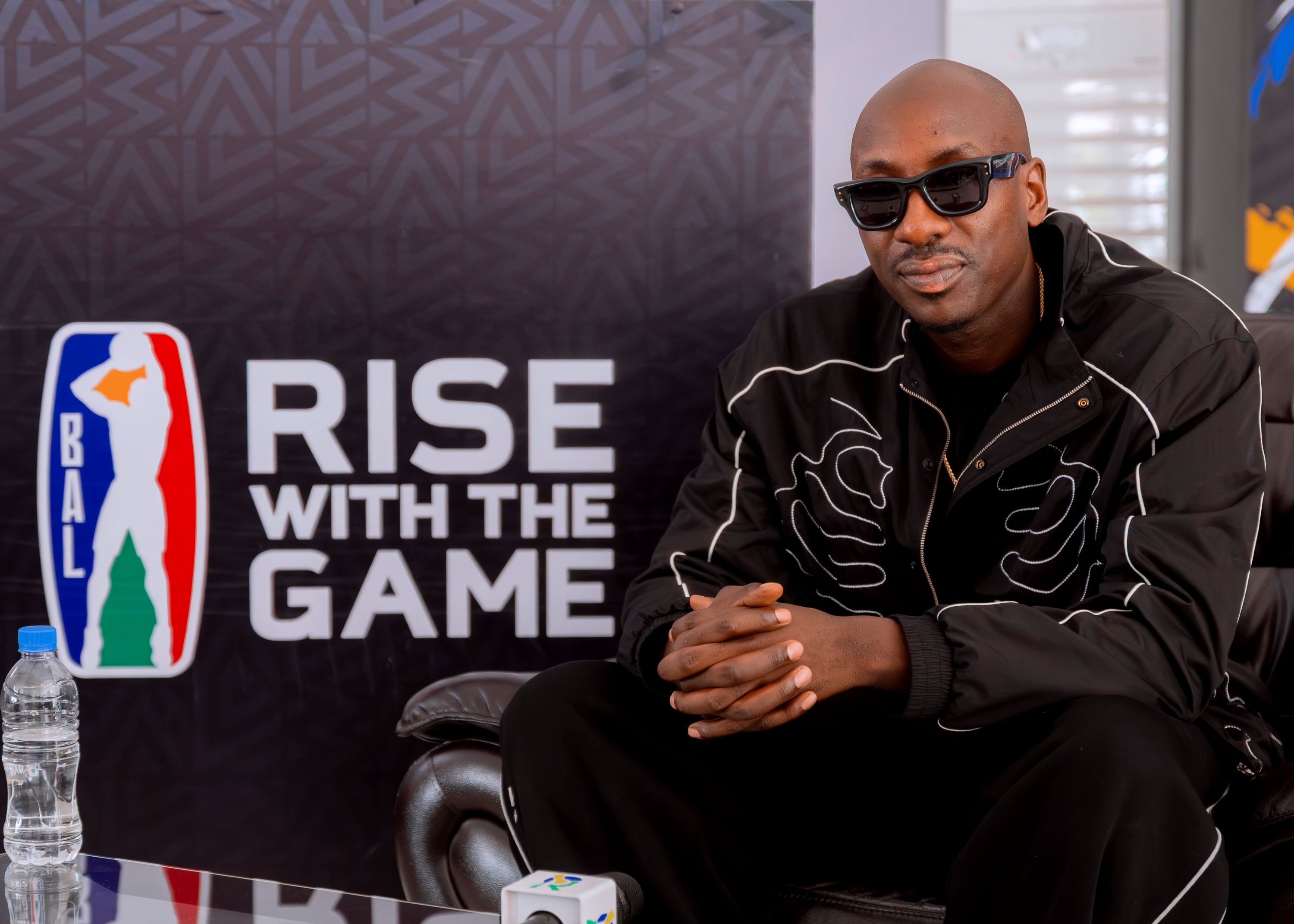
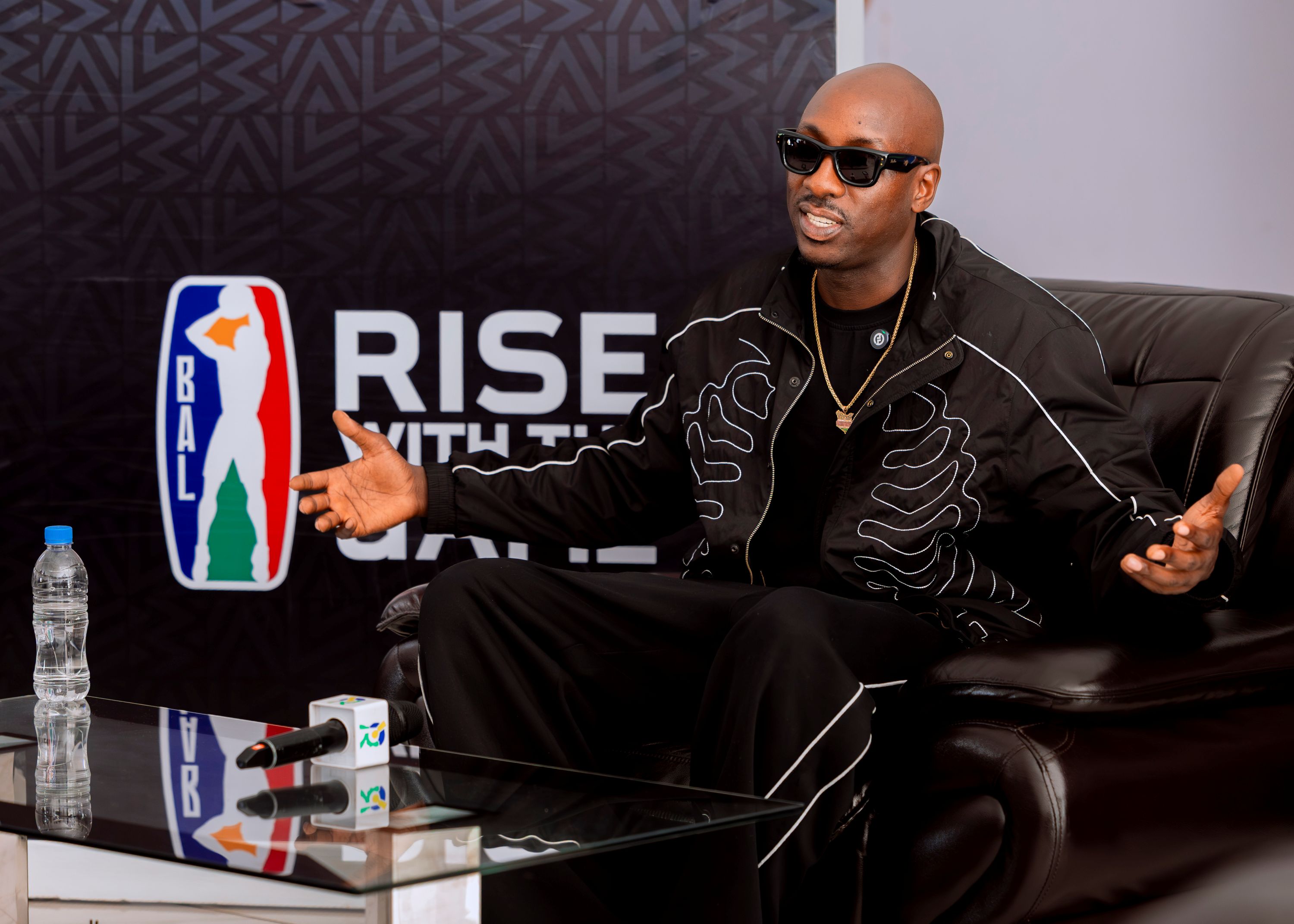
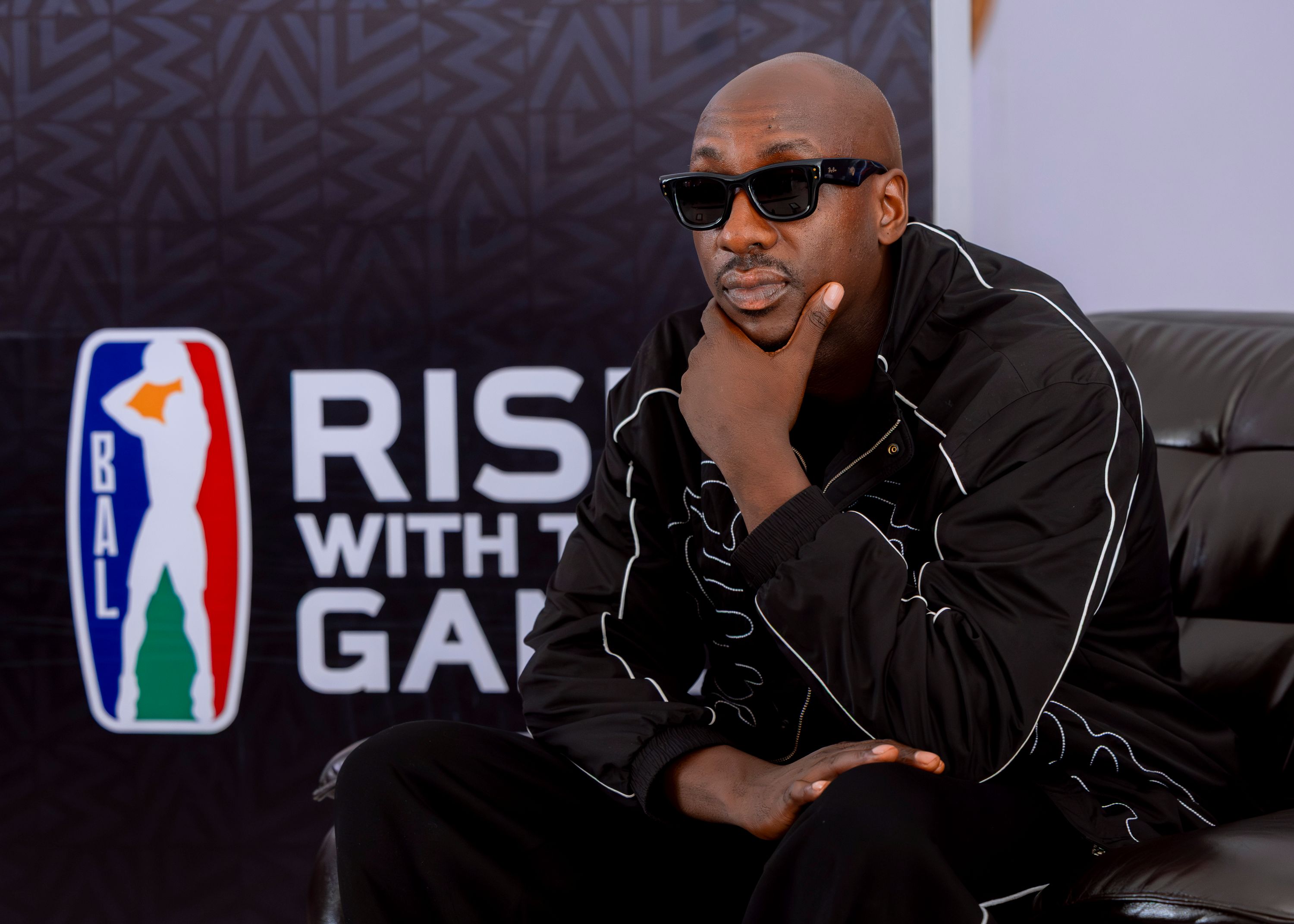
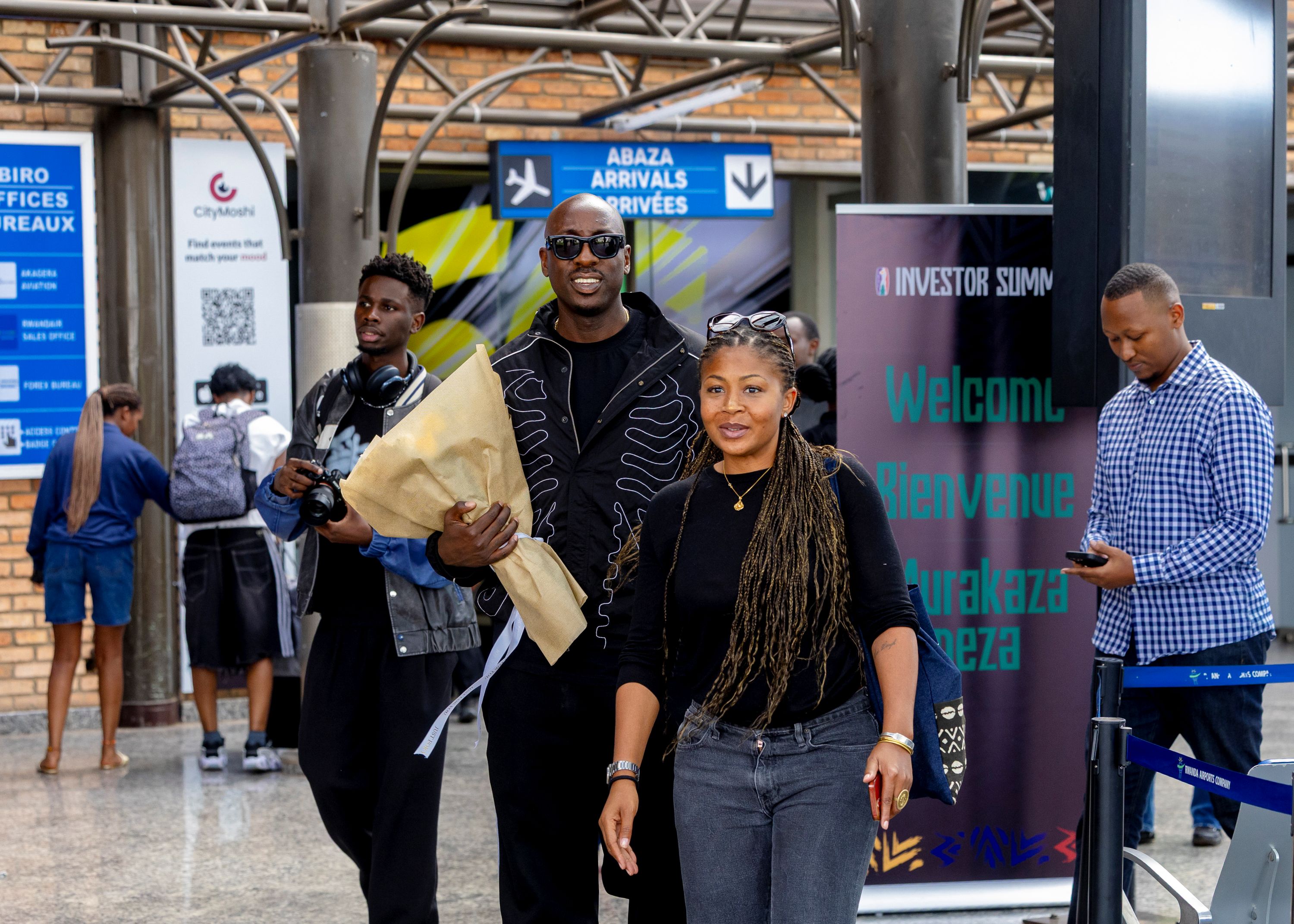
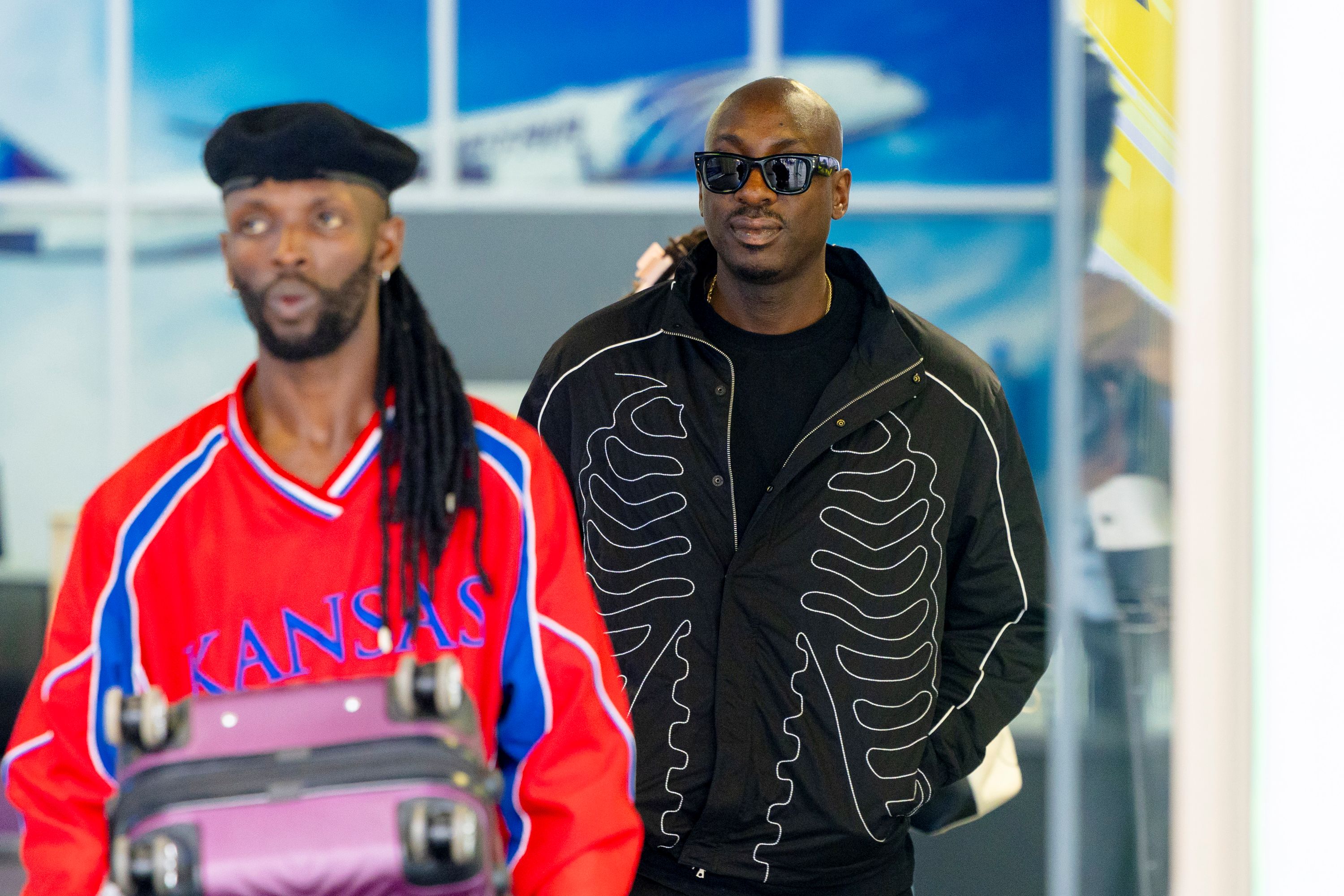
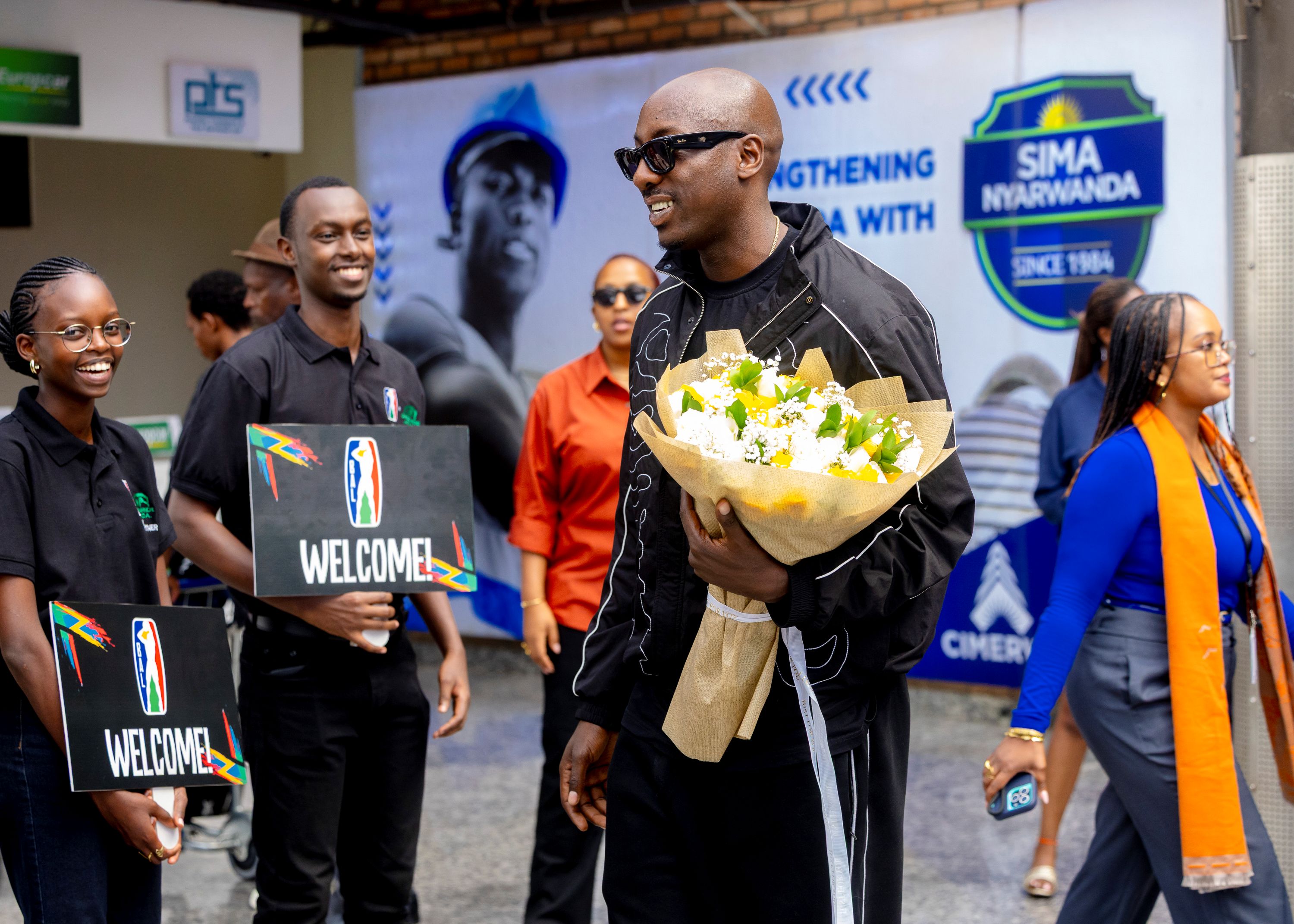
Speaking to the media shortly after landing at Kigali International Airport on Wednesday, May 20, Bien expressed excitement about returning to Rwanda, praising Kigali’s beauty, the country’s peaceful atmosphere, and the growing influence of East African music and sports culture.
Bien expressed excitement about returning to Rwanda.
“I love basketball”
The former member of the popular Sauti Sol boy band, which announced an indefinite hiatus in 2023, said his connection to the BAL goes beyond music, revealing that basketball has been part of his life since childhood.
“I’m sure I’m going to enjoy the games,” Bien said. “I was in Johannesburg a couple of weeks ago, and I really enjoyed the games, especially watching the Rwanda team. They really brought a good game.”
The singer added that basketball remains one of his greatest passions.
“I don’t know if there’s an African artist who has played basketball more than me because I grew up playing basketball. That’s my sport. So I love it and I can’t wait to see what the games have in store for us.”
The singer said basketball remains one of his greatest passions.
Meeting President Kagame
Bien also reflected on his meeting with Paul Kagame during the 2026 NBA All-Star Weekend in Los Angeles earlier this year, describing the Rwandan leader as one of Africa’s strongest champions for sports development.
“Every time I meet President Kagame, it’s very special to me because I look up to him as a leader and a father figure,” he said.
According to Bien, their discussions centered around the future of basketball in Africa and opportunities for young African athletes.
“We spoke about young basketball players and talented sportsmen and women looking to take their gifts to the next level. It was a beautiful moment.”
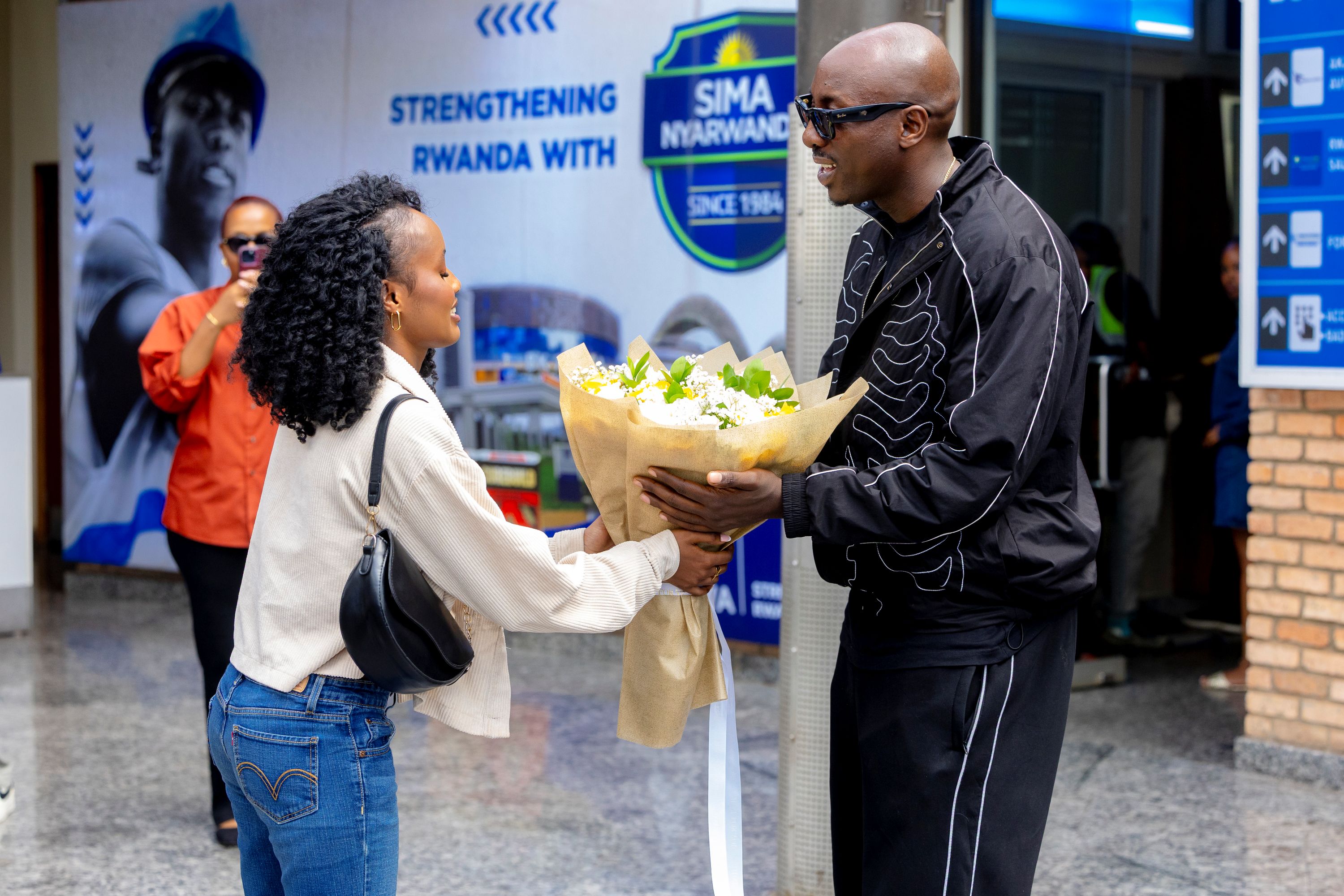
The singer was warmly received at the airport by the Rwandan organisers. He praised the calm and welcoming nature of Rwandans.
“Kigali is what Africa should look like”
One of the strongest moments from Bien’s interaction with journalists came when he explained why Rwanda continues to draw him back year after year.
“The food, man,” he revealed. “I just want to come eat Rwandese food, eat sombe with goat meat inside.”
But beyond the cuisine, the artist said Kigali represents a vision of what modern African cities can become, following the city’s innovation and development over the past three decades since the Genocide against the Tutsi.
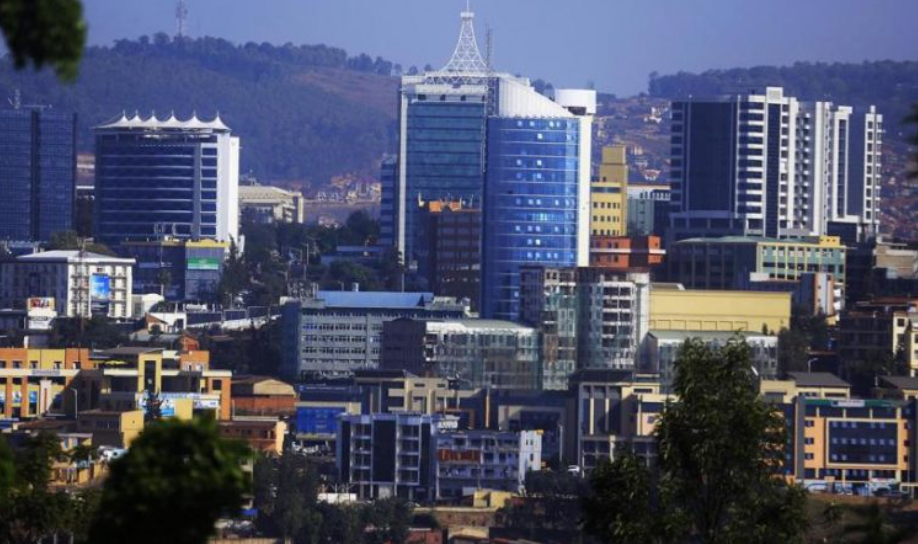
Kigali is widely recognised for its clean and well-organised urban planning, efficient public services, strong emphasis on safety and order, and relatively smooth traffic management.
The city has also built a reputation for environmental cleanliness, supported by innovative sanitation policies and community-driven cleanliness efforts, alongside a growing reputation as a regional hub for conferences, technology, and creative industries.
“I come to Rwanda to see what Africa should look like,” Bien said. “For a long time, whenever people talk about model cities, they mention Geneva and Switzerland and all these places. I’m always telling people there’s Kigali.”
He also praised the calm and welcoming nature of Rwandans.
“The people are peaceful. They’re amazing,” he added.
One of the strongest moments from Bien’s interaction with journalists came when he explained why Rwanda continues to draw him back year after year.
BAL showcases East African talent
Bien hailed the BAL for assembling a predominantly East African entertainment lineup for this year’s playoffs, like Ugandan sensation Joshua Baraka and Tanzania’s Abigail Chams, saying the moment reflects the growing global recognition of East African music.
“For a long time, East African art was made to feel like we weren’t worthy of certain spaces,” he said. “I want to thank the BAL for proving to everybody that East Africa has heavy-hitting music.”
The artist also expressed excitement about sharing the stage with fellow regional stars, while revealing disappointment that Rwandan producer Mugisha Fred Robinson, better known as Element Eleéeh, would not be available for a planned joint performance due to commitments in the United States.
Arsenal, “Finale,” and a champion mindset
An outspoken supporter of Arsenal F.C., Bien also opened up about his hit collaboration “Finale” with Tanzanian superstar Alikiba and the inspiration behind the song.
According to Bien, the track was written with the intention of putting listeners into a “champion mindset.”
“I wanted to make a song that prepares people as if they’re preparing for a final,” he explained. “Whether you’re going to work, going to the gym, or preparing for life, every day could be your final.”
The singer laughed while recalling how he and his wife decided to feature Arsenal supporters in the song’s music video long before the club’s recent success, which saw the club lift the English Premier League title after 22 years on Tuesday.
“Deep down, I knew this was going to be our season,” he joked, adding, “And I hate to say I’m a prophet, but you can see what’s happening now.”
Praise for Rwandan artists
Bien reserved special praise for Rwanda’s music industry, calling local musicians some of the most talented in East Africa.
He singled out Bruce Melodie as “the most talented vocalist in East Africa,” while also applauding producer Element Eleéeh for capturing “the soul of East Africa” through his sound.
The singer further revealed he has several unreleased collaborations with Mike Kayihura and other Rwandan artists, including Kivumbi King.
“I love working with Rwandese musicians,” he said. “They are beautiful people and very musical.”
The BAL Playoffs are scheduled to run from May 22 to May 31, 2026, in Kigali, with Bien officially confirmed as one of the headline halftime performers during the tournament.
Hinting at a solo Kigali concert
Although he has previously performed in Kigali alongside Sauti Sol, Bien admitted he has yet to stage a major solo concert in Rwanda under his own name.
“I would love to come and do a Bien show and invite all my brothers I’ve collaborated with over the years,” he said, hinting at future plans for a standalone Kigali concert.
Sports, music and Africa’s future
Beyond entertainment, Bien spoke passionately about the economic power of sports and music, saying events such as the BAL can create opportunities for young Africans across the continent.
Reflecting on his experience attending the NBA All-Star Weekend in Los Angeles, he said witnessing the economy built around sports and entertainment inspired him to think more deeply about Africa’s potential.
“Music and sport are the two things that unite people the most,” he said.
“These events empower youth and show them that sports can become a viable career path.”
He also argued that East African music is currently enjoying one of its strongest moments yet, with regional artists increasingly dominating charts across Rwanda, Kenya, and Uganda.
“To East Africans, we are now global ambassadors,” Bien said. “All we need to do is keep telling our story and keep making great music.”
As the BAL Playoffs prepare to tip off at BK Arena, Bien says he is ready to deliver both energy and soul to fans in Kigali.
“The show is going to be amazing,” he said. “I’m here with my entire crew and I can’t wait to come and give and share.”
Watch the full video of Bien’s interaction with journalists in Kigali below.
In an exclusive interview with IGIHE, Niyonzima explained that the FDLR was built on a deep-rooted ideology that viewed Tutsis as enemies everywhere, insisting that no country should be governed by a Tutsi.
“What we were mainly taught was the evil nature of the Tutsi, just as we had been taught while still in Rwanda,” he said.
In 2000, he underwent training in intelligence work, a field he later led within the FDLR leadership structure prior to his return to Rwanda.
He described the FDLR leadership system as being organized into commissions similar to ministries, each with its own leadership and operational staff.
His responsibilities included gathering intelligence related to the group, assessing operational risks, recruiting new fighters, and managing relations with other armed groups such as Nyatura, FARDC and Congolese communities more broadly.
Deep-rooted ideology and ethnic targeting
Niyonzima revealed that due to genocidal ideology and anti-Tutsi hatred, anyone perceived to resemble a Tutsi could be targeted, accused of collaboration, or even placed on the front lines.
He emphasized that the FDLR ideology was built on the belief that Tutsis were enemies everywhere.
“We considered every Tutsi an enemy, whether in Uganda, Burundi, Congo, or Rwanda,” he said.
He further noted that the group opposed any possibility of a Tutsi leading a country, viewing them as perpetual adversaries.
False prophecies and ideological indoctrination
As a pastor within the group, Niyonzima said he used the Bible alongside what he described as false prophecies claiming divine support for their cause, including the belief that they would eventually conquer Rwanda.
He explained that each commander had a group of so-called prayer leaders who played a role in mobilization and decision-making, including leadership changes.
“When they wanted to replace a leader, they would use a so-called prophet who would fall down and ‘prophesy’ while covered. This was used to justify decisions,” he said.
Niyonzima also revealed that the group gradually shifted toward promoting ethnic identity over language, deciding to emphasize “Hutu” identity instead of Kinyarwanda.
“We said we should no longer speak Kinyarwanda but Hutu language. We were told we were Hutu and our enemy was the Tutsi,” he said.
He added that the group justified its actions by linking their narrative to grievances about regional conflicts involving Hutus in neighboring countries.
He further stated that intelligence structures within the FDLR monitored individuals planning to leave the group or communicating with people in Rwanda. Such individuals could be targeted and killed under suspicion of betrayal.
“When you believe you are fighting an enemy, everything you do feels justified. We would say: if this person leaves, they will one day become a threat. So we eliminate them early.”
Recruitment of youth and Congolese civilians
Niyonzima rejected claims that the FDLR is composed only of elderly fighters, explaining that the group actively recruited children, including those as young as 14, as well as young Congolese civilians.
He said the recruits were indoctrinated with hatred narratives, teaching them that the Tutsi was their enemy.
He also revealed that recruitment networks existed in neighboring countries, including Burundi and Uganda, and within Congolese communities.
Regret and reflection
Looking back, Niyonzima expressed deep regret for the years he spent in the Congolese forests, saying he lost valuable time that could have been used for personal development.
“My biggest regret is the time I wasted living in fear of nothing. I was afraid to return, but when I eventually did, I found people I left behind doing well. I have nothing to show for those years,” he said.
Niyonzima also expressed remorse for having spread extremist ideology. “What pains me most is that I taught people false ideas that Tutsis are evil, enemies, and cruel. But when I returned, I saw how people live together peacefully. I ask for forgiveness because I acted in ignorance,” he added.
Niyonzima called on former comrades still in eastern Congo forests to return home, urging them not to continue wasting their lives.
He also encouraged cooperation between regional actors, including the Congolese leadership, stressing that confrontation with Rwanda is not a viable path forward.
Niyonzima explained that the FDLR was built on a deep-rooted ideology that viewed Tutsis as enemies everywhere
The encounter between PSG and Bayern Munich had drawn significant global attention. The French side entered the match as reigning champions, while the German club has been among the strongest teams this season.
PSG’s goals were scored by Khvicha Kvaratskhelia, who netted twice, João Neves, and Ousmane Dembélé, who also scored twice. Bayern Munich’s goals came from Harry Kane, Michael Olise, Dayot Upamecano, and Luis Díaz.
The return leg is scheduled to take place in Germany at Allianz Arena on Wednesday, May 6, 2026.
PSG reached the semi-finals after eliminating Liverpool FC with an aggregate score of 4–0 on April 14, 2026.
In a message shared on X the following day, President Kagame congratulated the club for reaching the UEFA semi-finals.
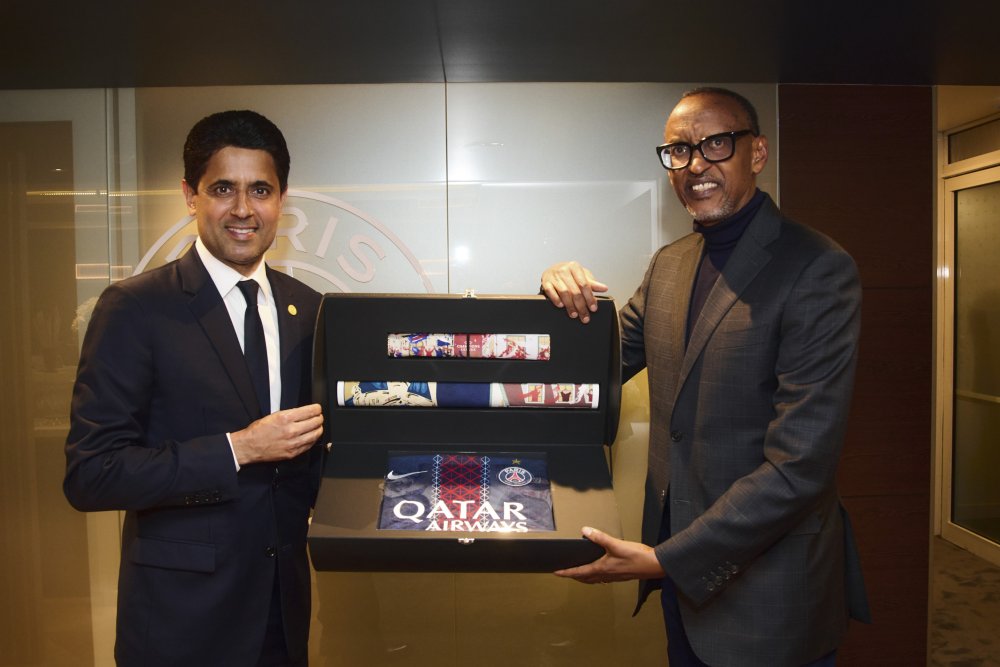
The partnership between Visit Rwanda and Paris Saint-Germain was first signed in 2019 and renewed in 2025, extending through 2028. Under this agreement, PSG promotes Visit Rwanda at Parc des Princes and features the branding on its training kits.
Since the partnership began, millions of fans worldwide have gained greater awareness of Rwanda through media coverage and the club’s global visibility. The collaboration has also supported youth development, with more than 400 children benefiting from football training through the PSG Academy Rwanda.
Each year, the French club sends players and legends to Rwanda, where they explore the country’s tourism attractions and share their experiences with global audiences.
Most recently, players including Océane Nathalie Toussaint Dit Marseille, Baby Jordy Benera, and Jade Le Guilly from PSG’s women’s team visited Rwanda in late February this year.
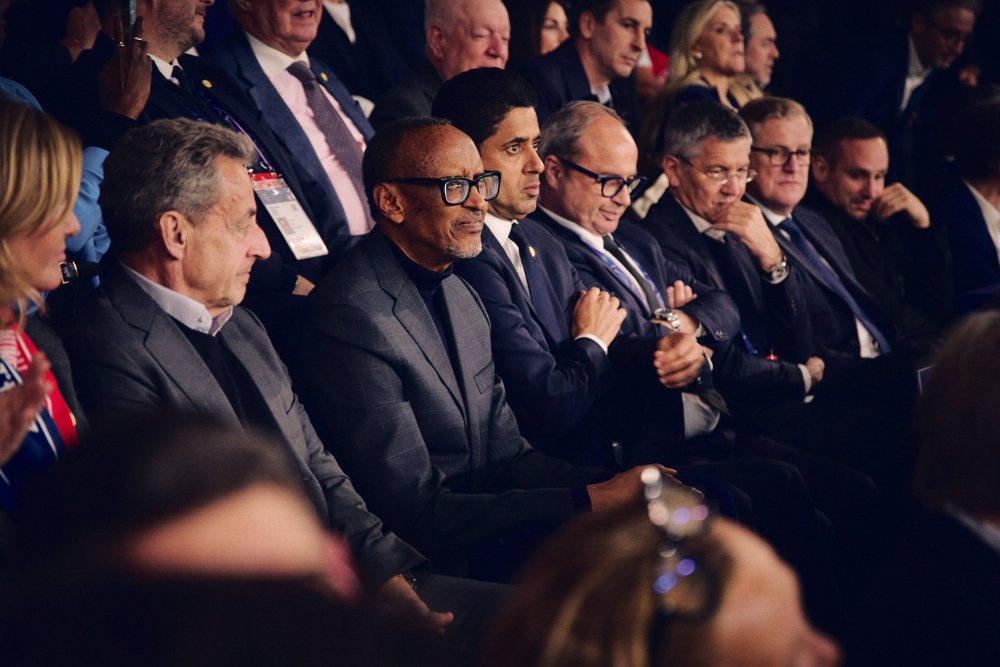
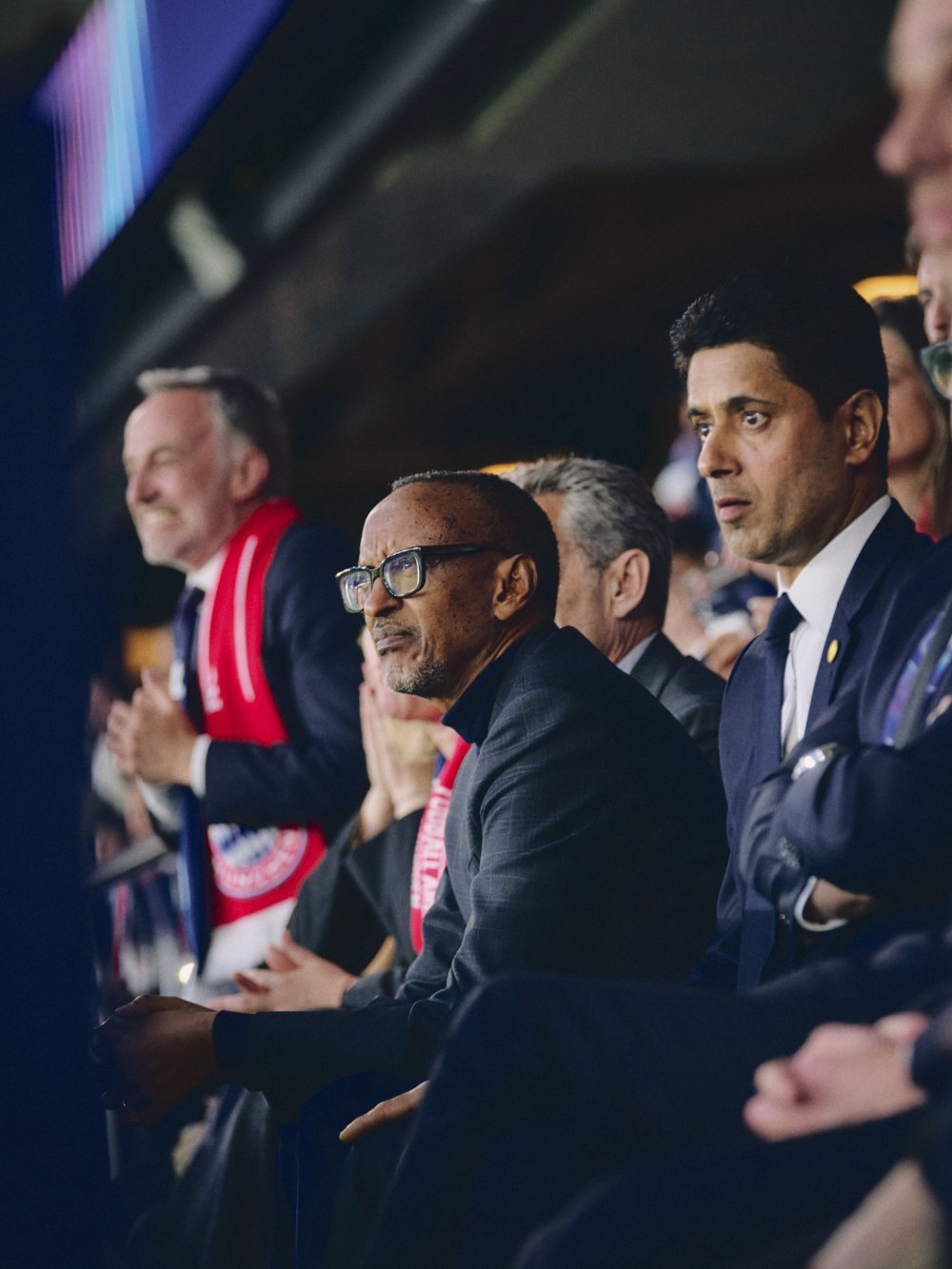
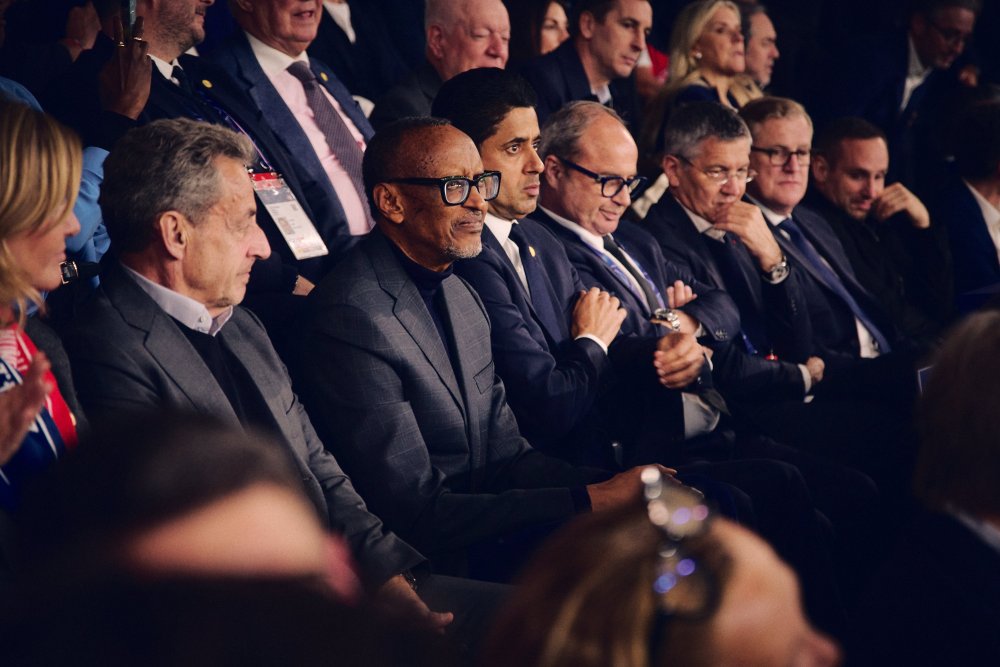
President Kagame was present at Parc des Princes as PSG secured a thrilling semi final win against Bayern Munich.President Kagame witnessed PSG edge Bayern Munich in a high scoring Champions League clash.President Kagame has attended PSG’s dramatic 5-4 victory over Bayern Munich in Paris.
In a statement issued on Tuesday, April 14, the Ministry of Finance and Economic Planning said the commercial loan carries a 15-year maturity and a six-year grace period, positioning it as a cornerstone of the government’s strategy to lower borrowing costs and manage debt sustainably.
The ministry described the transaction as part of a “prudent and proactive approach to sovereign debt management,” adding that Rwanda intends to systematically favour blended finance solutions to secure a low cost of debt, a smooth repayment profile and enhanced access to stable sources of funding.
A key feature of the deal is its backing by two major arms of the World Bank Group: the International Development Association (IDA) and the Multilateral Investment Guarantee Agency (MIGA). The structure combines an IDA Policy-Based Guarantee, which provides first-loss coverage, with a MIGA guarantee acting as second-loss protection. This layered guarantee mechanism reduces risk for lenders and enables Rwanda to secure more competitive financing terms.
Notably, Rwanda becomes the first country to benefit from MIGA’s revised policy allowing second-loss guarantees in cases where IDA provides first-loss coverage, highlighting the deal’s significance as a pioneering model in sovereign financing.
The deal was executed against a backdrop of heightened geopolitical tensions and tightening conditions in emerging market credit, yet Rwanda secured what it described as highly favorable terms, reflecting strong international investor confidence in its credit profile.
In line with its debt management strategy, the government negotiated a six-year grace period to ensure that principal repayments begin only after the maturity of its outstanding Eurobond. This approach aims to avoid refinancing pressures and maintain a stable debt servicing trajectory.
The ministry noted that the combination of a long maturity, an extended grace period, and exceptionally competitive pricing illustrates how the blended finance approach directly translates into tangible benefits for Rwanda.
Proceeds from the facility will be used for general budget support, aligned with a World Bank-supported development programme targeting inclusive growth and job creation across sectors such as infrastructure, health, education, agriculture, and industry.
The transaction builds on Rwanda’s previous €200 million ESG-linked loan completed in 2024 and comes amid improving credit sentiment. Recent actions by Fitch Ratings and Moody’s affirming stable outlooks point to strengthening fiscal metrics and continued structural reforms.
Finance Minister Yusuf Murangwa said the deal highlights the government’s continued focus on innovative financing.
“This landmark financing demonstrates Rwanda’s unwavering commitment to innovative and prudent debt management,” Murangwa said. “Blended finance is at the heart of our borrowing strategy, enabling us to secure long-term funding at an exceptionally competitive cost, while maintaining a smooth repayment profile and safeguarding our debt sustainability.”
He added that the guarantee structure “is a testament to the strength of our partnership with the World Bank Group and a model for future transactions.”
Finance Minister Yusuf Murangwa said the deal highlights the government’s continued focus on innovative financing.
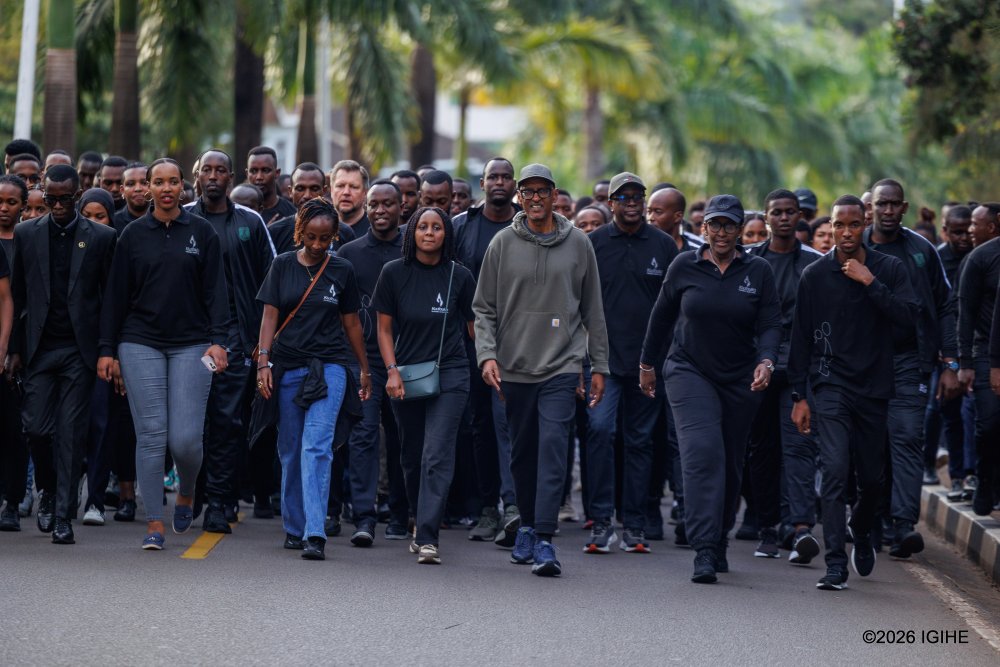
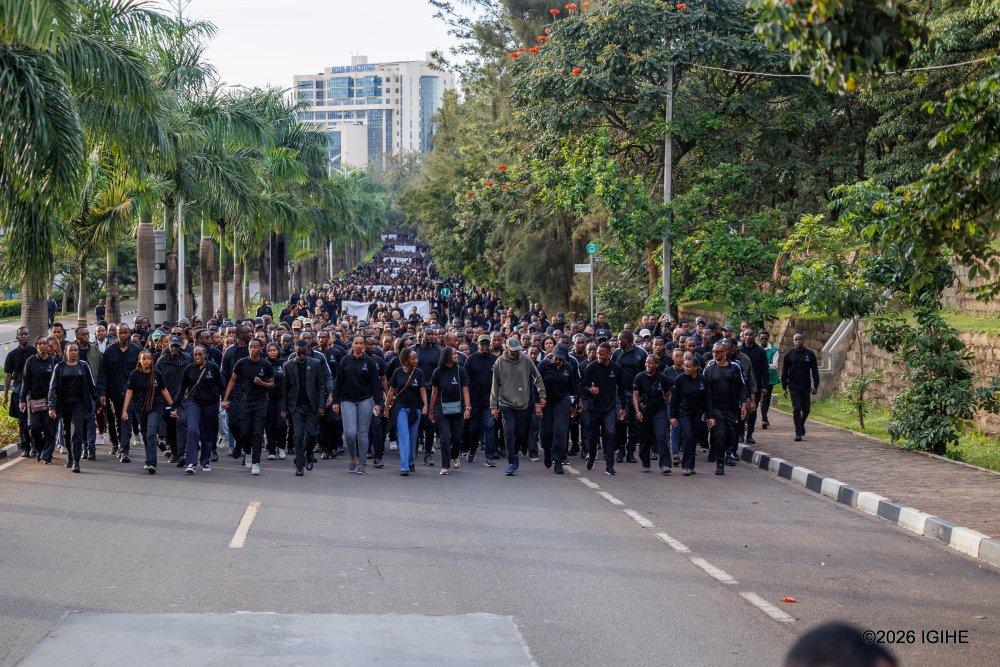
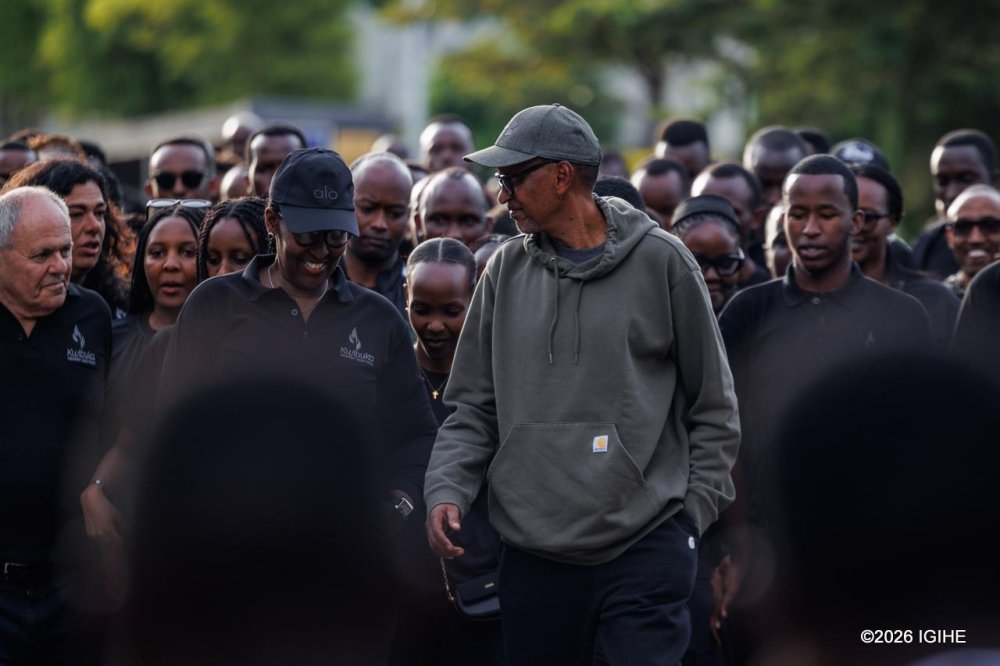
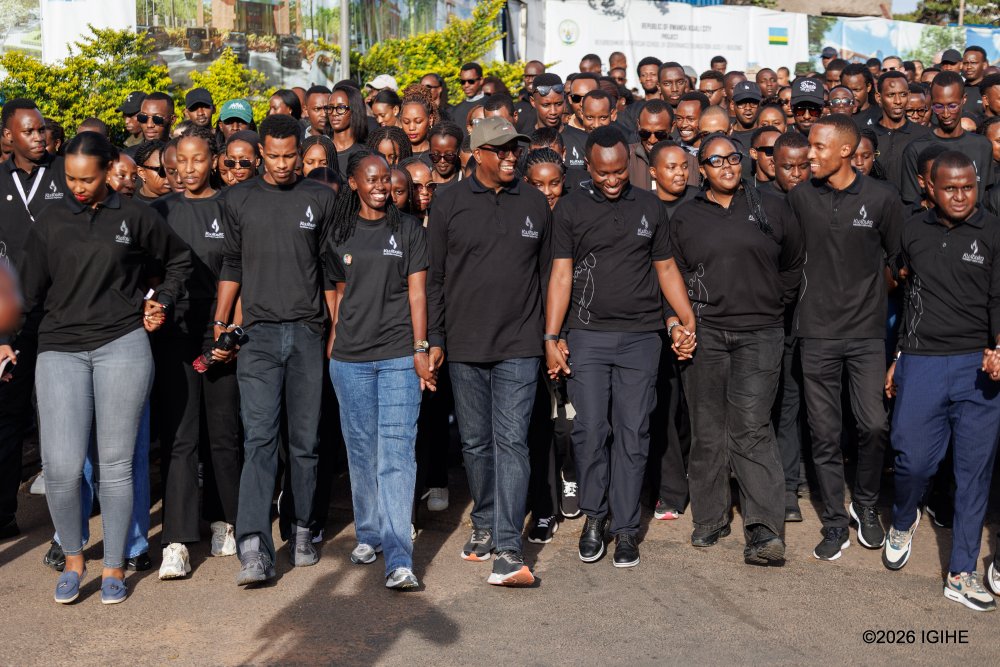
The walk concluded at BK Arena, where a vigil for the 32nd Commemoration of the 1994 Genocide against the Tutsi took place, with the President and First Lady joining participants in honoring the victims.
The walk began at the Gasabo District offices and was attended by youth from various sectors, artists, social media influencers, journalists, football players, film actors, government officials, and other members of the community.
April 7 is recognized globally as the International Day for Reflection in the 1994 Genocide against the Tutsi.
According to the census conducted by the Ministry of Local Government between 2000 and 2002, 1,074,017 Tutsis were killed over a span of 100 days, from April 7 to July 1994.
The 2004 report documented where the victims lived, their ages, their names, and in many cases, the circumstances of their deaths.
At the start of the 32nd Commemoration Week and the 100 days of remembrance, President Kagame reassured that the dark chapter in Rwanda’s history would never happen again in Rwanda.
President Kagame also highlighted that remembrance carries deep significance for Rwanda, serving as a way for the nation to overcome divisions that once threatened to destroy it.