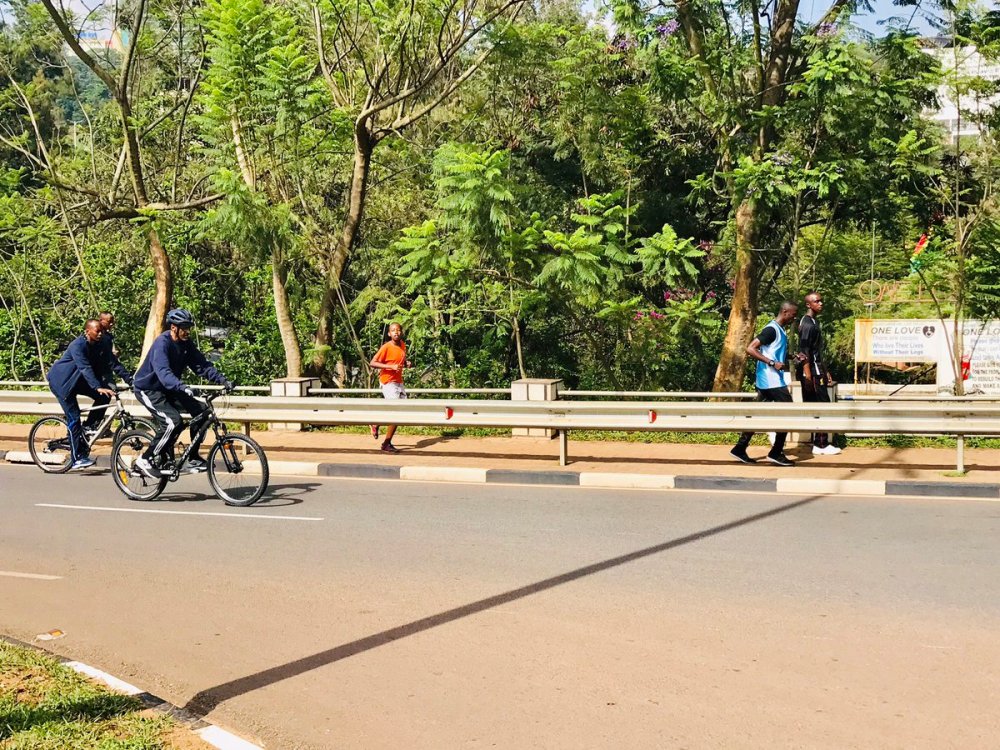
Every first and third week of the month, people from all walks of life and different parts of Kigali City converge in the communal sports at Rwanda Revenue Authority (RRA) for different physical exercises.
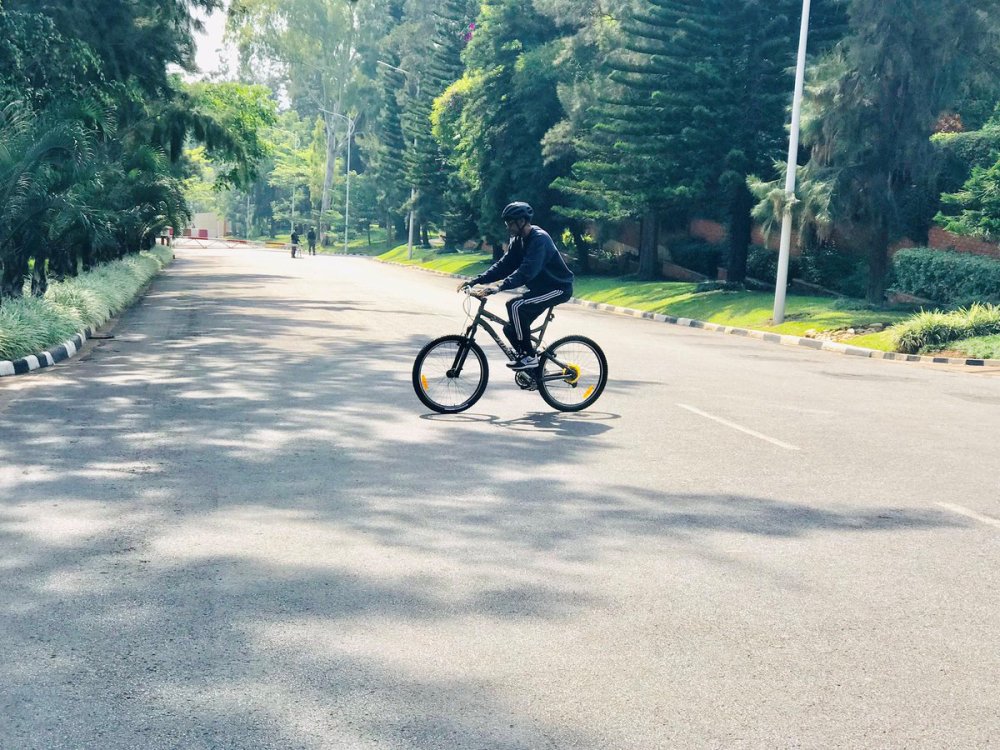
Kagame rode a bicycle through Kimihurura and Kiyovu roads, after which he was received by other sportsmen at RRA.
He told participants that the activity is beyond just sporting.
“Turning up for Car Free Day isn’t only about physical exercises. We should uphold this culture and do even more to build ourselves and our country. Whenever we are working to improve our lives, we are also building our country.”
In a similar activity on June 17,2018 President Kagame also attended communal sports and urged Rwandans to embrace it because it is good for the health.
“I can see both young and old people here. I would like to thank you for having attended these physical exercises. When you take good care of your body, the brain functions well too,” he said.
Car Free Day started on May 29, 2016, aimed at helping Rwandans do sports for good health while at the same time benefiting from other activities like free testing and advice on how to prevent different diseases.
The exercise is also aimed at teaching and making people familiar with the fact that roads are not solely built for just vehicles but people as well.
This helps in reducing traffic jam and air pollution.
Originated from the City of Kigali, other towns in the country have also started adopting it.
When government officials toured the district to see how the buildings had been closed on September 24, Prime Minister Dr Edouard Ngirente alongside other ministers had said that this exercise was not thought through.
Huye District authorities had decided to close some buildings in Huye town, advising owners to revamp them and build storied houses, an act that was seen as malicious.
The district first closed houses in Cyarabu neighborhood. Four years of inactivity later, the second part of the town from the City of Kigali was also closed.
Among the closed buildings is the most popular “Faucon” whose closure attracted public criticism who suggested that it would instead be preserved because it is a artifact to Huye Town which was formerly Astrida during the colonial era.
Minister of Infrastructure Amb. Claver Gatete said that the owners were given a five-year deadline as they searched for means to build houses that are in line with the town master plan.
“We decided to reopen most houses belonging to private businesses. We also agreed that five years would be enough for them to have been completed rebuilding the houses and follow the updated master plan.”
Those who have different investments and other businesses in Huye town welcomed those decision and demanded that they be facilitated to find rehabilitation permits.
Colette Mukandekwe, a businesswoman in Huye Town said, “What we demand is that construction permits should be easily availed so that we can be able to rebuild as soon as possible.”
Minister Gatete also said that every communal work day, Huye town will be visited by government officials to check how far residents will have gone with revamping the houses.
The swearing in of the new MPs was presided over by the President Paul Kagame, as per Constituttion.
Mukabalisa, who was the only candidate for the post, collected all the 80 votes of MPs.
Mukabalisa was nominated by Honourable Marie Izabiriza who described her as intelligent, far-sighted and experienced in parliamentary activities where she has served for 18 years including three when she served as a senator.
Ruku John Byanyoma, the other candidate who wanted to contest for the position withdrew his candidacy after it was found he belongs to the RPF, the ruling part. The Constitution of Rwanda stipulates that a Speaker of Parliament shall always come from outside the ruling party.
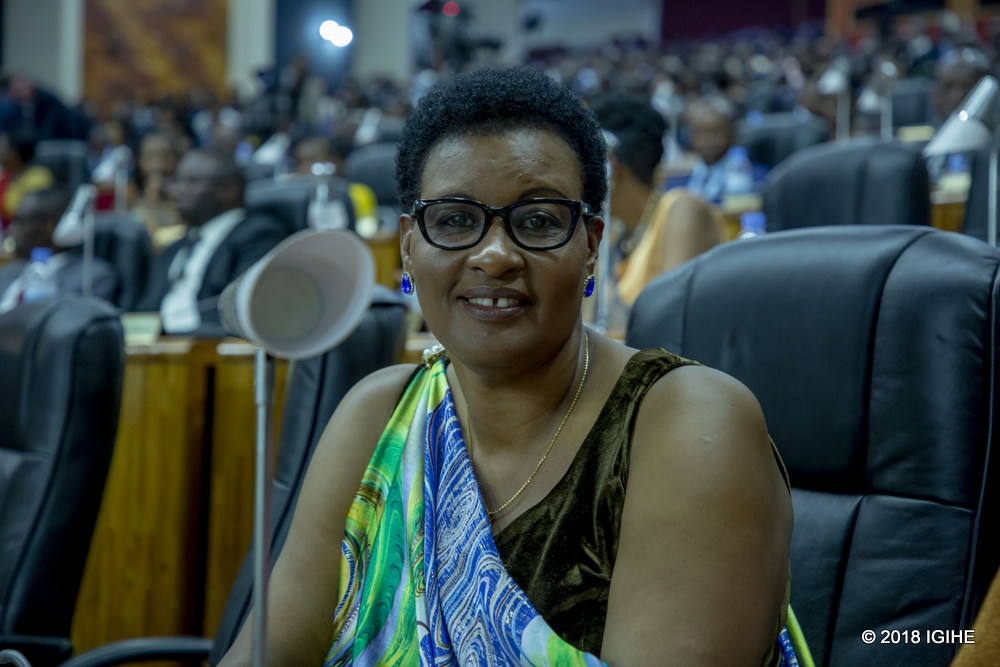
The 58 year old Donatile Mukabalisa, married and mother of three children is a member of the Rwanda’s Liberal Party (PL).
Speaking to IGIHE, the Spokesperson of the Rwanda Investigation Bureau, Modeste Mbabazi confirmed that the duo’s files were transferred to the prosecution. “Their dossiers were transferred to prosecution yesterday,’’ he said.
Francois Regis Uwayezu, the Secretary General of the Rwanda’s Football Federation (FERWAFA) and Eric Ruhamiriza, the In Charge of Competitions at FERWAFA, were arrested on September 13 amid allegations of attempting to bribe Jackson Pavaza, the Namibian referee who officiated the AFCON qualifier game between Rwanda and Ivory Coast.
Rwanda’s Amavubi were defeated 1-2 by Ivory Coast’s Elephants in the second group H match day of the TOTAL 2019 CAF African Cup of Nations (AFCON) qualifiers on Sunday, September 9, 2018.
Pavaza, who was voted Namibia’s Referee of the Year 2017, made allegations of the bribery allegations on Tuesday, September 11, 2018 as reported in the Namibian news website namibiansun.com.
Pavaza said one of the men who offered him the brown envelope claimed to be the Rwanda Football Federation secretary-general, but initially said he did not know whether the person was indeed the incumbent, Francois Regis Uwayezu.
However, after being sent a picture of Uwayezu, Pavaza confirmed it was indeed him. The other man, Pavaza said, was Rwandan football official, Eric Ruhamiriza.
“The money was in an envelope. I did not try to count it or see how much it I was. I just told them that I do not accept any gifts from anyone, as per CAF regulations. I rejected it and reported the matter to CAF,” Pavaza said.
Following the allegations, FERWAFA denied the bribe charges in a statement saying that, “with extensive knowledge of CAF Regulations, FERWAFA can never and will never be indulged in any form of corruption that goes along the way in jeopardizing the high level of integrity and professionalism of the game.”
FERWAFA explained that “On Friday, September 7, 2018, after the Match Coordination Meeting held at Rwanda Football Federation, chaired by Match Commissioner Mike Letti from Uganda, the four Namibian match officials were paid USD 247 as extra expenses incurred by the quartet as confirmed by the Namibian Football Association (NFA) as mandated by article 36 & 37 of the 2019 CAF Africa Cup of Nations Qualifying Regulations.
“However,”the FERWAFA statement further reads, “the referees claimed that there were other extras that were incurred on their flight to Kigali which needed to be paid also.”
This, according to FERWAFA, made Ruhamiriza alongside Uwayezu head to Hotel des Mille Collines, with a sum of USD 948 to be shared by the four match officials. The two arrived at the hotel on Sunday morning, 11am and met the referees in open public, at the terraces of the hotel, gave them their extra expenses as they had requested.
It was at this moment moment that Pavaza brought to the attention of FERWAFA officials that the money which was requested for the extra expenses incurred amounted to a total of USD 237 not a USD 948 as FERWAFA had prepared.
The FERWAFA Officials advised Pavaza to proceed with his preparations of officiating the match whose kick-off time was 15:30 at Stade de Kigali and then payment of the agreed USD 237 would be done after the game since the two FERWAFA officials had no changed money equivalent to USD 237 as demanded. Pavaza agreed to have the payment done after the game.
“Upon departing for Kigali International Airport on Sunday night, Pavaza was given and signed the receipt of USD 237 in presence of match commissioner Mr. Mike Letti,” stated FERWAFA.
According to FERWAFA, what really happened was mis-communication on the exact amount of money that was demanded by Pavaza in his initial communication to Mr. Ruhamiriza which should not be taken as form of bribery as alleged by Namibian referee Pavaza.
The Confederation of the African Fotball (CAF) has a zero tolerance for bribery. CAF in July announced that it had dismissed 22 referees over bribery.
Article 641 of Rwanda’s Penal Code stipulates that any person who directly or indirectly offers a gift in order to get an illegal service or refrain from carrying out any usual duties shall be liable to a term of imprisonment of five to seven years and a fine of twice or up to ten times the value of what they had offered in bribes.
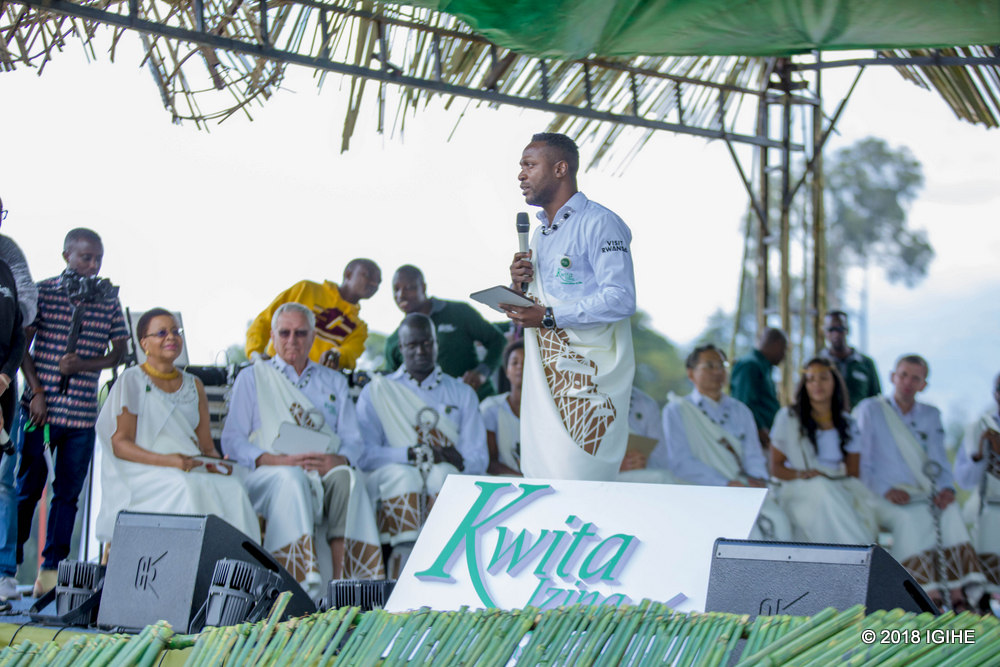
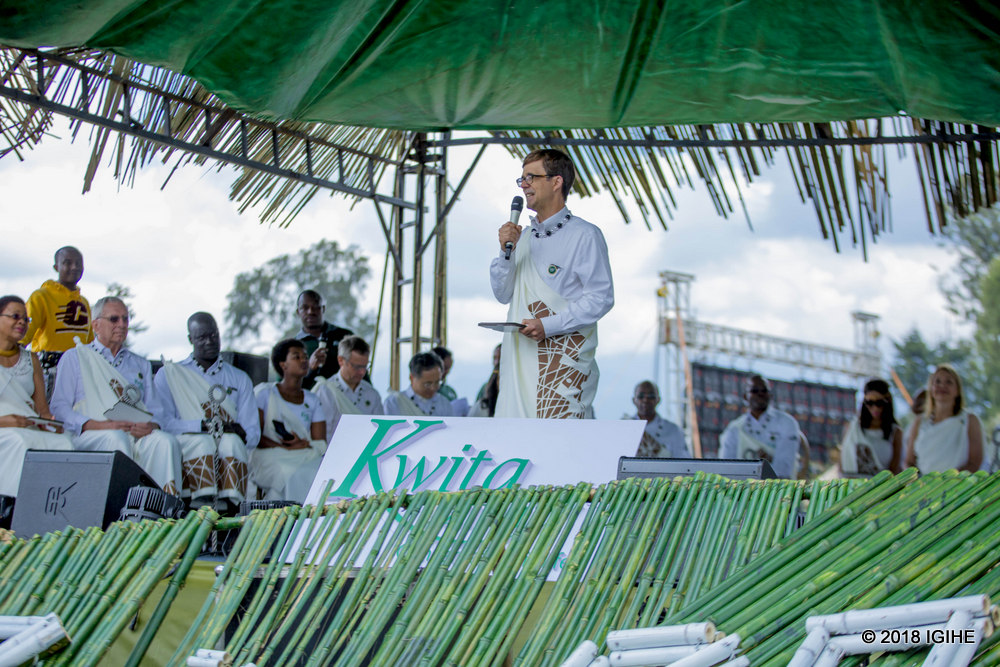
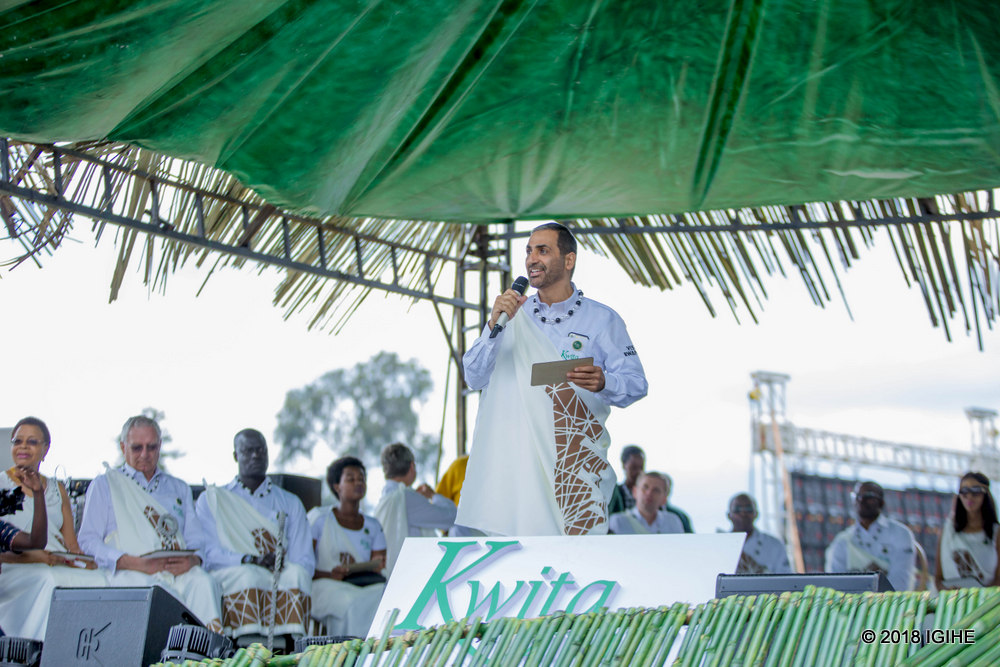
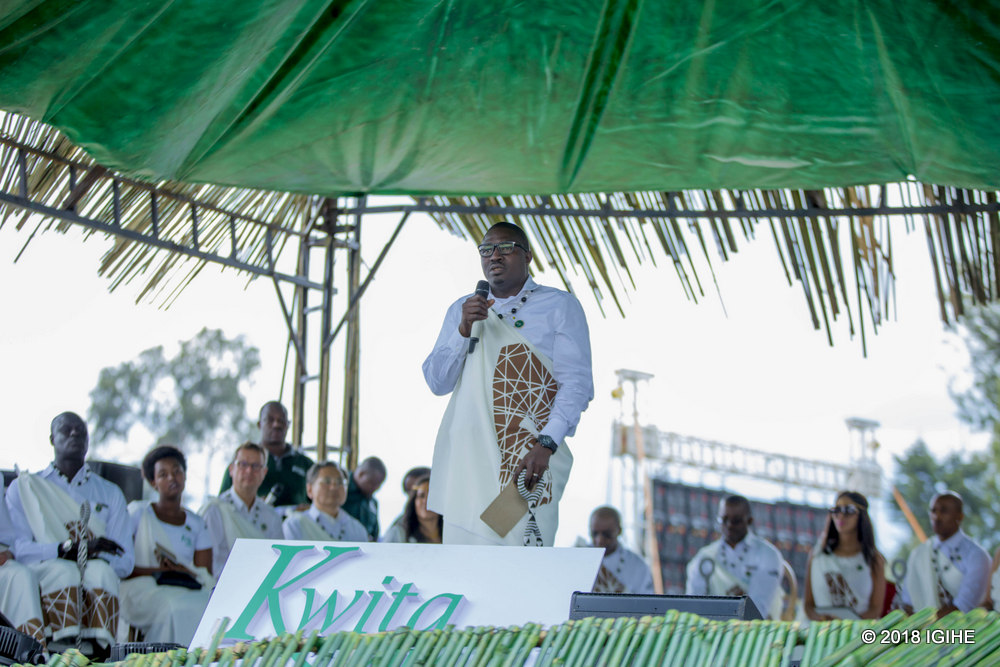
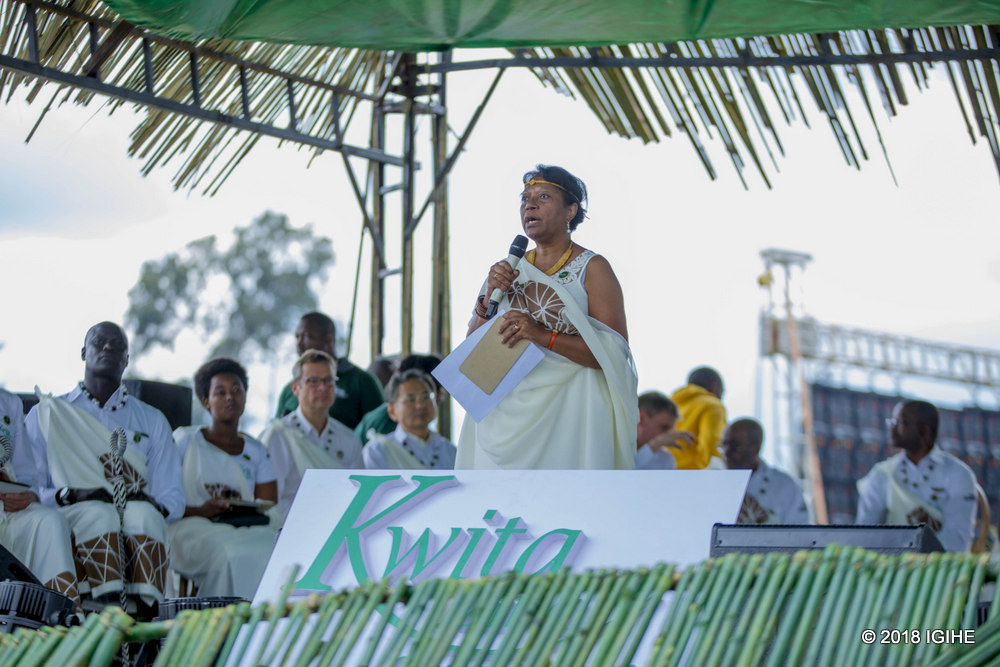
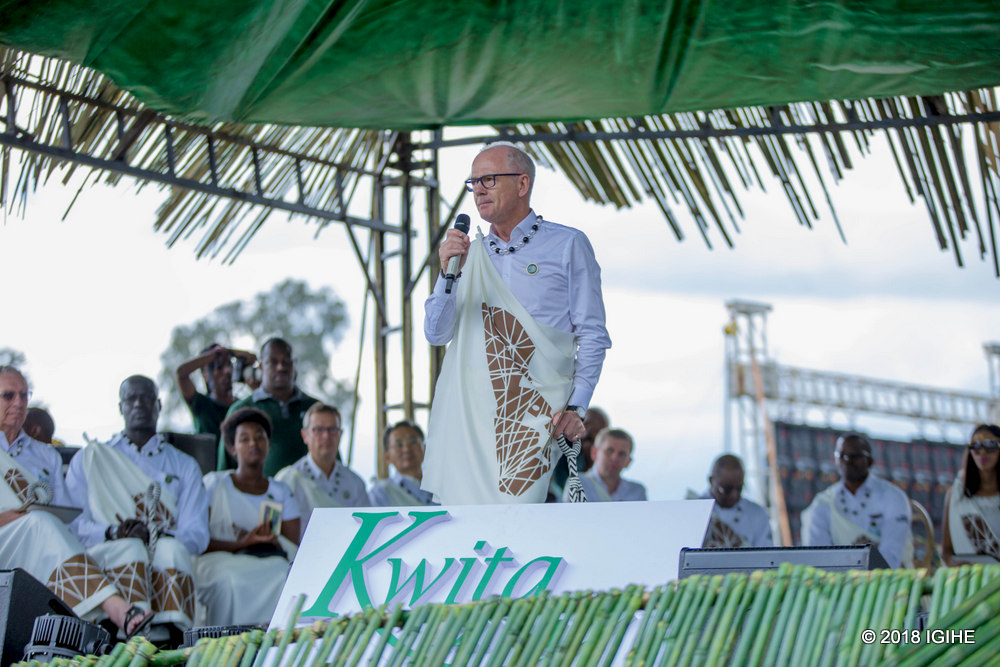
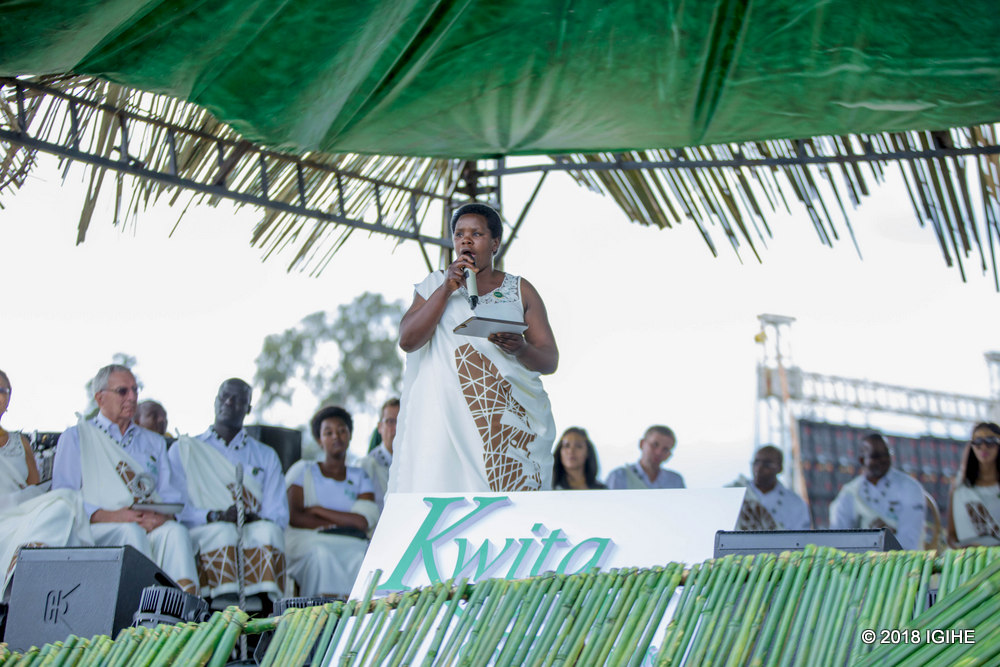
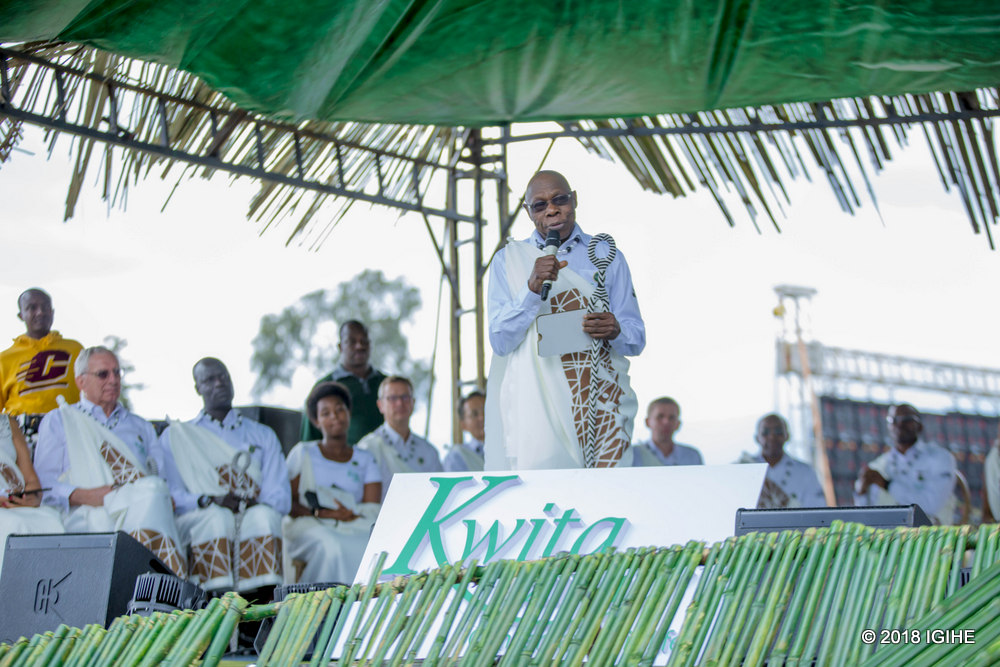
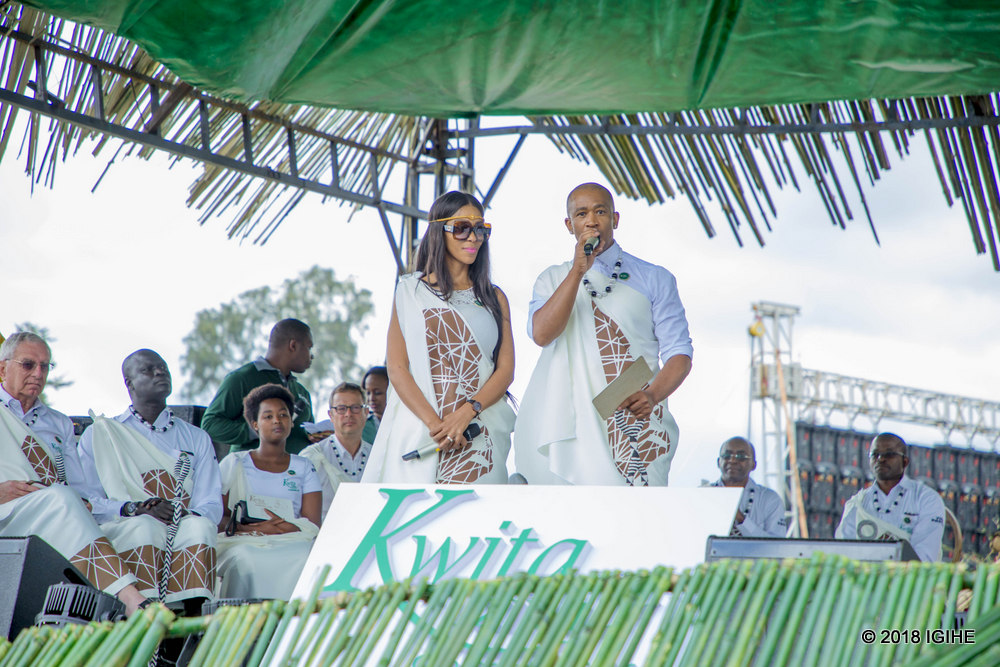
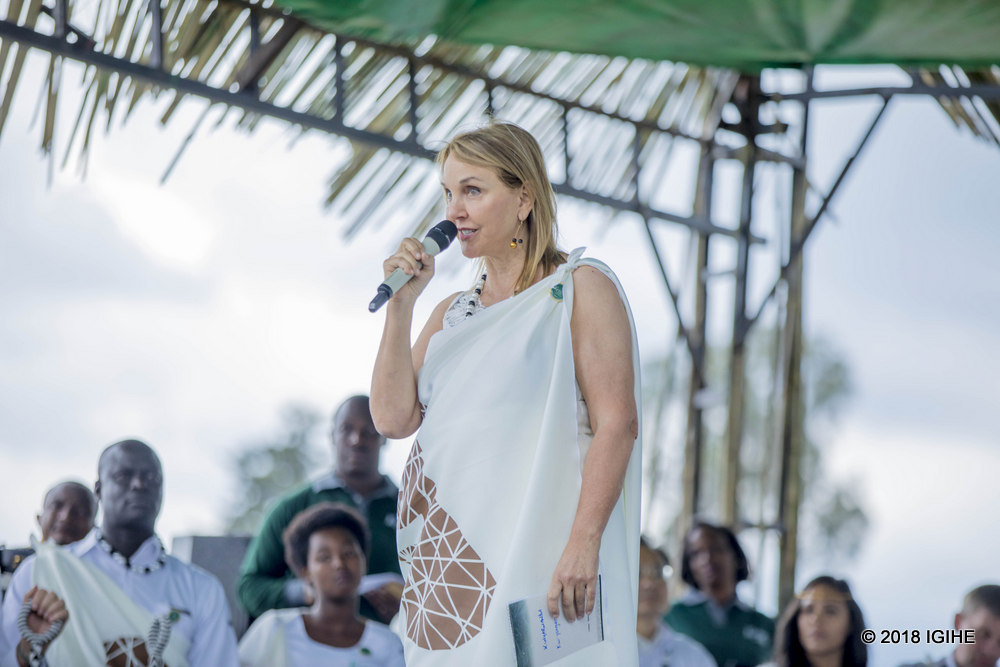
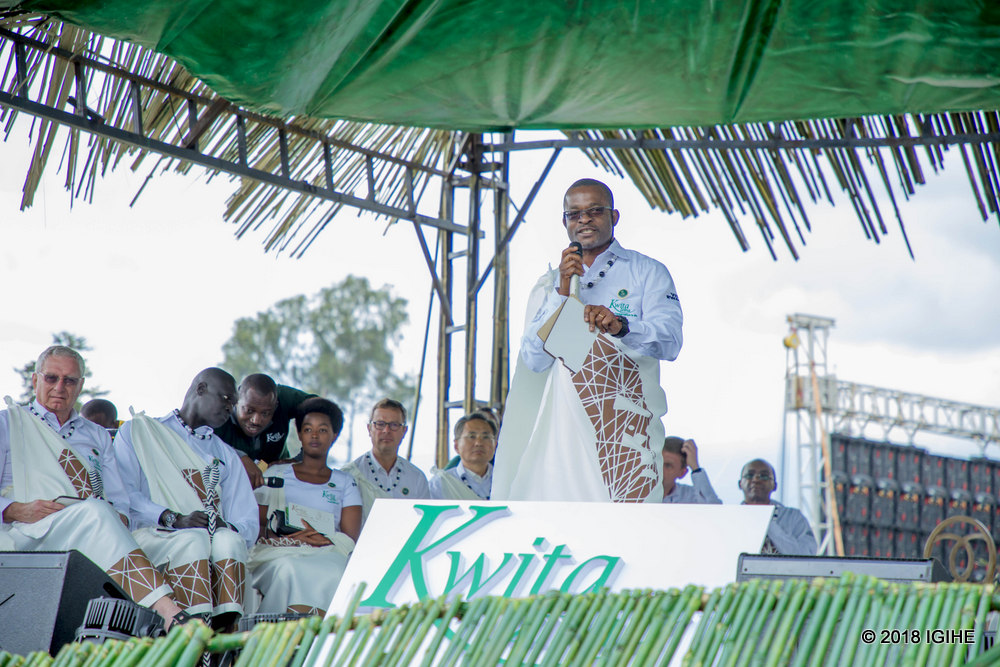
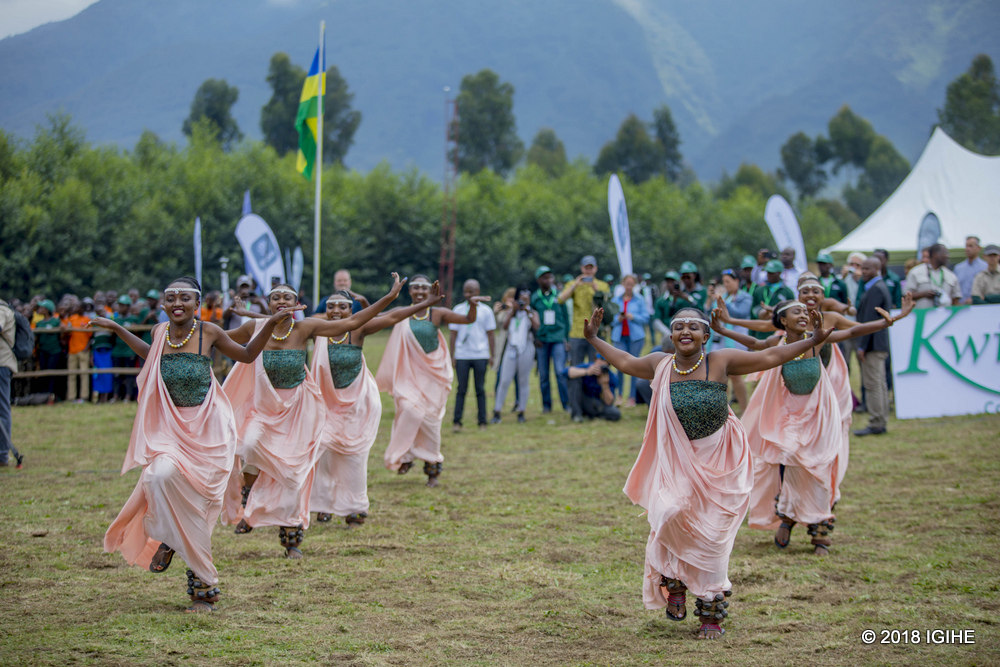
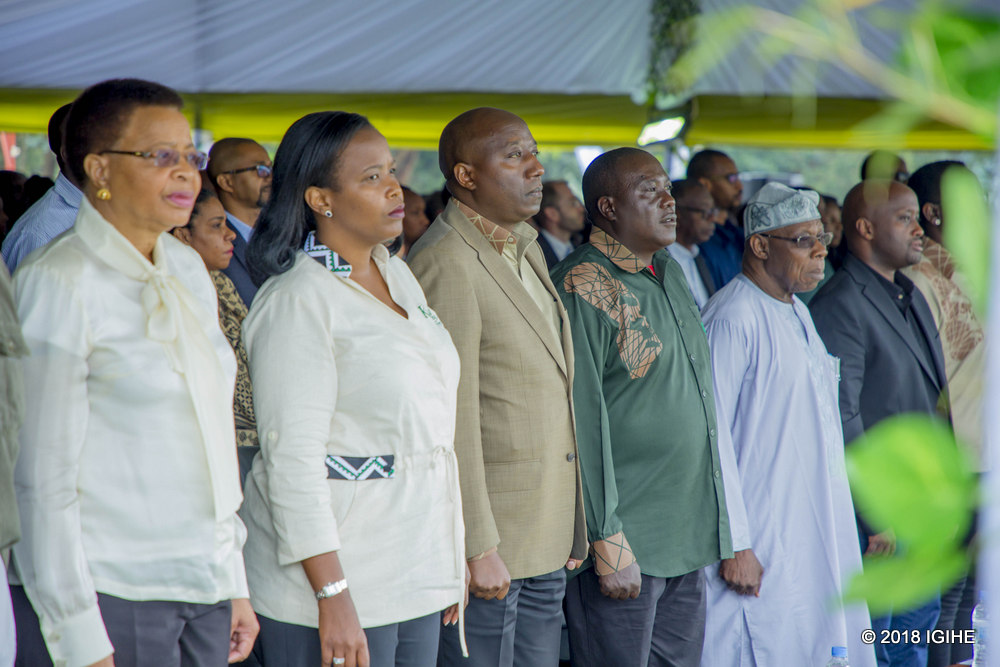
The 14th ceremony locally known as Kwita Izina was held Friday at the volcanoes foothill in Kinigi, Musanze District of the Northern Province.
The infants were mainly born between July 2017 and June 2018.
Prime Minister Dr Edouard Ngirente the gorilla naming exercise cements the country’s efforts towards the conservation.
He said the mountain gorilla population is only in the Virunga Park spanning from Rwanda and neighbouring countries, making a valuable asset that should be conserved.
Rwanda Development Board (RDB) reports that gorilla population increased from 480 in 2010 to 604 in 2016.
19 other gorilla infants were given names last year.
RDB CEO Clare Akamanzi said that Rwanda has invested many efforts in tourism.
The recent efforts include a video documentary in which President Paul Kagame acted showcasing the country’s attractions. The video has now got over 73 million views worldwide.
The latest and most talked about initiative is the Arsenal-Rwanda deal dubbed ‘Visit Rwanda.’
Akamanzi said that in just two weeks following the deal signing, Google searches about Rwanda increased significantly.
She said that, as opposed to earlier searches pointing at the genocide, Visit Rwanda shifted search dominance on Google to hotels and more about Rwanda’s aspect.
Akamanzi said that Rwanda targets to reach $800 million as tourism revenues by 2024. The revenues stood at $438 million in 2017.
She said Rwanda is also developing infrastructure to support tourism.
The developments include Bugesera International Airport which is under construction and the expansion of national carrier, RwandAir, which currently operates 25 destinations in Africa, Europe and Asia.
RwandAir plans to open new destinations including those to the United States and China by 2019.
{{Gorilla infants’ names
}}
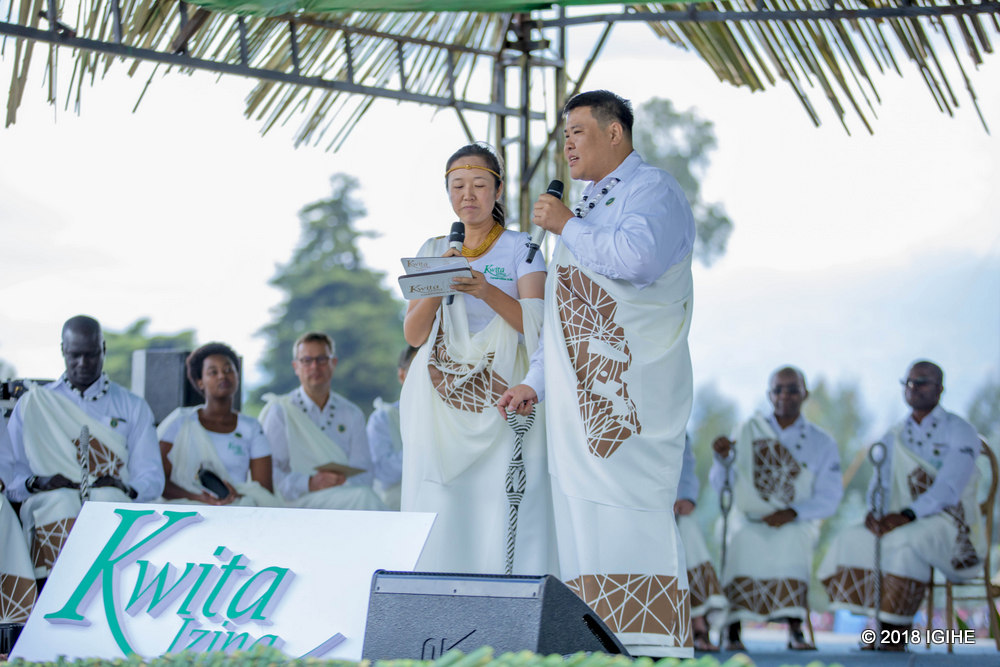
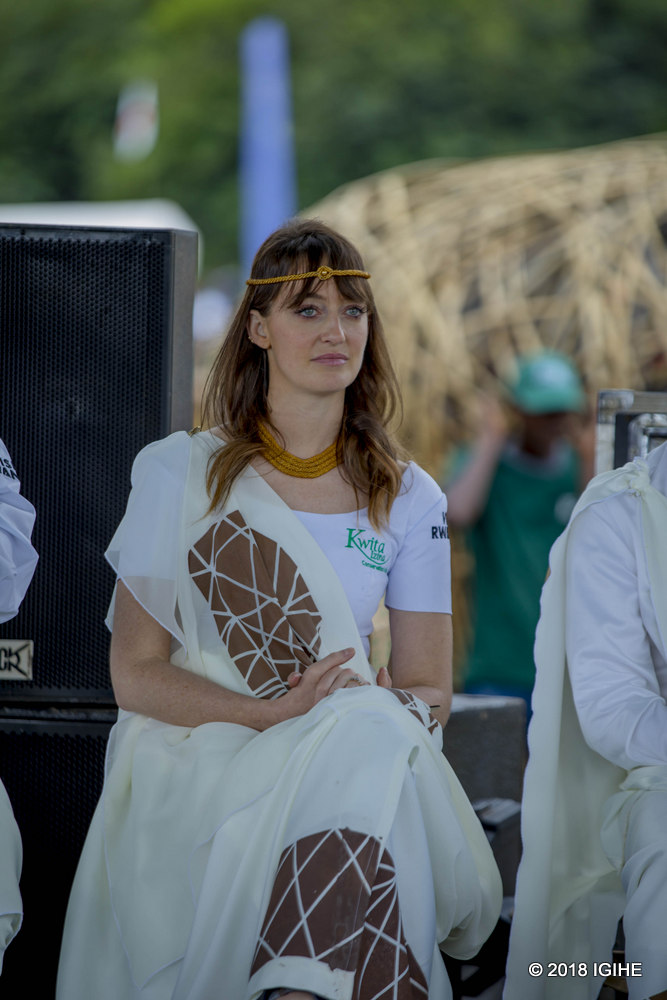
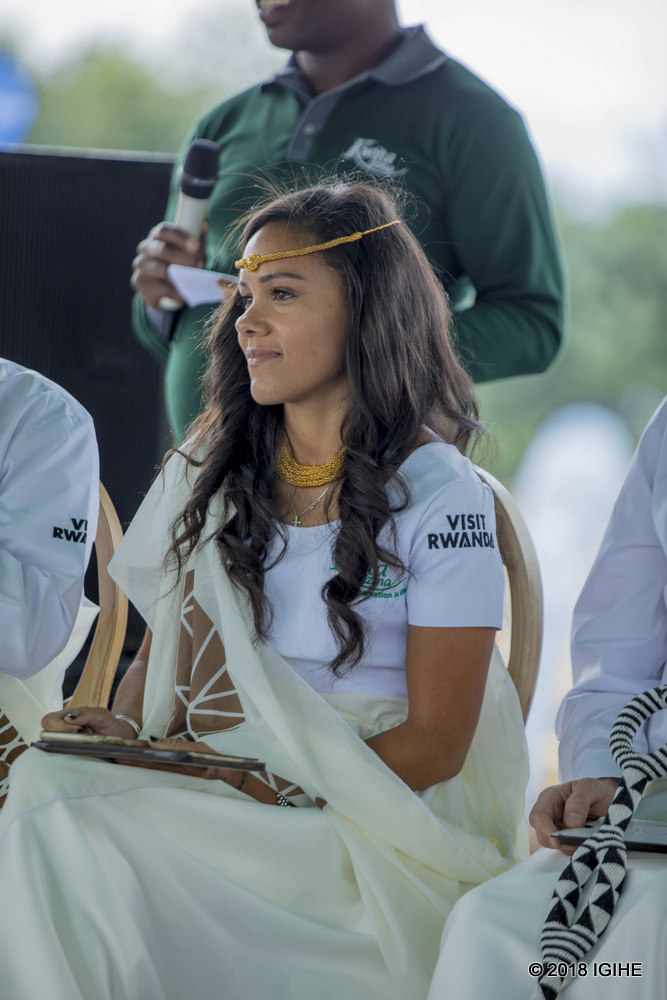
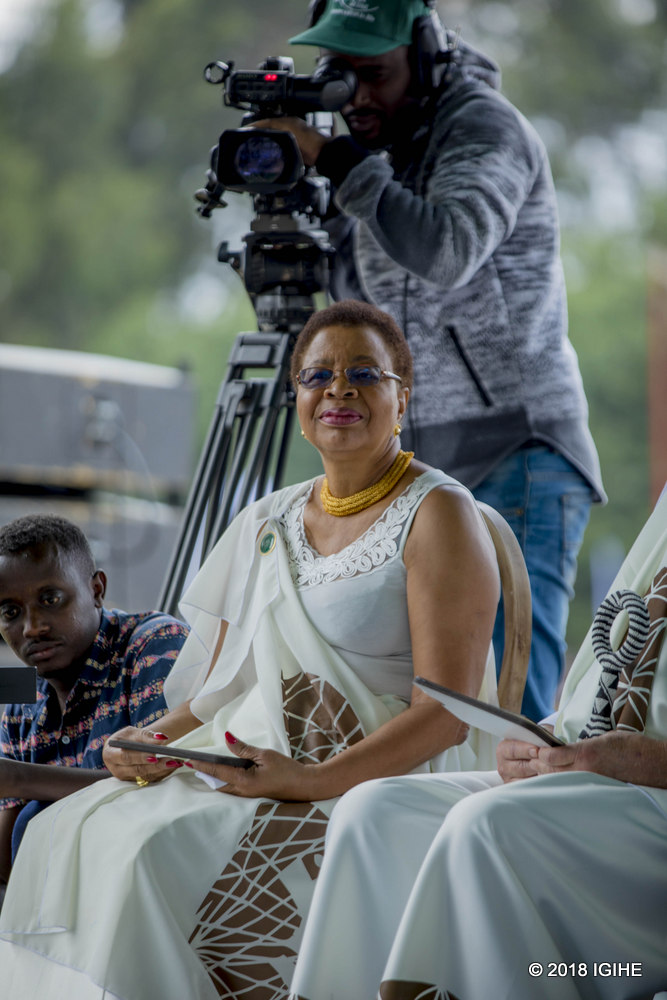
All clad in Rwanda’s traditional attire, the following team named 23 gorilla babies.
Hong Liang & Xinyu Zhang gave one the name of ‘Urugero’ meaning exemplary.
Laureano Bisan Etamé-Mayer named a baby gorilla ‘Ikipe’ meaning a team.
US Ambassador to Rwanda, Peter Vrooman gave the name of ‘Intarutwa’ meaning the champion.
Alexa Gray named a baby gorilla ‘Kunesha’ meaning success.
UAE Crown Prince Sheikh Dr. Abdulaziz Ali Bin Rashid Al Nuami named one ‘NaYombi’ meaning ‘with open hands.’
Samba Bathily named one ‘Ineza’ meaning charity.
Dr. Noeline Raondry Rakotoarisa named one ‘Imbaga’ meaning crowd.
Michael Wale named one ‘Paradizo’ meaning paradise.
Thomas Krulis named one ‘Mahirwe’ meaning lucky.
Judith Kakuze named one ‘Indakemwa’ meaning blameless or honest.
Dr. Olusegun Obasanjo named one ‘Aremu’, one of Obasanjo’s names meaning every child is important to the family.
Mafikizolo, the duo of South African musicians Theo Kgosinkwe & Nhlanhla Nciza, entertained the attendees before naming one gorilla baby ‘Akeza’ meaning the little beautiful.
Josette Sheeran named one ‘Umuryango’ meaning family.
Michael O’Brien-Onyeka named one ‘Umuseke’ meaning the dawn.
Adrian Gardiner named one ‘Irebero’ meaning hill view.
Strive Masiyiwa named one ‘Ishusho’ meaning image.
Peter Riedel named one ‘Umusaruro’ meaning production.
Alexandra Virina Scott named one ‘Izahabu’ meaning gold.
Rao Hongwei named one ‘Uburumbuke’ meaning prosperity.
Hugh Fernley-Whittingstall named one ‘Amatungo’ meaning livestock.
Jeannette Uwiragiye named one ‘Irebe’ meaning precious.
Amadou Gallo Fall named one ‘Kwiyongera’ meaning increase.
Graca Machel ‘Urugori’, a ring-like traditional head wear for women.
The inequality was grounded in both laws and culture, making men feel superior while women had to accept their position, some happily, others as a last resort.
And now, laws and more efforts are breaking the status quo.
The law governing persons and family adopted two years ago brought change as the fact that now both spouses – man and woman – are jointly responsible for the management of the household, including moral and material support as well as its maintenance as article 209 of the law puts it.
More concerted efforts have seized advantage of Rwanda’s political will to promote gender balance and fight Gender-Based Violence (GBV).
One of the efforts now bearing fruits is Indashyikirwa project, loosely translated as agents of change.
David Nkundibiza, 37, was once a GBV perpetrator against his wife Clementine Nyirantegerejimana, 36.
The couple has been married for 10 years and has three children. However, the dawn struck recently into the family that lives in Jomba Sector of Nyabihu District where the couple is championing GBV fight in the community.
With his infant on his back in a conference room at the Kigali Convention Centre on Tuesday, Nkundibiza surprises many as they find it strange for a man to put a baby on his back while his wife is around.
Nkundibiza told the media that his mind wasn’t any different a few years ago.
“I grew up raising my younger siblings but it all changed when I became a man and got my own babies. I believed taking care of children is up to women,” he said.
On his side, his wife Nyirantegerejimana says she was formerly burdened by most of the household’s chores alone plus babysitting their children as her husband, Nkundibiza, was often going to the bar immediately after working on the farm together with her.
She says her husband has now changed to share all tasks as they also share ideas on what to do for the benefit of their family.
Their testimony is one of the many being shared around the country where trained activists helped families get rid of GBV through different channels including women space forum, community meetings and going from house to house.
The couple was attending the closing of Indashyikirwa project in Kigali, Tuesday. Both are now community counsellors under the project which reached 83,535 direct beneficiaries, women representing 55%, in seven districts around the country over the last four years. The activists shared lessons with around 1.3 million in the areas.
{{Call for project expansion
}}
Speaking at the ceremony, Minister for Gender and Family Promotion, Espérance Nyirasafari, said Indashyikirwa project has been instrumental in fighting GBV in the communities it operated.
She said she witnessed the change in Musanze District during her recent visit.
“Government is committed to building on these achievements. I ask partners in this area to closely work with us to expand this to other parts of the country. If we scale up this in other parts, GBV will be eradicated in few years.”
Indashyikirwa project operated 14 sectors in seven districts from September 2014 to August 2018. The districts are Bugesera, Kayonza, Rwamagana, Burera, Musanze, Nyabihu and Rubavu.
Marie Immaculée Ingabire, a human rights activist and Chairperson of Transparency International Rwanda, cautioned that the project’s achievements would go to waste in a few years if they are not sustained.
“GBV is a crime, it should be reported and fought hard but I’m worried for tomorrow in the same areas where this project has been implemented. I know a lot of work has been done there but wait a year after the project has ended, when nobody is following up on what’s happening there, it will be like nothing was done.”
Funded by UK’s Department for International Development (DFID) under the coordination of Care International, Indashyikirwa project was implemented by Rwanda Women’s Network (RWN) and Rwanda Men’s Resource Centre (RWAMREC).
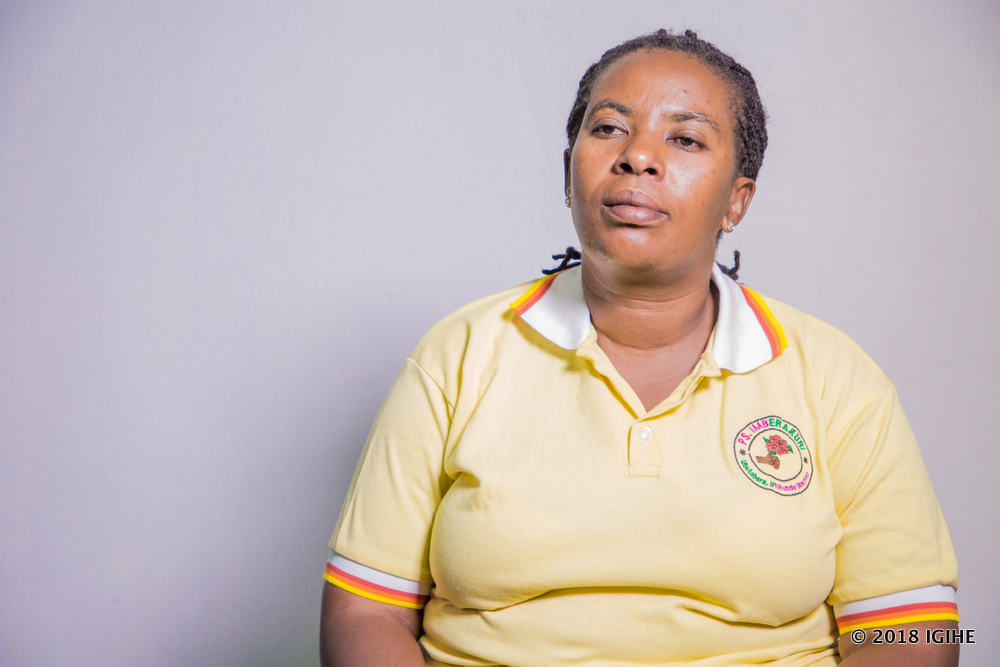
Christine Mukabunani, the President of PS-Imberakuri, has told IGIHE that there are many points the party disagrees with the government.
The points include the poor pay to teachers, the fact that most of the local leaders such as district mayors are at the same time leaders of a certain political party in the area and problem of water shortage in the country.
Mukabunani said her party will advocate for changes on these points in case they win seats in upcoming parliamentary elections.
She said teachers should have equal salary with other public servants at the same level of education. A teacher with bachelor degree is paid below Rwf130,000 net while others with the qualification earn around Rwf300,000 monthly.
Mukabunani says a teacher holding secondary school certificate (A2) should be paid at least Rwf70,000, up from the current monthly salary of around Rwf30,000.
“Teachers are not teaching well and, as a result, students complete studies with poor competences. This is because teachers earn insufficient salary,” she said.
Mukabunani noted that her party has highly knowledgeable members about education who are ready to share their expertise if they get into the Lower House.
Citing the current teaching of French language from primary to secondary schools as advocated by PS-Imberakuri, Mukabunani said the party founded in 2009 has got maturity to bring about changes in the country’s affairs.
She said a local government’s entity leader should represent the public interests without siding with any party
“The way political parties are represented in local governments should change. When one is mayor and party chairman in the district, they put on two coats. When there are political interests, the mayor sides with their party instead of considering views from all sides. They can be party members but not leaders while exercising public functions of leadership,” she said.
Ms. Mukabunani encouraged Rwandans to vote for her party to see many changes happening.
Opposition not fighting
Mukabunani claims that her party is in opposition but focusing on building the nation instead of fighting and taking on streets in violent protests.
“Some people wrongly think that being an opposition party means to go out in the streets to protest, to burn tyres,… that is what some want,” she said.
“We advance our views opposing the government without fighting. The time of fighting is no more; we are now building the country in a peaceful way. Even when there is something offending us, we denounce it without going to streets.”
With 45 candidates, it is at the second time PS-Imberakuri is contesting for seats in parliament.
In 2013, the party was unable to secure 5% votes to win a seat in the House.
From 2009, PS-Imberakuri has gone through dark days including the time it got split, creating the side of its founder, lawyer Bernard Ntaganda and the side under Mukabunani.
Mukabunani says the party was not stolen from Ntaganda but members changed the party’s leadership.
A total of 521 candidates are vying for 80 seats.
The parliamentary general elections will take place on September 2 and 3 in Diaspora and Rwanda respectively to decide on 53 seats. The 53 are contested by the RPF-led coalition of seven parties, other four parties apart and four independent candidates.
Other 27 seats will be voted for on September 4. They include 24 women representatives equivalent to 30% as it is provided for in the Constitution, two for the youth and one representative of the people with disabilities.
Mutangana was speaking yesterday to the Senatorial Standing Committee on Foreign Affairs, Cooperation and Security while exchanging ideas on prosecuting runaway genocide suspects from outside the country.
He said that they still encounter challenges of countries which do not want to change their mindsets towards help in extradition of suspects.
“Actually, there is a political will challenge for some countries; the more genocide suspects are not arrested, the more genocide ideology continues to rise; so we have discussed this issue because during past 23 years, countries did not do enough to bring suspects to justice,” he told the media.
The National Public Prosecution Authority (NPPA) says that they issued over 800 arrest warrants in 32 countries around the World. They say that they conducted investigations on other 500 people which they are planning to issue their arrest warrants. Also, 17,000 escapees were convicted on their role in the genocide by Gacaca courts while in absence.
According to NPPA, countries that drug feet in arresting genocide escapees include France, Germany, United Kingdom and other African countries.
Though many countries continue to exhibit reluctance, Mutangana said that there is optimism as the discussions and extradition treaties signing with different countries continue.
These countries include Zambia, Ethiopia, Mozambique and Malawi among others.
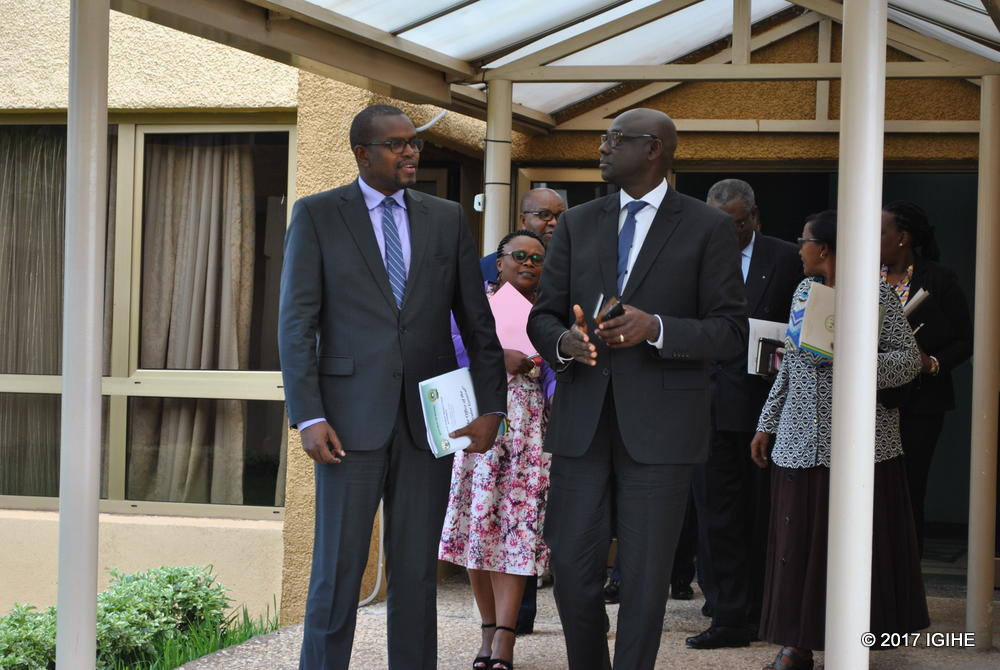
The State Minister in the Ministry of Foreign Affairs and East African Community Affairs, Olivier Nduhungirehe said that they will continue diplomatic discussions so that genocide escapees at large will face justice.
“This is a case that we will collaborate with the Ministry of Justice and discuss with host countries so that they send them in Rwanda or they take them to justice from these countries as laws state. Discussions are ongoing as well as signing treaties,” he said.
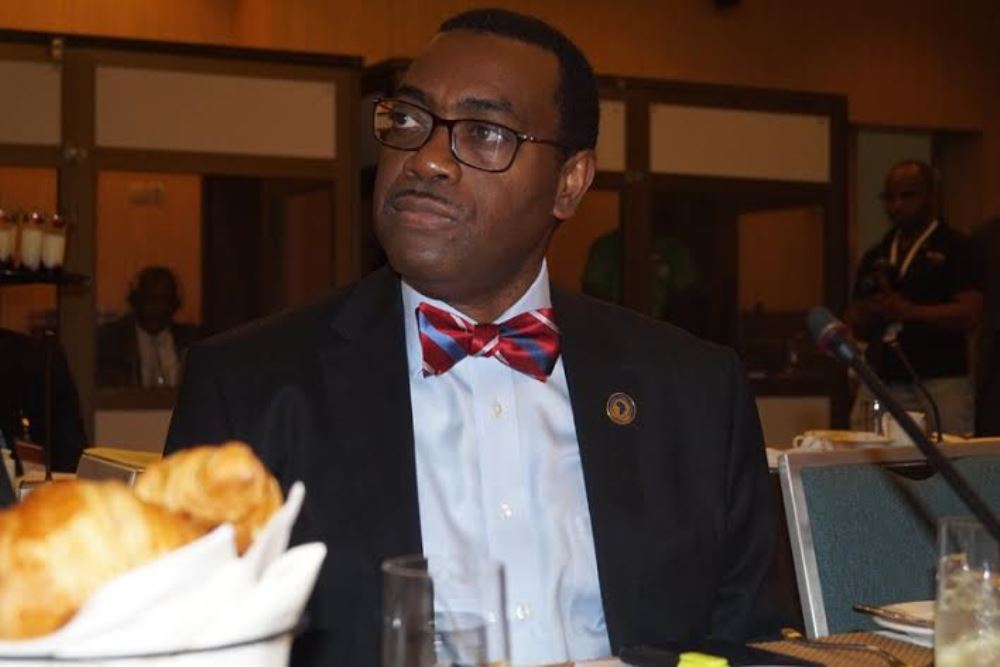
In a statement released by the AfDB, the program will promote reforms, boost domestic production and create about 200,000 jobs annually.
Rwanda’s economic performance remains strong averaging 6.8% of Gross Domestic Product (GDP) growth per annum since 2013. The country has also made progress in creating 150,000 off-farm jobs every year since 2014.
However, the private sector which is the engine for job creation is not creating enough jobs to absorb the 200,000 youth entering the labour market annually because of the proliferation of unproductive businesses with low survival rates.
The Government of Rwanda is keen on developing a competitive private sector and create jobs for young people in order to achieve its ambitious development agenda.
In line with the AfDB high five priorities, the Skills and Business Development Programme (SBDP) will support 100 small and medium enterprises (SMEs) and 500 cooperatives by 2020 that are expected to increase and improve the quality of their products, and generate much needed revenue.
Women and youth who constitute about 52% and 27% of the population respectively, will benefit through the Savings and Credit Co-operatives (SACCOs), the main source of financing for rural Small and Medium Enterprises, and productive cooperatives which serve over one million women and youth.
SBDP was developed jointly by the African Development Bank and the Government of Rwanda in close consultation with the private sector and other key development partners (Germany, Sweden, USA, European Union, DFID, World Bank, JICA and MasterCard Foundation)
The research was conducted between 2000 and 2016 among 54 African Countries and covered the overall governance, safety and rule of law, participation and human rights and sustainable economic opportunity among others.
Among the performance indicators of the report are; human development, welfare, education and health, safety and rule of law, accountability personal safety and national security among others.
In terms of accountability, fighting corruption in government and public officials Rwanda scored 72.1%..
Rwanda scored 100% in Access to Information, 61.8% in online public services, 82.8% in access to justice, 85.5% in public sector accountability and transparency, and 97.8% in diversion of public funds.
Citizens commend quick services offered by local governance through online platform ‘Irembo’ which ended queues in front of offices and bureaucracy.
Another indicator that raised Rwanda’s position in governance is good services provision sensitization campaign among services providers that was launched across the country.
According to RGB Chief Executive Officer, Prof. AnastaseShyaka, having been ranked on good position doesn’t imply that there are no loopholes.
“It doesn’t mean that we have no problems, we should continue to seek solutions for remaining problems” he said.
In overall governance Rwanda was ranked 9th with 63.9% as Mauritius tops African countries with 81,4%.
On safety and rule of law, Rwanda is the 12th whereas in East African Countries Tanzania is 14th, Uganda 25th, Kenya27th and Burundi 49th.
The report ranks Rwanda 5th in personal safety after Botswana and Namibia. In gender it is the first, 3rd in sustainable economic development and 9th in public management.
Rwanda also tops other African countries in Business environment and rural development and is the 17th in infrastructure.