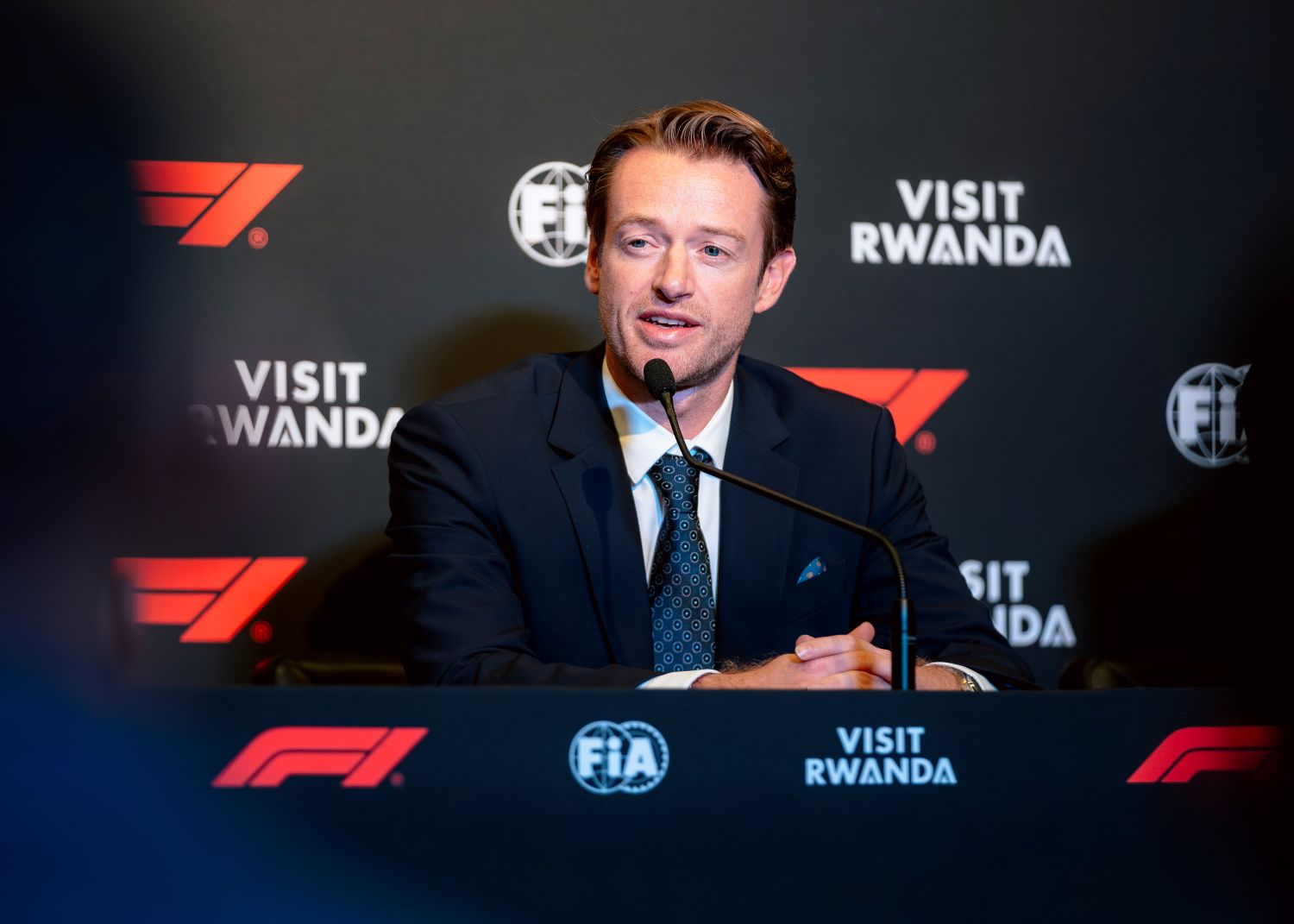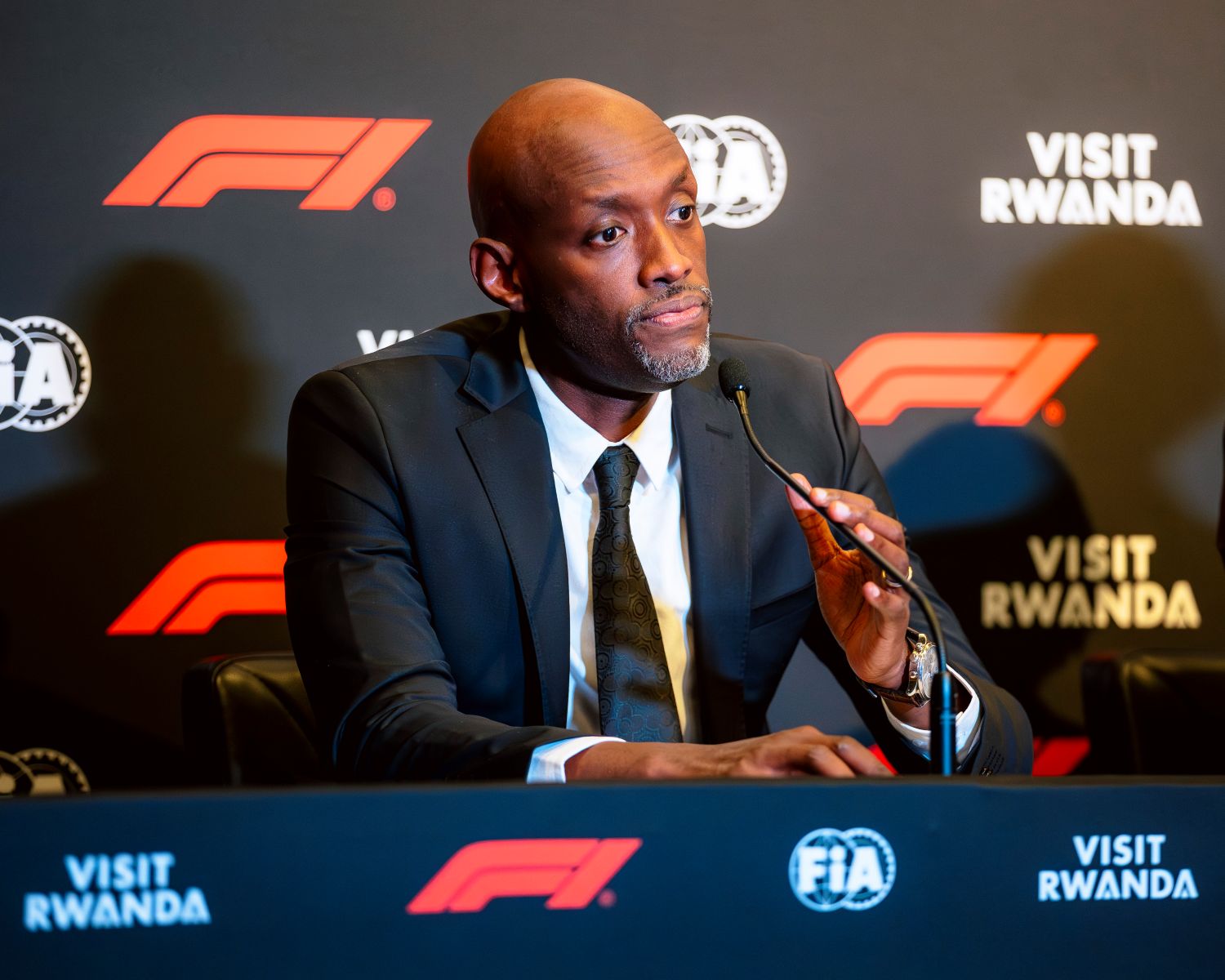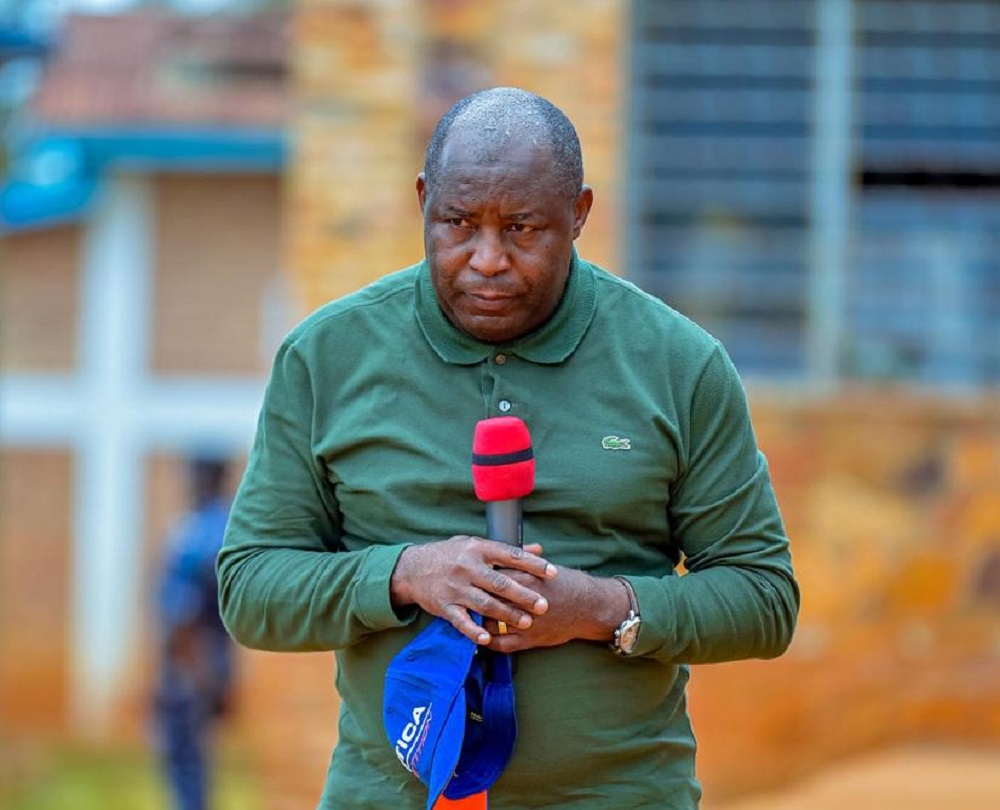
Nduhungirehe said in a Saturday post on X that the timeline of events makes it difficult to link the sanctions to the group’s presence in Uvira, arguing that AFC/M23 had already withdrawn from the city before the measures were imposed.
Boulos made the comments in an interview with France24 while responding to a question about whether the United States was acting as a biased mediator in the conflict in eastern DRC.
Boulos refuted the suggestion that Washington was taking sides with the DRC, saying the sanctions followed the capture of Uvira shortly after the signing of the Washington peace and economic agreement between Rwanda and the DRC.
“Sanctions on Rwanda were a direct result of the invasion of Uvira, just after the Washington deal. They were given a chance to withdraw; we were extremely patient but unfortunately had to sanction,” Boulos said.
He added that the sanctions could be lifted if the commitments under the agreements were respected.
Nduhungirehe, however, said AFC/M23, which is a Congolese movement, began withdrawing from Uvira on December 16, 2025, and completed its withdrawal on January 17, 2026.
“The city was then retaken by the Congolese army (FARDC), its Burundian allies and its militias (FDLR and Wazalendo),” he said.
The minister noted that US sanctions against the Rwanda Defence Force (RDF) and four of its generals were imposed on March 2, 2026, with other sanctions following later.
“It’s therefore extremely difficult to justify the US sanctions against Rwanda by the refusal of the AFC/M23 to withdraw from Uvira,” Nduhungirehe said.
Rwanda has repeatedly rejected claims of supporting the AFC/M23 rebel group in eastern DRC, insisting that its primary concern is the continued presence of the FDLR militia group in the region. The group was formed by perpetrators of the 1994 Genocide against the Tutsi who fled to the DRC after the Rwanda Patriotic Army stopped the genocide.
The Washington Accords between Rwanda and the DRC include security commitments and a regional economic integration framework. On security, the parties committed to the neutralisation of the FDLR and the lifting of Rwanda’s defensive measures.
The economic framework covers mineral supply chains, infrastructure, energy and national park management, while promoting greater transparency in mineral trade and cross-border economic cooperation.
Minister Nduhungirehe said the timeline of events makes it difficult to link the sanctions to the group’s presence in Uvira, arguing that AFC/M23 had already withdrawn from the city before the measures were imposed.
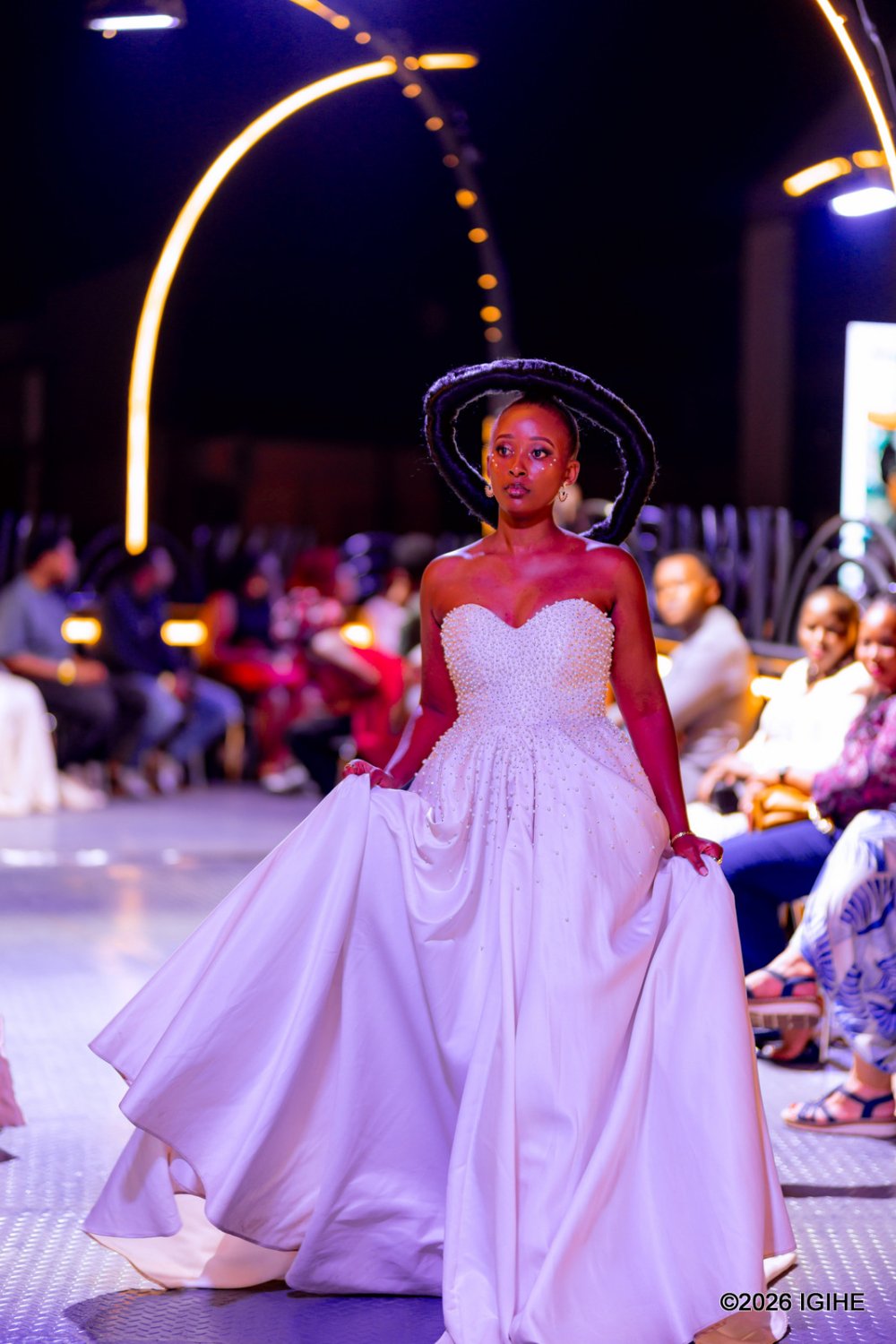
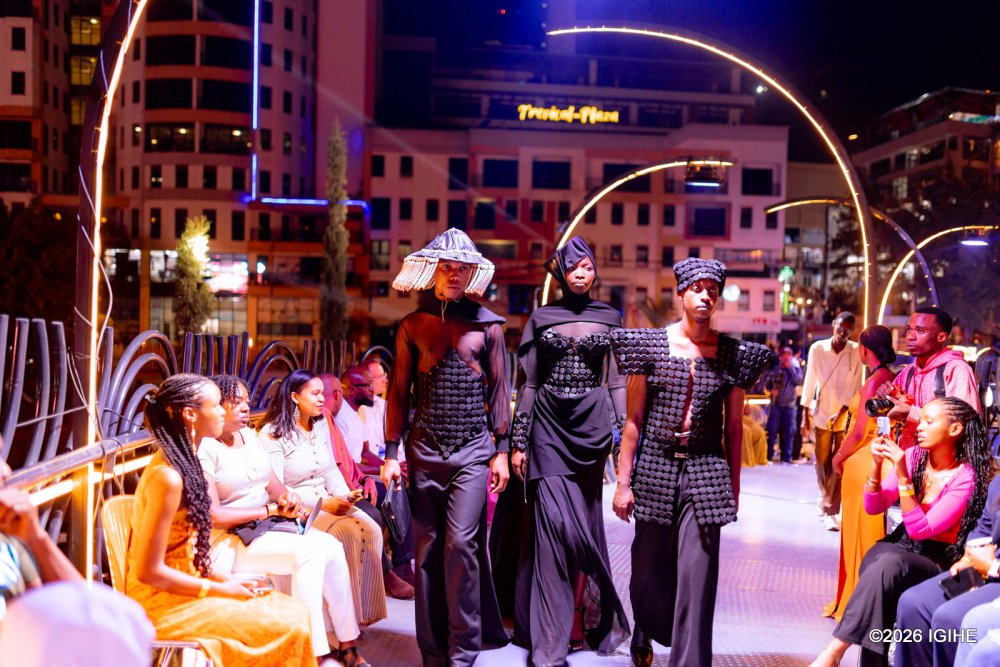
The 2026 edition of Kigali Fashion Week, held from May 25 to 30, marked the event’s highly anticipated comeback, featuring runway shows at Kigali Universe and The Pinnacle, among other venues. The event drew designers, models, diplomats, corporate partners, and fashion enthusiasts from across the region.
However, weeks after the celebrations ended, Bunyeshuri says serious disagreements emerged behind the scenes, prompting him to cancel a Memorandum of Understanding (MoU) signed with LG Events in November 2025.
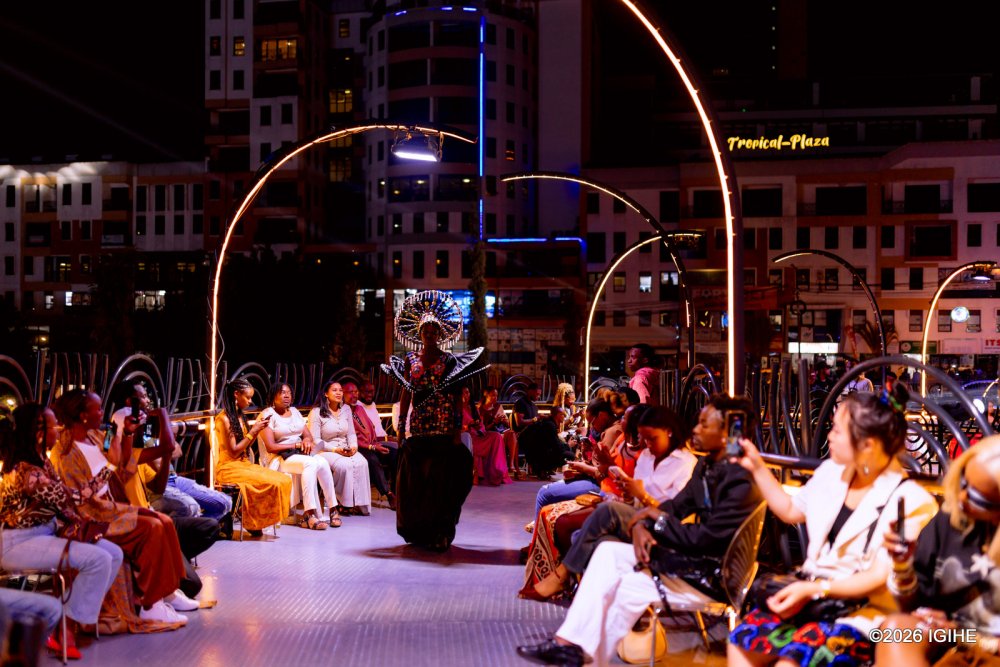
The open-air setting of Kigali Universe Bridge added a distinctive visual identity to Kigali Fashion Week’s runway presentation.
Speaking in an interview with IGIHE, Bunyeshuri praised the event’s execution and the efforts of the organising team but claimed that financial and operational concerns ultimately led to the collapse of the partnership.
“I think it was very successful,” he said of the event. “I must give credit to those who were behind managing and running it. The Rwandans who worked tirelessly behind the scenes did a really good job. Kigali Fashion Week came back with a bang.”
Despite commending the production, Bunyeshuri alleged that disputes arose over finances and communication during and after the event. According to him, several service providers and members of the organizing team later contacted him claiming they had not been paid.
The fashion showcase at Kigali Universe Bridge reflected Kigali’s growing reputation as a hub for creative industries.
He further alleged that approximately Rwf 35 million linked to various contributors and partners remained unaccounted for, though he acknowledged that he was not directly involved in the event’s financial management.
“The partners I’m talking about are the Americans and some Rwandans who worked with this event. None of them were paid. The Rwandans who were part of the organizing team were not paid,” he claimed.
Bunyeshuri also alleged that repeated attempts to reach LG Events after the event were unsuccessful.
“We gave him 14 days to come back to us. He didn’t come back. We wrote to him, but he didn’t answer calls. We used our legal team to write to him, he didn’t respond,” he said.
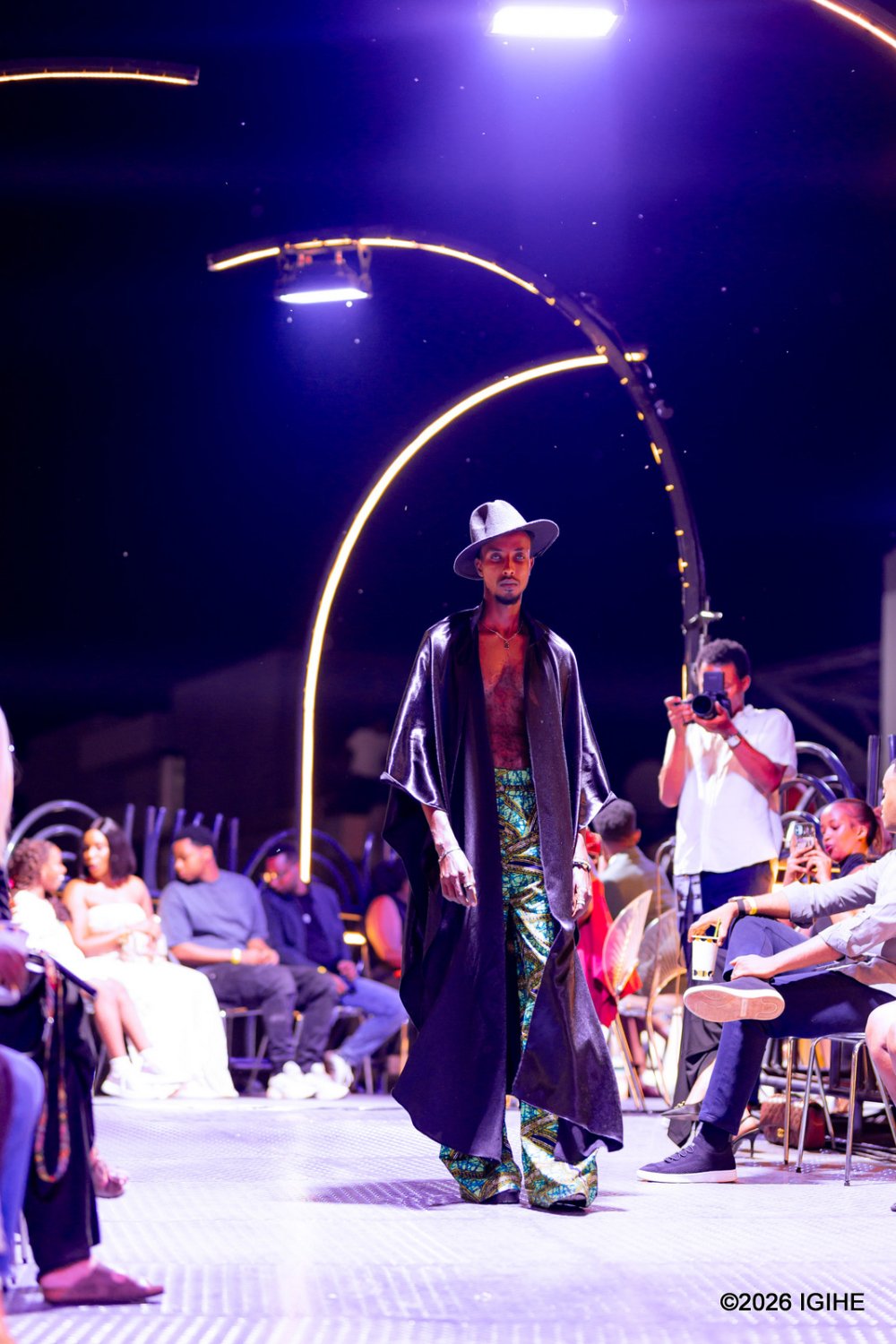
Designers from across the region presented bold and creative collections
The fashion entrepreneur further revealed that complaints had been filed with authorities in both Rwanda and Uganda.
“We have filed formal complaints. Everything is in the process. We want justice for the people who were affected,” he revealed.
Bunyeshuri maintained that he never received any financial benefit from the agreement, despite being entitled to 15 percent under the partnership arrangement.
“I never received a single dime from this project,” he stated.
LG Events responds
In response to these heavy allegations, LG Events Production and Creative Director, George Lugoloobi, rejected suggestions that his company’s role was merely operational.
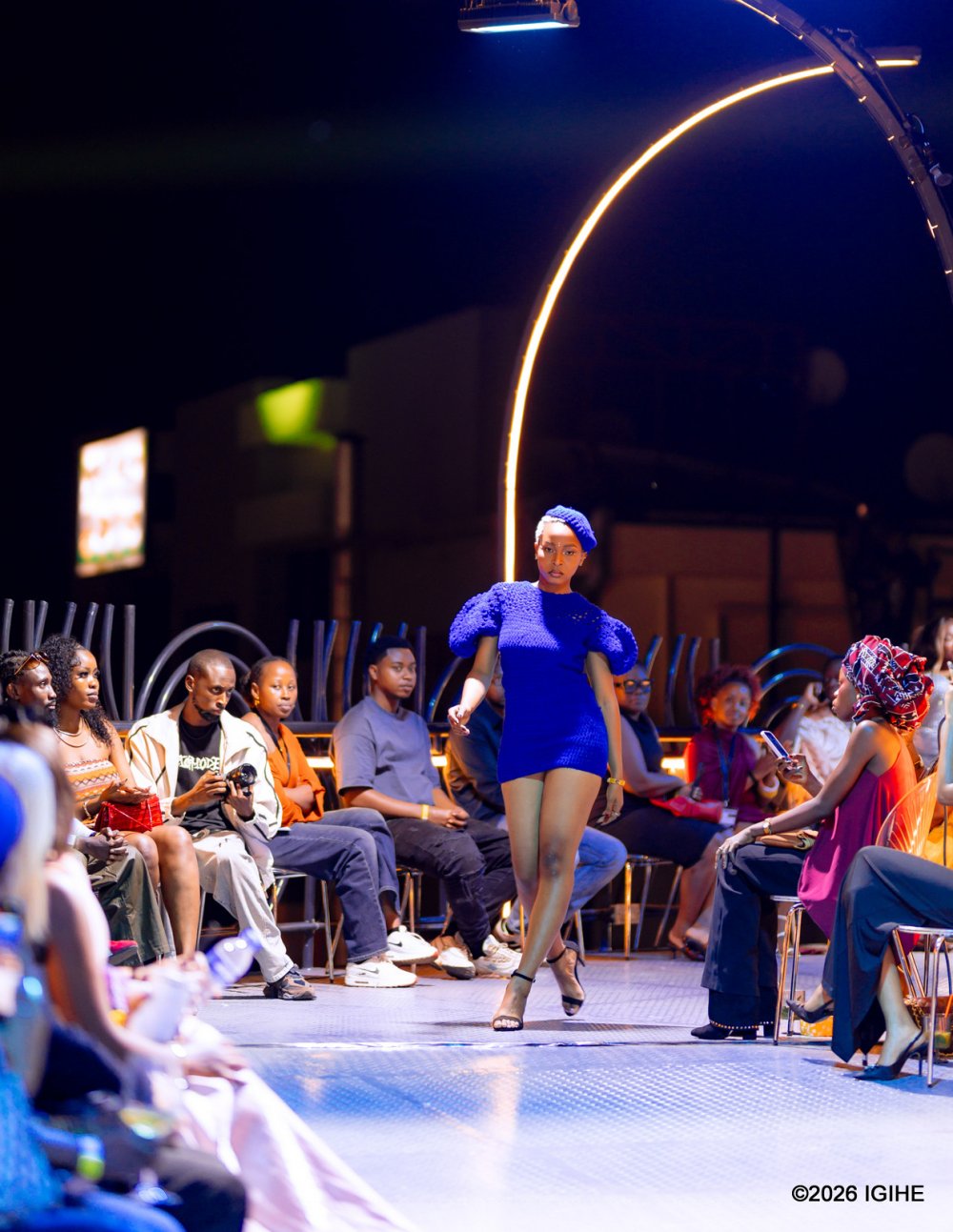
Kigali Fashion Week turned Kigali Universe Bridge into a center of creativity as designers unveiled modern and innovative collections.
Speaking to IGIHE, Lugoloobi defended his team’s work, framing the financial strain as an inherent hurdle in building a long-term “creative ecosystem” rather than operational mismanagement.
“The success and visibility of this edition did not happen by accident. It was built through strategy, creative direction, execution, sacrifice, and significant financial risk,” Lugoloobi argued.
However, Lugoloobi’s defense avoids the specific financial rescue lines highlighted by the founder, who noted that a sponsor, Thompson Samson, had to step up to pay all 80 models present entirely out of pocket to avoid “embarrassment.”
Bunyeshuri pointed out that Samson “lost a lot of money” as funds went missing, questioning how the event’s capital was actually allocated.
In his response, Lugoloobi challenged the assumption that the event generated immediate profits, noting that first-year revivals require significant reinvestment. However, he fell short of addressing the core financial issues regarding service providers, who are yet to receive their money.
“In a first year of rebuilding any platform, profit is rarely the focus… Success on the outside does not always reflect the financial pressure, debt, and operational burden behind the scenes,” he stated.
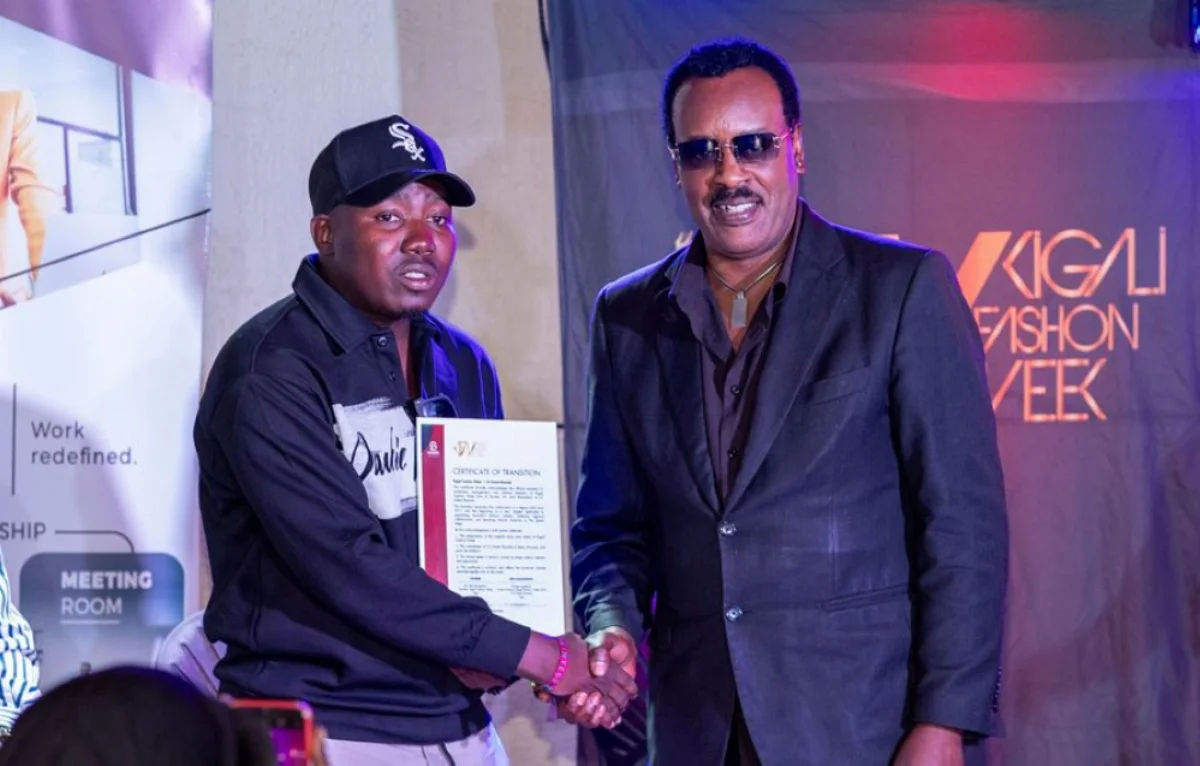
Bunyeshuri (right)revealed that complaints had been filed with authorities in both Rwanda and Uganda.
Lugoloobi heavily criticised Bunyeshuri for airing what he termed as unresolved grievances in the press.
“What raises concern for me is the decision to take unresolved matters directly into the media before full financial reconciliation and due process have taken place,” Lugoloobi said. “That approach creates unnecessary public speculation instead of allowing the facts to be established through proper channels.”
While Bunyeshuri has said the partnership has been cancelled and control of the brand has reverted to him, Lugoloobi insisted that LG Events is not contesting ownership of Kigali Fashion Week.
“We are not fighting for ownership. We respect the history of the platform and the role of its founder,” he said.
“However, respect must also be given to creative minds, strategic contributions, and the value of the work that transformed this edition.”
Lugoloobi added that any transition should be handled professionally and should account for outstanding debts, liabilities, and obligations associated with rebuilding the platform.
“If the intention is to reclaim the platform, then the responsible thing is to settle matters accordingly, through proper financial reconciliation and mutual respect,” he noted.
Despite the dispute, both parties acknowledged the undeniable success of Kigali Fashion Week’s return and its positive impact on Rwanda’s creative economy.
Kigali Fashion Week created a unique atmosphere on Kigali Universe Bridge with lights, music, and runway presentations.
Bunyeshuri stated that the event renewed enthusiasm among young designers and models, confirming that discussions are already underway for future editions later this year.
“We’re not going to stop. We’re going to build on what they built,” he remarked.
As formal legal and financial complaints unfold with authorities in both Kigali and Kampala, the final resolution of the dispute, and whether local service providers will ever see their money, remains to be seen.
Watch the full interview with John Bunyeshuri below:
The nomination seeks to place the region among a select network of landscapes recognised by the United Nations Educational, Scientific and Cultural Organisation (UNESCO) for their exceptional geological significance, biodiversity, cultural heritage and contribution to sustainable development through education and tourism.
Understanding the UNESCO Geopark network
A UNESCO Global Geopark is a geographically unified area that contains sites and landscapes of international geological importance. Beyond protecting geological features, geoparks promote scientific research, environmental conservation, education and community-based tourism while preserving the cultural heritage associated with these landscapes.
Such areas are typically characterised by remarkable natural features, including volcanoes, caves, unique rock formations, valleys and lakes that tell the story of the Earth’s evolution over millions of years.
Currently, the UNESCO Global Geopark Network comprises 241 sites spread across 51 countries. In Africa, only Morocco, Tanzania, and Tunisia have areas that have received this prestigious designation.
As part of the evaluation process, Rwanda is presenting the Northern Province’s outstanding geological and ecological sites, demonstrating how they meet UNESCO’s strict criteria. Among the key attractions are the twin Lakes Burera and Ruhondo, the Musanze Caves, Rugezi Marsh, Mount Bisoke’s crater lake and Volcanoes National Park.
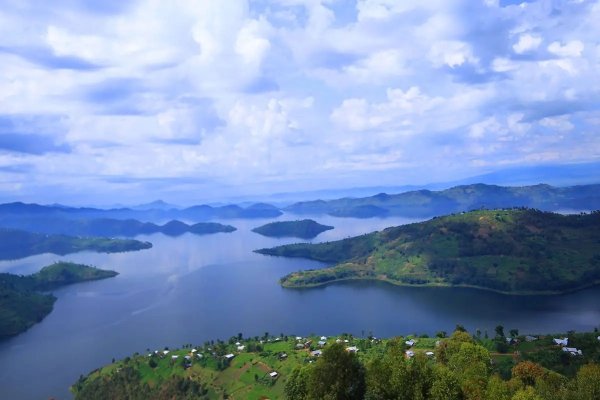
Among the key attractions are the twin lakes, Burera and Ruhondo.
The Geological wonders of the twin lakes and caves
Lakes Burera and Ruhondo are among Rwanda’s most spectacular natural landscapes, distinguished not only by their scenic beauty but also by their remarkable geological origin. The two lakes are textbook examples of lava-dammed lakes, formed following volcanic eruptions from Mount Karisimbi and Mount Muhabura. During these eruptions, molten lava flowed into the ancient river valleys, blocking the waterways.
The lava accumulations caused water to back up, eventually forming large reservoirs that stabilised into what are now Lakes Burera and Ruhondo, with their drainage redirecting southward.
The same volcanic activity also created nine islands that dot the lakes today. Besides their geological significance, the lakes play an essential role in Rwanda’s hydrological system. Water from Lake Burera flows into the Rugezi River before reaching Lake Ruhondo, from where the Mukungwa River emerges to supply water used in electricity generation at the Ntaruka Hydropower Plant.
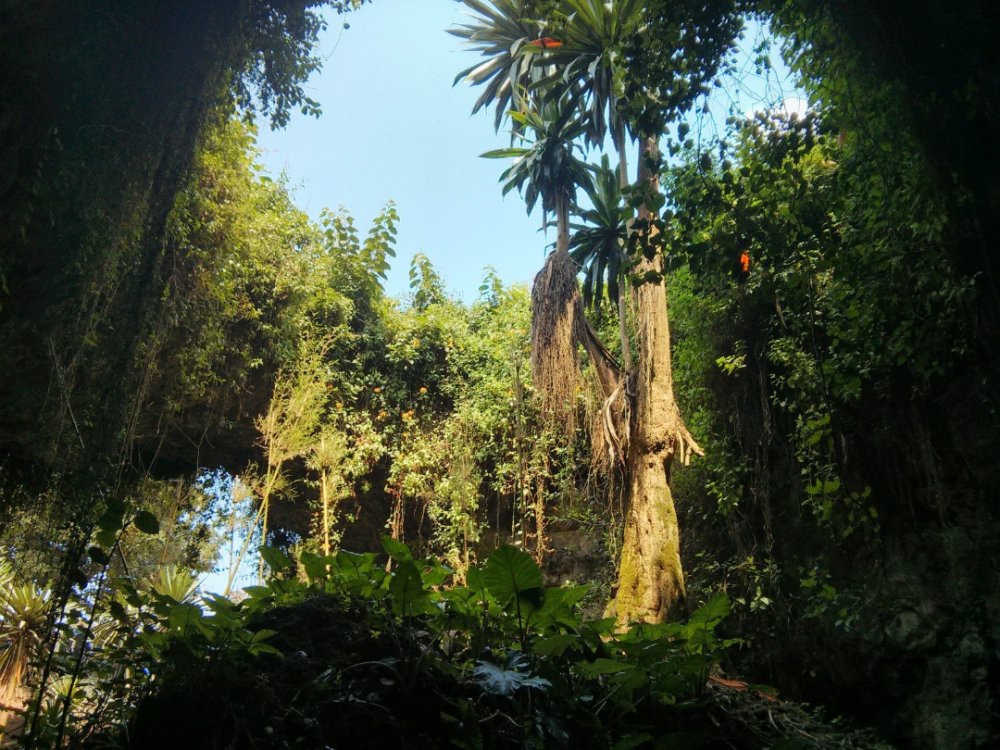
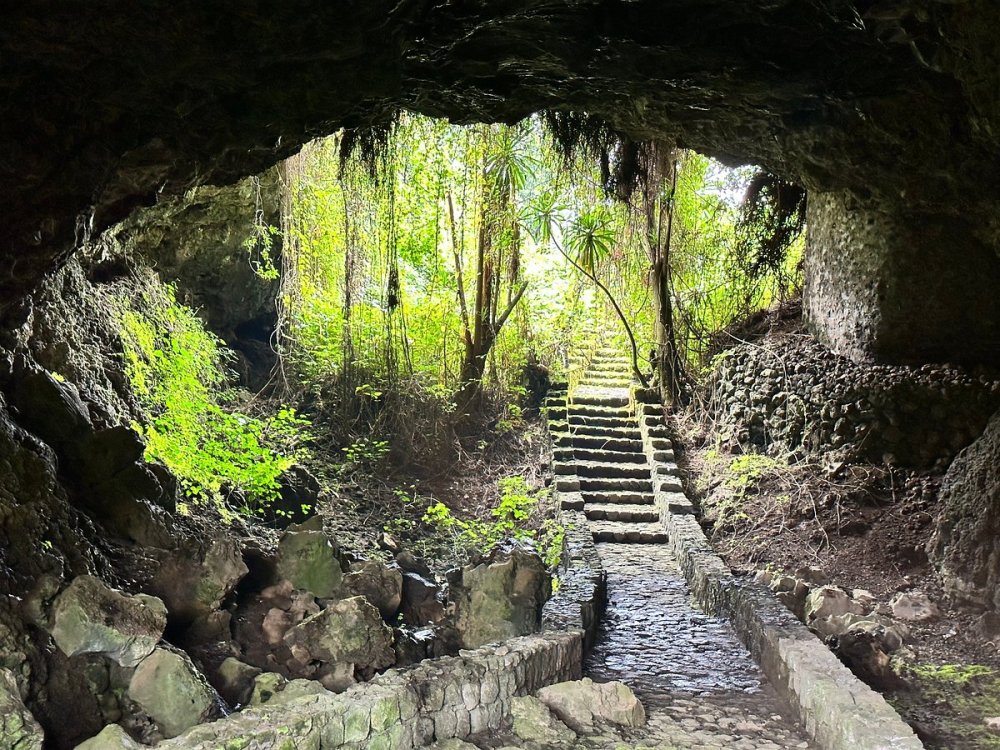
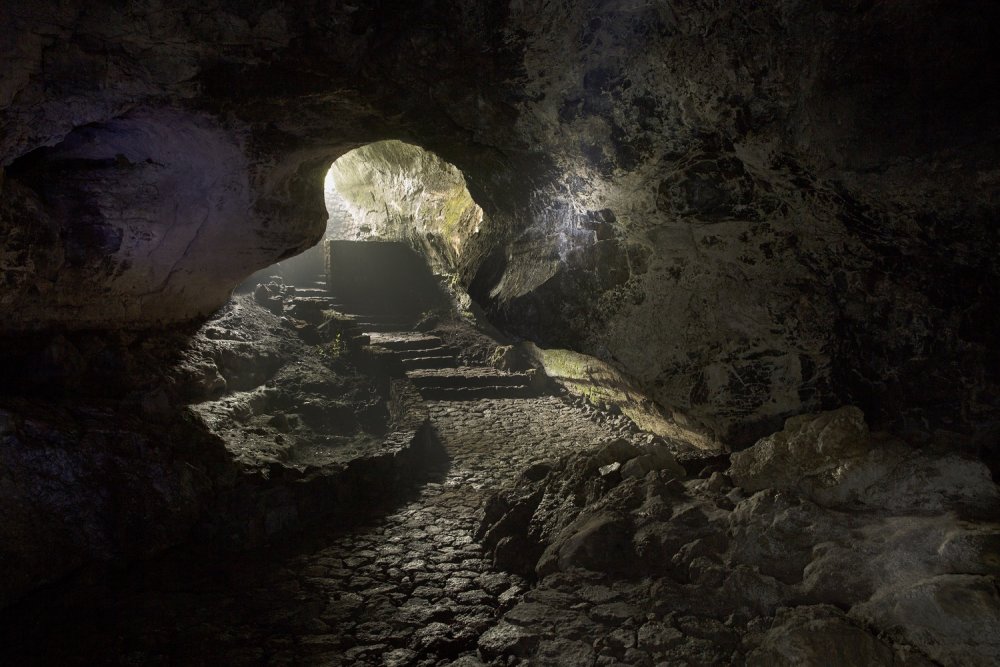
Another landmark highlighting the province’s volcanic history is the Musanze Caves, one of Rwanda’s best-known geological attractions. The caves were formed by lava flows from eruptions of Mount Bisoke and Mount Sabyinyo.
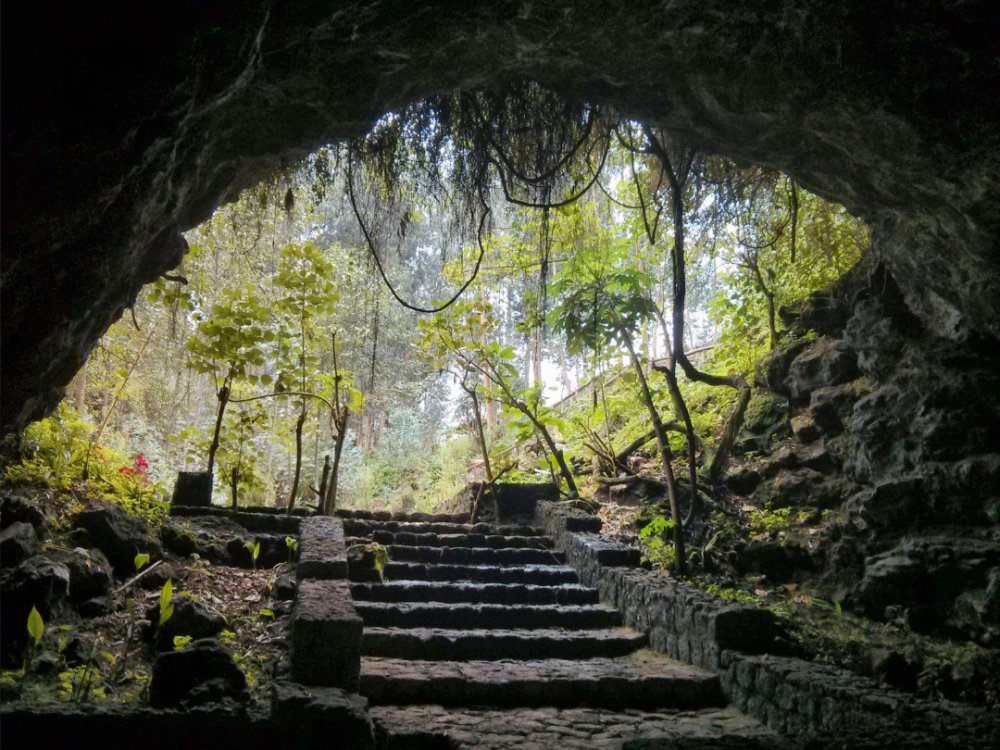
The Musanze Caves have been developed to make them more accessible to visitors.
As molten lava travelled across the landscape, its outer layer cooled and hardened upon contact with the atmosphere, while the lava beneath continued flowing. Once the molten rock drained away, it left behind extensive underground tunnels that now form the cave system.
The Musanze Cave extends approximately 1,275 metres, while the nearby Kinigi Cave measures about 810 metres. Throughout the network, the caves vary between three and ten metres in width and between ten and forty metres in depth, making them one of the country’s most impressive volcanic formations.
Ecological wealth of Rugezi Marsh and the Virunga Peaks
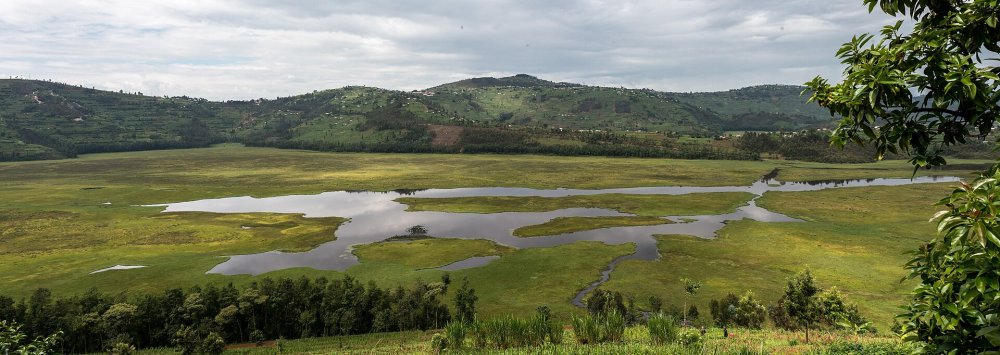
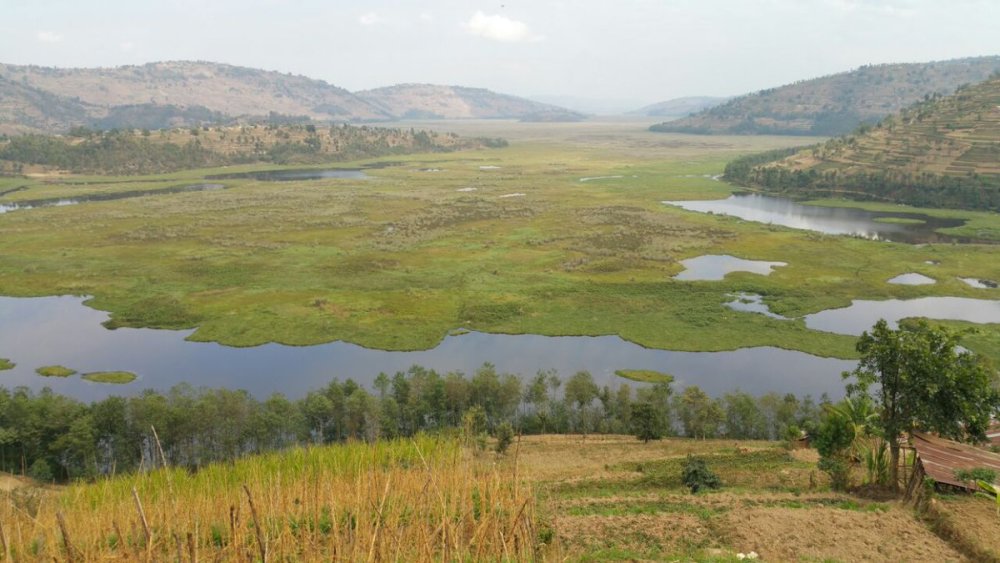
Equally important is the Rugezi Marsh, a wetland covering more than 7,000 hectares across Gicumbi and Burera districts. The marsh is one of Rwanda’s most significant freshwater ecosystems, serving as a critical water catchment area while naturally filtering water before it flows into Lakes Burera and Ruhondo. These lakes, in turn, supply water to the Ntaruka and Mukungwa hydropower stations.
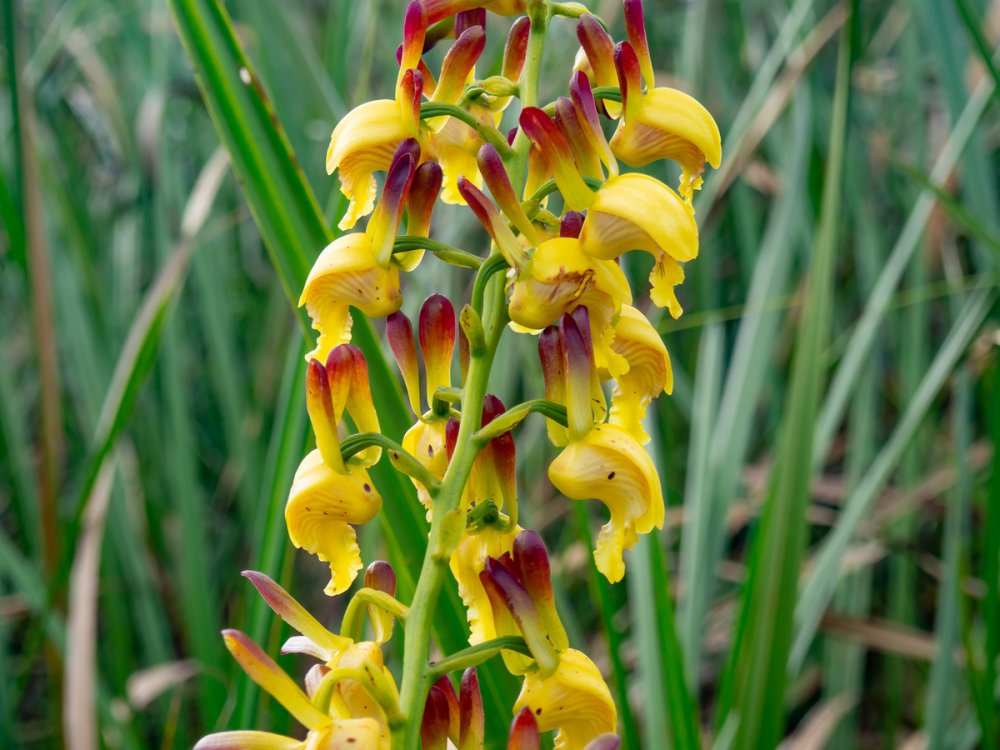
Rugezi Marsh supports a rich diversity of vegetation, including a wide variety of flowering plants.
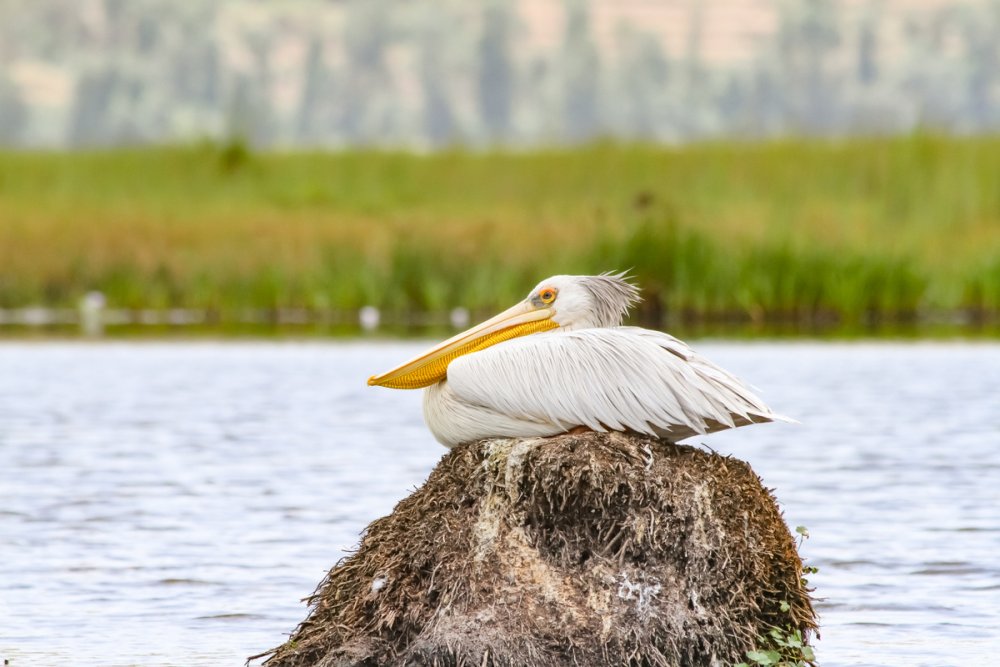
Rugezi Marsh is also one of Rwanda’s richest biodiversity hotspots. The wetland is recognised internationally as an Important Bird Area (IBA) sheltering roughly 194 bird species, including the endangered Grauer’s swamp warbler.
Across the wider catchment ecosystem, scientific inventories have documented hundreds of species, comprising unique high-altitude plants, insects, amphibians, reptiles, and over 20 species of bats, with several organisms documented in Rwanda for the first time.
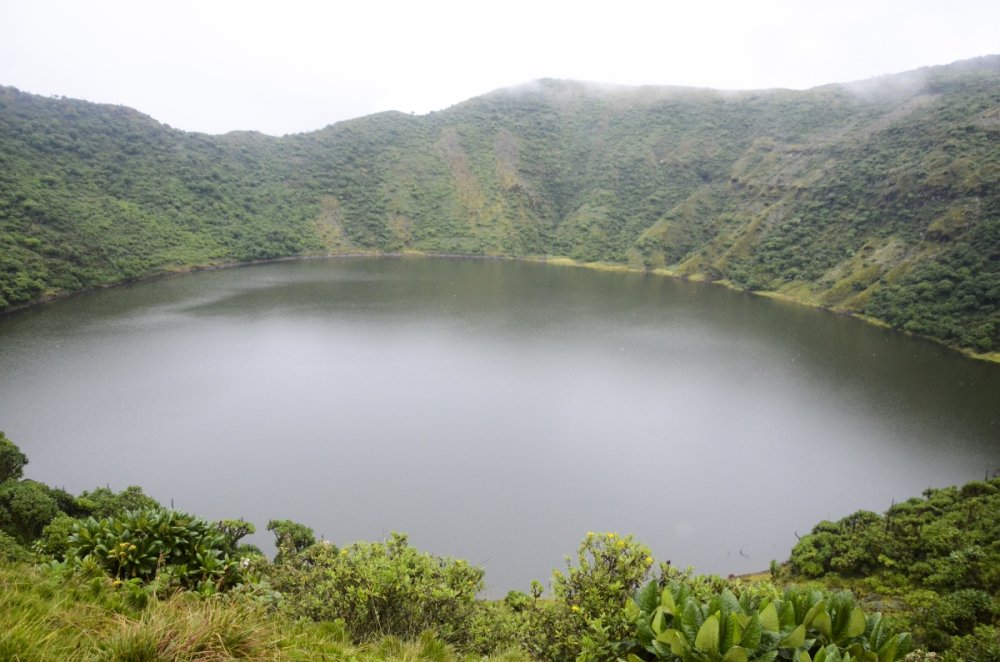
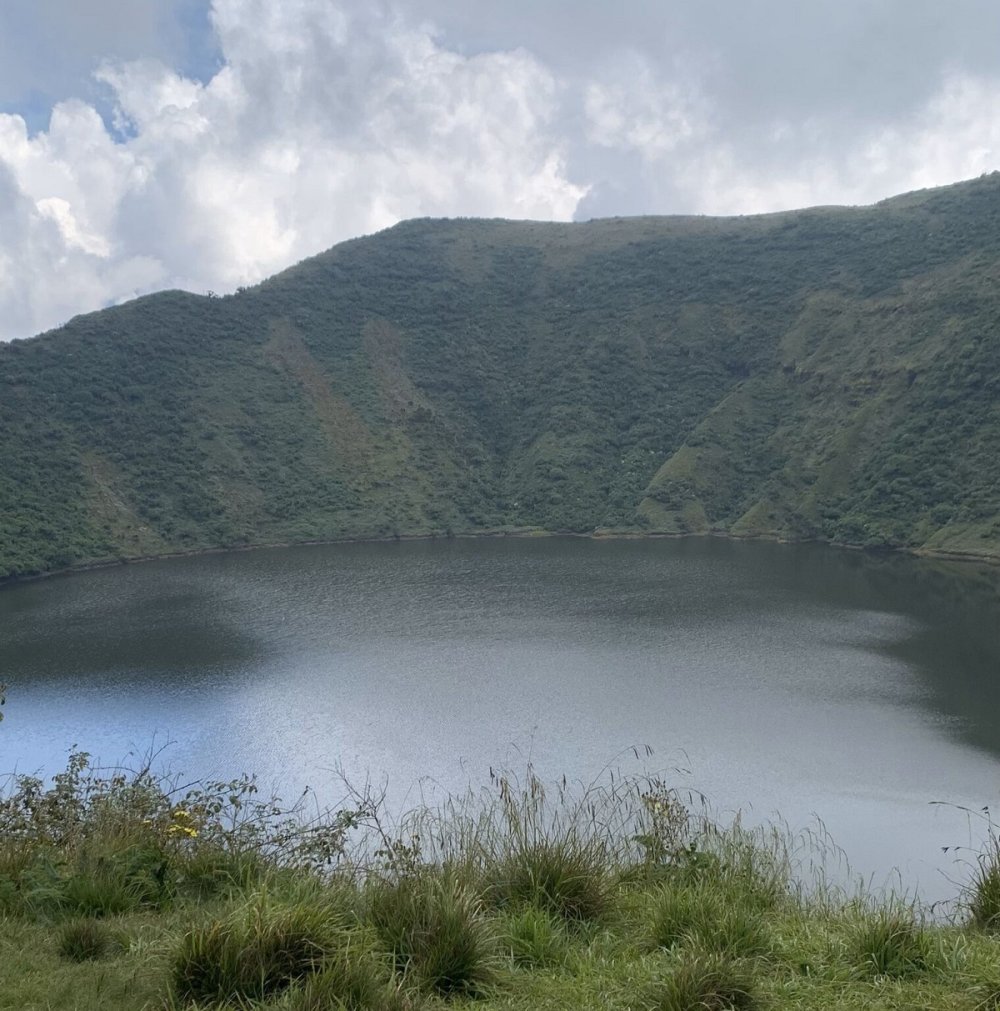
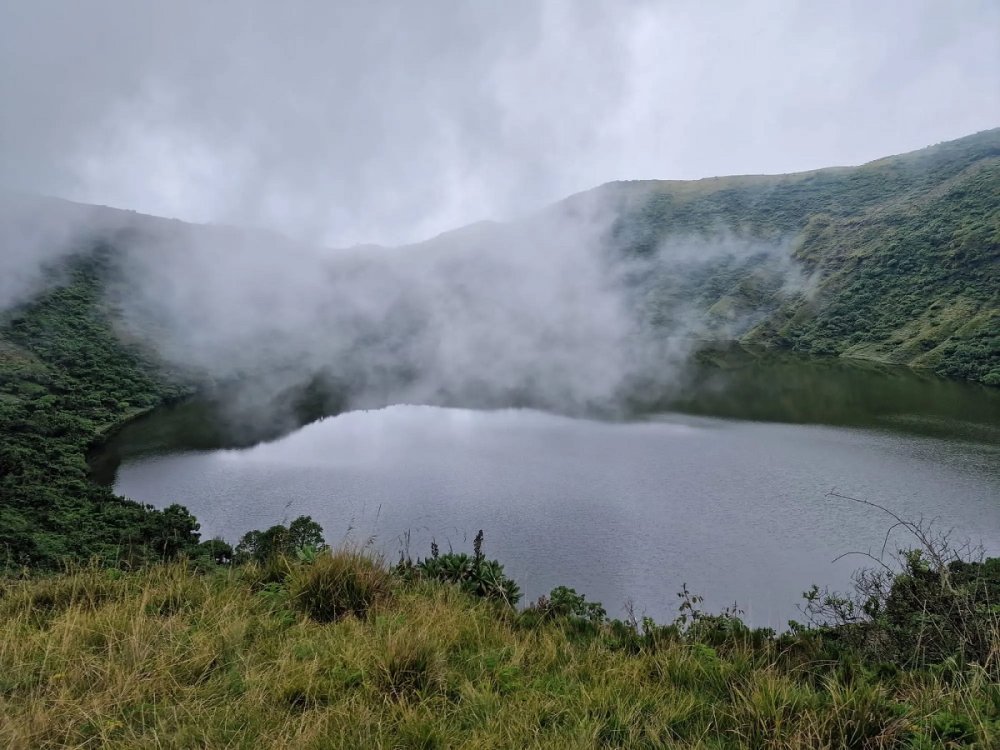
Towering above the surrounding landscape, Mount Bisoke is home to one of Rwanda’s most iconic natural features, a crater lake perched at an altitude of 3,711 metres above sea level. The lake occupies a summit volcanic crater measuring roughly 400 metres across, making it one of the country’s most popular hiking destinations.
The crater lake at the summit of Mount Bisoke is one of northern Rwanda’s most popular tourist attractions.
The crater lake was formed after the volcano became dormant, leaving behind a steep depression at its summit. Over time, rainwater accumulated within the enclosed crater, creating the lake that now attracts thousands of visitors each year.
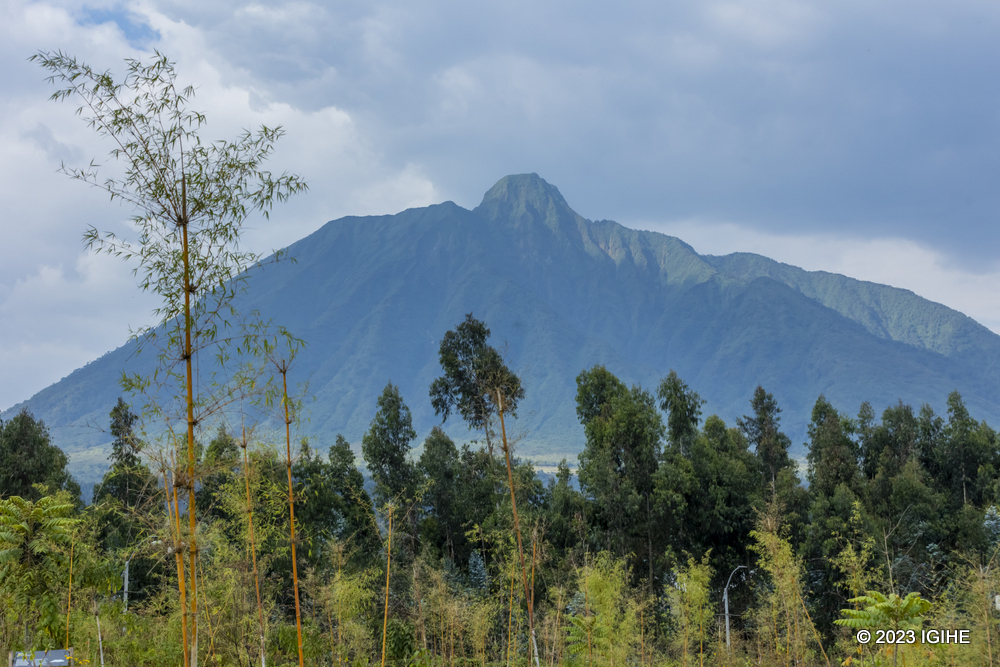
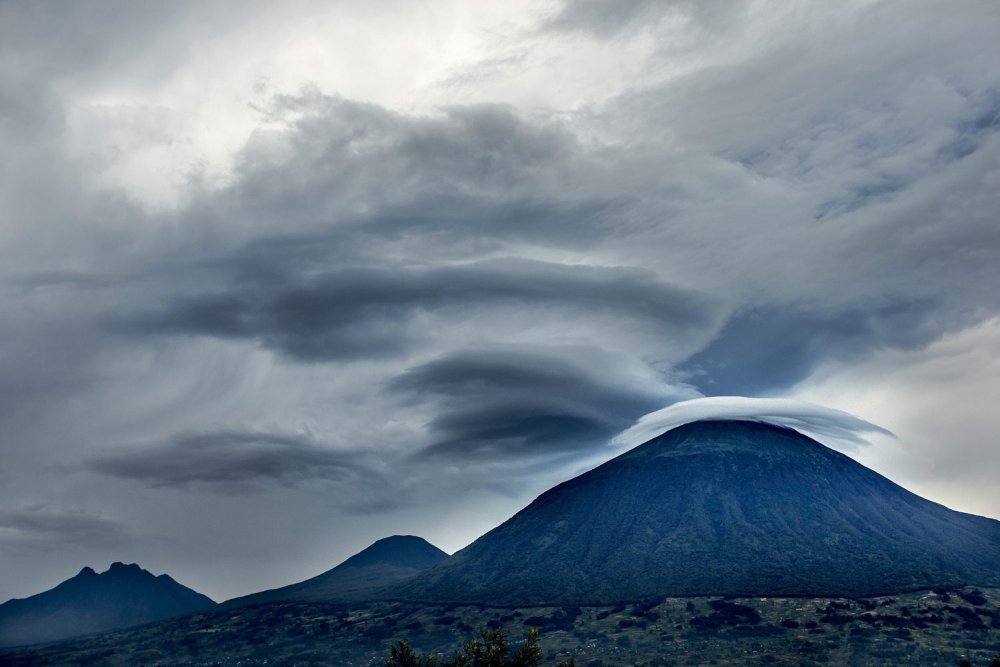
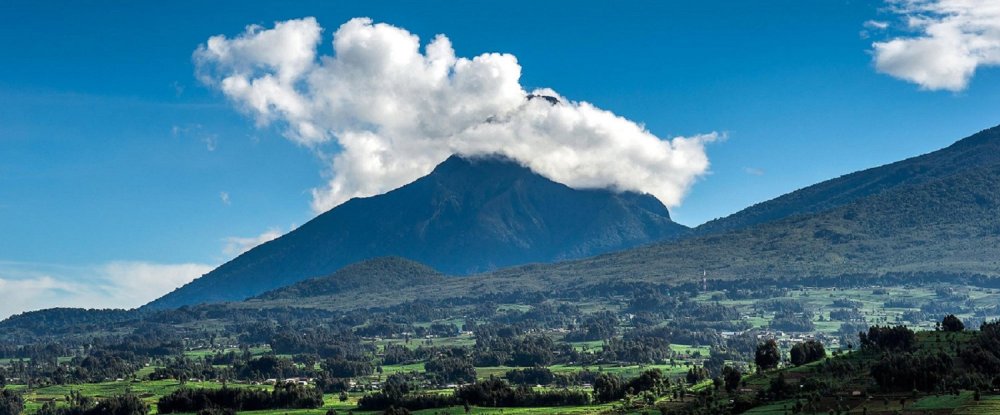
Volcanoes National Park further strengthens the Northern Province’s case for UNESCO recognition. Located in Rwanda’s northwestern region, the park covers approximately 16,000 hectares and encompasses five of the Virunga volcanoes: Karisimbi, Bisoke, Sabyinyo, Gahinga and Muhabura.
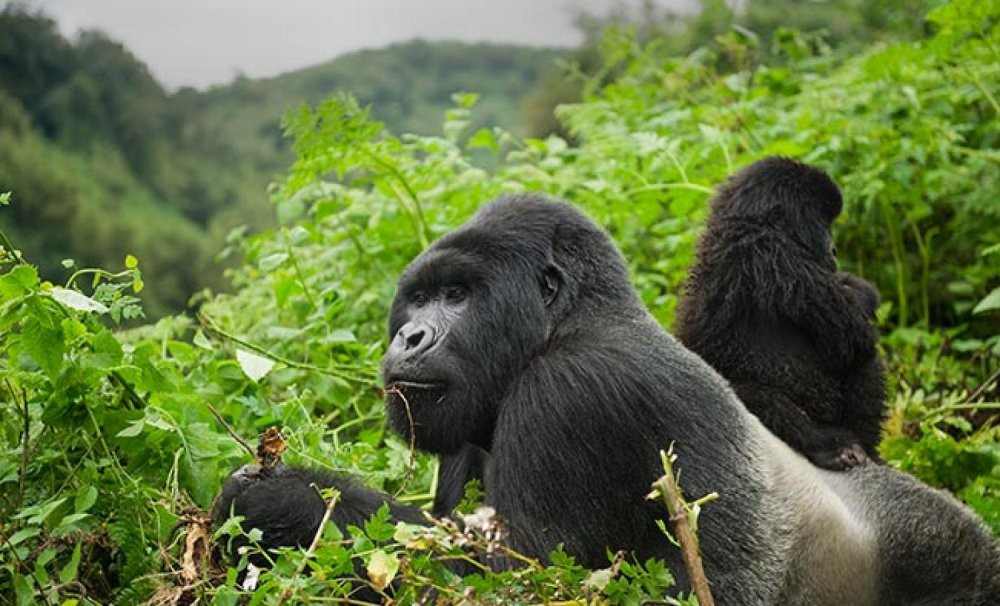
The park is internationally renowned as the habitat of the endangered mountain gorilla and remains one of Rwanda’s leading tourism destinations, attracting visitors from around the world to experience its unique volcanic landscapes, forests and wildlife.
Mountain gorillas are one of the iconic attractions that make Volcanoes National Park a leading tourist destination in Rwanda.
Much of the Northern Province’s extraordinary landscape was shaped by the East African Rift System, one of the world’s most significant geological processes.
The rift was created as tectonic forces gradually pulled apart sections of the Earth’s crust, allowing magma from deep beneath the surface to rise. Over millions of years, repeated volcanic eruptions sculpted the mountains, caves, crater lakes, wetlands and lava formations that define the region today.
It is this exceptional combination of geological history, biodiversity, ecological importance, scientific value and tourism potential that qualifies the Northern Province for UNESCO Global Geopark status.
If successful, the designation would place Rwanda alongside a select group of nations preserving globally significant geological heritage while promoting sustainable development through conservation, research and responsible tourism.
The Musanze Caves were formed by lava flows from ancient eruptions of volcanoes in the Virunga volcanic region.
The Musanze Cave extends approximately 1,275 metres, while the nearby Kinigi Cave measures about 810 metres. The Musanze Caves are one of the most popular tourist attractions in the region.
Volcanoes National Park is among the key sites expected to be highlighted as part of Rwanda’s bid for the Northern Province to be designated a UNESCO Global Geopark.
Volcanoes National Park is home to five volcanoes: Mount Karisimbi, Mount Bisoke, Mount Sabyinyo, Mount Gahinga and Mount Muhabura.
Volcanoes National Park stands out as one of Rwanda’s most iconic natural landscapes, renowned for its dramatic volcanic scenery and rich biodiversity.
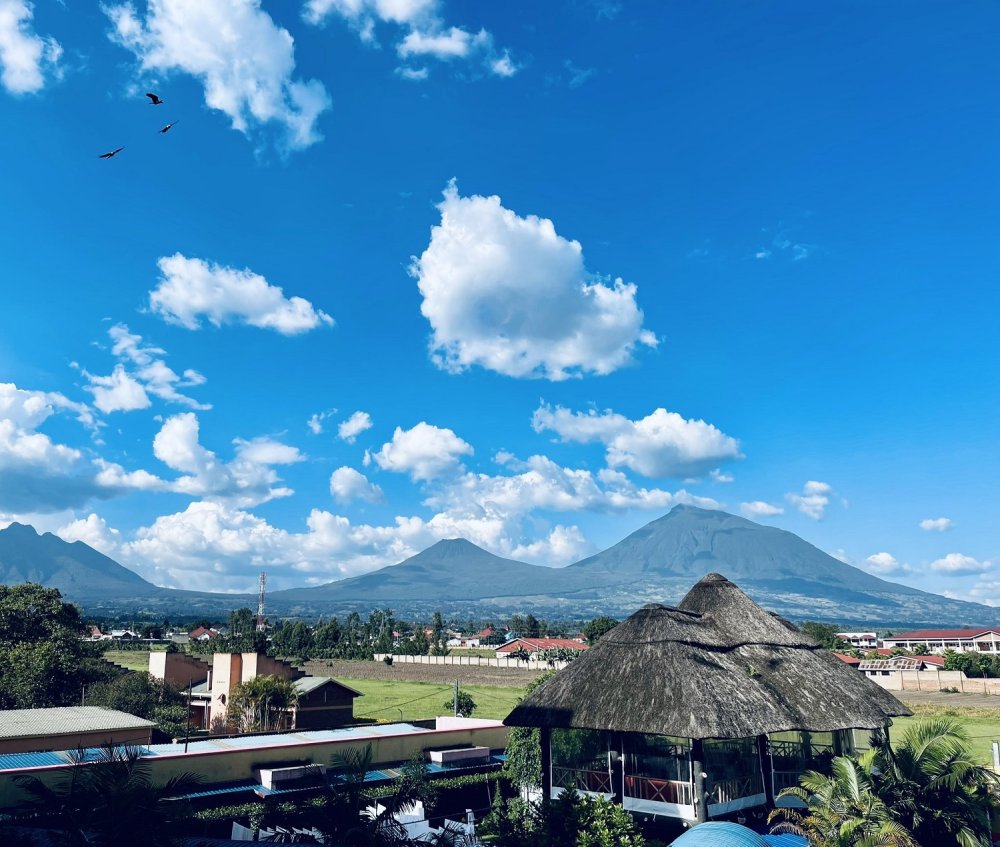
The Northern Province features numerous landscapes shaped by ancient volcanic eruptions.
Rugezi Marsh is home to a wide variety of wildlife species.
The crater lake at the summit of Mount Bisoke is one of the area’s major tourist attractions.
The crater lake on Mount Bisoke is frequently visited by hiking enthusiasts.
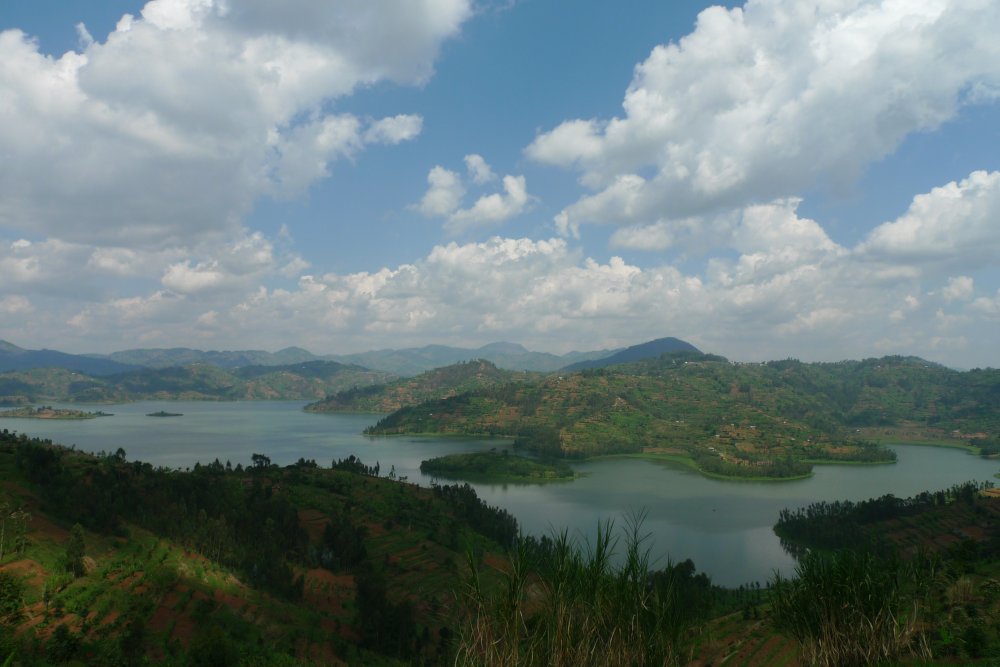
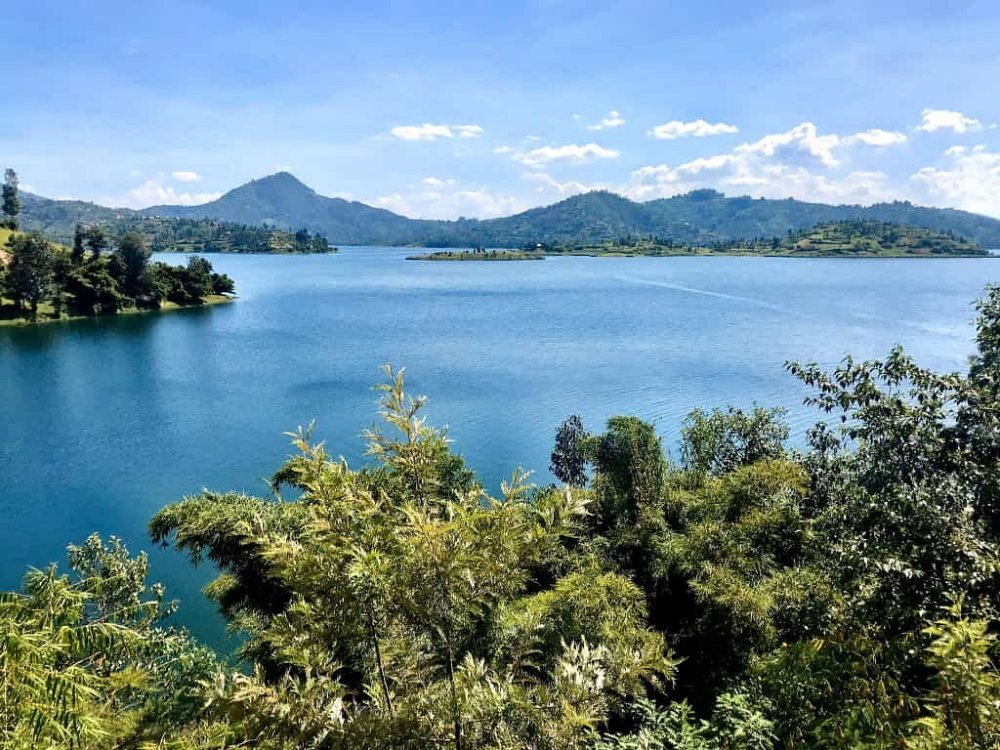
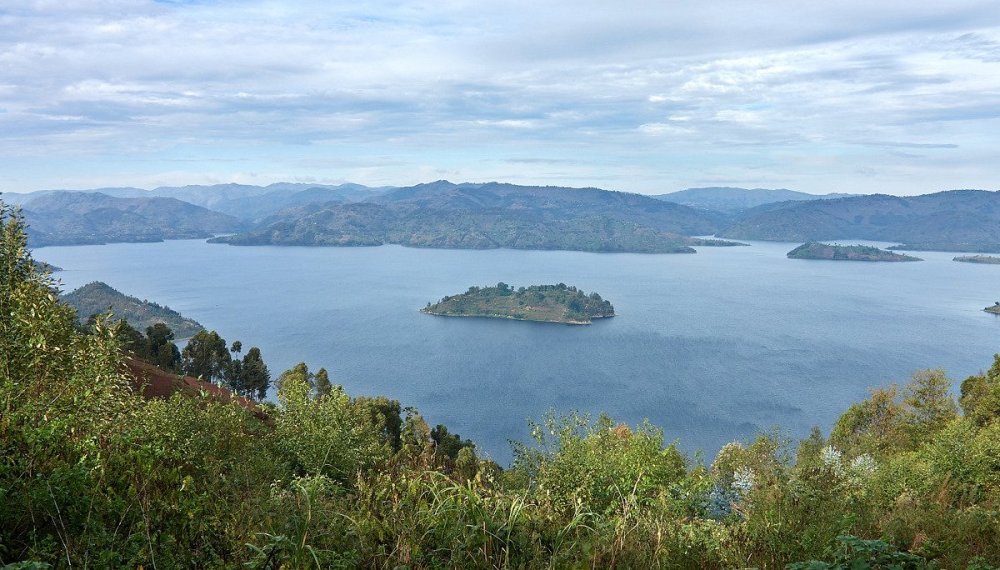
Lakes Burera and Ruhondo are among the Northern Province’s most remarkable natural attractions.
Rugezi Marsh is one of Rwanda’s notable natural attractions.
Rugezi Marsh is home to a rich diversity of bird species.
Lakes Burera and Ruhondo contain several islands that were formed as a result of volcanic activity in the region.
Lakes Burera and Ruhondo were formed as a result of volcanic eruptions.
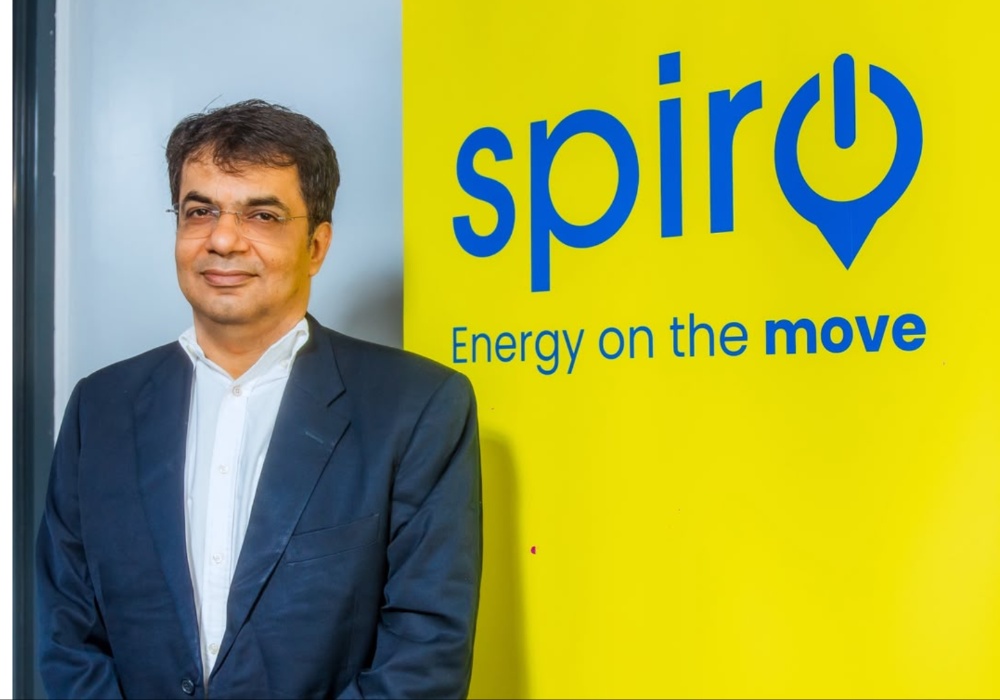
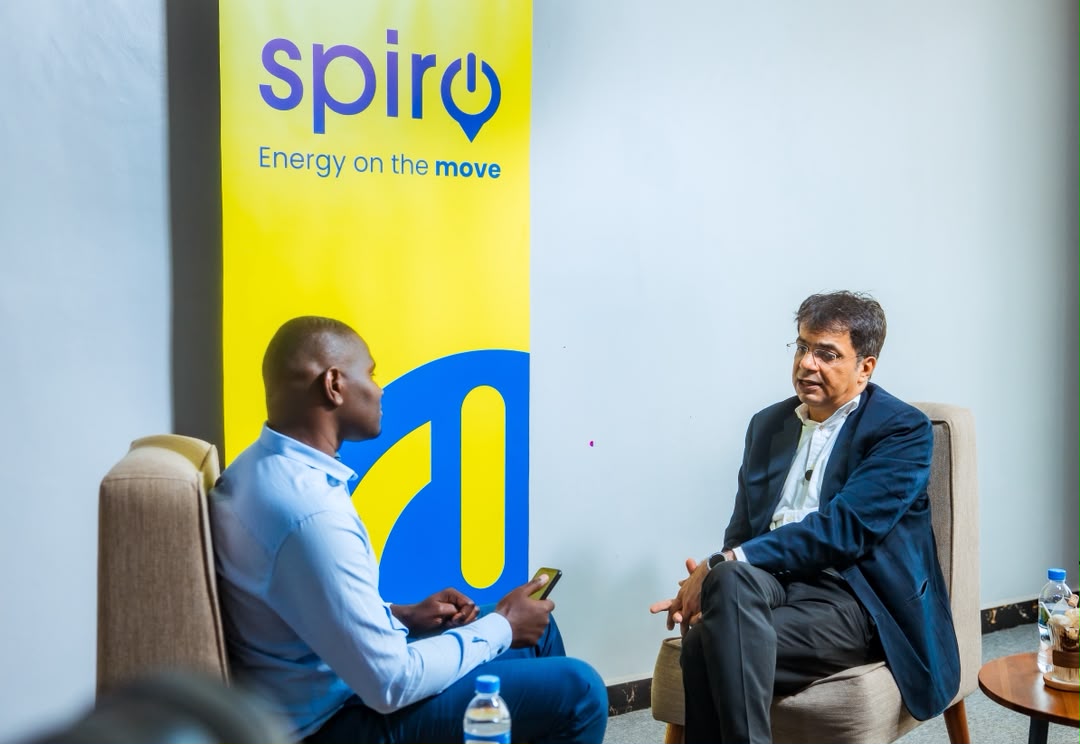
In an exclusive interview with IGIHE, Spiro Rwanda Managing Director Amit Chawla discussed the company’s growth, Rwanda’s role in its expansion strategy, and the rising demand for electric motorcycles following the government’s push toward cleaner transport.
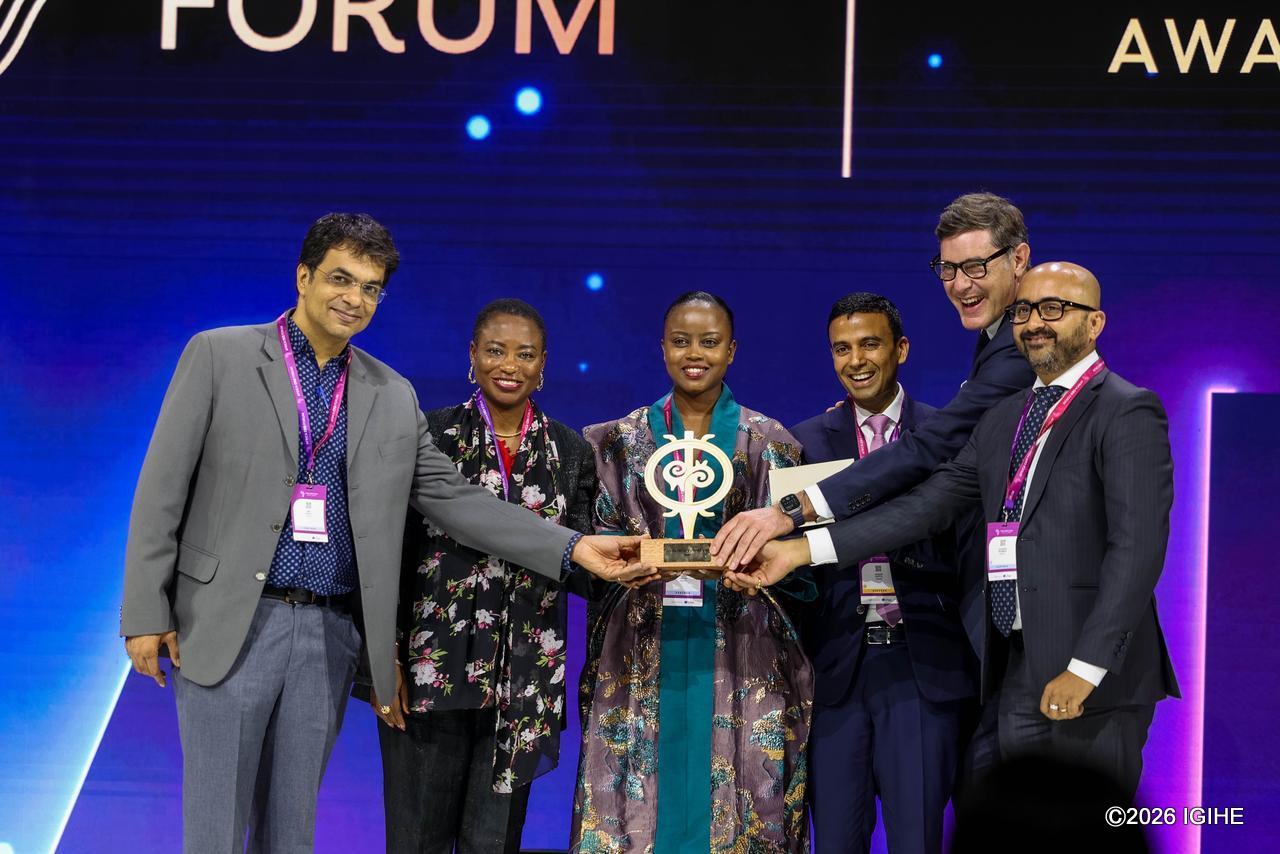
Spiro recently received the Local Impact Champion Award at the Africa CEO Forum, an accolade Chawla said reflects Spiro’s growing influence on livelihoods and the wider adoption of electric mobility in Africa.
“We are very honoured and humbled to have received this award,” he said. “It means Spiro as an organisation has been able to touch the livelihoods of people, and electric mobility is getting its roots on the ground.”
Spiro recently received the Local Impact Champion Award at the Africa CEO Forum.
$215 million investment to scale across Africa
Spiro recently secured $215 million in funding backed by international investors, one of the largest investments in Africa’s electric vehicle sector. Chawla said the capital will accelerate expansion across multiple markets, with Rwanda remaining a key hub.
“Rwanda is a very strategic place to be in,” he noted, adding that the country will receive a significant share of the investment to expand assembling facilities, energy infrastructure, and operations.
While the funding will support the wider group across Africa, he emphasised Rwanda’s importance in Spiro’s long-term growth plans.
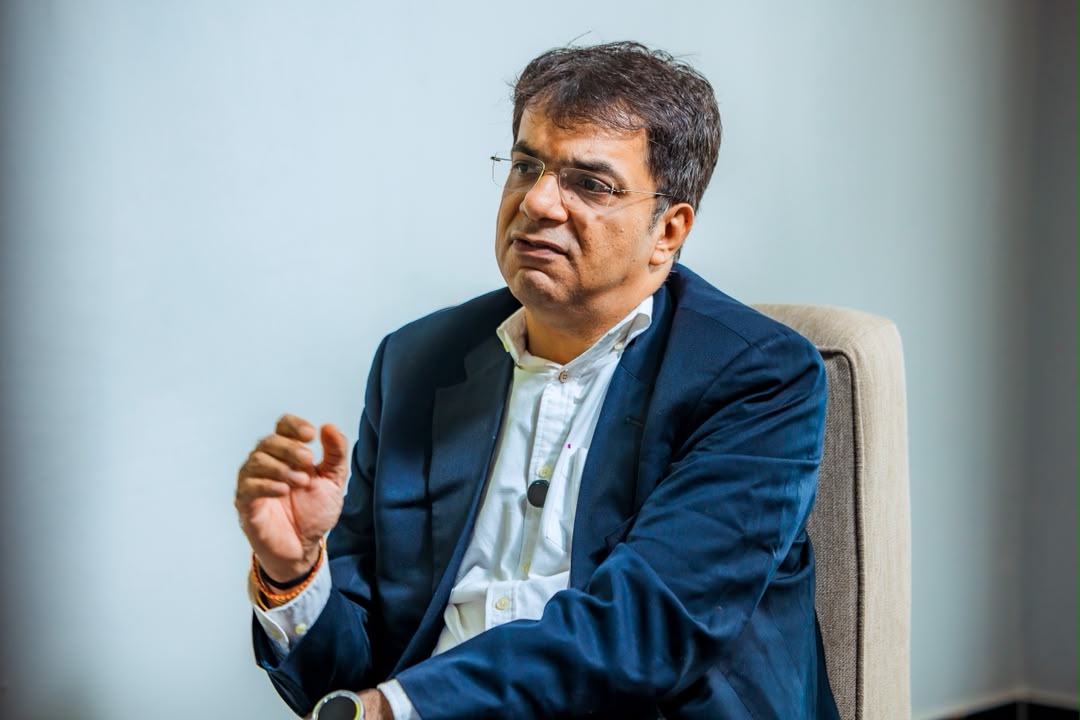
Spiro Rwanda Managing Director Amit Chawla, during a recent exclusive interview with IGIHE.
Rwanda at the centre of EV expansion
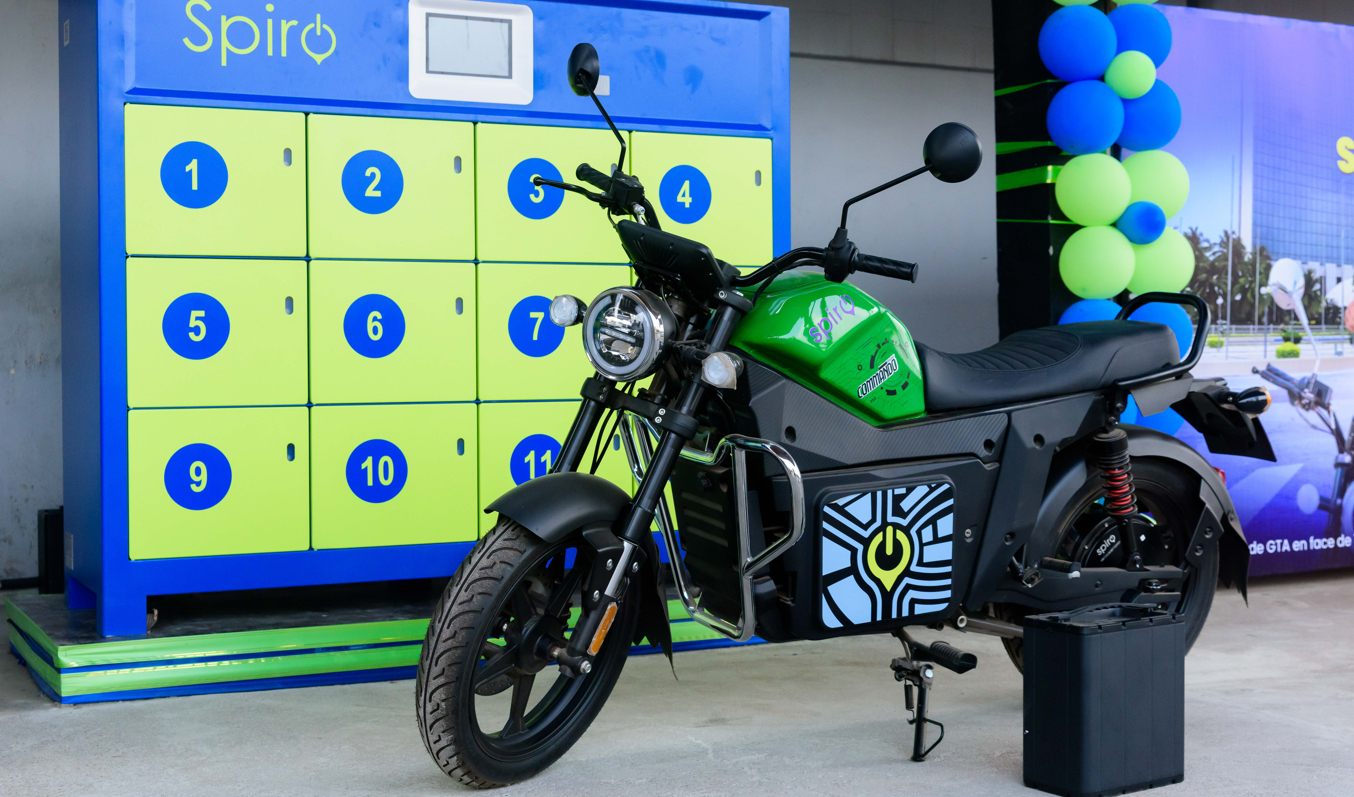
Spiro has operated in Rwanda for about three years, during which it has become one of the leading electric motorcycle and battery-swapping providers in the country.
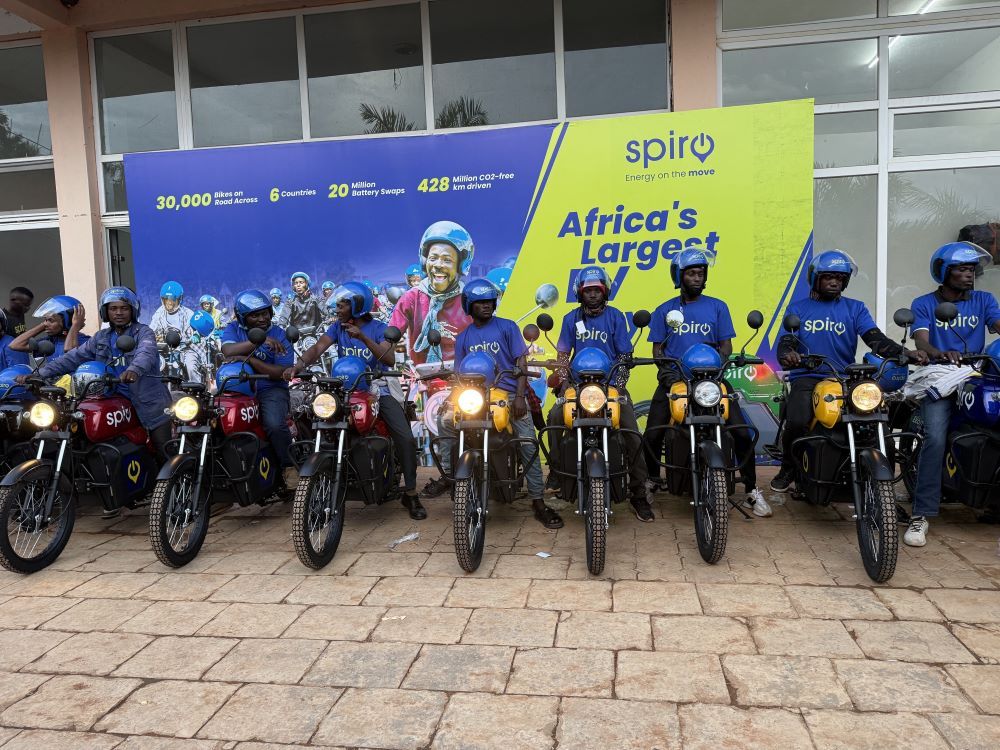
Chawla said the company currently has around 25,000 electric motorcycles on the road and approximately 350 active battery swapping stations, with rapid expansion underway.
“The demand has outpaced supply, especially after recent developments,” he said. “We are actively adding 50 to 60 new swap stations every month.”
The company plans to expand its network beyond Kigali into all 30 districts, supported by ongoing investment in energy infrastructure and logistics systems.
Spiro Rwanda has approximately 350 active battery swapping stations, with rapid expansion underway.
Rider savings driving adoption
A major driver of adoption, Chawla explained, is cost savings for riders.
He said electric motorcycles are significantly cheaper to operate compared to fuel-powered alternatives.
“A Spiro bike costs around 1 million Rwandan francs compared to 2.2 to 2.5 million for a fuel bike,” he said. “On running costs, riders save close to 50 percent daily.”
He added that one electric charge can cover about 80 kilometres, compared to roughly 40 kilometres for fuel usage under similar conditions.
Chawla said electric motorcycles are significantly cheaper to operate compared to fuel-powered alternatives.
Spiro’s model is centred on energy infrastructure rather than traditional vehicle sales.
“The real business revolves around the energy infrastructure,” Chawla explained. “Customers swap drained batteries for fully charged ones, and we generate revenue through swapping.”
He noted that each battery is used for nearly 20 hours a day, making the system highly efficient and scalable.
Spiro has around 25,000 electric motorcycles on the road.
Manufacturing, jobs, and local skills development
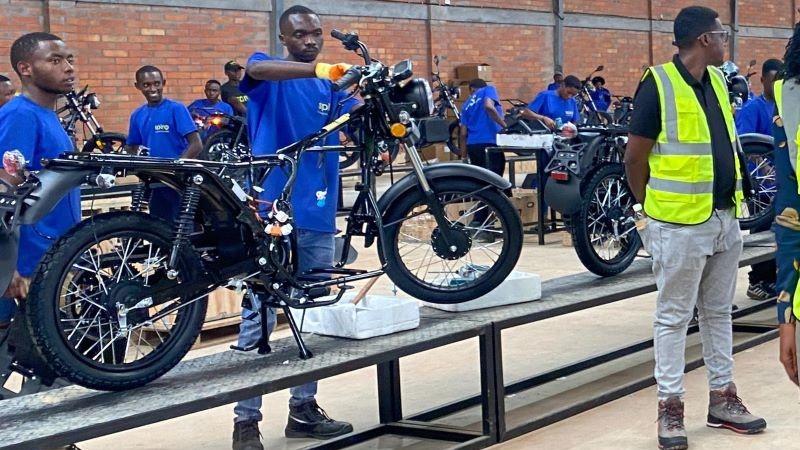
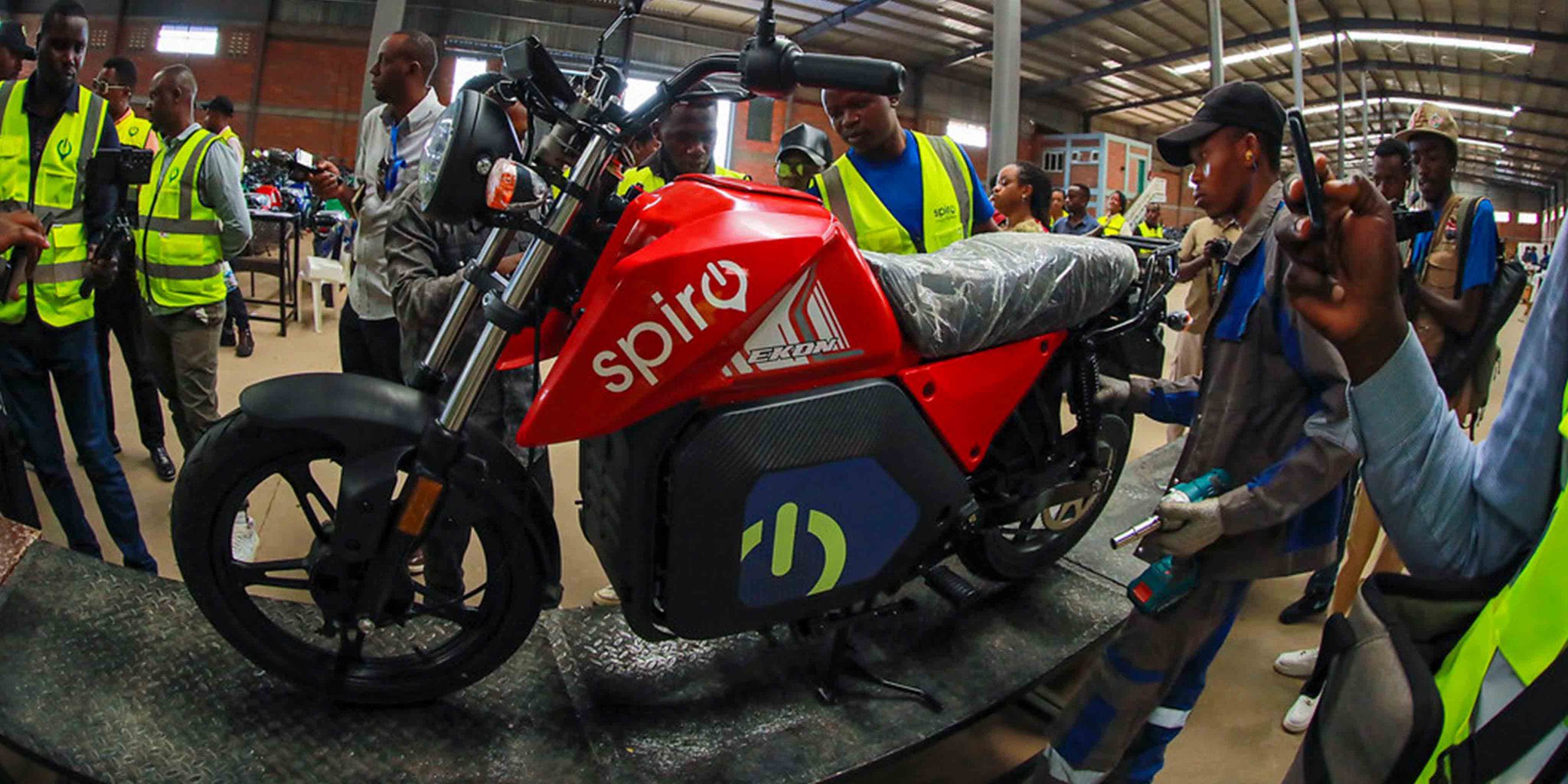
Spiro also operates a facility in Rwanda’s Special Economic Zone in Masoro, focused on assembly and workforce training.
Chawla said the company is currently assembling motorcycles locally while importing components from Asia, but is gradually moving toward deeper local manufacturing.
“We are training 225 young Rwandan engineers and technicians with the goal of moving toward local component manufacturing,” he said.
Across its operations, Spiro employs more than 1,650 people, with women making up 38 percent of the workforce, a figure the company aims to increase to 45 percent.
Chawla estimated that Spiro currently holds between 15 and 25 percent of the market, noting that the sector remains capital-intensive.
He also acknowledged that demand growth has created operational pressure.
“Demand has really outpaced our expectations,” he said. “We are blessed to be in this position.”
The MD revealed that Spiro is training 225 young Rwandan engineers and technicians with the goal of moving toward local component manufacturing.
Safety, reliability, and infrastructure
Responding to concerns about reliability and safety, Chawla said electric mobility is still an emerging sector requiring user education and training.
He maintained that Spiro’s bikes undergo rigorous testing and highlighted the importance of rider training and safety as electric mobility adoption grows.
On operational challenges, he acknowledged occasional delays at swapping stations during peak hours but said expansion is underway to ease congestion.
“We are opening new stations aggressively and working with partners to increase electricity capacity for charging,” he said.
Government policy and market growth
Chawla credited Rwanda’s policy environment for enabling rapid growth in the sector, particularly the government’s decision to halt new registrations of fuel motorcycles from January 2025.
He said such policies have accelerated adoption and strengthened investor confidence.
Beyond Rwanda, Spiro is expanding into markets such as the Democratic Republic of Congo and Ethiopia. Chawla said Rwanda will continue to play a key role as both a market and operational base.
“Spiro Rwanda is more than willing to support neighbouring countries with knowledge, operations, and best practices,” he said.
Looking ahead, Chawla said success for Spiro would mean tens of thousands more electric motorcycles on the road, expanded infrastructure, and wider access to clean, affordable transport across Africa.
“Electric mobility will become embedded in every part of transportation,” he said.
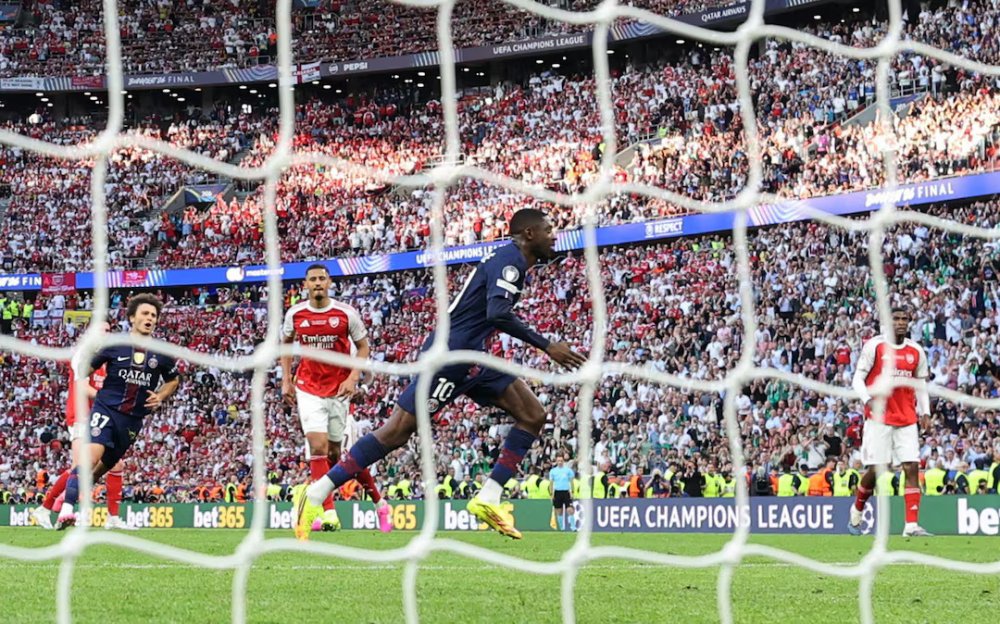
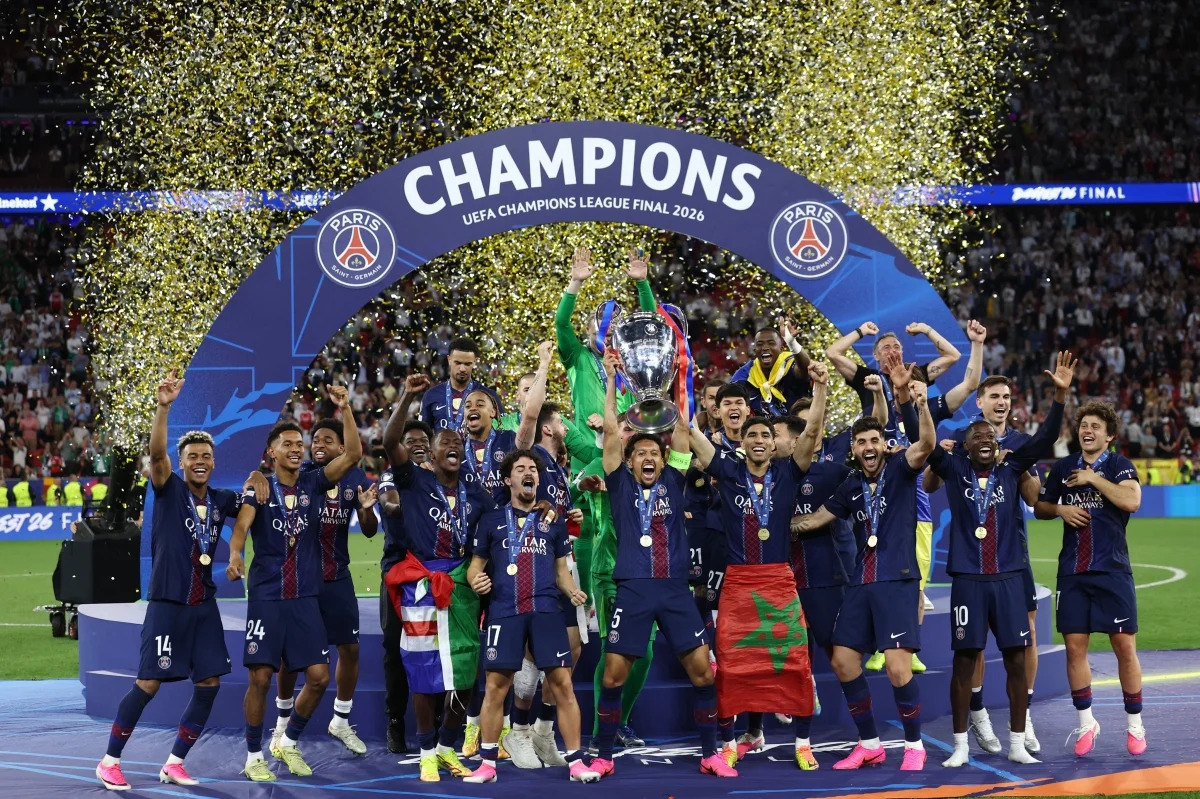
The tense final, held at the neutral Puskás Aréna in Budapest, saw the French giants defend their European title in a nerve-shredding penalty shootout after the match ended 1-1 following extra time.
Writing on the social media platform X shortly after the final whistle on Saturday night, President Kagame extended warm congratulations to both clubs, noting their shared connection to the country’s global tourism initiative, Visit Rwanda.
“Congratulations to our #VisitRwanda partner Paris Saint-Germain on their well-deserved UEFA Champions League title and on being crowned champions for the second consecutive year,” Kagame wrote. “Congratulations as well to Arsenal on reaching the final and fighting with determination until the very end. Both clubs have made their supporters proud, but tonight, PSG proved to be the better team!”
The tense final, held at the neutral Puskás Aréna in Budapest, saw the French giants defend their European title in a nerve-shredding penalty shootout after the match ended 1-1 following extra time.
A night of heartbreak and drama in Budapest
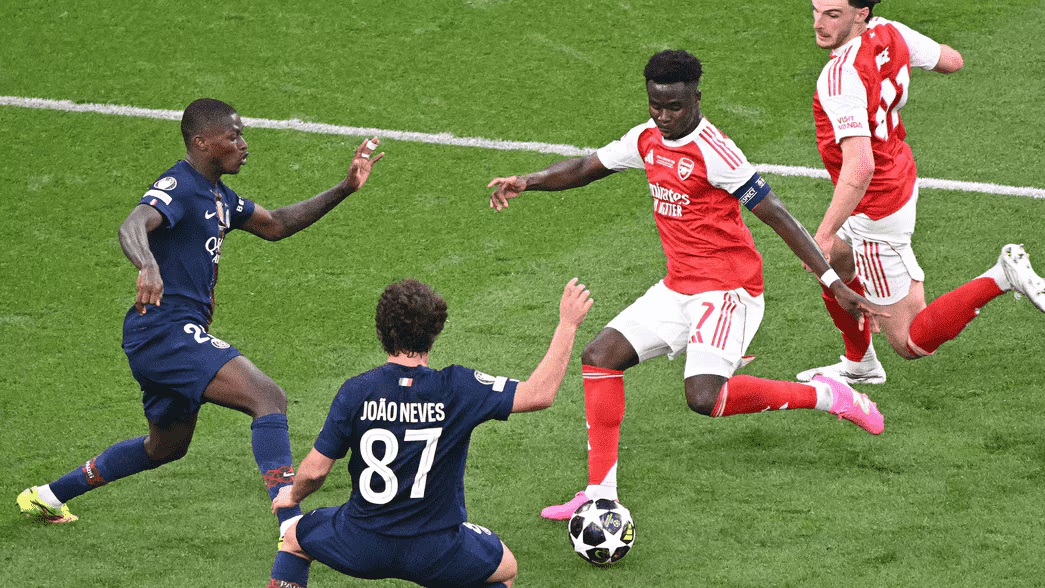
The highly anticipated final pitted Luis Enrique’s attacking Paris Saint-Germain lineup against Mikel Arteta’s resilient, tactically structured Arsenal. The English side started the match with lightning intensity, catching the Parisian defense off guard in just the 5th minute. Arsenal’s Leandro Trossard picked out German forward Kai Havertz in the half-space, who clinicaly thrashed a sharp left-footed strike high into the top corner past PSG goalkeeper Matvey Safonov to make it 1-0.
Following the early setback, PSG gradually took total control of the momentum, suffocating the Gunners with high pressing and dominating possession. Despite a barrage of first-half attempts from Fabián Ruiz and driving wide play by Ousmane Dembélé, Arsenal’s defense, anchored by William Saliba and Gabriel Magalhães, held firm until the break.
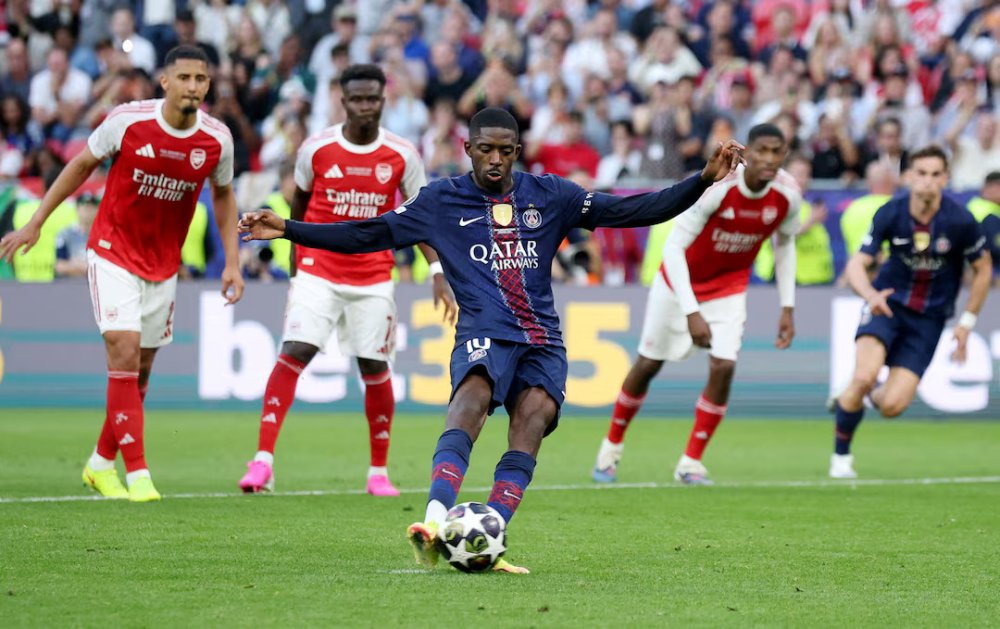
The turning point arrived in the 61st minute of the second half when Khvicha Kvaratskhelia drew a foul inside the penalty box. Following a tense VAR confirmation, the referee upheld the penalty decision. Dembélé stepped up to the spot in the 64th minute, restoring parity with a precise, low finish into the bottom-left corner.
Both managers empty-handed their benches in the final stages of normal time and extra time, introducing fresh legs like Bradley Barcola and Warren Zaïre-Emery for PSG, and Viktor Gyökeres and Eberechi Eze for Arsenal, but neither side could break the 1-1 deadlock, forcing the final into a penalty shootout.
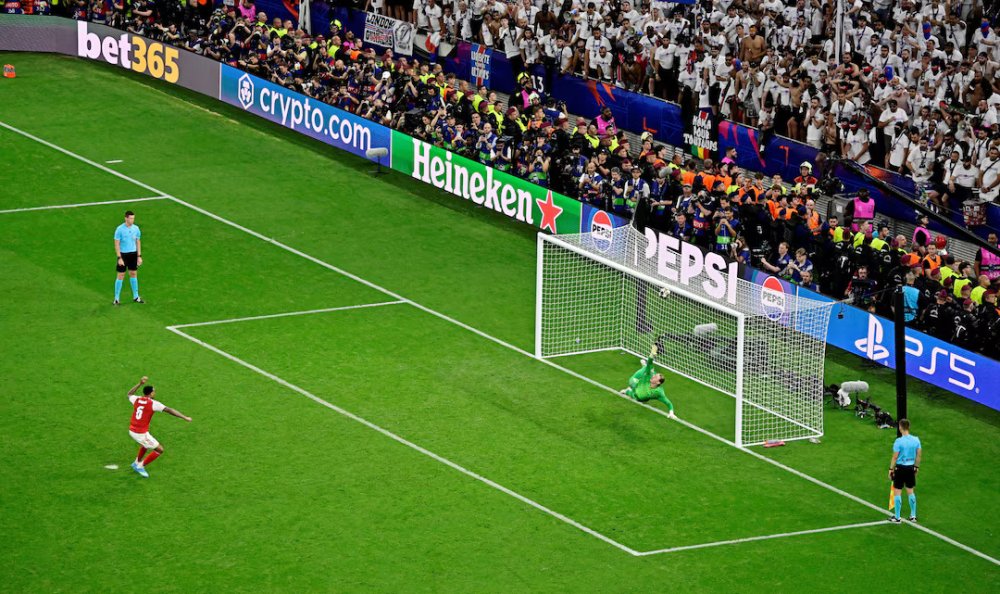
The shootout provided standard-setting drama. After early conversions from both sides, Arsenal suffered a setback when Eze missed his spot-kick, though hope was briefly restored when PSG’s Nuno Mendes missed his shortly after. Tensions peaked in the final round: substitute defender Lucas Beraldo calmly dispatched PSG’s fifth penalty to make it 4-3. The immense pressure then fell to Arsenal’s Gabriel Magalhães, whose subsequent attempt failed to find the net, sealing back-to-back European glory for Paris Saint-Germain.
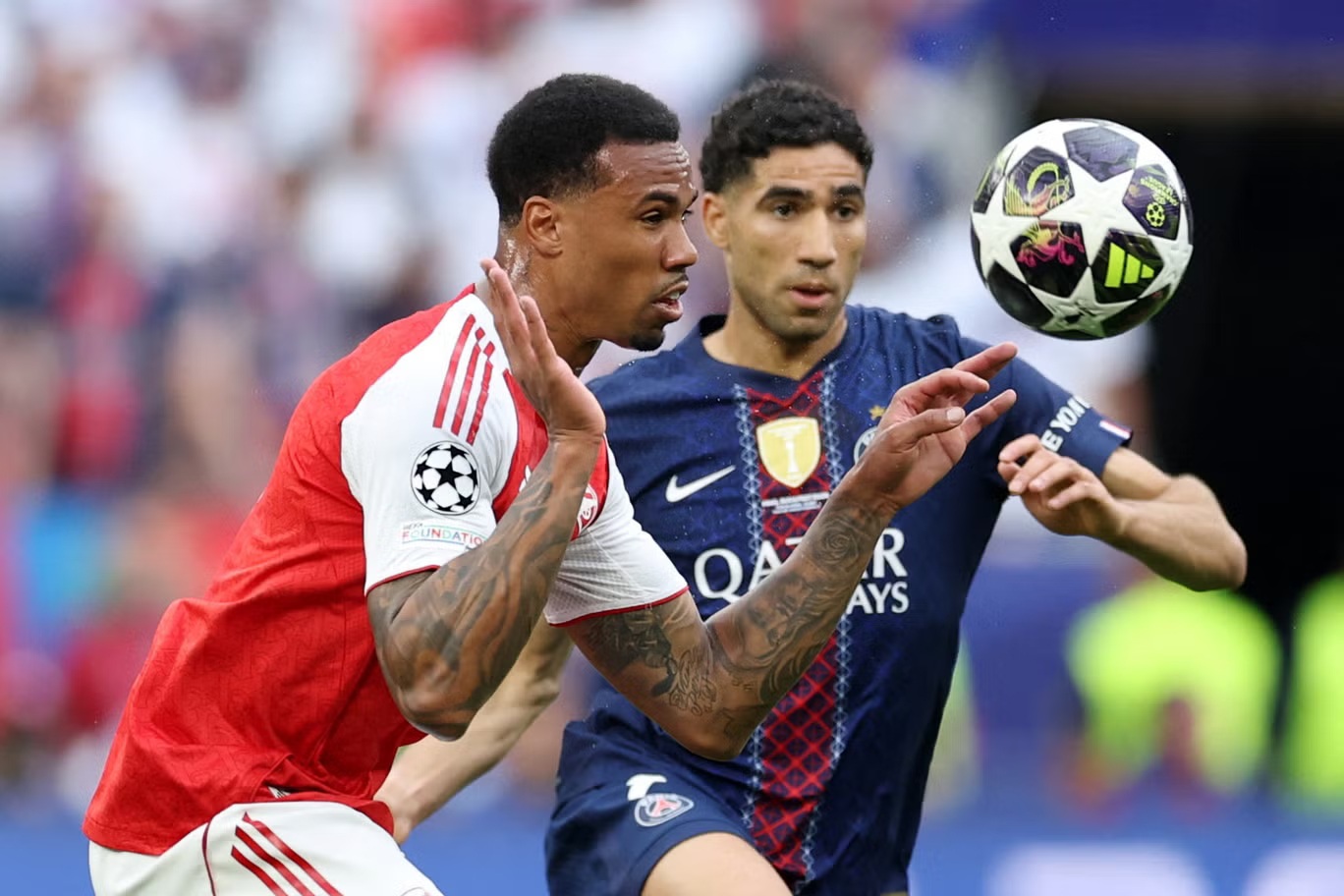
Arsenal centre-back Gabriel was brilliant in keeping PSG’s forward line quiet.
‘Visit Rwanda’ wins big
Saturday’s clash between PSG and Arsenal also put a major spotlight on the “Visit Rwanda” brand, which continues to position Rwanda as a premium tourism destination.
The “Visit Rwanda” campaign launched its foundational partnership with Arsenal in 2018, becoming the club’s official tourism partner and its first-ever sleeve sponsor. The collaboration was designed to showcase Rwanda as a vibrant luxury tourism destination and a hub for eco-adventure, leveraging the Premier League’s massive global television footprint.
Building on the success of the Arsenal deal, Rwanda expanded its sports diplomacy footprint in December 2019 by signing a multi-year partnership with Paris Saint-Germain. The agreement grants Visit Rwanda premium visibility at the Parc des Princes stadium, opens avenues for cultural and artistic collaborations, and focuses on developing youth football academy programs within Rwanda.
By integrating tourism promotion with top-tier European football, the partnerships have driven significant increases in leisure travel and foreign investment to Rwanda, making Saturday’s final a historic “Visit Rwanda derby” on club football’s grandest stage.
President Paul Kagame has hailed Paris Saint-Germain’s UEFA Champions League triumph while praising the relentless determination displayed by runners-up Arsenal F.C.Ousmane Dembélé converted a second-half penalty to get Paris Saint-Germain on the scoresheet.Gabriel Magalhães’ missed penalty sealed PSG’s trophy triumph.
The changes were announced in a statement released by the Rwanda Correctional Service, which indicated that those promoted include senior officers, junior officers, non-commissioned officers, and warders.
Among senior officers, 46 officers who previously held the rank of Superintendent were promoted to the rank of Senior Superintendent.
For junior officers, 37 officers holding the rank of Chief Inspector were promoted to Superintendent, while 18 Inspectors were elevated to Chief Inspector. In addition, 10 Assistant Inspectors were promoted to the rank of Inspector.
Among non-commissioned officers and warders, 188 Senior Sergeants were promoted to Chief Sergeant, 67 Sergeants were promoted to Senior Sergeant, 48 Corporals advanced to Sergeant, and 328 Warders were promoted to the rank of Corporal.
The statement also noted that the President placed several RCS officers into retirement, including Assistant Commissioner Moses Ntawiheba, Senior Superintendent Christine Aloys Gakuba, and Superintendent Josephine Nyiranteziryayo. Another 22 officers, including non-commissioned officers, were also retired.
The statement further revealed that 296 RCS personnel were dismissed from the institution. Those dismissed include six senior officers, 13 junior officers, and 277 non-commissioned officers and warders.
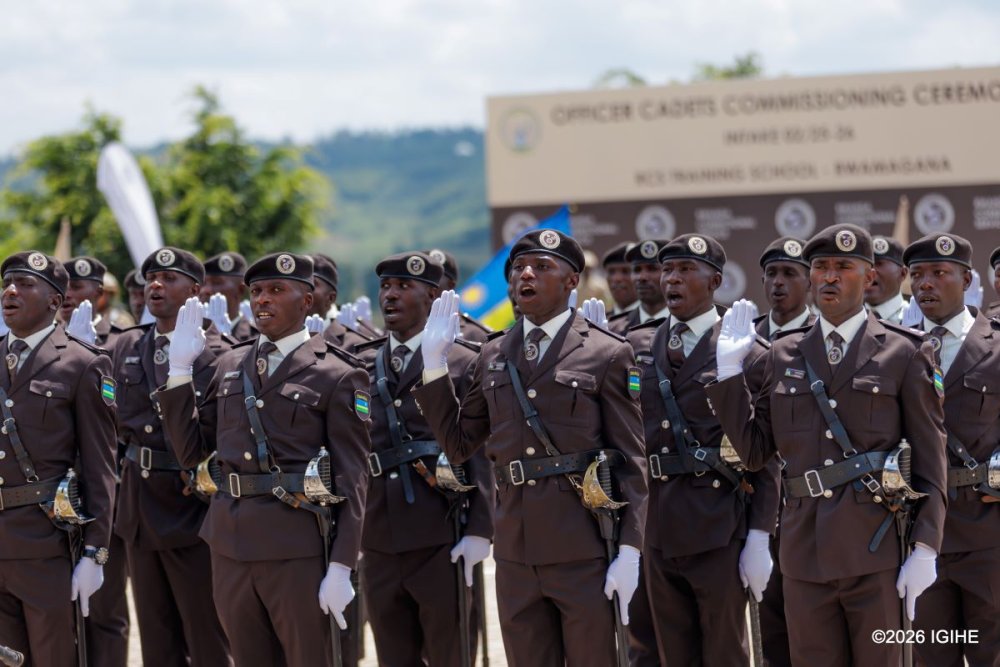
President Paul Kagame has promoted 742 personnel from the Rwanda Correctional Service.
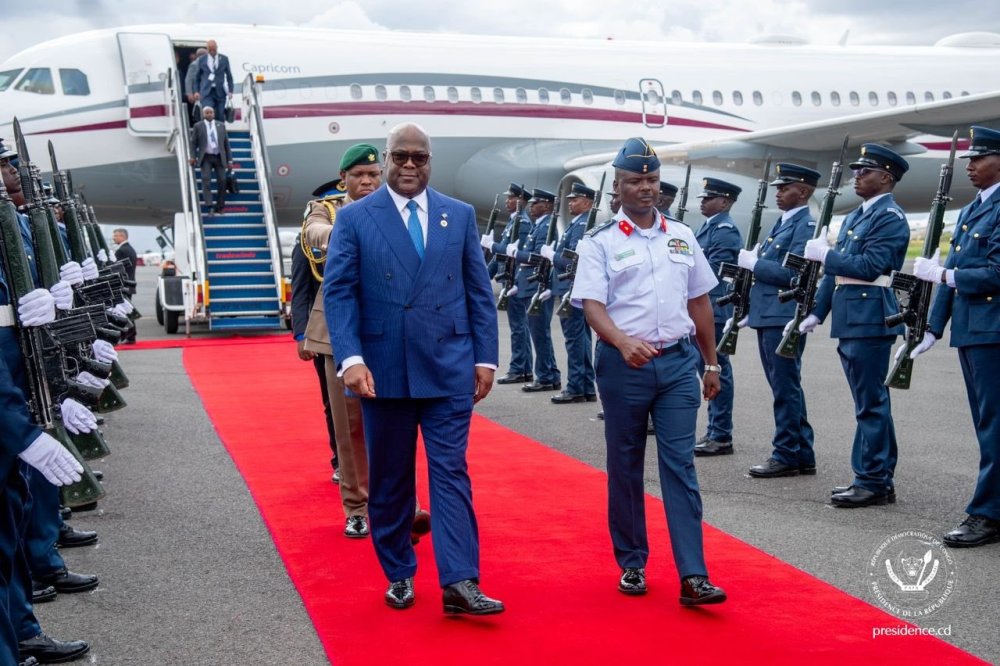
The Congolese leader had been in Uganda for the inauguration ceremony of President Yoweri Kaguta Museveni. Many expected him, like other visiting heads of state, to return directly to Kinshasa after the event. Instead, he unexpectedly headed to Nairobi before the summit concluded.
Soon after his arrival, Tshisekedi’s spokesperson, Tina Salama, said the Congolese president had not gone to Nairobi to “complain,” but to urge the international community to stop remaining silent over what she described as three decades of killings in the DRC allegedly caused by “Rwandan aggression.”
Two days after the summit, another spokesperson from the Congolese presidency, Farah Muamba Kayowa, claimed that the DRC had used the Africa-France summit to call on participants not to ignore the violence that Congo blames on Rwanda.
However, Rwanda’s Minister of Foreign Affairs and International Cooperation, Ambassador Olivier Nduhungirehe, dismissed the claims, saying the DRC never actually took part in the summit discussions where such concerns could have been raised.
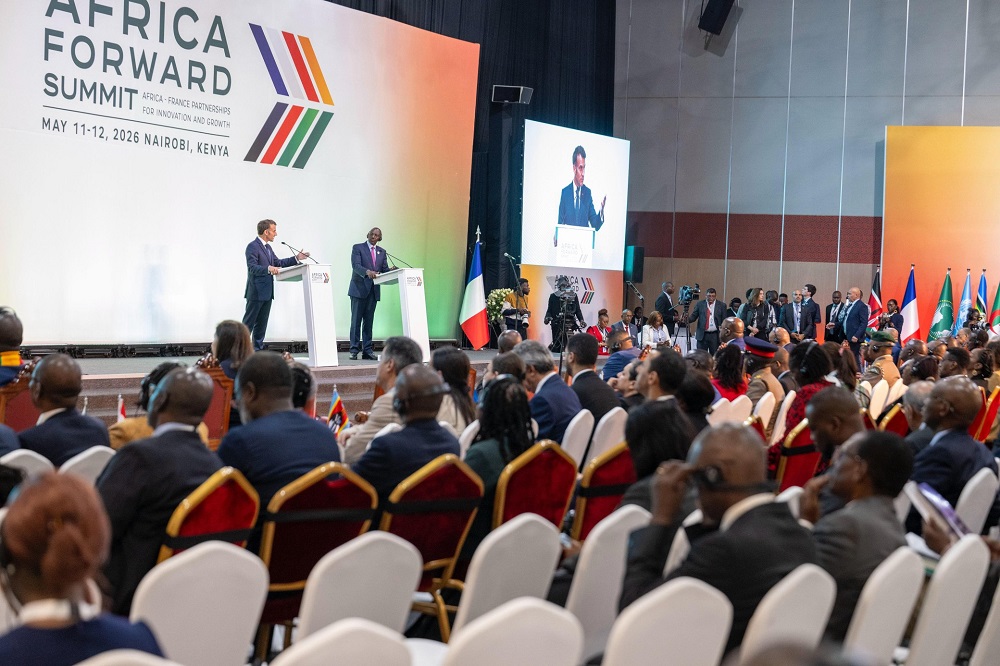
Amb. Nduhungirehe, who attended the summit in Nairobi, explained that the meeting featured three high-level sessions chaired by Kenyan President William Ruto and French President Emmanuel Macron.
The discussions focused on green industrialisation and energy transition, reform of international financial institutions, and peace and security.
According to the minister, heads of state and official representatives actively participated in the exchanges — except the DRC.
“During all three sessions, the DRC’s seat remained conspicuously empty. As a result, Kinshasa was unable to ‘demand’ anything or accuse anyone in Nairobi, limiting itself to a merely symbolic presidential appearance at the close of the summit,” Amb. Nduhungirehe said.
The Rwandan government has consistently rejected accusations from Tshisekedi’s administration linking Kigali to the insecurity in eastern Congo.
Rwanda argues that the prolonged instability in the DRC is rooted in decades of poor governance and failed state policies that created conditions for armed groups to flourish across the region.
Kigali has also repeatedly pointed to the presence of the FDLR terrorist group in eastern Congo, a group formed by remnants of the former Rwandan army (Ex-FAR) and Interahamwe militias responsible for the 1994 Genocide against the Tutsi.
The group continues to operate freely in eastern DRC with the objective of destabilising Rwanda. The Congolese government is also accused of collaborating and supporting the group in its fight against the AFC/M23 coalition.
Before the inauguration ceremony in Uganda had ended, President Félix Tshisekedi traveled to Kenya as the Africa-France summit neared its conclusion.President Félix Tshisekedi arrived in Nairobi after the main discussions had concluded and only attended the summit’s closing ceremonyOn May 12, 2026, President Félix Tshisekedi attended the swearing-in ceremony of Ugandan President Yoweri Museveni.French President Emmanuel Macron and Kenyan President William Ruto officially closed the Africa-France summit in Nairobi
Both individuals shared a common disdain for the Tutsi, which they publicly demonstrated in speeches, writings, and actions.
On October 17, 1990, Mitterrand chaired a Cabinet meeting in his government, discussing issues related to France, such as trips made by certain leaders to Saudi Arabia, Japan, the plan to extract Uranium from Niger, France’s interests in Madagascar, and other matters.
The subject that took up the majority of the discussion was Rwanda. At that time, the Minister of Security was Pierre Joxe. Mitterrand expressed that the Tutsi were of no concern to him and that, even if they achieved their objectives, the Hutu would once again oppress them.
The minutes of the meeting state: “The President of the Republic emphasised that the purpose of our military mission in Rwanda is solely to protect our citizens [the French].”
“France does not wish to involve itself in the ethnic conflicts occurring within the country. However, there is no interest in seeing a small group of Tutsi overpower the majority Hutu population.”
During the meeting, Mitterrand further stated that even though the Tutsi had endured prolonged oppression, it would ultimately lead to nothing. The Hutu, he predicted, would unite and defeat them.
He remarked, “Even if the rebels prevail, the Hutu of Rwanda and neighbouring countries will soon unite and overthrow the government. We will continue to maintain good relations with the Rwandan government, which has grown closer to France after developing disagreements with Belgium, its former coloniser.”
These statements were made shortly after France deployed troops to Rwanda as part of Operation Noroît, an operation intended to protect French interests.
A report by the Duclert Commission revealed that these French soldiers went beyond their mission by providing training and equipment to the government forces of Habyarimana. The report indicates that, in the years that followed, France was well aware of the killings being perpetrated against the Tutsi but failed to take any action.
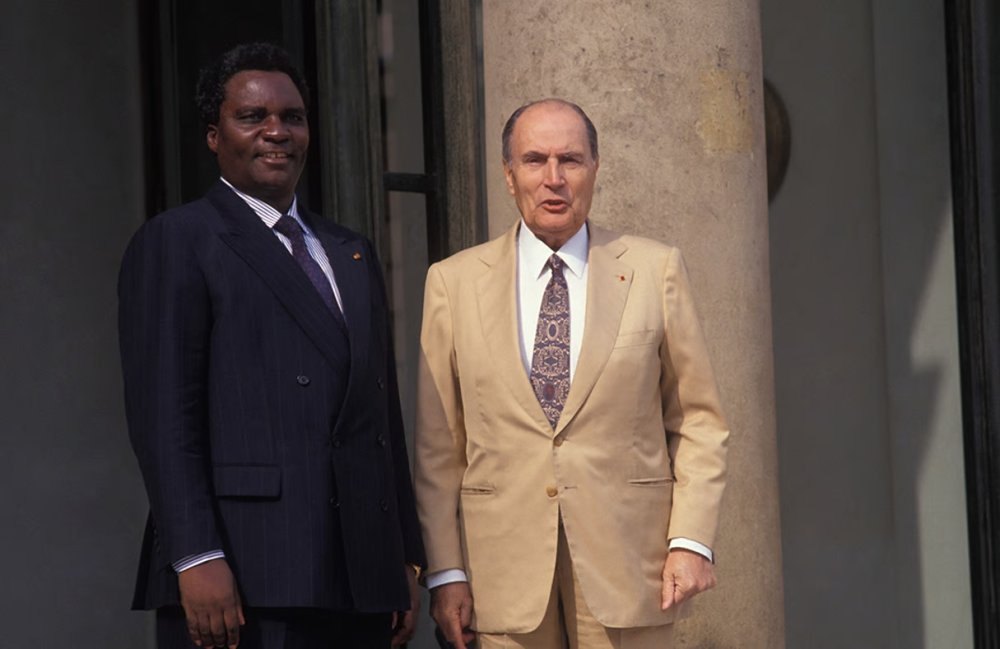
The relationship between former French President François Mitterrand and Rwanda’s then-President Juvénal Habyarimana has often been described as akin to that of a father and son, with their close political alliance widely viewed as one of the factors that shaped Rwanda’s path toward the 1994 Genocide against the Tutsi.
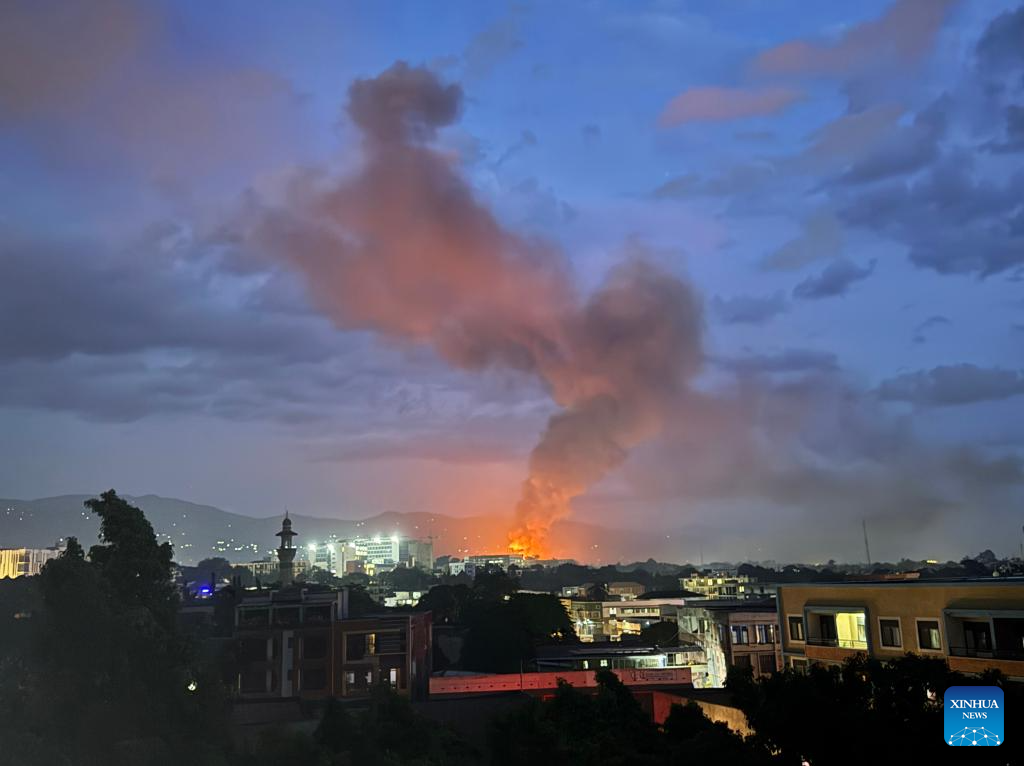
The incident occurred on the night of March 31 at a military facility known as “Base,” located in the Musaga area of Bujumbura.
Burundi’s military and the Ministry of Internal Security stated that the fire was caused by an electrical fault.
In a message posted on social media platform X, President Ndayishimiye expressed his sympathy to affected citizens and reassured the public.
“I extend my condolences to those affected by the fire that broke out in one of the depots at a military base in Musaga zone. We reassure all Burundians that national institutions are doing everything possible to respond and maintain security. May God protect Burundi,” he said.
The fire triggered a series of powerful explosions from the stored weapons, with blasts heard across several parts of Bujumbura.
According to reports by BBC, explosions were still being heard as late as 10:30 p.m.
The incident caused panic among residents, with some seen fleeing their homes. People living near the military base reported damage to their houses, forcing some to relocate to safer areas within the city.
Fragments from the explosions landed in residential neighborhoods including Kinanira 3 and 4, while others reached Ngagara Zone, particularly Quartier 9, located more than five kilometers from the site of the incident.
As of now, the full extent of the damage remains unclear, though reports indicate that several injuries and dozens of casualties have already occurred near the base and in other areas affected by the explosions.
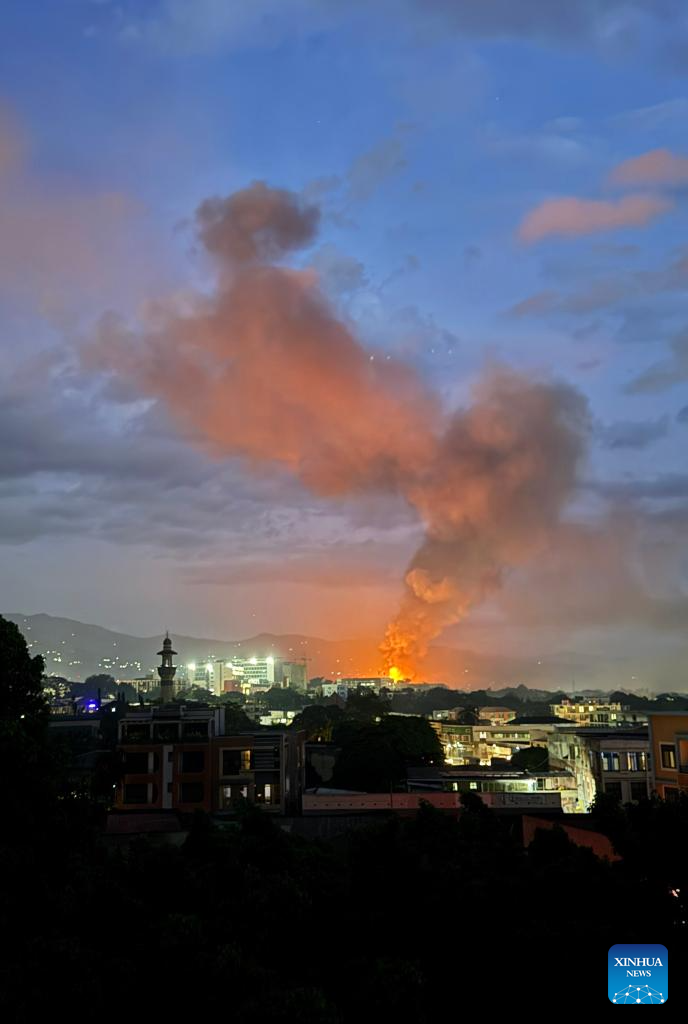
President Ndayishimiye expressed his sympathy to affected citizens and rcalled for divine protection. Photo taken on March 31, 2026 shows smoke rising after explosions followed a fire at a military camp in Bujumbura Province, Burundi. Several blasts were heard in Bujumbura, Burundi’s economic capital, on Tuesday.
“The full cost to the Government of Rwanda is at least 10 times more, in addition to the ultimate sacrifice of loss of soldiers’ lives, all to stabilize Cabo Delgado,” she said.
Makolo was reacting to a report by Bloomberg indicating that the European Union’s funding to Rwandan forces deployed in Cabo Delgado could come to an end in May 2026.
The €20 million package was approved by foreign ministers of the European Union during a meeting in Brussels, Belgium, on November 18, 2024. It followed another €20 million support package granted to Rwandan troops in December 2022, about a year and a half after they began the deployment.
The reported halt in funding comes after the United States announced sanctions against the Rwanda Defence Force (RDF) on March 2, 2026, accusing Rwanda of supporting the M23 rebel group, allegations Kigali has repeatedly denied.
A spokesperson for the European Union said the assistance programmes approved in 2022 and 2024 will expire in May 2026, adding that the bloc is reviewing the implications of the recent US sanctions targeting Rwandan military leaders.
Bloomberg reported that there are currently no plans to extend the funding.
Makolo noted that Rwanda’s continued deployment in Cabo Delgado, if deemed necessary, depends on sufficient and predictable support.
“The sustainability of Rwanda’s bilateral counter-terrorism deployment in Mozambique, if our forces are actually needed, depends on adequate, predictable funding,” she said.
She recalled that Rwanda first deployed its forces in 2021 following a request from the Mozambican authorities.
“Rwandan Forces went to Cabo Delgado in 2021 at the request of the Mozambican government, to work with a brotherly African country that needed the support; money was not the first consideration,” she said.
Makolo highlighted the impact of the mission, noting that civilians have returned to their homes, children have gone back to school, businesses have reopened, and major foreign investments have resumed.
Cabo Delgado is rich in natural gas resources and hosts major liquefied natural gas projects led by TotalEnergies, valued at around $20 billion.
The project has also received backing from the Export-Import Bank of the United States.
Makolo stressed that the work carried out by the Rwanda Defence Force has benefited both local communities and companies investing in LNG projects.
“To be clear, the work of RDF in countering terrorism in Cabo Delgado has benefitted the Mozambican people and the companies investing in LNG, and supporting that work is not a favor being granted to Rwanda,” she said.
“Should the RDF Command assess that the work being done by Rwandan Security Forces in Cabo Delgado is not appreciated, they would be right to urge the government to end this bilateral counter-terrorism arrangement and pull out,” Makolo concluded.
Rwanda first deployed its forces in 2021 following a request from the Mozambican authorities.