Ignatius Chiome, Kariba district coordinator for the Rural Infrastructure and Development Agency, appeared in court following his arrest, police said in a statement on social media.
On Aug. 11, the passenger ferry traveling from Kariba town to Chalala Fishing Camp capsized on the lake bordering Zambia, reportedly due to bad weather. Authorities said 77 people were rescued.
Preliminary investigations showed that the boat was carrying about 180 passengers and cargo, exceeding its capacity. A formal investigation is underway to determine the cause of the country’s deadliest boat disaster.
Lake Kariba, which sits on Zimbabwe’s border with Zambia, is one of the world’s largest man-made reservoirs.
U.S. embassies in Israel, Lebanon, Saudi Arabia, Qatar, Jordan, Oman, Iraq and Kuwait are among the missions expected to increase staffing, the report said Tuesday, citing an internal U.S. State Department document and three U.S. officials.
According to the document obtained by the NYT, the first diplomats to return will be at the U.S. embassy in Lebanon, though the embassy would not reach full staffing under the plan.
Posts in the United Arab Emirates, Saudi Arabia, Qatar and Lebanon will initially cap staffing at 85 percent, and posts in Iraq, Kuwait and Bahrain at 75 percent.
In the six Gulf countries and Lebanon, the State Department will enforce restrictions on bringing family members, the document added.
The restaffing is set to proceed as the Trump administration threatens new economic sanctions on Iran after talks between Washington and Tehran floundered, suggesting that the United States does not expect an imminent renewal of full-scale conflict, said the report.
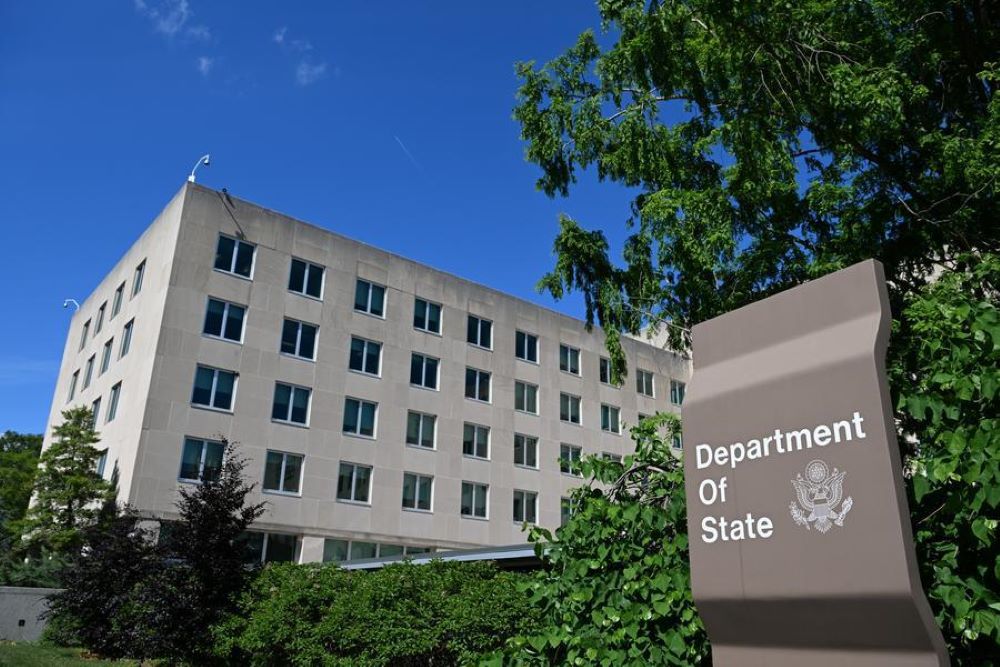
This photo taken on May 15, 2026 shows the U.S. Department of State building in Washington, D.C., the United States. (Xinhua/Li Rui)
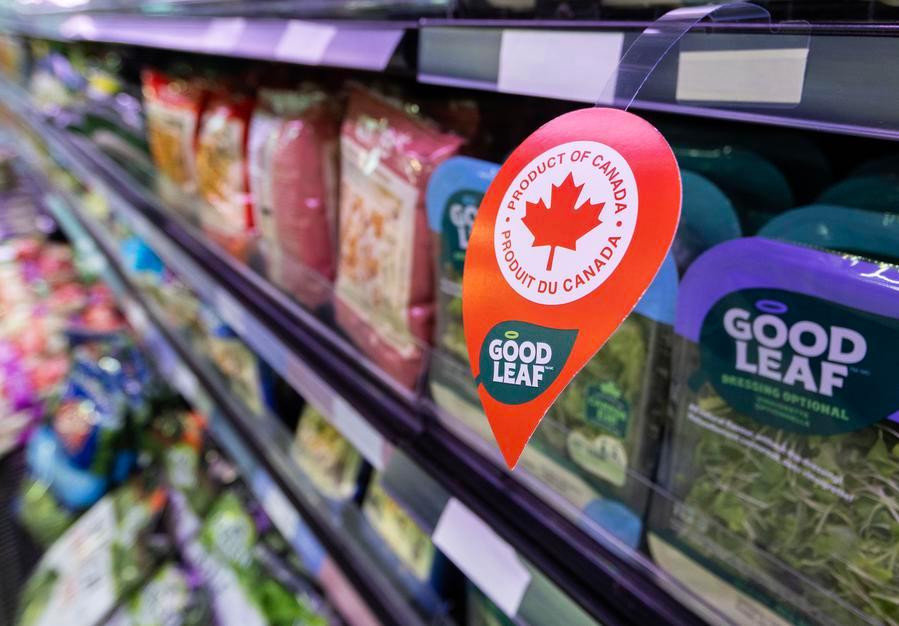
Canadian officials said the countermeasures match the total value of Canadian products targeted by the latest 50-percent U.S. tariffs, achieving a “dollar-for-dollar, rate for rate” response. The counter-tariffs are scheduled to take effect officially on Sept. 8.
Canadian Finance Minister Francois-Philippe Champagne said the reciprocal tariffs as well as the multi-billion-dollar support package will protect workers, farmers, families and businesses.
According to a list released by the Finance Ministry, the new targeted counter-tariffs are concentrated in sectors such as steel, dairy, appliances, agricultural equipment, pulp and paper, and electronics, with tariff rates set at three tiers: 15 percent, 25 percent and 50 percent.
In certain sectors, such as steel and aluminum, existing counter-tariffs will increase from 25 percent to 50 percent to match U.S. rates. Other existing counter-tariffs, including those against U.S. autos, will also continue to apply, said the ministry.
A 25-percent tariff will be levied on dairy products such as cheese, fish, seafood, and certain steel and aluminum derivatives.
In addition to the tariffs, the federal government announced a 7.5-billion-Canadian-dollar relief package, primarily targeting small and medium-sized enterprises. Ottawa promised to help companies avoid layoffs, enable more workers to upgrade skills, and increase flexibility for accessing employment insurance.
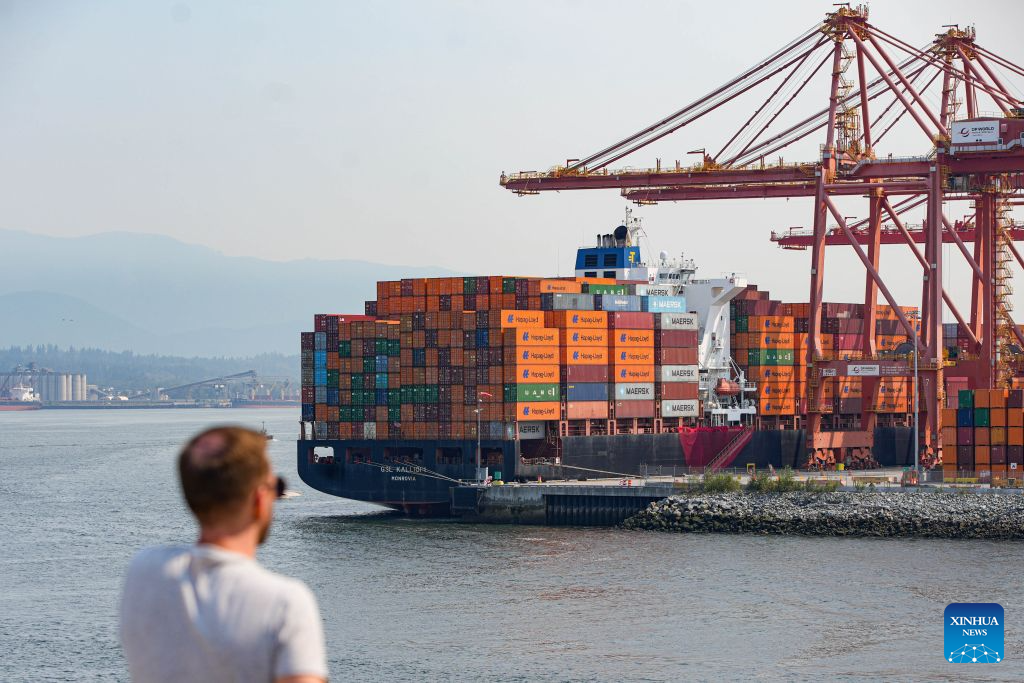
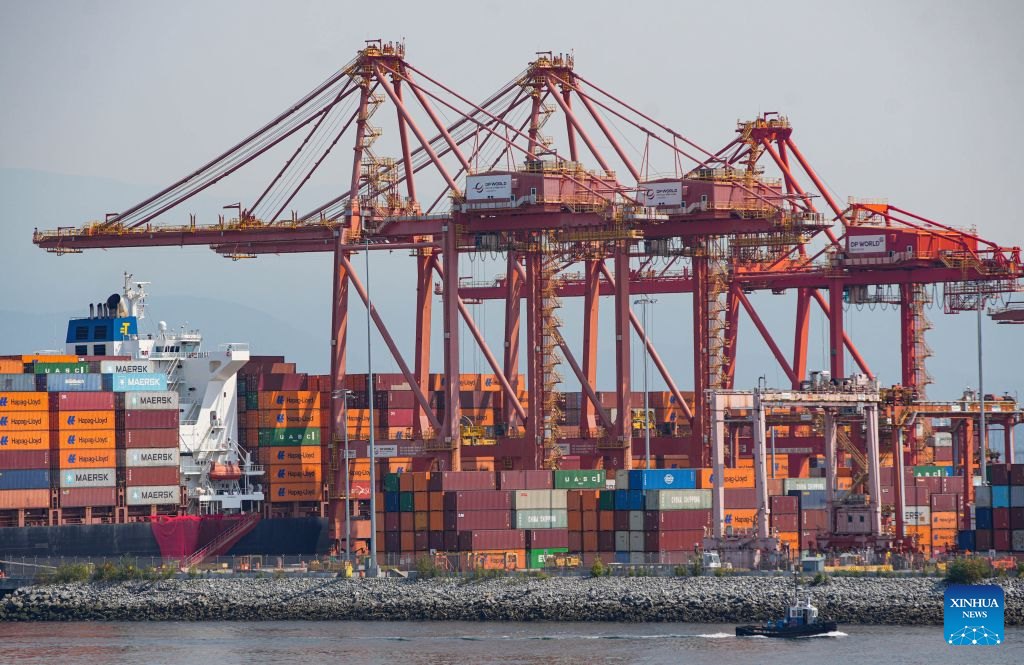
Cargo containers are stacked at a container terminal at the Port of Vancouver in Vancouver, British Columbia, Canada, Aug. 25, 2026. The Canadian federal government on Tuesday announced retaliatory tariffs on over 700 U.S. goods valued at 27.6 billion Canadian dollars (about 20 billion U.S. dollars), alongside a 7.5-billion-Canadian-dollar assistance package for domestic businesses and workers. (Photo by Liang Sen/Xinhua)
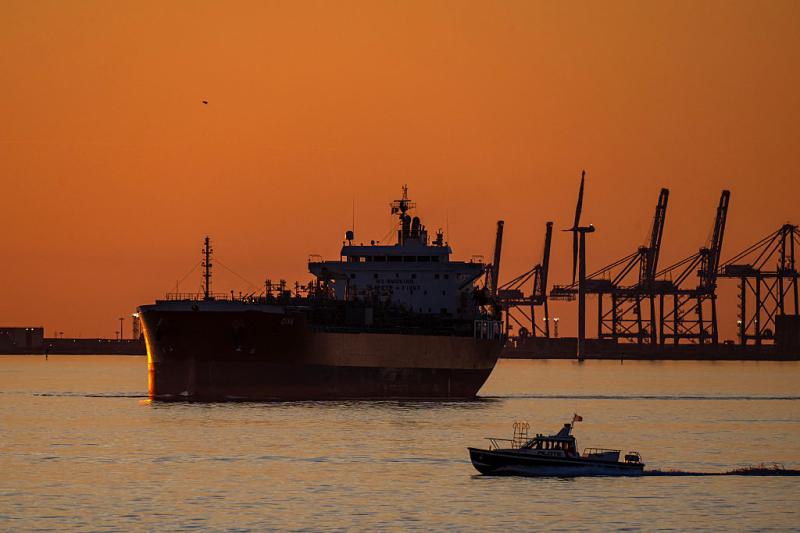
According to a Reuters analysis published on August 25, 2026, about 43% of global oil production is now linked to countries affected by conflict.
The situation has been worsened by the war involving Iran, alongside ongoing conflicts and disruptions in other major oil-producing countries, including Russia, Libya and Venezuela.
The developments have placed significant pressure on global oil supplies, refining capacity and fuel markets, raising concerns about higher energy prices and prolonged shortages.
The conflict involving Iran has particularly affected oil transportation through the Strait of Hormuz, one of the world’s most important energy shipping routes.
The waterway previously handled a significant share of global crude oil and liquefied natural gas shipments.
Although some oil continues to move through the region, the security risks have increased transportation costs and forced energy companies and governments to look for alternative routes.
The crisis is also affecting oil refining. Ukrainian attacks on Russian energy infrastructure have reduced Russia’s refining capacity, while damage and disruptions in the Middle East have further tightened supplies of refined fuels.
Reuters reported that Russia has also restricted fuel exports because of domestic supply concerns, adding another layer of pressure to an already strained global market.
The impact is being felt beyond crude oil. Shortages of refined products such as diesel and gasoline have pushed fuel prices higher in several markets.
The International Energy Agency has responded by releasing emergency oil reserves in an effort to compensate for disrupted supplies.
However, global inventories have continued to decline, reducing the buffer available to protect consumers from further shocks.
The Strait of Hormuz remains a major concern. Gulf countries have explored alternative routes and pipelines to reduce their dependence on the waterway, but building or expanding such infrastructure takes time.
Energy companies are also facing higher transportation and insurance costs because of the security risks surrounding major shipping routes.
The situation has already contributed to elevated oil prices and growing concerns about inflation.
If disruptions continue, analysts warn that the pressure could spread further through the global economy as higher energy costs raise transportation, manufacturing and consumer prices.
For countries that rely heavily on imported fuel, prolonged disruptions could be particularly challenging.
The crisis therefore represents more than a regional conflict. With around 43% of global oil production now connected to conflict-affected countries, instability in several major energy-producing regions has created an unusually fragile global oil market.
As the Iran war enters its sixth month, the ability of producers to maintain supplies and of governments to keep alternative energy routes open will be critical in determining how much longer the global energy market can withstand the pressure.
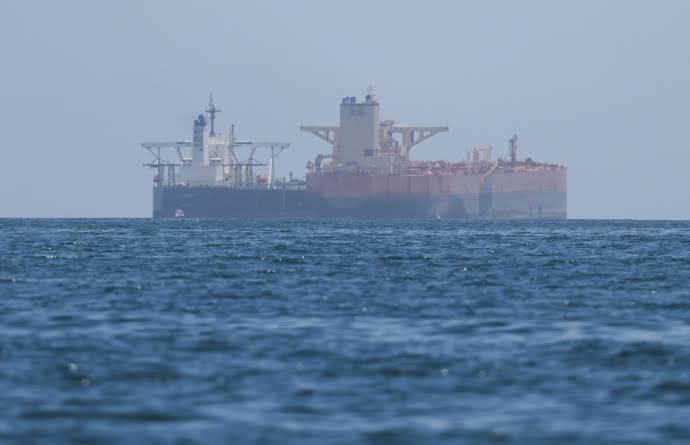
Nearly 43% of global oil production comes from conflict-affected countries.
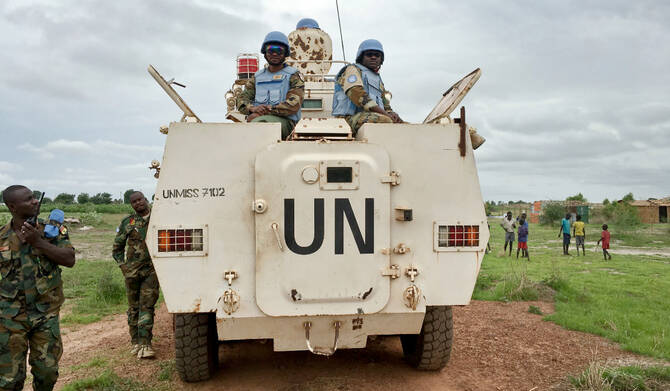
“The secretary-general condemns in the strongest possible terms Monday’s ambush by unidentified armed individuals on a United Nations Mission in South Sudan (UNMISS) patrol in Jonglei state in South Sudan,” said Stephane Dujarric, the spokesman, in a statement.
Two Ethiopian peacekeepers were killed in the attack, while seven others were injured — three Ethiopian blue helmets, two South Sudanese police personnel and two UNMISS civilian staff, said the spokesman.
“The secretary-general reminds that attacks against UN peacekeepers may constitute war crimes. All attacks on peacekeepers must be promptly investigated, and those responsible must be effectively prosecuted and held accountable,” said the spokesman.
Guterres expressed his deep condolences to the families of those killed and wished all those injured a swift and full recovery. He reaffirmed the United Nations’ commitment to stand with the victims and their families during this profoundly difficult time, said the spokesman.
In this Sunday, June 18, 2017 file photo, peacekeepers from the United Nations Mission in South Sudan (UNMISS) provide security during a visit of UNCHR High Commissioner Filippo Grandi to the U.N. Protection of Civilians camp in Bentiu, South Sudan. (AP)
“We are launching an economic onslaught against Iran’s financial connections around the globe,” said Bessent at a press conference. “Our objective is to sever every economic lifeline” that sustains the country, he said.
The U.S. Treasury Department said in a press release that the new sectoral sanctions determinations target five critical sectors — digital assets, technology, gold, aviation and shipping — that the U.S. says Iran has relied on to prop up its economy.
The measures marked the beginning of “a sustained and systematic campaign to close every financial resource” that supports Iran, the department said. It added that “any entity that facilitates money laundering or sanctions evasion on behalf of Iran risks being cut off from the U.S. financial system.”
The department is expanding the categories of “Iran-related conduct” that the United States might sanction in the future, and said “every country will be given a defined timeline to shut down the Iran-related activity” the United States has identified.
Bessent disclosed that U.S. President Donald Trump has been calling world leaders with specific requests to cease their interactions with Iran.
Simultaneously, the department’s Office of Foreign Assets Control (OFAC) sanctioned nearly 60 entities, individuals, and vessels in multiple jurisdictions that enable Iran’s activities, including illicit nuclear and missile technology procurement, cyber operations, and oil-revenue generation networks.
OFAC also suspended several general licenses that previously authorized certain remittance payments to Iran and Iranian access to the U.S. cultural and academic system.
Additionally, the Treasury Department released additional guidance on the sanctions risks associated with complying with Iranian demands regarding shipping in the Strait of Hormuz.
In a post on X, Iranian Parliament Speaker Mohammad Baqer Qalibaf responded to U.S. economic threats against Tehran by saying that, “Iran’s trading partners, both in the media and through messages sent to us, have made it clear that they don’t take these statements into account anywhere.”
“They cannot cut off our financial lifelines,” Iran’s Minister of Economic Affairs and Finance Seyed Ali Madanizadeh said in another X post, adding that Tehran has been “planning for some time to counter the sanctions.”
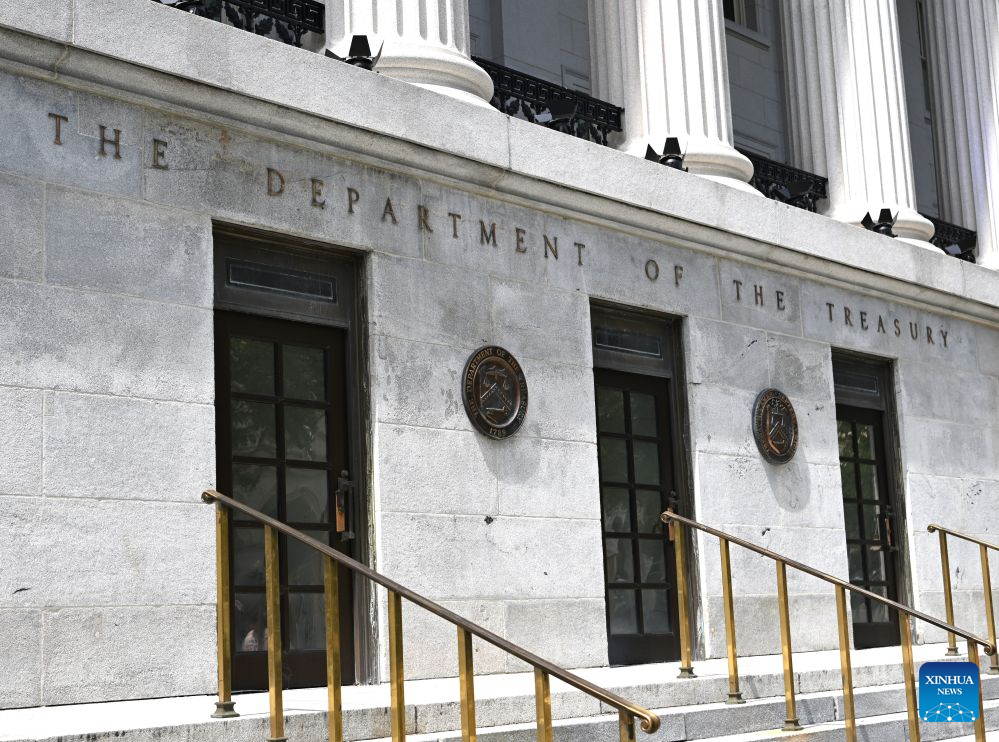
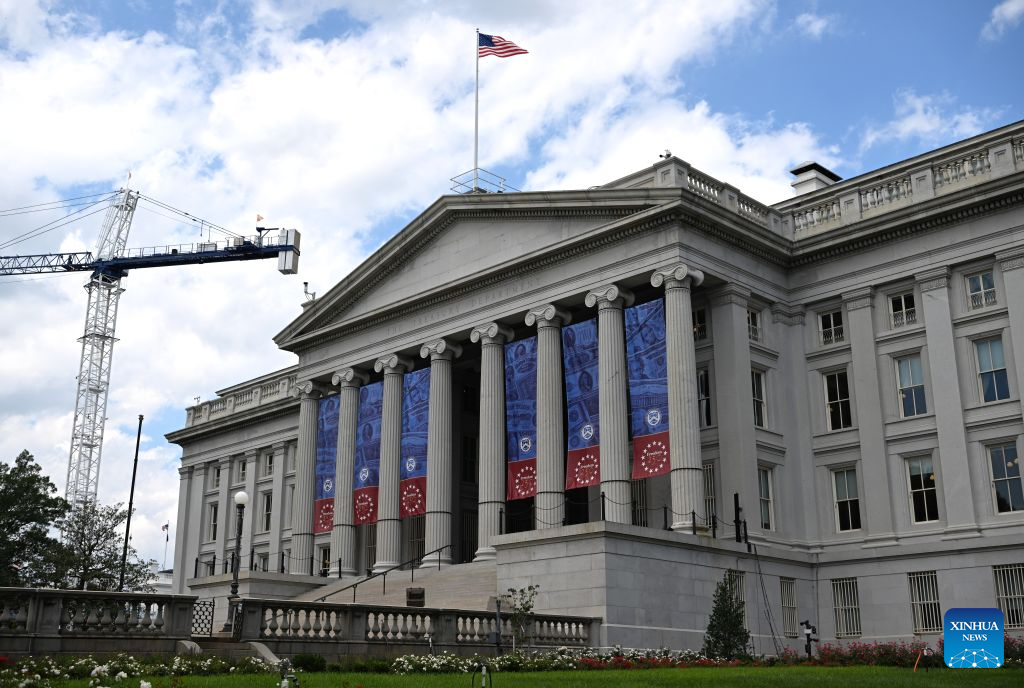
This photo taken on Aug. 24, 2026 shows the U.S. Department of the Treasury in Washington, D.C., the United States. U.S. Treasury Secretary Scott Bessent on Monday threatened Iran with “an economic D-Day,” announcing a wave of new sanctions aimed at further isolating the country. (Xinhua/Li Rui)
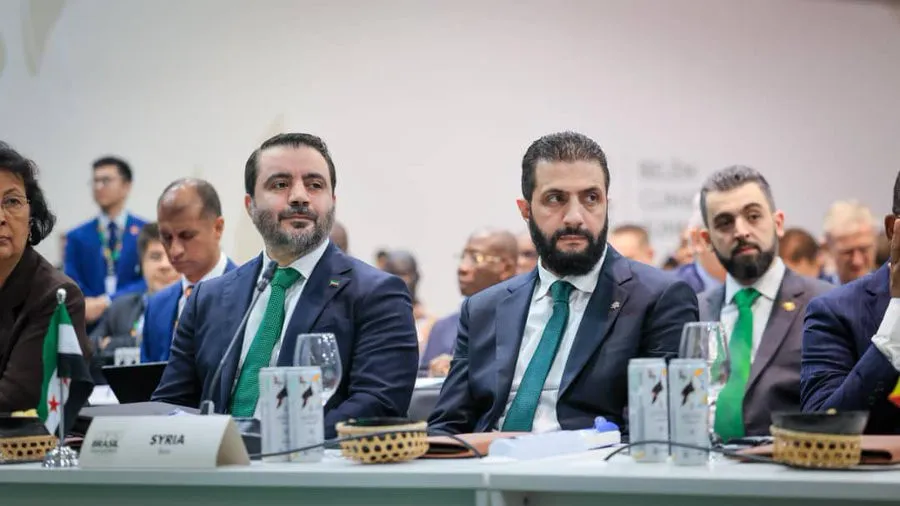
The high-level Syrian delegation was headed by foreign affairs chief Asaad al-Shaibani and included the heads of the general and military intelligence services, while Israel was represented by a senior delegation, according to the source.
The Jordan-hosted meeting was held as part of efforts to reduce tensions following recent Israeli strikes on Syrian territory and escalating tensions in southern Syria, as well as to support stability in Syria and the wider region.
The discussions focused on establishing practical mechanisms to halt Israeli attacks, arrests and targeting operations and reviving negotiations with the aim of reaching a security agreement that could lay the groundwork for a more comprehensive accord in the future, the source said.
The Syrian delegation stressed that Syria is a sovereign state and has the right to rebuild and develop its national army and determine its alliances and partnerships in accordance with its national interests.
Damascus would not accept any arrangements or mechanisms restricting those sovereign rights, the source added.
The Syrian side also reiterated its position that the Israeli-occupied Golan Heights is Syrian territory, while noting that discussion of its final status and the path toward resolving the issue remains premature at the current stage.
Damascus said its immediate priorities are the withdrawal of Israeli forces to positions held before Dec. 8, 2024, and the full restoration and implementation of the 1974 Disengagement Agreement.
The talks also addressed efforts to narrow differences between Türkiye and Israel and prevent tensions between the two regional powers from spilling onto Syrian territory, according to the diplomatic source.
The meeting focused on practical steps to reduce tensions while exploring ways to return to negotiations, with the Syrian side stressing that any security arrangements must respect Syria’s sovereignty, territorial integrity and sovereign rights.
Israel struck the Abu al-Duhur military airport in northwestern Syria on Tuesday, saying Damascus was preparing to allow Turkish forces to deploy there, a claim denied by Syria and Türkiye.
Senior Syrian and Israeli delegations held talks in Jordan on Sunday under US mediation, focusing on de-escalation and efforts to revive negotiations toward a security agreement, Syria’s state news agency SANA reported, citing a diplomatic source.
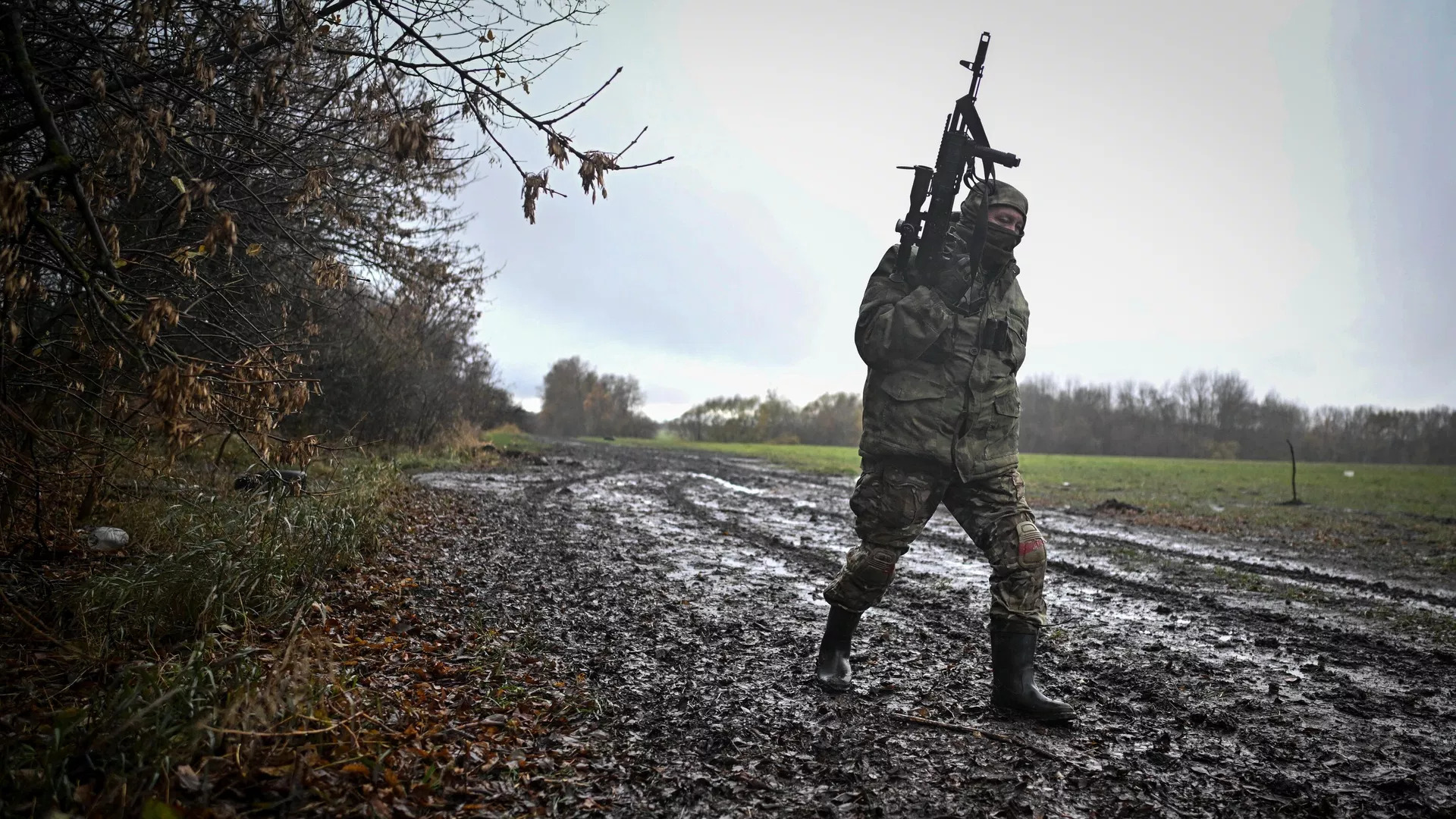
“During the day, from 8:00 a.m. to 8:00 p.m. Moscow time, air defense systems intercepted and destroyed 269 Ukrainian fixed-wing drones,” the ministry said in a statement.
A day earlier, Russian President Vladimir Putin noted that over the past 40 days, the Ukrainian Armed Forces had persistently launched attacks on Russian civilian and logistics facilities using missiles and drones, which he described as “another gamble” by Ukraine and its Western backers aimed at inflicting a strategic defeat on Russia.
Putin said that Russian troops were not only continuing offensives along all fronts but also stepping up military pressure, and expressed confidence in accomplishing the goals of the special military operation.
Russian air defense system intercepted and shot down 269 Ukrainian drones over multiple Russian regions in 12 hours, the Russian Defense Ministry said on Sunday.
The prime minister said the counter-tariffs will cover a wide range of sectors, including dairy, steel, appliances, pulp and paper, and electronics.
The United States and Canada failed to reach a trade deal on Friday, and the United States imposed a 50-percent tariff on 20 billion U.S. dollars’ worth of Canadian goods on Saturday which took effect just after midnight (0400 GMT).
Explaining why negotiations broke down at the last minute, Carney said that while both sides were close to a mutually beneficial agreement earlier this week, the U.S. side introduced last-minute changes that were “unfair, uneconomic and called into question the reliability of any deal.”
The U.S. side’s repeated disregard for existing free trade agreements such as the Canada-United States-Mexico Agreement (CUSMA) sends a bad signal to international businesses and is “certainly not good news” for renewing the agreement in the future, Carney warned.
The rift comes as the United States, Mexico and Canada are trying to renew the CUSMA, a trade agreement that Trump negotiated in his first term and once praised as a triumph.
The United States has begun formal talks with Mexico to revamp the agreement, but talks with Canada have not yet begun.
The CUSMA is a trilateral trade pact that replaced the North American Free Trade Agreement when it took effect on July 1, 2020. On July 1, 2026, the United States officially declined to renew the agreement for another 16-year term, triggering an annual review process until the pact expires in 2036.
When asked why Canada was entering a trade dispute, the prime minister stated flatly: “Because we were attacked.”
Carney reiterated his confidence in Canada’s economic resilience, pointing out that Canada is creating jobs at four times the rate of the United States, with foreign direct investment reaching a 20-year high.
“Canada is becoming stronger and less dependent on America,” he said.
The United States and Canada failed to reach a trade deal on Friday, and the United States imposed a 50-percent tariff on 20 billion U.S. dollars’ worth of Canadian goods on Saturday which took effect just after midnight (0400 GMT).
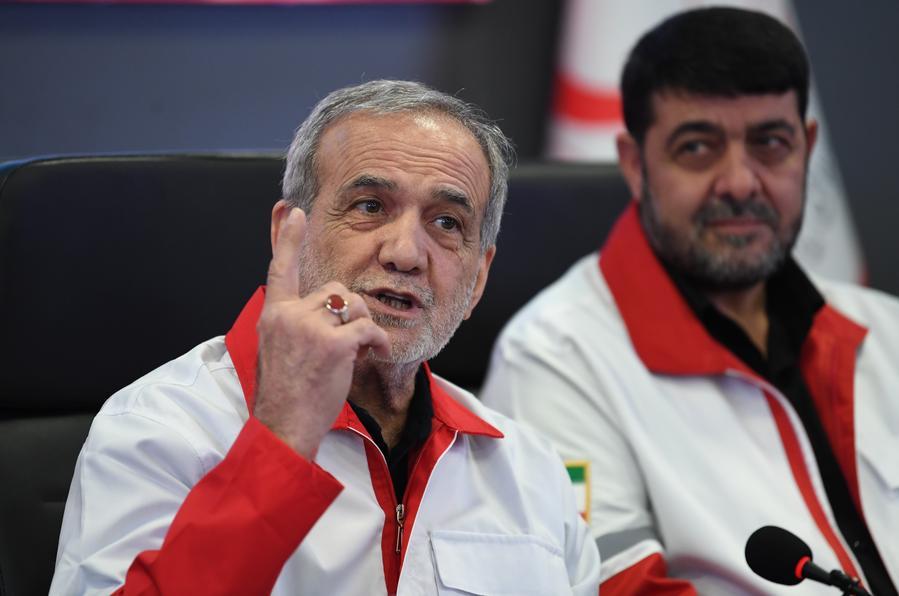
Pezeshkian made the remarks at the 31st General Assembly of the Islamic Association of the Iranian Medical Society in the capital Tehran, where he stressed that the war with the United States must end at some point, according to a statement published on his office’s website.
“It is better that we end the war today when we are in a position of power and dignity, and the entire world acknowledges our victory and emphasizes that the United States, in violation of all (international) regulations, has attacked our schools, hospitals, and infrastructure, and is hated in the world,” he said.
Pezeshkian described the peace memorandum of understanding (MoU) signed between Iran and the United States in June as “honorable and valuable,” stressing that not a single provision of the MoU suggests surrender and that all obligations fall on the other party.
He noted that what was accomplished during the negotiations with the United States was a “great achievement,” which was approved with “unity and solidarity” in Iran’s Supreme National Security Council, and all members of the council defended it decisively.
The president, however, emphasized that Iran will not surrender if attacked again, saying, “We will under no circumstance bow to bullying, and there is no doubt about it.”
“We will stand against them until our last breath and will give them a crushing response,” he said, adding that Iran’s military commanders and armed forces are “wholeheartedly and selflessly” in full readiness to defend the country.
On June 18, Iran and the United States signed the MoU on ending their war in the region on all fronts. Under the MoU, the two countries were scheduled to hold negotiations within a period of 60 days, which ended on Monday, to reach a final agreement. However, the fate of the talks remains unclear following an escalation between the two countries last month.
Iranian President Masoud Pezeshkian speaks during his visit to the headquarters of Iran’s Red Crescent Society (IRCS) in Tehran, Iran, April 15, 2026. (Xinhua/Shadati)