The South American country’s national airline Boliviana de Aviacion announced the temporary closure of El Alto International Airport following the crash.
No official statement on the crash has been released yet.
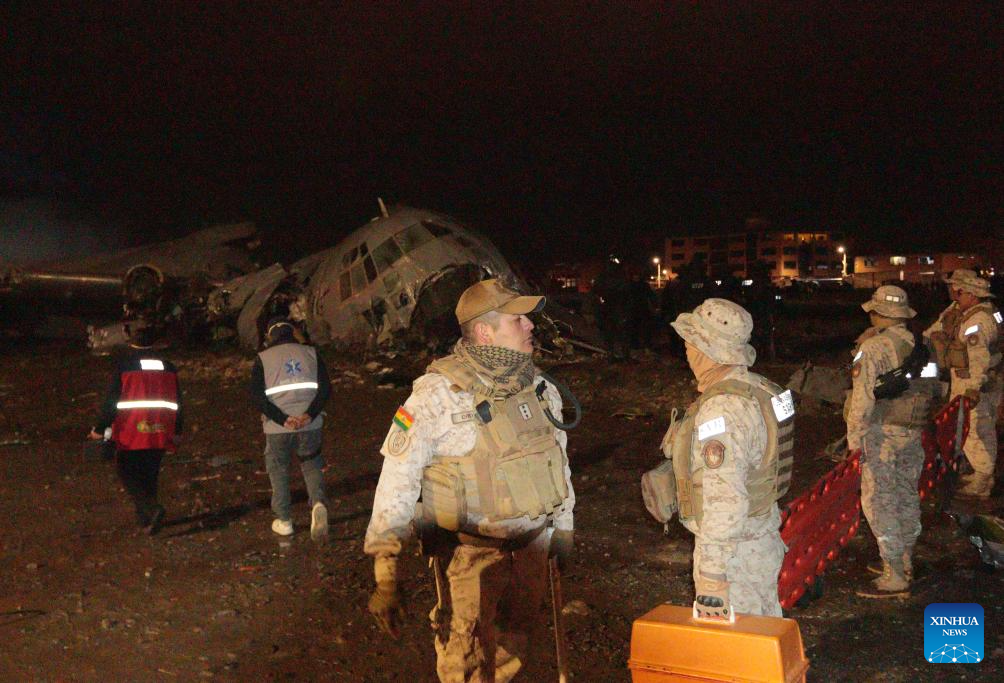
The South American country’s national airline Boliviana de Aviacion announced the temporary closure of El Alto International Airport following the crash.
No official statement on the crash has been released yet.

“This is amazing. I think it’s one of the future technologies for mobility,” Merz said after the experience, commending the close cooperation between German manufacturers and Chinese technology.
Mercedes-Benz has established a comprehensive local footprint and cooperation network spanning its entire industrial chain in China, the company said in a press release on Thursday. Its Chinese R&D team is playing an increasingly crucial role within Mercedes-Benz’s global R&D network, the statement notes.
Merz’s official visit to China took place on Feb. 25 and 26. Visiting companies from both countries and promoting practical cooperation were key items on his Thursday agenda.
Merz arrived in Hangzhou, east China’s Zhejiang Province, on Thursday noon. At Unitree Robotics, he watched humanoid robots performing different tasks and was impressed by their agile movements.
Merz’s visit reflects Germany’s strong interest in China’s technological innovation, said Wang Xingxing, founder and CEO of Unitree, who noted the vast potential of the German market and expressed hope for deeper cooperation in the robotics sector.
Merz also visited Siemens High Voltage Circuit Breaker Co. Ltd., Hangzhou, where he learned about the development of German-funded enterprises in China.
Executives from approximately 30 leading German companies in sectors such as automotives, chemicals, biopharmaceuticals, machinery and the circular economy accompanied Merz on his visit. More than ten commercial agreements were reached, sending a clear signal of deepening pragmatic cooperation.
As his trip concluded, Merz said he was leaving China with deep impressions of the country, and noted that Germany and China enjoy good cooperation and also face challenges that they need to address together.
Click the link below to watch related video

WBD announced on Thursday that its Board of Directors, following consultation with its independent financial and legal advisors, has determined that the previously disclosed proposal from Paramount Skydance constitutes a “Company Superior Proposal” as defined in WBD’s merger agreement with Netflix.
As disclosed by WBD on Tuesday, Paramount Skydance’s proposal includes a purchase price of 31.00 U.S. dollars per WBD share in cash, plus a daily ticking fee equal to 0.25 dollars per share per quarter beginning after Sept. 30, 2026, as well as a 7 billion dollars regulatory termination fee payable by Paramount Skydance in the event the transaction does not close due to regulatory matters.
Paramount Skydance’s latest bid values WBD at about 111 billion dollars. Netflix, the world’s largest streaming company by subscriber count, then announced it is pulling out of the contest.
“The transaction we negotiated would have created shareholder value with a clear path to regulatory approval. However, we’ve always been disciplined, and at the price required to match Paramount Skydance’s latest offer, the deal is no longer financially attractive, so we are declining to match the Paramount Skydance bid,” Netflix said in a statement in response from co-CEOs Ted Sarandos and Greg Peters.
Netflix sent shockwaves through Hollywood on Dec. 5 by announcing an 82.7 billion-dollar agreement to acquire WBD. Paramount Skydance has since launched a hostile bid, placing the merger at the center of a widening national debate.
Unlike the deal with Netflix, which covered WBD’s film studio and streaming service and would spin off its cable division into a new publicly traded company, Paramount Skydance’s offer is for the entirety of WBD.
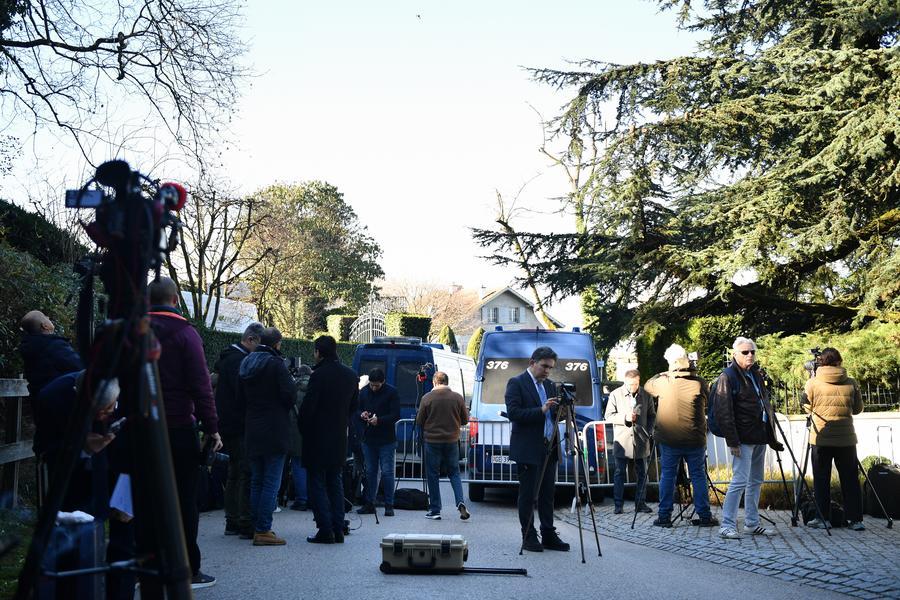
Experts warned that although the indirect talks have achieved “significant” and “good progress” as Iran mediator Oman reported, the fundamental rift between Tehran and Washington remains unbridgeable, keeping the risk of military confrontation dangerously high.
Good progress on table, but no handshake yet
The Geneva talks, headed respectively by Iran’s Foreign Minister Seyed Abbas Araghchi and U.S. president’s special envoy Steve Witkoff, and mediated by Oman, were held on Thursday with both sides presenting what Iranian Foreign Ministry spokesman Esmaeil Baghaei called “very important and practical proposals” on the nuclear file and sanctions relief.
According to Iran’s official news agency IRNA, after three hours of intensive negotiations, delegations from both sides took a break for “internal consultations” before resuming their talks later in the day. The IRNA said the second stage lasted two hours.
Araghchi said good progress was achieved with Washington in the talks, and the two sides agreed to begin technical reviews in Vienna next Monday.
He added that it was also decided that the Iranian and U.S. delegations would hold the fourth round of talks very soon, perhaps in less than a week.
Following the first stage of the talks, Oman’s Foreign Ministry described the atmosphere as demonstrating “unprecedented openness to new and creative ideas and solutions.”
A report by The Wall Street Journal, citing U.S. officials, said Washington is demanding that Iran accept a deal with no expiration date, setting tough terms including shutting down Iran’s three main nuclear facilities of Fordow, Natanz and Isfahan, and transferring all remaining enriched uranium to the United States.
The United States is offering only limited sanctions relief at the outset of any agreement, with the possibility of further easing if Iran complies over time, said the report.
Meanwhile, Iran’s state-run IRIB TV reported that the Iranian delegation has completely rejected transferring Iran’s enriched uranium abroad in the indirect talks, and is also insistent on the termination of U.S. sanctions against the country.
Ali Shamkhani, a senior advisor to Iran’s Supreme Leader Ali Khamenei, posted on social media platform X that if the main issue is Iran not making nuclear weapons, “an immediate agreement is within reach,” citing a religious decree against such weapons. Tehran has been firm in securing its right to enrichment on its own soil.
Palestinian political analyst Samer Anabtawi told Xinhua that the Iranian move to prepare a draft agreement shows its “clear seriousness” in the negotiation process.
“But Washington’s acceptance of it remains another matter linked to broader political calculations,” Anabtawi noted.
Akram Atallah, a Gaza-based analyst, told Xinhua that Israel, though not at the table, is “the most influential actor” shaping the “dynamics” of the talks.
“It plays a significant role in preventing the negotiations from reaching a meaningful outcome,” Atallah said, adding, “many of the conditions being raised in this diplomatic process are, in essence, Israeli conditions reflected in American demands.”
Dual-track strategy
“What is currently happening can be described as a ‘finger-biting’ phase, in which each side is flexing its military and political muscle in an attempt to impose its negotiating terms,” Anabtawi noted.
Both Washington and Tehran are pursuing a dual-track strategy: negotiating while visibly preparing for possible conflict. The United States has amassed two aircraft carrier strike groups, over 150 combat aircraft, including F-35 stealth fighters, and has reinforced its bases in Jordan and Israel. It has also evacuated non-essential staff from its embassy in Beirut.
U.S. President Donald Trump has warned of “phase two” if such indirect talks fail, and The New York Times reported he is considering initial limited strikes to pressure Tehran at the negotiation table, which could later turn into a far larger campaign.
Iran, for its part, conducted live-fire drills in the Strait of Hormuz last week, temporarily closing the strategic waterway in a show of its ability to disrupt global oil shipments. Tehran has repeatedly stressed readiness to retaliate forcefully against any attack.
Mohammed Nader al-Omari, a Syrian writer and researcher specializing in crisis and conflict management, described the scale of the U.S. mobilization as “not routine” and sending “a clear signal that military options are being prepared.” Another Syrian analyst, Sinan Hassan, called it “coercive diplomacy,” by “applying pressure through military signaling while keeping negotiations alive.”
Yet Amer Sabaileh, a Jordanian political analyst, argued that the size and nature of the buildup suggest Washington is not merely posturing.
“The military preparations and reinforcements the United States is carrying out in the region suggest that the possibility of war and U.S. strikes against Iran is highly likely,” Sabaileh said.
Meanwhile, Charbel Barakat, international editor at Kuwait’s Al-Jarida newspaper, noted Iran’s tactical flexibility, as Tehran has signaled willingness to cap enrichment at 3.67 percent, accept an international consortium for fuel supply, and place its 60-percent stockpile under continuous monitoring of the International Atomic Energy Agency, all while keeping the missile program and regional allies off the table.
“This flexibility does not mean a willingness to alter its strategic doctrine,” Mohamed Mohsen Abo El-Nour, head of the Arab Forum for Analyzing Iranian Policies and an expert on Iranian affairs, told Xinhua.
Ahed Ferwana, a Gaza-based analyst, observed that the U.S. military moves “exert significant pressure on Iran” and are meant to push Tehran toward compromise. But he cautioned that if Washington rejects Iran’s proposals, “tensions are likely to continue or even escalate.”
Possible technical understanding amid persistent core conflict
Despite the tactical maneuvers, experts agreed that the core conflict is far from resolved. Iran’s red lines, including its right to a civilian nuclear program, its missile deterrent, and its regional influence, are seen as non-negotiable.
In the eyes of Atallah, U.S. objectives may extend to altering Iran’s domestic trajectory, possibly through regime change, which is a “maximalist” goal Tehran would never accept.
El-Nour pointed out that Washington’s goal “goes beyond the narrow nuclear file to recalibrating the security environment surrounding Iran.”
Amid heated debate on whether a full-scale war will break out between the two sides, Omani analyst Khalfan al-Touqi cautioned that any conflict would be far more destructive than the 12-day war in June last year. “The strikes will not be limited, as some expect, but will be far more dangerous, with dire consequences not just for Iran, but for the entire region.”
Still, some experts believe in a possible interim outcome, with both sides reaching a technical understanding, which could reduce imminent confrontation.
“Both sides are aware of the high cost of military escalation and therefore prefer managing tensions through negotiation,” said Abdulaziz Alshaabani, researcher at Al Riyadh Center for Political and Strategic Studies, noting that a full-scale explosion “remains a less probable outcome.”
For al-Omari, Trump now faces a narrowing set of choices. On one hand, he is under pressure from Washington hawks not to accept terms that could be portrayed as a watered-down version of the earlier nuclear deal signed in 2015.
On the other hand, military action carries its own dangers, he noted. “There are serious fears about the consequences of war and the scale of losses U.S. forces could suffer if Iran absorbs the first strike and is able to respond.”
Thair Abu Ras, director of Palestinian Programs at the Van Leer Jerusalem Institute, questioned whether Washington is truly prepared to pull the trigger.
Washington “is not politically prepared and lacks sufficient legal grounds, and most of its regional allies do not appear to be keen on a war of this nature,” Ras said.
Still, he acknowledged that after such a massive buildup, Trump faces “two main options: either launching a strike or extracting an agreement that is presented to the American public as an achievement.”


The withdrawal was due to the prevailing conditions in Palestine, Baerbock said in a letter to all permanent representatives and permanent observers to the United Nations.
In accordance with the established regional rotation, the president of the 81st UNGA session will be elected from the Asia Pacific Group.
Following Mansour’s withdrawal, two candidates remain in the race for the post — Md. Touhid Hossain of Bangladesh and Andreas S. Kakouris of Cyprus.
According to a note sent to reporters on Thursday, Baerbock will convene informal dialogues with the candidates in May and an election will be held on June 2.
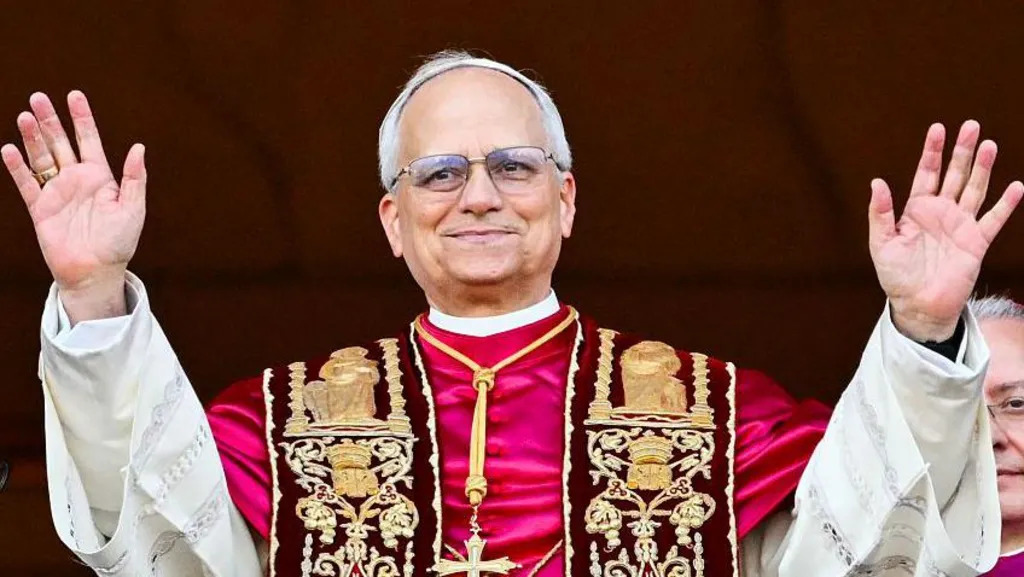
The tour will follow a one-day visit to Monaco on March 28 and a trip to Spain from June 6 to 12. During his African tour, Pope Leo is expected to draw large crowds, encourage world leaders to support development initiatives, and promote Catholic-Muslim dialogue, particularly in countries with diverse religious communities.
Africa is home to about 20% of the world’s Catholics, making it one of the fastest-growing regions for the Church. The continent has seen significant increases in Catholic communities in recent decades, particularly in Central and Sub-Saharan Africa, where the Church continues to expand.
“Pope Leo’s visit will remind the world that Africa matters and the vibrancy of the Church in Africa remains at the heart of a thriving global Church,” said Reverend Agbonkhianmeghe Orobator, a Nigerian Jesuit.
The trip is historically significant, as it will be the first time a pope has visited Algeria, a predominantly Muslim nation. Pope Leo, a member of the Augustinian order, has expressed a special interest in the country, which is the birthplace of St. Augustine of Hippo, a key figure in early Christianity.
In Cameroon, the Pope will visit Yaoundé, Douala, and Bamenda, including regions affected by long-standing conflict. Angola’s stops will include Luanda, Muxima, and Saurimo, while Equatorial Guinea will see visits to Malabo, Mongomo, and Bata, the continent’s only Spanish-speaking nation.
Although this will be Pope Leo’s first official visit to Africa as pope, he is no stranger to the continent, having traveled to countries like Kenya and Tanzania as Cardinal Robert Prevost.
Pope Leo’s African tour follows his first foreign visit to Turkey and Lebanon late last year and sets the stage for other planned trips, including a likely visit to Peru later in 2026.
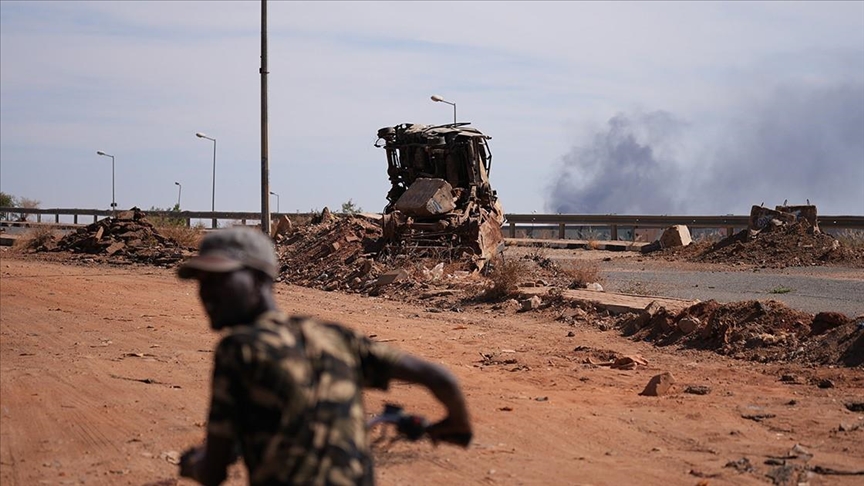
In a statement, the network said the casualties included 10 women, based on preliminary information from the area.
Rocket shelling destroyed the town’s only health center, and medical staff working there were assaulted, with one of them arrested and remaining unaccounted for, the statement said.
The network condemned what it called a “large-scale violation” that caused civilian deaths, spread fear among residents, and targeted health facilities, triggering a wave of displacement toward nearby villages amid deteriorating humanitarian conditions.
The Emergency Lawyers, a legal group, said on Tuesday in a separate statement that the RSF’s attack on Monday included an armed raid and the burning of several homes. It was preceded by drone strikes targeting several civilian locations, including the health center, residents’ homes, the market, and guest houses, resulting in civilian deaths and injuries, and forced displacement of residents.
An eyewitness from the nearby city of Kabkabiya told Xinhua that dozens of families had arrived in the city in recent hours after fleeing Mustariha.
“They were in shock. Some walked long distances on foot. Many spoke of heavy shelling and homes being burned, and they were unable to take any belongings with them,” the witness said, speaking on condition of anonymity.
Mustariha is considered a stronghold of Musa Hilal, one of the leaders of a branch of the Rizeigat tribe, from which several RSF commanders originate. Since the outbreak of fighting in Sudan, Hilal has declared his support for the Sudanese army and allied with the joint forces, which includes armed Darfuri groups fighting alongside the army.
The RSF has not yet commented on the attack.
Since April 15, 2023, Sudan has been engulfed in an armed conflict between the Sudanese Armed Forces and the RSF, resulting in thousands of deaths and injuries and the displacement of millions of people inside and outside the country, while regional and international efforts continue to seek a ceasefire.
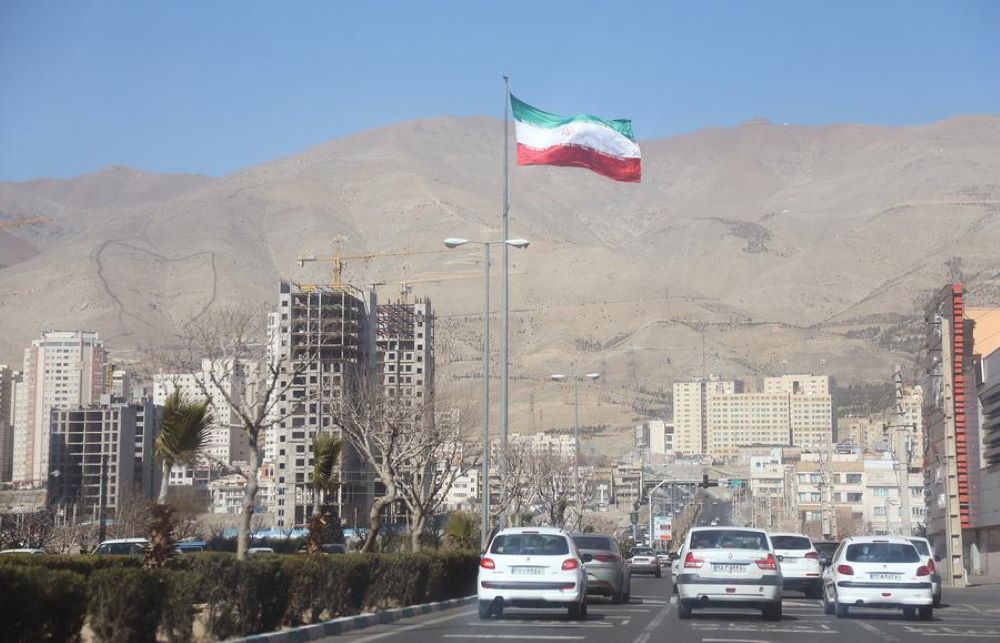
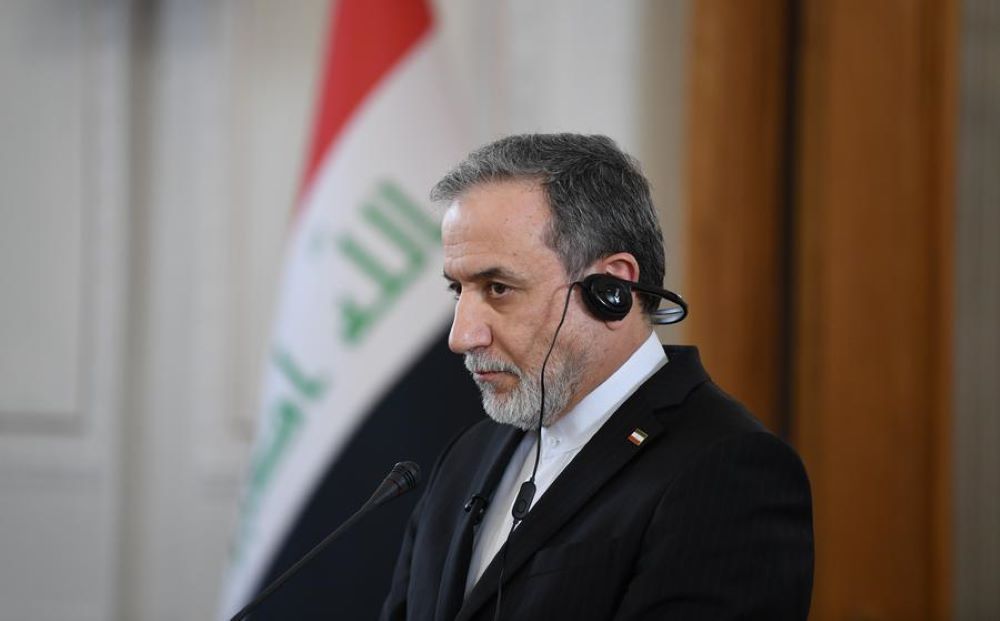
Iran’s Foreign Minister Seyed Abbas Araghchi said on Tuesday Iran is determined to reach a “fair and equitable” deal with the United States as soon as possible.
In his remarks posted on X, Araghchi said the two sides have a “historic opportunity” to strike an unprecedented agreement that addresses mutual concerns and achieves common interests, adding that a deal is within reach if diplomacy is prioritized.
His comments came ahead of a third round of indirect nuclear negotiations between Tehran and Washington, scheduled for Thursday in Geneva. Two rounds of indirect talks were held earlier this month, centered on Iran’s nuclear program and the possible lifting of U.S. sanctions.
Also on Tuesday, Iran’s Deputy Foreign Minister for Political Affairs Majid Takht Ravanchi said Iran is ready to do “whatever necessary” to reach a nuclear agreement with the United States.
“We want to do whatever necessary to make it (an agreement) happen. We will enter the negotiating room in Geneva with all sincerity and goodwill,” Ravanchi said in an interview with NPR radio.
“We hope that our goodwill and good approach would be reciprocated by the Americans, and if there is a political will on all sides, I believe that the deal can be reached as soon as possible,” he added.
Meanwhile, during a meeting in Tehran with Armenian Defense Minister Suren Papikyan on Tuesday, Iranian Defense Minister Aziz Nasirzadeh reiterated his country’s firm resolve to defend itself.
He said Iran does not seek war, “but if a war is imposed on the country, it will defend itself strongly and give an unforgettable lesson to enemies.”
The remarks followed a drill held by Iran’s Islamic Revolution Guards Corps (IRGC) along the Iran’s southern coast, the semi-official Fars news agency reported on Tuesday.
Iranian forces practiced the scenario of “strongly defending” the country’s coasts and islands, and the IRGC Ground Forces’ special forces carrying out operations to prevent the enemy from approaching Iran’s southern coasts.
The exercise took place amid continued U.S. military buildup in the Middle East and media reports that U.S. President Donald Trump was considering launching an initial attack on Iran.
Israel media reported Tuesday that eleven U.S. F-22 stealth fighter jets have landed at an Israeli airbase in southern Israel, as part of Washington’s regional military reinforcement against Iran.
The world’s largest aircraft carrier, the USS Gerald R. Ford, which is en route to the Middle East, has arrived in the Mediterranean Sea. It will join the USS Abraham Lincoln carrier strike group and other guided-missile destroyers already deployed near Iran.
Trump on Monday refuted media reports that Dan Caine, the chairman of the Joint Chiefs of Staff, warned against attacking Iran.
In a social media post, Trump said that if a decision is made on conducting military operations against Iran, “it is his (Caine’s) opinion that it will be something easily won.”
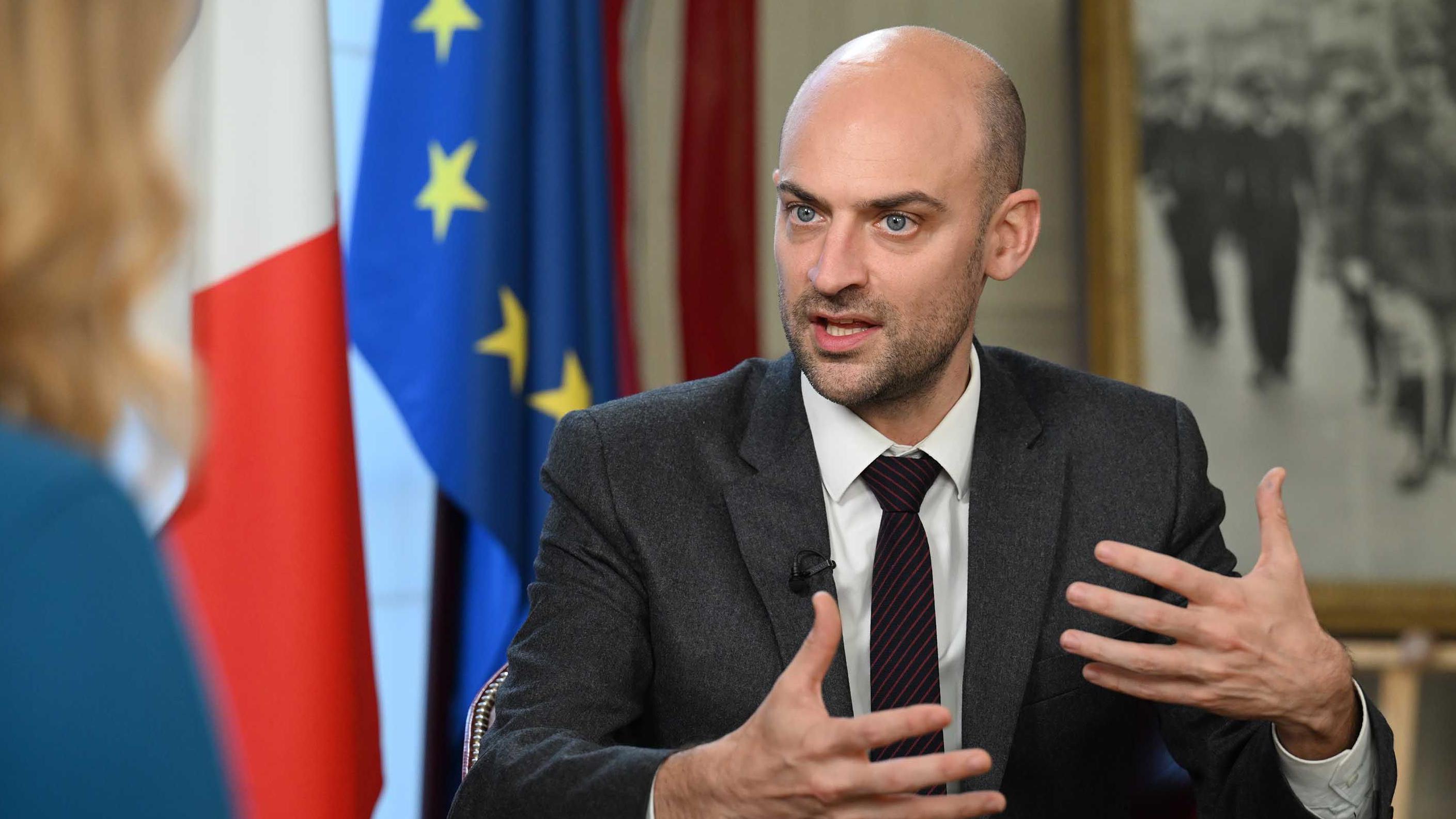
French Foreign Minister Jean-Noel Barrot on Tuesday voiced unsatisfaction after U.S. Ambassador to France Charles Kushner failed to attend a summons by the French Foreign Ministry, saying diplomatic representatives must respect established protocol.
Speaking to French media France Info, Barrot said that when one has the honor of representing one’s country in France, one need to respect diplomatic customs and responds to summonses from the foreign ministry.
Barrot described the ambassador’s absence “a surprise,” pointing to Kushner’s “personal responsibility” in the matter. He noted that summoning an ambassador when explanations are required is a routine diplomatic practice.
“This in no way affects the relationship between France and the United States,” Barrot said. “However, it will naturally affect his ability to carry out his mission in our country.”
The French minister reiterated that France does not accept foreign interference in its domestic political debate and said the purpose of the summons was to seek clarification.
The summons followed statements by the U.S. embassy on social media about the death of Quentin Deranque, a French far-right activist, which French authorities viewed as inappropriate.
On Friday, the U.S. Embassy said on X account that “violent left-wing extremism is on the rise, and its role in Quentin Deranque’s death demonstrates the threat it poses to public safety.”
On Monday, France restricted Kushner’s access to senior government officials after he failed to attend a summons from the French Foreign Ministry.
According to French media reports, Deranque was seriously injured during a clash between rival radical groups at a conference in Lyon on Feb. 12. The event was organized by a member of the hard-left party La France Insoumise (LFI). Deranque later died from his injuries.
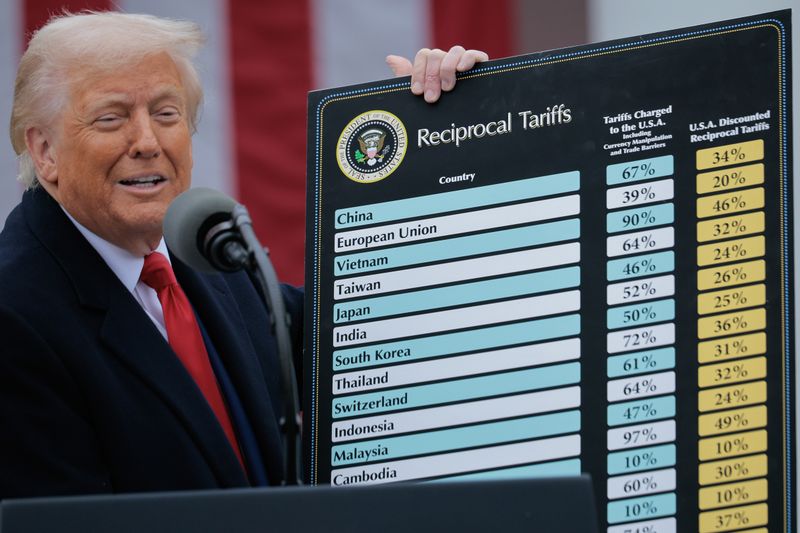
The latest guidance involves additional ad valorem duties covered by seven executive orders signed from Feb. 1, 2025 to Aug. 6, 2025, according to a bulletin issued by the U.S. CBP on Feb. 22.
The U.S. Supreme Court ruled last Friday that U.S. President Donald Trump’s sweeping tariffs under IEEPA meant for use in national emergencies were illegal, officially striking down the global tariffs introduced since April.
“In light of recent events, the additional ad valorem duties imposed pursuant to IEEPA shall no longer be in effect and, as soon as practicable, shall no longer be collected,” the executive order said.
Trump authorized all executive departments and agencies to immediately take appropriate steps to terminate the collection of the additional ad valorem duties imposed under the IEEPA.
CBP has collected as much as 175 billion U.S. dollars in duties pursuant to the IEEPA, according to an estimate by Penn-Wharton Budget Model.
Meanwhile, the Trump administration is scheduled to impose an additional 15 percent tariff on imported goods from all countries starting Tuesday, according to a White House proclamation and one of Trump’s social media posts on Saturday.
Section 122 of the Trade Act of 1974 allows the president to impose duties of up to 15 percent for up to 150 days on any and all countries to address “large and serious” balance of payments issues. After 150 days, Congress would need to approve their extension.