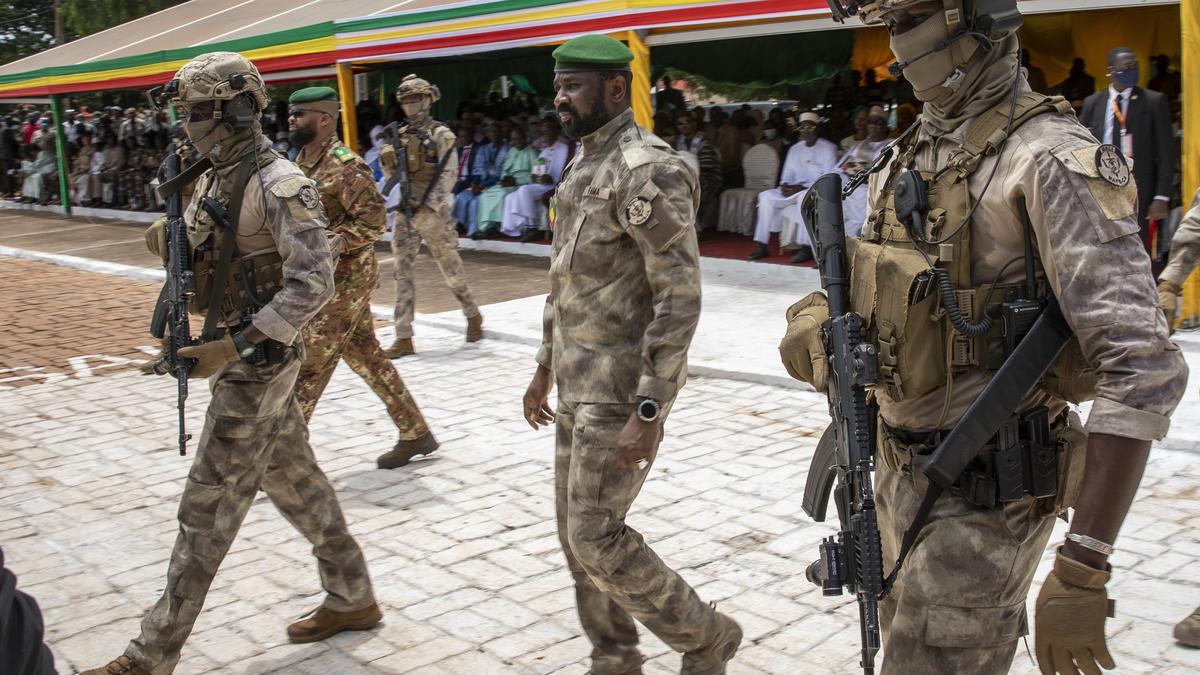
Speaking at a press briefing, Maiga said Mali was plunged into mourning by simultaneous attacks in several localities, which killed Defense Minister Sadio Camara, along with other civilian and military victims, and left others wounded.
The attackers sought to spread fear and doubt, undermine national cohesion and weaken Mali’s determination, he said, noting that these objectives have failed.
Maiga said that under the leadership of the transitional president and supreme commander of the armed forces, Mali’s military has delivered a “forceful response,” neutralizing hundreds of terrorists across the country.
The asymmetric nature of terrorist threats requires Mali to continuously adapt its security arrangements, he said, adding that lessons must be drawn from the April 25 attacks, with effective measures reinforced and necessary adjustments made to enhance security.
Mali’s transitional government has declared a two-day national mourning period starting Monday in honor of Camara, who was killed on Saturday in the attacks.
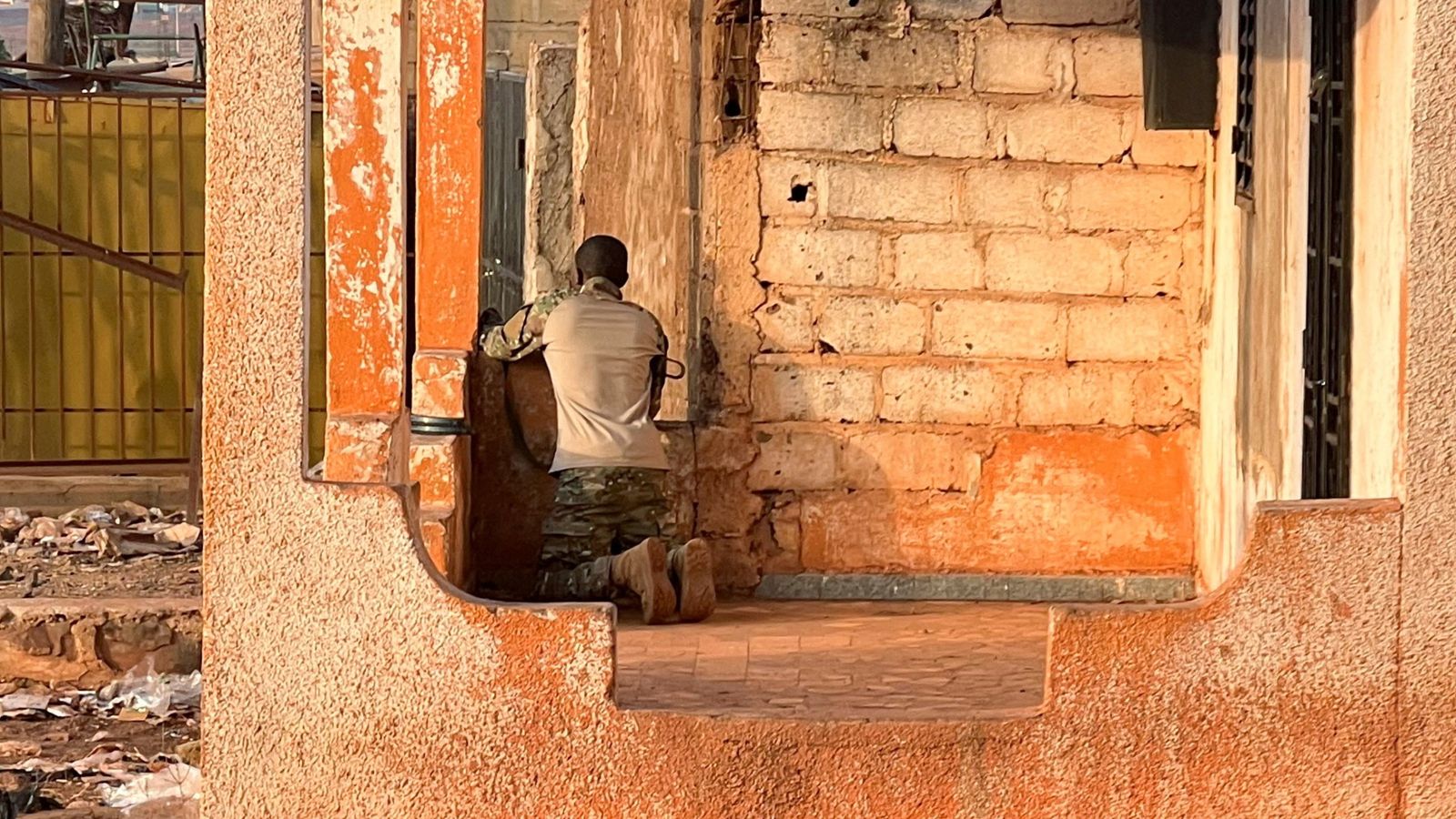
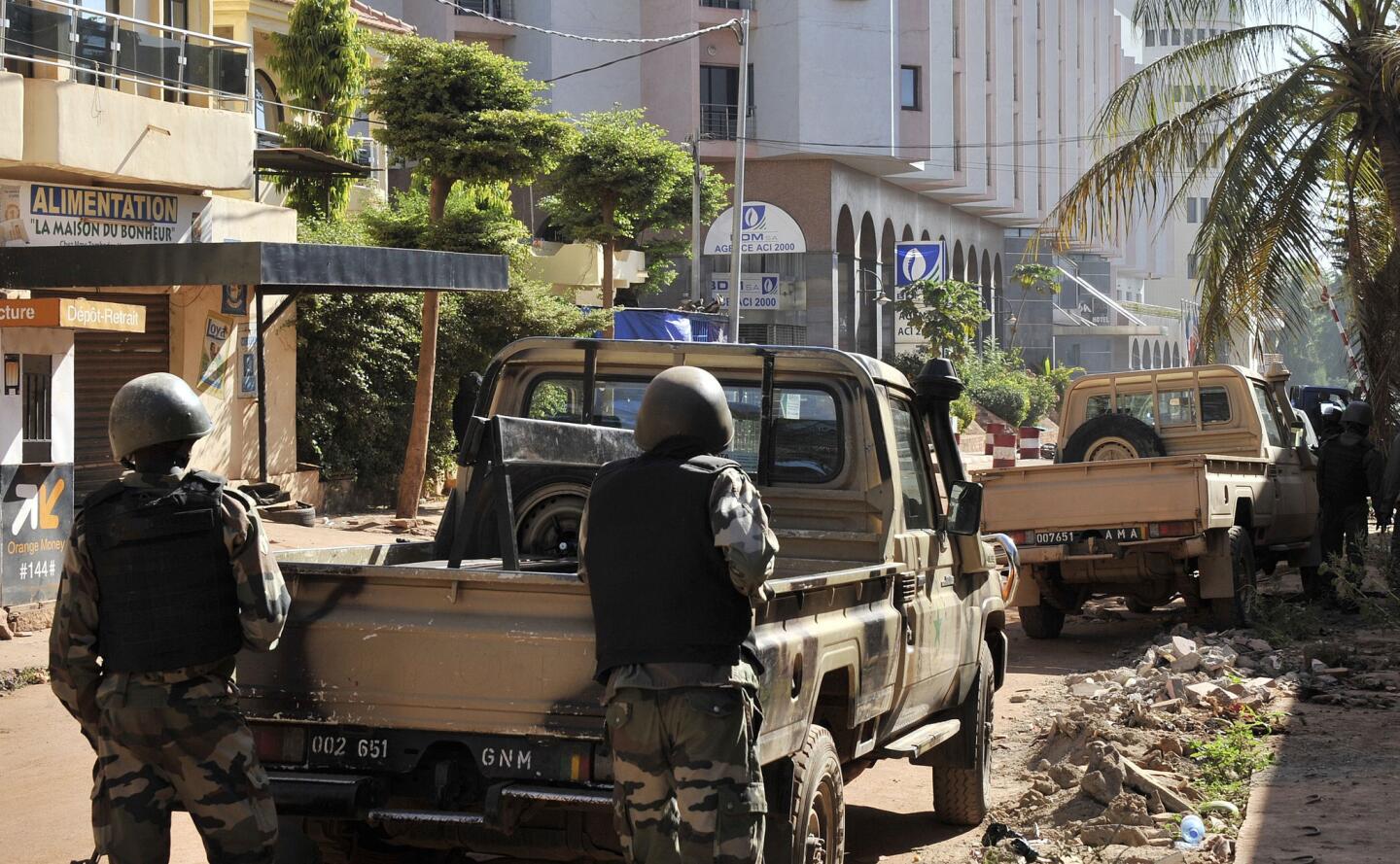
A Malian soldier takes up a position during the attack on the Kati base. Pic: Reuters
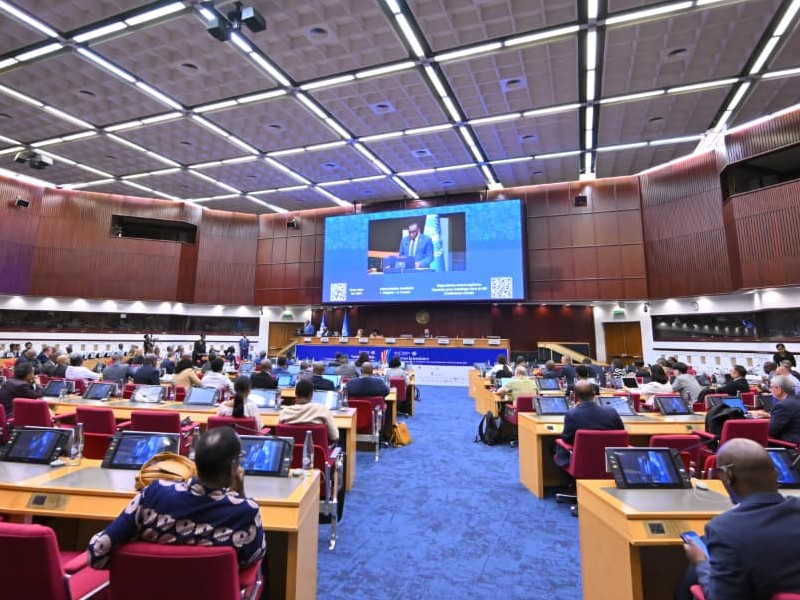
They made the call during the eighth African Science, Technology and Innovation (STI) Forum, held by the United Nations Economic Commission for Africa (UNECA) from Sunday to Monday in the Ethiopian capital of Addis Ababa.
Ugandan Minister of Science, Technology and Innovation Monica Musenero Masanza stressed the need for concerted continental efforts on STI as a central pillar to Africa’s socio-economic transformation, industrialization, value addition, and job creation.
“There is no question that STI is an essential ingredient for our nations and continent to move forward,” said Masanza. “We need to work jointly to scale practical projects. Africa does not lack ideas and strategies. Africa lacks execution at scale.”
The forum brought together African ministers responsible for STI, representatives of the African Union and various United Nations agencies, as well as private sector leaders and academia.
Noting that Africa continues to face significant digital and innovation gaps despite the opportunities presented by emerging technologies, UNECA Executive Secretary Claver Gatete emphasized that Africa must act with “urgency, coordination and ambition” to harness STI as drivers of economic transformation, inclusion and sustainable development.
“For Africa, the margin for delay has disappeared. The cost of inaction is rising. The choices we make today will determine whether we catch the next wave of global transformation, or miss it entirely,” Gatete said.
Gatete outlined five strategic priorities for Africa to turn innovation into a broad-based transformation, which include aligning STI with Africa’s economic transformation agenda, accelerating investment in digital public infrastructure, building future-ready skills at scale, deepening regional and continental coordination, as well as securing reliable, affordable and sustainable energy to power Africa’s digital transformation.
The forum brought together African ministers responsible for STI, representatives of the African Union and various United Nations agencies, as well as private sector leaders and academia.
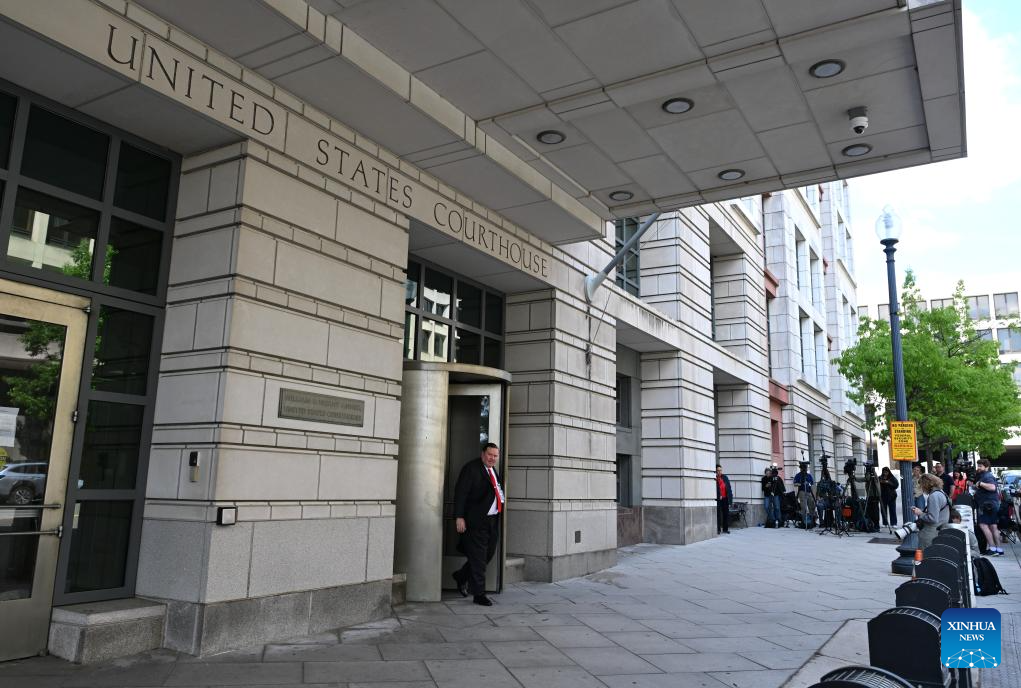
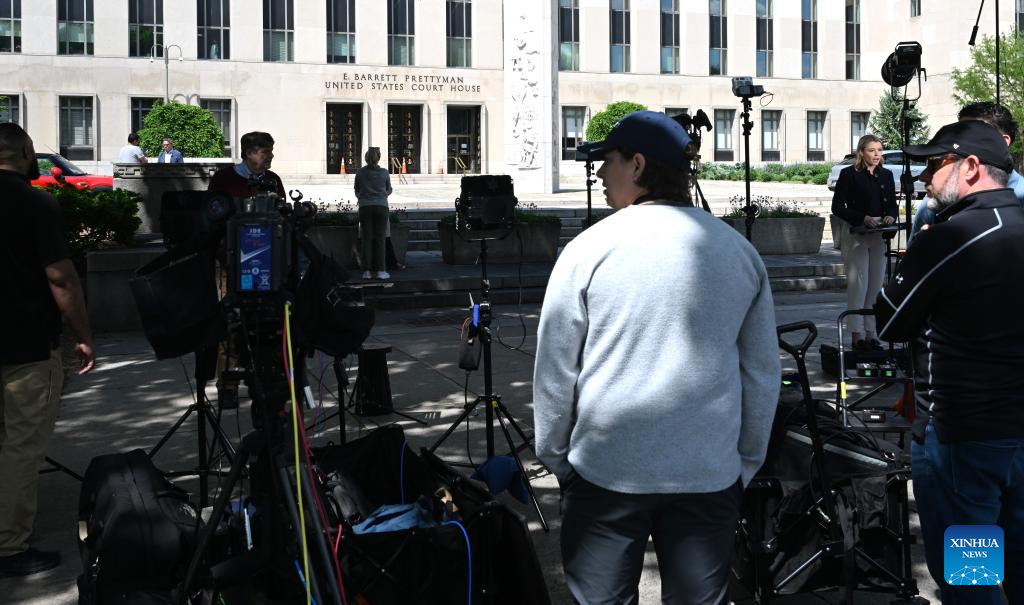
On Monday, Allen made his first court appearance at the U.S. District Court for the District of Columbia since the shooting.
He was charged with three criminal counts, namely, attempting to assassinate the president, interstate transportation of weapons, and discharge of a firearm during a violent crime.
The prosecutor said Allen had a 12-gauge pump-action shotgun and a .38 caliber pistol, and was also carrying with him three knives and other dangerous paraphernalia when he was arrested, CNBC reported.
According to law enforcement authorities, Allen, 31, traveled from California to Washington, D.C. by train and checked into the Washington Hilton hotel with weapons before the attack.
Allen reportedly sent an email to his relatives shortly before the shooting, in which he wrote that Trump administration officials were “targets, prioritized from highest-ranking to lowest.”
He also wrote: “I walk in with multiple weapons and not a single person there considers the possibility that I could be a threat.”
Live footage of the event showed that the suspect attempted to rush a security checkpoint and exchanged gunfire with law enforcement. A U.S. Secret Service officer was injured amid the shooting incident.
Trump, First Lady Melania Trump, Vice President JD Vance, and all Cabinet members were evacuated from the dinner after the shooting. Attendees were seen on the live broadcast ducking around their tables and taking cover.
Shortly after the security incident, U.S. Secret Service spokesperson Anthony Guglielmi wrote on X that the agency was investigating “a shooting incident near the main magnetometer screening area” at the dinner, in coordination with the Metropolitan Police Department.
Political violence has been frequent in the U.S. in recent years. Trump has been the target of multiple assassination attempts and death threats during his presidential campaign and as president. The most prominent example is the July 2024 assassination attempt in Butler, Pennsylvania, in which Trump narrowly survived while campaigning for president.
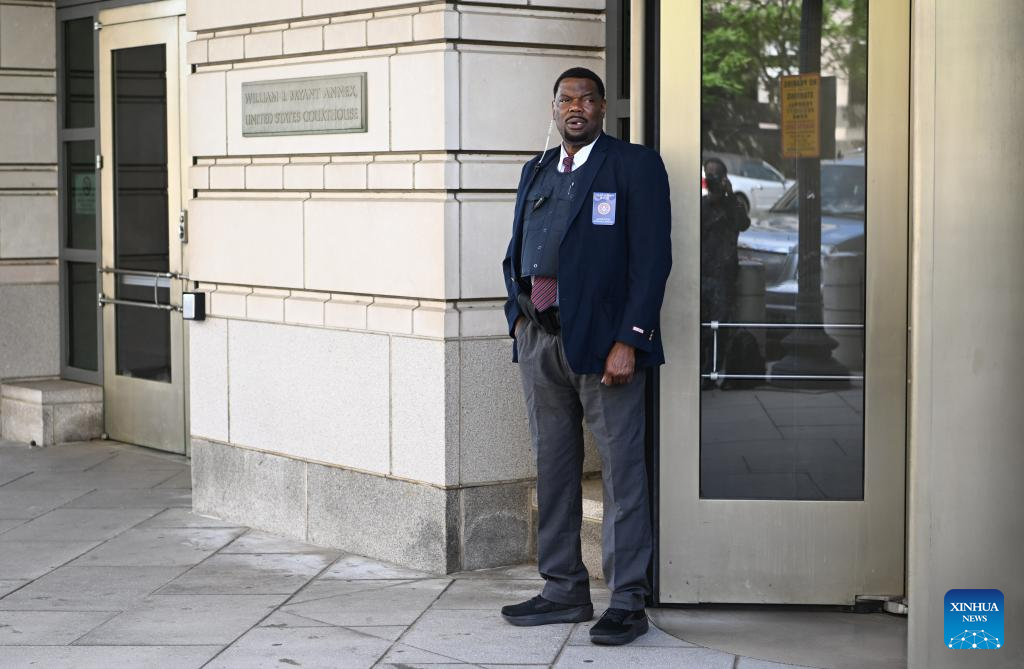
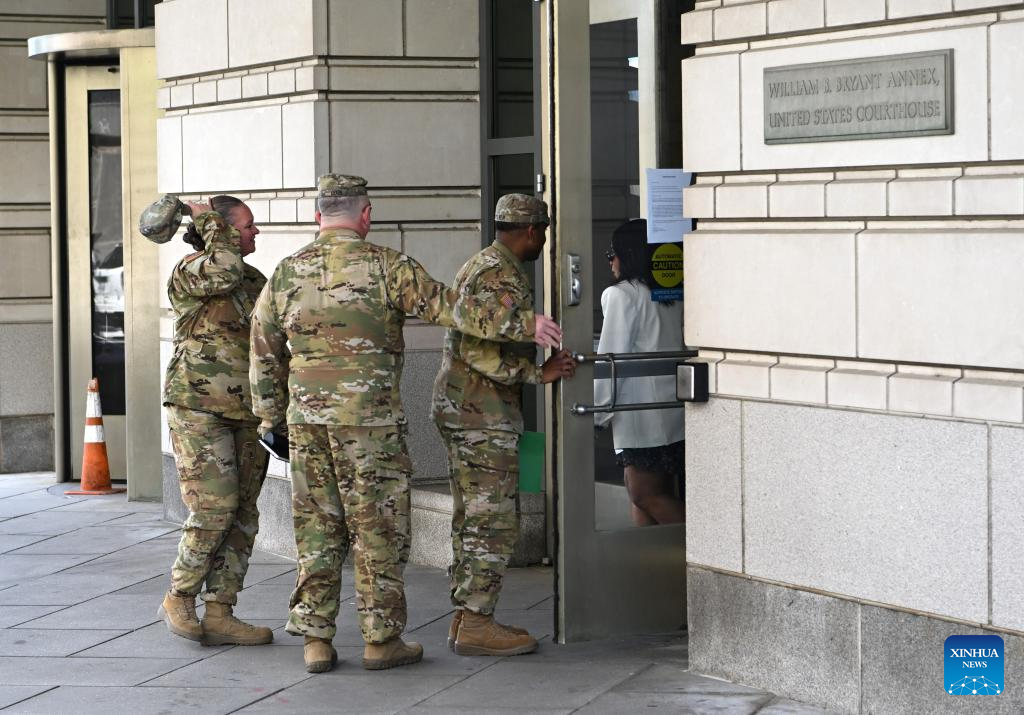
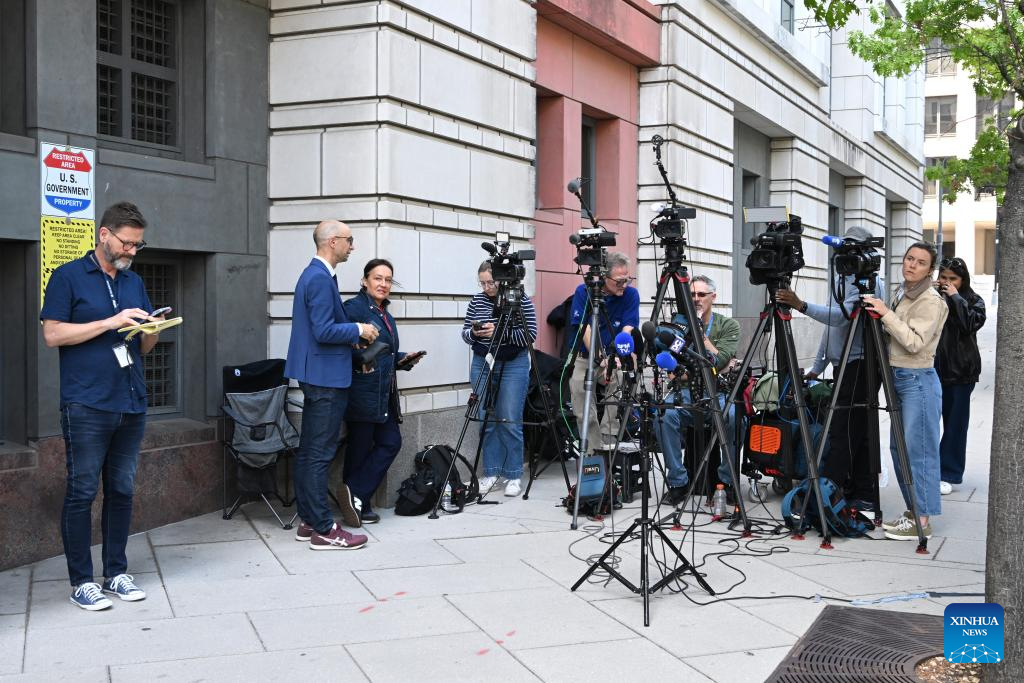
Media crews are positioned near the entrance to the U.S. District Court for the District of Columbia in Washington, D.C., the United States, April 27, 2026. A court security officer stands guard at the entrance to the U.S. District Court for the District of Columbia in Washington, D.C., the United States, April 27, 2026.Servicemen and a servicewoman enter the U.S. District Court for the District of Columbia in Washington, D.C., the United States, April 27, 2026. Media crews are positioned near the entrance to the U.S. District Court for the District of Columbia in Washington, D.C., the United States, April 27, 2026. Media crews are positioned near the entrance to the U.S. District Court for the District of Columbia in Washington, D.C., the United States, April 27, 2026.
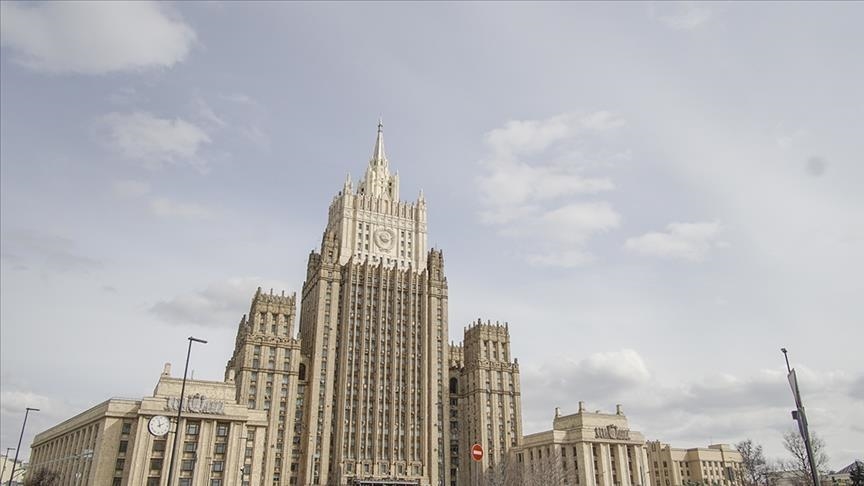
The EU continues its attempts to pressure Russia by scaling up unilateral restrictive measures, the ministry said in a statement, adding that Brussels’ destructive actions grossly violate the norms of international law.
“We have also imposed restrictive measures against civil society activists and academics in European countries who hold hostile positions toward Russia, as well as members of national parliaments of EU member states and the European Parliament who voted in favor of anti-Russian resolutions and bills,” said the statement.
Russia has also barred entry to representatives of European institutions and EU member states involved in decisions on providing military aid to Ukraine, it added.
European Council President Antonio Costa said on Thursday that the EU has approved a 90-billion-euro (105 billion U.S. dollars) loan package for Ukraine, along with a 20th round of sanctions against Russia.
Moscow has largely expanded the blacklist of European Union (EU) officials banned from entering Russia in response to Brussels’ 20th sanctions package against Moscow, the Russian Foreign Ministry said on Monday.
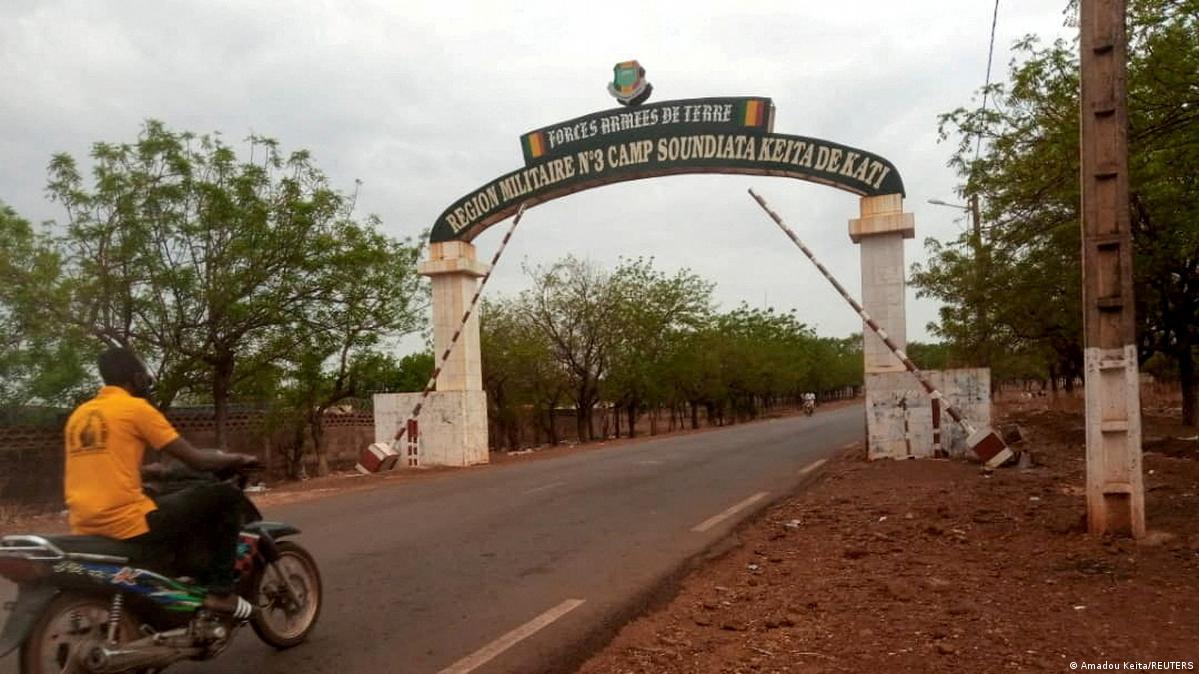
In a statement, the government said Camara’s residence in Kati, a garrison town near the capital Bamako, was hit Saturday morning by a vehicle bomb driven by a suicide attacker.
Camara exchanged fire with the attackers and neutralized some of them, the statement said. He was wounded during intense fighting and later died of his injuries in hospital.
The collapse of his residence caused other casualties and destroyed a nearby mosque, killing some worshippers inside, according to the statement.
The government said the late general will be given a national funeral.
Several localities in Mali, including Bamako, Kati, Gao, Sevare and Kidal, were hit by coordinated attacks on Saturday. The government had earlier said the attacks left 16 civilians and military personnel wounded.
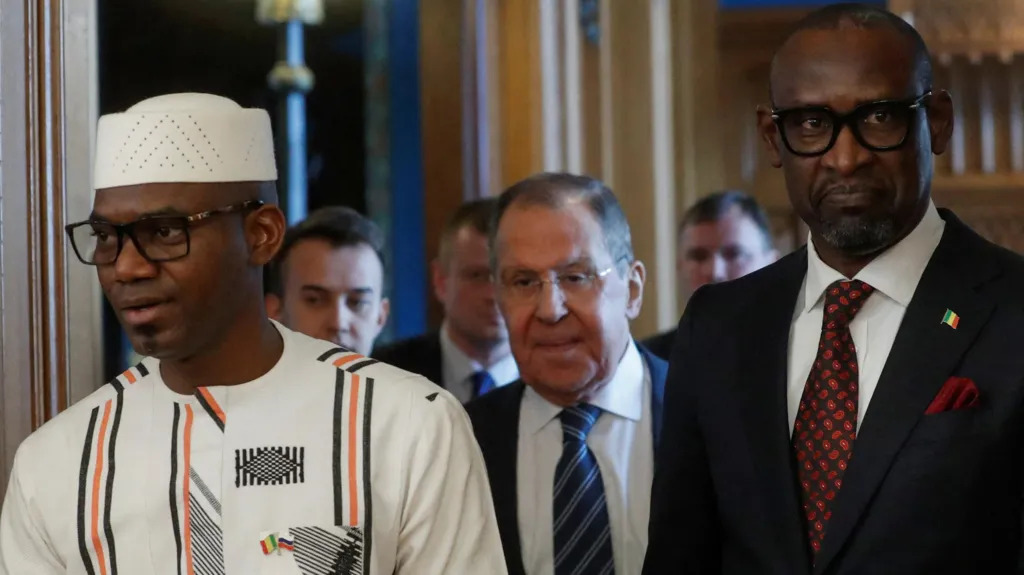
Mali’s defense minister Sadio Camara, left, with Russia’s foreign minister, Sergei Lavrov, in Moscow in February 2024. The government said Camara’s residence in Kati, a garrison town near the capital Bamako, was hit Saturday morning by a vehicle bomb driven by a suicide attacker
A U.S. Secret Service agent was shot in protective gear on Saturday at the White House Correspondents’ Dinner and has been hospitalized, U.S. media reported.
In a post on Truth Social, Trump shared a photo of the suspected gunman, who appears to have been subdued, with his hands bound behind his back and lying face down on the ground.
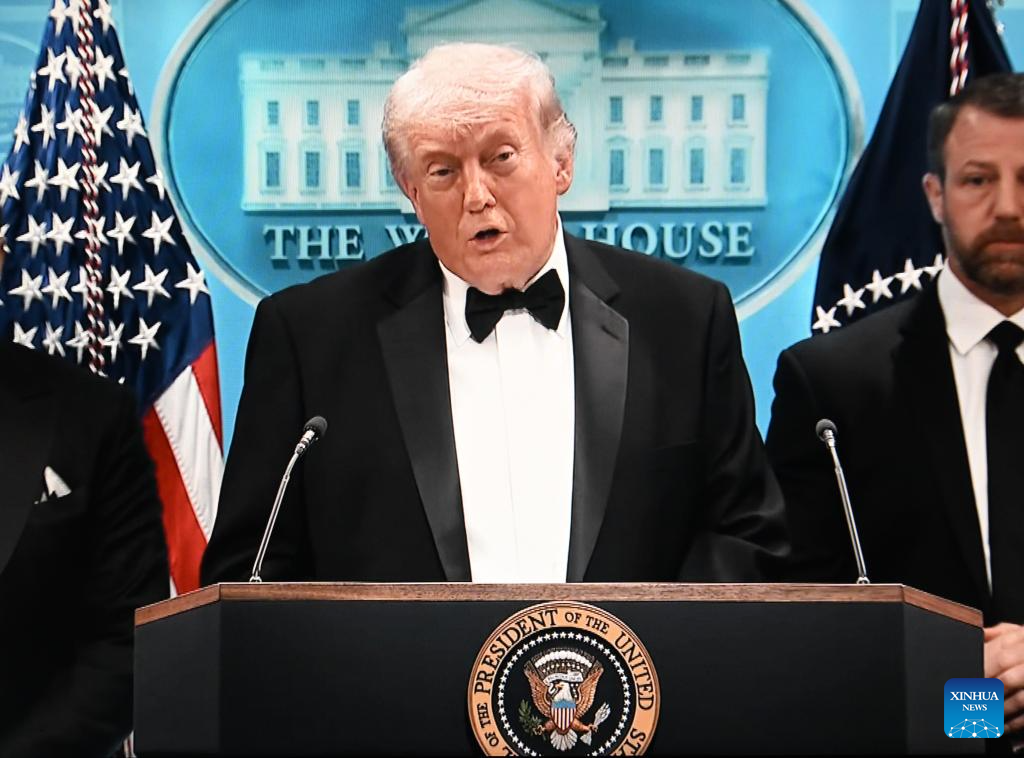
In a press conference at the White House late Saturday evening, Trump said that the alleged shooter lives in the state of California and law enforcement agents went to his apartment.
When asked by a reporter whether the shooter acted alone, Trump said that “they seem to think he was a lone wolf, and I feel that too.”
In response to a question about whether this shooting could have been linked to the war in Iran, Trump said, “I don’t think so. But you never know.”
“Quite an evening in D.C. Secret Service and Law Enforcement did a fantastic job. They acted quickly and bravely. The shooter has been apprehended,” Trump said in an earlier post on Truth Social shortly after the incident.
In another post later, Trump said that “law enforcement has requested that we leave the premises, consistent with protocol, which we will do, immediately,” noting that “The First Lady, plus the Vice President, and all Cabinet members, are in perfect condition.”
He added that the White House Correspondents’ Dinner will be rescheduled within 30 days.
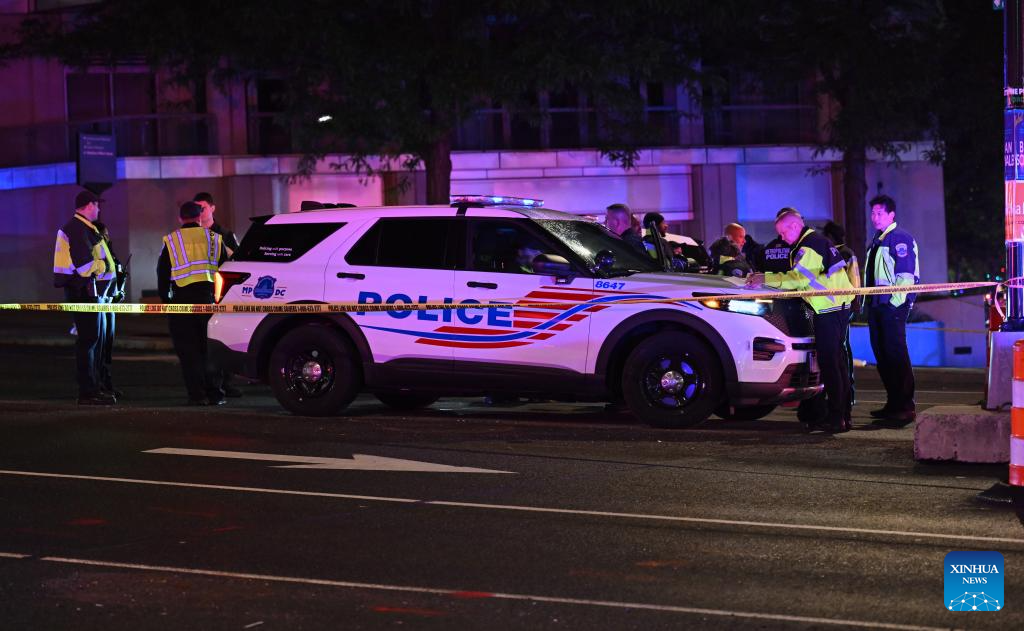
The U.S. Secret Service said in a post on X that it is investigating “a shooting incident near the main magnetometer screening area” at the White House Correspondents’ Dinner, in coordination with the Metropolitan Police Department.
“The president and the first lady are safe along (with) all protectees,” the statement said. “One individual is in custody. The condition of those involved is not yet known, and law enforcement is actively assessing the situation.”
Trump has been evacuated from the Dinner after the shooting at the Washington Hilton Hotel. Attendees were seen on the live broadcast ducking around their tables and taking cover.
This would mark Trump’s first time attending the White House Correspondents’ Dinner.
In a joint press conference, Washington, D.C. Mayor Muriel Bowser said all guests at the dinner were safe, while U.S. Attorney for D.C. Jeanine Pirro said the suspect now faces charges including using a firearm during a crime of violence and assault on a federal officer with a dangerous weapon.
The suspect named Cole Allen by U.S. media, 31, of Torrance, California, was armed with a shotgun, a handgun and multiple knives, police said.
Political violence has been frequent in the U.S. in recent years. Trump has been the target of multiple assassination attempts and death threats during his presidential campaign and as the president.
The most prominent example is the July 2024 assassination attempt in Butler, Pennsylvania, which Trump narrowly survived while campaigning for president.
In a press conference at the White House late Saturday evening, Trump said that the alleged shooter lives in the state of California and law enforcement agents went to his apartment. When asked by a reporter whether the shooter acted alone, Trump said that “they seem to think he was a lone wolf, and I feel that too.” Police officers stand guard near the Washington Hilton Hotel, where the White House Correspondents’ Dinner was held, in Washington, D.C., the United States, April 25, 2026.
The Israeli military said in a statement on Saturday afternoon that it had killed more than 15 Hezbollah militants over the weekend.
In another statement, the IDF said it struck Hezbollah infrastructure used for military purposes across southern Lebanon earlier Saturday, and will continue to operate decisively against threats in accordance with directives from the political echelon.
According to the local news website Lebanon Debate, one person was killed and another wounded in an Israeli airstrike on the town of Hadatha in southern Lebanon on Saturday night.
Earlier in the day, Israeli aircraft struck Hadatha twice within less than 10 minutes.
Israeli warplanes also carried out airstrikes on the village of Zebqine, the town of Bazourieh, the town of Al Sultaniyah, and the Dabsha area near a waste treatment facility in Khirbet Selm, Lebanese media reported.
Also in the day, the Israeli army carried out a controlled explosion in the town of Khiam, while reportedly dismantling solar panels and damaging municipal vehicles in the border town of Debel.
On Saturday evening, Israel’s state-owned Kan TV News quoted Israeli security officials as saying that they fear the ceasefire with Lebanon could collapse.
The sources added that Israel demands that the United States put pressure on the Lebanese army to act against Hezbollah in areas north of the Israeli-controlled “security strip” in southern Lebanon, which stretches, according to Israeli statements, from the western coast to the Mount Hermon area and the Syrian border in the east.
The violence came despite a ceasefire between Israel and Lebanon that took effect at midnight between April 16 and 17, following weeks of intensified cross-border fighting linked to the U.S.-Israeli war with Iran.
U.S. President Donald Trump said Thursday that the current 10-day ceasefire would be extended by three weeks.
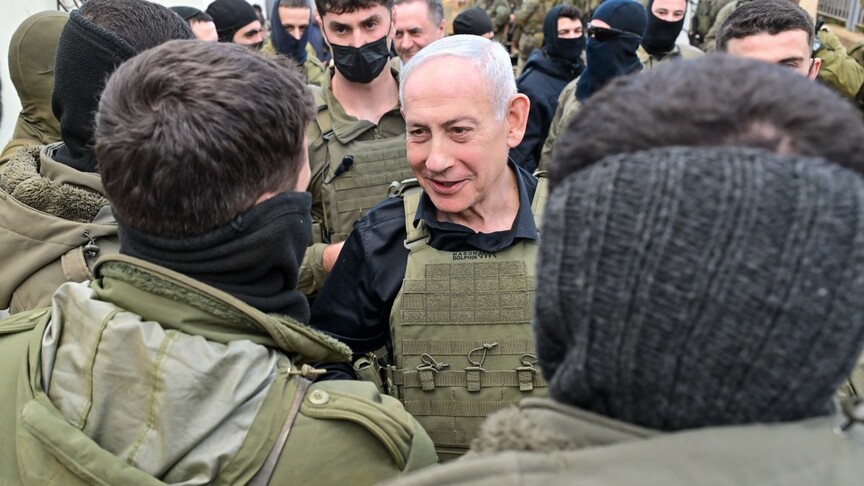
Israeli soldiers patrol along the border with southern Lebanon, in the Upper Galilee of northern Israel, on Saturday, April 25, 2026. Israeli Prime Minister Benjamin Netanyahu has ordered the military to forcefully strike Hezbollah targets in Lebanon.
Reports said detonations were also heard in Mopti, Gao, Sevare, and Kidal. Earlier in Kati, a garrison town in Mali’s Koulikoro Region near the capital, two powerful explosions were heard between 5:00 a.m. (0500 GMT) and 5:30 a.m. (0530 GMT), waking up some residents in Bamako.
“A deafening noise woke up our whole neighborhood early this morning,” a resident of Kati told Xinhua. Local sources said detonations were still being heard in some areas, while residents were staying indoors amid fear and uncertainty.
According to a security source, the incidents were believed to be coordinated attacks targeting positions of the Malian Armed Forces. The situation remained unclear, and no official statement or casualty report was immediately available.
Strong explosions and gunfire were reported early Saturday in several cities in Mali, including Kati and areas of Bamako, local sources said.
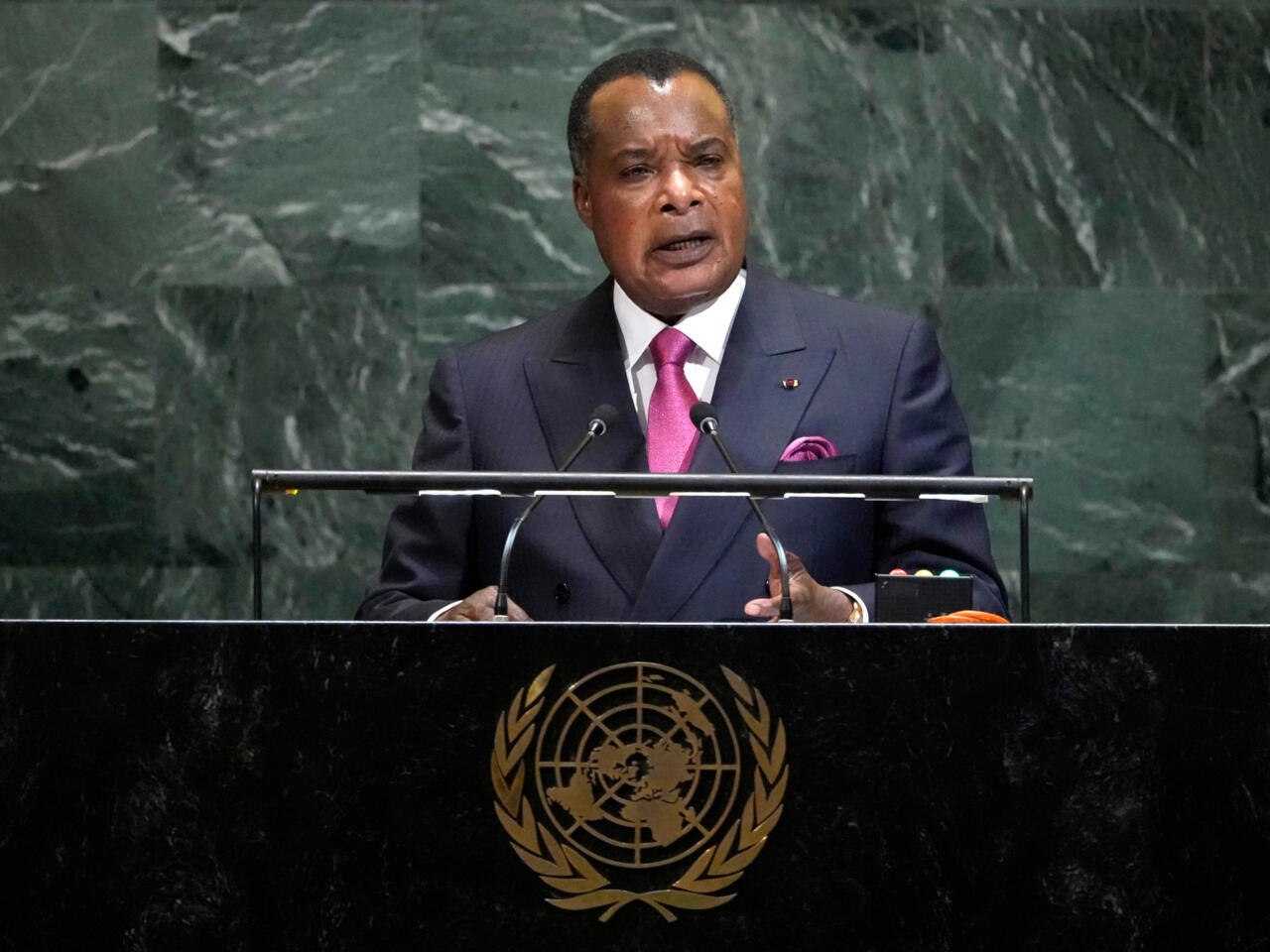
According to the statement, in addition to Prime Minister Anatole Collinet Makosso, who was reappointed earlier by President Denis Sassou Nguesso, the new government comprises one deputy prime minister, three ministers of state and 37 ministers.
Among them, Jean-Jacques Bouya, former minister of state for territorial planning and major works, was appointed deputy prime minister in charge of infrastructure development and territorial planning.
Pierre Oba, former minister of state for mines and geology, was appointed minister of state at the presidency in charge of political affairs. Former Minister of State for Trade, Supply and Consumption Claude Alphonse Nsilou was appointed minister of state for construction, urban planning and housing, while former Minister of State for Land Affairs and State Property Management Pierre Mabiala was appointed minister of state for civil service, labor and social dialogue.
In the presidential election held on March 15, Sassou Nguesso won re-election with 94.9 percent of the vote. According to the Constitution, the president is required to appoint a new prime minister to form a government.
Former Prime Minister Makosso and his government submitted their resignation on April 17, which was accepted by the president. On April 23, the presidency announced Makosso’s reappointment as prime minister, tasking him with forming a new government.
In the presidential election held on March 15, Sassou Nguesso won re-election with 94.9 percent of the vote.
The move follows a week of heightened economic pressure, including new sanctions on shipping companies involved in transporting Iranian oil.
White House Press Secretary Karoline Leavitt confirmed the mission, stating that the U.S. is prepared for “in-person conversations” to move toward a permanent deal, even suggesting that Iran had requested the direct encounter.
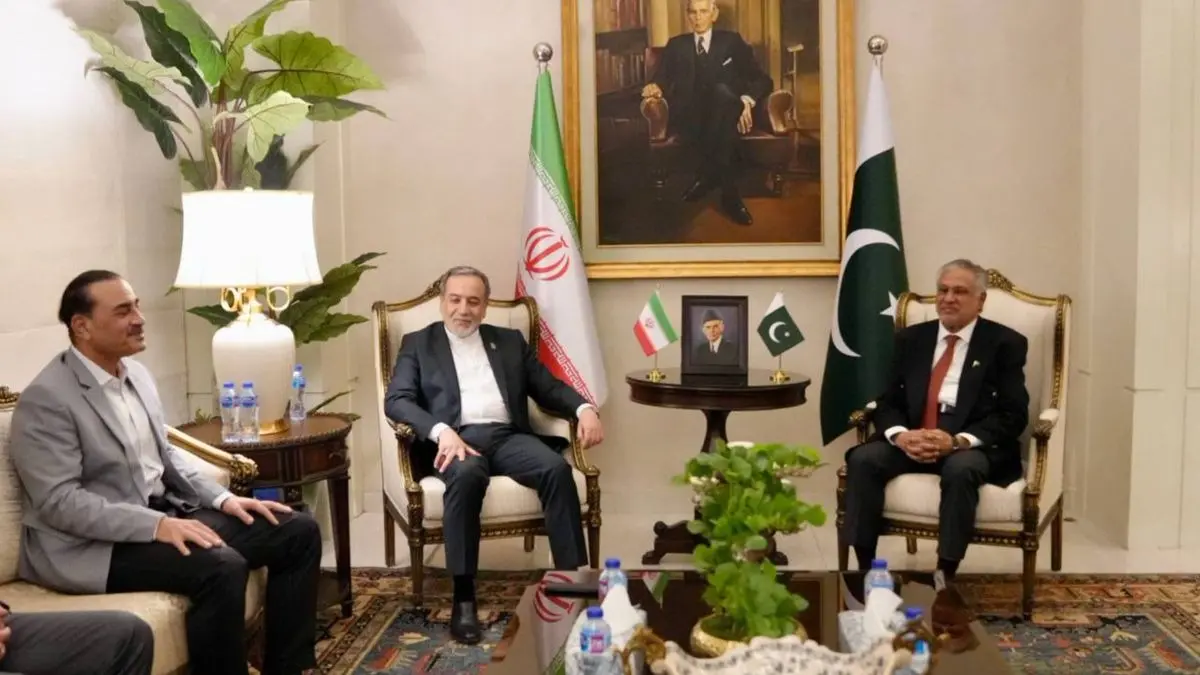
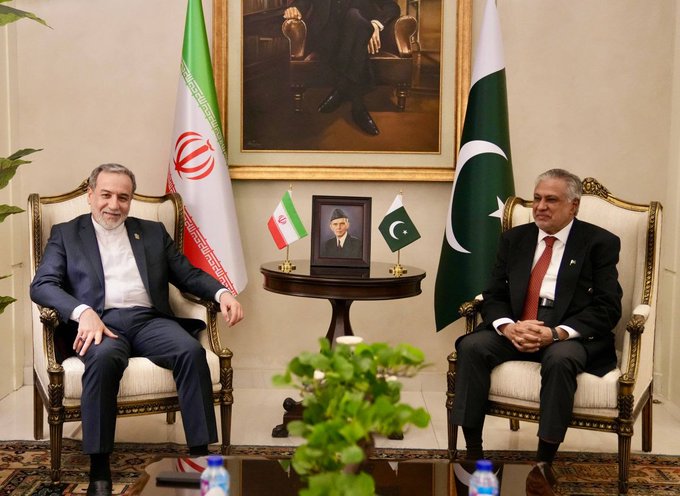
However, the nature of the engagement remains a point of intense diplomatic dispute. Shortly after Iranian Foreign Minister Abbas Araghchi arrived in Islamabad for meetings with Pakistani Foreign Minister Ishaq Dar and Army Chief Field Marshal Asim Munir, Tehran issued a firm denial of direct contact.
Iranian Foreign Ministry spokesperson Esmaeil Baqaei clarified in a statement on X that “no meeting is planned” to take place between Iranian and U.S. officials.
Instead, Iran maintains that it will only convey its “observations” through Pakistani intermediaries, highlighting the deep-seated mistrust that has defined the relationship since the 1979 Revolution and the 2018 U.S. withdrawal from the nuclear deal.
Pakistan continues to play a pivotal role as the “bridge” in this conflict, leveraging its unique diplomatic ties with both Washington and Tehran.
While U.S. negotiators express hope that this round of talks will lead to a breakthrough, the conflicting accounts from both capitals underscore the immense challenges of de-escalating a war of aggression that has disrupted regional peace and global trade for 57 days.
US negotiators to go to Islamabad, but Iran says no direct talks.