The artiste has via his social media accounts informed fans that the concert will take place on 30th July 2022.
The Ben has promised a thrilling concert to his fans and urged them to remind each other to save the date.
He was invited to perform in the annual concert dubbed ‘Africa- Nordic’ introduced by a Rwandan called Blaise Ntezimana. It is aimed at connecting Africa to countries of Northern Europe through culture and music.
The Ben is expected to stage the concert in Stockholm, the capital of Sweden. It will also feature performances by other Sweden artistes including Nils Ström and Joseph Nordin, Ugandan Martin Luther Kintu and Inyaruguru Ballet comprised of Rwandans living in the country.
The organizer of the concert, Ntezimana has told IGIHE the concert will also feature a session dedicated for visuals giving a glimpse into Rwanda’s attractions and investment opportunities.
Recently, The Ben performed in two concerts held in Uganda.
Launched in 1955, this book is the first to examine and highlight the unique human capabilities. The authors had the idea of creating the book to solve different kinds of questions.
As the years go by, people from different parts of the world are shown in this book their names being displayed and even the extraordinary things they can do.
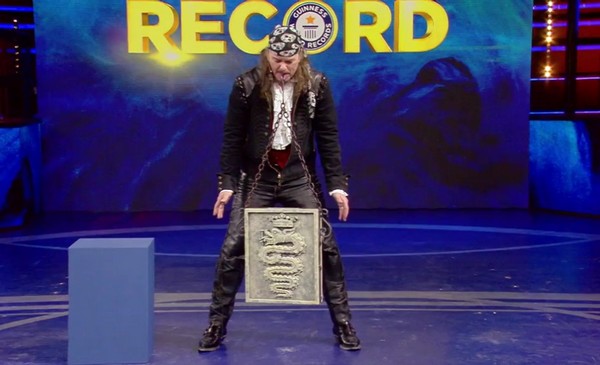
{{1. Thomas Blackthorn lifts 12 pounds with his tongue}}
Thomas Blackthorn proved that the tongue is one of the strong and powerful muscles in the human body. In 2008 he lifted 12.5 kgs with his own tongue.
He lifted the weight using just his tongue after training for six years.
{{2. Kevin Fast, the longest distance for pulling a plane climbed with his hands}}
Kevin Fast from Canada has won various weight lifting and pulling awards.
In 2009, Kevin Fast pulled the CC-177 Globemaster plane that weights 416,299 pounds for 28 feet.
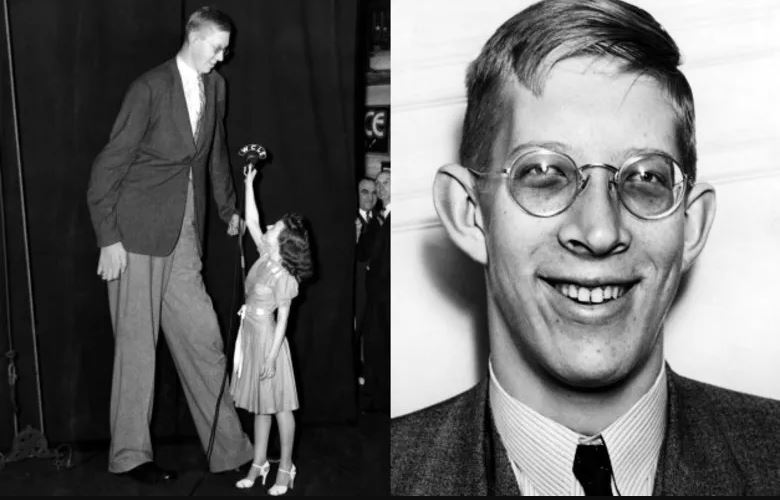
{{3. Robert Wadlow is the tallest man in the world}}
In the 1940s, Robert Wadlow from the United States became known as the tallest man in the world.
Wadlow was 2.72 meters tall. He died at 21 in 1940 at 199 kilograms. Wadlow used to wear 47cm shoes.
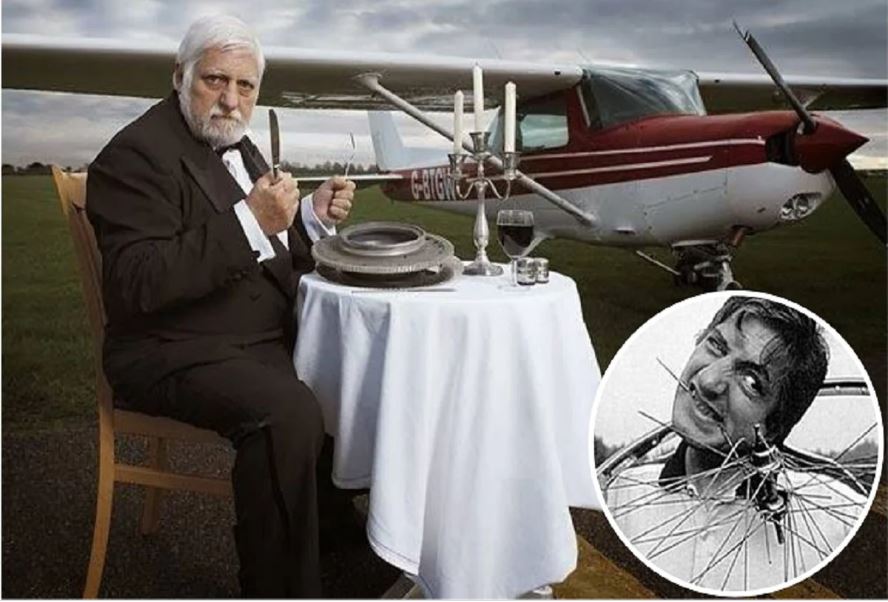
{{4. Michel Lotito, the person who ate a lot of metal in the world}}
Michel Lotito died in 2007 at the age of 57. He ate 9 tons of metal all his life. The man ate all of the ‘Cessna 150’ plane.
He had an illness called Pica, a disease that caused him the desire to eat nonedible things such as dirt glass, and of course metal.
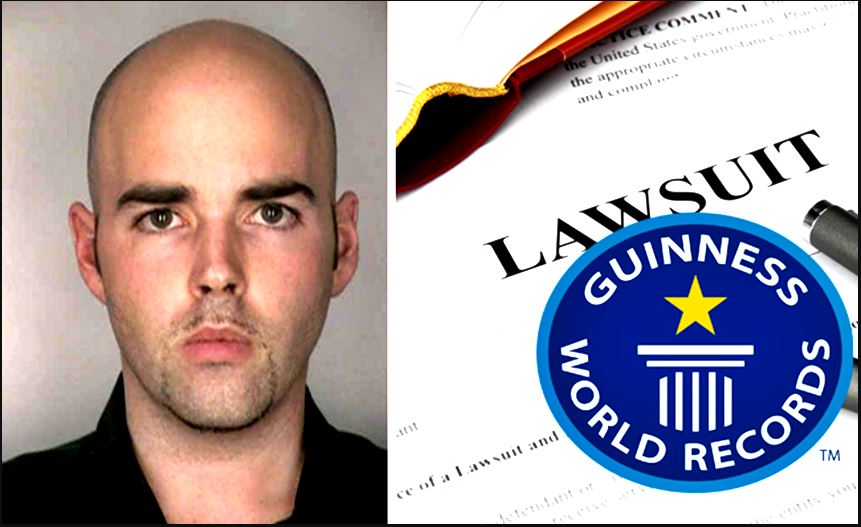
{{5. Jonathan Lee Riches, the most filed lawsuits in the world }}
Jonathan Lee Riches, holds the record of the many who sued many individuals and companies. He has sued more than 4,000 companies, including those filed against Bill Gates, Pope Benedict XVI, his friends, judge, companies, his girlfriend, police, George Bush and other well-known people.
He also took his mother to court, where he accused her of not properly taking care of him. Riches was given US$ 20,000 as compensation.
After learning that it was written in the Guinness Book of World Records, he also sued them.
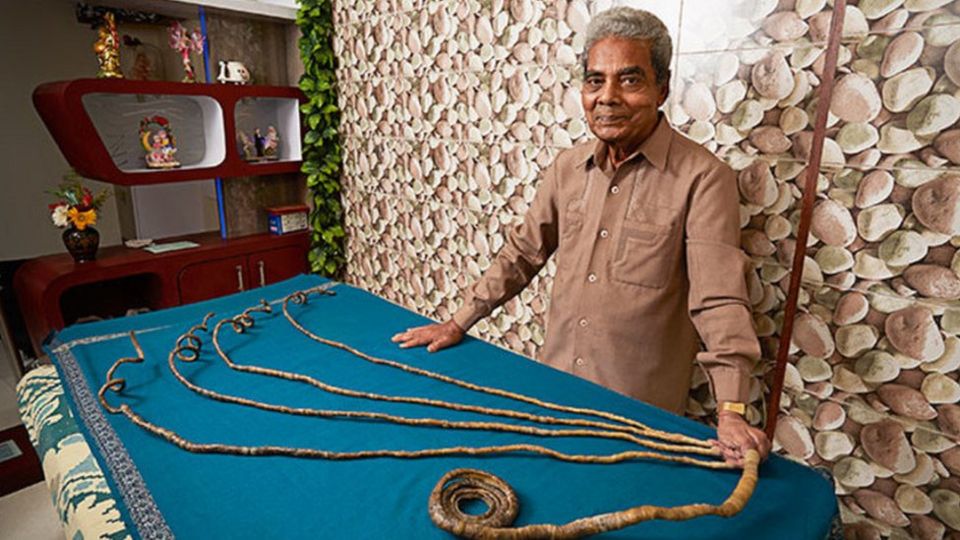
{{6. Shridhar Chillal, the longest fingernails in the world }}
Shridhar Chillal from Pune hailing from India, has been given the record of having the longest fingernails in the world.
The man did not cut his fingers for 66 years, before cutting them to a total length of 909.6 centimeters.
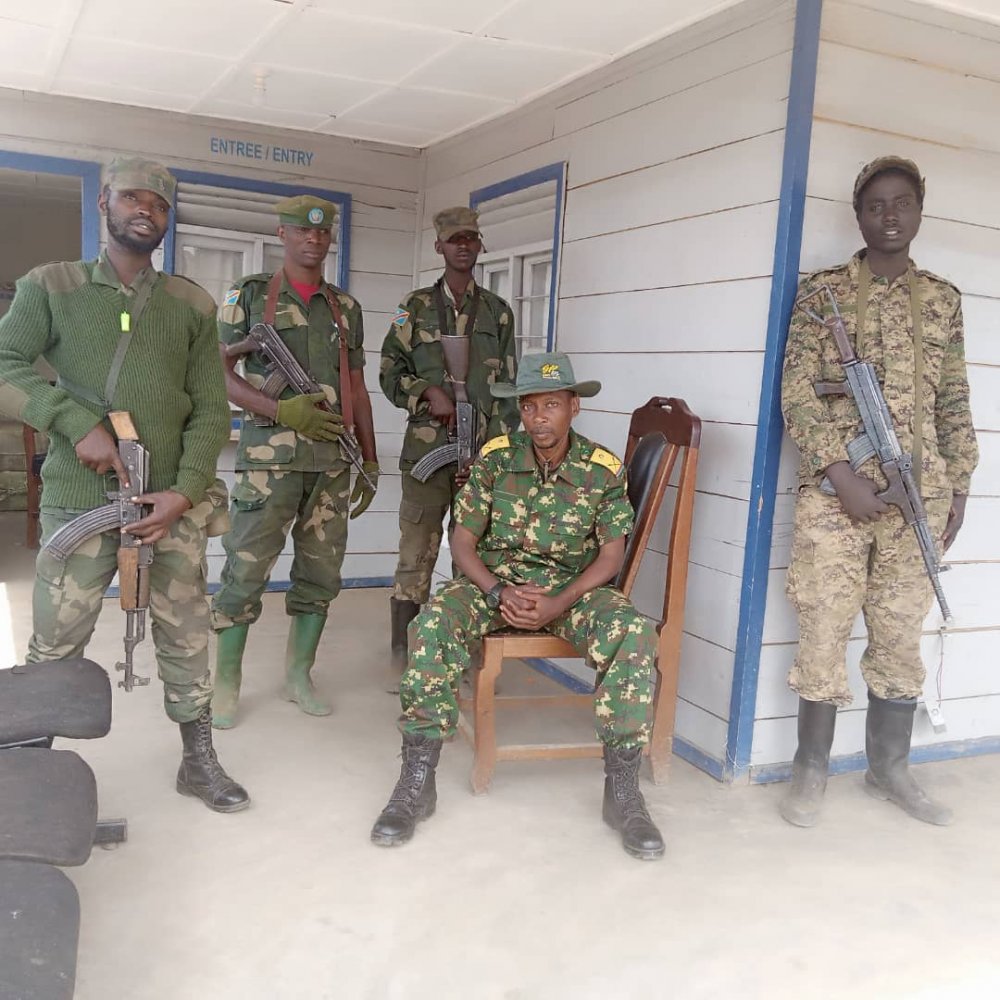
The EJVM is a mechanism of the International Conference of the Great Lakes Region (ICGLR) composed of military officers from the 12 member countries that is charged with monitoring and verification of border violations between DRC and neighbouring countries.
A new report of UN experts on security issues in the Democratic Republic of Congo (DRC) seems to contradict the country’s accusations that Rwanda supports M23.
DRC started accusing Rwanda as the fighting between M23 rebel group and FARDC erupted in the past few months.
The report indicated that ‘the resurgence of M23 was fuelled by failure to implement peace accords of 12th December 2013’.
It also reads that M23 held talks with DRC Government but were called off in September 2020.
The negotiations had prompted M23 to release a statement announcing that dialogues between the regime of President Tshisekedi were promising to yield good results.
As the report shows, M23 was represented by a delegation including Benjamin Mbonimpa, Laurens Kanyuka and Castro Mbera during negotiations.
It further reveals that M23 had not resumed fighting until November 2021 when it launched an attack on FARDC military position that saw the rebel group killing soldiers and stealing arms, military uniforms and telecommunication gadgets.
The experts went on explaining that M23 plotted more attacks on FARDC bases in Rutshuru one month later and January 2022. Since then, the report indicates that M23 attacked more regions including Tshanzu, Gisiza, Ndiza and Runyoni.
{{No evidences pinning Rwanda}}
Following attacks plotted by M23 between January and March 2022, FARDC started putting forward speculations that the rebel group is comprised of Rwanda’s special forces.
On 28th March 2022, the Spokesperson of North Kivu announced that M23 on the support of Rwanda raided FARDC bases in Tshanzu and Runyoni.
The UN report indicates that sources from EJVM do not point out any involvement of foreign countries in the resurgence of M23.
During a recent interview with DW; the Spokesperson of M23, Maj Willy Ngoma said that the rebel group M23 didn’t receive any support.
He disclosed that some of used weapons were kept in their hideouts after defeat in 2013 while others are bought from Congolese soldiers or seized during the ongoing fight.
Ngoma revealed that fighters also sell part of their properties including houses and cars to buy weapons.
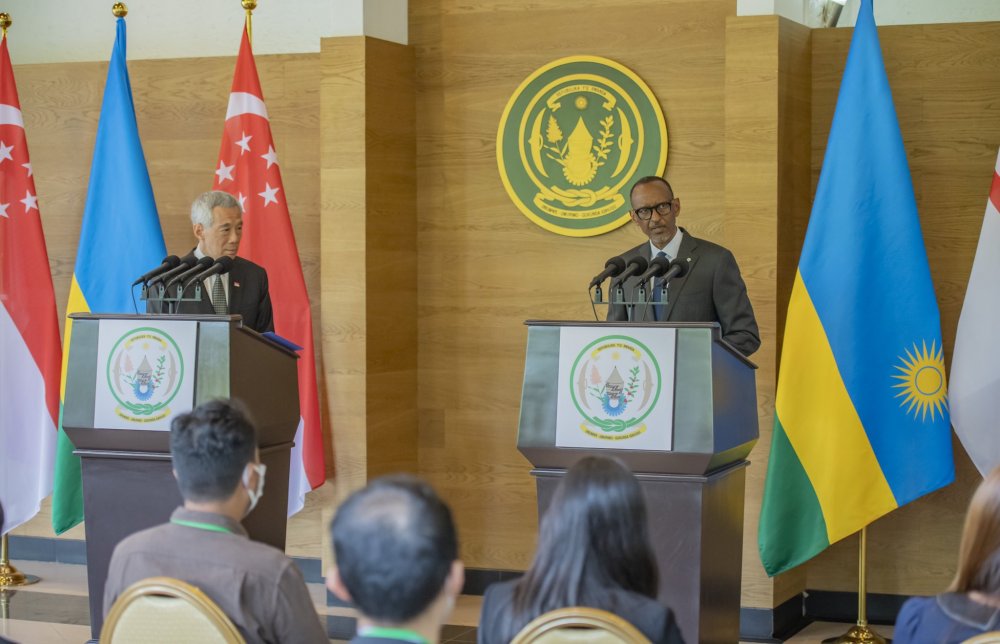
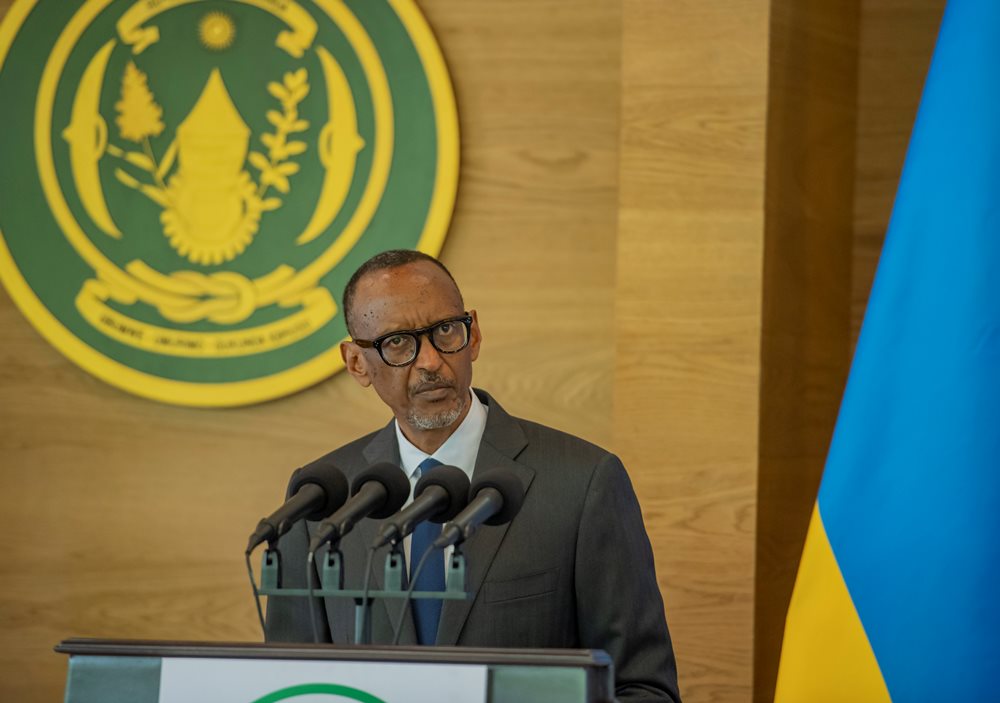
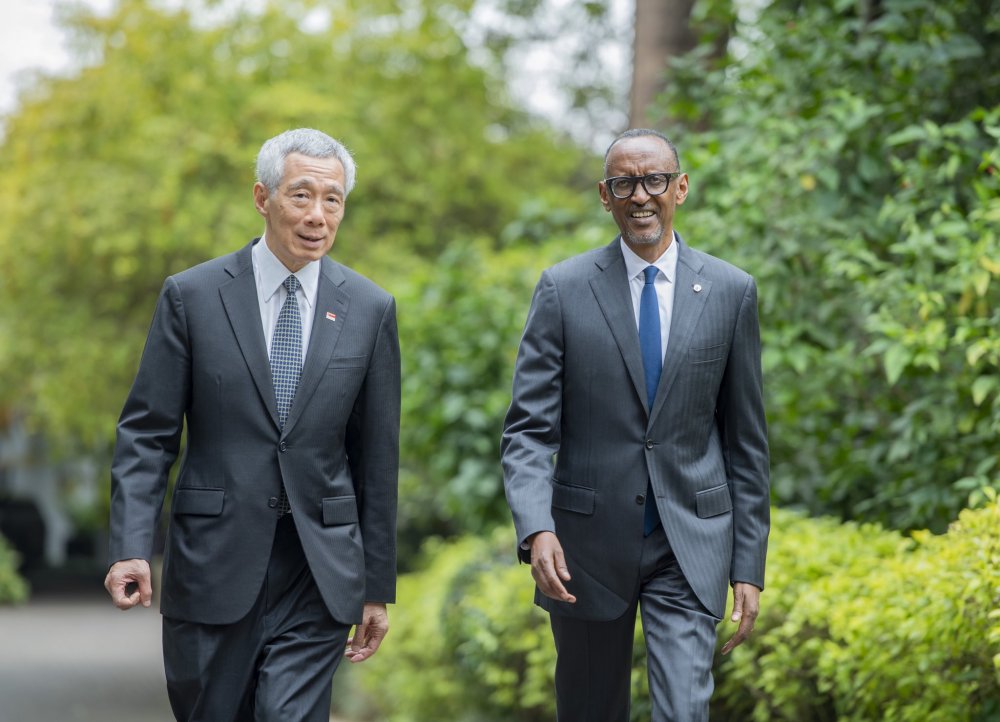
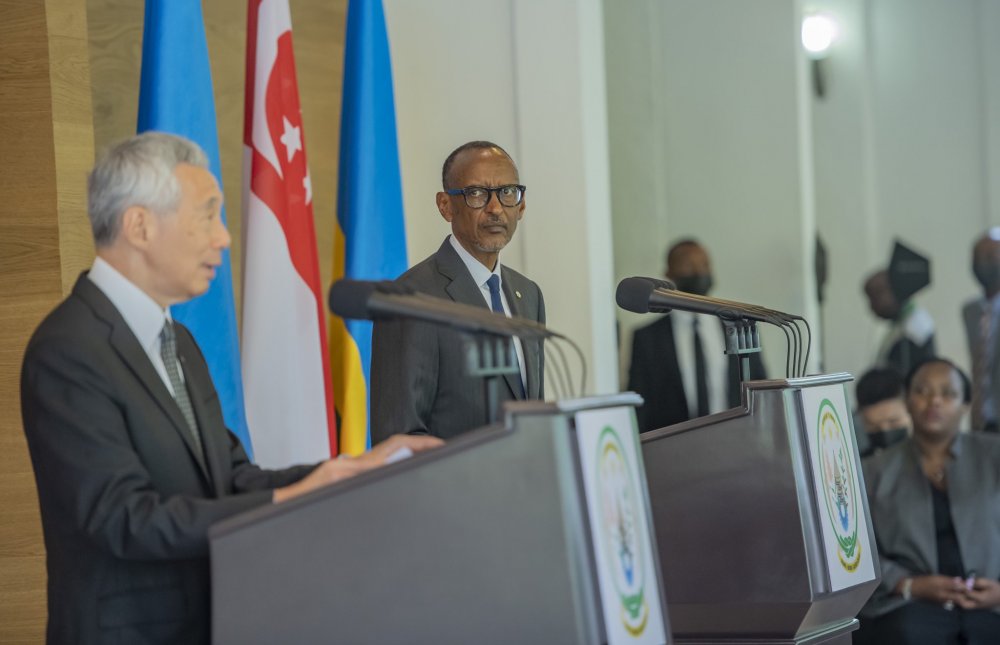
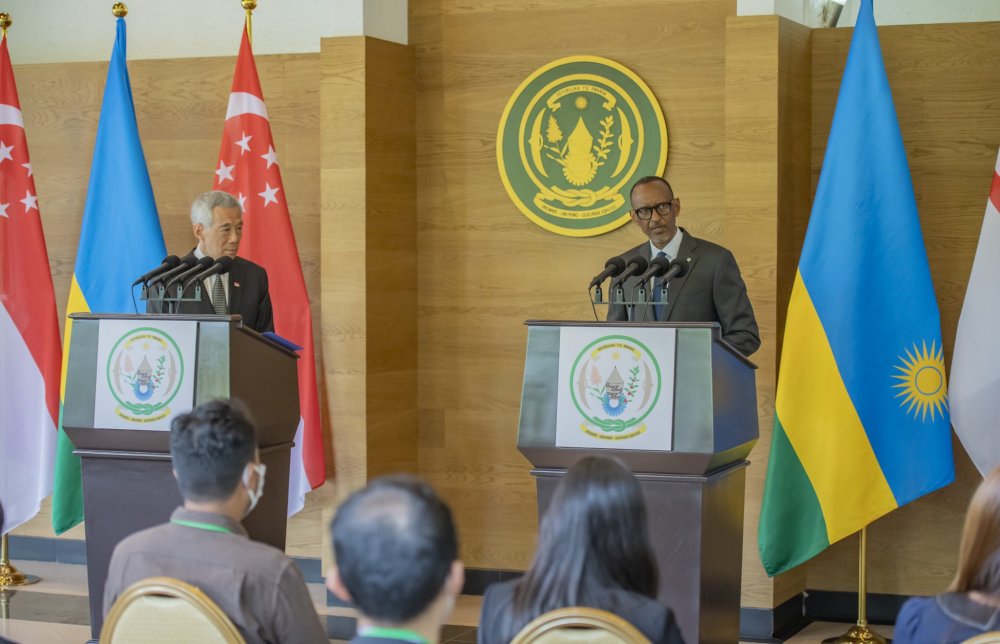
Leaders of both countries have reacted to the criticisms as President Paul Kagame and Prime Minister of Singapore, Lee Hsien Loong addressed members of the press.
They were responding to a question raised by a journalist asking both leaders how they managed to stay the course and pursue national priorities despite faced criticisms.
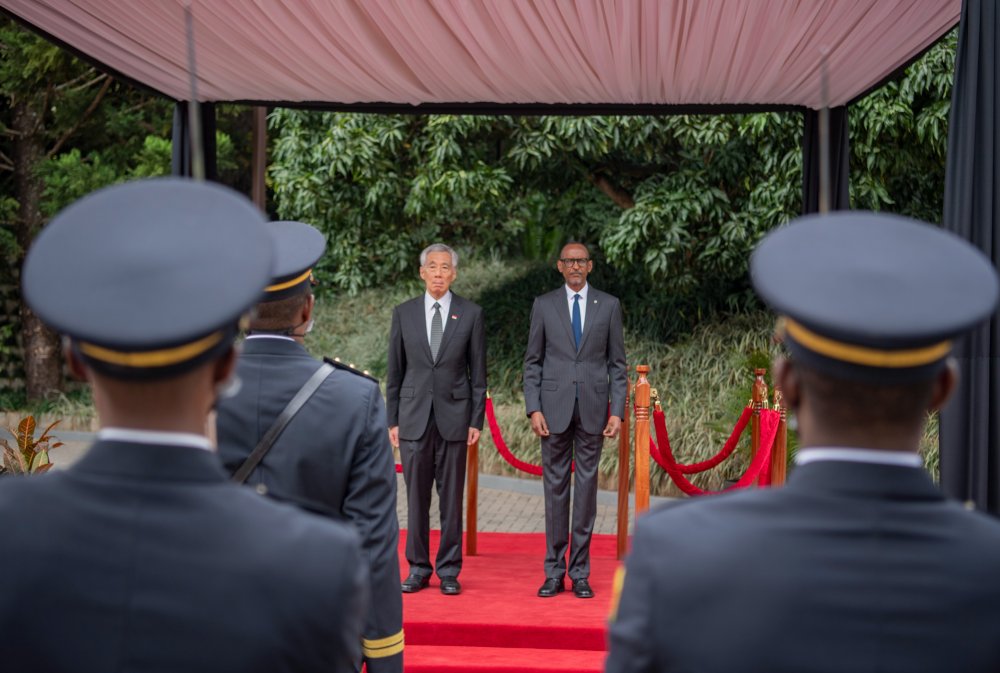
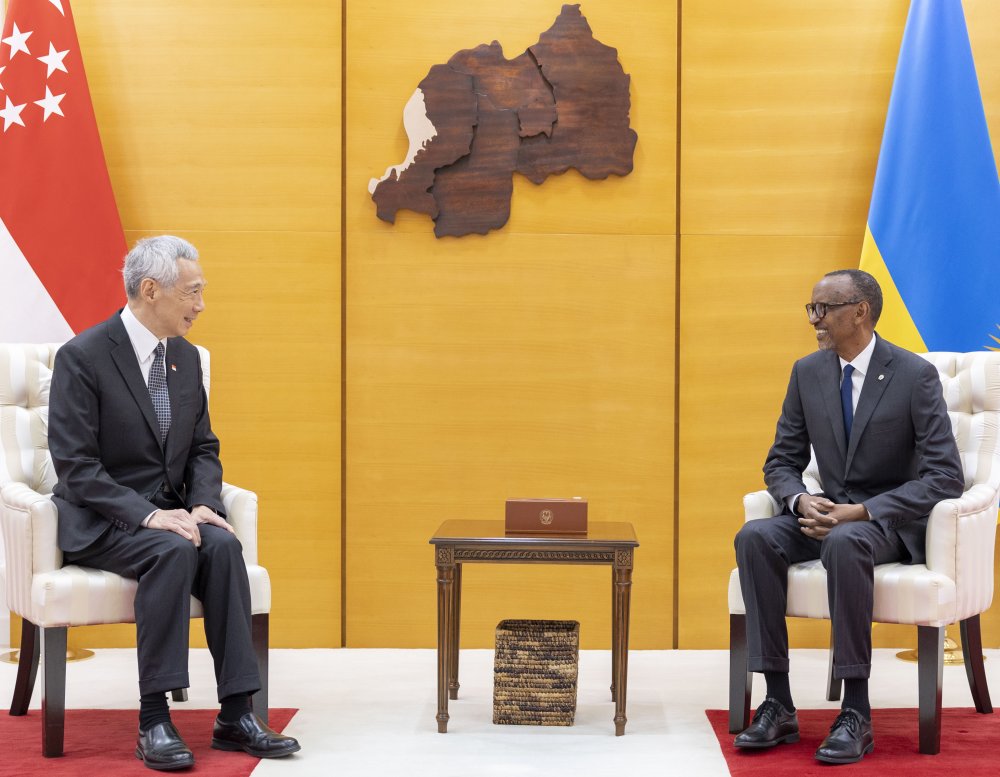
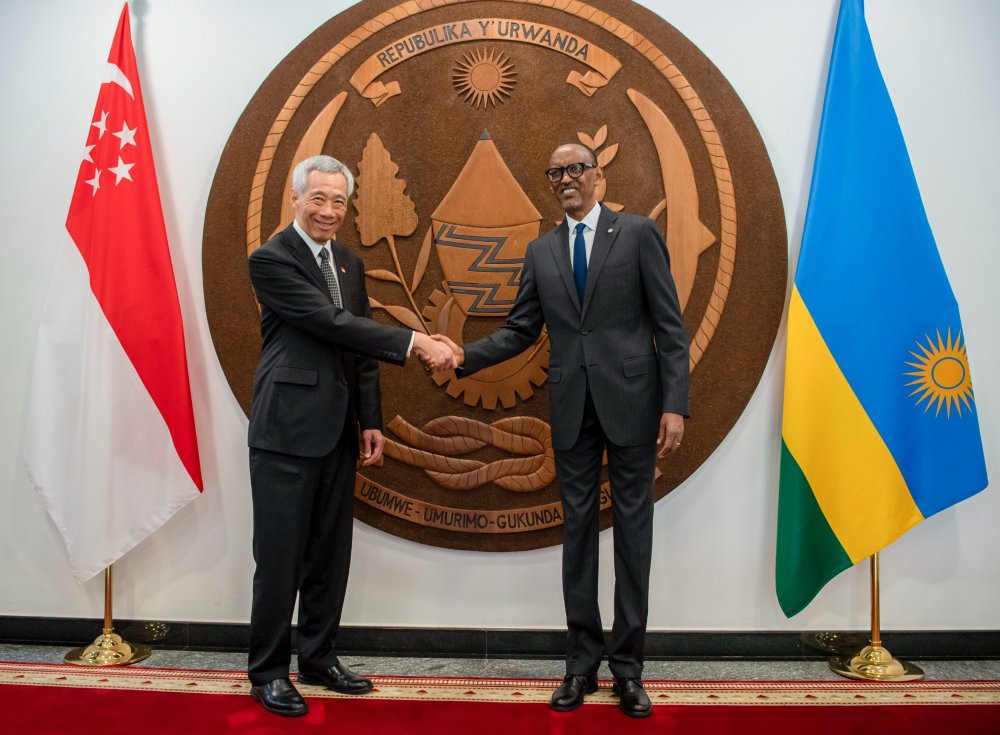
The press conference took place at Urugwiro Village on Monday 27th June 2022 as Kagame hosted Premier Lee on his maiden official visit in Africa.
Lee is the first Singaporean Premier visiting Africa after the country’s Independence in 1965.
Premier Lee has said that the first responsibility is to serve people, do the right thing for them and make sure the country grows.
He underscored that priorities must be aligned with efforts to determine the direction of the country.
“You may be right or wrong. Nobody is right all the times. Nobody has the monopoly of wisdom in the world. You have to listen to views, criticisms within your team, within the country and even if they come from outside the country, listen to them objectively,” said Lee.
He explained that one needs to make an analysis of the criticisms to identify whether they are reasonable, there are mistakes committed or want to do things better informing the next decision.
“At the end, you have to make your own judgement because you will carry the responsibility or the outcome. The person criticizing you, if I follow your advice and things go wrong, can you feed my population? Can you take them if they become refugees? If not, thank you. I appreciate your goodwill, but I have to carry the responsibility and have to make the decision,” Lee affirmed.
The People’s Action Party has been ruling since 1959. Lee Hsien Loong is the current chairperson of the party.
He replaced Goh Chok Tong who served as the Premier of Singapore between 1990 and 2004.
During the leadership of Lee, Singapore has been for long criticized for failure to abide by democratic processes.
Lee has underscored that he will disagree respectfully with whoever makes biased criticisms and explain why he does things in a particular way.
“I will set down my perspective and explain why I do things this way so that I convince my people to avoid confusion,” he said.
Lee explained that doing it this way would enable third parties to understand both sides to make judgment.
Meanwhile, President Kagame emphasized that so many things have been said about democracy, freedom and human rights among others.
He explained that democracy manifests itself in many ways that people get confused when it is being expressed in one way of the other or when it has not met the taste or standard of definition for some people.
“Criticisms can go on for 20 years or 30 years. The same criticism, the same thing and we keep playing it over and over. And you look back and wonder in 20 years, if it is criticism against Rwanda or against the leaders of Rwanda. Is it really true that nothing has changed in twenty years? Nothing has changed about the criticism that is constantly made?” he wondered.
As the Head of State said, this this tells the story that some of the criticisms are not accurate, genuine or fair.
“And yet, these criticisms come with lessons as well. It is like you have got to learn something from me and I am always going to be the one giving lessons. Even when you receive lessons, you expect that at some point, somebody learning, being taught to do things will graduate and actually reach a point where these lessons have been useful,” he revealed.
“But if it is criticism that goes on for decades and lessons parallel to that going on for the same number of years and then nothing comes out of it; people have to look back and re-examine whether this was really best in fact or in genuineness that the criticism otherwise should be serving,” Kagame added.
If the criticisms persist, Kagame observed that results are of great significance to gauge their authenticity.
“What we need is to make the difference for the people because we are talking about people. It is not just whether you like or don’t like me. It is whether what we are doing is for and with our people,” he noted.
“At the end of the day, a judgement can be made by the same people that a difference has been made. Sometimes, you let people argue with the facts of those results. I also know that some people have their own facts. They may change the facts […] and have their own facts. But that is the life we have to live, accept and still be able to move on,” added Kagame.
The Head of State also underscored that staying the course comes from the fact that people understand what they want to do, aspirations, where they come from and want to go.
On top of this, the President highlighted that leaders must make sure that there is a connection between people, policy, leadership and vision laid out for people moving in a certain direction and keep measuring together whether desired progress has been made.
“Once you allow this to keep going and being the guide of what we want to do, I think criticisms are things you can live with and learn from. But at the end of the day, people will need food at the table, security, need to be free to do what they want, connect with the rest of the world and so on,” he said.
“We may not get things hundred percent right, and who does anyway? I don’t know. But certain level of progress is measured, is considered, something you keep building on and move on,” he added.
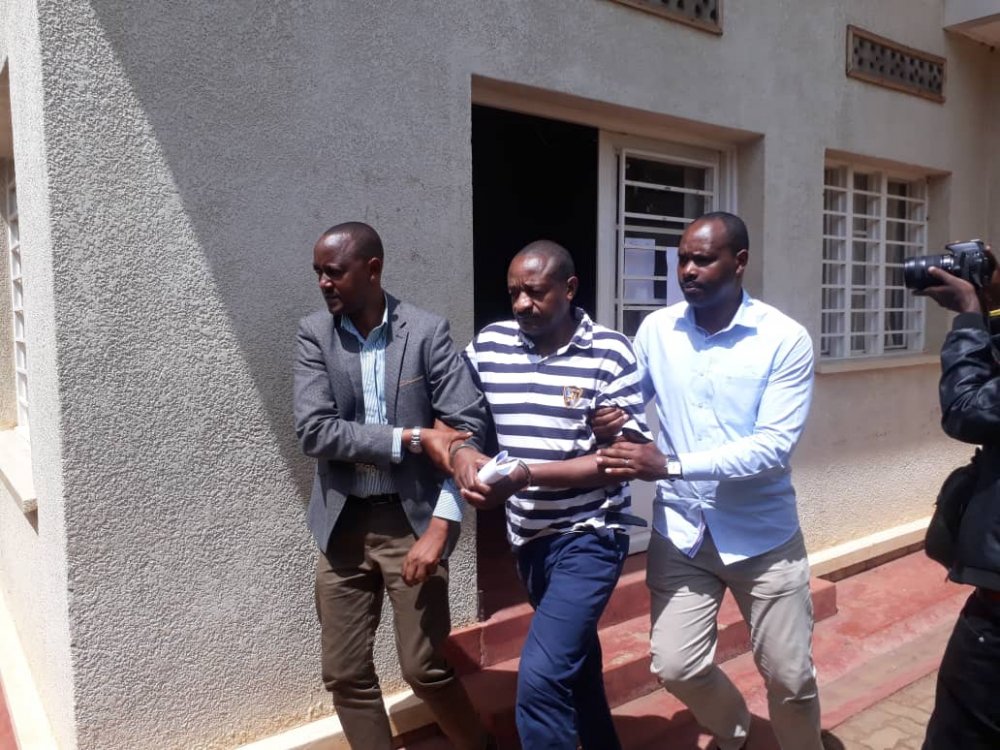
Superintendent of Police (SP) Theobald Kanamugire, the Southern region Police spokesperson, identified the suspects as Annonciatha Mukagatera, 37, and Edouard Niyonsaba, 58, who were arrested in Bamba Village, Kavumu Cell of Kaduha sector following a tip-off by local residents.
“Police acted on the information provided by residents in Bamba village that Mukagatera was supplying cannabis and had a store at Niyonsaba’s home,” SP Kanamugire said.
He added: “Police first searched Niyonsaba’s house where 773 pellets of cannabis were recovered in his bedroom, and they took him into custody.
Niyonsaba indeed told the Police officers that the narcotics belong to Mukagatera, who was also located and arrested.”
According to Niyonsaba, Mukagatera was using his house to conceal her criminal business and would only collect the quantity ordered by clients.
SP Kanamugire thanked the residents, who reported the criminal act to facilitate the national efforts against drugs.
The suspects and exhibits were handed over to RIB at Kaduha station for further investigations.
The Ministerial order nº 001/MoH/2019 of 04/03/2019 establishing the list of narcotic drugs and their categorization classifies cannabis in the category of “very severe narcotics.’’
Article 263 of law No 68/2018 of 30/08/2018 determining offenses and penalties in general states that any person, who unlawfully produces, transforms, transports, stores, gives to another or who sells narcotic drugs and psychotropic substances, commits an offence.
Upon conviction for “very severe narcotics,” the offender faces between 20 years and life imprisonment, and a fine of between Rwf20 million and Rwf30 million.
Premier Lee arrived in Rwanda last week to attend the Commonwealth Heads of Government Meeting (CHOGM) 2022 which drew to the end over the weekend.
During his stay in Rwanda, Lee Hsien Loong also met with Singaporeans living in Rwanda.
Pictures posted on Facebook shows him with Singaporeans including Lam Shumei running a poultry farming project and Suzanna Seng, a pilot working with RwandAir since 2018 and Rohan who arrived in Rwanda this year.
He also posted pictures touring Kimironko market.
It is the first time a Prime Minister of Singapore visits Africa after the country obtained Independence.
Lee Kuan Yew, the founding father of modern Singapore who also served as the Prime Minister visited Africa in 1964 when the country was part of Malysia.
At the time, he visited 15 African countries in 35 days.
On 9th August 1965, Singapore separated from Malaysia to become an independent and sovereign state.
The separation was the result of deep political and economic differences between the ruling parties of Singapore and Malaysia, which created communal tensions that resulted in racial riots in July and September 1964.
After its Independence in 1965, there has been no visit of the country’s Prime Minister to Africa.
As he addressed members of the press on his visit to Rwanda, Prime Minister Lee Hsien Loong who has been leading the country since 2004 said: “This is my first official visit to an African country. It has been a very meaningful one and I am very glad that CHOGM has created an opportunity for me to meet my counterparts in Africa face to face to exchange views and perspectives of each other.”
Lee also said that he is deeply appreciative that he had a chance to learn more about Rwanda and to further our friendship and bilateral cooperation.
“I have only visited Rwanda and in Rwanda, I have visited Kigali. But from all that I have read about Rwanda and Africa, it is a continent on the move. It is an enormous continent with a huge population, it is very diverse, the countries have a huge rage of economic situations and political environments.”
Lee, 70, said that Rwanda is among the diverse countries on a good move.
“I have spent these last few days in Rwanda, I have had chance to go around, I went to the market yesterday, I visited a wetland sanctuary for grey crown cranes and met with Singaporeans who are living and working in Africa and many of them now in Kigali for some years. So, I have a feel of the place a little bit,” he said.
“It is on the move, it is anxious to get ahead, it had a traumatic past in the Genocide. I visited Kigali Memorial this morning and it is determined to pick itself up beyond that to reconcile the heart, move forward and see hope for the future,” added Lee.
He said that Rwanda is a country with young population making the majority with the median age of 22 while the age is above 40 in his country.
Lee highlighted he gets the scent for desire to make progress to succeed and make a better future for the people.
He said that there are many opportunities with partners where his country can do a lot more with Rwanda.
Figures show that Singaporean investment in Rwanda stands at US$150 million.
President Kagame has said that he very productive discussions with the Prime Minister of Singapore and thanked the country for being a reliable partner with Rwanda and expressed optimism that both countries will be doing even more together, in the years ahead.
“We value highly the trade and investment links as well as the cooperation between our central banks. Both our countries have created a strong foundation. Singapore’s development model and its commitment to social cohesion and national unity are very impressive,” he said.
Rwanda and Singapore have also committed to stronger ties in trade and investment.
FDLR is a rebel outfit comprised of remnant masterminds of the 1994 Genocide against Tutsi.
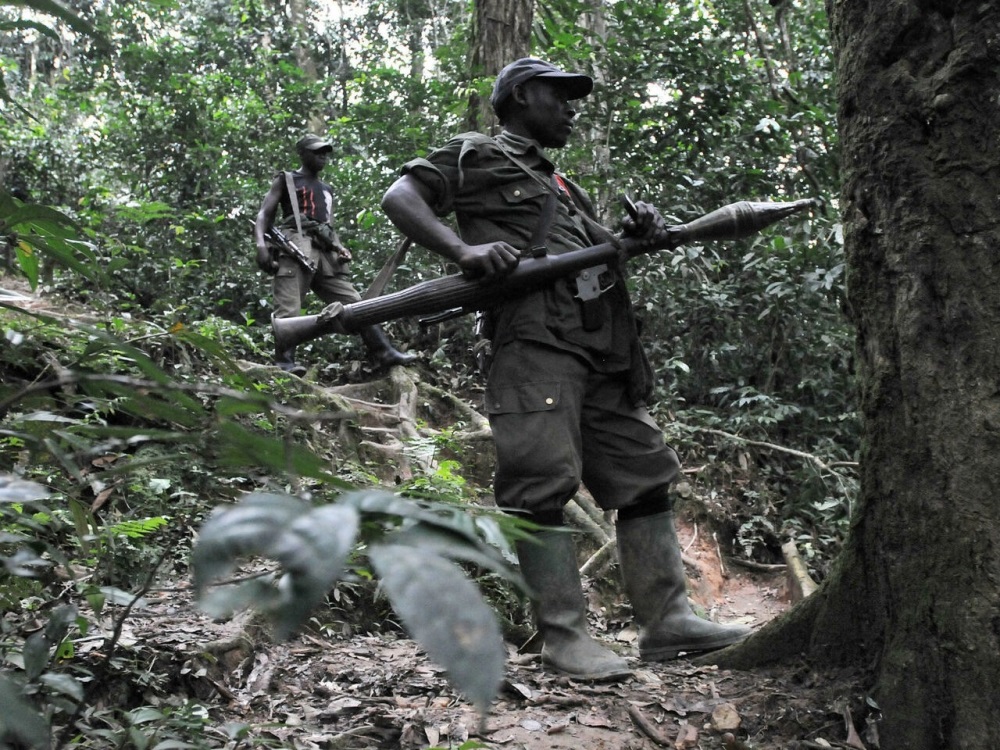
A report of experts on DRC security situation presented to the United Nations (UN) Security Council on 10th June 2022 indicates that FDLR-FOCA continues to carry out its activities in Virunga National Park where it has launched a campaign to recruit new members and reinforcing cooperation with armed groups in the country.
“Even though it was seriously weakened for the past ten years following military offensives and the death of top commanders, FDLR-FOCA continues recruitment of new combatants and training to many local armed groups,” reads the report in part.
For the past years, many people were kidnapped and taken into Virunga National Park.
Reports reveal that FDLR-FOCA is mostly behind such abductions as a rebel group with dominance in the forest.
In February 2021; Italian Ambassador to DRC, Luca Attanasio was shot dead as he headed to Rutshuru to visit World Food Programme (WFP)’s activities.
Attackers also killed his guard, Vittorio Lacovacci and their driver, Mustapha Milambo.
At the time, DRC Government released a statement confirming that FDLR fighters ambushed a motorcade of World Food Programme (WFP) and took passengers including Italian Ambassador into the Virunga National Park and killed them.
“Witnesses revealed that all attacks occur in few meters from bases of FARDC,” adds the report.
This evidences how the government stands by and watches the attacks happening.
During the ongoing fighting between M23 rebel group and Congolese Army (FARDC), Rwanda has been accusing the latter of working with FDLR.
Of recent, the Congolese Army in collaboration with FDLR kidnapped two Rwandan soldiers on patrol and shelled Rwandan territory three times. The projectiles destroyed houses and injured civilians.
{{Who are commanders of FDLR?}}
The report shows that the leadership of FDLR-FOCA did not undergo many reforms since 2020.
Lieutenant General, Gaston Iyamuremye, alias Rumuli or Victor Byiringiro is the current President of FDLR-FOCA replacing Ignace Murwanashyaka who died in Germany in 2019.
Meanwhile, General Pacifique Ntawunguka alias Omega is the party’s military wing following the death of former leader Gen Sylvestre Mudacumura.
Ntawunguka also renowned as Colonel Omega, Nzeri and Israel; was born in Gisenyi on 1st January 1964.
In 2016; Gen James Kabarebe, Senior Presidential Adviser on security matters reminisced on his phone conversation with Gen Ntawunguka.
Gen Kabarebe said that he asked Ntawunguka to return home and join Rwandans to build the nation given that he is not suspected to have had role in the 1994 Genocide against the Tutsi because he was undergoing military training in France at the time.
As Gen Kabarebe revealed at the time, Ntawunguka replied that he would only return to Rwanda when no Tutsi was present in the country.
Gen Ntawunguka is deputized by Gen Jean-Baptiste Gakwerere alias Julius Mkobo, Sobo Stany or Kolomboka.
Apart from top commanders, the report indicates that Curé Ngoma oversees political affairs in the party while General Apollinaire Hakizimana alias Amikwe Lepic or Poète based in FDLR/FOCA’s base known as Mozambique next to Kibirizi serves as Defense commissioner.
Meanwhile, Lieutenant Colonel Aimé Gustave Omega, located in Birambizo is the head of intelligence.
He assumed the duties after Ignace Nkaka Alias LaForge Fils Bazeye, the former spokesperson of FDLR and Nsekanabo Jean Pierre alias Abega, former head of intelligence FDLR were arrested and deported to Rwanda to face justice.
The High Court Special Chamber for International and Cross-border crimes convicted them of terrorism charges and handed them 10-year jail term.
As the report shows; two ex-FDLR combatants, three civil society sources and two researchers confirmed that “Colonel” Ruvugayimikore Protogène, alias Ruhinda, and his deputy known as “Silencieux”, lead the FOCA command special unit known as Commando de recherche et d’action en profondeur (CRAP).
“Colonel” Ruhinda also oversaw the training of FDLR-FOCA combatants.
The country’s history shows that Rwandans have always sought homegrown solutions to address issues facing them and avoid overdependence.
This story will focus on 10 things that characterize Rwandans’ self-reliance dating back from forefathers until today.
The initiative takes roots from Rwandans’ culture and history but efforts to advance self-reliance got much attention particularly after the 1994 Genocide against Tutsi to cope with effects of country’s dark past.
It is against this backdrop that the Government of Unity instilled the spirit of developing home-grown solutions to overcome its dark past and help Rwandans to move forward.
Promoting self-reliance has helped the country to find solutions for different problems in the areas of governance, economy, social wellbeing, justice and socialization among Rwandans.
The self-reliance is also enshrined in the article 11 of Rwanda’s Constitution where Rwandans set up unique approaches to address their problems with a view to build the nation, preserve the country’s culture and uphold self-dignity.
The aspects of Rwandans’ self-reliance range from four categories, the first being Governance. This includes National Leadership Retreat (Umwiherero), National Itorero, Performance contracts, governance month and political forum among others.
The second is Social Protection. It features Girinka Program, Ubudehe, VUP, Community Based Health Insurance and 12-year basic education among others.
The third is economy encompassing home grown solutions like community work, Agaciro and land consolidation while the fourth aspect is Justice. The latter comprises of home grown solutions like Gacaca courts and community mediators among others.
{{National civic education training program (Itorero)}}
Rwanda’s history shows that Itorero existed even before the advent of colonization where it served as a platform helping the youth to learn cultural values, patriotism, socialization, games, dances, songs and how to protect national integrity.
Trainees under this program known as ‘Intore’ also learnt more about Rwandans’ values and taboos. Among others, Itorero was a good platform that prepared future leaders.
History shows that the first national civic education training program took place at the reign of King Ruganzu I Bwimba around 1312.
From 1924 to 1994 during the period of colonization and first republics, Itorero was banned with a view to destroy Rwandans’ unity, solidarity, patriotism and other values.
Banning Itorero is believed to be among actions that provided loopholes for preparation and execution of the 1994 Genocide against the Tutsi.
Itorero was re-launched in 2009 coinciding with the establishment of the National Itorero Commission.
Participants of past civic education programs have told IGIHE that they pulled many advantages from it.
Olive Uwizeyimana, a teacher in Nyarugenge District has said that individuals attending the program become more responsible citizens willingly contributing to national development in respective capacities and embrace patriotism.
She revealed that a talk delivered by General James Kabarebe, Senior Defence and Security Advisor in the Office of the President in January 2020 in Nyanza District inspired her and colleagues to stand against ethnic divisionism, and concert efforts for a common cause to spur national development.
{{Performance contracts (Imihigo)}}
The signing of performance contracts (Imihigo) is one of Rwanda’s home-grown solutions playing an integral role in the ability of the Rwandan government to deliver a better life for all.
The performance contracts are signed by different leaders from top government institutions to grass root leaders with a view to achieve community targets and help the country meet envisaged progress.
History shows that ‘Imihigo’ take root from ancestors’ culture where an individual had to set target to be achieved in a specific period of time irrespective of hindrances that might come along the way.
In a bid to fast track national development and promote good governance, the Government of Rwanda officially re-launched Imihigo in 2006 as one of home-grown solutions with huge impact.
Right from the start, performance contracts have been fundamental for Rwanda to promote good governance and fast track development.
It is with this regard that all districts sign performance contracts entailing development targets with President of the Republic on annual basis.
Mayors also sign performance contracts with other local leaders including sector executive secretaries so that they can combine efforts to deliver on expectations.
This has inspired individuals to dream big and work hard for their progress. This is the same case for Alphonse Nkurunziza, a tea farmer in Nyaruguru District who has pledged to buy a car to facilitate him in daily activities.
{{National Leadership Retreat (Umwiherero)}}
The National Leadership Retreat is one of home grown-solutions transmitted from generations to generations.
Rwanda’s history shows that leaders in the past used to come together at different times to discuss issues of national interest and seek together the solution to address problems affecting ordinary citizens.
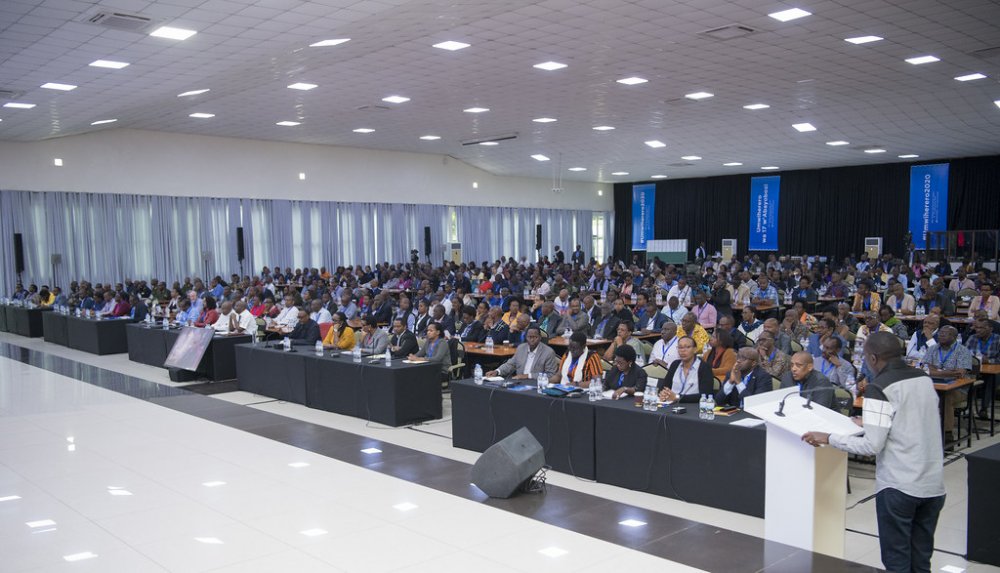
Rwanda re-launched the annual National Leadership Retreat in 2004. Such retreats bring together top government officials, local leaders and members of the private sector among others to make performance evaluation and discuss new measures to move forward along the development journey.
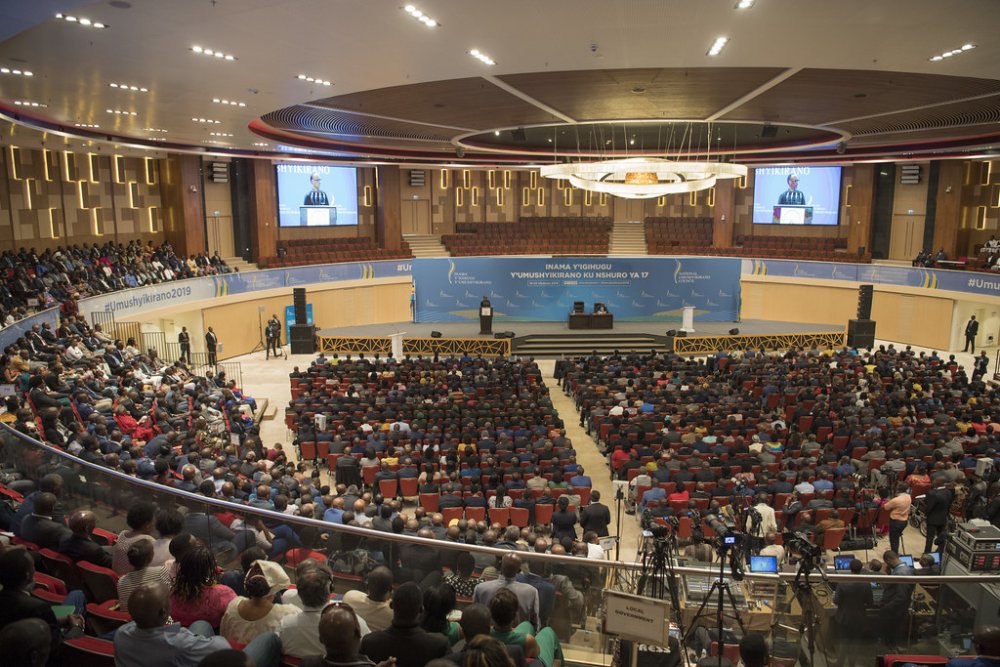
{{The National Dialogue Council (Umushyikirano)}}
The word Umushyikirano translates into a meeting where participants are able to exchange ideas, share experiences and question each other. Today, Umushyikirano is known as the National Dialogue Council.
As part of efforts to reconstruct Rwanda and nurture a shared national identity, the Government of Rwanda drew emphasis on aspects of Rwandan culture and traditional practices to enrich and adapt its development programs to the country’s needs and context. The result is a set of home-grown solutions, culturally owned practices translated into sustainable development programs. One of these home grown solutions is Umushyikirano.
Governed by the Rwandan Constitution (Article 168), Umushyikirano is a forum where participants debate issues relating to the state of the nation, the state of local government and national unity. The Office of the Prime Minister is responsible for the overall co-ordination of Umushyikirano.
Umushyikirano is an annual event chaired by the President of Rwanda that gives Rwandans from all walks of life the opportunity to ask questions directly to their leaders. The event is attended by members of the Cabinet and Parliament, representatives of the Rwandan community abroad, local government, media, the diplomatic community and others invited by the President. Those unable to attend in person at Rwanda’s parliament building can participate via telephone, SMS, Twitter and Facebook as well as follow the debate live on television and radio.
The first National Dialogue Council took place on 28th June 2003 and has been held each year since. A summary report and recommendations are produced at each dialogue.
Umushyikirano aims to be a leading example of participatory and inclusive governance. It is hoped that by directly engaging with their leaders, Rwandans feel part of the decision making that affects their lives. Umushyikirano also serves as a forum for Rwandans to hold their leaders and government to account.
Each year, about one thousand people attend the event in person, while thousands more follow the proceedings through live TV coverage, online and radio.
Each Umushyikirano has a theme and participants are asked to ask questions related to that theme or any other development issue. Once a participant has asked a question, either in person, via Twitter, Facebook, SMS, the web or phone, the leader responsible for that area responds. All questions asked are recorded.
The main achievements of Umushyikirano are considered to be the participation of Rwandans in national decision making and the fast-tracking of government programs and citizen priorities based on the resolutions tabled each year.
{{Solidarity work (Ubudehe)}}
Ubudehe is a traditional practice based on strong understanding by Rwandan communities on the effectiveness of working together to solve problems.
History shows that it is among Rwanda’s traditional practices that take roots from forefathers.
It is said that the tradition perceived as a symbol of solidarity has existed for centuries even though there is no precision on the year during which it was introduced.
Ubudehe used to focus on construction and agricultural activities to help members of the community.
The practice seemed to be dormant during colonial rule and after but was formally reinstated in 2001 by the Government of Rwanda’s Unity to promote solidarity among Rwandans and encourage them on homegrown solutions.
Today, Ubudehe activities at cell level focus on agriculture, creation of feeder roads, building bridges, water reservoirs and terraces.
Like other historical Rwandan community management methods such as Umuganda, Imihigo and Gacaca courts, Ubudehe has been given a 21st century makeover and put to work in order to tackle uniquely Rwanda’s problems, drive change and contribute to the country’s growth and development agenda.
The modern Ubudehe program was launched countrywide in 2006 after a pilot project carried out five years earlier.
{{Girinka }}
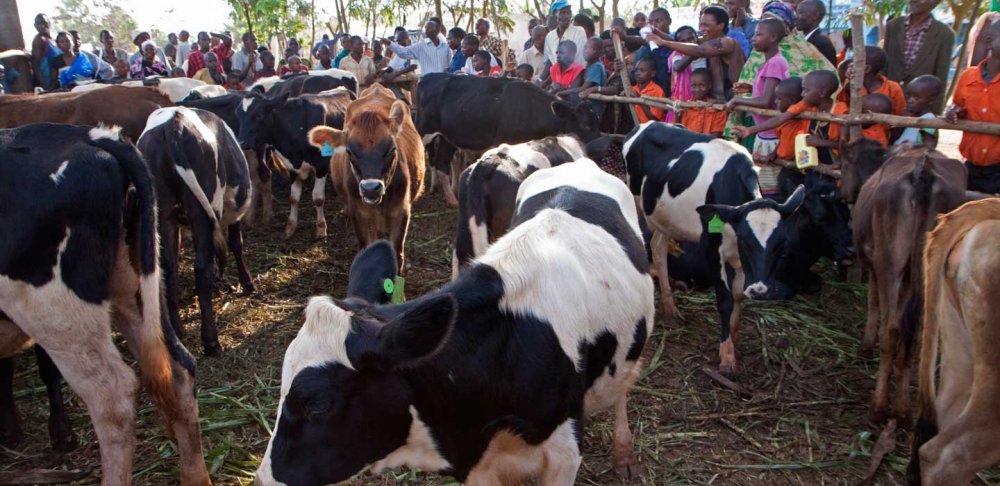
‘Girinka Munyarwanda’ also known as ‘One Cow per Poor Family’ program is one of home-grown solutions emanating from Rwandans’ traditional culture. A cow is perceived as a symbol of wealth and friendship.
Girinka Program was initiated in 2006 by President Paul Kagame, as one of the homegrown initiatives existing within the national social protection initiatives after realizing that a big number of children under five years were malnourished.
It is based on a model that a cow brings nutrition, sustenance and employment, providing a stable income for a family and is a source of soil nutrients via manure to assist small farming.
The program is acclaimed by beneficiaries and implementers for transforming rural livelihoods and achieving poverty alleviation in Rwanda.
A poor family receives a heifer raises it and when she gives birth, the first female calf is given to another poor family and the process continues.
Beneficiaries attest that the program has helped them to increase agricultural yields, making savings from sales of milk and live better life.
Eurelie Murangwa from Huye District received a pregnant cow in 2020. Few months later, the cow gave birth that she no longer struggled to get milk for her children.
“The cow came in handy. I milked it to feed my children and generated income from sales of milk. Besides, the cow provided a source of compost which I used to fertilize maize, beans and increased yields. I want to take care of it and work hard to move out of the second Ubudehe socio-economic category to which I belong,” she said.
{{Community work (Umuganda)}}
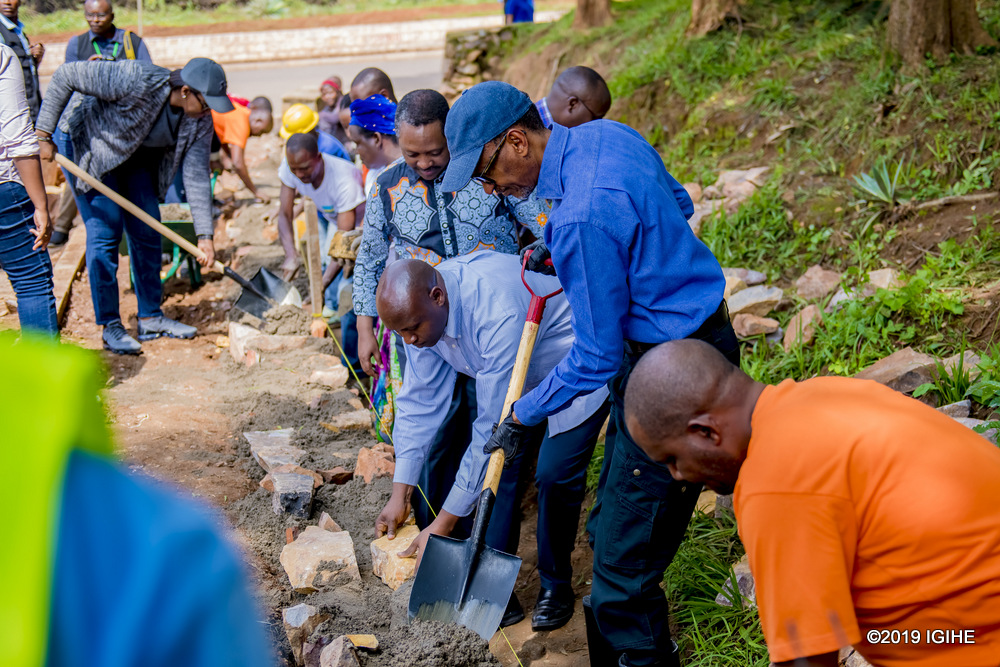
The community work aims at sharing the practice of ‘Umuganda’ as one of the homegrown solutions aimed at uniting people and help the community to protect their environment.
Umuganda can be referred to as an activity of “coming together in common purpose to achieve an outcome,” a practice that has long existed in Rwandan culture but only recently became mandatory.
Umuganda was carried out to build or renovate a house for a member of the community and till farm lands among others.
As per history, Umuganda was adopted by the first and second republic after Rwanda’s Independence in 1962 and used as a platform to spread political ideology among people, hence distorting its goal.
Since 2007, the Government of Rwanda revised the program’s priorities to align them with activities promoting national development, contributing to national budget and socialization among people.
Umuganda is conducted every last Saturday of the month. It brings together all Rwandans aged between 18 and 65.
The activity has had a huge impact to beneficiaries in a short time span. For instance, over 400 families living in dilapidated structures in Nyanza District were helped to live in decent houses in 2017.
They were built through community work and local leadership’s support which provided roofing sheets.
{{Agaciro}}
On 23rd August 2012, President Paul Kagame presided over the official inauguration of ‘Agaciro Development Fund’ (AgDF).
The solidarity fund was set up to raise more domestic resources to accelerate economic development. It was initiated to supplement traditional sources of state revenues, including donor aid.
The idea to establish the Fund was floated during the National Dialogue (Umushyikirano) held in 2011 where Rwandans inside the country and abroad had to raise contributions to build their nation through ‘Nation Solidarity Fund’.
The launch of this fund helped to bridge gaps in Rwanda’s development as some countries had suspended their aid.
The initial name was later changed to Agaciro Development Fund.
Figures show that the fund had raised Rwf46 billion by December 2017, an amount that increased to Rwf184 billion in December 2018.
In the first eight years (2012-2020), Rwandans contributed 1% of their salaries to the fund. Different institutions also provided contributions until 2020 when the fund hit Rwf200 billion allocated for investment in areas boosting national economy.
On 14th July 2021, a board comprised of seven experts in economy and finance was appointed to oversee the fund’s operations.
{{Gacaca courts }}
Following the 1994 Genocide against Tutsi, Rwanda turned to the semi-traditional justice system to help clear a backlog of Genocide related cases.
The government launched Gacaca in 2002 expedite reconciliatory and restorative justice as well as establish the whole truth about the Genocide.
The courts were closed in 2012 after settling nearly 2 million cases including 1,266,632 related to properties looted during the Genocide.
The work was executed by Gacaca judges (Inyangamugayo), a committee of selected and trained honest members of the community who tried suspects before the public.
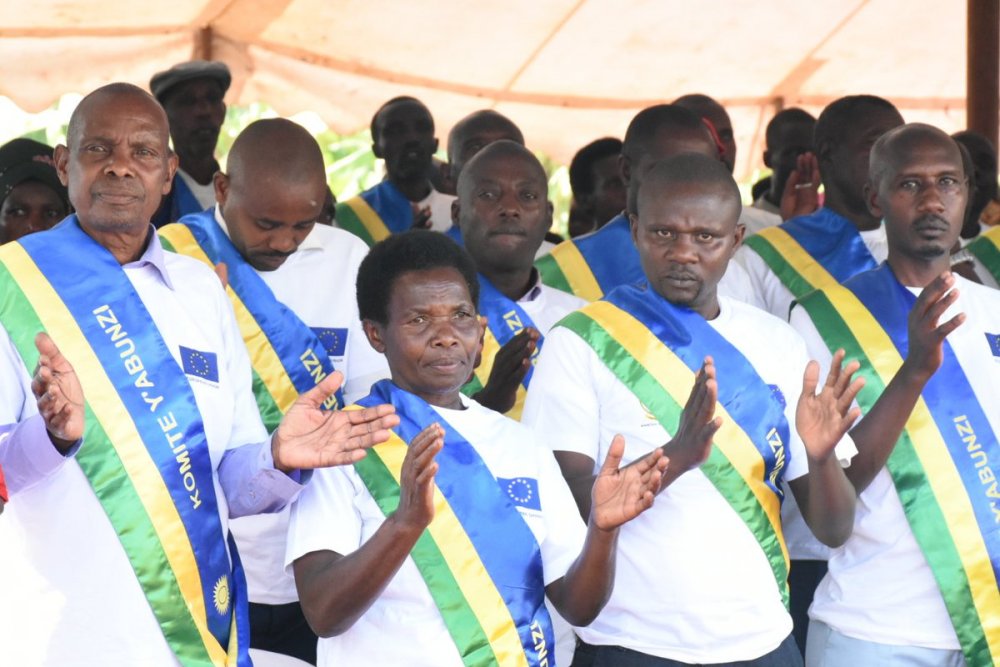
{{Community mediators (Abunzi)}}
Community mediators committees were also established as a homegrown solution to handle simple civil cases that would have been referred to courts.
At cell or sector level, the mediator’s committee comprises 12 non-salaried members living in the same cell or sector.
They are elected by the cell or sector’s advisory council depending on their jurisdiction.
Those who are not part of local leaders or members of the judiciary, are elected for five-year term renewable once. Women representation is also considered during the selection of community mediators.
History shows that community mediators existed long ago in the ancient Rwanda to solve disputes among members of the society.
The committees would be comprised of elderly wise people and other honest members of the community.
They were established in 2005.
The research carried out by Rwanda Governance Board (RGB) in 2020, indicated that community mediators resolved disputes amicably and handled 85% of cases that would be referred to courts.
The research indicated that citizens are satisfied with the work of community mediators at more than 70%, rated their honesty at 77% and trust them at 78%.
Figures show that Rwanda has over 17,900 community mediators.
The agreement was signed on Saturday 25th June 2022 as the Commonwealth Heads of Government Meeting (CHOGM) drew to the end in Kigali.
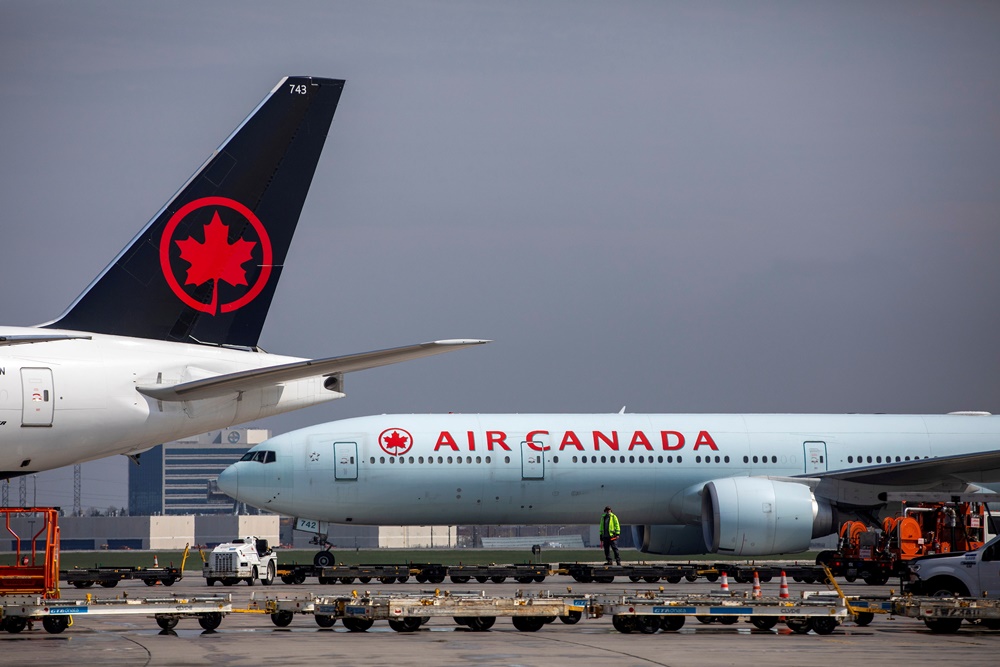
The agreement signed between Rwanda’s Minister of Foreign Affairs, dr. Vincent Biruta and his counterpart of Canada, Mélanie Joly; will see Air Canada and RwandAir allowed to use each country’s airspace.
“The signing of the Canada-Rwanda Air Transport Agreement will encourage tourism and even more business between our two countries,” Mélanie revealed via Twitter handle after signing the agreement.
On the same day, Canada signed similar agreements with Cameroon in Kigali.
These agreements will facilitate the development of Canada’s air transport market with both partners by Canadian carriers and, respectively, carriers of Rwanda and Cameroon.
These ATAs are expected to improve connectivity to new and existing destinations, which benefit passengers and businesses.
It has been reported that Canada’s ATAs with Rwanda and Cameroon offer an open and flexible regime for code-share services.
The signature of the ATA by Canada and Rwanda/Cameroon, followed by its ratification, will provide legal certainty and predictability for air carriers and further strengthen the bilateral air transport relationship with Rwanda and Cameroon.
These ATAs were applied administratively pending signature and ratification.
Air Canada was established in 1964. It currently operates flights to more than 200 destinations.
Rwanda has signed similar agreements with over 110 countries across the world.