In mid-June, the first flight to deport migrants and asylum seekers staying illegally in the UK to Rwanda was cancelled few hours before taking off.
After the judgment from the European Court of Human Rights (ECtHR), passengers were removed from the plane which had to take off on Tuesday 14th June 2022 at 11:30 p.m. of Kigali Time.
The human rights court said that it had suspended the deportation of one migrant from Iraq who was onboard the plane.
It also maintained that UK must wait for the final judgment before further action.
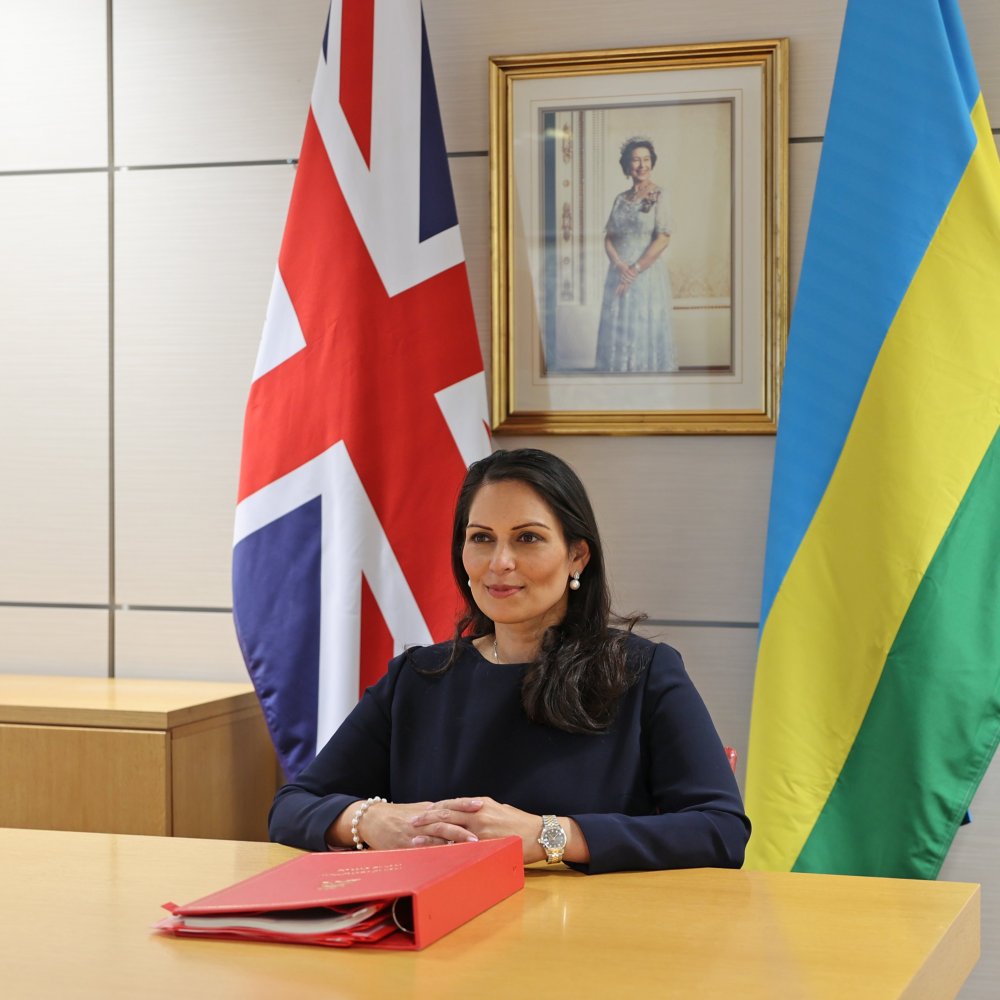
On Friday 2nd September 2022, Priti Patel held a phone conversation with Minister Biruta which revolved around the commitment to implement the policy.
“Always a pleasure to speak to my counterpart in Rwanda Vincent Biruta. On a call, we discussed our countries’ steadfast commitment to the Migration and Economic Development Partnership. Rwanda and UK stand together in promoting a fairer, more effective global asylum system and we won’t be deterred,” Patel tweeted.
Their discussions took place few days before courts reassess the deportation of migrants and asylum seekers from UK to Rwanda.
The High Court in UK will hear objections against the plan next week. However, the country asserts that the policy will discourage migrants from seeking refuge in UK.
Through the deal signed this year, the UK will provide an upfront investment of £120 million to fund invaluable opportunities for Rwandans and migrants including secondary qualifications, vocational and skills training, language lessons and higher education.
These asylum seekers from African countries and others outside the continent will be treated decently like Rwandans upon arrival. It is expected that those willing to return to their mother lands will be helped to do so.
Following the last minute cancellation of the first flight; the Spokesperson of the Government of Rwanda, Yolande Makolo said that Rwanda remains committed to welcome the migrants when they arrive.
“We are not deterred by these developments. Rwanda remains fully committed to making this partnership work. The current situation of people making dangerous journeys cannot continue as it is causing untold suffering to so many. Rwanda stands ready to receive the migrants when they do arrive and offer them safety and opportunity in our country,” she said.
At the time, UK Home Secretary Priti Patel said that she was “disappointed” but added that preparation for the next flight continues.
“I have always said this policy will not be easy to deliver and am disappointed that legal challenge and last-minute claims have meant today’s flight was unable to depart,” she said. “We will not be deterred from doing the right thing and delivering our plans to control our nation’s borders. Our legal teams are reviewing every decision made on this flight and preparations for the next flight begins now,” added Patel.
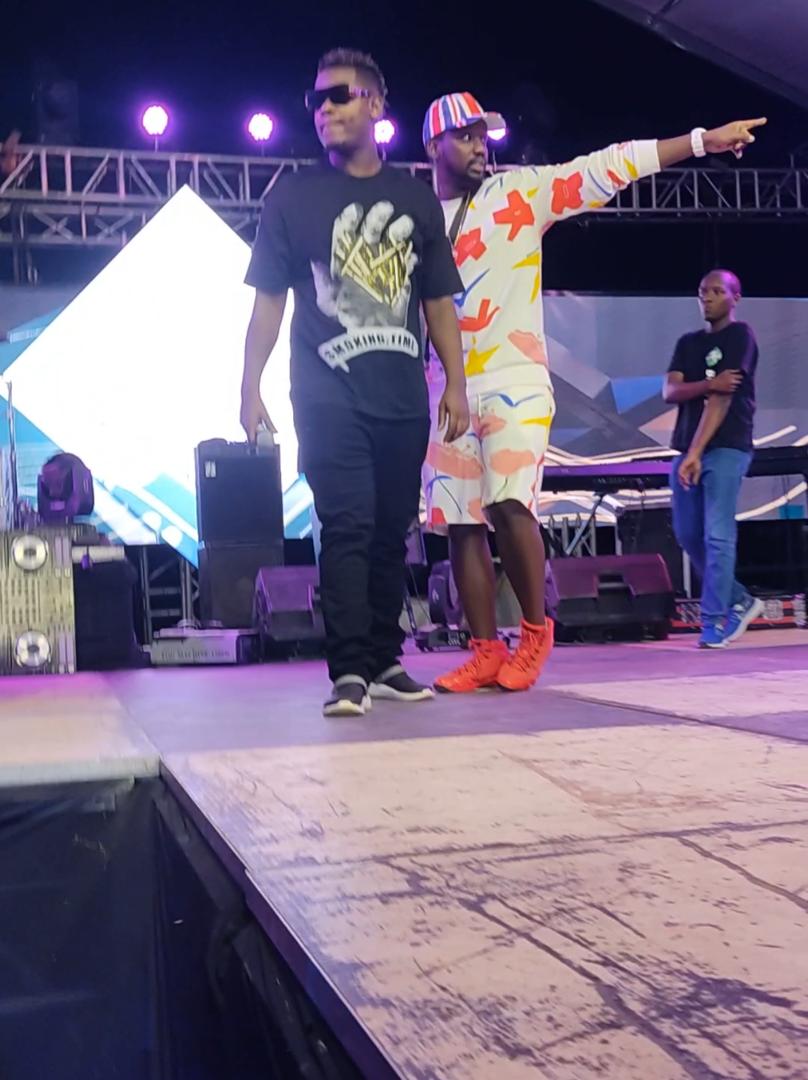
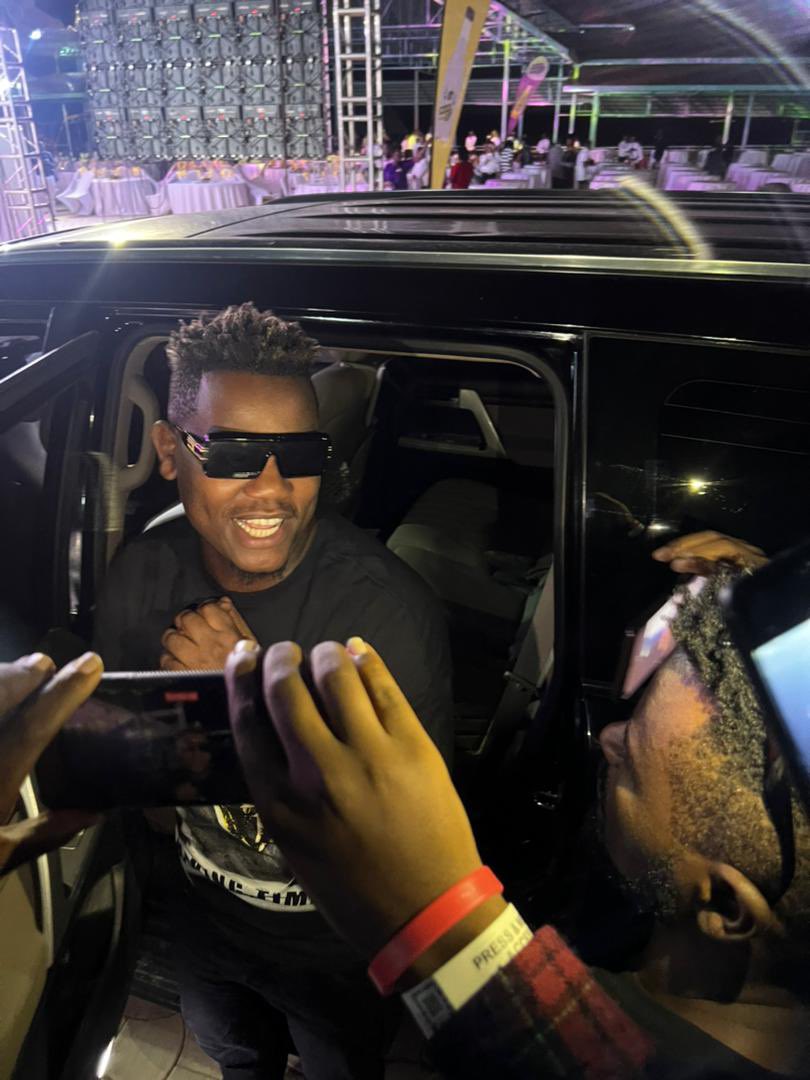
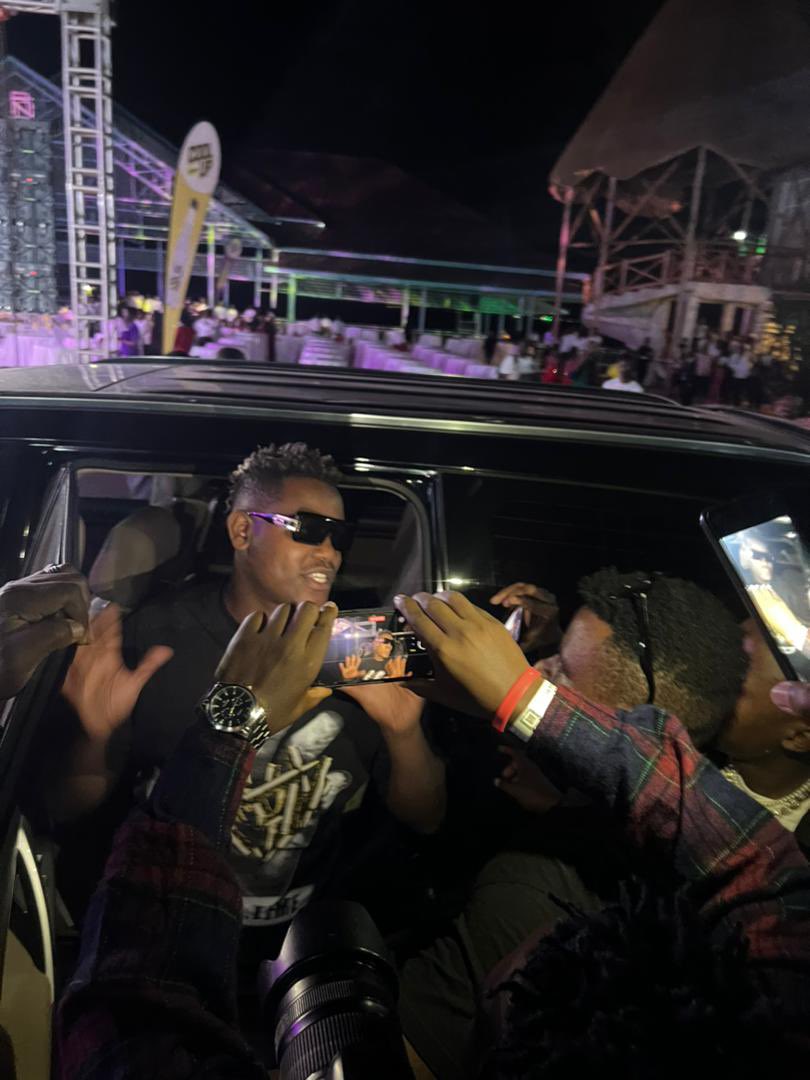
Melodie was arrested around 4:00 p.m. upon arrival in Bujumbura City on 31st August 2022.
His arrest was also confirmed by Burundi’s Ministry of Interior, Community Development and Public Security on the same day which indicated that he was held in custody for investigation over swindling.
Sources revealed that Melodie was taken into Police custody as soon as he left the airport for interrogation on the accusations filed by a man identified as Toussaint who had invited him to stage a concert in 2018.
The artiste had to perform in Burundi on 25th December 2018 but missed out. Later on, it was reported that the organizer asked for reimbursement.
As he was arrested in Burundi this week, sources reveal, the man demanded Bruce Melodie to refund the advance of US$2000 he had paid him out of US$6 million contract to stage a concert and provide 30 million Burundian Francs in compensation of incurred losses.
It is said that Melodie paid the money but was obliged to pay more Rwf12 million which he did and released to proceed with concerts on last minute.
Melodie was released in the evening of Friday 2nd September 2022.
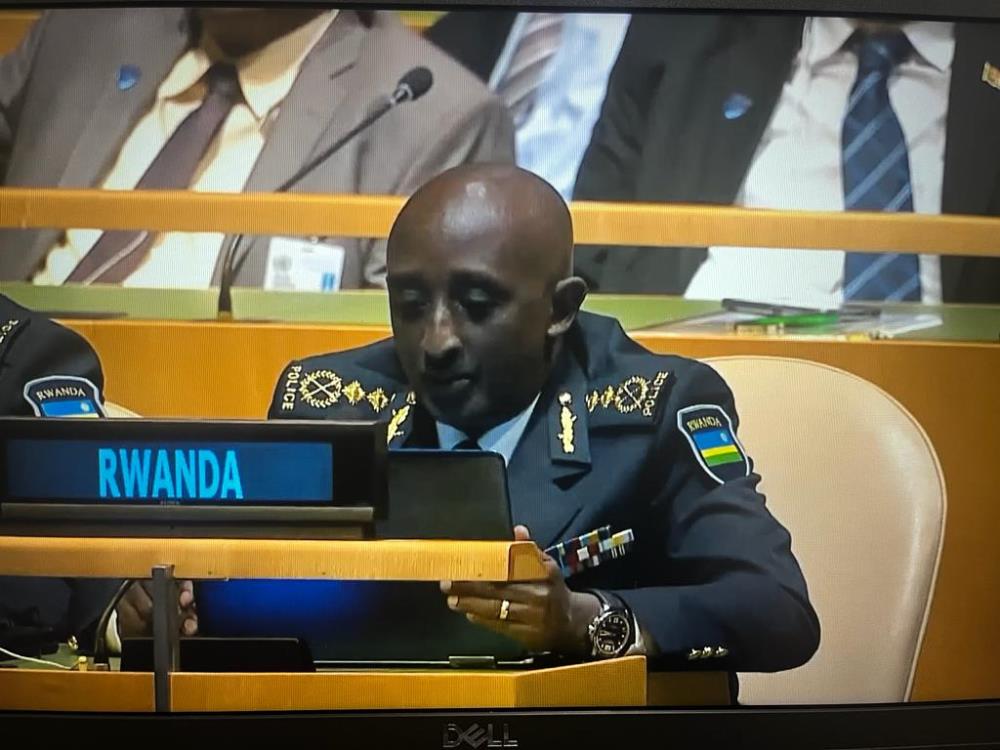
The Deputy Police Chief was speaking on Thursday, August 1, at the third United Nations Police Chiefs Summit (UNCOPS-2022) in New York, held under the theme: “Fostering sustainable peace and development through United Nations policing.”
“Serving within the framework of values of the host Nations enhances ownership and sustainability,” DIGP Namuhoranye said.
He observed that the summit provides an opportunity for contributing states to reflect and deliberate on contemporary policing architecture both in UN peacekeeping set-up and in respective countries to ensure sustainable peace.
“Peace is a prerequisite to development and Police institutions are responsible for creating favourable environment for that to happen,” DIGP Namuhoranye said.
In Rwanda, he added, the ultimate goal for Rwanda National Police (RNP) is to ensure that residents are able to “take their safety and security for granted.”
He reiterated that this will in turn encourage people to concentrate on their development agenda, build strong partnership between the Police and communities they serve, which is critical to maintaining public safety and effective policing.
“Police officers depend on the cooperation of the community members to solve crime and public order problems.
Similarly, community members’ willingness to trust the Police depends on whether they believe that the Police actions reflect community values and expectations,” DIGP Namuhoranye emphasized.
Whether in UN peace operations or elsewhere, he said, there is no-size-fit-all policing approach.
“Police as an institution and policing as a duty should abide by the principle of serving communities without discrimination and this is fundamental to confidence building and to promote social justice, all of which are key to fostering sustainable peace and development,” the Deputy Police Chief said.
The UNCOPS 2022 brought together ministers, Chiefs of Police and senior representatives of policing organizations at the UN headquarters to strategize on how to strengthen international peace, security and development for all; through the unifying power of national and United Nations policing.
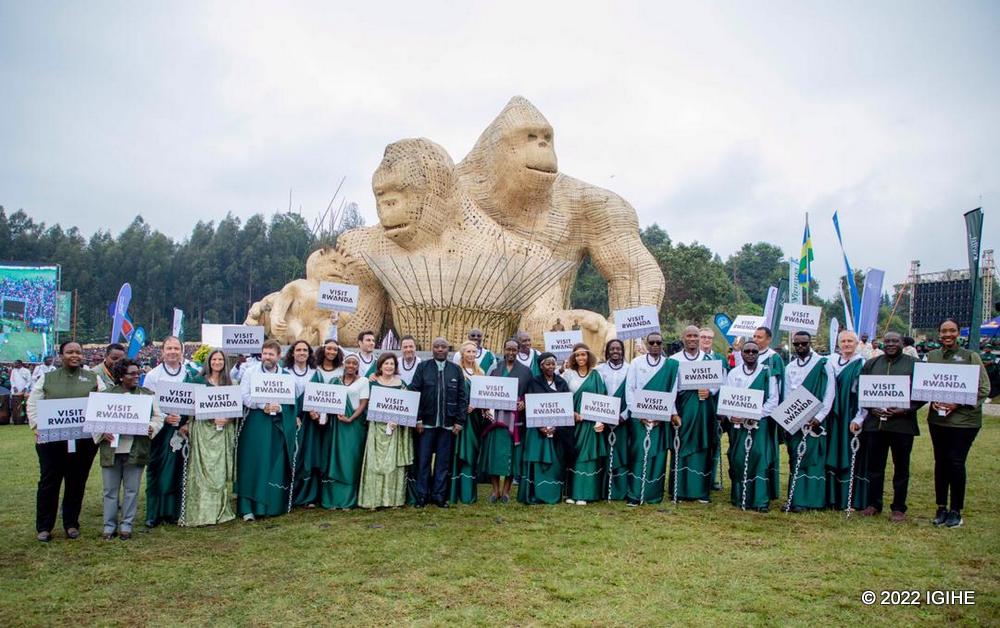
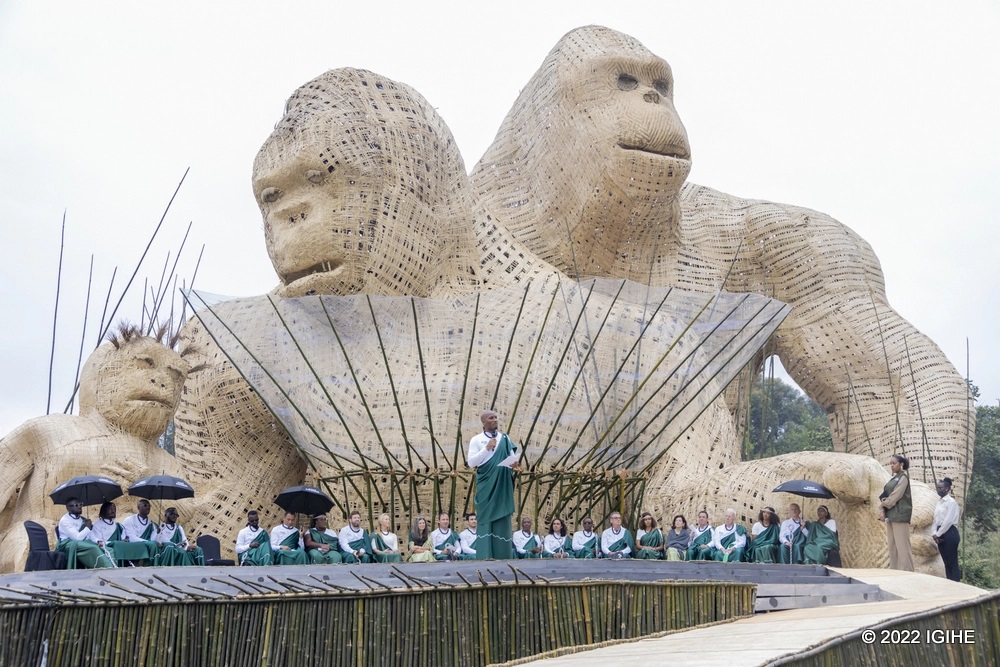
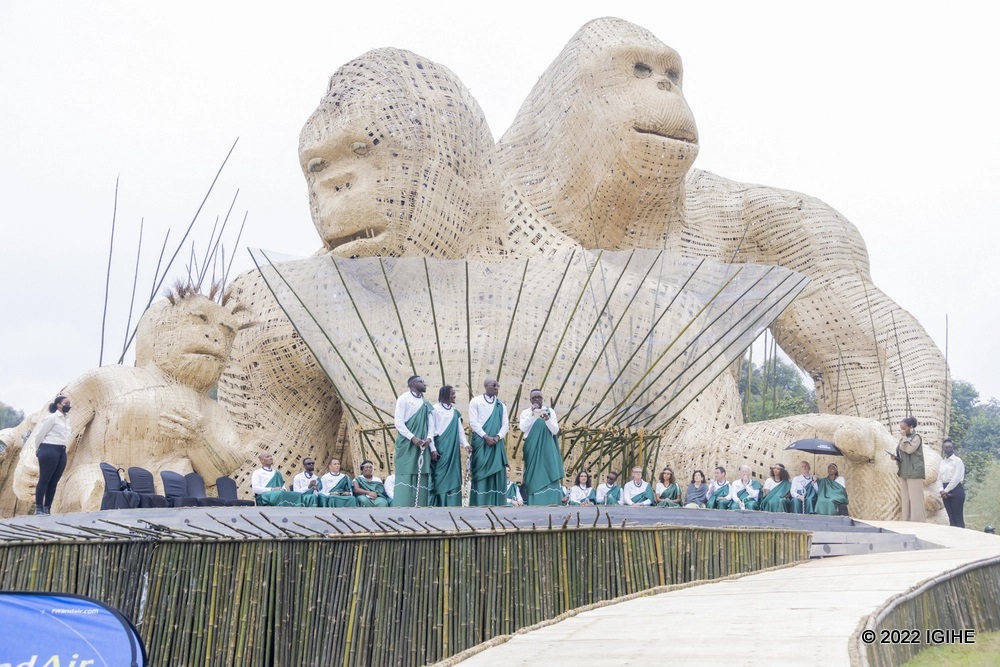
The annual baby mountain gorilla naming ceremony locally known as ‘Kwita Izina’ is the first held in person since 2019 following the emergence of COVID-19 pandemic.
Today’s ceremony which took place at the foothills of Volcanoes National Park marked the 18th edition of the international conservation event held in Rwanda.
It brought together global leaders, philanthropists, conservation champions as well as sports, music and fashion stars among the distinguished guests given the honour of naming a baby mountain gorilla.
Since the naming ceremony began in 2005, 354 baby gorillas have been given names. Today, Rwanda is home to one third of the world’s remaining mountain gorillas and the population is steadily increasing.
The 20 baby gorillas named are members of the Noheli, Musilikali, Ntambara, Mutobo, Igisha, Susa, Kureba, Pablo, Sabyinyo, Muhoza, Amahoro, and Hirwa families.
Figures from Rwanda Development Board (RDB) indicate that visitors of Volcanoes National Park have been steadily increasing, hence contributing to the tourism sector at large.
In the past six months of 2022, the park generated US$11 million from US$6 million and US$5.9 of 2021 and 2020 respectively. Before the outset ofCOVID-19 in 2019, the park had generated US$21.9 million.
Despite adverse effects of COVID-19, Rwanda’s efforts to promote tourism have seen revenues increasing steadily following the drop by 70% owing to effects of COVID-19 pandemic.
Last year, Rwanda registered an increase by 25% in tourism revenues reaching US$164 million up from US$131 million of 2020. In 2019, the country had generated US$498 million from tourism.
The Prince of Whales, Charles was among namers but attended the event virtually.
Other namers at today’s Kwita Izina include Louise Mushikiwabo, the Secretary-General of Organisation Internationale de la Francophonie (OIF); football legend Didier Drogba; Salima Mukansanga, an International Football Referee; Sauti Sol musical band and Sir Ian Clark Wood, Chairman of The Wood Foundation among others.
Kwita Izina 2022 was also attended by diplomats accredited to Rwanda and top government officials including Premier, Dr. Edouard Ngirente as the guest of honour who was joined by the First Lady of Rwanda, Mrs Jeannette Kagame.
Premier Ngirente who represented the Head of State commended all participants of the event and extended appreciation to residents in the outskirts of national parks for being good conservation partners.
“The act of giving a name to baby gorillas is a symbol of Rwanda’s commitment to these majestic animals, and our belief in the power of nature to be a force for socio-economic transformation. Today, Rwanda is home to one third of the world’s remaining mountain gorillas and the population is increasing every year,” he said.
“Our natural ecosystems and national parks represent an important natural and cultural heritage that we hold in trust for future generations. Our key challenge now, and in the future, is to sustain and maintain these natural ecosystems,” added Premier Ngirente.
Since 2005, the Government of Rwanda initiated the Tourism Revenue Sharing Programme which aims at guiding investment in the areas surrounding the various national parks in Rwanda by ensuring that a portion of all park revenues is given back to the communities.
In 2017, the percentage allocated for community projects increased from 5% to 10%.
Premier Ngirente has also disclosed a project under consideration to expand Volcanoes National Park is expected to increase the portion of revenues distributed among residents.
He also requested namers and guests who joined Rwanda at the event to continue advocating for intensified efforts to promote conservation.
During her remarks, the Chief Executive Officer of the Rwanda Development Board, Clare Akamanzi noted: “In Rwanda, we have witnessed the benefits of deliberate, consistent and comprehensive conservation by the Government of Rwanda, and our valuable conservation partners. In our recent census, the mountain gorilla population had grown by 26% over 6 years. The 20 baby gorillas we have given names to today add to that sustainable future. And the presence of all of you today individually and collectively help to secure their future.”
{{2022 Kwita Izina Gorilla Babies and Namers}}
{{Ubwuzuzanye – ‘Harmony’}}
This baby was born on 29 April 2022 to Agasaro of the Muhoza family of mountain gorillas and was named by His Royal Highness The Prince of Wales. The name was chosen to raise awareness of the need for humanity to come together as one to protect our environment and achieve sustainable development.
{{Kwibohora – ‘Liberation’}}
Born on 15 September 2021 to Ubuntu of the Igisha family of mountain gorillas, this baby was given a name by international football referee Salima Mukansanga. The name was chosen to highlight the role liberation has played in conservation as a foundation of sustainable tourism and development.
{{Nyirindekwe – ‘Protector’}}
This male baby gorilla was born on 21 January 2022 and was named by Stewart Maginnis, the Deputy Director General of the International Union for the Conservation of Nature (IUCN). The name was chosen to celebrate the protective nature of the mountain gorillas, and their role as guardians of their forest habitat.
{{Imbaduko – ‘Vivacity’}}
Akamaro’s daughter from the Kureba family of mountain gorillas was born on 12 October last year and was named by Professional Racing Driver and Presenter, Naomi Schiff. The name was chosen to celebrate the unwavering commitment of the Rwandan people to the protection of the mountain gorillas.
{{Ubusugire – ‘Integrity’}}
This new addition to the Pablo mountain gorilla family was born on 9 December 2021 and was given a name by Sir Ian Clark Wood, KT, GBE, Chairman of The Wood Foundation. The name was chosen to celebrate the efforts of communities and conservationists to protect and ensure the integrity of Rwanda’s biodiverse national parks.
{{Intare – ‘Lion’}}
Named after the Chairman of the Rwanda Development Board, Itzhak Fisher’s Father-in-Law, a Holocaust survivor who was called Leo, which means lion, this male baby gorilla was born on 1 August 2022 and is a new member of the Hirwa family. The name was also chosen by Itzhak Fisher to recognise an important conservation milestone in Rwanda, the successful reintroduction of lions in Akagera National Park.
{{Ubwitange – ‘Sacrifice’}}
This name was given to Nsanganira’s son of the Ntambara family of mountain gorillas by Philanthropist and Entrepreneur, Dr. Cindy Descalzi Pereira and chosen to recognize the selflessness and dedication of park staff, local communities and conservation partners to the conservation of biodiversity.
{{Ruragendwa – ‘Hospitable’}}
The Board Director, Sales and Marketing, Volkswagen Group South Africa & Sub-Saharan Africa, Thomas Milz gave this name to a male baby mountain gorilla from the Noheli family that was chosen to recognize the welcoming nature of Rwandans, and the famous Rwandan hospitality visitors enjoy when visiting the country.
{{Ihuriro – ‘Hub’}}
Umutuzo’s son that was born in May this year was given this name by legendary Senegalese musician, Youssou N’Dour. The name was chosen to showcase Rwanda as a vibrant hub for music, fashion and culture, as well as eco-tourism and investment.
{{Ikuzo – ‘Admirable’}}
Umwe’s daughter from the Noheli family was given this name by Paris Saint-Germain football legend, Juan Pablo Sorin to recognise the admirable and noble nature of Rwanda’s mountain gorillas. She was born on 13 December 2021.
{{Indatezuka – ‘Resilient’}}
This name was chosen to highlight the resilience of the Rwandan people and the protection of the country’s biodiversity. It was given to Igitangaza’s daughter of the Mutobo group of mountain gorillas by the Chief Executive Officer of the African Wildlife Foundation, Kaddu Sebunya. The baby gorilla was born on 13 September 2021.
{{Turikumwe – ‘We Are Together’}}
The Secretary General of La Francophonie, Louise Mushikiwabo, had the honour of giving this name to a newborn baby gorilla from the Ntambara family to highlight the importance of working together to achieve successful conservation outcomes, and to recognise the many partners who contribute to protecting the mountain gorillas.
{{Igicumbi – ‘Sanctuary’}}
Veterinarian and Television Presenter, Dr Evan Antin gave this name to a baby mountain gorilla from the Susa family. It is a name that celebrates Rwanda’s protected areas as sanctuaries of rich and unique biodiversity, and is a call to protect wild places all around the world.
{{Indangagaciro – ‘Values’}}
Chosen to highlight the value Rwanda attaches to preservation and conservation, this name was given to Ubufantanye’s daughter from the Musilikare family of mountain gorillas born on 15 August 2021 in Volcanoes National Park. Neri Bukspan, the Managing Director of Standard & Poor’s Credit Market Service was honoured to give the name to the baby.
{{Muganga Mwiza – ‘Good Doctor’}}
Laurene Powell Jobs, Founder and President of Emerson Collective gave this name to Umwari’s baby gorilla from the Susa family in honour of the late Dr Paul Farmer – a great friend to Rwanda and a great friend to Laurene. Paul’s vision for a more just and equitable world lives on through the University of Global Health Equity and Partners in Health.
{{Baho – ‘Live’ }}
Founder and President of Luntz Global, Dr. Frank Luntz gave this name to a male baby gorilla from the Susa family. The name was chosen to celebrate the sustained life of mountain gorillas, and their bright future thanks to conservation efforts.
{{Imararungu – ‘Cheerful’}}
Chosen to represent the joyful and entertaining nature of gorillas, this name was given to Umuco’s daughter who was born on 4 August 2021. American actor, Uzo Aduba had the honour of naming her during today’s Kwita Izina Gorilla Naming ceremony.
{{Impanda – ‘Trumpet’}}
Arsenal Football Club Legend, Gilberto Silva, gave the name to Umutungo’s son from the Sabyinyo family of mountain gorillas. The name was chosen to serve as a call to action for us all to play our part in protecting and restoring biodiversity.
{{Kwanda – ‘Expand’}}
With the growing need to expand the mountain gorilla habitat through the Volcanoes National Park Expansion Programme, this name was given to a male baby gorilla born on 12 October 2021 by Moses Turahirwa, Creative Director of Rwandan fashion brand, Moshions.
{{Ishami – ‘Offspring’}}
Football legend Didier Drogba gave this name to a male baby gorilla that was born on 28 July 2022 to Twiyubake, a member of the Muhoza family of mountain gorillas living in Volcanoes National Park. The name symbolises the importance of the newborn gorillas as “offsprings” of expansion and growth.
{{Kwisanga – ‘Feel At Home’}}
Kenyan musical band, Sauti Sol had the honour of naming a newly formed mountain gorilla family living in Rwanda’s Volcanoes National Park as a celebration of the peaceful splitting of the Kwitonda family that left both groups having an equal number of members. Since Kwisanga and Kwitonda were formed, the groups have met a number of times without any aggressive interactions, allowing members from the two families to meet and socialise.
{{About Kwita Izina}}
The Kwita Izina gorilla naming ceremony is a modelled off centuries-old tradition in which Rwandans name their children in the presence of family and friends. For three decades before the first official gorilla naming ceremony, park rangers and researchers named Rwanda’s mountain gorilla babies to monitor each gorilla in their family and habitat.
In 2005, Rwanda began officially naming mountain gorillas in what has become a global celebration of nature. By giving a name to these majestic animals, they are given the value they undoubtedly deserve.
The ceremony is, first and foremost, an opportunity to thank the communities that live around the gorilla habitat, Volcanoes National Park, research partners, vets and the dedicated conservationists, rangers and trackers who protect the gorillas daily.
Over the last fifteen years, more than 350 mountain gorillas have been named.
Today, Kwita Izina forms part of an ambitious strategy to preserve Rwanda’s natural heritage and further expand the role of tourism in the country’s transformation. As a result of the naming ceremony, Rwandans from all walks of life understand the intrinsic value of gorillas and their contribution to the country’s economic prosperity. Rwandans have become gorilla guardians.
Overall, Rwanda has emerged as a conservation and sustainable tourism leader on the continent. For instance, during the 2010 Census, there were 480 mountain gorillas, the 2016 Census report indicated 604 individuals in the Virunga Massif.
These efforts have contributed to the increase in mountain gorillas worldwide (1,063) and are categorised as no longer critically endangered.
[{{Click this link to view more pictures about this event}}->https://igihe.com/ubukerarugendo/article/live-abaturage-abayobozi-b-ibyamamare-bakoraniye-mu-kinigi-mu-kwita-izina]
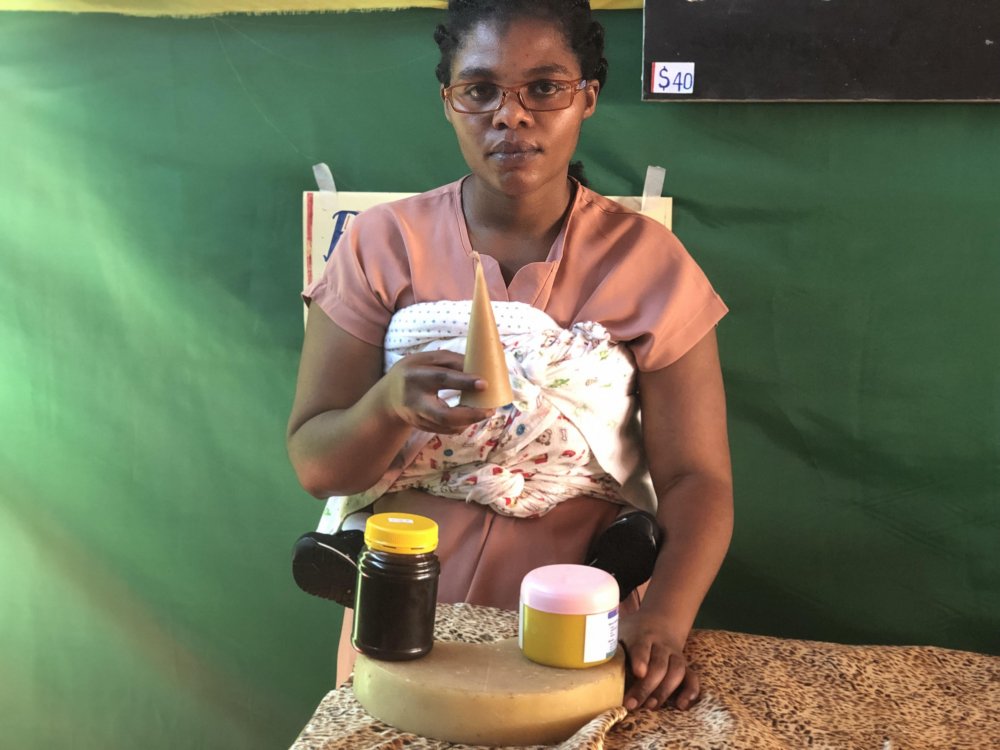
They are members of COPRIKA cooperative established in 2013. The latter processes and sells honey but started making candles this year after realizing that wasted
beeswax could be used to produce essential products.
Initially, the health workers produced different types of body lotion where some of them are used for medicinal purposes to treat skin ailments.
They kept testing different products until they successfully made candles from the beeswax which they consider as a great milestone towards reducing the cost associated with the importation of similar products.
Apart from lotion and candles, these community health workers have started melting the beeswax to produce shoe cream.
Constance Mugorewera, one of the cooperative’s members has told IGIHE that the idea surfaced after realizing how large quantities of beeswax are wasted.
“Before, we used to process large quantities of honey which were bought in bulk and threw the residues. The harder people work, the more they gain new skills. By doing so, we later discovered that beeswax can be used to produce quality candles,” she said.
“In 2022, we received a training which equipped us with necessary skills to produce quality candles. Today, we have one machine which helps us to make six candles per day but we plan to buy more to increase production,” added Mugorewera.
Mugorewera said that they plan to start selling their candles before the end of this year after increasing daily production.
The worries have been expressed by Karasira’s Defence Lawyer, Gatera Gashabana as he appeared before Nyarugenge Intermediate Court on Friday 2nd September 2022.
He said that his client is not ready to stand trial because electronic files could not be accessed and requested adjournment to make enough preparations.
The Prosecution said that the challenges should have been communicated earlier. however, it maintained that they need to be given time for preparations as per legal provisions but in consideration that there should be no further excuses leading to further postponement on agreed date.
After assessing the request of Gashabana, the court rescheduled the trial for 7th October 2022.
Karasira who once served as a lecturer at the University of Rwanda, has been detained for over one year. He denies alleged charges.
Karasira’s trial in substance has been postponed at different times.
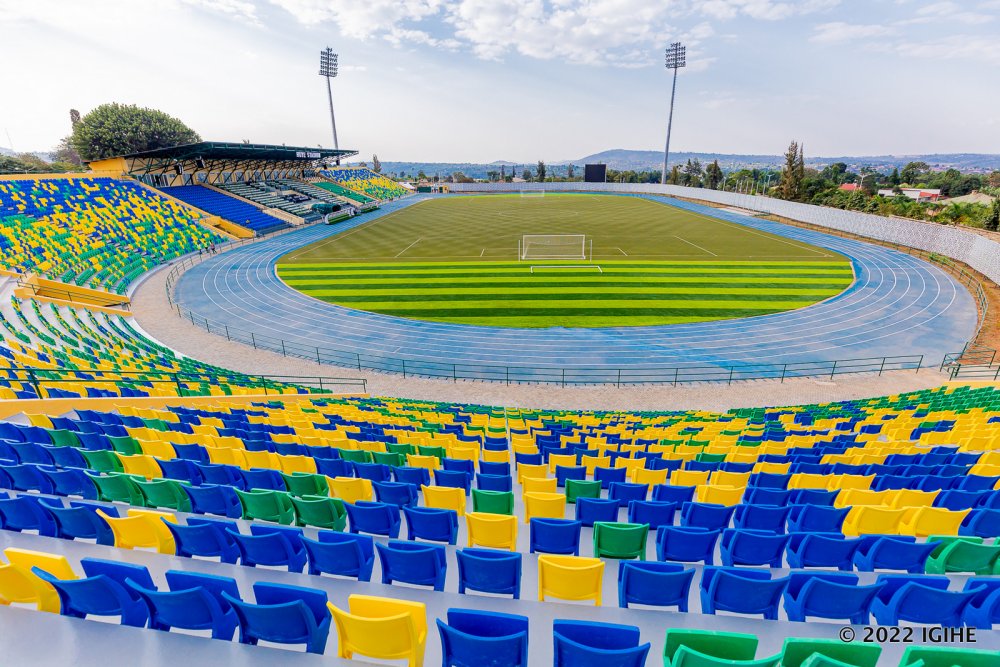
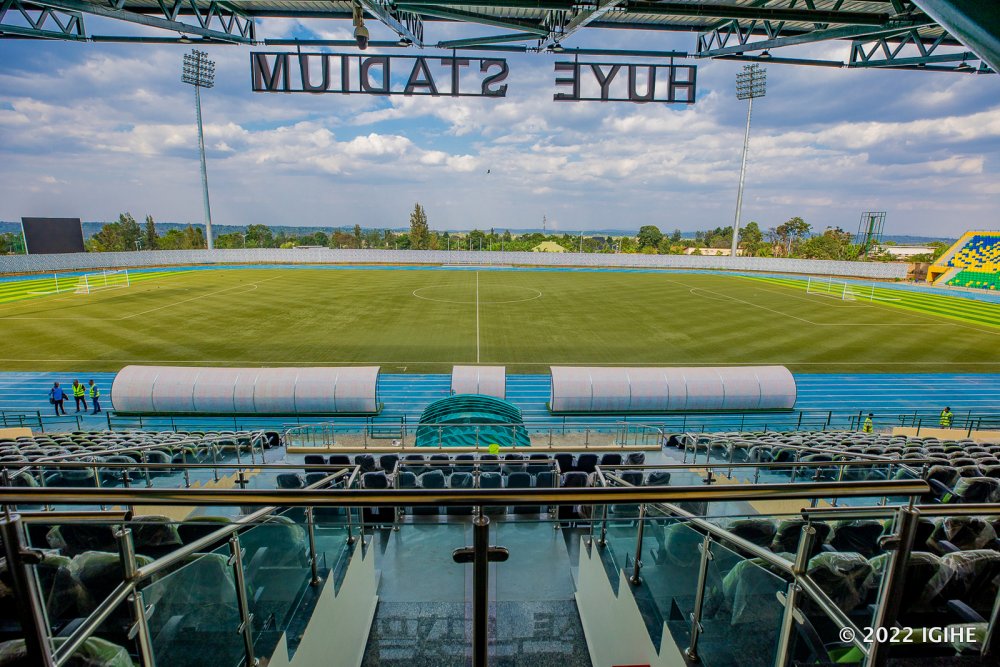
She made the revelation on Wednesday 31st August 2022 as she inspected Huye Stadium which was recently renovated to meet international standards.
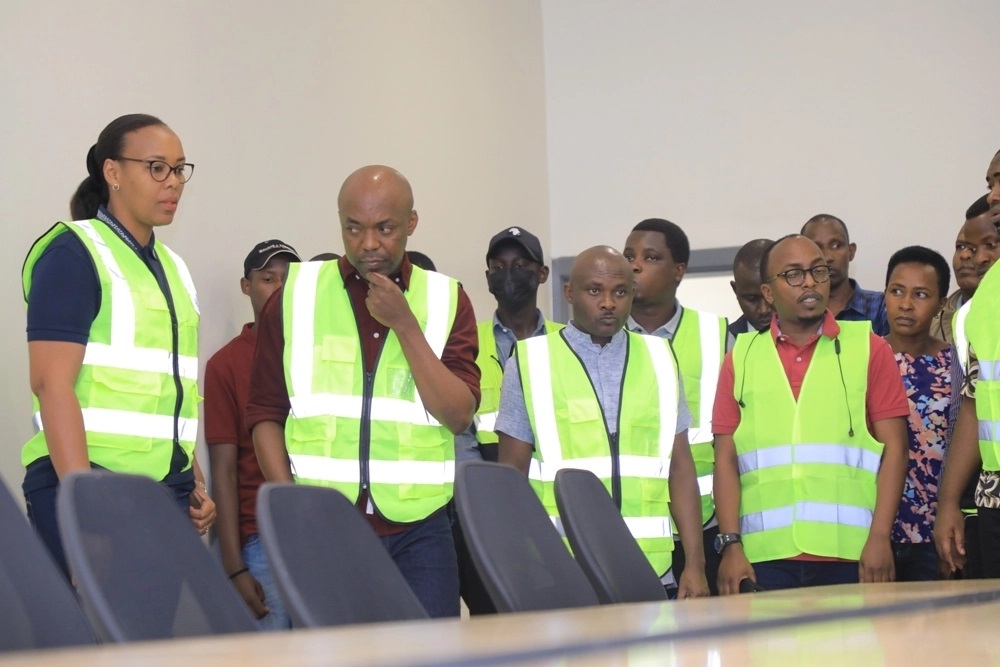
Minister Munyagaju visited the stadium along with the Minister of Infrastructure, Dr. Ernest Nsabimana; the Permanent Secretary in the Ministry of Sports, Didier Shema Maboko and the President of Rwanda Football Federation (FERWAFA), Olivier Mugabo Nizeyimana.
Some of key aspects that were taken into consideration during the renovation works include media area, changing room, public toilets and bathrooms for players as well as the roofing.
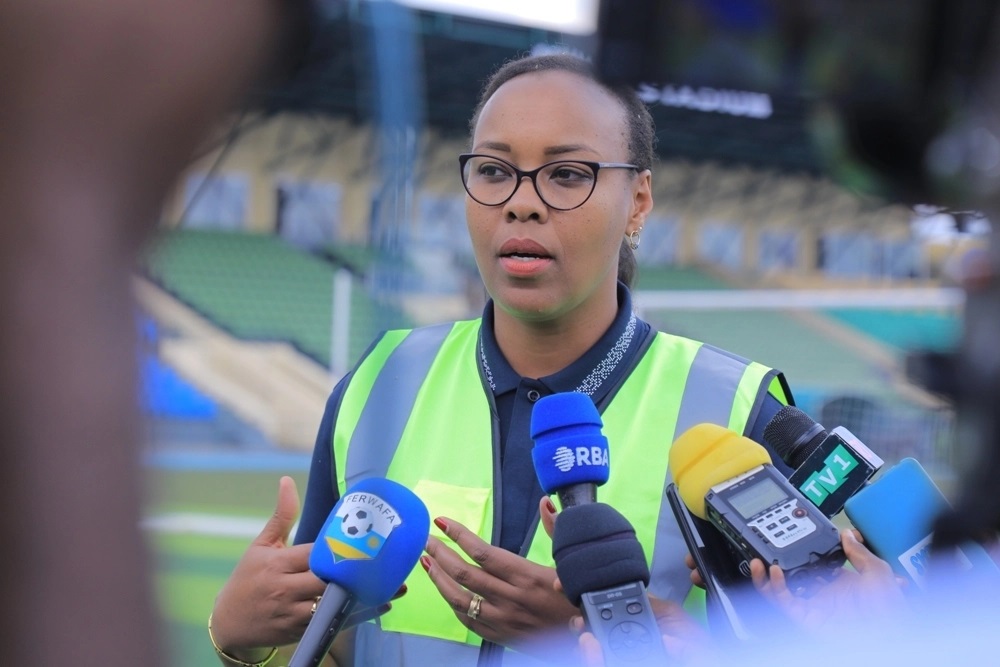
After touring the facility, Mimosa told the media that the stadium is in a good state and ready to host international matches.
“The stadium’s significance to Rwanda and Amavubi as we have always said, is that it will enable Rwanda to host home matches. The completion of Huye Stadium is a pride to Rwanda and Rwandans. We will be able to host games starting from the one scheduled this Saturday,” she said.
“We are delighted with its design and installed equipment. Everything in the stadium is of good quality,” added Mimosa.
She explained that they have been working with the Confederation of African Football (CAF) since renovation activities began to ensure smooth execution of the project.
{{Management }}
Minister Mimosa revealed that Huye Stadium is under the management of Huye District which will work closely with the ministry for efficiency. She however stressed that they are considering third party to take over the management.
“The stadium is currently under the management of the district but we are working together to find third parties to manage stadiums as per designed policy to ensure they are well maintained and generate returns to the country,” she said.
The contractor has fast tracked renovation works since April so that Rwanda can host Africa Cup of Nations (AFCON) qualifiers in the country.
On Saturday 3rd September 2022, Rwanda’s national football team – Amavubi will host Ethiopia at the completed Huye Stadium at 3:00 p.m.
The stadium has the capacity of accommodating 7900 people.
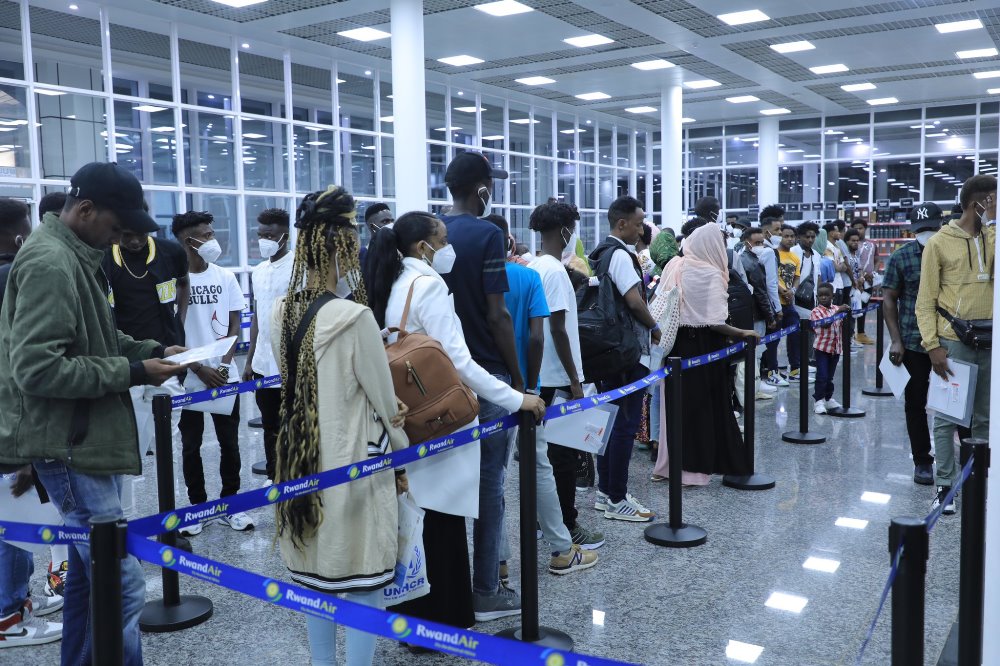
“More than 100 vulnerable asylum seekers have been evacuated on a flight out of Libya to Rwanda,” the UNHCR said in a statement.
The asylum seekers, including 38 children, are from different African countries, it added.
“We are also grateful to the relevant Libyan authorities for their support in facilitating necessary formalities for these humanitarian evacuation flights,” it noted.
Many undocumented migrants, mostly from Africa, choose to cross the Mediterranean Sea to European shores from Libya, which has been suffering chaos since 2011 when the late former leader Muammar Gaddafi was overthrown.
According to the International Organization for Migration, 14,157 illegal immigrants have been rescued at sea and returned to Libya so far in 2022.
Lacroix particularly recognized the contribution and impact Rwandan female peacekeepers especially in addressing gender based violence related matters.
The Under-Secretary General made the remarks on Thursday when he received at his office, Rwanda’s Permanent Representative to the UN, Ambassador Claver Gatete and the Deputy Inspector General of Police (DIGP) Felix Namuhoranye.
DIGP Namuhoranye is in New York to attend the UN Chiefs of Police Summit (UNCOPS-2022).
DIGP Namuhoranye reaffirmed Rwanda’s commitment to contribute peacekeeping personnel in “numbers and quality” in different aspects.
{{Bilateral meetings}}
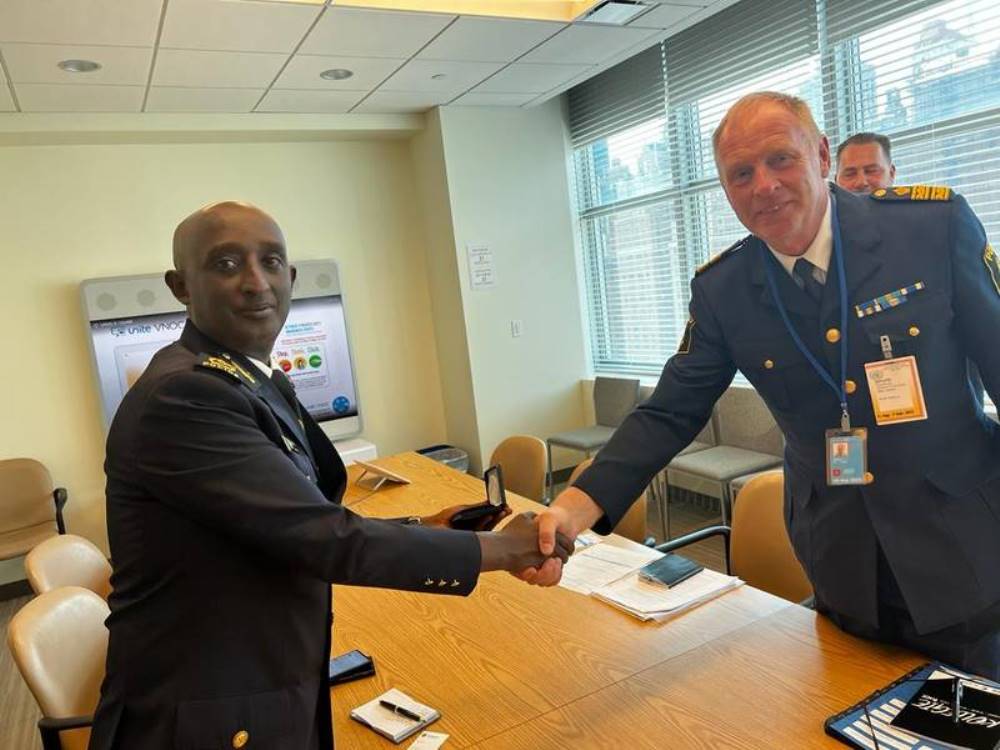
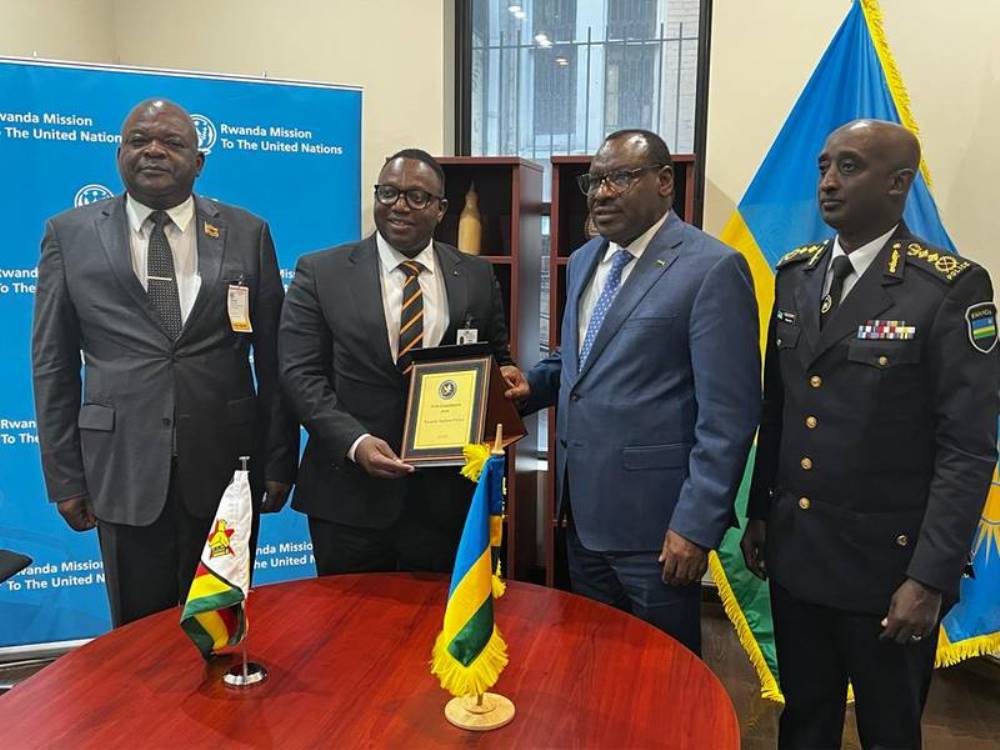
Meanwhile, the Deputy Police Chief attended separate sideline bilateral meetings with delegations from Sweden and Zimbabwe, on Wednesday, August 31.
Commissioner Hakan Wall, Swedish Police director of International Operations Division and head of Peace Support Operations, hailed the cooperation between Sweden and Rwanda especially in peacekeeping operations.
Rwanda and Sweden formed a Specialized Police Team for Gender- Based Violence (SPT-GBV) operating under the UN Multidimensional Integrated Stabilization Mission in the Central African Republic (MINUSCA).
Rwanda maintains three Police contingents in MINUSCA; two Formed Police Units (FPUs) and a Protection Support Unit (PSU), with combined strengths of 460 officers.
Hakan commended the professionalism of Rwandan peacekeepers on the SPT-GBV team and expressed need for further cooperation.
DIGP Namuhoranye, who commended the existing partnership, briefed them on Rwanda’s will and ability to contribute “special skills” in peacekeeping to impact civilian lives beyond Central African Republic (CAR).
On the other hand, the bilateral meeting between Rwanda and Zimbabwe was co-chaired by Ambassador Gatete and Zimbabwe’s minister of Home Affairs and Cultural Heritage, Kazembe Kazembe.
It was held at the request of Zimbabwe to learn best practices from Rwanda’s policing model.
Rwanda gave a presentation on various areas of policing, including smart policing and peacekeeping operations.
The meeting concluded with both parties devising ways to develop a framework for future cooperation in various policing areas.
Rwanda National Police and Zimbabwe Republic Police have cooperated especially in training where the latter’s senior officers have attended the Police Senior Command and Staff Course (PSCSC) at the National Police College (NPC) in Musanze District.
The vaccine has been jointly developed by the Serum Institute of India, located in Pune city in the southern western state of Maharashtra, and the Department of Biotechnology under the Federal Ministry of Science and Technology.
Launching the vaccine, the minister said that cervical cancer ranked as the second most prevalent cancer in India, and accounted for nearly one-fourth of the world’s cervical cancer deaths despite being largely preventable.
He said current estimates indicated that every year approximately 125,000 women are diagnosed with cervical cancer, and over 75,000 died from the disease in India, and 83 percent of invasive cervical cancers were attributed to Human Papillomavirus (HPV) 16 or 18 in India.
The minister said that the most promising intervention for preventing cervical cancer was vaccination against the HPV.
“It is estimated that HPV types 16 and 18 (HPV-16 and HPV-18) together contribute to approximately 70 percent of all invasive cervical cancer cases worldwide,” he added.