Cyriaque Rwandanga, 52, was arrested at his home in Kaviri Village, Kiyumba Cell, Cyanika Sector where two small sacks of cannabis were recovered in a hole, which he dug in the living room.
Superintendent of Police (SP) Theobald Kanamugire, the Police spokesperson for the Southern region, said that Rwandanga’s criminal activities were reported by concerned residents of Kaviri Village.
“Rwandanga has a shop in Kaviri village which he was using to also sell cannabis but keeping other quantities at his home. He was mainly supplying local retailers and consumers.
When residents tipped-off the Police, officers searched his house where they recovered 13kgs buried in the living room where he dug a hole, covered it with a mat and placed a table on top,” SP Kanamugire explained.
He was handed over to RIB at Gasaka station for further investigations.
His arrest came on heels of increased Rwanda National Police (RNP) operations aimed at breaking chains of supply of the very severe narcotic drug.
On October 4, two suspected big suppliers were apprehended in Rubavu District, Kanzenze Sector with 6000 pellets of cannabis.
This followed another successful operation on September 26, in Nyamasheke District where other two big dealers were arrested with 247kgs of cannabis.
Similarly, last month on September 21, two suspected drug dealers were arrested separately in Rulindo and Gakenke districts with combined 1012 pellets of cannabis.
The successful operations are attributed to the responsiveness of the public through community policing.
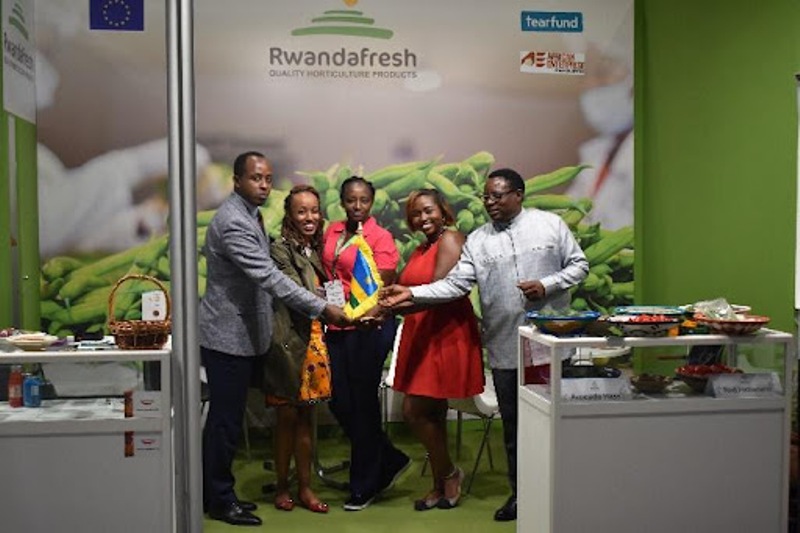
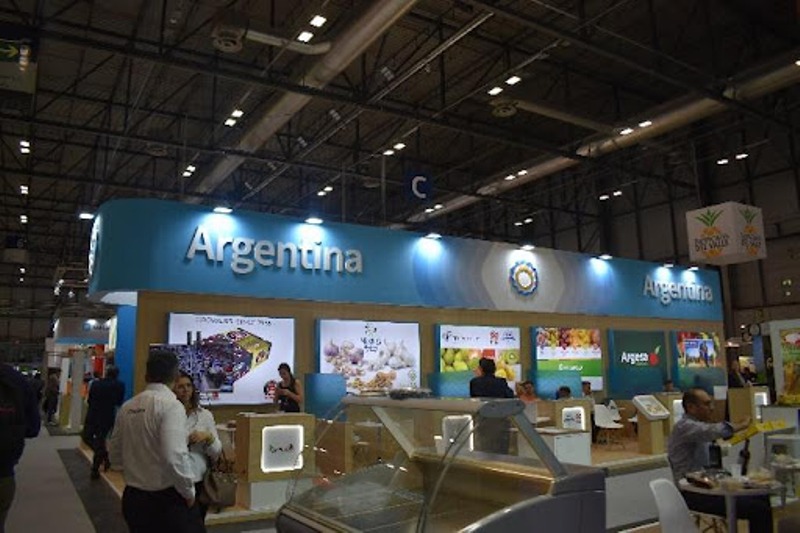
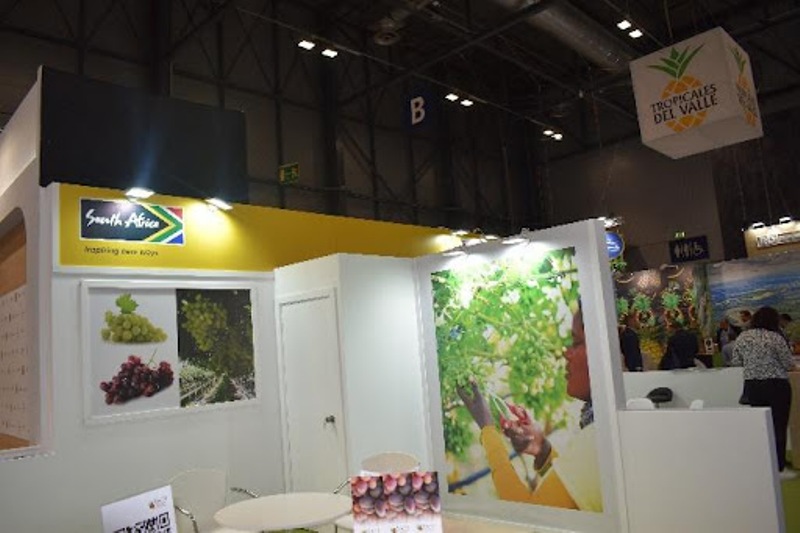
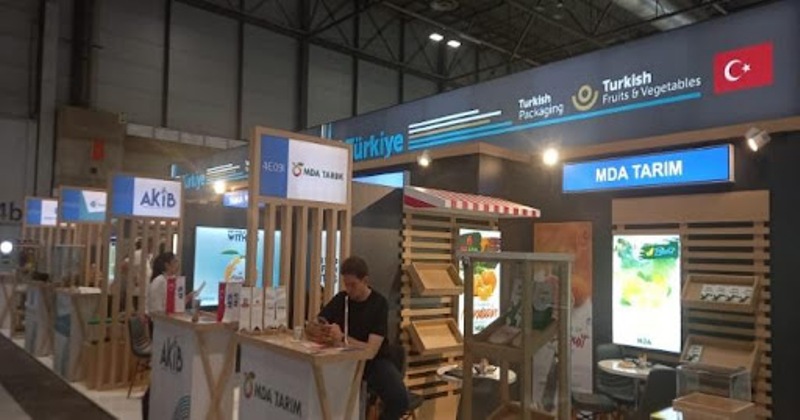
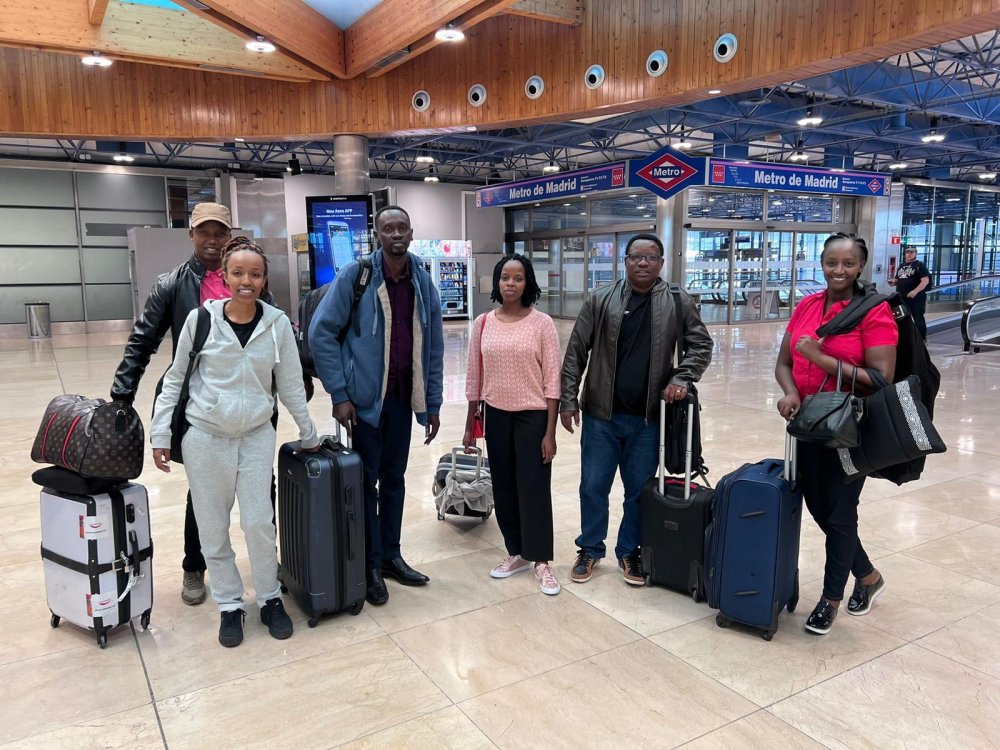
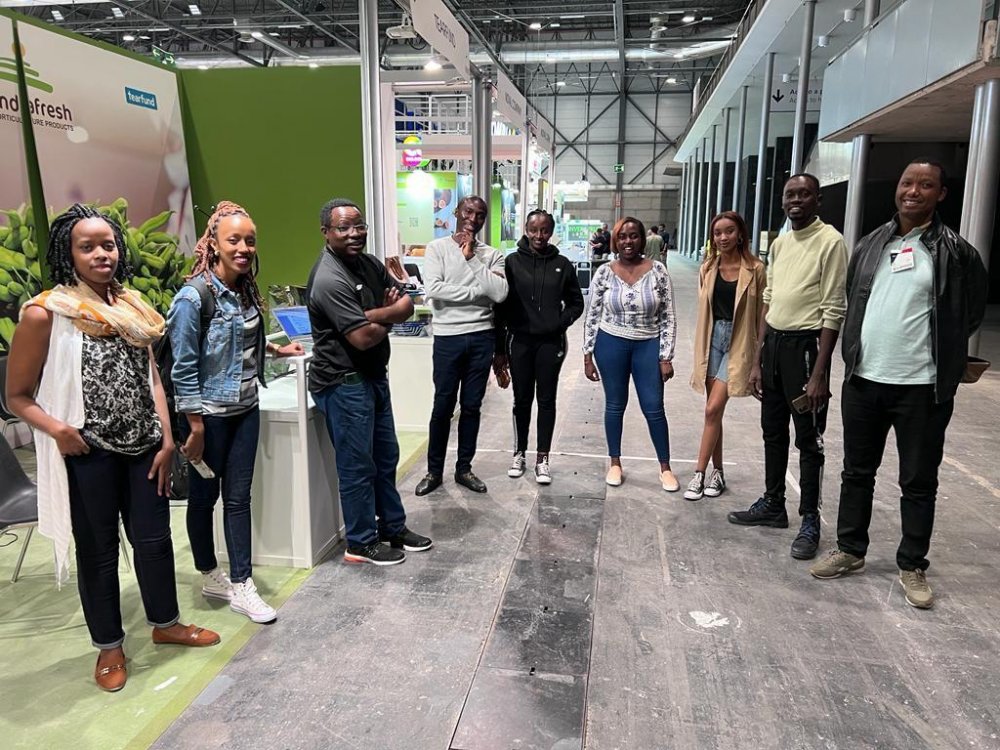
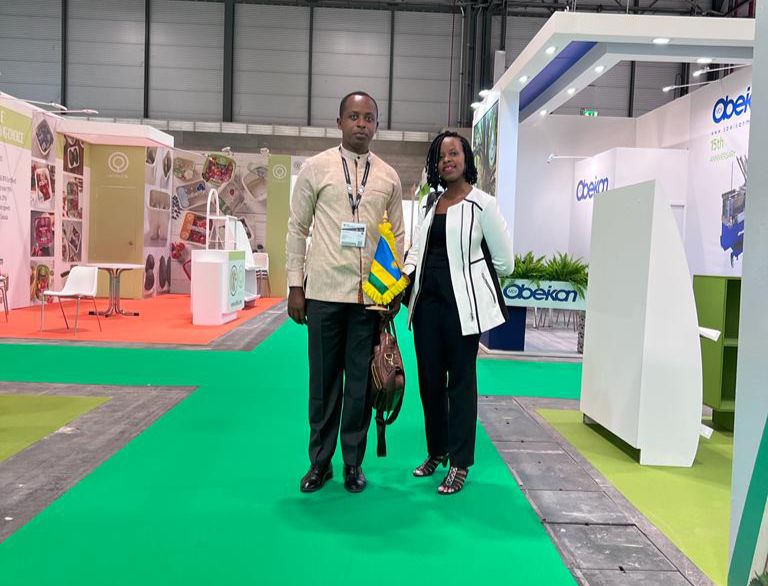
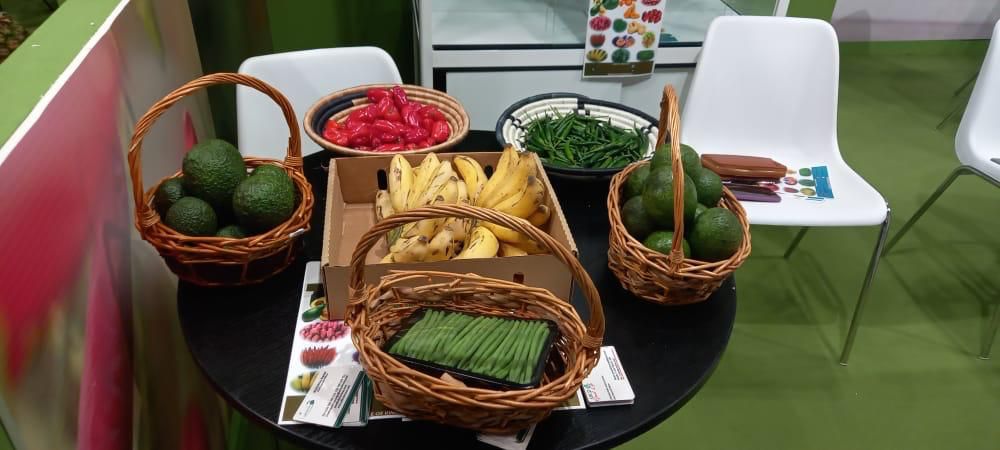
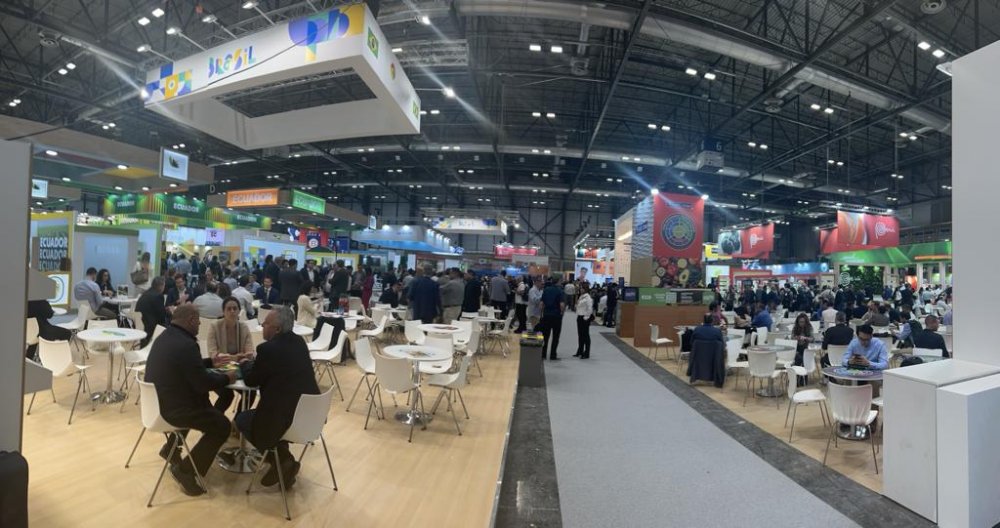
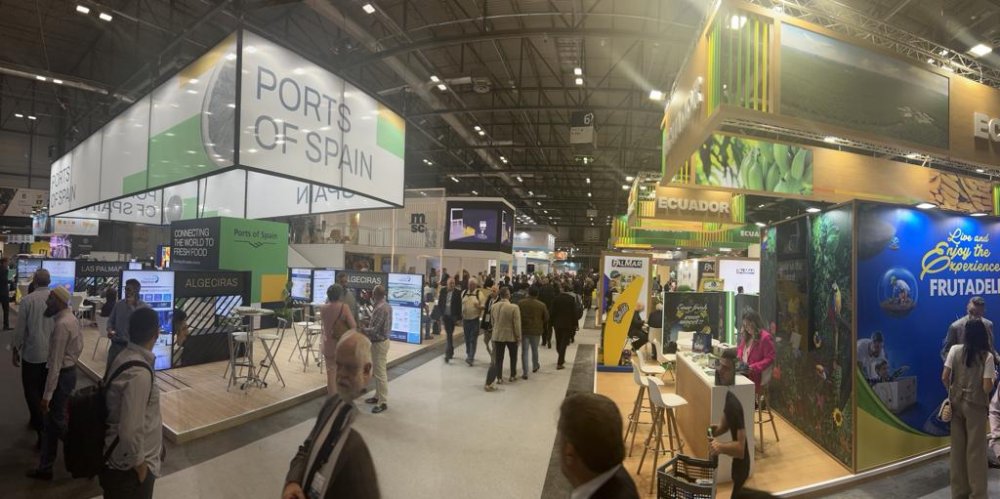
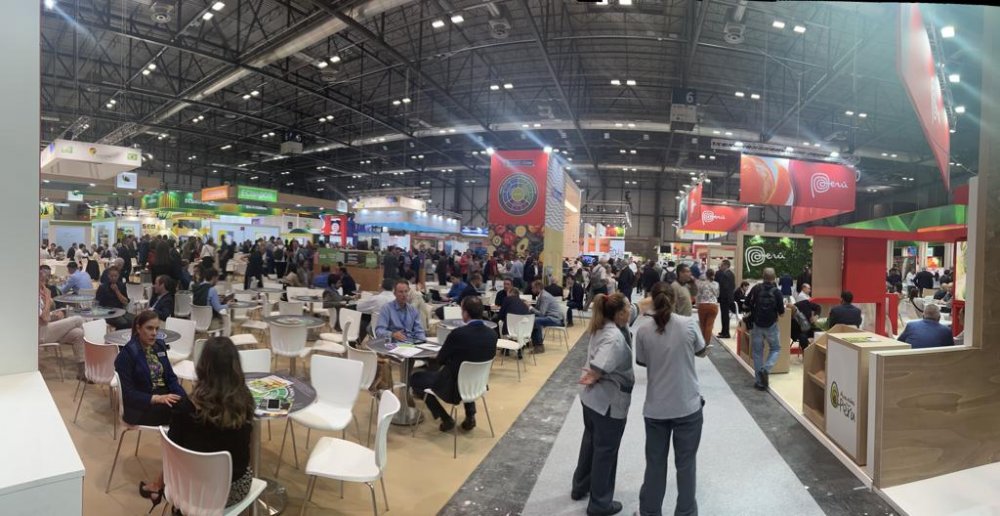
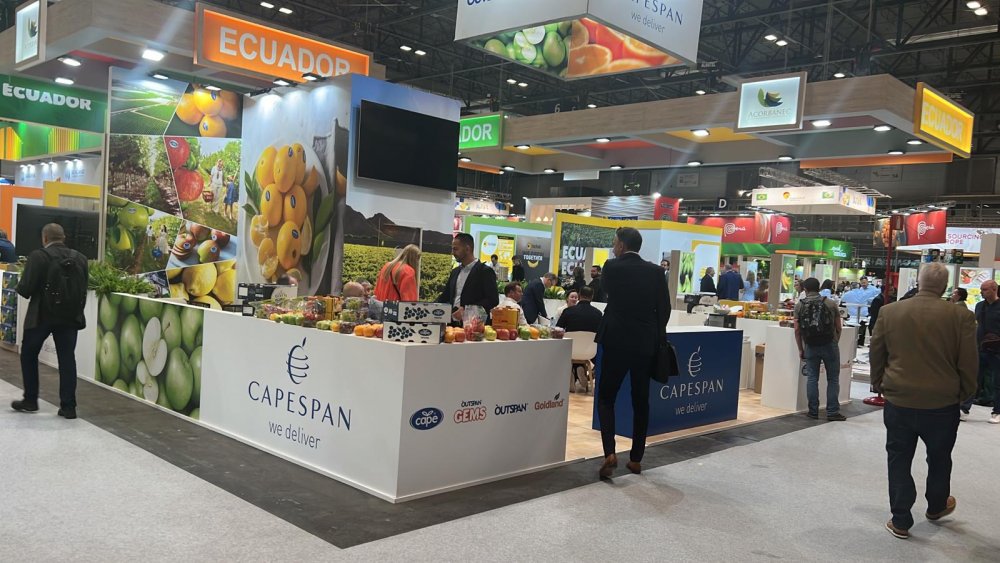
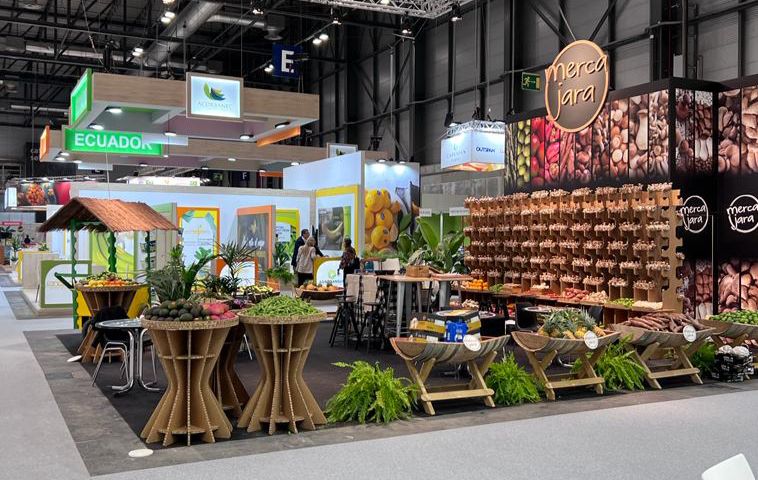
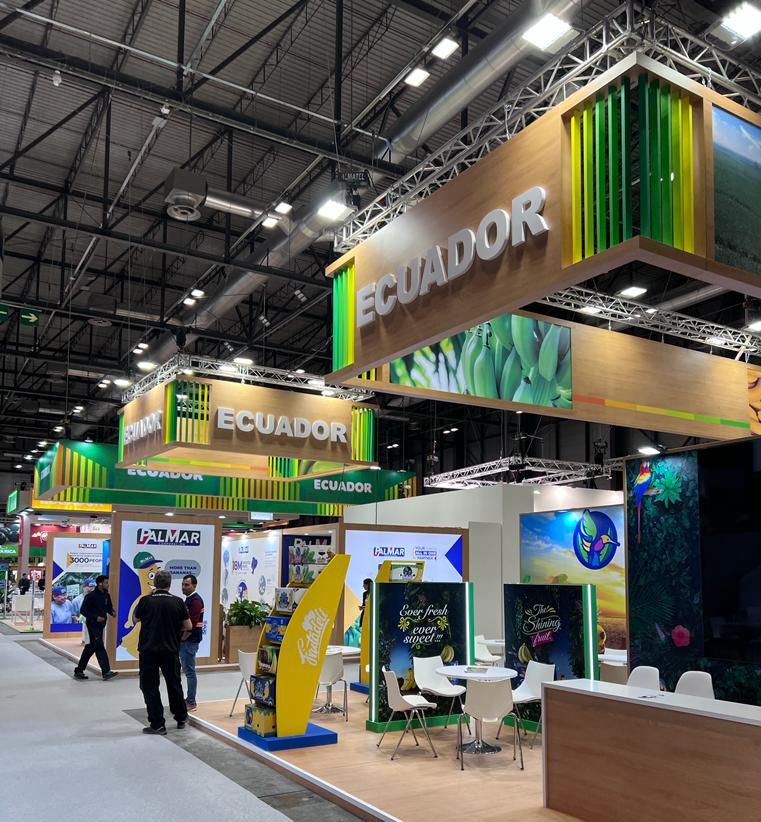
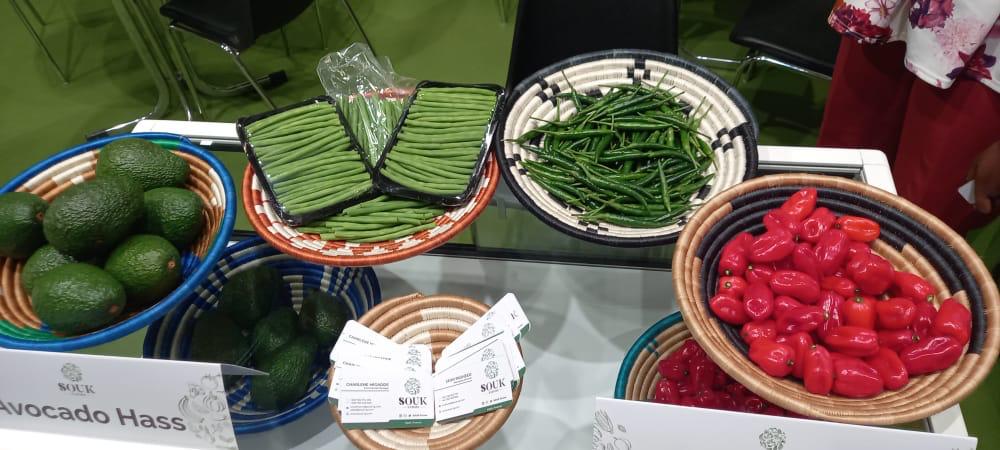
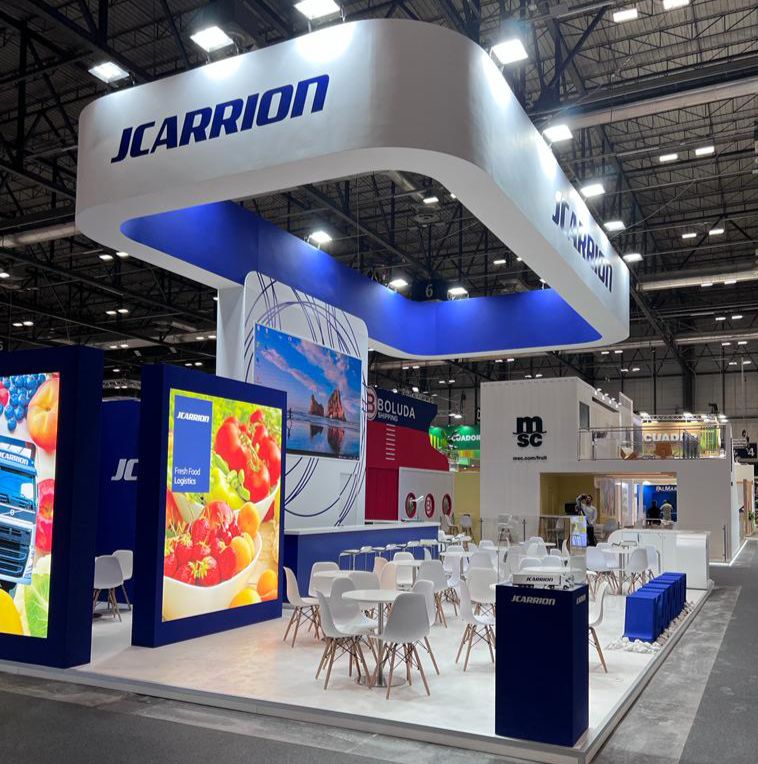
This international exhibition brought together more than 1800 exhibitors from 130 countries around the world, including Rwandans, with the aim of helping vegetable and fruit farmers, buyers and sellers as well as processors exchange information and pave the way for market linkages.
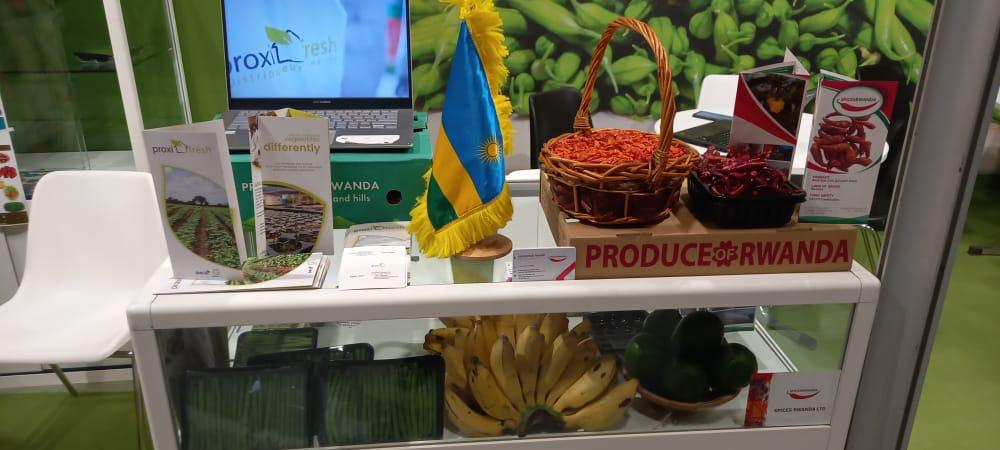
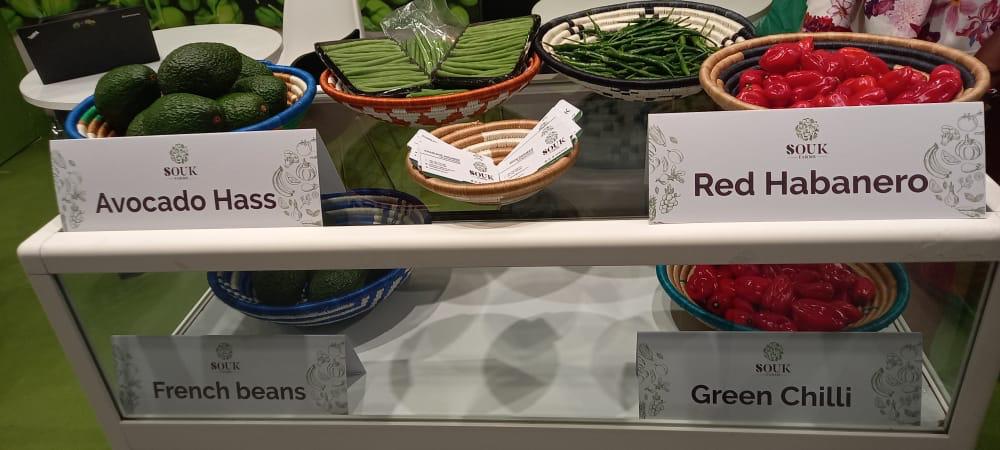
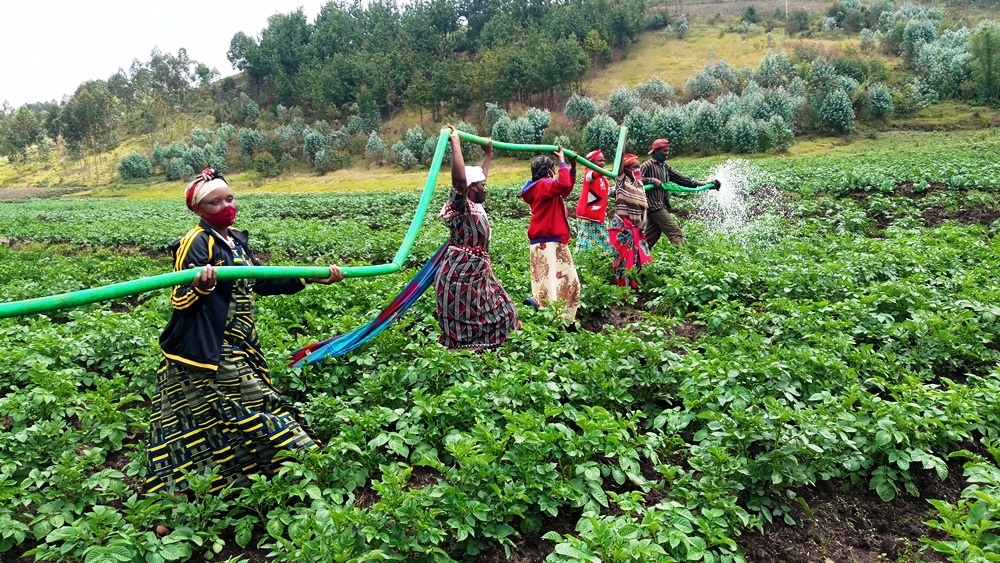
At this international trade fair, Rwanda was represented by the chamber of Women in Rwanda’s Private Sector Federation (PSF), and five companies that buy and export fruits and vegetables on the support of Tearfund in collaboration with AEE Rwanda.
The representatives of these companies, namely; Souk Farms Ltd, Proxifresh Ltd, Spices Rwanda Ltd, Effective& MN Ltd and ABCD Great Life, revealed that they have linked up with new customers , giving optimism for expanded markets and increased income for farmers.
All the participants pledged to tap into available opportunities, thanked the project promoting horticulture through the European Union (EU) and the Government of Rwanda for trust and support extended to them to participate in the exhibition.
It is expected that the companies might be get more than 15 new markets might while existing buyers increased appetite for Rwandan market following discussions held face-to-face throughout the exhibition.
This exhibition brings together over 1600 companies, and more than 70,000 visitors from 120 countries around the world. It is an exhibition that showcases innovations in horticulture with a view to achieve food security.
The Ministry of Trade and Industry (MINICOM) says that an audit indicated that these traders were undeservingly paid at least Rwf22.3 billion in compensation.
Concerned traders include those who had factories in Gikondo wetland that were relocated to the Special Economic Zone in Masoro, Gasabo District.
The relocation began in 2013 to restore the wetland into a green space with different attractive features.
It was due to be completed in 2016 but delayed as it required a huge budget.
In 2018, MINICOM announced that Rwf30 billion was needed for expropriation of businesses in the area.
However, the cabinet meeting held on July 29, 2022, resolved that the compensation given to traders with businesses in Gikondo Industrial Park should be returned to the public treasury.
That decision was based on Law No. 27/2021 of June 10, 2021 governing land in Rwanda, in its article 33, which states that wetlands belong to the state.
As it goes, it cannot be given to individuals and no one can be granted ownership because they have exploited it for long.
IGIHE has learnt from one of traders who received a letter requesting a refund of Rwf507 to the national coffer.
The letter reads that MINICOM is ready to discuss with the trader on payment methods and deadlines.
The money must be deposited to a designated account in the National Bank of Rwanda.
The Director General of MINICOM in charge of Promotion and Entrepreneurship Development, Evalde Mulindankaka, recently told IGIHE that the traders did not deserve compensation because they had set up factories in a wetland.
“As of today, we have written to individuals or companies amounting to 47. Through the letter, everyone was informed of the amount of money to be returned to the national treasury, and given chance to discuss different recovery alternatives with the government,” he said.
“It is clear that some of concerned traders might not have the full amount of money at once. We will possibly agree on deadlines for payments after engaging with them,” added Mulindankaka.
He explained that it is the reason why payments in installments was considered.
“We engaged with them before sending the letters. Some of them might refund the money without negotiations but others will possibly require discussions. Letters were only sent to those who were already compensated but there are others who did not receive compensation. So, it coincided with the assessment to establish whether their businesses were operating in a wetland or not. Such traders need to understand that they can’t be compensated but keeps the burden of refunding at bay,” noted Mulindankaka.
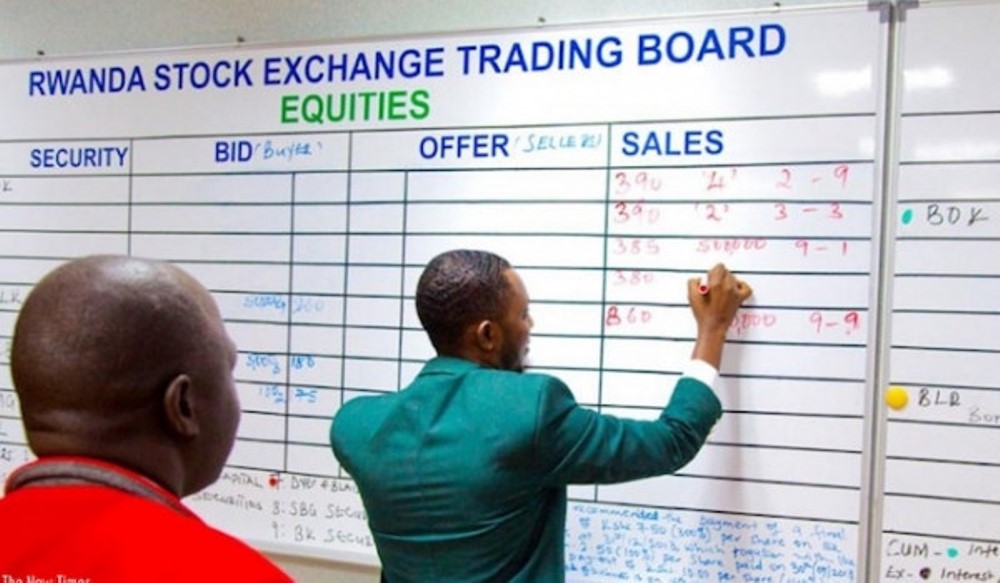
The growth of any economy depends on capital accumulation, which in turn depends on investment and an equivalent amount of savings to match it. Two of the most important issues in development economics and for developing countries are how to stimulate investment and increase the level of saving to fund increased investment.
During this year’s World Investor Week, CMA will conduct digital media and broadcast media campaigns to engage the general public on available saving and investment opportunities through the local stock market.”
The Officer in charge of Public Education and Awareness programmes at the Capital Market Authority (CMA), Magnifique Migisha stressed that financial education is one of the recognized tools to support and guide individuals’ decision making to balance their budget, make ends meets, identify risk factors and plan for their long-term future appropriately.
“As a demand side solution, it can complement supply-side approaches including improved regulation and consumer protection which ensure that investors and consumers are protected, well informed and treated fairly. It may also be used as a means of encouraging formal savings for those currently excluded from financial services,” Migisha added.
CMA and the capital market industry players have committed to carry out regular public education and awareness initiatives meant to bridge the financial literacy gap targeting retail investors in Rwanda to facilitate an interactive and educative forum to enable investors to start saving and investing through the local capital market. Rwanda has also made impressive strides in developing its local capital market as one of the young and growing sectors in the country with many promising opportunities.
This year’s campaign targets the general public whereby they are educated on the importance and benefits associated with saving and investing through the capital market. They will also learn various key concepts of saving and investment opportunities through the Rwandan capital market.
Karasira who once served as a lecturer at the University of Rwanda, made the objections as he appeared before Nyarugenge Intermediate Court on Friday 7th October 2022.
The Prosecution alleged that Karasira aired talk shows on YouTube denying the 1994 Genocide against the Tutsi.
The talk shows were aired on his own YouTube channel ‘Ukuri Mbona’ and Umurabyo TV owned by Agnès Uwimana Nkusi.
The Prosecution maintained that Karasira committed the crime of Genocide denial through pronounced statements that it was not prepared, justifying that RPA Inkotanyi’s mission was not to stop Genocide against the Tutsi.
Among others, the Prosecution alleged that Karasira defended the existence of double statements; one from the National Commission for the Fight Against Genocide (CNLG) and IBUKA, umbrella organization of Genocide survivors indicating that the 1994 Genocide against the Tutsi was prepared since 1959 and another side of the international court that no one was convicted of preparations of Genocide.
The Prosecution also accused him of having featured in a talk show on 21st May 2021 where he declared that Kabuga was hunted because he refused to pay contributions to RPF instead of distributing machetes.
It was also alleged that Karasira defended the shooting of Habyarima’s plane as the trigger of the Genocide, highlighting that victims were killed because their children or relatives had joined an army formed by a subversive group.
The statement was made through a talk show aired on Umurabyo TV and Ukuri Mbona.
Karasira was also accused of inciting ethnic divisionism through talk shows aired on the two aforementioned YouTube channels and Pax TV.
The Prosecution alleged that the YouTuber knows himself that he disseminated false information using electronic means.
The false information includes statements that Rujugiro was not rewarded for supporting the government, that top military leaders came from Uganda among others.
After presenting evidences; the defence lawyer of Karasira, Gatera Gashabana requested floor for his client to make clarifications on health issues that would help the court understand deeply the origin of allegations against him.
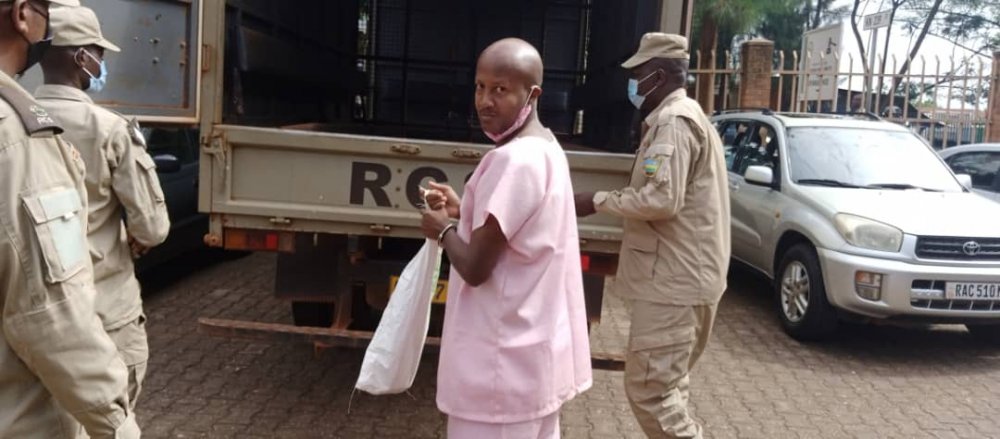
Karasira who was seated on a bench due to health problems, said that he was not ready to stand trial noting that he should have been consulted before providing room for evidences.
The court reminded Karasira that the trial was also adjourned to allow enough time for preparations and requested him to specify the time he needs.
The accused said that he suffered from diabetes where his health conditions do not allow him to prepare for trial.
Karasira complained that he is always notified of his trial one day before yet he should be informed two weeks before.
He requested medical care before standing trial.
On the Prosecution’s concerns that he pushes the trial for no reasons, Karasira said that he is willing to be tried but in sound health.
“I am always brought before court forcibly, against my will,” he said.
Karasira said that he also has trauma that he has not yet received treatment for mental illness since he was arrested.
He has been detained since 30th June 2021.
Karasira explained that he suffers from serious consequences of the Genocide with recurrent trauma during trial preparations.
He requested to get medical attention at Médecins Sans Frontières, noting that doctors who attended to him previously did not consider the root cause of his conditions.
Karasira revealed that they did not provide treatment for effects related to alcoholic drinks or bad dreams.
The YouTuber explained that all his conditions are related to effects of the Genocide where he needs therapy treatment.
The accused and his defence lawyer asked the court to adjourn the trial and be given enough time for preparations that would also serve as an opportunity for Karasira to meet with doctors.
The court postponed the trial to 18th November 2022 maintaining that further excuses won’t be accepted.
The overall objective of this programme is to consolidate the sustainable agricultural transformation in Rwanda, by (i) fostering Rwanda’s agricultural transition to socially and environmentally inclusive food systems and (ii) ensuring Rwanda’s environmental and climate sustainability. The project will contribute to Rwanda’s Nationally Determined Contributions objective on climate adaptation.
The programme also encompasses a Team Europe Initiative on ‘Sustainable and inclusive agricultural transformation’, built around the construction and development of the Kigali Wholesale market and related markets in secondary cities, as central components of highly productive and inclusive value chains.
Commenting on the development, the Minister of Finance and Economic Planning Dr. Uzziel Ndagijimana noted: “The financial support we just signed today is a timely contribution to our National Strategy for Transformation for modernization and strengthening the productivity of agriculture and livestock while promoting sustainable management of the environment and natural resources to transition Rwanda towards a Green Economy.”
EU designate Ambassador, Belen Calvo Uyarra also reaffirmed the good cooperation between Rwanda and the EU.
“The European Union has a long standing partnership with Rwanda and we are proud to be one of the key partners in the country’s path to sustainable development. With this strategy we renew the EU’s commitment to support pro-poor, sustainable and inclusive economic growth, by focusing on a green deal for agricultural transformation and achieving Rwanda’s climate adaptation goals,” he said.
The three-year Financing Agreement will reinforce Rwanda-EU bilateral cooperation and advance on common interests. The new cooperation will be implemented under budget support-sector reform contract and complementary support.
{{Budget support-sector reform contract (€52 million):}} The Budget support, via its performance indicators, will target progress achieved on farmer’s incomes and better services delivery to farmers at local level including land husbandry and climate-smart agricultural practices with a focus on agroforestry and landscape restoration.
{{Complementary support (€ 17 million):}} The complementary support encompasses a Team Europe Initiative component to support inclusive and sustainable high-value chains (horticulture and aquaculture) via a Contribution agreement with the Belgian Development Agency-Enabel, (€ 10 million) as well as Technical assistance (€7 million) to support the Ministry of Agriculture and Animal Resources, Ministry of Environment and related agencies in the policy design, monitoring and implementation.
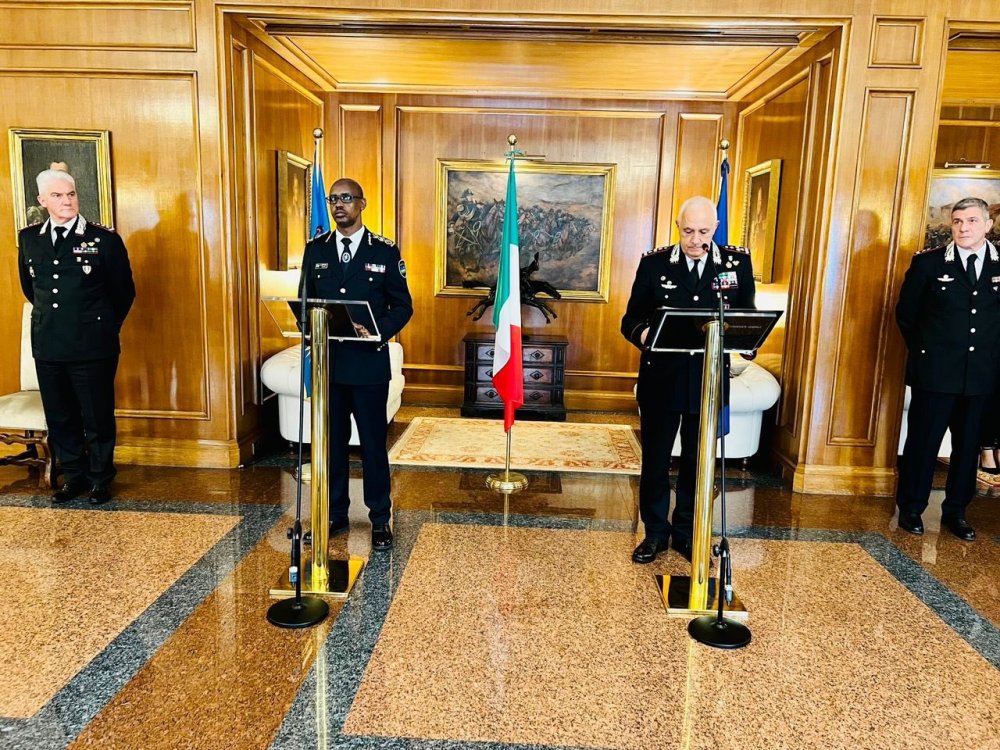
The Rwandan Police Chief is visiting Italy at the invitation of the General Commander of the Italian Arma dei Carabinieri, Lt. Gen Teo Luzi.
On Thursday, IGP Munyuza and Lt. Gen Teo Luzi held a bilateral meeting in Rome and discussed matters related to strengthening the existing cooperation in various policing areas.
IGP Munyuza reiterated on the “valuable existing cooperation between Carabinieri and Rwanda National Police.”
He described Carabiniere as a “very strategic partner” and a professional law enforcement institution that has managed to maintain security and low crime rate in Italy.
“Our visit is aimed at enhancing Rwanda National Police collaboration with Carabinieri. We always feel the urge to take our cooperation to greater heights at all times,” IGP Munyuza said.
He observed that since 2017, when the two Police institutions signed cooperation agreement, RNP has benefited from Carabinieri expertise in different fields including public order management, traffic and road safety, counterterrorism, Peace Support Operations, aviation security, environmental protection, cybercrime investigations, marine and canine, among others.
RNP officers have also attended different courses in Italy, including peacekeeping operations, special operations, gender and child protection, and investigation.
The General Commander of Carabiniere, Lt. Gen Luzi awarded the “Golden Cross of Merit of the Italian Carabinieri Corps” medal to IGP Munyuza.
Lt. Gen Luzi said that the medal is a further “recognition of the solid ties of cooperation and friendship” between the two institutions.
“Despite the limitations imposed by the pandemic, cooperation activities have not stopped. The international projection of our institutions also engages us in the development of issues related to police stability,” Lt. Gen Luzi said.
He added that various training programmes have been planned and implemented both in Rwanda and Italy.
“Today the Rwanda National Police and the Carabinieri stand before their respective communities and at the international level as strong institutions,” the Carabinieri General Commander, said.
The General Commander visited Rwanda in October last year at the invitation of IGP Munyuza.
The dismissal has been announced through a communiqué released by the Office of Prime Minister, Dr. Edouard Ngirente on Thursday 6th October 2022.
“Today, the 6th October 2022, His Excellency the President has removed Mr. Zephanie Niyonkuru from his duties as the Deputy Chief Executive Officer of Rwanda Development Board [RDB] owing to repeated managerial failures,” reads the statement.
Niyonkuru had been appointed Deputy CEO of RDB in October 2019 replacing Emmanuel Hategeka who was assigned to represent Rwanda in the United Arab Emirates (UAE).
Before his appointment as Deputy RDB CEO, Niyonkuru had worked at the institution as a strategy expert.
Prior to joining RDB, Niyonkuru worked as a Country Representative for the USAID East Africa Trade and Investment Hub.
Hanga Ahazaza is a consortium of partners from the education, development, and private sectors, working together to support small businesses and entrepreneurs in the tourism and hospitality sector through increased access to financial services and training, and by connecting them to young people with the skills needed to be successful employees.
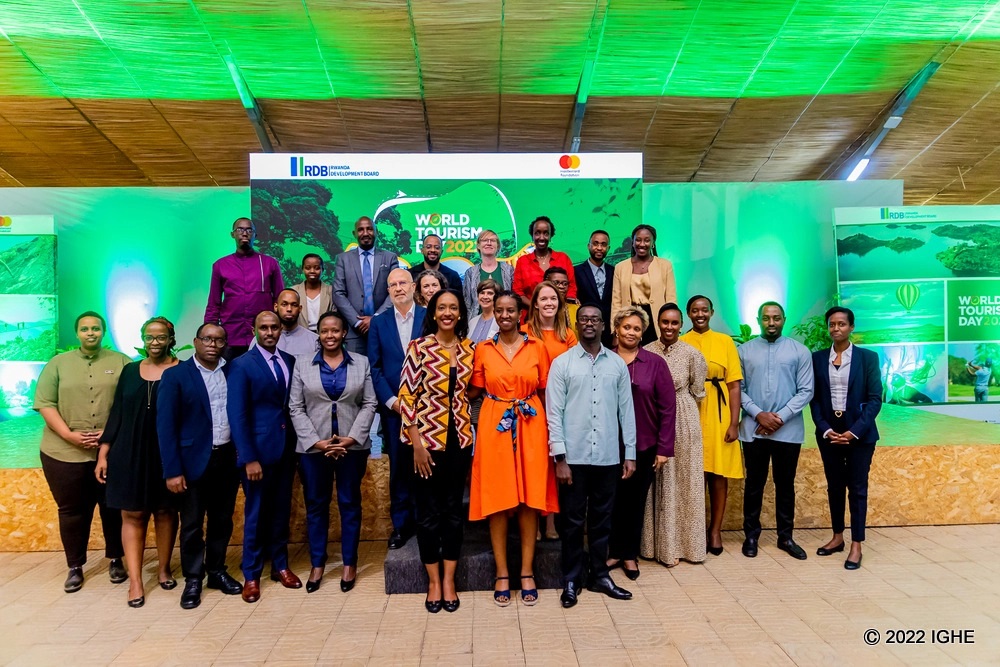
Beneficiaries of this initiative showcased their activities recently on September 28th at the celebration of World Tourism Day.
They attest that it has helped them in daily work, hence making their activities more successful.
Beneficiaries have become professionals running businesses efficiently as a result of knowledge gained from this training program.
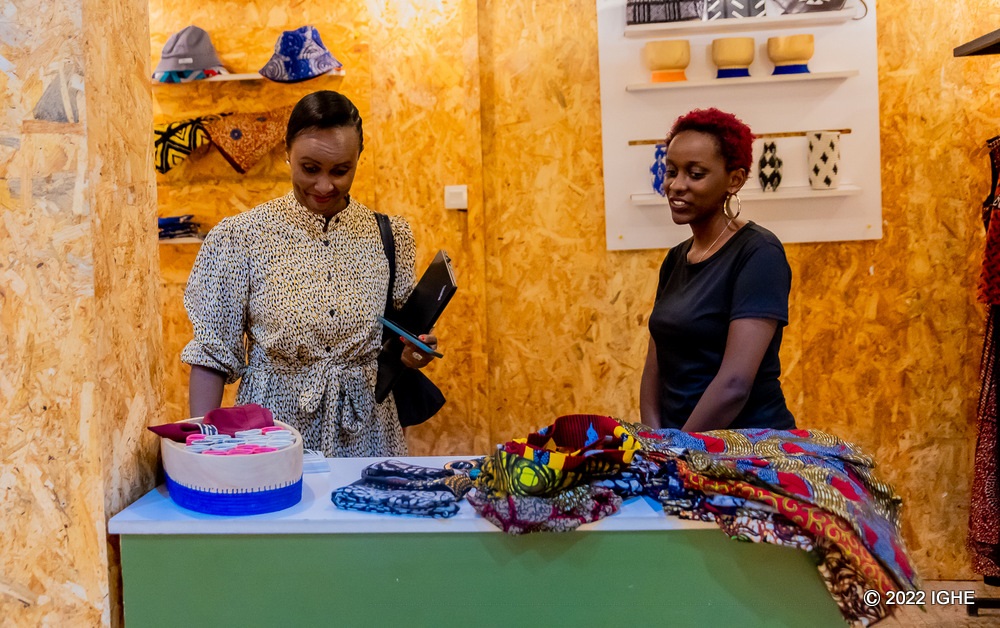
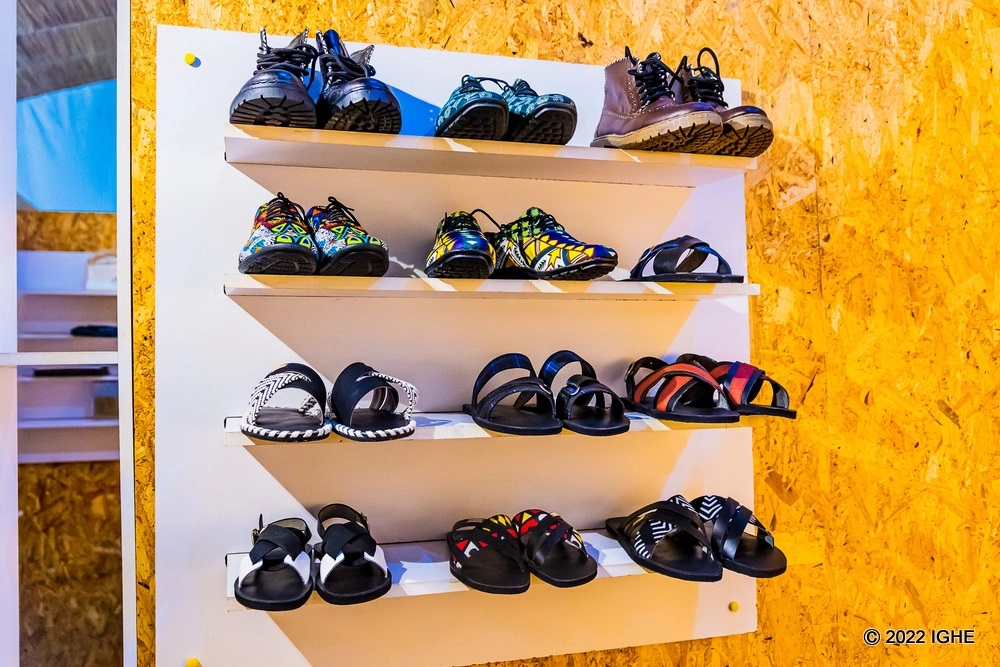
Gloria Girabawe, an entrepreneur and Creative Director of Flove, a company which produces eco-friendly bags, said that her business currently needs more training to thrive than simply focusing on money.
“Looking at where my business is right now, we need enhanced skills to improve the quality of our products for our business to flourish because our progress would be almost a no go, if we make substandard bags,” she said.
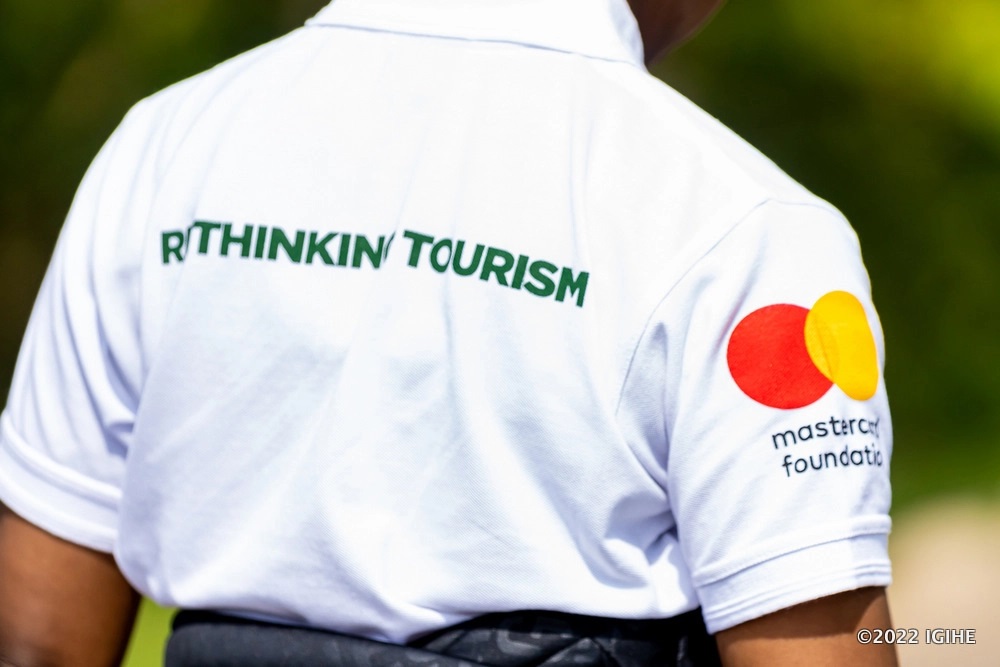
Hanga Ahazaza is a MasterCard Foundation’s program created to increase employment opportunities for young people in the tourism sector.
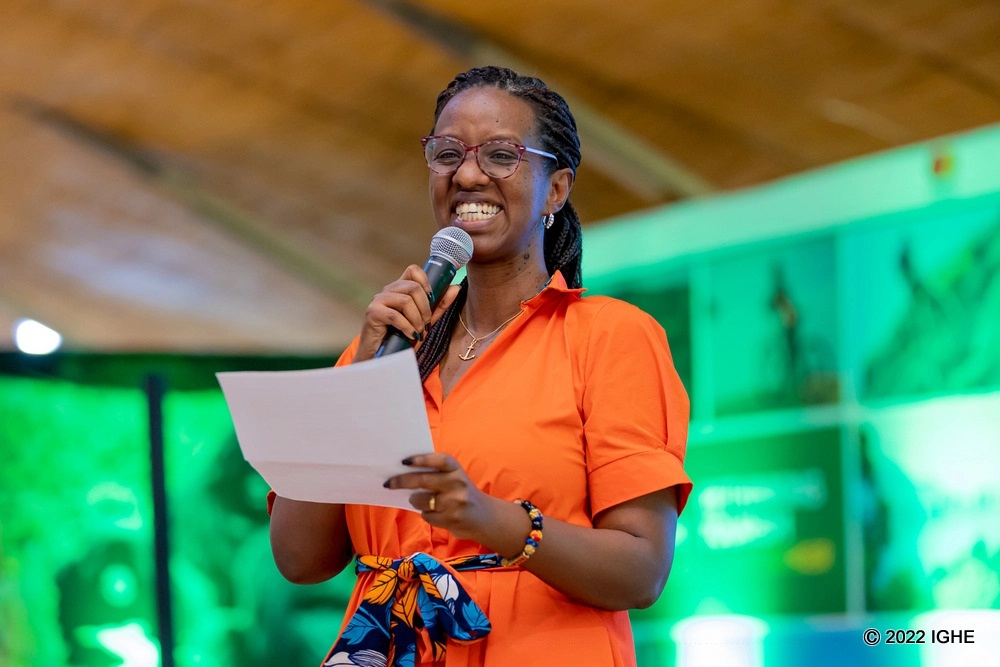
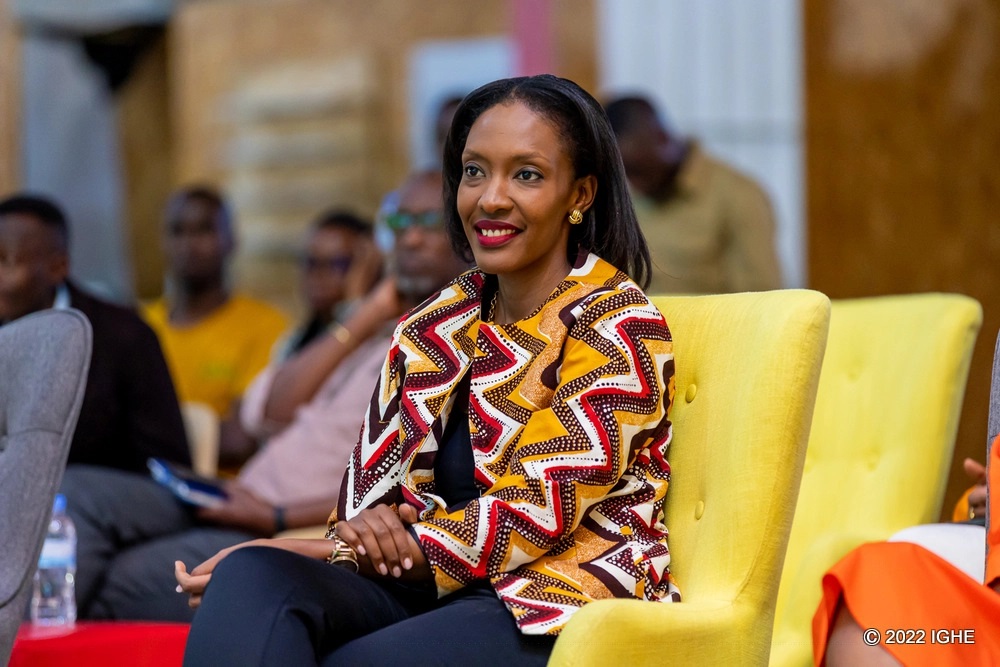
Five years after this program started, it has helped many beneficiaries as revealed by the Country Head of MasterCard Foundation, Rica Rwigamba.
“Today, we are proud of our achievements. So far, we have reached 54,000 young people, 2500 projects have been funded, and about eight thousand have got new job opportunities,” she noted.
“It has been a difficult journey, and our partners have also played a big part for their resilience amidst difficult times of Covid-19 pandemic,” added Rwigamba.
In celebration of World Tourism Day, Rwanda Development Board (RDB) unveiled a new digital platform called ‘Gorilla Gram’ that will help visitors to monitor gorillas on social media.
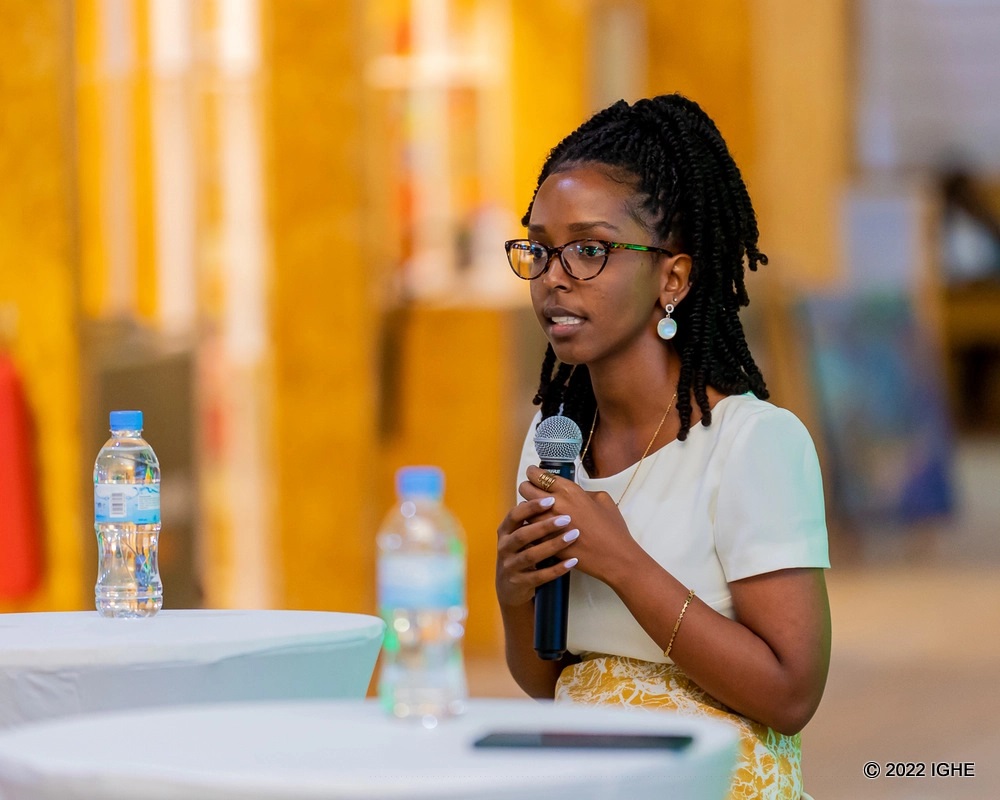
Information about the gorilla’s family will be available on Facebook and Instagram, according to Michaella Rugwizangoga, Chief Tourism Officer at RDB.
She explained that it will help the visitors of gorillas to participate in research, their conservation and have enough information when they want to visit them.
The World Tourism Day is marked on 27th September every year. In light of this, MasterCard held week-long activities to celebrate achievements realized in the sector.
These activities include interactions with the youth, beneficiaries of ‘Hanga Ahazaza’ program.
MasterCard also joined I&M Bank to commend clients in the tourism sector for efficiently utilizing received loans and held the graduation ceremony for 500 beneficiaries of Education First (EF).
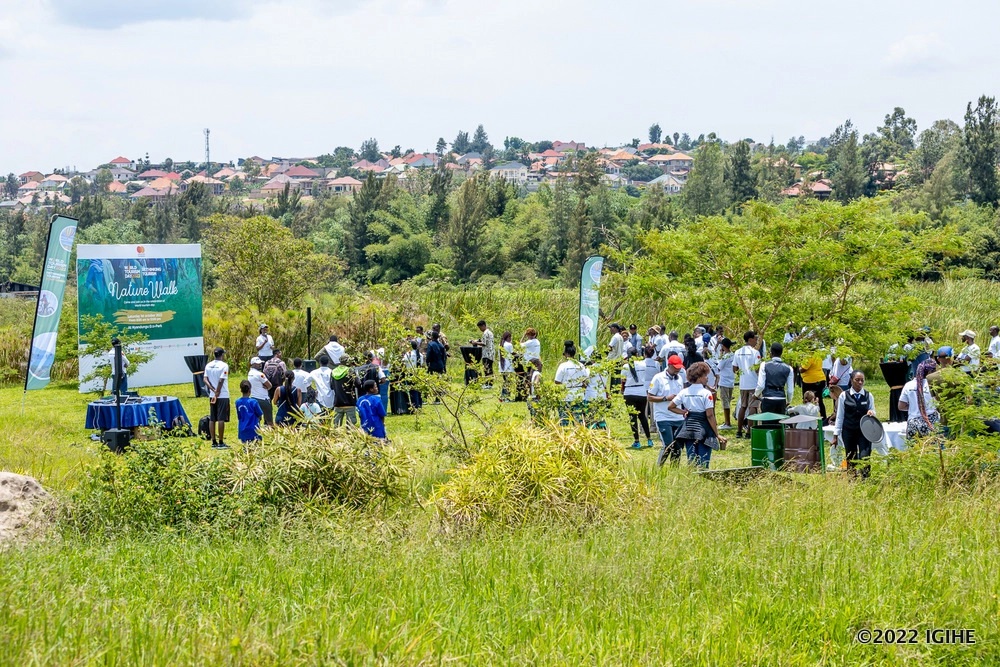
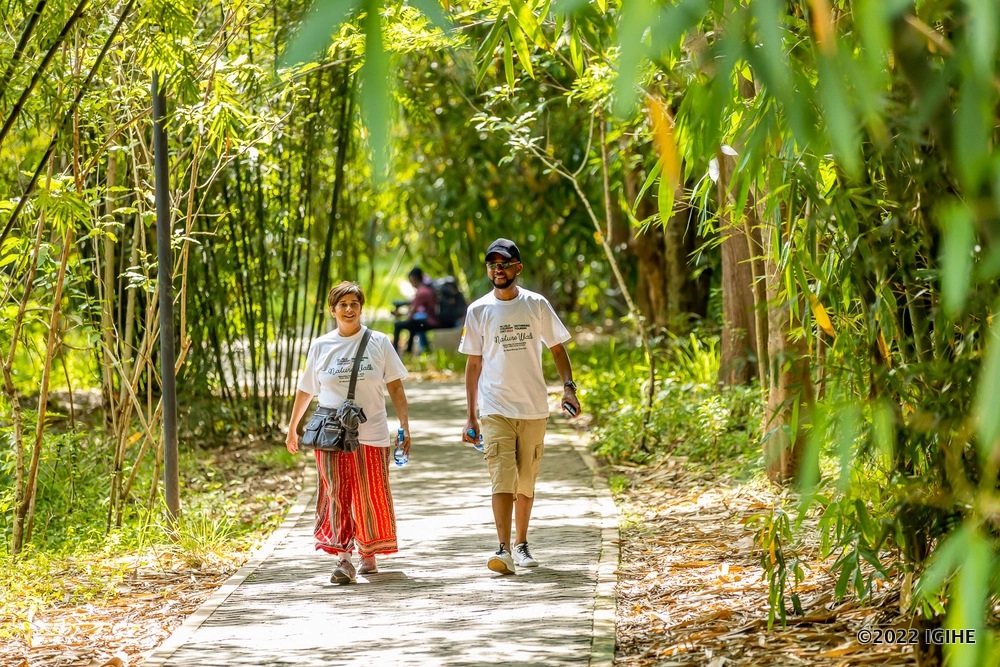
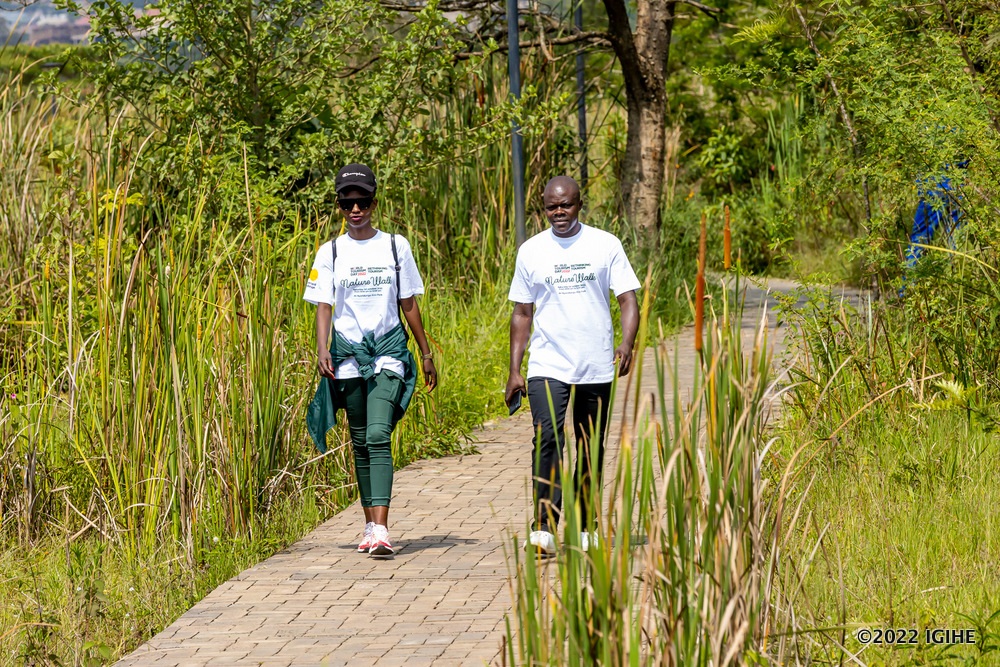
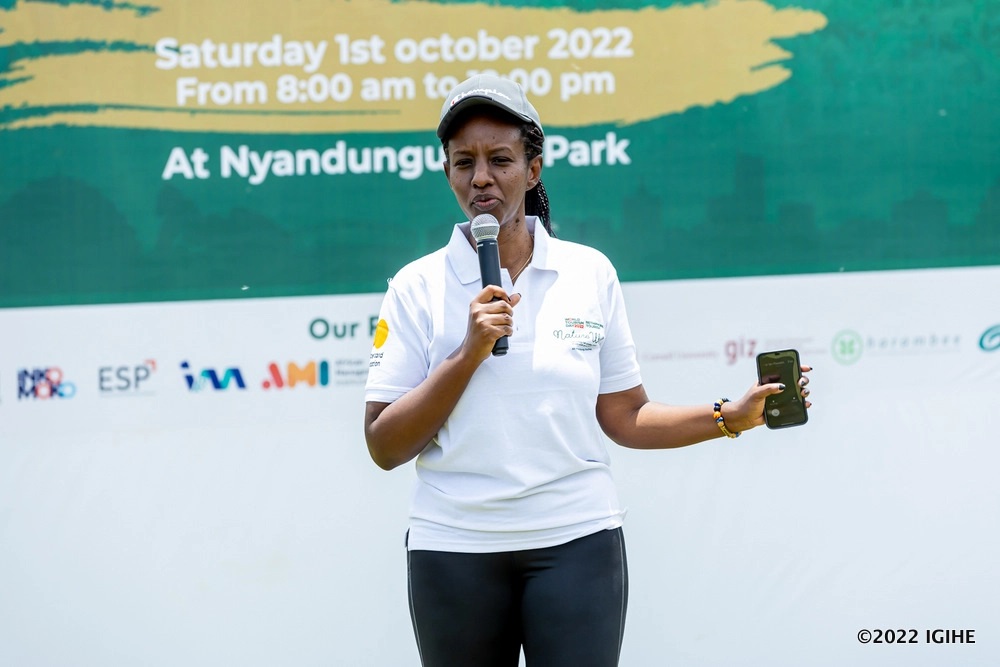
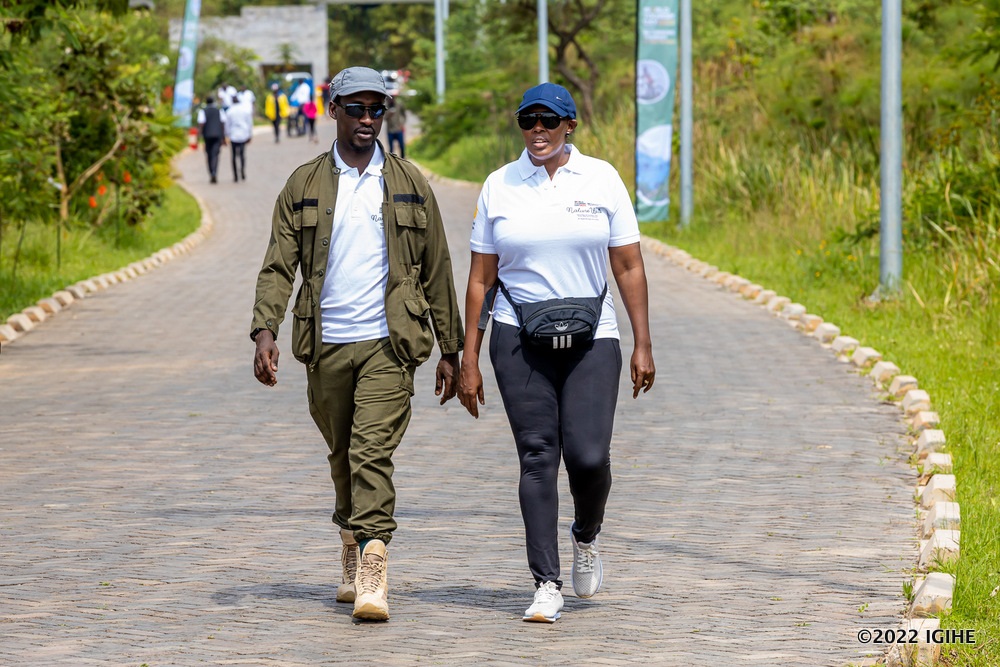
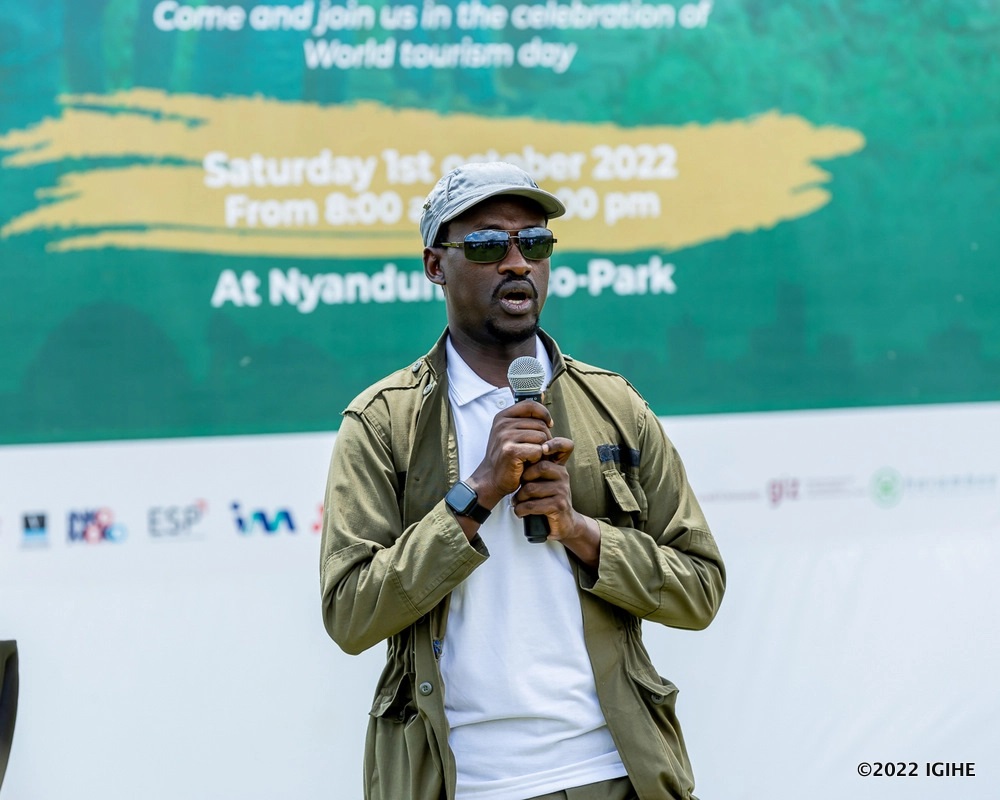
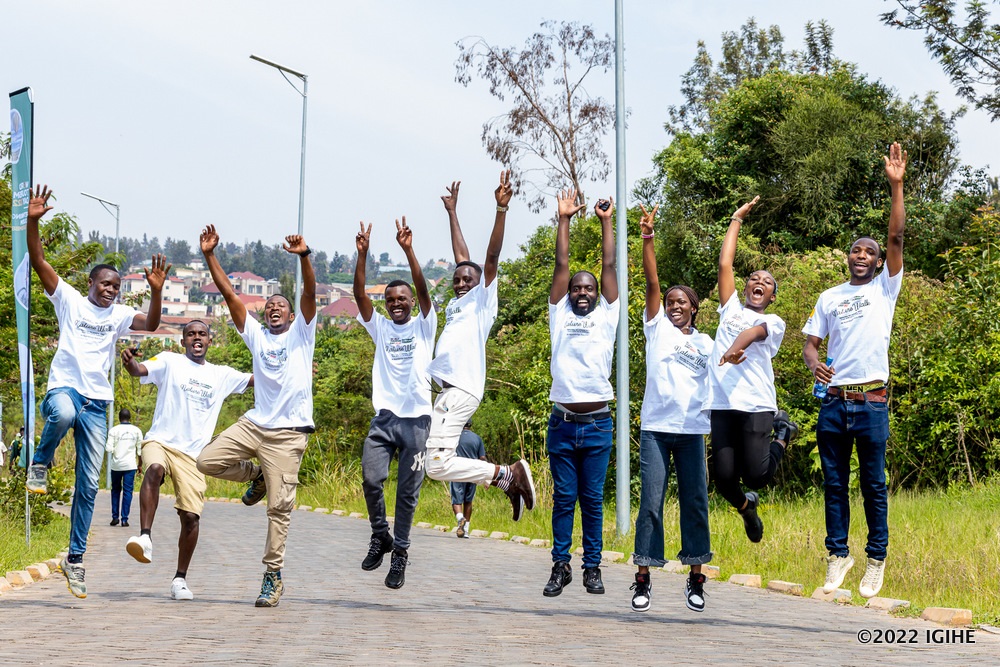
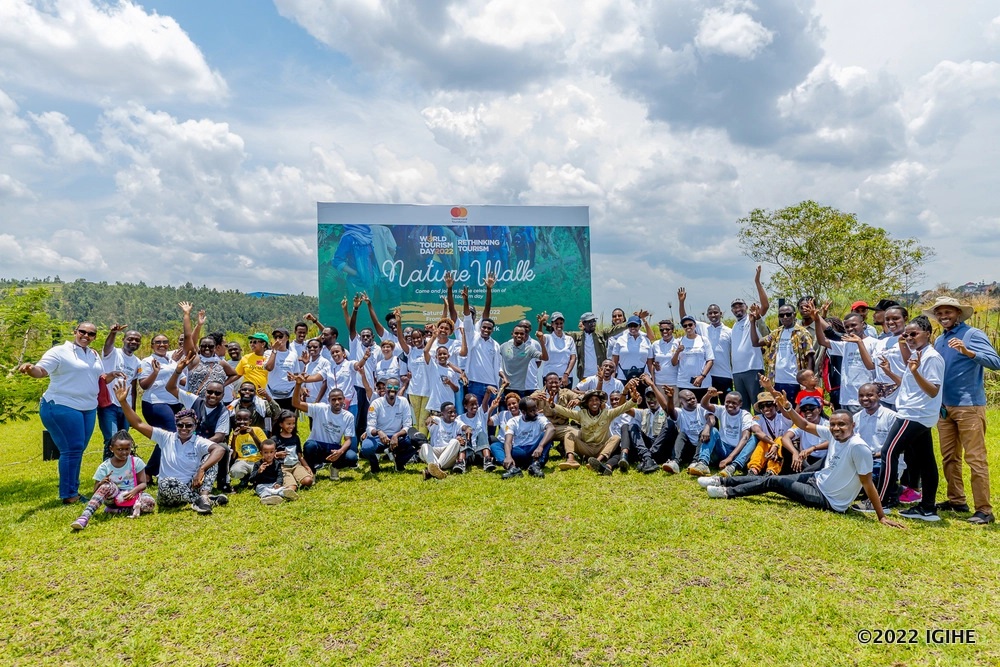
Other activities include a walk at Nyandungu Eco-Park that brought together employees from MasterCard and partners.
They toured the eco-tourism park on 1st October 2022 and explored attractive features in the area.
The Country Head of MasterCard Foundation mu Rwanda, Rica Rwigamba commended Rwanda Environment Management Authority (REMA) for having established the recreational facility in the City of Kigali.
“We thank REMA for such a great milestone. This is a quiet and green place helping people to visit nature without moving out of Kigali. We really appreciate the project,” she said.
Rwigamba revealed that they are set to intensify efforts in promoting tourism and offering training to beneficiaries out of Kigali. She also encouraged actors in the sector to adopt technology.
“The takeaway from this week, especially from the youth’s perspectives, is that tourism goes beyond parks and gorillas among others. It presents a lot of opportunities for different people including models and sports enthusiasts. There are also tourists interested in walks to stretch legs,” added Rwigamba.
The Director General of the Rwanda Chamber of Tourism at the Private Sector Federation, Frank Gisha Mugisha hailed MasterCard Foundation for organizing the walk and encouraged more actors in the tourism sector to market the park.
The Nyandungu Eco-Park is the first public recreational and touristic facility of its kind in Kigali.
The park provides a space for residents and visitors to the city to explore and learn from nature, and is part of Rwanda’s efforts to harness eco-tourism to restore biodiversity and conserve urban wetland ecosystems.
The restoration of the wetland and creation of an eco-tourism park was funded by the Rwanda Green Fund (FONERWA) with support from the UK Government, the Italian Government through the Ministry for Ecological Transition and the UN Environment Programme.
The six-year initiative has restored the Nyandungu wetland ecosystem and promoted the sustainable management of natural resources.
The rapid growth of Kigali and the associated human activities have put significant pressure on the wetlands. Wetlands, including Nyandungu, have been degraded and this led to biodiversity loss. Encroachment has also resulted in downstream flooding as well as increased pollution due sewage outflows.
In 2016, the Government of Rwanda through REMA developed the Nyandungu restoration project to respond to these challenges and demonstrate the potential of wetlands to abate pollution and reduce the risk of flooding in urban areas.
Since then, the Rwf4.5 billion project has restored critical habitats, including a native fig forest and the wetland itself, and rehabilitated streams and ponds to alleviate floods and reed-beds to reduce pollution.
Stretched on 121.7 hectares in size, including 70 hectares of wetland and 50 hectares of forest; the wetland also features a medicinal garden, a Pope’s Garden, five catchment ponds, three recreation ponds, a 10km network of walking and cycling paths, viewing areas, picnic areas, an information centre, and a restaurant among other facilities.
It is home to more than 62 local plant species and over 100 bird species.