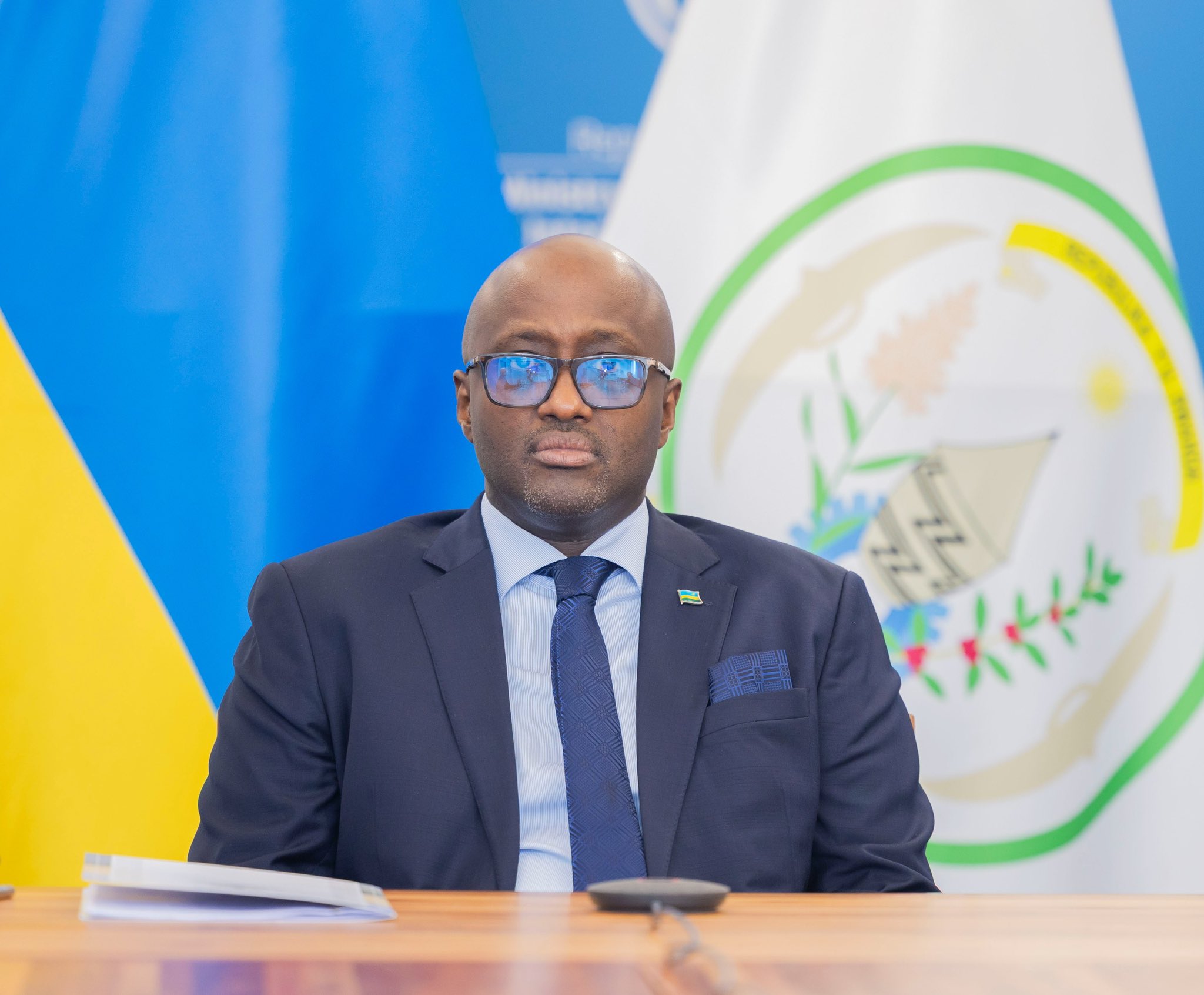
This decision follows the government’s official announcement about integrating BDF into BRD, a strategic move aimed at enhancing service delivery, improving efficiency, and increasing access to finance for businesses across Rwanda.
The integration of BDF into BRD is expected to yield several benefits for Rwandan businesses. Entrepreneurs seeking loans through partner banks and microfinance institutions will experience faster turnaround times, with reduced delays in accessing credit guarantees. Additionally, the merger will provide a wider range of financing options tailored to the needs of startups, growing businesses, and large-scale investment projects.
From the end of the year, all former BDF clients will be served directly by BRD. These services will be available through BRD’s digital service platform at online.brd.rw.
By consolidating BDF services under one roof, BRD aims to streamline processes, improve coordination, and provide clearer, faster, and more efficient services to clients across the country. With improved accessibility through both digital channels and local presence, more entrepreneurs, especially those in rural areas, will benefit from development finance.
BDF has supported over 40,000 businesses through credit guarantees and other financing products, while BRD has played a pivotal role in funding national development priorities, including agriculture, manufacturing, infrastructure, and affordable housing.
The integration combines BDF’s grassroots reach and specialized support for Micro, Small, and Medium Enterprises (MSMEs) with BRD’s financial strength, sectoral expertise, and large-scale lending capacity.
As part of the government’s broader vision, this restructuring will allow BRD to become a more agile and impactful development finance institution, helping unlock the private sector’s potential as a key driver of economic transformation.
The newly restructured BRD will continue to offer all current BDF products, facilities, and support systems, now managed under BRD’s umbrella.
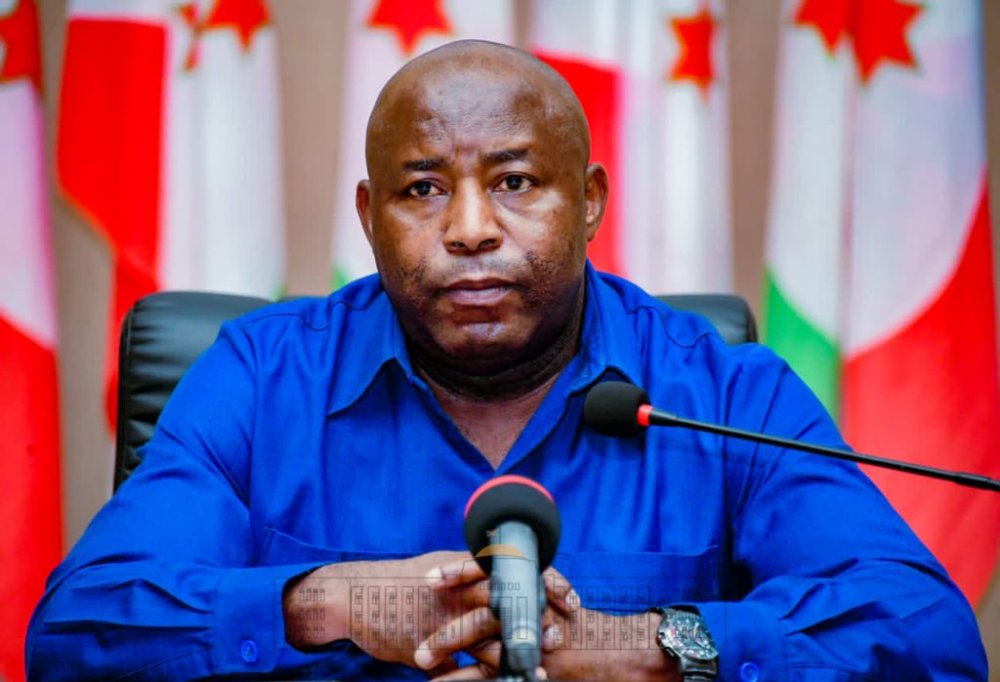
“The enemy is always at the door because the devil is still the king of the world. Things should be addressed the way they are. You know that we have a neighbor to the north of our country who has not been on good terms with us, and now they continue to pursue us, accusing us of being interference in a plan to conquer the neighboring Congo,” he said.
However, political analyst Tite Gatabazi believes Ndayishimiye uses this rhetoric to divert attention from internal issues.
“He faces numerous internal challenges, including governance issues, corruption, and the shortage of basic necessities including food and fuel. To maintain control over his population, he must create an external enemy. Since he cannot find one internally, he seeks one outside the country to shift the blame for his problems,” Gatabazi told IGIHE.
Gatabazi added: “In order to distract the population from these issues, he has to reinforce the idea that Rwanda is about to attack… ‘You are asking me for this and that, but do you realize we are about to be attacked?’”
Ndayishimiye further claimed that Burundi is always prepared for any conflict, asserting, “Burundi is not a country to be trifled with. Therefore, you must be cautious and work together with your leaders and the people. What we promise is that we are always prepared for that war. Let me inform you that all the citizens are alert. Whoever dares to attack Burundi will know how the war begins but will not know how it will end.”
However, Gatabazi believes that Ndayishimiye’s leadership is marred by corruption, where the military is divided along ethnic lines, training is based on nepotism, and officials embezzle funds, making it impossible for them to have the modern equipment necessary to win a war.
“Ndayishimiye is left with only words; he knows it, he doesn’t have the resources or the military strength. We have seen this in North Kivu and South Kivu, but he continues to rely on rhetoric. However, these words have political intentions. He is trying to show Burundians that he is their leader by saying, ‘Don’t worry, Rwanda will not defeat us’.”
Despite his boastful claims, Ndayishimiye’s actions show the challenges his government faces. Burundi’s military, over 20,000 strong, has been deployed in South Kivu, where they fought alongside FARDC and FDLR terrorist group but were ultimately defeated by M23 fighters in December 2025.
According to reports, DRC President Tshisekedi has voiced dissatisfaction with the performance of the Burundian forces, questioning their failure to achieve their objectives.
Gatabazi insists that Ndayishimiye’s rhetoric is a tactic to manipulate the population.
“He knows very well that Rwanda has no plans to attack him, and that is why he continues to boast. He uses this to manipulate his people, but you can see he is afraid.”
Ndayishimiye’s reliance on his relationship with the DRC complicates his position on Rwanda.
Gatabazi explained that President Ndayishimiye’s reliance on Kinshasa is so strong that he is not ready to soften his approach towards Rwanda.
“Ndayishimiye is using rhetoric to avoid taking practical actions. If he opens the borders, he would be betraying Tshisekedi, and we know the Belgians would not approve of that. He is trying to show that he is open to talks but is also looking for ways to delay the implementation of agreements from those talks, to give himself a reason to blame others,” he added.
Since January 2024, Burundi has closed its borders with Rwanda, accusing it of supporting the RED Tabara rebels.
Rwanda has repeatedly denied these claims, emphasizing that the refugees from Burundi, who fled in 2015, are civilians and can return freely.
At the same time, Rwanda has accused Burundi of working with FDLR, a terrorist group with intentions to threaten Rwanda’s security.
Gatabazi confirmed that even before the FDLR group was involved in smuggling precious minerals through the Bujumbura market, with many of its fighters running investments in the country.
Minister of Foreign Affairs and International Cooperation, Olivier Nduhungirehe, made the compelling statement during the 1321st Ministerial Meeting of the African Union Peace and Security Council on Monday, December 29, highlighting the urgent need to neutralise the FDLR to achieve lasting peace.
The FDLR militia comprises remnants of the individuals involved in the 1994 Genocide against the Tutsi and continues to perpetuate the genocide ideology, threatening Rwanda’s security along its border.
Nduhungirehe described the “Kinshasa-backed FDLR as the most significant unaddressed security threat in the region,” citing recent violence in the Walikale territory on December 15, 2025, where a village was burned. He stressed that the militia’s actions continue to destabilise the region and undermine efforts for a peaceful resolution to the ongoing conflict.
“The diplomatic gains of 2025 provide the most credible pathway to ending repeated cycles of violence in our region,” Nduhungirehe said. “We, therefore, call on this Council to fully support their implementation.”
He further underscored that Rwanda has repeatedly raised concerns over the ongoing ceasefire violations by the DRC armed coalition.
“A ceasefire, by definition, is an agreement between two warring parties to silence the guns, pending the settlement of underlying issues. Both parties are bound by it in equal measure,” Nduhungirehe explained. “Therefore, a ceasefire cannot be imposed on one party to the conflict only.”
Rwanda has reaffirmed its full commitment to the peace process, including the implementation of commitments made during the Washington talks between Rwanda, the DRC, and the U.S. In particular, the neutralisation of the FDLR remains a top priority, but progress continues to face setbacks linked to the Kinshasa administration’s lack of good faith.
On the diplomatic front, Rwanda welcomed the unilateral withdrawal of the AFC/M23 from Uvira, viewing it as a positive gesture aimed at encouraging further negotiations. Nduhungirehe reiterated Rwanda’s full engagement with the AU mediator and U.S.-supported mediation efforts, emphasising that addressing the FDLR issue is crucial for regional stability.
Rwanda’s call for the neutralisation of the FDLR has been echoed in various international forums, including a recent Extraordinary Summit on the security situation in DRC held in Entebbe, Uganda, in late December. At the summit, Rwanda’s Interior Minister Vincent Biruta stressed the urgency of neutralising the FDLR to ensure long-term peace in the region.
“The neutralisation of this force is important for regional security,” Biruta said, while also urging all actors to honour existing commitments under the Doha and Washington frameworks. These agreements, signed in December, provide the most credible pathway to peace and stability in the region, according to Rwanda.
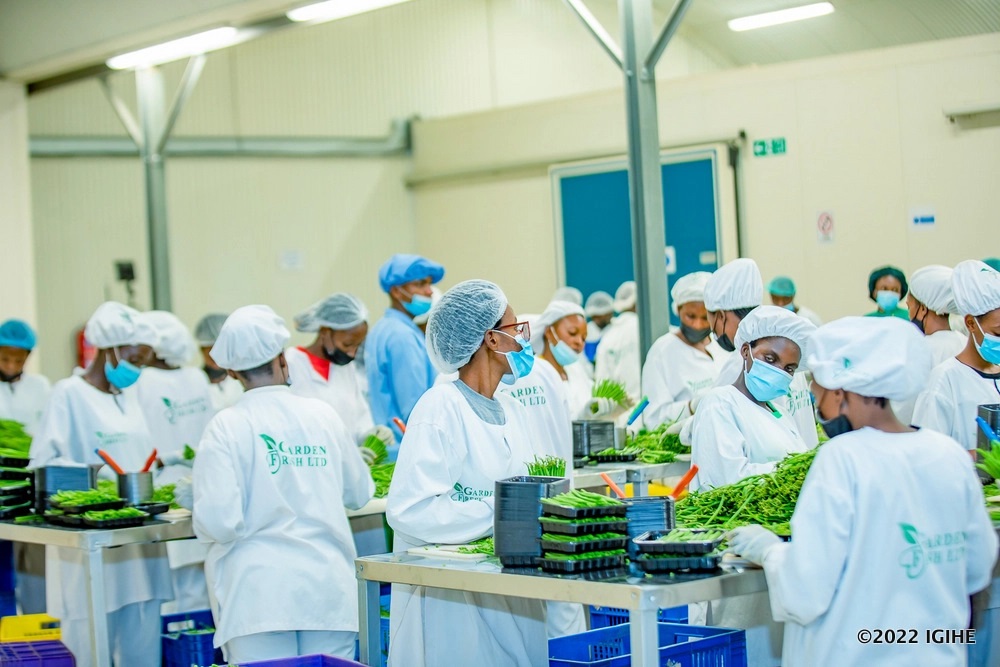
During this period, the country exported 1,226 tons of coffee, earning $7.67 million. Additionally, 985 tons of tea were shipped, bringing in $2.92 million.
Exports of vegetables contributed $452,410, while fruits generated $407,409. Rwanda also exported 19 tons of flowers, which earned $108,534, and 378 tons of livestock products, amounting to $473,159.
A significant portion of these exports went to countries including Nigeria, the United Kingdom, and the Netherlands.
The Government of Rwanda has set a target to increase agricultural and livestock production by 50% by 2029, aiming to enhance both food security and the country’s economic growth.
The government has outlined several initiatives to achieve this goal, focusing on boosting agricultural productivity and promoting the use of modern technology to support farmers and enhance yields.
In 2024, agriculture contributed 25% to Rwanda’s GDP. The sector has played a key role in improving the country’s GDP per capita, which grew from $754 in 2017 to $1,040 in 2024.
Agriculture remains a crucial source of employment, with 55% of jobs in rural areas and 12% in urban areas linked to the sector. By 2025, it is projected that 48% of farmers will be involved in commercial farming, while nearly 70% of Rwandans will continue to depend on agriculture for their livelihoods.
Speaking alongside Netanyahu, Trump suggested that Iran may be attempting to restore its weapons capabilities at new sites after a massive U.S. strike on Iranian facilities earlier in the year.
“We know exactly where they’re going, what they’re doing … and I hope they’re not doing it,” Trump told reporters, indicating Washington’s awareness of Tehran’s activities and the possibility of future action if the threat grows.
The meeting focused on advancing the next phase of the Gaza ceasefire plan that the United States helped broker between Israel and Hamas. Trump emphasized the need for Hamas to disarm, warning the militant group of serious consequences if it fails to do so. Israel and Hamas have accused each other of breaching the existing ceasefire, complicating efforts to move the peace process forward.
Trump also discussed broader regional security concerns, including Iran’s growing influence and military activities and the role of Hezbollah in Lebanon. Netanyahu reiterated Israel’s interest in ensuring the durability of the Gaza ceasefire and addressing Tehran’s strategic ambitions.
The Gaza ceasefire agreement, first reached in October after two years of intense conflict, envisioned a series of steps including a partial withdrawal of Israeli forces from the enclave, increased humanitarian aid, and the deployment of international peacekeeping forces. However, progress has stalled amid mutual distrust and key conditions that both sides have struggled to fulfill.
In addition to warning Iran and Hamas, Trump reiterated his support for Israel’s leadership in pursuing regional stability, even as differing views on issues such as the Israeli‑occupied West Bank persisted between the two leaders.
These individuals have subsequently been reassigned from their administrative positions to teaching roles.
The assessment targeted head teachers, deputy head teachers in charge of studies, and deputy head teachers responsible for discipline.
It was mandated by the Teachers’ Statute and is designed to occur every three years going forward.
This particular evaluation focused on leaders who had held their positions for at least three years prior to the statute’s guidelines.
Conducted at both district and national levels, it commenced in November 2024.
According to the Rwanda Education Board (REB) and the Ministry of Education, the district-level component examined key aspects of school leadership, including regular presence at the workplace, effective task management, overall professional conduct, and adherence to the five pillars of effective school governance.
These five pillars include: the leader’s vision for the school, how they support teachers in their teaching, how they support students, how they manage the school’s finances, and how they engage with parents.
Dr. Flora Mutezigaju, the Deputy Director General of the Rwanda Basic Education Board (REB), explained in a media interview that each head master scored out of 100 on these aspects.
District evaluations were sent to REB, which then administered four tests, including one on good governance principles, in written form, to test whether the leaders understood these principles. The tests also used case scenarios to assess how the leaders would respond to certain situations.
They were also evaluated on their English proficiency and the performance of their school over the last three years.
Dr. Mutezigaju said, “In some schools, instead of seeing improved student performance, we noticed a decline. Upon closer examination, many of the five pillars of good leadership were neglected. Most teachers are not supported, and students are not well taken care of.”
{{Leaders scoring 70% or higher retain their positions}}
School leaders who achieved an overall score of 70% or higher in the evaluation were confirmed as having sufficient leadership capabilities and were allowed to remain in their administrative positions.
The final score combined two equally weighted components: the district-level assessment (50%) and the Rwanda Education Board’s operational evaluation (50%).
Dr. Flora Mutezigaju emphasized the rigor of the process, stating that even a score of 69.9% was considered evidence of inadequate leadership competence.
She added that affected leaders are being reassigned to teaching roles, noting that most had at least six years of prior classroom experience before being promoted to leadership positions.
The evaluation encompassed 5,277 school leaders across Rwanda: 1,415 primary school head teachers, 1,664 secondary school head teachers, 1,425 deputy head teachers in charge of studies, and 773 deputy head teachers responsible for discipline.
Of the 890 leaders found to lack the required competencies, 349 (39.2%) were primary school head teachers, with the remaining 541 coming from secondary schools.
The official report indicates that 621 of these leaders will be reassigned to classroom teaching: 297 from primary schools and 324 from secondary schools. The other 164 did not qualify for immediate reassignment to teaching posts, primarily due to insufficient prior teaching experience.
These changes will take effect in the second semester of the 2025/2026 academic year.
As of December 2025, Rwanda’s government and public-private partnership schools employ 3,283 head teachers, 1,903 deputy head teachers for studies, and 995 deputy head teachers for discipline.
Many of the leaders who failed scored particularly low on professional conduct, including how they treated students, teachers, and the wider school community, as well as in their management of school resources.
Dr. Mutezigaju highlighted serious issues uncovered during the process, such as frequent absenteeism, lax attitudes toward duties, and cases of mismanaging or even stealing food intended for students.
Other common shortcomings included weak English proficiency and declining student performance in national examinations over the previous three years.
Leaders reassigned to teaching will be placed on a waiting list for available classroom positions. They will continue to receive two-thirds of their previous salary for up to six months.
If no post is found within that period, their salary will be suspended while they remain on the list for a further six months. Should no teaching position become available after a total of 12 months, they will be dismissed in accordance with the Teachers’ Statute.
{{What happens next?}}
REB confirmed that 500 of the 890 leaders will be directly placed into teaching roles after passing the evaluation tests, while the remaining 300 will assume temporary leadership positions, with available positions placed on the job market.
Dr. Mutezigaju stated, “We expect that by March 2026, all schools will have headmasters and teachers, as the leaders will be reassigned from teaching positions.”
Those removed from leadership roles will have the option to decline teaching roles; if they choose to do so, they will be dismissed.
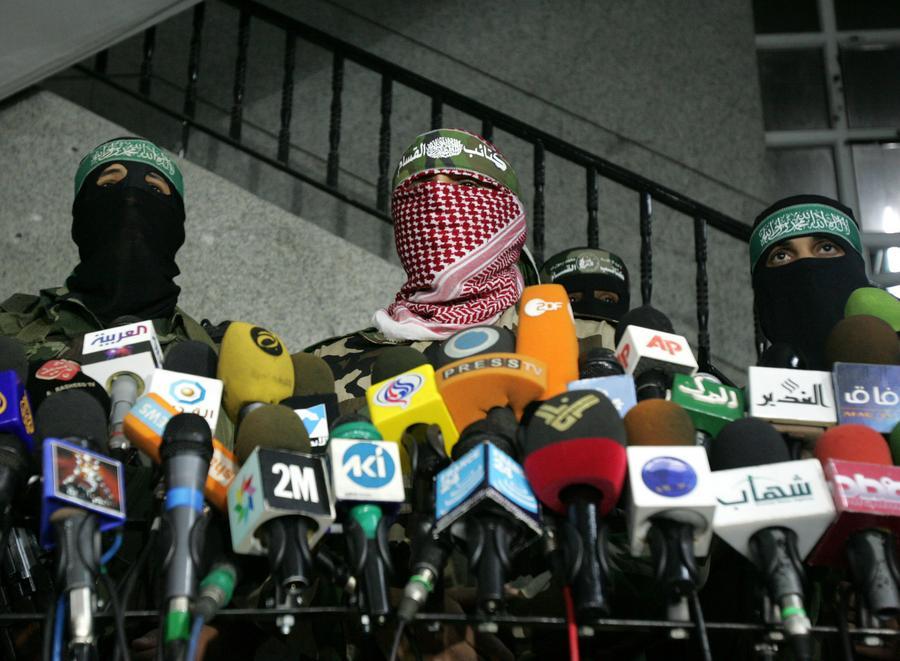
The announcement was made by a newly-appointed spokesperson, who assumed the same nom de guerre, Abu Obeida, during a televised press conference.
The new spokesperson, wearing the uniform associated with the title, confirmed that Abu Obeida, whose real name was Hudhaifa Samir Al-Kahlout and also known as Abu Ibrahim, had died.
He said Abu Obeida “remained connected to his people during the darkest circumstances” and confirmed that several other senior leaders were also killed, including former Hamas military leader Mohammed Sinwar.
In 2005, Abu Obeida was appointed the military group’s official spokesperson.
He became widely known after announcing the capture of Israeli soldier Gilad Shalit in 2006 and later gained prominence during Israeli military offensives on Gaza, particularly in 2014.
Abu Obeida delivered his last recorded statement on July 18, and was killed in an Israeli airstrike on Gaza on Aug. 30, according to sources within Hamas.
On Aug. 31, Israeli Defense Minister Israel Katz said that the spokesman of Hamas’s armed wing, Abu Obeida, had been killed in a strike in the Gaza Strip.
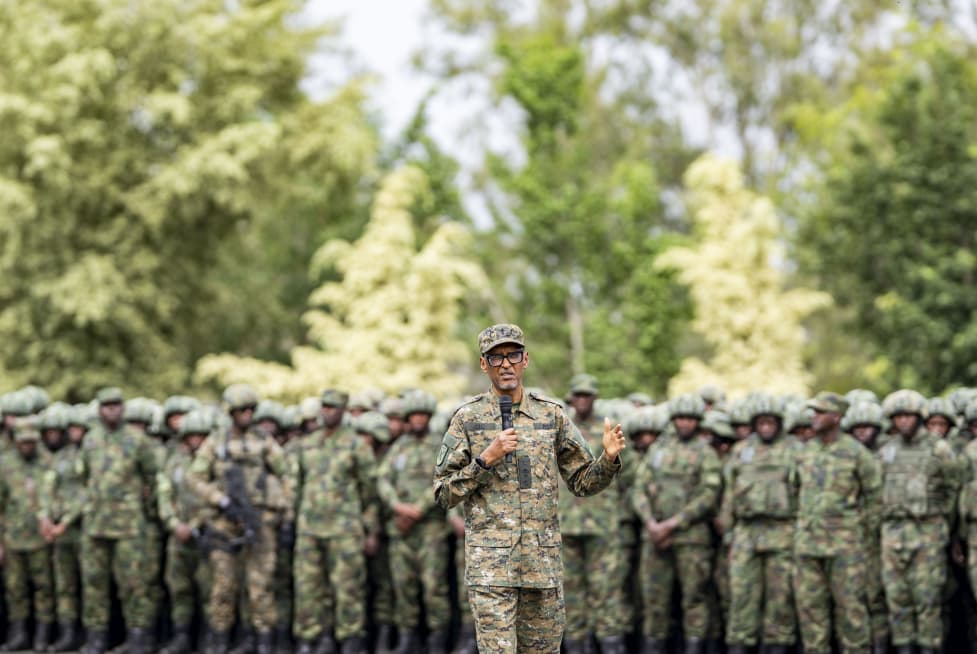
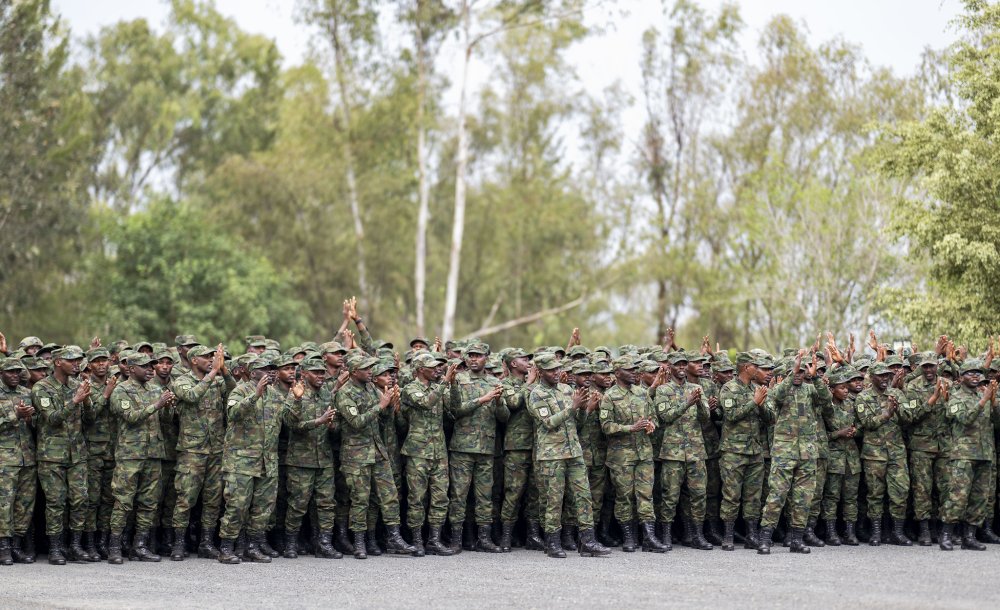
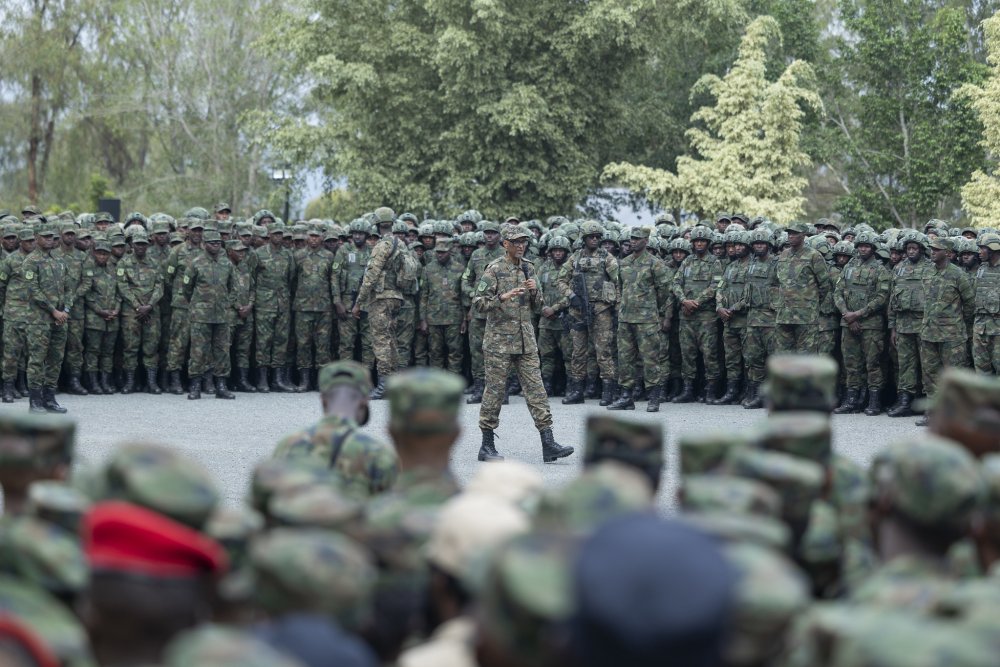
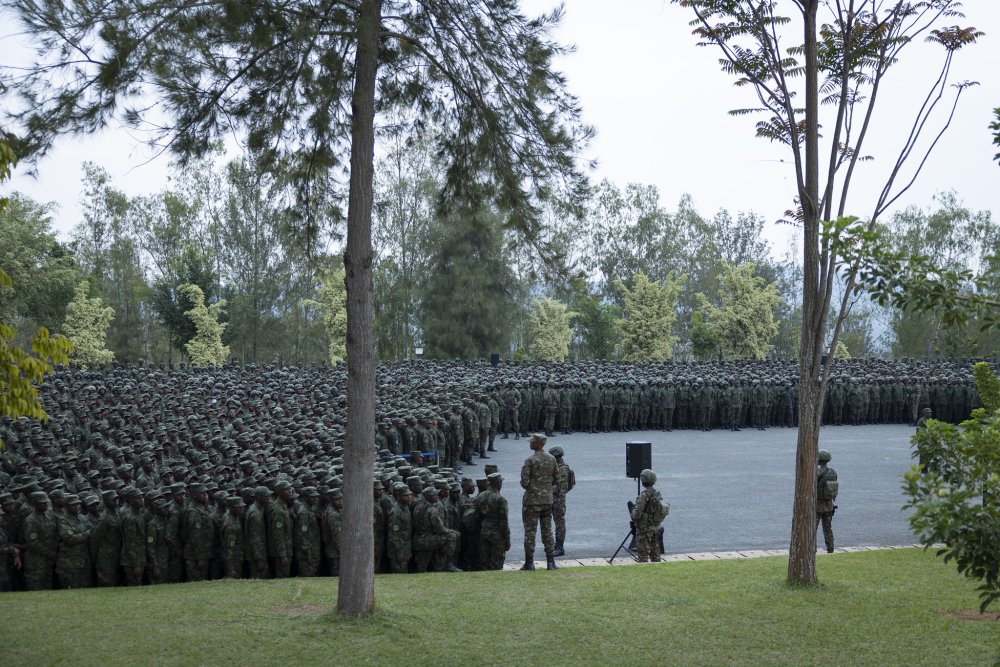
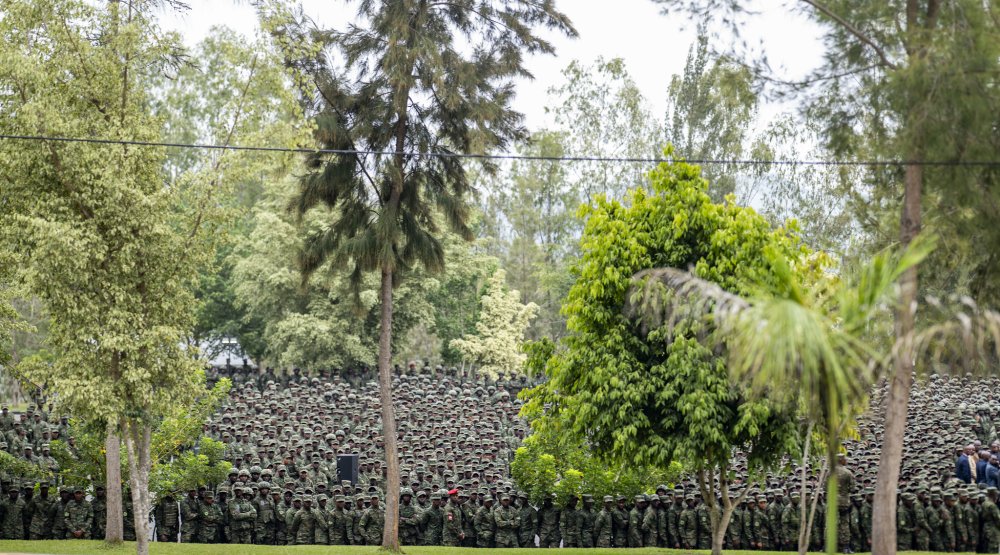
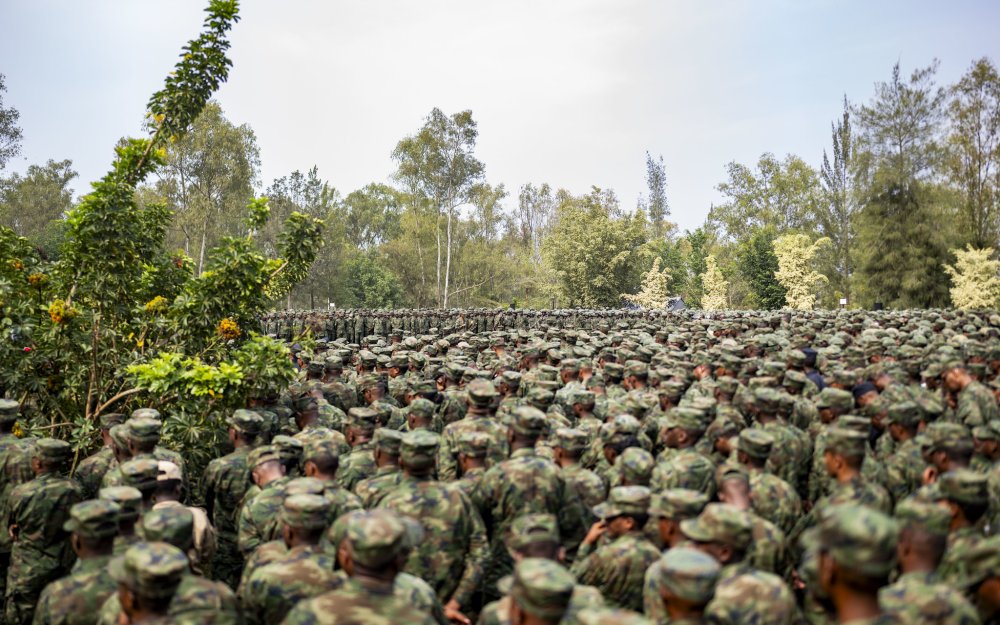
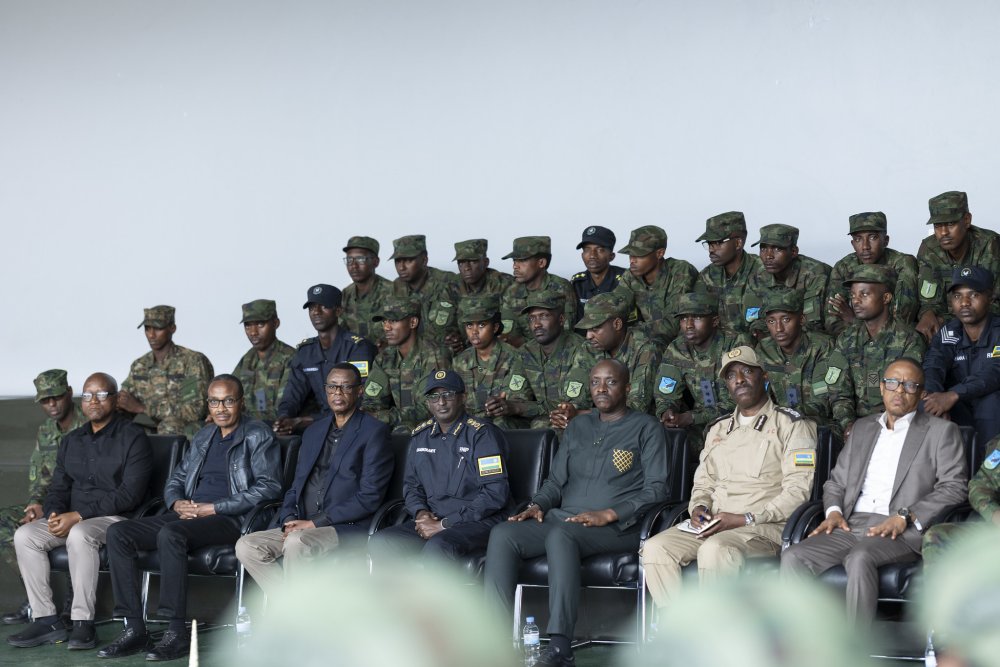
In his end-of-year message addressed to officers, men, and women of the RDF and other security agencies on Monday, President Kagame expressed deep appreciation for their dedication, noting that their work continues to uphold Rwanda’s values, sovereignty, and national security.
“Through adversity and challenge, the men and women of the Rwanda Defence Force and other Security Organs have consistently served with unwavering distinction — both here at home and on missions far beyond our borders,” the President said.
He highlighted the role of security organs in protecting Rwanda’s territorial integrity and ensuring a stable environment that enables citizens to pursue their daily economic and social activities. According to the Head of State, the country’s progress across multiple sectors is closely linked to the peace and stability guaranteed by the nation’s security forces.
President Kagame also praised Rwanda’s contribution to peacekeeping efforts across the continent, saying RDF personnel deployed abroad continue to honour Rwanda’s commitment to protecting human life with professionalism and resolve.
“As I have mentioned before, the Rwanda Defence Force and other Security Organs are today the forces I have always wished to have,” he said, describing them as a pillar of national unity, dignity, and strength.
Looking ahead to the new year, the President urged security organs to maintain high standards of integrity and accountability, while remaining vigilant and adaptive to evolving security threats in pursuit of a secure, prosperous, and united Rwanda.
He paid special tribute to personnel serving away from their families during the festive season, acknowledging their sacrifice and that of their loved ones. The President also honoured families who have lost relatives in the line of duty, assuring them of continued support from the state.
“On behalf of the Rwandan people, the government, and my own family, I extend my warmest wishes to you and your families for a joyful festive season and a successful year ahead,” President Kagame stated, adding, “May you continue to serve with honour and may your sacrifices always be recognised and rewarded.”
I arrived in Morocco in early December 2025. Located in north-western Africa and often associated with desert landscapes, the country surprised me with its cold weather. Contrary to my long-held assumption that Arab countries are uniformly hot like much of Africa, Morocco experiences biting cold during certain months, largely due to its diverse climatic conditions.
Another immediate impression was the level of security. Upon arrival at the airport, security checks were exceptionally thorough, comparable to those conducted before boarding a flight, despite having just landed.
Travellers from most European countries do not require visas to enter Morocco. Rwandan citizens, however, are required to obtain visas, although the process is relatively fast and efficient.
From my observations, Morocco is a country whose civilisation predates colonial influence by centuries. This is evident in its architecture, historic homes and everyday social practices. Rather than imitating European models, Moroccans display a strong attachment to their own culture, which remains visible across many aspects of daily life.
Travelling between the four cities by road offered a revealing glimpse into the country’s landscapes. Traditional homesteads of farmers and pastoralists sit alongside vast, modern farmlands cultivated with machinery. The colour of the soil changes from one region to another, often reddish, sometimes taking on a khaki-like hue, reflecting Morocco’s varied geography.
The cities are linked by wide, well-maintained motorways known locally as autoroutes. These modern roads were among the most striking features of the journey and play a crucial role in facilitating trade and economic activity in a region historically shaped by commerce and long-distance travel.
Morocco generally follows a culture that discourages alcohol consumption, although alcohol is available in designated outlets, most of which close early. Visitors who wish to purchase it must plan ahead or rely on hotels, where it is more readily available. For non-drinkers, the country offers an abundance of well-prepared tea and coffee, both of which are central to Moroccan hospitality.
{{Marrakech: The southern gateway
}}
The first city I arrived in, flying from Cannes in southern France, was Marrakech, often described as the southern gateway to Morocco.
Founded around the 11th century by Berber dynasties, Marrakech quickly emerged as a political, commercial and cultural centre in the Maghreb. It earned the nickname “the Red City” due to the distinctive colour of its walls and buildings.
Over the centuries, Marrakech served as the capital of several dynasties and as a key junction for caravan routes linking sub-Saharan Africa to the Mediterranean basin. Its historic Medina, meaning “the City”, remains a vibrant hub of markets, craftsmanship and religious heritage, bearing strong testimony to the city’s enduring cultural significance.
{{Casablanca: Morocco’s economic engine
}}
Casablanca, whose name traces back to the ancient port of Anfa, has a history shaped by conflict, reconstruction and transformation. Influenced by Portuguese and later French rule, the city evolved steadily over the centuries. By the 20th century, it had become Morocco’s principal economic and industrial centre.
Its Atlantic coastline and modern urban districts underline its role as a commercial gateway connecting Morocco to global markets. Today, Casablanca stands as the backbone of the national economy, driven by its port, industrial sector, cultural industries and manufacturing base.
{{Rabat: The political capital
}}
Rabat is home to the royal palace of King Mohammed VI and the country’s key state institutions. It serves as Morocco’s administrative and political capital and also hosts the Embassy of Rwanda, which represents Rwanda’s interests in Morocco as well as in Mauritania and Tunisia.
Historically, Rabat developed from a military fortress along the Atlantic coast and experienced major growth during the Almohad dynasty in the 12th century, remnants of which still stand today. In the 20th century, it became the centre of modern Moroccan governance.
Today, Rabat combines historical heritage, government institutions and recreational spaces. Among the cities visited, it stood out for its greenery and calm atmosphere. In 2012, the city was inscribed on UNESCO’s World Heritage List in recognition of its outstanding historical value.
{{Ben Guerir: A city of knowledge and innovation
}}
I also visited Ben Guerir, a relatively young city that represents Morocco’s investment in education, research and industrial development. Unlike Marrakech, Casablanca and Rabat, whose identities are shaped by centuries of history, Ben Guerir is a product of modern planning.
Located in the El-Rhamna region, the city expanded rapidly in the 20th century due to phosphate mining activities led by the Office Chérifien des Phosphates (OCP), followed by large-scale development projects.
Since the early 2000s, Ben Guerir has emerged as a centre of higher learning with the establishment of Mohammed VI Polytechnic University (UM6P). Founded in 2013 on the initiative of OCP and supported by international partnerships, the university focuses on applied research in agronomy, engineering, energy and advanced technology, closely aligned with national and regional industrial needs.
The presence of UM6P, along with its postgraduate programmes and research laboratories, has elevated Ben Guerir’s profile as a hub for innovation, sustainable development and economic transformation.
Together, Marrakech, Casablanca, Rabat and Ben Guerir form a complementary portrait of Morocco. Marrakech reflects royal heritage and craftsmanship; Casablanca embodies economic power; Rabat represents governance and institutional history; while Ben Guerir illustrates the country’s forward-looking investment in education and industry.
Collectively, these cities reveal a nation of remarkable depth and diversity, one where ancient traditions and modern aspirations coexist and reinforce one another.
{{The beauty of the city of Marrakech in photos.}}
{{As you travel through Casablanca, the landscape changes from one area to another.}}
{{Ben Guerir is a rapidly developing city in Morocco that has become important for education, industry and innovation.}}
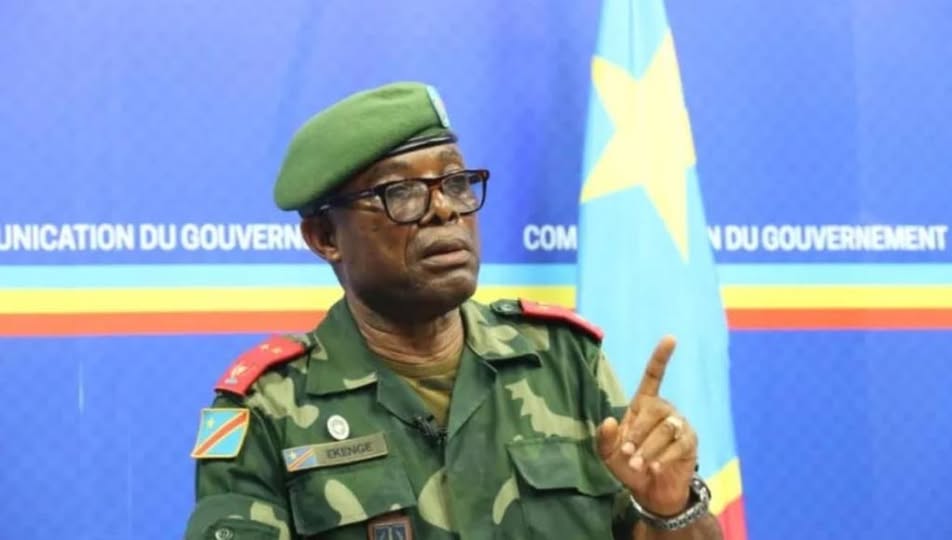
The suspension, confirmed by Congolese authorities, was authorised by the Chief of General Staff of the FARDC, Lieutenant General Jules Banza Mwilambwe, and signed on December 28, 2025. It came a day after Gen Maj Ekenge appeared on state broadcaster RTNC and warned against marrying Tutsi women, claiming they do not bear children with people from other ethnic groups.
The comments sparked fierce backlash, reigniting concerns over the normalisation of ethnic slurs by senior state officials at a time of heightened tensions, particularly in the country’s conflict-affected eastern regions.
In announcing the suspension, Lt Gen Mwilambwe said the remarks were inconsistent with the army’s doctrine and national policy. However, critics argue that the decision amounts to damage control rather than a genuine break from a broader pattern of ethnic hostility tolerated at the highest levels of power.
Fanny Kaj Kayemb, the Deputy Director General for Finance of the AFC/M23 coalition, dismissed the suspension as cosmetic, saying the army spokesperson merely articulated a line sanctioned by senior authorities.
“An army spokesperson does not think independently; he executes,” Kayemb said. “He speaks according to a line approved by the top military leadership. In the DRC, the person at the very top has a name: Félix Tshisekedi, the Supreme Commander.”
Kayemb described the disciplinary action as a theatrical manoeuvre designed to mislead both Congolese citizens and the international community, arguing that the remarks reflect unspoken views embedded in the current political leadership’s ideological orientation.
The controversy has also revived scrutiny of the state’s long-standing failure to act against figures accused of inciting hatred against Tutsi communities. For years, MP Justin Bitakwira openly targeted Tutsi, particularly the Banyamulenge, referring to them as an “evil ethnic group”, without facing consequences at home. He was only sanctioned by the European Union in 2022.
Further inflaming tensions, President Félix Tshisekedi hosted two Congolese nationals from the United States on 22 December 2025 under the banner of “Congolese Unity”.
One of them, Jean-Claude Mubenga, has previously described Tutsi as “cockroaches” and a virus who should be eliminated, remarks that drew sharp condemnation.
Observers caution that when such rhetoric is voiced or tolerated by state institutions, it evokes a troubling historical legacy, leaving open the question of whether these statements are mere slips of the tongue or a deliberate psychological warfare strategy reminiscent of the Hutu Ten Commandments that preceded the 1994 Genocide against the Tutsi in Rwanda.
While the suspension of Gen Maj Ekenge may momentarily ease pressure, many observers contend that it does little to address the underlying climate of impunity surrounding hate speech and ethnic incitement within the DRC’s political and security establishment.