The bill is expected to be passed by March 2026, marking a significant step in Africa’s evolving approach to AI governance.
The proposed legislation is part of the National Digital Economy and E‑Governance Bill, which expands regulatory authority especially that of the National Information Technology Development Agency (NITDA) over AI systems, algorithms, digital platforms, and data across sectors.
Under the framework, regulators would have the power to request information, issue enforcement directives, and block or restrict unsafe or harmful AI tools.
The bill also seeks to promote ethical standards in AI, prioritizing fairness, accountability, and transparency in how AI systems operate. It would adopt a risk‑based approach to oversight and give regulators stronger enforcement powers, including the authority to impose penalties on developers or users who fail to comply with the rules.
In addition to oversight mechanisms, the legislation is designed to support innovation and protect emerging technology businesses, creating a safer ecosystem for startups and fostering responsible AI development across the country.
If passed, Nigeria’s AI regulatory framework would place the country at the forefront of AI governance in Africa, ahead of many other nations that have adopted AI strategies but not yet established binding legal frameworks.
Speaking to the media on the sidelines of a security conference in Sweden’s Salen, Kubilius said he shared Danish Prime Minister Mette Frederiksen’s view that a forced takeover would deal a fatal blow to NATO and severely damage transatlantic ties. He added that such a move would also trigger a strong negative reaction among Europeans.
Kubilius said he did not believe a U.S. invasion was imminent, but noted that Article 42.7 of the EU treaty obliges member states to provide mutual assistance if a member country is subjected to armed aggression. He said the bloc could step up support for Greenland at Denmark’s request, including by deploying troops and expanding military infrastructure such as naval presence and counter-drone capabilities.
Denmark and the United States, both NATO members, are scheduled to meet this week to discuss the Greenland issue. Greenland and Denmark have repeatedly said the territory is not for sale, while U.S. President Donald Trump has insisted Washington must “own” Greenland without ruling out the use of force.
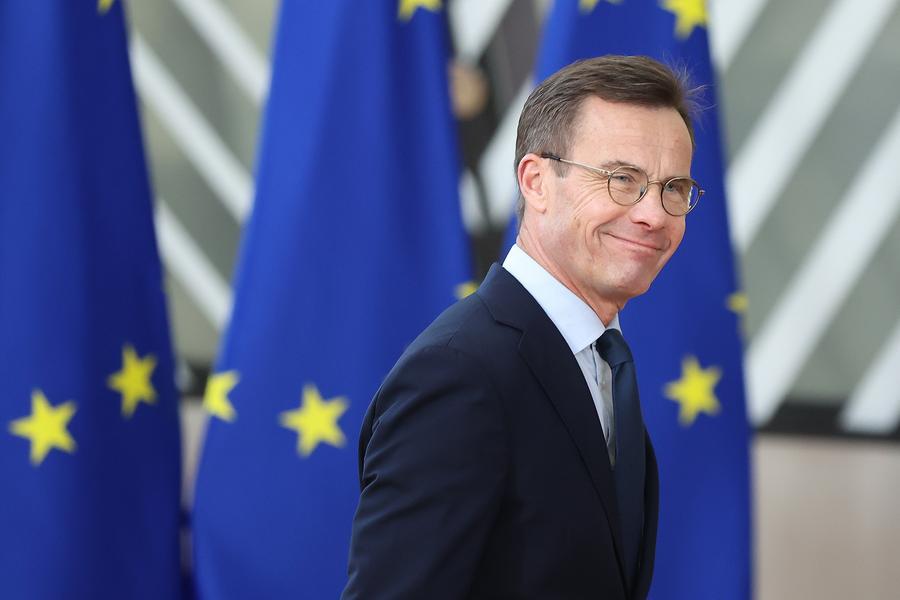
Swedish Prime Minister Ulf Kristersson said Europeans within NATO were discussing ways to strengthen the alliance, but stressed that such work should not be based on any presumption that NATO would stop functioning.
Also at the security policy conference in the western resort town of Salen, Kristersson on Sunday criticized recent U.S. actions in Venezuela and Trump’s “threatening rhetoric” toward Denmark and Greenland, warning that such moves undermine international law and increase risks for smaller countries.
Kristersson said Washington should instead show gratitude toward Denmark, as it has been a longstanding ally. He also pledged Swedish support for Denmark.
Since taking office in January 2025, U.S. President Donald Trump has repeatedly expressed interest in acquiring control of Greenland, stating that he would not rule out the use of “military or economic coercion” to achieve that goal.
Last month, Trump appointed Louisiana Governor Jeff Landry as U.S. special envoy to Greenland, renewing diplomatic tensions between Washington and the Danish Realm. Trump said in a recent interview that the United States “absolutely” needs Greenland.
Jeune Afrique, citing sources privy to the tensions that followed the capture of Uvira, reports that Kinshasa feared the conflict could spread to other provinces, including Kalemie in Tanganyika, and sought help to counter the rebel advance.
However, Angola refused to send troops, reminding President Félix Tshisekedi that even when the Southern African Development Community (SADC) force was deployed in North Kivu, Angolan soldiers had not been involved. Instead, Luanda proposed political mediation.
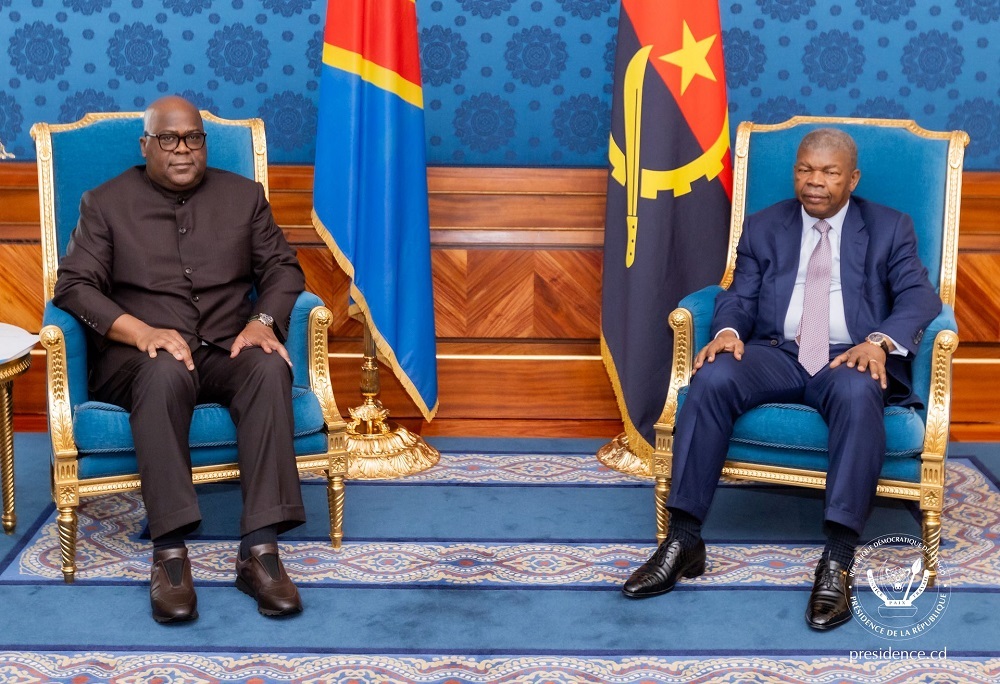
On December 14, Tshisekedi visited Angola to meet President João Lourenço, who also chairs the African Union (AU), to discuss dialogue options. Tshisekedi returned on January 5, 2026, agreeing with Lourenço that discussions should include a broad range of Congolese actors, from political opponents to armed groups such as AFC/M23, with talks planned for Kinshasa.
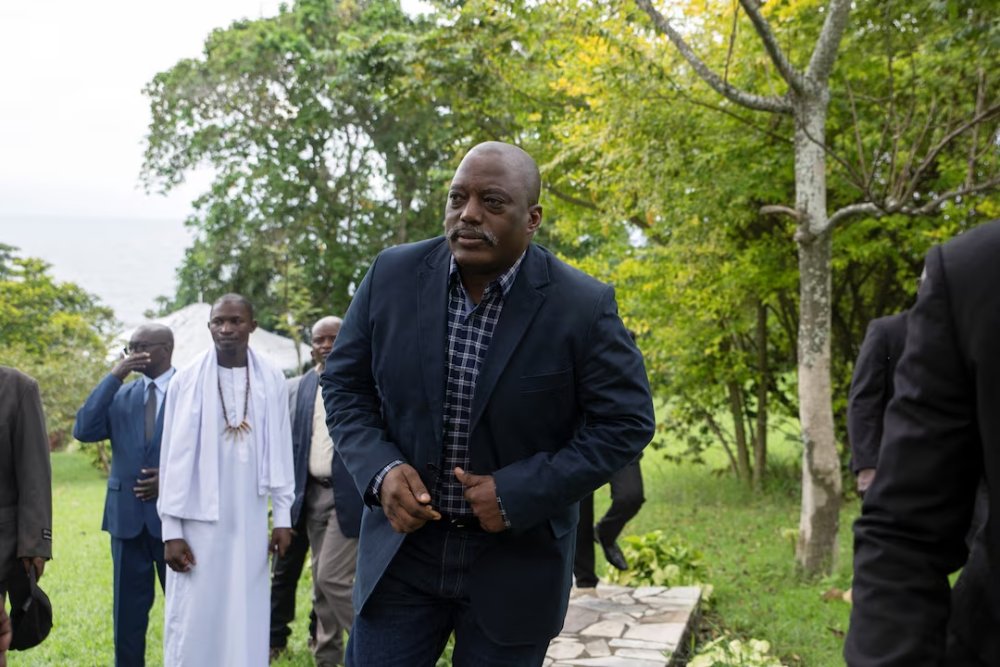
Following the meetings, Lourenço conducted discreet consultations with potential participants, including former President Joseph Kabila and his close associates Moïse Nyarugabo and Raymond Tshibanda. The aim was to prepare a new phase of dialogue, although both governments have avoided calling it a “new peace process.”
AFC/M23 leader Corneille Nangaa, who had earlier communicated the withdrawal of M23 fighters from Uvira in a “confidence-building measure”, requested clarification on how these discussions would differ from the ongoing Doha talks. The rebels were invited to Luanda as part of preparations for the Kinshasa talks, but sought assurances that the initiative would not undermine previous agreements.
Tshisekedi returned to Luanda on January 8 to finalise the list of participants, according to diplomatic sources.
Angola is said to be engaging church leaders and opposition figures in the proposed Kinshasa talks, while carefully avoiding the term “new peace process.”
The behind-the-scenes efforts mark a subtle relaunch of Angola’s role as a mediator in the DRC conflict after President Lourenço had announced he was stepping back from mediation following his election as African Union chair in March 2025.
The announcement was made during a meeting on January 12, 2026, attended by AFC/M23 leadership and prominent figures from North Kivu province in eastern DRC.
Addressing the gathering, Nangaa referred to Kabila as a “visitor” in the area and promised a future public appearance.
“Here we have a visitor, the former President of the Republic, Joseph Kabila,” Nangaa said. “Do you know he is here? One day we will bring him so that he can come and greet you. He remains a lifelong Senator as provided by the Constitution, although he was removed from the Senate.”
This is the first public acknowledgment of Kabila’s presence since he was last seen in AFC/M23-controlled territory in June 2025.
During that earlier visit, Kabila spent several days meeting Congolese citizens from diverse backgrounds, holding discussions focused on restoring peace to the country. He set up a temporary office at his private residence in the Kinyogote neighbourhood, in western Goma.
Shortly after that June visit, the Kinshasa Prosecutor’s Office opened an investigation into Kabila’s activities. He was subsequently tried in the Military High Court, convicted in absentia of treason and membership in an illegal armed group, and sentenced to death.
After June 2025, Kabila traveled to various African countries, including Kenya, where he established a political coalition named ‘Sauvons le RDC’ (Save the DRC), aimed at addressing the country’s challenges.
In an interview with Jeune Afrique journalist François Soudan, Ambassador Nduhungirehe directly addressed the persistent difficulties in improving ties with Burundi.
“After the fall of Uvira, meetings between Burundian and Rwandan security officials were held at the border on December 14 and 28, 2025, to establish modalities for de-escalation,” he said. “Rwanda’s objective is, and has always been, to pursue improved relations with Burundi. Unfortunately, statements by President Ndayishimiye and his Minister of Foreign Affairs have not made this task any easier.”
Tensions between Rwanda and Burundi escalated in early December 2025 when AFC/M23 rebels captured parts of the Ruzizi Plain and the town of Uvira in eastern DRC, near the Burundian border.
Burundi quickly accused Rwanda of backing the rebels and of shelling its territory, claims Kigali firmly rejected as baseless.
Amid fears of a broader regional conflict involving Rwanda, Burundi, and the DRC, security officials from both countries met twice in December to prevent further escalation.
Relations have remained strained since late 2023, yet Rwanda has consistently signalled openness to dialogue. Bilateral delegations have met multiple times and agreed to avoid actions that could worsen the situation.
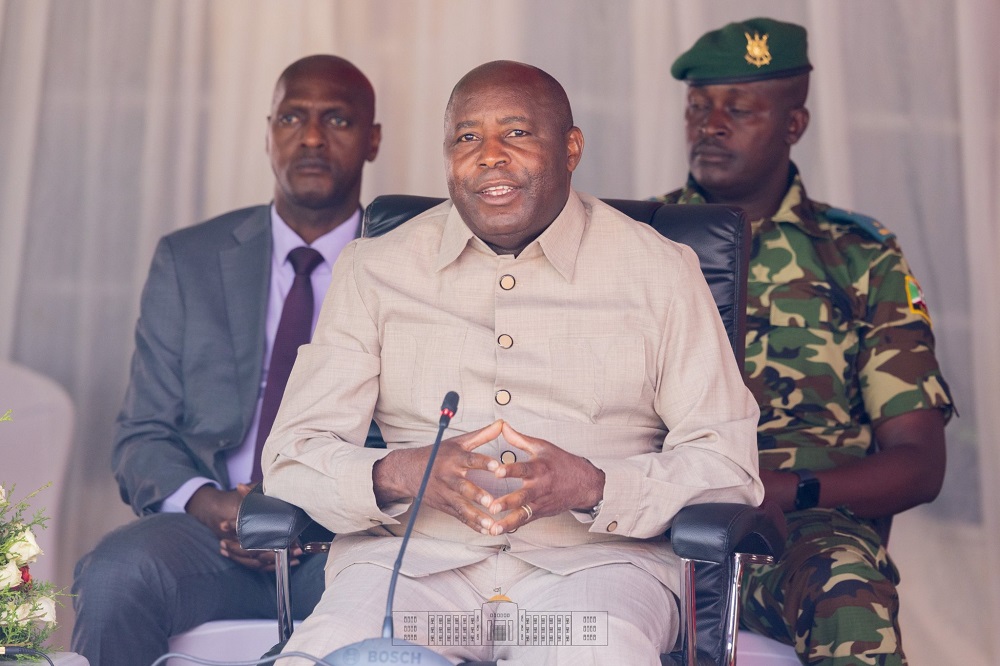
However, President Ndayishimiye has continued to make strongly worded public statements against Rwanda in addresses to citizens, official meetings, and media appearances.
In a March 2025 BBC interview, he warned that any Rwandan attempt to attack Burundi would be met with a counterstrike on Kigali, stating: “We tell them that if they want to attack Bujumbura through Congo, Kigali is not far either if we pass through Kirundo.”
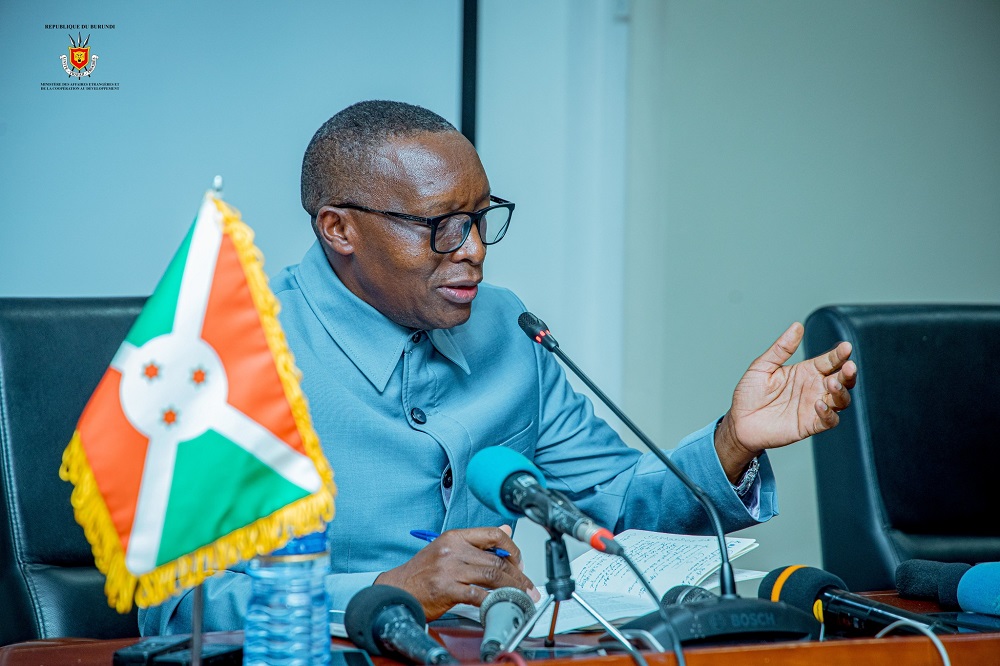
In August 2025, President Ndayishimiye appointed Dr Édouard Bizimana as Minister of Foreign Affairs, replacing Albert Shingiro. The new minister, a former ambassador to Russia, has drawn criticism for adopting a confrontational tone widely viewed as undiplomatic.
Since early December 2025, Minister Bizimana has repeatedly used the social media platform X to criticise Rwanda, even while bilateral talks were underway.
On January 3, 2026, he posted accusations that Rwanda was violating Washington agreements by continuing to seize territory in eastern DRC, claimed Kigali had tested U.S. resolve without repercussions, and questioned Qatar’s mediation role, alleging the Gulf state was using financial influence to block American action.
The post provoked widespread backlash, especially for targeting an international mediator. It was later deleted following intense criticism. President Ndayishimiye subsequently distanced himself from the remarks, publicly praising Qatar’s contributions to mediation and development.
Escalona replaces Anibal Coronado, who will serve as minister of Ecosocialism, Rodriguez said on Telegram.
“I know that his loyalty, ability and commitment will ensure the continued development of our Bolivarian Government’s plans together with the people,” Rodriguez said of Escalona.
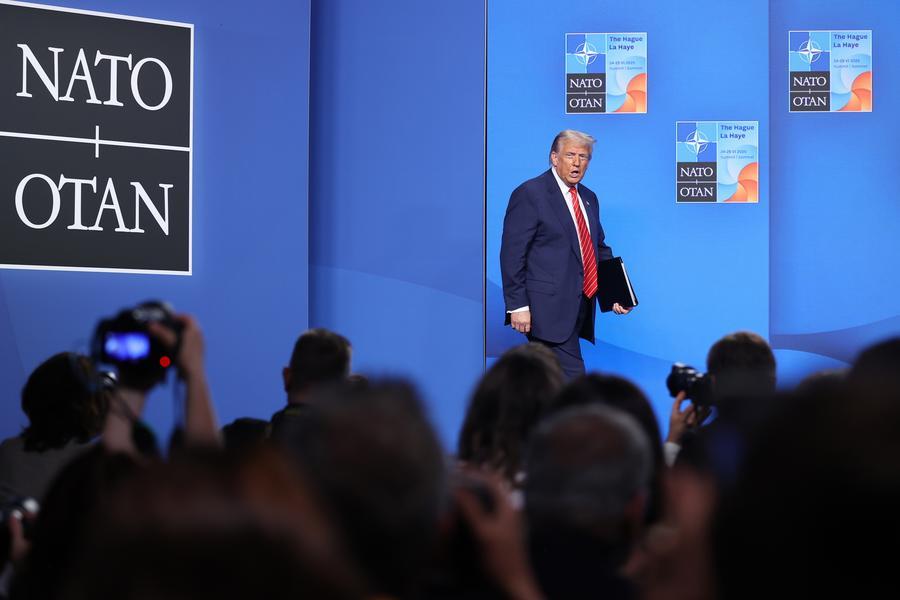
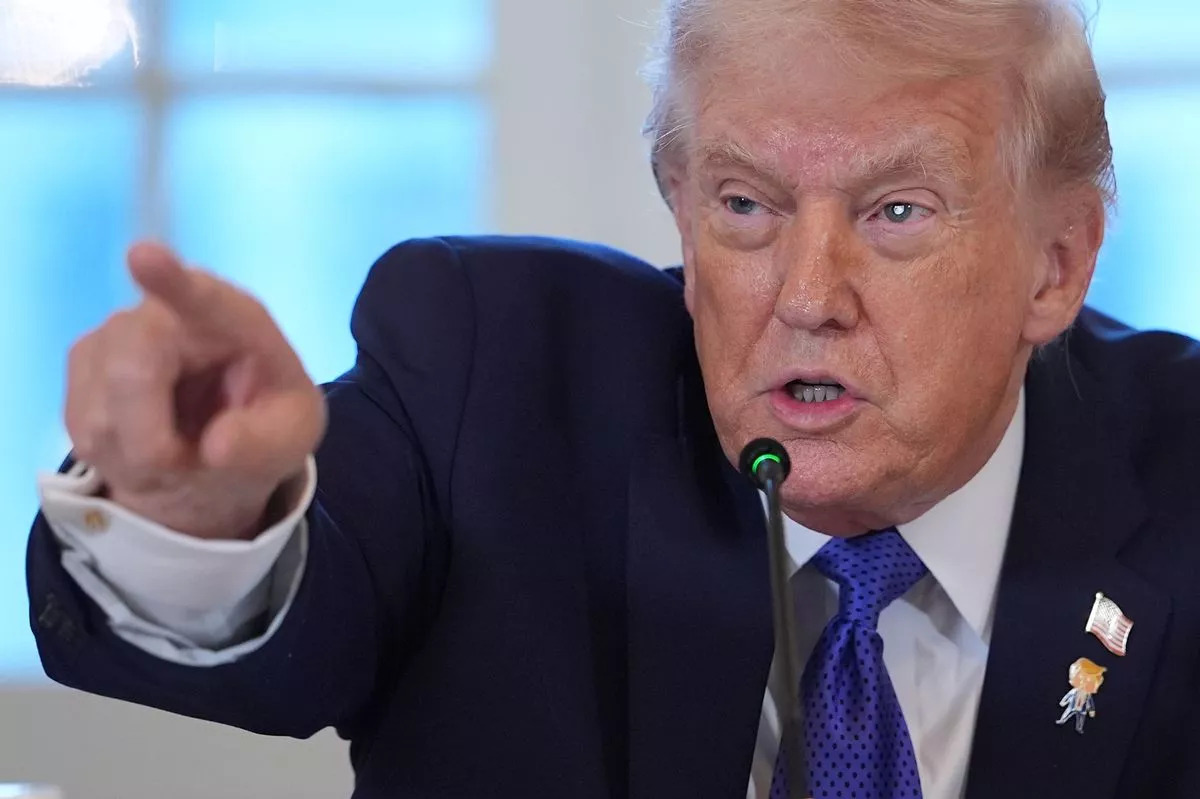
Trump made the comments in a January 7, 2026, interview with The New York Times, where he emphasised that simply having a military presence on the island is not enough for him.
Trump argued that owning Greenland outright would provide strategic and psychological advantages that cannot be achieved through existing agreements or leases. Greenland, an autonomous territory of Denmark with significant self‑government, already hosts a U.S. military presence under a Cold War‑era defence agreement, but Trump said that “ownership gives you a thing that you can’t do” through those arrangements.
When asked by a New York Times reporter whether it was psychologically important to him personally or to the United States as a whole, Trump responded without hesitation that it was “psychologically important for me.” He added, “Maybe another president would feel differently, but so far I’ve been right about everything.”
In the interview, Trump also hinted that he would be willing to consider using military force if necessary to acquire the Arctic territory, though he acknowledged that such action “might upset NATO,” since Greenland is part of the Kingdom of Denmark, a NATO member.
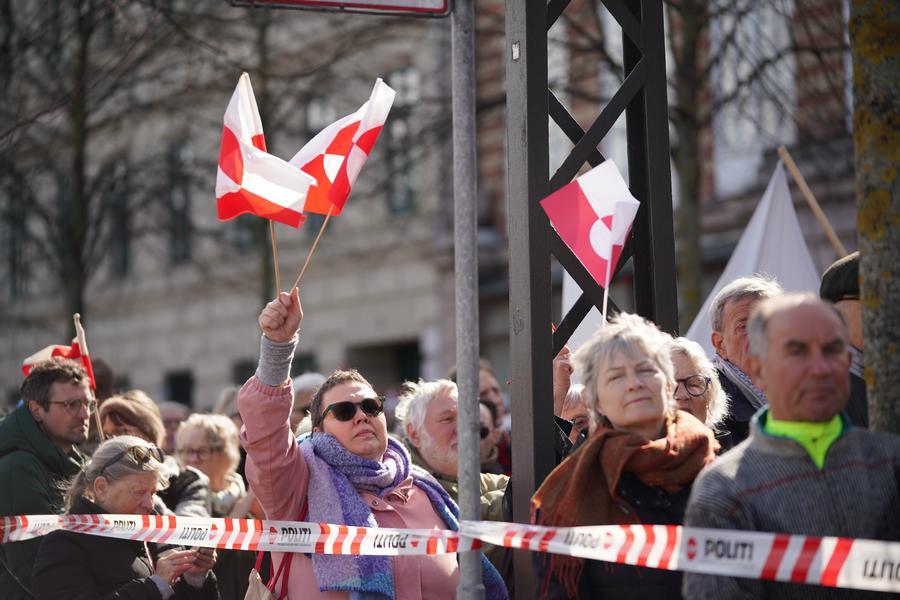
The idea of owning Greenland has drawn widespread criticism from both allies and experts. Danish Prime Minister Mette Frederiksen reiterated Denmark’s commitment to Greenland’s sovereignty and self‑determination, and many European leaders have rejected the notion of a U.S. takeover.
Greenland’s own government has strongly rebuffed Trump’s comments, insisting that decisions about the territory’s future belong to Greenlanders and Denmark under international law. EU officials have warned that any attempt by the United States to take over by force could jeopardise the future of NATO, as the alliance would be obligated to defend a fellow member state.
China has also criticised Trump’s stance, calling it self‑serving, and military analysts have dismissed the idea that ownership is necessary for defence, noting that the U.S. already maintains extensive global military partnerships without controlling foreign territory.
Trump’s remarks come amid rising geopolitical competition in the Arctic, where strategic resources and new shipping routes are attracting attention from major powers including Russia and China. As debates over Greenland’s future continue, Trump’s comments have added a controversial chapter to U.S. foreign policy discussions.
U.S. “President (Donald) Trump has always expressed that diplomacy is the first option,” Leavitt said on Fox News. “However, he is unafraid to use the lethal force and might of the United States military if and when he deems that necessary.”
“What President Trump will do next only he knows, so the world will have to keep waiting and guessing, and we will let him decide,” she said, refusing to discuss any potential U.S. actions or policy decisions concerning Iran.
Leavitt said the U.S. forces last year “totally obliterated” the Iranian nuclear program, which she described as the Middle Eastern country’s “greatest leverage.”
Trump said Sunday his administration is weighing “some very strong options” including potential military action against Iran, claiming Iran was “starting” to cross the U.S. red line.
The U.S. president is scheduled to meet Secretary of State Marco Rubio, Defense Secretary Pete Hegseth and chairman of the Joint Chiefs of Staff Dan Caine on Tuesday to weigh U.S. options, which could include boosting antigovernment sources online, deploying secretive cyber weapons against Iranian military and civilian sites, placing more sanctions on Iran and military strikes, as well as the possibility of the U.S. sending terminals of Starlink, a satellite-based internet service owned by Elon Musk, into Iran for the first time during the Trump administration, according to a Wall Street Journal report on Sunday.
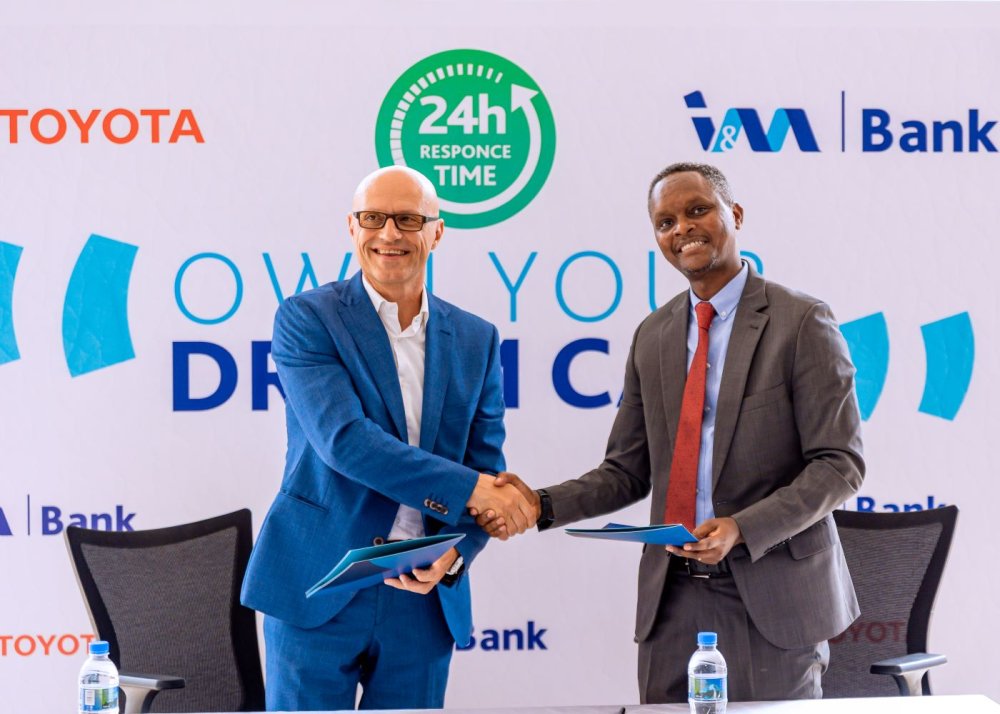
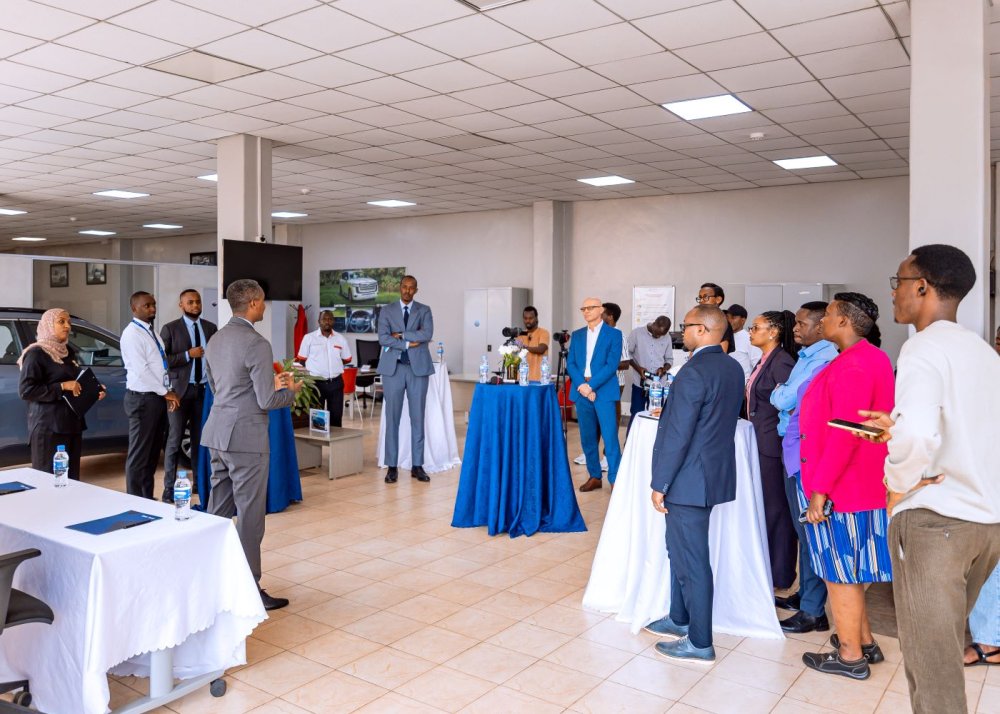
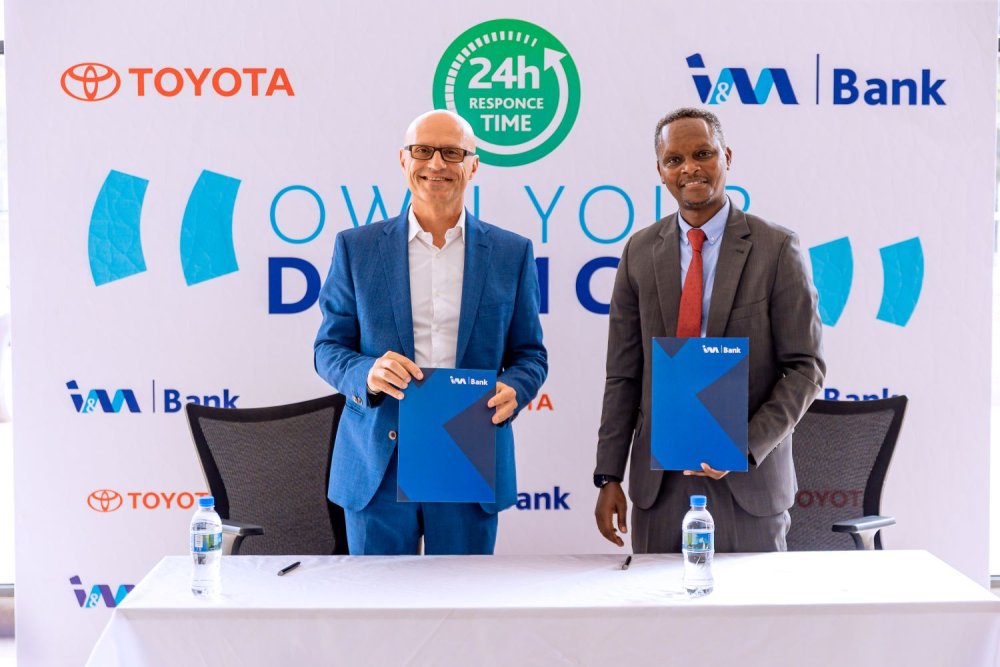
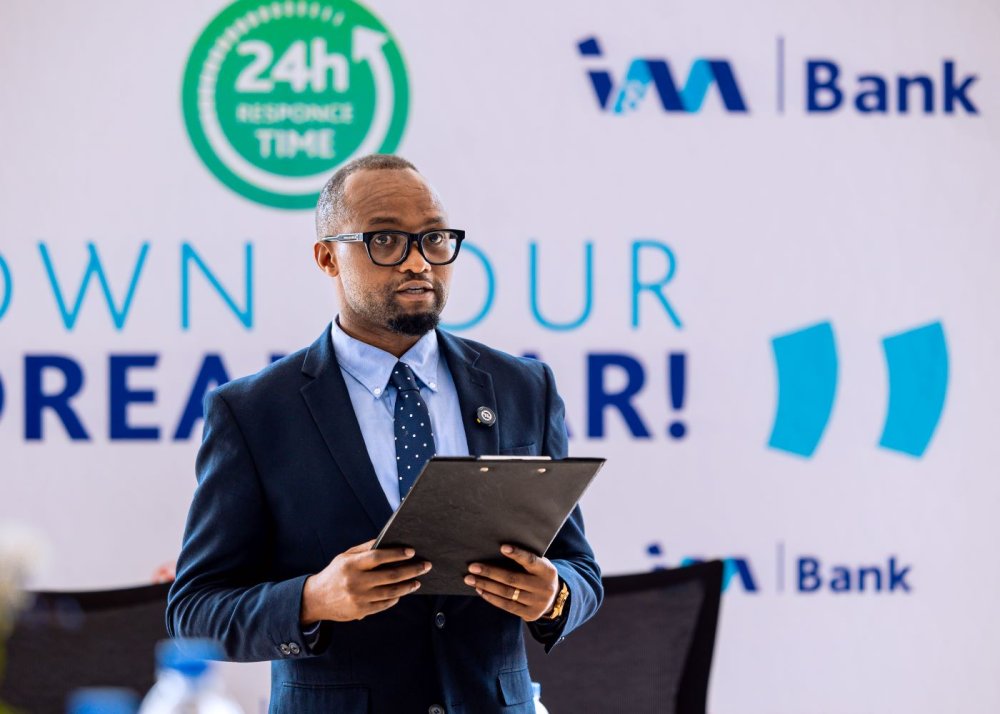
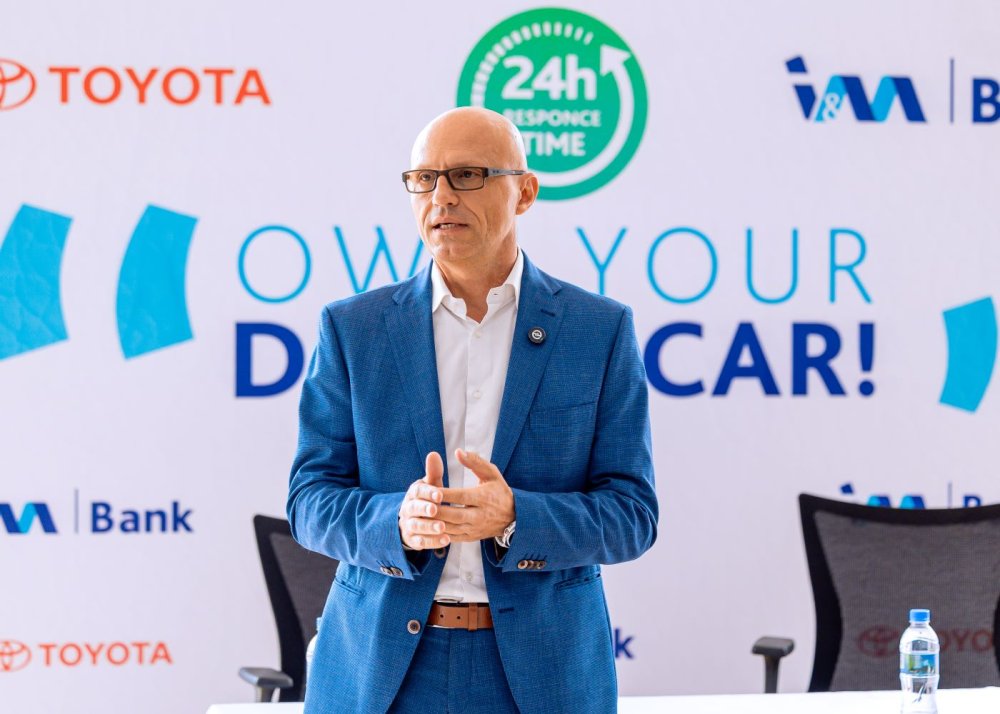
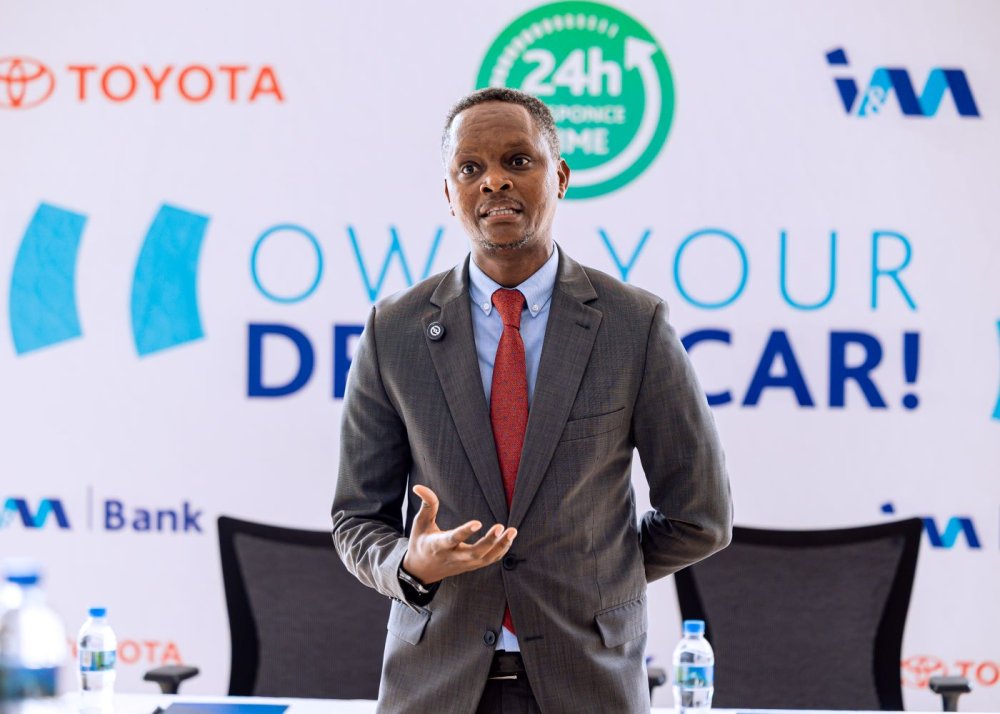
The agreement was signed on January 8, 2026, at Toyota Rwanda Ltd’s headquarters in Karuruma, Kigali.
The collaboration enables I&M Bank customers, and anyone interested in banking with I&M, to buy Toyota vehicles with special discounts and streamlined loan arrangements.
Kayihura Yves, Head of Retail Banking and Branch Operations at I&M Bank Rwanda, said the partnership will strengthen business ties between the two organisations and remove financial barriers for those who want to own new Toyota vehicles.
“This collaboration between I&M Bank Rwanda and Toyota Rwanda will help our customers access high-quality vehicles. The bank will provide the vehicles as collateral, so customers will not need to offer additional assets,” he explained.
He added that I&M Bank will also offer vehicle insurance through a dedicated department, allowing customers to complete all required services in one place and without delays.
Nenad Predrevac, Managing Director of Toyota Rwanda Ltd, described the partnership as a commitment to enhancing customer services and deepening the existing relationship with I&M Bank.
Patrick Kanyandekwe, Operations Manager at Toyota Rwanda, emphasised that the agreement will deliver price discounts and faster vehicle delivery for eligible customers.
“Any I&M Bank customer, or anyone who chooses to work with the bank, can receive discounts on the vehicles they want and benefit from prompt service, whether they approach us through the bank or directly at Toyota Rwanda,” he said.
He also noted that Toyota Rwanda handles post-sale maintenance and currently offers 13 different vehicle models.
The delay is linked to pending financing agreements that must be signed between the Ministry of Finance and Economic Planning (MINECOFIN) and the World Bank.
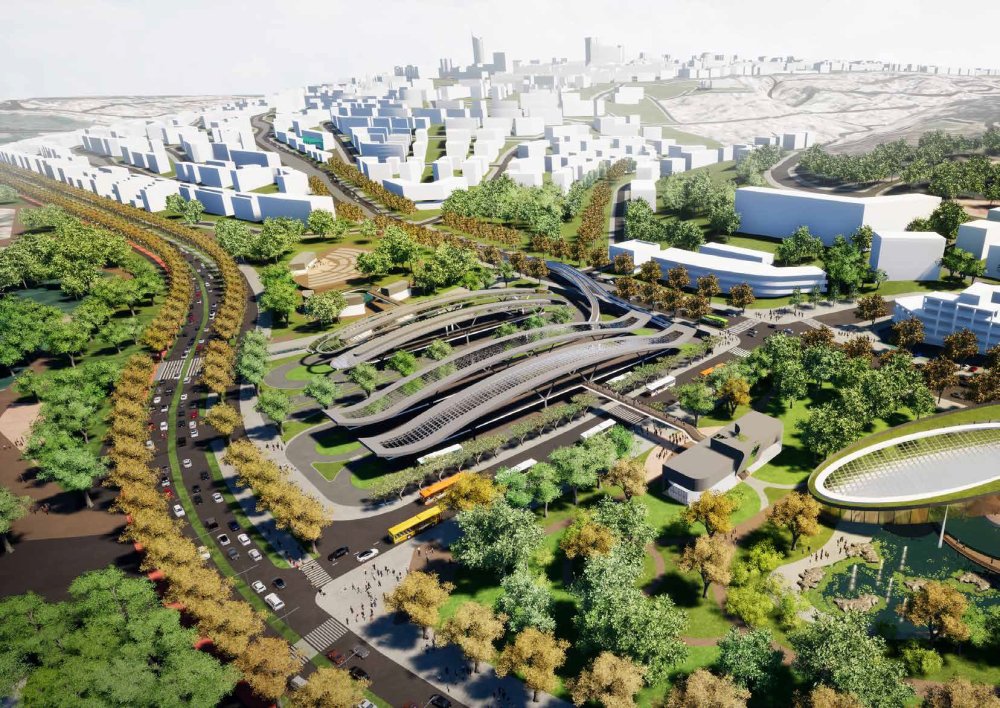
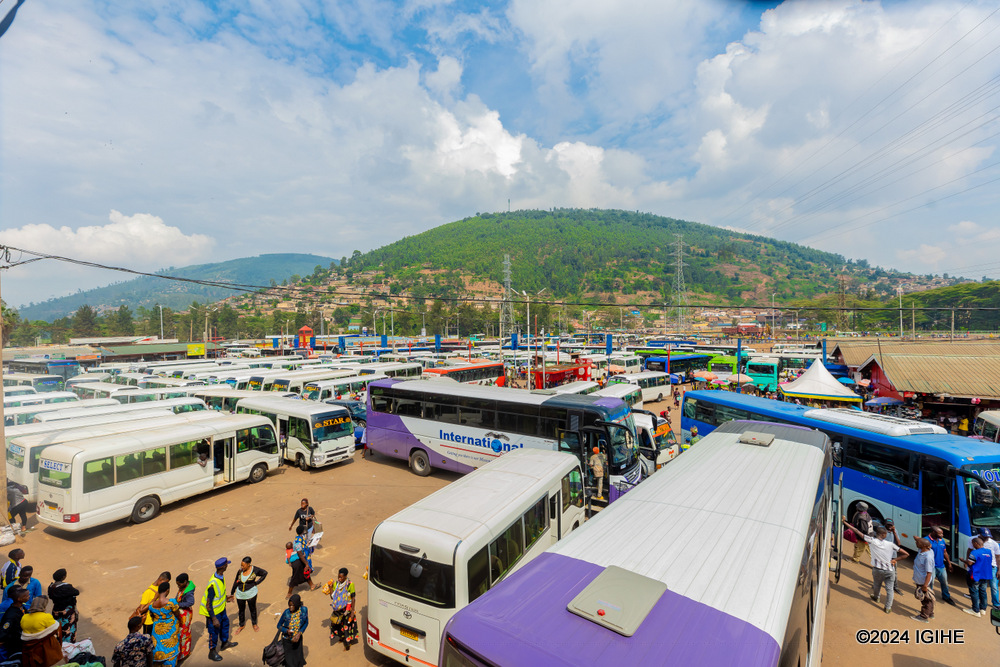
Construction to expand and modernise Nyabugogo Bus Terminal was initially scheduled to start in mid-2025 and conclude by 2027. However, the project has yet to commence.
During a visit to the City of Kigali, Members of Parliament from the Budget and State Patrimony Committee questioned city officials about delays affecting several development projects, including the new Nyabugogo terminal.
According to Kigali City’s six-month report for the 2025/2026 fiscal year, more than three procurement processes linked to the Nyabugogo project faced setbacks.
These delays are tied to the unsigned agreements between MINECOFIN and the World Bank, which is expected to finance the project.
Kigali City Vice Mayor in charge of Urbanisation and Infrastructure, Fulgence Dusabimana, explained that the delay is primarily due to these pending agreements.
“The feasibility study is complete, which should have enabled us to access funds for the project. We have requested MINECOFIN’s support to resolve the remaining issues. From the discussions so far, it seems the delay is not a refusal to sign but matters that still need alignment at their level to proceed smoothly,” he said.
If all goes according to plan, the financing agreements are expected to be signed by January 2026. The procurement process to select contractors could take at least ten months, potentially identifying a winning bidder by October 2026. Construction is then expected to begin in 2027.
Kigali City further explained that detailed architectural and engineering designs, along with construction works by the selected contractor, would start in January 2027. The construction phase is expected to last two years, with completion anticipated by 2029.
Nyabugogo Bus Terminal is the busiest transport hub in Rwanda, connecting passengers from all provinces and linking Kigali to major regional cities including Kampala, Nairobi, Dar es Salaam, and Bujumbura.
City authorities note that the current terminal is constrained by limited space, leading to frequent congestion of vehicles and passengers. The master plan envisions upgrading Nyabugogo to international standards, providing passengers with a modern and comfortable experience similar to Kigali International Airport.
Plans to modernise the terminal were first announced in November 2017, with construction initially expected in 2018, but delays have persisted. The project was initially set to be implemented by the public transport company RFTC at a cost of Rwf 45 billion, but the City later announced that the World Bank would fund it.
Nyabugogo Bus Terminal, opened in 1998, has since served as Kigali’s main hub for domestic and international bus routes. The upgrade is estimated to cost between USD 100 million and USD 150 million and will include parking areas, passenger waiting lounges, offices, commercial spaces, ticketing areas, information desks, security offices, rest areas, and other modern amenities.