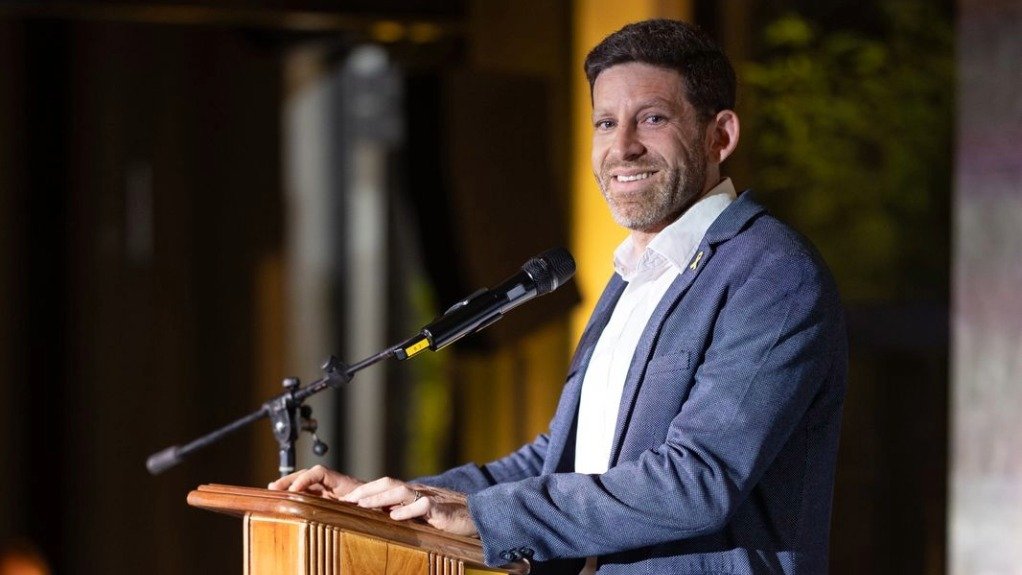
DIRCO said the decision follows “a series of unacceptable violations of diplomatic norms and practice” by Seidman, which it described as posing “a direct challenge to South Africa’s sovereignty.”
“These violations include the repeated use of official Israeli social media platforms to launch insulting attacks against President Cyril Ramaphosa, and a deliberate failure to inform DIRCO of purported visits by senior Israeli officials,” the department said.
DIRCO said Seidman’s actions were “a gross abuse of diplomatic privilege and a fundamental breach of the Vienna Convention,” adding that they have systematically undermined the trust and protocols essential for bilateral relations.
It urged the Israeli government to ensure that its future diplomatic conduct respects South Africa and established principles of international engagement.
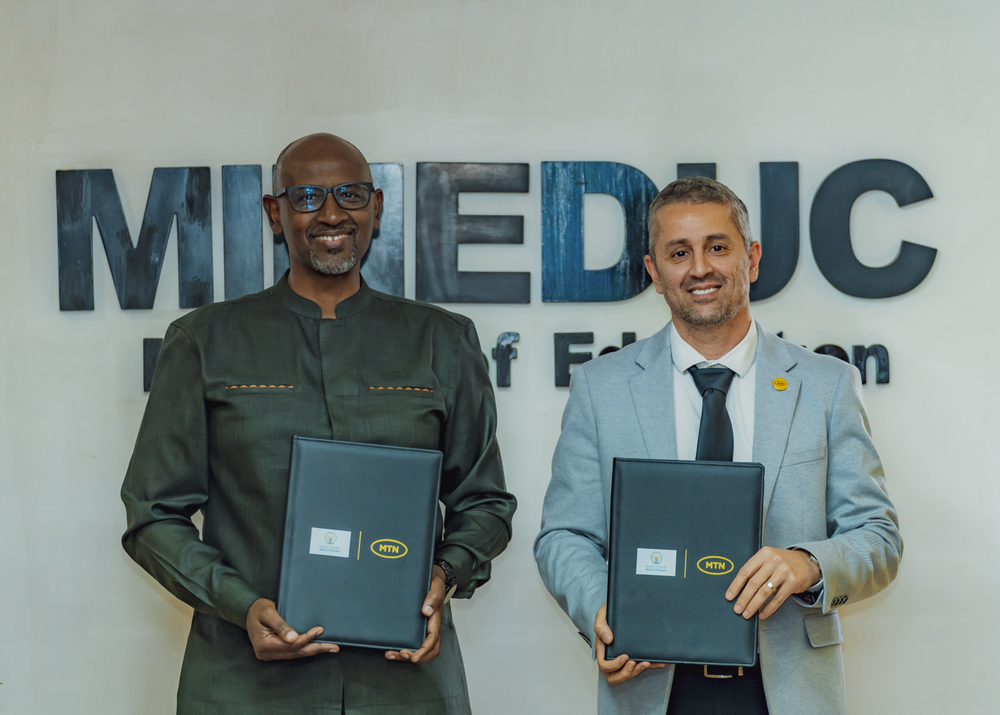
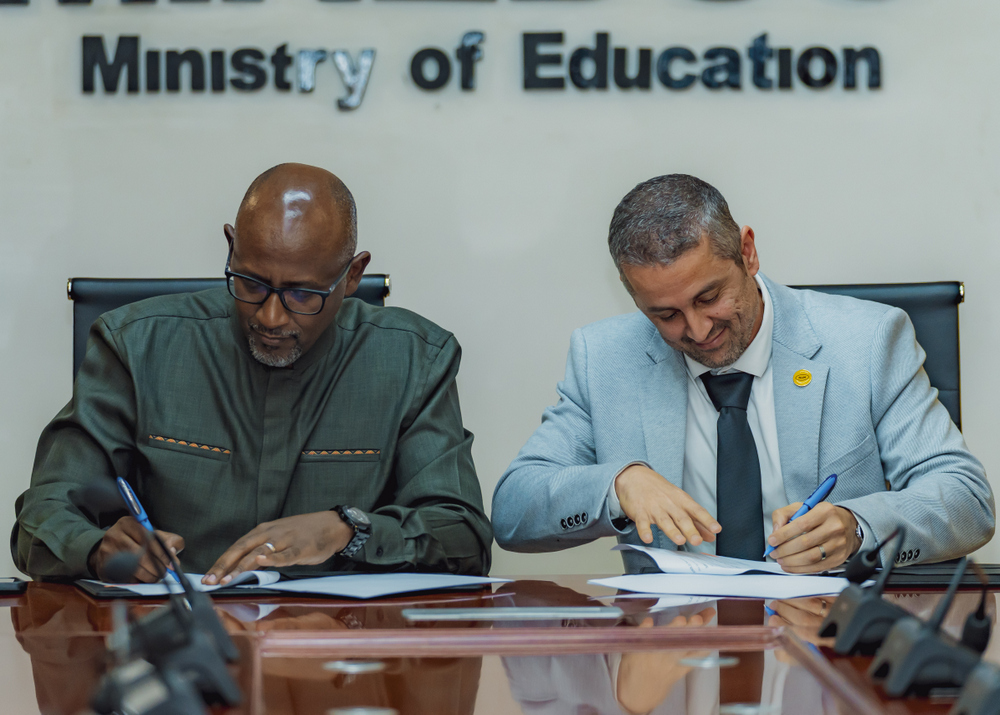
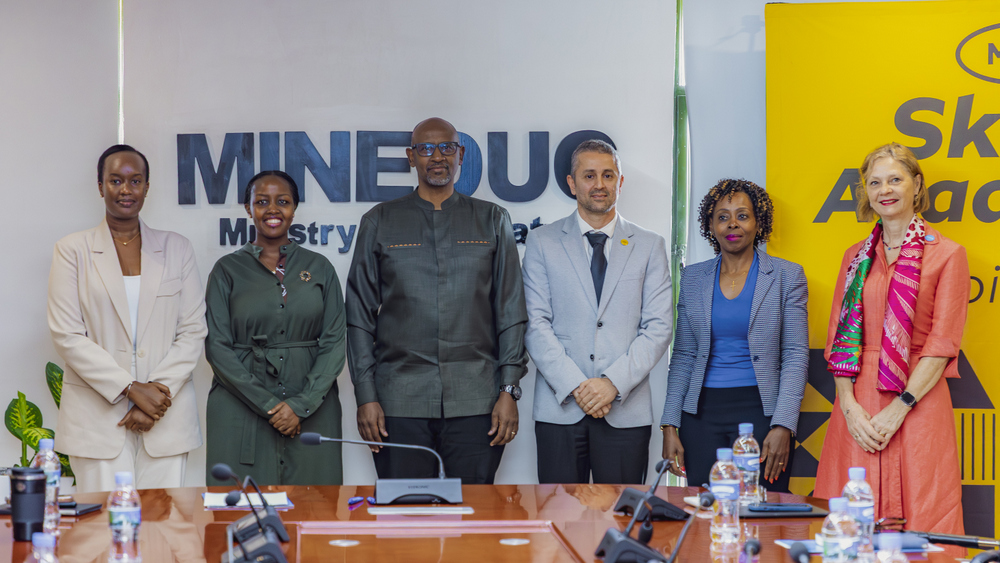
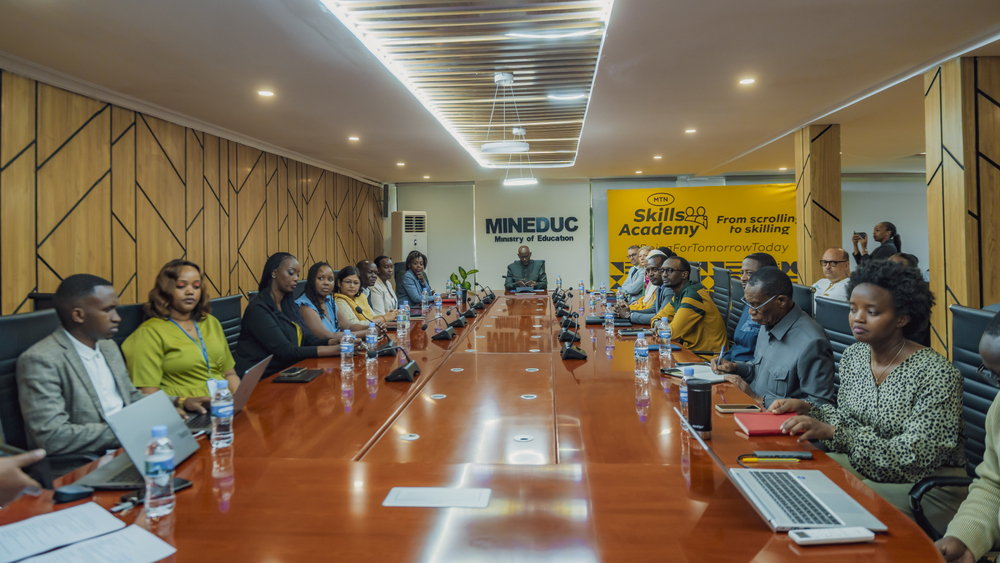
The initiative forms part of a wider partnership between the Ministry of Education and MTN Rwanda to identify areas of collaboration to improve digital access across the education sector.
Under the partnership MINEDUC and MTN will align on various interventions and initiatives such as zero-rating of selected education platforms, customized bundles for teachers, and affordable connectivity solutions for education institutions and learning-related activities.
These interventions are designed to strengthen teaching, learning, and access to digital resources nationwide.
The Digital Skills and Digital Jobs initiative specifically, is part of the government’s broader efforts to strengthen youth employability, digital entrepreneurship, and workforce readiness.
Delivered through the MTN Skills Academy, the DSDJ platform provides free, on-demand training in digital literacy, digital marketing, data analytics, coding, financial literacy, and work readiness, alongside career guidance and access to more than 500 online courses to support young people’s transition from learning to earning.
Importantly, the Digital Skills for Digital Jobs initiative will be integrated into the Resilience in Secondary Education (RISE) Programme, enabling out-of-school youth who are often excluded from formal learning pathways to access practical digital skills and participate in Rwanda’s digital transformation.
Through RISE and beyond, the platform will support job readiness, digital entrepreneurship, and the growth of micro, small, and medium enterprises (MSMEs).
The initiative directly contributes to national priorities under the National Strategy for Transformation (NST2) and Vision 2050, particularly in the areas of job creation, digital inclusion, and human capital development.
It complements existing education, TVET, and workforce-development frameworks by addressing persistent digital skills gaps while ensuring alignment with national standards and policy direction.
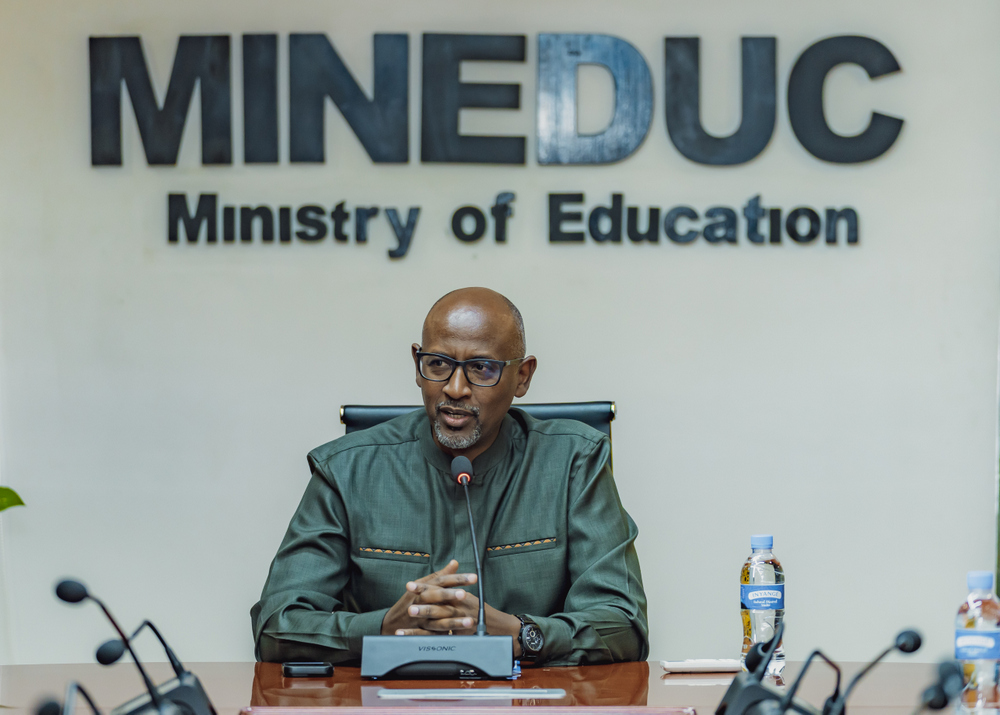
Speaking at the launch, the Minister of Education emphasized the importance of strategic public–private partnerships in accelerating national priorities and expanding opportunities for young people across Rwanda.
“Developing relevant digital skills is essential to Rwanda’s socio-economic transformation. Through policy-aligned partnerships such as this, we are expanding access to future-ready competencies while ensuring inclusion, quality, and coherence with our national education and skills frameworks.”
“This partnership with the Ministry of Education is about ensuring that technology truly supports learning for both students and educators. By expanding access to connectivity, supporting customized data and devices plans, and strengthening digital skills, we are working together to make digital education more inclusive and practical.
“We believe that when learners and educators are empowered with the right tools, they are better prepared for the future of work and Rwanda’s digital growth,” states Monzer Ali Chief Executive Officer MTN Rwandacell Plc.
The Ministry of Education will provide policy guidance, alignment with national standards, and oversight, while MTN Rwanda contributes digital infrastructure and delivery expertise, ensuring the initiative strengthens and complements existing public programmes.
MTN Rwandacell Plc is the market leader in mobile telecommunications in Rwanda. Since 1998, it has continuously invested in expanding and modernising its network and leading digital solutions for Rwanda’s progress.
The telecom offers various services to subscribers, including innovative propositions such as personalised voice and data offers for individuals and corporates with a clear vision to lead the delivery of a bold, new digital world to customers, with a belief that everyone deserves the benefits of a modern connected life.
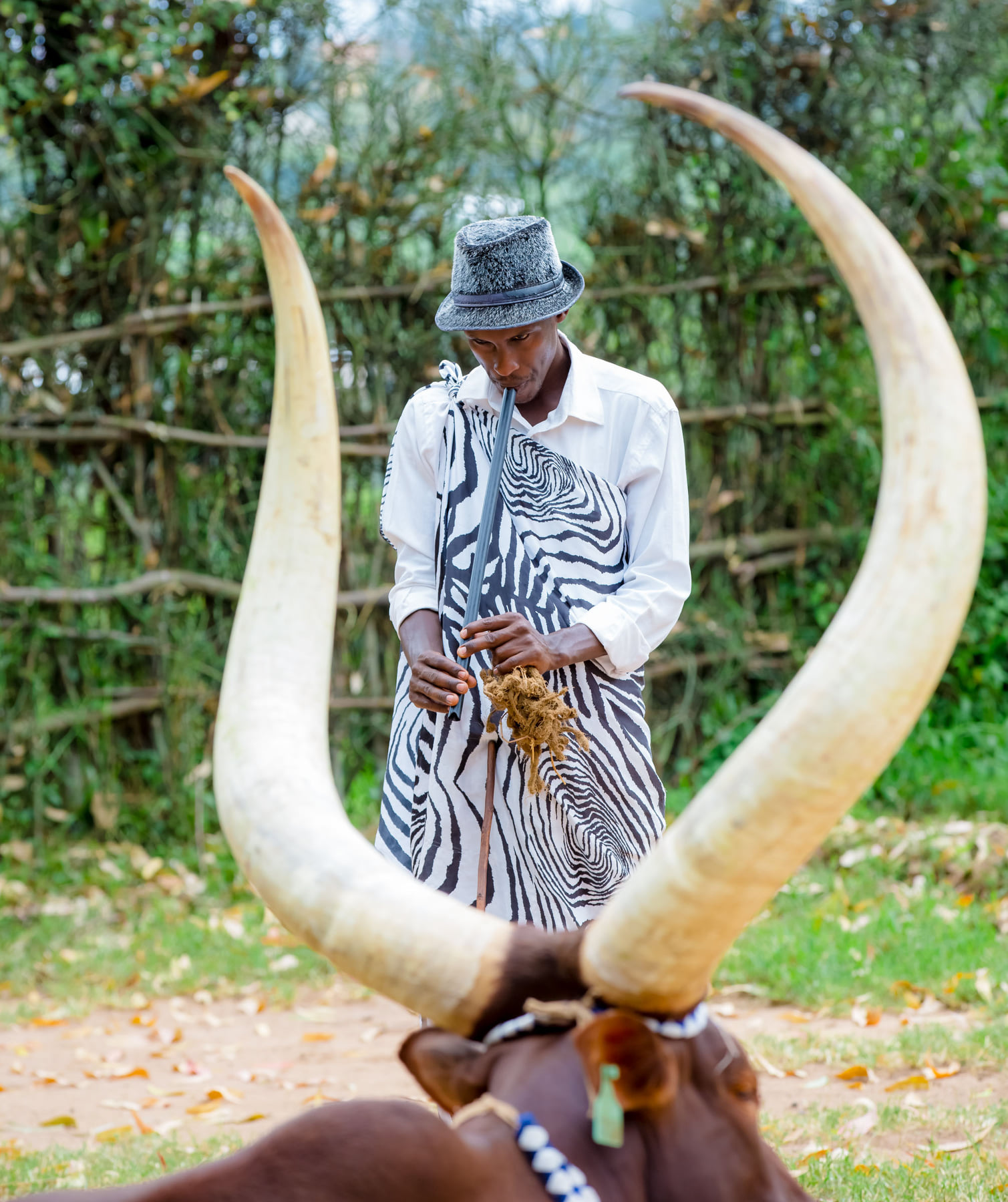
Inyambo cows are renowned for their striking features, most notably their long, elegant, upward-curving horns, which make them stand out in any crowd. But beyond their beauty lies a deep historical and cultural connection that ties them directly to Rwanda’s monarchy and the traditions of the people. These cows are not simply bred for milk or meat like ordinary cattle; they have a much more profound role in Rwandan society.
The roots of the Inyambo breed trace back to the 12th century, and their association with the Nyiginya monarchy has shaped their role in Rwandan culture. Unlike other cattle, Inyambo were not just a part of the royal family’s possessions; they were essential for royal ceremonies and played a central role in the celebration of power and prestige. Kings and chiefs would keep these cows as symbols of their status, and during important events, the
Inyambo were adorned with beads, bells, and jewellery.
Trained from a young age, these cows were made to parade gracefully and were even taught to follow traditional songs, creating a spectacle that showcased Rwanda’s rich cultural heritage and royal traditions.
The Inyambo were not mere personal property of the kings; they belonged to the kingdom itself. These cows were seen as public treasures, embodying the unity of the Rwandan people and symbolizing the identity of the nation.
Historical records suggest that Rwandan kings were often reminded by their advisors that the Inyambo cows were part of the nation’s heritage, not just private possessions. This connection to the people and the kingdom made the Inyambo far more than just cattle; they were living representations of Rwanda’s culture, strength, and unity.
Beyond their royal associations, Inyambo cows have a deep cultural significance. They symbolise gratitude, blessings, and the close relationship between the people and their land. As symbols of prosperity and goodwill, the Inyambo were often used as gifts and diplomatic tokens, further cementing their role as icons of Rwandan culture.
However, the journey of the Inyambo breed has not been without its challenges. Over time, diseases, wars, and crossbreeding with other cattle breeds led to a significant decline in their population. The once-prevalent Inyambo cows found themselves on the brink of endangerment.
Recognising the importance of preserving this iconic breed, the government of Rwanda has taken active steps to protect and revive the Inyambo population, ensuring that this piece of living heritage does not fade into history.
Today, the Inyambo are carefully preserved and maintained at institutions like the King’s Palace Museum in Nyanza, where herders continue the ancient traditions of grooming, handling, and parading the cows.
These cows are not only a cultural attraction for visitors but also a source of national pride. Visitors to Rwanda can marvel at the sight of the Inyambo cows, and many are drawn to the sight of the cows’ ceremonial parades, where the elegance and grandeur of these animals are on full display.
To further protect and preserve the breed, modern breeding programs have been introduced by the Rwanda Agriculture Board. These programs combine traditional knowledge with cutting-edge techniques, including in vitro fertilisation and cryopreservation, to maintain the breed’s unique genetic traits. Such scientific efforts ensure that the Inyambo cows continue to thrive in a changing world, securing their place in both Rwanda’s past and its future.
The Inyambo also continue to play a vital role in Rwandan cultural celebrations. During national events and festivals like Umuganura, where the country celebrates its harvest and unity, the Inyambo cows are paraded as symbols of elegance and cultural pride. Their presence at these celebrations is a reminder of the nation’s rich royal history and its commitment to preserving its traditions.
In essence, the Inyambo cows are not just cattle; they are a living bridge between Rwanda’s past and present. These majestic animals are a direct link to the royal courts of the past, and they continue to serve as symbols of Rwanda’s cultural pride, history, and unity. They represent the strength of the Rwandan people and their resilience in preserving their heritage.
So, the next time you see the majestic horns of an Inyambo cow, take a moment to reflect on the history, culture, and tradition that these animals carry with them. They are not just a reminder of Rwanda’s royal past but also a symbol of a proud and thriving nation that has maintained its cultural roots while looking toward the future.
The Bank Group’s contribution includes $24.64 million from the African Development Fund, its concessional lending arm, and an additional $5.21 million from the AfDB. The remaining funds will come from the Government of Rwanda.
The project will expand and upgrade the Centre of Excellence, located in Kigali Innovation City, a growing tech hub in the Rwandan capital. Plans include enhanced academic programs and student training, new laboratories and facilities, advanced equipment procurement, and stronger linkages with the private sector.
Phase II will train 470 students in biomedical engineering, rehabilitation and mobility sciences, and digital health at bachelor’s and master’s levels, with most beneficiaries coming from Rwanda and other East African Community countries. The project will also provide PhD and post-doctoral training for University of Rwanda staff to ensure high-quality teaching and research.
In addition, the project will support curriculum reform, accreditation, and collaborative research with leading international institutions. Regional integration will be promoted through student and faculty exchanges, joint research initiatives, knowledge-sharing events, and entrepreneurship support programs.
A notable innovation under Phase II is the establishment of a Biomedical Innovation Park, which will allow students, researchers, and private companies to design, test, and produce health technologies tailored to local and regional needs.
The project is expected to benefit the wider community by providing hospitals and clinics with locally trained specialists capable of installing, maintaining, and repairing medical equipment. Expanded access to digital health tools and telemedicine will also make healthcare more accessible, particularly in rural areas.
During its construction phase, the project will create hundreds of temporary jobs, mainly for young people. In the long term, it is expected to stimulate the development of health technology businesses, attract research funding, and create skilled employment opportunities.
“This project will equip our young people with world-class skills while bringing better health services closer to families. It is an investment in talent, innovation, and the wellbeing of our communities,” said Hendrina Doroba, AfDB Manager for Education and Skills Development.
Following approval on January 9, the project will be implemented by the Government of Rwanda through the University of Rwanda and is scheduled to run through 2030. It supports Rwanda’s long-term vision of building a knowledge-driven economy and a resilient, inclusive health system.
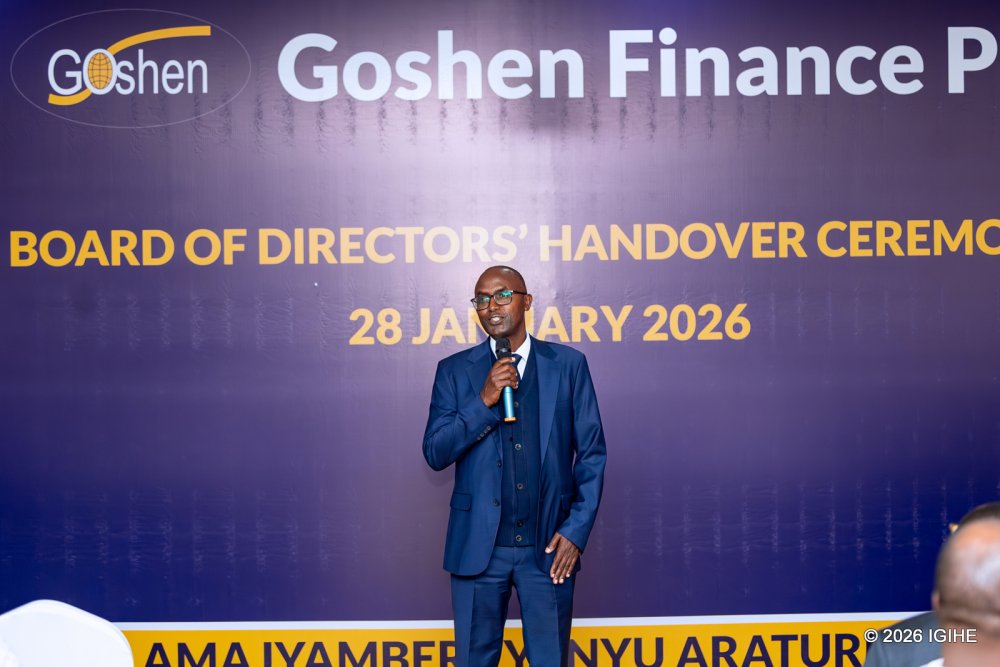
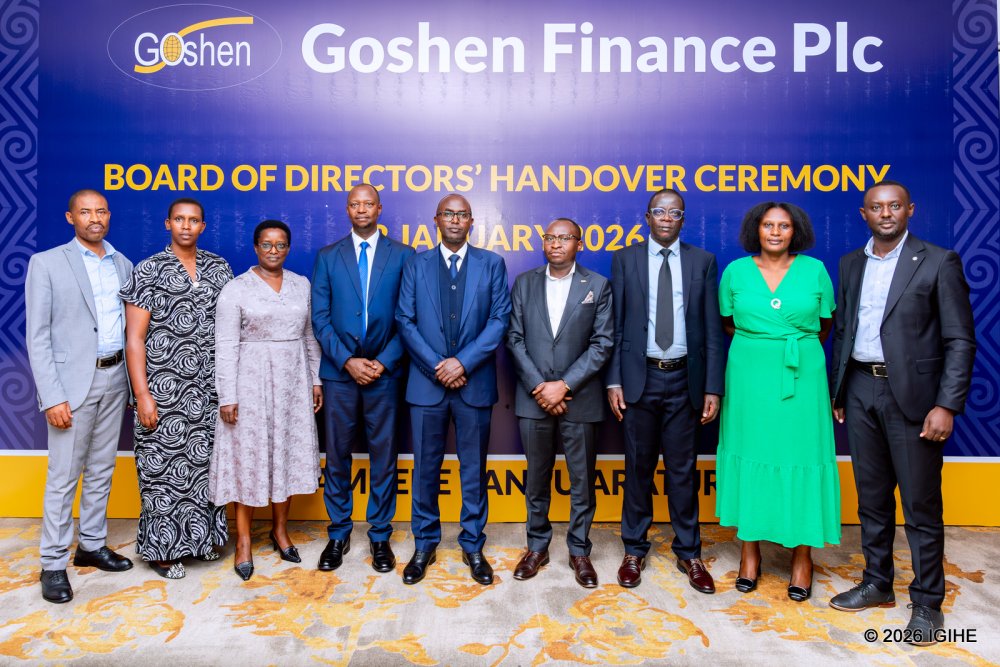
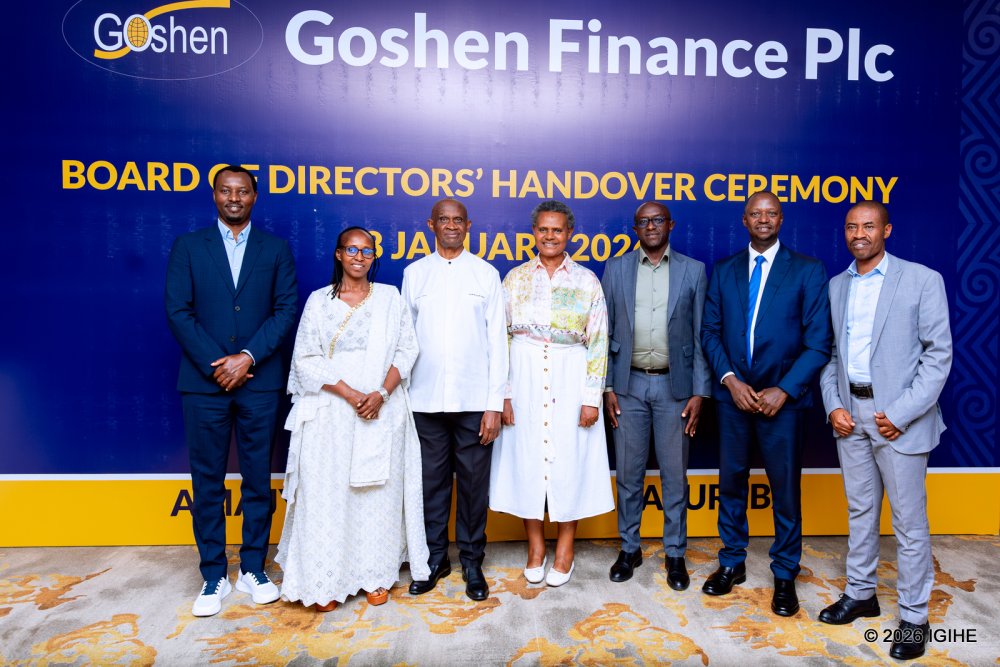
These accomplishments were spotlighted during a formal handover ceremony on January 28, 2026, as the outgoing board transitioned responsibilities to the newly appointed members.
Goshen Finance PLC’s Board consists of nine directors, each serving a three-year term that can be renewed up to twice.
Five new members were elected late last year to replace those whose terms had concluded, while the remaining four carried over and will continue until their individual terms expire. These continuing directors will also guide and mentor the newcomers during the transition.
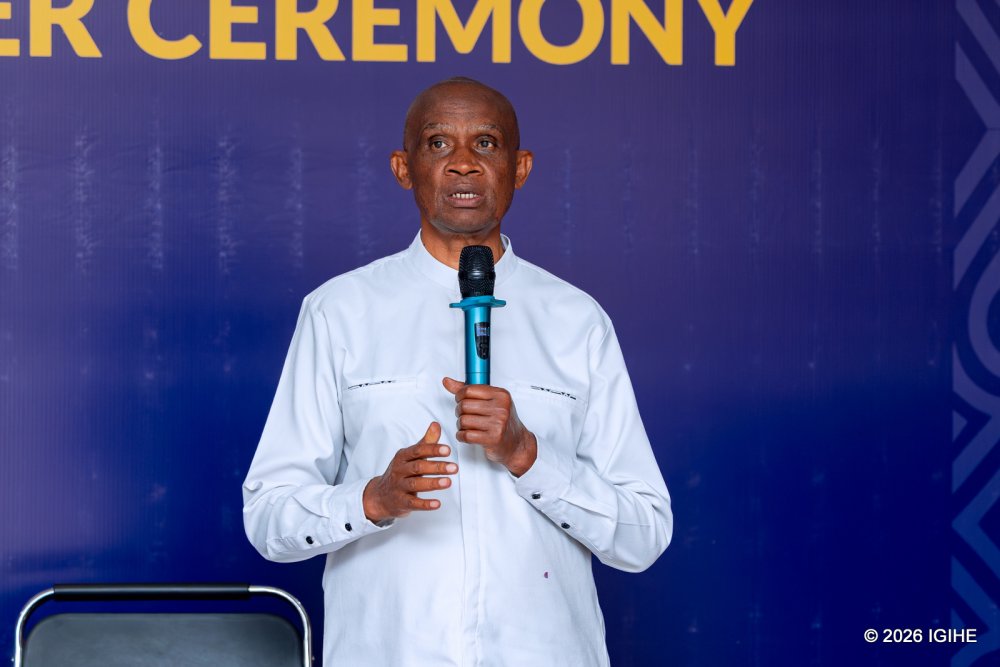
Among the departing members were several who had served the full nine years since joining in 2016, including former Board Chairperson Peter Nkubara. In his remarks, Nkubara highlighted key milestones from their tenure.
He noted that client numbers had surged from 27,270 in 2016 to 73,072 today. Over the same timeframe, total assets grew from Rwf 5.5 billion to more than Rwf 25 billion.
The loan portfolio also saw substantial expansion, rising from Rwf 2.7 billion in 2016 to Rwf 19 billion by the close of 2025, while serving nearly 6,000 individual clients.
Nkubara emphasized the institution’s strong asset quality, with a non-performing loan ratio of only 0.9%, well under the 5% threshold mandated by the National Bank of Rwanda.
Gross profit has shown consistent improvement since 2017, climbing from Rwf 82 million to over Rwf 900 million.
He pointed to other notable advances, such as the introduction of profit-sharing with shareholders beginning in 2023. Nkubara encouraged the incoming board to capitalize on this foundation by forging new partnerships and maintaining the company’s upward trajectory.
“Achieving these results required close collaboration with many partners and stakeholders,” Nkubara remarked. Key allies include the Development Bank of Rwanda, which extended a Rwf 2 billion loan specifically to support farmers, and the U.S.-based nonprofit EDIFY.
Through that partnership, Goshen now manages over Rwf 1.5 billion in low-interest loans for educational institutions, primarily primary and nursery schools.
He urged the new leadership to preserve and build on the trust established, deepen existing collaborations, and further refine loan management across various segments.
Incoming Board Chairperson Jonathan Gatera commended Goshen Finance PLC for remaining true to its Christian values while delivering services and achieving sustained progress since its founding.
Gatera affirmed that he and the new board are dedicated to elevating the institution further, with an ambitious vision of eventually transforming it into a full commercial bank.
“If we set our minds to it, we could make that transition within the next three years,” he said. “We have everything it takes, nothing others possess that we lack, and we also have faith in God’s guidance. Looking at our strengths across operations, I am convinced we can reach this goal by working together and seeking divine direction.”
He added that the board will prioritize extending credit to previously underserved sectors and activities.
Goshen Finance PLC is a microfinance institution affiliated with the Seventh-day Adventist Church. Established in 2005, it now operates nine branches throughout Kigali and various provinces across Rwanda.
In a press release issued on the same day, the Council of the EU said that it decided to impose restrictive measures on 15 Iranian officials and six entities.
With the latest decision, the EU’s restrictive measures now apply to 247 individuals and 50 entities, the Council said.
The measures include asset freezes, travel bans to the EU, and a prohibition on making funds or economic resources available to those listed.
Recently, the EU has further stepped up pressure on Iran, aligning with the United States.
Speaking to reporters during the visit, Trump expressed serious concern about the growing economic engagement between London and Beijing but did not provide detailed specifics on potential consequences for the U.K.
“Well, it’s very dangerous for them to do that,” Trump said when asked about the United Kingdom deepening ties with China. His remarks reflected Washington’s broader scepticism toward closer Western commercial and strategic engagement with Beijing, even as Starmer was in China pursuing expanded cooperation.
Starmer, the first British prime minister to visit China in eight years, had been working to reset relations with President Xi Jinping. The leaders announced several landmark agreements, including 30‑day visa‑free travel for British citizens in China and reduced tariffs on Scotch whisky, moves designed to boost trade and mutual investment.
Starmer described the tone of his talks with Xi as “very warm and constructive” and stressed that the United Kingdom had “a huge amount to offer” China in terms of business opportunities.
Despite Starmer’s efforts to balance economic goals with concerns about human rights and security, Trump’s comments underscored ongoing tensions between the United States and its allies over China’s role in global supply chains and economic systems.
U.S. officials have long cautioned that deepening commercial ties with Beijing could expose Western economies to undue influence and create strategic vulnerabilities, a view Trump reiterated with his warning.
Analysts say Trump’s remarks reflect a broader trend in Washington to view China not only as a competitor but as a geopolitical rival whose growing influence could challenge U.S. leadership and that of its traditional allies. The warning to the U.K. was echoed in Trump’s criticism of Canada for similarly expanding economic engagement with China.
British officials, for their part, emphasized that the agreements reached with China are not part of a formal free‑trade pact but are intended to expand practical cooperation while safeguarding national interests.
Starmer has sought to reassure both domestic critics and international partners that the U.K. is capable of fostering a “sophisticated” relationship with China that includes frank discussions on security issues such as espionage and human rights, including concerns over the treatment of Uyghurs in Xinjiang.
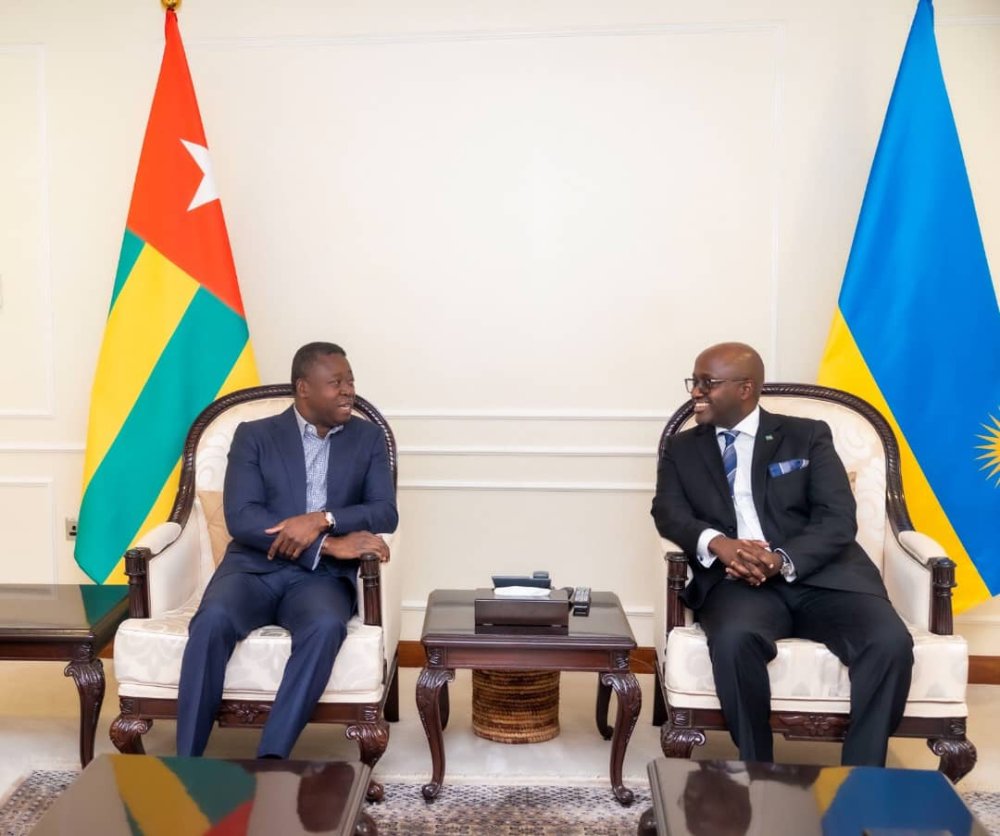
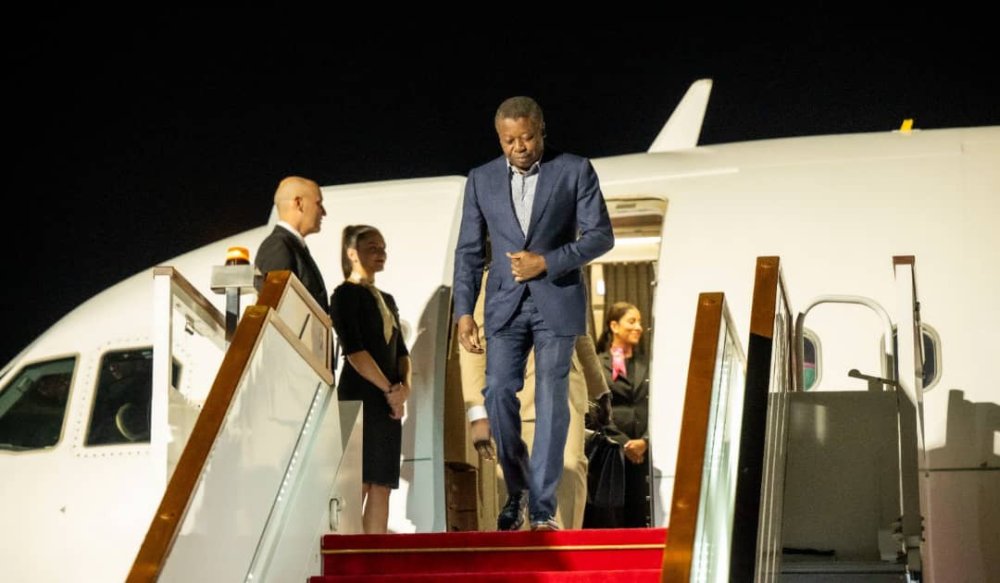
Gnassingbé was received on arrival by Rwanda’s Minister of Foreign Affairs and International Cooperation, Olivier Nduhungirehe, according to a statement shared by the Ministry of Foreign Affairs on X.
In April 2025, President Paul Kagame hosted Gnassingbé shortly after the African Union (AU) appointed Gnassingbé as mediator in efforts to address the crisis in eastern Democratic Republic of the Congo (DRC).
That visit aimed to reaffirm Gnassingbé’s commitment to working with regional and international partners to find a lasting solution to tensions between Rwanda and the DRC. Discussions focused on progress made in regional peace talks intended to achieve sustainable stability.
On March 24, 2025, the Office of the President of Angola announced that President João Lourenço would step down from his role as mediator in the Rwanda–DRC talks, choosing instead to focus on broader continental initiatives.
President Lourenço subsequently submitted Gnassingbé’s candidacy to the African Union. In early April 2025, the AU endorsed the proposal, and on April 12, 2025, the AU General Assembly formally appointed Gnassingbé as mediator between Rwanda and the DRC.
Over the years, Gnassingbé has made several visits to Rwanda, with discussions covering issues including security cooperation and broader African partnerships. In January 2025, he paid a two-day working visit to Kigali, during which he and President Kagame agreed to further strengthen bilateral cooperation between Rwanda and Togo.
Relations between Rwanda and the DRC have strained in recent years due to ongoing conflict in eastern DRC. Kinshasa accuses Rwanda of supporting the AFC/M23 coalition, claims Rwanda strongly denies, instead accusing the DRC of failing to protect its civilians and of collaborating with armed groups responsible for abuses.
Rwanda, in turn, accuses the DRC of supporting and working with the FDLR, a terrorist group composed of individuals responsible for the 1994 Genocide against the Tutsi, which Rwanda says continues to threaten its security.
The appointments were announced through a statement released by the Office of Prime Minister on January 29, 2026.
President Kagame also appointed James Wizeye as Deputy Secretary General of the National Intelligence and Security Service (NISS), a position previously held by Brig Gen Nyirubutama.
In his new role, Brig Gen Nyirubutama will deputize Gen (Rtd) James Kabarebe, who was appointed Senior Security Advisor at the Presidency in December, 2025.
Gen (Rtd) Kabarebe assumed the role after serving as Minister of State in the Ministry of Foreign Affairs and International Cooperation.
For many former colonies, however, this approach falls short – above all because such formulas are rarely accompanied by a clear acknowledgement of responsibility for the actions of the colonial state.
The colonial period left behind not only an administrative and institutional legacy, but also large-scale episodes of violence, the consequences of which have yet to receive a clear legal assessment. In many countries, this experience continues to be discussed in political, academic and public spheres, but rarely translated into institutional or legal frameworks.
Although Rwanda’s colonial history is not linked exclusively to France, the French role during the late colonial and post-colonial periods remains the subject of intense debate. Questions of political responsibility, access to archives and the interpretation of events at the end of the 20th century regularly return to the public and diplomatic agenda. At the same time, the earlier colonial experience and its long-term consequences are still rarely examined in legal terms, remaining part of a fragmented historical narrative.
In recent decades, the prevailing approach in France has been to treat the colonial past as a historical chapter open to symbolic reflection, but not to legal reassessment. Acknowledgements of individual episodes, commemorative initiatives and joint ceremonies have not been accompanied by a systematic discussion of state responsibility as such.
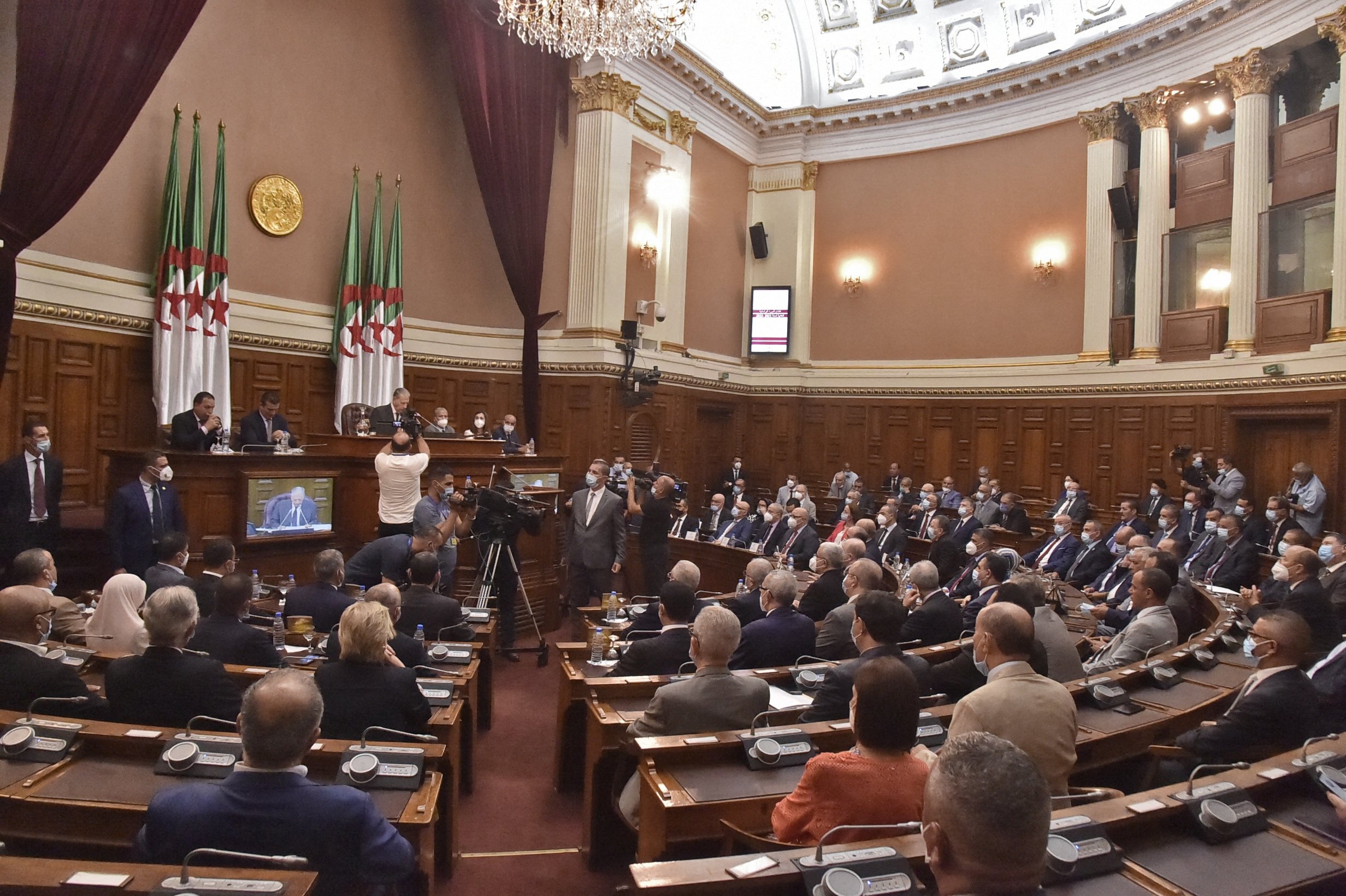
Against this backdrop, particular attention in Africa has been drawn to a step taken by Algeria at the end of 2025, when the country’s parliament unanimously [adopted->https://www.theguardian.com/world/2025/dec/24/algeria-passes-law-declaring-french-colonisation-crime] legislation placing French colonisation between 1830 and 1962 within a criminal legal framework.
“France wants to persuade others that any crimes were isolated incidents, but what happened in Algeria and in other African countries under French occupation were war crimes and crimes of the state,” Mohamed Meshkak, a member of Algeria’s National People’s Assembly, told El Bilad.
This was not a political declaration, but a carefully drafted legislative act setting out a list of specific crimes and mechanisms of accountability.
During parliamentary debates in Algeria, it was emphasised that colonialism could not be regarded as a collection of isolated excesses or the result of decisions taken by individual officials.
According to the authors of the law, it constituted a systematic policy involving mass killings, the forcible seizure of land, the destruction of institutions, the suppression of resistance, and the use of prohibited practices.
A separate section of the document addresses the consequences of French nuclear tests conducted in the Algerian desert between 1960 and 1966. Algeria is demanding the decontamination of affected areas, the transfer of maps identifying test sites, and compensation for victims.
Speaking on AL24 News, Ali Rabidj, a member of Algeria’s parliament, said the crimes of French colonialism were not confined to the past, pointing to the lasting effects of nuclear tests and minefields whose locations have never been fully disclosed.
Significant attention in the text of the law is also devoted to the issue of archives. Algeria has formally asserted its right to full access to materials from the colonial period, stating that such archives are not subject to statutes of limitation and cannot be the object of political bargaining.
Parliamentary speakers stressed that without access to documents, neither an objective study of the past nor a substantive discussion of responsibility is possible.
“The Algerian archive is a legal right of Algeria; it is not subject to any statute of limitations and cannot be the subject of division,” Zakaria Belkheir, a member of parliament and coordinator of the committee that drafted the bill, said in remarks broadcast on Elwatania TV.
At the same time, Algerian authorities insist that this is not about severing relations with France. On the contrary, official statements emphasise that stable and equal relations are only possible on the basis of a clear and honest understanding of history. In Algerian discourse, the idea has repeatedly been voiced that memory without responsibility turns into an empty rhetoric incapable of resolving the painful questions of the past.
President Abdelmadjid Tebboune has repeatedly stressed that recognition of colonial crimes is a fundamental condition for building balanced relations with France.
This approach stands in marked contrast to the familiar logic of Franco-African relations, where the past is left to historians and politics is confined to current cooperation. Algeria has effectively taken the opposite course, transferring the historical question into the legal domain and enshrining it in law.
It is precisely this factor that is now drawing attention across Africa and beyond. Algeria’s move is seen not as an act of confrontation, but as an attempt to give the colonial past a clear legal qualification, rather than relying on vague formulas about memory and reconciliation.
In many African states, colonial archives, interpretations and even educational materials are still shaped outside the continent. This directly affects how the past is understood within societies themselves and how it is presented internationally. In this sense, control over the historical narrative becomes not an abstract category, but an element of real sovereignty.
“Algeria’s parliament unanimously approved a law criminalising French colonisation from 1830 to 1962 and calling for an official apology from France,” said Daniel Marques, a journalist with Angola’s state broadcaster RNA, reporting on the vote.
Algeria has become the first African country to enshrine such a position in legislative form. This step does not close the discussion, but it reshapes its framework, proposing that colonial legacy be addressed not only as a matter of memory, but also as a matter of law.