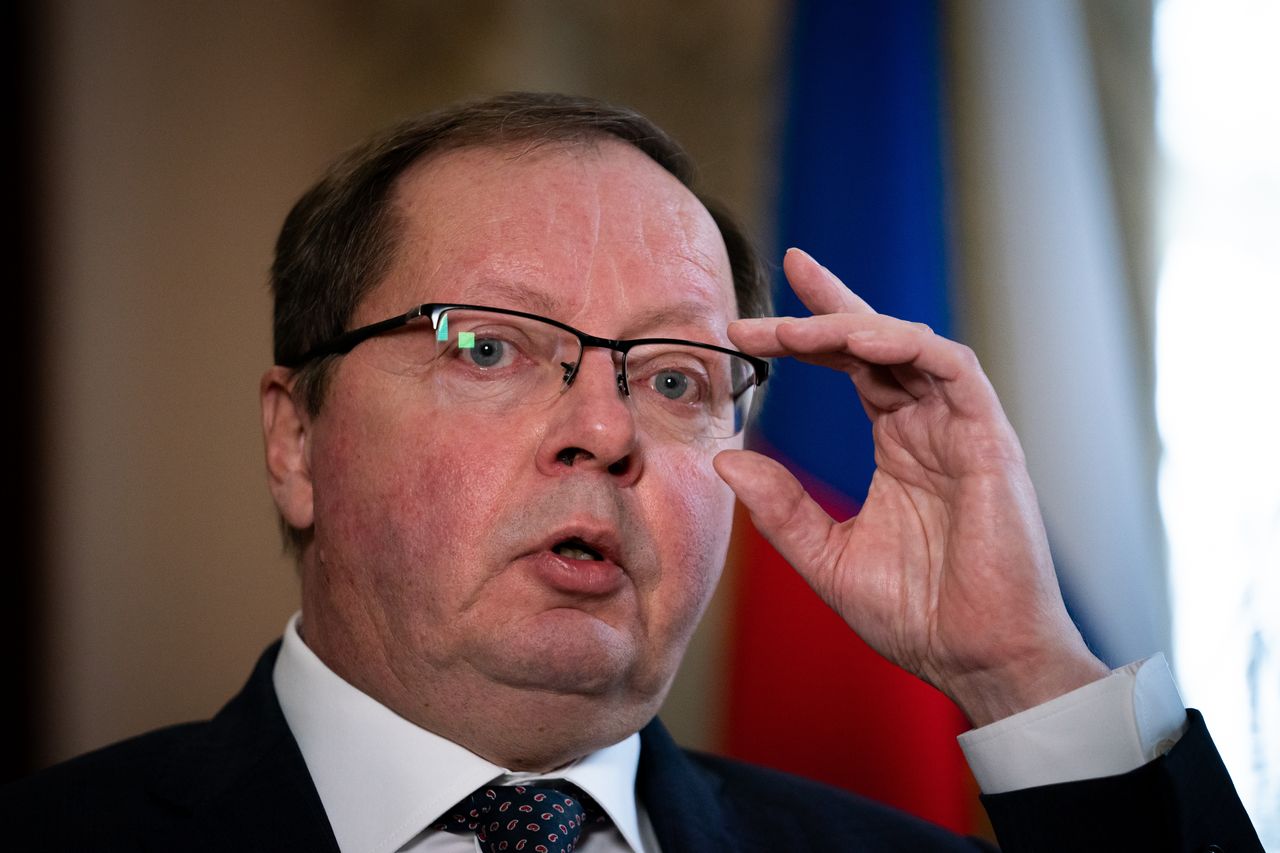
U.S. President Donald Trump’s special envoy, Steve Witkoff, and Iranian Foreign Minister Seyyed Abbas Araghchi are reported to plan a meeting in Istanbul on Friday to discuss a potential nuclear deal and other issues, Axios cited a U.S. official as saying on Monday.
But Iranian media later cast doubt on the reports. Tasnim, citing Iranian officials, said details of the talks have not been finalized. “The potential negotiations are still at a preliminary stage, and once the overall framework and structure of the talks take shape, subsequent stages and further details will be finalized,” the agency reported.
Earlier Monday, Iranian Foreign Ministry spokesperson Esmaeil Baghaei said Tehran was carefully studying the structure of potential negotiations with Washington, with a focus on lifting sanctions and advancing national interests.
He emphasized that sanctions relief remains a core priority. Baghaei cited Araghchi as saying the nuclear issue has long been used as a pretext for conflict against Iran, and added that Iran’s primary demand in any talks is “the removal of unjust sanctions.”
Iranian President Masoud Pezeshkian has reportedly ordered the start of negotiations with the United States on the nuclear issue, according to semi-official Fars News Agency, citing an unnamed government source. Fars also reported that talks would likely take place in Türkiye in the coming days.
Trump on Sunday warned that if Iran fails to reach a nuclear deal with Washington, the United States would assess whether Iranian Supreme Leader Ali Khamenei’s claim that an attack could spark a regional war is accurate. Araghchi told CNN the same day that a “just, fair, and equitable” nuclear deal with the United States remains achievable if Washington abandons coercive policies.
{{Tensions remain high}}
The developments come amid heightened U.S.-Iran tensions. The Trump administration deployed an aircraft carrier strike group and multiple warships to the Middle East in late January, with the U.S. leader continuing to send warnings to Tehran.
Also on Monday, the Israeli military announced that Israeli and U.S. naval forces conducted a joint exercise in the Red Sea a day earlier.
The drill is part of the ongoing strategic coordination between the Israeli Navy and the U.S. 5th Fleet, which oversees maritime operations in the Red Sea, Gulf of Aden, and Gulf of Oman, the Israeli military added. Officials characterized the maneuvers as a routine effort to strengthen regional security and interoperability between the two partners.
In response to the military buildup, Iran’s Armed Forces’ Chief of Staff Abdolrahim Mousavi warned that Tehran’s response to “the slightest mistake” by the United States could trigger a regional war, according to official news agency IRNA. He said Iran cannot be “blockaded” and any attack would have severe consequences for U.S. forces and their allies.
Washington has said any deal with Iran must include a ban on uranium enrichment, the removal of already enriched material, limits on long-range missiles, and a rollback of support for regional proxies. Analysts said such conditions would be “very difficult” for Iran to accept.
A senior Iranian security official told Fars on Monday that Tehran does not plan to send enriched nuclear materials abroad, after Russia and Türkiye suggested they could host or process Iran’s uranium to ease tensions.
Regional diplomacy is also active. Jordan’s Foreign Minister Ayman Safadi assured his Iranian counterpart that Jordan would not allow its territory or airspace to be used for attacks on Iran. “Jordan will not be a battleground in any regional conflict or a launching pad for any military action against Iran,” the ministry said. Similar assurances have come from other regional countries, including the UAE and Saudi Arabia.
{{Domestic security operations}}
Iranian authorities on Monday said they arrested four foreigners of undisclosed nationalities for “participation in riots” in Tehran province. State television reported that homemade stun grenades were found during searches of suspects’ belongings. Authorities have accused Israel and the United States of involvement in the unrest.
The office of President Pezeshkian released a list Sunday of 2,986 people killed in the unrest, compiled from data provided by the Iranian Legal Medicine Organization. The total death toll, including unidentified victims, stands at 3,117. The statement emphasized a commitment to transparency and accountability, pledging that no bereaved family would be left unheard.
Weeks of protests over the sharp depreciation of the rial swept cities across Iran from late December to January. Initially peaceful, the demonstrations escalated into clashes that caused casualties and damage to public property, including mosques, government buildings, and banks. Tehran has blamed the unrest on the United States and Israel.
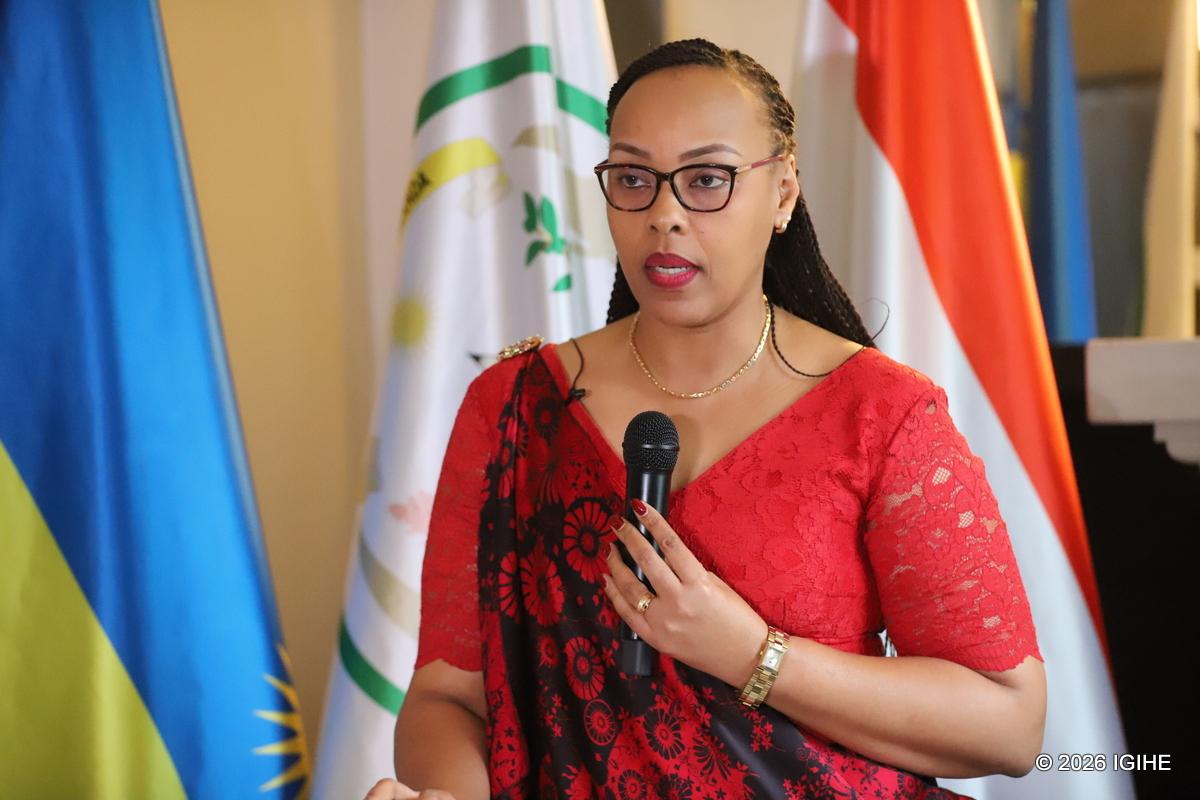
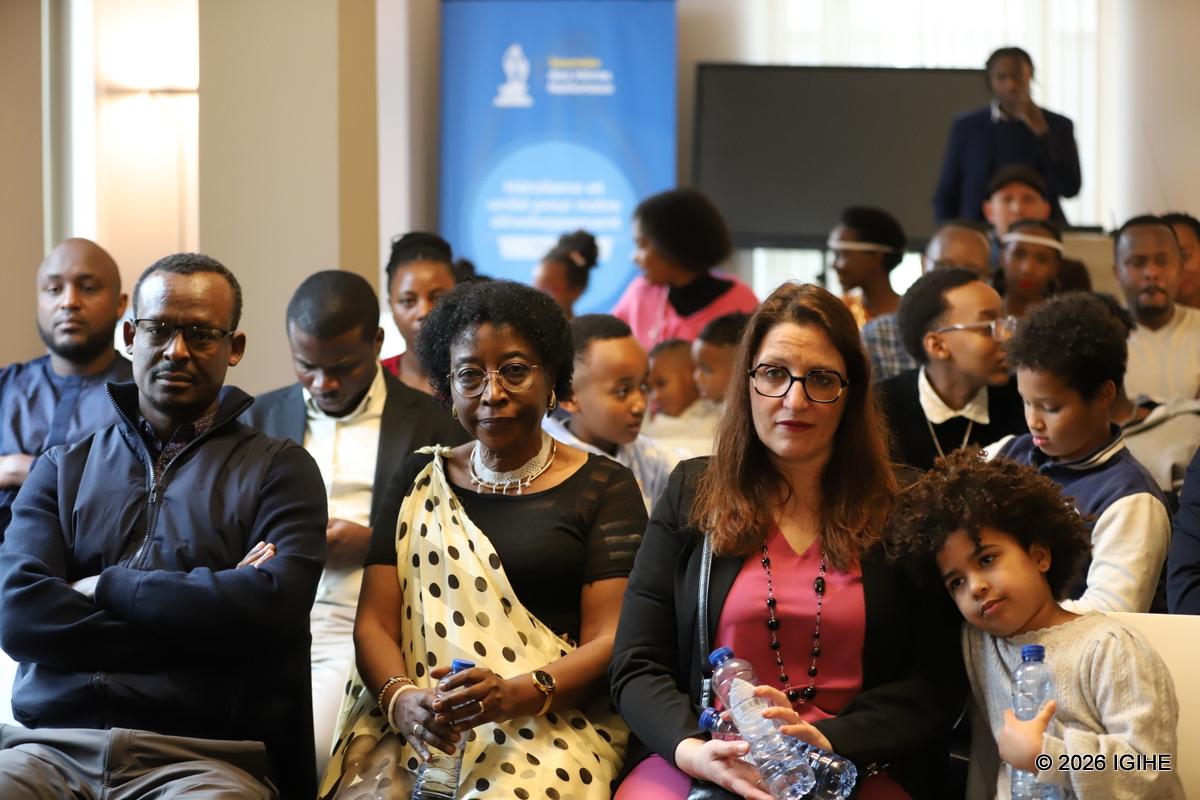
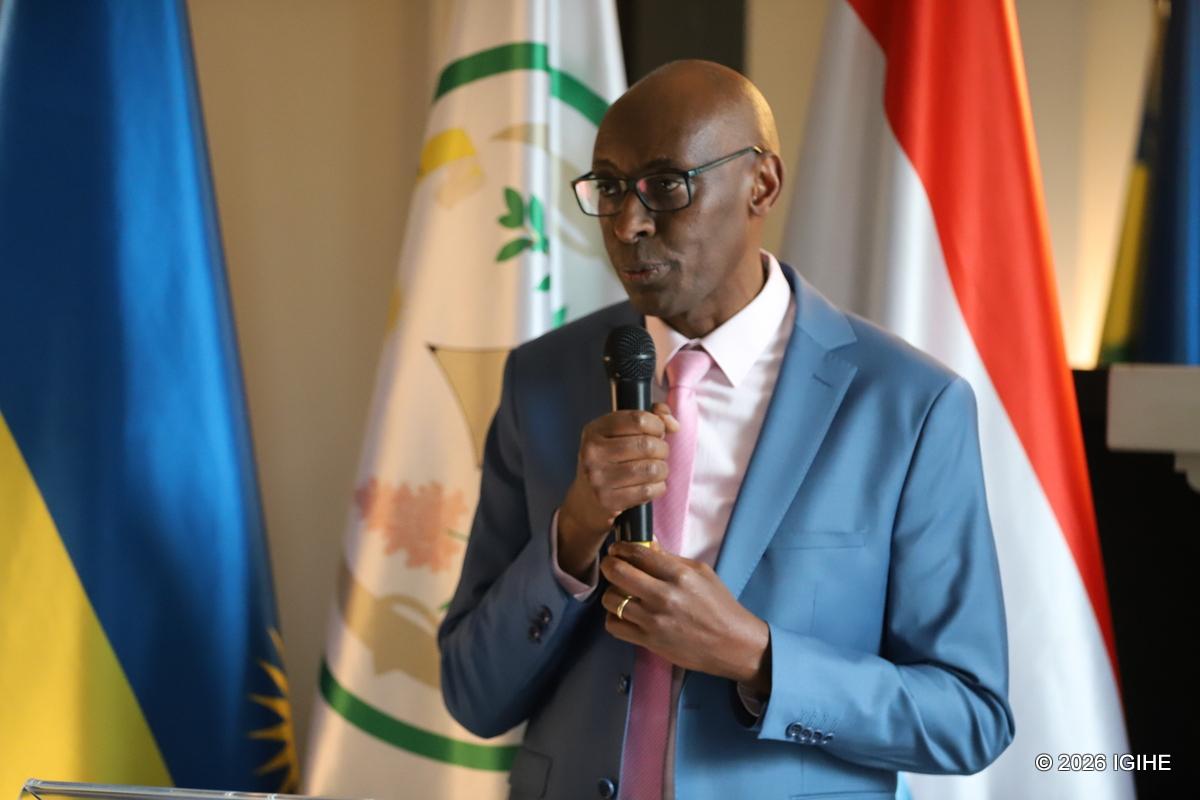
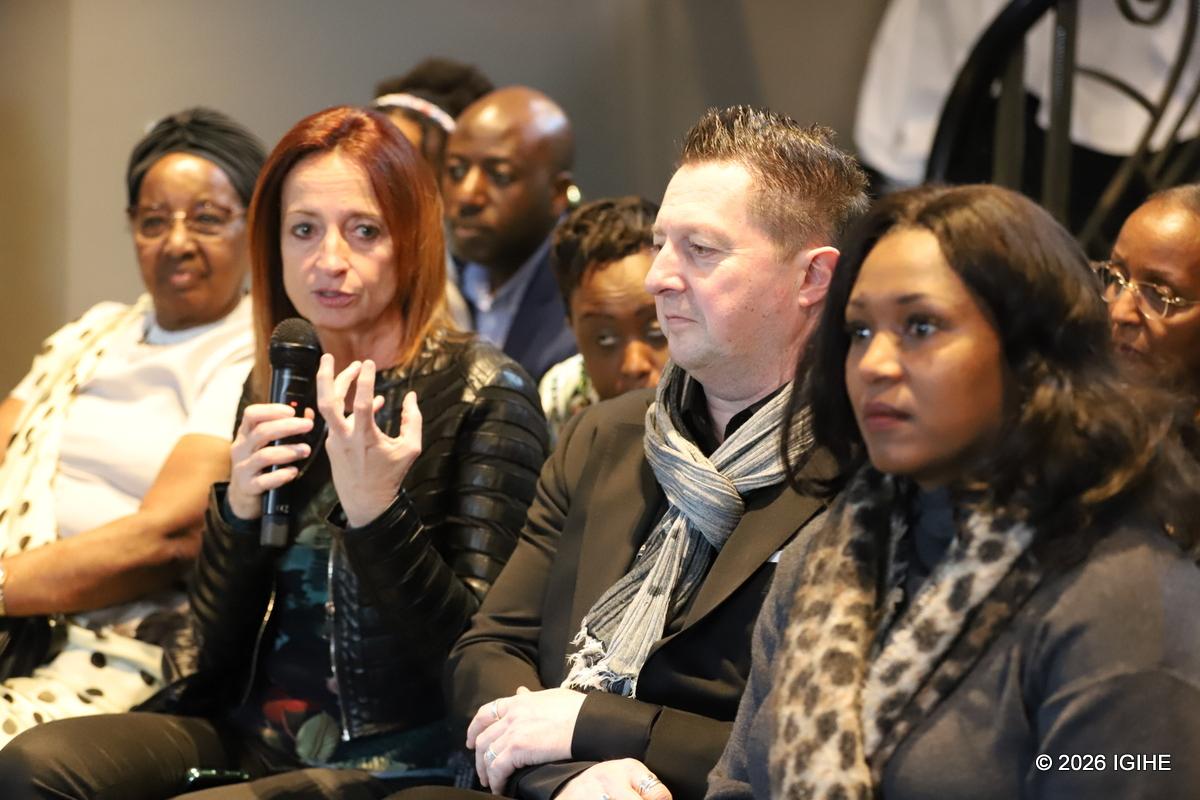
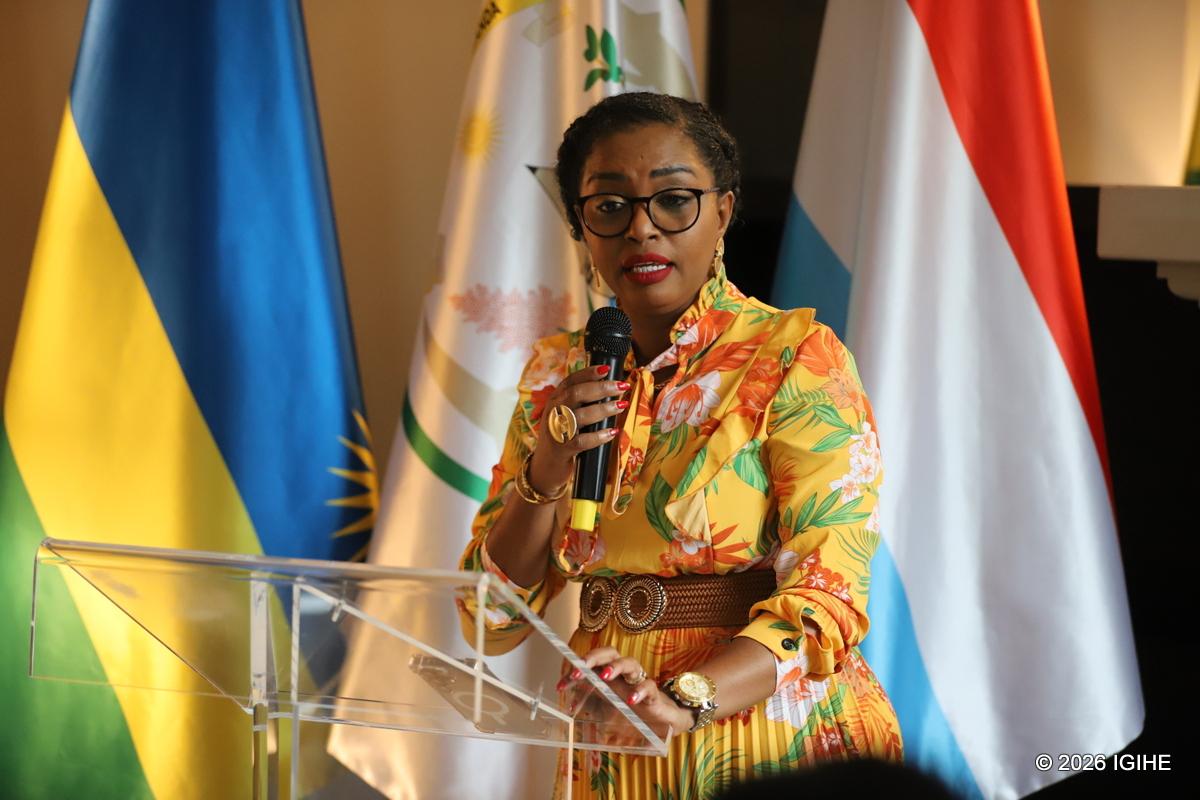
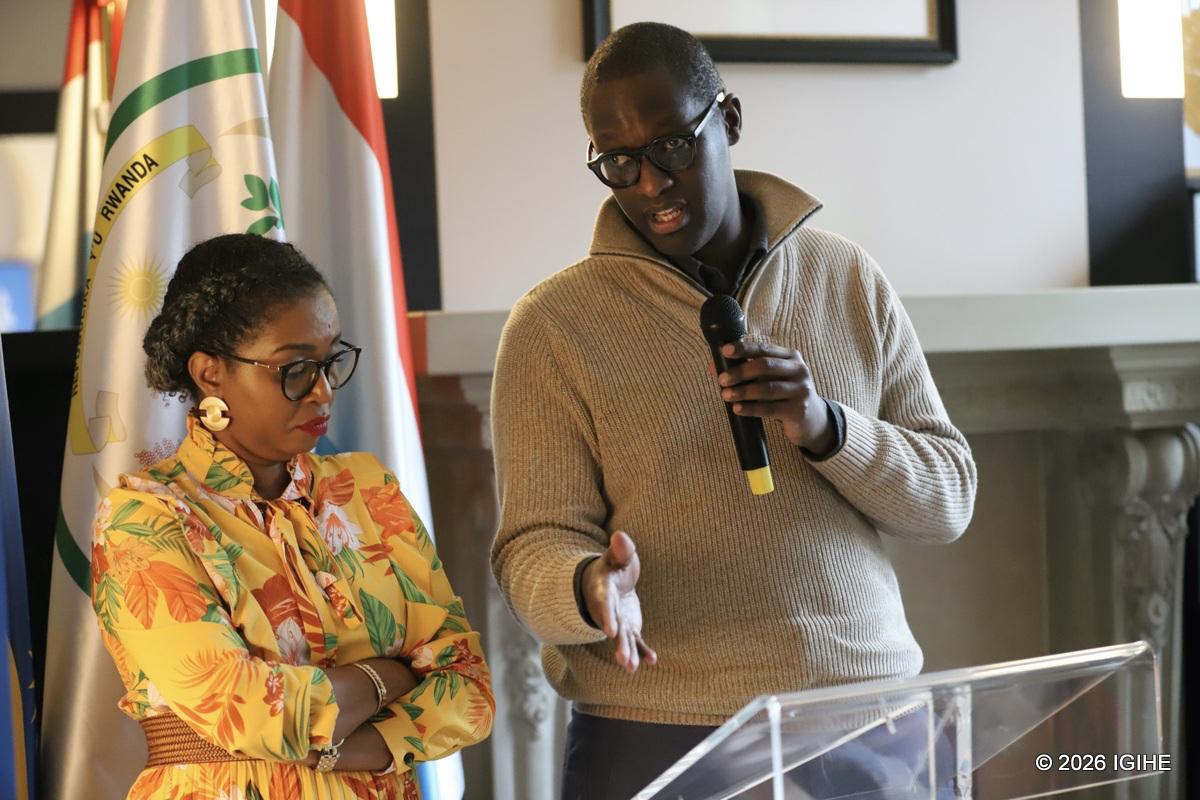
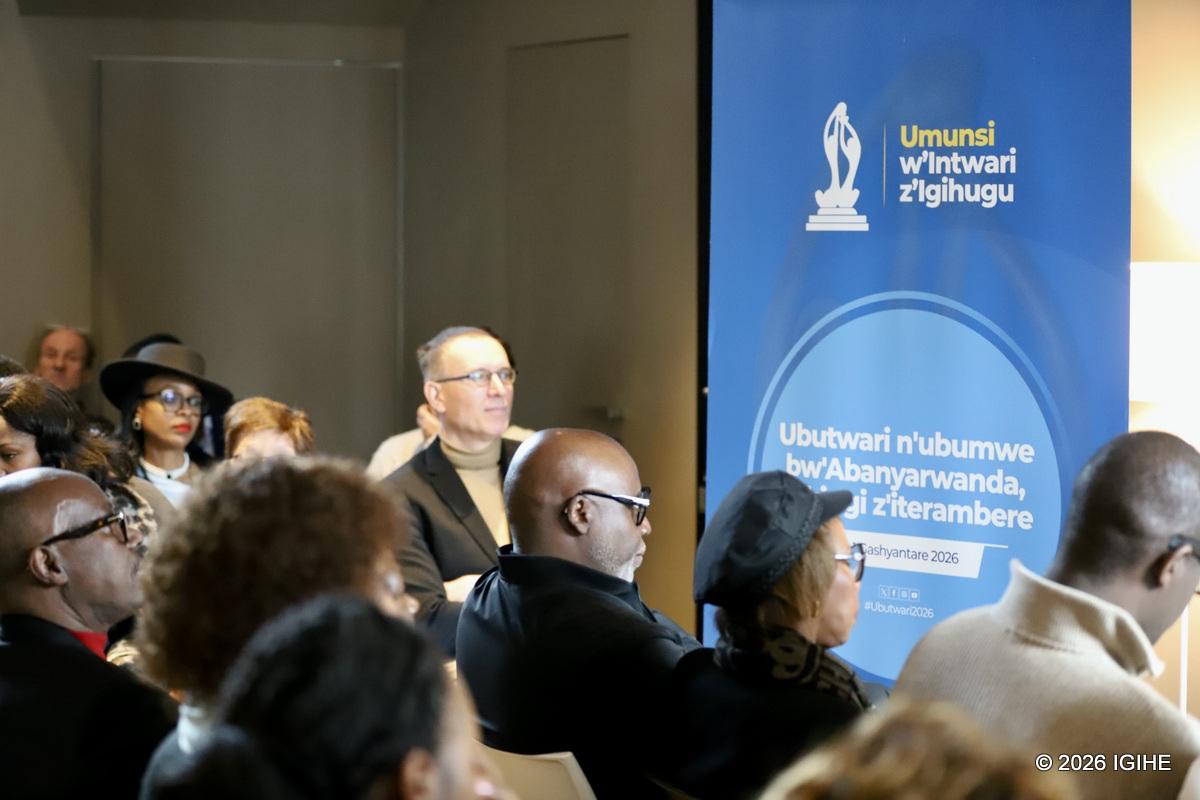
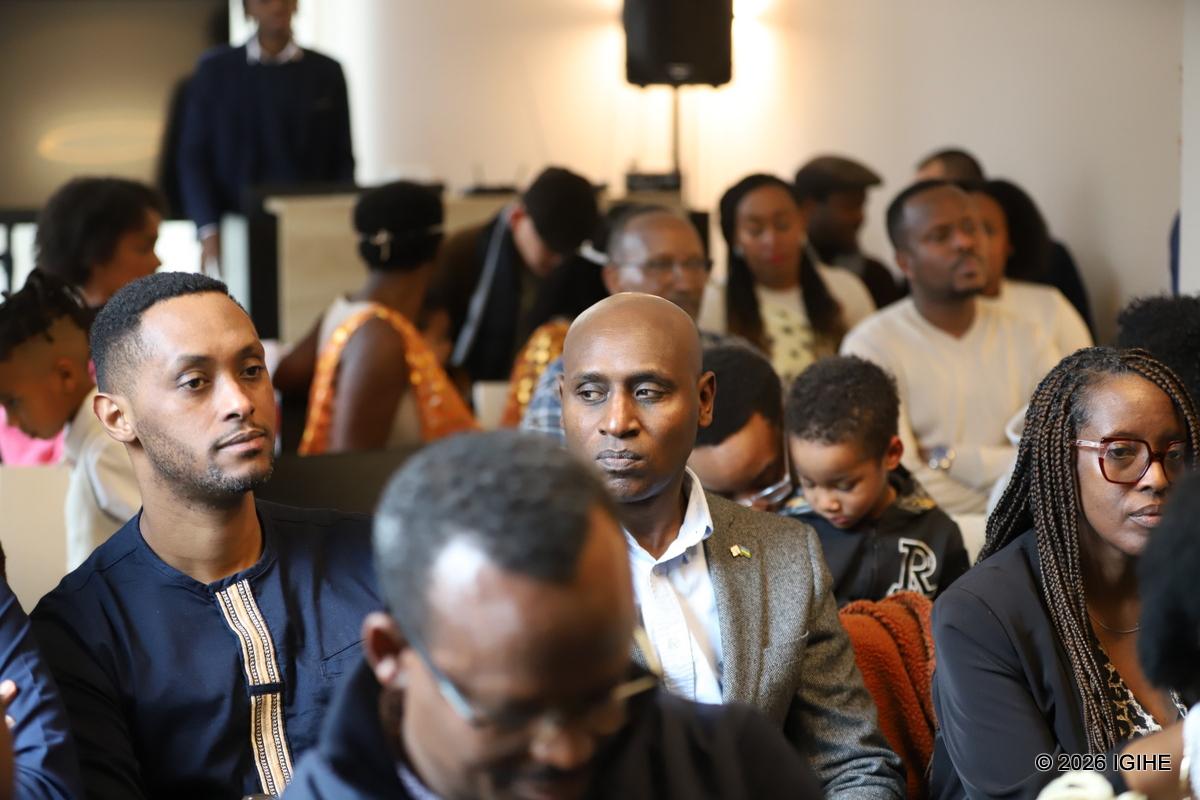
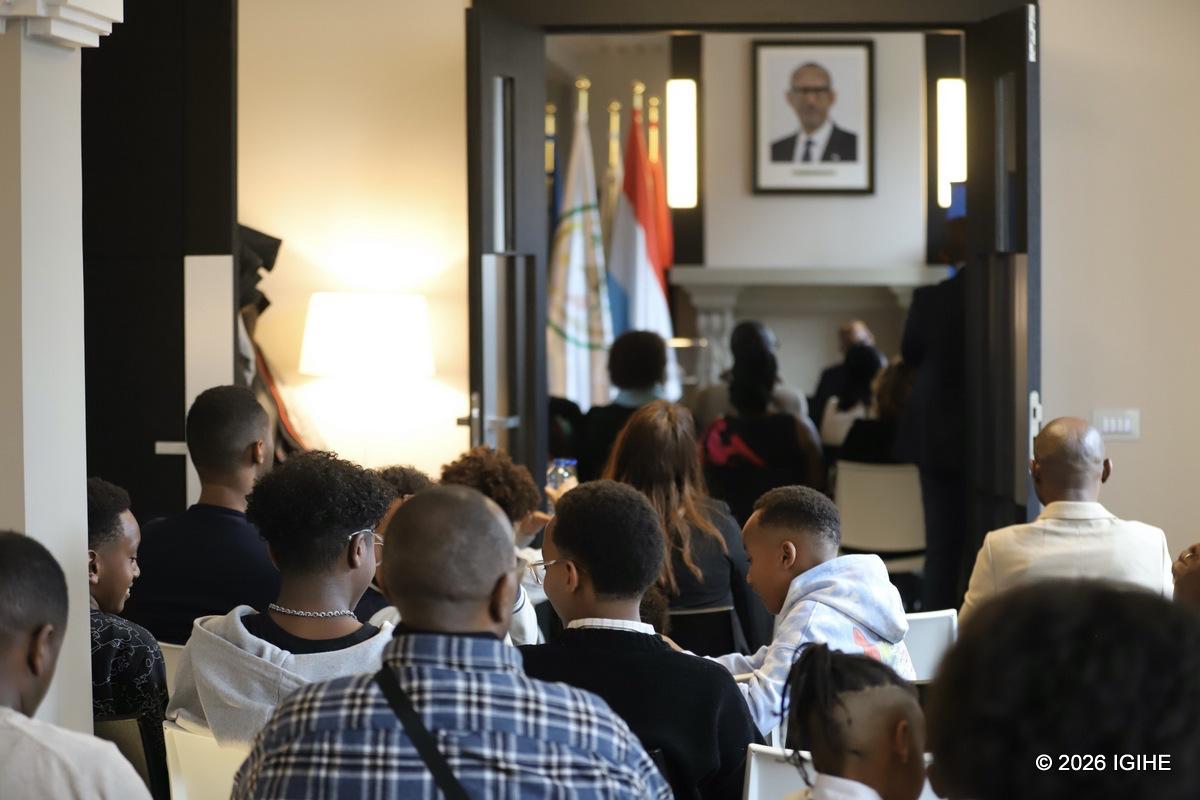
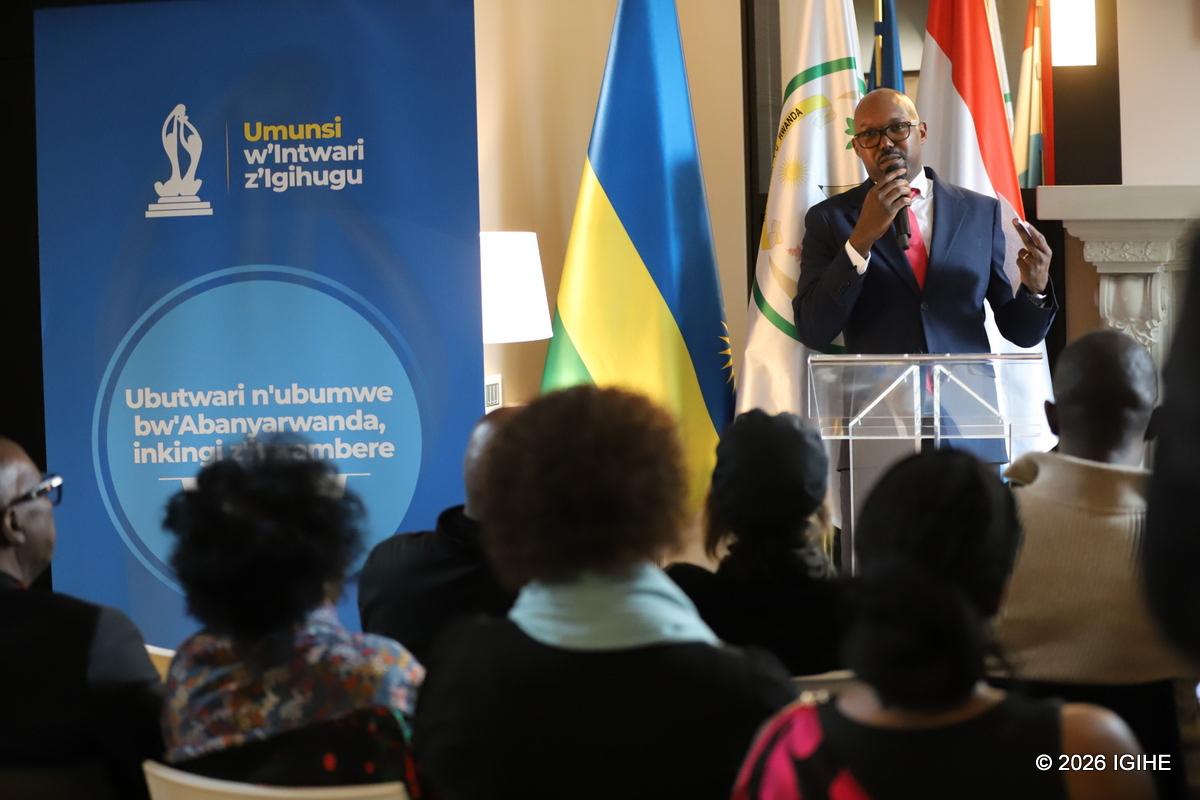
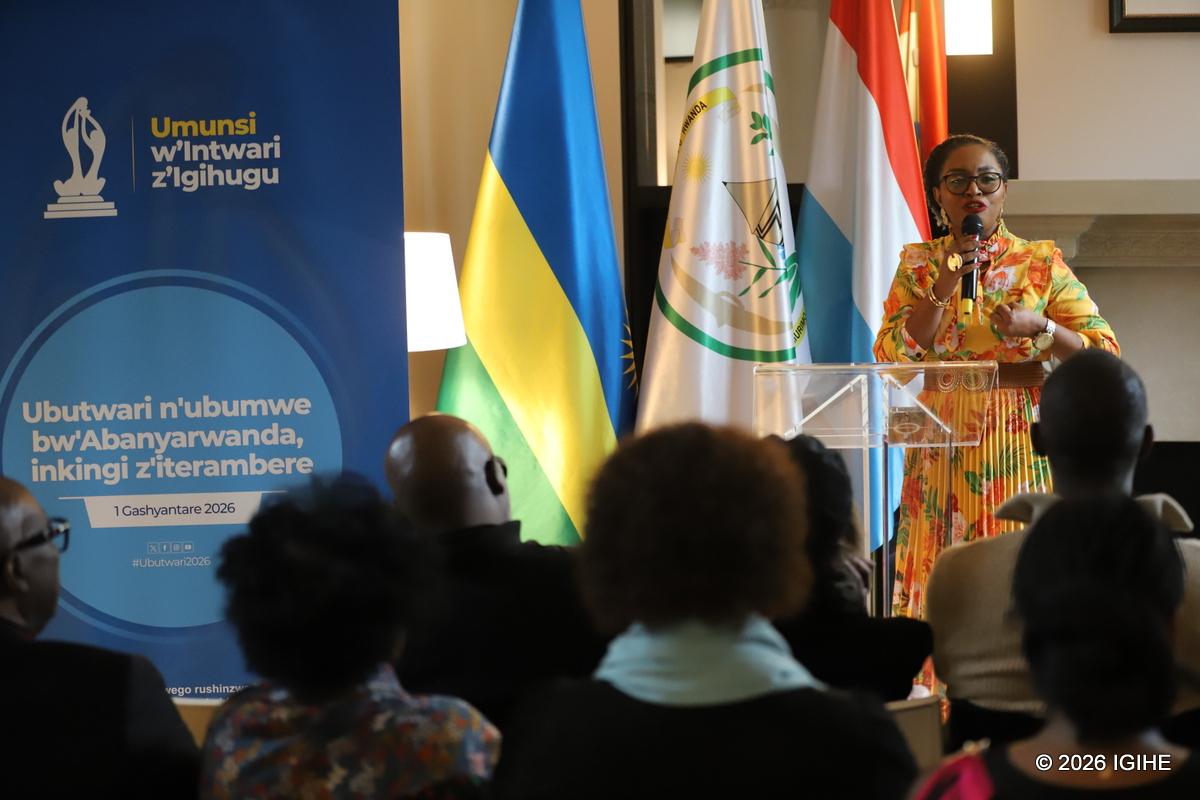
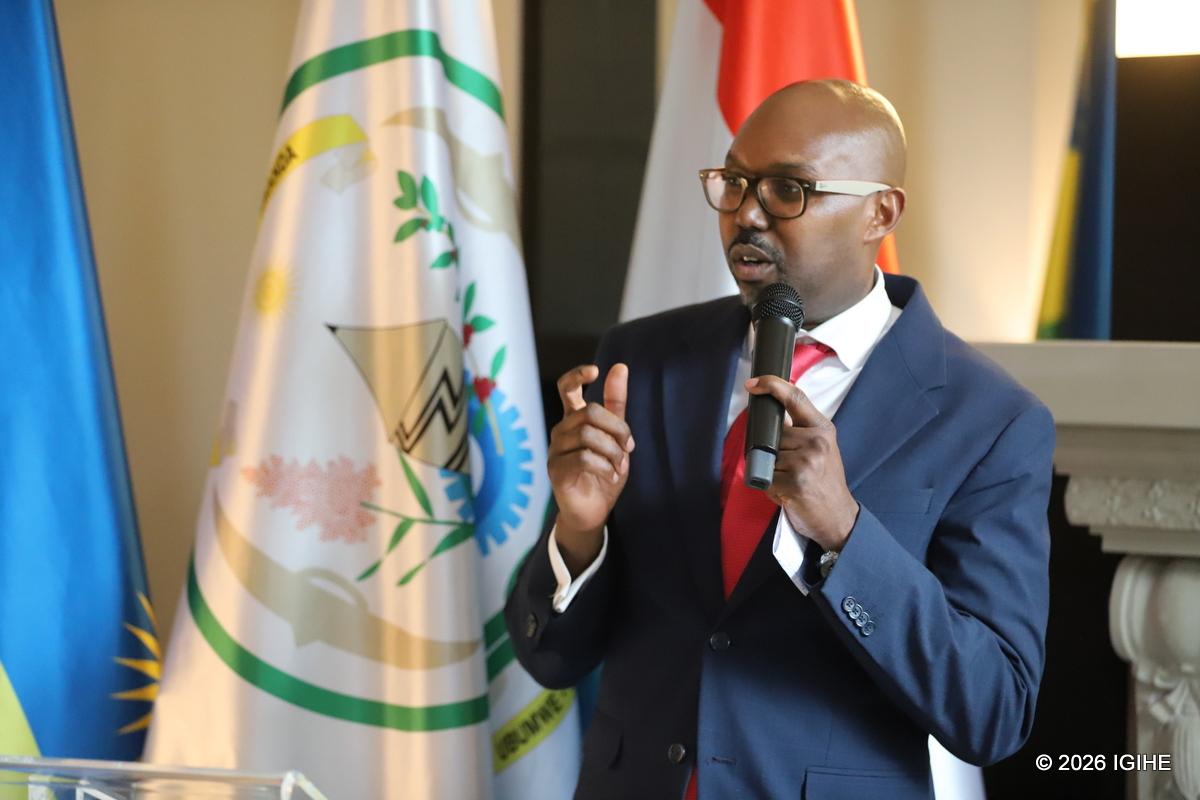
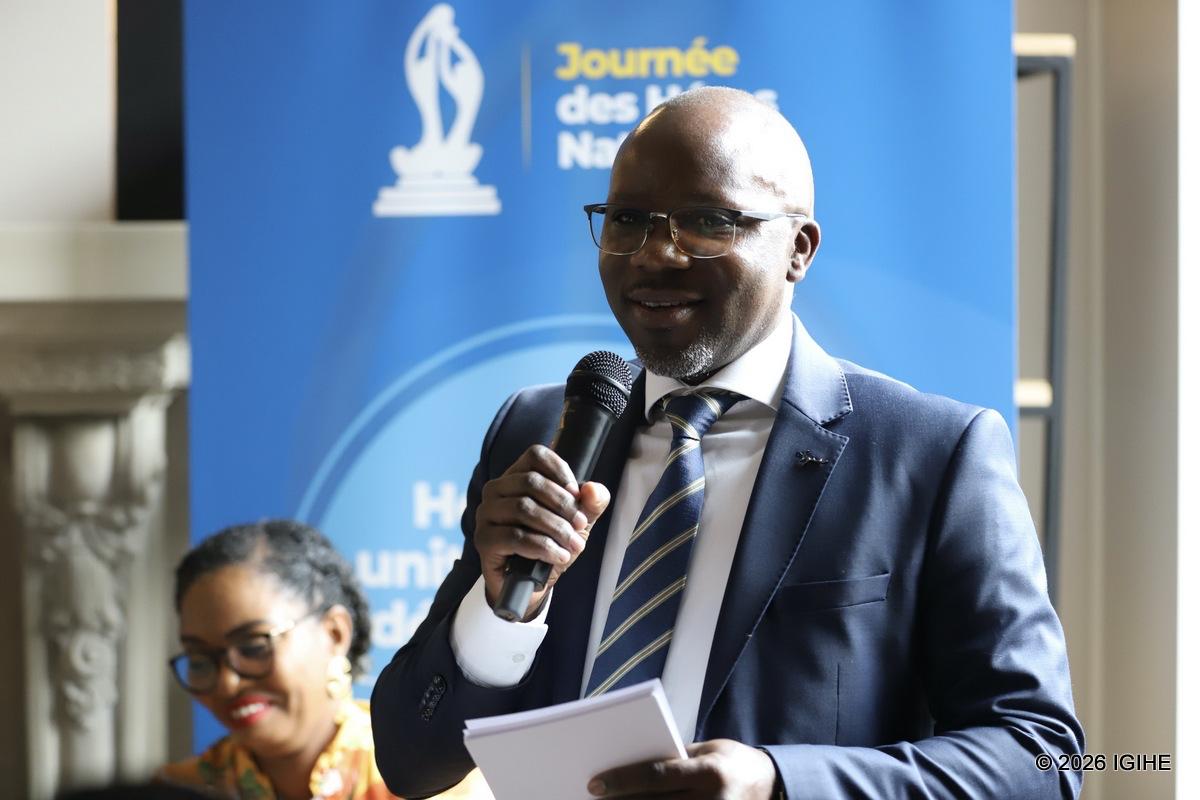
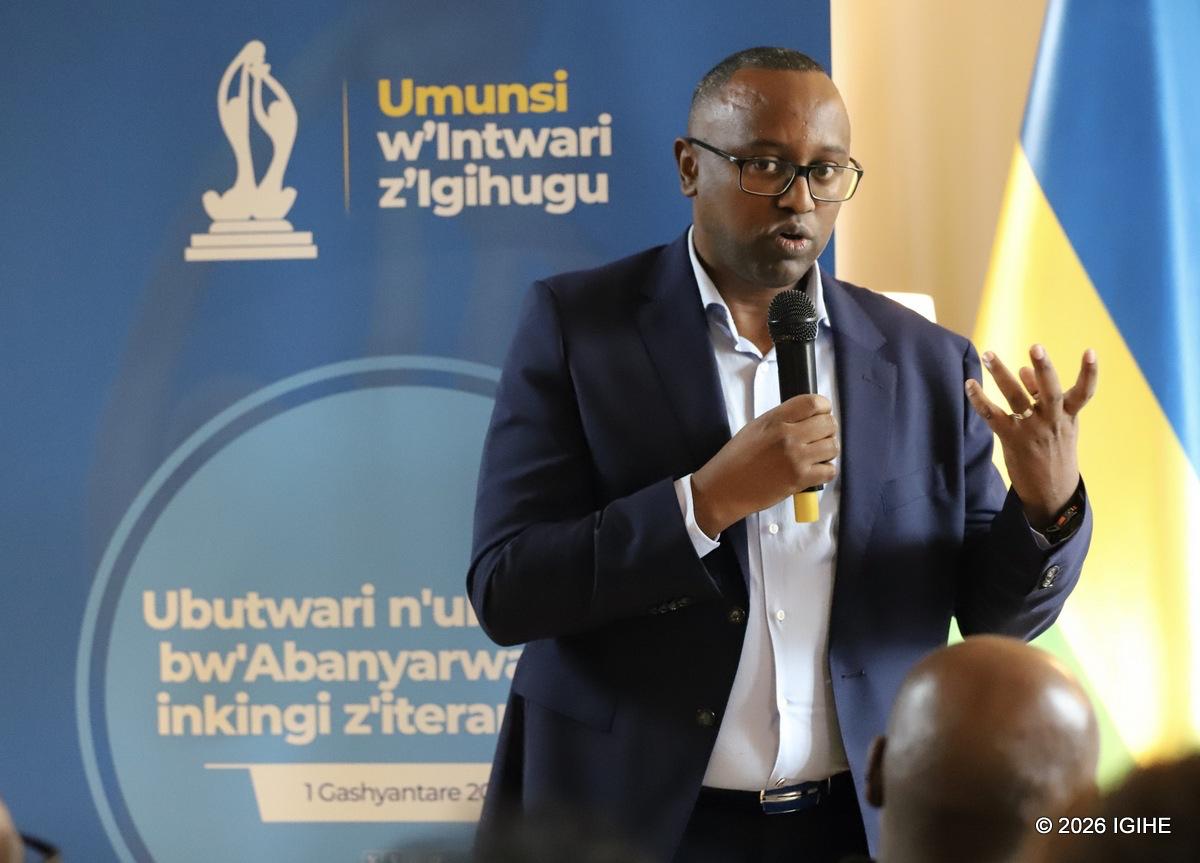
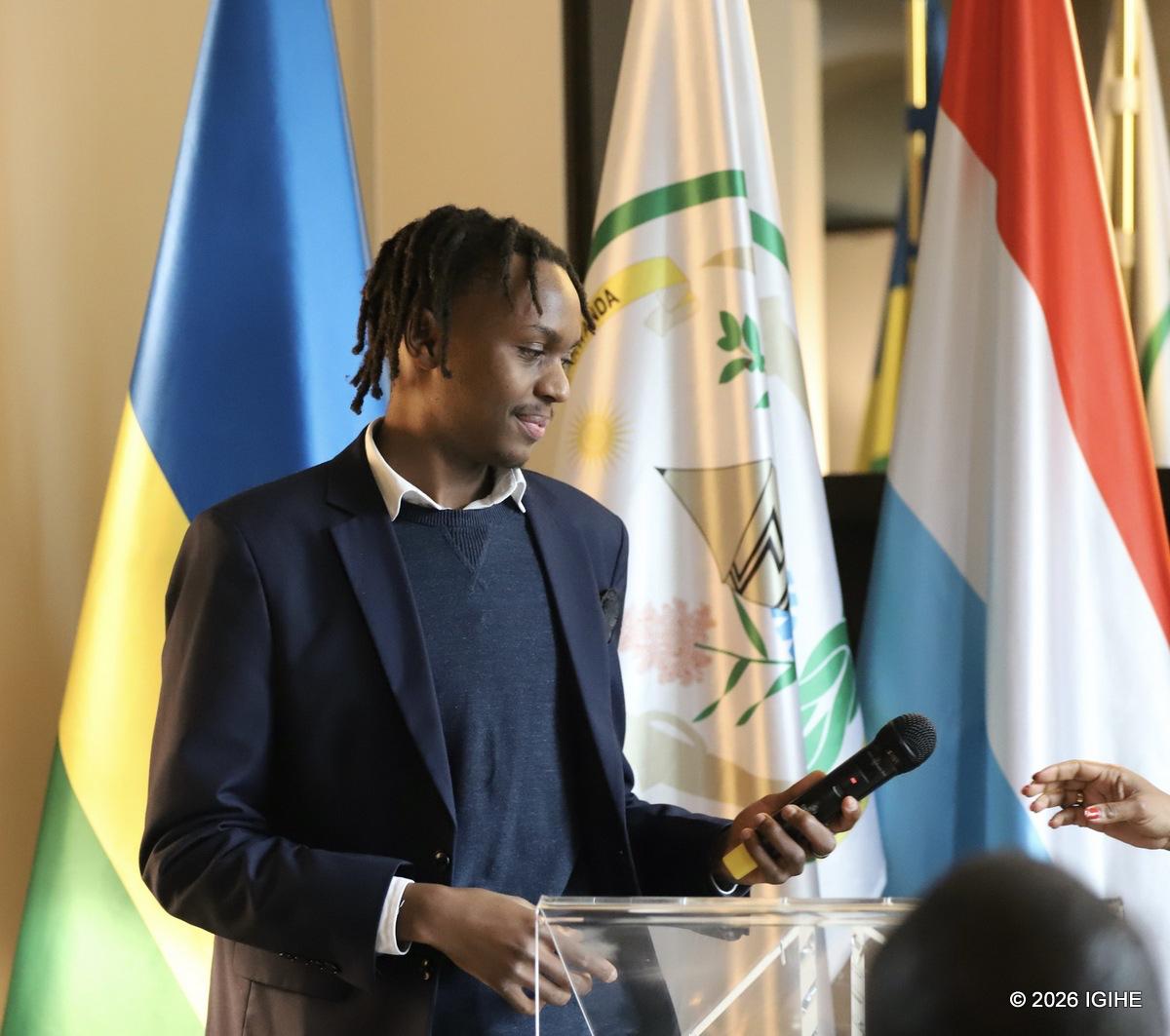
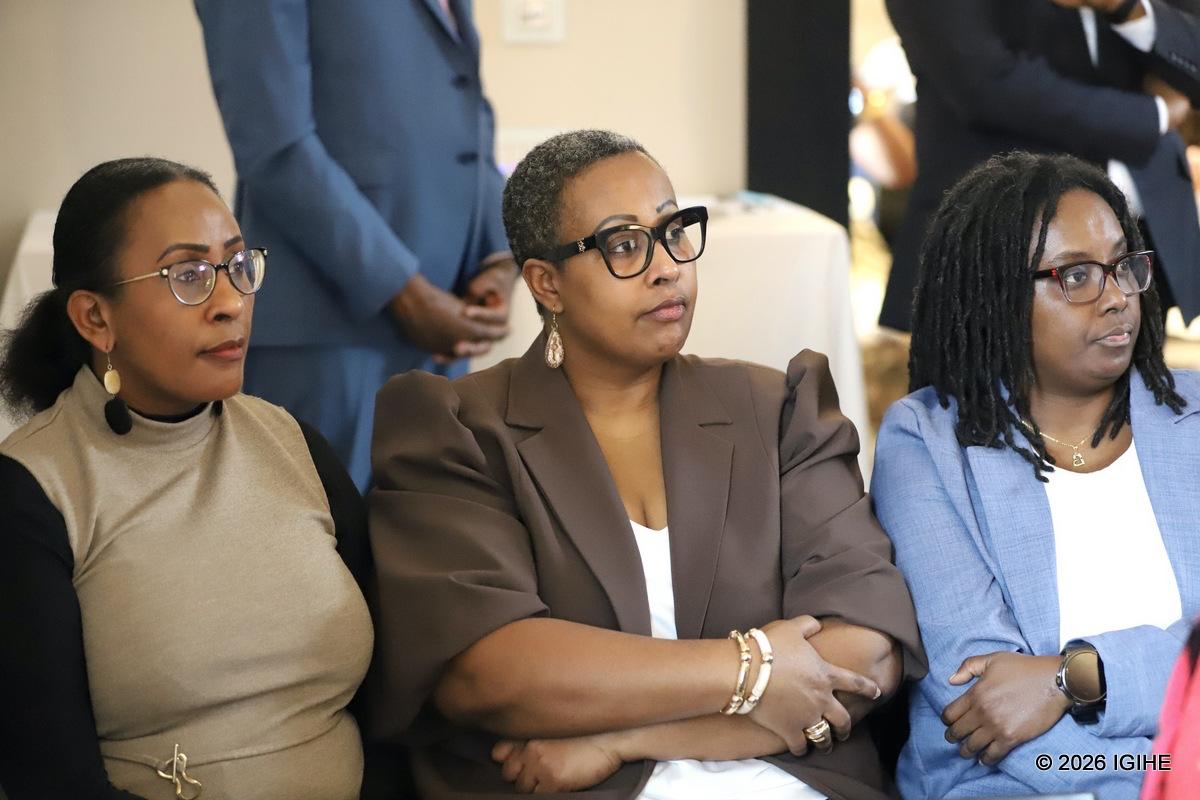
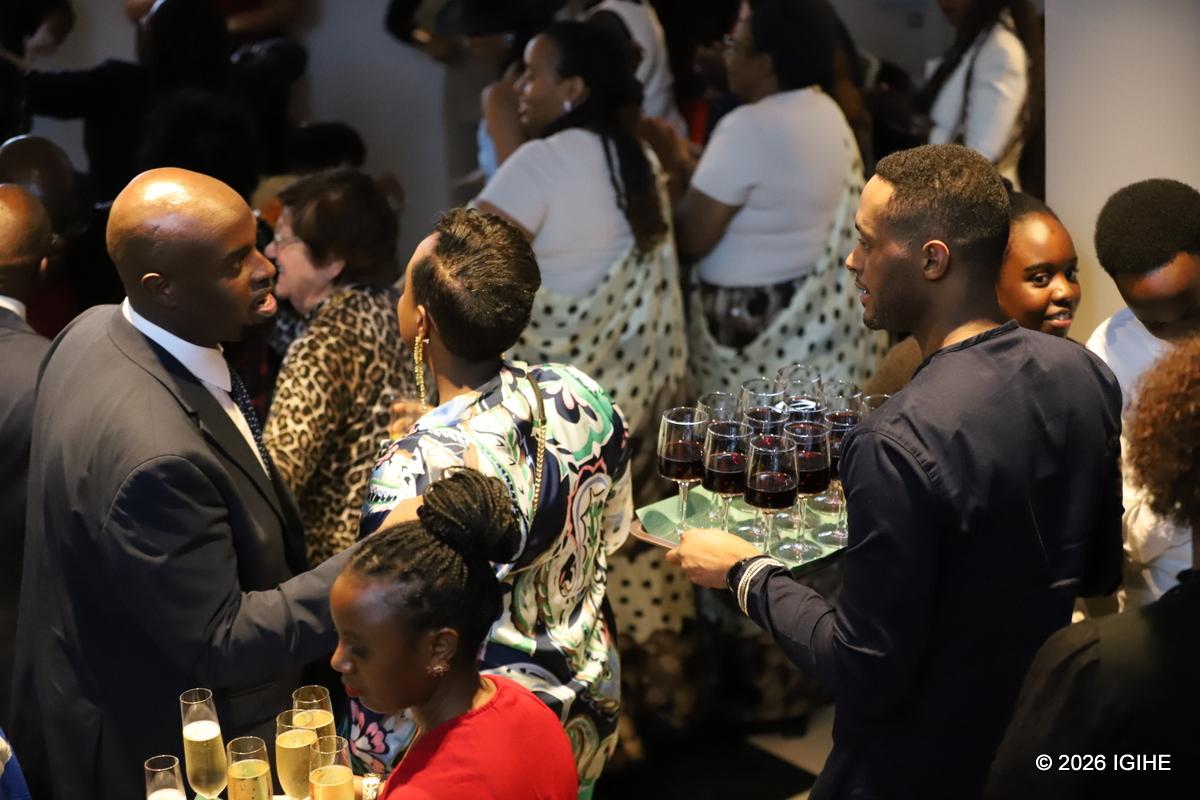
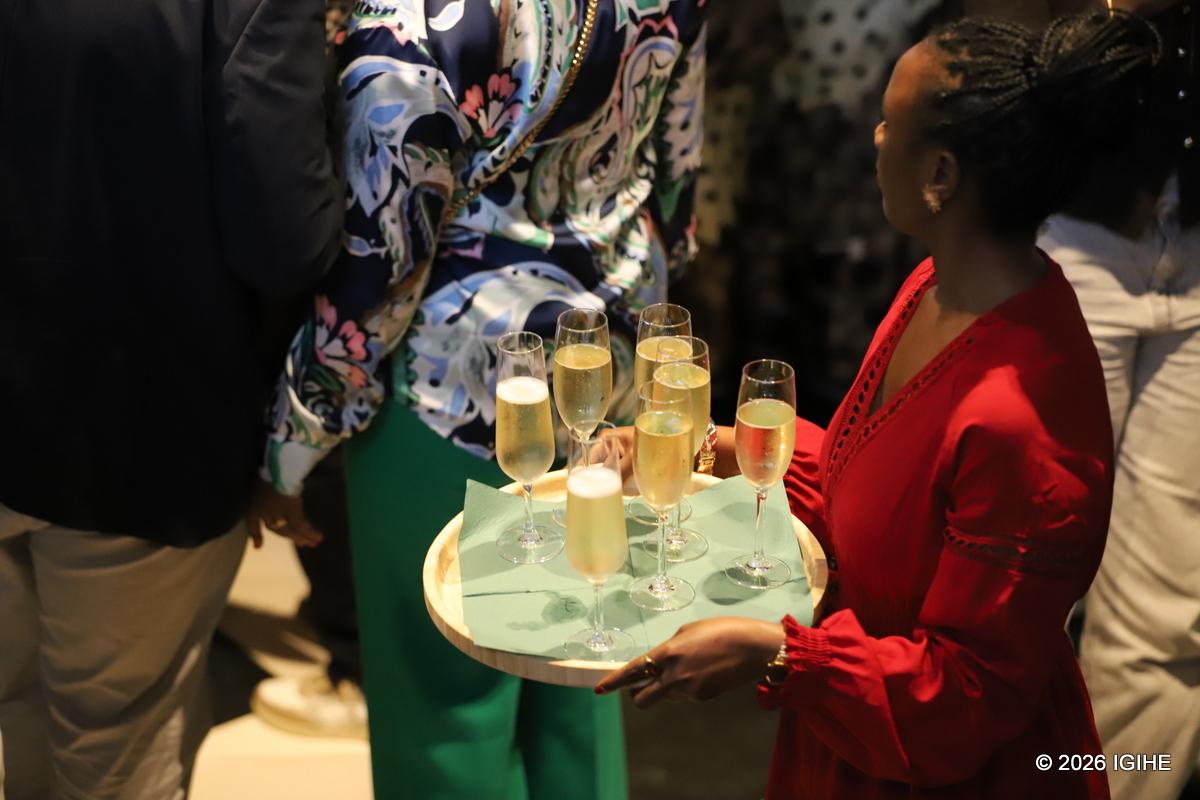
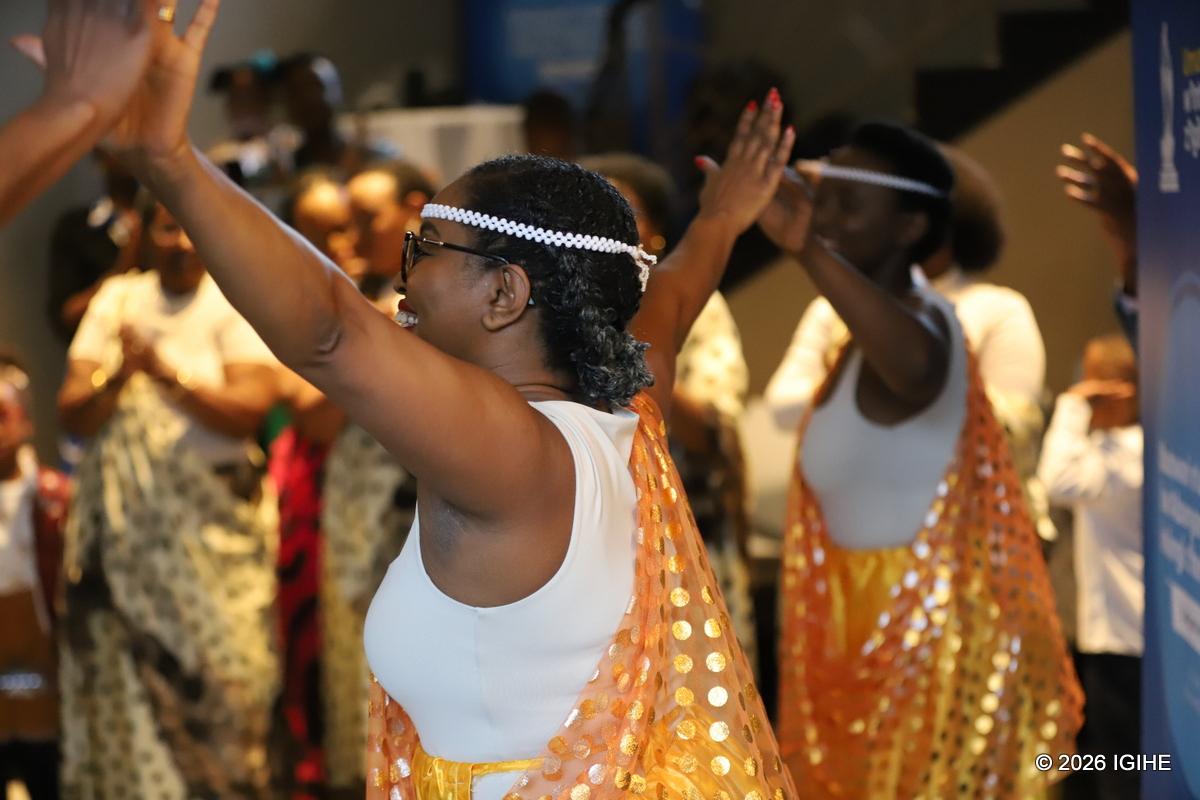
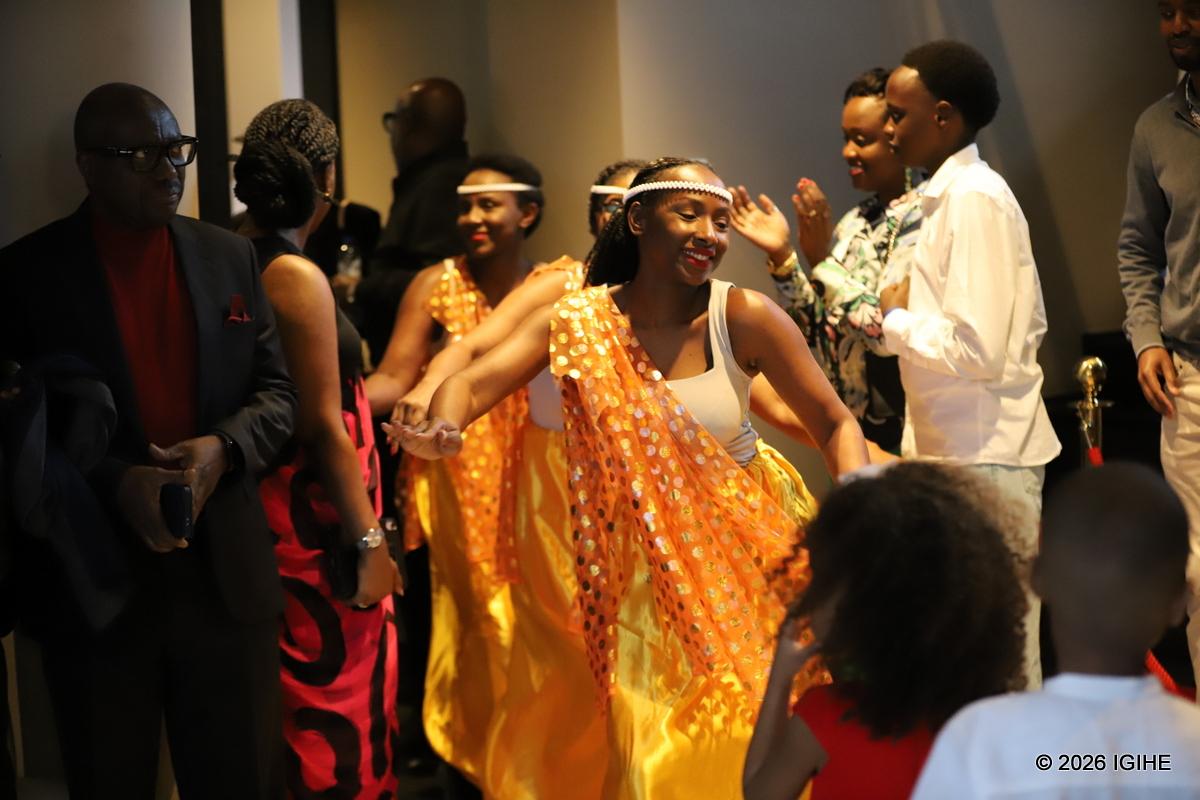
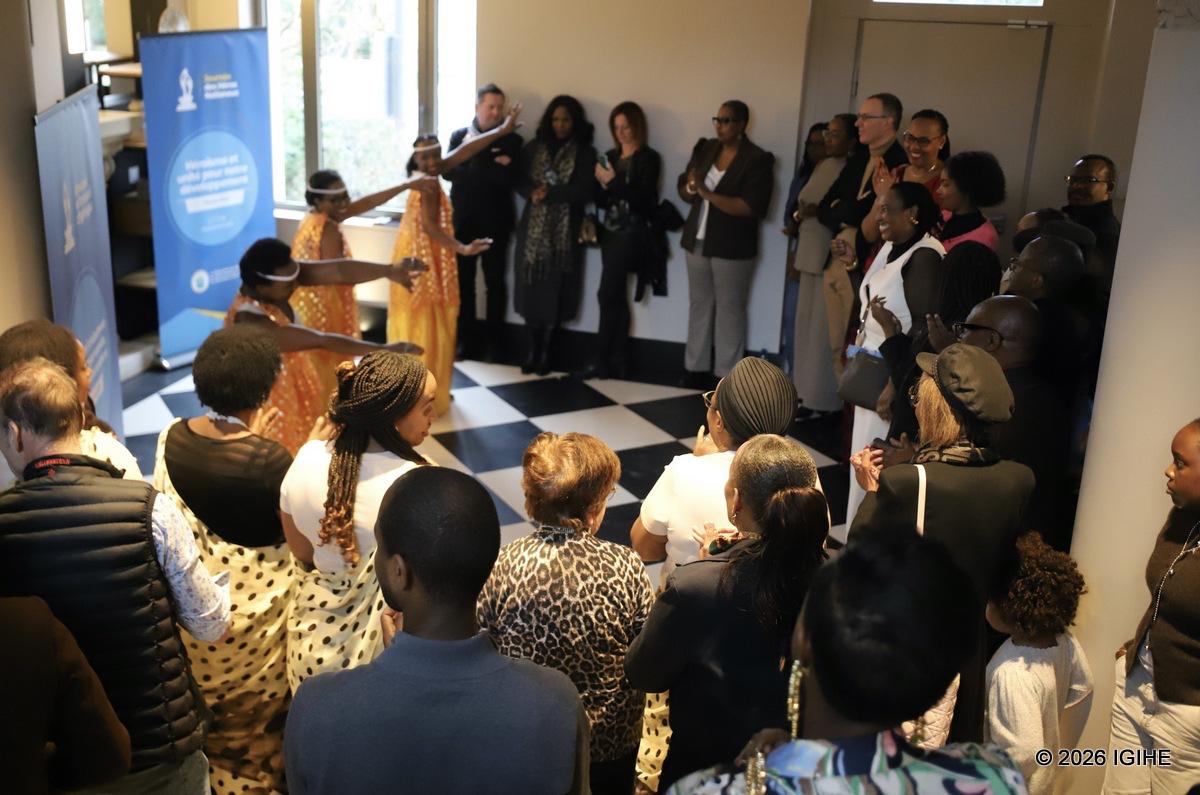
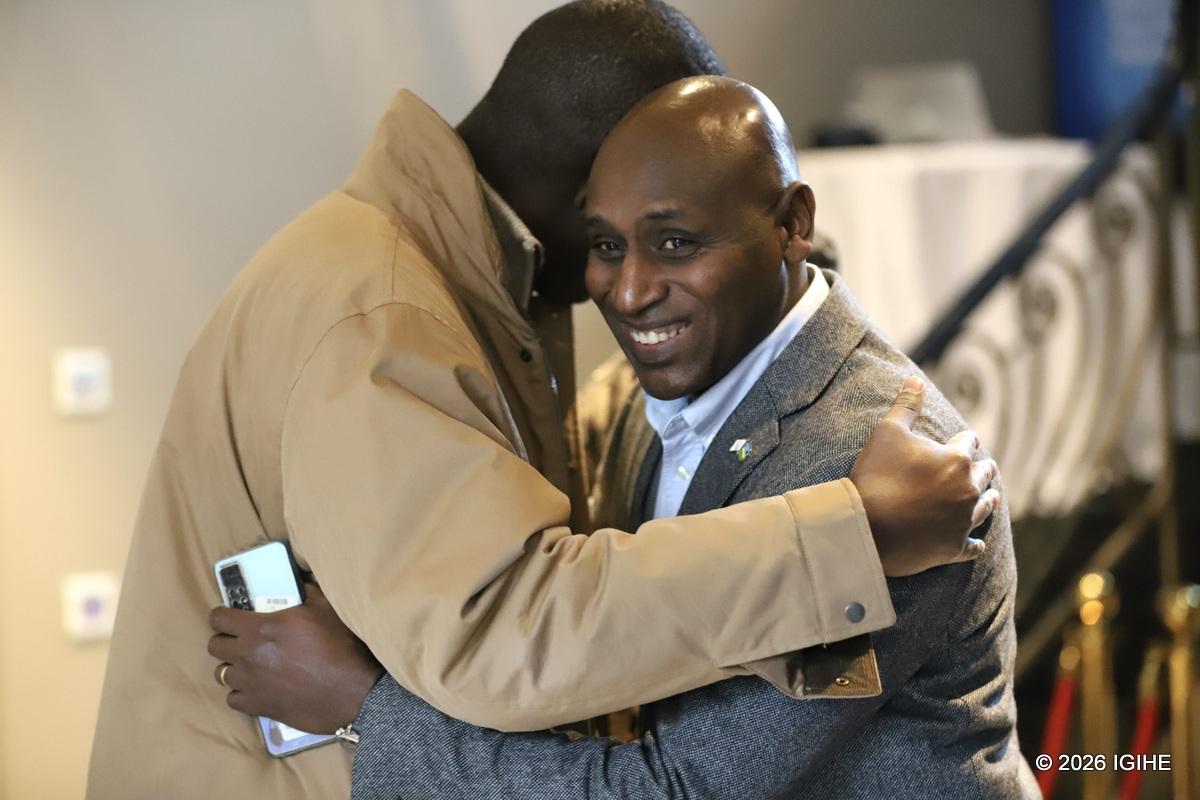
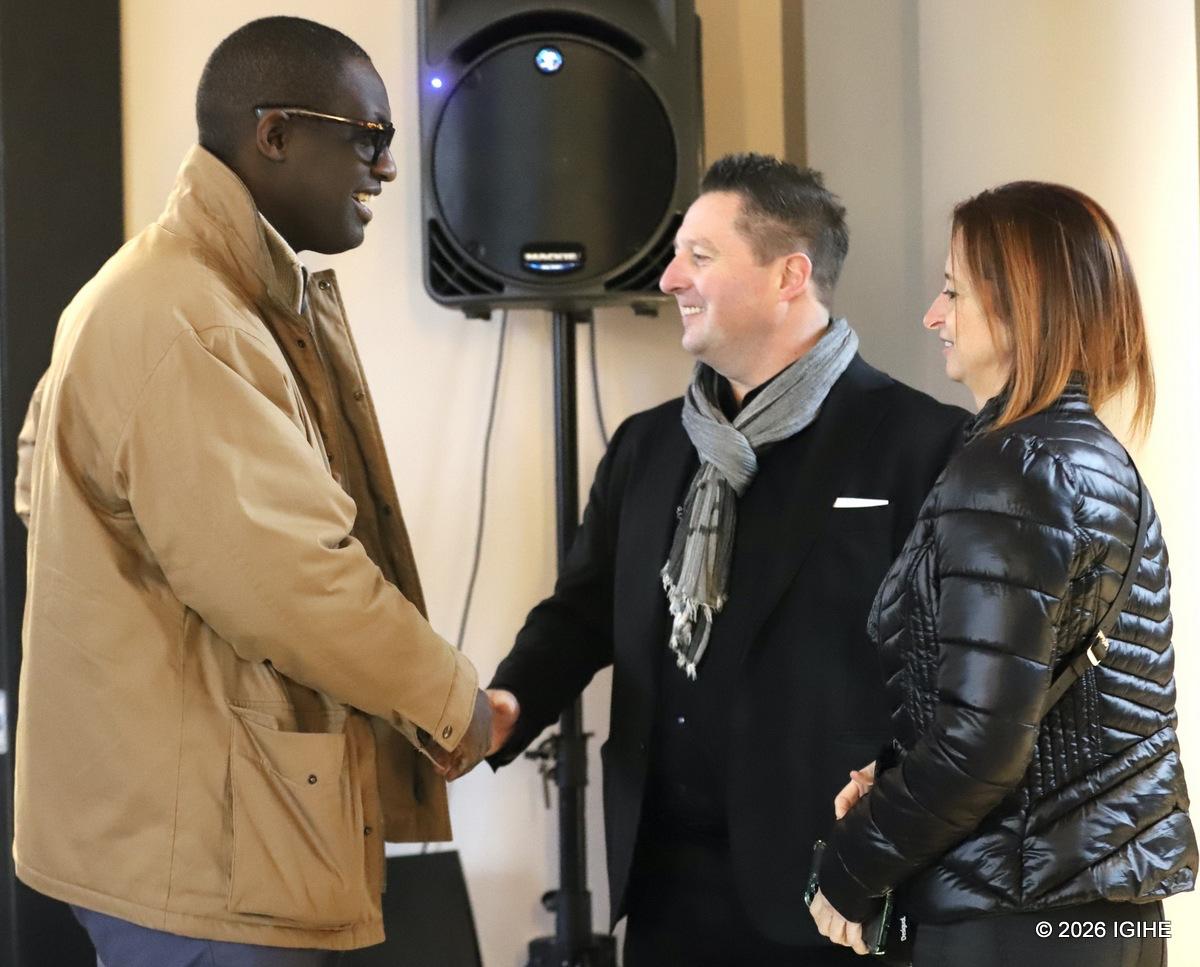
She made these remarks during the commemoration of the 32nd National Heroes Day on Sunday, February 1, 2026, hosted by the Rwandan community in Luxembourg under the theme “Heroism and Unity of Rwandans: Pillars of Development.”
In her address, Amb. Munyangaju emphasized the profound meaning of February 1 as a day to reflect on Rwanda’s history, appreciate those who sacrificed for the country, and renew collective commitment to its shared vision.
Quoting the National Anthem, “Our brave ancestors gave themselves without reservation, they created you and made you great…”, she highlighted that heroism has characterized Rwandans from ancient times and remains the foundation of development and hope.
The Ambassador explained that heroism in Rwanda goes beyond military courage to include love for the country, selflessness, integrity, the pursuit of good, resistance to evil, and respect for human dignity.
These values, she said, enabled Rwanda to endure colonial attempts to divide its people, discriminatory policies during the First and Second Republics, and the horrors of the 1994 Genocide against the Tutsi.
Amb. Munyangaju paid tribute to the RPF/Inkotanyi liberation struggle, launched on October 1, 1990, and successfully concluded on July 4, 1994, when the Genocide was stopped. That effort, she noted, exemplified extraordinary sacrifice, unity, foresight, and leadership, marking the start of a new Rwanda founded on security, reconciliation, and sustainable progress.
The Ambassador recalled that Rwanda honors exceptional contributions through the National Heroes categories—Imanzi, Imena, and Ingenzi—each recognizing different expressions of courage and commitment, yet all united by prioritizing the common good above personal interest.
Turning to the present day, Amb. Munyangaju called on Rwandans to live out these heroic values in the ongoing pursuit of development, better living standards, and national self-reliance. She stressed that true unity must be anchored in integrity, dedication to quality work, and the preservation of Rwandan cultural foundations.
In conclusion, with a message addressed particularly to the youth, Amb. Munyangaju declared: “Dear young people, the future of your country, Rwanda, is in your hands. Draw inspiration from the values of the National Heroes: courage, unity, hard work, and integrity. Be agents of progress, builders of peace, and ambassadors of Rwandan values wherever you may be.”
She also strongly encouraged young people to master and transmit Kinyarwanda, describing it as “the foundation of national unity and the vehicle of our culture and values,” essential for preserving national identity and ensuring the continuity of Rwanda’s shared heritage.
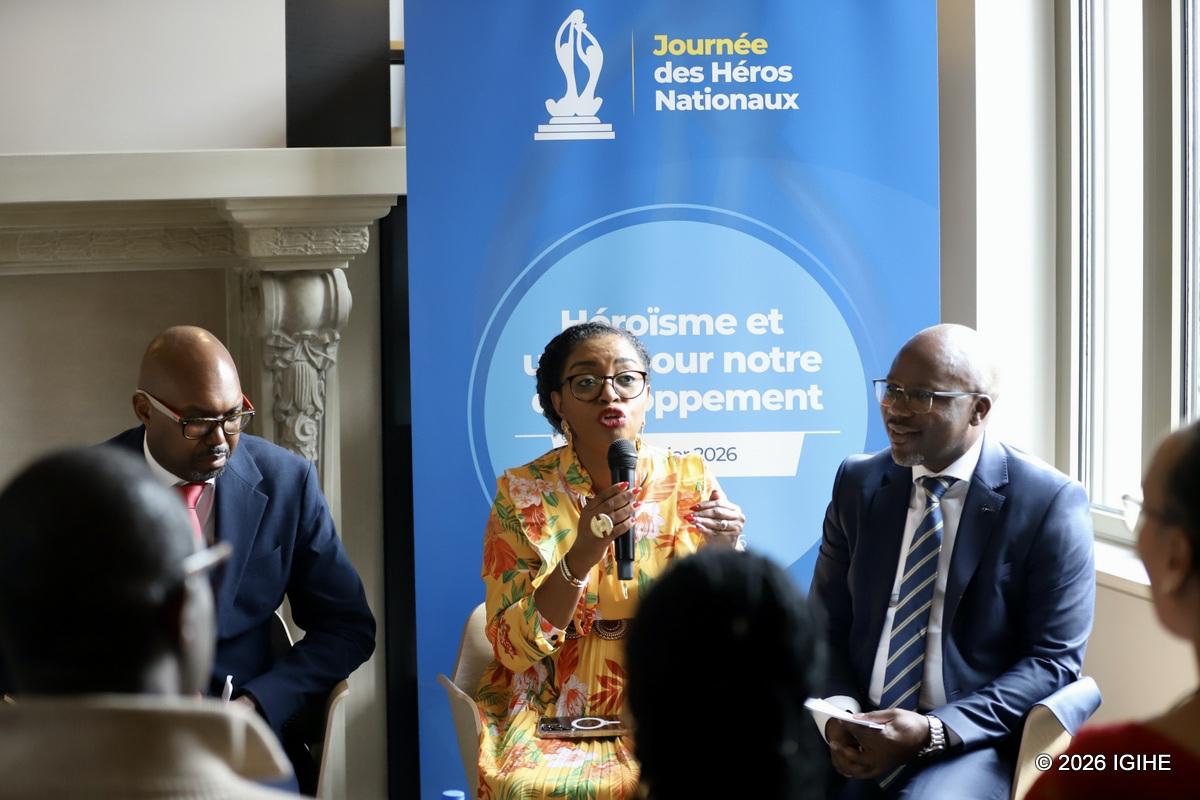
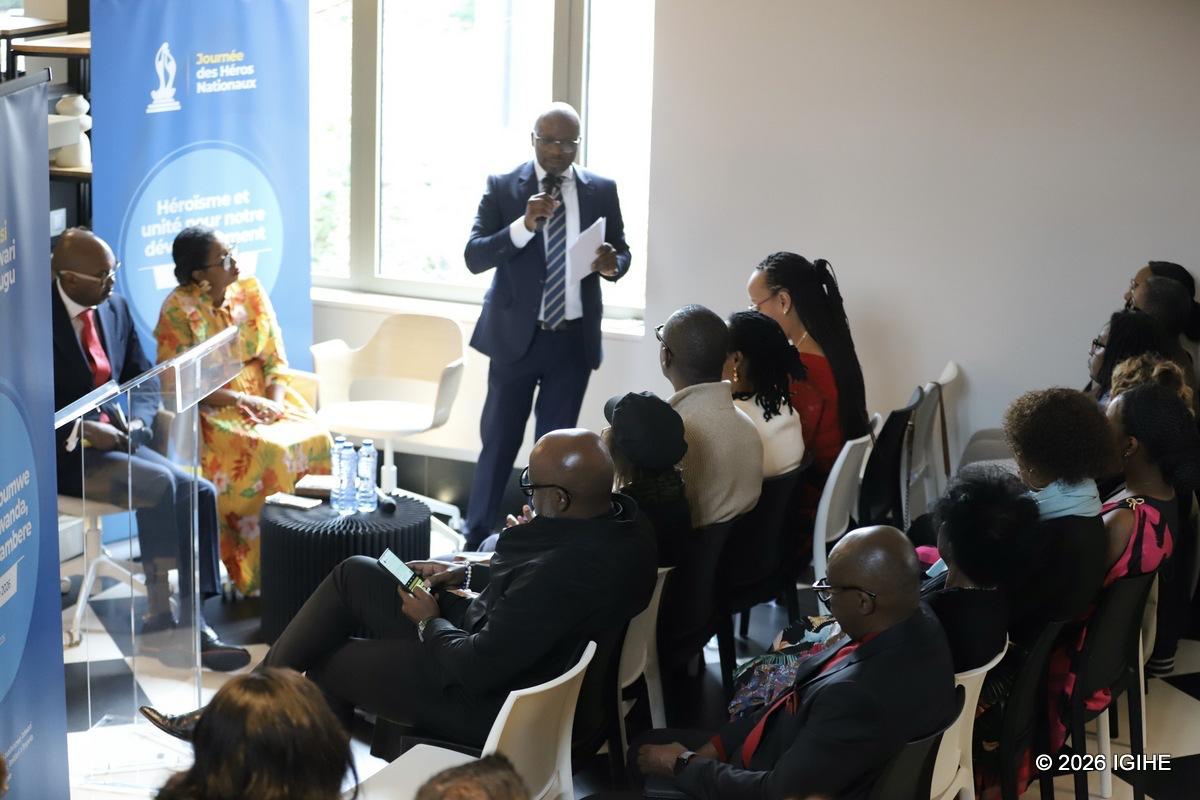
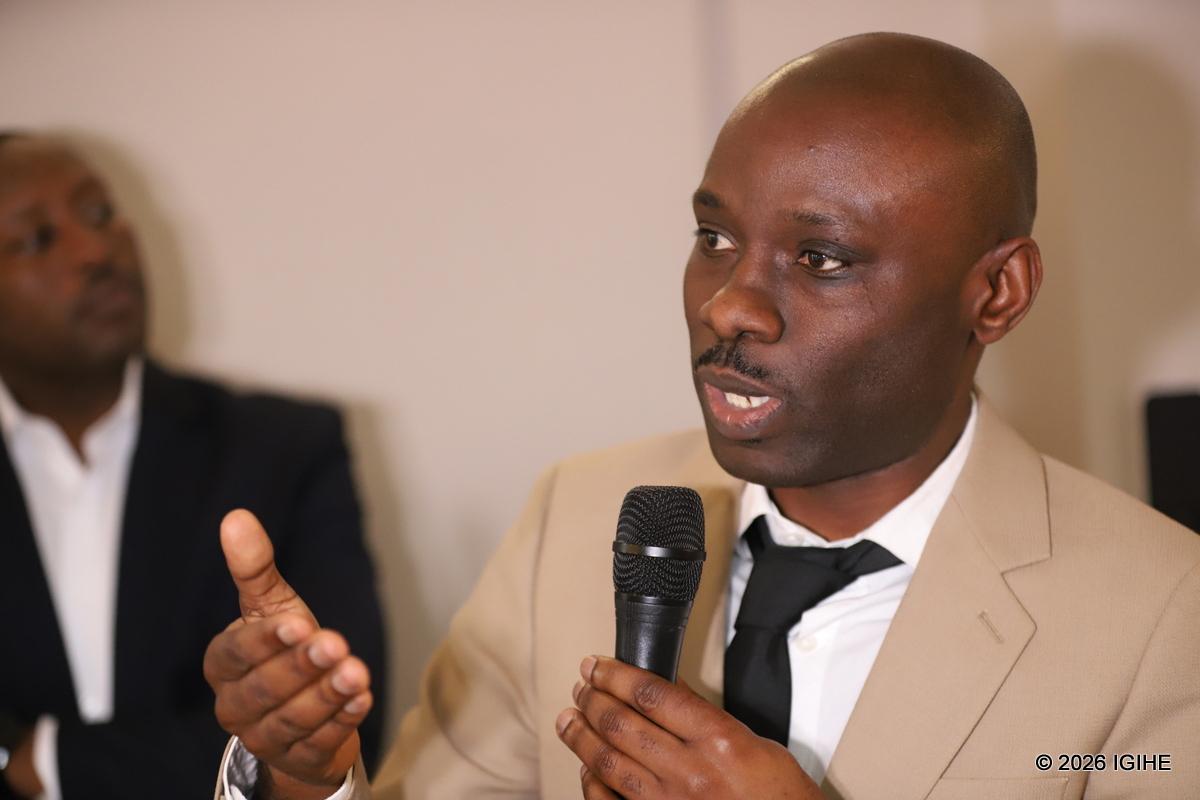
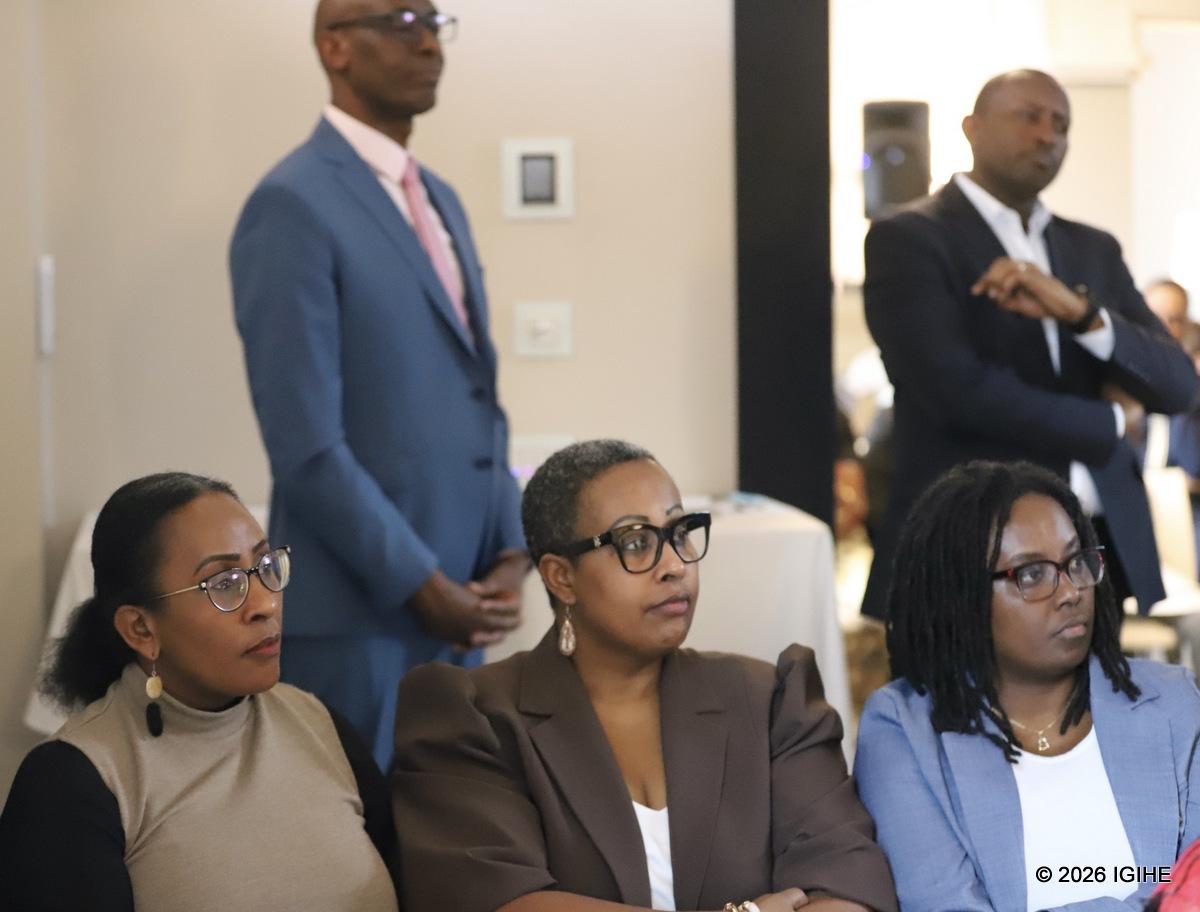
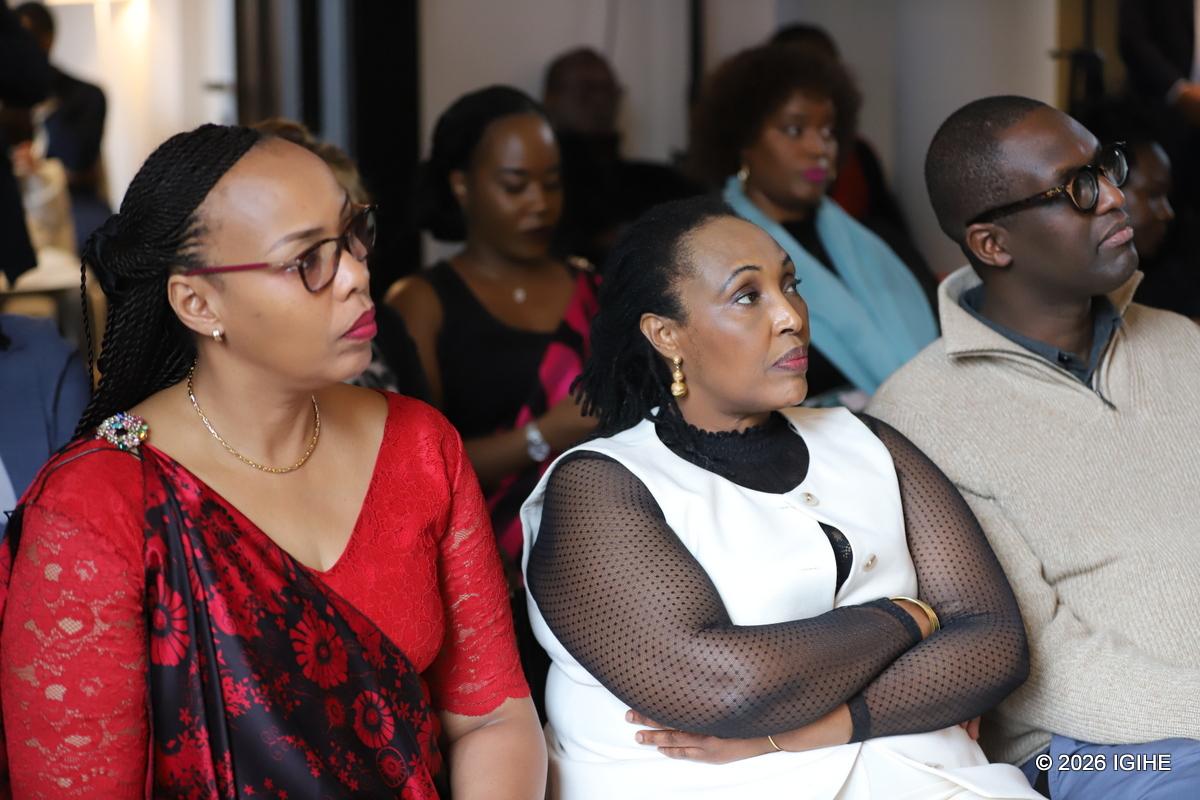
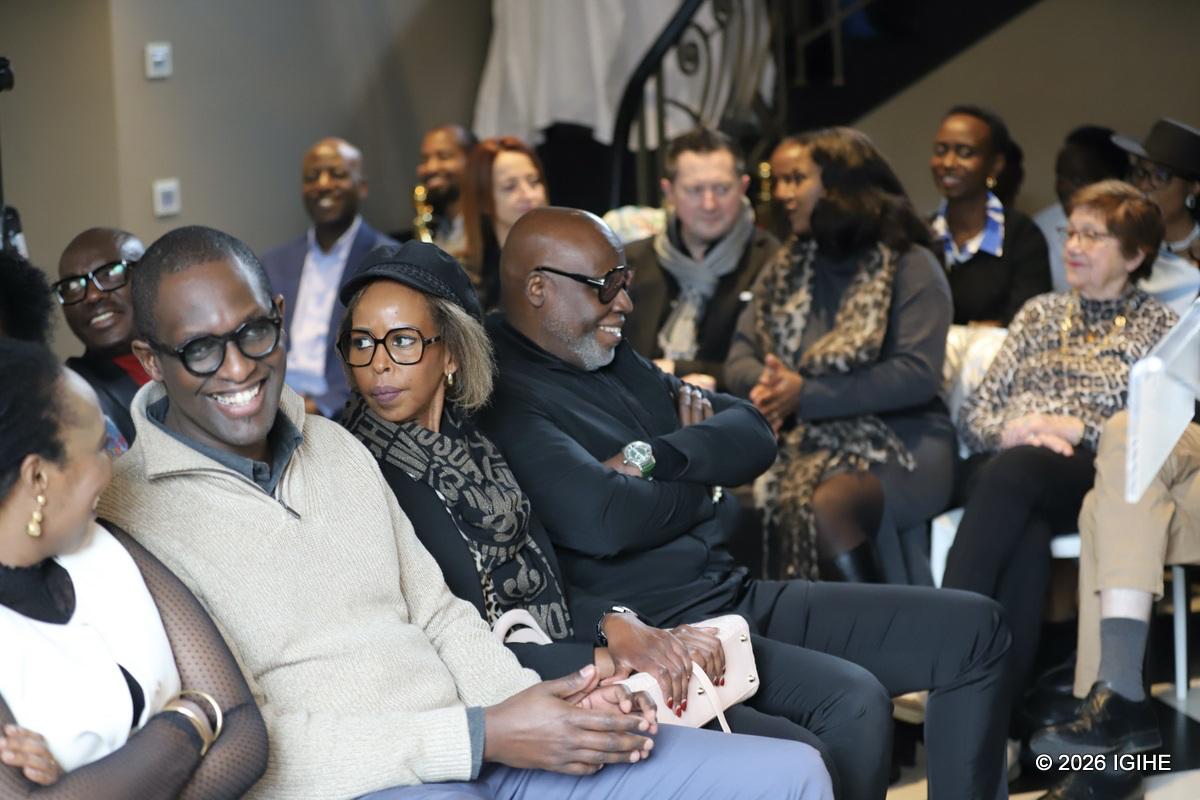
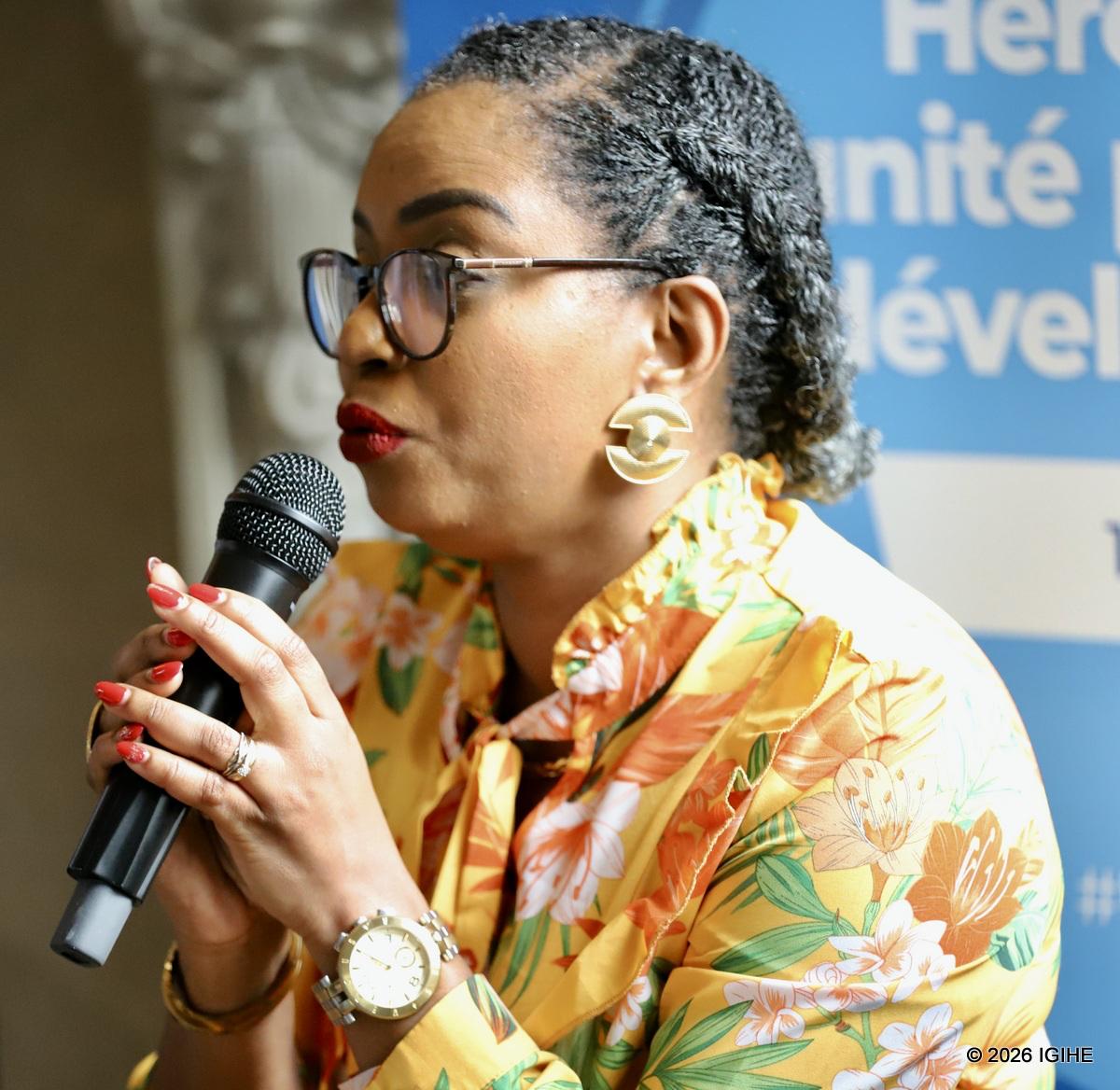
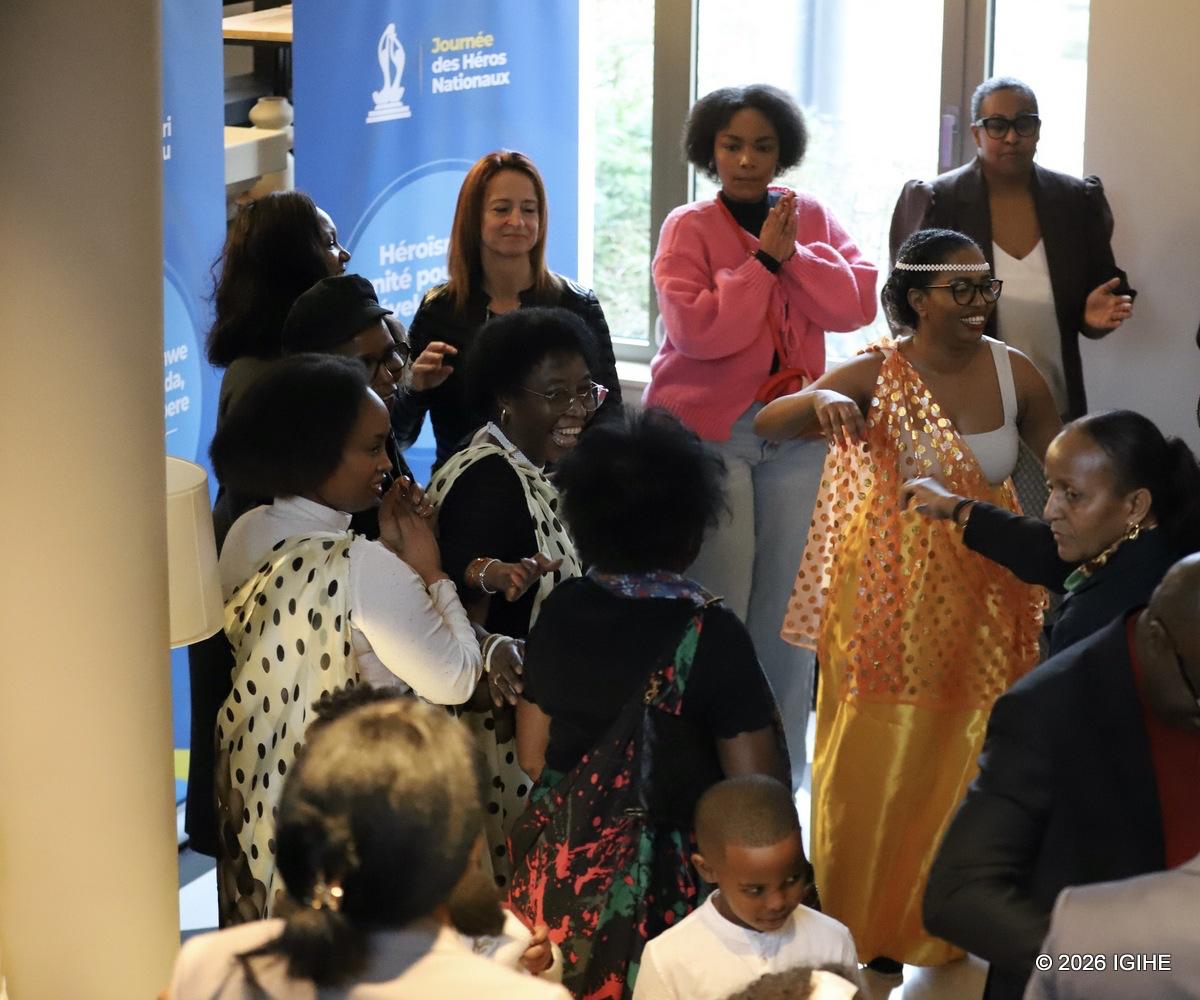
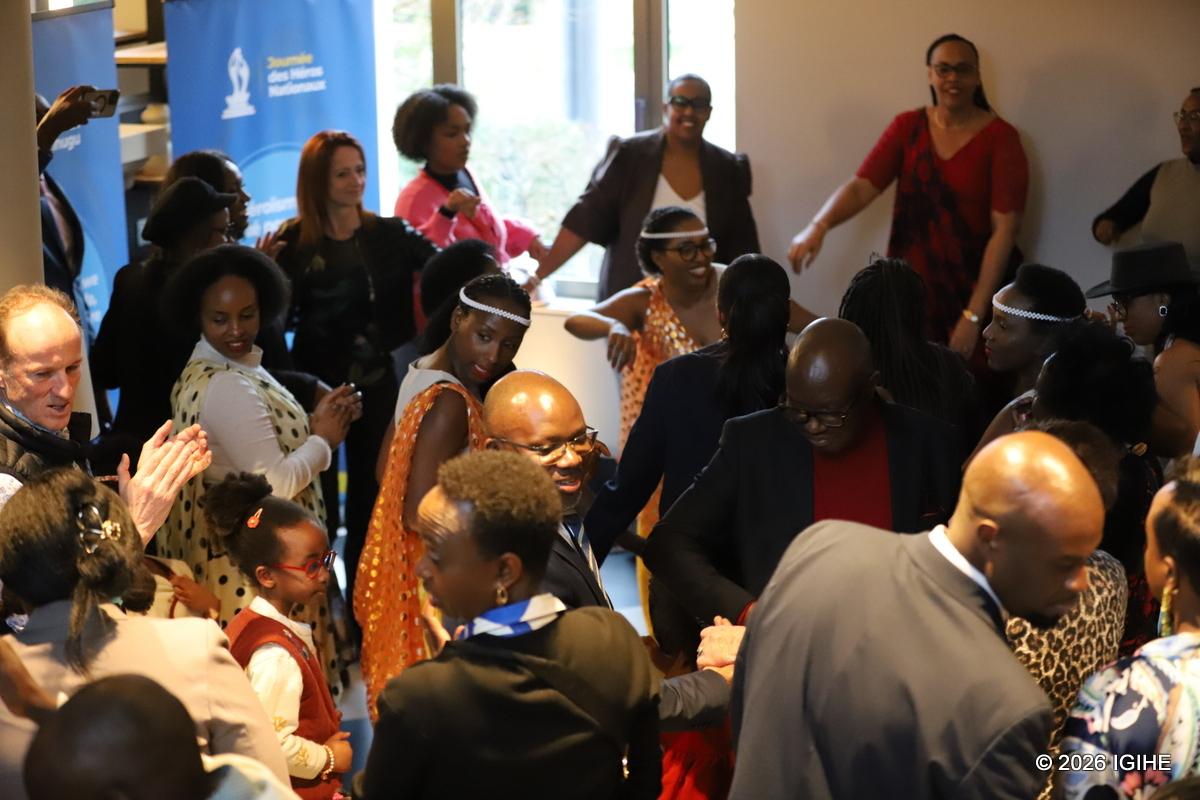
The event, which brought together Rwandans living in Luxembourg and neighboring areas, featured traditional dances and a panel discussion with Joseph Kayijuka, Jean Bosco Busindu, and Solange Demarck, focusing on the significance of the day.
Amb. Munyangaju further tied the day’s message to Rwanda’s broader development achievements, including significant progress toward eliminating cervical cancer by 2027.
She highlighted key gains, including 90% HPV vaccination coverage among 15-year-old girls, 31% screening coverage for women aged 30–49, 82% access to treatment, and nine districts already meeting elimination targets. She also outlined remaining needs, including USD 27.8 million to screen an additional 712,110 women, establish radiotherapy capacity, and strengthen human resources.
She emphasized that this health initiative reflects the same heroic dedication to protecting lives that defines Rwanda’s path forward, calling on Rwandans in Luxembourg to play a key role in supporting this campaign.
The event which brought together Rwandans in Luxembourg and neighboring areas, featured traditional dances, a panel discussion featuring Joseph Kayijuka, Jean Bosco Busindu, and Solange Demarck revolving around the significance of the day.
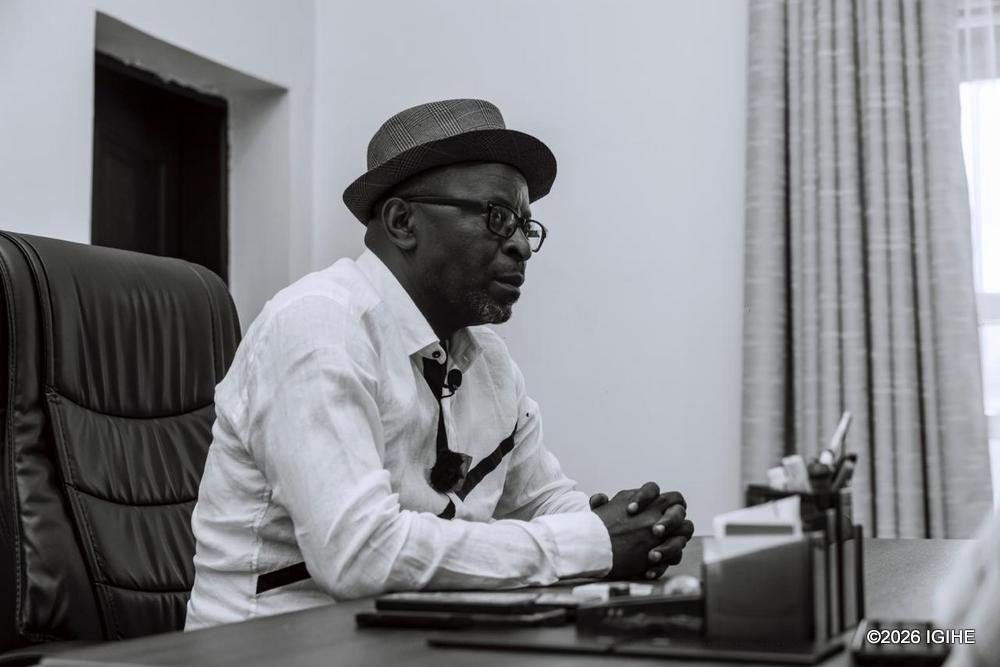
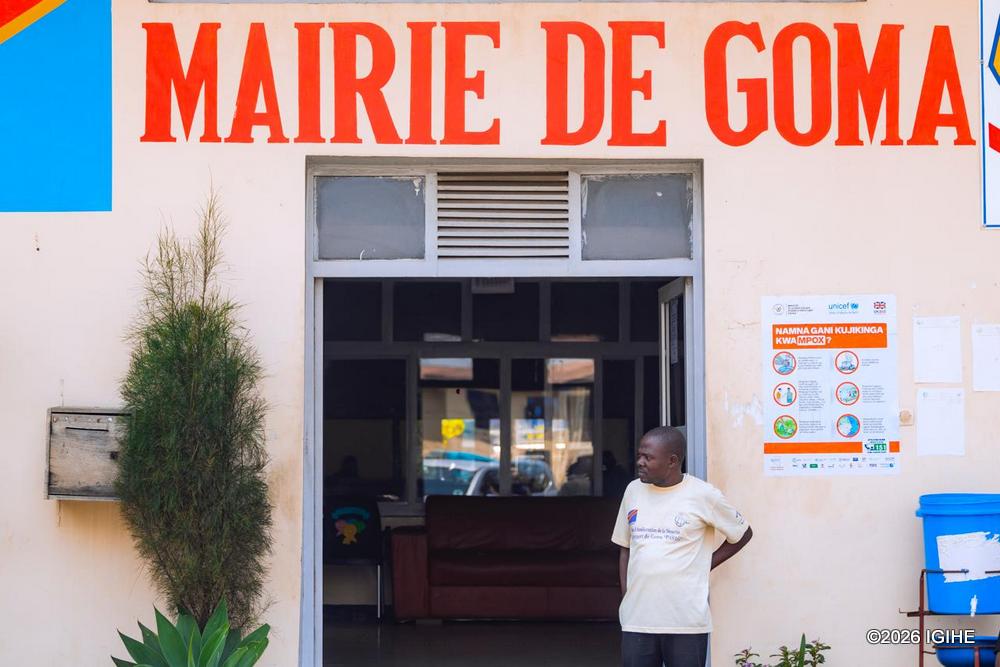
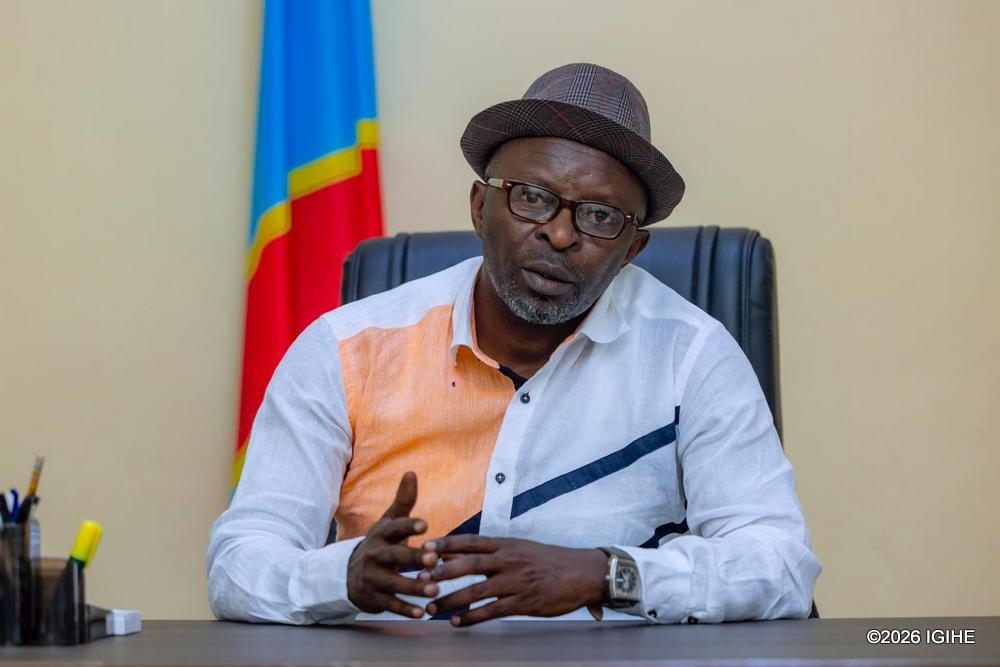
In an interview with IGIHE, Mayor Katembo stated that prior to AFC/M23’s takeover, the Congolese government had deployed fighters from the Democratic Forces for the Liberation of Rwanda (FDLR) in Goma, alongside the national army (FARDC) and Wazalendo militias, contributing to insecurity in the city.
“They brought the FDLR into the city,” Katembo said. “The FDLR is a foreign armed group, not Congolese. The Kinshasa government armed them to fight the Congolese, us, the AFC/M23. Those weapons were used to kill people here in Goma.”
According to the mayor, the Congolese government’s cooperation with the FDLR, Wazalendo militias, Burundian troops, forces from the Southern African Development Community (SADC), and European mercenaries was intended to protect President Félix Tshisekedi’s administration rather than ensure civilian security.
He noted that abuses were widespread. “Wherever the Wazalendo passed, they destroyed property, killed civilians, and looted. That was also the case with FARDC and the FDLR,” he said.
AFC/M23 seized control of Goma on January 27, 2025, following clashes with a coalition of Congolese government forces. Mayor Katembo said restoring security was the group’s immediate priority, including collecting weapons left throughout the city.
“When I assumed office, for two to three months, we collected between 30 and 40 weapons per day,” he said. “Weapons were being picked up from the streets across all neighbourhoods of Goma. At the time, the city was hosting more than 40,000 soldiers.”
{{Cross-border trade between Goma and Rubavu
}}
Goma and Rubavu, a Rwandan border town, are often described as twin cities due to their close proximity. The two are separated by the La Corniche main border post and the Grande Barrière crossing, which facilitate significant cross-border trade and movement involving Congolese, Rwandans, and foreign nationals.
Mayor Katembo said that restrictions imposed by the Congolese government, including the closure of banks, had disrupted daily life and commerce in Goma, prompting AFC/M23 to seek cooperation with neighbouring Rwanda to ease trade.
“We share a border with Rwanda, specifically with Rubavu,” he said. “Good neighbourly relations are a basic principle between countries. Rwanda is our neighbour today and tomorrow. Cooperation and peaceful coexistence are essential.”
He noted that the cost of the CPGL border pass, previously between 12 and 20 US dollars, has been reduced to 5 dollars under AFC/M23 administration.
According to Katembo, another travel document used as a passport substitute previously cost between 45 and 60 dollars when the Congolese government controlled Goma. That fee has now been reduced to 25 dollars.
AFC/M23 leader Corneille Nangaa has stated that more than 40,000 people cross the shared borders with Rwanda at Rubavu and Rusizi every day.
{{Measures to combat drug trafficking
}}
Drug trafficking, particularly cannabis smuggling into Rwanda via unofficial border routes, has long been a security concern along the Rwanda–DRC border, especially in the Rubavu area.
Authorities in Rubavu District have previously cited legal discrepancies between the two countries as a major challenge, noting that substances illegal in Rwanda may be permitted in the DRC, complicating joint enforcement efforts.
Mayor Katembo said addressing drug use and trafficking is a priority for AFC/M23, emphasizing the need for reforms in areas under its control to ensure long-term stability and youth protection.
Public awareness campaigns have been launched to discourage drug consumption and trade, he said, alongside efforts to identify and shut down illicit production of strong alcoholic beverages.
“As the leadership of Goma City, our focus today is combating drugs such as cannabis,” Katembo said. “People may come and go, but institutions remain.”
He warned that individuals found violating anti-drug and alcohol regulations in Goma will be arrested and detained at Munzenze Prison.
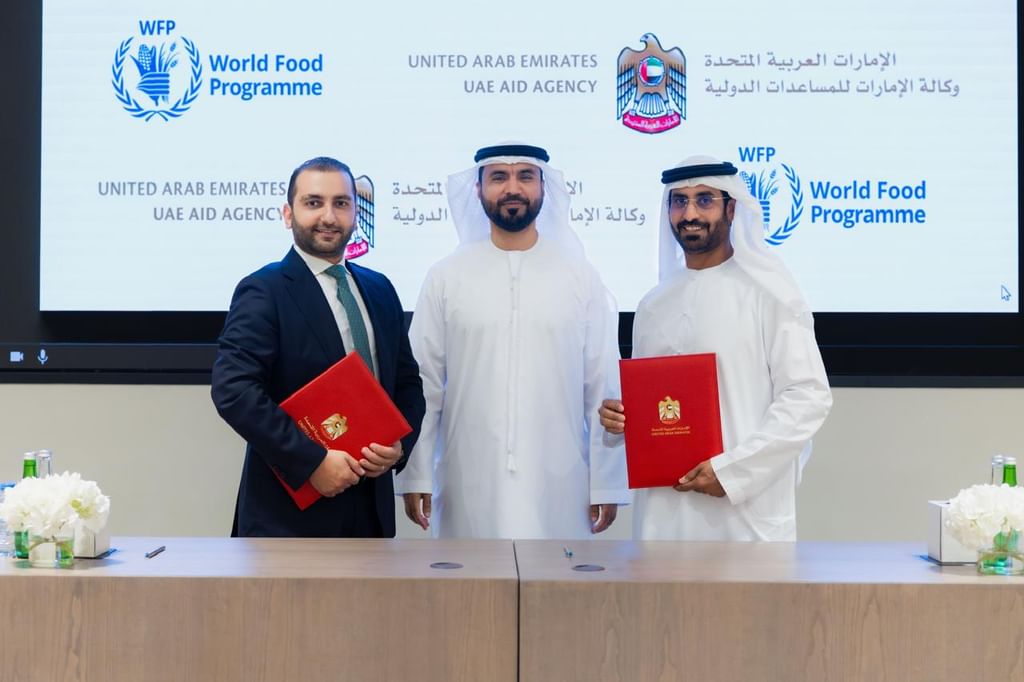
Under the agreement, the UAE will provide a grant of US$20 million to help accelerate emergency response efforts in Sudan by delivering food assistance to populations affected by the conflict and addressing urgent food security needs of vulnerable groups, including displaced people in host communities.
The agreement was signed in the presence of Dr. Tareq Ahmed Al Ameri, Chairman of UAE Aid Agency, by Rashid Salem Al Shamsi, Executive Director of Logistics Support at the Agency, and Bashar Al Hammami, Head of the WFP Partnership Office in the UAE, representing the United Nations World Food Programme.
Dr. Tareq Ahmed Al Ameri affirmed the UAE’s continued commitment to its global humanitarian leadership in providing urgent relief to alleviate the suffering caused by the conflict in Sudan. He emphasised the importance of meeting essential food needs for displaced populations within Sudan as well as in neighboring host countries, including Chad, South Sudan, Uganda, and Ethiopia.
He further highlighted the shared international and moral responsibility to address challenges in famine-affected and high-risk areas, underscoring the necessity of delivering life-saving humanitarian assistance in crises situations.
Bashar Al Hammami, Head of the WFP Partnership Office in the UAE, stated, “The United Nations World Food Programme expresses its profound gratitude and appreciation to the Government of the United Arab Emirates for its generous contribution of US$20 million, which will support WFP’s life-saving operations in Sudan. This significant contribution will enable us to reach millions of people facing acute hunger and daily hardship, and will have a tangible, life-saving impact on the lives of vulnerable families.”
The UAE continues its sustained humanitarian support for the Sudanese people, in line with its firm and longstanding commitment to addressing the ongoing catastrophic crisis in Sudan. Over the past decade (2015–2025), the UAE has provided US$4.24 billion in assistance to Sudan, including US$784 million in humanitarian aid since the outbreak of the civil war (2023–2025).
The UAE also underscores the importance of collective action with regional and international partners and reiterates the need for a humanitarian ceasefire to ensure the protection of civilians and facilitate safe and unimpeded access for humanitarian aid, contributing to stability and peace for the brotherly Sudanese people.
The Office condemned “in the strongest possible terms” Russia’s decision to expel a British diplomat last month and its “baseless accusations against our staff,” said the statement.
Any further action taken by Russia will be considered an escalation and responded to accordingly, it added.
On January 15, the Russian foreign ministry said Russia had decided to expel a British embassy employee for alleged affiliation with the British special services.
The ministry said it summoned the British charge d’affaires in Russia on the same day and lodged a strong protest regarding the issue.
The ministry had decided to revoke the accreditation of the employee and ordered him to leave Russia within two weeks.
“Moscow will not tolerate the activities of undeclared British special services staff on Russian territory,” it said, adding that if London escalates the situation, the Russian side will give a decisive “mirror” response.
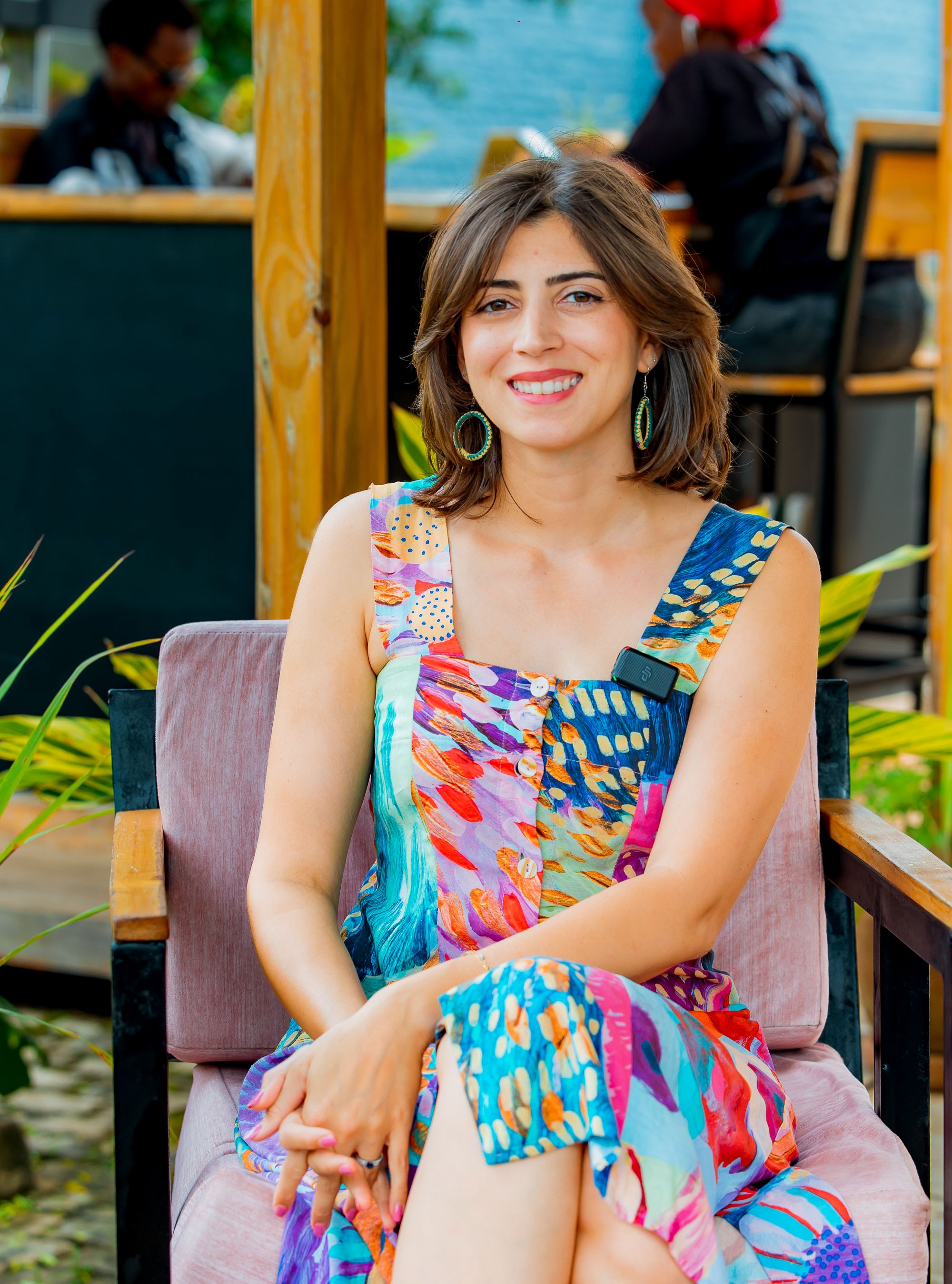
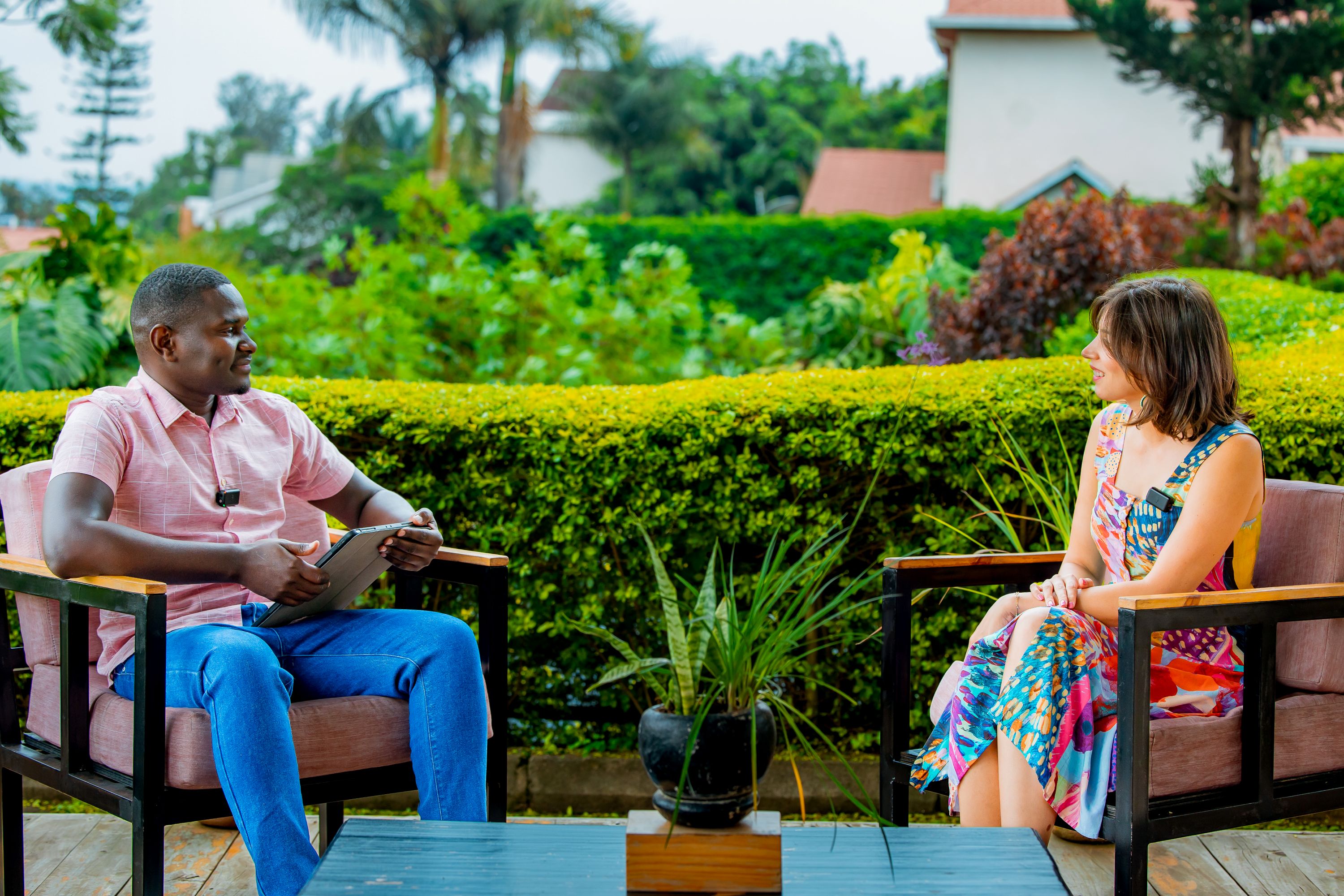
In an exclusive interview with IGIHE, Attiya, the creative mind behind the revered [ Scribs and Nibs->https://thescribsandnibs.com/] platform, opened up about her journey of living in Rwanda. Known for sharing her travels, uncovering hidden gems, and sampling local delicacies, she offers a perspective that is both personal and inspiring.
{{From South Africa to Kigali
}}
Attiya and her husband first visited Rwanda in 2022 while living in South Africa, and they were instantly captivated. “We absolutely loved Kigali,” she recalls. “So when the chance came to move here in March 2025, we jumped at it.”
Having grown up and lived in various parts of Africa, Attiya says her passion for experiencing new cultures and places made Rwanda a perfect fit.
She describes Kigali, where her husband now works, as safe, clean, and welcoming, with plenty of spots to explore. From international cafes to colourful art galleries, the city feels lively yet cosy, offering the perfect balance for both work and leisure.
{{The Birth of Scribs and Nibs
}}
Settling into a new country naturally comes with curiosity, wanting to explore every corner, taste every flavour, and capture the experiences along the way. For Attiya, this curiosity became the spark for Scribs and Nibs. The blog began during the COVID-19 pandemic as a way to document weekend trips, local eateries, and hidden spots, first in South Africa and later in Rwanda.
“The name comes from the ‘scribbles’ of my writing and the ‘nibbles’ from my love of trying new foods,” Attiya explains with a smile.
Over time, her blog evolved into a full guide for travellers, offering detailed reviews of hotels, tours, restaurants, and experiences. What began as a hobby now helps readers explore new places independently while also providing Attiya with income through ads, affiliate links, and partnerships with local businesses.
{{Exploring Rwanda’s rich landscape
}}
Since settling in Rwanda in March 2025, Attiya has embraced both urban life and countryside adventures. She’s been mesmerised by the views at Musanze and Volcanoes National Park, enjoyed peaceful weekends at Twin Lakes, and embarked on a memorable chimpanzee hike in Nyungwe National Park with her family. Close to Kigali, spots like Lake Muhazi and Nena House offer the perfect mix of calm and adventure, just a short drive from the city.
Her love for Kigali’s cafe culture is evident. One of her favourite places is YO ki GA li, a charming space that combines a cafe, B&B, and yoga studio.
“It’s somewhere you can come and feel at home. You can spend all day enjoying the company of others, or just enjoy reading a book or working on your laptop. I think it’s a really lovely space to enjoy in Kigali,” she remarks.
{{Culinary adventure
}}
Food is an essential part of life in Rwanda for Attiya. She has quickly fallen in love with local dishes like Sambaza, Isombe, Dodo, and the spicy Akabanga hot sauce. Each restaurant offers its own take on these classics, turning every meal into an opportunity for discovery. Fried fish, rich sauces, and fresh ingredients have become a big part of her everyday enjoyment and blog content.
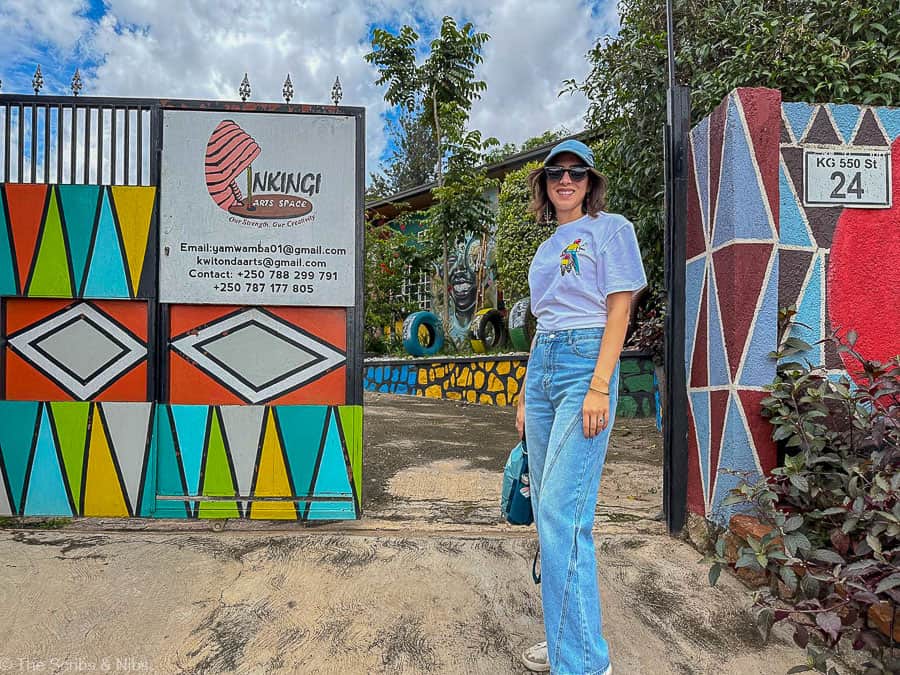
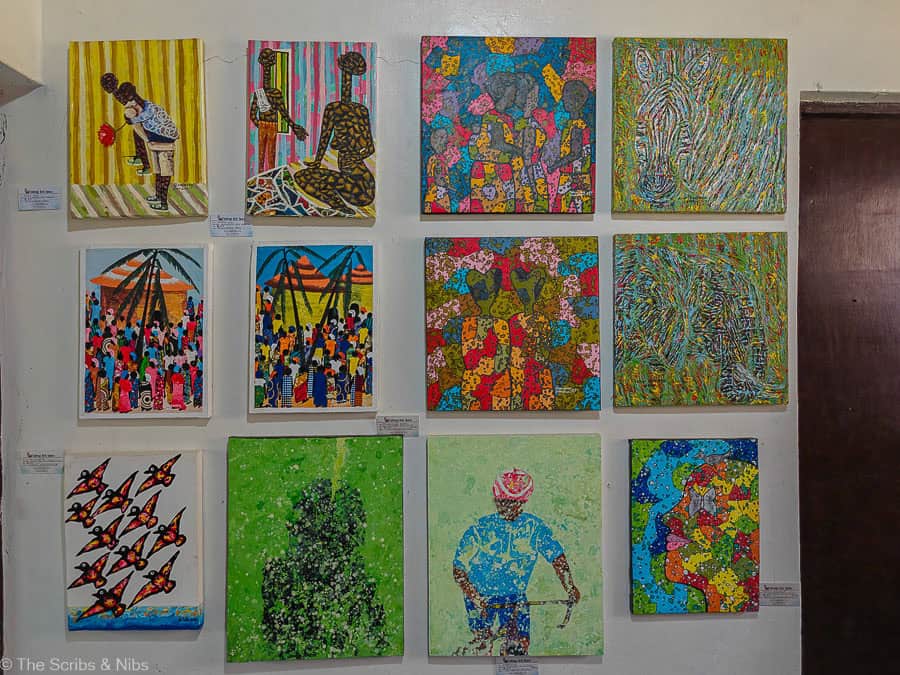
Beyond blogging and food, Attiya enjoys staying active. From yoga and Pilates to paddleboarding, tennis, and even the occasional CrossFit session, her weekends are full of exploration and movement. She also visits art galleries like Niyo Art Gallery and Inkingi Arts Space. Both spaces showcase diverse, authentic Rwandan art, including contemporary paintings and mixed media, offering welcoming atmospheres for art lovers.
She also keeps an eye on new restaurant openings or cultural events, all of which fuel her blog and personal inspiration.
Reflecting on her life in Rwanda, she calls it “relaxing.” Weekdays are for writing, exploring local cafes, and taking in the city’s vibrant spaces. Weekends are for discovering nature, new activities, and spending time with family.
“The people are so kind, and nothing feels hectic,” she notes.
Attiya encourages everyone to explore Rwanda. Despite its small size, the country offers a surprising variety of experiences.
“From Kigali, you can reach Musanze, Lake Kivu, Nyungwe, and Akagera within just a few hours,” Attiya says. “It’s amazing how you can experience mountains, lakes, wildlife, and city life all in a single trip.”
Looking ahead, Attiya plans to continue living in Rwanda for the next few years, documenting her adventures, sharing hidden gems, and celebrating the culture, cuisine, and lifestyle that make this country special.
Watch the full interview on the IGIHE YouTube channel to see more of Attiya’s adventures in Rwanda.
Uwilingiyimana rose to national prominence after joining politics, especially through her work at the Ministry of Education. She entered public service with a clear vision: ensuring equal educational opportunities for all children, at a time when the system was governed by the policy of ethnic and regional quotas.
She also made history as Rwanda’s first female Prime Minister, serving under President Juvénal Habyarimana. The two, however, held sharply different views, particularly on government policies that promoted exclusion and oppression.
Agathe Uwilingiyimana was killed by soldiers from the Presidential Guard shortly after President Habyarimana’s plane was shot down.
Beyond politics, she played a key role in founding SERUKA (an association advocating for the development of women and families) and contributed significantly to the establishment of Forum for African Women Education ( FAWE), an organization dedicated to promoting education for African women and girls. She strongly advocated for women’s inclusion in leadership and decision-making positions.
Before becoming widely known as a politician, Uwilingiyimana was a teacher at the Groupe Scolaire Officiel de Butare, a profession that deeply shaped her values and leadership style.
{{A woman rooted in culture and discipline}}
Angélique Mpinganzima, her niece, told IGIHE that Uwilingiyimana was also her godmother. At the time of the Genocide, Mpinganzima was 17 years old.
She described Uwilingiyimana as a woman deeply attached to Rwandan culture, both in dress and in family traditions.
“Agathe respected Rwandan cultural practices to a remarkable degree. Whenever she gave birth, she would formally present the child to the family, accompanied by celebrations, including at her in-laws’ home. I clearly remember when she gave birth to her third child—she came wearing a traditional crown. She truly valued our culture,” Mpinganzima recalled.
In her daily life, Uwilingiyimana was known for her discipline, strong sense of organization, and respect for time.
“She always wrote down her weekly schedule. Changing her plans was very difficult because everything she did was carefully planned. She was not the type of person who would get distracted by visits or long conversations and forget her responsibilities,” she said.
{{Her entry into politics}}
According to Mpinganzima, Uwilingiyimana did not initially expect to become Minister of Education, as she was already engaged in other professional responsibilities.
When she was about to enter politics, many people tried to discourage her, telling her that politics was not meant for women and that she could pursue a more comfortable career. Despite this pressure, she remained determined.
“They would tell her, ‘Agathe, you are well educated, you could easily get a good job—why get into politics?’ And she would reply, ‘There are things I must do for the benefit of others. People from Butare, Gitarama, and Gikongoro have been marginalized. Our children are not going to school. I cannot just stand by and watch,’” Mpinganzima recounted.
Even before joining politics, Uwilingiyimana openly opposed injustice in the education system. This explains why one of her main battles was against the quota system, and why she worked to help many children who had dropped out of school return to their studies.
Her appointment as minister was a historic moment for her home area.
“It was a source of pride for the family, the community, and even the country. She was the first person from our area—near the Burundi border—to ever become a minister. It was something extraordinary,” Mpinganzima said.
{{Killed for opposing genocide}}
Agathe Uwilingiyimana was among the first national leaders to be killed following the downing of President Habyarimana’s plane on April 6, 1994. She was murdered on April 7, the very day the Genocide against the Tutsi began openly. Some family members learned of her death early that morning.
“We heard that the Prime Minister had been killed. My parents, uncles, and other relatives gathered at my grandfather’s home. The entire hill came together—people abandoned their farming and returned home. There was nothing we could do. We just sat there, helpless,” Mpinganzima recalled.
The situation soon became even more dangerous, as the family was accused of being responsible for the country’s collapse, with claims that Uwilingiyimana had ‘betrayed’ the nation.
They were eventually saved when Interahamwe militiamen fled after hearing that the RPF had reached Save, allowing the family to escape to Burundi.
{{A lasting lesson for women}}
The last piece of advice Mpinganzima remembers from Uwilingiyimana was her encouragement to learn vocational skills. She later followed that advice, studying tailoring, and is now a vocational instructor.
“The biggest lesson she taught me is courage—especially as a woman. She showed us that if you decide to do something, you can achieve it. That should be a lesson for all women,” she said.
“She never limited herself by where she came from or waited for someone to speak on her behalf. She didn’t ask who would support her. As women, we should learn from her and seize every opportunity we get.”
{{A brief profile}}
Agathe Uwilingiyimana was born on June 23, 1953, in Gikore, in the former Butare Prefecture. She was the daughter of Ntibashirakandi Yuvenali and Nyirantibangwa Saverina. In 1976, she married Ignace Barahira, with whom she had three children.
From February 1989 to April 1992, she served as Director of Small and Medium Enterprises at the Ministry of Industry.
From April 16, 1992, to July 16, 1993, she was Minister of Primary and Secondary Education.
She became Rwanda’s first female Prime Minister on July 17, 1993, serving until April 7, 1994, when she was assassinated by members of the Presidential Guard.
Agathe Uwilingiyimana remains a powerful symbol of integrity, courage, and resistance to injustice in Rwanda’s history.
The AFC/M23 leadership stated that the tragedy, which occurred on January 28, 2026, resulted from a landslide triggered by increasingly soft soil in Rubaya amid heavy seasonal rains.
On January 31, the DRC Ministry of Mining announced that most of the victims were involved in illegal mining activities, which AFC/M23 had previously engaged in.
AFC/M23 spokesman Lawrence Kanyuka expressed disappointment with the DRC government’s response to the tragedy, accusing it of attempting to exploit the situation for political gain.
“Instead of taking responsibility for its long-standing failures in managing the mining sector, the regime seeks to exploit a tragic incident caused by torrential rains in the artisanal mines of Rubaya for political gain,” said Kanyuka.
AFC/M23 emphasized that the disaster in Rubaya bears no relation to their control of the area, as similar tragedies have repeatedly occurred in regions under DRC government control. In fact, over 800 people have died in mining accidents in government-controlled areas over the years.
The alliance cited 15 mining incidents that claimed numerous lives under DRC government control in areas including Nyamukubi and Bushushu in South Kivu, where over 500 people died on May 4, 2023.
AFC/M23 also reminded the DRC government of earlier mining disasters, such as the deaths of 37 people in a mine in Fizi in October 2018, 43 people in the KOV mine in Lualaba in June 2019, and 50 people near Kamituga in South Kivu in September 2020, all in areas under government control.
The launch marked the beginning of a transformative initiative designed to unlock Africa’s demographic potential and equip the continent’s emerging leaders with the skills and insights needed to address complex governance challenges.
The event was attended by members of Yetu’s Board of Directors and distinguished guests, including Monica Geingos, 3rd First Lady of the Republic of Namibia and Founder & Co-Chair of Leadership Lab Yetu; Mahamadou Issoufou, Former President of the Republic of Niger; and Ndaba Gaolathe, Vice President of the Republic of Botswana. Other notable participants included Dr. Nkosana Moyo, Founder and Executive Chair of the Mandela Institute for Development Studies, and Jakkie Cilliers, Chairman of the Board and Head of African Futures and Innovation at the Institute for Security Studies.
The launch was supported by strategic partners, including the Ministry of Youth and Arts of Rwanda and the African School of Governance (ASG). Dr. Utumatwishima Jean Nepo Abdallah, Rwanda’s Minister for Youth and Arts, and Francis Gatare, President of ASG, delivered remarks encouraging practical leadership and innovation among the inaugural cohort of Dr. Hage G. Geingob Fellows and ASG pioneers.
A key highlight of the event was the unveiling of the first cohort of Fellows joining Yetu’s flagship Intergenerational Leadership Accelerator (ILA). The 12-month program brings together ministers, parliamentarians, senior advisors, and local government leaders from across Africa to collaborate on practical policy solutions for challenges such as job creation, education, and institutional reform.
Alongside the ILA, Leadership Lab Yetu will serve as a hub for forward-looking research on governance, youth inclusion, and demographic trends, generating evidence-based insights to inform policy design and institutional reform across the continent.
Speaking at the launch, Monica Geingos highlighted the importance of preparing Africa’s next generation of leaders to navigate complex challenges and implement scalable solutions.
“The African leaders that emerge in the next 10 years will be the architects of the world’s evolution over the course of the next 100 years… We are thrilled to launch Leadership Lab Yetu as a transformative space where the innovation and drive of high-potential, innovative leaders can converge with the experience of those who understand the bottlenecks inherent in state processes and systems,” she said.
Rumbidzai Chisenga, CEO of Leadership Lab Yetu, emphasised the lab’s mission to strengthen institutions and equip leaders with practical policy insights.
“The research we produce will be timely and forward-looking. The bold ideas that new and experienced leaders co-create will become the bedrock for inclusive and effective governance across the continent,” she remarked.
Monica Geingos is a Namibian lawyer and entrepreneur who served as the country’s First Lady from 2015 to 2024. Her professional background includes serving as Managing Director of Stimulus Investments, a major private equity fund, and as Chairperson of eBank Namibia. She also chaired the Presidential Economic Advisory Council. Through Leadership Lab Yetu, she now aims to leverage her experience to mentor and connect the next generation of African leaders.