{Life in the wild harbors the risk of predation, food shortages, harsh climates, and intense competition. Zoo animals, by contrast, are protected from these dangers. UZH researchers were part of an international team that studied over 50 mammalian species to determine whether the animals live longer in zoos than in the wild.}
How long do animals live? Although the question seems trivial, it is not easy to answer — especially in the case of free-ranging animals, as it is extremely difficult to determine accurate dates of birth and death of all members of a specific population. By comparison, zoos meticulously record the births and deaths of the animals in their care. Now, however, studies of known-aged individuals in the wild are available, making it possible to compare demographic parameters, including longevity.
{{Smaller species attain greater longevity}}
The research team led by the University of Lyon and the University of Zurich assessed the demographic parameters of more than 50 mammalian species. The scientists discovered that longevity was higher at the zoo for more than 80% of the mammals studied — species such as African buffalos, reindeer, zebras, beavers, or lions. “All 15 carnivore species in our dataset attained greater longevity at the zoo,” states Marcus Clauss, professor of nutrition and biology of zoo and wild animals at the University of Zurich. “It seems that even for predators, life in the wild is not necessarily without its perils.”
The greater longevity at the zoo was particularly prominent among smaller species having a generally shorter lifespan, for instance, tree shrews, weasles, white-tailed deer, or African wild dogs. The juveniles and adults of these species typically fall victim to predators or to intraspecific competition in the wild, thus reducing their average longevity. “With regard to long-lived species that generally have lower mortality rates in the wild, there is less that zoos can protect them from. As such, the effect is not as great and, indeed, in some cases is even reversed,” says Clauss.
{{Time lag in success measurement}}
The researchers emphasize that their results reflect historic animal husbandry conditions at zoos and not currently practiced conditions. “In order to evaluate longevity of a population, we only consider the ‘extinct cohort’ — that is, a group of individuals born in a certain period, all of which have died. Individuals that are still alive would skew the analysis,” says Dr. Jean-François Lemaître from the University of Lyon and researcher at the Centre National de le Recherche Scientifique (CNRS).This means that changes in the husbandry of long-lived animals introduced in the last decade have not yet influenced the results, as many members of the cohorts affected by these changes are still alive. Whether changes made today influence longevity can therefore only be determined thirty years from now.
{{Zoo ethics}}
The researchers emphasize that longevity as a single contributing factor cannot support complex ethical judgements on keeping animals. “A thorough assessment of the husbandry of a species demands consideration of many other aspects. The most important insight of our study is possibly that it demonstrates that life in the wild is not a life in paradise,” says Prof. Clauss.
{The Mayor of Rwamagana District, Radjab Mbonyumuvunyi has told students currently in their end of year holidays and the youth in general that honoring allegiance to their nation should be defined by actionable participation in security and development activities.}
He made the remarks while addressing youth over the weekend, shortly after a ‘special Umuganda’ for the youth held in Bwinsanga Cell of Gishari Sector.
Majority of those that attended Umuganda were students who are in their holidays and members of Rwanda Youth Volunteers in Community Policing (RYVCP). During Umuganda, students renovated five houses of needy people and also constructed latrines for them.
“You should be the eyes and ears of security and development programmes in your neighborhoods and stand up against anyone or anything that can affect the safety and wellbeing of your families and communities,” Mbonyumuvunyi said.
He appealed them to stay away from abusing drugs and all sorts of unlawful acts and be of value to their respective families.
He observed that one of the ways youth end up in drug consumptions is through peer pressure and urged them to “refrain from going to bars and night clubs where you are likely to be tempted into consuming substances that may land you into trouble.”
Mayor Mbonyumuvunyi farther issued a tough warning against people who lure youngsters into malpractices sexual affairs for the case of girls and serving alcoholic drinks to minors, which is punishable by law.
He also reminded them to report poor services and corrupt leaders to supplement the government initiatives against corruption, which he said derail service excellence and development.
While detailing effects of drug abuse, Police’s District Community Liaison Officer (DCLO) Inspector of Police (IP) Marie Gorette Uwimana said; “Youth constitute the biggest number of people who abuse drugs yet they have the ability to fight the vice, this is why we are urging you to come on board and we collectively eliminate these drugs.”
“The consequences of abusing drugs and becoming an addict go way further to affect other sectors like education, health and internal security where drugs lay a foundation to other crimes such as domestic violence, robberies and homicides,” IP Uwimana said.
{Researchers at Vanderbilt University Medical Center and Washington University School of Medicine in St. Louis, Missouri, have isolated a human monoclonal antibody that in a mouse model “markedly reduced” infection by the Zika virus.}
The antibody, called ZIKV-117, also protected the fetus in pregnant mice infected with the virus, the researchers reported in the journal Nature. Zika is believed to cause microcephaly, unusually small heads, and other congenital malformations in children born to infected women.
Similar protection studies in primates are warranted, and if the findings hold up, ZIKV-177 could be developed as a protective antibody treatment for pregnant women at risk of Zika infection, the researchers concluded.
The findings may also aid efforts to develop an effective anti-Zika vaccine, said James Crowe Jr., M.D., director of the Vanderbilt Vaccine Center and co-corresponding author of the paper with Michael S. Diamond, M.D., Ph.D., at Washington University.
“These naturally occurring human antibodies isolated from humans represent the first medical intervention that prevents Zika infection and damage to fetuses,” said Crowe, who also is Ann Scott Carell Professor in the Departments of Pediatrics and Pathology, Microbiology & Immunology in the Vanderbilt University School of Medicine.
“We’re excited because the data suggests we may have antibody treatments in hand that could be developed for use in pregnant women,” he said.
“The remarkable potency and breadth of inhibition by ZIKV-117 has great promise,” Diamond said, “as it was able to inhibit infection by strains from both Africa and America in cell culture and in animals, including during pregnancy.”
Diamond is associate director of The Andrew M. and Jane M. Bursky Center for Human Immunology & Immunotherapy Programs at Washington University.
Zika is a mosquito-borne virus that has emerged as a global public health threat. In addition to its association with congenital birth defects, Zika has been linked to Guillain-Barre syndrome, a neurological disorder that can lead to paralysis and death.
Since a major outbreak was reported in Brazil last year, Zika infections transmitted by mosquitoes have been reported throughout Africa, Asia, the Pacific, and the Americas, including Miami-Dade County, Florida.
During the past 15 years, Crowe and his colleagues have developed a high-efficiency method for isolating human monoclonal antibodies that has enabled to them identify neutralizing antibodies against a wide range of viral infections, from Ebola to HIV.
The Crowe and Diamond laboratories have collaborated recently on several projects including the generation of protective human monoclonal antibodies against Dengue, West Nile, Chikungunya and now Zika viruses.
Monoclonal antibodies are made from a single clone of B cells, a type of white blood cell, that have been fused to myeloma (cancer) cells to form fast-growing “hybridomas.” This allows researchers to quickly generate large quantities of antibodies against specific viral targets.
In the current study, the researchers isolated antibodies from the blood of people who’d been previously infected with the Zika virus in different parts of the world. The antibodies reacted to the envelope or “E” protein on the surface of the virus.
The researchers then generated a variety of monoclonal antibodies. In cell culture studies, they identified one, ZIKV-117, which broadly neutralized several different strains of the virus. In mice infected by the Zika virus, injection of the antibody markedly reduced disease and mortality, and reduced transmission from mother to fetus.
The paper’s first authors were Gopal Sapparapu, Ph.D., research assistant professor of Pediatrics in the Crowe lab, and by Estefania Fernandez, a graduate student in Diamond’s lab. Nurgun Kose, senior research specialist in Crowe’s lab, made the antibodies.
{Every good woman deserves to be with an even better man, who would treat her right and build a beautiful relationship with her.
}
However, women tend to fall for men who don’t deserve them and who wouldn’t treat them right.
Every good woman ought to avoid men mentioned in these categories.
{{1. The lazy kind }}
Every good woman should be with a man who’s hardworking and has real ambitions. A lazy man has nothing to offer, and is too lazy to work hard for a better future. Every good woman deserves someone better than this.
{{2. The aggressor }}
A man who would hit you, ridicule you and disrespect you should be avoided at all costs. Every good woman deserves to be with a man who would treat her with care and respect.
{{3. The guy scared of commitment }}
A guy who’s scared of being committed to you is just the kind of guy you should avoid. Such a guy would only be with you for the foreseeable future but there would be no form of commitment to show for it. You deserve better.
{{4. The cheater }}
You deserve better than the guy who wants to cheat on you at the slightest opportunity. Many women believe they can change such a guy, but they only deceive themselves; if he doesn’t change when you’re dating, you’d face worse when you take the relationship further.
{{5. The one who wants you for just one thing }}
The guy who wants you purely for sexual reasons is just the kind of man every good woman should avoid; surely you deserve better than a man who would use you as his booty call.
There are so many other kinds of men every good woman out there should be wary of; the self-centred, the control freak, the ones who are dishonest and deceitful etc.
{For years, scientists have known that someone who is thin could still end up with diabetes. Yet an obese person may be surprisingly healthy.}
Now, new research led by scientists at the University of Utah College of Health, and carried out with an international team of scientsts, points to an answer to that riddle: accumulation of a toxic class of fat metabolites, known as ceramides, may make people more prone to type 2 diabetes.
Among patients in Singapore receiving gastric bypass surgery, ceramide levels predicted who had diabetes better than obesity did. Even though all of the patients were obese, those who did not have type 2 diabetes had less ceramide in their adipose tissue than those who were diagnosed with the condition.
“Ceramides impact the way the body handles nutrients,” says the study’s senior author Scott Summers, Ph.D., also chairman of the University of Utah Department of Nutrition and Integrative Physiology. “They impair the way the body responds to insulin, and also how it burns calories.”
In the study, published on Nov. 3 in Cell Metabolism online, the researchers also show that a buildup of ceramides prevents the normal function of fat (adipose) tissue in mice.
When people overeat, they produce an excess of fatty acids. Those can be stored in the body as triglycerides or burned for energy. However in some people, fatty acids are turned into ceramides.
“It’s like a tipping point,” Summers said.
At that point, when ceramides accrue, the adipose tissue stops working appropriately, and fat spills out into the vasculature or heart and does damage to other peripheral tissues. Until now, scientists didn’t know how ceramides were damaging the body.
The three-year project found that adding excess ceramides to human fat cells, or mice, caused them to become unresponsive to insulin and develop impairments in their ability to burn calories. The mice were also more suceptible to diabetes as well as fatty liver disease.
Conversely, they also found that mice with fewer ceramides in their adipose tissue were protected from insulin resistance, a first sign of diabetes. Using genetic engineering, researchers had deleted the gene that converts saturated fats into ceramides.
The findings indicate that high ceramides levels may increase diabetes risk and low levels could protect against the disease.
The scientists think this could mean that some people are more likely to convert calories into ceramides than others. “That suggests some skinny people will get diabetes or fatty liver disease if something such as genetics triggers ceramide accumulation,” said Bhagirath Chaurasia, Ph.D., assistant professor at the University of Utah and the lead author of the study.
As a result of the new research, the scientists are now searching for genetic mutations that lead to people’s predisposition to accumulating ceramides, developing obesity and type 2 diabetes.
Summers notes that some Asian countries have a higher diabetes rate than the United States even though the obesity rate is relatively low. “Some people are just not made to deal with dietary fat,” says Summers. “It’s not just how much you eat, because some people can eat a lot and they just store all the fat effectively and remain healthy.”
Adipose tissue exists as three types. White adipose tissue is considered the “bad” kind, because it predominately stores fat. Brown adipose tissue burns fat to generate heat. Beige adipose tissue is a variety of white fat that can change to brown when the body needs to produce heat or create energy.
Based on their research, the scientists propose that as ceramides build up, the tissue loses the characteristics of brown fat, effectively becoming more white. This sets off a sequence of events that can lead to disease.
Summers previously published research in 2007 proving that the inhibition of ceramide synthesis in rodents prevented the development of fatty liver disease and diabetes. He is now working to develop drugs to target that issue.
“By blocking ceramide production, we might be able to prevent the development of type 2 diabetes or other metabolic conditions, at least in some people,” Chaurasia said. Knowing how problematic ceramide accumulation is inside adipose tissue will help researchers focus on that specific problem.
{Self-assembling carbon microstructures created in a lab by University of Colorado Boulder researchers could provide new clues — and new cautions — in efforts to identify microbial life preserved in the fossil record, both on Earth and elsewhere in the solar system.}
The geological search for ancient life frequently zeroes in on fossilized organic structures or biominerals that can serve as “biosignatures,” that survive in the rock record over extremely long time scales. Mineral elements such as sulfur are often formed through biological activity. Microbes can also produce a variety of telltale extracellular structures that resemble sheaths and stalks.
However, according to new findings published in the journal Nature Communications, carbon-sulfur microstructures that would be recognized today by some experts as biomaterials are capable of self-assembling under certain conditions, even without direct biological activity. These “false” biosignatures could potentially be misinterpreted as signs of biological activity due to their strong resemblance to microbial structures.
“Surprisingly, we found that we could create all sorts of biogenic-like materials that have the right shape, structure and chemistry to match natural materials we assume are produced biologically,” said Associate Professor Alexis Templeton of CU Boulder’s Department of Geological Sciences and senior author of the new study.
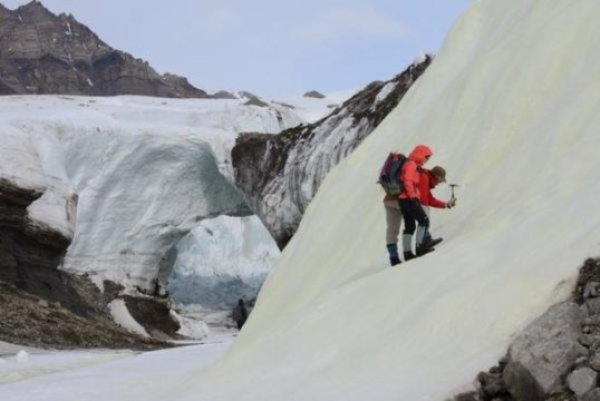
The study arose from field research in the Canadian High Arctic, where a team of scientists working with Templeton had identified sulfur-metabolizing organisms that live in shopping mall-sized mineral deposits that form on ice surfaces. Some of these sulfur deposits were returned to CU Boulder to determine whether they contained “biosignatures” that could be relevant to the search for life on Mars or Europa, one of Jupiter’s moons.
Templeton and CU-Boulder Research Associate Julie Cosmidis then set out to study the underlying mechanisms of biological sulfur mineral formation before realizing that some of the “extracellular structures” and associated sulfur minerals could be reproduced in the lab without any organisms present.
“It was very disconcerting- at first to see that the carbon-sulfur structures appear in our tests without biological activity, as they looked very microbial,” said Cosmidis, the lead study author.
“But the fact that these structures self-assemble makes their discovery even more exciting. They challenge our conception of what a biosignature is, and they can teach us about unexpected interactions between carbon and sulfur,” said Cosmidis.
The findings indicate that carbon-sulfur microstructures may no longer be surefire microbial indicators, but they are still useful for reconstructing environmental processes anywhere there is active sulfur cycling.
“We’re interested to learn how organisms mediate mineralization and commonly it is challenging to demonstrate that a mineral was produced by living organism,” said Templeton. “This research is another step forward in understanding fundamental self-assembly processes that are important to materials scientists, biologists and chemists alike.”
But while carbon-sulfur microstructures could confound efforts to identify ancient life, they may provide a roadmap to an entirely different innovation: Next-generation lithium-sulfur (Li-S) batteries.
Rechargeable Li-S batteries are considered to be a promising successor to the lithium-ion batteries that power most of today’s consumer electronics. Li-S batteries can contain up to five times the energy of lithium-ion batteries, but present a number of manufacturing hurdles that have yet to be overcome on a commercial scale.
The carbon-sulfur microstructures created in the new study, however, may solve one of the key challenges by encasing the sulfur in conductive carbon, potentially creating more electrically efficient Li-S batteries.
“We’re making materials that have the desired properties and we’re doing it by mimicking a natural environmental process,” said Templeton. “It’s a promising new pathway to battery design.”
{The CEO of Rwanda Development Board (RDB), Francis Gatare has said that seeing Rwanda ranked 56th down from 62th is a commendable achievement though the country targets to keep on improving. }
In a press conference following the recent World Bank ranking of countries easing trade, Gatare explained that the country has made reforms in registration of property, improving cross-border trade among others but lost marks in delivery of construction permit and electricity.
“We are the second in Africa in World Bank Doing Business ranking; but we want to become the first by next year and emerge the 10th globally,” he said.
The Minister of Trade, Industry and East African Affairs, François Kanimba who is in charge of the program ‘Doing Business in Rwanda’ has said that Rwanda is achieving a lot and will keep progressing by putting much emphasis on areas pointed to be weak and maintaining the scale of strong areas at the same time.
He said that Mauritius is the only country coming before Rwanda with only a few scores ahead.
“ When you look at standards in construction permit, we were ranked 37th before but are now in 158th position which will be corrected,” he said.
On electricity, the minister said; “There are other measures in place to help investors acquire electricity. We have enough information on power intermittence and the duration power cut lasts so that investors can adequately devise means of adapting. We have discussed with stakeholders and identified what went wrong and we are working on it,” he added.
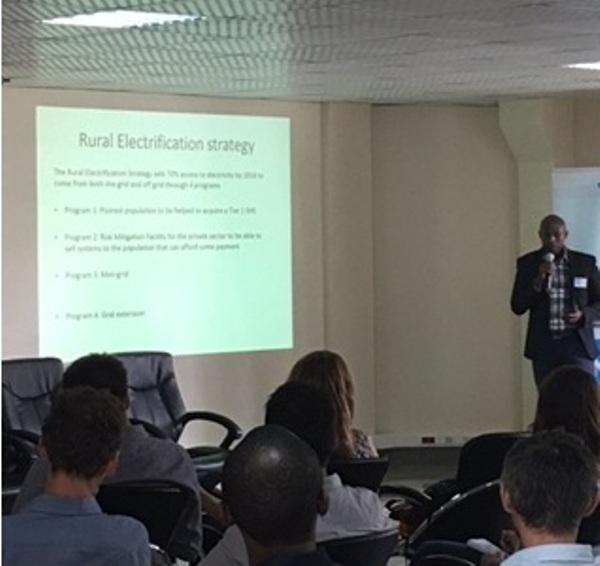
The ambitious targets of having 70% of Rwanda households connected to electricity by 2018, as outlined in the Rural Electrification Strategy, and ultimately 100% by 2020 will require high levels of investment in addition to the recognition and support given to off-grid electrification, which is supposed to make up 22% of access in the next two years, a scholar on Solar Home Systems (SHSs) has observed.
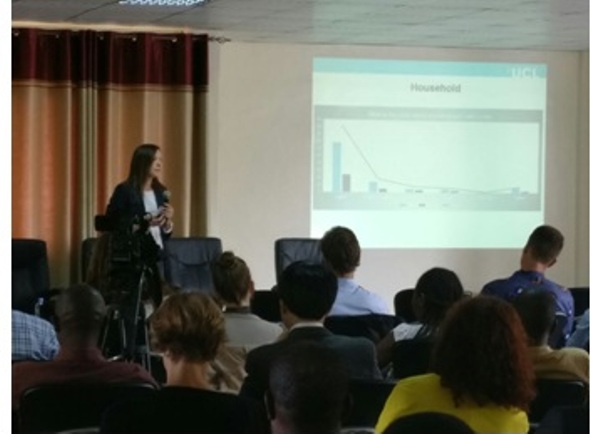
Iwona Bisaga, a PhD student, made the observation during a seminar held recently where she elaborated on the role off-grid solar plays in Rwanda’s energy mix.
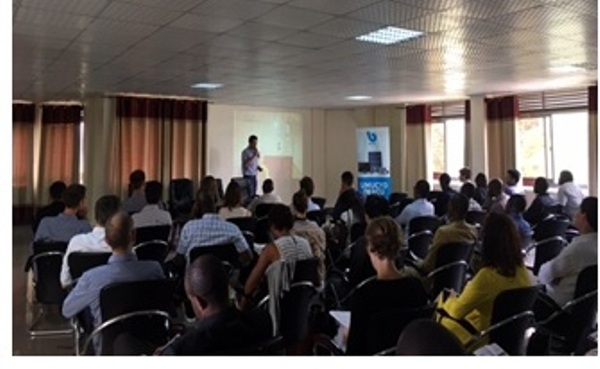
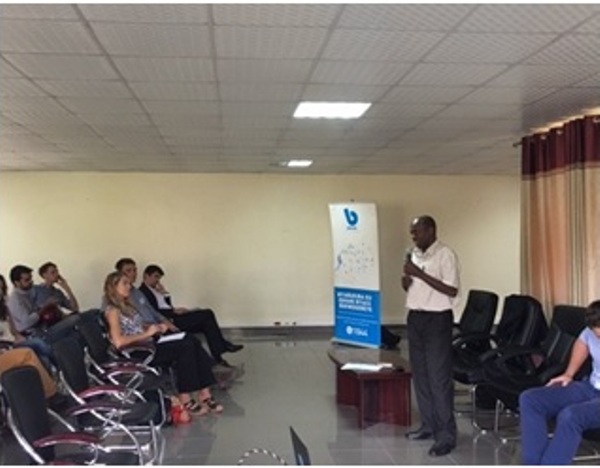
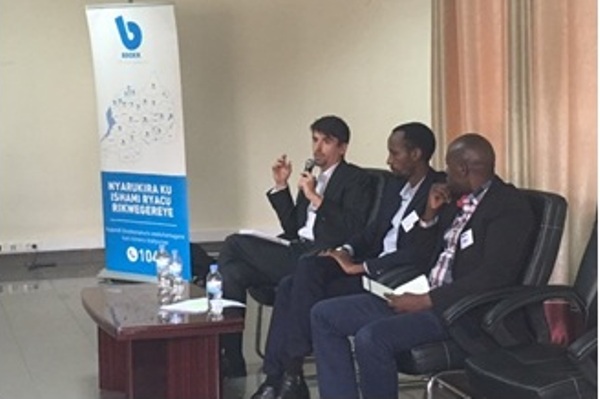
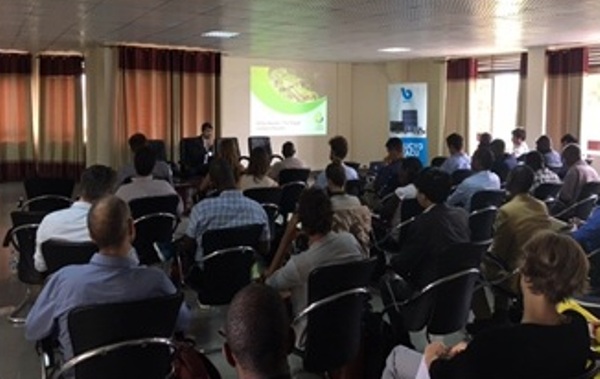
The seminar was organised with support from UCL’s Pro-Vice Provost Regional Leadership Fund for Africa and Middle East together with BBOXX and the University of Rwanda College of Science and Technology (UR-CST) and brought together key stakeholders working in the energy sector and discussed key questions around the future of Rwanda’s electrification efforts in the context of its Rural Electrification Strategy and the launch of Rural Electrification Campaign lead by the Government of Rwanda.
During the seminar, Laurent van Houcke, the COO of BBOXX, presented the vision the company has for extending energy access to remote rural areas while not forgetting about potential customers living ‘under the grid’ who choose Solar Home Systems because connecting to the grid network is often too costly for them. With end-to-end digitised operations, BBOXX are hoping for efficient and explosive growth that will allow them to provide reliable energy services in all of Rwanda’s 30 districts.
It is expected that off-grid will scale 20 times in the period 2015-2018, which can only be made possible with adequate levels of financing and investment flows, favourable policies and coordinated efforts among the public and private sector, and the development partners supporting energy work in Rwanda.
Among them, GIZ who are the implementing body of Energising Development- a multi-donor partnership promoting sustainable access to modern energy services for households, social institutions and medium-sized businesses in Africa, Asia and Latin America.
In Rwanda, their work currently consists of three strands: the PSP Hydro promoting the micro-hydro private sector, and the Results-Based Financing (RBF) for solar lighting and village gird, which is implemented through Uruwego Opportunity Bank.
With a EUR 5 million budget, the RBF facility aims to support off-grid solar companies by offering an incentive to partner companies, based on their sales or village grid installations, which aims at mitigating end user risk .
Whether one solar light or a village grid, the amount of the grant depends on the size of the system, which translates into the level of service provided to the end-user: the more it is, the higher the grant (with a maximum of EUR 20 per unit sold for solarlighting and up to 70% of the investment costs in the case of a village grid).
RBF subscribed companies can then use the grant money in any way they deem suitable for their businesses to grow.
According to Simon Rolland, the Country Project Manager at EnDev Rwanda, feedback from participating companies has so far been very positive with a high recognition of the market-driven approach and the suitability of this initiative for mitigating end-consumer risk, as well as the incentives it creates for sustainability and performance. Yet off-gridis not without challenges in the region, claims Simon- access to working capital and currency risk remain problematic for the sector and the need for raising local debt financing is more pressing than ever if the sector is to hit its targets.
Justus Mucyo, the Managing Director of BBOXX Rwanda, has seconded this as being the key to unlocking the off-grid solar potential in the country during the panel discussion. In addition, all speakers agreed that well-defined policy for the implementation of the Rural Electrification Strategy is of crucial importance, with badly designed donor or government programmes in the off-grid space carrying risk for an unfavourable market distortion.
Another threat, particularly to solar systems, are cheaper, poor quality products entering the market from distributors offering no warranty or after-sales services, which can have a damaging effect on the users (as well as solar’s reputation) as no support is offered in case systems break.
The need to focus on end-users and their needs was highlighted in the early findings of Iwona Bisaga’s PhD research which she is conducting on SHS customers in the Northern part of Rwanda.
In order to maintain the overall high satisfaction levels among those who have adopted SHSs, it is important to recognise that a considerable proportion of them see off-grid solar as a permanent solution for having access to energy in their households and therefore the need to provide adequate, reliable services is a must. All or most of energy needs are met by SHSs for approx. 75% of adopters, however, majority have aspirations for owning more lights (in order to light up all rooms in their houses), a TV (for access to information and entertainment purposes), more phone charging ports (fow own use as well as for income generation), and other appliances such as shavers, blenders or irons.
Worth noticing is the fact that, based on Iwona’s findings, women and children are the ones who tend to use the systems more as they are the ones who spend more time at home, yet it is usually the man in the household who is the registered owner of the product.
In this research, female users were deliberately targeted in order to better understand their needs and aspirations as often the primary users of SHSs. For them, having the ability to shift some of the chores into the evening (instead of early morning hours) and having children stay around the house in the evening, as well as allowing them to study after dark, is what matters most. Getting access to appliances which could create opportunities for income generation (such as shavers to run a barber shop) has been mentioned as desirable, yet it needs to come at an affordable cost.
One of the most interesting findings was the setting of energy targets, or imihigo, as they are known in Rwanda (literal translation of imihigo is performance targets), at the household level. Over 40% of SHS users interviewed have reported having energy targets in their households at the time of purchasing their systems. Well over 50% have reported there being energy targets at the umudugudu (village) level now. Such grassroot, bottom-up energy planning is quite unique and not commonly seen among households in countries lacking energy access. Its significance should not be overlooked: knowing that households and villages set such targets could help SHS providers better target future customers and improved understanding of how households decide to set and execute their energy imihigocould be a valuable learning for other countries with high proportions of those still living off the grid.
Listening to customers’ voices and collecting their feedback for service improvement, financing and sound policies, as well as closer collaboration among all stakeholders involved dominated the discussion between the speakers and the diverse audience, among whom were EU delegates, banks’ and telcos’ representatives, Power Africa, DfID, EPD Rwanda, Mobisol, as well as students from UR-CST.
A great addition to the planned talks and discussions was the announcement of the African Centre of Excellence in Energy for Sustainable Development by Prof. Etienne Ntagwirumugara of UR-CST. The Centre is being established under World Bank’s Eastern and Southern Africa Higher Education Centres of Excellence Project (ACE II) and is supported by the governments in the region. Prof. Ntagwirumugara called for cooperation and local partnerships, particularly with the private sector in the energy sector with whom the Centre aims to work closely in order to train future leaders and equip them with skills which are most needed for the sector to thrive.
{The Minister of Justice, Johnston Busingye has requested Africans to make the first step in reporting own stories to put the record clear from false reports made by others.}
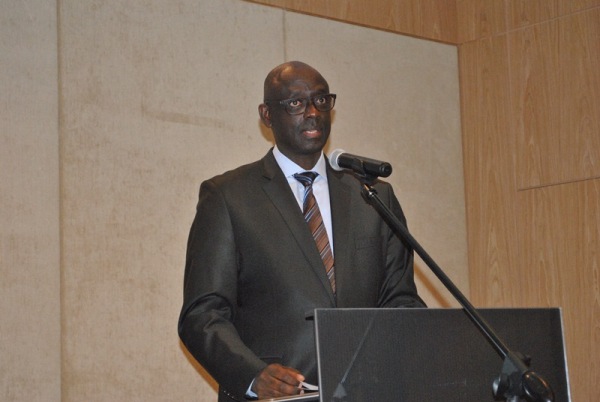
Busingye noted this today as he launched the 8th National Media Dialogue which has been held at the same date of the celebrating the African Information Day at Kigali Convention Center.
The minister lauded participants of the 8th National Media Dialogue for commitment in supporting journalism and requested Rwandans and Africans in general to be the first to report own stories lest other people report false information.
“The beauty of this continent is not reported and instead bad pictures are relayed or the truth is ignored. If we disseminate our own information, we will be in position to neutralize falsehoods written about Africa. It is our responsibility to tell unadulterated history of our humanity,” he said.
The CEO of RGB, Prof.Shyaka Anastase has reminded participants that National Media Dialogue is the best opportunity to discuss the development of media in Rwanda and internationally.
The National Media Dialogue is expected to come up with the real image of the media Africa needs based on current status of journalism and the way it is practiced today.
{President Paul Kagame has described Kigali tycoon Makuza Bertin who recently passed away as one of the people who helped Rwanda in the process of resilience and a man who strove for common interests following the mayhem Rwanda passed through. }
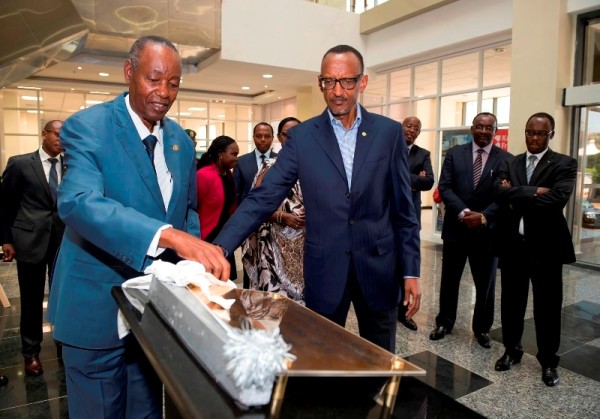
President Kagame said this during a mourning session held yesterday to console with the bereaved family of Makuza Bertin where he requested everyone to leave a good legacy for which he/she will be remembered.
President Kagame said that he knew Makuza during hard times the country was experiencing and became one of the people who committed to making Rwanda, a fast growing country.
“I knew Makuza in difficult times as a real man who also helped to rebuild the country. He is among people who would help us; he had other friends they worked together for long term in seeking support, attracting private investors to improve performance or support the country’s development projects,” he said.
President Kagame described Makuza as a man who could provide support to public activities and highlighted that his deeds will be remembered and should be emulated.
President Kagame told mourners to always work for leaving a good legacy. President Kagame has said that the history left behind by a person marks his/her last days of life. “Continuing to live emanates from history you live through deeds, the way you behaved and the way you supported others or how you worked with others keeps your name heard,” he said.
Makuza Bertin was one of renowned businessmen in Rwanda for various business entities including Rwanda Foam, a local mattress manufacturing plant which has operated for 30 years and owner of a $40m M. Peace Plaza located in Kigali city.
Makuza died at 73 on Wednesday last week at King Faisal Hospital over liver disease.