In his statement, the military chief did not specify the type or scope of the investigation, but indicated that the ongoing investigation will allow the country “to learn, evaluate and make adjustments” to the transformation plan for Venezuela’s Bolivarian National Armed Forces, adding that “extremely high technology” was involved.
The remarks were made on Venezuela’s National Dignity Day, an event viewed as a symbol of resistance and political transformation.
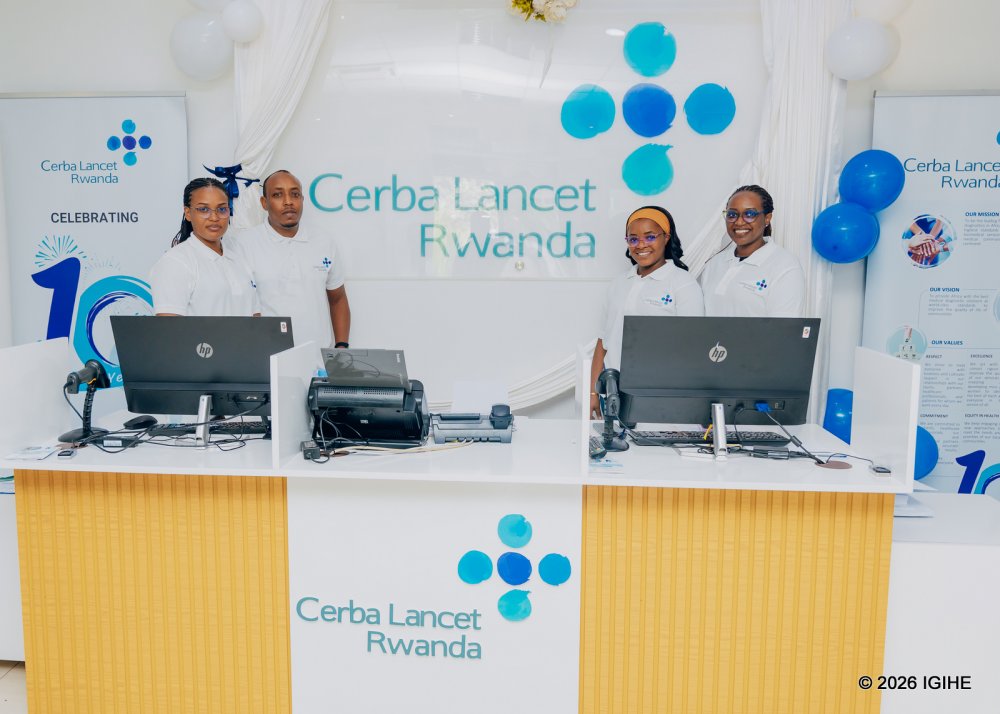
Over the past decade, the laboratory has expanded from a single local facility into a national diagnostic provider supporting both public and private healthcare institutions in all four provinces and Kigali City.
The rebrand supports its strategy to integrate regional expertise, standardised quality systems, and scalable operational models to meet evolving healthcare needs.
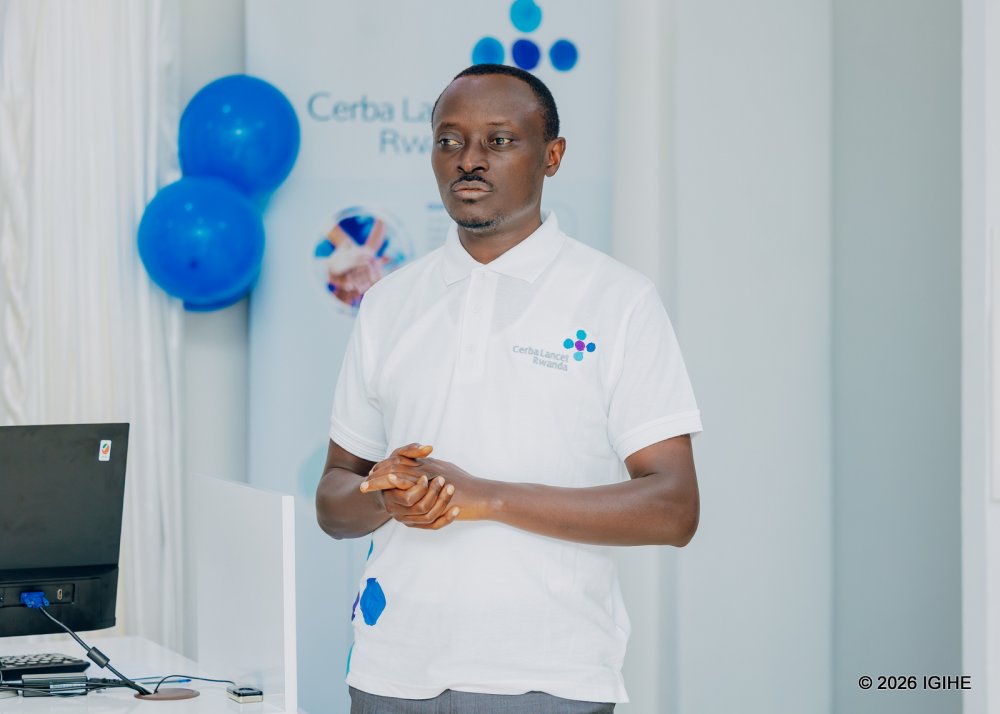
Commenting on the milestone, Country General Manager Protais Ntezimana said the organisation’s growth has been driven by a focus on efficiency, access, and reliability.
“Over the last ten years, we have focused on building local diagnostic capacity, reducing reliance on overseas testing, and improving turnaround times to support faster clinical decision-making,” he said.
Today, Cerba Lancet Rwanda provides access to advanced diagnostic services that were previously unavailable locally, reducing both the costs of travel abroad and delays for patients and healthcare providers. Turnaround times for specialised tests have been reduced from months to days, supporting improved clinical outcomes and system efficiency.
The laboratory was also the first independent private facility in Rwanda to achieve ISO 15189 accreditation, reflecting alignment with international quality and safety standards.
By forging strategic partnerships with clinics and hospitals nationwide, the organisation has streamlined patient management, improved service delivery, and ensured broader access to timely diagnostics.
Mwende Musunga, East Africa Group CEO, noted that the rebrand reflects Cerba Lancet’s long-term regional strategy. “This transition supports our focus on sustained investment in healthcare systems, knowledge transfer, and operational integration across markets to strengthen diagnostic access and quality,” she said.
The rebrand includes a new visual identity, updated digital platforms, and continued investment in laboratory technology and professional development. These initiatives support the organisation’s long-term objective of strengthening diagnostic capacity while contributing to broader healthcare system resilience.
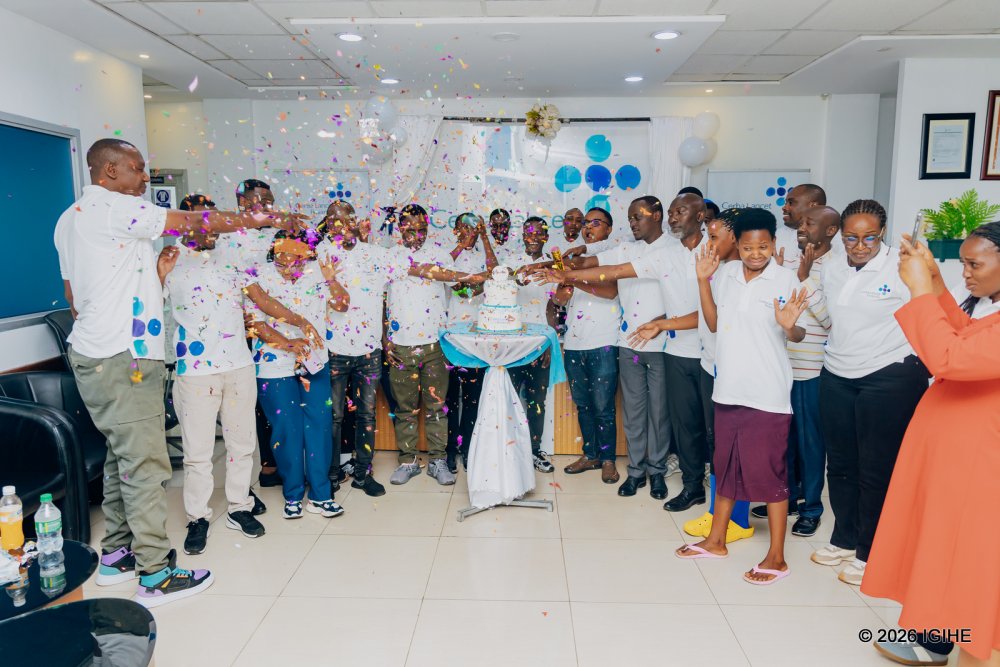
As Cerba Lancet Rwanda marks its 10th anniversary, it enters its next phase supported by Cerba Lancet Africa’s footprint across 14 countries, technical expertise, and collaborative infrastructure, positioning it to continue expanding access to high-quality diagnostics across Rwanda.
{{About Cerba Lancet Rwanda }}
Cerba Lancet Rwanda is a leading pathology and laboratory medicine service provider in Rwanda. It provides vital diagnostic, monitoring, and screening testing from routine, to specialized and esoteric tests.
It operates ethically, efficiently, and effectively, striving to continually improve its services by remaining at the cutting edge of technology while adhering to international criteria set out according to ISO Standard 15189.
Cerba Lancet Rwanda is part of Cerba Lancet Africa, a leading network of clinical pathology and medical diagnosis in Africa, with the ambition to become the leading diagnostic services provider in Africa, bringing world-class standards of pathology services to patients and medical communities across the continent.
Cerba Lancet Africa operated a network of 160+ laboratories across Kenya, Uganda, Tanzania, Ivory Coast, Ethiopia, Rwanda, Botswana, Gabon, Ghana, Mozambique, Nigeria, Eswatini, Zambia and Zimbabwe.
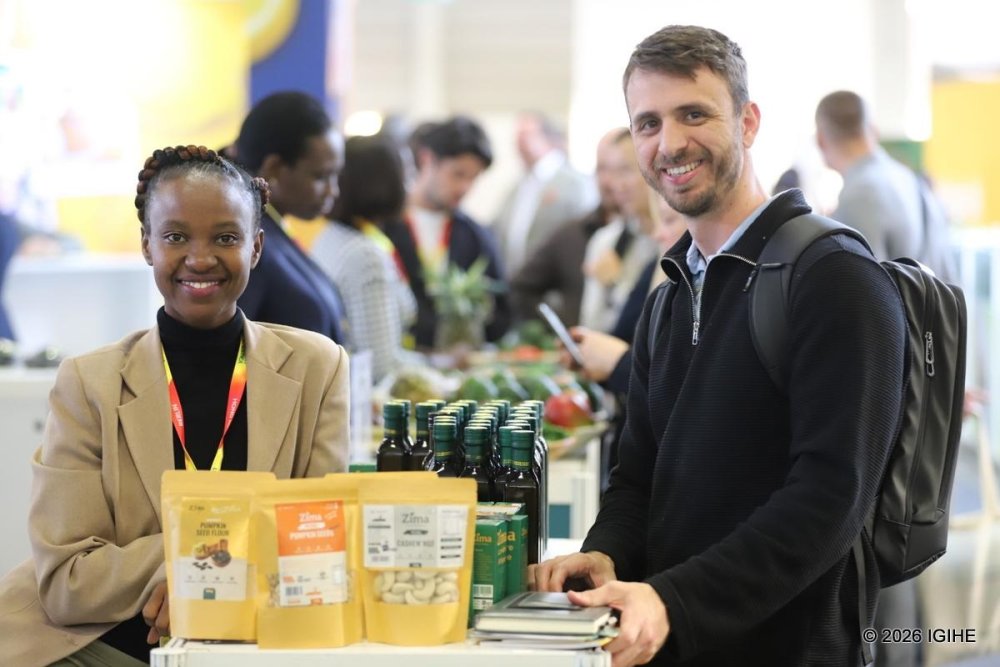
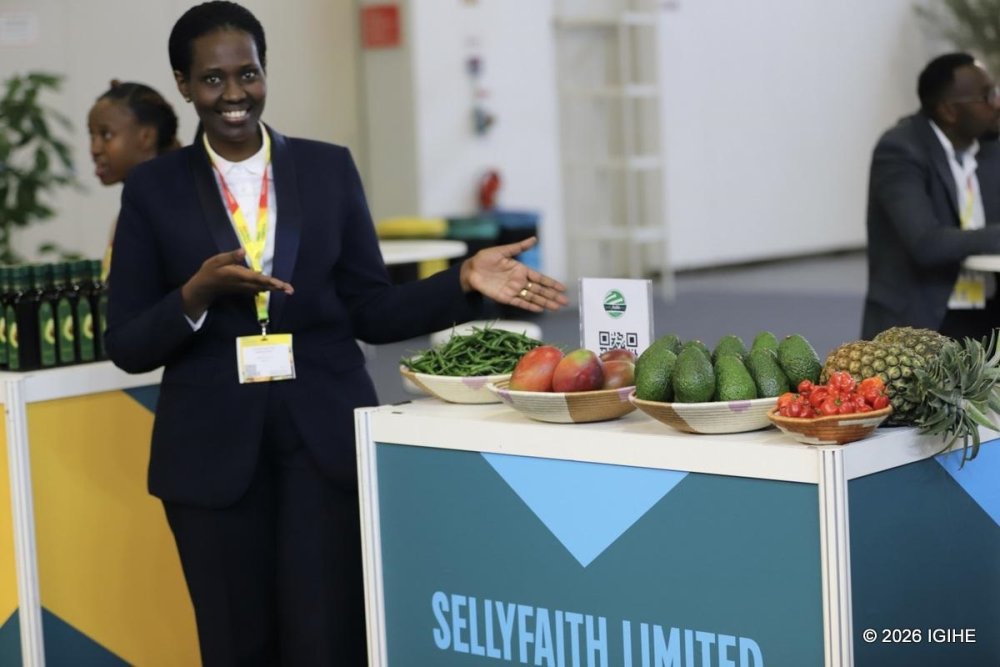
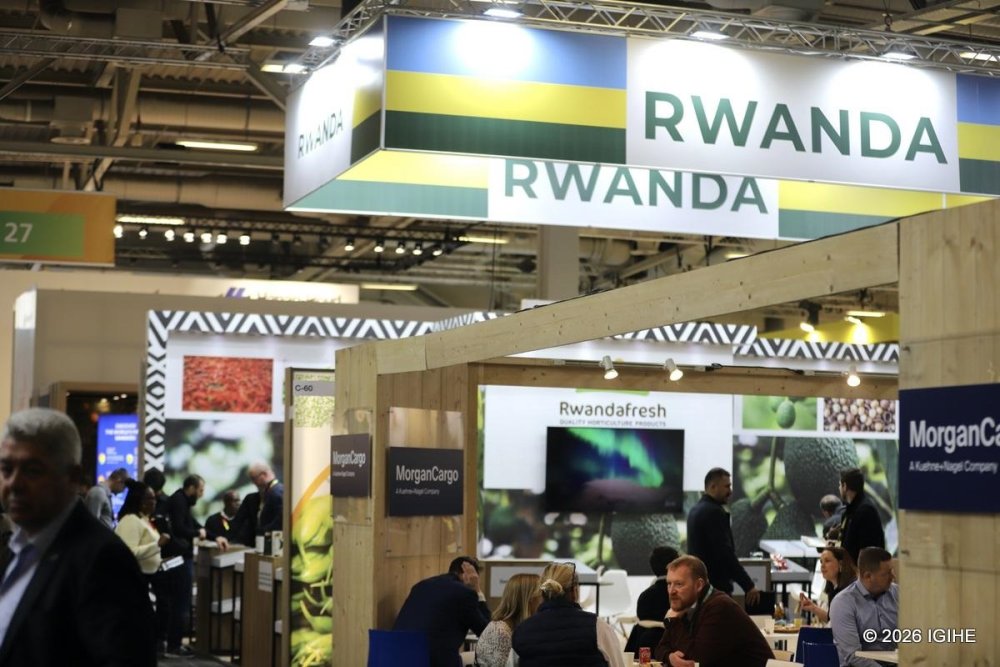
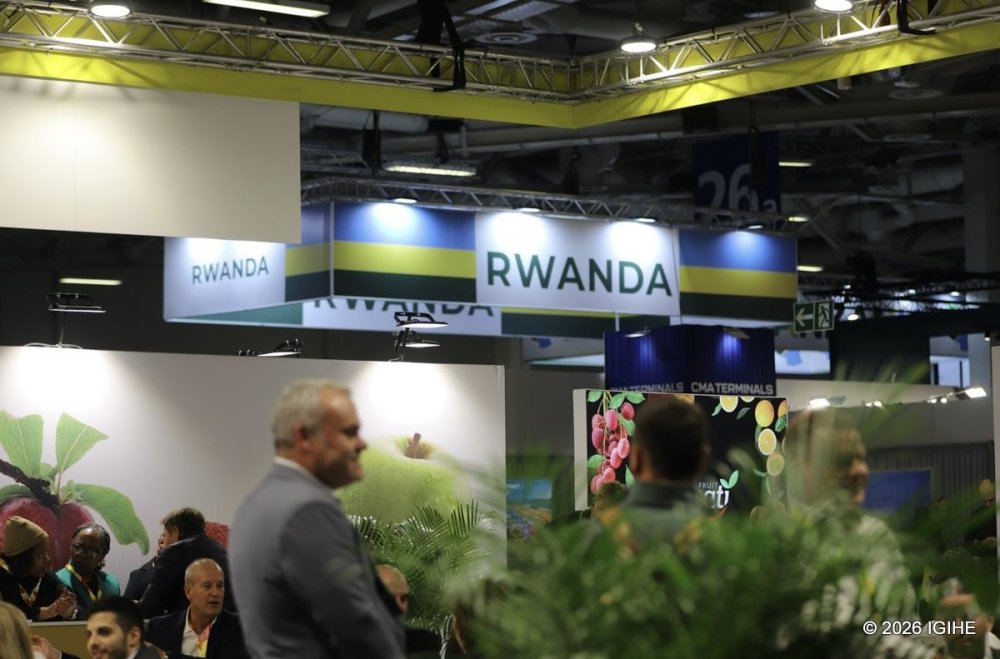
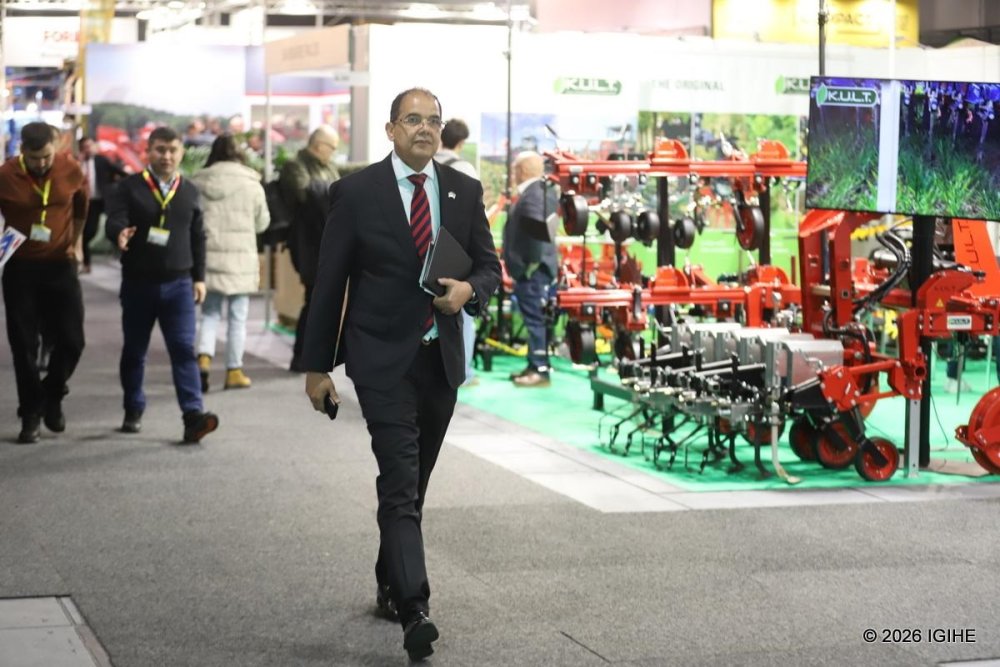
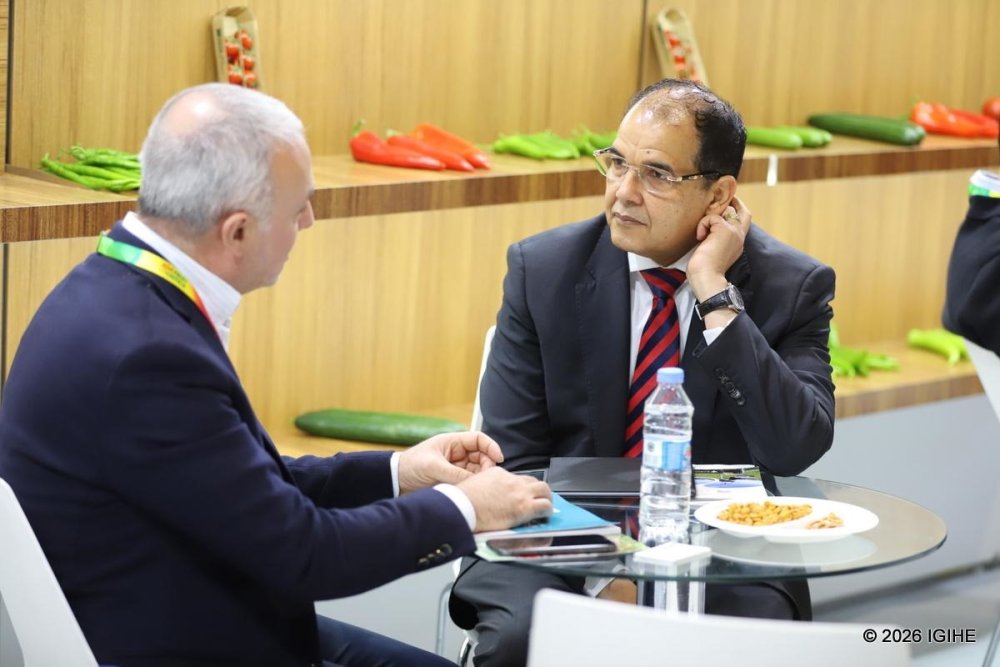
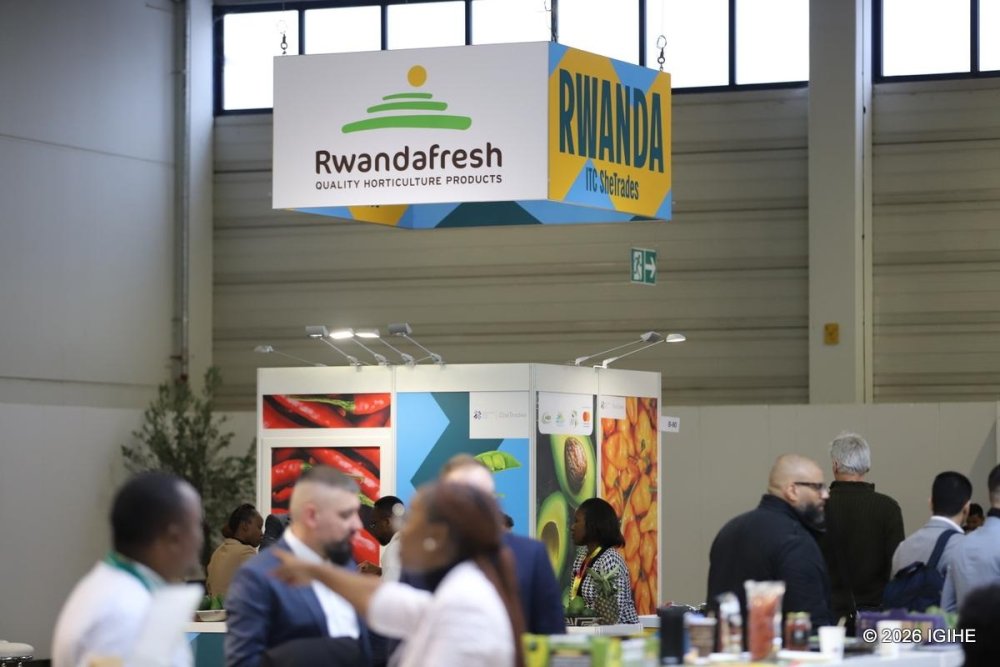
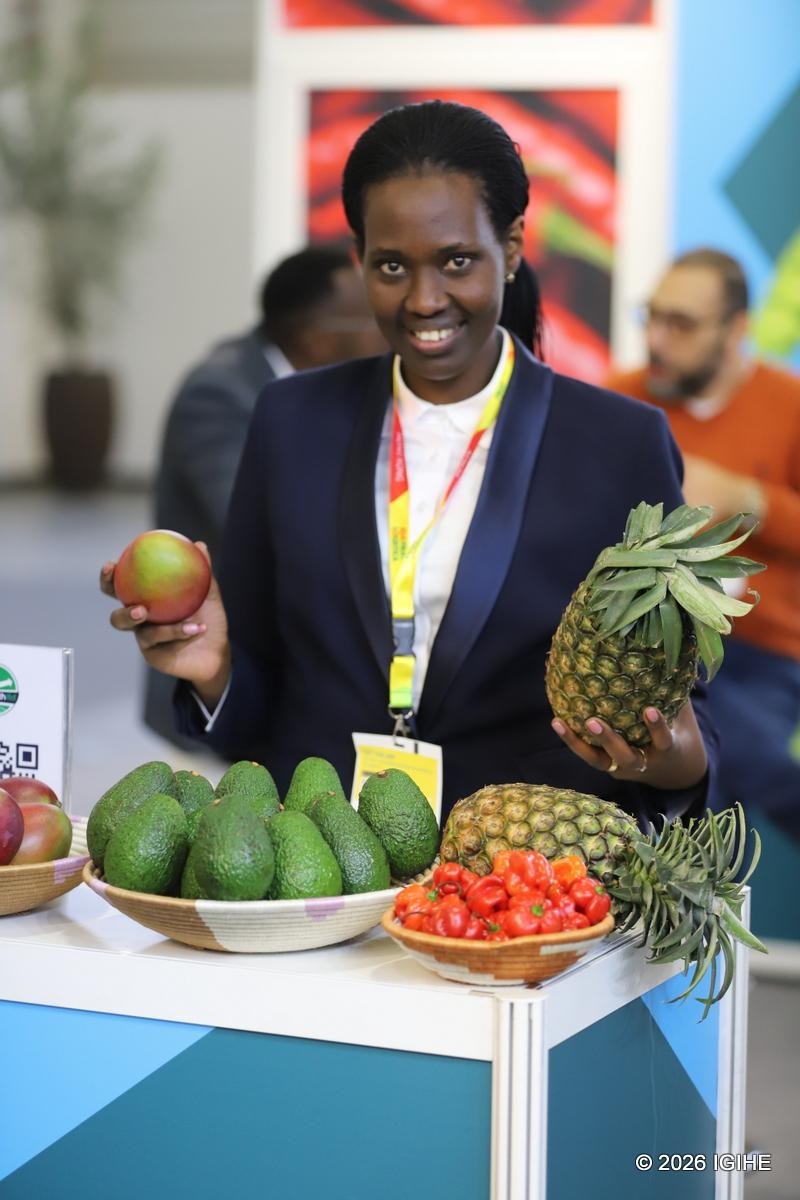
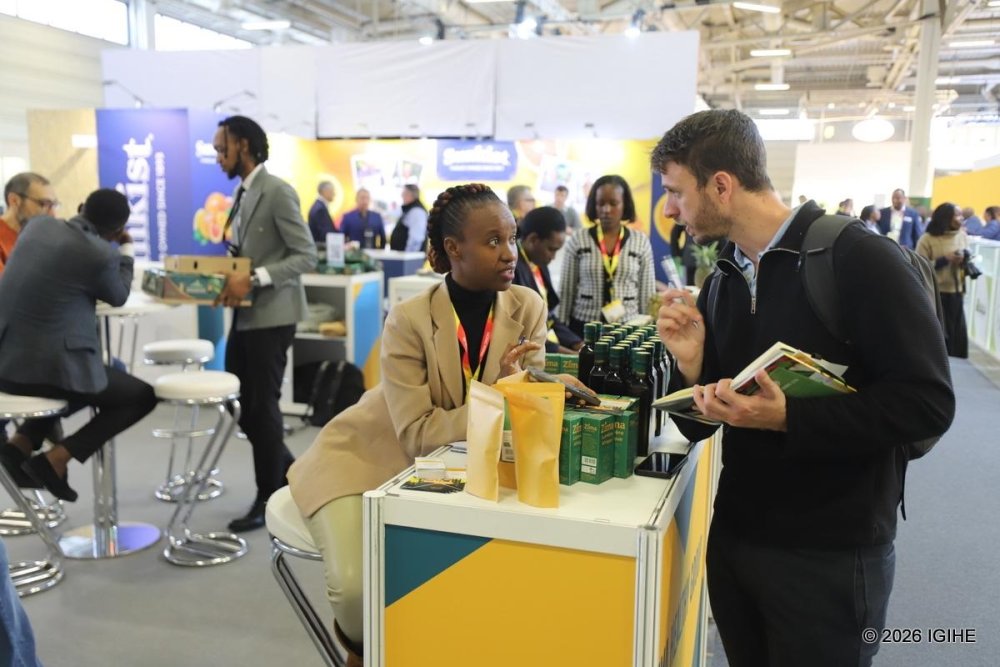
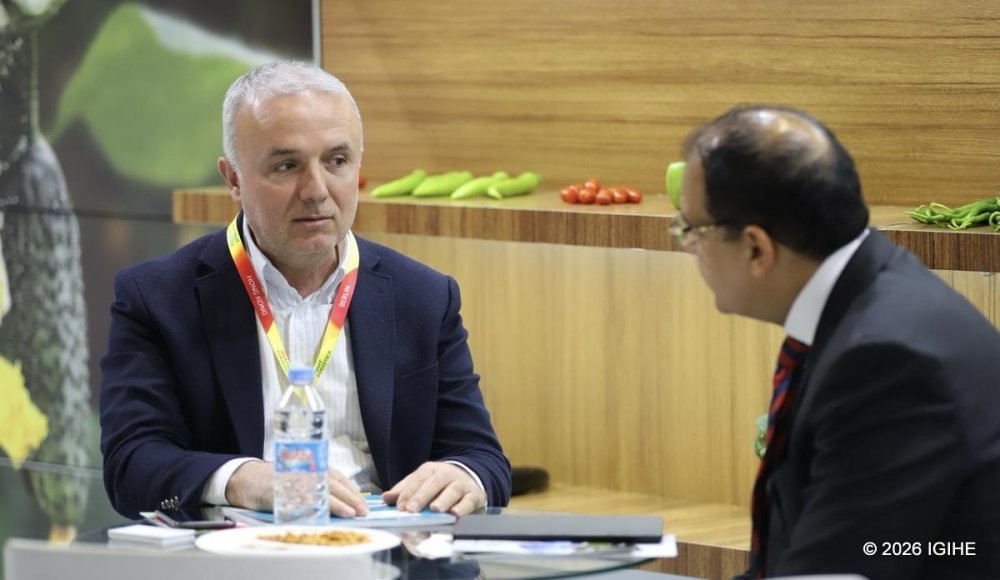
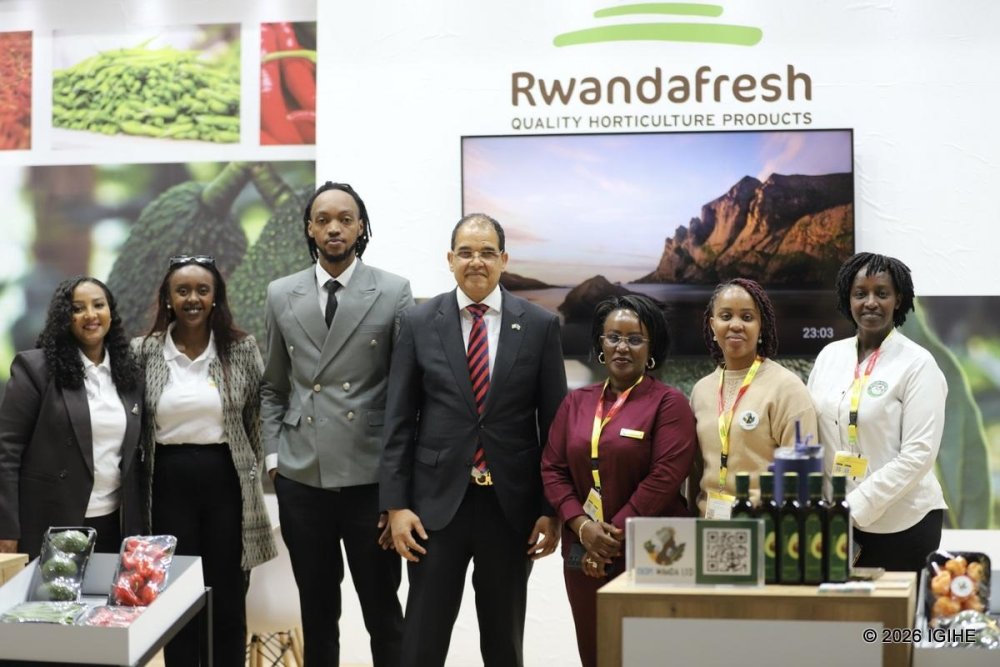
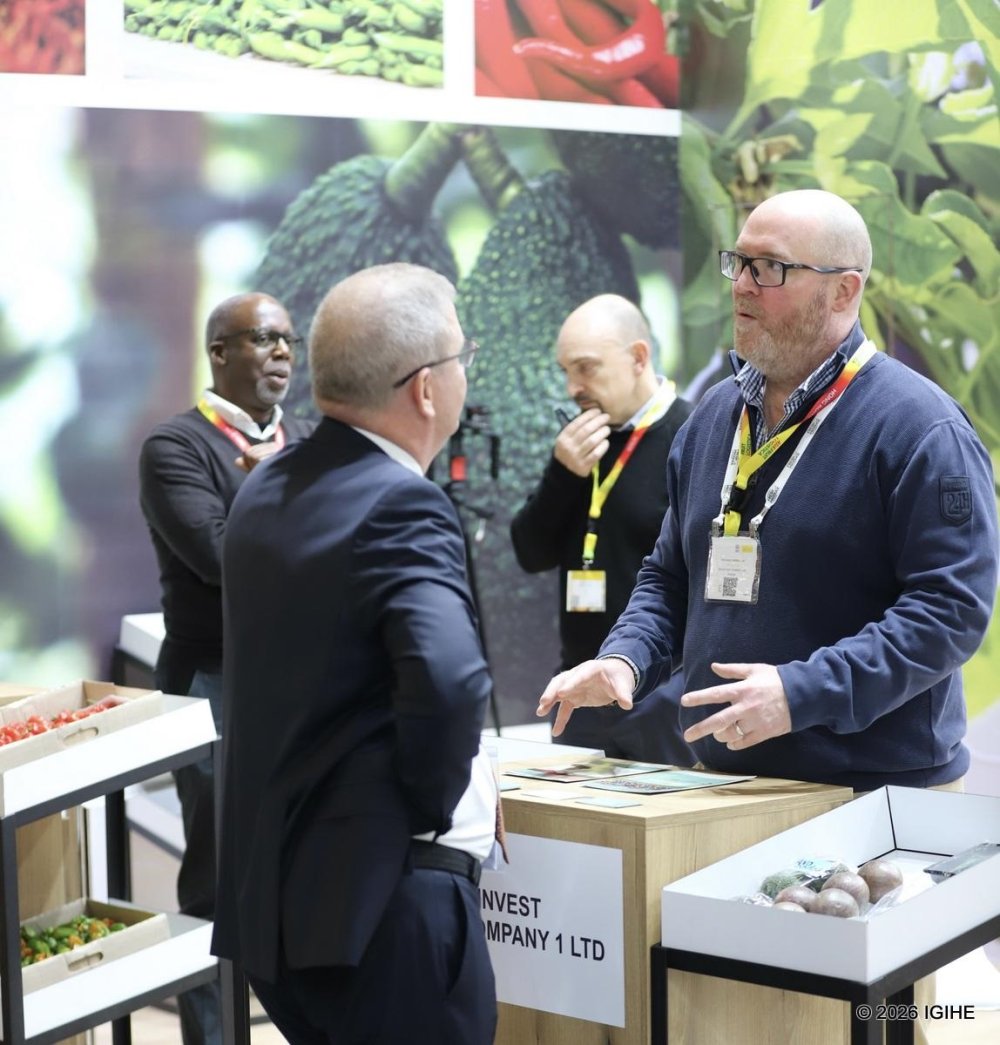
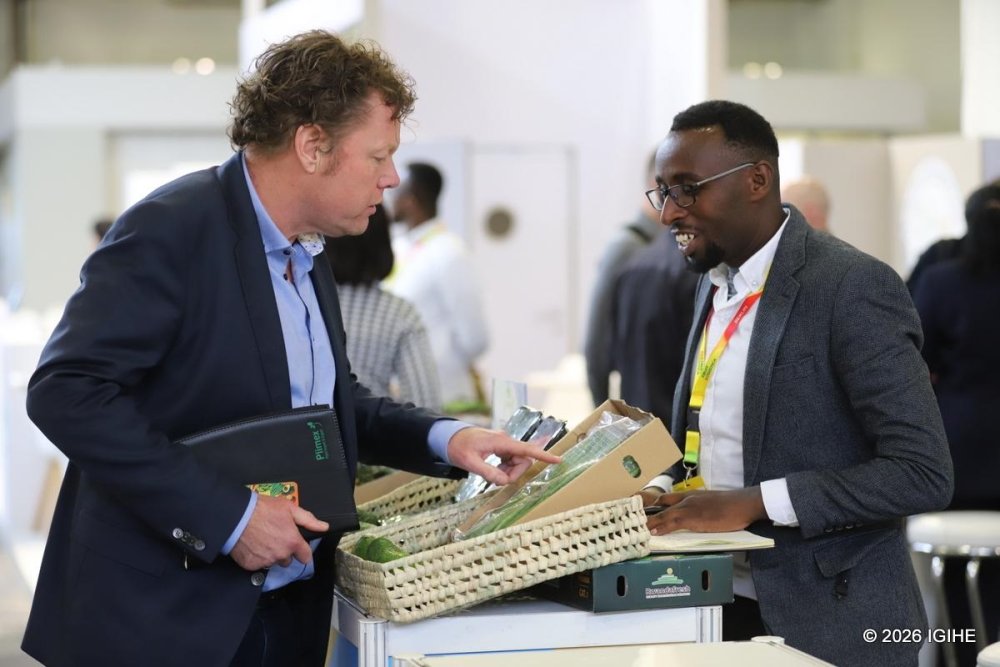
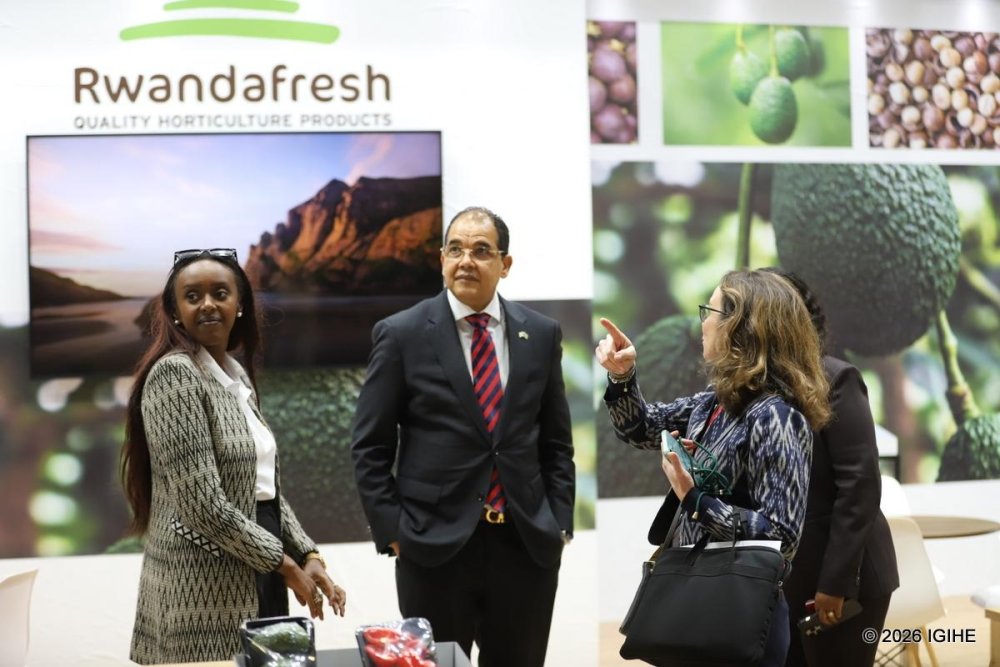
Now marking its 33rd edition, Fruit Logistica has drawn 2,600 exhibitors from 90 countries, together with trade visitors arriving from more than 150 nations.
The fair functions as a vital global hub, bringing together farmers, suppliers, buyers, logistics specialists, and innovation leaders from across the entire fresh produce supply chain.
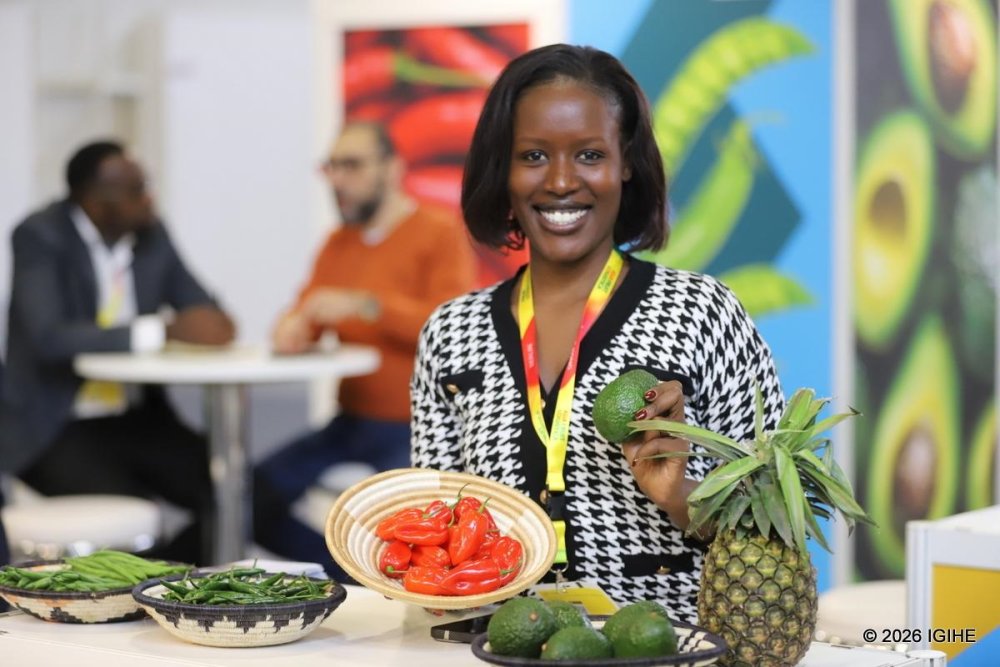
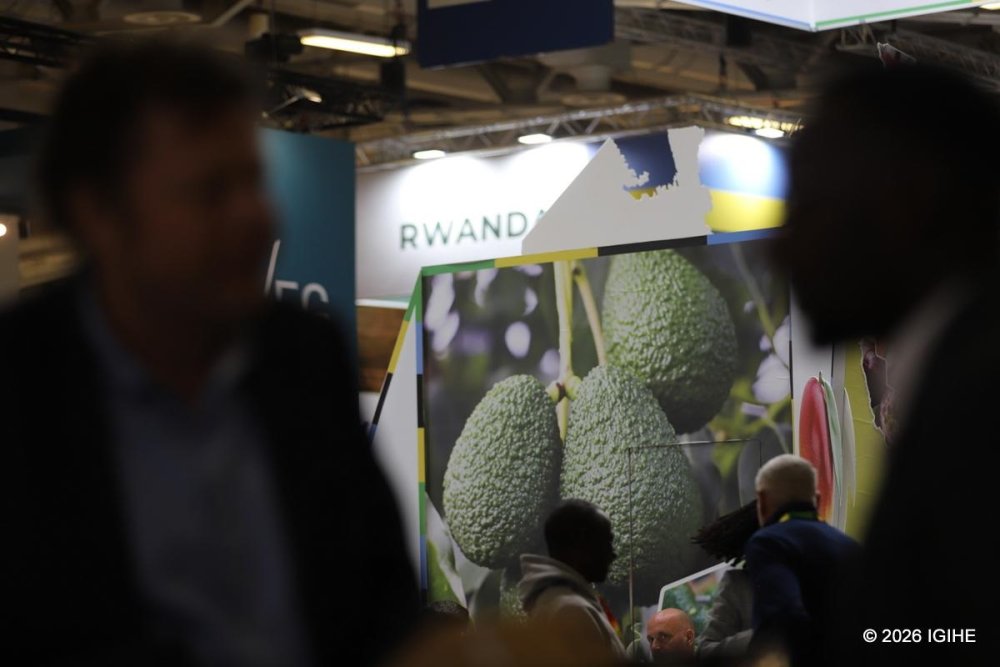
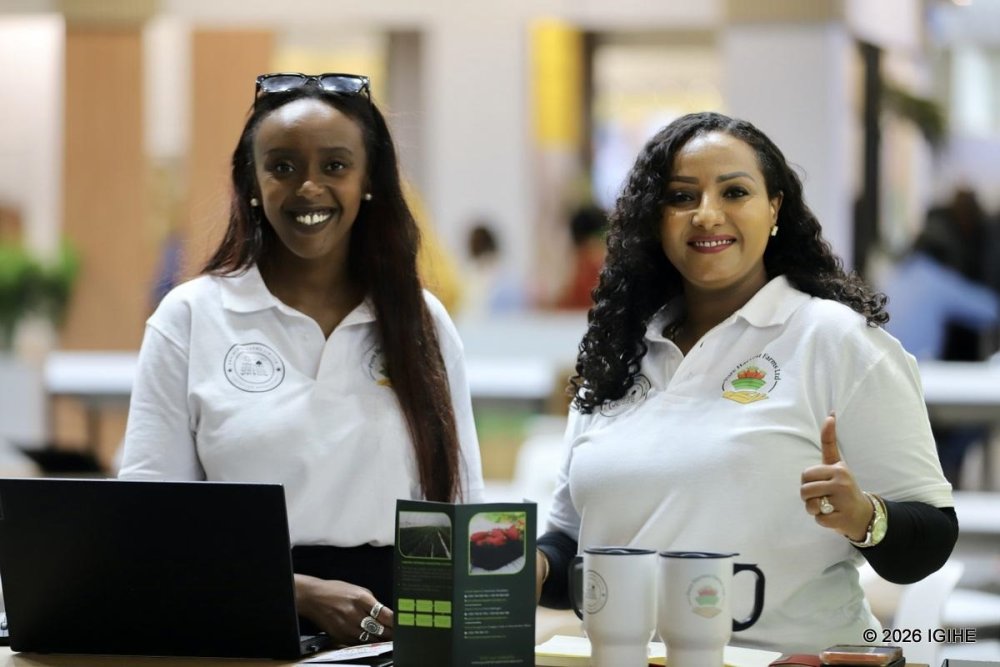
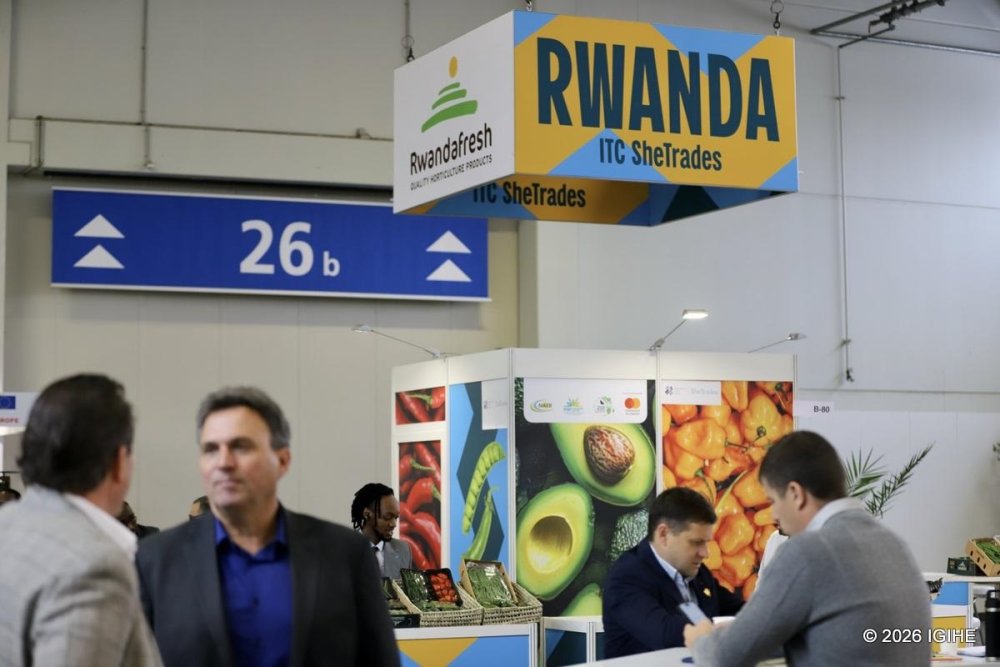
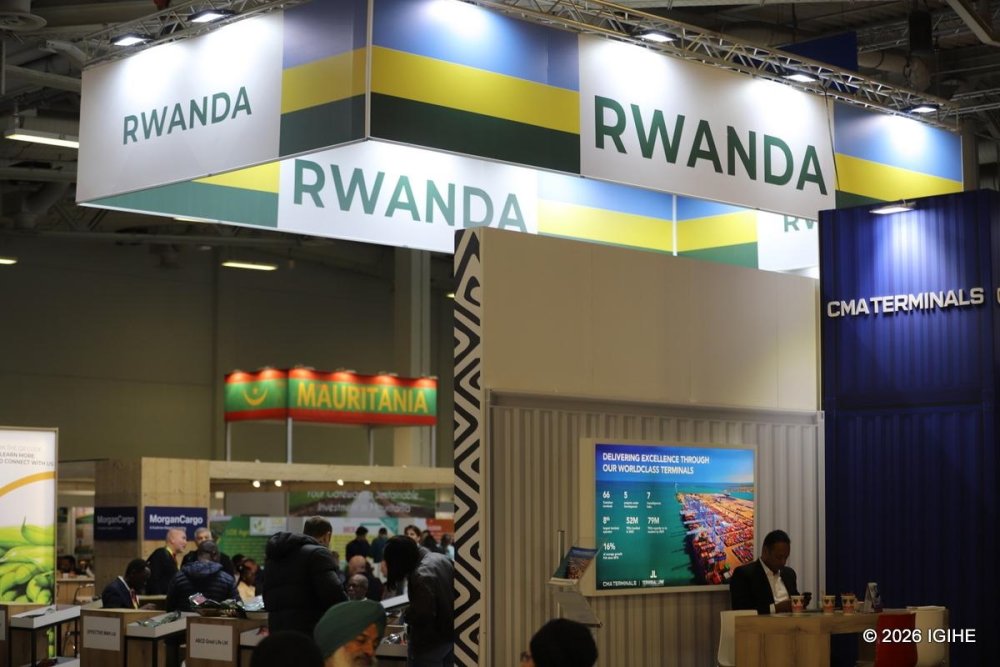
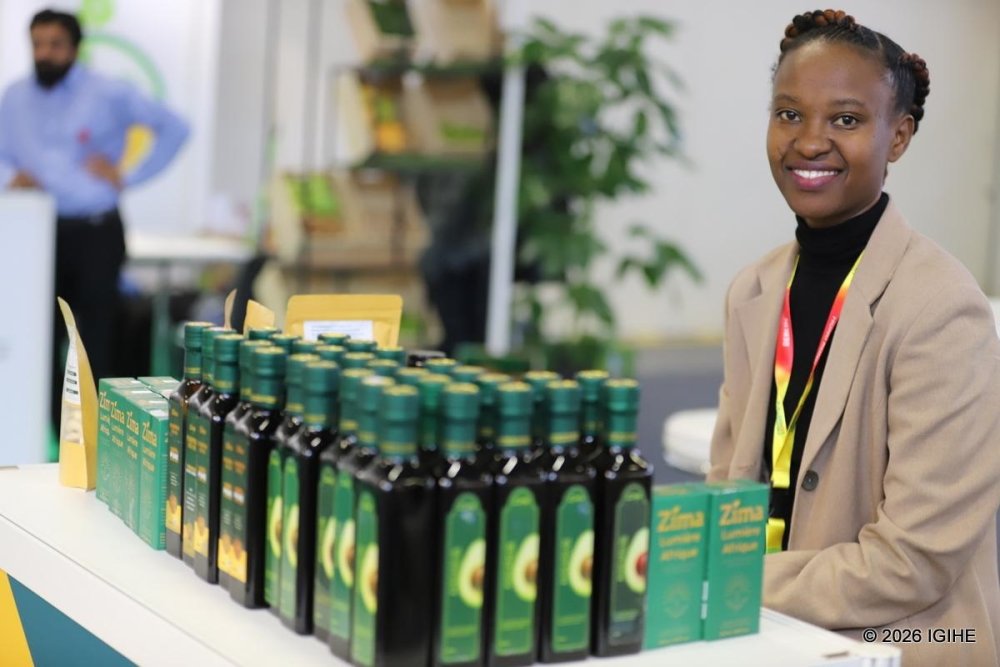
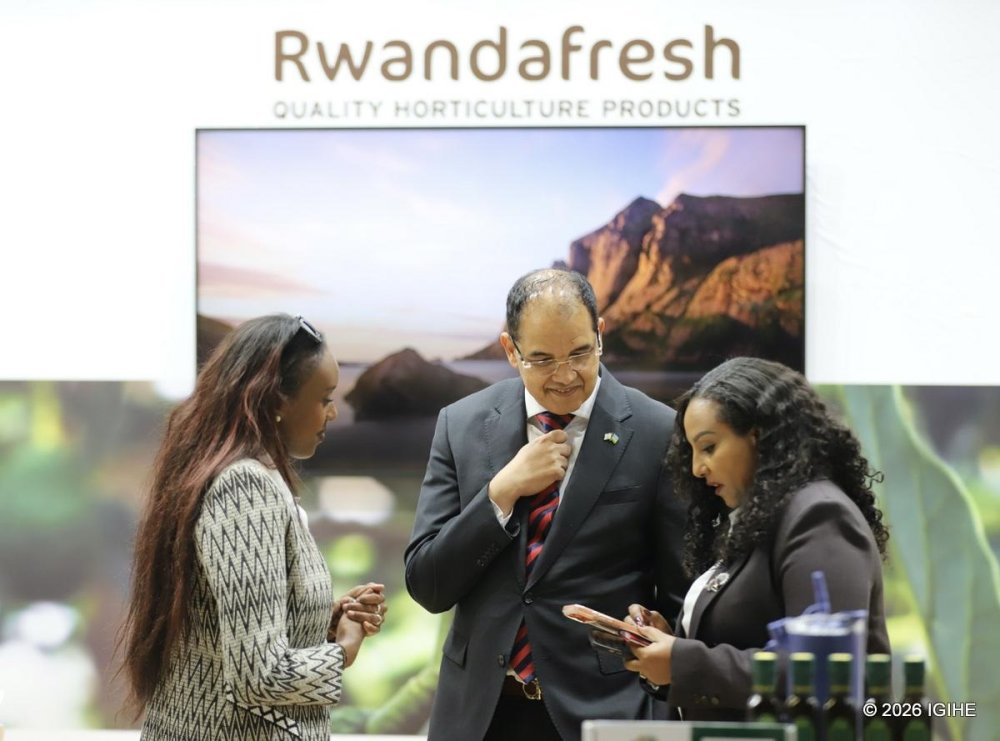
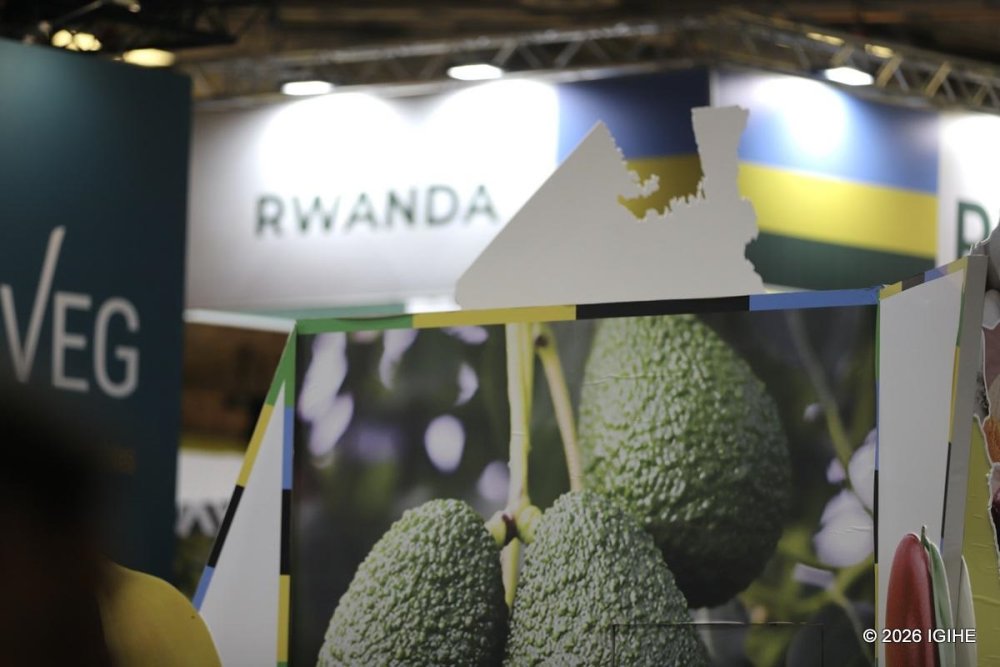
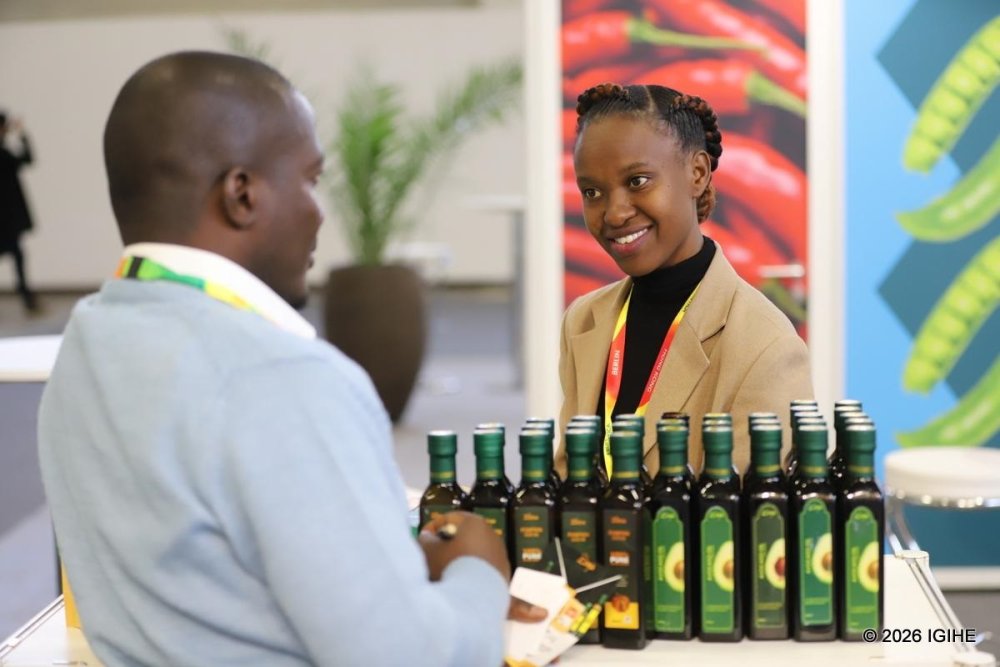
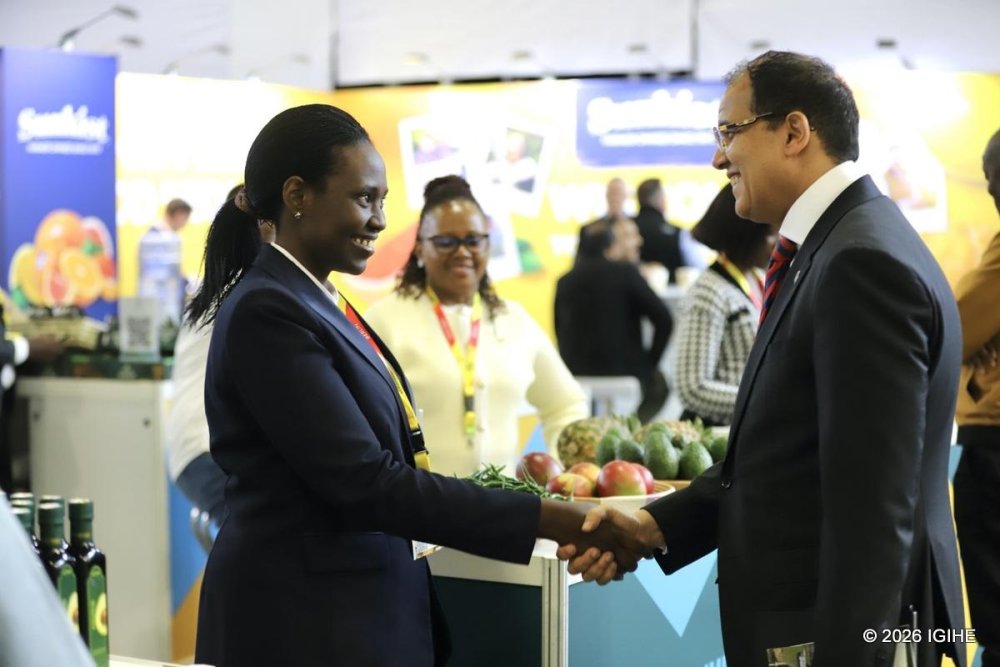
Rwanda is represented by the National Agricultural Export Development Board (NAEB), Rwandan Embassy in Germany and 15 local companies specializing in horticultural exports.
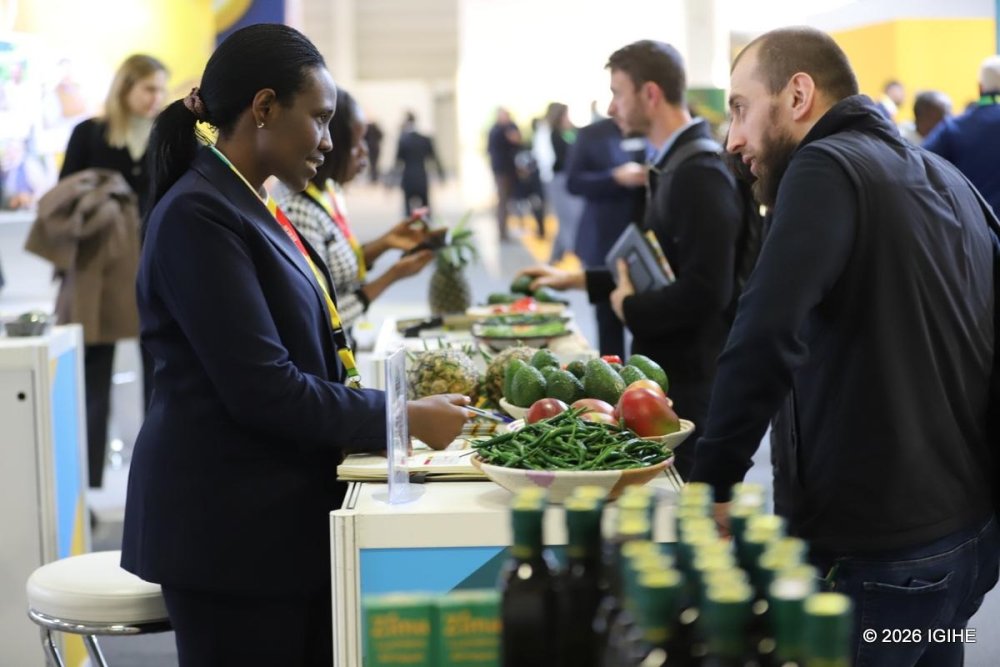
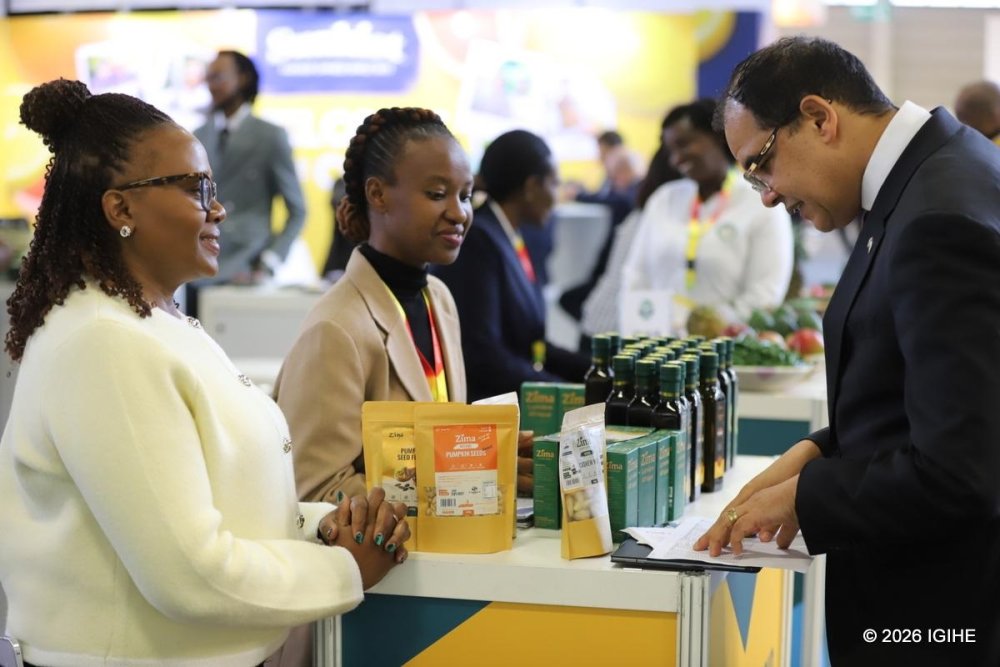
These participants are using the platform to highlight the quality of Rwandan produce, establish valuable new business relationships, deepen their understanding of international markets, and expand their export opportunities.
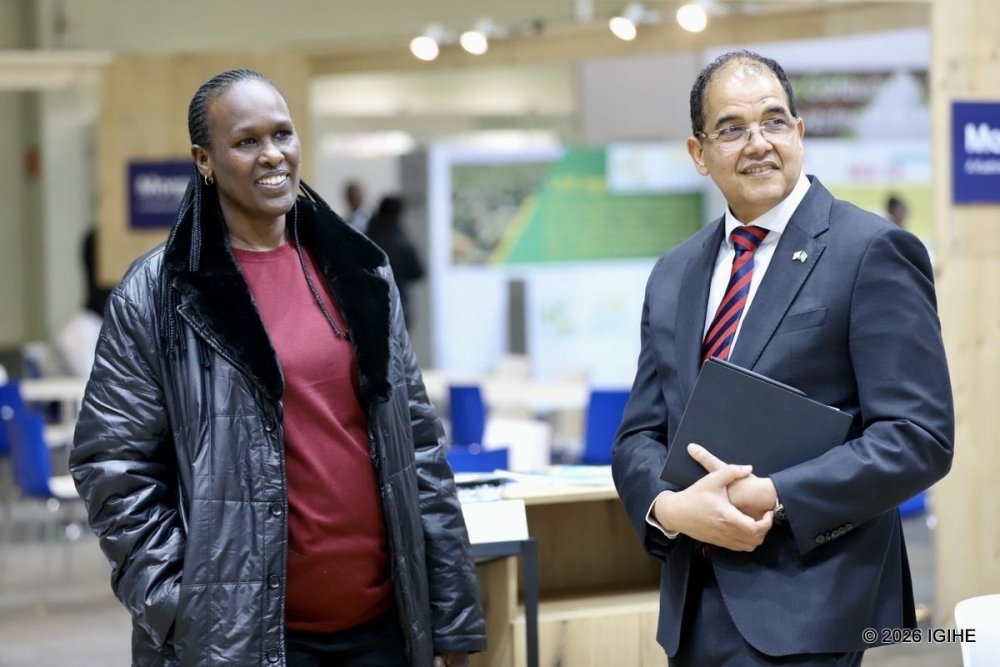
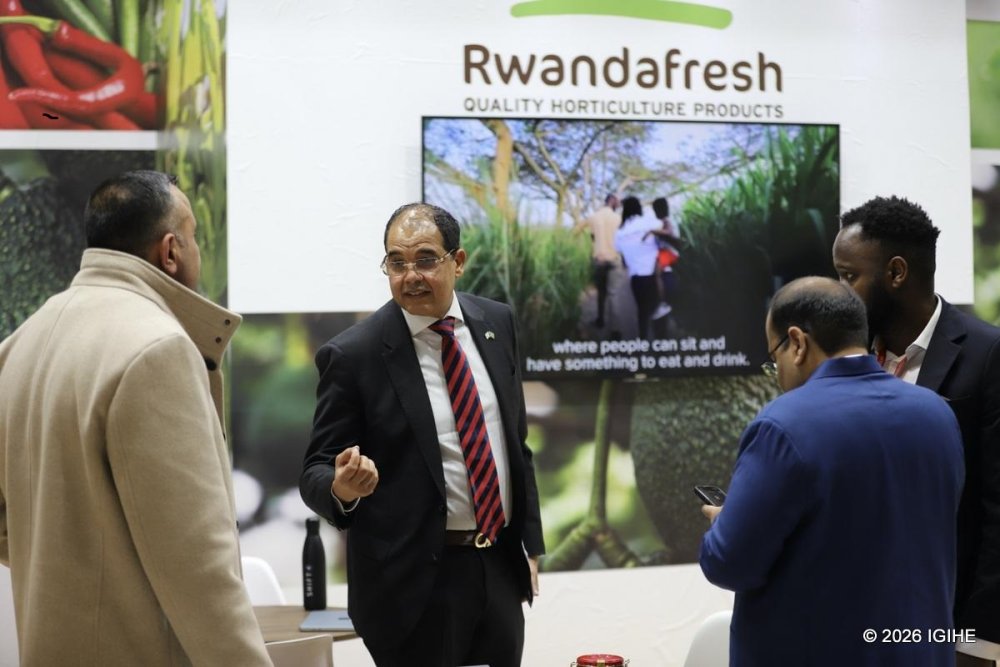
Rwanda’s Ambassador to Germany, Igor Cesar has told IGIHE that the trade fair is a major opportunity for Rwanda to showcase its agricultural produce to the global market.
“This strong visibility helps position Rwanda as an attractive destination for fruit and vegetable exports,” he said.
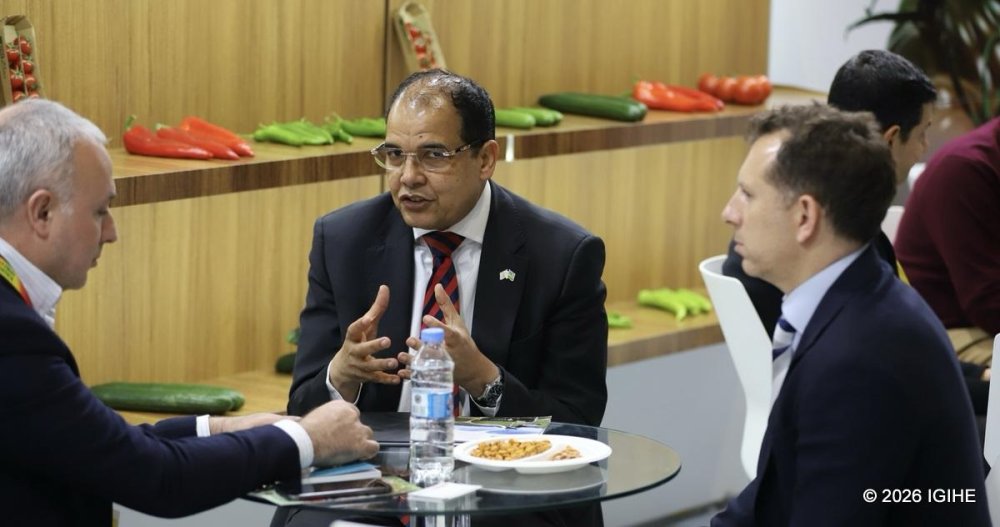
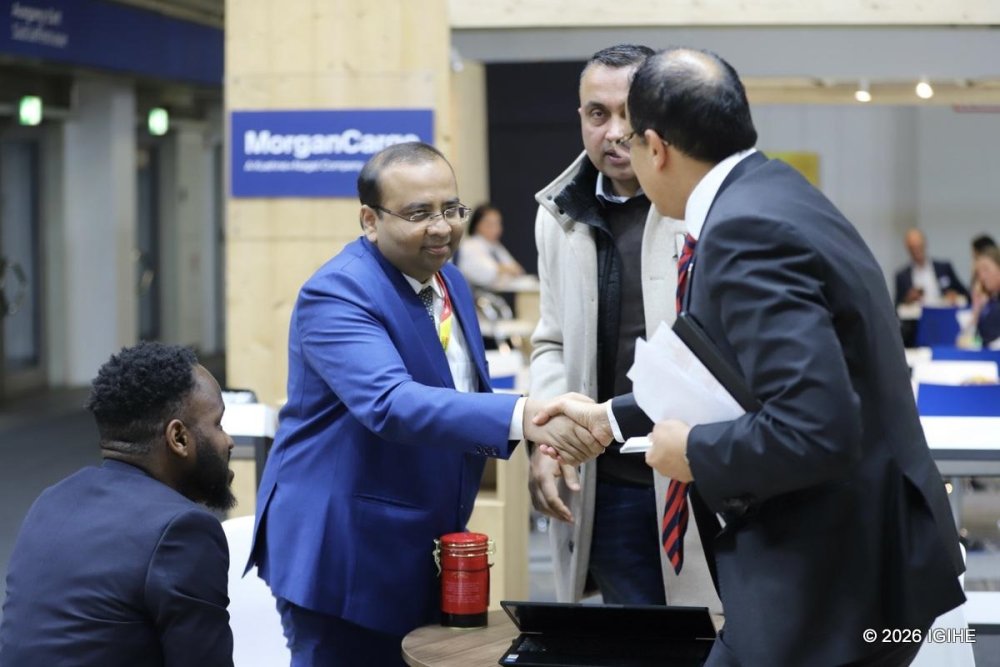
The Rwandan team has been actively engaging with global counterparts, including following up on partnerships formed during the country’s participation in the previous edition of the fair.
Taking part in such a prominent international gathering is expected to create fresh export pathways for Rwanda and further solidify the country’s presence in the global fruit and vegetable trade.
Rwanda has continued to build momentum in horticultural production and exports. In the final week of January 2026, from January 26 to 30, the country generated more than USD 10.85 million through the shipment of roughly 8,500 tonnes of agricultural products.
This included 427 tonnes of vegetables that brought in USD 474,594, shipped mainly to the United Kingdom, the Netherlands, the United Arab Emirates, Germany, France, and other African markets.
During the same period, 627 tonnes of fruits were exported for USD 745,216, with principal destinations being the United Arab Emirates, the United Kingdom, Spain, and various African countries.
Rwanda also sent 30 tonnes of flowers abroad, earning USD 250,468, primarily to the Netherlands and the United Kingdom. Beyond these horticultural items, 5,787 tonnes of other agricultural and livestock products were exported, contributing an additional USD 2.9 million, with key markets including the United States, Oman, and African nations.
Earlier, in December 2025, the Ministry of Agriculture and Animal Resources confirmed that Rwanda’s combined agricultural exports for the full year had surpassed USD 893 million.
Guided by the Second National Strategy for Transformation (NST2), the country is working toward a clear goal of raising annual foreign exchange earnings from these sectors to USD 1.5 billion by 2029, supported by sustained efforts to boost production volumes, improve quality standards, and strengthen access to international markets.
The Independent International Scientific Panel on Artificial Intelligence is made up of 40 distinguished individuals from across the world.
“Today, we are taking an important step to help ensure artificial intelligence serves all of humanity,” said Guterres. “It will be the first global, fully independent scientific body dedicated to helping close the AI knowledge gap and assess the real impacts of AI across economies and societies.”
The panel will provide an authoritative reference point at a moment when reliable, unbiased understanding of AI has never been more critical, he told reporters.
A shortlist of 40 individuals with deep expertise across disciplines was formed following an open global call that drew more than 2,600 applications. All members will serve in their personal capacity, independent of any government, company or institution, said Guterres.
The panel will have a three-year term from the date of appointment.
“AI is transforming our world. The question is whether we will shape this transformation together, or allow it to shape us. At a time of deep geopolitical tension and growing technological rivalry, we urgently need common ground — and a practical basis for cooperation based on science and solidarity. That is what this panel can help deliver,” said Guterres.
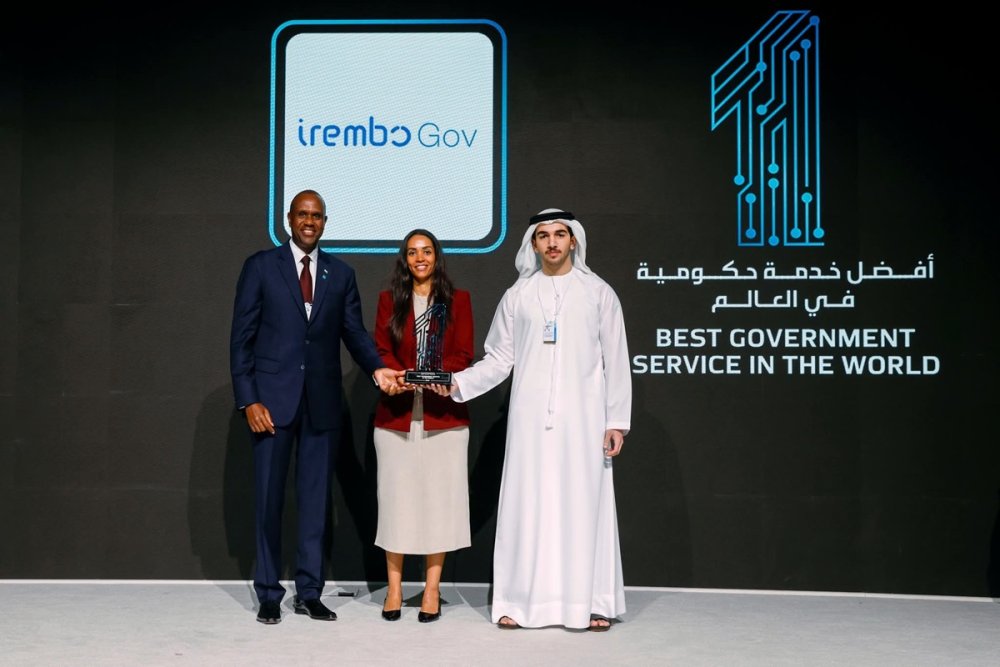
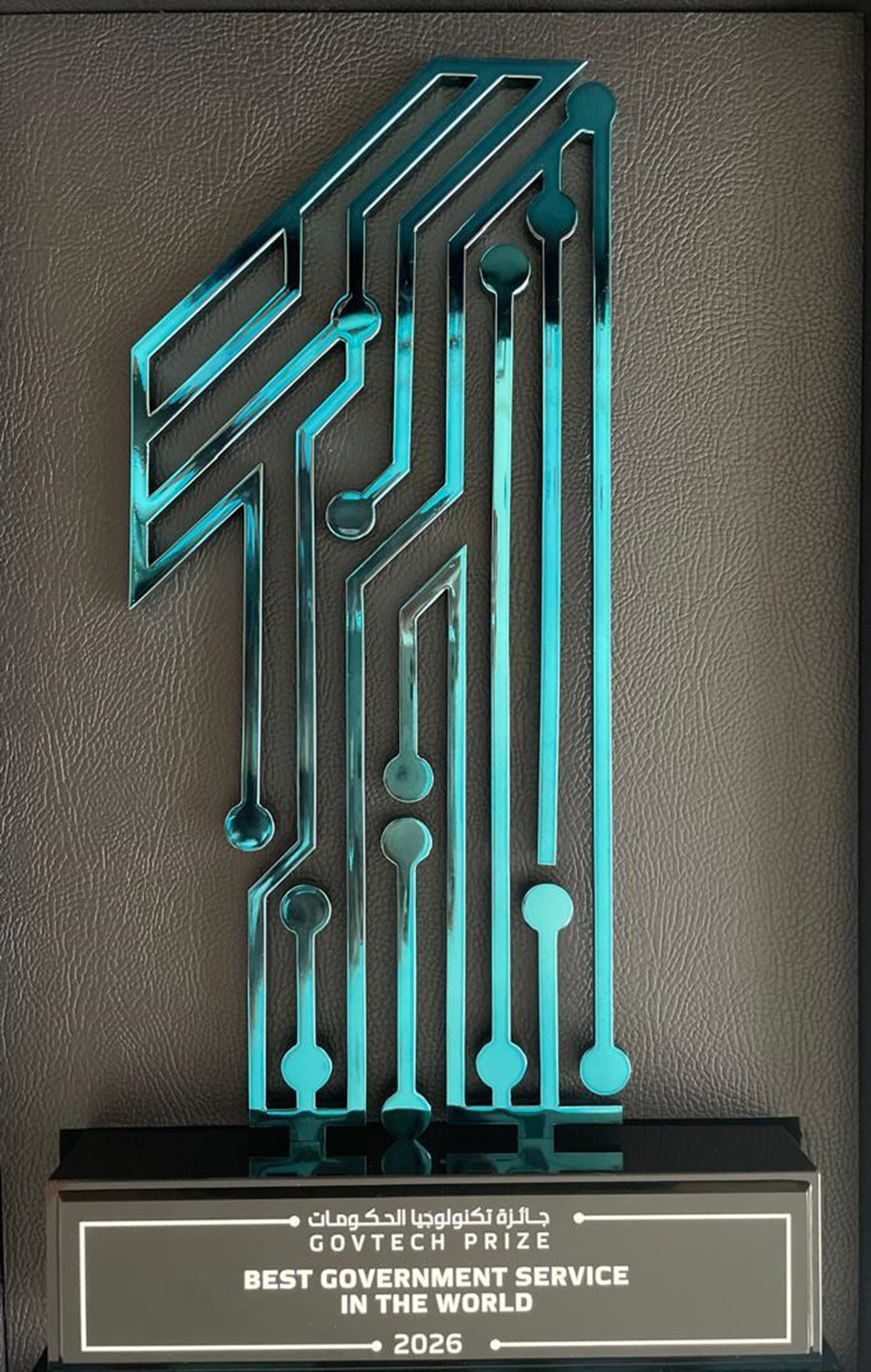
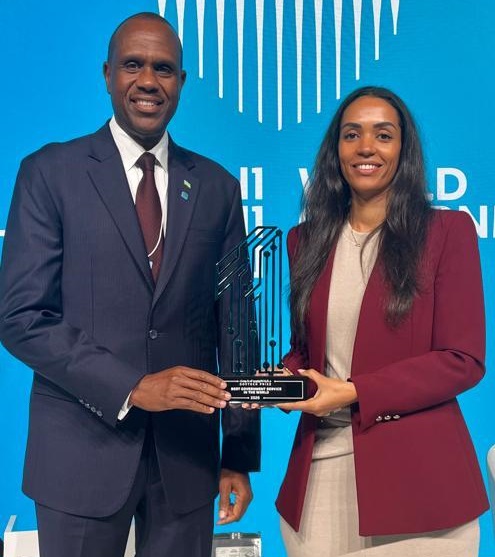
The award was presented on February 4, 2026, during the World Government Summit held in Dubai, United Arab Emirates, according to a statement from Rwanda’s Embassy in the UAE.
The recognition was awarded to IremboGov, a platform developed by IREMBO, in acknowledgment of its role in improving digital government services.
The award was received on behalf of the Government of Rwanda by Rwanda’s Ambassador to the UAE, John Mirenge, together with Estelle Kayitesi, Head of Policy and Partnerships at IREMBO.
The GovTech Prize 2026 recognizes global government entities for pioneering technology-driven solutions that enhance public services.
The awards are part of the annual World Government Summit, a global forum launched in 2013 that brings together government leaders, experts, and private sector stakeholders to discuss governance challenges and the role of innovation in addressing them.
The 2026 summit, held from February 3 to 5, brought together participants from more than 150 countries.
The awards are held annually in the UAE. Over the past decade, thousands of applications from 126 countries have been submitted for consideration.
Rwanda has invested heavily in digitizing public services, enabling citizens to access services remotely without the need to physically visit service centers.
By 2024, the country had digitized about 680 government services, making them accessible online.
These efforts go hand in hand with expanded internet infrastructure. According to the National Institute of Statistics of Rwanda (NISR), more than 12 million people own and use mobile phones, while nine million use the internet.
The IremboGov platform was launched in 2015 and currently hosts over 240 government services. Statistics show that the platform processes more than 500,000 service requests each month, with 80 percent of payments made digitally.
This recognition highlights Rwanda’s growing profile as a leader in the use of digital solutions to enhance public service delivery.
Ryan Routh was convicted by a jury last September of five charges, including attempting to assassinate a presidential candidate and assaulting a federal officer.
U.S. District Judge Aileen Cannon handed down the sentence in a Florida courtroom, plus a mandatory additional seven years for a firearm offense for Routh.
“It’s clear to me that you engaged in a premeditated, calculated plot to take a human life,” Cannon said.
Routh, in a court filing, denied any intention to kill, arguing that no crime occurred because he never fired a shot at Trump.
Routh was arrested on Sept. 15, 2024, after a Secret Service agent saw the barrel of a rifle poking from the bushes, a few hundred yards from where Trump was golfing at his West Palm Beach golf club. Routh fled the scene, but was arrested shortly after.
The incident occurred two months after a bullet fired by a gunman grazed Trump’s ear at a campaign rally in Butler, Pennsylvania. Both incidents took place in the run-up to the November 2024 election in which Trump regained the presidency after being defeated four years earlier by Democrat Joe Biden.
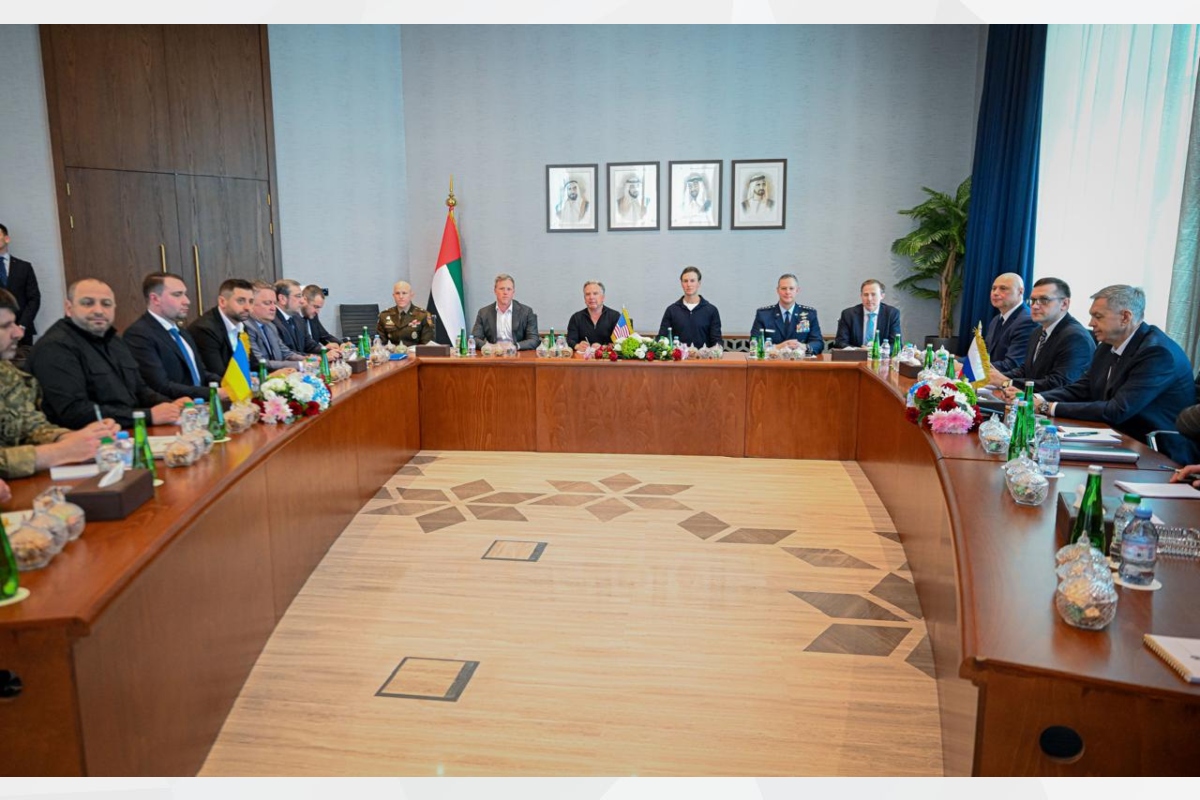
The Russian and Ukrainian delegations arrived in Abu Dhabi on Wednesday morning. The U.S. delegation, led by Special Envoy Steve Witkoff and including Jared Kushner, also arrived in the Emirati capital on Wednesday following a diplomatic stop in Israel.
“Another round of negotiations has begun in Abu Dhabi,” Rustem Umerov, head of the Ukrainian delegation, wrote on social media, adding Kyiv’s team was seeking “to achieve a just and lasting peace”.
The two-day trilateral talks come as Ukrainian President Volodymyr Zelenskyy accused Russia of violating a US-brokered agreement calling for a halt to attacks on energy facilities. A large Russian drone and missile barrage in the run-up to the talks pounded Ukraine’s energy grid, knocking out power and heating in freezing temperatures.
“Each such Russian strike confirms that attitudes in Moscow have not changed. They continue to bet on war and the destruction of Ukraine, and they do not take diplomacy seriously,” Zelenskyy said.
“The work of our negotiating team will be adjusted accordingly,” he added.
The main sticking points remain the long-term fate of Russian-occupied territory in eastern Ukraine and security guarantees for Kyiv. Moscow wants Kyiv to withdraw from parts of the Donbas and seeks recognition of territories it has annexed. Ukraine has rejected a one-sided pullback of forces and insists the conflict should be frozen along current front lines.
While Ukraine’s delegation is led by Umerov, Russia is represented by its military intelligence director, Igor Kostyukov. Russian presidential envoy Kirill Dmitriev met US officials in Florida over the weekend. US special envoy Steve Witkoff said those talks were “productive and constructive”.
Russia occupies about 20 percent of Ukraine and has threatened to take the rest of Donetsk if talks fail. Ukraine has warned that ceding ground would embolden Moscow and it will not sign a deal that fails to deter future invasions.
“We are working within the clear directives of (Ukrainian) President Volodymyr Zelensky to achieve a dignified and lasting peace,” Umerov said.
The UAE Ministry of Foreign Affairs underlined that hosting the talks reflects its balanced relations with all parties and its commitment to supporting international efforts for a “comprehensive and lasting political solution” to the crisis.
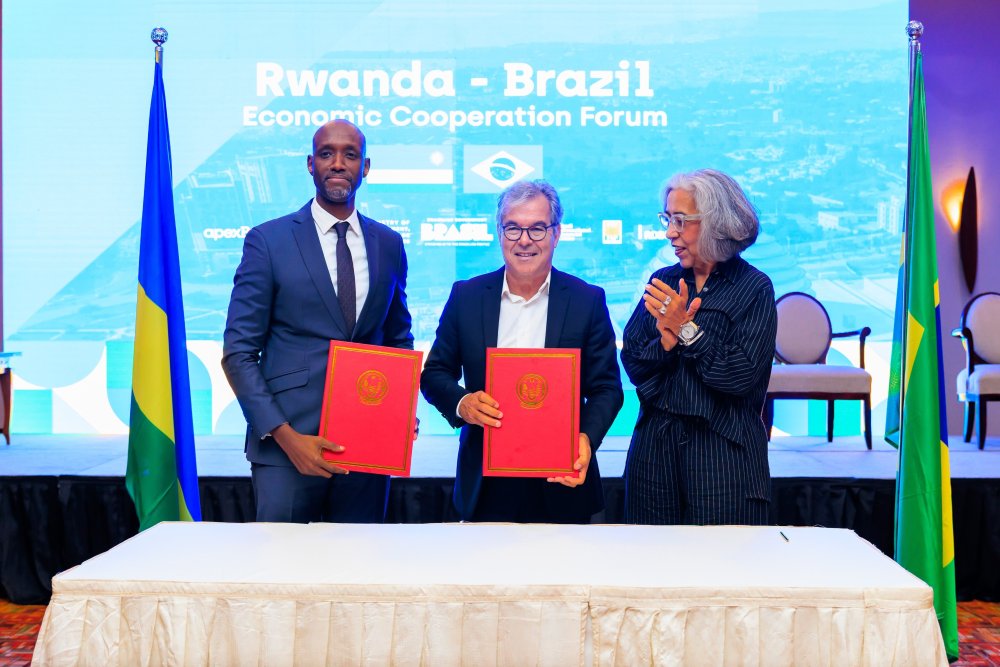
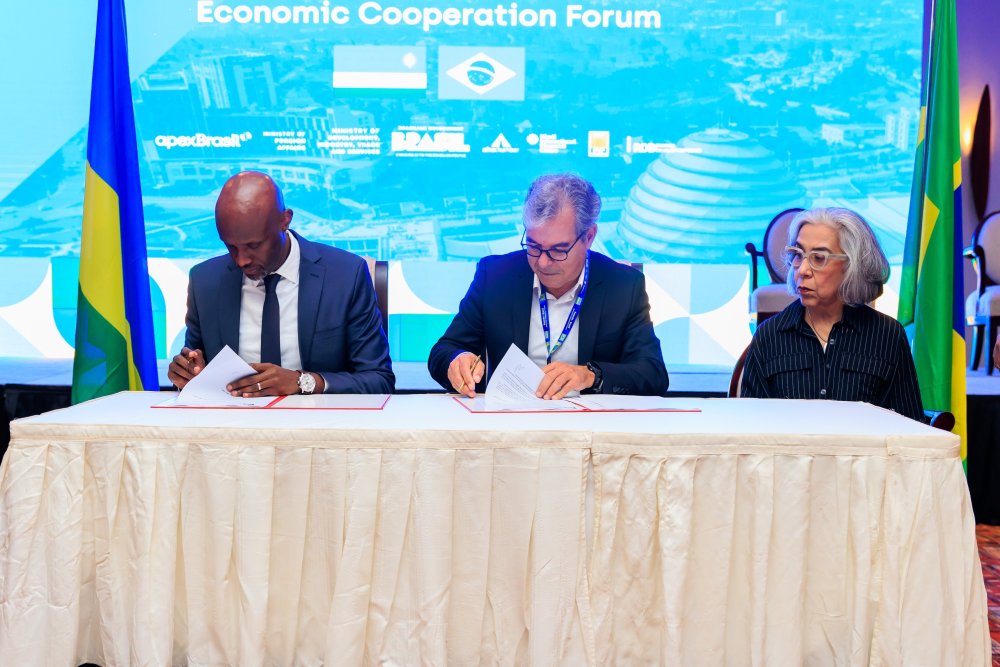
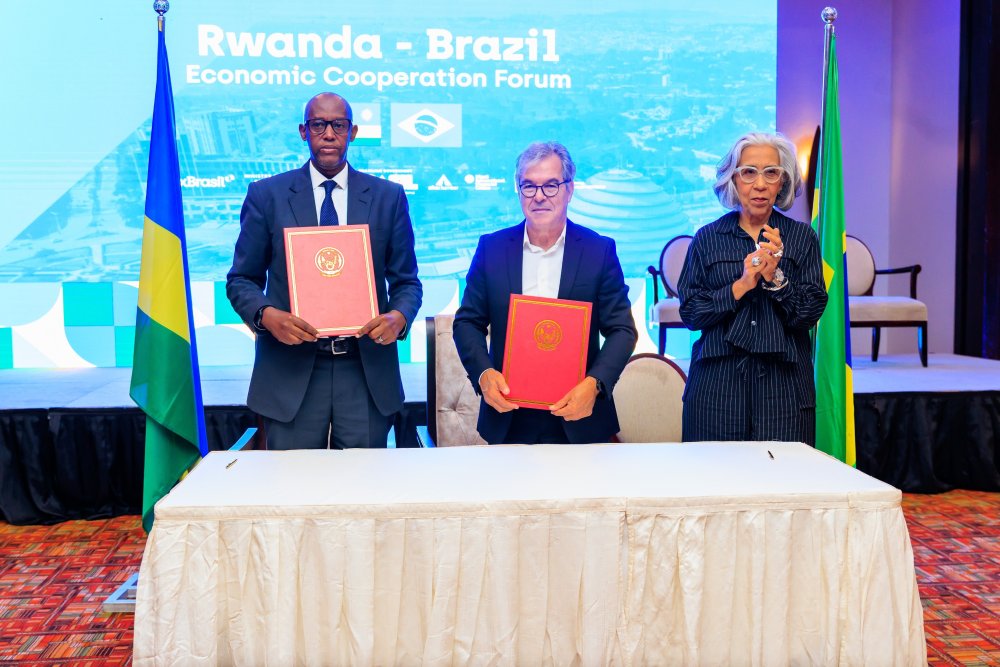
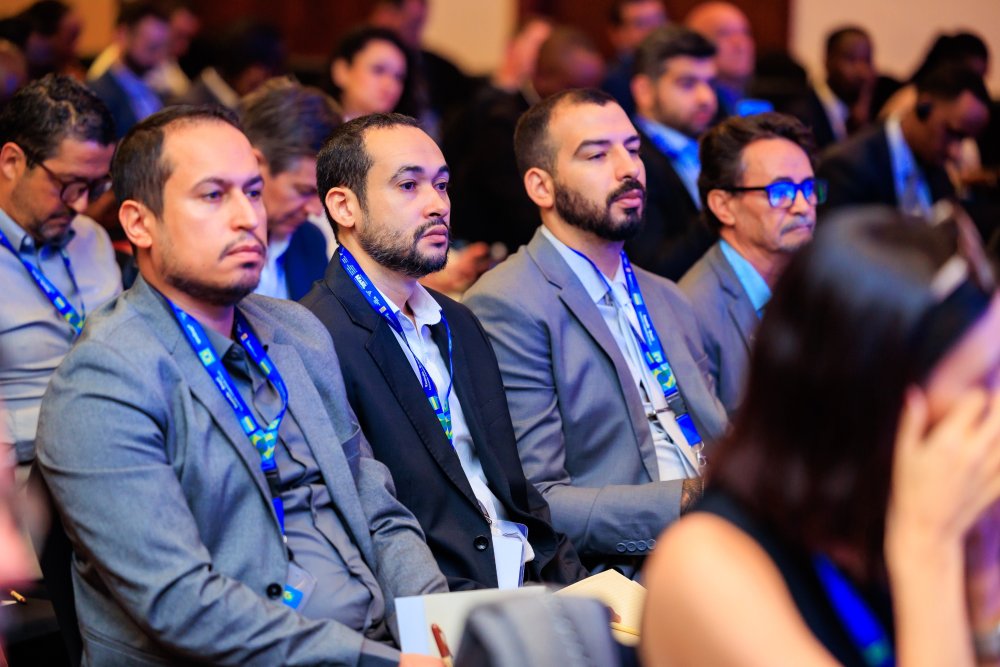
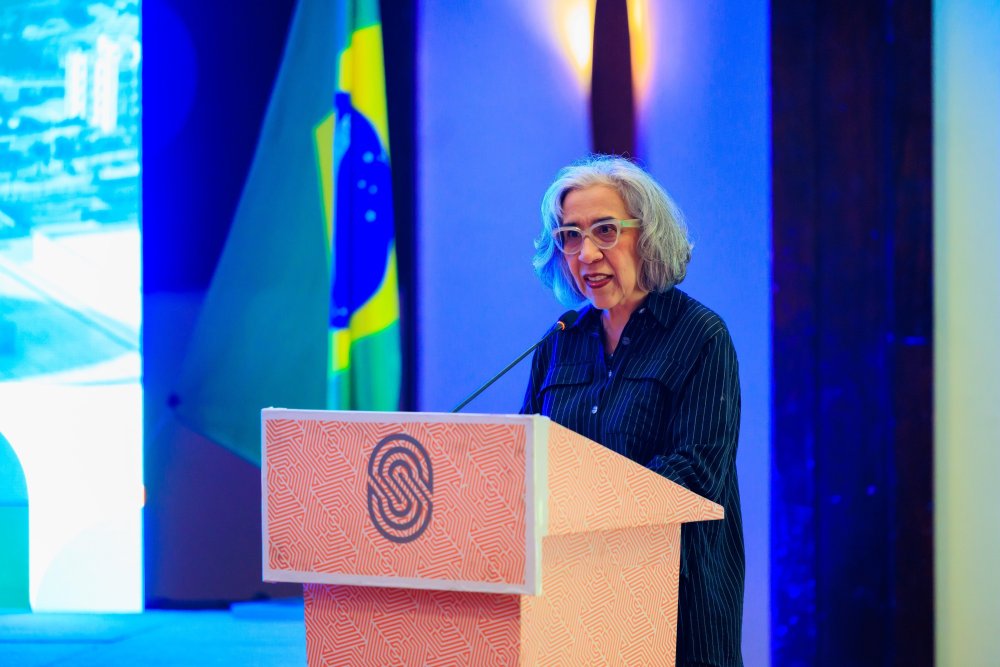
The agreement was signed in Kigali on Wednesday, February 4, 2026, during the Rwanda–Brazil Economic Cooperation Forum, a meeting focused on enhancing economic ties between the two countries.
Rwanda was represented by the Chief Executive Officer of the Rwanda Development Board (RDB), Jean-Guy Afrika, while Brazil was represented by Jorge Viana, President of the Brazilian Trade and Investment Promotion Agency (APEX-Brazil).
APEX-Brazil also signed an MoU with the Private Sector Federation of Rwanda (PSF), represented by its Chairman, Stephen Ruzibiza to enhance cooperation between the two institutions.
In his remarks, RDB Chief Executive Officer Jean-Guy Afrika noted that the forum is about connecting businesses, identifying projects, and creating investment pathways that generate value for both countries.
“Brazil and Rwanda are two dynamic economies with complementary strengths. Brazil brings global leadership in agribusiness, manufacturing, and energy on an industrial scale. Rwanda offers a stable, reform-driven investment environment, strategic access to East and Central African markets, and a fast-growing services and logistics sector,” he said.
Brazilian Ambassador to Rwanda Irene Vida Gala welcomed the Brazilian delegation, noting that the forum marked a significant milestone in strengthening bilateral cooperation between the two nations.
The Rwanda–Brazil Economic Cooperation Forum was jointly organized by RDB and APEX-Brazil. Its objective is to further promote trade, economic cooperation, business partnerships, and investment, with a strong focus on private-sector engagement.
Diplomatic relations between Rwanda and Brazil date back to 1981, and since then the two countries have signed several cooperation agreements. In 2019, they signed a Bilateral Air Service Agreement (BASA) to enhance air transport cooperation.
Another cooperation agreement aimed at strengthening food security was signed in 2011. Brazil is the world’s leading producer of coffee, soybeans, sugarcane, and oranges.
Since 2022, Rwanda has been importing wheat from Brazil following a decline in supplies previously sourced from Ukraine. Rwanda also imports sugar from Brazil.
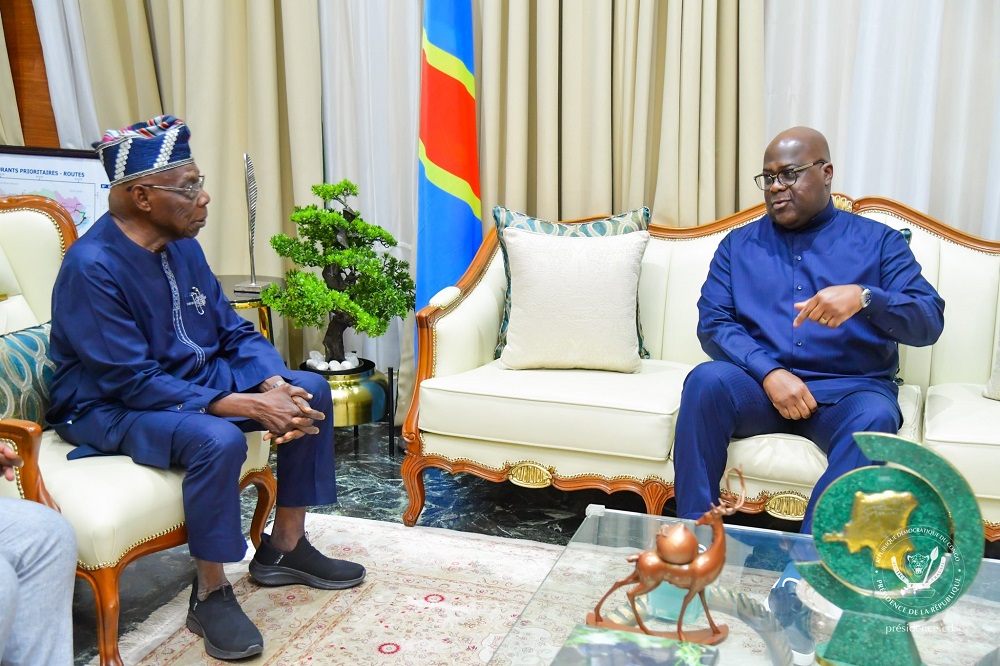
Obasanjo was speaking at a high-level meeting of the African Union–East African Community–Southern African Development Community (AU–EAC–SADC) Panel of Facilitators on the eastern DRC peace process, held at State House in Entebbe and hosted by Ugandan President Yoweri Museveni on Wednesday.
“The issue concerns management or mismanagement of diversity within the DRC and the relationship of the DRC with its neighbours,” Obasanjo said, noting that the same fundamental challenges that triggered UN peacekeeping intervention in 1960 persist today. He said that while many actors claim to understand the crisis, differing diagnoses have slowed efforts to resolve it.
“Once you diagnose your disease properly, it is half solved,” he said, adding that peace can only be achieved if all stakeholders agree on the nature of the problem and apply the right solutions.
Obasanjo stressed that the African Union must remain at the centre of the peace process, even as international partners such as the United States, Qatar and France express interest in supporting stability in the region. He cautioned, however, that externally driven solutions risk failing to address local realities.
“A solution imported from outside Africa may not properly deal with the situation that we have in our hands,” he said, pointing out that the conflict involves multiple armed groups beyond the M23 and reflects long-standing, unresolved grievances.
President Museveni, in his remarks, said the conflict in eastern Congo is well understood in the region and should not have taken decades to resolve. He noted that Uganda hosts about 500,000 Congolese refugees, part of an estimated two million refugees living in the country.
“We know the problem so well,” Museveni said, citing strong ethnic and cultural ties between communities across borders in Uganda, South Sudan and the DRC.
“It is really a shame that it should take so long because it is easy to solve,” he remarked.
Museveni noted that while Congo once faced secessionist threats, the current crisis is driven by grievances rather than attempts to break up the country. He said this presented an opportunity for authorities in Kinshasa to address long-standing complaints and restore stability.
Obasanjo described Museveni as being in a unique position to contribute to the peace effort, citing his long involvement in regional affairs and the absence of strong opposition to his role among the stakeholders consulted, including leaders in Rwanda and Burundi, as well as representatives of the AFC/M23 rebel alliance.
Also present at the meeting was Faure Gnassingbé, President of the Council of Togo and the African Union’s lead mediator on the eastern DRC peace process. Obasanjo is part of a panel of experts appointed by the AU that includes former Kenyan President Uhuru Kenyatta, former Ethiopian President Sahle-Work Zewde, former Botswana President Mokgweetsi Masisi and former Central African Republic President Catherine Samba-Panza.
The panel was established in March 2025 following the merger of the Nairobi and Luanda peace processes into a unified framework aimed at harmonising regional and continental efforts to resolve the crisis. Its mandate includes guiding negotiations between the Congolese government and armed groups, including the M23, and overseeing the implementation of agreed measures such as the neutralisation of the FDLR militia.
Analysts say the root causes of the conflict include historical ethnic grievances, failed political settlements and persistent discrimination against some communities, particularly Kinyarwanda-speaking Congolese whose citizenship has often been questioned. The AFC/M23 movement says it is fighting to defend the rights of these marginalised groups.
Obasanjo said African leaders involved in the process had accepted responsibility for finding a durable solution.
“We will seek and look for an African solution to our African problem,” he said.
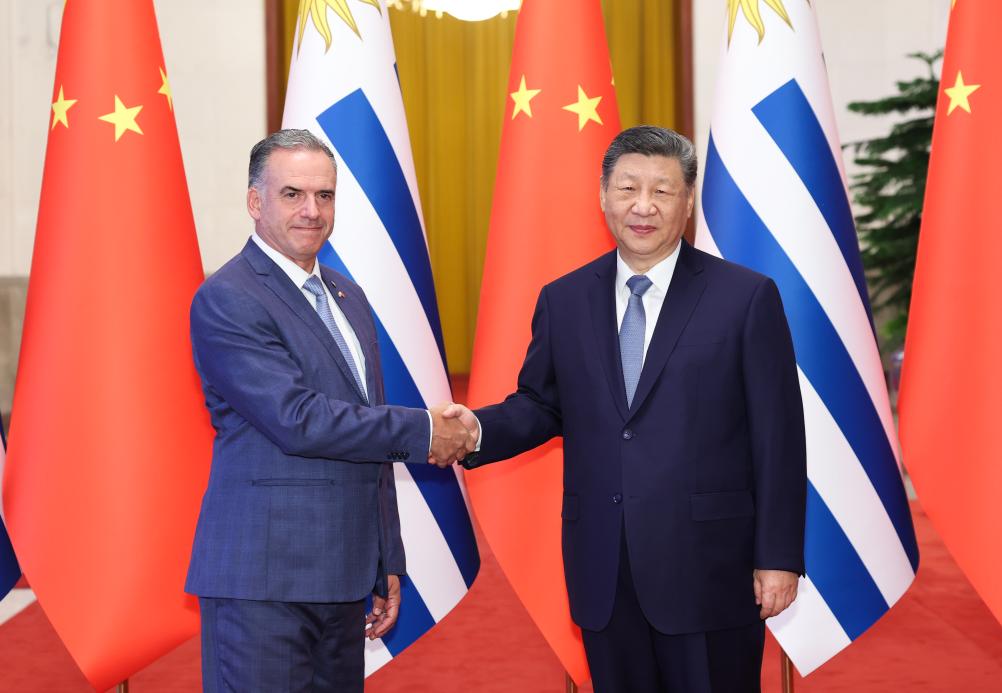
Both sides should explore the potential for cooperation in emerging fields including green development, digital economy, artificial intelligence, and clean energy, so as to drive economic growth and transformation, Xi said when holding talks with President of the Oriental Republic of Uruguay Yamandu Orsi in Beijing.
Orsi on Sunday began a week-long state visit to China. He is the first leader from Latin America to visit China in 2026, and his visit follows those of leaders from Ireland, the Republic of Korea, Canada, Finland and Britain.
“On this day 38 years ago, China and Uruguay established diplomatic relations,” Xi said, pointing out that over the years, regardless of changes in the international situation, the two countries have always got along with each other on the basis of mutual respect and mutually beneficial cooperation.
Xi called on both sides to carry forward their traditions and deepen their comprehensive strategic partnership under the new circumstances, to make sure their friendship grows stronger and more vibrant.
China and Uruguay should continue to firmly support each other’s core interests and major concerns, strengthen friendly exchanges at all levels and across all areas, enhance exchanges of experience in governance, and continuously deepen strategic mutual trust, Xi emphasized.
Xi said that the fourth plenary session of the 20th Central Committee of the Communist Party of China had adopted the recommendations for formulating the 15th Five-Year Plan, outlining a blueprint for China’s development over the next five years, which will offer broad opportunities for countries worldwide, including Uruguay.
The peoples of China and Uruguay share a natural affinity, Xi noted, adding the two sides should continue to deepen exchanges in areas like culture, education, sports, media and subnational engagement, and facilitate personnel exchanges, to strengthen the bonds of friendship between the two peoples.
The world today is undergoing major changes unseen in a century, said Xi, noting the international landscape is marked by a mix of turbulence and transformation, while unilateral bullying is intensifying.
China supports Uruguay in taking over chairmanship of the Group of 77 and China for the year 2026 and is willing to work with Uruguay to strengthen solidarity in the Global South, jointly promote an equal and orderly multipolar world and universally beneficial and inclusive economic globalization, and work together to seek common development, so as to make greater contributions to building a community with a shared future for humanity, Xi said.
Xi added that China has always valued its relations with Latin American and Caribbean (LAC) countries and supports LAC countries in upholding their sovereignty, security and development interests.
China also supports Uruguay in assuming the rotating presidencies of the Community of Latin American and Caribbean States (CELAC) and the Southern Common Market (Mercosur), and stands ready to work with Uruguay and other regional countries to further promote the building of a China-LAC community with a shared future, Xi said.
Orsi said China is an important cooperation partner of Uruguay, and the comprehensive strategic partnership between the two countries is at its best in history.
Noting that Uruguay firmly supports the one-China principle and supports the “one country, two systems” policy, he said Uruguay aspires to deepen the comprehensive strategic partnership with China and bring bilateral cooperation to a higher level.
Echoing Xi, Orsi called for boosting cooperation in wide-ranging areas to inject stronger momentum into Uruguay-China relations and deliver greater benefits to the two peoples.
Uruguay stands ready to work with China to stay committed to the purposes and principles of the UN Charter, uphold multilateralism, safeguard the international trading system, further advance LAC-China relations, and defend the common interests of the Global South, he said.
After the talks, the two leaders witnessed the signing of more than 10 cooperation documents covering investment, trade and other fields.
Prior to the talks, Xi hosted a welcoming ceremony for Orsi in the Northern Hall of the Great Hall of the People. At noon, Xi hosted a welcome banquet for him in the Golden Hall of the Great Hall of the People.
During Orsi’s visit, the two sides issued a joint statement on deepening their comprehensive strategic partnership.