Launched in Rwanda in April 2020, ayoba is an easy to use instant messaging platform that includes informative channels as well as gaming available to all networks in Rwanda. The unique proposition for MTN customers is to be able to communicate at no data cost with all their contacts.
Commenting on the launch of the promo, MTN’s Marketing Operations Senior Manager, Desire Ruhinguka said, “Our mission is to lead digital for a brighter Rwanda. As part of our Digital Celebration named Twizamukire, we are rewarding MTN customers for joining us on this digital journey by simply using ayoba for communication and entertainment.”
On a weekly basis, 30 lucky ayoba users will win cash prizes of up to Rwf50,000 and another 30 winners will receive airtime valued at Rwf5,000. New users simply have to download ayoba via Google Play Store or www.ayoba.me. Upon successfully downloading the app, the customer is required to register and use the ayoba existing features such as messaging and subscribing to channels.
Olivier Prentout, ayoba’s Head of Consumer Marketing said: “We are delighted once again to partner with MTN in Rwanda and we believe this promotion will provide new users on a great chance to join the ayoba family and enjoy the benefit of not using your data to play, share, listen and chat”
Ayoba is more than just a messaging app as it offers free games and music as well as lots of channels of information on sports, fashion, current news to name a few. MTN customers can stay connected to one another regardless of their network, access updated local content from channels like Igihe, listen to music and play games all at no data cost.
At about 11 am on Thursday, October 22, Police officers raided the house where skin whitening lotions, soaps and oils that filled three pick-up vehicles, were recovered.
Three people including the owner of the store identified as Eric Mizero, one of his suppliers Lousie Sinumvayabo and another dealer called Jesca Kamaliza, were arrested in the process.
Mizero was also arrested red-handed handing over Frw850,000, which is part of Frw1 million bribe he had promised Police officers so as to prevent his arrest and seizure of his illegal goods.
The seized banned products were in various brands including Diana, White Max, Peau Jaune, Diproson and Naomi.
Others include Carolight, Faiza Beauty cream, Epiderm cream, Extra Claire and Coco pulp.
Mizero explained that his suppliers bring the products clandestinely in small quantities to prevent being detected.
One of the suspects, Sinumvayabo had at the time brought new consignments of skin whitening products.
Mizero and Kamaliza also have shops in Biryogo, Nyamirambo which deal in skin bleaching products.
RNP spokesperson, CP John Bosco Kabera said that these are acts of fraud, trafficking of banned and dangerous products, illegal cross-border during the process of smuggling or trafficking, and bribery, all which are punishable by law.
“This is what we normally say; besides evading taxes, smuggling also brings into market outlawed and harmful products like these lotions, which were identified as dangerous to human skin and health in general, and ultimately banned in Rwanda,” CP Kabera said.
The seized whitening products are among the 1,342 listed cream and oil brands with hydroquinone and mercury, which are prohibited in Rwanda.
The skin bleaching products are labeled illegal under the ministerial order determining the list of cosmetics, whose use is prohibited in Rwanda; the law on organization, functioning, and competence of the Council of Pharmacists; and the law relating to the regulation and inspection of food and pharmaceutical products.
Mercury and hydroquinone cause liver damage, reduce resistance to bacterial and fungal infections, and increase anxiety, according to the World Health Organization.
If it enters the bloodstream, it also results into fatal liver and kidney damage, although medics say the most immediate visible side effect is skin scarring.
Health experts confirm that prolonged use of corticosteroid creams and lotions can also decrease levels of collagen in the skin.
Collagen strengthens and supports the skin, and a reduced amount can increase the risk of striae commonly known as stretch marks.
“We have been carrying out awareness against sell and use of banned creams and oils with mercury and hydroquinone, but also against bribery and corruption in general. Those, who have kept deaf ears like these three people, will face the law.
We thank people, who continue to share information on such unlawful acts and call for enhanced spirit of community policing against these illegal practices,” CP Kabera said.
Seized outlawed products are normally disposed of.
However, under the East African Community Management Act, which is applicable in Rwanda, seized smuggled goods under article 199, are auctioned.
According to article 4 of the Law on Fighting Against Corruption, any person who offers, solicits, accepts or receives, by any means, an illegal benefit for himself/herself or another person in order to render or omit a service under his or her mandate, commits an offense.
Upon conviction, the offender is liable to imprisonment for a term of between five years and seven years, with a fine of three to five times the value of the illegal benefit solicited or received.
Hakizimana was arrested red-handed in Gatore Sector, Cyunuzi Cell, where he was found digging up the electric rods.
He was also found with other metals and tubes, which he allegedly stole from pylons, according to Chief Inspector of Police (CIP) Hamdun Twizeyimana, the police spokesperson for the Eastern region.
“Residents in Gatore have been reporting these acts of vandalising electric infrastructure, and suspected Hakizimana to be behind them” CIP Twizeyimana said.
He added: “In the morning of October 19, a resident called the Police after seeing Hakizimana vandalising pylons. Police officers found him unearthing lightning rods but had already cut other metals and tubes from other pylons.”
Hakizimana was also recently reported by Rwanda Energy Group (REG) officials in Kirehe, who had found him unearthing lightning rods from pylons.
At the time, Hakizimana escaped from the REG officials, who tried to apprehend and hand him over to law enforcement organs.
The spokesperson lauded the support of Kirehe community policing partners, who disclosed the destruction and facilitated the arrest of the prime suspect.
Hakizimana was handed over to Rwanda Investigation Bureau (RIB) for further legal process.
According to article 182 of the law relating to offences and penalties in general in Rwanda, “any person, who maliciously demolishes or damages in any way, in whole or in part of construction, building, bridge, dams, water pipes and their routes, railway rails or any other means of communication or electric power infrastructure, wells or any other constructions, which do not belong to him/her, commits an offence.
Upon conviction, he/she is liable to imprisonment for a term of not less than three (3) years and not more than five (5) years with a fine of not less than Frw3 million and not more than Frw5 million.
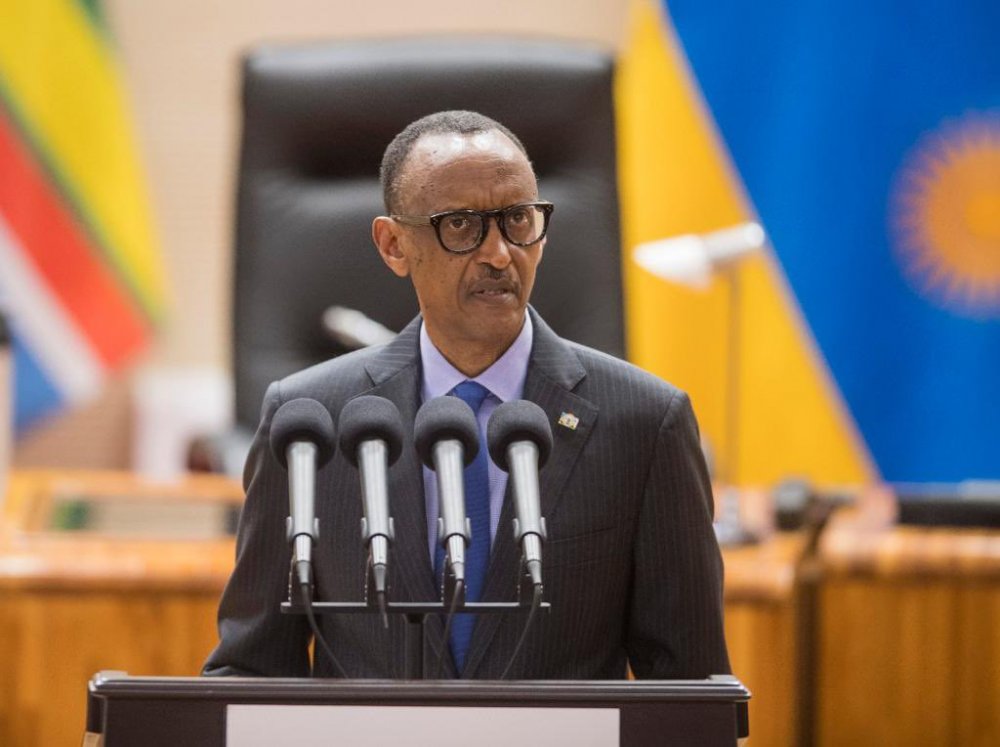
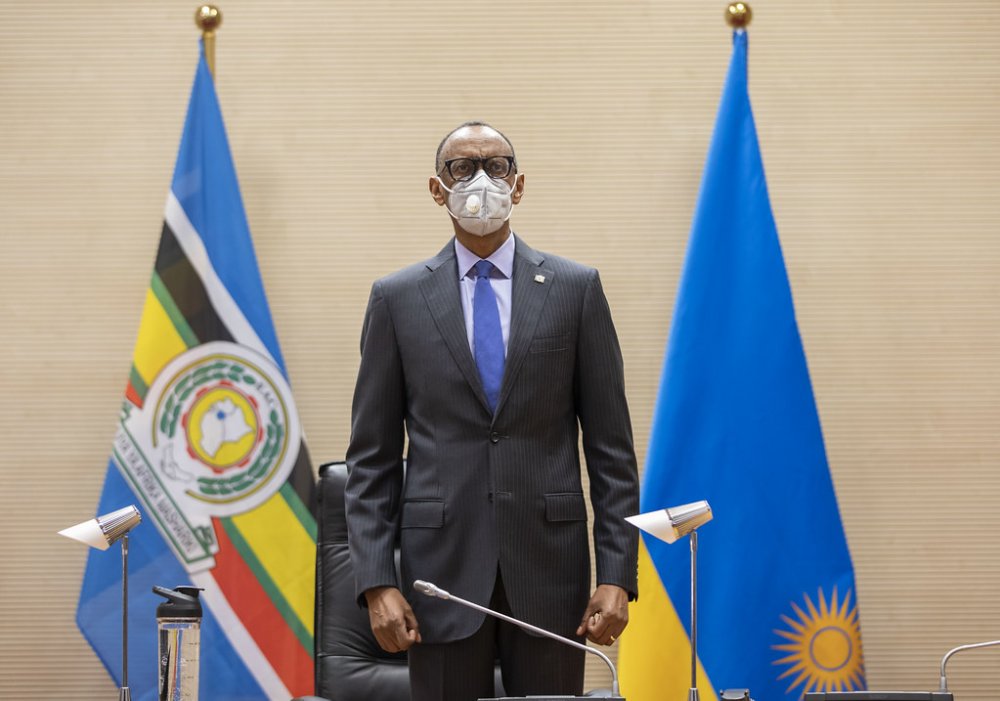
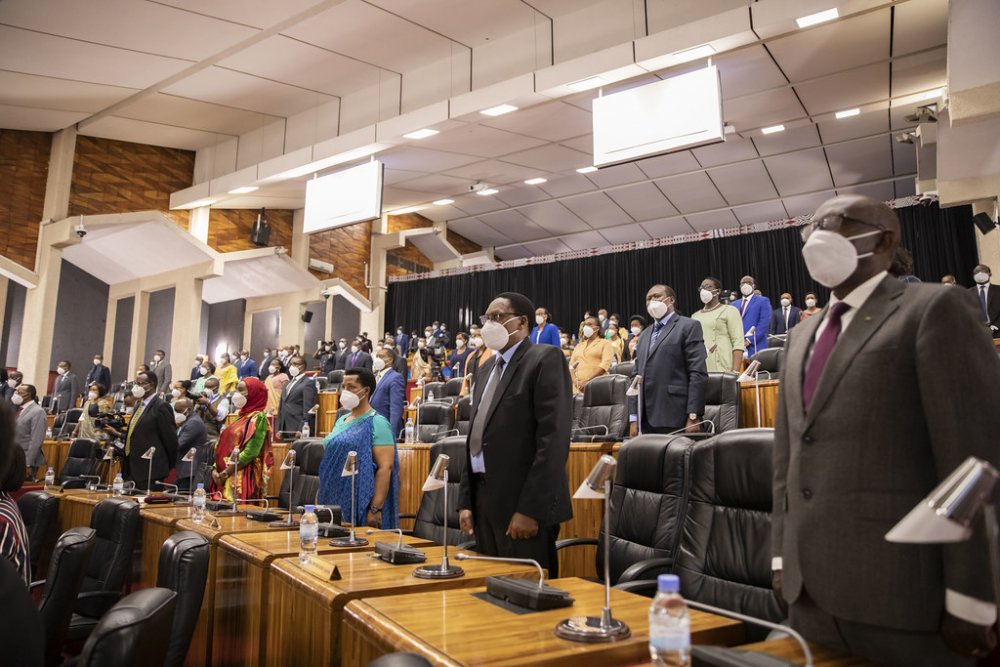
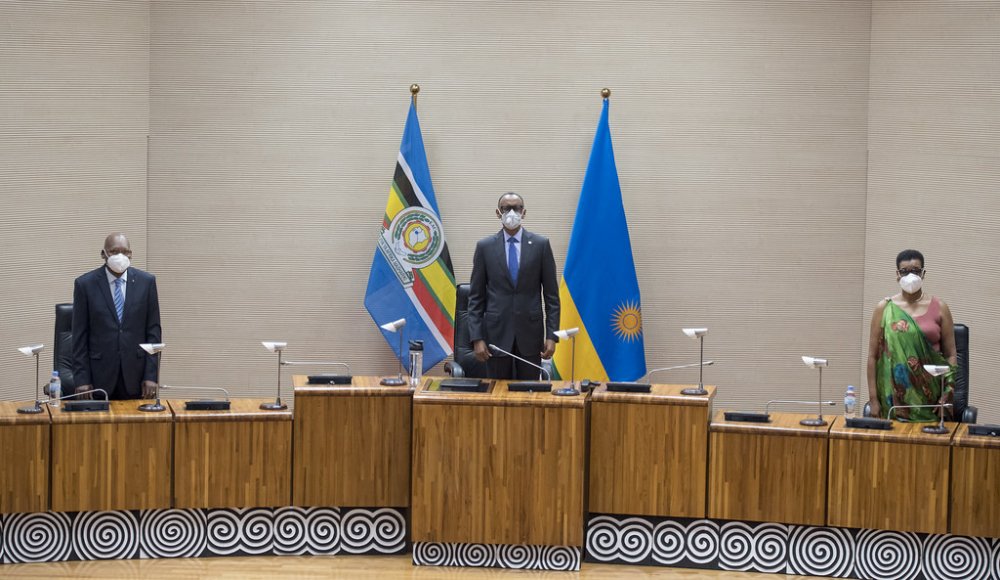
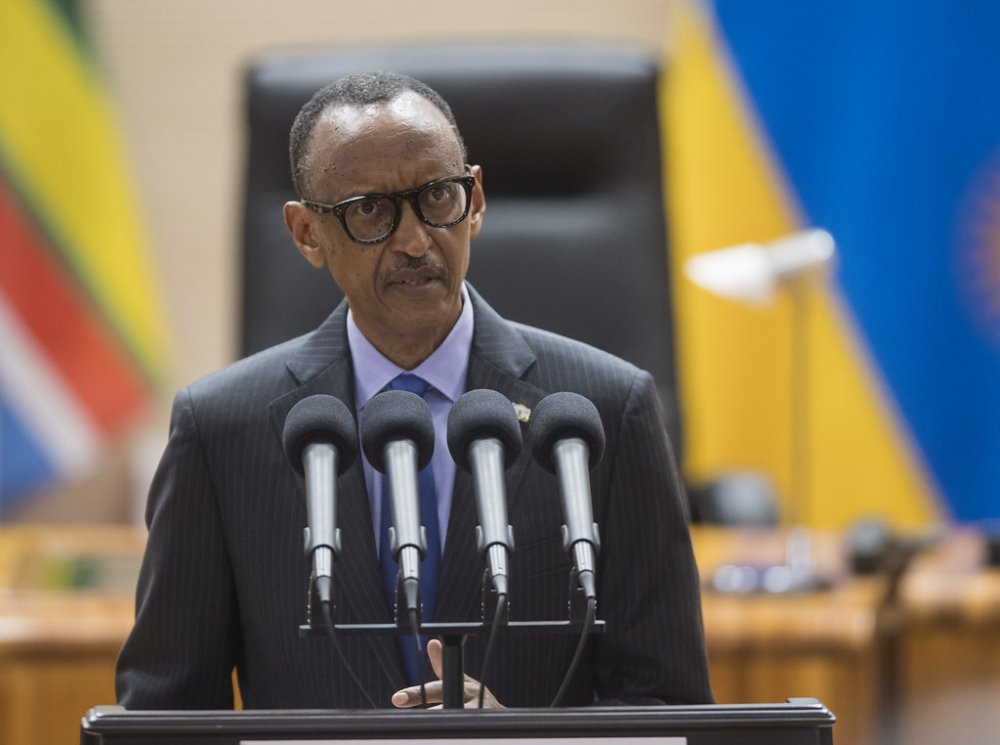
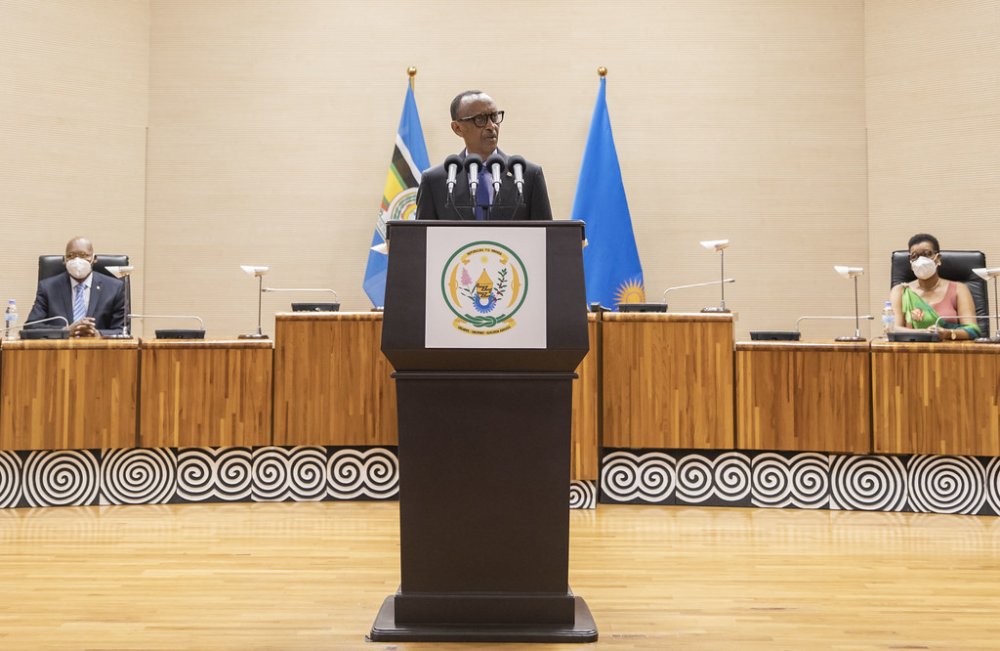
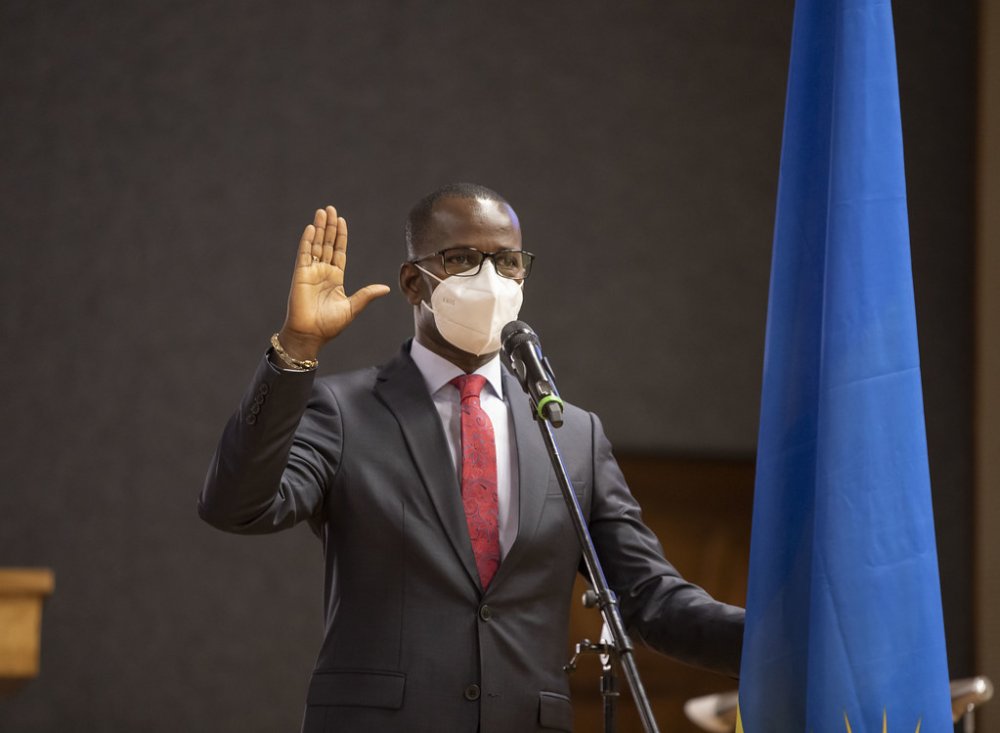
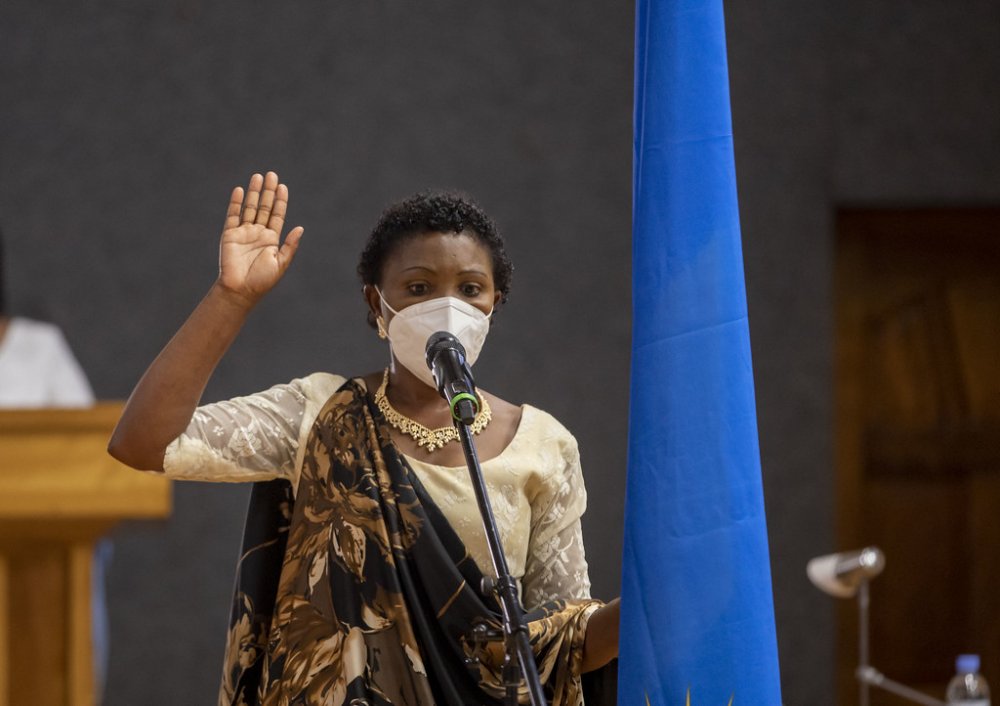
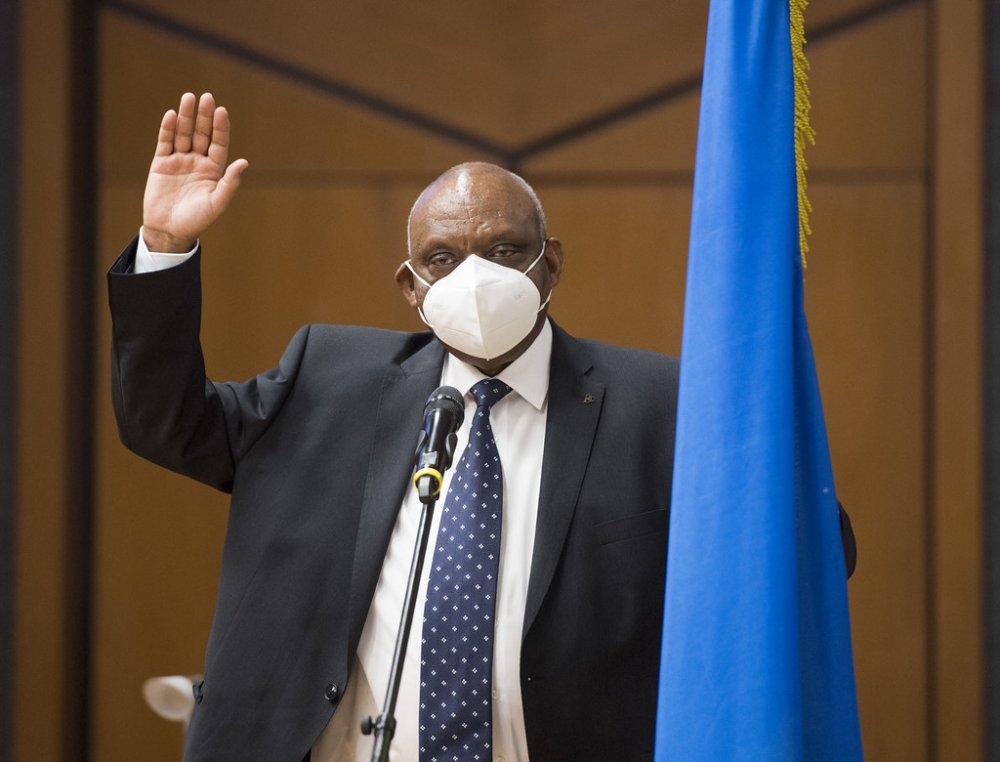
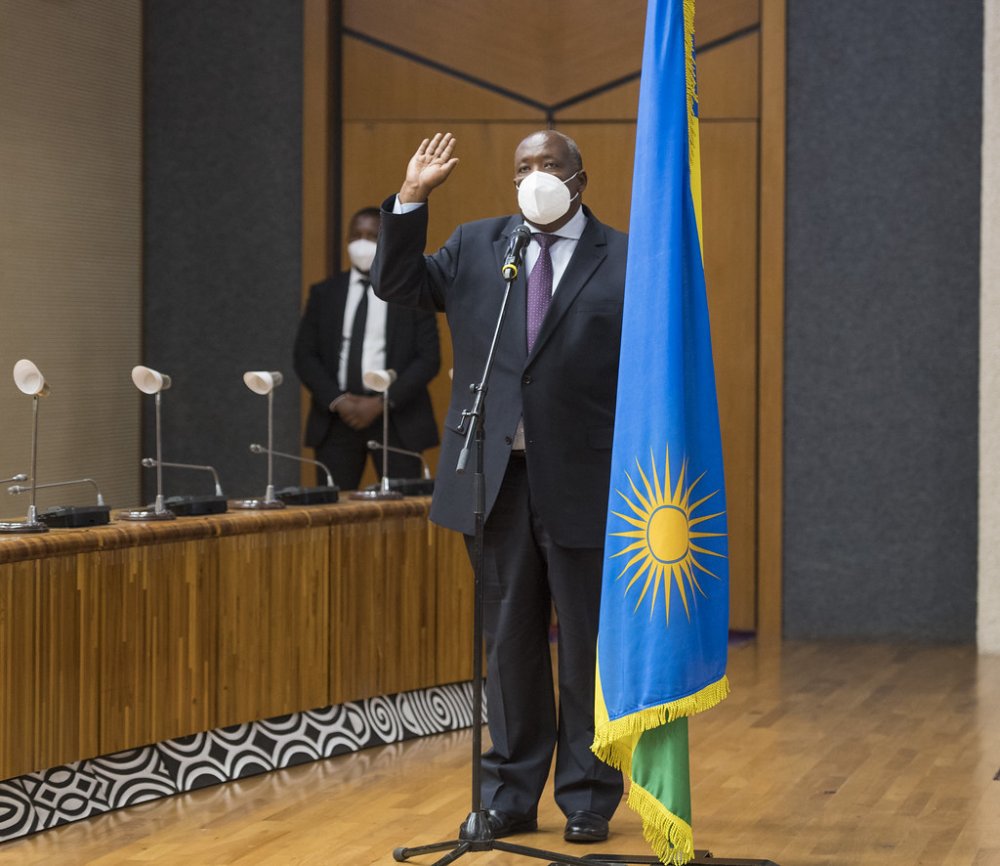
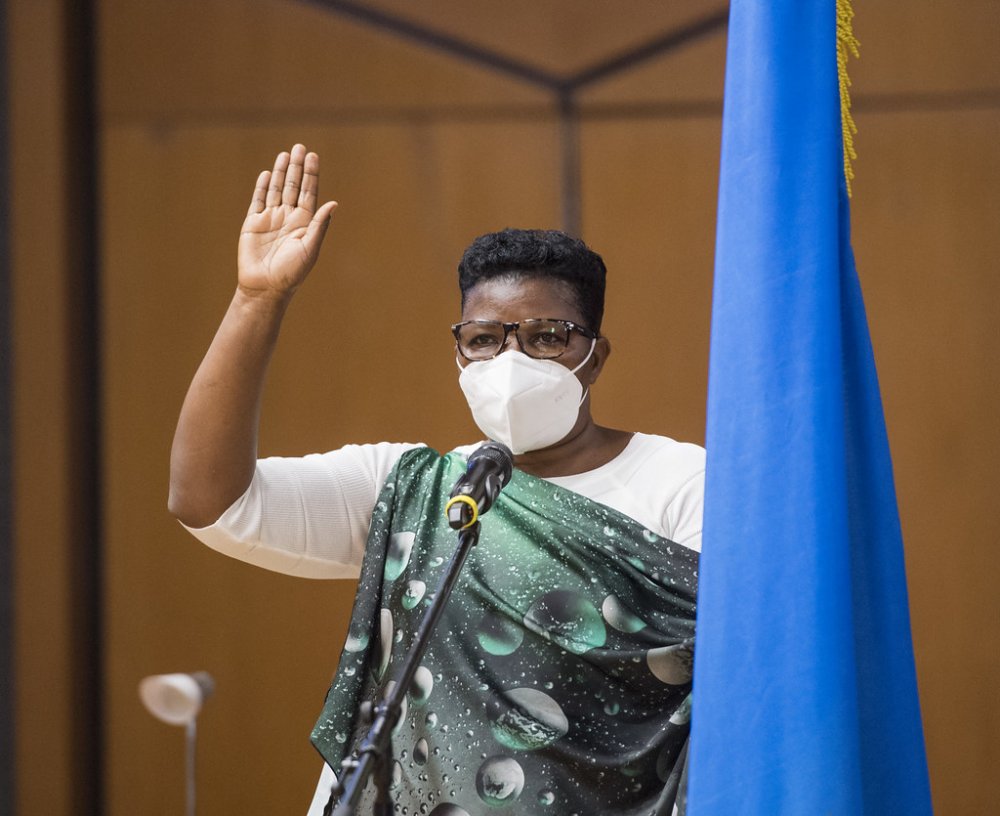
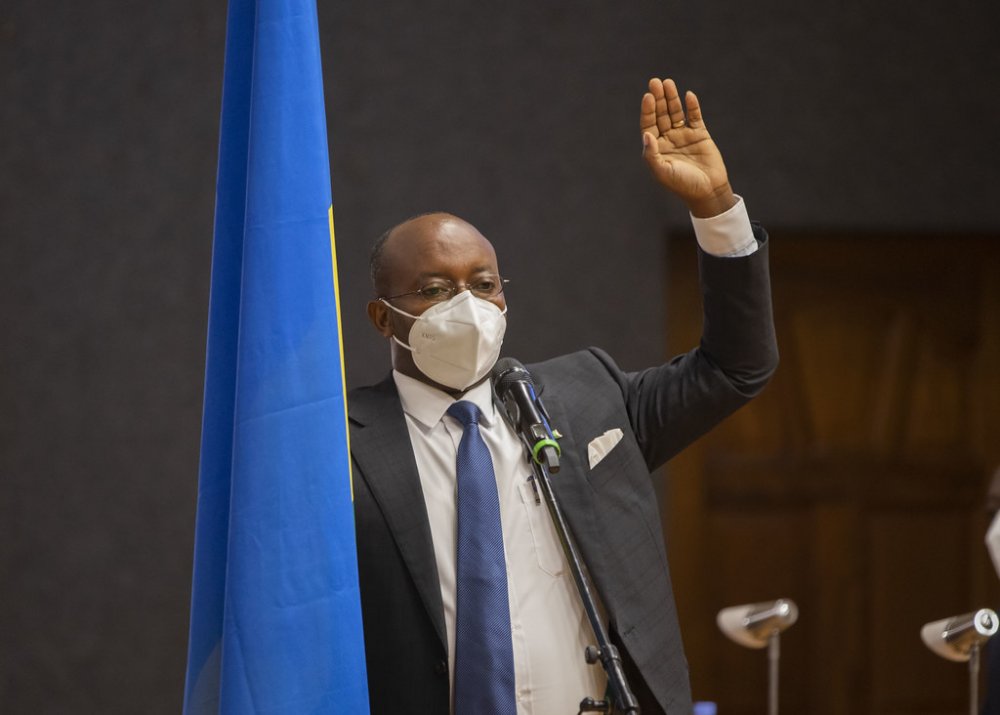
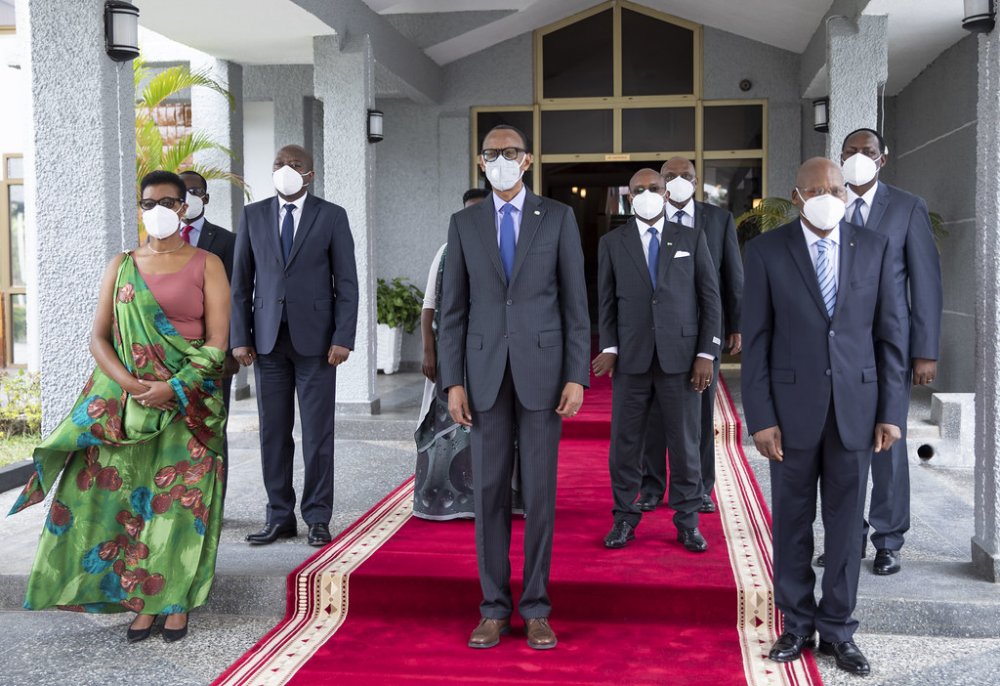
He made the remarks on Thursday while officiating at the swearing-in ceremony of six new Senators who have joined the upper house.
Addressing participants at the swearing-in ceremony of the senators, President Kagame said that while the country is coming out of the crisis caused by Coronavirus, it is unlikely that everything will return to normal.
“I have been seeing people cry out about the problems of transport, that it is expensive. It’s a problem because when following closely on the matter of this pandemic we are now facing, as we are moving out of it, not all things can automatically go back to the way they used to be, that is why it is important to inform the public the importance of the decisions you are taking.” he said.
President Kagame said the demands of the people were being considered but stressed that even the resumption of movements, and more activities resuming is also a good step.
“Try to explain to the public that we are doing everything we can, that there is nothing we would not do to try and reduce the impact of these problems but that they should also look elsewhere and that solutions to problems are not always easy to find, it requires patience and good work from all of us,” he advised.
The six new Senators include two who were nominated by political parties, namely Mugisha Alex and Mukakarangwa Clotilde and four who were nominated by the President; Prof. Jean-Pierre Dusingizemungu, Epiphanie Kanziza, André Twahirwa, and former Minister of State in charge of Constitutional Affairs, Evode Uwizeyimana.
Speaking at the first physical swearing-in ceremony at Parliamentary Building since the covid-19 outbreak in March, President Kagame said that the new Senators come in office when the challenge the country has to deal with doubled due to the pandemic which has a major impact on the economy.
“The kind of task at hand for us, in our context as a country, requires us to have the right mindset and sacrifice. It requires us to deliver to the highest expectations possible. Our past left us with challenges which we must address. These include the welfare of Rwandans which we must improve, economic challenges, justice and many more, which we need to work on for us to develop. We have come from far but we know we still have a long way to go. The expectations therefore are very clear,” President Kagame said.
The President advised the senators that they should expect challenges along the way and they should be ready to confront them, citing the impact of the pandemic on Rwanda and the world as one the challenges they will start with, to ensure that the country comes out of it as soon as possible.
He added that the pandemic put the country and the citizens in a difficult position where the decisions made to contain the virus, such as lockdowns, curfew and others disrupted the lives of Rwandans economically but they were unavoidable.
“It disrupted us, it disrupted our lives, our economy, our development goals and ambitions, adding to the already existing challenges we were working to address.
This means that our challenges doubled. It also means that we need to double our efforts to deal with these challenges. Whatever we were doing, we must multiply and increase the momentum. As leaders we are expected to do even more to overcome these challenges,” President Kagame considered.
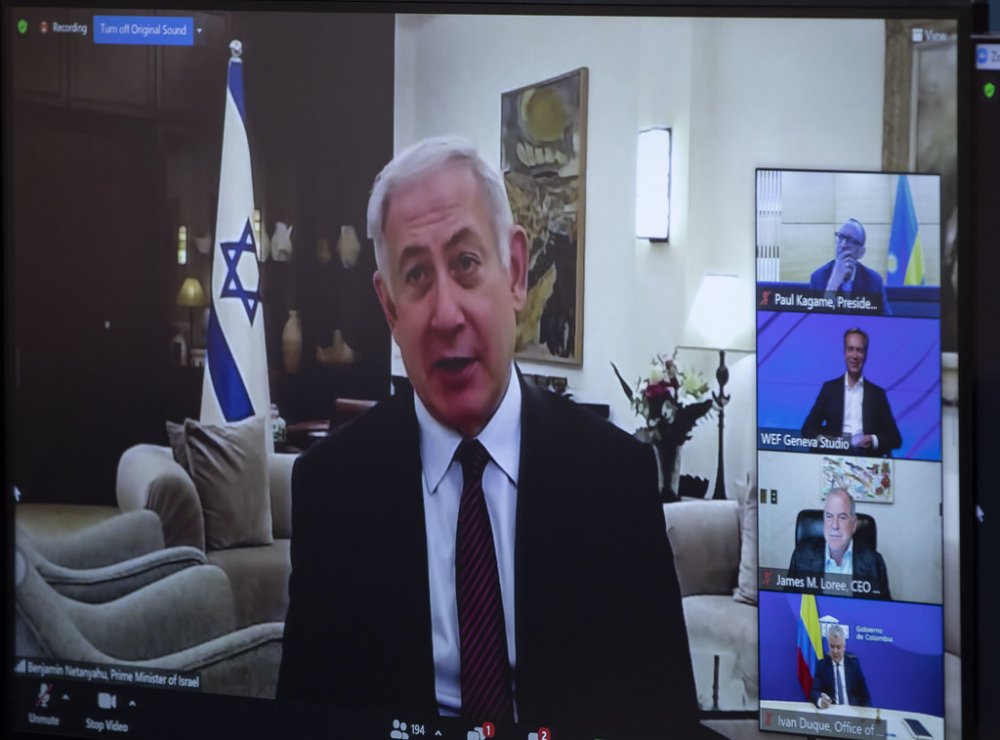
The Head of State made the observation on Wednesday during the World Economic Forum (WEF) Great Reset Dialogue under the theme “Harnessing the Fourth Industrial Revolution”, alongside the President of Colombia, Ivan Duque and the Prime Minister of Israel, Benjamin Netanyahu.
President Kagame pointed out some of the different initiatives by the government and the private sector to integrate technology in different spheres of the economy and how they have paid off, saying that technology is an enabler when it comes to service delivery and equipping young people with the right skills.
“Over the past 20 years, Rwanda has continued to prioritize investment in technology, broadband, and digital skills,” President Kagame said, pointing out some of the partnerships Rwanda has built with global tech companies.
“We have enjoyed partnership with the technology companies; you mentioned the use of drones. We have had the opportunity to partner with the company Zipline that has invested with us in Rwanda in drone technology,” President Kagame said, adding that the country is able to use the drones in the health sector, to deliver blood in rural parts of the country.
President Kagame pointed out the importance of such partnerships between the private sector and government which deliver for the people and help address challenges in different sectors such as health and education.
“We have also forged a partnership with the World Economic Forum, which we are very happy with. We have benefited from that partnership where we have created the centre for the Fourth Industrial Revolution here in Rwanda,” he said adding that the centre will not only benefit the country but the entire continent.
“The partnership has extended to even other countries. We have patterned with WEF, countries like Israel, Singapore and these are advanced in many cases in this area and we have benefited from this partnership, which we hope to broaden and continue with other countries,” President Kagame said.
The Head of State said that in building such partnerships, the private sector has continually been pivotal in making sure that they bring in the necessary resources for the Investment, but also the know-how through technology.
“We really have this vision where not only do we develop these capacities within our own country, but also across the continent and each country in our continent has made their own investments,” he said, calling for more linkages of such continental structures especially for young people to leverage them.
“We have made our investments and we have seen progress for our people, for our Industries, but also across the continent of Africa and we have seen young people take up this opportunity to be involved with the development and in the innovations and the interpretation of the partnership that comes around,” he said.
The president spoke of the role of the private sector in building public private partnerships where government leaders like himself also participate with the aim of ensuring that this technological development is harmonized to deliver results.
He said that the participation of leaders in the process is to ensure that there is the needed regulatory environment across Africa that makes it easy to know “what to expect with each other and among ourselves”.
He said that African countries are aware that technology innovation is moving very fast and this puts pressure on regulators to find the right balance so that countries are able to work together, especially in the context of the new Continental Free Trade Area, which he said will create the largest market across the world.
Prime Minister Benjamin Netanyahu of Israel, considered one of the world’s most technologically innovative countries, similarly argued that investment in technological skills are important to create a digital world.
“Technological education that starts below (with those who don’t have skills) is important, but there has to be high skilled individuals,” he said.
He added that Israel has adopted a deliberate strategy to increase the number of skilled individuals in technology, highlighting that the number with first time degree students in Information and Communications has in the recent increased by 70 per cent.
However, Netanyahu indicated that many countries risk creating digital divide, saying it was critical to invest in infrastructure such as computers, fibre internet and provide access to other technology tools to those who cannot afford them.
President Iván Duque Márquez of Colombia, on the other hand, emphasized the need for creating an enabling environment for players to work, especially those that want to invest in emerging technology.
He mentioned Colombia’s case which has created a framework for development of artificial intelligence, robotics, machine learning, and financial technology (FinTech), among other things.
“A regulatory sandbox was put in place to accelerate access to smartphones to boost FinTech. We have seen the largest FinTech penetration, and we have started accelerating these services,” he noted.
Eric Tuyizere, 35, was arrested a day after he ambushed and robbed a woman identified as Xaverine Nyiramitero, 53, of Rwf 225,000 in Sumuyamana Village, Kinyaga cell in Nkaka sector.
Chief Inspector of Police (CIP) Bonaventure Twizere Karekezi, the Police spokesperson for the Western region, said that at about 7 pm on October 19, Tuyizere ambushed Nyiramitero, who was going to buy goods in Sumuyamana trading centre.
“Tuyizere resides in the same village, and it’s likely he has been monitoring the victim and was well versed with her financial status. When she went out that evening to buy some goods, Tuyizere ambushed her along the way, assaulted her before he took all the Frw225,000 she had, good enough she managed to recognise the robber,” CIP Karekezi said.
He added: “The victim immediately told the local security personnel, who trailed Tuyizere and found him in the nearby local bar drinking. Unfortunately, when the local security personnel tried to apprehend him, Tuyizere’s friends, whom he was buying alcohol, became violent to prevent his arrest, which gave room for Tuyizere to flee.
However, in partnership with Irondo and local residents, Tuyizere was located and arrested the following morning of October 20, with only Frw128,000.”
CIP Karekezi explained that there have been reports of criminals, who ambush people at night in the area, steal their valubales and escape towards the nearby swamp, and Tuyizere was suspected to be part of the gang.
Tuyizere has since been handed over to RIB.
Article 168 of the law relating to offences and penalties in general in Rwanda, states that if theft is carried out with violence or threats, the penalty is an imprisonment for a term of not less than five years and not more than seven years, and a fine of not less than Frw3 million and not more than Frw5 million.
Speaking about this achievement, MTN’s CEO, Mitwa Ng’ambi said, “The GSMA Mobile Money Certification is a global industry initiative to bring safer, more transparent, and more resilient financial services to millions of Mobile Money users around the world. MTN Rwanda is extremely proud to be a certified provider as we continue to empower our customers to make more informed choices about their financial services.”
For the past 10 years, MTN has made significant technological and financial investments to facilitate the development of an inclusive digital economy through Mobile Money. This is in line with Rwanda’s 2020 Vision and the Smart Rwanda Master Plan to become a cashless economy.
“This year, we are celebrating 10 years of driving financial inclusion in Rwanda with Mobile Money. This is a huge milestone for both MTN and our customers as the certification will ensure a higher quality of service to our customers and give them the comfort that our services are of the highest quality,” said MTN’s Chief Business and Corporate Affairs Officer, Chantal Kagame.
In order to become certified, Mobile Money providers are assessed against numerous criteria, such as safeguarding customer funds against risk of loss, combating money laundering, terrorist financing and fraud, managing staff, agents, and third parties correctly, communicating fees and information transparently to customers, effectively addressing customer service requests and complaints and protecting customers’ personal data, amongst others.
“The GSMA’s Mobile Money Certification now reaches over 210 million customers through our certified providers,” said John Giusti, Chief Regulatory Officer, GSMA. “We intentionly set a very high benchmark for achieving certification, bringing added security and protection to customer funds. We congratulate MTN Rwanda for being the first in the country to take this step”.
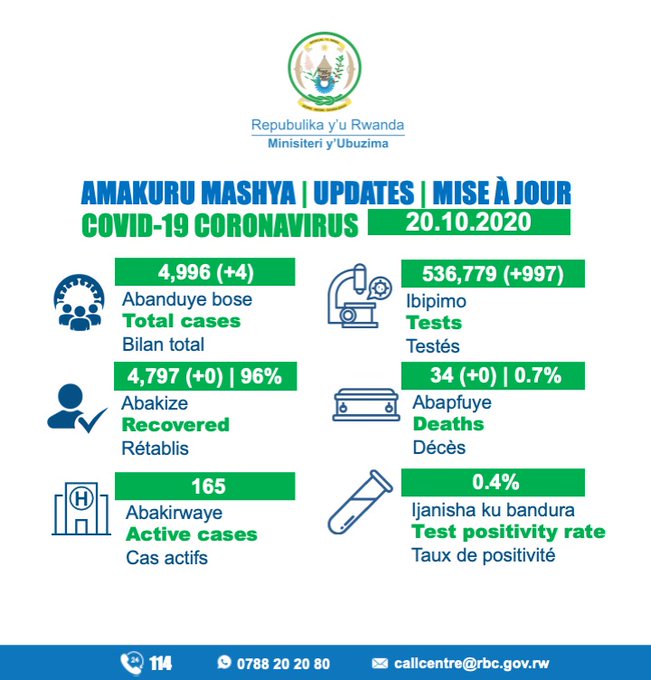
According to Statement of Tuesday, October 20, 2020, the new cases are all from Kigali.
Since the first Coronavirus patient appeared in Rwanda, 536 779 sample tests have been made of which 4996 cases were confirmed. Of these, 4797 have already recovered while 161 are still active cases. 34 people have succumbed to the virus.
Coronavirus symptoms include coughing, flu, and difficulty in breathing. The virus is said to be transmitted through the mucous membranes of the respiratory tract.
Rwandans are required to continue to comply with government regulations, especially with frequent washing of hands and water and soap, wearing masks when leaving home or in public.
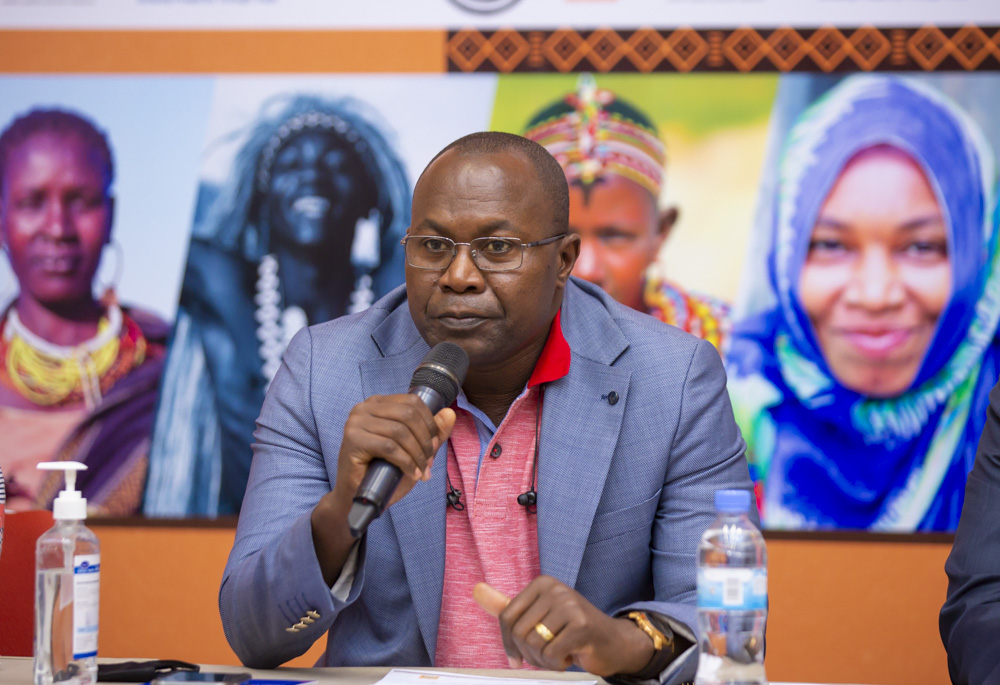
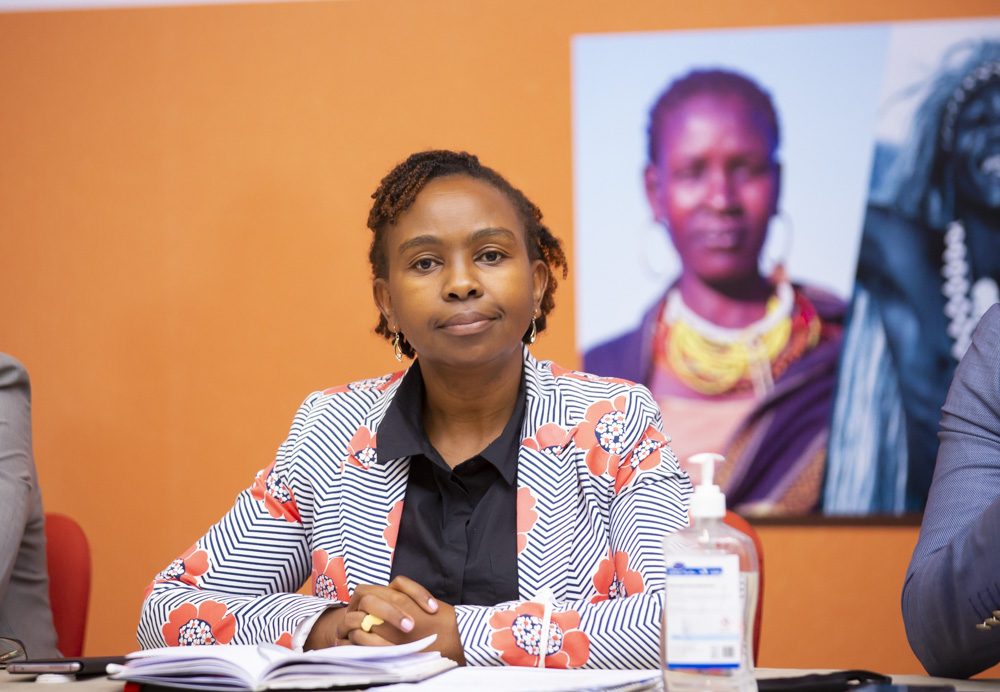
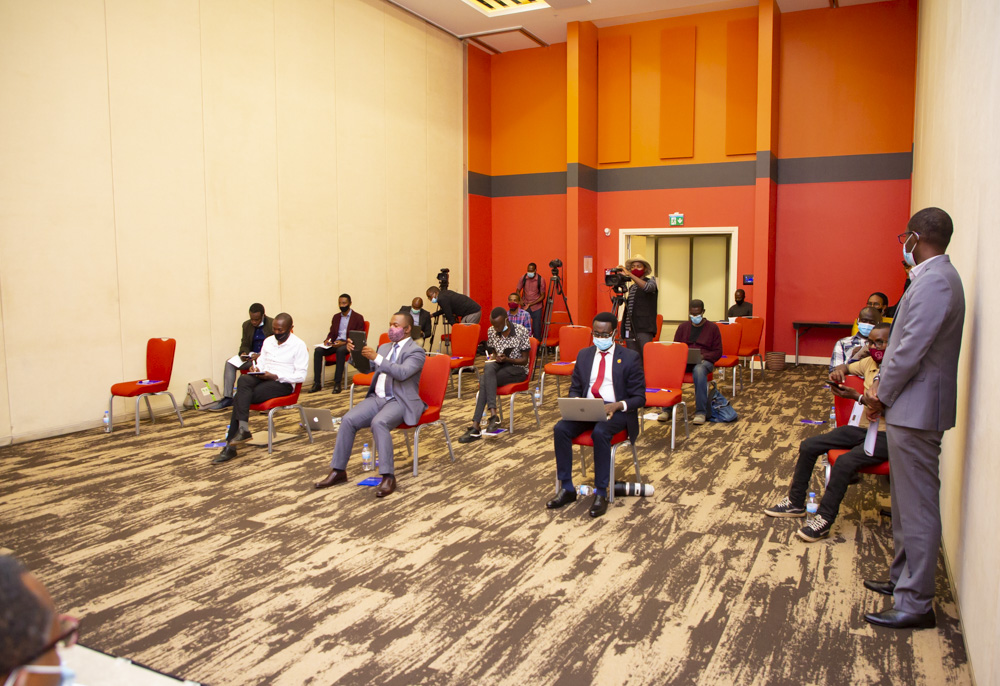
The call was made during a press conference in Kigali, shortly after handing over of the baton between the Kenya Tourism Federation as outgoing host of the EATP secretariat and the Rwanda Chamber of Tourism, the incoming host of the secretariat.
Fred Odek, the outgoing EATP Chairperson, noted that it is important to have harmonized protocols including health or safety measures now in place as a response to the Covid-19 pandemic.
“If Rwanda is testing two times, for example, and Kenya more, why can’t we have this harmonized? The same goes for isolation. We are looking at ways to harmonize protocols; without having harsh conditions, work out a way to ease travel in East Africa, because easing travel is easing doing business.”
Odek stressed that there is a need to unlock the challenges associated with the Covid-19 pandemic to tourism to enable the industry to thrive. He said handing over the baton to the Rwanda Tourism Chamber also marked a very significant step in the revitalization of the EATP.
According to Susan Ongalo, the platform’s chief executive officer, they are looking more at “regional domestic tourism” where people travel using national IDs.
“As we hand over to the Rwanda Tourism Chamber we hope and are confident that EATP is growing farther,” she said.
The platform is working with key stakeholders in the industry to ensure recovery from the effects of Covid-19.
If there was ever a period for the region to cooperate for economic gains, wellbeing and safety of its people, now is without a doubt the right time, said David Butera, Programme Manager at TradeMark East Africa (TMEA).
“Cooperation will determine the course of regional tourism.”
Frank Mugisha, Director General of the Rwanda Chamber of Toursim, said he is ready to take the regional tourism platform to the next level.
It was noted that the regional tourism platform will develop special tour packages for the region. These will cover the airfare, attractions, and accommodation with attractive rates.
Before the Covid-19 pandemic, tourism in East Africa contributed an average of 8.1% to GDP and 17.2% to export earnings and generated 7.1% of employment. As regards employment, tourism employed about 1,278,000 direct and 1,981,000 indirect jobs in partner states.
Tourism in the region has taken a severe blow, with the sector expected to face 92 per cent decline in cash flows due to the impact of the Covid-19 pandemic, according to a report by the East Africa Business Council.