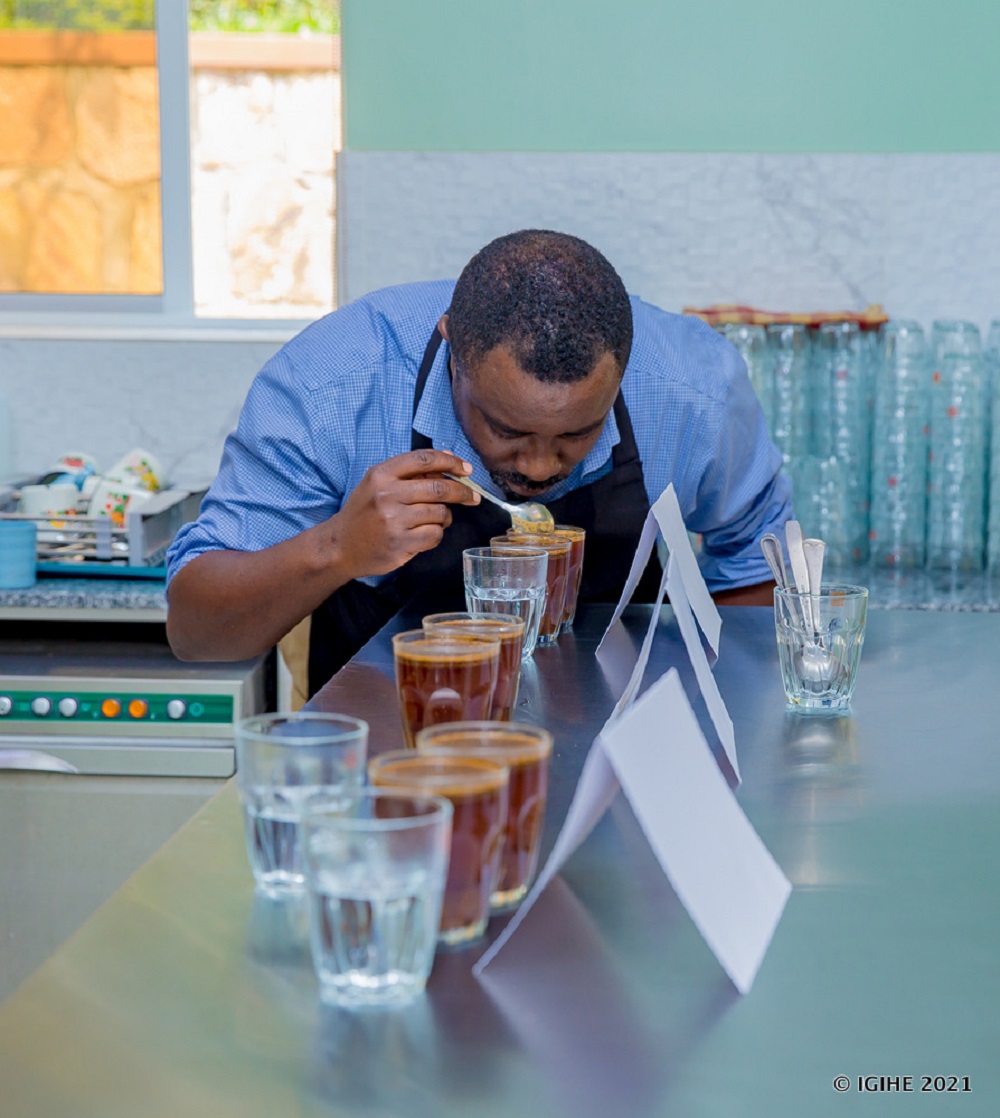
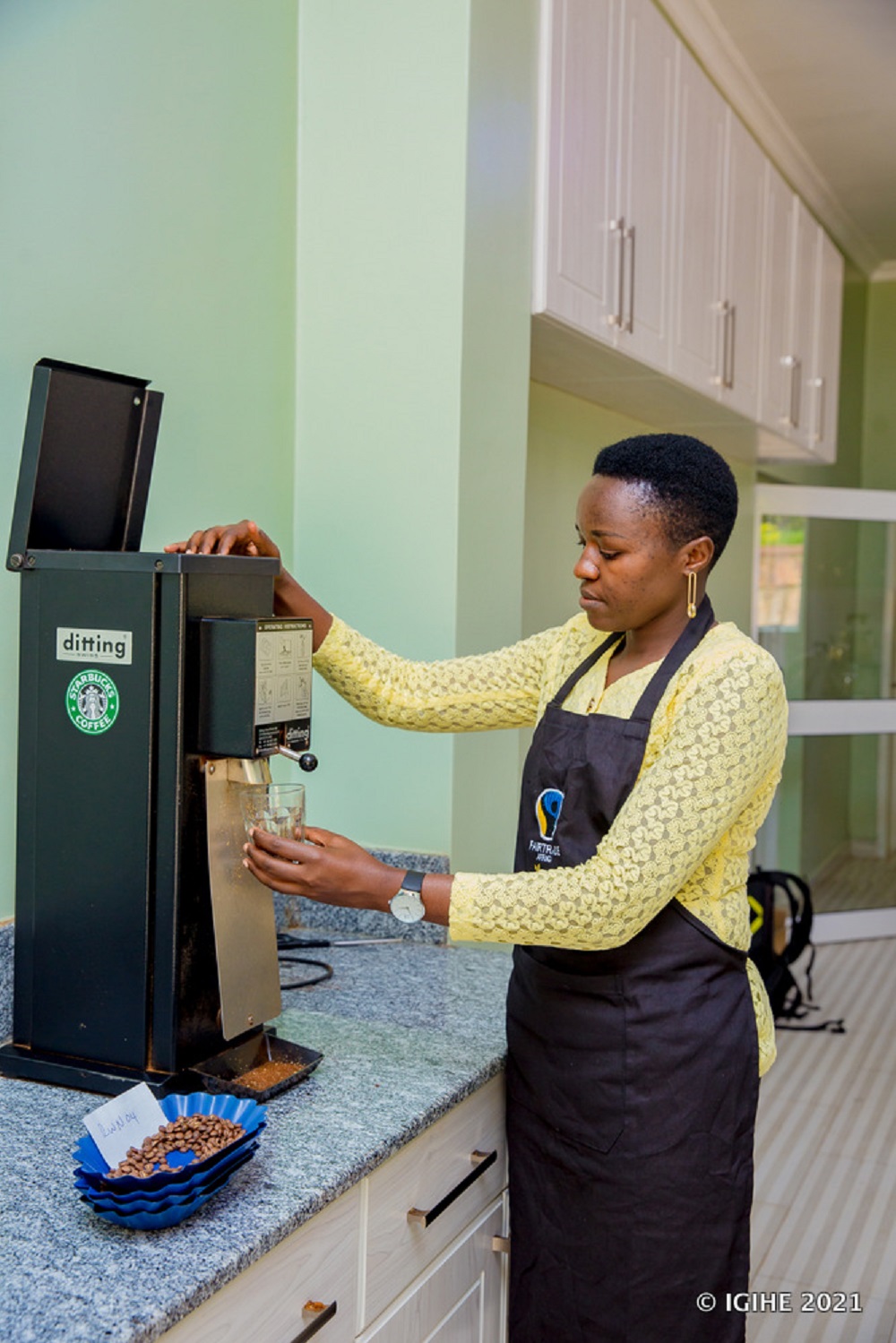
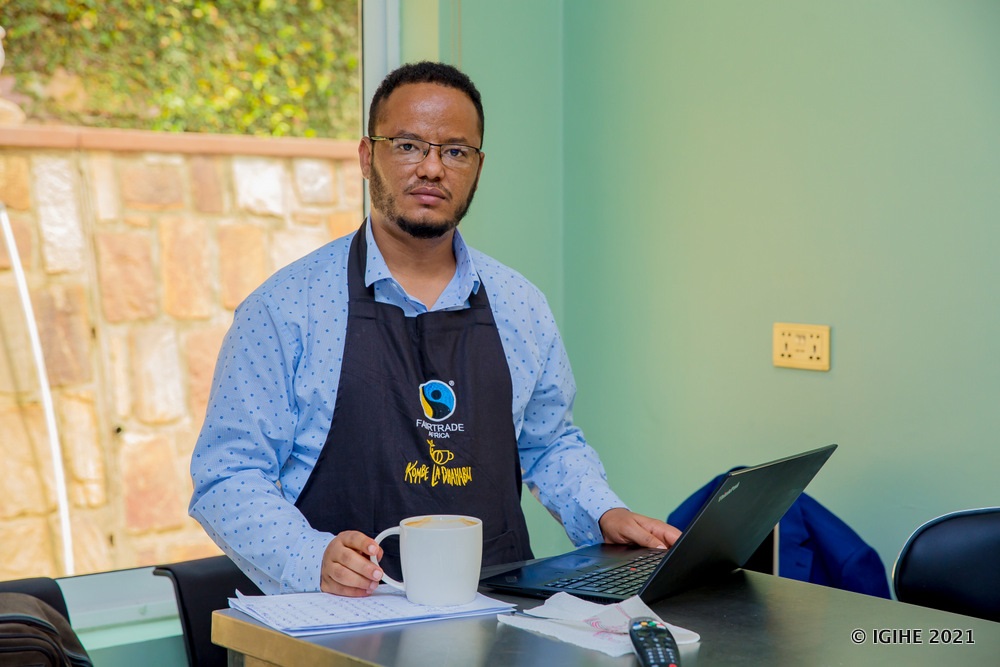
The contest organized by Fairtrade Africa, is taking place in different African countries with a view to promote and market the continent’s coffee nationally and internationally.
Fairtrade Africa (FTA) is the umbrella network organisation representing Fairtrade certified producers and workers in Africa. It has four regional networks – Eastern and Central Africa; Southern Africa; Western Africa; and the Middle East and North Africa.
The contest is scheduled to take place in countries including Rwanda, Tanzania, Ethiopia and Uganda.
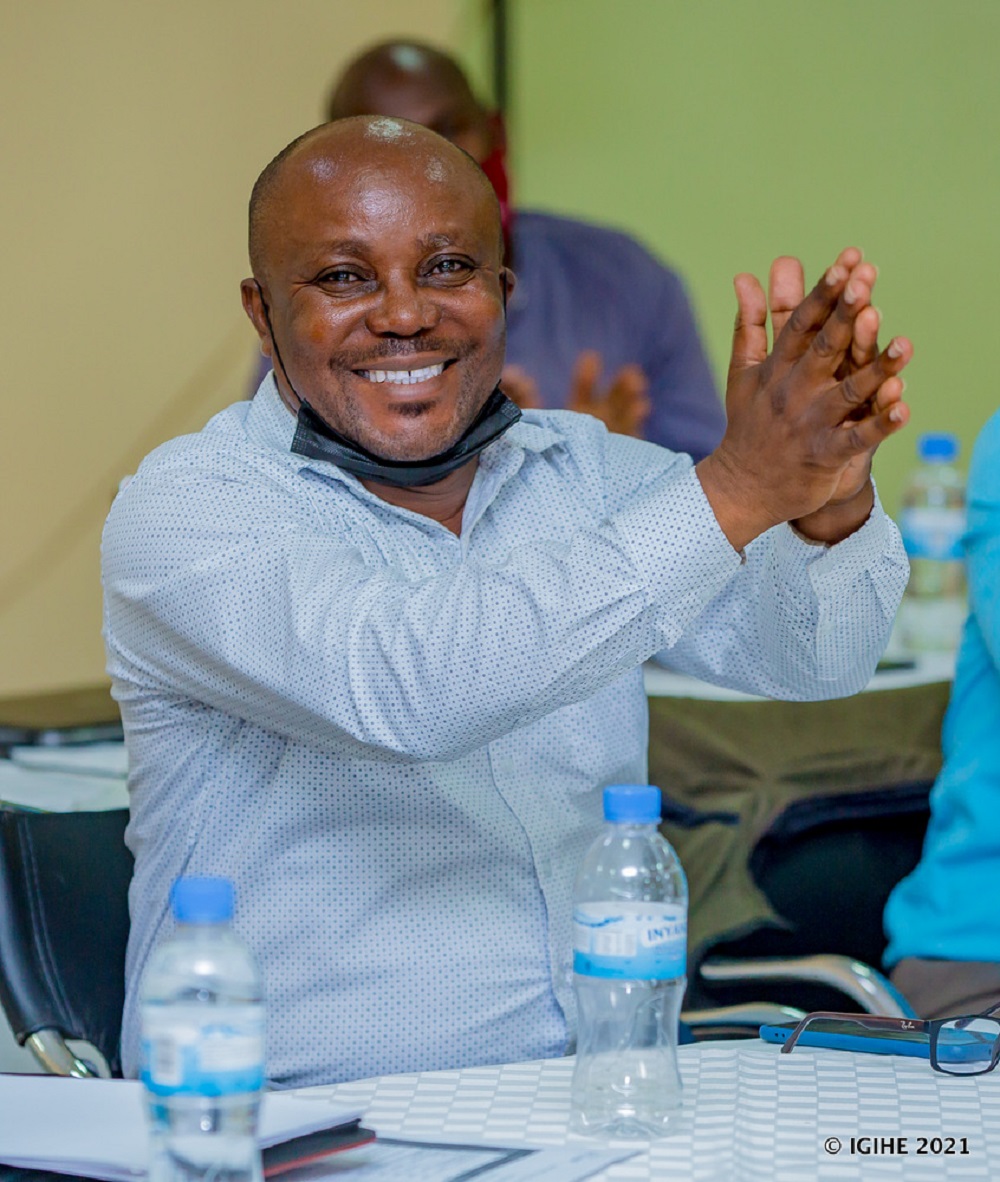
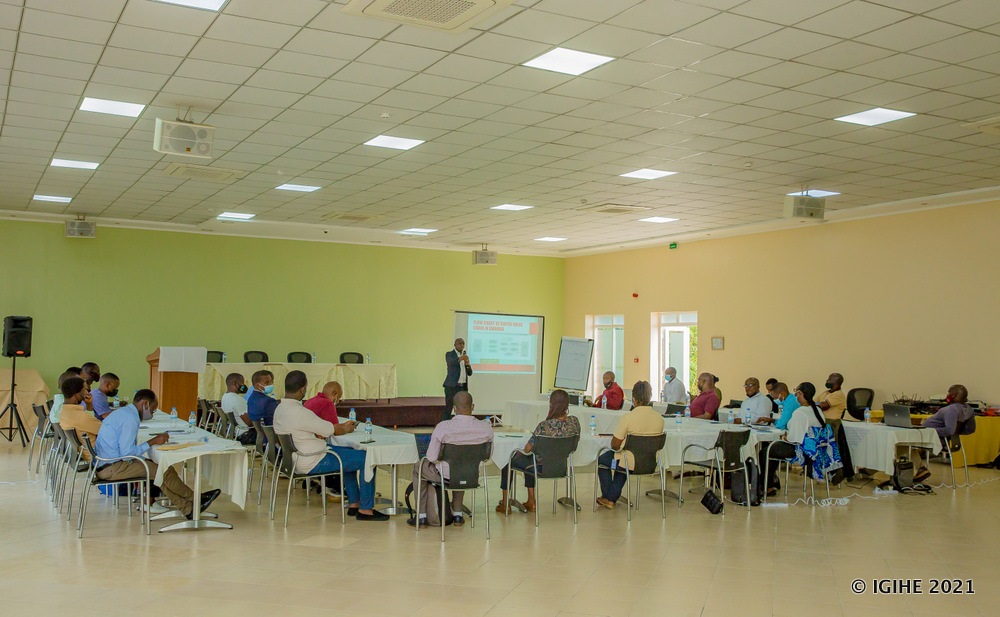
The contest held in Kigali on 17th September 2021 brought together 28 coffee producers where ‘Abateraninkunga ba Sholi’ won the two first positions out of the top ten awarded producers.
The winners were crowned ‘Specialty Coffee Ambassadors’ and will be sponsored to attend big specialty coffee events to gain marketing and business skills, and create market connections.
In addition to that, their coffee samples are distributed in Europe and North America among other consumer locations.
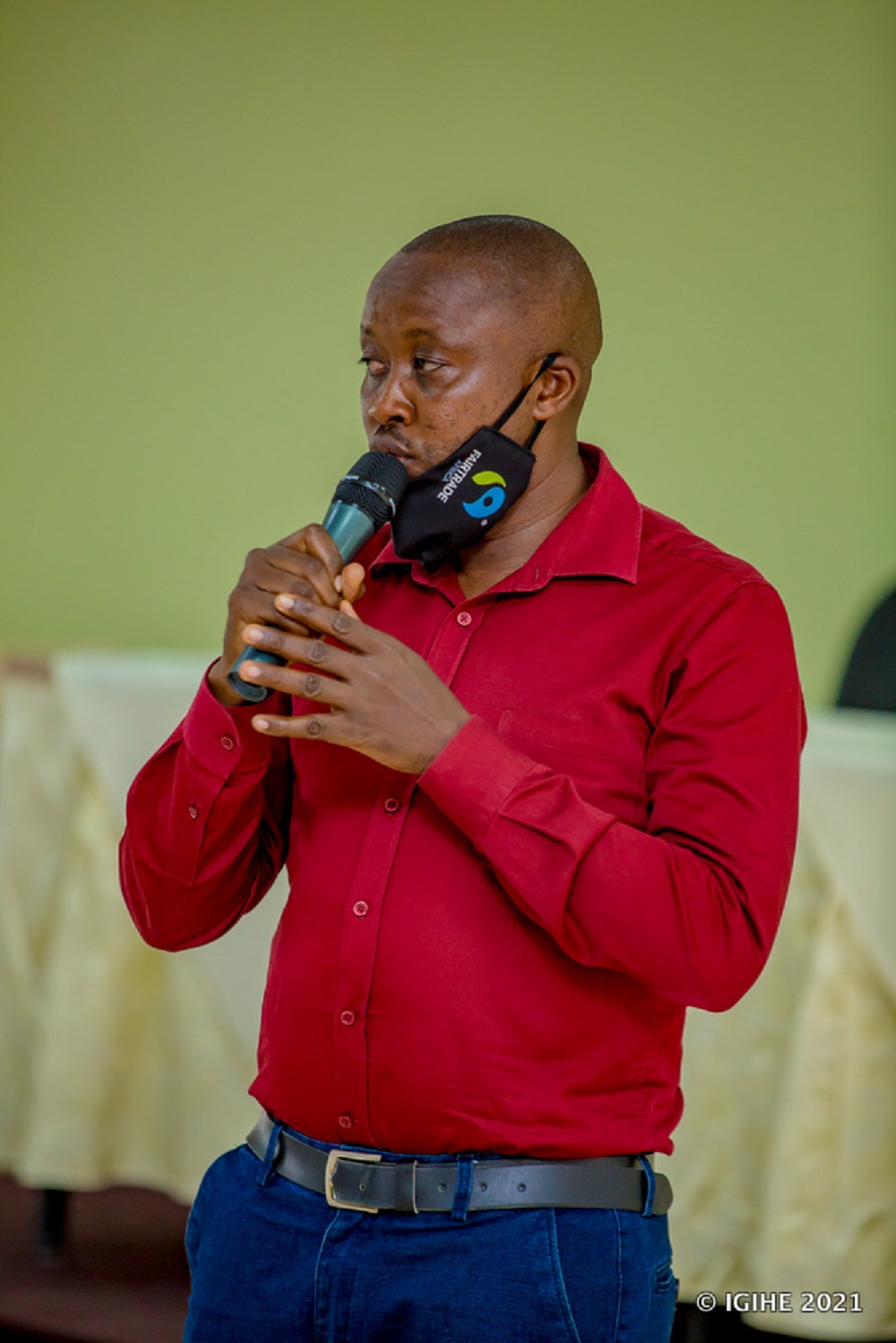
Getahun Gebrekidan Getahun Gebrekidan, the regional programs manager in charge of coffee and tea at Fairtrade Africa said that the contest was organized to boost the capacity of coffee producers to compete internationally.
“This contest came to boost quality standards among coffee producers because we intend to select the best coffee in Africa. It means that everyone will earmark much effort to produce coffee of high quality. Besides, they will participate in renowned coffee competitions helping them to market their produce globally,” he said.
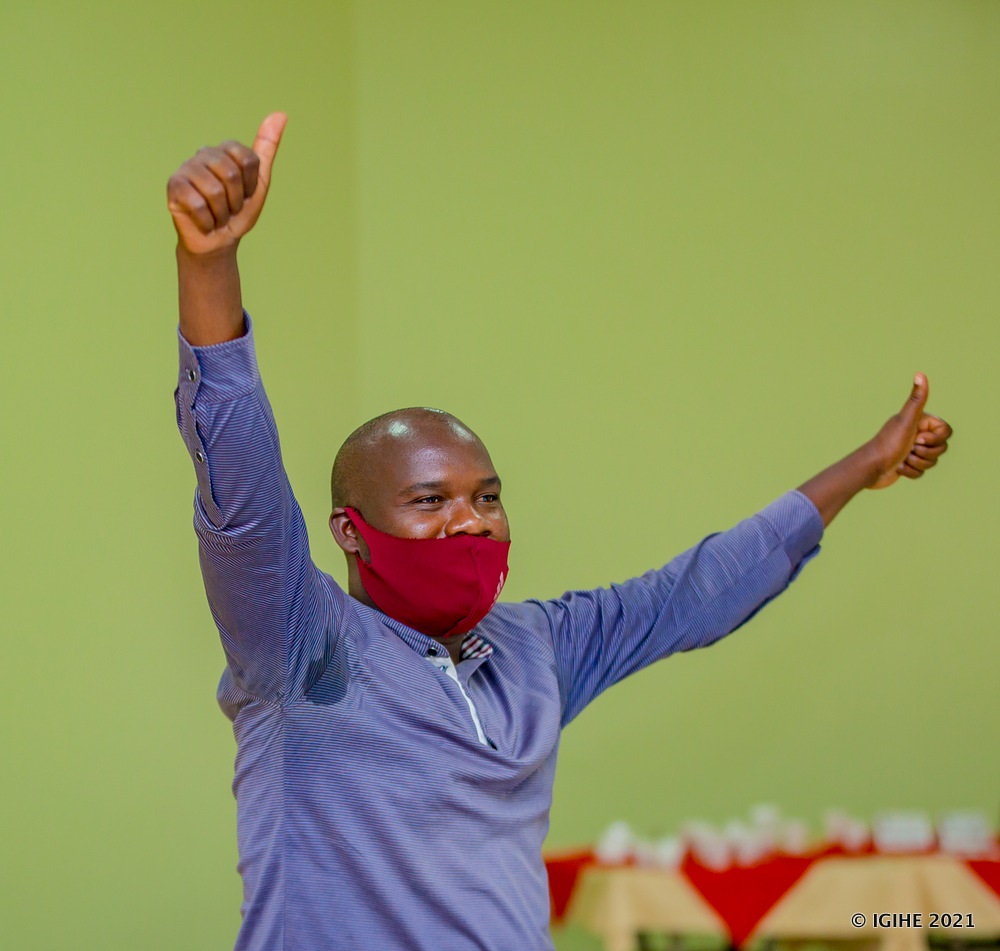
Winners expressed delight with the recognition highlighting that it encourages them to maintain hard work.
Aimable Nshimiye, an accountant at Abaterankunga ba Sholi attributed the performance to a stern process involved in coffee production.
“We work closely with farmers and train them on best techniques to handle the produce from plantations. We delegated agronomists to monitor coffee farming activities to ensure the supply of desired quality coffee. Our plant also has drying facilities helping us to maintain standards,” he said.
Nshimiye explained that winning the contest will open new horizons for Rwanda’s coffee at the global market.
Winners will also compete with selected best producers from other countries where the contest is taking place and participate in different international exhibitions like CAFÉ SHOW Korea, AFCA, SCA, WOC and SCAJ.
Rwanda has 355 771 coffee farmers of whom 68% are women.
Kombe la Dhahabu contest also encourages value addition and fair income distribution by producing and commercializing quality coffees, the producers guarantee sustainable production processes.
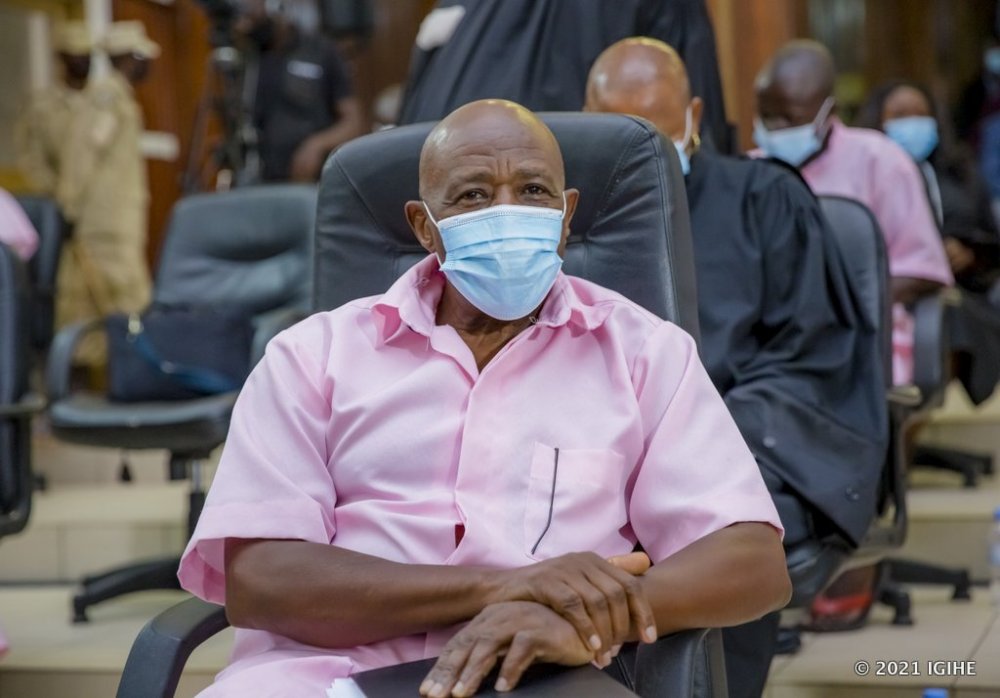
Rusesabagina was arrested in August last year. He has been undergoing trial along with 20 co-accused terror suspects including Callixte Nsabimana alias Sankara, the former spokesperson for the terror group.
The suspects faced charges including the formation of an irregular armed group, membership of a terrorist group, financing terrorism, murder as an act of terrorism, arson as an act of terrorism, attempted murder as an act of terrorism, and assault and battery as an act of terrorism.
The crimes were committed since 2018 when the aforementioned terror group plotted attacks to Rwanda which claimed lives of nine innocent residents in the Southern Province.
They left many others gravely injured, and caused significant material and economic damage in South-West Rwanda.
Rusesabagina who has been undergoing trial for almost a year; was handed 25-year sentence on Monday 20th September 2021 by the High Court Chamber for International Crimes.
Rusesabagina was found guilty of charges against him except illegal formation of an armed group.
Following the verdict, countries including the United States of America (USA) and Belgium criticized Rwanda’s judicial system claiming that Rusesabagina’s trial was not fair.
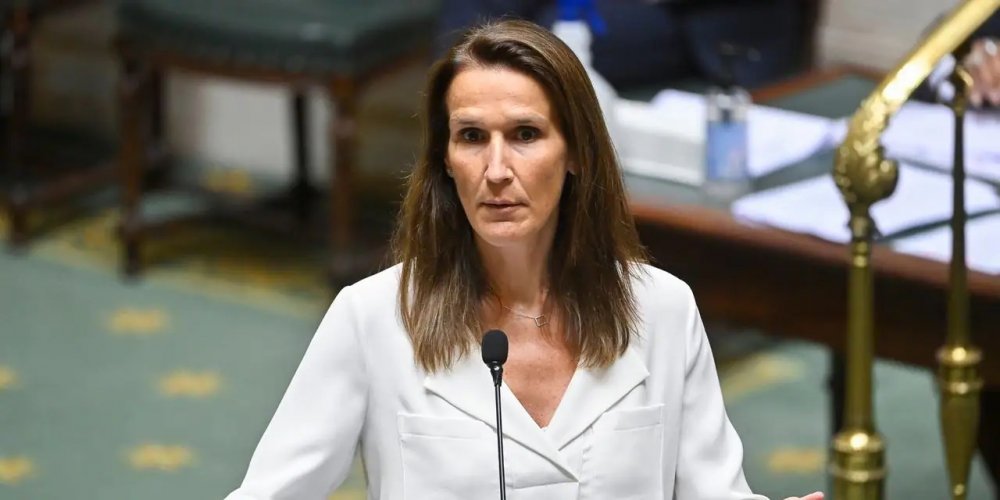
The Deputy Prime Minister and Minister of Foreign Affairs of Belgium , Sophie Wilmes released a statement explaining that Belgium had raised concerns on his trial several times.
“Despite repeated proceedings from Belgium on this issue … Mr Rusesabagina did not benefit from a fair and impartial trial, especially with regard to the right to defense. The presumption of innocence was also not respected. These factors effectively question trials and judgments,” Wilmes said in a statement.
Wilmes further stated that she will meet with Rwandan counterparts this week as a bystander to the UN General Assembly in New York adding that ‘Belgium is in close contact with Mr. Rusesabagina’.
In response, the Government of Rwanda has said that the statement of Sophie Wilmès reflects ‘the contempt shown by the Government of the Kingdom of Belgium towards the Rwandan judicial system since the start of the trial, despite the significant contribution of relevant Belgian institutions to the investigation of this case’.
The statement further reads that the victims of the terrorist acts of FLN ‘have just as much right to justice as Mr. Rusesabagina and his co-defendants’.
For this reason, the Government of Rwanda announced that scheduled bilateral talks at ministerial level will not take place.
“A scheduled bilateral meeting at ministerial level, on the sidelines of the United Nations General Assembly in New York, will no longer take place.”
Rwanda has however revealed that it remains ready to welcome to Rwanda of the Deputy Prime Minister and Minister of Foreign Affairs of the Kingdom of Belgium, ‘at a convenient time to the dialogue between the two countries’.
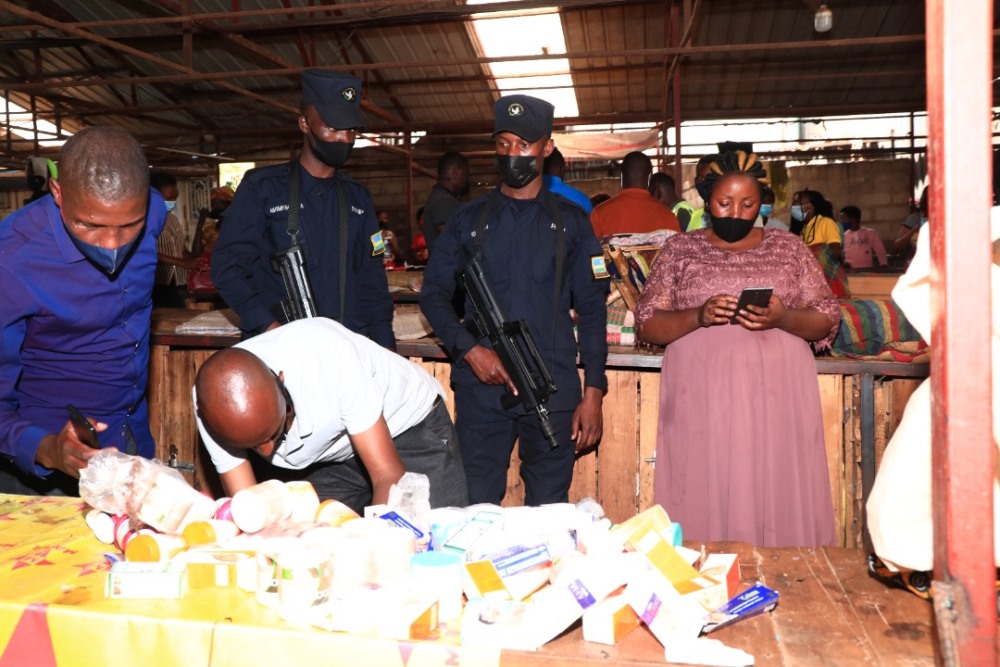
The operations started this Monday, September, 20, and targets border points and shops in different parts if the country, according to CP John Bosco Kabera, the RNP spokesperson.
He added that the operations were previously being conducted on a small scale by the RNP Anti-Smuggling and Organized Crimes (ASOC) adding that this is to reinforce the efforts.
“You have been following reports of people arrested with smuggled goods or selling outlawed products, who are paraded. Most of the times these goods and smugglers are intercepted on borderlines and that is why we are scaling up these operations across the country,” said CP Kabera.
Majority of the seized smuggled goods, he added, are food flavours, liquors and second-hand clothes and shoes.
Seized outlawed or illicit products include skin bleaching oils and creams, kanyanga (crude gin) and plastic bags.
“The operations will also target markets and shops. Previously, much efforts were put on entry points but owing to the fact that most smugglers use porous borders and in most cases destined for City of Kigali and other markets,” CP Kabera said.
He took time to call upon the public to further partner with the Police in these operations against smuggling and other outlawed products.
Taxes, he added, are meant to support the country’s development warning that tax evasion is a crime punishable by law.
Article 266 of the law determining offenses and penalties in general, states that any person, who produces, sells, or prescribes harmful products; cosmetics or body hygiene substance or any other products derived from plants, commits an offence.
Upon conviction, he/she is liable to imprisonment for a term of not less than one year and not more than two years and a fine of not less than Rwf3 million and not more than Rwf5 million or one of these penalties.
Manufacturing, use, importation or sale of plastic carry bags and single-use plastic items are prohibited under article 3 of law N° 17/2019 of 10/08/2019 relating to the prohibition of manufacturing, importation, use, and sale of plastic carry bags and single-use plastic items in Rwanda.
In article 10, any person, who imports plastic carry bags and single-use plastic items is liable to the dispossession of those plastic carry bags and such items, and to an administrative fine equivalent to ten times the value of those plastic carry bags and single-use plastic items.
In article 11, a wholesaler of plastic carry bags and single use plastic items is liable to an administrative fine of Rwf700, 000 and dispossession of those plastic carry bags and such items.
In article 12, a retailer of plastic carry bags and single-use plastic items is liable to an administrative fine of Rwf300, 000 and dispossession of those plastic carry bags.
Under article 199 of the East African Community Management Act, which is also applicable in Rwanda, seized smuggled goods and automobile used in smuggling, are auctioned. The driver also faces a fine of US$5000.
{{Tax fraud}}
A taxpayer, who commits fraud, is subject to an administrative fine of one hundred percent (100%) of the evaded tax.
With exception to that penalty, the Tax Administration refers the case to the Prosecution service if the taxpayer voluntarily evaded such tax, like through the use of false accounts, falsified documents or any other act punishable by law.
In case of conviction, the taxpayer can be imprisoned for a period between six months and two years.
Article 87 of law N° 026/2019 of 18/09/2019 on tax procedures states that a person who, while intending tax evasion, commits one of the following acts: use of forged documents in his or her accounts; counterfeit and use of documents or materials of the tax administration used for taxation; hiding taxable goods or assets related to business; making a declaration indicating that the taxpayer has not made sales; changing the trade name by a person prosecuted in relation to tax; fraudulent registration of trade under the name of another person; hiding accounting documents from the tax administration or damaging them; use of forged accounting records; commits an offence of tax evasion.
Upon conviction, he or she is liable to imprisonment for a term of not less than two (2) years and not more than five (5) years.
The statement released last night shows that 246 people caught the virus out of 15638 sample tests, 2 recovered while 16 are critically ill.
A total of 1,399,753 people have been fully vaccinated while 1,840,527 received the first dose of COVID-19 since Rwanda began countrywide inoculation program on 5th March 2021.
Coronavirus symptoms include coughing, flu, and difficulty in breathing. The virus is said to be transmitted through the mucous membranes of the respiratory tract.
Rwandans are urged to adhere to COVID-19 health guidelines, washing hands frequently using soaps and safe water, wearing face masks and respecting social distancing.
Jean Marie Vianney Kayitana, one of the paraded drunk drivers, said that he was arrested after involving in an accident.
“I was arrested on Saturday, November 18, after involving in an accident at Rwandex. I had taken two bottles of beer and the blood acohol content was at 2 millilitres,” Kayitana said.
“Driving under influence of alcohol is a fatal decision because I was like an impaired person and I would have easily died,” he added.
RNP Deputy spokesperson, Chief Superintendent of Police (CSP) Africa Sendahangarwa Apollo reminded motorists to avoid driving when they consumed alcohol.
“Rwanda National Police took time to conduct countrywide awareness on safer road usage including dangers associated with drunk-driving. Police will always conduct campaigns to influence behavioral change but also penalizing those who continue to keep deaf ears and violating traffic rules and regulations,” CSP Africa said.
He urged road users and drivers in particular, to act responsibly when using the road to prevent loss of lives and property.
Rusesabagina was arrested in August last year. He has been undergoing trial along with 20 co-accused terror suspects including Callixte Nsabimana alias Sankara, the former spokesperson for the terror group.
The suspects face charges including the formation of an irregular armed group, membership of a terrorist group, financing terrorism, murder as an act of terrorism, arson as an act of terrorism, attempted murder as an act of terrorism, and assault and battery as an act of terrorism.
The crimes were committed since 2018 when the aforementioned terror group plotted attacks to Rwanda which claimed lives of nine innocent residents in the Southern Province.
They left many others gravely injured, and caused significant material and economic damage in South-West Rwanda.
During trial proceedings, the Prosecution sought life sentence for Rusesabagina and 25 years for Callixte Sankara.
Among those sentenced was the FLN’s commander and spokesperson, Callixte Nsabimana, who was arrested in 2019. Prior to this, he had claimed responsibility for the 2018 attacks, and had announced plans for further attacks. He has been sentenced to twenty years in prison, having pleaded guilty to most charges.
Another FLN spokesperson, Herman Nsengimana, was sentenced to five years in prison. A member of the CNRD (Conseil national pour la renaissance et la démocratie), Nsengimana was arrested in 2019 in Congo’s South Kivu province along with over 400 other CNRD insurgents.The CNRD is a splinter faction of the Congo-based FDLR (Democratic Forces for the Liberation of Rwanda). It was led by FLN co-founder Colonel Wilson Iratekega until his death in January 2020.
Also convicted was the FLN’s founder, Paul Rusesabagina, who was sentenced to twenty-five years. Prior to the trial, Rusesabagina publicly admitted to founding the group as the armed wing of his political party, the Rwandan Movement for Democratic Change (MRCD). He had repeatedly expressed support for the group’s activities including after the 2018 attacks.
Rwanda Government Spokesperson, Yolande Makolo has said that the ‘lengthy trial has exposed the terrorist activities of the FLN group led by Rusesabagina’ noting that the ruling has delivered justice.
“The evidence against the accused was indisputable, and the people of Rwanda will feel safer now justice has been delivered. The trial has been a long and painful ordeal for the victims of FLN attacks, particularly for those who were called upon to testify. Our thoughts today are with these brave witnesses, and the family and friends of the victims,” she said.
{{What to know about the case involving terror suspects }}
1) The first FLN attack took place on 19 June 2018, in Nyabimata, Nyaruguru District. A subsequent attack took place nearby, in Kitabi, Nyamagabe District on 15 December 2018. Nine Rwandan civilians lost their lives in the attacks. The victims included two children: Ornella Sine Atete (13), and Isaac Niwenshuti (17).
2) In December 2018, Callixte Nsabimana, also known as “Sankara”, took to international radio and social media to announce that the FLN had claimed responsibility for these attacks. He was arrested in April 2019, and immediately pled guilty to 16 charges of terrorism.
3) The FLN is the military arm of the PDR-Ihumure party founded by Paul Rusesabagina, and the Rwandan Movement for Democratic Change (MRCD) political coalition which he led.
4) Also in December 2018, Rusesabagina issued a statement on the MRCD-Ubumwe YouTube channel (later removed but can be found here) as the “President of MRCD-FLN”. In the statement he announced that the FLN had “launched a military struggle to liberate the Rwandan people”, and that “the time has come for us to use any means possible to bring about change in Rwanda”. He pledged his “unreserved support that our youth, the National Liberation Forces, launches against the Kagame army, in order to free the Rwandan people”.
5) On 21 October 2019 Belgian Police searched Rusesabagina house in Brussels and on 13 May 2020 Belgian Prosecution Authority sent to NPPA evidence obtained from the inspection of computers and telephones seized during the search.
6) On 31 August 31, 2020, the Rwanda Investigation Bureau announced that Mr. Rusesabagina was in its custody. He had been the subject of an arrest warrant and was subsequently charged with multiple offences, including terrorism for founding the National Liberation Front (FLN).
7) On 3 December 2020, the High Court Chamber for International Crimes agreed to the request to merge the trial of Mr. Rusesabagina and his co-accused.
8) The trial was initially scheduled to begin on 26 January 2021 was postponed due to COVID concerns. Proceedings eventually commenced on 17 February 2021. A live stream of the trial, including one with English translation, was available online throughout.
9) The court was also shown various documents, including e-mail message records, revealing that Rusesabagina was in direct contact with Antoine Hakizimana (aka Gen Jeva), commander of the FLN’s operations in the northern region of the DRC. In the exchange, Hakizimana updated Rusesabagina on the group’s current military operations and asked him for additional financial assistance. Rusesabagina thanked him for the report and promised to provide funding.
10) Further evidence was provided by Dr. Michelle Martin, an American human rights activist and professor, and former volunteer at the Chicago-based Hotel Rwanda Rusesabagina Foundation. In her testimony, during which she displayed and read items from Rusesabagina’s personal e-mail correspondence, she expressed her belief that the foundation “operated as a political organisation whose apparent primary goal was overthrowing the Rwandan Government”.
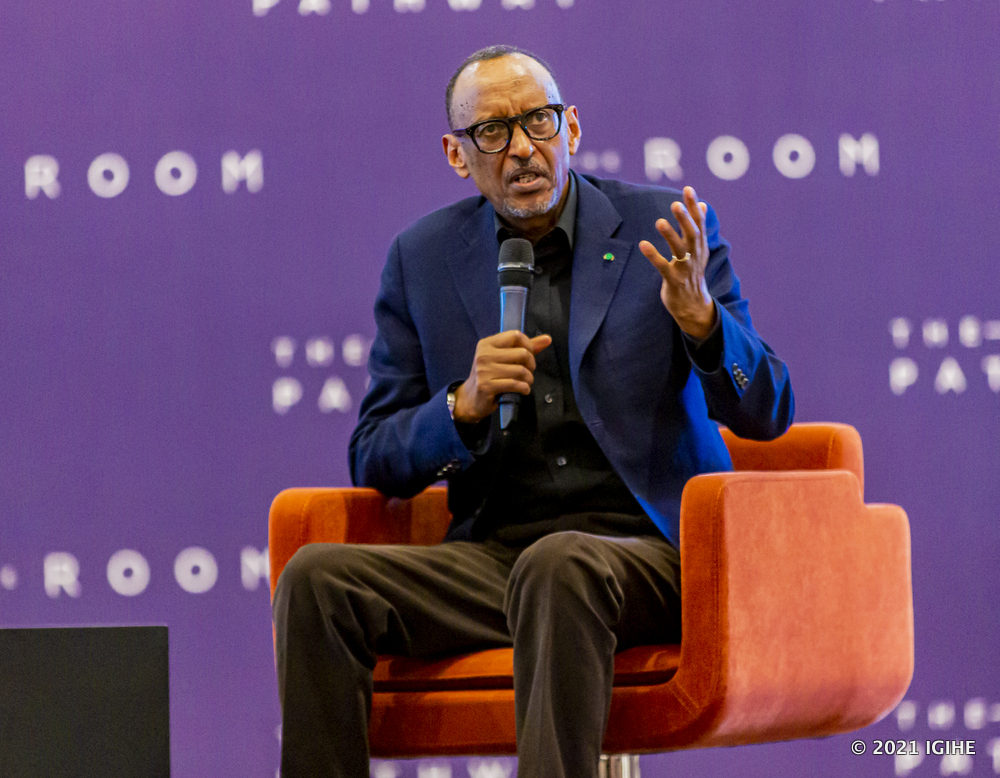
Kagame made the revelation today as he participated in a conversation with the Founder of African Leadership Group, Fred Swaniker and students from different universities in Rwanda.
As he featured in the talk show dubbed ‘In The Room’ initiated by Swaniker , Kagame responded different questions.
Fred Swaniker asked Kagame why he chooses to do hard things which many people fear to confront, pointing out an example of Rwanda’s plan to manufacture vaccines.
Kagame told him that complicated work can be done depending on one’s approaches.
The President said that it has never been part of his plans to dodge hard things.
He went on explaining that, sometimes, hard things result from the combination of simple things achieved at different times that adds up to the situations that require doing hard things.
“You can make the work of doing hard things much easier by paying attention to the simple smaller things on time. […] the pathway can be very simple or difficult depending on the way you paid attention to the simple and hard things,” he said.
Swaniker asked Kagame to give an example of something which started small but currently perceived as a great achievement.
The President pointed out an example of Kigali City saying it has undergone huge transformations compared to its situation in the past 20 years ago.
These include infrastructure development, maintaining high standard of hygiene and red lights among others.
Kagame said that the journey started 20 years ago by doing what is within the country’s means with utmost efficiency .
The President recalled the time when he spoke to cabinet members when the countrywide initiative to maintain cleanliness began.
As he explained, Kagame asked them if the country would require donors to maintain hygiene and pushed forward the idea to dump garbage in the right place.
The President stressed that there are works within people’s capacity that can be done without external support.
“Sometimes when that exercise started, I would be driving in the city. When I saw the litter around, plastic bags, papers from all over; I would literary go and stop my car, convoy, and that also tended to stop the traffic. […] I would get out with my escort guards who are paid to do different things […] we would pick that litter around and say, why would I pass and leave that litter?” he said.
“That has an effect even starting with my entourage. They started thinking ‘well, we shouldn’t leave these things here’. First of all, why do people go throwing litter around? And the same time, the traffic that has come to your halt start saying, what is wrong with him. When they have seen you do that, they start thinking about it and say ‘why would the president stop and do this’. Then you say, I should also take note and do the same. These are simple things. You don’t need to pay a lot of money, you don’t need to be paid a lot of money to do that,” added Kagame.
Kigali is among cleanest cities in the world. Recently in August 2021, the Skytrax World Airport, the coveted quality accolades for airports across the world, and a global benchmark of excellence ranked Kigali International Airport among the best and cleanest airports in East African Community (EAC) and Africa for 2021.
It was ranked 8th best airport in EAC and 7th cleanest on the continent.
The event will be covered by Rwanda Television and livestreamed on YouTube.
This year’s namers will include notable partners, conservationists, international celebrities, dignitaries and friends of Rwanda but their names have not yet been disclosed.
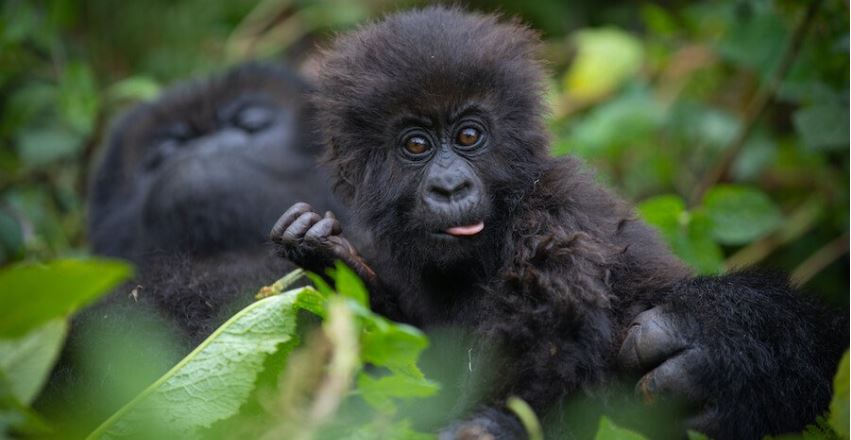
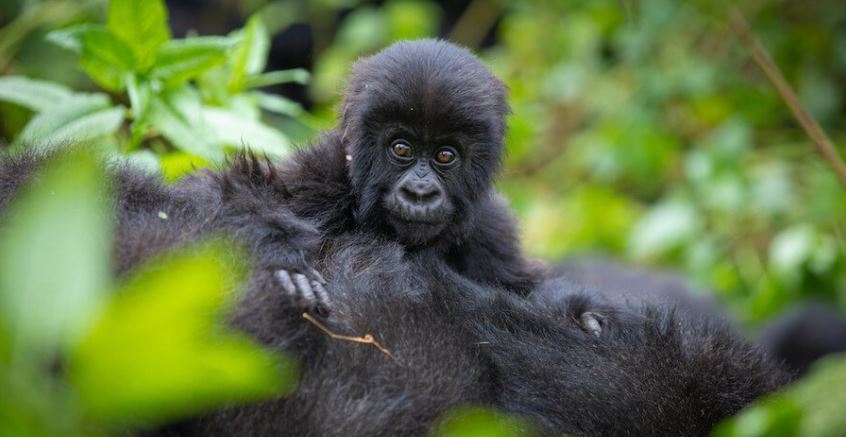
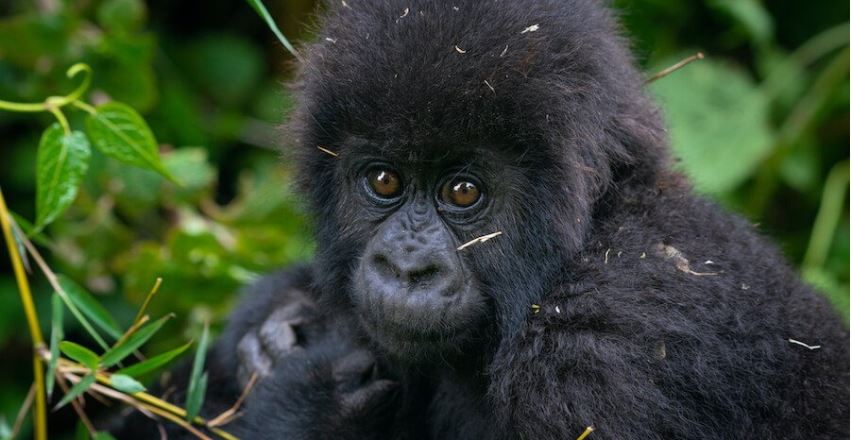
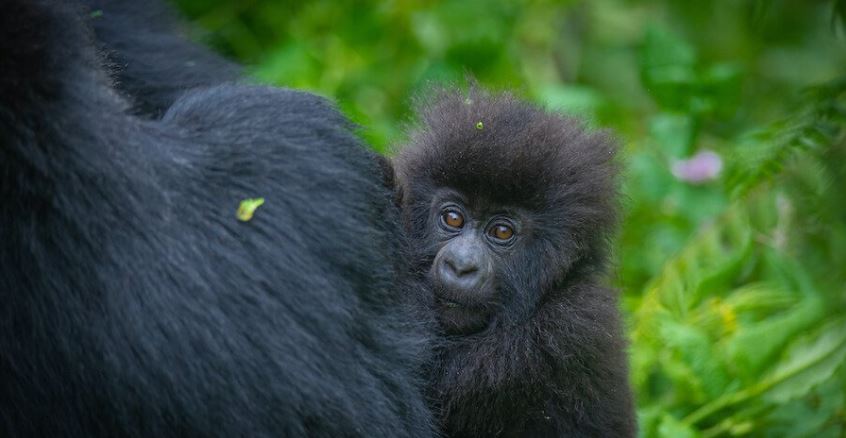
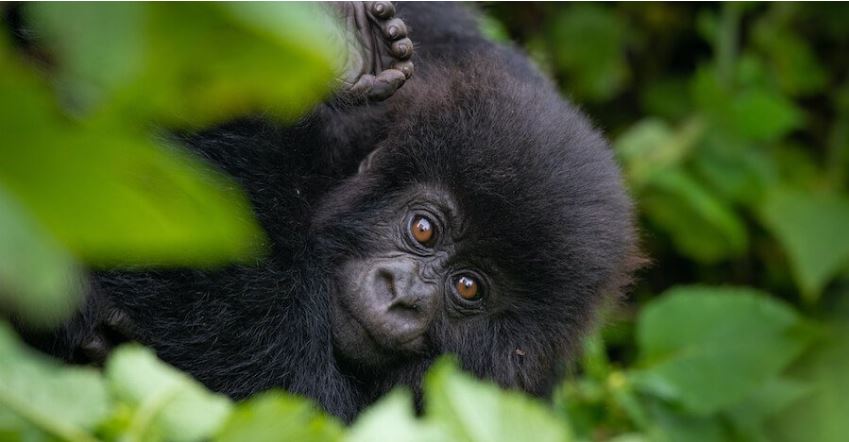
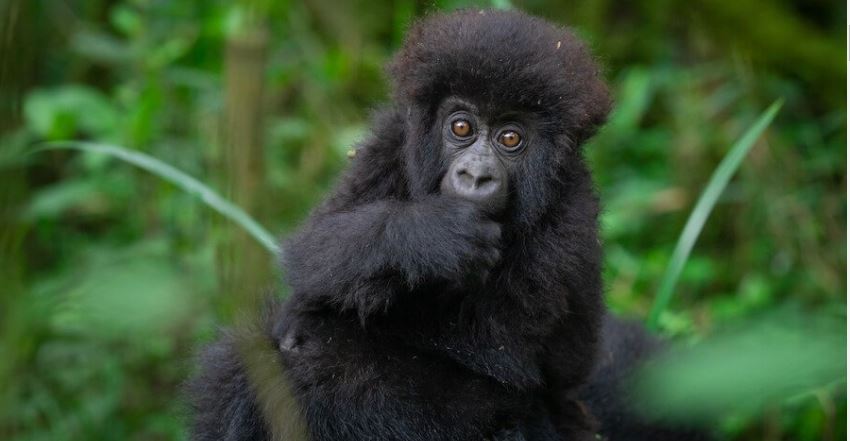
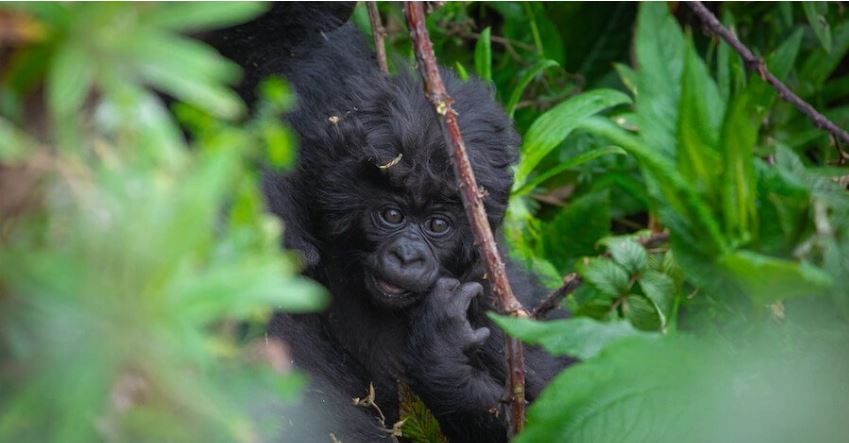
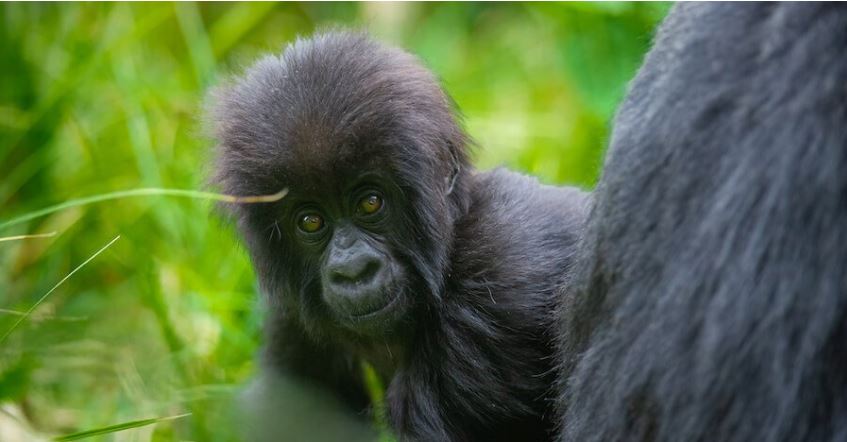
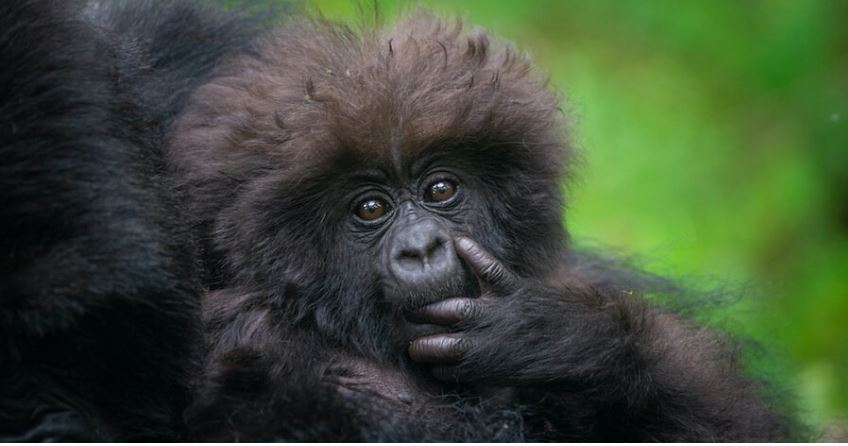
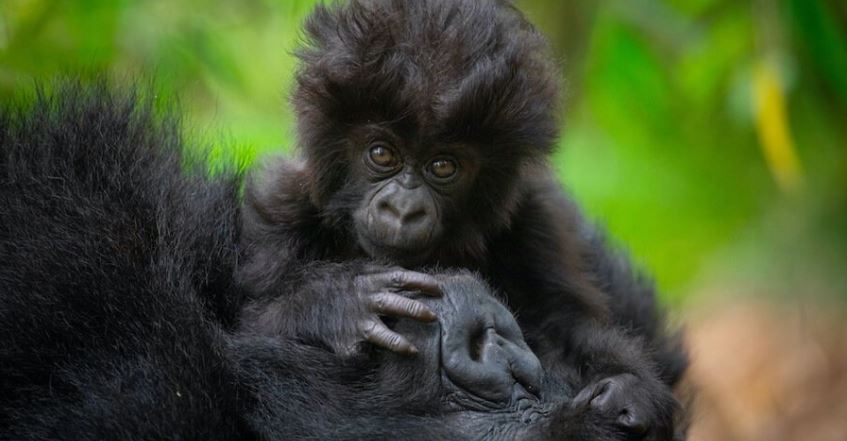
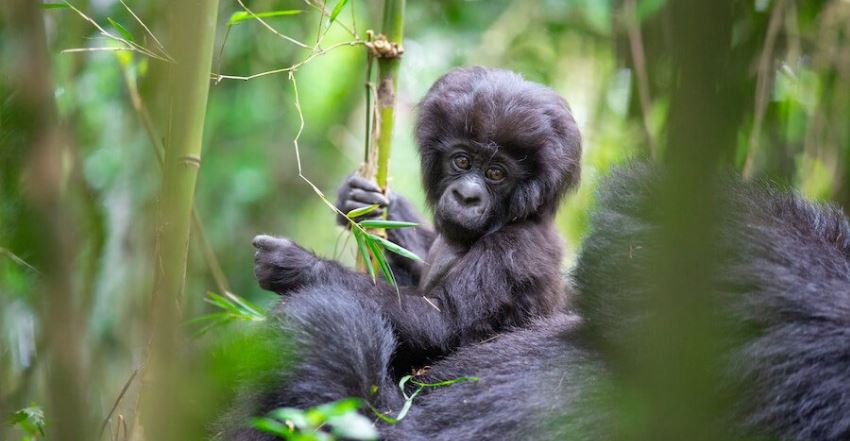
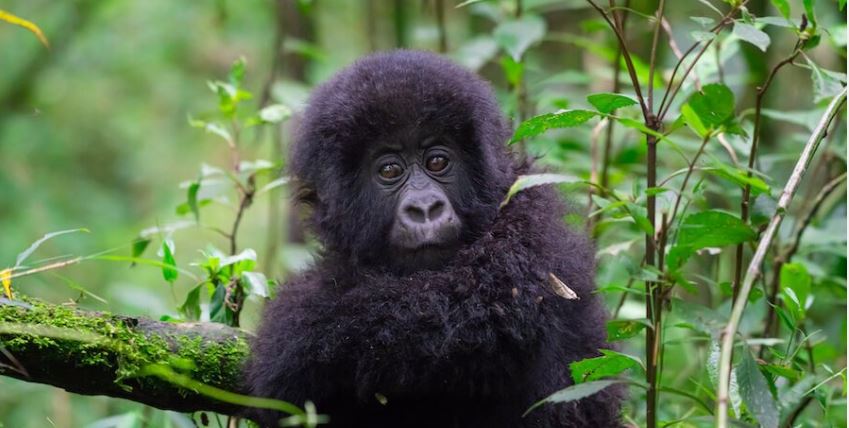
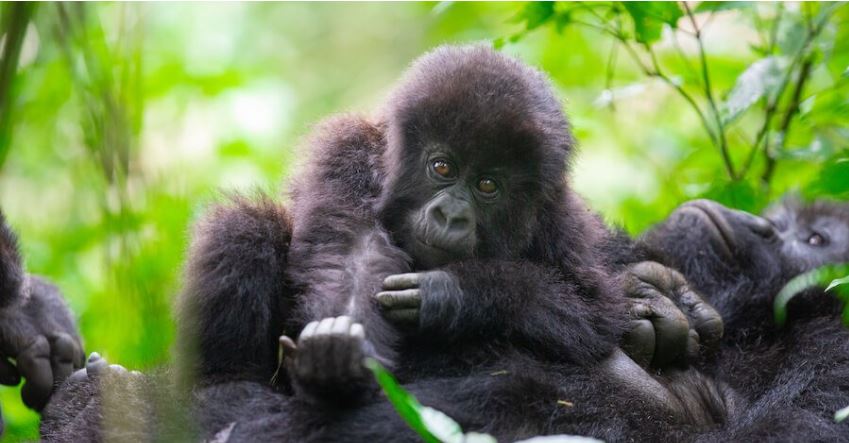
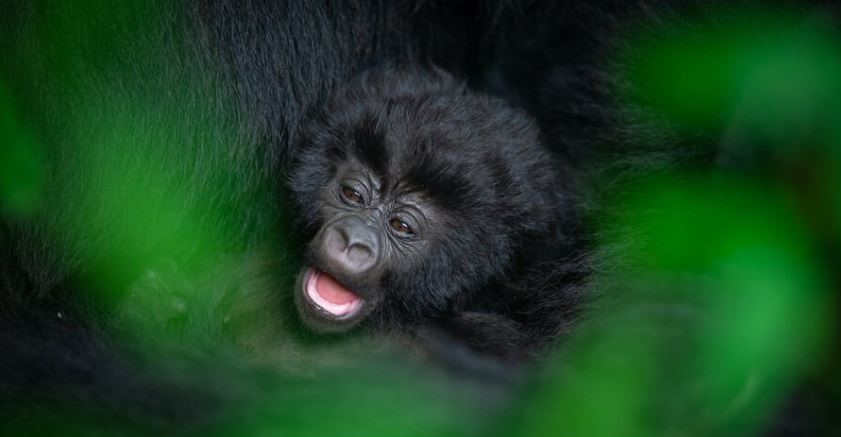
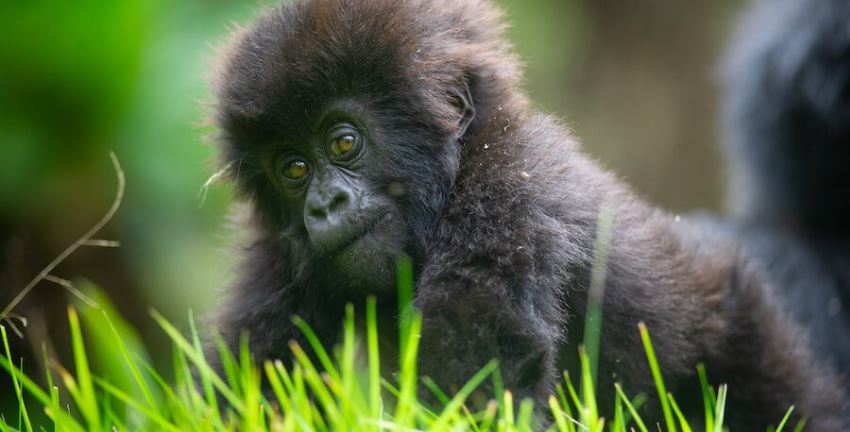
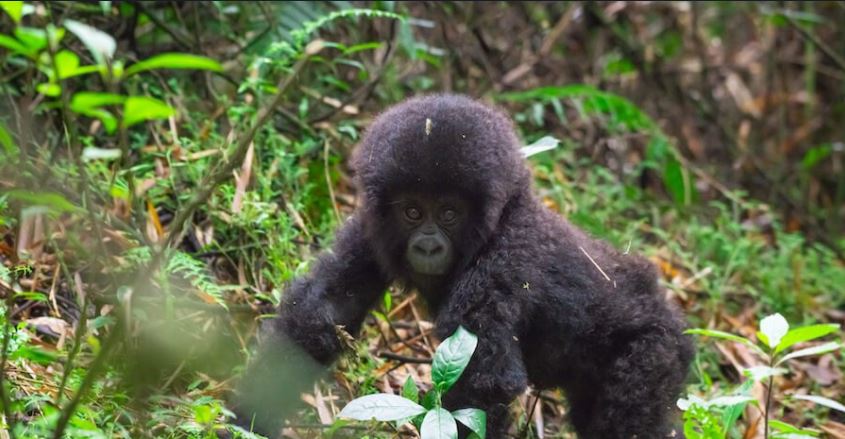
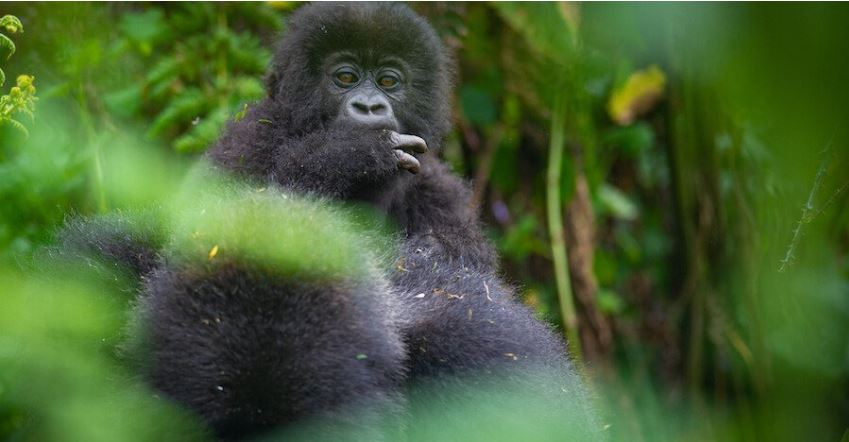
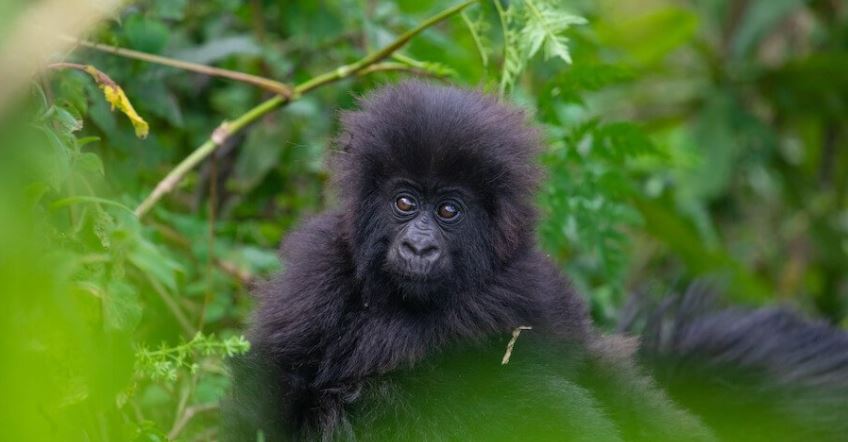
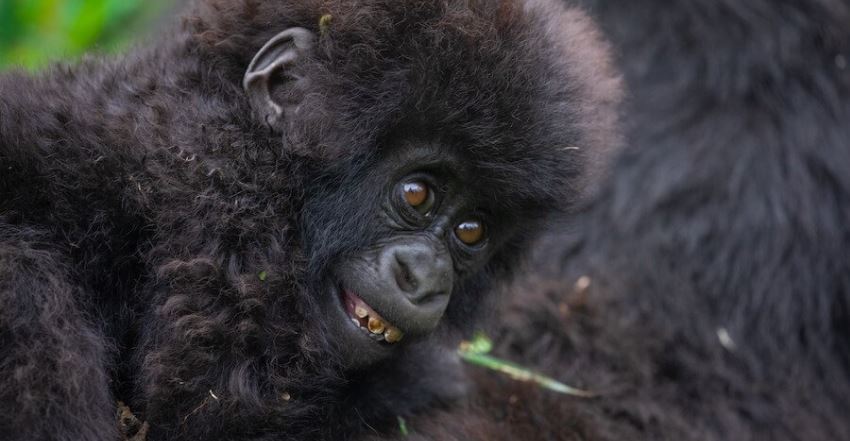
Ahead of the event, organizers of Kwita Izina ceremony launched an online contest during which participating youth had to select one of two provided names for a baby gorilla.
During the contest launched on 16th September 2021 via Kwita Izina Twitter handle, the youth were requested to pick one of two names for a baby gorilla. The two names include ‘Kabeho’ (Live Long) and ‘Mudasumbwa’ (Outstanding).
Winners will receive jerseys of Arsenal and Paris Saint Germain, two teams on the European that entered partnership with Rwanda Development Board (RDB) to market Rwanda’s tourism.
The contest was closed in the night of Friday 17th September 2021 around 11:59.
IGIHE has learnt that 30 participants were selected and started receiving their jerseys on Monday 20th September 2021.
During Kwita Izina ceremony , Rwanda will join the rest of the world to mark World Gorilla Day, the day renowned gorilla conservationist Dian Fossey established the Karisoke Research Center in Rwanda in 1967. It is a day that encourages people around the globe to celebrate conservation of the mountain gorillas and honour those who protect them daily in their habitat.
The virtual ceremony will feature updates on Rwanda’s conservation efforts including the population growth of the mountain gorillas and the need to expand their habitat, and community support to improve community livelihoods while enabling wildlife conservation.
The Kwita Izina gorilla naming ceremony reflects centuries-old tradition in which Rwandans name their children in the presence of family and friends. For three decades before the first official gorilla naming ceremony, park rangers and researchers named Rwanda’s mountain gorilla babies to monitor each gorilla in their family and habitat.
In 2005, Rwanda began officially naming mountain gorillas in what has become a global celebration of nature. By giving a name to these majestic animals, they are given the value they undoubtedly deserve.
The ceremony is also an opportunity to thank the communities that live around the gorilla habitat, Volcanoes National Park, research partners, vets and the dedicated conservationists, rangers and trackers who protect the gorillas daily.
Since 2005, a total of Rwf6.5 billion have been pumped into 780 projects in the areas of agriculture, infrastructure, education, provision of decent shelters for vulnerable residents, building health centers, promoting livestock farming, beekeeping and crafts among others.
Despite unprecedented effects occasioned by COVID-19 pandemic, Rwf700 million were invested in 30 projects in the areas of infrastructure and agriculture this year.
Rwanda’s tourism sector earned US$121 million in 2020 down from US$498 of 2019.
Over the last sixteen years, 328 mountain gorillas have been named. Today, Kwita Izina forms part of an ambitious strategy to preserve Rwanda’s natural heritage and further expand the role of tourism in the country’s transformation. As a result of the naming ceremony, Rwandans from all walks of life understand the intrinsic value of gorillas and their contribution to the country’s development.
{{Below is the list of baby gorillas to be named during the upcoming event:}}
{{1. Africa’s Son (Isimbi Family)}}
This male baby gorilla was born on 3th January 2021 to mother Africa from the Isimbi family of mountain gorillas.
{{2.Ejoheza’s Son (Isimbi Family)}}
This male baby gorilla was born on 6 January 2021 to mother Ejoheza from the Isimbi family of mountain gorillas.
{{3. Ijambo’s Son (Igisha Family)}}
This male baby gorilla was born on 11 December 2020 to mother Ijambo from the Igisha family of mountain gorillas.
{{4. Ikaze’s Daughter (Musilikale Family)}}
This female baby gorilla was born on 6 February 2021 to mother Ikaze from the Musilikale family of mountain gorillas.
{{5. Impano’s Son (Igisha Family)}}
This male baby gorilla was born on 8 January 2021 to mother Impano from the Igisha family of mountain gorillas.
{{6. Inkubito’s Son (Muhoza Family)}}
This male baby gorilla was born on 7 January 2021 to mother Inkubito from the Muhoza family of mountain gorillas.
{{7. Ishema’s Son (Pablo Family)}}
This male baby gorilla was born on 12 July 2021 to mother Ishema from the Pablo family of mountain gorillas.
{{8. Kubana’s Daughter (Kureba Family)}}
This female baby gorilla was born on 12 December 2020 to mother Kubana from the Kureba family of mountain gorillas.
{{9. Kurudi’s Daughter (Titus Family)}}
This female baby gorilla was born on 18 April 2021 to mother Kurudi from the Titus family of mountain gorillas.
{{10. Magayane’s Son (Hirwa Family)}}
This male baby gorilla was born on 27 June 2021 to mother Magayane from the Hirwa family of mountain gorillas.
{{11.Munezero’s Son (Agashya Family)}}
This male baby gorilla was born on 14 June 2021 to mother Munezero from the Agashya family of mountain gorillas.
{{12. Nchili’s Daughter (Kwitonda Family)}}
This female baby gorilla was born on 29 August 2020 to mother Nchili from the Kwitonda family of mountain gorillas.
{{13. Ndimubanzi’s Daughter (Kwitonda Family)}}
This female baby gorilla was born on 20 August 2020 to mother Ndimubanzi from the Kwitonda family of mountain gorillas.
{{14. Nezerwa’s Daughter (Amahoro Family)}}
This female baby gorilla was born on 18 June 2021 to mother Nezerwa from the Amahoro family of mountain gorillas.
{{15. Nzeli’s Son (Kureba Family)}}
This male baby gorilla was born on 13 November 2020 to mother Nzeli from the Kureba family of mountain gorillas.
{{16. Okapi’s Daughter (Kwitonda Family)}}
This female baby gorilla was born on 1 January 2020 to mother Okapi from the Kwitonda family of mountain gorillas.
{{17. Rugira’s Son (Musilikale Family)}}
This male baby gorilla was born on 30 July 2020 to mother Rugira from the Musilikare family of mountain gorillas.
{{18. Tegereza’s Son (Ntambara Family)}}
This male baby gorilla was born on 24 December 2020 to mother Tegereza from the Ntambara family of mountain gorillas.
{{19. Turiho’s Son (Muhoza Family)}}
This male baby gorilla was born on 26 February 2021 to mother Turiho from the Muhoza family of mountain gorillas.
{{20. Umoja’s Daughter (Hirwa Family)}}
This female baby gorilla was born on 18 December 2020 to mother Umoja from the Hirwa family of mountain gorillas.
{{21. Umujyanama’s Daughter (Pablo Family)}}
This female baby gorilla was born on 9 February 2021 to mother Umujyanama from the Pablo family of mountain gorillas.
{{22. Ururabo’s Son ( Igisha Family)}}
This male baby gorilla was born on 6 July 2021 to mother Ururabo from the Igisha family of mountain gorillas.
{{23. Karema’s Son (Sabyinyo Family)}}
This male baby gorilla was born on 25 January 2021 to mother Karema from the Sabyinyo family of mountain gorillas.
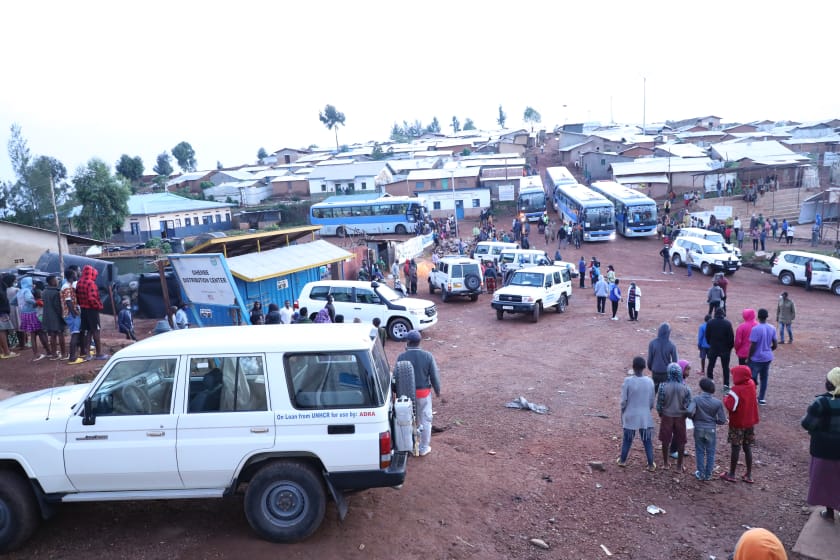
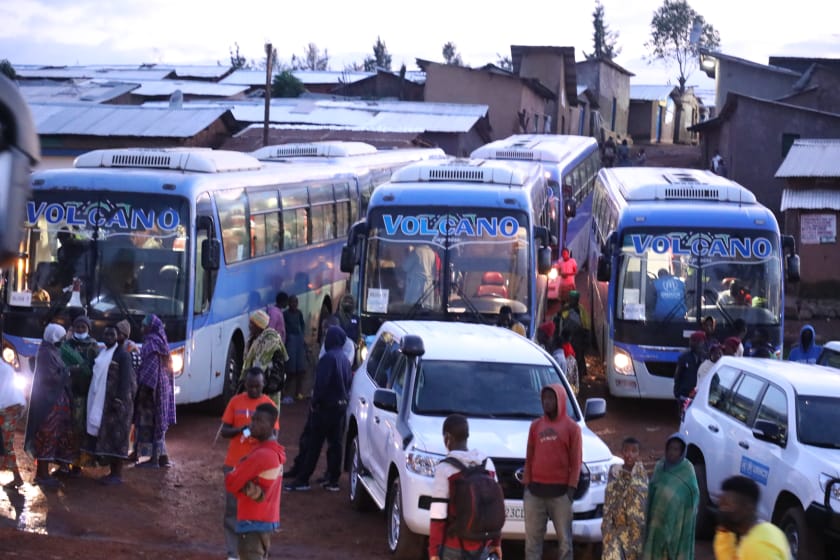
A total of 538 refugees from 119 families have moved to Mahama today morning while more 500 are expected to be relocated on Thursday this week.
MINEMA plans to relocate at least 1000 refugees every week until the exercise to resettle 9,992 refugees from Gihembe camp is completed by December 2021.
They are joining more than 2,393 refugees from 520 families relocated to Mahama camp in May 2021.
Refugees being relocated were settled in Gihembe camp 23 years ago.
IGIHE has learnt that the relocation is meant to accommodate them in decent shelters because buildings at Gihembe camp are old that refugees would be prone to disasters during rainy season.
The camp will be demolished after resettling refugees.
The manager of Gihembe camp, Goretti Murebwayire said that some of refugees’ belongings will not be moved immediately.
“We are ready to transport their properties but there must be preparations to assess if they will get pasture for their cows. We cannot take cows to the camp but we will help refugees notifying us that they have got land,” she said.
Refugees said that are readiness to mix with the new community considering the appreciation of colleagues relocated in the first batches.
“We have welcomed the decision because it is necessary. Besides, we are still in the same country and we are joining our colleagues resettled recently,” said Sifa Nyirakamana, 23.
Fabrice Nkurunziza who arrived in Gihembe in 2012 coming from Nkambi transit camp based in Rubavu district said that colleagues from Mahama have spoken well of the living conditions in the new camp.
“They have been telling us that everything is going well. So, we are ready for integration in the new community,” he said.
Another refugee identified as Patrick Sebuhoro thanked the Government of Rwanda for provided support to lead decent life.
“We have run short of nothing in Rwanda. We are grateful,” he noted.
Refugees from Gihembe camp recently expressed worries over relocation to Mahama claiming that the exercise would leave some of them leaving their occupations.
IGIHE has learnt that refugees not willing to leave jobs are allowed to stay in the area.
The representative of United Nations Refugee Agency (UNHCR) to Rwanda, Boubacar Bamba has thanked the Government of Rwanda for the decision to relocate refugees from risky zones.
“It is a good decision to save refugees’ lives. The relocation won’t affect them negatively because they will continue receiving support,” he said.
Refugees boarded buses today morning heading to their new camp in Kirehe district.
He made the observation on Sunday 19th September 2021 as he chaired the annual meeting of the Broadband Commission.
The virtual meeting was also attended by the co-chair of the commission, Carlos Slim along with co-vice chairs Houlin Zhao and Audrey Azoulay.
This year’s meeting is themed ‘People-centered Approaches to Universal Broadband’.
Kagame who is also the chairperson of the commission stressed that digital cooperation should not be limited to broadband access.
“Before we begin, let me just make brief comments. The first is that digital cooperation needs to go beyond access to broadband. We also need to close the gap in the adoption and use of affordable devices and services, in accessible content, and in digital literacy,” he said.
“The second is to note the value in multi-stakeholder platforms that complement the work of the Broadband Commission, such as the Edison Alliance. Harmonizing these initiatives would create useful synergies,” added Kagame.
The President also recalled that ‘the strength of the Broadband Commission lies in the diversity of the perspectives that our Commissioners bring to the table’.
He concluded his remarks highlighting that the Broadband Commission should continue to be a forum to find consensus and speed up progress towards digital transformation.
The Broadband Commission for Sustainable Development was established in May 2010 as a joint initiative by the International Telecommunication Union (ITU) and the United Nations Educational, Scientific and Cultural Organization (UNESCO) with the aim of boosting the importance of broadband on the international policy agenda, and expanding broadband access in every country as key to accelerating progress towards national and international development targets.
The Commission was renamed the Broadband Commission for Sustainable Development, following the adoption of the UN’s Sustainable Development Goals in September 2015.
Led by President Paul Kagame and Carlos Slim Helù of Mexico, it is co-chaired by ITU’s Secretary-General Houlin Zhao and UNESCO Director-General Audrey Azoulay.
It is comprised of over 50 Commissioners who represent a cross-cutting group of top CEO and industry leaders, senior policy-makers and government representatives, and experts from international agencies, academia and organizations concerned with development.