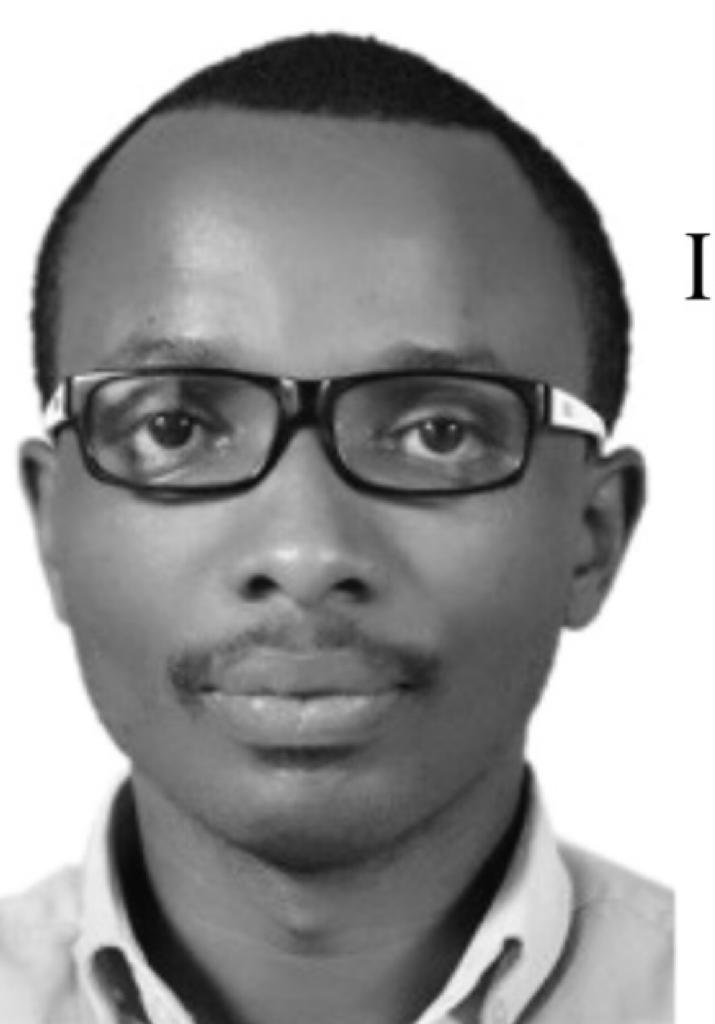
Superintendent of Police (SP) Bonaventure Twizere Karekezi, the Western region Police spokesperson, said that Ndaribitse was traveling in a Fuso truck transporting 20 cows but had no livestock movement order.
“Police officers stopped the Fuso truck along Musanze-Rubavu transporting cows from Burera to Rubavu. When officers asked the driver for the movement clearance order, the driver said that the cows belong to Ndaribitse. Instead of providing the required documents as asked, Ndaribitse tried to seduce the officer with the bribe of Frw5,000 and he was taken into custody for the criminal act,” SP Karekezi said
SP Karekezi warned against such criminal mindset and advised those engaged in such businesses to always seek for the required documents instead of offering bribes leading to serving many years in prison.
The suspect was handed over to RIB at Gisenyi station for further investigation.
Under article 4 of law n° 54/2018 of 13/08/2018 on fighting against corruption, any person who solicits, accepts or receives, by any means, an illegal benefit for himself/ herself or another person or accepts a promise in order to render or omit a service under his or her mandate or uses his or her position to render or omit a service commits an offence.
Upon conviction, he/she is liable to imprisonment for a term of more than five years but not more than seven years with a fine of three to five times the value of the illegal benefit offered, solicited or received.
Penalties provided under this article also apply to a person, who offers or promises to offer a benefit, by any means, an illegal benefit for him/ herself or another person to have a service rendered or omitted.
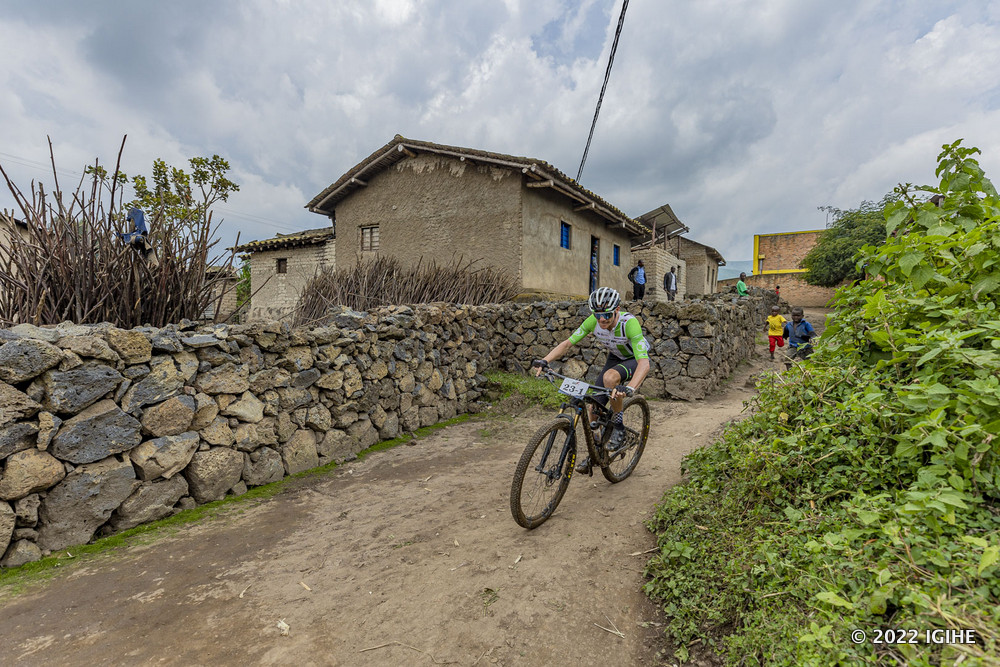
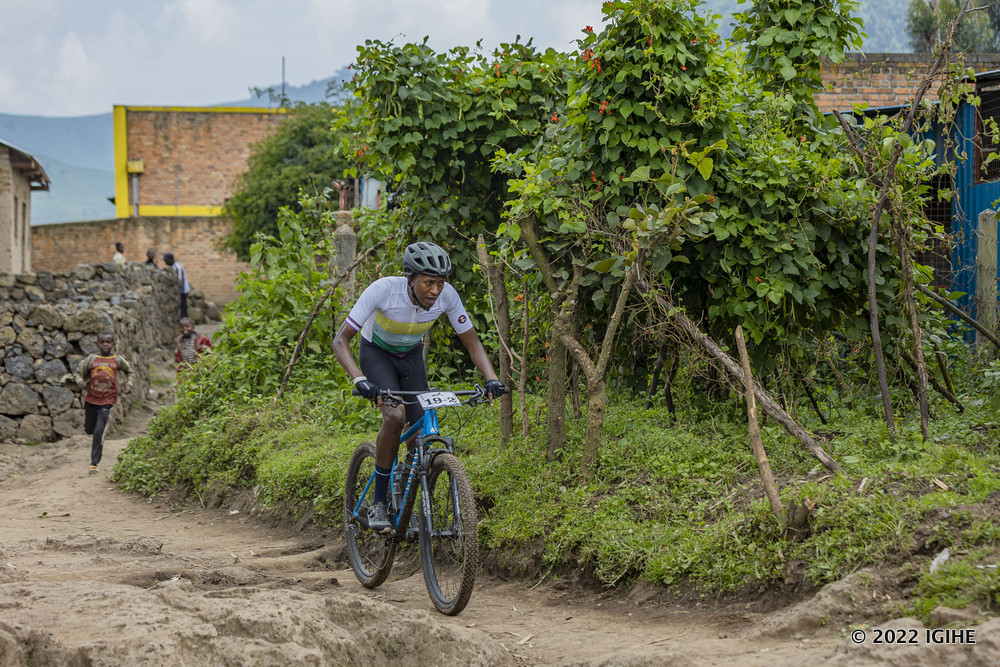
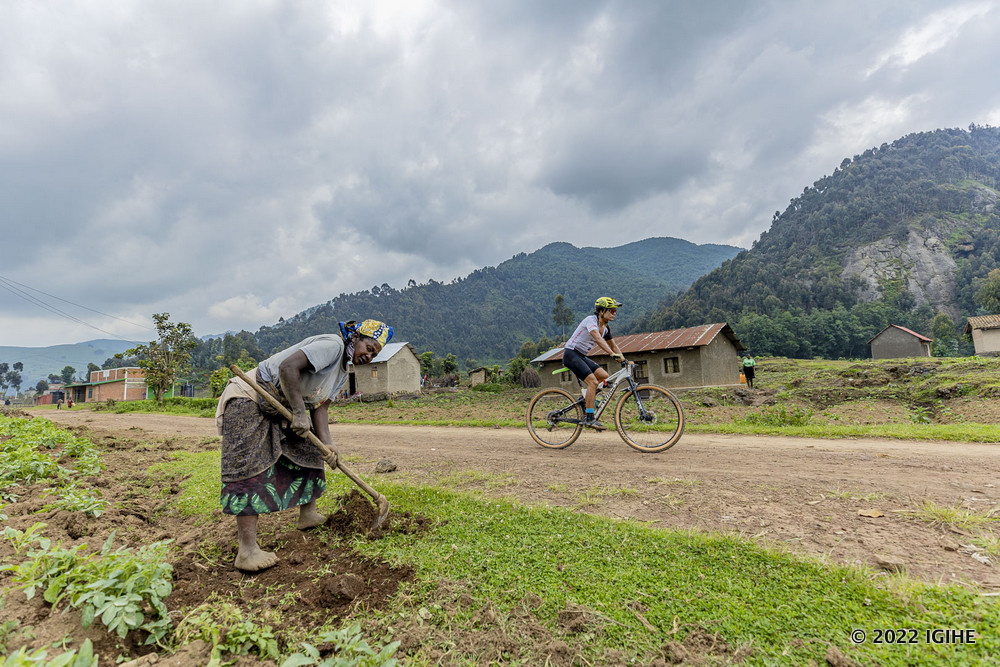
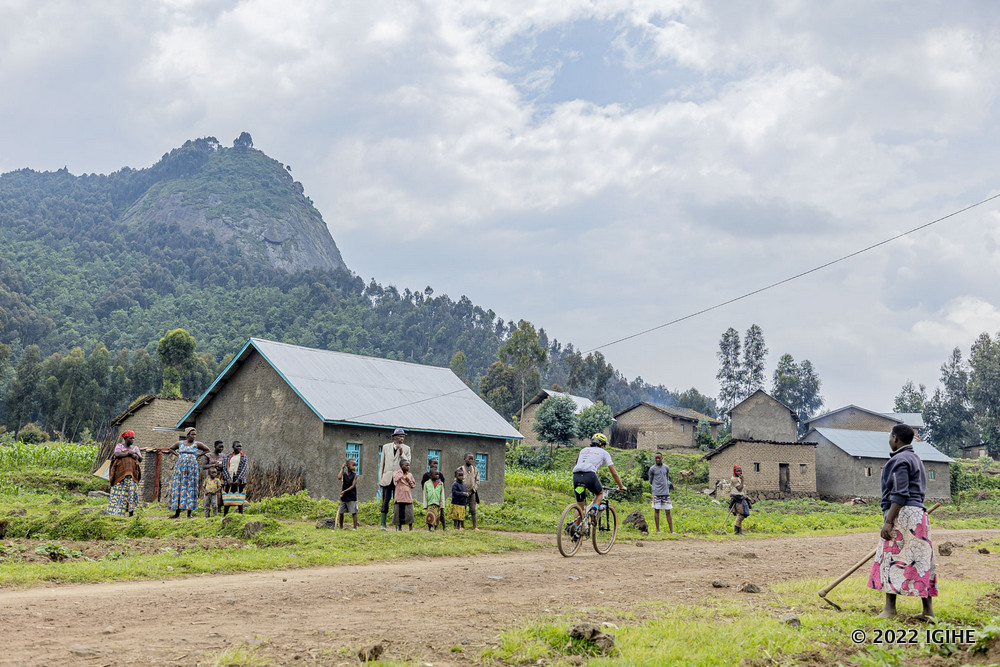
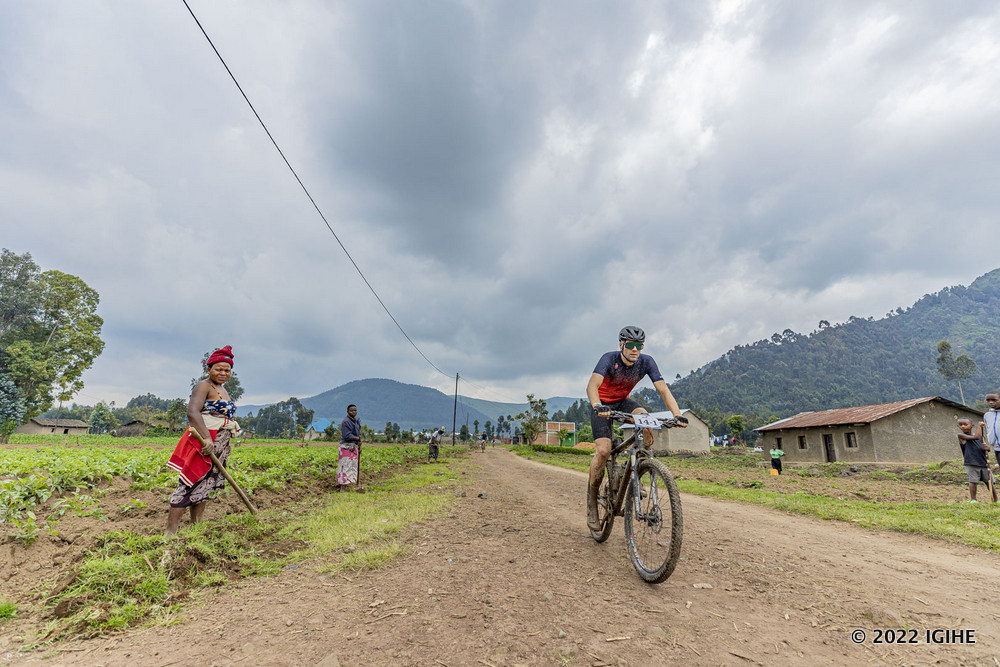
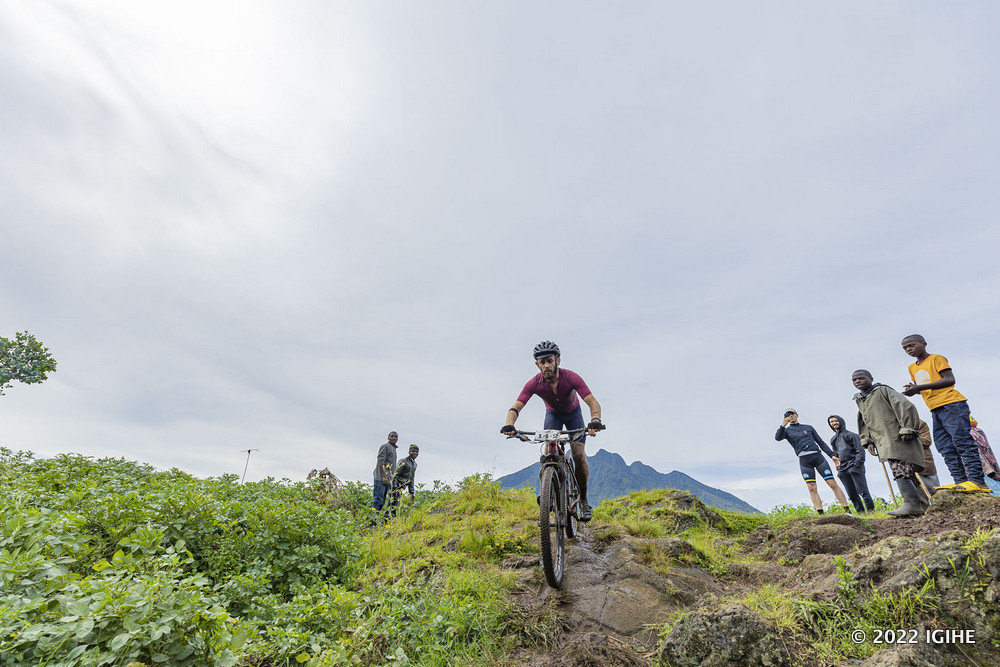
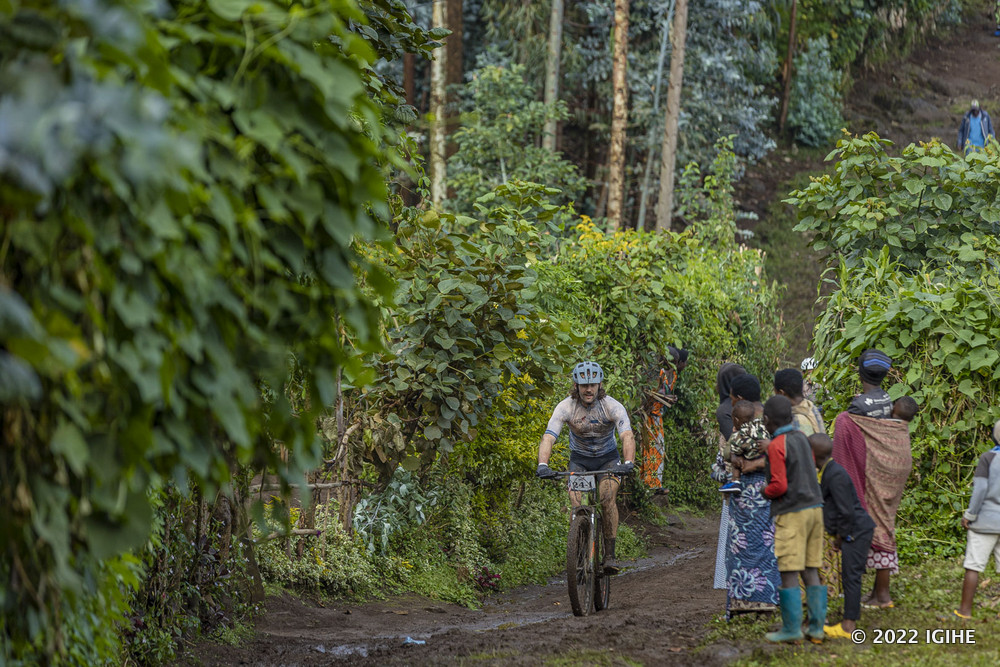
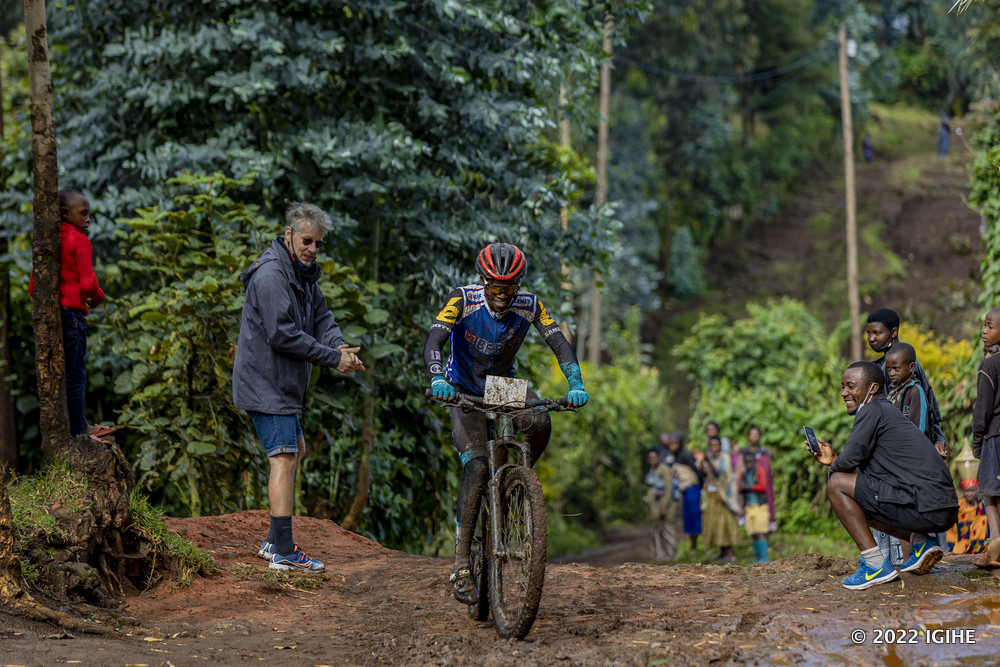
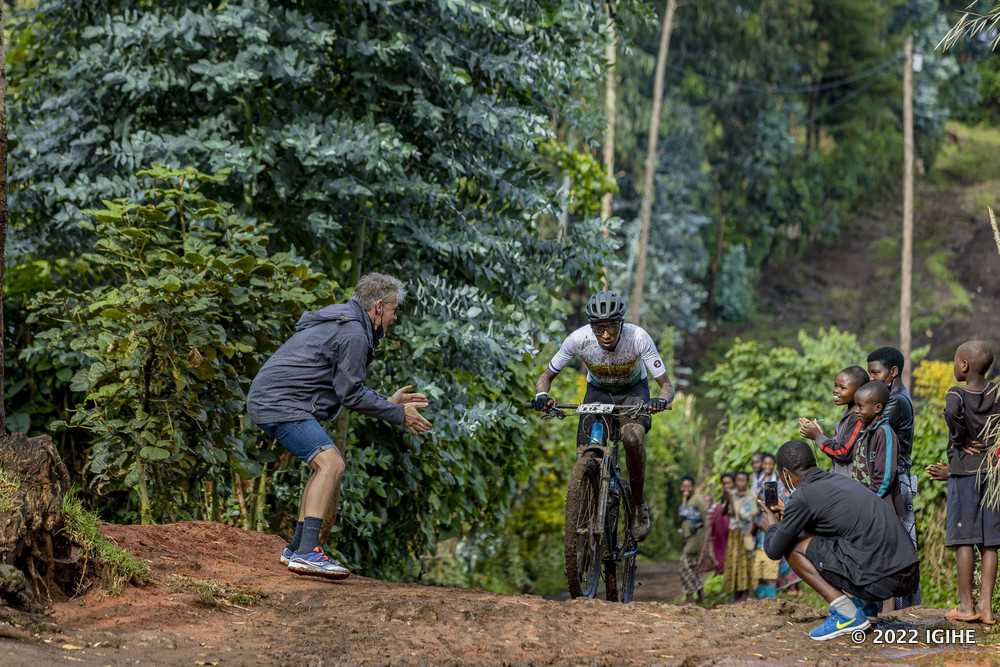
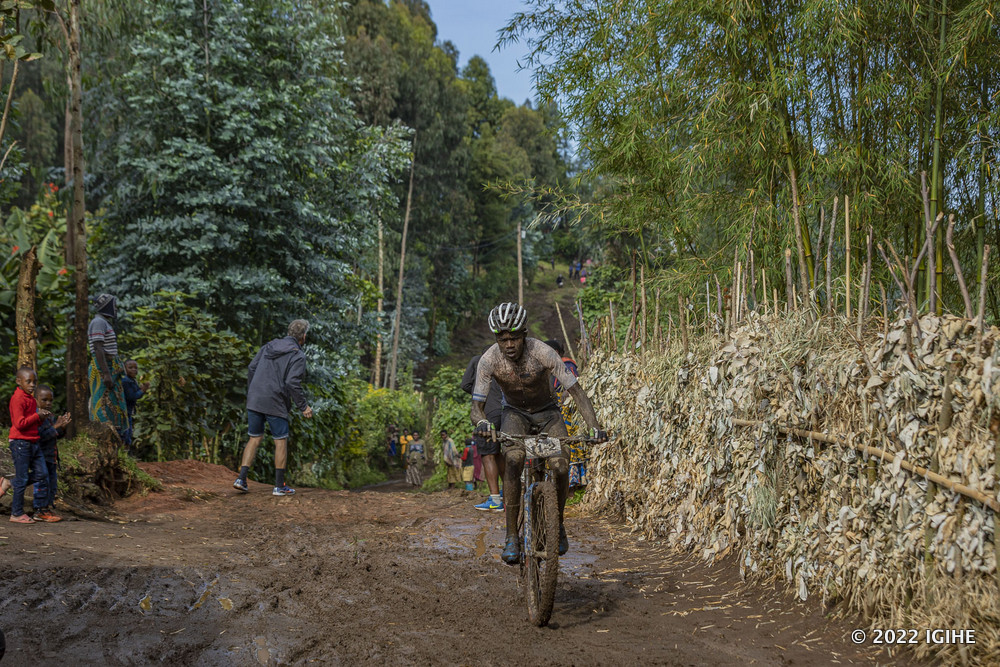
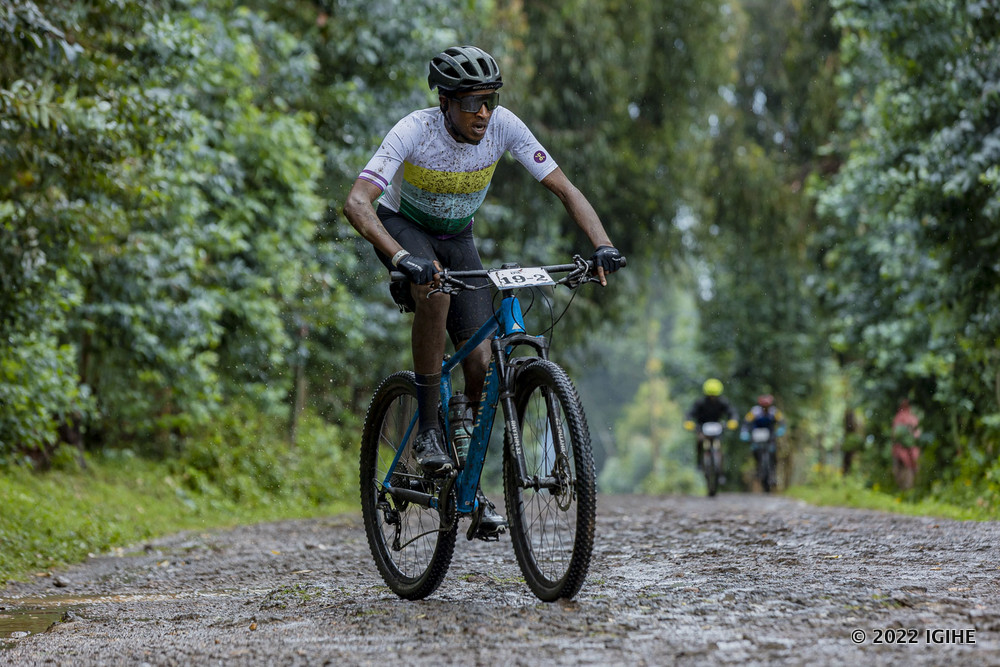
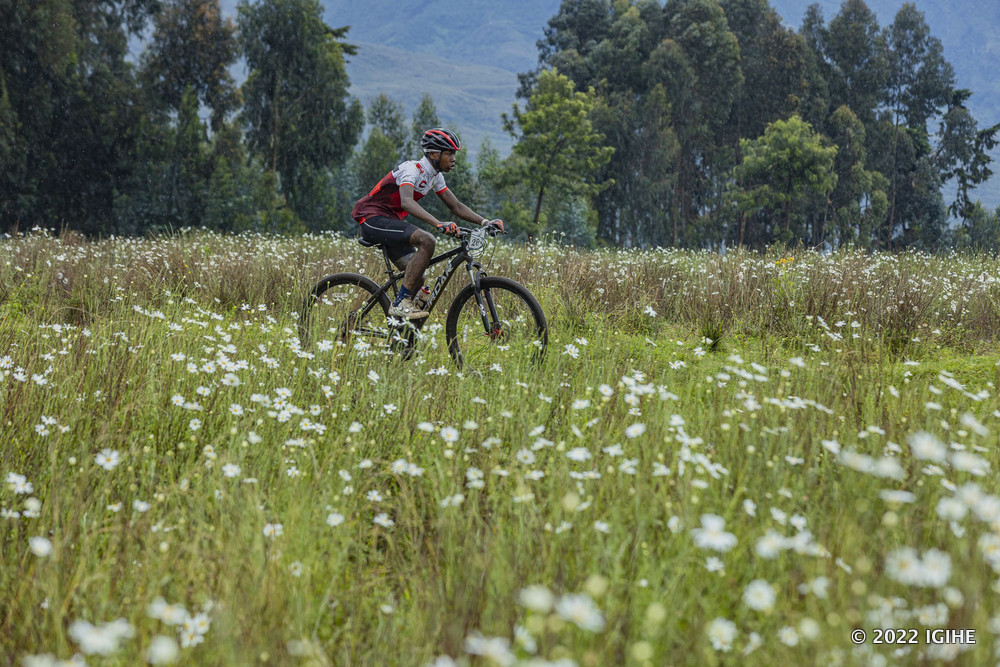
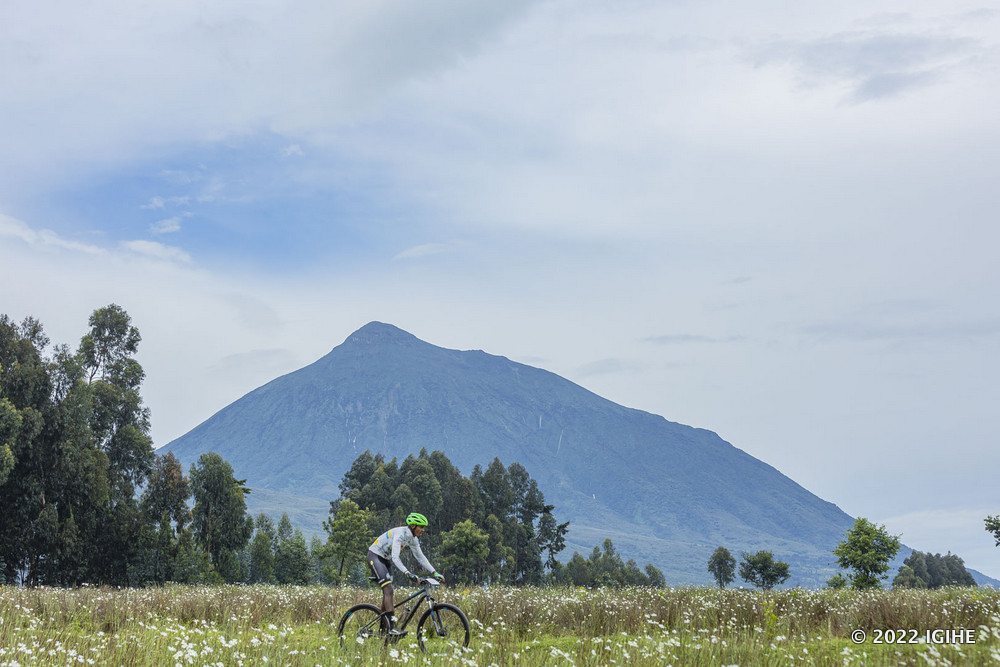
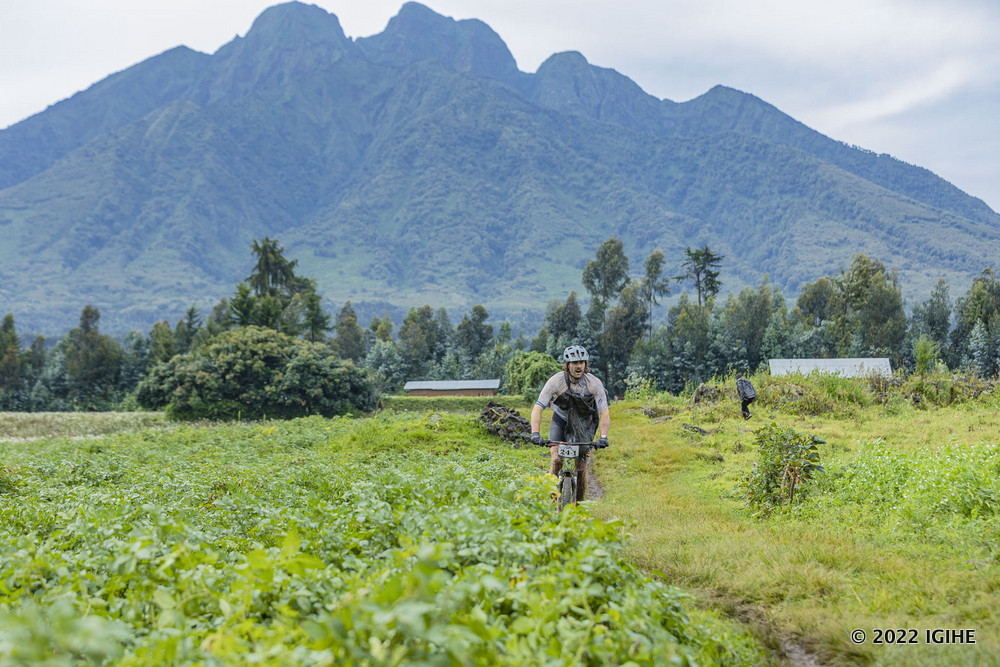
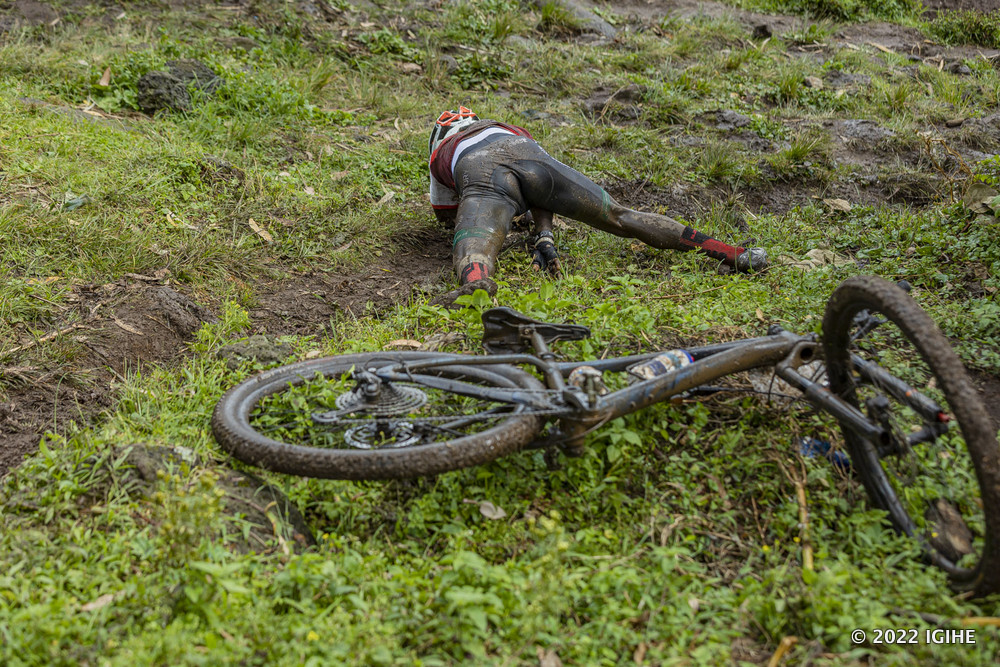
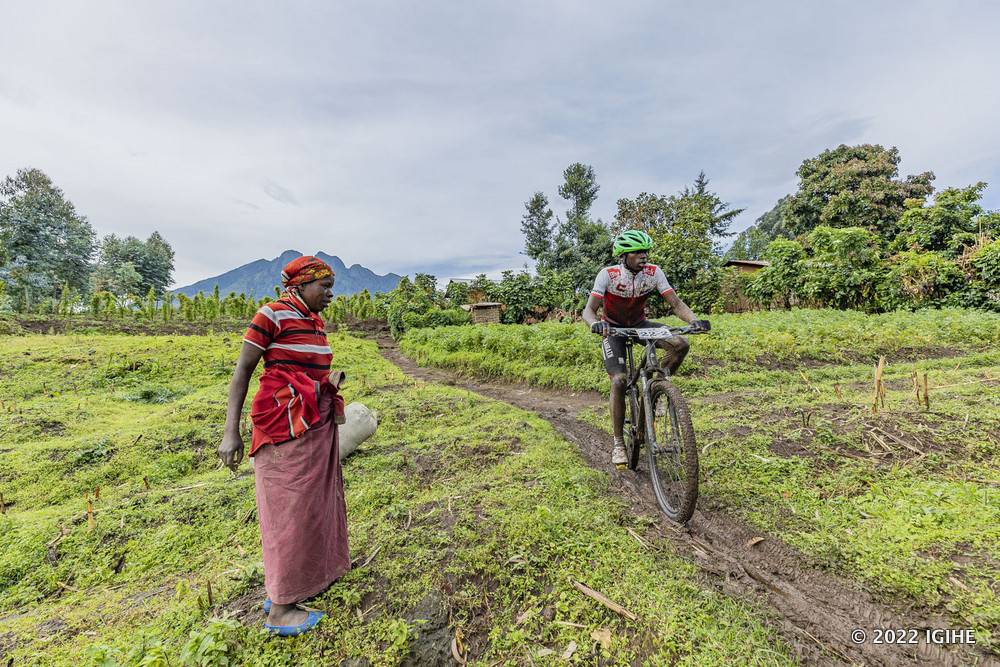
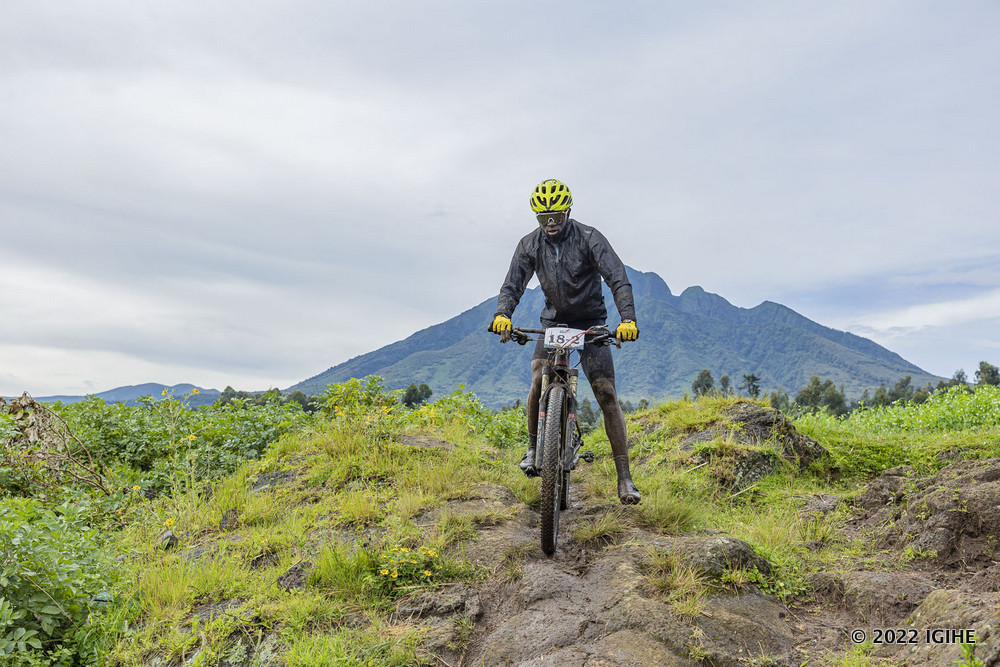
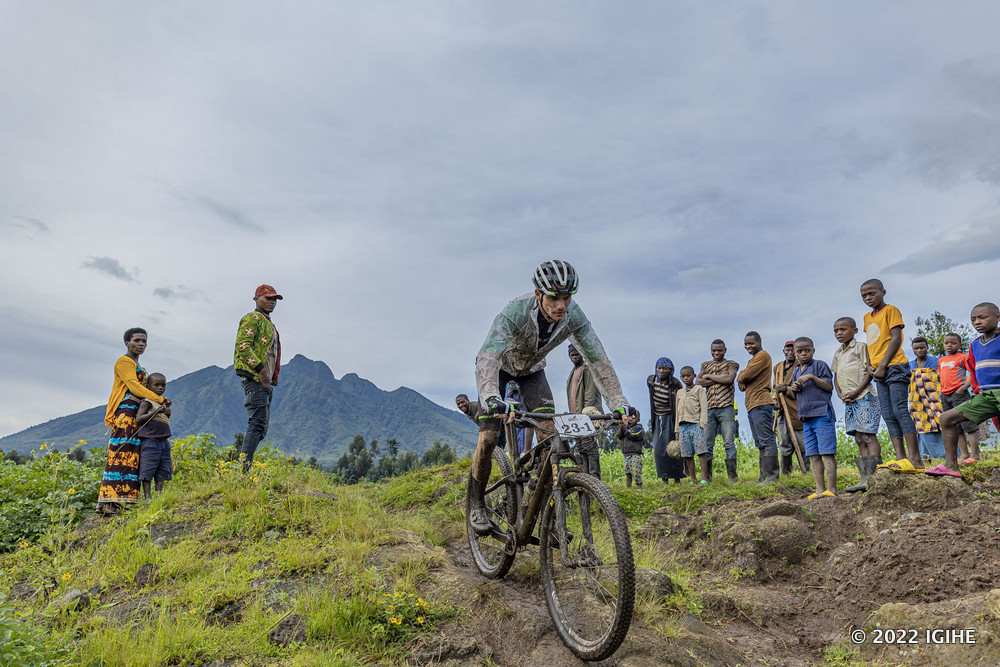
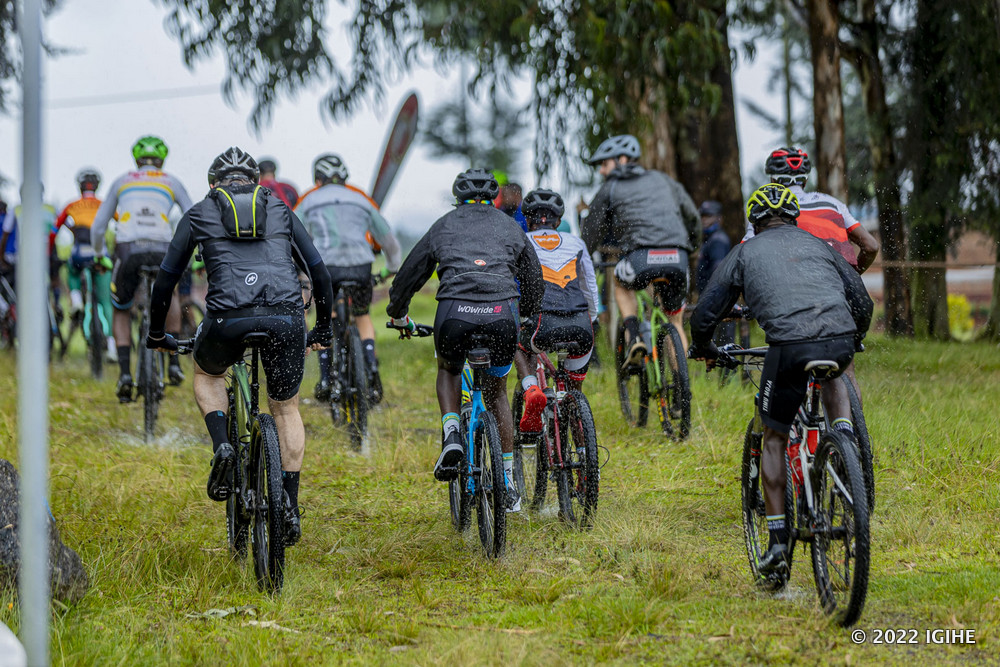
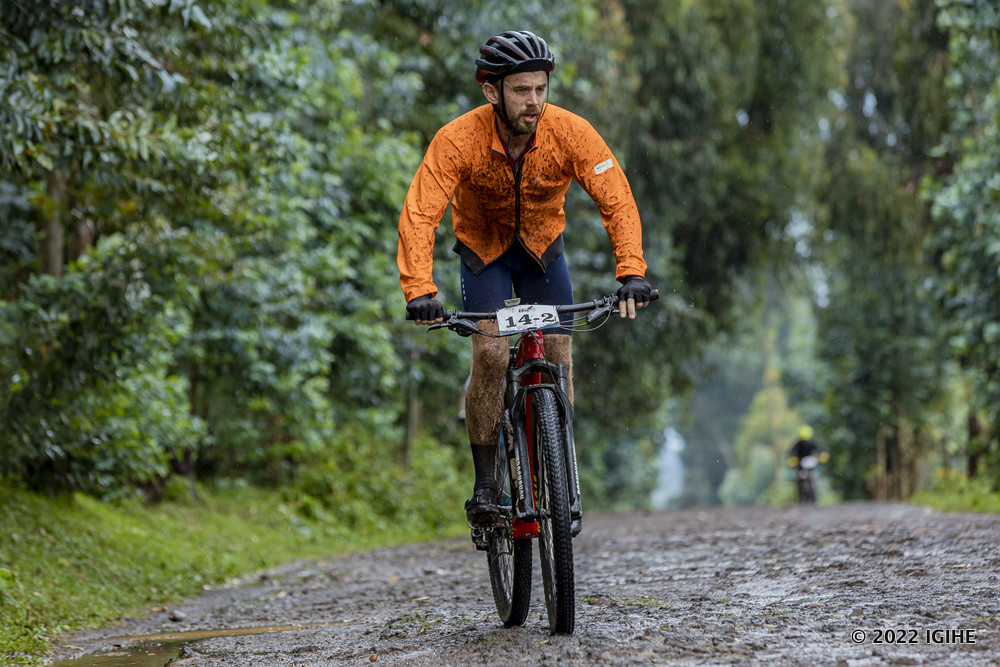
The third stage held on Saturday 12th March 2022, started one hour late at 3:00 p.m. due to heavy rain that poured down in Northern Province.
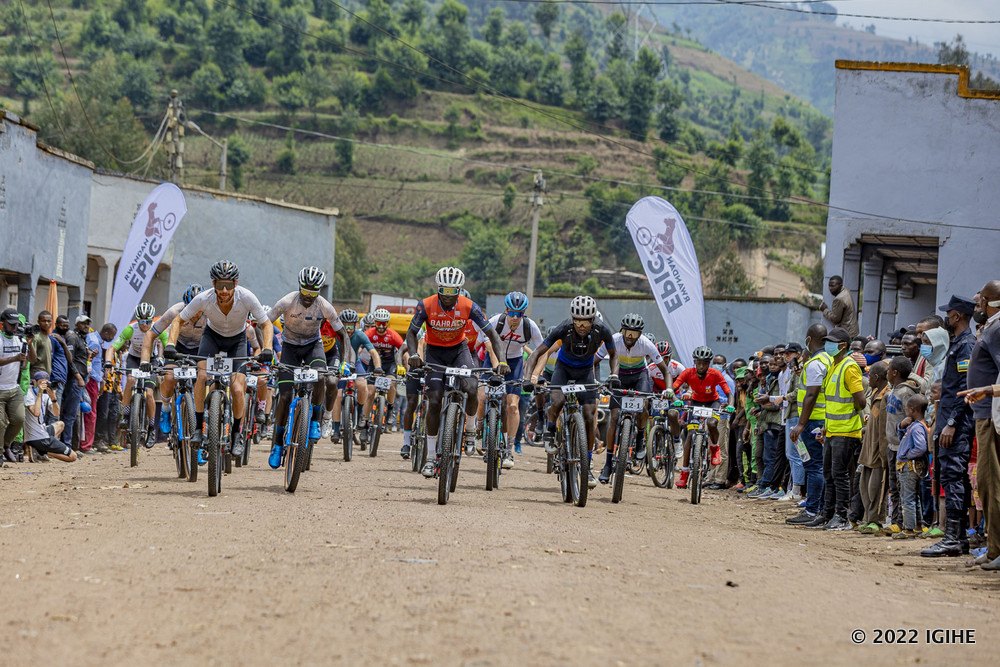
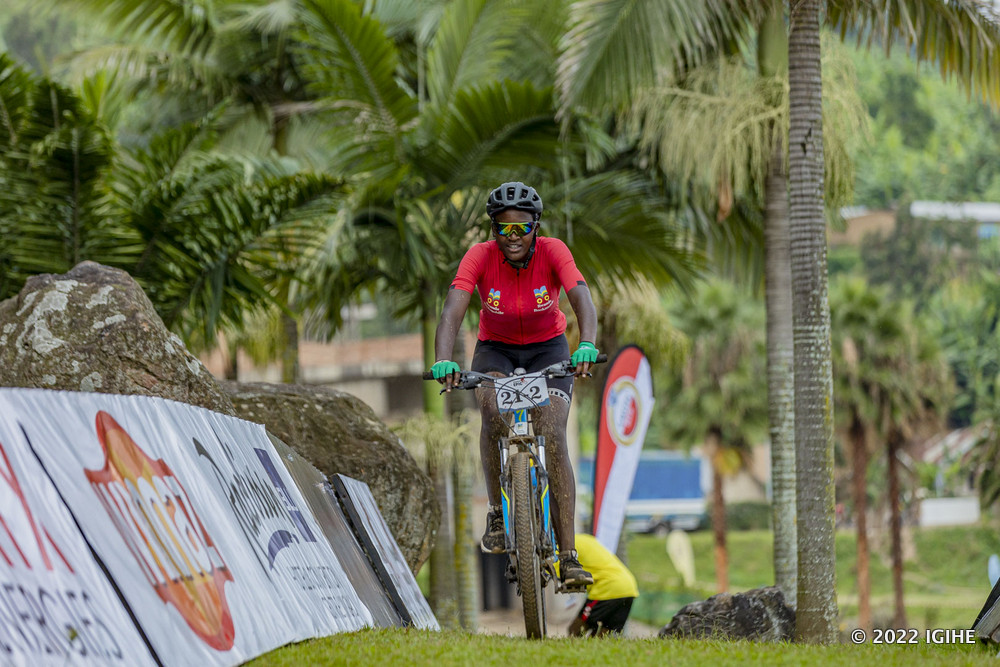
Cyclists raced for 30 kilometers and crossed the finishing line at the usual venue for Gorilla naming ceremony in Kinigi.
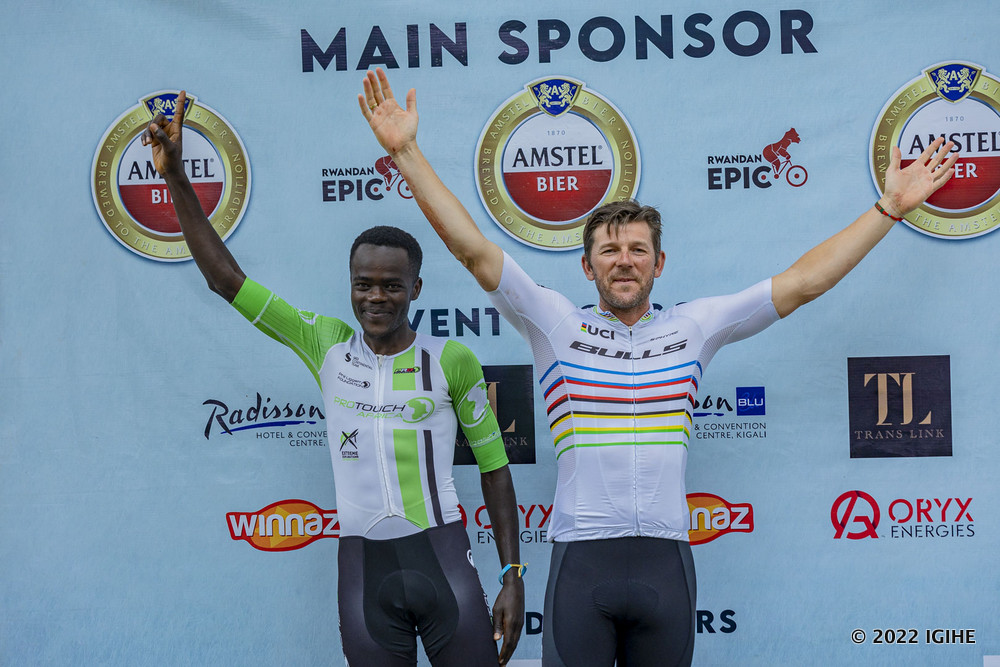
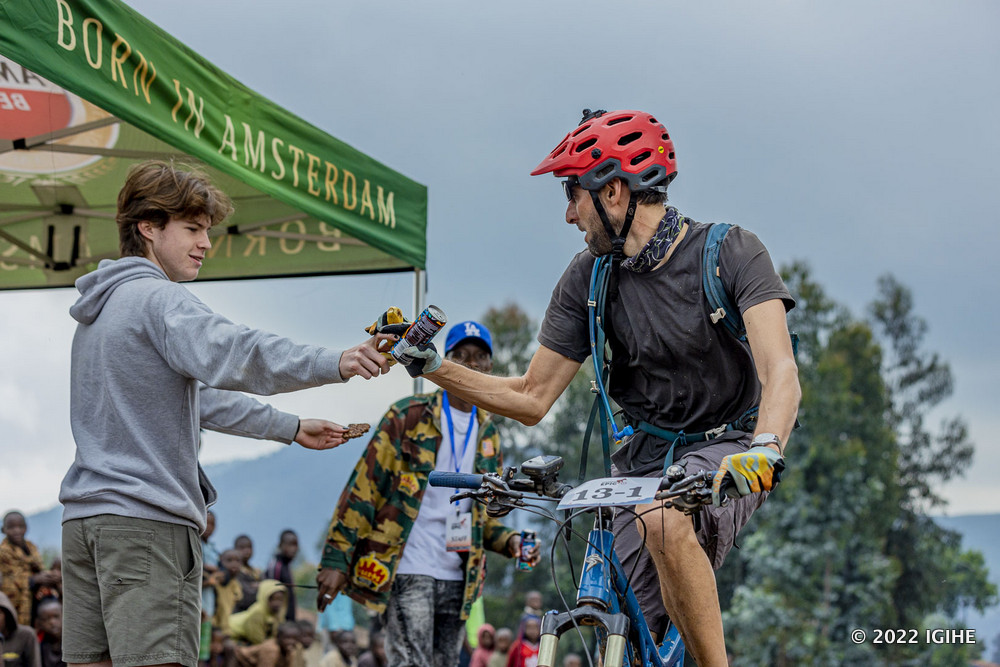
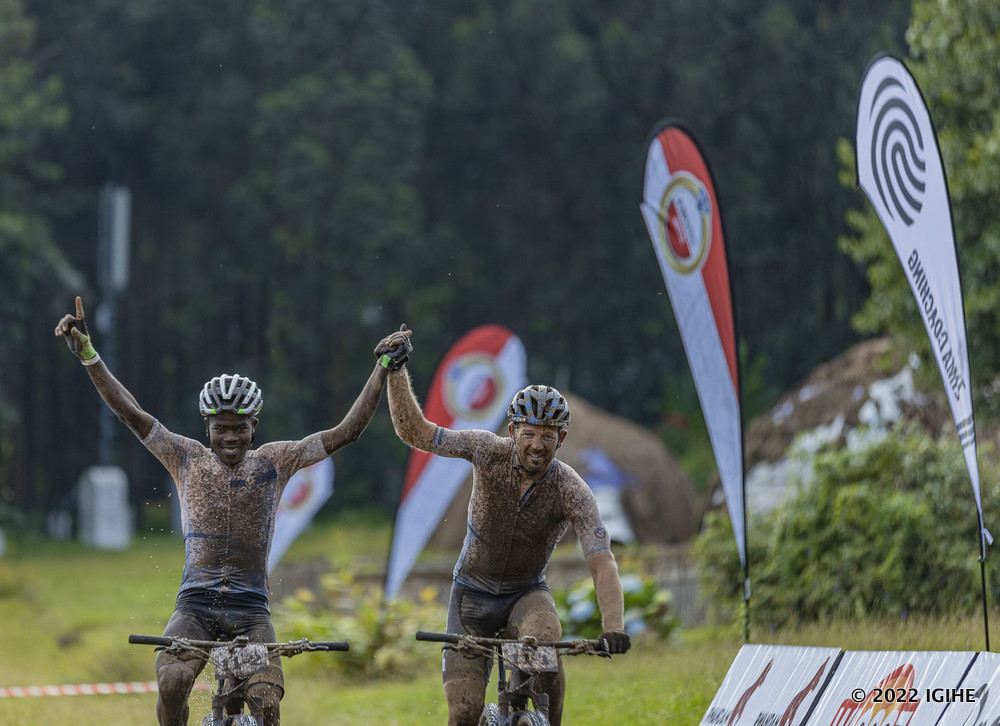
Kenyan Suleiman Kangangi was the first to arrive but he could not win the stage as his colleague, Mael Desrieux was left behind
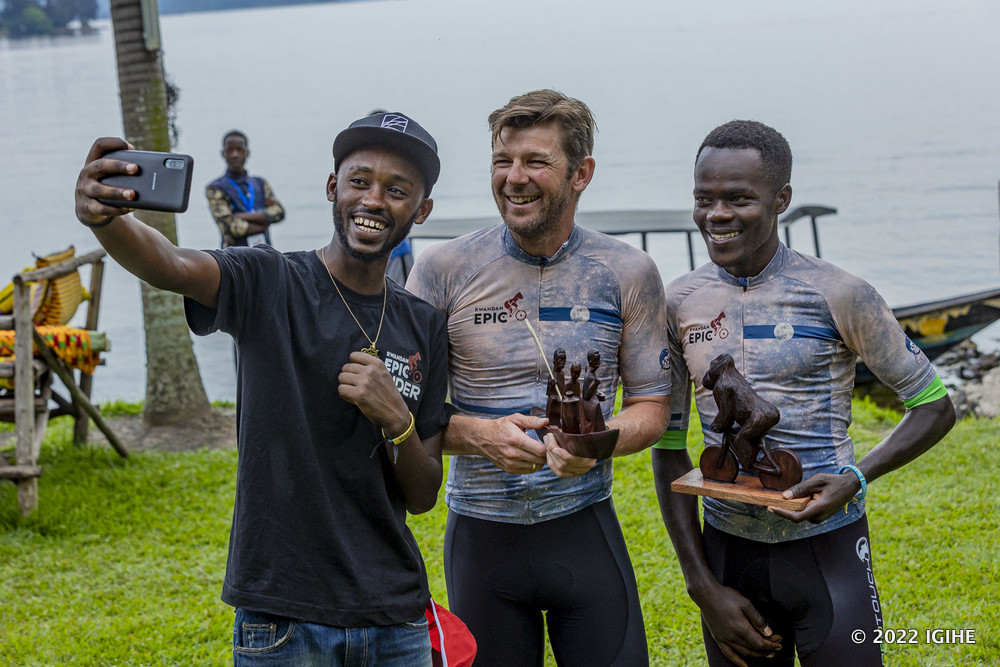
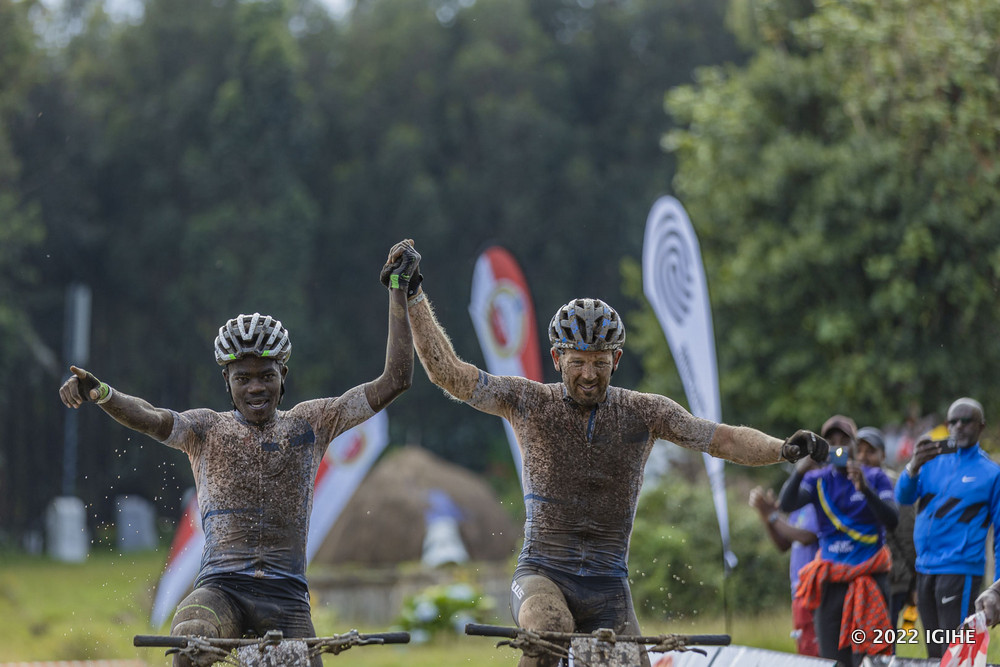
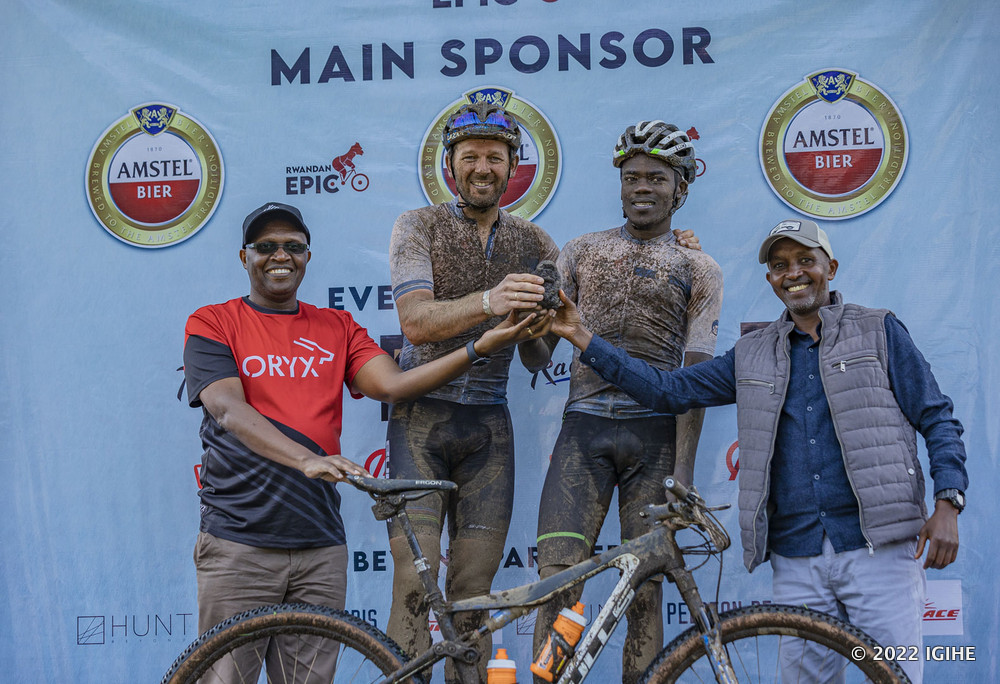
He was followed by the team of German Karl Platt and Habimana Jean Eric who won the stage clocking 2 hours and 53 seconds. The team of Daniel Gathof and Renay Groustra came third and arrived four minutes behind Habimana Jean Eric.
Karl Platt and Habimana Jean Eric are leading the race on the general classification with 5 hours 46 minutes and 38 seconds, 22 minutes ahead of the team of Daniel Gathof and Renay Groustra taking the second position.
In the category of women, Leone Verster and Catherine Colyn won the third stage registering 3 hours 3 minutes and 56 seconds while Umwamikazi Jazilla and Nirere Xaverine clocked 3 hours and 48 minutes.
On the general classification, Leone Verster and Catherine Colyn have registered 8 hours 45 minutes and 21 seconds. They are 28 minutes ahead of female Rwandans participating in the race.
In the mixed category, Jennifer Wagouman and Daniel Klemmer clocked 3 hours 55 minutes and 13 seconds. They have so far registered 12 hours 6 minutes and 47 seconds since the start of the race.
The average speed on the third stage is 14.9km/h for men, 9.8km/h for women and 7.6km/h in the mixed category.
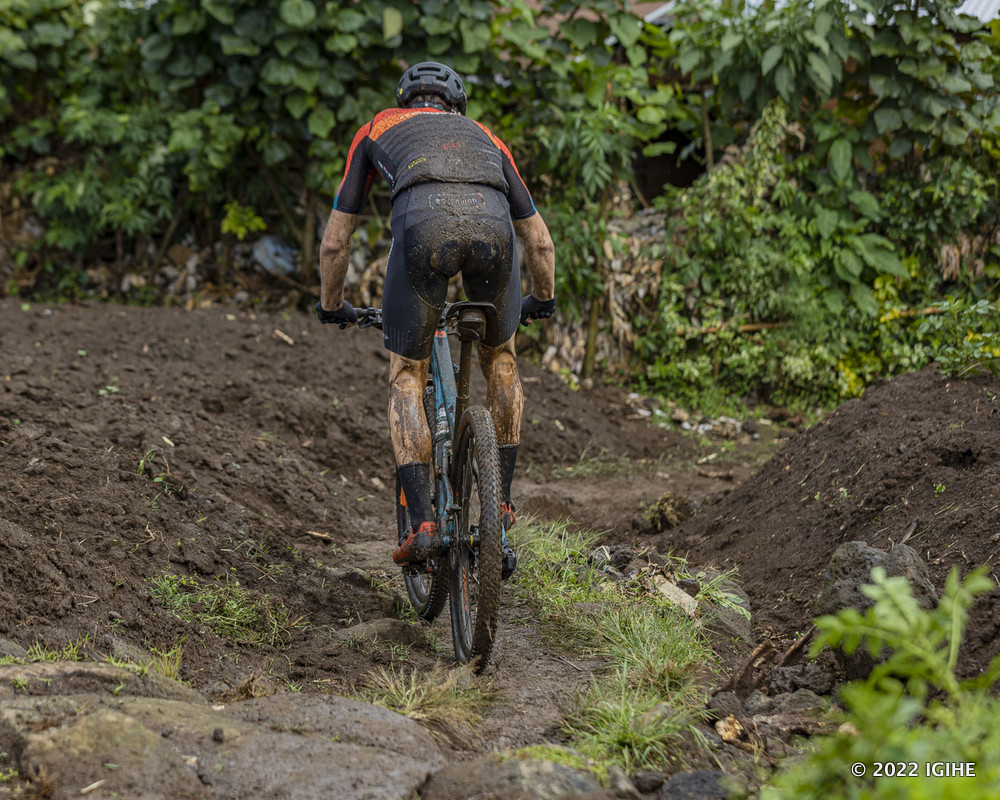
After winning the third stage, Karl Platt expressed delight for winning three stages in a row and attributed the victory to team work spirit despite poor weather conditions and muddy road.
Habimana Jean Eric said that they will keep the competitive spirit on the fourth stage and take advantage of registered performance to be crowned champion.
The final stage on Sunday will see racers riding through Nyabihu and Gishwati to cross the finishing line in Rubavu at Lake Kivu shore covering 71 kilometers.
More ten players from different countries are expected to join the race on the last stage.
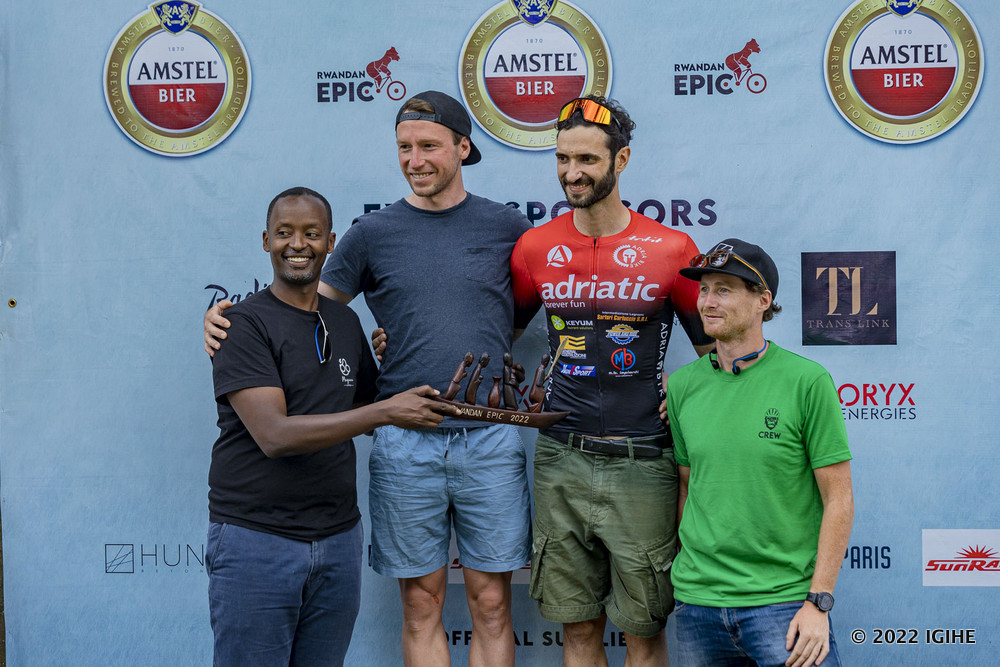
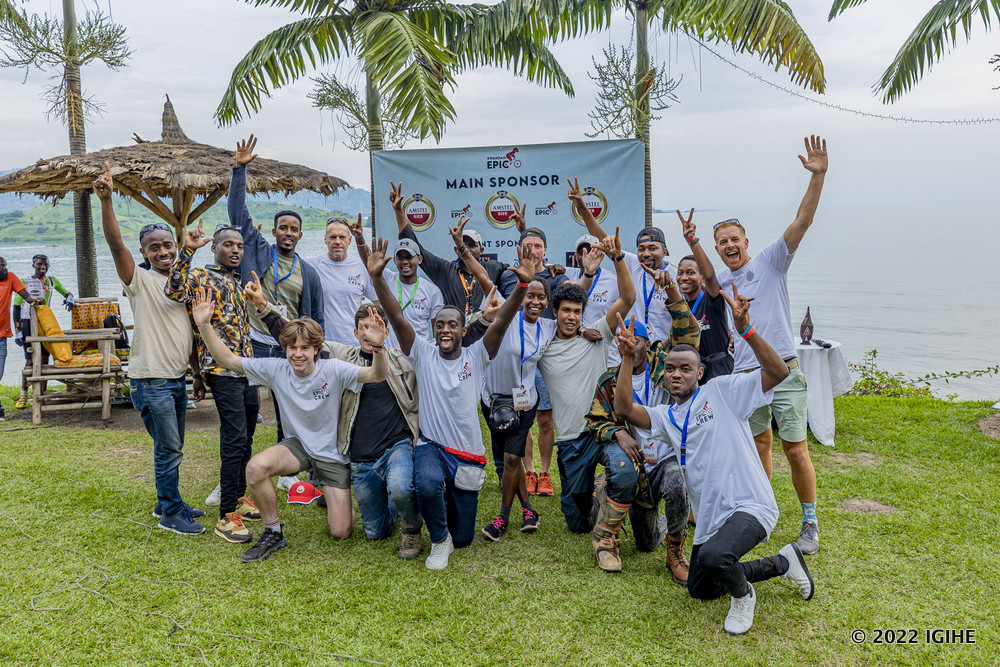
Sponsors of the race include Amstel, Rwanda Convention Bureau, Winnaz, Radisson Blu Hotel & Kigali Convention Centre, Trans Link, Qoryx Energy, Peloton de Paris and SunRace among others.
{{Third stage classification}}
{{Men:}}
1. Karl Platt & Habimana Jean Eric: 2h00’53”
2. Daniel Gathof & Renay Groustra: 2h04’41”
3. Suleiman Kangangi & Mael Desrieux: 2h15’49”
4. Josh Ibbett & Ruberwa Jean: 2h19’25”
5. Kwizera Elie & Uwitonze Edouard: 2h29’25”
6. Marc Schut & Rhys Manners: 2h40’28”
7. David Caroll & Niringiyimana Ramadhan: 2h51’52”
8. Ishimwe Jean Claude & Nshutiraguma Kevin: 3h09’05”
9. Nduwayo Eric & Nkurunziza Yves: 3h14’24”
{{Women}}
1. Leone Verster & Catherine Colyn: 3h03’56”
2. Umwamikazi Jazilla & Nirere Xaverine: 3h48’00”
{{Mixed category }}
1. Jennifer Wagouman & Daniel Klemmer: 3h55’13”
{{General classification }}
{{Men:}}
1. Karl Platt & Habimana Jean Eric: 5h46’38”
2. Daniel Gathof & Renay Groustra: 6h06’12”
3. Suleiman Kangangi & Mael Desrieux: 6h31’01”
4. Josh Ibbett & Ruberwa Jean: 6h58’53”
5. Kwizera Elie & Uwitonze Edouard: 7h46’40”
6. Marc Schut & Rhys Manners: 7h51’55”
7. David Caroll & Niringiyimana Ramadhan: 8h22’01”
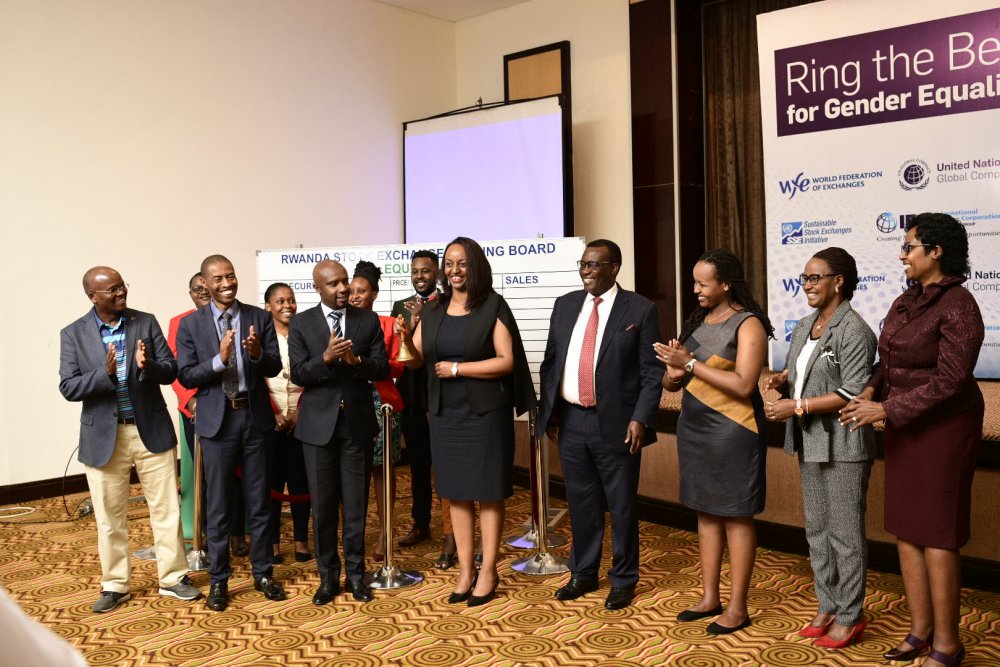
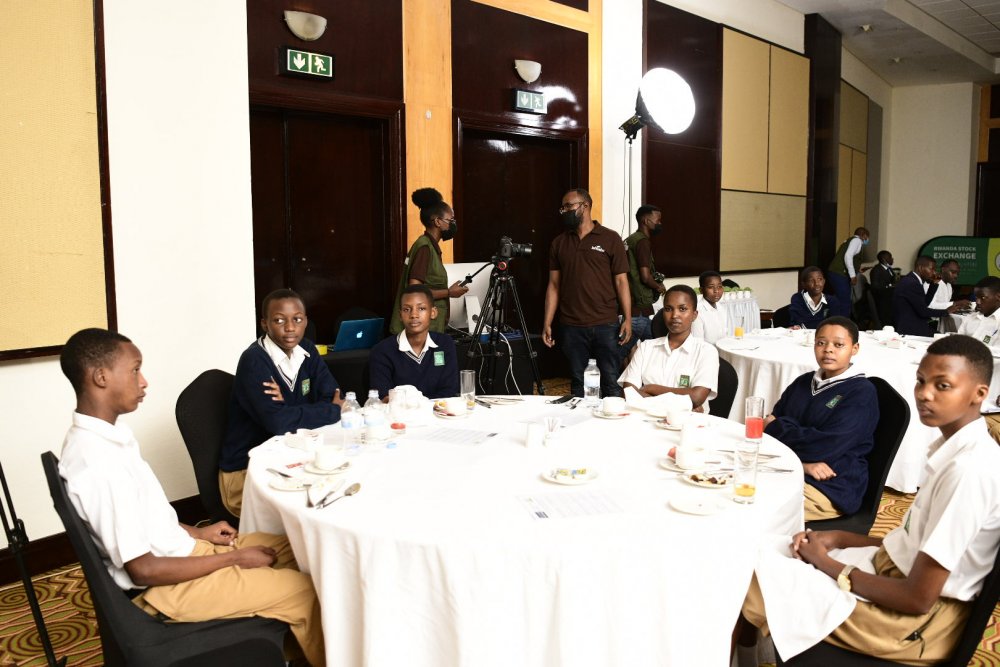
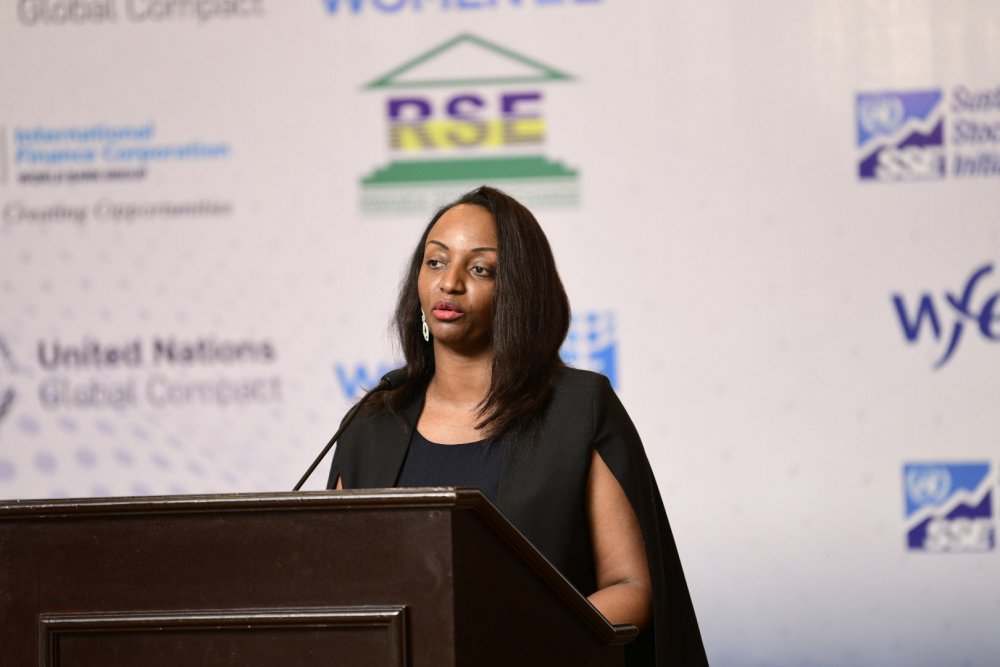
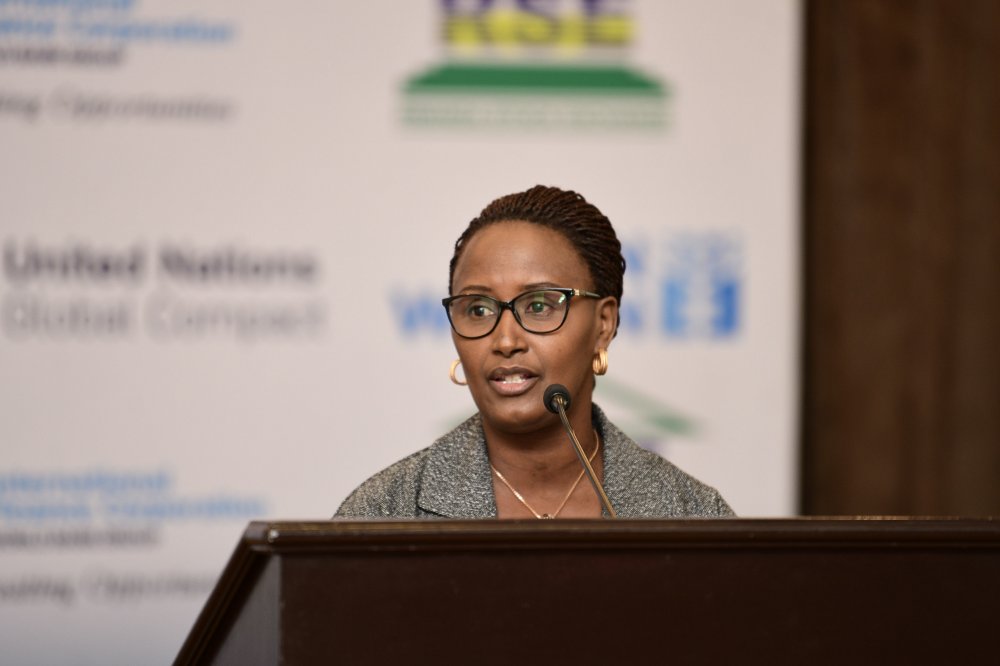
She was speaking at the 8th “Ring the bell for gender equality” ceremony held on Friday 11th March 2022.
The ceremony seeks to bring to limelight the importance of private sector collaboration towards attaining gender equality and women empowerment.
It was organized by Rwanda Stock Exchange (RSE) in partnership with UN Women and the International Finance Corporation (IFC), aims to attract attention to the pivotal role the private sector can play in advancing gender equality to achieve Sustainable Development Goals.
Hakuziyaremye said that BNR has put in place initiatives to support women through financial inclusion and access to financial services from all relevant institutions in Rwanda.
She stressed that research is of critical significance to identify the gaps and challenges that women face in the financial sector.
“We make research-informed decisions to advocate for women. Research has proved that informal traders pay loans at 95%. When these women face challenges, we intervene as the National Bank of Rwanda through advocacy to enable access to requested loan” she said.
Hakuziyaremye underscored that BNR remains committed to support women and encouraged financial institutions to use research findings to accelerate women empowerment.
Pierre Célestin Rwabukumba, the CEO of RSE observed that financial institutions need to give attention to gender equality and women empowerment for sustainable development.
“If people are given needed resources, they will contribute to national development. We call upon the private sector to increase its efforts in gender equality and women empowerment because it is not only beneficial to individuals but also to the country at large,” he said
Rwabukumba also talked about various RSE initiatives for women empowerment like the investment clinic and advocating for investment in profitable women startups.
Denise Umwali wa Ngoga, the Gender Joint Programme Manager at UN Women said that their partnership with RSE gives a clear picture of what can be achieved with regards to gender equality and women empowerment.
“Our strong partnership has evidenced that it is possible to achieve desired outcomes in women’s economic empowerment and gender equality,” she noted.
Even though there is still a long way to go, other participants of the event called for multisectoral collaboration to meet envisaged objectives.
The ruling issued on Friday 11th March 2022, rejects the previous ruling of Kicukiro Primary Court towards the end of January 2022 which had remanded him for 30 days.
The suspect who was not satisfied, appealed against the decision in Nyarugenge Intermediary Court which issued a ruling in favour of his bail application.
Dr. Igabe is required to present himself to the prosecutor handling the case every Friday for the period of three months, and is subject to Rwf500,000 surety , according to the bail’s conditions.
During the recent hearing, Dr. Igabe requested the court to release him so that he can take care of his sick child and proposed surety worth Rwf500, 000.
Dr. Igabe was arrested on 6th January 2022 over suspicion of using a forged document to secure a job at various universities operating in Rwanda with a PhD degree he said he obtained from the Atlantic International University (AIU) in the United States.
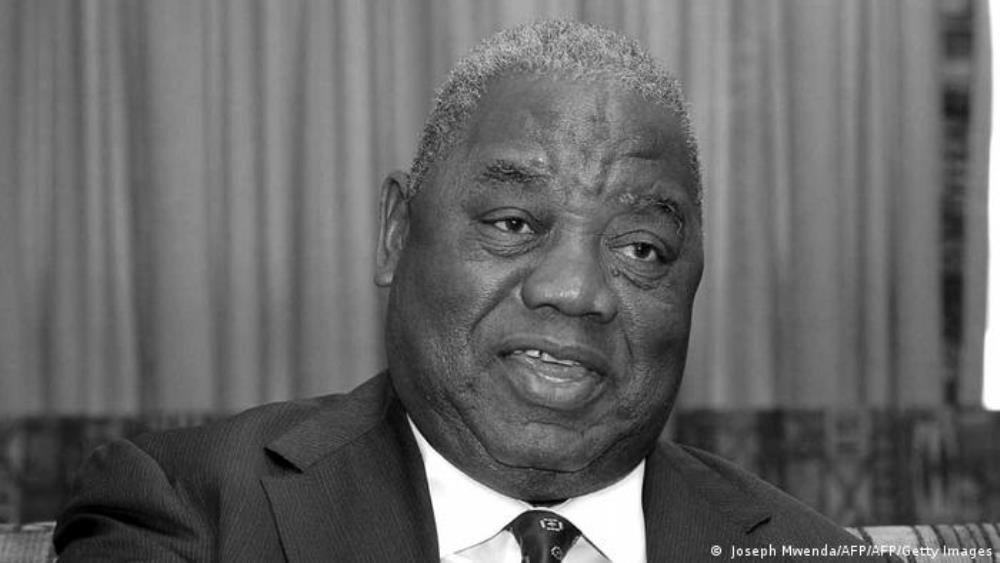
Rupiah Banda, who served as president of Zambia from 2008 and 2011, died Friday evening in the capital Lusaka at age 85 after a two-year battle with cancer. His son Andrew confirmed the former leader’s death, saying, “He is gone.”
On Friday evening, Zambia’s current president, Hakainde Hichilema, made a special televised address to the nation in tribute to his predecessor. “We recognize with fondness his long and illustrious career in public service and we appreciate his service to the nation,” Hichilema said.
Banda was vice president of the southern African nation when the surprise death of President Levy Mwanawasa in 2008 propelled him to the top job, making him the fourth leader of the country after it gained independence from the United Kingdom in 1964.
Banda was narrowly elected on a ruling party ticket in October 2008, and served three years in the post.
His tenure saw great economic growth paired with allegations of widespread corruption.
The former leader oversaw major infrastructure projects — building schools, hospitals and roads — as the country’s economy flourished amid rising copper prices and a flood of Chinese investment.
Despite the wealth generated during his time in office, Banda was trounced by opposition leader Michael Sata in his 2011 bid for reelection, largely due to the fact that the cash generated never reached the people but ratherended up in the hands of a small number of powerful individuals.
{{From colonial Rhodesia to the UN, and back to independent Zambia}}
Banda was born on February 19, 1937, in the British colony of Southern Rhodesia, now Zimbabwe. He later returned to his parents’ original home of Northern Rhodesia, now Zambia, before pursuing studies in Ethiopia and Sweden, where he earned an economics degree.
Upon completing his studies, he embarked on a diplomatic career in Europe in the early 1960s. He was later appointed ambassador to Egypt, the United States and the United Nations.
His domestic political career began in 1975, taking up posts as foreign and then mining minister under Kenneth Kaunda, Zambia’s first president.
Banda was also one of the country’s most prominent businessmen and a long-time member of Zambia’s ruling United National Independence Party.
In that capacity, Banda was tapped to run several of the country’s state businesses. He was also the owner of KB Davis, supplying equipment to copper mining outfits in north-central Zambia.
An avid soccer fan, Banda also served a short stint as vice president of the Football Association of Zambia.
Banda was intent on stepping away from politics, retiring to a farm in the east of the country in 2000. In a 2008 interview, he said: “In addition to my political experience I am also a farmer, I am a man of the land.”
{{Presidency and allegations of corruption}}
That retirement did not last long, however. In 2002, he joined the Movement for Multi-Party Democracy and in 2006 was named vice-president after President Mwanawasa defeated Michael Sata in Zambia’s presidential election.
Soon after Banda became president in 2008, he was accused of corruption and nepotism while at the same time winding down his predecessor’s anti-corruption task force, ultimately disbanding it altogether.
He was sharply criticized, for instance, for allowing the acquittal of former President Frederick Chiluba to stand without appeal and was characterized by Sata as a “friend of thieves.” Banda was suspected of embezzling more than $11 million (€10.08 million) of state funds during his tenure.
In 2013, he was stripped of his immunity but was never convicted of any crimes.
Banda was diagnosed with colon cancer in 2020 and had been receiving medical treatment at the time of his death.
Lega app downloaded through Google Play store, features different modules on financial literacy.
It was developed through the United Nations Capital Development Fund (UNCDF) under a program designed to extend financial services to refugees and Rwandans in the camp’s neighborhood.
The application ‘Lenga’ targets people who wish to build skills in creating savings plans, drawing a budget, understanding different types of savings groups, comparing financial services, and deciding whether to borrow.
The app currently has six modules that target the financial and digital skills.It includes both video and audio content with quizzes and activities, along with demonstrations and explanations of key content areas like creating one’s own budget, using mobile money products safely, or thinking about one’s own capacity to borrow money.
UNCDF in collaboration with Umutanguha Microfinance Ltd have trained over 300 people from Mahama camp to use the application.
To ensure a successful training, UNCDF partnered with Umutanguha Microfinance Ltd donated 10 tablets to ten trainers who had to extend digital financial literacy skills to all dwellers of Kigeme camp through segmented groups.
Initially, residents were enlightened on benefits of working with financial institutions, how to efficiently spend their money for income generating activities as well as recording business transactions.
Immaculée Kayitesi, one of trainees said that the training changed mindsets on financial services.
“After receiving training on digital financial literacy, efficient funds management through Lenga application, we and neighbours witnessed improved livelihoods. We realized that making a step forward to use Lenga changes individual and families’ livelihoods,” she said.
“We were trained on efficient funds management, budget planning, saving techniques, saving in groups, financial institution or phone and needed preparations to borrow money,” Kayitesi added.
Communications & Programme Analyst at UNCDF, Emile Ndayambaje has told IGIHE that the project was designed to enlighten people on financial services, how tehya re integrated with technology and how to make savings using digital means among others.
“After receiving training on digital financial services, beneficiaries no longer need to walk long distances to access services. We have witnessed this particularly before the onset of COVID-19. We conducted sensitizations on financial services that attracted a large number of people and enhanced financial services penetration,” he noted.
Ndayambaje revealed that UNCDF plans to roll out the technology to more citizens across the country to facilitate access to financial services.
{{Access to finance}}
The recent event to celebrate achievements since the Lenga app was unveiled coincided with the launch of a new branch of Umutanguha Microfinance Ltd in Kigeme cell, Gasaka sector of Nyamagabe district.
The Manager of Umutanguha Microfinance Ltd, in Gasarenda of Nyamagabe district, Emmanuel Gumyusenge has told IGIHE that opening the new branch is part of ambitions to enhance access to financial services.
“We have more than 17,000 clients in Nyamagabe. Of these, nearly 3000 live in Kigeme. We have opened the branch to facilitate access to financials services for refugees in Kigeme camp and residents in surrounding communities,” he said.
The management of Umutanguha Microfinace Ltd in Gasarenda has revealed that more than 1000 residents have already acquired loans after the training on financial literacy.
Nyamagabe district vice mayor for economic development, Thaddée Habimana thanked partners including UNCDF for supporting Rwandans and refugees to spur their economic growth.
“It helps residents to run income generating businesses. Receiving the training on financial services helps them to work with financial institutions, acquire loans and design projects instead of heavily relying on UNHCR support,” he explained.
The project was aimed at providing access to energy at a household level, community and business level. Households were supported to procure solar home systems for lighting and small appliances while some of the businesses were connected to the national grid trough a business center that was built in each camp by the project. Street lights were also installed for safety, security and easy access to community facilities.
The project has for the past four years connected refugees household in Kigeme and Nyabiheke camp with solar energy at 50% while 62% accessed improved cooking stoves.
The refugees were connected with renewable energy by Practical Action Rwanda in partnership with UNCHR and the Ministry of Emergency Management (MINEMA) funded by IKEA Foundation.
According to the organization, these camps were also installed with street lights enabling refugees and neighbours to continue activities uninterrupted during night hours.
Throughout the four years, 703 businesses were created while 150 received support to expand activities.
“Before our houses were connected with electricity, we used to close activities by 6p.m. but the situation has changed that we work without hindrances until 8.p.m,” said one of beneficiaries.
The project was designed at a time when intense deforestation was reported in the area.
Connecting the camp with electricity is also believed to have addressed different issues and facilitated movements particularly for women heading to health facilities to deliver babies during night hours among other challenges that hindered refugees’ progress.
The Country Manager of Practical Action Rwanda, Denyse Umubyeyi says that electricity plays a significant role to improve citizens’ wellbeing particularly refugees in need of running small businesses to earn a living.
“Refugees attest that children’s performance during national exams has improved. It is obvious because children do not only study while in class but also take advantage of electrified households to revise studies at home,” she said.
After power supply in the area, residents were linked to financial institutions to acquire loans to run small businesses while others received support to purchase energy appliance like flour mills and other machines to grow their businesses.
Overall, the project implemented between 2017 and 2022 was completed at a tune of Euros 8.6 million (more than Rwf9 billion).
The project directly impacted 60,000 people including refugees and surrounding communities.
Gonzague Karagire, Refugee Program Manager, at MINEMA has said that providing refugees with household items including braziers and gas adds up to environmental conservation.
“Refugees used to rely on firewood which had negative impact to the environment. We have started using clean cooking fuels. That is why we have three refugee camps using gas while two others use pellets with tier 3 stoves,” he noted.
Karagire explained that having access to electricity will not only give a boost to beneficiaries’ businesses but also will enhance security during night hours.
MINEMA shows that partners interventions complement efforts to uplift citizens’ wellbeing.
The two courses, which were conducted in 13 weeks, include 6th Instructional Technology Course (ITC) intake of 45 junior officers and 4th Instructor Course (IC) intake for 63 Police Constables.
The courses covered various aspects of policing including, effective communication, service writing, development of instructional aids, skills at arms, drills and duties.
The Deputy Inspector General of Police (DIGP) in charge of Administration and Personnel, Jeanne Chantal Ujeneza presided over the official closing the courses.
DIGP Ujeneza said that training is the central pillar for Police performance.
“Training is the central pillar of organizational performance and if it is not allocated enough with required resources, both human and material resources, the objectives will not be realized,” said DIGP Ujeneza.
She added that the two courses create professional trainers, who are fit in the school mission of providing quality training and making the school a center of excellence for Rwanda, the region and beyond.
DIGP Ujeneza reiterated that training has been put at the forefront to address most of the challenges in regard to policing adding that PTS Gishari should continue its commitment in the human resource development, which forms the backbone of RNP growth.
She thanked the trainers for shaping the career and professionalism of the course participants and challenged the trainees to be an added value in the field they have been trained in.
The commandant of PTS, Commissioner of Police (CP) Robert Niyonshuti, said that the trainees exhibited discipline and commitment throughout the demanding courses, and are ready for duty.
The second stage dubbed ‘Twin Lakes’ saw riders setting off the race from a starting line at Africa Rising Cycling Center (ARCC) in Musanze at 9:00 a.m. Riders followed the track through roads located in the vicinity of Lake Burera and Ruhondo before crossing the finishing line at Ubworoherane Stadium in Musanze town.
Kenyan Suleiman Kangangi was the first to arrive in Musanze but his efforts remained futile as his colleague Mael Desrieux was the last to cross the finish clocking 3 hours 41 minutes and 46 seconds.
The team of Karl Platt and Habimana Jean Eric was the second to cross the finishing line and won the second stage after clocking the same time.
Daniel Gathof and Renay Groustra took the third position with 3 hours 29 minutes and 30 seconds while Josh Ibbett and Jean Damascène Ruberwa emerged fourth.
Samuel Mugisha is among riders that did not finish the race while his Mitch Elliot, registered 4 hours 3 minutes and 30 seconds.
Karl Platt and Habimana Jean Eric continue to lead the race with 3 hours 45 minutes and 45 seconds after their victory for the first and second stages. They are 16 minutes ahead of their next rivals namely; Daniel Gathof and Renay Groustra.
In the category of women, Leone Verster and Catherine Colyn arrived first again clocking 4 hours 54 minutes and 53 seconds followed by Jazilla Umwamikazi and Xaverine Nirere registered 7 hours 16 minutes and 37 seconds.
Leone Verster and Catherine Colyn lead the general classification list with 5 hours 41 minutes and 25 seconds. They are 2 hours and 36 minutes ahead of rivals on the second position.
In the mixed category, Jennifer Wagouman and Daniel Klemmer were the first to cross the finishing line clocking 7 hours 10 minutes and 9 seconds. They continue to lead the race in the category with 8 hours 11 minutes and 34 seconds.
The average speed is 22.6 km/h for men and 15 km/h.
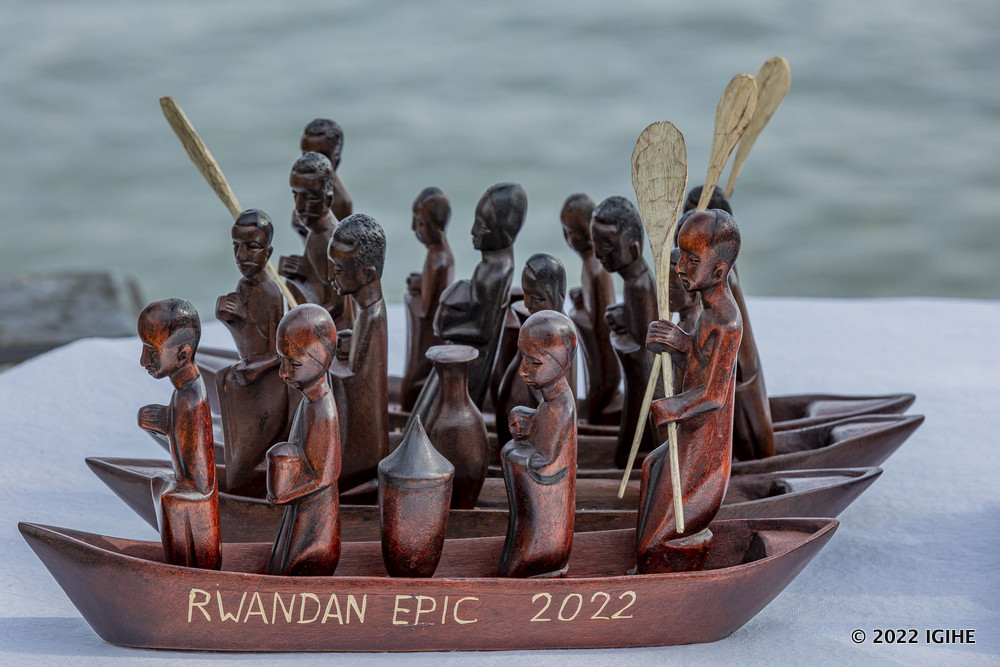
Rwanda Epic 2022 is comprised of four stages. The race will continue on Saturday 12th March 2022 with the 3rd stage in Kinigi. Riders will cover 35 kilometers.
[{{Click this link to view more pictures of the second stage}}->https://igihe.com/imikino/amagare/article/karl-platt-na-habimana-jean-eric-begukanye-agace-ka-kabiri-ka-rwandan-epic-2022#.YiuLs186MXE.twitter]
Through initiatives like the affordable housing program, the government seeks to address low and middle-income communities’ housing challenges.
Speaking at the recent launch of “Bwiza Riverside Homes” project in Karama, Kigali sector of Nyarugenge district, President Paul Kagame said that the country is committed to make possible efforts to help people access affordable houses that are needed in large numbers.
“If we can move faster, that should be our aim. On the side of Government, we feel we should do whatever is possible within our means to have our people access the kind of affordable houses that are needed in so large numbers. But today, we saw what is possible; we are going to stick with it and will demand that every one of us in the Government system does what we can possibly do to make significant progress,” Kagame noted.
“We have partners who want to support the Government to be able to house our people. I think they have seen what is possible with this model. I also think, it invites all of us for this strong partnership we can forge to be able to achieve what needs to be done,” he added.
Affordable housing projects are expected to help the Government of Rwanda meet targets to increase urbanization rate from 18% to 35% in 2024 to support economic growth.
Particularly, Kigali City needs more 310,000 housing units between 2017 and 2023. Meeting the target, will help middle income earners to own houses and address the issue of informal settlements.
In this article, we have compiled ten affordable housing projects expected to give boost to ongoing efforts to address housing demand in Kigali.
{{Bwiza Riverside Homes}}
The estate located in Karama, Kigali sector of Nyarugenge district was inaugurated by President Paul Kagame on 11th February 2022.
The multibillion eco-friendly homes are developed under a project dubbed ‘Bwiza Riverside Homes’ run by ADHI Rwanda Ltd. ADHI Rwanda is a subsidiary of ADHI Corporate Group established in 2011 in Gabon.
The Bwiza Riverside affordable homes community project was designed primarily with first-time homeowners in mind. Qualifying buyers will choose from four distinct affordable home sizes and styles.
Each of housing units at the estate is estimated to cost between Rwf16 million and Rwf35 million. Rwanda entered agreements with ADHI Rwanda Ltd in November 2020 to implement the project to be completed in five phases.
So far, seven model units have been completed. They are part of out of 245 units expected to be completed this year.
At least 300 million housing units are needed globally not later than 2030 to address housing needs particularly in the Sub-Saharan Africa and Southern Asia.
Commenting on the project, Clare Akamanzi, RDB CEO welcomed the investment by ADHI in the provision of affordable housing.
“It boosts the government’s goal for urbanisation to reach 35 per cent by 2024. However, we need to see more houses being built as there is still a significant gap to meet the demand for affordable housing. We encourage more developers to take advantage of the existing incentives, which include the provision of infrastructures like roads, water and electricity, and a reduced corporate income tax of 15 per cent,” she said.
During the unveiling, guests toured five completed model homes, which will serve as the “blueprints” for all other housing units to be built over the next two years. Upon completion of the development, Bwiza Riverside will comprise 1,680 affordable houses and 720 luxury units.
In addition to the affordable homes, ADHI Corporate has established a training academy for Innovative and Sustainable light steel frame construction. Academy students receive on-site, competence-based training to prepare them for future employment opportunities. As such, the academy students will form a key component in the building of Bwiza Riverside.
To ensure access to affordable financing, enabling more Rwandans to purchase homes in the project, ADHI Corporate has partnered with the Development Bank of Rwanda (BRD).
{{Rugarama Park Estate}}
Rugarama Park Estate project run by Remote Group seeks to build 2000 affordable homes on 42 hectares in Nyamirambo sector of Nyarugenge district.
Rugarama Park Estate is a joint venture between Shelter Afrique, a Pan-African housing finance institution, the Development Bank of Rwanda (BRD) and Remote Group – an engineering and construction firm. The project is also in accordance with the City of Kigali master plan and the affordable housing program under the National Housing Policy. The estate will also be comprised of recreational facilities and shopping malls among others.
Rugarama Park Estate will have 1,200 stacked townhouses priced between Rwf 12 million for a-one-bedroom studio to Rwf 35 million for a convertible 4-bedroom units. The likely buyer into this mixed-income mixed-use community will have an income ranging anywhere from Rwf200,000 to Rwf700,000 and they must be first-time homeowners.
The project is estimated to cost US$131 million. It is expected to accommodate 14,000 residents and provide jobs to hundreds of people during construction and various opportunities after construction due to the traffic in the area.
{{Kinyinya Park Estate Project}}
Kinyinya Park Estate Project is expected to build 10,000 modern homes in Kinyinya. The housing units are set to be completed in the next three years to accommodate 50,000 Rwandans. The project is valued at US$400 million.
The project is a joint venture between the Development Bank of Rwanda (BRD), Rwanda Social Security Board (RSSB), Development Funding Institution (DFI), Eastern and Southern African Trade & Development Bank (TDB), Ultimate Developers Limited (UDL) and Engineering, Procurement and Construction (EPC).It will be implemented between three and five years in five phases.
{{Batsinda Project}}
Batsinda Project seeks to build affordable houses for salaried workers. The Government introduced a subsidy program to cater for 30% of the total price estimated between Rwf20 million and Rwf30 million.
These housing units will only be available for first time home owners. Initially, 548 housing units will be built in Batsinda in Kinyinya sector.
As per figures from Rwanda Housing Authority (RHA), the project’s progress is at 25%.
{{Busanza Housing Estate}}
Busanza Housing Estate is located in Kanombe sector in Kicukiro district. It is comprised of different blocks to accommodate families who were living in Kigali’s largest slum bringing together three zones; Kangondo I, Kangondo II, and Kibiraro I.
Over 570 families have been resettled in Busanza estate while more than 800 families from Kangondo and Kibiraro are to be relocated. So far, 1200 housing units at the Busanza estate have been completed.
Each of resettled residents will receive a unit equivalent to his/her properties in Kangondo and Kibiraro.
{{Vision City Project }}
Vision City is multi-phase housing development in Kigali, Rwanda currently being built by Ultimate Developers Ltd for the Rwanda Social Security Board.
Construction activities for the estate located in Gacuriro of Gasabo district began in 2013. The first phase is comprised of 504 housing units while the entire project is expected to provide 4500 units at a total cost of US$150 million.
The first phase comprises villas and apartments among other categories.
Figures released in 2020 show that 77% of housing units at the estate have been already sold out while 87% of the total cost has been paid. The statistics also indicate that 37% of buyers are public servants, 27% are members of Rwandan diaspora while 9% are foreigners.
In September 2018, the apartments under Vision City estate saw prices slashed to 60% to allow ‘eligible’ civil servants to buy apartments on a mortgage deal to be repaid in 20 years at 11% interest rate.
The discount saw the cost of two-room unit sold at Rwf108 million reducing to Rwf63 million.
Among others, the cost of three-room housing unit reduced from Rwf163 million to Rwf94 million and Rwf187 million to Rwf108 million for a four-room house.
{{Masaka Housing Project}}
A total of 278 housing units under Masaka Housing Project are expected to be built by Remote Estate. They will be classified into five categories namely; 162 apartments, 24 Semi-Detached buildings, 54 townhouses, 7 luxury villas and 34 commercial buildings. Construction of units in the first phase stands at 10%.
The estate will have infrastructures including roads, selling points, garages and playgrounds among other recreational facilities.
Individuals willing to own homes through Remote Estates pays 20% of the total cost in five phases.
A three-bedroom house with a washing room and storage room costs from US$35,000 (approximately Rwf30 million) and above.
{{Riverside City Estate}}
Riverside City Estate has a mega project to build 100 affordable homes in Gahanga of Kicukiro district.
The developer has plots of land in Kagasa cell, Gahanga, nearby Cricket Stadium.
Housing units at the estate cost below Rwf50 million. Interested individuals have options to pay in installments.
Each of houses being constructed at the estate has three rooms, sitting room, dining room, toilets and kitchen.
Each house has a parking for two to three cars, an annex building with an outdoor kitchen, storage room, and another one for security guard.
One house at Riverside City Estate, is stretched on between 300 and 350 square meters.
The second phase of this project is expected to build more 200 housing units in Gahanga. The estate will consist of a nursery school, health center, supermarket and space dedicated for children’s leisure.
{{Project to build 1300 housing units in Ndera}}
The Development Bank of Rwanda (BRD) in collaboration with partners have designed a mega project to build a modern estate in Ndera with affordable housing units ranging from Rwf27 million and above.
The estate will be comprised of 13000 houses on 18.6 hectares. It is estimated to be completed at a cost of Rwf60 billion. Once completed, the estate is expected to address housing unit demand for employees with income ranging from Rwf261,000 to Rwf1.2 million per month.
Of the houses to be built, 80% will be affordable with a price ranging from Rwf27 million to Rwf35 million while 20% will be comprised of luxurious homes.
{{Isange Estate}}
Isange Estate is being developed by Imara Properties at Rebero Hill in Kigali City. The first phase of the project comprised of 14 housing units is expected to be completed in July this year to be followed by the second comprised of 16 units.
These units constructed in compliance with Kigali City master plan are environment friendly while most of construction materials are sourced locally.
Imara Properties was created with a vision to help Rwandans, particularly Kigali City dwellers to get modern homes.
The CEO and Co-founder of Imara Properties, David Benazeraf recently told IGIHE that increased clients’ demand encouraged them to carry on their activities with the second phase.
He said that the first phase will be completed in July while 93% of housing units have been sold.
The second phase of the project will be comprised of 12 apartments and six villas for main residence or rental investment.
It comprises of housing units of different designs featuring sleeping rooms, bathrooms, parking space, kitchen, garden and gym.
Clients can pay 90% of the total cost upfront and the balance later.
There are other options for payments in installments where interested buyers can pay 10%, 20% respectively in the first two months, 30% in the third and fourth month and the remaining 10% in the fifth month. One can also pay 30% upfront and 70% later. Each house has three to four rooms.
A person standing at Isange Estate at Rebero Hill gets a better view Kigali City. It is home to other infrastructures including Kigali Cultural Village.
‘Isange Estate’ was conceived by three Rwandans along with their colleagues from France and Belgium.
To meet the housing unit demand, Rwanda introduced incentives including the provision of infrastructures like roads, water and electricity, and a reduced corporate income tax of 15 per cent to facilitate investors.
The Government of Rwanda has also earmarked 1100 hectares for affordable housing units. So far, 1692 houses have been built in Kigali and secondary cities through six projects while 13 more projects expected to provide 9000 housing units are underway.