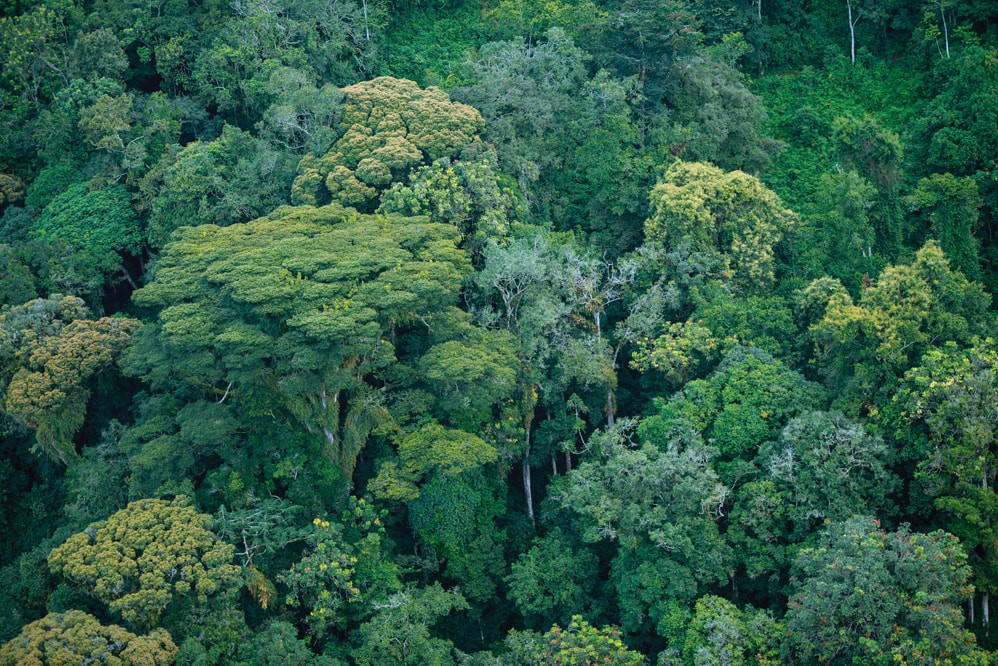
At the conclusion of a virtual forum convened on Friday by the African Forest Forum (AFF), a Nairobi-based non-profit conservation organization, participants underscored the role of healthy forests, peatlands, mangroves, and drylands in sustaining livelihoods for local communities.
The forum, which ran from June 8 to 12, brought together policymakers, scientists, entrepreneurs, and innovators from across the continent.
Labode Popoola, executive secretary of AFF, said the five-day conference provided a platform to raise the visibility of Africa’s tropical forests and dry landscapes in shaping a future characterized by resilience, food, water and energy security, and improved rural incomes through trade in tree-based products.
Popoola emphasized that improved governance, policy coherence, research and knowledge sharing, as well as the harnessing of technology and innovation, are key to enabling African countries to maximize benefits from indigenous forests, savanna grasslands, and coastal mangroves.
According to AFF, African forests cover nearly 23 percent of the continent’s landmass, equivalent to 624 million hectares, while supporting the livelihoods of about 245 million people through the provision of food, medicine, clean water, biomass, and carbon storage.
Participants in the five-day forum agreed that strong policy and legislative frameworks, predictable financing, public awareness, and collaborative research are essential to promoting the sustainable utilization of forests and supporting the timber industry, ecotourism, and carbon markets.
In addition, delegates noted that emerging challenges facing Africa’s tropical forests, including climate change, urbanization, unsustainable land-use practices, illegal logging, and forest clearance for mechanized farming.
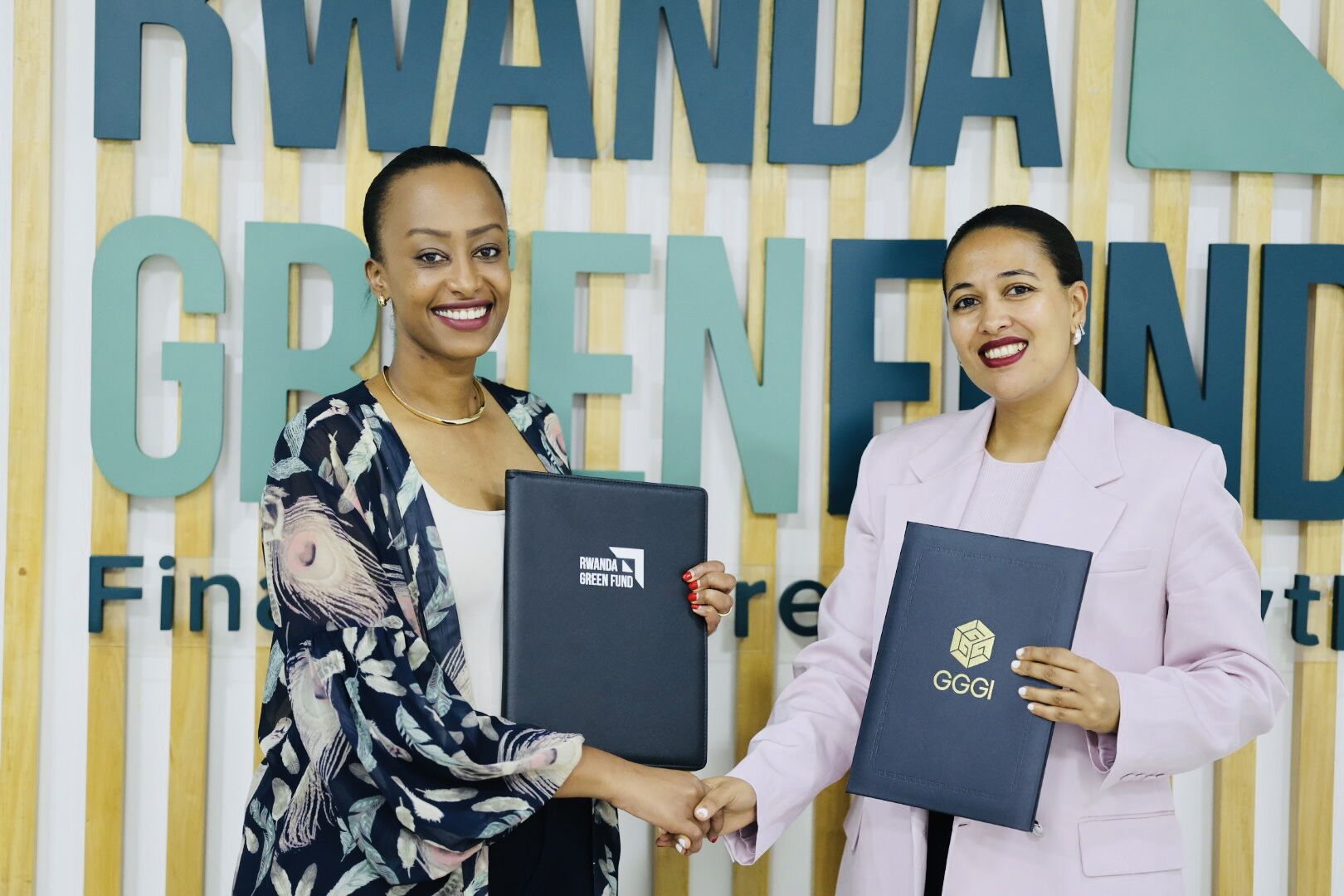
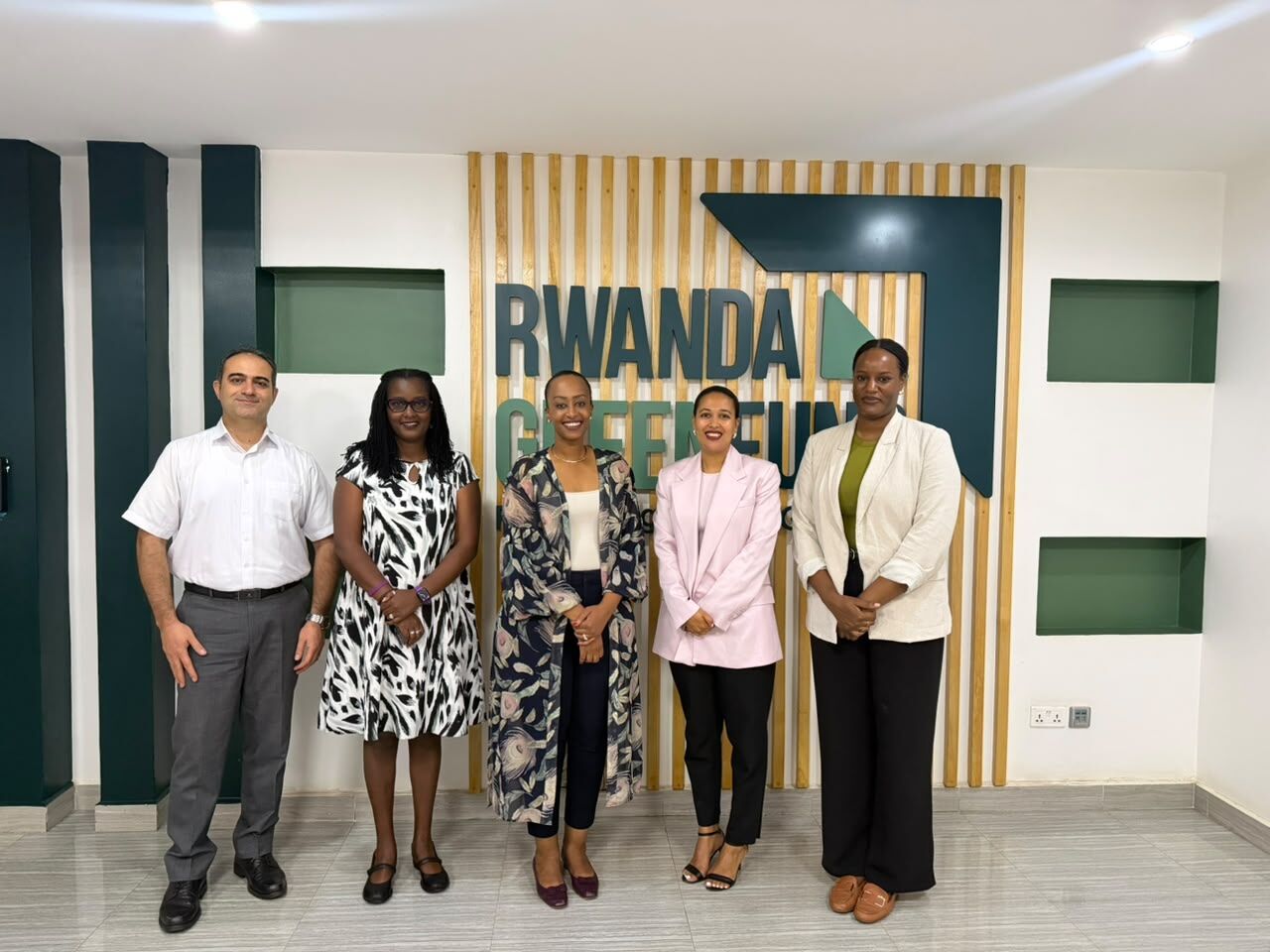
The agreement was signed on June 11, 2026, during a meeting between Rwanda Green Fund Chief Executive Officer, Teddy Mugabo and Country Representative for GGGI Rwanda, Caroline Raes alongside an accompanying delegation.
According to Rwanda Green Fund, the memorandum establishes a framework for cooperation that will support Rwanda’s efforts to achieve its green growth and climate objectives while contributing to the Sustainable Development Goals (SDGs), the Paris Agreement, Rwanda’s Nationally Determined Contributions (NDC 3.0), and the country’s Green Growth and Climate Resilience Strategy.
The partnership is expected to focus on mobilizing green investments and accelerating the development of climate-related projects capable of delivering both environmental and economic benefits.
Under the agreement, the two institutions will work together to strengthen carbon market development and support the implementation of Article 6 of the Paris Agreement, which allows countries to cooperate in achieving emissions reduction targets through international carbon trading mechanisms.
The collaboration will also explore innovative financing solutions designed to attract greater investment into climate and environmental projects.
In addition, GGGI will provide technical advisory services on green technologies and support the development of a pipeline of high-impact projects that contribute to Rwanda’s sustainable transformation.
GGGI is a treaty-based international and intergovernmental organization that supports developing countries and emerging economies in pursuing strong, inclusive, and environmentally sustainable economic growth.
The organization works with governments and partners worldwide to integrate green growth principles into national development planning and investment strategies.
The new agreement comes as Rwanda continues to position itself as a regional leader in climate action and green development, with ongoing efforts to attract climate finance, promote low-carbon economic growth, and strengthen resilience to the impacts of climate change.
Rwanda views carbon markets as a key tool in its ambition to become a developed, carbon-neutral and climate-resilient economy by 2050.
Although the country contributes relatively little to global greenhouse gas emissions, it has significant potential for carbon market projects.
Rwanda’s carbon credit sector is currently dominated by improved cookstove initiatives, which account for 87 percent of all Certified Emission Reductions issued, while lighting and solar projects contribute 9 percent and 4 percent respectively.
By December 2020, Rwanda had generated more than 2.25 million carbon credits through the Clean Development Mechanism and the Voluntary Carbon Market, underscoring the growing role of carbon finance in supporting the country’s sustainable development goals.
The partnership is expected to focus on mobilizing green investments and accelerating the development of climate-related projects capable of delivering both environmental and economic benefits.The agreement was signed on June 11, 2026, during a meeting between Rwanda Green Fund Chief Executive Officer, Teddy Mugabo and Country Representative for GGGI Rwanda, Caroline Raes alongside an accompanying delegation.
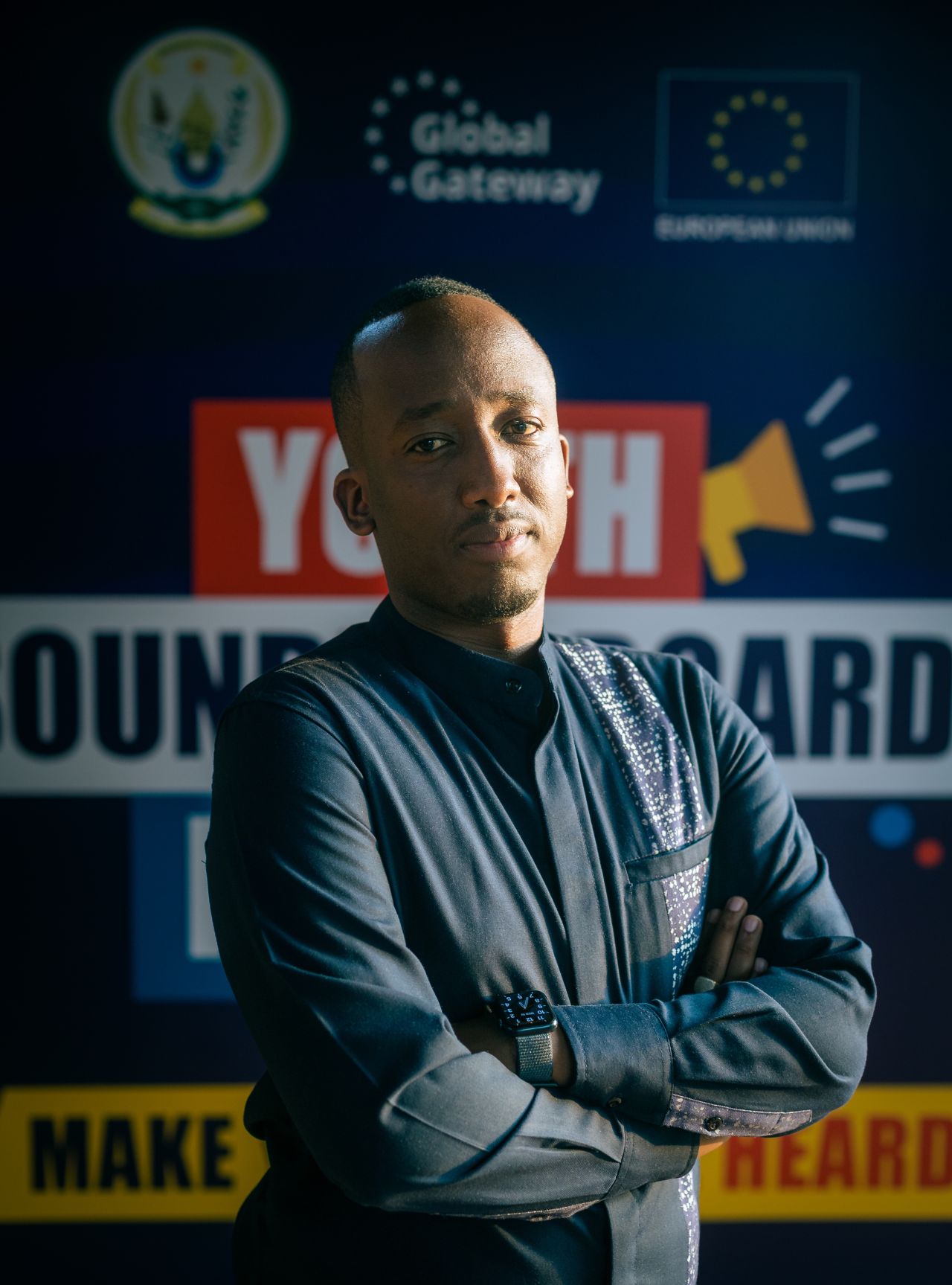
Murenzi announced the appointment through his social media platforms, expressing gratitude for the opportunity and his commitment to representing the interests of young people.
“I am delighted to share that I have been appointed to the Youth Sounding Board of the European Union Delegation in Rwanda,” he wrote.
He added that he looks forward to working closely with the EU Delegation and embassies of EU member states in Rwanda to strengthen cooperation and advocate for initiatives that address the aspirations, challenges and needs of Rwandan youth.
The Youth Sounding Board is a mechanism established by the European Union to ensure meaningful youth participation in the design and implementation of EU policies, programmes and partnerships. The platform enables young people to contribute their perspectives and help make development efforts more inclusive, responsive and impactful.
Murenzi’s appointment adds to a growing record of youth leadership and engagement in national and international development initiatives.
He founded Rwanda We Want in 2015 at the age of 17, creating a platform aimed at empowering young people and encouraging their participation in Rwanda’s development agenda. Under his leadership, the organization has grown into a prominent youth-focused movement that promotes civic engagement, leadership and sustainable development.
Murenzi holds a Bachelor of Science degree in Monetary Economics from the University of Rwanda and a Master’s degree in Design Management from Coventry University in the United Kingdom.
Over the years, he has also served in several regional and international roles focused on youth empowerment and sustainable development. These include membership on the policy team of the planning task force for the 12th Commonwealth Youth Forum and serving as Sustainable Development Goals (SDG) Coordinator for the United Nations Sustainable Development Solutions Network (UN-SDSN).
His new role on the EU Youth Sounding Board is expected to provide an additional platform for engaging with policymakers and development partners on issues affecting young people in Rwanda.
Murenzi’s appointment adds to a growing record of youth leadership and engagement in national and international development initiatives.
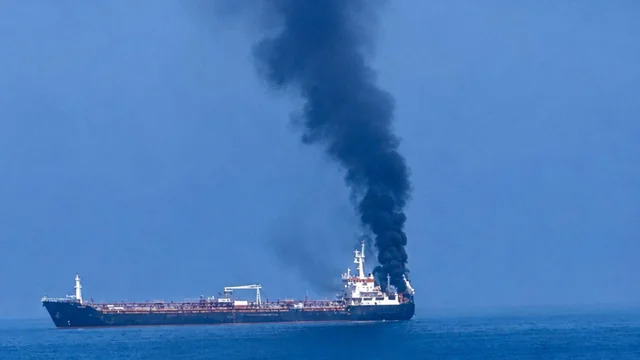
Several attacks by U.S. forces on similar commercial vessels had been reported over the past three days.
The ministry once again conveyed its deep concern over the use of lethal and deadly force against civilian shipping.
Such actions are unacceptable and undermine the safety, security and stability of international maritime commerce in a sensitive region at a difficult time, said the official statement.
India’s Ministry of External Affairs on Friday summoned U.S. Chargé d’Affaires to India Jason Meeks to lodge a “strong protest” regarding the continued attacks by U.S. naval forces on commercial vessels carrying Indian mariners in the Gulf of Oman, said an official statement.
Launched in 2005, the campaign was designed to address gender disparities in education by increasing girls’ enrolment, improving retention, and promoting academic excellence across the country.
Over the years, it has also sought to mobilise communities, schools, and other stakeholders to create an environment where girls can thrive academically.
As part of this year’s edition, the Best Performing Girls (BPGs), commonly known as Inkubito z’Icyeza, were recognised within their respective schools. The recognition aims not only to reward excellence but also to inspire other learners, especially girls, to pursue academic success.
Since its inception nearly two decades ago, the campaign has recorded notable achievements. A total of 8,605 girls have been recognised as Best Performing Girls. In addition, girls account for 60% of the 10,945 students supported through the Edified Generation Scholarships Programme, as well as 80% of the 25,960 students benefiting from remedial learning programmes. Many of these beneficiaries have since progressed into leadership positions across different sectors in Rwanda.
This year alone, 502 girls were awarded for their outstanding performance in the National Examinations, reflecting strong academic results across primary, ordinary, and advanced levels.
At primary level, 445 girls were recognised, each representing the best-performing girl in her sector. At ordinary level, 32 girls were honoured, each selected as the top performer in her district.
At advanced level, 25 outstanding students were selected based on performance in their respective learning areas, including 10 from general education, 10 from technical secondary schools (TSS), and 5 from professional education.
Best Performing Girls at FAWE Girls’ School were honoured as part of efforts to encourage excellence and support girls’ education across the country.The Girls’ Education Campaign was also marked at Saint Aloys Rwamagana, where outstanding girls were recognised for their academic performance under the national initiative promoting girls’ education and achievement.The Girls’ Education Campaign also reached Lycée Notre Dame de Cîteaux, where Best Performing Girls were recognised as part of the ongoing national effort to promote academic excellence and strengthen girls’ education.
Addressing 108 senior officers from 20 countries during a graduation ceremony at the college’s Nyakinama campus in Musanze District on Friday, Kagame said while military education provides knowledge and strategic skills, the most important qualities of leadership must be developed personally.
“This course was designed to enhance your ability to navigate complex and sometimes seemingly impossible situations. However, there are certain qualities that no course can give you — these you must personally cultivate,” Kagame said.
He identified courage as the ability to act decisively amid uncertainty and risk, warning that complexity can often lead to paralysis.
President Kagame also stressed the importance of sound judgment, noting that the consequences of decisions become greater as officers rise through the ranks.
“You must always remember what you are fighting for. For us, that purpose is anchored in protecting our sovereignty while advancing the continued transformation of our country,” he said.
The Head of State congratulated the graduates on completing the programme, saying they were leaving with broader knowledge, sharper strategic awareness and a greater sense of responsibility. He also acknowledged the support and sacrifices made by their families.
Highlighting the value of the course’s international character, Kagame said the relationships forged among officers from different countries help strengthen cooperation during future operations and regional engagements.
“The value of the connections you have made here cannot be overstated,” he said.
Kagame said the Rwanda Defence Force’s reputation had been built through years of discipline, professionalism and dedicated service, and urged the graduates to uphold those standards. He also called on them to embrace integrity, continuous learning and adaptability as security challenges and technologies evolve.
The graduation marked the completion of a 46-week Senior Command and Staff Course attended by officers from Rwanda and partner countries including Nigeria, Senegal, Somalia, South Sudan, Tanzania, Uganda and Zambia.
RDFCSC Commandant Brigadier General Andrew Nyamvumba said the graduates had completed rigorous training in operational planning, combined joint task force operations, peace support operations, research and strategic leadership.
“These officers arrived 46 weeks ago as promising military professionals. Today, they depart as refined operational and strategic-level commanders and staff officers, ready to serve their nations and contribute to international peace and security,” he said.
Nyamvumba said the growing diversity of participants reflects expanding military partnerships across the region and beyond, while the college’s collaboration with the University of Uganda enables eligible officers to earn a Master of Arts in Security Studies.
He urged the graduates to apply their training with humility and selflessness in service of peace and security.
The ceremony was attended by senior government officials, defence and security leaders, military representatives from partner countries, academic institutions and families of the graduating officers.
The ceremony was attended by senior government officials, defence and security leaders, military representatives from partner countries, academic institutions and families of the graduating officers.Addressing 108 senior officers from 20 countries during a graduation ceremony at the college’s Nyakinama campus in Musanze District on Friday, Kagame said while military education provides knowledge and strategic skills, the most important qualities of leadership must be developed personally.The Head of State congratulated the graduates on completing the programme, saying they were leaving with broader knowledge, sharper strategic awareness and a greater sense of responsibility. He also acknowledged the support and sacrifices made by their families.
At the same time, citizens have been urged to avoid activities that could trigger fires in the protected area, warning that such incidents consume large sums of money that could otherwise support other development priorities.
This was announced in Karongi District on June 11, 2026, during a meeting that brought together park management, representatives of security organs, and local government authorities.
The Chief Executive Officer of Nyungwe Management Company (NMC), Protais Niyigaba, said that after poaching, wildfires rank as the second most destructive threat to biodiversity in the park. He noted that it can take more than 100 years for ecosystems affected by fire to fully recover.
He explained that once fire affects an area, fast-growing invasive grasses quickly take over, replacing the original vegetation. Restoring such areas requires removing these invasive species and replanting indigenous trees and plants to rebuild the natural forest ecosystem.
This restoration work will cover more than 4,500 hectares affected by different fire incidents in Nyungwe over the years.
Niyigaba emphasized that the impact of wildfires should not only be measured in ecological damage but also in the high financial cost required to restore the ecosystem.
The project is funded by the Green Climate Fund and coordinated by the Rwanda Forest Authority (RFA), while implementation in Nyungwe National Park will be handled by NMC.
He said: “This project will restore 4,500 hectares over five years at a cost of 6.706 million US dollars, which is close to 10 billion Rwandan francs. We will work closely with districts surrounding Nyungwe so that 80 percent of this funding goes directly to local residents, since the activities are labour-intensive. We also urge citizens to avoid setting fires in the park, as the funds being used for restoration could have supported other development initiatives.”
The Vice Mayor of Karongi District in charge of economic development, Ntakirutimana Julienne, said the project will create employment opportunities and encouraged residents to apply for available jobs. She also urged them to save through cooperatives so their earnings can be more beneficial.
Workers recruited for the project will be provided with temporary accommodation inside Nyungwe National Park, along with food and water, and will return home once every two weeks. The project is expected to employ about 1,500 workers, each earning 3,000 Rwandan francs per day.
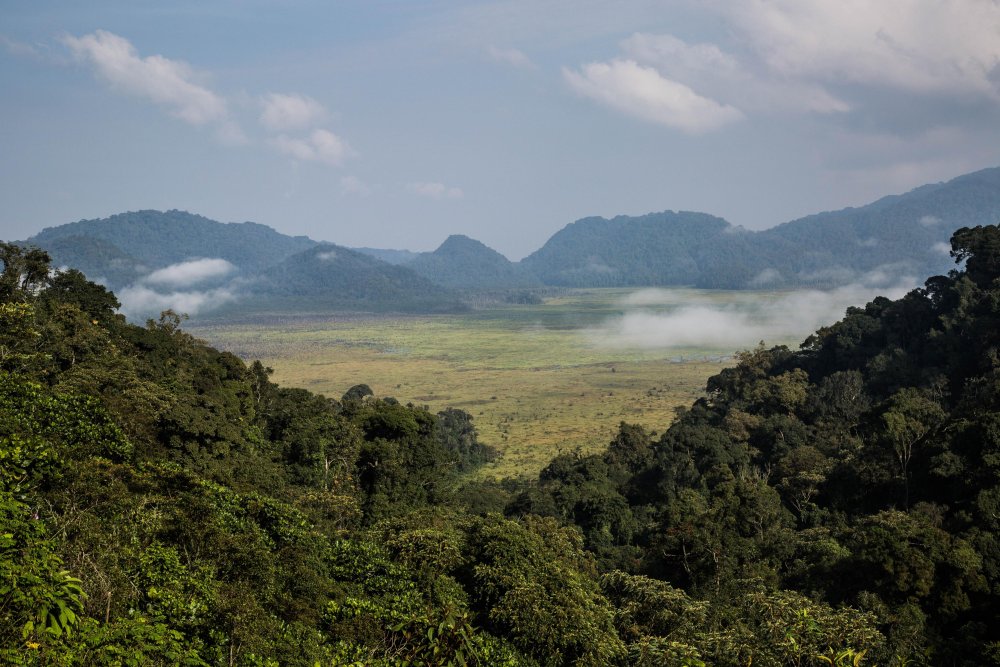
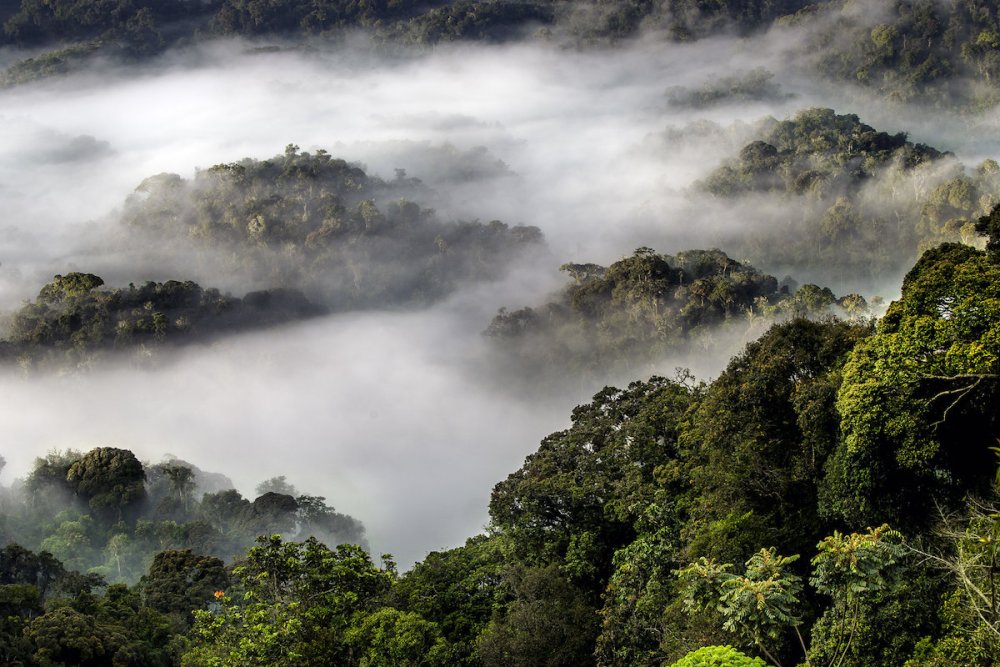
Nyungwe National Park covers an area of 1,020 square kilometres. It is known for its ancient montane forest that protects important water catchments.
The park hosts rich biodiversity, including 13 species of primates, 85 species of mammals, 300 species of birds, 40 species of reptiles, and 38 species of amphibians.
Located in south-western Rwanda, Nyungwe National Park spans 23 sectors across Karongi, Nyamasheke, and Rusizi districts in the Western Province, as well as Nyaruguru and Nyamagabe districts in the Southern Province.
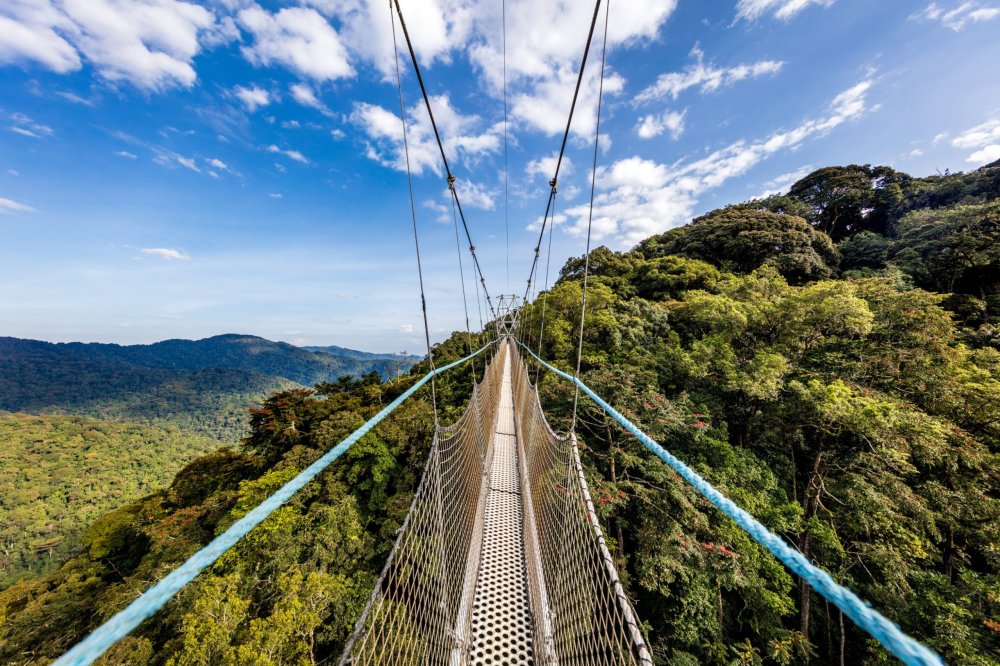
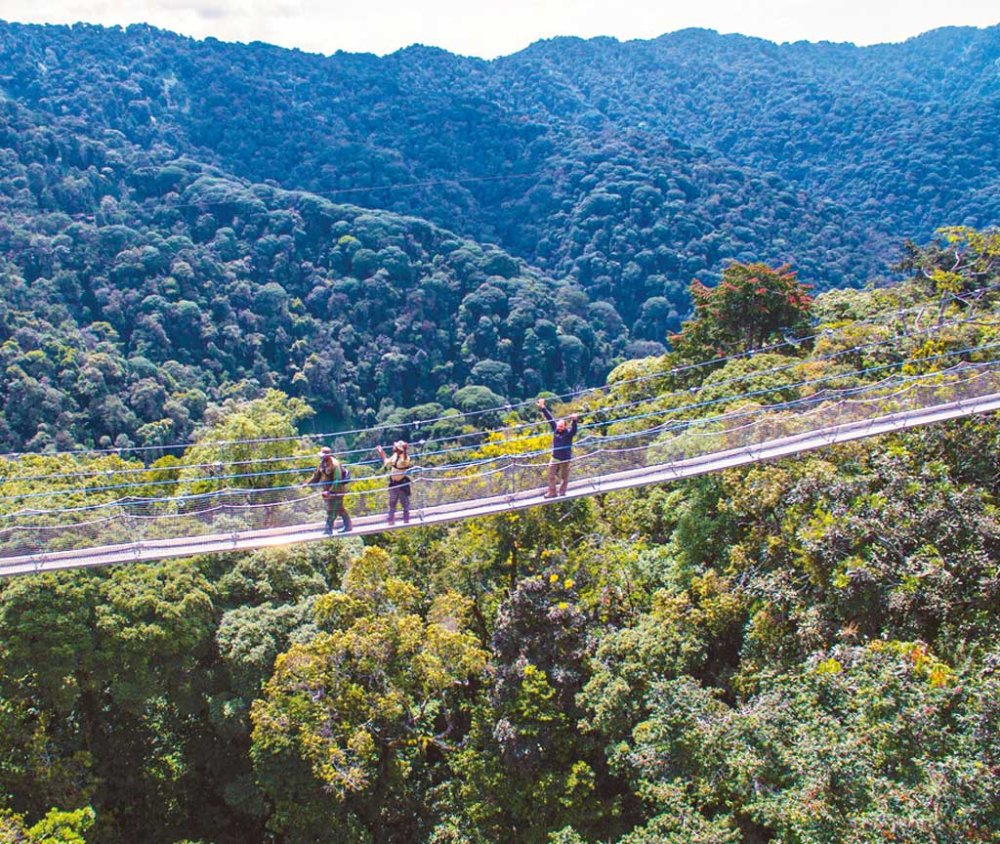
The park’s rich flora is highlighted by towering indigenous trees and thick undergrowth that form a vital habitat for countless plant and animal species.Nyungwe National Park is home to one of the oldest and most biodiverse ecosystems in Africa.Nyungwe National Park is recognized as part of the world’s protected natural heritage areas, reflecting its global importance for biodiversity conservation and environmental protection.The canopy walk in Nyungwe National Park enhances visitors’ experience.
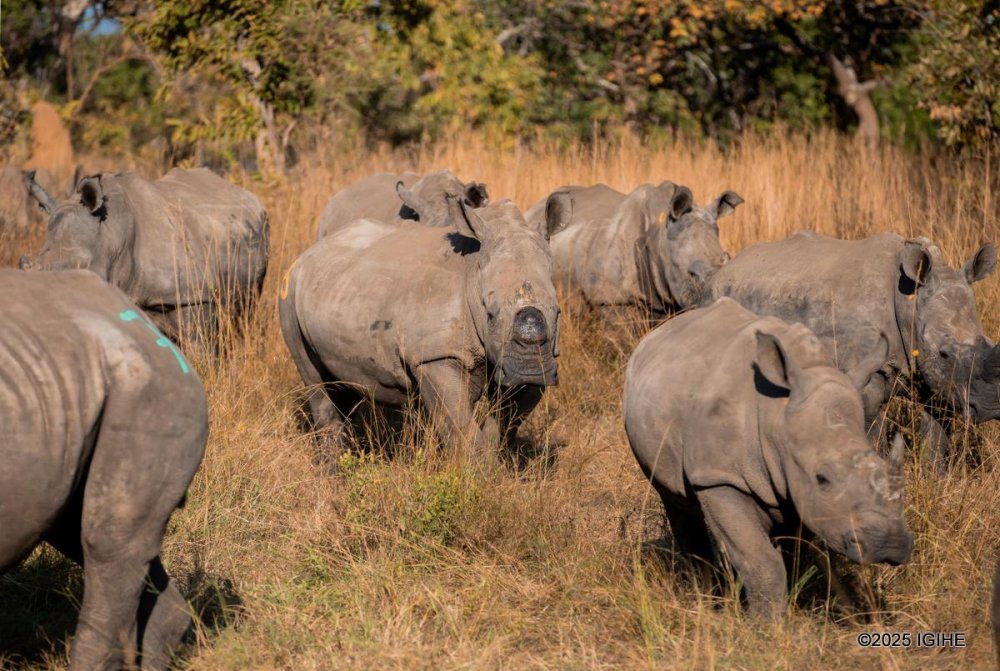
The births come just a year after 70 southern white rhinos were relocated to Rwanda, marking a significant milestone in the country’s wildlife conservation programme.
According to Jean Paul Karinganire, Funding & Reporting Manager at Akagera National Park, three calves have already been born from the group of 70 white rhinos that arrived in 2025. He noted that more births are expected this year, as rhinos typically have a gestation period of between 15 and 16 months.
“The rhinos have also brought tourism benefits. Akagera National Park is now one of the easiest places in Africa where visitors can see rhinos in the wild,” Karinganire said.
He added that the white rhinos are helping to strengthen biodiversity in the park and represent an important conservation achievement for East Africa.
On June 10, 2025, Rwanda received 70 white rhinos, including 28 males, from South Africa. The relocation was the largest single translocation of animals ever carried out into the country.
The white rhinos joined Akagera’s existing black rhino population, pushing the total number of rhinos in the park above 145. With the recent births, the population has now reached 148.
White rhinos are nearly twice the size and weight of black rhinos. They are grazers that feed mainly on short grasses and are easily identified by their broad, wide mouths adapted for grazing. They also have a prominent shoulder hump and distinctive muscular features on their bodies.
Rwanda’s rhino population had completely disappeared by 2007, when the last remaining rhino in the country died. A decade later, in 2017, black rhinos were successfully reintroduced to Akagera National Park, and their numbers have steadily increased over the years. The arrival and reproduction of white rhinos mark another important step in restoring the country’s wildlife heritage.
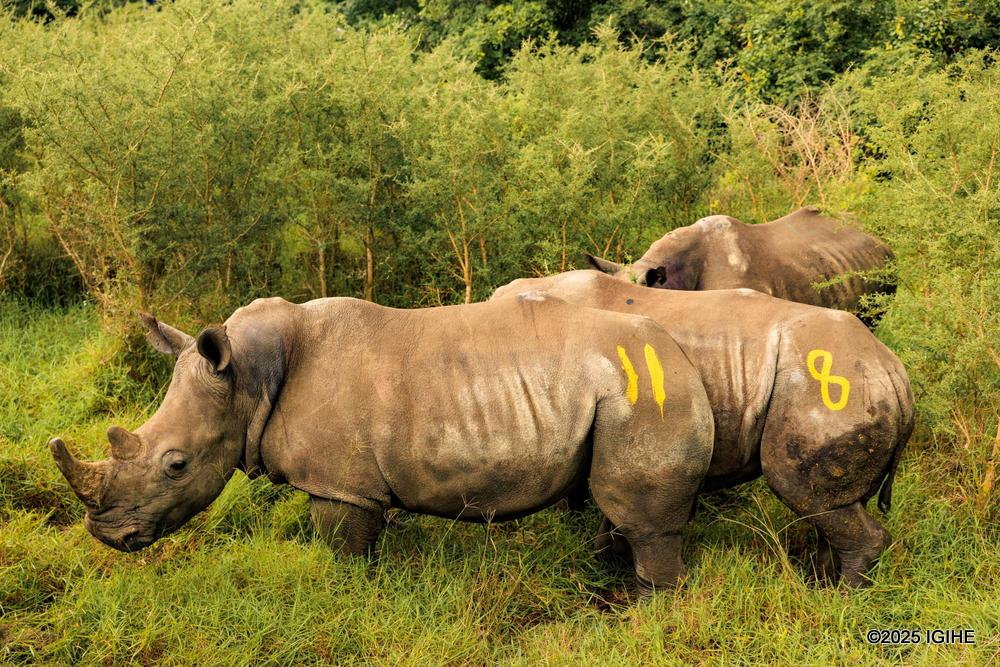
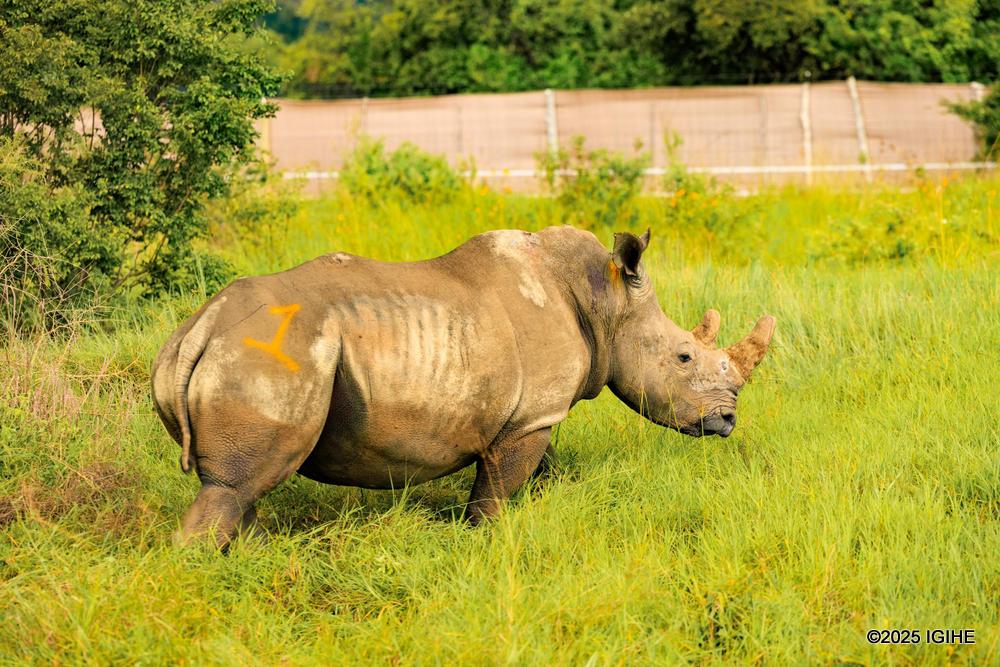
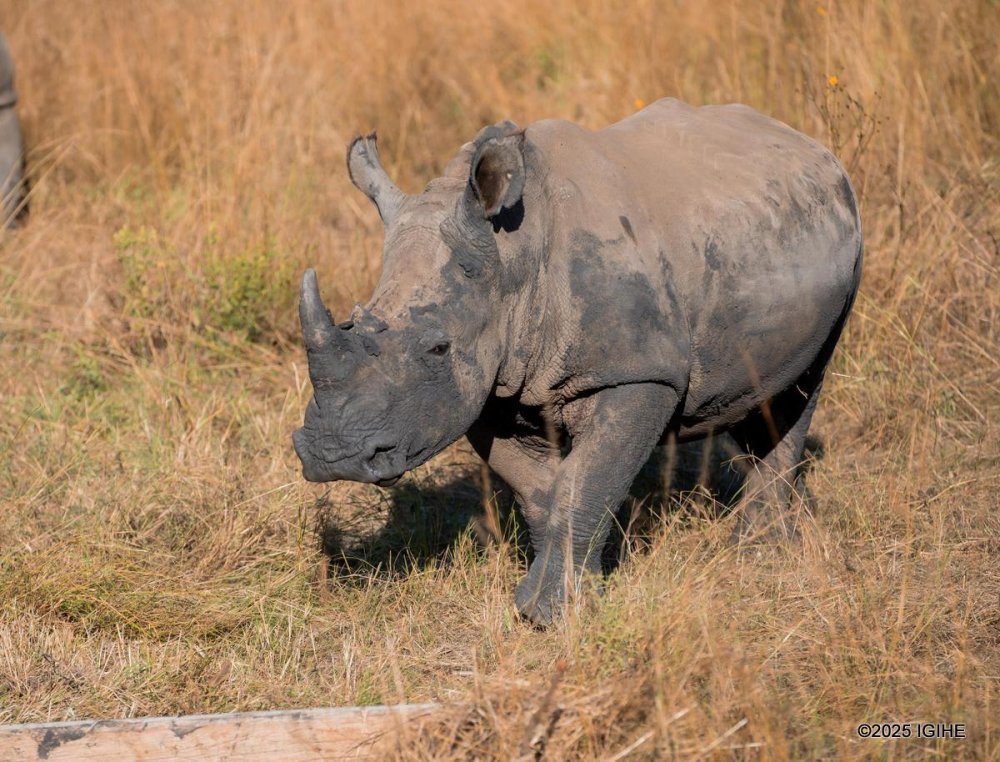
The presence of rhinos in Akagera National Park highlights the progress made in restoring endangered species.Rhinos are among Africa’s most iconic wildlife species and play an important role in maintaining healthy ecosystems.Akagera National Park is home to both black and white rhinos, contributing to Rwanda’s wildlife conservation efforts.White rhinos are the largest rhino species and are known for their broad mouths adapted for grazing.
Rwanda has strongly rejected allegations by Human Rights Watch (HRW) linking the Rwanda Defence Force (RDF) to forced recruitment, arbitrary detention and other abuses in eastern Democratic Republic of Congo (DRC), accusing the rights organisation of relying on unverified claims while overlooking the role of armed groups backed by Kinshasa.
The response follows the publication of a 78-page HRW report on June 10, which alleges that Rwandan military forces and the M23 rebel movement carried out large-scale forced recruitment and abusive detention of captured combatants and civilians in North and South Kivu provinces between mid-2024 and December 2025.
In a statement posted on X, Government Spokesperson Yolande Makolo dismissed the report as part of a long-standing pattern in HRW’s reporting on Rwanda.
“Human Rights Watch on Rwanda is a 30-year pattern: anonymous claims, no site visits or forensics, sanctions first and investigation later,” Makolo wrote.
She argued that HRW ignored its own findings regarding the involvement of other actors in the conflict, including the Democratic Republic of Congo’s military, the FDLR militia, Wazalendo groups, foreign mercenaries and Burundian forces.
“It should be clear that the RDF is not AFC/M23,” Makolo said. “Any serious investigation requires impartiality, access, forensic rigour, due process, and not conclusions announced in advance, or bombastic calls for sanctions.”
Makolo added that the Washington peace accords remain “the path forward” for addressing insecurity in eastern DRC through dialogue, accountability and regional cooperation.
Rwanda rejects allegations
In a more detailed statement issued by the Office of the Government Spokesperson, Rwanda faulted HRW’s attempt to treat the RDF and M23 as a single actor.
“Alleged M23 conduct cannot be treated as RDF conduct,” the statement said.
The government accused HRW of applying “selective accountability” by focusing primarily on Rwanda and M23 while paying insufficient attention to abuses committed by Congolese government forces and their allies.
According to Kigali, HRW’s own report acknowledges that the Congolese army has supported armed groups opposed to M23, including the FDLR, a militia formed by perpetrators of the 1994 Genocide against the Tutsi.
The statement also cited passages in the report saying Congolese authorities armed, financed and coordinated operations with Wazalendo militias and that government support for such groups contributed to human rights violations.
“Selective accountability applied with selective investigative depth is not accountability,” the government said.
Questions over methodology
Rwanda also poked holes in HRW’s methodology.
The government argued that the report relied heavily on anonymous testimony and lacked on-the-ground forensic investigations.
According to Kigali, no investigators visited the locations where the alleged abuses occurred, no exhumations were conducted and no forensic examinations were undertaken.
The statement also criticised HRW for presenting allegations as established facts while acknowledging uncertainty in sections of the report dealing with legal assessments and satellite imagery.
“An investigation whose conclusions are announced in advance is not an investigation,” the statement said, while reiterating Rwanda’s support for “genuine, independent investigation” based on access, forensic evidence and due process.
FDLR threat
On the FDLR, Rwanda highlighted the militia as a key security threat and accused HRW of failing to adequately examine its role and links to Congolese government forces.
The government argued that any assessment of the conflict must address root causes of insecurity in eastern DRC, including the continued presence of the FDLR near Rwanda’s border.
Kigali also accused HRW of failing to scrutinise alleged violations of the Washington Accords by Kinshasa while placing disproportionate focus on Rwanda and M23.
Rwanda said it remains committed to regional peace initiatives and to pursuing security, accountability and cooperation through diplomatic processes.
“The Washington Accords are the most credible path forward,” the government said, adding that Rwanda would continue to support “a regional solution rooted in dialogue, fairness, and partnership.”
The bank’s semi-annual Global Economic Prospects report cited higher energy prices, steeper inflation and increased borrowing costs amid the Middle East conflict for the growth cut.
Downside risks are significant, the report warned. Global growth could further slow to 2.1 percent if the energy disruptions lasted longer and oil prices averaged 115 U.S. dollars per barrel this year, driving inflation to 4.4 percent; or worsen to 1.3 percent if the energy shock affected financial markets.
The report lowered growth forecast for two-thirds of countries compared to its January report this year, with countries in the Gulf taking the biggest cuts from 3.9 percent in 2025 to close to zero in 2026.
South Asia is expected to have the strongest growth of any region at 6.3 percent in 2026, still a slowdown from 7 percent in 2025.
The report maintained its 2.2 percent growth forecast for the U.S. economy in 2026, although it noted that this figure could drop to 2.1 percent in 2027 and 2 percent in 2028.
Economy in the euro area is expected to grow 0.8 percent in 2026, down from 1.4 percent in 2025. Japan’s gross domestic product is forecast to grow 0.7 percent in 2026, down from 1.1 percent in 2025.
The report expects global growth to improve to 2.8 percent in 2027, but this will remain 0.4 percentage points below the average in the 2010s.
While risks remain skewed to the downside amid escalating hostilities, further commodity market disruptions and additional geopolitical strains, the bank holds that policy action is critical.
Globally, the World Bank urges concerned countries to safeguard energy and food security and advance the energy transition; domestically, it urges all countries to control inflation, strengthen fiscal sustainability and support job creation.
The World Bank on Thursday lowered its global growth forecast to 2.5 percent for 2026.