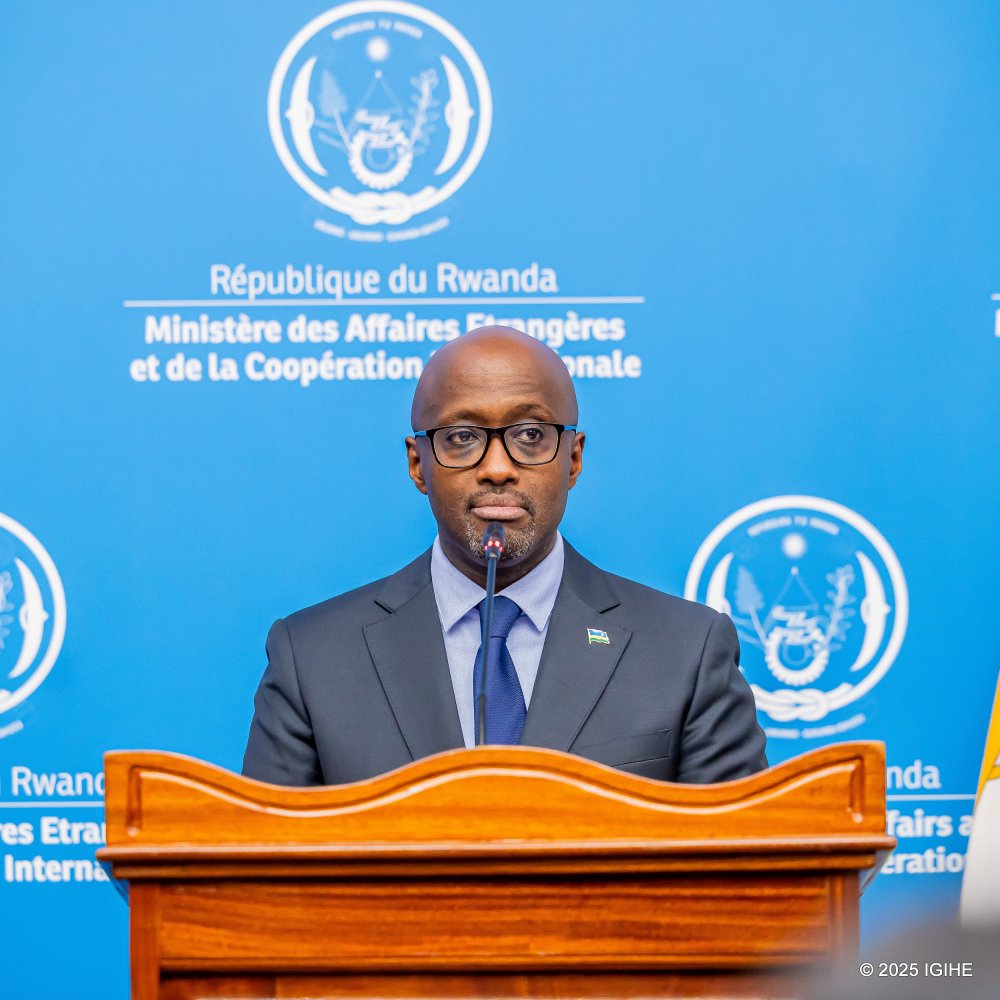
Commenting on the future of Rwanda’s deployment in northern Mozambique in a post on X, Nduhungirehe said the collaboration between Kigali and Maputo remains strong and effective, with the Government of Mozambique now directly securing funding for the continued presence of Rwandan security forces.
Rwanda deployed its security forces to Cabo Delgado in 2021 at the invitation of the Mozambican government to help combat insurgency and restore stability in the gas-rich region.
Nduhungirehe said the mission has delivered significant results over the past five years, including the restoration of peace and security, the return of displaced families, the reopening of businesses, and the resumption of education activities.
He also noted that the intervention created conditions for major international energy investments, including approximately $50 billion in liquefied natural gas (LNG) projects led by European and American companies, to safely resume operations.
During the mission, Rwanda received support through the European Peace Facility (EPF), although Kigali maintains that the assistance represented only a small fraction of the actual costs incurred by Rwanda in Mozambique.
Nduhungirehe criticised what he described as the politicisation of Rwanda’s requests for continued support from Brussels by certain EU member states, saying some countries, including “our two former colonial powers unfairly”, turned a successful regional security effort into criticism directed at Rwanda.
“Rwanda came back to the basics and decided to deal exclusively with the Government of Mozambique,” the minister said on Tuesday, emphasising that Maputo has committed to ensuring the necessary funding for Rwandan troops operating in Cabo Delgado.
The minister stressed that the partnership between the two countries remains appreciated by Mozambique and will continue along the same path as both nations work to preserve stability in the region.
Rwanda and Mozambique, in August last year, renewed the Status of Forces Agreement on Support to the Fight Against Terrorism in Mozambique during a visit by Mozambican President Daniel Francisco Chapo.
The agreement extended Rwanda’s military support in Mozambique’s Cabo Delgado province, where Rwandan forces have been deployed to combat Islamist insurgents.
“Thanks to this cooperation, we can see peace returning to the region,” President Chapo said, acknowledging Rwanda’s role in stabilising Cabo Delgado despite ongoing sporadic attacks.
Commenting on the future of Rwanda’s deployment in northern Mozambique in a post on X, Nduhungirehe said the collaboration between Kigali and Maputo remains strong and effective, with the Government of Mozambique now directly securing funding for the continued presence of Rwandan security forces.
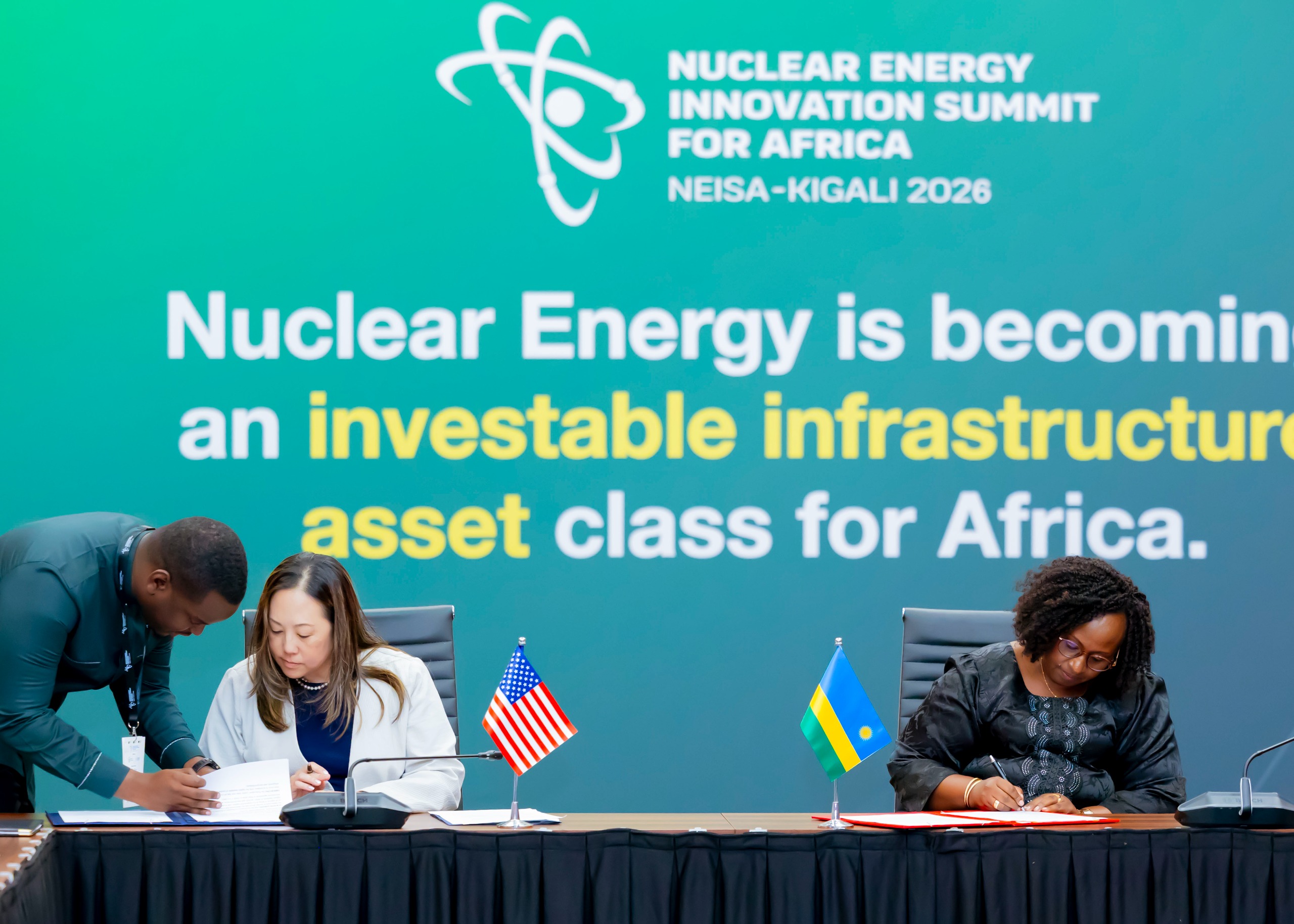
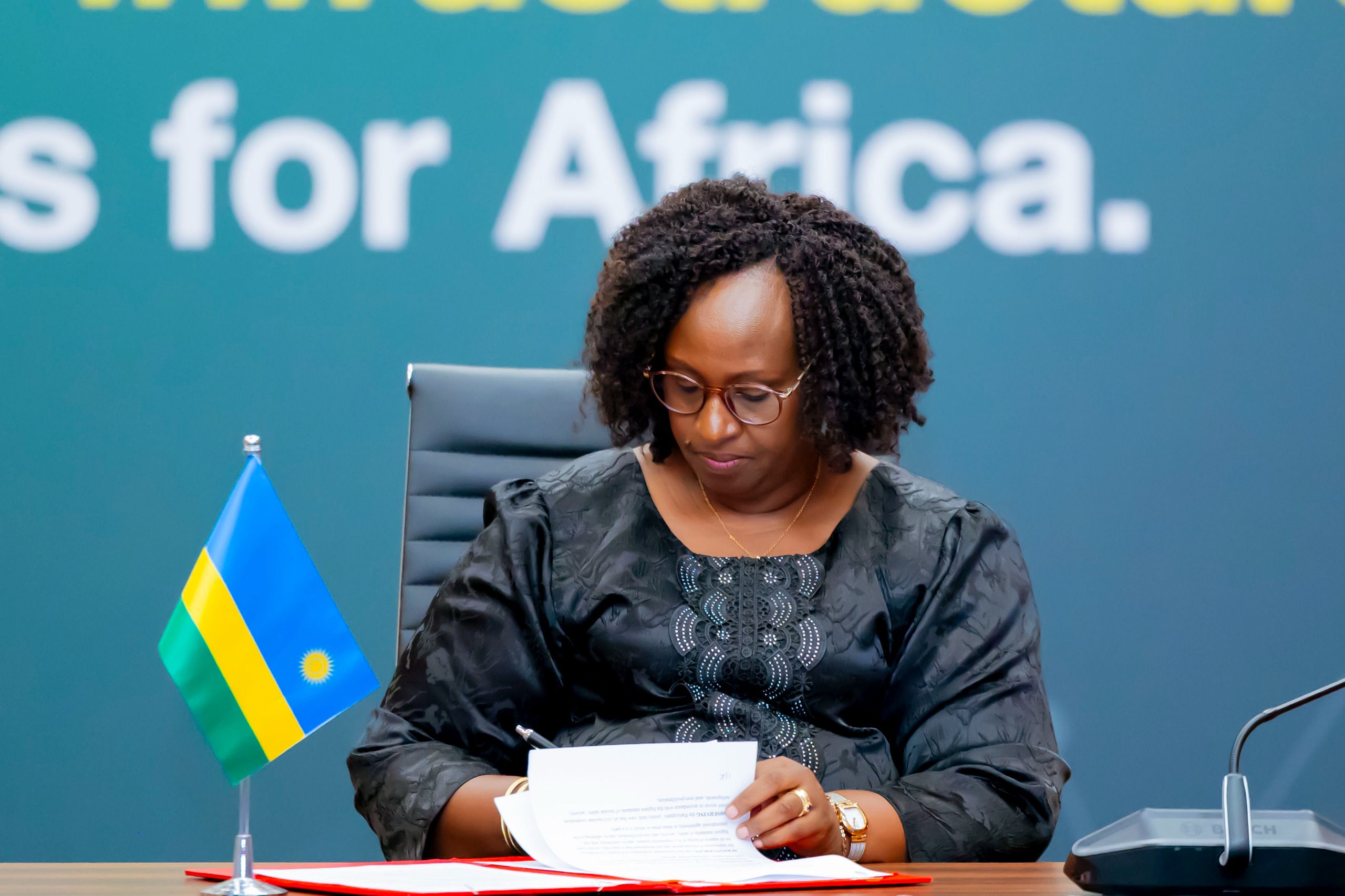
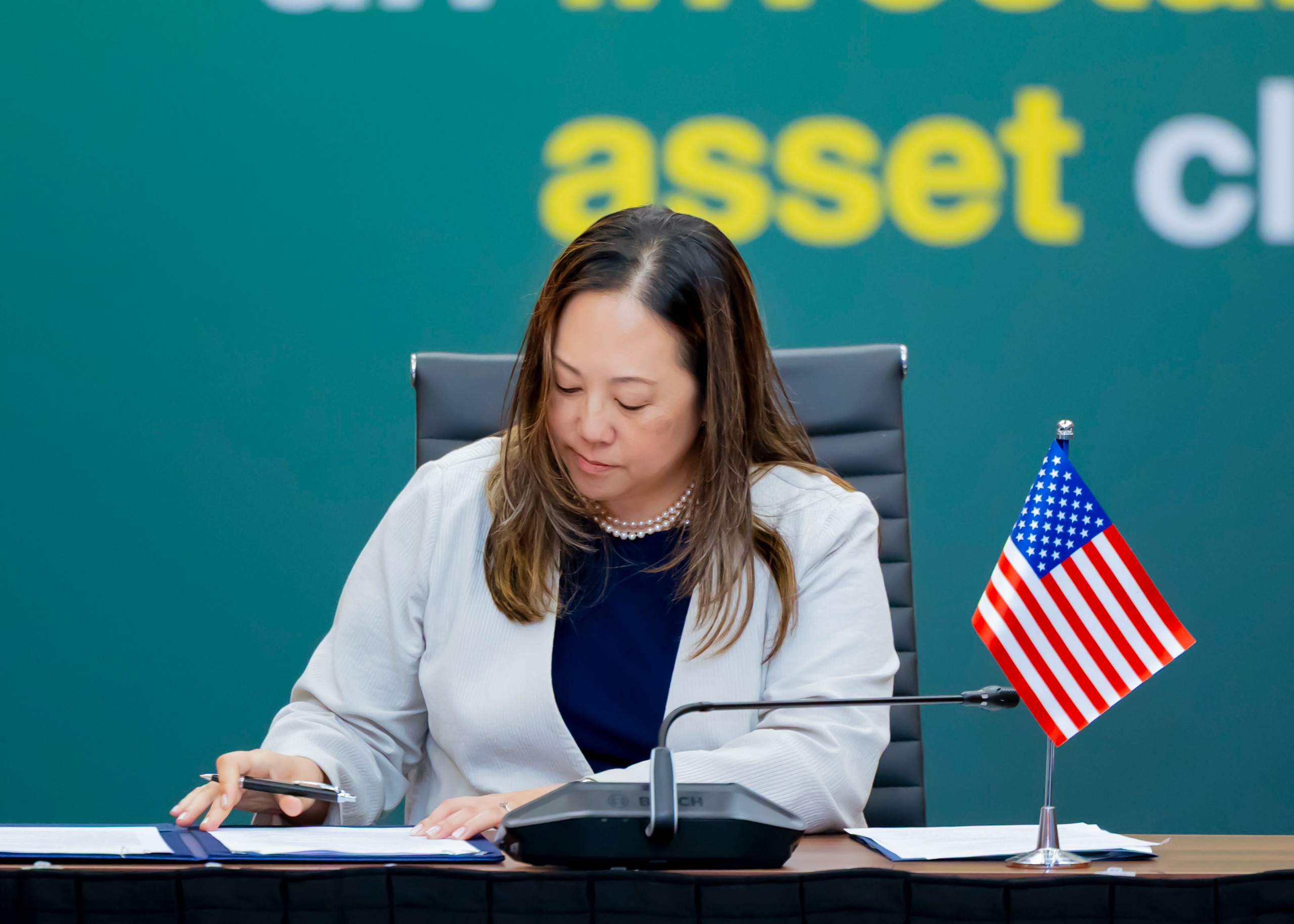
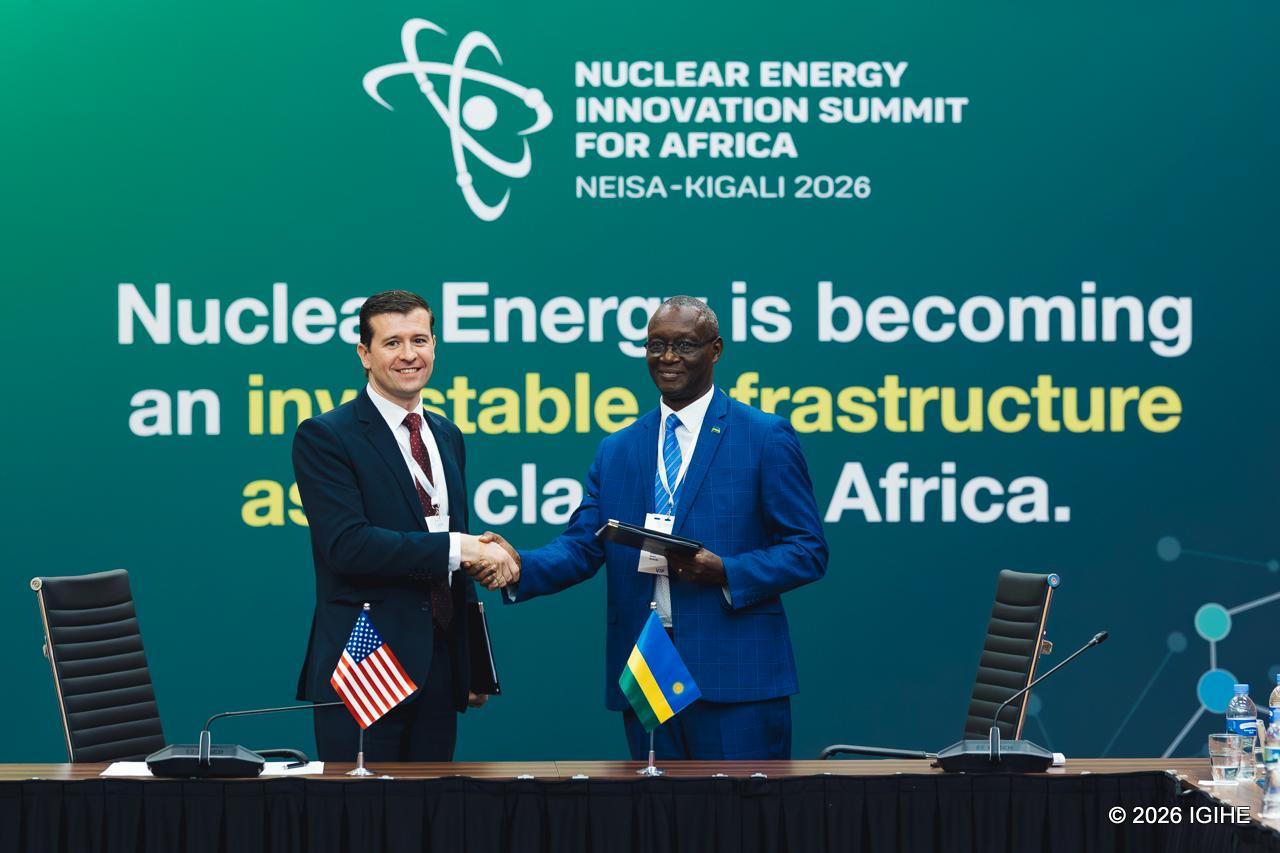
The agreement was signed on the sidelines of the Nuclear Energy Innovation Summit for Africa (NEISA) in Kigali on Tuesday by Rwanda’s Minister of State for Foreign Affairs and International Cooperation, Dr. Usta Kayitesi, and Renee Sonderman, Acting Principal Deputy Assistant Secretary in the U.S. State Department’s Bureau of Arms Control and Nonproliferation.
The MoU establishes a framework for cooperation in the peaceful use of nuclear energy, including regulatory capacity building, workforce development, scientific research, and the future deployment of advanced nuclear technologies such as small modular reactors (SMRs).
Speaking at the signing ceremony, Dr. Usta Kayitesi said the agreement reflects Rwanda’s commitment to diversifying its energy mix in line with the country’s Vision 2050 development agenda.
“Today, we are pleased to further deepen this cooperation into the field of peaceful nuclear energy where the United States is a world leader,” she said.
“Nuclear energy is a key component of Rwanda’s long-term energy strategy and broader national development ambitions. In line with Vision 2050, Rwanda aims to significantly diversify and expand its energy mix to meet the growing demand of consumers and industries alike.”
Kayitesi noted that under the framework, both countries intend to strengthen collaboration in nuclear energy development while promoting the highest standards of safety, security, and non-proliferation.
“I would like to reaffirm that today’s signing is a meaningful step forward in strengthening and structuring our cooperation in nuclear fields and in advancing the broader Rwanda-U.S. partnership in two new and strategic frontiers,” she added.
Renee Sonderman described the agreement as a key milestone in expanding bilateral cooperation on peaceful nuclear energy.
“This memorandum demonstrates our joint commitment on deepening bilateral
cooperation between the United States and Rwanda on the peaceful uses of nuclear energy and provides a key framework for enhancing cooperation between our governments in this strategically important area,” she said.
Sonderman praised Rwanda’s efforts to advance nuclear energy planning and highlighted the country’s interest in deploying SMR technology to meet growing energy demand and improve energy security.
“I’m very excited by the deliberate and serious approach that Rwanda is taking to facilitate the rapid deployment of small modular reactor technology,” she said.
She added that the United States is seeking to expand civil nuclear partnerships across Africa while positioning American companies to export advanced nuclear technologies to trusted international partners.
The MoU signing coincided with another major agreement announced during the summit between the Rwanda Atomic Energy Board (RAEB) and U.S.-based Holtec International.
The two parties signed a Comprehensive Development Agreement aimed at advancing the deployment of Holtec’s SMR-300 small modular nuclear reactors in Rwanda.
The agreement was signed by Dr. Fidele Ndahayo, CEO of RAEB, and Rafael Marin, Director of Holtec Europe.
Under the framework, Holtec and Rwanda will conduct technical cooperation activities including site assessments, feasibility studies, and data collection related to the potential deployment of SMR-300 reactors in Rwanda.
Officials said the project could eventually support up to approximately 5 GW of nuclear generation capacity to strengthen Rwanda’s long-term energy security and provide carbon-free baseload electricity.
“Through this agreement, Holtec and RAEB will work together to deploy SMR-300 units in Rwanda,” Rafael Marin said, adding that the initiative could position Rwanda as a pioneer of SMR deployment in Africa.
Dr. Ndahayo said Rwanda remains committed to introducing nuclear power by the early 2030s and views the partnership as part of a structured process toward future deployment.
At the summit, President Paul Kagame reiterated Rwanda’s commitment to integrating nuclear energy into its national energy strategy, saying the country remains on track to operationalise nuclear energy infrastructure in the early 2030s.
“We intend to have nuclear energy operational by the early 2030s. This assessment confirms that we are on track,” Kagame said after receiving the International Atomic Energy Agency’s Phase I Integrated Nuclear Infrastructure Review report from IAEA Director General Rafael Mariano Grossi.
Rwanda’s energy roadmap includes plans to expand electricity generation capacity significantly over the coming decades, with nuclear energy expected to complement renewable sources by providing stable and reliable power for industrialisation and economic transformation.
The Nuclear Energy Innovation Summit for Africa brought together African leaders, regulators, industry experts, and international partners to discuss investment opportunities and cooperation in nuclear energy development, amid growing continental interest in small modular reactor technology.
The agreement was signed on the sidelines of the Nuclear Energy Innovation Summit for Africa (NEISA) in Kigali on Tuesday by Rwanda’s Minister of State for Foreign Affairs and International Cooperation, Dr. Usta Kayitesi, and Renee Sonderman, Acting Principal Deputy Assistant Secretary in the U.S. State Department’s Bureau of Arms Control and Nonproliferation. Dr. Usta Kayitesi said the agreement reflects Rwanda’s commitment to diversifying its energy mix in line with the country’s Vision 2050 development agenda.Sonderman praised Rwanda’s efforts to advance nuclear energy planning and highlighted the country’s interest in deploying SMR technology to meet growing energy demand and improve energy security.The MoU establishes a framework for cooperation in the peaceful use of nuclear energy, including regulatory capacity building, workforce development, scientific research, and the future deployment of advanced nuclear technologies such as small modular reactors (SMRs).
The agreement was signed on Tuesday, May 19, 2026, during the Nuclear Energy Innovation Summit for Africa (NEISA) in Kigali. It reflects Rwanda’s ambition to become a regional pioneer in advanced nuclear energy and supports its long-term strategy to strengthen reliable, low-carbon baseload power generation.
The deal was signed by Rafael Marin, Director of Holtec Europe, and Dr. Fidele Ndahayo, CEO of RAEB. It also coincided with a broader U.S.–Rwanda civil nuclear cooperation memorandum of understanding signed by officials from both governments.
The signing ceremony was attended by senior representatives, including Renee Sonderman, Acting Principal Deputy Assistant Secretary in the U.S. State Department’s Bureau of Arms Control and Nonproliferation, and Dr. Usta Kayitesi, Rwanda’s Minister of State for Foreign Affairs and International Cooperation.
According to Holtec, the agreement sets out a framework for technical cooperation, including site assessments, data collection, and feasibility studies for deploying SMR-300 units in Rwanda. The potential deployment could reach up to approximately 5 GW of capacity, aimed at supporting long-term economic growth and energy security through carbon-free baseload electricity.
“Through this agreement, Holtec and RAEB will work together to deploy SMR-300 units in Rwanda… supporting the country’s strategy to deploy reliable baseload power without carbon emissions,” said Rafael Marin, adding that the project could position Rwanda as a pioneer of SMR deployment in Africa.
Rwanda’s Atomic Energy Board said the agreement builds on earlier cooperation between the two governments and represents a shift toward practical implementation of nuclear energy planning. Dr. Fidele Ndahayo, the Board CEO, noted that Rwanda aims to have its first SMR operational by the early 2030s, following ongoing technical assessments and infrastructure development work.
“This development agreement is about creating a cooperation framework to work with Holtec’s technical team, assess possible sites in Rwanda, and gather data to determine whether SMR-300 can be deployed when the technology matures,” Ndahayo said.
He added that Rwanda remains open to emerging technologies and views the partnership as part of a structured process to gather data, evaluate potential sites, and prepare for future deployment decisions.
U.S. officials welcomed the agreement as part of broader cooperation on civil nuclear energy. Jacob Helberg, U.S. Under Secretary of State for Economic Affairs, said the partnership supports safe, secure, and reliable nuclear energy development while reinforcing American leadership in advanced nuclear technologies.
Holtec’s SMR-300 is a pressurised water reactor design described as a “walk-away safe” system with passive safety features and a compact footprint. The company says the design is intended to operate with minimal operator intervention and can adapt to both water and air cooling systems, making it suitable for a range of deployment environments.
Holtec President Dr. Richard M. Springman said the company’s integrated approach, including reactor technology, engineering, procurement, construction partnerships, fuel management, and decommissioning services, will support Rwanda’s broader nuclear program development.
President Paul Kagame, speaking at the same summit, reiterated that Rwanda remains on track to introduce nuclear energy in the early 2030s as part of its national energy strategy. He emphasised that small modular reactors are central to Rwanda’s long-term plans to address energy demand, industrial growth, and economic transformation.
At the summit, President Kagame received a report on the International Atomic Energy Agency’s (IAEA) Phase I Integrated Nuclear Infrastructure Review from Rafael Mariano Grossi, Director General of the IAEA. The review marked a key milestone in Rwanda’s nuclear energy roadmap and advances the country’s nuclear ambitions to the next stage following an assessment process conducted with international experts.
“We intend to have nuclear energy operational by the early 2030s. This assessment confirms that we are on track,” Kagame said.
Rwanda’s energy roadmap aims to significantly expand electricity generation capacity, including plans to reach up to 1.5 GW of nuclear power by 2050. Officials say nuclear energy is expected to complement renewable sources by providing stable and continuous baseload power needed for industrialisation and technological development.
The Kigali summit brought together African leaders, regulators, and international partners to discuss investment and cooperation in nuclear energy, highlighting growing interest in SMR technology across the continent.
The deal was signed by Rafael Marin, Director of Holtec Europe, and Dr. Fidele Ndahayo, CEO of RAEB. It also coincided with a broader U.S.–Rwanda civil nuclear cooperation memorandum of understanding signed by officials from both governments.
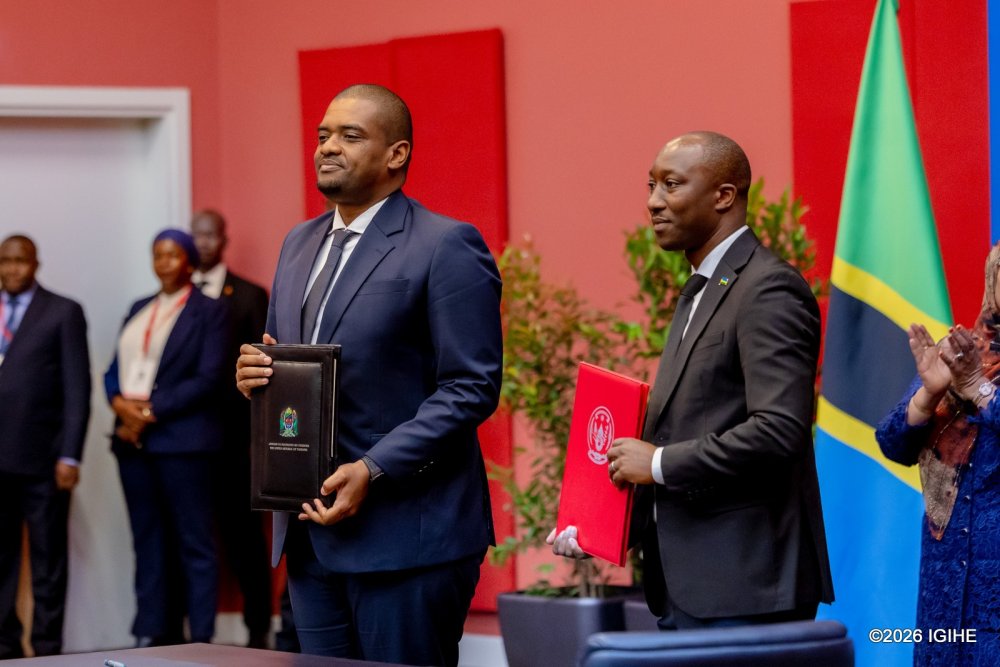
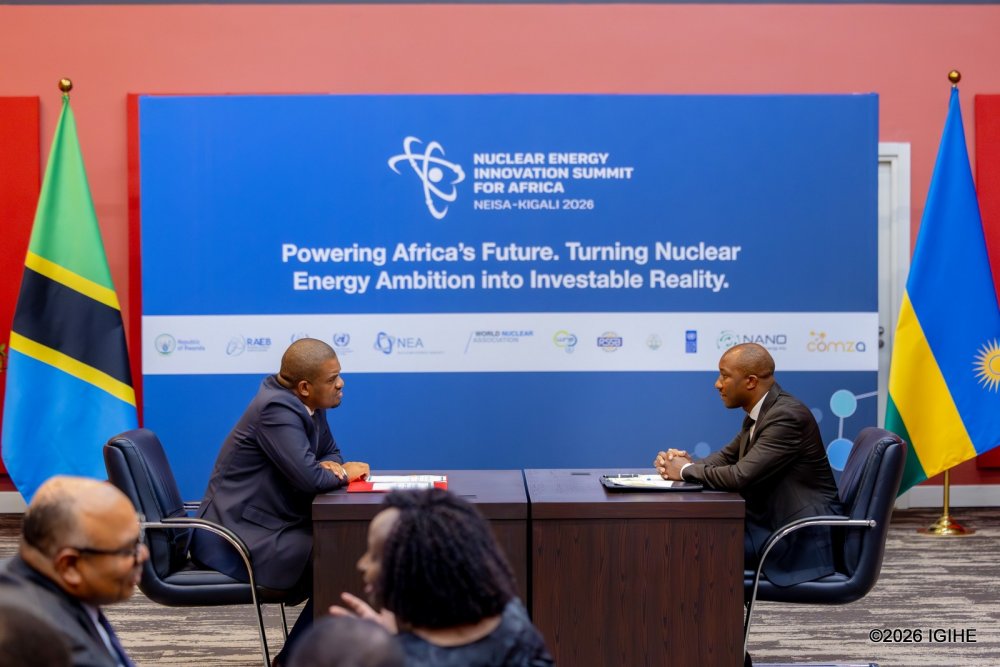
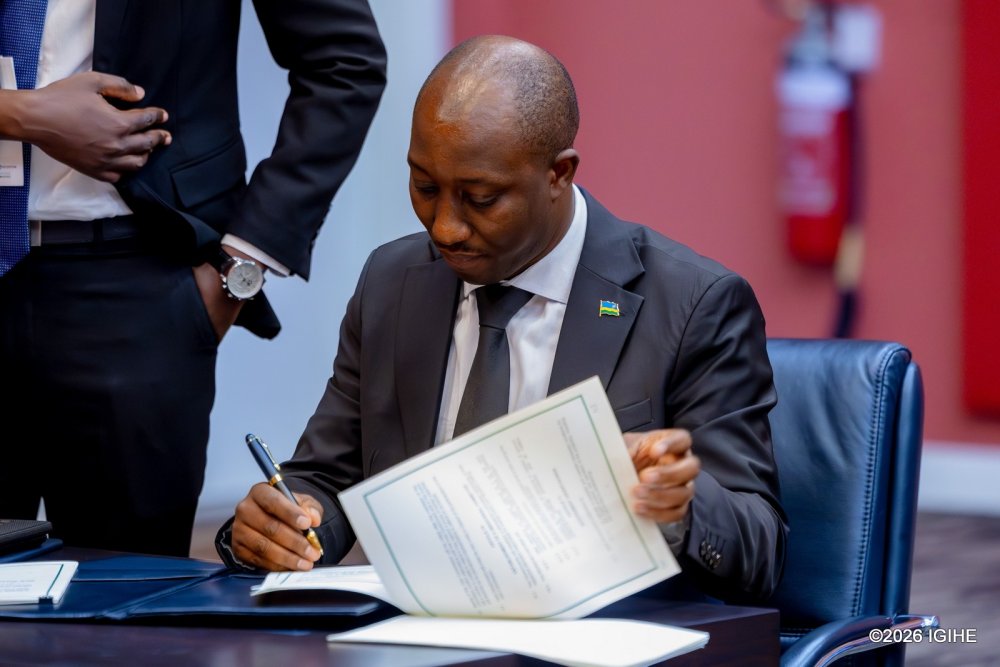
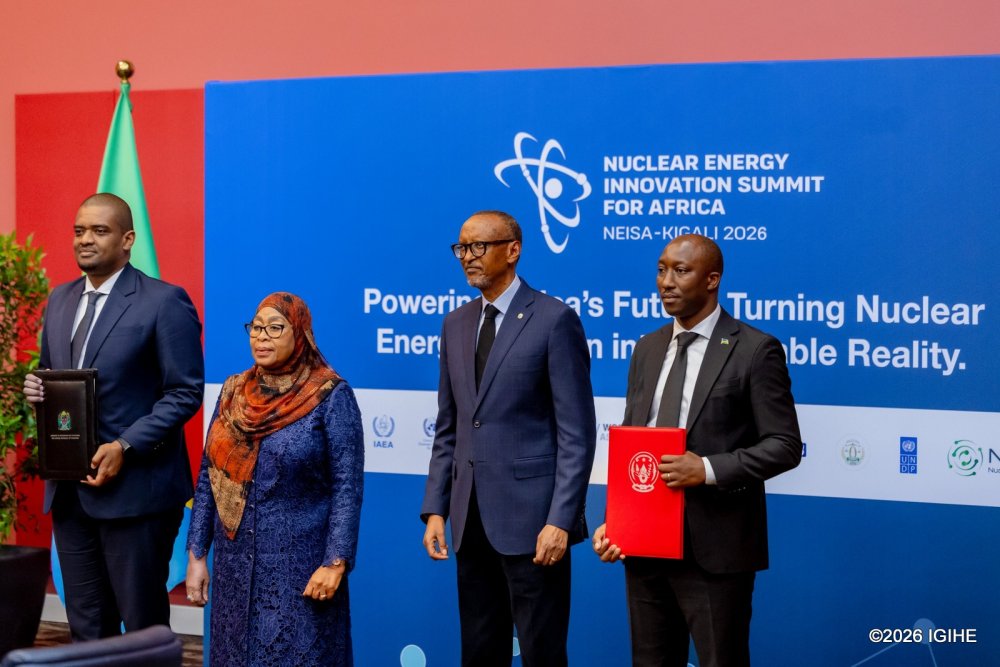
The agreement was signed on Tuesday, May 19, 2026, by Rwanda’s Minister of Infrastructure, Dr. Jimmy Gasore, and Tanzania’s Minister of Energy, Deogratius John Ndejembi.
It was witnessed by Rwandan President Paul Kagame and his Tanzanian counterpart, Samia Suluhu Hassan.
It focuses on expanding cooperation in key areas such as power infrastructure development, renewable energy, institutional capacity building, and cross-border energy collaboration.
Dr. Gasore praised the long-standing relationship between Rwanda and Tanzania, saying the agreement reflects both countries’ commitment to strengthening existing ties and promoting regional cooperation, particularly in the energy sector.
He added that the agreement will help the two countries work together in mutually beneficial areas such as energy trade, infrastructure development, technical cooperation, and other initiatives aimed at accelerating regional integration within East Africa.
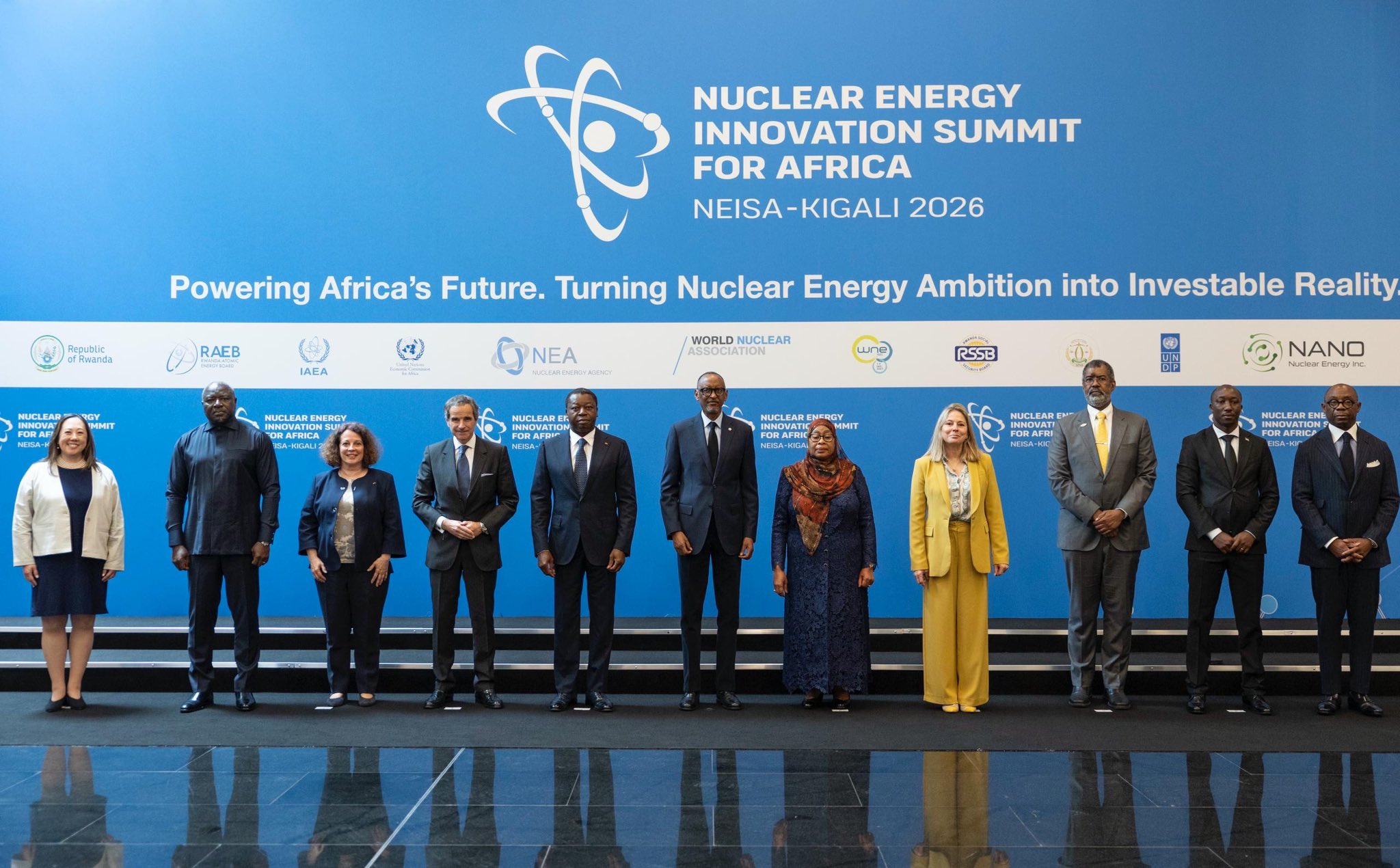
The signing took place during high-level engagements held in Kigali, where Rwanda is hosting the second edition of the Nuclear Energy Innovation Summit on Africa (NEISA 2026) at the Kigali Convention Centre.
The summit has brought together senior leaders, including President Paul Kagame and visiting heads of state from Tanzania and Togo, international organisations, investors and technical experts to discuss how Africa can scale up reliable energy systems to support long-term economic transformation.
The MoU comes at a time when Rwanda is advancing long-term plans to diversify its energy sources, including the introduction of nuclear power.
The country aims to generate up to 1.5 gigawatts of electricity from nuclear energy by 2050, as part of efforts to meet rising national demand, which is projected to exceed 5,000 megawatts in the coming decades.
Speaking at the summit, Kagame said Rwanda’s successful completion of the International Atomic Energy Agency’s (IAEA) Phase I Integrated Nuclear Infrastructure Review marked a key milestone in its nuclear energy roadmap.
“We intend to have nuclear energy operational by the early 2030s. This assessment confirms that we are on track,” Kagame said.
Kagame said Africa’s development prospects depend heavily on solving persistent energy shortages, noting that modern manufacturing, mineral processing, digital infrastructure, artificial intelligence and advanced healthcare all require stable and reliable electricity.
Among the options under consideration is Small Modular Reactor (SMR) technology, which Rwanda views as more suitable than traditional large nuclear plants.
According to the Rwanda Atomic Energy Board (RAEB) Chief Executive Officer, Dr. Fidele Ndahayo, Rwanda could begin construction of its first nuclear power plant within the next two years, with preparatory work already underway.
Speaking at a recent stakeholder consultative meeting , he noted that several potential sites have been identified, while detailed technical and environmental studies are ongoing.
Tanzania produces about 4,500 megawatts of electricity. However, the country expects its electricity demand to rise to nearly 8,000 megawatts by 2030 and 70,000 megawatts by 2050.
Meanwhile, Rwanda’s electricity capacity stands at about 406 megawatts, creating a significant gap that authorities say must be addressed through new and scalable energy solutions.
Rwanda and Tanzania are already cooperating on several energy projects, including the Rusumo hydropower project, which has the capacity to generate 80 megawatts of electricity.
The project, jointly developed by Rwanda, Tanzania, and Burundi, is expected to provide each country with 26.6 megawatts of electricity. The power generated is expected to benefit about 1.146 million people, including around 520,000 Burundians, 467,000 Rwandans, and 159,000 Tanzanians.
The signing ceremony took place at KCC on the margins of the second edition of the Nuclear Energy Innovation Summit on Africa (NEISA 2026) at the Kigali Convention Centre. Rwanda’s Minister of Infrastructure, Dr. Jimmy Gasore signed the MoU on behalf of Rwanda. The agreement was witnessed by Rwandan President Paul Kagame and his counterpart of Tanzania Samia Suluhu. Rwanda’s Minister of Infrastructure, Dr. Jimmy Gasore, and Tanzania’s Minister of Energy, Deogratius John Ndejembi after signing the cooperation deal.
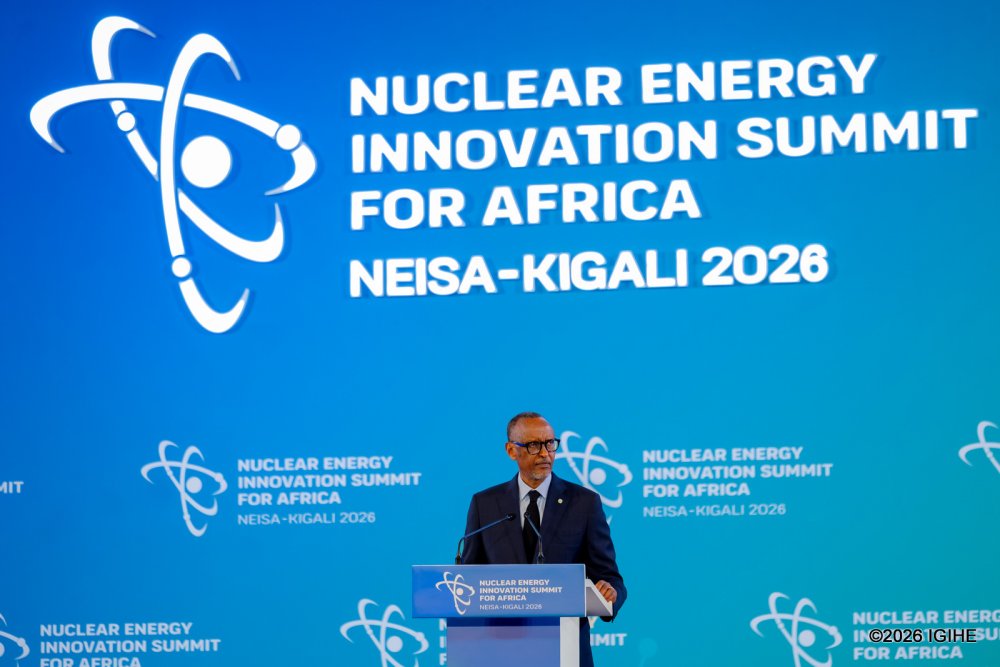
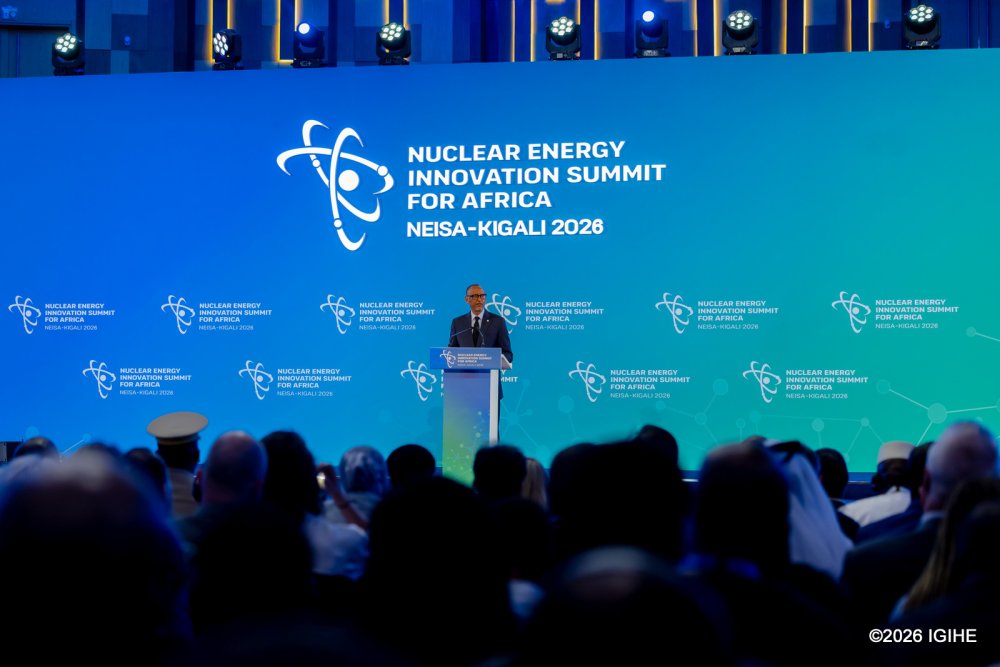
Speaking at the Nuclear Energy Innovation Summit for Africa 2026 at the Kigali Convention Centre on Tuesday, Kagame said Rwanda’s successful completion of the International Atomic Energy Agency’s (IAEA) Phase I Integrated Nuclear Infrastructure Review marked a key milestone in its nuclear energy roadmap.
President Kagame received the report from Rafael Mariano Grossi, Director General of the International Atomic Energy Agency (IAEA), following an assessment process with experts that advances Rwanda’s nuclear ambitions to the next stage.
Rwanda aims to generate up to 1.5 gigawatts of electricity from nuclear power by 2050.
“We intend to have nuclear energy operational by the early 2030s. This assessment confirms that we are on track,” Kagame said.
The summit, held under the theme “Powering Africa’s Future: Turning Nuclear Energy Ambition into Investable Reality,” brought together heads of state, international organisations, investors and technical experts to discuss how Africa can scale up reliable energy systems to support long-term economic transformation.
Kagame said Africa’s development prospects depend heavily on solving persistent energy shortages, noting that modern manufacturing, mineral processing, digital infrastructure, artificial intelligence and advanced healthcare all require stable and reliable electricity.
“For Africa, energy is not simply a development issue. It is the foundation of industrial growth and competitiveness,” he said. “Countries that cannot meet this demand will struggle to compete.”
He emphasised that Rwanda views nuclear energy as a critical component of its long-term energy strategy, with particular focus on small modular reactors (SMRs), which he described as more suitable for African contexts due to their scalability, lower cost and adaptability to smaller power grids.
While reaffirming the importance of renewable energy sources such as solar and hydropower, Kagame cautioned that intermittent supply alone would not be sufficient to meet Africa’s rapidly growing energy needs.
“Renewable energy will remain indispensable, particularly solar and hydro, where Africa has enormous potential. But our economies cannot function efficiently on intermittent supply alone,” he said.
The President also stressed the importance of investment and regulatory certainty in attracting long-term capital into nuclear projects, urging African countries to strengthen governance frameworks and avoid fragmented approaches.
“What Africa cannot afford is fragmentation,” he said. “If countries work in isolation, progress will be slow and far more costly.”
He added that cooperation, regulatory harmonisation, financing mechanisms and regional power integration would be essential to ensure successful deployment across the continent.
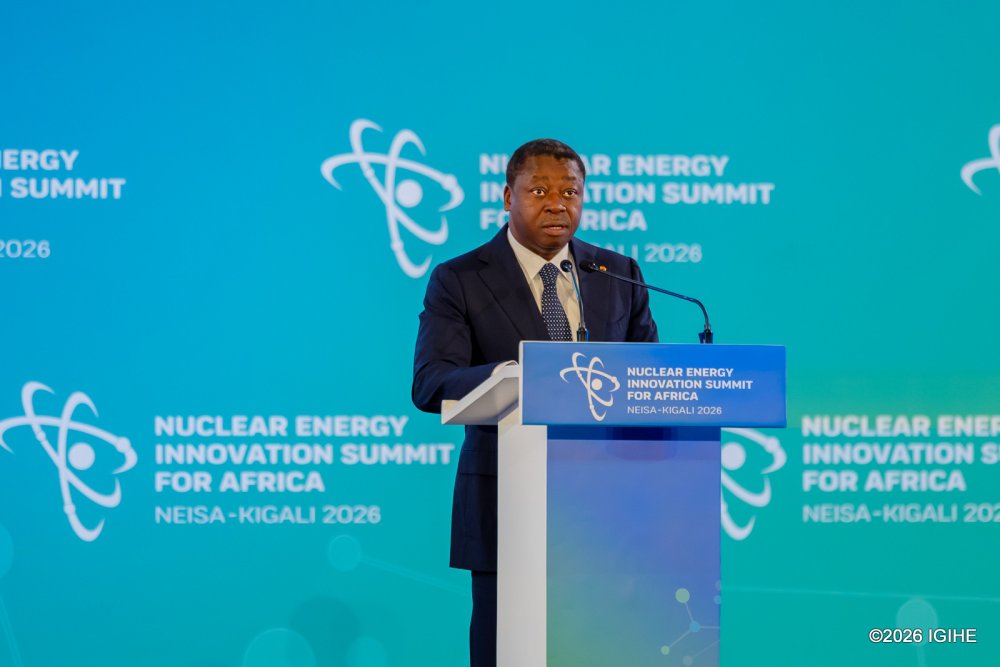
Faure Gnassingbé, President of the Council of Ministers of Togo, called for Africa to move beyond discussion and take concrete steps toward implementation, describing the summit as a defining moment for the continent’s energy future.
“There are moments in the life of a continent when it is no longer enough to merely observe reality; we must shape the future,” Gnassingbé said.
He argued that while renewable energy remains important, it cannot alone support Africa’s industrialisation, digital expansion and growing demand for baseload power.
“Manufacturing industries, data centres, artificial intelligence, and Africa’s digital future require continuous, decarbonised, and competitive baseload electricity,” he said.
Gnassingbé highlighted Togo’s own progress, including the adoption of nuclear energy legislation, the establishment of an atomic energy commission and ongoing exploration of small modular reactors for off-grid regions. He also stressed the importance of African-led development.
“African nuclear energy will not be imported. It will be designed, operated, and governed by Africans, for Africans,” he said.
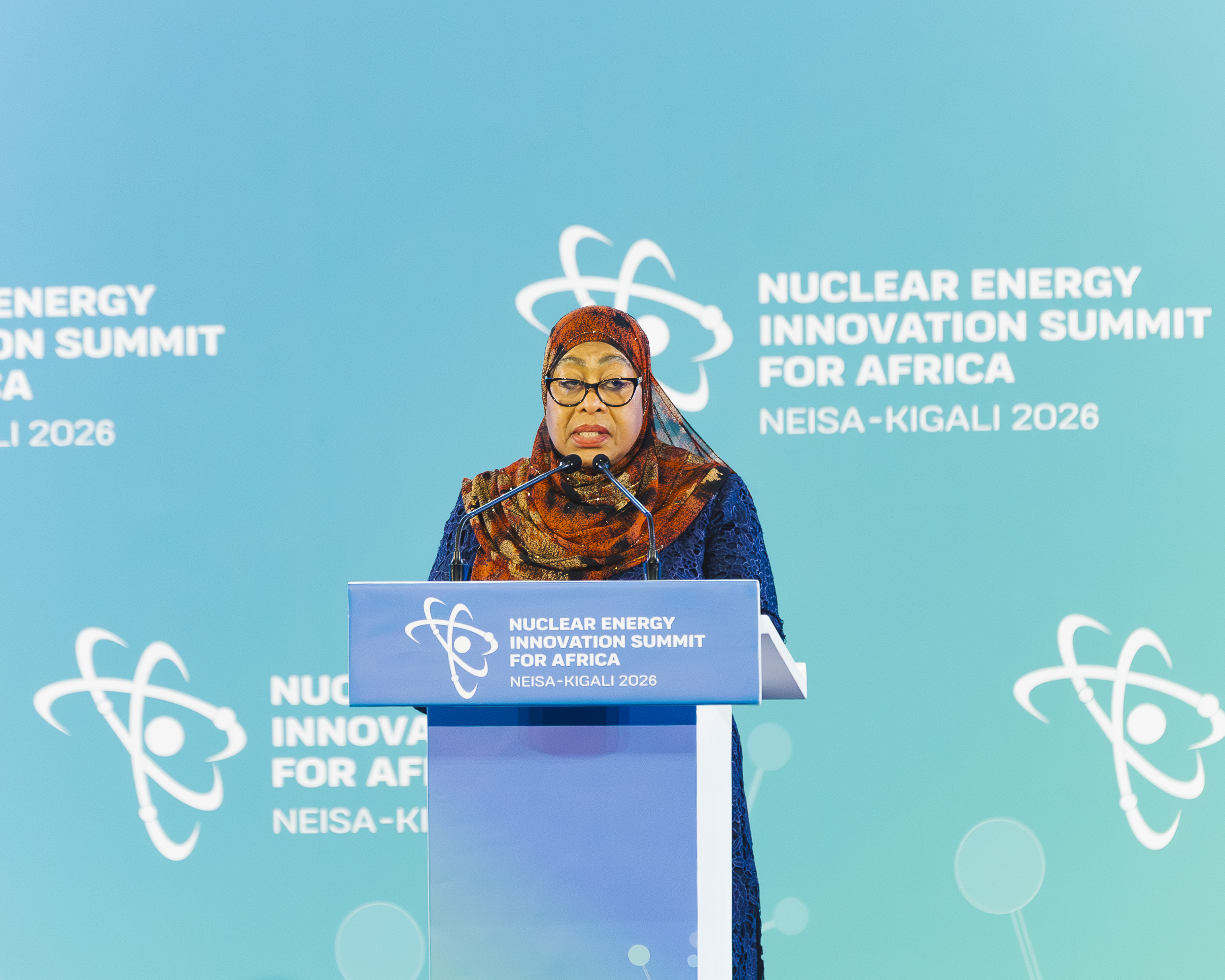
Tanzanian President Samia Suluhu Hassan also emphasised regional cooperation, saying nuclear energy should complement rather than replace renewable sources in Africa’s energy mix.
She noted that Tanzania plans to develop 1,200 megawatts of nuclear capacity within the next decade and has already established a national implementation body aligned with International Atomic Energy Agency standards.
“Nuclear energy should not be viewed as competing with renewable energy, but rather as a complementary part of a broader effort to build resilient, sustainable and reliable energy systems,” Hassan said.
Rafael Mariano Grossi, Director General of the International Atomic Energy Agency (IAEA), said Africa’s energy challenges are central to global development priorities, noting that nearly half a billion people on the continent still lack access to electricity.
He said recent international agreements with development banks, including the World Bank and regional institutions, are helping remove long-standing financing barriers to nuclear energy projects.
“For many years, finance was the red line separating Africa from the benefits of nuclear energy. But this has changed,” Grossi said.
He praised Rwanda’s regulatory progress, including institutions such as the Rwanda Atomic Energy Board and the Rwanda Nuclear Authority, calling them essential for ensuring safety and investor confidence.
Dr. Lassina Zerbo, Chairman of the Rwanda Atomic Energy Board (RAEB), said the summit reflects a shift from ambition to implementation, urging Africa to focus on building investable and bankable nuclear projects.
“Africa should not simply aspire to have a seat at the table. Africa must help shape the table itself,” Zerbo said.
He highlighted the potential of small and micro modular reactors as transformative technologies for Africa’s future energy systems and announced the creation of a Global Coalition for Nuclear Philanthropy aimed at mobilising financing for nuclear development.
As the summit continues over the next two days, Kagame said Rwanda will continue to support continental efforts, emphasising that Africa’s rapidly growing population could become a major economic advantage if matched with sufficient energy infrastructure.
“By 2050, Africa will have the largest workforce in the world,” he said. “The demographic shift can become one of the greatest economic advantages of this century if we prepare for it.”
Speaking at the Nuclear Energy Innovation Summit for Africa 2026 at the Kigali Convention Centre on Tuesday, Kagame said Rwanda’s successful completion of the International Atomic Energy Agency’s (IAEA) Phase I Integrated Nuclear Infrastructure Review marked a key milestone in its nuclear energy roadmap.President Kagame stressed the importance of investment and regulatory certainty in attracting long-term capital into nuclear projects, urging African countries to strengthen governance frameworks and avoid fragmented approaches.Faure Gnassingbé, President of the Council of Ministers of Togo, called for Africa to move beyond discussion and take concrete steps toward implementation, describing the summit as a defining moment for the continent’s energy future.Tanzanian President Samia Suluhu Hassan also emphasised regional cooperation, saying nuclear energy should complement rather than replace renewable sources in Africa’s energy mix.Rwanda is hosting the second edition of the Nuclear Energy Innovation Summit on Africa (NEISA 2026) at the Kigali Convention Centre. The high-level gathering brings together continental heads of state, including Tanzanian President Samia Suluhu Hassan and Togolese President Faure Gnassingbé, alongside global industry leaders like Rafael Grossi, Director General of the International Atomic Energy Agency (IAEA).
The President of the Council of Ministers of Togo, Faure Essozimna Gnassingbé, approved the decision as part of efforts to strengthen African integration and make movement across the continent easier.
Following this approval, on May 18, 2026, Togo’s Minister of Security, Calixte Batossie Madjoulba, officially announced that the visa-free policy applies to all African citizens holding valid passports.
According to the minister, the move is intended to promote free movement of people and goods, strengthen cooperation among African countries, and encourage economic and cultural exchanges across the continent.
Togo also said it aims to position itself as a major African hub for services, trade, culture, and other continental activities. Authorities believe opening the country’s borders more widely will help achieve that goal.
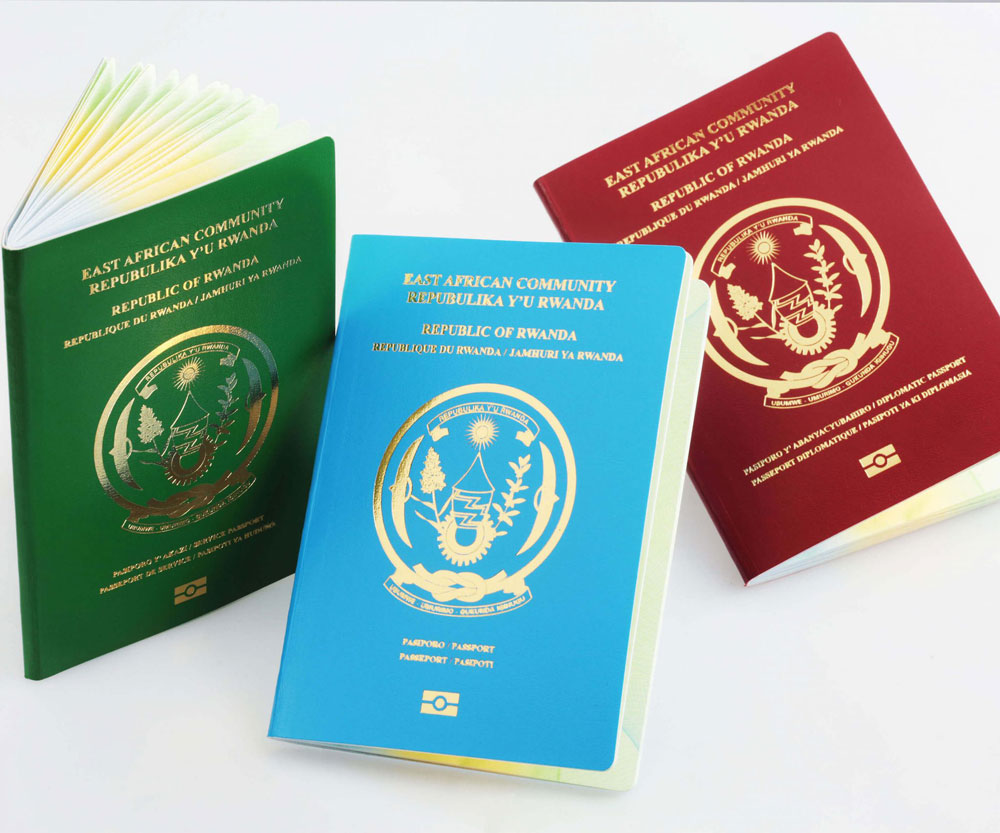
With this decision, Togo joins countries such as Rwanda, Seychelles, The Gambia, and Benin, which have adopted similar visa-free policies for African travelers in recent years.
However, Togo clarified that travelers must still respect immigration, security, and public health regulations. Authorities also warned that people who enter or stay in the country illegally, or violate security and administrative rules, will still face legal action.
Togo has become the sixth African country to scrap visa requirements for African passport holders.
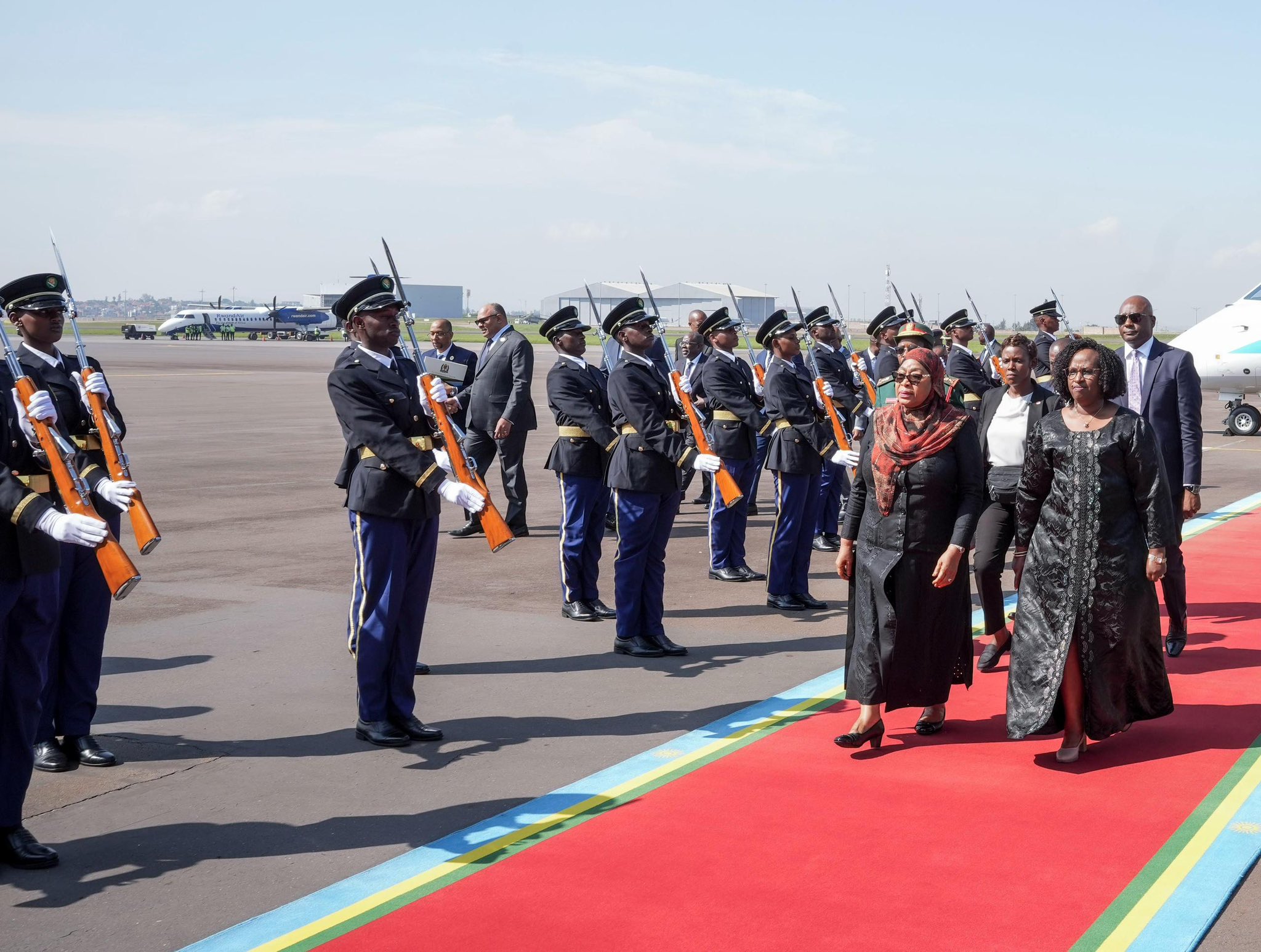
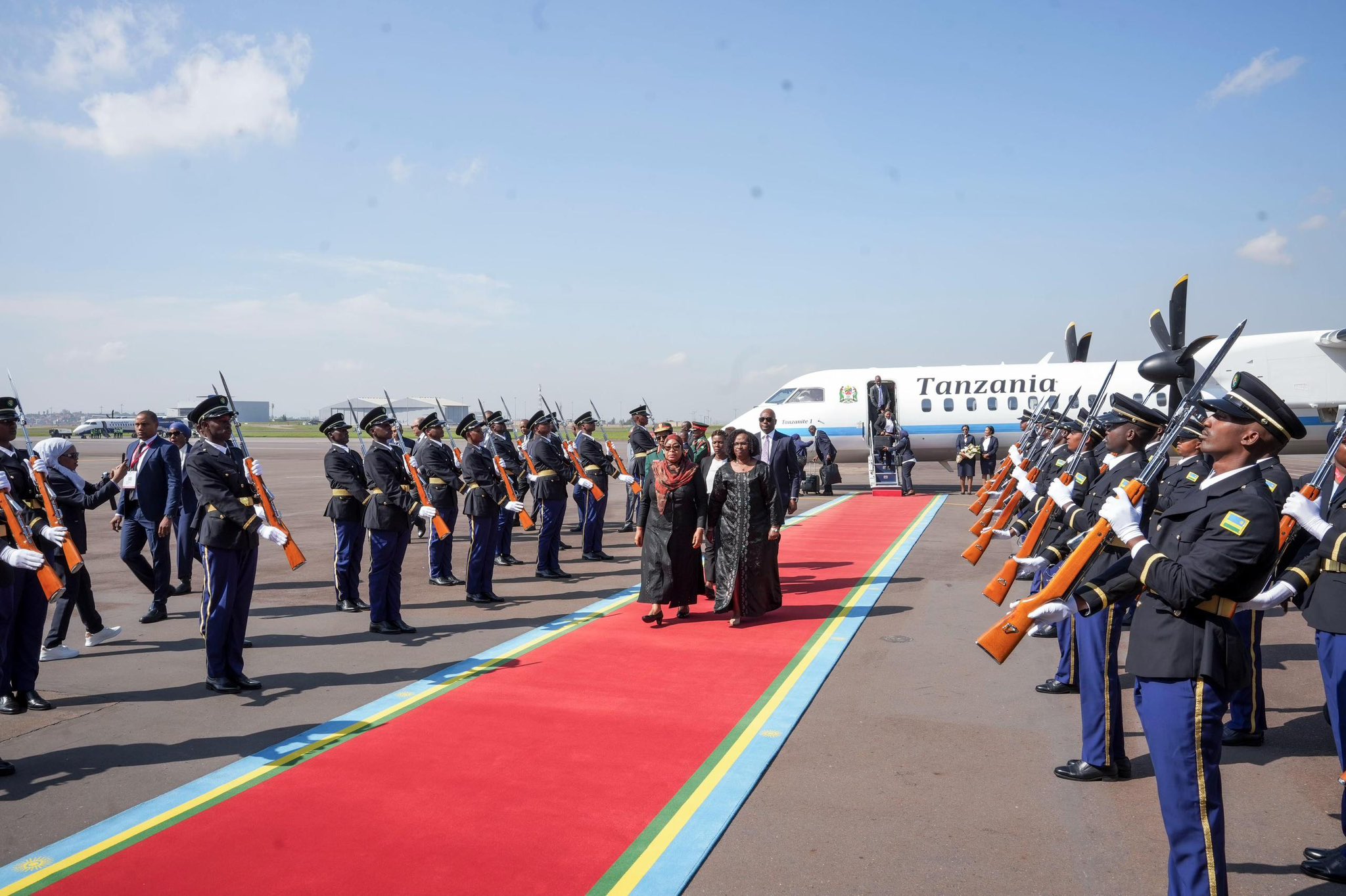
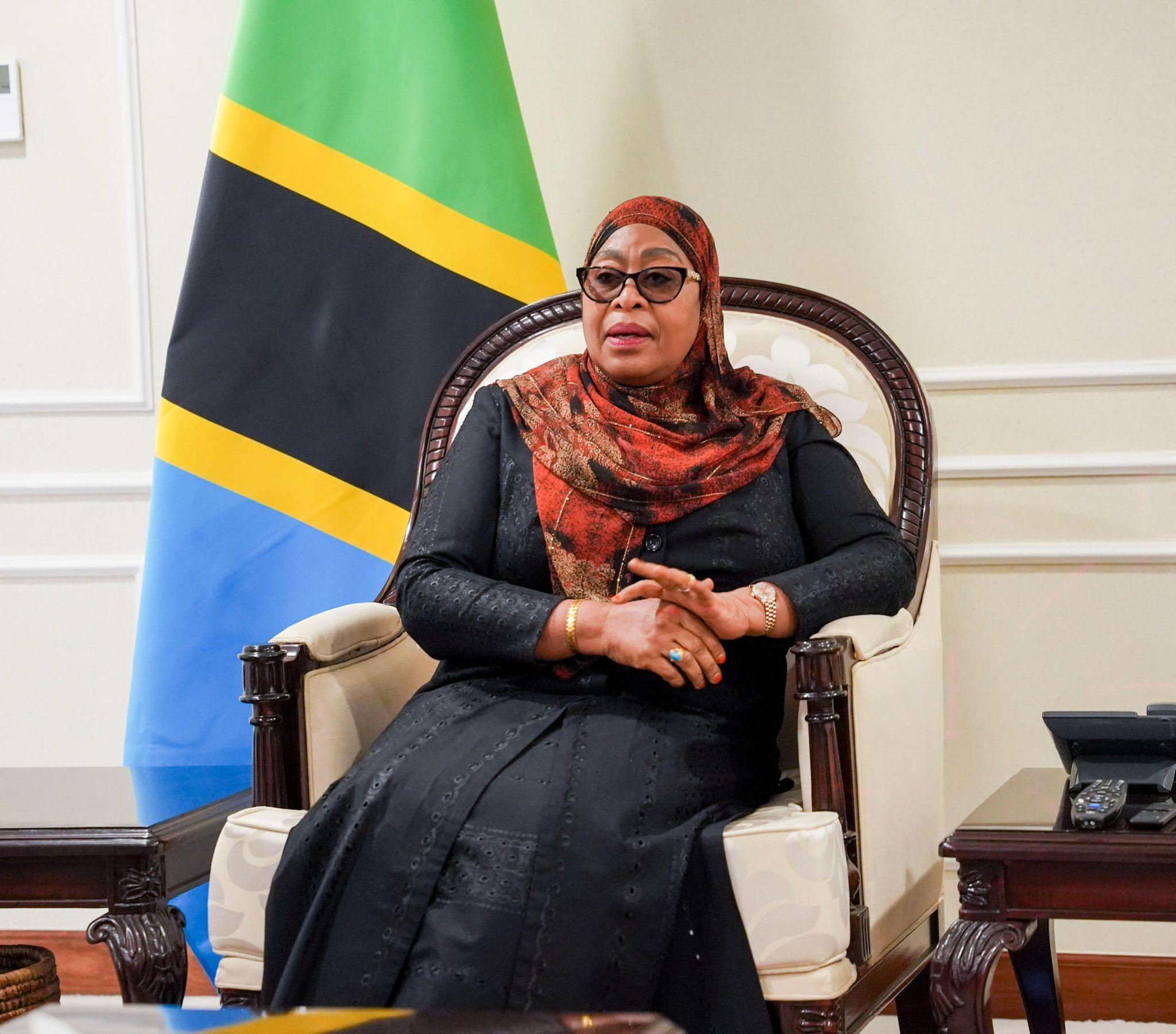
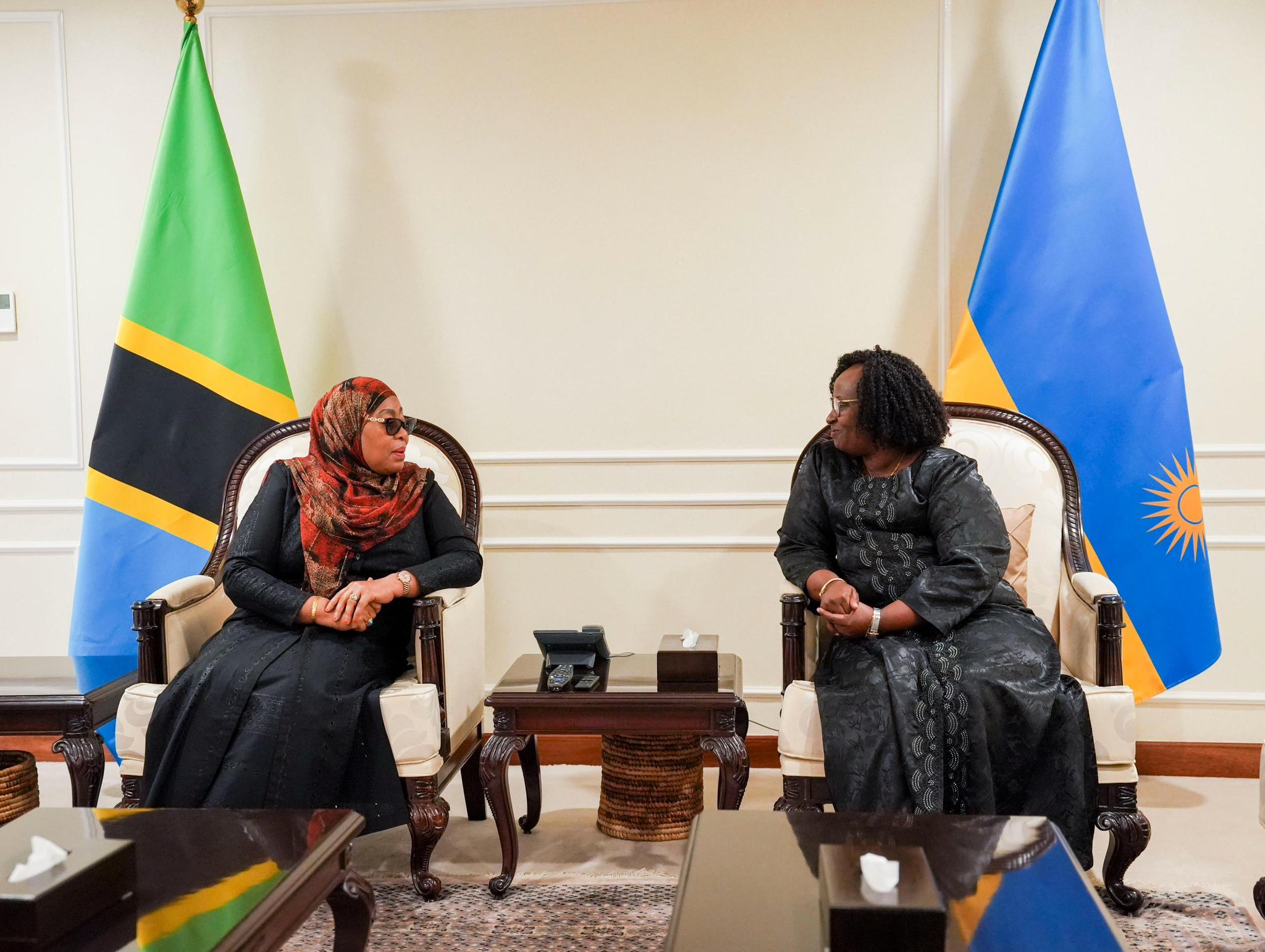
President Samia Suluhu Hassan of Tanzania has arrived in Rwanda to attend the Nuclear Energy Innovation Summit for Africa (NEISA 2026), where regional and global leaders are meeting in Kigali to discuss the future of nuclear science and technology on the continent.
The summit, held under the theme Powering Africa’s Future: Turning Nuclear Energy Ambition into Investable Reality, brings together policymakers, scientists, and energy stakeholders at a time when African countries are increasingly exploring nuclear energy as part of long-term strategies to address rising electricity demand and support industrial development.
For many nations, nuclear discussions are still emerging from being treated as distant or politically sensitive topics into more practical energy planning frameworks.
Rwanda is among the countries actively advancing nuclear energy plans as part of its long-term development strategy. The government aims to generate up to 1.5 gigawatts of electricity from nuclear power by 2050, as it works to expand national electricity generation capacity and prepare for future demand.
Officials estimate that electricity demand in Rwanda could exceed 5,000 megawatts in the coming decades, compared to the current installed capacity of about 406 megawatts. This growing gap has pushed the country to consider more scalable and reliable energy options.
A central part of Rwanda’s approach is the adoption of Small Modular Reactor (SMR) technology, which authorities describe as a more flexible and practical alternative to traditional large nuclear plants. SMRs are seen as better suited for phased deployment and for countries building nuclear capability gradually.
President Paul Kagame has previously described nuclear energy as a key pillar of Rwanda’s industrialisation agenda. Speaking at a nuclear energy summit in Paris earlier this year, he said nuclear power would help diversify the country’s energy mix while ensuring a stable electricity supply for long-term transformation.
NEISA 2026, which runs from 18-21 May, 2026, is expected to bring together several heads of state and senior officials, including Faure Essozimna Gnassingbé of Togo and Rt. Hon. Ali Mahamane Zeine of Niger, alongside leading figures in global nuclear governance and energy policy.
Among the international participants are Rafael Mariano Grossi of the International Atomic Energy Agency, Dr. Lassina Zerbo, William D. Magwood IV of the OECD Nuclear Energy Agency, and Sylvie Bermann of the World Nuclear Exhibition, all contributing to high-level discussions on nuclear development.
The summit positions Rwanda as an emerging hub for continental energy dialogue, as African countries explore nuclear power as part of broader efforts to secure sustainable, reliable, and future-oriented energy systems.
President Samia Suluhu of Tanzania arrived in Rwanda on Tuesday morning.The summit, held under the theme Powering Africa’s Future: Turning Nuclear Energy Ambition into Investable Reality, brings together policymakers, scientists, and energy stakeholders at a time when African countries are increasingly exploring nuclear energy as part of long-term strategies to address rising electricity demand and support industrial development.
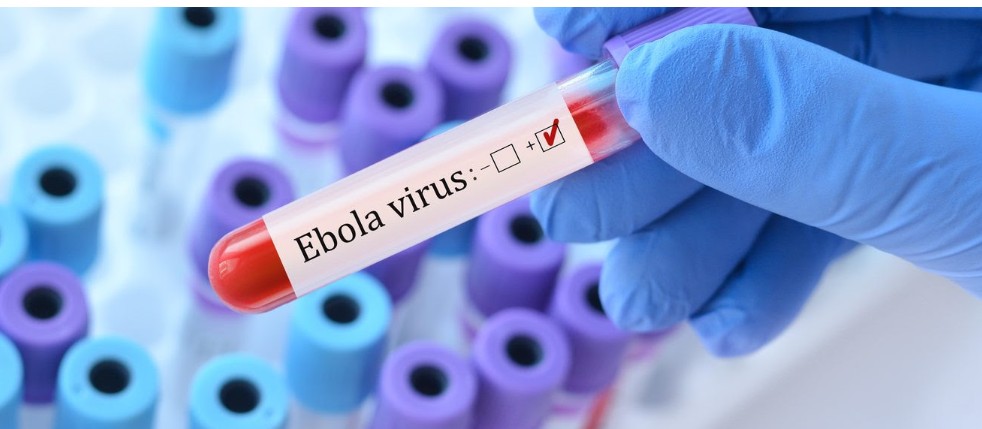
According to the head of Congo’s National Institute for Biomedical Research (INRB), Prof. Jean Jacques Kayembe, the Ebola patient arrived in Goma from the city of Bunia in Ituri Province after her husband died from the virus.
AFC/M23 spokesperson Lawrence Kanyuka said the patient is currently receiving specialized treatment in Goma and that strict measures have been put in place to prevent the spread of the disease.
These include tracing and closely monitoring everyone who had contact with the infected person.
Kanyuka added that AFC/M23 has set up a response team made up of medical experts and partner organizations to conduct investigations, carry out testing, and implement necessary prevention measures.
On the night of May 18, Kanyuka announced that 189 contacts had already been identified. He also said that 22 samples collected that day were sent to the INRB laboratory in Kinshasa for testing.
“Among the results received so far, five samples tested negative while other results are still pending,” he said.
AFC/M23 also reported that a suspected Ebola case was identified in Bukavu, South Kivu Province, but tests conducted by a laboratory in Goma confirmed that the person was not infected.
“So far, in all areas under our control, only one Ebola patient has been confirmed and is being treated in Goma. No other cases have been detected,” the group stated.
The coalition urged residents in the areas it controls not to panic, while encouraging them to remain vigilant and follow preventive measures against the virus.
In response to the outbreak reported in DRC, the Rwandan government closed the border crossings in Rubavu and Rusizi to prevent Ebola from entering the country.
Rwanda has also strengthened border screening and is working closely with local, regional, and international partners to protect public health.
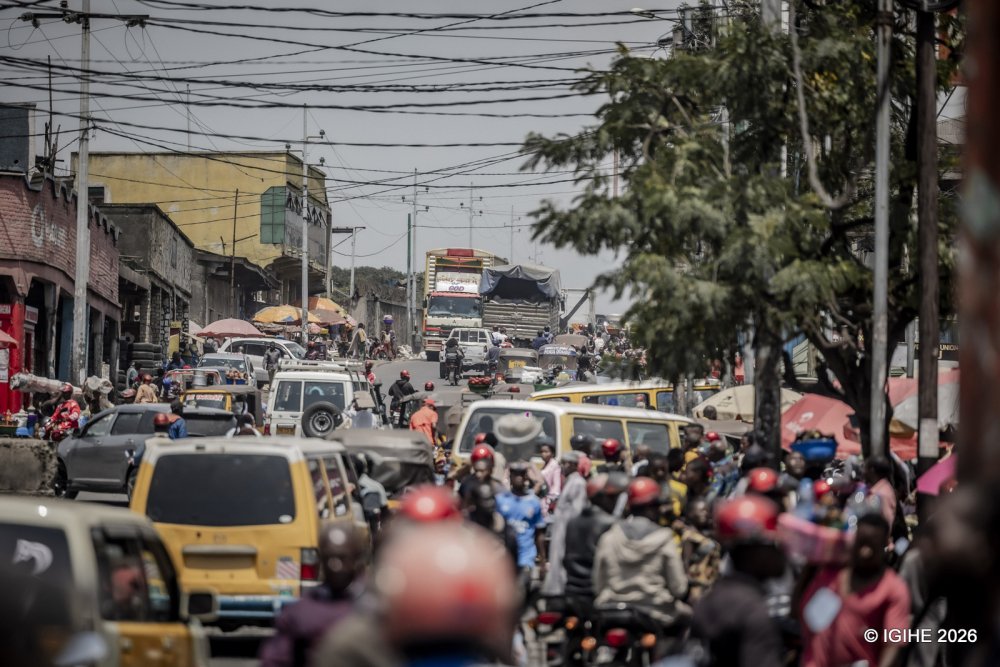
Goma is a densely populated city requiring strict measures to contain the outbreak.
The move comes as the country seeks to expand its electricity generation capacity. The Government of Rwanda estimates that national demand could exceed 5,000 megawatts in the coming decades, compared to the roughly 406 megawatts currently available.
To help bridge that gap, Rwanda has opted to pursue Small Modular Reactor (SMR) technology, arguing that it offers a more practical and scalable solution for the country than conventional large-scale nuclear plants.
President Paul Kagame, while speaking at the Nuclear Energy Summit in Paris, France, in March this year, described nuclear energy as a key pillar for powering the country’s industrial growth while meeting its climate responsibilities.
“We have decided to make nuclear central to our strategy,” Kagame said. “It will diversify our energy mix while providing the stability required for industrial growth and long-term transformation.”
This strategic roadmap takes center stage as Rwanda hosts the second edition of the Nuclear Energy Innovation Summit on Africa (NEISA 2026) at the Kigali Convention Centre. The high-level gathering brings together continental heads of state, including Tanzanian President Samia Suluhu Hassan and Togolese President Faure Gnassingbé, alongside global industry leaders like Rafael Grossi, Director General of the International Atomic Energy Agency (IAEA).
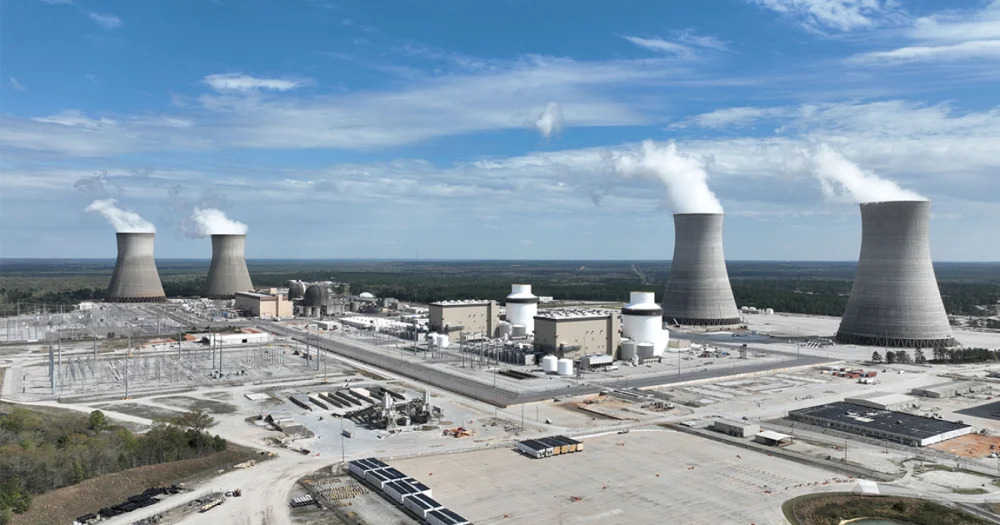
Unlike hydroelectric dams or fossil-fuel-powered plants, nuclear reactors require relatively small amounts of fuel to produce substantial amounts of electricity. Uranium, the fuel used in nuclear power generation, releases heat through a process known as nuclear fission, in which atomic nuclei split apart. The resulting heat is used to produce steam that drives turbines to generate electricity.
According to energy experts, a single gram of uranium can generate enough energy to produce one megawatt of electricity per day, roughly equivalent to the output generated by three tons of coal.
Why Rwanda chose small modular reactors
Rwanda began studying the feasibility of nuclear power in 2017. Early assessments concluded that constructing a large conventional nuclear plant would be difficult due to the country’s limited land area and infrastructure constraints.
Officials noted that a traditional 1,000-megawatt reactor would exceed the absorption capacity of Rwanda’s current electricity grid. In addition, large nuclear facilities typically require extensive exclusion zones of up to 40 kilometers surrounding the site for safety purposes, a condition difficult to meet in Rwanda’s densely populated landscape.
As a result, policymakers turned to Small Modular Reactors, a newer generation of nuclear technology designed to operate on a smaller footprint while maintaining significant electricity output.
SMRs generally require less land, in some cases around 20 hectares, and are designed with passive safety systems intended to automatically shut down reactors in the event of technical failure.
International partnerships taking shape
Rwanda has already entered into several international partnerships aimed at supporting its nuclear energy ambitions.
In 2018, the country launched cooperation with Russia focused on establishing a nuclear research centre that could eventually support domestic nuclear energy production.
In August 2024, Rwanda signed a cooperation agreement with the U.S.-based company Nano Nuclear Energy Inc to collaborate on advanced nuclear technologies intended for electricity generation.
Earlier, the government also signed an agreement with Dual Fluid Energy Inc to test nuclear reactor technologies that could potentially be deployed in Rwanda. The broader objective is for nuclear energy to contribute approximately 1.5 gigawatts of Rwanda’s projected 5-gigawatt electricity demand by 2050.
Site selection and safety assessments underway
Authorities have already identified preliminary locations for future reactor installations based on visible geographic conditions. However, detailed scientific assessments are still underway to determine whether the sites meet international safety requirements.
Among the key considerations are seismic stability, water availability, and population density. Nuclear facilities require reliable water sources for cooling and steam generation and are generally located away from densely populated areas to minimise potential risks.
Multi-billion-dollar investment
The nuclear program is expected to require substantial financial investment.
Although final construction costs have not yet been determined, Rwanda estimates that each megawatt of nuclear generating capacity could cost approximately $4 million to develop.
At that rate, achieving the country’s target of 1,500 megawatts of nuclear-generated electricity could require investments approaching $6 billion, though officials acknowledge that the estimate remains preliminary.
Rwanda is also investing in workforce development to support the emerging sector.
In 2024, reports indicated that more than 200 Rwandan students were selected for overseas training in nuclear science and engineering disciplines. The initiative is intended to build a domestic pool of specialists capable of operating and maintaining future nuclear facilities.
Initial plans focused on deploying a single SMR unit capable of generating approximately 200 megawatts of electricity. Current projections, however, envision four such modules, each producing around 200 megawatts.
The expansion would significantly increase demand for specialised personnel, with estimates suggesting that more than 400 additional experts will eventually be required as the sector grows.
Officials say additional reactor modules could be introduced progressively as Rwanda’s energy needs continue to expand.
Rwanda is advancing plans to integrate nuclear energy into its long-term development strategy, with ambitions to generate up to 1.5 gigawatts of electricity from nuclear power by 2050.
The official declaration came as about 395 suspected cases and 106 associated deaths have been reported in the DRC, mainly in the country’s Mongwalu, Rwampara, and Bunia health zones, as well as in Kampala, Uganda, where two cases and one death have been reported, according to the latest data from the Africa CDC.
The agency also warned that the outbreak is driven by the Bundibugyo strain, for which no strain-specific vaccine is currently available, and which carries a high risk of regional spread.
Africa CDC Director General Jean Kaseya said the declaration would help strengthen regional coordination, mobilize emergency resources, and accelerate preparedness efforts in neighboring countries at risk of transmission.
Africa CDC warned that intense cross-border movement, insecurity in affected areas, and weak infection control measures could increase the risk of regional spread.
“The confirmation of the Bundibugyo Ebola virus in interconnected countries reminds us once again that Africa’s health security is indivisible,” Kaseya said, adding that the agency has already deployed emergency response teams to support containment efforts.
Africa CDC warned that intense cross-border movement, insecurity in affected areas, and weak infection control measures could increase the risk of regional spread.