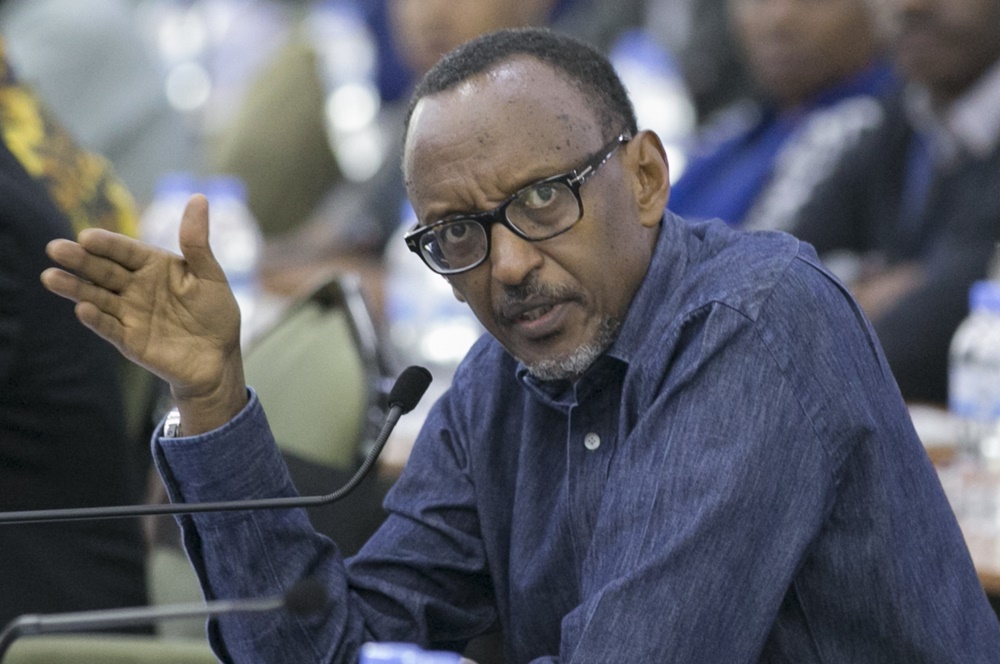
The meeting is taking place in Buenos Aires, Argentina, where President Kagame is also participating in G20 Summit. He will speak on “Putting People First” a topic highlighting technology, youth jobs, and women empowerment.
The office of the President on Twitter wrote that Kagame and Ramaphosa have held discussions but did not reveal the content of their discussions.
The discussions of both heads of state take place as plans to revitalize their countries’ relationship which has not been good are being crafted.
Since 2014, Rwanda and South Africa’s relationship has been bad.
Rwandan ambassador to South Africa Vincent Karega, recently told IGIHE that since Ramaphosa took power, there have been steps taken towards normalizing relations between the two countries.
Rwanda is worried by people accused of terrorism crimes that are hiding in South Africa, such as Kayumba Nyamwasa.
Rwanda is also raising issues of Rwandans who are denied visas to South Africa.
In March, President Cyril Ramaphosa said that the problem of Rwandans being denied visas to South Africa was going to become history after holding talks with President Paul Kagame.
President Kagame and Ramaphosa had last held talks in Nouakchott, Mauritania, end of June this year, on the occasion of the 31st Summit of the African Union.
Ndayizera was arrested last week with another man suspected to have handed him the dynamite.
Ndayizera who resides in Muhanga District was presented to media today Wednesday, 28th November at RIB headquarters in Kimihurura, Kigali.
Speaking to members of local and international media, Ndayizera denied all the charges against him saying “I know nothing about those dynamites.”
The Spokesperson of the Rwanda Investigation Bureau (RIB), Modeste Mbabazi said Ndayizera was arrested in Nyamirambo, Kigali last week after he had received the dynamite.
Terrorism is punished under article 19 of the antiterrorism law. It stipulates that any person who attempts, takes part or supports terrorism acts commits a crime and upon conviction, he shall be liable to a penalty of not less than 15 years of imprisonment but not more than 20 years.
Last year, a search to identify public workers who needed support for affordable residential housing was announced. Rwanda Housing Authority (RHA) says it is a comprehensive program that will as well benefit private sector workers earning at least Rwf200,000 per month.
In an exclusive interview with IGIHE, Leopold Uwimana, the Affordable Housing Division Manager at the Rwanda Housing Authority, said that public workers looking for houses are welcome.
“We started with public workers, but it is a program for every Rwandan citizen. We know that what is necessary is that applicants must have a way to pay back, but we counted over 6000 public workers,” he said.
RHA indicates that about 7113 workers, including those from private institutions and 800 individuals, have shown interest.
Uwimana further states that “Someone who is eligible for a house and pays back in installments at a minimum interest rate of 10%, is the one earning Rwf200,000 and Rwf1.2 million.
He said Rwf250 million will be injected in the ‘Affordable Housing Fund’. So far, he said, only Rwf150 million has been donated by the World Bank, but the government hopes that the fund may be operational in the next two months.
In linking workers to investors, Ndera Affordable Housing Project in Ndera Sector, Gasabo District, has already produced housing master plans for over 1700 houses for those who registered earlier.
The project is part of partnership agreements between BRD (Rwanda Development Bank), and Palmeraie Development Group, signed in 2016, when Moroccan King, Mohamed VI visited Rwanda.
In August 2018, BRD announced that the houses will be built in floors, including one house with two living rooms and one room for the laundry which will cost between Rwf27.3 and Rwf32.76 million.
The beneficiaries will pay for 5% of the shelter value as first installment a monthly payment of 40% of their monthly income.
Construction projects are expected to begin in January 2019.
According to RHA, today there is a plan to establish a system by which people may apply for houses online which will be done through Irembo website.
For Rwandans earning less than Rwf200,000 per month, Uwimana said that RHA encourage investors like Rwanda Social Security Board (RSSB), to build a large number of affordable housings for rent and not for sale.
Rwanda has a great deal of investment opportunities in constructing houses for rent, and the government is helping investors to acquire land, and link them to buyers.
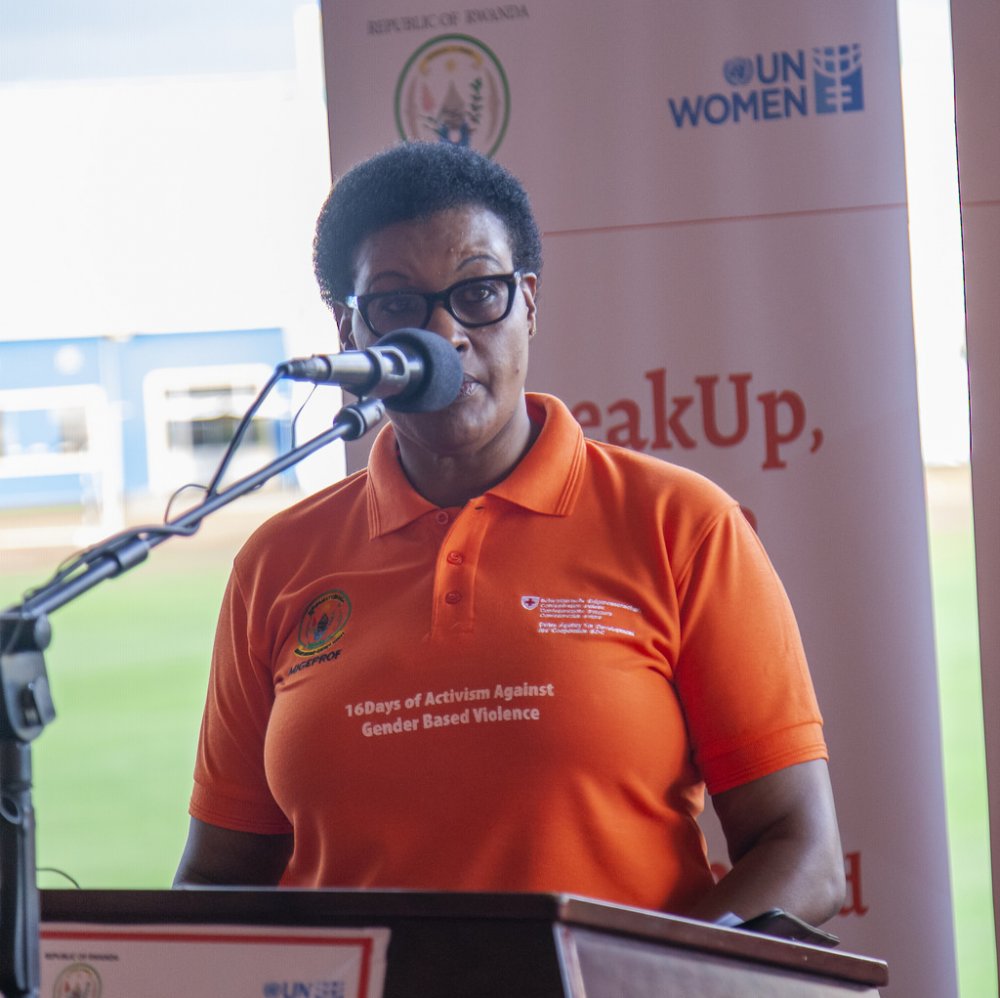
Mukabalisa made the remarks on Sunday as the Ministry of Gender and Family Promotion launched a 16-day campaign of activism against gender-based violence.
Statistics by the National Public Prosecution Authority indicate that the authority received 2996 cases of defilement between July 2017 and June this year.
This is after 17000 children between 15 and 19 years’ old were impregnated in 2016.
Mukabalisa said the numbers sound horrible which calls for a collective part in the fight against gender-based violence.
“Different reports indicate that the number of unwanted pregnancies among teenagers keeps increasing in both urban and rural districts, which is sad. We should not sleep and feel at ease while our children’s lives are under this threat. If nothing is done, our country would be heading to nowhere. It requires our cooperative hands to fight gender-based violence,” she said.
Mukabalisa added that parents should take part in fighting GBV by talking to them about reproduction.
She, however, criticized the youth who don’t listen to parents’ advice and succumb to peer pressure and irresponsible behaviors including watching pornographic films among others.
The Minister of Gender and Family Promotion, Solina Nyirahabimana urged parents especially those with children who were defiled never to keep that information to them or trying to resolve that problem by a mutual understanding with suspected defilers.
“Some parents hold private talks with those who violate their children and sometimes want their underage daughters to be married to criminals and keep away from justice. No agreements should be made over such crime committed,” said Minister Nyirahabimana.
The Secretary-General of the Rwanda Investigation Bureau (RIB), Col. Jeannot Ruhunga emphasized that a recent survey found some parents to victims of gender-based violence had chosen to resolve the problem in good understanding with the offenders.
Col Ruhunga said that this results in the victim’s trauma and irrigates the culture of impunity which must end.
The revelations were made by the Minister of Environment, Dr. Vincent Biruta on Monday as he inaugurated the 4th High-level policy dialogue for Africa Green Growth Forum 2018 slated to start on Tuesday, 27th to 30th November this year in the Green Growth with a theme that goes as “For a Green and Climate Resilient Rwanda.”
The forum organized by the Ministry of Environment with the United Nations Development Programme attracts about 1000 participants including politicians, business people, economists from Africa along with visitors who have come from all corners of the globe.
Minister Biruta said, “Rwanda’s Green Growth and Climate Resilience Strategy was created in 2011 and remain a ground-breaking piece of policymaking.”
Biruta said that to implement the strategy, the Government has introduced the Green Fund (FONERWA) “to be the vehicle through which resources for climate and environmental change initiatives are mobilized and invested. The fund has seen a positive return on these investments.’’
“It has created more than 140,000 green jobs, protected tens of thousands of hectares of land against the impact of climate change, and with the support of our development partners, mobilized more than 150 million dollars for strategic green growth,” Minister Biruta explained.
“This has led to the development of Green Villages across the country, which some of you will visit on Friday, a Resource Efficient and Cleaner Production programme which is supporting the private sector to save money and the environment, and the greening of local government development plans,” he added.
The UN Rwanda Resident Coordinator, Fodé Ndiaye commended for the step made in promoting the green economy that ensures businesses don’t destroy the environment.
“I would like to praise the outstanding initiative the Ministry is spearheading to coordinate the implementation of the Green Growth and Climate Resilience Strategy and to integrate green growth into policymaking and planning, as well as institutional development,” Mr. Ndiaye said.
Rwanda is a member of the Climate and Clean Air Coalition to Reduce Short-Lived Climate Pollutants (CCAC) that aims to catalyze rapid reductions in short-lived climate pollutants to protect human health, agriculture and the environment.
After the United Nations Climate Change Conference, COP 21, that was in Paris in 2015, Rwanda committed to enhancing green growth projects. Rwanda signed the Paris Agreement on Climate Change in April 2016.
Rwanda has a demonstrated track record of environmental protection, evidenced through the ban on plastic bags, conservation of its natural heritage through a series of national parks and protected areas, landscape restoration and the planting millions of trees every year.
In terms of green growth, the Paris agreement signing by Rwanda in 2016 found, 6,807 households having had improved access to off-grid energy thanks to investments made by FONERWA and private sector partners.
DW has brought up Africa’s most powerful women. They are nine women who have shown incredible courage in leadership and affairs of their countries. Let’s study a few of these personalities.
{{Ellen Johnson Sirleaf, Africa’s first woman president
}}
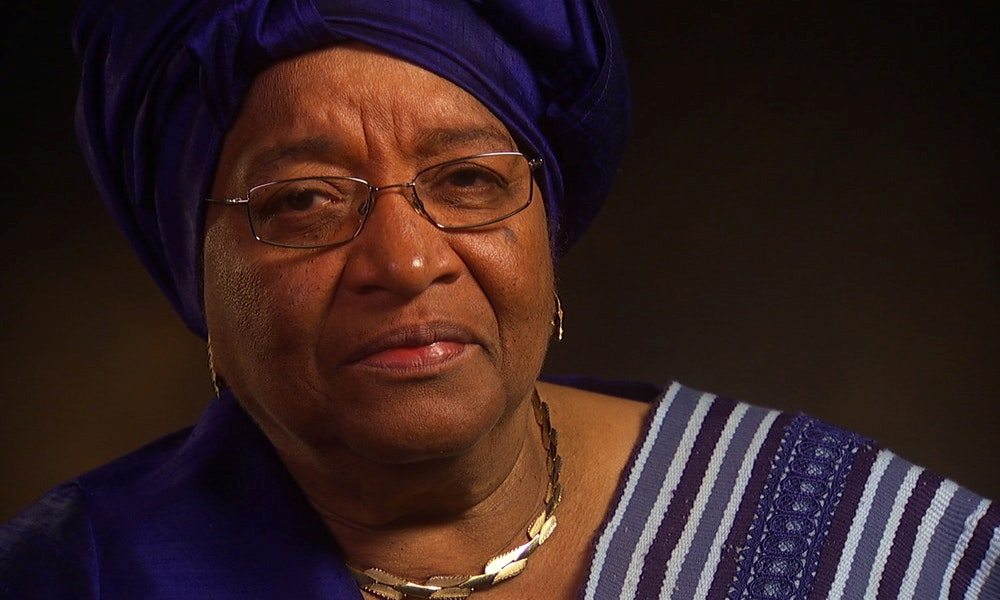
Ellen Johnson Sirleaf was the first elected woman leader of an African state. As president of Liberia from 2006 to 2018, she worked to fight unemployment, national debt, and Ebola. Johnson Sirleaf won the 2011 Nobel Peace Prize for her commitment to security and the rights of women. Today she chairs a UN High-Level Panel on Migration in Africa.
{{Sahle-Work Zewde, a big step for the women of Ethiopia
}}
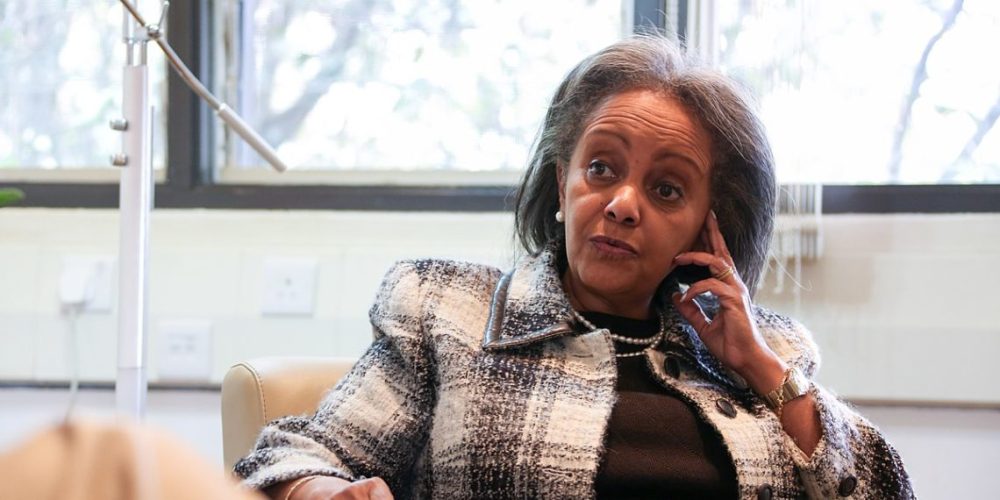
Sahle-Work Zewde is the president of Ethiopia since October 2018. The role is considered largely ceremonial as power lies with the prime minister and the Council of Ministers. Zewde’s election is considered a great step forward in Ethiopia, where men dominate politics and business. Half of the Ethiopian cabinet is made up of women.
{{Louise Mushikiwabo, the supreme advocate of the Francophone world
}}
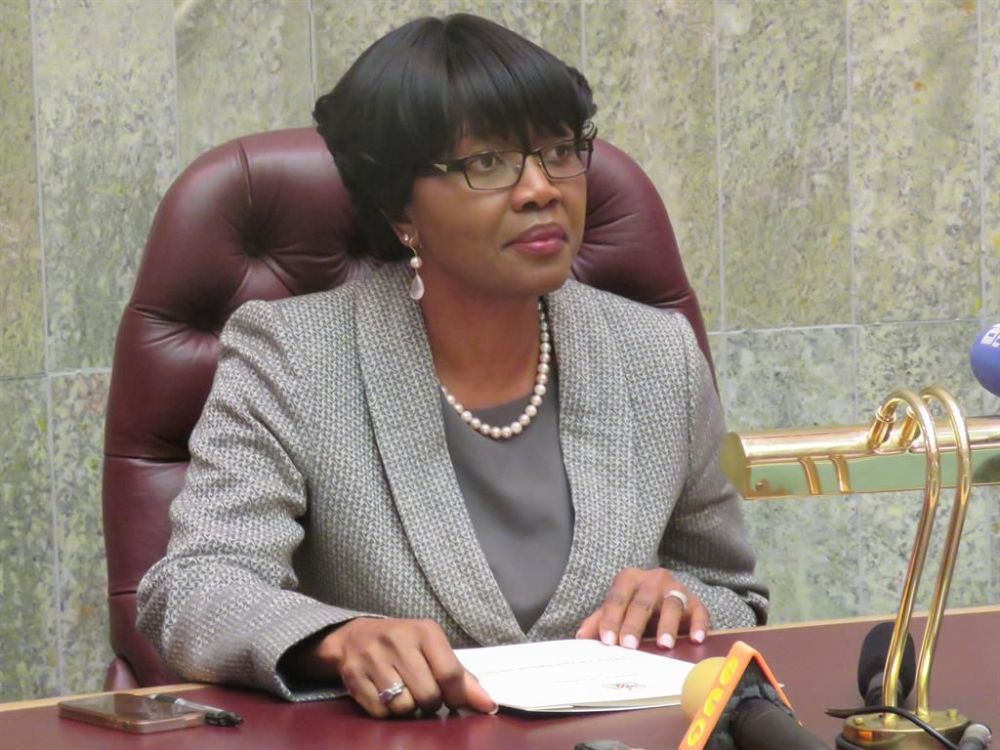
Louise Mushikiwabo, the former foreign minister of Rwanda, becomes Secretary General of the International Organization of La Francophonie in 2019. Mushikiwabo was elected despite the fact that Rwanda replaced French with English as the main language for administration, business and education a decade ago. Her appointment is seen as a diplomatic triumph, supported by the French president.
{{Amina Mohammed, One woman and 193 states
}}
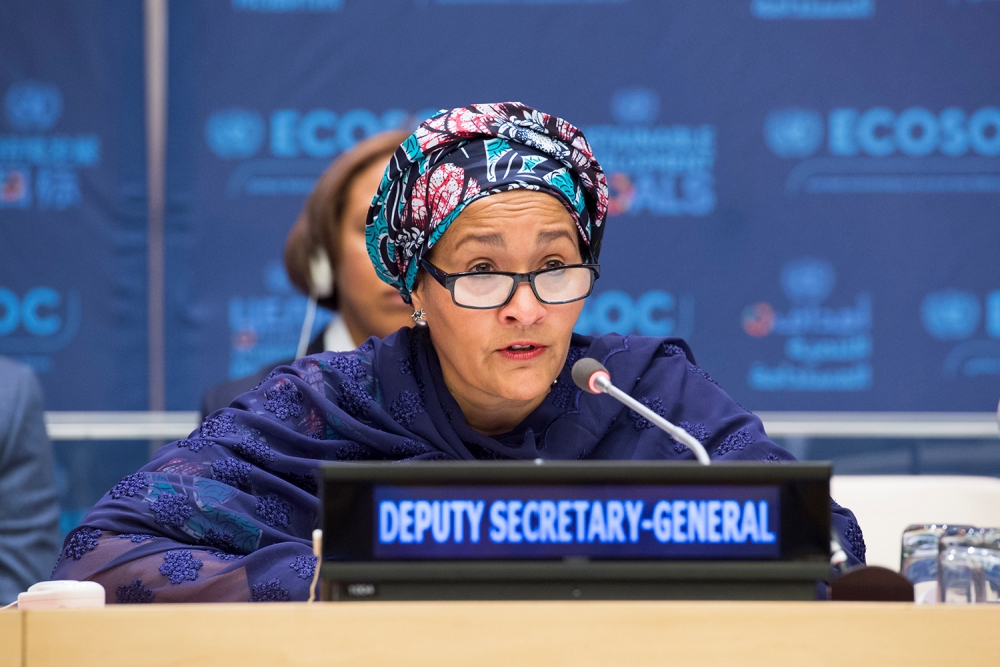
Nigerian Amina Mohammed has been deputy secretary general of the United Nations since January 2017. She had worked with the UN on the Millennium Development Goals from 2002 to 2005, Mohammed later served as special advisor to the then UN Secretary-General Ban Ki-moon and worked for a year as Nigeria’s environment minister under President Muhammadu Buhari.
{{Saara Kuugongelwa-Amadhila, debt fighter at the helm of government
}}
In Namibia, Prime Minister Saara Kuugongelwa-Amadhila has led the government since March 2015, when she became the first woman to do so. She previously served as finance minister, pursuing the ambitious goal of reducing the national debt. The economist has been a member of Namibia’s National Assembly since 1995.
{{Isabel dos Santos, oil princess in disrepute
}}
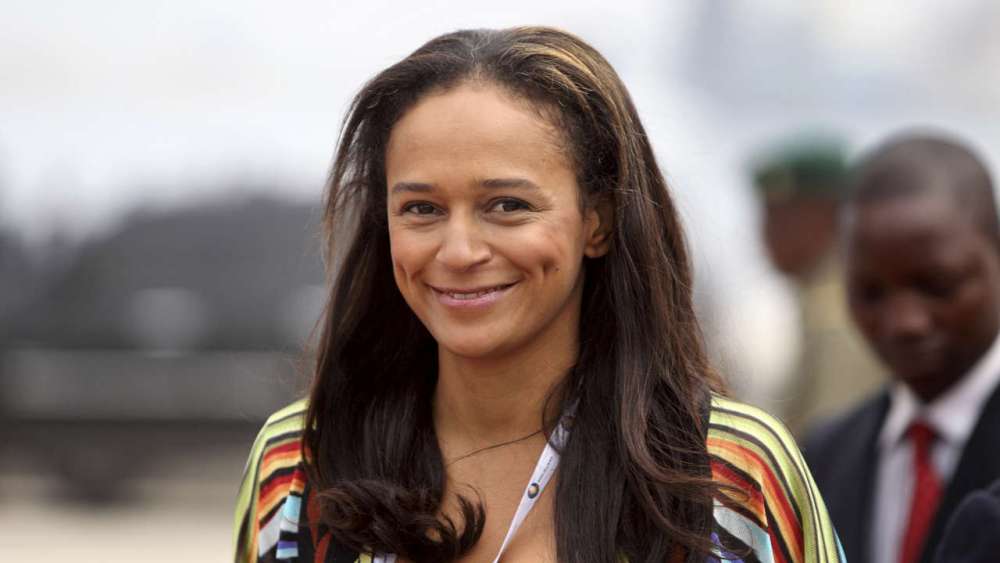
Isabel dos Santos, the daughter of Angola’s ex-president Jose dos Santos, is Africa’s wealthiest woman. She amassed some of her wealth after her father made her director of the state-owned oil company in 2016. The new president of Angola dismissed her in one of his first official acts and initiated a corruption probe.
{{Jaynet Kabila, Powerbroker in the background
}}
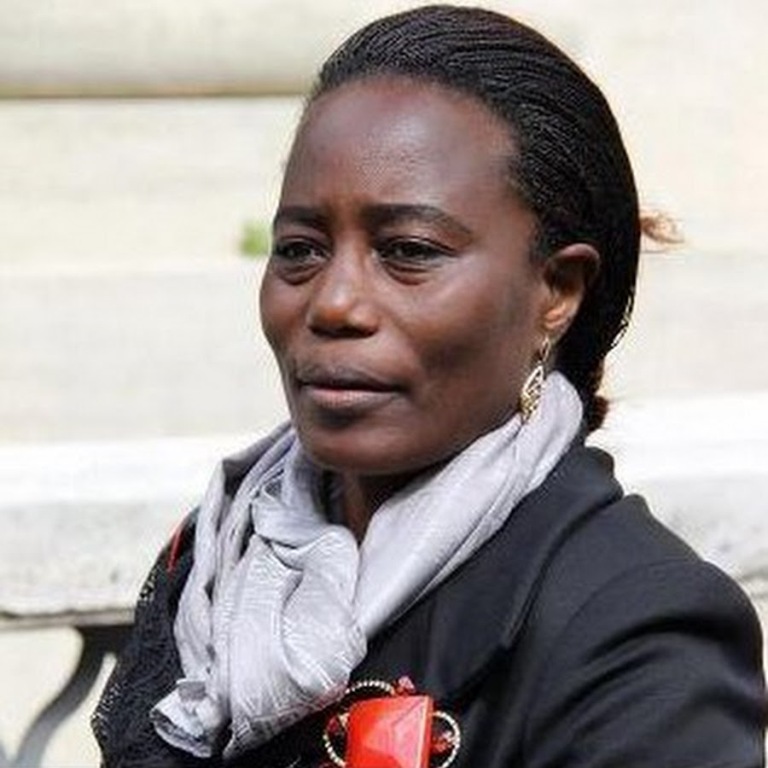
Jaynet Kabila, the twin sister of the Democratic Republic of Congo President Joseph Kabila and daughter of the former president Laurent Kabila, is known for her secrecy and diligence. She is a lawmaker who owns a television, Internet and radio company. In 2015, the French magazine Jeune Afrique declared her to be the most influential person in government.
{{Kamissa Camara, a cabinet minister making history
}}
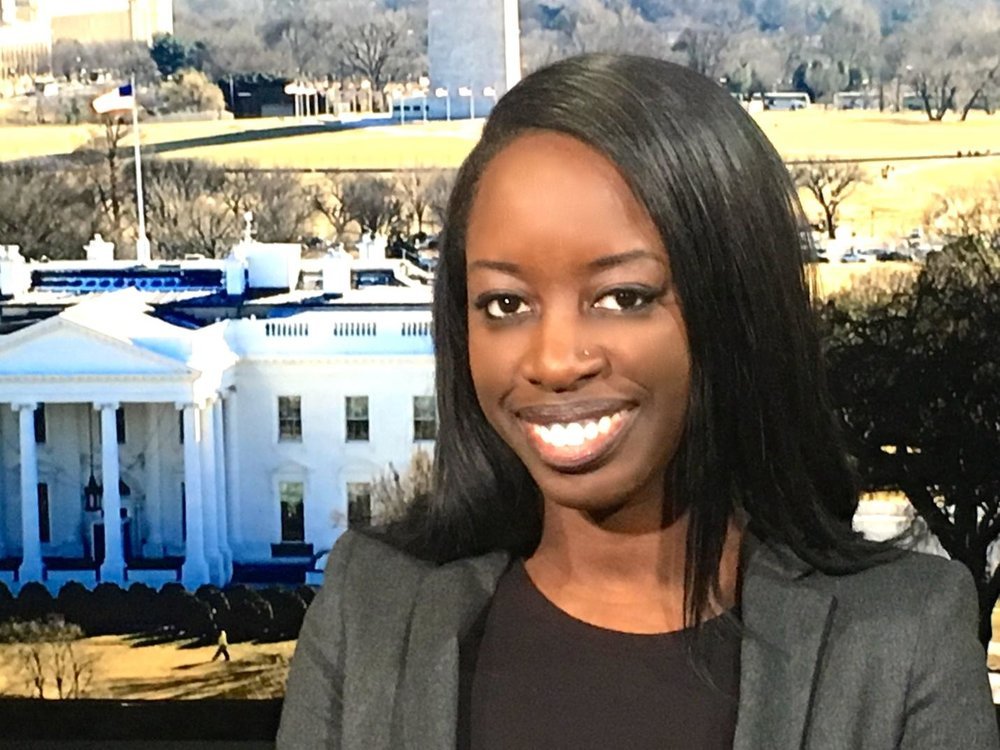
Kamissa Camara, the youngest and first female foreign minister in the history of Mali, is a newcomer to foreign policy. The 35-year-old was appointed to cabinet by re-elected President Ibrahim Boubacar Keita and is now one of 11 women in a government comprised of 32 cabinet ministers.
{{Folorunsho Alakija, an oil magnate and benefactor
}}
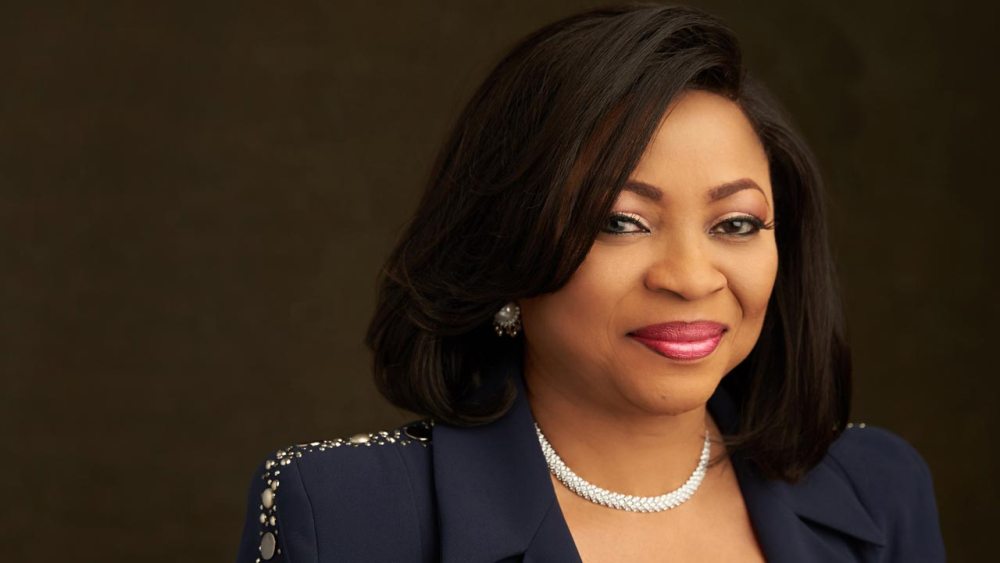
Nigerian Folorunsho Alakija is worth $1.6 billion (€1.4 billion). The oil production in Nigeria country makes the owner of Famfa Oil the third richest person in the country. Forbes Magazine lists her among the richest people worldwide. The 67-year-old has a foundation that supports widows and orphans.
Kagame was replying to tweets of different people who asked for a ban on chemicals used in skin bleaching on Rwandan market.
One Fiona Kamikazi tweeted: “I think Rwanda Standards Bureau and the Ministry of Health should start a campaign against skin bleaching, a BIG one because this is getting out of hand.”
In another tweet, one Maurice Kayisire said: “A man told his wife ‘you should ask other women the lotion they use on their skins. Bleaching is a societal problem, not a problem for women alone.”
Following the viral tweets, retweets and replies on Sunday evening, Kagame, using his personal Twitter account, tweeted: “Quite unhealthy among other things. Includes use of prohibited chemicals. MoH [Ministry of Health and RNP [Rwanda National Police] need to reign this in very quickly…!”
Rwanda Standards Bureau stated that campaigns against bleaching have been carried out but the problem keeps increasing which makes the intensified measures against bleaching a necessity for people to change mindsets.
Many think lotions with hydroquinone are the only ones designed to bleach skin, but there are many other substances which are not shown on the list of ingredients which are more harmful than hydroquinone according to dermatologists.
Hydroquinone was banned on the Rwandan market but it is still available according to sources who talked to IGIHE.
Dermatologists say three-quarters of lightening lotions can harm the health of the skin except lightening hyper hydro acid lotions, which are extracted from fruits like Bioderma and others.
The Director of Quality Assurance Unit at Rwanda Standards Bureau (RSB), Mr Philippe Nzaire once told IGIHE that a number of measures had been taken to fight against skin bleaching lotions imported to Rwandan market.
He said: “We have to start by fighting them (skin bleaching products) at border areas. We also plan to check marketplaces where they are illicitly sold and take them from sellers for buyers’ interest.”
Recently, in the Interpol operation conducted against illegal and substandard products in Kigali City suburbs, lotions with skin bleaching chemicals were also seized.
Both users and sellers of skin bleaching lotions do not understand why these lotions were banned in Rwanda.
In an interview with IGIHE, Aline Mukamana said: “When somebody has once used it [skin bleaching lotion] and he/she lacks it, then his/her body is destroyed because that has been used to it and requires to use it every day.”
Legitimate lotion products in Rwanda have to have less than 0.07% of hydroquinone. However, on the market, lotion with 2% of hydroquinone chemicals is available at different markets in Rwanda.
Rwanda Governance Scorecard 2018 indicates that citizens are satisfied with Abunzi services at 88.54% rate with some voices raised on some who take bribes.
Citizens say that bribes given to Abunzi are given different slangs including inyoroshyangendo that can be loosely translated as ‘that which eases the journey’, umuti w’ikaramu ‘the ink of the pen’, guhagurutsa inteko ‘rising up the committee’ among others.
In a press conference on Friday, the President of the Supreme Court said that information on the Abunzi who take bribes is known at the Supreme Court level.
“It is true, some citizens say Abunzi don’t do their work adequately and there is too much corruption among them. We always sensitize the Abunzi to never engage in corruption but some don’t understand us. Those will be punished like all the other criminals,” he said.
Rugege added they will keep sensitizing citizens about their entitlement without involving bribery.
“In the judiciary, we are unrelentingly fighting corruption among workers in the justice sector. We urge citizens never to give bribes or entice workers to receive it. This drive will continue among the Abunzi and punishment awaits the errant ones,” Rwanda’s Chief Justice Rugege added.
In May this year, the President of the mediation Committee Abunzi in Nganzo Cell, Muhanga Sector of Muhanga District, was arrested over attempting to bribe an official of the Rwanda Investigation Bureau (RIB).
The mediation committee member allegedly attempted to bribe the RIB staff after he falsified documents of a judgment he had presided over and had an effect on the case trials in higher court processes.
Abunzi is a Rwandan homegrown solution, where persons known within their communities for integrity – in traditional Rwandan society – are given powers to mediate in the event of conflict.
This was during a handover ceremony, presided over by the Chief of Defence Staff (CDS) Gen Patrick Nyamvumba, at the Rwanda Defence Force headquarters in Kimihurura, Kigali.
Maj Gen Aloys Muganga was appointed by HE Paul Kagame, the President and Commander-in-Chief of Rwanda Defence Force (RDF) on Tuesday 20th November 2018.
In his address, Gen Ibingira congratulated the newly appointed Ag RFCOS who has been the Commandant of Rwanda Military Academy-Gako.
“I would like to thank the leadership and the entire MoD/RDF family for the support extended to me in executing the duties as Reserve Force Chief, and I wish the incoming RFCOS success,’’ said Gen Fred Ibingira.
Both Gen Fred Ibingira and Maj Gen Aloys Muganga thanked the President and Commander-In-Chief for believing in them. Maj Gen Muganga in his address promised cooperation and to always work as a team player.
On his part, the new Ag RFCOS, Maj Gen Muganga appreciated his predecessor for leaving a lasting legacy.
“I’ll forever be indebted to the Commander in Chief and the President, MoD/RDF family for the trust and giving me the opportunity to serve my country in this capacity,’ Maj Gen said Gen Muganga said pledging to always seek counsel from his predecessor.
The incoming Chief of Staff holds a master’s degree in project management from Maastricht University in the Netherlands and is a graduate of the United States of America War College (USAWC – 2007). His other previous postings include Mechanized Division Commander, Defence Liaison Officer for Rwanda at EAC – Arusha among other RDF command and staff responsibilities.
Rwandans in diaspora wishing to participate in the national dialogue have been requested to start registering at their respective embassies by sending their names, the country they live in, passport number and their email.
Umushyikirano is an annual event chaired by the President of Rwanda. It gives Rwandans from all walks of life the opportunity to ask questions directly to their leaders. The event is attended by members of the Cabinet and Parliament, representatives of the Rwandan community inside and in the diaspora, local government, media, the diplomatic community and others invited by the President.
Individuals unable to attend in person can participate via telephone, SMS, Twitter and Facebook as well as follow the debate live on television and radio.
The constitution of the Republic of Rwanda stipulates that decisions taken at the National Dialogue Council are transferred to government agencies in charge of implementation with the ultimate aim of improving Rwandans’ welfare.
The first National Dialogue Umushyikirano took place on June 28, 2003, attracting only Rwandans resident in the country until 2007 when the diaspora started participating.
Last year’s National Dialogue Council attracted over 2000 Rwandans who convened at Kigali Convention Centre with other guests including ministers from Congo, Liberia, Chad among others.
The discussions focused on sustainable development to be achieved through the seven-year National Transformation Strategy.
As he launched the dialogue, President Paul Kagame shared with Rwandans the national status which he said was good but a lot needed to be done to accelerate the needed national development targets.
President Kagame requested that Kinyarwanda should be taught to young, embrace a culture of time management and fighting drug abuse that is affecting the youth all over the world.
The 15th National Dialogue Umushyikirano 2017 passed eight resolutions centered on education, health, economy, and culture.
{{The Resolutions are as follow:
}}
1. Take necessarily measures and changes aimed at improving the quality of education, increasing the number of technical schools and fighting causes of school drop-outs.
2. Increasing health infrastructures, and capacity building of medical personnel, putting more efforts in fighting against epidemics, and improved service delivery.
3. Sensitizing parents about giving their children a balanced diet, child development, cleanliness and promoting early childhood education.
4. A continued partnership between the government and the private sector in providing more power plants which will increase access to electricity to more citizens at an affordable price and improve ease of doing business.
5. To sensitize more Rwandans on the culture of saving and to support the three components of Made in Rwanda, namely; made in Rwanda, Start in Rwanda, Grow in Rwanda and Beyond in order to create more jobs and to bridge the trade imbalance gap.
6. To keep and protect values of the Rwandan culture and inculcate them among children both in Rwanda and diaspora.
7. To enhance partnership among government institutions, the civil society, and religious organizations in teaching Kinyarwanda in families, schools and media programs, bearing in mind that all Rwandans should learn and know Kinyarwanda and use it well.
8. Youth Camps should be adopted allowing youth to work together in developing the country.