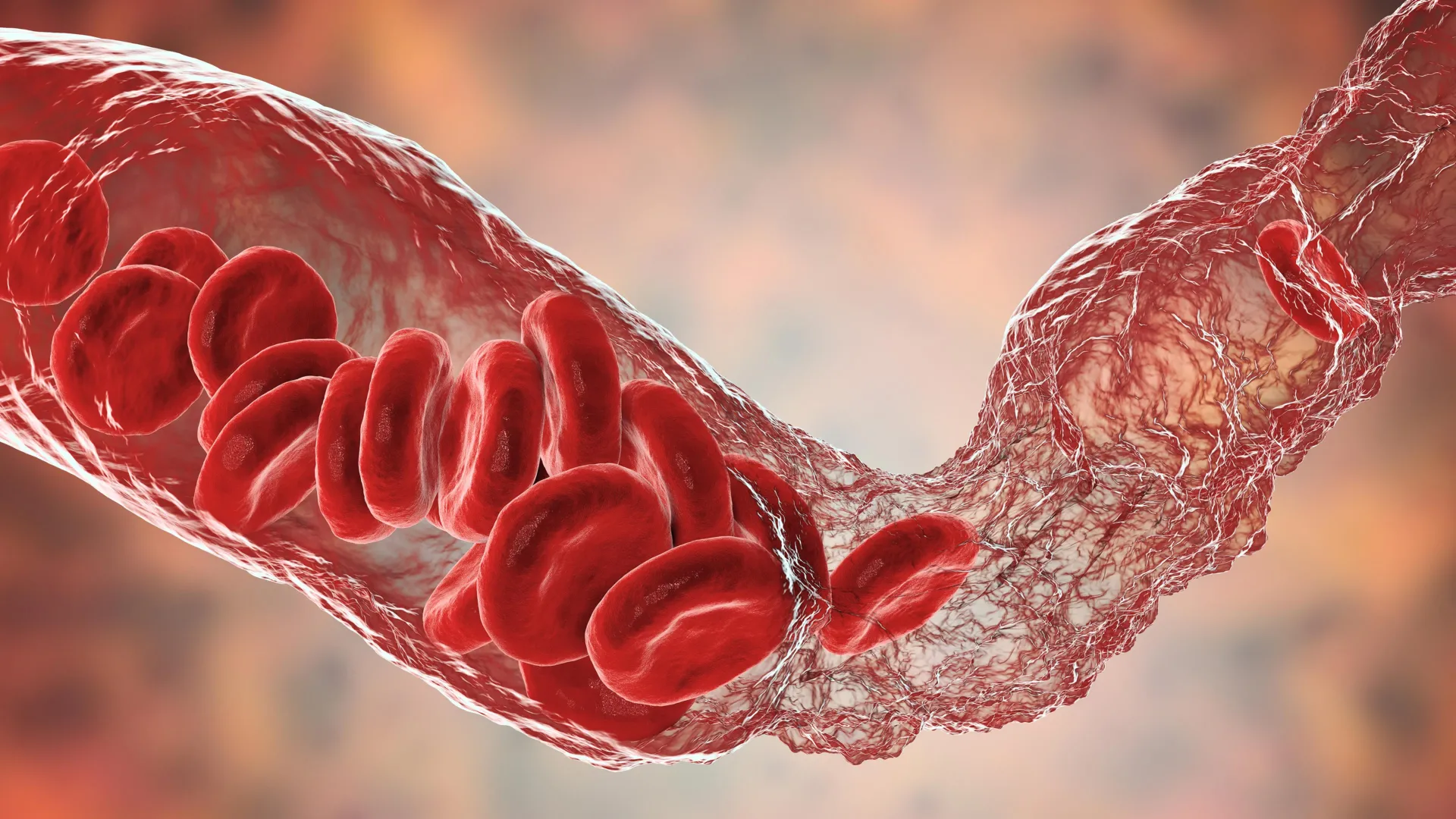
The research team, led by Flinders University in collaboration with international scientists, has determined that the immune system sometimes misinterprets a key blood protein, platelet factor 4 (PF4), as a virus protein. In extremely rare cases, this misunderstanding prompts the immune system to produce antibodies that cause blood clots to form.
Dr. Jing Jing Wang, the lead researcher, explained the significance of the findings:
“By modifying or removing this specific adenovirus protein, future vaccines can avoid this extremely rare reaction while continuing to provide strong protection against disease.”
This new understanding builds on previous studies and advances our knowledge of immune responses that lead to clotting disorders, particularly after the use of adenovirus-based vaccines, such as the Oxford-AstraZeneca vaccine.
These vaccines had been linked to the rare condition known as thrombosis with thrombocytopenia syndrome (TTS), which prompted the scientific community to seek answers.
Professor Tom Gordon, a senior expert involved in the study, emphasized the importance of this discovery: “It has been a fascinating journey with an outstanding international team of collaborators to solve the mystery of this new group of blood clotting disorders.”
The study’s findings highlight a phenomenon known as molecular mimicry, where the immune system mistakenly identifies the PF4 protein as a viral agent.
This insight is crucial for the development of future vaccines. With this new knowledge, researchers can modify the design of adenovirus-based vaccines to prevent this rare side effect, ensuring their continued effectiveness in preventing COVID-19.
This discovery represents a critical step in improving vaccine safety and advancing the understanding of immune responses to viral infections.
Researchers are optimistic that these insights will not only benefit COVID-19 vaccination efforts but also contribute to the development of safer vaccines for other diseases in the future.
Scientists discover key to preventing rare blood clots linked to COVID-19 vaccines.
These talks, initially held in Doha, were relocated at the request of Qatar, the mediator in the process. The move comes as a result of escalating conflict involving the United States and Israel against Iran, which has destabilized parts of the Middle East and affected the region’s ability to host such diplomatic engagements.
According to reports published on April 10 by Jeune Afrique, the meetings will not take place in Geneva, and Switzerland will not play a direct role in the discussions. Instead, Qatari representatives are expected to participate remotely via video conference.
Among the key international figures expected to attend are Massad Boulos, Special Advisor to the U.S. President on Africa , and Vivian van de Perre, Deputy Head of the United Nations peacekeeping mission in DRC (MONUSCO) in charge of operations.
Mubita Luwabelwa, Executive Secretary of the International Conference on the Great Lakes Region (ICGLR), is also expected to take part.
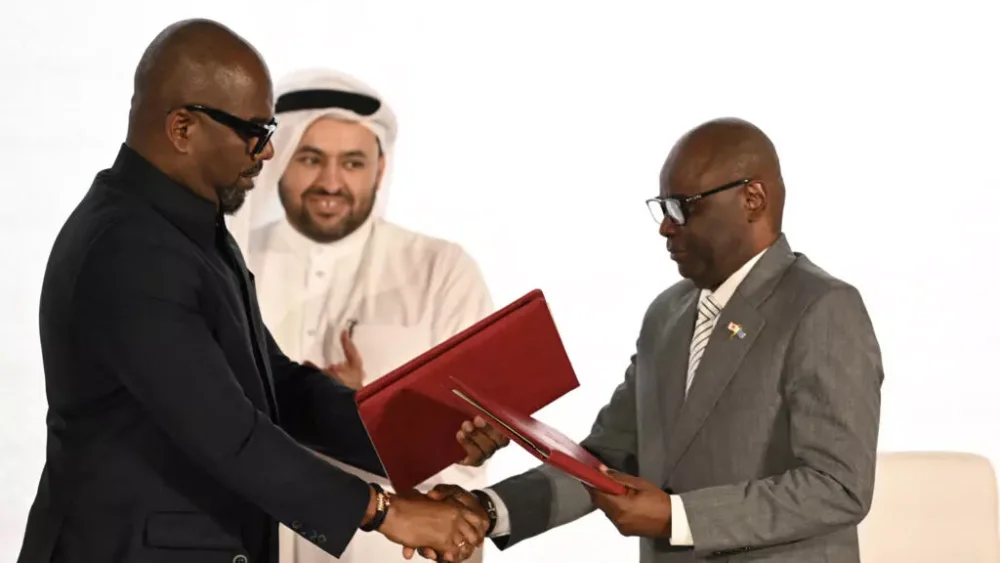
The AFC/M23 delegation will consist of six members led by its Permanent Secretary, Benjamin Mbonimpa. At the time of reporting, the composition of the DRC government delegation had not yet been made public.`
This phase of the peace talks will primarily focus on facilitating humanitarian assistance. Both sides are expected to discuss practical measures to ensure that aid organizations can effectively deliver support to civilians affected by the ongoing conflict in eastern DRC.
One of the major expectations from the international community is the reopening of Goma International Airport, which has been under AFC/M23 control since January 2025. Earlier in 2026, Vivian van de Perre visited Goma and formally conveyed this request to AFC/M23 leadership.
However, tensions remain. Reports indicate that AFC/M23 has been reluctant to proceed with discussions on humanitarian matters while key prior agreements remain unfulfilled. These include adherence to the ceasefire and the mutual release of prisoners.
AFC/M23 continues to accuse DRC government forces of carrying out daily attacks on areas under its control using drones, fighter jets, and heavy weaponry, resulting in civilian casualties.
Although both parties previously agreed to establish a joint ceasefire monitoring mechanism involving MONUSCO and the ICGLR, this initiative has yet to become operational.
Following AFC/M23’s withdrawal from the city of Uvira in January 2026, MONUSCO forces were expected to take over and oversee ceasefire compliance. While assessment missions have been conducted, full deployment and active monitoring have not yet begun.
In a previous humanitarian gesture, AFC/M23 allowed the International Committee of the Red Cross (ICRC) to transfer over 1,300 soldiers and police officers who had taken refuge in its controlled areas near Goma back to Kinshasa.
In March 2026, AFC/M23 announced plans to release 5,000 DRC soldiers, expressing hope that the government would reciprocate by freeing detained members of the group. However, confidence in such a reciprocal move has been steadily declining.
Available information indicates that by early 2026, the ICRC had already identified the locations and identities of AFC/M23 detainees. Despite this, no progress has been made, as the DRC government has not agreed to release them.
AFC/M23 maintains that continued military offensives and the refusal to release prisoners demonstrate a lack of genuine commitment to peace on the part of the DRC government.
Instead, the group argues that the government still appears to believe that the conflict can be resolved through military means rather than dialogue.
Peace talks are set to resume in Switzerland amid unfulfilled commitments by the DRC Government.
Rwanda, alongside the international community, is currently marking the 32nd commemoration of the Genocide against the Tutsi, during which more than one million people were killed in just 100 days.
Speaking at an event held on April 10, 2026, in remembrance of journalists who were killed during the Genocide, Dr. Bizimana highlighted the critical role played by the media in fueling the violence.
He explained that several high-ranking government officials were actively involved in the leadership of RTLM while still serving in state institutions.
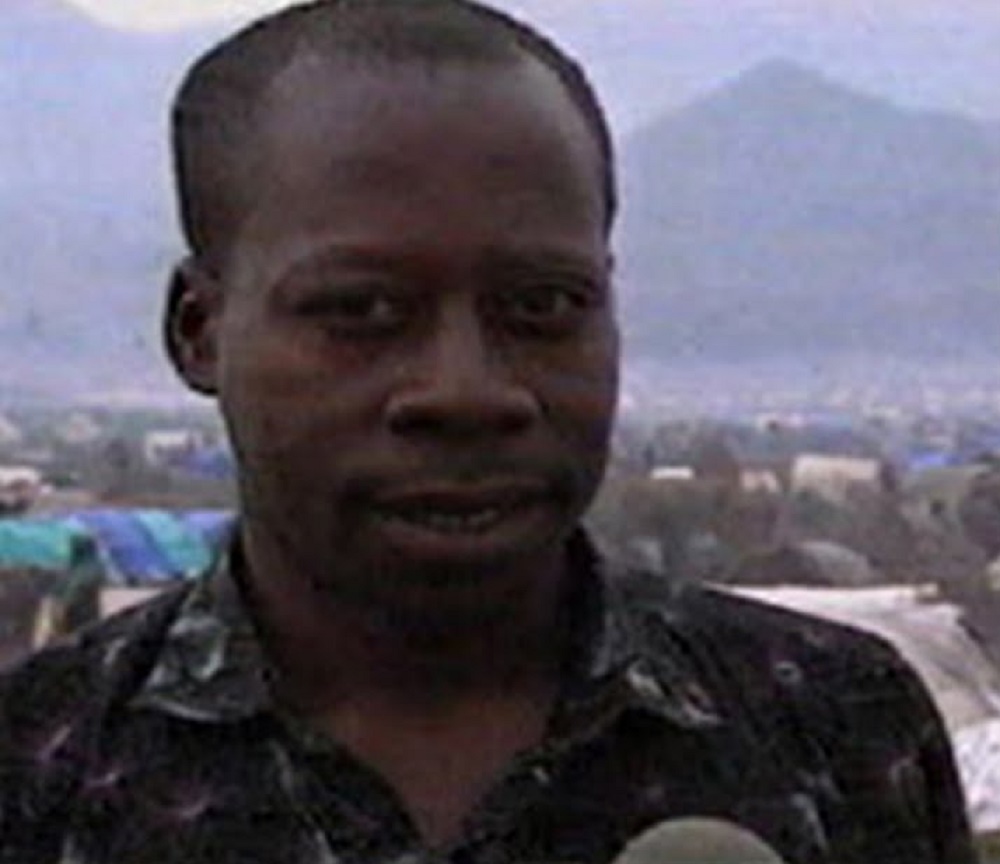
Among them was Donath Hakizimana, then Secretary General of the National Intelligence Service, who was responsible for supplying RTLM with information and recruiting loyal, hardline journalists.
Gaspard Musabyimana, now living in Belgium where he operates Radio Inkingi an outlet that continues to promote genocide ideology was in charge of programming and coordination with intelligence networks.
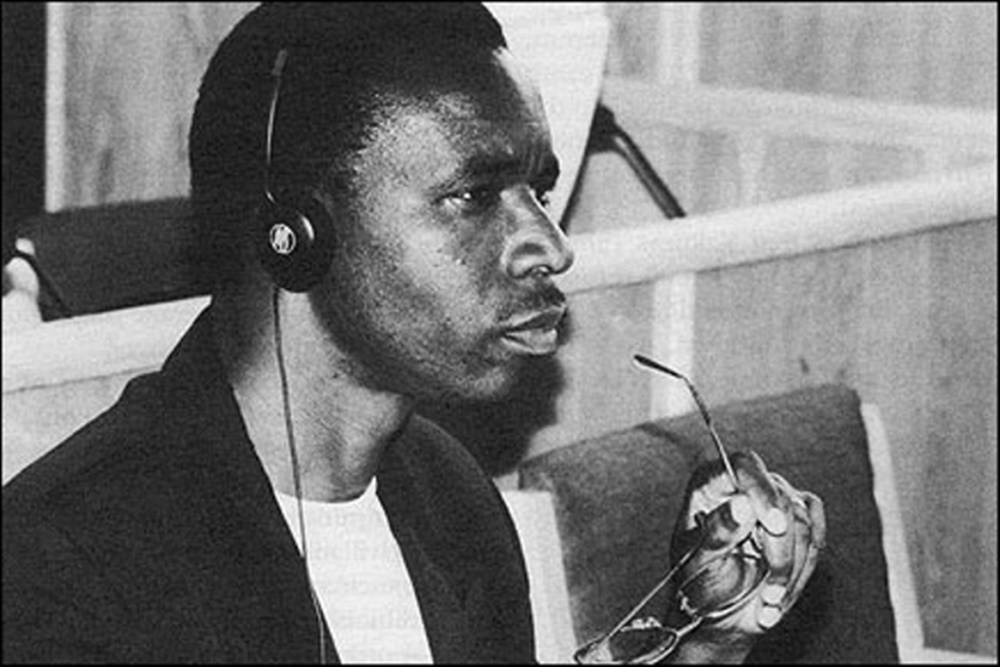
Also involved was Ferdinand Nahimana, one of the principal ideologues of the Genocide, who authored propaganda encouraging Hutu unity against Tutsis under what was called the “civil self-defense” (Auto-défense civile) campaign.
These individuals, along with others, formed influential committees that recruited skilled and trusted journalists, many drawn from ORINFOR and used them to orchestrate propaganda campaigns that encouraged the killing of Tutsis.
Those recruited included Noheli Hitimana, Joel Hakizimana, Ananiya Nkurunziza, Georges Ruggiu, Valérie Bemeriki, Joseph Gatsikira, and others known for their engaging and persuasive broadcasting style, often centered on music, sports, and general entertainment.
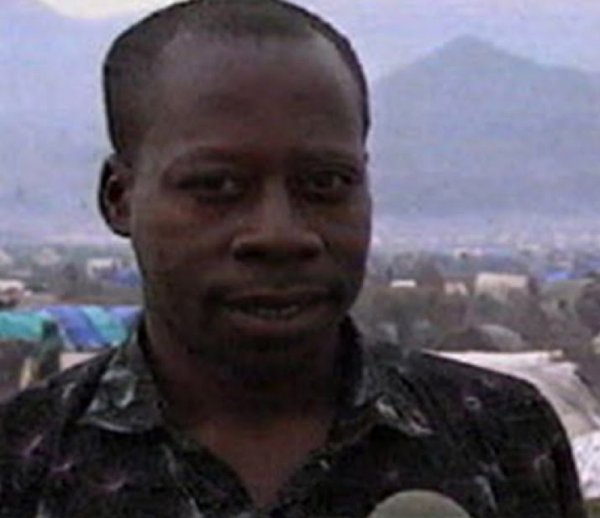
Dr. Bizimana emphasized that Habimana Kantano stood out as one of RTLM’s most influential figures. He cleverly used his popularity as a passionate fan of Rayon Sports to mobilize members of the Interahamwe militia and incite them to commit killings.
He noted:“Kantano was widely recognized as a devoted Rayon Sports supporter. He often wore the club’s attire and carried a drum wherever he went. He was highly popular, and whenever he spoke on RTLM, many young people listened closely because of his influence.”
RTLM broadcasts frequently included explicit hate speech, such as: “Tutsis, you cockroaches, we will kill you.”
RTLM began broadcasting on July 8, 1993, and quickly became popular, particularly among young audiences, due to its modern and engaging programming. The station aired a wide range of music, including Zouk, Rumba, American genres, gospel songs, and more.
Its large audience enabled it to spread hatred and extremist propaganda with alarming ease, significantly contributing to the rapid escalation and widespread nature of the killings during the Genocide.
Ferdinand Nahimana was the Director of RTLM.Habimana Kantano used his association with Rayon Sports to incite Hutu youth to kill Tutsis.
In a statement, the deputy prime minister reiterated Pakistan’s willingness to continue facilitating the parties in achieving a lasting and durable solution, underscoring the importance of dialogue and cooperation in resolving disputes.
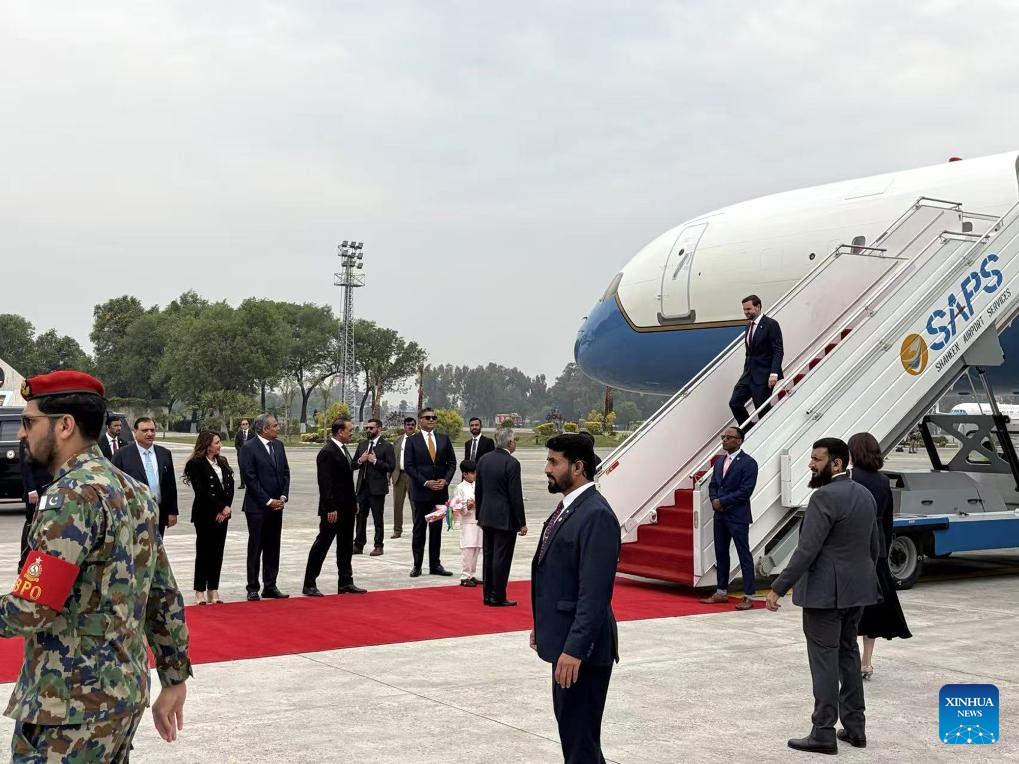
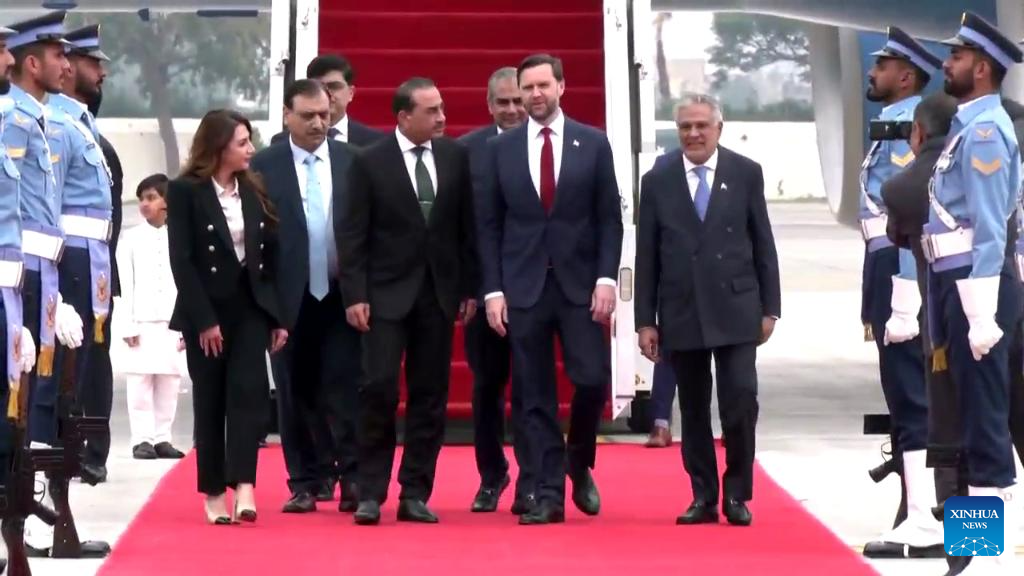
The statement came after the U.S. delegation arrived in Pakistan on Saturday. The Iranian team reached Pakistan earlier. The two sides are expected to have a negotiation to end recent hostilities in the Middle East.
This screenshot from a video clip shows U.S. Vice President JD Vance arriving at the Nur Khan airbase in Rawalpindi, Pakistan, on April 11, 2026. U.S. delegates led by Vice President JD Vance arrived in Pakistan on Saturday morning for talks with Iran, according to sources.
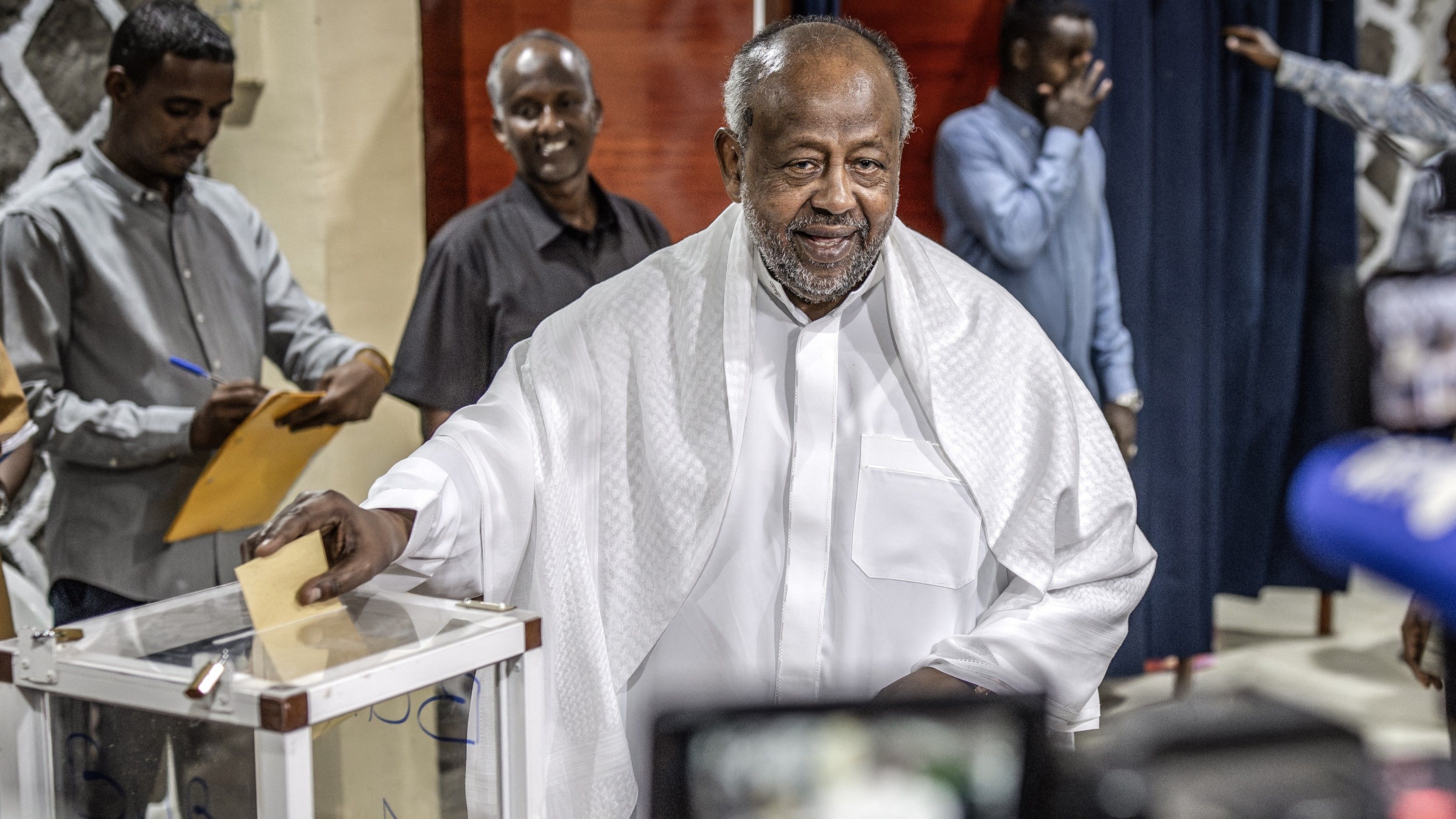
The Ministry of Interior announced on Saturday morning that Guelleh defeated his opponent, Mohamed Farah Samatar, presidential candidate for the Unified Democratic Center, who won 2.19 percent of the vote in Friday’s presidential election.
Guelleh, 78, declared victory in a social media post a few hours ahead of the official results, after early results gave him a huge lead.
Djibouti, a small country at the mouth of the Horn of Africa, is a major hub for international commerce and a key partner in the fight against sea piracy and transnational terrorism.
The Red Sea nation, with a population of about 1 million, is also the main foreign trade outlet for neighboring landlocked Ethiopia.
Djibouti’s incumbent President Ismail Omar Guelleh was re-elected for a sixth term with 97.81 percent of the vote
She made the call on April 10, 2026, during a solemn ceremony marking the 32nd commemoration of the 1994 Genocide against the Tutsi, held in Budapest.
The event, organized by the Embassy of Rwanda in Hungary, brought together diplomats, Hungarian officials, members of the Rwandan community, survivors, and friends of Rwanda in a moment of remembrance and reflection.
In her address, Amb. Nyagahura stressed that genocide denial and distortion require urgent and coordinated global responses, including stronger education systems, justice mechanisms, and legal frameworks to safeguard historical truth.
“Genocide is never spontaneous. It is prepared, taught, and enabled by silence,” she said, warning that denial represents a continuation of that silence and a threat to remembrance itself.
She further emphasized that remembrance must go beyond symbolism and be treated as a shared global responsibility to confront hatred, protect human dignity, and prevent future atrocities. The ceremony paid tribute to more than one million victims of the genocide, while also honoring survivors and those who risked their lives to save others.
April 7, recognized by the United Nations as the International Day of Reflection on the 1994 Genocide against the Tutsi in Rwanda, marks the beginning of the annual commemoration period.
The term Kwibuka, meaning “to remember,” also reflects renewal, learning, and a commitment to preventing future atrocities.
Amb. Nyagahura recalled that the genocide was not a spontaneous event, but the result of decades of division, discrimination, and dehumanization rooted in colonial history and reinforced in the post-independence period.
She cited earlier waves of violence in 1959, 1963, and 1973, and the mass exile of Tutsi as warning signs that were not acted upon by the international community.
She highlighted Rwanda’s recovery journey under the leadership of President Paul Kagame, noting that the country chose a path of unity and reconciliation grounded in justice, social cohesion, and a shared national identity expressed through Ndi Umunyarwanda.
Today, she said, Rwanda stands as a symbol of resilience, with a new generation growing up in a country defined by unity and hope.
However, she warned that genocide ideology remains a persistent threat, particularly in eastern Democratic Republic of the Congo, where armed groups such as the FDLR continue to operate. She called on the international community, including Hungary, to support efforts aimed at dismantling such groups and strengthening regional peace and security.
The ceremony also featured remarks from Hungarian officials, including Attila Koppány, as well as testimonies from genocide survivors Freddy Mutanguha and Judence Kayitesi, who shared personal accounts underscoring the human dimension of the tragedy and the importance of preserving memory.
Amb. Nyagahura also urged renewed international commitment to truth, justice, and human dignity, stressing that the promise of “Never Again” must be actively upheld.
“Rwanda remains steadfast in its commitment to peace, unity, and reconciliation. We invite all nations and people of goodwill to join us in this mission,” she said.
During the event, Freddy Mutanguha, Chief Executive Officer of the Aegis Trust and a genocide survivor, delivered a powerful and deeply personal message calling for sustained vigilance against genocide ideology and denial.
Sharing his personal story, Mutanguha revealed that while he survived alongside his sister, his parents and four sisters were brutally murdered.
Despite the failure of the international community at the time, he paid tribute to the bravery of RPA soldiers who stopped the genocide, rescuing civilians and dismantling the genocidal regime.
In the aftermath, through strong leadership and homegrown solutions, the country embarked on a path of recovery and reconciliation.
Measures such as the abolition of ethnic identity cards, the establishment of community-based Gacaca courts, and the creation of memorials like the Kigali Genocide Memorial have played a crucial role in justice, healing, and education.
Today, Rwanda stands as a testament to resilience and transformation. With a National Unity Barometer exceeding 95%, the country has made remarkable progress in rebuilding trust and social cohesion.
Rwanda’s Ambassador to Hungary, Margueritte Francoise Nyagahura delivering her remarks. Freddy Mutanguha, Chief Executive Officer of the Aegis Trust and a genocide survivor sharing his testimony. Ambassador Attila Koppány, Guest of Honor and Head of the Africa Department at Hungary’s Ministry of Foreign Affairs and TradeJudence Kayitesi shared her testimony. Benedicto Nshimiyimana, Minister-Counsellor facilitated discussions. The CEO of Aegis Trust, Freddy Mutanguha during an interview with IGIHE
Zeaxanthin is already known for its role in eye health, especially in protecting the retina and supporting good vision. However, the new research suggests this nutrient can also enhance the performance of important immune cells called CD8+ T cells. These cells are a type of white blood cell that recognize and kill cancer cells. According to the study, zeaxanthin helps strengthen the T‑cell receptor, which allows T cells to detect and attack tumors more effectively.
In laboratory experiments, researchers saw that mice fed diets containing zeaxanthin showed stronger immune responses against cancer. When combined with immunotherapy drugs called checkpoint inhibitors, which are already used in some cancer treatments, the nutrient appeared to make these therapies work even better. In simple terms, zeaxanthin seemed to “turbo‑charge” the immune system’s ability to find and destroy tumor cells when used alongside existing treatments.
The scientists also tested human‑engineered T cells in lab conditions and found that zeaxanthin helped these human immune cells kill various cancer cells more powerfully than without the nutrient. This suggests that the nutrient may have benefits for human immune function, although more research is needed to confirm this in real patients.
One of the most exciting aspects of this discovery is that zeaxanthin is generally safe and well‑tolerated. Because it is already available as a dietary supplement and a normal part of many people’s diets, researchers believe it could be tested more quickly as a supportive therapy compared to brand‑new drugs. The idea would be to combine zeaxanthin with modern cancer immunotherapies to increase their effectiveness and give patients better outcomes.
However, experts emphasize that this research is still in early stages. So far, most of the evidence comes from animal studies and lab tests. Larger human clinical trials are needed before doctors can confidently recommend zeaxanthin as part of regular cancer treatment.
This study offers a promising new direction in cancer research. It highlights how everyday nutrients might play important roles in helping the immune system fight disease, especially when used with advanced medical therapies.
Zeaxanthin: A Common Nutrient That Holds Promise for Enhancing Cancer Treatment.
The book focuses on the historical truth of the 1994 Genocide against the Tutsi in Rwanda, a subject that has defined much of Mibirizi’s artistic work, particularly through his commemorative songs.
In an interview with IGIHE, the artist revealed that his book, titled “100 Songs, 100 Hills,” is now expected to be released during the 100-day commemoration period marking the 32nd anniversary of the Genocide against the Tutsi.
Mibirizi explained that the inspiration behind the book stems from his extensive body of musical work. Since 1995, he has composed songs about more than 100 hills across Rwanda, each carrying messages of remembrance. However, he noted that music alone may not fully convey the depth of these messages.
“I realized that although people hear these messages through songs, they may not fully grasp them. Writing a book will allow the message to reach a wider audience and be better understood,” he said.
Addressing the missed publication timeline initially set for May to June 2025, Mibirizi cited unforeseen challenges. These included the need for more in-depth research and documentation, as well as travel commitments during the year.
He emphasized that the project required more than just written content. “I discovered that words alone were insufficient. The book needed to include photographs of the hills and genocide memorial sites where victims are laid to rest. Sourcing high-quality images suitable for publication significantly slowed the process,” he explained.
Additionally, Mibirizi highlighted that in 2025 he was invited to the United States, where he participated in commemoration activities across six states. These engagements further disrupted his planned schedule.
The artist noted that he has dedicated nearly three years to developing the book and now aims to publish it in May 2026 in Kinyarwanda. He also plans to release translated editions in English, Swahili, and French in 2027.
Mibirizi also called upon Rwandans to remain committed to ensuring that such a tragedy never recurs. He urged collective vigilance and unity in resisting any efforts that could lead the nation back to painful history.
Munyanshoza Dieudonné has confirms his book will be released this year.
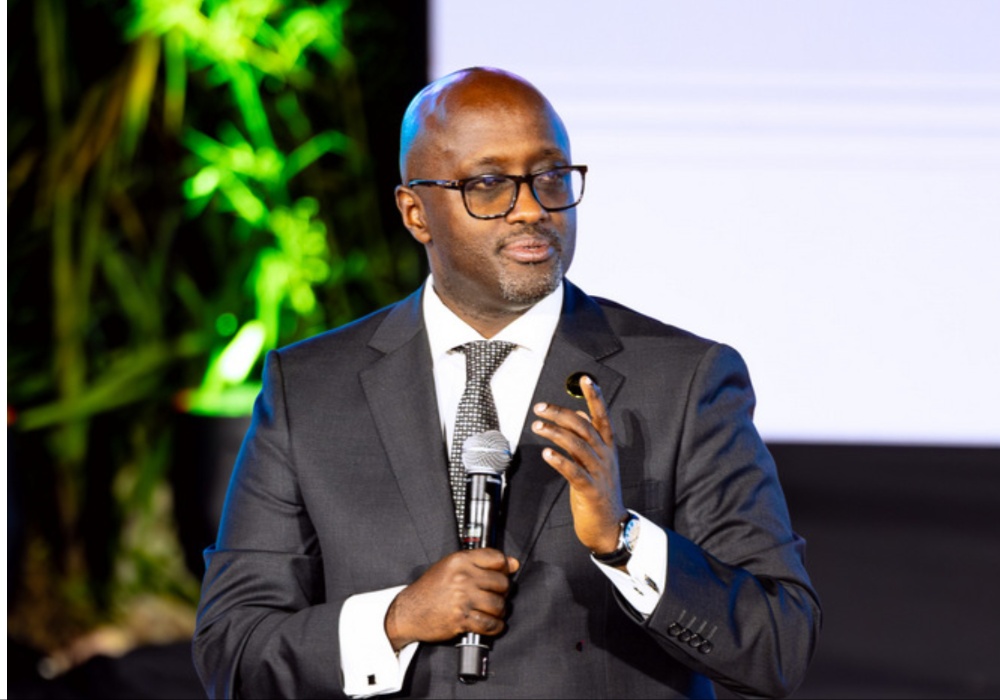
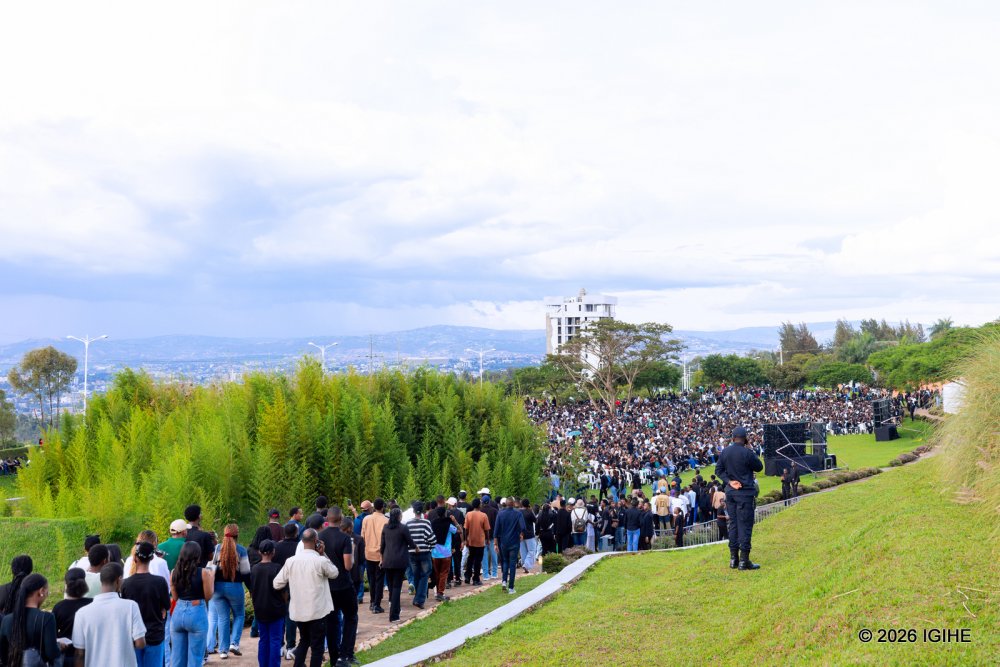
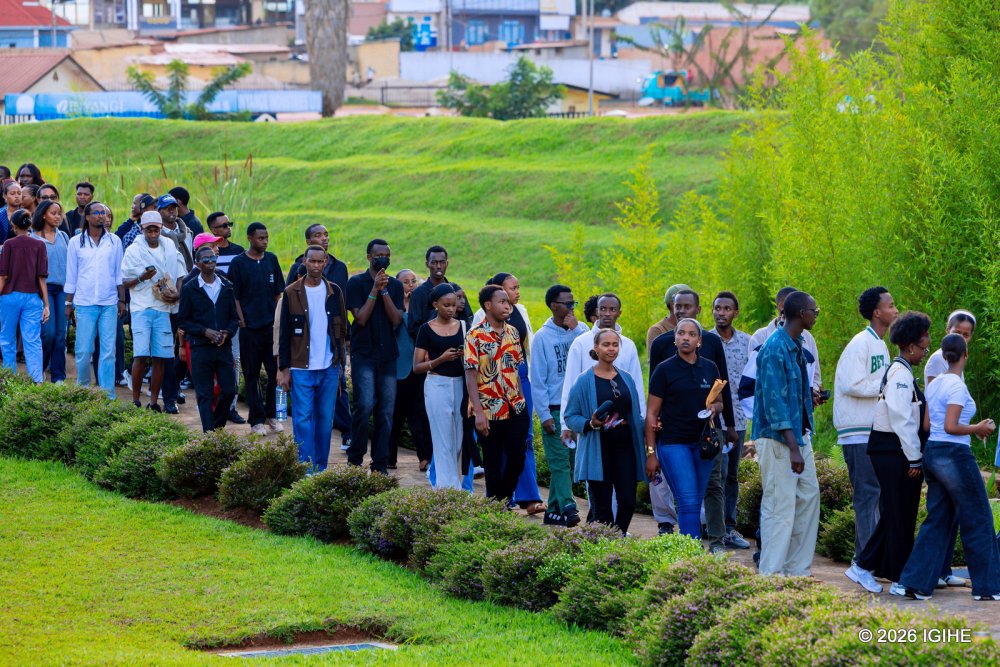
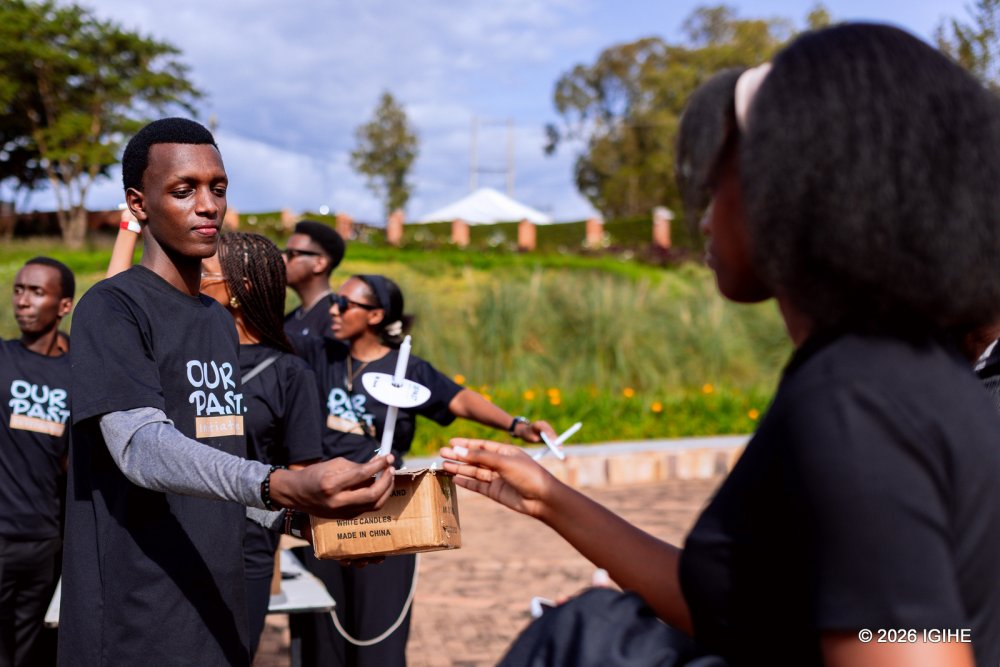
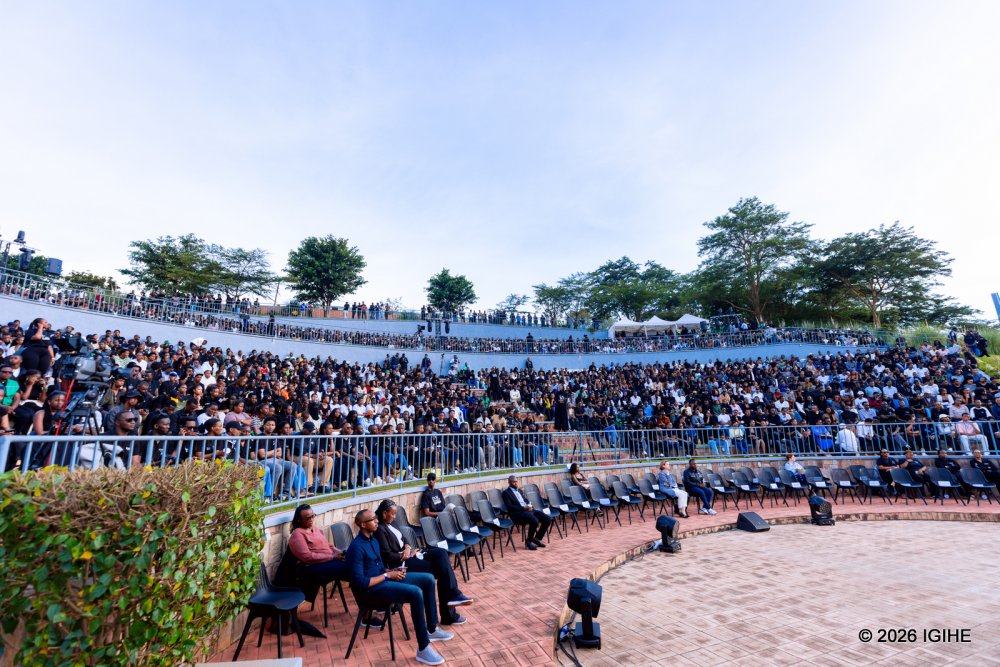
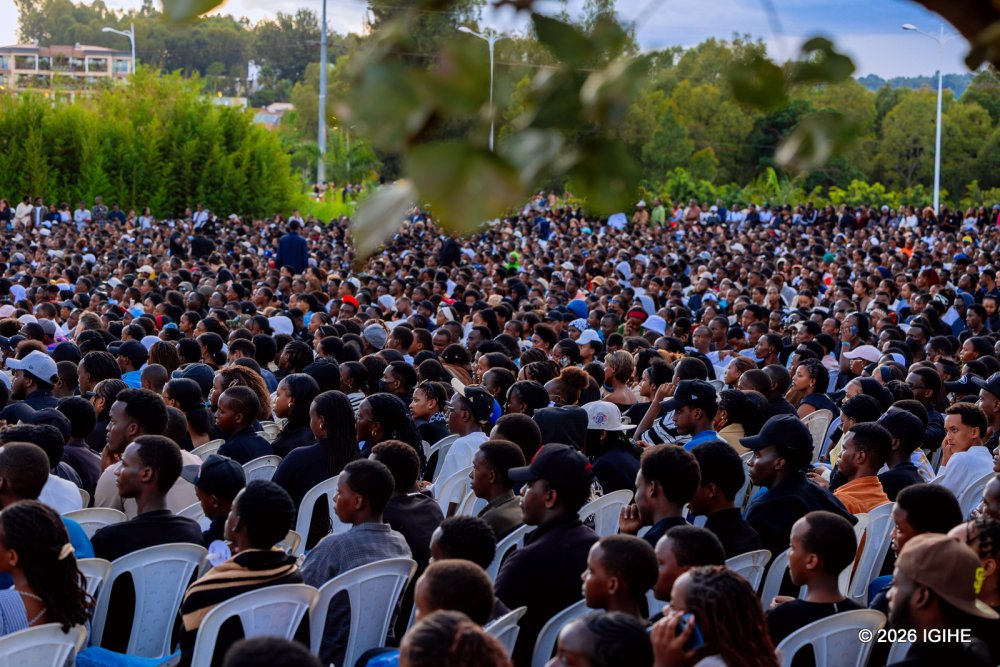
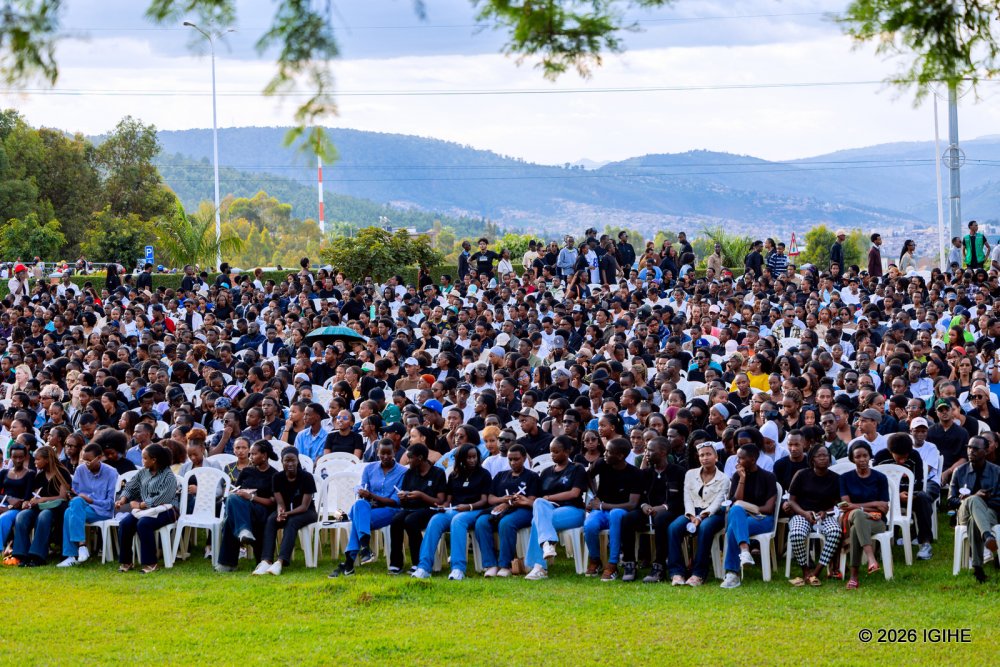
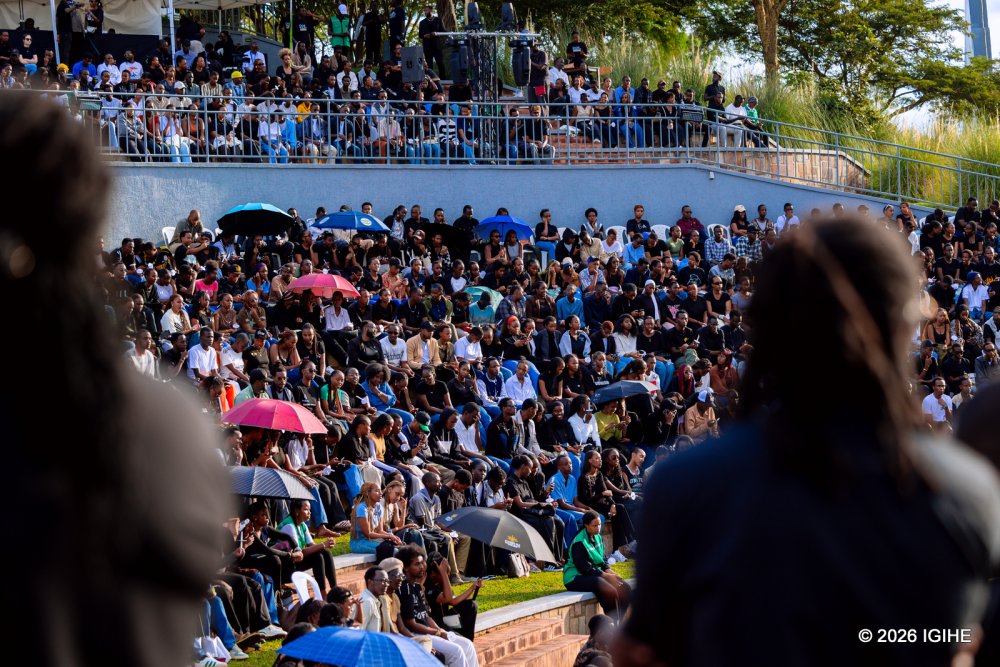
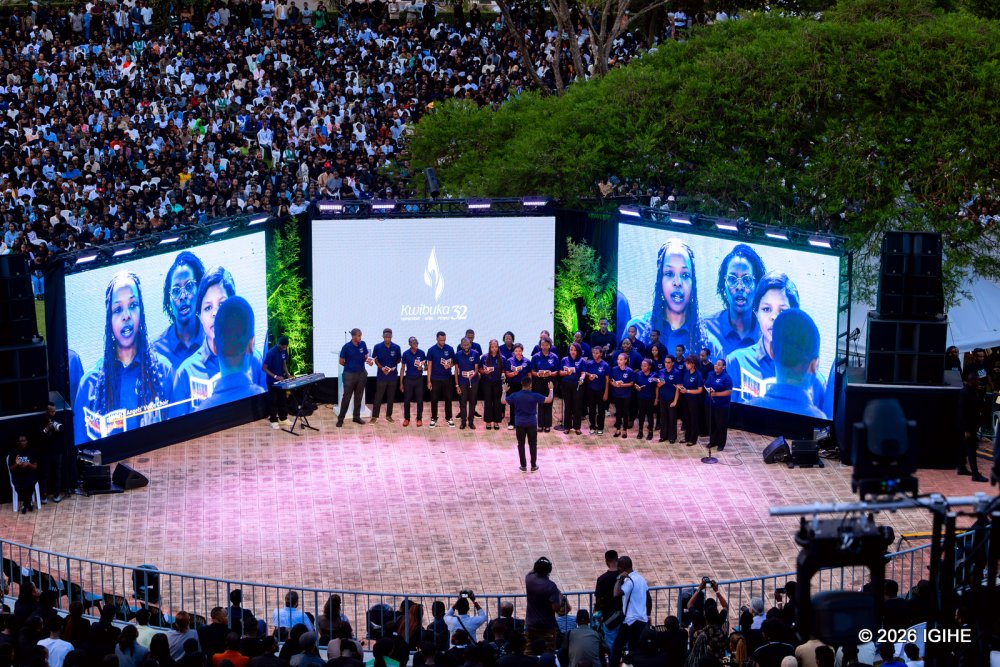
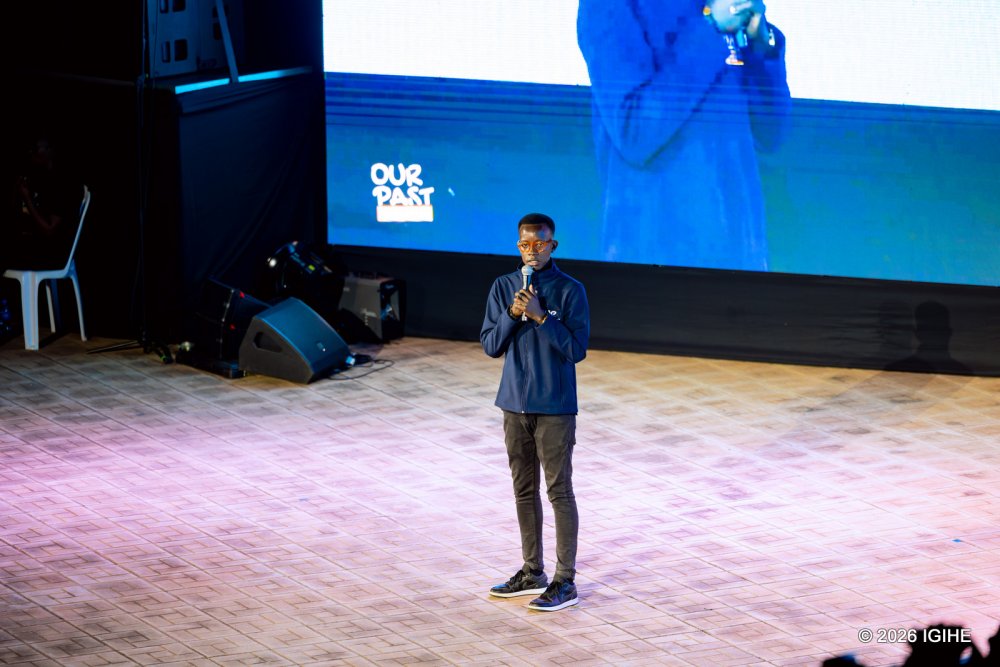
He made the remarks during the 32nd commemoration of the Genocide against the Tutsi, organised by a youth initiative known as “Our Past Initiative,” which is held annually on April 9. The event brought together more than 10,000 young people at the Nyanza Genocide Memorial in Kicukiro District.
Nduhungirehe said that while remembrance is a matter of principle for Rwandans, it is sometimes misunderstood internationally as an expression of resentment.
“Commemoration is very important, but not everyone understands it that way. Some believe we should forget and move on with life. I have personally been told that Rwandans are exaggerating and should simply forget,” he said.
He stressed that such a position is impossible given the scale and nature of the crime committed during the genocide.
“The Genocide against the Tutsi claimed more than one million lives out of a population of just over seven and a half million in only 100 days. It was an unimaginable crime, which is why remembrance must continue indefinitely,” he said.
Nduhungirehe reflected on Rwanda’s historical context, including the colonial period, during which social categories of Hutu, Tutsi, and Twa were ethnicised, and divisive ideologies were introduced and reinforced under Belgian rule.
He noted that these ideologies were later sustained by successive post-independence governments, from Grégoire Kayibanda to Juvénal Habyarimana, and further entrenched through education systems that normalised ethnic division from an early age.
“In history classes, no child could be identified as Tutsi without consequences. Students were taught divisive narratives and then asked to identify themselves along ethnic lines. Teachers often knew students’ backgrounds and would single them out accordingly,” he said.
He argued that decades of indoctrination and hate propaganda contributed significantly to the scale and intensity of the genocide.
“The genocide was carefully planned, but without more than 30 years of indoctrination, it would not have reached such magnitude. People were taught to see their neighbours as enemies,” he said.
He added that the genocide was not carried out by a single group, but involved widespread participation.
“The genocide was not committed by the Interahamwe alone, nor solely by the army. In many cases, neighbours took part. That is why escape was extremely difficult,” he said.
Following the genocide, Rwanda embarked on a long process of rebuilding national unity and reconciliation.
This included psychosocial healing programmes, the establishment of the National Unity and Reconciliation Commission, and community-based justice mechanisms such as Gacaca courts, which enabled citizens to participate in delivering justice for genocide crimes.
On the international stage, he said, Rwanda faced significant resistance in securing recognition that the 1994 atrocities constituted the Genocide against the Tutsi, rather than a general genocide in Rwanda.
“For many years, it was difficult to have the genocide recognised as the Genocide against the Tutsi,” he said.
He noted that the United Nations General Assembly only formally adopted the International Day of Reflection on the Genocide against the Tutsi on April 7 in 2020, 26 years after the genocide.
He attributed the delay to resistance from powerful member states within the United Nations.
“There were powerful countries that did not accept the terminology and did not want it to be called the Genocide against the Tutsi,” he said.
He added that Rwanda often had to advocate persistently for international recognition of its history.
“In 2014, when I was a diplomat in New York, we spent nights lobbying countries to acknowledge our history. Many of those countries had not intervened or had, in some cases, been complicit,” he said.
Call to youth
Nduhungirehe warned of ongoing genocide denial and revisionism, particularly among some members of the Rwandan diaspora youth.
He cited groups such as Jambo ASBL, which he said are composed of children of individuals implicated in the genocide, and which promote narratives denying that the genocide was planned, instead claiming it was a spontaneous reaction following the assassination of President Juvénal Habyarimana.
He urged young people to actively counter such narratives by studying history, educating others, and rejecting genocide ideology.
“National unity, reconciliation, and the understanding that we are one people must remain our priority. We must tell young people abroad that genocide ideology has no place in Rwanda and will never be tolerated again,” he said.
he event brought together more than 10,000 young people at the Nyanza Genocide Memorial in Kicukiro District.Nduhungirehe said that while remembrance is a matter of principle for Rwandans, it is sometimes misunderstood internationally as an expression of resentment.
The proclamation honors the memory of over one million people who were deliberately and systematically killed during the 1994 Genocide against the Tutsi, in which Tutsi were specifically targeted.
This recognition follows a broader shift in international acknowledgment, including by the United States, which has recently adopted the accurate terminology “Genocide Against the Tutsi,” moving away from the previously used “Rwandan Genocide.” Other jurisdictions, such as Kentwood City, have also priclaimed April 7 as the remembrance day for teh genocide.
In the proclamation, Whitmer noted that the genocide remains a historical fact recognized by major international bodies, including the United Nations, the International Criminal Tribunal for Rwanda, and the African Union, as well as survivor communities around the world.
The statement also recalled that on December 23, 2003, the United Nations designated April 7 as an international day of remembrance, now known as the International Day of Reflection on the 1994 Genocide Against the Tutsi in Rwanda. The day underscores a shared global responsibility to honor victims, support survivors, and prevent future atrocities.
Whitmer highlighted the importance of remembrance in countering genocide denial, distortion, and revisionism, warning that such narratives continue to harm survivors and undermine historical truth.
The proclamation further acknowledged the contributions of the Rwandan community living in Michigan, including survivors, descendants, scholars, and civic leaders, noting their role in strengthening the state’s cultural and economic life through resilience and commitment to education.
It also aligned the observance with the global Kwibuka remembrance period, meaning ‘to remember’, during which communities around the world honor victims of the genocide while reaffirming commitments to truth, resilience, and prevention.
Concluding the proclamation, the State of Michigan reaffirmed its dedication to human rights, the rule of law, and truthful education, while standing firmly against antisemitism, racism, xenophobia, and all forms of ethnic hatred.
IBUKA USA, an umbrella organization of survivors of the Genocide Against the Tutsi living in the United States, together with the Rwandan community in Michigan, welcomed the decision taken by Governor Gretchen Whitmer.
The President of IBUKA USA, Marcel Mutsindashyaka, described the proclamation as a strong affirmation of truth.
“This decision is a support for truth. When the Genocide Against the Tutsi is called by its proper name, it restores dignity to those who were targeted and reinforces the truth that survivors have upheld for many years,” he said.
Meanwhile, Caleb J. Uwagaba, President of the Rwandan community in Michigan, said the Governor’s decision carries significant meaning both within Michigan and across the United States.
Michigan Governor Whitmer highlighted the importance of remembrance in countering genocide denial, distortion, and revisionism.