During this period, the park received more than 11,700 visitors, with Rwandan tourists accounting for the largest share. The figures highlight continued growth in domestic tourism and the park’s rising appeal.
Park authorities attribute this growth to the presence of the “Big Five” species, lions, elephants, buffaloes, leopards, and rhinos, as well as ongoing conservation efforts and tourism promotion campaigns, including the Visit Rwanda initiative.
Compared to the same period in 2025, revenue increased by 8%, with earnings from tourism and related commercial activities reaching approximately $1.33 million.
National Geographic further boosted the park’s global profile by listing Akagera among the 25 must-visit destinations in the world for 2026, citing its exceptional biodiversity and scenic landscapes.
Local communities benefit from tourism revenue
Communities surrounding Akagera National Park also reported significant earnings during the first quarter of 2026, collectively generating over $168,220 through conservation-linked income-generating activities.
Fishing groups earned $59,770, while beekeepers made $17,309. Income from crafts, poultry farming, and accommodation services totaled $16,998.
In addition, local tour guides earned $31,922, and cooperatives involved in construction and casual labor generated $42,227. These figures reflect the growing role of community participation in conservation-based tourism.
Wildlife monitoring strengthened with technology
Akagera’s wildlife continues to roam freely within its open ecosystem, meaning animal sightings vary across time and location.
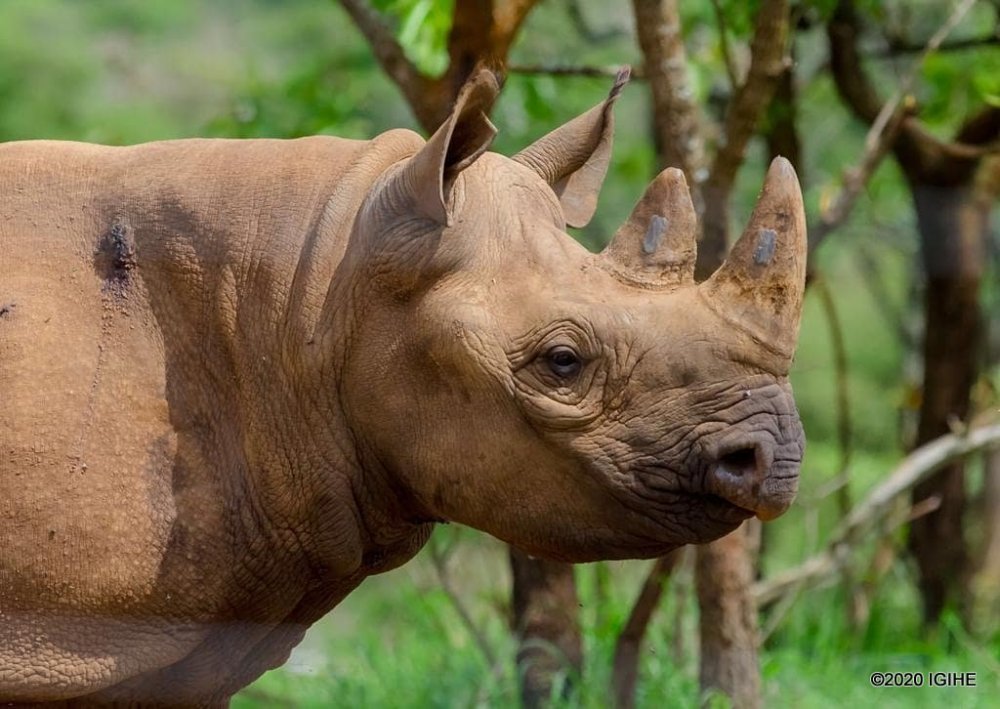
Between January and March 2026, conservation teams fitted GPS collars on three lions and one elephant to enhance tracking and research efforts. In addition, 17 black rhinos were equipped with VHF transmitters attached to their horns to support monitoring and protection efforts.
Established in 1934, Akagera National Park spans 1,122 square kilometers and is one of Rwanda’s most biodiverse protected areas. It is home to more than 11,300 recorded animals, including approximately 60 lions, 142 elephants, 4,000 buffaloes, 115 giraffes, between 80 and 100 leopards, and 145 rhinos.
Other species include around 2,000 impalas, 1,500 antelopes, and between 120 and 150 hyenas. The park also supports an estimated 1,500–1,800 hippos, 1,000 waterbucks, and over 1,000 additional antelope species.
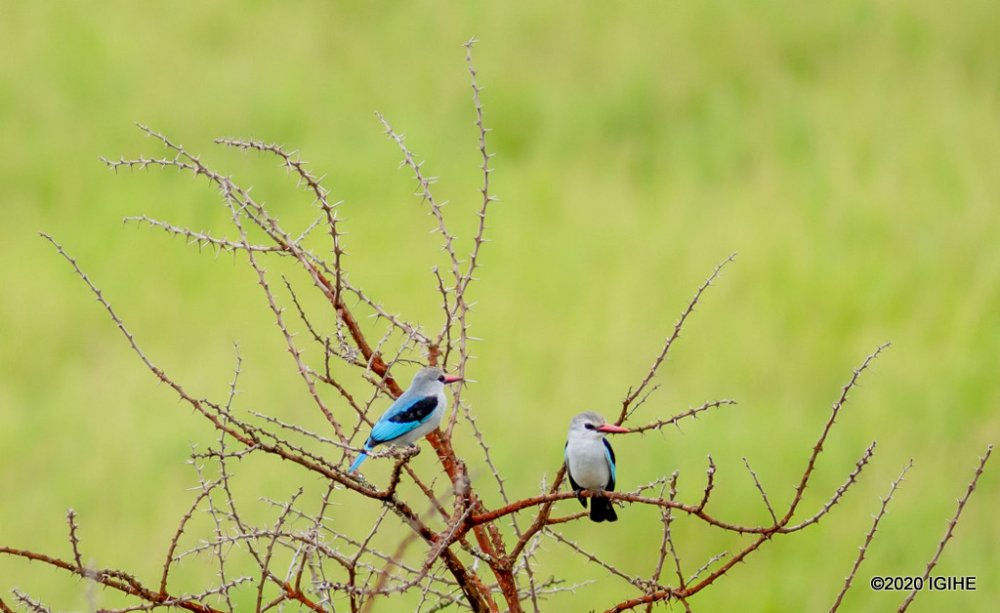
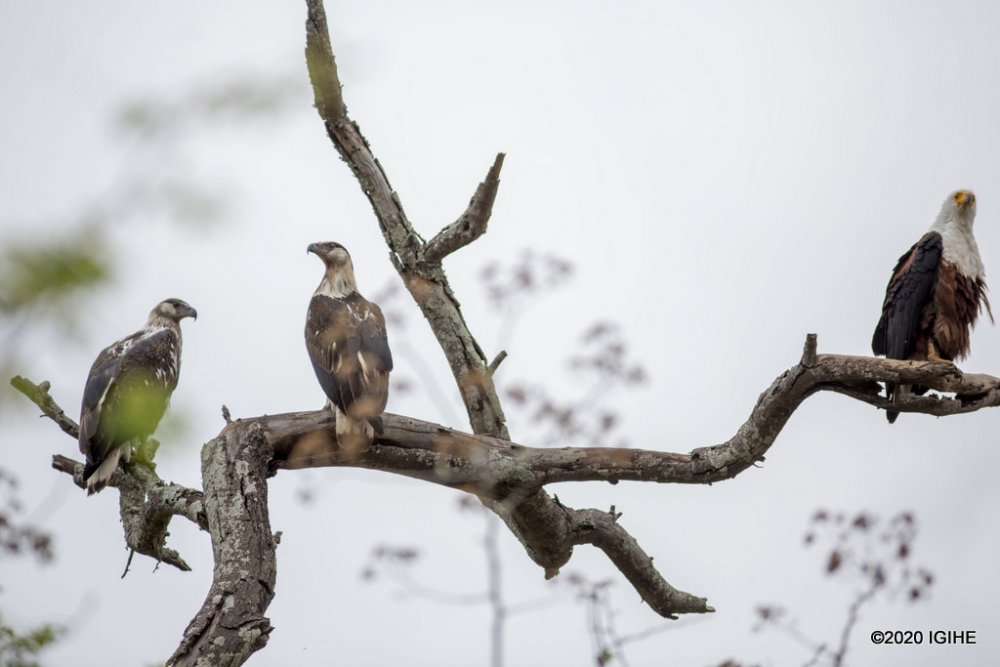
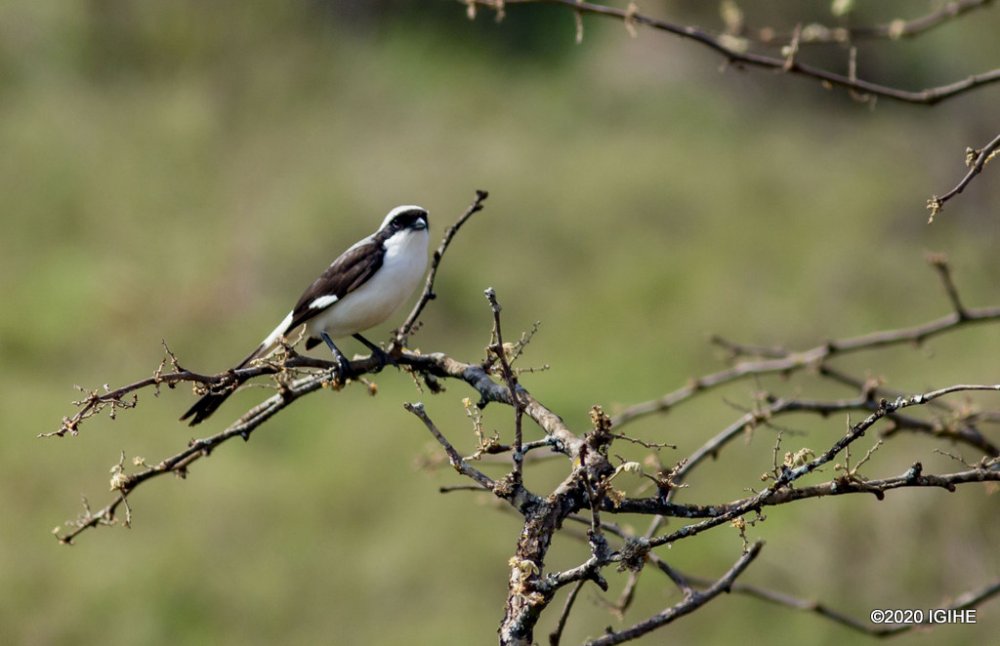
Akagera is also a major birding destination, hosting about 500 bird species, the highest number recorded in any national park in Rwanda. By comparison, Nyungwe National Park hosts around 300 species, while Gishwati and Volcanoes National Parks have fewer.
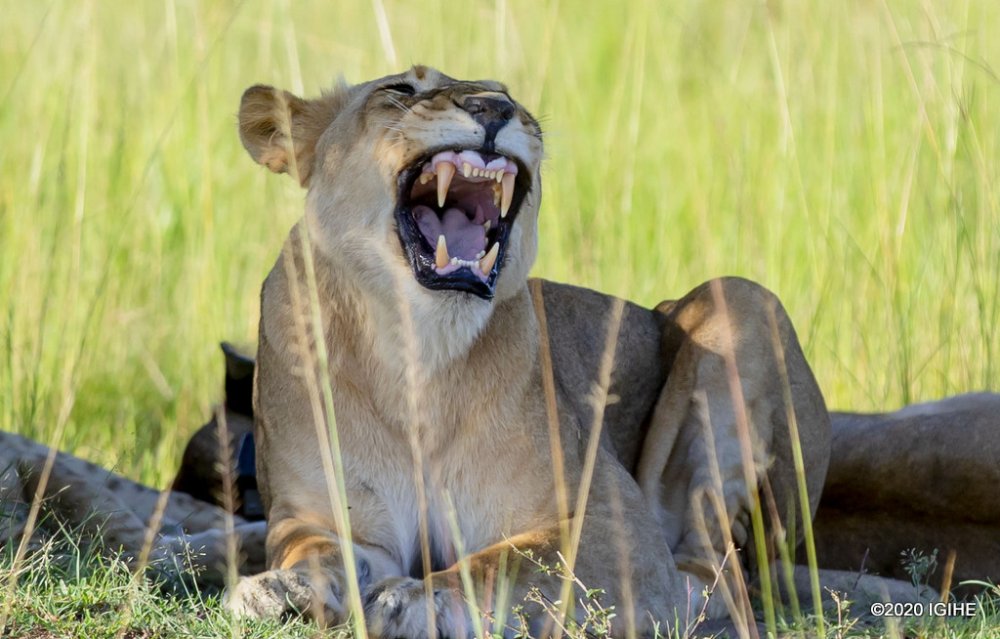
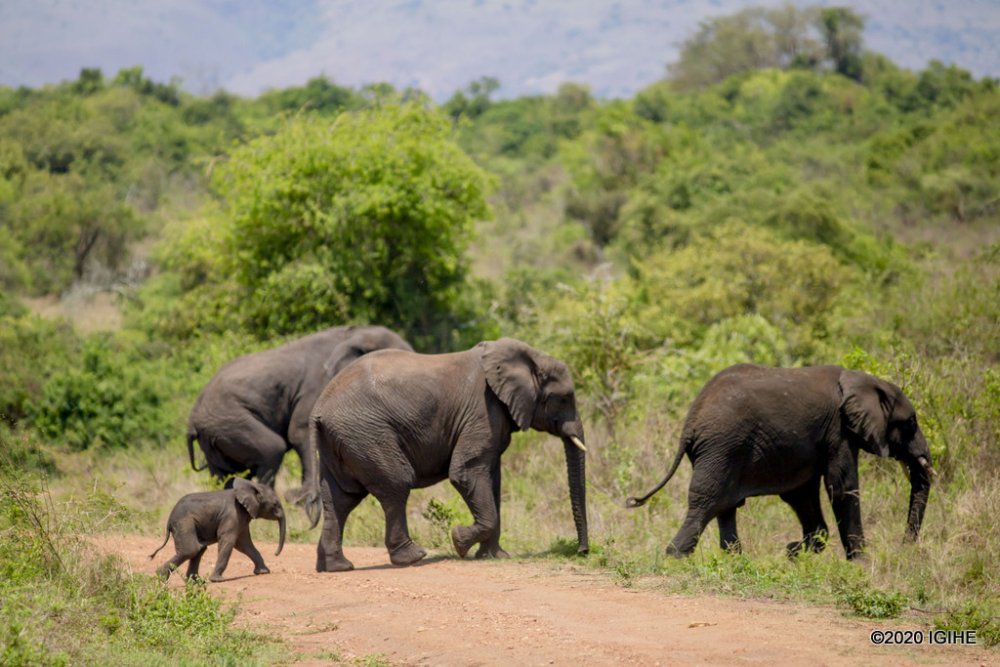
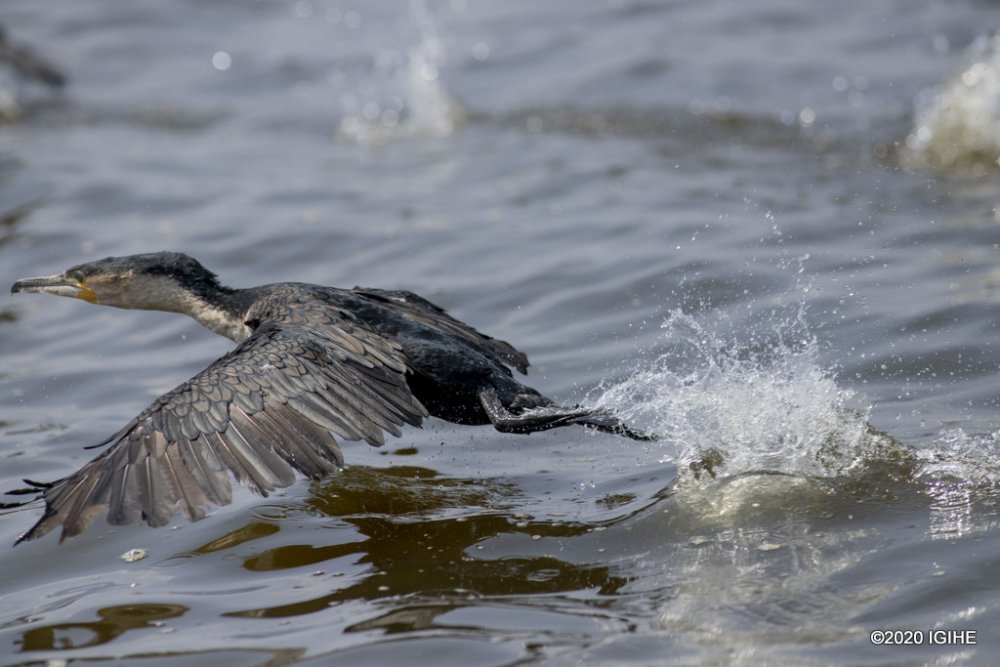
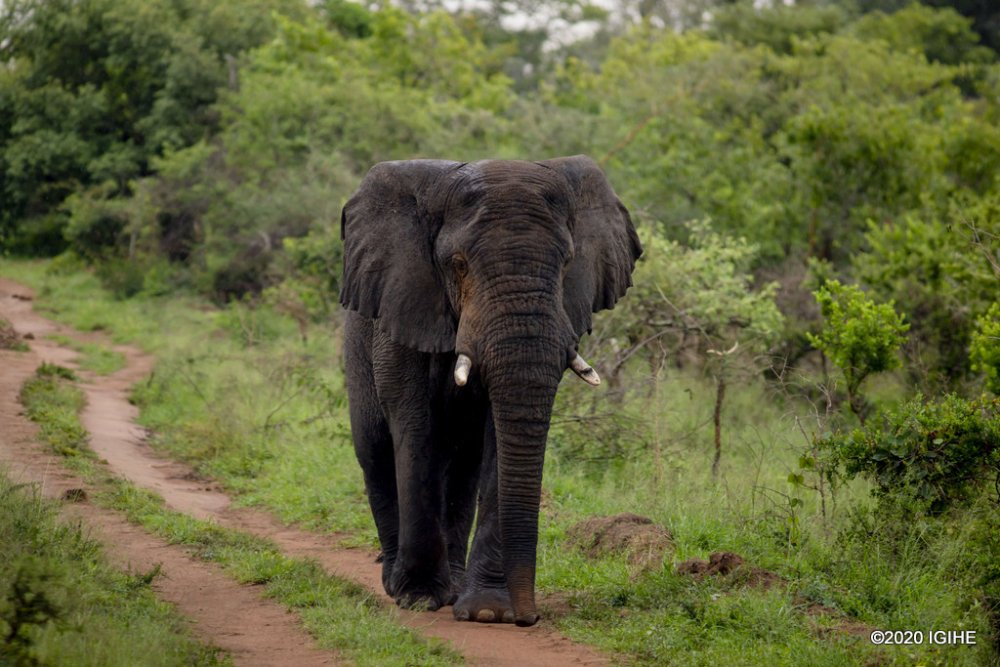
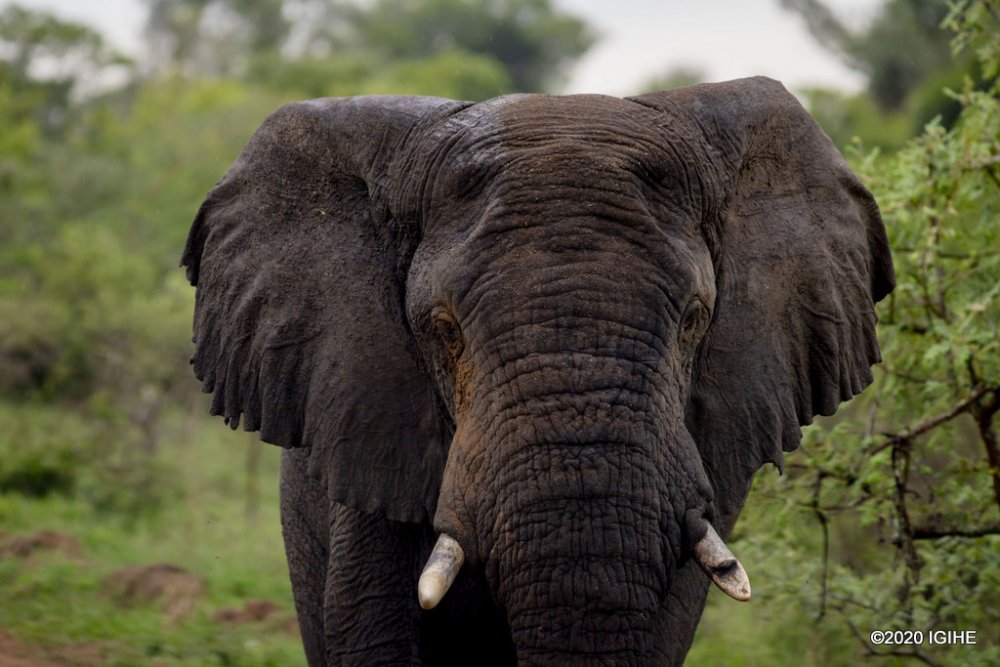
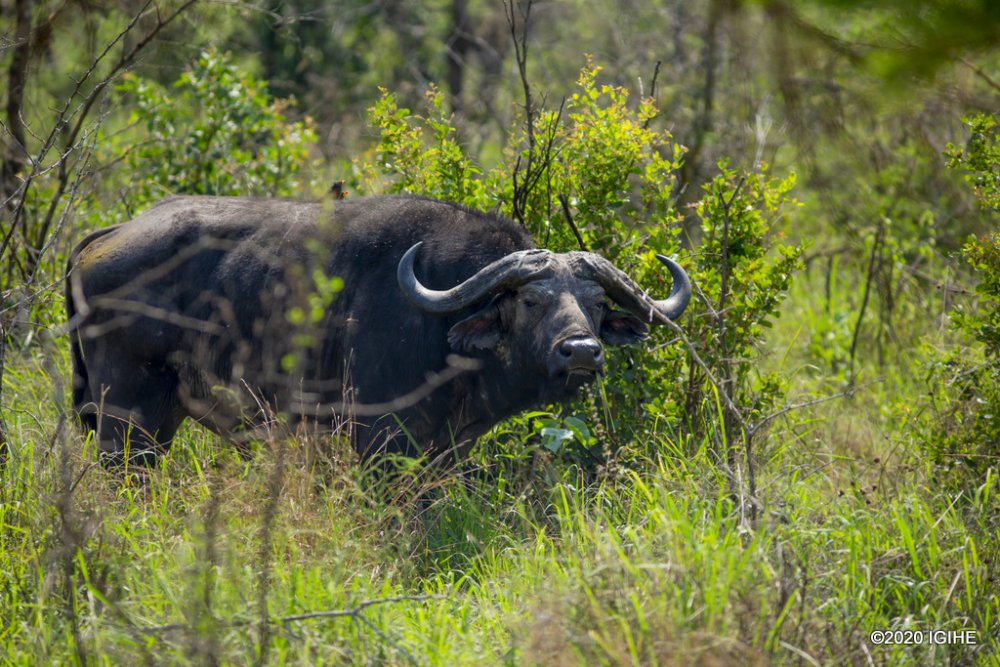
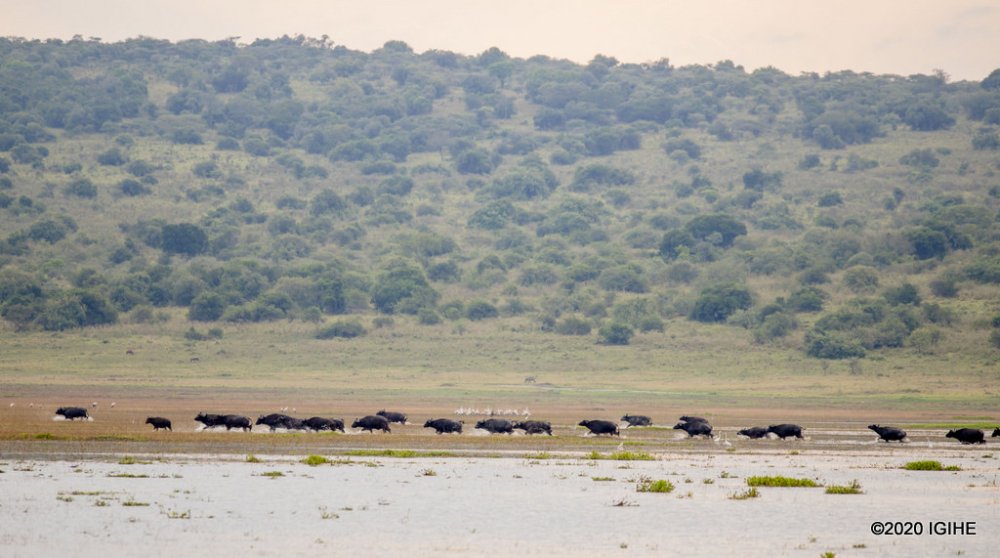
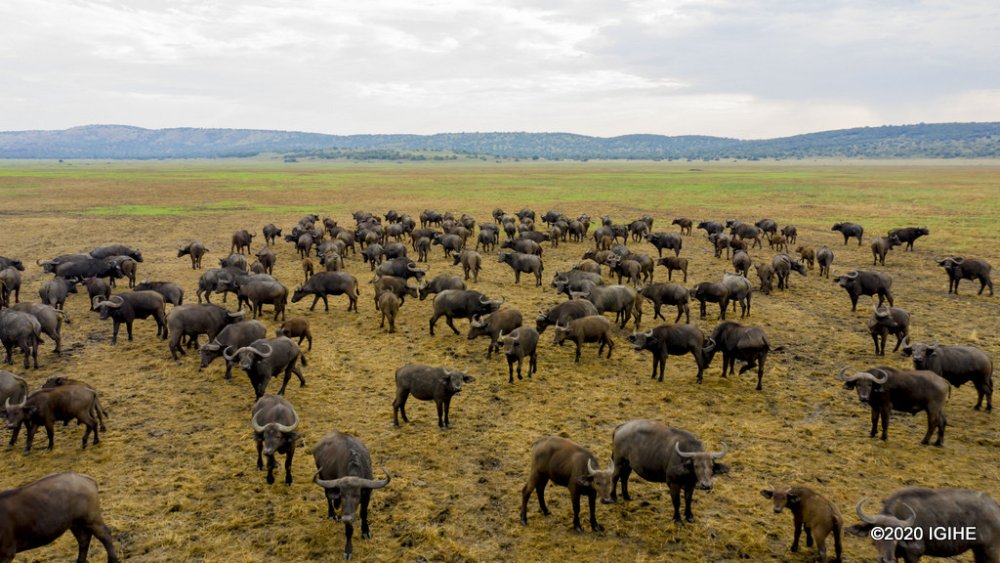
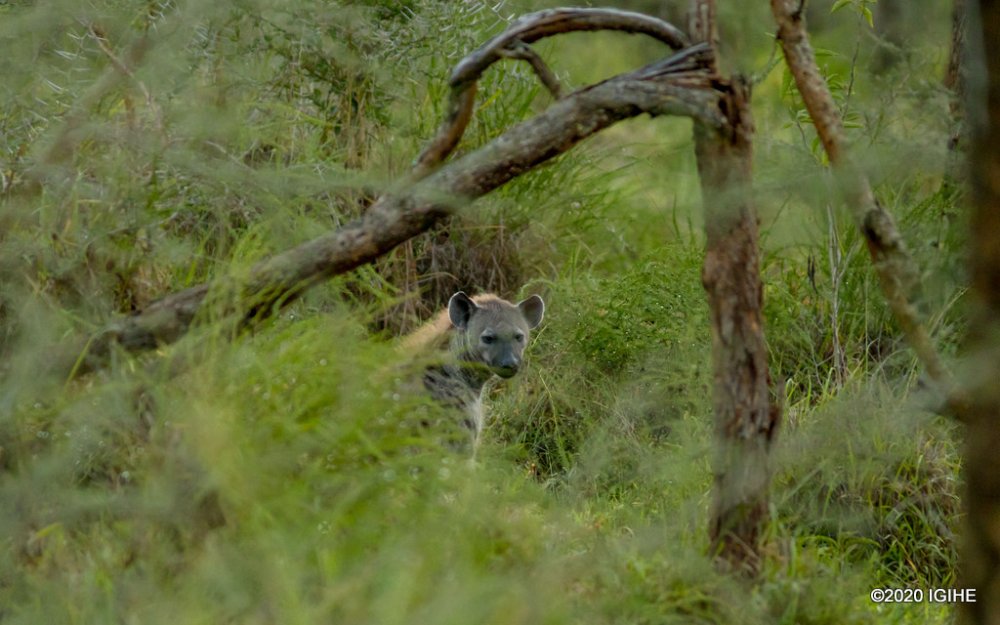
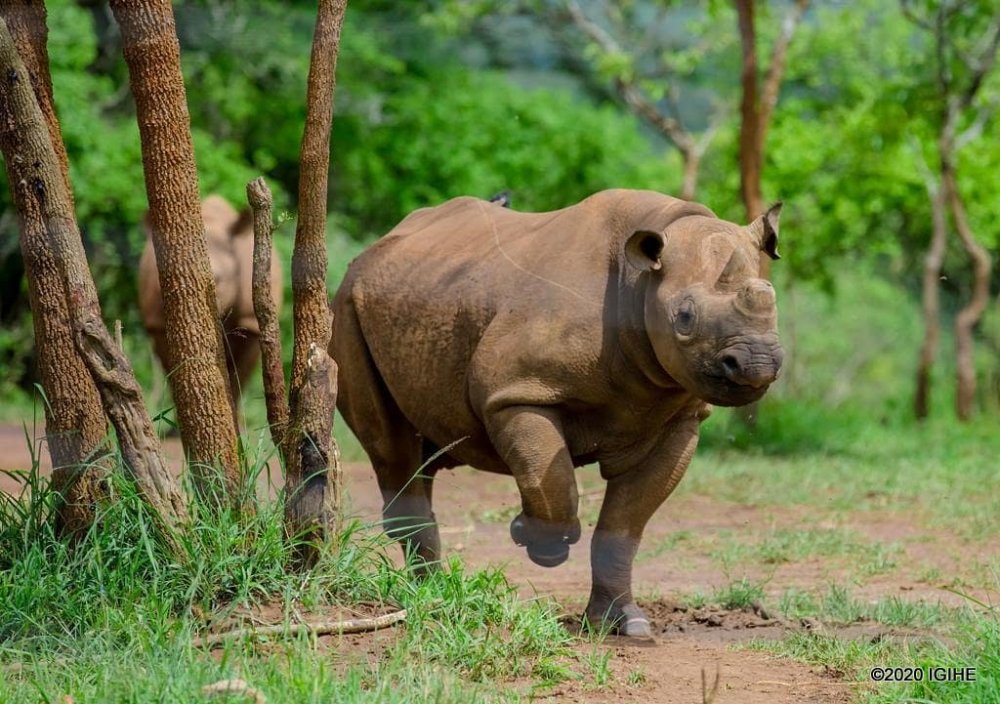
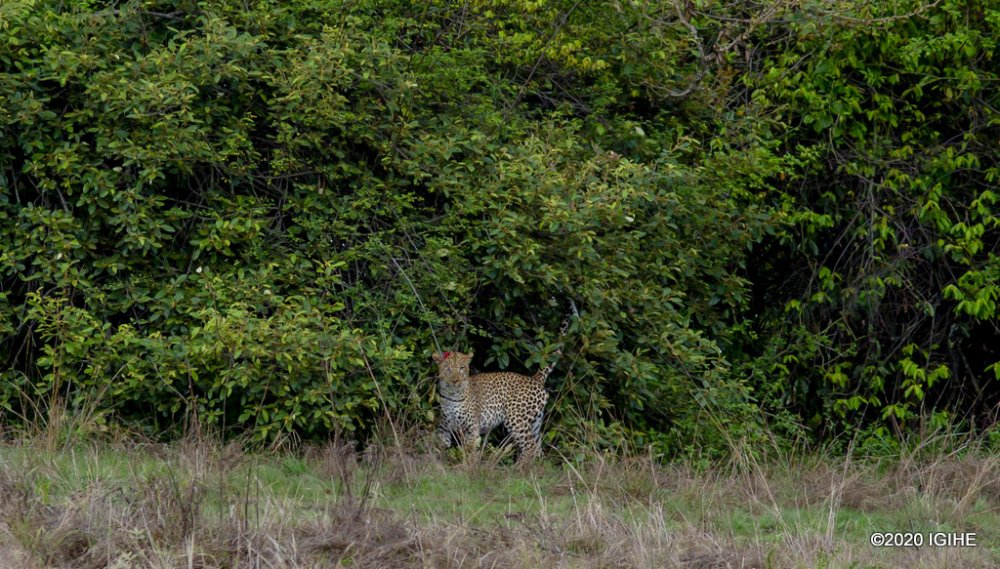
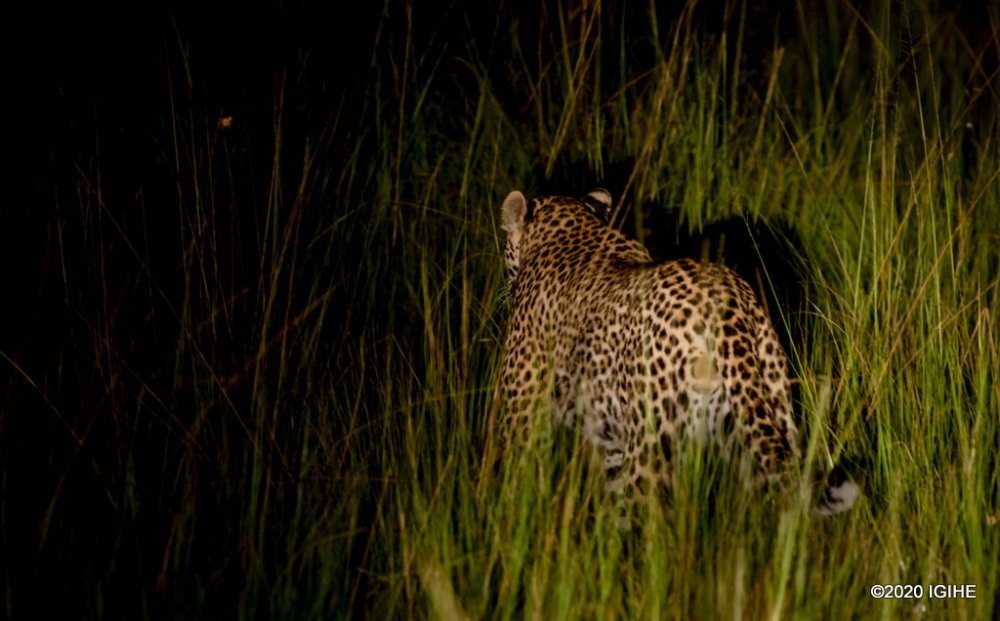
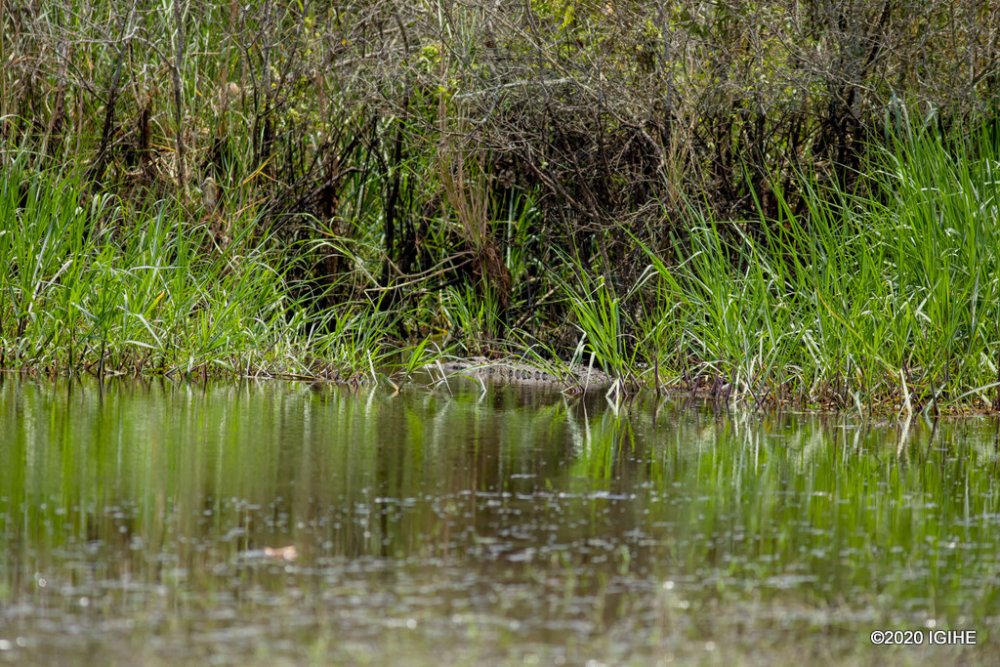
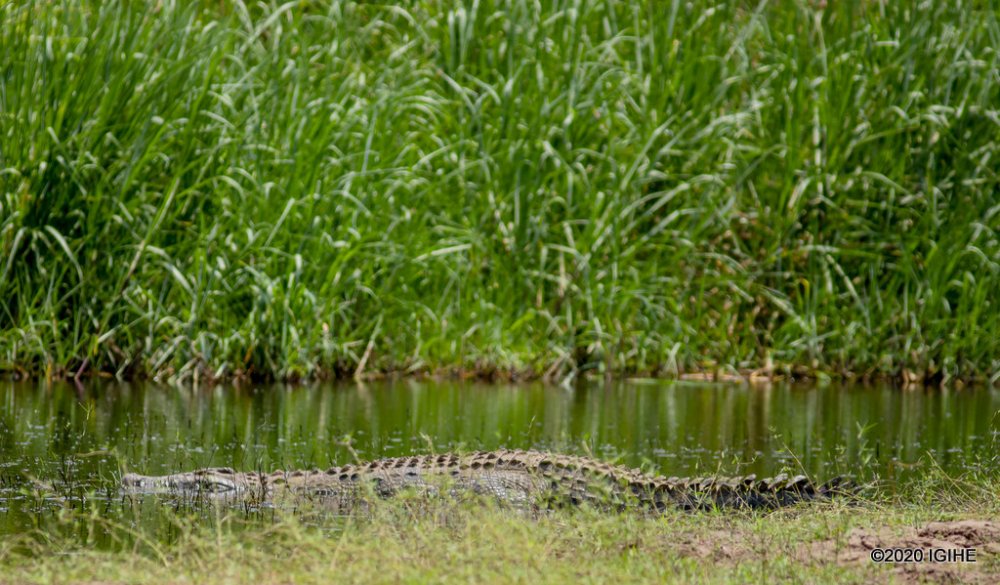
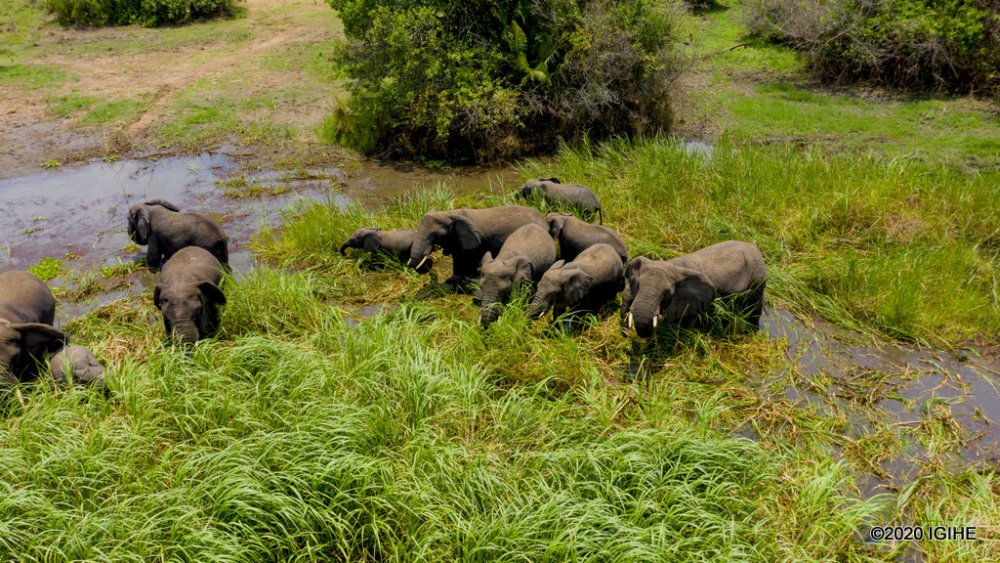
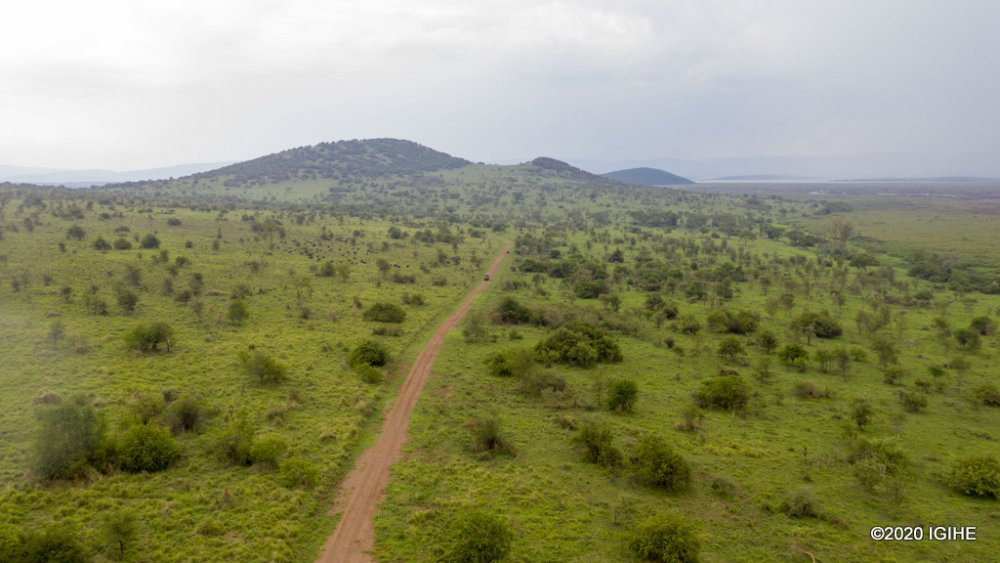
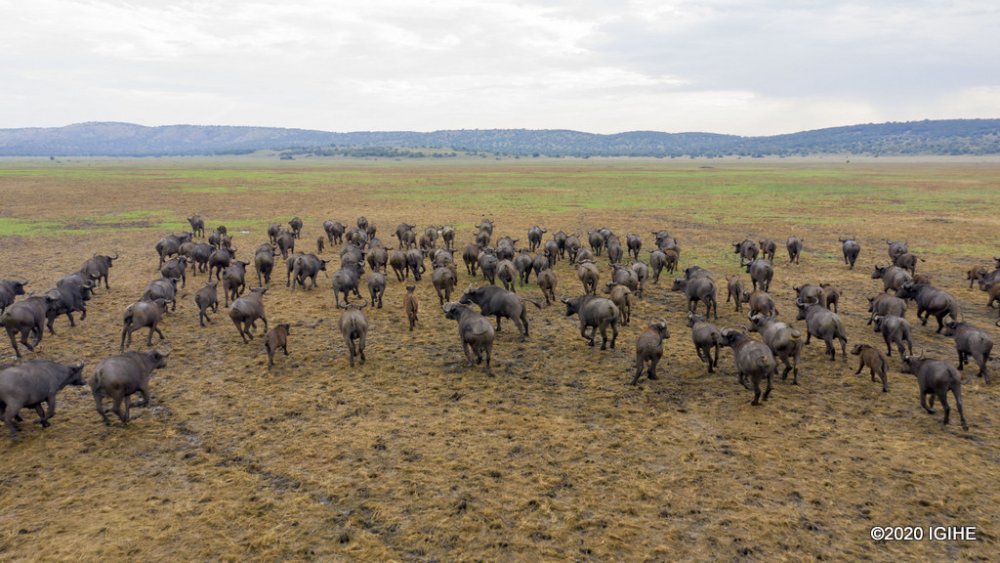
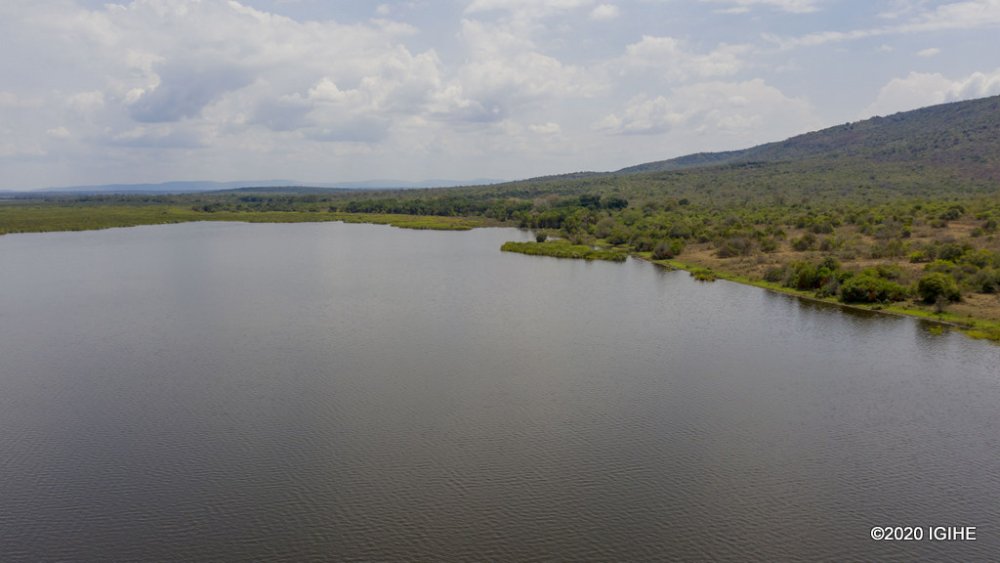
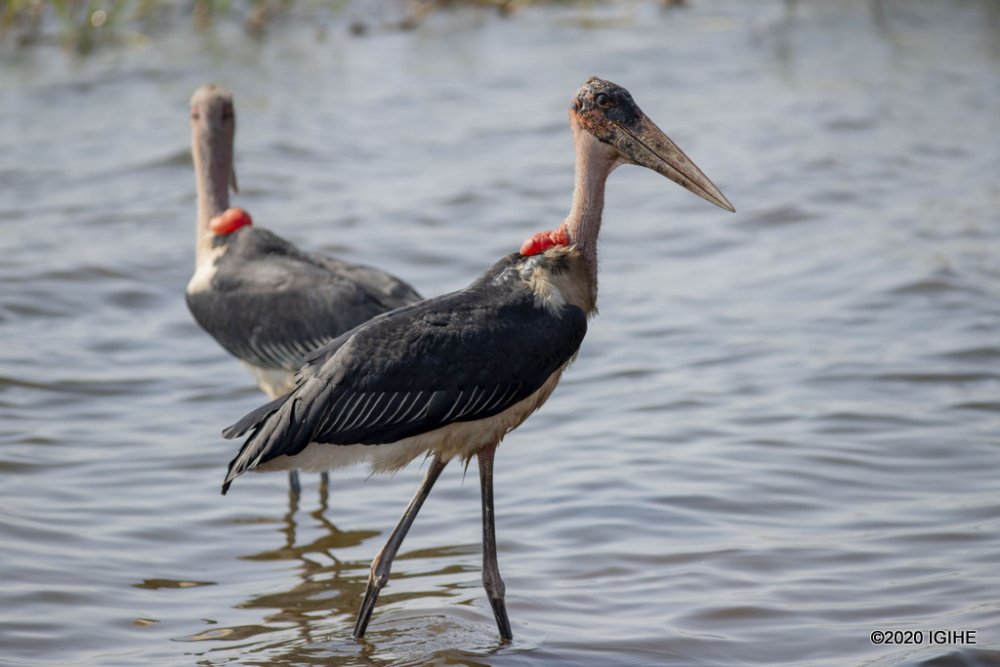
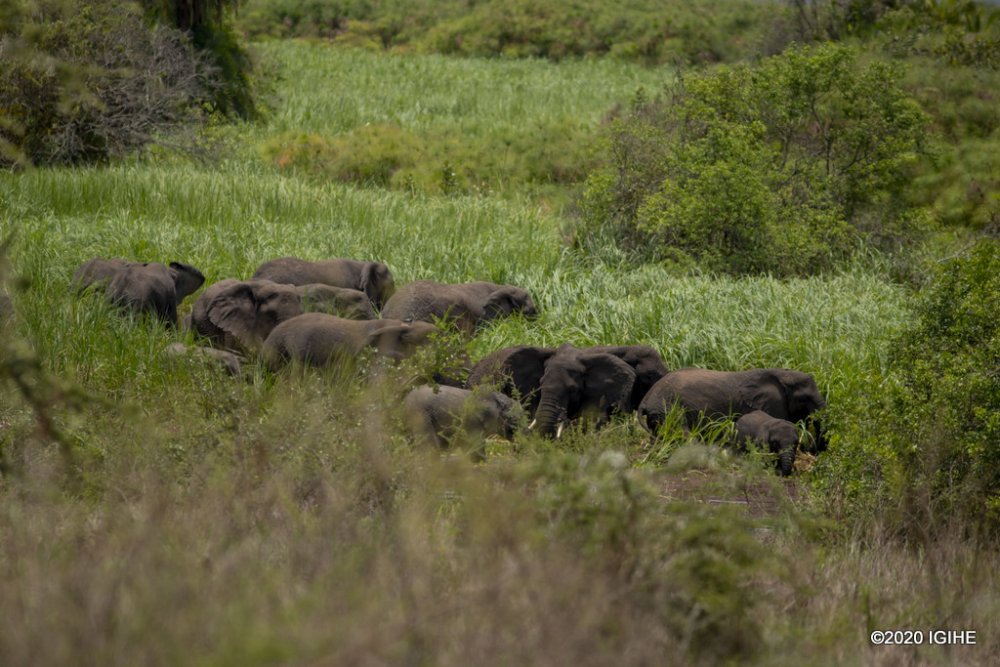
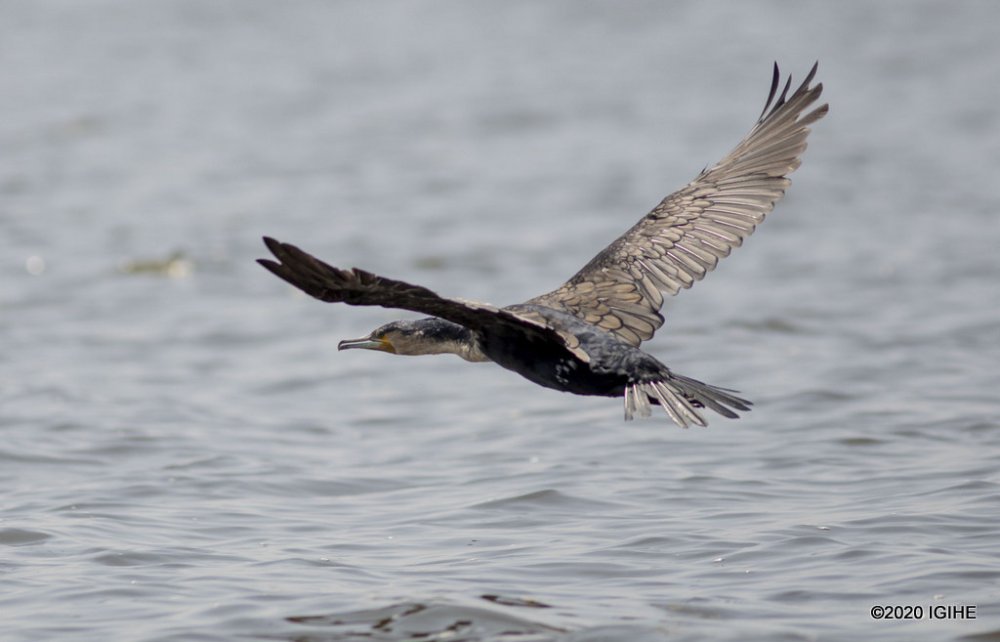
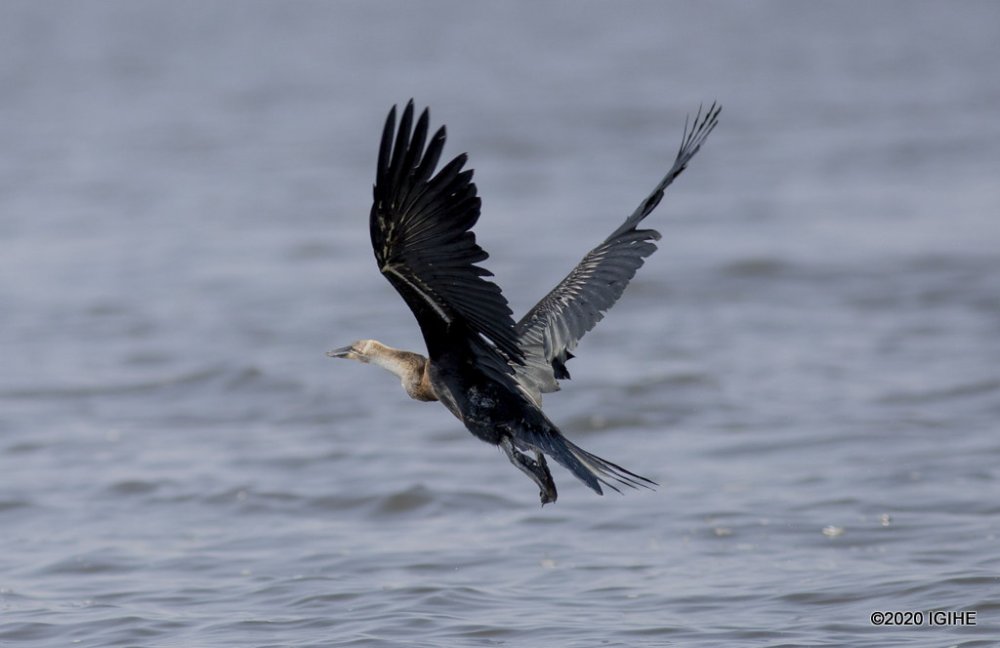
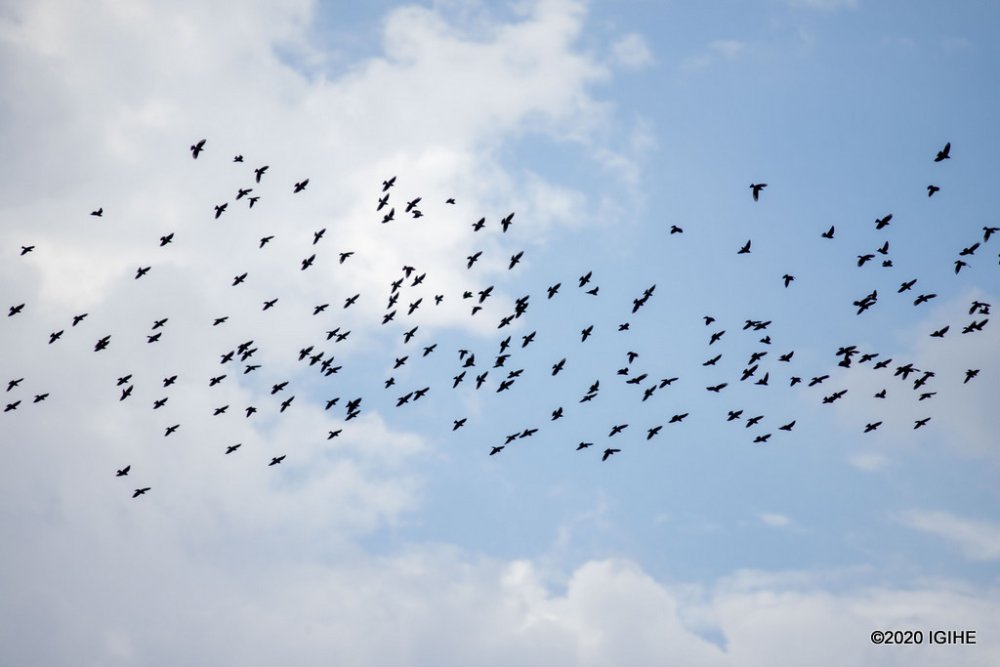
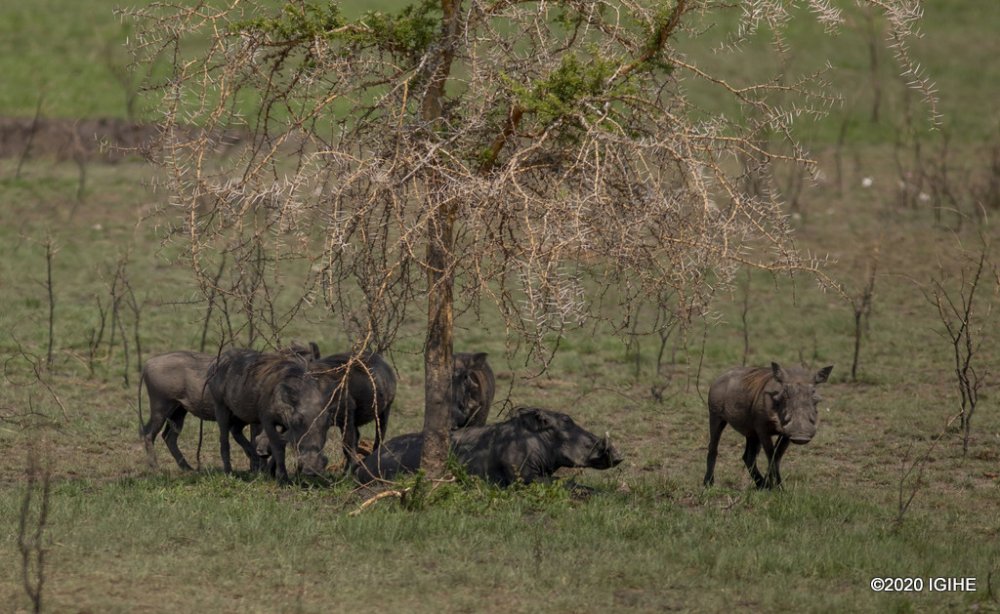
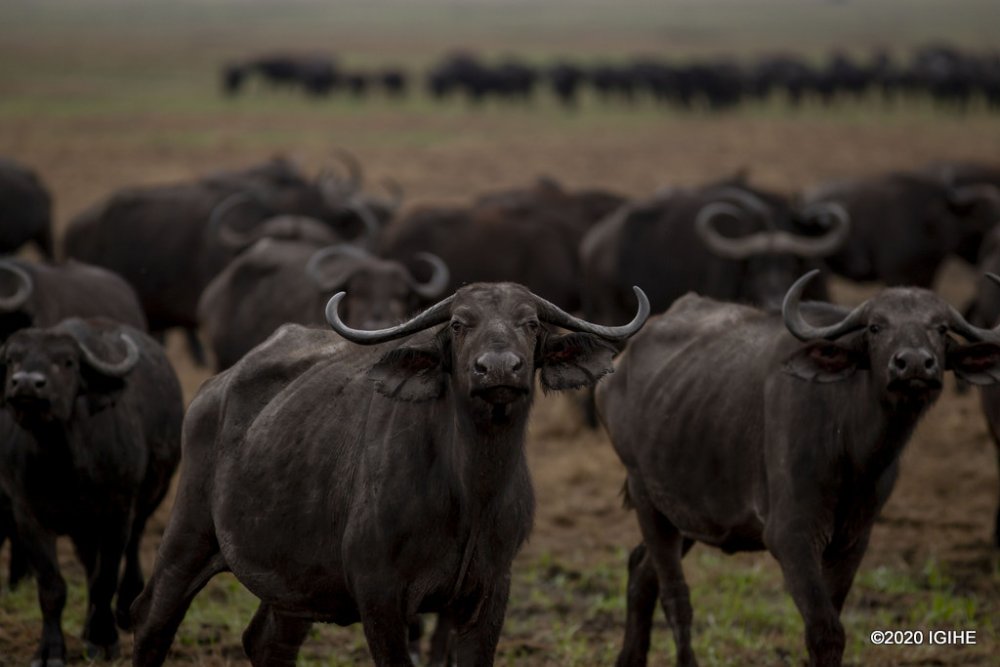
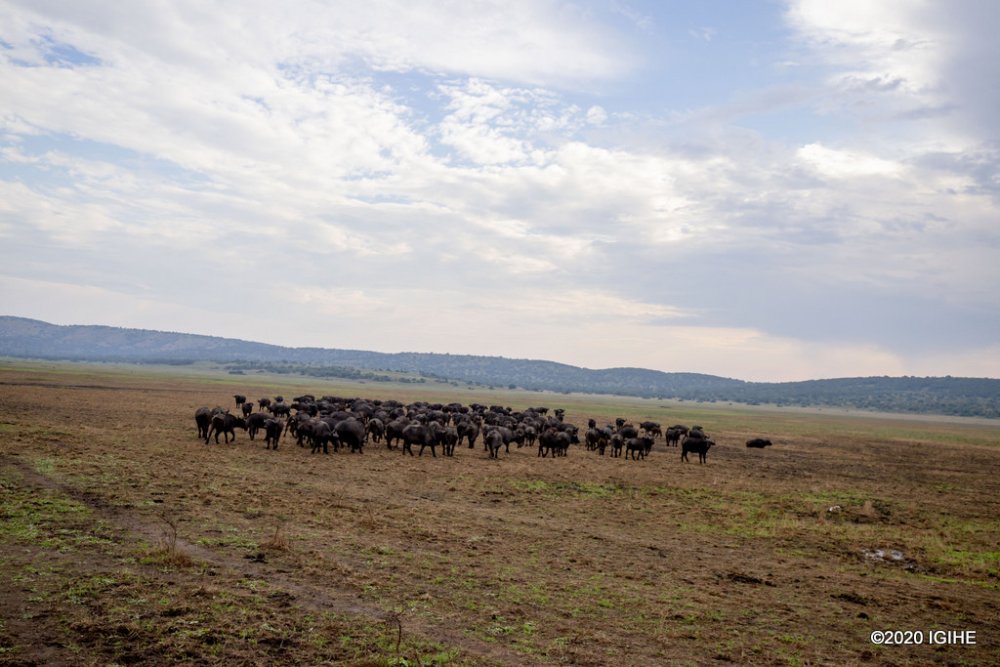
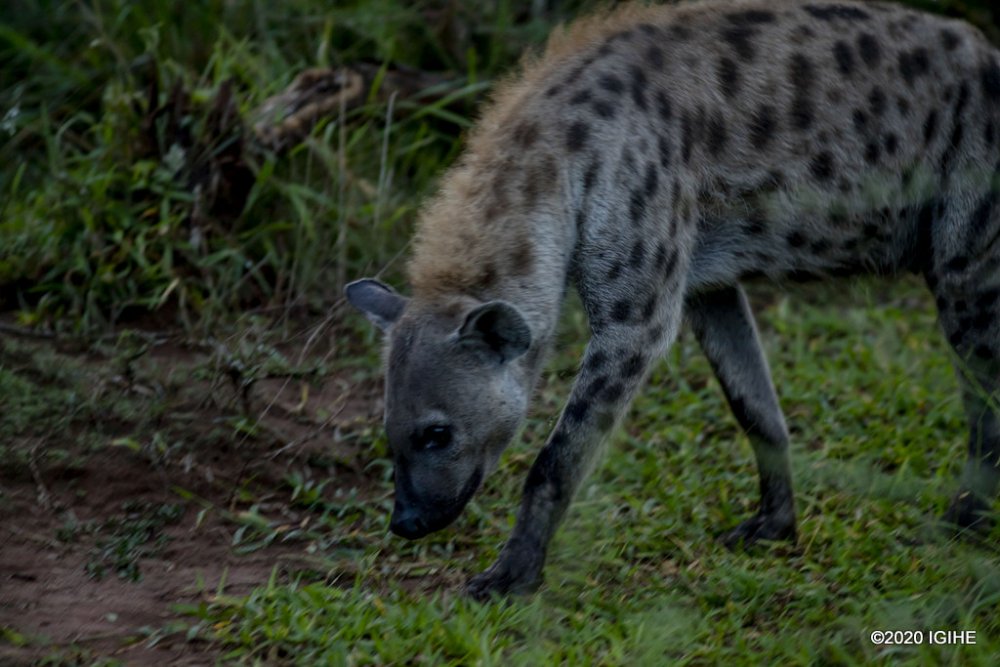
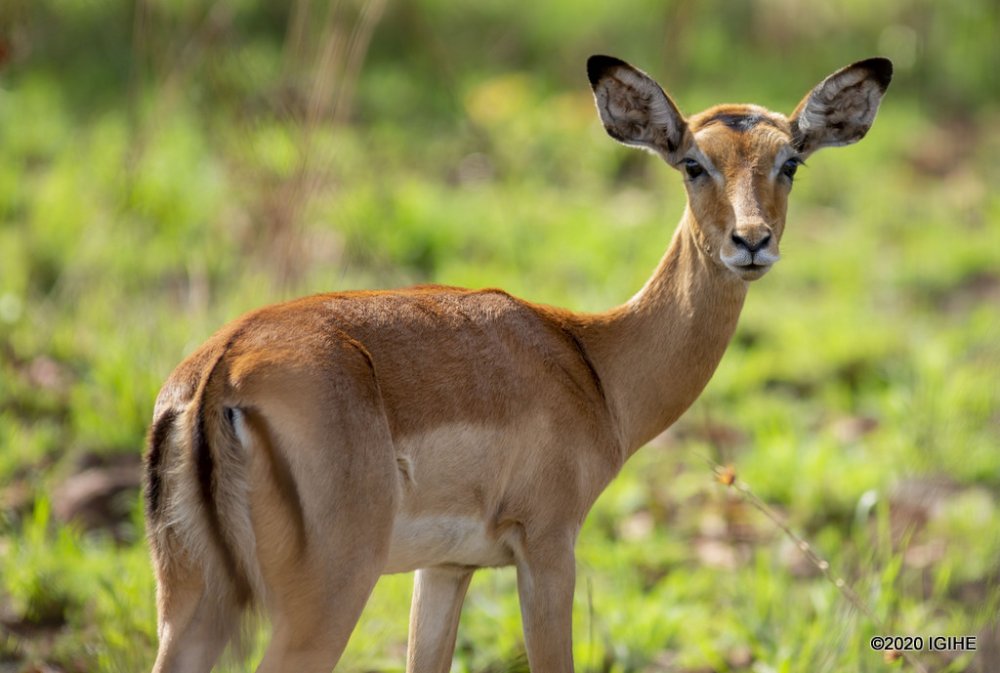
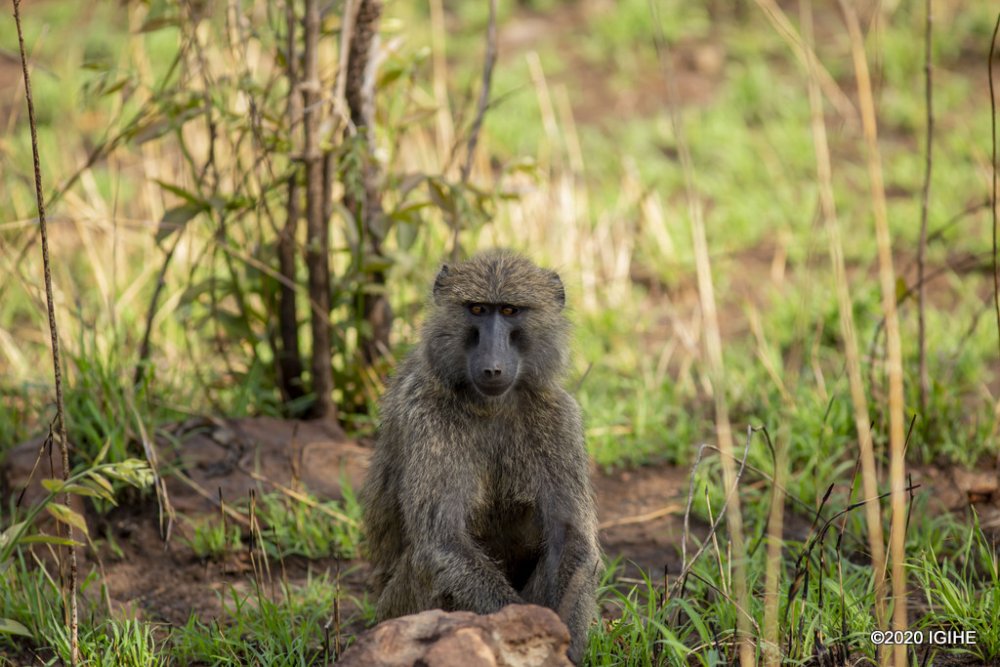
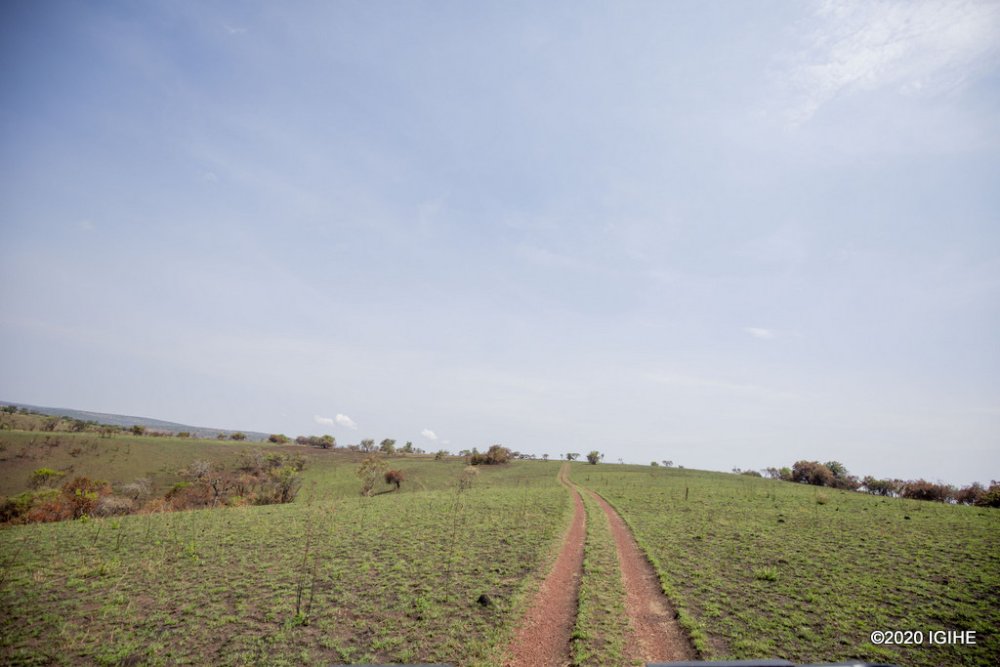
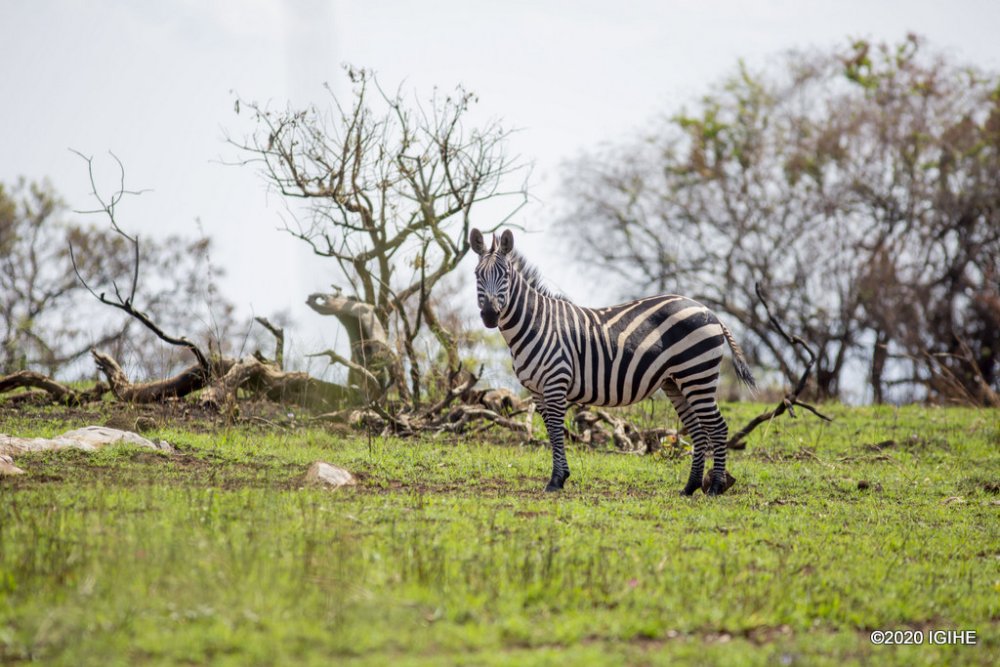
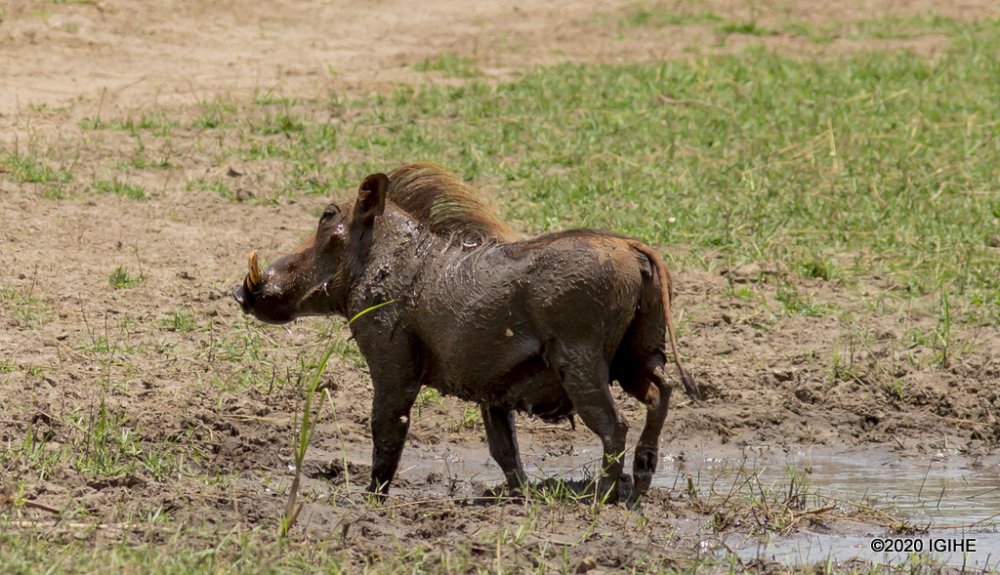
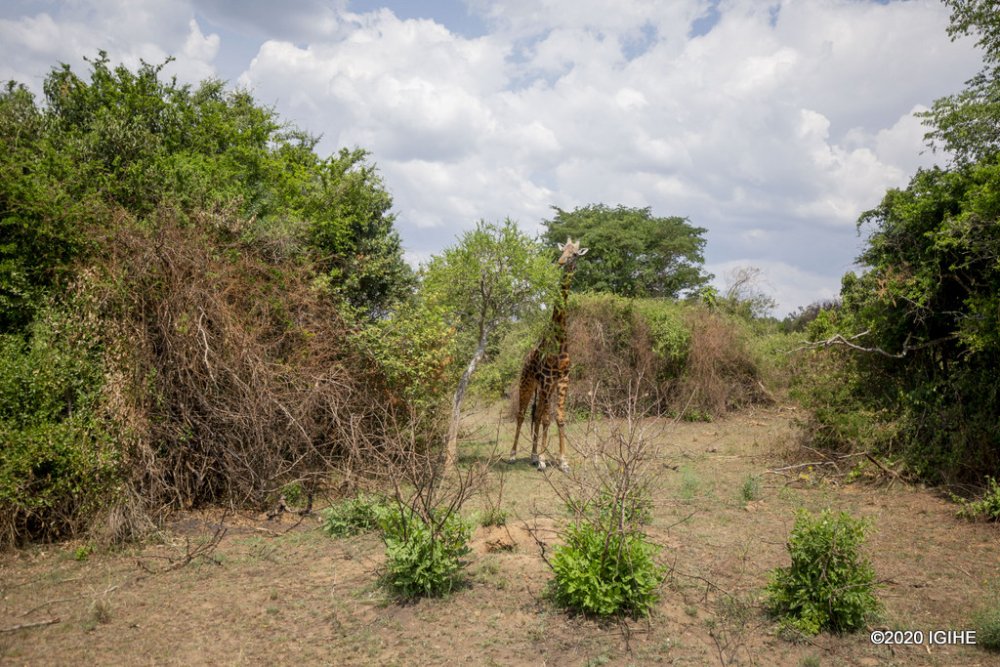
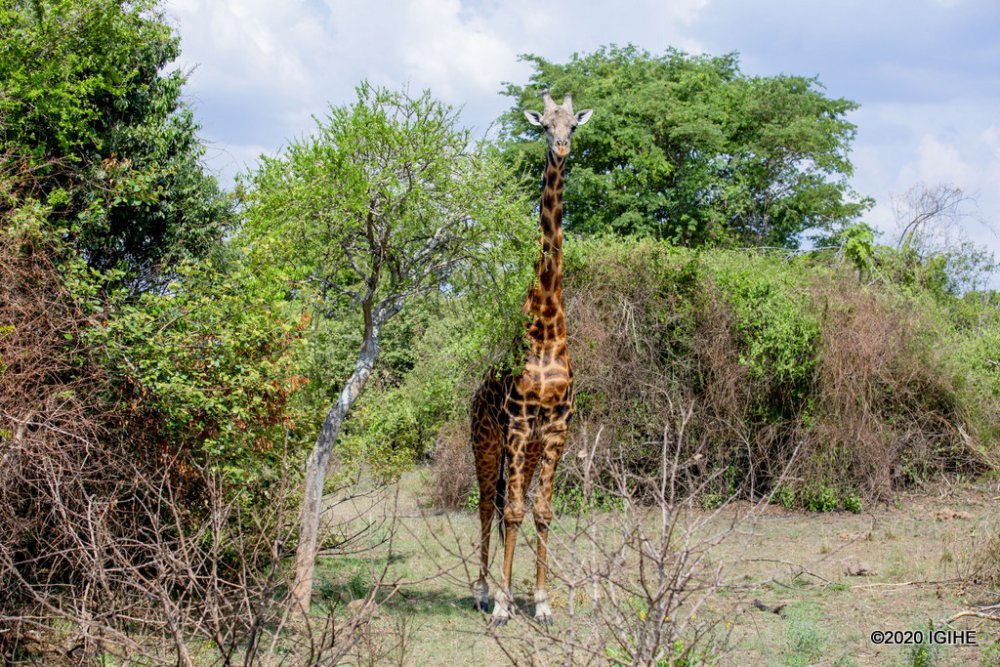
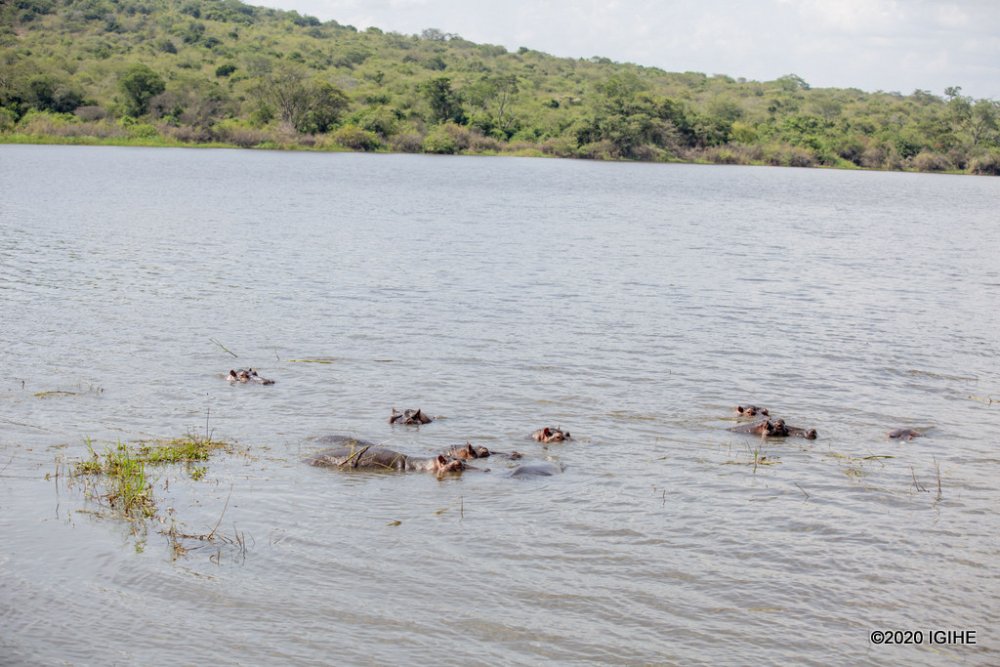
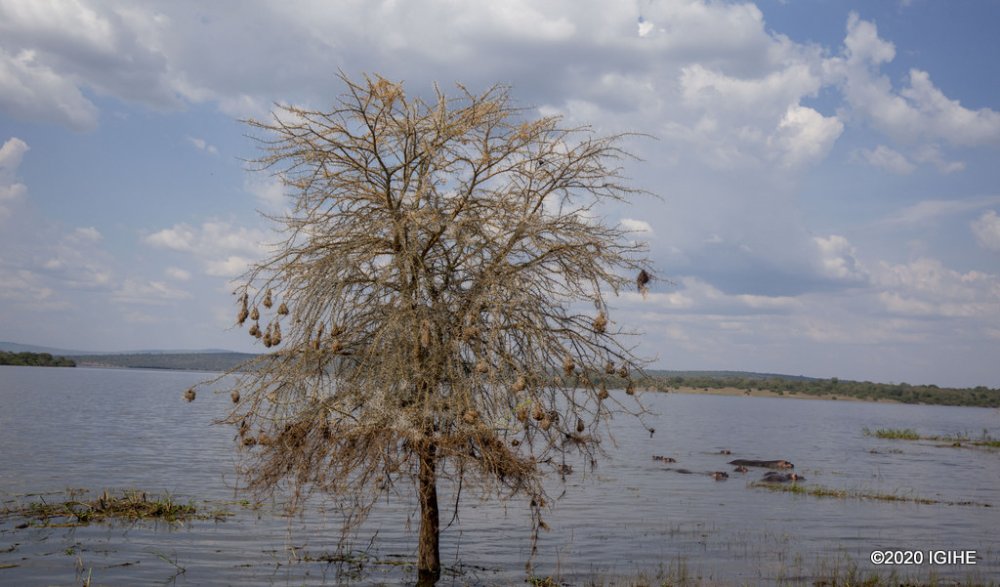
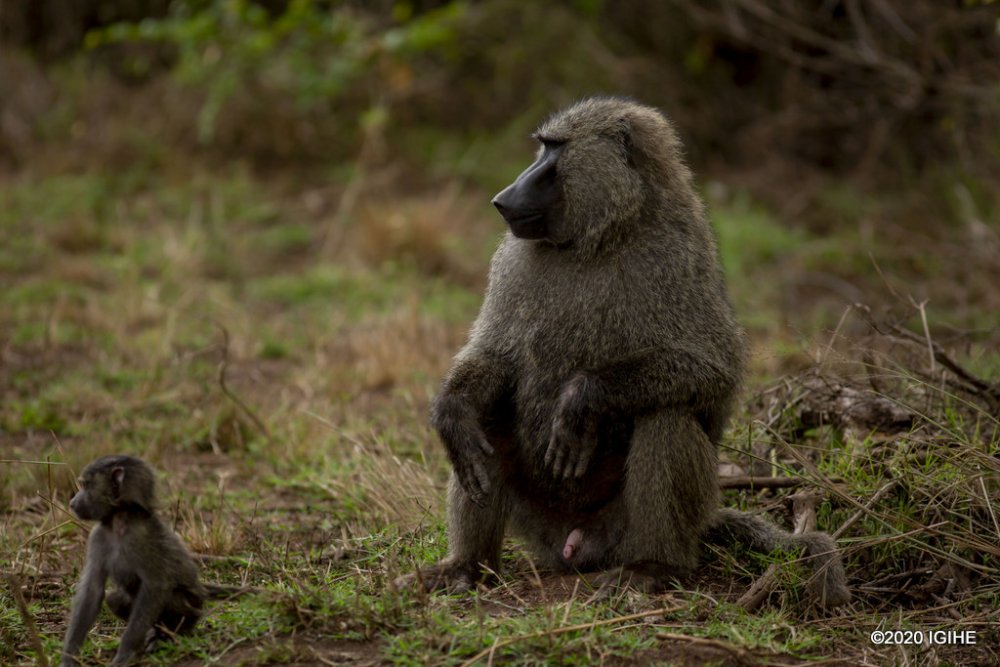
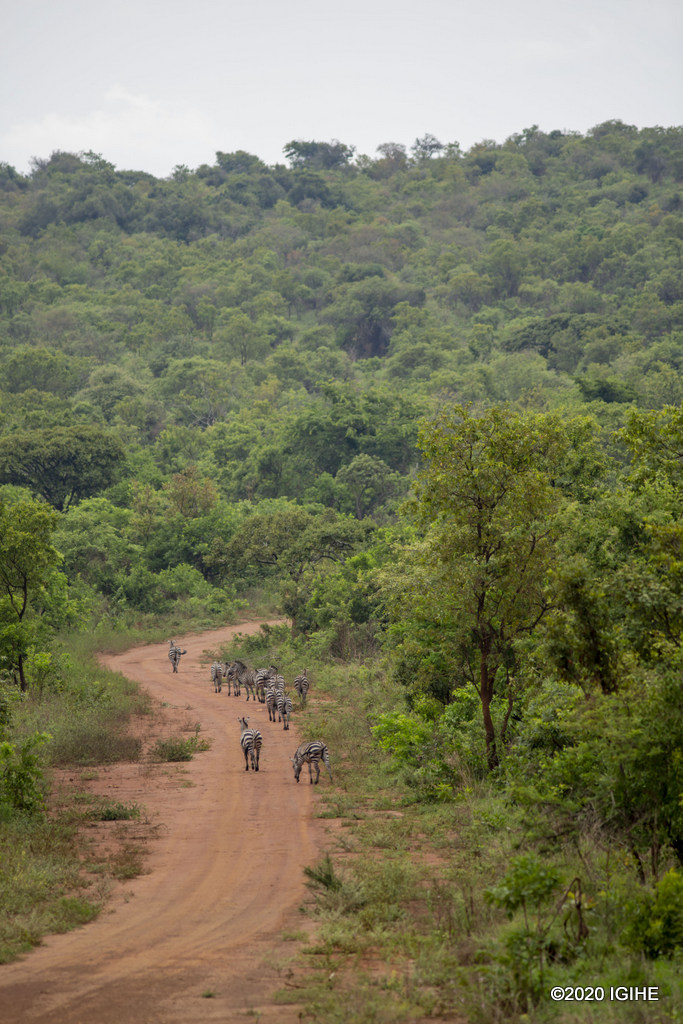
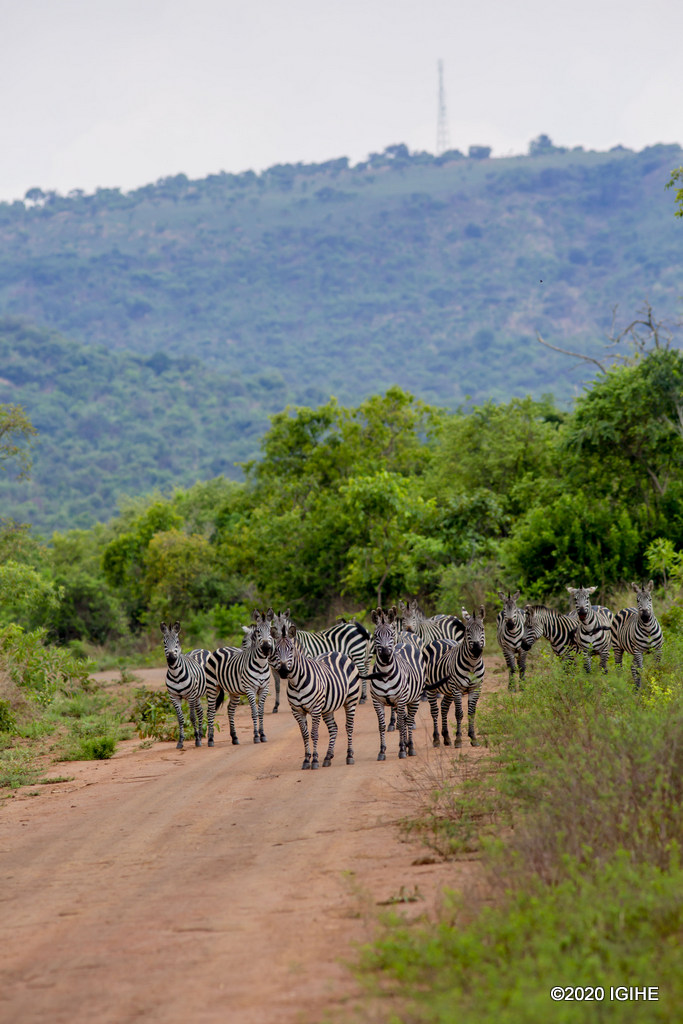
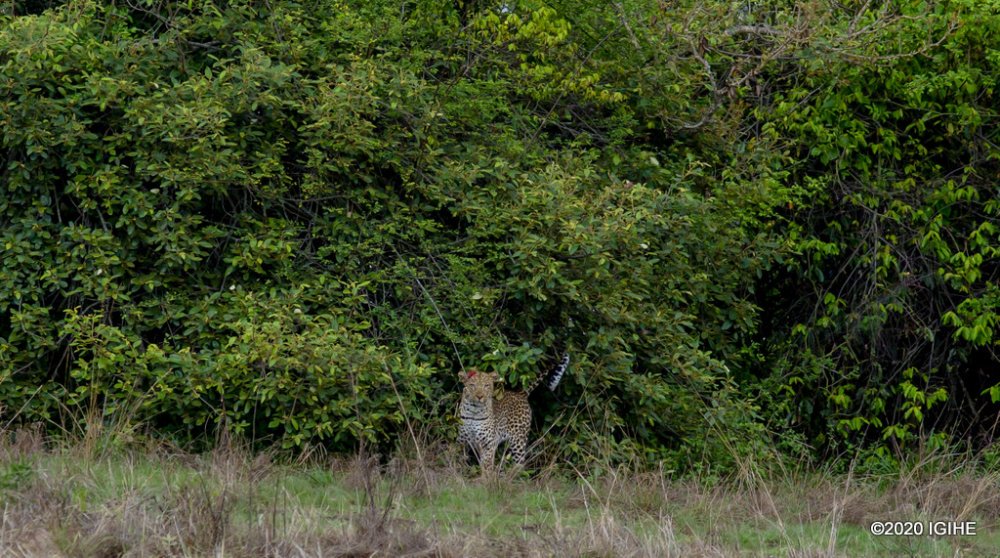
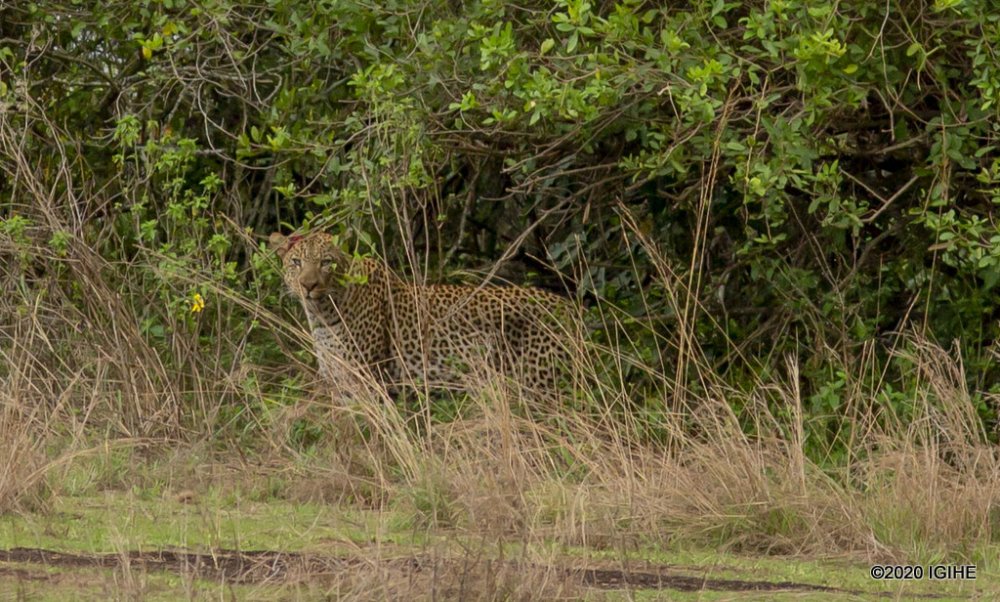
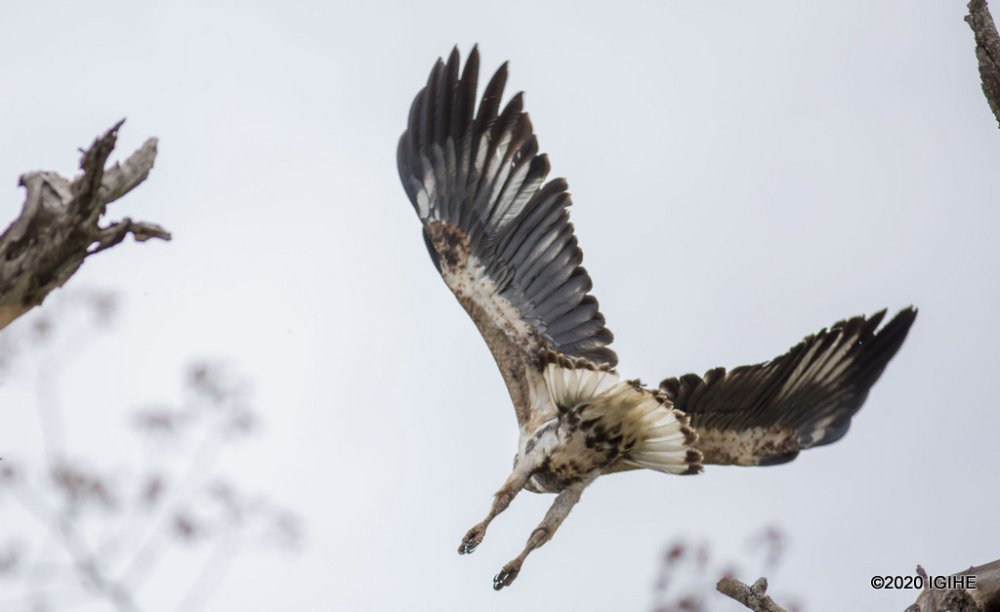
Hippos are among Africa’s most iconic and powerful animals.Lions are among the Big Five species found in Akagera National Park.Elephants cross a road in Akagera National Park, with a calf following behind.Elephants are among the most iconic animals in the park.A buffalo grazes in Akagera National Park.Hyenas are also common in Akagera National Park.A rhinoceros, known for its great strength, uses its horn for defense and fighting.The leopard is a rarely seen animal, with estimates suggesting that only 100 individuals remain in the park.Leopards are among the most commonly seen at night due to their nocturnal and elusive nature.” A crocodile in the waters of Akagera National Park.Elephants often move in groups.Akagera National Park is characterized by a diverse landscape of savannah plains, low-lying hills, and a network of lakes and wetlands.Buffaloes often graze in herds, especially in the valleys.Akagera National Park is home to a network of lakes, including Lake Ihema, the largest in the park. The name “Ihema” means “tent” in Kinyarwanda and is linked to early expeditions that camped in the area.Akagera National Park is also home to a wide variety of bird species, including the marabou stork.Elephants gather to feed on fresh vegetation.Giraffes feed on leaves high in the treetops.This large bird, the African darter, is found in Akagera National Park.A flock of birds flies over Akagera National Park.Warthogs, often referred to as “wild pigs,” are also found in Akagera National Park.A hyena hunting at Akagera National Park.Impala at Akagera.Zebras are also common at Akagera.Warthogs, sometimes referred to as “wild pigs,” are also found in Akagera National Park.Akagera is also a major birding destination, hosting about 500 bird species.
The Matchday 28 fixture of the BK Premier League, played at Kamena Stadium, saw Nduwayo net the third goal in the 61st minute. The goal came from a well-delivered corner kick taken by Ruboneka Bosco, which he successfully converted.
It marked the defender’s first goal for APR FC, coming in just his second start in the Rwanda Premier League since joining the club.
His debut appearance came earlier in the season during APR FC’s 2–1 win over Marine FC.
Speaking after the match, Nduwayo described the moment as an important step in his development.
“It’s just the beginning of a journey. I will keep working hard. I am being given opportunities, and I need to make the most of them,” he said.
The defender also credited his teammates for helping him settle and perform confidently on the pitch.
Nduwayo started due to Niyigena Clément’s injury, while Nshimiyimana Yunussu missed the match after picking up three yellow cards.
Since joining APR FC from Gasogi United during the summer transfer window, the young defender has quickly risen through the ranks, earning a national team call-up with the Amavubi. On Saturday, he delivered a composed display at the heart of defence alongside Ishimwe Abdoul, contributing to a clean sheet for APR FC.
It was a special moment of joy for Nduwayo Alexis, who scored APR FC’s third goal at Kamena Stadium.Nduwayo was making his second league appearance since joining APR FC.APR FC players were delighted to see the young defender score.
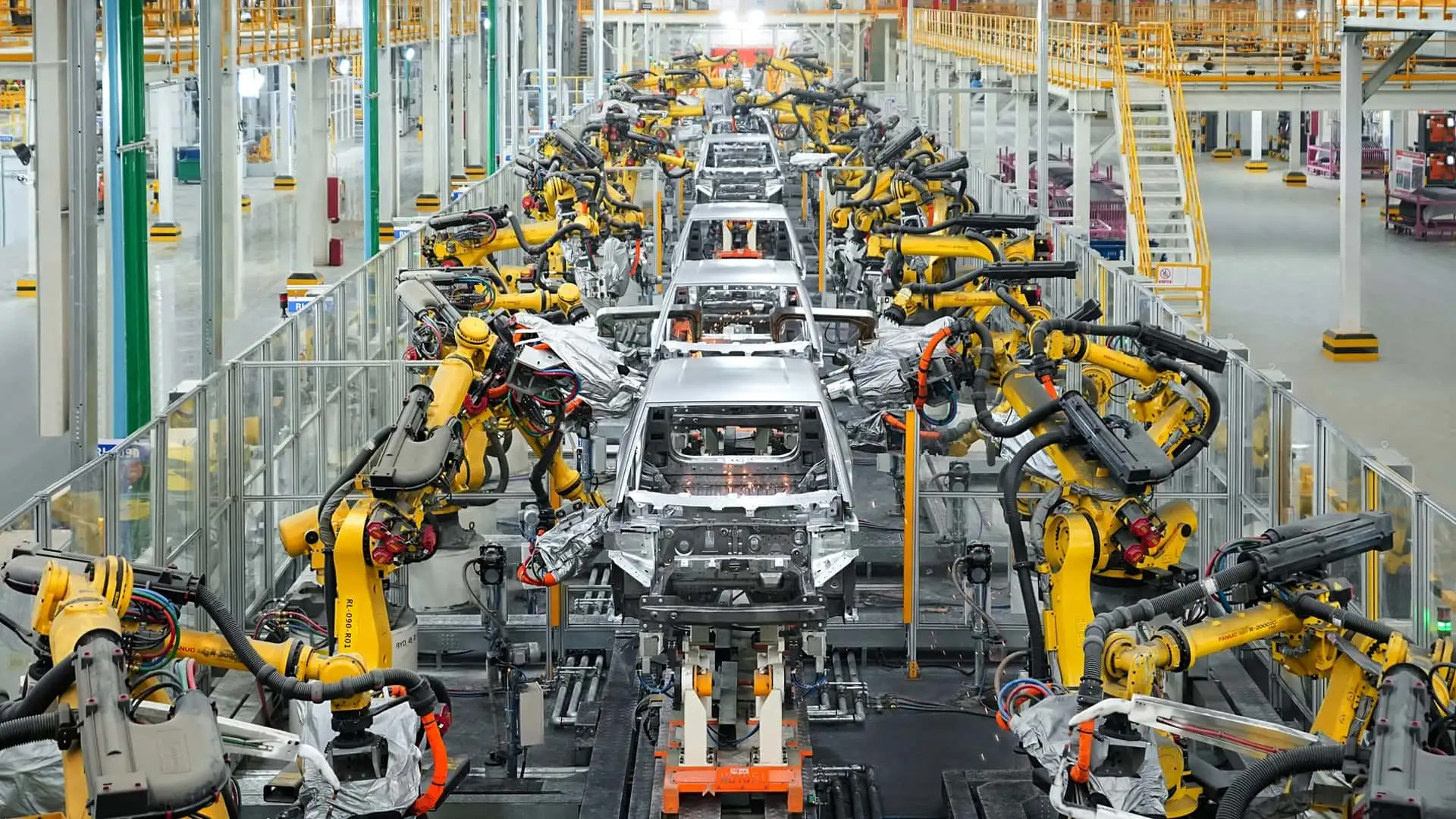
Looking across rows of robotic arms operating with minimal human intervention, he remarked: “We have no chance against this.”
The statement was more than corporate humility. It was a recognition that the global automotive order, long dominated by Detroit, Tokyo, and Stuttgart, is being fundamentally reshaped by China.
For decades, legacy automakers such as Toyota, Ford Motor Company, Honda, Volkswagen, and BMW set the pace of the global industry. Today, Chinese manufacturers like BYD, Xiaomi, XPeng, and Geely are changing the rules entirely.
The pressure is so intense that executives across the world are no longer speaking in terms of competition but survival.
Robotic arms assemble cars in the production line for Leapmotor’s electric vehicles at a factory in Jinhua, Zhejiang province, China.
The rise of “China Speed”
For years, developing a new vehicle model, from concept to showroom, typically took between five and seven years.
Today, Chinese EV makers are compressing that cycle to less than 24 months. This pace, often referred to as “China Speed,” is not simply about faster production. It reflects a deeper shift in how vehicles are designed and sold.
At the 2026 Auto China exhibition in Beijing, Chinese firms showcased vehicles that looked less like traditional cars and more like fully connected digital platforms.
BYD’s latest battery technology now allows some flagship models to reach near-full charge in under ten minutes, significantly reducing one of the biggest barriers to EV adoption: charging anxiety.
Meanwhile, Xiaomi’s SU7 has become one of the most talked-about vehicles in the industry. Jim Farley, CEO of Ford, publicly said he imported one to the United States and drove it for months, describing it as “fantastic.”
The car’s appeal lies not just in design, but in software integration, artificial intelligence, seamless connectivity, and a user experience that many traditional manufacturers are struggling to match.
Chinese firms also benefit from vertical integration, controlling everything from battery supply chains and mineral sourcing to vehicle software and assembly. That allows them to produce advanced EVs at prices many Western manufacturers cannot compete with profitably.
Japan’s warning signs
The concern is especially visible in Japan.
In March 2026, Toyota CEO Koji Sato warned hundreds of suppliers that unless the company adapted quickly, “we will not survive.”
For the world’s largest automaker, the challenge is not quality, it is speed.
Toyota’s long-standing philosophy of kaizen, or continuous improvement, is now being tested by the aggressive pace of Chinese competitors. The company has even begun reconsidering strict production standards on non-visible parts to improve speed and reduce costs.
“This is not a drill,” Sato told partners. “It is a difficult battle for the future of our industry.”
China’s electric vehicle market is the world’s largest and fastest-growing.
America’s growing concern
In the United States, the tone is equally serious.
Ford’s Jim Farley recently warned that China’s manufacturing capacity, estimated at more than 50 million vehicles annually, is large enough to supply the entire U.S. market and still have millions left over.
“They could put us all out of business,” he said.
For Farley, the issue is not only about competition but also about jobs and industrial survival. If U.S. automakers fail to compete, the country risks losing the manufacturing backbone that has supported its middle class for generations.
Ford is now betting heavily on a lower-cost EV strategy, including plans for a more affordable electric pickup platform capable of competing with Chinese pricing.
Rwanda is already seeing the shift
While the global debate often focuses on Beijing, Detroit, and Tokyo, the effects of China’s automotive rise are already visible in Rwanda.
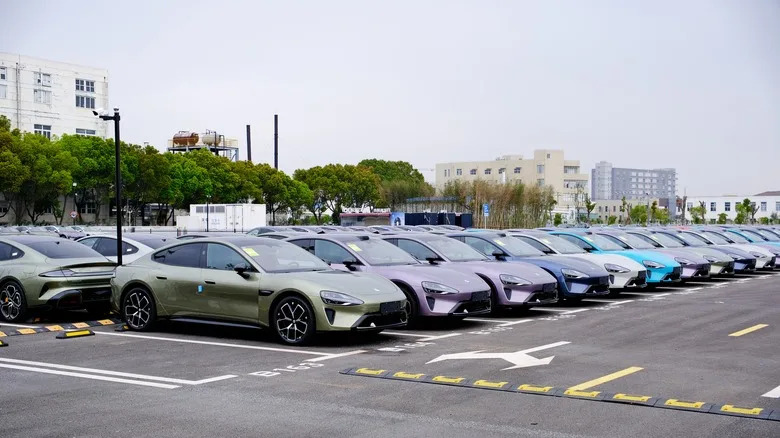
As of early 2026, Rwanda has recorded a sharp increase in electric vehicles, with rising number of fully electric cars operating in the country, many of them from Chinese brands such as BYD, Dongfeng, and Yutong.
Data from the Rwanda Revenue Authority (RRA) show that the combined number of electric and hybrid vehicles reached 7,172 in 2024. Official data also indicates that hybrids account for a significant share of low-emission vehicle imports, estimated at about 43 percent.
Electric buses have become increasingly visible in public transport across Kigali, while thousands of electric motorcycles are also entering the market as the country pushes for cleaner mobility solutions.
Chinese brands are playing a major role in that transition.
Popular EV models such as the BYD Atto 3 and Dolphin, alongside Dongfeng vehicles and Yutong buses, are becoming more common, often imported through dealers such as China Electric Vehicle Rwanda (CEVR). Charging infrastructure has also expanded rapidly.
A BYD assembly line.
Financial institutions are also adjusting. Equity Bank Rwanda has partnered with Chinese EV dealers, including CEVR, to provide financing options aimed at making electric vehicle ownership more accessible.
Government incentives, including VAT exemptions on EVs, batteries, spare parts, and charging equipment, have further accelerated adoption.
The momentum is also attracting larger industrial ambitions.
On April 23, 2026, President Paul Kagame received Xu Hui, head of Rich Resource International Investments, alongside senior leadership from Chery Holding at Urugwiro Village.
Discussions focused on potential investment opportunities, including plans to establish an electric vehicle assembly plant in Rwanda, an initiative that aligns with the country’s broader strategy to expand industrialisation and position itself as a regional hub for e-mobility.
The Ministry of Infrastructure recently also mandated that all public institutions ensure at least 30% of newly purchased vehicles are fully electric (EVs), effective April 2026. This initiative aims to reduce fossil fuel dependency, cut greenhouse gas emissions, and promote sustainable, clean mobility.
The end of legacy advantage
The concern expressed by executives in Japan, Europe, and the United States reflects a simple reality that history is no longer enough.
A century-old badge no longer guarantees relevance when consumers are prioritising battery performance, software experience, and affordability.
And as Rwanda’s own EV market shows, this transformation is no longer confined to major global economies. It is reshaping mobility choices, investment priorities, and industrial strategies across Africa as well.
The question is no longer whether Chinese companies will disrupt the global car market. They already have. The real question is which of the old giants will adapt fast enough to survive.
For the Bank of Kigali, this partnership is part of a broader commitment to supporting Rwandans in every walk of life. Having previously backed sports such as basketball and cycling, the bank now turns to football, becoming “Banki ya Ruhago”, a bank for the nation’s most followed game, as the next frontier for impact.
This moment builds on the steady progress made by the Rwanda Premier League in recent years to raise the profile of local football.
The launch of the BK Pro League represents the next phase, focused on strengthening the league’s financial base, supporting clubs, and deepening the connection between football and its fans.
As Rwanda’s premier division competition, comprising 18 clubs, the BK Pro League is set to elevate standards across the board through supporting clubs and players on and off the pitch.
At the heart of the partnership is a commitment to financial inclusion. For many players who have historically operated outside formal banking systems, this marks a shift. Through access to tailored financial solutions and support, players will be better equipped to build a lasting financial security beyond their careers.
Fans, too, will benefit from a more connected and engaging game with enhanced matchday experiences which will bring them closer to the clubs and players that define Rwanda’s football.
Speaking on the partnership, the Chairman of Rwanda Premier League, Yussufu Mudaheranwa said: “This partnership marks an important milestone for the Rwanda Premier League. We have been building towards a stronger, more competitive league, and this collaboration with Bank of Kigali allows us to accelerate that progress, supporting our clubs, strengthening the league’s foundations, and creating a better environment for players and fans alike.”
Speaking at the launch, Dr. Diane Karusisi, the CEO of Bank of Kigali, said: “We are not just putting our name on a league. We are investing in the future of the Rwandan football ecosystem, and through it, in the future of Rwanda. As a bank for Rwandans, we are committed to supporting them in every journey, including sport. By extending this commitment to football, we aim to promote financial empowerment and create opportunities for players, clubs, and communities alike.”
The President of FERWAFA, Fabrice Shema Ngoga also noted the broader impact of such collaborations on the football ecosystem: “Strategic partnerships such as this are key to advancing football development in Rwanda. We welcome Bank of Kigali’s commitment and believe this collaboration will contribute positively to the growth of the game at all levels.”
With a shared vision, the BK Pro League sets the stage for a stronger, more competitive future, one where football continues to grow, unite, inspire and create opportunity across Rwanda.
The President of FERWAFA, Fabrice Shema Ngoga noted the broader impact of such collaborations on the football ecosystem.The launch of the BK Pro League represents the next phase, focused on strengthening the league’s financial base, supporting clubs, and deepening the connection between football and its fans. For the Bank of Kigali, the partnership is part of a broader commitment to supporting Rwandans in every walk of life.
Around 300 million years ago, Earth looked very different. The continents were joined into a supercontinent called Pangaea, and vast swampy forests covered much of the land.
During this time, many animals and plants thrived in the high‑oxygen environment and among them were insects with astonishingly large bodies.
Some of these creatures, often called griffinflies, were dragonfly-like insects with wingspans reaching about 70 centimeters (27 inches) far larger than any flying insect alive today.
Insects don’t breathe like humans do. Instead of lungs, they rely on a complex network of tubes called the tracheal system, which carries oxygen directly to their muscles and tissues.
At the tiny ends of these tubes are structures called tracheoles, where oxygen enters the cells. Scientists once thought that bigger bodies needed much more oxygen and that only an oxygen‑rich atmosphere could support such huge insects.
However, in the new study published in the journal Nature, researchers used advanced electron microscopy to examine how insect body size relates to the space occupied by tracheoles in flight muscles.
They found that even in very large insects, tracheoles make up a surprisingly small portion, often only about 1% or less of the flight muscle volume. That tiny proportion suggests that oxygen delivery through the tracheal system wasn’t a limiting factor in how large insects could grow.
Because tracheoles take up so little space, insects could theoretically increase the number of these tubes without facing serious physical constraints.
In comparison, animals like birds and mammals depend on networks of tiny blood vessels (capillaries) that take up much more space in muscle tissue. This difference further supports the idea that oxygen levels weren’t the main barrier to giant insect size.
These findings don’t completely rule out oxygen’s influence on insect evolution, but they do show that the old explanation was too simple.
Scientists now need to explore other possibilities that might explain why insects grew so large in the past and why such giants no longer exist today.
Possible ideas include changes in predators, environmental conditions, or the inherent limitations of insect body structures.
Giant prehistoric insects may not have needed extra oxygen to grow so large after all.
1. Project Hail Mary – A Space Odyssey of Survival and Hope
If you loved The Martian by Andy Weir, you’re going to want to clear your weekend for Project Hail Mary.
Directed by Phil Lord and Christopher Miller, this grippingscience fiction (sci-fi) adventure stars Ryan Gosling as Ryland Grace, a lone astronaut who wakes up in space with no memory of how he got there.
His mission? To save humanity from an extinction-level catastrophe. Packed with mystery, space exploration, and an emotional rollercoaster, this film will keep you on the edge of your seat. Get ready to embark on an unforgettable journey to the stars!
2. No Time to Die – Bond Is Back
James Bond is back with a vengeance! No Time to Die marks Daniel Craig’s final outing as the iconic MI6 agent, and it’s an action-packed thrill ride from start to finish.
In this installment, Bond comes out of retirement to face off against a mysterious villain armed with dangerous new technology.
With high-speed chases, explosive fight scenes, and that signature Bond charm, this film is a must-see for both die-hard fans and newcomers to the series.
Prepare for intense action, emotional moments, and an unforgettable conclusion to Craig’s Bond legacy.
3. Dune – A Masterpiece of Sci-Fi and Epic Storytelling
For fans of epic fantasy and grand storytelling, Dune is a visual and cinematic masterpiece. Directed by Denis Villeneuve and based on Frank Herbert’s acclaimed novel, the film transports audiences to the desert planet of Arrakis, where the future of humanity’s survival is at stake.
With incredible performances from Timothée Chalamet, Zendaya, and Oscar Isaac, this film delves into political intrigue, family struggles, and a battle for power. The stunning visuals and immersive world-building make Dune a must-see for anyone who loves a great sci-fi epic.
4. The French Dispatch – Wes Anderson’s Visual Feast
If you’re a fan of quirky, visually stunning films, The French Dispatch by Wes Anderson is the perfect pick for you. This star-studded ensemble film follows the final issue of a fictional American magazine published in a fictional French city.
Filled with Anderson’s signature symmetrical shots, vibrant colors, and eccentric characters, this film is a visual and comedic delight. With actors like Bill Murray, Tilda Swinton, and Frances McDormand, The French Dispatch is a charming and eccentric tale that will leave you thinking long after the credits roll.
5. The Last Duel – A Historical Drama That Will Keep You Thinking
For those who enjoy a mix of history and drama, The Last Duel is a powerful choice.
Directed by Ridley Scott, this film is based on the true story of the last legally sanctioned duel in France. Starring Matt Damon, Adam Driver, and Jodie Comer, the movie explores themes of justice, honor, and betrayal.
Set in medieval France, it brings to life the story of two knights fighting over accusations of rape and their respective quests for vengeance.
With breathtaking action scenes and compelling performances, this film is a gripping tale of power and retribution.
6. A Quiet Place Part II – A Thrilling Return to Silence
If you’re in the mood for a heart-pounding horror thriller, A Quiet Place Part II is sure to satisfy. Directed by John Krasinski, this sequel picks up where the first film left off, with the Abbott family continuing their fight for survival in a world overrun by sound-sensitive creatures.
Tension is high as they venture out into the unknown, encountering new dangers while still trying to stay silent to survive. Filled with suspense and emotional depth, this film is perfect for fans of edge-of-your-seat thrillers that also tug at the heartstrings.
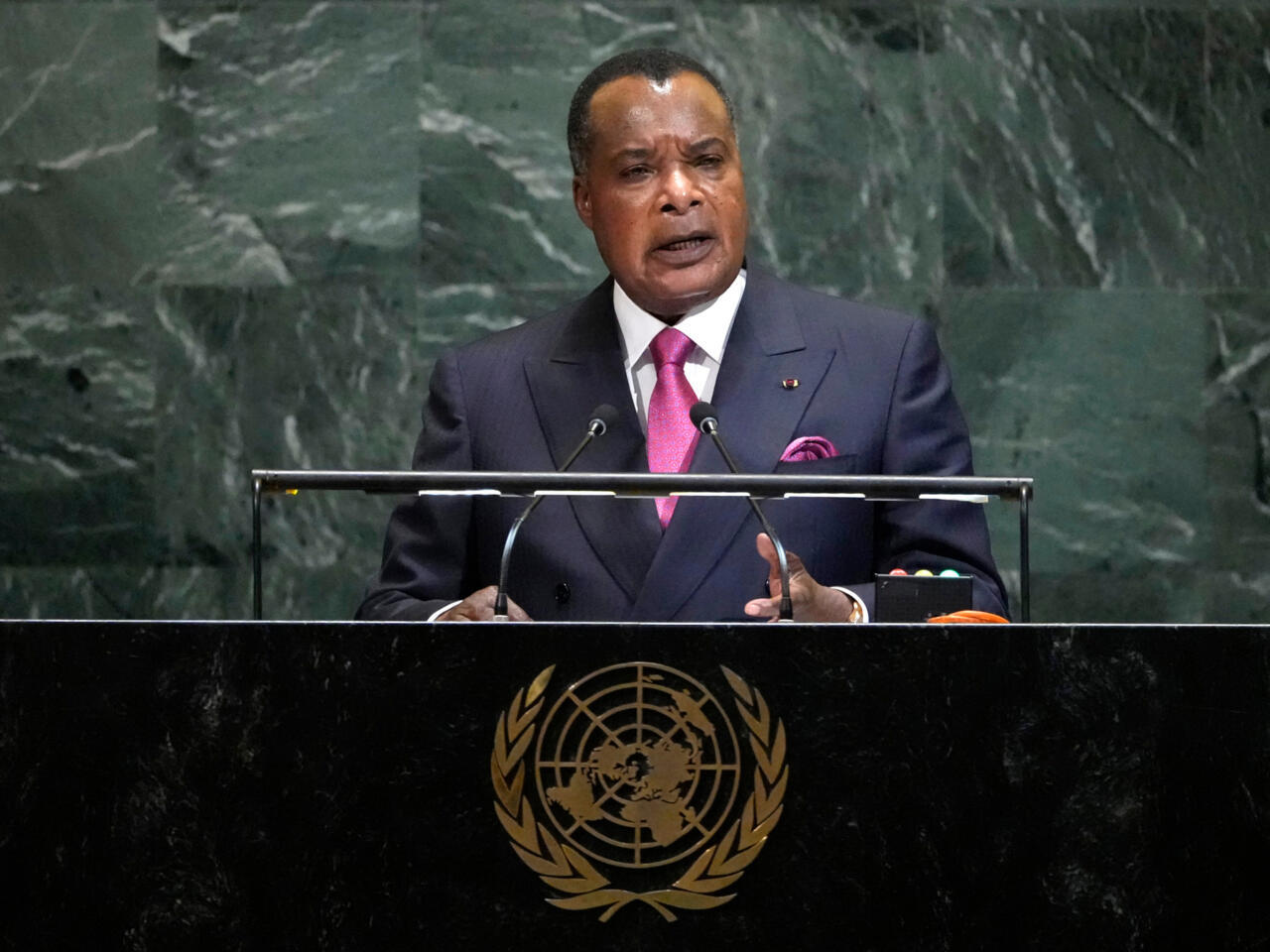
According to the statement, in addition to Prime Minister Anatole Collinet Makosso, who was reappointed earlier by President Denis Sassou Nguesso, the new government comprises one deputy prime minister, three ministers of state and 37 ministers.
Among them, Jean-Jacques Bouya, former minister of state for territorial planning and major works, was appointed deputy prime minister in charge of infrastructure development and territorial planning.
Pierre Oba, former minister of state for mines and geology, was appointed minister of state at the presidency in charge of political affairs. Former Minister of State for Trade, Supply and Consumption Claude Alphonse Nsilou was appointed minister of state for construction, urban planning and housing, while former Minister of State for Land Affairs and State Property Management Pierre Mabiala was appointed minister of state for civil service, labor and social dialogue.
In the presidential election held on March 15, Sassou Nguesso won re-election with 94.9 percent of the vote. According to the Constitution, the president is required to appoint a new prime minister to form a government.
Former Prime Minister Makosso and his government submitted their resignation on April 17, which was accepted by the president. On April 23, the presidency announced Makosso’s reappointment as prime minister, tasking him with forming a new government.
In the presidential election held on March 15, Sassou Nguesso won re-election with 94.9 percent of the vote.
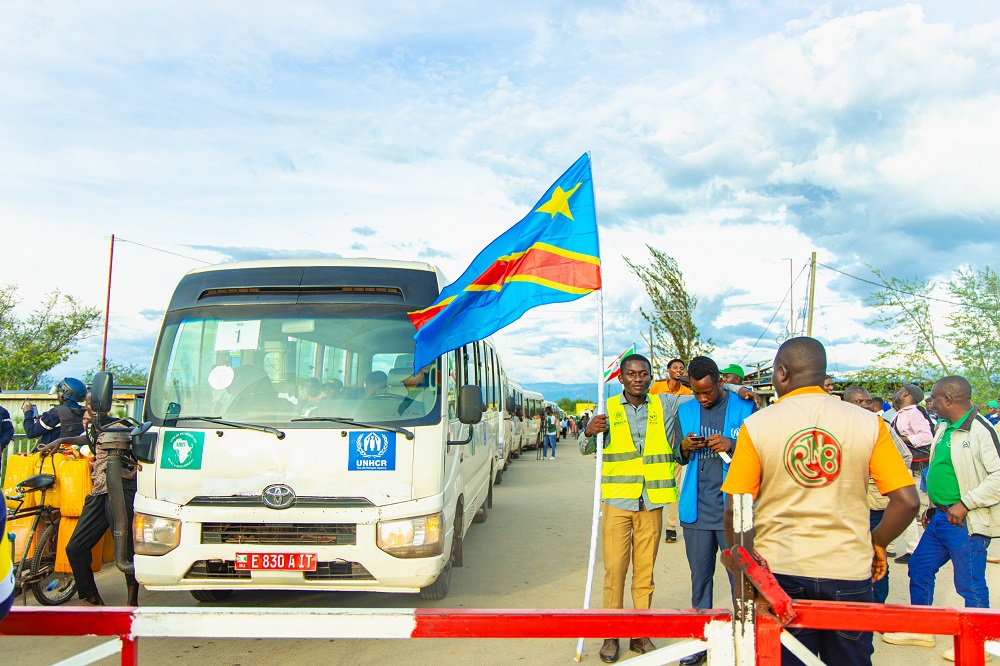
The United Nations High Commissioner for Refugees (UNHCR) announced that on April 23, 2026, it facilitated the voluntary return of the first group of 462 Congolese refugees who had been living in Busuma refugee camp in Ruyigi Commune.
The repatriation follows discussions between representatives of Burundi, the DRC, and UNHCR. These talks came after Burundi reopened the Gatumba border in March, which had remained closed for nearly four months due to security concerns.
According to UNHCR, clashes that took place in the Ruzizi Plain late last year forced more than 100,000 Congolese civilians to seek refuge in Burundi, where they were hosted in camps located across different parts of the country.
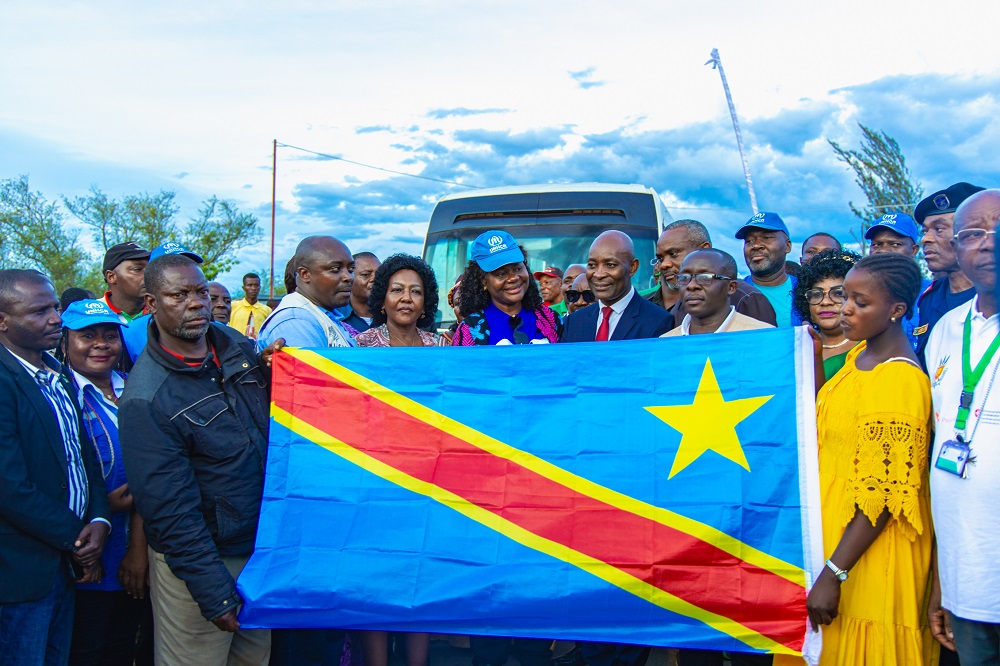
Jean-Jacques Elakano, the Deputy Governor of South Kivu Province appointed by the DRC government, said the refugees had been living in extremely difficult and inhumane conditions.
He stated, “Our fellow citizens were living in conditions unfit for human beings, almost like hell. The return of this first group will certainly encourage others to come back as well. They need to feel safe and be welcomed by their families so they can reintegrate smoothly into their communities of origin.”
Refugees in the camps in Burundi also faced serious shortages of food and clean water. More than 40 Congolese refugees died in December 2025 from diseases linked to poor sanitation, while others attempted to flee by crossing the Ruzizi River because the border was still closed at the time.
Congolese refugees in Burundi begin repatriation after nearly four months of hardship.Congolese refugees crossing through the Gatumba border.They were welcomed by leaders from various institutions in South Kivu.
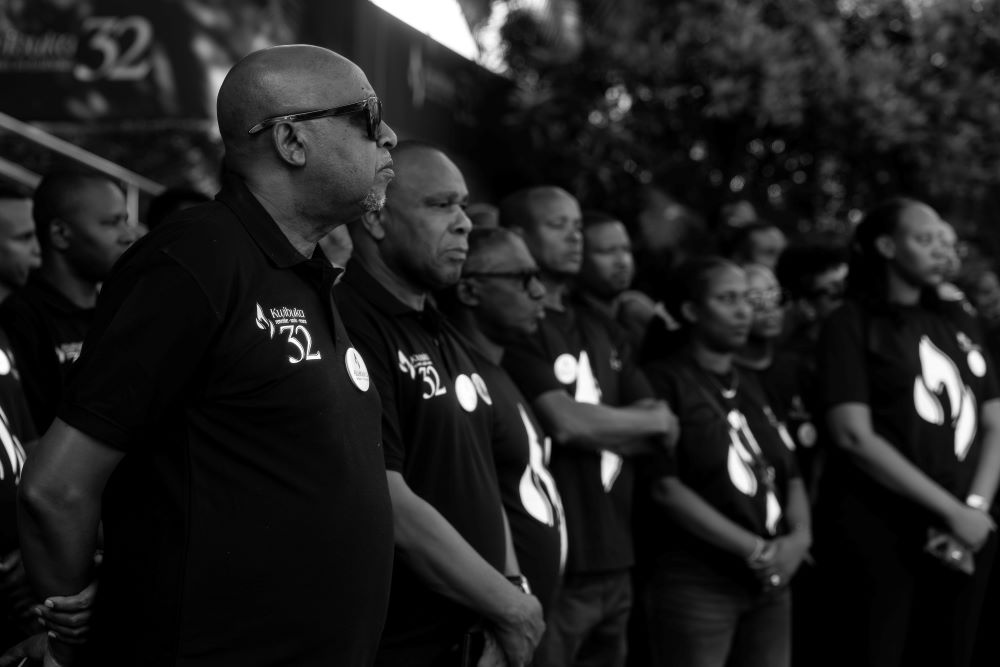
The visit, which took place on April 21, 2026, offered employees an in-depth understanding of Rwanda’s history, particularly the planning and execution of the 1994 Genocide against the Tutsi.
During the tour, they explored different sections of the memorial and gained insight into the events that led to one of the darkest chapters in the nation’s history.
The Genocide against the Tutsi claimed the lives of more than one million people in just 100 days before it was halted by the Rwanda Patriotic Army (RPA).
As part of the visit, the employees also learned about Rwanda’s journey of recovery and reconstruction in the years that followed.
They paid tribute to the victims by laying wreaths at mass graves where over 250,000 victims are laid to rest at the memorial.
The Executive Chairman of Primate Safaris, Joseph Birori, emphasized that the company’s role goes beyond showcasing Rwanda’s natural attractions such as wildlife and lakes. He noted that educating visitors about the country’s history is equally essential.
“When we guide tourists, we also teach them about our country’s history and show them where it is preserved,” he said. “This helps them understand that although Rwanda went through extremely difficult times, the country chose resilience and progress.”
Birori further encouraged employees, particularly young people, to deepen their understanding of Rwanda’s history and remain committed to ensuring that such tragedies never happen again.
One of the employees, Phiona Umutesi, highlighted the importance of such visits for young people, noting that they provide a valuable opportunity to learn and reflect.
“The knowledge we gain from places like the Genocide Memorial strengthens our determination to ensure that what happened never occurs again,” she said. “As young people, it is our responsibility to understand our history deeply so that we can pass it on to future generations, rather than leaving it to outsiders to tell our story.”
Founded in 2000, Primate Safaris operates in Rwanda, where it is headquartered, as well as in Uganda, Tanzania, Kenya, and the Democratic Republic of Congo. The company currently employs 110 people.
Employees of Primate Safaris laid wreaths at mass graves where over 250,000 victims of the 1994 Genocide against the Tutsi are laid to rest.Employees of Primate Safaris, particularly the youth, were encouraged to deepen their understanding of history and remain curious to learn more, as many of them were born after the Genocide.The Executive Chairman of Primate Safaris, Joseph Birori, said that receiving tourists provides a valuable opportunity to show them and educate them about Rwanda’s history.Employees of Primate Safaris visited the Kigali Genocide Memorial and pledged to educate tourists about Rwanda’s history.
The ministry further indicates that between 1994 and 2025, a total of 3,503,173 Rwandans had already returned from various countries, mainly those neighbouring Rwanda.
In 2025 alone, Rwanda received 6,043 returnees from the Democratic Republic of Congo.
Since January 2026, an additional 2,153 Rwandans had returned before the latest group of returnees.
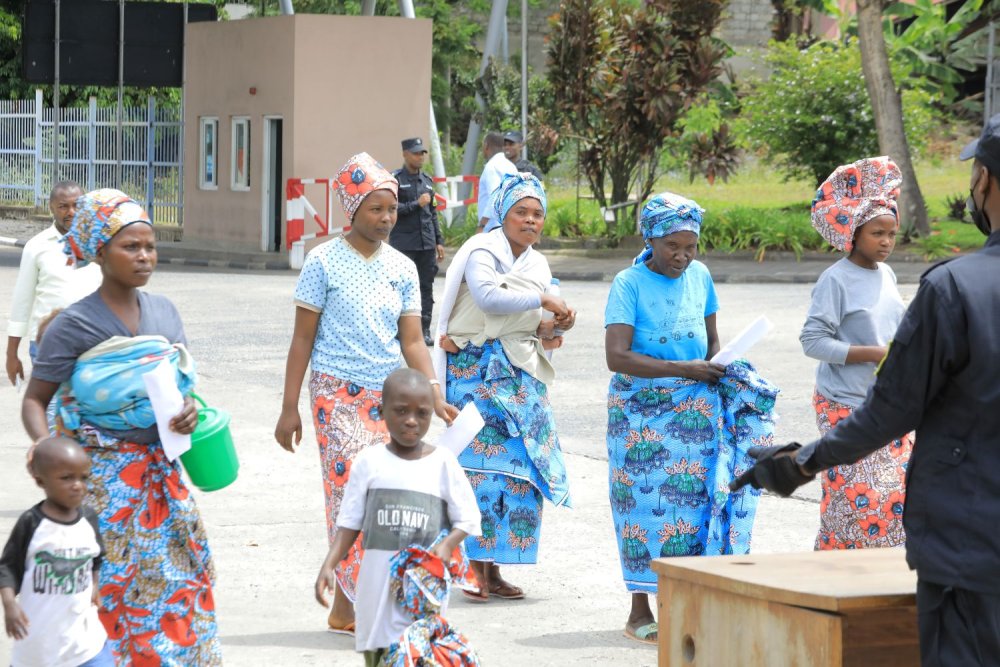
The latter comprises 317 Rwandans including 15 men, 76 women, and 226 children who returned home on April 24, 2026. They were received and transported to Kijote Transit Camp in Nyabihu District for temporary support and processing.
The returnees had been staying at a temporary camp in Goma after leaving different areas in eastern DRC, where they say they had been held captive by FDLR.
The Vice Mayor of Rubavu District in charge of economic development, Déogratias Nzabonimpa, told IGIHE that the returnees represent a valuable addition of human resources to the country.
“The country has gained back the people it had lost. Their continued return weakens the enemy that had held them captive, as these are productive citizens. We also continue working with them to encourage those still in the forests to return home,” he said.
He also urged the returnees to remain committed to Rwanda and to encourage others still abroad or in hiding to come back and contribute to national development.
He assured them of government support to help them reintegrate into normal life, including basic assistance. Returnees aged 18 and above will receive $188, while those below 18 will receive $113, in addition to basic food support valued at 45,000 Rwandan francs per person.
Rwanda received 6,043 returnees from the Democratic Republic of Congo in 2025.