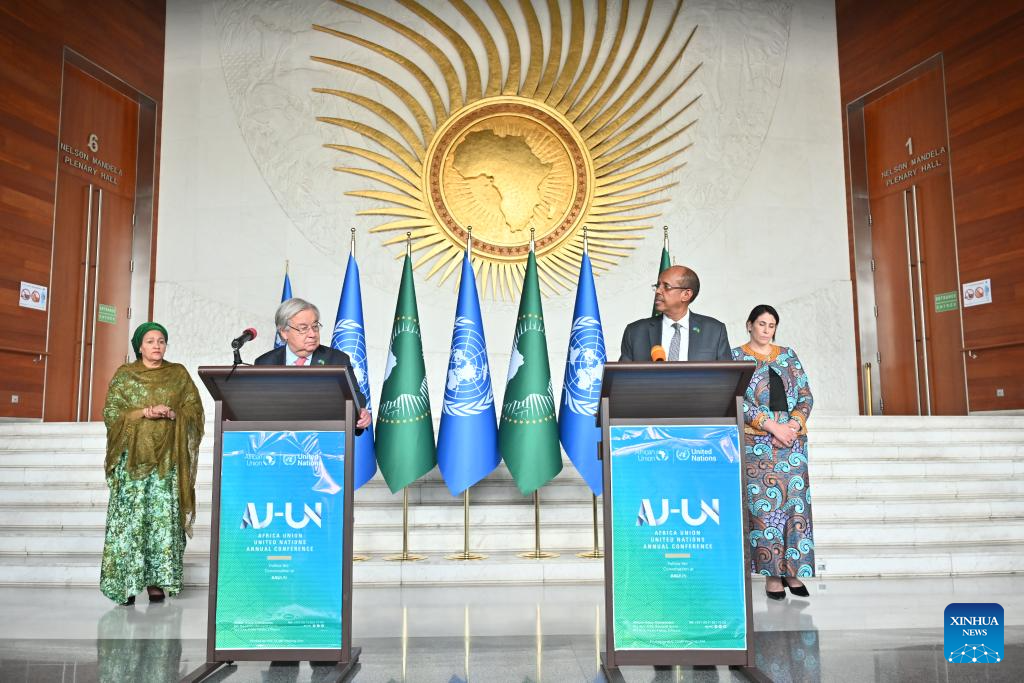
The two leaders made the allegation during a joint press conference on Wednesday at the AU headquarters in Addis Ababa, the capital of Ethiopia, after signing a new declaration to enhance the AU-UN partnership.
“Most of the security crises on the continent are fueled from abroad. Financial resources, ammunition, sometimes even fighters come to fight another war from other continents,” Youssouf told the press conference.
He said the interference goes to the extent of disrupting mediation and resolution processes, causing a serious challenge for AU and UN to address the security crisis on the continent, including in the Sahel, Sudan, the Horn of Africa and the eastern Democratic Republic of the Congo.
Youssouf said the interferences are requiring the AU, UN and other partners to deploy more efforts to contain the crises. “The AU must lead any peace negotiations on the continent, based on the principle of African solutions to African conflicts.”
Guterres, for his part, said it is absolutely intolerable that countries that are external to Africa interfere in African conflicts, providing weapons and political support with the objective of serving their strategic or economic interests.
“We need naturally to go on developing our common diplomacy, to make sure that we create the conditions for this kind of interference to cease and for other actors to be able to come to political agreements, able to end these conflicts,” he said.
According to Guterres, the world is witnessing a new kind of war where the military does not fight each other but launches drones against civilians.
“We also raise our voices, denouncing those countries that are providing drones that are not manufactured in Africa, as they are causing terrible sacrifice for the African people,” he added.
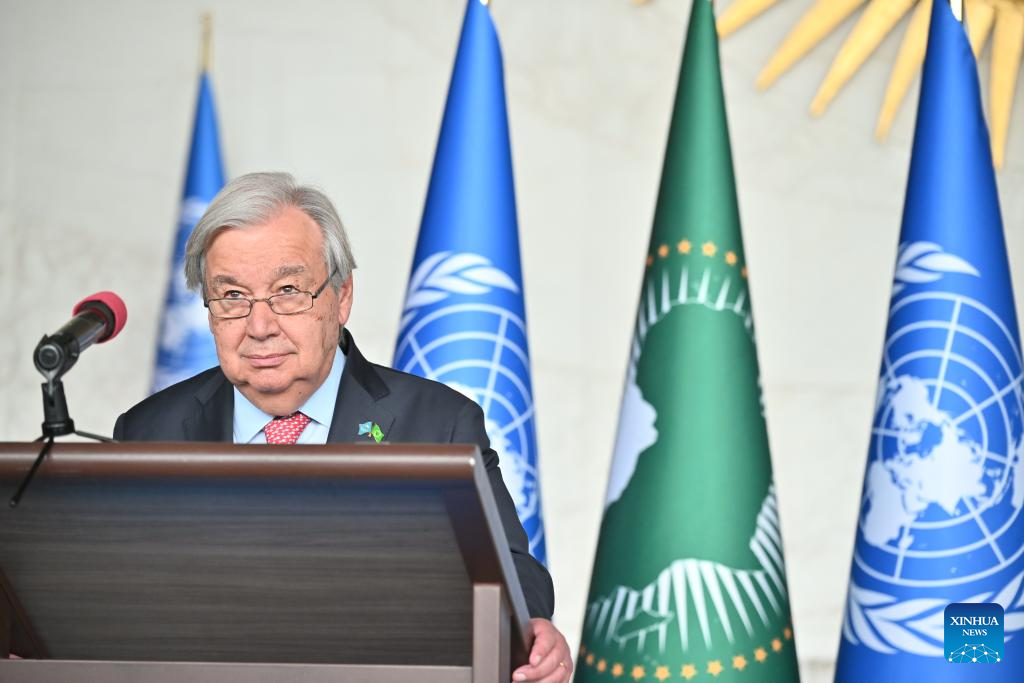
United Nations Secretary-General Antonio Guterres speaks at a joint press conference at the African Union headquarters in Addis Ababa, the capital of Ethiopia, May 13, 2026. African Union (AU) Commission Chairperson Mahmoud Ali Youssouf and United Nations (UN) Secretary-General Antonio Guterres have warned that external interferences are fueling the security crisis in Africa. United Nations Secretary-General Antonio Guterres (2nd L) and African Union Commission Chairperson Mahmoud Ali Youssouf (2nd R) attend a joint press conference at the AU headquarters in Addis Ababa, the capital of Ethiopia, May 13, 2026. African Union (AU) Commission Chairperson Mahmoud Ali Youssouf and United Nations (UN) Secretary-General Antonio Guterres have warned that external interferences are fueling the security crisis in Africa.
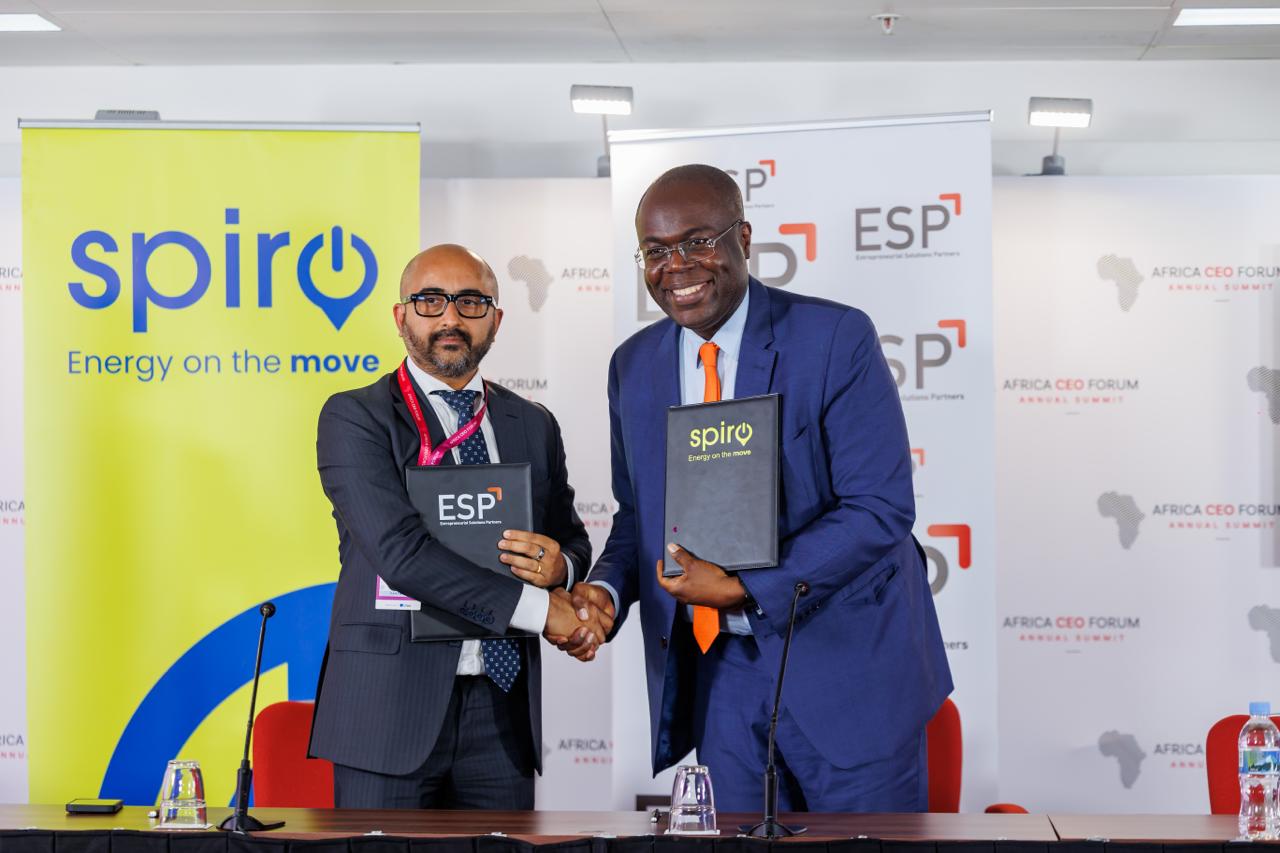
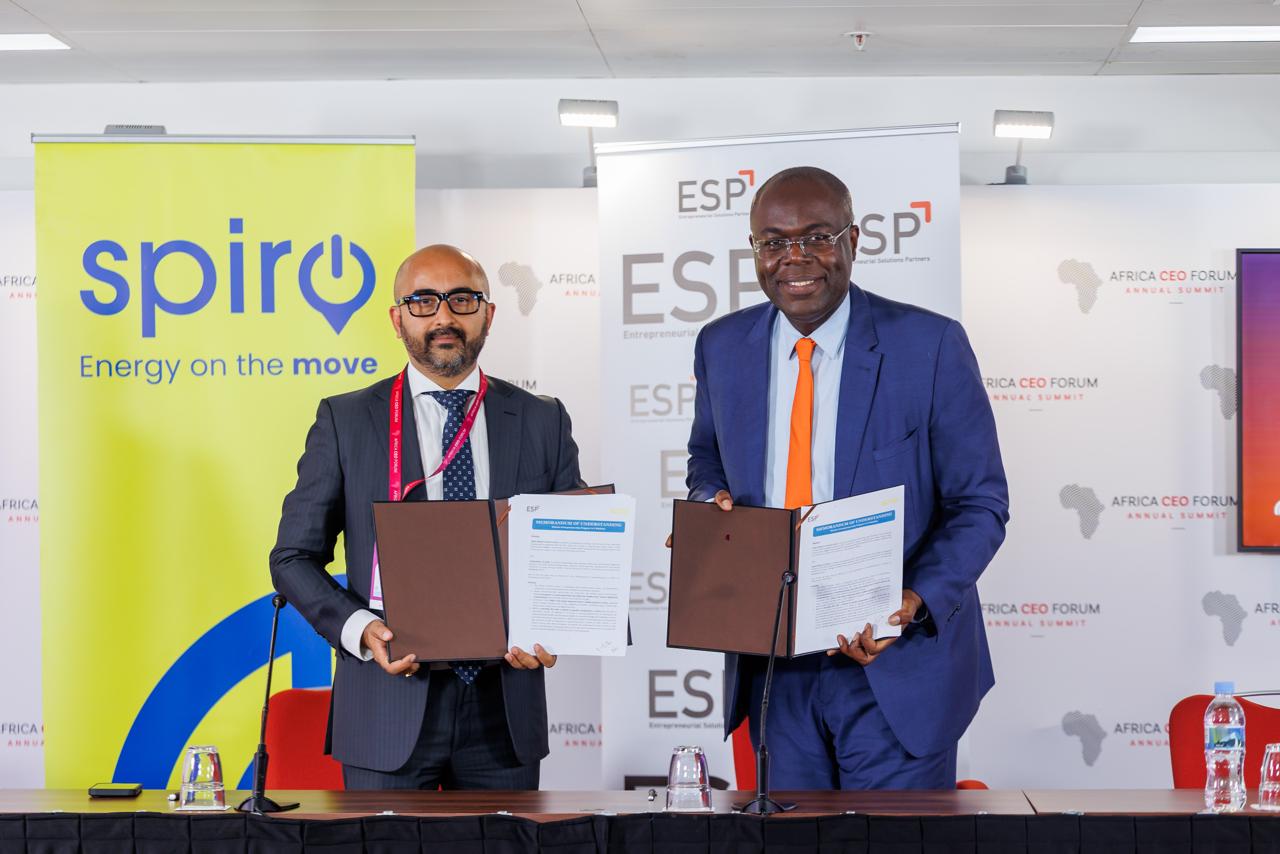
The initiative seeks to create a more inclusive and sustainable mobility ecosystem by enabling women to access electric motorbikes, entrepreneurship opportunities, and business support, while contributing to Rwanda’s green transport ambitions.
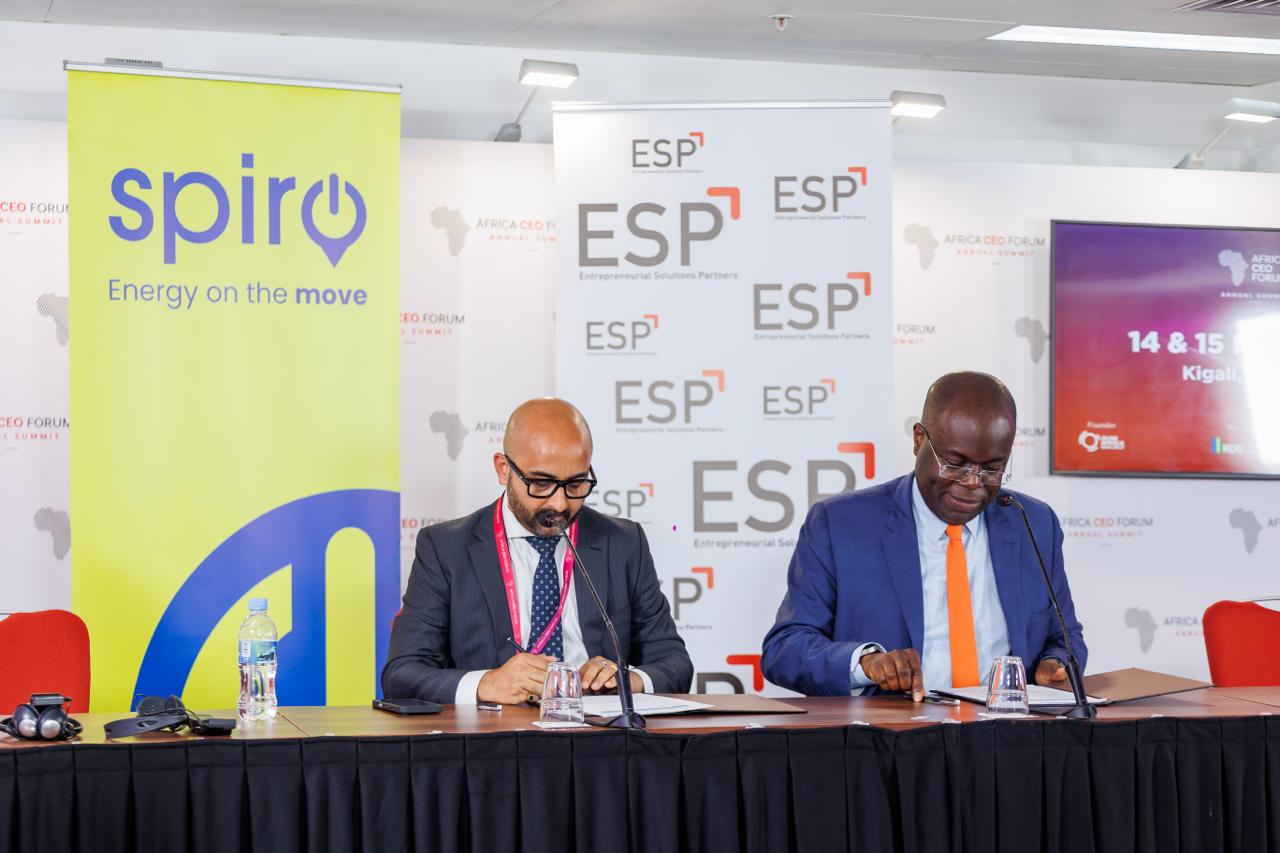
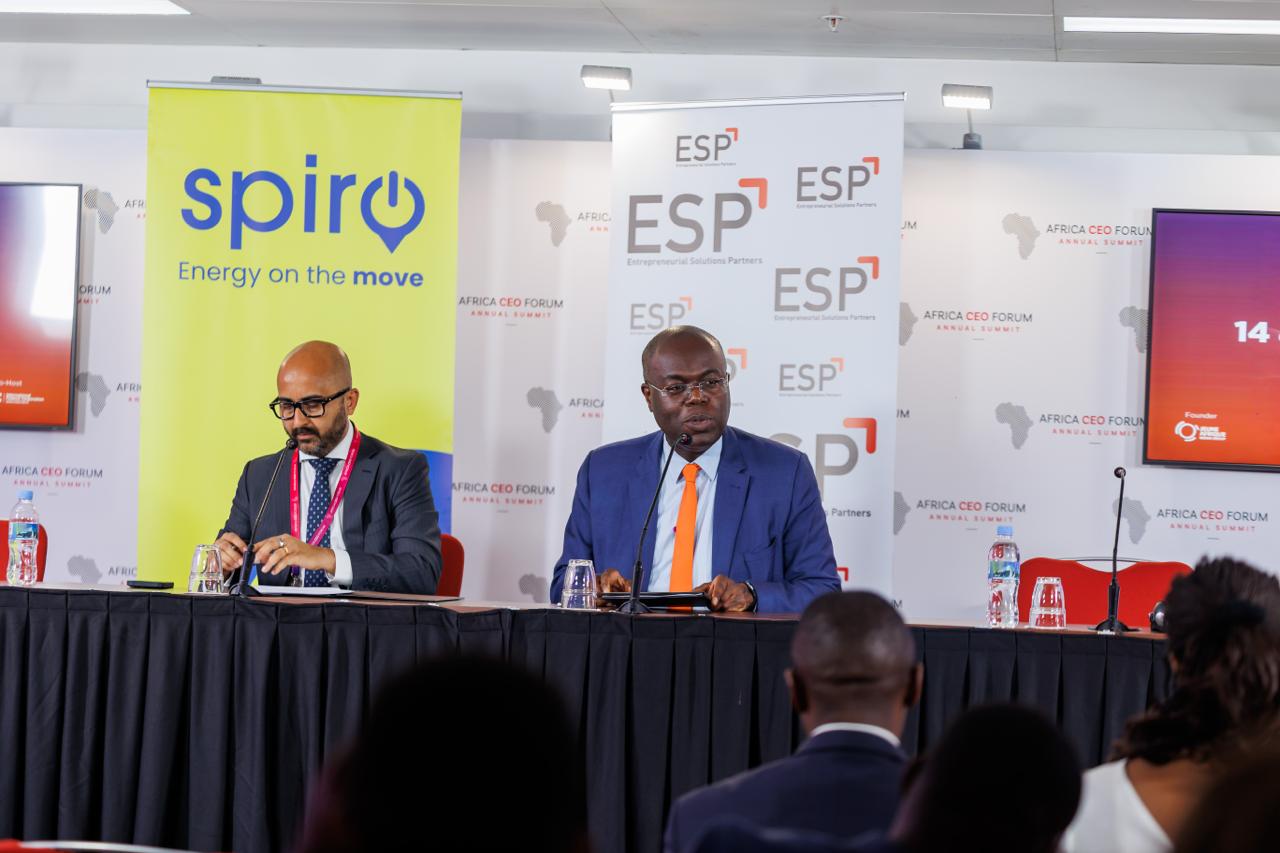
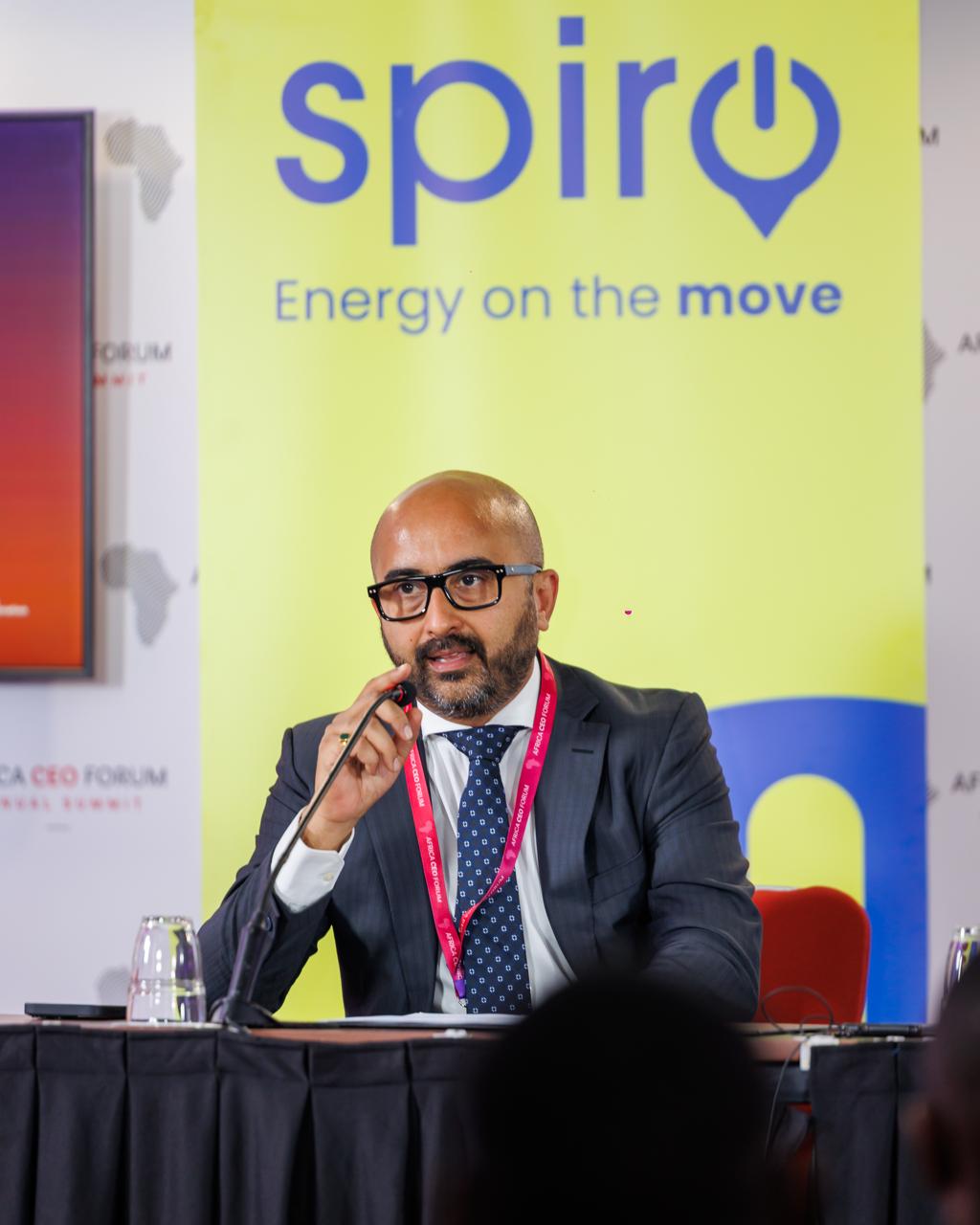
Speaking during the signing ceremony on the sidelines of the Africa CEO Forum in Kigali on Thursday, May 14, Spiro Chief Executive Officer Kaushik Burman described the partnership as a major step toward building a more inclusive e-mobility industry across Africa.
“This is a landmark milestone for us because women in the family are not just the caregivers. They are the actual doers,” Burman said.
“If we can empower women in the family to be mobile and go ahead and create, become successful entrepreneurs, it is going to create a massive flywheel of more women entrepreneurs.”
Burman said the initiative is about more than simply providing electric motorbikes, noting that Spiro envisions women participating across the entire value chain, including energy networks, sales, distribution, and manufacturing.
“It’s not just about the motorbikes. I think in future we can expand this partnership to inviting women entrepreneurs to become sales and distribution partners. They can run the energy network and create more jobs,” he said.
He added that women already make up around 40% of workers in Spiro’s assembly and manufacturing operations, including engineers, diploma holders, and blue-collar workers.
“The way I view this is not just about bike entrepreneurs, but entrepreneurship across the value chain and massive social impact,” Burman added.
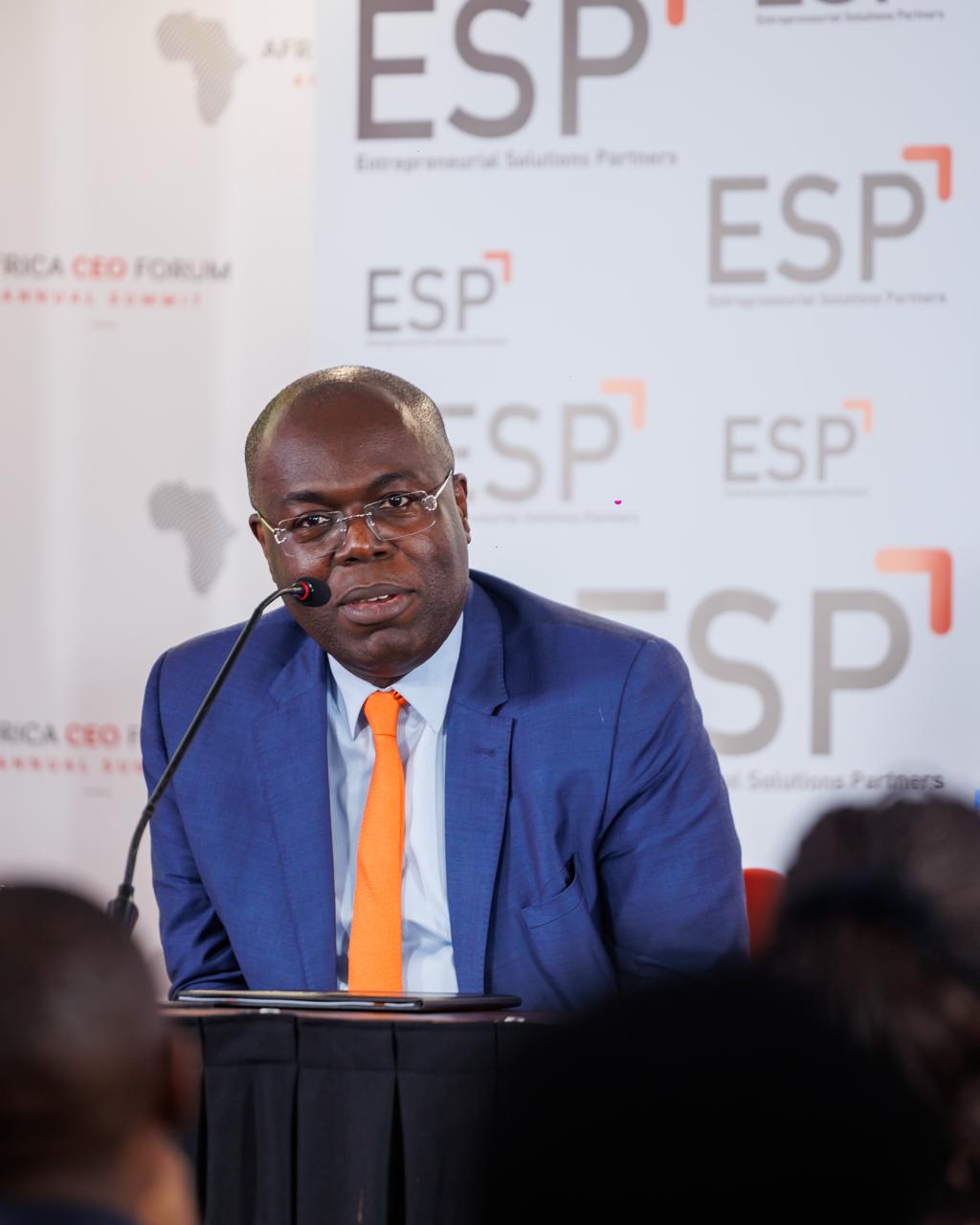
ESP Co-Founder and Chief Executive Officer Eric Kacou said the partnership combines Spiro’s electric mobility infrastructure with ESP’s expertise in entrepreneurship development and business support.
“The purpose of the MoU is to make sure that we can have a more equitable e-mobility industry in Africa by enabling young women to have the same opportunities as young men when it comes to having access to an electric bicycle,” Kacou said.
“Beyond the livelihoods, it is also an opportunity for these women to mature into entrepreneurs and to support the next generations of Africans.”
Kacou explained that ESP will help structure and implement the program through targeted recruitment, training, and financial support mechanisms aimed at helping women succeed in the sector.
According to him, the initiative will focus on three critical pillars: mindset, access to assets, and entrepreneurial skills.
“What makes the difference between a successful entrepreneur and one who struggles is what they know about financial education and what they know about growing their businesses,” he said.
ESP plans to roll out the initiative in phases, selecting participants through an application process before providing training in business management, financial literacy, and motorbike operations.
Kacou noted that Rwanda offers a strong environment for piloting innovative solutions that can later be expanded across Africa.
Burman said Spiro is already committed to investing in batteries and battery-swapping infrastructure to support deployment as the initiative scales.
“This is not a sprint, this is a marathon. This is a journey,” he said.
ESP is a Pan-African consulting and investment firm focused on supporting entrepreneurs through technical expertise, incubation, and financing support.
The organisation has previously managed programs supporting women- and youth-led businesses across sectors, including tourism, construction, and agribusiness.
The Women in E-Mobility initiative is expected to create new pathways for women to become riders, entrepreneurs, and technicians within Africa’s growing clean mobility ecosystem while supporting Rwanda’s broader climate and economic inclusion goals.
Spiro, Africa’s largest electric motorbike maker, and Entrepreneurial Solutions Partners (ESP) have signed a Memorandum of Understanding (MoU) to launch the Women in E-Mobility initiative in Rwanda, a program aimed at expanding women’s participation in Africa’s fast-growing electric mobility sector.The initiative seeks to create a more inclusive and sustainable mobility ecosystem by enabling women to access electric motorbikes, entrepreneurship opportunities, and business support, while contributing to Rwanda’s green transport ambitions.The MoU was signed on the sidelines of the Africa CEO Forum in Kigali on Thursday, May 14, 2026. Spiro Chief Executive Officer Kaushik Burman described the partnership as a major step toward building a more inclusive e-mobility industry across Africa.ESP Co-Founder and Chief Executive Officer Eric Kacou said the partnership combines Spiro’s electric mobility infrastructure with ESP’s expertise in entrepreneurship development and business support.
The planned investments will focus mainly on strategic sectors including energy, water supply, housing, and road infrastructure, all of which are considered vital drivers of the country’s economic growth and long-term development.
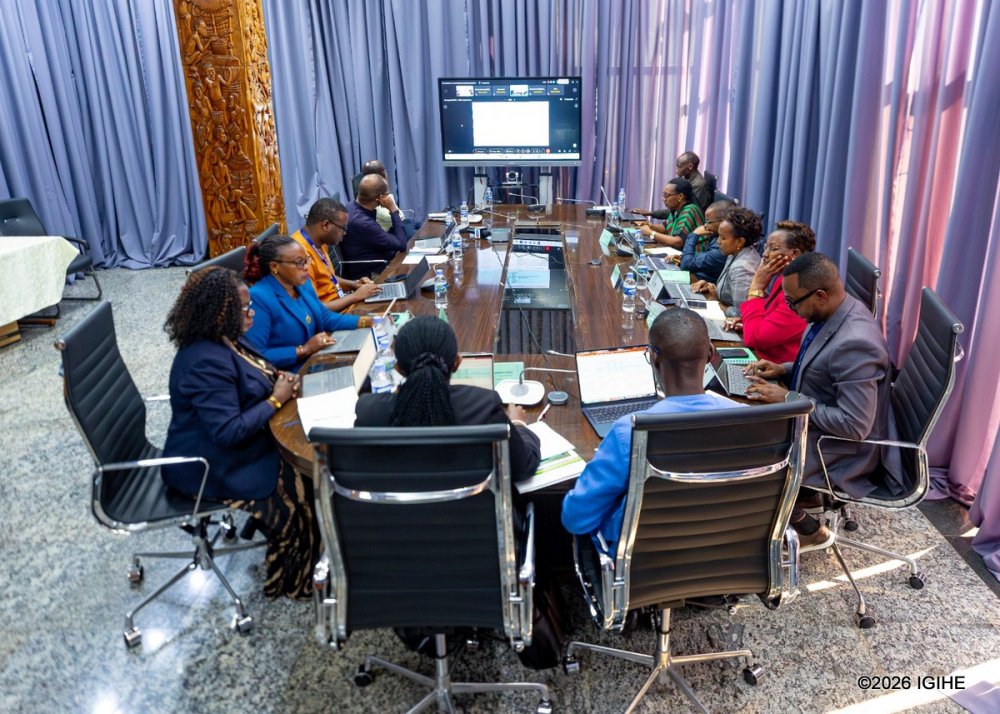
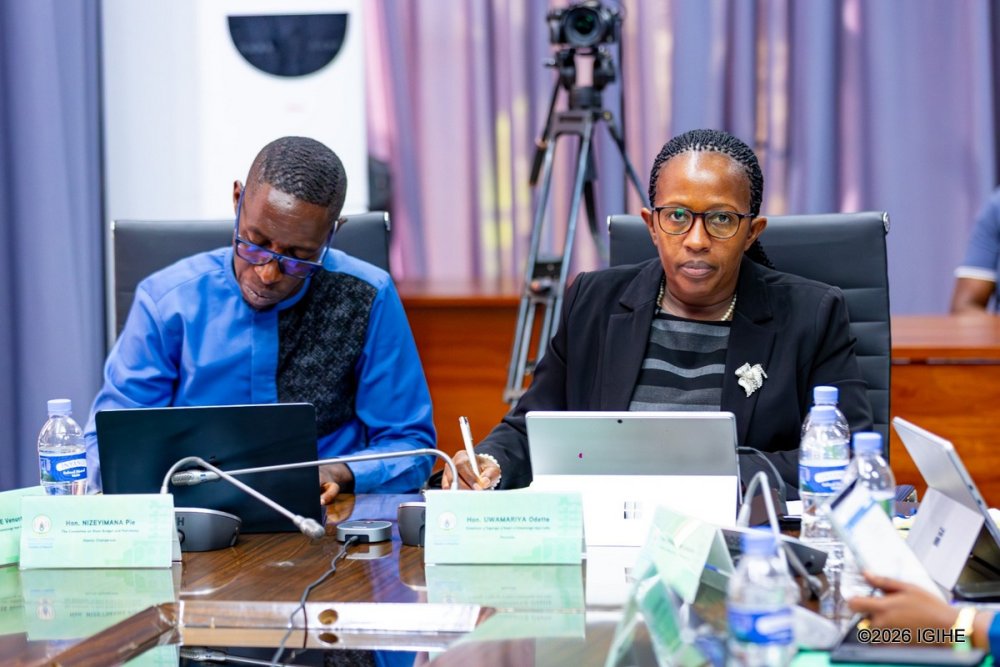
The details were presented during discussions between officials from the Ministry of Infrastructure and its affiliated agencies including the Rwanda Energy Group (REG), Water and Sanitation Corporation (WASAC), Rwanda Housing Authority (RHA), and Rwanda Transport Development Agency (RTDA) and Members of Parliament from the Parliamentary Committee on National Budget and State Property.
During the meeting, each institution outlined major projects expected to improve the welfare of citizens and accelerate national development.
The energy sector remains one of the government’s top priorities due to its crucial role in supporting economic activities and improving the quality of life for Rwandans.
Several projects are expected to be implemented during the 2026/2027 fiscal year to increase electricity generation and strengthen the country’s power supply capacity.
REG is expected to focus on 19 major projects, including ongoing initiatives that will continue until completion.
Among the flagship projects is the continued construction of the Nyabarongo II Hydropower Plant, which is expected to generate 43.5 megawatts of electricity. The project also includes a dam that will help store water and ensure stable electricity production throughout the year, while supporting irrigation activities in surrounding areas.
More than Rwf149.8 billion has been allocated to the Nyabarongo II project during the 2026/2027 fiscal year, with completion scheduled for December 2027.
The government will also continue expanding the national electricity transmission network through the Electricity Transmission Grid Expansion Project, which is funded with support from the Export-Import Bank of Korea (Exim Bank Korea). The project has been allocated Rwf15.2 billion for the upcoming fiscal year.
Additional initiatives aimed at increasing electricity access nationwide include the Accelerating Sustainable and Clean Energy Access Transformation (ASCENT) project, which will receive more than Rwf44.4 billion.
Another Rwf34.9 billion has been earmarked for strengthening the national electricity transmission grid, while Rwf1.1 billion will be invested in extending electricity access to communities in Nyamagabe and Nyaruguru districts.
The government also plans to expand the country’s strategic fuel storage infrastructure by increasing the capacity of state petroleum reserves to 60 million litres, alongside several other infrastructure projects expected to play a significant role in Rwanda’s future economic transformation.
The Nyabarongo II Hydropower Plant, currently under construction between Gakenke and Kamonyi, is expected to provide a significant solution to Rwanda’s growing energy demand.
The Water and Sanitation Corporation (WASAC) has announced a series of major infrastructure projects aimed at expanding access to clean water across Rwanda while reducing water losses within the distribution system.
The projects form part of the government’s broader efforts to improve public services, strengthen urban infrastructure, and ensure reliable water supply for both urban and rural communities.
In addition to constructing new water pipelines, WASAC plans to expand, rehabilitate, and modernize existing water distribution networks to meet the growing demand for clean water across the country.
Among the flagship projects is the expansion of the Nzove Water Treatment Plant, whose production capacity is expected to increase from 40,000 cubic metres per day to 65,000 cubic metres daily. The project has been allocated Rwf9.09 billion in the 2026/2027 fiscal year budget.
Another key initiative is the Kigali Bulk Water Supply Project, which has received Rwf14 billion. The project is expected to significantly improve water distribution in different parts of Kigali, particularly in Gisozi and Nyarutarama, while also supporting the expansion of the Karenge Water Treatment Plant.
WASAC is also set to construct the Mutobo Water Treatment Plant, which is expected to produce 40,000 cubic metres of water per day. According to the utility company, the project will help address persistent water shortages in the City of Musanze as well as in the districts of Burera, Nyabihu, and parts of Rubavu.
Other major projects include the Sake Water Treatment Plant and the continued construction of the Mwange Water Plant, which is expected to supply 23,000 cubic metres of water daily once completed.
In the Southern Province, the Nyaruguru-Huye-Gisagara Water Supply Project is expected to produce 24,000 cubic metres of water per day, further strengthening access to clean water in the region.
WASAC also plans to intensify efforts to reduce non-revenue water, commonly referred to as water lost through leakages, illegal connections, and inefficiencies within the distribution network.
Beyond water supply projects, the corporation is investing heavily in sanitation and hygiene infrastructure. Planned initiatives include the construction of wastewater treatment plants as well as the continued rehabilitation and management of the Nduba landfill, which has been allocated Rwf12 billion in the 2026/2027 budget.
The projects are expected to play a critical role in improving living standards, supporting economic growth, and ensuring sustainable access to clean water and sanitation services for communities across Rwanda.
The Nzove water treatment plant is among those set to have their production capacity expanded.
Rwanda to accelerate major road and housing projects in 2026/27
Rwanda is expected to implement extensive road construction and housing development projects during the 2026/2027 fiscal year as part of the government’s ongoing efforts to strengthen infrastructure and accelerate economic growth.
The projects will focus on upgrading major transport networks, improving urban mobility, expanding regional connectivity, and enhancing housing and settlement planning across the country.
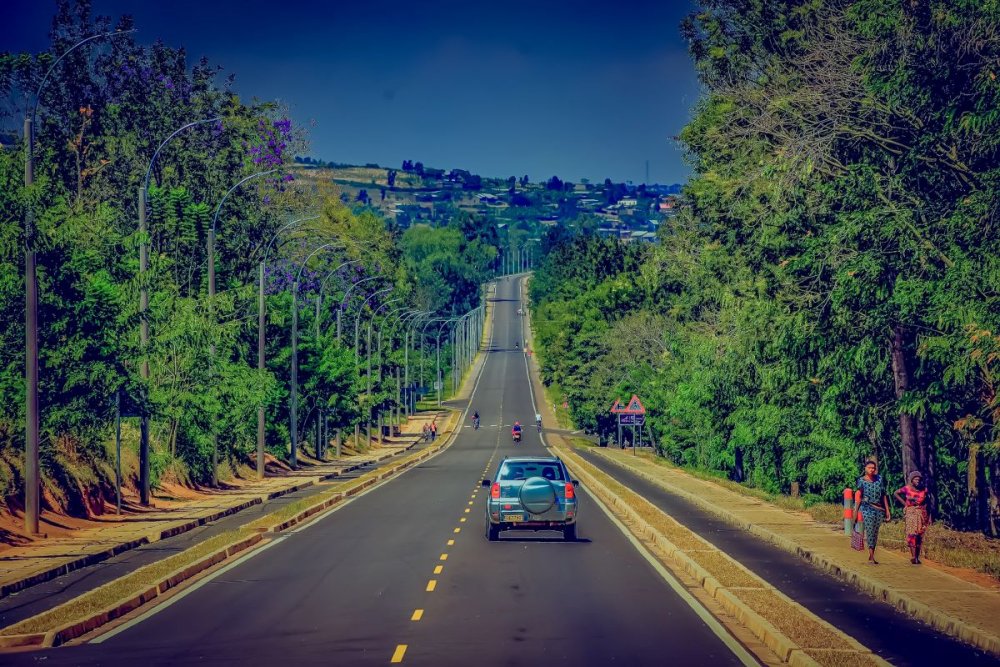
Among the key road infrastructure projects planned is the rehabilitation of several major paved highways, including the 45-kilometre Kigali–Muhanga road, one of the country’s busiest transport corridors. Other roads scheduled for upgrading include the 63-kilometre Base–Butaro road, the 53-kilometre Ngoma–Ramiro road, and the 33-kilometre Kibaya–Rukira–Nasho road.
The government also plans to rehabilitate the 10-kilometre Prince House–Giporoso–Masaka road in Kigali to improve traffic flow and reduce congestion within the capital city.
Under the Kigali Urban Transport Improvement (KUTI) project, major road junctions will be constructed at Chez Lando, Gishushu, and Sonatube, areas widely known for heavy traffic congestion.
Additional road projects include the construction of the 10.1-kilometre Zindiro–Masizi–Birembo–Kami–Gasanze road and the Cyamitsingi–Bibare–Zindiro road. Other planned infrastructure works include the Sashwara–Rega–Kabuhanga road, the Busasamana–Muhato road, the Base–Butaro–Kidaho road, and the Ngoma–Nyanza road.
The government is also moving forward with the construction of the 11.6-kilometre expressway linking Kigali to Kigali International Airport. The strategic project is expected to ease transportation to and from the airport while supporting the growth of business and tourism activities.
Additional investments will target cross-border roads connecting Rwanda to neighboring countries, as well as the rehabilitation of the Nyabugogo–Jabana and Nyacyonga–Mukoto roads, alongside several other transport infrastructure projects planned nationwide.
Authorities also announced that greater emphasis will be placed on maintaining and rehabilitating existing roads to ensure durability, improve road safety, and support efficient transportation services across the country.
Beyond road infrastructure, construction works on ports along Lake Kivu will continue, while feeder roads will also be developed in different parts of the country to improve mobility and facilitate trade in rural communities.
Meanwhile, the Rwanda Housing Authority (RHA) revealed that several large-scale housing and urban development projects are planned for the 2026/2027 fiscal year. The projects will mainly focus on improving settlement planning, modern housing infrastructure, and urban development in different parts of the country, particularly in the City of Kigali.
The planned investments are expected to play a significant role in advancing Rwanda’s urbanization agenda, improving transportation systems, and enhancing the overall quality of infrastructure nationwide.
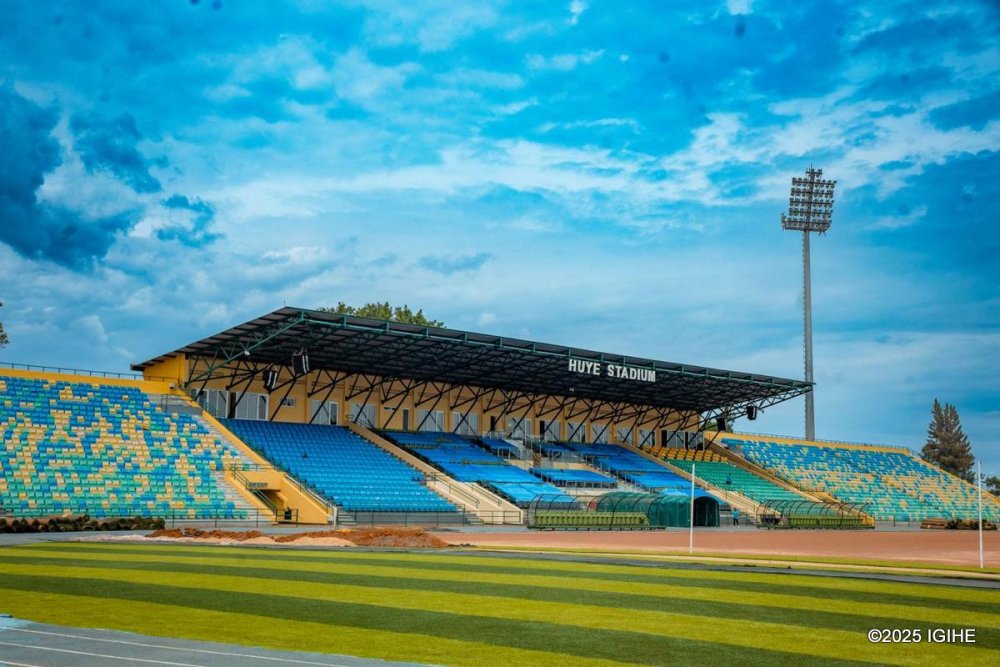
Members of Parliament in the Committee on Budget and State Assets are continuing their review of the draft national budget for the 2026/2027 fiscal year.Hon. Uwamariya Odette, Chairperson of the Parliamentary Committee on Budget and State Assets. RTDA will continue constructing roads that will facilitate trade and improve connectivity. Renovation works on Huye district international stadium will continue.
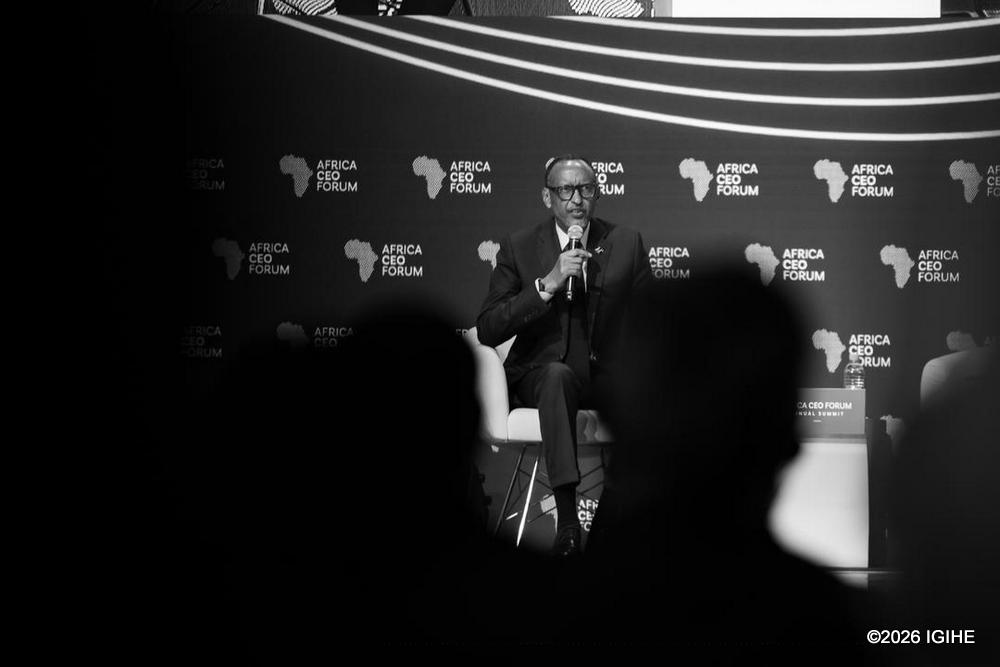
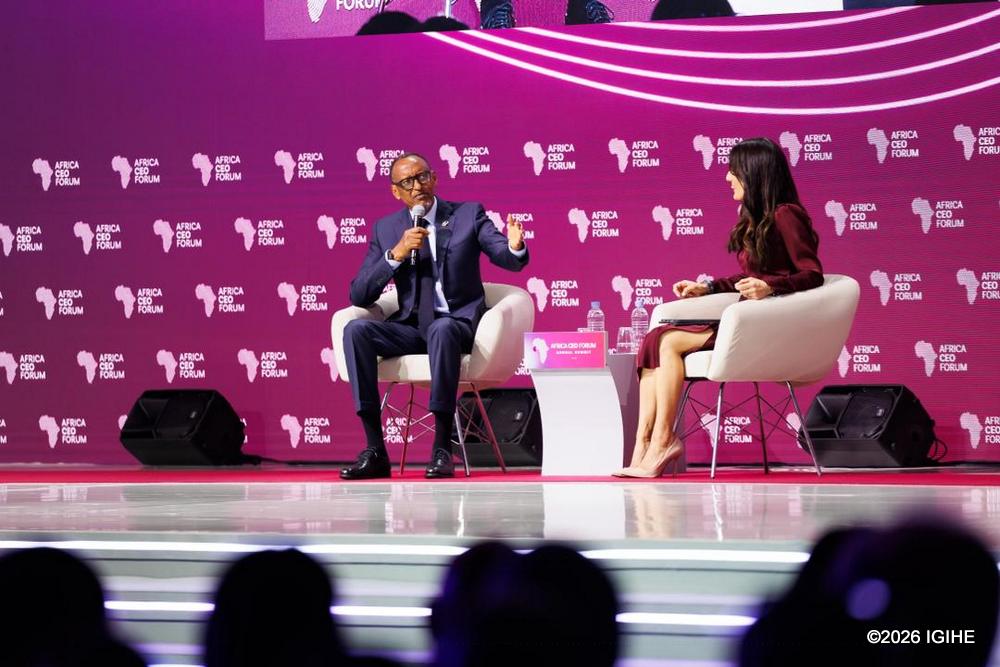
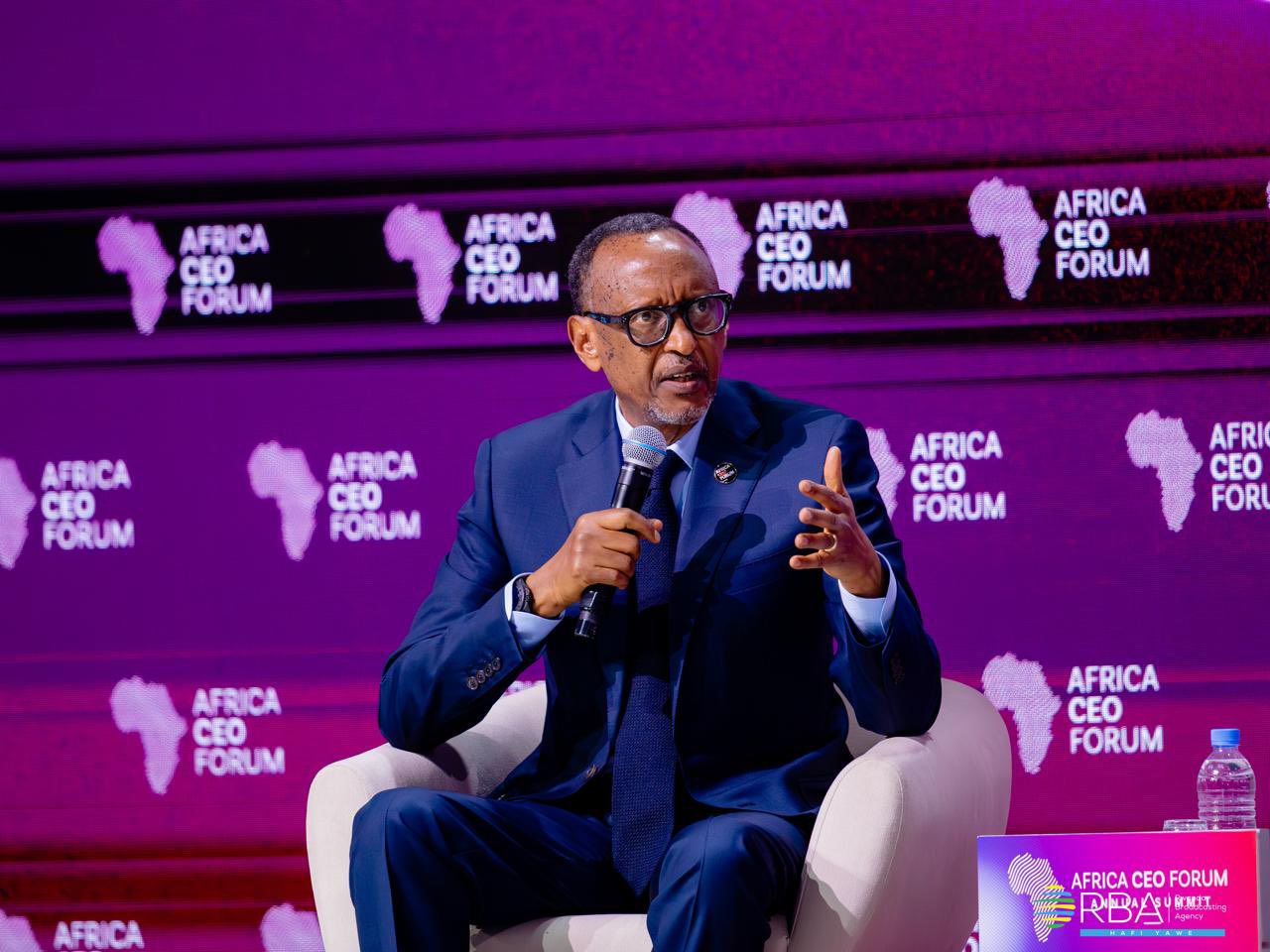
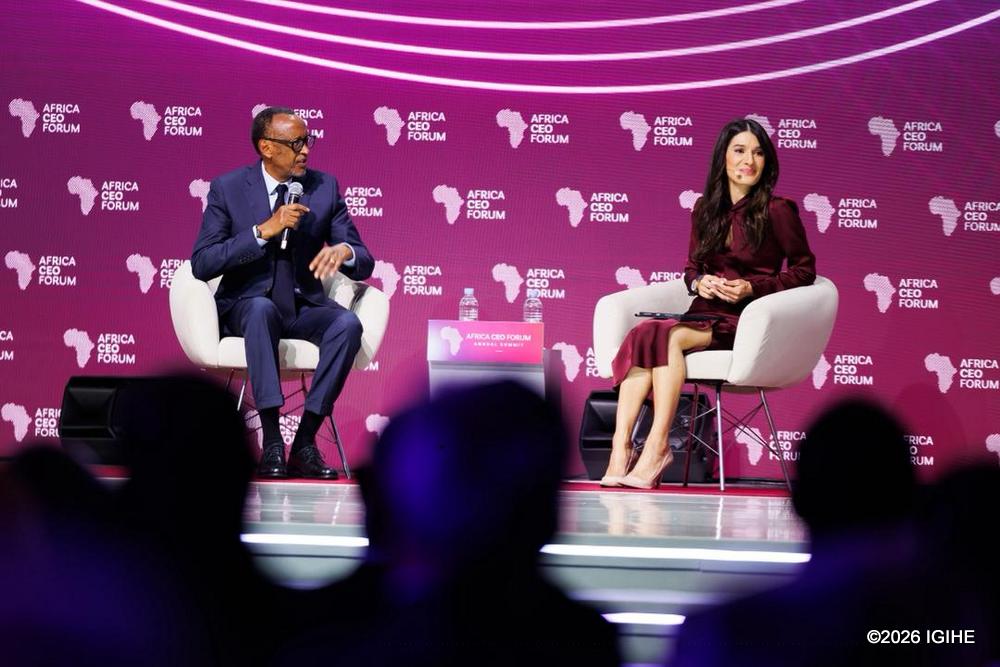
Kagame made the remarks during a conversation with CNN correspondent, Eleni Giokos at the opening of Africa CEO Forum 2026 in Kigali on Wednesday, May 14, 2026.
When asked about the often chaotic and undignified tone of social media used by global leaders, Kagame offered a calm and pragmatic view.
“The media has been democratized. I think it is important,” he said. “Everyone can express themselves and they will be heard. If you are wrong, there will be somebody to tell you, no, no, no, that’s not right. When it is right, people will say, wait a minute, I think there is a point here that we should be thinking about.”
Kagame acknowledged that social media lacks the decorum of traditional communication but argued it has opened up space and broken old conditioning.
He said the platform allows people to receive both criticism and advice directly.
“It has been so open that we have gone beyond having this narrow sense of being guided to things without sometimes thinking,” he noted.
When pressed on whether some of the things he sees on social media shock him, Kagame replied calmly: “I am not shocked. I said I have been immunized today. I am not shocked. I understand where the world we live in. It has changed.”
He added that after the last 30 years in leadership, he has come to accept that many things that would once have been shocking no longer are.
Leaders, he suggested, should scan information, make sense of it, and decide how to use it responsibly.
The President’s comments reflect a measured approach to the digital public square, contrasting with many leaders who often complain about or avoid social media altogether.
Kagame praised social media as a democratized platform for global expression and accountability during a conversation with CNN correspondent.
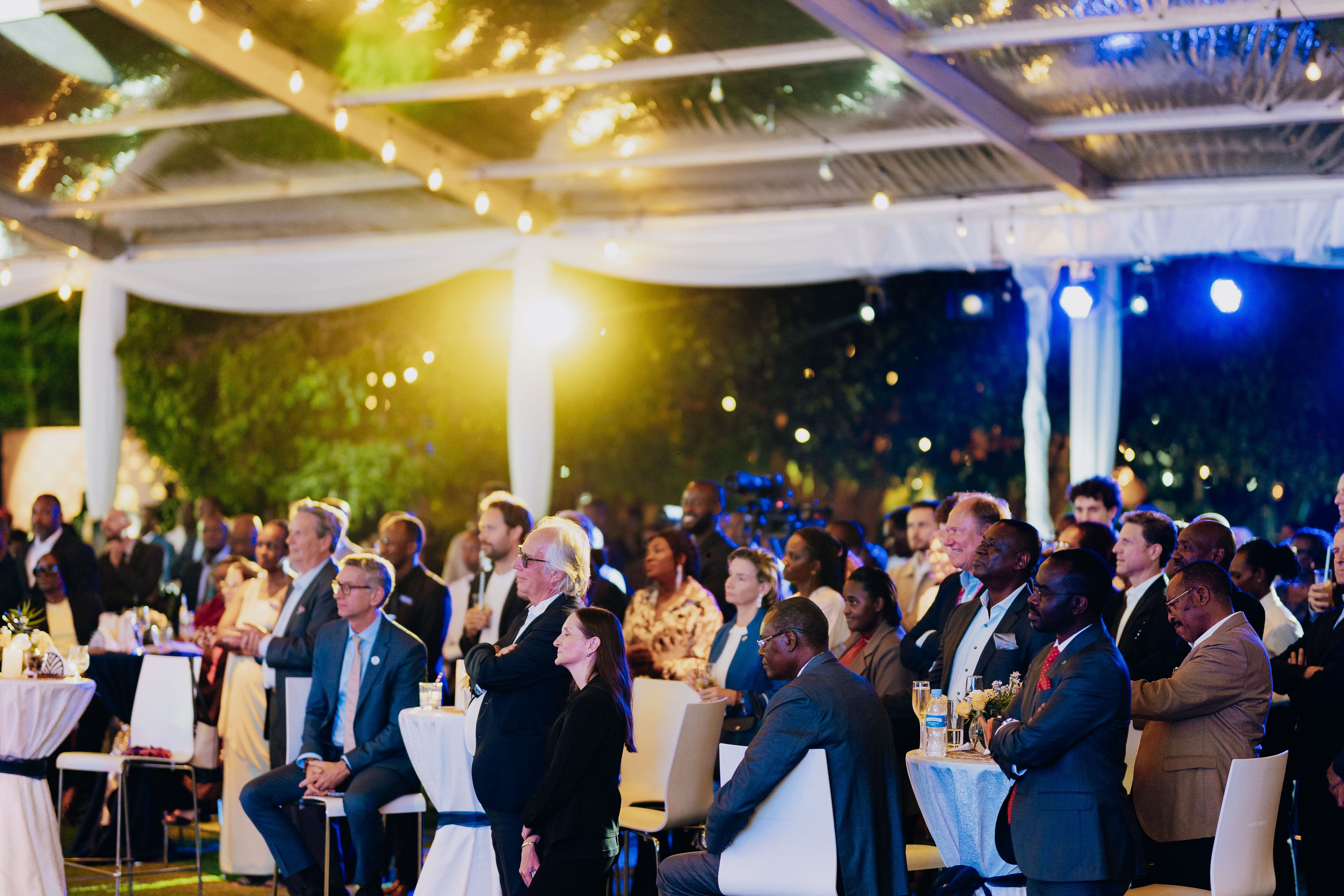
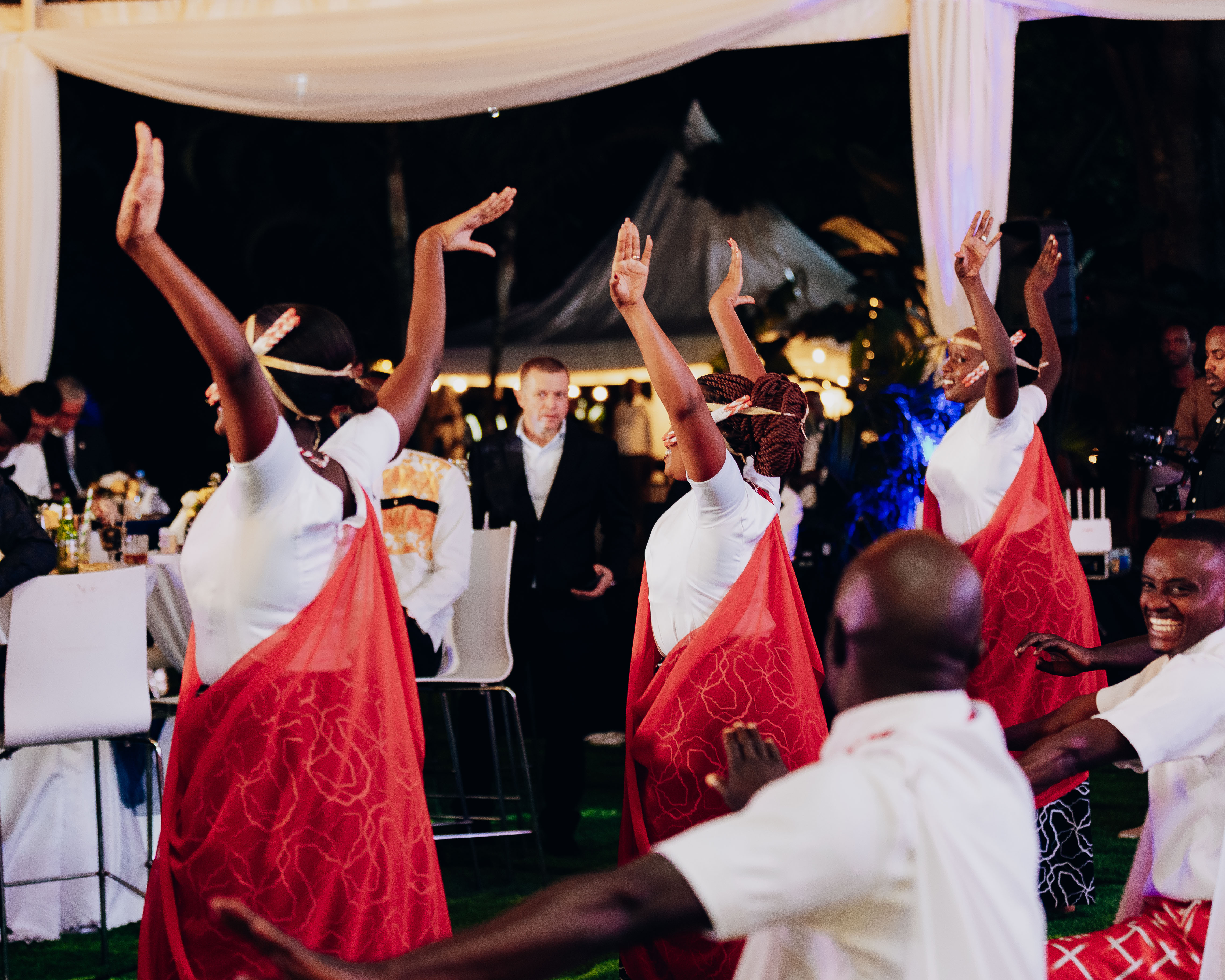
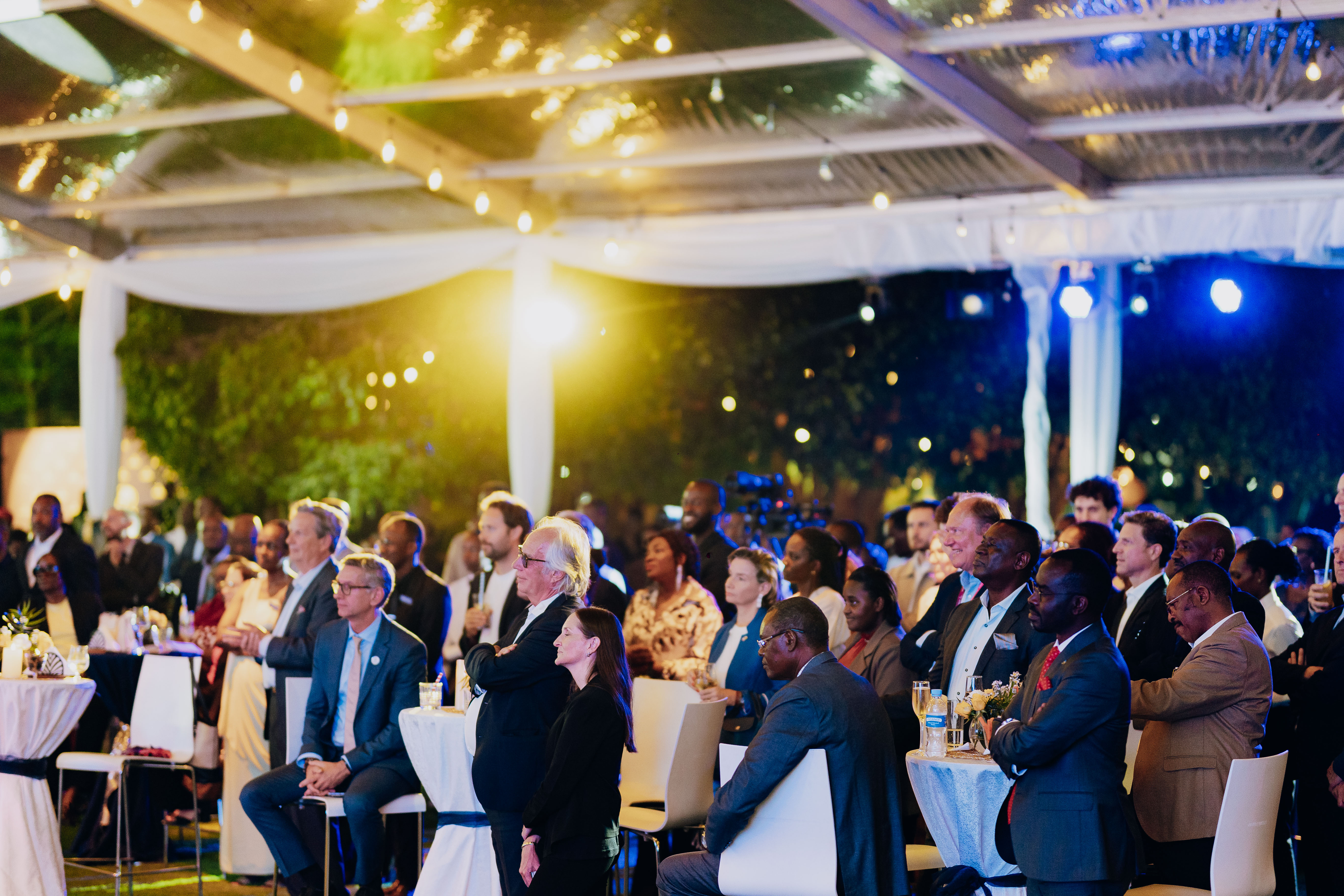
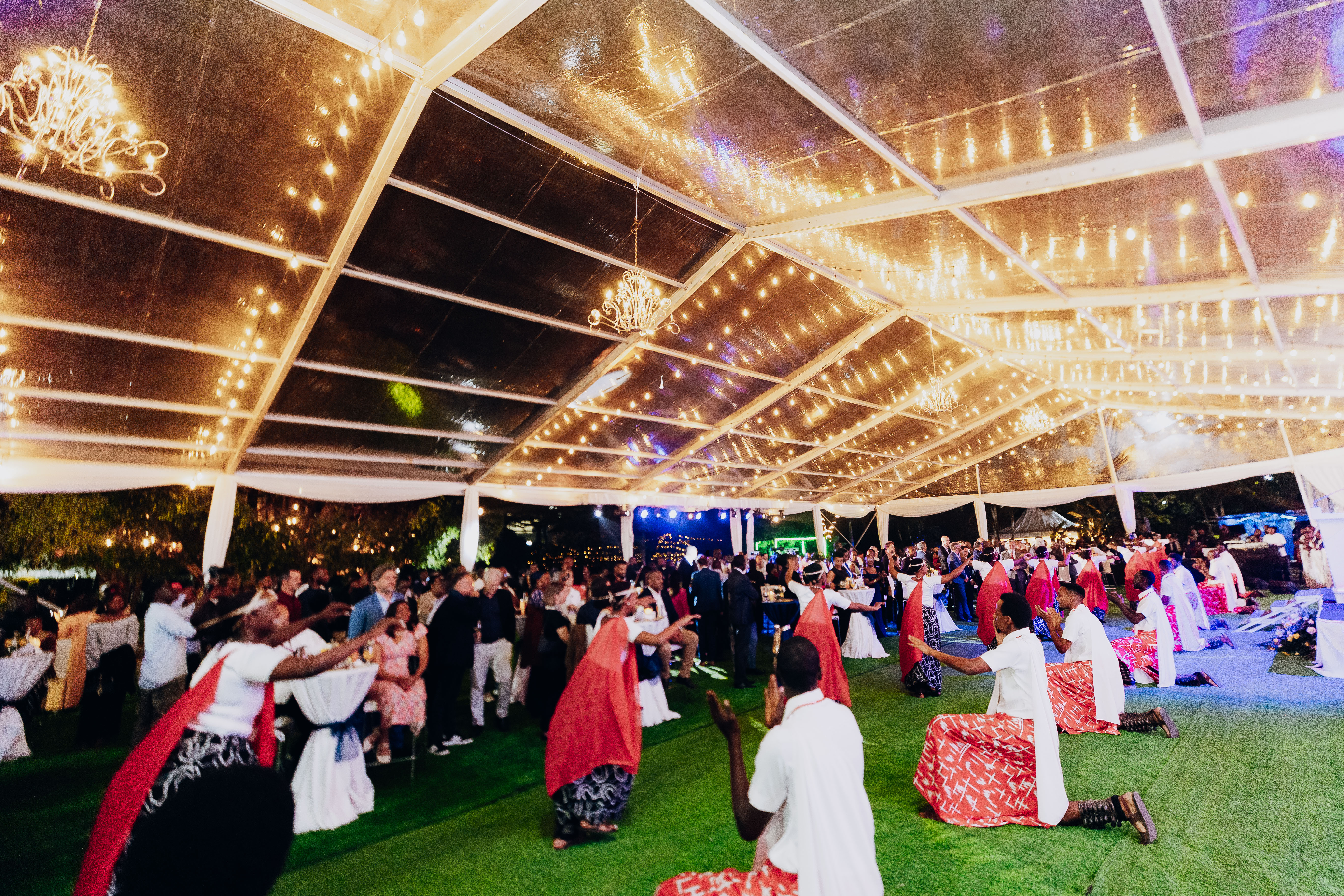
The event held in the garden of MAGERWA Ltd, a company that provides logistics services including inland port and bonded warehousing, served as a showcase of Rwanda’s shift from a landlocked country to a “land-linked” logistics gateway, with speakers highlighting the country’s progress in trade facilitation, infrastructure development and regional integration.
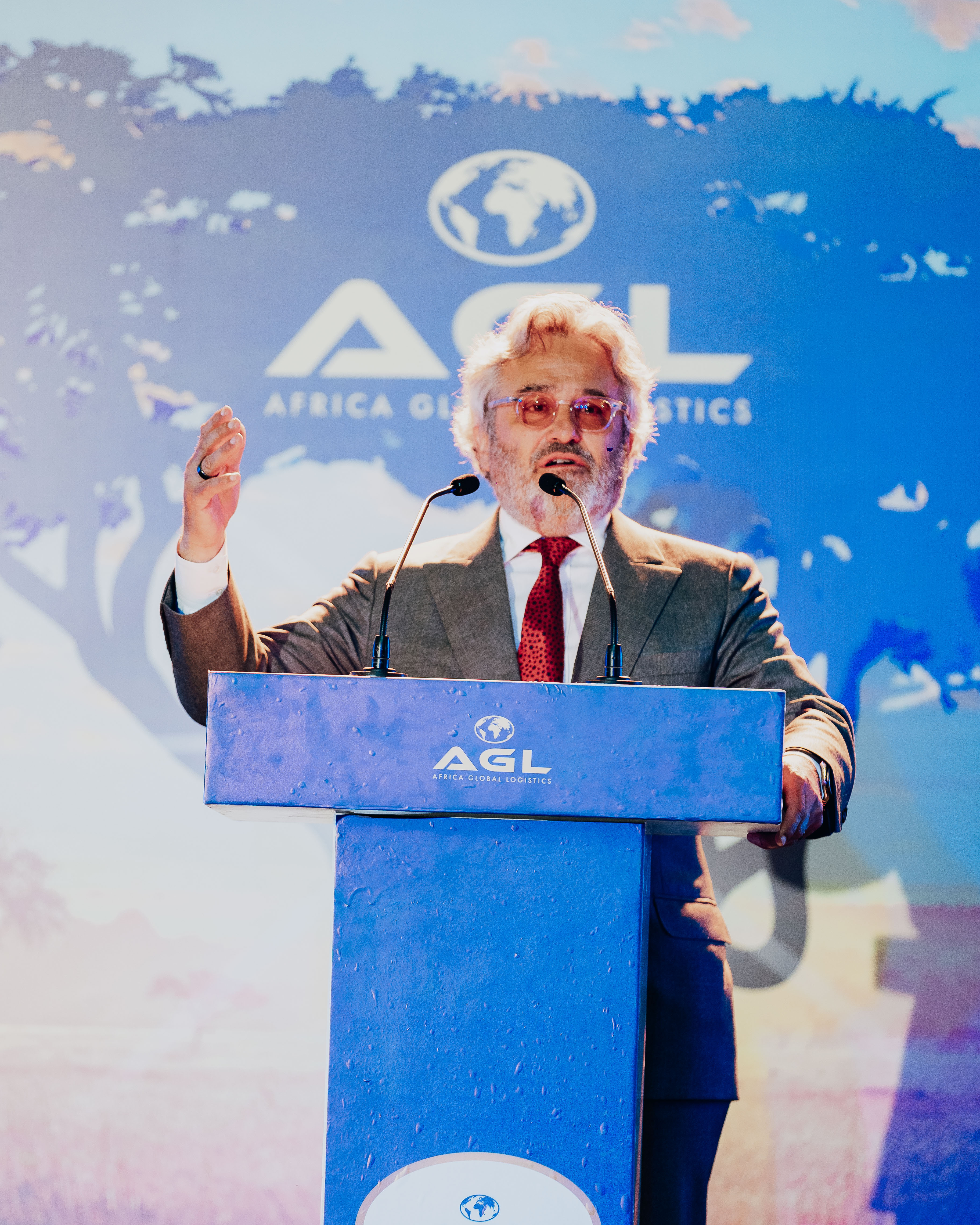
AGL President and Chief Executive Officer Philippe Labonne praised Rwanda’s operating environment and the company’s journey in the country, saying the firm had grown alongside Rwanda’s development ambitions despite early challenges.
“I think there are no words to express how proud I am of my Rwanda team,” Labonne said, reflecting on the resilience of staff and the company’s expansion in the country. He also commended Rwanda’s governance framework, noting, “Rwanda is an example of how proper governance can create value.”
Labonne emphasized that AGL’s investments in logistics, technology and human capital have contributed to strengthening Rwanda’s position as a strategic hub connecting East Africa and the wider continent.
Rwanda’s Minister of Trade and Industry Prudence Sebahizi also addressed the gathering, reaffirming Rwanda’s ambition to become a leading logistics and trade centre under the African Continental Free Trade Area (AfCFTA).
“Tonight is yet another opportunity to listen to this story of success, to listen to this story of ‘Made in Rwanda,’” he said, highlighting the importance of partnerships in driving industrial growth.
The Minister noted that Rwanda’s logistics ambitions are closely tied to regional integration, pointing to the role of companies like AGL in strengthening supply chains and trade connectivity. He added that reducing logistics costs remains a key priority for boosting competitiveness across the continent.
“We hope to see in the near future that the cost of transportation and logistics is going to reduce from 40% to probably 20%,” Sebahizi said, calling for increased investment in technology and efficiency in the sector.
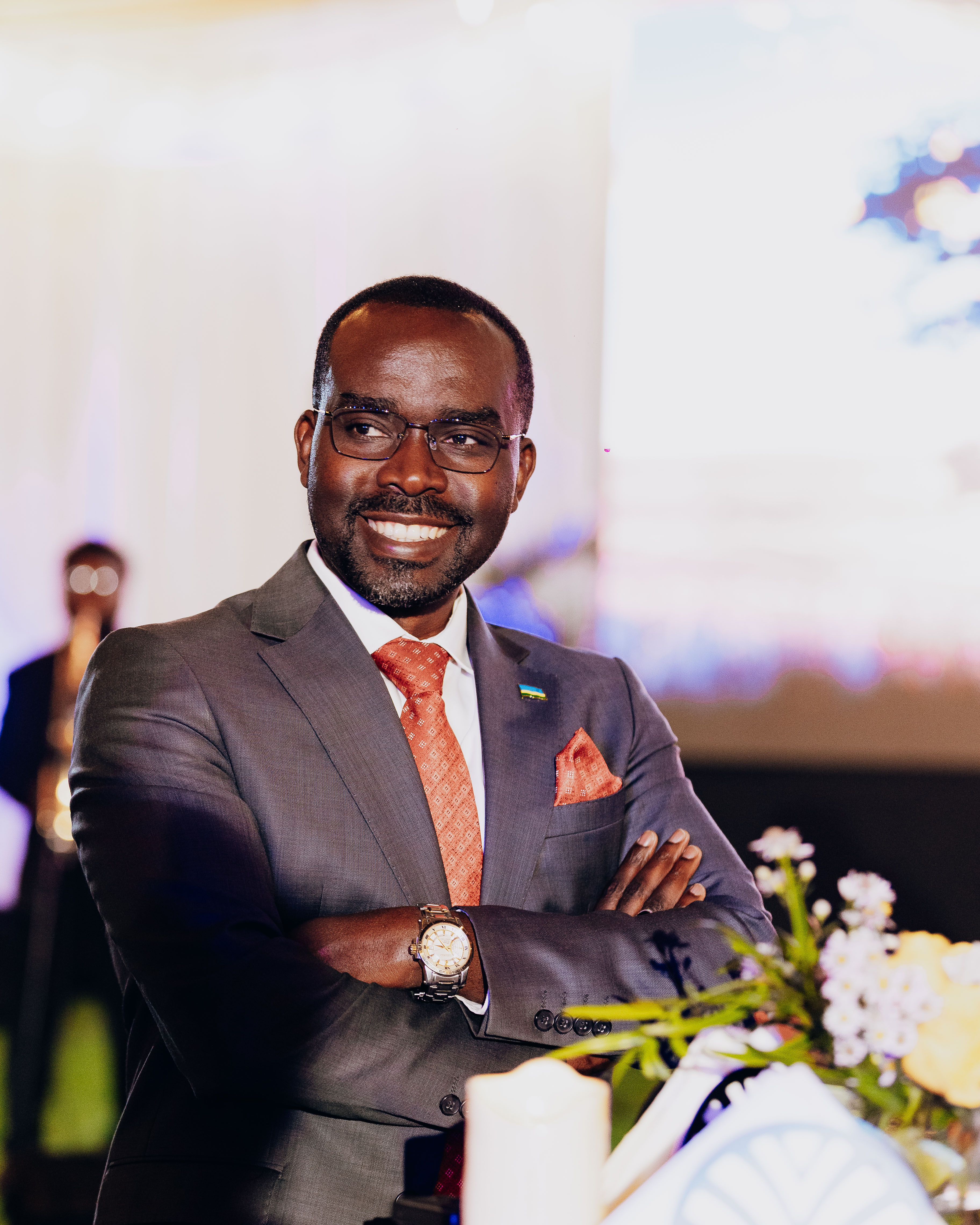
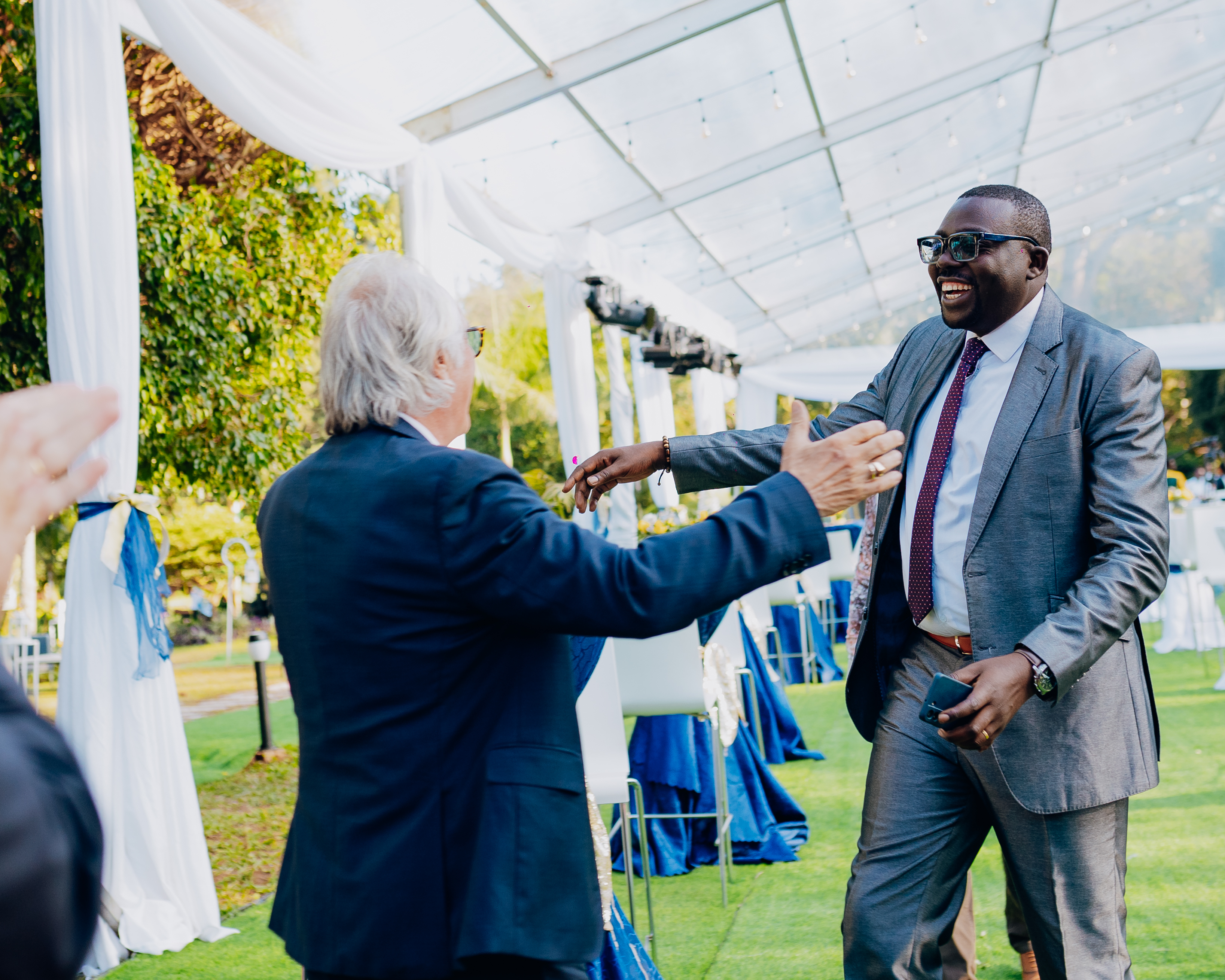
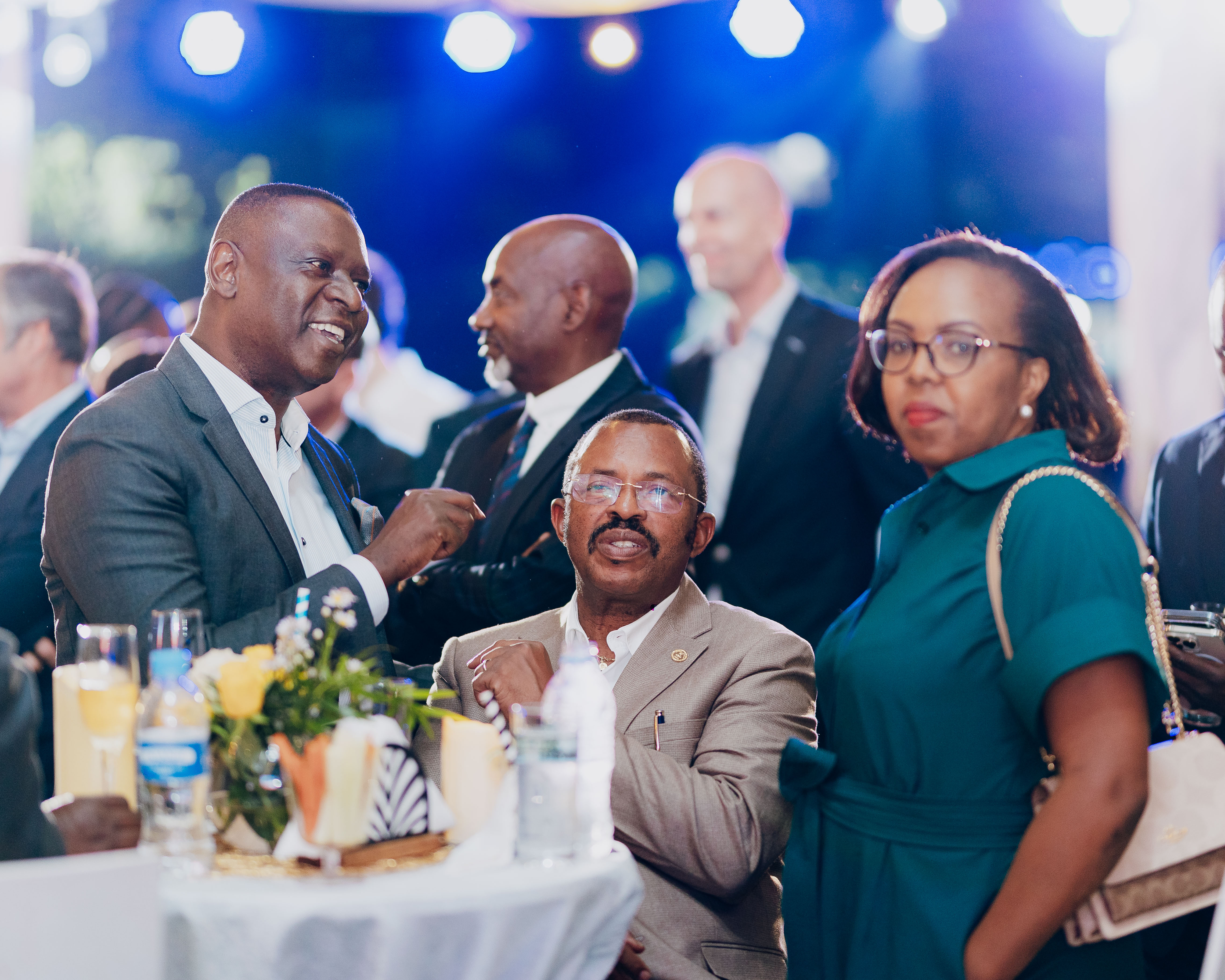
CEO Philippe Labonne expressed pride in Rwanda’s team during the AGL reception, highlighting the company’s growth alongside Rwanda’s development.Minister Prudence Sebahizi discussed Rwanda’s ambitions under the African Continental Free Trade Area (AfCFTA), emphasizing the country’s success story.Attendees networked at the AGL reception, showcasing Rwanda’s emergence as a prominent logistics hub in the region.AGL and MAGERWA Ltd. are leading efforts to position Rwanda as a central player in Africa’s logistics and trade infrastructure.
The head of state made the remarks on Thursday during the opening of the Africa CEO Forum 2026 in Kigali.
Speaking in conversation with CNN journalist Eleni Giokos, Kagame addressed the current geopolitical tensions facing Rwanda and other African nations, framing sanctions as part of a broader pattern of external control over the continent’s resources.
Kagame argued that sanctions are frequently applied based on self-interest rather than principle.
“Sometimes sanctions are just applied in a case of one who provides less than the other,” he said. “So it was in the favor of the highest bidder. When somebody knows they will extract more from a certain place, they will be more favorable to that place, even if they are the ones in the wrong.”
He pointed to the open nature of this power dynamic, stating that major powers no longer hide their intentions.
“The powers that be are holding a whip in their hands, using a stick to beat up whoever they want to beat up. They’re no longer even hiding it. It’s just in the open.”
The President highlighted what he sees as hypocrisy in how some Western powers engage with Africa. He noted that the same actors who lecture African countries on democracy and human rights are simultaneously engaged in resource extraction.
“These powers you see that come here lecturing people on democracy, human rights, and they are doing it with one arm and with the other, they are just taking away everything that people own,” he stated.
“…We can’t just be people who are waiting to be ripped off by somebody who is shrewd enough and has the power to come. No, we must be able to say no,” Kagame added.
Addressing Rwanda’s own situation — facing U.S. sanctions since March this year linked to the conflict in the Democratic Republic of Congo — Kagame made it clear that capitulation was not an option. “I never capitulated in a worse situation,” he stated.
“This is not a bad situation as such. Well, it hurts, absolutely. And that’s what it is meant to do… But I think we would be hurt more by not doing what we are doing.”
He emphasized that saying “no” to unfair deals carries a short-term cost but serves long-term interests.
“It is not so difficult to say no. In fact, it costs more to say yes to the wrong thing.”
Kagame cited recent examples from the continent where leaders pushed back against unbalanced mineral deals tied to infrastructure or social programs, mentioning countries such as Zimbabwe, Zambia, and Ghana.
He called for greater African unity and collective action, suggesting African leaders need a stronger coordinated mechanism to protect their interests.
“These pressures… are not entirely bad. I think they force Africa to look within.”
The President concluded his remarks on the subject by expressing long-term confidence, stating that exploitative arrangements ultimately do not last.
“Even those who have been given the gift of messing us up, one day they will not live long enough to see the gains from exploiting people or doing unjust things.”
Jean-Guy Afrika, Chief Executive Officer of the Rwanda Development Board (RDB), said Africa must accelerate execution and strengthen collaboration between governments and the private sector to turn the continent’s potential into real economic scale.
He highlighted Kagame’s emphasis on shared ownership, noting that Africa’s ambitions cannot be achieved through isolated efforts but through coordinated action and cross-border cooperation.
Afrika also pointed to the need for reducing barriers to investment, improving predictability, and building stronger regional markets to support growth.
“The Africa CEO Forum has become a platform where Africa’s public and private sector leaders come together to shape a common agenda for growth, investment, partnership and execution,” he said.
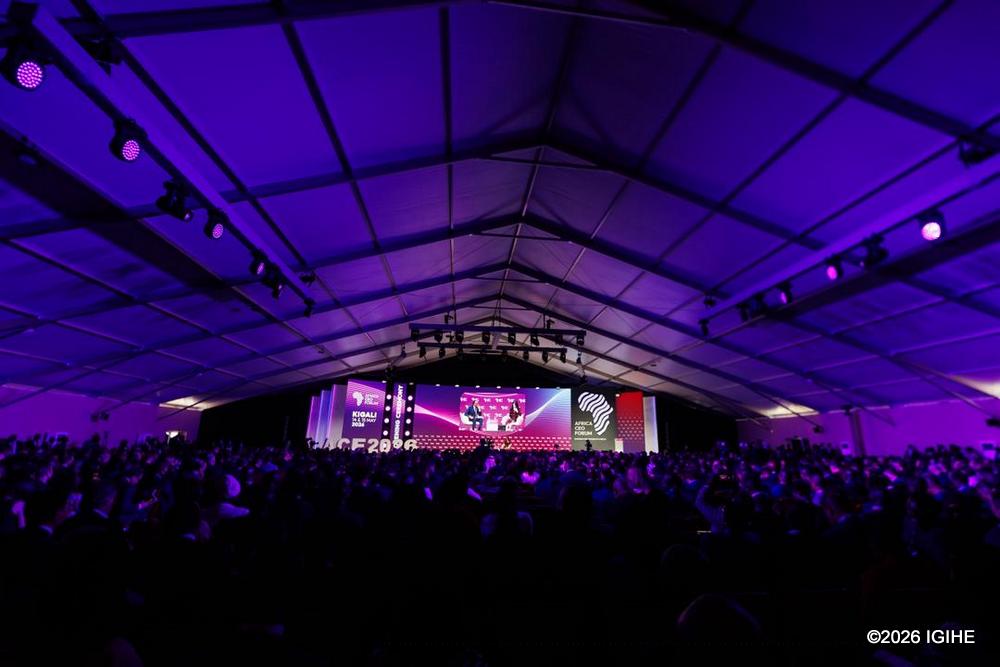
The 2026 edition of the Africa CEO Forum 2026 runs from May 14–15 at Kigali Convention Centre, bringing together some of the continent’s most influential business and political leaders.
Held under the theme “The Scale Imperative: Why Africa Must Embrace Shared Ownership,” the forum is expected to attract more than 2,000 participants from over 75 countries, including CEOs, investors, heads of state, ministers and development finance institutions.
The 2026 edition of the Africa CEO Forum 2026 kicked off on May 14 at Kigali Convention Centre.President Kagame has urged African unity and self-reliance, saying the continent must resist unfair external deals and protect its interests.
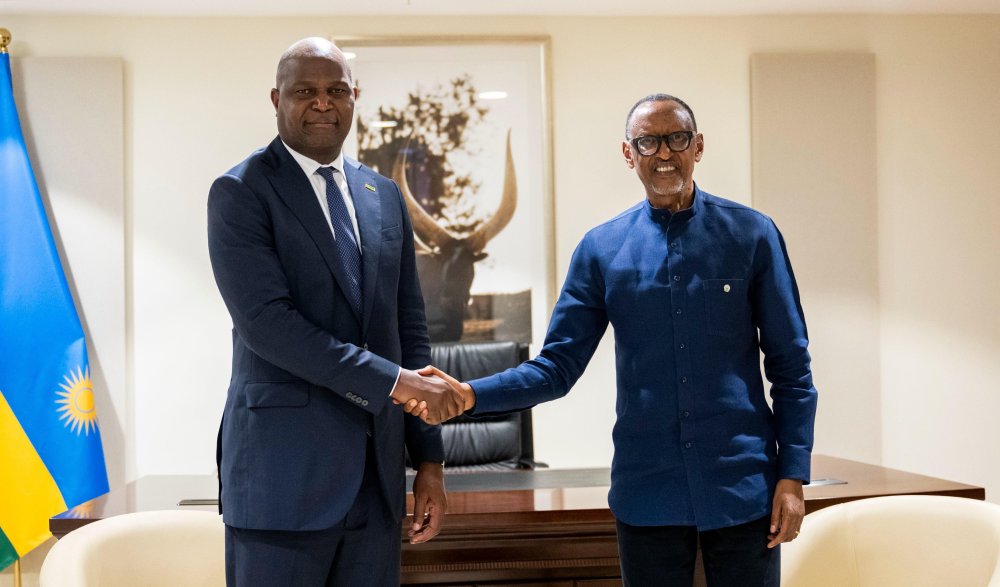
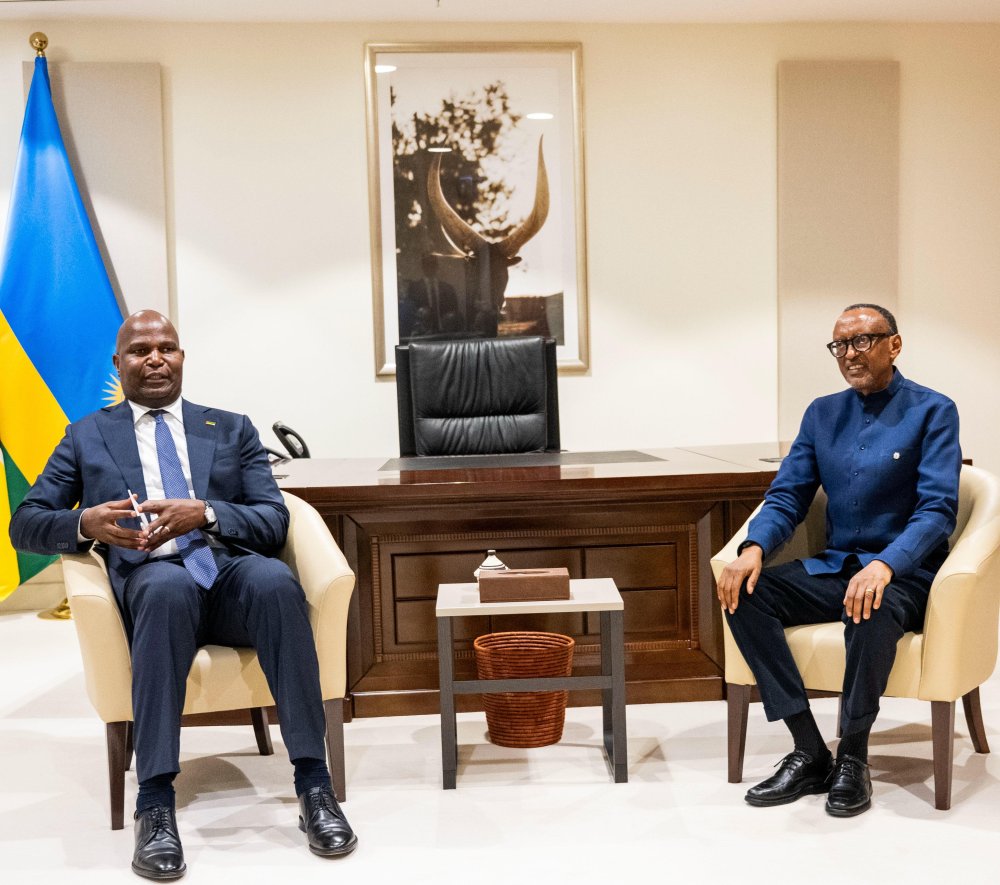
His discussions with Chapo focused on areas of cooperation, including security partnership, trade, and investment.
Rwanda and Mozambique cooperate in various sectors aimed at strengthening economic development and regional stability, including trade, agriculture, industry, investment, and security.
Relations between the two countries date back to the 1990s, but gained renewed momentum in 2018 with the establishment of a Joint Commission for Cooperation.
Since July 2021, Rwanda’s security forces have been working alongside Mozambican forces to combat terrorism in Cabo Delgado Province, which had been heavily destabilized by the extremist group Ansar al-Sunnah.
The joint operations succeeded in driving militants out of strongholds they had established across different districts. Many fighters fled into forests where they continued to be pursued and neutralized by the security forces.
Following the restoration of security, thousands of displaced residents returned to their homes, while key infrastructure, including electricity services, resumed operations.
In August 2025, the governments of Rwanda and Mozambique renewed cooperation agreements on investment and counterterrorism.
In February 2026, the Government of Rwanda also sent Mozambique 20 tonnes of food and medical supplies to support communities affected by floods.
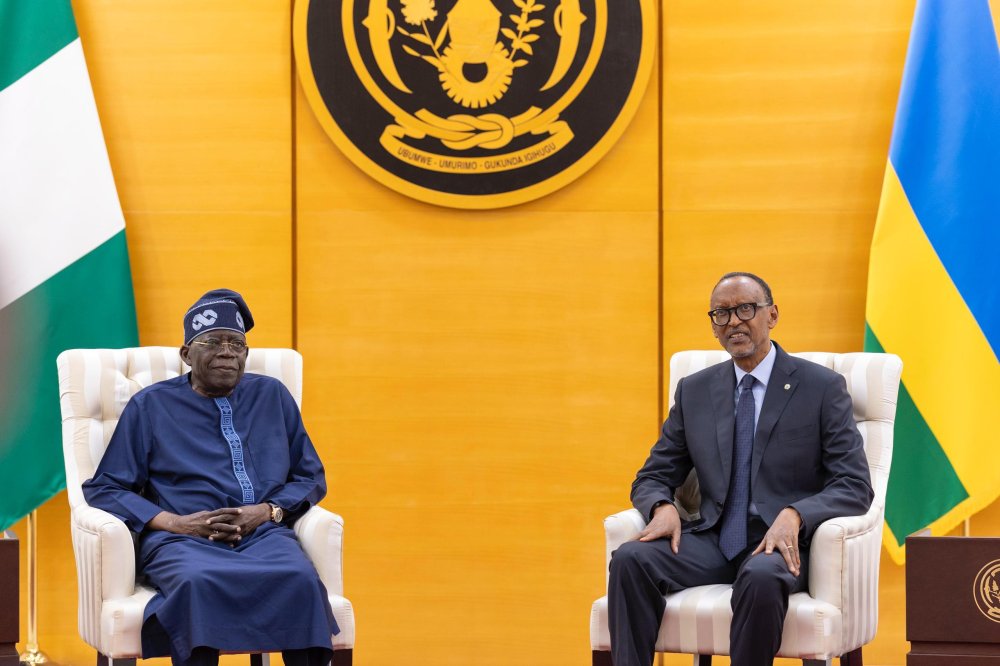
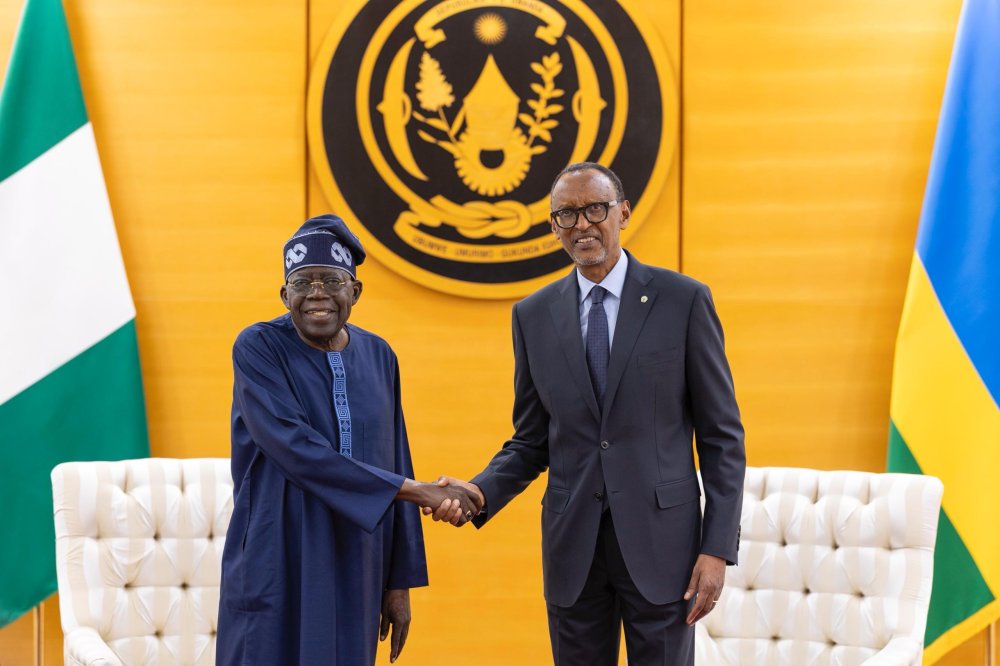
According to a statement released by Rwanda’s Office of the Presidency, discussions between Presidents Kagame and Tinubu also focused on strengthening the fruitful partnership between Rwanda and Nigeria across key sectors including trade, energy and defense cooperation. President Kagame also hosted President Tinubu and his delegation for a working lunch.
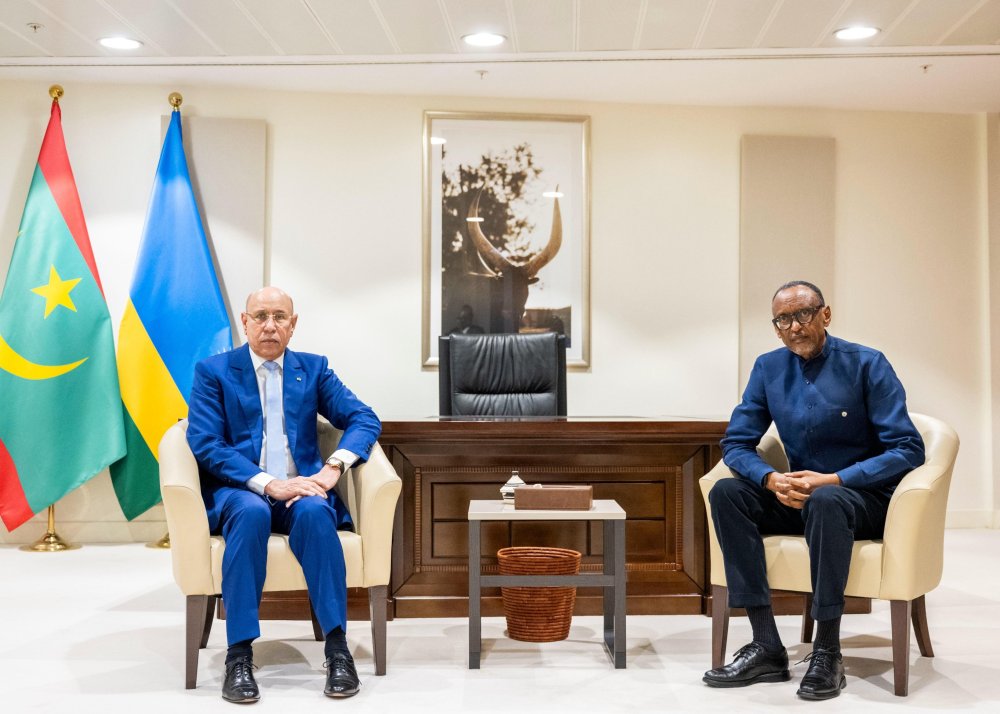
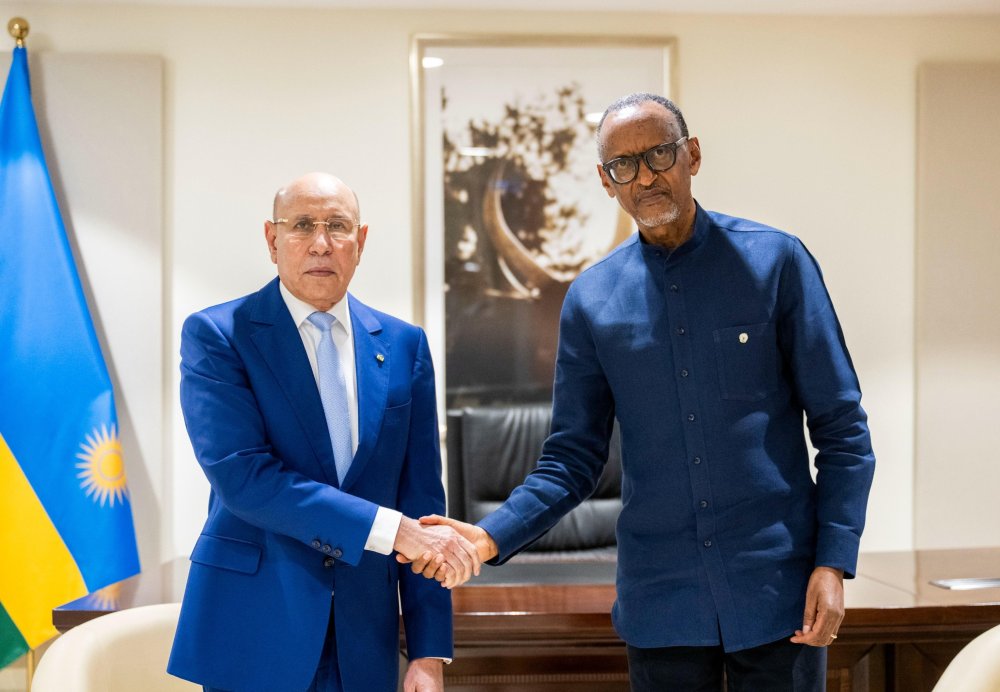
Meanwhile, discussions with Mauritanian President Mohamed Ould Ghazouani revolved around key areas of bilateral cooperation, the security situation across the continent, and global issues of mutual interest.
The 13th edition of the Africa CEO Forum 2026 is taking place in Kigali from May 14 to 15 at Kigali Convention Centre, bringing together some of the continent’s most influential business and political leaders.
Held under the theme “The Scale Imperative: Why Africa Must Embrace Shared Ownership,” the forum is expected to attract more than 2,000 participants from over 75 countries, including CEOs, investors, heads of state, ministers and development finance institutions.
President Paul Kagame welcomed President Daniel Chapo to Kigali ahead of the Africa CEO Forum 2026President Paul Kagame also hosted President Mohamed Ould Ghazouani for discussions on regional security and bilateral tiesPresident Paul Kagame and President Bola Ahmed Tinubu held talks focused on strengthening bilateral cooperation in trade, energy and defense
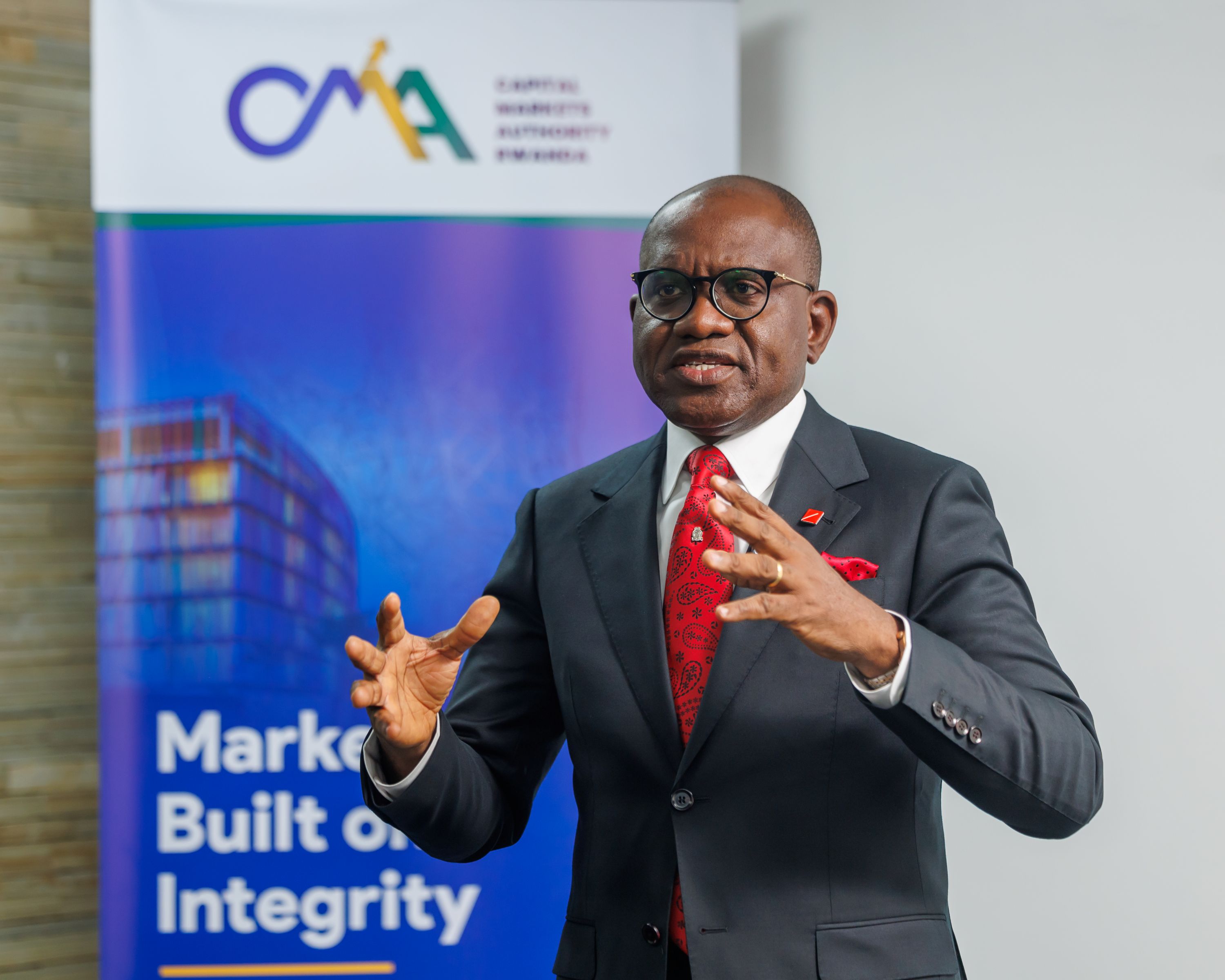
The licence, issued by the Capital Market Authority (CMA) of Rwanda, allows the group headquarteredin Nigeria to deliver a full-spectrum suite of investment banking and capital markets services, including corporate finance and capital mobilisation, project and infrastructure finance structuring, trade and supply chain finance solutions, structured finance and asset-backed instruments, as well as trusteeship, capital markets advisory, and institutional capacity development.
The move brings one of Africa’s prominent investment banking groups into Rwanda’s growing financial sector and reflects increasing investor confidence in the country’s regulatory environment and long-term economic outlook.
Speaking on the development, CMA Chief Executive Officer Romeo Ngarambe described United Capital’s decision to choose Kigali for its East and Central African operations as a strong endorsement of Rwanda’s financial market credibility.
“When a pan-African institution of United Capital’s calibre and track record makes a deliberate choice to anchor its East and Central African operations in Kigali, it sends a signal that no ranking or report can replicate,” Ngarambe said.
“It tells the world that Rwanda’s market is serious, our institutions are trusted, and our ambition is matched by execution. This is the kind of conviction that changes the trajectory of capital markets, and we intend to honour it by continuing to build a platform worthy of the best institutions Africa has to offer.”
United Capital PLC has operated for more than six decades and currently runs businesses spanning investment banking, asset management, wealth management, securities trading, trusteeship, consumer finance and digital banking across Africa.
Group CEO Peter Ashade said the company’s expansion into Rwanda aligns with its broader pan-African growth strategy built around providing African-led financial solutions across the continent.
“We set out with one intention clear, that Africans are the solution to African challenges,” Ashade said, adding that Rwanda’s governance, policy direction and investment climate made it a natural choice for the group’s next phase of expansion.
He praised Rwanda’s leadership and reform agenda under President Paul Kagame, noting that the country’s transformation across key economic indicators created confidence for long-term investment.
United Capital said it plans to roll out three major business lines in Rwanda initially: investment banking, asset management and trust services. Ashade disclosed that the group expects to deploy at least $120 million (approximately Rwf 175 billion) into its Rwandan operations and related investments during the initial phase.
According to the company, Rwanda’s stable governance framework, legal infrastructure, ease of doing business and strategic geographic location at the crossroads of East and Central Africa were among the key factors behind the decision.
The entry of United Capital is expected to deepen Rwanda’s capital markets by introducing new financial products and expanding access to long-term financing solutions for businesses and infrastructure projects.
Ashade highlighted Real Estate Investment Trusts (REITs) and infrastructure funds among the products the group intends to explore in Rwanda, citing growing demand for real estate financing and infrastructure development across the region.
“Infrastructure is critical for Africa’s development and we believe Rwanda presents significant opportunities for innovative financing solutions,” he said.
United Capital also plans to leverage experience from operations across 10 African countries to tailor products to Rwanda’s market needs, particularly for SMEs and mid-sized businesses.
The company says it currently offers more than 30 financial products across its markets and intends to introduce solutions adapted to local market conditions.
The licensing of United Capital comes as Rwanda continues efforts to attract international financial institutions and strengthen Kigali’s position as a competitive international financial centre capable of mobilising capital for infrastructure, innovation and industrial growth across the region.
For Rwanda, the approval represents another milestone in its strategy to build a sophisticated, regionally connected financial ecosystem that can serve as a gateway for investment into East and Central Africa.
United Capital PLC Group CEO Peter Ashade disclosed that the group expects to deploy at least $120 million (approximately Rwf 175 billion) into its Rwandan operations and related investments during the initial phase.
An initial budget of Rwf 997.7 million has been allocated to kick-start the works, as part of broader infrastructure projects undertaken by the Rwanda Housing Authority (RHA) for the 2026/2027 fiscal year.
The renovation will include upgrades to the building’s electrical systems, installation of backup generators to ensure power supply during outages, and relocation of transformers linked to the facility’s power infrastructure.
RDB announced temporary closure of the building on May 5, 2026 to allow renovation works to begin.
All institutions and offices that were operating in the building have since been relocated to facilitate the refurbishment process.
Following the temporary closure, Minister of Infrastructure Jimmy Gasore told TV10 that initial inspections had identified issues in the building’s wastewater treatment system, particularly in the drainage of wastewater from sanitary facilities, although further assessments were still required.
He said the decision to vacate the building was made to allow a comprehensive review of its condition.
“We can say the main reason is that we decided to fix the issues while the building is empty. We want to reassess everything to ensure that if there are other problems, they can also be addressed at once,” he said.
He further noted that inspections had revealed problems in parts of the electrical wiring system, which affected the performance of elevators, making them operate more slowly than expected for such a modern structure. He added that a full technical study would be carried out during the renovation to identify any additional issues.
The minister also clarified at the time that the building would not be demolished, dismissing speculation that had circulated earlier, and stressing that the works were focused on repairs and improvements.
The Gishushu-based building, covering 42,000 square metres, was purchased by the government for Rwf 42 billion but concerns were raised about its quality. The Rwanda Housing Authority had previously conducted assessments to determine its structural condition.
The evaluation reportedly identified several defects, leading to corrective measures targeting both design and construction-related issues.
Over time, these defects became more visible, with reports indicating that some structural weaknesses worsened, raising safety concerns.
Authorities ultimately decided to temporarily evacuate the building to ensure the safety of occupants while comprehensive renovation works are carried out.
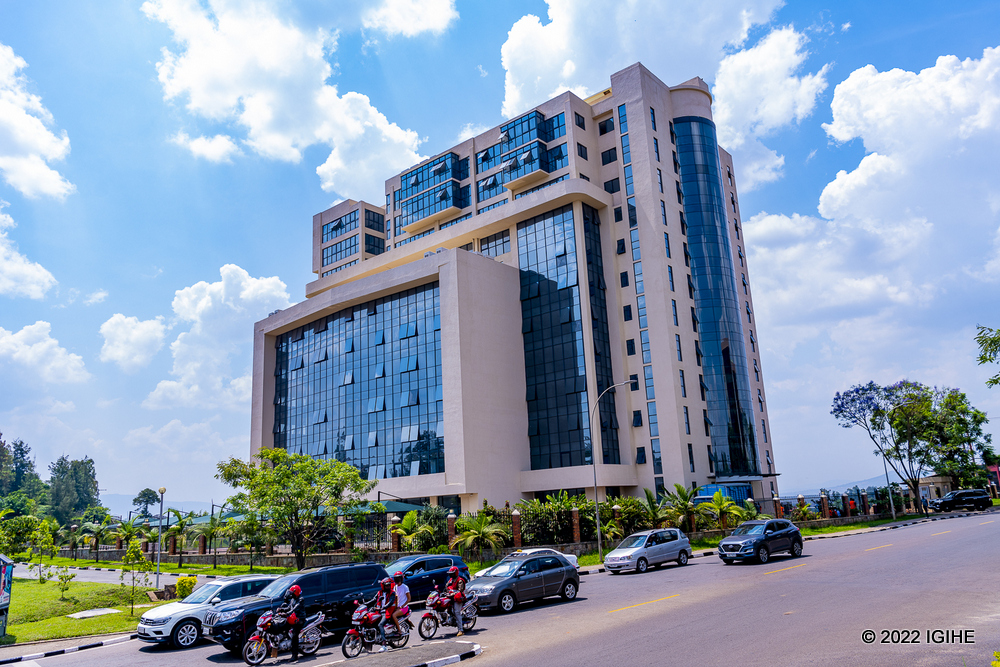
The RDB Building, located in Gishushu, is a 12-storey structure with four underground floors that can be used for various purposes, including parking and gym facilities.
Under the revised system, which is already in effect, a vehicle owner cannot transfer a car or motorcycle without the consent of their spouse if they are married under a community property regime, even where the vehicle is registered in the name of only one partner.
Although vehicle ownership transfers are expected to be completed within five days of a sale, the process can be blocked if the seller has unpaid taxes or other unresolved obligations with the tax authority.
To initiate a transfer, a seller logs into the RRA E-Tax system, selects the vehicle using its plate number and chassis details, and requests ownership transfer to a buyer. The system then generates a security code, which is sent to the seller’s phone.
This code is shared with the buyer or a notary, who can use it to verify whether the vehicle or its owner has any outstanding tax issues through the RRA platform.
Where no arrears or restrictions are detected, the transaction proceeds and an official agreement is generated. If issues are identified, the seller is required to clear them before continuing with the process.
The Deputy Commissioner for Taxpayer Services and Communication at Uwitonze Jean Paulin said the system is designed to ensure that no one acquires a vehicle that is legally or fiscally encumbered, or relies on unofficial sale documents.
He noted that in the past, some transactions involved informal arrangements, including cases where vehicles were resold before being formally transferred into the buyer’s name.
“The agreements now follow a standard format produced by the system and are signed accordingly. This helps eliminate disputes and ensures that tax obligations are settled before any transfer is completed,” he said.
The system-generated contracts will now be authenticated by a notary, replacing the previously handwritten agreements between individuals. They will also serve as the official documents used in the transfer of vehicle ownership.
The requirement for spousal consent has also been introduced
According to Uwitonze Jean Paulin, public awareness campaigns on property transfers revealed cases where one spouse would dispose of jointly owned assets without the knowledge or approval of the other, often leading to disputes and blocked transactions.
In such situations, the aggrieved spouse could object, preventing the transfer from being completed even after payment had been made.
He explained: “For couples married under a community property regime, both spouses will now be required to sign the agreement, confirming their consent to the sale of a family asset.”
“This measure ensures that decisions involving shared property are made jointly, with both signatures required on the contract.”
Authorities say the changes are aimed at reducing fraud and disputes in vehicle transactions.
Notaries have also been instructed to verify that contracts comply with system requirements and match official records in the RRA database before approving any transfer.
RRA has further advised buyers to confirm that a vehicle is free of restrictions or tax arrears before making any payment, in order to avoid financial losses.
Once a seller logs into E-Tax and is cleared of outstanding obligations—or placed under an approved repayment plan—the system generates a form capturing buyer details. For foreign buyers, passport information and a copy of the document are required.
After verification, the seller receives a pre-filled contract generated from system data. Both parties then add the date and place of signing before finalisation.
The agreement is then validated by a notary and used as the official basis for completing the ownership transfer and related procedures.
Notaries are also required to cross-check chassis numbers against system records to ensure consistency before approving any sale or donation of a vehicle.
Rwanda has overhauled vehicle ownership transfer system with online contracts and stricter checks.