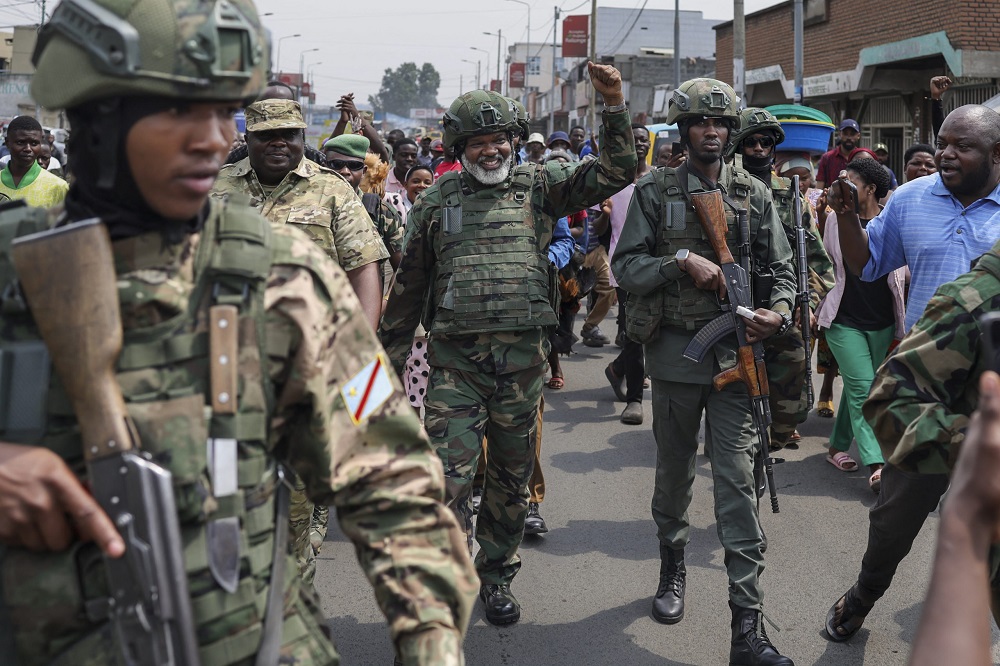
AFC/M23 spokesperson Lawrence Kanyuka explained that the attack targeted densely populated areas in the Masisi territory of North Kivu province, resulting in numerous civilian casualties and the destruction of homes.
“At 5:15 a.m., the Kinshasa government forces fired multiple indiscriminate shells at heavily populated areas in Mushaki and its surroundings. These attacks were blind and showed no regard for human life, killing many innocent civilians and destroying numerous houses,” Kanyuka said.
AFC/M23 seized control of Mushaki in early December 2023, expelling DRC, Burundian, and allied forces. Mushaki is a strategically important area in Masisi territory, located approximately 30 kilometers from the city of Goma.
Kanyuka further stated that this morning, DRC forces also carried out a significant attack in the densely populated Gakenke area in Minembwe commune, actions he described as part of a plan to target the Banyamulenge population.
These attacks follow a drone strike carried out by DRC forces on March 6 in the Kibanda Mangobo area of Walungu territory, South Kivu province.
AFC/M23 reported that eight people were killed and 12 others injured in this latest attack, reiterating its commitment to protecting civilians who continue to be affected by ongoing hostilities.
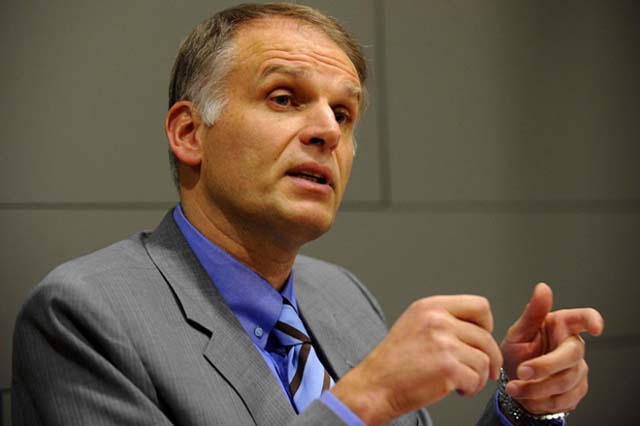
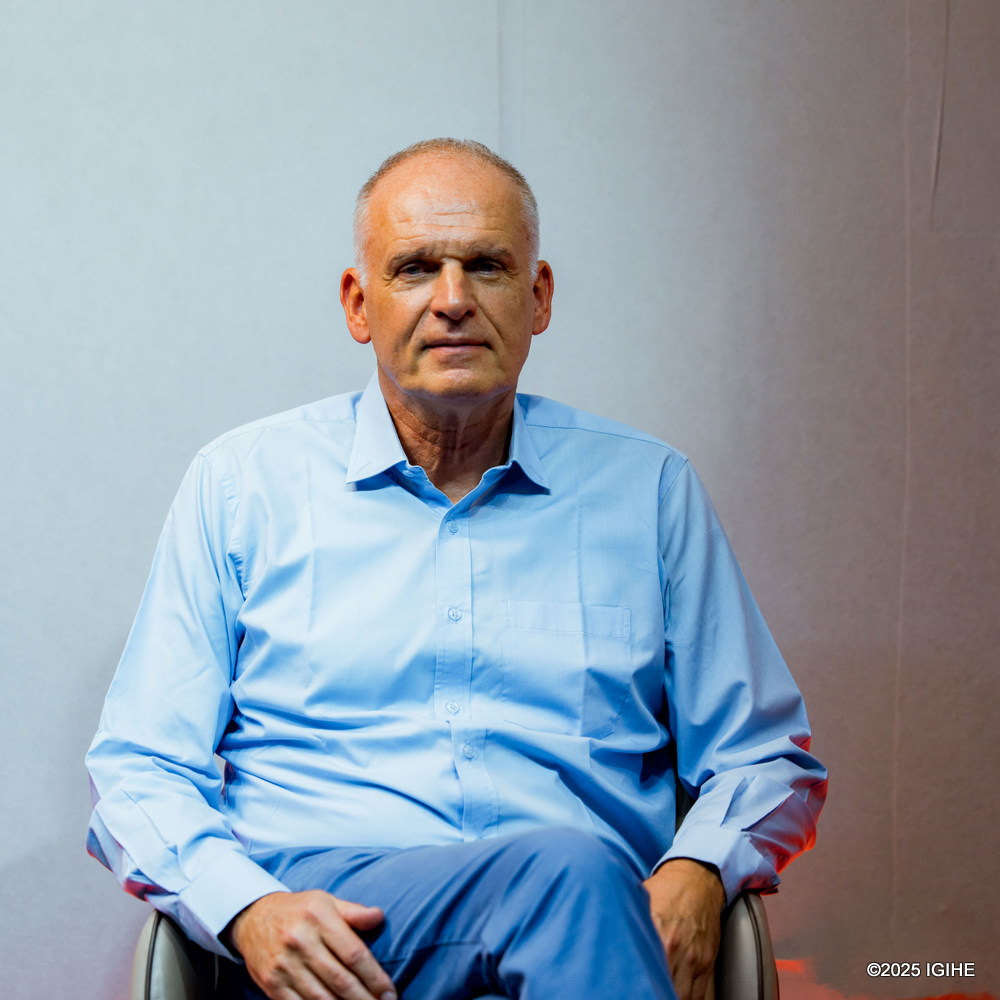
Swan succeeds Bintou Keita of Guinea-Conakry, who stepped down on November 30, 2025, shortly before the end of her term.
Swan is an experienced diplomat with a long career in African countries facing complex political and security transitions.
Most recently, since March 2025, he has served as Special Representative of the Secretary-General for Somalia and Head of the United Nations Transitional Assistance Mission in Somalia (UNTMIS), a role he previously held in an acting capacity from May 2024 until his appointment to the position.
Earlier he was also Special Representative and Head of the United Nations Mission in Somalia (UNSOM) from 2019 to 2022.
Prior to that, Swan had a 32-year career in the United States Government, with multiple assignments related to the Democratic Republic of the Congo, including as Ambassador (2013-2016), Deputy Chief of Mission (2001-2004) and Desk Officer (1996-1998).
During his bilateral career, Swan also served as Special Representative for Somalia (2011-2013), Ambassador to Djibouti (2008-2011), Deputy Assistant Secretary of State for African Affairs (2006-2008) and Director of African Analysis in the United States Department of State’s Bureau of Intelligence and Research (2005-2006).
Earlier assignments included the Republic of Congo, Somalia, Cameroon, Nicaragua and Haiti.
Swan holds a Bachelor of Science degree from Georgetown University’s School of Foreign Service, a Master of Arts from Johns Hopkins University’s School of Advanced International Studies and a Master of Arts in security studies from the National War College, all in the United States.
American Swan is an experienced diplomat with a long career in African countries facing complex political and security transitions.
The group called on all parties, particularly those involved in recent military actions, to immediately cease hostilities, recommit to peace agreements, and prioritize negotiations to prevent further escalation and civilian suffering.
The concern was expressed through a joint statement issued on March 5, 2026, by the governments of the United States, Belgium, Denmark, France, Germany, the Netherlands, Sweden, Switzerland, the United Kingdom, and the European Union, chaired by Sweden.
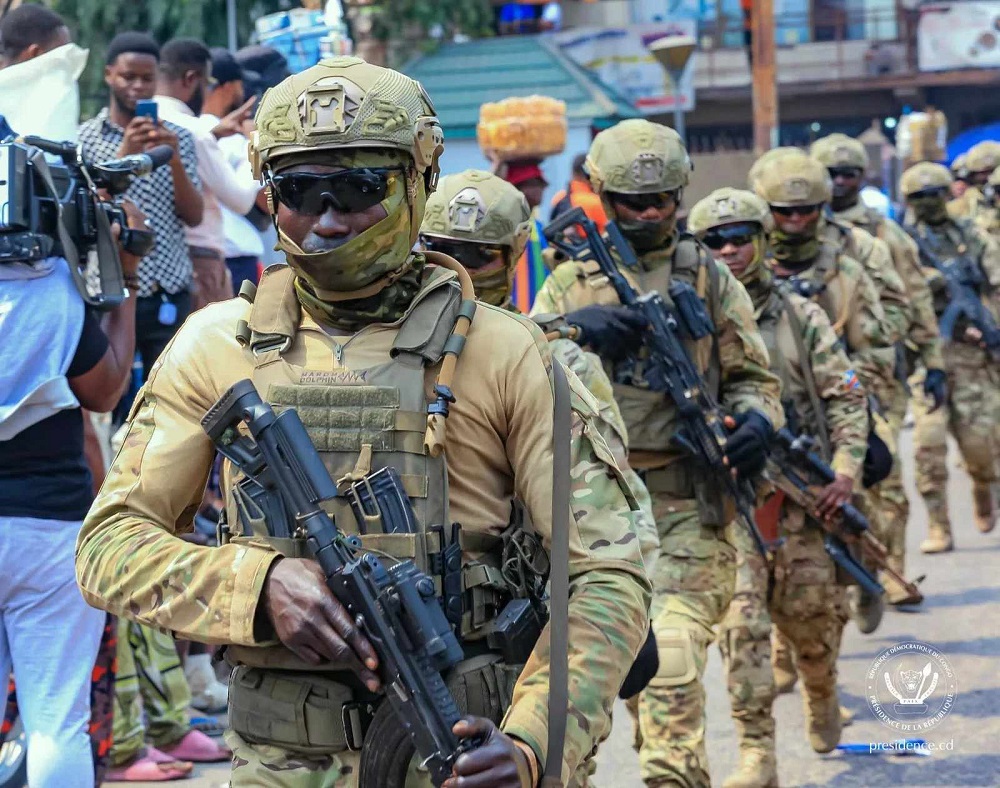
The Armed Forces of the Democratic Republic of Congo (DRC) have been conducting attacks on AFC/M23 positions in South Kivu and North Kivu, as well as targeting civilians, particularly members of the Banyamulenge community living in Minembwe Commune, using fighter jets and drones.
On January 2, 2026, DRC forces carried out a drone strike on residential buildings in Masisi Center, North Kivu, killing approximately 22 people and injuring many others. The area was reportedly under AFC/M23 control.
Another drone attack by DRC forces near Rubaya Center in Masisi Territory on March 24 resulted in the deaths of several fighters, including Lt Col Willy Ngoma, the rebel coalition’s military spokesperson.
In response to these ongoing attacks, AFC/M23 announced that it would begin intercepting incoming strikes.
On February 1 and March 1, 2026, the group reportedly deployed drones from Bangoka Airfield in Kisangani to target and destroy planned military operations against its positions.
The statement emphasized that such violations, including the use of drones in military attacks, pose an acute risk to civilian populations.
“All parties involved should urgently and unequivocally recommit to ceasing the hostilities and return to negotiations,” the ICG declared, stressing that there can be no military solution to the conflict.
The group urged full implementation of obligations under the Washington Accords and the Doha process, alongside compliance with relevant UN Security Council resolutions, including 2773 and 2808, and full respect for territorial integrity.
It commended the ongoing mediation by the African Union-appointed mediator, Faure Gnassingbé, President of the Council of the Republic of Togo, and the Panel of Facilitators, as well as crucial efforts by the United States and Qatar.
It further recalled the need for conditions enabling an inclusive inter-Congolese dialogue involving all key Congolese stakeholders as essential for durable peace.
The ICG affirmed its readiness to support these diplomatic efforts, urging all parties to uphold international humanitarian law, ensure full, safe, and unimpeded humanitarian access for critical assistance to affected populations.
The statement pressed parties to halt incitement to hatred, discrimination, or violence; including against Rwandophone minorities, and any actions that endanger civilians and undermine social cohesion in the region.
AFC/M23 has vowed to neutralize threats at its source following DRC’s ceasefire violations. DRC continues to opt for military solution despite call for dialogue to end hostilities.
Kinyera died on March 3, 2026, at Mulago National Referral Hospital in Kampala, where he had been receiving treatment.
According to the ministry, the funeral service will be held on Thursday, March 12, 2026 from 10:00 a.m. to 12:00, at Our Lady of Africa Church in Mbuya, followed by a vigil in Naalya, Wakiso District from 3:00 p.m. onwards.
On Friday, March 13, 2026, his body will be transported to his birthplace in Amuru District, where a vigil will take place in the evening.
His burial is scheduled for Saturday, March 14, 2026, in Akurukwe, within the same district.
Santa Mary Laker Kinyera had served in the Ministry of Foreign Affairs of Uganda since 1994.
In addition to his posting in Rwanda, he held diplomatic positions in Uganda’s embassies in Denmark, the United States, and Turkey.
Former Ugandan Deputy High Commissioner to Rwanda Kinyera died on March 3, 2026, at Mulago Specialised National Referral Hospital in Kampala.
AFC/M23 stated that it conducted drone strikes on the airport on February 1 and March 1, 2026, targeting a section of the facility used by the DRC military and its allies.
The aim was to destroy part of the airport’s infrastructure utilized by the DRC military forces and their partners.
The alliance explained that the DRC military and its partners use the airport to prepare and launch drone strikes against AFC/M23 bases and civilians in North Kivu and South Kivu provinces.
Dr. Oscar Balinda, the Deputy Spokesperson for AFC/M23, revealed that the alliance has deployed commando units near Kisangani.
These units are tasked with carrying out operations aimed at disrupting the DRC’s plans to destabilize areas under AFC/M23 control.
“The commandos operate day and night, completing their missions and returning once the task is finished. Our goal is to halt this terror and restore peace so we can return to the negotiation table and work towards lasting peace,” he stated.
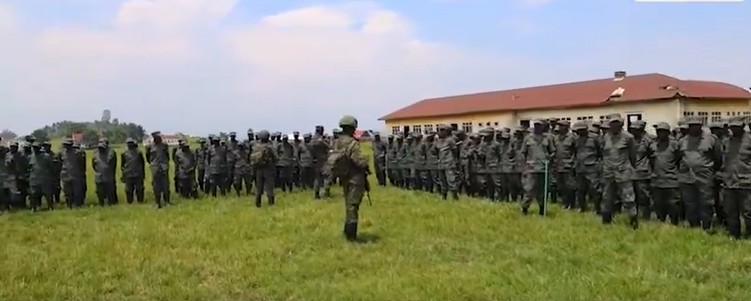
On March 2, 2026, AFC/M23 enrolled 1,518 special force recruits who were trained at the Rumangabo military camp in Rutshuru Territory.
The alliance clarified that these new recruits are specially trained commandos with advanced combat skills, prepared to undertake mobile operations and establish permanent bases.
Yannick Tshisola, Chief of Staff to AFC leader, hinted that these new fighters would be involved in future missions, similar to the recent strike on Bangoka International Airport.
Dr. Balinda stated that AFC/M23 fighters conduct targeted attacks in Kisangani before returning to their original positions.
A statement issued by the Directorate of Presidential Communications on Tuesday said the project forms part of broader efforts to position Tanzania as a competitive regional trade hub while addressing longstanding challenges in the receipt and storage of petroleum products.
Hassan highlighted that ongoing improvements at the port, including greater private-sector involvement in operations, have boosted efficiency, expanded cargo-handling capacity, and increased government revenue.
She emphasized that the new oil storage tanks will significantly enhance the port’s ability to handle petroleum shipments in a timely manner, reduce offloading delays, and ensure a reliable fuel supply for citizens and the productive sectors of the economy.
The project is undertaken by a joint venture between China Railway Major Bridge Engineering Group Co., Ltd. (CRMBEG) and WUHUAN Engineering Co., Ltd., according to Tanzania Ports Authority (TPA) Director General Plasduce Mbossa.
Mbossa said the facility, located at Tungi-Kigamboni in Dar es Salaam, will deliver 15 storage tanks with a total capacity of 378,000 cubic meters for diesel, petrol, and Jet A1 fuel.
As of Monday, overall implementation had reached 41 percent, with key completed works including site preparation, installation of 1,087 tank piles, and construction of pile caps, he added.
The incident occurred at the Rubaya mining sites, known for the coltan resources, in North Kivu province following “exceptionally heavy rains,” according to a statement issued by the DRC Ministry of Mines.
According to the provisional toll, more than 200 people lost their lives, including around 70 minors.
The Rubaya mining zone has been under the control of the March 23 Movement (M23) rebel group since 2024, making rescue operations particularly difficult, the statement said.
The ministry noted that the mining zone had previously been reclassified since November as a “red zone,” a designation that formally prohibits mining and mineral trading.
“There was indeed a landslide following heavy rainfall on the mountain known as Kasasa. The earth swallowed many people,” David Kasereka, an artisanal miner and resident of Rubaya, told Xinhua on Tuesday.
The M23 has not yet commented on the incident.
In January, at least 200 people were killed after several shafts collapsed at coltan mining sites in Rubaya. Local media reported that the death toll may have exceeded 400, excluding those still missing.
Coltan, or columbite-tantalite, is the main source of tantalum, a rare metal used in the production of advanced electronic devices. The United Nations estimated that the Rubaya mines alone account for about 15 percent of the global tantalum supply.
Miners load excavated ore at a coltan mining site in the town of Rubaya, the Democratic Republic of the Congo (DRC), on May 7, 2025.
In a post published on X, Destexhe criticised recent U.S. sanctions imposed on Rwanda’s military and defended Kigali’s position in the ongoing eastern Congo conflict.
“It is the DRC (Congo) that should be sanctioned, not Rwanda,” he wrote. “The DRC ignited this conflict by persecuting Congolese Tutsis.”
Destexhe accused Kinshasa of failing to uphold its commitments under international agreements, including United Nations Security Council Resolution 2773, and of maintaining ties with the Democratic Forces for the Liberation of Rwanda (FDLR), a militia group formed by individuals responsible for the 1994 Genocide against the Tutsi who fled to the DRC. He further pointed out that the Congolese government finances extremist Wazalendo militias and collaborates with foreign mercenaries.
According to Destexhe, ongoing bombings in Minembwe and drone strikes in eastern Congo demonstrate what he described as indiscriminate attacks affecting civilians. He argued that the ultimate objective of Kinshasa’s military posture appears to be confrontation with Rwanda.
His comments come days after the U.S. Department of the Treasury’s Office of Foreign Assets Control (OFAC) announced sanctions against the Rwanda Defence Force (RDF) as an institution and four senior military officials, including Chief of Defence Staff Gen. Mubarakh Muganga and other top commanders. Washington accused Rwanda of backing the AFC/M23 rebel coalition operating in eastern Congo, allegations Kigali has consistently denied.
The Rwandan government expressed regret over the March 2, 2026, sanctions, calling them “unjust” and “one-sided.” In a statement, Kigali said the measures misrepresent the conflict and unfairly target only one party to the peace process.
Rwanda and the Democratic Republic of the Congo signed the Washington Accords in Washington, D.C., on December 4, 2025, aimed at restoring stability in eastern Congo. Under the agreement, Kinshasa committed to an irreversible and verifiable end to state support for the FDLR. However, the militia group remains active in the region despite the commitments outlined in the agreement.
Rwanda maintains that its actions along the border are defensive measures prompted by repeated attacks, including cross-border incidents.
In his post, Destexhe sharply criticised Congolese President Félix Tshisekedi, alleging corruption and mismanagement, and arguing that the Congolese military is incapable of securing a decisive victory against M23. He urged U.S. policymakers to reconsider their approach.
“Wake up, America!” he stated.
Alain Destexhe, a former Belgian senator and researcher, has criticised recent U.S. sanctions imposed on Rwanda’s military and defended Kigali’s position in the ongoing eastern Congo conflict.
The passout ceremony marking the completion of military training for the recruits was held in Lumangabo on March 2, 2026.
Addressing the new fighters, AFC/M23 military commander Maj Gen Sultani Makenga sharply criticized the Kinshasa administration, accusing it of misrule and fueling insecurity across the country.
He alleged that President Tshisekedi has weakened state institutions and allowed armed groups and irregular forces to operate with impunity.
Maj Gen Makenga claimed that the movement’s objective is to “liberate the country” and end what he described as targeted violence against civilians.
He accused the government of arming militias and incorporating foreign fighters, including elements linked to the FDLR terrorist group, into the national army. He further alleged that such actions had contributed to ethnic tensions and civilian suffering.
According to Maj Gen Makenga, large numbers of Congolese refugees fled to neighboring countries due to violence attributed to FARDC troops and allied groups.
“That is why our movement decided to rise and bring an end to these problems,” he told the recruits. “By joining this force, you must be ready to liberate Congo and protect its people. You must demonstrate discipline and prove that you are different from what the population experienced before.”
He urged former FARDC soldiers now integrated into AFC/M23 to uphold strict ethical standards and avoid misconduct.
“Wherever you pass, civilians should see a difference. They must see protectors, not looters,” he said. “Our people have endured years of suffering; displacement, killings, and exile. It is your responsibility to help end that hardship.”
Maj Gen Makenga reiterated that the coalition seeks what it describes as a reformed and inclusive state, and called on the fighters to remain committed to that objective.
During the ceremony, the recruits responded affirmatively when asked whether they were prepared to remove the current leadership in Kinshasa.
Eastern Democratic Republic of Congo has faced prolonged conflict involving FARDC, Wazalendo local militias, fighters linked to the FDLR, Burundian troops, foreign mercenaries, and AFC/M23 forces.
The coalition maintains that its struggle is aimed at defending communities it says have faced discrimination and violence, while pursuing political change.
The new special force recruits include former members of the Armed Forces of the Democratic Republic of the Congo (FARDC).
“There was indeed a landslide following heavy rainfall on the mountain known as Kasasa. The earth swallowed many people. We are awaiting the official death toll,” David Kasereka, an artisanal miner and resident of Rubaya, told Xinhua.
The Rubaya mines in North Kivu Province are a crucial global source of coltan and have been controlled by the March 23 Movement (M23) rebel group since 2024.
The M23 has yet to comment on the tragedy.
In January 2026, at least 200 miners were killed after several shafts collapsed at coltan mining sites in Rubaya. Local media reported that the death toll may have exceeded 400, excluding those still missing.
Coltan, or columbite-tantalite, is the main source of tantalum, a rare metal used in the production of advanced electronic devices. The United Nations estimated that the Rubaya mines alone account for about 15 percent of the global tantalum supply.