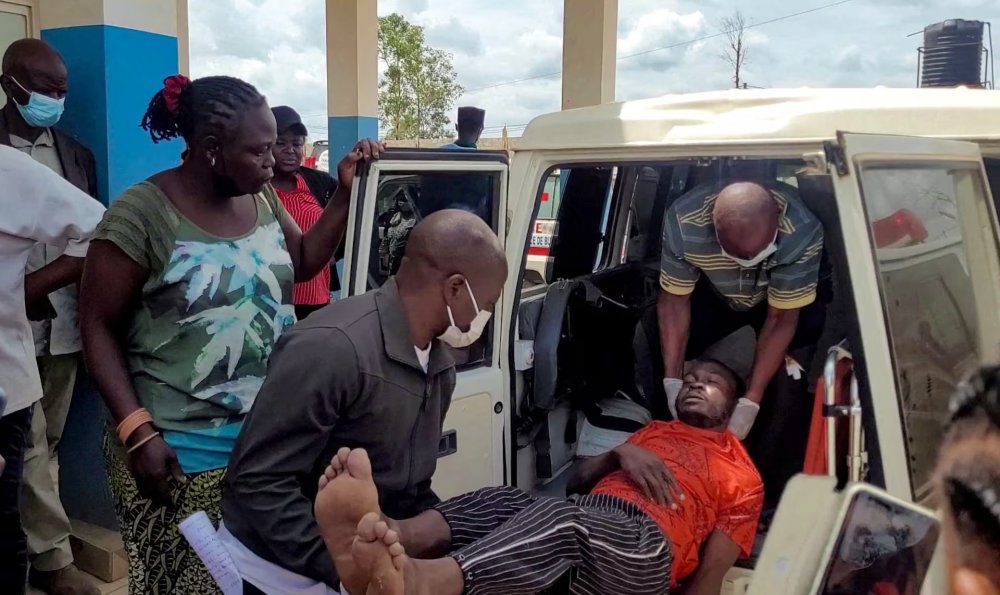
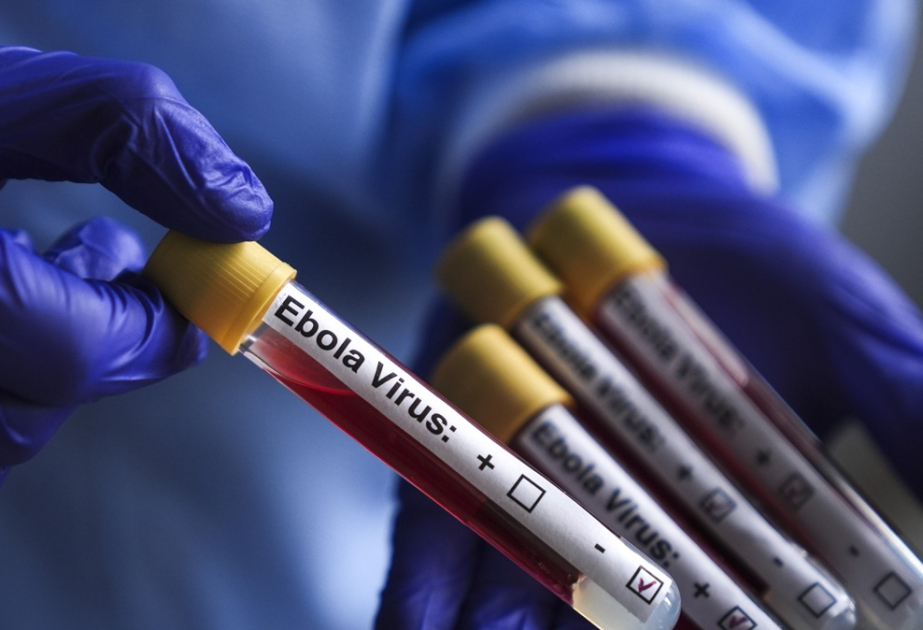
Suspected cases refer to individuals showing symptoms such as high fever, vomiting, diarrhoea, and bleeding, but who are still awaiting laboratory confirmation. All patients under investigation are isolated and receive medical care while tests are processed.
The outbreak remains largely concentrated in Ituri Province, with confirmed infections recorded in areas including Mongbwalu, Rwampara, and Bunia. Health teams continue testing, with hundreds of samples sent to national laboratories for analysis.
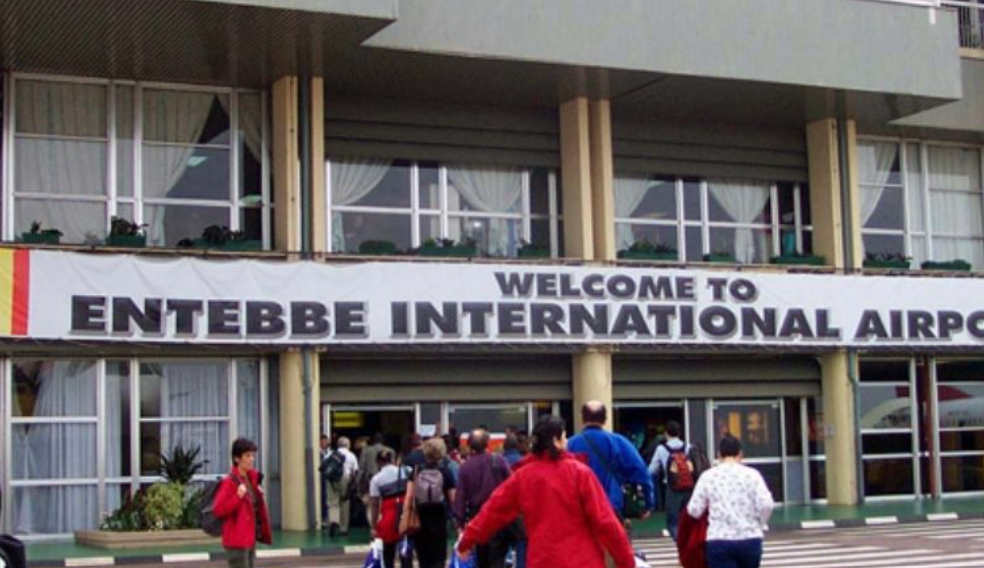
Neighbouring Uganda has also confirmed cases linked to the outbreak and has strengthened surveillance measures, including temporary border restrictions with the DRC and mandatory quarantine for returning travellers.
Humanitarian organisations have raised concern over the speed of transmission, warning that response efforts are struggling to keep pace with new infections and that stronger coordination is needed to reduce further loss of life.
Health experts also point to insecurity in affected regions as a major challenge, noting that ongoing conflict is limiting access for medical teams and slowing containment efforts.
The outbreak was officially declared in mid-May 2026 after the first confirmed death, with response operations ongoing to contain its spread.
Suspected Ebola cases in DRC have reached 1077The outbreak remains largely concentrated in Ituri Province, with confirmed infections recorded in areas including Mongbwalu, Rwampara, and Bunia
Health authorities have identified around 1,000 suspected cases in affected areas, of which 101 have tested positive, Kamba told a press conference.
Preliminary figures show that about 200 to 220 deaths are believed to be linked to the outbreak, while 17 deaths have been confirmed through laboratory testing.
“We are still at the beginning of an epidemic,” Kamba said, adding that the duration of the current growth phase would depend on the effectiveness of response efforts. The minister said authorities are planning a response operation expected to last four to six months.
The outbreak is caused by the Bundibugyo strain of Ebola, which Kamba described as less lethal than the Zaire strain but still dangerous if infections continue to rise. There is currently no approved vaccine or specific treatment for Bundibugyo Ebola.
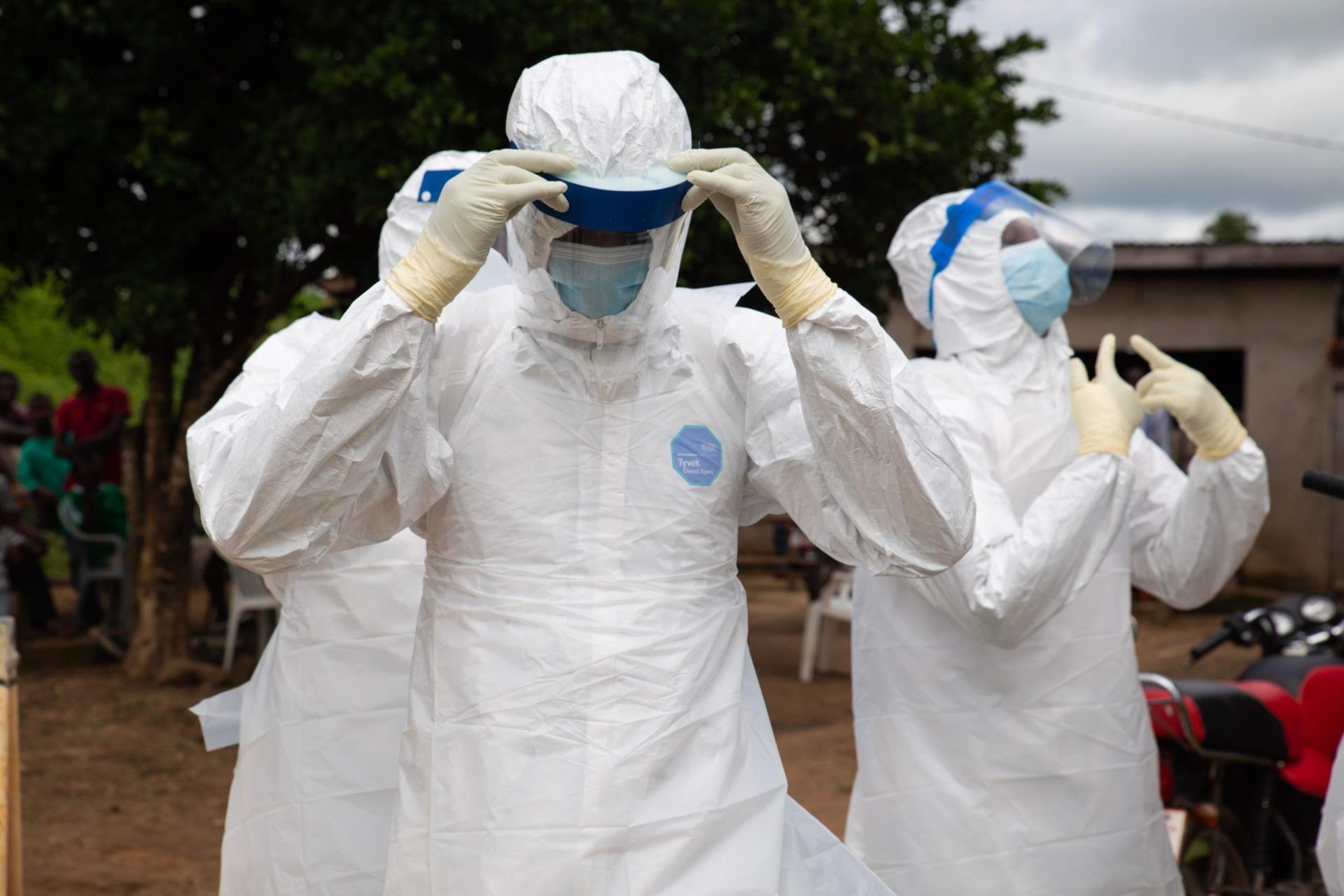
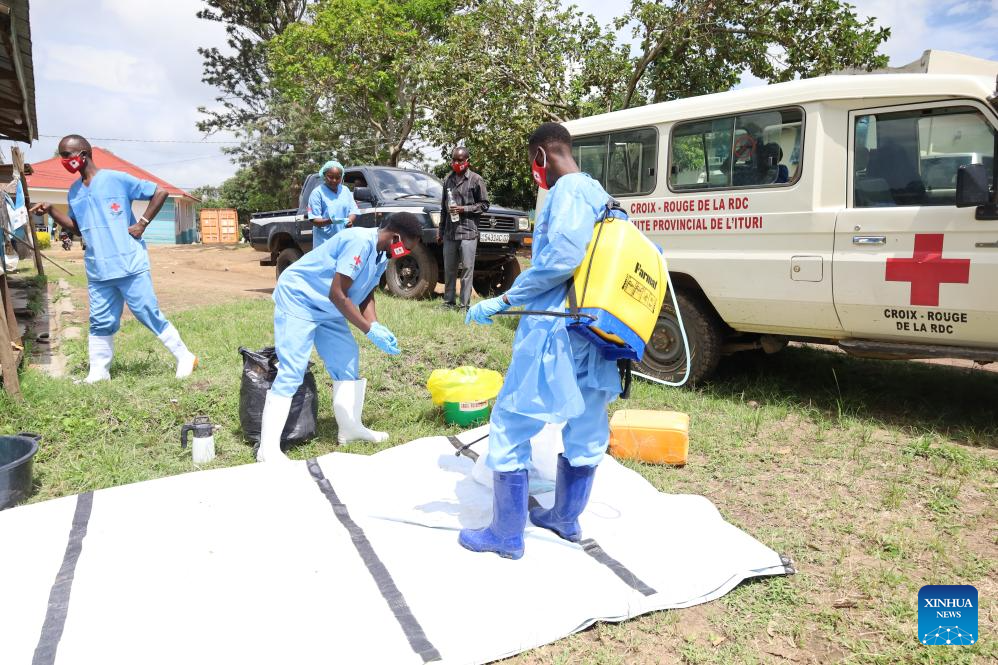
To contain transmission, authorities are relying on surveillance, testing, isolation, contact tracing, community engagement and safe burials, he said.
On Saturday, the government suspended civilian passenger flights to and from Bunia, the capital of Ituri Province and the epicenter of the outbreak, while humanitarian flights remain in operation.
Kamba said the virus may have been circulating before the outbreak was officially declared on May 15, citing Ebola’s incubation period of up to 21 days. He added that health authorities have yet to identify the outbreak’s “patient zero.”
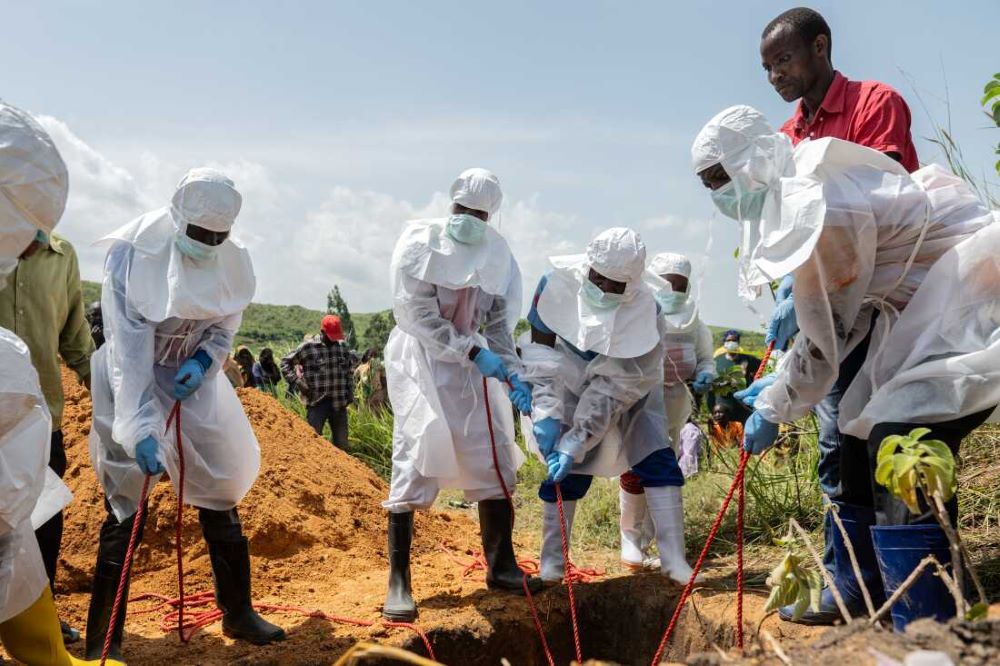
Health authorities in DRC have identified around 1,000 suspected cases in affected areas, of which 101 have tested positive.Red Cross workers bury an Ebola victim at the Rwampara Cemetery, in Rwampara, Congo, May 23, 2026.
The funding will help the World Health Organisation, UN, international and NGO partners respond rapidly to the outbreak by strengthening disease surveillance, supporting frontline health workers, improving infection prevention and control, and helping affected communities access lifesaving care.
Most confirmed cases are in the Ituri region of eastern DRC – a region already facing significant humanitarian and security challenges.
Alongside this funding, UK humanitarian partners are already responding to contain the outbreak. The UK has been working with leading international humanitarian organisations to contain the outbreak.
Through the Strategic Assistance for Emergency Response (SAFER) consortium, the UK is pivoting funding to improve water, sanitation and hygiene systems, ensuring frontline responders and local communities have vital personal protective equipment , and strengthening Ebola containment measures.
The UK is also refocusing efforts to protect maternity facilities and support civil society organisations to strengthen prevention and control, and mitigate the risk of increased birth complications and sexual violence during the outbreak.
Recently on 21st May, the Foreign Secretary and Secretary of State for Health and Social Care chaired a cross-government meeting to coordinate the UK’s response to the outbreak, including how to protect British nationals overseas and work with international partners.
UK Foreign Secretary Yvette Cooper said: “It is vital we act now to save lives – outbreaks like Ebola do not stop at borders, and neither can we.’
‘This outbreak is a stark reminder that global health threats require a global response. The UK is working hand-in-hand with partners – boosting much needed funding but also sharing our technical expertise, to contain the outbreak, protect our security, and support those most at risk.”
The UK Health Security Agency (UKHSA) is assessing routes by which travellers enter the UK from the affected countries and will be working with the Foreign, Commonwealth & Development Office, Department for Transport, and Border Force to ensure information is available to them on Ebola symptoms and how to access healthcare if unwell.
The UK has updated its travel advice and advises against all but essential travel to some parts of the DRC.
Additionally, UKHSA has activated the Returning Workers Scheme, which aims to protect and monitor the health of individuals travelling from the UK to affected areas for their work. Organisations deploying workers to affected areas where they may be exposed to Ebola through their work should register those workers with the scheme.
Commenting on the development, Dr. Mike Reynolds, Incident Director at UKHSA, said: “While the current outbreak of Ebola affecting the Democratic Republic of Congo and Uganda is serious, the risk it poses to the UK population is low. UKHSA continues to monitor and assess the situation closely and the NHS has safe procedures in place for any such cases and specialist centres where they can be looked after.”
The UK has stepped up efforts to contain Ebola outbreak in eastern DRC.
In Ituri province, the epicentre of the outbreak, nearly 5 million people live amid ongoing conflict, with one in four in need of humanitarian assistance and one in five internally displaced, Tedros said in a post on X.
“The violence is forcing people to flee, including health and humanitarian workers. This is severely impeding efforts to scale up Ebola contact tracing and identify infections early enough to provide supportive care,” he added, noting that ongoing insecurity and fear are also fueling mistrust within communities.
The WHO chief said that WHO and humanitarian health partners maintain a presence across Ituri, including in some of the hardest-to-reach and most insecure areas, where communities are facing not only the threat of Ebola but also a wide range of diseases.
Tedros emphasized that delivering a comprehensive package of healthcare services is essential — not only to meet urgent health needs, but also to build the trust that is critical for an effective Ebola response.
On May 16, Tedros determined that the Ebola disease caused by the Bundibugyo virus in the DRC and Uganda constitutes a public health emergency of international concern. On May 22, the WHO revised its risk assessment to “very high” at the national level, while keeping it as “high” at the regional level and “low” globally.
“We need to get ahead of this Ebola outbreak,” Fletcher said in a statement.
While the humanitarian community is fully mobilized, he said, “the epidemiological context is challenging: there are not yet licensed vaccines or treatments for the Bundibugyo strain.”
Noting that these are some of the most difficult operating environments in the world for the life-saving work, with conflict and high population movement, Fletcher said the United Nations is working to secure safe and sustained access for frontline responders, including to areas controlled by armed groups.
“It is essential that there is no obstruction of our response. We must have access to all routes — air, land and water — across the affected areas,” he said.
The UN relief chief underscored that containment depends on fast, coordinated action at the community level, stressing the importance of strong communication with governments, and effective early warning and detection systems.
Fletcher said he is in close contact with UN humanitarian coordinators and the teams in the DRC, Uganda and South Sudan, and more staff from key UN agencies and partners are being deployed this weekend to reinforce the effort.
Diana Atwine, permanent secretary at the Ministry of Health, said in a statement issued in Kampala that the National Task Force (NTF), chaired by Uganda’s Vice President Jessica Alupo, had resolved to suspend all flights between Uganda and the DRC, with the measure taking effect within 48 hours.
The move follows the detection last week of two imported Ebola cases in Kampala, the Ugandan capital.
A 59-year-old Congolese man died from the virus at Kibuli Muslim Hospital in Kampala, while another patient remains in isolation at Mulago National Referral Hospital. A total of 127 contacts have been identified and are in institutional quarantine.
“The NTF has resolved for temporary suspension of all flights to and from the DRC to Uganda. This takes effect within 48 hours,” Atwine said.
She added that the government had also temporarily suspended public passenger ferry services on the Semuliki River, cross-border bus operations and all public passenger transport between Uganda and the DRC for the next four weeks, while allowing the continued movement of goods and food supplies.
According to the ministry, weekly markets in border sub-counties across high-risk districts have also been suspended for four weeks.
The NTF has activated a series of preparedness and response measures, including the suspension of cultural celebrations and commemorative events that draw large crowds along the Uganda-DRC border.
“The ministry further emphasises that ultimate control of the outbreak depends on the interrupting transmissions in the DRC and affirms Uganda’s commitment to supporting regional efforts,” Atwine said.
Over the past 24 hours, health authorities in the DRC and the World Health Organization have reported a worsening outbreak across the central African nation, with around 600 suspected cases and 139 probable deaths recorded since the outbreak was officially declared on May 15.
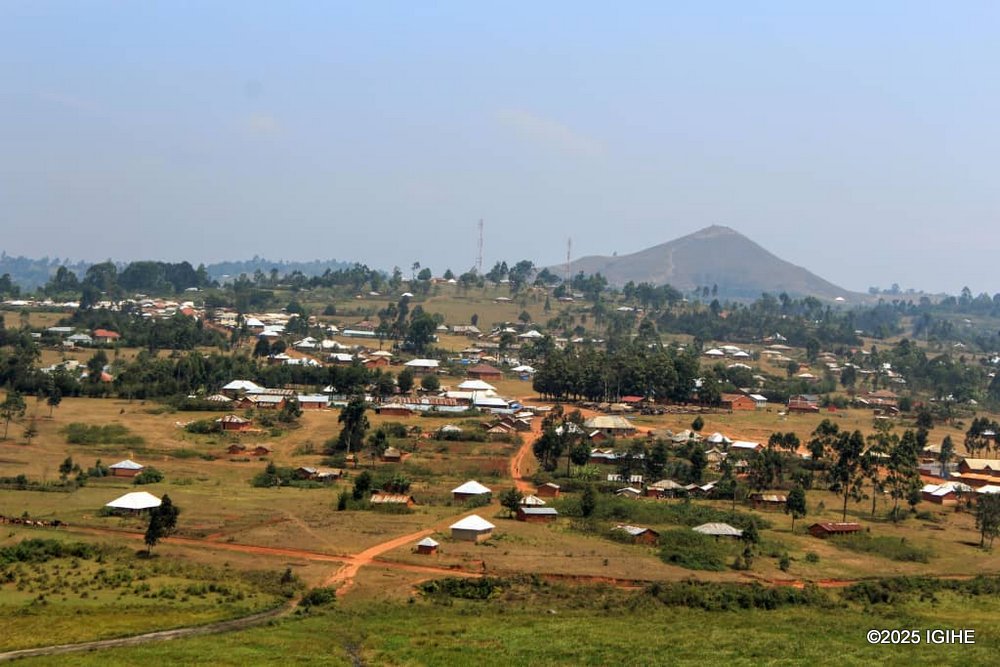
Initially concentrated in Ituri Province, the outbreak has since spread to North Kivu and South Kivu, while two confirmed imported cases have also been reported in neighboring Uganda.
Initially concentrated in Ituri Province, the outbreak has since spread to North Kivu and South Kivu
On Thursday, the March 23 Movement (M23) rebel group confirmed a new case in Bukavu, the capital of South Kivu.
The group, which has been capturing the city since February 2025, said that a 28-year-old man had traveled from Kisangani, the capital of Tshopo Province, and died before his diagnosis was confirmed.
Though Tshopo has not seen any cases to date, Kisangani, one of the DRC’s busiest transport hubs, has emerged as a new area of concern, as authorities race to determine how far the virus may have already spread before detection.
Caseload climbs
The outbreak, initially reported in Ituri Province, has now affected North Kivu and South Kivu, while two confirmed cases have also been reported in the neighboring country of Uganda.
According to the figures released Thursday by DRC Health Minister Roger Kamba, 626 suspected cases and 159 probable deaths have been recorded since the country declared its 17th outbreak on May 15.
In areas under its control, the M23 said that more than 200 samples from suspected cases had been sent to Goma, the capital of North Kivu, for laboratory analysis. In Goma, one confirmed case remains under strict medical supervision, while identified contacts have been isolated, it added.
World Health Organization (WHO) Director-General Tedros Adhanom Ghebreyesus has warned that the number of cases is expected to keep rising, given the length of time the virus appeared to have circulated before the outbreak was detected.
“So far, 51 cases have been confirmed in the DRC, in the northern provinces of Ituri and North Kivu, including in the cities of Bunia and Goma, although we know the scale of the epidemic in DRC is much larger,” he said on Wednesday.
Delayed detection of rare strain
According to WHO officials, investigations are still underway to determine exactly when and where the outbreak began, but the scale of the epidemic suggests the virus may have been circulating for some time before being confirmed.
“We are thinking that it has started probably a couple of months ago,” Anais Legand, a WHO technical officer on viral hemorrhagic fevers, said Wednesday, stressing an immediate priority to cut transmission through contact tracing, isolation, and care for suspected and confirmed cases.
Abdirahman Mahmoud, director of WHO’s alert and response operations, said preliminary information pointed to a suspected index case in late April, followed by a possible superspreading event linked to funeral practices and community transmission.
Meanwhile, Tedros said that rapid field tests commonly used in previous Ebola responses were optimized for the Zaire strain, while the current outbreak involves the Bundibugyo strain, a less common strain first detected in 2007 in Uganda with a fatality rate from 30 to 50 percent.
This is one of the rare outbreaks caused by the Bundibugyo strain, for which there is currently no approved vaccine or specific treatment. Existing Ebola vaccines are mainly designed against the Zaire strain, which has caused several previous outbreaks in the DRC.
WHO research officials said several candidate vaccines are being considered. However, they cautioned that doses are still months away at the earliest.
Legand said that while preparations for possible trials continue, the priority is to set up safe and optimized treatment centers, establish patient referral pathways, and ensure that every suspected case is detected and cared for early.
Community resistance
Community resistance has become another obstacle to the response.
DRC Health Minister Roger Kamba said Tuesday that the alert had been delayed within affected communities, as some residents believed the illness was “mystical.”
Jean-Jacques Muyembe, head of the National Institute of Biomedical Research, also told Xinhua that distrust of outsiders could weaken the Ebola response.
“When people see that instructions and measures are announced by people from their own area, they believe them. If it is someone from Kinshasa, they doubt,” Muyembe said, stressing that the primary task is to build trust between health workers and people.
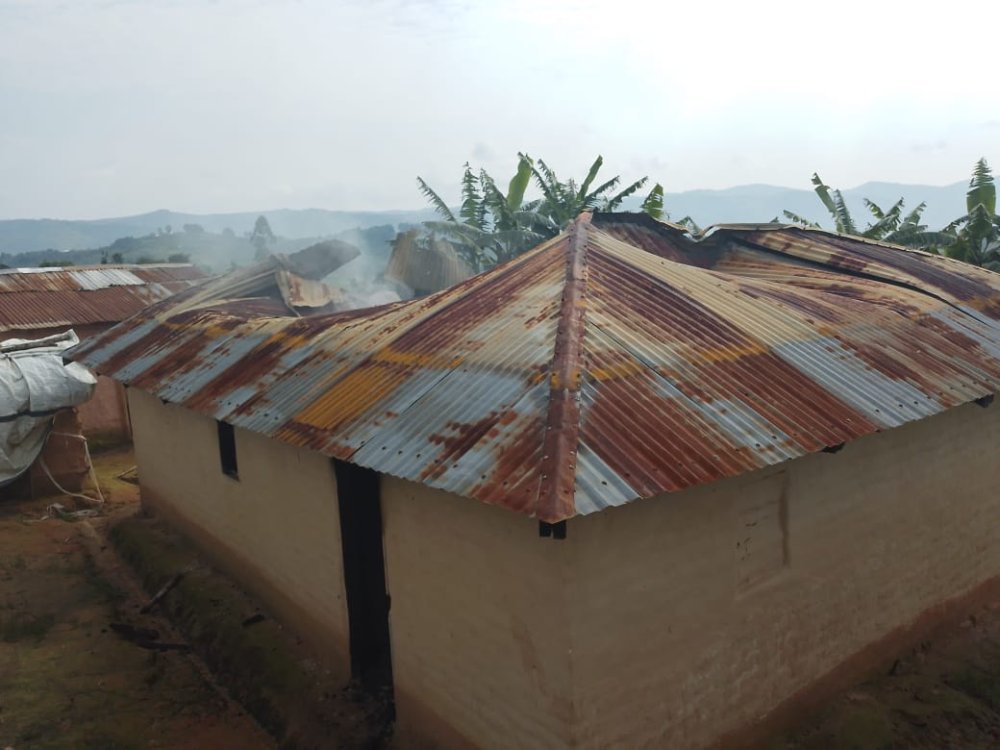
On Thursday, in Rwampara, the outbreak’s epicenter in Ituri, Xinhua reporters saw an Ebola isolation site set on fire after clashes at the facility.
According to witnesses, relatives of several people who died while in isolation voiced anger over the handling of the response. The situation escalated into conflict, and one isolation tent with about 10 beds was burned before military and police forces intervened.
On-site medical workers declined interview requests, expressing anger over the incident.
Former New Zealand Prime Minister Helen Clark, co-chair of the Independent Panel for Pandemic Preparedness and Response, noted that the outbreak reflected a “perfect storm” of delayed detection, fragile health systems, conflict, and declining global health funding.
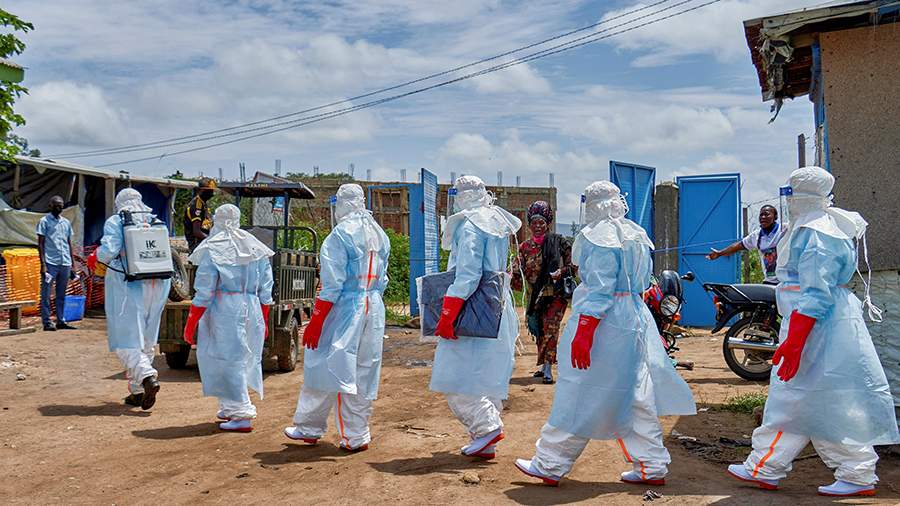
The WHO said more than 35 experts and first responders from the organization and the DRC Ministry of Health have been deployed to the field, with additional teams being sent to reinforce surveillance, clinical care, infection prevention and control, community engagement, and safe burial measures.
Tedros said he had approved an additional 3.4 million U.S. dollars from the WHO Contingency Fund for Emergencies, bringing the organization’s total emergency allocation for the response to 3.9 million dollars.
The WHO made it clear that the risk from the outbreak was assessed as high at the national and regional levels, but low globally.
The outbreak, initially reported in Ituri Province, has now affected North Kivu and South Kivu, while two confirmed cases have also been reported in the neighboring country of Uganda.
In a statement released on the evening of May 18, AFC/M23 spokesperson Lawrence Kanyuka said several densely populated parts of Minembwe had come under heavy attack from armed drones.
“Drone strikes are currently targeting populated neighborhoods in Minembwe, spreading panic among civilians,” Kanyuka said. “Homes are being destroyed and families are fleeing as explosions and fires continue across the area.”
The coalition claimed the attacks are part of a broader campaign targeting communities in Minembwe and neighboring areas, particularly members of the Banyamulenge community. AFC/M23 accused Burundian troops, FDLR terrorist group and Wazalendo militias of taking part in the operations alongside Congolese government forces.
On the same day, Col Fidèle Rugabo of the MRDP-Twirwaneho armed group, which operates in Minembwe, condemned what he described as a violation of the ceasefire.
“We are alerting both the international community and the Congolese population about these attacks,” Rugabo said. “We will continue defending ourselves until the very end.”
According to AFC/M23, further strikes were carried out on May 19 and 20 in areas including Kalingi, Bidegu and Gakenke, allegedly using Chinese-made KT-6 and CH-4 drones.
The renewed fighting is also said to be disrupting humanitarian activities that had recently resumed in Minembwe. Since late April 2026, teams from the International Committee of the Red Cross had restarted deliveries of medicines and medical supplies to the area.
AFC/M23 further alleged that humanitarian aid vehicles heading to Minembwe on May 19 were intercepted by Wazalendo fighters at Point-Zéro and forced to turn back.
“Kinsasha and its allied forces continue blocking access routes to Minembwe, worsening an already critical humanitarian situation and putting thousands of civilians at risk,” Kanyuka stated.
The coalition also reported fresh overnight attacks between May 20 and the morning of May 21 in Gakenke, Kalingi, Kalonge and Bidegu, again involving suicide drones.
In North Kivu Province, AFC/M23 said Congolese forces also launched attacks around Katoyi center in Masisi Territory.
Despite the continued clashes, AFC/M23 said it would keep fighting to protect civilians and their property.
The AFC/M23 coalition has accused the Democratic Republic of Congo’s army of intensifying military operations in Minembwe and nearby areas of South Kivu Province,
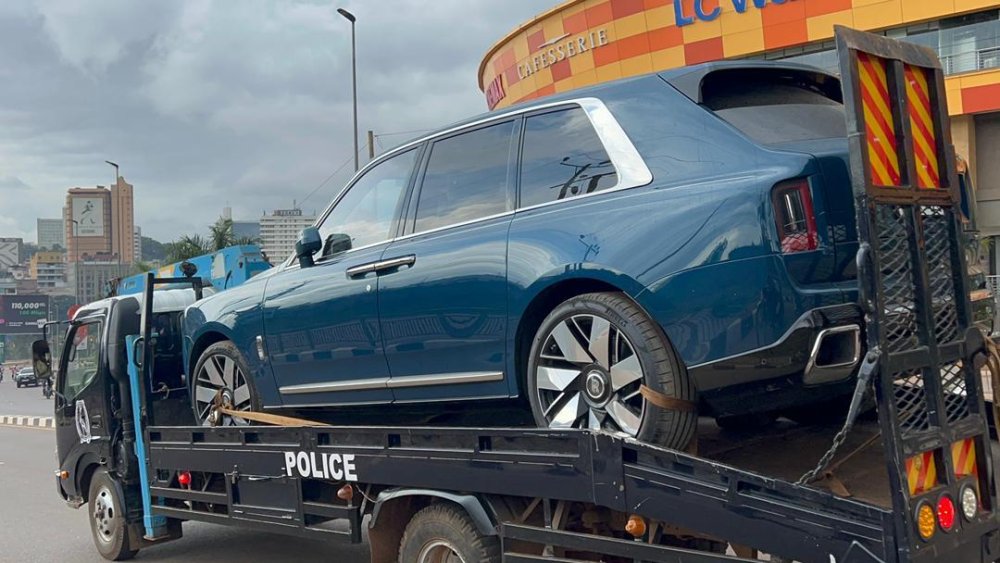
In a statement posted Tuesday evening on his official X account, Muhoozi said the luxury vehicle had already been “captured” by authorities.
“We captured the Rolls-Royce. It’s under our control. We shall auction it and recover the funds of the state,” the First Son wrote.
The remarks mark the latest twist in a fast-growing political controversy surrounding Among and the reported acquisition of the high-end vehicle, which has dominated online debate and political discussion in recent days.
Photos and reports circulating on social media alleged that the Speaker had acquired a Rolls-Royce worth 3.4 billion Ugandan shillings (roughly $900,000), sparking criticism from sections of the public already frustrated by rising living costs, unemployment, and persistent corruption allegations involving public officials.
Although Among reportedly insisted the vehicle was a personal gift, the matter quickly evolved into a wider national conversation about wealth, accountability, and public service.
Gen. Muhoozi and members of his Patriotic League of Uganda (PLU) movement have been particularly vocal, accusing government officials of extravagant spending at a time when many Ugandans are struggling economically.
At the height of the online exchanges, Muhoozi remarked that despite being President Museveni’s son for over five decades, he had never ridden in a Rolls-Royce himself.
“I have been Mzee’s son for 52 years but I have never sat in a Rolls-Royce ever. I don’t think Mzee has sat in one either,” he said in an earlier comment.
The controversy unfolded alongside growing political pressure on Among ahead of the race for Speaker in the upcoming 12th Parliament.
Last weekend, Among announced she would not seek re-election for the Speakership and pledged support for candidates endorsed by President Museveni and the ruling National Resistance Movement (NRM).
Her withdrawal followed increasing political isolation and reports of investigations into alleged corruption and abuse of office involving parliamentary officials and expenditure.
In recent days, security agencies have reportedly intensified operations linked to procurement and financial investigations within Parliament.
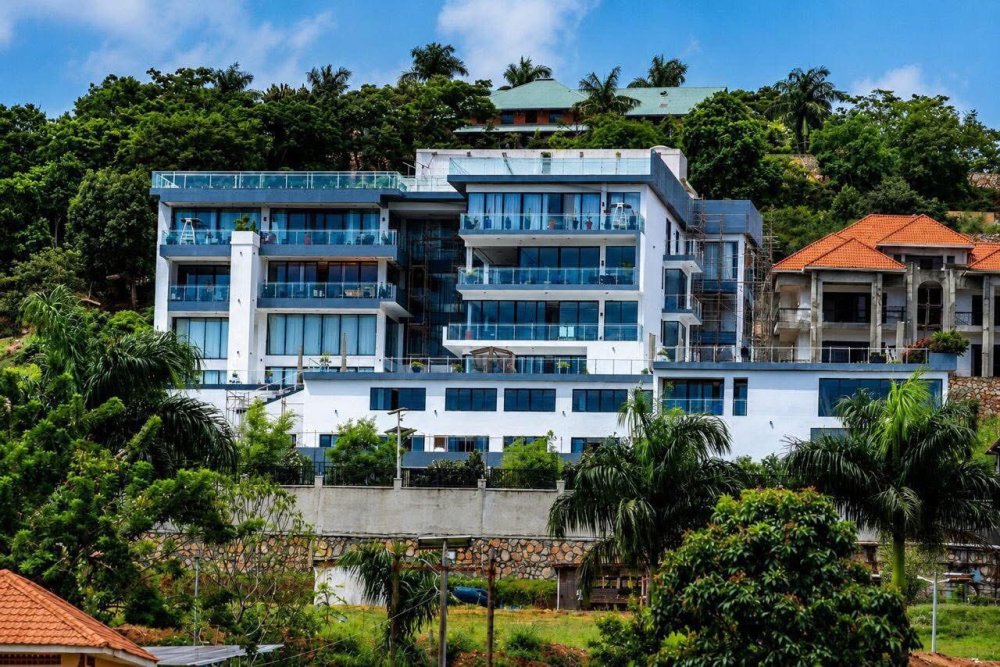
In a statement posted Tuesday evening on his official X account, Muhoozi said the luxury vehicle had already been “captured” by authorities.Security operatives have in recent days conducted coordinated searches at properties belonging to Anita Among as investigations into alleged corruption and illicit wealth accumulation continue.
Congo’s Minister of Public Health, Samuel Roger Kamba, said on Tuesday that authorities are still assessing how many of the reported deaths are directly connected to Ebola. At least 30 cases have so far been laboratory confirmed.
The outbreak has affected several urban areas, including Goma, one of the largest cities in eastern Congo. According to the World Health Organization, cases have also been reported across the border in Uganda, where two infections were confirmed in Kampala, including one death involving travelers from Congo.
Speaking during the World Health Assembly in Geneva, World Health Organization Director-General Dr. Tedros Adhanom Ghebreyesus said the organization was concerned about the scale and speed of the outbreak.
He noted that the WHO had declared the situation a public health emergency of international concern following consultations with health officials from both countries.
Health experts say the outbreak involves the Bundibugyo strain of Ebola, a relatively rare variant for which there are no approved vaccines or specific treatments. Previous outbreaks involving this strain were recorded in 2007 and 2012.
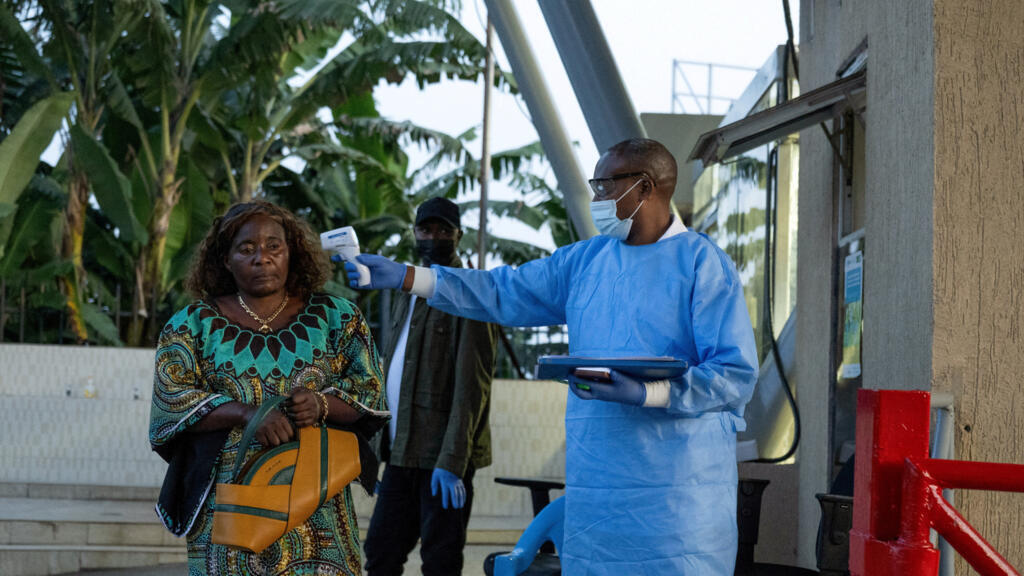
Ugandan authorities said surveillance teams have been deployed at border crossings to screen travelers, while laboratories and testing centers have also been activated to support the response.
The WHO said more than 40 experts were deployed to affected areas on Sunday. The agency has also delivered over 12 tons of medical supplies, including protective equipment for healthcare workers, laboratory materials, tents and medicines, with additional supplies expected.
The United States announced the deployment of a Disaster Assistance Response Team to support efforts in Congo and Uganda. Officials said up to 50 clinics in affected regions would receive support for emergency screening, triage and isolation services.
An American doctor working in eastern Congo also tested positive for Ebola after reportedly being exposed while treating patients at Nyankunde Hospital.
The doctor was later evacuated to a U.S. military base in Germany for further treatment, while other high-risk contacts, including family members, remain under quarantine and monitoring.
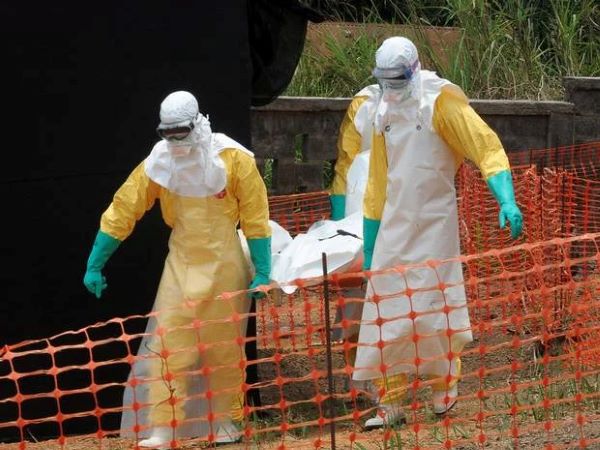
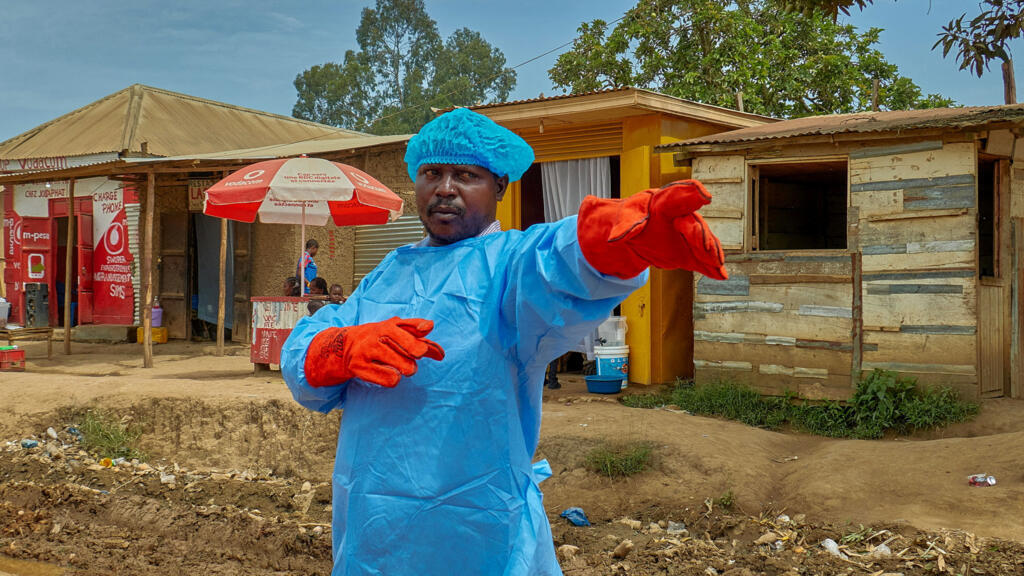
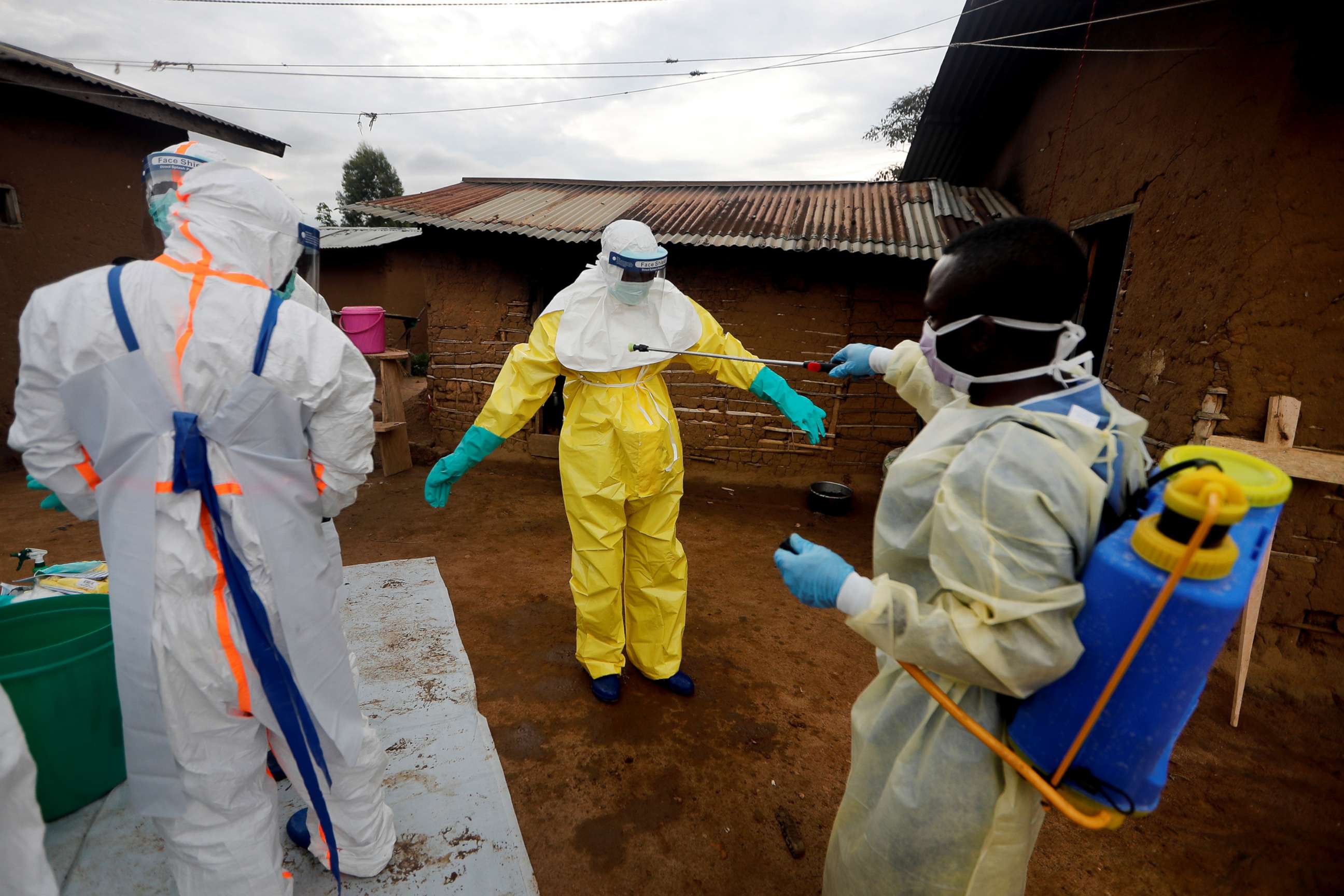
Kavota Mugisha Robert, a healthcare worker, decontaminates his colleague after he entered the house of 85-year-old woman, suspected of dying of Ebola, in the eastern Congolese town of Beni in the Democratic Republic of Congo, Oct. 8, 2019. Zohra Bensemra/Reuters