Recent social media speculation suggested that Gasana might have received a presidential pardon, potentially exempting him from further court proceedings during his 30-day remand.
However, IGIHE has learned that Gasana was not pardoned but was granted temporary permission to leave prison, with the obligation to return afterward.
Gasana is not the only individual to have received such permission, as another inmate was recently granted a similar opportunity to bury relatives who fell victim to gang violence.
This authorization aligns with Article 27 of the Law governing correctional services, which allows inmates to leave detention under specific circumstances. These circumstances include appearing before the court or responding to summonses from relevant authorities.
The article concludes by stating that inmates may be given permission to leave prison when the prison’s management determines that it cannot interfere with the legal process.
Gasana currently faces two charges: soliciting and receiving bribes for services within his responsibilities and abusing his power for personal gain. He is currently serving a 30-day remand at Mageragere prison.
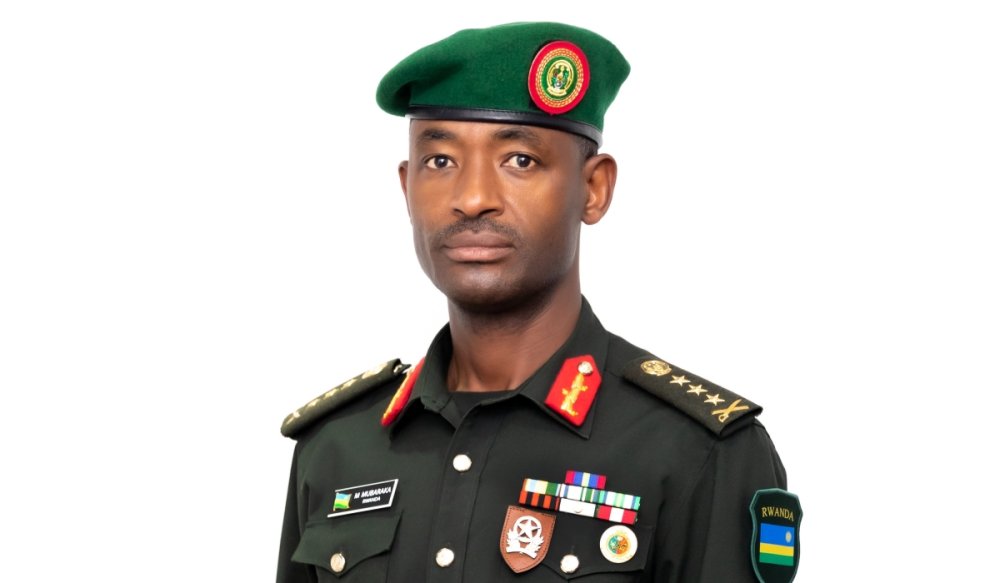
Gen Mubarakh Muganga, 56, took over as the RDF Chief of Defence Staff in June this year, succeeding Gen Jean Bosco Kazura, who had held the position since 2019. Prior to his role as CDS, Gen Mubarakh Muganga had served as the Army Chief of Staff from June 2021.
Gen Muganga holds a Bachelor’s Degree (A0) in Public Administration.
With more than 30 years in the military, Gen Mubarakh Muganga served as 4th Division Commander from 2008-2012, 3ed Division Commander from 2013-2015, 1st Division Commander from 2016-2021 (and the Armed Forces Shop Board of Directors Chairman).
Gen Muganga has undertaken a series of military courses to enhance his knowledge and skills. These include the Cadet Officer Course, which he completed in 1988-1989 in Long, Jinja, Uganda. Additionally, he participated in the Grade 3 Staff Course at CSC Nyakinama, Rwanda.
In 2005, Gen Muganga attended the Command and Staff Course at the Defence Services Command and Staff College in Zambia. His pursuit of academic excellence led him to engage in Defense and Strategic Studies at the National Defense University of PLA, China, in 2012.
Further expanding his expertise, he took the Managing Defence in a Democracy Course in 2006 at the Peace Support Training Centre, Karen, Kenya. Subsequently, in 2007, he participated in the International Peace Support Operations, Senior Mission Leaders Course, and the International Symposium Course, held at the Peace Support Training Centre and the National University of China, respectively.
Gen Muganga’s professional development is also evident in his completion of the African Strategy Course in 2008 at Nasser Higher Military Academy, High War College-Cairo, Egypt. In 2012, he further honed his leadership skills through the Leadership Science & Strategic Management course at Tsinghua University, China. Finally, in 2016, he attended the African Cooperation for Decision Maker Course in Egypt.
Gen Mubarakh Muganga is a recipient of different awards including; National Liberation Medal, Campaign against Genocide Medal, Foreign Campaign Medal, Presidential Inauguration Medal; Combat Action Ribbon, Combat Service Ribbon and Community Service Ribbon.
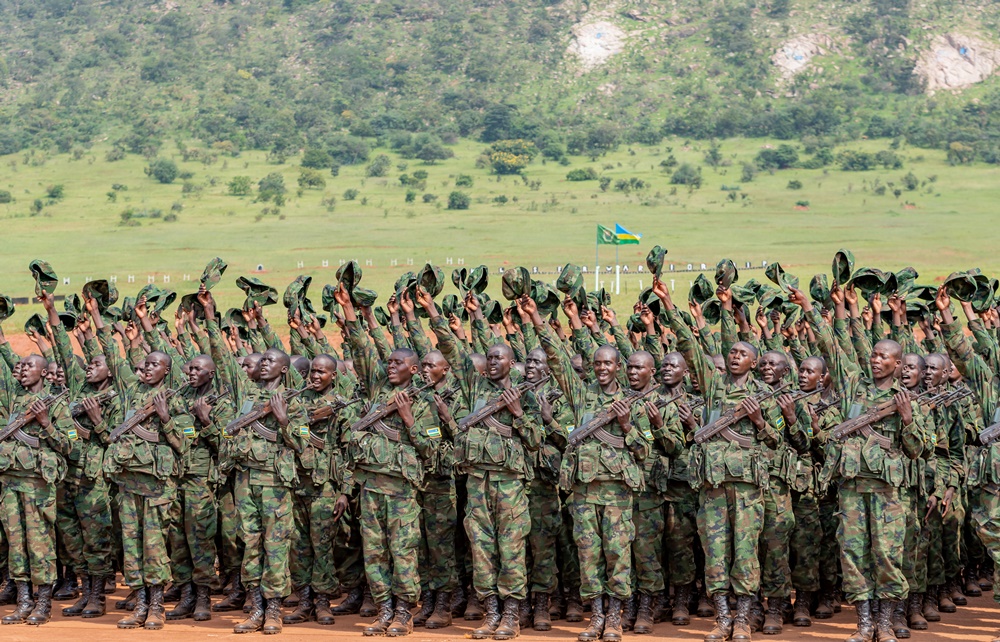
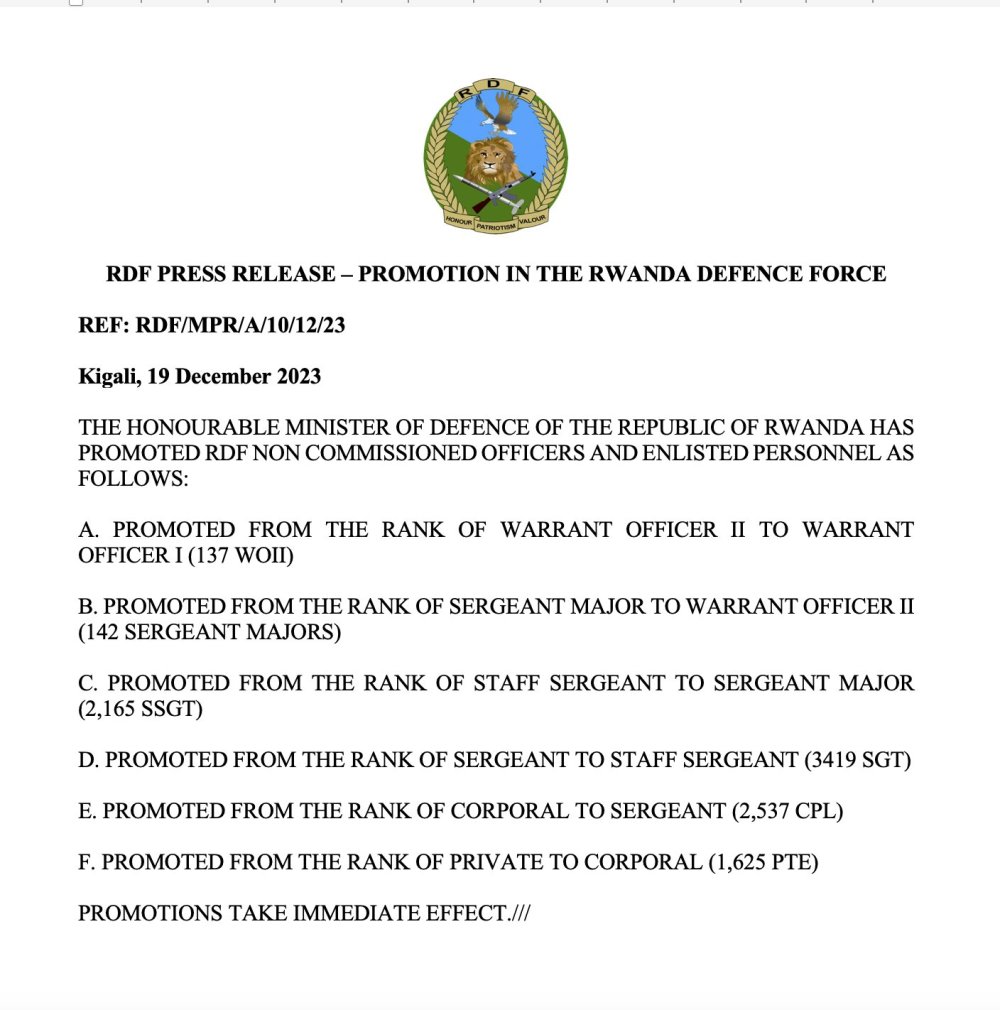
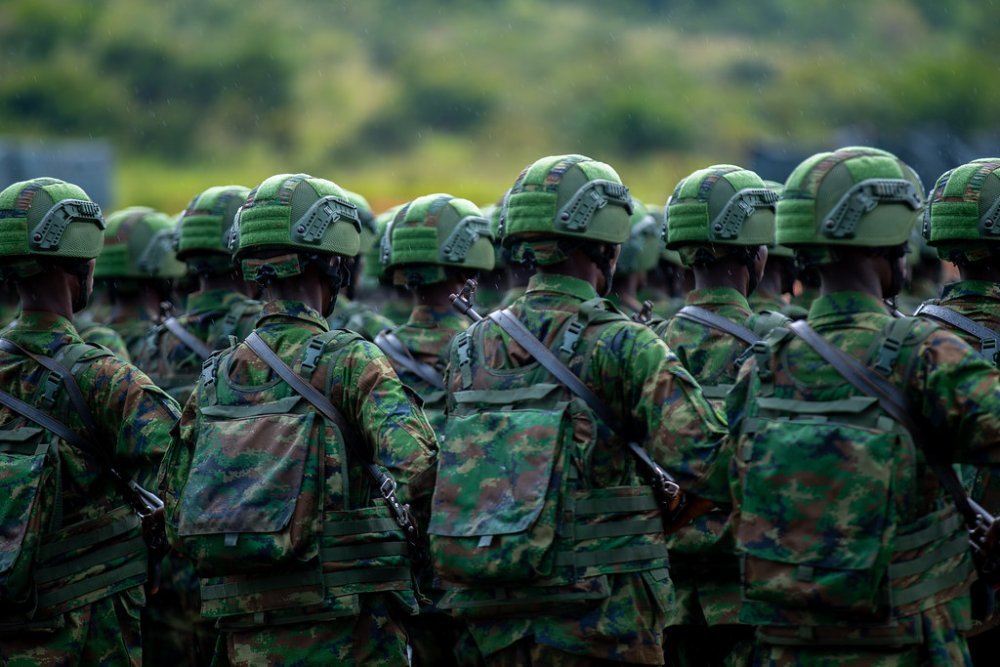
Of these promotions, 137 soldiers have been elevated from the rank of Warrant Officer II to Warrant Officer I, while 142 have been promoted from Sergeant Major to Warrant Officer II.
Additionally, a total of 2,165 soldiers have been promoted from Staff Sergeant to Sergeant Major, 3,419 from Sergeant to Staff Sergeant, 2,537 from Corporal to Sergeant, and 1,625 from Private to Corporal.
These promotions, effective immediately, were declared just one day after President Paul Kagame and the Commander-In-Chief of the RDF elevated more than 700 soldiers to junior officers, senior officers, and generals ranks.
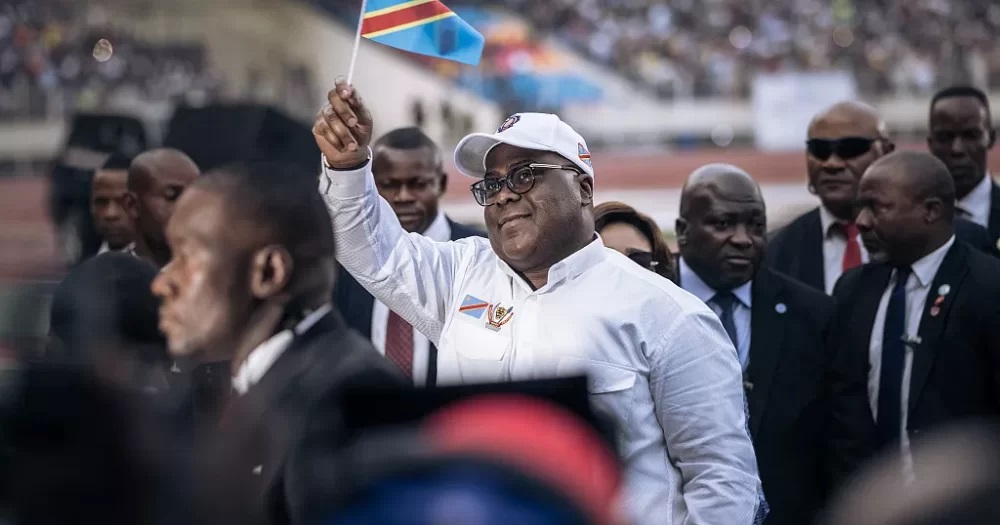
During the rally, Tshisekedi asserted that the Congolese Army has the capability to shell Kigali while stationed in Goma, just kilometers away from the ongoing conflict with the M23 rebel group.
He assured Kinshasa residents that they need not fear, as the Congolese Army possesses the potential to disrupt President Paul Kagame’s peace.
Tshisekedi warned that upon the first sign of aggression towards Goma, he would convene parliamentarians to seek approval for a military intervention in Rwanda.
These statements echo previous claims by Tshisekedi and other Congolese officials, accusing Rwanda of supporting the M23 rebel group, allegations vehemently denied by Rwanda.
Despite campaign pledges starting on November 19, 2023, where Tshisekedi accused Rwanda of invading and causing suffering in eastern DRC, Rwanda has maintained its commitment to addressing instability in the region without succumbing to provocations.
Tshisekedi’s rhetoric escalated when he compared President Kagame to Adolf Hitler, expressing a desire for a similar end to the dictator.
Despite DRC’s provocative statements, Rwanda remains steadfast, emphasizing its readiness to contribute to resolving instability in the Democratic Republic of Congo.
The statement released by RDF reads that four soldiers with the rank of Brigadier General have been promoted to Major General while 17 have been elevated from the rank of Colonel to Brigadier General.
Among others, 83 have been promoted from the rank of Lieutenant Colonel to Colonel, 98 from Major to Lieutenant Colonel, 295 from Captain to Major while four have been promoted from Lieutenant to Captain.
The statement also indicates that 226 non-commissioned officers have been promoted to the rank of Second Lieutenant.
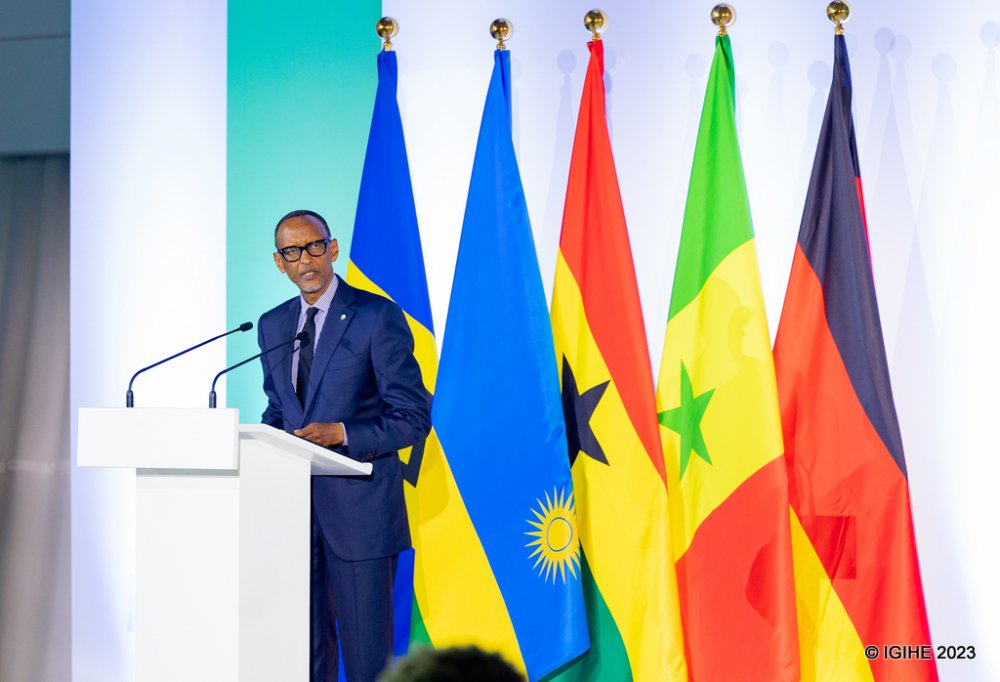
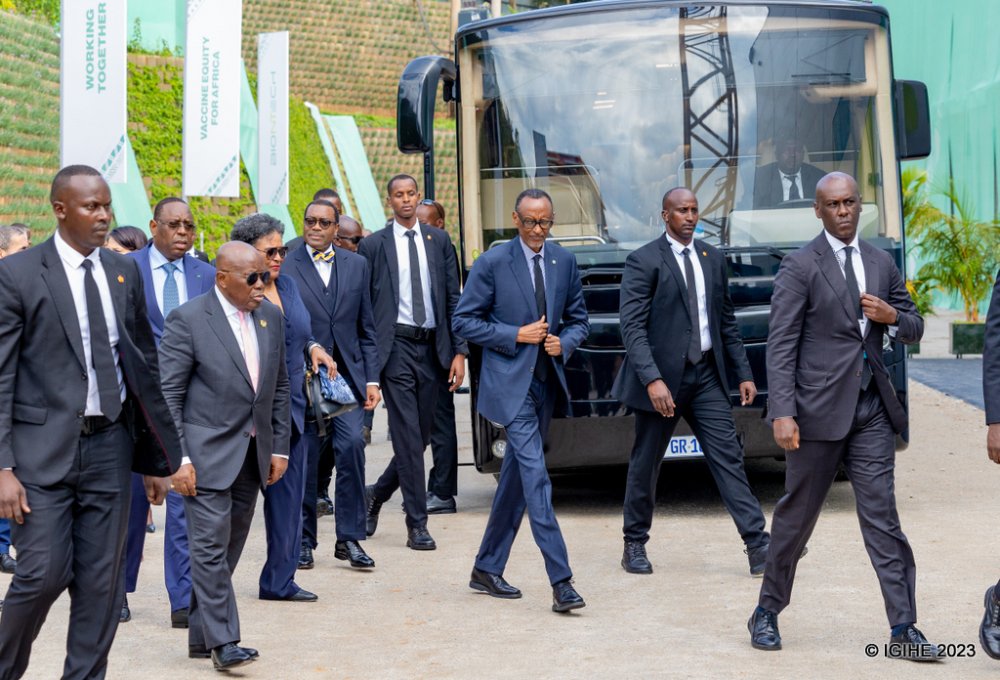
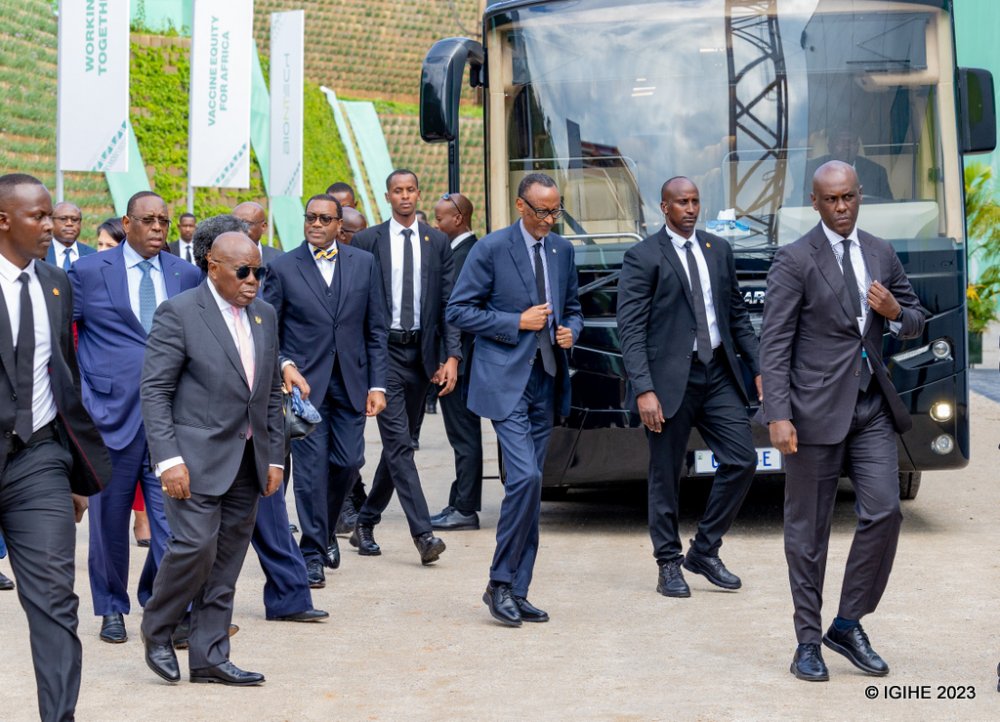
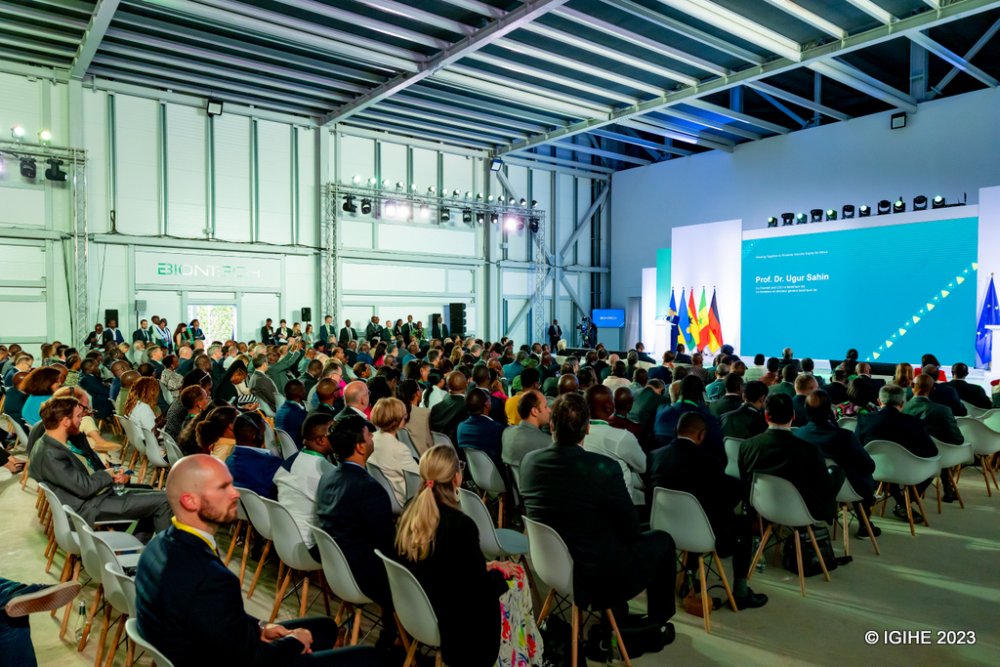
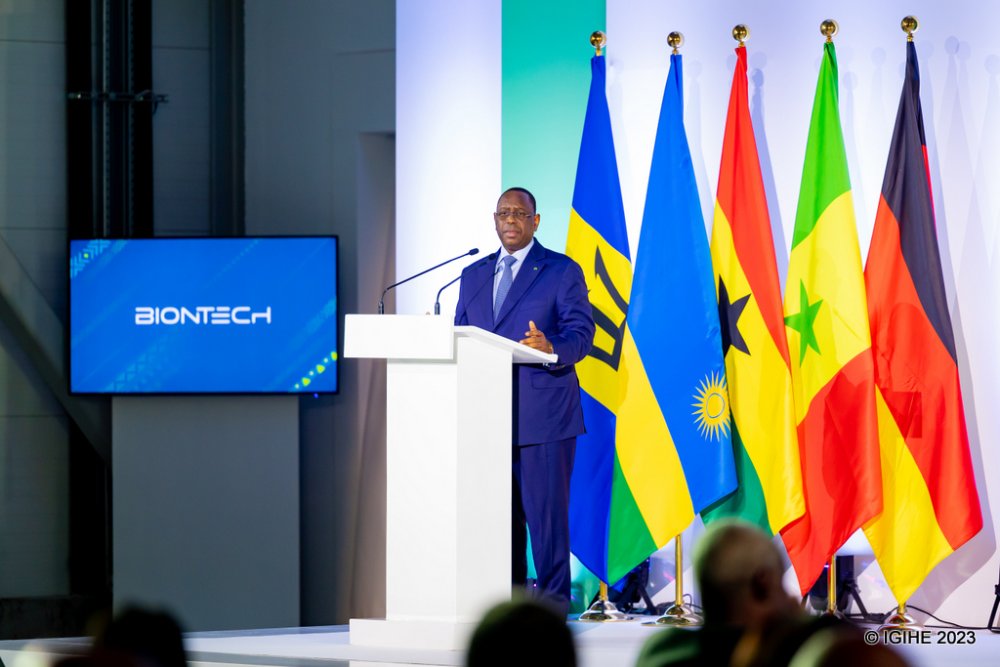
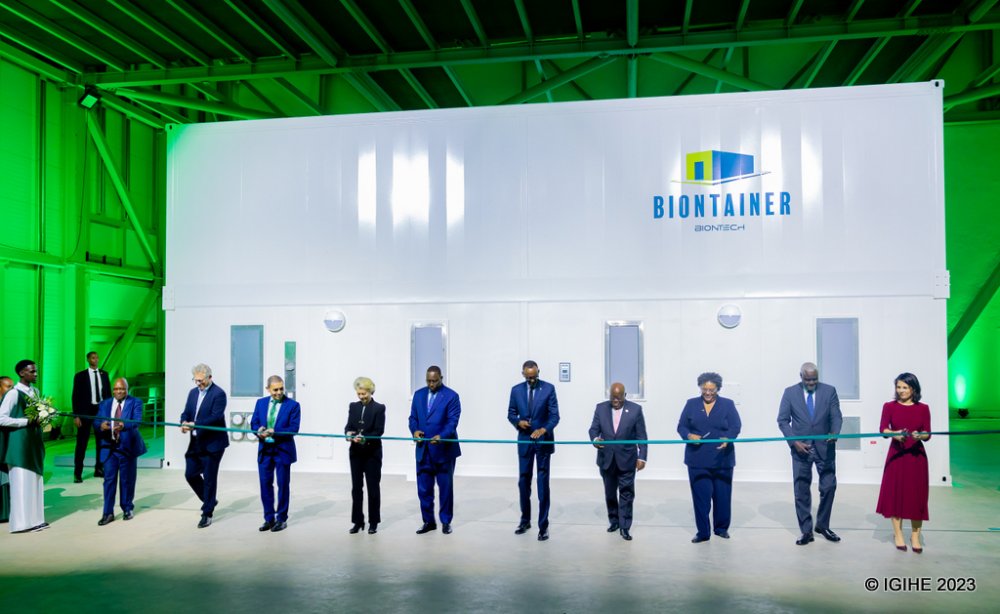
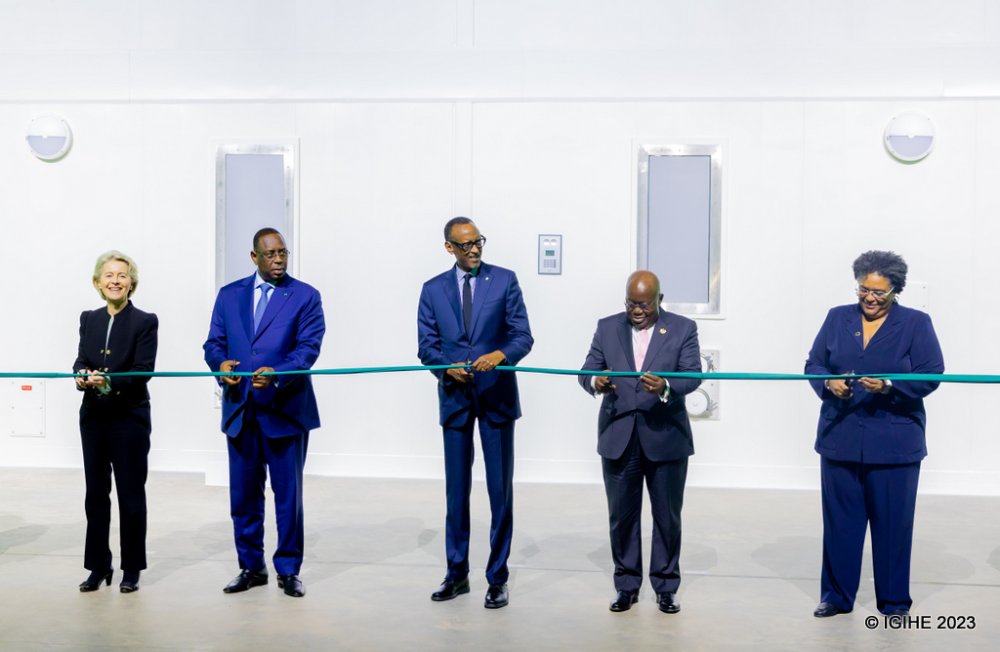
Situated in Gasabo District and spanning 300,000 square meters, the state-of-the-art facility is hailed as one of the most advanced in the world. President Kagame commended the project, emphasizing its potential to democratize vaccine technology. He expressed pride in the facility’s diverse African workforce, highlighting its capability to produce vaccines of equivalent quality to those produced elsewhere.
President Kagame acknowledged the challenges of vaccine inequity faced by Africa during the pandemic and emphasized the collective commitment of Rwanda, Senegal, South Africa, and Ghana to spearhead vaccine manufacturing on the continent. BioNTech aims to produce mRNA-based vaccines, including potential solutions for diseases such as tuberculosis and malaria.
The President extended gratitude to various partners, including the European Commission, the World Health Organization (WHO), the African Development Bank (AfDB), and the International Finance Corporation (IFC), for their pivotal roles in supporting Rwanda’s pharmaceutical initiatives.
He announced a new phase of collaboration with the IFC to ensure sustained investment in Rwanda’s pharmaceutical ecosystem.
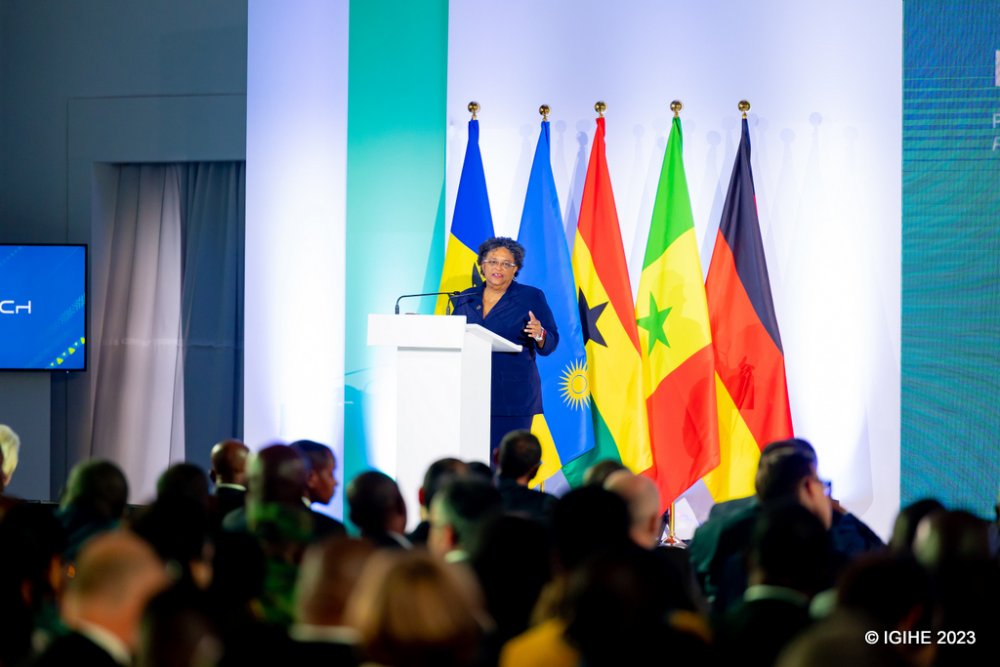
President Kagame underscored the importance of trust and cooperation in achieving the milestone, praising the swift mobilization of global support. He cited the presence of Barbados Prime Minister Mia Motley as an example of broader collaboration, emphasizing the need for deeper cooperation between Africa and the Caribbean.
The facility’s launch coincides with the initiative to increase Africa’s vaccine self-sufficiency, with the goal of producing 60 times more vaccine doses on the continent by 2040. President Kagame’s remarks showcased a shared commitment to global health equity and resilience in the face of future challenges.
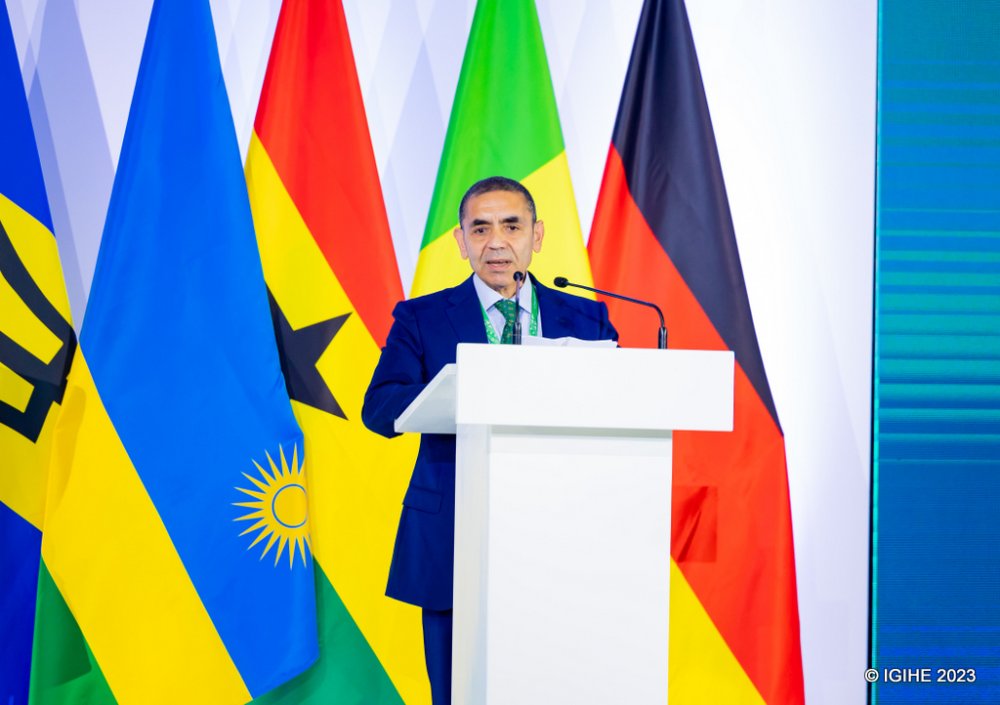
During the inauguration event, Ugur Sahin, BioNTech’s co-founder and CEO, outlined the company’s plans for the newly launched facility. He stated that construction will be completed by 2024, with local personnel training commencing, and mRNA validation testing initiated in 2025.
Initially, the facility will be equipped with two BioNTainers, one dedicated to mRNA production and the other for the formulated bulk drug product. These BioNTainers are designed to manufacture various mRNA-based vaccines tailored to the needs of African Union member states. Potential vaccines include the Pfizer-BioNTech Covid-19 vaccine, as well as investigational malaria and tuberculosis vaccines, pending regulatory approval.
Sahin emphasized the facility’s advanced capabilities, with BioNTainers capable of producing over 50 million doses annually for public supply or pandemic response, or alternatively, 10,000 doses for clinical trials. While acknowledging the work ahead, Sahin outlined the goal to operate the facility on global standards.
The quantity of BioNTech’s production will vary based on the mRNA product’s characteristics, such as dose size and composition. The company aims to bridge the accessibility gap for medicines and make them more affordable, as highlighted by Barbados Prime Minister Mia Motley.
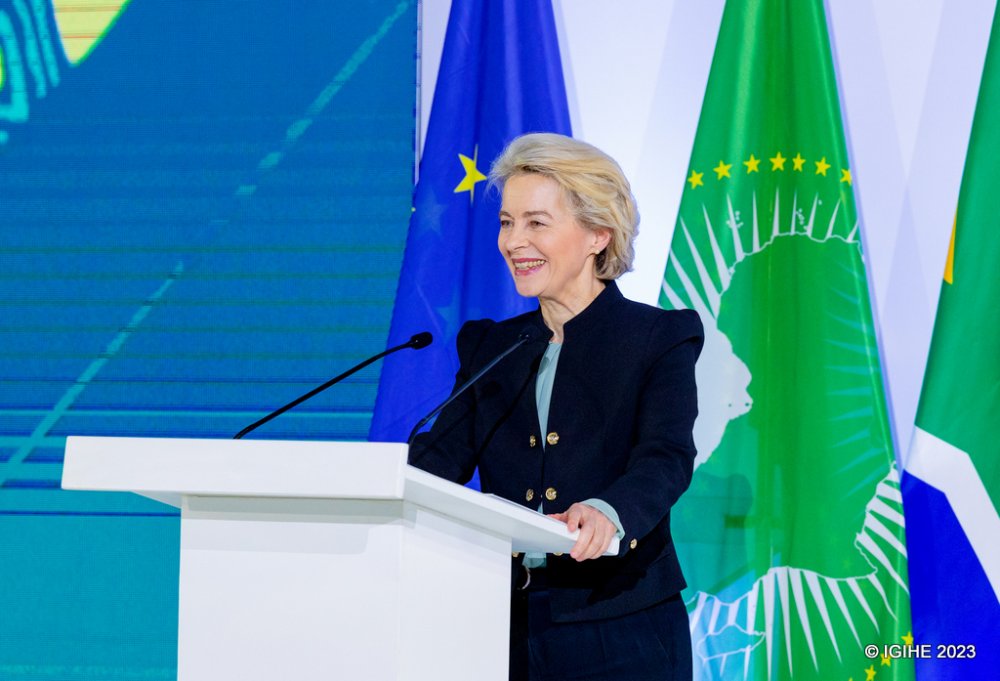
Ursula Von der Leyen, President of the European Commission, underscored the challenges in global vaccine production capacities and emphasized the collaborative effort between Africa and Europe to bring both vaccines and mRNA technology to the continent.
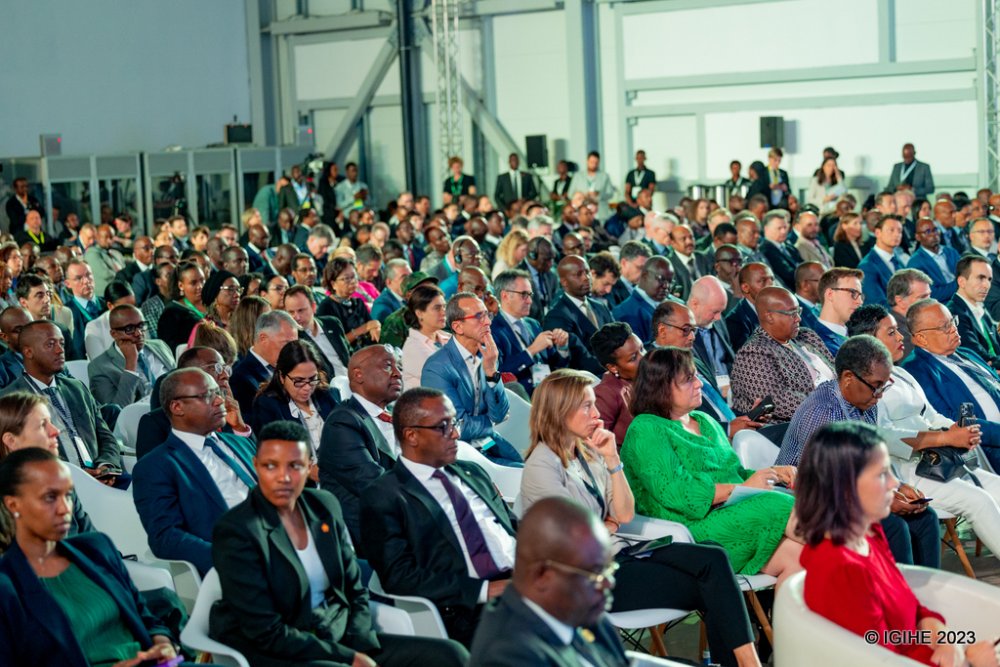
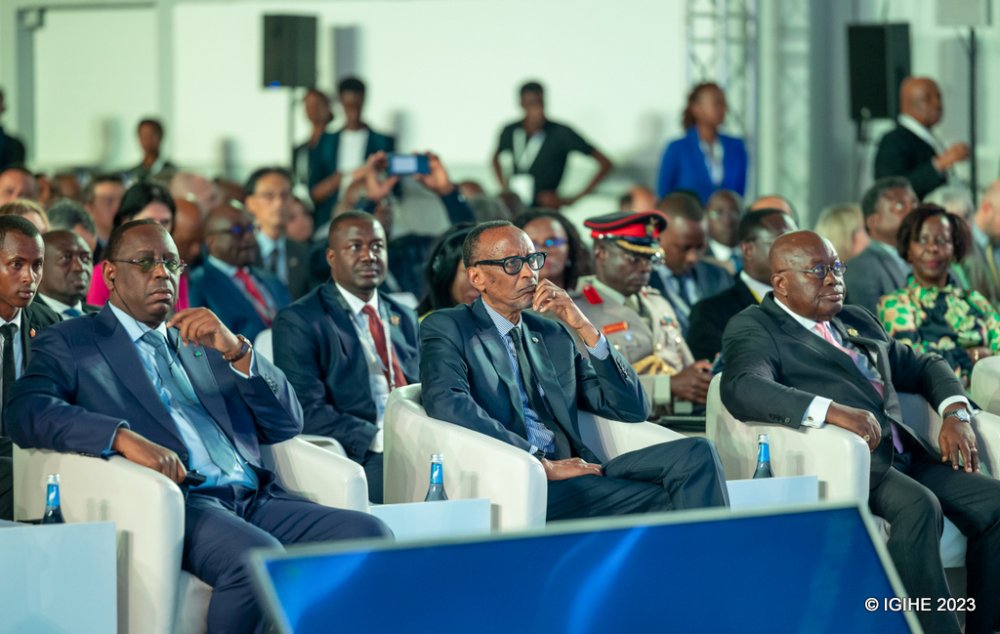
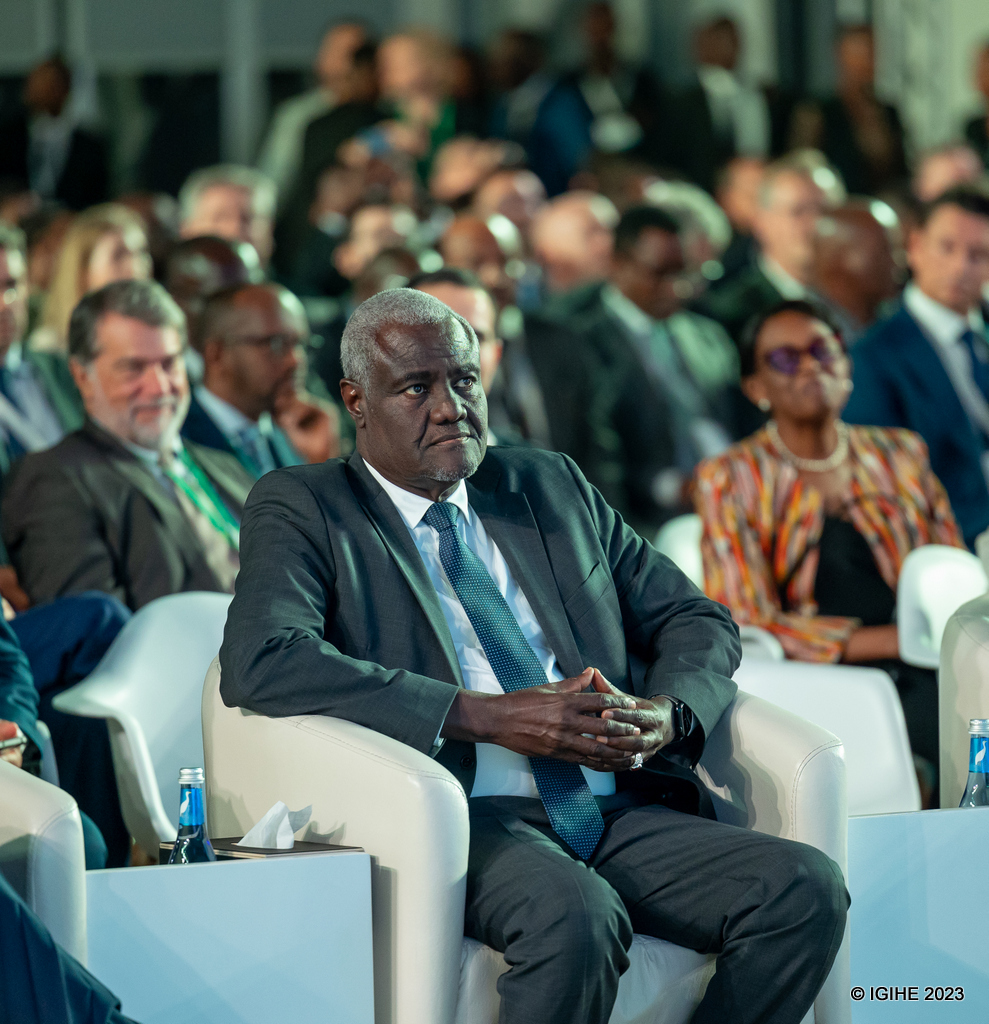
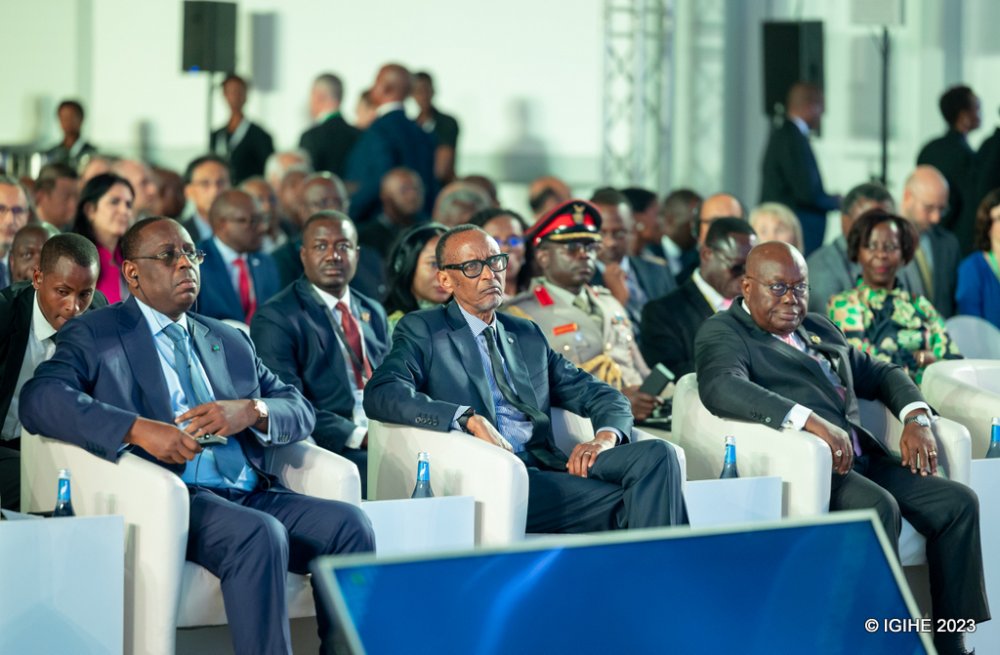
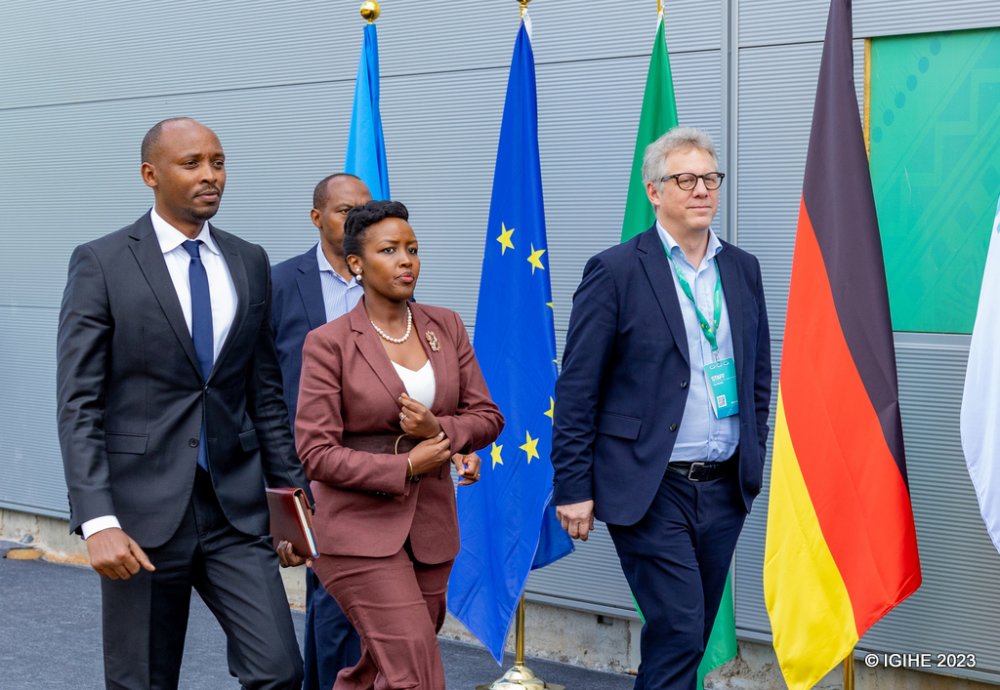
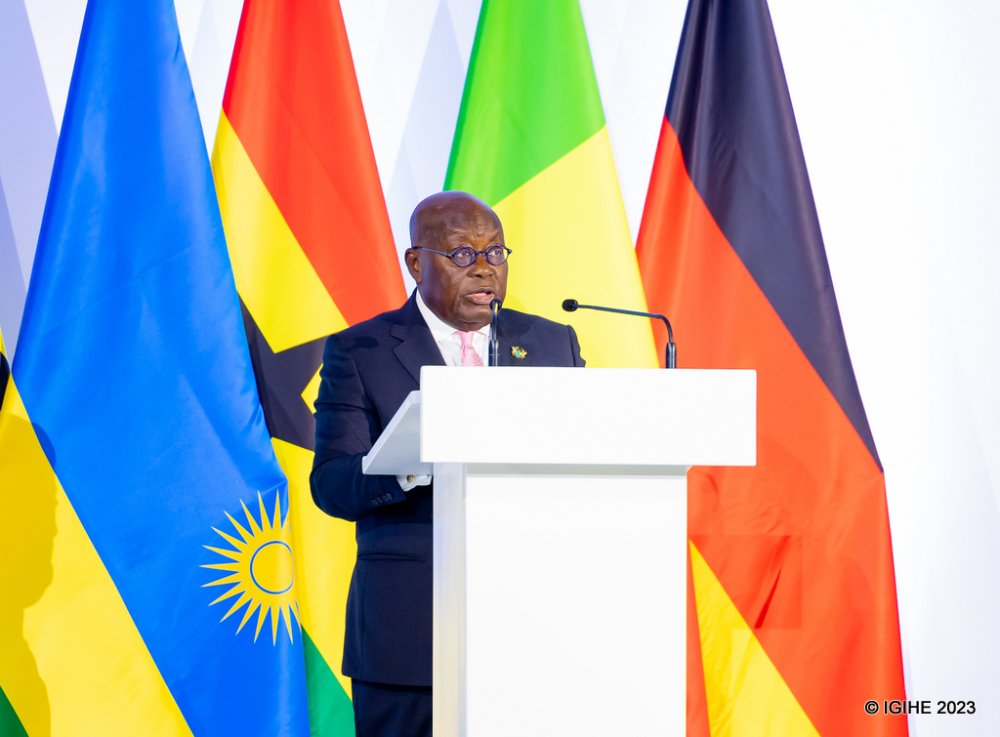
The event was attended by other leaders, including Presidents Macky Sall of Senegal and Nana Akufo-Addo of Ghana. BioNTech also revealed plans to conduct clinical trials in Africa for malaria, tuberculosis, and HIV vaccines in 2024, aiming to provide these vaccines to lower-income countries at a not-for-profit price upon regulatory approval.
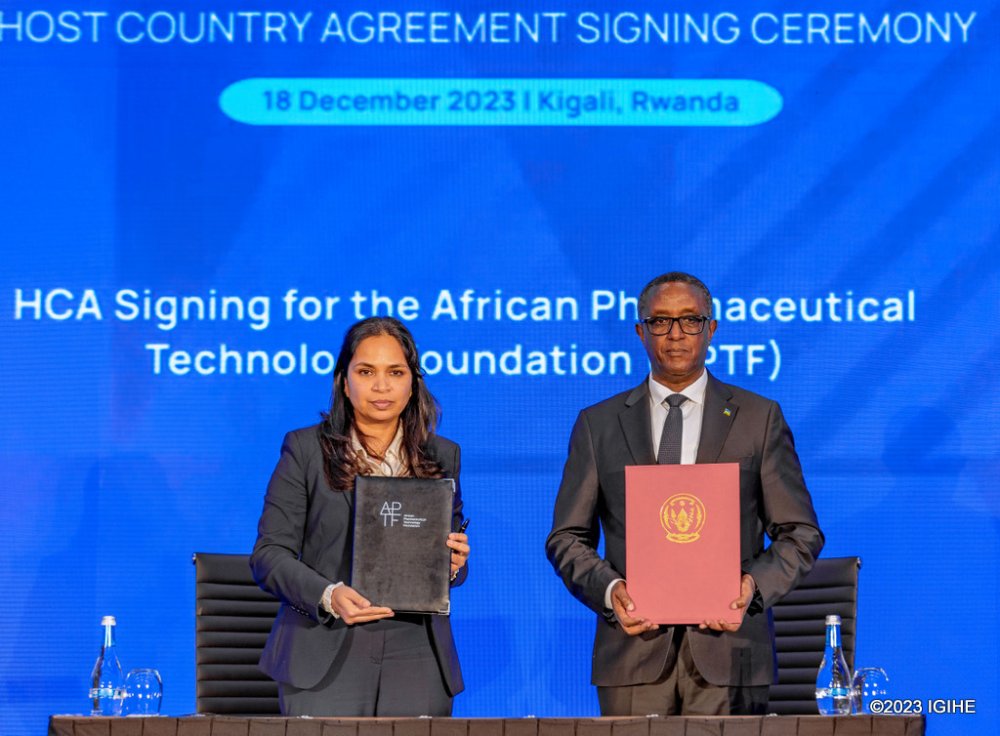
The APTF is a pan-African agency with the primary objective of promoting technological advancement within the medical ecosystem across the continent.
Established and approved by the African Development Bank (AfDB) Board of Directors in June 2022, the institution emerged in response to the collective request from African Union member states. It serves as a dedicated entity to enhance Africa’s access to technology for the comprehensive manufacturing of pharmaceutical products.
The genesis of the foundation can be traced back to the challenges faced by African countries in accessing vaccines during the COVID-19 pandemic. In an effort to address this issue, the APTF was conceived, recognizing the critical need for technological solutions in the medical field.
According to data provided by the AfDB, Africa currently relies on imports for over 70 percent of its required medications, incurring an annual cost of up to $14 billion. Surprisingly, the continent manufactures only one percent of the necessary vaccines. The APTF aims to significantly bridge this gap, fostering self-sufficiency and technological empowerment in pharmaceutical production across Africa.
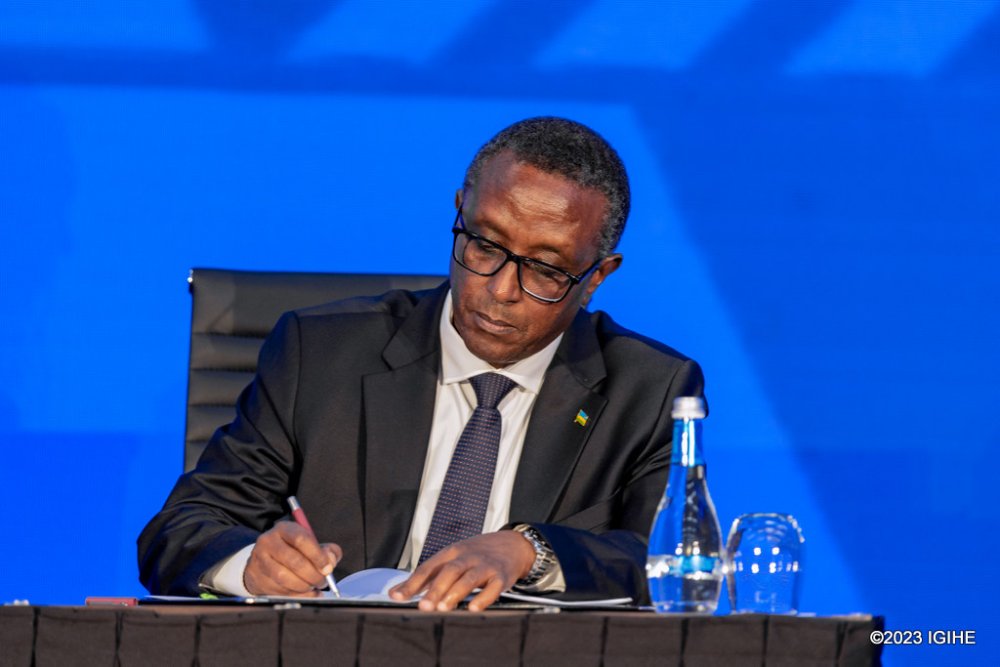
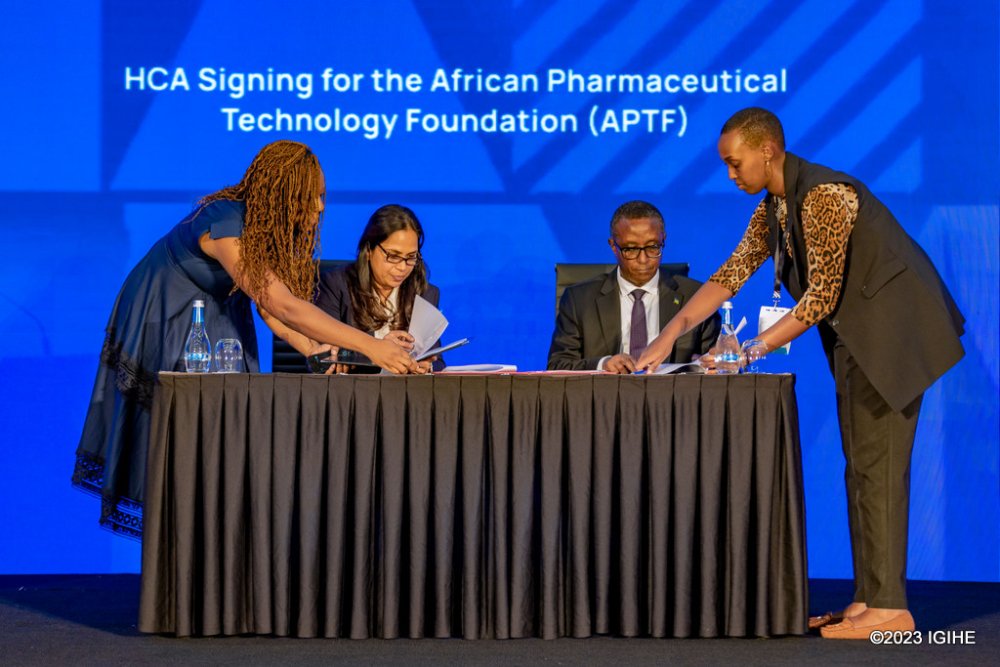
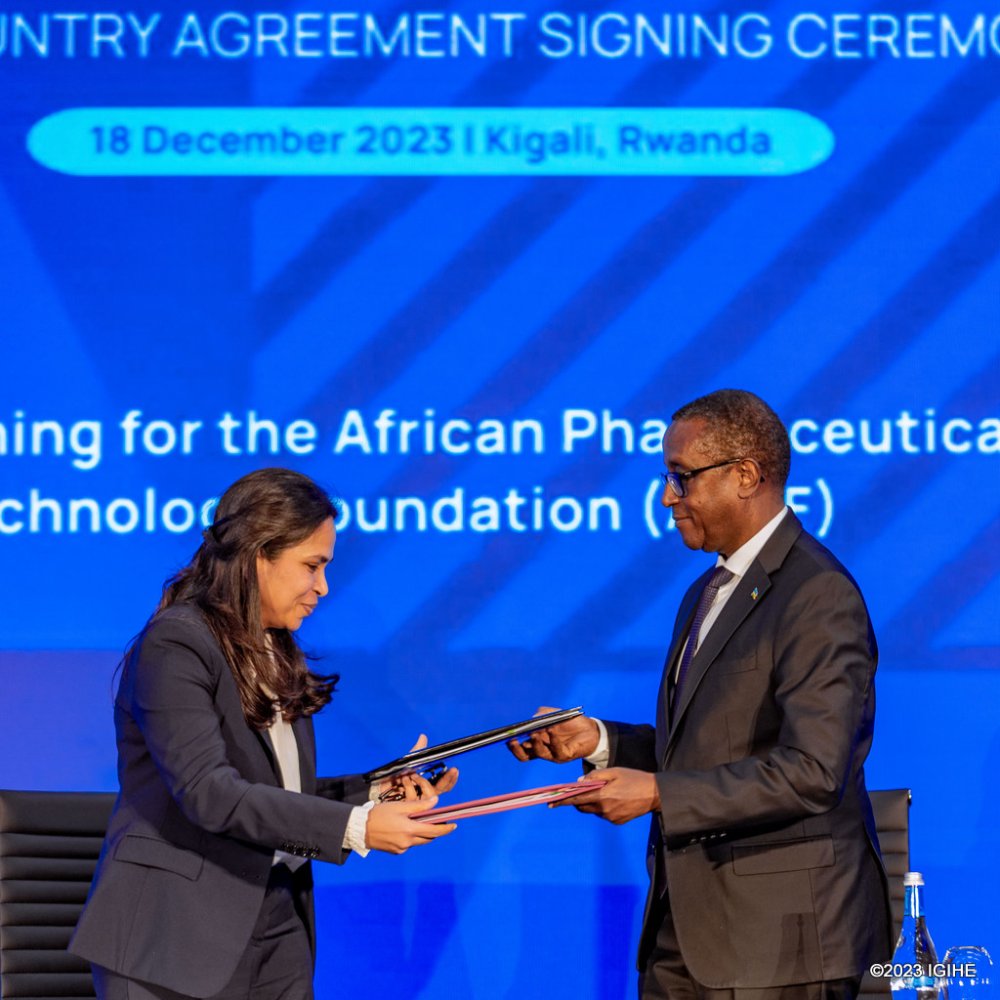
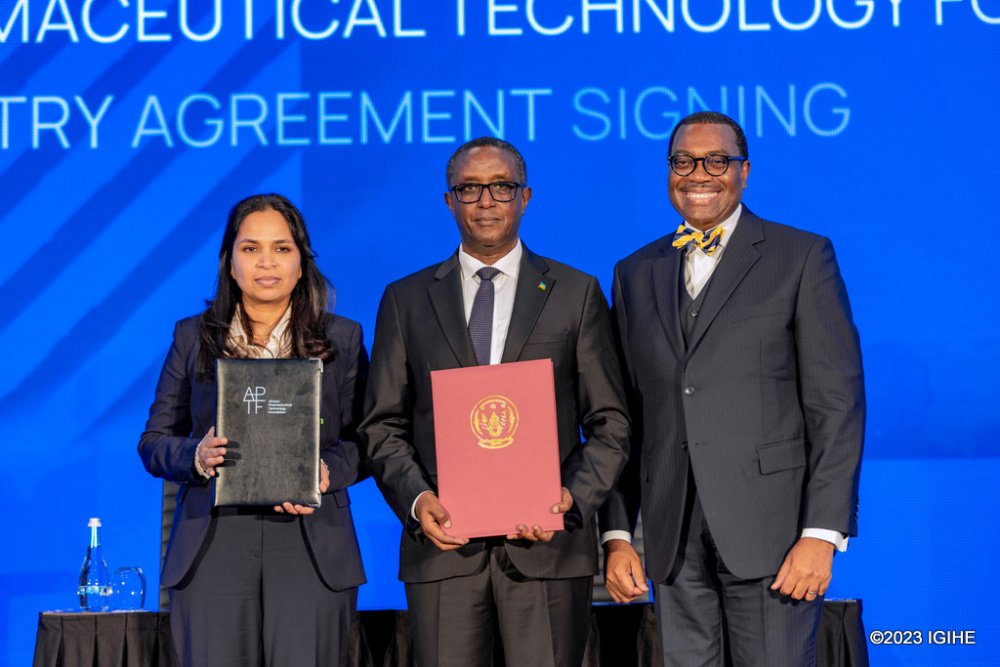
Speaking at the signing ceremony, Rwanda’s Minister of Foreign Affairs of Rwanda, Dr. Vincent Biruta, highlighted the significance of the agreement and emphasized the cooperative effort to advance pharmaceutical technology in Africa and improve healthcare on the continent.
Dr. Biruta stated, “This agreement is a sign of cooperation, innovation, and technological development in medicine for the benefit of our people and the entire continent.”
Furthermore, Dr. Biruta underscored the broader implications of the collaboration, stating, “It is a sign and shows the will to produce knowledge and technology that promotes innovation and research, knowledge sharing.” He also acknowledged the pivotal role of technology in enhancing healthcare in Rwanda and Africa at large.
Dr. Akinwumi Adesina, the President of the African Development Bank (AfDB), provided insights into the establishment of the APTF, emphasizing its role in supporting the African pharmaceutical industry.
He remarked, “This center will help the pharmaceutical industry to access and share technology and engage in dialogue with intellectual property rights holders in the pharmaceutical industry to develop the pharmaceutical industry in Africa.”
In addition to the AfDB’s commitment, Dr. Bärbel Kofler, Parliamentary State Secretary to the Federal Minister for Economic Cooperation and Development in Germany, expressed the country’s dedication to collaboration with Rwanda and Africa in the production of medicines and vaccines.
Dr. Kofler stated, “The cooperation between the German Government and APTF is based on our shared values, to ensure that the people of the African continent have a better life.”
Among others, the Minister of Foreign Affairs acknowledged the importance of distributing such critical infrastructure across various African countries, particularly mentioning the opening of BionTech Africa, the first vaccine manufacturer in Rwanda, dedicated to combating Malaria and Tuberculosis.
Dr. Biruta stressed the need for capacity building and noted that APTF should play a pivotal role in this regard.
The signing of a cooperation agreement between APTF and the European Investment Bank was also highlighted, indicating the bank’s commitment to providing technical assistance and facilitating funding for innovative healthcare initiatives. This collaborative effort aligns with the shared goal of enhancing health services and medication availability in Africa.
In a meeting between President Kagame and Adesina in September 2023, discussions centered on AfDB’s assistance in developing the pharmaceutical sector in Africa through the establishment of APTF’s headquarters in Rwanda. This meeting emphasized the ongoing commitment to cooperation and development in the pharmaceutical field.
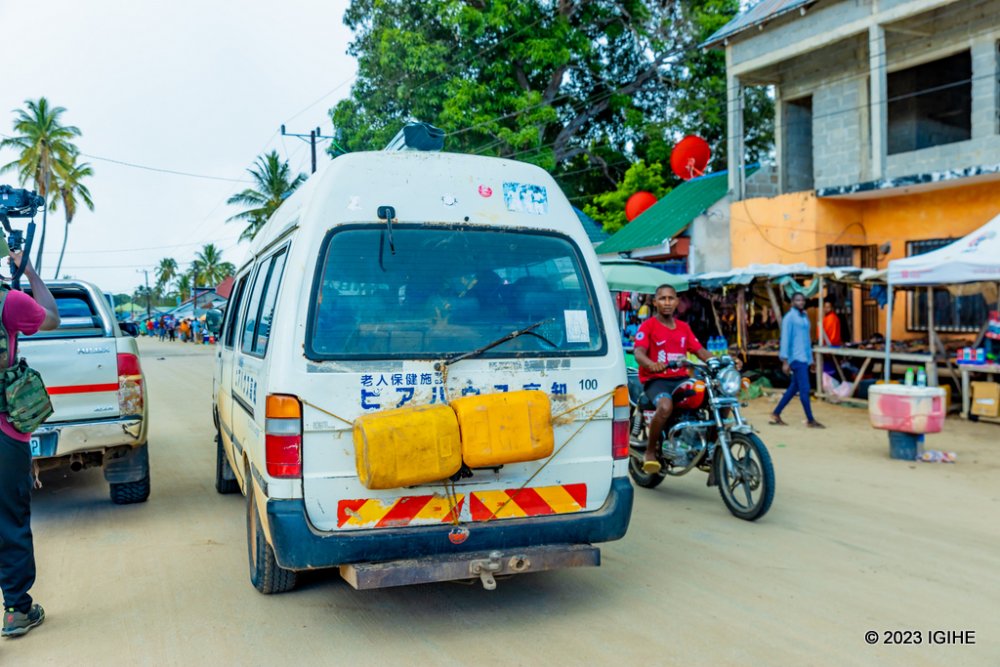
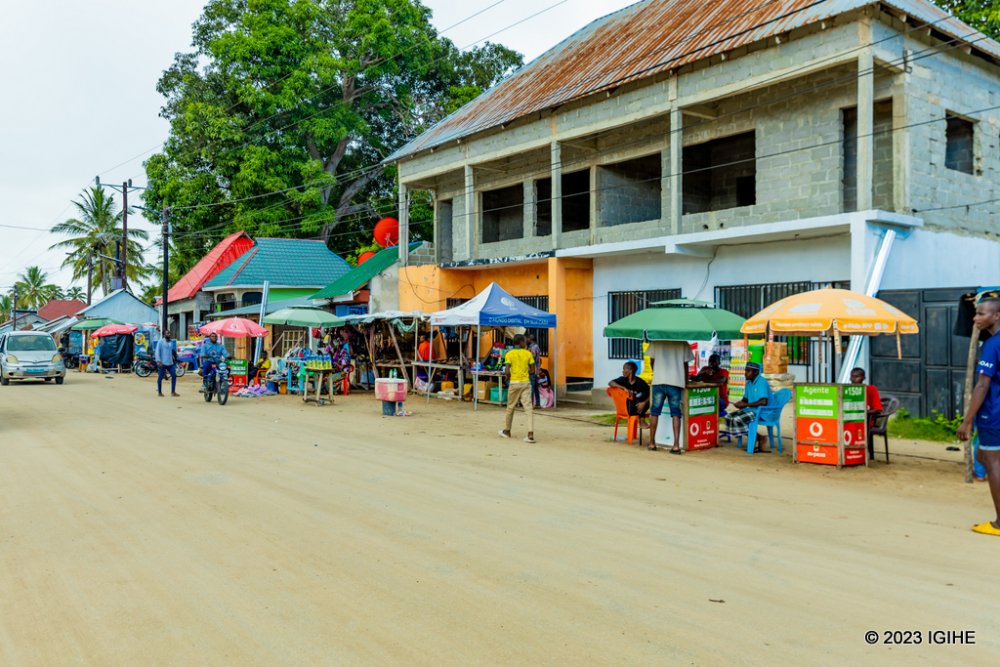
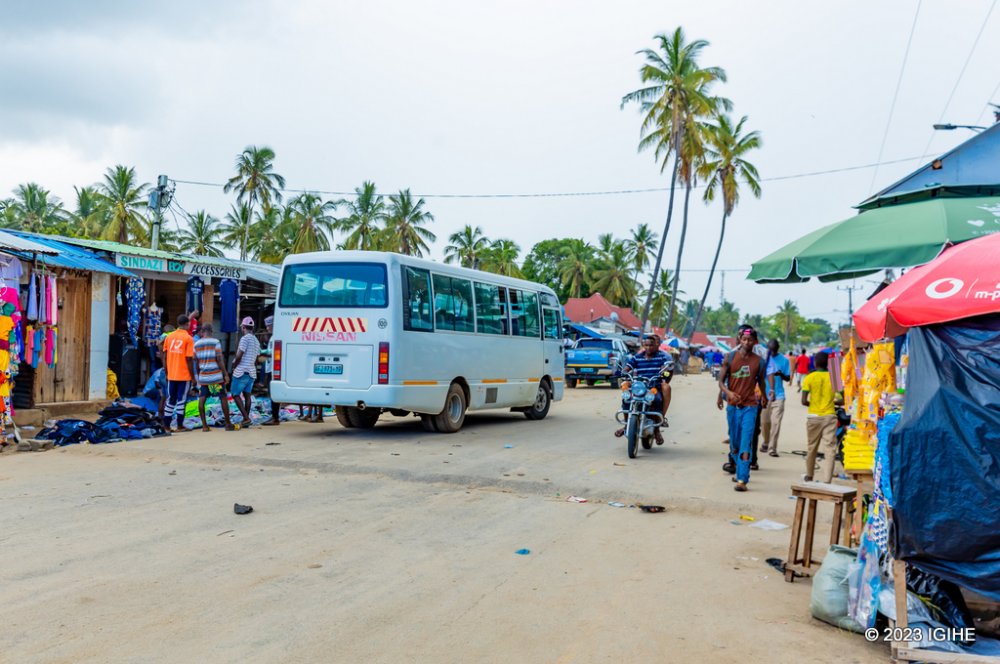
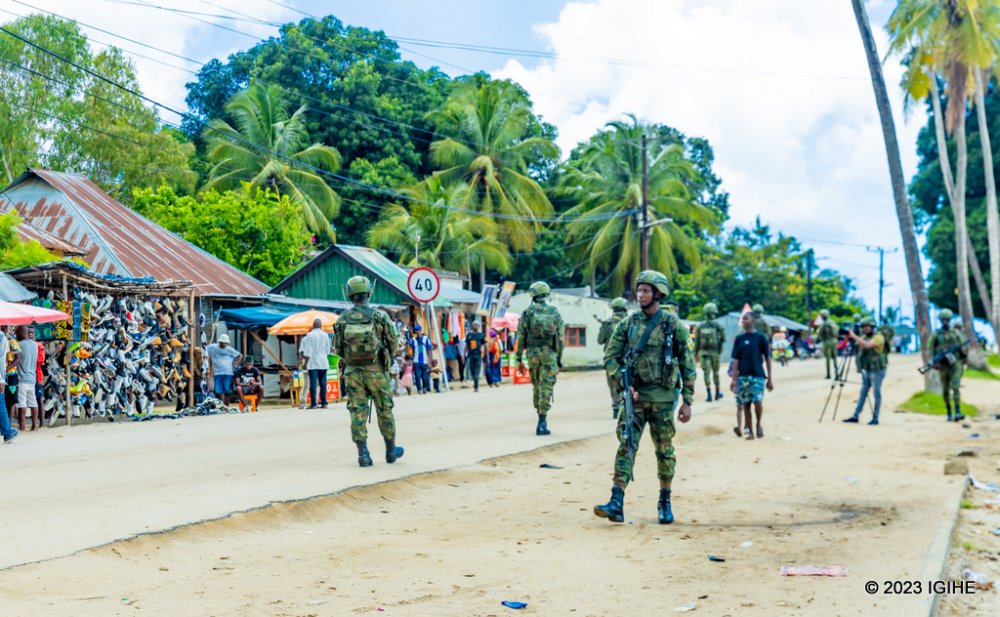
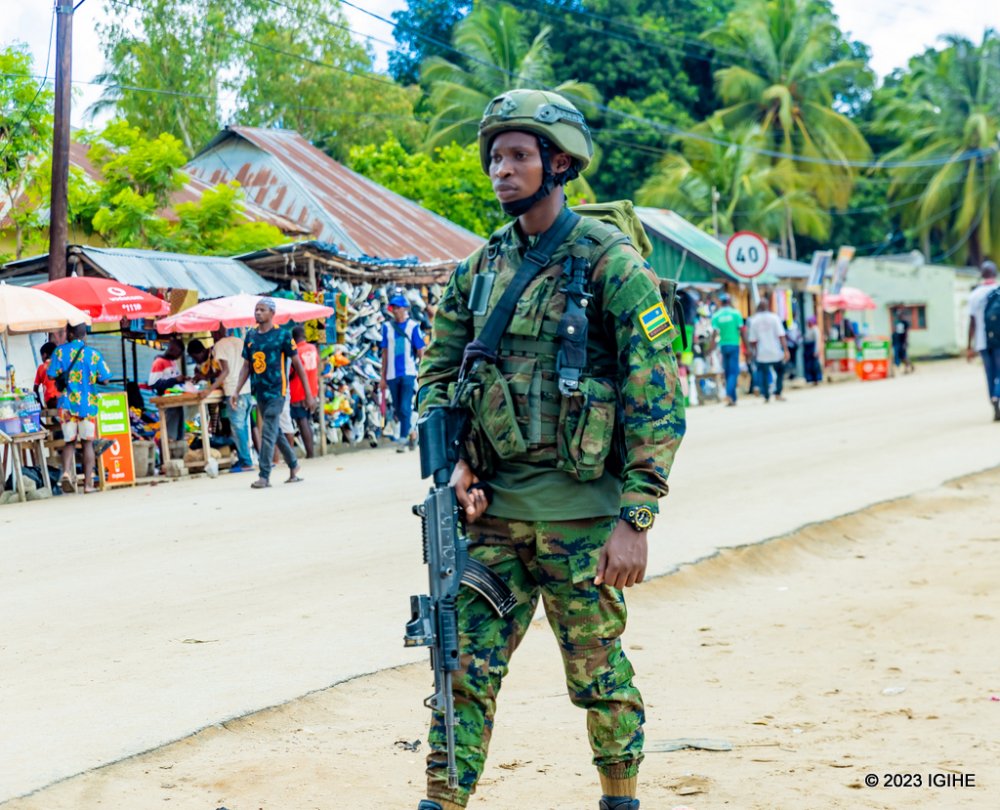
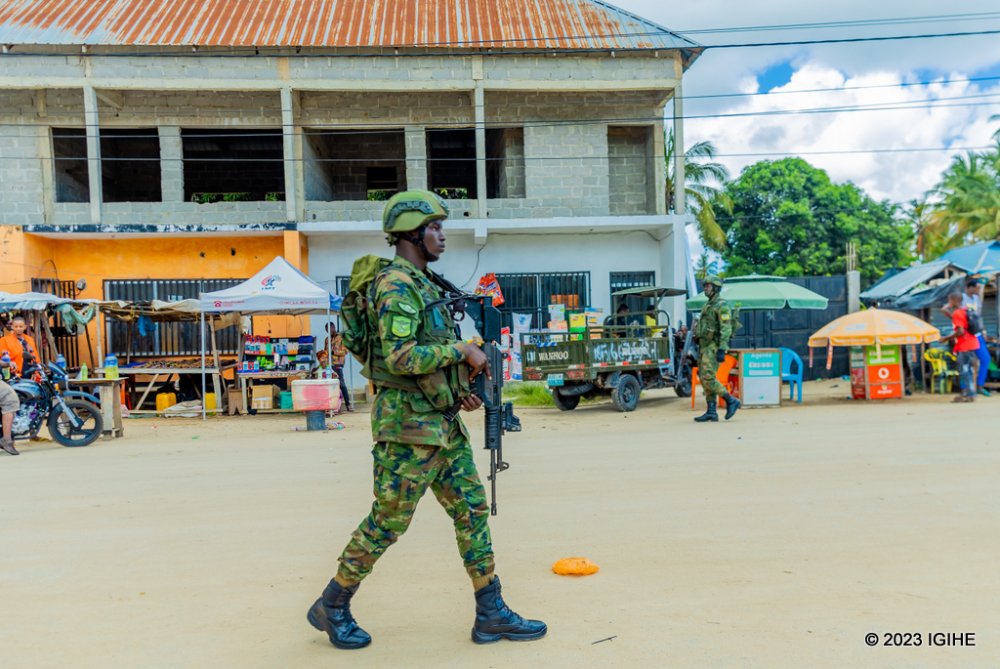
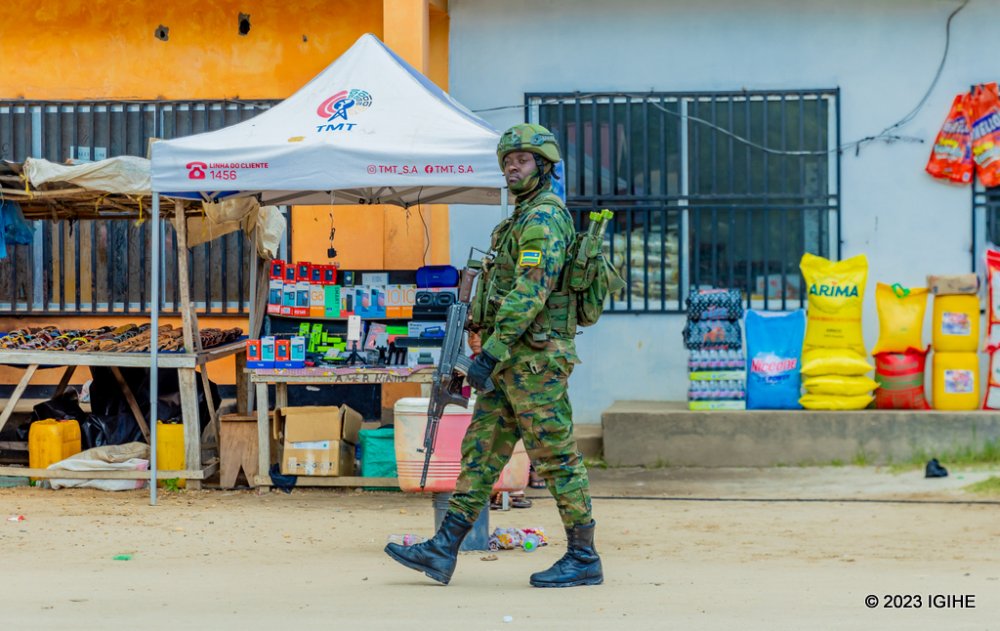
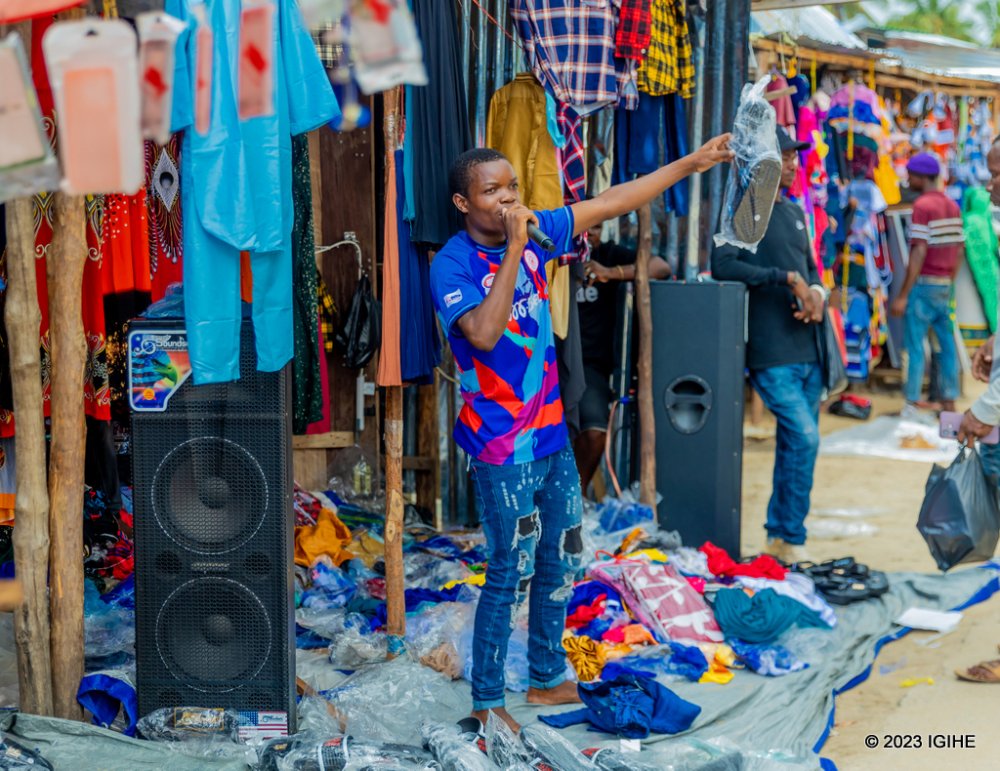
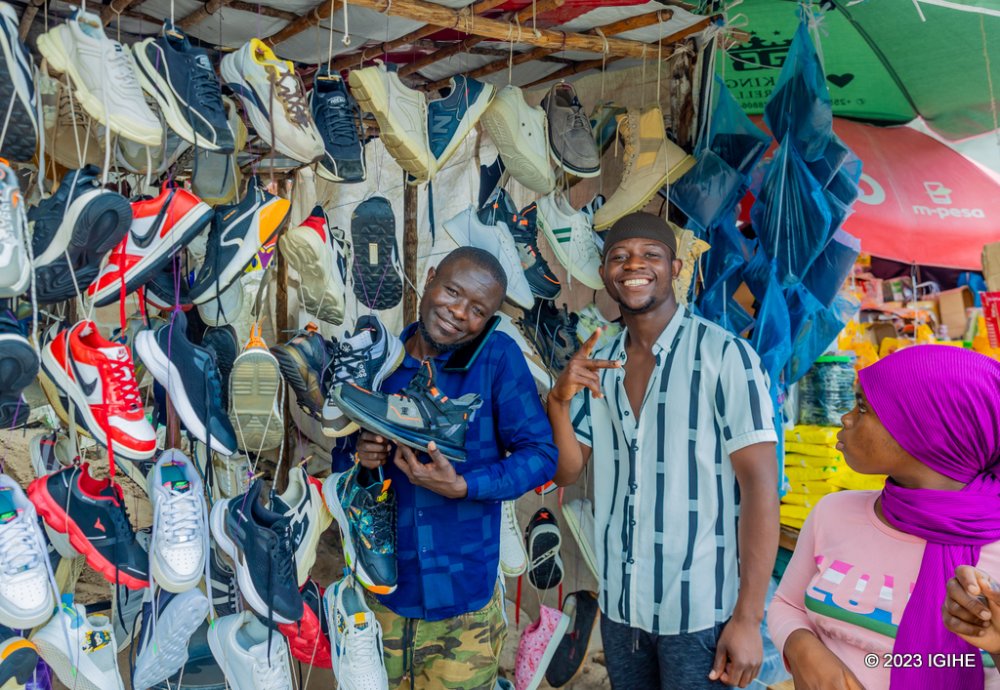
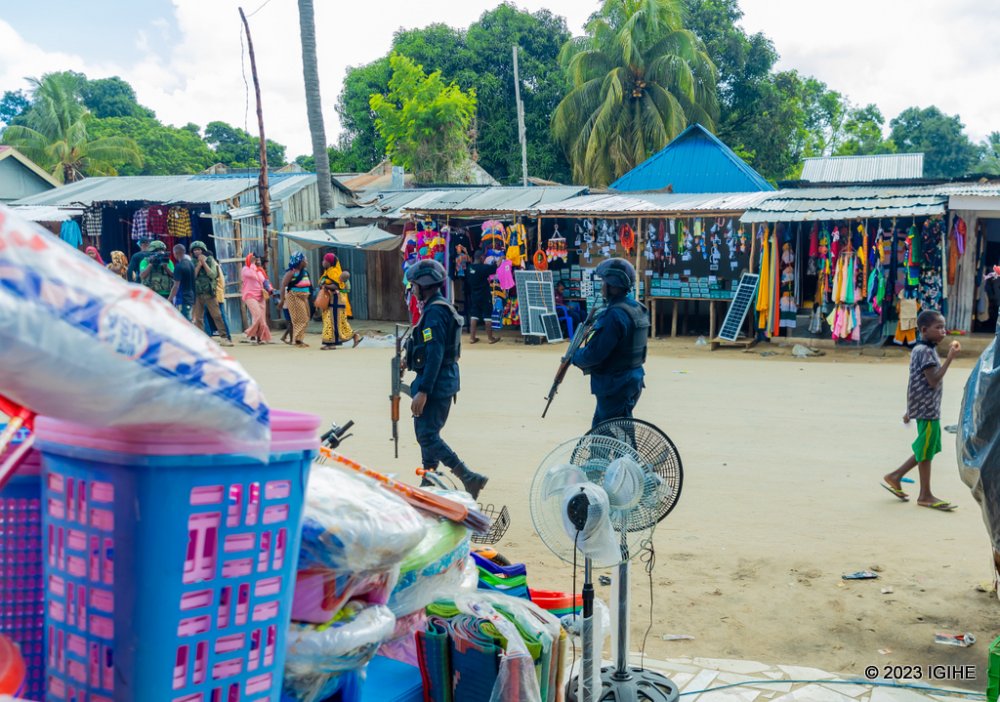
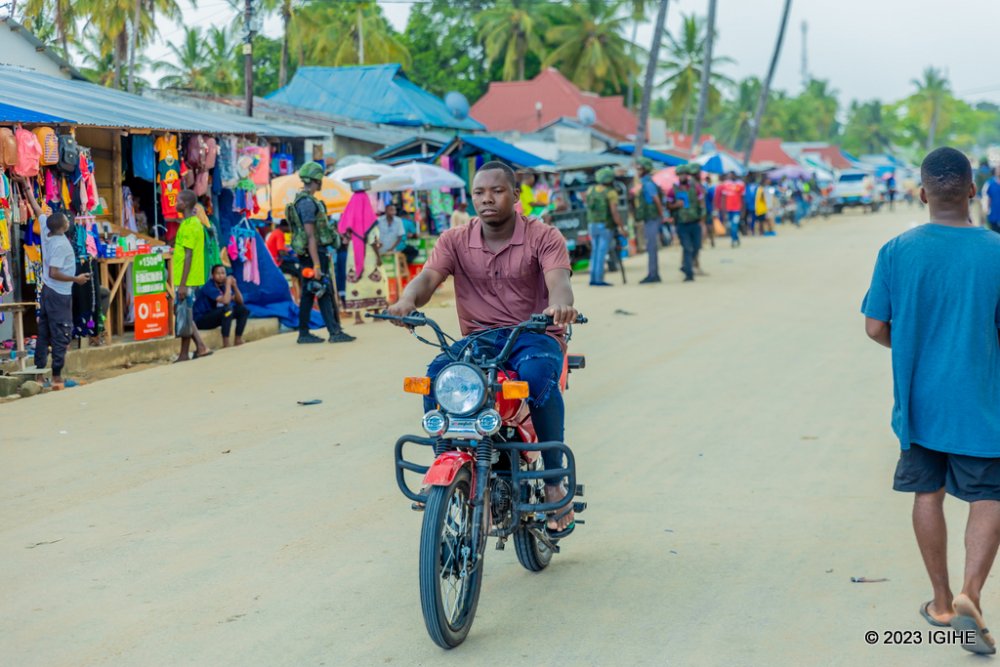
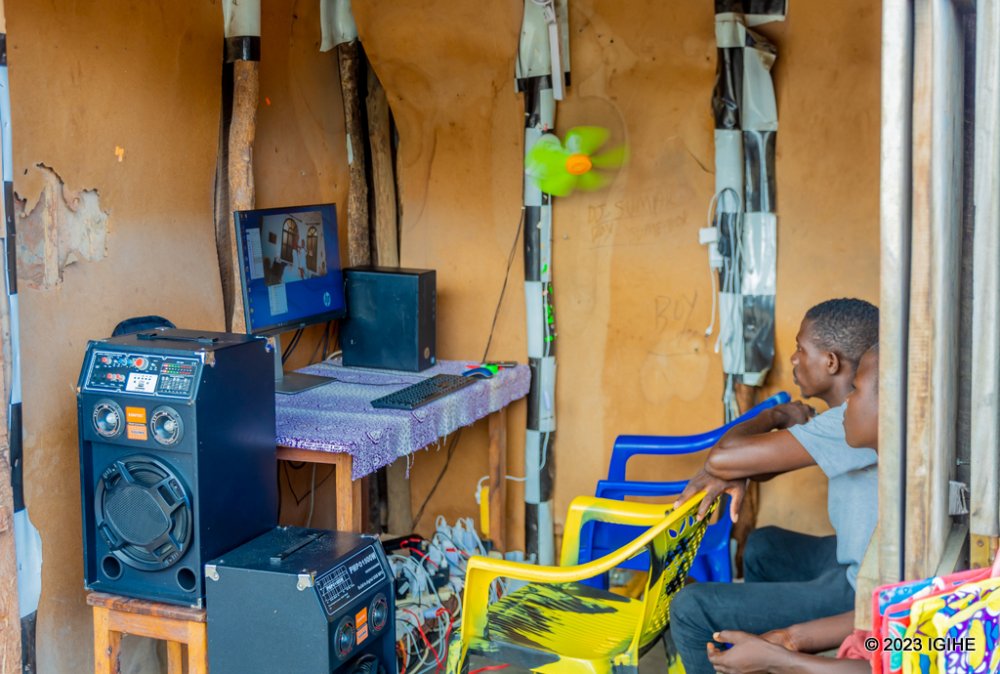
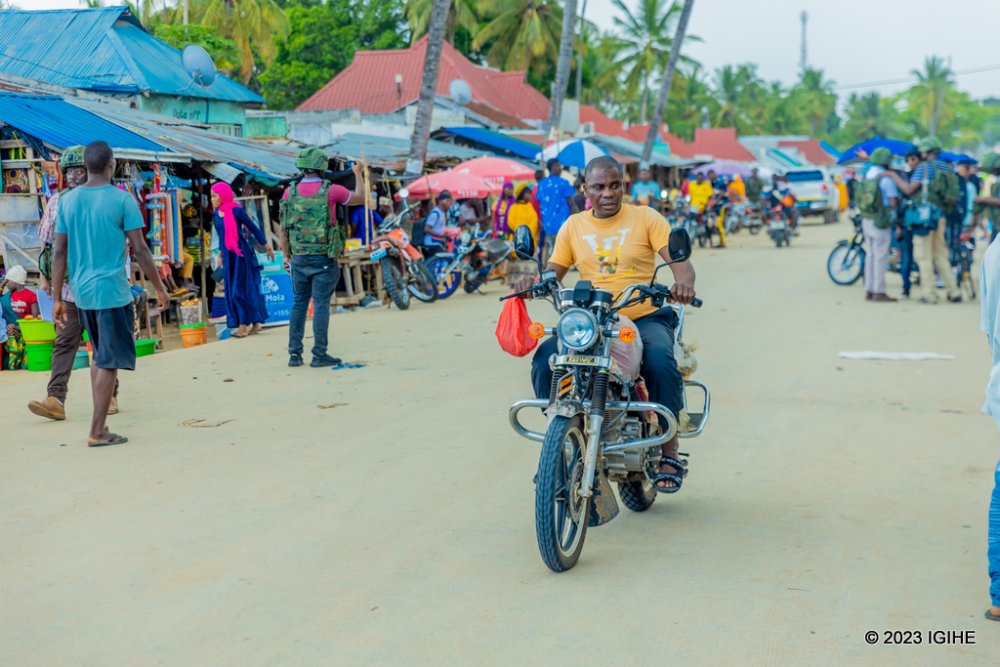
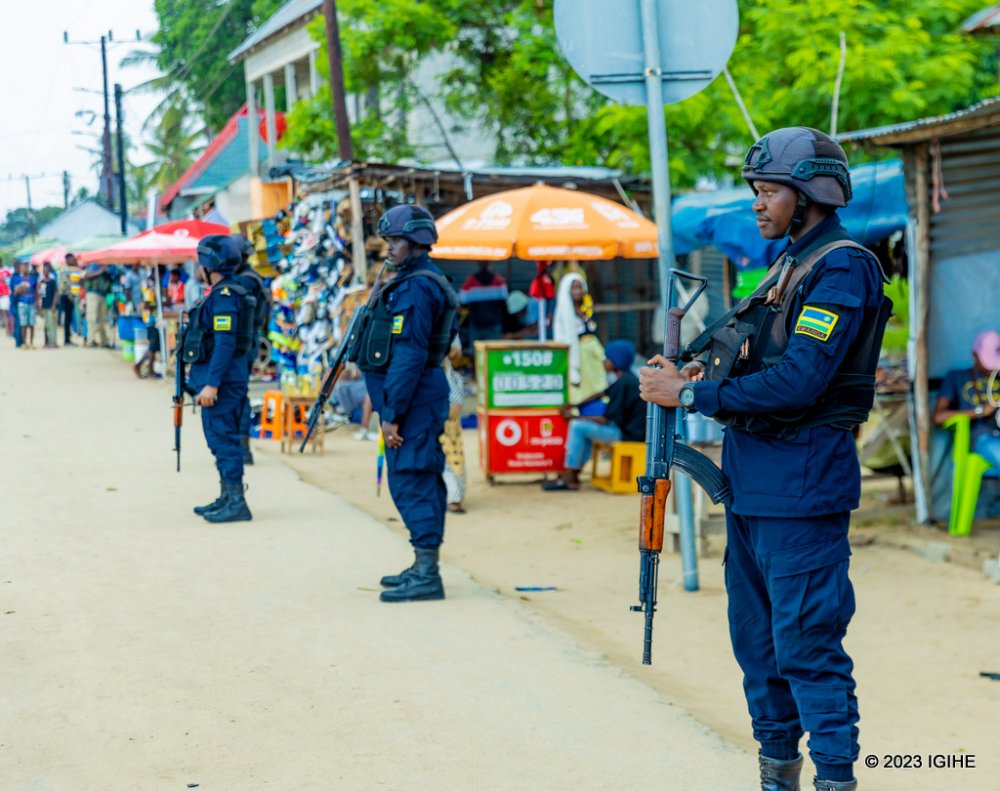
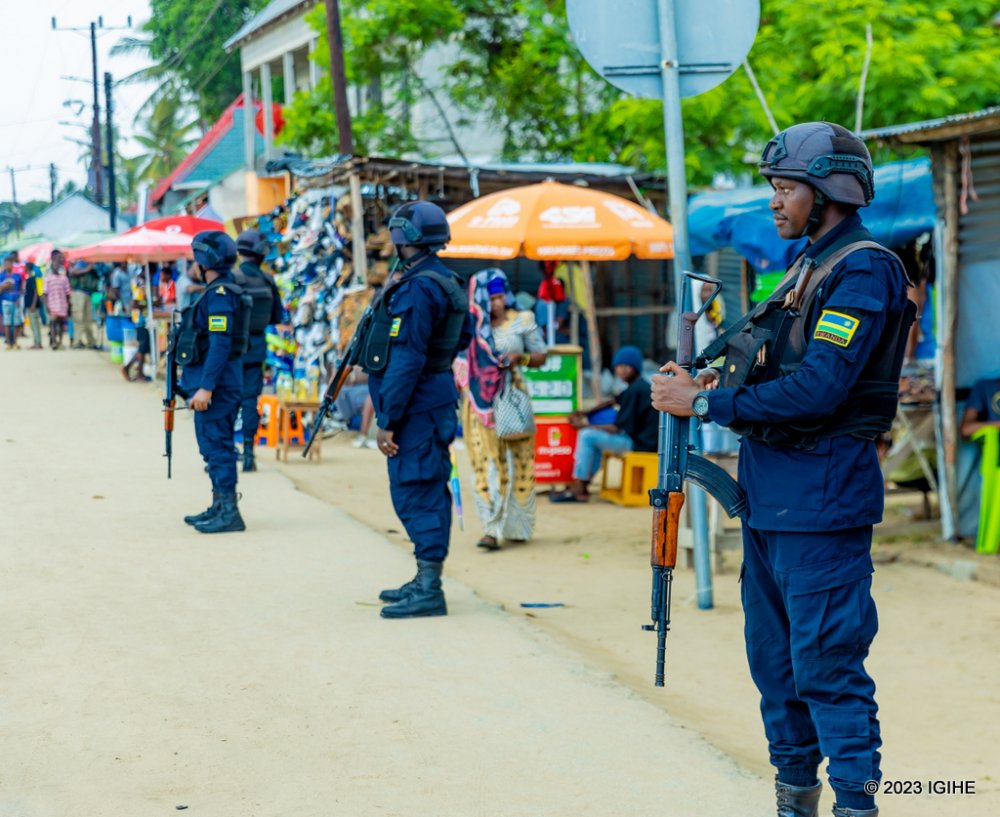
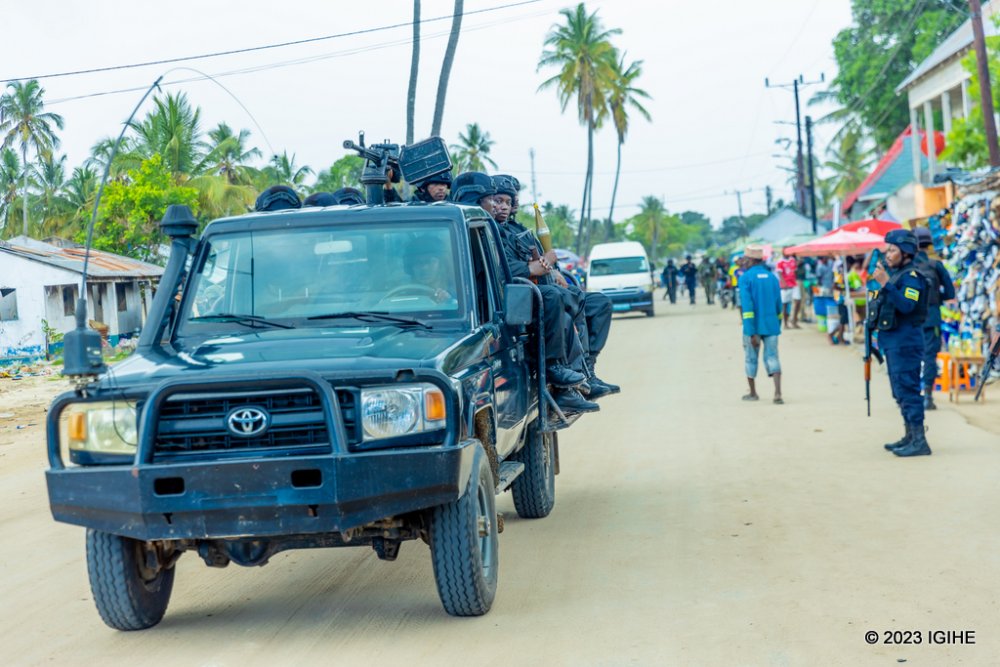
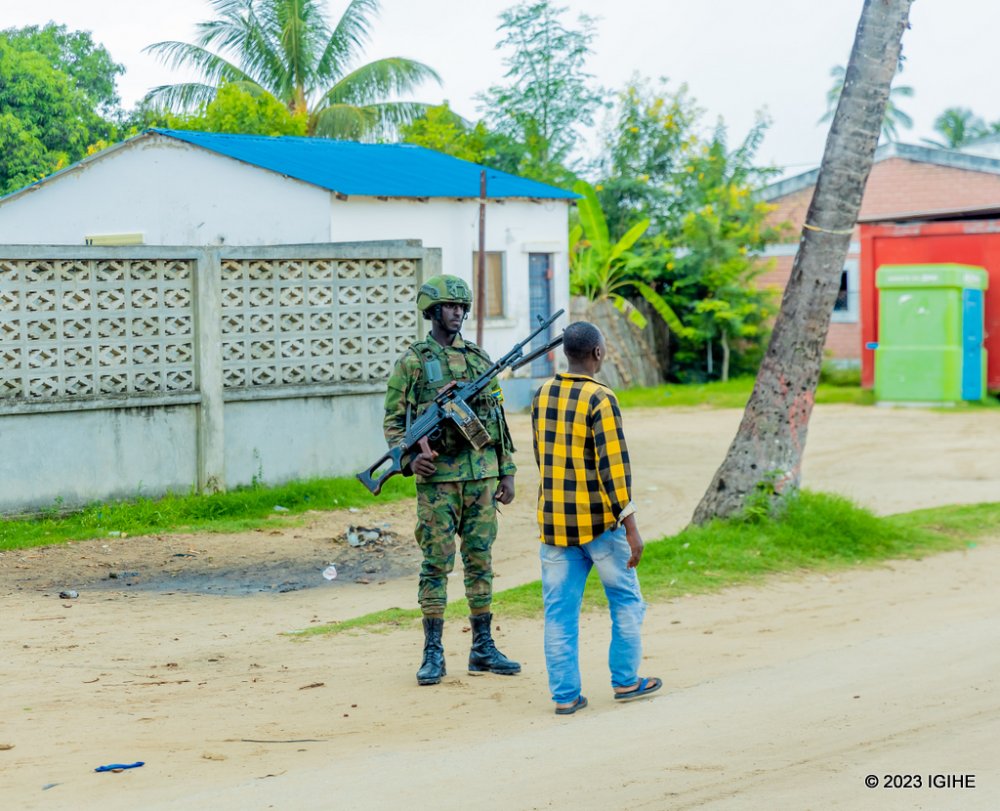
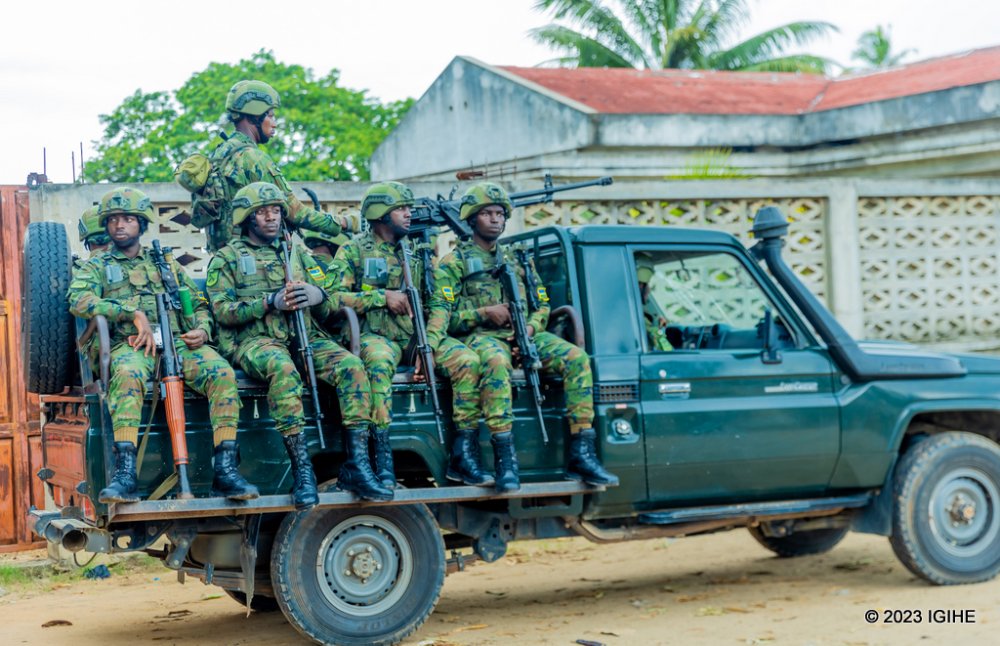
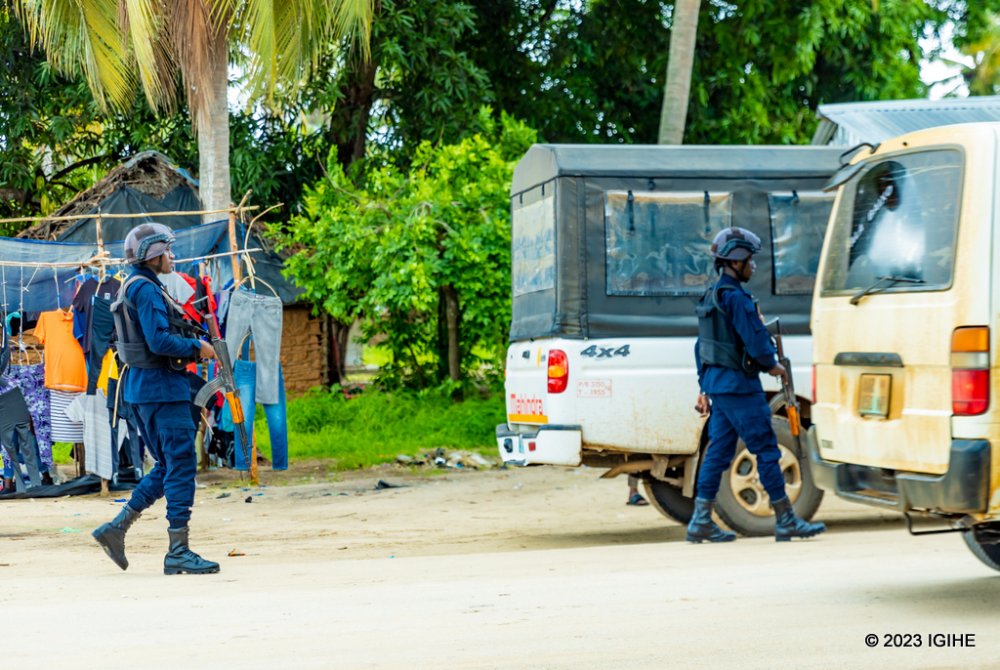
Having lived in Cabo Delgado for a year, Jacqueline, a Burundian woman, and her fellow entrepreneurs sustained themselves by offering essential services in the post-war scenario. She emphasized the improved security in Palma since her arrival and expressed her intention to leave once Rwandan security forces depart, citing concerns about her safety.
Kwifera Claudine, another woman residing in Mozambique for five years, shared positive experiences about her business in Palma, which she initiated in November 2022.
Aside from Burundians engaged in business in the city, there are Rwandans undertaking diverse businesses, particularly wholesaling. Many foreign traders, including Indians, also contribute to the economic landscape.
Residents, such as a 63-year-old man, conveyed gratitude for the Rwandan intervention, attributing their newfound peace and prosperity to the assistance provided.
The narrative continued with a man’s account of reuniting with his wife after fleeing during the conflict. He highlighted the positive changes in their lives and acknowledged the role played by the Rwandan Security Forces in ensuring their safety.
Abdallah Ali, a food trader, credited the Rwandan soldiers for restoring security, enabling business operations to flourish. He expressed a sense of security in Palma and emphasized the resumption of daily activities without fear.
Ismail Lichemba praised the collaboration between Rwanda and Mozambique but lamented the abduction of his child, expressing hope for their reunion. He called for continued support from the Rwandans.
Overall, the residents of Cabo Delgado credited Rwanda’s Security Forces for instilling hope and optimism for the future, marking a significant shift from the despair that once enveloped their lives. Some have ventured into entrepreneurship, while others remain hopeful about the promising prospects ahead.
The Presidential Decree, issued on December 11, 2023, stipulates that the elections for the President of the Republic and Members of Parliament will take place on July 15, 2024, with voting for Rwandans residing outside the country scheduled for July 14. The decision to consolidate these elections was driven by the aim to mitigate the substantial costs associated with conducting them individually.
Charles Munyaneza, the Executive Secretary of NEC, revealed during an interview on December 17, 2023, that direct elections involving the entire citizenry had previously surpassed Rwf7 billion in expenses. Munyaneza emphasized that holding separate elections in consecutive years resulted in higher costs, citing the example of the direct presidential election exceeding Rwf7 billion.
He explained that combining the elections for President and Deputies would result in a budget just over half of what would be incurred if the elections were held in separate years. Munyaneza projected a cost of Rwf7.2 billion for Deputies if held in one year and a similar amount for the presidential election the following year, totaling Rwf14 billion. However, the combined elections are estimated to cost Rwf8.1 billion, leading to potential savings of up to Rwf5 billion for the country.
Munyaneza clarified that the budget does not account for foreign aid and highlighted that the funds saved could be utilized in other areas of national development. He pointed out that the consolidation would streamline various aspects such as voting materials, civic education, and campaigning, thereby reducing overall expenditures.
To ensure the efficiency of the electoral process, NEC plans to increase the number of volunteers to 70,000. Munyaneza shared that based on the latest electoral roll figures, approximately 8.7 million Rwandans are expected to vote, with over 7 million eligible for candidacy.
The campaign period for the presidential and parliamentary elections is set to commence on June 22, 2024, and conclude on July 12, 2024, for those outside Rwanda and on July 13 within the country.
The upcoming elections mark the fourth time Rwanda has held presidential elections since the 1994 Genocide against the Tutsi. The last presidential elections occurred on August 3 and 4, 2017, while parliamentary elections took place on September 2 and 3, 2018.
Dusengiyumva, the former Permanent Secretary at the Ministry of Local Government, secured 532 out of 638 votes cast in the poll held on Friday, December 15, at the City Hall. His contender for the position was Rose Baguma, the Director General of Education Policy and Analysis at the Ministry of Education.
The by-election took place following the swearing-in ceremony of Samuel Dusengiyumva and Solange Ayanone as new members of the City of Kigali Council, an event presided over by the High Court. President Paul Kagame appointed Dusengiyumva and Ayanone as Council members on Thursday, December 14.
City Executive Committee members, including the Mayor and both Vice Mayors in charge of Urbanisation and Infrastructure, and Socioeconomic Affairs, also serve as members of the city council.
On December 14, shortly after announcing the appointment of Dusengiyumva and Ayanone, the City of Kigali revealed that Merard Mpabwanamaguru was no longer a Council member.
Mpabwanamaguru, formerly the Vice Mayor in Charge of Urbanisation and Infrastructure, was replaced, while Martine Urujeni retained her position as Vice Mayor in charge of Socioeconomic Affairs.
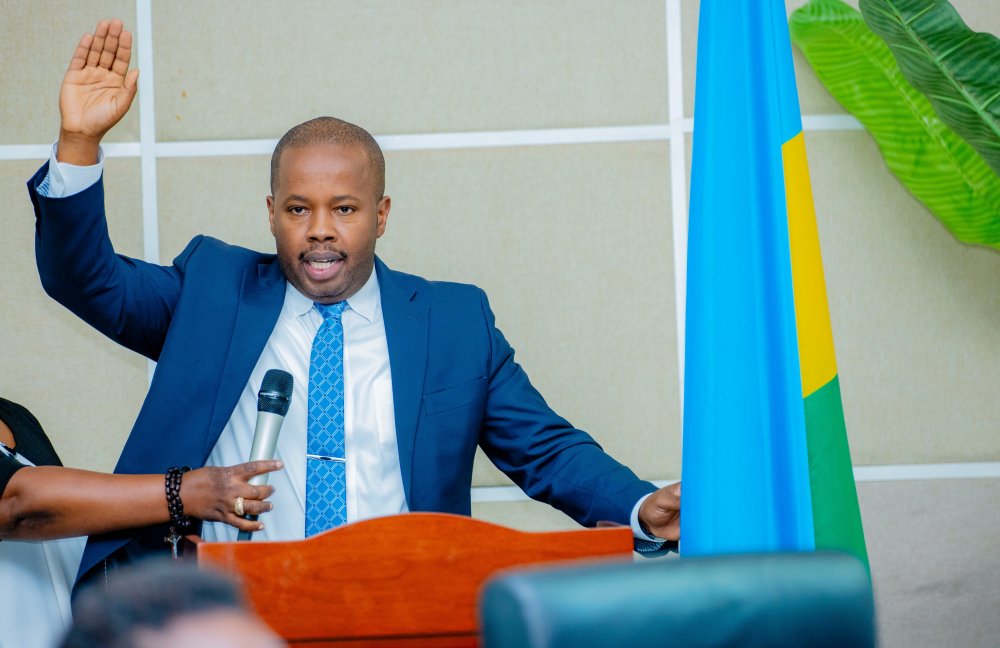
Following his swearing-in, Dusengiyumva expressed gratitude to President Paul Kagame and the voters, acknowledging the trust placed in him.
He stated, “I receive the responsibilities of leading Kigali City with humility. It is demanding work, but with your support and assistance, I am committed to delivering. Good service delivery should not be considered extraordinary but rather a standard expectation.”
The Minister of Local Government, Jean Claude Musabyimana, urged the new mayor to continue guiding the progress of Kigali City, emphasizing that addressing residents’ issues should be a top priority.
Musabyimana stated, “Solving problems affecting Kigali City residents is a priority not only in the city but also in other positions of local governance to ensure citizens live safely.”
Spanning 730 square kilometers, Kigali City is home to 1,745,555 people, constituting 13.2% of the country’s total population, with a population density of 2390 people per square kilometer.
Historically, Kigali’s roots date back between 8000 and 3000 BC, evolving from the creation of the country of Gasabo, which later expanded to form present-day Rwanda. The city itself, founded in 1907 by German Richard Kandt, has a 116-year history marked by gradual infrastructure development.
Since 1975, Kigali City has been led by 12 mayors, including Francois Karera (1975-1990), Col Renzaho Tharcisse (1990-1994), Rose Kabuye (post-Genocide), Protais Musoni (1997-1999), Marc Kabandana (1999-2001), Théoneste Mutsindashyaka (2001-2006), Aissa Kirabo Kacyira (2006-2011), Fidèle Ndayisaba (2011-2016), Monique Mukaruliza (2016), Pascal Nyamulinda (2017-2018), Marie Chantal Rwakazina (2018-2019), and Pudence Rubingisa (2019-2023).
Dusengiyumva becomes the 11th mayor of Kigali City after the 1994 Genocide against the Tutsi.