The announcement was made on January 23, 2024, during the presentation of the government’s accomplishments under the seven-year plan, NST1 (2017-2024), aimed at propelling sustainable development.
Dr. Ngirente emphasized that a majority of the activities outlined by President Paul Kagame during his 2017 campaign have been successfully accomplished, with the remaining few nearing completion.
He acknowledged the remarkable economic growth, averaging 6.9% over the seven years, except for the setback in 2020 caused by the global economic impact of the Covid-19 pandemic, resulting in a contraction of Rwanda’s economy by -3.4%.
Highlighting factors contributing to the increased budget, Dr. Ngirente stated, “In the last seven years, our income taxes have doubled, demonstrating its pivotal role in the national economy. Our country’s budget has doubled from 2017 to today.”
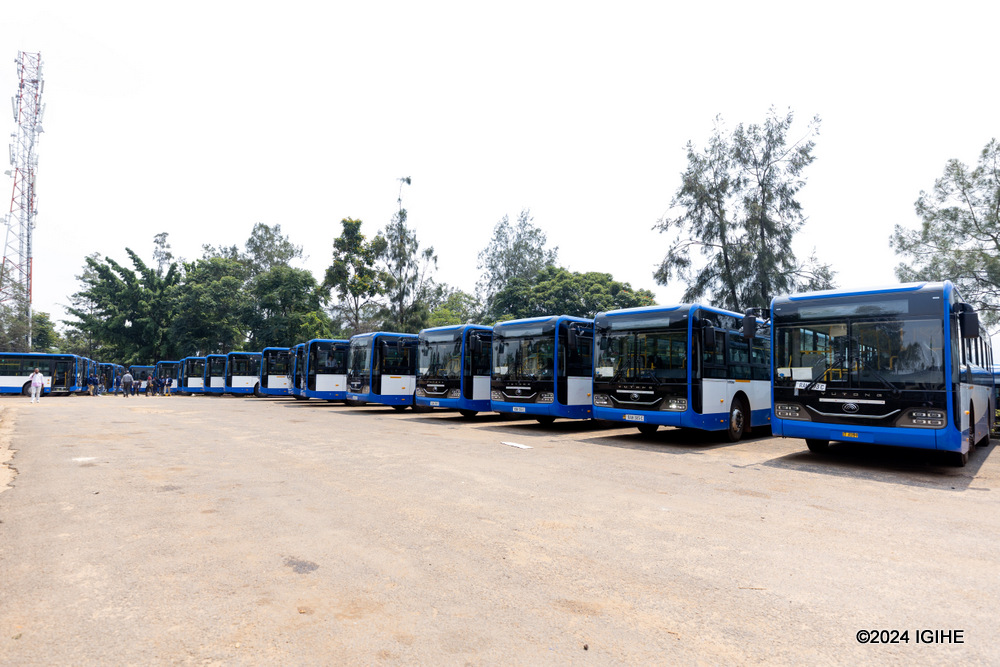
Addressing the government’s commitment to alleviate the impact of high international market prices, Dr. Ngirente revealed investments in programs supporting the costs of petroleum products, fertilizers, and public transport. Notably, the government facilitated the purchase of 200 large buses for the private sector, with 100 already in operation, alleviating the waiting time for passengers.
He outlined the continued expansion of the transportation infrastructure, with plans to acquire a total of 340 vehicles, including an additional 100 arriving in February. The efforts aim to enhance transportation services not only in urban areas but also extending to provinces across the country.
Examining the budgetary evolution, Dr. Ngirente shared, “The budget for 2017/18 was 2,094.9 billion Rwandan francs, with 83% sourced from domestic funds and loans. In contrast, the budget for 2023/2024 stands at Rwf5,030.1 billion, with 59% sourced from within the country, reflecting significant financial progress.”
Among the noteworthy achievements, Dr. Ngirente highlighted the construction of roads, terraced land covering 1,147,434 hectares, electrification of over 1.5 million houses, the establishment of six new hospitals, 36 classrooms, and various economic and social development facilities.
In the agricultural sector, the government fulfilled its commitment to seed self-sufficiency, ensuring no seed imports since 2021. Additionally, efforts in animal husbandry infrastructure contributed to a substantial increase in milk production, from over 700,000 liters in 2017 to more than a million liters annually.
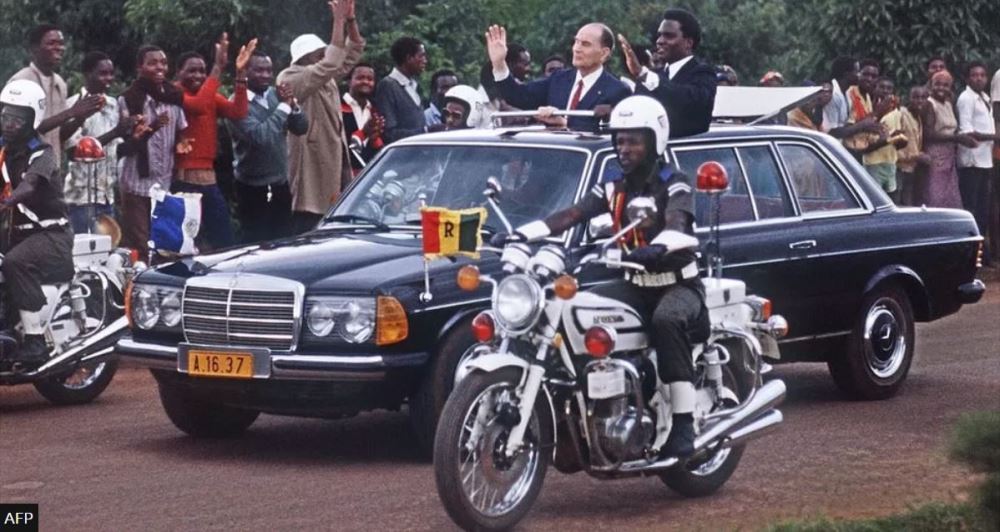
In 1895, the Germans, led by Gustav Adolf von Götzen, arrived in Rwanda, making it one of the last African nations to be colonized. Initially, the German colonizers focused on supporting King Musinga, who was in power at the time.
The German presence in Rwanda saw periods where Rwandans lost their lives merely for supporting their king, leading up to the outbreak of World War I, which saw the king’s departure for the front lines.
In 1900, Catholic priests entered Rwanda, introducing religious teachings and other knowledge. However, these teachings were marked by discriminatory principles, both regionally and ethnically.
Figures like Mgr Léon-Paul Classe and André Perraudin were prominent in the Catholic Church in Rwanda, teaching at institutions like the Saint-Léon seminary in Kabgayi and the Nyakibanda seminary. Despite their contributions, history reveals divisions and schisms.
In June 1916, towards the end of World War I, the Germans, led by Captain Wintgens (Tembasi), retreated before superior Belgian forces, placing Rwanda under Belgian colonial control.
{{Dark moments for Rwandans}}
Unlike the German colonizers, the Belgians adopted a radically different policy upon their arrival in Rwanda. Ignoring the king, they directly imposed their orders on Rwandans, compelling them to engage in various forced labor activities.
During Belgian rule, religious leaders supported by the Catholic Church favored the Tutsis, elevating them to positions of power, especially in tea and coffee plantations where Rwandans were coerced into labor. Severe punishments, known as “shiku,” were imposed for incomplete work.
This policy, encapsulated in the phrase “divide to rule,” allowed the Belgians to convince the Hutus that the Tutsis had long oppressed them, sparking the need for change.
Racist ideologies advocated by figures like Mgr Classe, finding favor among the Belgians, spread in schools and other spheres of public life.
The so-called revolution of 1959, led by the Hutus with the support of the Catholic Church, resulted in persecutions against the Tutsis. Their homes were set ablaze, their belongings looted, and some were killed. This marked the prelude to Rwanda’s independence in 1962, an independence still influenced by Belgian colonialists.
Dr. Gakwenzire Philbert, President of Ibuka, criticizes past Rwandan leaders for their short-term vision, highlighting their continued adherence to colonial principles at the expense of unity and national development.
He states, “When the colonizers arrived in Rwanda, they established schools. The school, called Indatwa in Kinyarwanda, formed an official group of scholars. However, the graduates of these schools were mainly ‘assistants,’ meant to serve the Whites. As a result, leaders of the First and Second Republics, benefitting from an education, regarded other Rwandans as their assistants rather than contributors to the country’s development.”
A striking example is Minister Nzirorera Joseph, who, as the head of MINITRAPE, prohibited the Central University of Rwanda, particularly its SCAP branch, from awarding degrees in “Engineering” to prevent graduates from competing with his own level of education.
{{The state’s role in ethnic segregation in schools}}
In 1969, under President Grégoire Kayibanda’s leadership, the Central Council of the Parmehutu Party decided to implement ethnic dominance controls in Rwandan schools. The policy’s implementation began during the 1972-1973 school year.
Antoine Mugesera, a former student at Christ-Roi School in Nyanza, reports that the school’s director, Father Canon Ernotte, addressed President Kayibanda in a letter dated February 21, 1973. He questioned the reasons behind the ethnic dominance surveillance in secondary schools and raised concerns about the killing of Tutsi intellectuals.
In response, Kayibanda affirmed that this inspection program had been approved by the national administration and must be implemented without hindrance.
During this period, several Tutsi students, including Yosiya Senyonga, who had passed the entrance exam to the National University of Rwanda, were denied access to higher education.
Starting from February 1973, it became extremely difficult for Tutsi children to access the Central University of Rwanda. Tutsi high school students began to be persecuted, and those working for the government or in the private sector were gradually dismissed.
This policy led to a true national tragedy: the elimination of educated Tutsis and the flight of survivors to neighboring countries such as Uganda, Burundi, and the Democratic Republic of Congo.
Simultaneously, another phenomenon emerged: the replacement of positions by individuals from families favored by the leaders, a process marked by corruption and nepotism. This situation represented a significant loss for the country, as competent individuals were sidelined in favor of less qualified people.
{{Discrimination policy is a dead end}}
From the Belgian colonial era to the First Republic, Rwandan political parties were primarily based on ethnic criteria, predominantly favoring the Hutus, often referred to as ‘the people.’ With the exception of the UNAR party, most politicians of this period favored discriminatory and divisive policies, ultimately leading to theGenocide against the Tutsis.
The Second Republic, established in 1973 under President Juvénal Habyarimana, claimed to correct the mistakes of its predecessor, Grégoire Kayibanda. However, it continued to follow a similar political line.
Apart from 13 politicians and a few other notable figures who opposed the genocide plan against the Tutsis in 1994, denouncing injustice and fighting for truth, the majority aligned with the government’s deadly policies.
During the closing of the 29th week of commemoration of the Genocide against the Tutsi, the Minister of National Unity and Civic Education, Jean Damascène Bizimana, emphasized that few politicians, not involved in the persecutions, had the courage to oppose the murderous policy. He stated that without the ‘Hutu Power’ extremists, it would not have been possible to kill more than a million Tutsis across the country.
In addition to the victims of this genocide, many Tutsis were also killed in earlier attempts at genocide in the years before 1994.
The Rwandan economy, between 1973 and 1980, experienced a slowdown in its growth, dropping from 6.5% to 2.9%, a trend that continued until 1990. From 1990 to 1994, the economy underwent an average recession of 40%, severely affecting the country’s well-being.
After the country’s liberation, the RPF-Inkotanyi stopped the genocide and faced a nation depleted of its resources. Since then, Rwanda has embarked on a long path of reconstruction and now displays hope for development on the international stage.
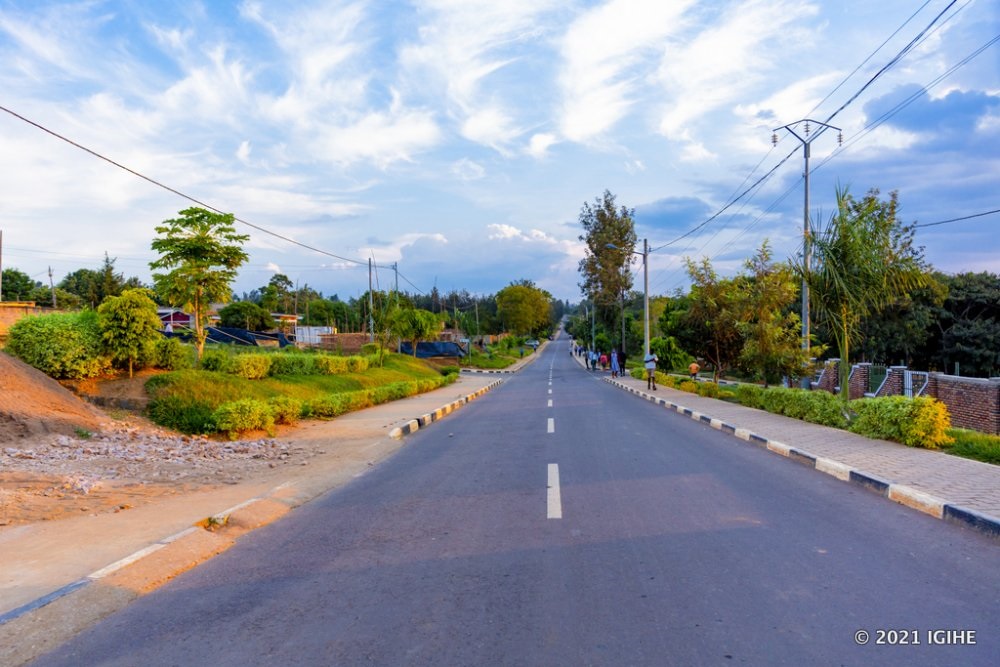
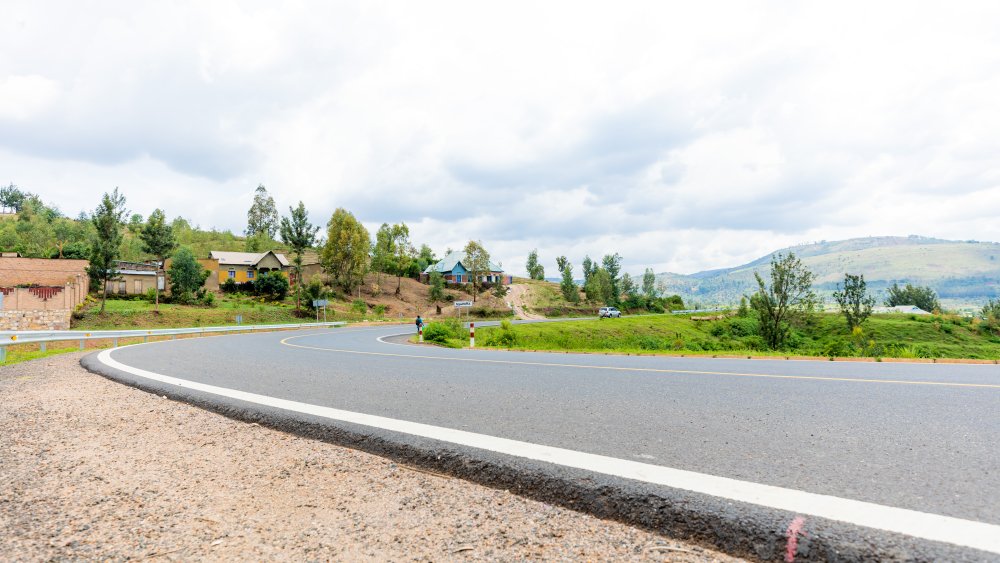
Notably, 1,600 kilometers of tarmac roads have been constructed, connecting various regions and reducing travel times, exemplified by the Rukomo-Nyagatare road, enabling a shorter journey to Kigali.
Prime Minister, Dr. Edouard Ngirente has highlighted the impact of these developments, emphasizing the importance of roads like Base-Rukomo, Nyagatare, Kagitumba-Kayonza-Rusumo, Ngoma, Bugesera-Nyanza, Huye-Kibeho, Pindura, and Bweyeye in fostering connectivity and reducing isolation.
Moreover, the government exceeded its target of building 3,000 kilometers of feeder roads, with a total of 3,700 kilometers constructed and repaired. This initiative aimed to facilitate farmers in transporting their products to markets seamlessly.
In terms of lighting infrastructure, Prime Minister Dr. Ngirente reported the successful installation of lights on 2,160 kilometers of roads, against the planned 2,400 kilometers. The increased lighting not only enhances safety but also contributes to the overall development of the country.
Furthermore, the electrification efforts have been remarkable, with over 1.5 million new homes receiving electricity, increasing the overall electrification rate from 34% in 2017 to 74%. The government remains committed to achieving 100% electrification, addressing the remaining 26%.
Hydroelectric power plants, such as the Rusumo dam connecting Rwanda, Burundi, and Tanzania, have played a crucial role in expanding the electricity supply network. Additionally, to ensure access to clean water, seven water treatment plants were constructed.
The water processing capacity in Rwanda has nearly doubled since 2017, surpassing the initial goal of 303,000 cubic meters and reaching 330,000 cubic meters. These initiatives signify a comprehensive and transformative approach to infrastructure development in Rwanda, contributing to the nation’s overall progress and well-being.
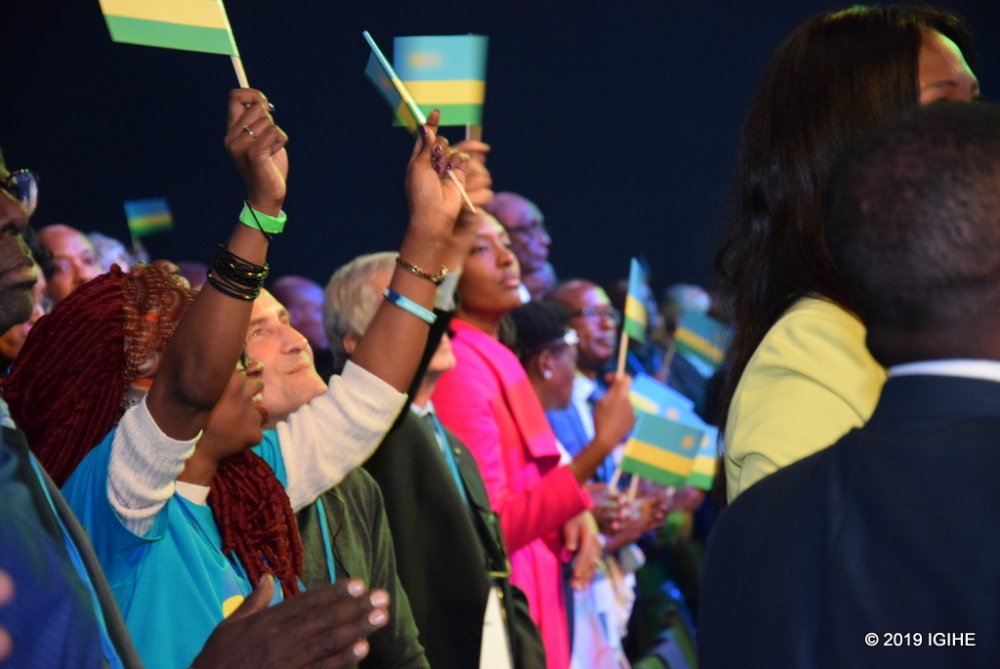
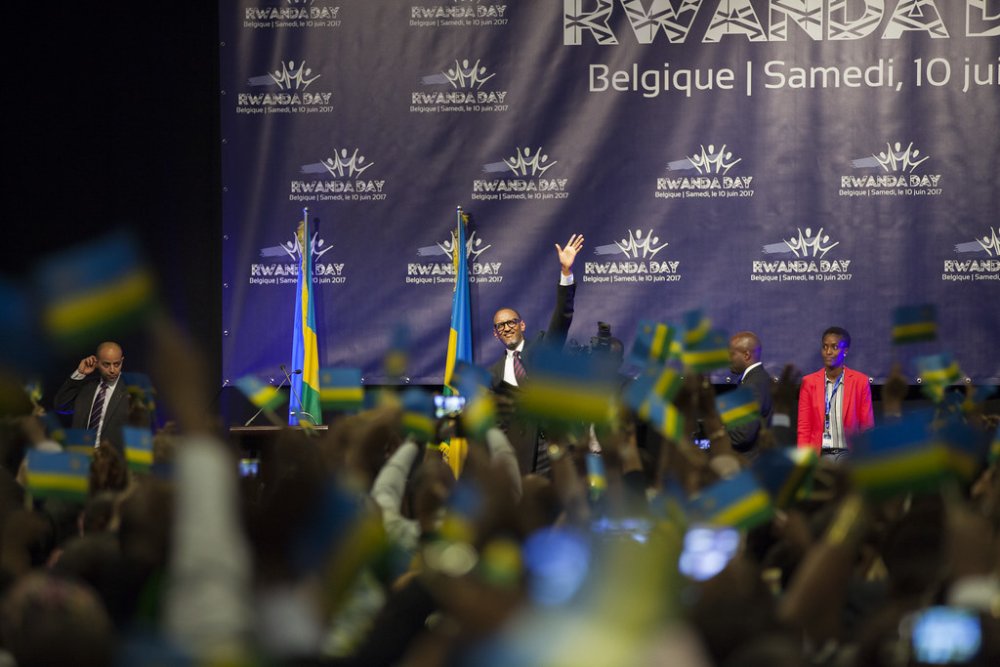
In various host countries, Rwanda Day has sparked tangible initiatives. Notably, the 2015 event in the Netherlands led to the establishment of schools teaching Kinyarwanda and Rwandan culture in Germany and other parts of Europe and America. In Liège, Belgium, a cultural school teaching the Rwandan language and culture was inaugurated in 2019.
Rwandans living abroad have significantly increased remittances to their homeland. Central Bank of Rwanda data indicates a substantial rise from $98 million in 2010 to $444 million in 2022/2023.
Contrary to misconceptions, these remittances are primarily directed towards family development and investments rather than mere consumption.
The United States stands out as a leading contributor to remittances, with Rwandans residing there contributing 46%, followed by Canada at 6%, and France at 4.8%.
Rwandans abroad actively contribute to various sectors upon their return, including the health and education sectors. Some have demonstrated a strong desire to contribute their skills to address the country’s labor needs, particularly in the health and education sectors.
Investments by Rwandans living abroad play a vital role in the country’s economic development. Encouraged by such programs, for example, in 2017, Rusingiza Rose, who lives in Belgium, decided to invest in Rwanda, especially in tourism.
The mother shared with IGIHE, “In 2017, I made the decision to embark on a construction project. After discussing it with my husband, who was supportive, we thoroughly researched the project. We commenced construction in 2018, and despite the challenges posed by the COVID-19 pandemic in 2020, we remained undeterred. I am particularly grateful for the guidance provided by President Kagame during Rwanda Day; his advice truly inspired and motivated me.”
Manzi Aloys, currently residing in England, has been actively involved in investments across Rwanda for several years.
He established a maize flour mill plant in Kayonza and more recently founded ‘Manzi Finance Ltd,’ a financial institution that has received approval from the Central Bank of Rwanda (BNR).
Aloys expresses his goal to facilitate easy access to affordable financial services for Rwandans. His endeavors exemplify the influence of Rwanda Day, demonstrating how the event inspires and guides impactful investments.
Rwanda Day has not only strengthened connections with the diaspora but has also attracted international investors. Despite the challenges posed by the COVID-19 pandemic since 2020, the event continues to yield positive economic results. In 2022, Rwandans ranked first in new investments in the country, contributing $540.8 million (33.1%). China, India, Germany, and the United States follow with significant investments.
Rwanda Day has been hosted in various cities worldwide, including Brussels, Chicago, Paris, Boston, London, Toronto, Atlanta, Dallas, Amsterdam, San Francisco, Ghent, and Bonn. The event serves as a crucial platform for fostering collaboration, dialogue, and investments between Rwanda and its global diaspora.
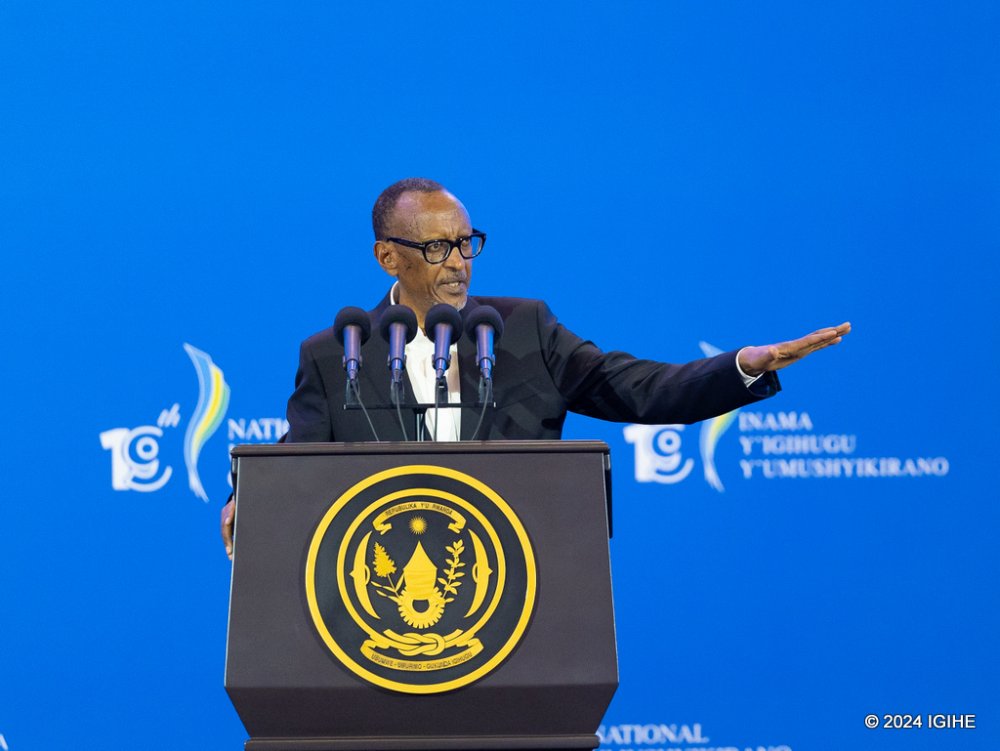
In his state of the nation address, Kagame discussed various issues, including the ongoing security crisis in eastern DRC, where clashes persist between the Congolese Army and the M23 rebel group.
The DRC accuses Rwanda of supporting the rebels, a claim that Rwanda vehemently denies.
Rwanda urges its neighbor to address internal problems without involving neighboring nations in its affairs. Simultaneously, Rwanda accuses the DRC of collaborating with FDLR, a terrorist group formed by individuals responsible for the 1994 Genocide against the Tutsi.
Despite these accusations, Congolese leaders have threatened to wage war on Rwanda instead of focusing on the rebel group.
During the National Dialogue Council, Kagame clarified, “Rwanda was not involved in any way. I am giving you a fact; go and investigate and prove me wrong. Rwanda never got involved in starting this fighting.”
Kagame highlighted efforts to make the conflict appear as Rwanda’s problem, emphasizing the combination of hate speeches and displacements in eastern DRC as contributing factors. He suggested that pushing Tutsis to Rwanda was a misguided strategy to address the M23 problem.
The President questioned why Congolese leaders blamed Rwanda while acknowledging the accused individuals as their citizens. He also criticized the coalition formed with FDLR, which previously led to shelling on Rwandan territory.
Amid provocations, shelling, and collaboration attempts targeting the M23 rebels, Kagame stressed Rwanda’s unwavering commitment to defending its borders. He asserted, “When it comes to defending this country that has suffered for so long and nobody came to help, I don’t need permission from anybody to do what we have to do to protect ourselves. I have said it in a broad daylight. I have said it to those who matter in this problem.”
Since the M23 rebel group resumed fighting at the end of 2021, citing the defense of Congolese Tutsi communities, Rwanda remains resolute in its stance, emphasizing the country’s commitment to self-defense in the face of accusations and threats.
In his speech, the Head of State acknowledged the significant goals set for the year, noting that it marks the 30th anniversary since the tragic events of the 1994 Genocide against the Tutsi, where over 1 million lives were lost. Despite attempts to distort the historical truth, President Kagame urged the nation to stay focused on its course.
He highlighted the challenge of historical distortion regarding the Genocide and emphasized the need to address such issues. Kagame urged different generations, including those born after the Genocide, to actively contribute to national progress and positively impact the lives of Rwandans.
Addressing Rwandans, particularly the youth, Kagame urged them to understand their responsibility in the nation’s development, emphasizing the importance of rebuilding themselves, their families, and the country.
The President stressed the necessity of not apologizing for one’s identity, stating, “We must not be apologetic. We must stand out, fight for what you want to be and what you want to have.”
Kagame also pointed out that Rwandans cannot afford to be complacent, considering the unique challenges of their country. He highlighted Rwanda’s journey over the past 30 years, emphasizing that despite being a small country with a modest economy, Rwandans have shown resilience in overcoming challenges.
“We don’t have that luxury. Where others work for two hours and go to sleep, we have to work for ten more hours; where others can afford to walk, we have to run to catch up. That is how Rwanda is, and we need to act accordingly. We need to do the right thing to reach our shared vision for a bright future,” added Kagame.
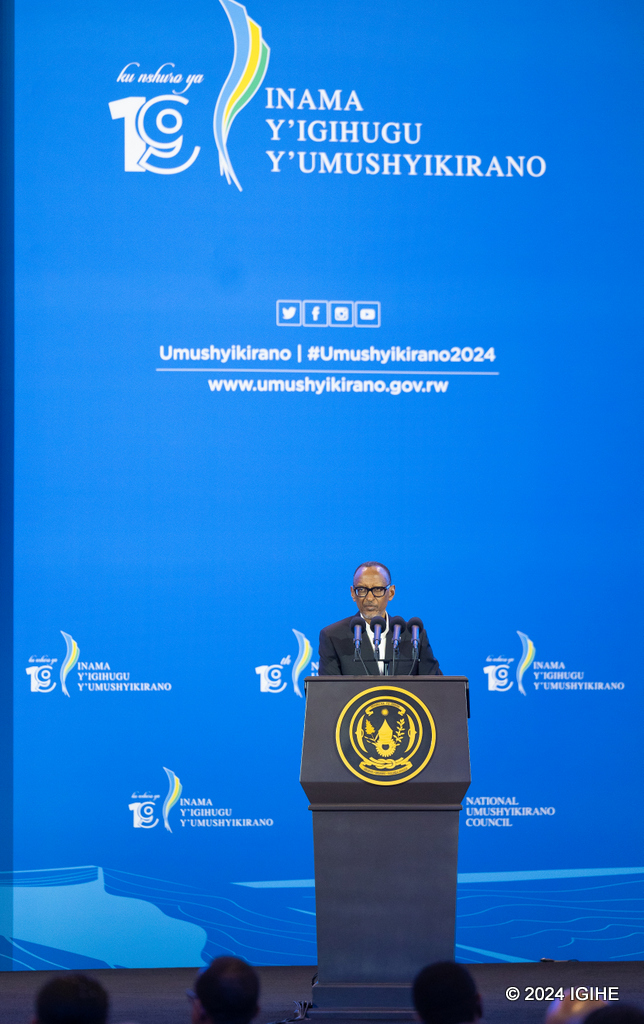
Umushyikirano, Kinyarwanda’s equivalent of ‘dialogue,’ serves as a forum for exchanging ideas, sharing experiences, peer review, and questioning during the National Dialogue Council. The president delivers a ‘State of the Nation’ address during this council.
As part of efforts to reconstruct Rwanda and foster a shared national identity, the Government drew on Rwandan culture and traditional practices, resulting in Home Grown Solutions – culturally owned practices translated into sustainable development programs.
Umushyikirano, governed by the Rwandan Constitution (Article 168), is a forum where participants discuss issues related to the state of the nation, local government, and national unity, with the Office of the Prime Minister overseeing its coordination.
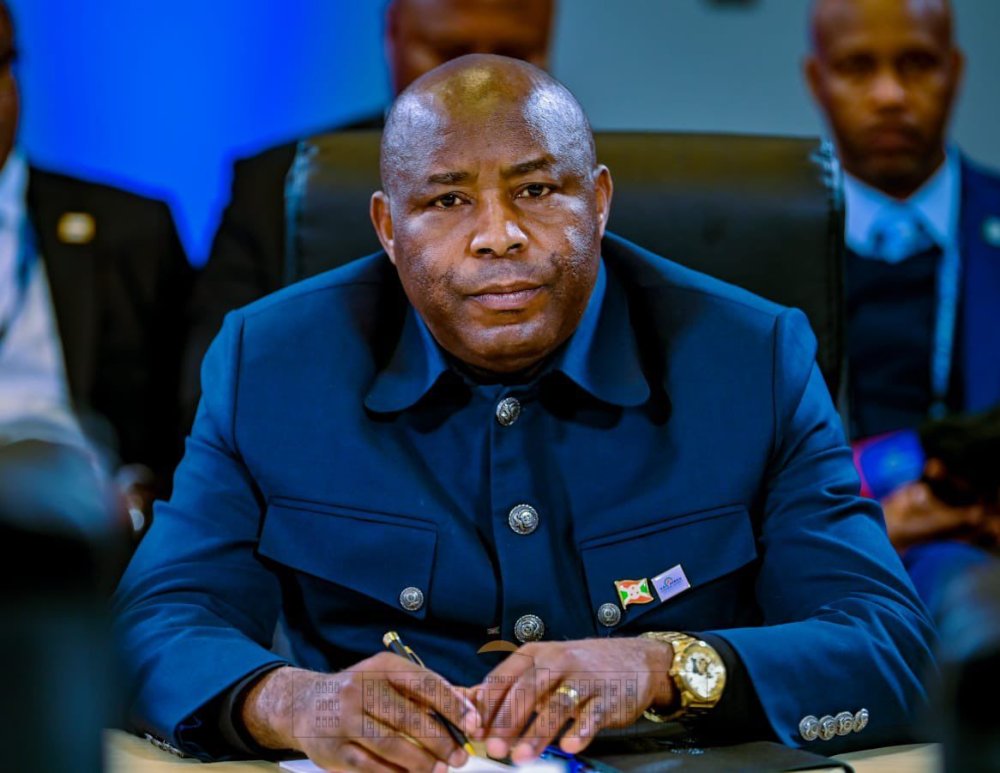
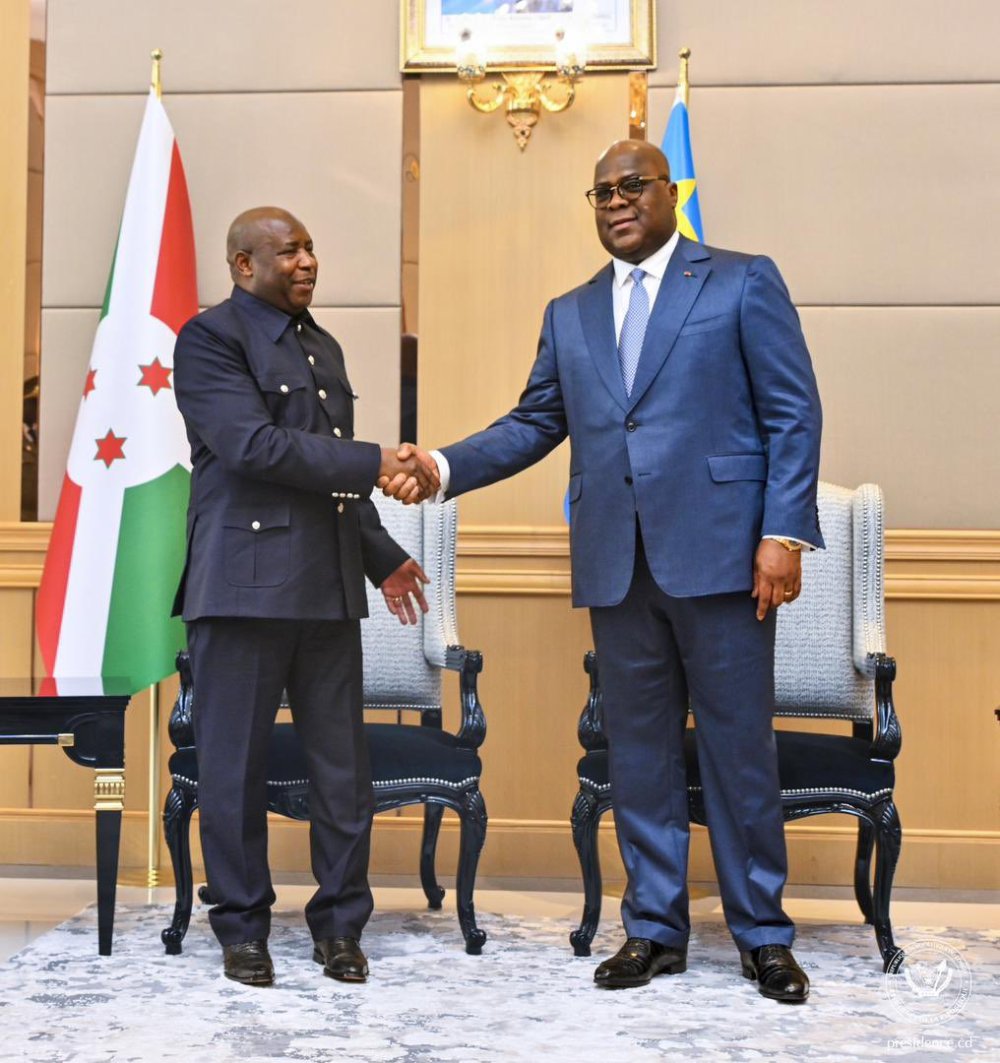
During the event, President Ndayishimiye engaged with over 500 Congolese youth and openly pledged his active support to Rwandan youth in their efforts to topple the current government.
Ndayishimiye asserted that while the population in the region lives decently, the core issue lies in what he perceives as “bad leaders.”
He expressed unwavering determination to persist in the struggle until Rwandans themselves apply pressure on their leaders.
Rwanda has through a statement indicated that President Ndayishimiye, serving as the African Union Champion for Youth, Peace, and Security, utilized a platform provided by the continental organization ‘to make baseless and incendiary allegations aimed at sowing division among Rwandans and destabilizing peace and security in the Great Lakes Region’.
The Rwandan government expressed deep concern over President Ndayishimiye’s actions, particularly given his role as an African Union representative. The statement emphasized that the Burundian leader’s attempt to incite young Rwandans to overthrow their government is not only troubling but also a clear violation of the principles outlined in the African Union Charter.
Directly addressing the issue, the statement from the Government of Rwanda highlighted the nation’s unwavering commitment to unity and development. It stressed that Rwandans, particularly the youth, have actively embraced the opportunity to contribute to the country’s progress, and any attempt to undermine these efforts is deeply concerning.
The government further underscored that Rwanda has no interest in creating conflicts with its neighbors, emphasizing its ongoing commitment to regional partnerships aimed at fostering stability and development. The response also called for responsible leadership and adherence to the principles of the African Union Charter, urging leaders to prioritize constructive dialogue over divisive rhetoric.
The incident underscores the challenges of maintaining regional stability, especially when inflammatory remarks are made by leaders on platforms meant for cooperation and unity.
Tensions between Rwanda and Burundi escalated at the end of 2023 following Ndayishimiye’s accusations that Rwanda supported the RED-Tabara rebel against his regime.
Rwanda staunchly denied these allegations, highlighting its lack of interest in disrupting Burundi’s security and reminding that they had extradited RED-Tabara fighters who had illegally entered the territory to the Burundian government.
Ndayishimiye asserted that while the population in the region lives decently, the core issue lies in what he perceives as “bad leaders.”
He expressed unwavering determination to persist in the struggle until Rwandans themselves apply pressure on their leaders.
He stated, “This is a regional issue; first, there is the unity of citizens. I know there is no problem between citizens; it’s bad leaders. As in the army, they say there are no bad troops; it’s the commanders who are bad. So, at this moment, I believe our struggle must continue until the Rwandan people also start to exert pressure because I see that Rwandan youth cannot accept being prisoners in the region.”
This position aligns with that of his counterpart in the Democratic Republic of the Congo, Félix Tshisekedi, who has also expressed a desire to challenge the Rwandan government.
The bold statements quickly drew reactions, with the Rwandan ambassador to the Netherlands, Olivier Nduhungirehe, strongly criticizing Ndayishimiye’s remarks, labeling them as mediocre. He emphasized the unacceptability of an African Head of State, acting as the ‘African Union Champion for the Youth, Peace, and Security Agenda,’ promising to aid an African people in overthrowing their legitimate government, especially during a conference co-sponsored by the AU Commission.
Nduhungirehe pointed out, “This is not only an incongruous diversion from the mandate conferred upon him by his peers during the African Union Conference in February 2023 but also a blatant violation of the letter and spirit of our continental organization’s Charter.”
Tensions between Rwanda and Burundi escalated at the end of 2023 following Ndayishimiye’s accusations that Rwanda supported RED-Tabara rebel group against his regime. Rwanda staunchly denied these allegations, highlighting its lack of interest in disrupting Burundi’s security and reminding that they had extradited RED-Tabara fighters who had illegally entered the territory to the Burundian government.
Subsequently, Ndayishimiye appears to have forged an alliance with Tshisekedi, who has long harbored intentions of overthrowing the Rwandan government. This coalition was spotlighted during Tshisekedi’s second-term inauguration ceremony. Upon his arrival, journalists from the Democratic Republic of the Congo’s National Television, RTNC, emphasized Ndayishimiye’s status as a “great friend” of the country, showcasing a unified stance on the Rwandan issue.
Reliable sources indicate that the relationship between Ndayishimiye and Tshisekedi is fortified by a financial commitment from the DRC, promising $5,000 per month for each Burundian soldier present in the East of the DRC, supporting the Congolese army (FARDC) in clashes against the M23.
The ordeal began one day when he urgently summoned her to his home. Despite being immersed in her medical studies in Gitwe, and with only the two of them left in their immediate family, she immediately boarded a bus to be by his side.
Tears welling in her eyes, she recounts, “Since that day, I have never seen my brother live his life again.”
Upon arriving, she found him at home, lying on his couch, complaining of an excruciating headache. As an engineer, they initially attributed it to stress from ongoing projects. However, despite resting, the headache persisted. Months passed, and his condition deteriorated—weakness, numbness, loss of appetite due to the fear of vomiting, decreased coordination, seizures, and significant weight loss.
At only 35 years old, the seriousness of his symptoms puzzled both siblings. Minka, studying medicine, recognized the severity and sought a different hospital for a second opinion, as previous attempts had failed to diagnose the ailment.
Regrettably, the results were disheartening, revealing a critical case of Brain Damage. Years have passed, and her brother struggles to articulate his own name, stuttering and constantly in tears.
The disease has profoundly impacted them, forcing Minka to abandon her medical studies. She now devotes herself to caring for her brother, who, was her sole source of support for her education.
His two children, Nael and Naella (names withheld), had to be moved from reputable schools to others. His house and belongings were sold when he was taken to India for three months, yet there was no improvement.
Not to mention, his wife left him with their two young children, departing under the pretext that she had married a healthy and wealthy man.
“Life has been challenging for everyone, especially for him. He began pleading with me and anyone who visited him to let him die in peace. Despite witnessing his suffering, we knew the decision was not ours to make; it is considered a crime in Rwanda,” she states.
When asked by IGIHE what she would do if euthanasia were not illegal, she expressed, “If this were possible, we would ask the doctors to allow him to rest in peace. Unfortunately, the doctors stated it’s not within their authority; it goes against ethical principles and is prohibited by law. Honestly, if it were up to me, I love my brother dearly, and I would do anything in my power to grant him peace.”
The Article 109 of Law Nº68/2018, dated 30/08/2018, determining offenses and penalties in general, specifies that euthanasia is considered an offense. It is defined as ending a patient’s life upon the patient’s request to relieve unbearable suffering caused by an incurable illness. The offender, upon conviction, faces imprisonment for a term ranging from three (3) to five (5) years.
When IGIHE reached out to a medical doctor, Kalisa Desire working at Ndengera Polyclinique in Rubavu District, he provided another perspective on euthanasia.
Dr. Kalisa clarified that euthanasia encompasses two distinct types: active and passive.
Active euthanasia involves causing the death of a patient through direct intervention, such as administering a lethal dose of medication. This form is sometimes referred to as “aggressive” euthanasia. On the other hand, passive euthanasia entails deliberately allowing a patient to pass away by refraining from providing artificial life support, such as withholding the use of a ventilator or feeding tube.
Dr. Kalisa emphasizes that assisting someone in ending their life is against the medical oath to “do no harm.”
However, if it was up to him, he would legalize passive euthanasia, as there are instances where patients, initially deemed hopeless, have recovered.
Dr. Kalisa recounts a recent case where a severely ill patient was transferred to Ndengera Polyclinique from another hospital with a prognosis of imminent death. Dr. Kalisa adjusted the prescription, and the patient is now recovering, having been discharged and showing improvement.
If euthanasia was legal, both the patient’s wishes and the family’s requests could have been fulfilled, potentially denying him the chance to be alive today. This prompts contemplation that life, as ordained by God, holds more profound significance.
Religious experts contribute a thought-provoking perspective on euthanasia. A pastor in his early fifties holding doctorate Theology, who has been serving since 1998, asserts that euthanasia is not merely a crime but also a sin.
“There is only one creator God, and only He has the power to take away a human being’s life. Only He decides who lives and who dies in His own perfect time. Given this, accepting euthanasia goes against Christian beliefs as it is considered killing, which is a crime against the Lord,” he explains.
He further elaborates, “A person may appear to be on their last breath, experiencing immeasurable pain with an incurable disease, but if God is not done with them yet, we have no right to end their life. He himself has witnessed people living after everyone thought they were destined to die. Let us leave such matters to God and refrain from committing evil.”
On the other hand, some individuals, like Alice, view euthanasia as a personal decision, akin to the right an individual has in making life choices. The law, as suggested, should acknowledge that the patient is enduring unbearable suffering with an incurable disease, making it logical to grant them the right to rest.
Some argue that Rwandan laws should legalize euthanasia with regulated conditions, such as the requirement that the person be an adult and willing to sign with two or three witnesses, including family members or partners.
Alice suggests that in the case of minors, consultation with parents and an elder sibling should be mandatory.
“Medical assistance in dying is a complex and deeply personal issue. The Government of Rwanda should be committed to ensuring that laws reflect Rwandans’ needs, protect those who may be vulnerable, and support autonomy and freedom of choice,’’ she advocates.
Contrastingly, countries like Belgium and Canada have legalized euthanasia, terming it Medical Assistance in Dying (MAID). In Canada, it is extended to people with mental illness under specific conditions.
In the face of diverse ideas and legal intricacies, the controversy over euthanasia in Rwanda remains unresolved. While some argue for inclusive deliberations and societal consensus, others emphasize the need for individual autonomy and freedom of choice.
However, the question persists: Should euthanasia be legalized in Rwanda, and if so, how can it be ethically and responsibly regulated? As the debate continues, the stories of individuals like Minka and her brother underscore the urgency of addressing this complex and deeply personal issue.
To fulfill this promise, public transport companies utilized government funding to procure approximately 200 vehicles, initially manufactured by the Chinese Yutong factory, boasting advanced features and technology.
Despite the substantial cost of over Rwf150 million per car, government support ensured a reduced price of just under Rwf120 million. These 10-meter-long vehicles, capable of carrying more than 70 passengers, incorporate cutting-edge elements like cameras for monitoring passengers, aiding those with visual impairments, and amenities such as charging plugs for mobile phones.
RITCO Public Transport Company, granted permission to transport passengers throughout Kigali, seized the opportunity to acquire 40 vehicles. RITCO’s expanded fleet, now totaling 195 vehicles, positions the company to serve various parts of the country, as well as nearly every corner of Kigali.
The Prime Minister-approved decision to allow any car owner to transport passengers, in collaboration with RITCO, significantly eased the burden of commuting.
RITCO’s Managing Director, Nkusi Godfrey, emphasized the removal of restricted zones, enabling cars to transport passengers freely. The increased flexibility has led to RITCO establishing a presence in multiple directions, contributing to the resolution of travel challenges.
Nkusi Godfrey expressed optimism about the positive impact of these changes, stating, “A prosperous city must rely on an efficient transportation system.”
He highlighted the company’s plan to enhance the passenger experience by introducing amenities such as screens and free computers, aiming to instill confidence in bus services.
With the newfound freedom for car owners to transport passengers, RITCO has experienced a surge in passenger numbers and revenue. The company, currently boasting 720 employees, caters to approximately 800,000 passengers daily, with the potential to reach a million if trends persist.
Looking ahead, RITCO envisions leveraging technology to further enhance transportation. Plans include acquiring longer buses to accommodate more passengers, with a prototype of a 16-meter vehicle expected in the near future. Nkusi Godfrey even hinted at the possibility of introducing vehicles akin to trains in the coming years.