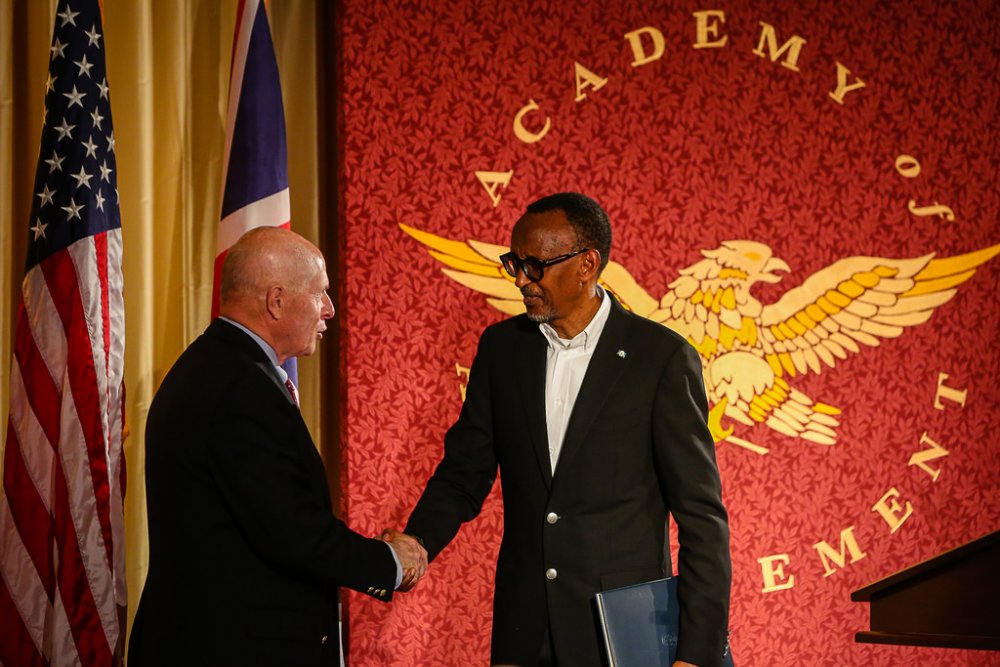
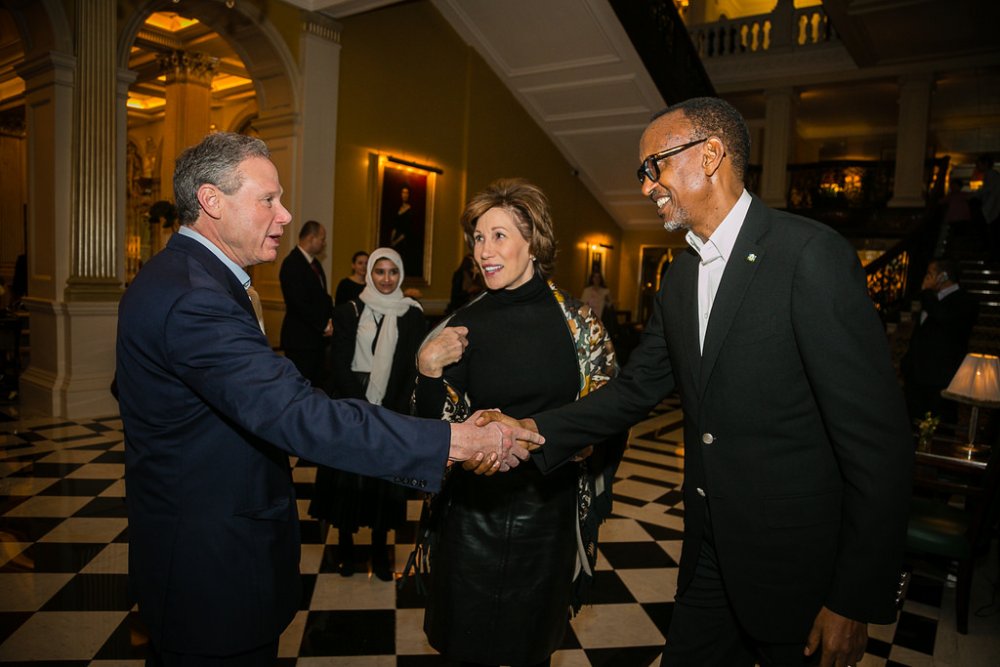
The award is given to change makers in good governance, sciences, arts, sports and industries.
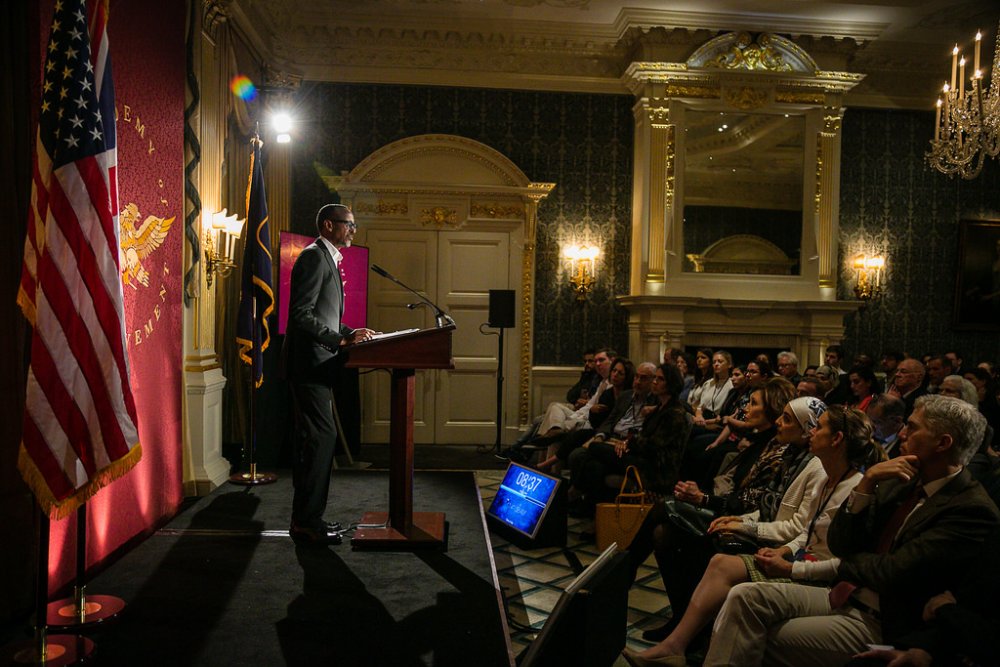
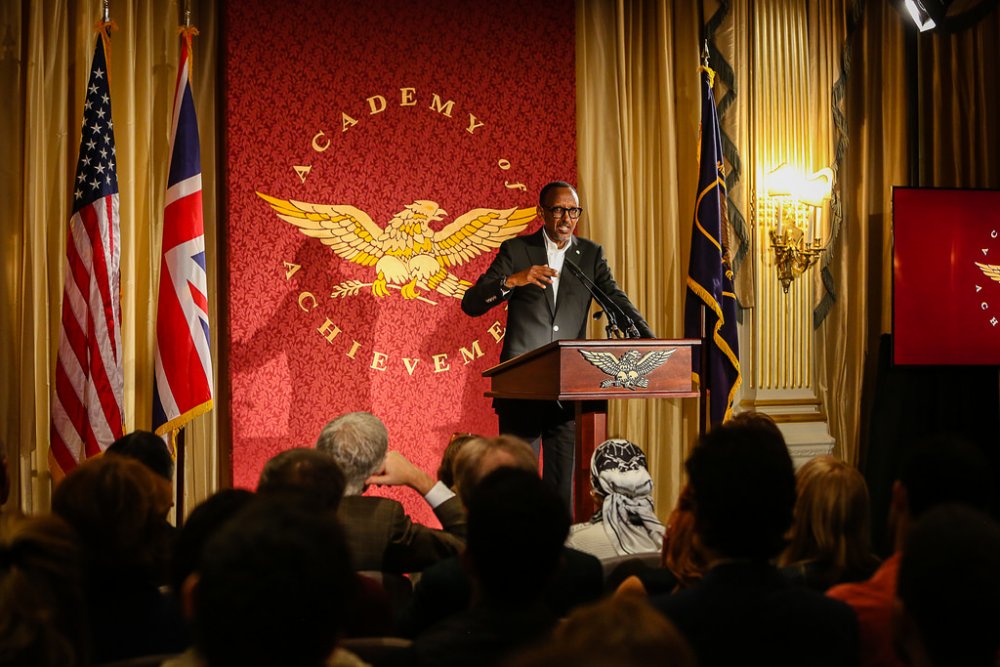
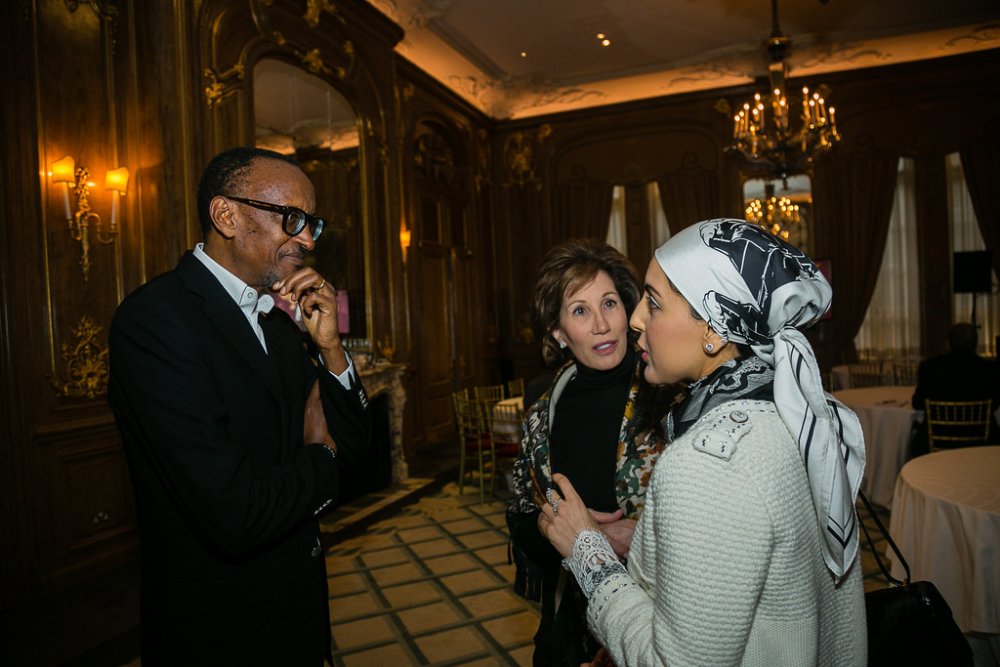
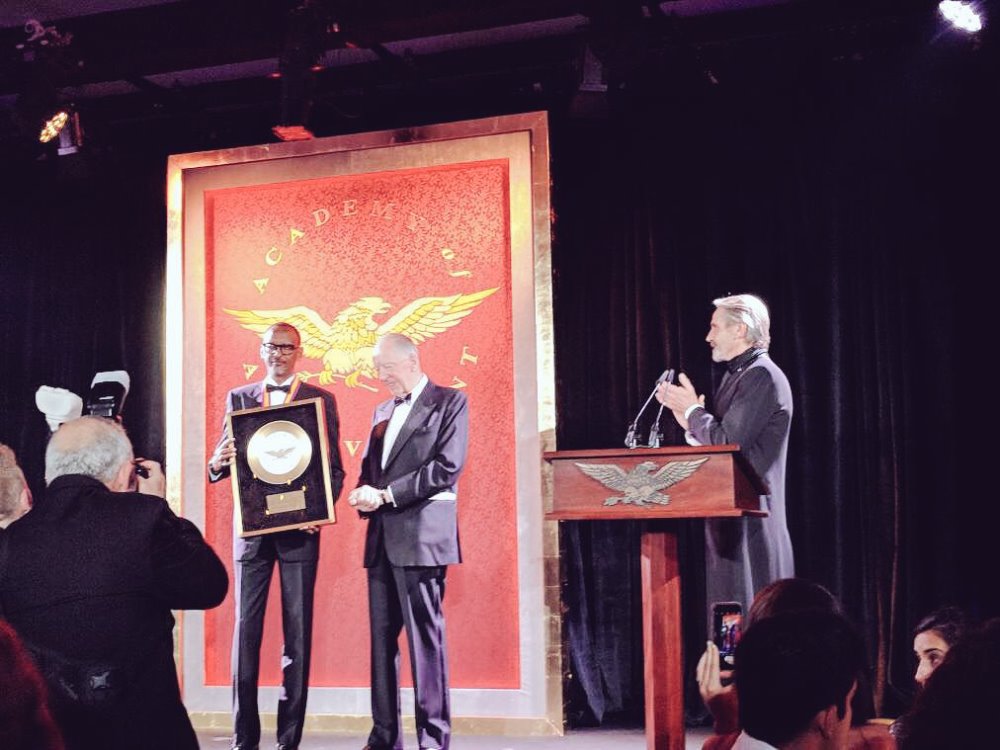
The head of state was awarded Wednesday evening at the International Achievement Summit in London.
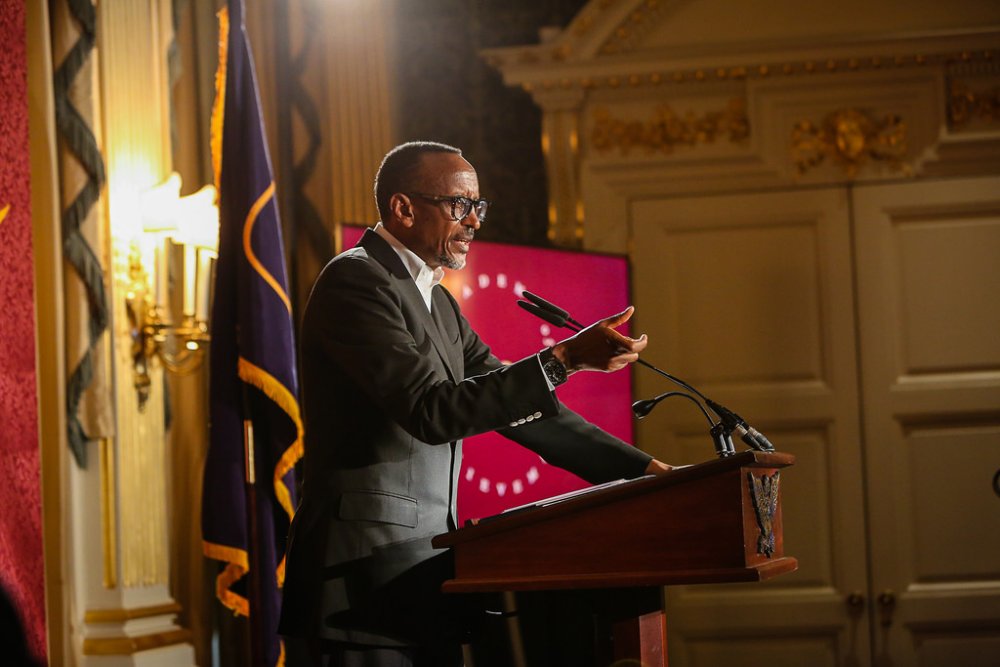
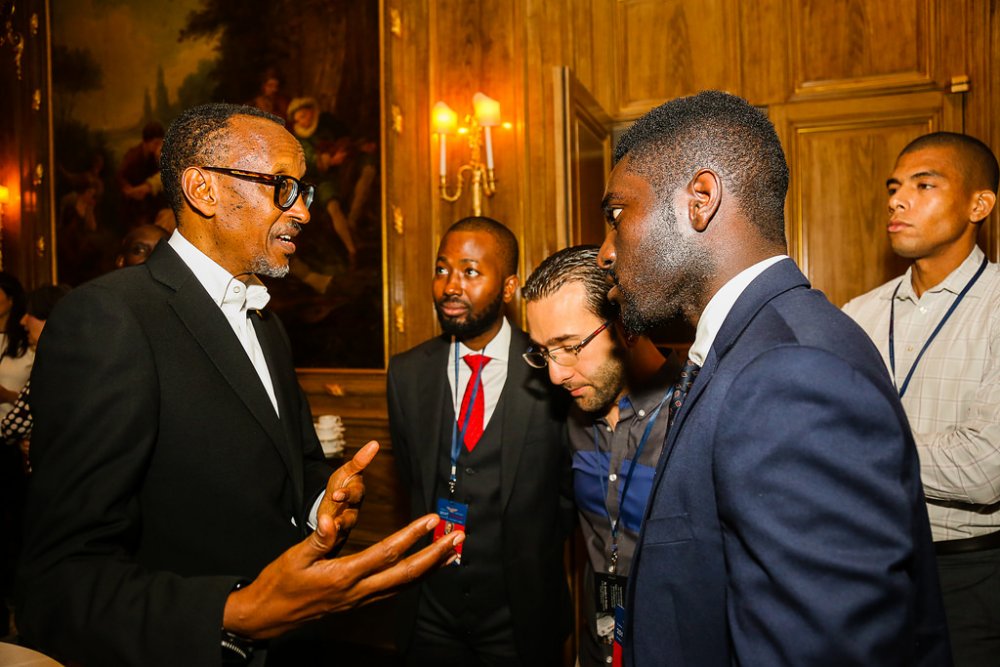
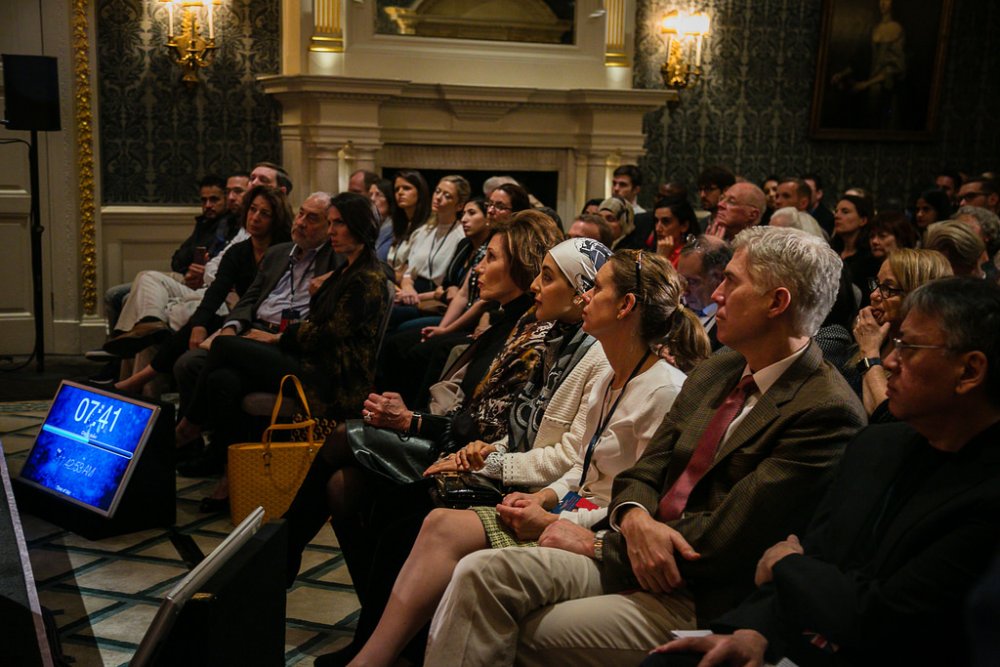
Speaking during the summit, Kagame said that true achievement is not individual.
“Alone, none of us can accomplish much. When we apply our talents toward the common good, with those around us, we can transform our world for the better” he said.
Speaking about rebuilding the country, Kagame said; “Today, we have a country that has come together, united as never before, and which makes everyone proud”
He continued to say Rwandans believed that it was possible,despite enormous odds.
“So, we just kept going, until the vision became a reality” he added
Asked to speak about his role model, President Kagame said that he is inspired by Rwandan people.
“Only honest answer I can give is the people of Rwanda who suffered so much, yet refused to be defeated” he replied.
Kagame said that in terms of practical governance, what they did was to ensure everyone felt they were treated equally.
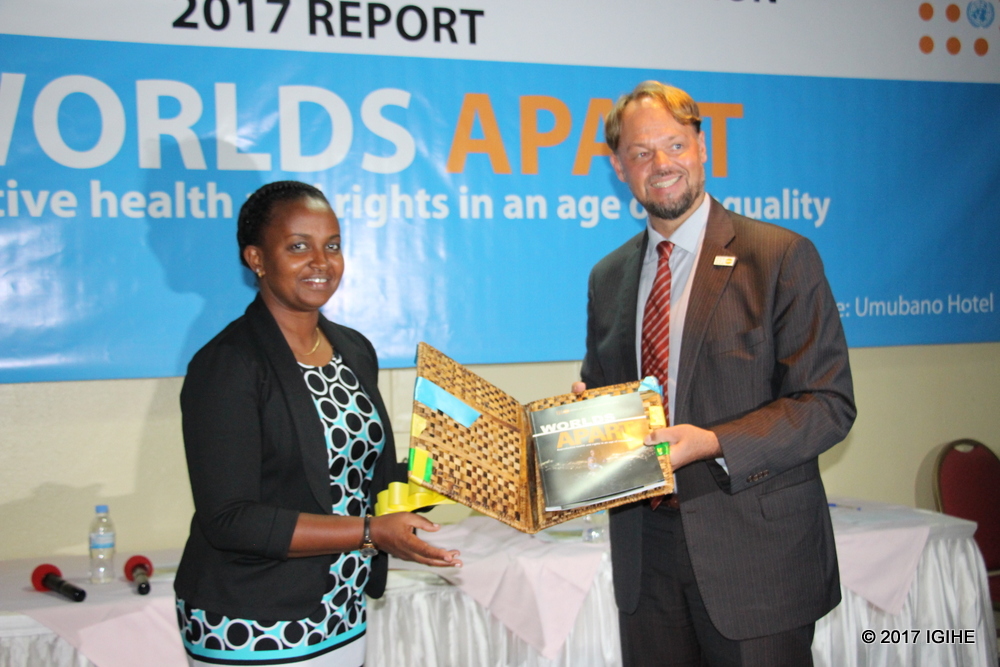
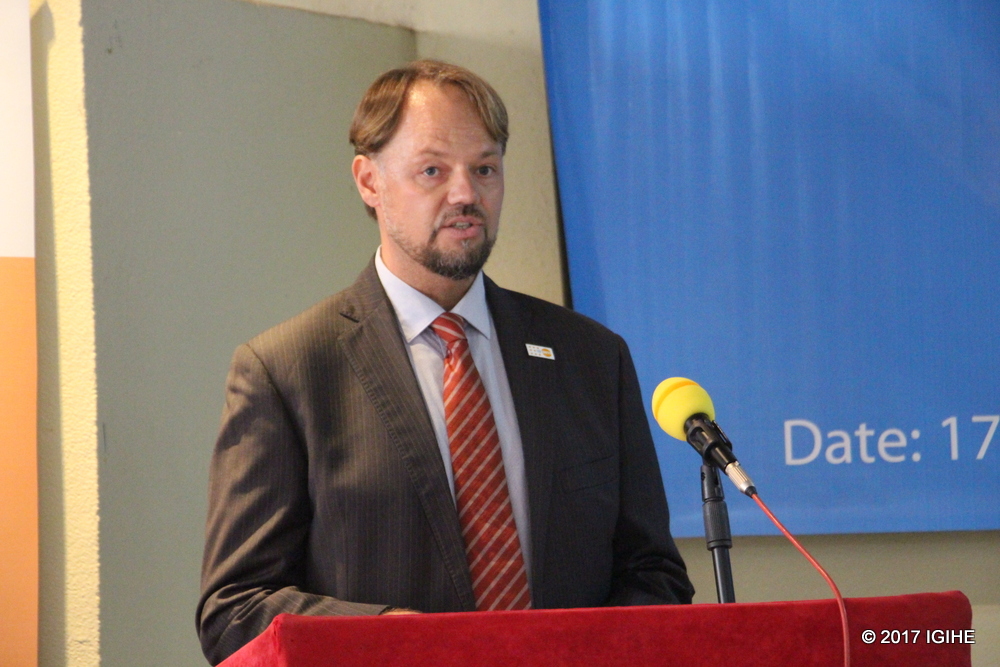
Under the report dubbed ‘Worlds Apart’, UNFPA says that gender inequality and inequalities in realizing sexual and reproductive health and rights is still a problem in developing countries.
The report says that the unmet demand for family planning in developing countries is generally greatest among women in the poorest 20% of households.
It says that without access to contraception, poor women, particularly those who are less educated and live in rural areas, are at heightened risk of unintended pregnancies.
According to the report, unintended pregnancies may result in health risks and lifelong economic repercussions.
It says that lack of power to decide whether, when or how often to become pregnant can limit education, delay entry into the paid labour force and reduce earnings.
The report suggests that making information and services more widely available and accessible will lead to better reproductive health outcomes.
“But this is only part of the solution. Unless we start addressing the structural and multidimensional inequalities within our societies, we will never attain the highest standard of sexual and reproductive health for all” the authors of the report advise.
The report says that in many developing countries, women who are poor, in the bottom 20% of the income scale, and particularly those who are in rural areas, are far less likely to have access to contraceptives and to care during pregnancy and birth than their wealthier urban counterparts.
According to the report, among adolescents, who face the extra vulnerabilities associated with being young, those in the poorest 20% of households in developing countries have about three times as many births as adolescents in the richest 20% of households. Those in rural areas have twice as many births as their counterparts in cities.
{{Rwanda made remarkable progress}}
The report says that Rwanda transformed both access and equality to contraceptive services between 2005 and 2015.
“Rwanda made the fastest progress among about 60 developing countries over a 10-year period in satisfying the demand for modern contraception. The success is attributable to government efforts to make family planning services available in each of the country’s 14,841 administrative villages through 45,000 community health workers. Measures included introduction of long-lasting contraceptive methods, and integration of family planning services in hospitals and health centres” the report reads in part.
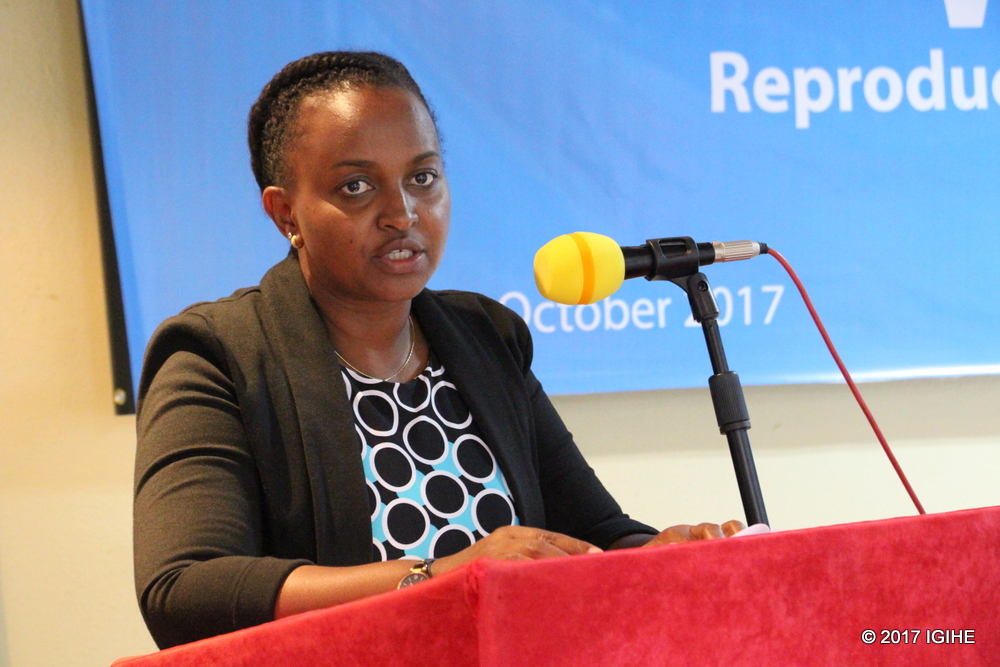
The Director General of Rwanda Biomedical Center (RBC), Dr. Condo Jeanine Umutesi said that the reason Rwanda has no disparity problems was due to inclusive health and social welfare programmes the government has introduced.
“The government of Rwanda has done its possibilities to reduce disparity gap among families, those are VUP in terms of welfare. In health sector, child mortality rate has reduced and all pregnant women have access services to medical care” she explained.
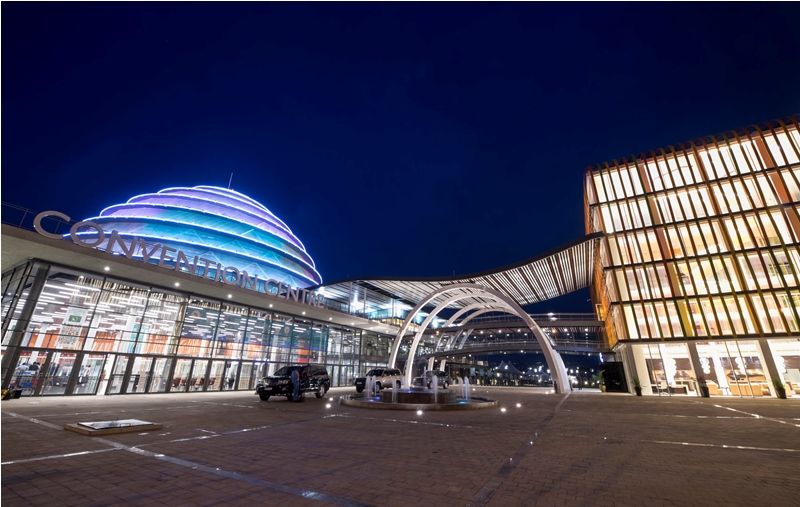
In Kigali, Carlson Rezidor manages both Radisson Blu Hotel & Convention Centre Kigali and Park Inn by Radisson Kigali.
Simone is among the continent’s most successful women in the industry and was, last month, awarded in the Top Hoteliers category at the AKWAABA African Travel Market’s African Travel 100 Women Awards as part of the Women in Tourism Programme.
IGIHE talked with Simone on the sidelines of African Hotel Investment Forum (AHIF) that ended in Kigali last week and revealed her experience of being a woman in hospitality and the global hotel group’s expansion ambitions.
Simone has been making waves across Africa as a female leader in the business development sector within the tourism industry and consequently added three hotels to Carlson Rezidor’s portfolio within the last 16 months.
“I do not think there is any difference between a man and a woman in this industry. It is all about setting yourself in the right position at the right time and networking with the right people. I also think it is about trusting your gut,” she said.
Simone urged women in the industry to “have a clear goal of what you want to achieve if you are working for a company, don’t let anything turn you away from your focus. If you want to achieve a goal, you have to work hard to do so. It will not just simply be handed to you, make sure you surround yourself with the right people, trust your gut and move forward.”
{{
Group’s expansion plans
}}
Simone focuses on the expansion of four Carlson Rezidor’s brands namely Radisson Blu, Radisson Red, Park Inn and Quorvus in 10 Anglophone countries including Botswana, Ethiopia, Malawi, Zambia and Namibia, among others, where the global hotel franchise has 28 hotels among the 80 hotels with 17,200 rooms in operation and under development the group currently runs on the continent. The target is to have 125 hotels with over 23,000 rooms in Africa by 2022.
Simone says that over the last three years, the group has signed a new hotel deal in Africa every 37 days and improved its hotel openings to open a new hotel every 60 days. “We are looking at key markets like Nigeria, South Africa, Tanzania, Kenya, Malawi, Zambia, Zimbabwe… and will look into bringing new brands into the market in 2018,” she adds.
Having two hotels under Carlson Rezidor in Kigali, Simone finds Rwanda as a hub in East Africa for hospitality, saying “Every time I come here, I am amazed at the passion of the Rwandan business community. There is an opportunity to come together and grow the businesses here.”
Simone was literally born into the hotel industry as her father served as the General Manager for Sun International Hotels & Casinos under Sol Kerzner for many years. Her career in the industry started in 2000 after being enrolled in an in-house training programme at the Savoy Hotel in London and later held management positions within hotel operations in South Africa and the United Kingdom within Relais & Châteaux and Starwood.
In May 2011, Simone joined Carlson Rezidor Hotel Group which currently features a portfolio of 480 hotels with over 106,000 rooms in operation or under development in over 80 countries.
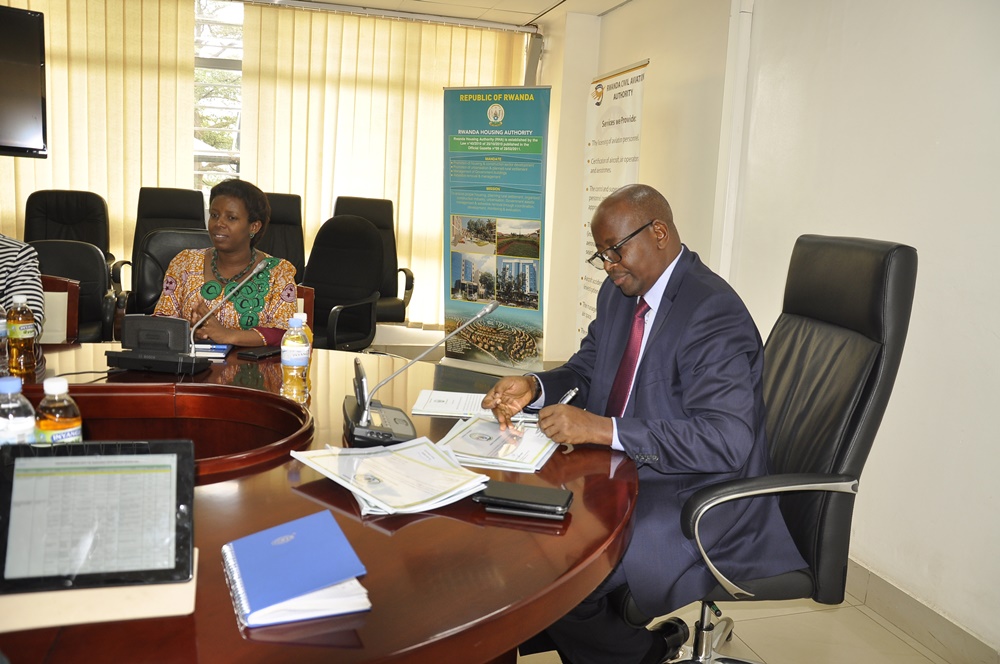
During the signing of performance contracts for 2017/2018fiscal year between MININFRA and implementing agencies yesterday, the ministry committed to investing more resources to ensure that the set targets are met.
Speaking at the ceremony, the State Minister in-charge of Energy and Water in MININFRA, Germaine Kamayirese said that available energy sources are enough to connect the targeted households but more projects are ongoing to boost power generation.
“Available energy sources are enough to achieve this target, there is no doubt that all targeted households will be connected” she said
Currently, there are 26 investors across the country distributing electricity. The signed performance contracts are in line with vision 2020 of the country, EDPRS II and seven-year government programme.
Organic Law N° 10/2013/0L of 11/07/2013 Governing Political Organizations and Politicians states that The Office of Ombudsman shall each year and whenever necessary verify the accounts of political organizations, on its initiative or upon request by the authority in charge of registration of political organizations.
The Ombudsman received financial records for eleven political parties which are RPF Inkotanyi, PDC, PDI, PL, PPC, PSD, PS Imberakuri, PSP, PSR, UDPR and DGPR, assessed their sources of funding as well as their expenditures.
The Ombudsman said that four political parties; PSR, PDI, PPC and PS Imberakuri had inaccurate information characterized by poor records
According to the report, PS Imberakuri financial declarations did not follow fiscal year calendar as their report covers 1st October 2015 to 30th September, 2016.
In PSR, the party did not account for Rwf360,000as PPC accounts show that the paid an extra Rwf480,000 in rent without explanations. and PDI do not follow financial reporting guidelines. Speaking to IGIHE, the chairperson for PS Imberakuri, Christine Mukabunani said that they were so far confused with laws.
“At first we had to report to the Office of the Ombudsman and submit a copy to the Rwanda Governance Board, but following the revision of the law in 2013, newchanges confused us” she explained.
She explains that they used to report in October and include activities performed in August and September.
“Now, they explained to us that we should declare activities performed between July and June. Errors are now corrected,” she added.
Public servants failed to declare wealth sources
Ombudsman’s report also revealed that six public servants failed to declare their source of wealth and some of them h had their cases taken to prosecution.
Presenting the report to both chambers of parliament yesterday, the Ombudsman, AnastaseMurekezi said that among 1,088 individuals that had to declare their wealth in 2016/2017, six did not.
The Office of Ombudsman requested that the government should seize ¼ of salary for people who fail to declare their sources of wealth.
The school is located at EL SIREAF Locality, in Northern Darfur.
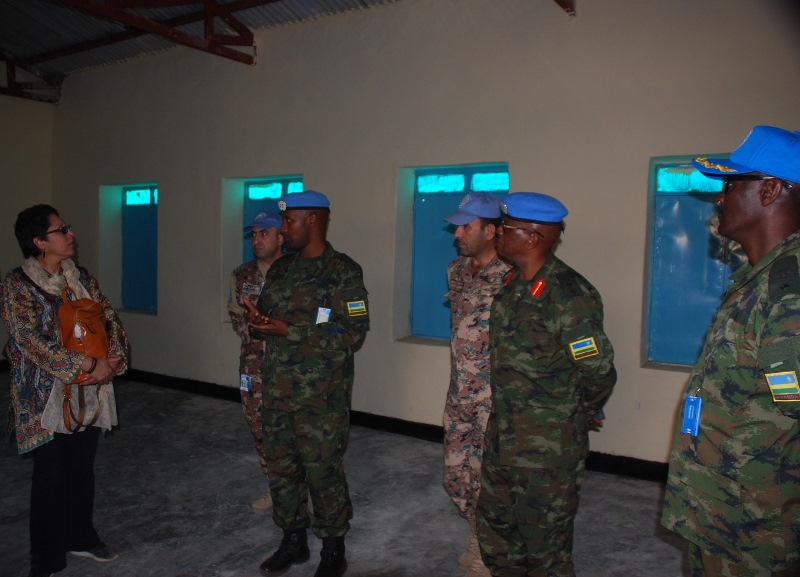
The humanitarian project by the Rwandan Peacekeepers comprises of construction of a fence (120mx90m), one block of two classrooms, two latrines, four rehabilitated classrooms and an administration office. The school has now, after the project, a capacity to accommodate over 400 students.
The project was sponsored by UNAMID and implemented by Rwanda Peacekeepers deployed in Sector North Darfur as part of the Mission’s Quick Impact Projects programme.
In his remarks, the Guest of Honor Mr ABDOMAJID Mohammed, representative from State Ministry of education, appreciated the great effort by Rwanda peacekeepers who constructed and rehabilitated the EL SIREAF High Secondary School for Girls.
“We ensure you that we will maintain this work for coming generation to be a symbol of peace and love between people of Sudan and Rwandans” he said.
The UNAMID Head of Office Sector North, Mrs SUNAINA Lowe, who presided over the inauguration and handover ceremony commended the courage and effort of Rwanda Peacekeepers and its significant contribution and sustained commitment to the UN Peacekeeping operations.
On behalf of the Rwanda Peacekeepers, CO of RWANBATT49, Lt Col David MUSIRIKARE, said that the project is very useful because the existing school was old.
He mentioned that it was a challenge for the school administration to manage the security of the school especially the movement of students and other people entering inside without control.
“This project will positively impact both the local community and UNAMID; it will also employ people settled in the area reducing the security threat to the school beneficiaries”, Lt Col David MUSIRIKARE said.
The handover ceremony was attended by delegations from the Government of Sudan, UNAMID officials, peacekeepers and local communities.
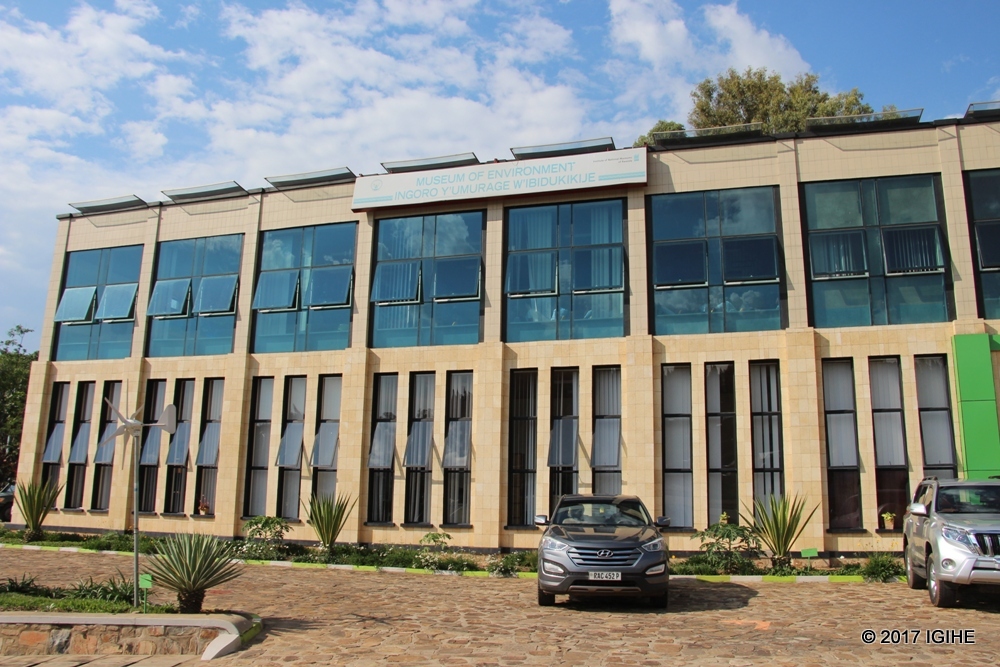
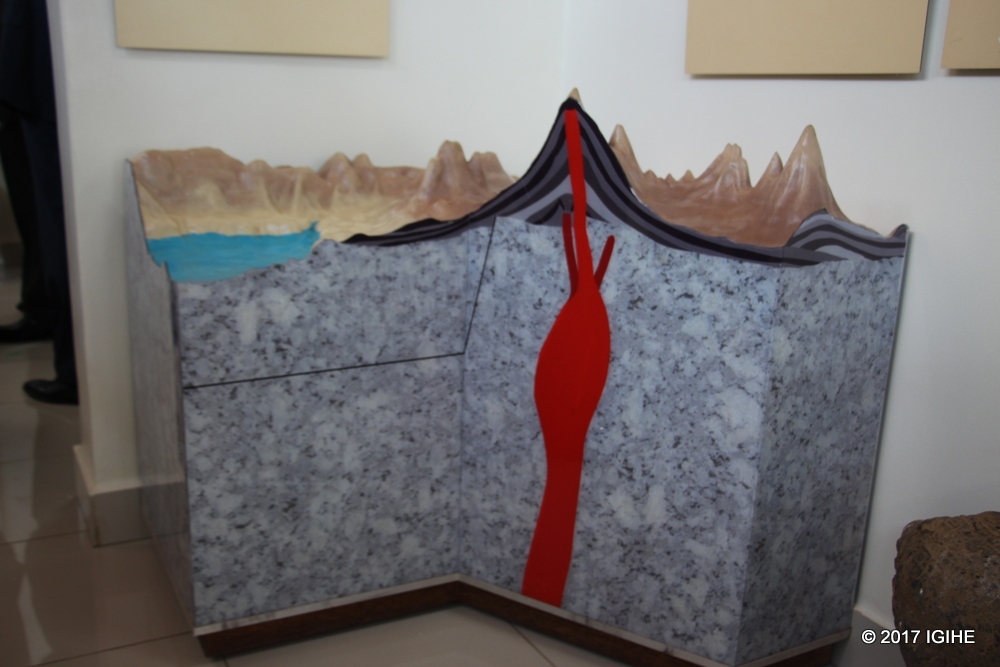
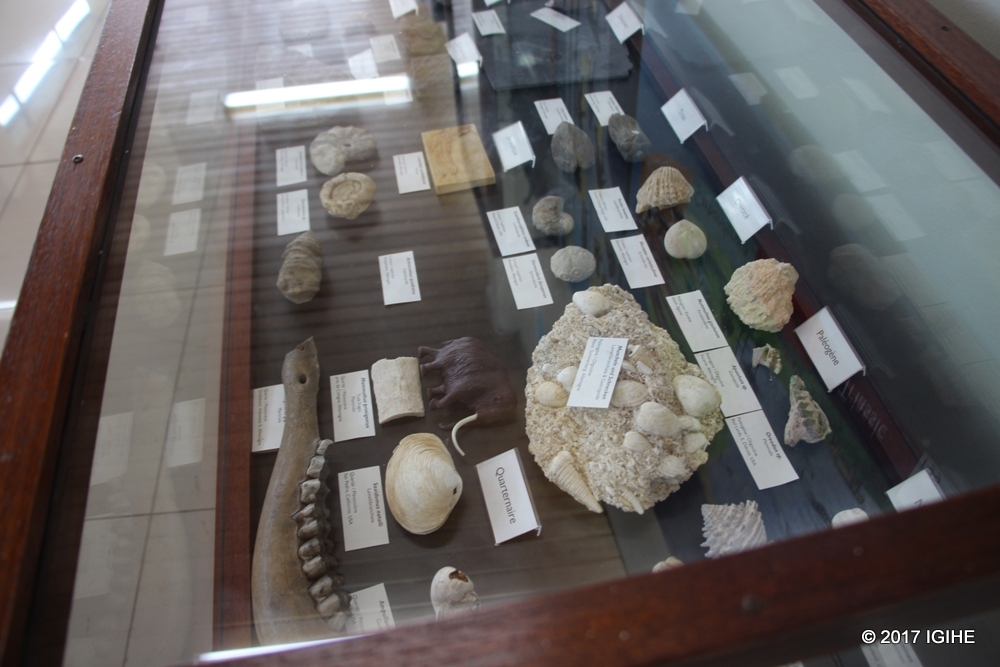
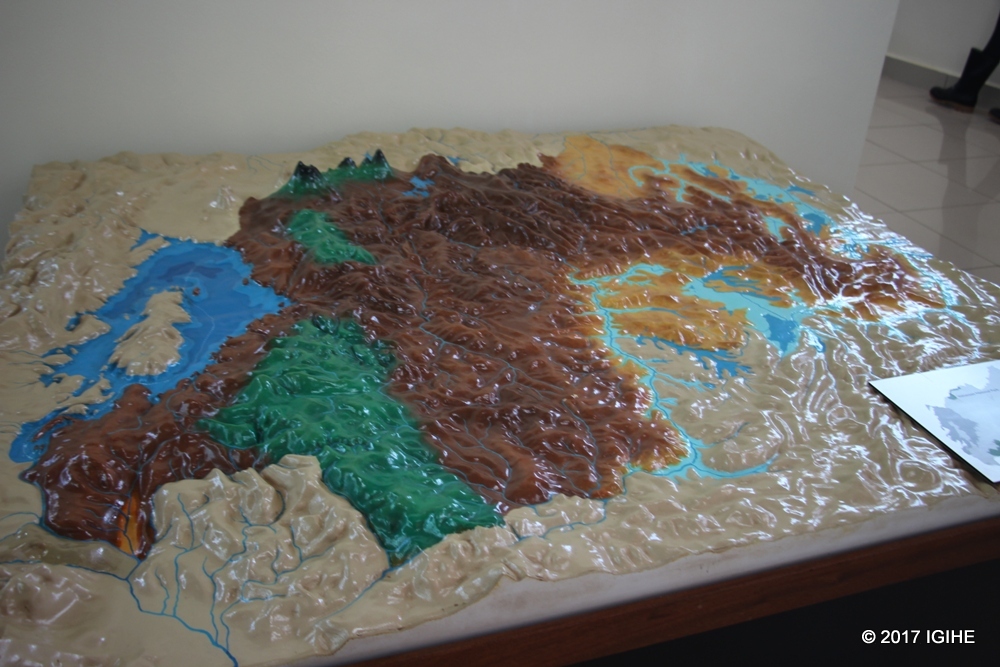
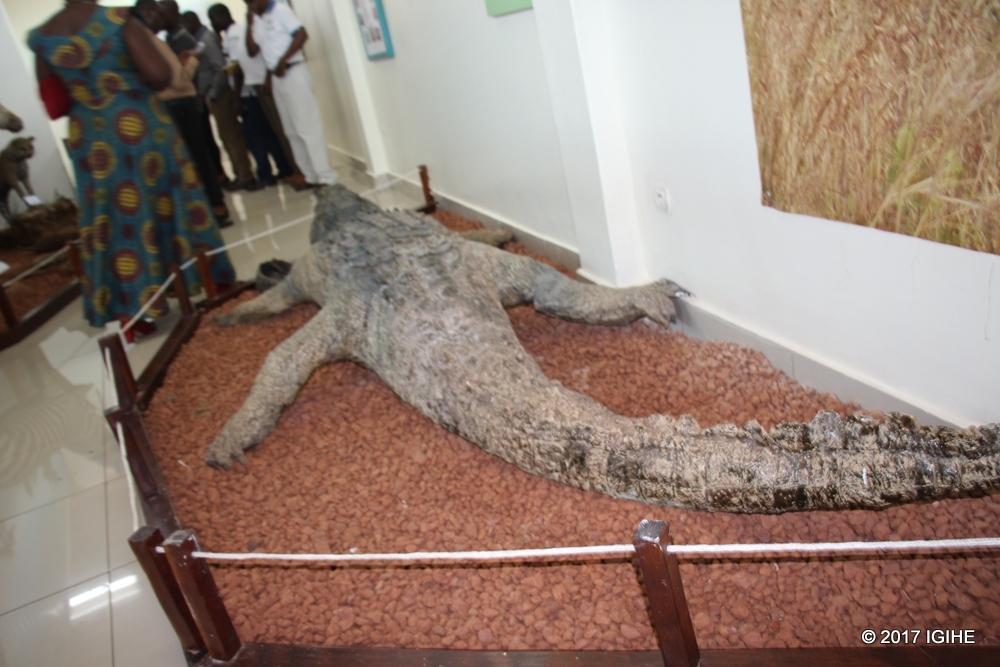
The museum was established in 2015, focusing on renewable and non-renewable energy.
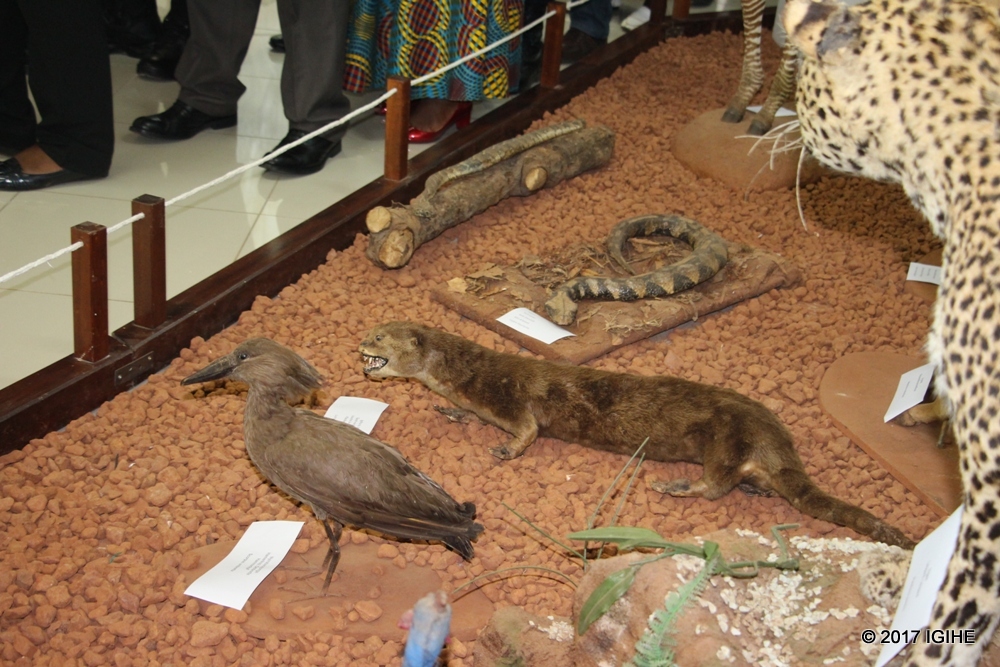
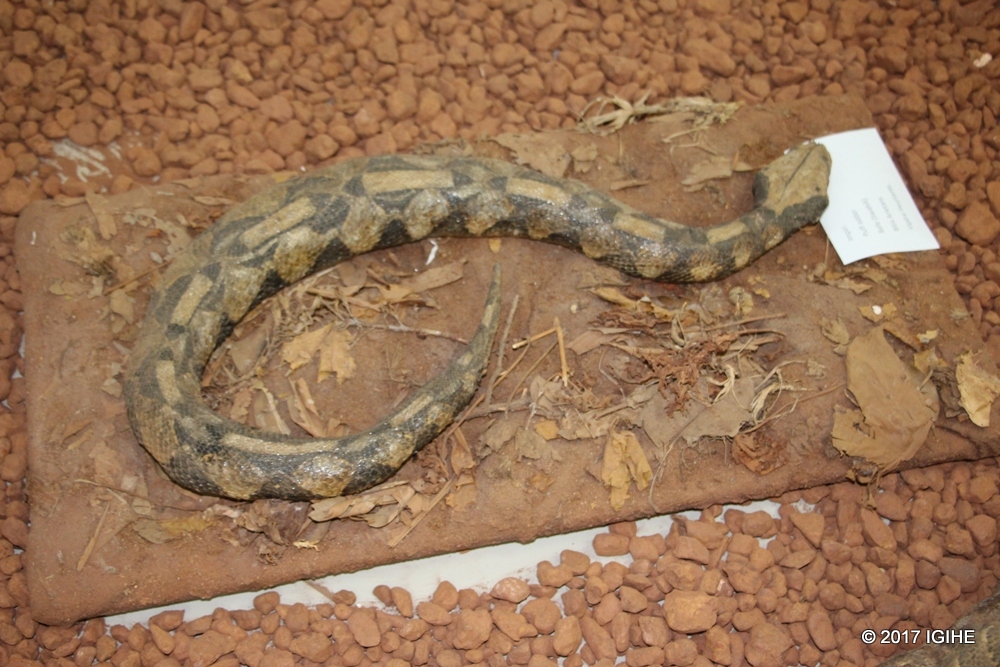
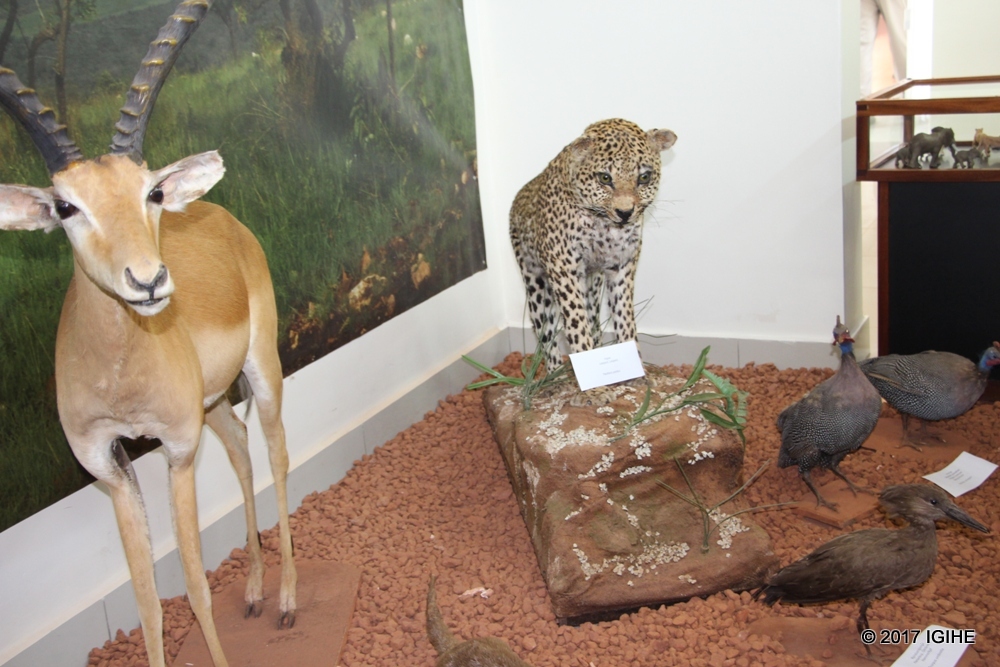
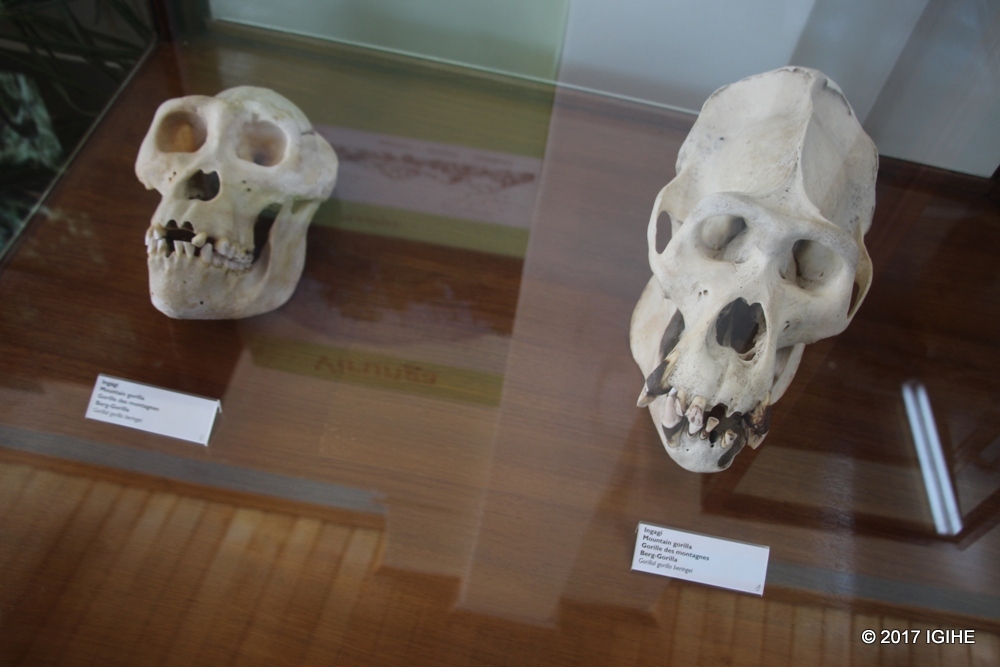
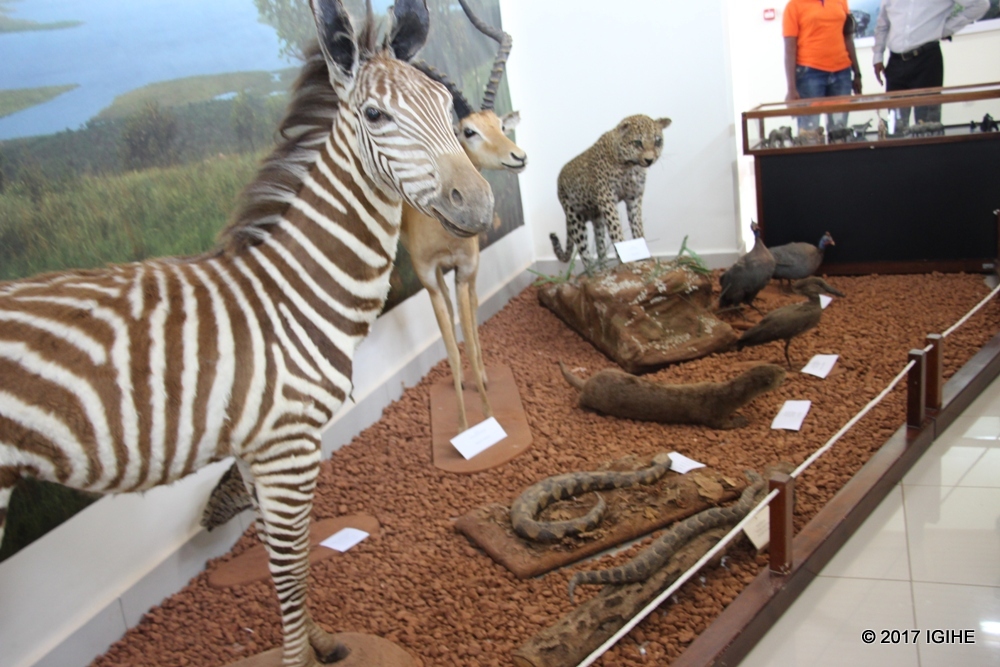
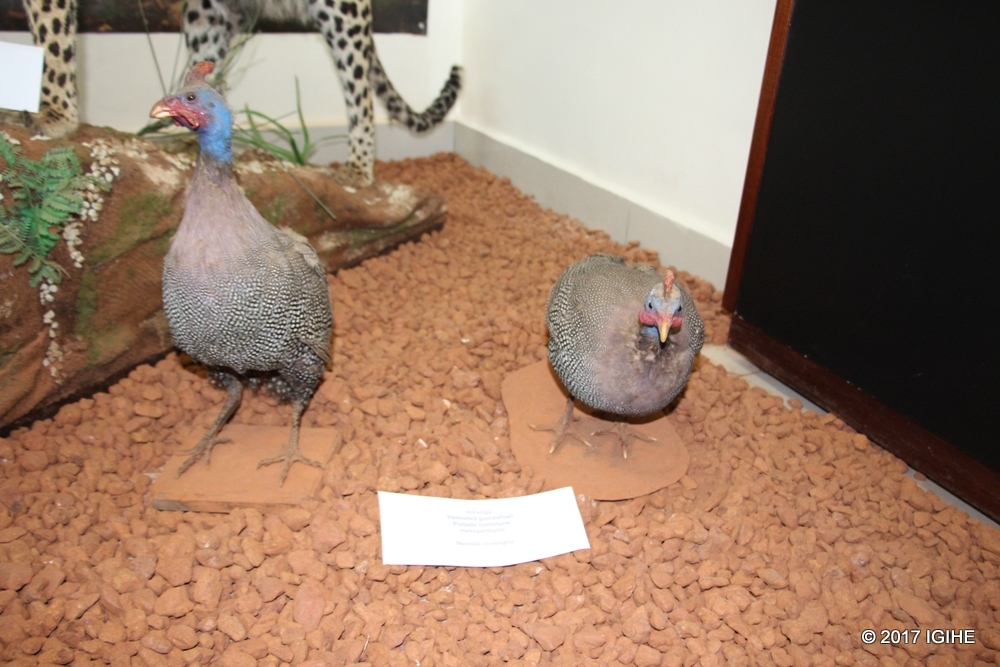
In the first phase, the ministry relocated different animal mummies of crocodiles, snakes, birds, monkeys, butterflies, zebra and gorillas among other animals found in Rwandan parks.
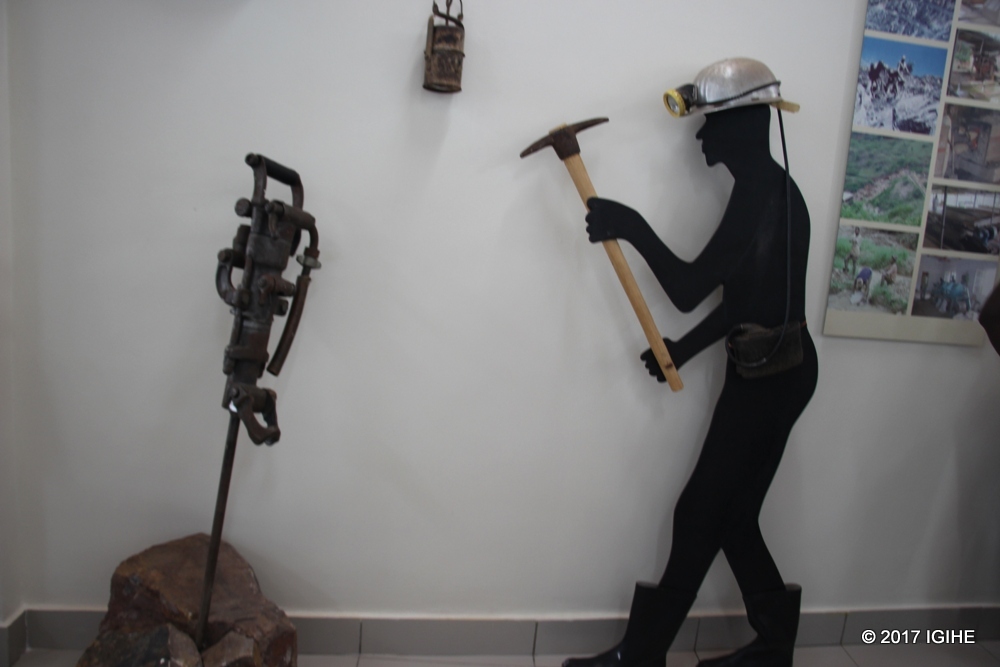
Also relocated are minerals like aluminum, colta, wolfram among others found in Rwanda.
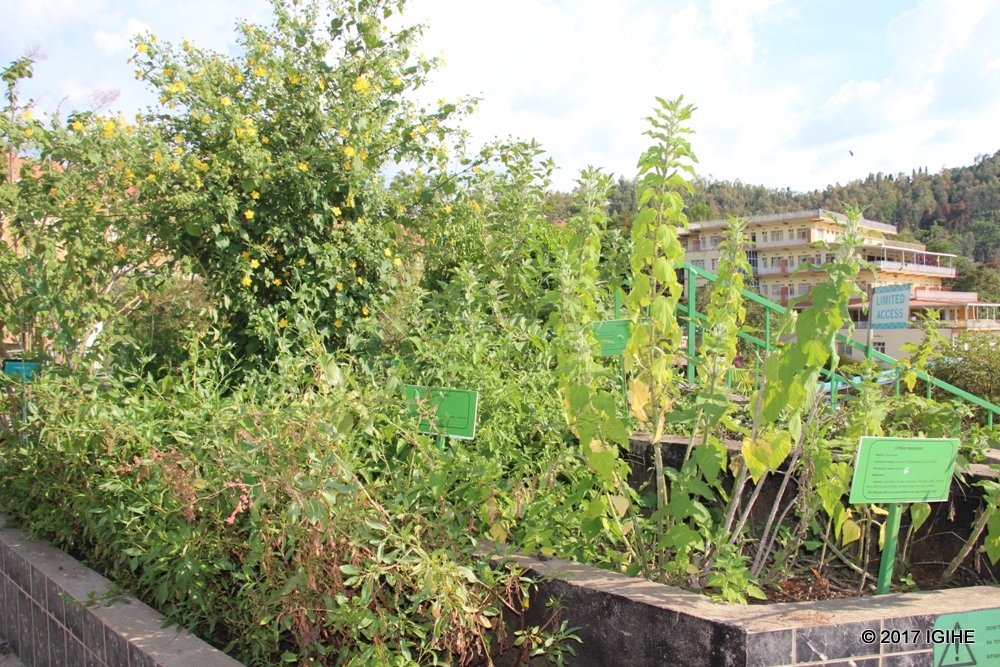
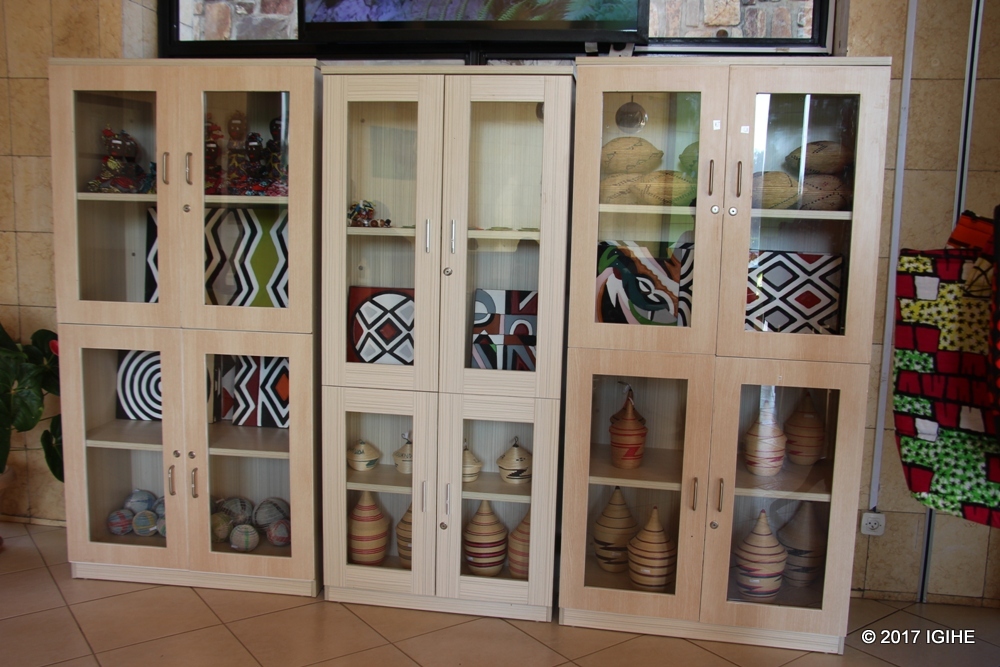
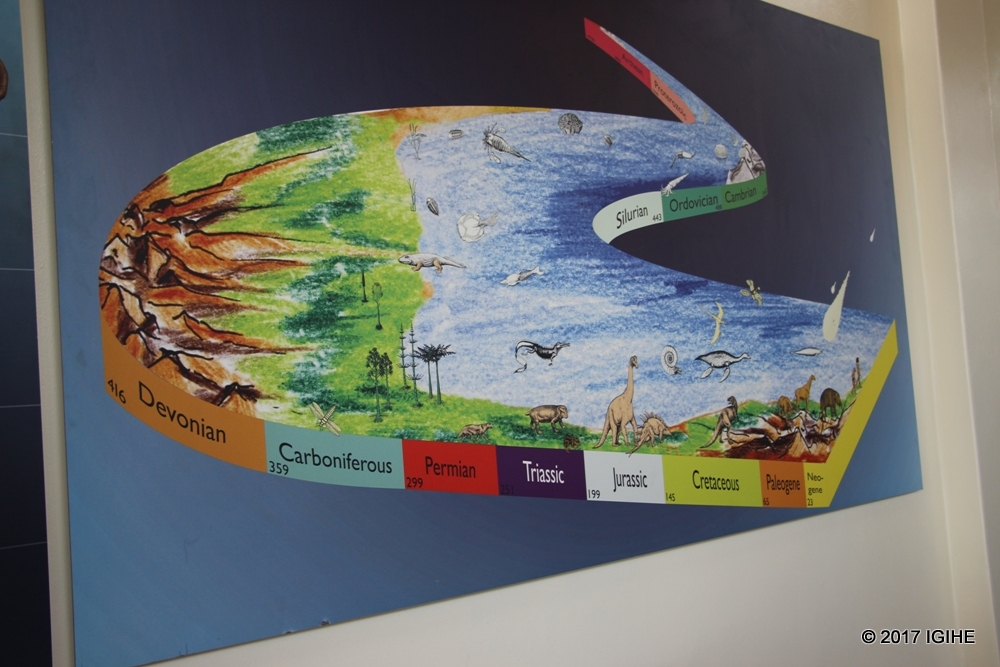
The museum consists of three components; the first for energy, the second for animals and mining and the third for plants like trees and herbs used for traditional healing
Speaking at the event last week, the Minister for Sports and Culture, Julienne Uwacu said that new objects will help boost visitors.
“Increasing objects will also help to increase visitors” she said adding that students will be able to visit the museum and see what they learn in theory.
She said that the more people visit the museum the more they will understand the importance of environmental conservation.
The Environmental Museum head, Andrew Ndabaga said that 20,000 people used to visit the museum per year and optimistic that the number will increase following new changes.
“People are attracted to different aspects; someone who will not understand energy affairs will visit animals section or minerals or gardens,” he said.
INMR will also relocate snakes currently located in Natural History Museum.
While presenting the report to Parliament today, the Ombudsman, Anastase Murekezi explained that 1,934 (64.9%) cases were not handled in 2015-2016 while 1,047 (35.1%) were received in 2016-2017.
Murekezi said that of the cases that were appealed, a total of 1,033 were assessed and 67, equivalent 6.5%, were revised through the Supreme Court.
A total of 966, making 93.5% cases, the report indicates, had no injustice cases identified.
The report says that there are many cases which were not assessed in 2016-2017 because of the overwhelming numbers in contrast to a small staff to scrutinize the files.
The defense team started by protesting that the Nyarugenge court should not be in charge of handling the hearing and trial, urging that the case should be taken to Kacyiru Primary Court.
The court however ruled that Nyarugenge Intermediate Court shall be able to handle the case.
When prosecution was asked to provide audio recorded evidence supporting allegations against the trio as entered on the charge sheet and file, they instead asked that one part of the hearing should be held in-camera to protect people who provided the testimonies.
Prosecution said that they have twenty audio recordings as evidence against the accused, eight of which, if aired in the open, could affect security of the people in question.
Prosecution also said that audio recordings have names mentioned, some of who are still under investigations and their revelation can obstruct further investigations and that they have testimonies from 70 witnesses but whose names, they said, they could not reveal for security purposes.
One of the defence lawyers, Gatera Gashabana said that he was worried of audio recordings which his clients were not asked about during investigations or before prosecution.
He said that audios were not legally taken and therefore to qualify before court, but the presiding judge said that qualification of the recordings is another case that could be handled on its own merit.
Gashabana welcomed the act of listening to all the audio recordings in-camera as the allegations are based on the said audios.
Defence lawyer Pierre Celestin Buhuru reminded that they were denied audios in different times for them to prepare defence, he said that nothing they can be supporting on their clients since they will have hear audios only in court.
He also insisted that all audios should go in-camera so that they will not be surprised during the hearing.
The presiding judge admitted that hearing for some audios can go in-camera but denied to mention names of testimony givers.
Indeed, migration has since our earliest days been essential to the human story — the source of multiple economic and cultural benefits. But when migration is out of extreme need, distress and despair, it becomes another story. Forced migration is rooted in conflicts, political instability, extreme poverty, hunger, environmental degradation and the impacts of climate change.
In these situations, people have no choice other than to move.
This year’s slogan for World Food Day (16 October), “Change the future of migration. Invest in food security and rural development”, addresses the structural drivers of large movements of people in order to make migration safe, orderly and regular.
This is all the more pertinent today because the numbers of hungry people are on the rise again after decades of progress.
According to the 2017 State of Food Security and Nutrition report (SOFI), 815 million people suffered from hunger in 2016, an increase of 38 million people compared to 2015 (777 million). This was largely due to conflicts, droughts and floods around the world.
In fact, conflicts have driven northeast Nigeria, Somalia, South Sudan and Yemen to the brink of famine and triggered acute food insecurity also in Burundi, Iraq and elsewhere. Globally there are now around 64 million people forcibly displaced by conflict and persecution, the highest number since the Second World War. Furthermore, drought, due to an unusually powerful El Niño, has sharply reduced access to food in much of Africa.
Rural households often bear the brunt of these drivers. Most of the world’s poor live in rural areas, and many rural youth, especially in sub-Saharan Africa, migrate in the absence of productive opportunities.
But let’s set the story straight: Despite widely held perceptions, most of those who migrate remain in their countries of origin. There are around 763 million internal migrants worldwide, one in every eight people on the planet with the majority moving from the
countryside to cities. Of the 244 million international migrants recorded in 2015, one-third came from G20 countries and consisted of people who moved to pursue more productive opportunities. South-South migratory flows are now larger than those from developing to the developed nations.
{{Make migration a choice }}
Conflict, rural poverty, and climate change, all demand increasing attention as they drive up distress migration as a last resort, which generates a tangle of moral, political and economic problems for migrants, their eventual hosts and the transit points in between. We all have roots and few of us wish to sever them. In fact, even in the most extreme situations, people would rather remain at home.
Inclusive rural development can help on all fronts, curbing conflict, boosting sustainability and making migration a matter of choice rather than desperation.
Decent employment opportunities – which can be generated by productive agriculture and supporting activities ranging from seed research and credit provision to storage infrastructure and food processing businesses – are urgently needed to convince a fastgrowing number of young people in rural areas that there are better fates than hazardous journeys to unknown destinations.
Migration itself is part of rural development, seasonal migration is closely linked to the agricultural calendars, and remittances are a huge force for improving both rural welfare and farm productivity. Migrants’ contribution to development needs to be recognized and cherished, as they are the bridges between countries of origin, transit and destination.
FAO is working to address the root causes of migration. This means promoting policy options that favour vulnerable people. It includes youth job training and inclusive access to credit, crafting social protection programmes that offer cash or in-kind transfers, specific measures to support those returning to rural areas of origin, and offering assistance for the provision of seeds, fertilizers and animal-health services, fine-tuning early warning systems for weather risks and by working for sustainable natural resource and land use.
As co-chair in 2018 of the Global Migration Group, comprising 22 UN agencies and the World Bank, FAO will advocate for solutions that make migration an act of choice and not a desperate last resort. Agriculture and rural development have a key role to play in this.