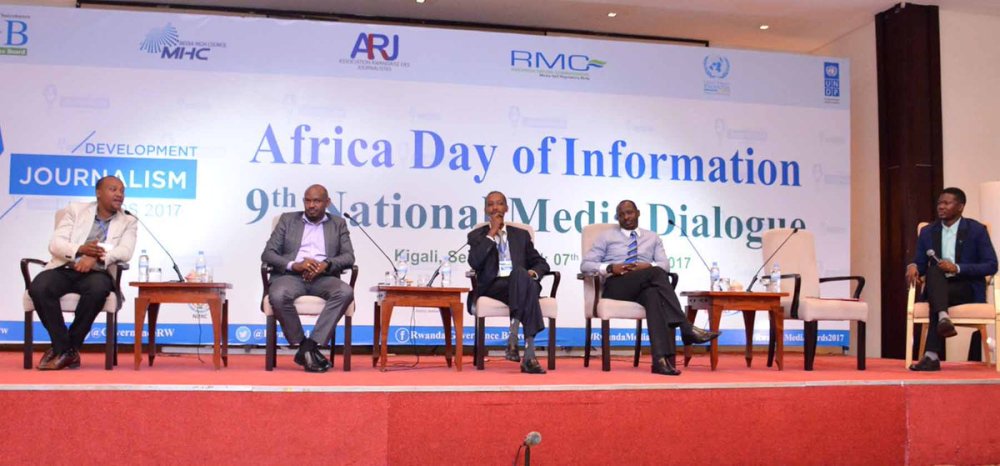
The call was made yesterday in the Rwanda Media Dialogue and the celebration of Africa Day of Information in Kigali.
Recently, the Rwandan based TV station, Royal TV was closed and owners claimed financial constraints.
Different media houses; print and online were closed at different times all citing financial constraints.
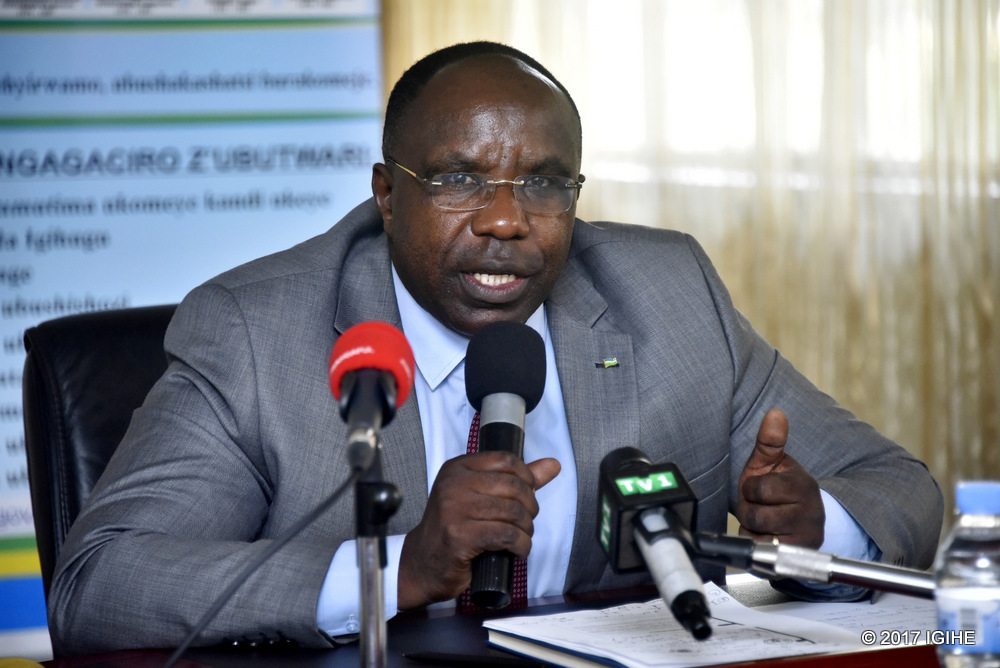
In the discussion on the development of African media in ICT-led World, The Chief Executive Officer of Radio1 and TV1, Charles Kakooza Nkuriza said that without the government’s intervention many media houses would close.
“If nothing is done in the next three years, many media houses especially TVs will close, private sector itself could not finance our media,” he said.
The Executive Secretary for Rwanda Media Commission (RMC), Emmanuel Mugisha said that though Rwanda’s private sector is not well versed with the role of advertisement, a way through which media could generate revenues.
He said that they should think about how media consumers would pay for content the same way they do on other services and commodities
“News is available, but not valued. People listen to the radio, read online and watch TV free of charge. We should fund a way of attracting more advertisements and revenues” he said
Journalism lecturer at the University of Rwanda, School of Journalism, Dr. Christopher Kayumba said that content selling is practiced in North-European countries.
Mrs Kagame was speaking Tuesday in the 2017 African Organisation for Research and Training in Cancer (AORTIC) Conference in Kigali.
The conference was organized under the theme ‘Cancer in Africa: Making Strides, Creating Solutions’
Frist Lady said that fighting cancer begins with the advocacy and mobilising public-private support.
“It also requires strengthening along the cancer care continuum: raising awareness, educating, conducting prevention interventions, having structures for early diagnosis, and improving access to care and treatment” she said.
“We will have more chances to win the fight against cancer if we also promote the need for well-trained, skilled and dedicated workforce. One that strives to conduct impactful research, treats with compassion and care, and finds solutions customized to our population’s needs” she added.
{{Rwanda’s experience}}
Mrs. Kagame said that Cancer does not discriminate against age, gender, religion, neither social status.
“In Rwanda, we have also sadly witnessed how younger, and older members of our communities, have been affected by the diverse forms this disease can take” she said.
She said in Rwanda, like in many other nations whose populations have access to cancer screenings, incidences of cancer diagnoses are becoming known. She said that men are now diagnosed with prostate cancer; and children are faced with the overwhelming burden to fight leukaemia and kidney cancer, even at a tender age.
For women, she said, breast and cervical cancers are the top two cancers currently hurting mothers and sisters.
“While it is encouraging to know that years of research have demonstrated that approximately one third of cancer cases can be prevented, we, as concerned global citizens, now have the duty to put in place more effective, and sustainable systems of prevention” she said.
“As our experience teaches us that cancer can be caused by a variety of factors, other than a specific genetic makeup, we also have to continue to carefully assess those other causes that are environmental, and influenced by our lifestyles. This assessment would help us teach each other, how to prevent those different forms of cancers, that have increased through the years” she urged.
She said too many lives are still lost due to the lack of early and regular screenings, along with the lack of effective knowledge dissemination on what should be done, to greatly reduce chances of developing cancer
In 2011, a partnership between the Government of Rwanda, and various stakeholders, helped bring to life the Butaro Hospital and its Cancer Centre of Excellence, which officially opened in 2012.
“With this Cancer Centre came a new opportunity to have a better chance at beating cancer, for thousands of individuals from Rwanda, and beyond” she said.
With its three wards, dedicated to children, women and men, Butaro Hospital is able to screen, diagnose, provide patient follow-up, and palliative care, she said
Offering surgery and chemotherapy, Butaro Hospital have managed to treat up to 6,000 cancer sufferers to date, and joined other general hospitals fighting cancer throughout the country, by conducting more than 1,000 tests per year.
{{Impacts of AORTIC}}
AORTIChas already shown progress towards prioritising oncology training for health workers and research on cancer prevalence, both of which are well stipulated in the mandate of the organisation.
“It is now upon us to devise strategies to capitalize on the progress made, by incorporating it within our different existing structures, and if needed, by establishing new ones, able to implement what is required for the holistic wellbeing of our communities,” she said
She said that the aim is to ensure that the fight against cancer continues positively ahead, as it will be done through the finalisation of a radiotherapy centre at the Rwanda Military Hospital.
Beginning next year, she said the radiotherapy centre, will provide cancer patients with a final, integral link within comprehensive cancer care and treatment, through radiotherapy services.
“As we remember that beyond the statistics and treatment trials, we are dealing with a mother, a father, a sibling, or a child, whose life will never again be the same after their diagnosis, we must pledge to never stop educating our populations about the importance of living healthy lifestyles, which include regular medical check-ups so our health systems, can help our communities before it is too late,” she urged participants.
Speaking to IGIHE, Habumuremyi said that such responsibilities are given to former head of state and or government.
“I’m leading a delegation of 30 people from 30 African countries; among them are parliamentarians in their respective countries and representatives of political parties,” he said.
He said that the delegation commends Rwanda’s leadership under President Paul Kagame. He said Africa is proud of how Rwanda demonstrates the potentials of development.
According to Equatorial Guinea election council, a total of 325,554 people are registered to cast their votes in the elections.
Mushikiwabo was speaking this Tuesday while officiating at the Rwanda Media Dialogue and the celebration of Africa Day of Information in Kigali.
“I am pleased to participate in this celebration where media has well-developed in terms of quantity and quality. As former minister of Information, I know how far we have come,” she said.
She said that Information Day is an opportunity to bring together practitioners and discuss the sector’s development and help them serve better and satisfy people’s expectations.
She called on media participation in communicating to the population about their development activities through the current reforms of the African Union.
“Africa’s media should be among partners in implementing programmes that lead to welfare of population. People should consume essential information as it is their right.
This occasion is also a good opportunity to put pressure on leaders to provide information on services to the population,” she said.
She assured government’s contribution in supporting development of media, be in Rwanda and Africa in general.
The Chief Executive Officer of Rwanda Governance Board (RGB), Prof. Anastase Shyaka said that the number of media houses in the country and the quality of news they provide attest to the development.
However, Shyaka said that though there is overall development, some media houses have financial constraints.
“Media practitioners should think of new working mechanisms. For media houses to be able to develop, you need to put resources together. Cooperation will help attracting foreign media houses for partnership with Rwandan media houses,” Shyaka advised.
In Rwanda there are 35 radios among which 27 are private, over 10 TV stations, one run by the government, 45 print media and over 100 online media houses.
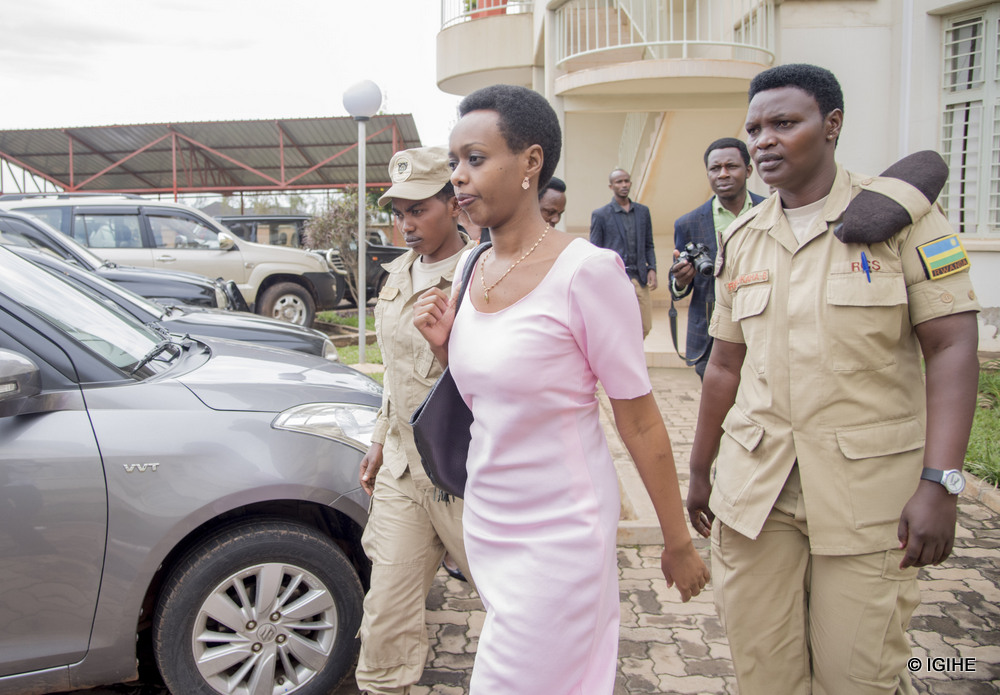
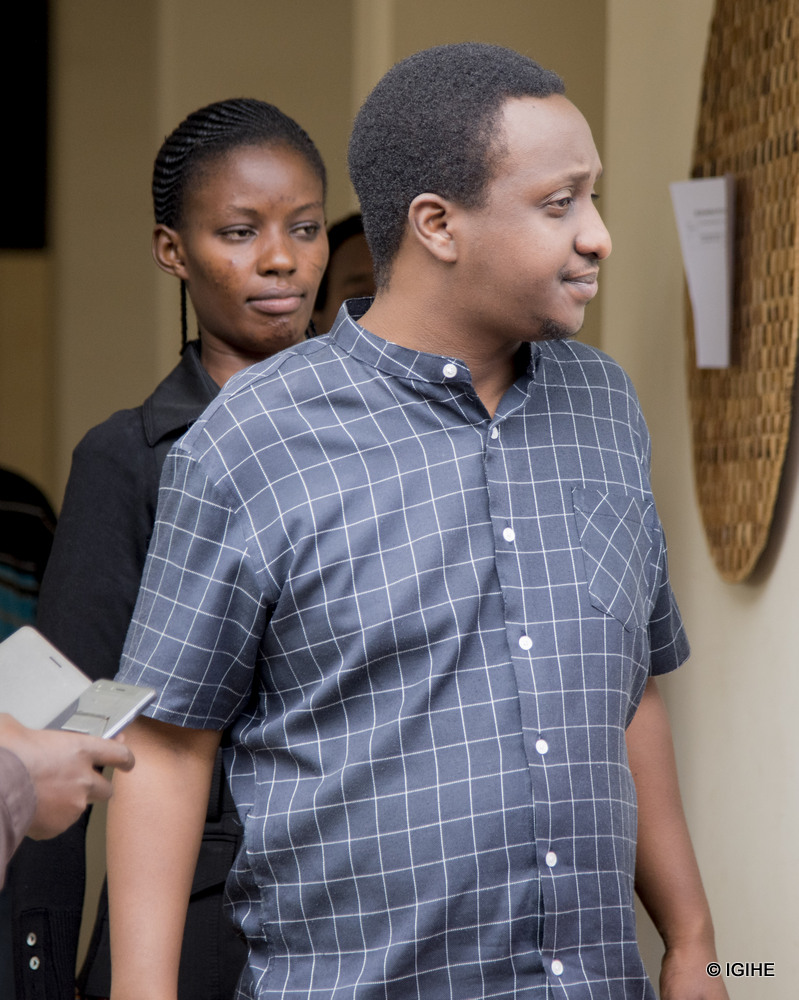
Nyarugenge Intermediate court last month ruled that the duo should be remanded for 30 days so that they do not temper with evidence as investigations get underway.
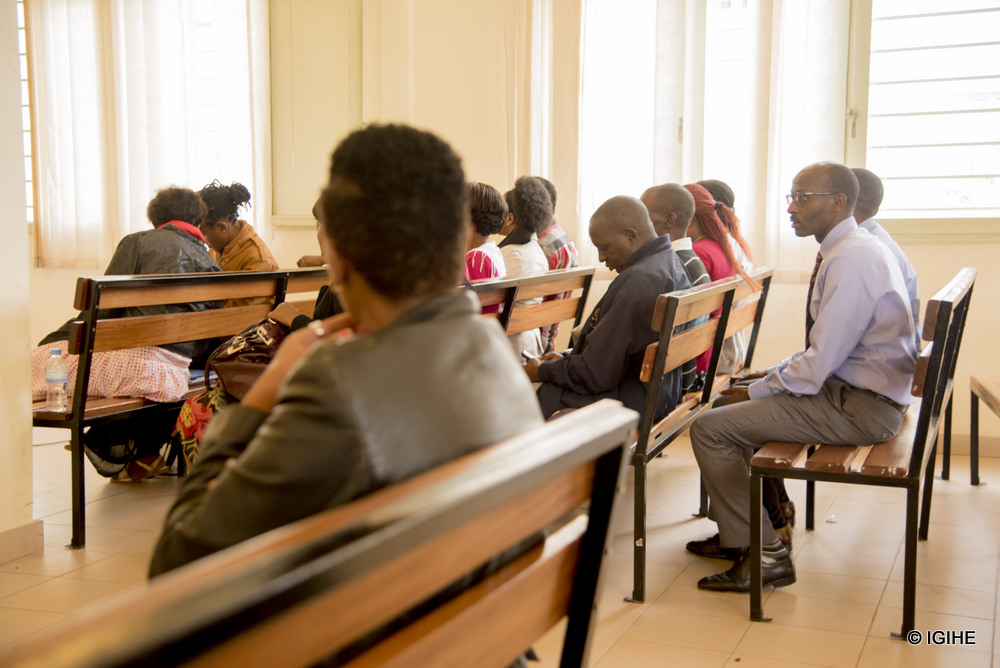
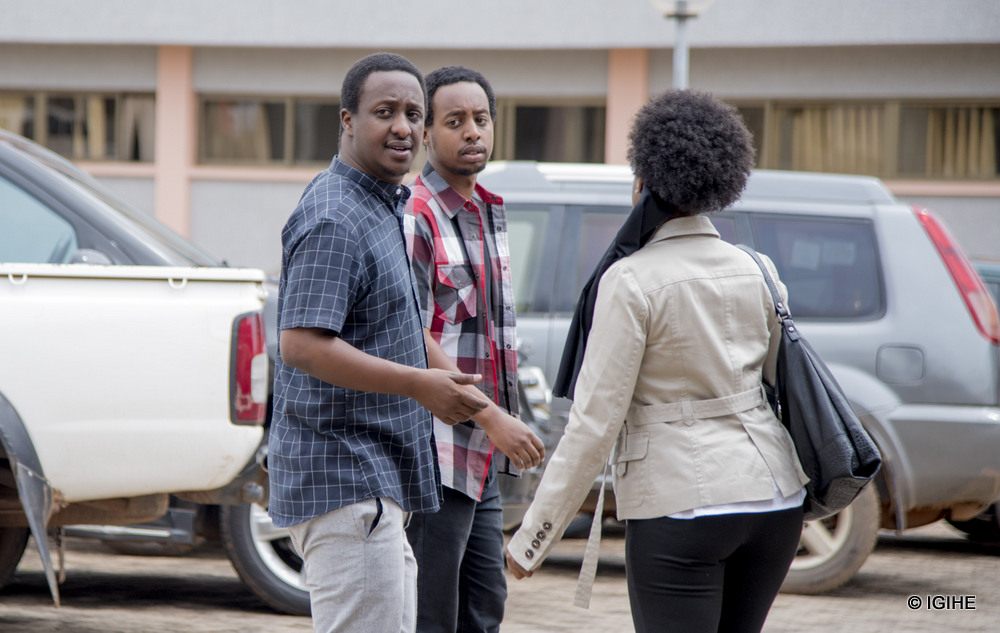
In today’s hearing, only Diane and her mother’s lawyer Gatera Gashabana appeared in the court as Mukangemanyi was reportedly sick.
Diane’s Lawyer Pierre Celestin Buhuru did not attend court. Prosecution was represented by Faustin Mukunzi and the National Public Prosecution Authority Spokesperson Faustin Nkusi.
Diane told the presiding judge that her lawyer had another hearing and requested court to stay the hearing.
Gashabana said that his client is sick and was unable to appear in court and also requested for adjournment of the hearing.
Prosecution doubted the reason for absence of Counsel Buhuru, saying that he should have communicated his absence through a letter to the presiding judge.
The presiding judge adjourned the hearing of both defendants.
The duo are accused of inciting public insurrection but Adeline Rwigara is separately facing divisionism charges as Diane Rwigara particularly faces forgery offenses.
Last month, Nyarugenge Intermediate Court granted bail to the co-accused Anne Rwigara saying that there was no evidence connecting her to accusations brought to the three family members including Diane and Adeline Rwigara.
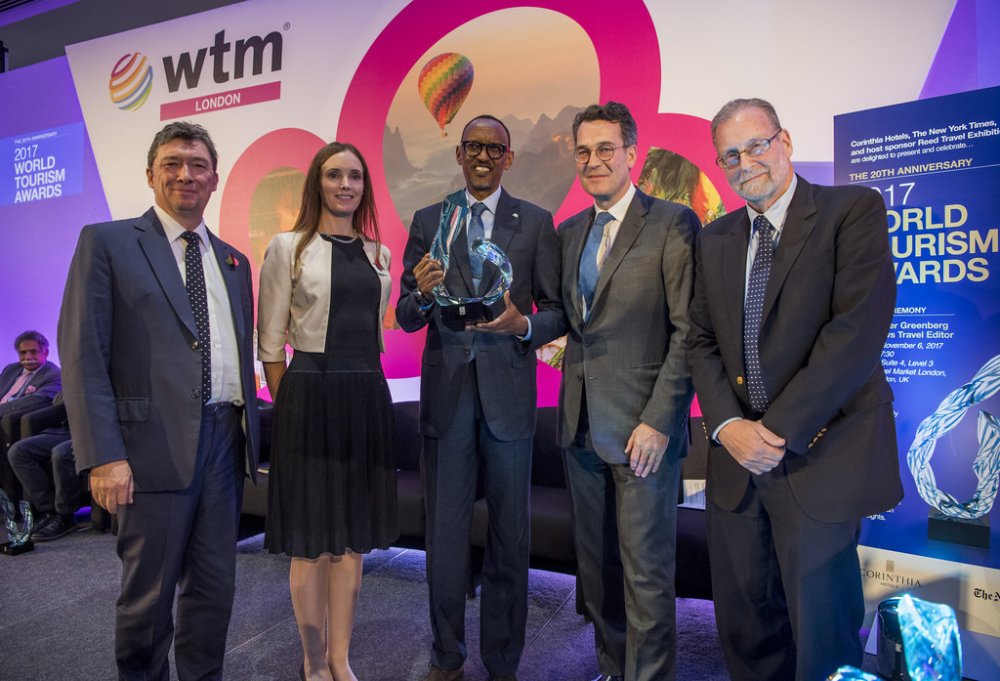
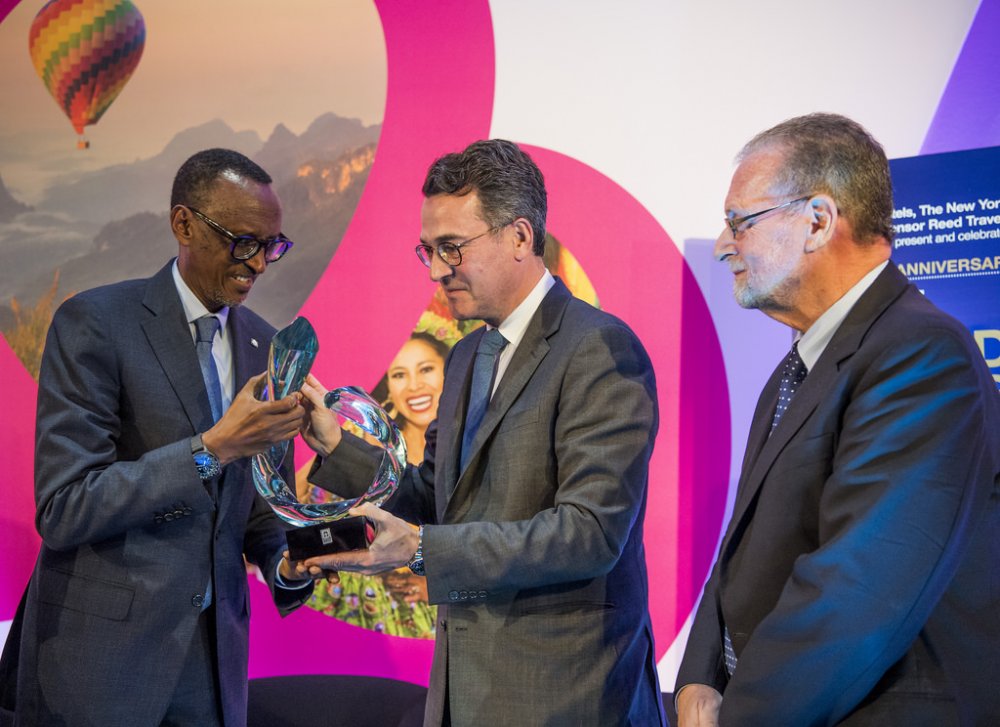
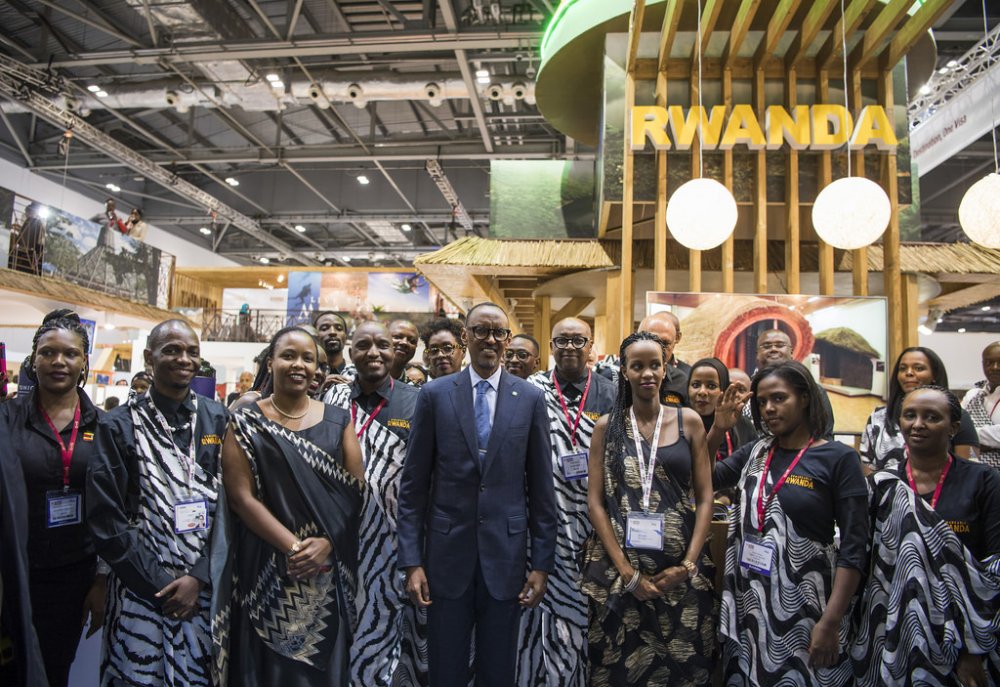
Kagame was speaking in London, England after receiving the World Tourism Award in recognition of his visionary leadership in sustainable wildlife conservation.
Kagame received the award yesterday during the official opening of ‘World Travel Market London’in London, England.
The three-day event that attracted industry professionals from across the globe was hosted by Reed Travel and co-sponsored by Corinthia Hotels United Airlines and The New York Times.
President Kagame said that Rwandans have been working hard to protect natural environment while building the infrastructure for visitors and citizens.
He said that growth in the industry has proven to be a driver of shared prosperity as they ensure that Rwandans benefit directly.
“These good results have been possible because Rwandans have made a mindset shift from dependence to dignity and self-reliance. This is why for example former poachers are today the most dedicated protectors of wildlife,” Kagame said.
He said that they are finding ways to multiply Rwandans connections with the rest of the world, adding that it is what the award he received represents.
“This is a story that is being repeated across the continent as Africans increasingly take charge of our future. It is getting easier to travel to Africa, RwandAir now flies to 24 destinations on the continent and beyond including London” he said.
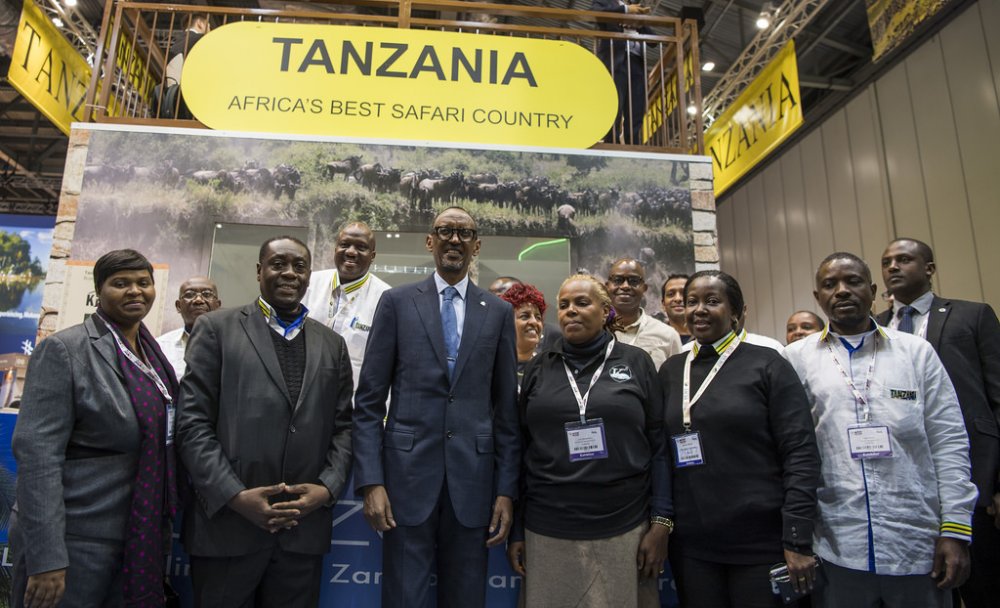
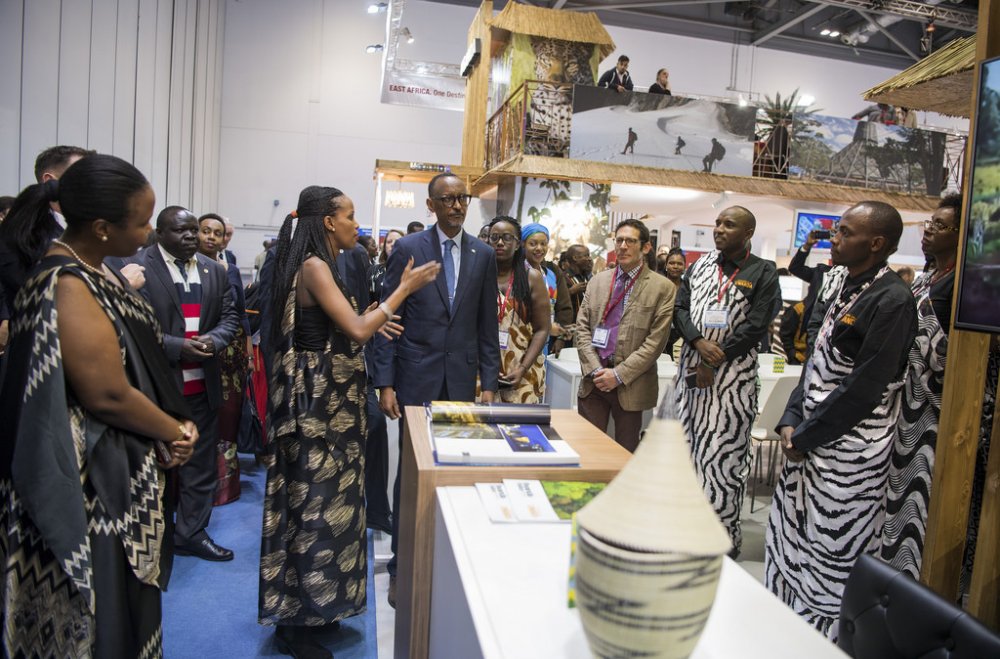
He said that Rwanda has been exhibiting at the World Tourism Market (WTM) for many years and have seen the impact as the UK is 2ndbiggest source of tourists to Rwanda.
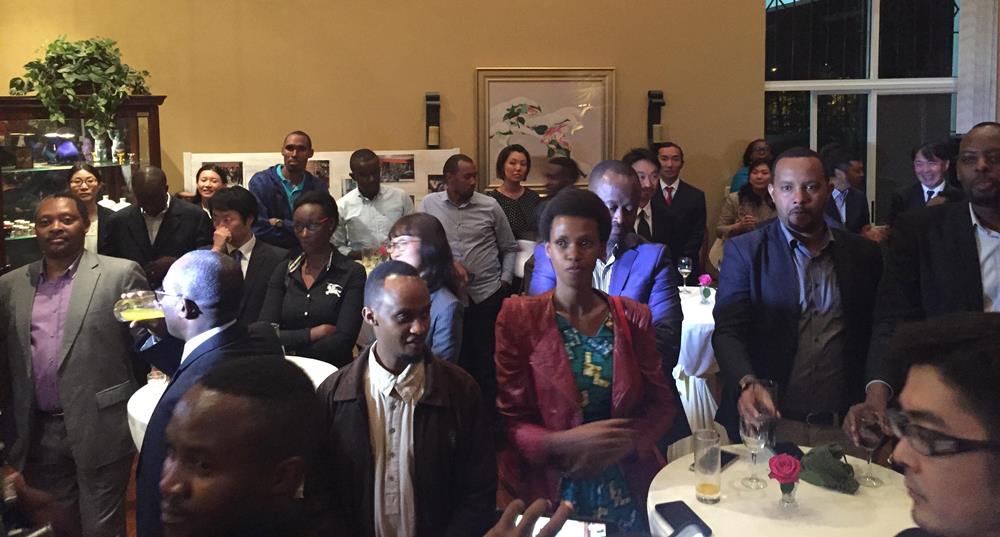
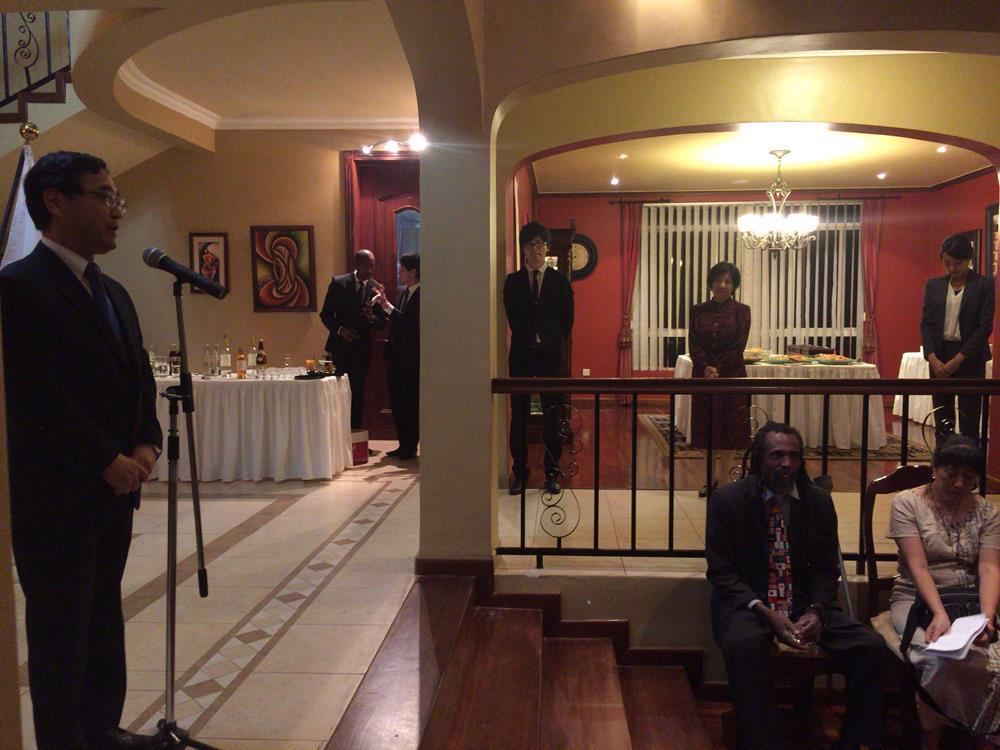
The award was presented on Monday in Kigali by the Ambassador of Japan in Rwanda, Takayuki Miyashita to Gatera Rudasingwa and Mami Yoshida Rudasingwa, the founders of Mulindi Japan One Love Project.
Speaking at the event, Takayuki said that it is a recognition of the project’s great job both in Rwanda and Japan.
“They are doing great job in the country, which is why we are recognizing them. They are producing artificial limbs and training Rwandan people in orthopedics studies” he said adding that they do all activities free of charge.
Speaking at the event, Mami Yoshida said that they were pleased to receive the Japanese Foreign Affairs Minister’s recognition.
“It is over 20 years since we started helping people with disabilities in Rwanda, a period that has been characterized by pleasant and bumpy experiences,” she said, adding that the project has got support from both Japan and Rwanda government.
Yoshida said that in collaboration with a Japanese company, they are considering to bring new technology of prosthetic-making. “If we could get this technology, we can make more prosthetics at low prices not only in Rwanda, but also all over Africa” she added.
MP Gaston Rusiha representing people with disabilities in parliament commended the project saying they were greatly contributing to the welfare of people with disabilities since they started operating in Rwanda.
The forum taking place in Charm el-Cheikh City and is being attended by 3200 youth from 113 countries.
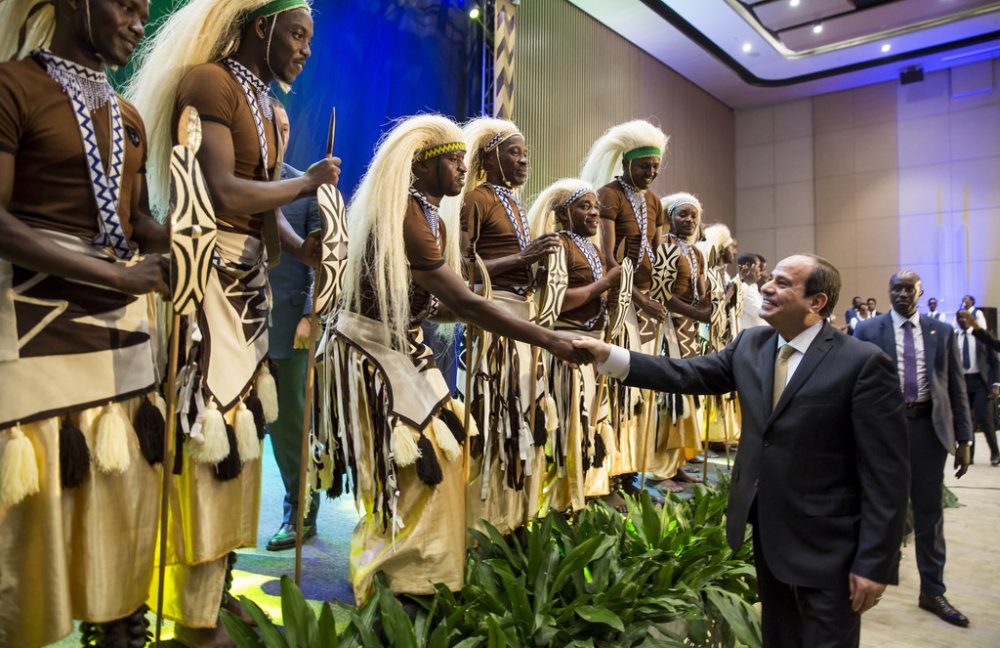
The ballet was invited to entertain the youth in the forum that started on Sunday.
The ambassador of Rwanda in Egypt, Sheikh Saleh Habimana wrote on his twitter that Urukerereza was invited by President Fattah
“Under the invitation of Egypt’s El Sisi, Urukerereza has arrived in Cairo; soon they will head to Sharm Sheikh where they will entertain youth forum,” the twit reads.
President Fattah was entertained by Urukerereza in August 2017 when he visited Rwanda and welcomed by President Paul Kagame at the Kigali Convention Center.
The average price is now at Rwf2,500 per kilogram. Government will start construction of a silk processing firm in Kigali Special Economic Zone this November. Government and Korean firm, HEworks Rwanda Silk, are giving incentives to sericulture farmers, giving the sectorguarantee for a reliable market that relieves farmers from the previous losses which saw mulberry trees, food for silkworm, grow into bushes around the country as the owners abandoned silkworm rearing.
Jean Pierre Bicamumpaka, coordinator of the 17-member Umuseke Cooperative, says they were discouraged from selling cocoons to UTEXRWA, Rwanda’s textile firm, which used to delay payments for six months. The new investor, HEworks Rwanda Silk, is paying them within a maximum of seven days from the day of supply.
“We have recently bought a land at Rwf1,150,000 with the support of Rwf850,000 from our district for planting more mulberry trees to enable us increase cocoon production to at least 250 kilograms per monthly cycle. We can produce cocoons six to eight cycles per year,” he told IGIHE from exhibition in Kayonza, last month.
“This business is turning into a goldmine; we are seeing a lot of benefits, easy to do and do it while doing other activities at the same time. In the next five years, we target to have huge production and machines to dry up the cocoons and sell at higher prices.”
Bicamumpaka said the investor is soon awarding farmers with contracts which can help them access the financing from financial institutions.
{{Potentials in sericulture}}
Sericulture is an agro-based sector involving rearing silkworms to produce cocoons and raw silk by reeling cocoons. Amid the developed countries’ rapid industrialisation, sericulture presents good opportunities for developing countries to produce raw material for the manufacturers in developed countries, according to Jean Marie Vianney Munyaneza, the manager for Diversification and Products Development at National Agricultural Exports Development Board (NAEB).
“Now a kilogram of silk yarn is at $70 up from $30 five years ago when China had good production of silk. So, we have a good market but as we focus on promoting Made in Rwanda products, this silk will also be important to support our local textile in the coming years,” he said.
To maximise the benefits, Munyaneza says the Government decided to build a silk firm worth Rwf1.5 billion and all is set to start construction by November to see it operational by next year with the high technology machinery by mainly the government and some by HEworks Rwanda Silk.
The firm will have the capacity of producing 100 tonnes of raw silk (silk yarn) annually. While only 10 tonnes of dry cocoons were recorded in 2016, production is expected to increase to around 35 tonnes by 2017 due to many efforts by the Government, farmers and HEworks Rwanda Silk, according to Munyaneza.
“We are targeting to produce 300 tonnes of dry cocoons annually from 2020. These tonnes will need good farmers and firms. We have an agreement with HEworks Rwanda Silk that will build another firm in Rwamagana District as the production increases. When we hit 300 tonnes target, we shall upgrade the Government’s firm to manufacture silk clothes starting from ties and scarves and leave cocoon reeling activities to Korean firm,” he says.
Munyaneza urged farmers to take advantage of the government’s current incentives in sericulture including free mulberry cuttings for planting, roofing materials for silkworm rearing houses, silkworm eggs, training of farmers and investor’s offer of Rwf15 per every mulberry tree that a farmer grows.
{{Rwanda’s silk among top quality}}
Dr Keewook Sohn, Managing Director for HEworks Rwanda Silk Ltd, says that Rwanda has favourable natural conditions such as temperature and rainfall that allow six to eight cycles of cocoon production per year while most countries never go beyond three cycles.
“We sent Rwanda’s silk to China to test the quality last year and was found to be of very high quality. Cocoon’s quality is ranked in the way 6A is the highest but is rare to find, then 5A, 4A, 3A, 2A, 1A to B, C, D… From 3A and above, the quality is high. Rwanda’s silk was ranked at 4A which is high quality,” he says.
Dr Sohn says to produce the highest quality does not only base on good silkworm rearing but also on technology of cocoon drying and reeling machines, adding that his company is going to bring the top quality machines and top quality technicians to produce the highest quality of raw silk from next year.
He says they target to reach 1,000 hectares of mulberry plantation by 2018 from the current 260 hectares around the country. The total income from one hectare’s minimum 750kg cocoon production stands at Rwf1,650,000 but is expected to keep increasing regularly to reach Rwf3 million by October 2022.
There are at least 3,200 farmers in 40 cooperatives practicing sericulture around the country and the number is quickly increasing due to the sector’s increasing benefits as cocoon prices have almost doubled from Rwf1,350 to Rwf2,500 per kilogram in the last three years.
She is caught in limbo; in the middle of nowhere. Her future remains uncertain. She was born out of the 1994 Genocide rape that left her mother infected with HIV to which she succumbed four years later.
Agnes (not her real name) was luckily born HIV-free and breastfed by maternal aunt whom she knew was her mother and knew aunt’s husband as her father.
Over 100 days, the 1994 Genocide against the Tutsi claimed over one million lives and assailants raped an estimated 250,000 women which, according to one charity’s count, produced up to 20,000 babies. Agnes is among the births of the horrific circumstances that took a toll on her being.
IGIHE visited Agnes in Kamonyi District where she lives with her aunt’s married daughter since 2015 but she will have to wait for the absence of her home mates or find a place away from home to gain some comfort for recounting her story to the media.
Agnes, now 22, learnt of her birth circumstance from aunt when she was in primary five, following the order by a teacher for all students to cite names of their parents.
“My mother and I lived together at my aunt’s but I thought of my aunt to be my mother until the real mother died when I was four years old. They told me my mother had died but I didn’t consider it much. I started hearing people saying that I am an orphan and got confused because I had never heard of my father’s death,” she said, adding that her aunt shed tears instead of replying when Agnes asked for clarification.
I insisted asking, “Aren’t you my mother?” Aunt later answered, “Don’t you remember the time your mother died? I am not your mother and I only heard of your father’s name but he died in Congo (DRC).”
{{Essence of trauma, school drop out}}
Agnes kept asking many questions to her aunt who finally revealed all about Agnes’s birth circumstances.
“I wished to visit the area of my father’s origin to check for any relative there and aunt took me there after days of argument because she hesitated to take me there. We got to my paternal uncle who scorned us with abuses and said I was going to claim land from my father. He told us to visit him again later for a talk. The next time I went there with my maternal uncle, he took a machete and chased us. We run away and I never wished to see him anymore since 2012,” Agnes narrates as she tears up.
The uncle threatened to kill Agnes and make her follow her deceased mother and uttered a lot more scorns that she is a bastard that should be sent back to the street where she was picked.
“Since then, I felt traumatized, hated life and school. I stopped going to school, wondering about my future without family. Aunt insisted that I go to school but I could often sit on the way and go back home without reaching the school. I was demoted from primary five to three but still kept scoring as poorly as 20% or below yet I used to score above 50% before learning of my birth,” she said.
She finally dropped out from senior one which she had joined after extreme failure, featuring in U (unclassified) category at the end of primary six.
“Then SURF (NGO) found me and paid for my courses on hairdressing in Kigali for one year in 2015. I have not got job since the courses completion and my life is a misery. When I lack anything among life needs, I sit down and weep recalling of my history and worry of my future without family. I wish I get support for opening a hairdressing shop,” pleads Agnes.
Agnes adds, “I never wish to see anyone of my father’s family since my uncle chased me with machete while I tried to meet them with love. I didn’t even know my father’s name and never wish to know it. I only know the family of my mother.”
{{Government pledges support}}
Minister of State in charge of Social Affairs and Social Protection at the Ministry of Local Government, Dr Alvera Mukabaramba, says the amendment of the law instituting the Fund for Neediest Survivors of Genocide (FARG) considered mothers of children born of Genocide rape in particular and pledged her personal follow up with Kamonyi District’s officials to help Agnes.
“FARG law considers their mothers because children are not counted among Genocide survivors. We are amending the law instituting FARG in which we stated that their mothers shall be supported in a special way to enable them support their children too,” she said.
Dr Mukabaramba said the ministry has always tasked districts to consider children like Agnes in particular ways using social protection schemes but some children remain unknown to authorities because their mothers succumbed to stigma that made them fail to speak out their Genocide ordeal.
“We encourage local leaders to know such children and offer particular support. We need to know that young girl and help her in particular. We shall follow up with local leaders to ensure she gets support. That is one you found but there might be others with similar problems in the country. Let me have her name and address! They might be lost among others in the society but if we find a particular case, we do help them,” said the minister.
She reminded that those born out of Genocide rape are not longer children but young adults who need support for development projects because some have completed good education, others schooling still while others did not get good education.
Emilienne Kambibi, a counsellor who works with SURF and Foundation Rwanda said they have supported 830 children born of Genocide rape and most of them have now completed secondary school. Among them, 27 got early pregnancies including some who got defiled by their mothers’ husbands. With some, after learning that their wives were raped in Genocide and never revealed to the husbands, they revenged by raping the daughters. Some others completely failed at school and dropped out but the charity helps them acquire vocational and technical training.