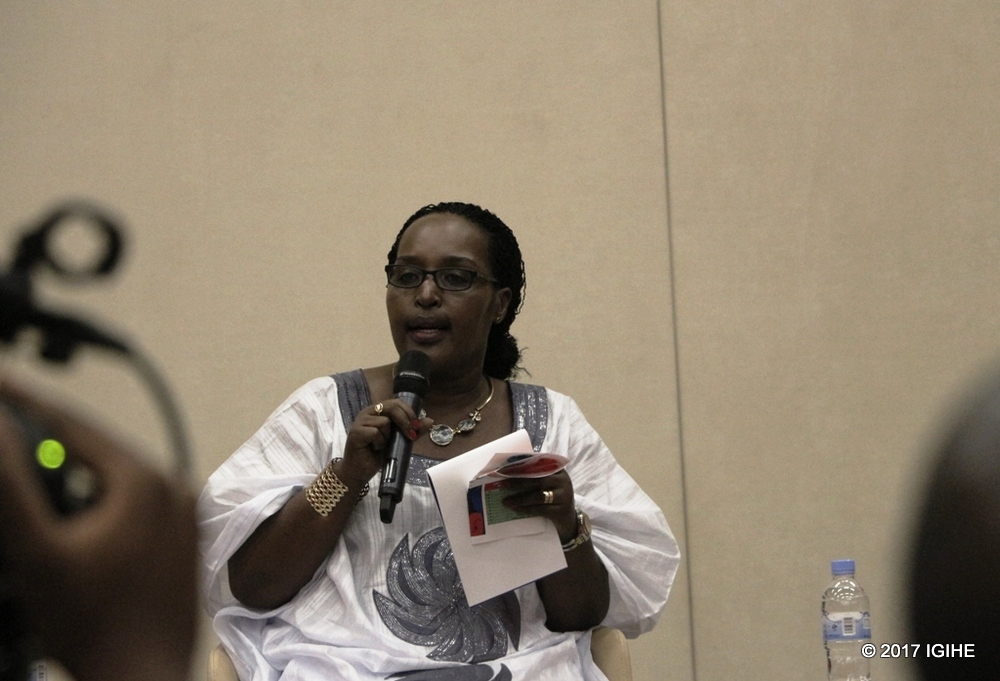
Rwemalika got 13 out of 52 votes while FERWAFA election code requires her 27 votes.
Election results revealed that Rwemalika got 13 while 39 votes were invalid.
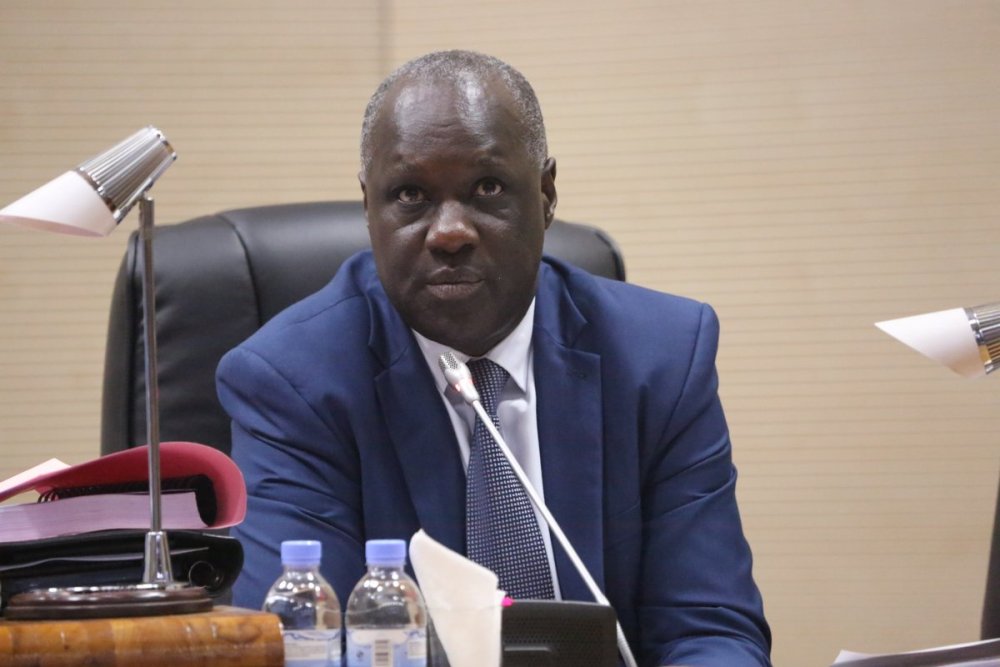
After a closed meeting to decide the way forward, the Electoral Committee’s president Adolphe Kalisa announced that Rwemalika did not secure enough votes.
“According to Article 28 of Electoral Code, the Executive Committee will continue to work until the next FERWAFA Elective General Assembly is held,” Said Kalisa.
The General Assembly has given powers back to the Executive Committee to prepare the next elective general assembly which will determine the next FERWAFA President.
Nzamwita announced the move while addressing the association’s elective General Assembly Saturday Morning. The Assembly preceded the election of the president.
Through FERWAFA’s twitter handle, they announced that Nzamwita pulled out due to personal and family reasons.
“Due to personal and family reasons, Nzamwita pulled out of the contest. He has thanked everyone who backed his reign in the past 4 years and promised to continue supporting Rwandan football and the next president who will be elected by the General Assembly,” twit reads.
Nzamwita was in the race to head the association with Félicité Rwemalika who immediately remained the only candidate.
During the reading of the verdict on Friday, the court announced that Mbarushimana is convicted of complicity in genocide, conspiracy to commit genocide and extermination as the crime against humanity.
He committed crimes in former Muganza Commune in Butare Prefecture, currently in the Southern Province.
He is accused of instigating the establishment of two road blocks in the area where many people were killed. He is also said to have been among the leaders of the attack on Kabuye Hill where thousands of Tutsi were killed between April 21 and 25, 1994.
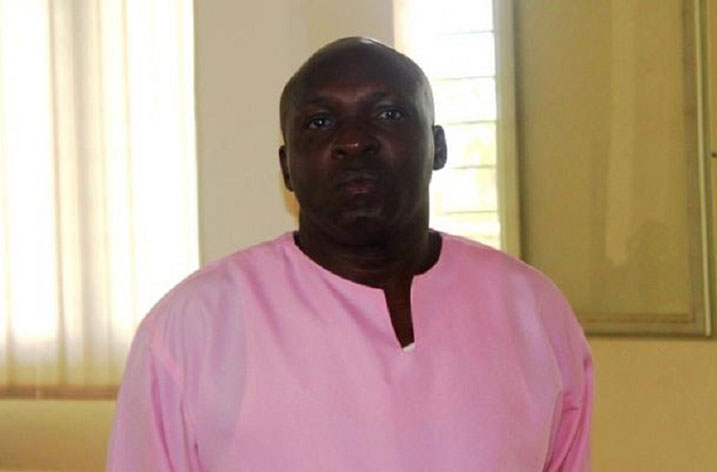
Mbarushimana, who was in the court as the presiding judge read the judgment, announced that he was going to appeal the decision.
Mbarushimana was extradited from Denmark in July 2014 after exhausting all avenues to block extradition efforts including petitioning the European Court of Human and Peoples’ Rights which ruled that there were all conditions necessary for him to get fair trial in Rwanda once extradited.
According to CNN’s list of best destinations worth visiting in 2018, Rwanda has been surfing a tide of good news stories in recent years as it distances itself from a troubled past with glowing accounts of its amazing volcanic landscape, clean streets, stable government and efforts to preserve endangered mountain gorillas.
May 2017 saw Rwanda gamble on doubling the price of gorilla trekking permits to $1,500, making it up to three times the price of some permits in neighboring Uganda. The plan is clearly to corner a more upscale market, catered for with the opening of new premium lodges, including One&Only’s Nyungwe House, and help supercharge the country’s tourism economy.
As Africa escapes go, it does look attractive if you can afford it. Verdant national parks such as Akagera, Volcanoes and Nyungwe Forest are home to safari favorites including lions, hippos, crocs and rare primates.
In 2017, Akagera completed its Big Five list with the triumphant reintroduction of eastern black rhinos after they vanished 10 years ago.
Throw in pleasant year-round temperatures of about 27 Celsius and direct flights from London and Rwanda could become one of the most tempting luxury year-round escapes on offer.
“Don’t miss Suspended a knee-wobbling 50-meters above the floor of the Nyungwe Forest, the Canopy Walk takes visitors across a narrow 200-meter bridge through treetops teeming with life,” reads CNN article.
Best destinations on the list are Cape Verde Islands; Botum Sakor National Park-Cambodia; Malta; Serbia; Nevis; Banff- Canada; Nagano-Japan; Puebla-Mexico; Essaouira- Morocco; Perth-Australia; Rwanda; Crete; PyeongChang-South Korea; Lisbon-Portugal, Cajamarca- Peru; Yunnan- China; Asheville-North Carolina and New Orleans.
Speaking at a press conference yesterday, Director of Bank Supervision and Forex Bureaus at BNR, Françoise Kagoyire said that all banks were informed about the directives warning them against charging clients who may want to close their accounts.
“There are directives that were issued in 2016 with immediate effect. We have recently conducted a monitoring exercise on how the directives are being implemented and found out that some banks are complying. We have also sent them a message reminding them about the directives,” she said.
Kagoyire said that banks are not allowed to charge monthly fees on bankrupt accounts.
Banks were also urged to transfer to the Central Bank money from accounts that exceed five years without any transactions in order to ensure the funds security.
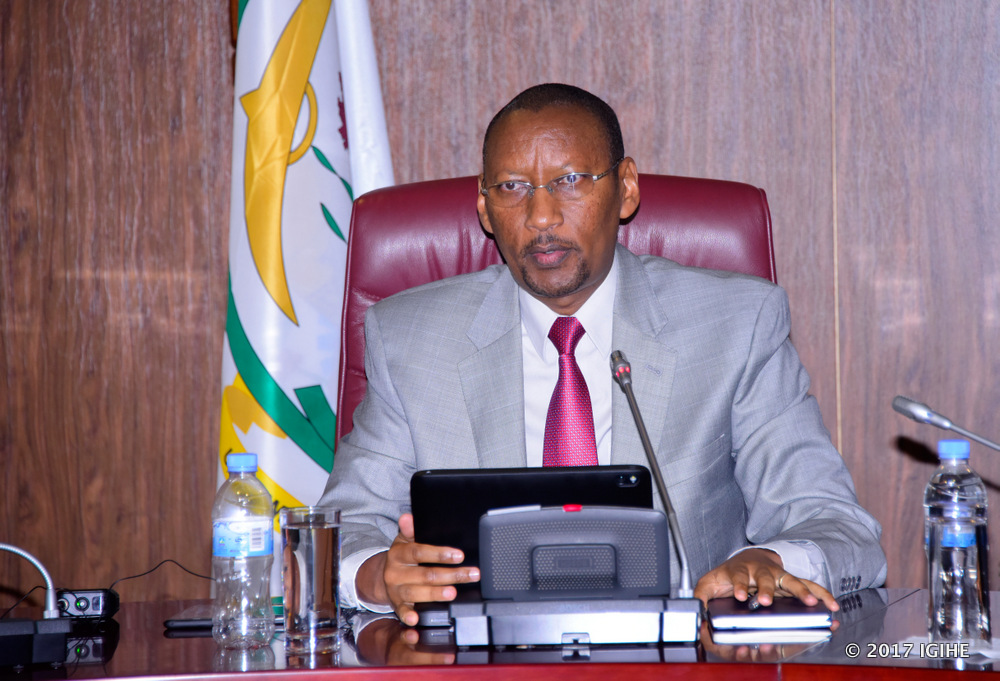
Central Bank Governor, John Rwangombwa urged clients to declare bank accounts that are no longer operational so that they don’t confuse planners during the national budget planning.
“Directives state that when you don’t want to use the account, you ask for its closure. Banks used to consider these accounts as operational and charge them monthly fees until they fall into debts,” he said.
Different banks had been charging between Rwf5,000 and Rwf10,000 for closing a bank account.
BNR observed in February 2017 that closing bank accounts exercise was being done contrary to the directives and the regulator was seeking to introduce new directives that would harmonize the exercise in all banks.
Speaking to IGIHE, Assistant Commissioner of Police (ACP) Dismas Rutaganira, the Eastern Region Police Commander, said that Mukama was arrested on Tuesday and is held at Kabarore Police station as investigations continue.
He said the investigation was launched following the Eastern Province’s audit that revealed undocumented funds used by Kiziguro Hospital.
“Police have stood against embezzlement and defrauders of public funds,” he said.
ACP Rutaganira said that as public institutions and civil society commit to fighting mismanagement of public funds, all people should follow the suit.
Mukama was Director of Kiziguro Hospital from May 2010 to September 2017.
The policy rate is an interest rate that the monetary authority (central bank) sets in order to influence the evolution of the main monetary variables in the economy.
The move was announced Thursday following the quarterly Financial Stability Committee (FSC) and Monetary Policy Committee (MPC) meetings that were held in Kigali on Wednesday and Thursday.
The decision to reduce the rate was taken following the MPC observation that 2017 is ending with stable macroeconomic conditions.
In June, the interest had also been cut from 6.25% to 6%.
Speaking to the media, Central Bank Governor, John Rwangombwa said that cutting policy rate from 6.25% to 6% brought good impacts considering how different banks continue to provide loans to private investors.
“The decision had impact in terms of the number of private investors who accessed bank loans in the last nine months of 2017. Loans increased by 14.3% compared to the same period in 2016,” he said.
“This is what the Monetary Policy Committee considered and reduced the policy rate to 5.5% in order to help banks continue to provide loans,” he said.
“It is rare for banks to come for credits in Central Bank but when they come, that is the policy rate we consider,” he added.
He said they wish that reduced repo rate impact banks’ interest rates for clients though it takes a process compared to the state of the country’s economy.
The FSC observed that the assets of the financial sector continued to increase in the third quarter of 2017. Total assets of the banking sector increased by 17% (year-on-year) in September 2017 to Rwf2.6 trillion while the microfinance sector increased by 9.5% to Rwf242.4 billion.
Assets of the insurance sector and pension increased by 13% and 15% to Rwf386.6 billion and Rwf690.9 billion respectively.
Non-performing loans ratio in banks stood at 7.7% down from 8.2% as of June 2017 while in microfinance institutions declined to 8% from 12.3% in the same period.
The Financial sector remains profitable as total banking net profit stood at Rwf30.6 billion in September 2017 while that of the microfinance sector and the insurance sector was at Rwf3.1 billion and Rwf29.4 billion respectively.
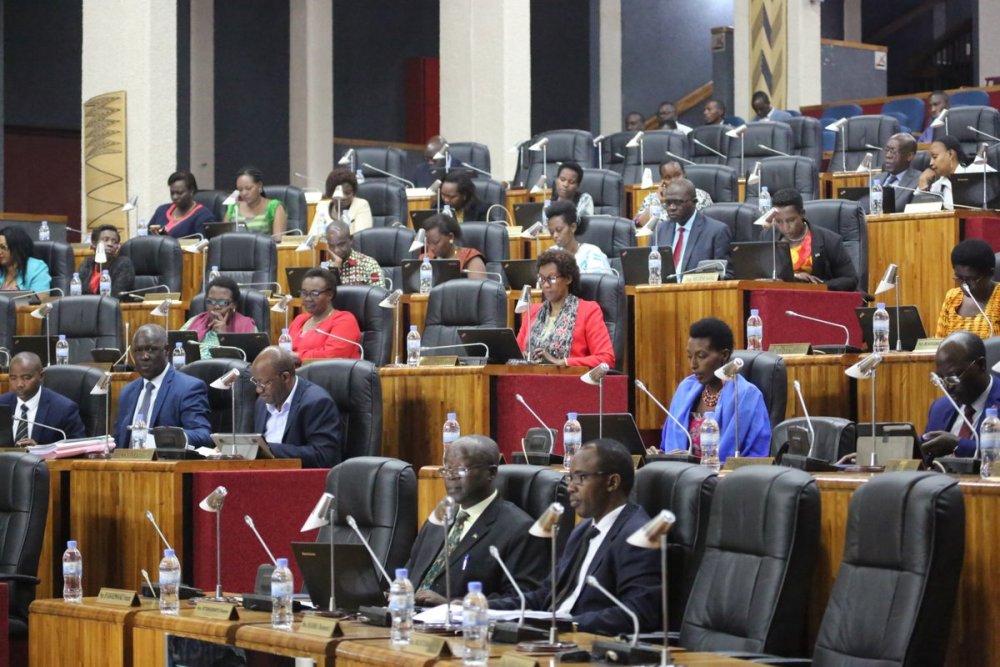
Chairman of Standing Committee on Political Affairs and Gender in Parliament, Alfred Kayiranga said Thursday morning that defamation has been removed from the draft law determining offences and penalties in general.
As the committee tabled before the Lower House plenary sitting the report on the review of the Penal Code, Kayiranga said that some articles were dropped as the committee found them fitting into civil laws.
“Like some other articles, defamation should not be criminalised. We have removed it from this draft law,” he said.
The current Penal Code states that anyone found guilty of defamation shall face a jail term of six to 12 months and a fine of Rwf1 million to Rwf5 million.
However, Article 169 of the proposed Penal Code indicates that when convicted, one is liable to a jail term of not less than two years but not exceeding three years and a fine of not less than Rwf3 million but not exceeding Rwf5 million.
Though defamation was dropped from the proposed Penal Code, MP Emmanuel Mudidi opposed the move saying the House should revisit this article because scrapping it would pose many consequences. To him, defamation is a big offense that should be considered in the law.
Kayiranga explained that, like defamation, many other points were left out for political interests.
“There are some articles that were removed from Rwanda’s Penal Code draft for political interests and respect of human rights. This doesn’t imply that these offences will not be penalised, but they will go into civil laws or in laws regulating media,” he explained.
{{Good news to journalists}}
Tightening penalties on defamation in Penal Code amendments had sparked debate and media practitioners had recently raised voices against the article saying that it would undermine freedom of expression.
Executive Secretary of Rwanda Journalists Association, Gonzague Muganwa had said that defamation contradicts journalistic ethics under the article two of media ethics and, therefore, should not be in Penal Code.
He said that breach of media ethics should be handled by media self-regulatory body.
Early this month, the media fraternity had convened in a consultative meeting and agreed to file a petition to parliament stating their position that defamation should be scrapped from the Penal Code under review and be handled as a civil matter.
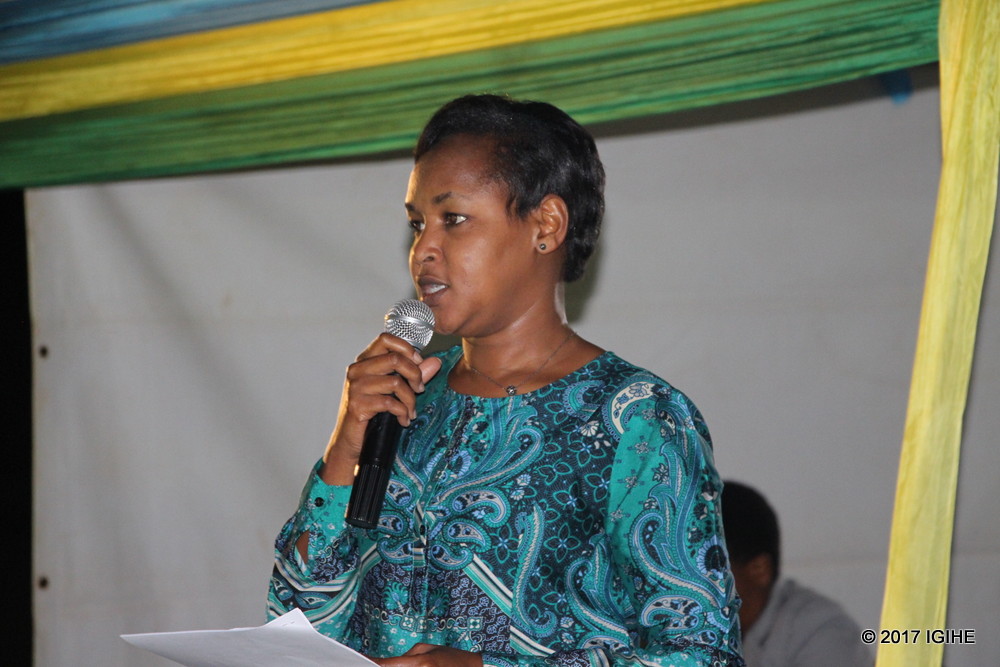
She said that many young people engage in using drugs for the curiosity to explore what is behind using them.
Mbabazi was speaking in a televised talk show on the national broadcaster, RBA, on Sunday. The talk show revolved around consequences of drugs and the state of drug abuse in Rwanda.
She said that youth top users of drugs as Police statistics point out.
“Drugs are a matter of concern at the international level and, in Rwanda, we are not an island that cannot be affected. The majority of users are youth as they are in ages where they have curiosities. Statistics from Police show that old people using them are 5,000 but youth between 18 and 35 years are 16,000, whereas those below 18 are around 3,000,” she said.
Mbabazi said that a research conducted in 2011 on 2,400 youth indicated that 52% tried to use drugs once in their life and can retry. According to the research, 4% of them were completely drug addicted.
“That is why Rwanda established the center for rehabilitation and restoration of those youth drug users,” she added.
Isaac Munyakazi, State Minister for Primary and Secondary Education, said that drug abuse is an alarming matter among the youth.
“This is a matter of concern. Considering our vision for a knowledge-based economy, drugs are hampering the knowledge we provide to our youth,” he said.
Munyakazi said that Government is continuously imposing penalties against drug users, dealers and traffickers in order to fight the vice.
He added that any student found using drugs is immediately dismissed from school and sent to rehabilitation center so that they do not affect others.
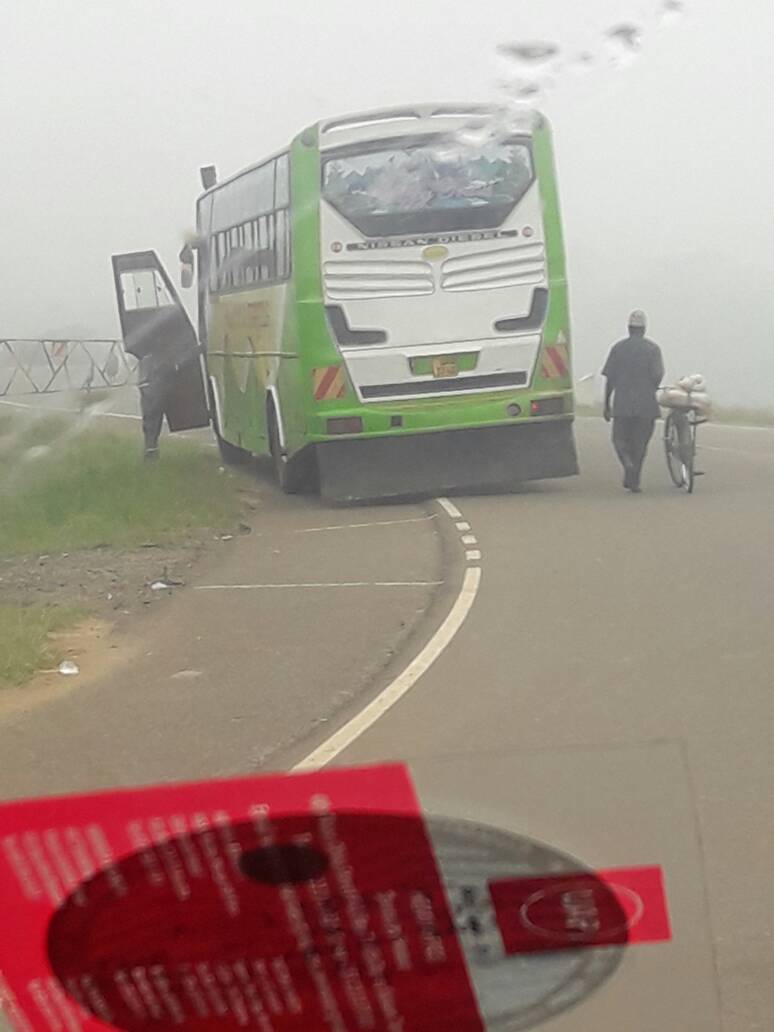
The group is detained at Nalufenya, a high profile police detention facility in Jinja District.
Police spokesperson Emilian Kayima has said that their investigations have pointed out to a number of offences committed by the group.
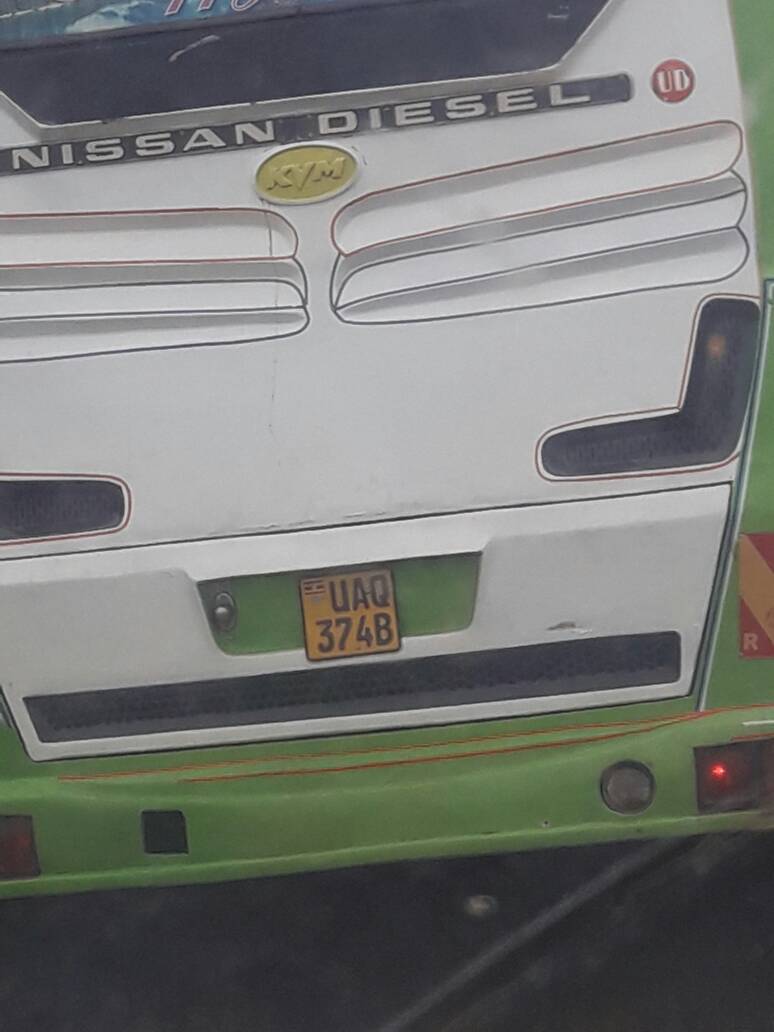
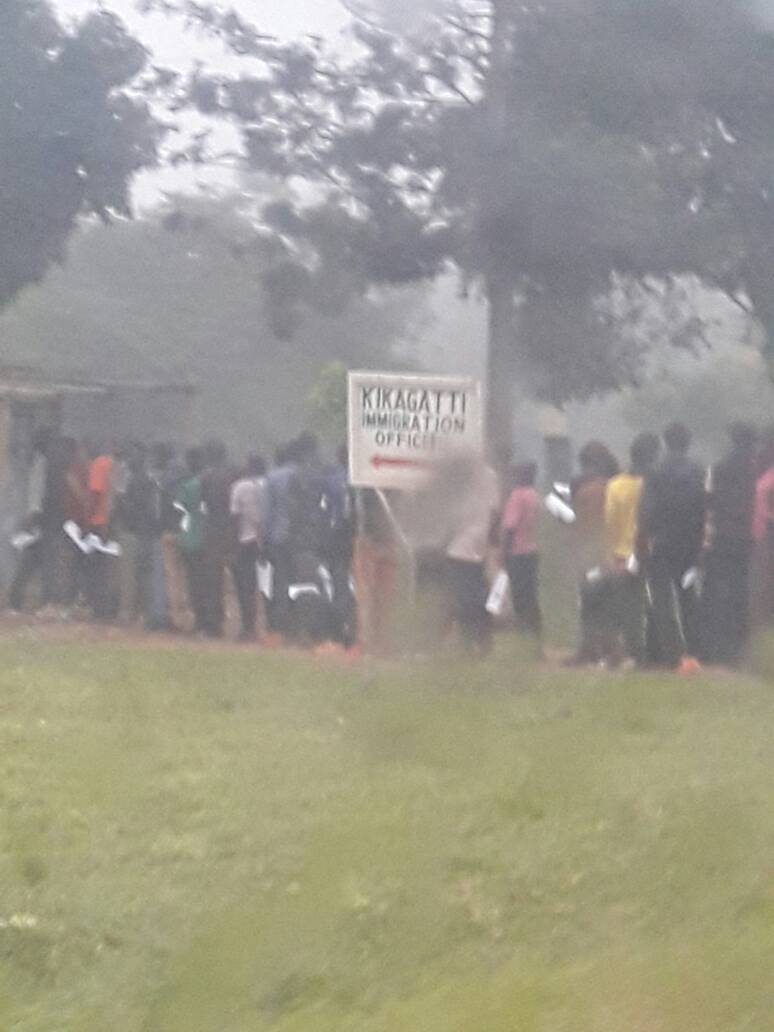
“They were arrested at the border traveling with forged documents and fake identities. Two suspects were arrested in Kampala and are their collaborators,”Kayima said in a statement on Wednesday afternoon.
“These individuals are not innocent. Police has found out that they are culpable of more serious offences other than forgery including terrorism.”
The group through their lawyers last week filed a complaint before Jinja Chief Magistrate’s court citing detention for more than the 48 hours mandatory by the law adding that they should be brought before court and charged.
However in response, the police mouthpiece said in a statement that investigations into their case have been completed but noted that the delay in arraigning the suspects before courts of law has been occasioned by the festive season .
“The team has completed investigations ,pending perusal and prosecution by the DPP .The delay in court has been to a large measure due to festive season.”
Kayima however noted that the group’s detention at Nalufenya is legal because it is a gazetted place of detention for high profile suspects.
According to the police publicist, the crimes committed by the group happened in various parts of the country and that no one region has complete jurisdiction over them.
“Moreover being a large number involved in the same offences it is more convenient to and efficient to manage them in one place.”
He however denied that the 45 suspects are refugees from Nakivale refugee camp, adding that they are Rwandan national who migrated to Uganda and have been living in various parts of the country .
These developments come at a time when the relationship between Uganda and her neighbour in the South West, Rwanda is frosty following allegations of kidnap of Rwandan dissidents and repatriated to be handed over to the Kigali government to face a number of charges.
Nine people including senior police officers are currently facing related charges for kidnapping and repatriating Lt.Joel Mutabazi, a former bodyguard to Rwandan president Paul Kagame to Rwanda in 2013.
They are facing charges before the General Court Martial in Makindye.