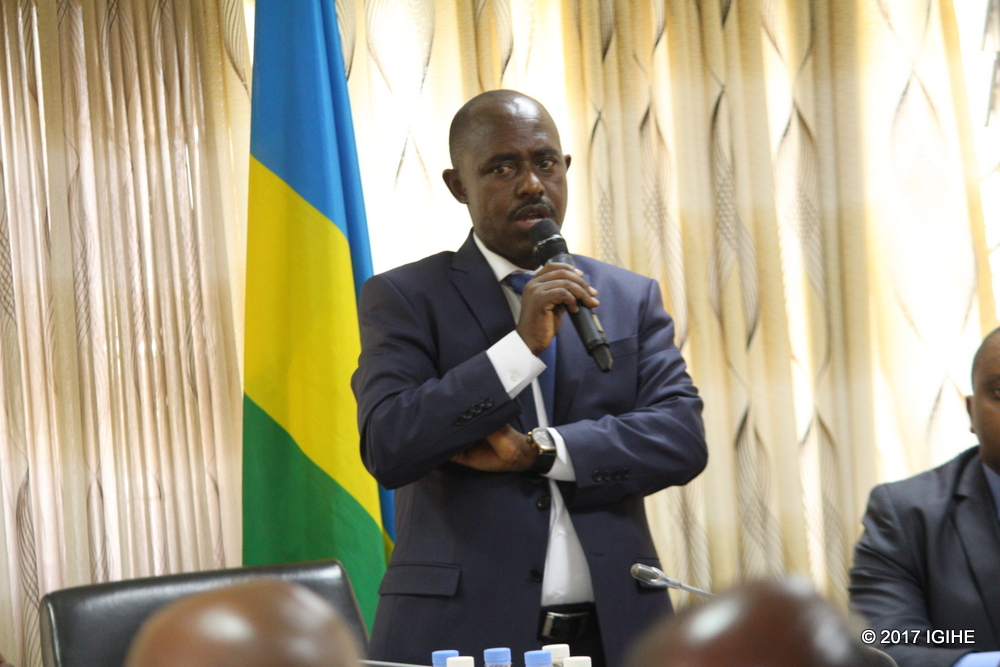
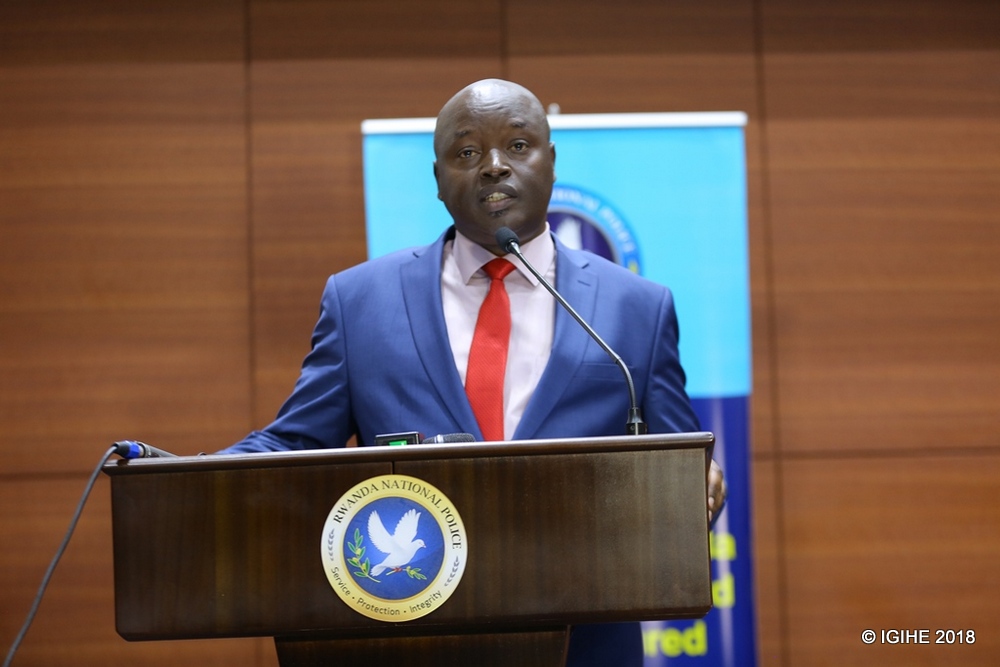
Speaking to National Broadcaster, RBA, Mutimura said that some university lecturers use English as a medium of instruction in which they are not fluent.
“We want to show lecturers that they are the basis of students’ education. Students say that they don’t know English because of their lecturers; they don’t have speaking skills and use it inadequately. That is why we are discussing with university officials so that in the future, for a lecturer to start teaching in University they should first pass English test,” he said.
He said that the test will be done at National level to enable lecturers acquire English writing and speaking skills.
According to Mutimura, the move will help address the challenge of students who graduate without English usage skills needed on the job market.
The new move follows a resolution from February 2018 National Leaders Retreat which recommended promotion of quality education including the teaching of English language in all university courses.
Commenting on the resolution, Mutimura said for the quality of education to be enhanced; students and teachers should well understand the basics of English language.
In Nyamagabe, former Gikongoro Commune, over 50,000 Tutsi from different regions were brutally killed.
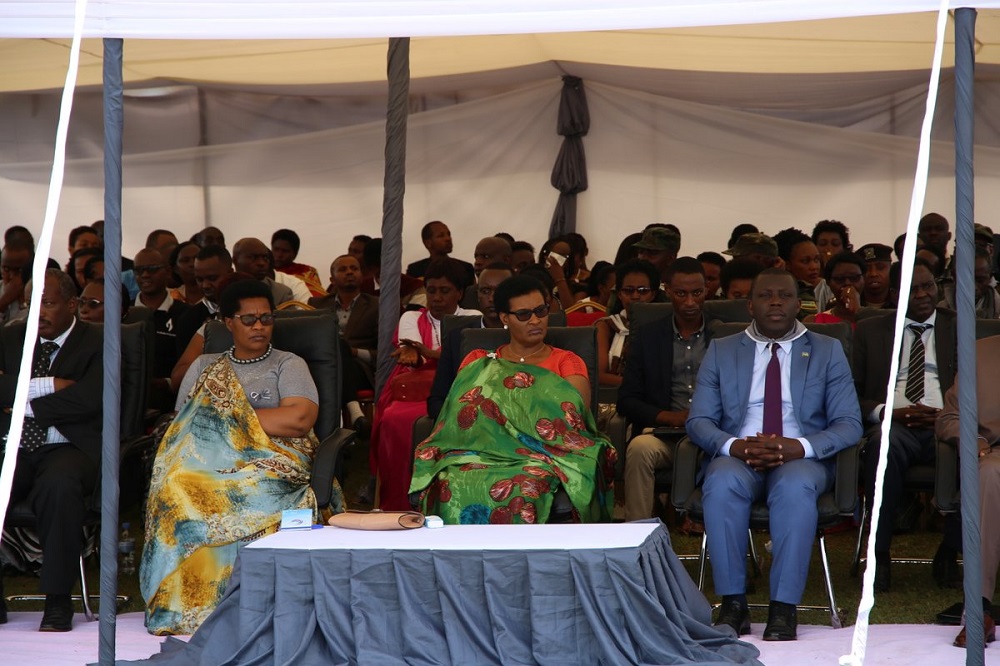
Speaking at the event, the Executive Secretary of National Commission for the Fight Against the Genocide (CNLG), Dr. Jean Damascene Bizimana explained that the killing of Tusti in Gikongoro had been planned before, the attacks of 1963 which were referred as Inyenzi attacks.
By explaining the plan, Bizimana referred to the letter by former Prefect Andre Nkeramugaba. The letter dated December 17th 1963 was urging the bourgoumestre in Gikongoro to kill the Tutsi.
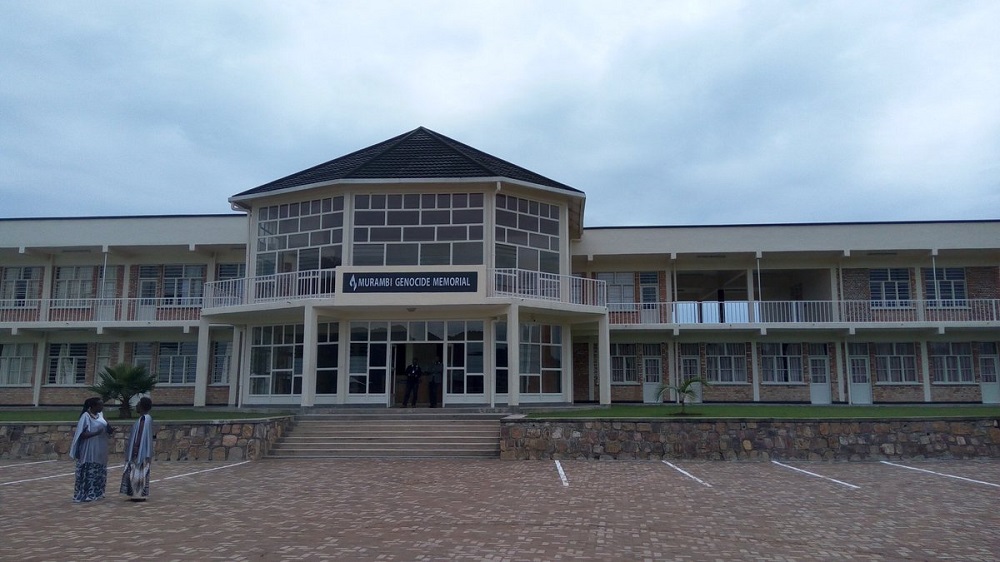
He said that they will preserve Murambi Genocide memorial forever.
The mass killing in Gikongoro took place on April 21st in 1994.
“To pay respect to the Tutsi killed here at Murambi, we will preserve this memorial site forever. Let us remember them and others who were massacred on this day in neighboring areas like Karama where over 30,000 Tutsi were slain,” he said.
In her testimony, Claudette Uwimana, a Genocide Survivor who was in S4 when the Genocide against the Tutsi begun, recalled the persecutions she endured before the 1994.
“We were always asked to stand up in classes on ethnic lines; and tortured by our Hutu colleagues,” she said.
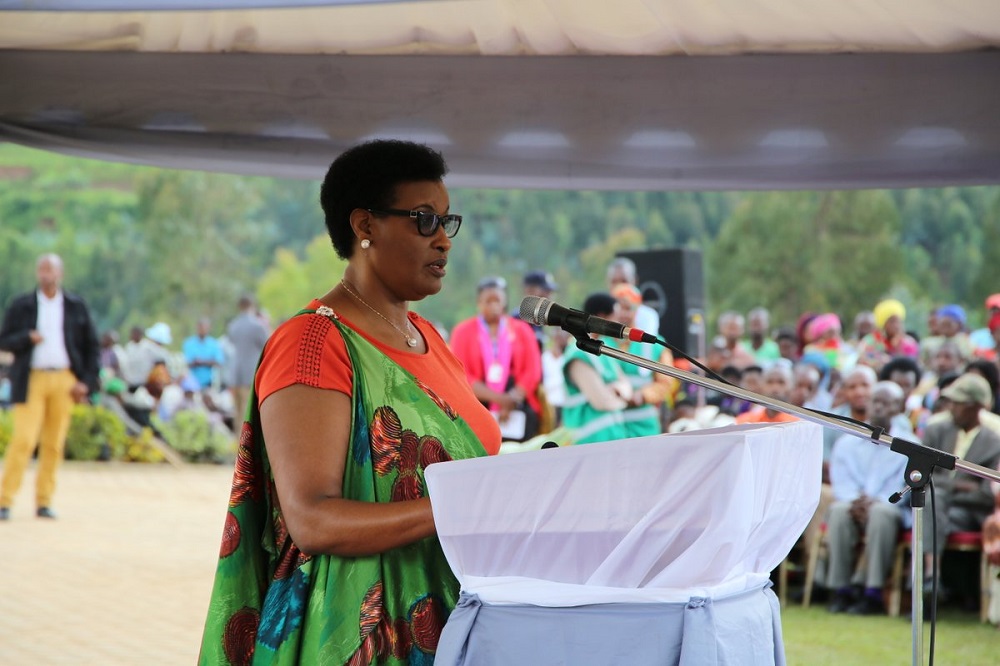
Speaking at the event, the Speaker of Parliament, Donatilla Mukabalisa said that they should not always remember bad history only but also remember the history of people who contributed in saving Tutsi who were being killed during the genocide.
“This country was led by bad leaders who had no humanity at heart but characterized by cultivating hatred among people and calling them to kill their Tutsi neighbors,” she said.
Murambi Genocide memorial was formerly a Technical School where French Soldiers disguising under Operation Turquoise were based and contributed in the execution of the genocide.
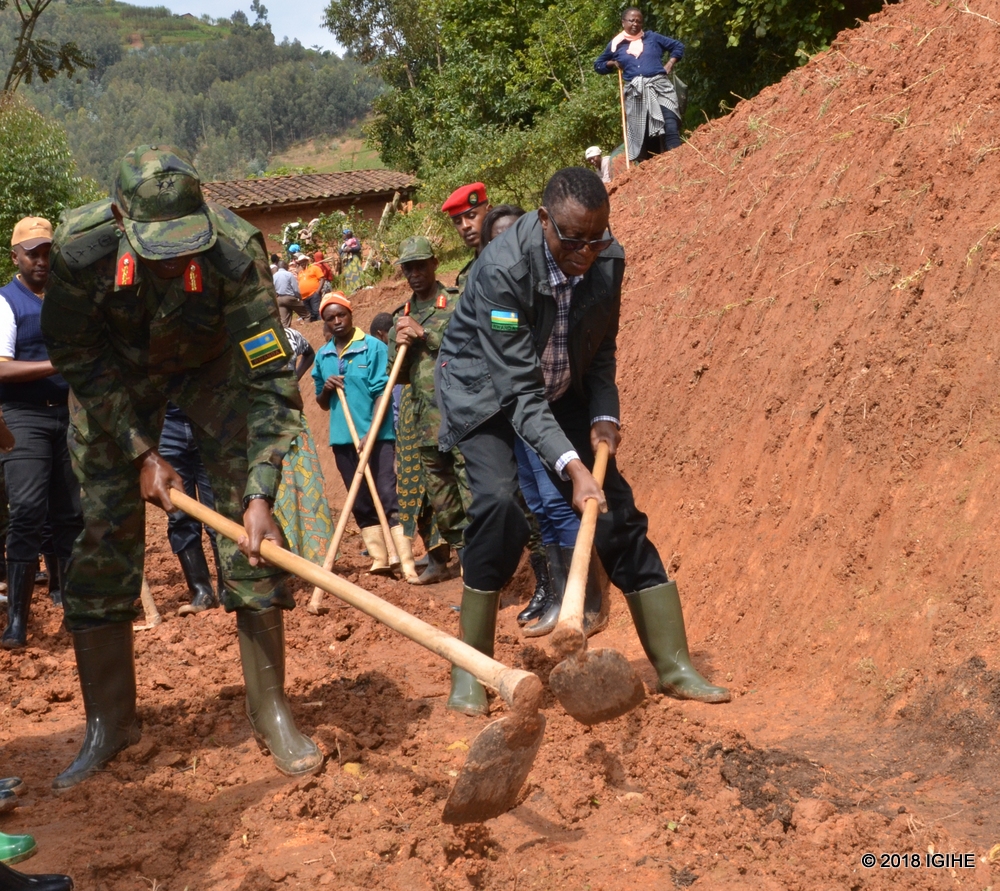
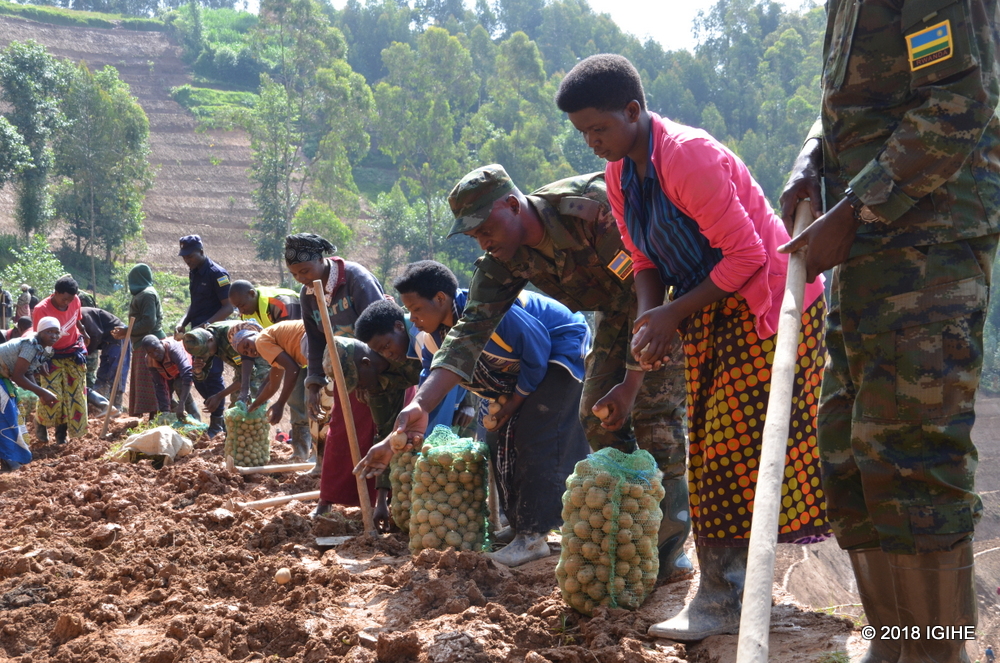
Kabarebe was speaking Friday while launching the RDF Citizen Outreach Programme in Nyabihu.
In the district, Kabarebe joined residents in planting Irish potatoes on the surface of eight hectares of consolidated land and 20 hectares for seeds multiplication in Muringa Sector of Nyabihu Ditrict.
The president of COIBAMU Cooperative hailed the programme saying that they expect Rwf150 million of profit from the partnership with army-led activities.
“We are happy to welcome these activities in Muringa Sector. This is a big opportunity from which we expect to harvest 500 metric tonnes valued at Rwf150 million,” he said.
Defence Minister Kabarebe said that the army and the government in general strive for welfare of people through food security.
“Rwandan army has the responsibilities of people’s development and ensuring national security. When people are starving and are unable to pay for health insurance (Mutuelle de sante), it means they do not have security; when people are wallowing in poverty, it means they don’t have security. Security goes beyond fighting the enemy,” he explained.
“That is why in partnership with the Ministry of Agriculture, we came to partner with this cooperative to increase production so that they will serve the market. They will be able to pay children’s school fees and health insurance as well as doing other income generating activities. That is the real security and peace of the country which Rwandan army wants people to enjoy,” he said.
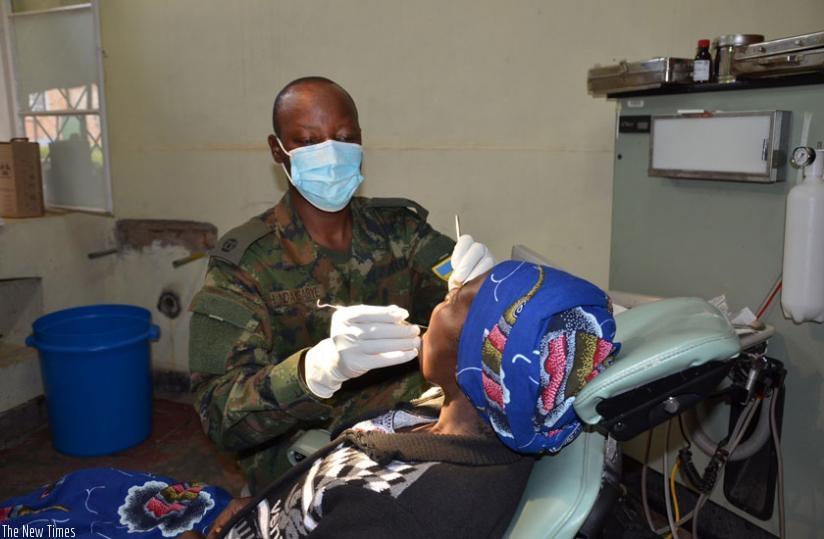
This year’s RDF Citizen Outreach Programme which will last until July will provide free medical services to 113,000 patients, construct 1,961 houses, 121 classrooms and 108 school pit latrines for the vulnerable in selected areas, improve health and sanitation and conducting agricultural activities on 4,511 hectares of land.
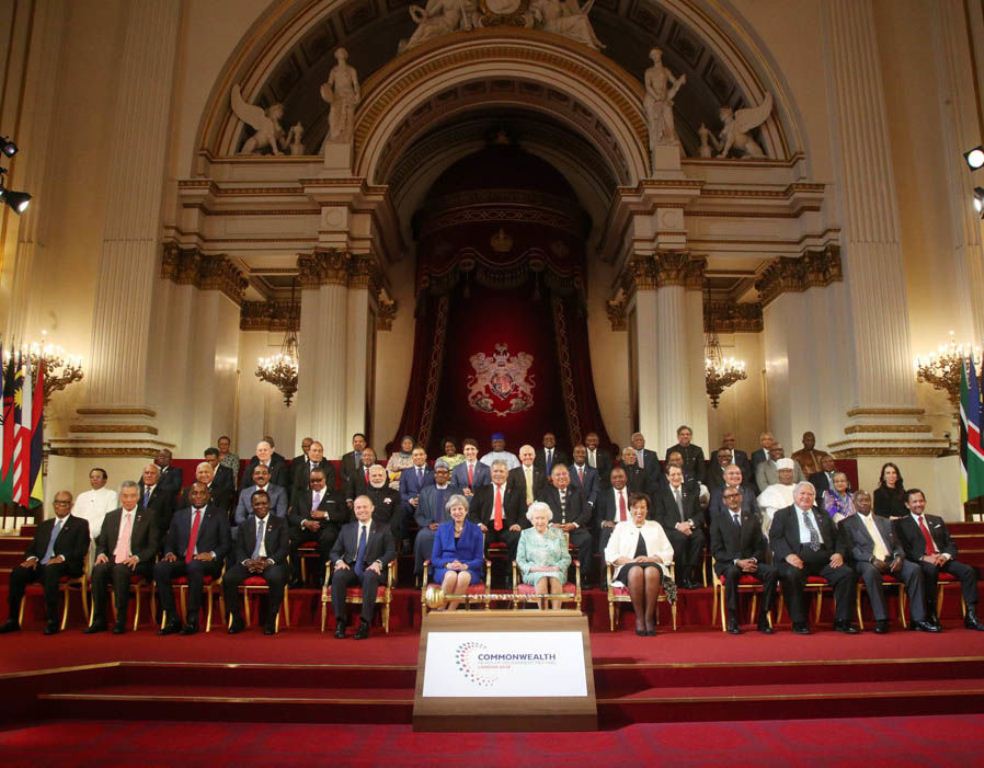
President Paul Kagame and First Lady Jeannette Kagame attended the 2018 Commonwealth Heads of Government Meeting in London.
A Commonwealth Heads of Government Meeting Communiqué says that Heads of States welcomed and accepted Rwanda’s offer to host the next meeting.
“The Heads of state and Government welcomed and accepted the offer of the President of Rwanda to host the next meeting in 2020. They also welcomed the offer of Samoa to host the 2022 CHOGM,” reads the communiqué.
The Rwanda gathering will be the 26th CHOGM.
In a tweet, the UK news agency, BBC, has said that Rwanda beat Fiji.
{{Rwanda welcomes the meeting}}
Commenting on the decision, the State Minister in in the Ministry of Foreign Affairs, Cooperation and East African Community, Amb. Olivier Nduhungirehe said that Rwanda is humbled to host the meeting.
“Rwanda is humbled by the confidence and trust that Commonwealth Heads of State and Government have placed in us to host the 2020 CHOGM, nine years after our admission in this Commonwealth,” he told IGIHE.
Rwanda was admitted as a member of Commonwealth in 2009 in the meeting that was held in Trinidad and Tobago.
“It’s a honour for Rwanda, especially as we are the youngest member of this community. This shows the trust in our ability to host this summit. But it is also a testimony of our quick integration in the Commonwealth. Moreover, this can be an opportunity for Rwandans to better know this organisation, its shared values and activities,” he added.
Based on different summits like the recent AU extraordinary summit Rwanda hosted, Nduhungirehe is optimistic that the CHOGM will be successfully hosted.
“Are you doubting it? Didn’t we just successfully host an extraordinary AU Summit of 55 member states? What would be different in hosting a CHOGM of 53 member states?” he mused.
CHOGM is a biennial meeting of heads of government from all Commonwealth nations.
Every two years, the meeting is held in a different member state chaired by nation’s respective Prime Minister or President who becomes the Commonwealth Chair-in-Office until the next meeting.
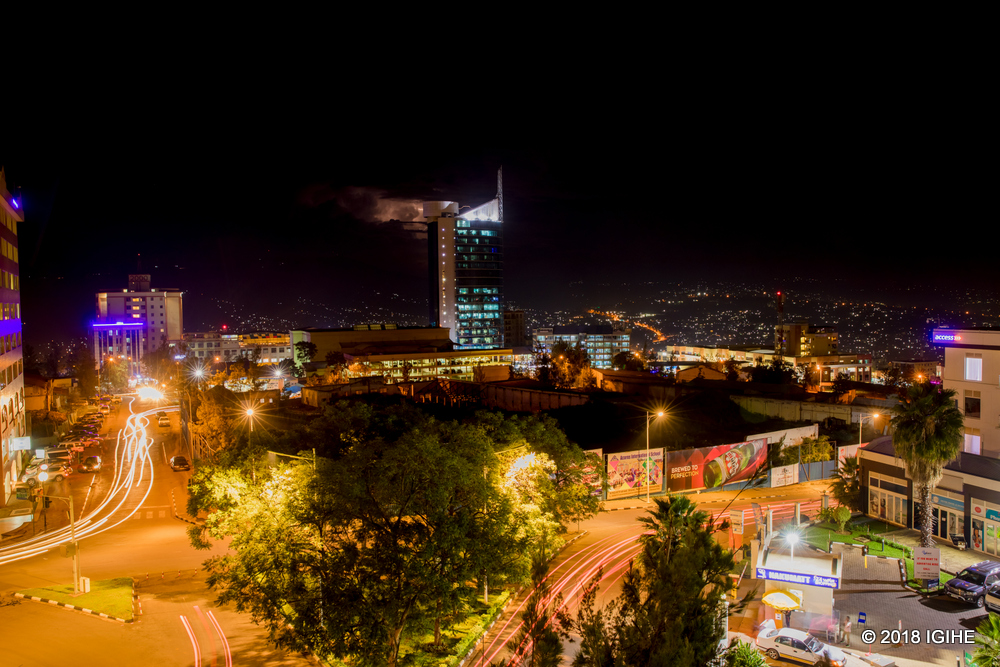
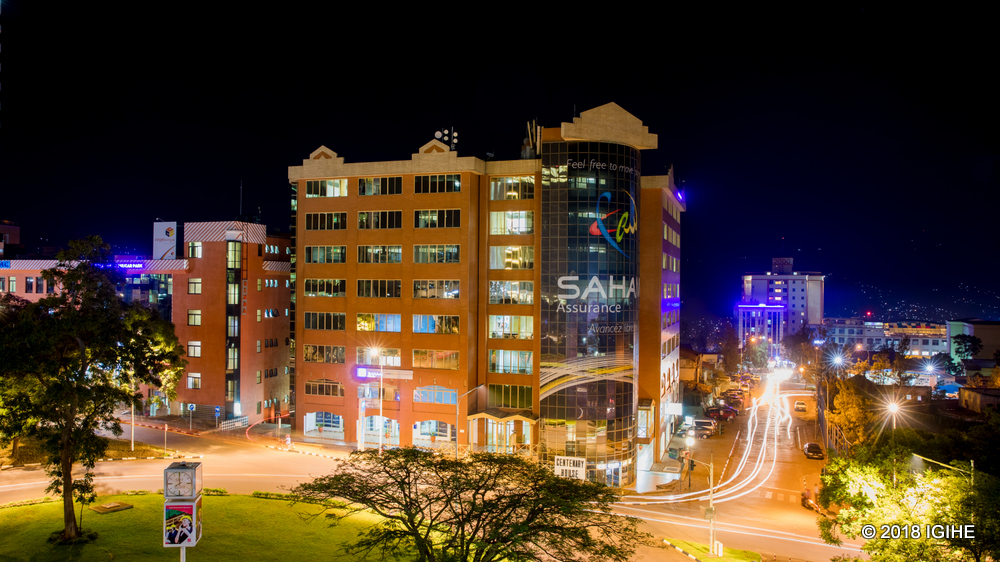
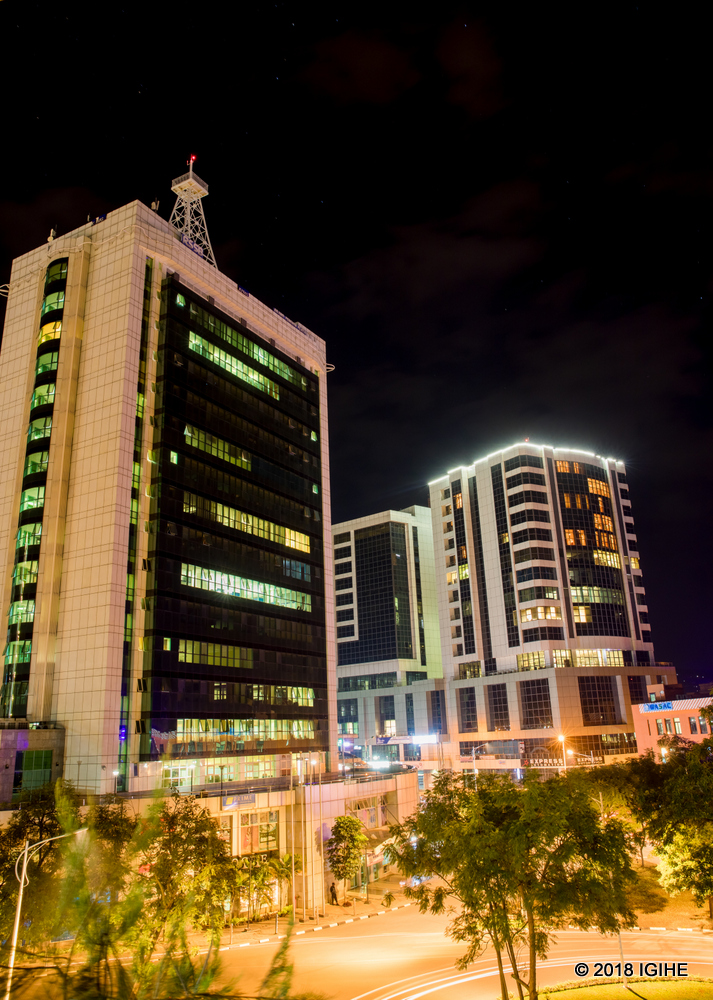
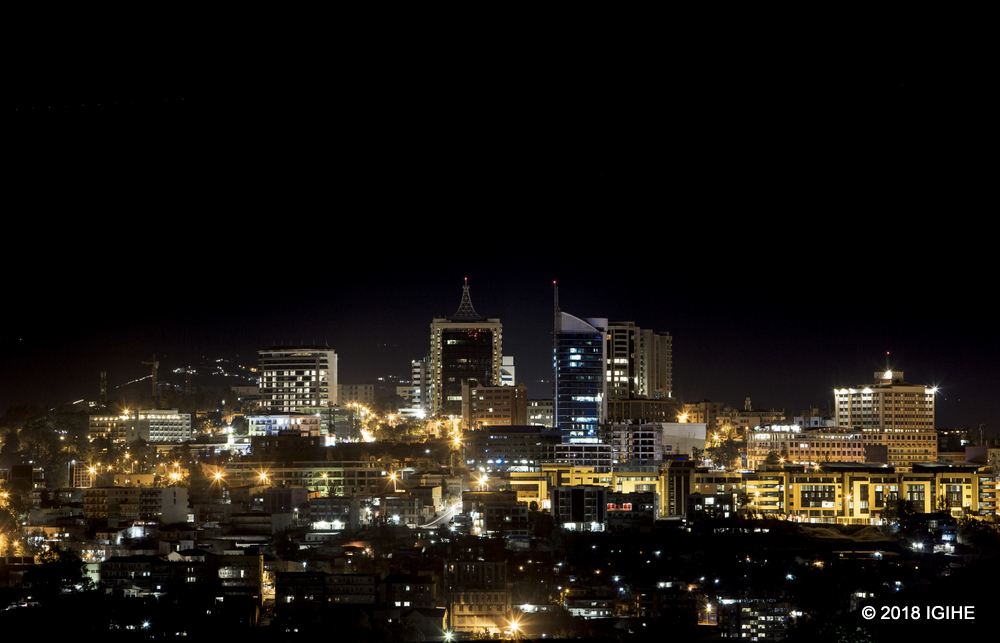
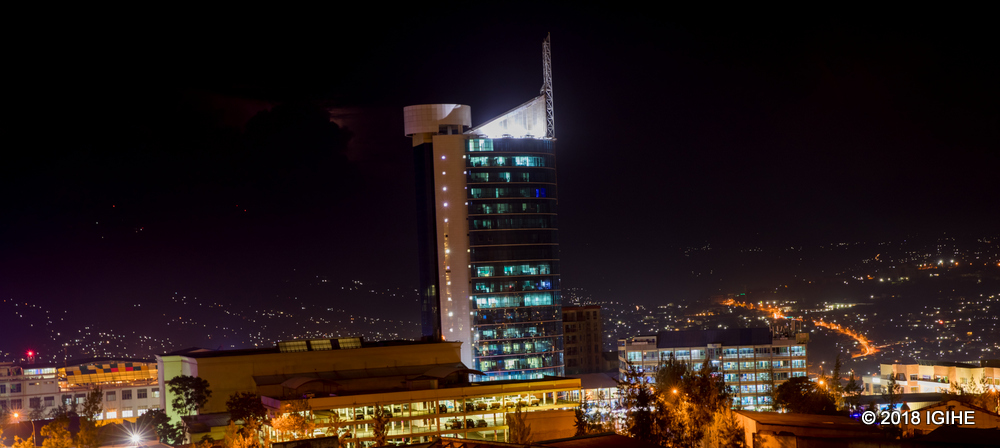
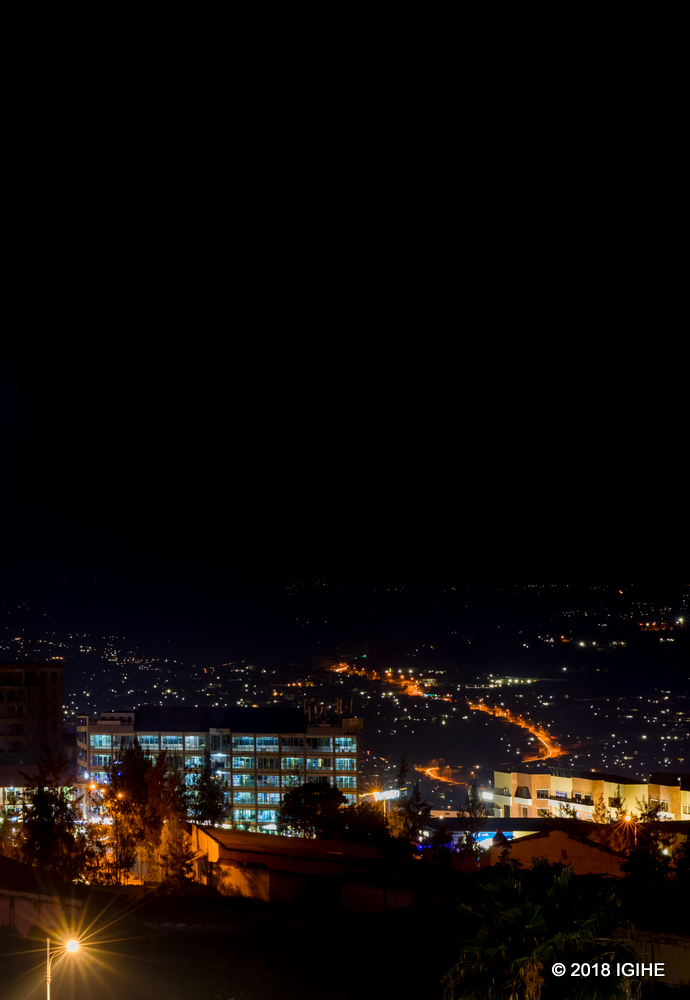
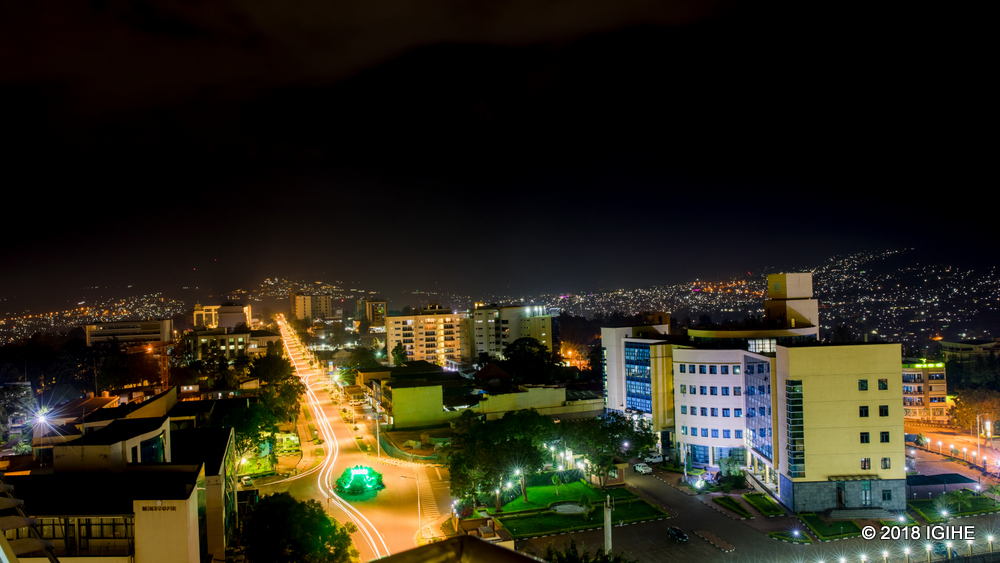
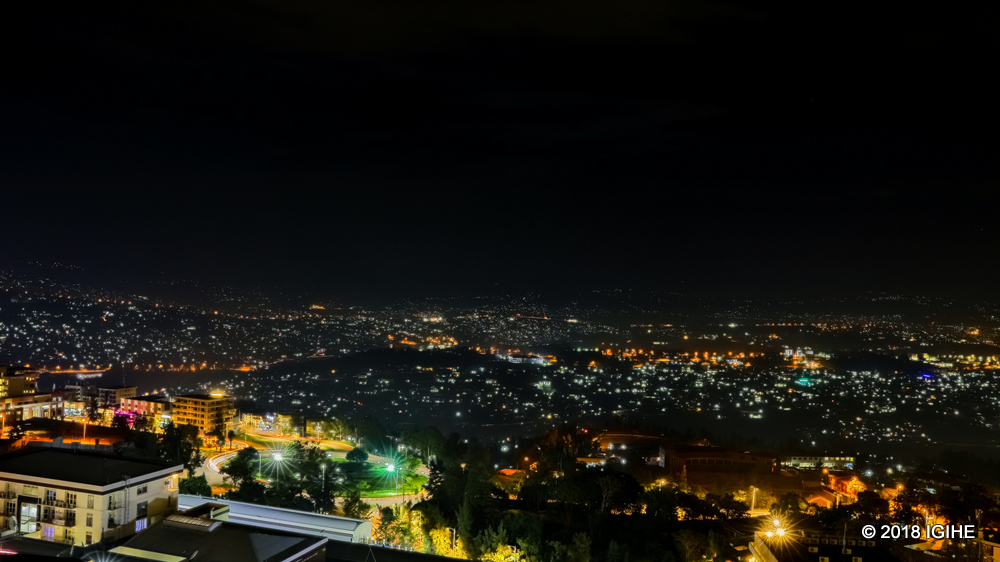
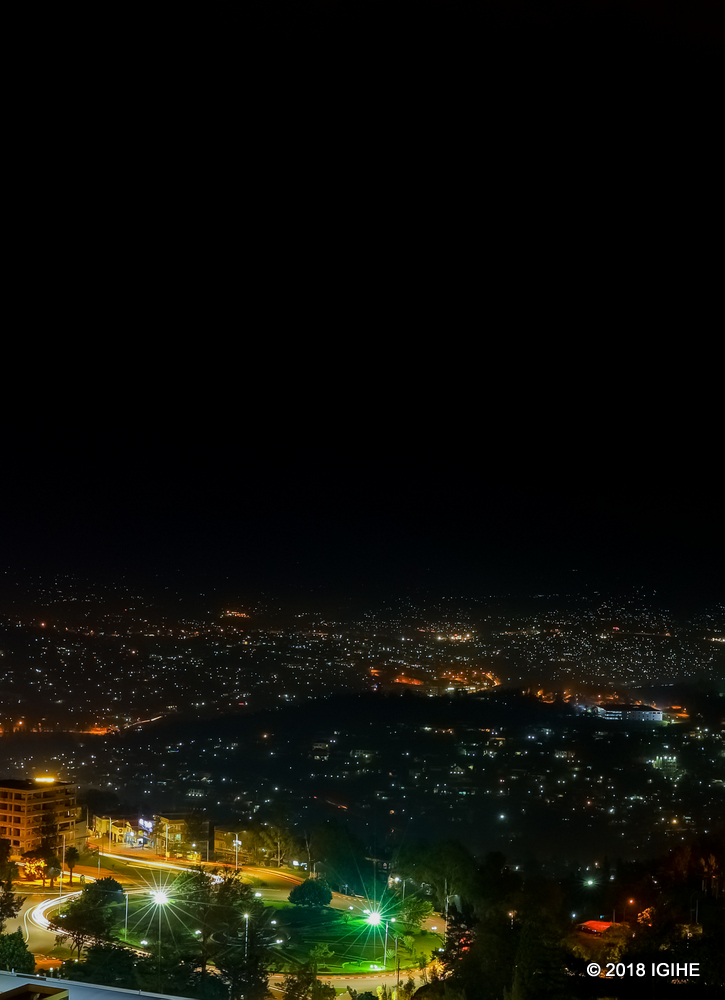
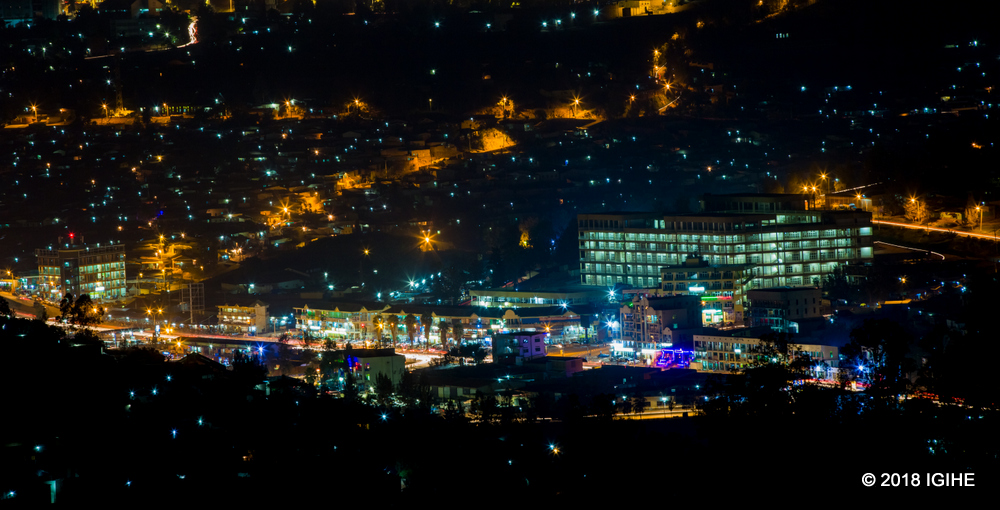
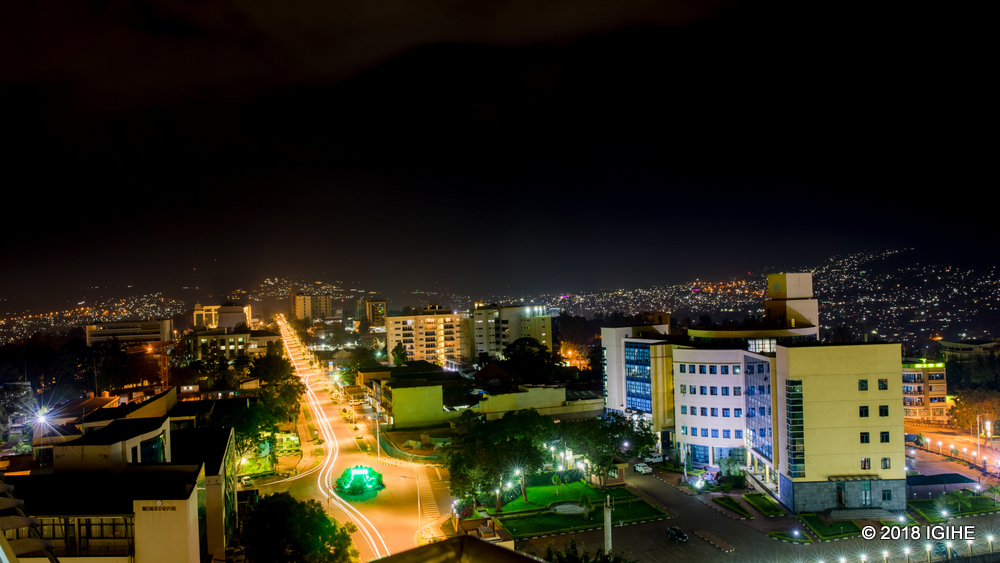
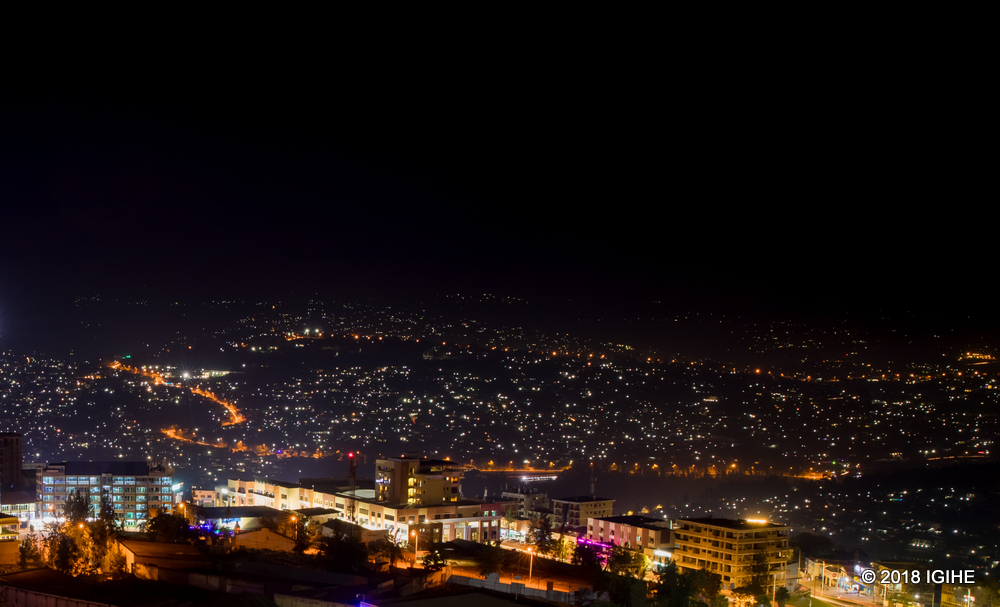
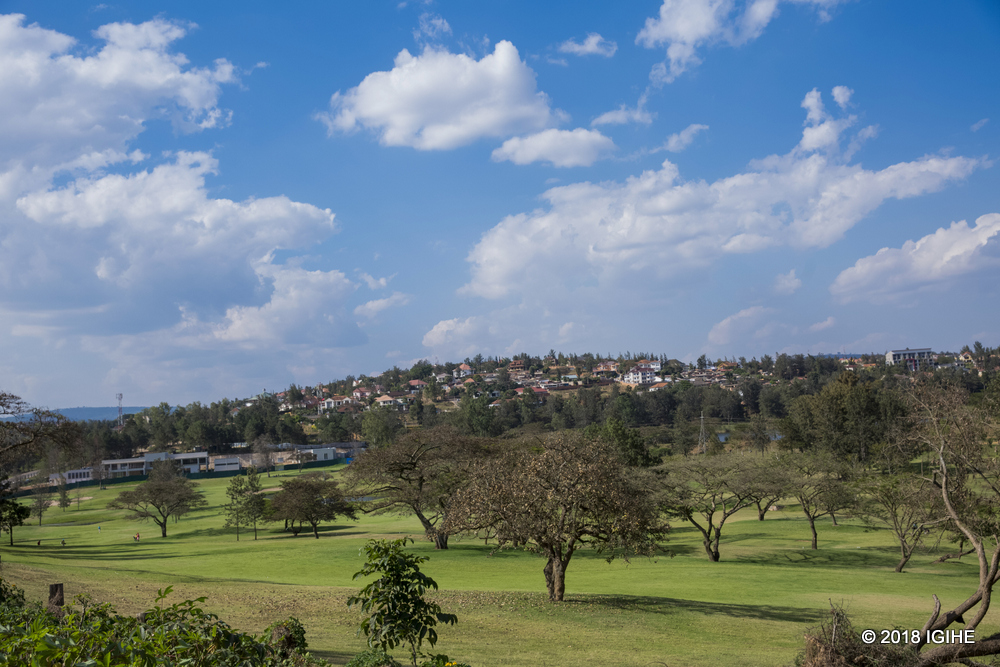
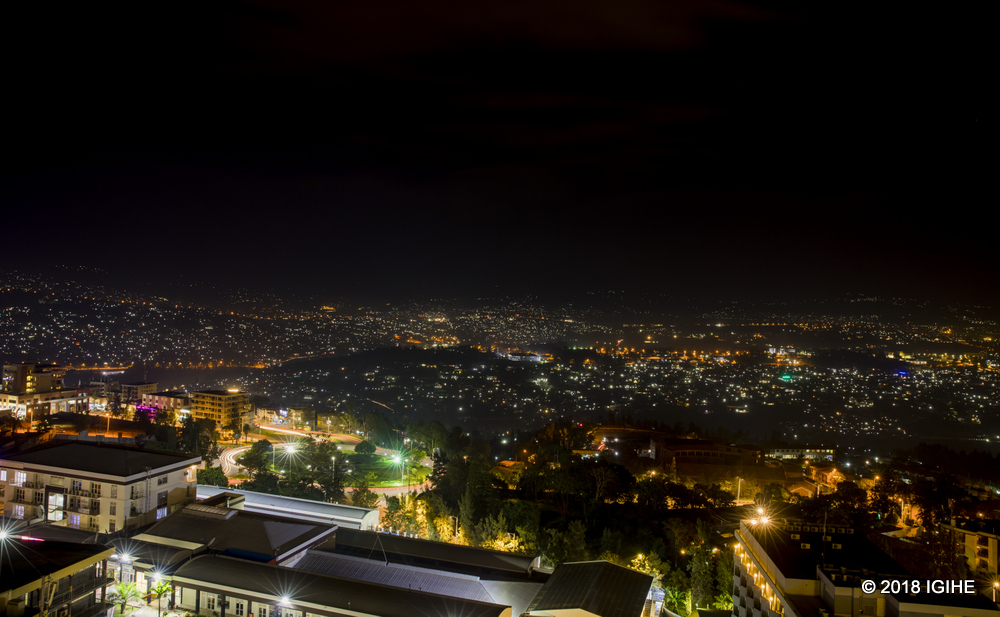
Twenty four years after the genocide, Kigali city is recognized by many as a monument to modernity. Where there was destruction and poignant hurt, you now discover peaceful areas with a vibrant undercurrent.
Even in the previous years, no one could deny the pristine and reserved beauty of Kigali City. Several parts like Kacyiru, or Kabuga charmed many with its uniform architecture, where they would leave Kigali, telling the story of a “luminous, musical city, as optimistic and welcoming as any in Africa”.
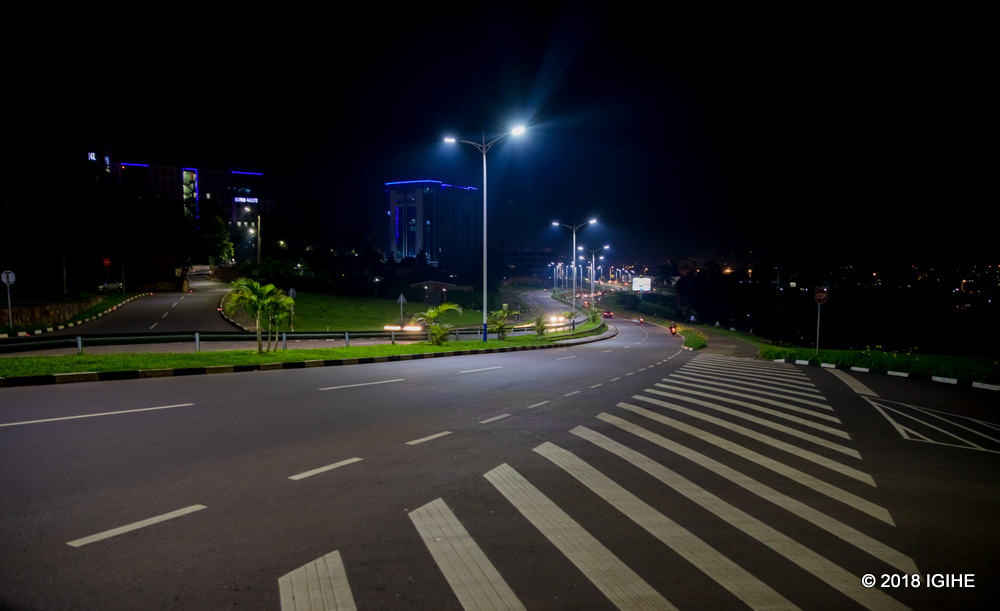
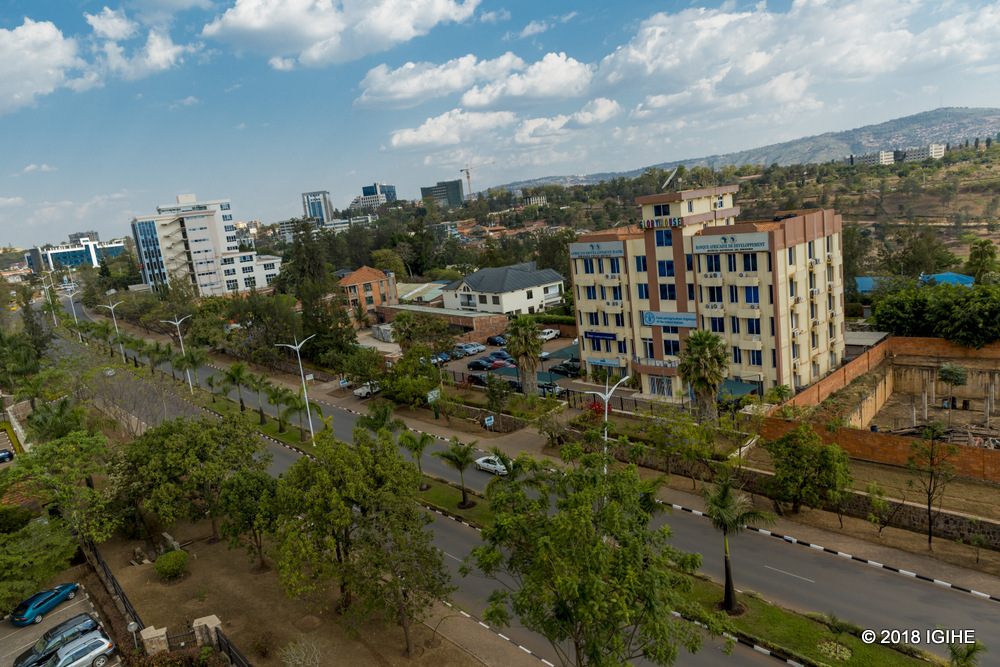
At present, new skyscrapers and office blocks have been built, many roads have been widened and adorned with tarmac, and public spaces are meticulously maintained by professional gardeners.
A lot of emphasis has been on boosting business. From 20 business people in 1909 to more than 6000 in 1962, Kigali went overboard in the business sector in a very short span of time.
The City of Kigali has huge potential in terms of its growth trend, tourist arrivals, infrastructure development, growing financial sector and other aspects that strengthen investor confidence.
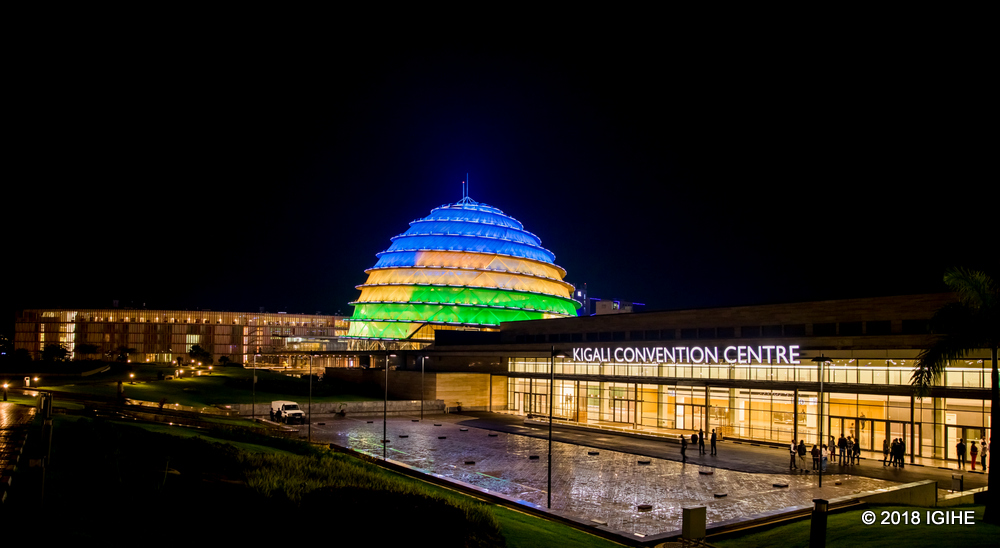
Besides, Rwanda is safe, secure, and one of the most investor-friendly economies in the region, which facilitated Kigali in marketing itself as a top meetings, incentives, conferences and exhibitions (MICE) destination. This in turn, landed some of the biggest conferences in the region, including the World Economic Forum, African Union Summits, Global Africa Investment Summit, and others.
By hosting these big events, Kigali brought together entrepreneurs, business leaders, global leaders and other high calibre people who are key-persons in the future growth of the nation.
The government’s efforts succeeded in making Kigali the go-to city for regional conferences and a high tech hub in the Continent.
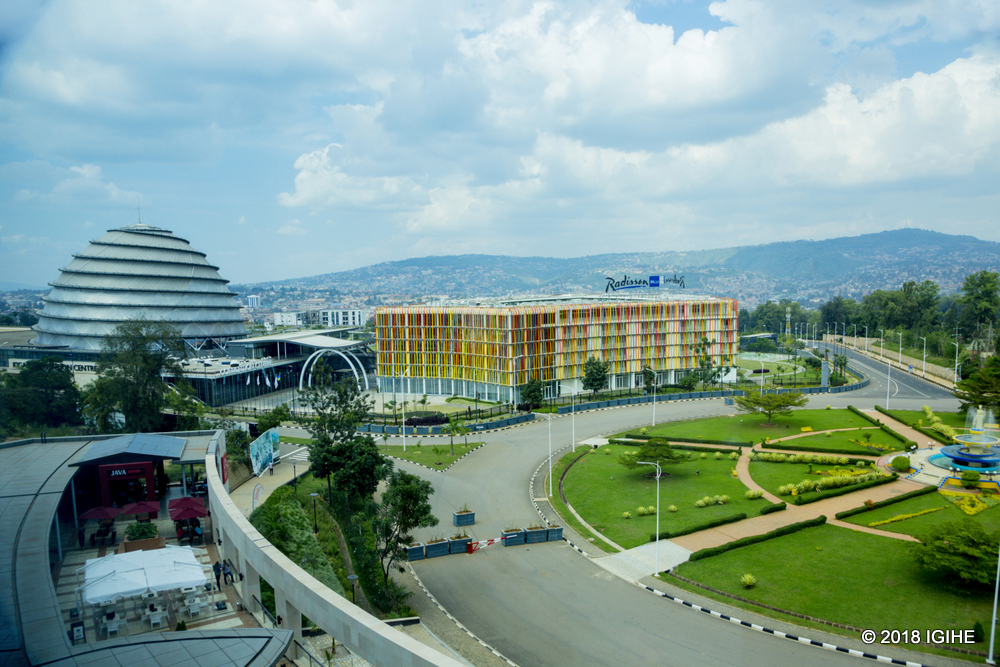
Also, grand Hotels like Sky Hotel, Mabara Umubano, in Kacyiru, Hôtel des Milles Collines, Hôtel des Diplomates and Rebero Horizon, adorn the city like gems. Moreover, recent ones like Marriott Hotel, Radisson Blu Hotel & Convention Centre gave the city its authentic essence of an optimistic and welcoming nation.
Although Rwandans still remember the 1994 genocide against Tutsis, with tears in their eyes and tell of terrible suffering and loss. No one wants to forget, and no one will. The desire to construct a more positive and united future forged the city to the fabulous home of modernity it now is.
The programme formerly known as “Army Week” has changed the appellation to ‘RDF Citizen Outreach Programme’.
According to RDF, the move aims at better illustrating the intended impact of socio-economic activities to be conducted countrywide.
The 2018 outreach programme will be conducted in collaboration with the Ministry of Local Governance, Ministry of Education, Ministry of Health, Ministry of Agriculture and Animal Resources and the Ministry of Gender and Family Promotion.
Starting from April 20th to July 30, the activities will be conducted ahead of the 24th celebration of National Liberation Day on July 4th this year.
During the period, the programme will provide free medical services to 113,000 patients, construct 1,961 houses, 121 classrooms and 108 school pit latrines for the vulnerable in selected areas, improve health and sanitation and conducting agricultural activities on 4,511 hectares of land.
Briefing journalists about this year’s activities on Thursday, the RDF and Military Spokesperson, Lt. Col Innocent Munyengango said that the activities are aimed at supporting national programmes.
“Historically, Army Week has developed in scope, duration and impact to the well-being of Rwandans. All these activities are aimed at supporting National Programmes in addressing human security issues affecting the Rwandan population,” Munyengango said.
One of Rwanda Defence Force (RDF) missions as provided in article 10 of the law determining the forces’ mission, organization and powers; is to participate in humanitarian activities in case of disasters and to contribute to the development of the country.
“The RDF requests every Rwandan’s participation in support of this noble cause that contributes enormously to improving the welfare and well-being of our population; a pre-requisite for a transformed, strong and sustainably secure Rwanda”, Munyengango added.
Munyengango said that the activities have big impact on the economy of the country. Last year the interventions enabled the country to save a total of Rwf71 billion.
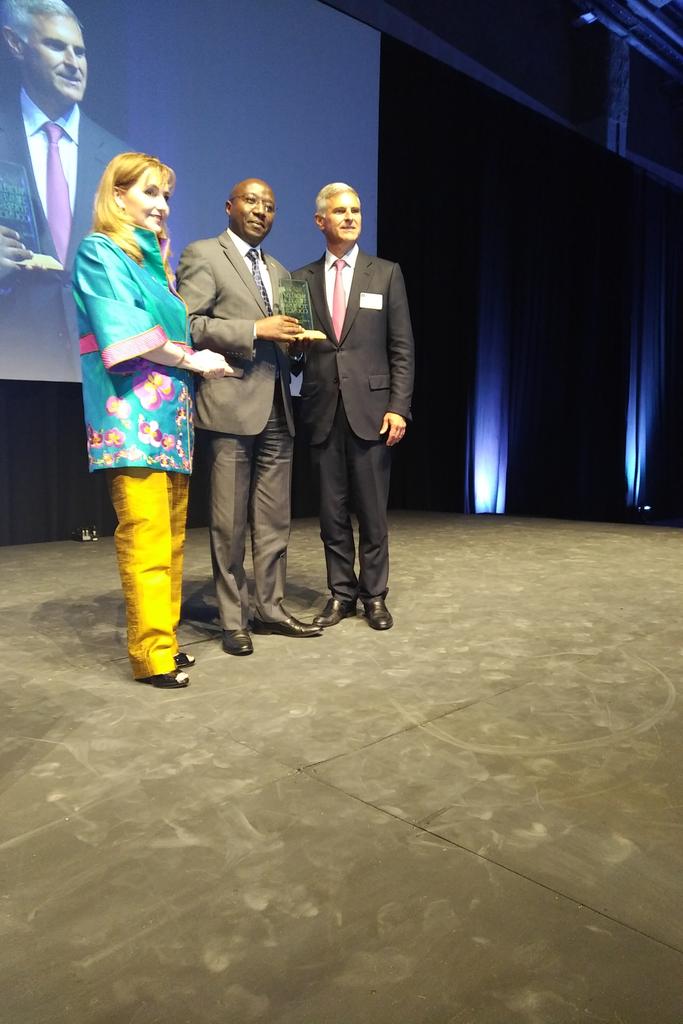
The award was received by Prime Minister, Dr. Eduard Ngirente yesterday in an event that took place in Buenos Aires, Argentina.
Premier Ngirente and Rwanda Development Board Chief Executive Officer, Clare Akamanzi are in Argentina where they are attending the Global Summit of the World Travel and Tourism Council.
In his acceptance speech, the Premier emphasized the role of tourism in Rwanda’s development.
“Tourism is core to Rwanda’s development and has become the leading source of foreign exchange earnings with an annual average growth of 11% over a five-year period,” Ngirente said.
He further stated that the award given to Rwanda is a renewed energy to the Country for achieving more in conservation, Travel and Tourism.
In a tweet, Akamanzi said that the award is a result of the progress the sector has made in Rwanda.
“Rwanda received the inaugural world Global Tourism Leadership Award by the WTTC today (Thursday) in Buenos Aires, in recognition of the remarkable progress the sector has made. Very proud!” Akamanzi said.
The award follows last week award which RDB scooped for being the second best investment promotion agency in the East African region in attracting transformational projects. It was awarded at the Annual Investment Meeting (AIM) conference in Dubai, United Arab Emirates.
{{About WTTC}}
WTTC is a global body that brings together all major players in the Travel and Tourism sector like airlines, hotels, cruise, car rental, travel agencies, tour operators and technology among others.
The body enables players to speak with one voice to governments and international bodies.
The organization was formed in 1991 by a group of Travel & Tourism CEOs who felt that the sector’s contribution to economies and job creation was not being recognized.
Their objectives were to use empirical evidence to promote awareness of Travel and Tourism’s economic contribution, to expand markets in harmony with the environment and to reduce barriers to growth.
The elections took place on Monday 16th April during the coordination and management meeting of the Economic and Social Council (ECOSOC). Other African states elected include Botswana, South Africa, Gambia and Cameroon.
The Executive Board was created by General Assembly resolution 48/162 of 20 December 1993 and is responsible for providing inter-governmental support to and supervision of the activities of UNDP, UNFPA and UNOPS.
As a member of the Executive Board, Rwanda will seek to ensure that the programmes and initiatives of UNDP are tailored to the needs of programme countries including Rwanda. This is an important part of the work done through the Permanent Mission of the Republic of Rwanda to the United Nations and contributes towards ensuring that Rwanda has a voice in the international development system.
The key activities of the Executive Board include implementing the policies formulated by the General Assembly and the coordination and guidance received from the Economic and Social Council; receiving information from and give guidance to the head of each fund or programme on the work of each organization; ensuring that the activities and operational strategies of each fund or programme are consistent with the overall policy guidance set forth by the General Assembly and the Economic and Social Council, in accordance with their respective responsibility set out in the United Nations Charter
The Executive Board also monitors the performance of the fund or programme; approves programmes, including country programmes, as appropriate; decides on administrative and financial plans and budgets; recommends new initiatives to the Economic and Social Council, and through the Council, to the General Assembly, as necessary; encourages and examines new programme initiatives; submits annual reports to the Economic and Social Council, which could include recommendations, where appropriate, for improvement of field-level coordination.
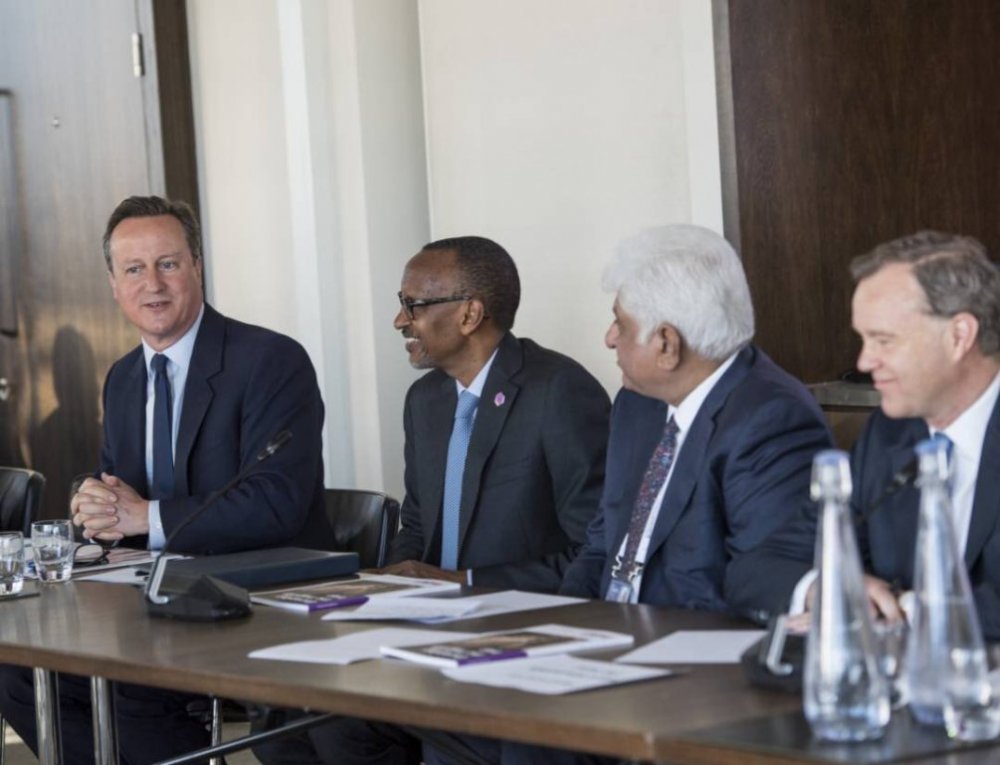
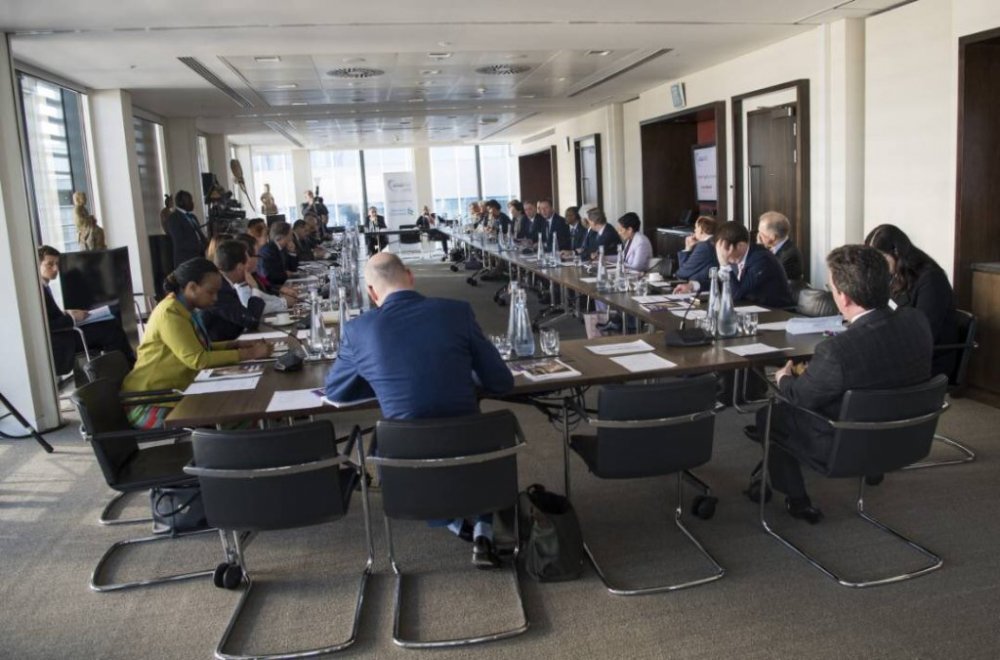
Kagame was speaking Wednesday while participating in a High-level roundtable discussion on the ‘State Fragility, Growth and Development’ in London, United Kingdom ahead of the Commonwealth Heads of Government Meeting.
The discussion focused on encouraging and promoting inclusive economic growth in fragile and conflict situations as a key priority for global security and international development.
“The difference between resilience and fragility is the quality of politics. Are we mindful of the need for accountability and to benefit all citizens without exclusion?,” he questioned.
He challenged sponsors whether they keep putting money into a country without knowing how it is being put to use.
Using an example of Rwanda, Kagame said that the government put a framework in place where both sides could measure the results.
“We involved our citizens as we went along. The story of Rwanda proves that fragility need not be a permanent state. It can be resolved,” he said.
Kagame observed that fragility can affect all countries regardless of level of their economies.
“Fragility, as we have discovered, can affect both small and big states, poor countries as well as rich ones, including multiparty systems. This affects growth and human development,” he added.
The High-level roundtable brought together Heads of Government and senior business leaders from across the Commonwealth and is chaired by Former United Kingdom Prime Minister David Cameron, the Chair of the Commission of State Fragility, Growth and Development.
The new body was established under the Law No 12/2017 of 07/04/2017. It has the responsibilities to carry out criminal and counter-terrorism investigation, crime intelligence, and economic and financial crimes investigations.
The handover event which took place at Police Headquarters in Kacyiru was presided over by Justice Minister Johnston Busingye.
RIB will be supervised by the Ministry of Justice and will have its headquarters in Kacyiru.
At the handover ceremony also was the Inspector General of Police Emmanuel Gasana; the Secretary General of RIB, Jeannot Ruhunga and Deputy Secretary General Isabelle Kalihangabo.
Speaking at the event, Busingye said that the handover marks the history of the country especially in the rule of law. He said that it is a journey which started back in 1990s and a journey for good and forever.
“I want to thank the great work done by Rwanda National Police in ensuring safety of Rwandans and their property. Police has contributed to the growth of our country and the formation of RIB is proof to that,” he said.
He said that the handover of responsibilities is going to ease the work of all parties in the justice sector and improve professionalism and efficiency.
“RIB was established to continue in the line that RNP has drawn in stopping and dismantling different crimes. I encourage close partnership between both institutions and thrive for good of all Rwandans,” he said.
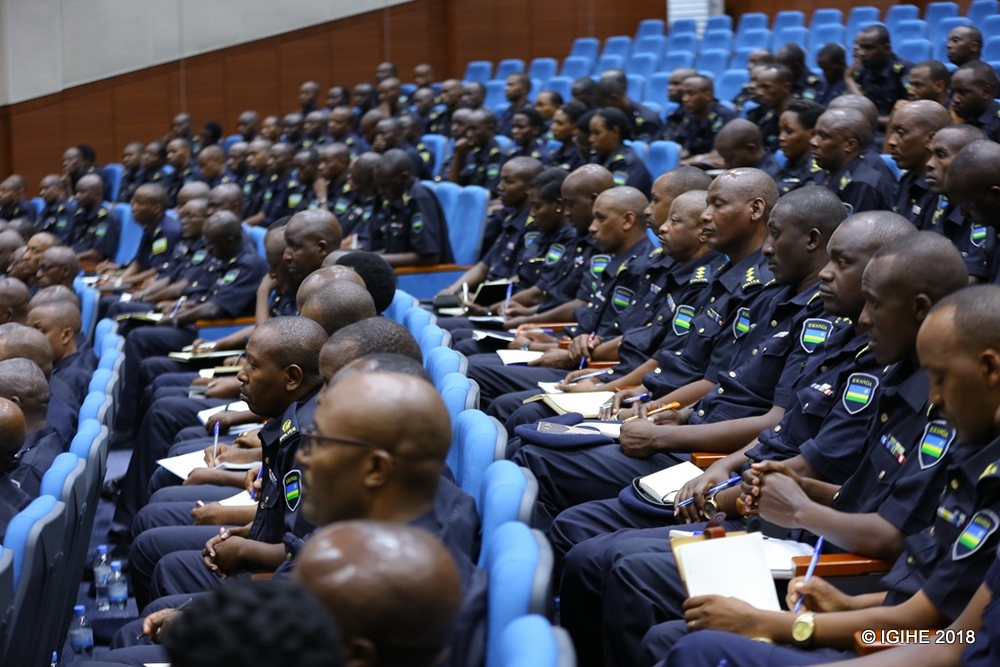
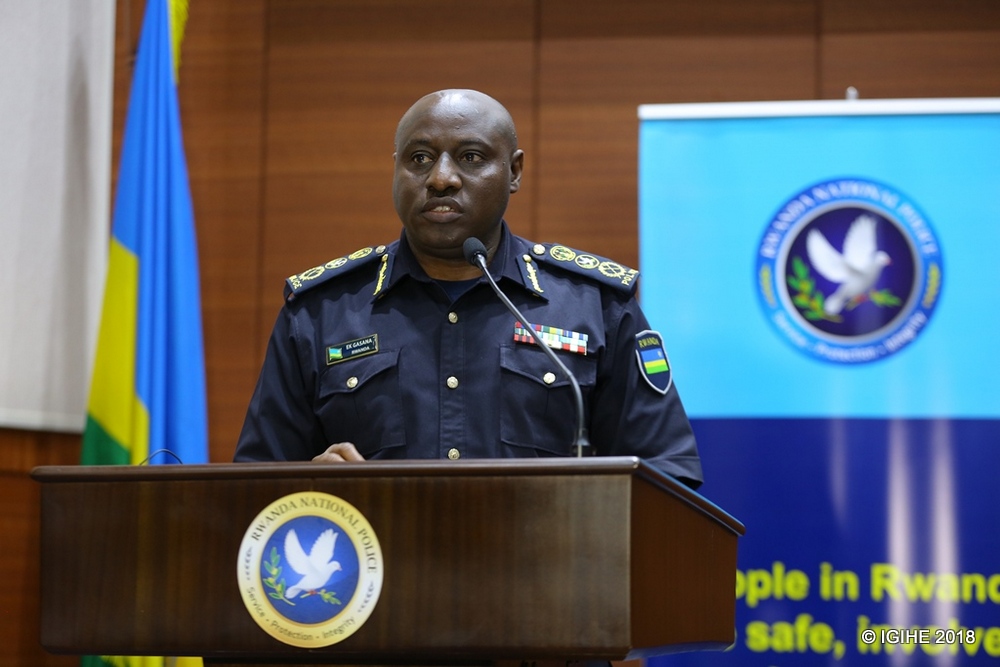
Speaking at the event, IGP Gasana said that restructuring security organs helps them acquire new knowledge in combating contemporary crimes like cyber-crimes, cross border crimes, terrorism, crimes undermining the economy of the country and drug abuse and trafficking among others.
“RNP will work closely with RIB in our respective responsibilities so that we will leave no vacuum for criminals to occupy,” he said.
“I want to thank the police officers who have been transferred to RIB for the job well done. They are professional and committed officers who contributed greatly to the mandate of the police and I’m certain they will continue to perform exceptionally while in RIB,” he said.
RIB Secretary General, Col Ruhunga, thanked RNP for the efforts invested in building the judicial police to where it is today having contributed to effective justice delivery.
“This is a firm foundation we are going to build on and take it forward,” he said.
RIB has the mission of preventing and pre-empting criminal acts by identifying and investigating all kinds of physical or cyber-crimes.