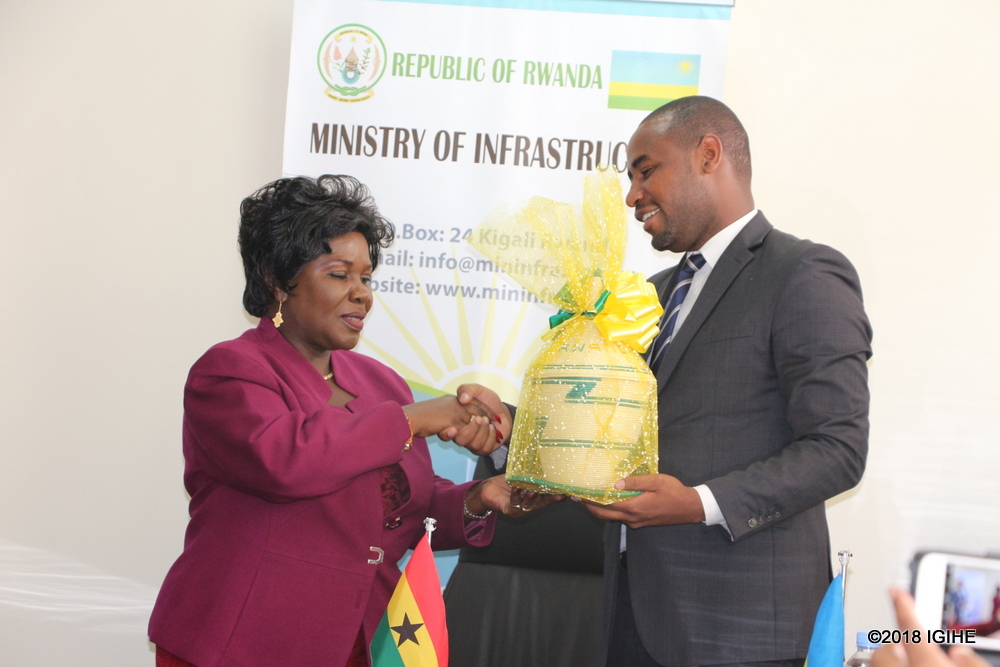
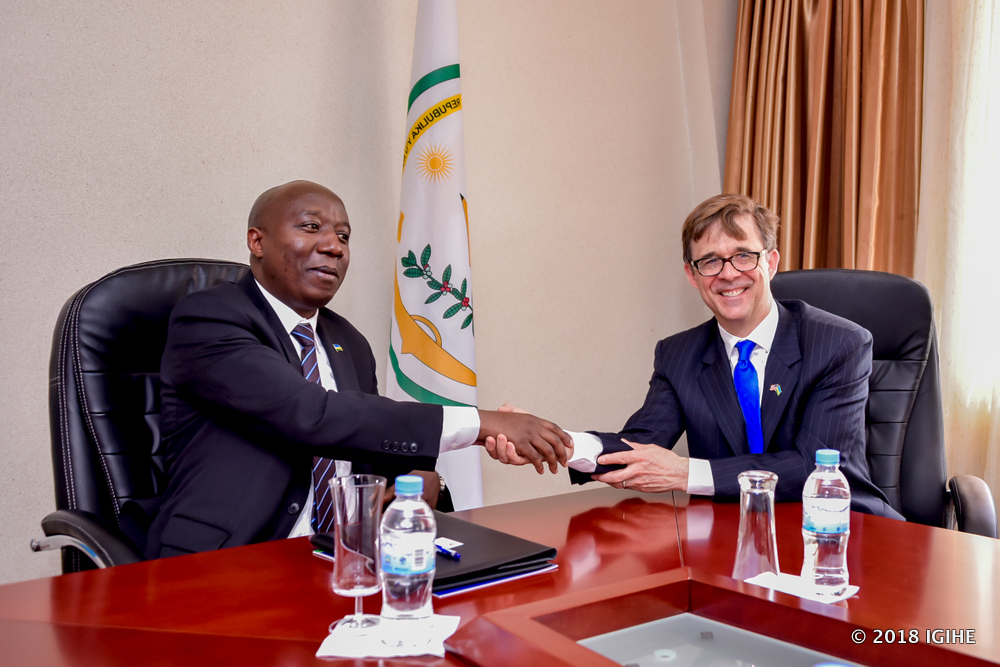
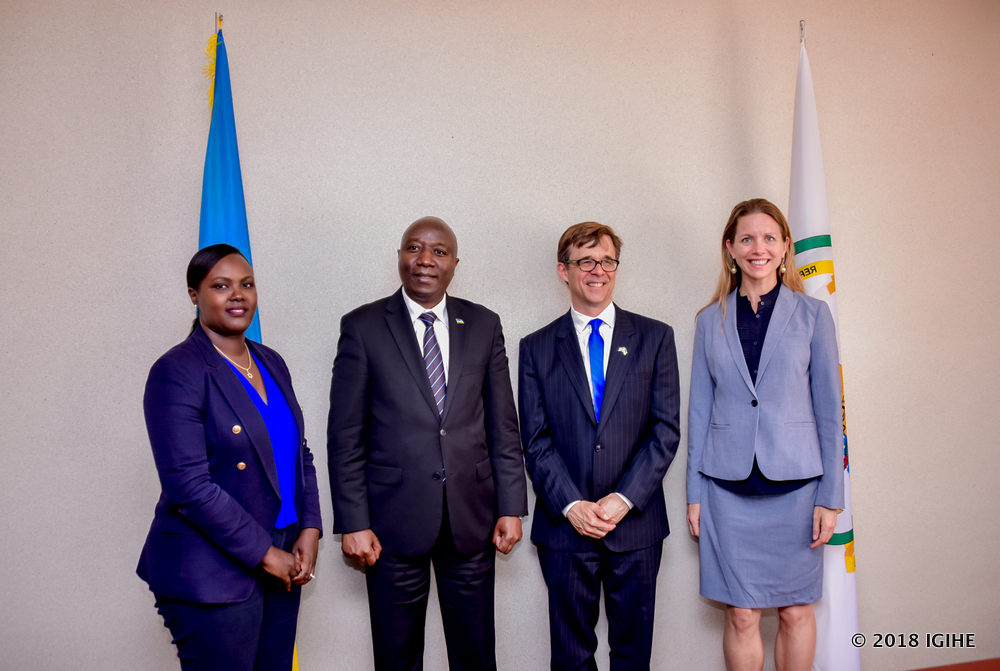
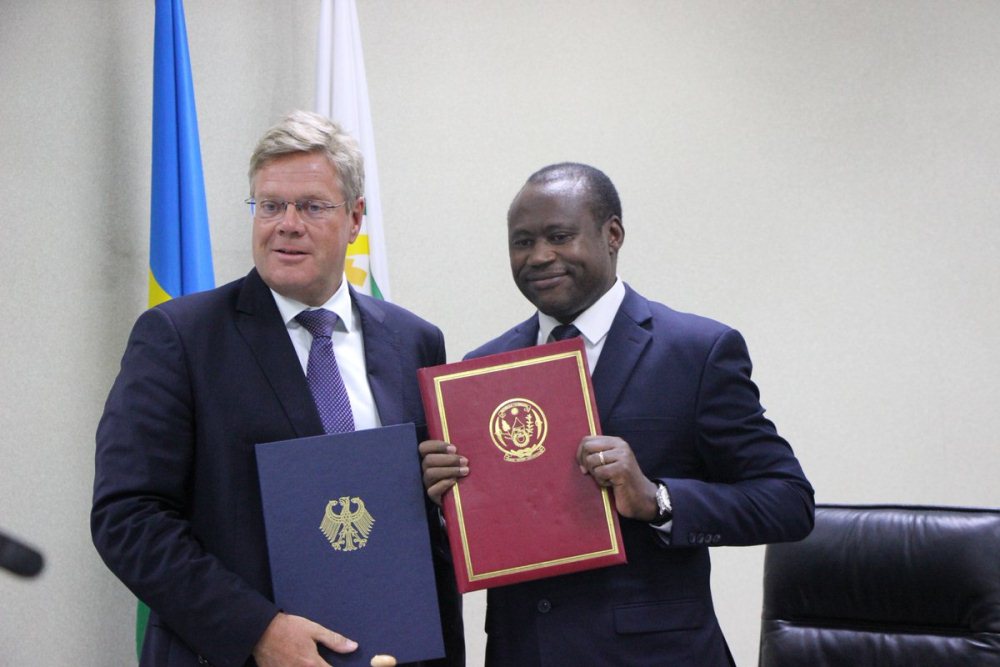
The Minister of state in charge of transport Jean de Dieu Uwihanganye and Ghanaian minister of aviation Cecilia Abena Dapaah signed the agreement Monday, 21st May 2018.
Speaking during the event, Uwihanganye said that the new deal will allow the national carrier to freely pick passengers from Kotoka International Airport in Accra, connecting to different destinations.
“While Rwandair has been flying to Ghana’s capital Accra for the past five years, the air services agreement will act as a catalyst to future cooperation in trade and development between both countries.” Said Min. Uwihanganye
According to Ghanaian minister of aviation Cecilia Abena Dapaah, the deal presents an opportunity to foster Africa’s economic development through air transport.
Rwandair’s CEO, Yvonne Manzi Makolo remarked that Accra was one of the places with a flourishing and expanding market on the continent, as its Airports connects to both the West & South parts of the continent.
Rwandair spread wings to Accra in 2013, flying there five times a week.
The national carrier also recently launched flights to South Africa’s Cape Town and Nigeria’s Abuja, raising the number of its destinations to 26.
The assembly is the decision-making body of the World Health Organization (WHO).
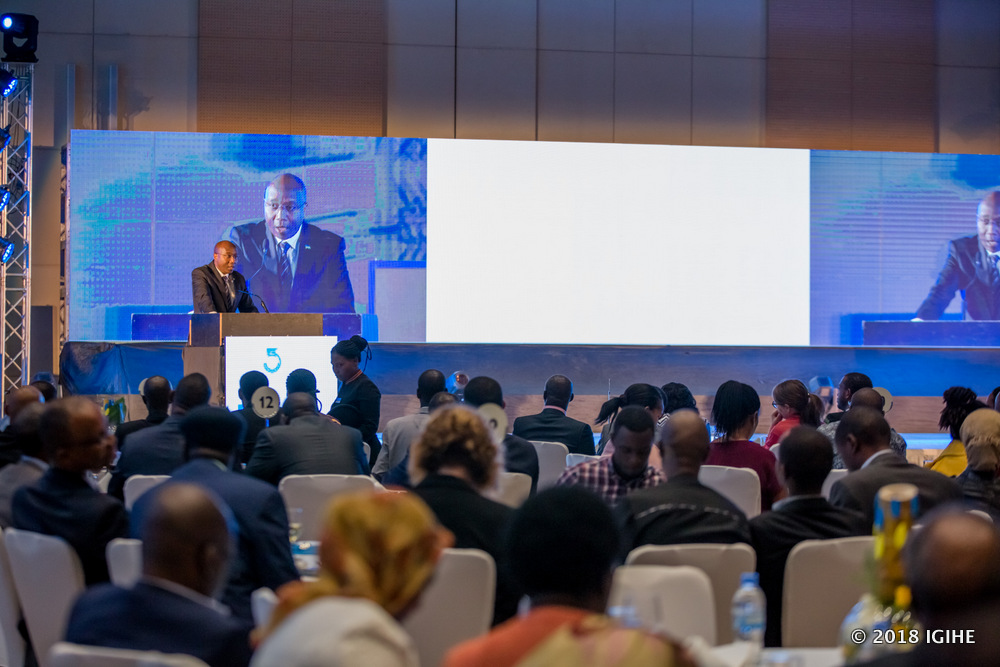
The President also graced the Opening Ceremony of the Assembly alongside President of the Swiss Confederation Alain Berset, President of the 71st World Health Assembly David Parirenyatwa, WHO Director-General Dr Tedros Adhanom Ghebreyesus and Director-General of the United Nations Office in Geneva Michael Møller.
In his address, President Kagame shared Rwanda’s journey towards Universal Health Coverage. He noted that a combination of community-based health insurance, community health workers, and good external partnerships led to the steepest reductions in child and maternal mortality ever recorded across the country.
“The key was an approach that put individuals and communities at the centre. In choosing this path, Rwanda learned from others who preceded us, and we also benefited greatly from advice and support from the World Health Organization. Integrating digital applications and new technologies into our health system has also made a difference, and we are now using drone aircraft to quickly deliver blood and medical supplies to rural hospitals,” President Kagame said.
President Kagame further pointed out that today more than 90 percent of Rwandans are enrolled in health insurance with government subsidizing only one-third of the cost while two-thirds are covered by contributions from beneficiaries.
He added that Rwanda has kept on expanding the network of volunteer Community Health Workers, who are present in every village and serve as an essential link between the population and health facilities.
Attended by delegations from 194 WHO member states, the gathering discusses a number of issues including the organization’s five-year strategic plan to help countries meet the health targets of the Sustainable Development Goals (SDGs).
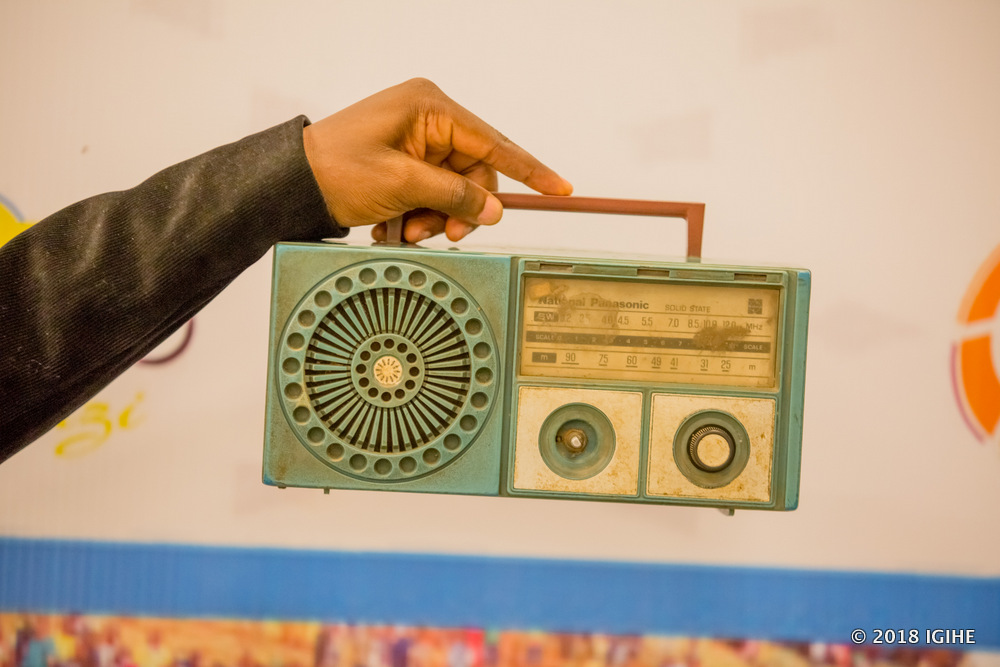
The mother Radio in Rwanda, working under Rwanda Broadcasting Agency (RBA), was officially launched on May 27th 1961 in Kigali City.
However, the Radio broadcasting sets were in Burundi, former Ruanda-Urundi territory main headquarters.
In 1963, shortly after Rwanda’s independence, regime, the radio also started to work independently in Kigali. That is where the most popular and oldest Radio in Rwanda started from.
RBA celebrated 55-year anniversary yesterday in Kigali, in the ceremony that took place in Kigali Convention Centre. It was a colorful event that was attended by senior government officials, former and current employees of RBA and general community among others.
The radio was under government control before and during the 1994 genocide against the Tutsi, and was used by the then government to cultivate hate among the people.
Silas Mbonimana who started to work for Radio Rwanda in 1982 said that ethnic discrimination was also inside the institution.
“I started when there was good mood inside, but, as days passed, things changed to bad because of ethnicity. Every person wanted to know others’ origin, there were also extremists who wanted to harm colleagues,” he said.
After the 1994 genocide against the Tutsi, the radio was used to unite Rwandans and preach new vision by the government.
Until 2003, it was the only radio that was operating in Rwanda. In 2004 private radios were opened and brought different programmes which helped them to dominate the radio that had been there for years.
As private radios had soft programmes like entertainment and sports, they attracted audience than Radio Rwanda with the majority being youth.
The changes in the industry forced Radio Rwanda to join the race and introduced similar programmes as well as recruiting young journalists.
{{Future of the radio}}
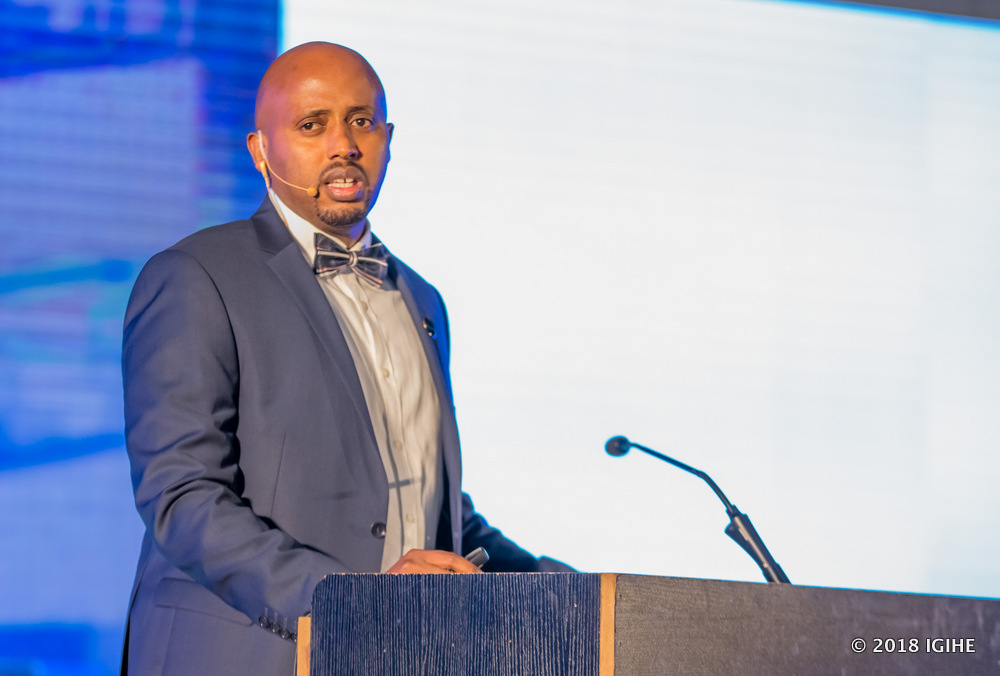
Speaking at the event yesterday, the RBA Director General, Arthur Asiimwe said that in next five years, they want to reform Radio Rwanda and affiliated radios so that they provide content based on people’s expectations.
“We want to be a leading and trusted media house; we need improvement,.. we want to work without bias,” he said.
He said that in five years, they want to raise quality, embrace creativity and capacity building among employees,” he added.
Speaking at the event, Prime Minister, Dr. Edouard Ngirente requested the radio to continue to facilitate people along the development journey by providing them relevant information.
“Rwandans need media that give them well researched development news. You have been doing that and we hope that you will continue. It is few months now since the government announced the seven-year government programme, the programme has different plans that Rwandans need to know about, so, they need deep explanations so that no one will be left behind,” he added.
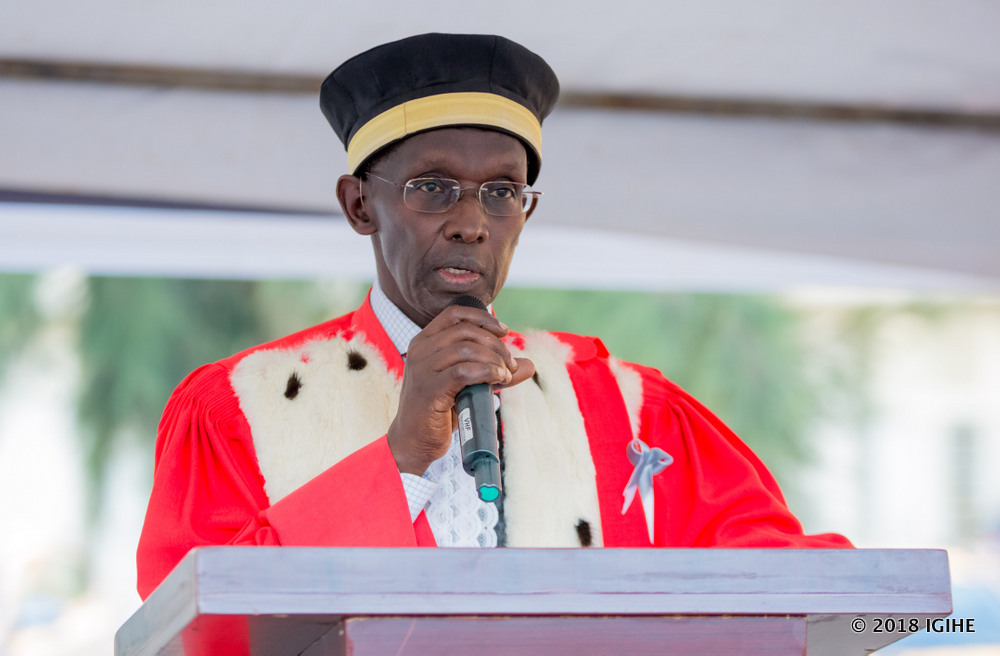
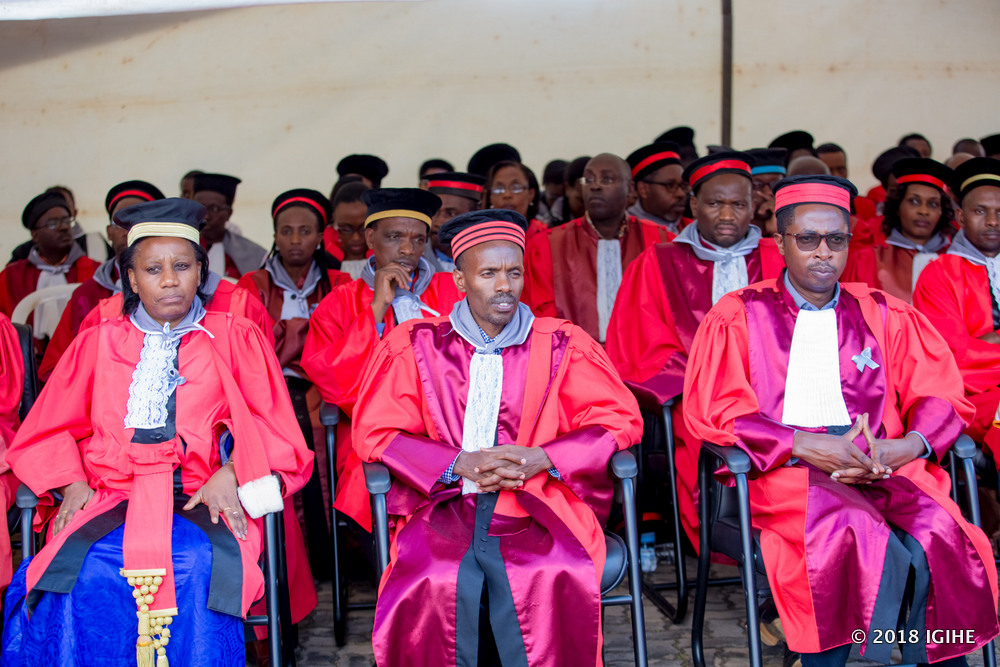
Rugege was speaking on Friday in Kigali at the commemoration of former justice sector personnel that were massacred during the 1994 genocide against the Tutsi attended by, among others, justice sector employees and families of slain victims.
He said that the value that should be bestowed upon genocide victims is justice which does not consider ethnicity.
“Among what we should give particular attention is cases related with the genocide against the Tutsi. They should be fairly tried because when they are not properly handled, they can destabilize the attained unity and reconciliation among Rwandans,” he explained.
“I call upon prosecutors and Judges’ attention when handling cases of genocide ideology, deniers and trivializers or when re-trying cases that had been tried by Gacaca courts,” he said.
Speaking at the event, the head National Commission for the Fight Against the Genocide, Dr. Jean Damascène Bizimana said that prior to the 1994 liberation, justice system turned a blind eye in pursuing people who initiated hatred and cultivated the genocide ideology among Rwandans.
“Judiciary is among sectors that paved ways for the genocide. Investigators and prosecutors were characterized by persecuting and judges were characterized by injustice, neglecting laws and violating human rights based on ethnicity; Tutsi were particularly desecrated,” he explained.
“Judiciary did not pursue politicians who initiated activities spreading hate and genocide ideology,” he noted.
He said that political parties like APROSOMA and Parmehutu started to spread documents cultivating hate and trivializing Tutsi in 1957 and 1959 through their papers.
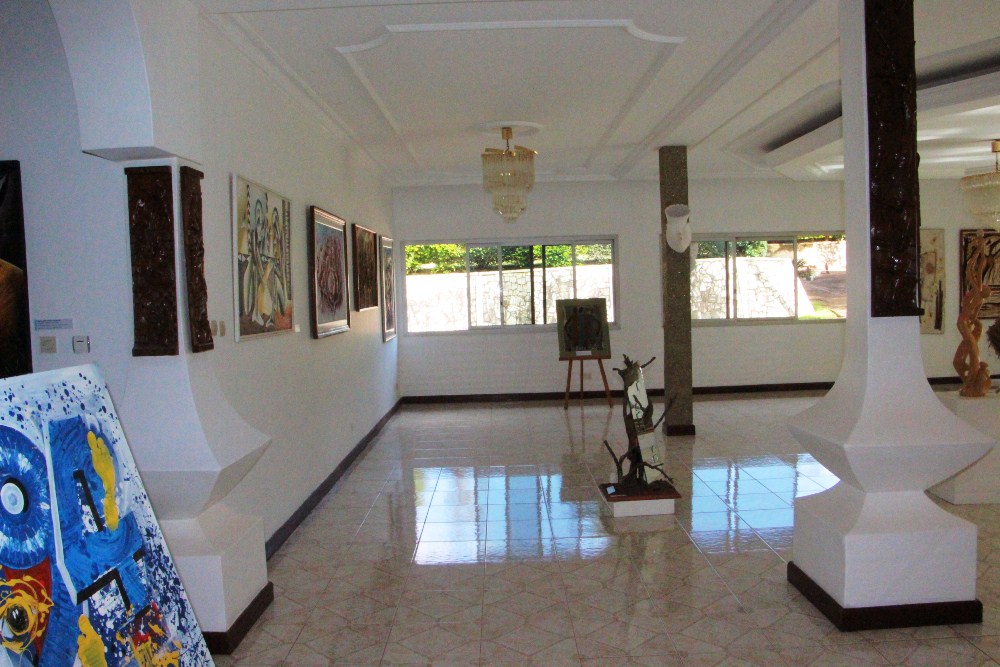
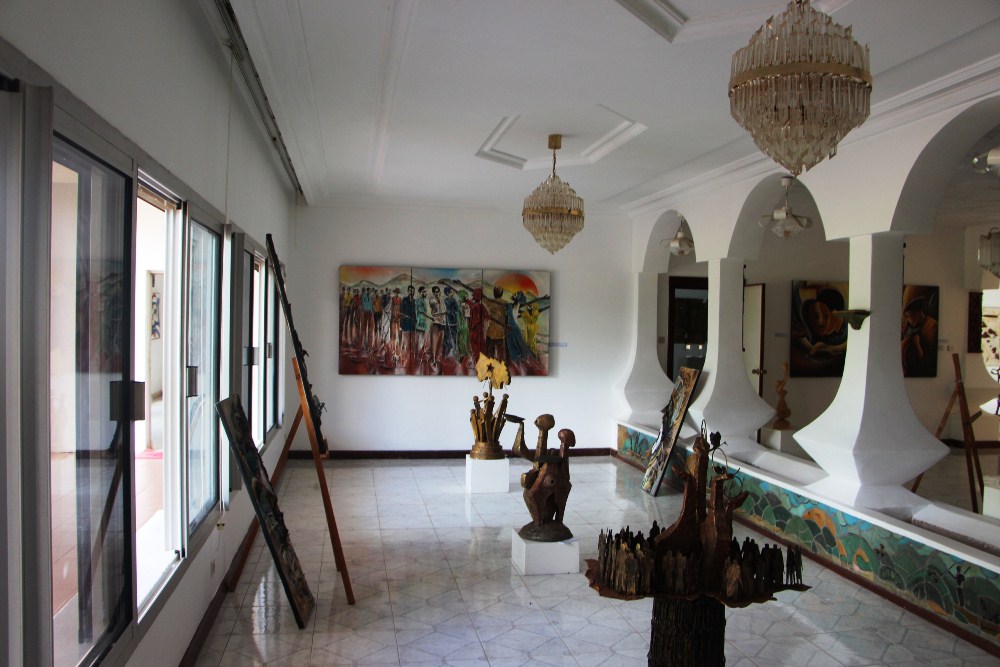
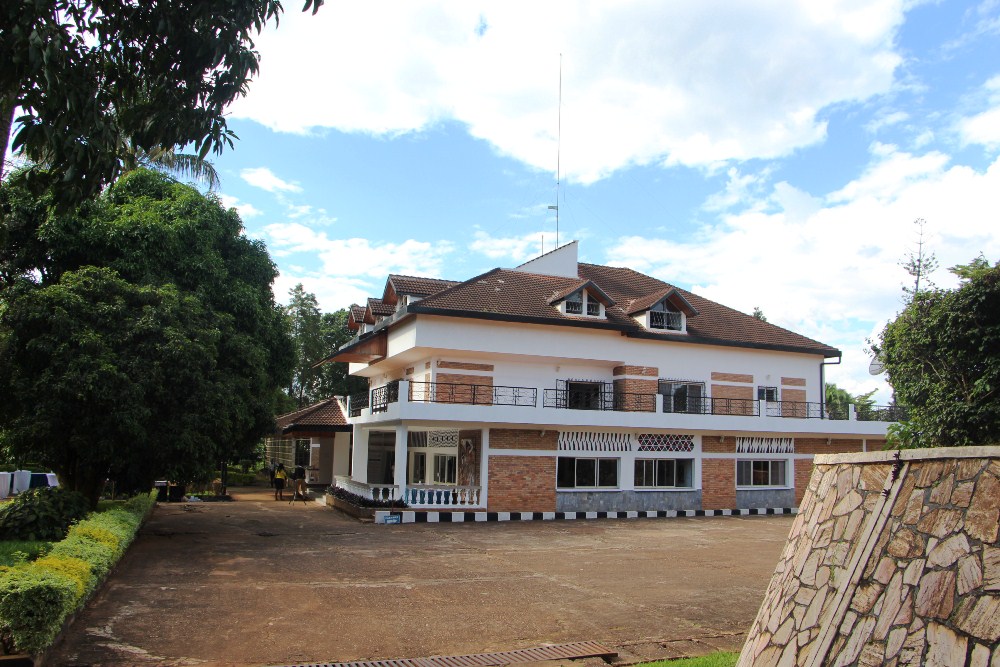
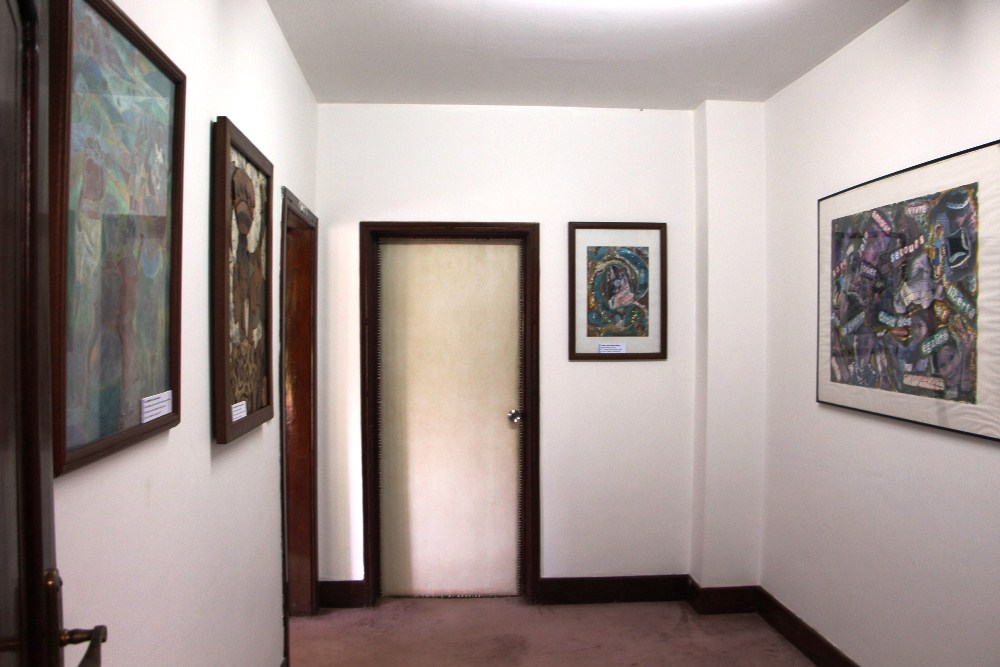
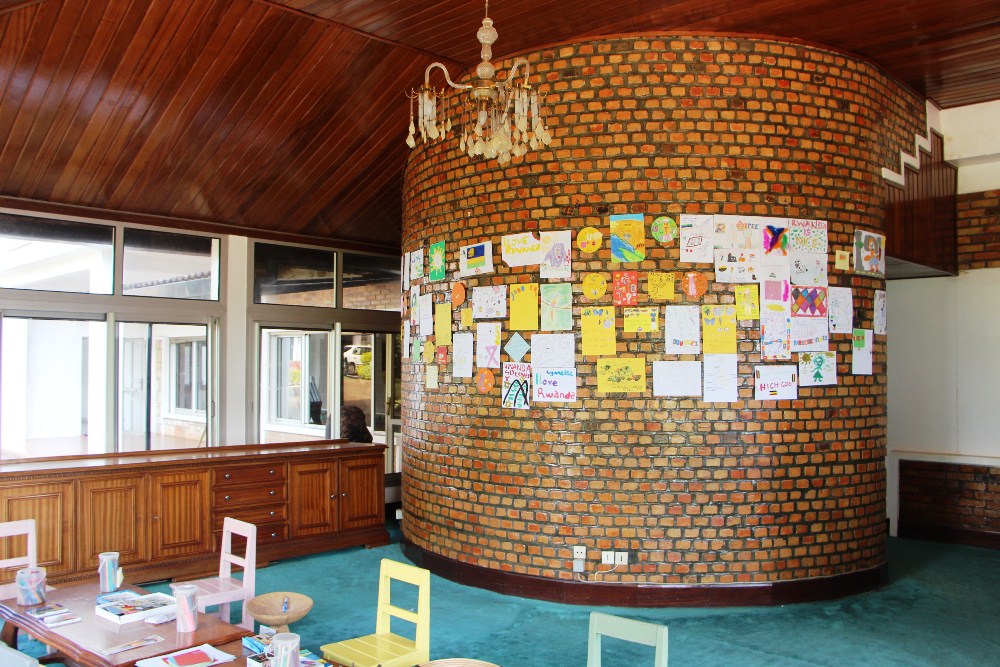
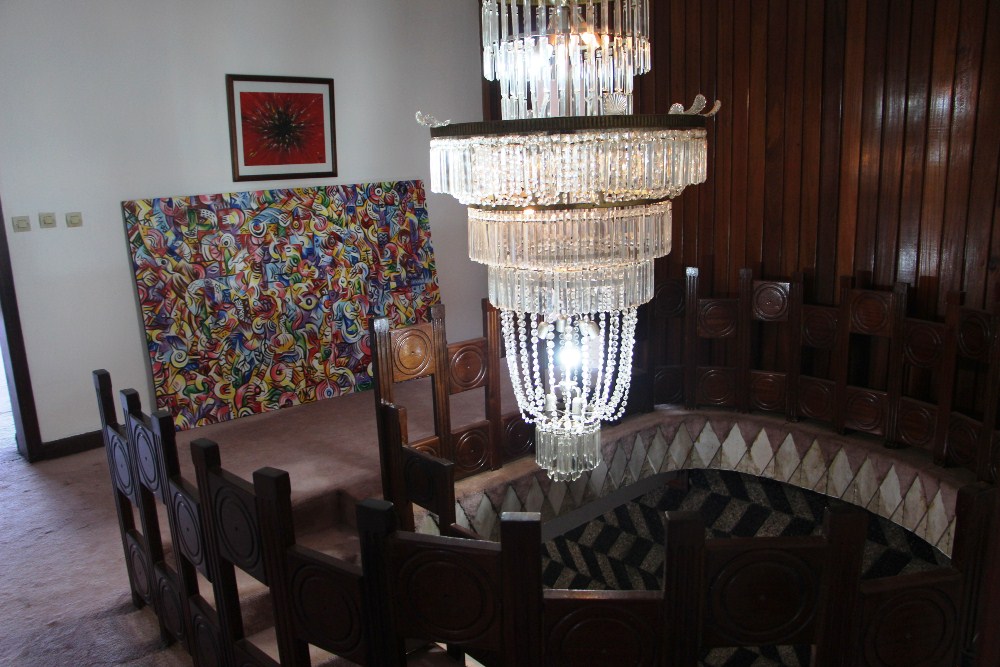
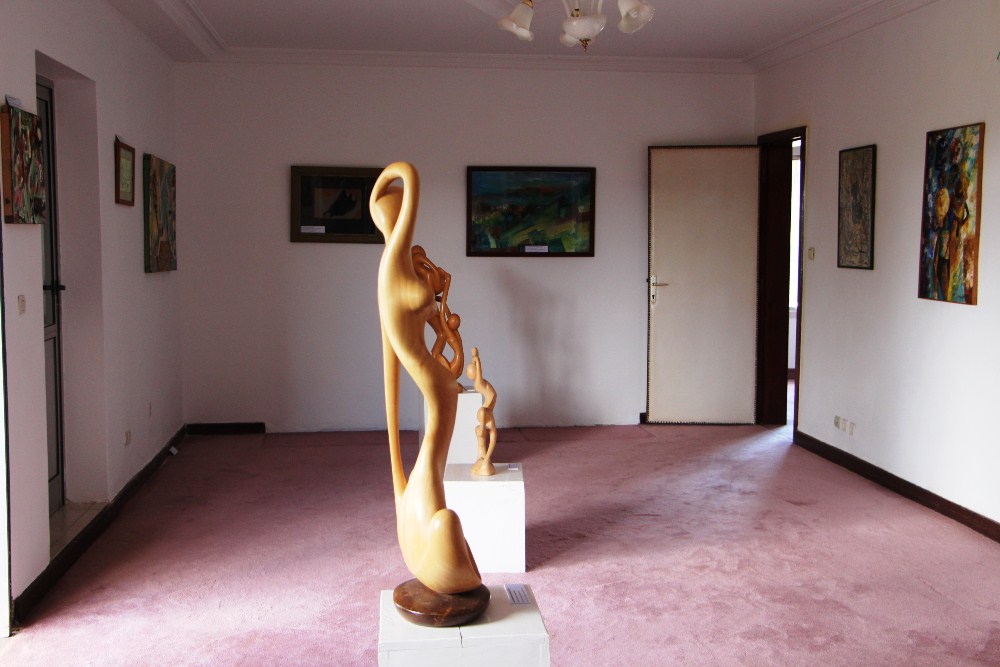
The now Rwanda Arts Museum had been the residence of two Rwandan Presidents, Juvenal Habyarimana who lived there until 1994 and Pastor Bizimungu who lived there from 1994 to 2000.
Since 2003, the building had been Presidential Palace Museum and was under management of the Institute of National Museum of Rwanda (INMR).
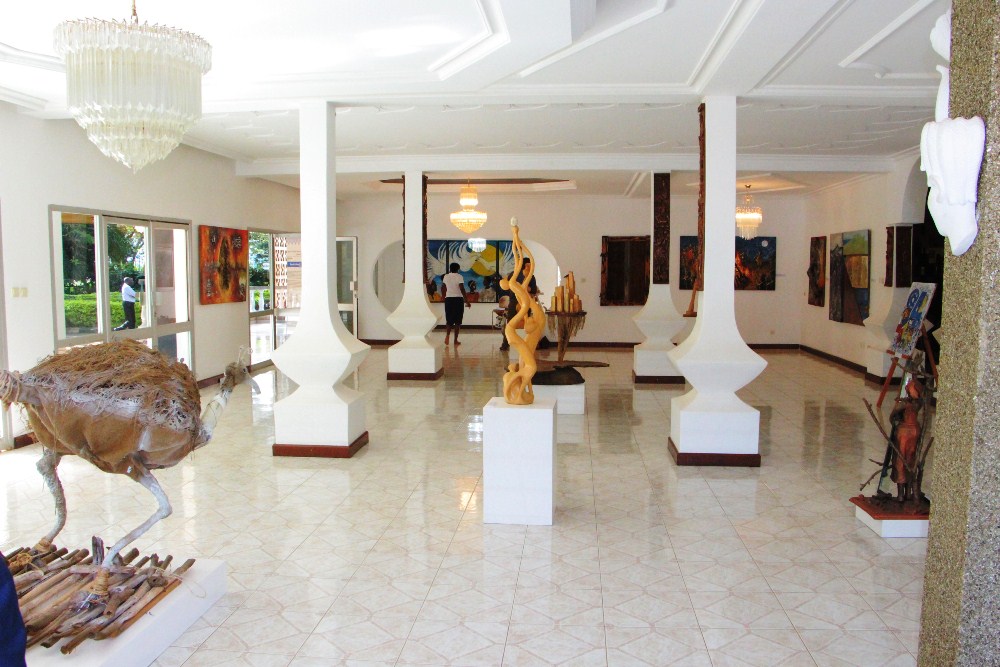
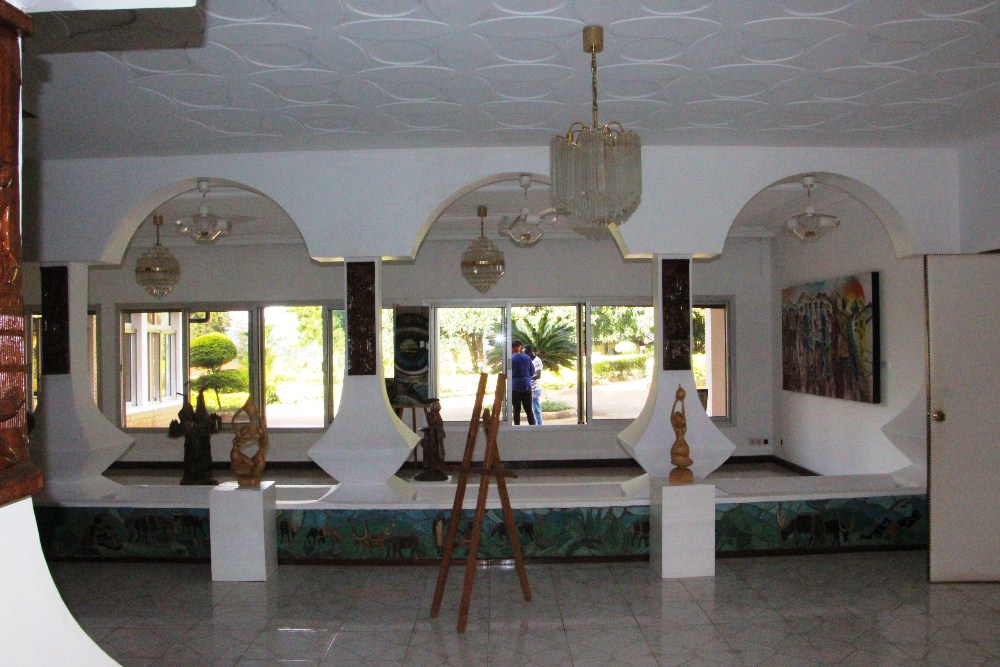
According to INMR, changing the palace into arts museum came from visitors’ request and artists who want to develop the sector.
Speaking at the launch of the museum yesterday, INMR Managing Director, Amb. Robert Masozera said that they are carrying reforms in different museums and today, three museums have been changed.
He said that they started from former environmental museum in Karongi, museum showcasing Rwanda’s colonial history in Kigali and the next was Presidential Palace.
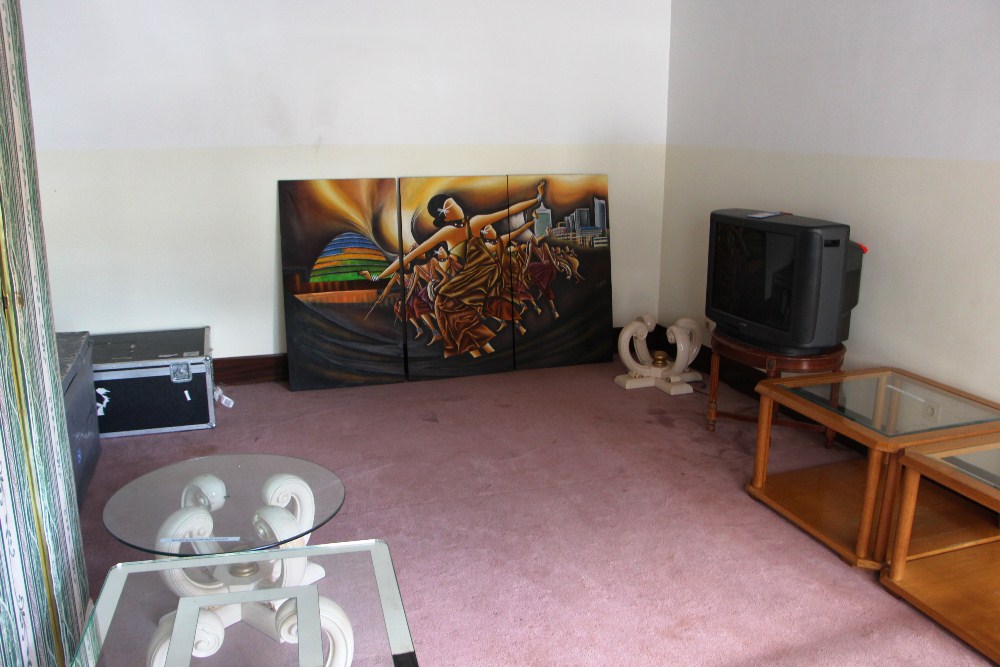
“This is based on visitors’ and partners’ wishes; they suggested different changes in exhibition and the name of the museum. There were no historical things to see in the museum,” he explained.
“We used to tell history of two presidents who lived here and people go uncontended, that is where we started to think about something that we can add here, and that’s where we brought the art museum,” he added.
The same museum has been in Nyanza District since 2006 to 2018 in King Mutara III Rudahigwa Palace.
Currently, the museum has a total of 127 artifacts, among them 117 were in Nyanza based museum.
He encouraged artists to bring their artifacts to the place whose current monthly visits stand at 35,000.
Presidential Palace has been the fourth most visited museum, after the Capaign Against Genocide Museum, ethnographic museum at Huye, and Nyanza King’s Palace.
Currently Rwanda has eight museums with 200,000 visitors and earn the country about Rwf200 million per month.
The launch of the museum coincided with the International Museum Day which was celebrated under the theme “Hyper-connected museums: New approaches, new publics.”
Holtzman was speaking on Friday during an annual shareholders’ general meeting of Bank of Kigali.
“We intend to cross-list BK Group plc on the Nairobi Securities Exchange official list, the first Rwandan Company to go on the international Market” Holtzman said.
He said that based on bank’s functioning and intensified use of ICT in their operations; they should work towards changes in customer treatment and shareholders.
“For us to continue to lead, we decided to raise our initial investment to between $60 and $70 million in the second term of the financial year both on local and international market,” he said.
After listing to the Nairobi Securities Exchange, Bank of Kigali will be the first Rwandan company to go on the international market.
Holtzman said that the move is in the interest of shareholders as the Kenyan market is very rich, but do not invest in Rwandan market.
He said that once listed, they will help the development of local market.
BK Group Plc, Chief Executive Officer, Diane Karusisi pledged continued development.
“We are proud to be the leading financial institution in Rwanda, be in depositing, providing loans for big projects, tax payment and profitability. Last year, BK earned Rwf23.3 billion of profit,” she explained.
In the meeting, shareholders adopted the annual report and audited financial reports of the year ended 31st December 2017
The American envoy expressed this today, in a press conference that followed bilateral discussions between him and Rwanda’s premier, Dr Ngirente Edouard.
The bilateral discussions focused on partnering with Rwanda, and putting in action the government’s Seven-Year Programme (7YGP) that was set last year.
Amb. Vrooman emphasized the importance the U.S. government places on partnering with Rwanda to ensure its youth have the knowledge and skills needed to drive economic development and build their future, especially in the Education and Agricultural sectors. He stressed the importance of partnering with all stakeholders to accomplish the goals of the Seven-Year programme.
“Recently, we launched a Rwf28 billion project to support agricultural growth and resiliency across Rwanda. The project, called Feed the Future Rwanda Hinga Weze, will be implemented over five years in 10 districts across Rwanda,” he said.
“Since more than 70 % of Rwandans are in the Agricultural sector, the sector is an important one and needs all the help it can get. This is why we are doing all we can to support so that Rwanda can accomplish the goals that it set.” Amb. Vrooman added
The new Rwf 28 billion project will directly benefit over 200,000 farmers. The project will help them grow at least 50 percent more crops on the same size of land by promoting sustainable use of fertilizers, improved seeds, irrigation practices and more.
Through the U.S. Agency for International Development (USAID), each year, the US donates USD10 million, approximately Rwf93 million to Rwanda to support the country’s development.
Alongside a cure, an HIV vaccine would be the only way of completely halting the spread of HIV once and for all. At present, an effective preventive vaccine remains years from fruition, but there is a lot of exciting progress that indicates the world is getting closer.
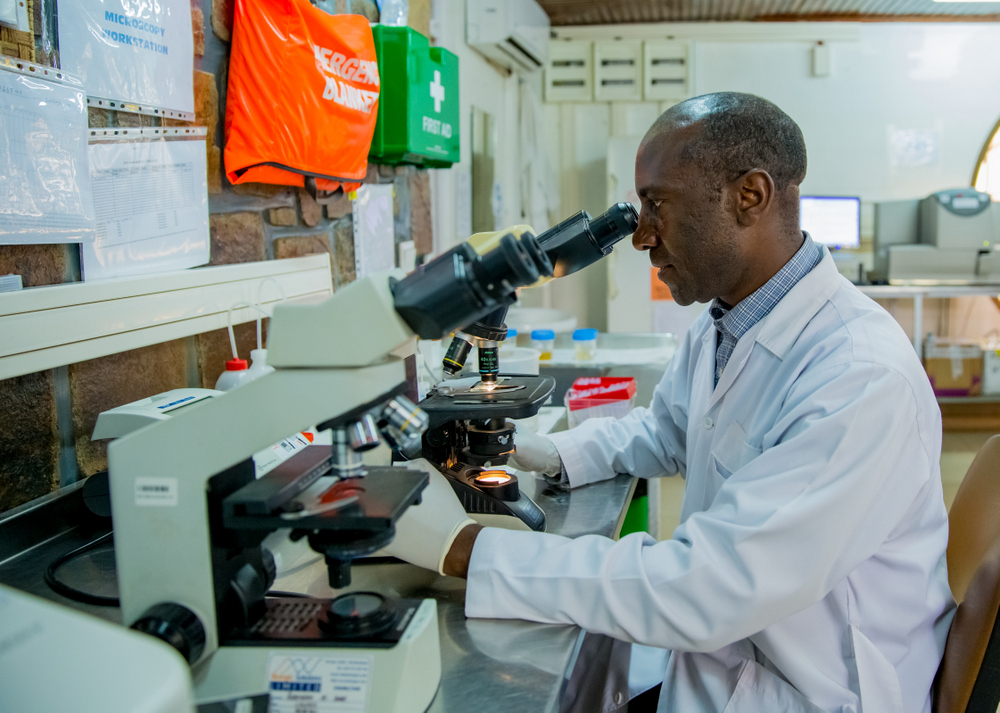
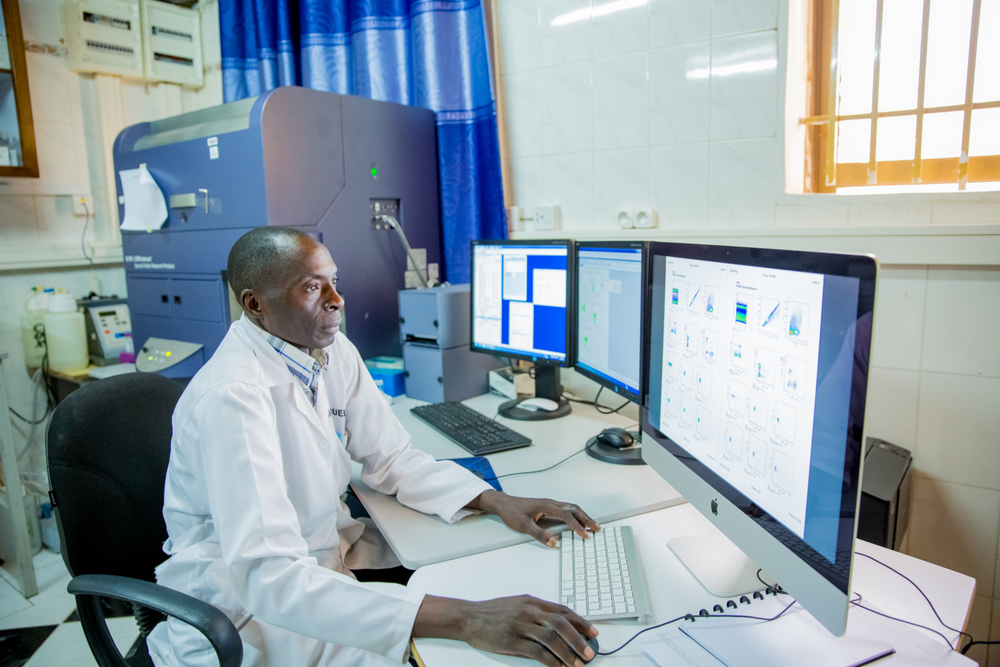
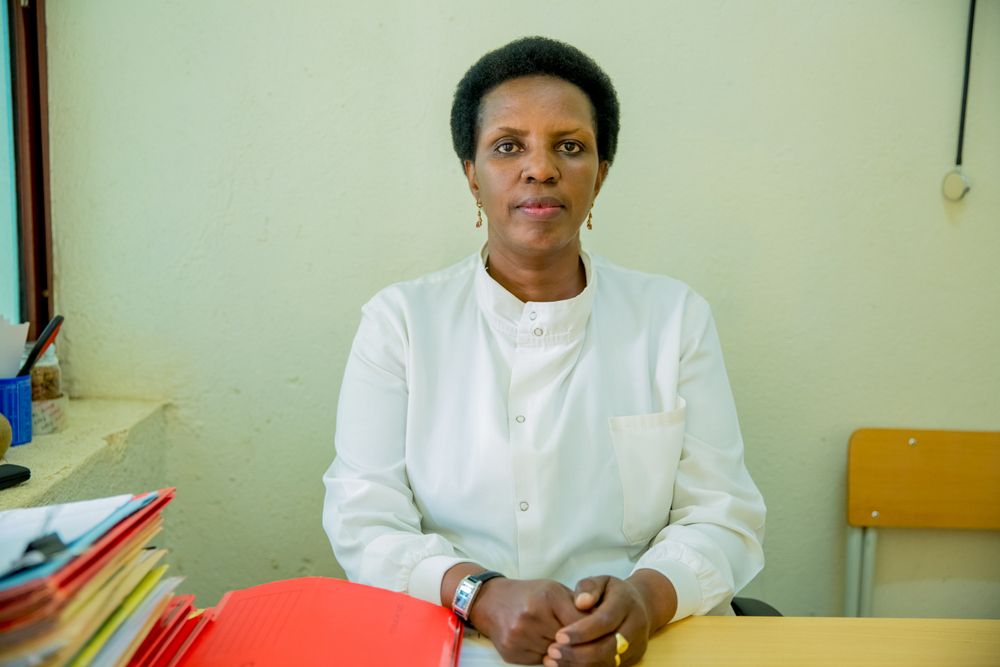
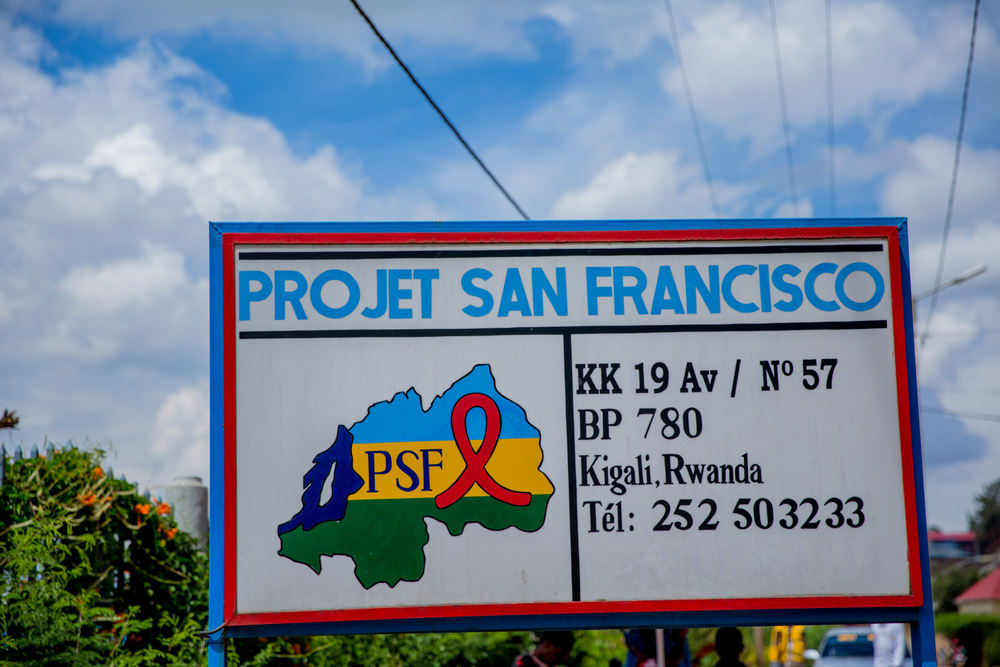
Rwanda is not any behind in the research that would one day lead to the world free of AIDS, the pandemic that has shattered the world since the 1980s, according to Julienne Mukamwezi, a nurse and counselor at Projet San Francisco (PSF), the only research centre on HIV in Rwanda.
Located in Kigali’s Kicukiro District, PSF was established by the American researcher Dr. Susan Allen in 1986 for mainly conducting research on HIV and other sexually-transmitted diseases.
In collaboration with the International AIDS Vaccine Initiative (IAVI) and Rwanda’s Ministry of Health with the funding of USAID, Ms. Mukamwezi told IGIHE on Tuesday that PSF has tested seven HIV vaccines on 274 people in Rwanda since 2005.She said the research progress is promising that time will come for an HIV vaccine.
“What we wish and hope is that we shall once day have an HIV/AIDS vaccine but we can’t ascertain now the exact time that will be achieved,” she said
A vaccine is a biological preparation that improves immunity to a particular disease, according to World Health Organisation (WHO).
{{Vaccine testing procedures
}}
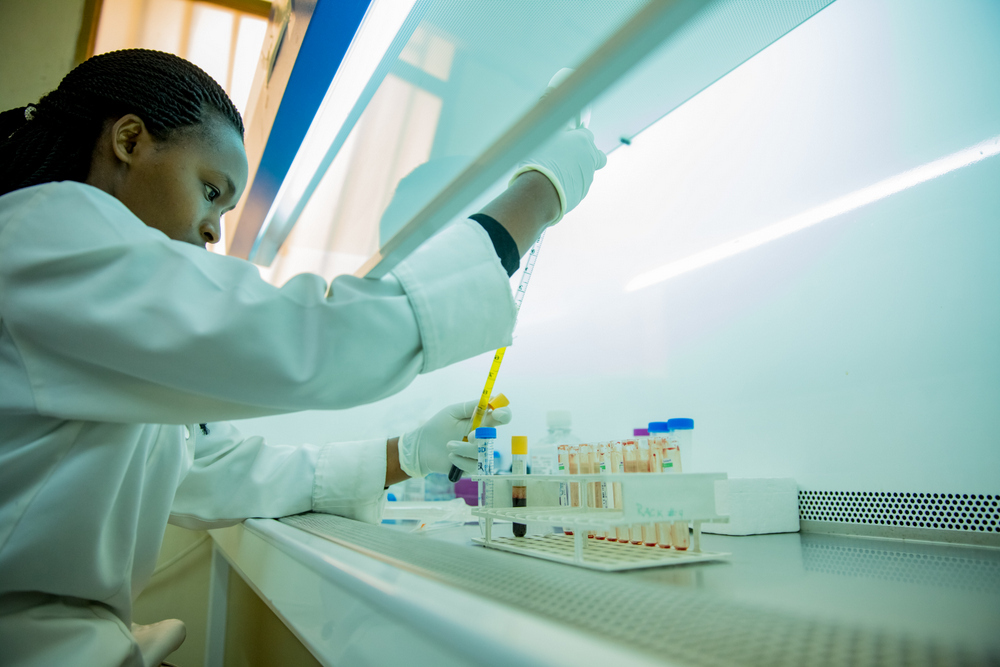
Mukamwezi clarified that vaccines, like any other medicine, are first well examined in laboratory, then tested with small animals like mice, rabbits and then with animals which have many similarities to people like monkeys.
“If these animals seriously suffer effects of the vaccine, that vaccine will not go beyond that stage of testing. If it causes no serious effects, the vaccine is then passed on for testing on human beings to see if the human body behaves like the animals’ against that vaccine,” she said.
She cleared illusions that one may catch HIV during the testing.
“Someone may think that testing an HIV vaccine on them can make them catch the virus, there is no way. There is no HIV virus in the vaccine. The purpose of the testing is to check if the vaccine increases the body’s immunity and it doesn’t cause serious problems to one’s body. We keep teaching our vaccine’s recipients that they have to guard against any acts expose them to HIV,” she said.
Since the PSF started HIV vaccine testing in 2005, the vaccines were proven to cause no harm to people. Most of the vaccines were able to increase the body’s immunity against the HIV but the research continues because the immunity was insufficient.
Mukamwezi encouraged Rwandans to keep guarding against the HIV, remembering that it is still there without any cure or vaccine. He cautioned the youth especially who carelessly behave in a way that exposes themselves to HIV, urging them to value life and avoid wrecking it into peril.
WHO figures indicated that there were 36.7 million people living with HIV/AIDS in 2016 while 1.8 million were acquiring it and one million people killed by AIDS annually.
The HIV prevalence stands at 3% in Rwanda and AIDS kills over 2,500 annually.
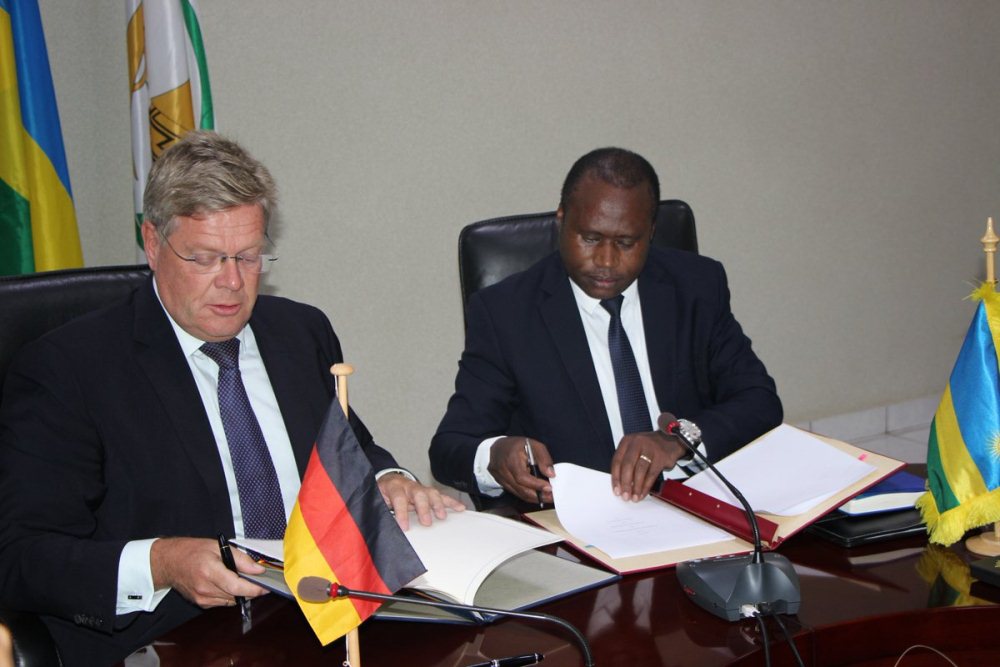
The three year grant was signed on Thursday between the Minister of Finance and Economic Planning, Dr. Uzziel Ndagijimana and the Ambassador of German to Rwanda Dr. Peter Woeste.
Ambassador Woeste hailed Rwanda’s economic development in past years and added that he wishes for continued development through implementation of national transformation agenda under the partnership of private sector and non-government organizations.
“I am very happy for open discussions with the government of Rwanda, though sometimes we can understand things differently on some matters, this is a sign of true friendship,” he said.
Minister Ndagijimana said that the grant will be allocated in sectors that will enable the country achieve long-term targets.
“Development partnership exists, and through this signed agreement, we cement the optimism and good relations between our countries,” he explained.
Every three years, both countries hold discussions and agree on development cooperation in different programmes. This year’s discussions started yesterday to end today Friday 18th focusing on 2017-2019 development cooperation projects.
The government of Rwanda and German have cooperation relations since 1963.
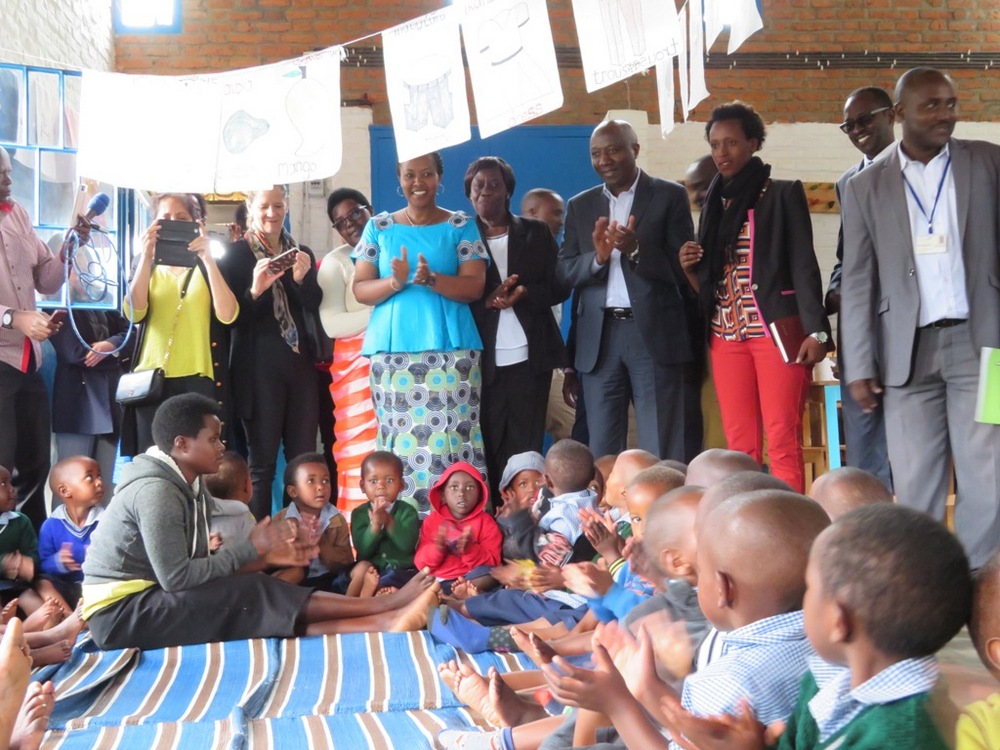
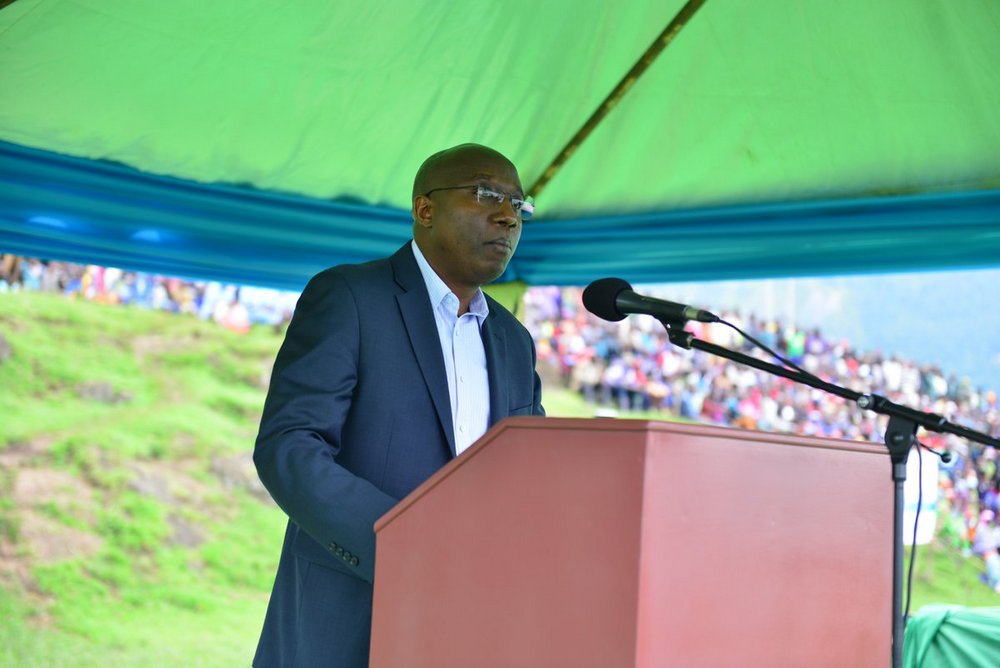
Speaking at the event on Thursday, Ngirente said that the Government of Rwanda decided to eradicate stunting because of its negative impacts on sustainable development. He said that studies show that stunted children tend to be at greater risk of illness and death.
“The launch of this multi-sectorial programme on combating stunting includes three projects that will target districts with highest stunting rates in Rwanda and accelerate reduction of stunting,” he said.
The programme will play role in increasing coverage of high-impact health and nutrition intervention in 13 districts with high stunting rates.
Nyabihu district has the highest stunting rates with 59% of children have stunted growth.
Ngirente said that ending stunting requires cross-cut partnership and called on parents to embrace early childhood development programmes, family planning and awareness about first 1000 days of childhood.
He pledged government support to families with children who are highly affected by stunting.
“We shall not cease unless this problem is completely terminated. Rwandans achieved many things that were quite complicated. Terminating stunting will not conquer us,” he noted.
World Bank Group Country Director, Yasser El Gammal said that through good partnership with the government of Rwanda, they will continue to collaborate in fighting malnutrition which causes stunting.
“We believe that Rwanda will make it, as Rwandans have demonstrated that what is impossible elsewhere is possible here,” he said.
In April, Rwanda and World Bank signed additional funding of $23 million (about Rwf19 billion) for the project to fight malnutrition among children.