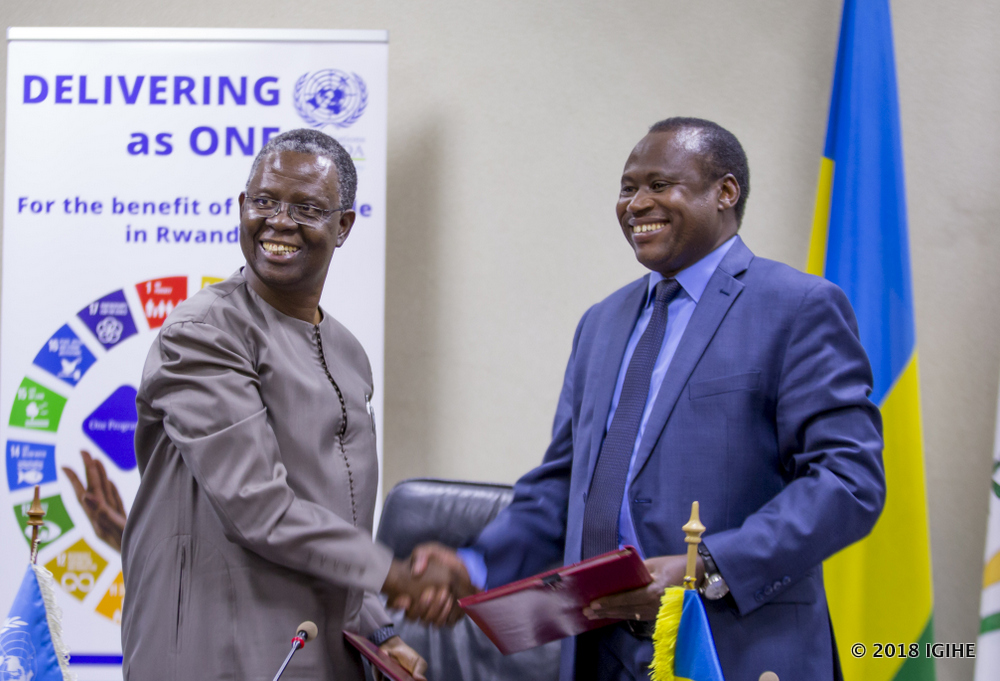
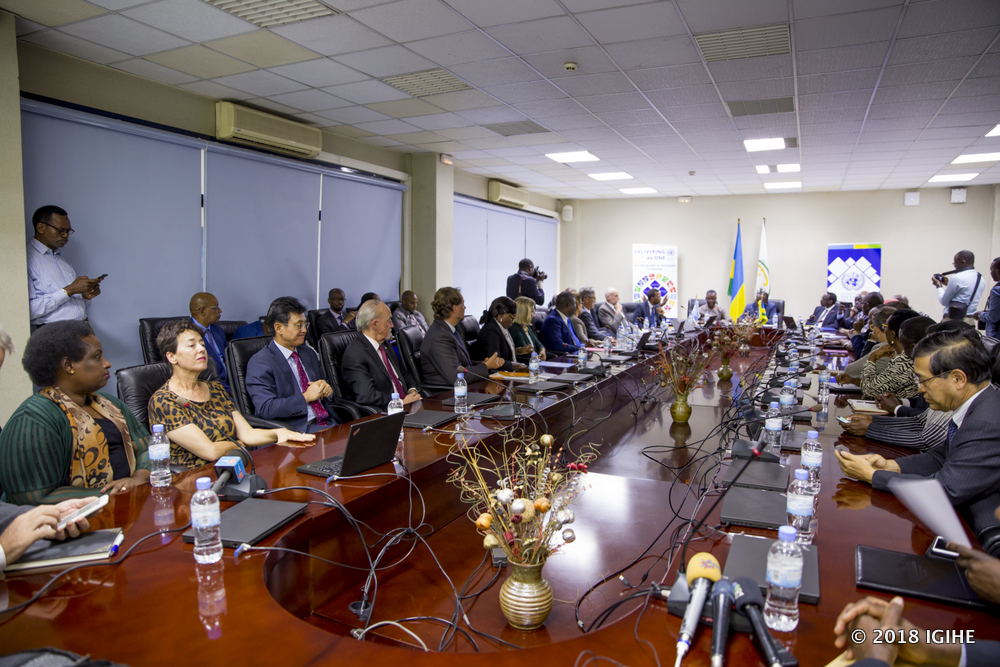
The agreement was signed yesterday in Kigali between the Minister of Finance and Economic Planning, Dr. Uzziel Ndagijimana and One UN Rwanda country coordinator, Fodé Ndiaye who is also the country coordinator of United Nations Development Programme (UNDP).
The funding is part of United Nations Development Assistance Plan (UNDAP II).
Minister Ndagijimana reiterated that the government of Rwanda and One UN have collaborated in planning of funding expenditures in line with seven-year government programme (2017-2024) and Rwanda’s vision 2050.
“The United Nations has many programmes in economic development, social welfare and governance; the signed funding will be allocated there,” he said.
According to Ndagijimana, 60% of the funding will be allocated to social welfare programmes, 23% to economic development activities, 9% to good governance promotion programmes.
One UN Rwanda’s Ndiaye said that of the whole funding, $252 million (30%) are available while the rest $378 million (70%) will be mobilized through various initiatives including a consolidated resource mobilization strategy.
Ndiaye explained that UN programmes focus on people, governance, democracy and gender balance among others.
According to the Ministry of Health, of the Rwf205 billion allocated to health sector this fiscal year, they target to renovate two hospitals which are Byumba Hospital in Gicumbi District at a cost of Rwf4.1 billion and renovation of Munini Hospital in Nyaruguru District at Rwf7.9 billion.
New hospitals will also be constructed under the budget.
A Rwf5.9 billion hospital will be constructed in Nyarugenge District , Nyabitekeri Hospital in Muhanga District will also be constructed at a cost of Rwf6.9 billion.
Also to be constructed also is Gatunda Hospital in Nyagatare District at Rwf3.6 billion and Gatonde Hospital in Gakenke District with Rwf2.49 billion.
Speaking in an interview with IGIHE, the Spokesperson of the Ministry of Health, Malick Kayumba said that new hospitals are meant to raise healthcare standards based on different services which they will be offering.
“We are doing our best to take services closer to the people, instead of going for certain services to Kigali; they will be having hospitals with high standards closest to them,,” he explained.
“The more services get closer to people, the more the less costly it becomes for patients,” he added.
Deogratias Nzamwita, the mayor of Gakenke District, as one of districts that will benefit told IGIHE that construction works for Gatonde Hospital have reached 70%. He added that they will start operating in February next year.
“For people from the Sectors of Janja, Muzo, Mugunga, Busengo and Rusasa, it was difficult for them to bring a patient from there to Nemba Hospital, it is so far. It was not easy for them to get ambulance or provide with them quick services,” he said.
Currently, Gakenke District has 23 Health Centers and two Hospitals which are Ruli and Nemba.
Last year, new Shyira Hospital in Nyabihu District was inaugurated and different hospitals across the country were expanded by constructing new maternal wards.
In line with reducing child-maternal deaths, maternal wards were constructed to hospitals of Rutongo, Gisenyi in Rubavu District, Rwamagana, Gahini in Kayonza District, Nyanza, Kabutare in Huye and Gihundwe in Rusizi.
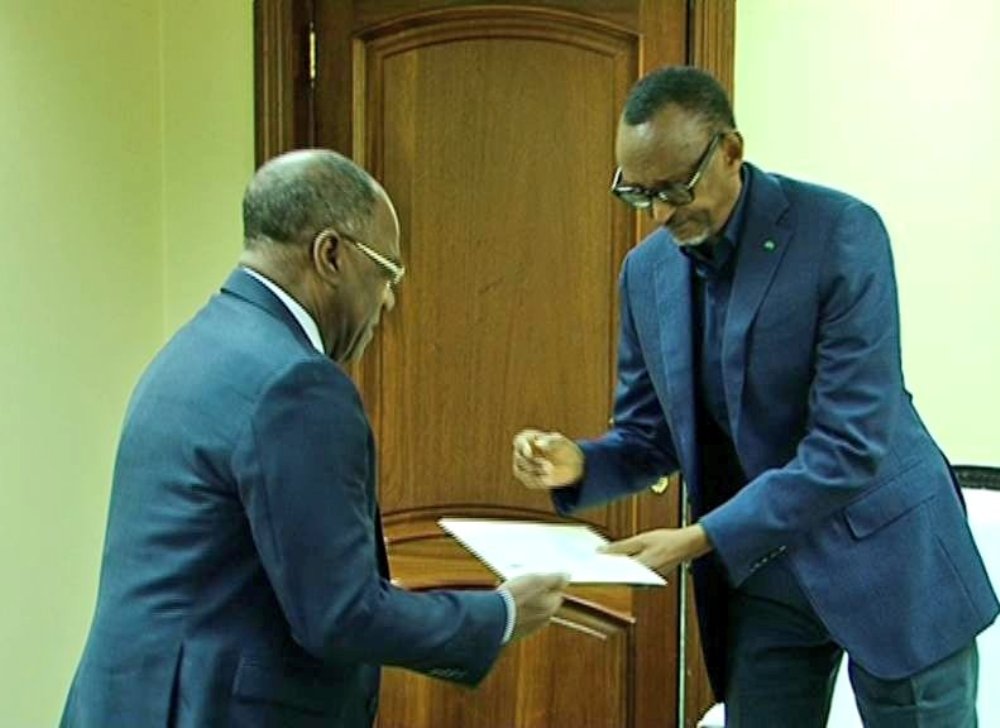
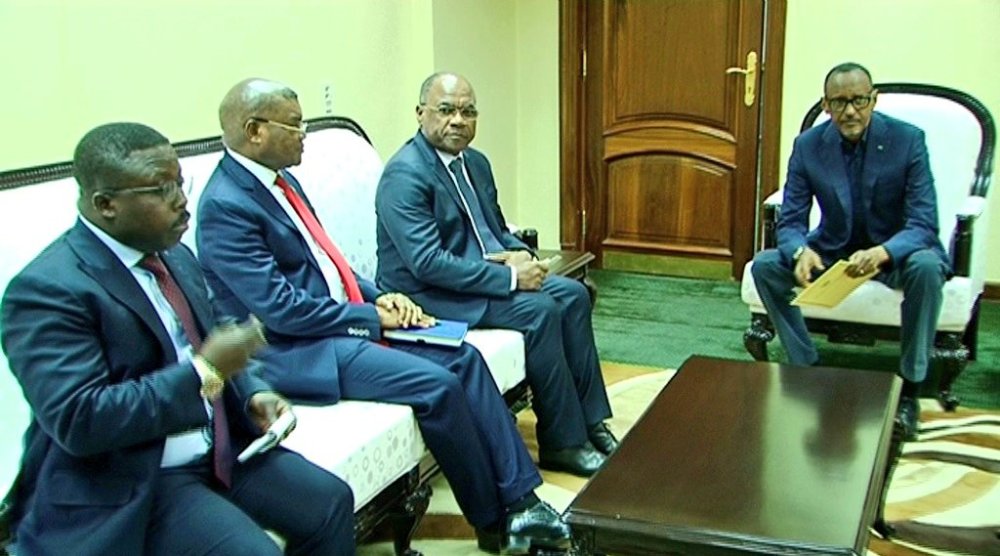
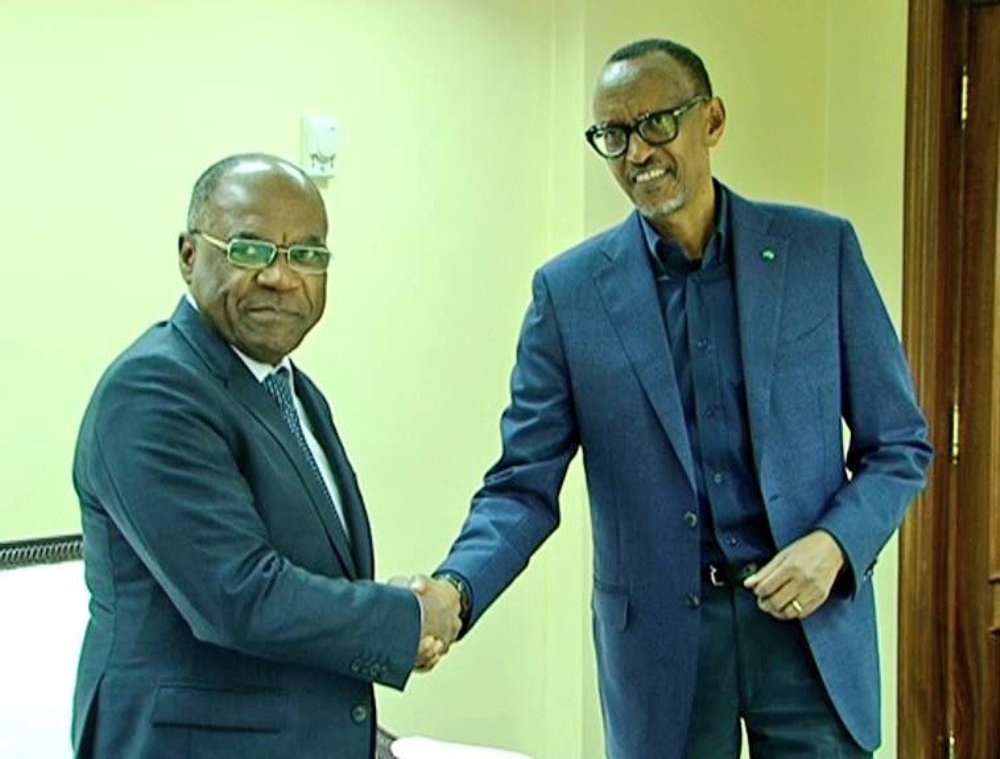
Okitundu who was accompanied by Chief Intelligence in RDC, Kalev Mutond among other officials briefed President Kagame who is also the chairperson of African Union about the electoral process in the DRC.
Presidential Elections in the DRC are scheduled on December 23rd 2018.
According to the Twitter account of DRC Foreign Affairs Ministry, Okitundu and Kagame discussed Presidential Elections and Economic Community of the Great Lakes Countries (CEPGL) Projects.
“This Sunday to Kigali She transmitted a special message from President Kabila to President Kagame. Evolution of electoral process welcomed, security of common borders before elections, facing armed groups, good neighbors and CEPGL projects,” a tweet reads.
Okitundu’s visit to Rwanda followed that of Minister of Foreign Affairs, Cooperation and East African Affairs, Louise Mushikiwabo to DRC last week, seeking support for her candidature on the post of the Secretary General of the Organisation of French Speaking Countries (OIF) commonly known as La Francophonie.
The Head of Ideal Democratic Party (PDI) is the 10th on the list of RPF-Inkotanyi and parties which formed coalition for September parliamentary elections.
The list of RPF’s 78 candidates who met all requirements to contest for parliamentary seats was released yesterday by NEC.
The parties which formed coalition with RPF are PDI, Rwanda Socialist Party (PSR), Centrist Democratic Party (PDC), Party for Progress and Concord (PPC), Democratic Union of Rwandese People (UDPR), and Prosperity and Solidarity Party (PSP).
Harerimana has rarely appeared in public since the October 2016 cabinet reshuffle that was followed with scrapping the Ministry of Internal Security. Since then, all responsibilities of the ministry including management of Rwanda Correctional Services and Rwanda National Police were transferred to the Ministry of Justice.
Also on the list are Leonard Ndagijimana from PDC (21st on the list); Pie Nizeyimana from UDPR (28th on the list) Elisabeth Mukamana from PPC (34th on the list)
Five Political parties contesting for 53 seats up for grabs are RPF-Inkotanyi, Social Democratic Party (PSD), Liberal Party (PL), PS Imberakuri and the Democratic Green Party of Rwanda (DGPR).
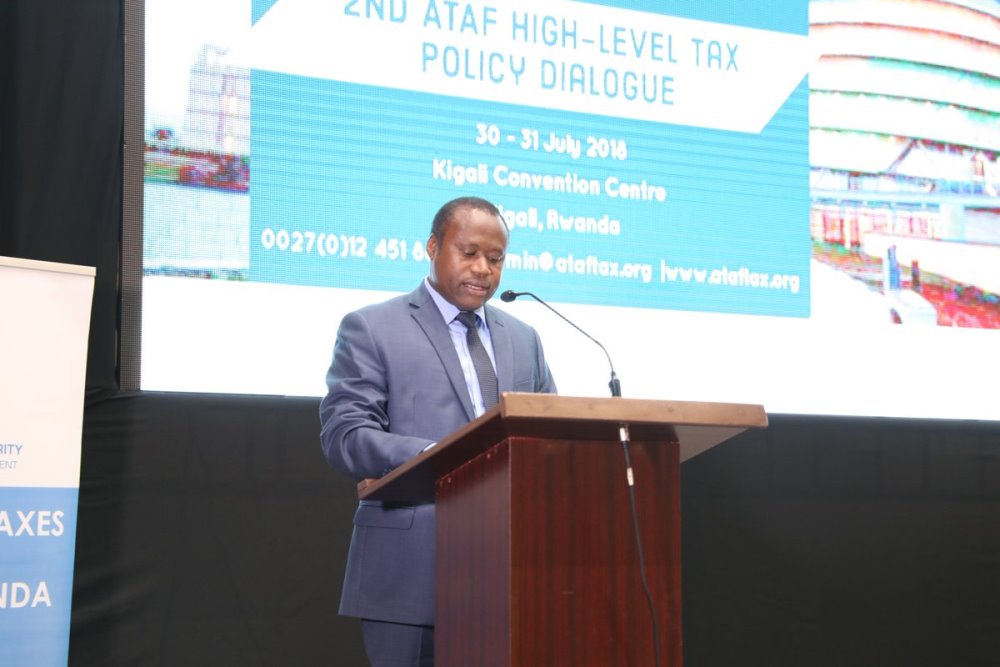
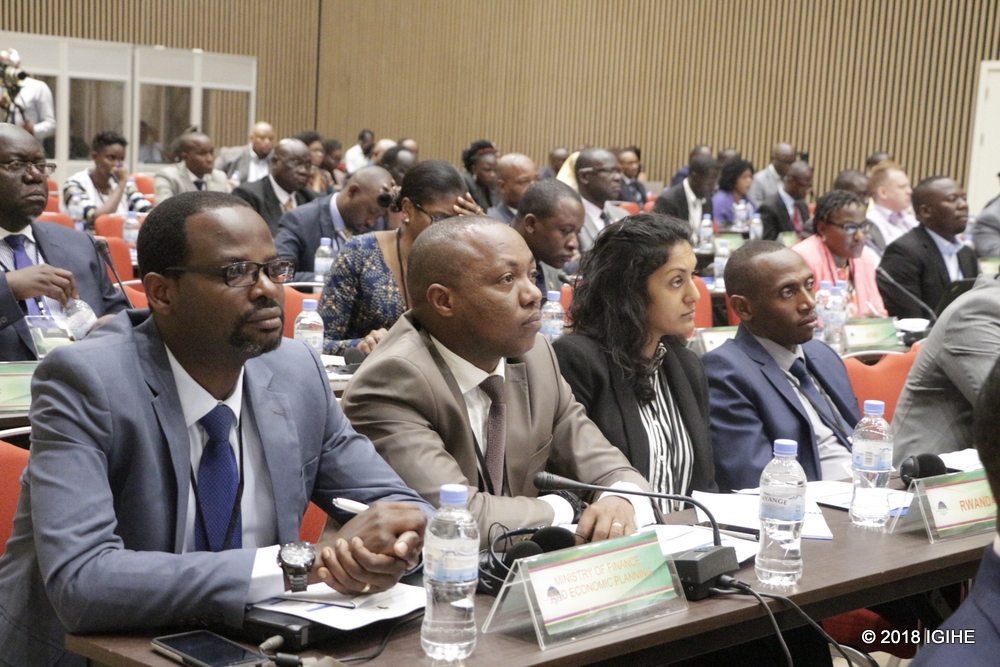
Ndagijimana was speaking Monday in Kigali at the launch of African Tax Administration Forum’s (ATAF) High Level Tax Policy Dialogue.
The dialogue takes place under the theme ‘Reinforcing Africa’s Position to Benefit from The Global Tax Agenda’
Ndagijimana said that the theme of the meeting itself underscores the importance of close collaboration needed between tax policy and tax administration functions for effective revenue mobilization.
He said that under the Agenda 2063, Africa committed to strengthen domestic resource mobilization, build continental capital markets and financial institutions, and reverse the illicit flows of capital from the continent.
“Whatever meeting of development actors that one attends, domestic resource mobilization has taken center stage of development discussions. Domestic revenue mobilization improved substantially in recent decades but tax-to-GDP ratios are still low in most of our countries and the continent is still heavily dependent on external financing, including foreign aid,” he said.
Domestic resource mobilization, Ndagijimana said it helps building effective, transparent and harmonized tax and revenue collection systems.
He said it also reduces aid dependency, enhance domestic savings and eliminate all forms of illicit flows.
“The global Sustainable Development Goals can only be realistically achieved through a coordinated response to resolve taxation issues with a view to increase domestic resource mobilization,” he urged.
Ndagijimana said that Africa’s tax to GDP ratio is below 18%, loses over US$50 billion in illicit financial flows.
“We will not develop at the rate we wish, if we are not able to mobilize domestic resources in a more effective manner. The levels of resources lost through illicit financial flows are higher than the official aid received by Africa,” he added
He emphasized that Africa’s design of tax systems must consider global dimension of tax policies.
However, Ndagijimana said that experience shows that Africa needs to put in more effort to position itself and participate actively in the global tax agenda by being more proactive than reactive.
ATAF executive secretary, Logan Wort said that tax collection needs adequate laws.
“Tax collection has to go hand in hand with Tax laws and Policies that are adequate,” Logan told the media.
However many of them have since reopened after taking corrective measures, according to a Statement by the Government of Rwanda released Saturday.
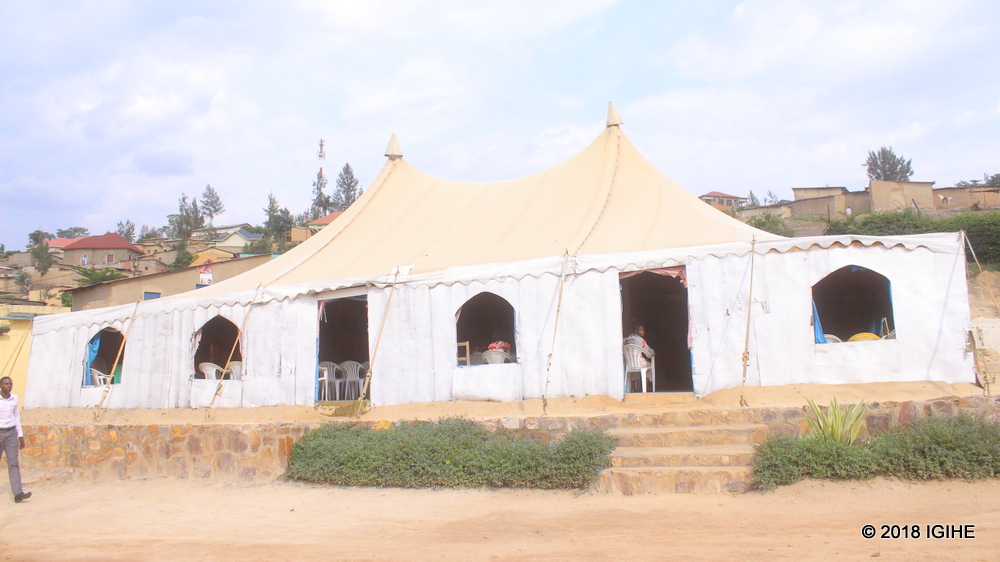
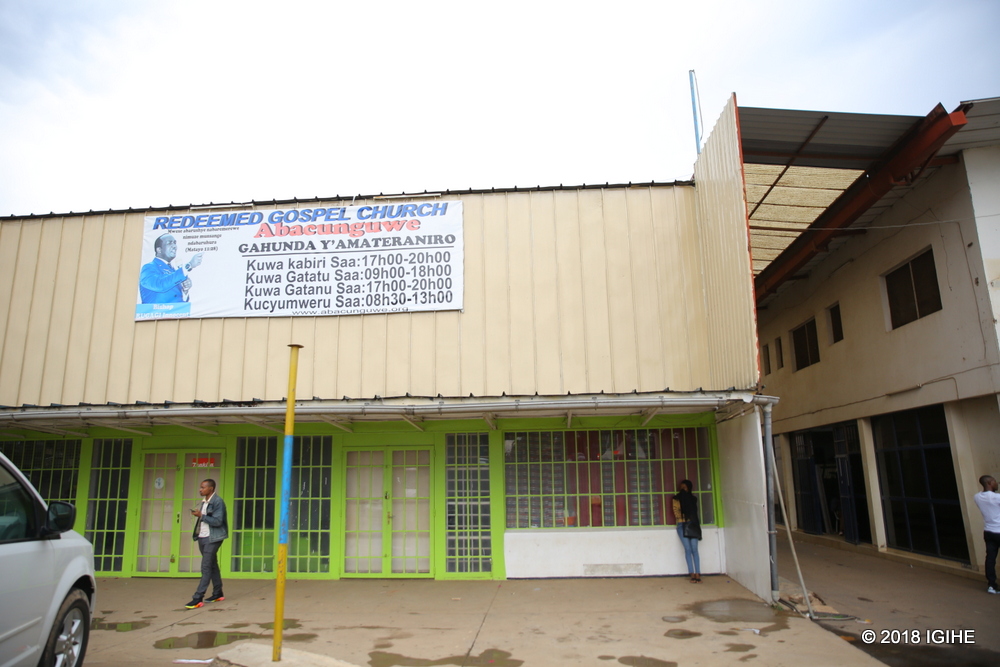
The government says that the closures do not infringe on freedom of worship but serve to address the alarming proliferation of places of worship in dilapidated and unhygienic conditions, as well as troubling behaviour of unscrupulous individuals masquerading as religious leaders.
The latter have, among other abuses, defrauded innocent followers, broadcast insults against women and other religions and forced followers to fast to the point of death from starvation.
Following an extensive consultative process, a meeting held on February 13th 2018 involving the Rwanda Governance Board, Ministry of Local Government, Kigali City officials, and church leaders, resolved to urgently address the increase in places of worship that failed to meet minimum building and hygiene standards, posed a serious threat to the safety of occupants, or had become a public nuisance.
Previously, in the City of Kigali alone, close to 2,000 prayer houses were in operation. According to the Government, in some parts of Kigali, there are ten churches or prayer houses in a single village.
“The number itself is not a problem but in some buildings three or four different denominations would hold prayer services at the same time, resulting in unbearable levels of noise and an unsafe environment for occupants,” a statement says.
The government says that though the buildings and other worship spaces deemed inappropriate or hazardous were closed, the affected religious organisations remained active, and their right to religion guaranteed.
The Association of Pentecostal Churches of Rwanda (ADEPR) had over 3,300 prayer houses countrywide, of which 1,381 were found to be below standard and closed down. After six weeks, 300 (more than 20%) of those took corrective measures to meet minimum standards and were allowed to re-open.
For Muslims, 15% of mosques inspected failed to meet minimum standards and were closed. However Islamic worship continues across Rwanda in mosques that meet the standards.
“Across Rwanda, churches and mosques that were closed have reopened after fulfilling the requirements. Others are still in the process of fulfilling requirements,” the statement reads.
{{Law review}}
Last week, Members of Parliament passed the law governing faith-based organisations and is currently awaiting promulgation.
The government says that the new law seeks to ensure freedom of religion is fully exercised and enjoyed by all citizens, in a safe and dignified manner.
However, the new law has tightened the requirements for individuals heading a faith-based organization as they will need to hold a bachelor’s degree in theology.
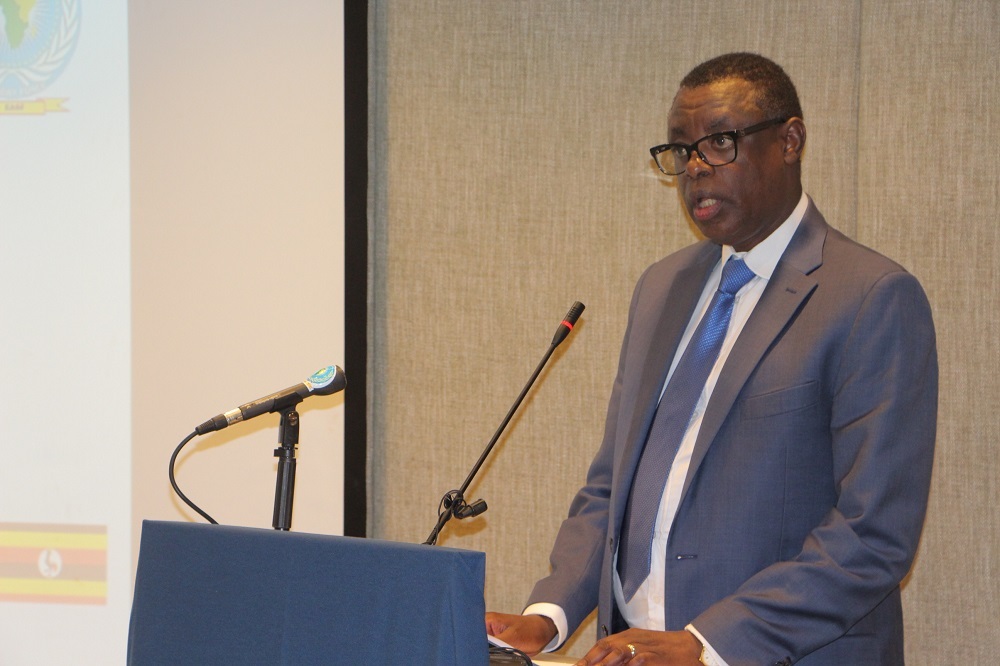
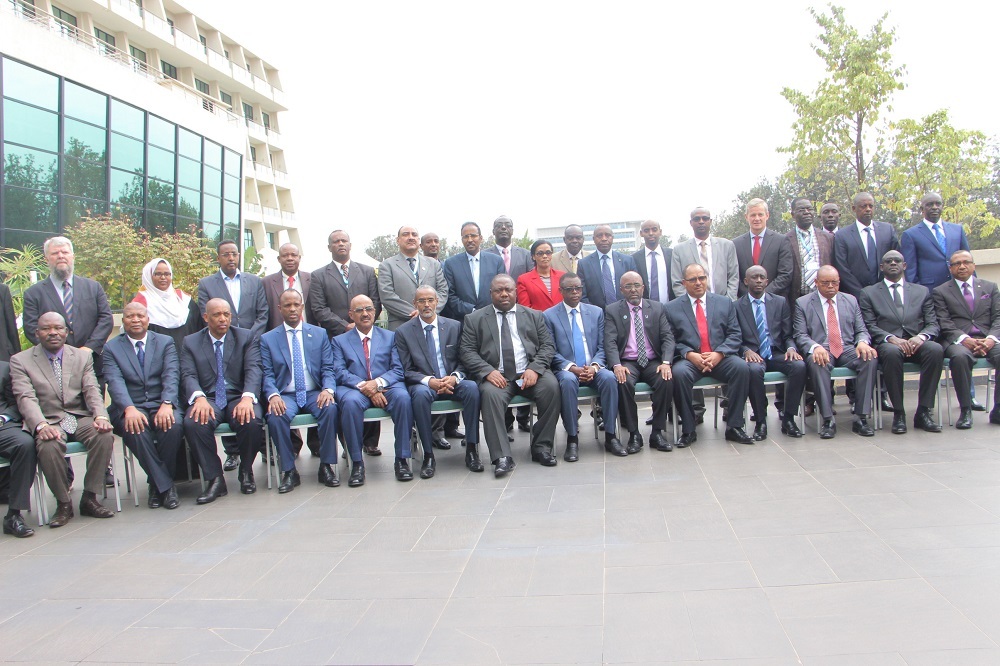
Kabarebe was speaking yesterday in a meeting with Defence Ministers in EASF member states that took place in Kigali.
EASF is a regional inter-governmental organisation whose mandate is to enhance peace and security in the Eastern Africa region.
The meeting took place under the theme ‘Peace and Security in East African Region’
Kabarebe said that in Africa there is high proliferation of cross-border crimes including human trafficking, drug smuggling and illegal possession of firearms among others which require combined efforts to prevent and pave way for sustainable peace.
“East Africa also has challenges hampering the development including poverty, disasters, climate change and terrorism among others. I am optimistic that collective efforts would help us address them not only in the region, but also in Africa,” he said.
Kabarebe who is also the head of EASF said that the body will continue to put efforts in fighting the crimes as well as investigating the reason behind the crimes.
The Director of EASF, Dr Addillahi Omar Bouh hailed commitment and contribution of member countries in regional peace-keeping.
The meeting of Defence Ministers was preceded by that of Chiefs of Defence Staff that took place on July 26th which also followed that of Experts Working Group that took place in Kigali from 24 to 25 July 2018.
EASF member countries are Kenya, Burundi, Comoros, Djibouti, Ethiopia, Seychelles, Somalia, Sudan, Uganda and Rwanda.
According to BNR, microfinance sector rebounded from loss posting and improved by Rwf0.12 billion to Rwf3.3 billion.
This was announced following the Quarterly Financial Stability Committee Meeting which assessed the performance of the financial sector as at end June 2018 as well as potential risks that could affect its stability.
“The committee noted that the financial sector remains sound and stable. The financial soundness indicators for banks, microfinance institutions and insurance companies are within the prudential requirements,” a statement by Central Bank signed by BNR Governor John Rwangombwa says.
According to Central Bank, the payment systems continued to perform in a safe and efficient manner.
BNR says that the asset quality for banks and microfinance institutions improved during the first half of 2018.
“The non-performing loan ratio in banks declined from 8.2 per cent in June 2017 to 6.9 percent in June 2018,” BNR says.
In microfinance sector non-performing loan ratio dropped from 12.3 percent to 8 percent.
Central Bank says that the growth in profits was driven by improved loan recoveries and a slower growth in expenses compared to incomes for both banks and microfinances.
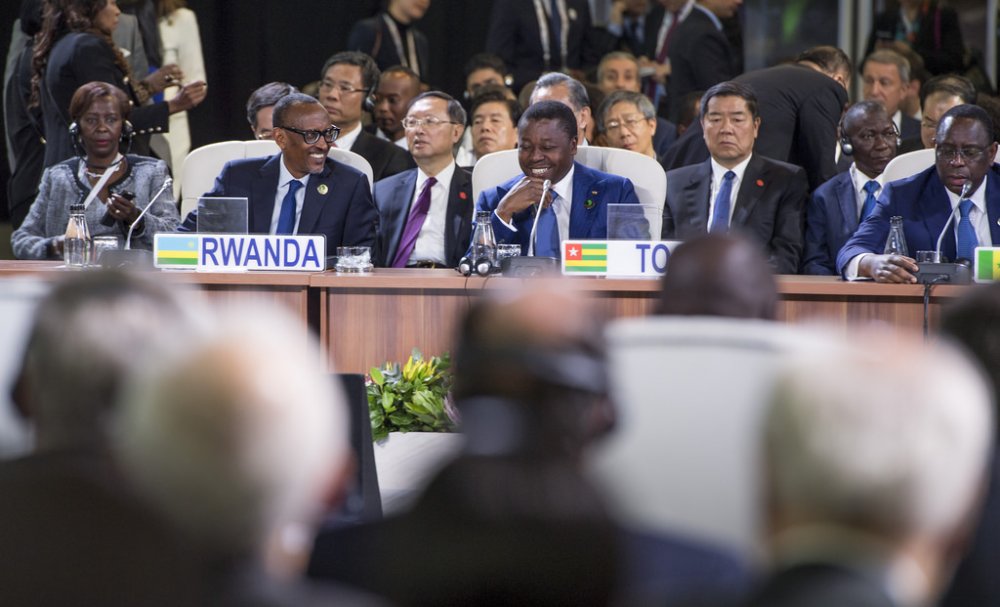
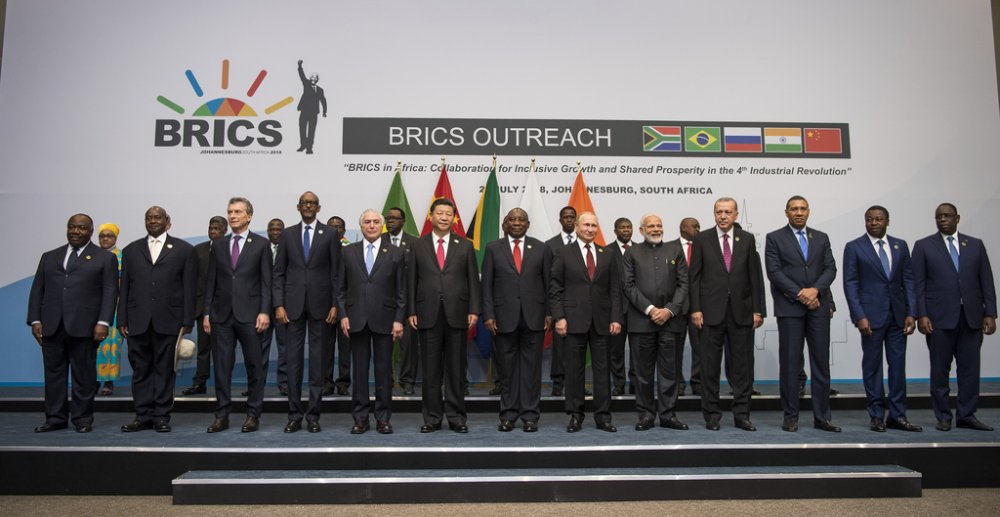
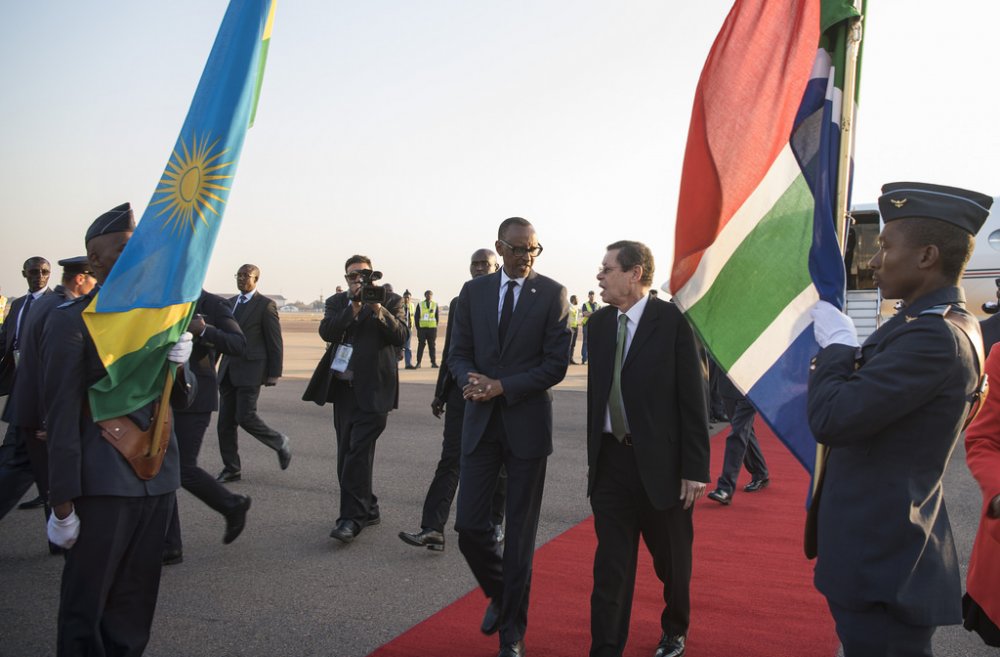
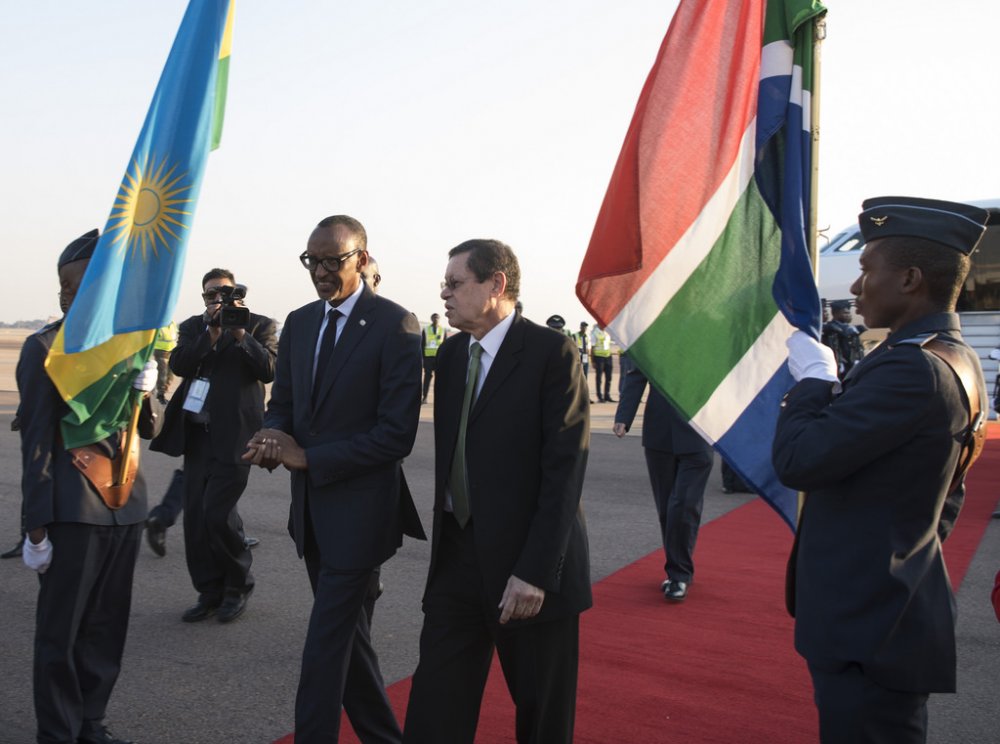
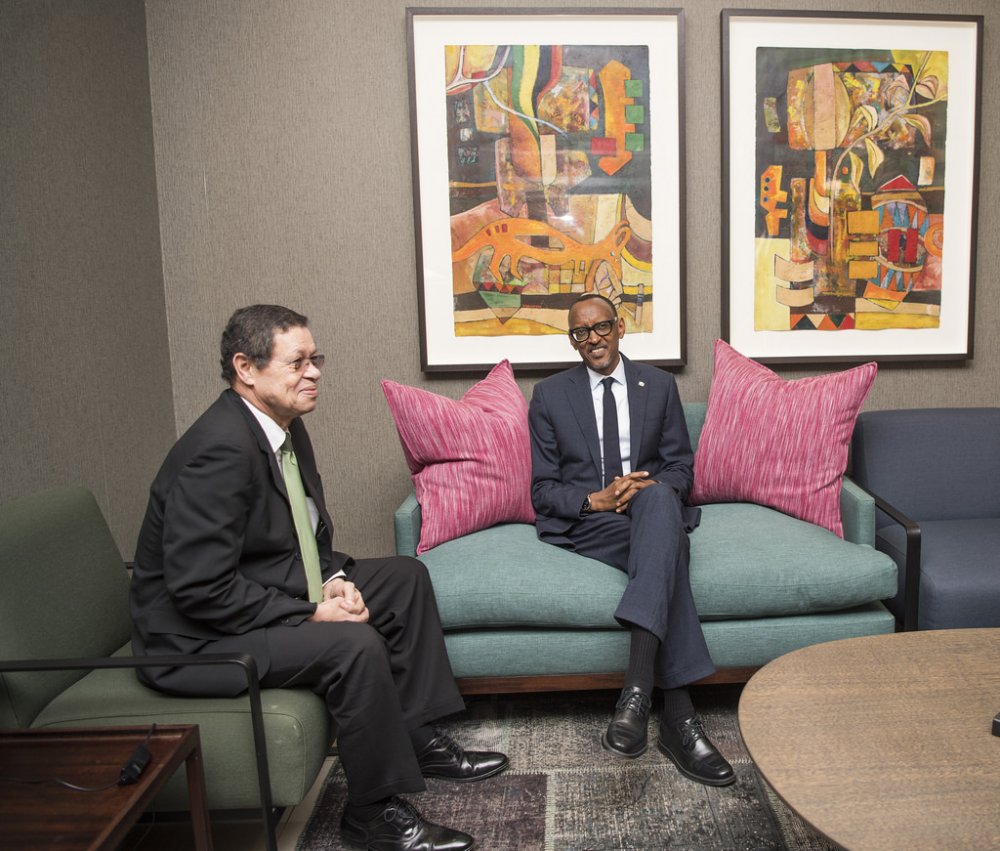
Kagame was speaking Friday in South Africa while addressing the BRICS dialogue on the sidelines of the grouping summit.
BRICS is an acronym for the grouping of the world’s leading emerging economies, namely Brazil, Russia, India, China and South Africa
Kagame said that both organisations have common interests in an open fair and international system.
“Strengthening cooperation with BRICS, contributes to medium and long-term human security and wider benefits, especially employment, for Africa’s young population,” he said.
“We want to collaborate on key sectors, including industrialization, infrastructure, as well as peace and security, which are at the heart of the African Union’s Agenda 2063,” he added.
He said that continued investments in new technologies, as defined in the Fourth Industrial Revolution provide unlimited opportunities to realise common aspirations.
“Indeed, industrialisation makes more sense when we factor in new technologies. For Africa, the challenge is to ensure that the current momentum is not lost to us, but rather maintained and even increased,” he noted.
The Head of State said that the newly launched African Continental Free Trade Area, is set to change in positive and far-reaching ways how Africa does business with itself and the rest of the world.
He said they are working on a more unified and effective African Union, that will enhance continent’s governance and cooperation with partners around the world.
“There is clearly a convergence of interests, between Africa and BRICS members. What is most needed is a mechanism for effective delivery on agreed areas,” Kagame added.
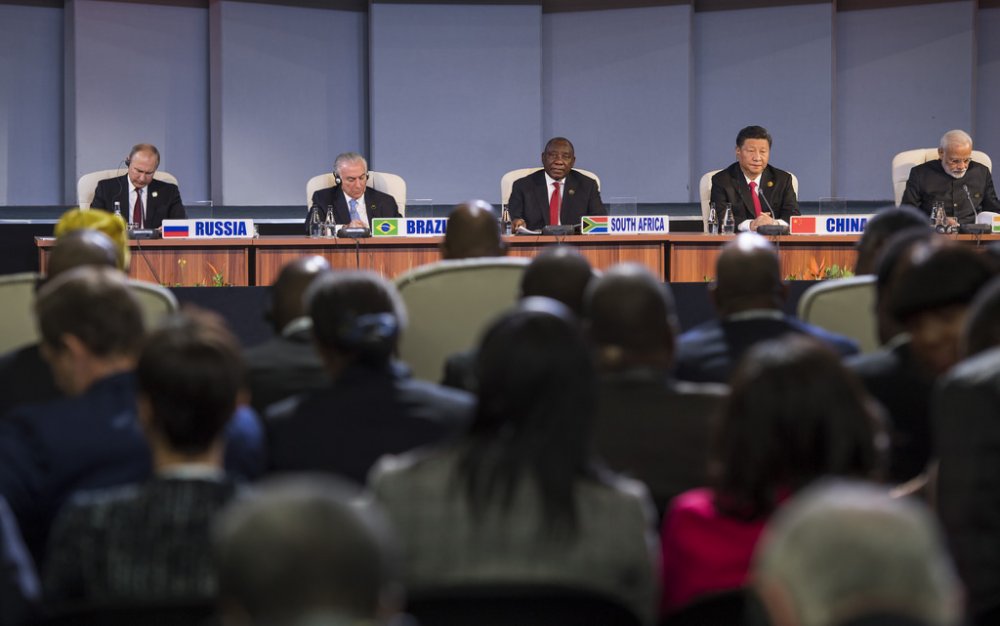
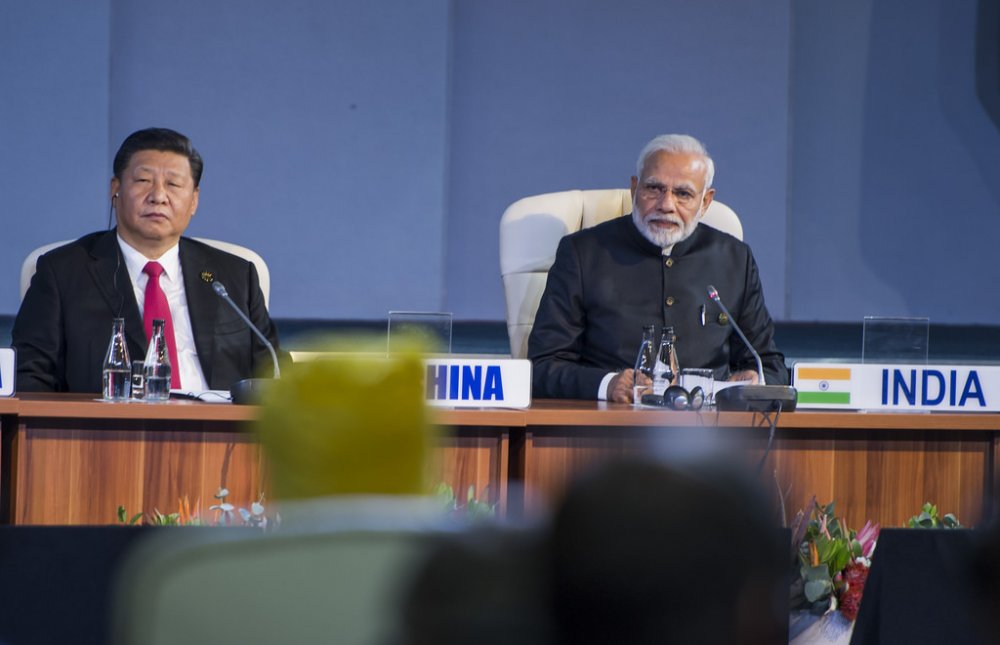
The three-day summit taking place on its 10th edition was attended by President Michel Temer of Brazil, President Vladimir Putin of Russia, Prime Minister Narendra Modi of India, President Xi Jinping of China and host President Cyril Ramaphosa among others.
Kagame who is also the Chairperson of the African Union, is today expected to deliver remarks at BRICS Africa Outreach Session and attend a Business Networking Lunch hosted by South African President Cyril Ramaphosa.
BRICS is an acronym for the grouping of the world’s leading emerging economies, namely Brazil, Russia, India, China and South Africa.
This year’s Summit is attended by President Michel Temer of Brazil, President Vladimir Putin of Russia, Prime Minister Narendra Modi of India, President Xi Jinping of China and host President Cyril Ramaphosa among others.
Convened annually, the Summit discusses spheres of political and socio-economic matters in which member countries have identified viable business opportunities, economic complementarities, and areas of cooperation.