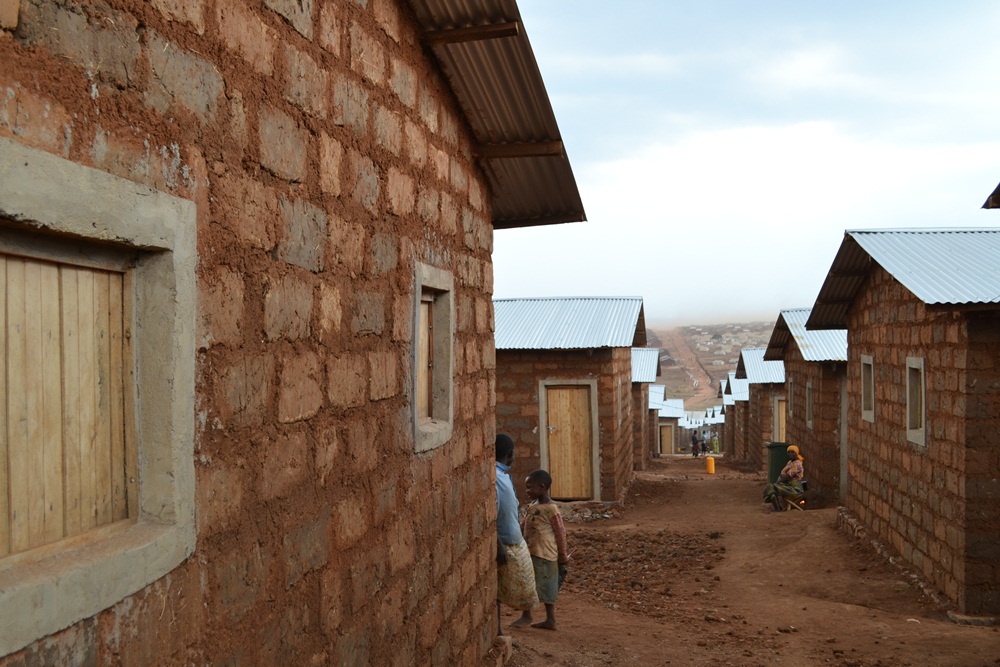
A petition signed by three hundred refugees from the Mahama camp was addressed to the President of Burundi, Evariste Ndayishimiye, on Monday asking both countries and the United Nations High Commissioner for Refugees (UNHCR) to help them return.
A statement issued by the Ministry of in charge of Emergency Management said that Rwanda,which is currently hosting about 150, 000 refugees from Burundi and Democratic Republic of Congo (DRC), is ready to facilitate refugees willing to a return to their countries of origin.
“Rwanda reaffirms the principle of voluntary repatriation as a durable solution for refugees, in accordance with international and Rwandan law,”
“Rwanda reiterates its commitment to the protection of refugees on its territory, and stands ready to facilitate the safe and dignified return of those refugees who choose to repatriate, in collaboration with UNHCR and relevant governments,” statement said.
However, not all the Burundian refugees in Rwanda, which are about 72, 000, have expressed willingness to return, with one section saying that the conditions are not yet convincing, despite the country’s new President Maj. Gen Evariste Ndayishimiye declaring, upon taking office in June, that doors were open for refugees to freely return.
Majority of the refugees fled the country following the political crisis that gripped Burundi in 2015 when the then President, the late Pierre Nkurunziza decided to seek a third term, leading to countrywide protests as people opposed the move.
In their letter, the refugees said that there is hope for security under President Ndayishimiye’s rule, following his promise that there will not be any revenge exerted upon political opponents.
“Your Excellency, the President of the Republic of Burundi, we request you to repatriate us with dignity and legality as your children. We request you to initiate a dialogue between Burundi, the UNHCR and Rwanda so that we enjoy our right to return to our dear homeland with dignity,” the letter dated July 26, 2020, reads.
The United Nations High Commission for Refugees (UNHCR) confirmed it received information on the petition, with the United Nation’s body charged with refugees reiterating that it will facilitate those who wish to voluntarily return.
Malaria, caused by parasites of the genus Plasmodium, represents a major public health problem. Almost 3.2 billion people (virtually half the world’s population) in 89 countries are at risk of contracting the disease, for which there is currently no vaccine. Every year, over 200 million cases and over 400,000 deaths are recorded.
For more than 15 years, treatment of malaria episodes (typical cycles of the disease alternating between fever, shivering and chills, and severe sweating) caused by Plasmodium falciparum has depended on artemisinin-based combination therapies (ACTs), which combine a fast-acting artemisinin derivative and a partner drug with a long half-life.
Since 2008, parasites capable of resisting artemisinin derivatives in South-East Asia (Cambodia, Thailand, Vietnam, Myanmar and Laos) have become increasingly prevalent. This resistance, which leads to a delay in the clearance of parasites from the bloodstream of individuals treated with an ACT, is currently a serious threat that may hinder efforts to tackle the disease.
A major concern is that these resistant parasites will spread through Sub-Saharan Africa, the continent most affected by malaria (>90% of cases), as was the case with previous generations of antimalarial treatments (chloroquine and folic acid antagonists). In the 1980s, the reduced efficacy of chloroquine is thought to have contributed to several million additional deaths from malaria in young African children.
Since 2014, the geographical distribution of artemisinin resistance has been monitored based on the detection of mutations in the Kelch13 gene in parasites. These mutations are believed to reduce the function of the Kelch13 protein, thought to be involved in hemoglobin degradation in infected red blood cells.
Currently, the most widespread resistant parasites in South-East Asia have the C580Y mutation. Recently, C580Y mutant parasites have also been detected in Guyana and Papua New Guinea. In Africa, where ACTs remain very effective, Kelch13 mutant parasites have remained rare.
For instance, the KARMA study, the first global map of artemisinin resistance, showed that less than 5% of African samples had mutations and that more than 50% of the mutants detected had only been observed once. Scientists also demonstrated that the most frequently observed mutation in Africa (A578S) did not confer artemisinin resistance to gene-edited Asian parasites.
Scientists from the Institut Pasteur, involved in a WHO-supported project on molecular monitoring of resistance in Africa, recently identified the first signs of emergence of artemisinin-resistant Kelch13 mutant parasites in Africa.
The results describe significant proportions of parasites carrying the R561H mutation in two locations 100km apart (prevalences of 7.4% in Masaka and 0.7% in Rukara, respectively).
Whole-genome sequencing of these parasites indicates that the R561H mutants were selected from Rwandan parasite populations and that they had not spread from Asian parasites (from Thailand or Myanmar, where the R561H mutation has previously been observed).
“These unexpected results contrast with previous scenarios in which the emergence of chloroquine- or pyrimethamine-resistant parasites in Africa was caused by the spread of resistant parasites from South-East Asia. It was thought that a similar scenario would apply for the emergence of artemisinin-resistant parasites in Africa,” explains Didier Ménard, Head of the Malaria Genetics and Resistance Unit at the Institut Pasteur.
The fact that this resistant strain has spread between several places in Rwanda and its ability to resist artemisinin in vitro have major public health implications. In the absence of effective measures to contain the spread of resistant parasites in Rwanda and neighboring countries, there is a risk that over time they will acquire the ability to resist the partner drugs used in ACTs.
This would mean that the only available treatments would become ineffective, as has occurred in South-East Asia. A model of this scenario, in which no measures are taken, recently predicted that the inefficacy of ACTs in Africa could be responsible for 78 million additional cases and 116,000 additional deaths over a five-year period.
###
This research was supported by the Institut Pasteur, the World Health Organization, the World Bank (via the East African Public Health Laboratory Networking Project), the Bill & Melinda Gates Foundation (Grant OPP1140599), the United States Department of Defense (W81XWH-19-1-0086) and the National Institutes of Health (R01 AI109023)
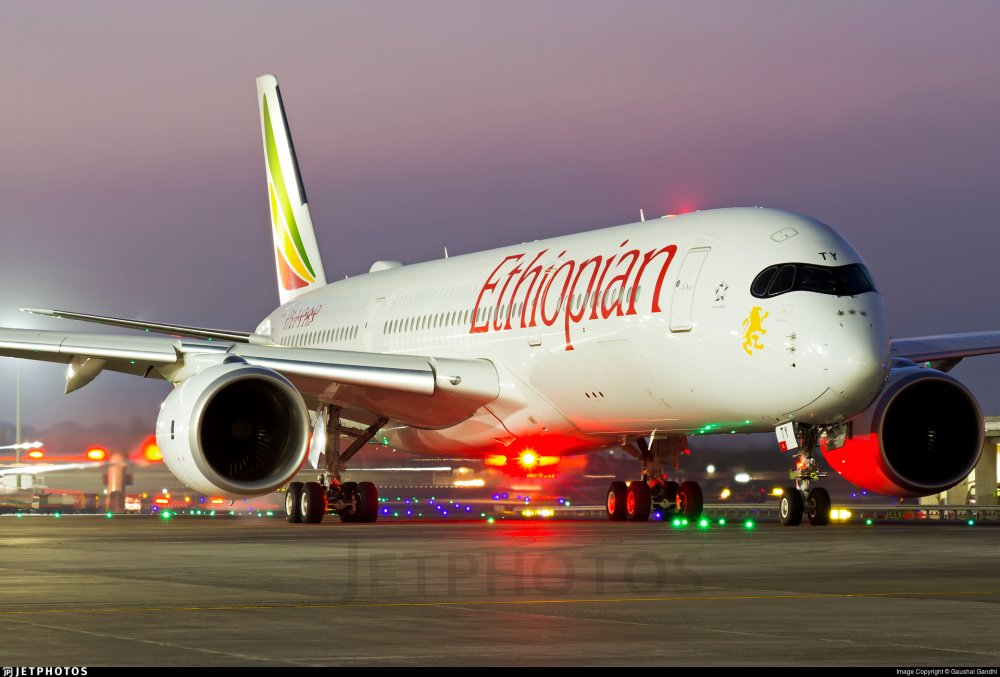
Ethiopian Airlines announced this a few days after Rwanda decided to reopen Kigali International Airport, after four months without receiving passenger flights due to COVID-19.
Ethiopian Airlines said on Twitter that it was pleased to reopen its flights to Rwanda.
“We are pleased to announce that we have resumed our flights to Kigali, #flyEthiopian #Rwanda.”
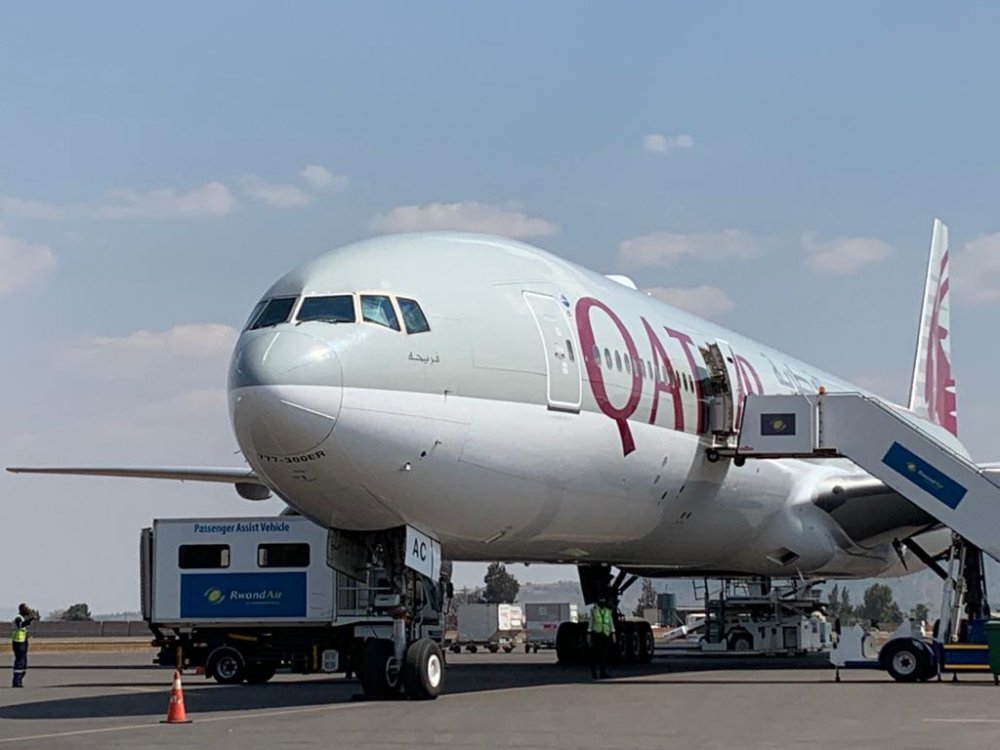
Ethiopian Airlines’ resumption of Kigali flights came at a time when Qatar Airways had also announced it had resumed operations in Rwanda.
In March this year, Ethiopian Airways announced it had suspended flights to 30 countries due to the COVID-19 pandemic.
The MPs raised this concern on Monday, August 03, 2020 while a plenary session of the Chamber of Deputies endorsed a report by the parliamentary standing Committee on Foreign Affairs, Cooperation and Security on tours they made in some districts of the country to assess some activities of security organs.
Deoxyribonucleic Acid (DNA) tests have the purpose of confirming a relationship between individual, proving if there is a biological link between them or, in other
cases, such as criminal investigation to identify culprits, among other uses.
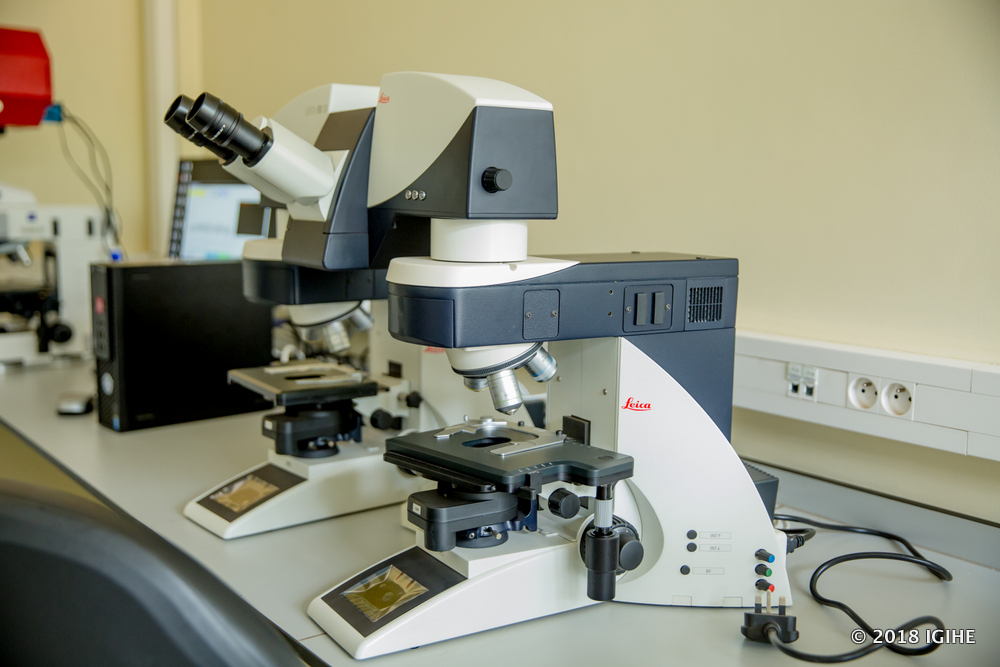
The National Forensic Laboratory carries out DNA tests at the cost of Rwf270,000 (each), while if the procedures were done in foreign countries, like Germany this price would be nearly half what it would cost.
MP Frank Habineza said that the majority of those in need of DNA tests are discouraged by the cost.
“The majority of those seeking services from the National Forensic Laboratory are continuously complaining about the issue of high cost of DNA tests; which is an obstacle for many people who want that service,” he said.
MP Iphigenie Mukandera, the vice chairperson of the Committee on Foreign Affairs, Cooperation and Security, said that though the prices are high compared to the financial means of some Rwandans, they are reasonable if compared to the price of the equipment used at the laboratory.
“The equipment used at the laboratory is expensive, marking it difficult to extend services to different parts of the country. However, people who seek DNA test services get them,” she said.
Meanwhile, she said, the existence of the laboratory in Rwanda reduced the time and money it took to get DNA test results compared to when the service was sought abroad.
Some MPs argued that lack of DNA testing facilities in parts of the country other than Kigali, is a challenge.
The Committee on Foreign Affairs, Cooperation and Security, said that the National Forensic Laboratory has conducted more than 8,000 DNA tests so far.
MP Marie Therese Nirere said that if there were other branches in different parts of the country, the number of samples could increase.
“I think that distance also matters in terms of access to service. A person from Rusizi District or upcountry areas finds it difficult to get services in Kigali, and might demotivate them,” she said.
Qatar Airways used to operate daily flights from Kigali to Doha with a stop in Entebbe- Uganda. Under the new flight schedules, the airline planes will not be stopping in Uganda as the Entebbe International Airport is still closed.
Qatar Airways has a strong relationship with Rwanda with eight years of operations to Kigali. The award-winning airline began scheduled services from Kigali on 21 March 2012. Qatar Airways recently resumed flights to key destinations in Africa including Addis Ababa, Dar es Salaam, Djibouti, Kilimanjaro, Zanzibar and Tunis.
Qatar Airways Acting Vice-President, Middle East, Africa & Pakistan, Mr. Bennet Stephens said: “We are delighted to resume flights to Kigali, totalling our flights to 33 weekly flights to Africa with eight destinations. Qatar Airways continues to maintain an expanding schedule with now more than 500 weekly flights to over 75 destinations. During the pandemic, Qatar Airways have become the largest global carrier to maintain its schedule in taking people home with the highest safety measures. Our wide network of flights during these challenging times has ensured we have kept up to date with the latest in international airport procedures. We also implemented the most advanced safety & hygiene measures on board our aircraft and in our home and hub at Hamad International Airport which was recently voted the Best Airport in the Middle East for the sixth year in a row.”
“Qatar Airways has been the most reliable airline during the pandemic and will continue to ensure its promised five-star service and hospitality is delivered across its network. We hope to see many people come visit Rwanda and explore the world’s stunning wildlife and more.”
Qatar Airways has enhanced its onboard safety measures for passengers and cabin crew. The airline has introduced Personal Protective Equipment (PPE) for cabin crew which includes gloves, face masks, safety glasses and a new protective gown that is fitted over their uniforms. A modified service that reduces interactions between passengers and the crew inflight has also been introduced.
Onboard, all Qatar Airways passengers are now provided with a complimentary protective kit. Inside a ziplock pouch they will find a single-use surgical face mask, large disposable powder-free gloves and an alcohol-based hand sanitiser gel. The airline has also introduced disposable face shields for adults and children.
Passengers travelling from Hamad International Airport (HIA) will receive their face shields at the check-in counters, whereas at other destinations, the face shields will be distributed at the boarding gates.
Qatar Airways resumes flights at a time when the final round of negotiations to acquire 49% stake in RwandAir are still ongoing. In February this year, Qatar Airways CEO Akbar Al Baker told IGIHE that negotiations were ongoing, only that the agreement had not yet been signed.
To ensure travellers can plan their travel with peace of mind, the airline has extended its booking policies to offer even more choice to its passengers. The airline will allow unlimited date changes, and passengers can change their destination as often as they need if it is within 5,000 miles of the original destination. The airline will not charge any fare differences for travel completed before 31 December 2020, after which fare rules will apply. All tickets booked for travel up to 31 December 2020 will be valid for two years from the date of issuance. For full terms and conditions visit www.qatarairways.com/RelyOnUs.
Among airlines with operations in Rwanda are: Qatar Airways, Ethiopian Airlines, Kenya Airways, Brussels Airlines, Turkish Airlines, KLM, EgyptAir, Jambo Jet of Kenya and RwandAir.
Of all these companies, six have already been authorized to resume their operations in Rwanda, with some starting and others to be launched in the coming days; those allowed to resume flights to Rwanda are RwandAir, Ethiopian Airlines, Brussels Airlines, Qatar Airways, Kenya Airways and KLM.
Qatar Airways will operate three flights a week, on Mondays, Wednesdays and Fridays. It was at 3:15 P.M. on Monday, that the first flight took off from Kigali to Doha, making no stops.
Among airlines with operations in Rwanda are: Qatar Airways, Ethiopian Airlines, Kenya Airways, Brussels Airlines, Turkish Airlines, KLM, EgyptAir, Jambo Jet of Kenya and RwandAir.
Of all these companies, six have already been authorized to resume their operations in Rwanda, with some starting and others to be launched in the coming days. Those allowed to resume flights to Rwanda are RwandAir, Ethiopian Airlines, Brussels Airlines, Qatar Airways, Kenya Airways and KLM.
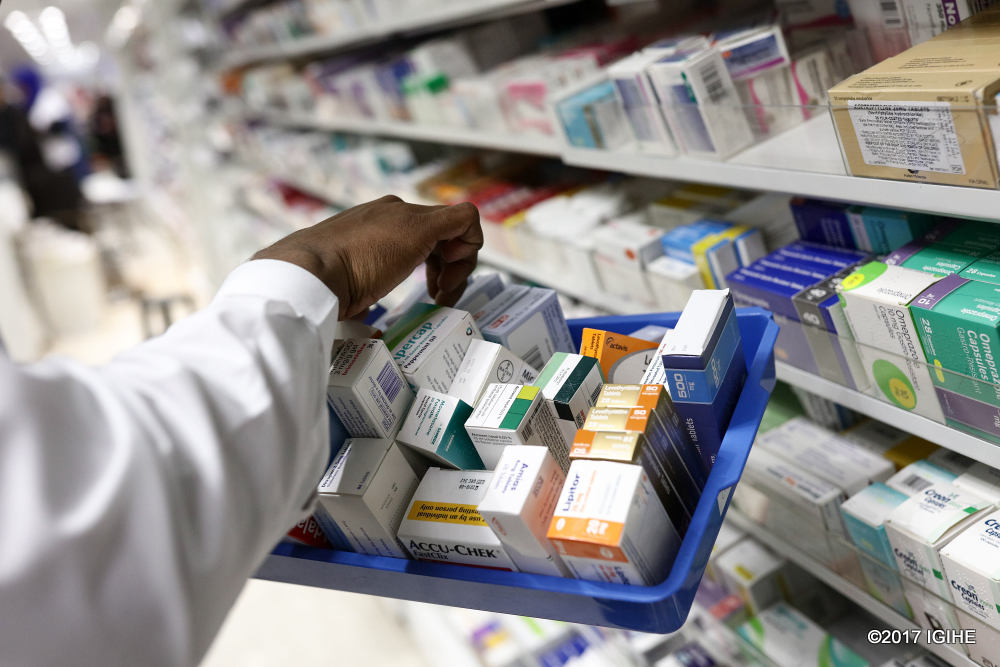
Pharmacists oftentimes hear this from various clients. I have been working in a Pharmacy for last five months in addition to my internship period but this statement has come to my ears a hundred times.
People are most concerned because brand drugs are most of the time more expensive than their generic versions. They wonder if the quality and effectiveness have been compromised to make the less expensive products.
However, people should know that a generic drug has the same amount and type of active principle, the same route of administration, and the same therapeutic effectiveness as the original drug. So there’s no truth in the myths that generic drugs are manufactured in poorer-quality facilities or are inferior in quality to brand-name drugs.
When a pharmaceutical company develops a new drug for a certain disease condition, that drug is initially sold under a brand name.
After a drug is discovered, the original manufacturer is given rights to sell that drug for a certain period of time without anyone else authorized to sell the same drug(Patent protection).That company will be the only one with full authority to manufacture, market and benefit from that drug.
However, this authority will not last forever; it has a lifetime that varies between countries and drugs but globally the maximum is 20 years.
Since the pharmaceutical company has spent millions of dollars on research, development, clinical trials, marketing and promotion of the said drug, it is only fair that a relatively higher price be placed upon a brand drug than on its generic versions.
As the patent nears expiration, other manufacturers can apply to the FDA (Food and Drug Administration) for permission to make and sell the same drug. Only then can the generic versions of the drug be manufactured.
The brand drug only belongs to the first developer of the drug. Without the costs of research, drug development and clinical trials other companies can afford to make and sell generic drugs cheaply.
Moreover, when multiple companies begin producing and selling a drug, the competition among them can drive the price of the drug down even further. That’s why generic drugs are cheap because the manufacturers have not had the expenses of developing, clinical trials and marketing a new drug.
Sometimes, generic versions of a drug might have different colors, flavors, or combinations of inactive ingredients than the original medications. However, Food and Drug Authorities require that generic drugs work as fast and as effectively as the initial brand-name products.
Generic drugs will not look exactly like the brand-name preparation, but the active ingredients must be the same in both preparations, ensuring that both have the same medicinal effects.
The fact that a certain drug is cheap does not equate being fake or substandard. People should not spend a lot of money on brand drugs (Specialite) unless they can afford them. Even those who can afford the relatively expensive brand drugs would better think of saving some money by buying generic drugs, since they are both effective.
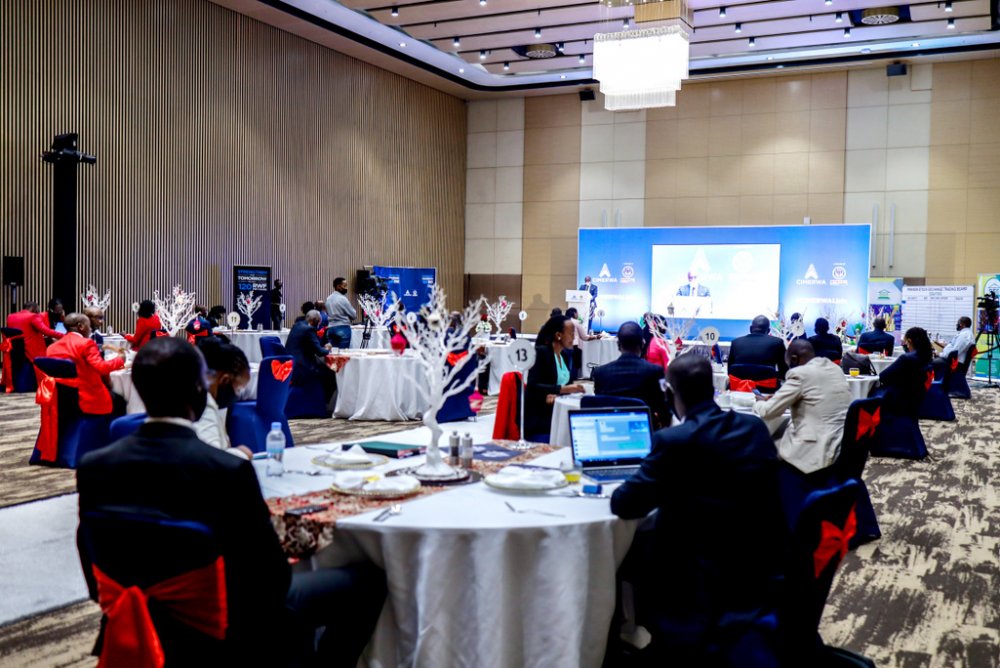
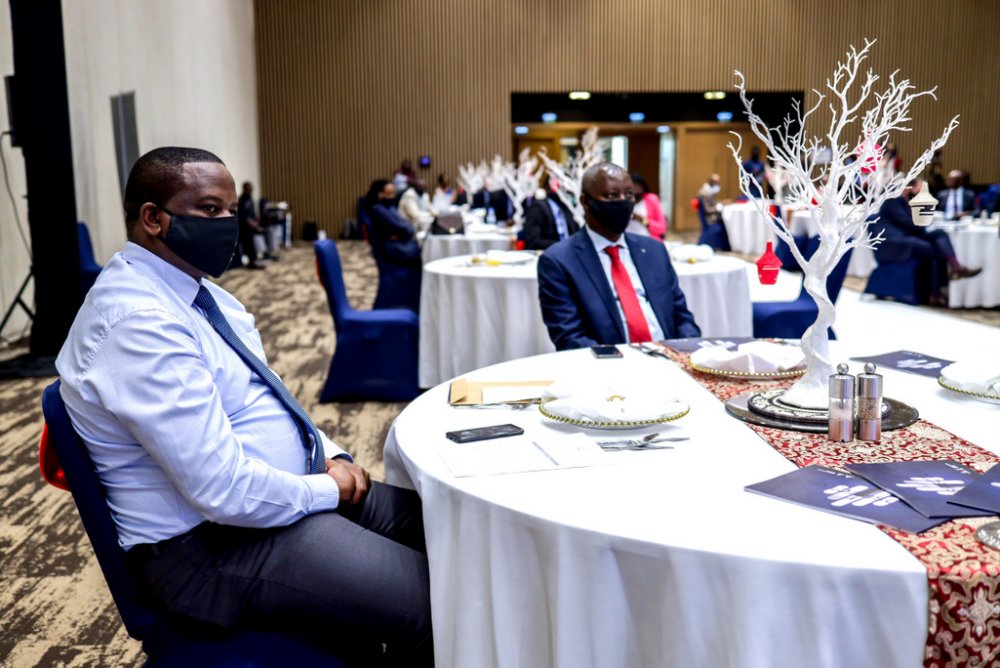
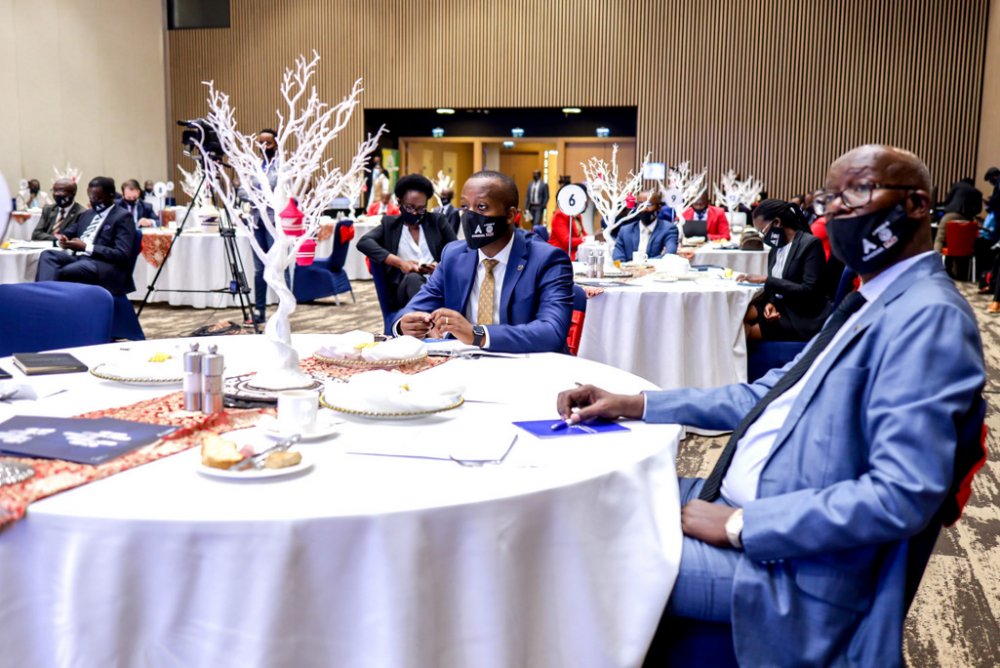
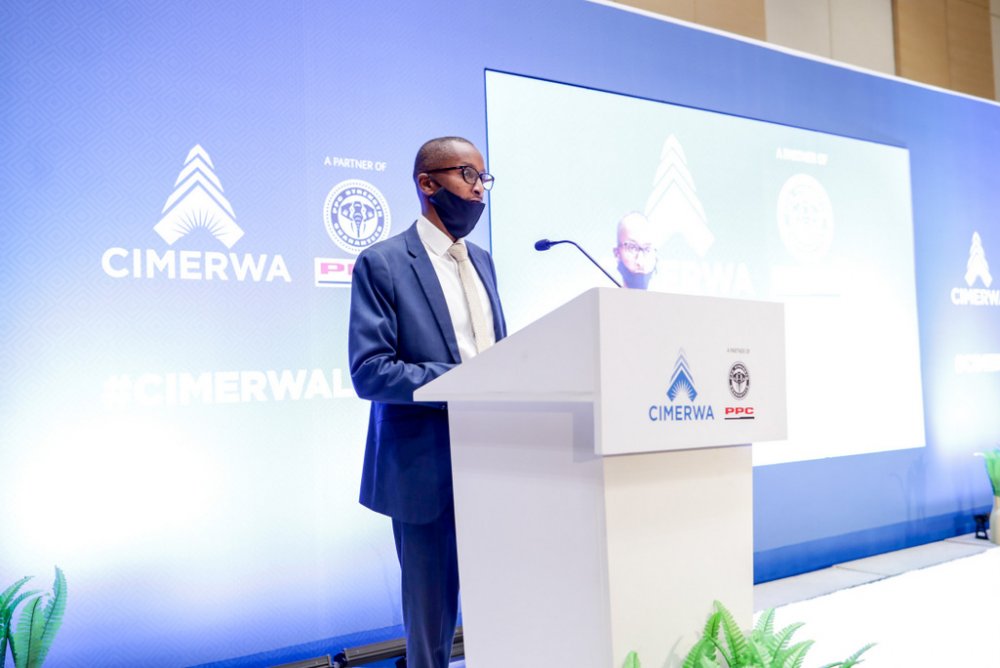
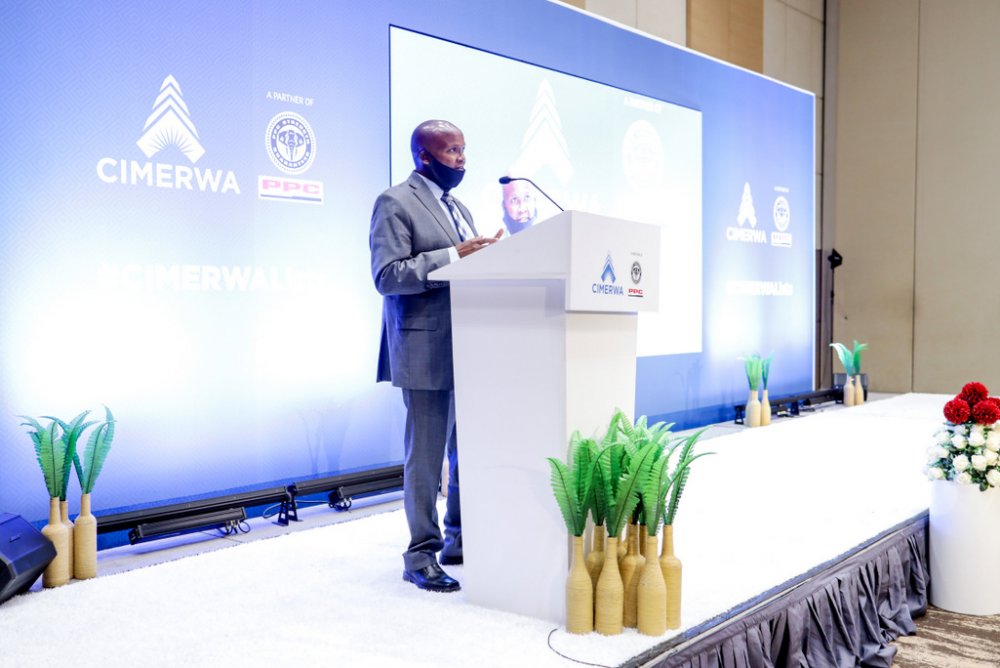
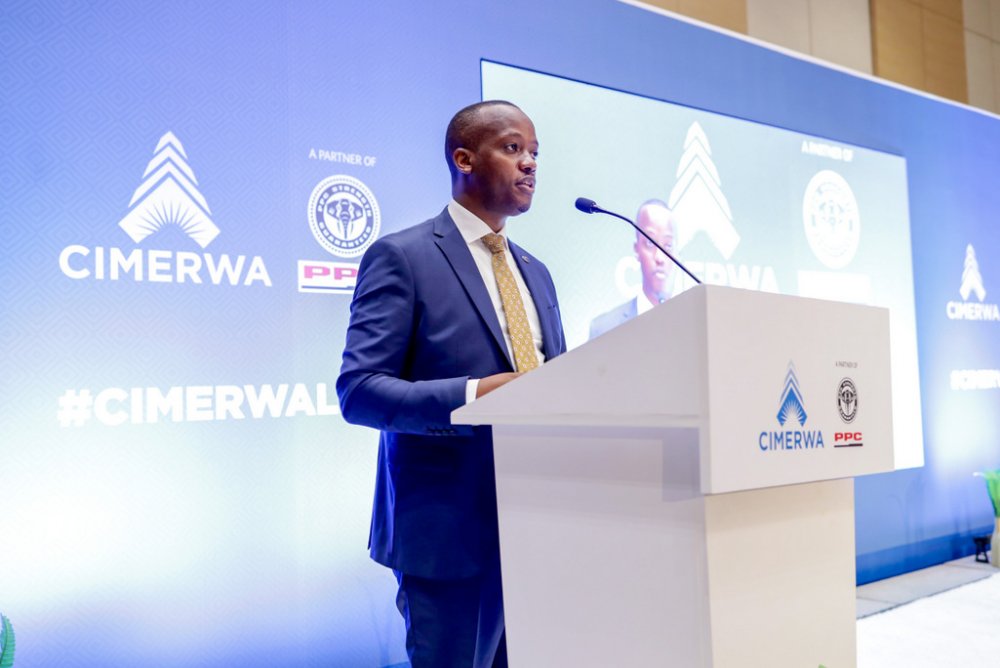
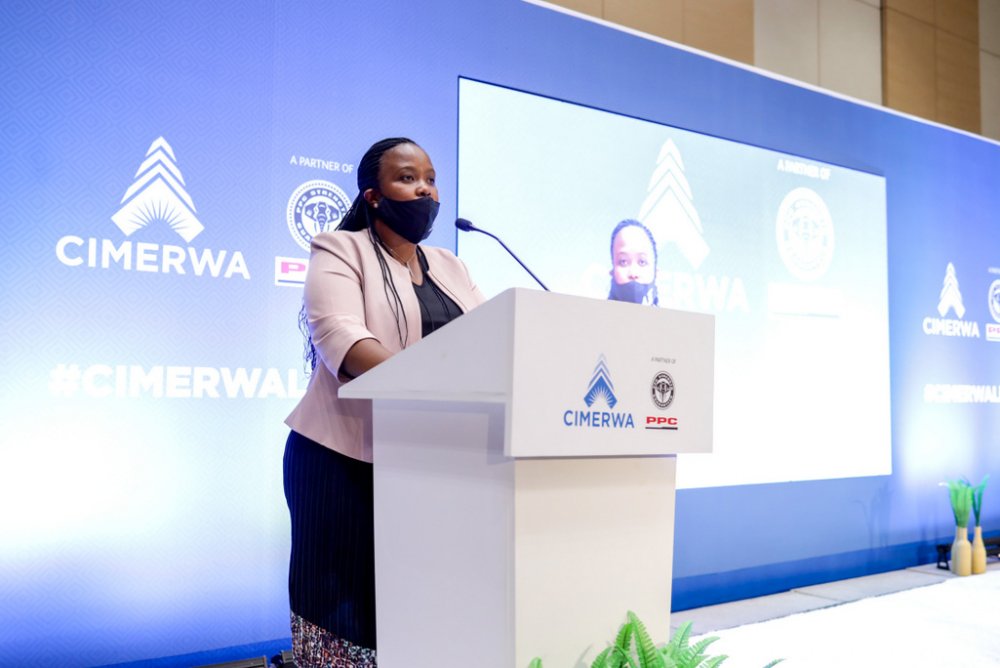
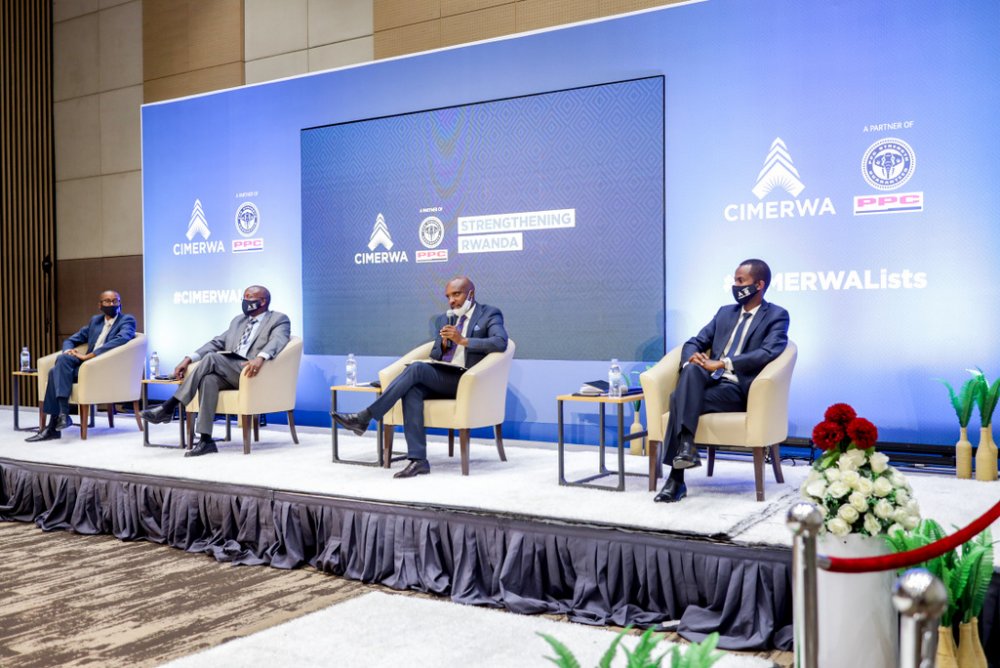
Regis Rugemanshuro, director-general of Cimerwa Plc, said that going to the stock market is an opportunity for investors who want to invest in the company.
He said Cimerwa’s ambitions to become a major factory would not be achieved without going to the stock market.
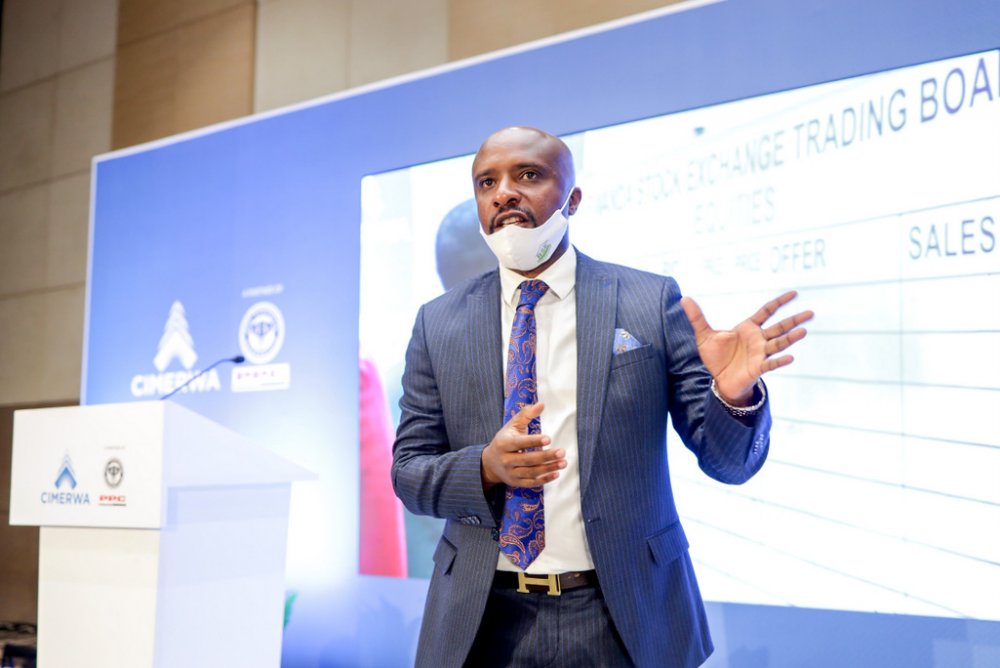
The Executive director of Rwanda Development Board, Clare Akamanzi, said Cimerwa is a good example of a company committed to promoting the ‘Made in Rwanda’ program.
She said other Rwandan companies should learn from Cimerwa, and go to the stock market to expand.
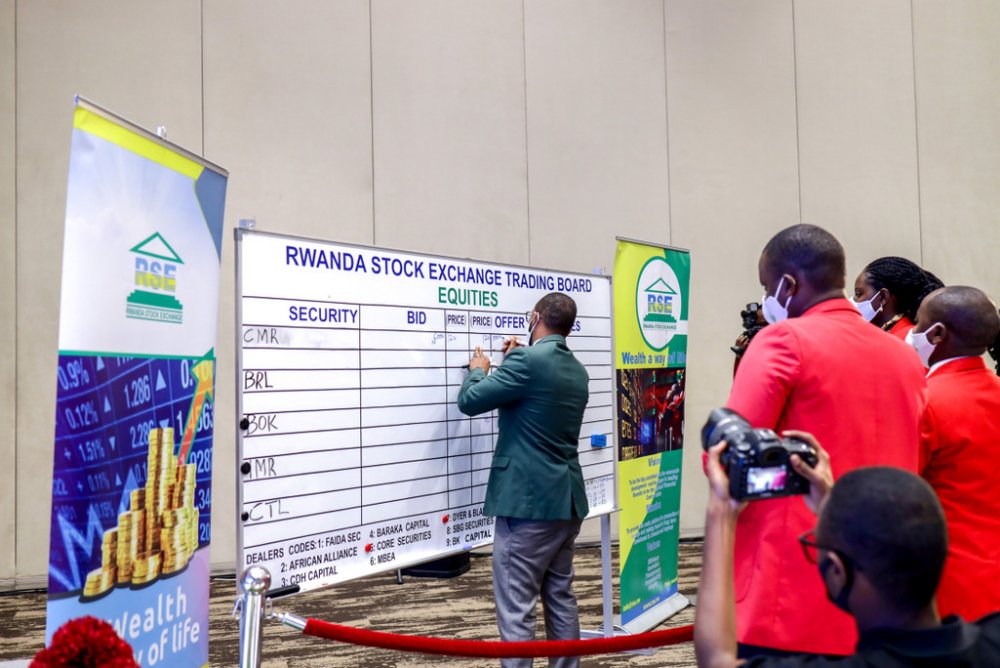
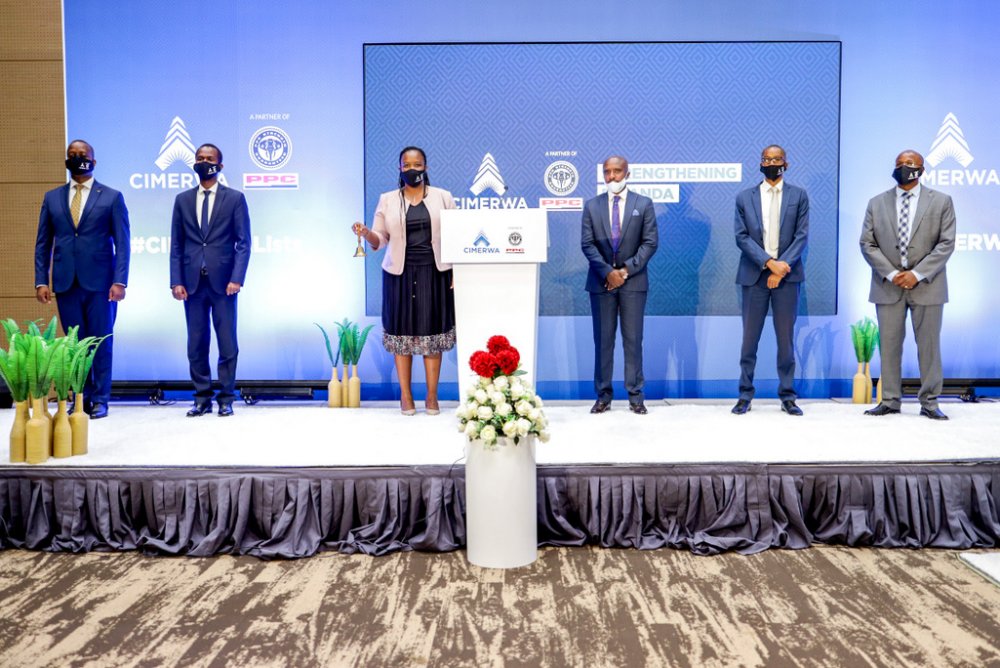
Cimerwa Plc has a total of 703,219,520 shares, of which 344,575,560 shares (49%) are floated..
A 49% stake in Cimerwa will be put on the market owned by the Agaciro Development Fund representing the Government of Rwanda, the Rwanda Social Security Board (RSSB), Rwanda Investment Group (RIG), and Sonarwa Holdings Ltd.
Cimerwa has put the shares on the market when it needs to provide cement to build 22,000 classrooms across the country in less than three months.
When the company goes to the stock market, it’s given a tax holiday on capital gains for five years, which varies depending on the shares sold and can reach 20%.
There are currently nine companies on the Rwandan stock market; Crystal Telecom, Bralirwa, Uchumi Super Market Ltd, National Media Group, Bank of Kigali, Kenya Commercial Bank (KCB), Equity Bank Group Ltd, I&M Bank Rwanda, and RH Bophelo Limited recently joined.
The number of bars closed between the said dates is 1687, vehicles seized 2705, the number of arrests in bars is 6,234, those who did not comply with the distance of one meter are 12,001, and those who travel after 9 pm are 23,401.
Minaloc figures show that in Kigali City, those punished of non-compliance with Coronavirus safety regulations included four village leaders, 276 closed bars, 477 vehicles seized, 966 arrests in bars, 442 non-compliance, those caught after 9 p.m. was 3,280, and those who did not wear masks were 1265.
In the Northern Province those punished include, 4 village and community leaders, 322 bars were closed, 555 vehicles were seized, 1379 people were arrested in bars, 3716 didn’t comply with the social distance, 4683 people moving after pm, and 6797 didn’t wear masks.
In the Southern Province those punished includes, 12 village and community leaders, 446 bars were closed, 684 vehicles were seized, 1517 people were arrested in bars, 3,836 non-compliant of social distance, 5,554 moving after 3: pm, and 8111 without masks.
In the Eastern Province punished includes, three village and community leaders, 186 bars were closed, 703 vehicles were seized, 831 people were arrested in bars, 1521 people did not comply with the one-meter distance, 1521 people moving after 9:00 pm, 3654 moving without masks.
In the Western Province those punished included, 2 village and community leaders, 457 bars were closed, 286 vehicles were seized, 1541 people were arrested in bars, 2486 non-compliant with social distance, 4169 people walked after 3 pm, and 7230 didn’t wear masks.
The Ministry of Health recently announced that there has been an increase in the number of people infected with the Coronavirus in the past two weeks, and analysis has revealed that most are between the ages of 20 and 49, as they don’t comply with the prevention guidelines.
In the third week of last month, Minister of local government, Prof. Anastase Shyaka said that to help the police to better enforce the Coronavirus prevention guidelines, local authorities have started new cooperation in fighting those who don’t comply with the prevention guidelines of the pandemic.
These 100 Zoll Portable Critical Care ventilators, manufactured in the United States, are leading-edge and in-demand technology to help COVID-19 patients to breathe.
They give Rwanda a powerful tool to treat critically ill patients affected by the virus and can be operated invasively or non-invasively. For patients whose lungs are not working adequately due to COVID-19 or other severe respiratory illnesses, this equipment will be lifesaving.
According to Peter Vrooman, the US ambassador to Rwanda, the ventilators are valued at over Rwf1 billion, and will be accompanied with training to assist local doctors and nurses deploy them effectively should critically ill patients require them.
“The USAID will work closely with Minister Ngamije, the Rwanda Biomedical Centre (RBC) officials here in Kigali and medical professionals in the provinces to ensure the ventilators are quickly distributed to medical facilities throughout Rwanda,” he said “We are also working together to ensure medical personnel receive the necessary technical training to safely operate and maintain the devices.”
Dr. Daniel Ngamije, the Minister of Health said that for patients whose lungs are not working adequately due to Covid-19 or other severe respiratory illnesses, this equipment will be life-saving.
“They will be distributed in Covid-19 treatment centers to save lives, they will complement the existing efforts to treat patients. This is an immense contribution during unprecedented moments,” Dr. Ngamije said.
“The ventilators will be distributed in four Covid-19 treatment centers and 10 government hospitals across the country, we shall make sure that they are distributed and installed as soon as possible to be used,” Dr. Ngamije further said.
“These ventilators are critical to Rwanda’s response to Covid-19. They will save many lives and have been made specifically for Rwanda. We shall continue to work with USAID and Rwanda biomedical center (RBC) to make sure that they are distributed.”
Ngamije thanked President Donald Trump for his generosity and support to the Rwandan people in the fight.
RNP spokesperson, Commissioner of Police (CP) John Bosco Kabera, said that the inspection services are only open to vehicles involved in commercial transportation of people and goods.
“As we continue to observe the government directives in the fight against further spread of Coronavirus, MIC operations will only start with public service vehicles, specifically buses and minibuses; commercial vehicles meant for transportation of goods, which include trailers, semi-trailers, trucks with three axles and above, and Fuso trucks,” CP Kabera said.
CP Kabera explained that owners of cargo and public service vehicles, who had paid for their first inspection before MIC temporarily closed its inspection services, will not be required to pay again.
MIC temporarily suspended its mechanical inspection services back in March, when the government instructed the closure of all services that could fuel further spread of novel Coronavirus.
“People, who had booked for an appointment and paid for their first visit before the temporary closure of MIC services in March 2020, will be given priority and will not pay again for the inspection services,” CP Kabera said.
He said that MIC has taken all the precautionary measures in line with the government directives meant to prevent the spread of Coronavirus, to ensure the safety of its personnel and those seeking inspection services.
He, however, urged those visiting MIC to comply with the safety and hygiene instructions at the centre such as compulsory wearing of facemask, washing or sanitizing hands and social distancing.
Only the person driving the vehicle will be allowed inside MIC premises to prevent congestion and to allow enough space for social distancing, CP Kabera said.