The growth in the company’s interest rate on loans and advances increased by 21.5% compared to the same period last year.
The bank served over 352,000 retail customers and over 36,600 corporate clients and at the same time expanded its agency banking network to 1,951 agents as at the end of June 2020; the network processed over 1.7million transactions worth Rwf158.8 billion.
Operating income rose by 8.5 percent to Rwf64.6 billion; this was due to potential impact of Covid-19 and the significant increase in credit risk which largely affected the loan loss provisions. Non-performing loans increased to Rwf52.8 billion, while the non-Performing Loans ratio remained at 5.6 percent while the cost of risk increased to 4.6 percent from 2.7 percent at the end of 2019.
With the reduced business volumes and increased financial distress, the bank granted a grace period between 3 to 10 months to clients who sought moratorium. With the restructuring of loans, restructured facilities related to Covid-19 reached 37 percent of gross loans and advances.
BK Insurance registered a profit of Rwf1.4 billion in the second quarter of 2020 compared to Rwf1.14 billion registered in the same period last year representing a 22 percent growth in profitability (Year on year); the insurance arm profit was among other things driven by an increase in gross premium from Rwf2.4 billion in 2019 to Rwf2.7 billion in the second quarter of 2020 this is a growth of 12 percent.
At BK TecHouse, there was a growth in net sales by 6 percent year on year to Rwf515 million. Net Profit before tax stood at Rwf99 million; the group’s ‘youngest’ subsidiary BK Capital saw assets under management grow to Rwf9.2 billion as at the end of June 2020 from Rwf2.9 billion at the same time last year.
The BK Group CEO Dr. Diane Karusisi said that the second quarter was a turbulent period due to the effect of the pandemic on the economy.
“The second quarter was probably the most tumultuous period in a long time as the pandemic hurt economic activity across all sectors. We continued to deliver for our clients, employees, our communities, and shareholders beyond just business continuity. The growth registered in net loans and customer deposits shows that even in times of crisis, it is possible to pursue new opportunities,” she said.
She believes that the performance will improve in the coming months as the economy steadily picks up.
“As the Rwandan economy steadily picks up for the rest of the year, we remain hopeful to close this year with a much better performance than anticipated at the beginning of the pandemic,” she said.
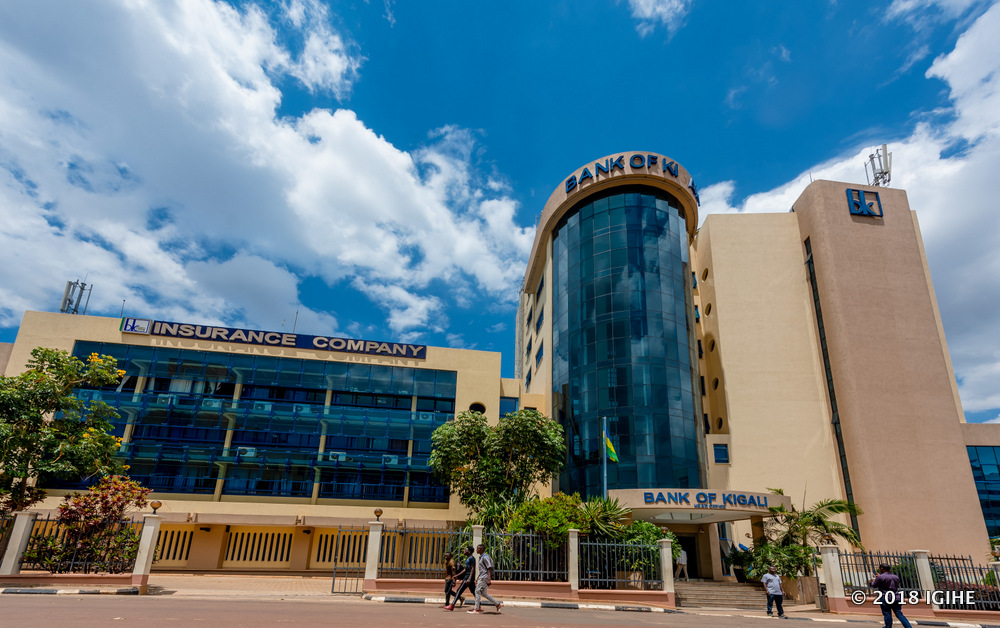
Bank of Kigali, founded in 1966, is the first major bank in Rwanda with a 30.3% market share. It has 68 branches, 94 ATM units, 1,951 agents, all of which provide services to 352,996 individual customers and 36,684 companies.
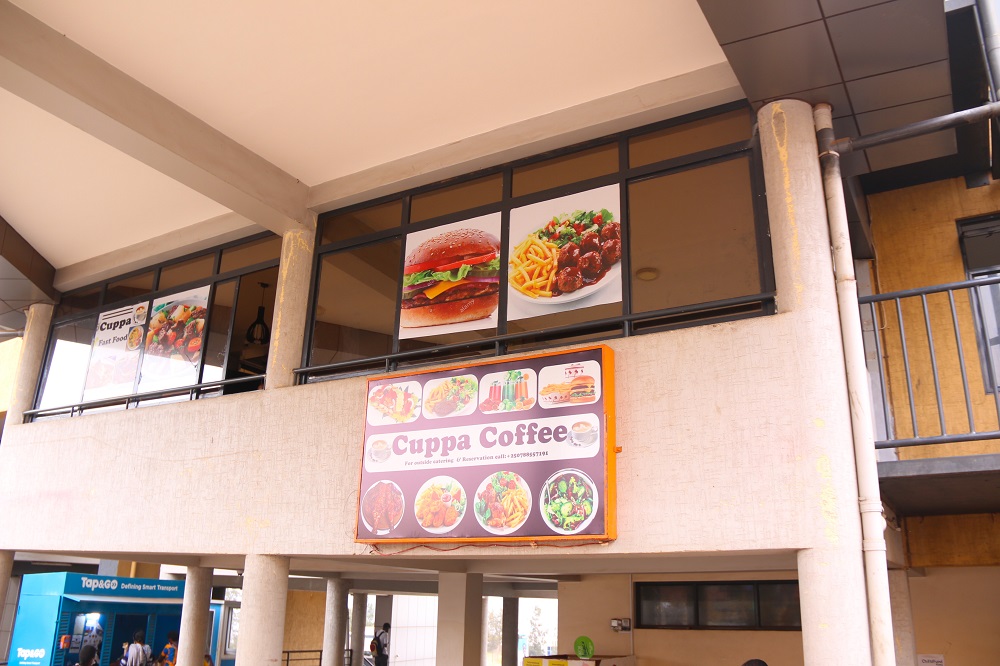
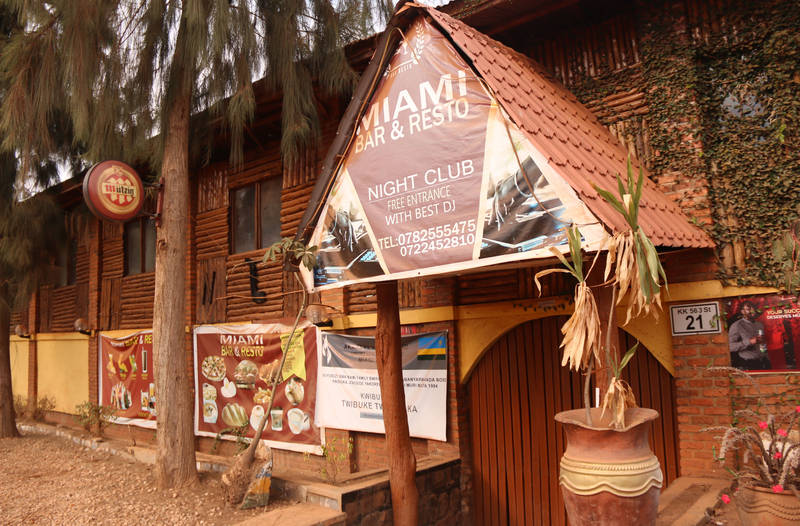
The establishments are Cuppa Coffee in Downtown, Nyarugenge District, Cincinnati and Miami Family in Niboyi and Gikondo, respectively, both in Kicukiro District.
At Cuppa Coffee, authorities, on Friday, found 21 youngsters holding a birthday party in a congested room.
Birthday parties and other social gatherings are prohibited in this fragile period of COVID-19.
At Miami Family owned by one Emmanuel Minani, authorities found 14 people in a social gathering drinking at about 8 PM, the time when everyone was supposed to be home.
Nine people were also found drinking at Cincinnati bar owned by one Alphier Bizimana.
Bars are among the businesses that are still closed.
Innocent Iyakaremye, the manager at Cuppa Coffee regretted allowing the group of youth to hold the birthday party for their colleague at the facility.
Cuppa Coffee proprietor, Damien Sibomana wondered why his manager went against the clear directives.
“The government directives are clear and in addition to that, I also personally gave them instructions against any parties, to allow not more than 35 people inside, clients to wash hands before entering and to ensure that they sit according to the sitting arrangement organized in respect of social distancing,” Sibomana said.
He added: “We invest our money in these businesses and violating the given instructions can hurt the business. My manager probably looked at his interest but not the general interest of business and above all, the safety of the people.”
Nyarugenge District Executive Administrator, Emmy Ngabonziza emphasized that any business found operating contrary to the safety guidelines will face severe consequences, including closure.
“Parties or social gatherings are prohibited; it’s our role as local leaders in partnership with Rwanda National Police and hospitality establishments to ensure that everything is done in compliance with the directives,” Ngabonziza said
“Most of these social gatherings are organized or involve the young people, who, as we know, are among the majority infected with COVID-19. We, therefore, urge the young generation to value and protect their lives by ensuring maximum compliance.”
He further mentioned the role of parents and guardians to educate their children on the pandemic and the safety guidelines to prevent them from engaging in such risky events.
Some of those found holding a birthday party are as young as 15 years.
Owners or managers of hospitality establishments, he said, should take the lead to ensure that nothing contrary to the directives is conducted in their facilities.
RNP spokesperson, CP John Bosco Kabera cautioned that the “warning period is over; it’s time for immediate action to violators.”
“The directives are very clear and have been elaborated even to those who seem not to have understood them. We ought to know that the pandemic is still in our midst and it kills.
Social events or gatherings are prohibited, bars are closed, everyone should be home by 7 PM, wearing of facemask is not an option when you leave your home. It is now time for immediate repercussion to errand violators but not just issuing caution,” CP Kabera said.
He took time to also warn those, who might use their private vehicles and motorcycles to transport people out of Kigali at a fee, and contrary to the directives, to other parts of the country.
“Any vehicle or motorcycle found transporting people beyond Kigali, contrary to the new directive, will be impounded for a long time and driver or rider severely penalized,” CP Kabera warned.
He advised the public on proper planning to avoid unnecessary movements, adding that those who brag for violating the directives or post their photos on social media platforms are not doing any good but rather influencing bad attitudes and actions especially among the young people, which will not be entertained.
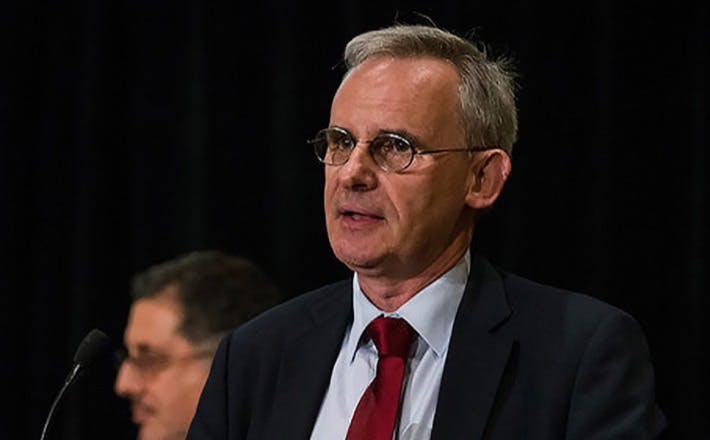
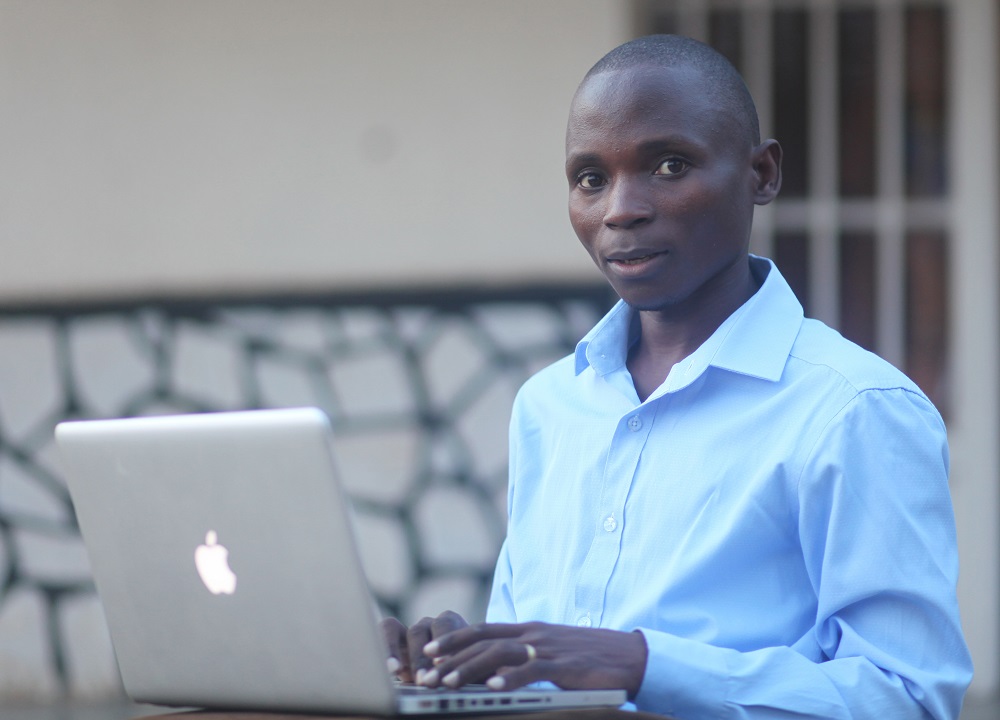
The training was organized by the University of Rwanda and Media High Council that Christophe Hitayezu, a Journalist and Pandemic Media Mentor at Internews asked Ewen MacAskill to explain how Rwandan journalists can still investigate and present their stories just by the use of their smartphones.
“The great thing about mobile phone these days is that you can pretty much do everything, you can take a video, edit it and have it uploaded in less than 30 minutes.” Said MacAskill “in the wide world, almost 70% of the population follow news using their phones; and what they are doing is watching videos. Mobile journalism is where the future is, and all you need is a smartphone.”
“Before, we used to carry heavy camera and sophisticated equipment when going on field that can be quite intimidating in different areas; yet it was found that when you are using your phone in recording, people are willing to share information with you,” he added.
MacAskill said that mastering the technique is not the only purpose of the Mobile journalism (MoJo) program; he explained that with all the techniques every journalist has to also remember that every new has a structure of storytelling.
At the beginning of the year 2020 the Mobile journalism (MoJo) competition was started worldwide and Ewen MacAskill was among the mentors for Thomson Foundation.
The MoJo training that organized by UR and MHC have been conducted at Musanze District last Week from Monday to Friday, and brought together 23 trainees.
“When we asked people to send in stories, quite often they would send nice videos, but they were not connected to the news. You know having Mobile journalism technique is only one half, the other half is having an understanding of what the news story is,” said MacAskill.
In the middle of MoJo course, the COVID happened. As part of the course people were asked to go out and do news stories on video and then send their edited program. MacAskill was one of the judges, but because of COVID-19, it was difficult for people to go out and do their interviews, so all their original plans have to be abandoned, and people had to produce stories in the new COVID19 environment.
MacAskill said that during those times some people responded well “Just because of the COVID, it doesn’t mean you can’t do interesting stories … you don’t take risks, don’t break the law and you can still produce interesting stories,” he said.
MacAskill said that COVID-19 should not be an excuse for people to stop being good journalists because the pandemic has affected everybody in the world, “You should always be producing stories. There is a huge appetite everywhere for stories about the COVID-19,” he said.
Ewen MacAskill is the former defence and intelligence correspondent for The Guardian having worked for the UK media organization for 22 years.
He played a key role in reporting the revelations from computer analyst whistle-blower Edward Snowden about the mass surveillance by US and UK intelligence agencies. He has received a number of prestigious awards for this work and was a member of the Guardian team who, along with the Washington Post, received a Pulitzer Prize in 2014.
During his career with The Guardian he held a number of senior editorial roles including Washington bureau chief, diplomatic editor, and chief political editor.
Before joining The Guardian he was political editor of The Scotsman.
Ewen has worked on a number of projects with the Thomson Foundation and is acting as a mentor for participants on the Thomson Foundation digital and multimedia summer course. He is also assisting participants from the Journalism Now e-learning programme on investigative journalism techniques.
The African Banker’s judging process sought to recognise the African banks that have demonstrated original and practical uses of technology to provide customer convenience, improved and more affordable services and greater access to the financial services sector in Africa.
Ade Ayeyemi, Group Chief Executive Officer said: “Winning the Award for Innovation in Financial Services from the African Banker magazine is such an honour. It provides public recognition of our pioneering role in harnessing technology to complement our pan-African presence and partnerships, to deliver accessible, convenient, affordable and innovative banking products which are making a difference to millions of lives and businesses across sub-Saharan Africa. Five years ago, we commenced a digital transformation journey to transform our banking products and services. This award attests to the success of that journey and we are delighted that our significant investment in technology is yielding the desired results.”
“Our one bank model, powered by our robust pan-African banking digital platform provides diverse products and services to governments and corporate clients using our digital platforms including Ecobank Omni Plus amongst others, Ecobank Omni Lite for our SMEs and commercial bank clients as well as our Ecobank Mobile App and Ecobank Online for our consumer clients. These are in addition to the highly effective cash management, transaction banking solutions and our cross-border Rapidtransfer remittance solution – a few of the headline-grabbing innovations that we have delivered to meet and exceed the evolving needs and expectations of our customers. I applaud all my Ecobank colleagues for their continued commitment and dedication to serving our customers especially during these challenging COVID-19 times.”
Other African banking awards won by Ecobank so far in 2020 include amongst others, Most Innovative Bank in Africa, Best Bank for Payments& Collections, Best Integrated Corporate Banking Site in Africa (Global Finance) and the Best Bank for Corporate Responsibility (Euromoney Awards for Excellence).
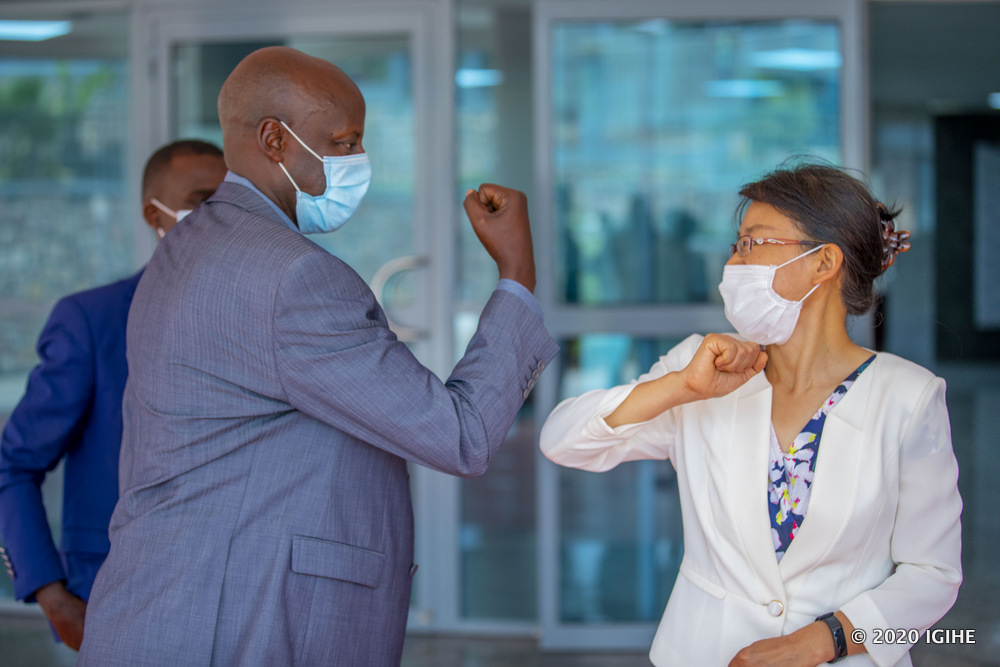
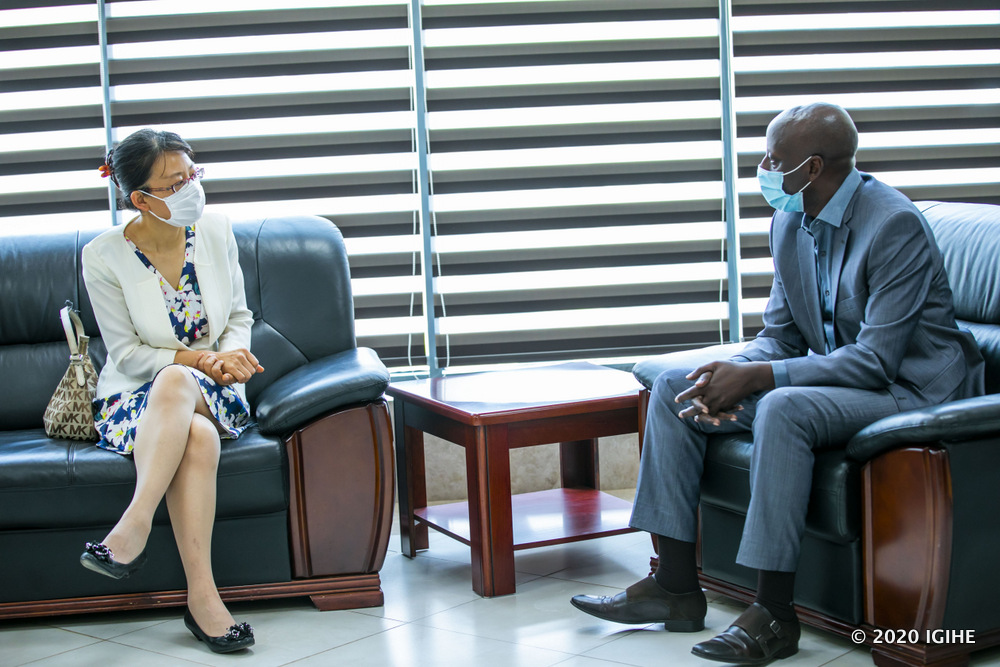
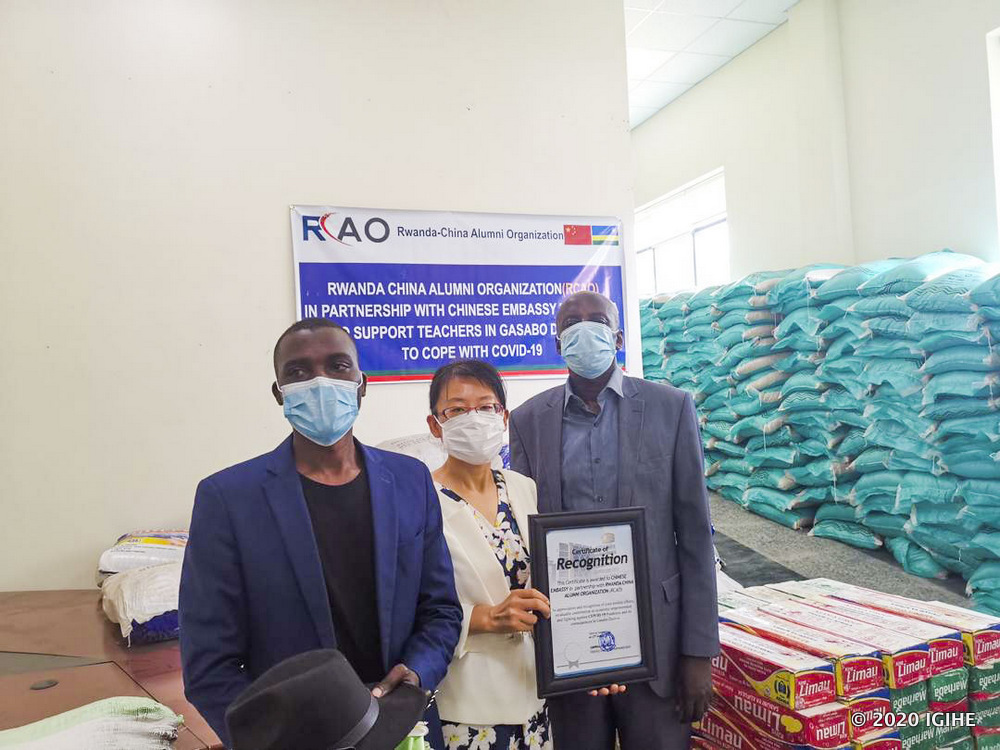
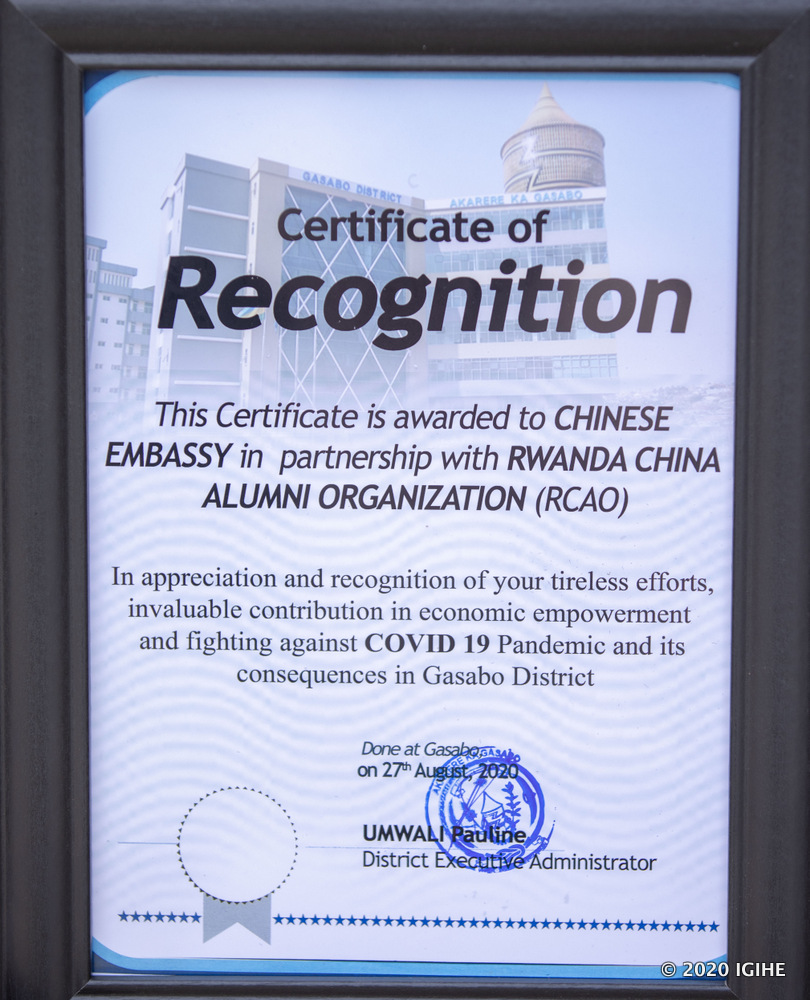
The support includes food items and hygienic equipment worth Rwf22.6million. They were handed over to Regis Mudaheranwa, Executive Administrator of Gasabo district on 27th, August 2020
It was raised to help teachers who have been out of work for a while due to the government’s decision to close schools as part of a strategy to prevent the spread of COVID-19.
Mudaheranwa said they were going to enumerate all the private school teachers who need food before supplying it.
He thanked the Chinese Embassy for its ongoing cooperation with Gasabo District, as it was not the first time it had sponsored them.
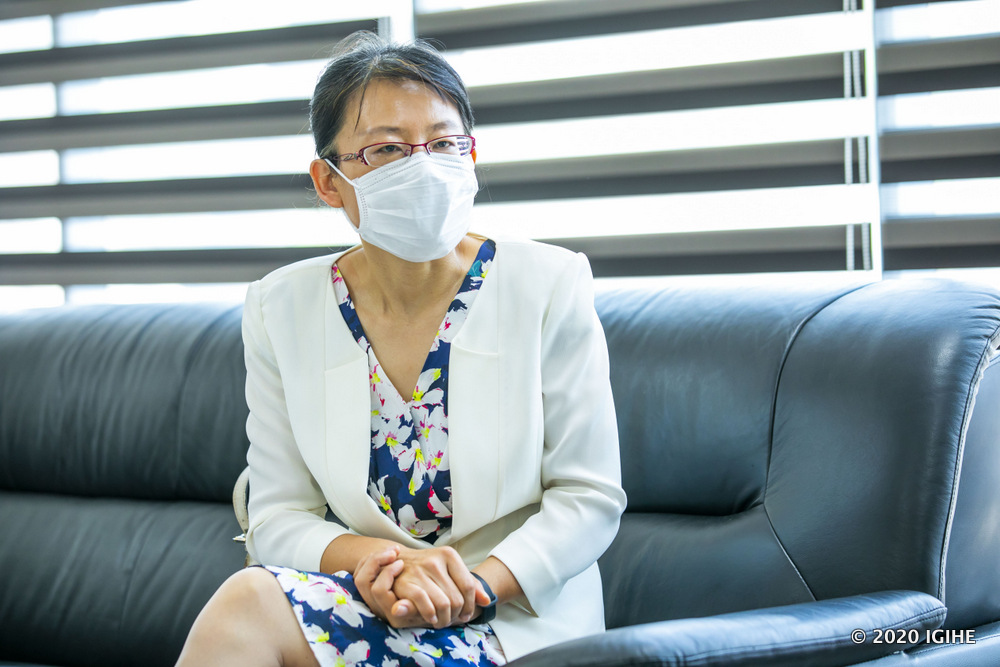
Xing Yuchun, China’s Deputy Ambassador to Rwanda explained the choice to help teachers in Gasabo District.
“The reason we chose to help teachers, is that at home in China a teacher is a highly respected person. Seeing them in a bad situation is a very serious problem. So the reason we chose Gasabo, is because it’s where we work from, it is our home or it is where our embassy is built, and we want to be friends with the people of Gasabo.”
Donations include food such as rice, flour, beans, oil, salt, and hygiene items such as soaps.
The grant is expected to be sent to private school teachers who have lost their jobs during the recent COVID-19 prevention guidelines.
Changing the curfew hours is one of the resolutions of the cabinet meeting on Wednesday, which was adjusted from between 9 pm and 5 am, and is now set from 7 pm to 5 am.
In an interview with the RBA, Dr. Ngamije said that in the last three weeks, the nature of the pandemic has changed dramatically, “so that one can say that the pandemic is signaling to us that it can get worse.”
That is why the Government has come up with a strategy to prevent it, where since COVID-19 came to Rwanda from March 14, 2020, to the end of July, there are about 1,500 cases, for four months. However, in the last 45 days, the number of patients has increased from 1,500 to 3,600.
Dr. Ngamije said it was indicative that the pandemic is widespread in the area where people did not comply with COVID-19 prevention guidelines; some don’t wear masks, don’t comply with social distance, and don’t wash their hands while entering at the workplace.
“What we want is to avoid overcrowding of people. Looking at the decisions of the Government, you see that we have asked people to comply with social distance because we have asked the number of people working in the same place be reduced, either in the private sector, government agencies, market places, or in other business houses. The decision is aimed at reducing the number of people meeting at the same place. ”
“Secondly, when people meet, we ask that when the work is done, they go home without going anywhere else to meet with another group of people.”
He said that these days it has become more visible on social media and elsewhere, where people either on weekdays and on weekends, you find them at home or elsewhere gathering without complying with the COVID-19 prevention guidelines.
He said people should be more vigilant about the pandemic, as it kills and does not care about the age as some people thought.
The number of COVID-19cases in Rwanda is 3625, and 15 deaths.
NCSA was established by Law N ° 26/2017 of 31/05/2017, to build knowledge and capacity in the field of information and communication technology, to protect the integrity and security of the nation, leading to economic and social development. NCSA is overseen by the Presidency.
Its responsibilities include advising the President of the Republic and other public and private sectors on strategies to protect Rwanda’s interests in the field of technology; to investigate and identify activities that have or may be detrimental to the national security of the site and to inform the relevant authorities of the information obtained from the investigation.
It also includes establishing measures to ensure the safety of all activities carried out using ICT and to perform other functions required by the President of the Republic.
In July 2020, President Paul Kagame promoted Colonel David Kamu Kanamugire to the rank of Colonel. Kanamugire has been the director of technology in the Ministry of Defense.
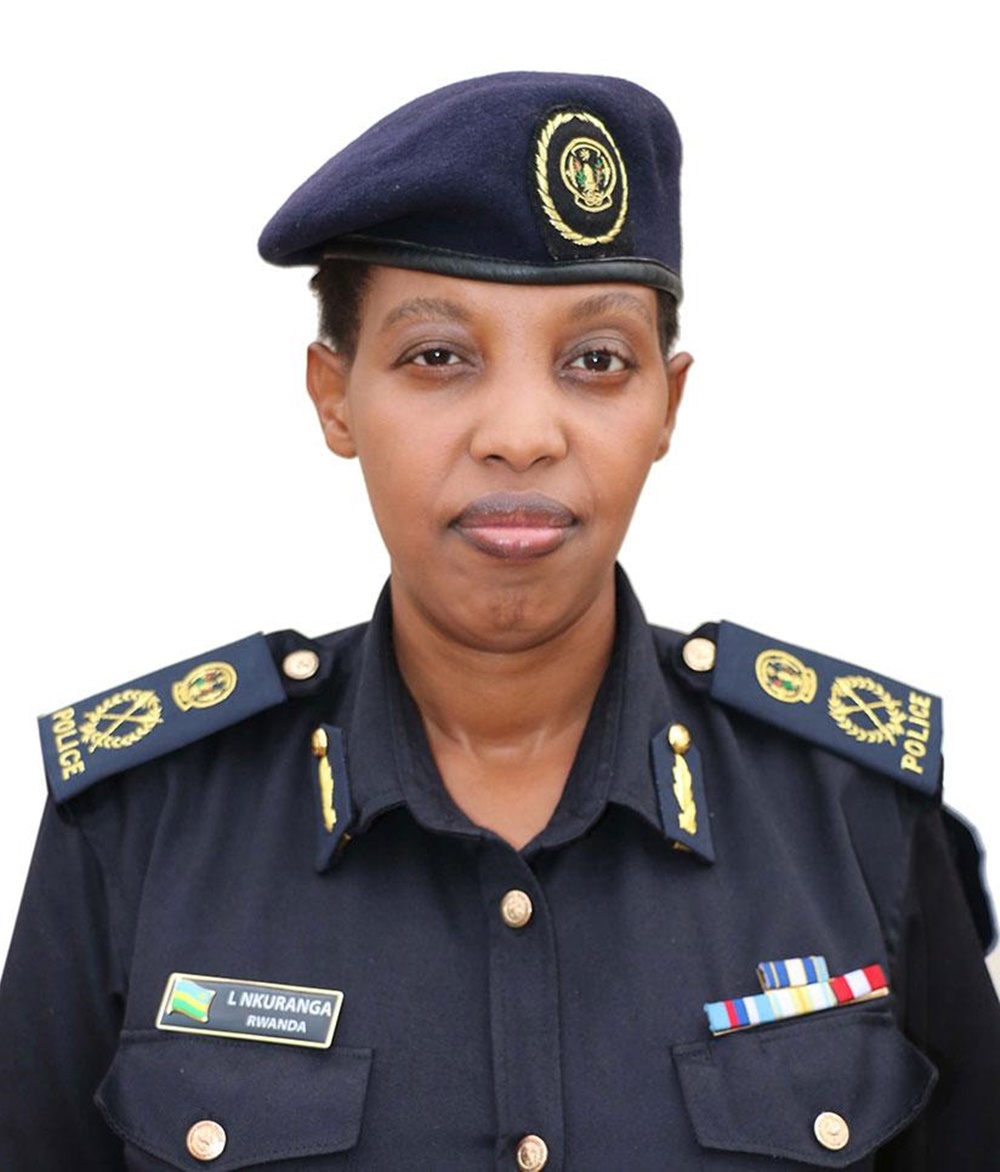
In the same meeting, Assistant Commissioner of Police Lynder Nkuranga was appointed as the Director-General of External Intelligence at the National Intelligence and Security Service (NISS). This position in NISS has been occupied by Anaclet Kalibata. Nkuranga has been serving as the commissioner of protocol and co-operation in the Rwanda National Police, (RNP).
Under the law governing the powers, responsibilities, structure, and functioning of the National Service for Investigation and Security, the Directorate General of Investigation and Security Abroad is one of the main organs of NISS, as well as the General Directorate of Internal Security and Investigation, the Directorate General of Administration and Finance and the Directorate General of Immigration and Emigration.
NISS is generally responsible for conducting internal and external investigations and assessing immigration to protect and prevent threats to national security.
Lt Col Ngabo Francis was also appointed as CEO of Rwanda Space Agency, RSA. He has been working as the Director in charge of Spectrum and Numbering management at Rwanda Utilities Regulatory Authorities, (RURA).
In May 2020, the Cabinet approved a draft law establishing RSA. It is a reminder of the progress Rwanda is making in the field of aerospace technology, as well as building on other common institutions such as ESRI Rwanda and the Institute of Science at the University of Rwanda.
Also, Rwanda has traditionally used aerospace technology to assist in imaging during census, land survey, and research. It is an activity that needs to continue to be empowered and expanded.
The center will also assist in agricultural planning, environmental protection, disaster preparedness, and urban planning through the use of satellite and imaging systems.
It is also the center that will develop programs that will enable Rwanda to have a foothold in the international arena. It will also support programs related to space and technology research, as well as programs related to the preparation and launch of spacecraft.
The agency will also monitor Rwanda’s cooperation with other countries in the field of climate.
The decision came after a cabinet meeting on Wednesday decided that travel between the Provinces and the City of Kigali is not allowed on public transport, and no one is allowed to be out of home between 7:00 PM and 5:00 AM
The decision was taken to reduce physical interaction of people in one place to check the growing number of new COVID-19 infections. Companies are encouraged to reduce the number of employees who go to the workplace.
According to a statement signed by President of RBA, Robin Bairstow, the decision was taken after in depth discussions with the Nationall Bank of Rwanda.
Financial digital transactions, however, will continue uninterrupted.
These include paying taxes, transferring money from one bank account to another, transferring money between a bank and a mobile money account, or online payments for other services.
Bank of Kigali, one with several branches in Rwanda, has informed its customers that it will be opening between 8:00 AM and 3:00 PM, except for the Rusumo branch on the border with Tanzania, which will be open 24/7, while the branches of La Corniche on the border with the DRC, Kagitumba on the Uganda border and Kigali Airport will open between 8:00 AM and 5:00 PM
“We also remind you to leave at least one-meter distance between people while on the line. We encourage you to reduce the hand to hand money transfer by using more technology networks such as BK App, Internet Banking, USSD (* 334), POS, debit cards and agent services. ”
The RBA has announced that it will continue to analyze the effects of COVID-19, and inform members, customers, and other stakeholders of the next steps.
Various banks have also continued to inform its customers of the changes caused by the government’s decisions.
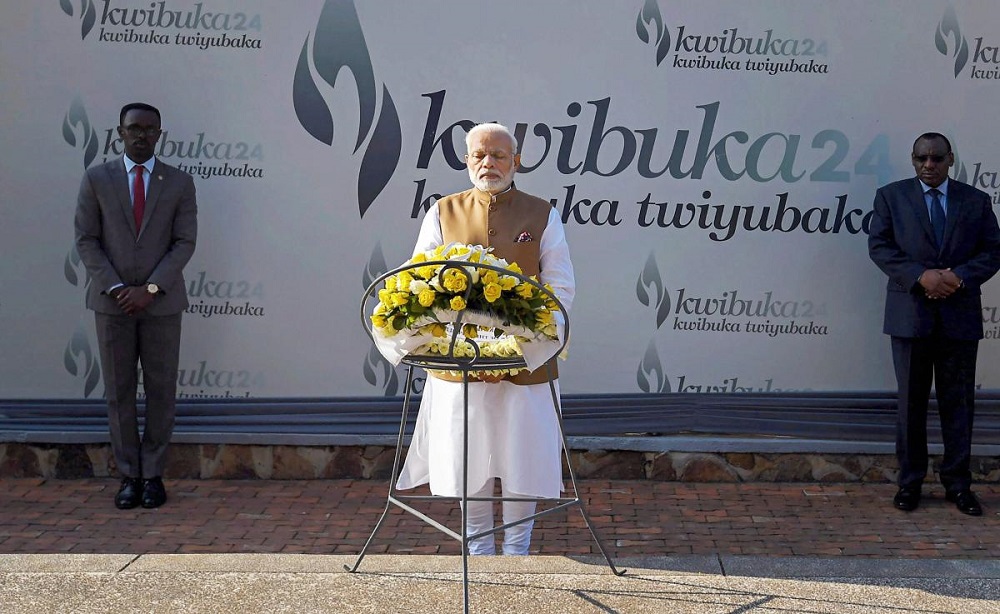
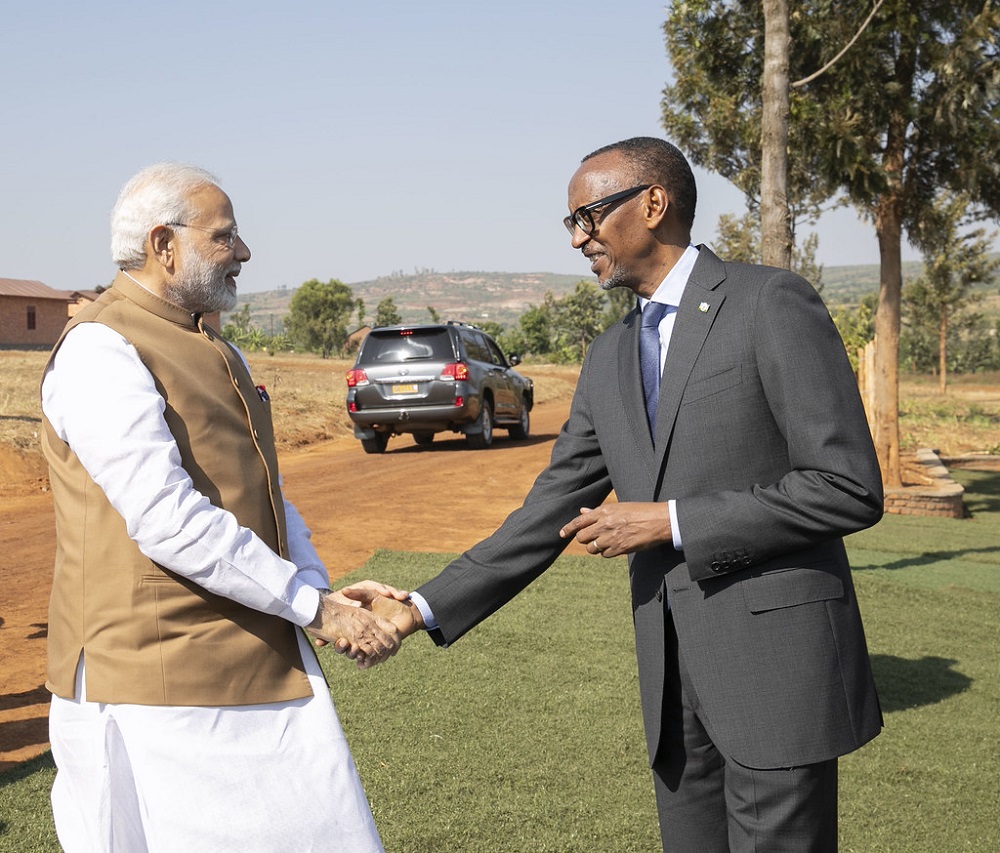
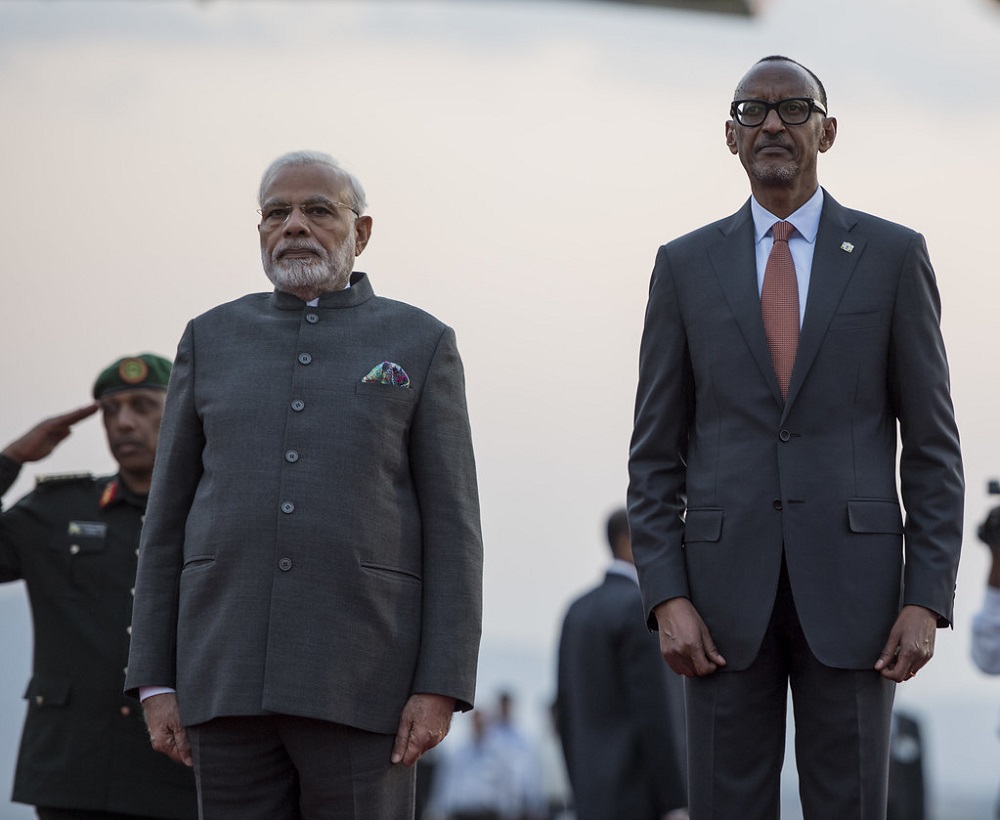
It is a visit that has strengthened the willingness of both countries to strengthen development ties, given that the two countries share much in common, including the pace of sustainable development.
During his visit, the two countries signed a Memorandum of Understanding (MoUs) focusing on sectors such as security, trade, cooperation in increasing milk production, cooperation in boosting leather, agriculture, and culture.
At that time, the Prime Minister of India donated 200 cows to Rwanda, which were given to the people of the Bugesera District in Eastern Rwanda. This was a great sign because cows are animals that means a lot in Indian culture as well as in Rwandan culture.
India also donated 100,000 books to Rwanda for the betterment of education. A $ 200 million (Rwf193 billion) agreement will also be signed to help develop irrigation and industrial space.
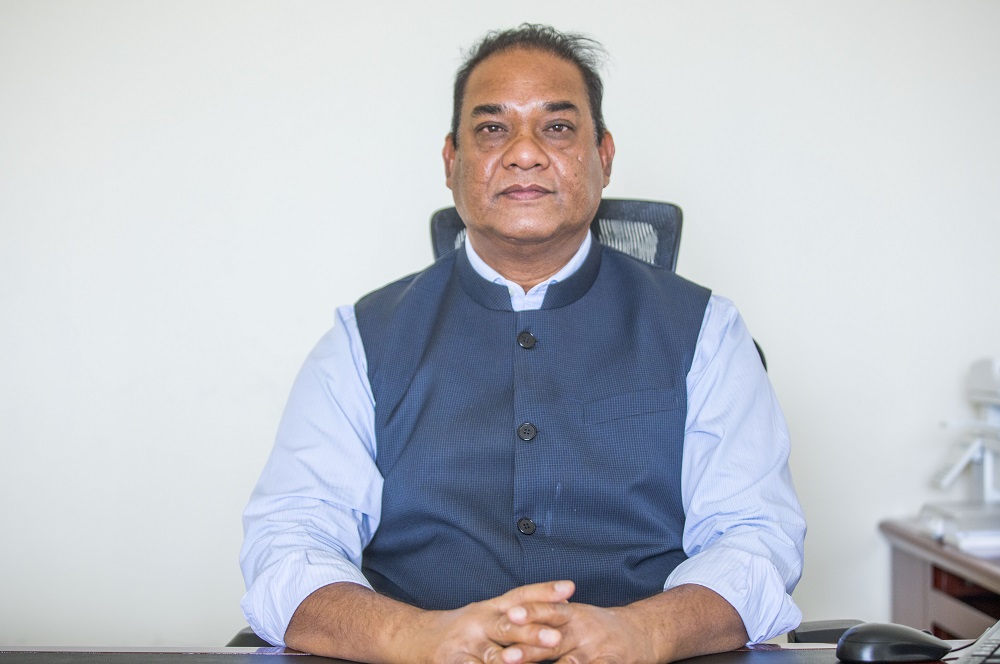
In an interview with IGIHE, the Indian Ambassador in Rwanda, Oscar Kerketta, said the money has already been increased.
“I am pleased that India’s budget for Rwanda stands at $ 547 million (Rwf528 billion), which will be used in sectors such as electricity, agriculture, irrigation, and technology,” he said.
In addition to this money that will help the country in large-scale projects, Rwanda has benefited greatly from the investment of Indian businesses that have long shown a thirst for investment in the Rwandan market. As of 2017, India was the third-largest investor in Rwanda, valued at $ 83.1 million (Rwf 80.3 billion).
According to Oscar Kerketta, “Indian businesses are moving to the Rwandan market due to the country’s economic opportunities, good governance, and how Rwanda is leading the way in facilitating investment.”
He explained that there is a lot of potential for productivity between the two countries, as Rwanda can increase the size of its exports to India, as it is still low.
Some of the major Indian companies that have invested in Rwanda include Airtel, Virunga Biotech Ltd, Marasa Holding, Accacia Property Development, Kabuye Sugar Works Sarl, God Steel Rwanda Ltd, Cardiac Specialty Rwanda, Rugabano Tea Company Ltd, Gisovu Tea Company Ltd and more.
As of 2018, Indian projects in Rwanda were valued at $ 389 million, employing 10,175 people in the telecommunications, technology, agriculture, health, and more sectors.
Kerketta told IGIHE that cooperation between the two countries’ trade establishments had begun. It is a partnership called the ‘India-Rwanda Innovation Growth Program’ aimed at leveraging India’s technology in the development of Rwanda. The project was launched when former Vice President of India Hamid Ansari paid a visit to Rwanda in 2017.
In the first year of the agreement, over 200 Indian companies signed a partnership agreement with over 100 Rwandan companies. It is expected that in the next two years, up to 20 technological ideas and innovations will be implemented.
Business establishments between the two countries have also signed agreements aimed at facilitating cooperation between them.
According to Kerketta, one of the reasons for this is the launch of flights between Kigali and Mumbai, as well as travel by RwandAir.
“These important travels between Rwanda and India have greatly facilitated relations, boosted trade, tourism, and investment. The launch of air freight services between Kigali and Mumbai has reduced the cost of air freight,” he said.
So far, the journey between Kigali and Mumbai only takes six hours.
This positive relationship also led to the rise of a large number of Rwandan students who are going to complete their studies in India, due to the facilitation of travel and the culture of the two regions.
“Every year we see an increase in the number of Rwandan students going to India to complete their courses. This is due to the reasons for the low cost and quality of education in India, the availability of courses in English, the Indian culture of hospitality, the culture of India in general, the ease of issuing visas, and more,” Kerketta said.
He added that the fact the East African Region is home to a large number of Indians creates a cultural sharing, where Rwandans go to India freely.
Also, India has helped many African students get the opportunity to study in their country for free, and many Rwandans have benefited from it.
“I am pleased to say that, taking advantage of this opportunity, many students who have completed their studies in India will now be contributing to the development of Rwanda,” he said.
Kerketta said development cooperation would continue, adding that institutions such as education, capacity building, health, technology, infrastructure, agriculture, and security could be given more attention.
He added that the two countries are concerned about improving their relations, saying that “the key to maintaining relations is in the development of cooperation between India and Rwanda.”
He emphasized that the partnership would be achieved through “support, technical advice, human rights activities, loans to study in India and many other capacity-building programs”.
Apart from Rwanda, India has also invested heavily in building a viable relationship with the African continent as a whole.
For example, trade between India and Africa was $ 69 billion last year, while India was ranked fifth in Africa with a high investment of $ 54 billion.
India has a lot in commonalities with Africa, including having a history that goes hand in hand, especially based on colonialism and the shackles of liberation.
He said that relations between India and Africa are developing because “India’s goal is to expand Africa’s opportunities, build capacity, Africa-based partnerships and work together to participate in world events, giving a voice to people of both sides”.
It is in this context that Oscar Kerketta says that India supports the African Common Market Agreement, AfCFTA, and is proud of Rwanda’s role in its implementation.
“The implementation of the AfCFTA agreement is an opportunity to further boost trade between India and Africa. We commend the role of the Government of Rwanda in the implementation of the AfCFTA. ”
Oscar Kerketta also said that India is in the process of launching an Entrepreneurship Development Center, which will be integrated into the Cooperative and Microfinance Institution (RICEM), which will be completed in the next few months.
The new guidelines were passed during a cabinet meeting that was chaired by President Paul Kagame, Wednesday.
“Movements are prohibited from 7 pm to 5 am,” a statement from the Prime Minister’s Office reads.
“Public transport between Kigali and other districts is prohibited,” the statement goes on and say that the cabinet did not prohibit private transport between Kigali and other districts of the country, but it directed that “movements should be in adherence with health guidelines.”
Movements between Rusizi district and the rest of the country are still prohibited, except for cargo.
Businesses will also remain operational, with respect to health guidelines and so will work in general.
It has been indicated that in public service, only 30% can work from office, while in the private sector, 50% can work from the office as the rest continue working from home.
Similarly, markets will operate at their half capacity while mass gathering can only operate if organizers have special permission.
“Events must not exceed 30% of the venue capacity,”
“Authorization to host an event will be granted by local authorities and Rwanda Development Board upon fulfillment of the requirements.”
Domestic and international tourism will also continue but tourists should have valid COVID-19 negative test results and reservations.
Churches will also operate in accordance with guidelines earlier established, after authorization from local authorities.
The burial service will still be attended by 30 people as earlier directed, while the civil marriage will be attended by 15 people.
This time, the cabinet also provided for the wake of night vigil-Ikiriyo which should be attended by not more than 15 people.
Land borders are still closed with exception to cargo and returning citizen and legal residents who will have to be put into quarantine at their own cost.
Passengers arriving at Kigali International airport also must present a COVID-19 PCR test taken within 120 hours prior to departure and should comply with health guidelines.
All gaming activities are still prohibited.
“All bars including restaurants and hotels will remain closed.”
Schools will also remain closed as the country continues to assess the situation of the pandemic,
“The cabinet noted an unprecedented increase of COVID-19 cases, related deaths and community transmission, especially in the city of Kigali. Full compliance with health measures, endurance, and vigilance are necessary for better health outcomes for all,” the cabinet noted.
The cabinet warned that any loosening in regard to the respect of COVID-19 guidelines will not be tolerated.
“Local leaders are responsible and accountable for the respect of all health guidelines and lack of compliance by the public will lead to penalties including the closure of non-compliant businesses,” the statement reads.