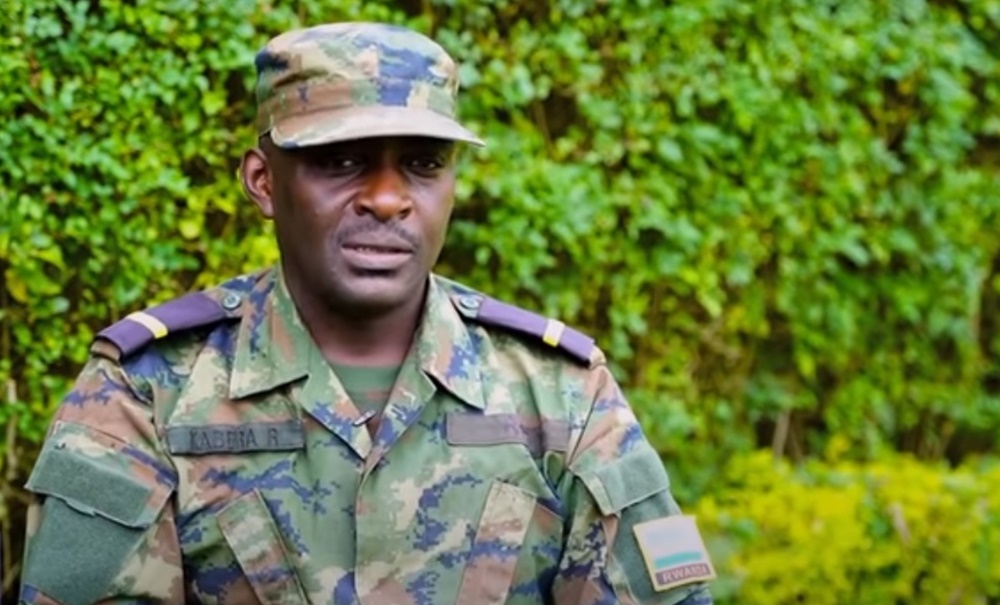
Sgt Kabera is arrested following the search to his home over suspected illegal possession of a gun.
It is said that Sgt Robert has been arrested today morning and detained in Masanafu of Kampala.
Chimpreports has reported that Robert was arrested over allegedly sneaking a gun into Uganda.
Sergeant Major Kabera Robert gained popularity for his stage name ‘Sergeant Robert’.
Before fleeing, he was part of RDF Army Military Band renowned for his song ‘Impanda’ among other songs praising Rwanda’s army.
He fled RDF towards the end of 2020. At the time, it was said that he defiled his daughter aged 15 at his home in Ndera Sector of Gasabo District on 21st November 2020 and disappeared after committing the crime.
IGIHE learnt that Robert was ill-drunk before sexually assaulting his daughter.
Sources reveal that he might be sent to Rwanda, following his arrest, to face justice.
As he arrived in Uganda, Sergeant Robert appeared in an interview with Daily Monitor, Uganda based newspaper in which he confirmed to have escaped to Uganda where he was seeking asylum.
He explained that he fled the country on 18th November along with his wife through Kagitumba peripheral border lines. The former RDF soldier narrated that he left three children and a seven-month old child.
As he left the country with the child, the suspect was obstructed by flooded footpaths and decided to leave her in Rwanda lest she drowns.
His deportation to Rwanda will further evidence collaboration between both countries and efforts to restore relations to normal.
However, it won’t be the first time both countries exchange suspected criminals.
In 2013, Rwanda arrested Namuyimbwa Shanita alias ‘Bad Black’ who had illegally crossed to its land. He was not allowed to leave his country after he was convicted of funds misappropriation.
Before both countries’ relations worsened in 2017, Uganda had received more 26 suspected criminals from Rwanda to face justice at home.
In 2020, Rwanda and Uganda signed extradition treaty to exchange criminals at the 4th Quadripartite Summit of the Heads of state of Uganda, Rwanda, Angola and the Democratic Republic of Congo aimed at mending bilateral relations held at Gatuna One Stop Border.
The extradition treaty constitutes, among others, the legal framework to handle cases of justice including those related to subversive activities practiced by either of the 2 countries’ nationals in the territory of the other party.
The treaty is of great significance as Rwanda accuses Uganda of sheltering suspected criminals and harbouring terrorist activities of rebel outfits including RNC, FDLR and RUD among others intending to threaten Rwanda’s security.
This was indicated in the the Auditor General’s report for the fiscal year 2020/2021 presented to the parliament on 12th May 2022.
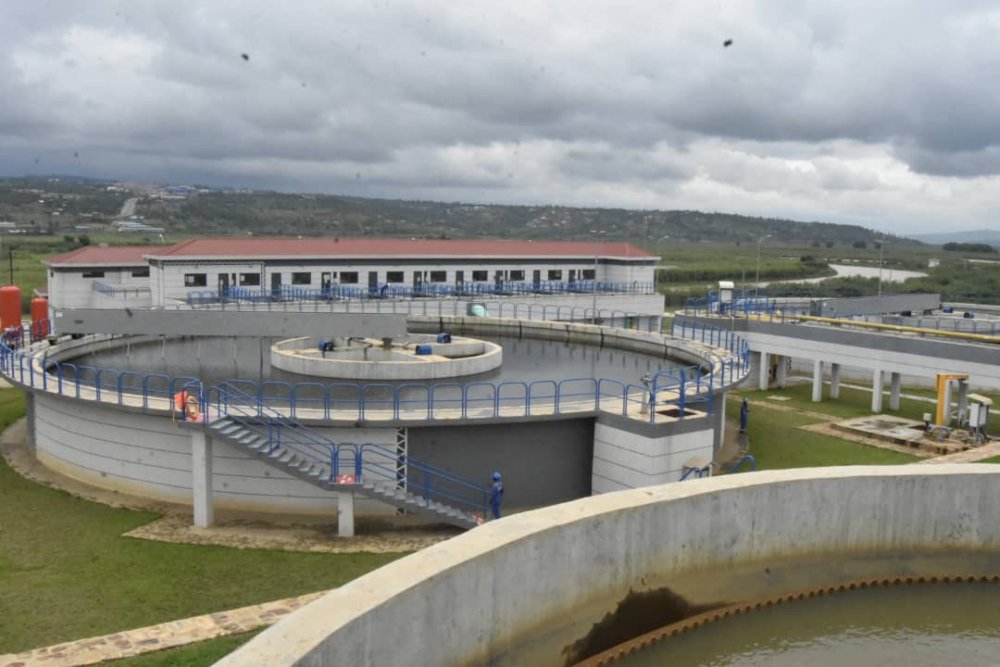
WASAC was created in 2014. The Auditor General has indicated that the institution has been making losses since its creation that cumulatively stood at Rwf19.1 billion as at 30th June 2021.
Apart from losses in the management of WASAC, it is reported that the institution has unpaid debts including Rwf17.5 billion from Bank of Kigali to be repaid in 10 years.
The institution is also said to have another debt worth Rwf400 billion from the African Development Bank. The latter will be repaid in 16 years after a grace period of eight years at an interest rate of 2.5% per annum.
According to the report, this was exacerbated by the continued increase in non-revenue water from 44.1 % for the year ended 30 June 2020 to 45.6 % for the year ended 30 June 2021.
The Auditor General’s report showed that WASAC has in some instances paid the fixed cost of water at a treatment plant’s full capacity yet the consumption is below installed capacity.
From 19th January 2021 (being the service commencement date) to 31 March 2022, WASAC Ltd had incurred fixed costs amounting to US$ 3,825,232.66 (Rwf3.8 billion) for unsupplied water of 6,074,469.06 m3.
It has been also observed that WASAC’s water production reduced by 10% (on average, 6,392 m3 per day) which is related to its poor infrastructures.
Due to this reason, distributing water in districts of Kigali City is still a challenge where the institution has been devising water distribution policy from 2018 to March 2022 to the areas of Remera, Kanombe, Gikondo and Nyarugenge to address shortage.
Despite improvements in some areas, some parts of Kigali get water from one to four days per week.
According to Priority Area 5 of the National Strategy for Transformation One (NST1), the country is aiming to move towards a modern Rwandan household by increasing access to sanitation and hygiene from 87.6% in 2017 to 100% in 2024 and waste management systems were to be developed in cities, towns, and rural areas.
To support the realization of the above-mentioned objective, the Government of Rwanda acquired financing of US$ 440,442,000 for key investments from African Development Bank through Rwanda Sustainable Water Supply and Sanitation Projection (RSWSSP).
The City of Kigali has 1.3 million inhabitants but does neither have a centralized treatment facility for sewage nor a system of central sewer networks.
It has been four years since the project of setting up a sewerage system in Kigali City was designed. The Kigali Centralized Sewerage System was supposed to be completed in December 2021 at a tune of cost € 96 million as one of key investments to achieve the NST1 objective.
The completion period was extended to June 2023. However, at the time of the audit in March 2022, WASAC Ltd was still conducting the procurement process.
During field visits conducted in March 2022, the audit team observed that some water treatment plants were not operating. These include Cyunyu with the capacity to produce 1200 m3 per day. It was closed in 2017 due to high operating cost.
Another one is Gihengeli with the capacity to produce 3500 m3 per day. The plant does not operate during the rainy season and the infrastructure was old.
There are other plants that need to be rehabilitated with urgency to increase production capacity. These include Rwabusoro in Ngoma District and Nyamabuye in Gicumbi District.
The report also pointed out other anomalies including lack of water in Higiro-Kigembe-Mukindo water supply system along 104.3 kilometers. The system to distribute water to the districts of Gisagara and Nyaruguru was completed at a cost of Rwf3.5 billion. The issue arose five months after the infrastructure’s handover to officials.
{{Gaps in costly electronic management system}}
WASAC was created in 2014 replacing EWSA. To efficiently fulfill its duties, WASAC invested Rwf2.4 billion in a technology meant to facilitate service delivery and oversee water treatment, distribution and renovation of infrastructures.
The technology include the Oracle Enterprise Resource Planning (ERP) system used to enhance resources and projects management among others.
The institution also invested in Customer Management System (CMS), Geographical Information System (GIS) and Supervisory Control and Data Acquisition (SCADA).
The report indicated that the management of these systems are not promising to serve the purpose yet they took huge investments.
Moreover, it has been observed that there are former employees of the company who still have valid passwords granting them access to the systems which might provide loopholes for data leaks.
Among others, a total of 29,981 subscribers were reported to have water meters with similar serial numbers.
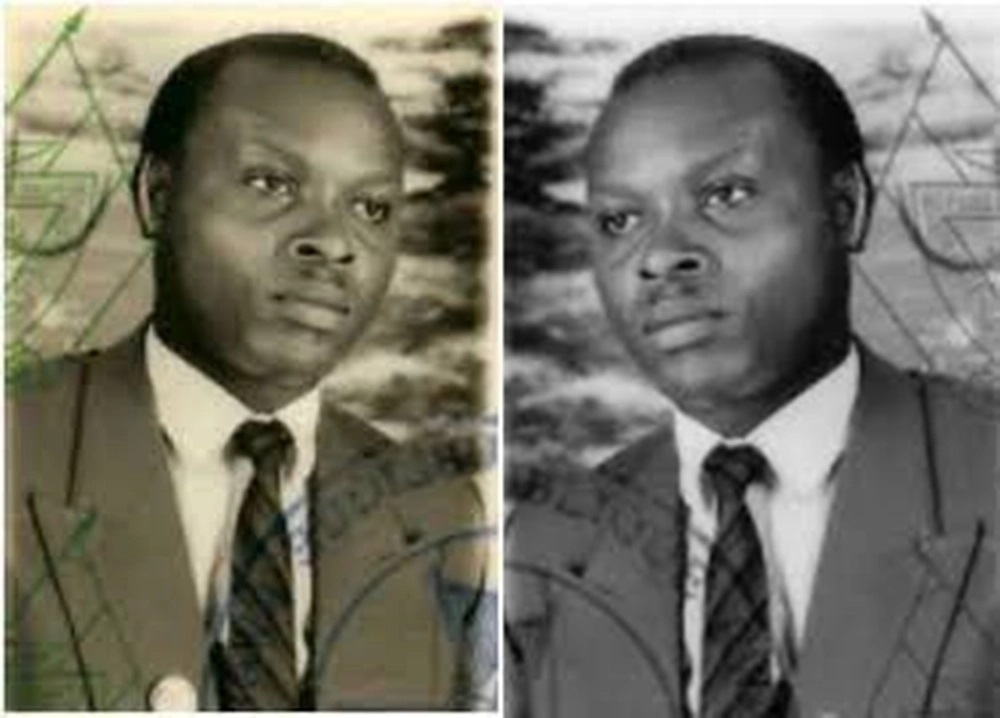
Wanted for his role in the 1994 Genocide against Tutsi, Mpiranya was a presidential guard commander during the Genocide.
UN prosecutors recently announced that he died in Zimbabwe where he fled years earlier, following pulmonary tuberculosis.
He was buried in a cemetery near Harare under an alias, with his family and associates carefully hiding his death.
In a statement released on Sunday, Zimbabwe has refuted media reports that it sheltered the Genocide fugitive.
“The Government of Zimbabwe wishes to clarify some recent media reports that are circulating insinuating that the Government was harbouring the most wanted Rwandese fugitive, Protais Mpiranya,” reads part of the statement.
“Contrary to a smear campaign peddled by both international mainstream media and social media seeking to portray Zimbabwe as aiding, abetting and hiding a fugitive, the government of Zimbabwe actually assisted the UN Prosecutor in the identification of Mpiranya.”
Mpiranya was indicted in 2000 by the International Criminal Tribunal for Rwanda (ICTR) on eight counts of genocide including complicity in genocide, murder, extermination, rape, persecution, other inhuman acts constituting crimes against humanity, and murder.
He was accused of killing Prime Minister Agathe Uwilingiyimana, 10 Belgian peacekeepers charged with protecting her and several prominent politicians, as well as their families and servants.
It is said that Mpiranya fled to Cameroon following the 1994 Genocide against the Tutsi.
In 1998, he returned to Zaire and joined the second Congo war siding with President Laurent-Désiré Kabila with intentions to fight Rwanda.
While in the country, Mpiranya worked with Zimbabwean troops supporting Kabila and later sought refuge in Zimbabwe where he found shelter towards the end of 2022.
Sources reveal that Zimbabwean leaders facilitated him to enter the country along with close allies.
Mpiranya run businesses including transport company carrying goods and people using two vehicles bought from minerals stolen in Congo.
His business did not succeed and according to acquaintances, he health started deteriorating due to poverty.
Mpiranya lived in a standalone villa the first year upon arrival in Zimbabwe but was later hit hard that he was obliged to share a villa with other tenants.
Investigators revealed that Mpiranya used to meet with top leaders on the rehime of President Robert Mugabe who led the country from 1987 to 2017. Mugabe died in 2019.
IRMCT revealed that Mpiranya fell critically ill suffering from pulmonary tuberculosis in 2006 where he was admitted at West End Hospital in Harare.
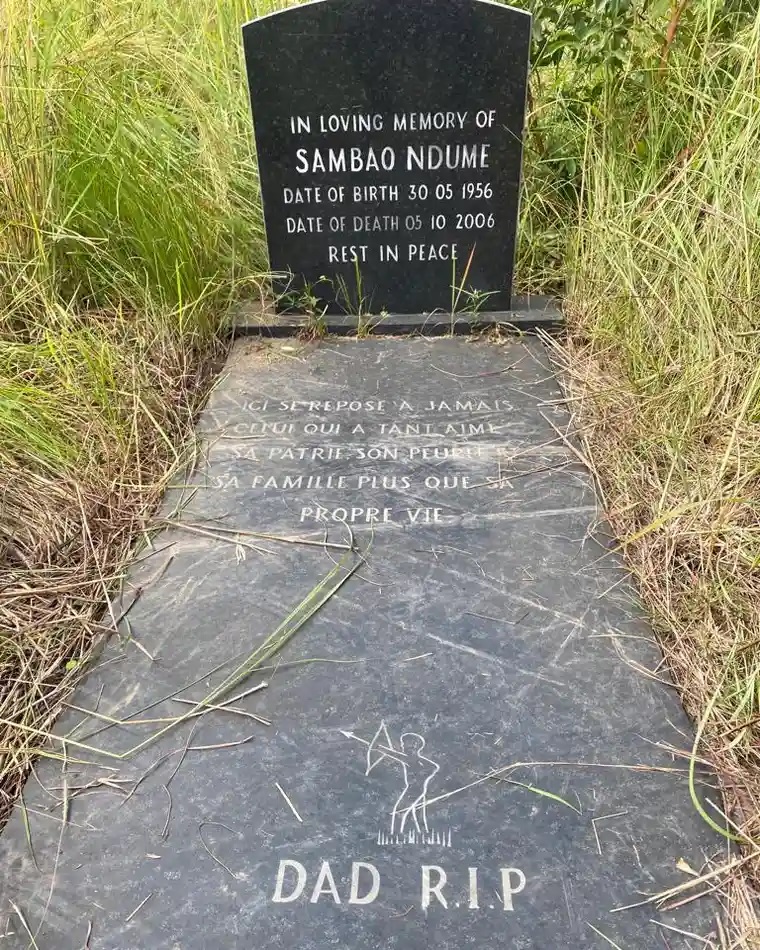
He died on 5th October 2006 and buried outside Harare under false names of Ndume Sambao.
IRMCT report released between 1st July 2020 and 30th August 2021 indicated that the collaboration with Zimbabwe progressed well unlike the situation at the leadership of Mugabe.
The report revealed that the country’s Prosecution increased collaboration with Zimbabwe and commended the country’s support.
The statement by Zimbabwe indicates that officials had cooperated with investigators seeking Mpiranya, setting up a joint working group, helping to finance the research, sharing investigative reports as well as summaries of interviews with suspects.
“It was the Government of Zimbabwe that authorised and participated in the exhumation of Mpiranya’s remains when it was suspected that he was the one buried under a false name, Ndume Sambao,” the statement added.
The government further said that Zimbabwe would never harbour criminals and welcomes the result of DNA samples taken from the fugitive which “closes a sad chapter in the history of Rwanda and allows the country to move on”.
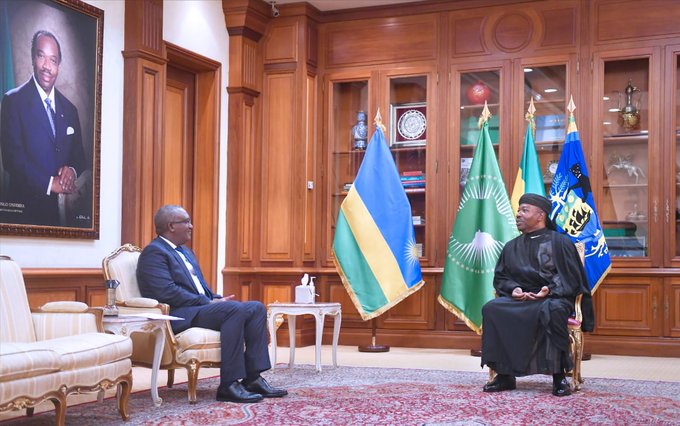
Mutsindashyaka presented letters of credence on Friday 13th May 2022. He also oversees Rwanda’s interests in other countries including Congo Brazzaville, Cameroun, and Equatorial Guinea.
President Ali Bongo Ondimba was last in Kigali in 2018. At the time, he held talks with his counterpart of Rwanda, Paul Kagame on the future of both countries’ relations.
Ali Bongo has been attending different summits in Kigali. He was also among Heads of State who attended the swearing-in of President Paul Kagame after re-election in 2017.
Rwanda and Gabon enjoy existing cooperation through air transport where RwandAir operates flights to Libreville, the capital of Gabon.
Gabon is rich in natural resources. It also has timber-rich and extensive forest resources.
Members of Rwanda’s Private Sector plan to cooperate with colleagues from Gabon to run businesses in the country to promote Made in Rwanda and create new jobs.
Rwanda and Gabon signed cooperation agreements in 1976 that were revised in 2010.
The decision is part of resolutions of the cabinet meeting held on Friday 13th May 2022 at Village Urugwiro chaired by President Paul Kagame. The meeting reviewed existing health measures regarding COVID-19.
“All measures remain in effect and will be reviewed after one month upon health assessment,” reads part of a statement released by the Office of Prime Minister.
Cancelling the mandatory wearing of face masks is among eased measures of the meeting.
“Wearing face masks is no longer mandatory. However, people are encouraged to wear masks indoors. The public is urged to get frequently tested while continuing to observe preventive measures,” adds the statement.
As COVID-19 emerged, Rwanda was among countries that rushed to implement preventive measures. The country had made the wearing of face masks mandatory since April 2020.
Rwanda bans mandatory use of face masks at a time when efforts to fight the pandemic are yielding good results.
Figures from the Ministry of Health released on Friday indicate that only seven people out of 6702 sample tests were confirmed positive.
The reduction is linked to the number of Rwandans who have been already vaccinated. So far; 9,028,849 people have received the first dose of COVID-19; 8,494,713 received two doses while 4,371,568 have received the booster dose.
Rwandans have been reminded to get full vaccinated to access public places including public transport.
The cabinet meeting reminded people that getting fully vaccinated means having two doses and the booster one when eligible (administered three months after the second dose).
Arriving passengers at Kigali International Airport must present a negative rapid test taken 72 hours prior to the departure.
An additional test will be taken upon arrival at own cost.
“Departing passengers at Kigali International Airport must present negative rapid or PCR test [depending on requirements at destination] taken 72 hours prior to departure. All departing Rwandans must be vaccinated,” adds the statement.
Rwanda cancels mandatory use of face masks following other countries including USA, Ghana, Ireland and France.
The former army officer who was arrested on 11th May 2022, has been living in the Netherlands since 1998. Rwanda had requested his extradition for his involvement in the 1994 Genocide against the Tutsi in Rwanda.
In 1994, the man was an officer of the gendarmerie in Rwanda. It is said that he played a prominent role in the killings of Tutsis in Kigali and Mugina in Kamonyi District.
Karangwa is suspected for involvement in the planning and execution of Tutsi killings in Mugina, including by supplying weapons to militias that killed Tutsis.
The man and his accomplices are also said to have led some 80 Tutsis that had managed to escape the killings at a parish in the area to a house that was subsequently set on fire. The man is said to have supplied the fuel.
Sources reveal that the man had chaired a meeting calling for Tutsi civilians to be attacked and killed. He is also alleged to have played a part in the assassination of the mayor of Mugina.
Karangwa received an asylum status in the Netherlands in 1999. Because of his suspected involvement in the Genocide, the Dutch Immigration and Naturalisation Department (IND) decided in 2013 to revoke his Dutch citizenship, which he had been granted in 2002.
This decision was challenged in court. On 11th May 2022, the Dutch Council of State dismissed the appeal against the revocation of his Dutch citizenship on its merits, thereby removing any impediment to his arrest and ultimate extradition to Rwanda.
Upon his arrest, it was agreed that the suspect will be brought before the examining magistrate in The Hague on Friday 13th May 2022.
Kicukiro Primary Court has taken the decision on the request of the Prosecution.
As the hearing began, the Prosecutor requested the session be held behind closed doors for security of witnesses and abused victims.
Ishimwe has however maintained that the hearing should not be held behind closed doors because his arrest and faced charges were made public.
Ishimwe said that he should be granted his rights in the court case by having proceedings held in camera.
His defence lawyer also objected that the request of the Prosecution has other motives behind not for the sake of witnesses’ security. She revealed that the Prosecution’s reasons pushed forward should be ignored on the basis of being unfounded.
She further explained that her client cannot threaten security of witnesses because he is arrested.
After hearing both sides, the presiding judge ruled in favour of holding the session in camera and asked the crowd including journalists to step out for the hearing session to continue.
Ishimwe, the CEO of Rwanda Inspiration Backup which organizes Miss Rwanda beauty pageant was arrested recently accused of sexual abuse.
He faces three charges including rape, soliciting or offering sexual favours, and harassment connected to sexual relations.
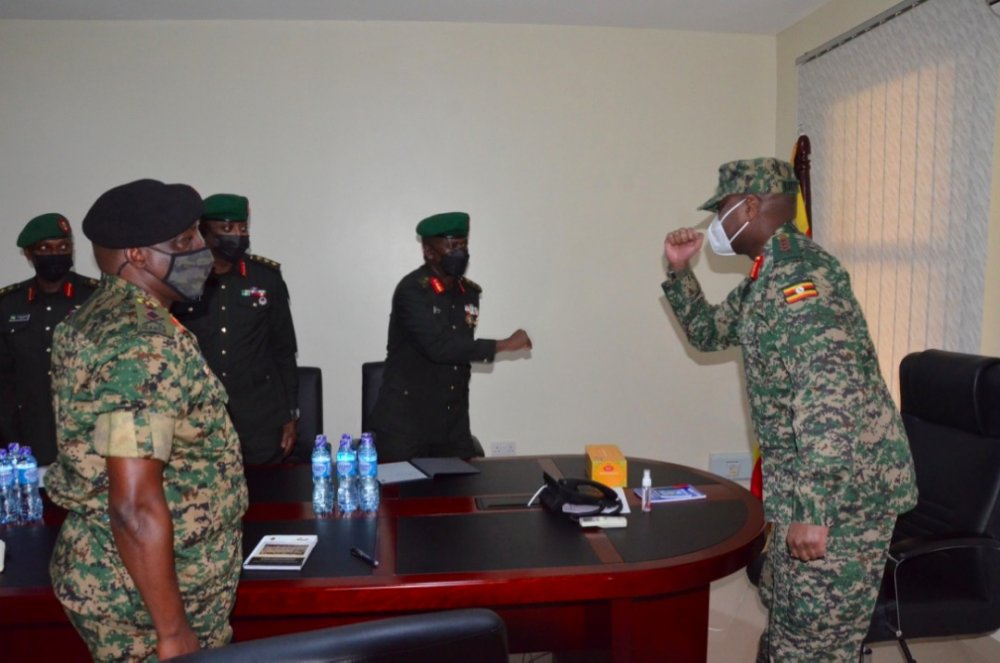
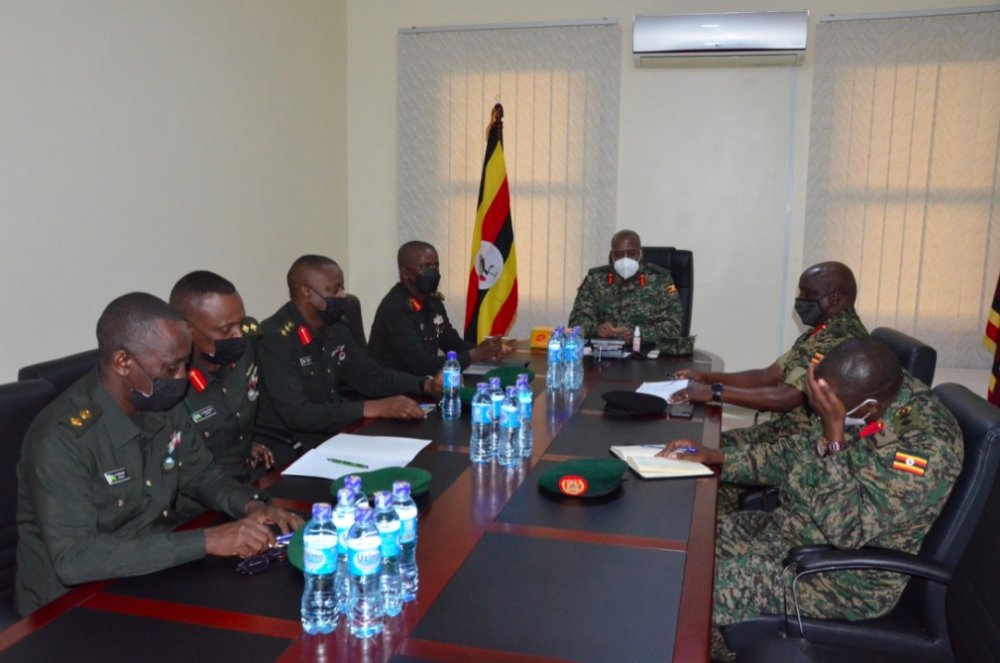
Following the visit, Lt Gen Muhoozi revealed via Twitter handle that he was delighted to receive the delegation.
“Yesterday, I was honoured to receive a senior delegation of our RDF brothers, led by Brigadier General Nyakarundi, Director of DMI. The relations and close cooperation between UPDF and RDF continue to grow,” he tweeted on Thursday.
Rwanda and Uganda relations that had deteriorated since 2017 are currently on the mend as evidenced through exchange of visits and willingness to solve pending issues.
In reaction to the announcement on Thursday 12th may 2022, IRMCT Chief Prosecutor Serge Brammertz stated that accounting for the last of the major ICTR fugitives – Protais Mpiranya – is an important step forward in the court’s continued efforts to achieve justice for the victims of the 1994 Genocide against the Tutsi.
Mpiranya was a feared and notorious fugitive, leader of the Presidential Guard during the Genocide and later a top commander in the FDLR.
Prosecutor Brammertz has revealed that confirming his death provides the solace of knowing that he cannot cause further harm.
He went on to explain that the results of this investigation are also a testament to the United Nations’ relentless pursuit of accountability for those indicted for the most serious crimes.
“Nearly three decades after the Genocide, my Office continues to track fugitives and prosecute our remaining cases, like the trial of Felicien Kabuga, while also giving our support to national prosecutions in Rwanda and elsewhere,” Brammertz noted.
He also extended gratitude to partners whose contributions were essential.
“The Government of Rwanda continues to be among our strongest supporters and played an important role in this investigation. Law enforcement agencies and prosecution services from Belgium, France, Netherlands, Spain, the United Kingdom, the United States, Zimbabwe and elsewhere also provided assistance.
My Office would like to further recognize again the excellent forensic support provided by the Netherlands Forensic Institute, which conducted the DNA analysis of Mpiranya’s remains,” said Brammertz.
As Commander of the Presidential Guard, Mpiranya was indicted by the ICTR in 2000, which was made public in 2002. He was charged with eight counts of genocide, complicity in genocide, crimes against humanity and war crimes.
Notably, he was charged with responsibility for the murders of senior Rwandan leaders at the start of the genocide, including Prime Minister Agathe Uwilingiyimana, the President of the Constitutional Court, the Minister of Agriculture and the Minister of Information. He was also charged with the murders of ten Belgian United Nations peacekeepers during that same period.
Following a challenging and intensive investigation, the Office of the Prosecutor (OTP) has determined that Mpiranya died on 5th October 2006 in Harare, Zimbabwe.
After the publication of the ICTR indictment against him, Mpiranya fled to Zimbabwe in late 2002, where he resided until his death.
The OTP also maintained that Mpiranya’s presence in Zimbabwe, and later the fact of his death, were deliberately concealed by the concerted efforts of his family and associates, including up to the present.
Mpiranya becomes the second Genocide fugitive confirmed dead after Augustin Bizimana (who served as the former Minister of Defence) was confirmed dead in the recent past.
The meeting is taking place between 20th and 26th June 2022 after it was postponed two times due to COVID-19 restrictions.
Different business deals are also expected to be signed during the meeting.
It is expected that some roads will be closed or diverted as guests will be driving to the meeting venue or returning to their accommodations to avoid traffic congestion.
To this end, new roads are needed to find an alternative and ensure free movements.
Speaking to RTV, Eng Patricie Uwase, the Minister of State at the Ministry of Infrastructure has said that a lot had been done in preparations of the meeting even before COVID-19 emerged.
A total of Rwf10.5 billion had been earmarked to upgrade infrastructures including roads and airports.
{{Airport }}
Eng Uwase has said that preparations have been done from the airport where guests will land to hotels designated to accommodate them.
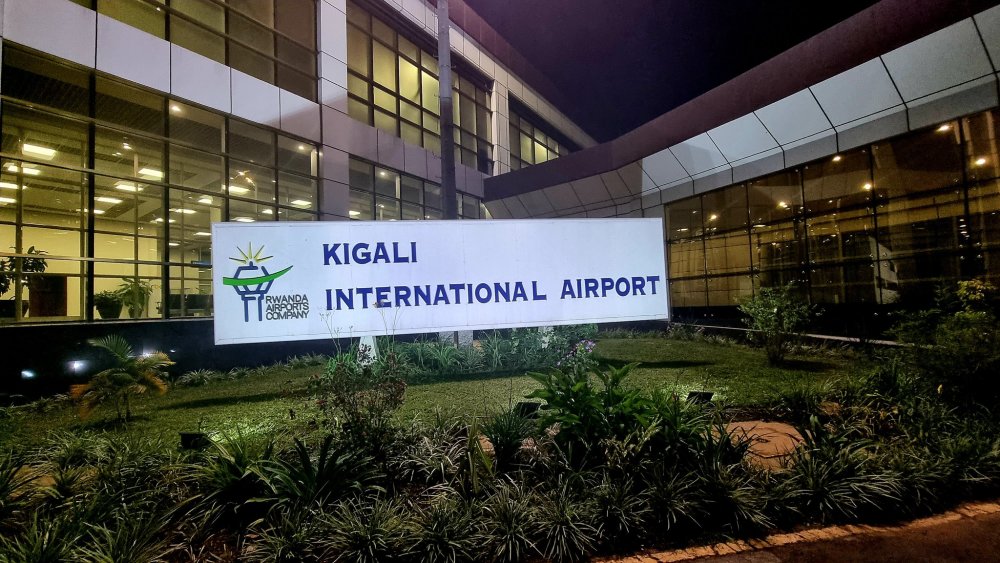
“We started preparations with Kigali International Airport where guests will land and take off. We have expanded it enough and upgraded parking capacity to accommodate 50 aircrafts,” he noted.
{{Roads}}
Eng Uwase has explained that there might be traffic jam from the airport during the meeting.
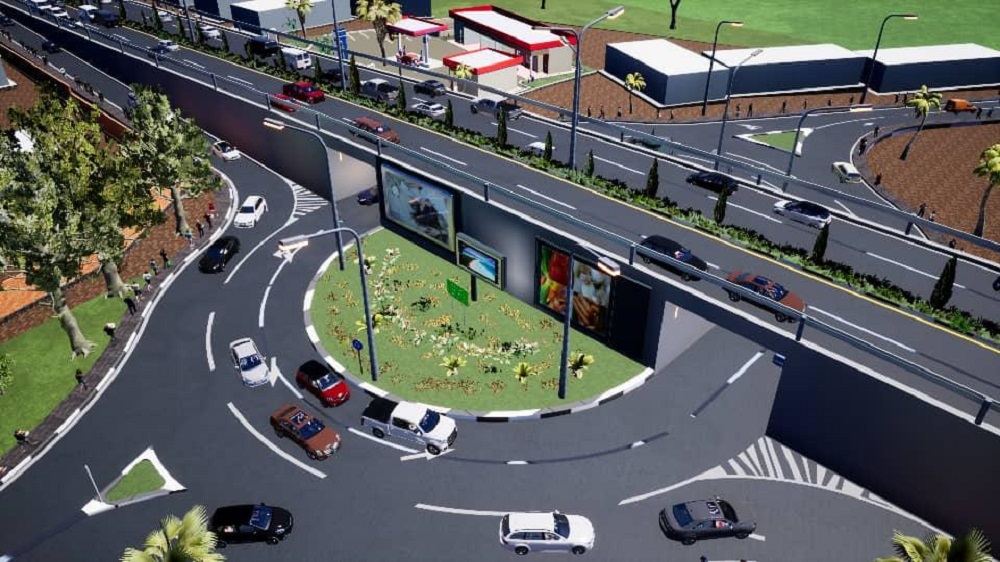
To address this issue, she underscored that the Government put much effort in the expansion of existing roads and creating new ones.
“Almost all have been completed – eight roads covering more than 12 kilometers. There are more nine large roads [under construction]. These include Sonatubes-Gahanga road currently at 96% and the road in Itunda with construction activities at over 70%. They will all be completed before CHOGM. Many of them are expected to be completed towards the end of this month and more efforts are being expended,” noted Eng Uwase.
Residents to be affected by closure of the road from the airport in Kanombe for safe passage of guests include those from Masaka, Kabuga, Gasogi and other areas along the road to Eastern Province.
Eng Uwase has stressed that there are alternative roads in Nyarutarama and Technique to Kimironko among others that might be used by people driving to the city center or Nyabugogo.
The areas of Kabeza and Rubirizi also have an alternative road through Itunda linking up to the one from Kanombe.
“It will be completed and currently stands at nearly 70%. Activities are being expedited that it will be finalized,” said Eng Uwase.
“There is a road that should be used most running through the areas of Kabeza from Alpha Palace Hotel. There is another from Niboye. In fact, these roads can be very helpful if they are efficiently utilized,” she added.
Eng Uwase revealed that these roads will be announced before CHOGM.
{{Hotels }}
Frank Gisha Mugisha, the Director General of the Rwanda Chamber of Tourism at the Private Sector Federation (PSF) has highlighted that there are enough hotels’ rooms to accommodate guests.
“We have registered 8000 rooms in Kigali. The meeting will bring together between 5000 and 6000 participants. This shows how the city is ready with enough accommodations,” he said.
Mugisha has said that concerned institutions are working together to secure accommodations because there are instances when one leader can book two hotels depending the number of delegates comprising his team.
{{Services }}
Mugisha has said that they have been inviting international experts to train hotels’ staffs. These are sharpening their culinary arts and equipping them with relevant skills to serve guests better. Drivers are also among other people who were trained.
“During these two months, we helped service providers through trainings by inviting experts from across the world, chefs with experience in preparing foods for Heads of State to meet with our chefs and waiters. Something great has been done,” he said.
Mugisha added that the training goes hand in hand with how best to respect COVID-19 preventive measures.
{{Residential houses’ renovation}}
As part of preparations, Eng Uwase said, residents with living along main roads have renovated their houses.
“Most of residents with houses along main roads have made renovations. We have worked together in some instances like upgrades along the road to the airport [in Kanombe]”.
“These activities also include the painting of houses where traders make possible efforts to make buildings smart. We collaborated in most cases and the activity was successful,” she added.
Eng Uwase urged those who have not yet finalized to fast track renovations.
{{Secondary cities }}
Eng Uwase has also explained that much more preparations have been done in touristic towns like Musanze by improving hotels’ services and upgrading airports.
“This was done so that tourists willing to move by aircrafts can have that alternative. We also invested enough in Rubavu and other major towns,” she said.
“For instance, we completed Kivu Marina Bay, a four-star hotel in Rusizi. In Eastern Province, you know that there is Epic hotel. However, the most important thing is about services because we don’t present beautiful buildings without good services,” added Eng Uwase.
{{Transportation }}
Rwanda has also made preparations for movements of guests to hotels or meeting venues and related activities.
“We work with companies that have entered agreements with the government and ready to serve headfirst. They prepare all needed vehicles to be able to drive guests […]” said Eng Uwase.
“We have also allowed visiting countries to make a list of other companies in which they want to hire vehicles to be helped with urgency,” she added.
{{Beautifying the city}}
Installing new much brighter lights is among activities to be given priority in Kigali.
“We are making installations along 50 kilometers in Kigali so that they will be well lit by the time the meeting will be taking place,” Eng Uwase noted.
This will go hand in hand with decorative lights to be installed at different road junctures, Car Free Zone and others.
Regarding power supply, Eng Uwase revealed that Rwanda Energy Group (REG) inspected all power lines to fix any defects.
Despite the recent water scarcity in Kigali due to damaged pipes, Eng Uwase has explained that more measures have been put in place to ensure enough reserves.
“So far, 21 water reservoirs are full. They are an addition to other reservoirs we already had in Kigali under our plan to upgrade water distribution networks,” she noted.