FDLR is a terrorist group comprised of remnant masterminds of the 1994 Genocide against the Tutsi.
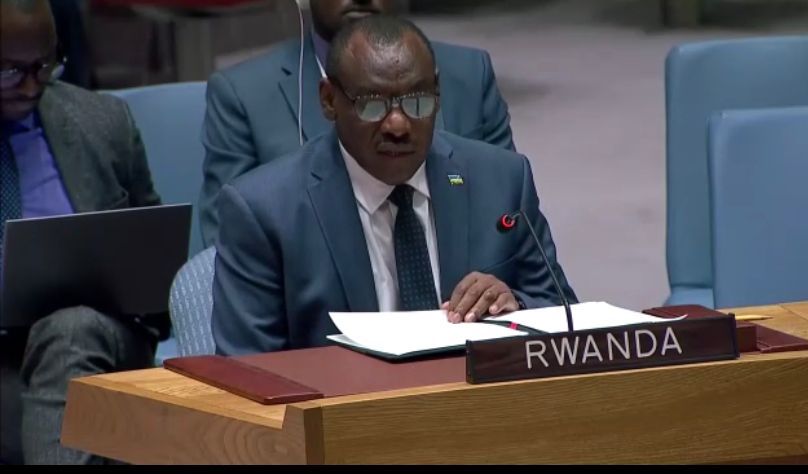
Amb. Gatete voiced the concern on Friday to the UN Security Council, after receiving a report on the activities of the United Nations Organization Stabilization Mission in the Democratic Republic of Congo (MONUSCO).
He said that one of the factors that continue to cause insecurity in Congo and the region, includes the FDLR and other groups affiliated to it.
Amb. Gatete added that the concern lies in the way the Congolese Army (FARDC) came to the fore cooperating with the FDLR instead of fighting.
He revealed that it is unfortunate to hear that the FARDC and its affiliates are working with the FARDC yet such situations often lead to groups regrouping, recruiting new fighters and launching cross-border attacks.
Amb. Gatete underscored that FARDC should stop cooperating with armed and sanctioned groups like the FDLR.
He said that the FDLR should not be considered as a simple group yet there are evidences of the attacks it plotted to Rwanda recently that have caused a lot of damage.
Amb. Gatete gave the example of three attacks that have taken place this year, with the help of the Congolese Army.
The fact that the FDLR is in DRC, he said, is not something that should be taken lightly.
Amb. Gatete expressed concerns that a group guided by Genocide ideology should not be judged by the number of its members, because it can attack Rwandan territory, cause damages and kill people regardless of the size.
Based on these attacks recently plotted attacks, he highlighted that FDLR and its affiliated groups are clearly a serious problem to Rwanda’s security.
The President of the DRC, Felix Tshisekedi, recently told the UN General Assembly that the FDLR is an excuse because it is made up of people struggling to find means of survival that they ‘cannot threaten the security of Rwanda’.
However, he said that the group killed the Italian Ambassador to Congo last year.
Amb Gatete also blamed speeches of some Congolese leaders, who drag Rwanda in the country’s problems to dodge their involvement.
He said that such acts fuel hate speeches against Kinyarwanda-speaking people and exacerbated the situation in eastern DRC.
Gatete also said that the way Congo externalize its problems is a serious concern noting that accepting its responsibility is one of the ways to find a solution.
He underscored that Rwanda will continue to do what it sees fit and protect its people and sovereignty.
Congo has been accusing Rwanda of contributing to the insecurity in the eastern part by supporting the M23 rebel group.
Rwanda has repeatedly rejected these accusations, saying that M23 problems that should be solved internally because the members of that group are Congolese, demanding rights in their country.
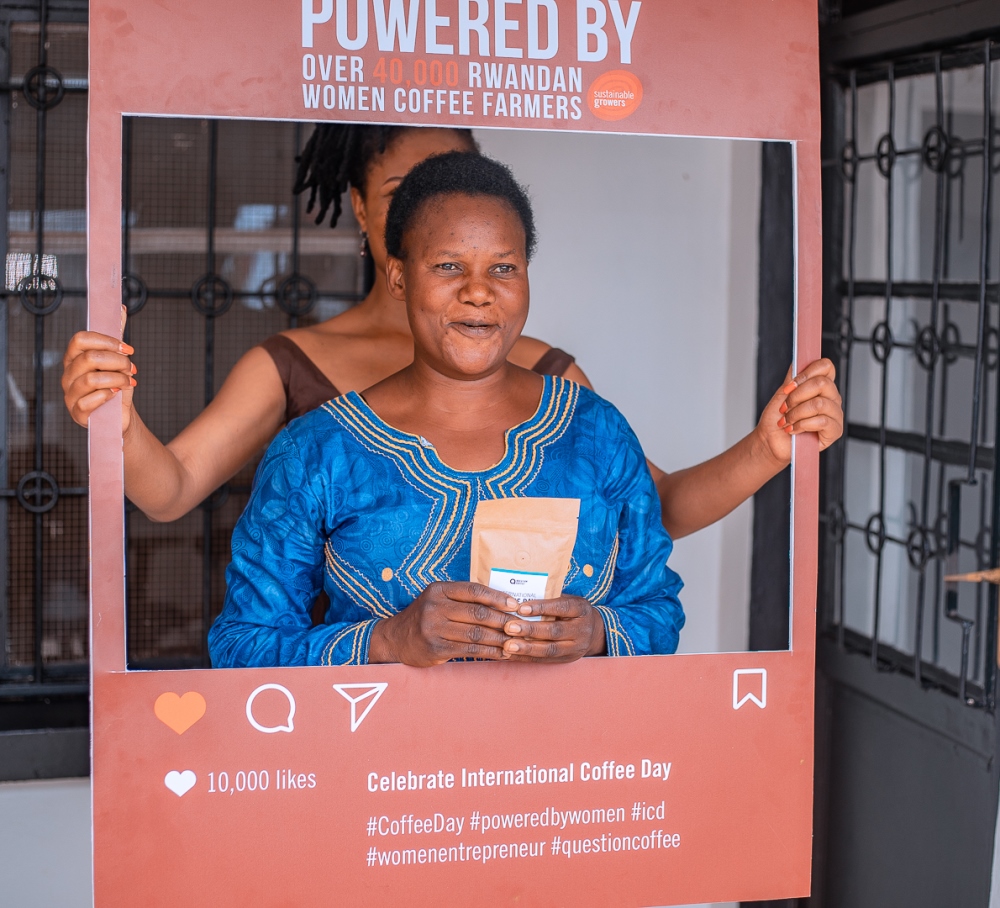
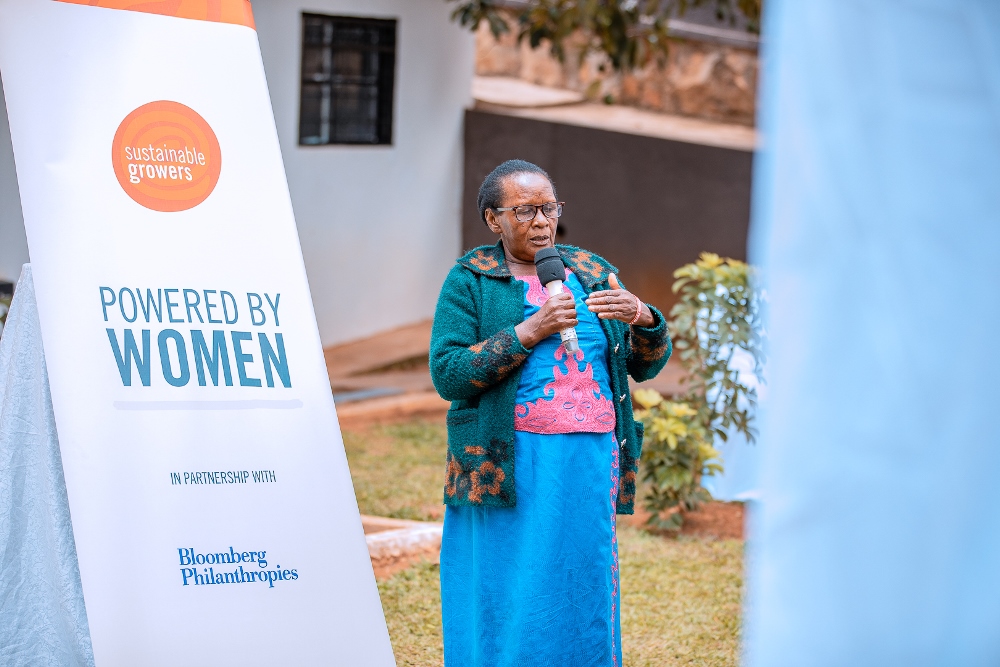
Sustainable Growers Rwanda (SG-R) is a local non-profit. The organization is offering training to low-income female coffee farmers to improve their livelihood.
SG-R equips the female farmers with mulching and timely application of fertilizers and pesticides.
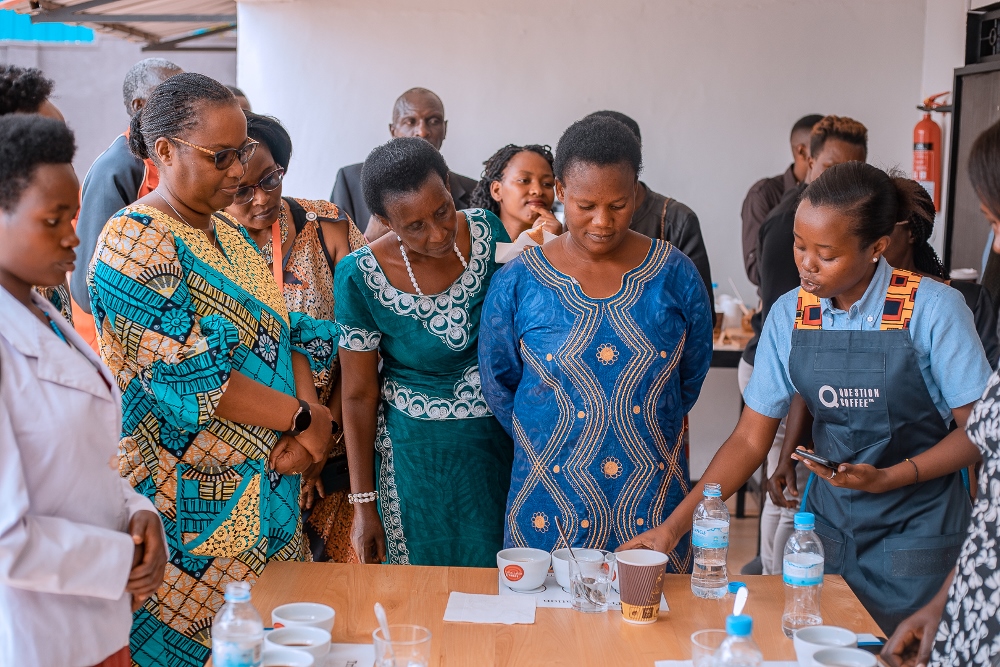
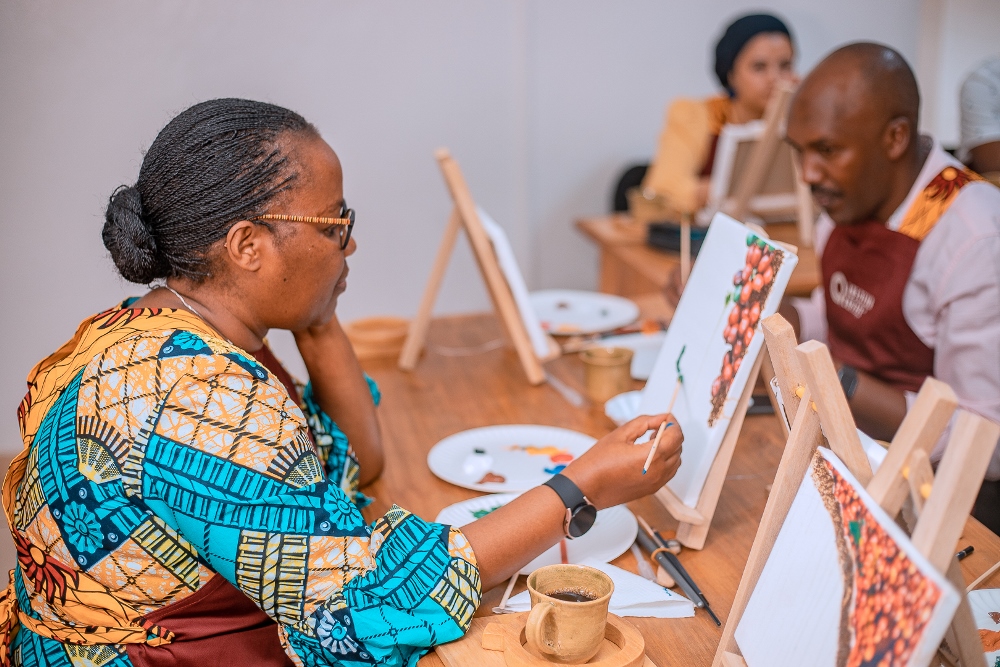
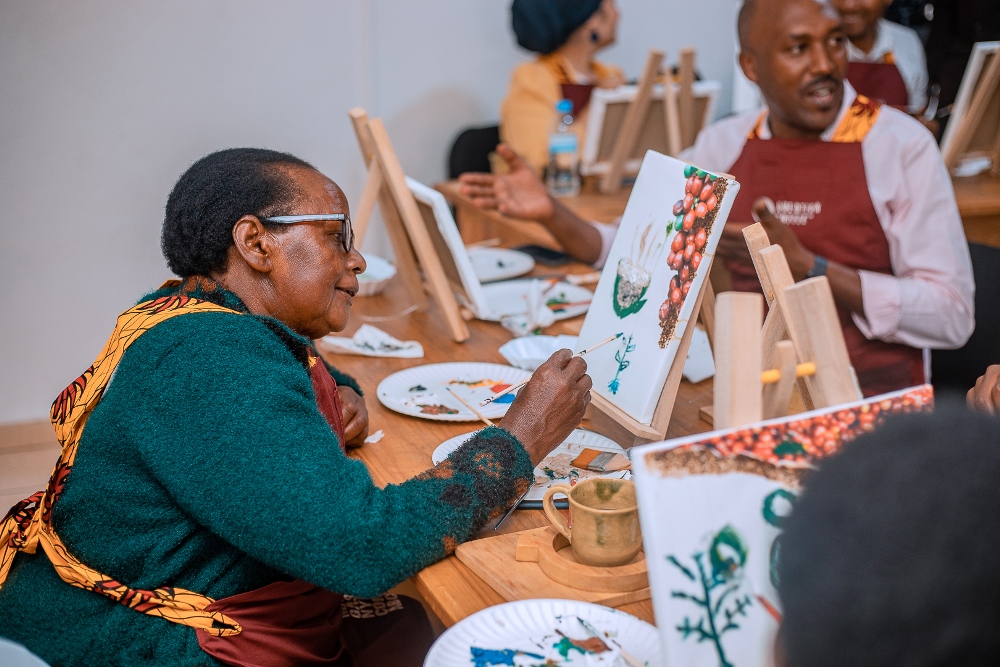
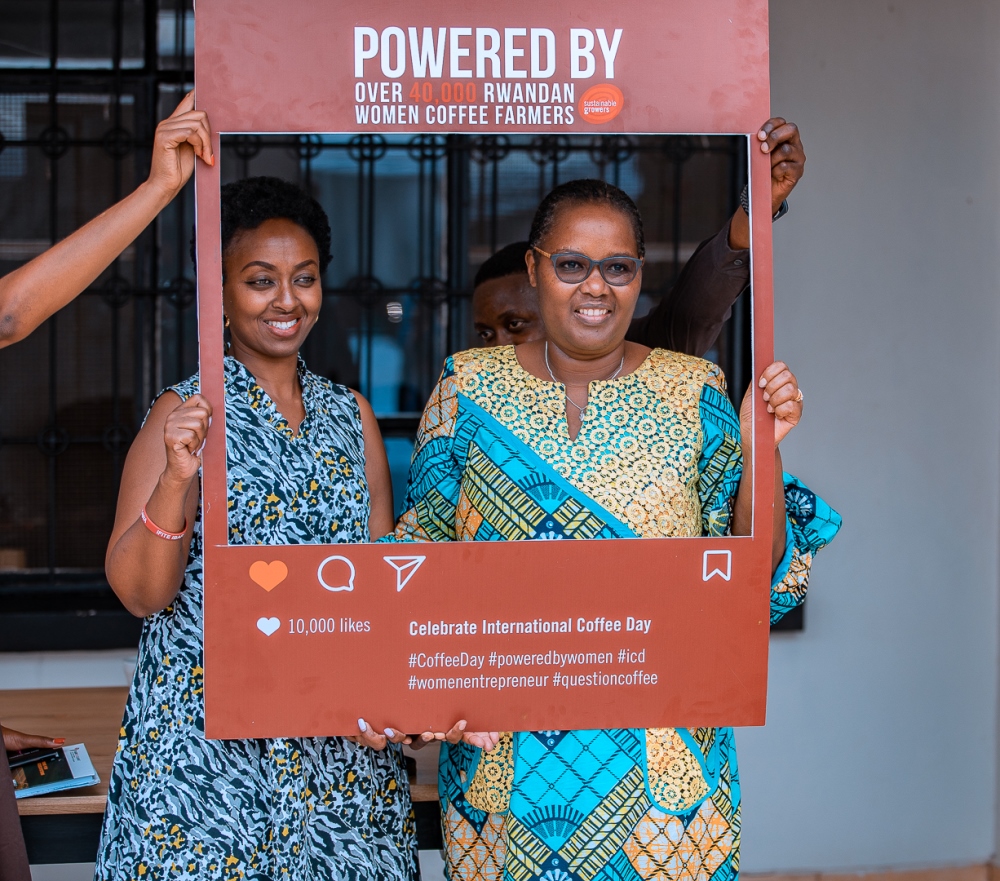
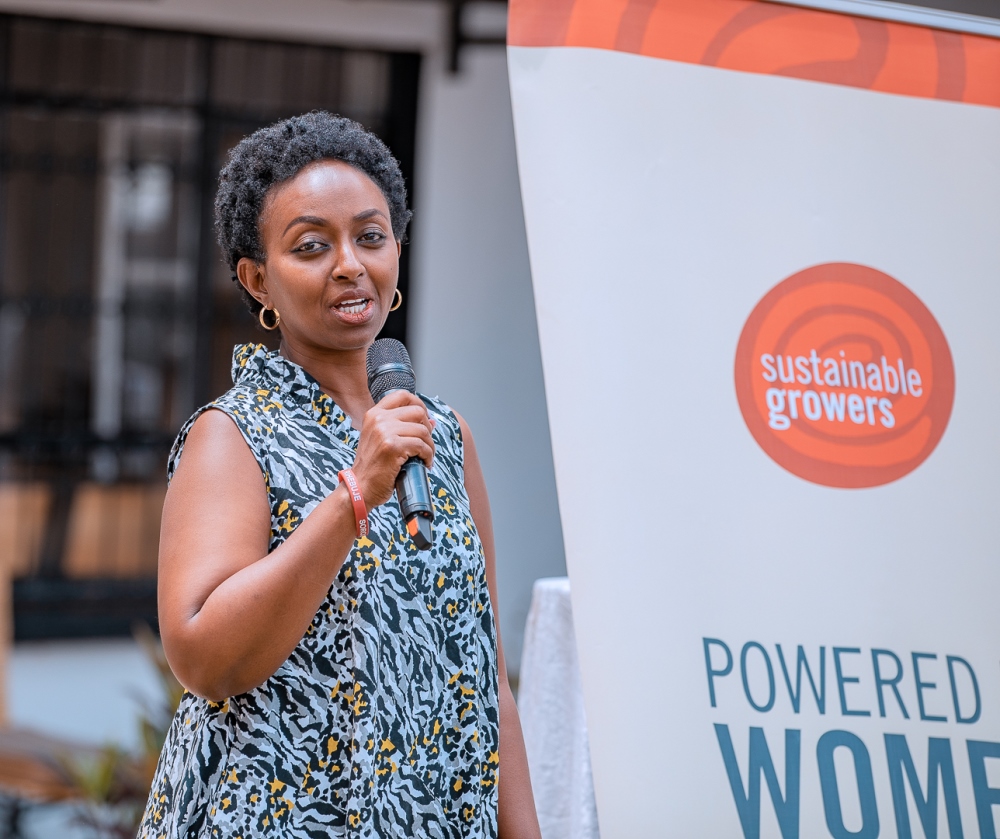
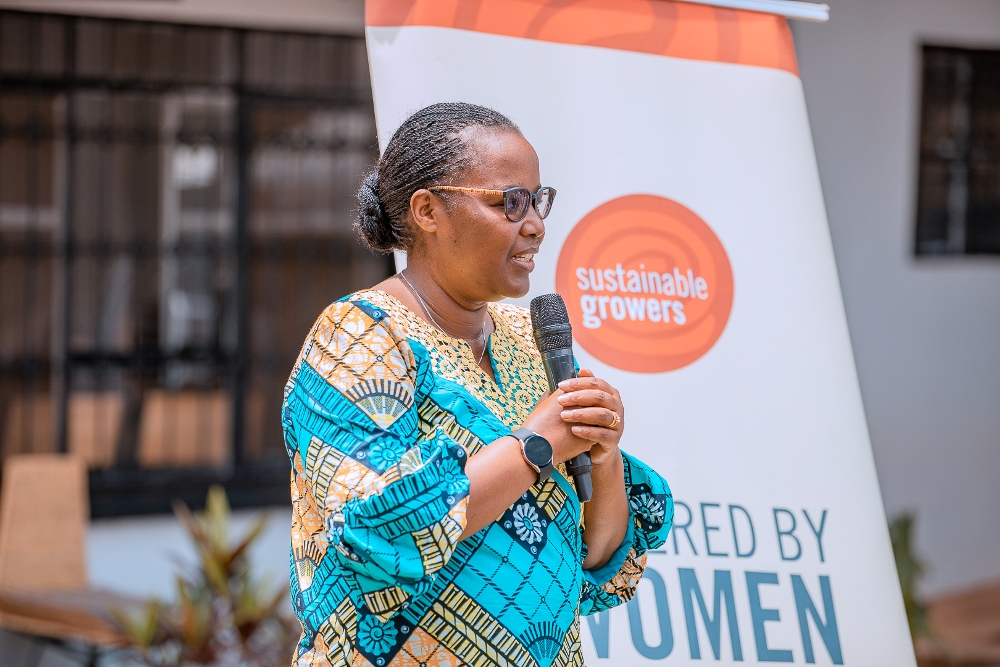
On 1st October 2022, SG-R joined the rest of the world to celebrate the International Coffee Day held at Question Coffee in Kiyovu Cell, Nyarugenge District.
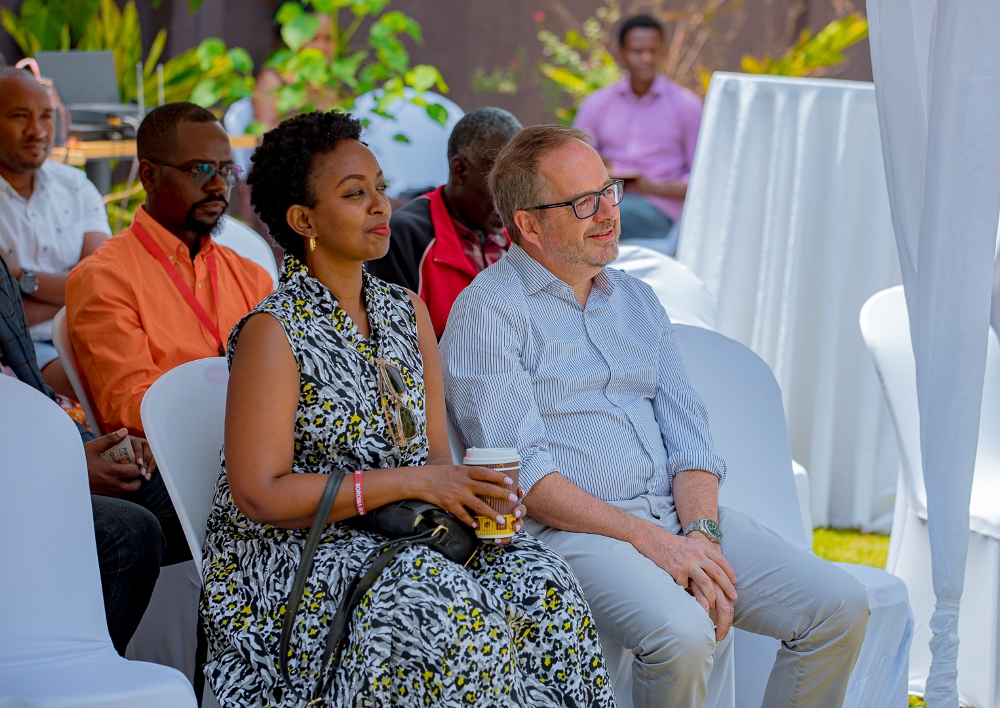
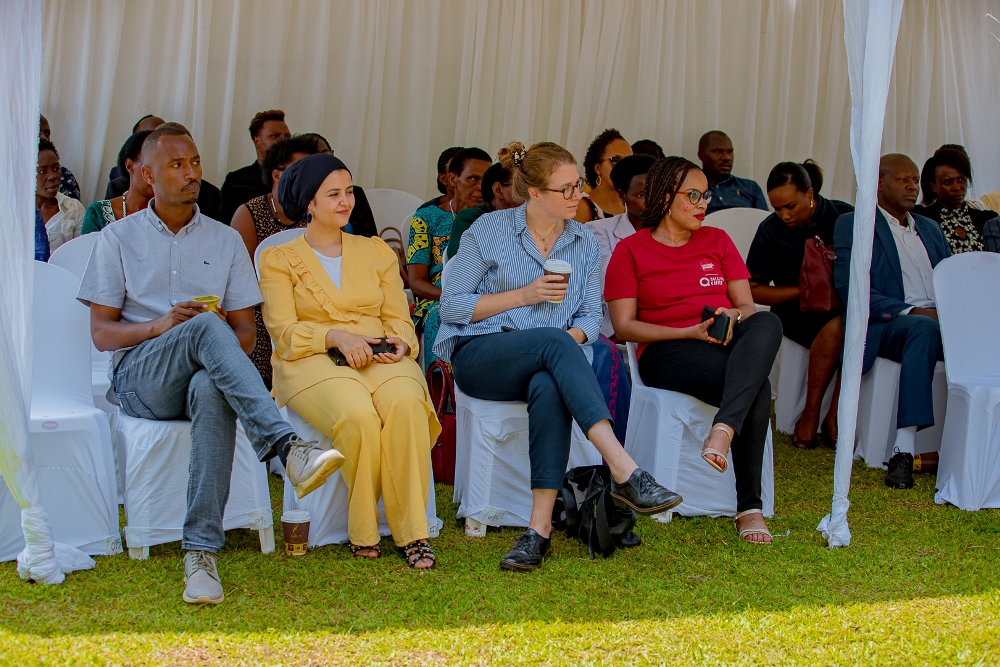
The ceremony brought together stakeholders in the agribusiness sector, from across the continent and beyond as well as women growing coffee across the country.
Some of women growing coffee attest that they have been equipped with best farming techniques that have helped them improve quality, thanks to trainings offered by Sustainable Growers Rwanda.
Esther Mukangango from Rusenge Sector, Nyaruguru District is a member of Nyampinga Cooperative. She explained that livelihoods have improved remarkably following trainings offered by Sustainable Growers Rwanda.
“Our cooperative had ambitions to grow faster but could not materialize due to limited resources. The situation had not improved until Sustainable Growers Rwanda intervened and trained us on best coffee farming techniques that we have attained considerable progress,” she said.
Mukangango has revealed that Nyampinga’s coffee is currently supplied to different countries worldwide.
Dative Mukasine, the president of Gashonga Coffee Cooperative in Rusizi District said that Sustainable Growers has inspired them to drink coffee.
Sustainable Growers started operations in Rwanda in 2013. It has so far offered trainings to over 50,000 coffee farmers in Rwanda, the Democratic Republic of Congo (DRC) and Tanzania.
They were equipped with techniques for best farming, processing and commercialization of their produce.
The Executive Director of Sustainable Growers Rwanda, Christine Condo said that the organization is committed to working with all partners to achieve development goals together through empowering women to play an active role in improving their families’ wellbeing and contribute to national economy at large.
Minister Mukeshimana commended the organization and farmers for their contribution to national development through coffee farming.
“Rwanda is among countries that gained repute for producing quality coffee. I thank this organization for continued efforts to uplift women in development,” she said.
Dr. Mukeshimana also revealed that Rwanda makes possible efforts to increase unit price gradually to improve farmers’ living standards.
The official also told participants that coffee is among commodities generating huge returns from exports.
Last week, Rwanda exported 434 tons of coffee which generated US$3,314,427. The main destinations for Rwanda’s coffee last week include Switzerland, the United Kingdom, the United States and New Zealand.
Sustainable Growers works with six coffee farming cooperatives from different districts including; Nyampinga from Nyaruguru, Gashonga from Rusizi, KOAKAA from Nyamasheke, Twongere Umusaruro wa Kawa from Kayonza, Mayogi from Gicumbi and Abahingakawa from Gakenke District.
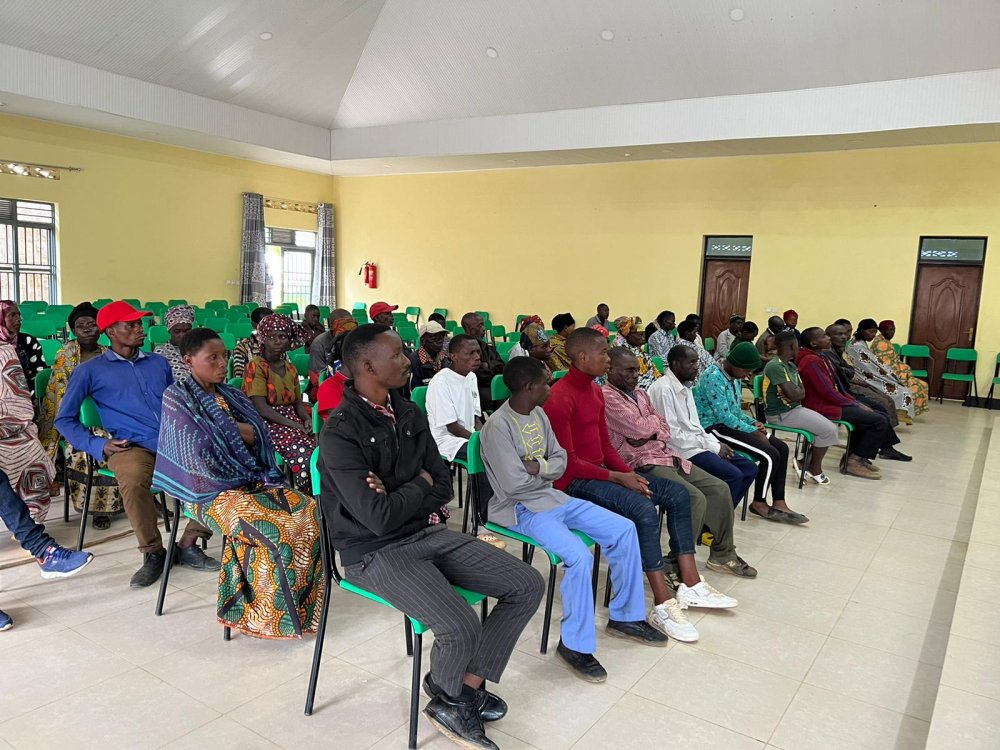
Today, there is a different story to tell. A case in point is the group of 25 families of historically marginalized people in Nyamiyaga Cell, Miyove Sector of Gicumbi District requesting their new status to be considered and be referred to as people on the development journey instead of historically marginalized people.
The progress testified to IGIHE journalist as he visited the families is attributed, in no small part, to the support of the Government of Rwanda and partners.
Their mindsets have changed, so is their wellbeing. They no longer depend on begging but have become hard working people with big aspirations for a brighter future.
Like other members of the society, they wake up every morning for different economic activities and apply acquired vocational skills to generate income.
Children attend schools, stunting has reduced, they are no longer associated with poor hygiene and live in houses connected to electricity.
André Masurubu is among historically marginalized people whose living standards have significantly improved.
He currently serves as the head of village sub-unit (Isibo) in Nyamiyaga Village.
Masurubu says that their lives have been transformed that they should no longer be labelled as historically marginalized but rather be called people on the journey to development.
“We used to live in very small houses in poor conditions. Our legs would not fit in the house as we slept overnight putting us at risk of being devoured by stray animals. We have received decent shelters, we sleep in safe and comfortable places, we have access to electricity and our children can revise studies overnight,” he said.
Masurubu said that the transformations were mainly driven by change of mindsets, because they used to receive similar support and destroy houses to sell some materials or use doors as firewood.
The changes resulted from relentless joint efforts by the government and partners who stayed closer to historically marginalized people day to day.
NPO Think About Education in Rwanda (NPO TER), a non-profit organization from Japan which mainly provides educational opportunities is among partners who played a significant role to change the lives of historically marginalized people in Miyove.
Elisabeth Twizeyimana, a mentor from NPO TER says that the 25 families under their supervision no longer have issues related to poor hygiene and malnutrition.
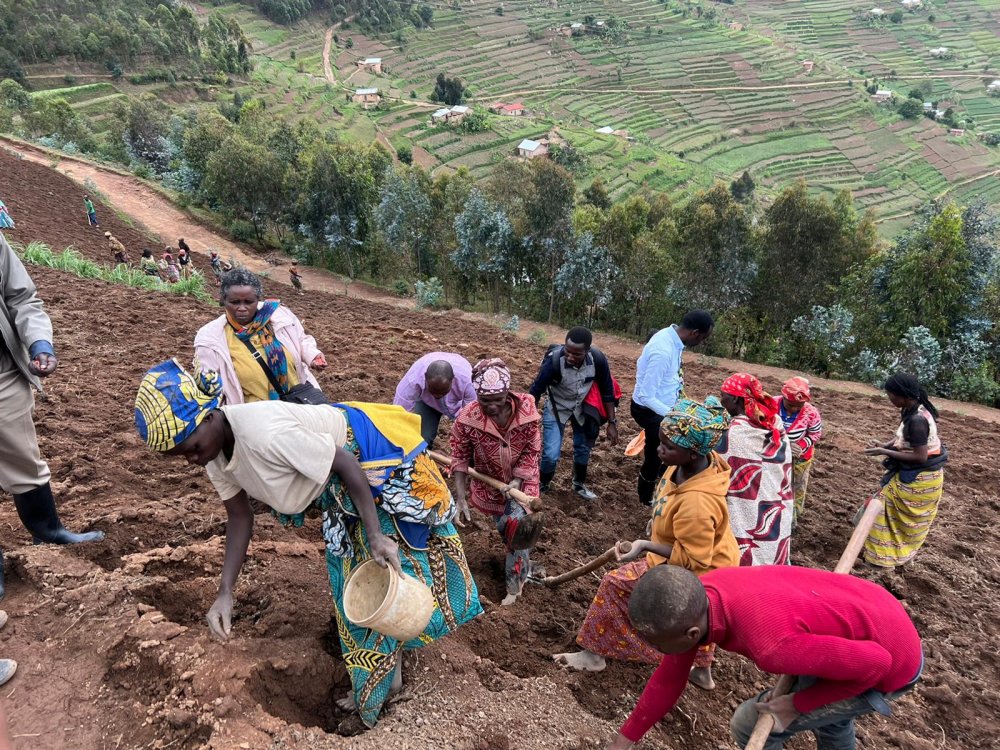
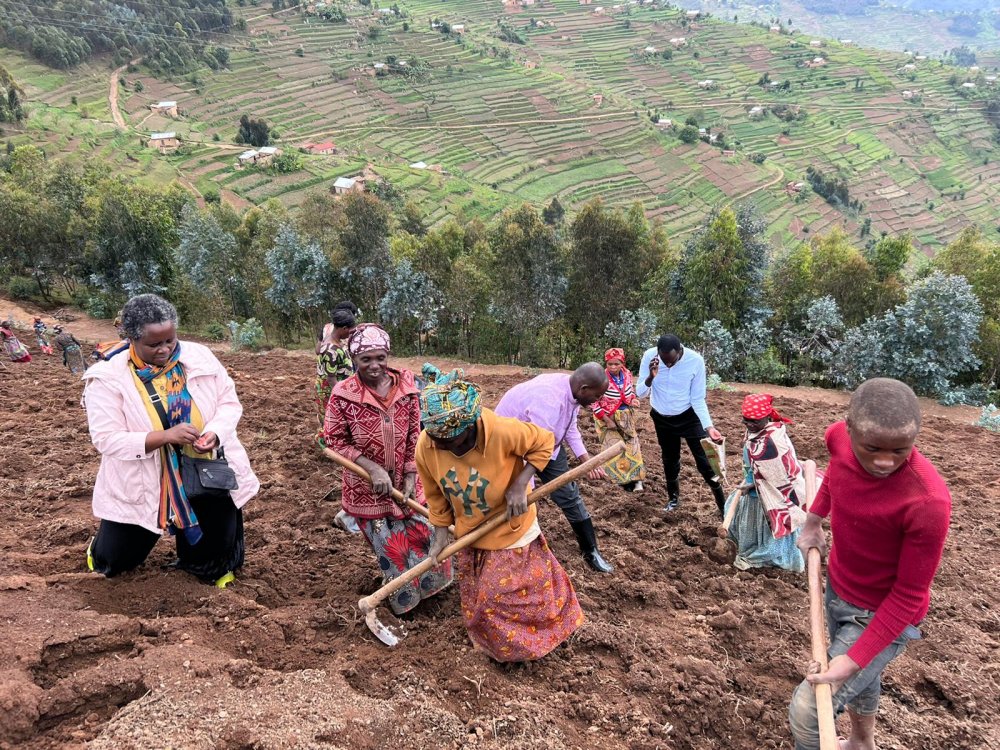
“It was a tiresome journey that required much effort to change their mindsets, and convince them to practice agriculture. Today, they have received land to cultivate and exploit them conveniently where they harvest and store seeds for the next agriculture season,” she noted.
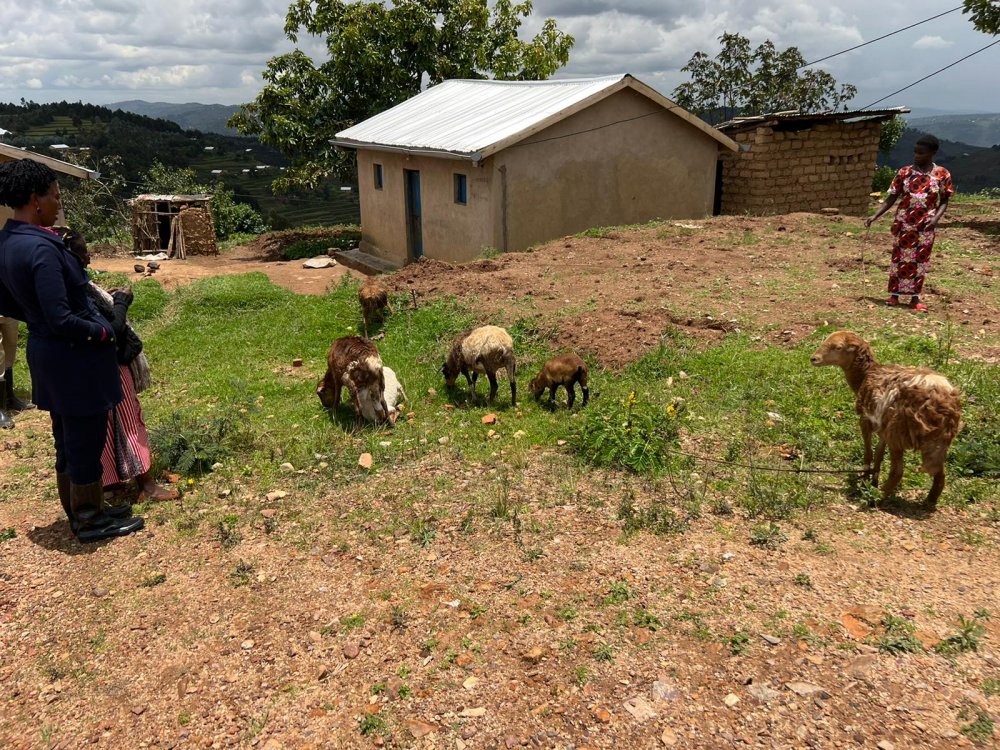
According to Twizeyimana, historically marginalized people have been enlightened on the benefits of working together in groups, where they have helped them to buy small livestock that also serve as a source of compost to fertilize their gardens.
The transformations are also highlighted by Marie Louise Towari, the founder and president of NPO TER.
Towari explained that she first arrived at the village of historically marginalized people six years ago where he was moved by a child she saw begging.
This inspired her to mobilize partners to give special attention to this segment of the population.
Towari linked up with Rotary Club and worked together to usher the historically marginalized people into prosperity.
“I liaised with Rotary Club to take care of them together. We mobilized funds which we used to support historically marginalized people in Miyove. We have stayed closer to them within six years and the transformations are self-evident. As you can see, they are clean in smart dresses and no longer have the habit of begging,” she said.
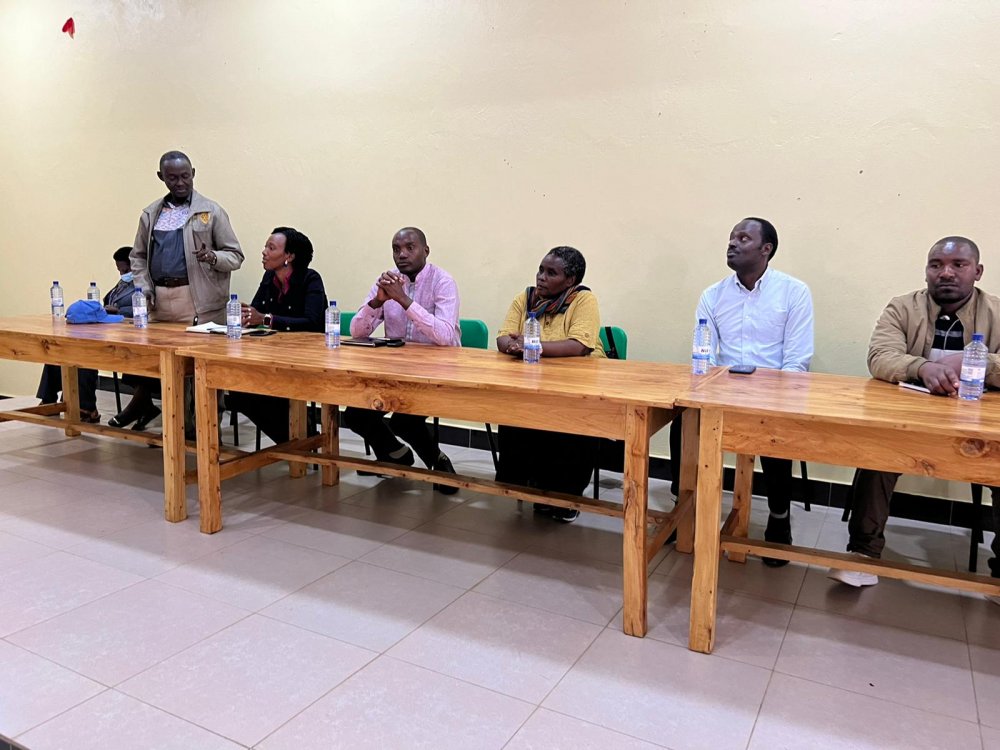
Amb. Zephyr Mutanguha who represented Rotary Club Kigali Virunga said that beneficiaries received arable fields and enlightened them on the relevance of being actively involved in their development journey to become self-reliant and stop begging.
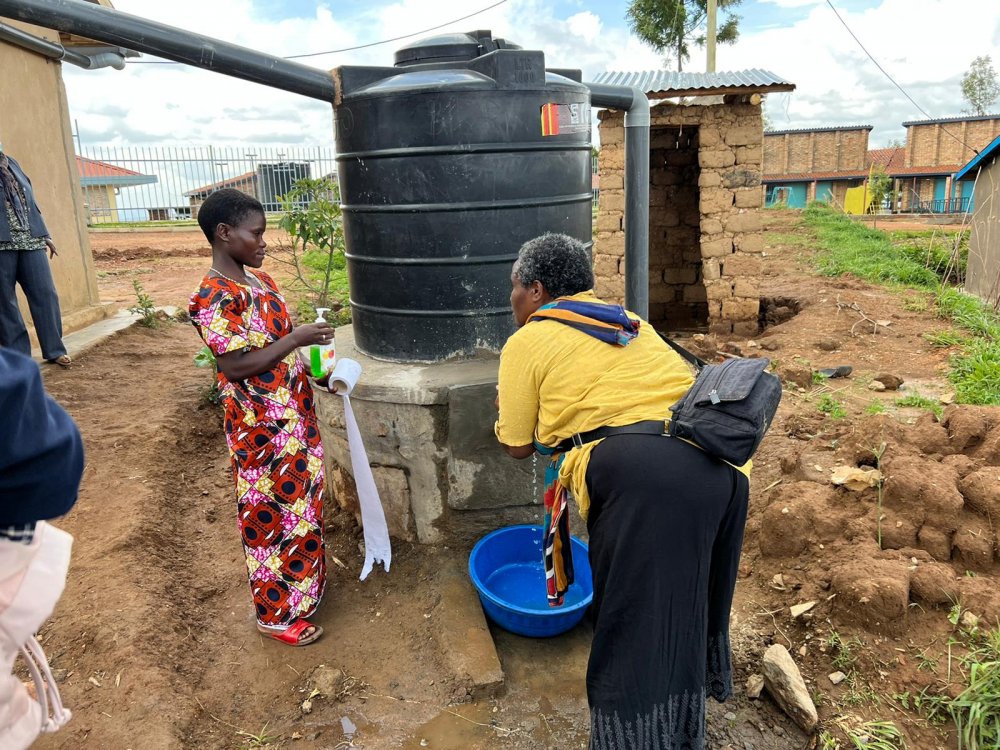
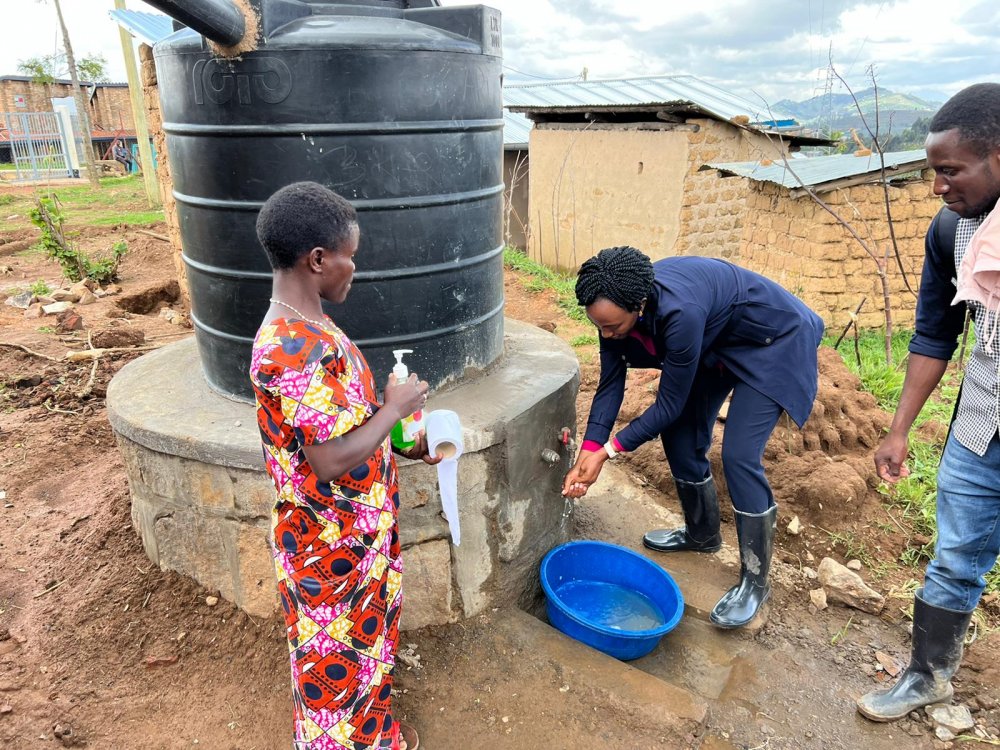
“Rotary Club conducts mobilization all over the world and provides support to vulnerable families. We are here to inspect water tanks given to them recently and inaugurate electricity infrastructures they had requested. This has a great influence on their mindsets as they rest assured that development is not a miracle to their families,” he affirmed.
Gicumbi Vice Mayor for Economic Affairs, Parfaite Uwera thanked partners for taking care of historically marginalized people in Miyove Sector noting that the remaining work is to consolidate gains and continue mobilizations to change their mindsets.
“We will stay closer to them because it is our daily responsibility to ensure they lead a decent life like other segments of the population,” she said.
The historically marginalized people in Miyove have been equipped with different vocational skills including sewing and making soaps. This helps them to wear smart clothes and maintain hygiene at home, among other things.
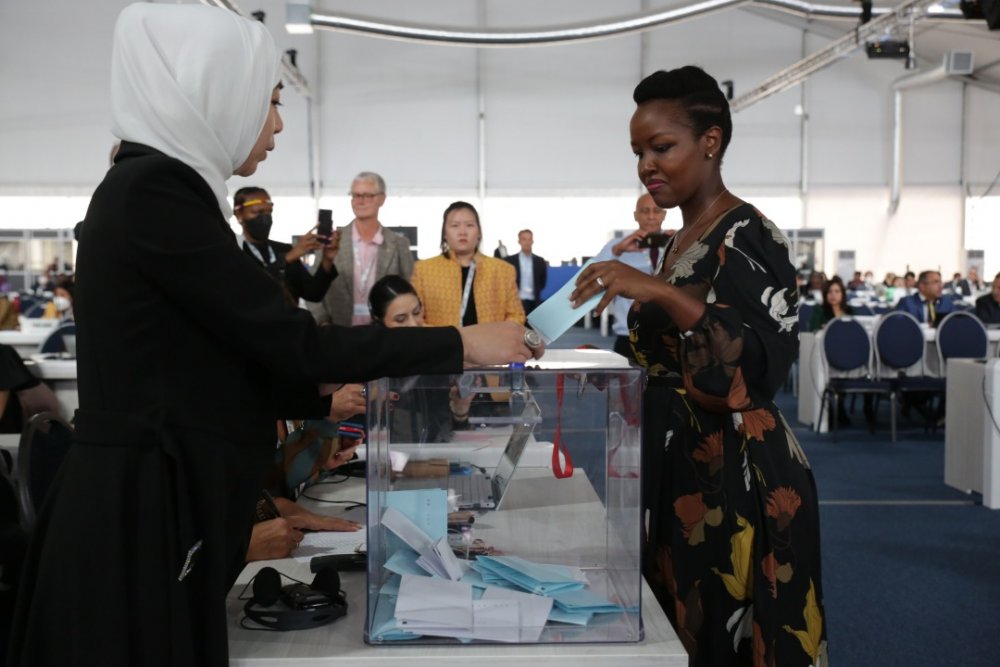
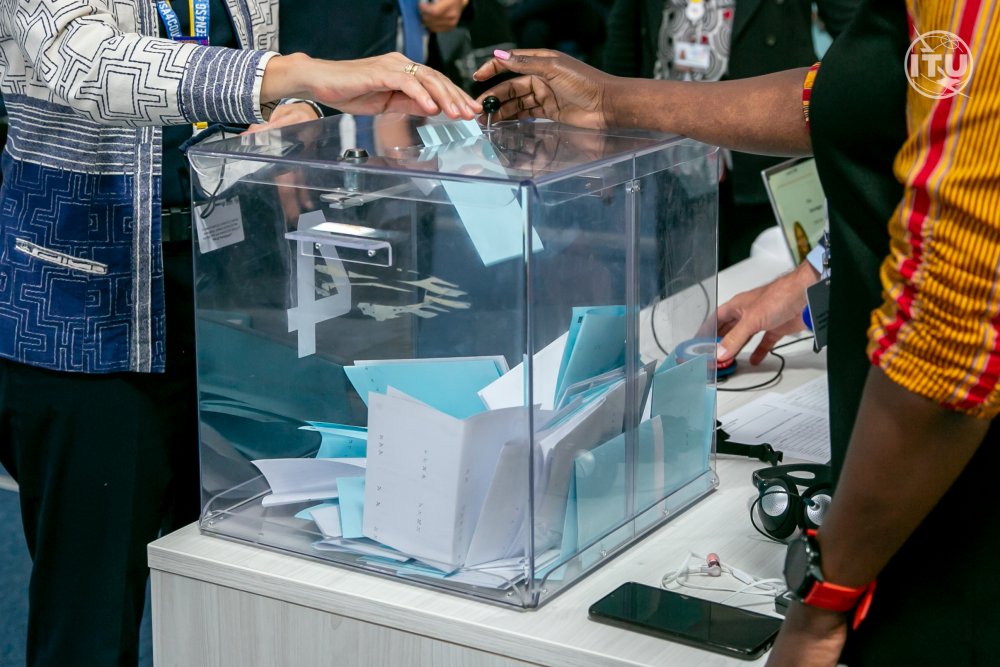
Rwanda’s membership to the council was extended following elections held at the ITU Plenipotentiary Conference in Bucharest, Romania from 26th September to 14th October 2022.
ITU is the United Nations specialized agency for information and communication technologies (ICTs).
The Plenipotentiary Conference is ITU’s highest policy-making body and meets once every four years to set the Union’s general policies, adopt the four-year strategic and financial plans, and elect the senior management team of the organization, the Member States of the Council, and the members of the Radio Regulations Board.
ITU was founded in 1865 to facilitate international connectivity in communications networks.
Rwanda was first elected in 2010, re-elected in 2014 and 2018.
This year’s voting started Monday morning at the ITU Plenipotentiary Conference.
ITU holds elections every four years for its five top officials and for two key elected bodies.
In the final stage of the election process, ITU’s Member States competed for places on the 48-seat Council and the 12-seat Radio Regulations Board.
Seats on both bodies are allocated among five administrative regions.
{{ITU Council Member States elected for 2023-2026}}
The Region A includes The Americas (9 seats)-Argentina, Brazil, Mexico, Bahamas, Canada, Cuba, United States, Paraguay and El Salvador.
Region B comprises Western Europe (8 seats) – Italy, United Kingdom, Sweden, Switzerland, Spain, France, Germany and Türkiye.
Members of the region C include; Eastern Europe and Northern Asia (5 seats)- Romania, Azerbaijan, Poland, Bulgaria and Czech Republic.
Region D comprises Africa (13 seats) – Kenya, Ghana, Egypt, Tanzania, Algeria, Morocco, Senegal, Nigeria, Tunisia, Mauritius, Rwanda, Uganda and South Africa.
Region E includes Asia and Australasia (13 seats) – United Arab Emirates; India, Indonesia, Thailand, Malaysia, Japan, Kuwait, Philippines, Saudi Arabia, Australia, Korea, Bahrain and China.
Rwanda was among 17 countries vying for 13 seats in the ITU Council in region D.
The country won the seat with 131 votes.
ITU is the United Nations specialized agency for information and communication technologies driving innovation in ICTs together with 193 Member States and a membership of over 900 companies, universities, and international and regional organizations.
Established over 150 years ago, ITU is the intergovernmental body responsible for coordinating the shared global use of the radio spectrum, promoting international cooperation in assigning satellite orbits, improving communication infrastructure in the developing world, and establishing the worldwide standards that foster seamless interconnection of a vast range of communications systems.
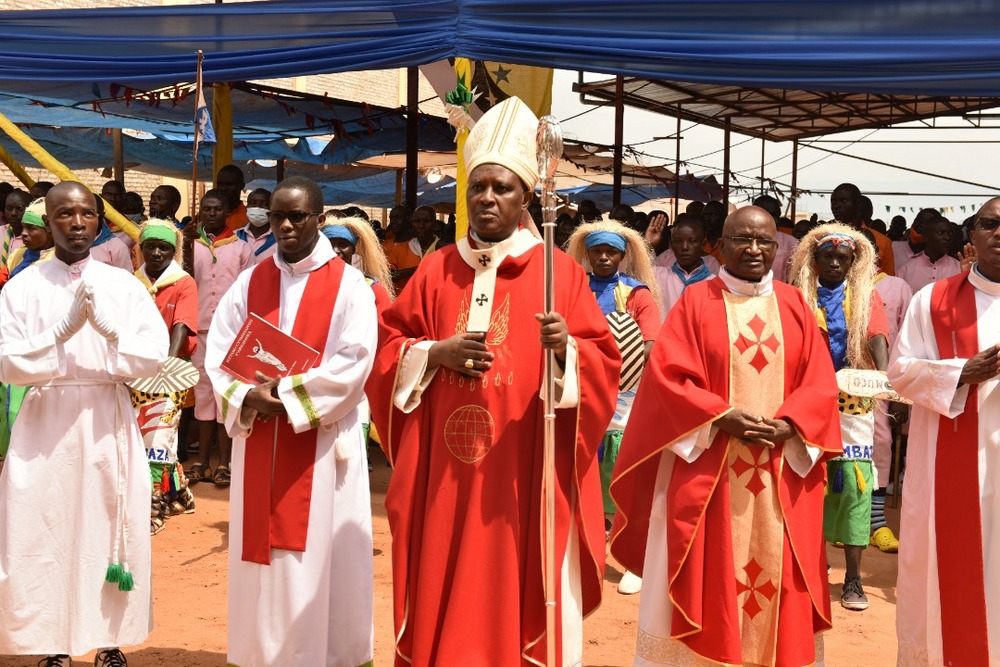
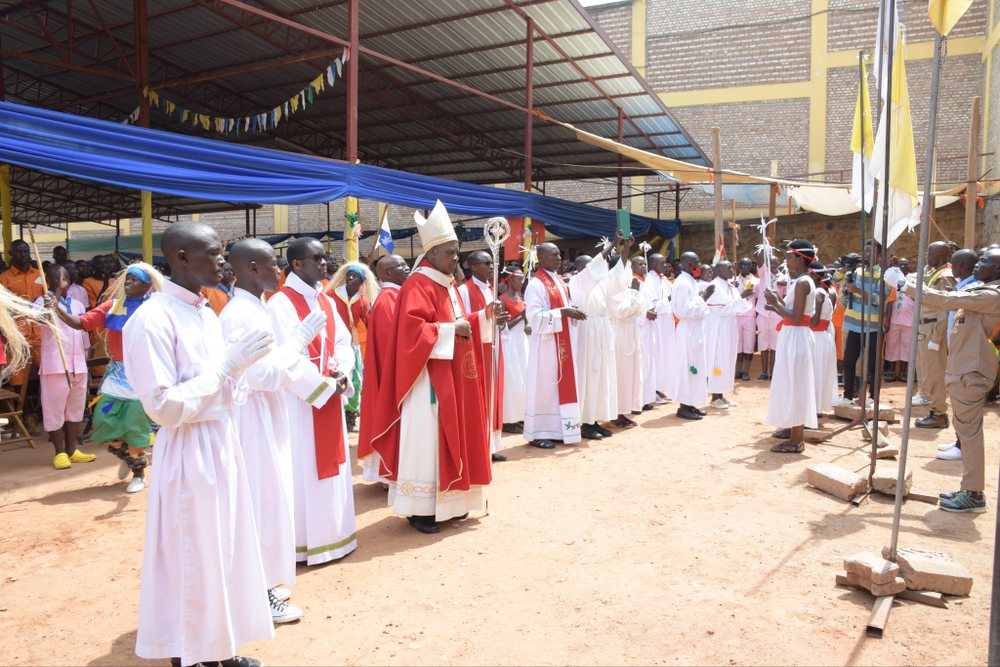
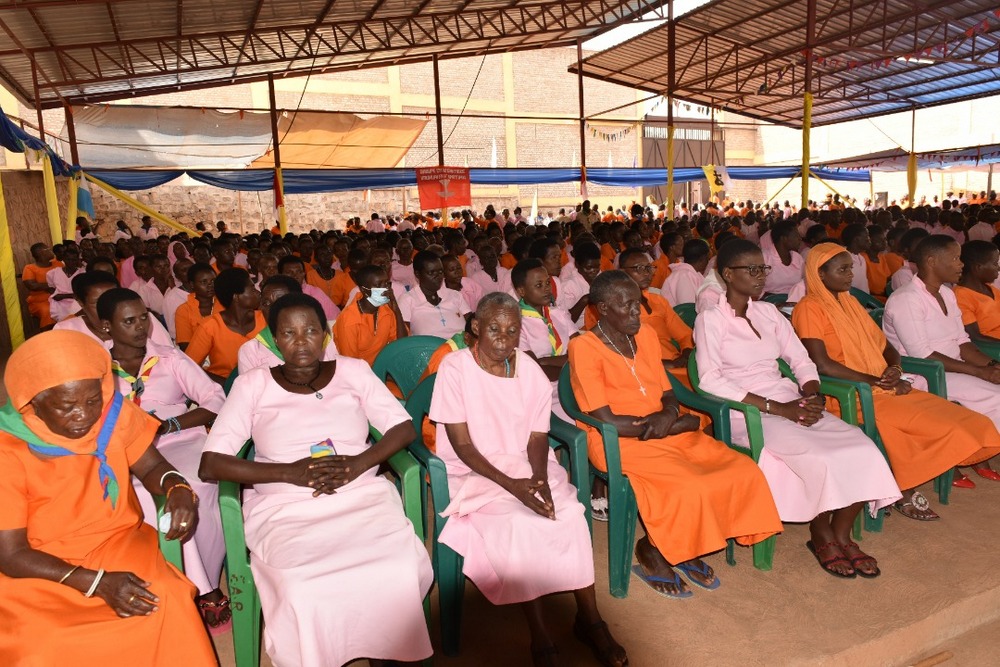
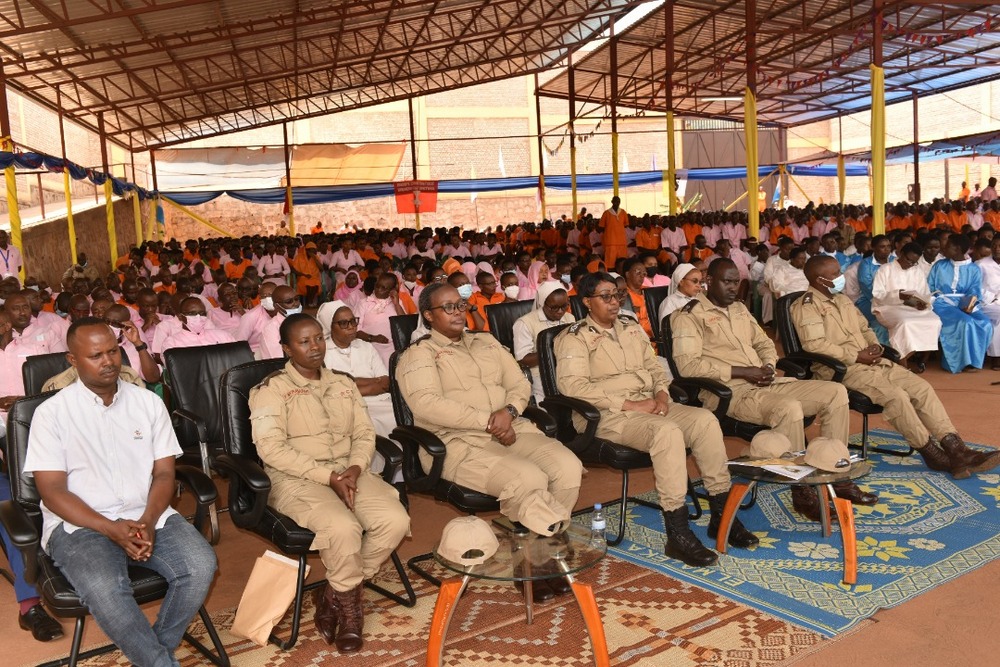
The Mass read on Sunday 2nd October 2022 coincided with the celebration of Saint Therese of the Child Jesus whose life was characterized by love and innocence.
It was attended by the Deputy Commissioner General of Rwanda Correctional Service (RCS), DCGP Rose Muhisoni; RCS Spokesperson, SSP Pelly Uwera Gakwaya and the Director of Nyarugenge Prison, SP Augustin Uwayezu.
Cardinal Kambanda was accompanied by Bishop André Havugimana, the chaplain of Mageragere Prison which is part of the Centrale Saint Therese of the Child Jesus in Butamwa Parish.
Cardinal Kambanda told gathered congregants that God loves human beings but detest their sins. He asked them to allow the Holy Spirit to guide their steps and shun evil acts.
Using an example of an inspiring quote of Saint Therese of the Child Jesus, Cardinal Kambanda said that those willing to join the Kingdom of God should be willing to become like little children.
“We are little in front of God and need to respect what God teaches us,” he said.
Cardinal Kambanda requested inmates to look back to their past when they were little and innocent kids to restore that image and strive to build the nation instead of committing crimes.
During the Mass, inmates were taken through the parable of the Lost Sheep in the Bible included in the Gospels of Luke 15:1-7.
The parable of the Lost Sheep is about a shepherd who had 100 sheep but 1 of them wandered off and got lost. The shepherd left the 99 and went in search of the lost sheep until he finds it and celebrates its return.
The parable reflects how Jesus came to the world to save his sheep sinking into evil acts to return them to the ‘Father in Heaven’.
Speaking to IGIHE after the Mass, Cardinal Kambanda said that inmates are also stuck in crimes and need someone to help them get rid of them.
DCGP Muhisoni thanked the Catholic Church for its contribution to inmates’ rehabilitation programs to convert them into good citizens working with others to fast track national development.
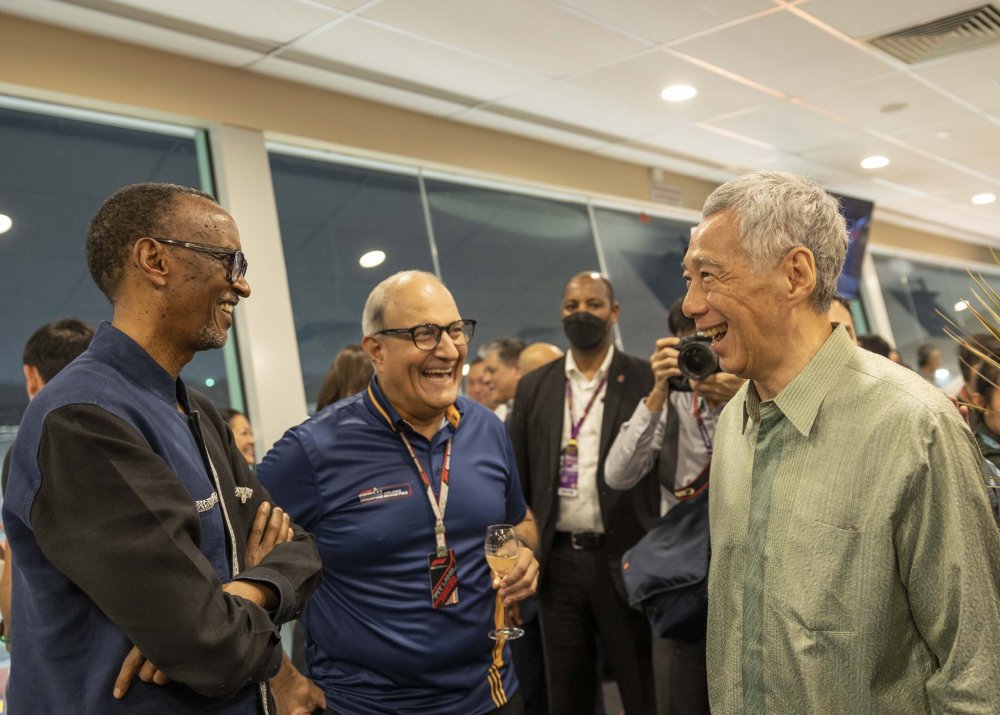
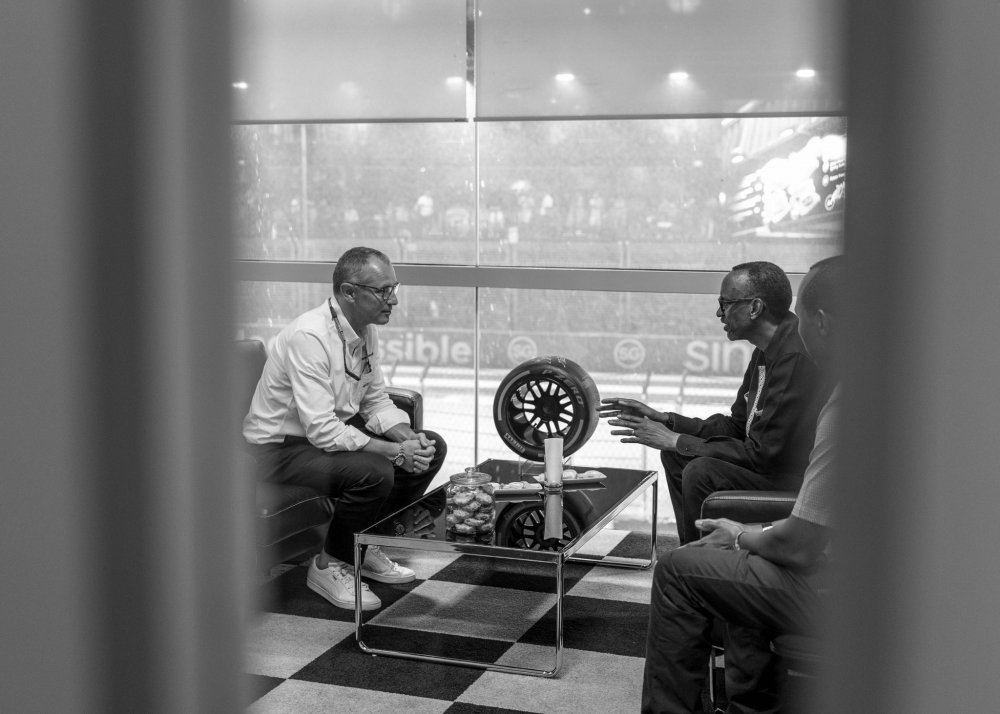
The 2022 Singapore Grand Prix officially known as the Formula 1 Singapore Airlines Singapore Grand Prix 2022, was a Formula One motor race held on 2 October 2022 at the Marina Bay Street Circuit in Marina Bay, Singapore.
The sporting event takes place over three days (usually Friday to Sunday), with a series of practice and qualifying sessions prior to the race on Sunday.
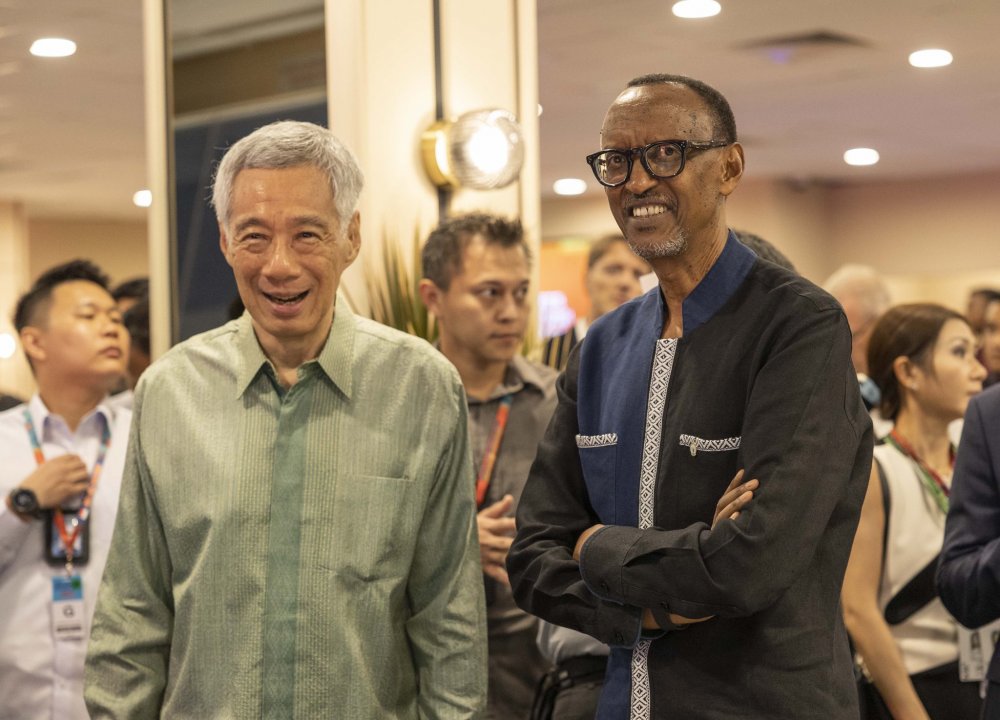
The Head of State has been in Singapore for a three-day visit since 30th September 2022.
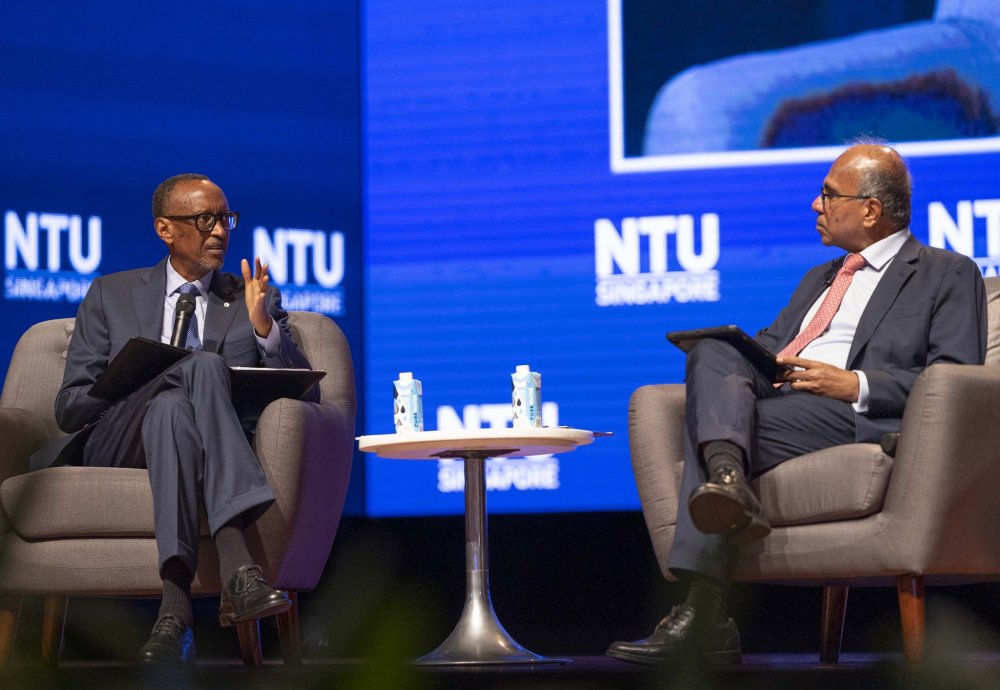
During his stay in Singapore, Kagame delivered the ‘Majulah Lecture’ at NTU to close to 1000 participants in a session moderated by Prof. Subra Suresh, President of the academic institution.
He also witnessed the signing of a partnership agreement between the Government of Rwanda represented by the Ministry of Education and NTU allowing Rwandan students to get opportunities to study at university starting next year.
Rwanda and Singapore enjoy cordial relations. Both countries have partnership in the areas of investment, trade, education, rule of law, technology and air transport service among others.
The country’s Prime Minister, Lee Hsien Loong recently visited Rwanda during the Commonwealth Heads of Government Meeting (CHOGM) in June.
It was his maiden official visit in Rwanda and Africa. At the time, Loong was also hosted at Urugwiro Village by President Kagame.
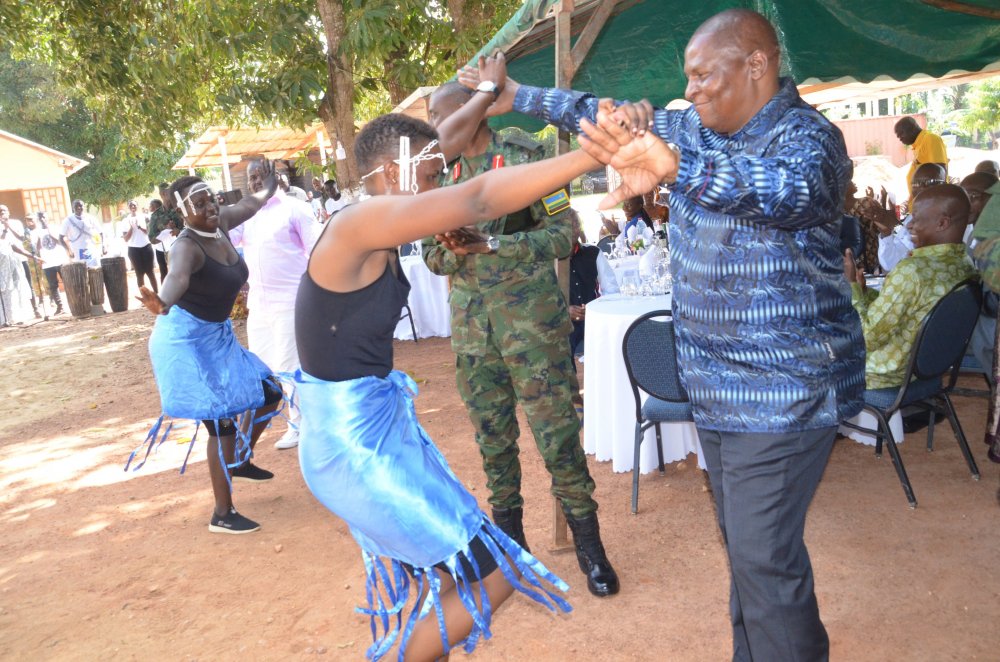
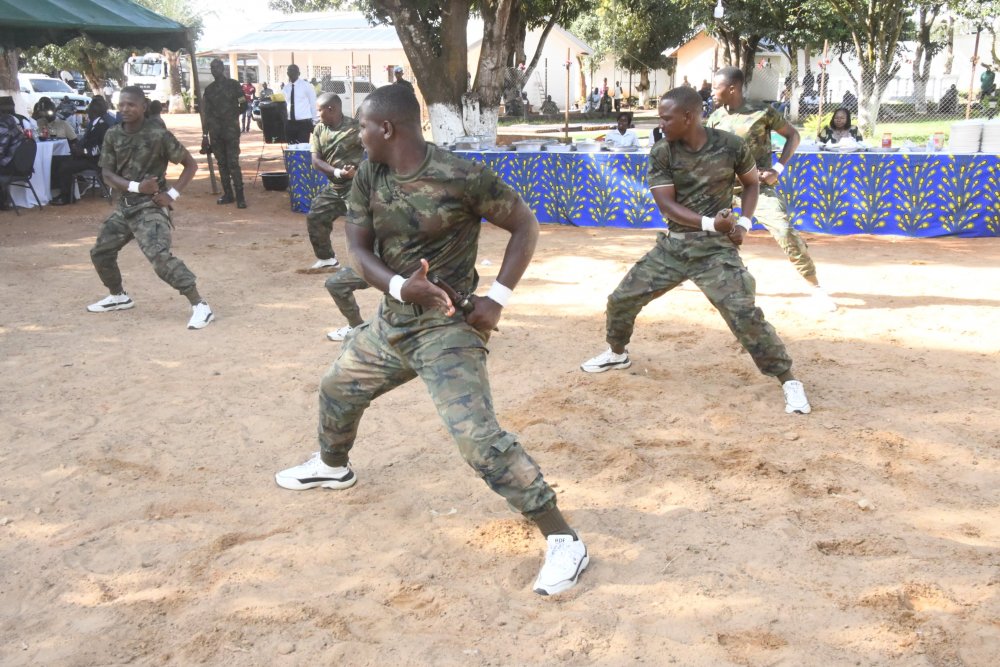
During dinner hosted on Saturday, the Rwanda bilateral force demonstrated cultural dance and martial arts as part of the event’s entertainment.
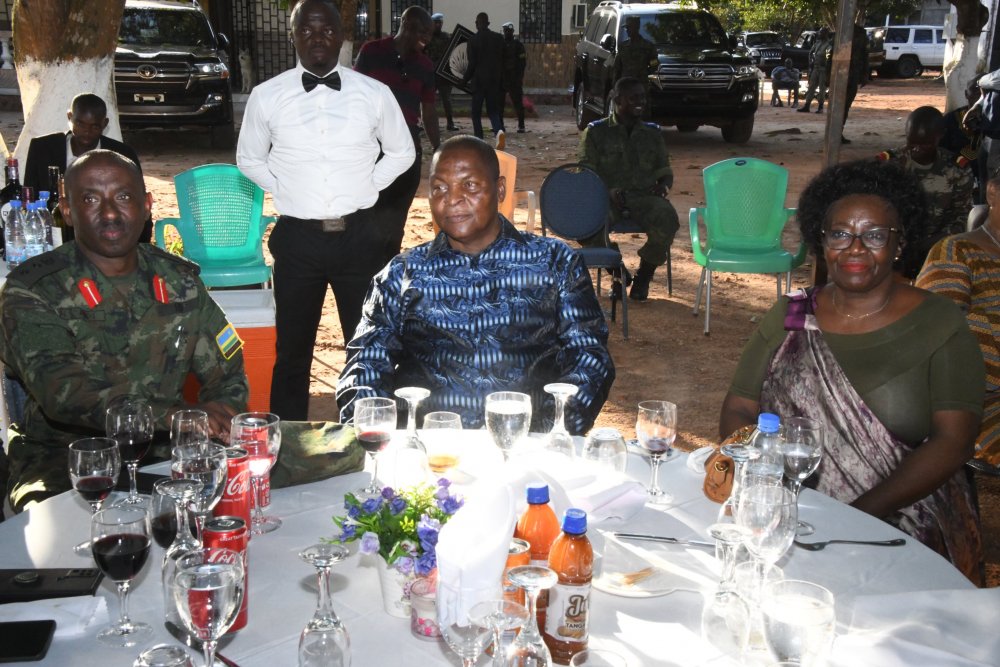
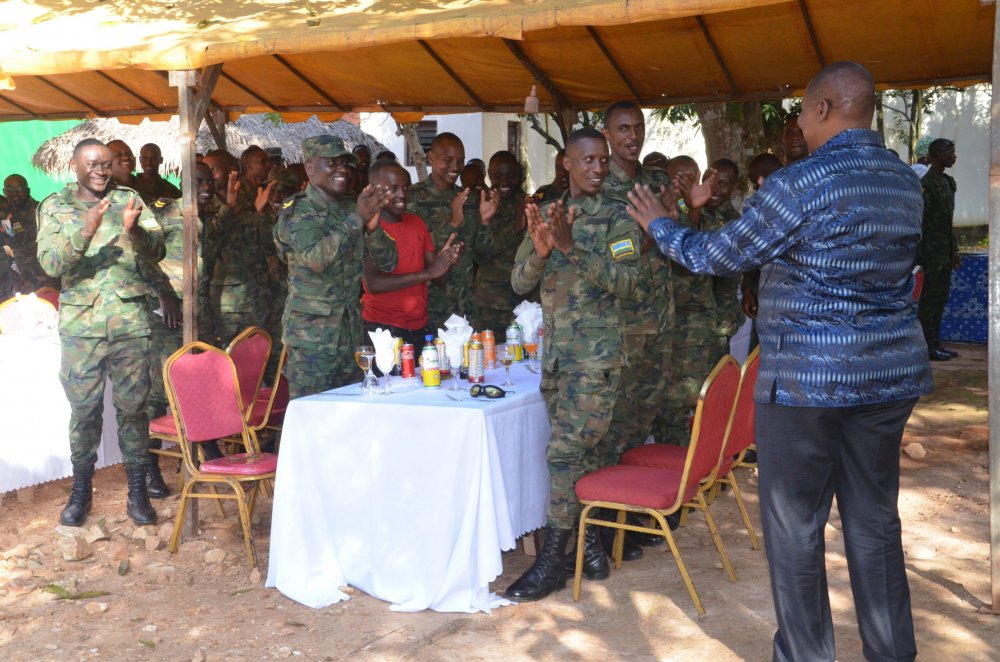
In his remarks, President Touadéra thanked Rwanda and President Paul Kagame for the support and collaboration with Central African Republic in maintaining security in CAR.
Rwandan Contingent commander, Col Egide Ndayizeye thanked Touadéra for the warm reception and also commended the good cooperation with CAR Armed Forces in ensuring the security of Central African Republic.
On the other hand, this has become an investment opportunity where investors continue to build more and more modern housing estates, which can be afforded by middle-income earners.
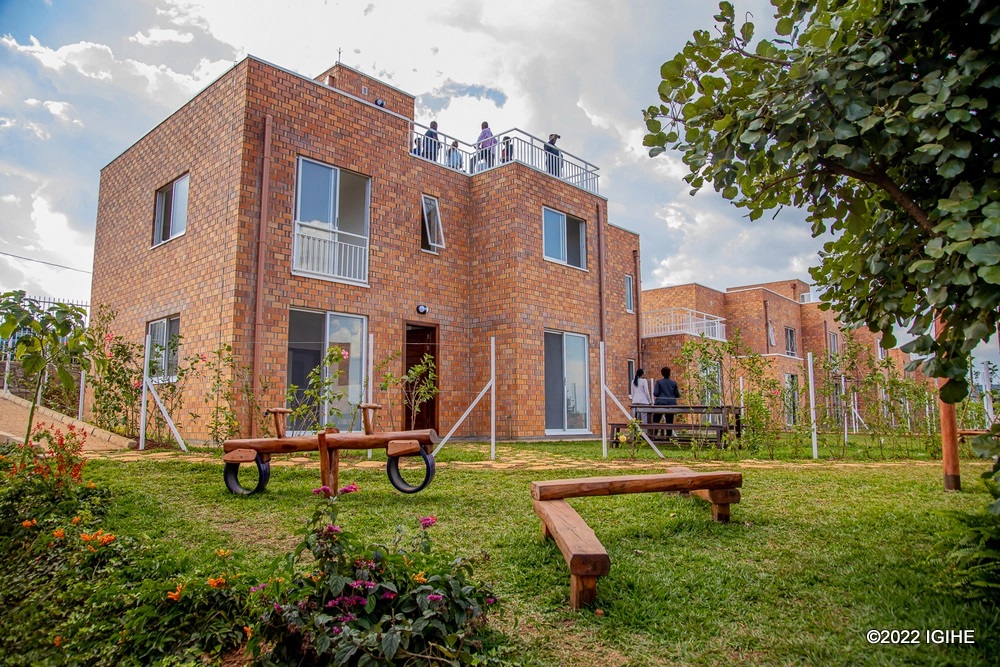
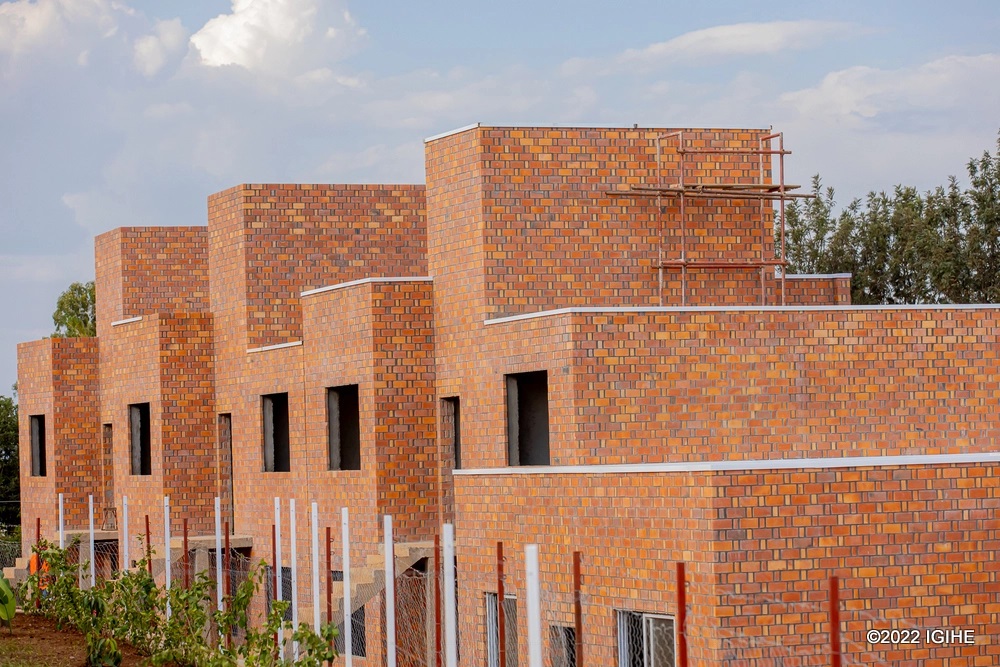
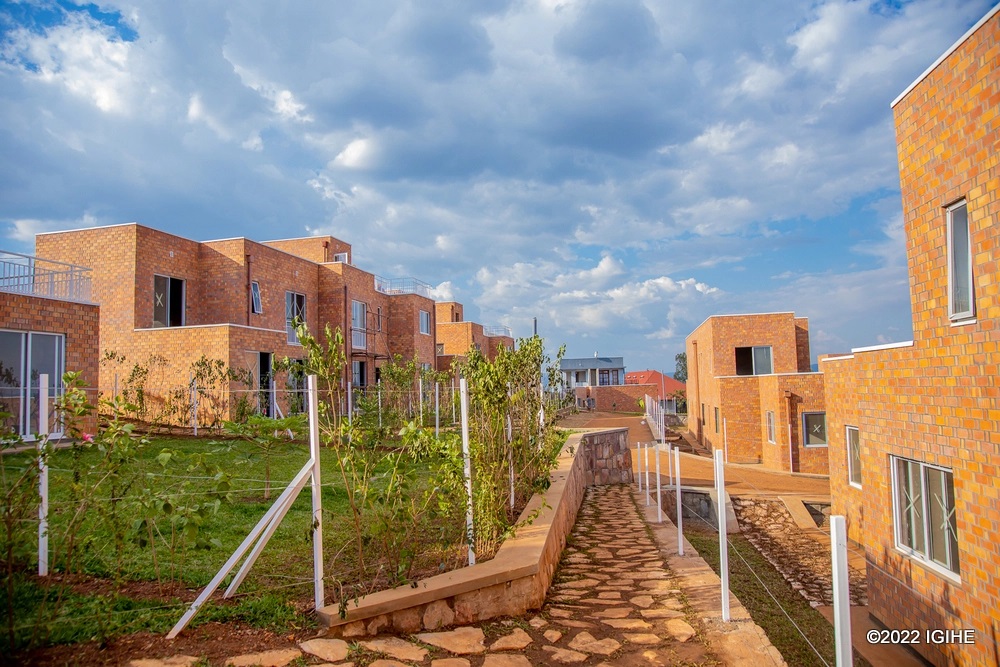
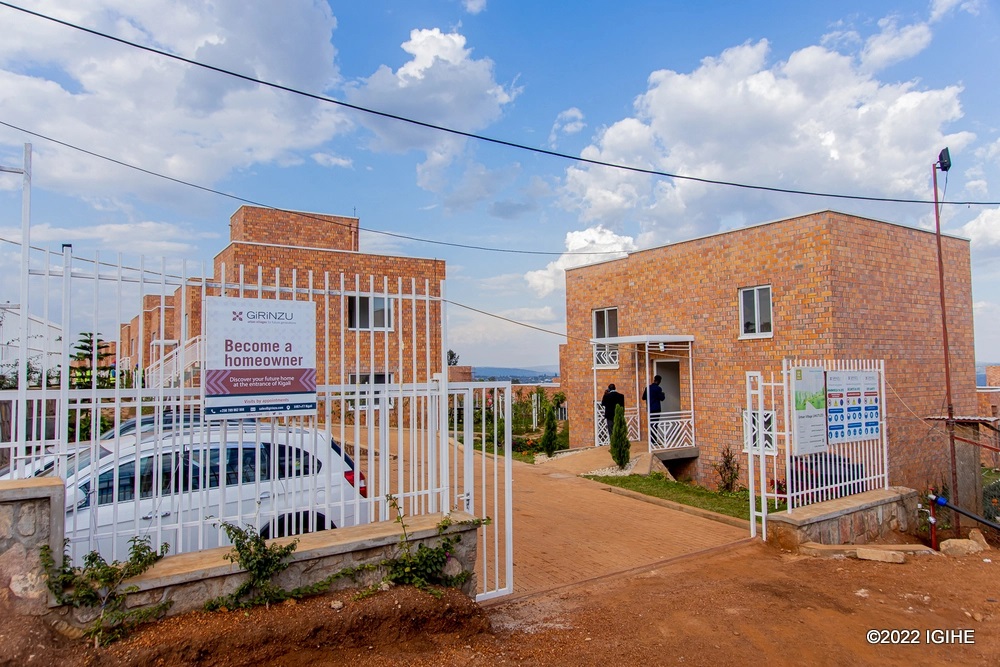
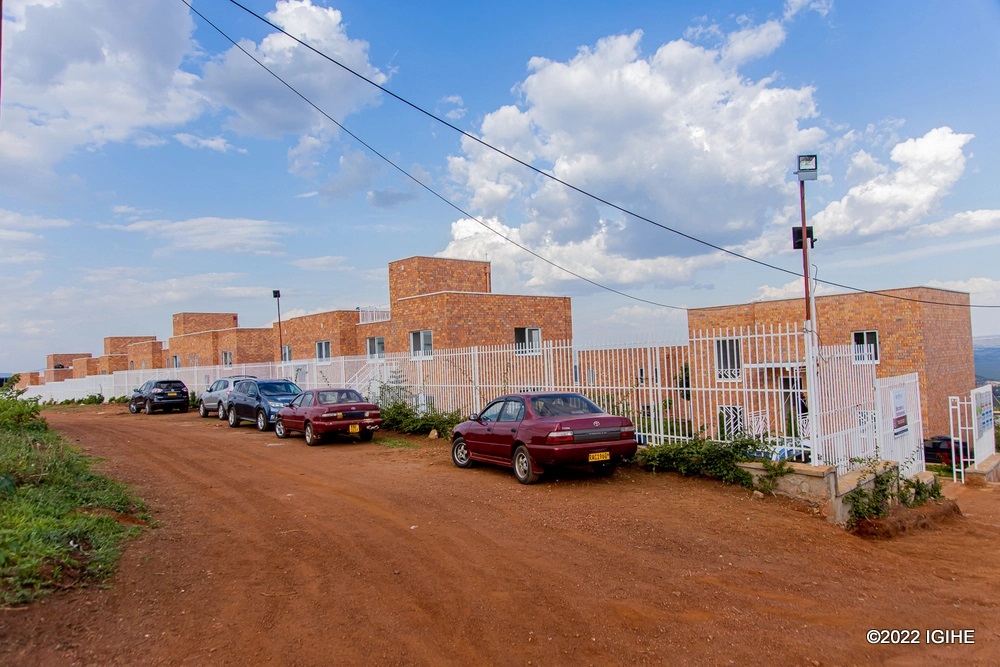
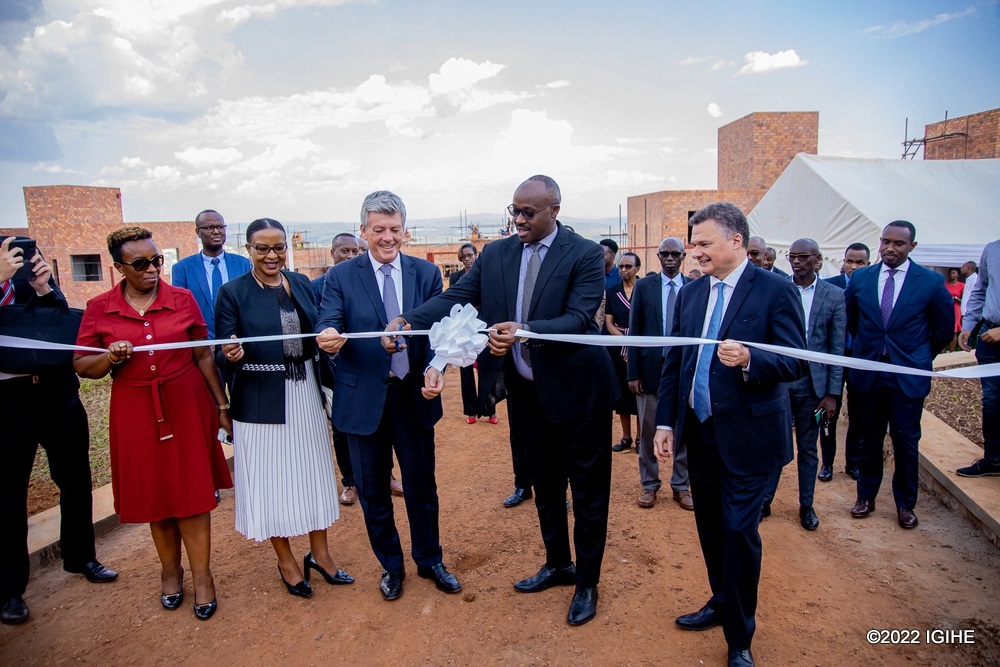
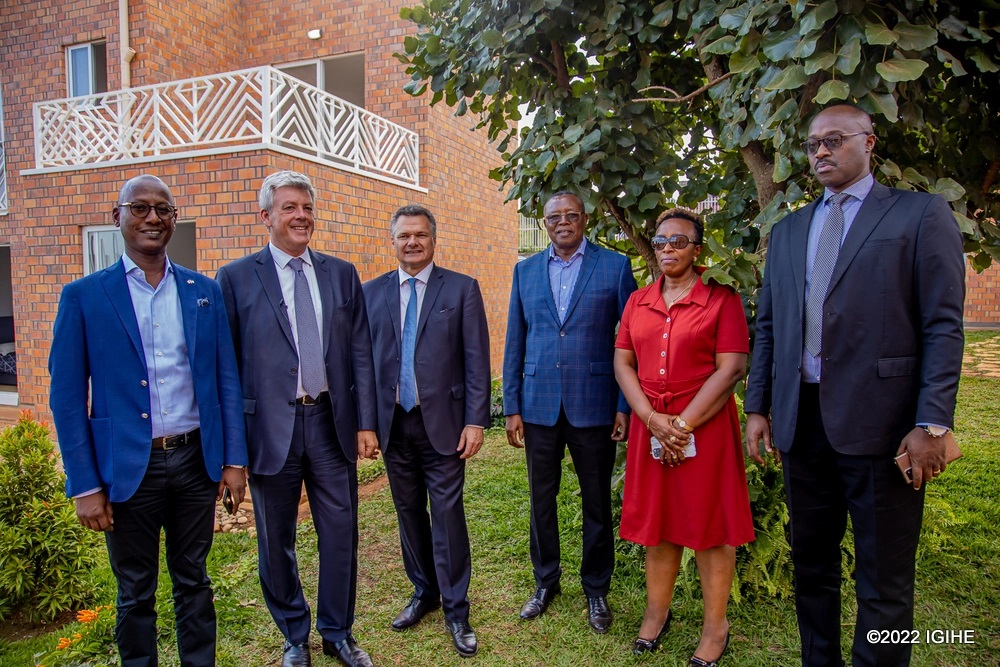
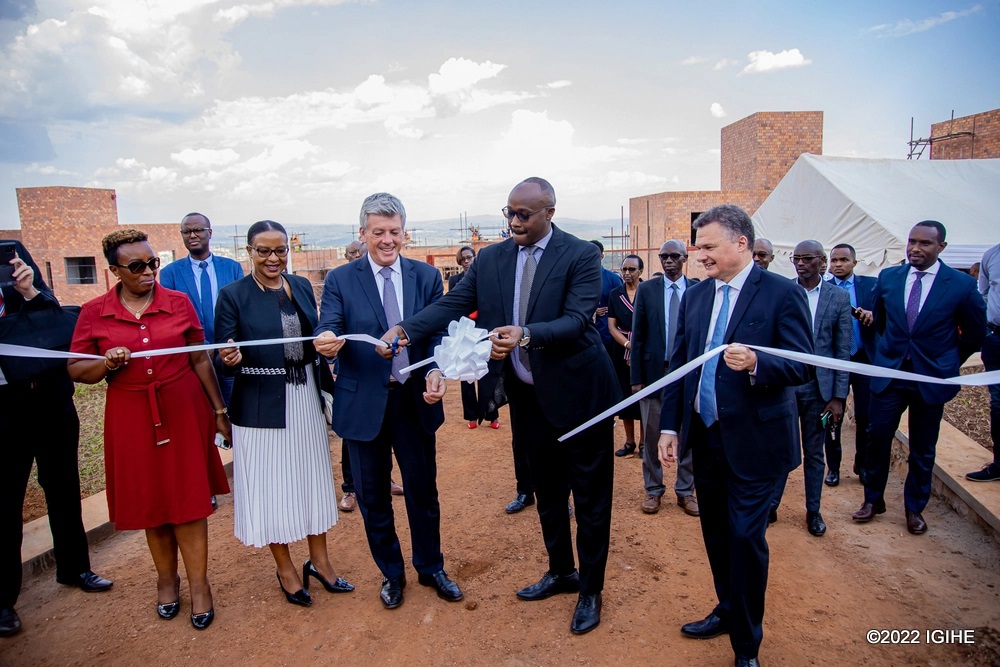
One of them is Village Umutuzo. Inaugurated on Thursday 29th September 2022, Village Umutuzo is a real estate that seeks to help people get rid of rental fees.
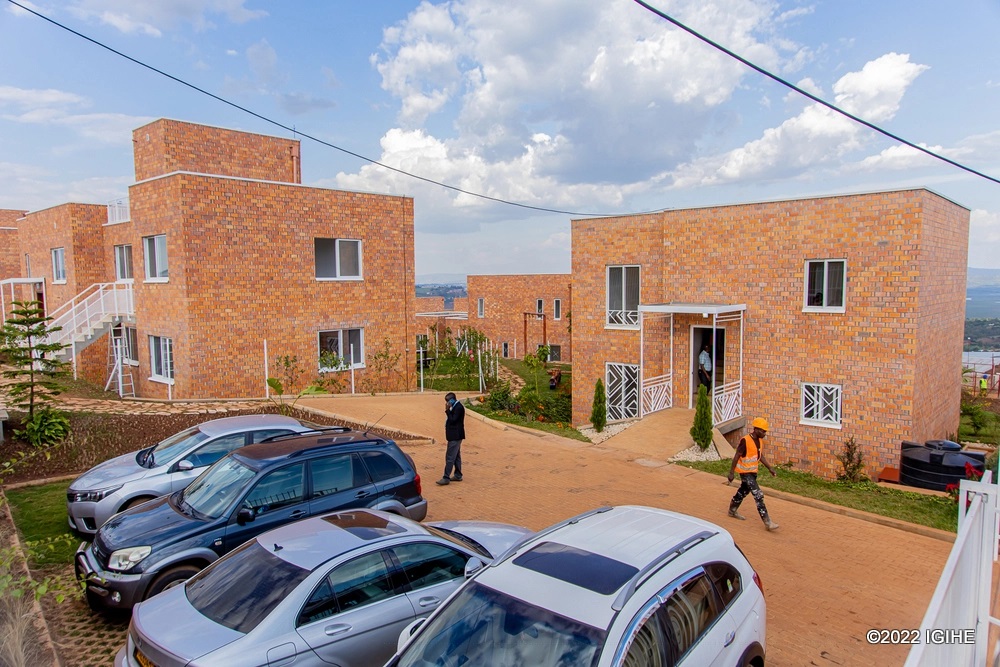
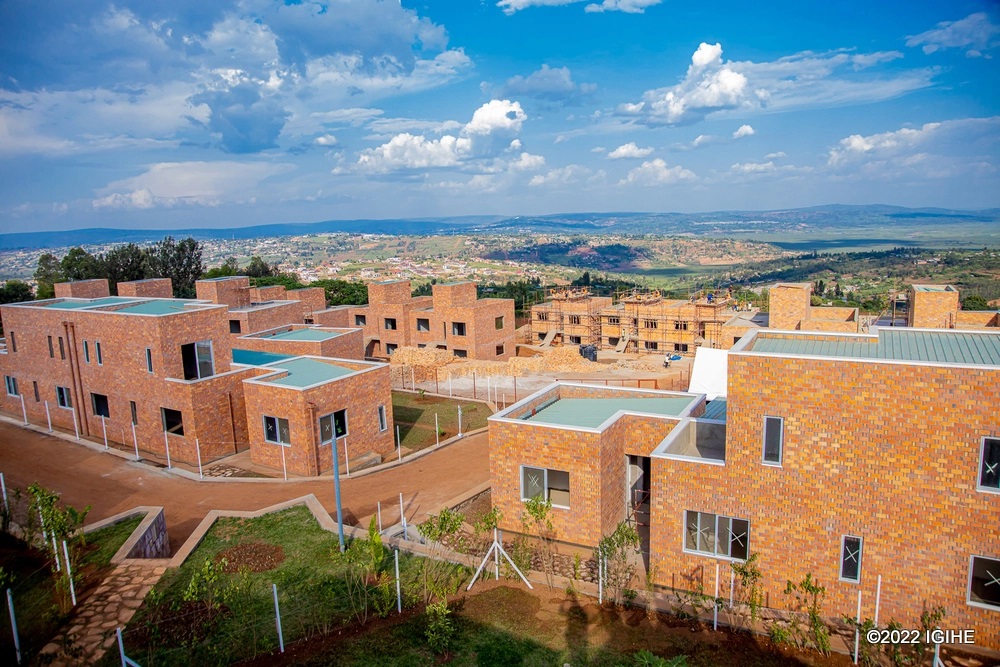
The first phase of this project has seen a total of 67 houses built in Gahanga Sector in Kicukiro District. The estate comprises modern buildings built under an innovative concept to settle a large population on a small plot of land.
The project is run by GiRiNZU, a French-Rwandan real estate developer founded by a French national, Stéphane Monceaux in collaboration with a female Rwandan, Jacqueline Wibabara to help individuals wishing to own modern homes in Kigali city.
This estate seats on two hectares and has three sections with different structures for people to buy houses of their choice.
The company has offers that range from Rwf35 million to Rwf120 million for houses and apartments from 2 to 6 bedrooms.
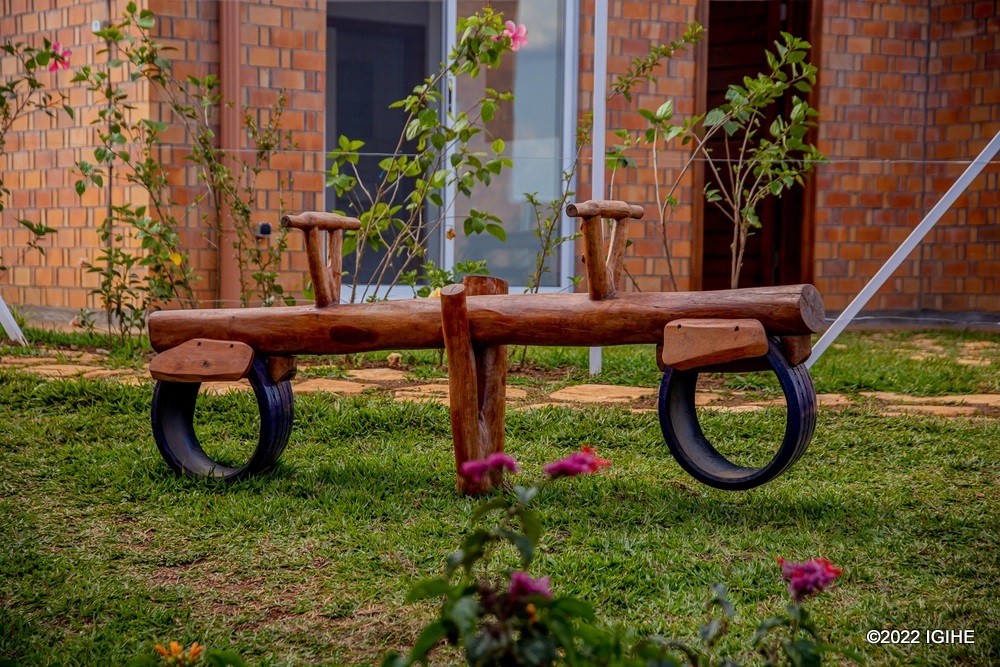
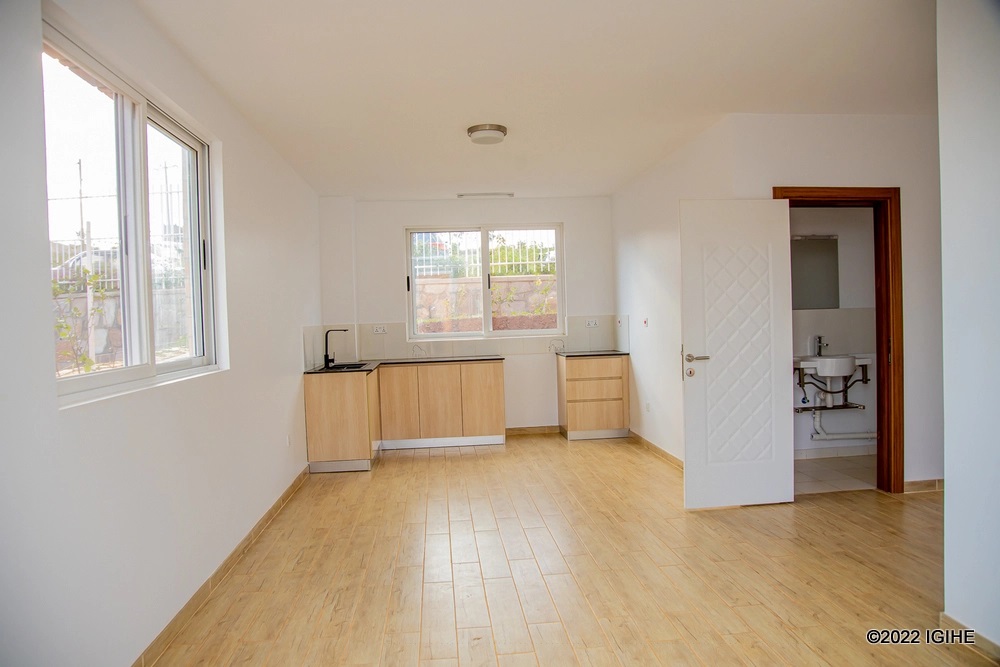
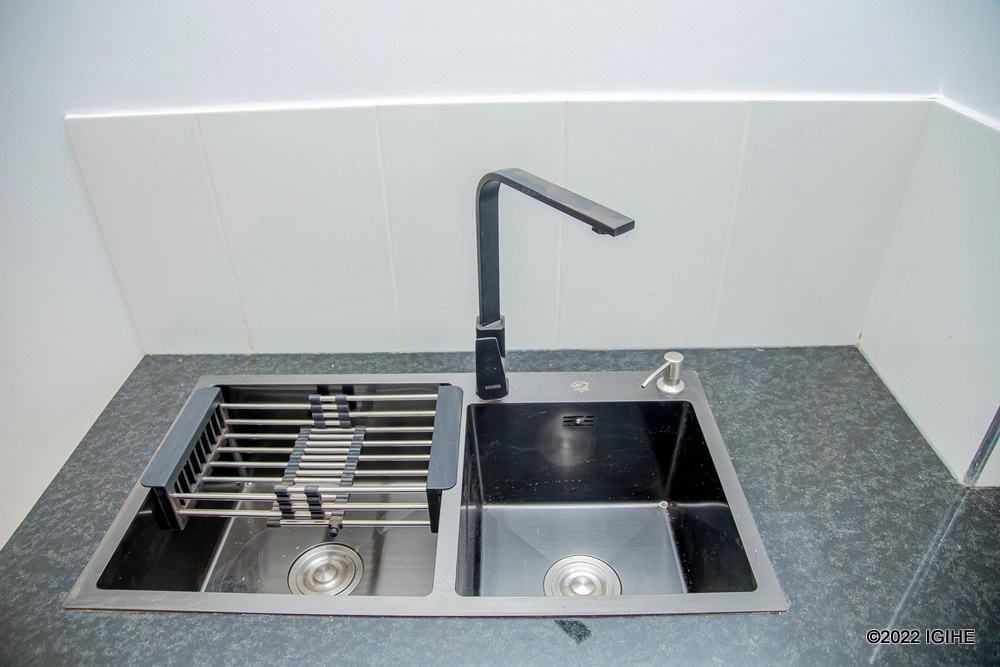
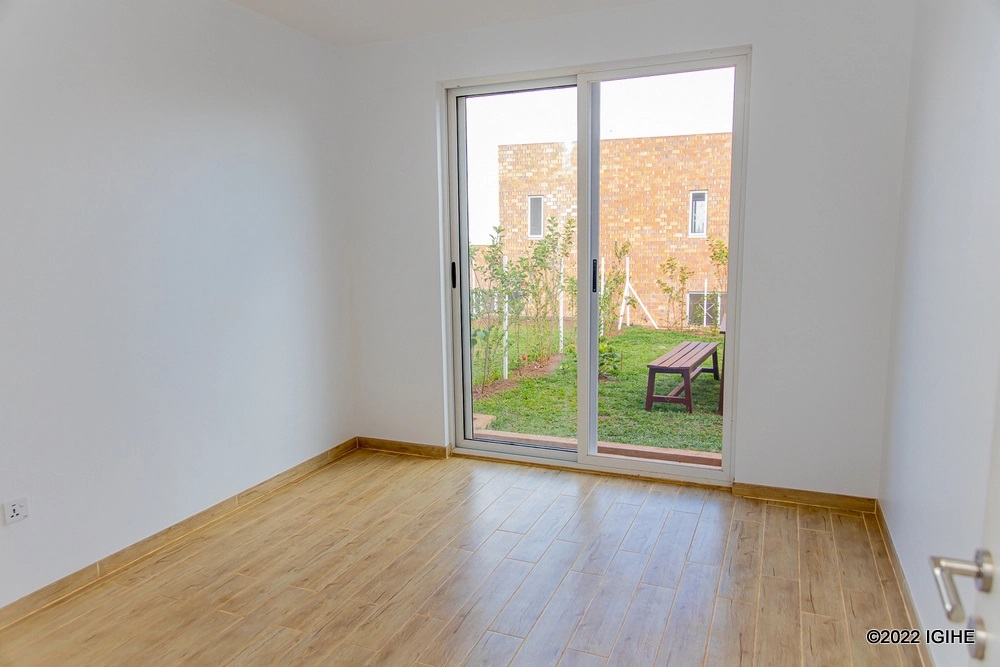
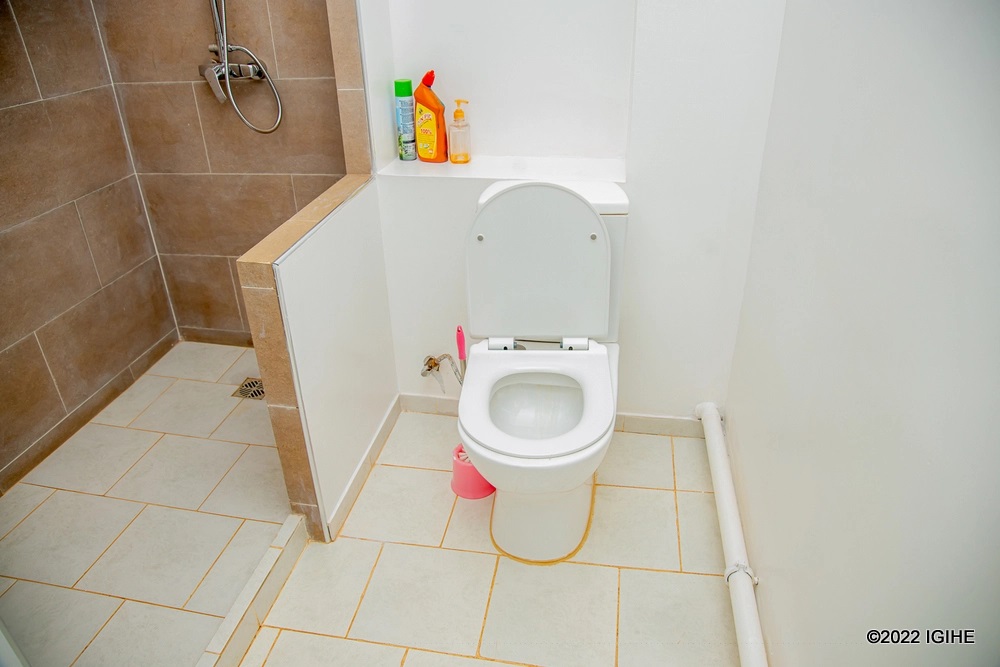
There are multi-storey houses comprising two bedrooms, a modern bathroom, a kitchen and a well maintained garden, built as bungalows. One of them costs Rwf35 million.
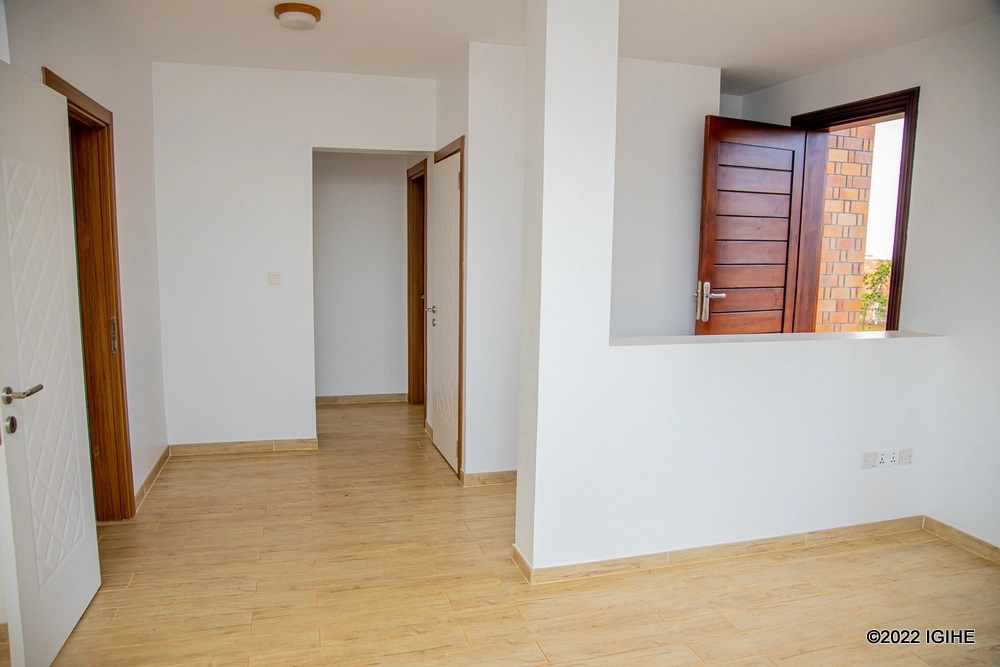
The second category consists of one-storey houses, with three bedrooms, a living room, a bathroom and a landscaped garden. A house under this category costs over Rwf74 million.
The third category, which is more costly, consists of houses with four bedrooms, a living room, two bathrooms, a modern kitchen and a large garden. Each costs Rwf120 million.
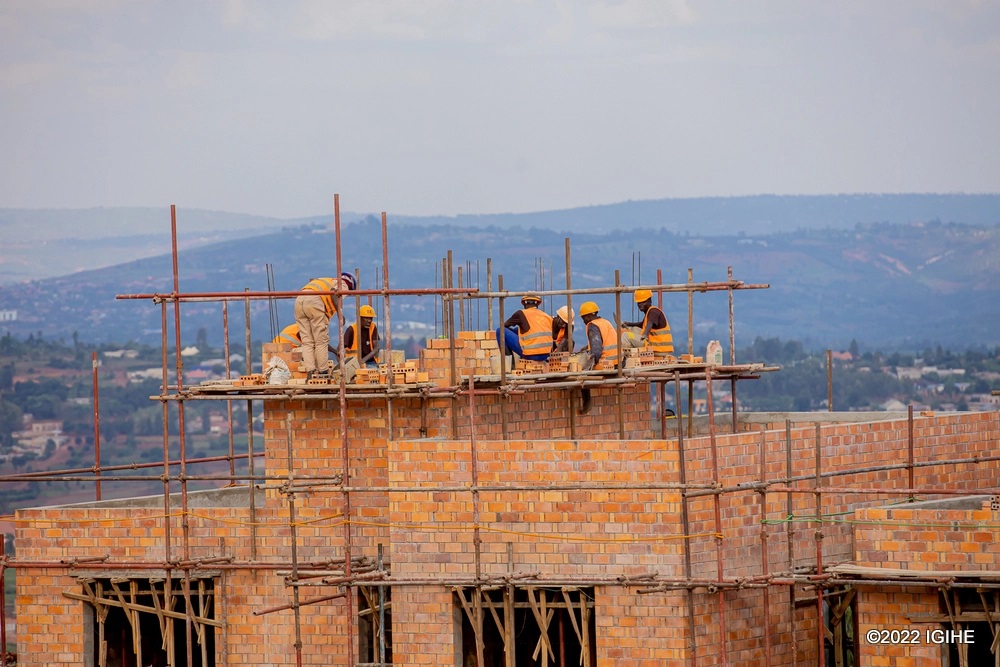
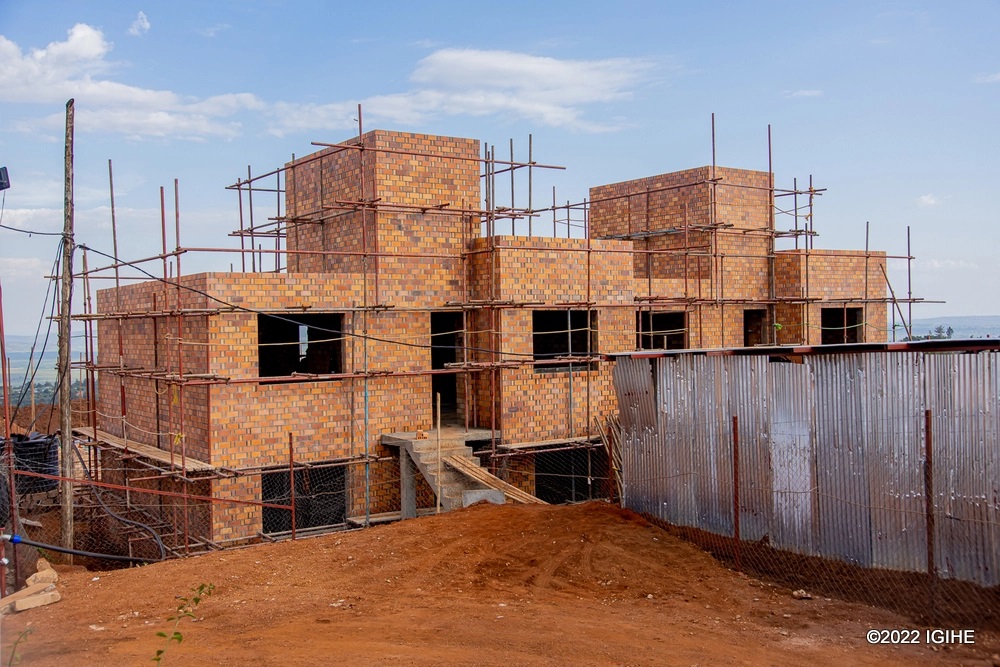
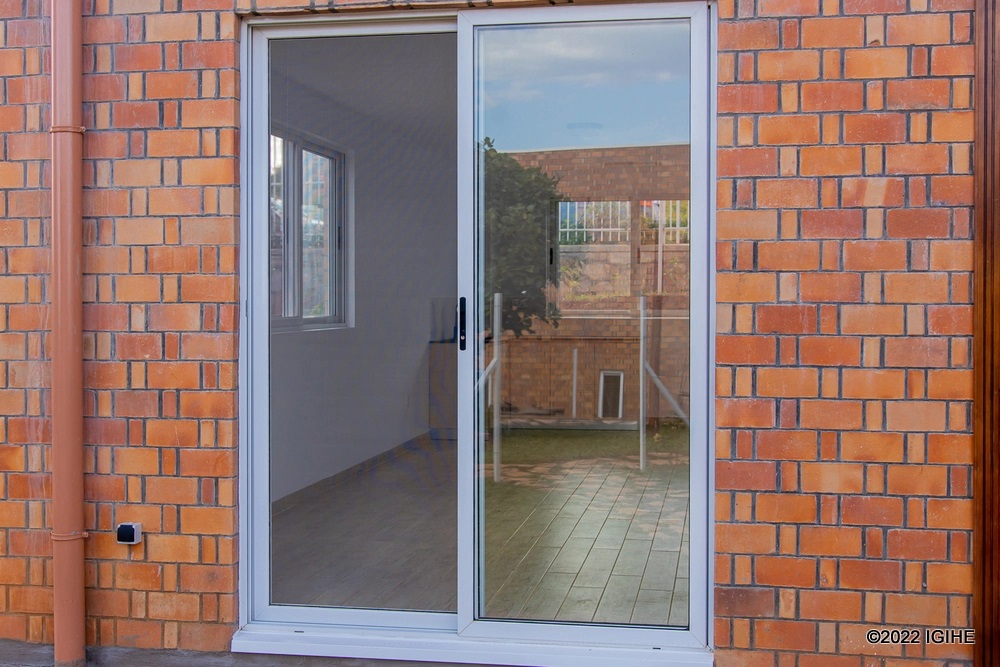
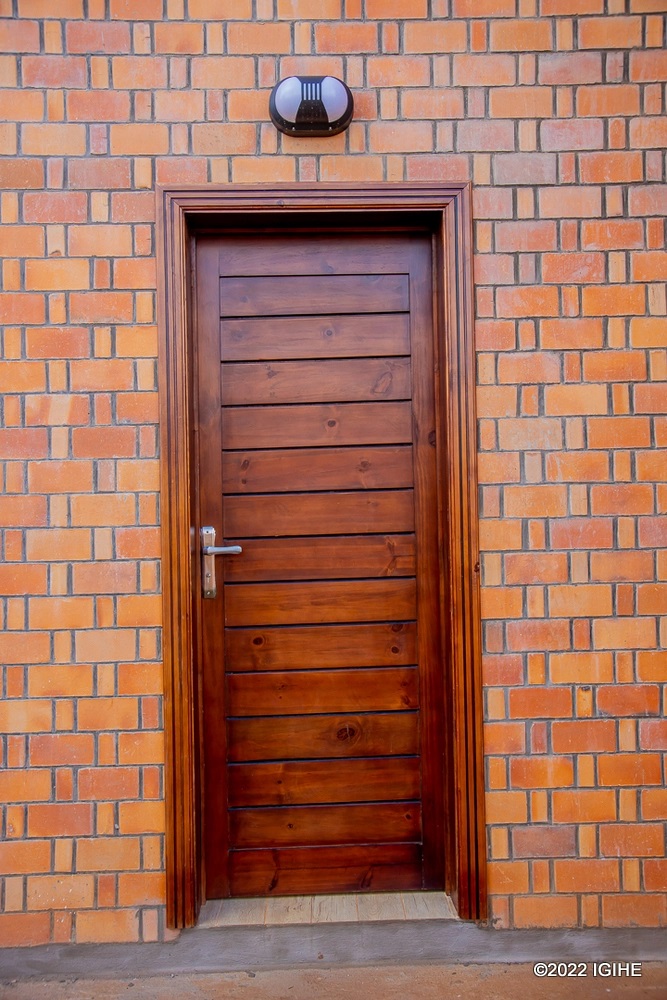
Village Umutuzo is built of bricks. Construction activities were executed by quite a large number of employees, majority of whom being Rwandans.
These houses are equipped with household furniture such as beds, chairs, tables and more.
Those who want to own these houses are encouraged to link up with the company for direct payments or seek loans from respective financial institutions to own houses.
One of the founders and president of GiRiNZU, Stéphane Monceaux, said that he once came to Rwanda and saw a government with good plans to settle the people which inspired him to build modern estates.
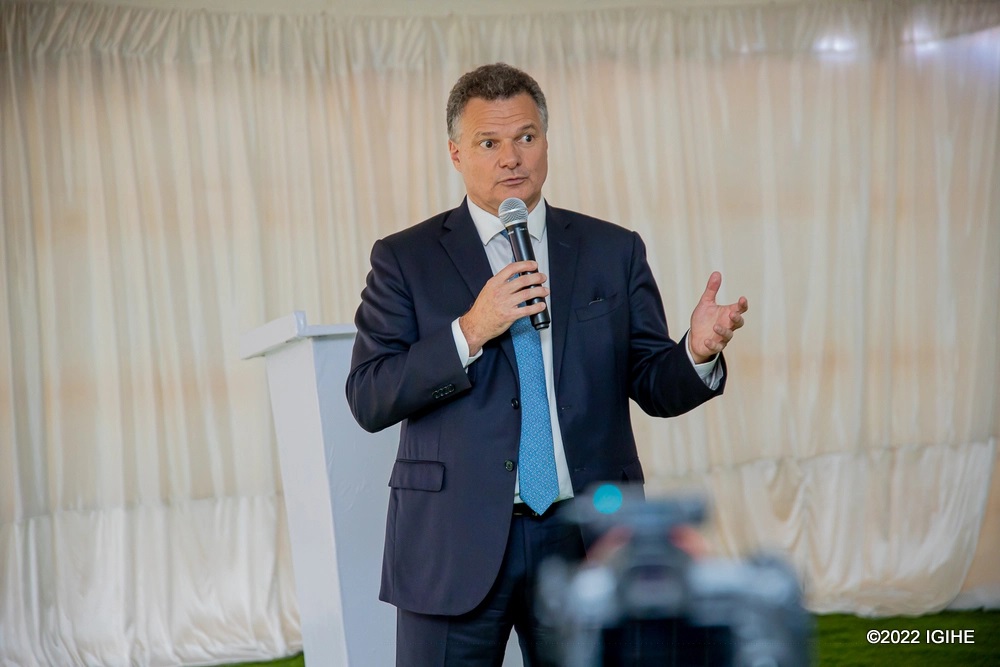
“We are a company which is unique and highly innovative at a global level. We build urban villages which are very sustainable where we would be happy to see our children live. We worked with the City of Kigali to be able to build houses like these that will house a large number of people and on a smaller land,” he said.
“With our team made of local architects and engineers, we reinterpret the living atmosphere to create a Rwandan solution that brings Umutuzo [comfort],” added Monceaux.
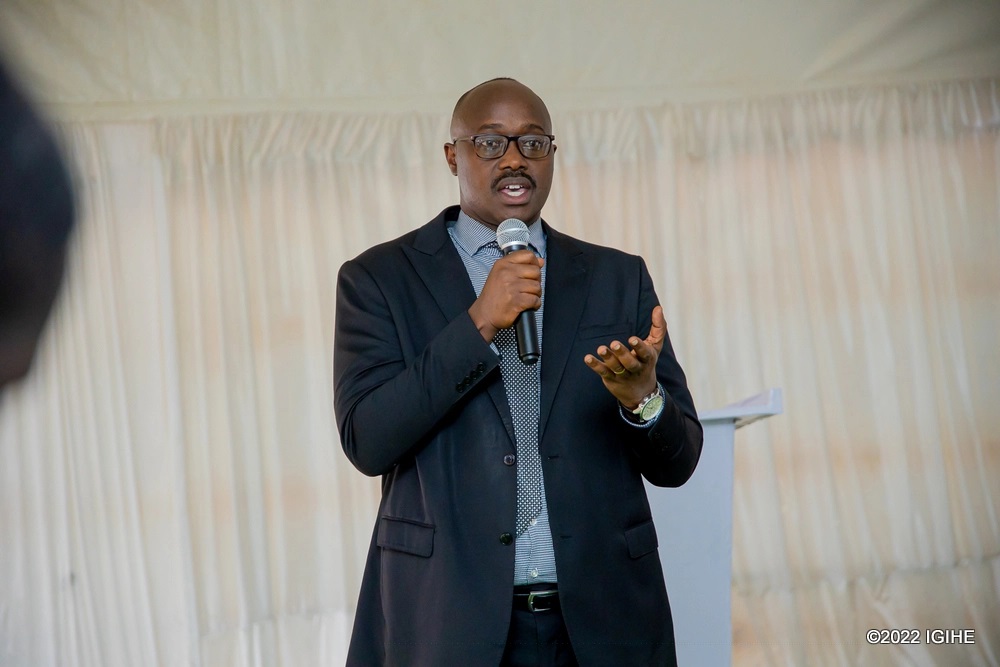
Jacqueline Wibabara, a co-founder and vice president emphasized that they are committed to building affordable houses, and to support the government’s plan to settle the population decently.
She also said that the company has prioritized women empowerment where it seeks to reach 50% of women representation in hiring process at all levels in the years to come.
Wibabara disclosed that they consider lowering prices to help people with various economic backgrounds own a decent house easily.
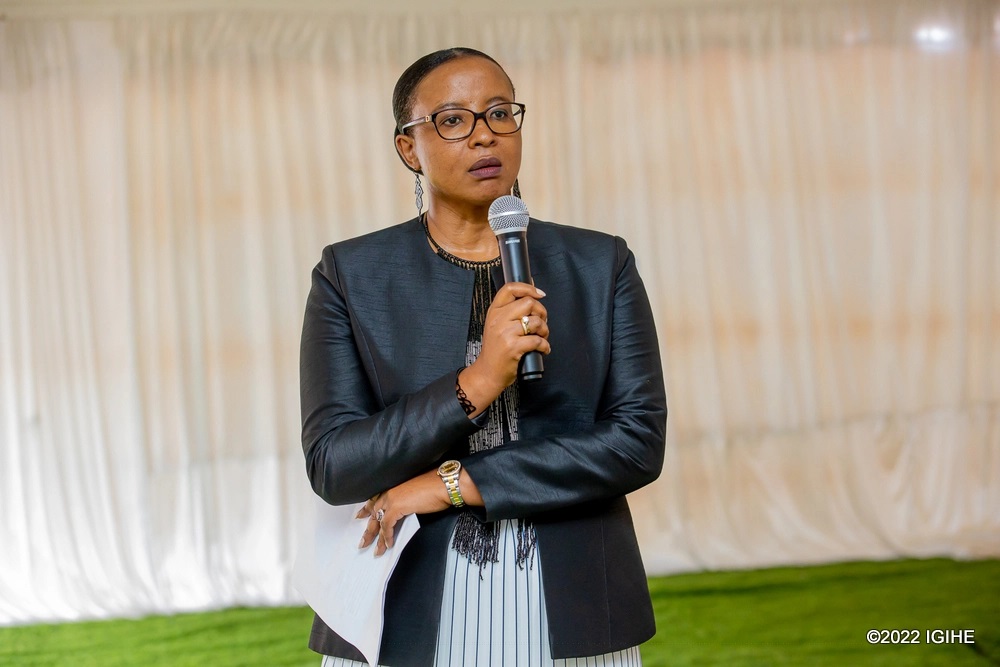
The Mayor of Kigali City, Pudence Rubingisa, praised the initiators of this project, saying that this program will support the national policy of settling people on small land.
“The fact that the city has gained the houses in this village and the others being built under GiRiNZU project is a great achievement. These houses are offered at a moderate price encouraging many people to buy them,” he said.
“We have a national policy to improve housing in order to resettle a large number of people on small land to ensure efficient use of land in accordance with the master plan and environmental preservation measures. So, this project came in handy,” added Rubingisa.
The Ambassador of France in Rwanda, Anfré Antoine, praised the collaboration between the French national and the Rwandan woman, which led to the project beneficial to many people.
GiRiNZU has another project to build two urban villages in Gahanga, on two and more than three hectares respectively.
So far 85% of the houses in ‘Umutuzo Village’ have been purchased.
The Head of State was delivering ‘Majulah Lecture’ to close to 1000 participants in a session moderated by Prof. Subra Suresh, President of Nanyang Technological University (NTU) in Singapore in the morning of Friday 30th September 2022.
The event followed the signing of a partnership agreement between the Government of Rwanda represented by the Ministry of Education and Nanyang Technological University (NTU) allowing Rwandan students to get opportunities to study at the academic institution starting next year.
President Kagame said that the partnership is a result of a discussion he had with Professor Suresh a few years ago, and an addition to Rwanda’s relationship with Singapore.
“We are enthusiastic about the opportunities that this collaboration will open up for both Rwandan and Singaporean students and researchers, and we intend to make the most of it,” he said.
The Head of State said that he considers the invitation to deliver the ‘Majulah Lecture’ a particular honour, because the title is drawn from Singapore’s national anthem where “Majulah” is a call to progress, to move forward, together and united.
Kagame also reminisced on Rwanda’s journey over the past 28 years.
In 1994, Rwanda had basically ceased to exist as a nation. A million people lay dead, out of a population of around seven million, because of a perverted genocidal ideology. Millions more were refugees. Every public institution had been destroyed, and the national treasury was looted.
The Head of State went on to explain that , to most observers, what Rwandans could aspire to, in the generation which followed that tragedy, was simply to survive where ‘charting a pathway to prosperity seemed like a preposterous dream’.
Even though the country still has a long way to go, the President stated that it has been fundamentally transformed for the better.
He stressed that Rwanda found its way forward through home-grown solutions in three key areas.
Firstly, Kagame pointed out the country’s need to innovate around national unity and social cohesion where it started by creating security, considered as the basis for anything else to happen.
To this end, Rwanda also immediately initiated the process of merging the liberation army with the defeated army of the former government.
“A country without a shared national identity has no future. Rwanda’s historic unity had been progressively corrupted by the previous colonial and post-independence governments,” he said.
The Head of State said that Rwanda restored a traditional practice where a monthly community service brought all citizens together to improve their neighbourhoods.
The country also released genocide suspects back into their communities, where they were judged through Gacaca courts that focused both on punishment and on bringing the truth to light. This initiative was important for survivors and perpetrators to be able to live together again.
Among others, Rwanda focused on equipping young Rwandans with a positive concept of citizenship that emphasizes ‘what we all share, rather than what divides us’.
As a result, today, independent polls find that Rwanda has some of the highest levels of social trust in the world.
Secondly, Kagame pointed out, innovations in techniques of inclusive, citizen-oriented governance unlike the past where public institutions and assets were treated as the property of a few.
He gave an example of such poor governance in the past where studying at secondary school was a privilege afforded to those with political connections.
“But whenever citizens do not enjoy equal rights and treatment, a country’s stability is at risk. This is why we strive to establish a culture of meritocracy, where every young Rwandan knows that hard work and excellence will bring rewards, regardless of background,” Kagame noted.
The President also talked about the signing of performance contracts (Imihigo) by leaders at different levels of government as a practice that has become a habit.
“These are performance contracts that specify what is to be delivered and how to measure it. This is one of the tools we have adopted to encourage citizens to be fully involved in holding government to account. The practice is simple but powerful, and also affordable,” he said.
The Head of State underscored that the third area of innovation that Rwanda prioritized was technology.
“In the late 1990s, the government decided to make internet access and digital skills a keynote of our economic strategy. We even got pushback from some or our partners, the donors, at the time, who thought that technology was a luxury for a poor country. Fortunately, we persisted, and today services are the fastest-growing segment of the Rwandan economy, largely building on those infrastructure and training investments,” he said.
All public services, such as obtaining birth certificates or paying tax, are now done online, via a platform called Irembo, which is largely designed and operated by Rwandan professionals.
Kagame also hinted at Rwanda’s ambitions to become a vaccine and medicines manufacturing hub where the first end-to-end mRNA manufacturing facility in Africa will be launched by the German company BioNTech in Kigali.
He highlighted that what connects these three types of innovation that made a difference on Rwanda’s journey is the importance of mindset change.
Rwanda and Singapore enjoy cordial relations. The country’s Prime Minister, Lee Hsien Loong recently visited Rwanda during the Commonwealth Heads of Government Meeting (CHOGM) in June. He was also hosted at Urugwiro Village by President Kagame.
At the time, the Head of State said that he had a very productive discussions with the Prime Minister of Singapore and thanked the country for being a reliable partner with Rwanda and expressed optimism that both countries will be doing even more together, in the years ahead.
“We value highly the trade and investment links as well as the cooperation between our central banks. Both our countries have created a strong foundation. Singapore’s development model and its commitment to social cohesion and national unity are very impressive,” he said.
Both countries have partnership in the areas of investment, trade, education, rule of law, technology and air transport service among others.
Figures show that Singaporean investment in Rwanda is estimated at US$150 million.