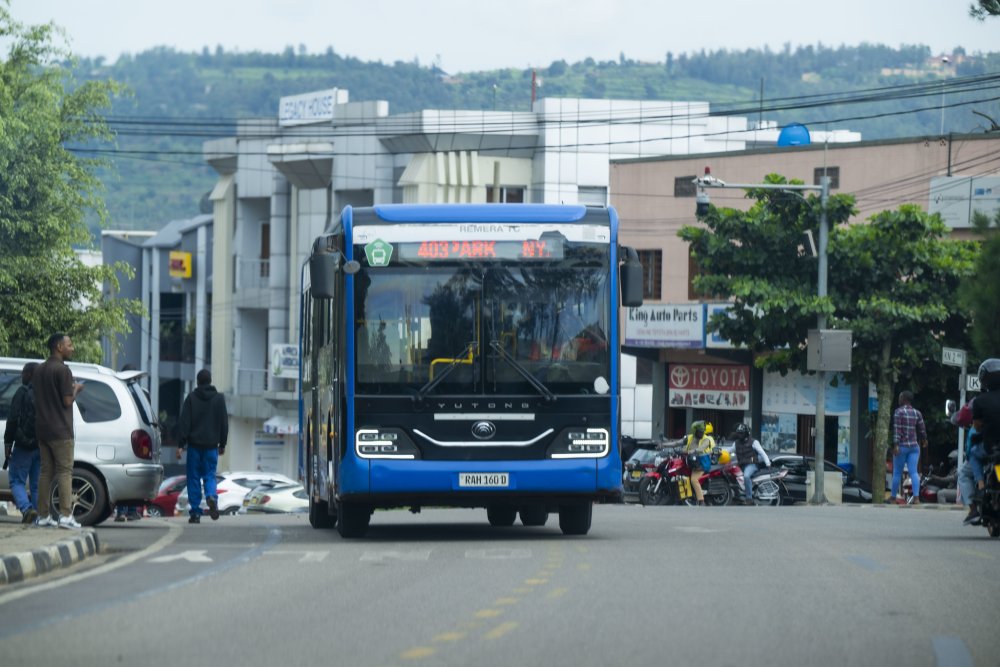
The move comes as Rwanda continues encouraging residents to use public transport following the sharp rise in global and local fuel prices.
Since the campaign began, the number of daily bus commuters in the City of Kigali has increased from 180,000 to 230,000 passengers.
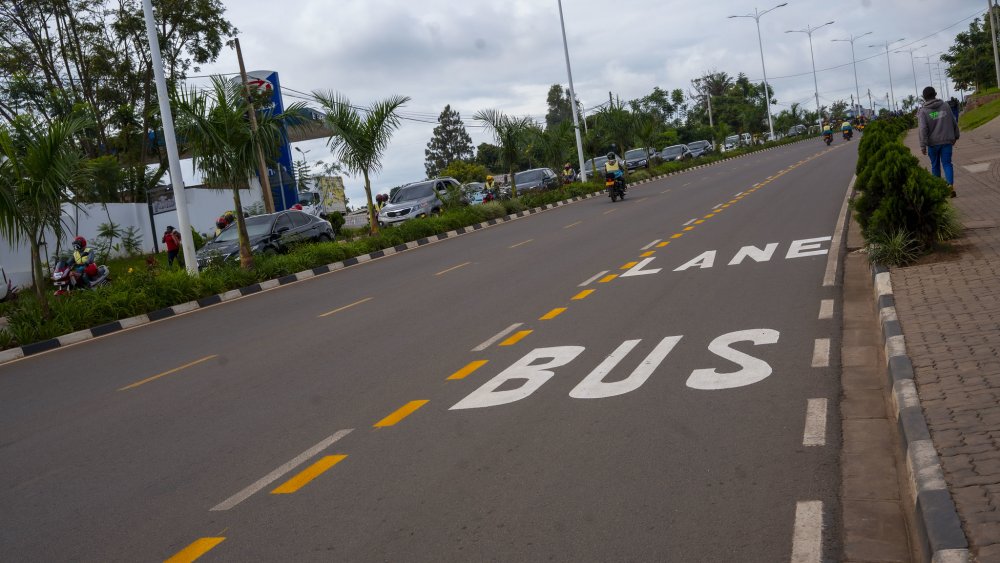
Uwihanganye explained that the recently introduced bus lanes were designed to improve efficiency by allowing buses to move faster and depart at intervals of five minutes.
“Since last week, when these bus lanes were introduced, buses operating within those lanes are expected to depart every five minutes and move quickly,” he said.
Passengers using the buses say transport services have improved compared to before, noting that buses no longer spend excessive time stuck in traffic or waiting to fill up with passengers before departing.
“The fact that people appreciate the service is reflected in the numbers. In just one week, 10,000 more passengers started using buses, and this is only the beginning,” Uwihanganye added.
He also noted that traffic congestion has eased, especially during peak hours when vehicles previously remained stuck for long periods during morning and evening commutes.
The City of Kigali recently designated several large public parking areas to support the park-and-ride initiative, where motorists can leave their private cars and continue their journeys using buses.
The designated parking areas include Kabuga Bus Park, Stade Amahoro parking area in Rwahama, Kigali Pele Stadium, the former Magerwa site in Ruyenzi, Kamonyi District, and Gahanga.
Fuel prices in Rwanda have continued to rise sharply, with a litre of petrol currently costing Rwf2,938 while diesel is priced at Rwf2,205 per litre.
Passengers using the buses say transport services have improved compared to before, noting that buses no longer spend excessive time stuck in traffic or waiting to fill up with passengers before departing.
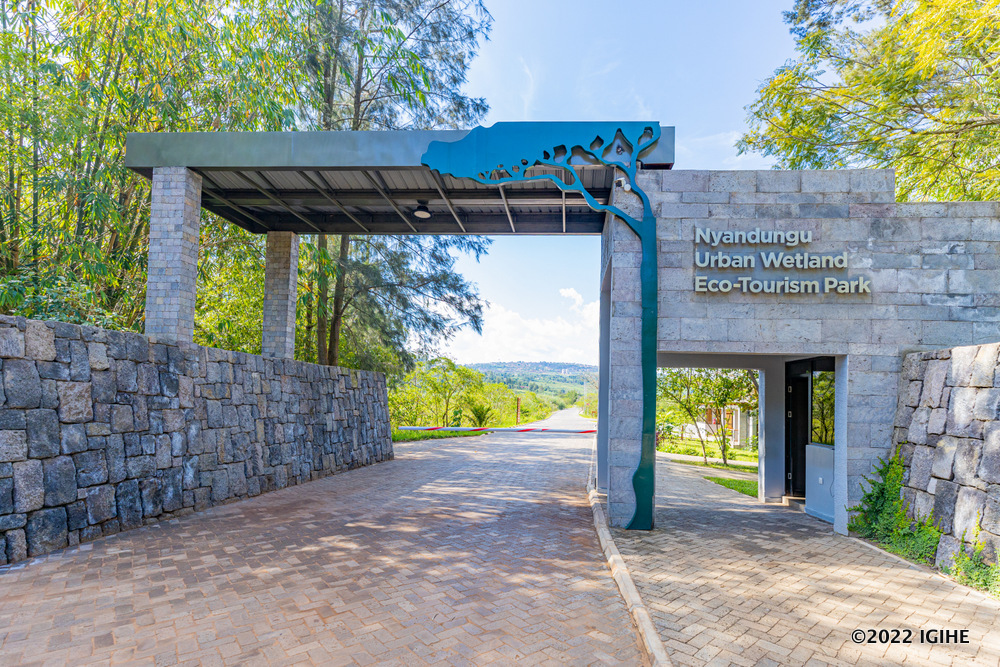
The park was recently listed by Tripadvisor among notable tourist attractions, further boosting its international visibility.
The transformation of Nyandungu began in 2016 with a project aimed at restoring the degraded Nyandungu wetland and converting it into an eco-tourism park. What was once a polluted and heavily exploited marshland has since become one of Kigali’s leading green spaces.
Before rehabilitation efforts started, the wetland had been used for farming, livestock grazing and, in some areas, as an illegal dumping site. The degradation contributed to frequent flooding caused by runoff water from surrounding hills and nearby communities.
Restoration works were completed in 2022, paving the way for the official opening of Nyandungu Eco-Tourism Park.
Today, the park covers more than 121 hectares across Ndera Sector in Gasabo District and Nyarugunga Sector in Kicukiro District. It stretches along the road linking La Palisse Hotel to Ndera.
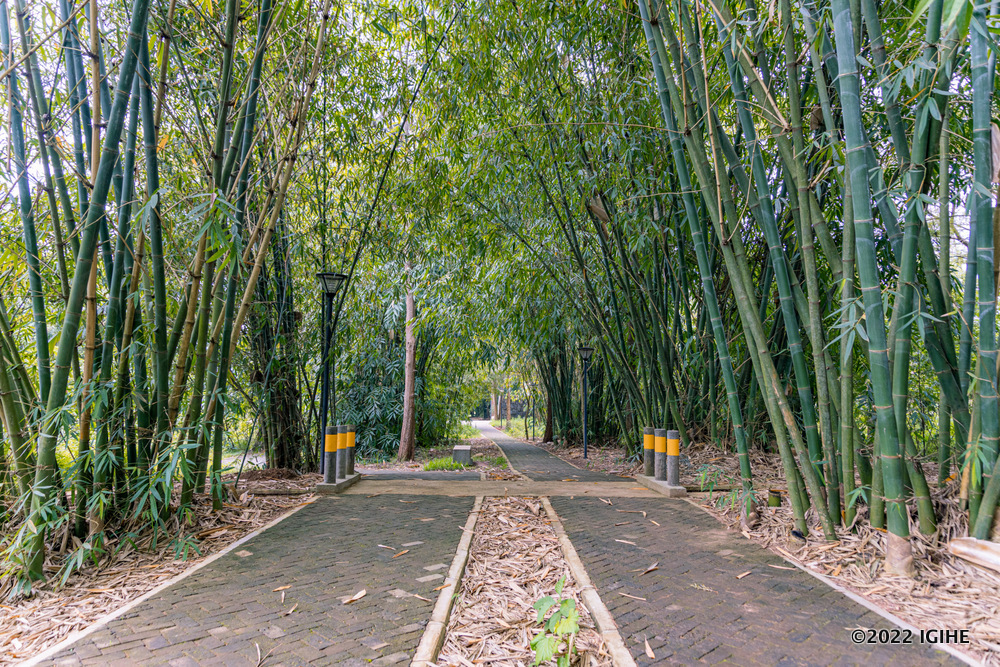
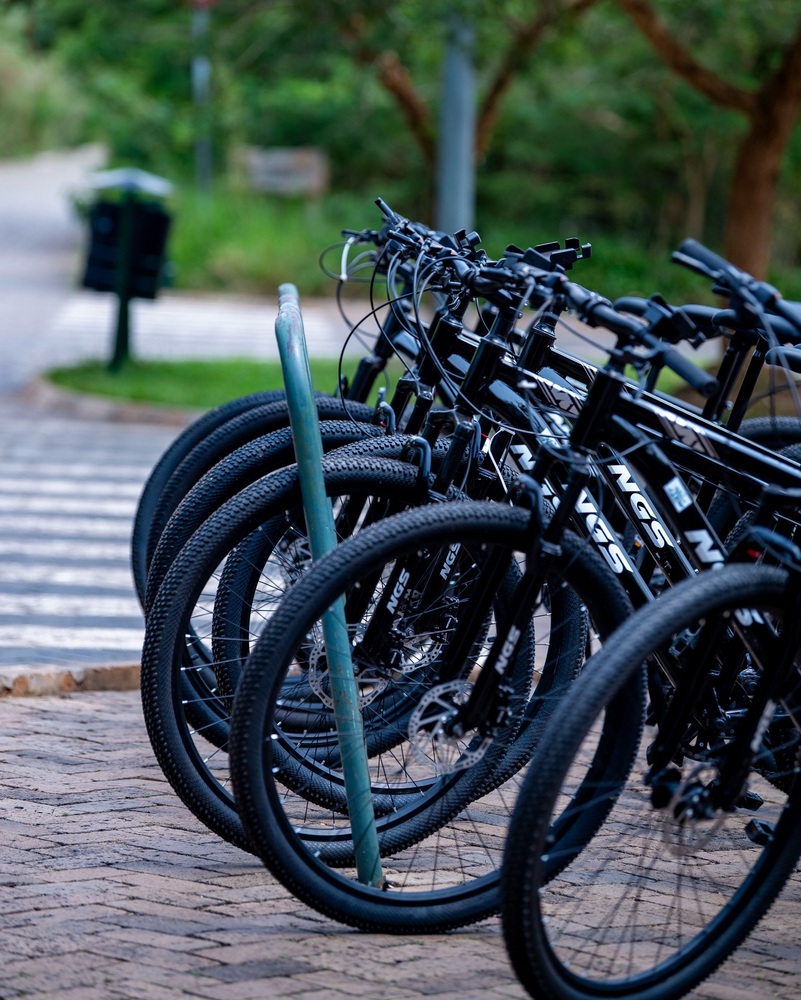
At the time of its inauguration, the park consisted of five sections. Two were dedicated to wetland restoration, featuring grasses and trees designed to naturally filter polluted water flowing into the marsh. The remaining three sections were developed for tourism and recreation, including more than 10 kilometers of walking and cycling trails.
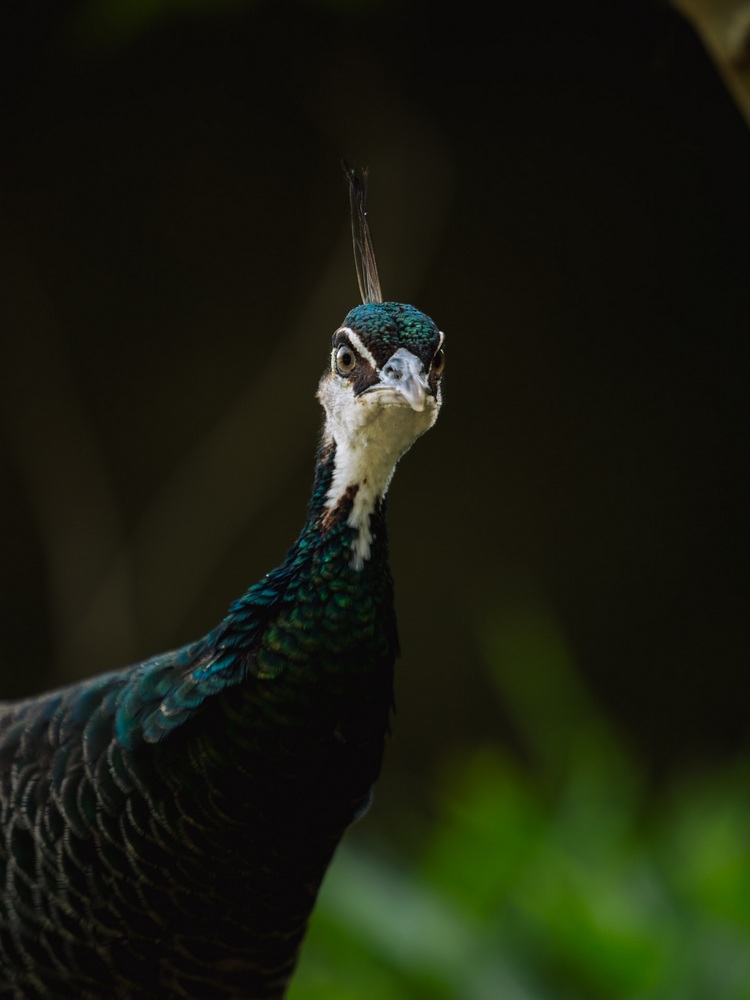
The park initially recorded 102 bird species, including crowned cranes and herons. That number has now surpassed 200 species, among them crested cranes and several other rare birds. Wildlife such as turtles, monitor lizards and mongooses have also started reappearing in the ecosystem.
Nyandungu is now home to more than 25,000 trees, up from about 17,000 during the early stages of development. Most of these are indigenous species.
Research conducted by the Regional Research Centre for Integrated Development (RCID) showed that biodiversity in the park has nearly doubled over the past two years. More than 250 plant species and around 75 bird species have been added during that period.
The number of visitors has also continued to rise steadily. In 2025, the park received more than 111,000 visitors and generated over Rwf360 million in revenue. In comparison, it welcomed more than 76,000 visitors in 2024, generating Rwf158 million.
One of the park’s distinguishing features is that more than 70 percent of visitors are Rwandans, highlighting its growing popularity among local residents. Visitors are not allowed to bring outside food into the park, but there is an on-site restaurant serving meals and drinks.
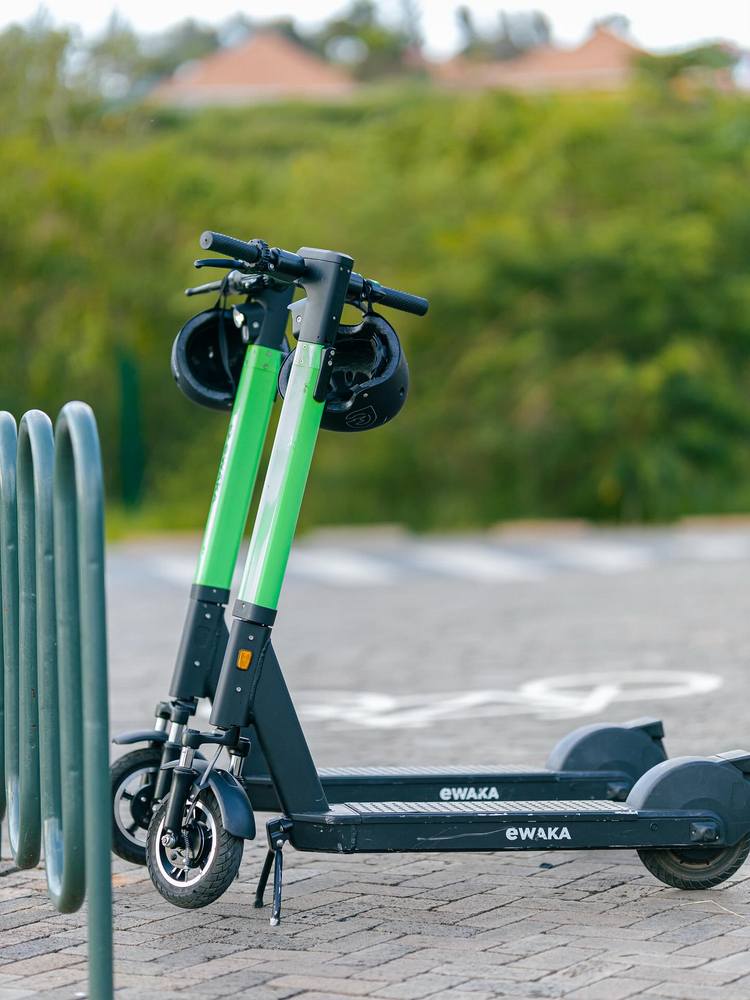
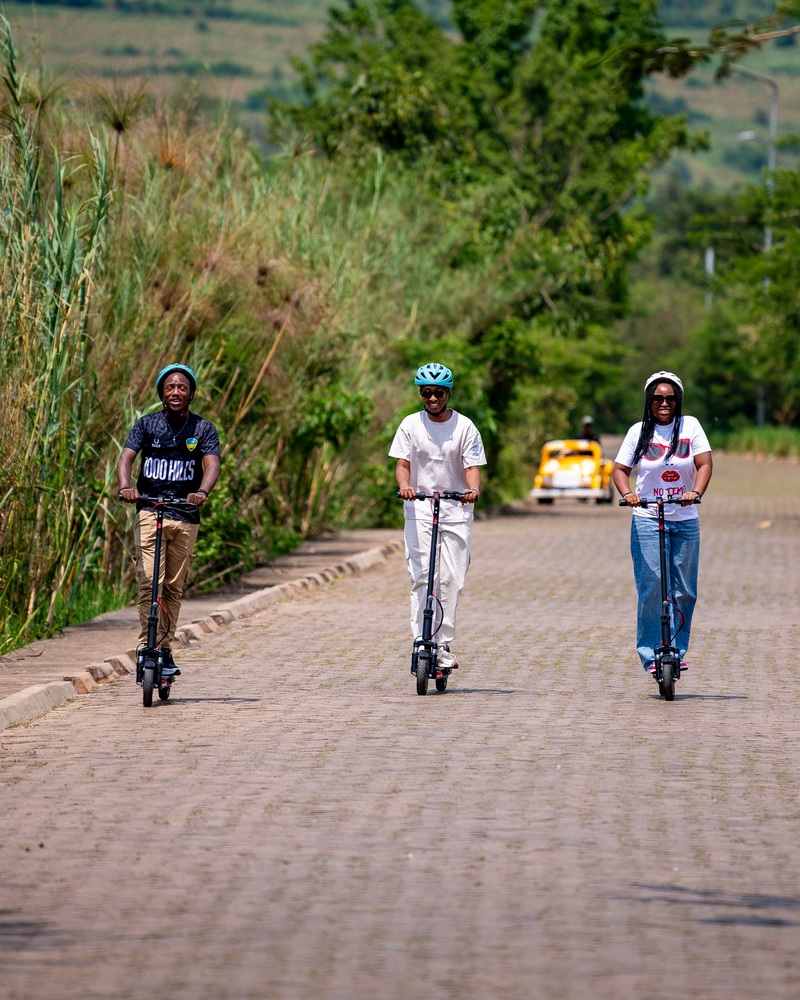
To make the experience more attractive, the park has continued introducing new recreational activities. In addition to bicycles, visitors can now use scooters and small tour vehicles.
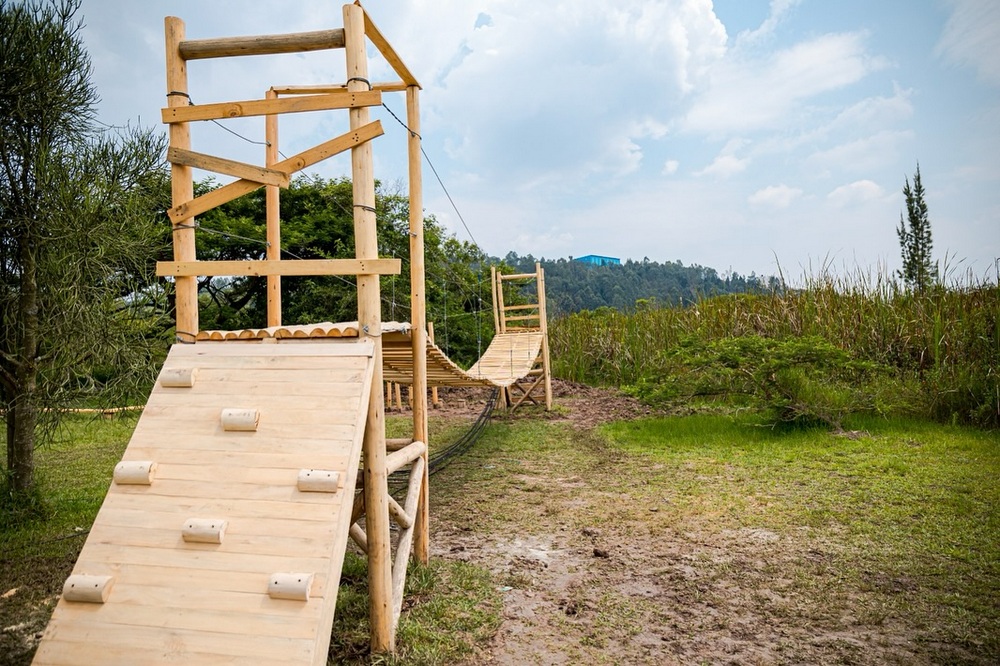
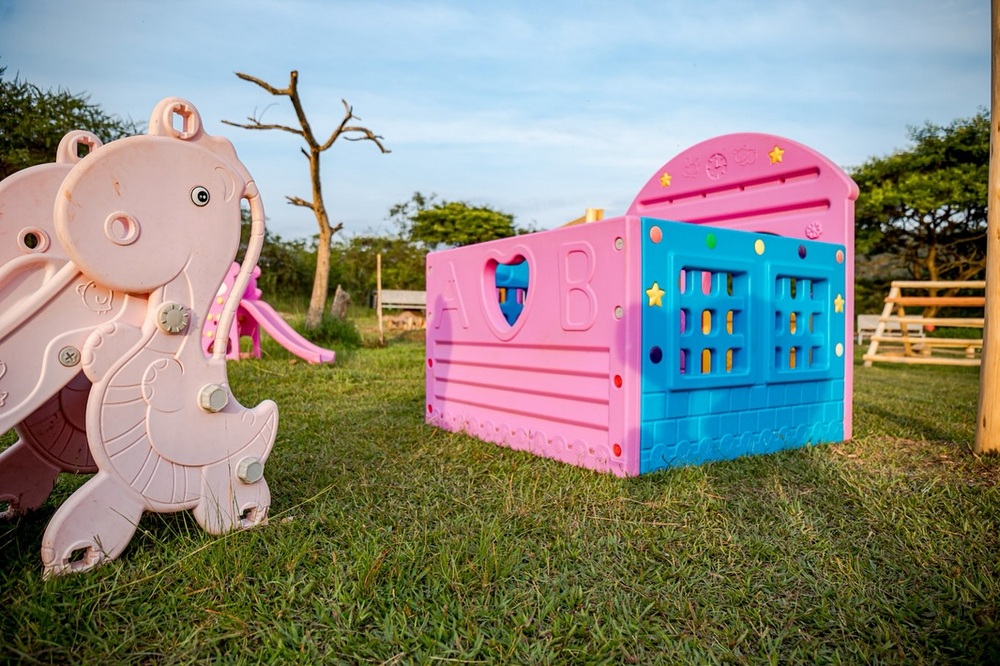
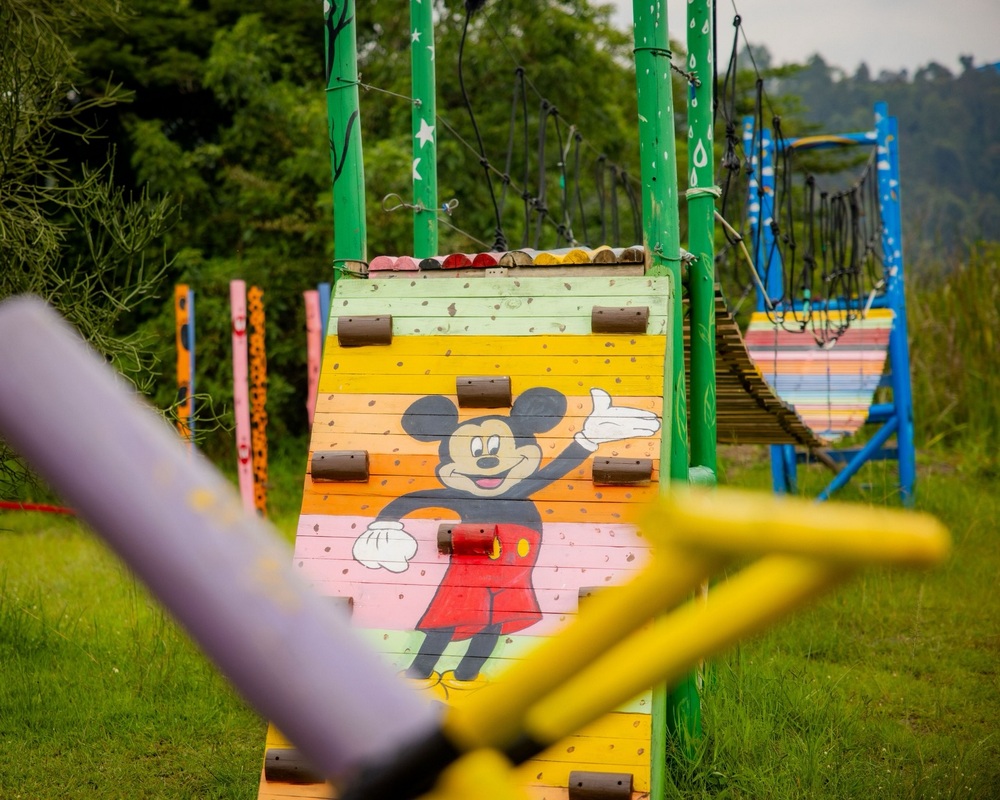
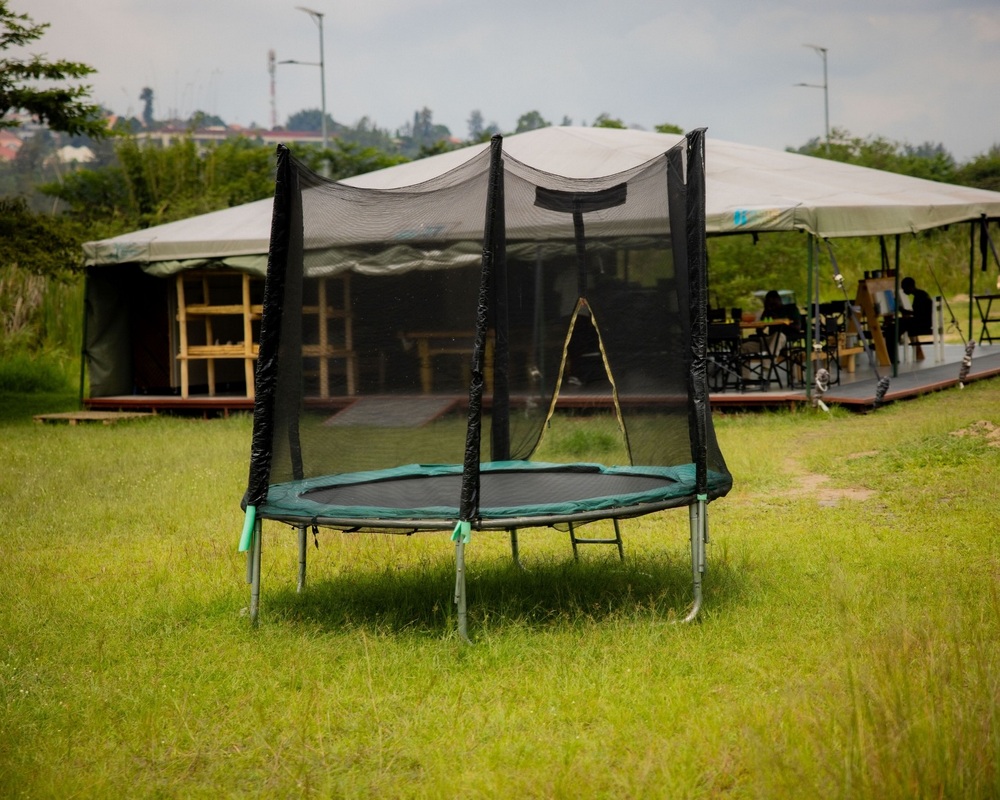
Adventure activities have also been added, including a high ropes course suspended between trees, hanging bridges, chess areas and several other leisure facilities. Children have not been left out either. The park includes playgrounds and entertainment areas designed specifically for young visitors.
Nyandungu also hosts shops selling Made-in-Rwanda products such as clothing, bags, toys and handcrafted items, including puzzle games featuring African-themed designs.
The park has further expanded into hosting environmentally friendly events through specially designed gardens and open-air venues.
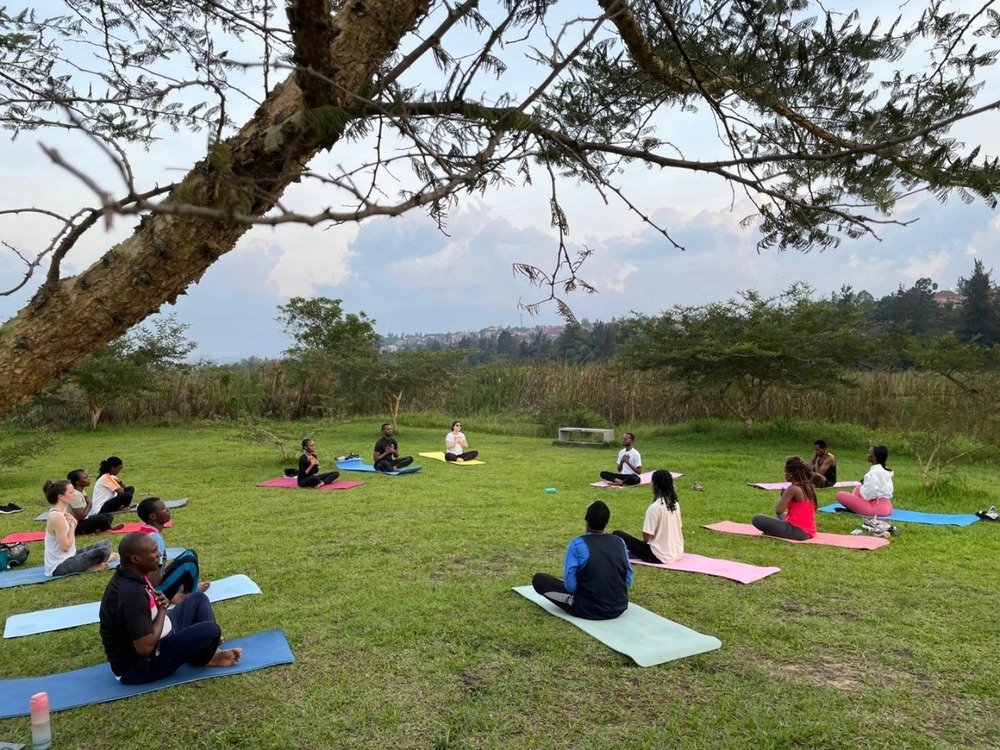
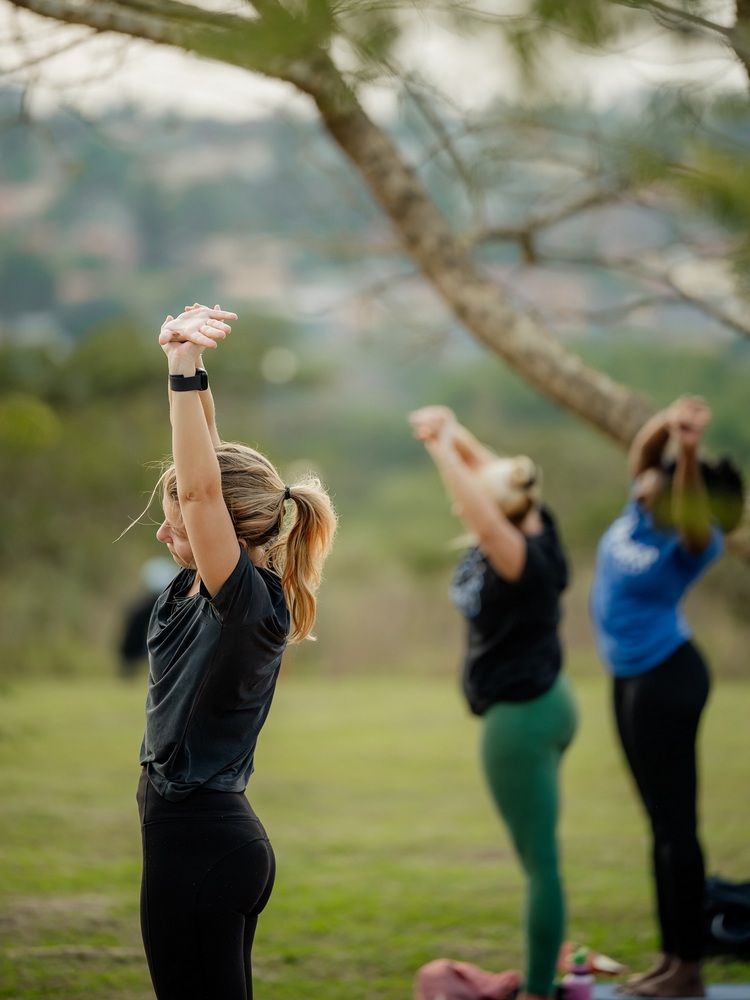
Among them is the Pope John Paul II Garden, named after Pope John Paul II, who celebrated Mass in the area during his 1990 visit to Rwanda. The site was chosen because of its capacity to accommodate large crowds. Other sections are dedicated to wellness activities such as yoga and fitness sessions.
Beyond tourism and entertainment, Nyandungu has also become a quiet retreat for many Kigali residents. Benches placed throughout the park allow visitors to sit under trees near small artificial lakes, creating a peaceful environment for reading, reflection or simply enjoying nature.
More animals and attractions planned
The Manager of Nyandungu Eco-Tourism Park, Ildephonse Kambogo, said the park’s development is still ongoing and that plans are underway to introduce additional wildlife species.
He explained that feasibility studies have already been conducted to determine which animals can adapt to the park’s environment.
“We started by conducting research to identify which animals are suitable for this park and capable of living here. We studied species such as impalas, sitatungas and other small mammals. The research was completed in April, and we are now looking at how to begin introducing them,” he said.
Kambogo added that the park management is optimistic the animals will thrive, noting that species already present in the park have adapted well and reproduced successfully.
He also revealed that new tourism activities, including a zipline and climbing wall for adventure enthusiasts, are expected to be introduced in the future.
In 2024, the Rwanda Environment Management Authority (REMA) announced plans to expand the park by an additional 43 hectares. Recent biodiversity studies show that plant species have increased significantly, rising from 258 species in 2023 to 523 species in 2025.
Wildlife species have also grown steadily. Bird species increased from 83 to over 150, reptiles rose by nine species to reach 11, fish species increased from five to seven, while mammal species rose to 13.
As Kigali continues to grow into a modern urban center, Nyandungu Eco-Tourism Park is emerging as a symbol of how environmental restoration, tourism and urban living can coexist in one of Africa’s fastest-changing cities.
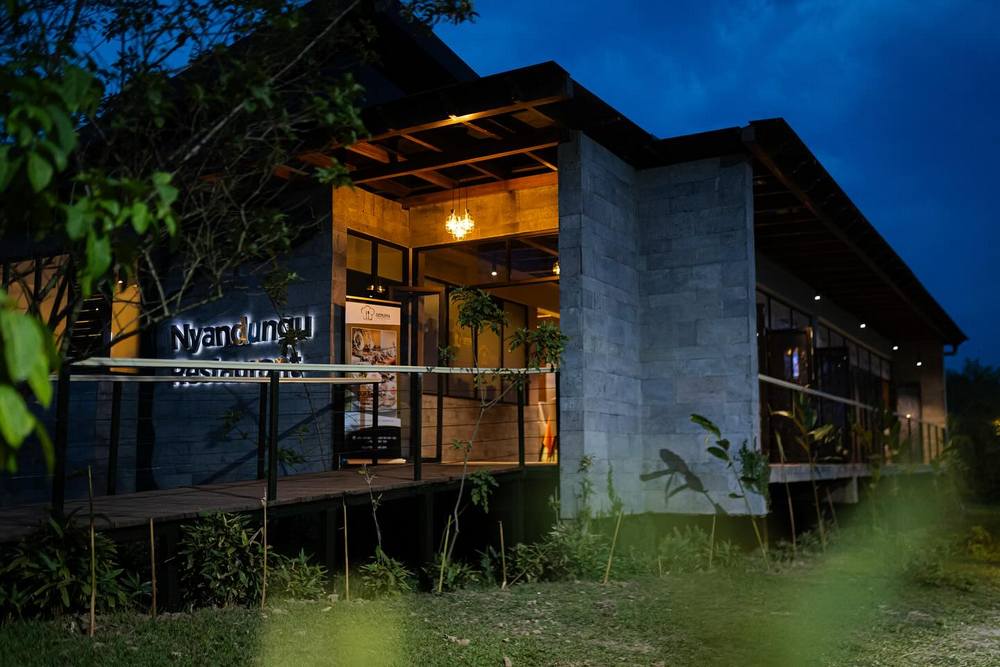
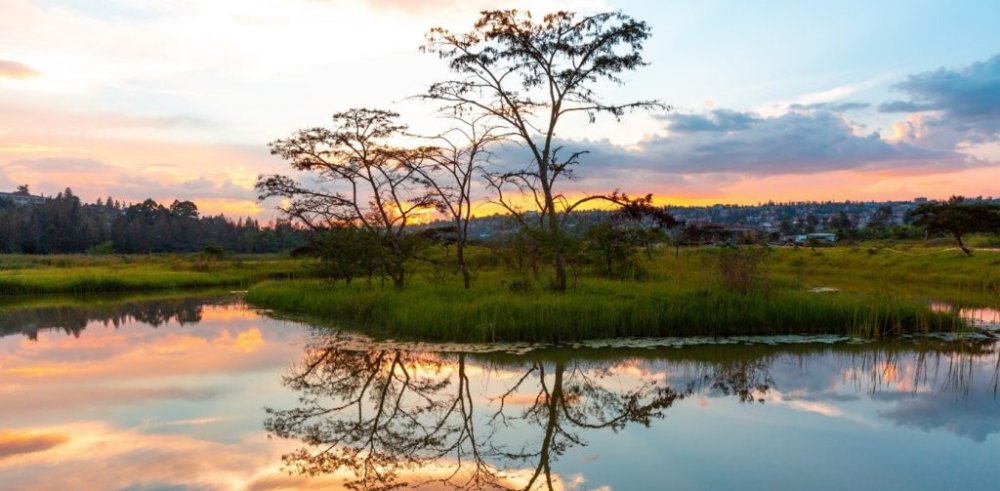
The Pope John Paul II Garden at Nyandungu Eco-Tourism Park honors the late pontiff’s 1990 visit to Rwanda.Other sections are dedicated to wellness activities such as yoga and fitness sessions.Indigenous trees and restored wetlands have transformed Nyandungu into a thriving urban ecosystem in Kigali.Birdlife continues to flourish at Nyandungu Eco-Tourism Park, where more than 200 species have now been recorded.Cyclists and pedestrians explore more than 10 kilometers of recreational trails inside Nyandungu Eco-Tourism Park.Nyandungu Eco-Tourism Park continues to expand its eco-tourism offerings with plans for new wildlife species and adventure activities.Scooters and small tour vehicles have been added to improve visitor experiences at Nyandungu Eco-Tourism Park.A restored wetland at Nyandungu Eco-Tourism Park now serves as a peaceful escape for Kigali residents and tourists alike.Benches placed beneath trees offer visitors quiet spaces to read, reflect and enjoy nature within Kigali’s urban setting.A restored wetland at Nyandungu Eco-Tourism Park now serves as a peaceful escape for Kigali residents and tourists alike.Children enjoy play areas at Nyandungu Eco-Tourism Park, which has expanded its family-friendly attractions in recent years.
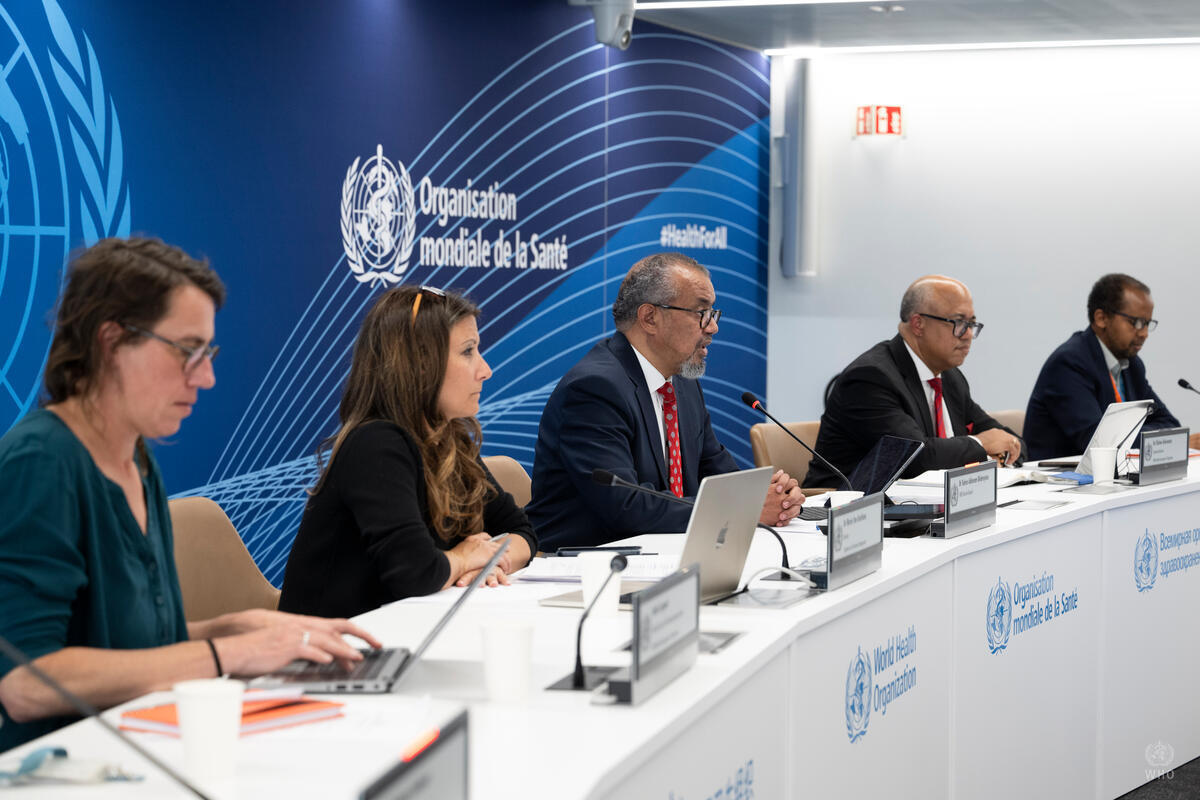
“This is not COVID” and its risk to the general population remains “absolutely low,” Lindmeier said at a briefing in Geneva, as the agency continues to coordinate the response to the outbreak on a cruise ship in the Atlantic.
“I need to stress again and again, even those who have been sharing cabins don’t seem to be both infected in some case … it’s not spreading anything close to how COVID was spreading,” he said.
Three people have died and several others have fallen ill aboard the cruise ship MV Hondius, prompting a major international public health response involving countries across Europe, Africa and Latin America.
Media briefing on Hantavirus hosted by Dr Tedros at WHO headquarters, Geneva, Switzerland, May 7. [Photo / WHO]
The move came after Ghana requested that the African Union (AU) debate at the upcoming AU Mid-Year Coordination Summit in June what it described as “xenophobic attacks” against African nationals in South Africa.
In a statement, South Africa’s Department of International Relations and Cooperation (DIRCO) said the government had “swiftly condemned acts of confrontation and intimidation” following sporadic incidents since late April involving some immigrants, including citizens of fellow African countries.
Since late April, protests against illegal migration, some of which turned violent, have taken place in cities including Johannesburg, Pretoria and Durban, with protesters accusing foreign nationals of taking jobs and business opportunities.
DIRCO said law enforcement agencies had been instructed to ensure the safety of citizens, residents and visitors, and to hold perpetrators accountable in accordance with the law.
DIRCO Minister Ronald Lamola has engaged counterparts from several African countries, including Ghana and Nigeria, to brief them on developments and reaffirm South Africa’s commitment to protecting the rights of all people living in the country, said the department.
The department also dismissed social media claims that Ghanaian and Nigerian nationals had been killed during recent protests, saying there was “no credible evidence” to support such allegations.
According to DIRCO, about 3 million migrants currently reside in South Africa, around 90 percent of whom are from other African countries.
The government acknowledged that migration pressures, unemployment and irregular migration had at times contributed to tensions between local communities and foreign nationals.
Pretoria reiterated its support for regional and continental migration frameworks, noting that many African countries continue to face economic and border management challenges linked to migration.
DIRCO said South Africa was reviewing its immigration policy framework to better address these challenges and remained open to “continued diplomatic engagement and constructive dialogue” with African countries on issues of mutual concern.
“South Africa will continue to lead with a Pan-African heart,” Lamola said. “Our commitment is to solidarity, the rule of law, and the safety of all who reside within our borders. Migration must be managed through cooperation, compassion and continental responsibility.”
A march protesting against undocumented migrants in Durban on 6 May, 2026. AFP
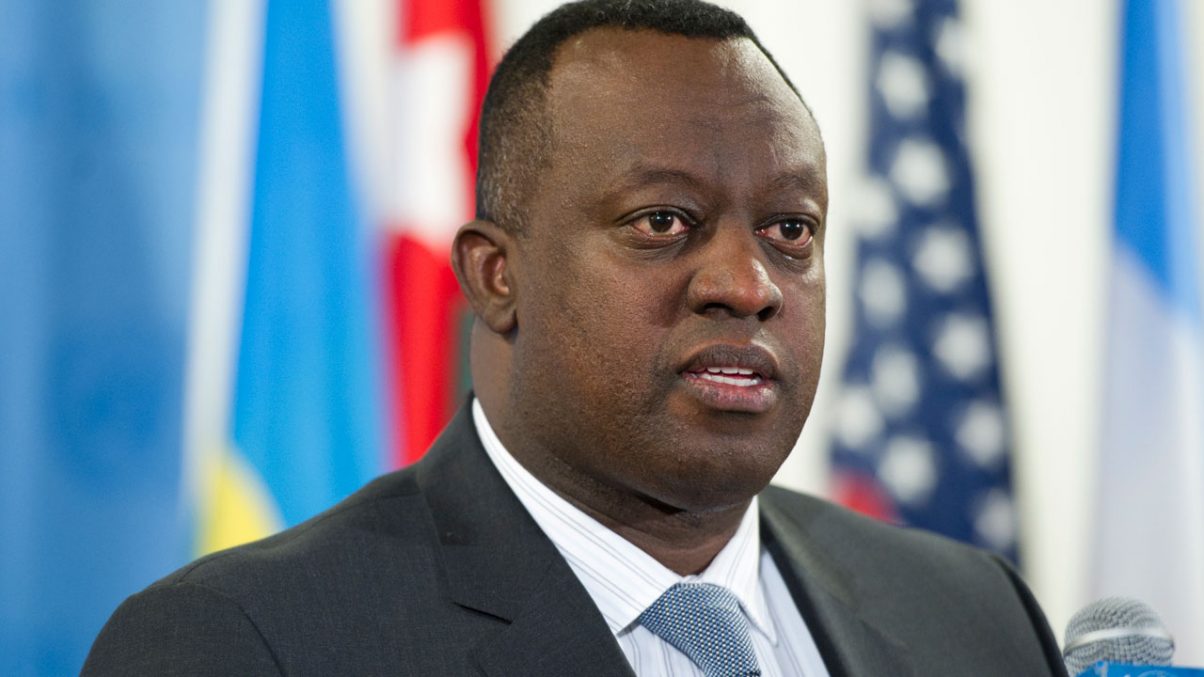
According to a statement issued by Liston Abramson LLP, the law firm that represented the complainant, the jury found that Gasana raped their client and awarded her $5 million in damages.
Gasana previously served as Rwanda’s Permanent Representative to the United Nations and also held the rotating presidency of the United Nations Security Council.
The case was filed by a Rwandan woman who was 21 years old at the time of the alleged incidents. She was working as a summer intern when Gasana was serving as Rwanda’s representative to the UN.
According to the lawsuit cited by the New York Post in 2019, the woman alleged that Gasana assaulted her twice between June and July 2014. The report said Gasana first invited her to the Millennium Hilton Hotel, or One UN Plaza, for dinner before allegedly persuading her to go upstairs to what appeared to be a meeting room but turned out to have a bedroom behind it.
The woman alleged that Gasana raped her in that room. The New York Post reported that she did not immediately report the incident because she was afraid Gasana could harm her or take action against her family in Rwanda. The report further said Gasana allegedly assaulted her again weeks later, on 11 July 2014.
In its statement, Liston Abramson LLP said the case required years of litigation and “extraordinary courage” from the complainant. The firm said she faced not only the trauma of the abuse, but also what evidence at trial showed were efforts by the defense to publicly attack her credibility and reputation and intimidate potential witnesses.
“No verdict can erase the harm she has suffered,” the law firm said. “But this verdict sends a clear message: even powerful individuals can be held accountable.”
Gasana left his position as Rwanda’s Permanent Representative to the United Nations in August 2016.
Former Rwandan UN Ambassador Eugène Gasana has been found liable in sexual assault case
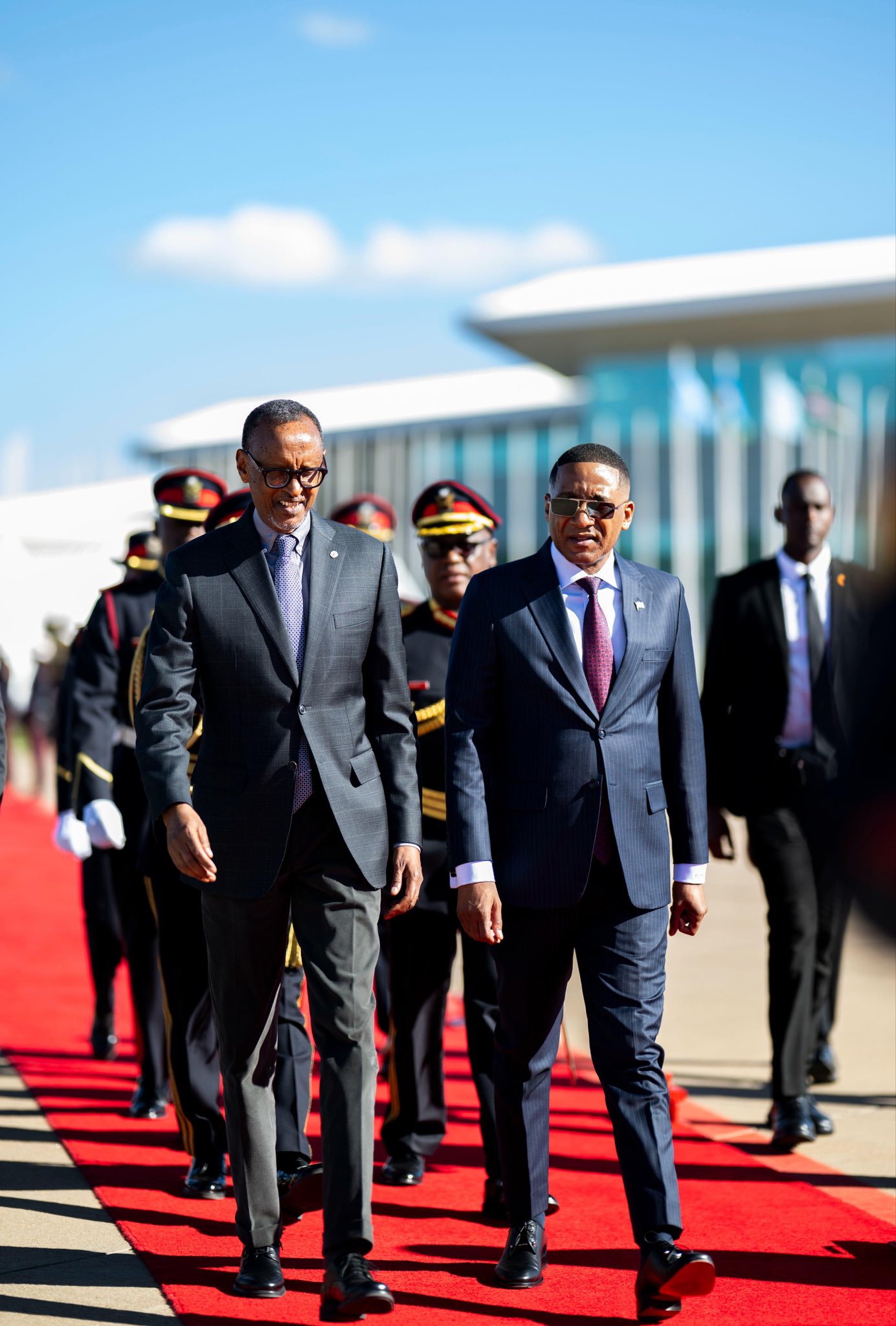
Under a May 2026 agreement, Rwandans can now enter Botswana visa-free for up to six months. The arrangement reflects a broader push by both governments to strengthen intra-African mobility and reduce barriers to movement.
The deal is part of a wider package of six bilateral agreements signed in Gaborone during President Paul Kagame’s state visit, witnessed by President Duma Boko.
These agreements cover double taxation avoidance, visa exemptions for diplomatic, official, and national passport holders, air services cooperation, health sector collaboration, economic, trade, and investment partnerships, and institutional cooperation between the Rwanda Development Board and the Botswana Investment and Trade Centre.
The visa waiver deal is part of a wider package of six bilateral agreements signed in Gaborone during President Paul Kagame’s state visit, witnessed by President Duma Boko.
Both leaders emphasised that the partnership must move beyond diplomacy into practical outcomes that improve citizens’ livelihoods, particularly through trade, connectivity, and private sector growth.
Why Botswana matters now
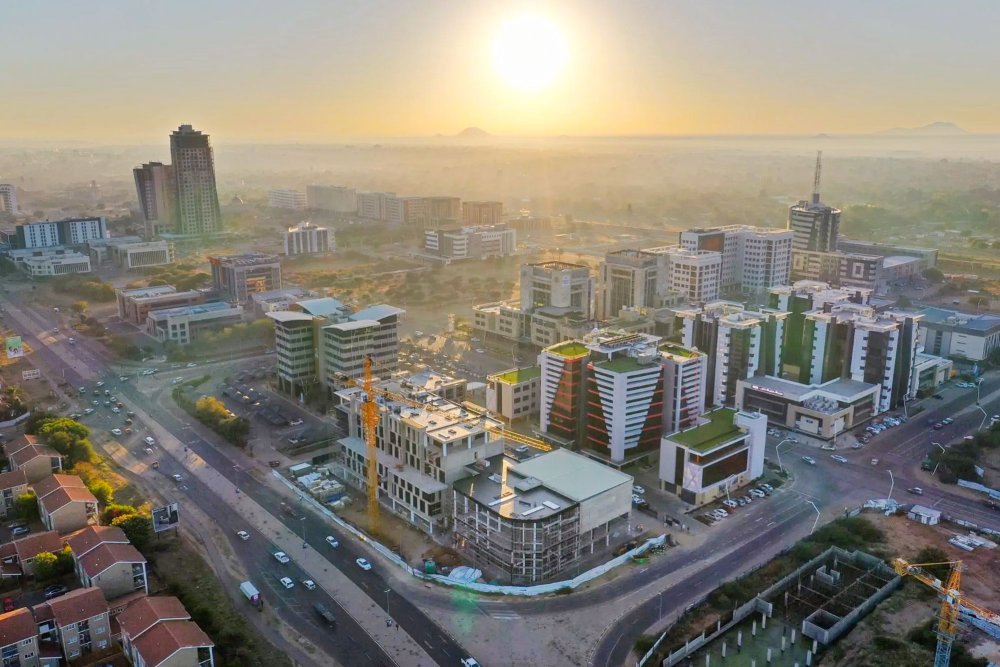
Botswana is often described as one of Africa’s most stable democracies and a model of prudent resource management, particularly in its diamond industry. Much like Kigali, its capital Gaborone City is known for being clean, safe, and steadily modernizing, with a growing tech and services sector.
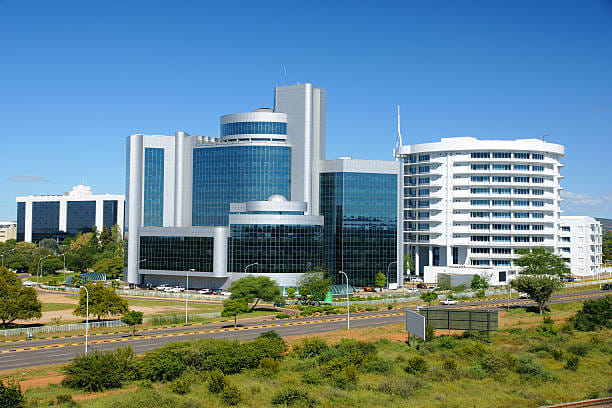
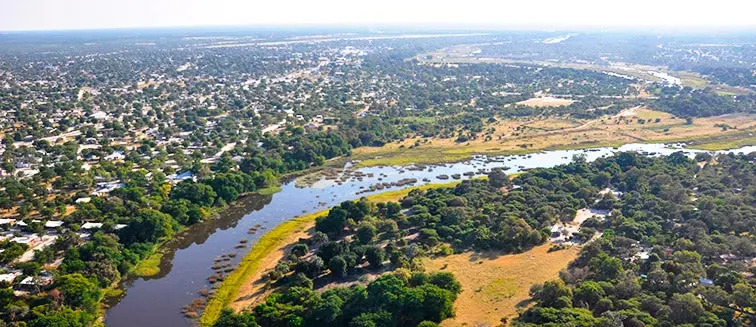
Gaborone is the capital and largest city of Botswana.
With the new visa waiver, Rwandan travelers can now more easily explore a country that combines high-end eco-tourism with vast, untouched wilderness.
Natural wonders worth exploring
Botswana’s landscapes are among the most striking in Africa, offering experiences that range from wetland safaris to desert plains.
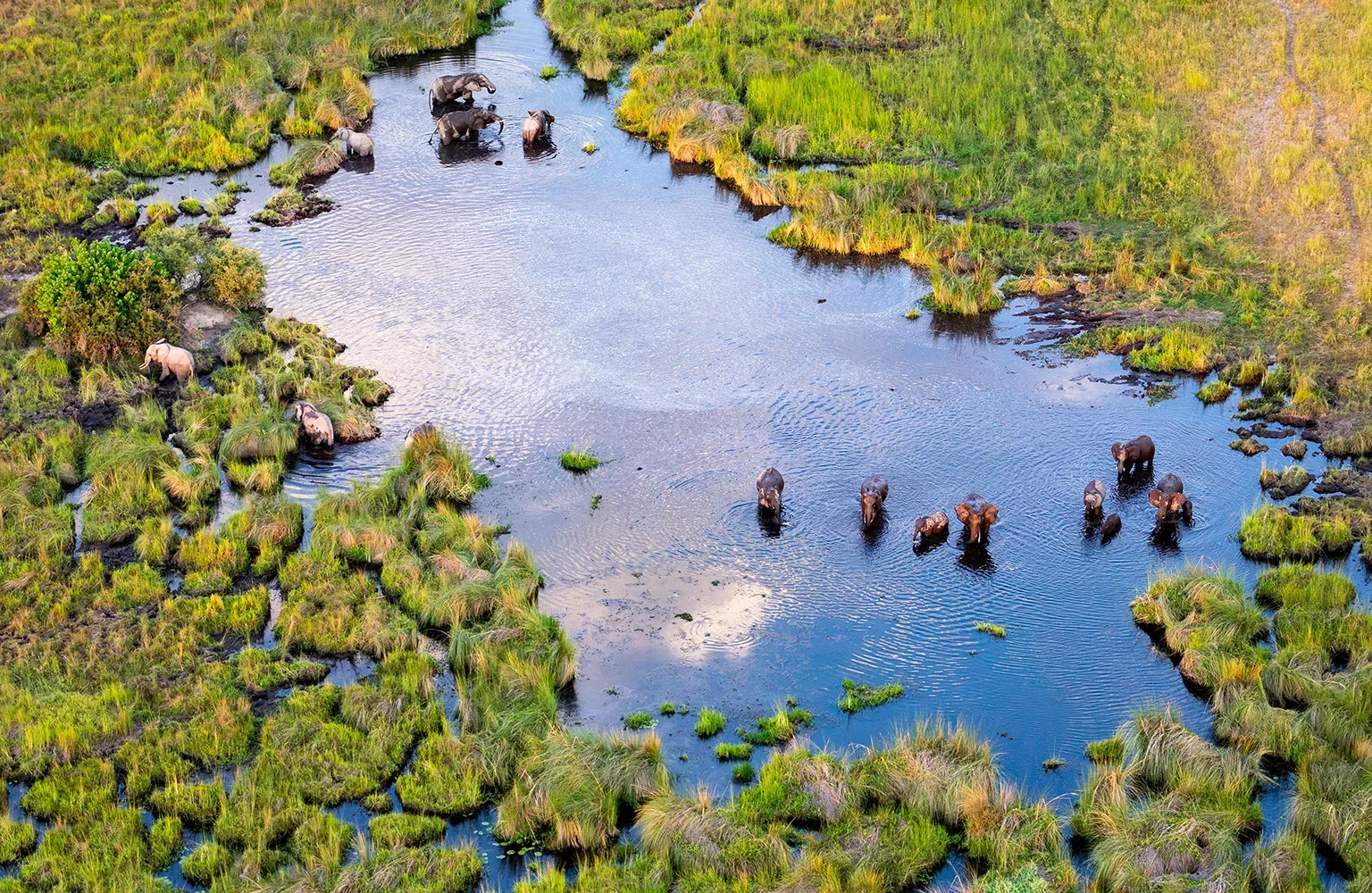
One of the country’s crown jewels is Okavango Delta, a UNESCO World Heritage Site and the world’s largest inland delta, where water flows into the Kalahari Desert rather than the sea. Visitors can glide through waterways in a traditional mokoro canoe, spot elephants, hippos, cheetahs, and endangered rhinos, and experience one of Africa’s most unique wetland ecosystems.
The Okavango Delta lies in the far north of Botswana, in the Ngamiland District, roughly 1,000 km north of the country’s capital, Gaborone.
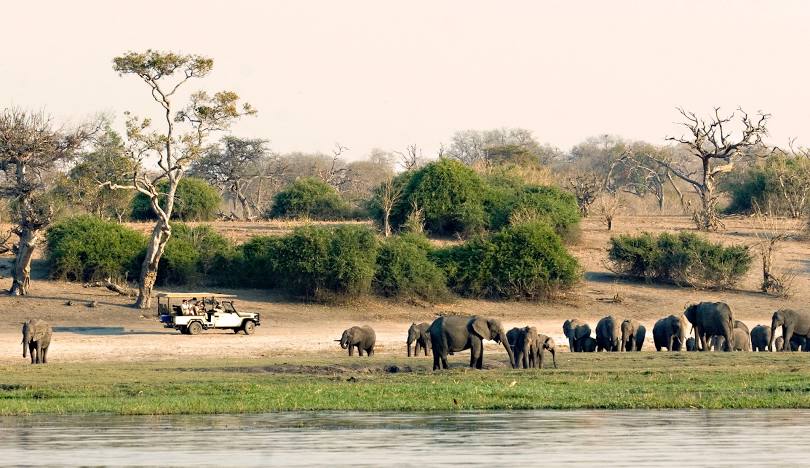
Near Kasane, Chobe National Park is famous for hosting one of the largest elephant populations in the world, estimated at around 130,000. Visitors often experience river safaris along the Chobe River, watching elephants swim and gather along the banks, and the area sits close to the “Four Corners” region where Botswana, Namibia, Zambia, and Zimbabwe meet.
Makgadikgadi Pans National Park offers a surreal, lunar-like environment made of vast salt flats. In the dry season it becomes a brilliant white desert, while in the wet season it transforms into wetlands that attract large zebra and flamingo migrations. It is also one of the best stargazing locations in Africa due to almost zero light pollution.
Known as the “Louvre of the Desert,” Tsodilo Hills contains more than 4,500 ancient rock paintings created by the San people, some of which date back thousands of years, offering a deep historical and spiritual insight into the region’s earliest inhabitants.
Key gateway cities
For travellers entering Botswana, two towns often serve as key entry points. Maun is the main launch point for safaris into the Okavango Delta and is widely regarded as the country’s tourism capital. Francistown is one of the oldest urban centres in Botswana and serves as an important commercial hub near the Zimbabwe border.
Maun is known as the “gateway to the Okavango Delta” and serves as the primary tourism hub and staging point for travellers visiting this UNESCO World Heritage site.
Culture, people, and everyday life
Botswana’s people, known as Batswana (singular: Motswana), speak Setswana alongside English, which is widely used in government and business. The national currency is the Pula, meaning “rain,” a reflection of how precious water is in this semi-arid country.
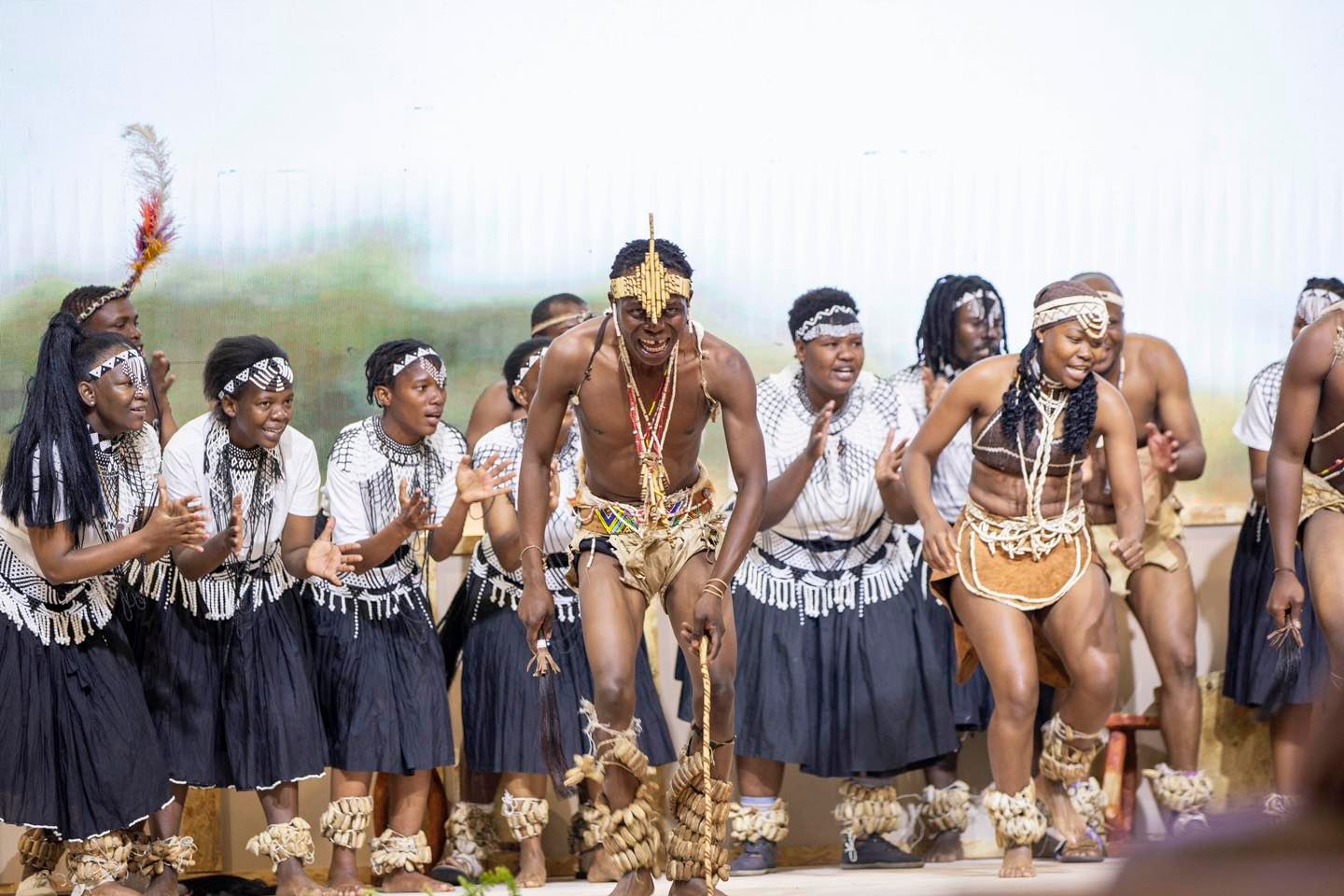
The Botswana cultural dance performance.
Cuisine includes Seswaa, a traditional meat dish made from beef or goat that is slow-cooked and pounded until tender, often served with bogobe, a thick porridge similar in texture to Rwanda’s traditional staples. Geographically, Botswana is roughly the size of France but has a population of only about 2.4 million people, making it one of the most sparsely populated countries in the world.
A partnership beyond borders
The visa waiver is part of a broader strategic shift between Rwanda and Botswana toward deeper integration. During recent talks in Gaborone, both Presidents emphasized that success will be measured not only in agreements signed but in real improvements in trade, investment flows, air connectivity, and citizens’ mobility.
As Botswana opens its doors wider to Rwandan travelers, it presents a rare combination of wilderness, stability, and cultural depth, offering a new frontier for tourism and exchange in Southern Africa.
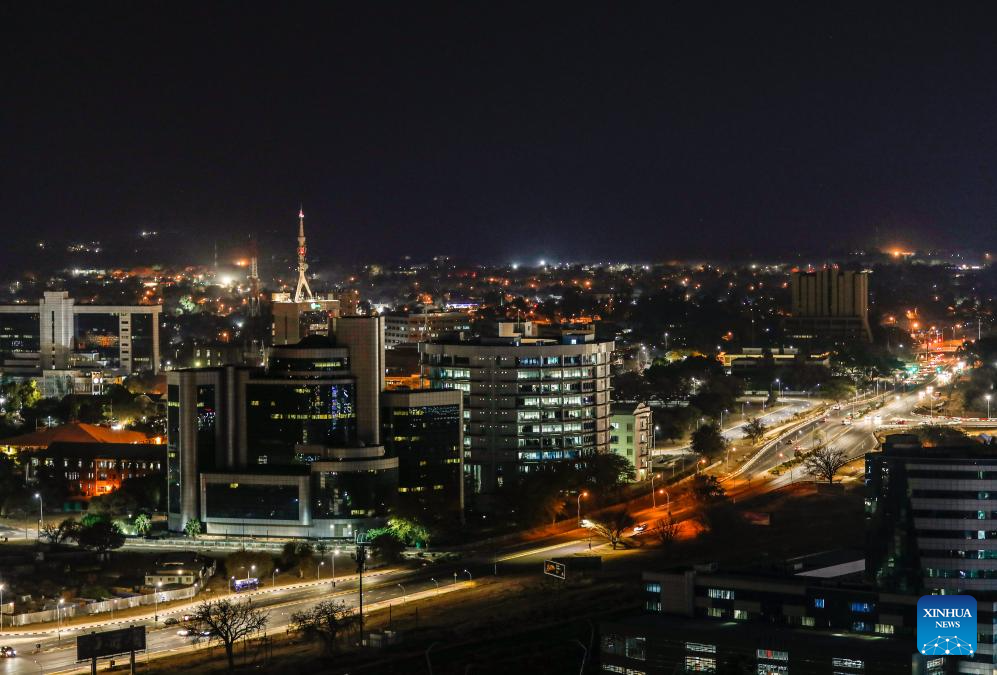
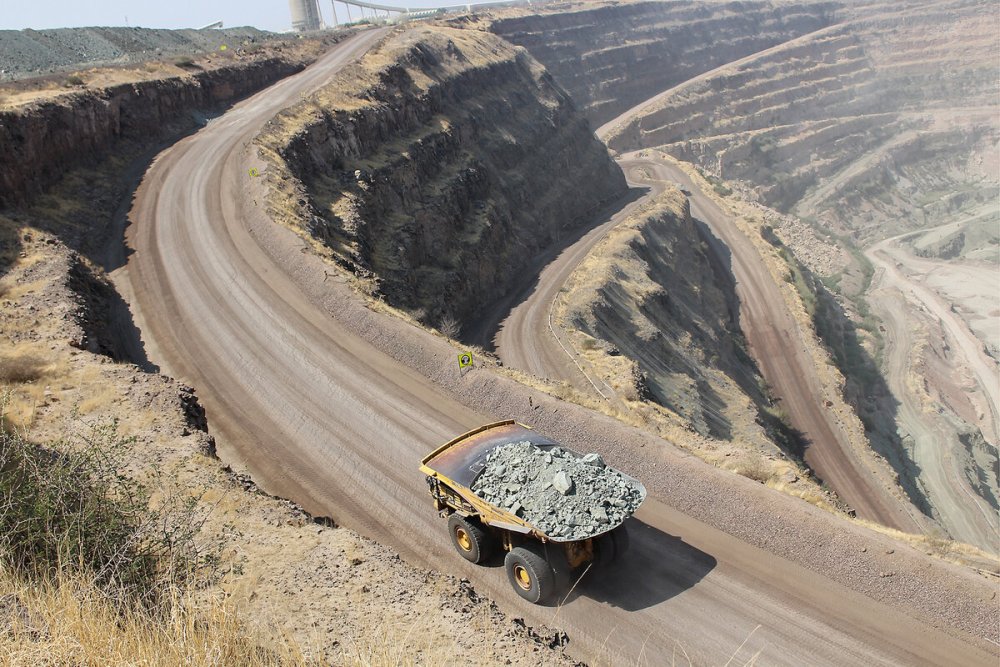
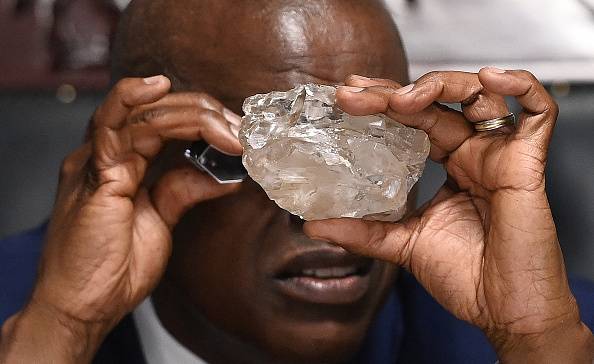
This photo taken on Sept. 10, 2023 shows a night view of Gaborone, Botswana. As the capital of the Republic of Botswana, Gaborone is located on the southeastern border of the country, with a population of over 200,000.The City of Gaborone.Diamonds continue to account for roughly 80% of Botswana’s total export earnings.Former Botswana President Mokgweetsi Masisi looks at a large diamond discovered in Botswana at his office in Gaborone on August 22, 2024. The 2492 carat diamond was discovered in the Karowe mine in Botswana of Lucara Diamond Company.Botswana holds the largest elephant population in Africa. Home to an estimated 130,000 bush elephants, roughly one-third of the continent’s total, the country features a ratio of approximately one elephant for every 15 people.
Speaking about her past, Shakira revealed that her troubles began when she was just 20 years old after being impregnanated by a Burundian footballer who later became a well-known figure in Rwandan football. Although she once considered him the man of her dreams, their relationship eventually turned toxic.
“He made me pregnant before we got married. At that time, he left for Kinshasa to play for AS Vita Club while I was four months pregnant. By the time he returned, our child was already one year old,” she said.
According to Shakira, the footballer later married her and initially treated her well. However, life in marriage soon became unbearable due to his repeated infidelity, emotional mistreatment, and violence.
“I truly loved him, and I believe he loved me too because he would not have married me otherwise. But after taking me into his home, life became extremely difficult,” she explained.
She said she struggled emotionally after constantly hearing reports that her husband was spending time with other women, including girls featured in popular music videos. The rejection she faced from her in-laws only made the situation worse.
“For me, moving to Dubai felt like an escape because I wanted to get far away from him. People were always calling me saying they had seen him with another girl in a car or with some famous video vixen. It reached a point where I felt like my heart would explode,” she said.
At the time, Shakira was still attending university. She recalled how difficult life became, explaining that even after returning home late from classes, her husband refused to eat food prepared by a housemaid, forcing her to cook for him late into the night.
Eventually, the footballer demanded that they begin sleeping in separate rooms and instructed her never to question where he went or what he was doing.
Exhausted by the toxic relationship, Shakira decided to leave the marriage despite criticism from her own family, who accused her of destroying her home.
“After we separated, I had a group of friends who were also Slay Queens. They helped me arrange a flight to Dubai,” she said.
Before leaving Rwanda, she entrusted her child to one of her close friends.
Life among celebrities in Dubai
In 2012, Shakira moved to Dubai, where she spent the next seven years. Upon arrival, she was welcomed by acquaintances who had already settled there, and she initially lived with another woman who also had a child.
After becoming familiar with the city, she entered the nightlife industry through a job commonly known as “hosting,” which involved entertaining and receiving guests in clubs and bars.
Through that work, she interacted with wealthy and influential individuals, including international celebrities, many of whom became part of her social circle.
Shakira recalled that shortly after suffering a miscarriage and while still struggling emotionally, she met a foreign man on her first day working in Dubai who took interest in her and gave her $1,300, money she says helped her begin rebuilding her life.
“I used to host celebrities like Davido and Kizz Daniel. Many people knew me there,” she said.
“I lived a life surrounded by influential people. I met children of presidents, musicians, and other powerful individuals almost every day while working there. There were also several well-known girls from Rwanda involved in the same lifestyle, but I cannot mention their names.”
Among the celebrities Shakira says she interacted with during her time as a “Slay Queen,” she mentions Nigerian music star Davido as one of the famous artists she met and hosted.
How she connected wealthy men with escorts in Dubai
Mukaruziga revealed that although she became part of the high-end escort lifestyle often associated with “Slay Queens,” she personally tried to avoid becoming deeply involved in prostitution despite being surrounded by wealthy and influential men in Dubai.
Instead of sleeping with the celebrities and rich clients she met through nightlife hosting, she said she chose to introduce them to other women.
“In order to maintain that lifestyle and keep my connections, I avoided becoming sexually involved with them because I knew that once a celebrity sleeps with you, the next day he may never speak to you again,” she explained.
“So instead, I connected them with other girls. The man would meet the girl he wanted, they would do whatever they wanted together, but afterward he would still continue calling me and keeping in touch with me because I had protected myself from getting directly involved.”
Shakira said one of the reasons she managed to avoid going too deep into prostitution was because she was in a relationship with a Kenyan man during her years in Dubai. According to her, he often accompanied her to hosting events and nightlife venues, which limited opportunities for her to become intimate with other men.
“While I was in Dubai, I dated a Kenyan man who was financially stable. During the time I worked in hosting, he was always by my side, and that helped me avoid getting deeply involved in prostitution. We went everywhere together,” she said.
‘Slay Queens’ and the illusion of luxury
After spending nearly a decade living the “Slay Queen” lifestyle, traveling between countries and entertaining wealthy clients who paid enormous sums of money, Shakira says many women involved in that world begin to believe there is no better life outside of it.
However, looking back today, she says she eventually realized that much of the money earned through that lifestyle brought no real value or lasting happiness.
According to her, the experience made her question whether there was something spiritually dangerous behind the extravagant wealth and gifts some men freely offered to young women.
“When you are living that kind of life, you feel like there is no other life better than it. Someone can simply hand you $50,000 for what seems like nothing,” she said.
“It was only after leaving that lifestyle, even after falling into drug abuse, that I started thinking deeply about it.”
She questioned how a man could give a woman tens of thousands of dollars after spending only one night with her, suggesting that such situations may sometimes hide darker motives.
“How can someone sleep with you for one night and give you $50,000? Isn’t there something hidden behind it? Sometimes I feel like people may be trying to gain something spiritually or personally from those interactions,” she said.
She added that despite receiving large amounts of money during those years, very little of it brought meaningful progress to her life.
“Even the huge amounts of money I received never truly benefited me in any meaningful way. Most of it disappeared without changing my life for the better, and many other Slay Queens know exactly what I mean and how that money is usually spent,” she explained.
Concerns about spiritual manipulation
Shakira also claimed that many of the men she encountered who lavishly spent money on Slay Queens sometimes without even engaging in sexual relations were foreigners, particularly Nigerians. She said some of the experiences left her suspicious that certain individuals may have been involved in spiritual practices or hidden agendas.
“You are not that special for a man to simply give you huge amounts of money or buy you expensive cars without expecting something in return,” she said.
“Most of the people who did that were foreigners, especially Nigerians. Since childhood, we have watched movies about spiritual practices and rituals, and sometimes some situations I witnessed felt very suspicious.”
Although she acknowledged that these were her personal reflections and beliefs, Shakira warned that many women involved in transactional relationships with wealthy foreigners often do not end up with happy lives in the long run.
“We should call things by their real names. Some people go looking for what they call ‘stars’ or special blessings and powers. They may be given instructions to do certain things while you are with them, without you even realizing what is happening,” she said.
Here, she was pictured alongside Vincent Kigosi, the renowned Tanzanian film actor.
Former Kigali ‘Slay Queen’ linked to Nigerian Billionaire and Husband of Actress Regina Daniels
Shakira has revealed that during her years living in Dubai, she was once introduced to Nigerian billionaire and politician Ned Nwoko, the husband of Nigerian actress Regina Daniels.
Ned Nwoko is widely known in Nigeria for his luxurious lifestyle and for being married to multiple women at the same time. His marriage to Regina Daniels attracted major media attention, partly because of the nearly 40-year age difference between them.
According to Shakira, she was invited to travel to Nigeria to meet the billionaire for what was allegedly expected to become a sexual relationship.
“I arrived and found a private jet waiting for me,” she recalled. “When I got there, I found around 10 other girls who had also been brought there the same way I had.”
She said the group included women from different African countries, including South Africa and Kenya.
“At night, they would prepare a very long dining table where all the girls sat in a line, while he sat in the middle. The atmosphere looked almost royal, like something you only see in movies about kings and wealthy families,” she explained.
Shakira described the environment as luxurious and highly organized. The women were reportedly treated well, each having her own room, access to recreational facilities like tennis courts, and other forms of entertainment.
However, she claimed that despite the assumptions surrounding the gatherings, the billionaire did not pressure every woman into a sexual relationship.
“He never came and announced that he had brought the girls there for sex,” she said. “There was usually one girl who spent the night in his room, although I cannot confirm what happened there. Personally, he never touched me, and there were other girls I knew he never approached either.”
According to Shakira, although she never had a sexual relationship with Ned Nwoko, he still gave her a large amount of money, the biggest sum she had ever received at one time in her life.
“He liked spending time with me and preferred sitting with me in the car even though there was another woman he was closer to,” she said.
She also described being taken to what she believed was a mysterious underground location that appeared luxurious and unusual.
“We were taken to a place that looked like a huge underground structure. Inside, there were strange decorations, traditional-looking carvings, and small woven baskets. Some of the objects looked unusual, almost symbolic,” she explained.
According to her, the billionaire later gave her $15,000.
She added that after returning to Abuja, the capital of Nigeria, he reportedly gave her an additional $30,000 along with a smartphone worth around $2,000.
“That was the largest amount of money I had ever received at once in my entire life,” she said. “Looking back now, I can say that was the moment my life truly began falling apart.”
Drug addiction and financial collapse
Shakira admitted that although she had experimented with drugs before, receiving such a huge amount of money pushed her deeper into addiction.
She said that immediately after returning to Rwanda, she contacted a drug supplier she already knew and arranged to buy cocaine.
“I had used cocaine before, but after getting that money, I called someone I knew and told him to make sure he had enough prepared for me,” she recalled.
She claimed that within just three nights, she had spent nearly $16,000 on drugs. During that period, she was also robbed of another $10,000.
From that point onward, her addiction worsened rapidly. She exhausted the remaining money she had received from the Nigerian billionaire, spent her personal savings, and eventually sold nearly everything she owned in order to continue buying drugs.
Shakira said the addiction completely destroyed her life and reputation.
“Drugs took me to a terrible place,” she said. “I reached a point where I was constantly begging people for small amounts of money, stealing, and even selling small personal belongings just to survive.”
She added that some of the same “Slay Queen” friends she once socialized with including women who are now prominent figures in Rwanda’s entertainment industry eventually abandoned and ignored her.
After realizing the seriousness of her addiction, Shakira voluntarily sought rehabilitation, but her initial attempts failed. She was later arrested by security authorities and taken to Gikondo Transit Center, where she spent seven months.
Shortly after giving birth, she was eventually transferred to Gitagata Rehabilitation Center for further rehabilitation and recovery.
Shakira is among the women who were widely known as part of Rwanda’s “Slay Queen” scene between 2013 and 2022.
Former ‘Slay Queen’ warns Rwandan women living double lives on social media
Shakira has claimed that some women and girls who have built large followings and glamorous reputations on social media in Rwanda are secretly living the same lifestyle she once lived receiving large sums of money through transactional relationships while presenting different public careers to hide the reality behind their wealth.
According to Shakira, many of these women use other businesses or professions as a cover to make it appear as though their luxurious lifestyles are financed entirely through legitimate work.
She said that women who have already gone through such experiences should use whatever money they earned to build stable and respectable businesses instead of continuing in a lifestyle she now believes is destructive.
“If you have already lived that life and managed to gain even a small amount from it, use it as capital to build a better future,” she said.
“What happened cannot be erased, and you cannot go back in time to change it, but you can still transform your life. Instead of pretending that your side business is your only source of income, make it become your real and honest work.”
Shakira warned that refusing to leave the lifestyle behind can eventually destroy a person’s life, reputation, and future.
“If you refuse to use the opportunity you already have to change your life, one day you may end up like me or someone else who lost everything,” she said.
“I would never wish that kind of life on anyone because, in the end, it is not worth it.”
Mukaruziga Shakira is currently undergoing rehabilitation at Gitagata Rehabilitation Center after being admitted for drug abuse treatment.
Scientists have long recognized the importance of coral reefs in maintaining marine biodiversity, but a new study reveals that the true diversity of these ecosystems exists at a much smaller scale within the microbial communities that thrive alongside the coral.
Researchers from the University of Galway, in collaboration with the international Tara Pacific consortium, collected microbiome samples from 99 coral reefs across 32 Pacific islands. They successfully reconstructed the genomes of 645 microbial species, many of which had never been genetically described before.
These microbes, living in close association with specific coral species, are more than just bystanders in the reef ecosystem; they are integral to the health and functioning of the coral and the surrounding marine environment.
Coral reefs have earned the title of the “rainforests of the sea” due to their remarkable biodiversity, with many species relying on these reefs for shelter and food.
However, this new study suggests that much of the true diversity of coral reefs is found at the microscopic level, in the unseen coral microbiome. These microorganisms play key roles in nutrient cycling, helping corals thrive in nutrient-poor waters, and protecting them from disease.
One of the most exciting findings of the research is that many of these newly identified microbes contain biosynthetic gene clusters genetic blueprints that can produce bioactive compounds.
These compounds may have a wide range of applications in medicine, including the development of new drugs or treatments. For example, they could potentially be used to treat cancer, infections, or inflammatory diseases. The discovery of these gene clusters in coral reef microbes has opened up new possibilities for drug development.
Dr. Maggie Reddy, a lead researcher from the Ryan Institute at the University of Galway, pointed out that fewer than 1% of the microbial species identified in this study had been previously studied, underscoring the massive knowledge gap that still exists in the field of coral microbiomes.
This lack of data highlights the need for more research and further exploration of the complex interactions between coral reefs and their microbial inhabitants.
As coral reefs continue to face threats from climate change, pollution, and overfishing, the findings emphasize the urgency of protecting these ecosystems.
Coral reef destruction could lead to the loss of not just biodiversity, but also the molecular treasures hidden within these reefs, which could offer groundbreaking medical discoveries in the future.
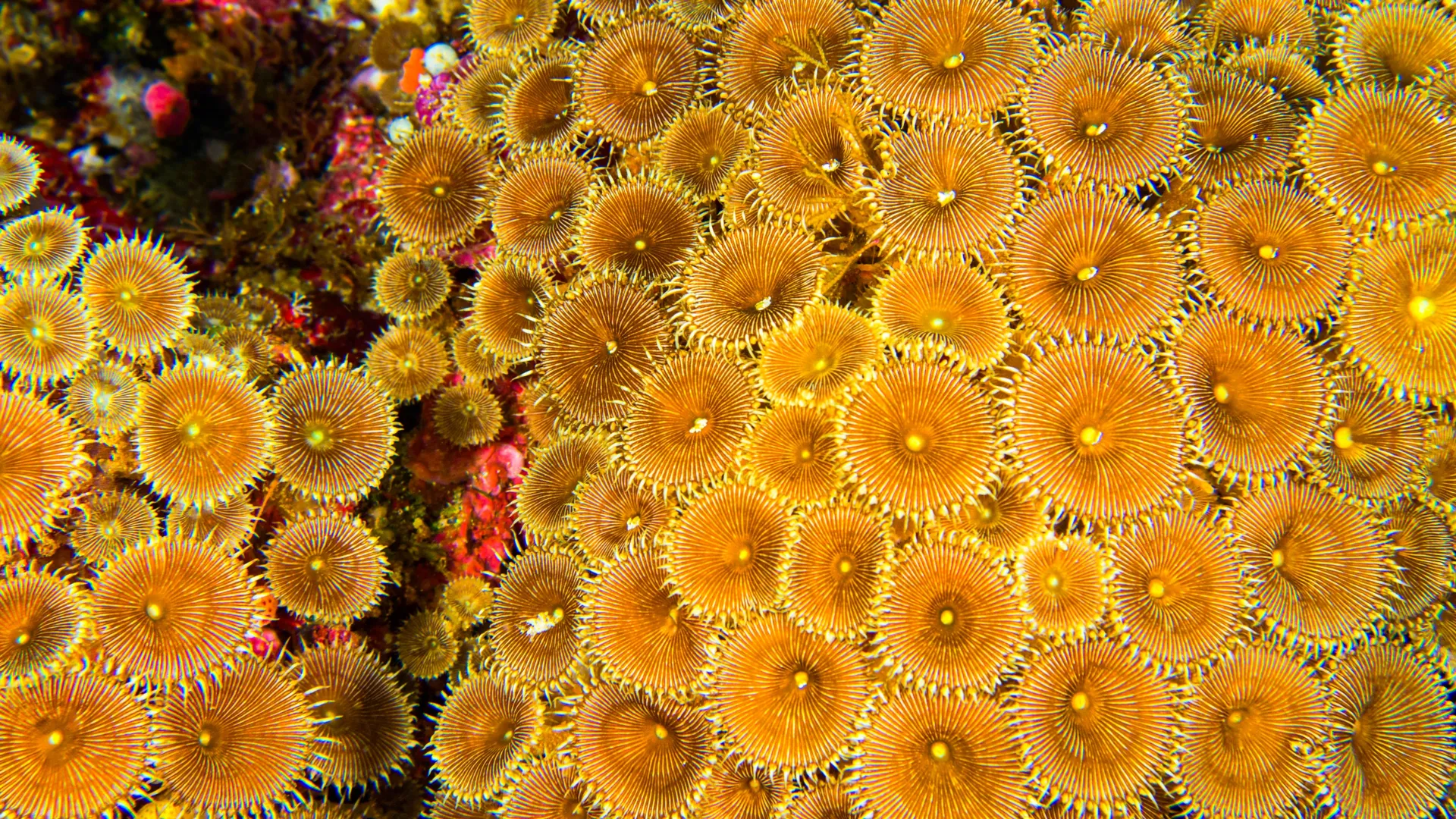
Coral reefs’ hidden microbes hold potential for groundbreaking medical discoveries.
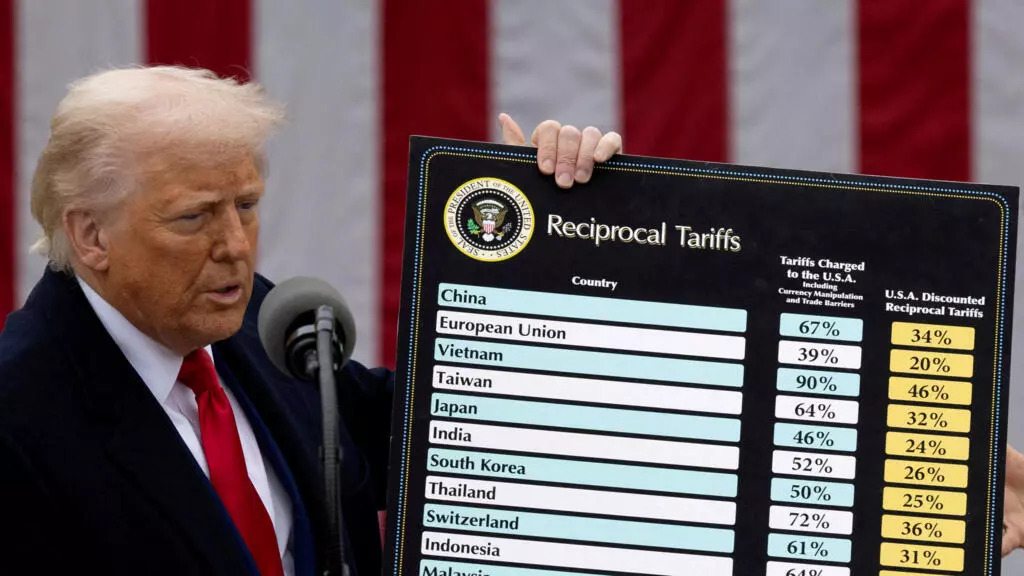
The court ruled that Section 122 of the Trade Act of 1974 allows tariffs only when there are “large and serious balance-of-payment deficits.”
“But no such thing exists,” Oregon Attorney General Dan Rayfield’s office said in a release. “A trade deficit is not a balance-of-payment deficit. As the court ruled, the President’s tariffs proclamation ‘is invalid, and the tariffs imposed on Plaintiffs are unauthorized by law.’”
The Trump administration initially invoked the International Emergency Economic Powers Act to impose universal tariffs worldwide in April 2025. The Supreme Court ruled those tariffs were unlawful in February this year. Trump then immediately resorted to Section 122 of the Trade Act of 1974 and announced a 10 percent ad valorem duty on “all articles imported into the United States,” supposedly in response to trade deficits.
The duty went into effect at 12:01 a.m. Eastern Standard Time on February 24, 2026, and is set to remain in effect until 12:01 a.m. Eastern Daylight Time on July 24, 2026, unless “suspended, modified, or terminated on an earlier date” or “extended by an Act of the Congress.”
In the face of the new global tariff, a coalition of 24 U.S. states filed their respective complaints in March 2026.
The U.S. Court of International Trade on Thursday ruled that U.S. President Donald Trump’s new global tariff is illegal, thus invalidating his 10 percent tariffs on most U.S. imports.
The report, which applies international auditing standards, is intended to help the country accurately assess the value of its public assets and financial resources and better understand its overall fiscal position.
Such comprehensive asset valuation exercises remain a challenge in many African countries, where governments may hold significant wealth but lack precise and consolidated records of its total value.
The Office of the Auditor General launched this initiative to support Rwanda’s development agenda by providing a clearer picture of the state’s financial standing and asset base.
The assessment covered all government-owned assets, regardless of location, as well as financial holdings.
Breakdown of government assets
The report shows that government-owned land is valued at Rwf 3,052.9 billion, while buildings are valued at Rwf 3,568.3 billion. Road infrastructure accounts for Rwf 3,776.6 billion.
Other state assets include vehicles worth Rwf 92 billion, machinery and construction equipment valued at Rwf 242.9 billion, and ICT equipment worth over Rwf 113 billion. Intangible assets, including government IT systems, are valued at Rwf 161.3 billion, while heritage assets are valued at approximately Rwf 0.9 billion.
Overall, total government assets amount to Rwf 18,370 billion, with cash and cash equivalents standing at Rwf 3,644 billion.
Year-on-year increase
The report indicates a significant increase in public assets and finances, rising from Rwf 18,342 billion in the previous year to Rwf 22,187 billion in 2024/2025.
It also highlights that government investments are distributed across 30 public institutions, five private entities, and 15 international organisations.
Improvements in financial management
Presenting the report to both chambers of Parliament on May 6, 2026, Auditor General Kamuhire Alexis noted continued progress in the management of public resources.
The audit found that financial statements were properly prepared at a rate of 97%, compliance with laws and regulations stood at 83%, while efficiency in the use of public resources reached 79%.
Despite these improvements, Kamuhire emphasised the need for further strengthening in project planning and implementation, service delivery, management of government assets and equipment, and follow-up on audit recommendations.
Concerns over idle assets
The report also identified 436 unused government assets, valued at Rwf 8.2 billion, up from Rwf 7.9 billion in 2024.
These idle assets include medical equipment, land and buildings, market facilities, ICT equipment, livestock weighing scales, and primary healthcare infrastructure.
The Auditor General recommended that such assets be put to productive use or disposed of where utilisation is not feasible.
“Those responsible for managing public assets should coordinate with relevant institutions to ensure these resources are effectively utilised, or sold where necessary,” he said.
Rwanda’s public assets and financial position have reached over Rwf 22 trillion, according to the 2024/2025 report by the Auditor General of State Finances.