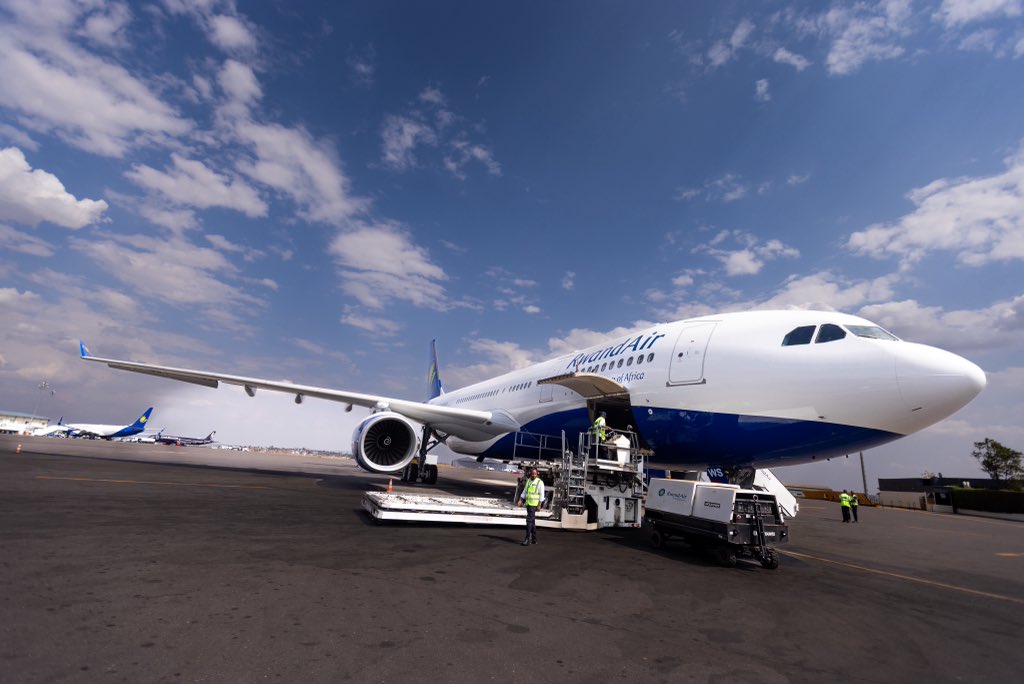
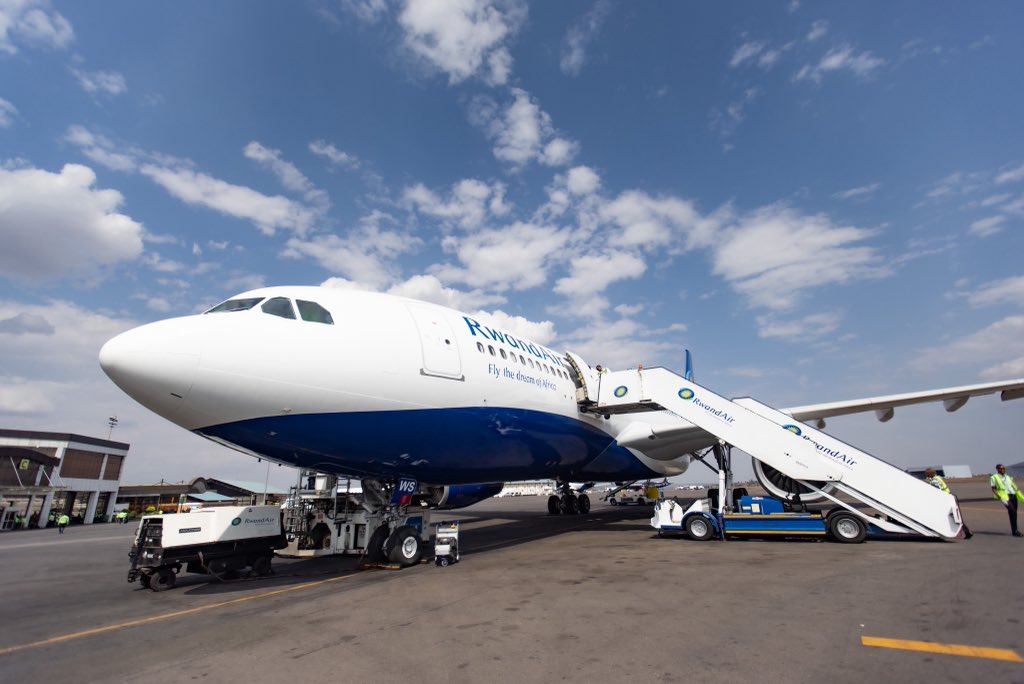
The plans come as RwandAir prepares to add five Airbus A330 aircraft to its fleet, a move expected to provide the capacity needed to support additional frequencies on existing routes and future network expansion.
A RwandAir official told The New Times that the airline’s immediate priority is to strengthen its current long-haul services, particularly by increasing flights to Paris and Brussels, while evaluating opportunities to expand into Germany and Asia.
On August 24, RwandAir announced the arrival of an Airbus A330-200, the first of the five aircraft expected to join the fleet. The 226-seat aircraft has already entered commercial service and is primarily supporting the airline’s European operations.
“The additional capacity will provide passengers with more travel options while enhancing connectivity through our Kigali hub for travellers flying between Europe and destinations across Africa,” the official told the publication.
The remaining four A330s, which are being acquired through leasing arrangements, are expected to join the fleet progressively over the coming months, although the airline has not announced specific delivery dates.
Each of the aircraft can accommodate between 220 and 270 passengers and is expected to give the carrier greater flexibility in responding to growing demand and expanding its network.
RwandAir said the additional capacity would also improve operational resilience and help maintain service reliability as the airline grows.
The expansion forms part of RwandAir’s broader ambition to more than double its annual passenger numbers from just over one million in the 2023/24 financial year to more than 2.1 million by 2028/29. The strategy relies on fleet expansion, new routes and strategic partnerships to strengthen Kigali’s position as a gateway linking Africa with key international markets.
The latest A330 addition follows RwandAir’s continued investment in its fleet. In August 2025, the carrier added two Boeing 737-800 aircraft, primarily to support short- and medium-haul operations.
With more wide-body aircraft on the way, the airline is positioning itself to grow its long-haul network while offering passengers more travel options through its Kigali hub.
The Airbus A330-200 received this month is the first of five aircraft expected to join the fleet.
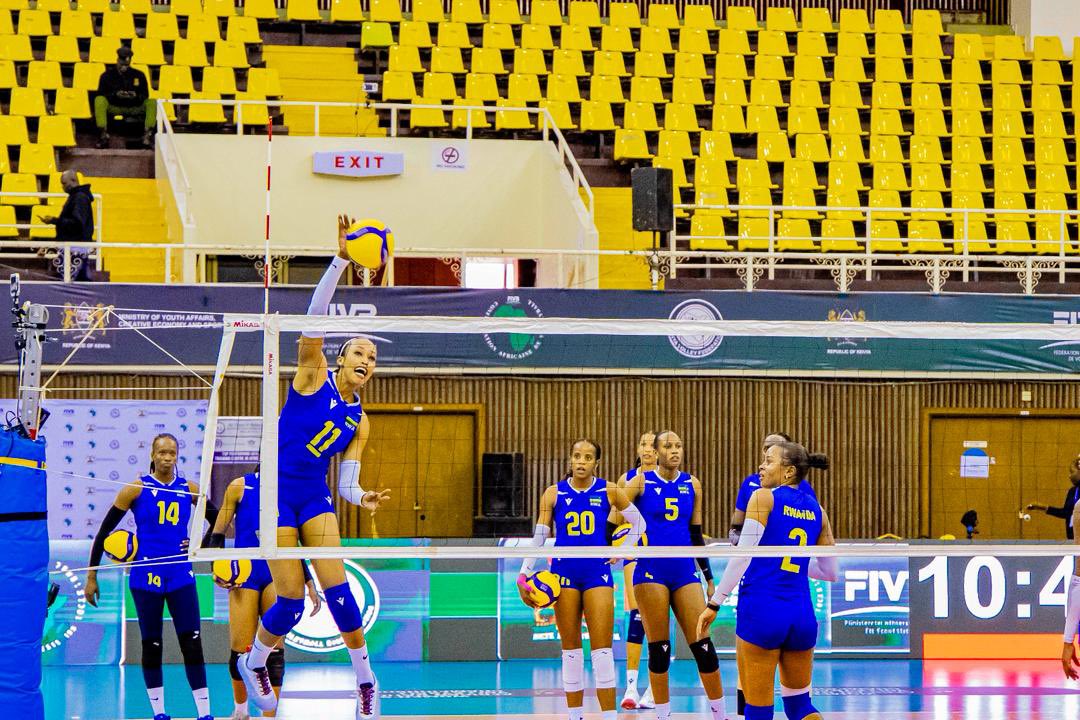
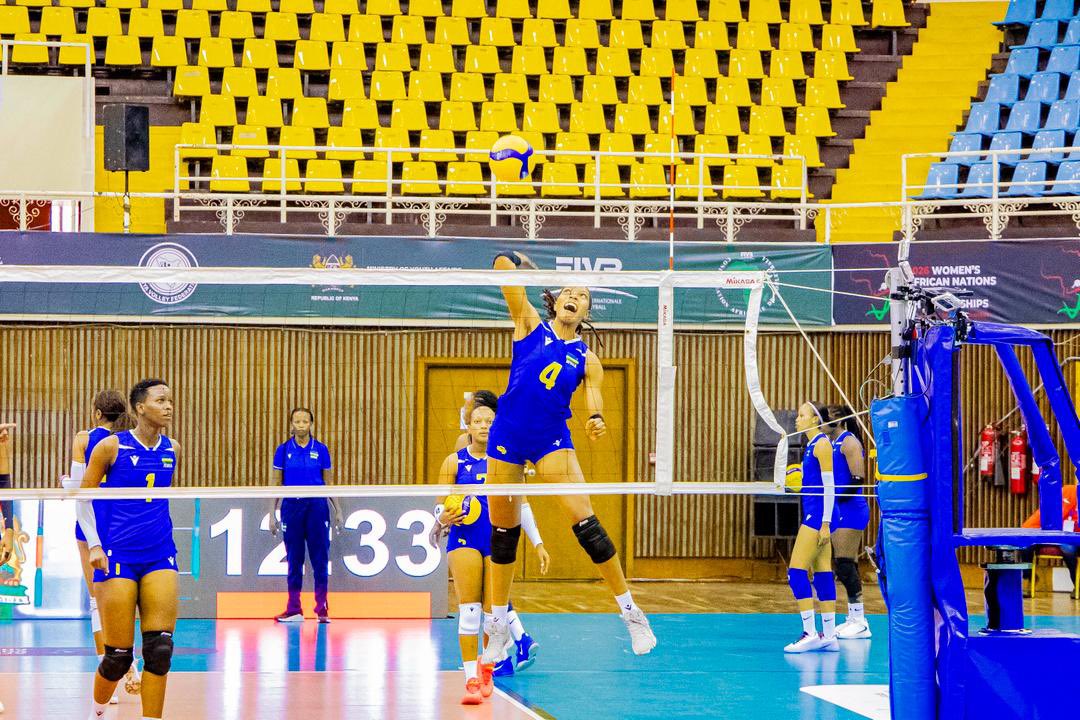
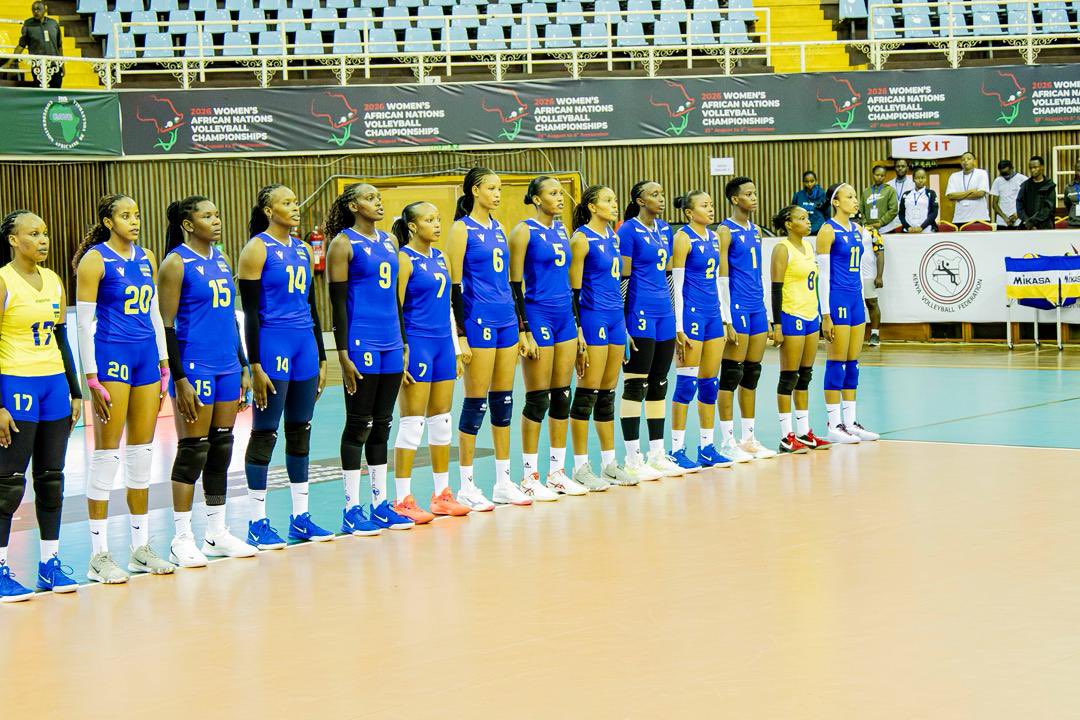
Rwanda won the match 25-19, 25-16, 25-8 to maintain its push for a deep run in the continental tournament.
Burkina Faso made a promising start, taking an early 8-6 lead in the opening set as Rwanda struggled to settle into the match. Rwanda gradually regained control, with captain Valentine Munezero and middle blocker Divine Marie Nyirahabimana making important blocks.
Burkina Faso also struggled with service errors, allowing Rwanda to build momentum and eventually take the first set 25-19.
Rwanda won the match 25-19, 25-16, 25-8 to maintain its push for a deep run in the continental tournament.
The West Africans again started strongly in the second set, opening up a five-point advantage. Rwanda responded by improving its attacking game, while Burkina Faso continued to give away points through service mistakes.
Rwanda turned the set around and pulled clear to win 25-16, moving within one set of the quarter-finals.
The third set proved one-sided as Rwanda took control from the outset. Nyirahabimana led the attack, scoring eight points from seven attacks, while Flavia Dusabe contributed six points.
Rwanda built a 14-point advantage as Burkina Faso struggled to cope with the pressure. The Rwandans closed out the set 25-8 to complete the straight-sets victory.
Nyirahabimana finished as Rwanda’s leading scorer with 16 points and was named Player of the Match.
The victory sends Frédéric Guérin’s team into the quarter-finals, where Rwanda will continue its campaign for continental honours.
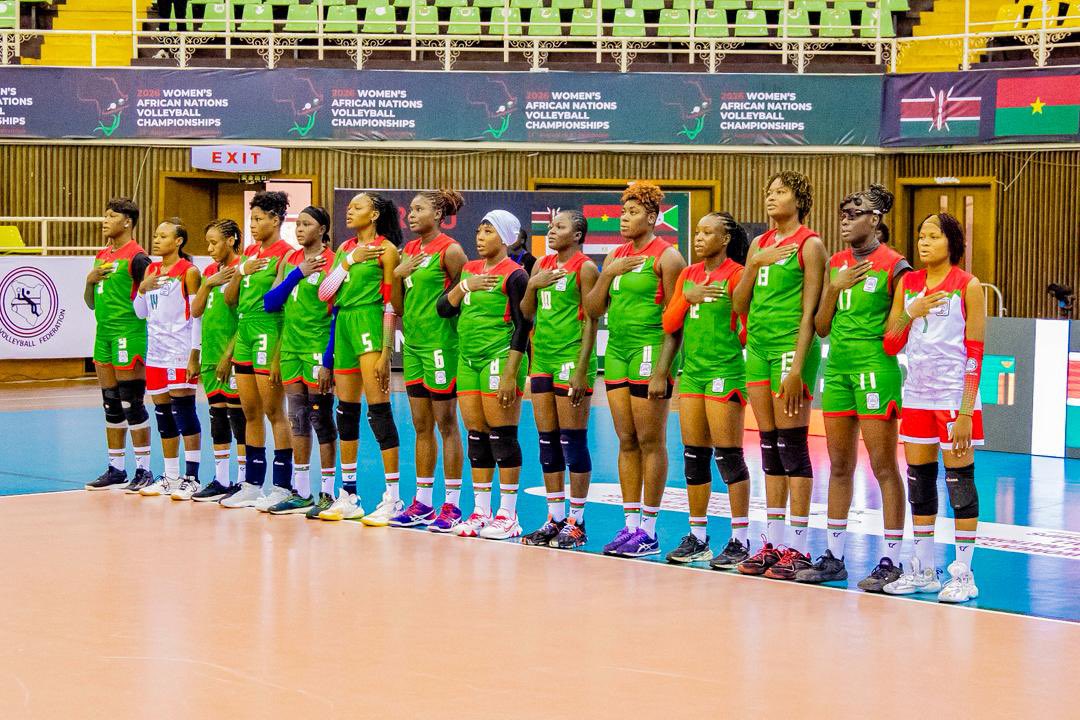
Burkina Faso started strongly, but Rwanda rallied to take control in the second set.
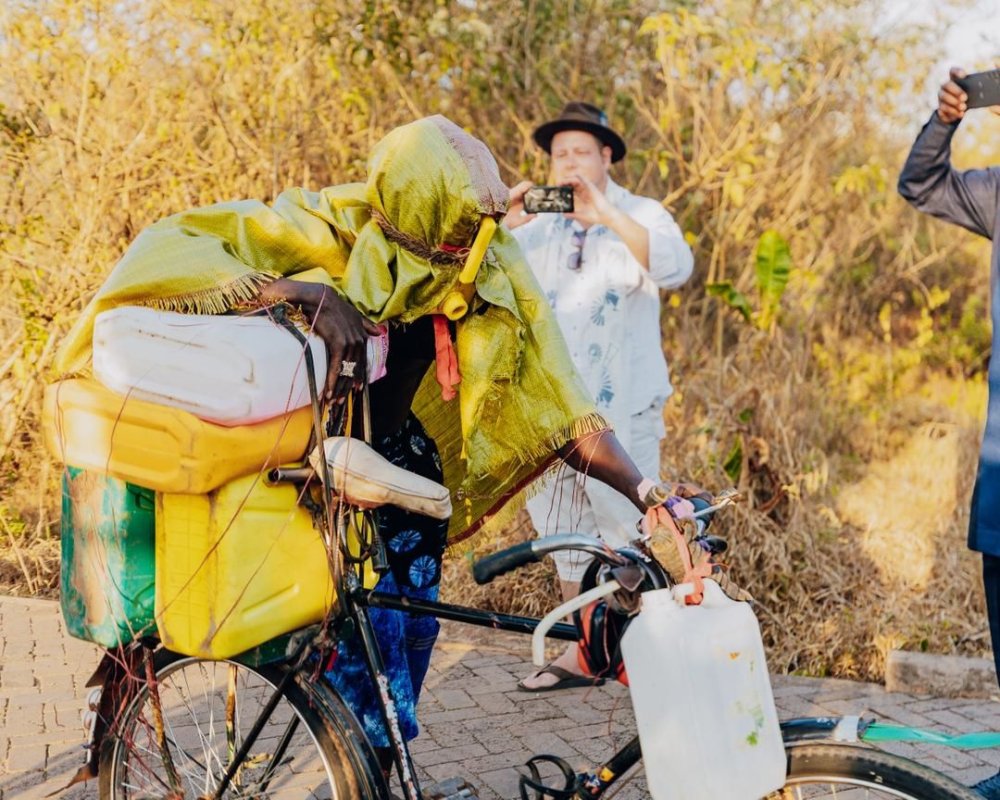
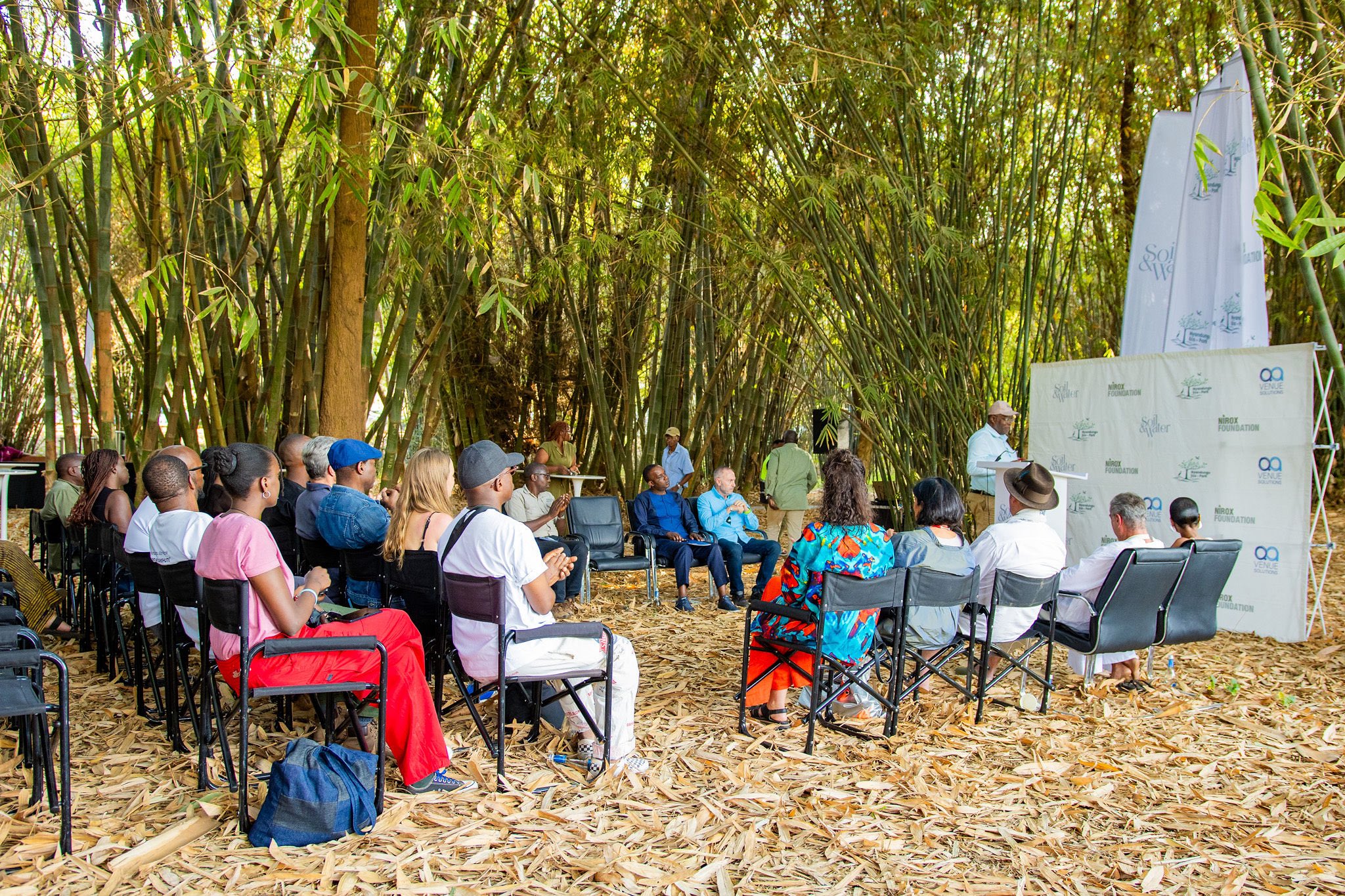
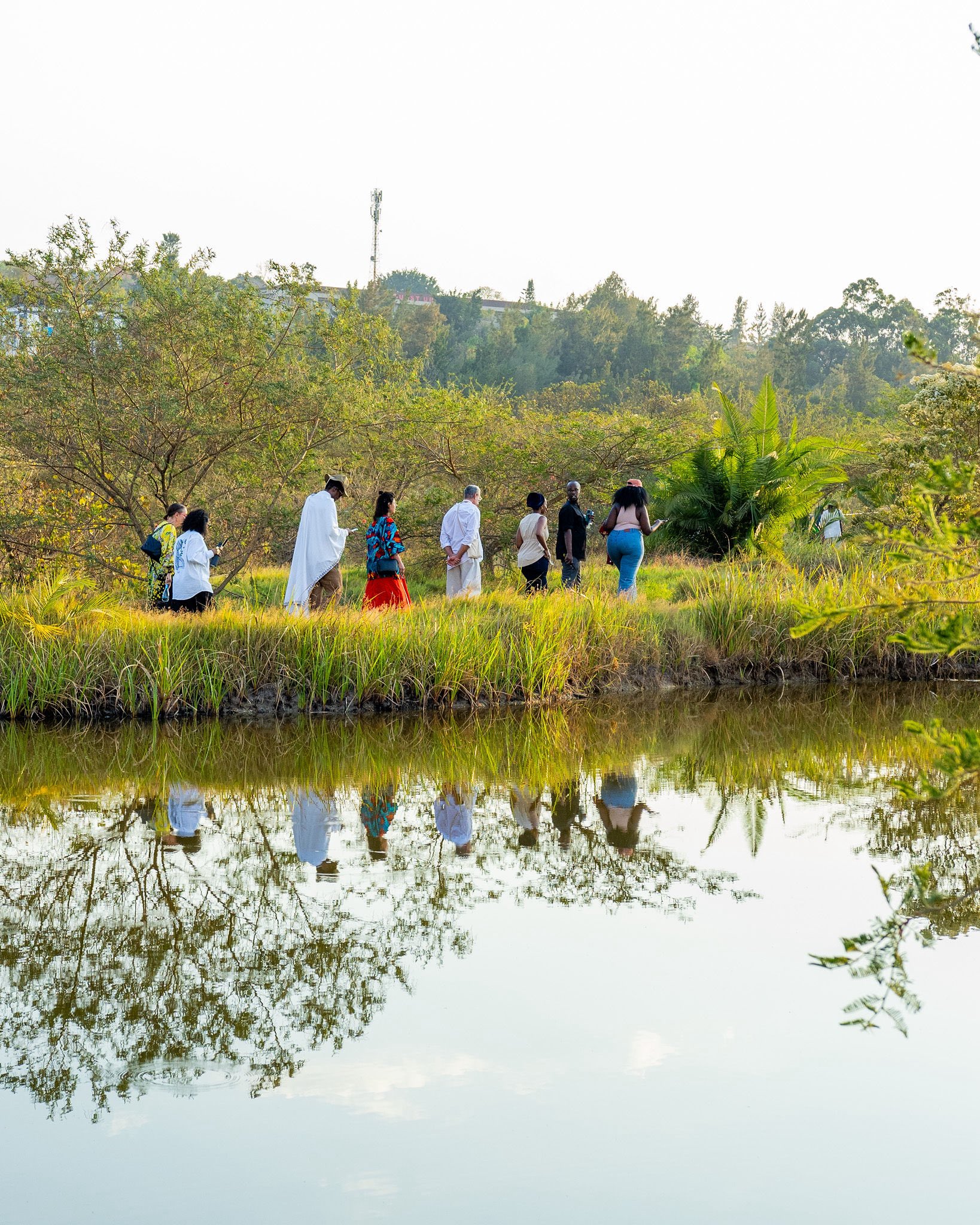
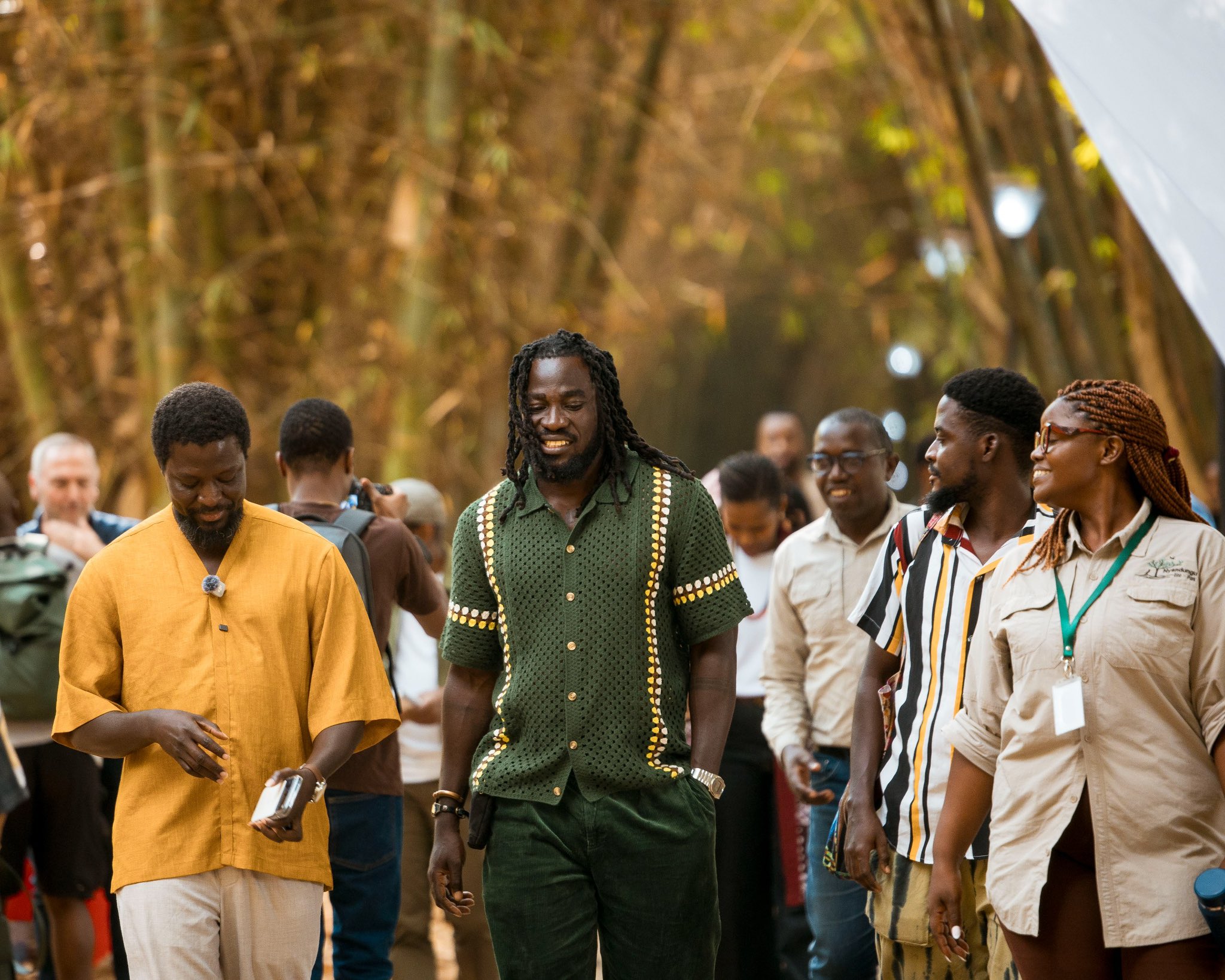
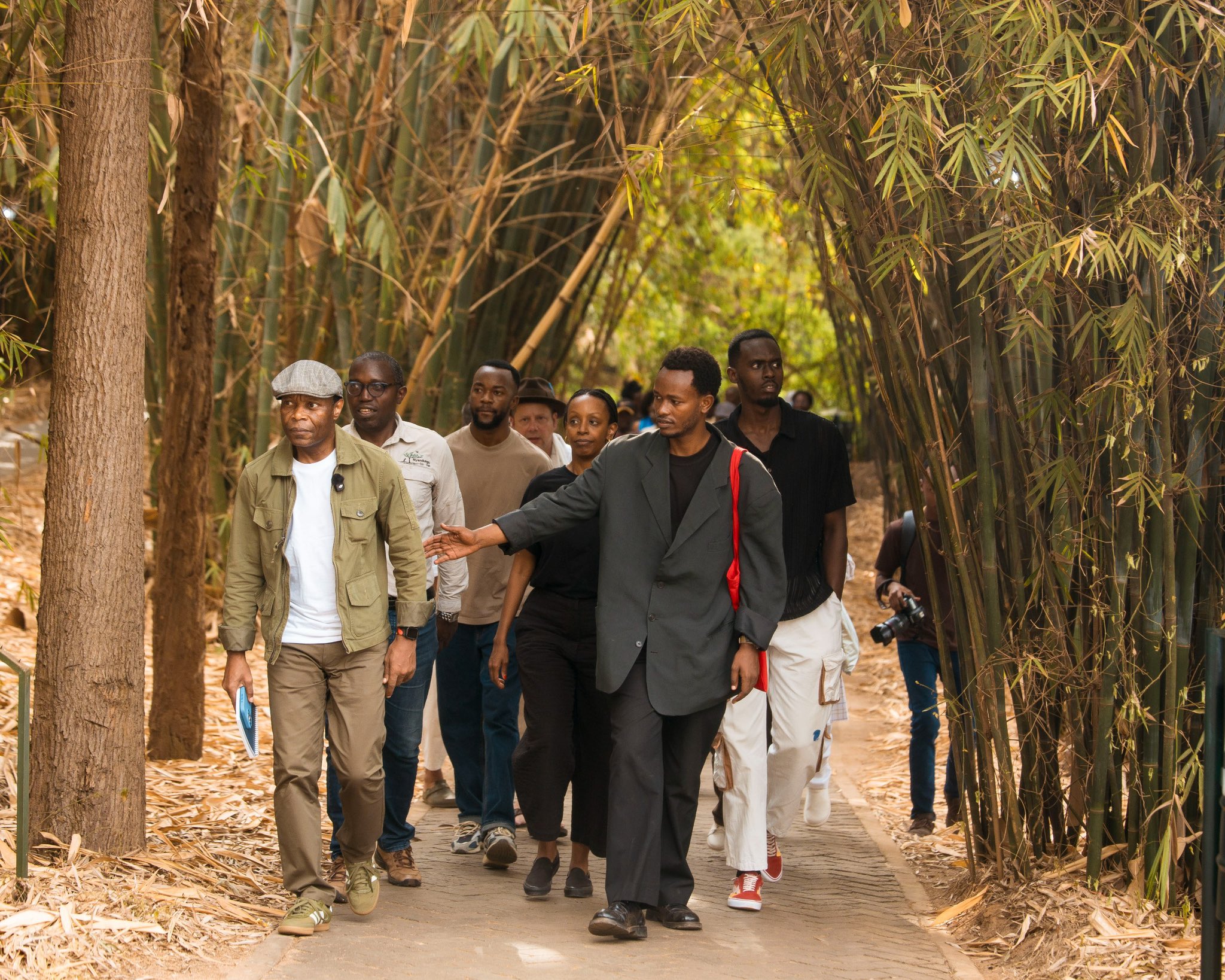
Titled Soil & Water: Kigali Crossings, the initiative was launched on Friday, August 28, in partnership with South Africa’s NIROX Foundation.
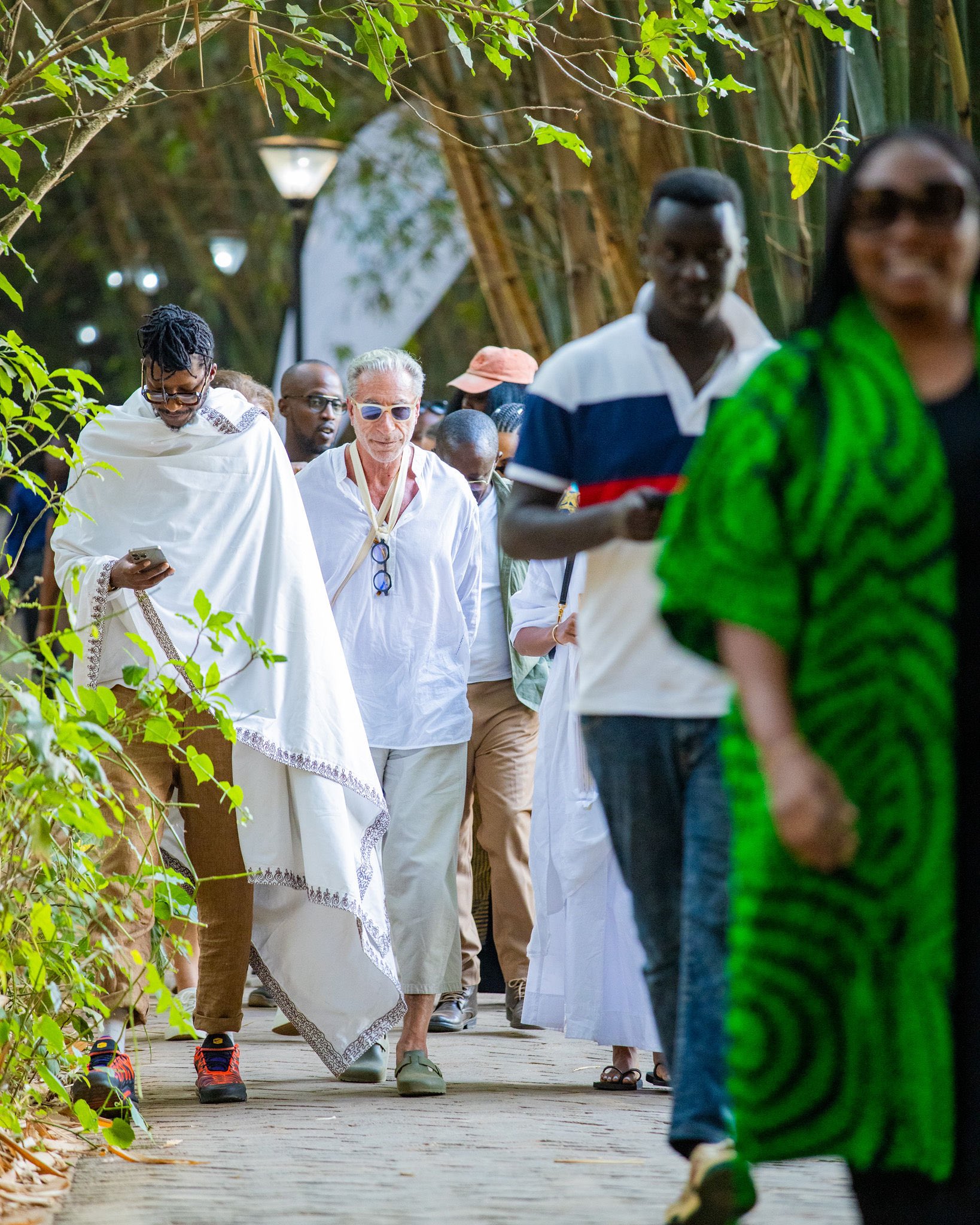
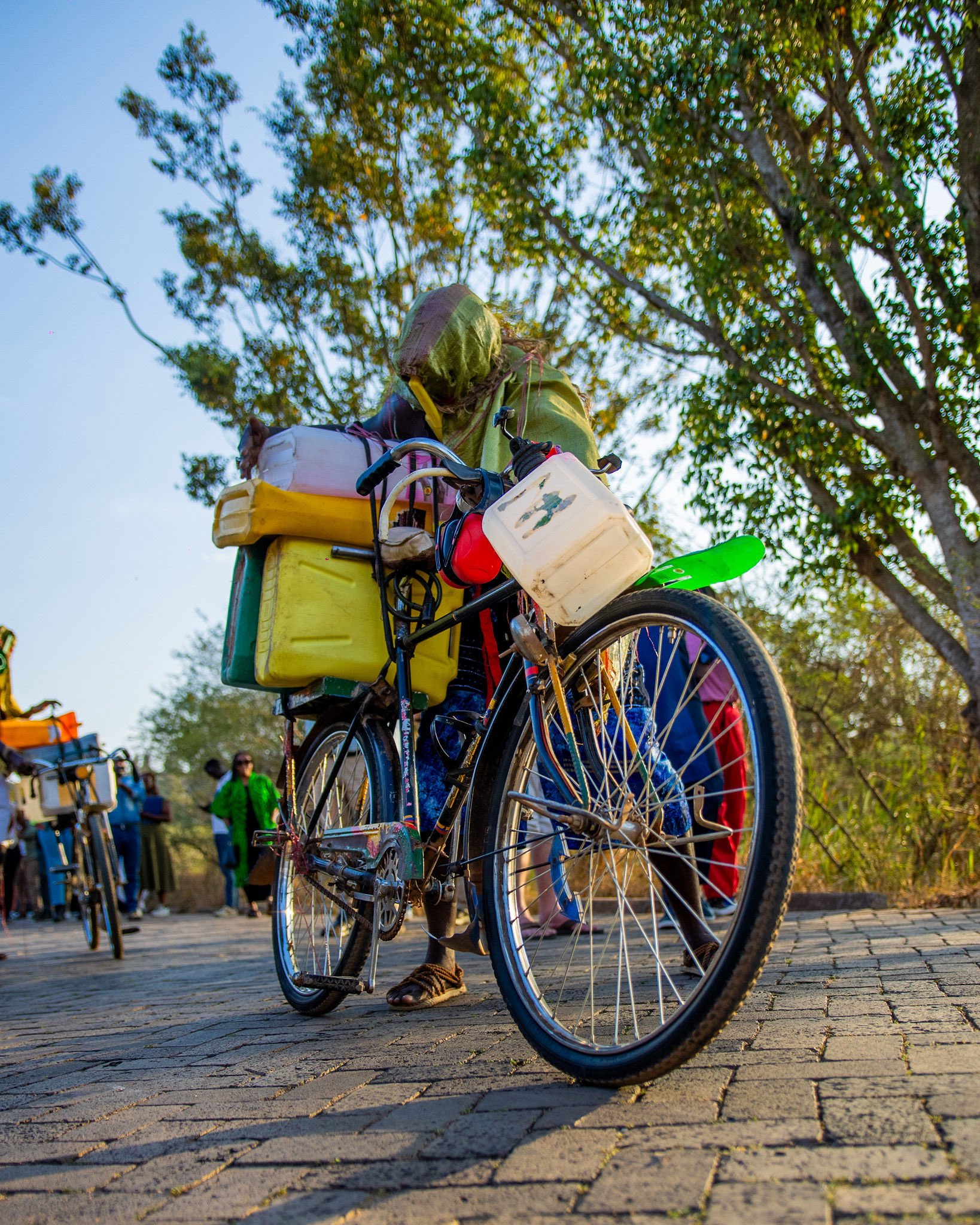
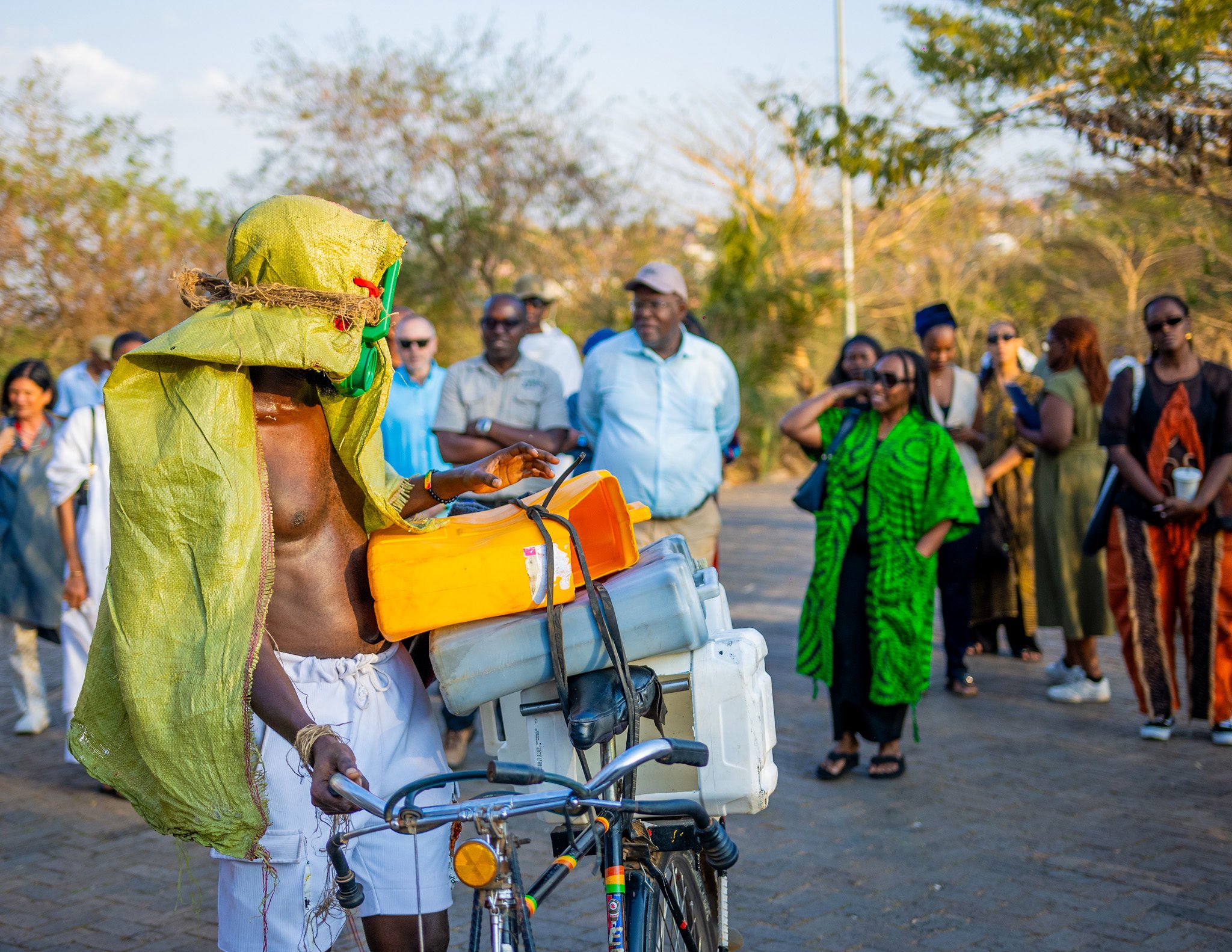
The exhibition officially opened on August 29 and will run until March 2027, bringing together artist residencies, artworks inspired by Nyandungu’s natural environment, performances, concerts, community activities and other public events.
Prominent African artists expected to participate include Ghanaian artists Ibrahim Mahama and Serge Clottey, as well as South African artist Willem Boshoff. The exhibition will also feature artists from France, Spain and Austria.
The programme seeks to create a space where artists can explore the relationship between people and nature while encouraging visitors to reflect on the importance of protecting ecosystems.
Professor Johan Thom, co-curator of the project and Professor and Coordinator of Fine Art at the University of Pretoria, said the initiative is about more than showcasing art, seeking instead to connect creativity with deeper reflection on humanity’s relationship with nature.
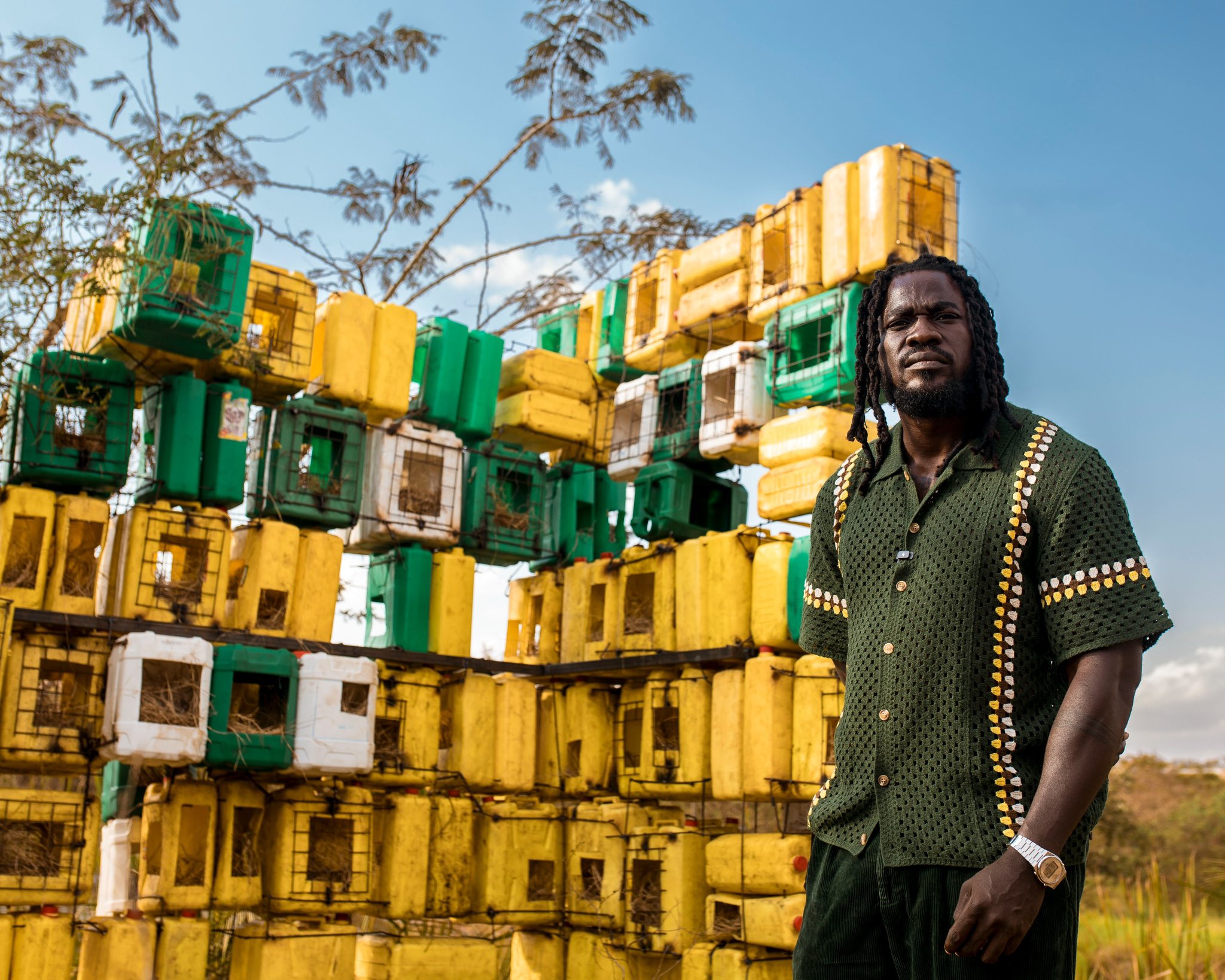
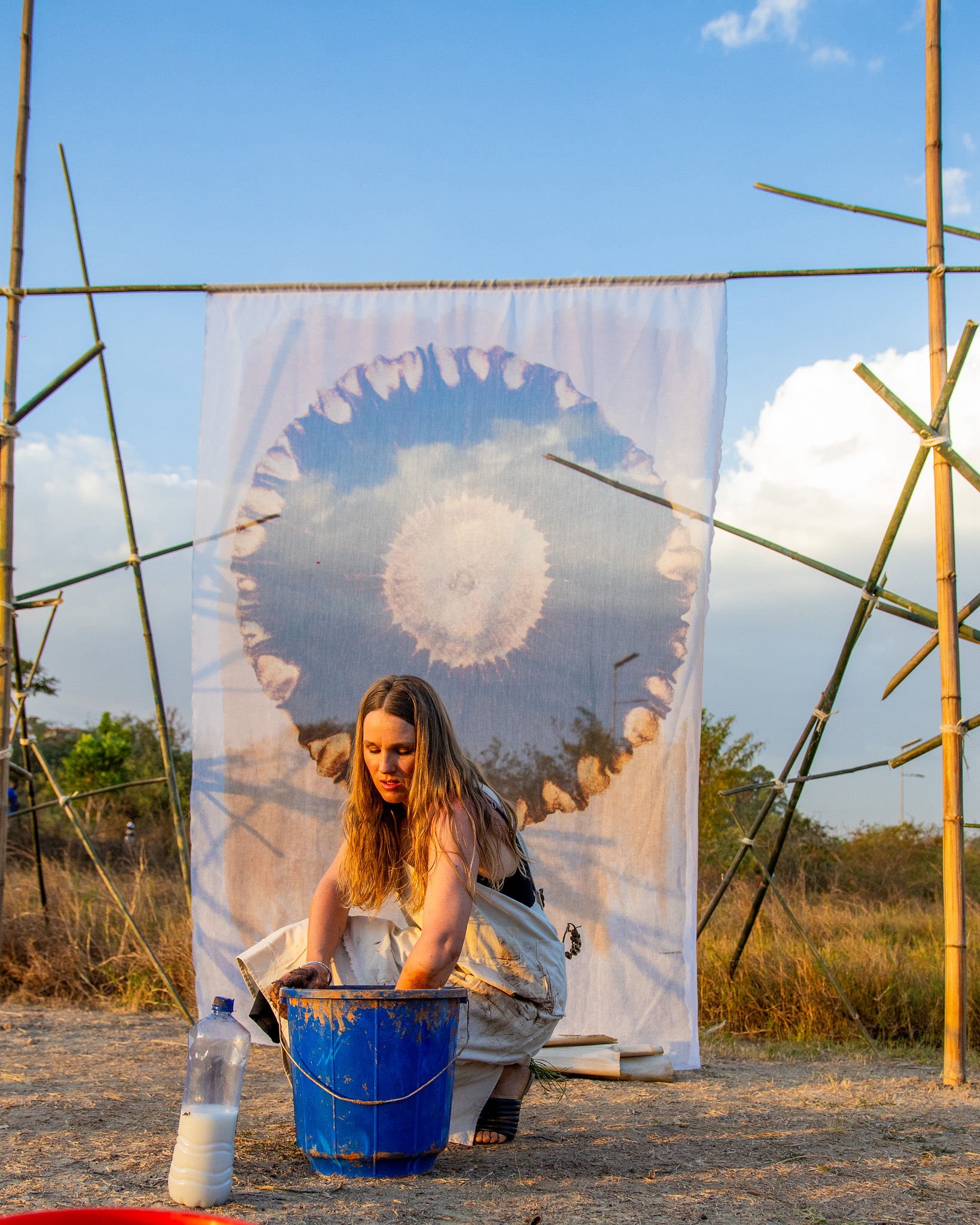
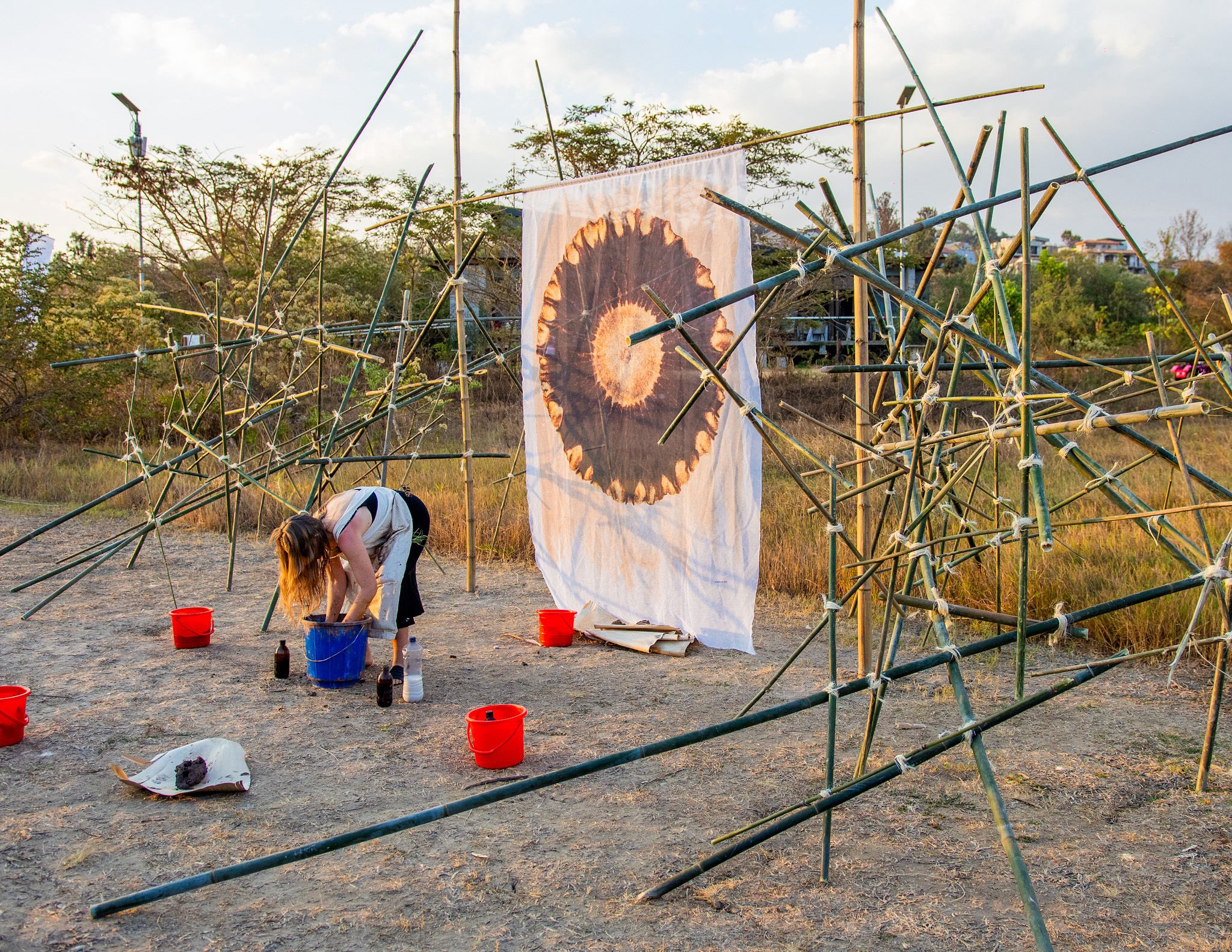
Among the participating artists is Io Makandal, an environmental artist from Johannesburg, South Africa, whose work focuses on environmental restoration through soil, plants and land art.
“One of the main things that I work with is activated effective microorganisms. I use them in the same way that a painter uses paint. I’m a sculptor and a maker, and I incorporate them into my artistic practice,” she said.
Makandal said the microorganisms are gradually released into the environment and can contribute to the restoration of soil and water.
She plans to work with environmental specialists in Rwanda to explore their potential use in Nyandungu Eco-Park’s waterways, with the aim of helping improve water quality over time.
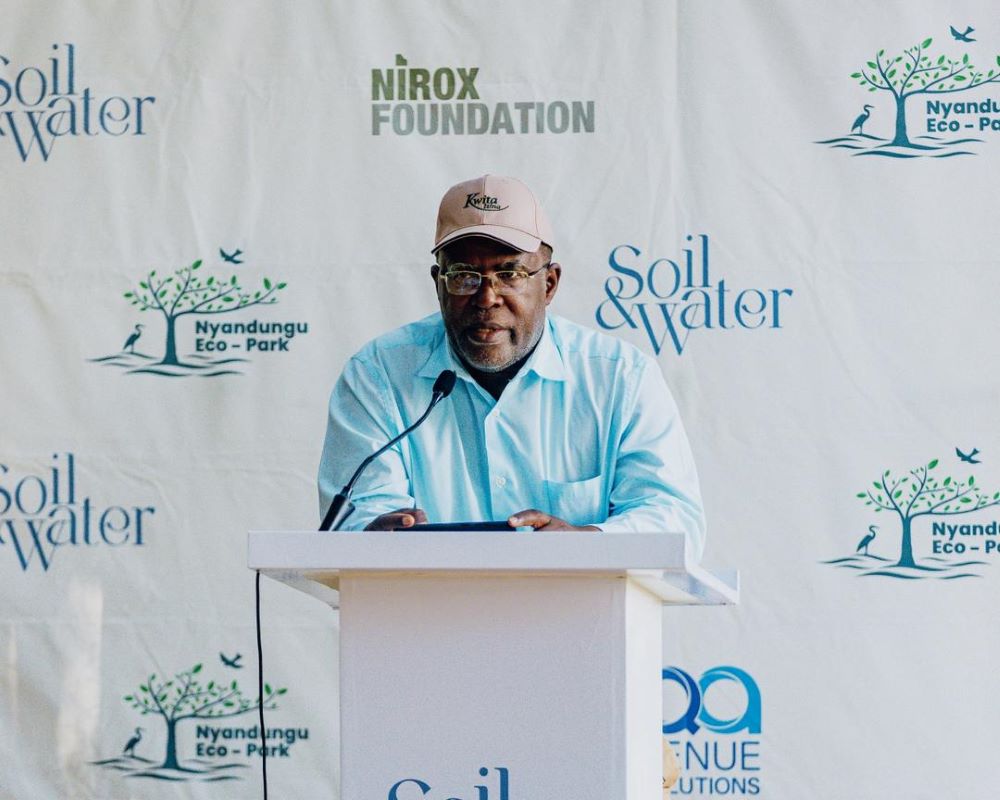
Telesphore Ngoga, Conservation Analyst at the Rwanda Nature Foundation, said the programme gives artists an opportunity to draw inspiration from Nyandungu’s landscape and ecological systems and translate their experiences into creative works.
“The artists’ creativity offers fresh ways to view this landscape and the ecological systems that sustain it. Their installations invite reflection on our relationship with nature, our duty to future generations, and the need to protect the resources that sustain life,” he said.
Ngoga added that the artworks are intended to complement rather than replace the natural environment at the park.
“These works do not seek to replace nature. Rather, they enrich its interpretation. They allow visitors to experience Nyandungu not only through its wetlands, plants, birds, and waterways, but also through the insights and imagination of the artists who have engaged with this place,” he added.
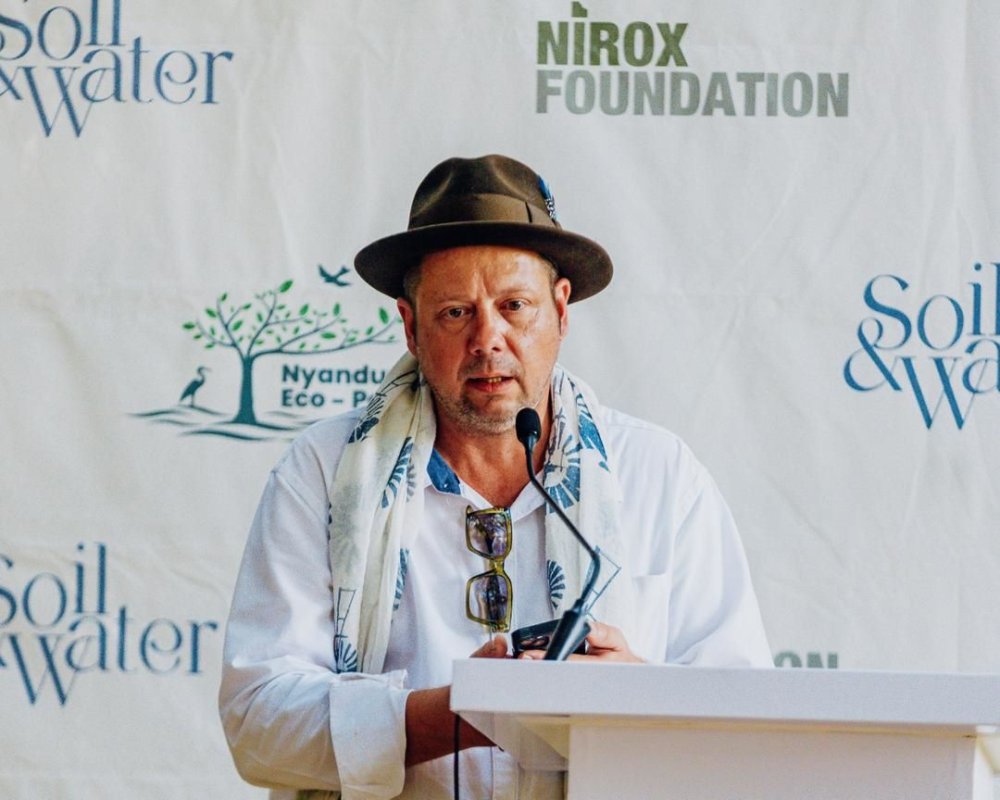
Guy Hedderwick, Managing Director of QA Venue Solutions Rwanda, which manages Nyandungu Eco-Park, said the partnership with the NIROX Foundation was driven by the desire to use art as a tool for communicating the importance of conservation.
“The wonderful thing about art is it’s about your own personal interpretation of it, and therefore every person who comes and views it will get a different story out of it,” he remarked.
Hedderwick said a visit to the NIROX Foundation in South Africa helped inspire the idea of creating a similar intersection between art and nature at Nyandungu.
He noted that the exhibition is also expected to encourage more people to visit the park while helping them appreciate the importance of wetlands within Kigali.
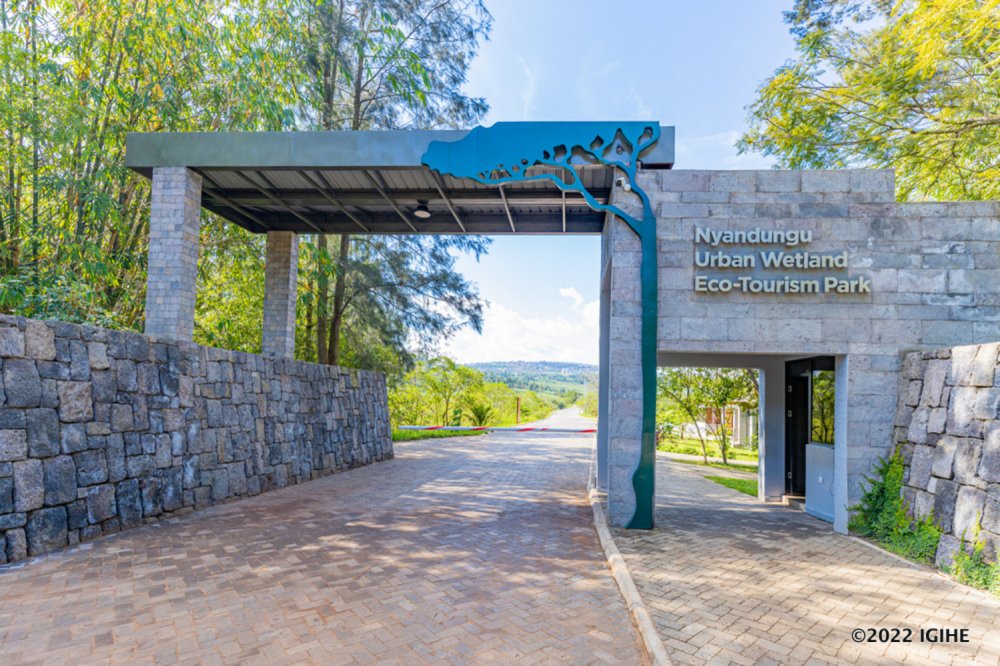
Nyandungu Eco-Park was opened in 2022 and has continued to attract growing numbers of visitors.
Attendance increased from 67,222 visitors in 2023 to 76,754 in 2024. In 2025, the number rose significantly, reaching about 100,000 visitors by November, representing an increase of more than 30 percent compared with the previous year.
The ongoing exhibition is expected to add another dimension to the park’s visitor experience by combining its wetlands and biodiversity with artistic interpretation and public engagement around conservation.
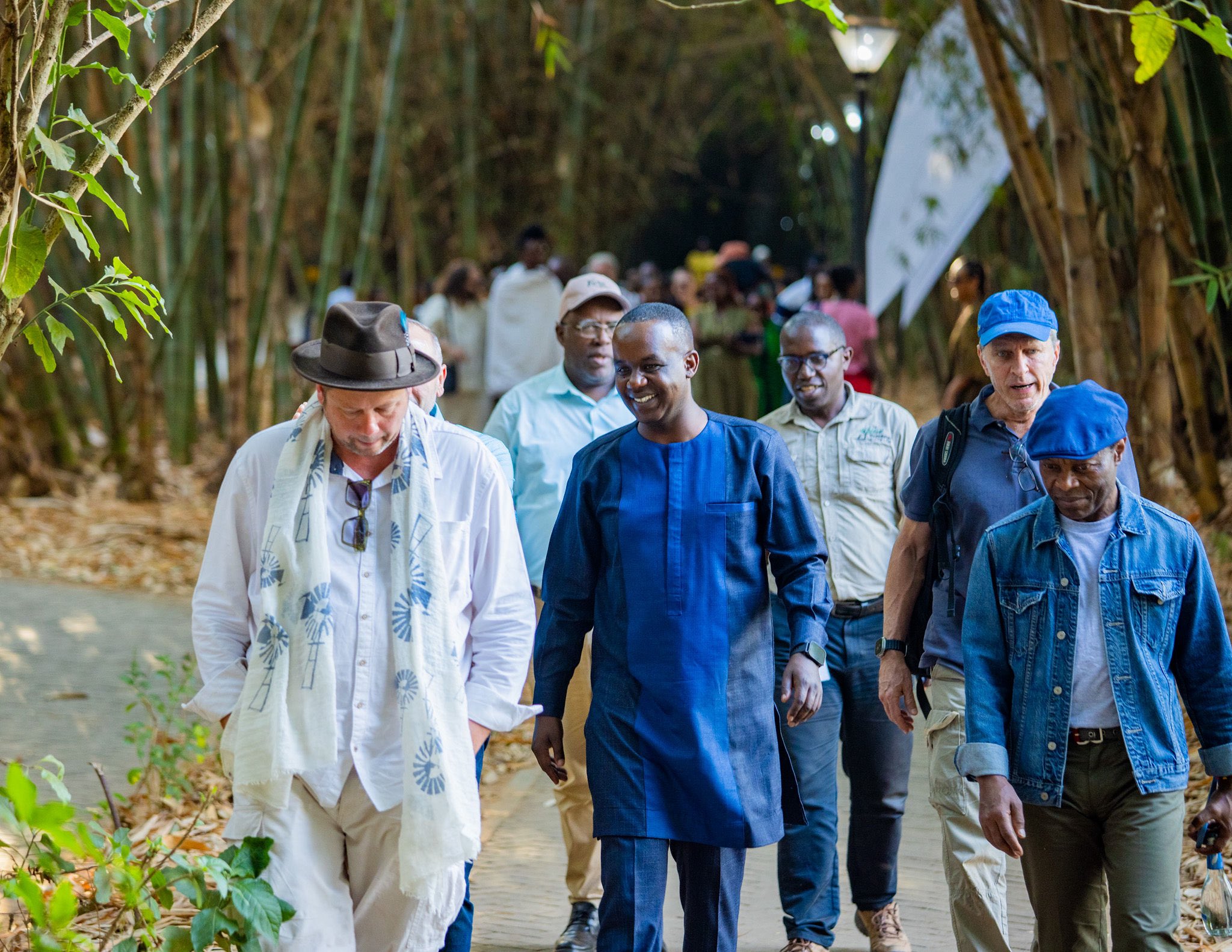
Titled Soil & Water: Kigali Crossings, the initiative was launched on Friday, August 28, in partnership with South Africa’s NIROX Foundation.The exhibition officially opened on August 29 and will run until March 2027.The programme seeks to create a space where artists can explore the relationship between people and nature while encouraging visitors to reflect on the importance of protecting ecosystems.Professor Johan Thom, co-curator of the project and Professor and Coordinator of Fine Art at the University of Pretoria, said the initiative is about more than showcasing art, seeking instead to connect creativity with deeper reflection on humanity’s relationship with nature. Telesphore Ngoga, Conservation Analyst at the Rwanda Nature Foundation, said the programme gives artists an opportunity to draw inspiration from Nyandungu’s landscape and ecological systems and translate their experiences into creative works.
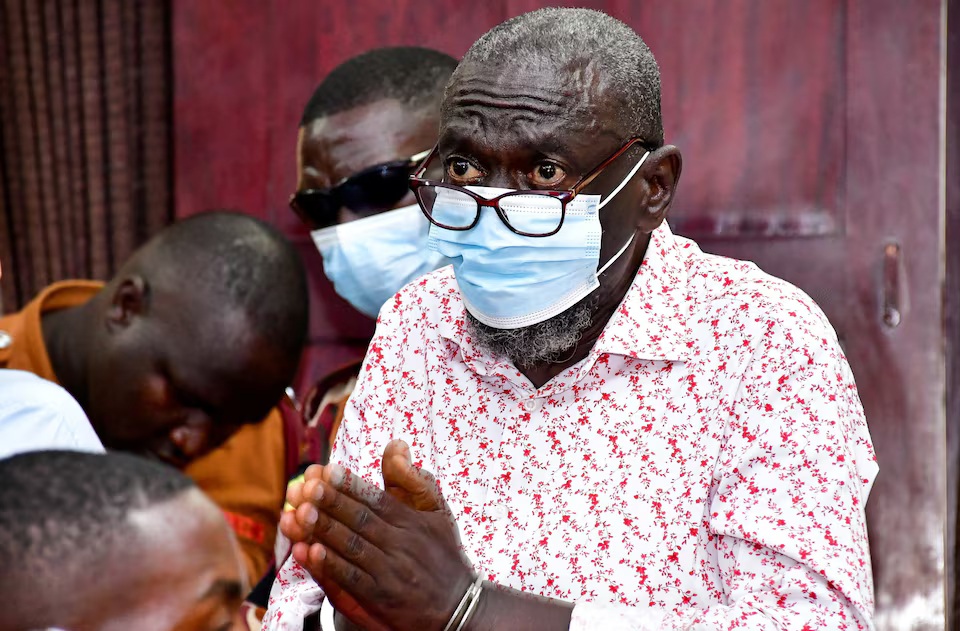
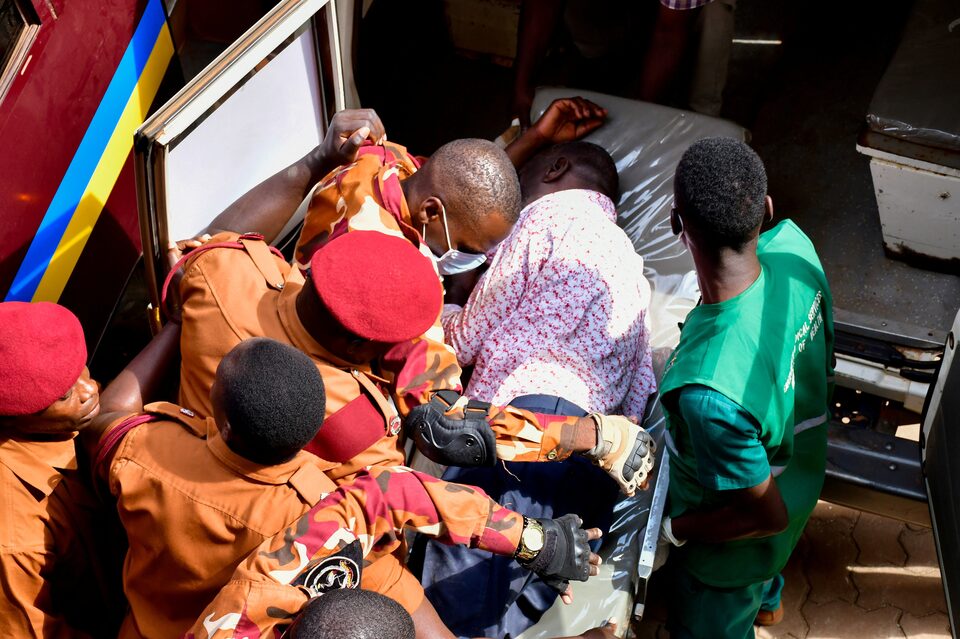
Byanyima said Besigye was transferred after dark to the Joint Clinical Research Centre (JCRC) hospital along Entebbe Road, about 10 kilometres from Kampala.
She said the 70-year-old opposition leader remained severely weak and continued to struggle with basic movements and communication following his health problems in recent months.
“After dark, Dr Kizza Besigye was moved from Luzira Prison to JCRC hospital today. He is still very weak. He struggles to walk, speak, write or even hold anything steadily,” Byanyima said.
Besigye’s health has been a concern since he collapsed during a court session in Kampala on July 29 while attending proceedings in his treason case.
He was subsequently taken by ambulance to the Intensive Care Unit at Mulago National Referral Hospital, where his family said he remained unconscious and unresponsive to pain stimuli for several days before his condition improved.
Besigye spent about 10 days at Mulago before being transferred back to Luzira Prison on August 7. His family later said he remained extremely weak and had difficulty walking and speaking.
On August 24, Byanyima said Besigye had been returned from the prison hospital to his cell, while his sisters, who had been caring for him, were sent away.
A medical assessment conducted after his July collapse found that Besigye remained alert and able to understand information but had difficulty speaking and writing. Doctors recommended continued speech, language, physical, occupational and neurological rehabilitation.
The family has asked Ugandan authorities to allow Besigye to travel to Geneva, Switzerland, for specialised medical care and support from his family. They have also raised concerns about chronic complications affecting his lungs and spine, which they say have been worsened by prison conditions.
Besigye has been in custody since November 2024 after being arrested in Kenya alongside Hajj Obeid Lutale and Capt. Denis Oola. They face treason-related charges stemming from allegations that they travelled to Kenya and held meetings aimed at plotting to overthrow the Ugandan government. The three have denied the allegations.
His trial has continued despite his health challenges, with the court allowing proceedings to proceed in his absence on medical grounds.
Besigye’s health has been a concern since he collapsed during a court session in Kampala on July 29 while attending proceedings in his treason case.
Many of the destinations associated with relaxation and leisure are located outside the capital, meaning visitors have to plan their trips, leave early and think about how they will get back home.
For some, the journey itself can become tiring, taking away from the very experience they were seeking.
But a new luxury destination on Mount Kigali is offering a different option: an opportunity to escape the city’s bustle without actually leaving Kigali.
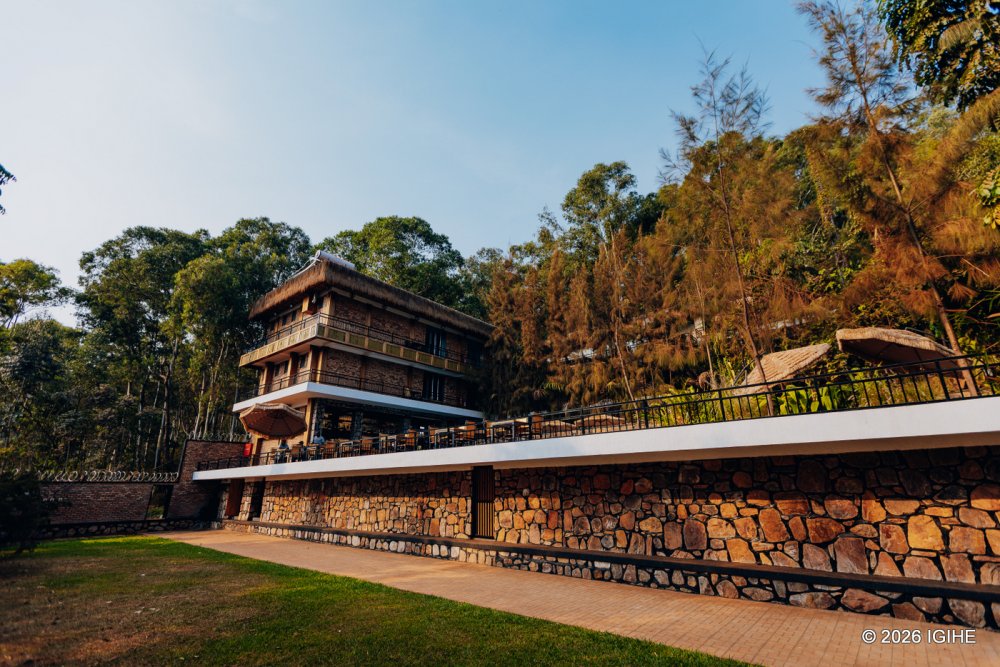
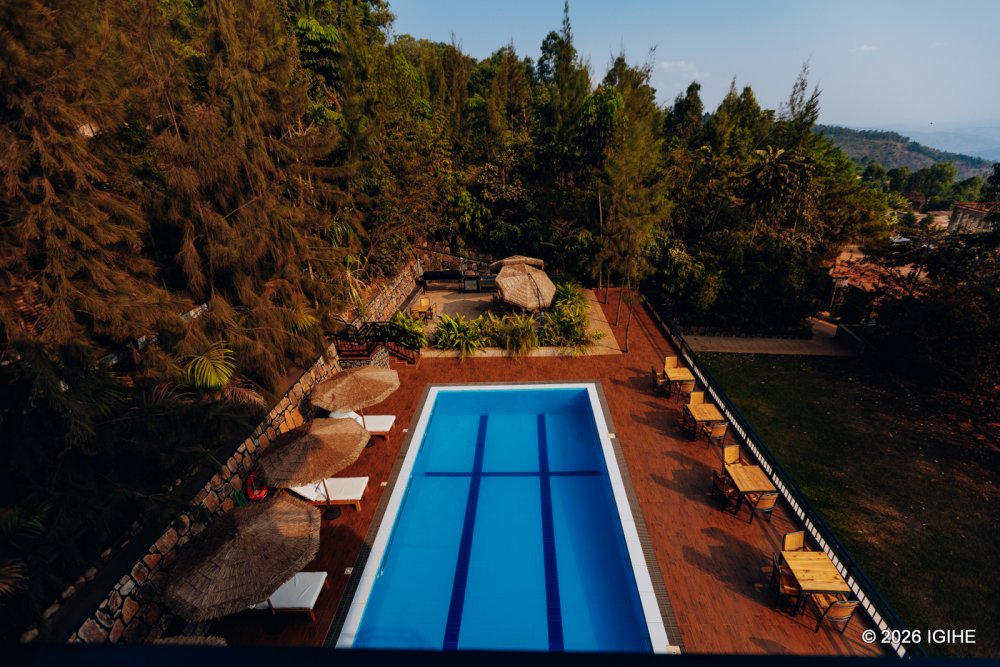
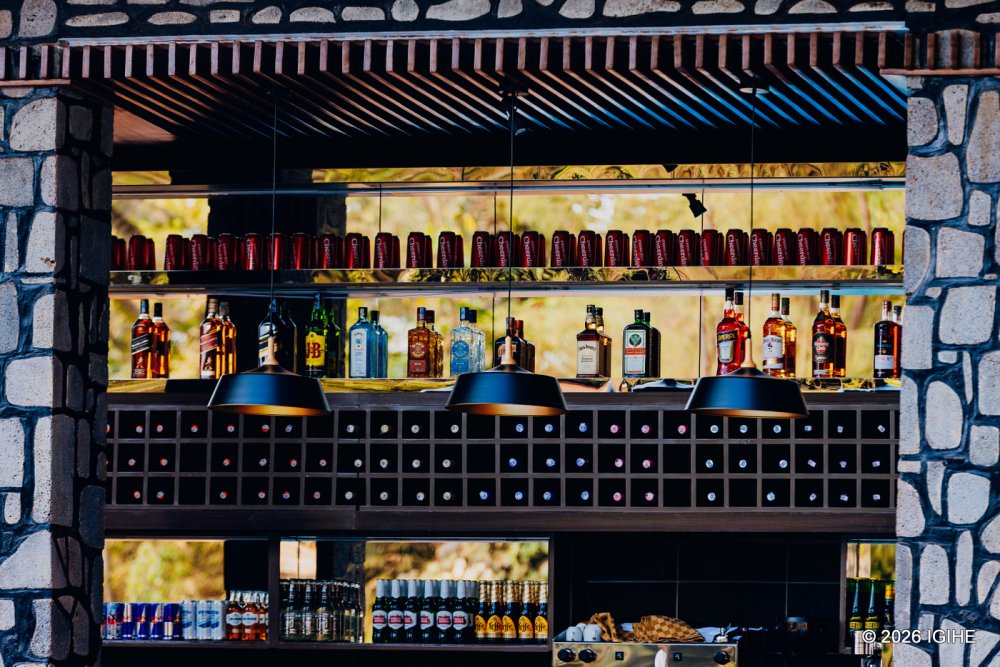
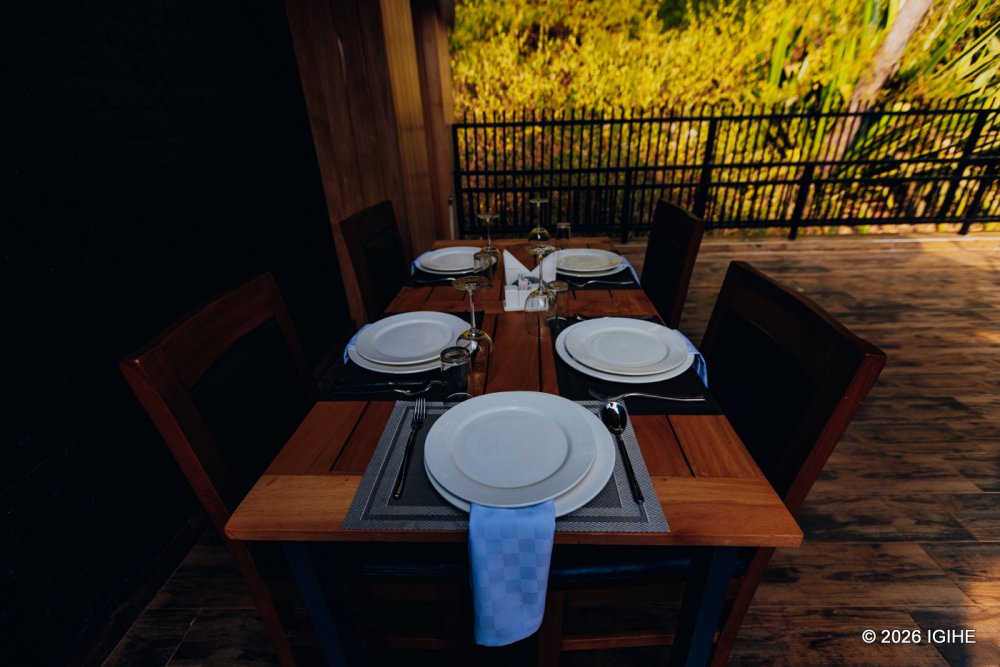
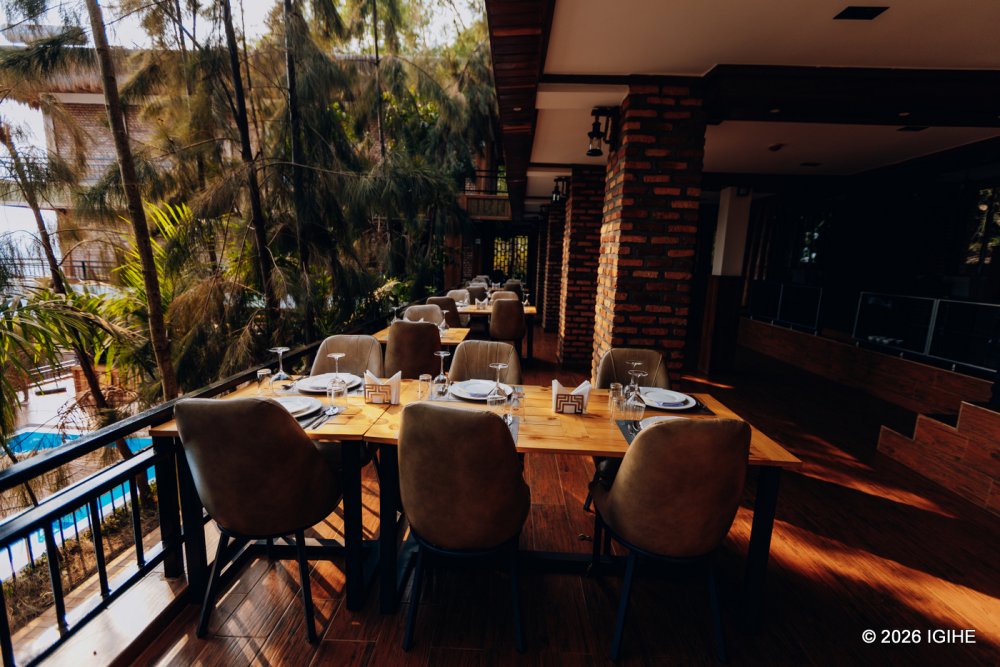
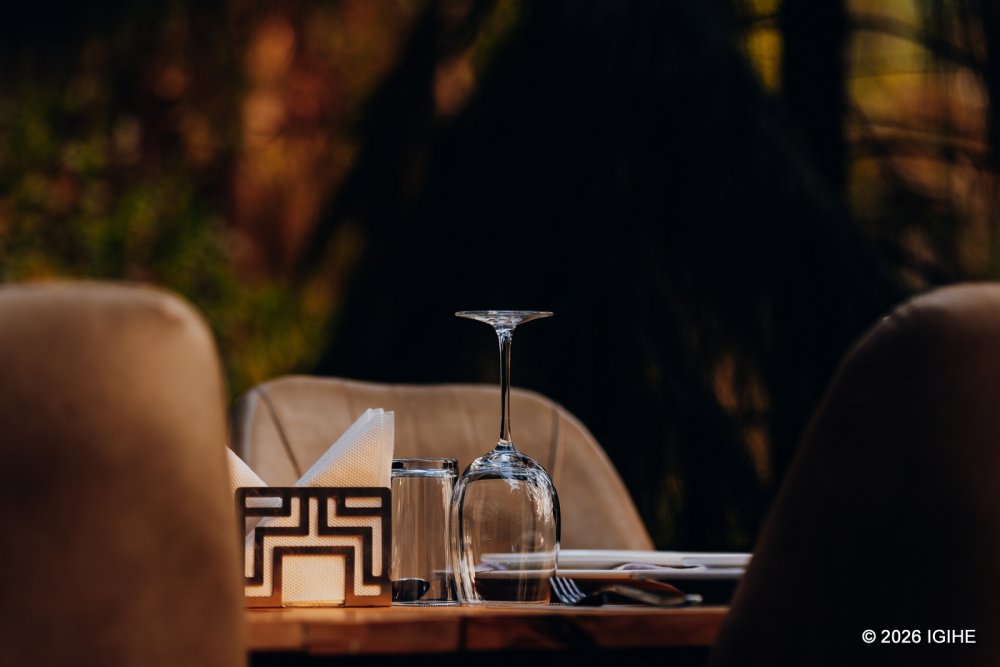
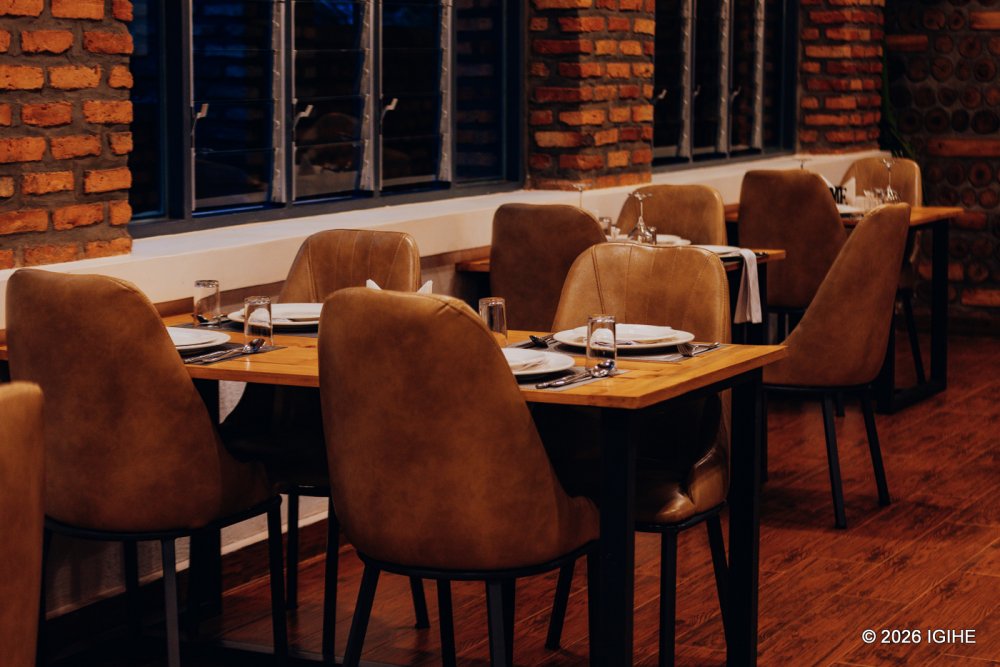
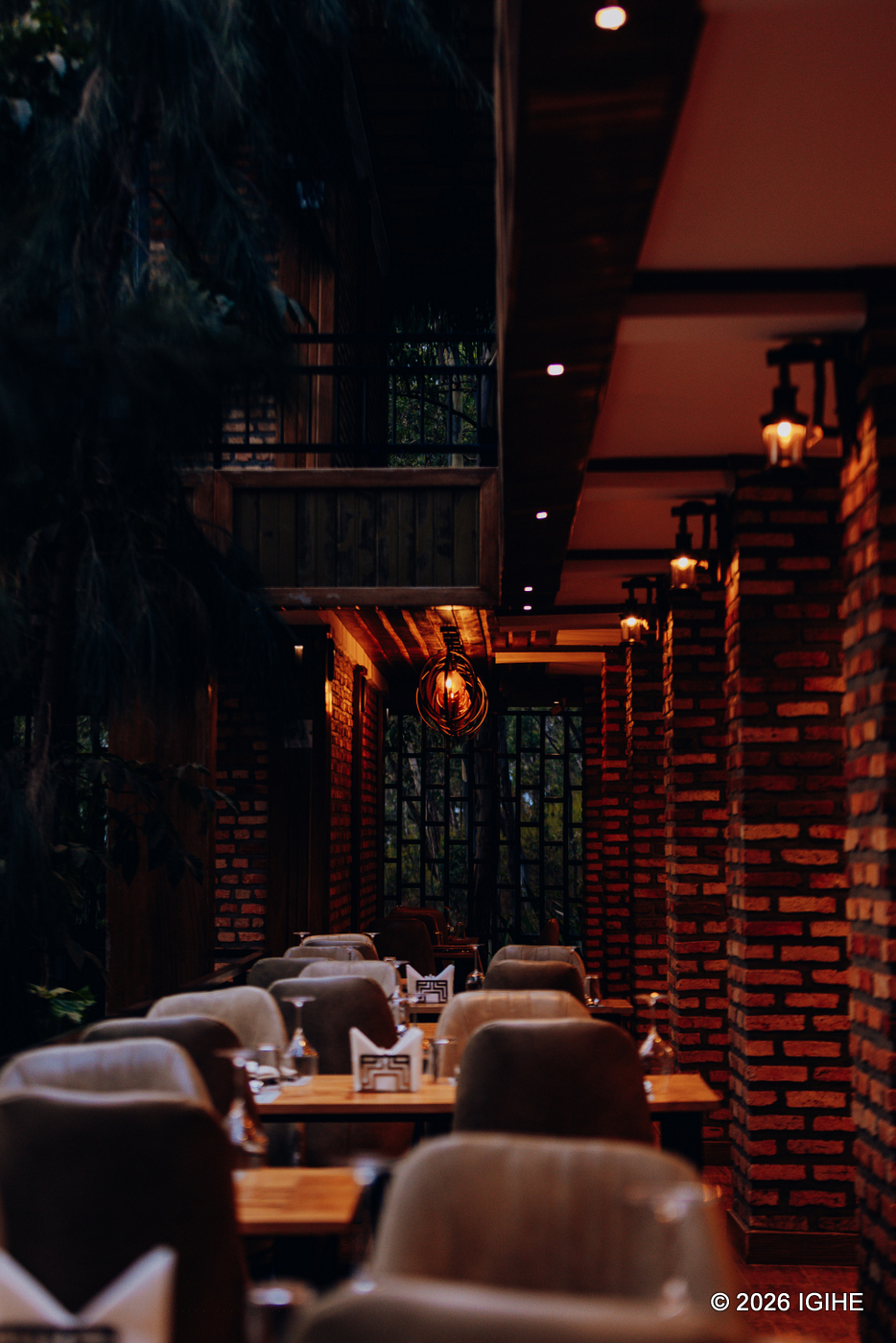
Located in the forests of Mount Kigali, Jungle Park is a luxury fine-dining restaurant and recreational space that combines food, entertainment, nature and relaxation.
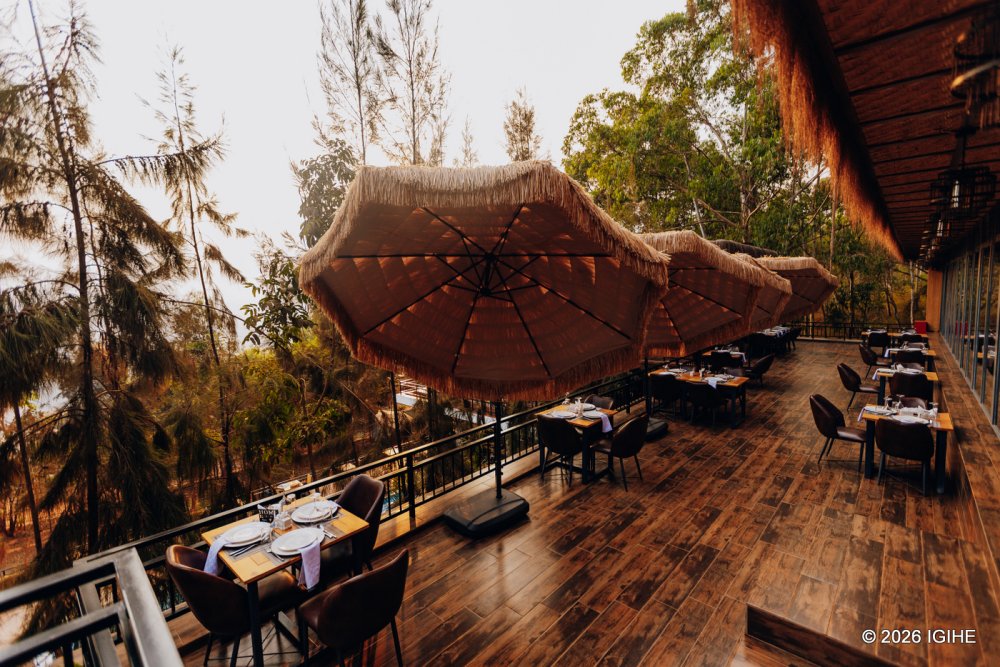
Its elevated location offers expansive views of Kigali, while the surrounding greenery provides a setting far removed from the city’s busy streets.
Jungle Park’s elevated location offers expansive views of Kigali.
An escape without leaving Kigali
One of Jungle Park’s defining features is its location.
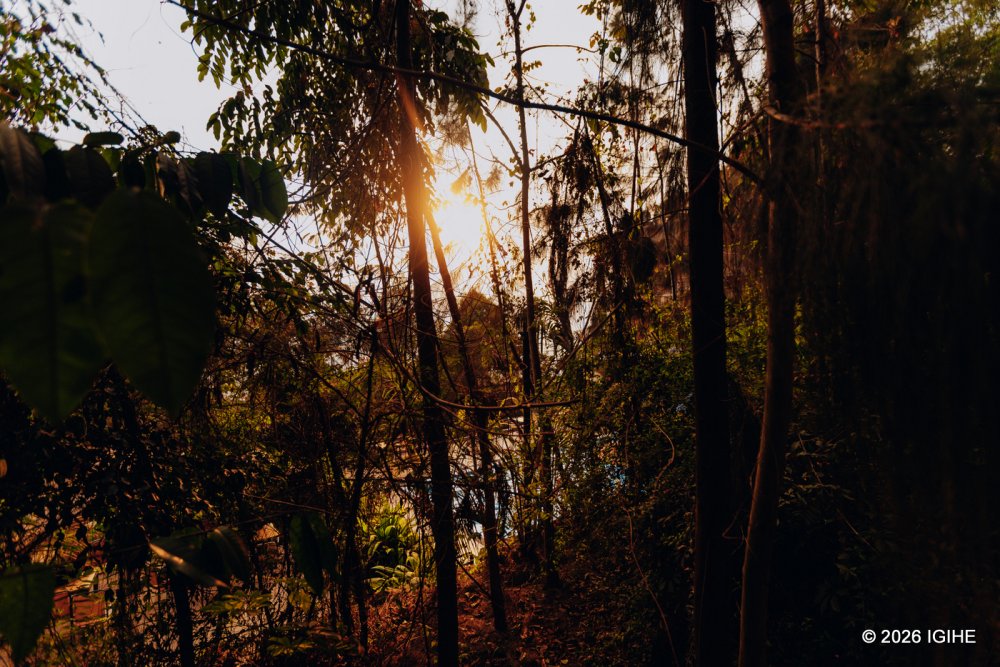
Unlike many restaurants and entertainment venues concentrated in Kigali’s busy urban areas, the destination sits high on Mount Kigali, surrounded by trees and nature.
According to Jungle Park’s Founder, Laurent Urimubenshi, the location was deliberately chosen to give visitors an opportunity to disconnect from the city.
“By choosing this location, the intention was actually to provide people with an escape from the city,” he said.
While its location might initially appear far from the city centre, Urimubenshi said visitors have been willing to make the journey to experience what Jungle Park offers.
He explained that the name Jungle Park was chosen to reflect the environment in which the destination is located and the experience the business seeks to create.
“Being located in or near the forest adds value to what we want to create and provide. We want to offer our clients and guests a unique, high-quality experience, from our service and food to the location itself,” he remarked.
Jungle Park can accommodate more than 300 guests at a time, making it suitable for both individual visitors and larger gatherings.
But Urimubenshi said the destination is designed to offer more than food.
“It’s more of a retreat,” he said. “For example, on our Sunday brunch and our live barbecue on Saturdays, people don’t come here just to eat because it’s not about the food. It’s about a retreat. It’s about going somewhere close to the city where you would have that experience.”
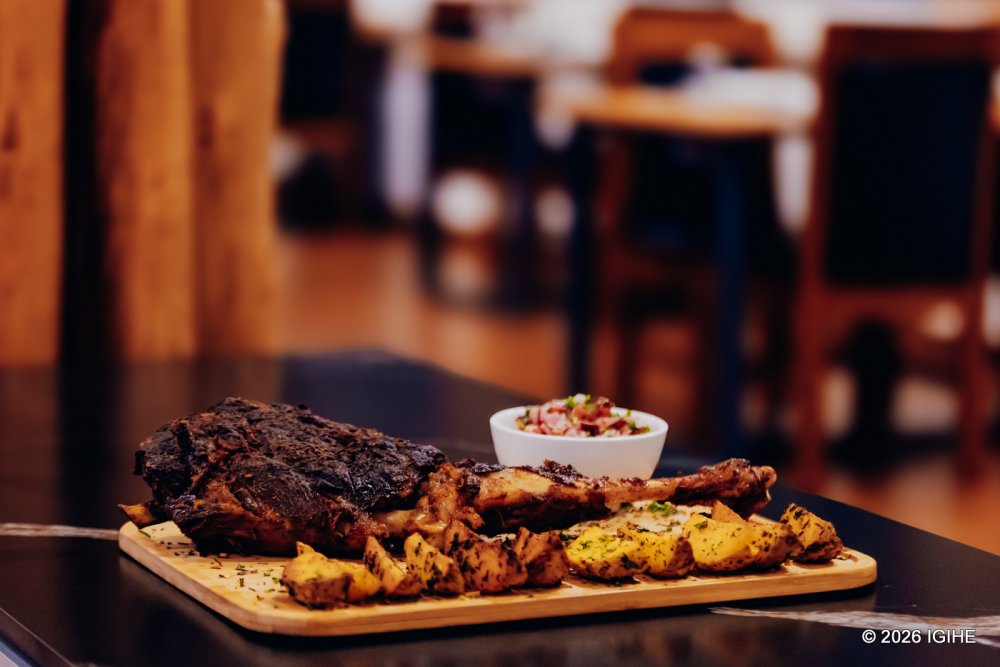
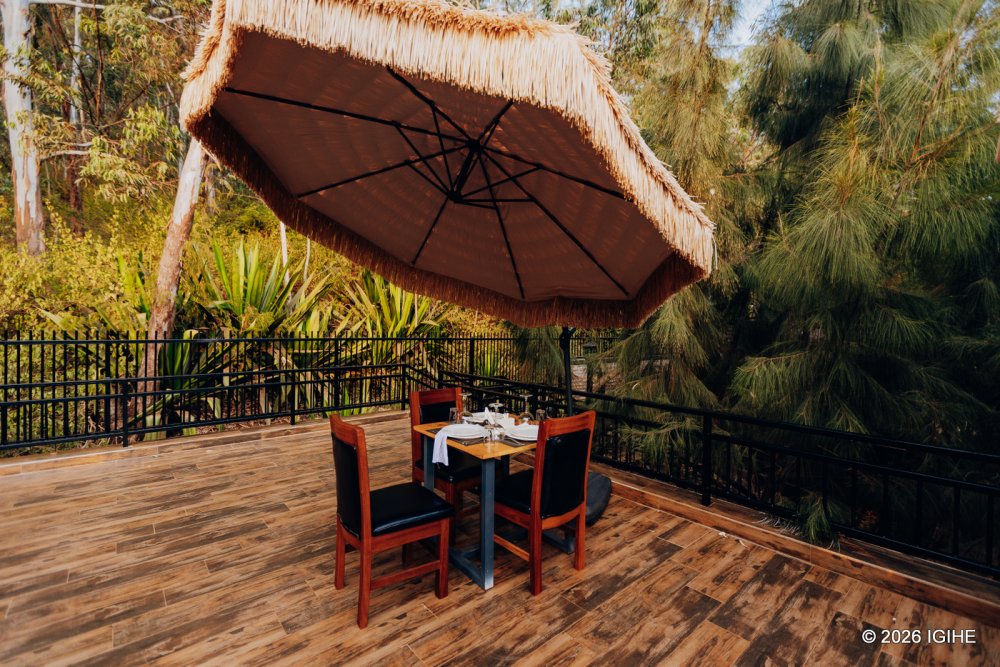
Barbecue is among the highlights of the Jungle Park experience.
Fine dining meets recreation
Food is central to the Jungle Park experience, with barbecue among the offerings that have proved particularly popular with customers.
In response to that demand, the restaurant recently introduced a live barbecue every Saturday from 10 a.m., combining grilled food with live music and other activities.
“People come, they enjoy live barbecue and live music,” Urimubenshi revealed, describing the Saturday programme as a full-day experience.
Jungle Park also hosts a Sunday brunch running from 10 a.m. to 4 p.m., giving visitors access to a range of recreational activities alongside their meals.
Guests can swim for free, play traditional games and spend time relaxing in the natural surroundings.
“People come here to enjoy free swimming and traditional games. We have all of that here,” Urimubenshi noted.
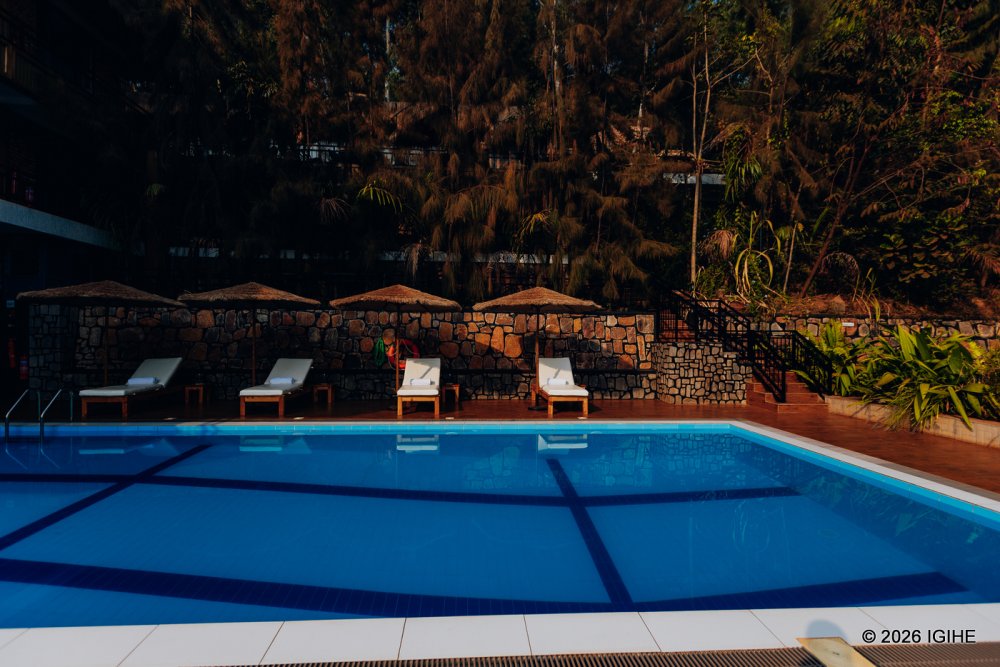
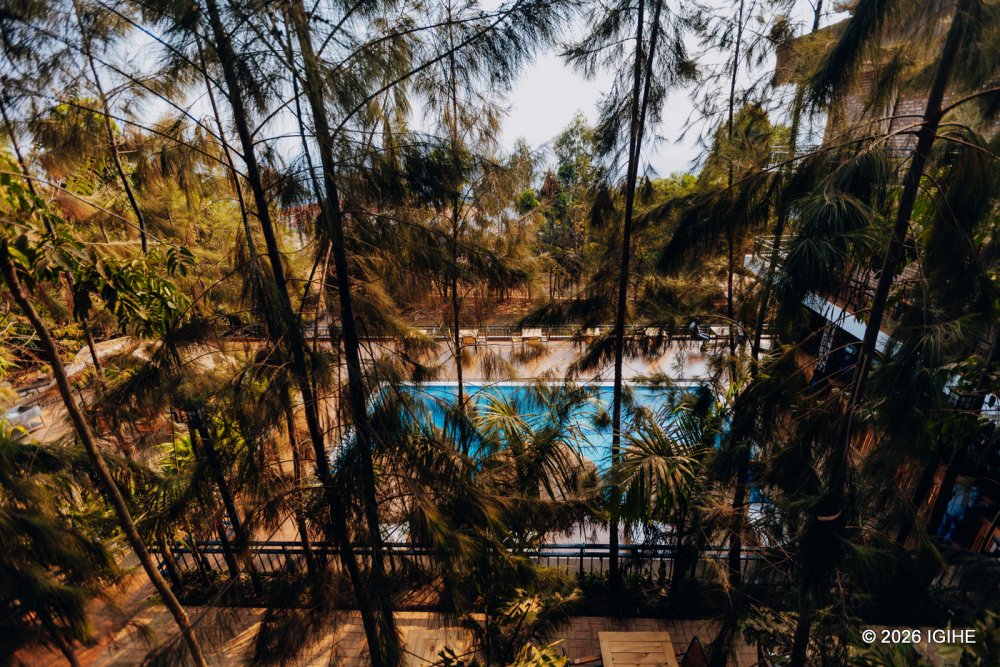
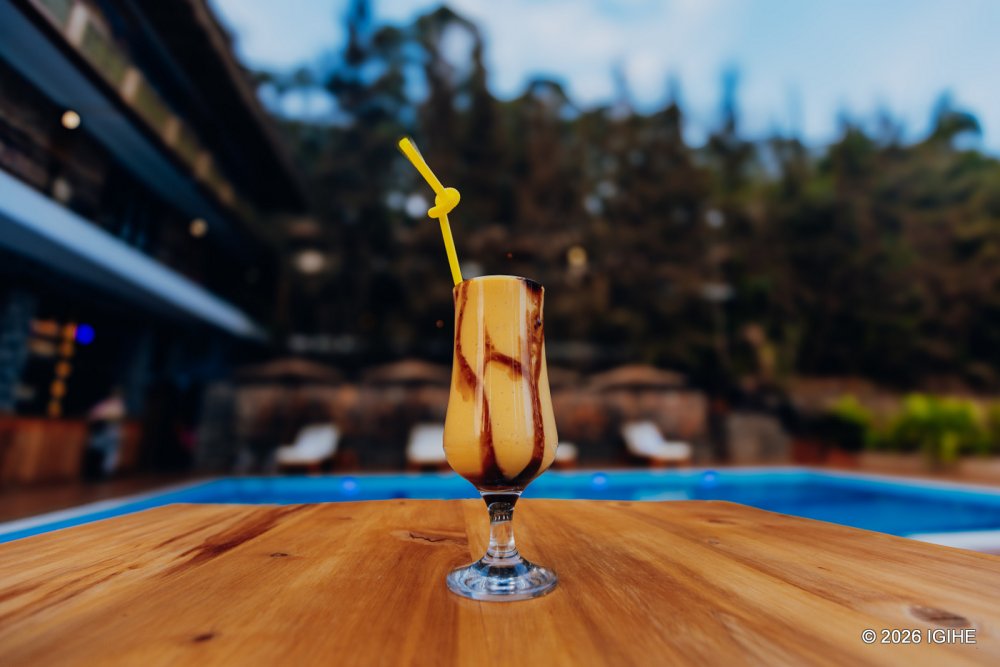
Guests can also enjoy free swimming at Jungle Park.
He said the combination of brunch, swimming and traditional games is intended to create a relaxed Sunday experience for visitors.
“People come, they enjoy those traditional games while on brunch, swimming, providing that relaxation and staycation on Sundays,” he said.
Hospitality with a conservation focus
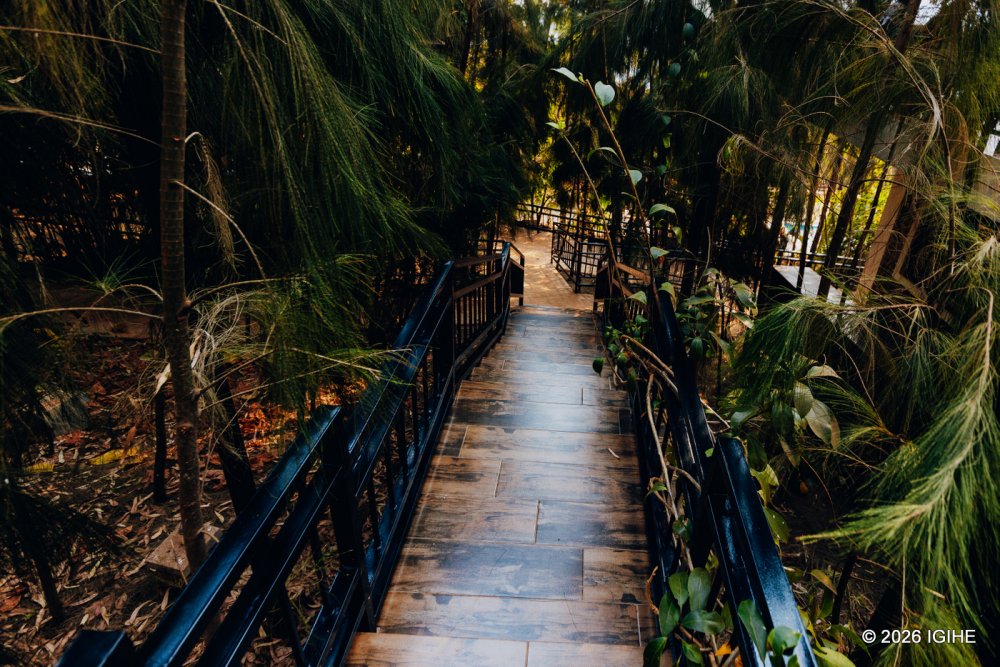
Jungle Park’s natural surroundings are not simply part of its aesthetic. The business has also incorporated environmental conservation into its operations. According to Urimubenshi, the destination has planted indigenous trees protected under Rwanda’s environmental conservation policies.
“When you look around here, the trees we plant are not just any part of the tree. It comes from the policy, from the laws,” he said.
Urimubenshi said the approach allows the business to contribute to environmental conservation while also supporting the country’s hospitality sector.
“We really like it when we say we are doing a business, yes, but also we are contributing to the country’s effort for conservation,” he added.
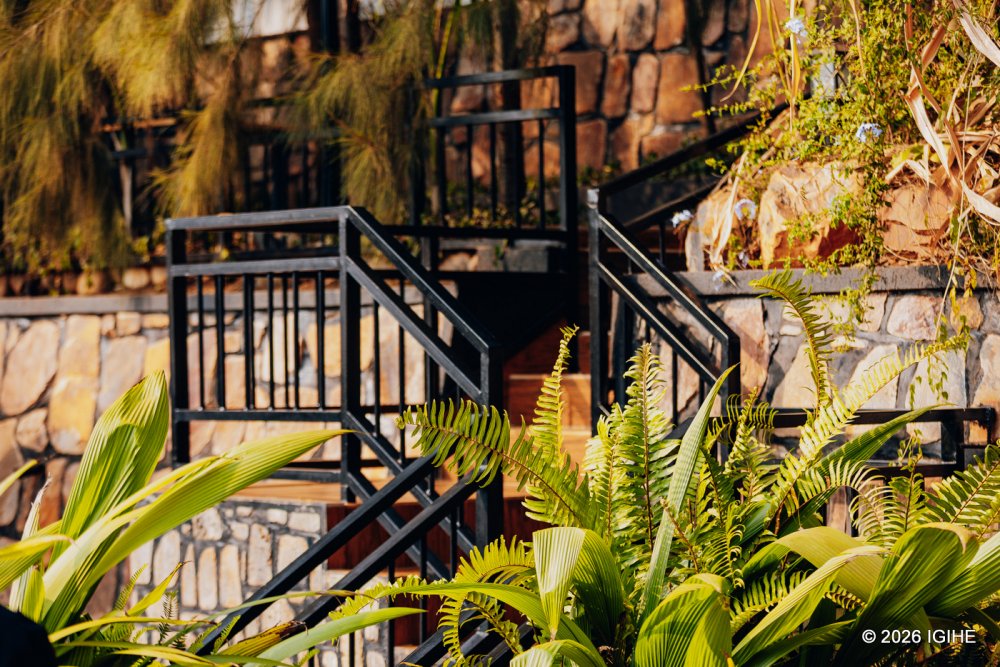
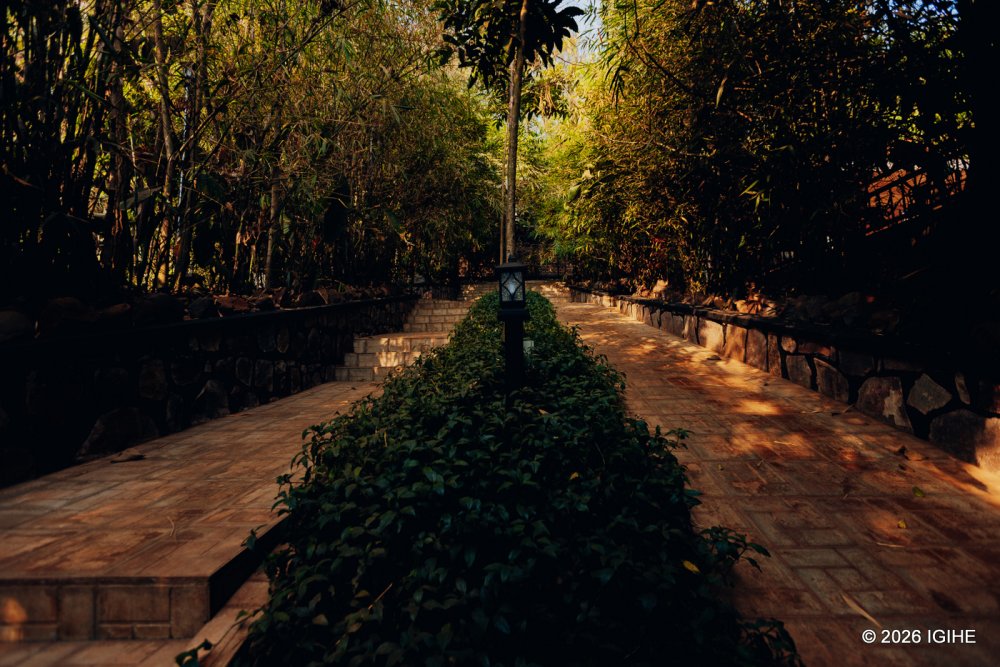
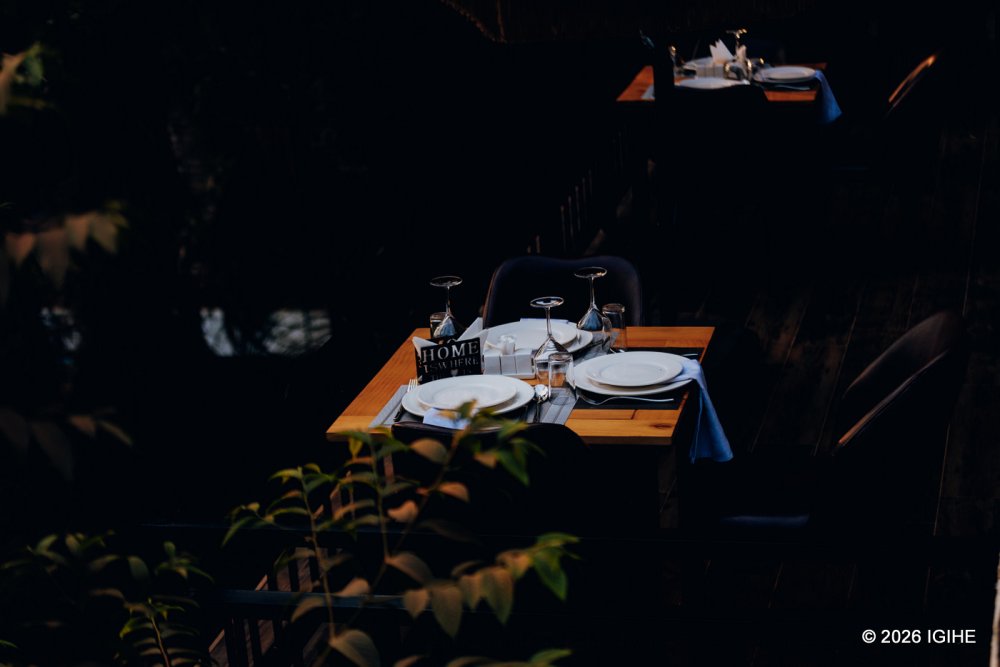
Guests can unwind while enjoying Jungle Park’s natural surroundings.
A new addition to Kigali’s leisure scene
Jungle Park opened in May 2026, and Urimubenshi said it has received an encouraging response from customers while using their feedback to improve its services.
“Within this short period, we’ve received a warm welcome and a lot of encouragement from our guests. We’ve also been learning from our shortcomings and improving day after day,” the founder stated.
For visitors, part of the experience begins before they even arrive.
The drive up Mount Kigali takes them away from the city’s increasingly busy streets and towards a setting surrounded by trees and panoramic views.
At Jungle Park, the journey becomes part of the getaway itself, offering Kigali residents and visitors a chance to enjoy fine dining, recreation and nature without having to travel outside the capital.
As Urimubenshi puts it, the destination is ultimately about more than a meal.
It is about creating a retreat close enough to the city to remain accessible, yet far enough from its noise to feel like an escape.
Junge Park offers city residents and visitors an opportunity to escape the city’s bustle without actually leaving Kigali.It is about creating a retreat close enough to the city to remain accessible, yet far enough from its noise to feel like an escape.Jungle Park is a luxury fine-dining restaurant and recreational space that combines food, entertainment, nature and relaxation.Guests can also enjoy free swimming at Jungle Park.The restaurant recently introduced a live barbecue every Saturday from 10 a.m., combining grilled food with live music and other activities.Jungle Park also hosts a Sunday brunch running from 10 a.m. to 4 p.m., giving visitors access to a range of recreational activities alongside their meals.
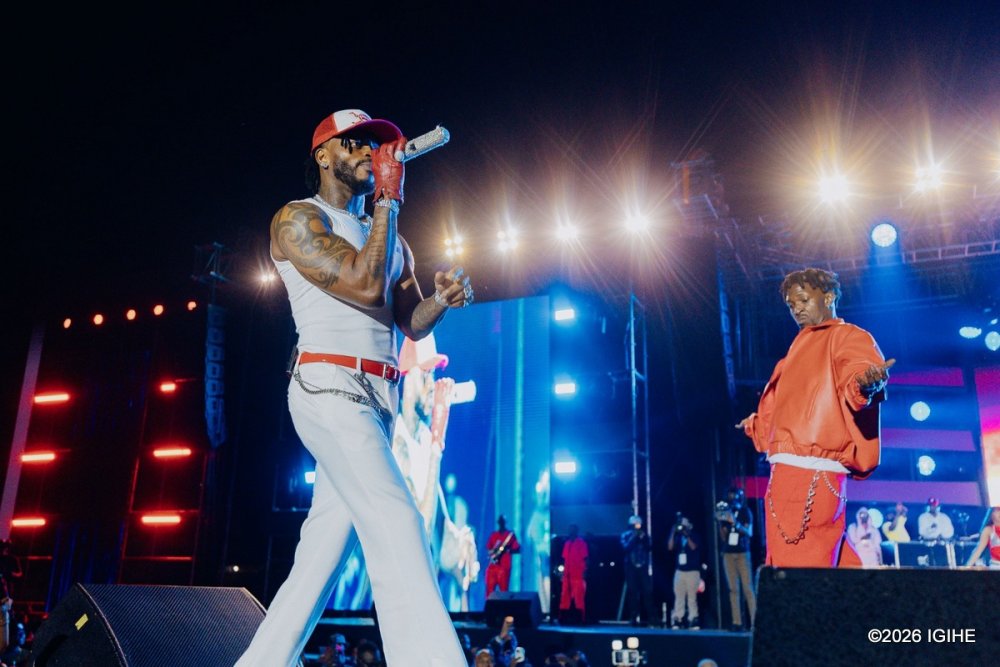
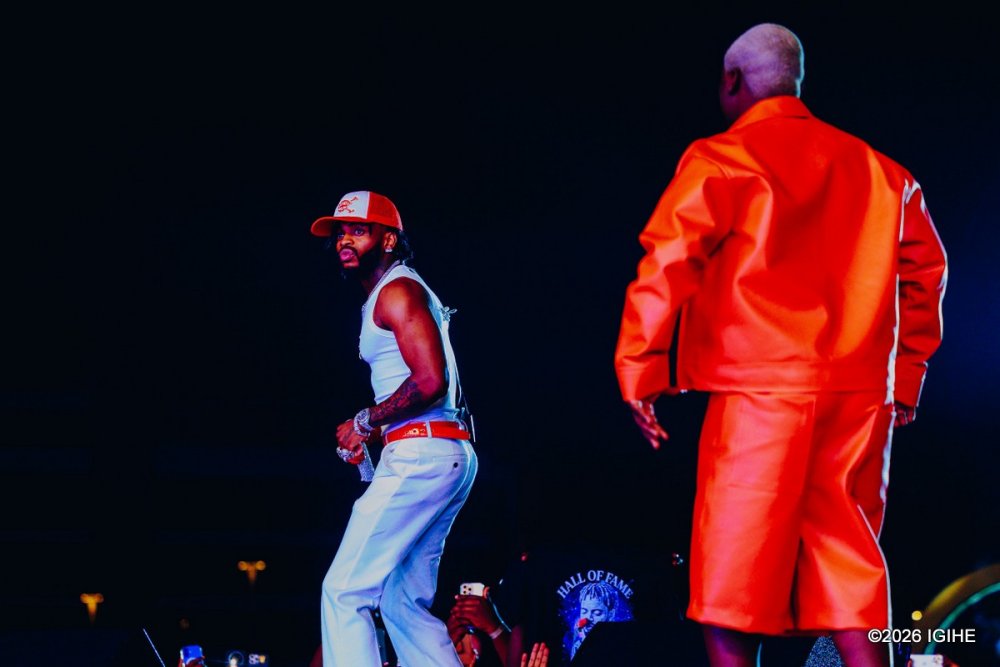
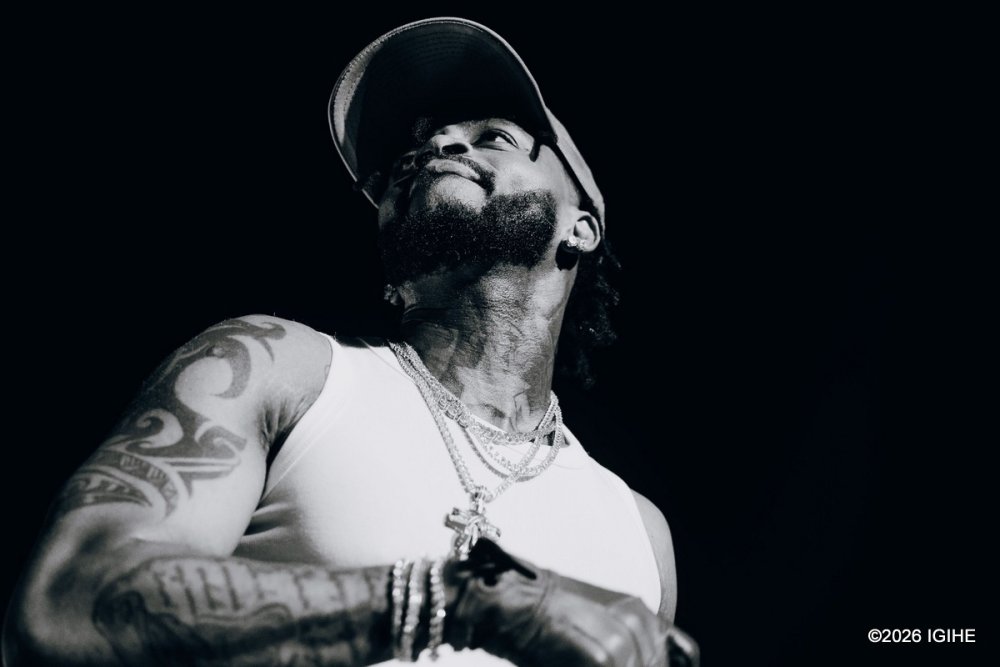
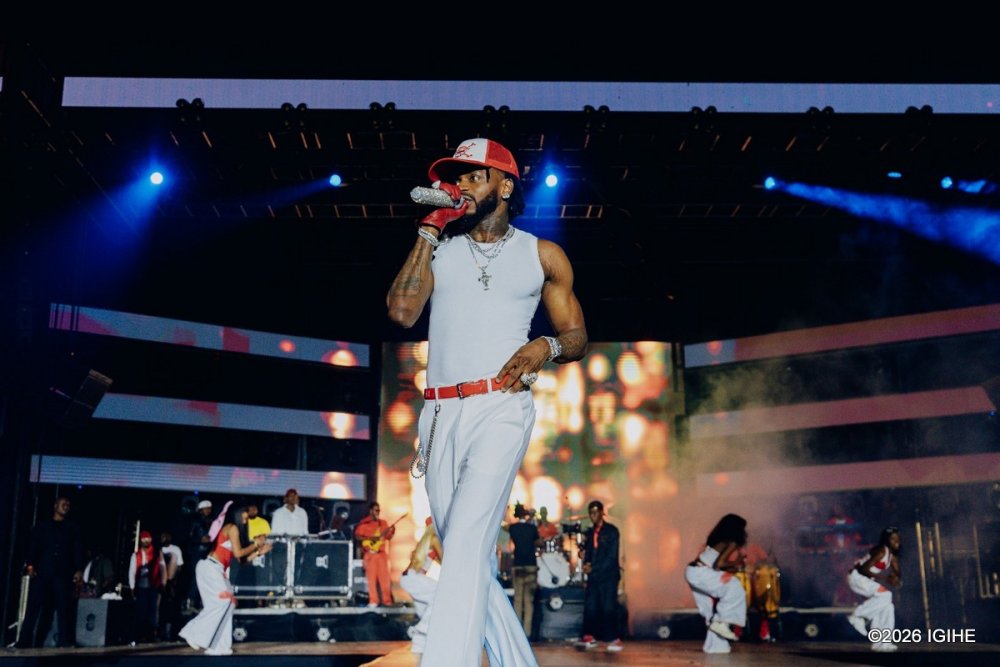
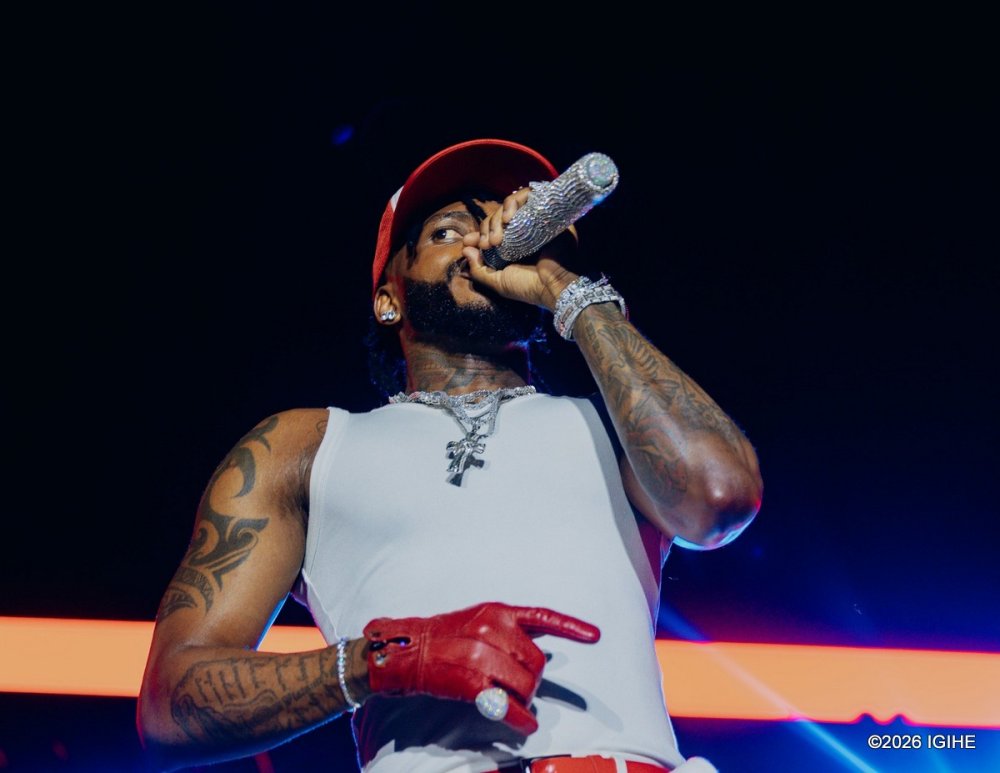
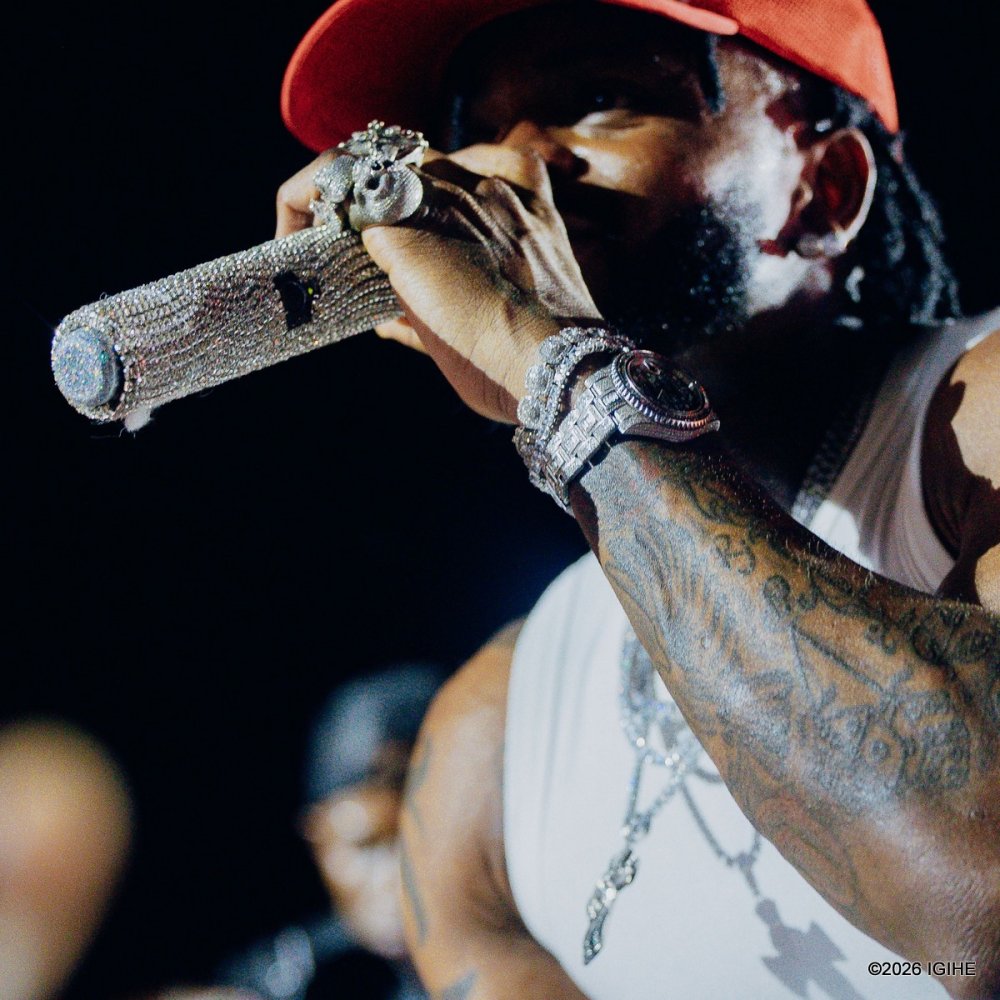
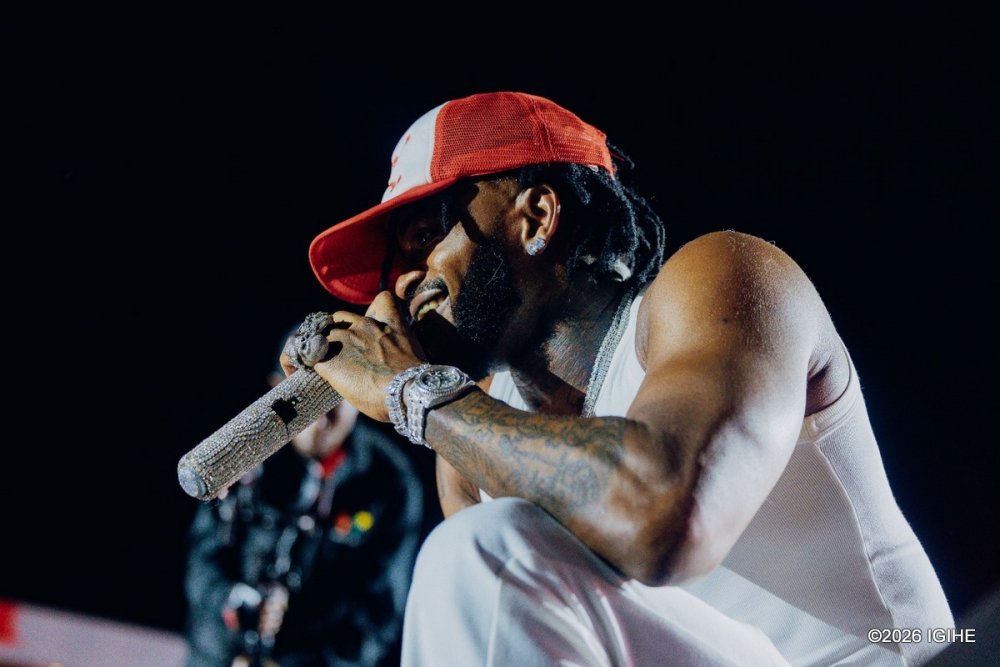
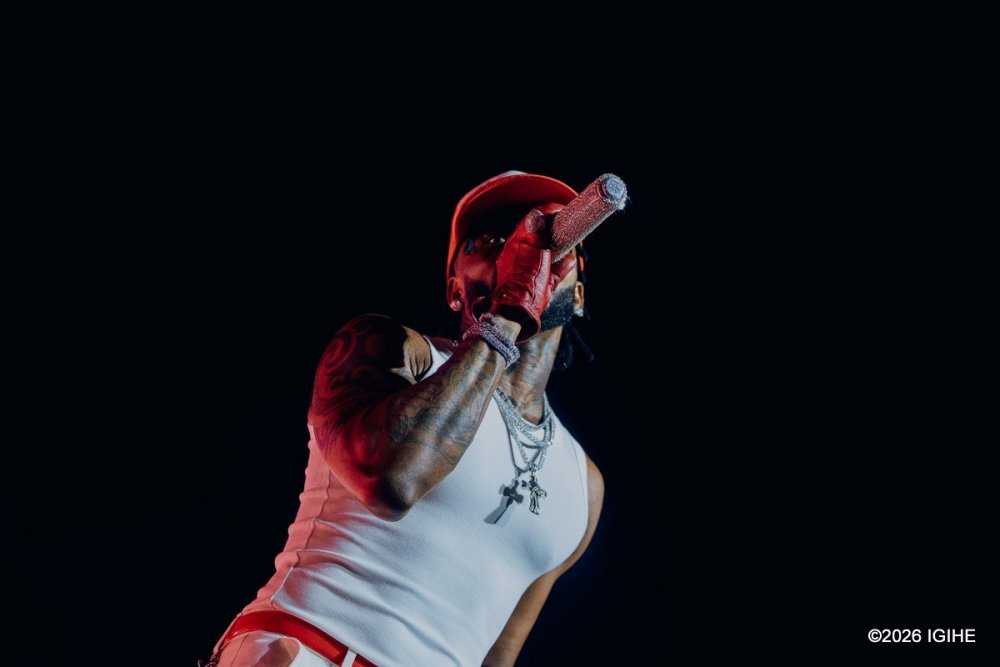
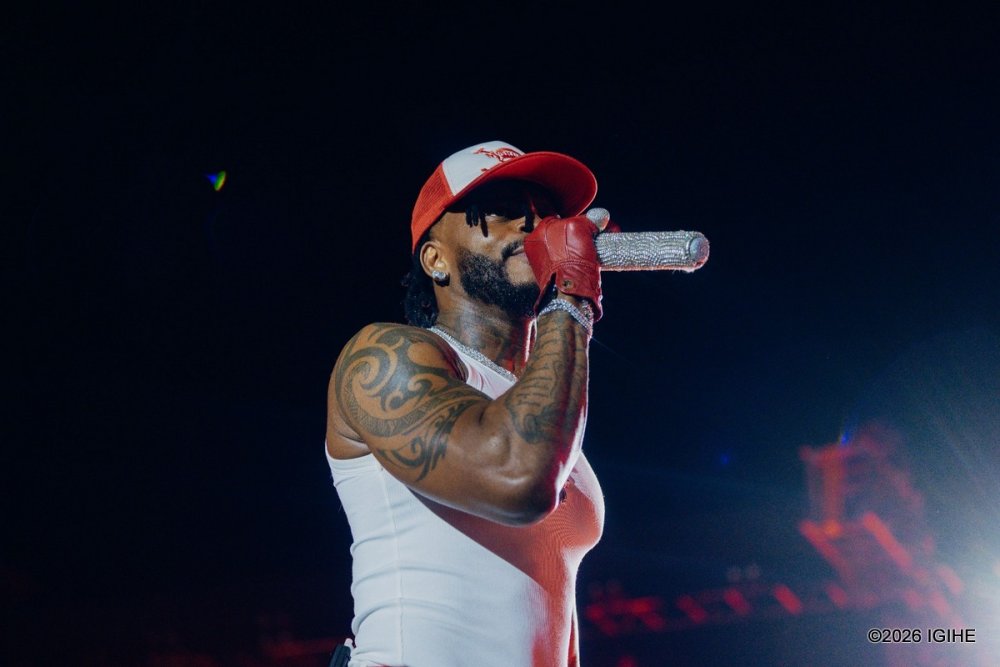
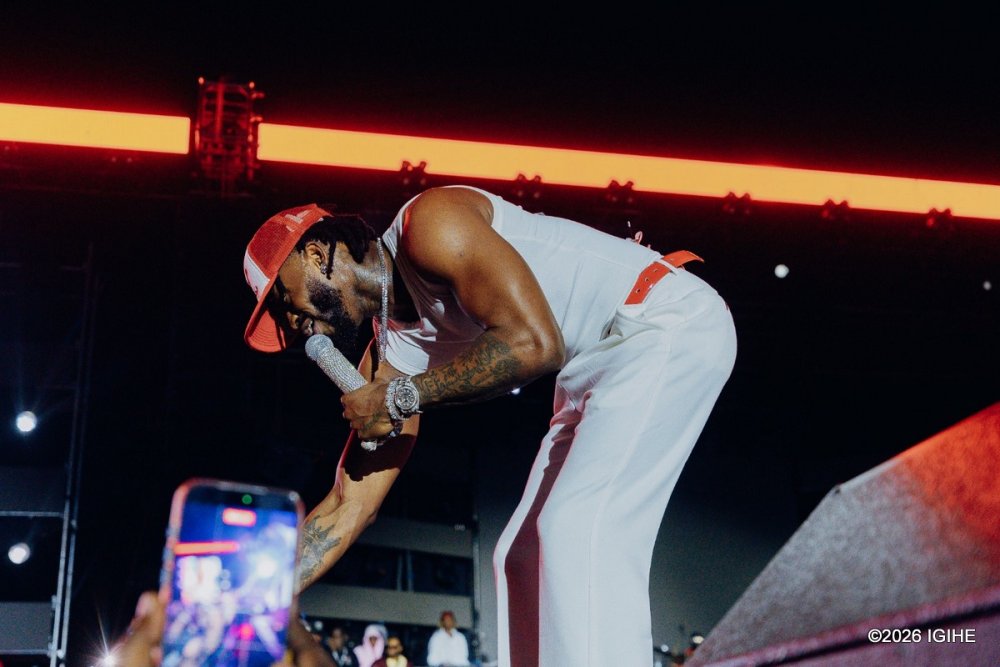
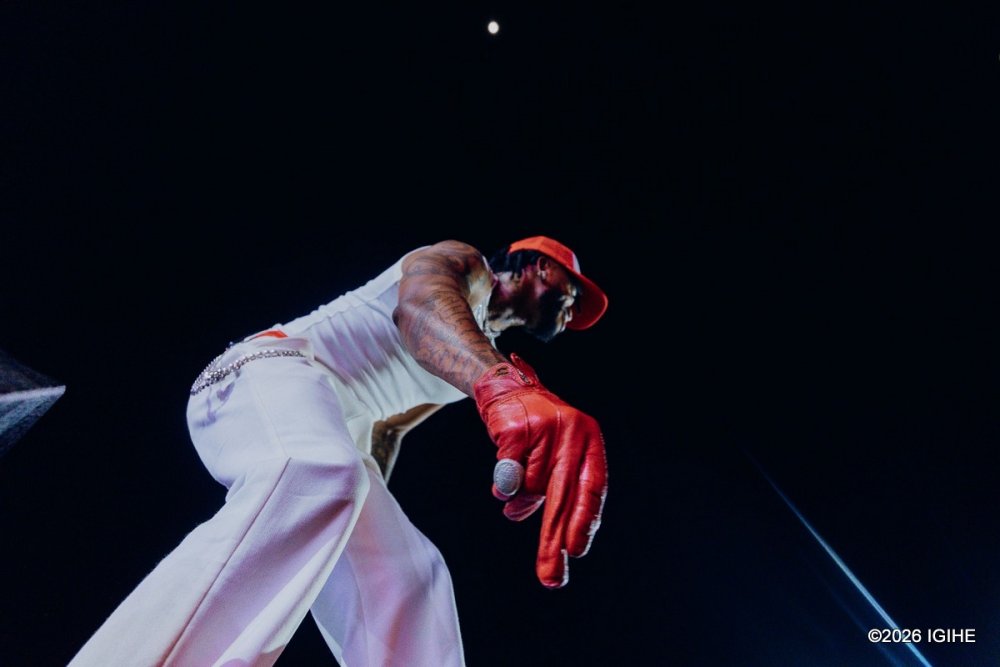
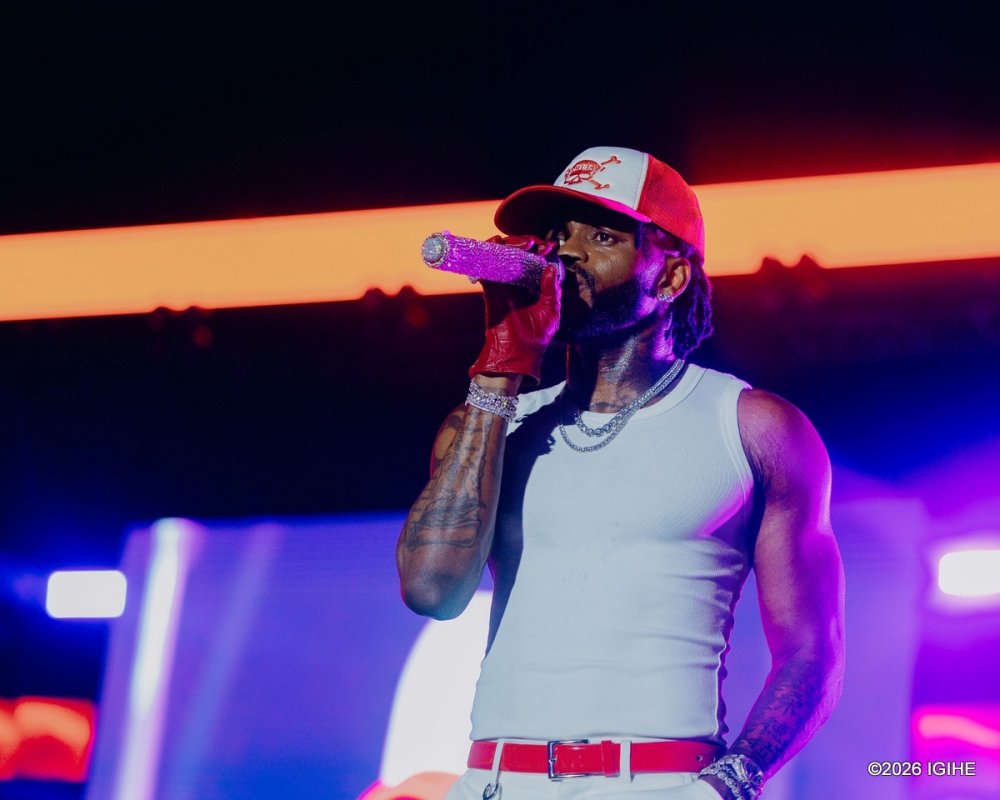
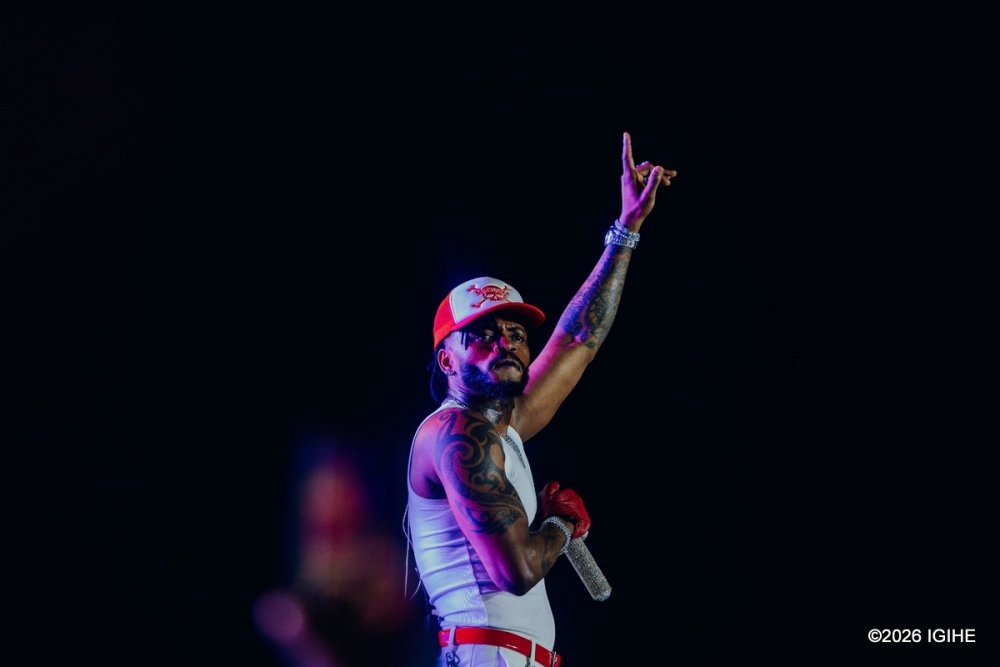
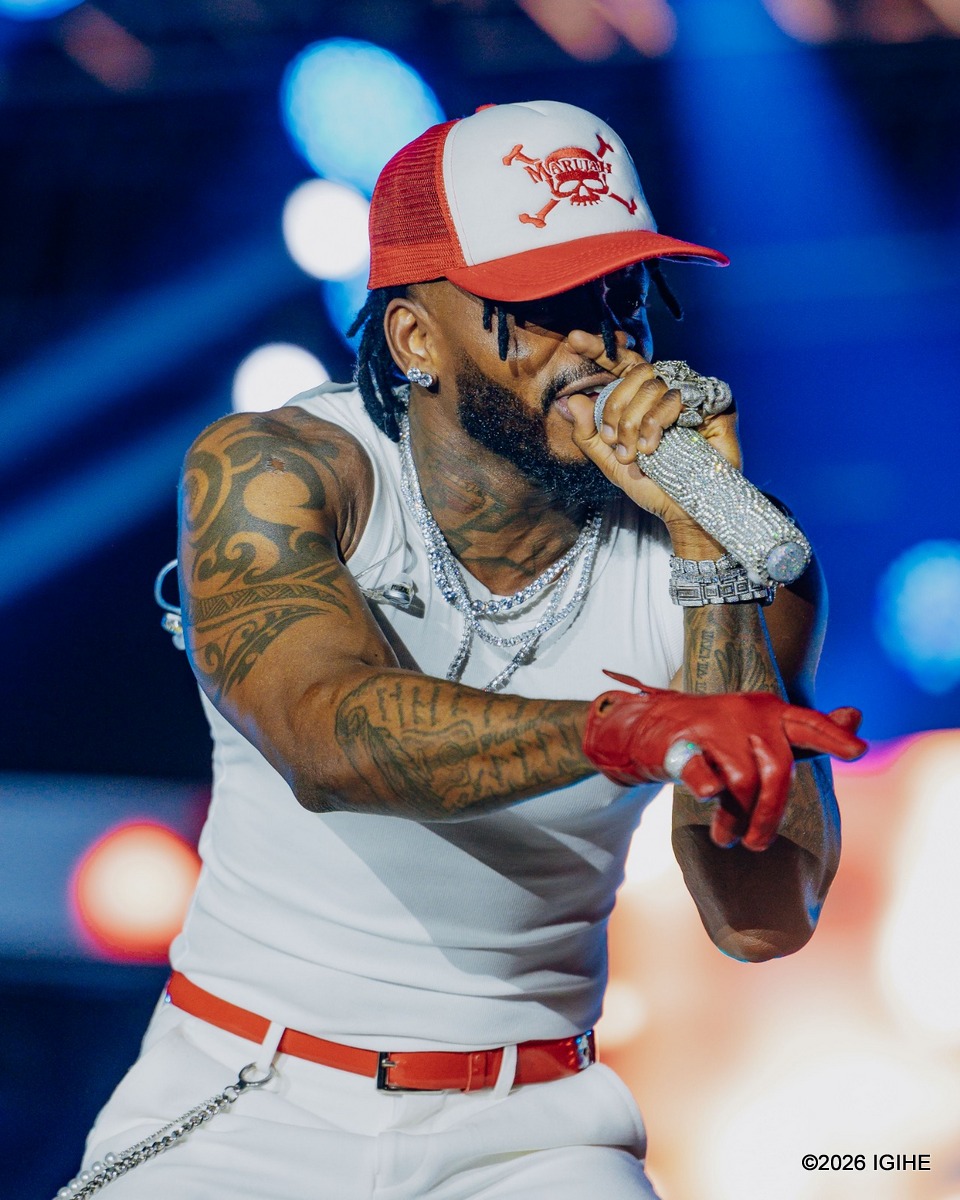
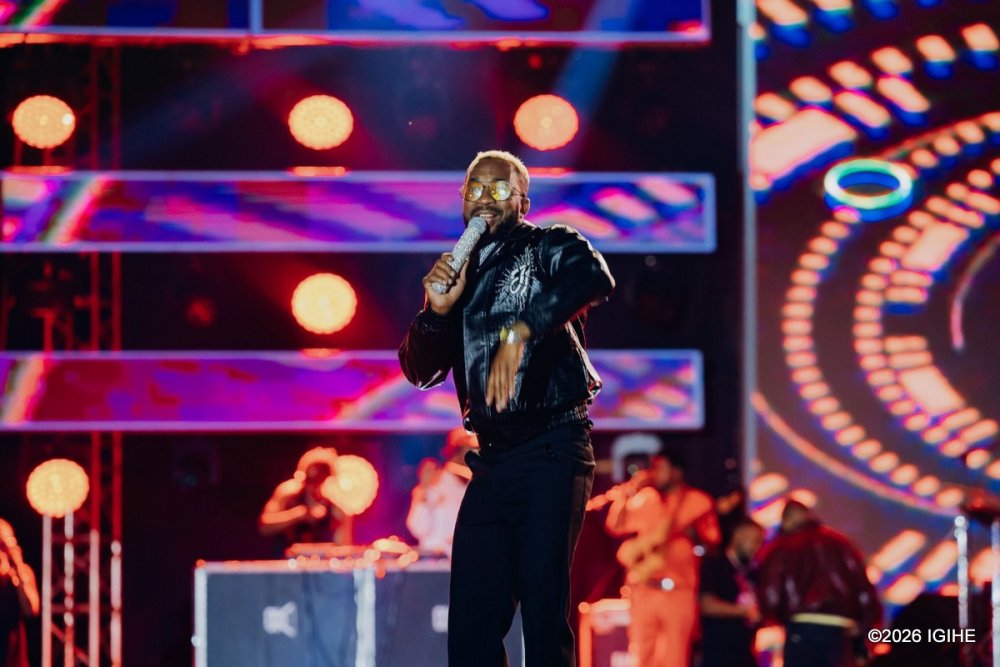
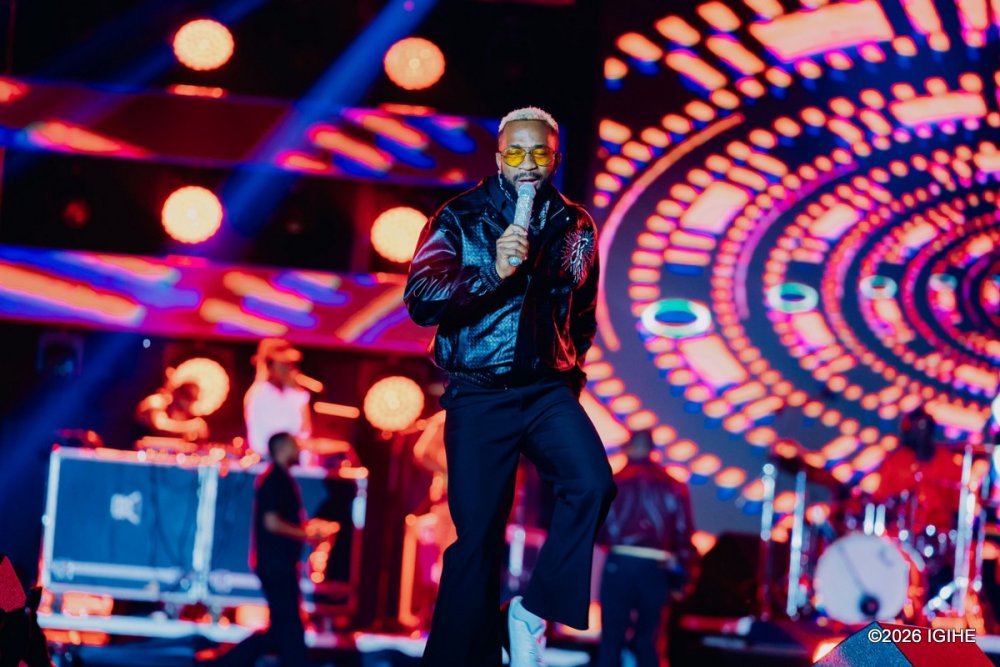
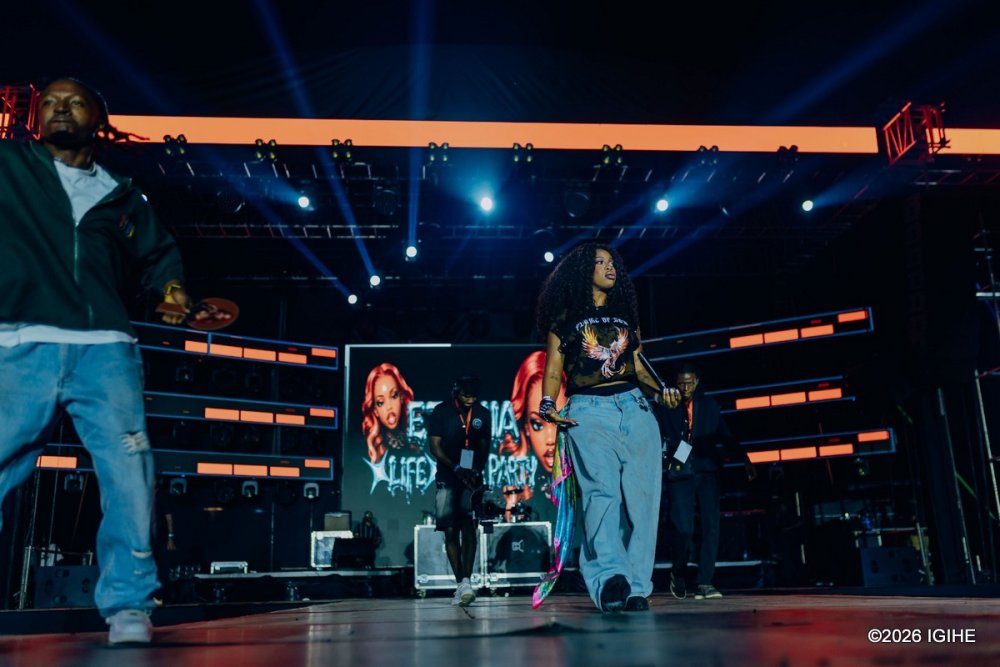
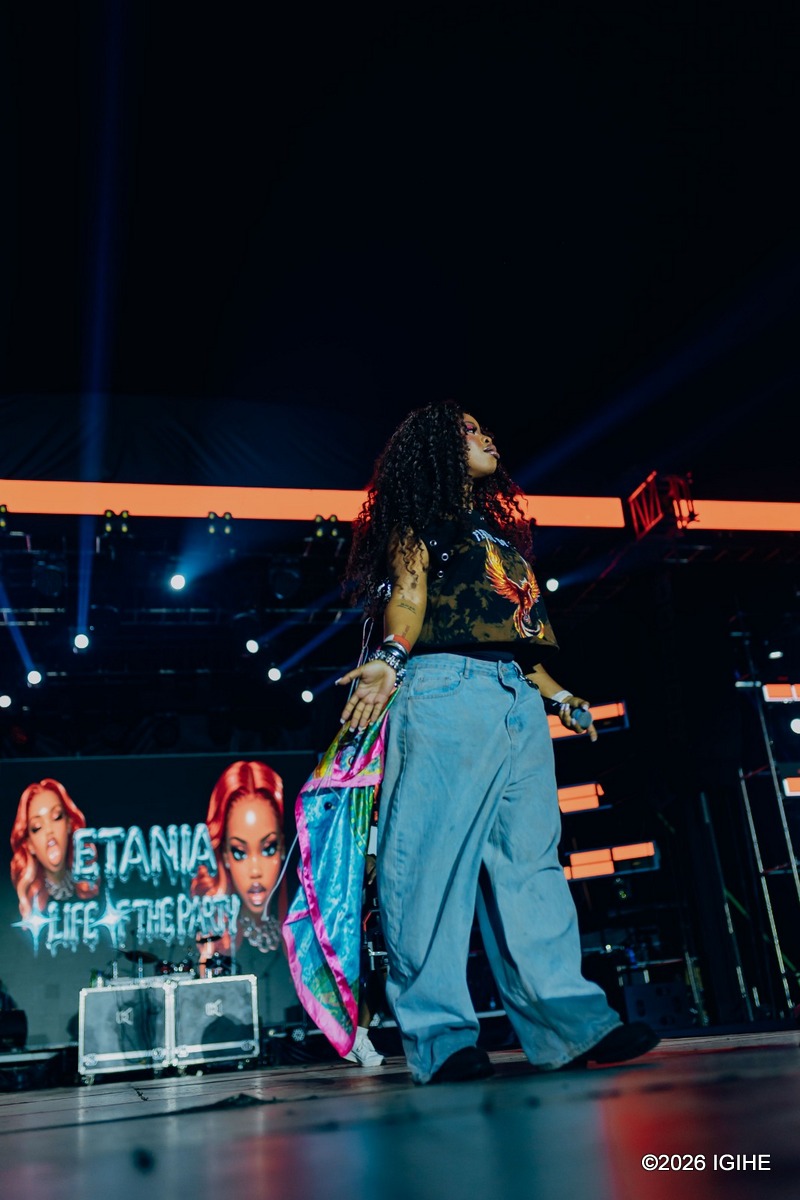
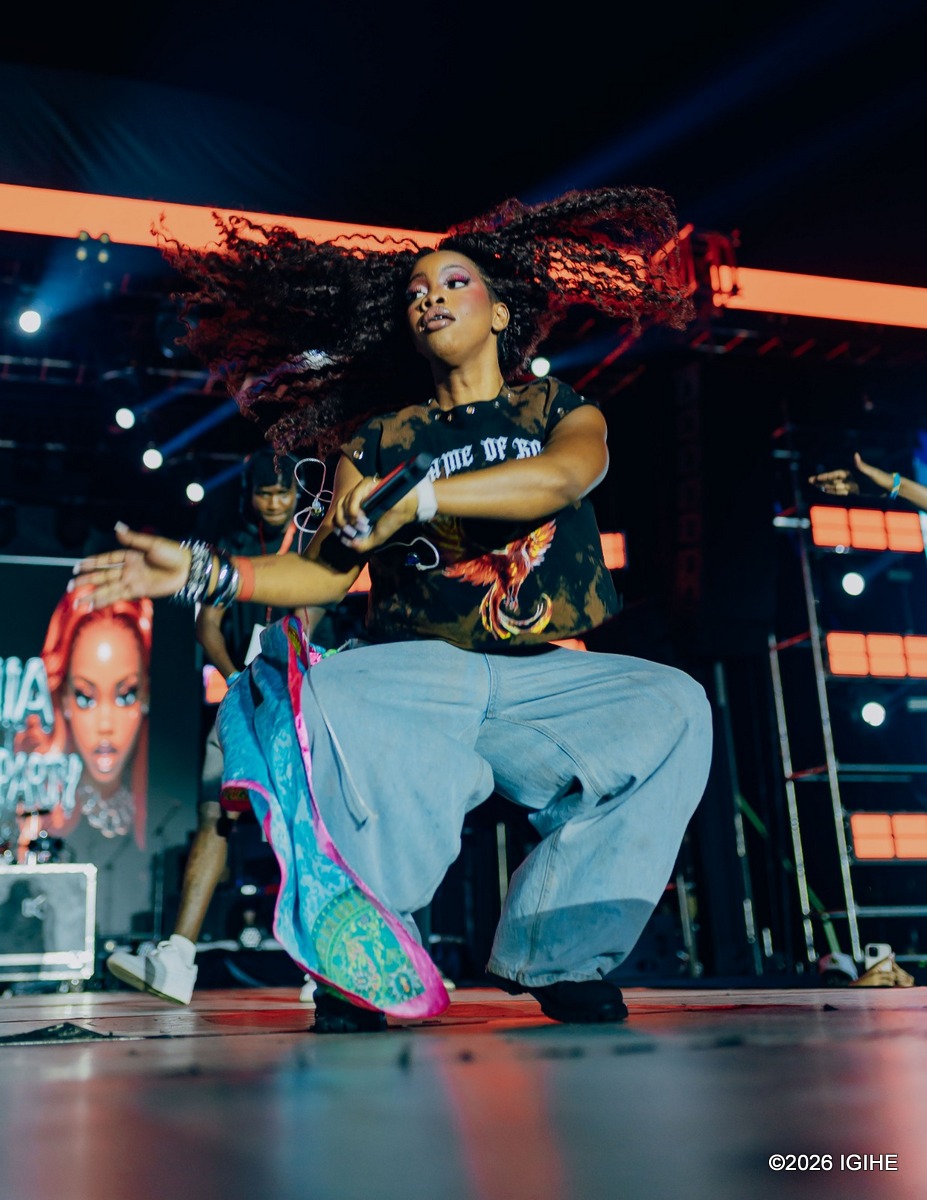
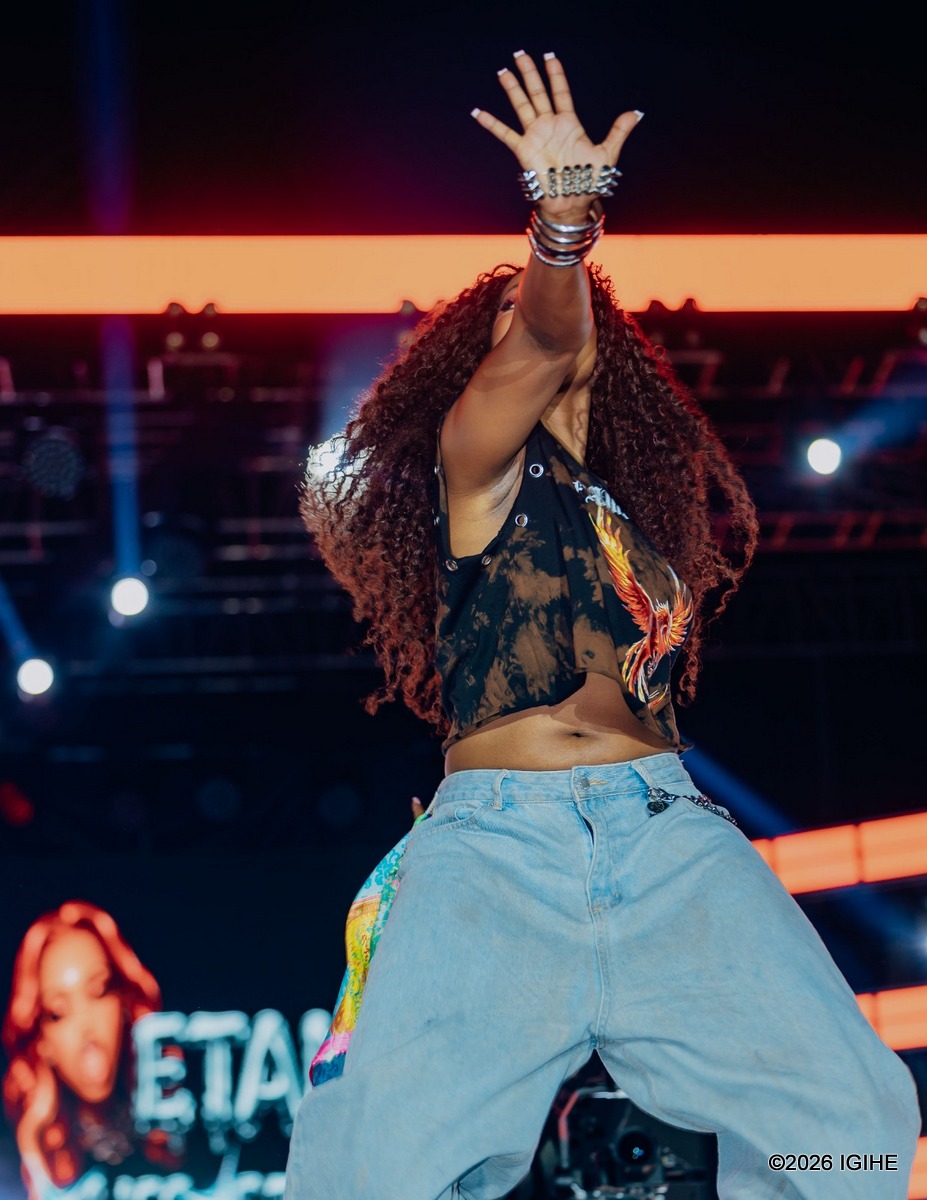
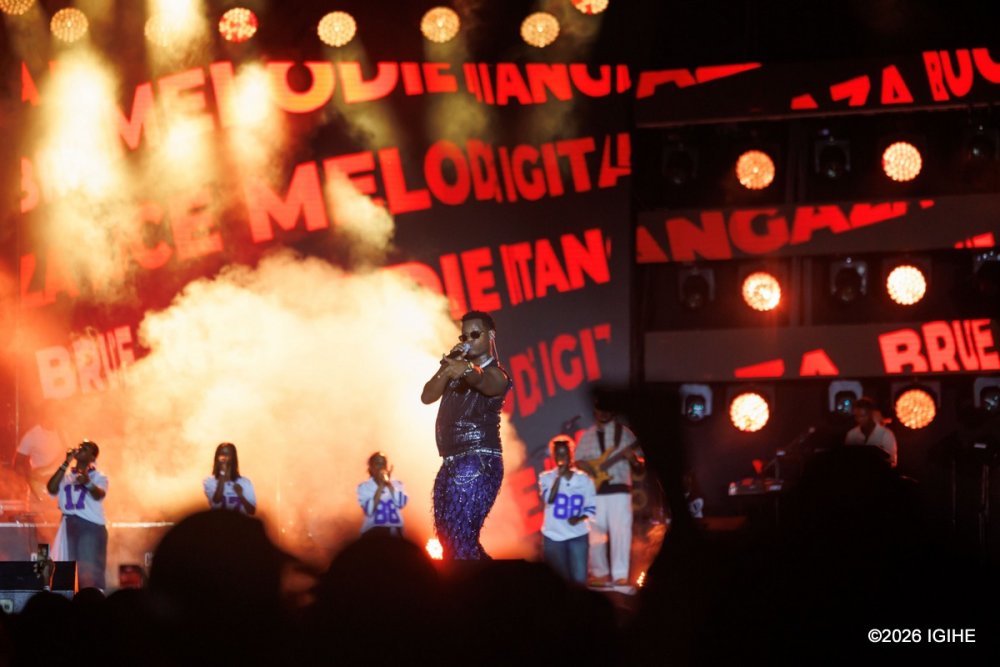
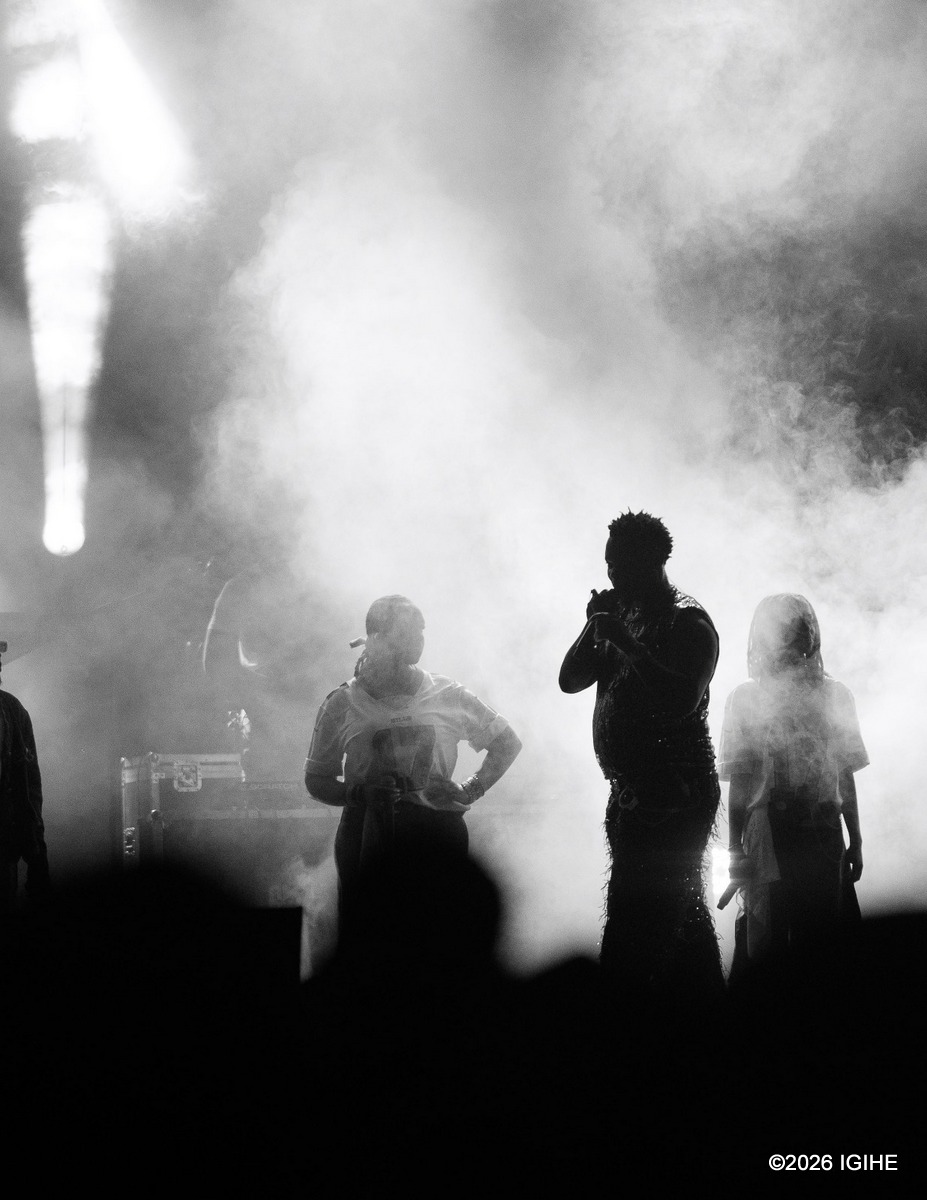
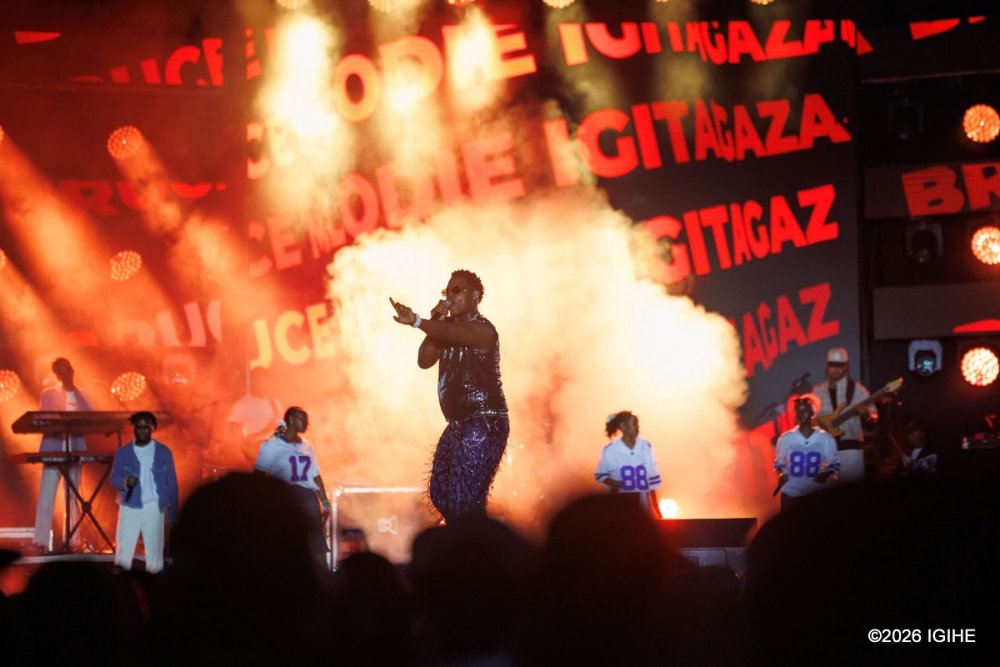
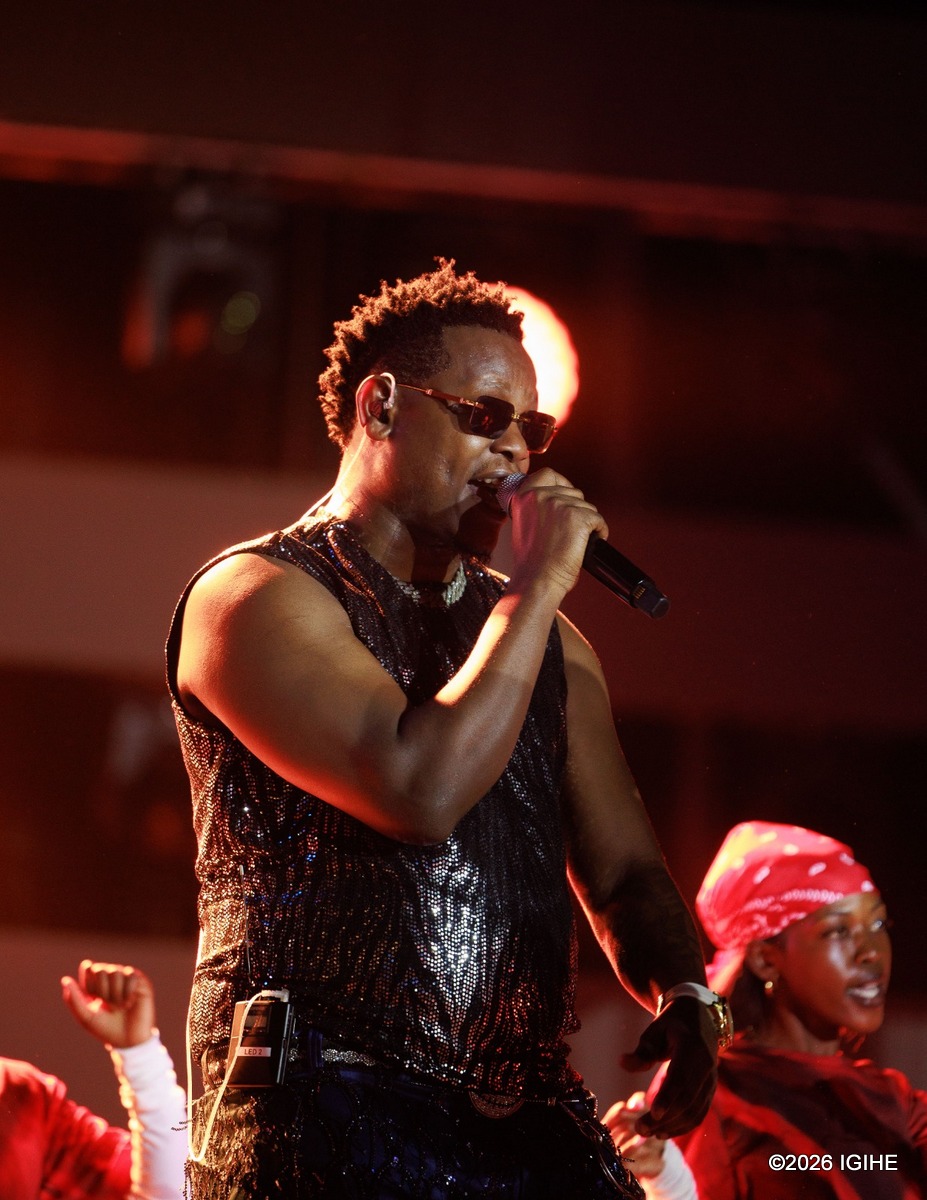
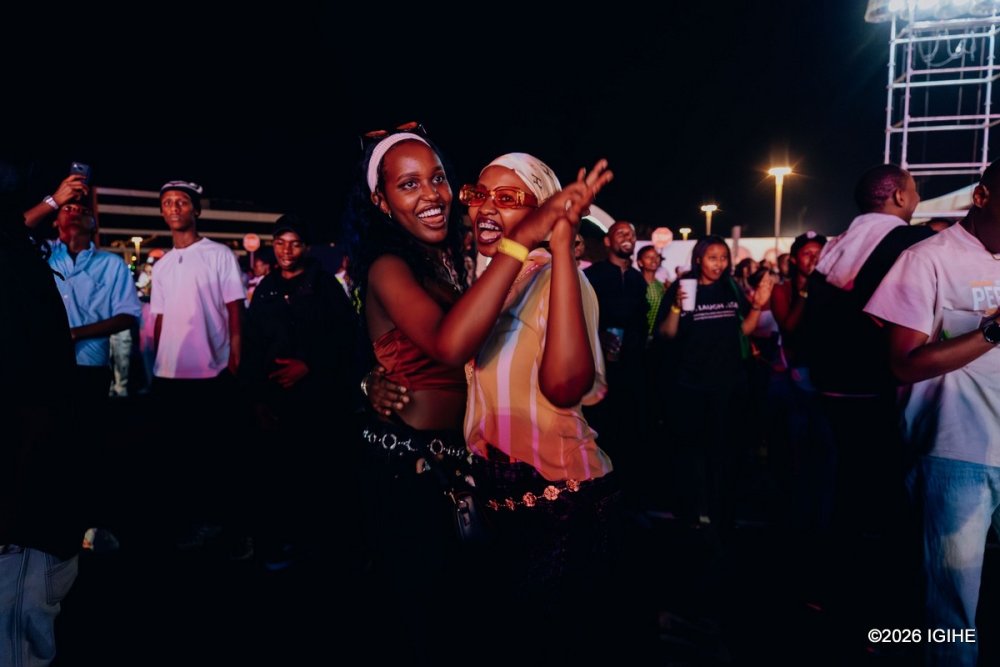
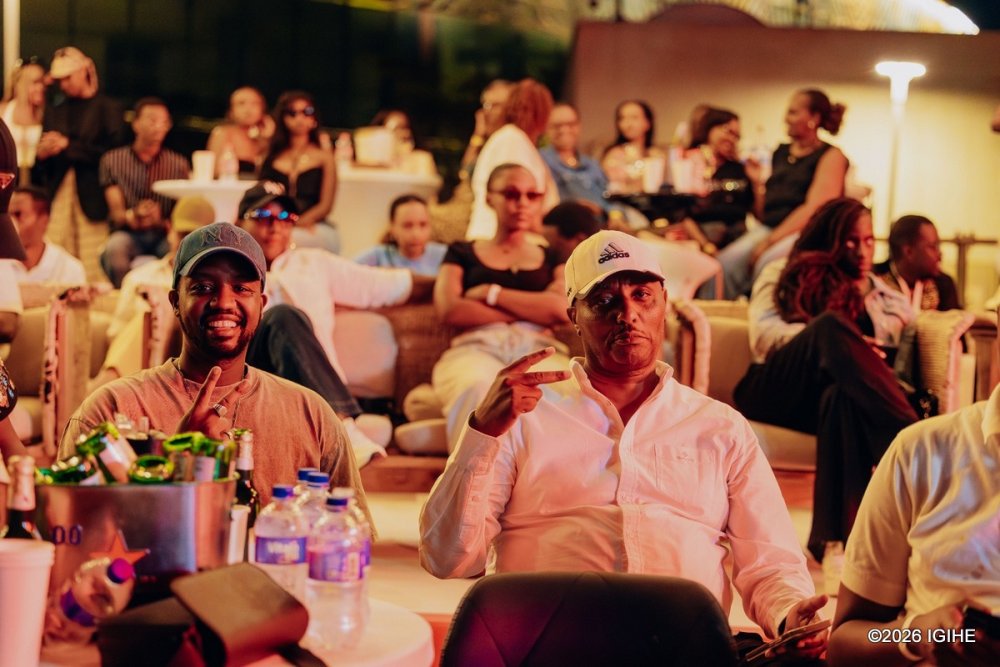
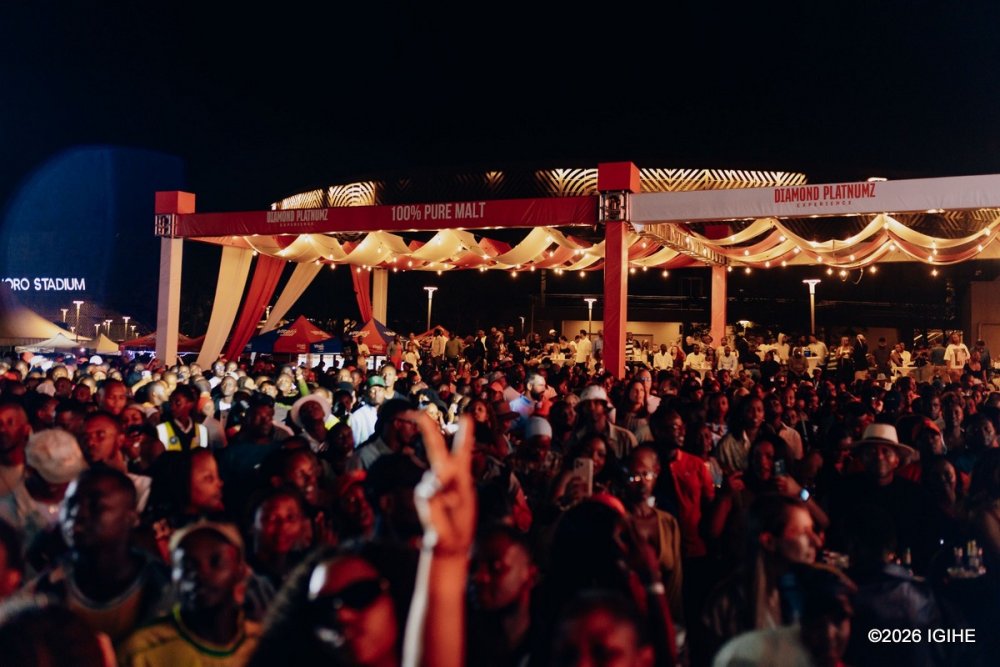
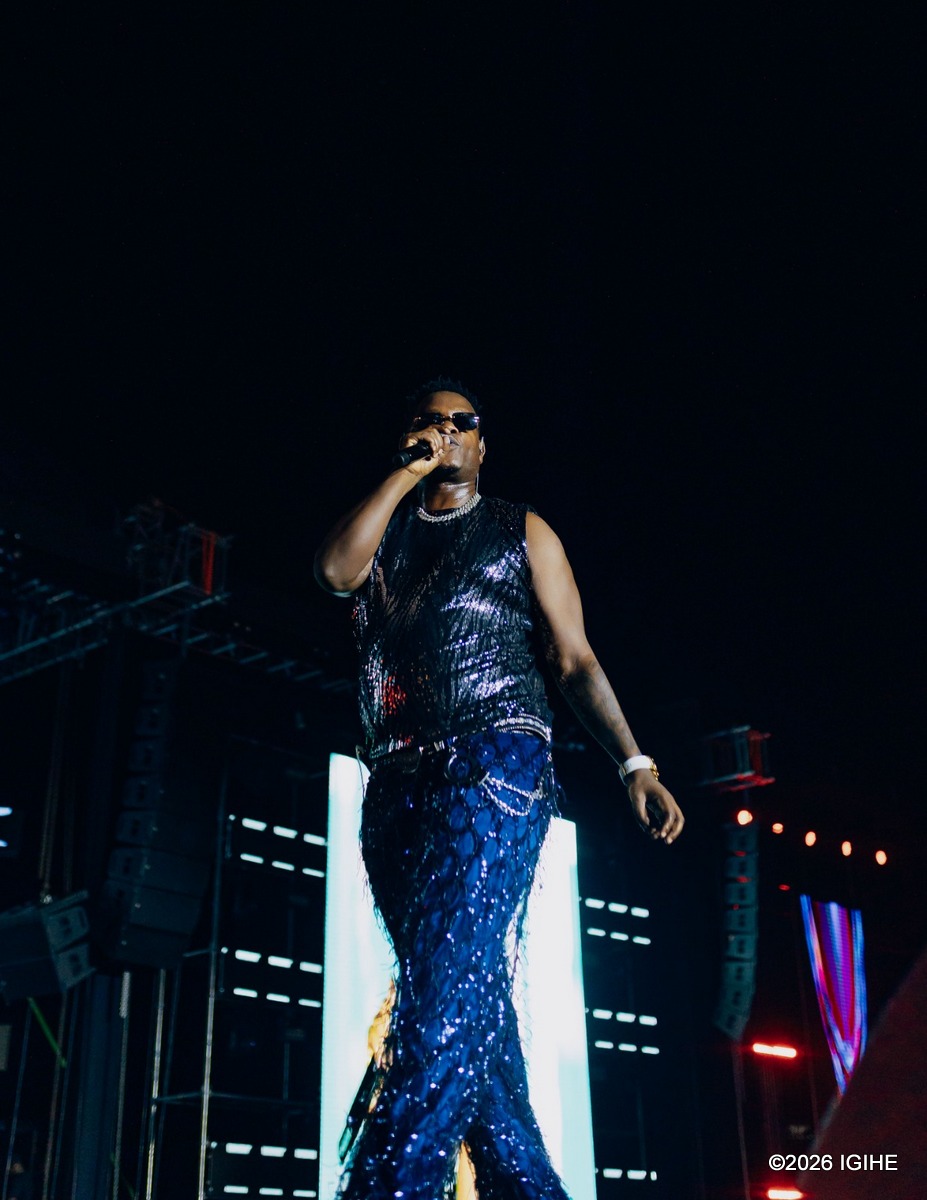
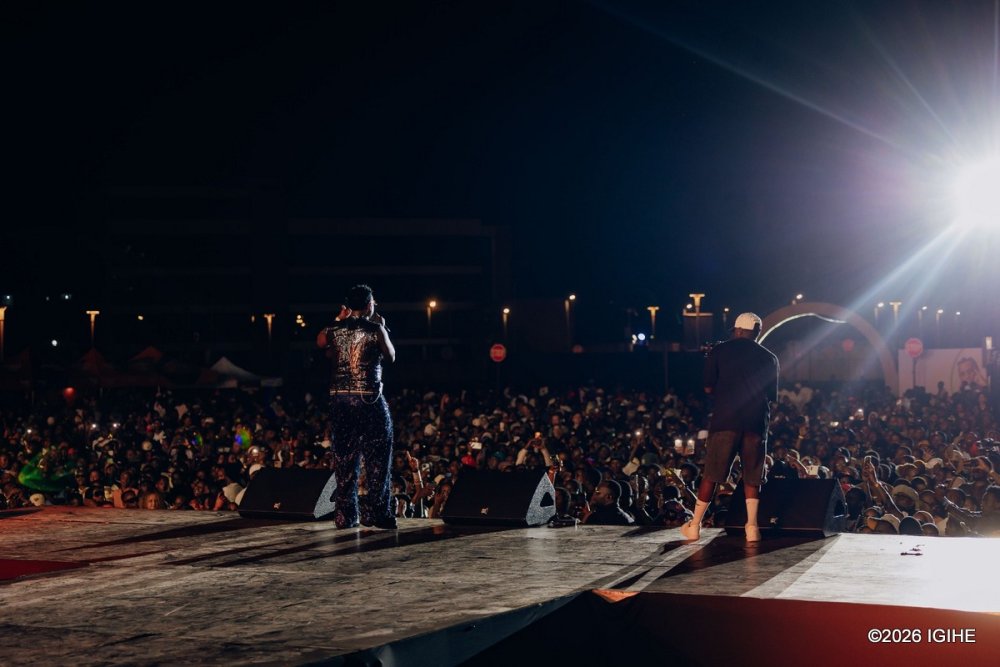
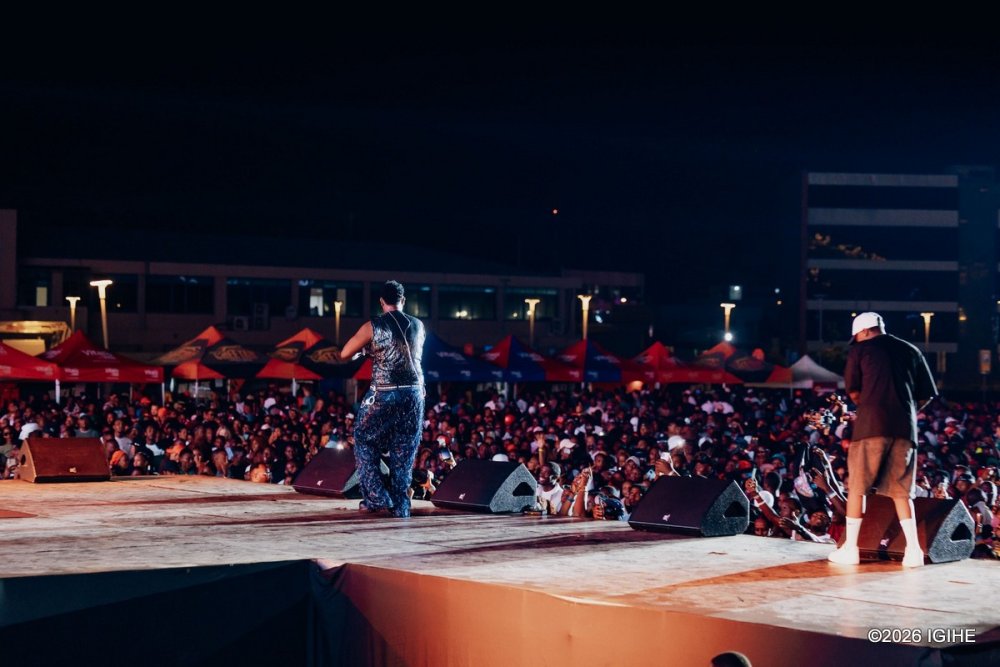
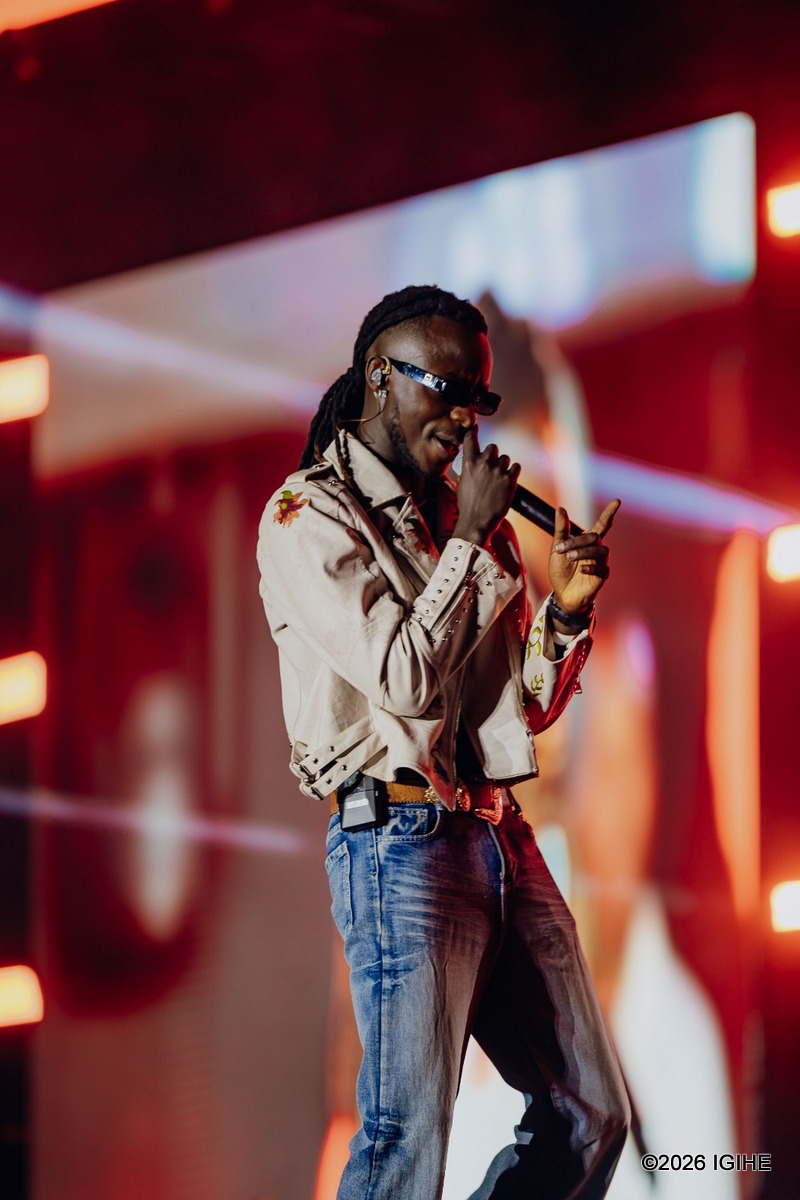
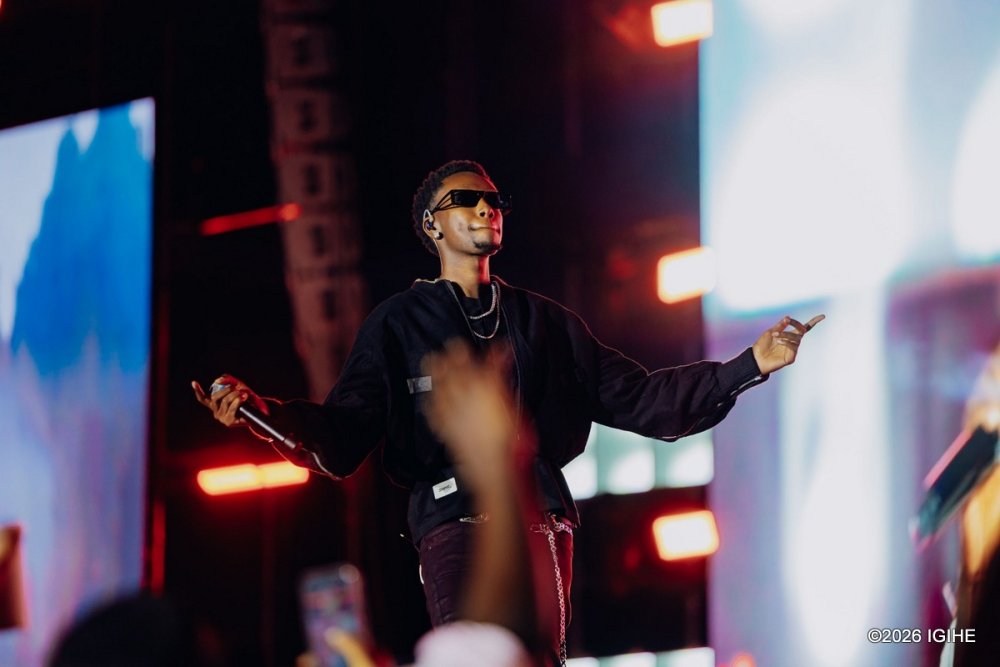
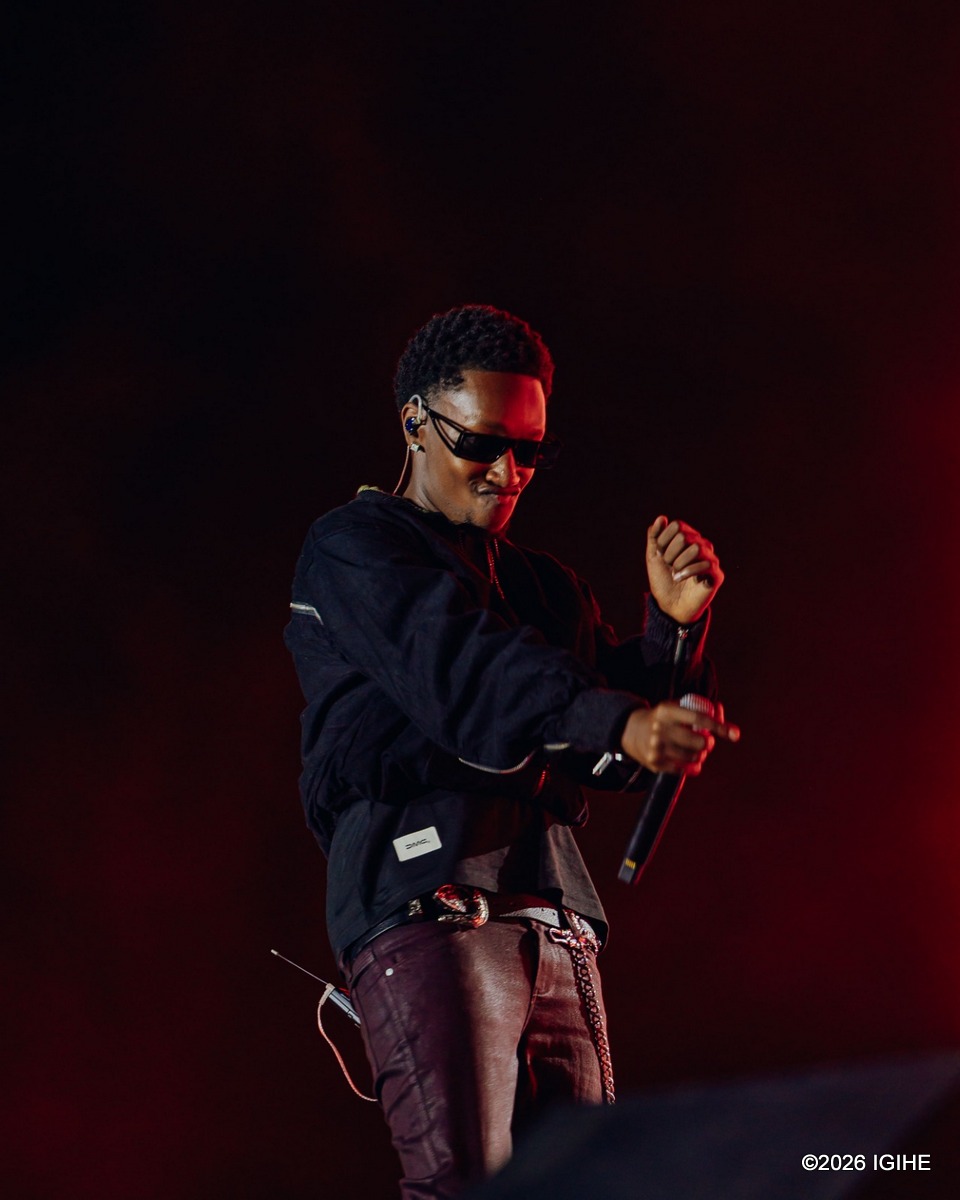
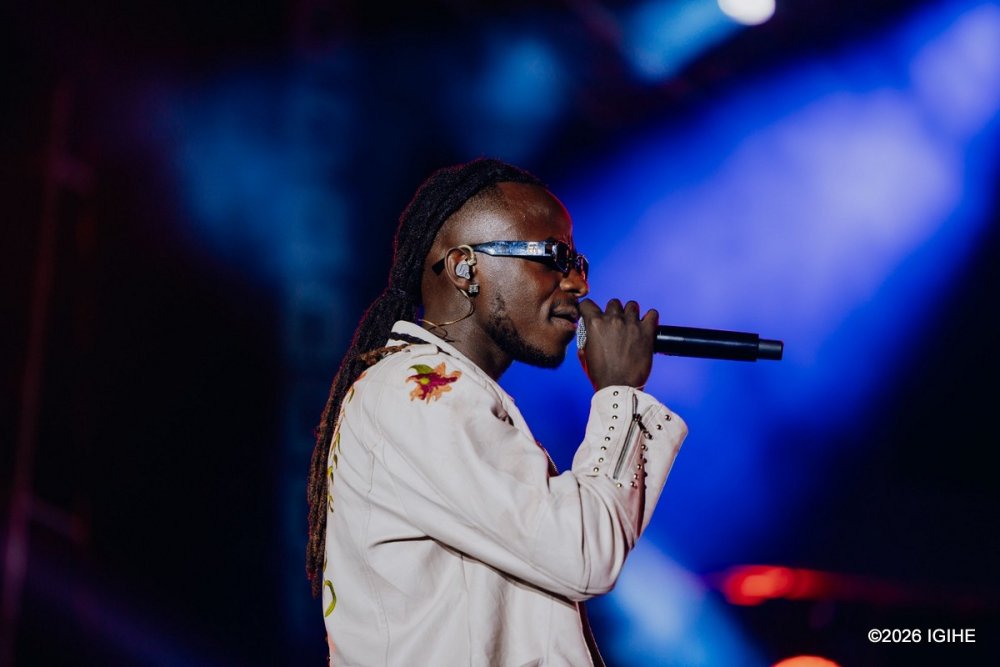
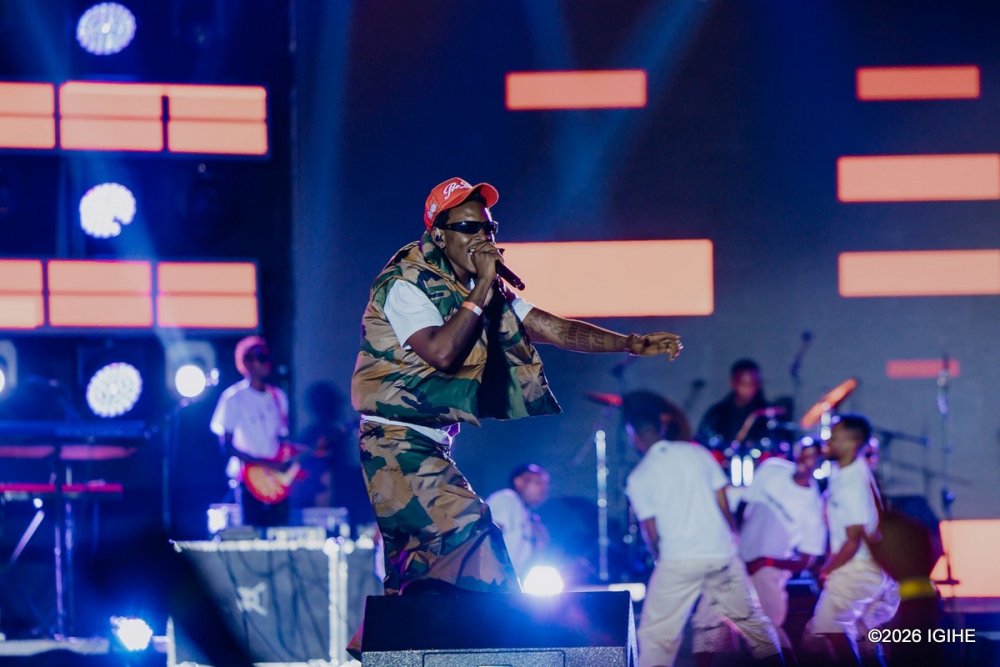
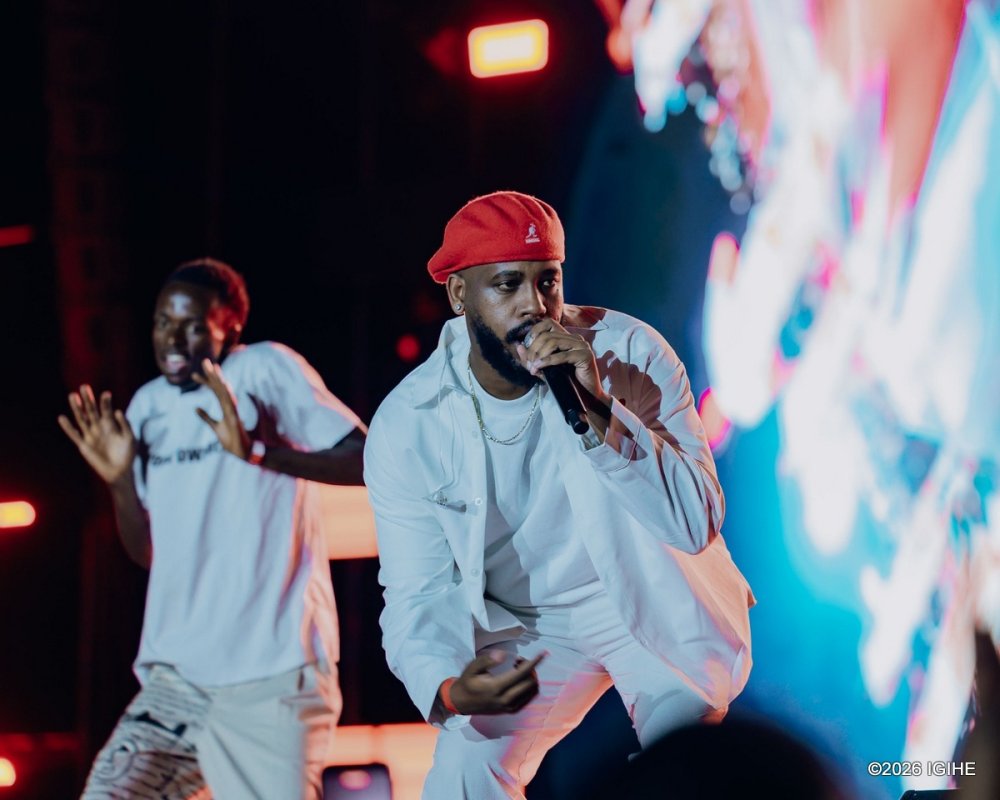
Diamond headlined the Diamond Platnumz Experience, a concert held at the BK Arena parking grounds on the night of August 29, 2026. The event also featured some of Rwanda’s leading artists, including Bruce Melodie, Nel Ngabo and Ish Kevin, alongside DJs Marnaud, Khizz Beats and Uganda’s DJ Etania.
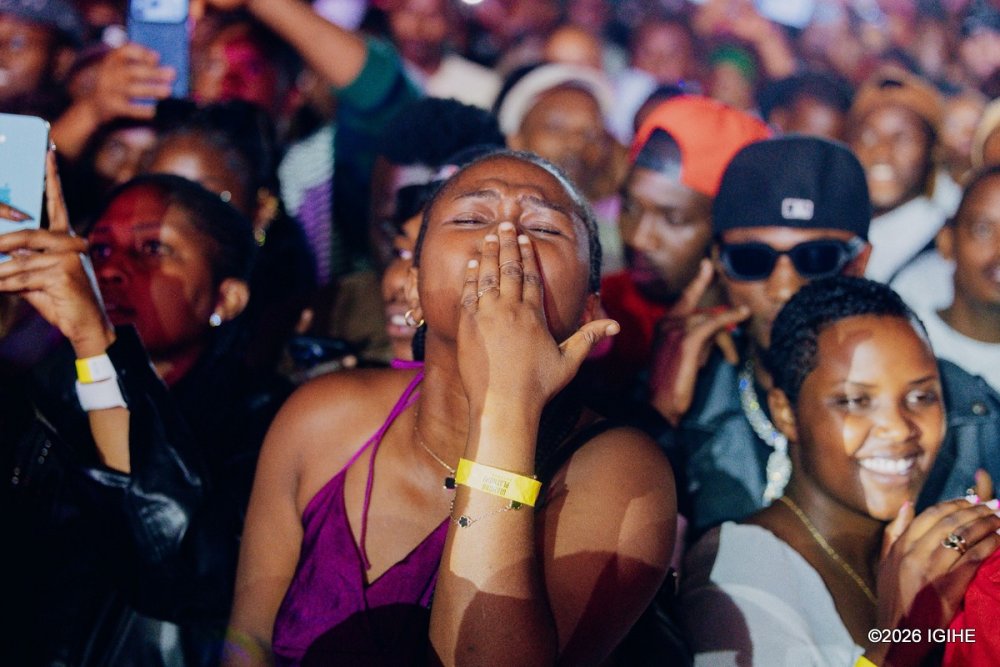
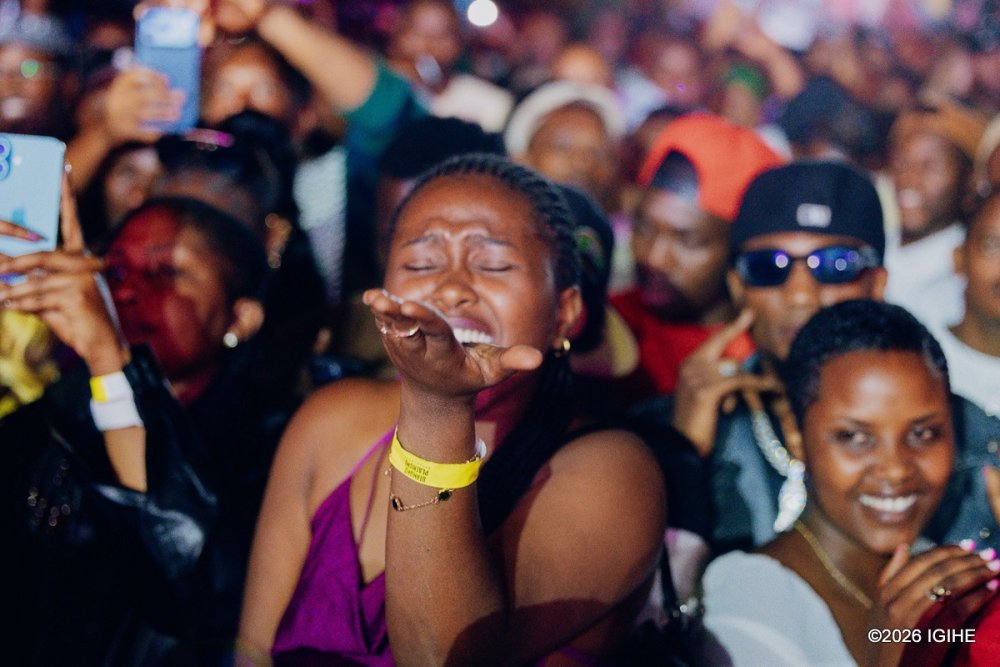
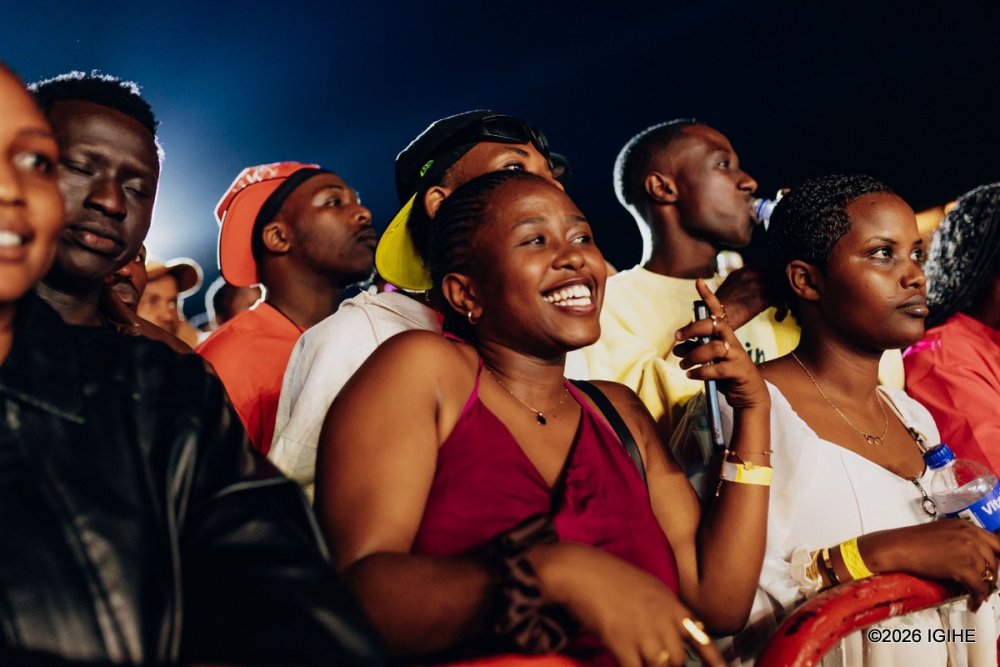
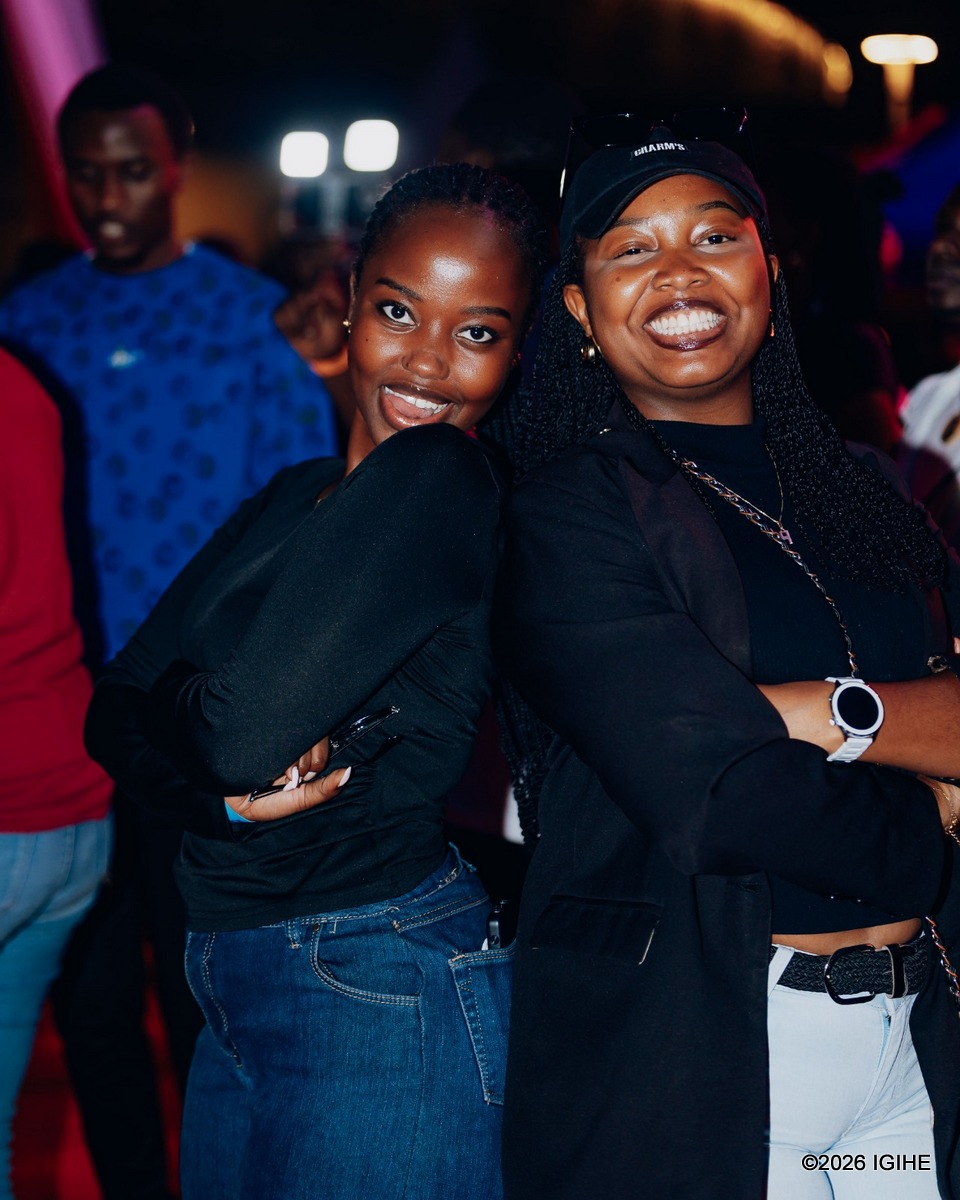
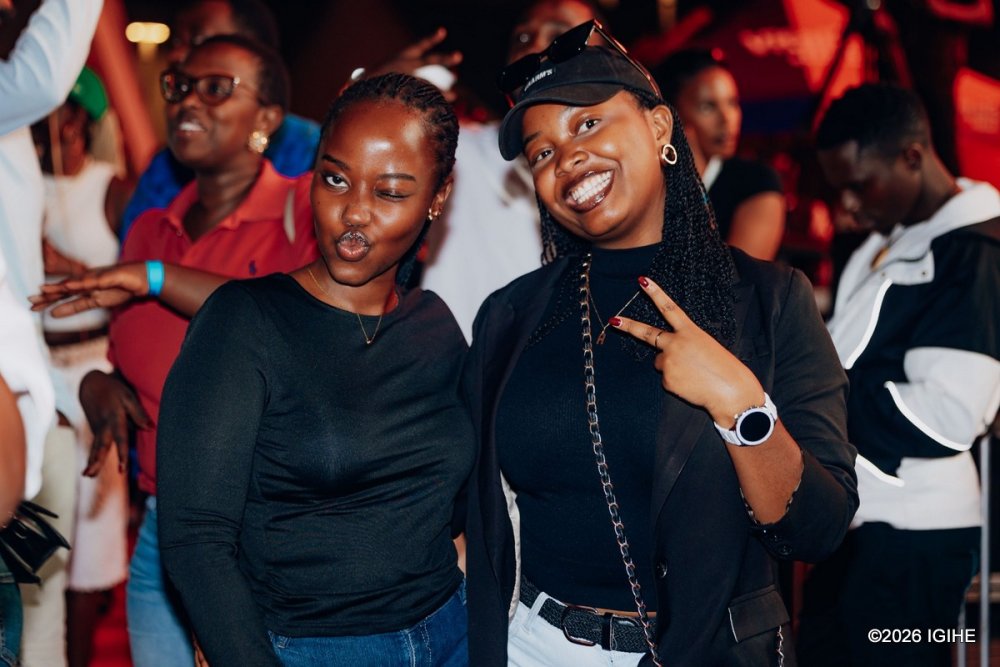
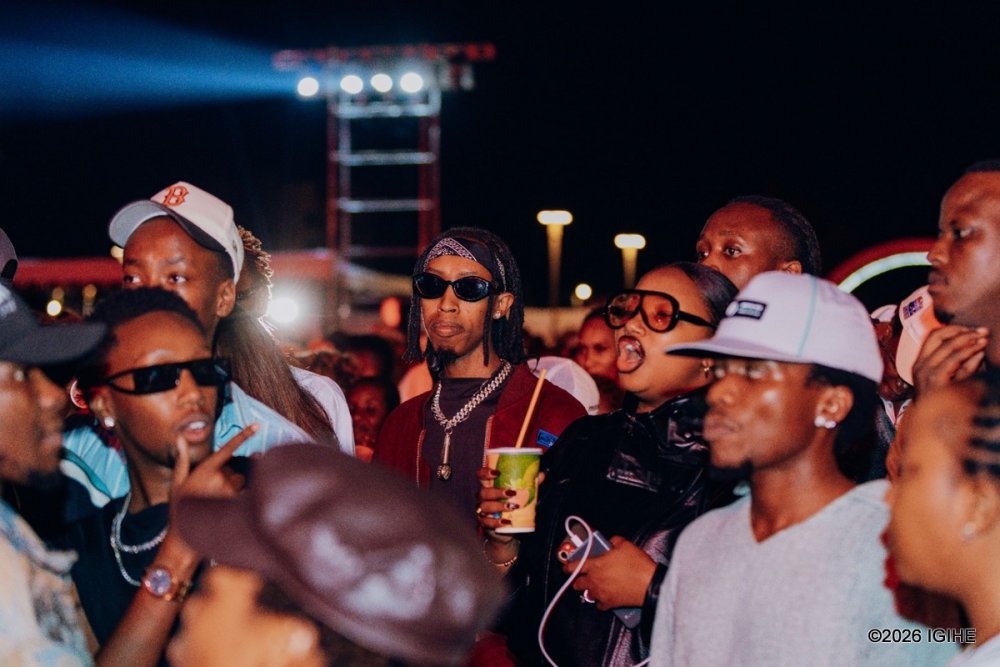
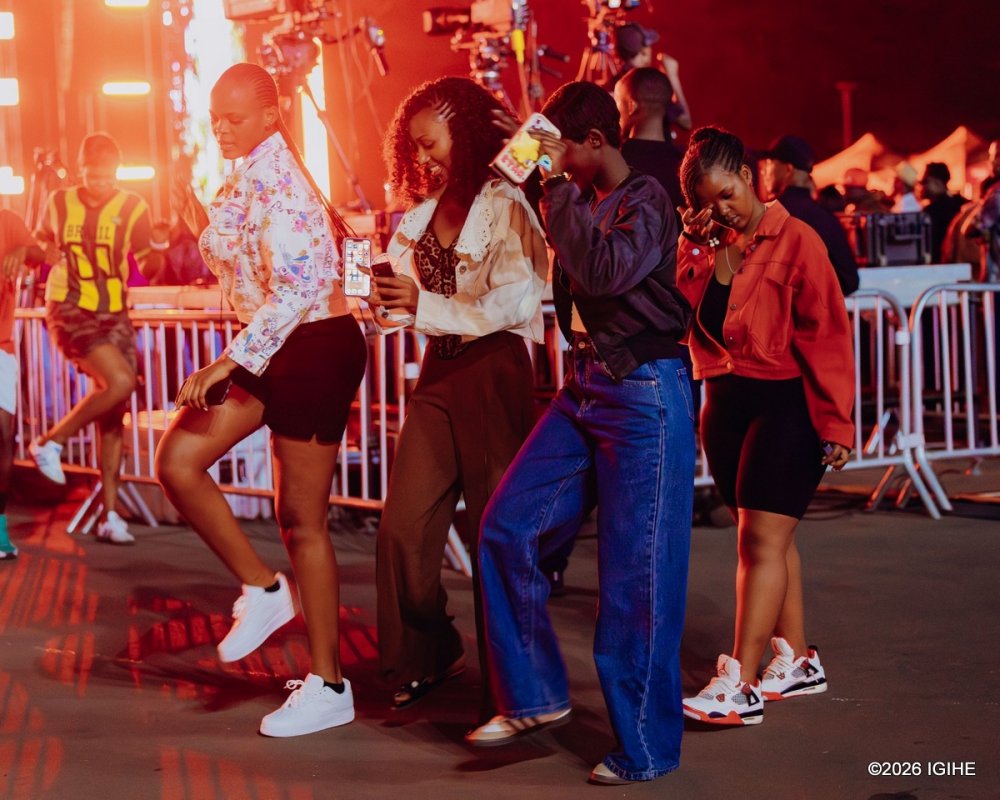
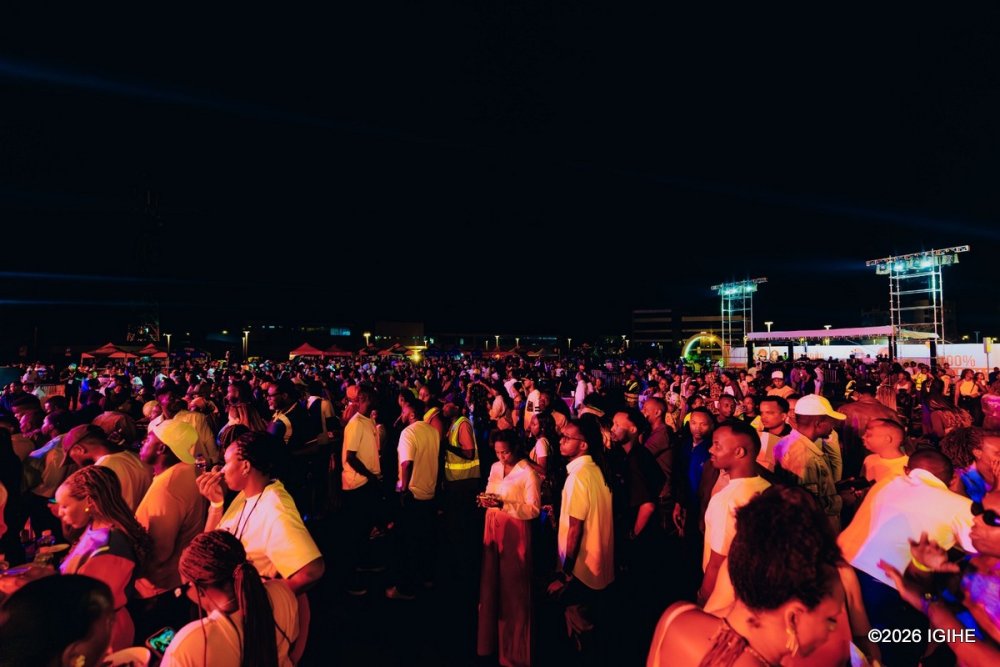
The Tanzanian star last performed in Kigali in October 2023, and his return drew a large crowd, with many fans arriving hours before the main performance. Some carried placards in the hope of getting a photo with the singer, reflecting the excitement surrounding his return.
The evening got underway with performances by Ish Kevin, who opened the concert with No Cap before performing songs including My Year, Amakosi, Bro Code, Vayo, Clout and Kibasumba. During his set, the rapper was joined on stage by Nigerian artist Timi, KidFromKigali, Ririmba and Og2tone.
Nel Ngabo followed with a 45-minute performance that brought a more relaxed and romantic mood to the evening. Known for his love songs, he performed tracks including Delicious, A La Vie and Nywe, which was warmly received by the audience and closed his set.
Bruce Melodie then took to the stage, performing a string of his popular songs during a 43-minute set. His performance included Bado, Funga Macho, Ikinya, Ikinyafu, Katerina, Izina, Katapilla, Akinyuma, Saa Moya, Munyakazi, Turaberanye, Complete Me, Selebura, Pom Pom, Kungola and Henzapu.
DJ Marnaud and DJ Etania kept the audience entertained as anticipation built for the night’s main act, while Rommy Jones later took to the stage to prepare the crowd for Diamond’s arrival.
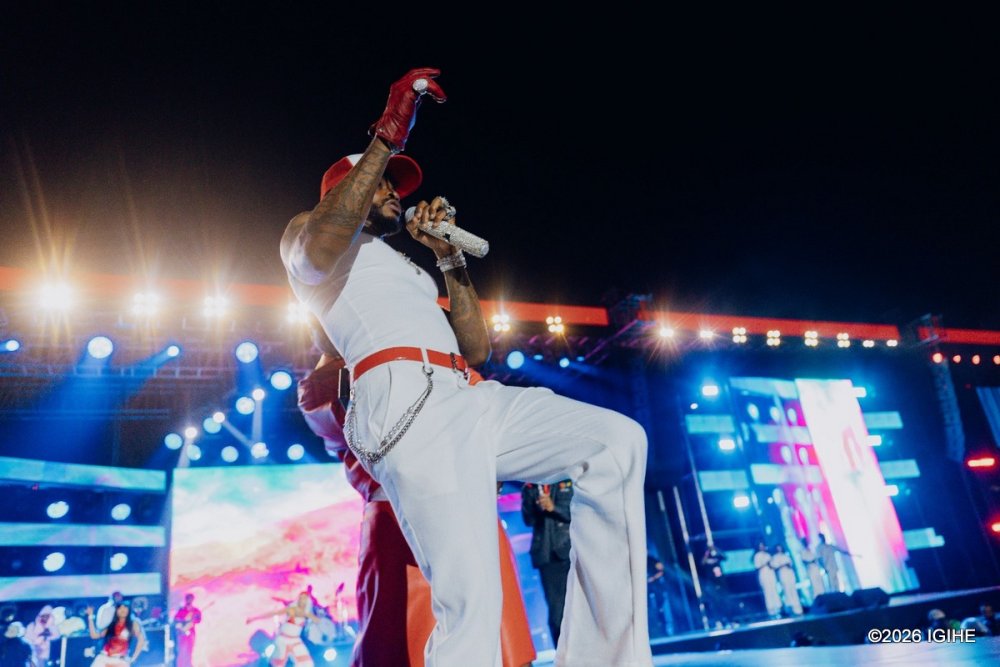
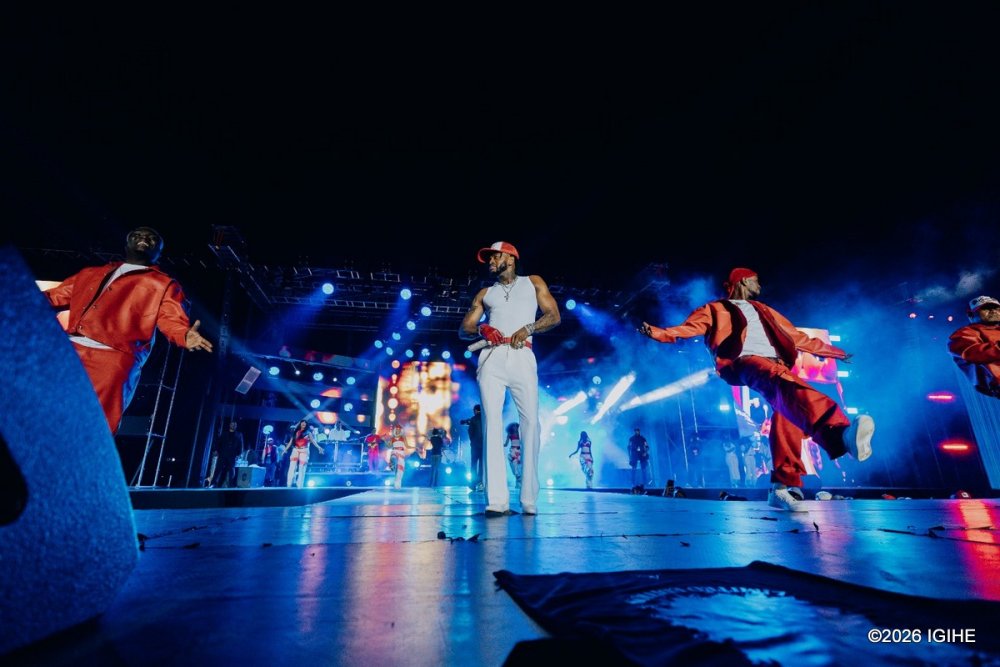
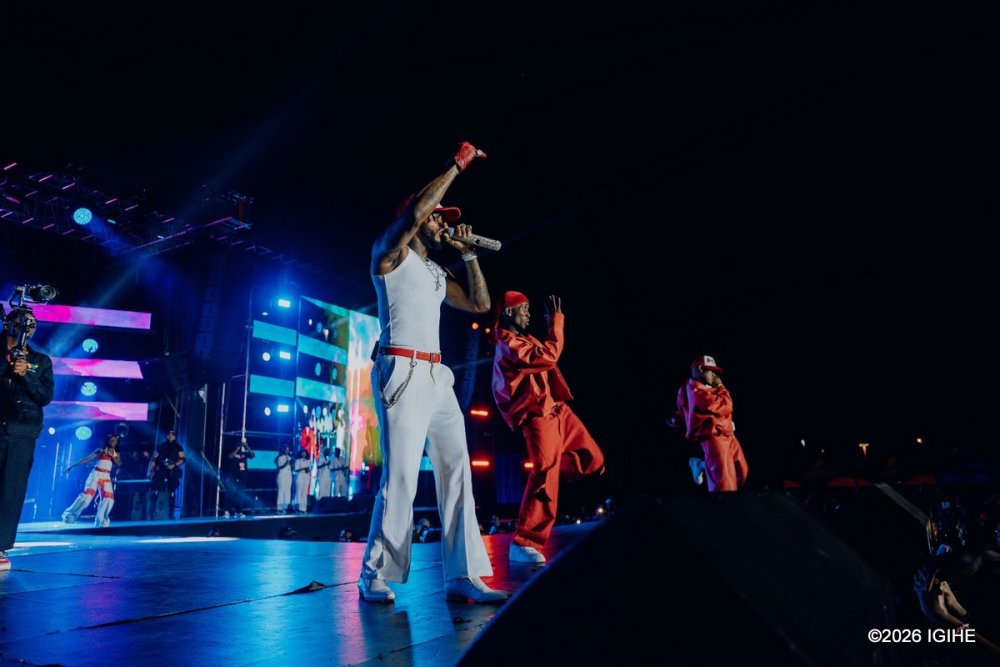
At 12:43 a.m., Diamond finally emerged on stage dressed in white, sending the crowd into excitement. He opened with words from Pom Pom, his collaboration with Bruce Melodie, before moving into his 2024 hit Komasava.
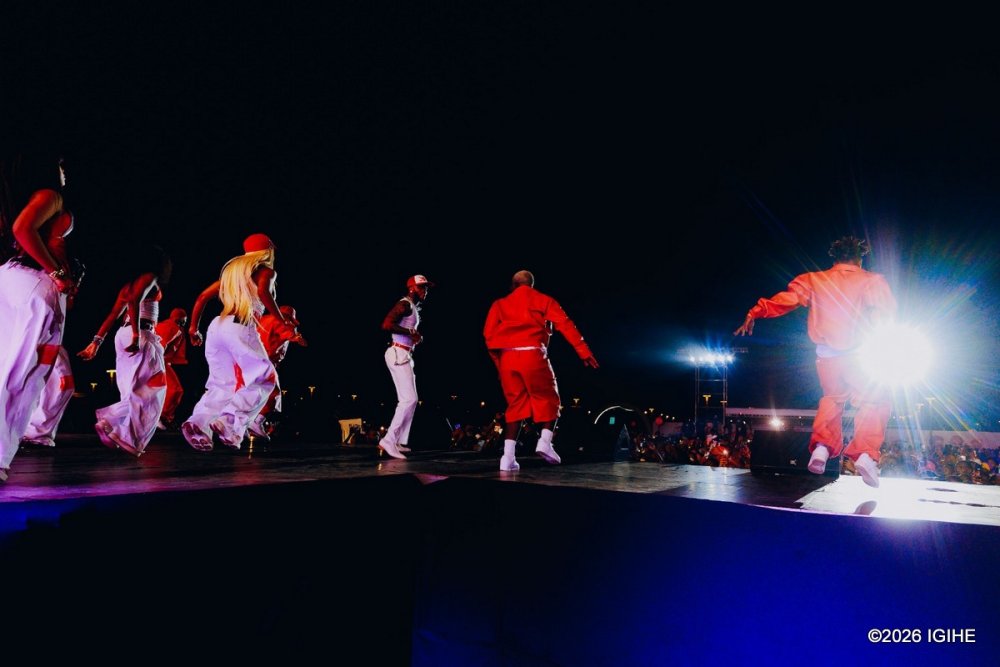
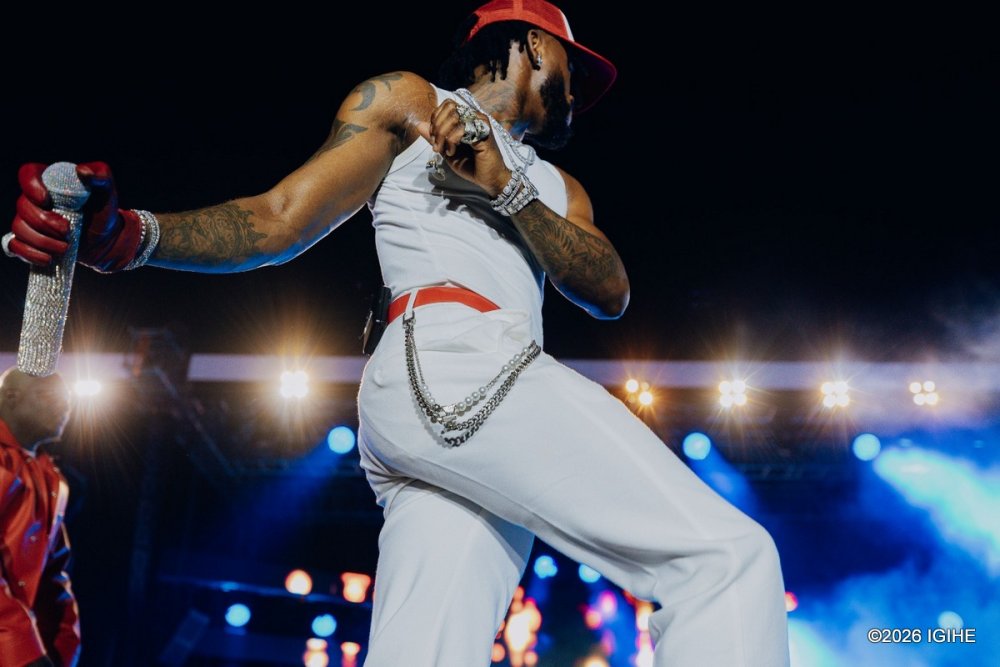
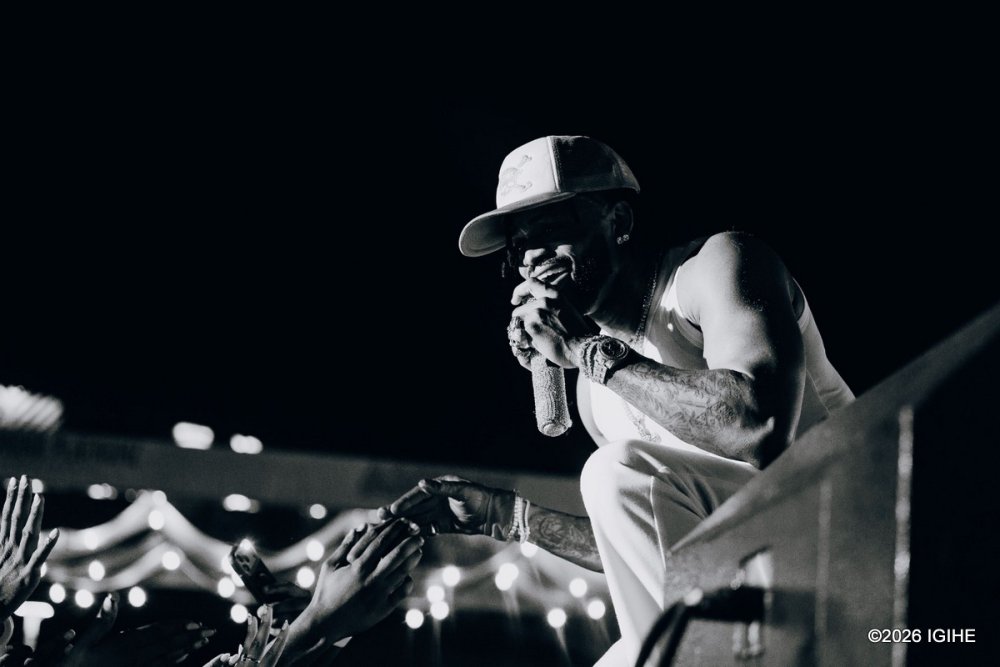
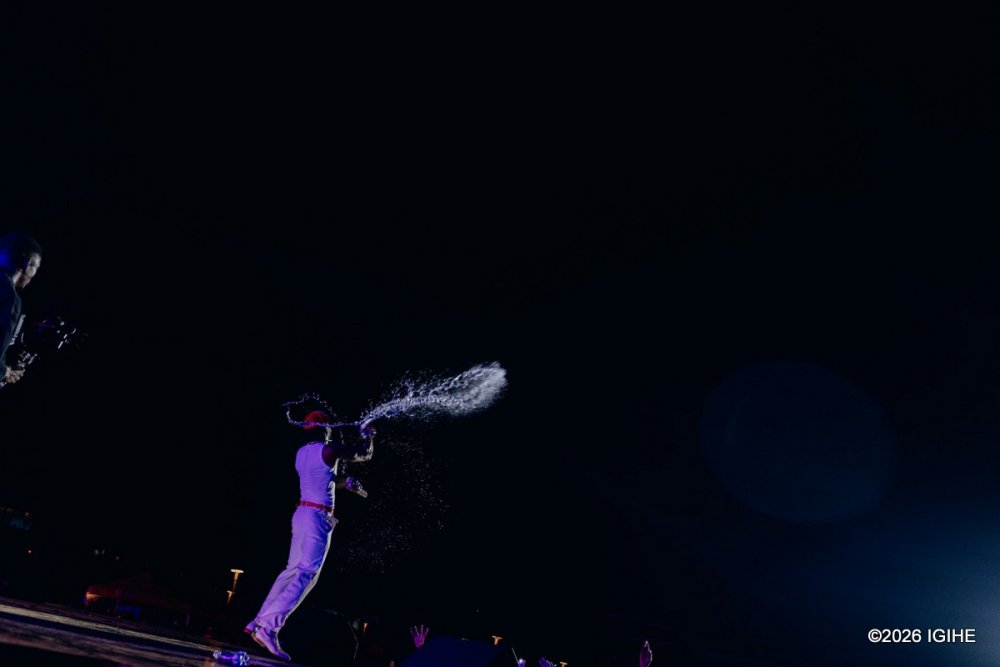
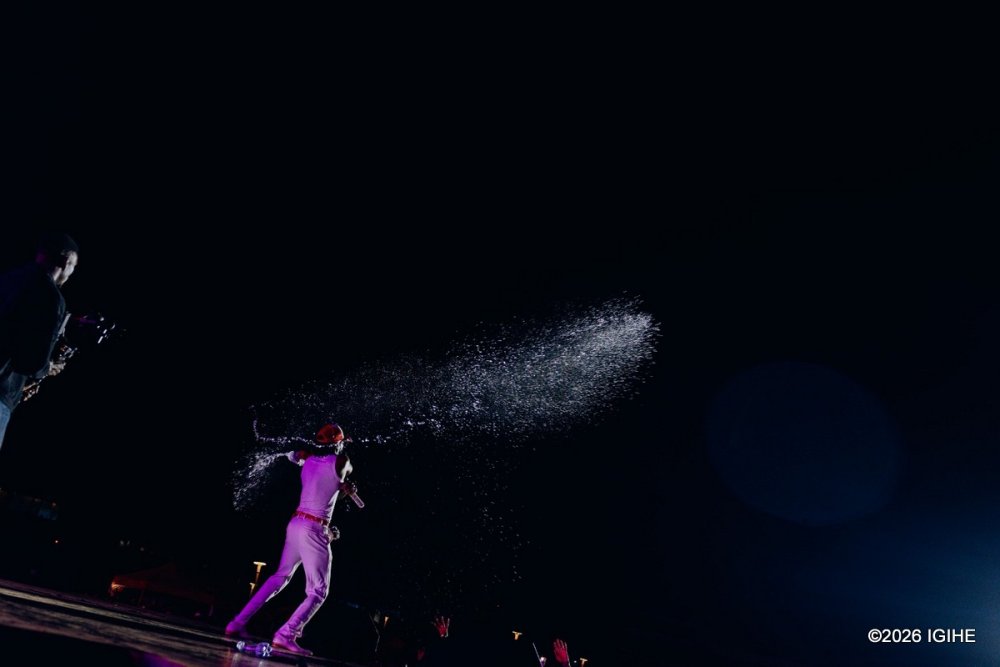
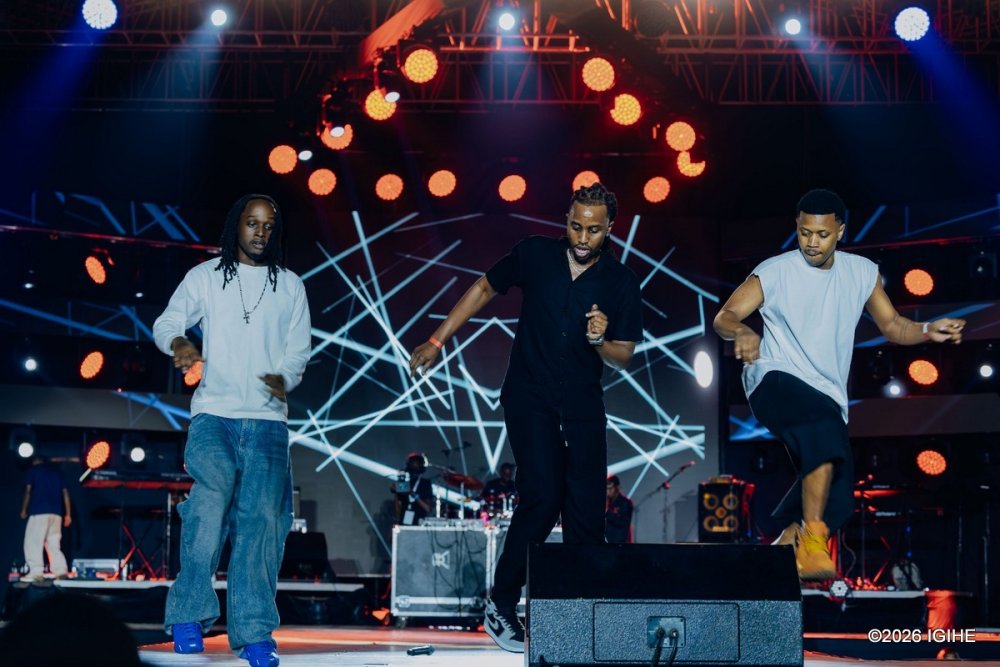
For more than an hour, Diamond combined his hit songs with energetic dance routines alongside his dancers, as fans sang along and danced to the music. His performance demonstrated not only his ability to command a stage but also the connection he has maintained with his audience in Kigali during his nearly three-year absence.
The performance, however, came to an unexpected end at 2:02 a.m. when the equipment on stage was switched off while Diamond was still performing. The singer had been on stage for about one hour and 20 minutes and was still entertaining the crowd when the show was brought to a halt, leaving him unable to bid farewell to his fans.
Despite the abrupt ending, the Diamond Platnumz Experience gave Kigali music lovers a memorable night, marked by performances from some of the region’s popular artists and the long-awaited return of one of East Africa’s most celebrated stars.
🚨 Diamond yaririmbye Why yakoranye na The Ben
Ubwo yari amaze kuririmba iyi ndirimbo, Chibude yavuze ko The Ben ari muri Uganda, akaba ari yo mpamvu atabonetse ngo bafatanye kuyiririmba ariko ashimangira ko ari inshuti magara kandi bafashanya muri byinshi.#IGIHEKulture
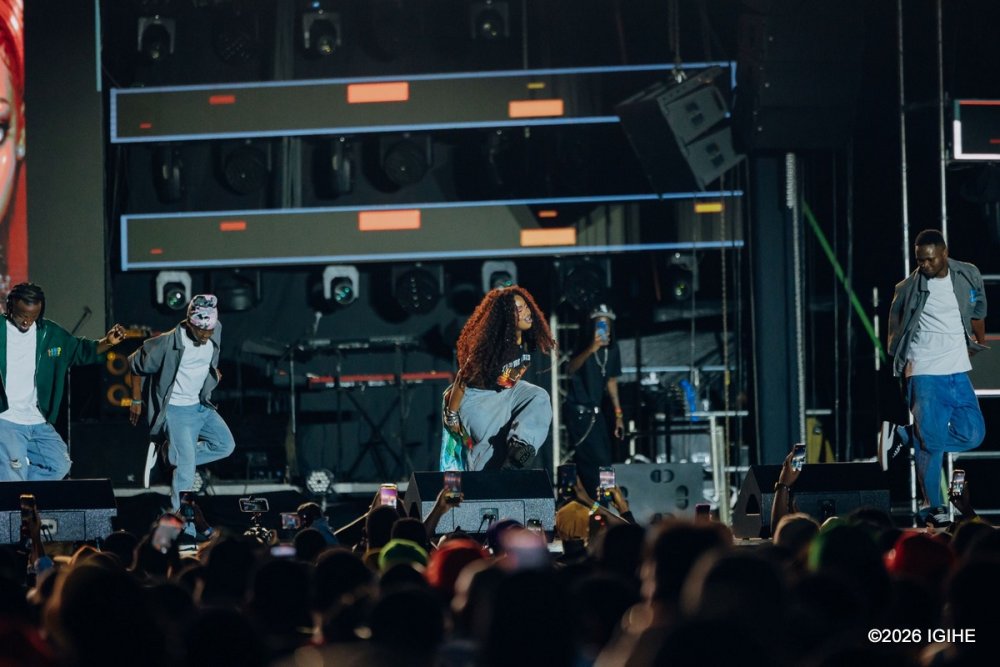
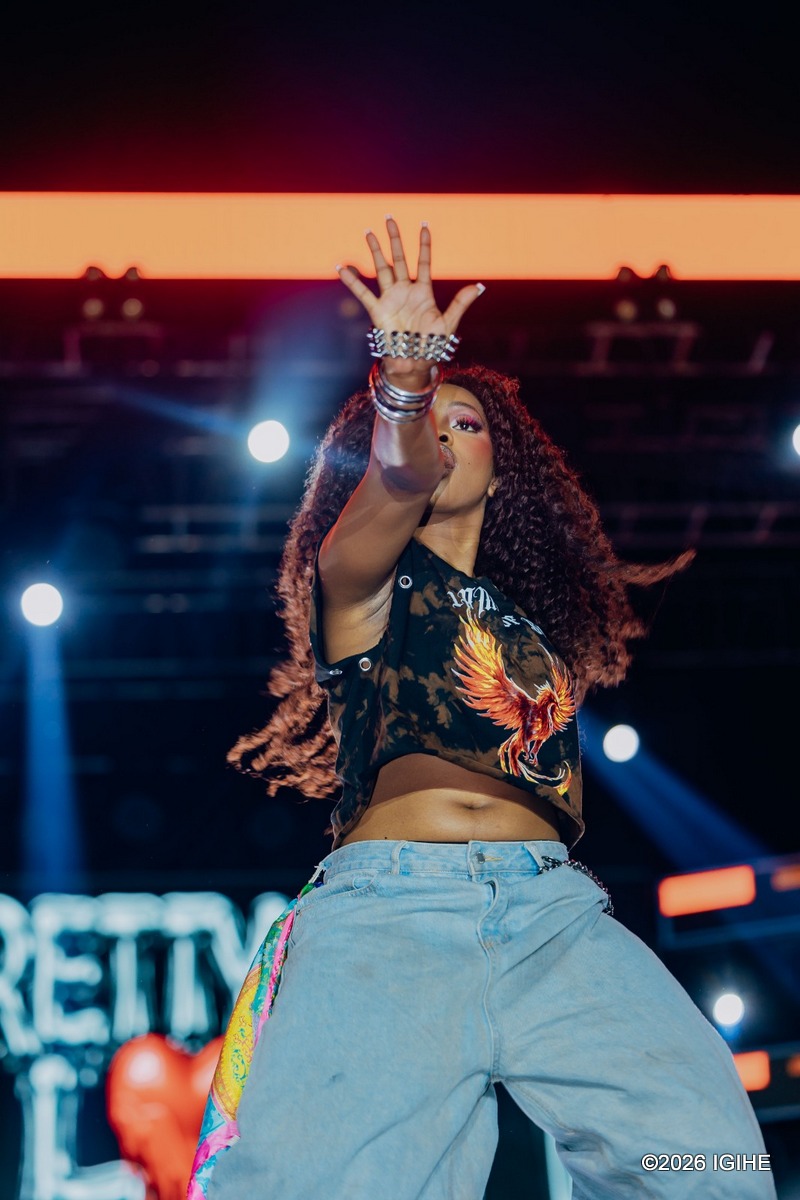
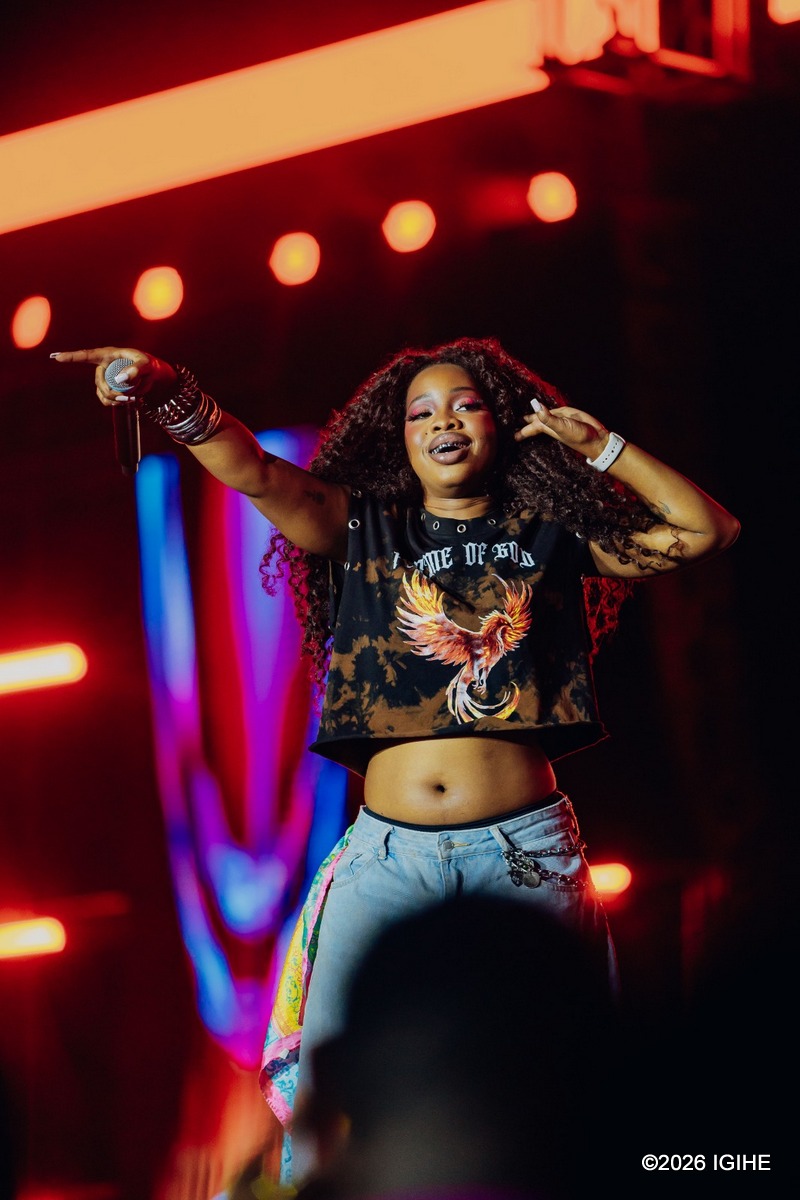
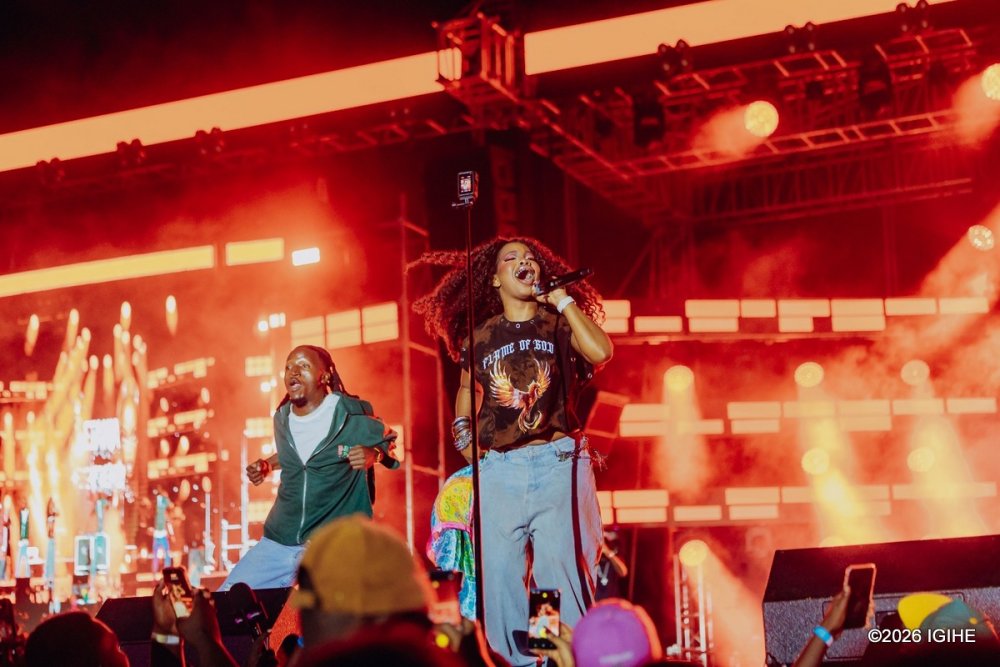
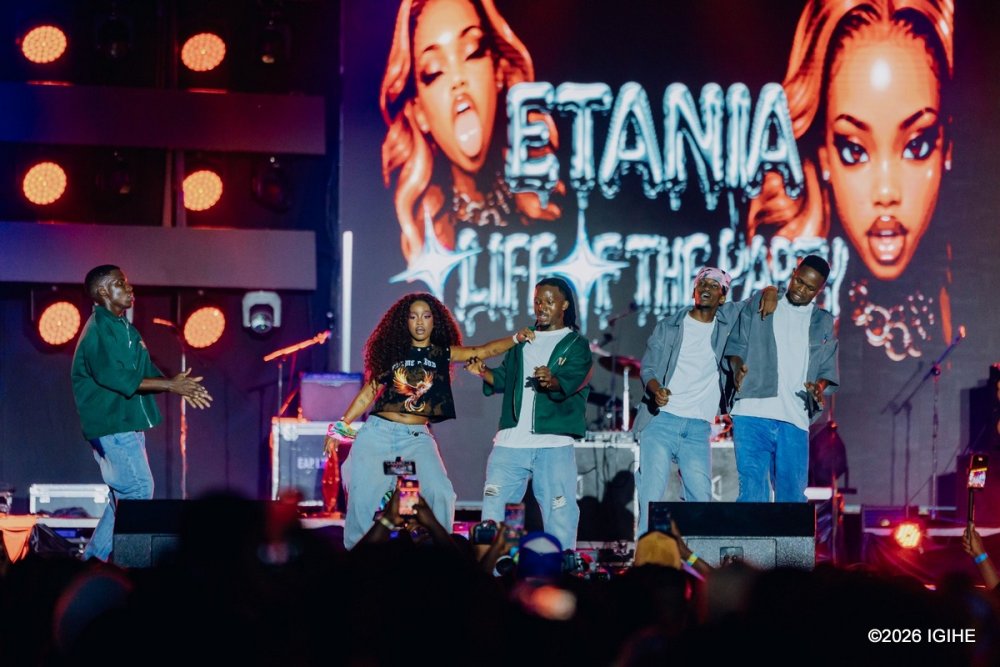
Diamond headlined the Diamond Platnumz Experience, a concert held at the BK Arena parking grounds on the night of August 29, 2026. For more than an hour, Diamond combined his hit songs with energetic dance routines alongside his dancers, as fans sang along and danced to the music. Ugandan entertainer Etania Mutoni, popularly known as DJ Etania, took to the stage to entertain concertgoers, drawing on her experience as a DJ and media personality in East Africa.
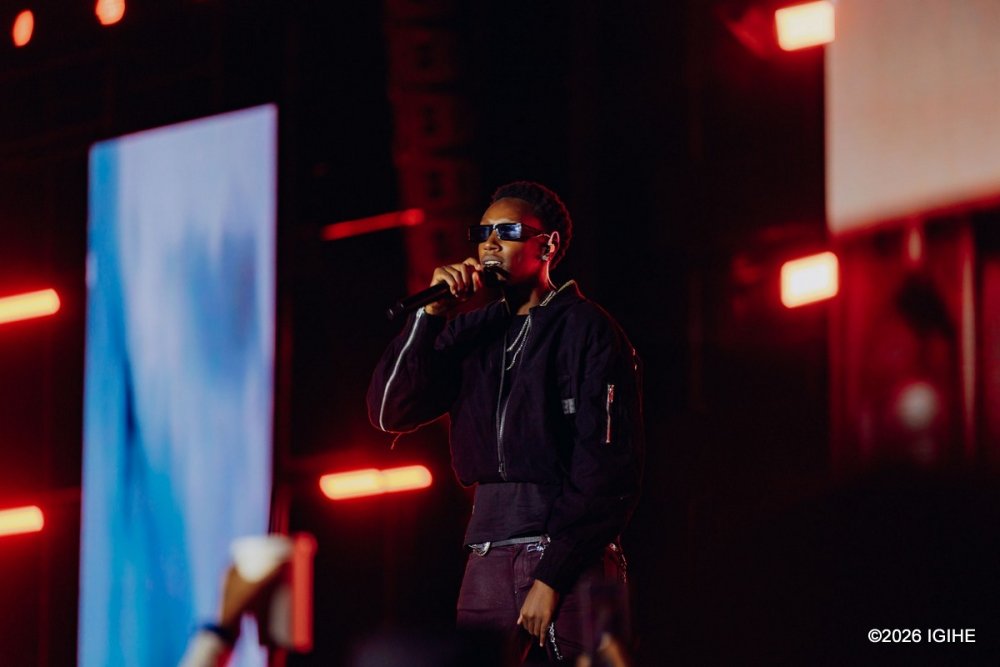
Rwandan music star Bruce Melodie was also part of the star-studded lineup.Rwandan singer Nel Ngabo also took the stage, delivering a lively performance as part of the star-studded lineup.
Jaffer died at Aga Khan University Hospital in Nairobi, Kenya, on the evening of August 28, 2026.
An employee of Sulfo Rwanda who has worked for the company for 18 years told IGIHE that Jaffer had been ill for some time. He initially received treatment at King Faisal Hospital in Rwanda before being transferred to Nairobi.
“He had been ill for some time. He initially received treatment at King Faisal Hospital in Rwanda before being transferred to Aga Khan University Hospital in Nairobi. He later improved and was discharged from hospital, after which he continued receiving treatment at home under medical supervision,” the employee said.
The employee added that Jaffer returned to Rwanda last year after his condition improved and visited the Sulfo Rwanda factory.
“He came and appeared to be bidding farewell to the factory. He toured it thoroughly before eventually handing it over to his son and grandson,” he said.
Jaffer began investing in Rwanda in 1962. He is recognised as one of the pioneers of the country’s soap manufacturing industry, after noticing that many Rwandans at the time relied mainly on water for bathing and washing clothes, while others used traditional methods involving plants and herbs.
He started with a soap brand called Tembo, produced at a factory equipped with a small machine roughly the size of a barrel.
The business later expanded, with Sulfo Rwanda adding other products, including cosmetics and bottled drinking water under the Source du Nil brand.
Sulfo Rwanda currently employs 630 people and exports its products to markets in Rwanda and neighbouring countries, including Burundi, Uganda, Tanzania and the Democratic Republic of Congo.
Jaffer also played a role in introducing golf to Rwanda. His other investments included the importation of vehicle tyres, batteries and cooking gas.
He maintained homes in Rwanda, Kinshasa in the Democratic Republic of Congo and Nairobi, where he was living before his death.
A memorial service to celebrate his life is scheduled to take place in Nairobi on August 30, 2026.
Sulfo Rwanda founder Aitmadi Tajdin Hussain Jaffer has died at the age of 93
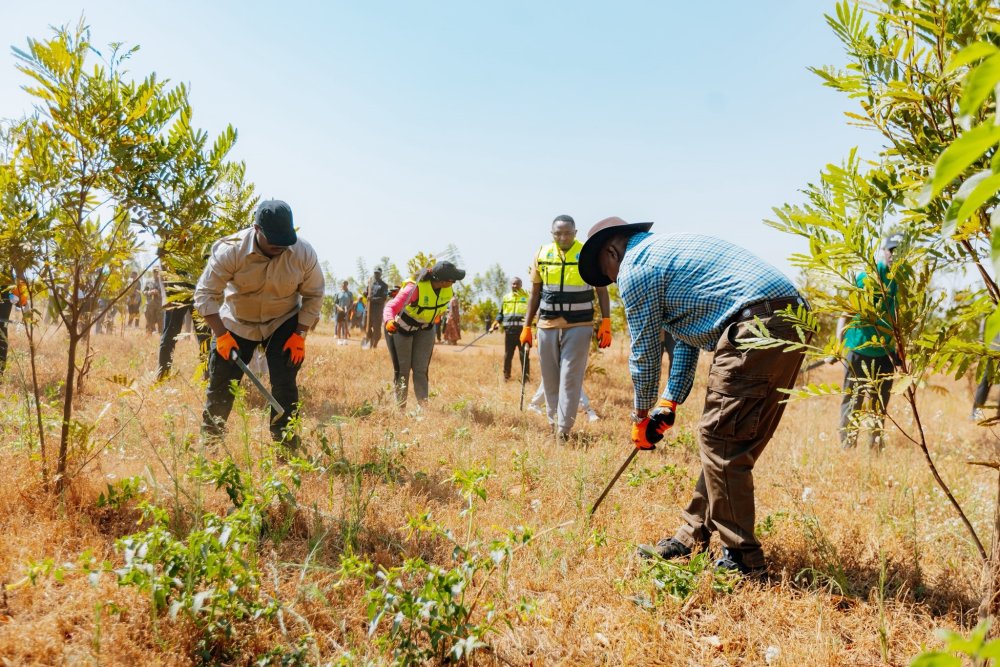
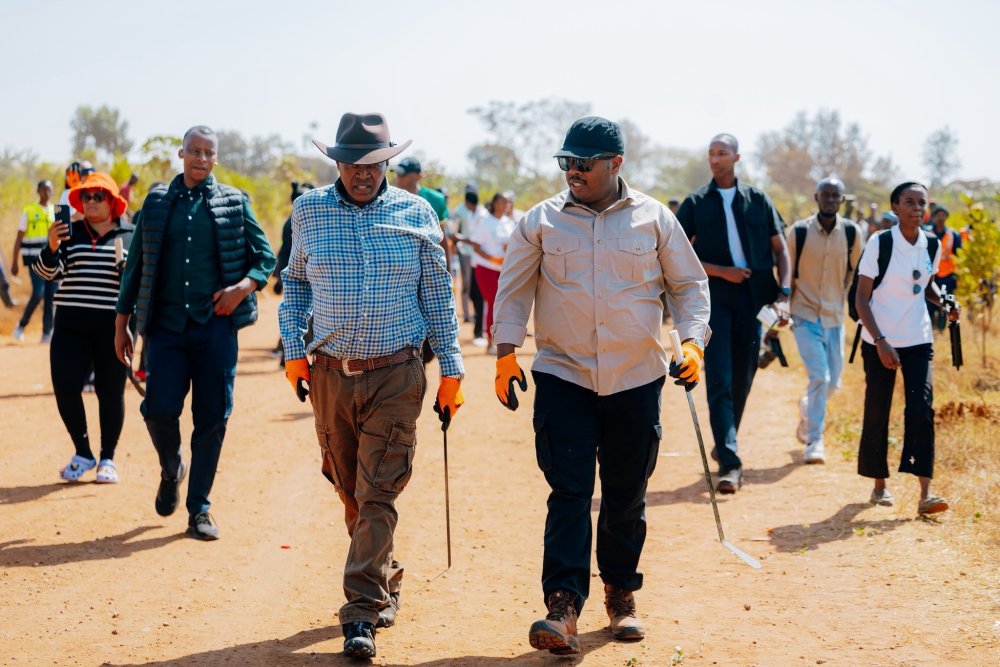
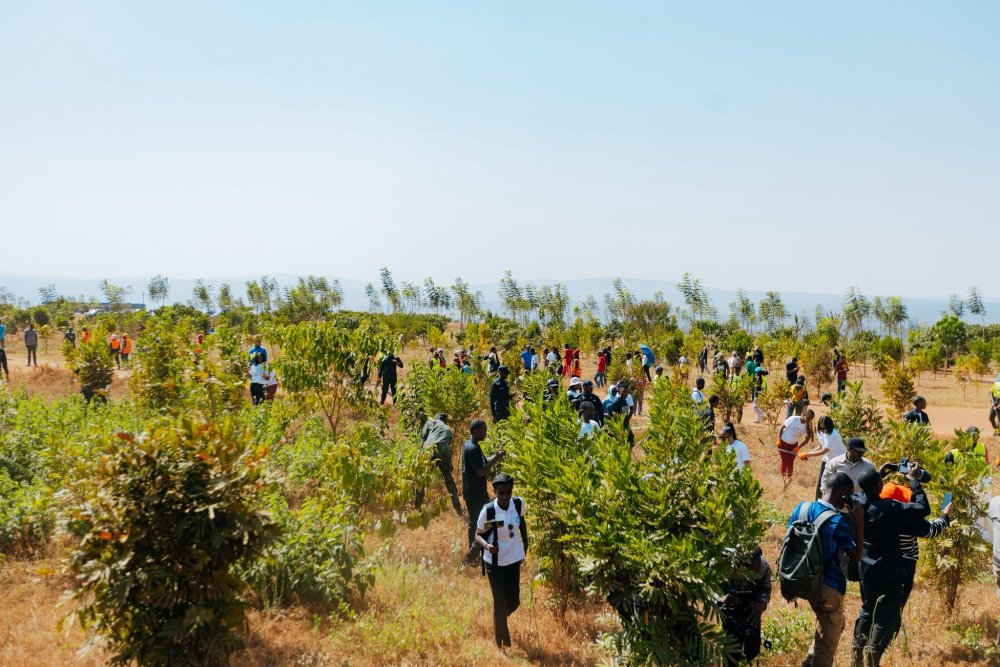
The activity took place in Gahanga Sector and was attended by senior government officials, including Minister of Youth and Arts Development Dr. Abdallah Utumatwishima, Rwanda National Police Inspector General of Police Felix Namuhoranye, and Rwanda Development Board Chief Executive Officer Jean-Guy Afrika.
Masisi, who served as Botswana’s president from 2018 to 2024, is in Rwanda to attend the Africa Food Systems Forum (AFS Forum) scheduled to take place in Kigali from August 31 to September 4, 2026.
Speaking during the community work, Masisi praised Rwanda’s practice of bringing young people and older generations together to participate in community activities.
He said he was impressed by the way young Rwandans join older generations during Umuganda to clean their communities and contribute to building a united country.
Masisi encouraged young people to set personal goals and work toward improving themselves every day. He also urged them to pursue progress collectively and ensure that their development does not leave others behind.
He said this spirit of shared progress would help Africa strengthen its position globally and achieve greater development.
Masisi also highlighted Africa’s historical significance, noting that the continent is widely recognised as the birthplace of humanity and has the potential to play a much greater role in the world.
He further said Rwanda and Botswana have several things in common and should align their efforts around the shared objective of making Africa a more developed continent and a model for the rest of the world.
Former Botswana President Mokgweetsi Masisi and Kigali City Mayor arriving in Gahanga Sector where the community work took place. Former Botswana President Mokgweetsi Masisi joined Kigali residents in Umuganda in Gahanga Sector on August 29, 2026.
The researchers found that a protein known as the aryl hydrocarbon receptor, or AHR, acts like a molecular “brake” that limits the ability of injured nerve cells to regrow damaged axons.
The findings, published in the journal Nature, suggest that blocking AHR could help damaged nerves regenerate and improve movement and sensation following nerve or spinal cord injuries.
Axons are long extensions of nerve cells that carry signals between different parts of the nervous system.
When these structures are damaged or severed, the ability of neurons to rebuild them plays an important role in determining how much a person can recover.
However, adult mammals have a limited ability to regenerate damaged axons.
This is one of the reasons injuries to nerves and the spinal cord can result in long-lasting or permanent problems with movement and sensation.
The new study found that AHR plays an important role in this process.
According to the researchers, when neurons are injured, they must balance two competing needs.
They need to protect themselves from cellular stress while also producing the proteins necessary to rebuild their damaged connections.
The researchers discovered that AHR pushes neurons toward managing stress rather than rebuilding their axons.
When scientists removed AHR from neurons or used drugs to block its activity, damaged nerve fibers were able to regenerate more effectively.
Experiments in mice with peripheral nerve injuries and spinal cord injuries also showed that suppressing AHR was associated with improved movement and sensation.
The researchers found that AHR normally supports a protective process known as proteostasis, which helps cells maintain protein quality during stress.
While this response helps injured neurons survive, it can also reduce the production of new proteins needed for axon growth.
When AHR was blocked, neurons appeared to change their priorities. They increased the production of proteins and activated biological pathways linked to growth and nerve regeneration.
The researchers also identified HIF-1α as an important factor in this process. HIF-1α helps regulate genes involved in metabolism and tissue repair.
Hongyan Zou, a professor of neurosurgery and neuroscience at Mount Sinai and the study’s senior author, said the findings show how neurons balance survival and regeneration following injury.
AHR was initially known for its role in detecting environmental toxins and pollutants.
The new findings suggest that the protein has a broader role inside neurons, where it helps connect environmental signals with cellular processes that determine whether damaged axons can regenerate.
The discovery could eventually contribute to new treatments for nerve injuries.
Some drugs designed to inhibit AHR are already being investigated in clinical trials for other medical conditions, raising the possibility that similar approaches could eventually be studied for nerve and spinal cord injuries.
However, the researchers stressed that the work is still at an early stage.
More studies are needed to determine the appropriate timing and dosage of AHR inhibitors and to understand how blocking the protein affects other cells involved in the body’s response to injury.
The Mount Sinai team plans to investigate AHR-blocking drugs and gene therapy approaches that could reduce AHR activity specifically in neurons.
Researchers hope these approaches could eventually help improve recovery from spinal cord injuries, stroke and other neurological conditions.
Researchers have identified AHR as a molecular “brake” that limits nerve regeneration, opening a potential new path toward treatments for nerve and spinal cord injuries.
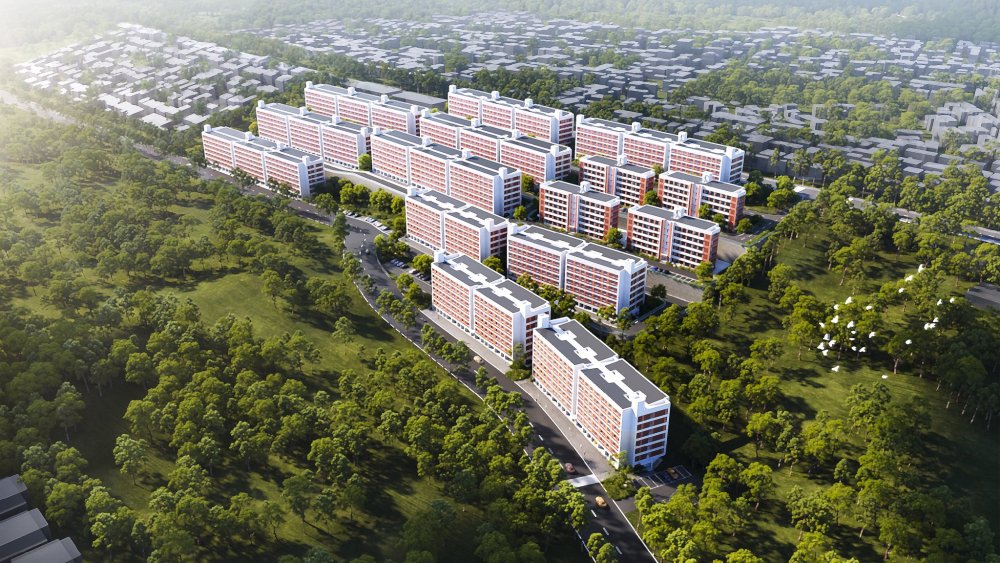
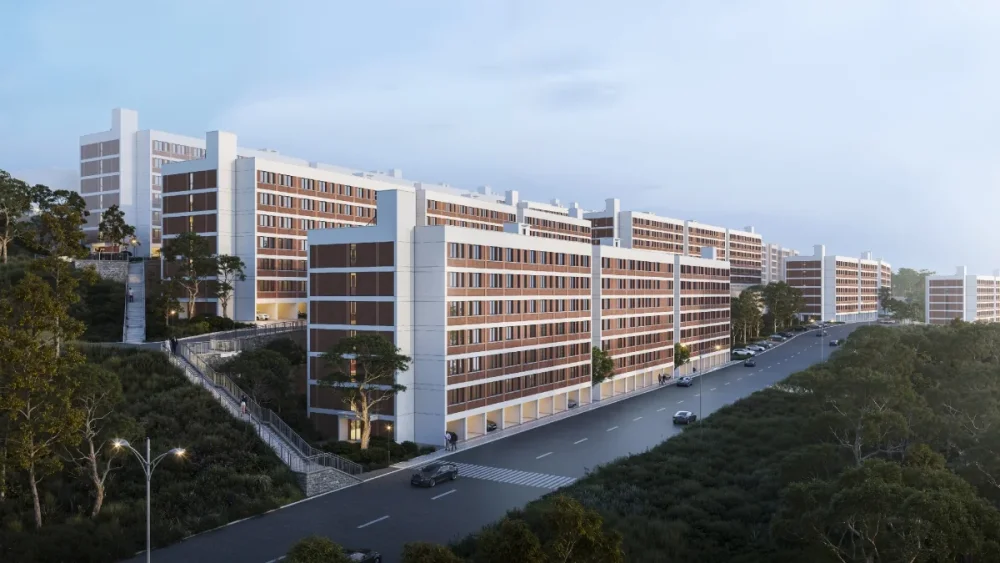
The project, located in Kabuhunde Village, Kagugu Cell, Kinyinya Sector in Gasabo District, is expected to provide modern housing for 716 families currently living on a 33.699-hectare site.
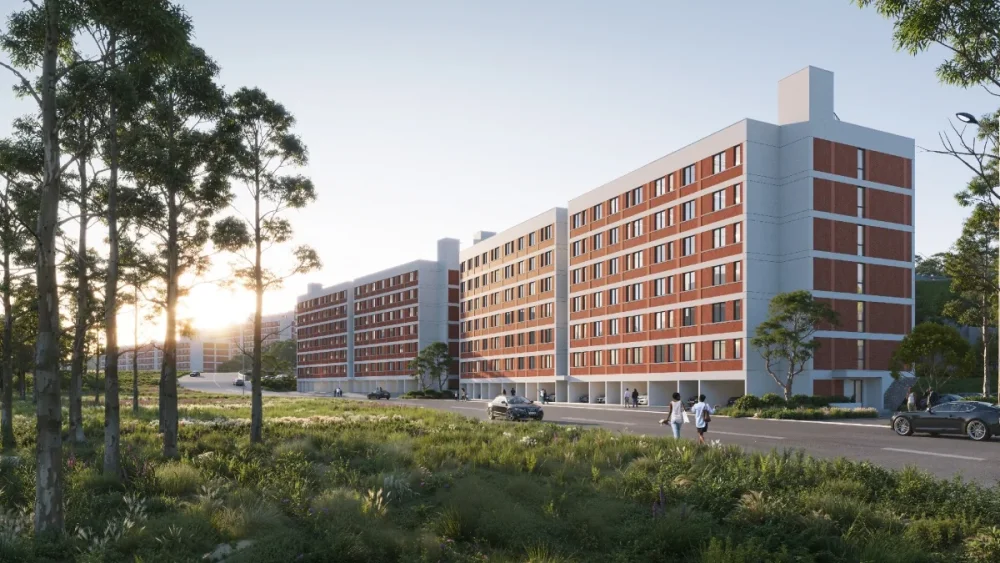
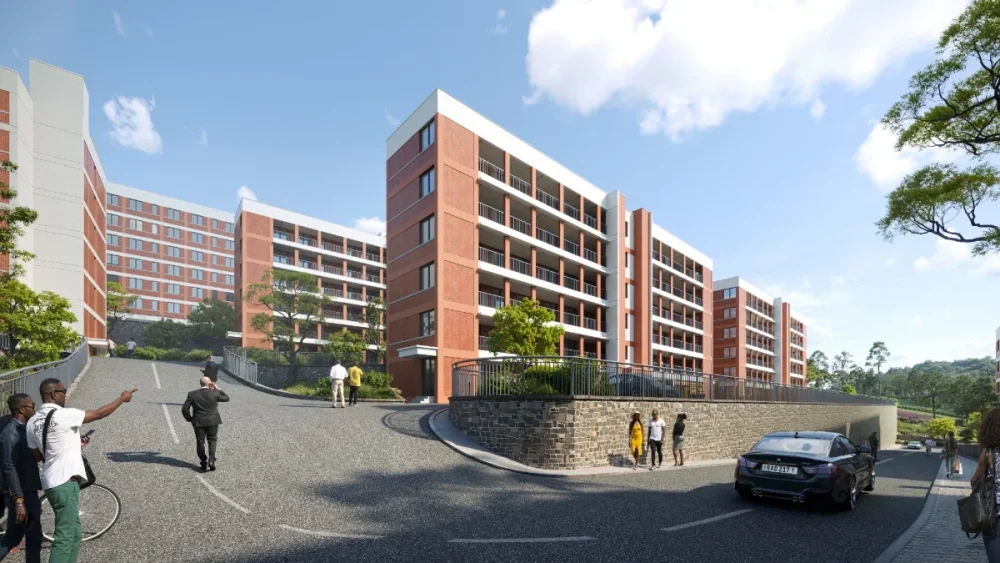
The development will feature six-storey buildings (G+6), equipped with designated parking spaces and elevators.
City of Kigali spokesperson Emma-Claudine Ntirenganya said the new neighbourhood will also include key infrastructure and services, including tarmac roads, a wastewater treatment facility, public recreational spaces, a market and a health centre.
Residents who currently own land or houses within the project area will receive new homes based on the value of their existing properties and in accordance with compensation regulations, allowing them to retain ownership of the new homes.
The Kagugu project will follow an approach similar to that used in the Mpazi and Nyabisindu housing developments.
The first phase of the Mpazi project delivered nearly 800 homes, while its expansion is expected to provide more than 4,100 additional homes. The Nyabisindu project is expected to deliver more than 2,000 homes by June 2027.
Ntirenganya said that beyond the number of houses being constructed, the projects are aimed at improving the living conditions of low- and middle-income residents while preserving communities and the achievements they have made over the years.
“This means that families can move into modern, secure houses with better services without being separated from their neighbours. Parents can continue accessing the markets and businesses they have traditionally relied on,” she stated.
She noted that residents would continue living close to their workplaces and sources of income, while their children would remain in the schools they already attend.
“The biggest change will be in their daily lives: safe and well-built homes, improved hygiene and sanitation, better roads and water networks, organised housing, recreational spaces, and easier access to services and infrastructure,” Ntirenganya said.
The Kabuhunde Rehousing Project will feature six-storey residential buildings with elevators and designated parking spaces.Construction of the Kabuhunde Rehousing Project is scheduled to begin in January 2027.The new Kabuhunde housing project in Kagugu is expected to provide homes for 716 families.The new Kagugu neighbourhood will include tarmac roads, a market, a health centre and public recreational spaces.