The research, conducted by the Agency for Science, Technology and Research, tracked 2,449 children aged three to six between 2018 and 2019, and followed up with the same children in 2021.
The study found that parental joint media engagement, such as watching together, talking about content, or playing alongside the child, was positively associated with children’s prosocial behavior, including sharing, cooperating, showing empathy, and interacting positively with peers. These early behaviors were also associated with continued positive social development as the children grew older.
By contrast, screen time alone, or parental rules about screen use without active involvement, was not associated with improved social outcomes once factors such as children’s characteristics and family background were considered.
The agency said the findings, together with previous research, suggest a more complete approach: limiting screen exposure is important during infancy, while the quality of parental engagement becomes increasingly crucial in nurturing children’s social-emotional skills as they enter preschool and primary schools.
The study found that parental joint media engagement, such as watching together, talking about content, or playing alongside the child, was positively associated with children’s prosocial behavior. AI generated photo
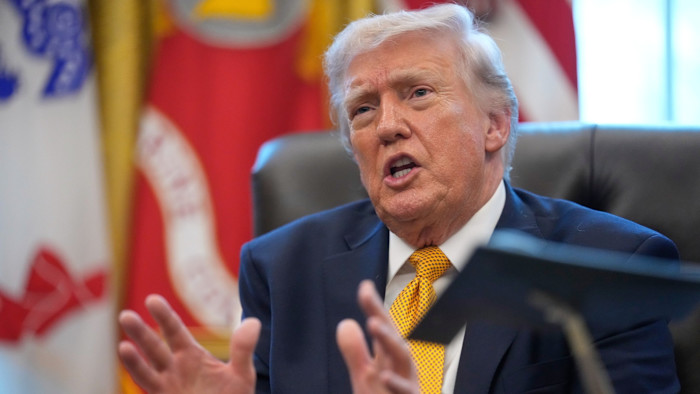
In an interview with the Financial Times, Trump said, “To be honest with you, my favourite thing is to take the oil in Iran,” comparing the U.S. move to Venezuela, where Washington intends to control the oil industry “indefinitely” after it forcibly seized President Nicolas Maduro in January.
Taking Iranian oil would involve seizing Kharg Island, through which over 90 percent of Iran’s oil is exported, the Financial Times reported, warning that such “an assault” risks raising casualties and prolonging the war.
“Maybe we take Kharg Island, maybe we don’t. We have a lot of options,” it quoted Trump as saying. “It would also mean we had to be there for a while.”
He added that he believed Iran had little or no defense on the island. “We could take it very easily,” he said.
Trump’s remarks came as he steps up the U.S. military buildup in the Middle East while weighing a military operation to extract nearly 1,000 pounds of uranium from Iran, according to U.S. officials.
He has also encouraged his advisers to press Iran to agree to surrender the material as a condition for ending the war, The Wall Street Journal reported, citing an anonymous source familiar with Trump’s thinking.
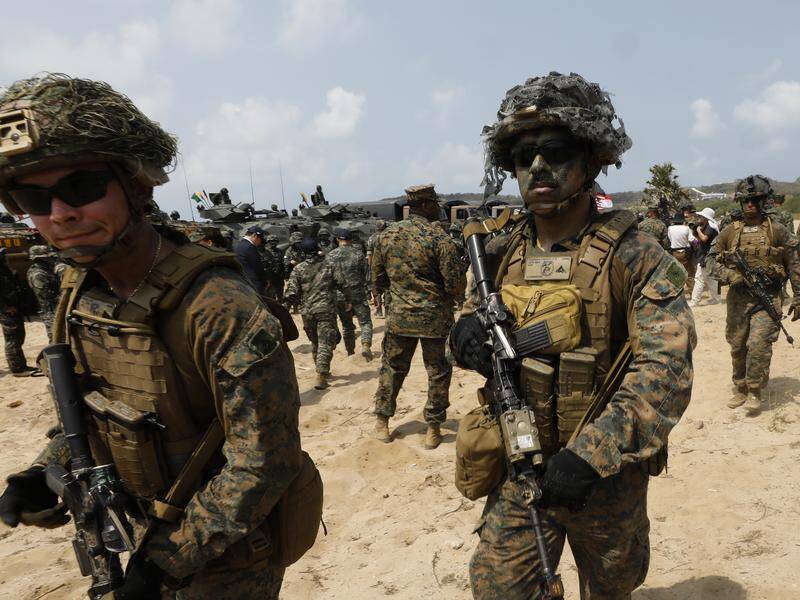
The Pentagon is reportedly deploying up to 10,000 additional ground troops to the region, with the U.S. Central Command announcing Saturday that over 3,500 troops, including 2,500 Marines, had arrived in the Middle East.
Despite the threat, Trump noted that indirect talks between the United States and Iran via Pakistani “emissaries” were making progress. “A deal could be made fairly quickly,” he said.
Oil prices have surged since the United States and Israel launched massive attacks on Iran on Feb. 28, with Brent crude rising as high as 119.5 U.S. dollars a barrel in March, the highest since June 2022.
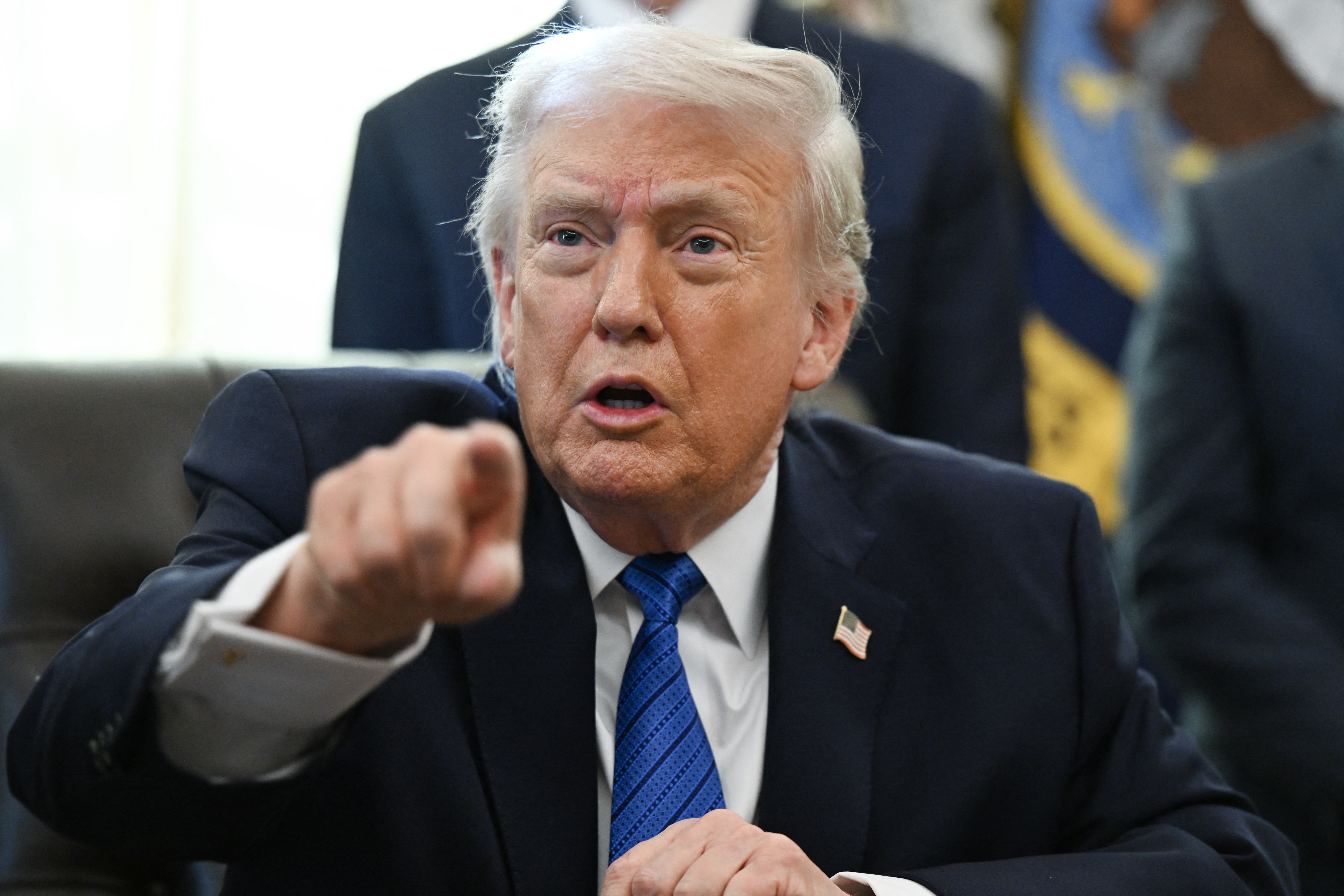
US President Donald Trump speaks before signing executive orders in the Oval Office in the White House in Washington, DC, on January 30, 2026. (Photo by ANNABELLE GORDON / AFP)
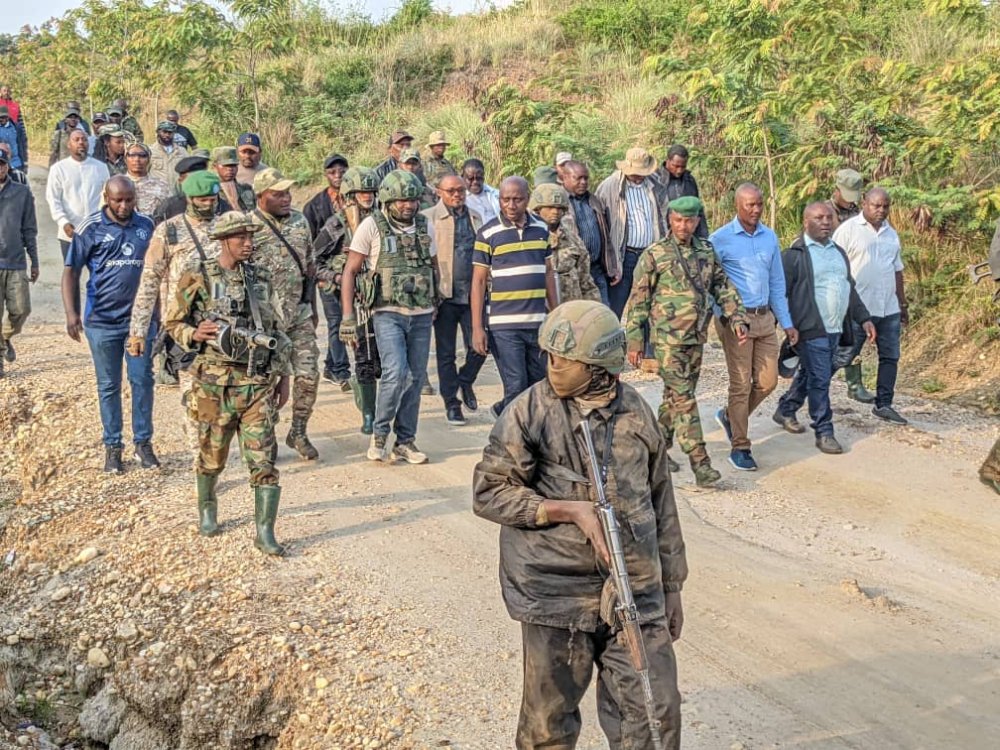
Earlier this week, media outlets in DRC began reporting that AFC/M23 was withdrawing fighters from areas in the Lubero, Lunyasenge, Bukununu, Musiya, Katondi, and Kipese territories, relocating them to Alimbongo, Kirumba, and Kanyabayonga.
These reports suggested that the move was prompted by pressure from the United States government on AFC/M23.
In a statement released by the Governor of North Kivu Province, Erasto Bahati, these reports were dismissed, with the governor clarifying that what is happening is simply a routine rotation of troops.
The statement read: “The leadership of North Kivu Province reassures all citizens that the activities occurring along the battlefront are part of the regular military troop rotations within AFC/M23.”
“It is completely different from the rumors fueled by social media and the Kinshasa government, which aim to confuse and frighten people who are living in peace and security. AFC/M23 remains committed to protecting all citizens from harm, regardless of its origin.”
Governor Erasto Bahati also urged citizens to continue their daily activities as usual.
AFC/M23 has dismissed reports suggesting withdrawal from occupied positions
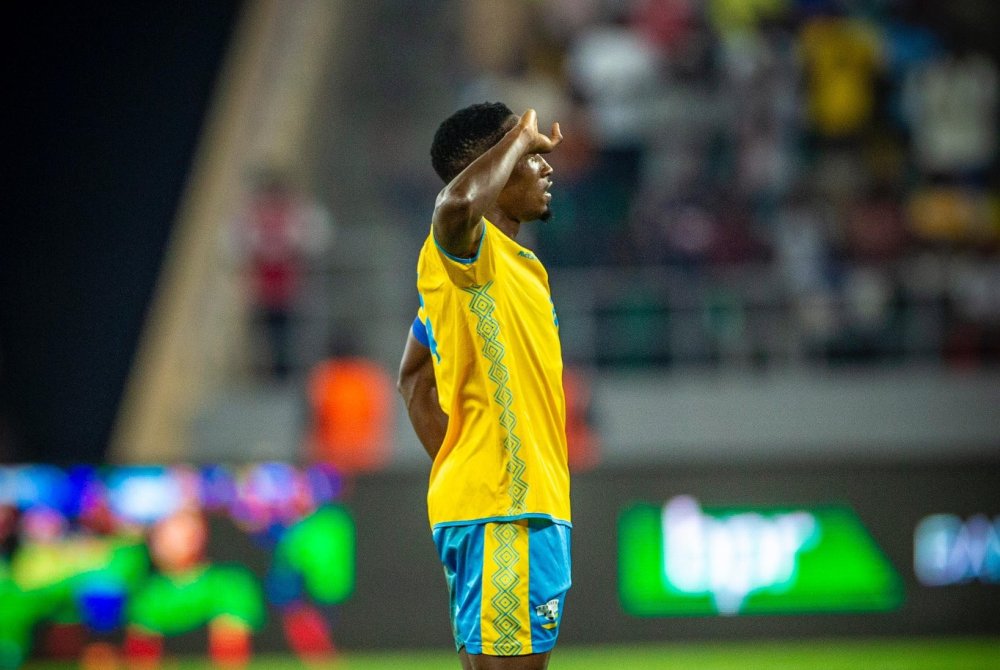
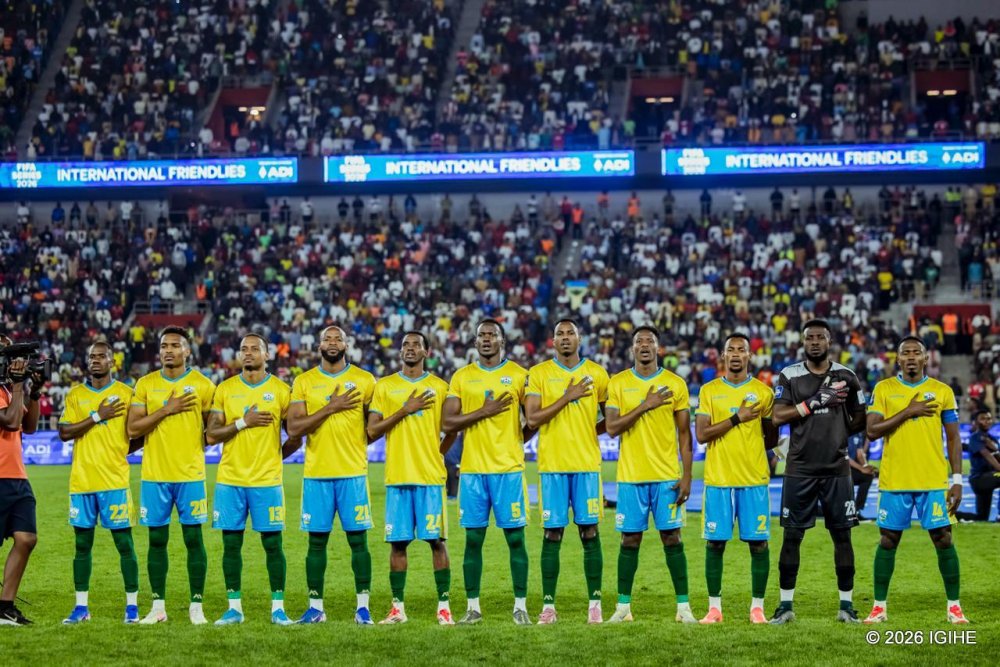
In a press conference on Sunday, March 29, 2026, Bizimana shared his thoughts ahead of the final match of the FIFA Series in Kigali.
When asked about facing Estonia, the first European team Amavubi will face, he acknowledged the tough challenge ahead.
“This will be our first time playing against a European team since I joined Amavubi. We closely follow their leagues, and many European players have a similar style of play. As a team, we’ve discussed this, and we’re determined to win the match,” he said.
“Each player is eager to win a big match, especially one that others might think is out of reach for us. What we also hope for is the support of our fans, just like in our last match. We’re committed to giving our all to secure the victory.”
Rwanda’s national team has often given their fans hope with impressive wins, followed by disappointing losses or draws.
However, Bizimana assured that this time, Amavubi are determined to create a new chapter in the team’s history.
“History is history, and the past is behind us. Now, we are preparing for the final game, and we know we must give everything we have to keep the trophy with us because we may never have another opportunity to host it. This is a new moment for us to make our own history,” he emphasized.
The final Group A match of the 2026 FIFA Series will see Amavubi face Estonia on Monday, March 30, at 1:30 PM at Amahoro Stadium.
Rwanda secured their spot in the final after a dominant 4-0 win over Grenada, with goals from Leroy-Jacques Mickels, Kwizera Jojea, Bizimana Djihad, and Hakim Sahabo.
Estonia advanced after defeating Kenya in a penalty shootout, winning 5-4 after a 1-1 draw.
Rwanda secured their spot in the final after a dominant 4-0 win over Grenada,Bizimana assured that this time, Amavubi are determined to create a new chapter in the team’s history.
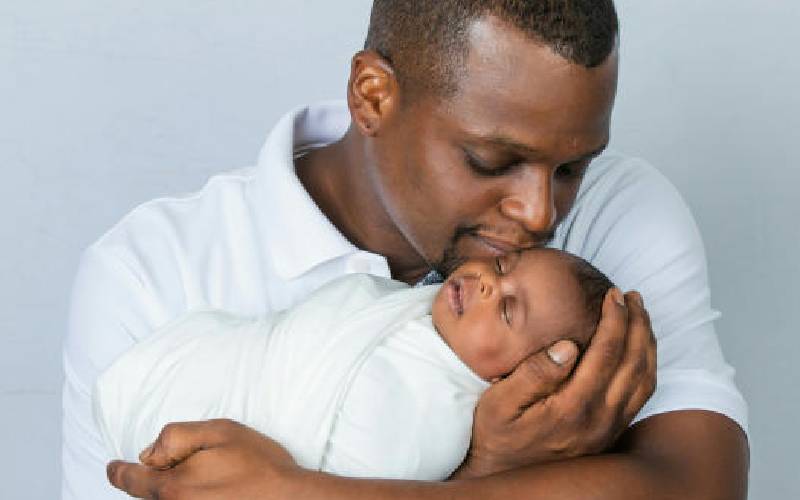
Researchers at Karolinska Institutet in Sweden found that while fathers tend to have fewer mental health diagnoses during pregnancy and the first months after birth, the situation changes significantly later on.
The study analyzed national health data from more than one million fathers whose children were born in Sweden between 2003 and 2021.
The researchers looked at when these men received diagnoses for conditions such as depression and stress‑related disorders, beginning a year before pregnancy and continuing until the child reached one year old.
Surprisingly, the results showed that mental health diagnoses were lower than expected during pregnancy and in the months right after birth, possibly reflecting the emotional high and support that often accompany the early stages of becoming a parent.
However, by the time the baby reached about 12 months old, the trend reversed. Diagnoses linked to depression and stress had risen noticeably by more than 30% compared with the year before pregnancy.
One of the study’s authors, Jing Zhou, a PhD student at the Institute of Environmental Medicine at Karolinska Institutet, commented that the transition to fatherhood involves both positive moments and new pressures.
He explained that sleep disruptions, changes in relationships, and the ongoing responsibilities of caring for a growing child may contribute to increasing emotional strain over time.
The researchers say these findings challenge the assumption that fathers’ mental health is mostly stable after a baby is born.
Instead, the study suggests that the emotional toll may build up gradually, with symptoms becoming more pronounced as fathers continue to juggle work, family life, and other responsibilities.
The study was published in JAMA Network Open, a widely respected medical journal.
The authors hope the research will raise awareness about paternal mental health and encourage better support systems for new fathers not just immediately after birth but throughout the first year of parenting and beyond.
Fatherhood’s mental health toll may hit hardest a year after the baby arrives.
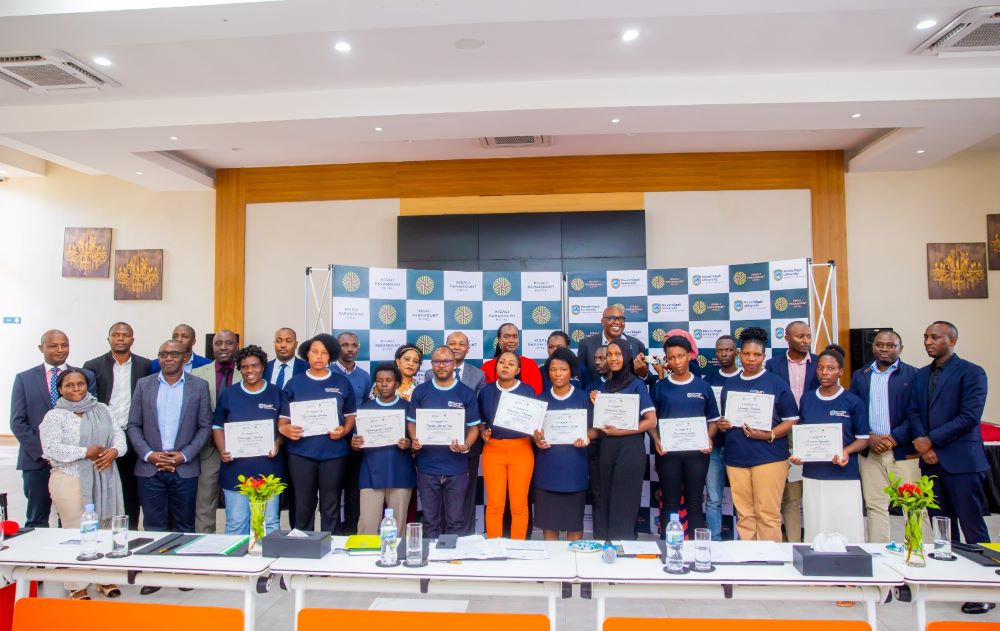
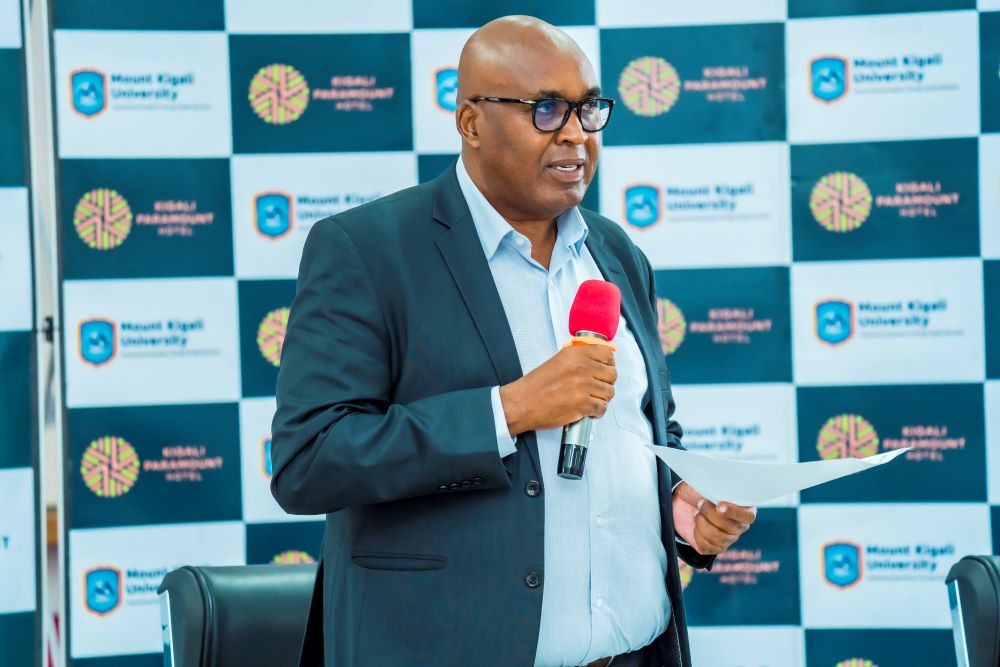
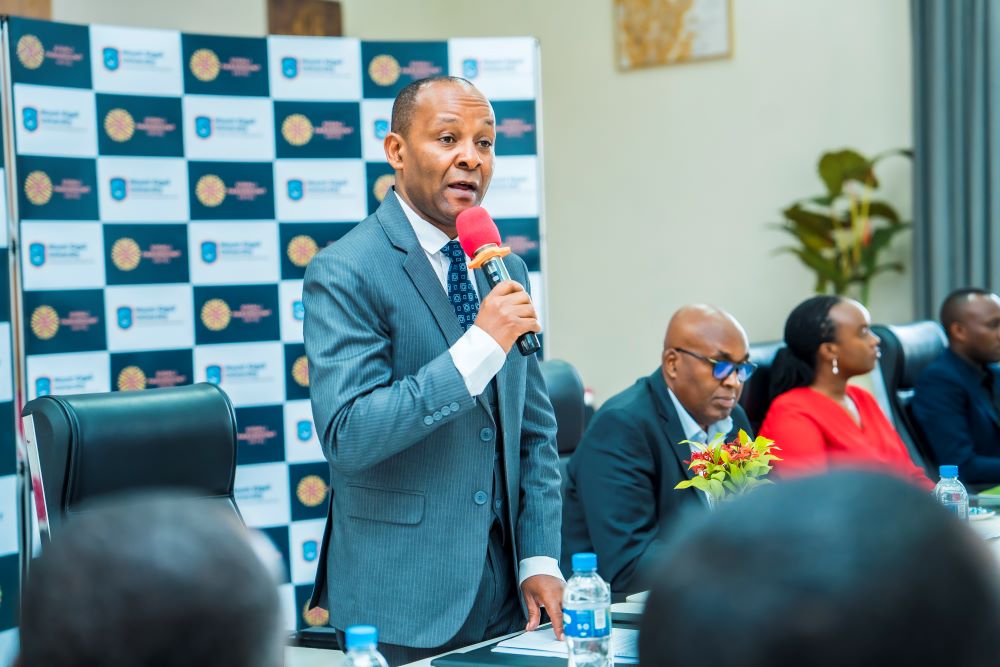
The certification ceremony that took place on On March 25, was presided over by Mount Kigali University founder Prof. Simon Gicharu founder of Mount Kigali University, alongside Imbuto Foundation Director General Elodie Shami.
The training is part of a broader effort to improve the quality of care and education for young children in Rwanda.
Speaking at the event, Prof. Gicharu emphasized the importance of building strong foundations in early childhood, noting that the future of any nation depends on how well it invests in its youngest generation.
He reaffirmed the university’s dedication to supporting continuous professional development for caregivers and educators, highlighting that solving societal challenges requires empowering people with the right skills and mindset.
“As we reflect on our progress, one key issue stands out,” he said. “The challenge is not the presence of problems, but our ability to effectively solve them. We must focus on building solutions and equipping individuals with the capacity to address real-world challenges.”
He further stressed the importance of mission-driven work, collaboration, and innovation in shaping sustainable development, applauding caregivers for their dedication to community service and their lasting impact on families across the country.
Imbuto Foundation Director General, Elodie Shami expressed deep appreciation for the partnership, describing it as transformative and community-centered. She highlighted the critical importance of the first 1,000 days of a child’s life, noting that this period lays the foundation for future health, learning, and productivity.
“Caregivers are at the frontline of this work,” she said. “Their role cannot be overstated. They are central to ensuring that children receive not only education, but also proper care, nutrition, and support.”
She added that investing in Early Childhood Development aligns closely with Rwanda’s national vision for long-term growth, including Vision 2050, which prioritizes human capital development and the creation of a knowledge-based economy.
Mount Kigali University Vice Chancellor, Dr. Martin Kimemia, also commended the graduates, describing the occasion as both a celebration of achievement and a step forward in building resilient communities.
“Today, we celebrate not only your success but also the future you are helping to shape,” he said. “The early years of a child’s life are critical, and through your training, you are now better prepared to guide and support the next generation.”
During the event, Mount Kigali University also extended further support to more than 100 students in the Edified Generation Scholarship Program, which has already assisted more than 400 secondary school students with education costs. The program’s second phase is currently underway, with 200 students having graduated and 200 more progressing through their studies.
The collaboration between Mount Kigali University and Imbuto Foundation spans nine years, making it a long-standing initiative aimed at improving early childhood education and community development.
Over the years, the partnership has supported the establishment of several Early Childhood Development Centres (ECDCs), including projects in Masaka sector and the ongoing development of a new center in Kinyinya.
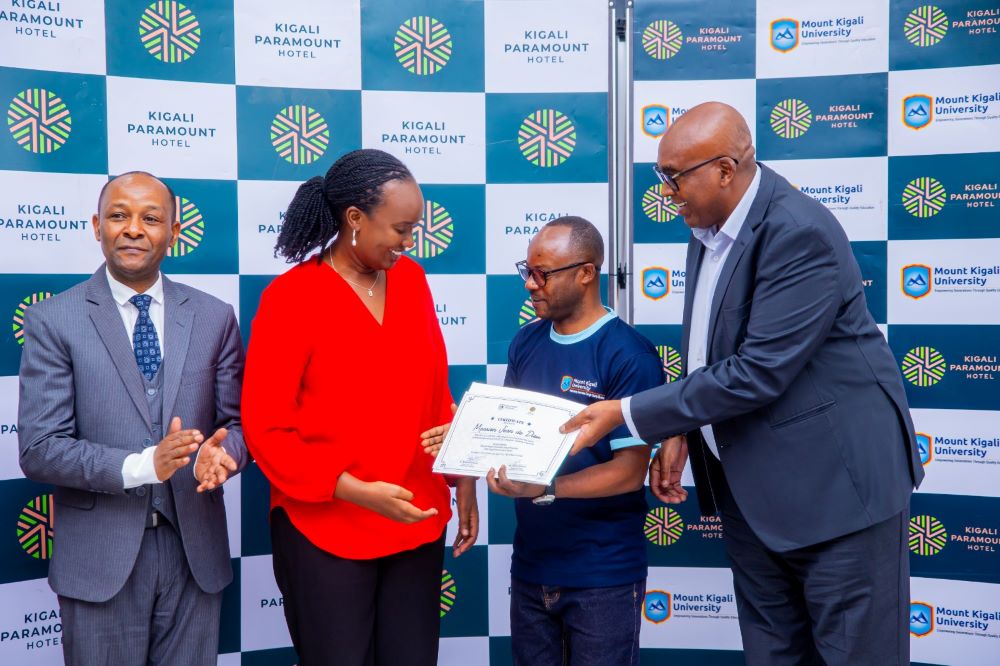
Dr. Martin Kimemia, Elodie Shami and Prof. Simon Gicharu award a certificate to one of the caregivers Prof. Simon Gicharu expressed his commitment to work with Imbuto Foundation on several projects Dr. Martin Kimemia encouraged the trainees to remain committed to excellence, innovation, and adaptability in their work, reminding them of the responsibility they carry in influencing young lives that is placed in their hands at a very critical stage.
“We are concerned about the Houthi missile strikes against Israel earlier today. These attacks risk further expanding the military conflict in the region,” Stephane Dujarric, spokesperson for UN Secretary-General Antonio Guterres, said in a note to correspondents.
“We emphasize that international law, including international humanitarian law as applicable, must be respected by all parties at all times,” he said. “UN Security Council resolution 2768 (2025) and subsequent resolutions related to Houthi attacks against merchant and commercial vessels must be fully respected.”
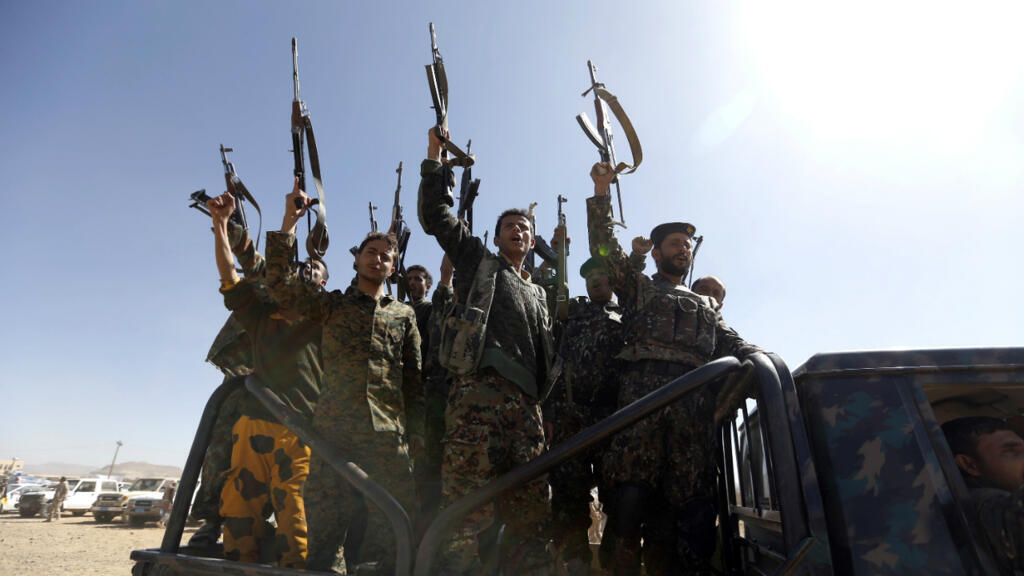
Yemen’s Houthi armed forces said on Saturday that they had launched a barrage of ballistic missiles targeting “sensitive Israeli military sites” in southern Israel, which marked the group’s first such attack since Israel and the United States started massive attacks on Iran a month ago.
The group signaled readiness for further military action, framing its recent military strikes on Israel as “legitimate right” to confront what it called “brutal American-Israeli aggression” against Iran and the wider region.
In a statement, the group’s foreign affairs authority said that its intervention was part of a broader regional strategy tied to Iran, Palestine, Iraq and Lebanon.
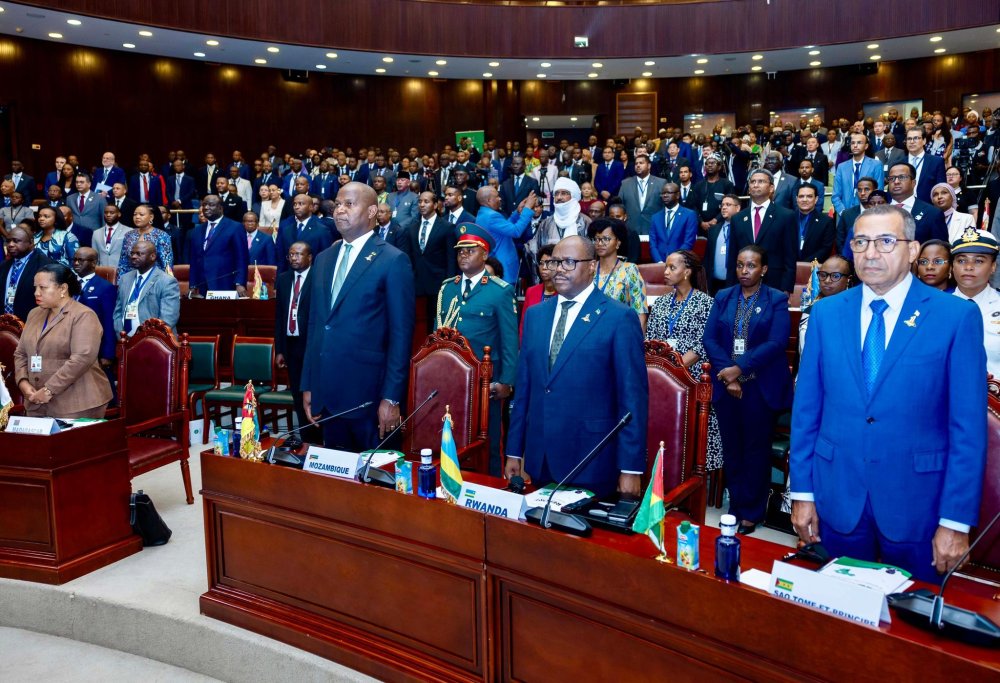
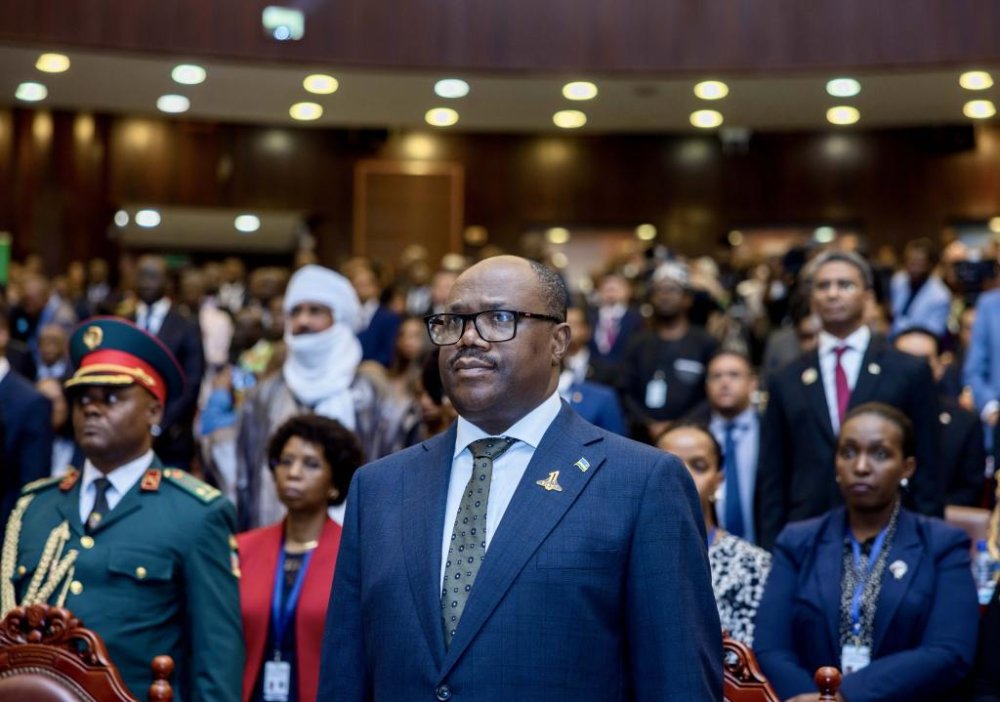
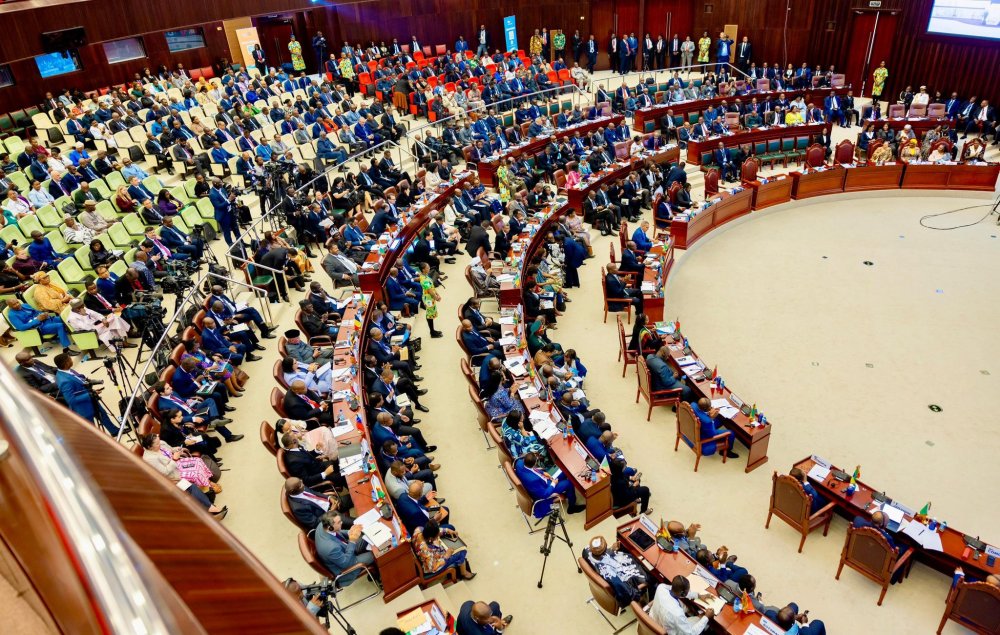
He was speaking on Saturday at the 11th Summit of OACPS in Malabo, Equatorial Guinea where he represented President Paul Kagame.
Dr. Nsengiyumva highlighted the importance of aligning the organization’s financing model with global changes.
“As the global context evolves, it is natural that our approach to financing must also adapt,” he said.
He urged member states to rethink traditional financing approaches and to leverage OACPS as a platform not just for cooperation, but also for investment and economic transformation.
To achieve sustainable financing, Dr. Nsengiyumva outlined three essential priorities for the OACPS.
First, he emphasized the need to strengthen domestic resource mobilization across member states as a foundation for greater financial ownership of the organization. He pointed out that ensuring timely and predictable contributions would be crucial for sustainability.
The second priority was promoting the scale and bankability of regional projects to attract long-term institutional investment. Dr. Nsengiyumva noted that OACPS needs to promote the scale and bankability of projects, particularly at the regional level, as key to attracting long-term and institutional investment.
This, he explained, requires stronger projects, risk mitigation, and coordinated efforts to unlock viable investment opportunities across our countries.
The third priority was deepening partnerships for co-investment, which would involve both traditional and emerging partners in a spirit of mutual benefit and shared responsibility.
Dr. Nsengiyumva also referred to the Samoa Agreement, noting that it provides a valuable framework for supporting sustainable financing efforts.
However, he stressed that its success would depend on member states’ ability to translate commitments into concrete, measurable outcomes. “The impact [of the Samoa Agreement] will depend on our collective ability to translate commitments into concrete and measurable outcomes,” he remarked.
Premier Nsengiyumva also reaffirmed Rwanda’s commitment to timely contributions.
“Rwanda has consistently continued to pay its assessed contributions on time, and Rwanda commits again to continue to honor its commitments and its assessed contributions to this great organisation and that will be done on time,” he stated.
The Organisation of African, Caribbean and Pacific States (OACPS) is a group of countries in Africa, the Caribbean, and the Pacific that was created by the Georgetown Agreement in 1975. Formerly known as African, Caribbean and Pacific Group of States (ACP), the organisation’s main objectives are sustainable development and poverty reduction within its member states, as well as their greater integration into the world’s economy.
Premier Dr. Nsengiyumva has called for sustainable financing at OACPS Summit.Premier Dr. Nsengiyumva represented President Paul Kagame at the summit. The 11th Summit of OACPS took place in Malabo, Equatorial Guinea.
Any potential ground operation would fall short of a full-scale invasion and could instead involve raids by a mixture of Special Operations forces and conventional infantry troops, the newspaper quoted officials as saying on the condition of anonymity.
Such a mission could expose U.S. personnel to an array of threats, including Iranian drones and missiles, ground fire and improvised explosives, the report noted, adding the Trump administration in recent days has vacillated between declaring that the war is winding down and threatening to amplify it.
Discussions within the U.S. administration over the past month have touched upon the possible seizure of Kharg Island, a key Iranian oil export hub in the Persian Gulf, and raids into other coastal areas near the Strait of Hormuz to locate and destroy weapons capable of targeting commercial and military shipping, said officials.
They added that in the past month, 13 U.S. troops have been killed in action, including six in a plane crash in Iraq, six in a drone attack on Port Shuaiba in Kuwait, and one in an attack on Prince Sultan Air Base in Saudi Arabia. More than 300 service members have been wounded by Iranian drones and missiles in retaliatory attacks targeting U.S. facilities in at least seven countries across the Middle East, with at least 10 sustaining serious injuries.
According to The Post, recent polls indicate strong public resistance in the United States to sending combat troops in Iran. A survey conducted by the Associated Press and the National Opinion Research Center at the University of Chicago found that 62 percent of respondents were strongly opposed to deploying ground forces, while only 12 percent were in favor.
The U.S. Central Command (CENTCOM) announced on Saturday that a task force of 3,500 marines and sailors arrived in the Middle East on Friday.
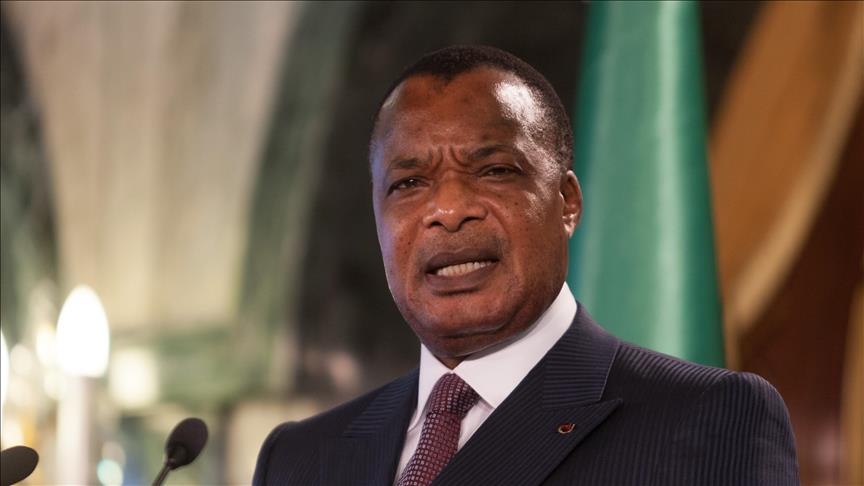
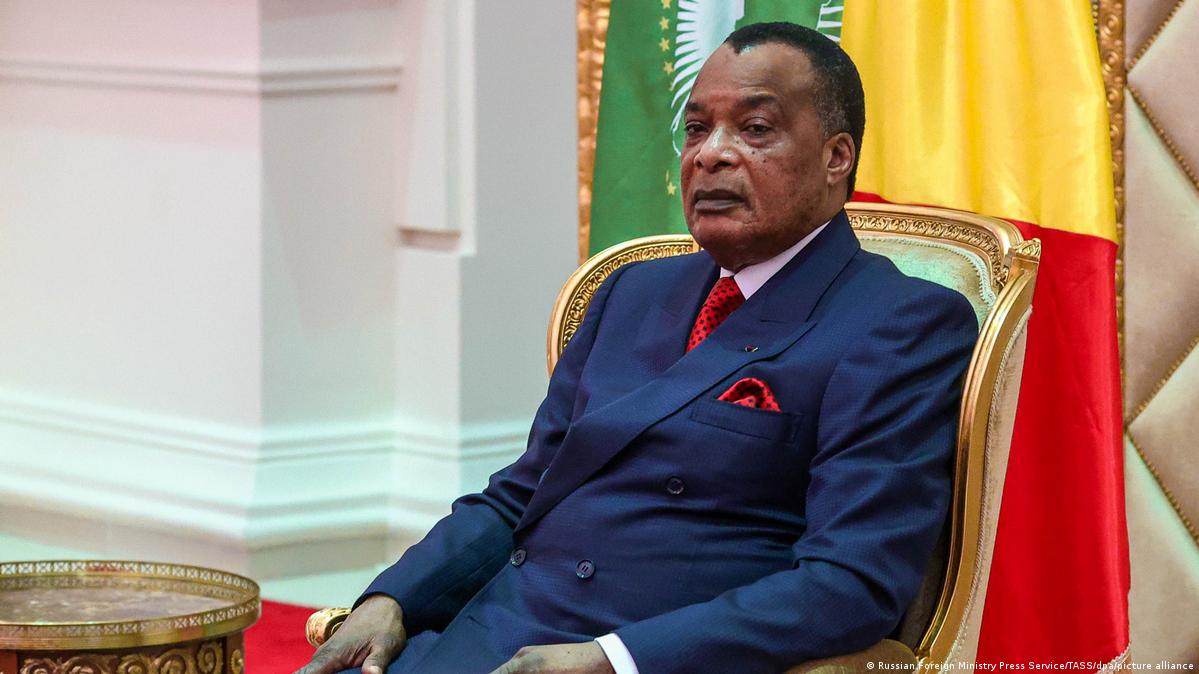
As a result, the provisional results announced on Tuesday, March 17, by the Minister of Interior, Raymond Zephirin Mboulou, on behalf of the National Independent Electoral Commission remain unchanged, officially declaring Denis Sassou Nguesso re-elected as president of the republic for a new five-year term.
Denis Sassou Nguesso, who ran under the banner of the Presidential Majority composed of nearly 20 political parties, competed against six other candidates.
He had secured over 94 percent of the vote in the provisional results released on March 17 by the minister of interior, Raymond Zephirin Mboulou.
Out of an expected electorate of 3,167,909 voters, 2,681,571 cast their ballots, representing a voter turnout of 84.65 percent.
Denis Sassou Nguesso, who ran under the banner of the Presidential Majority composed of nearly 20 political parties, competed against six other candidates.