The night of March 31, 2026, was filled with celebration across the country as the national team defeated Jamaica 1-0, securing a World Cup spot for the first time in 52 years.
Residents in regions under AFC/M23 control, including the city of Goma, also celebrated the victory, demonstrating a sense of shared joy with citizens in other parts of the country, despite being under the rule of opposing factions.
On April 5, 2026, during festivities in Kinshasa honoring the team and thanking the players for their achievement, President Tshisekedi noted that the happiness of people in the eastern regions reinforced his confidence in reclaiming these areas.
He stated, “You saw the footage—there is joy in these territories controlled by the enemy, and we will reclaim them soon because of these forces, because of this momentum.”
The Head of State expressed optimism about regaining the regions, even as AFC/M23 maintained that it had no plans to relinquish control and warned that any government attacks would be dealt with.
Whenever the Congolese government has tried to retake lost areas, AFC/M23 has countered effectively, often seizing additional territory.
The international community has emphasized political negotiations as the only viable solution to halt the conflict, but President Tshisekedi has remained adamant.
There are reports that peace talks between the DRC government and AFC/M23 could resume in April 2026, though not in Doha, Qatar, due to the ongoing conflict in the Middle East; suggesting the venue may be moved to Switzerland.
President Tshisekedi noted that the happiness of people in the eastern regions reinforced his confidence in reclaiming AFC/M23 controlled areas.
Recognizing this problem, researchers at Tufts University have developed a new approach that could transform how AI systems are designed and used, making them both much more energy efficient and significantly smarter.
Traditional AI systems, like the large language models many people are familiar with, learn by processing vast amounts of data through trial and error. This method works, but it requires huge amounts of computing power, which translates into high energy demands and large carbon footprints.
To address this, the Tufts research team focused on combining the strengths of two different types of AI reasoning: neural networks (which learn patterns from data) and symbolic reasoning (which uses explicit logic and rules).
The result is called neuro‑symbolic AI, a hybrid system that mimics how humans think by breaking problems down into meaningful rules while still learning from experience. In practical tests, including classic problem‑solving tasks like the Tower of Hanoi puzzle, the neuro‑symbolic AI outperformed more traditional systems.
It solved complex problems more accurately and did so with far less energy. In one example, the new AI used only 1 % of the energy required by a conventional system while still achieving a 95 % success rate in solving difficult tasks.
This breakthrough has wide‑ranging implications. For robotics and visual‑language‑action systems which combine perception and physical movement the energy savings could make real‑world applications far more practical and affordable. The researchers say that by making AI thinking more structured and logical, systems don’t need to rely as heavily on brute‑force data processing, which is a major source of inefficiency in today’s models.
The development of more efficient AI is not only important for reducing environmental impact, but also for promoting broader access to advanced technology.
As AI continues to influence medicine, transportation, education, and industry, making these systems less energy‑intensive could help ensure they are both sustainable and widely available. This new research points toward a future where AI innovations are not just powerful, but also environmentally and economically responsible.
AI breakthrough cuts energy use by 100x while boosting accuracy.
For decades, vast regions of the Arctic have remained permanently frozen, trapping organic material in the soil that built up over millennia.
This frozen soil layer known as permafrost has acted like a natural vault, keeping carbon safely stored away. But as global temperatures rise, that permafrost is melting deeper and for longer periods each year.
Scientists from the University of Massachusetts Amherst analyzed nearly 44 years of detailed climate and runoff data from northern Alaska, an area roughly the size of the U.S. state of Wisconsin.
What they found was striking: as the warming season extends into late summer and fall, more water flows through Arctic rivers and carries larger amounts of dissolved ancient carbon out to the ocean.
This matters because once that carbon reaches the ocean, some of it is converted into carbon dioxide (CO₂) , a potent greenhouse gas that traps heat in the atmosphere.
With more carbon being released from thawing permafrost, the planet could experience an amplifying feedback loop, where warming leads to more thawing, which releases more carbon, and so on.
The scientists also pointed out that Arctic rivers play a uniquely large role in the Earth’s freshwater system, delivering about 11 % of the world’s river water into the ocean despite the Arctic holding only a small percentage of the global ocean volume.
This means changes in the Arctic water cycle can have outsized effects far beyond the polar regions.
To achieve such detailed results, researchers used a sophisticated computer model called the Permafrost Water Balance Model, which simulates snowmelt, thaw depth, and river runoff at very high resolution.
This allowed them to track how both water and ancient carbon mobilize under changing climate conditions.
According to the study, unless warming trends slow, Arctic landscapes will continue shifting dramatically over the coming decades.
Increased thawing could not only impact carbon release, but also alter ecosystems, river patterns, and coastal environments in ways that scientists are just beginning to understand.
A massive arctic thaw is unleashing carbon frozen for thousands of years.
Each year, new structures rise across the country, accompanied by ambitious real estate developments designed to meet the demands of a modern urban population.
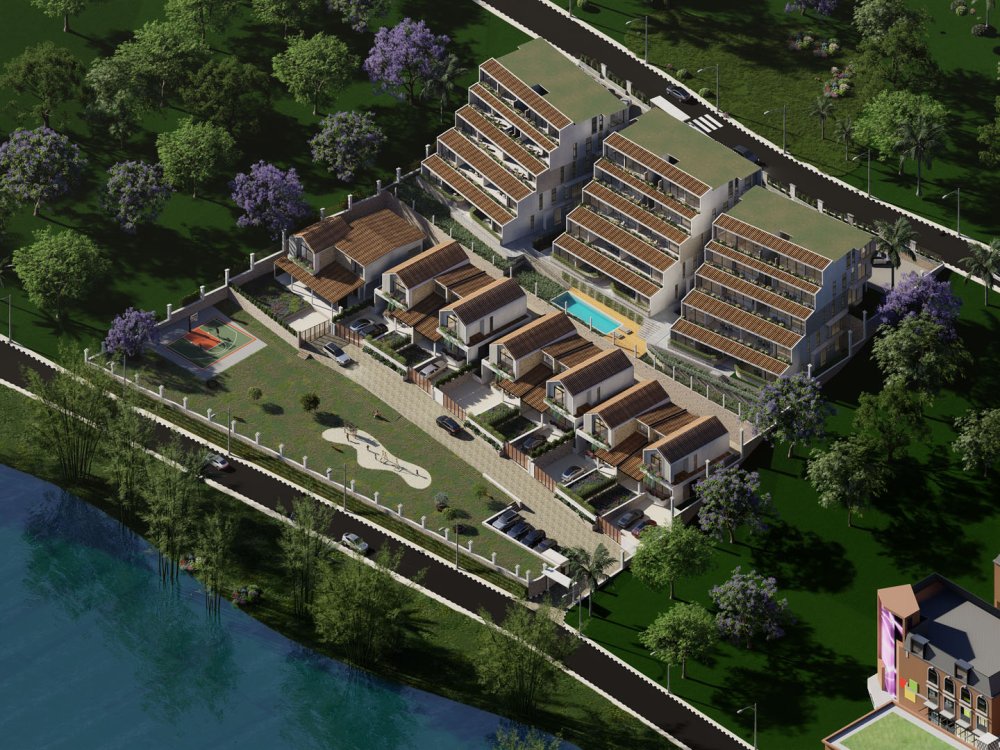
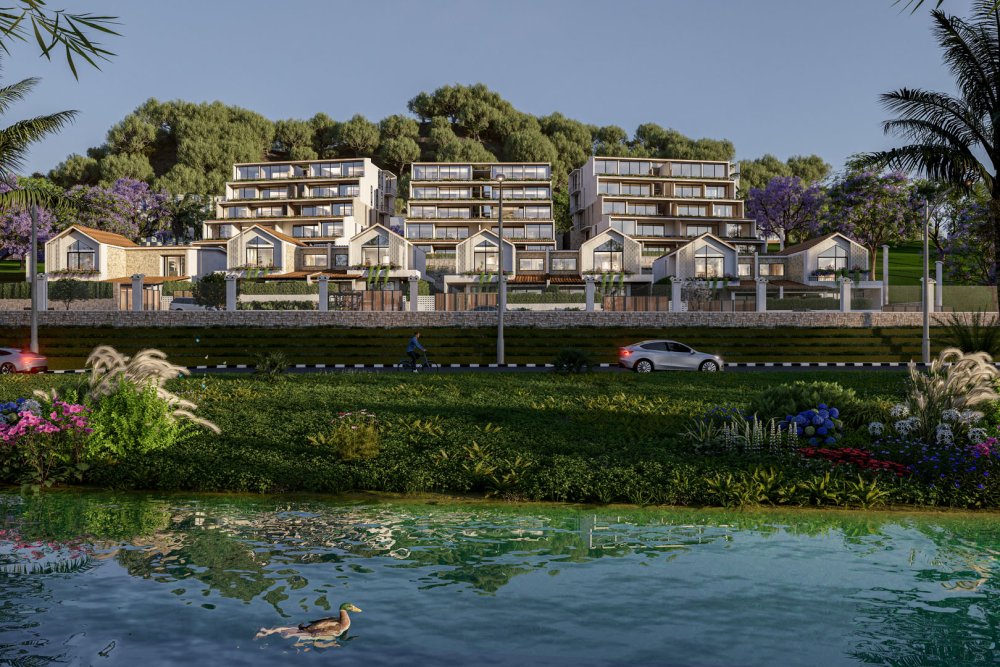
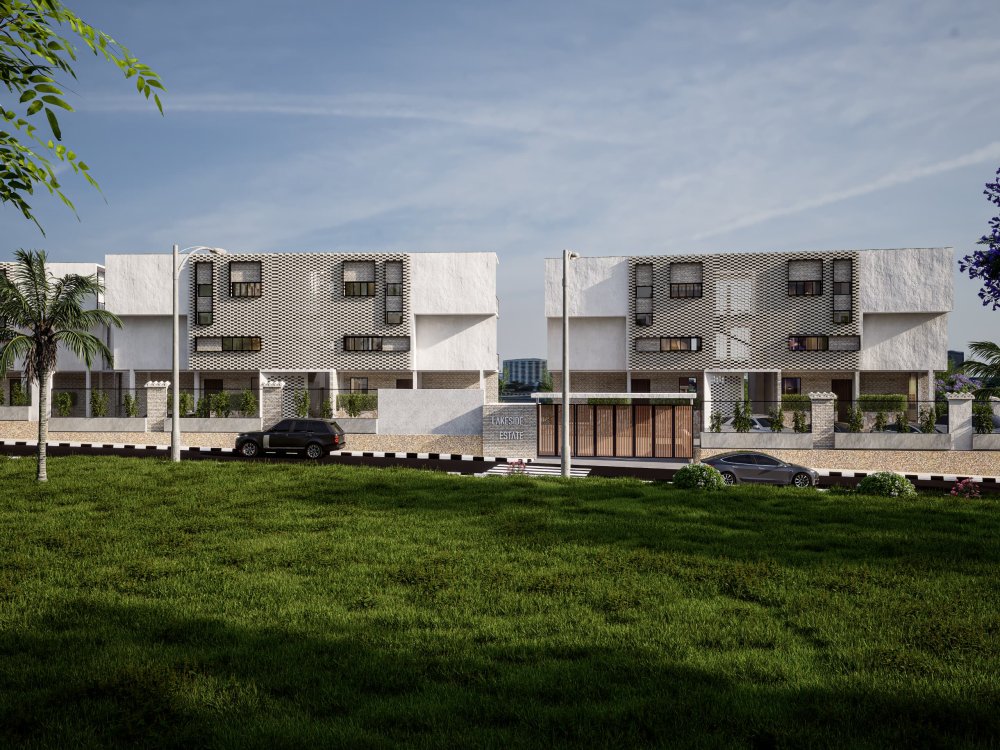
Among the most anticipated of these is Lakeside Residence, a contemporary housing project taking shape in Kacyiru, Gasabo District, near the former La Colombière School.
Developed by Nile Concept, a Rwandan firm with a solid reputation in construction and engineering, Lakeside Residence represents the company’s expansion into property development.
Known for its expertise in civil and geotechnical engineering, as well as the renovation of residential and commercial buildings, Nile Concept is now channeling its experience into building and selling modern homes tailored to Kigali’s evolving lifestyle.
The project brings together two types of residences: standalone villas and apartment units, all set on an 8,000-square-meter site.
The villas, which number seven, are designed as spacious two-level homes that combine comfort with functionality. On the ground floor, each villa features a large living room, a well-designed kitchen with storage space, and a guest bedroom with its own bathroom.
This level also opens onto a generous veranda, offering a seamless connection between indoor and outdoor living. Upstairs, the layout includes a master bedroom with an en-suite bathroom, along with two additional bedrooms, creating a well-balanced living space suitable for families.
In total, each villa offers four bedrooms, three bathrooms, and ample living and dining areas, complemented by verandas on both levels. Outside, each home is equipped with parking space for two vehicles and a private garden, adding to the sense of exclusivity and comfort.
Beyond the villas, the development also includes 30 apartment units designed to suit different needs. These apartments are available in two configurations, offering either two or three bedrooms, each with a thoughtfully arranged interior that includes a kitchen, bathrooms, and a living area. The design emphasizes both functionality and modern aesthetics, ensuring residents enjoy a comfortable and practical living environment.
What truly sets Lakeside Residence apart is not only its design but also the level of technical precision behind its construction. Nile Concept has applied its specialized knowledge in geotechnical engineering to prepare the site thoroughly before building began.
This process involved stabilizing the soil, implementing advanced drainage systems to manage rainwater and underground water, and reinforcing the land to prevent risks such as erosion or structural instability.
These measures ensure that the homes are protected from common issues like moisture damage or ground shifting, offering long-term durability and safety.
Architecturally, the project draws inspiration from the Mediterranean style, widely recognized in countries such as Spain, Italy, and Greece.
This approach is characterized by tiled roofs, timeless design elements, and interiors that maximize natural light, creating bright and inviting spaces. The result is a harmonious blend of elegance and practicality that stands out within Kigali’s growing urban landscape.
The location of Lakeside Residence further enhances its appeal. Situated in Kacyiru, the development offers convenient access to some of Kigali’s key landmarks and infrastructure, including the Nyarutarama Golf Course, the Kigali Convention Centre, and the city center. It is also close to a rehabilitated wetland that is being transformed into a public park, adding a natural and recreational dimension to the living experience.
According to Claudine Bagwire, the Commercial Manager at Nile Concept, the project was carefully designed with accessibility and convenience in mind, ensuring that residents can easily connect to essential services and amenities across the city.
She also noted that construction is progressing steadily, with the villas expected to be completed by July 2026, followed by the apartments in December of the same year.
As construction advances, some of the units have already been introduced to the market, signaling strong interest from prospective homeowners and investors.
The decision was announced following a virtual meeting attended by Saudi Arabia, Russia, Iraq, the United Arab Emirates, Kuwait, Kazakhstan, Algeria, and Oman, which reviewed global market conditions and outlook.
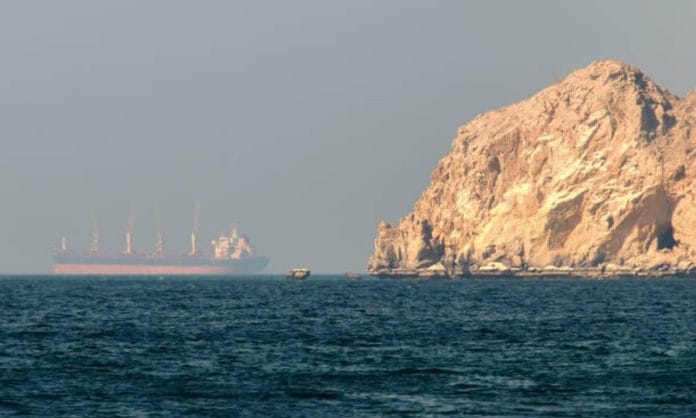
Amid the ongoing military conflict in the Middle East, the eight OPEC+ countries underscored the critical importance of safeguarding international maritime routes to ensure the free flow of energy supplies.
The eight countries also expressed concern over attacks on energy infrastructure, which harmed the overall supply availability. They stressed that it is both costly and takes a long time to restore damaged energy assets to full capacity.
They are scheduled to meet again on May 3 to make further decisions.
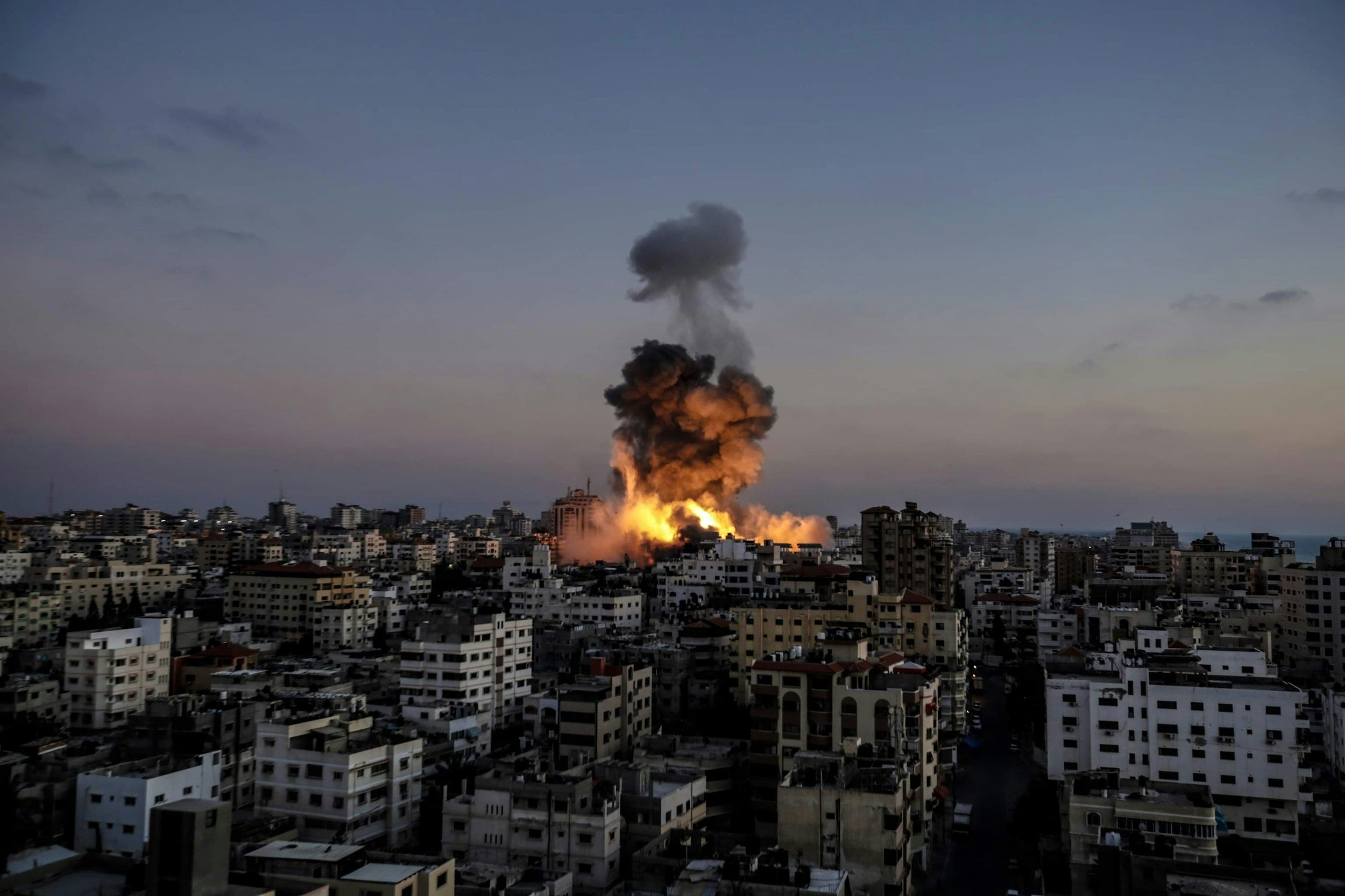
Since the U.S.-Israeli strikes on Iran beginning Feb. 28, the conflict in the Middle East has severely disrupted regional energy flows, with crude oil and refined product shipments declining significantly.
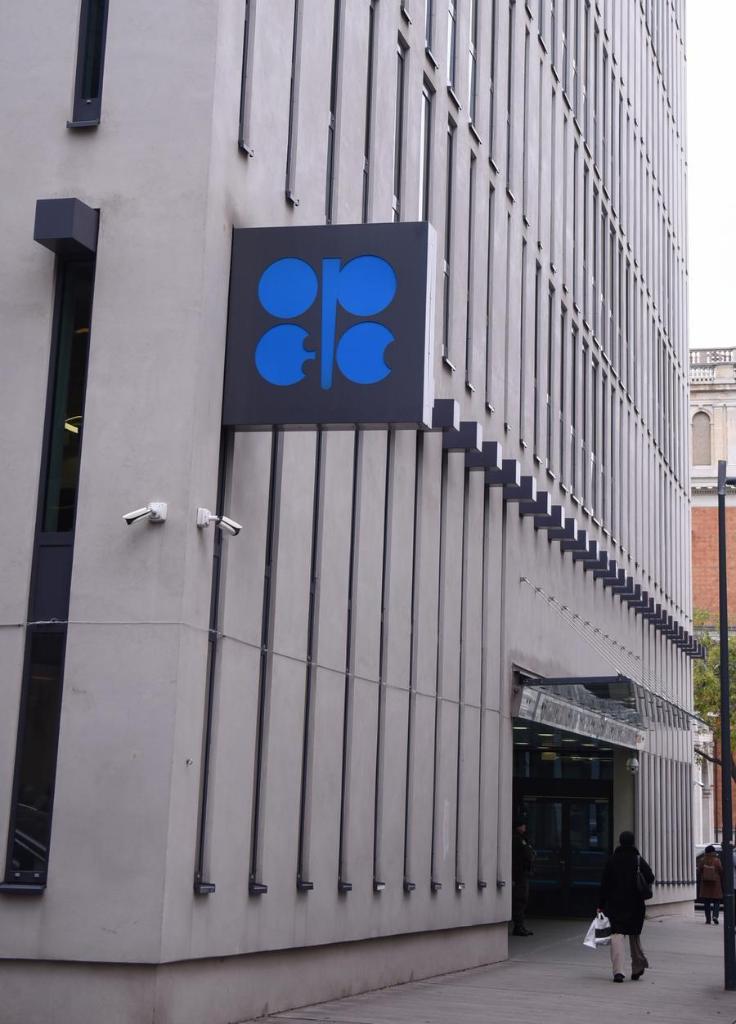
Photo taken on Nov. 30, 2023 shows the headquarters of the Organization of the Petroleum Exporting Countries (OPEC) in Vienna, Austria. (Xinhua/He Canling)
In a joint policy brief issued Saturday, the AU, the United Nations (UN) Economic Commission for Africa, the African Development Bank, and the UN Development Program warned that the longer the conflict lasts and the more severe the disruption on shipping routes, energy, and fertilizer supplies, the greater the risk of a significant growth slowdown across Africa.
With most African countries still growing at rates below the pre-COVID time, the brief projected a loss in output growth of 0.2 percentage points on Africa’s gross domestic product for 2026 if the conflict exceeds six months.
The organizations stressed that the conflict, which has already triggered a trade shock, could quickly become “a cost-of-living crisis” through higher fuel and food prices. Rising shipping costs, insurance premiums, exchange rate pressures, and tighter fiscal conditions could further compound the crisis, with vulnerable households bearing the heaviest burden.
The Middle East accounts for 15.8 percent of Africa’s imports and 10.9 percent of exports, which highlights the critical implications of the current situation for African economies, according to the brief.
Highlighting that the fertilizer channel may prove more consequential than oil shocks for some countries, the brief noted that disruptions to Gulf liquid natural gas supply would affect ammonia and urea production, raising fertilizer costs during the crucial March-to-May planting season.
It warned that the phenomenon will put further upward pressure on food prices and hit vulnerable households hardest, with significant negative impacts on food security in Africa.
Expressing concern over potential geopolitical spillover effects that could reshape Africa’s security, it also warned that a wider conflict could intensify competition for influence in Africa, with regional conflicts in Sudan, Somalia, and Libya already reflecting external sponsorship.
The brief emphasized the importance of strengthening energy security, safeguarding and restoring fiscal space, accelerating the implementation of the African Continental Free Trade Area, and establishing financial safety nets across Africa as essential strategies for building resilience.
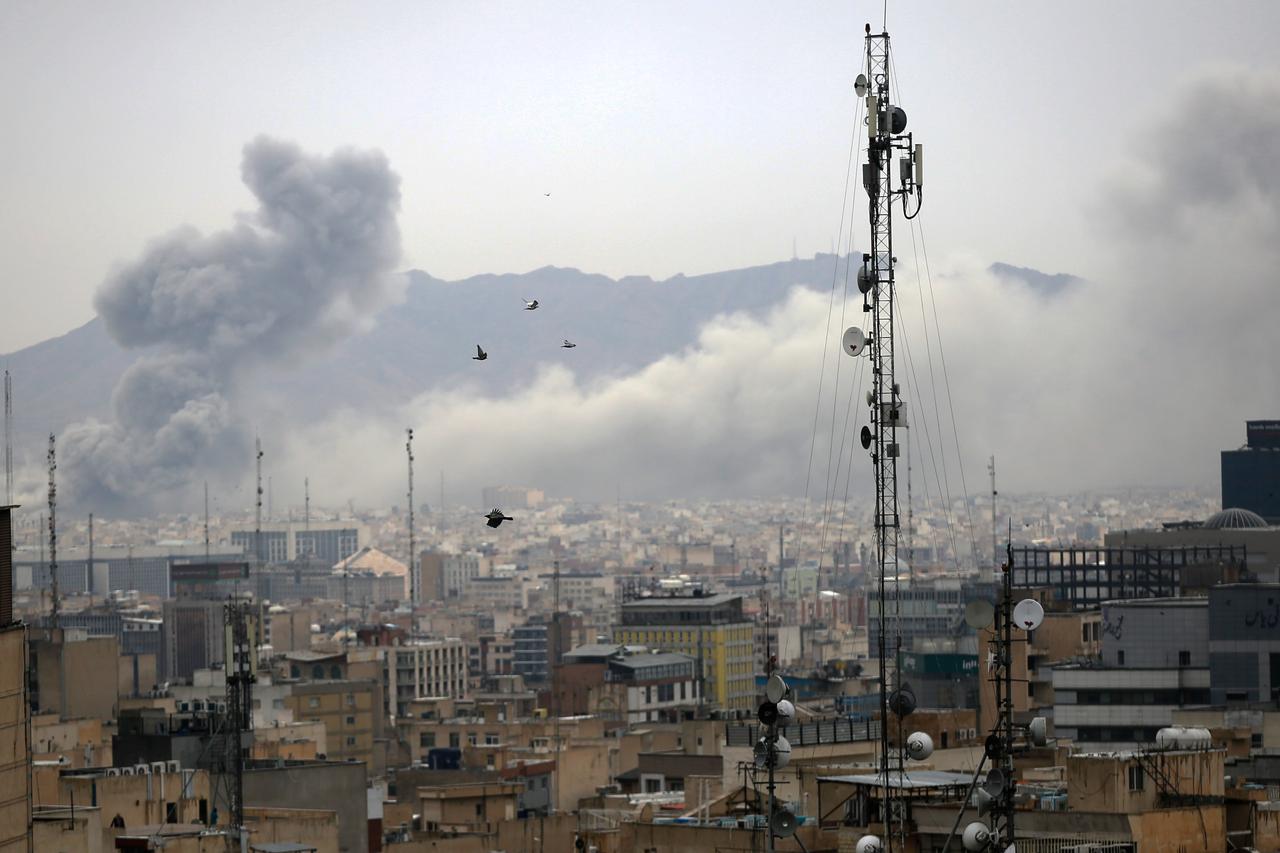
Smoke rises after airstrikes in Tehran, Iran on March 13, 2026. (AA Photo)
Making public the cabinet decisions, Minister for Education, Science and Technology Sasmit Pokharel said the decision of holidays on Saturday and Sunday will be enforced with immediate effect. Nepal has been practicing a one-day weekend on Saturdays.
He also informed that the cabinet has decided to prepare laws necessary to facilitate conversions of fossil fuel vehicles into electric vehicles.
The Nepali government on Sunday decided to introduce two-day weekly holidays in the government offices and academic institutions in a measure to counter disruptions in petroleum supplies.
On March 21, Trump threatened to “hit and obliterate” Iranian power plants if the country fails to fully open the strait within 48 hours. Two days later, he postponed strikes on power plants for five days, claiming to have held “productive conversations” with Tehran.
On March 26, Trump again pushed the deadline back, saying that he will pause planned strikes on Iranian energy facilities for 10 days, to April 6, the upcoming Monday at 8 p.m. Eastern Time. On Saturday, Trump reaffirmed that Iran has 48 hours to strike a deal on opening up the strait or face “Hell.”
However, in the post on Sunday, Trump appeared to hint at extending the deadline for Iran to reopen the strait for another time.
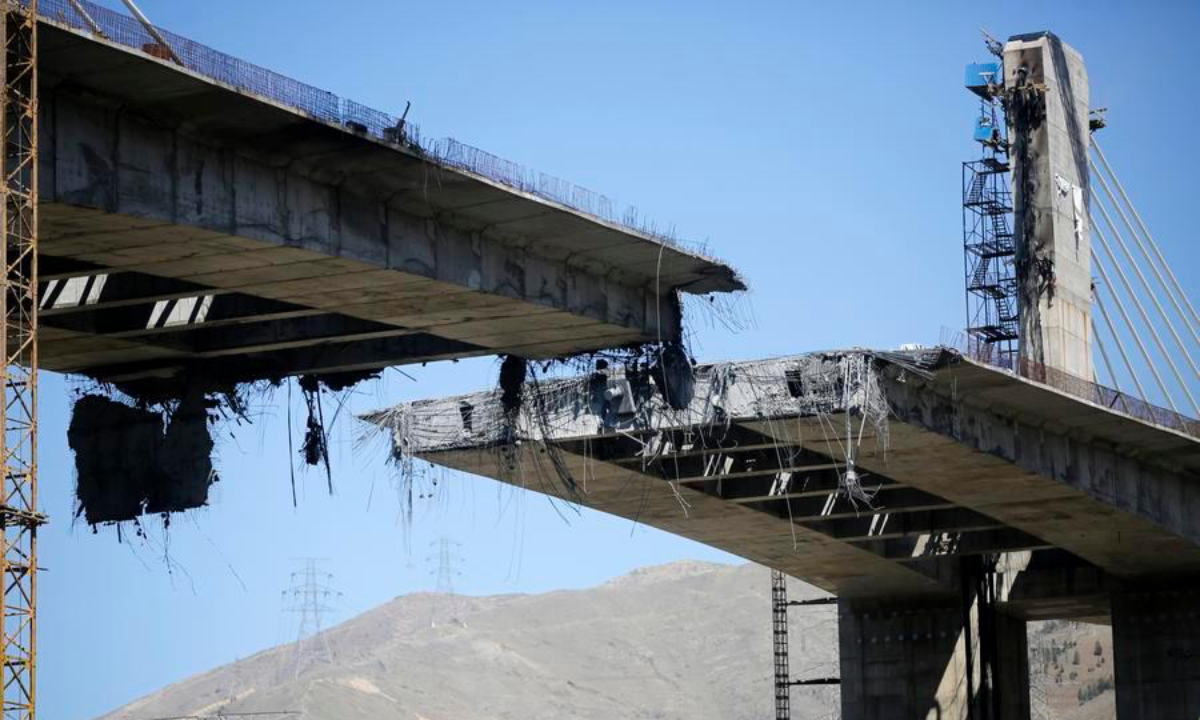
In a post earlier Sunday, the U.S. president threatened that Tuesday would be “Power Plant Day, and Bridge Day, all wrapped up in one” for Iran, and again urged Iran to open the Strait of Hormuz.
In an interview with The Wall Street Journal on Sunday, Trump threatened to destroy all of Iran’s power plants if the country’s leaders don’t agree to reopen the strait by Tuesday evening.
“If they don’t come through, if they want to keep it closed, they’re going to lose every power plant and every other plant they have in the whole country,” Trump said.
In a phone interview with Fox, Trump said that a deal to end the conflict in Iran could be reached by Monday.
However, Trump’s optimism does not seem to be echoed by the other side. Iran has rejected a U.S. proposal for a 48-hour ceasefire, which was recently sent through one of its “friendly countries,” the semi-official Fars news agency reported Friday, citing a source.
In a post earlier Sunday, the U.S. president threatened that Tuesday would be “Power Plant Day, and Bridge Day, all wrapped up in one” for Iran, and again urged Iran to open the Strait of Hormuz.
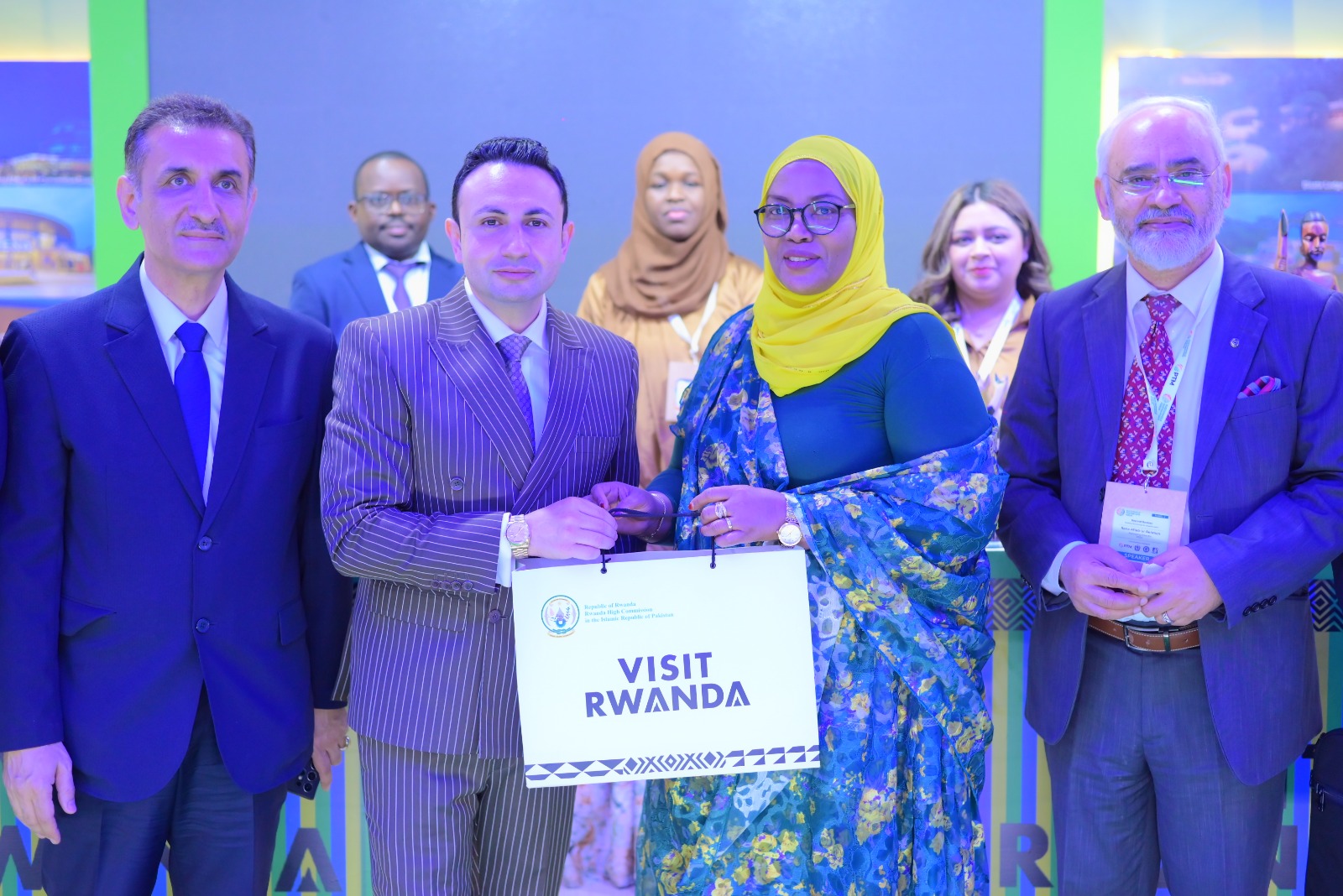
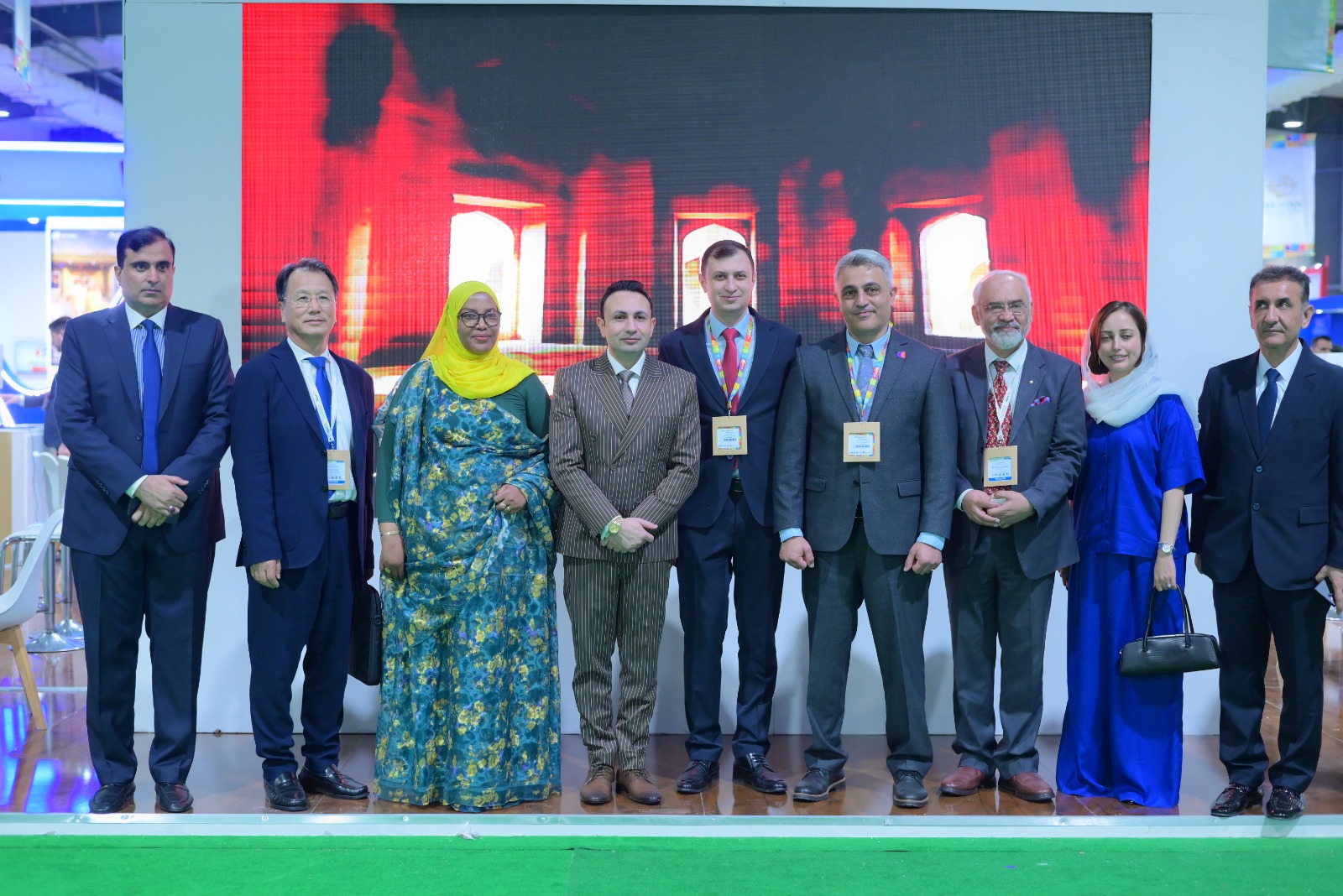
The expo officially opened on April 3, 2026, and was inaugurated by the Governor of Karachi, Nehal Hashmi, alongside Rwanda’s High Commissioner to Pakistan, Fatou Harelimana, and other officials.
The event has brought together major international tourism stakeholders as well as local Pakistani companies, with the aim of strengthening partnerships and promoting the development of the tourism sector.
At the exhibition, Rwanda is showcasing its top tourist destinations and positioning itself as an attractive hub for investment and business in Africa.
Visitors to the Rwandan stall are being introduced to some of the country’s most iconic sites, including Nyungwe National Park, Akagera National Park, and Lake Kivu, among others.
Several high-profile Pakistani officials, including Sardar Yasir Ilyas, National Coordinator to the Prime Minister on Tourism, and Aftab ur Rehman Rana, Director of Pakistan Tourism Development Corporation, visited Rwanda’s stand.
According to the High Commission of Rwanda in Pakistan, the officials expressed appreciation for Rwanda’s progress in the tourism sector and showed strong interest in the country’s business and investment opportunities.
This expo is considered the largest tourism event in Pakistan, bringing together key players such as tour operators, airlines, hotels, and other stakeholders in the travel industry.
In 2024, Rwanda generated $647 million in revenue from tourism, underlining the sector’s growing contribution to the national economy.
The expo officially opened on April 3, 2026, and was inaugurated by the Governor of Karachi, Nehal Hashmi, alongside Rwanda’s High Commissioner to Pakistan, Fatou Harelimana, and other officials.Rwanda is showcasing unique tourism offerings and growing trade opportunities at Pakistan Travel Mart 2026.
He called on private investors to take advantage of the growing business opportunities linked to this increase.
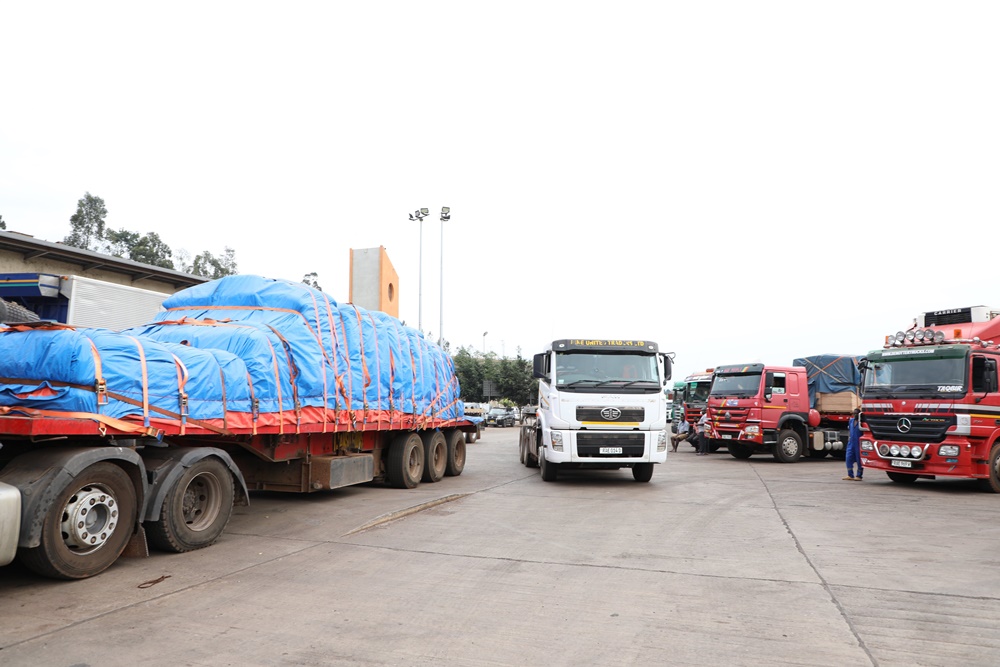
Located in Kirehe District along Rwanda’s border with Tanzania, Rusumo is the country’s busiest and most strategic crossing point for imports. Over the past three years, daily truck traffic has doubled, reflecting the growing volume of goods entering Rwanda.
Rangira noted that three years ago, the border handled between 300 and 400 heavy trucks per day, but that figure has now surpassed 600. He projected that within the next three years, daily traffic could reach as many as 1,000 trucks. He emphasized the need for the private sector to invest in supporting infrastructure, including parking facilities and other services required by truck drivers and logistics operators.
“One of the biggest opportunities Kirehe District has is its location on the borders with Tanzania and Burundi, particularly along the busy corridor from the Port of Dar es Salaam,” he said.
“We encourage private investors to capitalize on these opportunities. There is a need for expanded parking, as the number of trucks continues to grow. There is also an opportunity to build more storage facilities here, as not all trucks need to offload their cargo in Kigali.”
The First Vice Chairperson of the Private Sector Federation (PSF) in Eastern Province, Gakuba Francis, said that during their recent district visits, they observed the increase in truck traffic at Rusumo and pledged to work closely with investors to maximize these opportunities.
“We were informed that about 700 trucks enter through the border daily. When you see such numbers and are told that parking space is already insufficient, it becomes clear that expansion is necessary, and this is something we are considering,” he said.
Rwanda and Tanzania maintain strong trade relations, with Rwanda heavily relying on the Port of Dar es Salaam for imports. A significant portion of goods entering the country, particularly petroleum products, comes through Tanzania.
It is estimated that Rwanda imports at least 60 million liters of petroleum products each month, most of which are sourced via Tanzania. This is largely because Dar es Salaam hosts major fuel storage facilities supplied by countries such as Saudi Arabia.
Another advantage is the flexible payment arrangements offered by Tanzanian traders, who often allow Rwandan importers to pay after delivery, unlike in Kenya, where upfront payment is typically required.
In the fourth quarter of 2023, Rwanda imported goods worth $228.26 million from Tanzania, second only to imports from China, which totaled $328.17 million.
In addition, the Port of Dar es Salaam is closer to Rwanda than the Port of Mombasa, making it a more efficient route. Transport via Dar es Salaam takes approximately 90 hours, compared to about 180 hours from Mombasa to Kigali.
Located in Kirehe District along Rwanda’s border with Tanzania, Rusumo is the country’s busiest and most strategic crossing point for imports.